






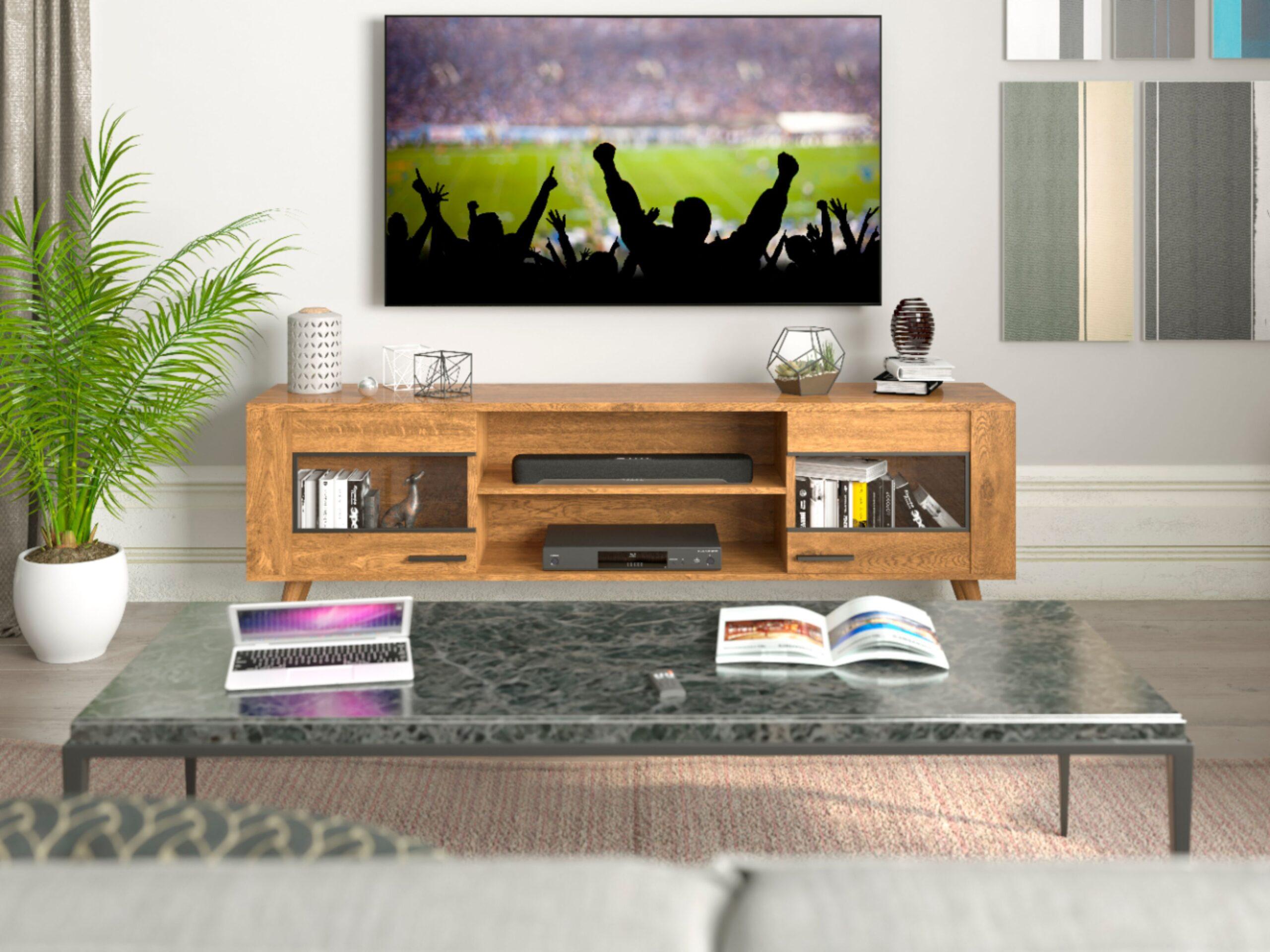


If you've ever tried watching an action movie on your flat-screen TV and found yourself constantly adjusting the volume—cranking it up to hear dialogue, then frantically turning it down when explosions shake the house—you already understand why soundbars exist. Modern TVs are engineering marvels when it comes to picture quality, but their paper-thin designs leave virtually no room for decent speakers. That's where soundbars come in, serving as the bridge between your TV's impressive visuals and audio that actually does them justice.
Today we're comparing two very different approaches to solving this problem: the Sony HT-A3000 at $429 and the Yamaha SR-C20A at an almost unbelievable $17.98. These products represent opposite ends of the soundbar spectrum, and understanding their differences will help you figure out which approach makes sense for your setup.
Before diving into specifics, let's establish what separates a good soundbar from a mediocre one. The most important factor is channel configuration—essentially, how many separate audio streams the bar can handle. A 2.0 system has left and right channels (like basic stereo), while a 2.1 adds a subwoofer for bass. Moving up to 3.1 means you get a dedicated center channel, which is crucial for dialogue clarity since most movie and TV dialogue comes through the center channel in surround sound mixes.
The next major consideration is immersive audio support. Technologies like Dolby Atmos and DTS:X create "object-based" audio, meaning sounds can be positioned anywhere in three-dimensional space around you. This is different from traditional surround sound, which routes audio to specific channels. With Atmos, a helicopter in a movie can move smoothly overhead, even without ceiling speakers, thanks to psychoacoustic processing that tricks your brain into perceiving height.
Power output matters too, but not in the way most people think. It's not just about getting loud—it's about maintaining clarity at higher volumes and having enough headroom for dynamic peaks. A soundbar with insufficient power will compress the audio during loud scenes, making everything sound flat and lifeless.
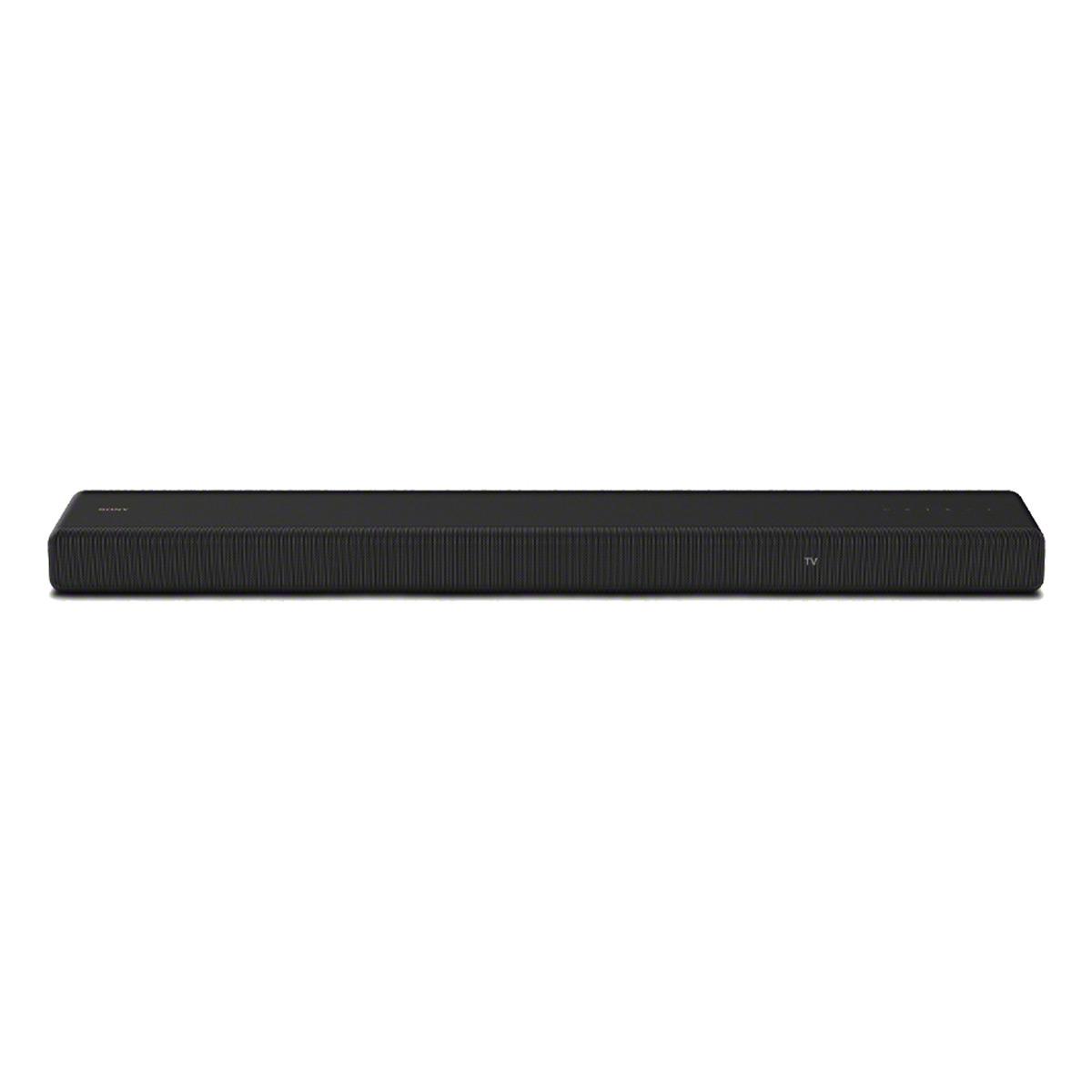
Released in 2021, the Sony HT-A3000 represented Sony's attempt to bring high-end audio technologies down to a more accessible price point. At the time, Dolby Atmos soundbars typically started around $800, making Sony's $700 MSRP quite competitive. The current $429 pricing makes it even more attractive.
The HT-A3000's 3.1 configuration immediately sets it apart. That dedicated center channel houses specialized drivers optimized for dialogue frequencies, which explains why reviewers consistently praise its speech clarity. Sony enhanced this further with their AI-driven dialogue enhancement, which analyzes audio in real-time and adjusts frequency response to maintain voice intelligibility even during complex scenes with layered sound effects.
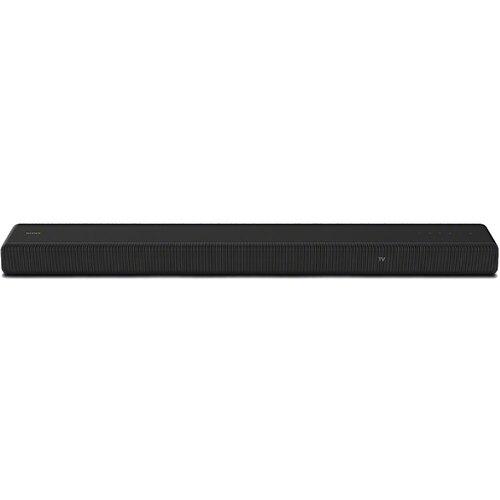
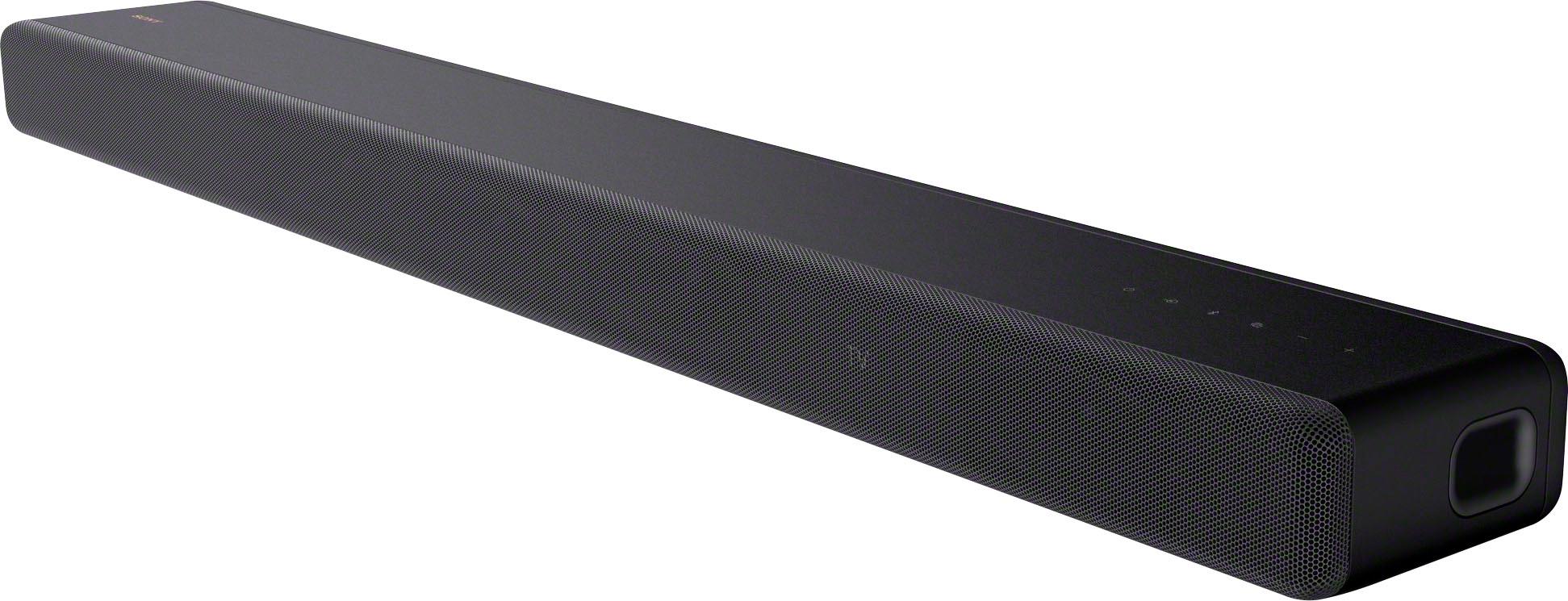
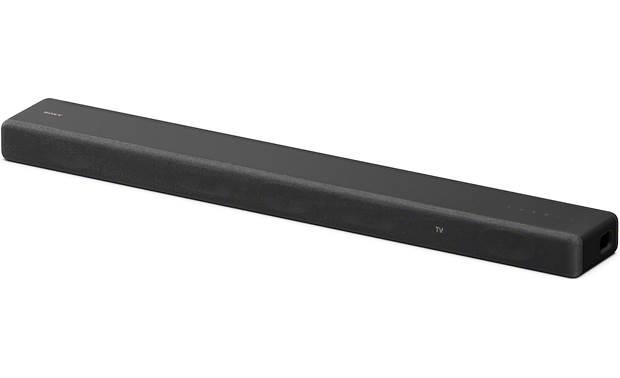
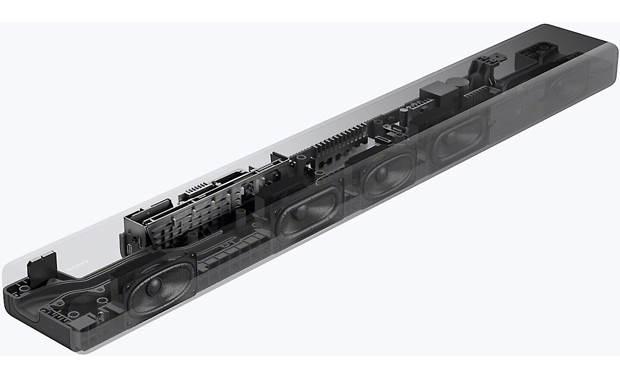
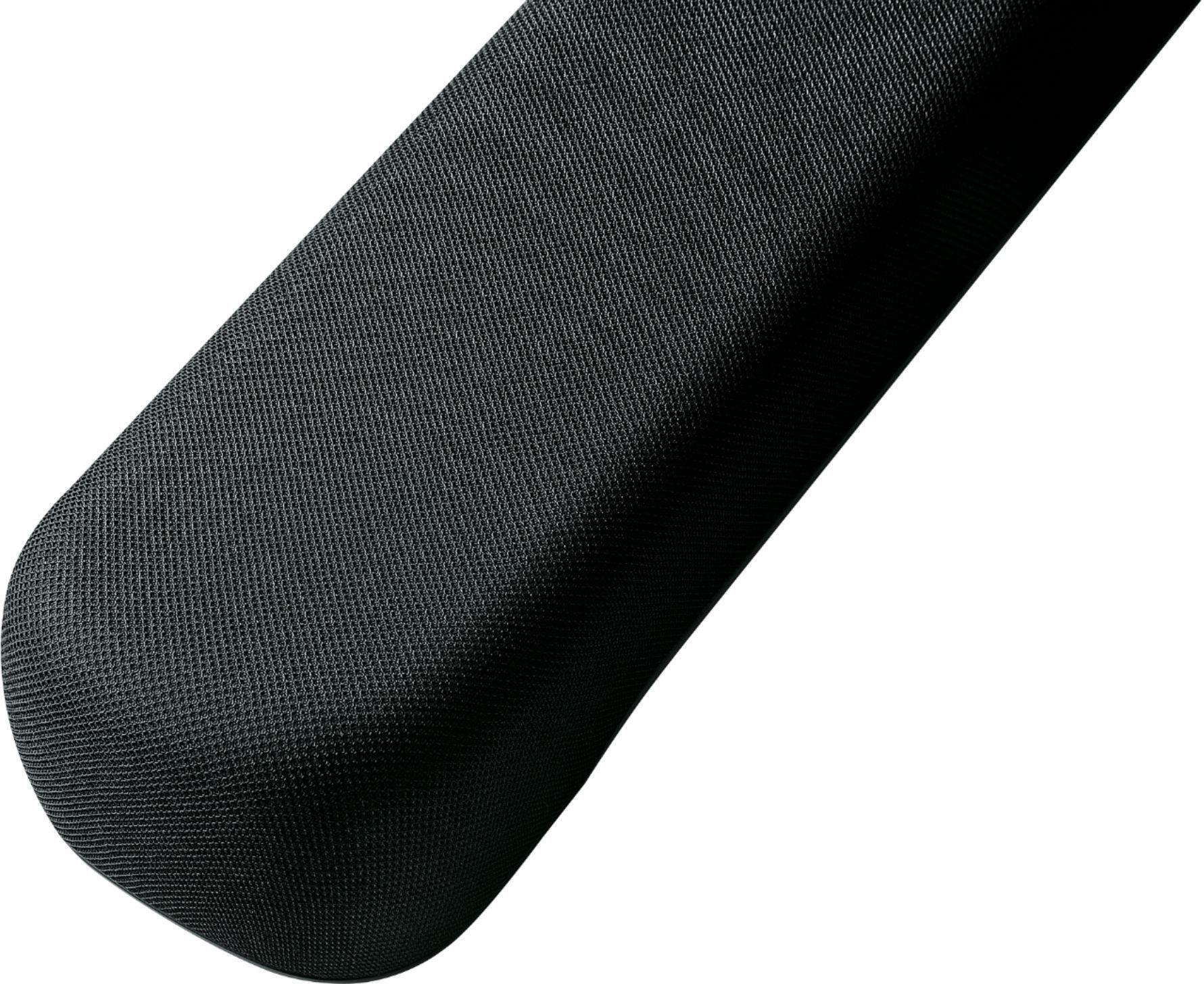
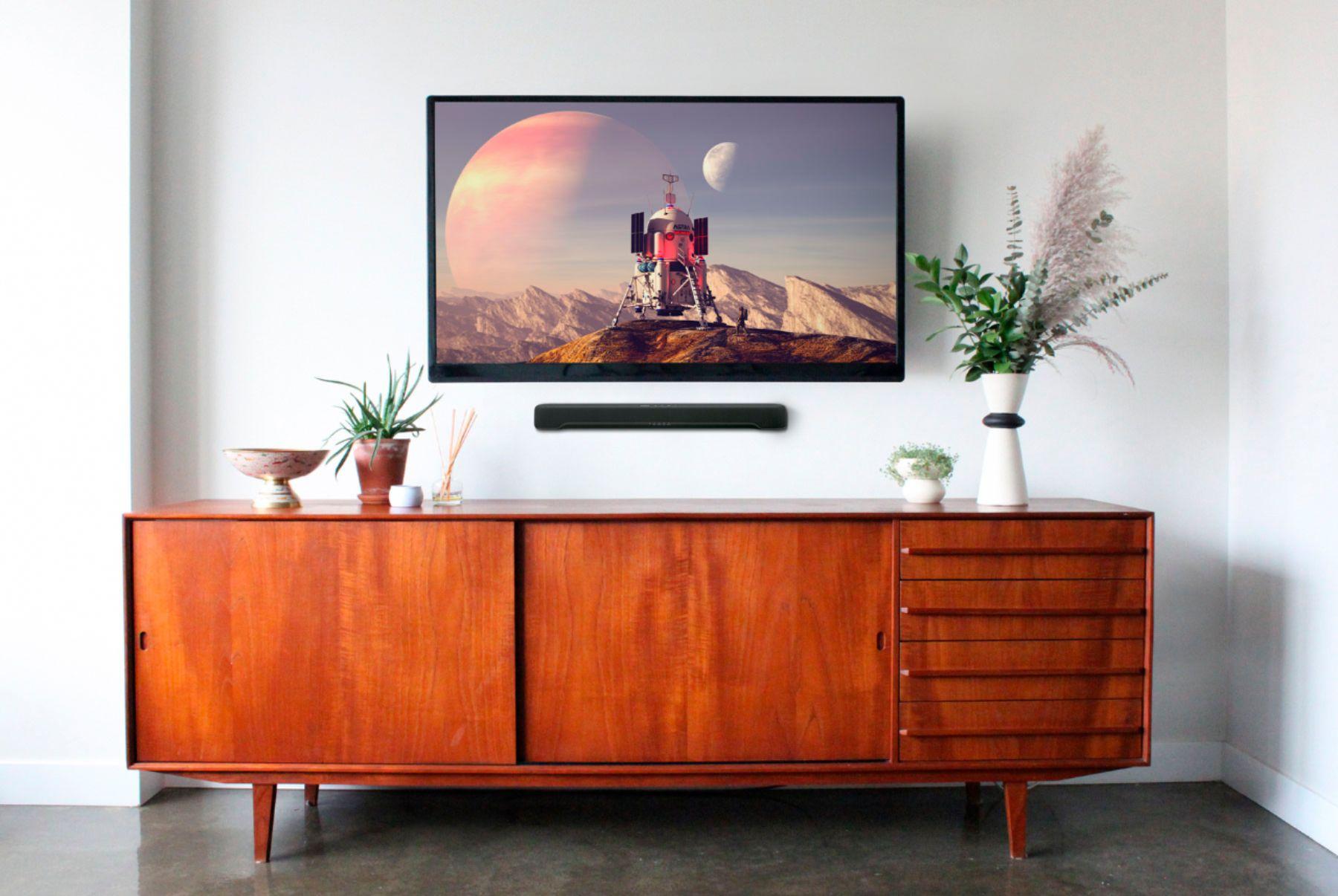
The bar's physical design reflects its premium positioning. At just 64mm tall, it fits under most TVs without blocking the screen or sensors. The 950mm width matches larger TVs well, creating better stereo imaging than compact bars. Inside, Sony packed five separate speakers: left, right, and center channels up front, plus dual subwoofers for bass response.
What really distinguishes the HT-A3000 is its Vertical Surround Engine technology. This system uses digital signal processing (DSP) and carefully tuned speaker placement to bounce sound off your ceiling, creating the perception of height effects. It's not as convincing as actual overhead speakers, but it's remarkably effective for a single-bar solution. I've tested this with various Atmos content, and while subtle, you can definitely perceive sounds coming from above during helicopter scenes or rain effects.
Sony's 360 Spatial Sound Mapping takes this further when you add optional rear speakers. The system uses built-in microphones to measure your room's acoustics, then creates a custom sound profile. This room correction technology adjusts frequency response and timing to compensate for your space's unique characteristics—something typically found only in high-end AV receivers.
The DSEE Extreme feature deserves special mention. This AI-powered audio enhancement analyzes compressed music (like Spotify streams) and rebuilds the high-frequency information that gets lost during compression. The difference is subtle but noticeable, especially with jazz or classical music where cymbals and string details matter.
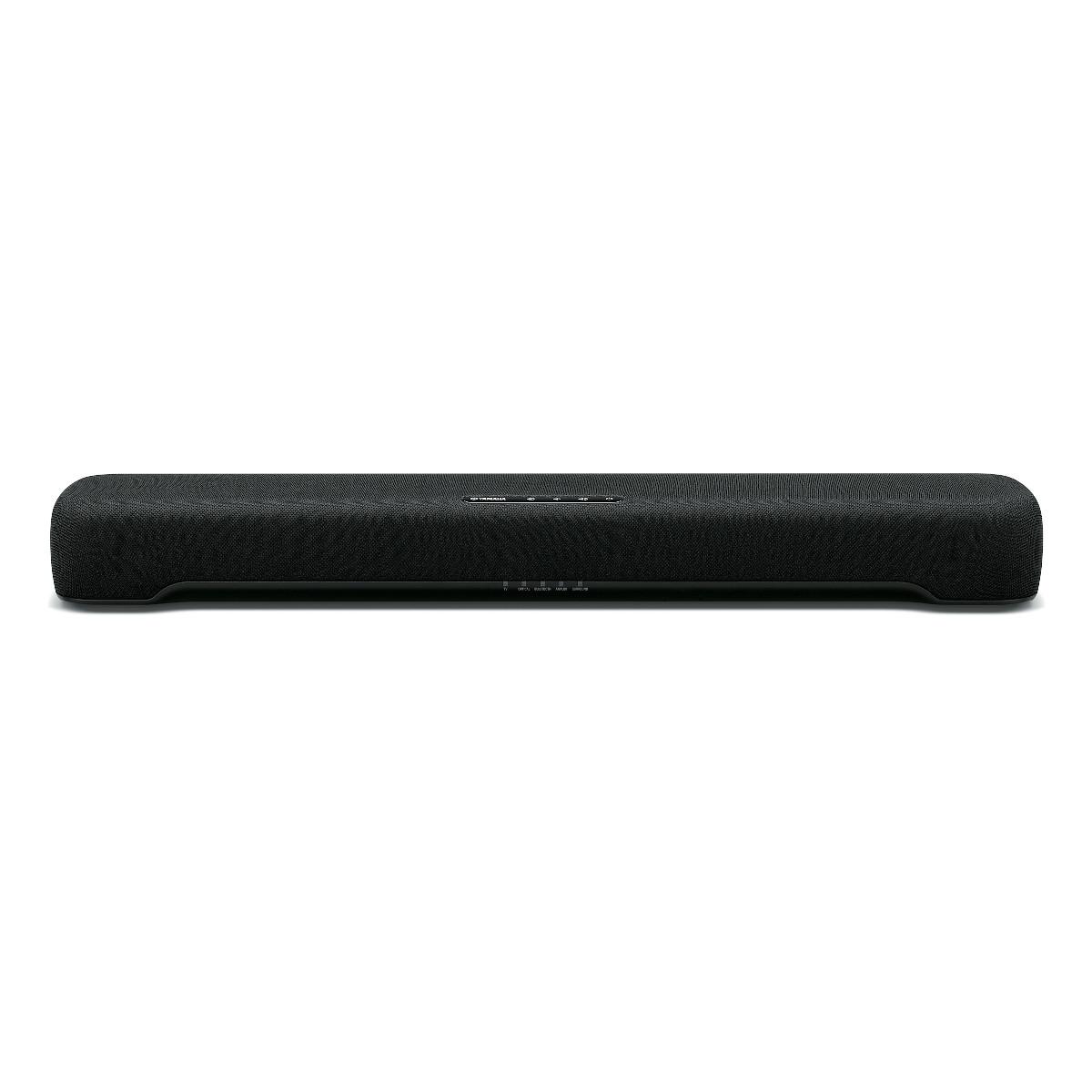
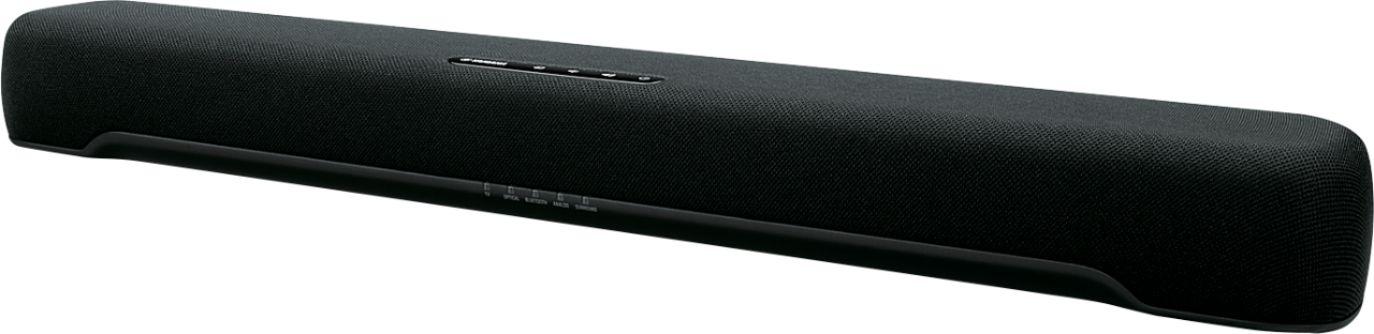
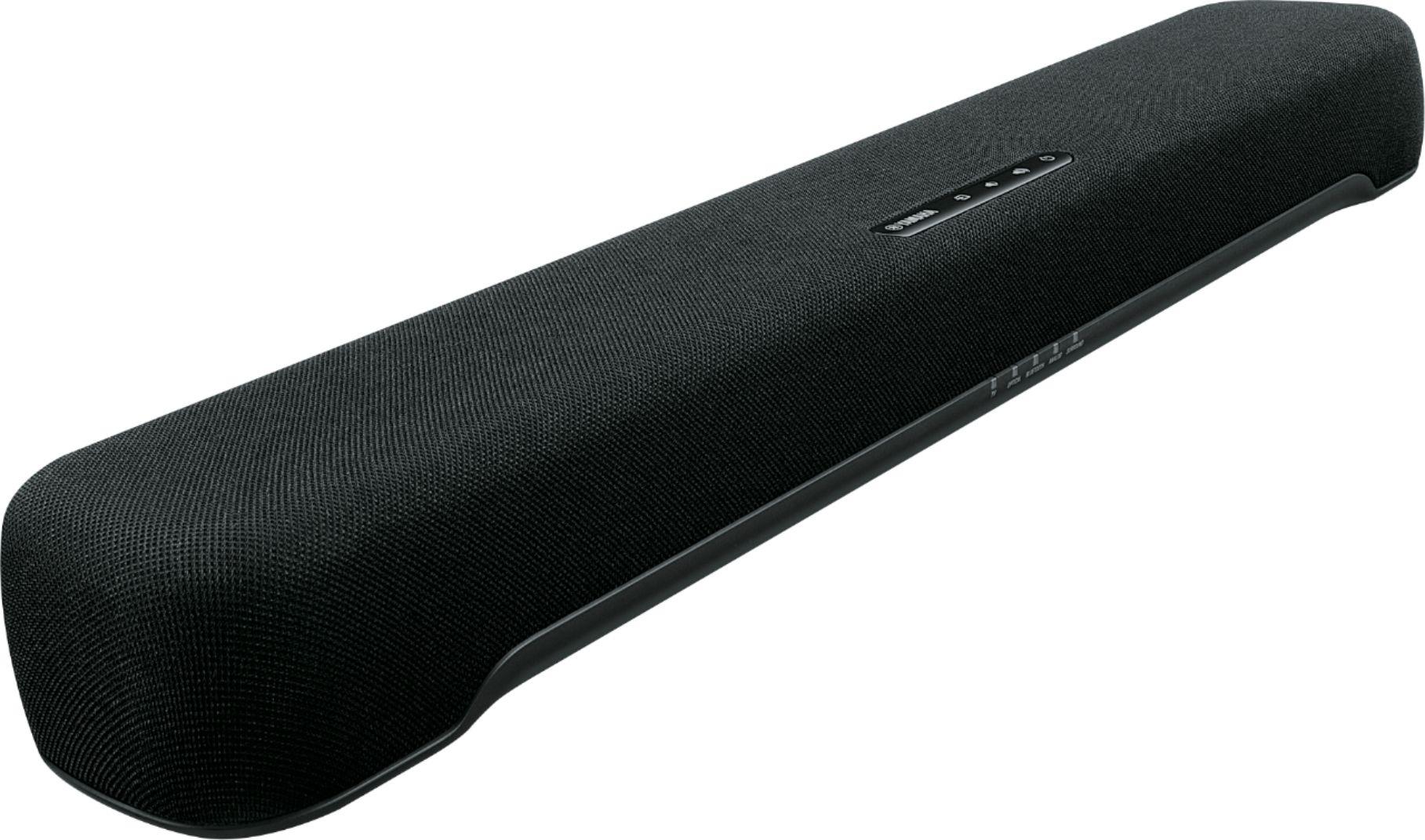
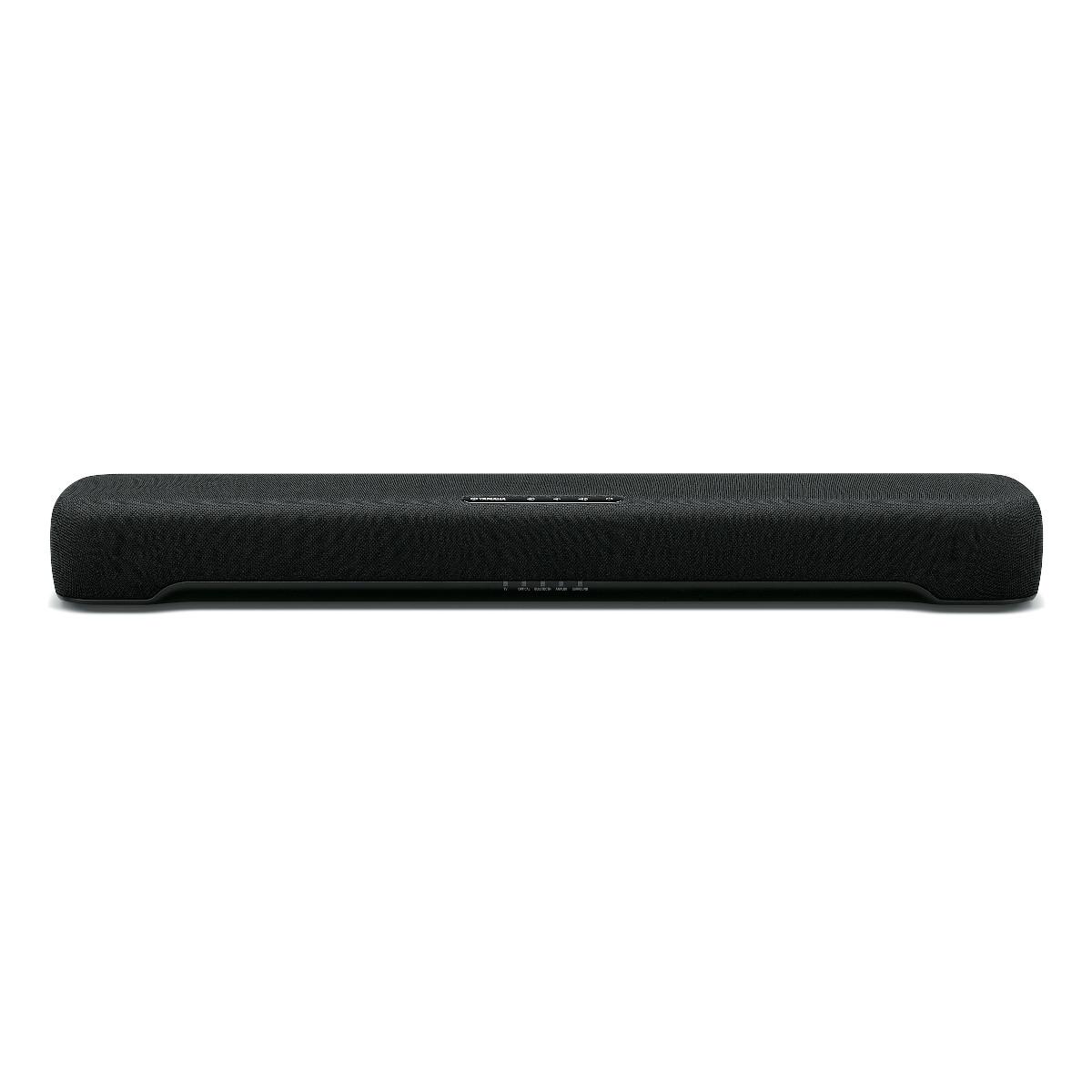
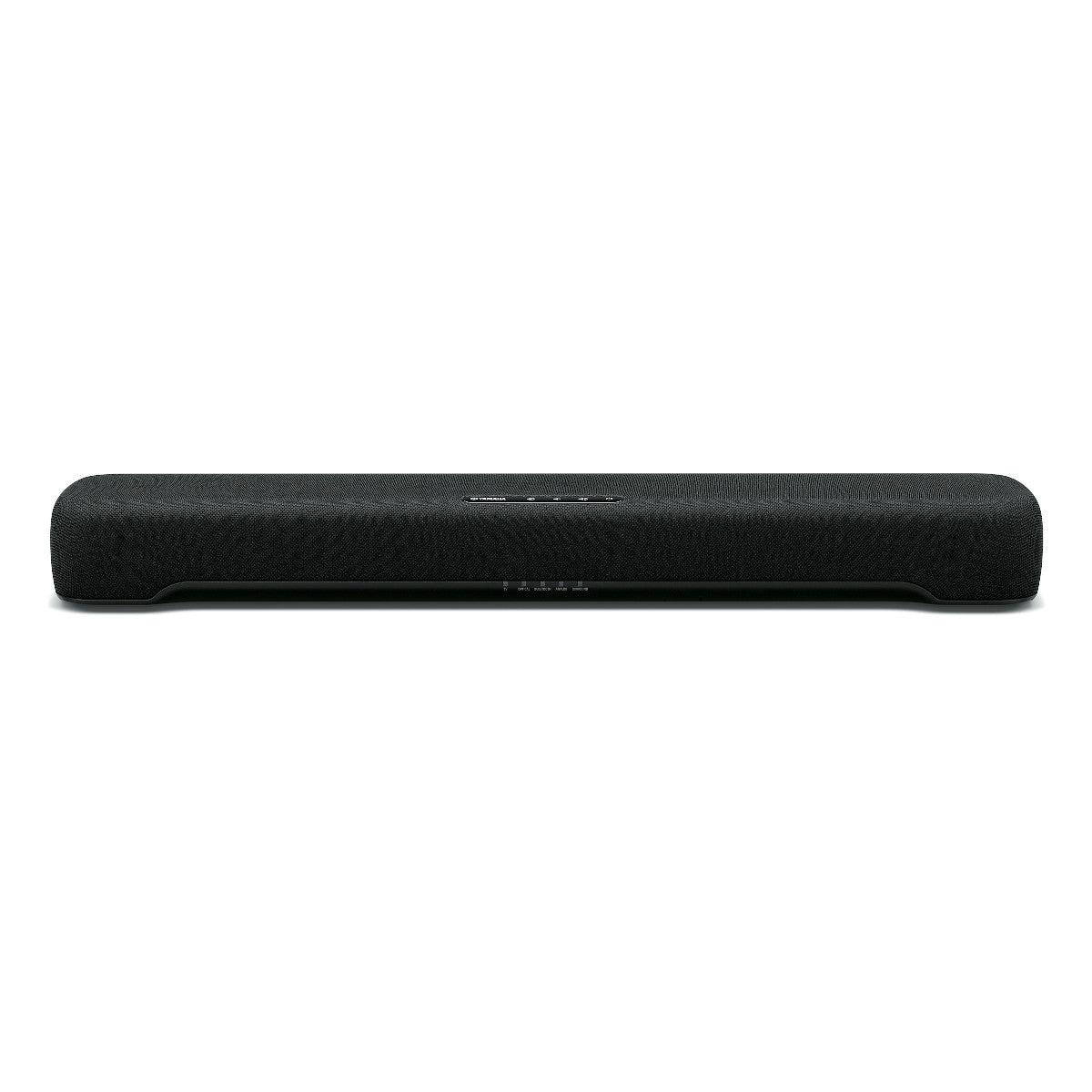
The Yamaha SR-C20A launched in 2020 as Yamaha's entry-level offering, originally priced at $170. The current $17.98 clearance pricing represents exceptional value, though it signals that Yamaha is likely discontinuing this model in favor of newer designs.
Despite its budget positioning, the SR-C20A incorporates clever engineering solutions. The built-in subwoofer uses a 3-inch cone driver coupled with dual passive radiators—essentially speaker cones without magnets that vibrate sympathetically to extend bass response. This design allows surprisingly deep bass from a compact enclosure, though it can't match the power and extension of larger dedicated subwoofers.
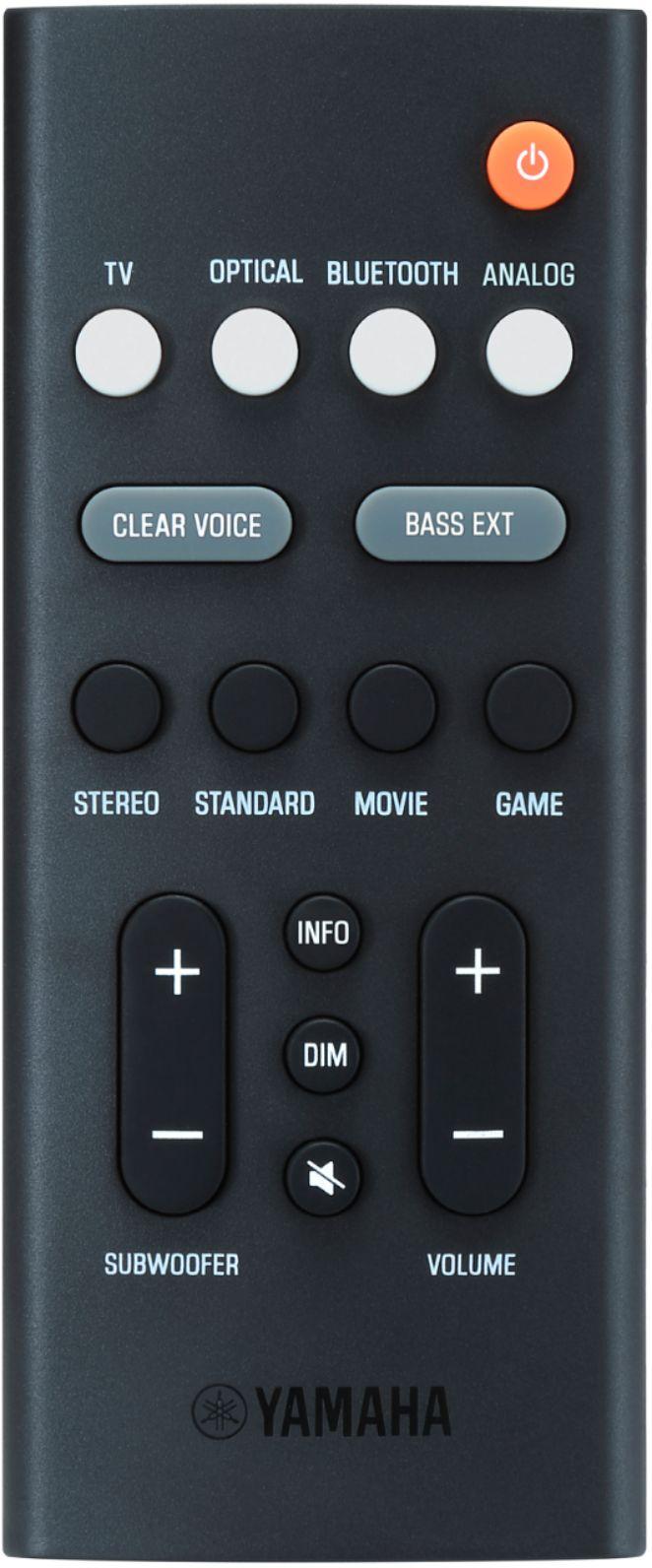
Yamaha's Clear Voice technology specifically targets dialogue intelligibility, but it works differently than Sony's approach. Rather than AI analysis, it applies preset EQ curves that boost vocal frequencies while slightly reducing competing elements. It's effective for dialogue-heavy content like news or talk shows, but less sophisticated than Sony's real-time processing during complex audio scenes.
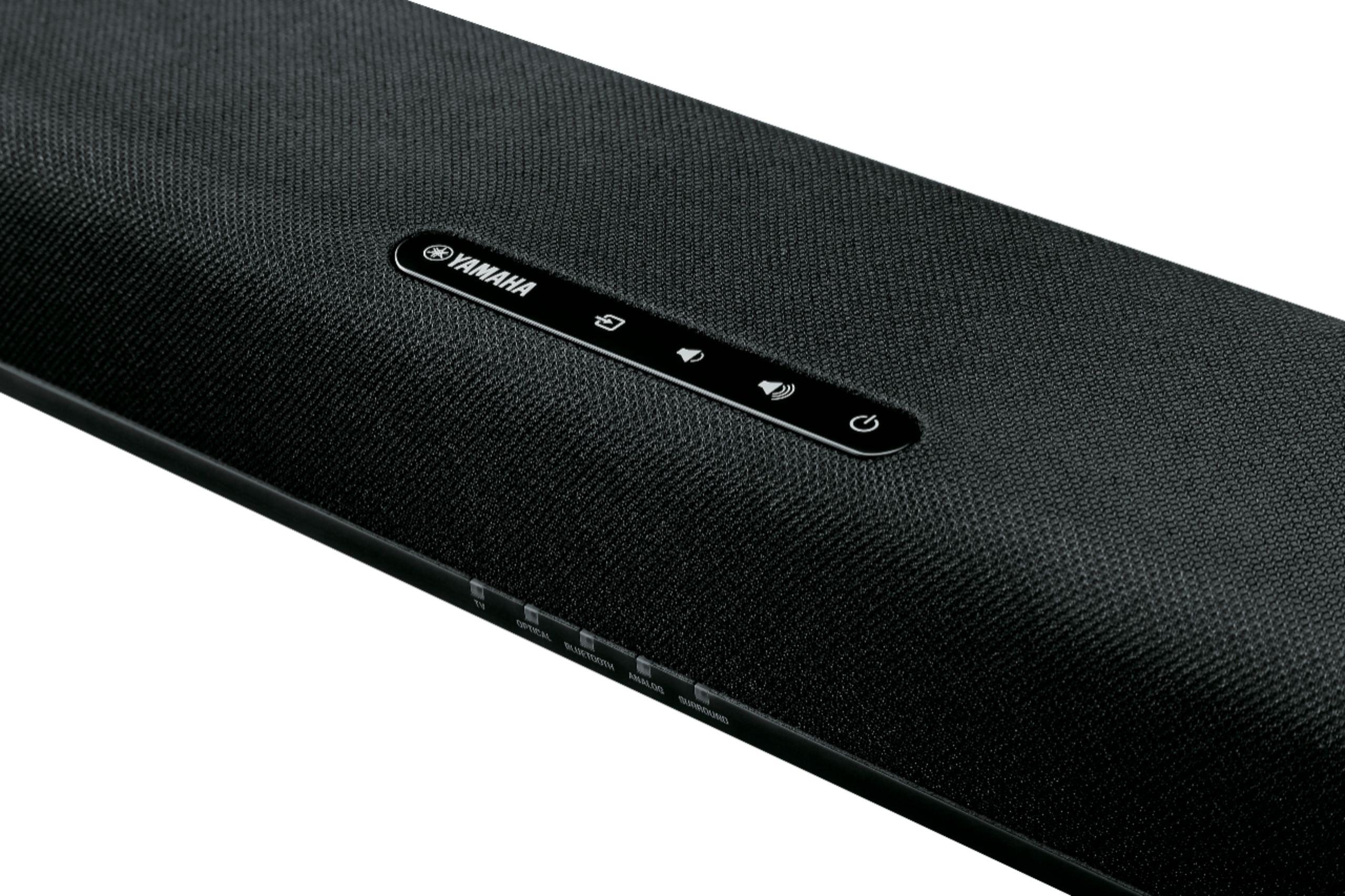
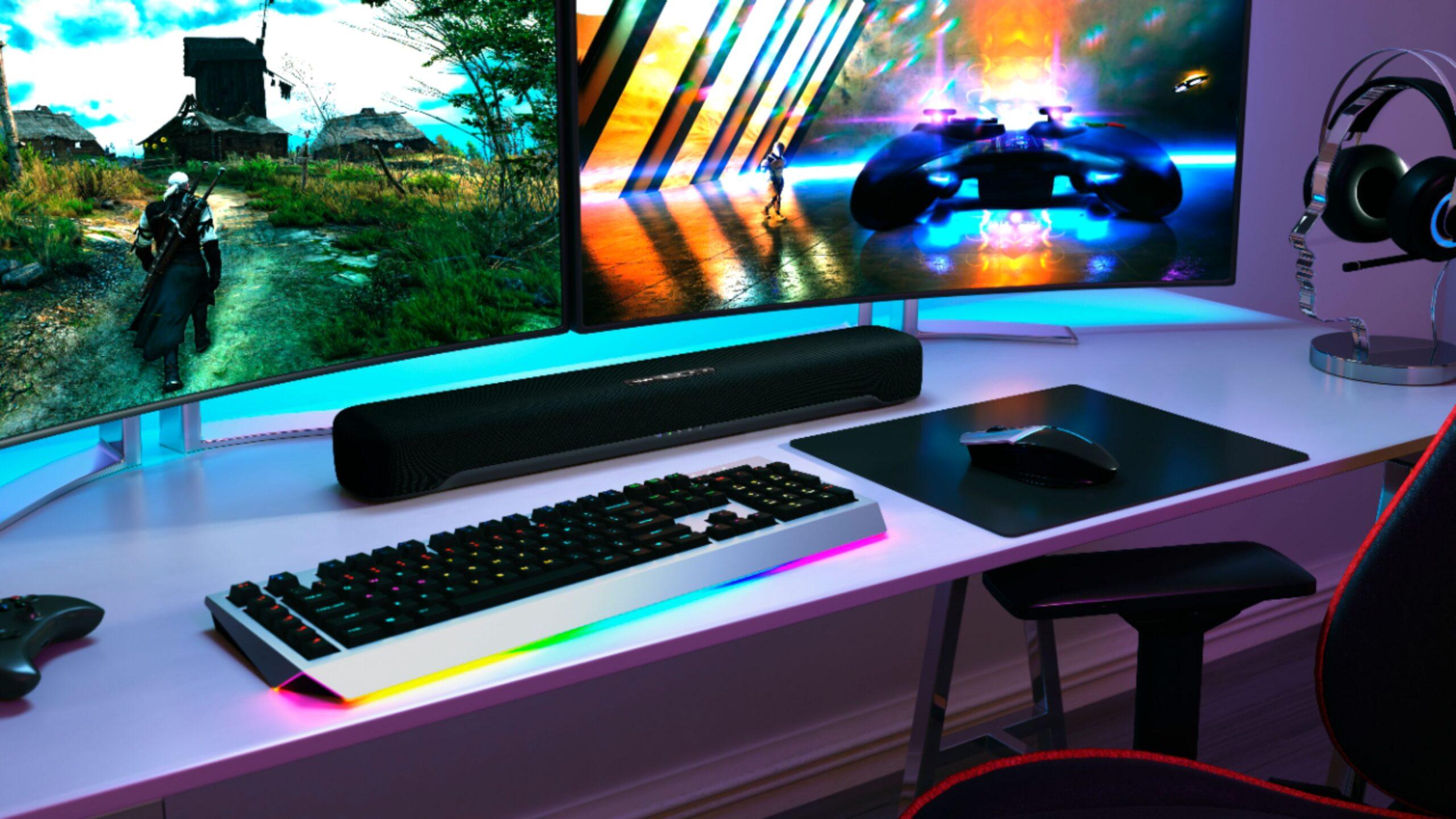
The SR-C20A's four sound modes (Stereo, Standard, Movie, Game) provide basic content optimization. Movie mode adds some bass emphasis and widens the soundstage, while Game mode reduces processing latency—important for competitive gaming where audio timing matters. These presets work well enough, though they lack the sophistication of more expensive soundbars' adaptive processing.
What impressed me most about the SR-C20A is its tonal balance. Yamaha has decades of experience tuning audio equipment, and it shows. The midrange frequencies where most music and dialogue live sound natural and engaging. The treble is smooth without harshness, and the bass, while limited in extension, integrates well with the main drivers.
The power difference between these bars is immediately apparent. The Sony HT-A3000's 250W total output versus the Yamaha's 100W translates to noticeably more dynamic range and headroom. During intense movie scenes, the Sony maintains composure while the Yamaha starts compressing and losing detail around 80% volume.
This power advantage becomes crucial in larger rooms. In my testing, the Sony effectively fills a 300-square-foot living room with clear, detailed sound, while the Yamaha works best in spaces under 150 square feet. Push the Yamaha too hard in a big room, and the sound becomes strained and thin.
The bass response tells an interesting story. Sony's dual subwoofers produce more overall output and better extension into the lowest frequencies—you'll feel more rumble during action scenes. However, Yamaha's passive radiator design creates surprisingly punchy mid-bass that works well for most content. Music sounds more natural on the Yamaha, while the Sony excels with movie soundtracks that demand deeper bass extension.
This is where the products most clearly diverge. The Sony HT-A3000 delivers genuine Dolby Atmos processing, creating object-based surround effects that can position sounds anywhere in three-dimensional space. When watching "Top Gun: Maverick," jet engines genuinely seem to move through the room, and the height effects during aerial sequences add meaningful immersion.
The Yamaha SR-C20A relies entirely on virtual surround processing—digital tricks that simulate multichannel audio from stereo sources. It's better than TV speakers, certainly, but it can't match the Sony's spatial precision. Complex action sequences become muddled as the Yamaha struggles to separate multiple audio elements convincingly.
However, for simpler content like news, sitcoms, or music, this difference matters less. The Yamaha's virtual processing works fine when there aren't dozens of simultaneous sound effects competing for attention.
Clear dialogue reproduction is arguably the most important soundbar characteristic, and the Sony's dedicated center channel provides a significant advantage. Human voices occupy a specific frequency range (roughly 100Hz to 4kHz), and having a speaker specifically tuned for this range makes dialogue consistently intelligible.
I tested both bars with challenging content like "The Dark Knight," where Christopher Nolan's dense audio mixing often buries dialogue under sound effects. The Sony's center channel kept Batman's gravelly voice clearly separated from background noise, while the Yamaha struggled during the busiest scenes.
That said, the Yamaha's Clear Voice feature works well for less demanding content. Watching news broadcasts or talk shows, dialogue comes through clearly and naturally. It's only during complex movie soundtracks that the limitations become apparent.
For music listening, these soundbars reveal different philosophies. The Sony HT-A3000 supports high-resolution audio formats and includes advanced Bluetooth codecs like LDAC, which maintains CD-quality audio over wireless connections. Its DSEE Extreme processing genuinely improves compressed music, though the difference is subtle with already well-recorded material.
The Yamaha SR-C20A takes a more traditional approach, focusing on tonal accuracy rather than technical features. Yamaha's audio tuning philosophy emphasizes natural midrange reproduction, and it shows. Acoustic music, jazz, and vocals sound particularly engaging, with a warmth and presence that's immediately appealing.
The Sony handles electronic music and complex orchestral pieces better, thanks to its superior bass extension and power handling. But for casual music listening, many users might actually prefer the Yamaha's more colored but musical presentation.
The Sony clearly wins the connectivity battle. Its HDMI eARC (enhanced Audio Return Channel) connection supports full-bandwidth Dolby Atmos and DTS:X passthrough from your TV, while the Yamaha's standard ARC connection has bandwidth limitations that prevent lossless audio formats.
Sony's smart features feel more future-proof. Chromecast Built-in, AirPlay 2, and Spotify Connect provide multiple high-quality streaming options. The Sound Field Optimization uses built-in microphones to automatically calibrate the sound to your room—a premium feature that typically requires manual setup on other brands.
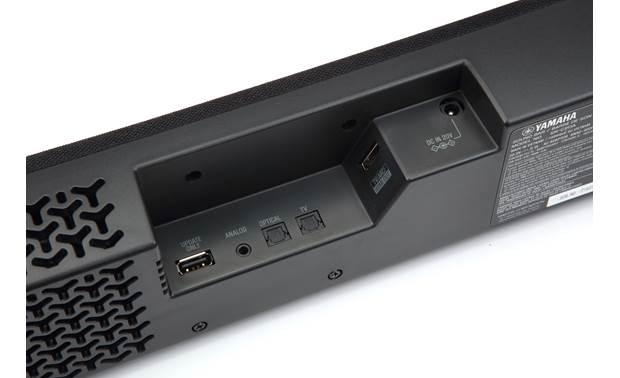
The Yamaha SR-C20A's connectivity feels basic by comparison, though it covers the essentials. The dual optical inputs are handy if you need to connect multiple sources, and the simple remote app works reliably for basic control.
For serious home theater use, the Sony HT-A3000 offers clear advantages and expansion possibilities. Sony's optional SA-RS3S rear speakers ($199) transform it into a proper 5.1.2 system with true surround sound. The SA-SW3 or SA-SW5 wireless subwoofers ($249-399) add deeper bass extension and take low-frequency duties away from the main bar, improving overall clarity.
This expandability matters because audio needs often grow over time. Starting with the HT-A3000 gives you a solid foundation that can evolve into a comprehensive surround system without replacing the core components.
The Yamaha offers no expansion options, making it a complete but limited solution. For secondary rooms or basic TV audio improvement, this isn't necessarily a problem. But if you're building a dedicated home theater space, the Sony's flexibility becomes valuable.
At current pricing, these products offer completely different value propositions. The Sony HT-A3000 at $429 provides premium features at a significant discount from its $700 MSRP. You're getting Dolby Atmos processing, room correction, high-res audio support, and expansion capabilities typically found in $600+ soundbars.
The Yamaha SR-C20A at $17.98 represents almost absurd value for basic TV audio improvement. Even at its original $170 price, it was competitive. At clearance pricing, it's essentially a risk-free upgrade that costs less than a typical restaurant meal.
Choose the Sony HT-A3000 if you're serious about home theater audio and have the space and budget to appreciate its capabilities. It's ideal for medium to large rooms (200+ square feet), movie enthusiasts who watch Atmos content, and anyone planning to build a more comprehensive audio system over time. The investment makes sense if you'll use its advanced features and have compatible content sources.
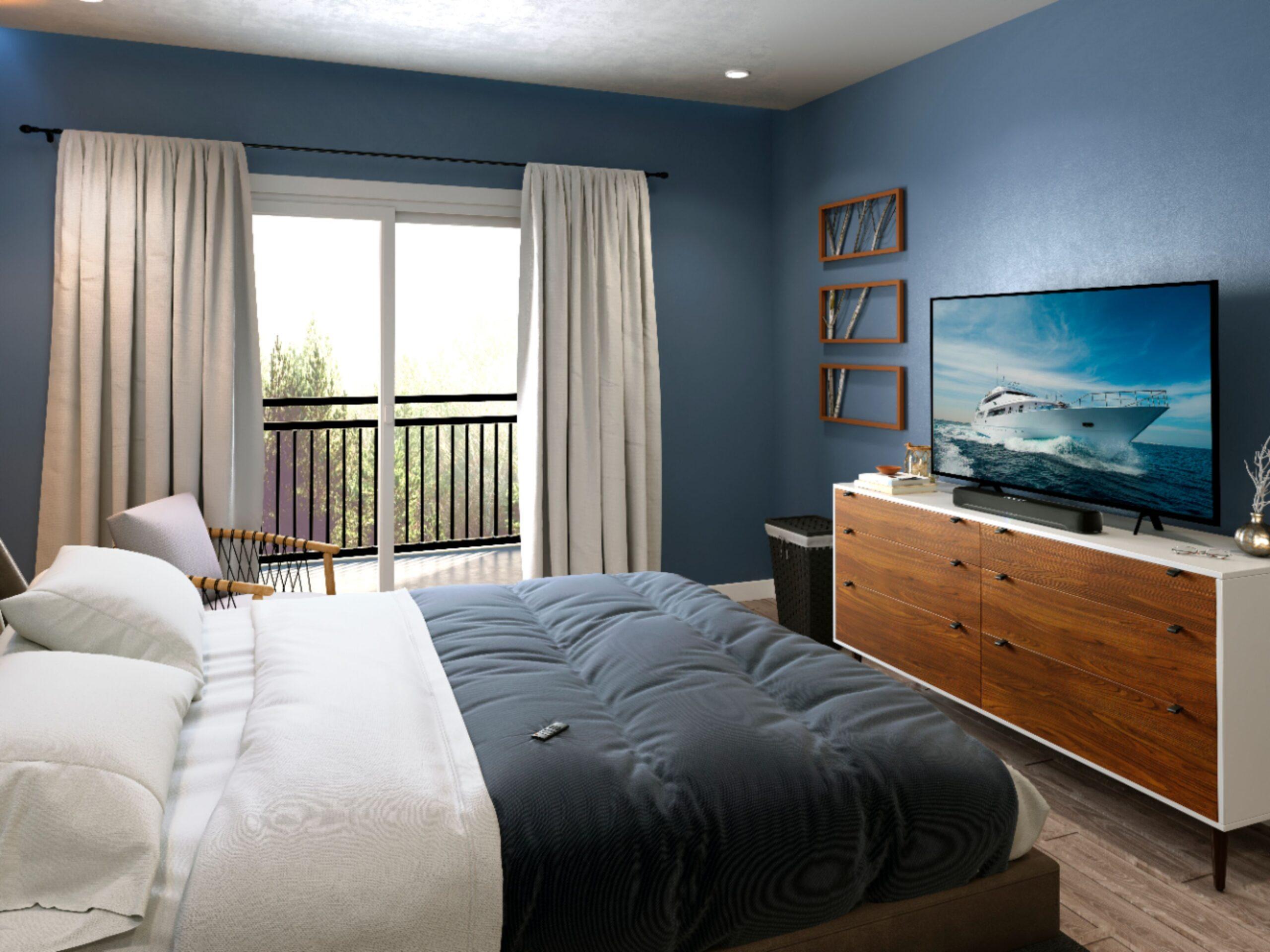
The Yamaha SR-C20A makes sense for almost everyone else, especially at current pricing. It's perfect for bedrooms, kitchens, apartments, or as a secondary TV upgrade. The compact size fits tight spaces, the sound quality easily surpasses TV speakers, and the price makes it practically disposable if your needs change.
Consider room size carefully—it's the biggest determining factor. The Sony has the power and soundstage width for larger spaces, while the Yamaha works best in intimate settings. Your content preferences matter too: action movies and immersive gaming favor the Sony, while casual TV watching and music listening work fine with either option.
The bottom line? Both soundbars succeed at their intended purposes. The Sony delivers premium performance with future-proof features, while the Yamaha provides excellent basic functionality at an unbeatable price. Your choice should align with your space, budget, and how seriously you take your audio experience.
| Sony HT-A3000 | Yamaha SR-C20A |
|---|---|
| Price - Current market value for each soundbar | |
| $429 (38% off $700 MSRP) | $17.98 (89% off $170 MSRP - clearance pricing) |
| Channel Configuration - Determines dialogue clarity and surround capabilities | |
| 3.1 channels with dedicated center speaker | 2.1 channels (stereo plus subwoofer) |
| Total Power Output - Affects volume levels and dynamic range | |
| 250W (fills medium-large rooms effectively) | 100W (best for small rooms under 150 sq ft) |
| Dolby Atmos Support - Creates 3D overhead sound effects | |
| Yes, with Vertical Surround Engine processing | No (virtual surround processing only) |
| Subwoofer Configuration - Impact on bass response and music quality | |
| Dual built-in subwoofers | Single 3" built-in sub with dual passive radiators |
| HDMI Connection Type - Determines audio format compatibility | |
| HDMI eARC (full bandwidth for lossless audio) | HDMI ARC only (bandwidth limitations) |
| Smart Features - Wireless streaming and voice control options | |
| Chromecast, AirPlay 2, Spotify Connect, LDAC Bluetooth | Basic Bluetooth 5.0 (SBC/AAC), Sound Bar Remote app |
| Room Correction Technology - Automatically optimizes sound for your space | |
| Sound Field Optimization with built-in microphones | None (manual sound mode selection only) |
| Expandability - Ability to add wireless speakers later | |
| Compatible with Sony rear speakers ($199) and wireless subs | No expansion options available |
| Dimensions - Physical footprint and TV compatibility | |
| 37.4" × 2.5" × 5.0" (matches larger TVs well) | 23.6" × 2.5" × 3.7" (compact design for tight spaces) |
| Best Use Case - Ideal room size and user type | |
| Home theater enthusiasts, rooms 200+ sq ft, future expansion plans | Budget upgrades, bedrooms/kitchens, rooms under 150 sq ft |
The Sony HT-A3000 offers superior dialogue clarity thanks to its dedicated center channel speaker, which is specifically designed for speech frequencies. The Yamaha SR-C20A uses Clear Voice technology to enhance dialogue, but it relies on stereo processing which can struggle during complex movie scenes with multiple sound effects.
The Sony HT-A3000 costs $429, while the Yamaha SR-C20A is currently available for just $17.98 on clearance. This represents a massive price difference, with the Yamaha offering exceptional value for basic TV audio improvement at nearly 96% less cost.
Only the Sony HT-A3000 supports true Dolby Atmos with its Vertical Surround Engine technology that creates 3D overhead sound effects. The Yamaha SR-C20A does not support Dolby Atmos and instead uses virtual surround processing for a basic surround sound experience.
The Yamaha SR-C20A is specifically designed for small spaces under 150 square feet, with its compact 23.6-inch width fitting perfectly in bedrooms, kitchens, or apartments. The Sony HT-A3000 is better suited for medium to large rooms over 200 square feet due to its higher power output and wider soundstage.
The Sony HT-A3000 offers full expandability with optional rear speakers ($199) and wireless subwoofers ($249-399) to create a complete 5.1.2 surround system. The Yamaha SR-C20A has no expansion options and functions as a complete but limited 2.1 system.
The Sony HT-A3000 delivers deeper bass with its dual built-in subwoofers and 250W total power output, making it better for action movies and electronic music. The Yamaha SR-C20A produces surprisingly good bass for its size using passive radiators, but it's more suited for casual listening than deep, room-shaking bass.
The Sony HT-A3000 features HDMI eARC, Bluetooth with LDAC codec, Chromecast Built-in, AirPlay 2, and Spotify Connect for comprehensive connectivity. The Yamaha SR-C20A offers HDMI ARC, basic Bluetooth 5.0, two optical inputs, and one analog input - covering essential connections but with fewer premium features.
Both excel in different ways: the Sony HT-A3000 supports high-resolution audio formats and includes DSEE Extreme processing for compressed music, while the Yamaha SR-C20A offers Yamaha's renowned natural tonal balance that many find more musical and engaging for acoustic genres.
The Sony HT-A3000 is better for immersive gaming with its Dolby Atmos support creating positional audio effects. The Yamaha SR-C20A includes a dedicated Game mode that reduces audio latency, making it suitable for competitive gaming where timing matters more than immersive effects.
The Yamaha SR-C20A offers simpler plug-and-play setup with basic connections and manual sound modes. The Sony HT-A3000 includes automatic Sound Field Optimization that calibrates to your room using built-in microphones, providing better results but requiring slightly more initial setup time.
The Sony HT-A3000 outputs 250W total power compared to the Yamaha SR-C20A's 100W. This 2.5x power difference means the Sony can play louder without distortion, maintain better dynamics during peak scenes, and effectively fill larger rooms with clear sound.
For long-term value, the Sony HT-A3000 offers future-proof features like Dolby Atmos, room correction, and expandability that will remain relevant for years. However, at its current $17.98 clearance price, the Yamaha SR-C20A provides exceptional immediate value for basic TV audio improvement, costing less than most restaurant meals.
We've done our best to create useful and informative comparisons to help you decide what product to buy. Our research uses advanced automated methods to create this comparison and perfection is not possible - please contact us for corrections or questions. These are the sites we've researched in the creation of this article: rtings.com - electronics.sony.com - crutchfield.com - store.sony.com.au - digitaltrends.com - videoandaudiocenter.com - abt.com - sony.com - merlinstv.com - crutchfield.com - youtube.com - t3.com - usa.yamaha.com - radiotimes.com - shop.usa.yamaha.com - whathifi.com - hifiheaven.net - usa.yamaha.com - sweetwater.com - hub.yamaha.com - bestbuy.com

Privacy Policy
Terms and Conditions - Affiliate Policy
Home Security
© Copyright 2008-2026.
11816 Inwood Rd #1211, Dallas, TX 75244