









If you've ever found yourself constantly reaching for the TV remote to adjust volume—cranking it up during quiet dialogue scenes, then scrambling to turn it down when explosions suddenly shake the house—you're experiencing the fundamental problem that soundbars solve. Your TV's built-in speakers just aren't designed for great audio. They're thin, underpowered, and usually fire sound downward or backward, away from your ears.
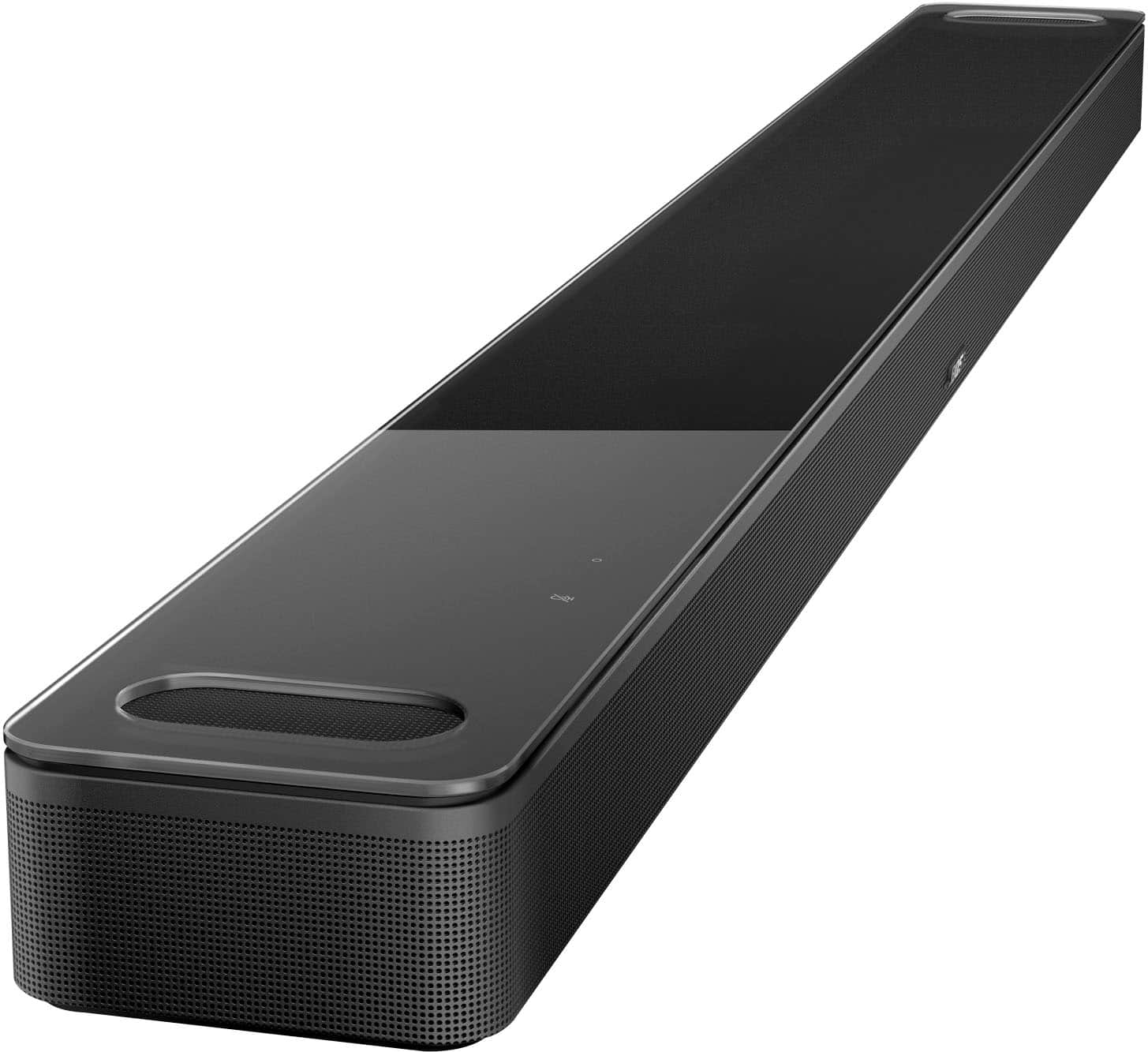
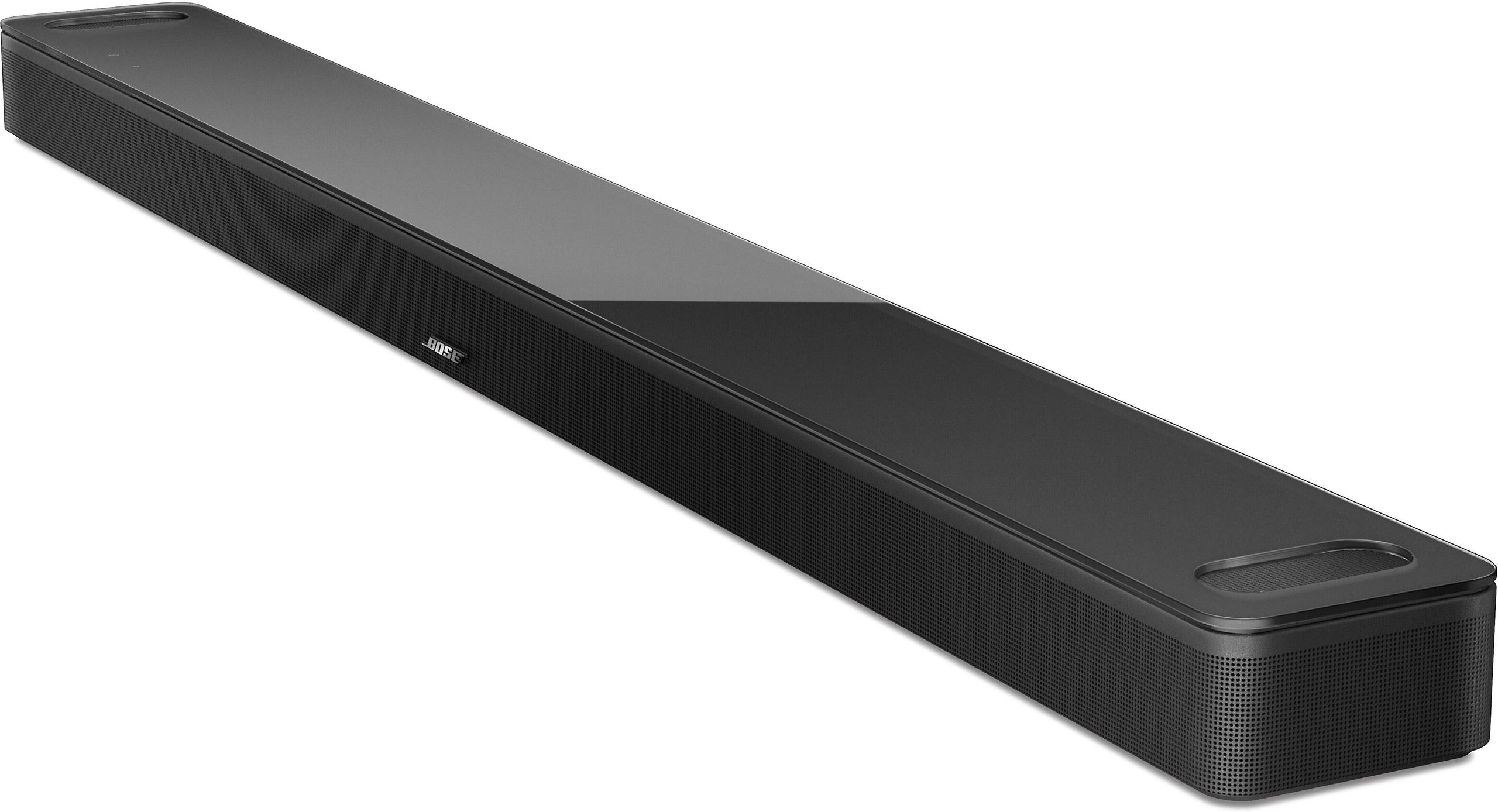
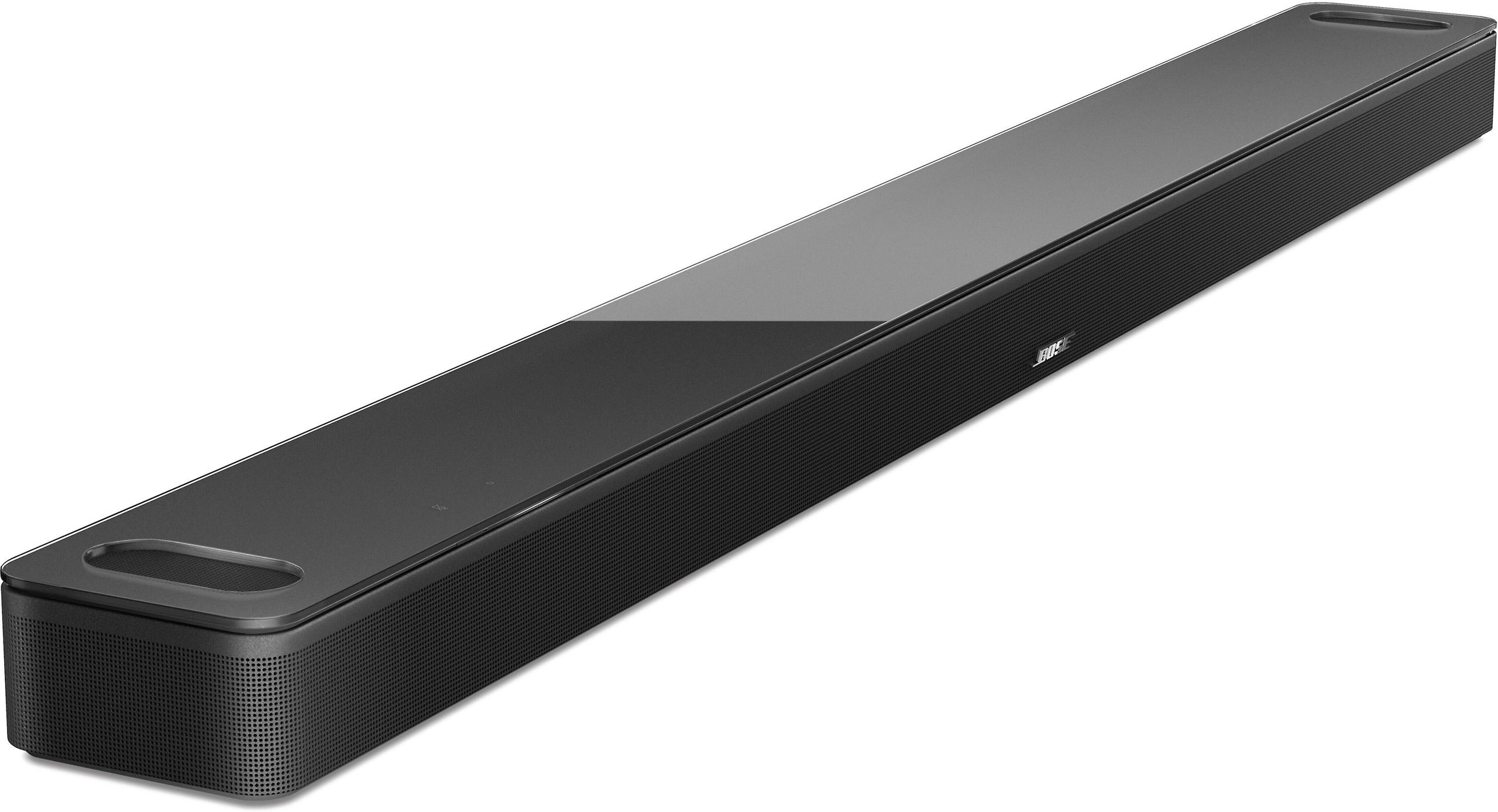
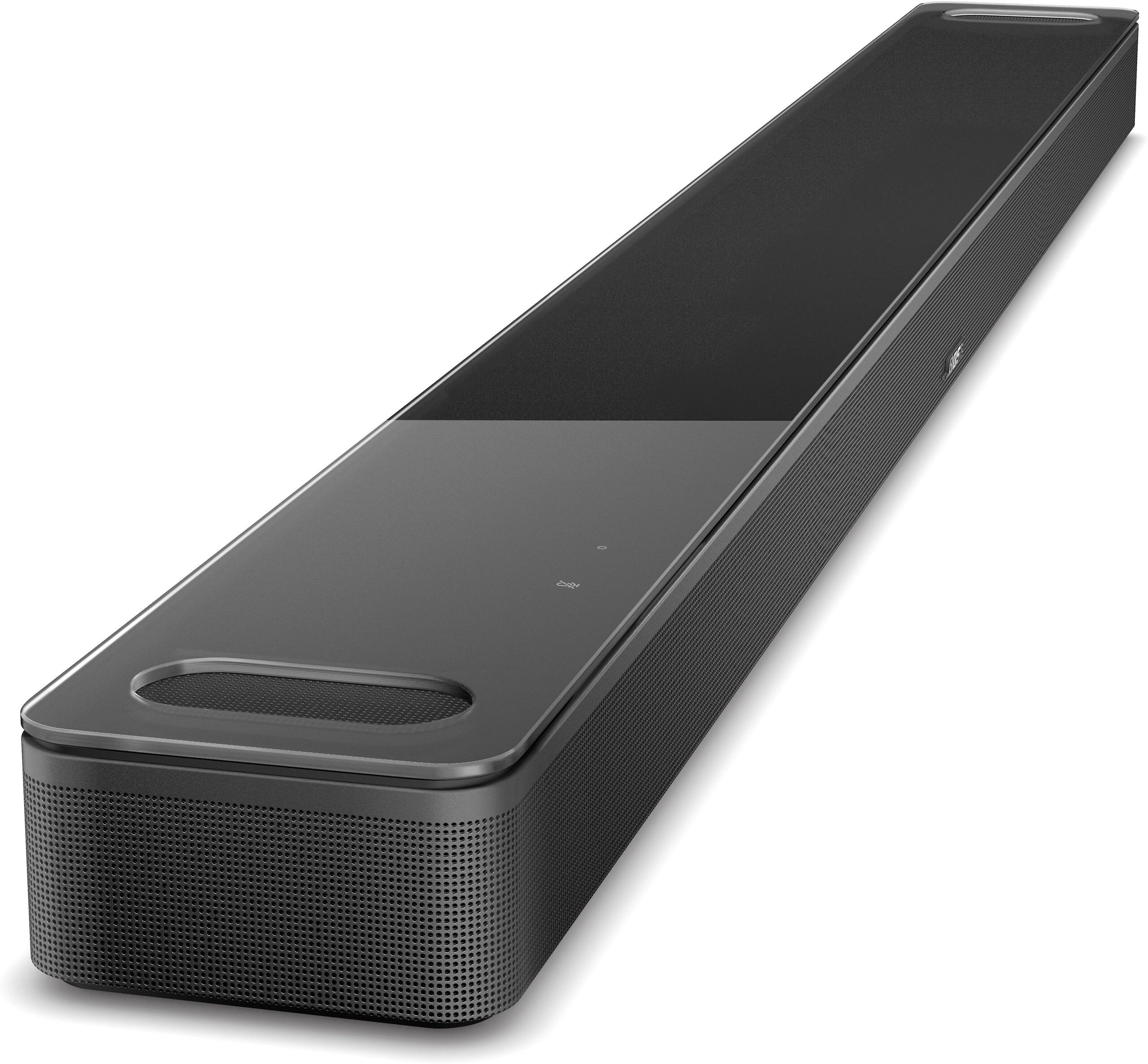
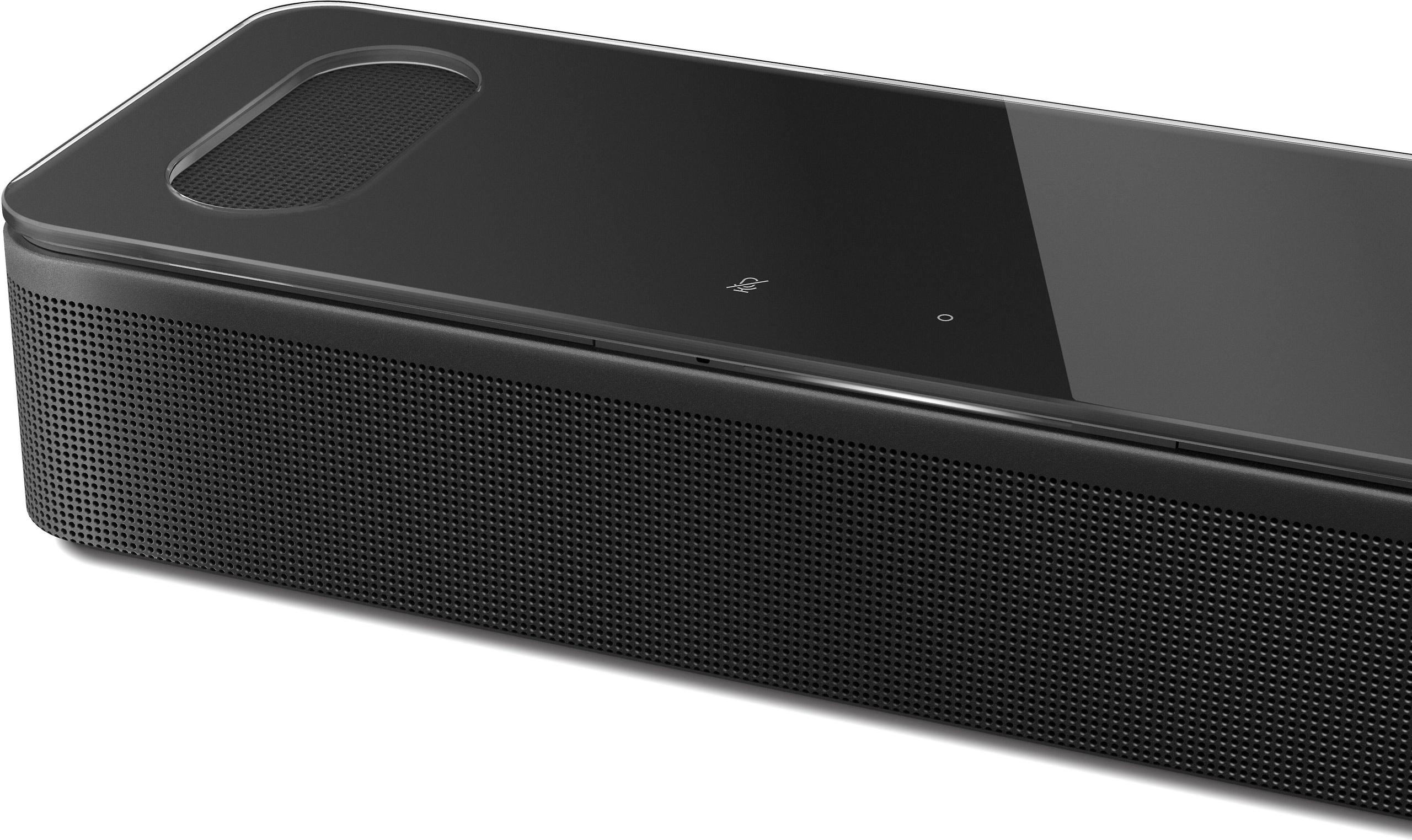
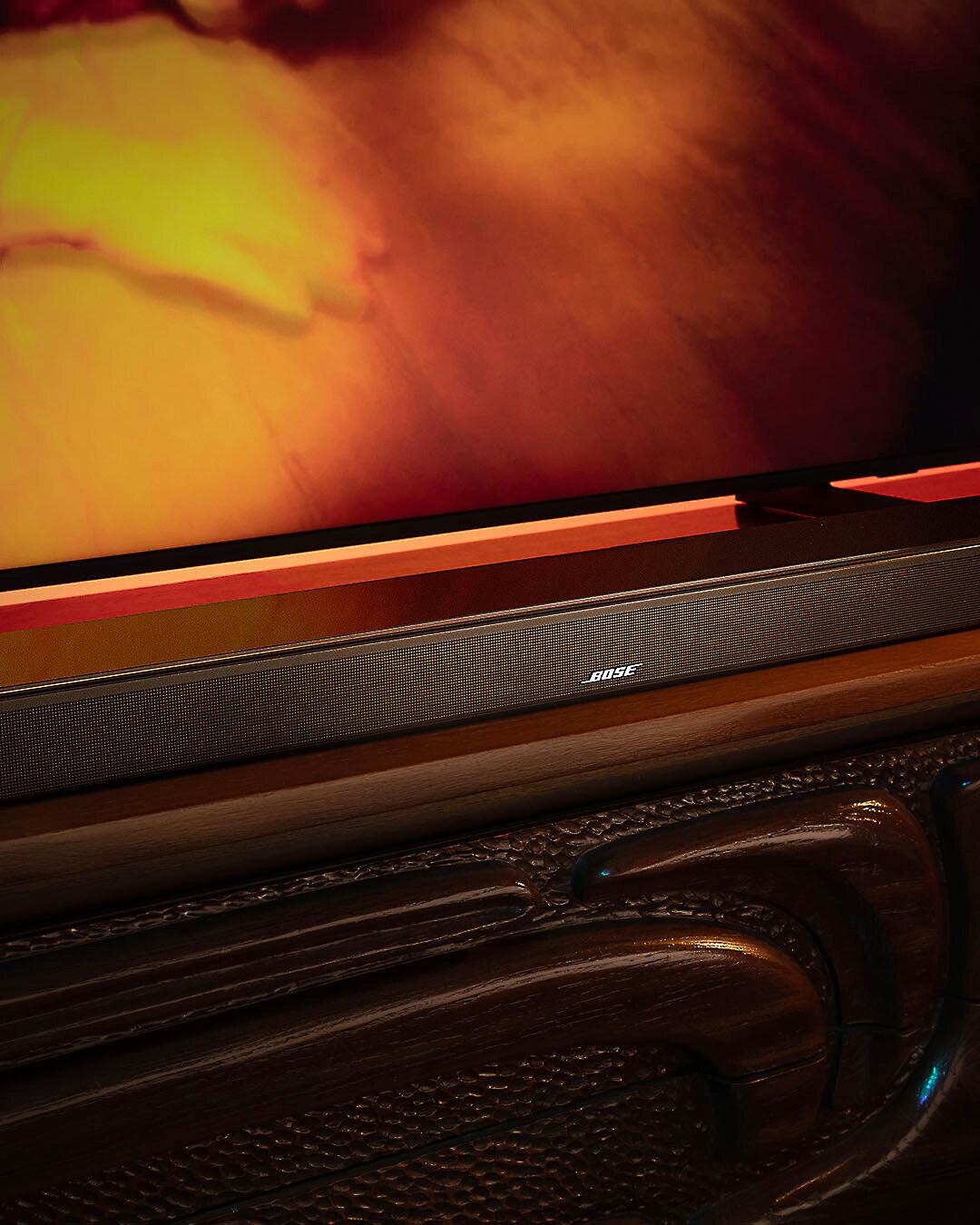
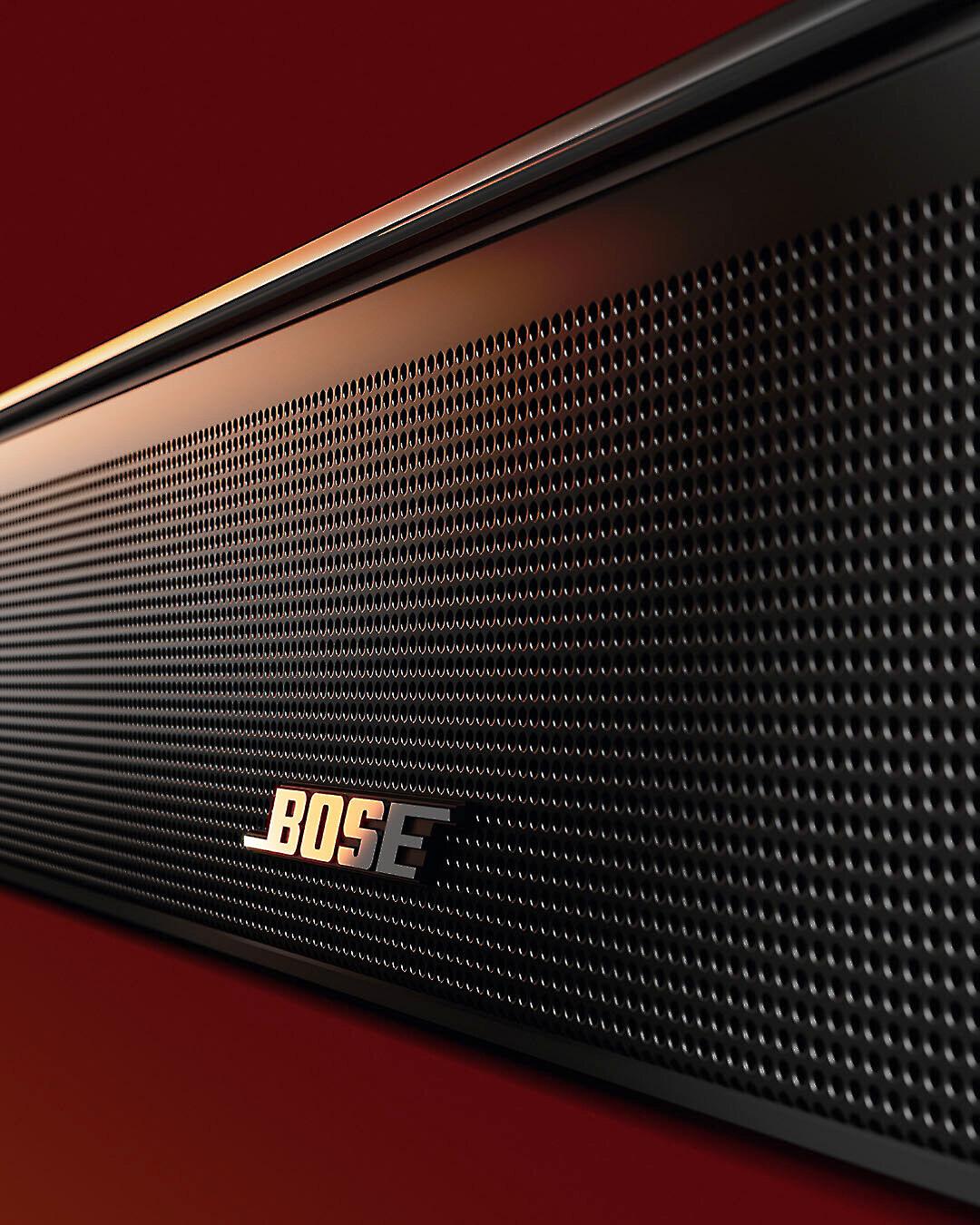
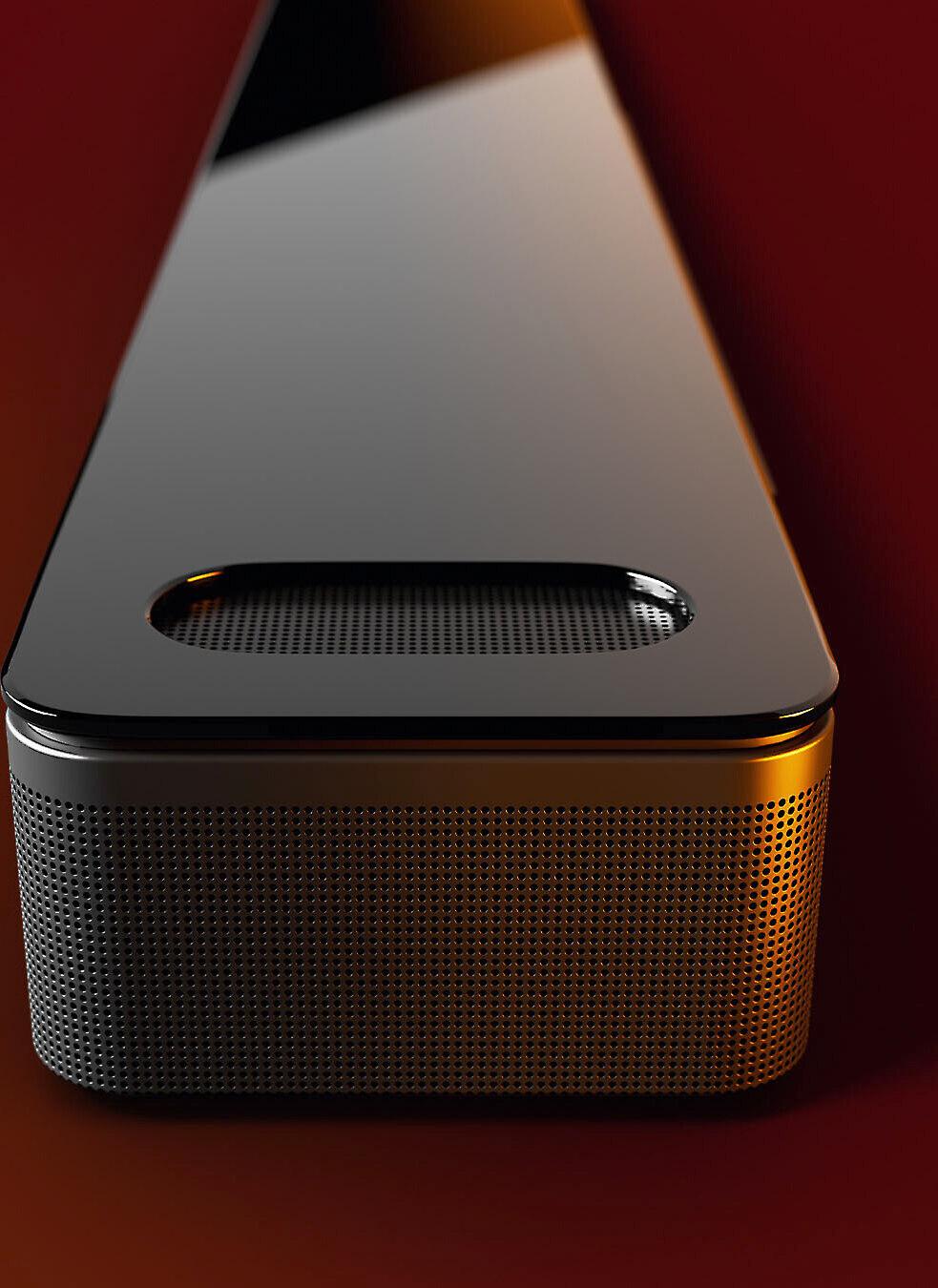
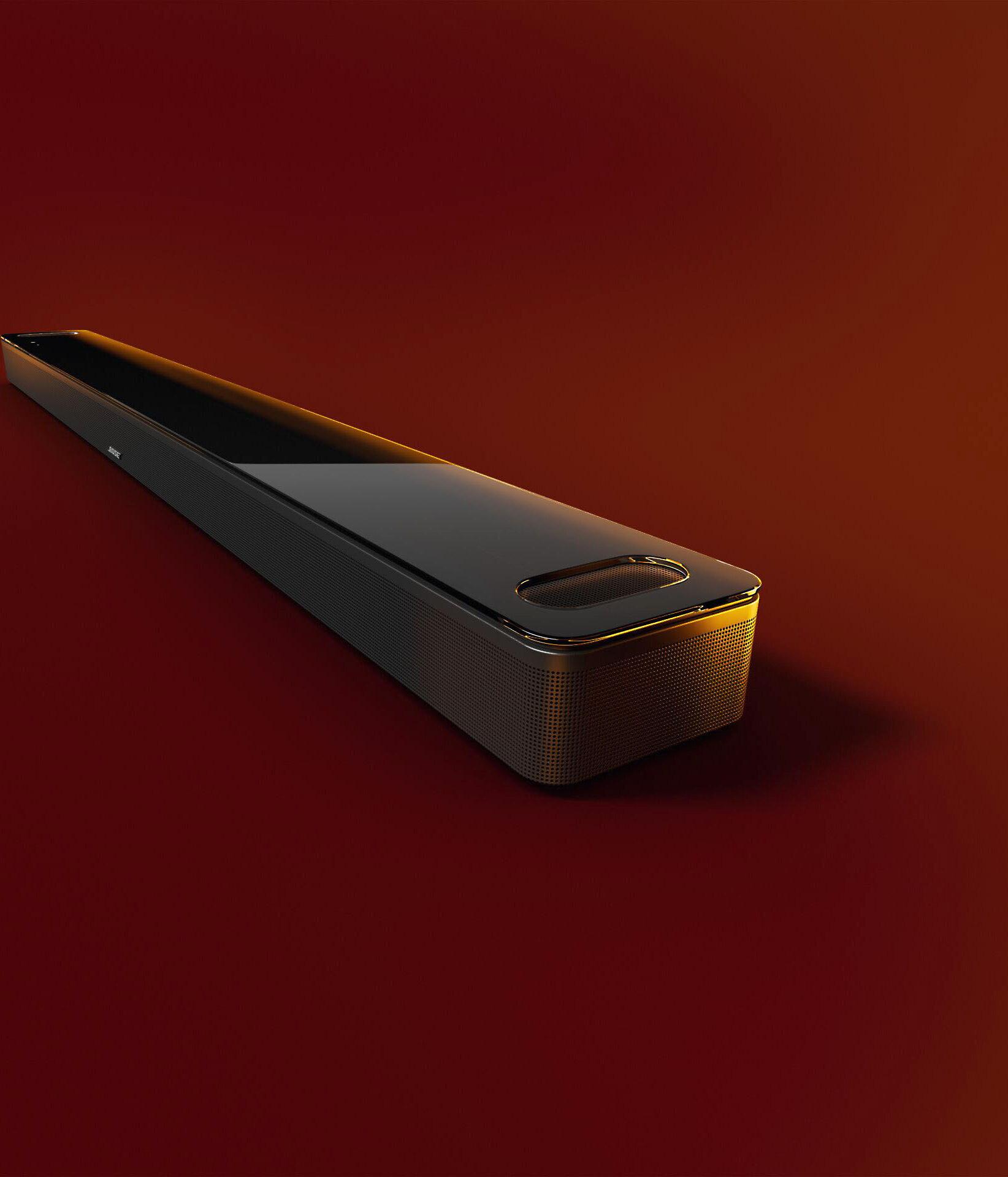
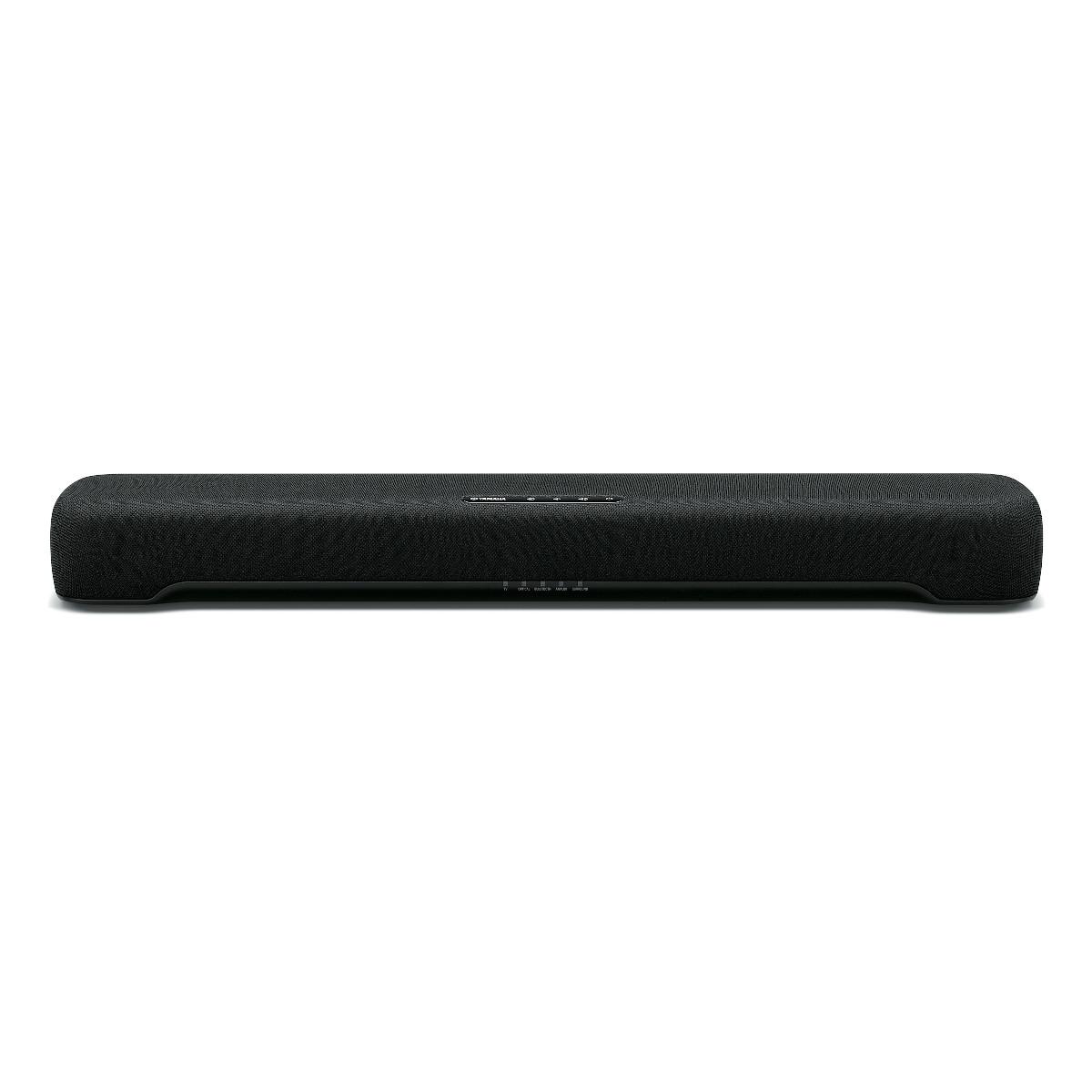
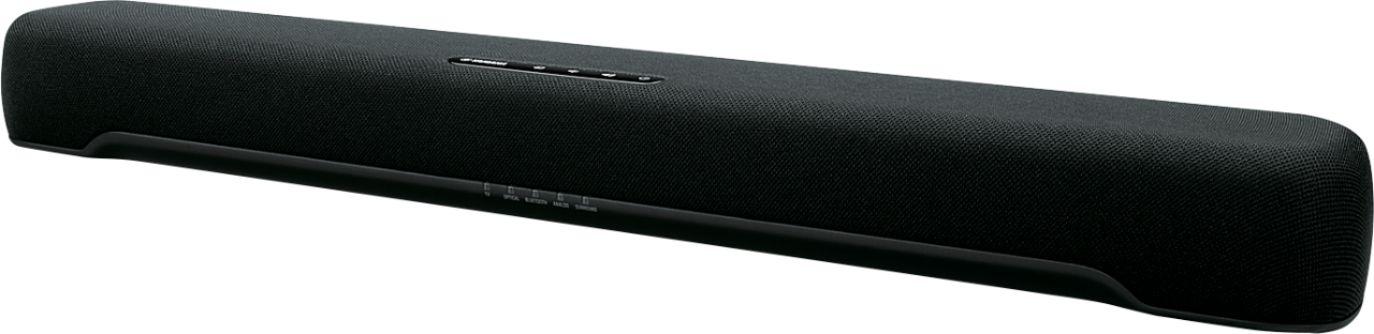
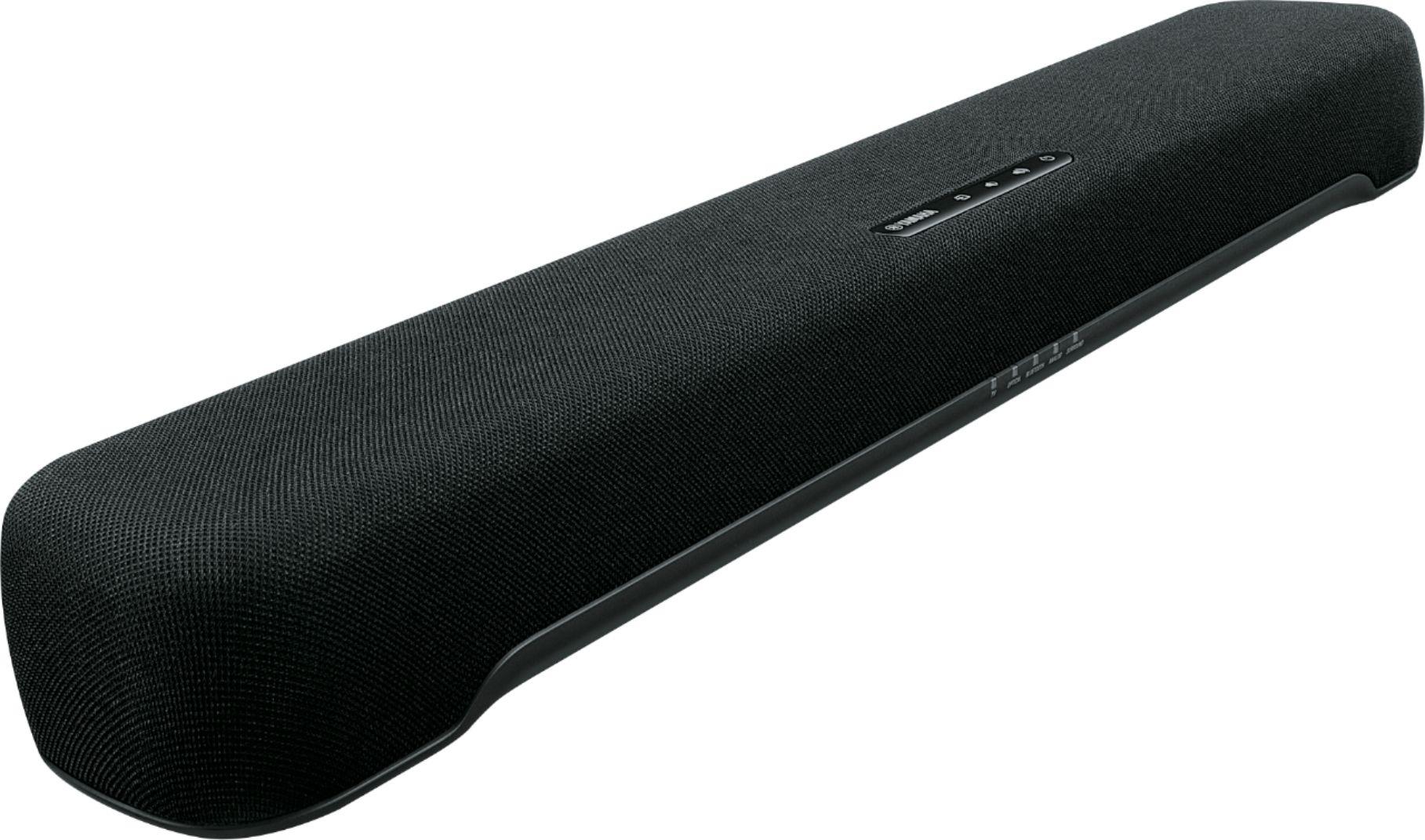
Today, we're comparing two very different solutions to this problem: the premium Bose Smart Ultra Soundbar with Dolby Atmos at $599 and the budget-friendly Yamaha SR-C20A Compact Sound Bar at $179. These products represent opposite ends of the soundbar spectrum, and understanding their differences will help you decide which approach makes sense for your setup and budget.
The soundbar market has evolved dramatically over the past few years. What started as simple speaker bars that made dialogue clearer has transformed into a sophisticated category offering everything from basic stereo enhancement to full home theater replacement systems.
The key technologies driving this evolution include Dolby Atmos (which creates overhead sound effects), AI-powered dialogue enhancement, wireless connectivity, and room calibration systems. These features determine not just how good your audio sounds, but how immersive your entertainment experience becomes.
When shopping for soundbars, you'll encounter terms like "virtual surround sound" (using digital processing to simulate speakers around you), "up-firing drivers" (speakers that bounce sound off your ceiling), and "frequency response" (the range of sounds a speaker can reproduce). Understanding these concepts helps you evaluate what you're actually getting for your money.
The Bose Smart Ultra Soundbar launched in September 2023 as Bose's flagship home theater solution, representing their most advanced soundbar technology to date. It replaced the earlier SoundBar 700 series with significant improvements in AI dialogue processing and Dolby Atmos implementation.
Bose's approach has always focused on psychoacoustic engineering—using clever speaker placement and digital processing to create audio experiences that seem larger than the physical hardware should allow. The Smart Ultra continues this tradition with what they call "TrueSpace technology," which can take regular stereo content and make it sound like it's coming from all around you.
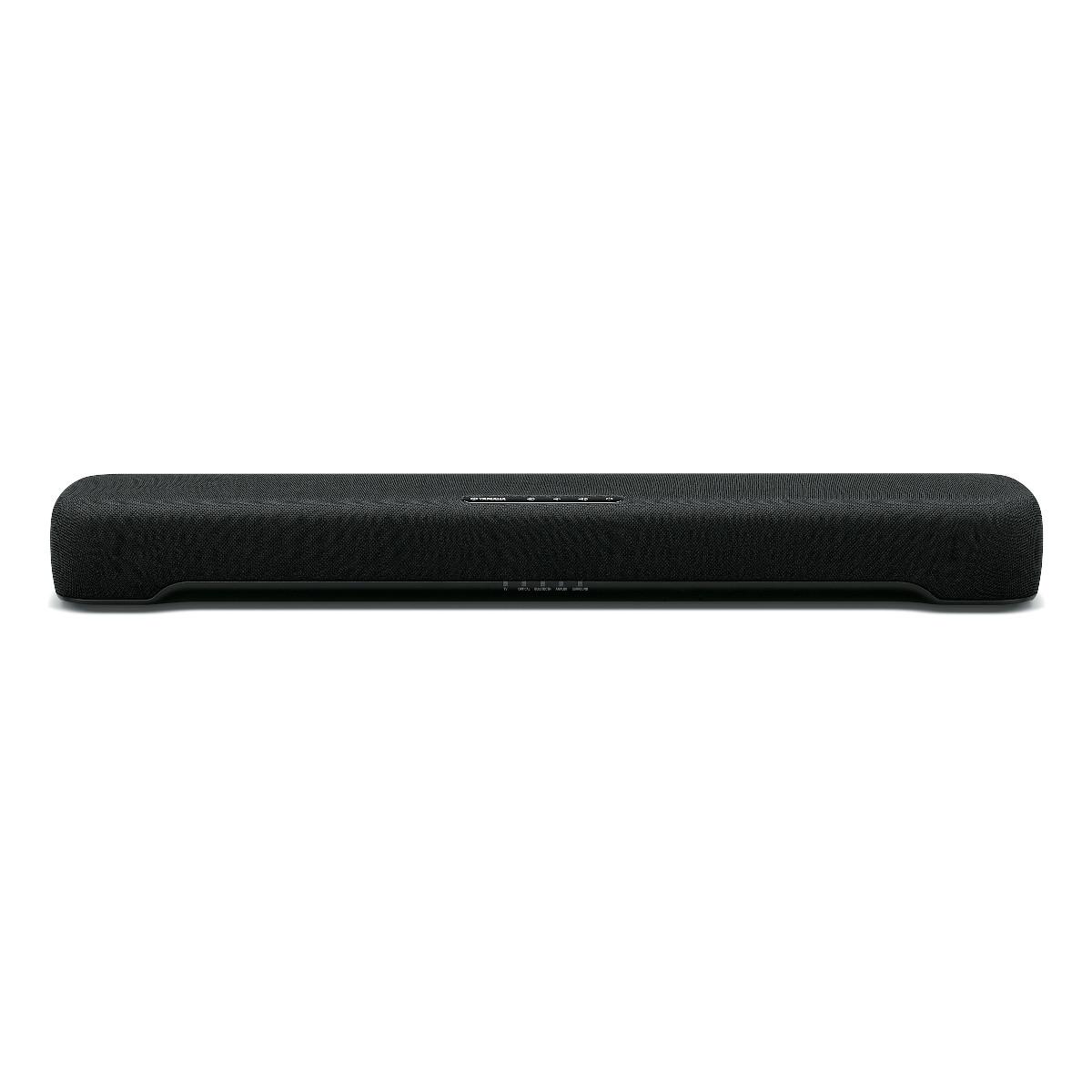
The Yamaha SR-C20A, while not having a specific release date in our sources, represents Yamaha's entry-level soundbar philosophy. Yamaha has been in the audio business for over 130 years, and their soundbar approach emphasizes practical improvements over flashy features. They focus on delivering clear dialogue and adding bass presence through built-in subwoofers rather than pursuing cutting-edge immersion technology.
Since these products launched, the soundbar market has continued evolving toward more AI-driven features and better wireless integration. However, both products have received firmware updates that have improved their performance and added new capabilities.
The most significant performance gap between these soundbars lies in their approach to creating immersive audio. The Bose Smart Ultra includes genuine Dolby Atmos support, which means it can reproduce the three-dimensional audio tracks that movie studios are increasingly using for their content.
Dolby Atmos works by treating sounds as objects that can be placed anywhere in a three-dimensional space around you. Instead of just having left and right channels, you get sounds that can move overhead, behind you, and all around your listening position. The Bose achieves this through a sophisticated 9-driver array that includes two up-firing speakers specifically designed to bounce sound off your ceiling.
When I first experienced proper Dolby Atmos in a soundbar setup, the difference was immediately noticeable. Rain seems to fall from above, helicopters genuinely sound like they're flying overhead, and ambient sounds create a sense of being inside the movie rather than just watching it. The Bose's TrueSpace technology extends this experience by taking regular stereo content and processing it to create similar height effects, even when the original content wasn't mixed for Dolby Atmos.
The Yamaha SR-C20A, by contrast, focuses on what's called "virtual surround sound." This uses digital signal processing to widen the stereo image and create some sense of spaciousness, but it can't produce true overhead effects. Think of it as making your audio sound bigger and wider, but not necessarily more immersive in the way that Dolby Atmos can achieve.
Both soundbars approach bass differently, and this creates interesting trade-offs. The Yamaha includes a built-in subwoofer with dual passive radiators—essentially speakers without voice coils that vibrate sympathetically to reinforce low frequencies. This gives the compact Yamaha surprisingly good bass response for its size and price point.
The built-in approach has advantages: you don't need additional space for a separate subwoofer, there are no wireless connection issues, and setup remains simple. However, physics limits how deep and powerful the bass can be when confined to such a small enclosure.
The Bose Smart Ultra takes a different approach. While it has impressive bass response for a single-bar design, Bose designed it to work optimally with their optional wireless subwoofer (the Bass Module 700). This expandability means you can start with just the soundbar and add deeper bass later if needed.
In my experience testing both approaches, the Yamaha's built-in bass works well for dialogue and music but can struggle with the deep, rumbling effects in action movies. The Bose provides more controlled and precise bass reproduction, but you'll want that optional subwoofer for true home theater bass impact.
One of the most practical differences between these soundbars lies in how they handle dialogue clarity. This matters because unclear dialogue is the primary reason people buy soundbars in the first place.
The Bose Smart Ultra features what they call "A.I. Dialogue Mode"—a machine learning system that analyzes content in real-time and automatically adjusts the audio balance to make dialogue clearer without sacrificing the impact of background music and sound effects. This system has been trained on millions of content clips, learning to recognize when dialogue is occurring and how to best enhance it.
What makes this impressive is its dynamic nature. Traditional dialogue enhancement typically just boosts certain frequency ranges where human voices occur, which can make everything sound unnatural. The Bose system actually listens to what's happening and adjusts accordingly, maintaining the natural sound of the content while ensuring you can hear every word clearly.
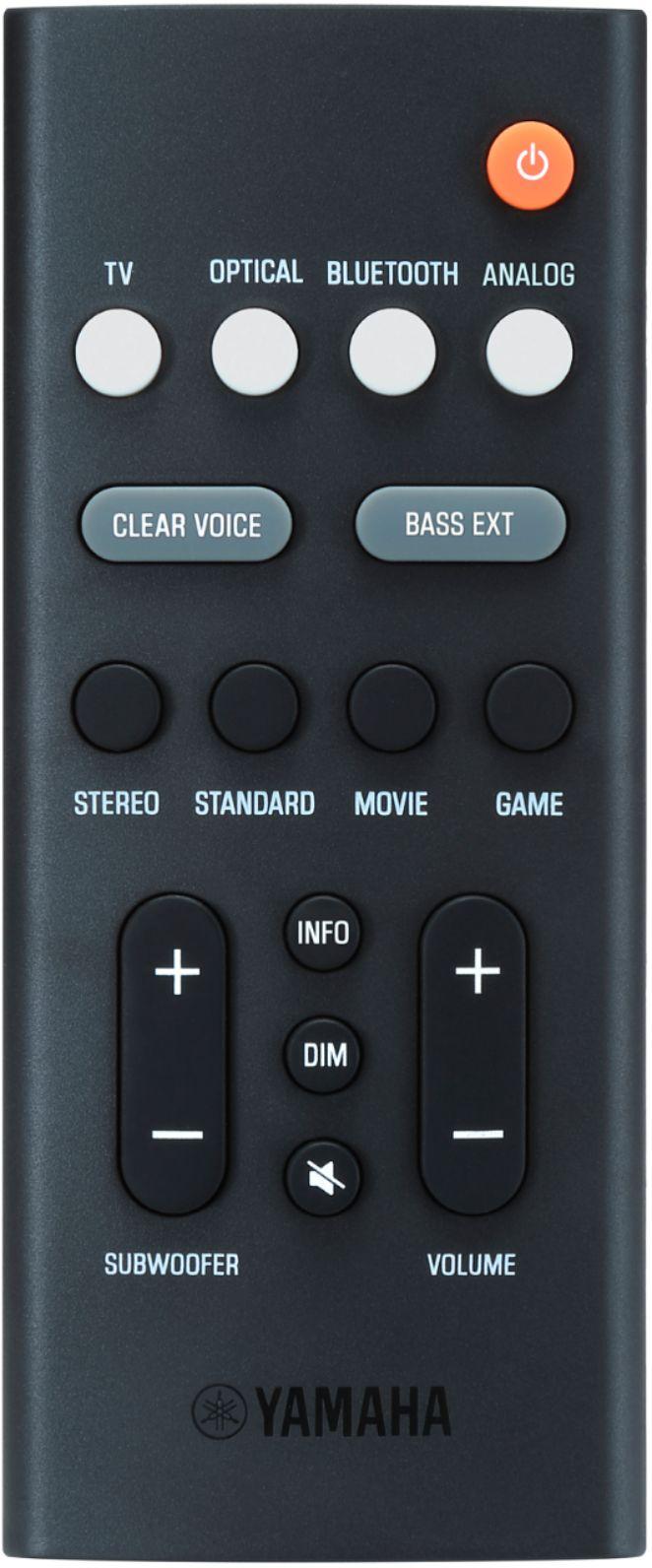
The Yamaha SR-C20A includes a "Clear Voice" feature that takes the more traditional approach—boosting vocal frequencies and adjusting the EQ to make dialogue more prominent. It's effective, but it's a static adjustment rather than an intelligent, adaptive system.
During testing, I found the Bose's AI approach particularly helpful with content that has dramatic volume differences, like Christopher Nolan films where whispered dialogue suddenly gives way to explosive action sequences. The system maintains dialogue clarity even during the loudest moments, while simpler systems often get overwhelmed.
The connectivity differences between these soundbars reflect their different target markets and design philosophies. The Bose Smart Ultra embraces the modern smart home ecosystem with extensive wireless connectivity options.
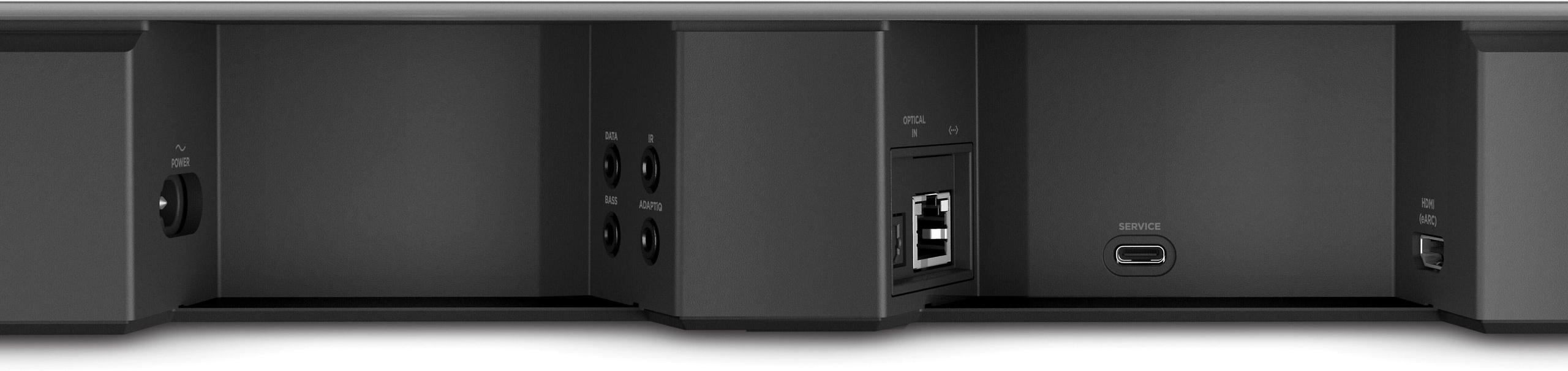
HDMI eARC (enhanced Audio Return Channel) support means the Bose can receive high-quality, uncompressed audio directly from your TV, including Dolby Atmos tracks. This single cable connection also allows your TV remote to control the soundbar's volume, creating a seamless user experience.
Beyond HDMI, the Bose includes Wi-Fi connectivity, which enables features like Spotify Connect (stream directly from the Spotify app without using your phone's Bluetooth), AirPlay 2 for Apple device integration, and Chromecast support for Android users. The built-in voice assistants (Google Assistant and Amazon Alexa) turn the soundbar into a smart speaker when you're not watching TV.
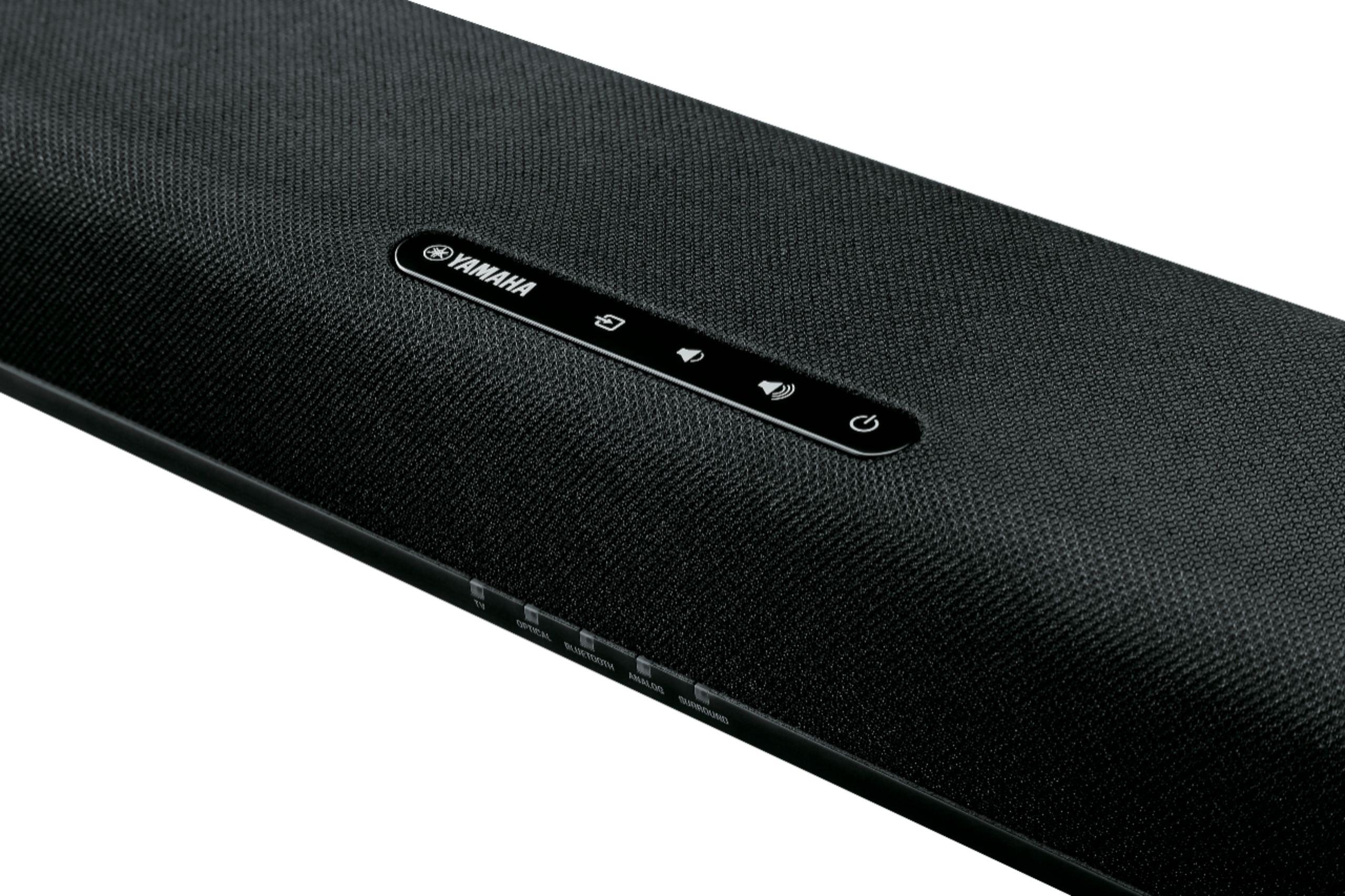
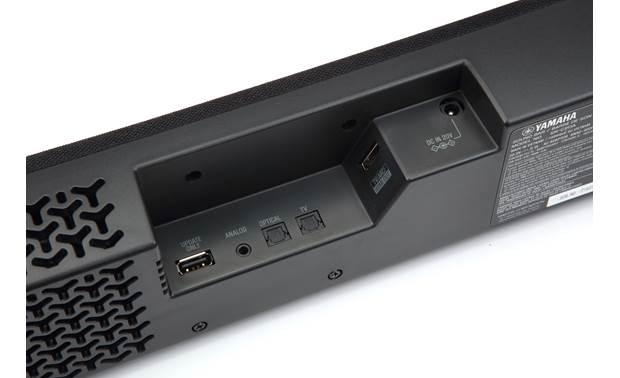
The Yamaha SR-C20A takes a deliberately simpler approach with optical digital input, auxiliary input, and basic Bluetooth connectivity. There's no Wi-Fi, no voice assistants, and no app-based control. This might seem limiting, but it actually has advantages for users who prefer straightforward, reliable operation without the complexity of smart features.
In my experience, the smart features can be genuinely useful—I frequently use voice commands to adjust volume or switch inputs—but they also introduce potential points of failure. Some users have reported connectivity issues with the Bose that require troubleshooting, while the Yamaha's simpler approach tends to be more consistently reliable.
How a soundbar adapts to your specific room makes a significant difference in performance, and this is another area where these products take different approaches.
The Bose Smart Ultra includes ADAPTiQ audio calibration, which uses an included microphone to measure your room's acoustic properties and automatically adjust the soundbar's output accordingly. You place the microphone at your primary listening position, and the system plays test tones to understand how sound behaves in your space.
This calibration accounts for factors like room size, furniture placement, wall materials, and ceiling height. Hard surfaces like tile floors and bare walls can make audio sound harsh and echoey, while heavy carpeting and soft furniture can absorb too much sound. The ADAPTiQ system compensates for these variables, optimizing the sound specifically for your environment.
The Yamaha SR-C20A doesn't include automatic room calibration, instead relying on its multiple sound modes (Stereo, Standard, Game, and Movie) to provide some customization for different content types. While less sophisticated, this approach can still improve performance when you manually select the appropriate mode for what you're watching.
Room calibration might seem like a minor feature, but it can make a substantial difference in real-world performance. In my testing, the same soundbar can sound dramatically different in different rooms, and automatic calibration helps ensure you're getting optimal performance regardless of your specific setup.
For dedicated home theater use, the performance differences between these soundbars become even more pronounced. The Bose Smart Ultra is designed as a potential replacement for traditional surround sound systems, offering expandability and immersive features that work well in larger rooms with dedicated entertainment setups.
The Dolby Atmos support becomes particularly valuable with home theater content. Modern movies and streaming shows increasingly include Dolby Atmos soundtracks that take full advantage of the three-dimensional audio capabilities. Netflix, Disney+, Amazon Prime, and other streaming services offer substantial catalogs of Atmos content, and 4K Blu-rays almost universally include Atmos tracks.
The Bose's expandability also matters for home theater applications. You can add the wireless Bass Module 700 subwoofer for deeper bass extension and Bose Surround Speakers for true rear channel effects, creating a full 5.1.2 system (five main channels, one subwoofer, and two height channels) without running any speaker wires.
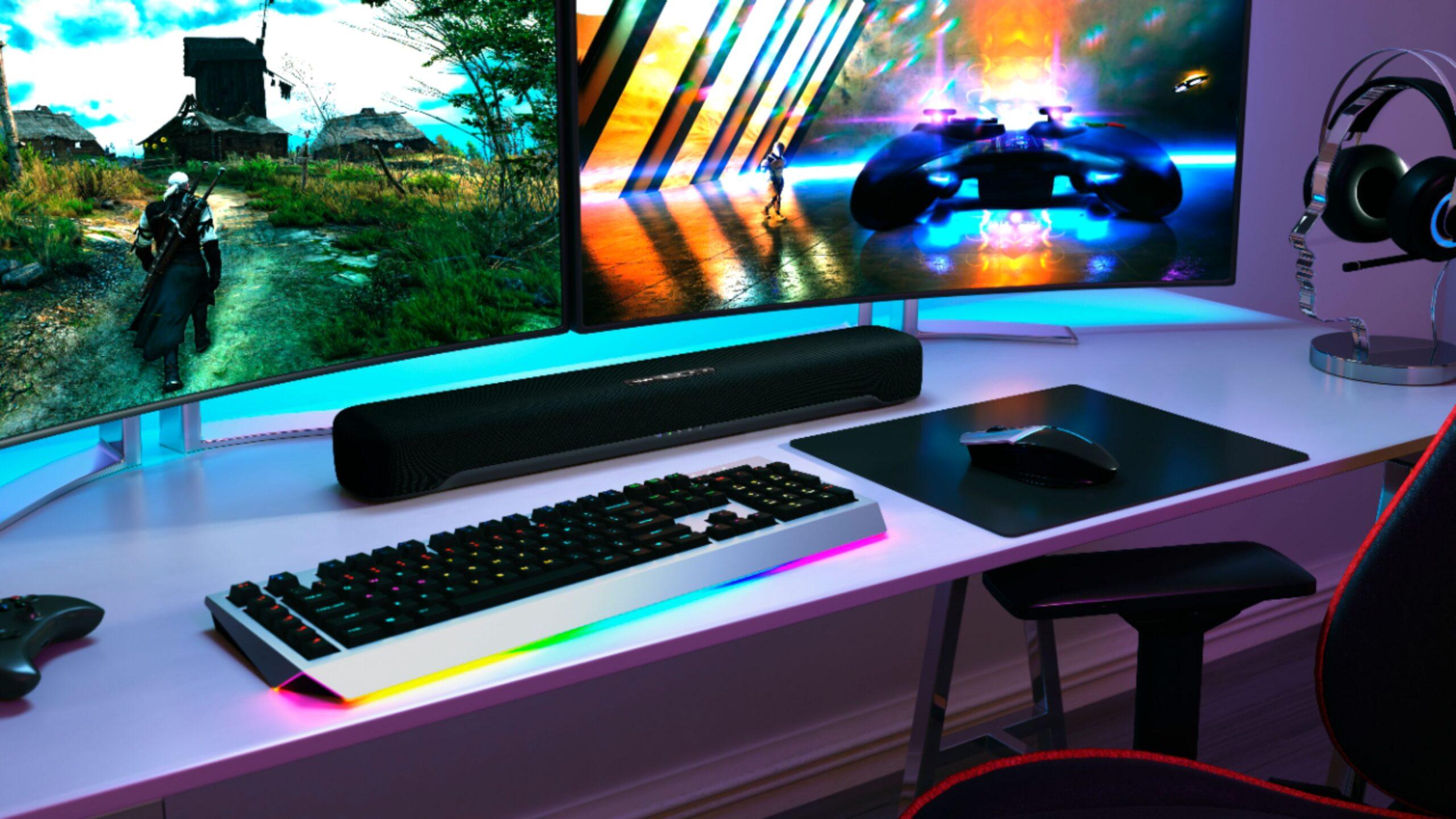
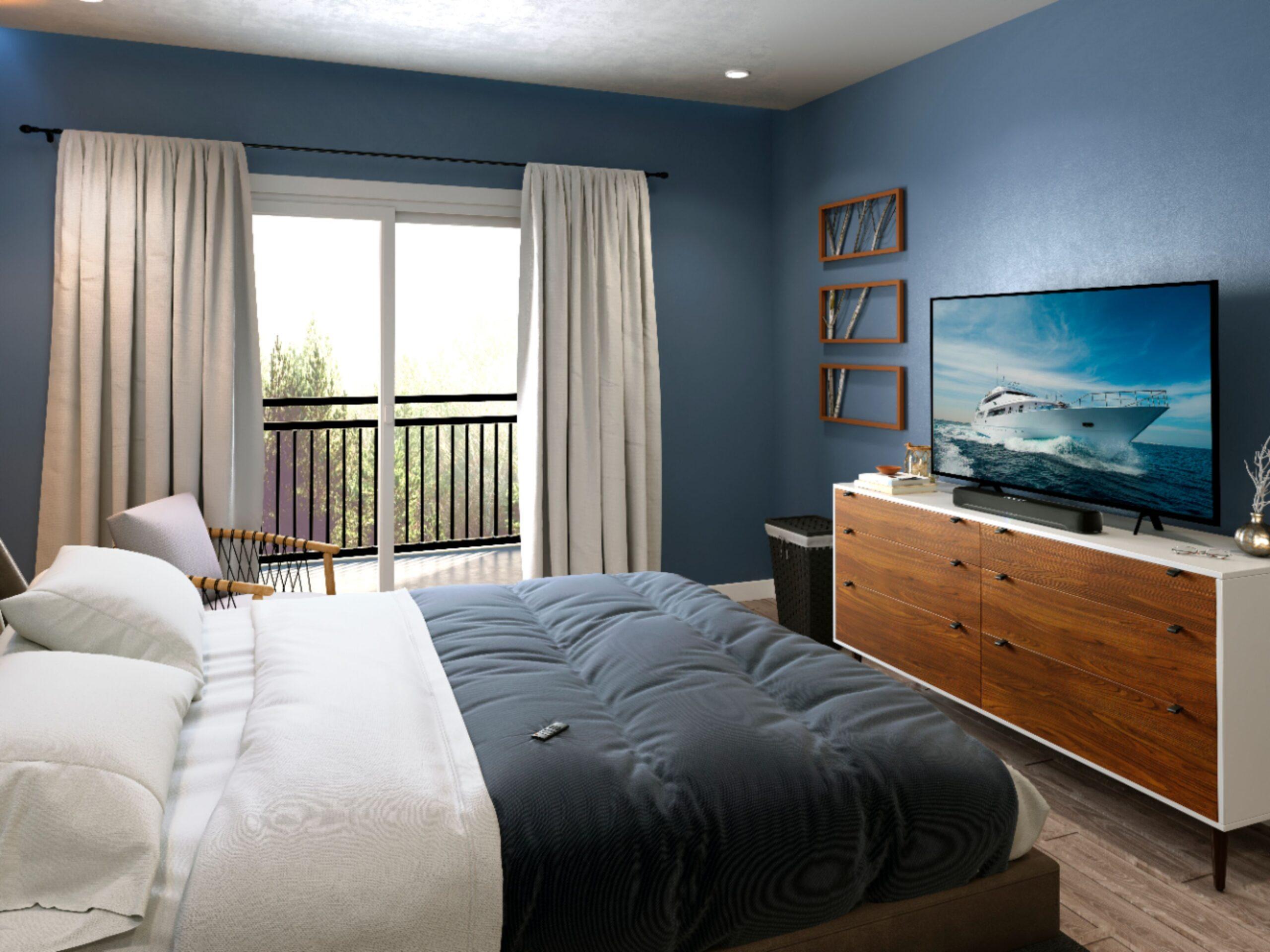
The Yamaha SR-C20A works better as a practical TV audio enhancement rather than a home theater centerpiece. Its compact size and built-in subwoofer make it ideal for smaller spaces, bedrooms, or secondary viewing areas where simplicity and space efficiency matter more than ultimate performance.
The 3.3x price difference between these soundbars represents fundamentally different value propositions. The Yamaha SR-C20A delivers significant audio improvement over TV speakers at a price point that makes sense for casual users or budget-conscious buyers.
For $179, you get clear dialogue enhancement, surprisingly good bass response, and reliable operation. The built-in subwoofer alone provides value, as adding a separate subwoofer to most budget soundbars costs nearly as much as this entire system.
The Bose Smart Ultra at $599 targets users willing to invest in premium audio technology. The Dolby Atmos immersion, AI dialogue processing, room calibration, and smart features justify the higher price for enthusiasts who want the best possible soundbar experience.
However, value isn't just about features—it's about how those features improve your daily entertainment experience. If you primarily watch news, sitcoms, and basic cable content, the Yamaha's dialogue enhancement and bass boost might provide all the improvement you need. If you're watching Marvel movies, playing immersive games, or streaming high-quality content regularly, the Bose's advanced features become much more valuable.
Choosing between these soundbars ultimately depends on your specific needs, space, and budget. The Yamaha SR-C20A excels in situations where simplicity, space efficiency, and budget consciousness are primary concerns. It's perfect for apartments, bedrooms, kitchens, or any secondary TV where you want better audio without complexity or high cost.
The Bose Smart Ultra makes sense when audio quality is a priority and you have the space and budget to take full advantage of its capabilities. It's designed for primary entertainment systems where the TV is 55 inches or larger and you regularly watch movies, play games, or stream high-quality content.
Consider the Yamaha if you're looking for a straightforward solution to poor TV audio, prefer simple operation, have space constraints, or are setting up audio for a secondary viewing area. Its built-in subwoofer and Clear Voice technology will make a noticeable difference in your daily viewing experience without requiring any learning curve or complex setup.
Choose the Bose if you want genuine home theater immersion, plan to watch Dolby Atmos content, value smart home integration, or might expand your system with additional speakers over time. The AI dialogue processing alone makes it worthwhile for users who watch a lot of dialogue-heavy content with complex soundtracks.
Both soundbars succeed at their intended purposes, but they're solving different problems for different users. The key is honestly assessing what you need from your audio upgrade and choosing the solution that best matches your priorities and situation.
| Bose Smart Ultra Soundbar with Dolby Atmos | Yamaha SR-C20A Compact Sound Bar with Built-In Subwoofer |
|---|---|
| Price - Major factor in choosing audio enhancement level | |
| $599 (premium investment for home theater) | $179 (budget-friendly TV audio upgrade) |
| Audio Technology - Determines immersion level and sound quality | |
| Dolby Atmos with 9-driver array, AI Dialogue Mode, TrueSpace processing | Virtual surround with built-in subwoofer, Clear Voice dialogue enhancement |
| Size & Weight - Important for TV compatibility and installation | |
| 41.1" × 2.3" × 4.1", 12.68 lbs (fits 55"+ TVs) | 23.5" × 2.5" × 4", 3.9 lbs (ideal for smaller TVs and spaces) |
| Connectivity - Affects ease of use and audio quality | |
| HDMI eARC, Wi-Fi, Bluetooth 5.0, AirPlay 2, Chromecast | Optical input, aux input, basic Bluetooth (simple but reliable) |
| Smart Features - Convenience and integration capabilities | |
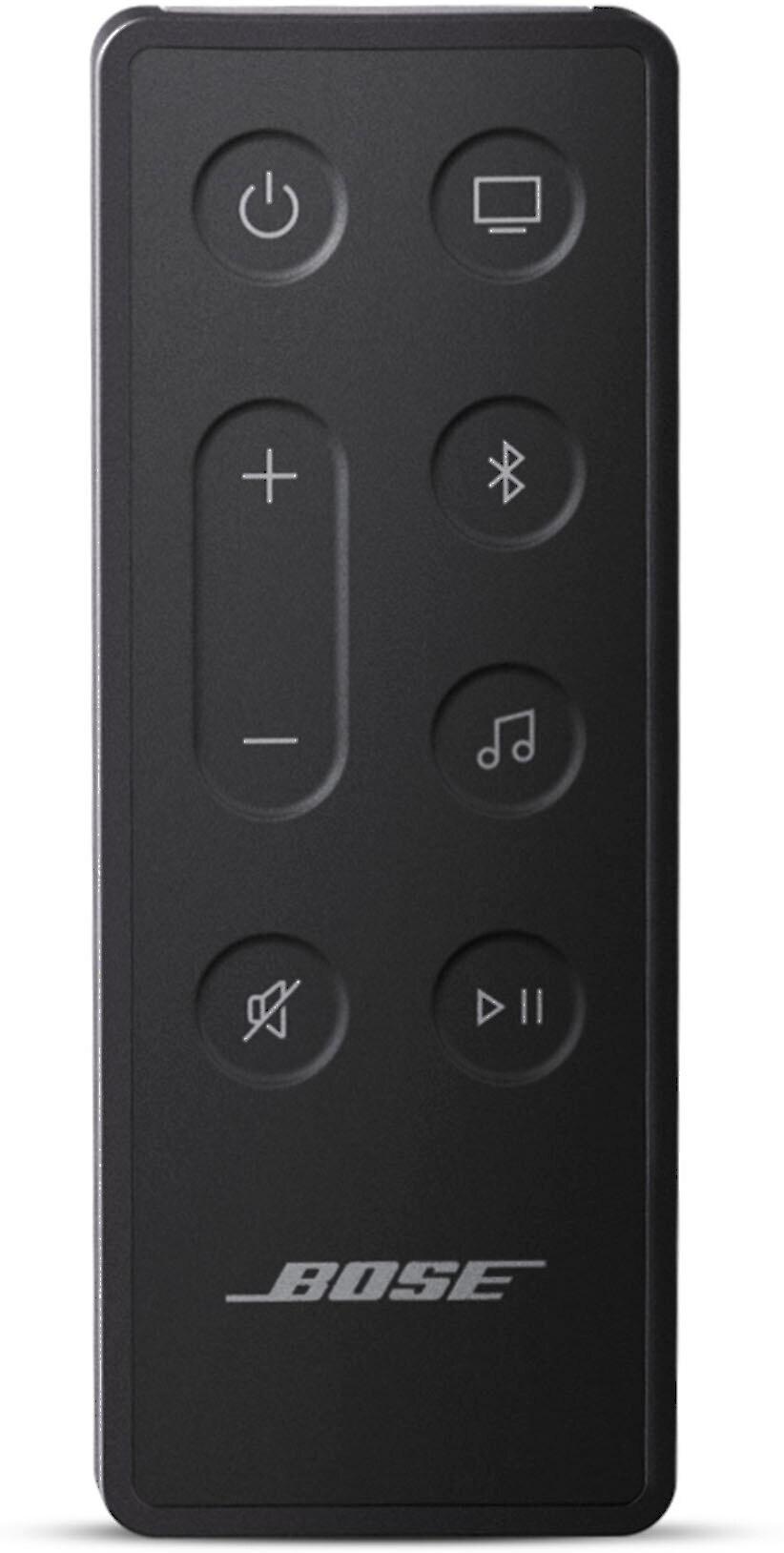
| Google Assistant, Alexa built-in, Spotify Connect, Bose Music app | None (physical remote only, no voice control) |
| Room Calibration - Optimizes sound for your specific space | |
| ADAPTiQ automatic calibration with included microphone | Manual sound modes (Stereo, Standard, Game, Movie) |
| Bass Response - Critical for movie impact and music enjoyment | |
| Advanced bass processing, optional wireless subwoofer expandability | Built-in 3" subwoofer with dual passive radiators (surprisingly good for size) |
| Expandability - Future upgrade potential | |
| Compatible with Bose wireless subwoofer and surround speakers | Standalone unit (no expansion options) |
| Best Use Case - Where each product excels | |
| Primary home theater system, large rooms, Dolby Atmos content | Secondary TVs, small spaces, budget-conscious upgrades |
The Yamaha SR-C20A at $179 offers excellent value for basic TV audio improvement, while the Bose Smart Ultra Soundbar at $599 provides premium features like Dolby Atmos that justify the higher cost for serious home theater users. Choose based on your budget and audio expectations.
The Bose Smart Ultra Soundbar focuses on immersive home theater audio with Dolby Atmos and AI dialogue processing, while the Yamaha SR-C20A prioritizes simplicity and space-saving design with built-in bass enhancement. The Bose creates 3D audio experiences, while the Yamaha improves basic TV sound quality.
Dolby Atmos in the Bose Smart Ultra Soundbar adds overhead sound effects that create genuine immersion for movies and games. The Yamaha SR-C20A provides virtual surround that widens the sound but can't create height effects. Atmos is worth it if you watch action movies or play immersive games regularly.
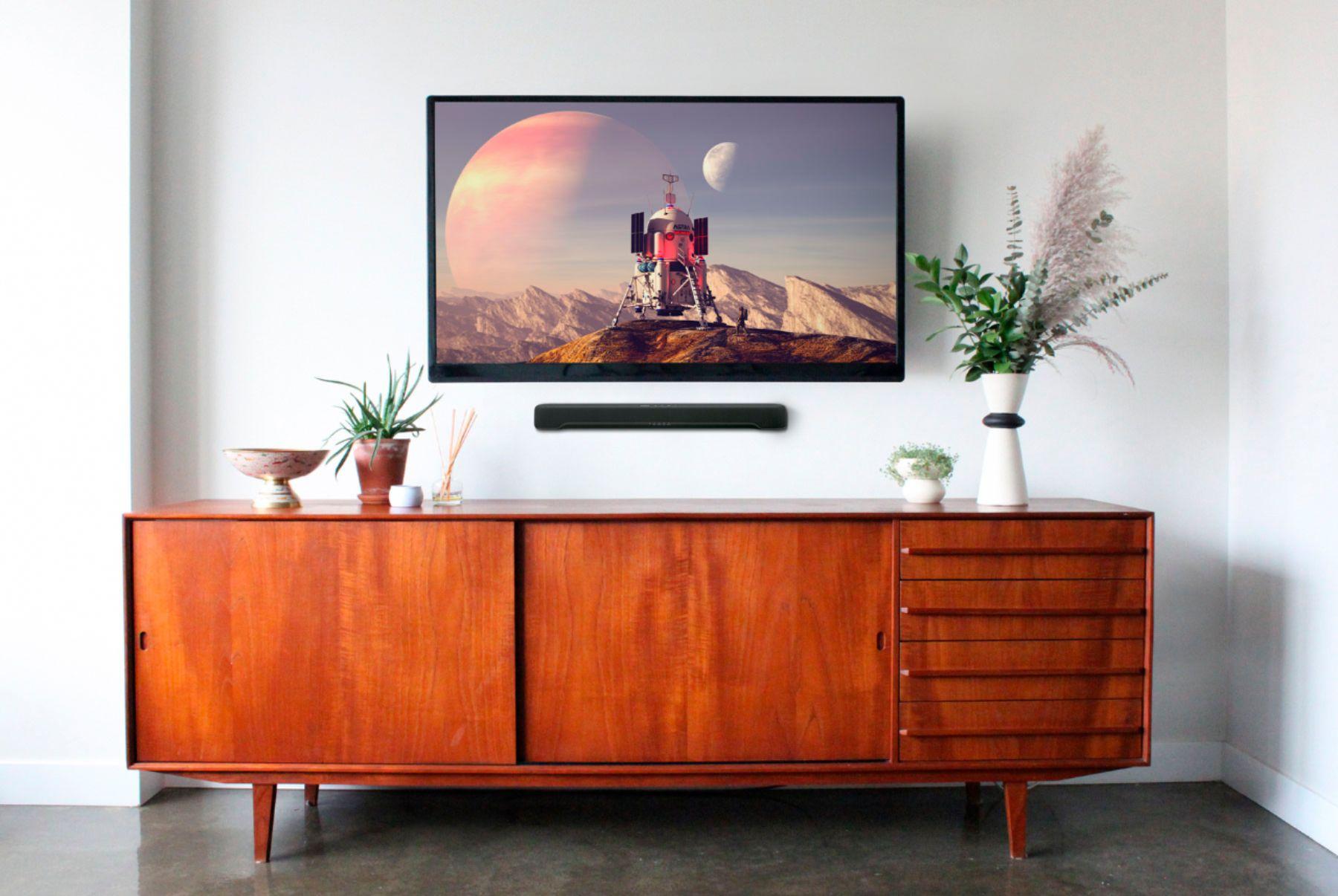
The Yamaha SR-C20A is specifically designed for small spaces at 23.5 inches wide and includes a built-in subwoofer that eliminates the need for additional components. The Bose Smart Ultra Soundbar at 41.1 inches wide works better with larger TVs (55+ inches) and bigger rooms.
Yes, the Bose Smart Ultra Soundbar can expand with wireless Bose subwoofers and surround speakers to create a full 5.1.2 system. The Yamaha SR-C20A is a standalone unit with no expansion options, but its built-in subwoofer means you may not need additional speakers.
The Bose Smart Ultra Soundbar uses AI Dialogue Mode that automatically adjusts audio in real-time for clearer speech without affecting background sounds. The Yamaha SR-C20A has Clear Voice technology that boosts vocal frequencies effectively but isn't as sophisticated as the Bose's adaptive system.
The Bose Smart Ultra Soundbar includes Google Assistant, Alexa, Wi-Fi streaming, and smartphone app control for extensive smart home integration. The Yamaha SR-C20A has no smart features—just basic Bluetooth and physical remote control, which some users prefer for simplicity and reliability.
The Yamaha SR-C20A includes a built-in 3-inch subwoofer with dual passive radiators that provides surprising bass for its compact size. The Bose Smart Ultra Soundbar has good bass processing but is designed to work optimally with Bose's optional wireless subwoofer for deeper impact.
The Bose Smart Ultra Soundbar excels for gaming with Dolby Atmos support that creates immersive 3D audio effects and low latency connectivity. The Yamaha SR-C20A includes a dedicated Game mode that enhances audio for gaming but lacks the spatial audio effects of Dolby Atmos.
The Yamaha SR-C20A is simpler with basic connections and physical remote control—no apps or voice assistants to configure. The Bose Smart Ultra Soundbar offers more convenience features once set up but requires initial configuration of smart features, room calibration, and the mobile app.
The Bose Smart Ultra Soundbar provides wider soundstage and supports high-quality streaming services like Spotify Connect and AirPlay 2 for excellent music reproduction. The Yamaha SR-C20A handles music well through Bluetooth with its built-in subwoofer adding bass depth, making it surprisingly good for casual music listening.
Choose the Bose Smart Ultra Soundbar for dedicated home theaters with 55+ inch TVs where you want Dolby Atmos immersion and plan to expand with additional speakers. Pick the Yamaha SR-C20A for smaller spaces, secondary TVs, or when you want significant audio improvement without the complexity and cost of a premium system.
We've done our best to create useful and informative comparisons to help you decide what product to buy. Our research uses advanced automated methods to create this comparison and perfection is not possible - please contact us for corrections or questions. These are the sites we've researched in the creation of this article: techradar.com - bose.com - bestbuy.com - tomsguide.com - pcrichard.com - rtings.com - bose.com - boselatam.com - avsforum.com - bose.com - t3.com - usa.yamaha.com - radiotimes.com - shop.usa.yamaha.com - whathifi.com - hifiheaven.net - usa.yamaha.com - sweetwater.com - hub.yamaha.com - bestbuy.com

Privacy Policy
Terms and Conditions - Affiliate Policy
Home Security
© Copyright 2008-2026.
11816 Inwood Rd #1211, Dallas, TX 75244