

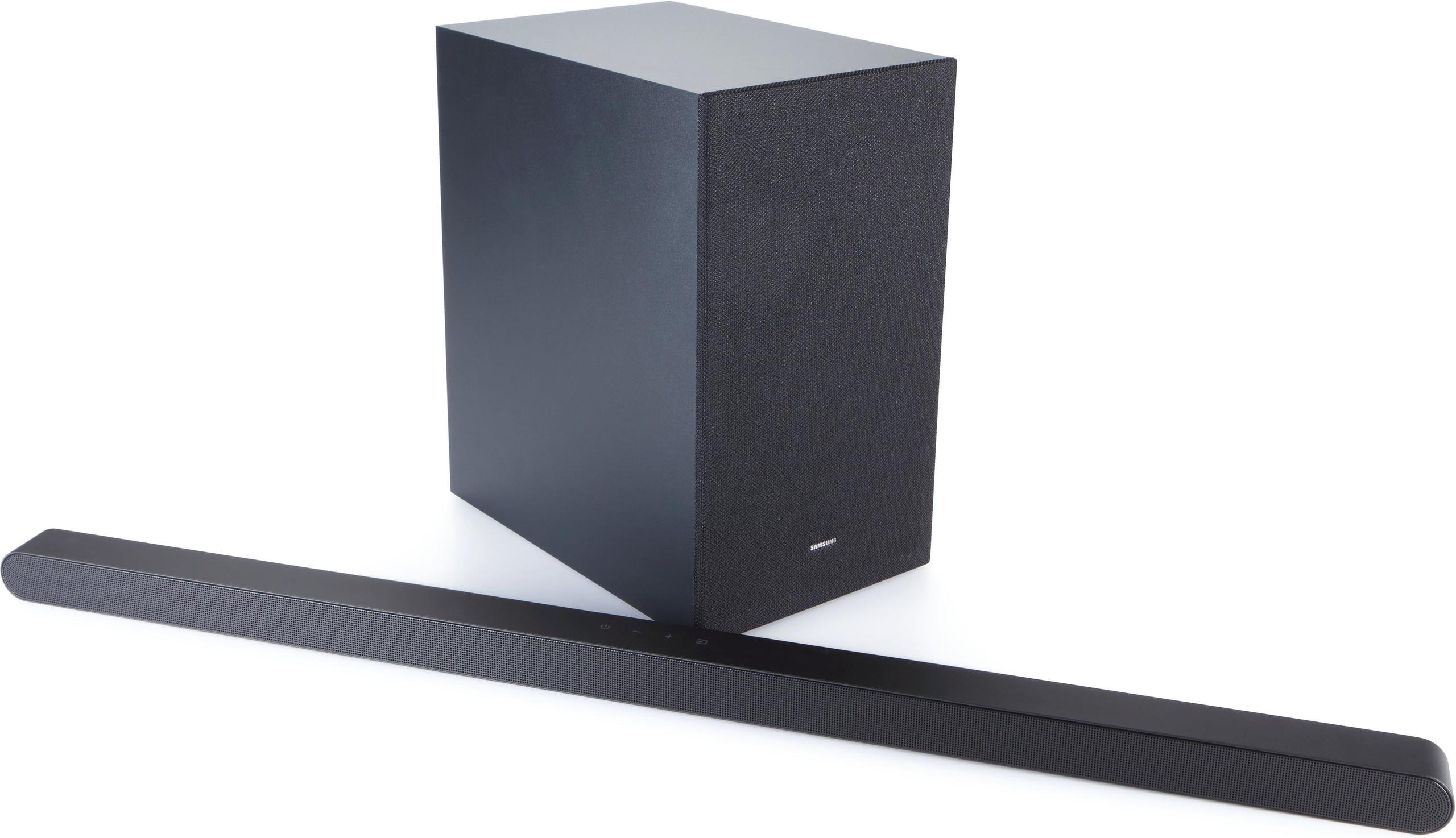
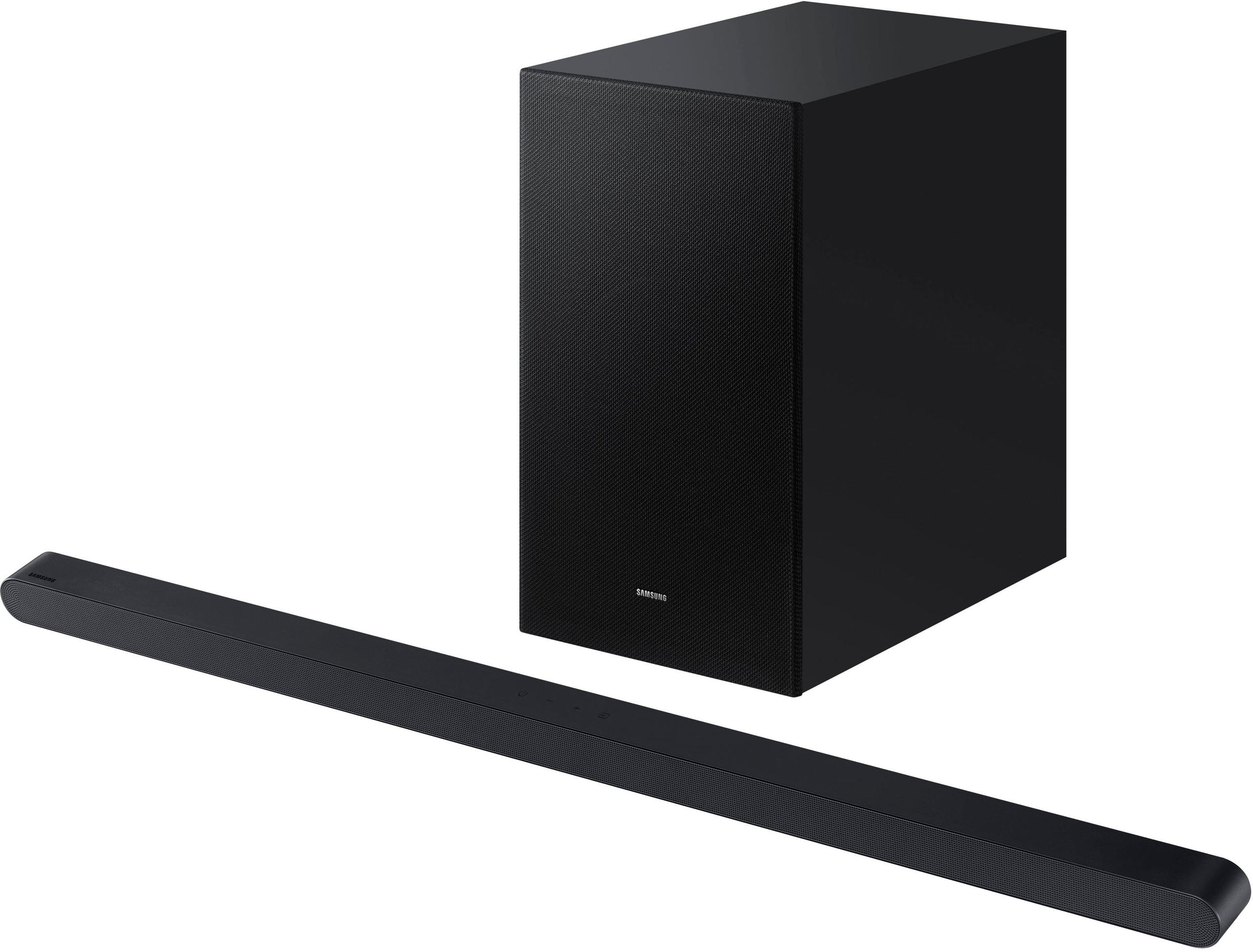
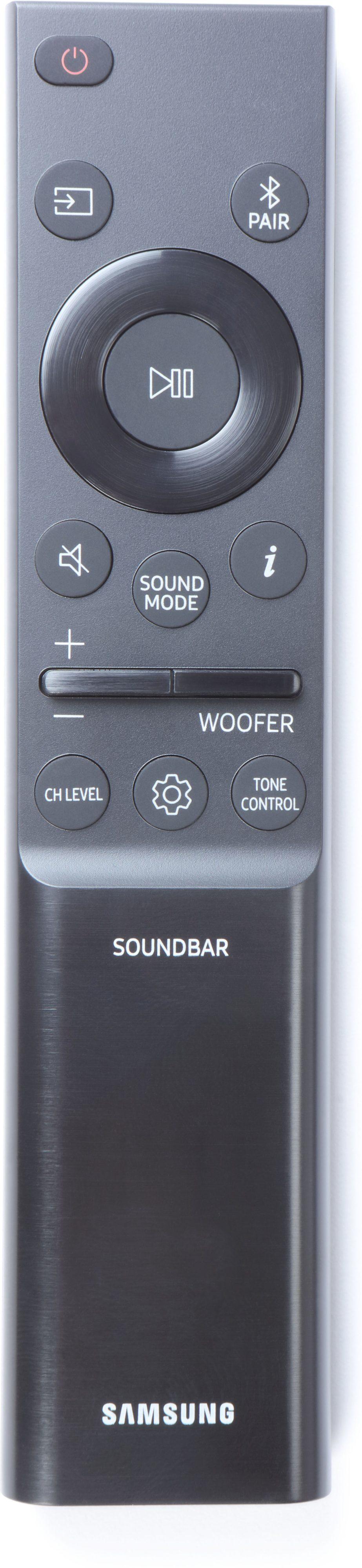
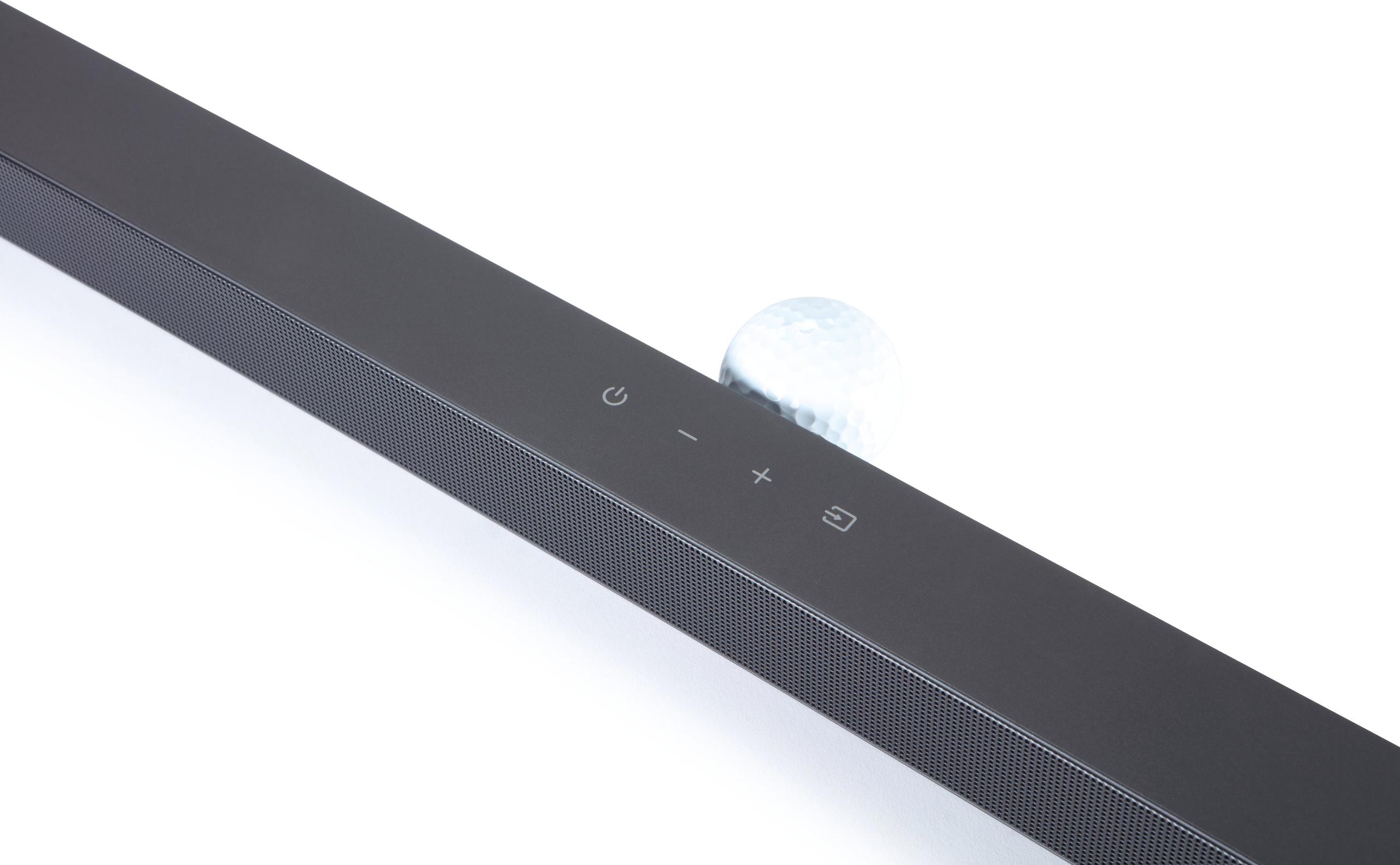

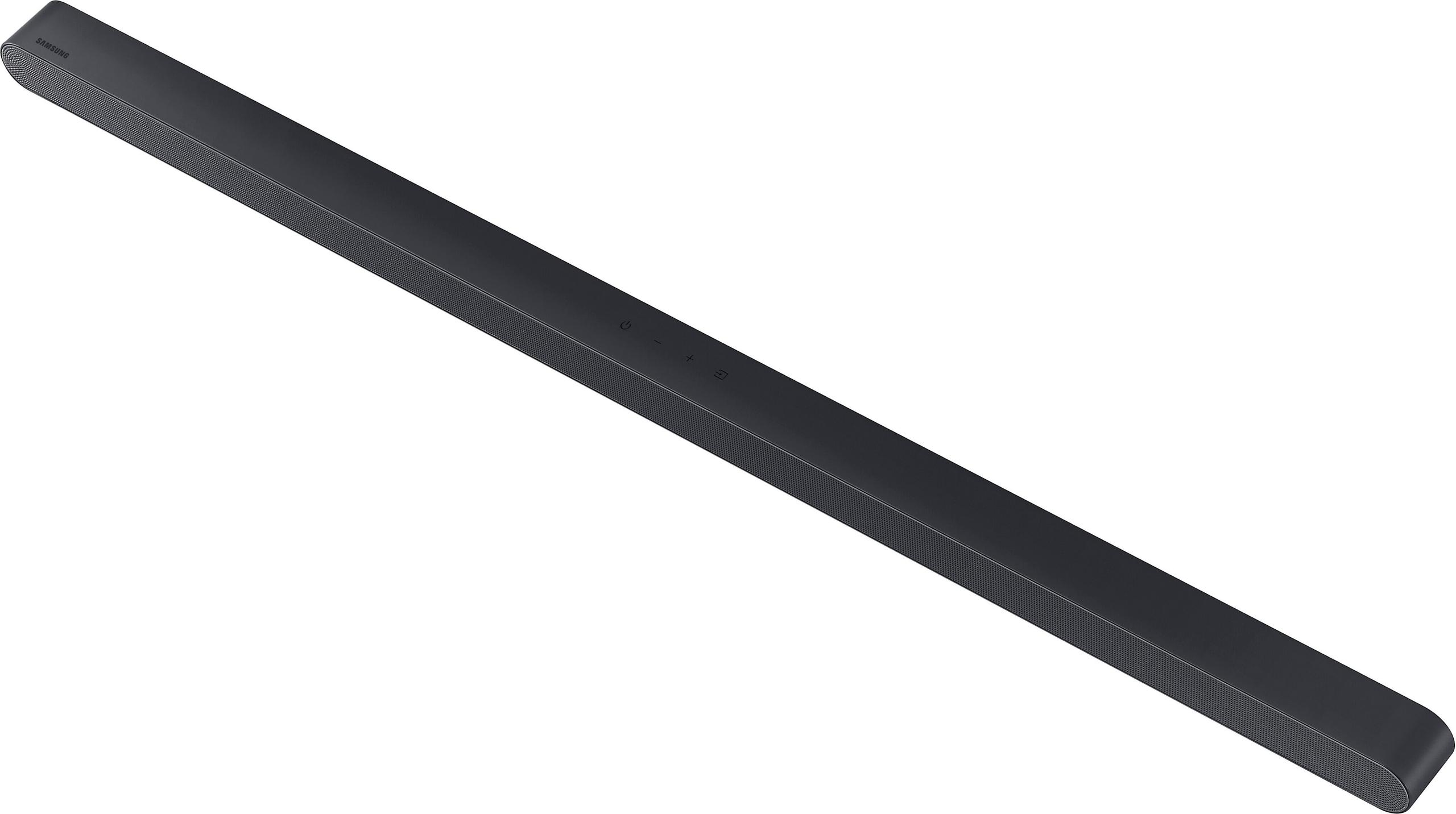
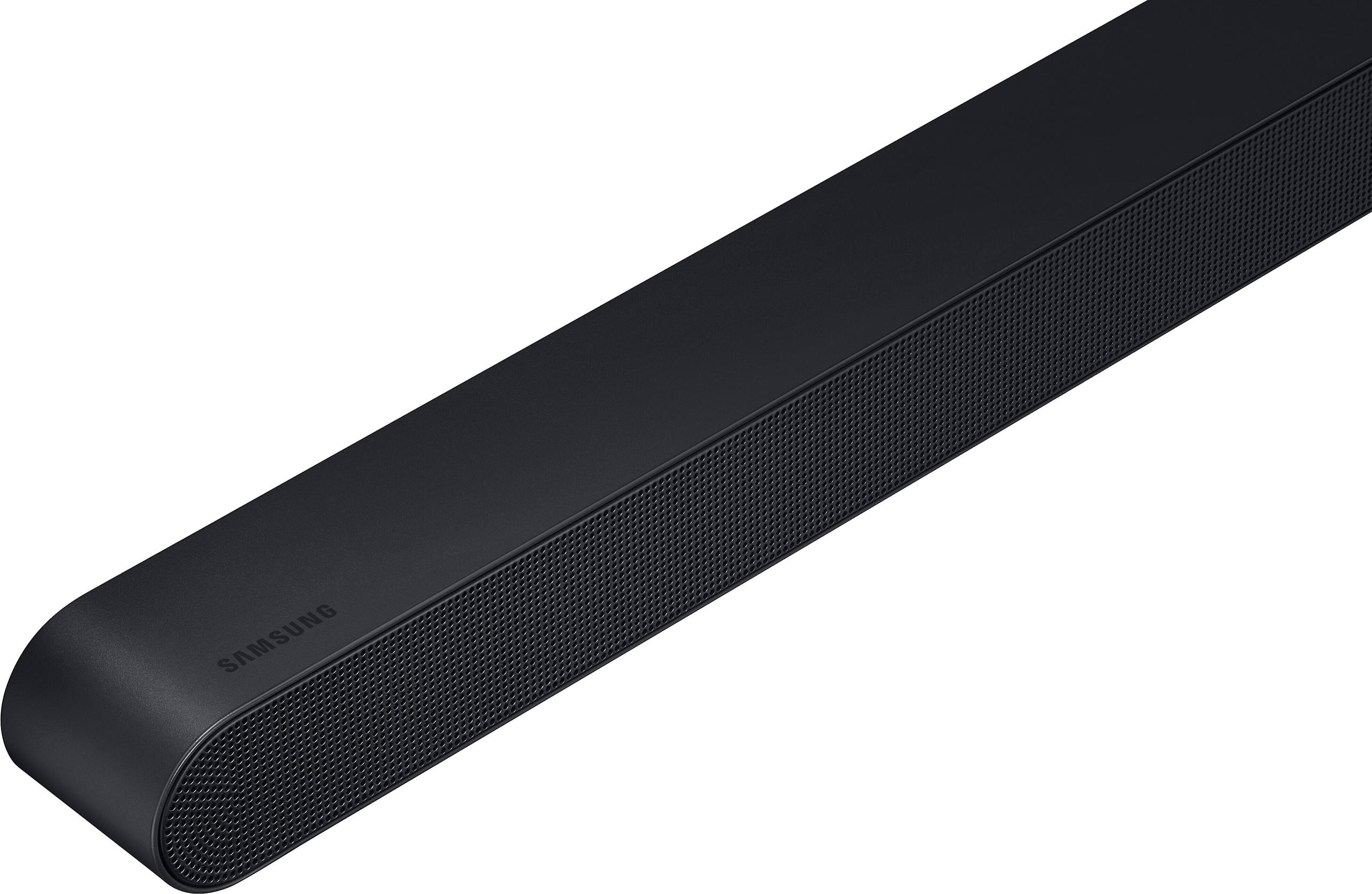







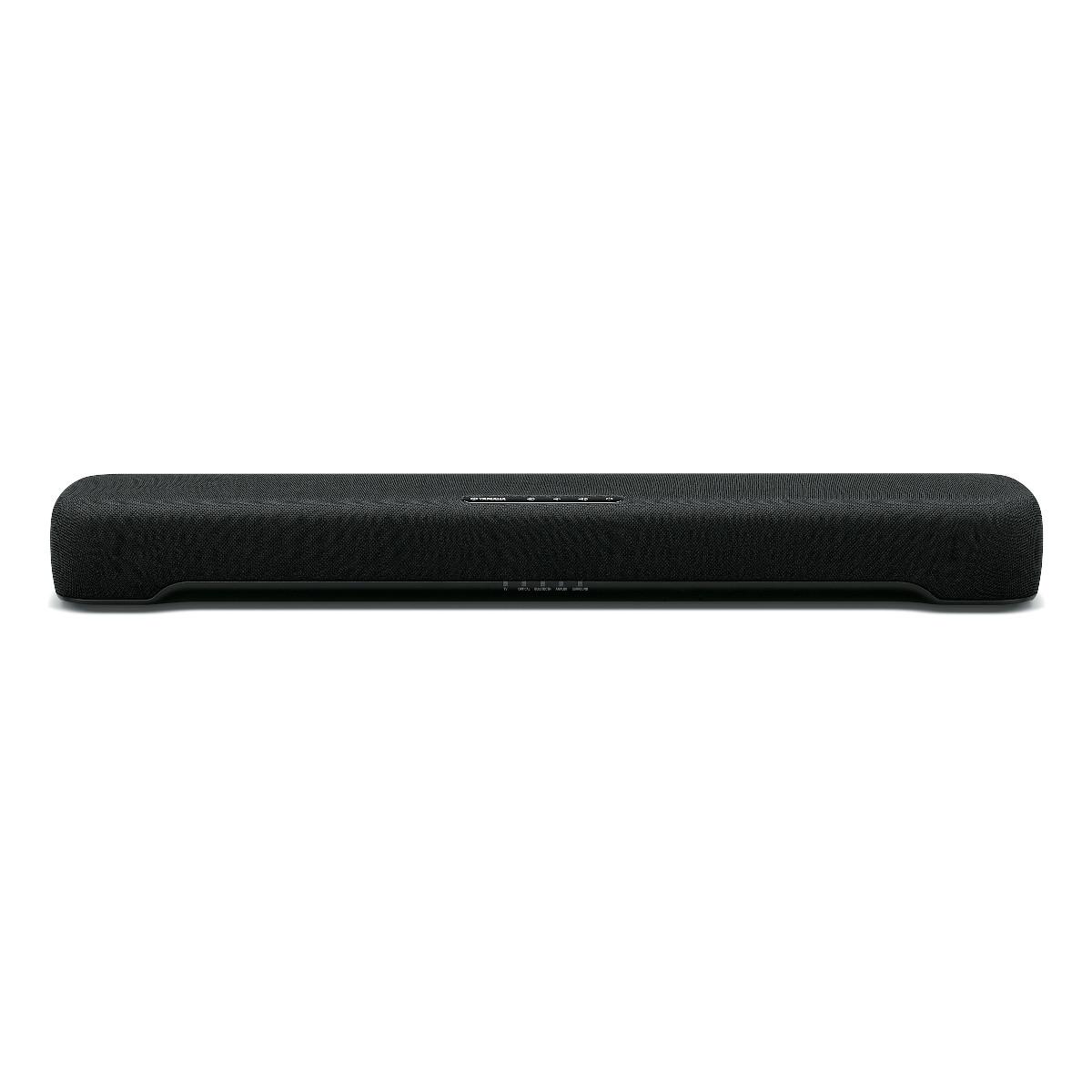
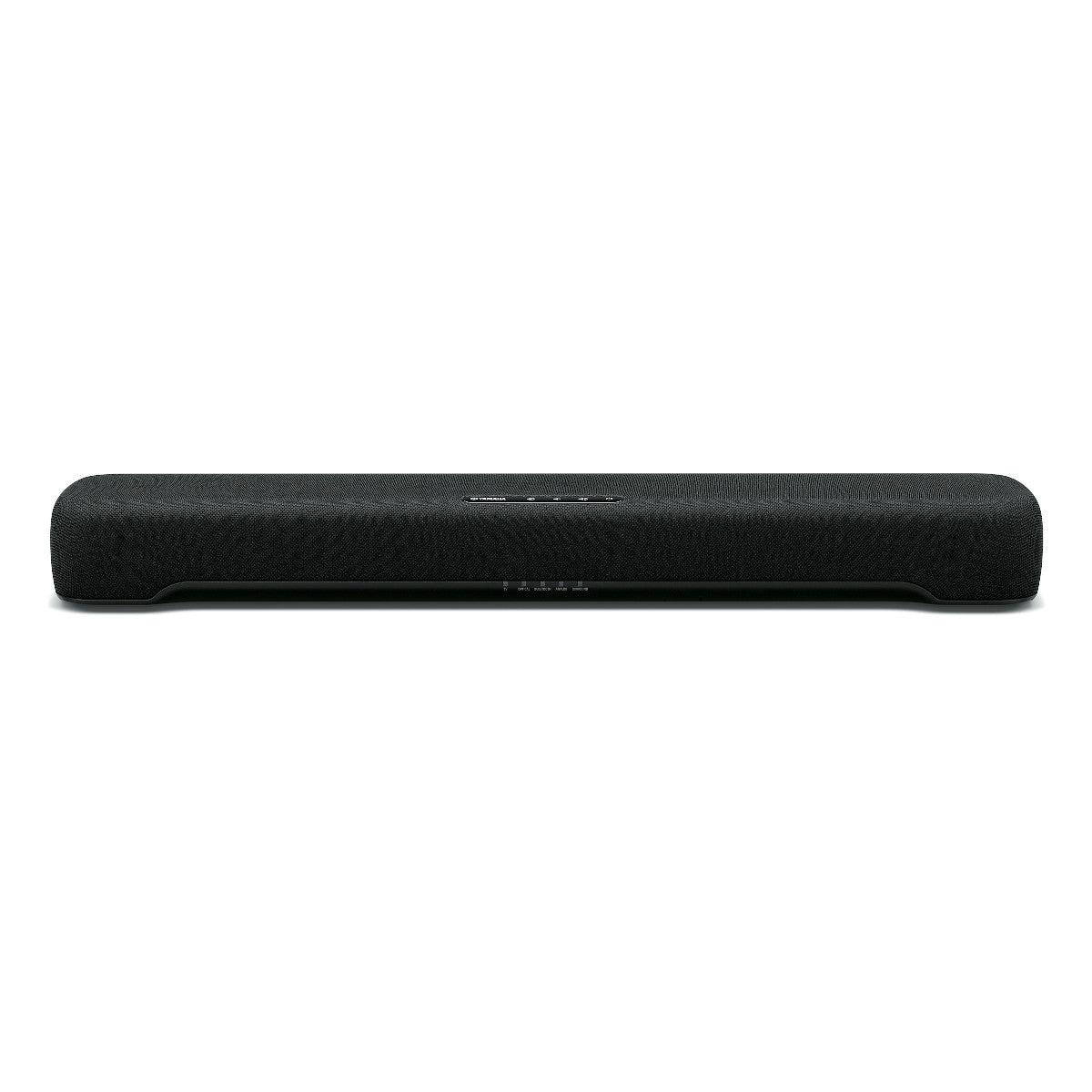
If you've ever struggled to hear dialogue in your favorite show or felt like your TV's built-in speakers sound like they're coming from inside a tin can, you're not alone. Most modern TVs have terrible audio – it's the trade-off manufacturers make for those sleek, ultra-thin designs we all love. That's where compact soundbars come in, and today we're comparing two very different approaches to solving this problem.
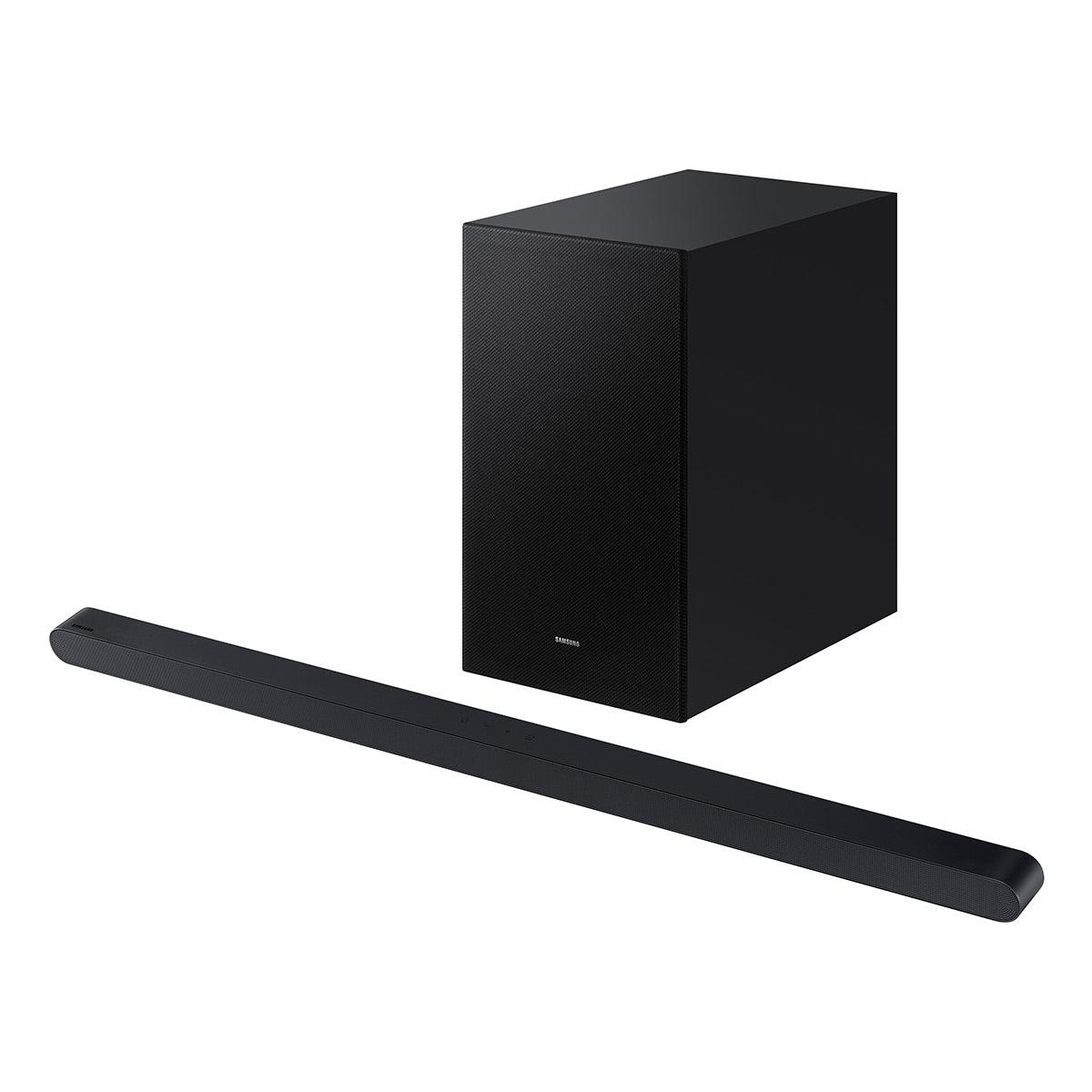
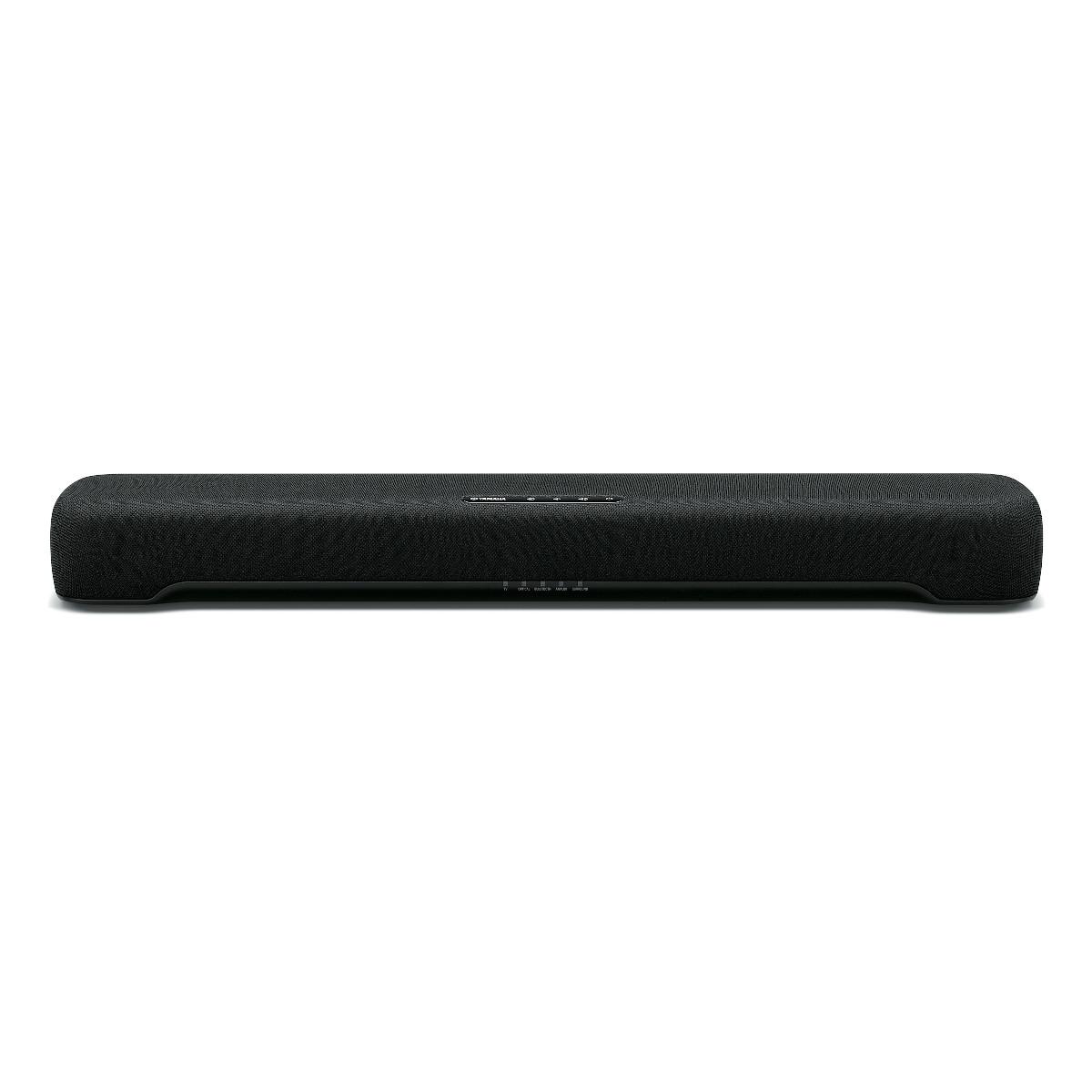
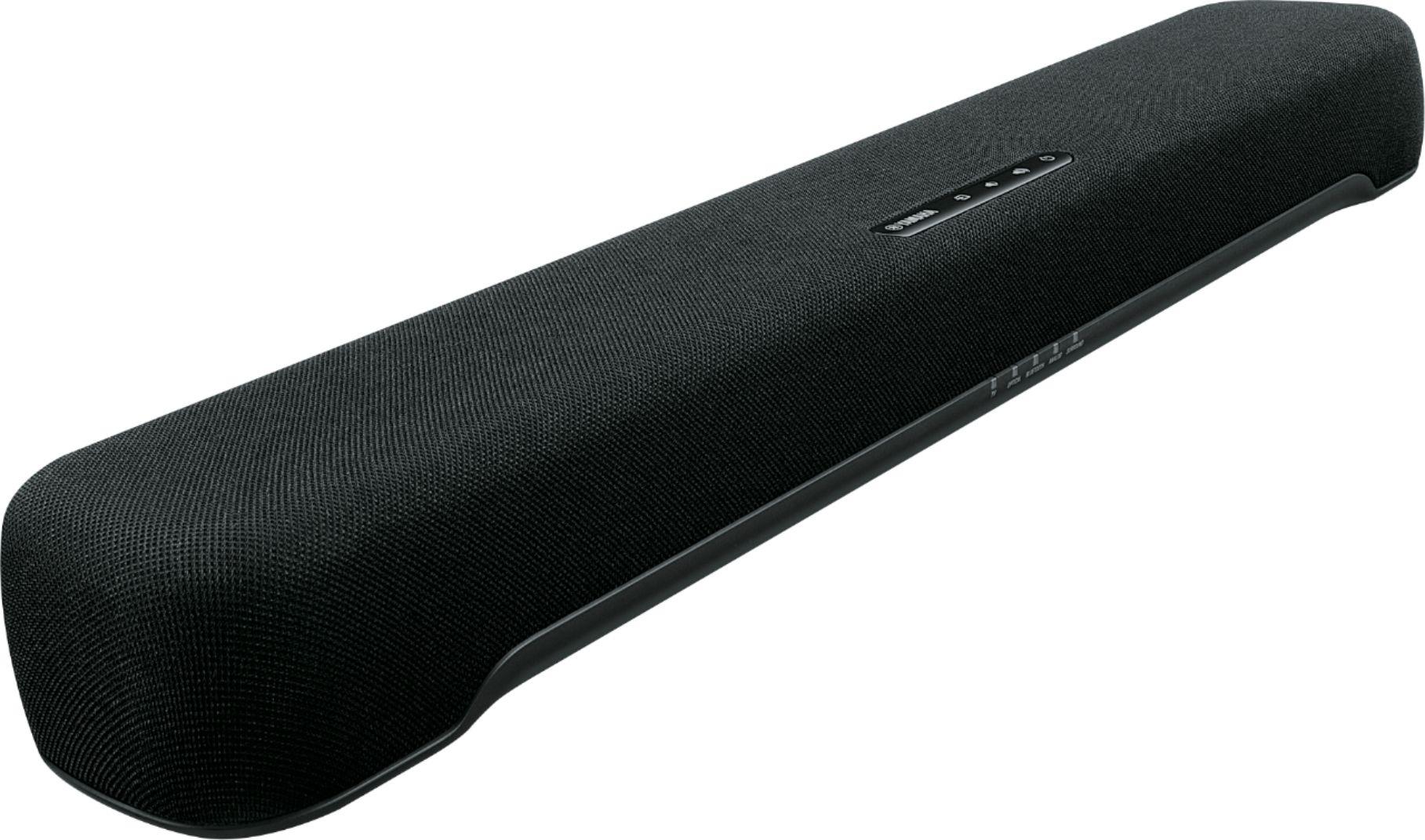
The Samsung HW-S700D ($377.99) represents the premium end of compact soundbars, released in 2024 with cutting-edge wireless Dolby Atmos technology. Meanwhile, the Yamaha SR-C20A (currently $17.98 on clearance) takes a more traditional approach, having launched in 2020 with a focus on delivering solid fundamentals at an accessible price point.
Before diving into the specifics, let's talk about what you should actually care about when shopping for a soundbar. The most important factors are room size compatibility, connectivity options, and the type of audio processing each unit offers.
Room size matters more than most people realize. A soundbar designed for a 12x12 bedroom will sound completely different – and potentially worse – in a large living room. Power output, measured in watts, gives you a rough idea of how loud a soundbar can get, but the real magic happens in how that power is distributed across different frequency ranges.
Connectivity determines your future flexibility. HDMI eARC (enhanced Audio Return Channel) is the gold standard because it can handle high-quality, uncompressed audio formats. Optical connections are more common on older devices but compress the audio signal, which means you're not getting the full quality from high-end sources like 4K Blu-ray players.
Audio processing is where the real differences emerge. Dolby Atmos creates the illusion of sounds coming from above and around you by bouncing audio off your ceiling. Virtual surround tries to achieve similar effects using psychoacoustic tricks – basically fooling your brain into thinking sounds are coming from places they're not.
The release timeline of these products tells an interesting story about how soundbar technology has evolved. The Yamaha SR-C20A launched in 2020 during a period when manufacturers were focused on making soundbars smaller and more affordable while still delivering meaningful audio improvements over TV speakers. At that time, HDMI eARC wasn't widely adopted, and most people were connecting their soundbars via optical cables.
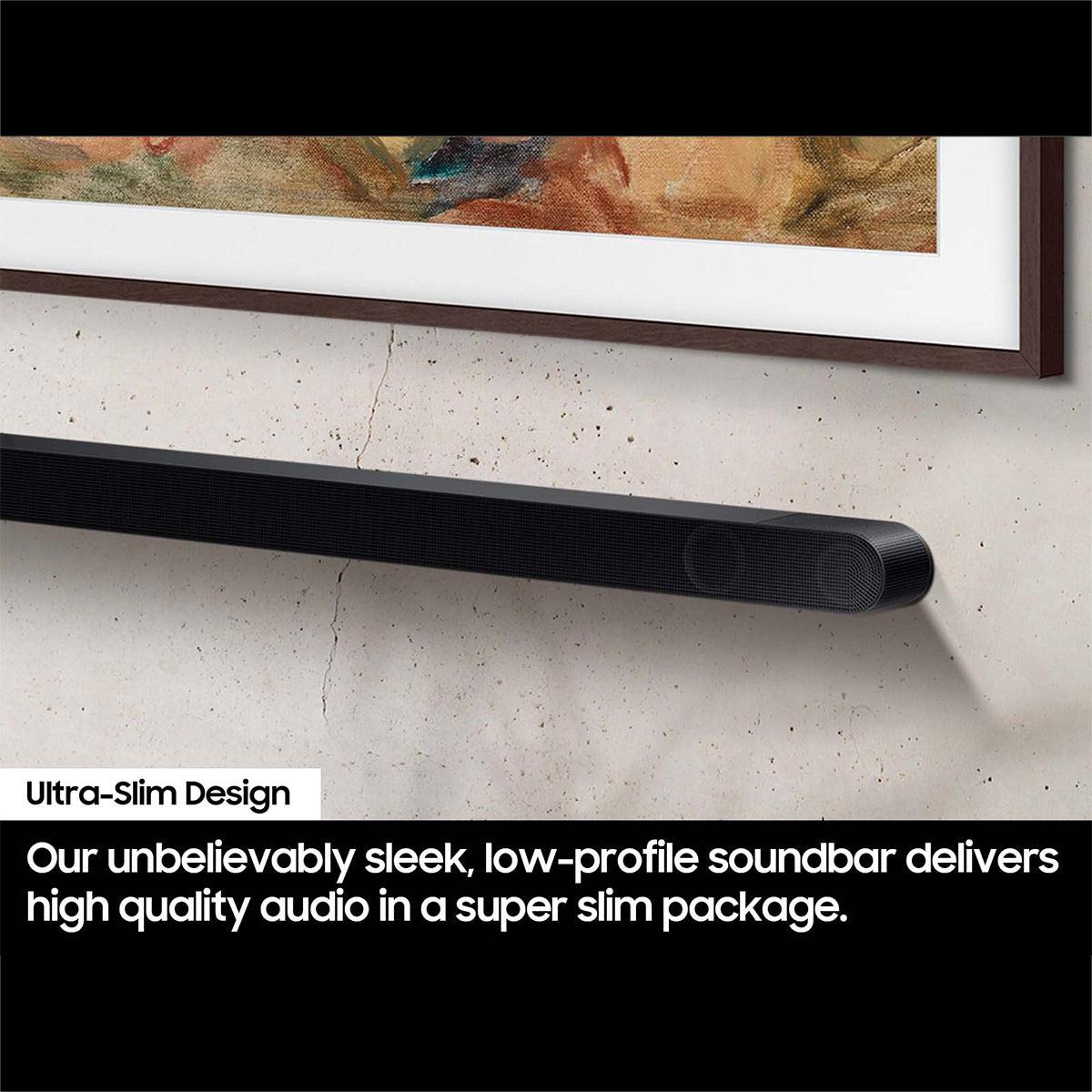
Fast forward to 2024, and the Samsung HW-S700D represents where the industry has moved. HDMI eARC is now standard on most TVs, streaming services routinely offer Dolby Atmos content, and consumers expect their audio devices to integrate seamlessly with smart home ecosystems. Samsung has also refined their approach to compact soundbar design – this model is significantly slimmer than earlier generations while packing more advanced processing power.
The four-year gap between these products means they're solving different problems for different users, which actually makes this comparison more interesting than if we were looking at direct competitors.
The Samsung HW-S700D uses a 3.1-channel configuration, which means it has dedicated left, center, and right speakers built into the soundbar, plus a separate wireless subwoofer that handles the low-frequency effects (the ".1" in 3.1). This setup provides several real advantages over simpler designs.
The dedicated center channel is crucial for dialogue clarity. Instead of creating a "phantom center" by playing the same audio from left and right speakers (which can sound hollow or disconnected), you get a true center image that makes voices sound like they're actually coming from the TV screen. In my experience, this makes a dramatic difference when watching dialogue-heavy content like dramas or news programs.
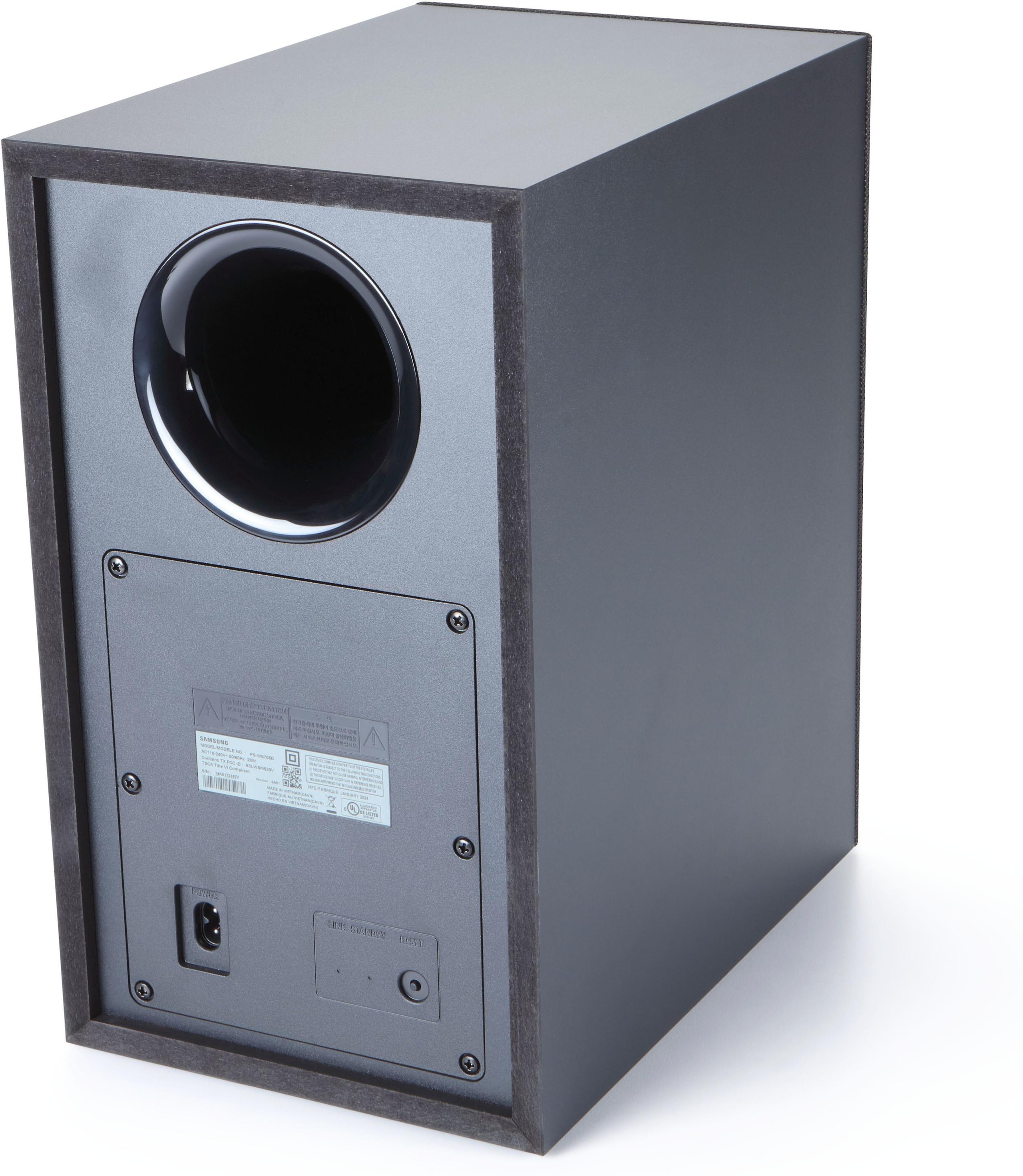
The wireless subwoofer deserves special attention. It's a 6-inch driver in a ported cabinet, which means it can move a lot of air to create deep bass without the muddy, boomy sound you sometimes get from smaller built-in subwoofers. The wireless connection means you can place it wherever it sounds best in your room – usually in a corner or along a wall where the bass response is naturally reinforced.
Samsung's Dolby Atmos implementation is particularly clever. When connected to compatible Samsung TVs, it can use the TV's speakers in conjunction with the soundbar to create genuine overhead effects. This "wireless Dolby Atmos" approach works because the TV and soundbar can communicate directly, synchronizing their output to create a much larger soundstage than either could achieve alone.
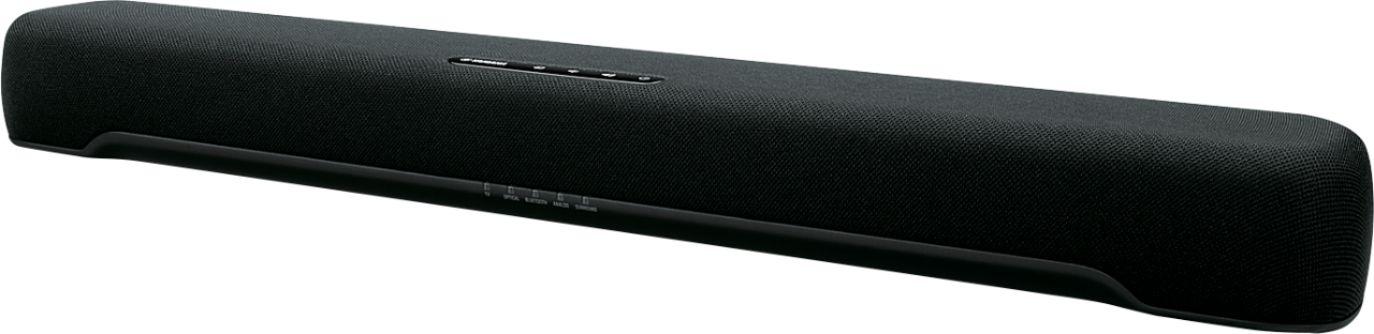
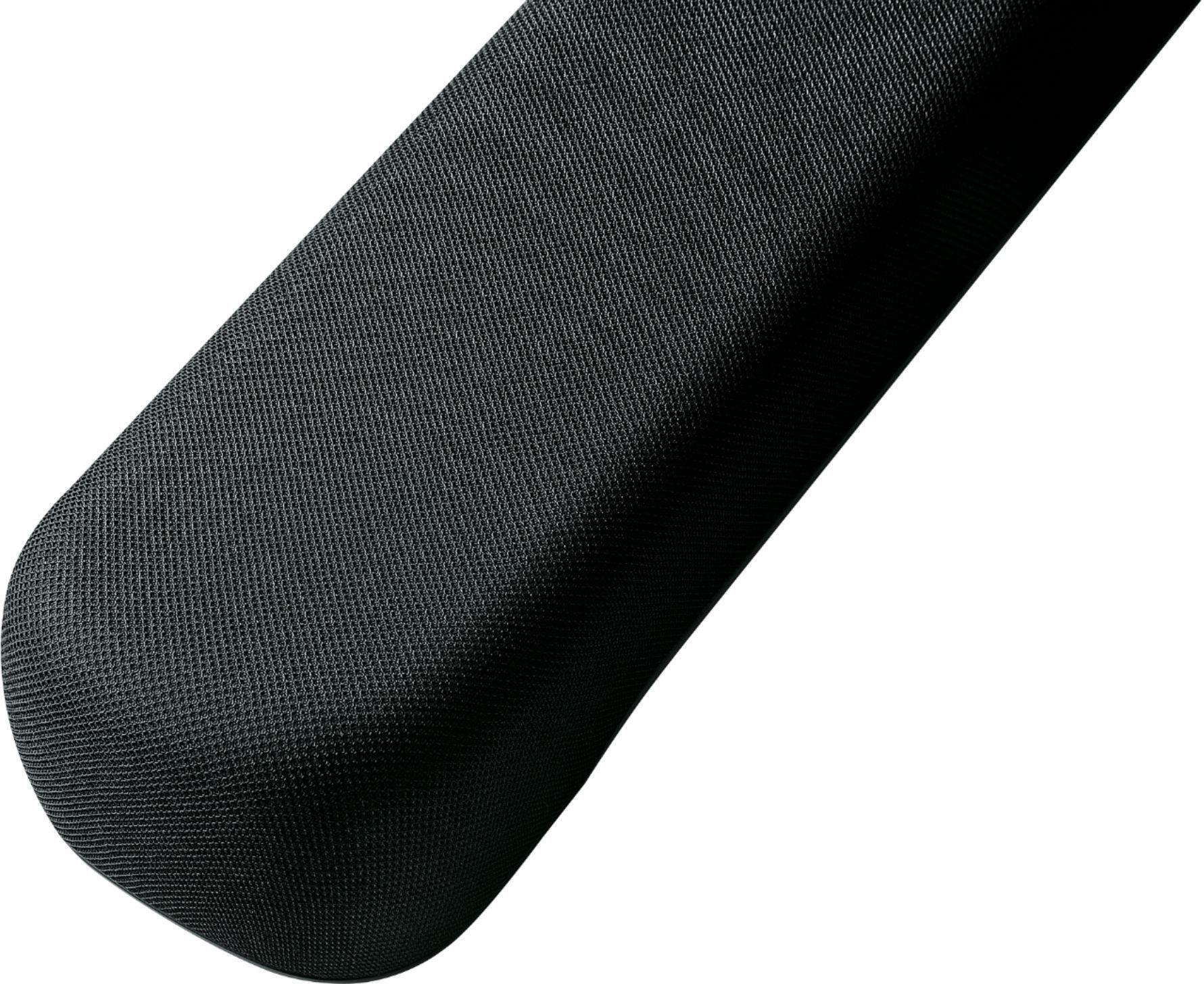
The Yamaha SR-C20A takes a fundamentally different approach with its 2.1-channel design. Everything is built into one compact unit – there's no separate subwoofer to place or wireless connection to worry about. The built-in subwoofer uses a 3-inch driver paired with two passive radiators, which are essentially speakers without magnets that vibrate sympathetically to reinforce bass frequencies.
This design is surprisingly effective within its limitations. Yamaha has decades of experience in acoustic engineering, and it shows in how they've tuned this little soundbar. The midrange – where most dialogue lives – is clear and natural sounding. The passive radiators do a better job than you'd expect at extending bass response, though they can't match the deep, room-shaking lows of a dedicated subwoofer.
The virtual surround processing uses DTS Virtual:X technology to create the illusion of surround sound from just these few drivers. It's not as convincing as true Dolby Atmos, but for a compact unit in a small room, it adds enough spatial dimension to make movies more engaging.
In practice, these performance differences manifest in ways that matter for different viewing scenarios. The Samsung HW-S700D excels with action movies and big-budget productions where the full dynamic range and immersive effects really shine. I've found that explosion scenes have genuine impact, and you can actually follow helicopters as they move across the screen through the Atmos processing.
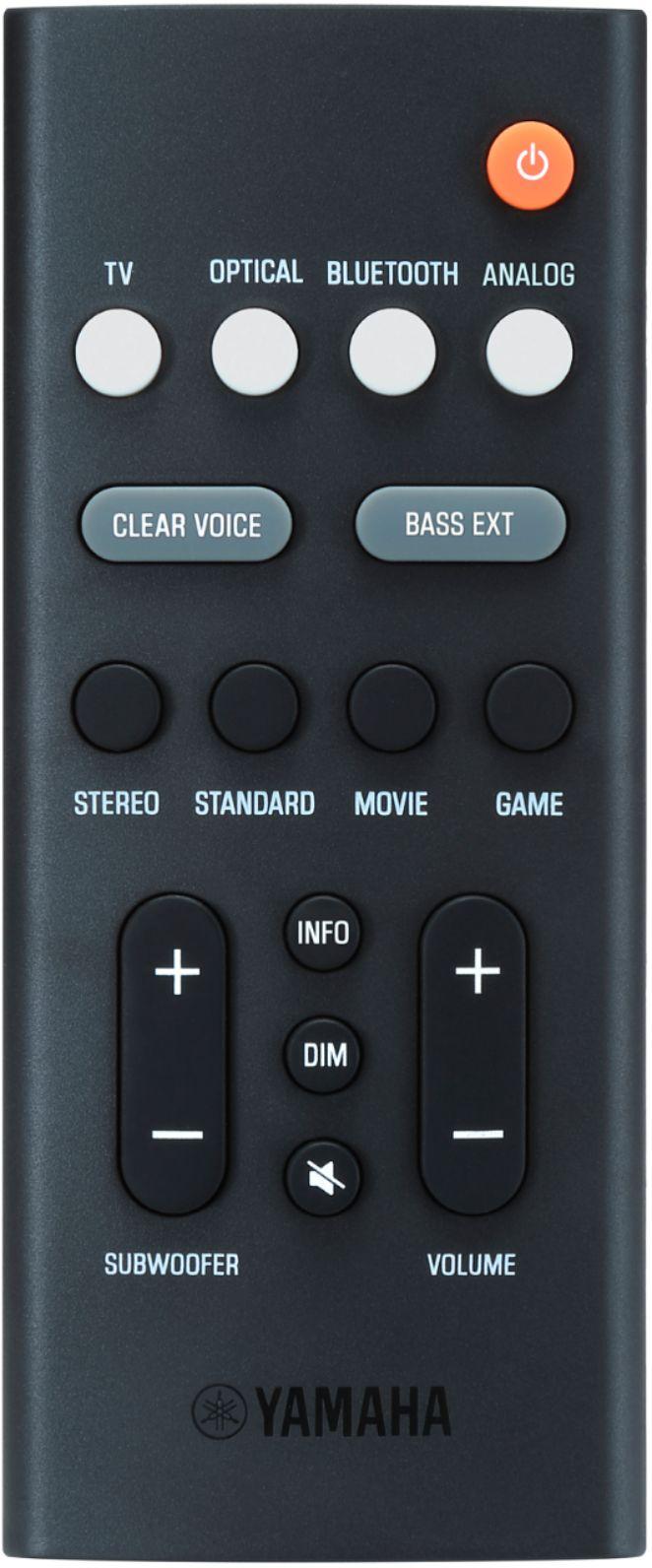
The Yamaha SR-C20A, while less spectacular, does something very well that many people underestimate – it makes ordinary TV content significantly more enjoyable. News programs, sitcoms, and even YouTube videos sound more professional and engaging. The Clear Voice technology specifically targets the frequency range where human speech lives, making dialogue easier to follow without making everything sound artificially bright.
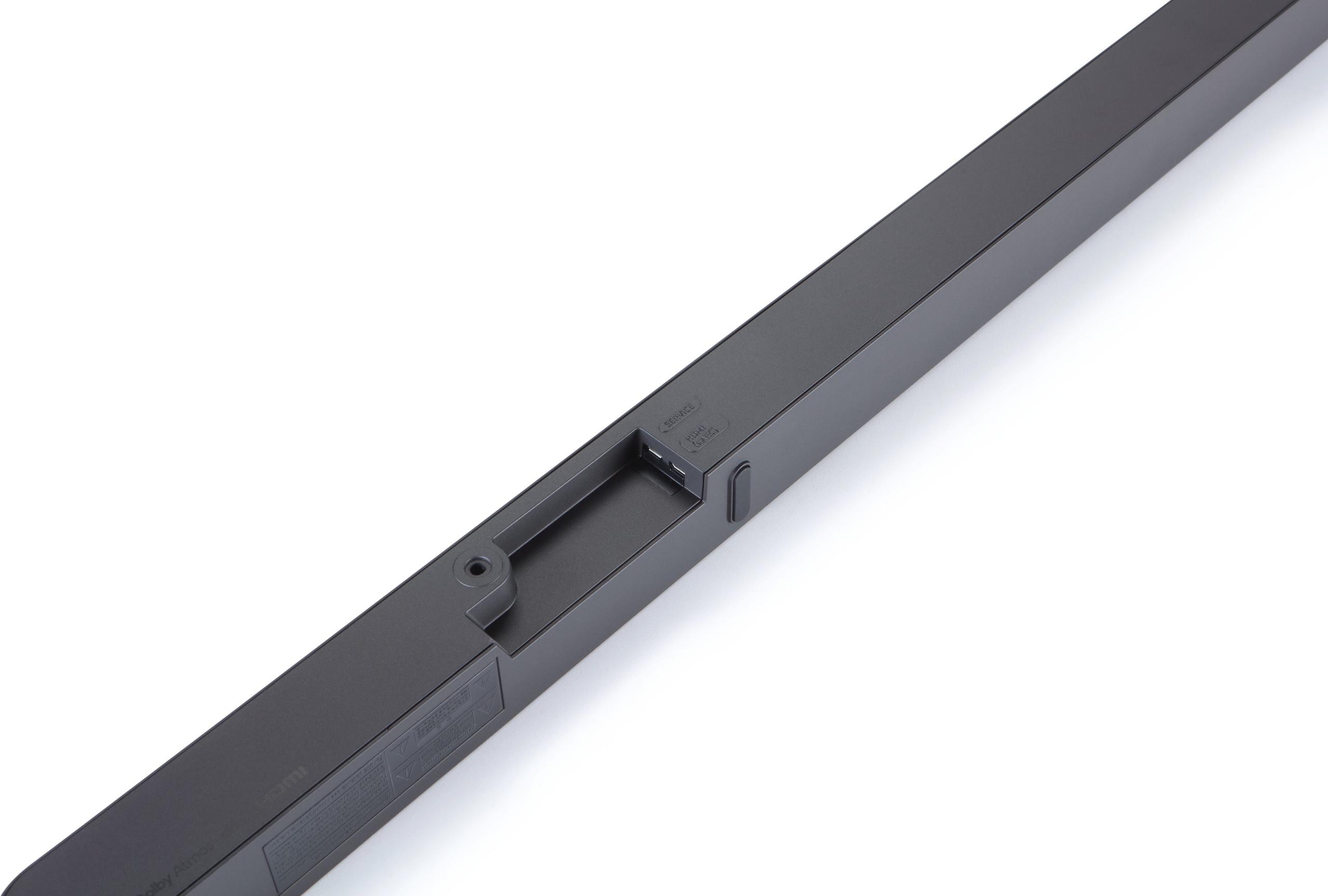
The Samsung HW-S700D includes HDMI eARC, which has become essential for anyone serious about audio quality. This connection type can handle uncompressed audio formats like Dolby TrueHD and DTS-HD Master Audio – the same formats you'll find on 4K Blu-ray discs. If you're streaming from Apple TV 4K, Nvidia Shield, or similar high-end devices, this matters more than you might think.
Beyond HDMI, Samsung has included comprehensive streaming capabilities. AirPlay 2 lets iPhone and iPad users stream audio directly to the soundbar. Chromecast built-in does the same for Android devices and Chrome browsers. There's also native support for Spotify Connect and Tidal Hi-Fi, which means you can control playback directly from those apps without going through Bluetooth.
The SmartThings integration is particularly valuable if you're already using Samsung devices. You can create automation routines – like automatically switching to "Night Mode" at 10 PM or adjusting the bass level based on the time of day. The soundbar can also participate in multi-room audio setups with other Samsung speakers.
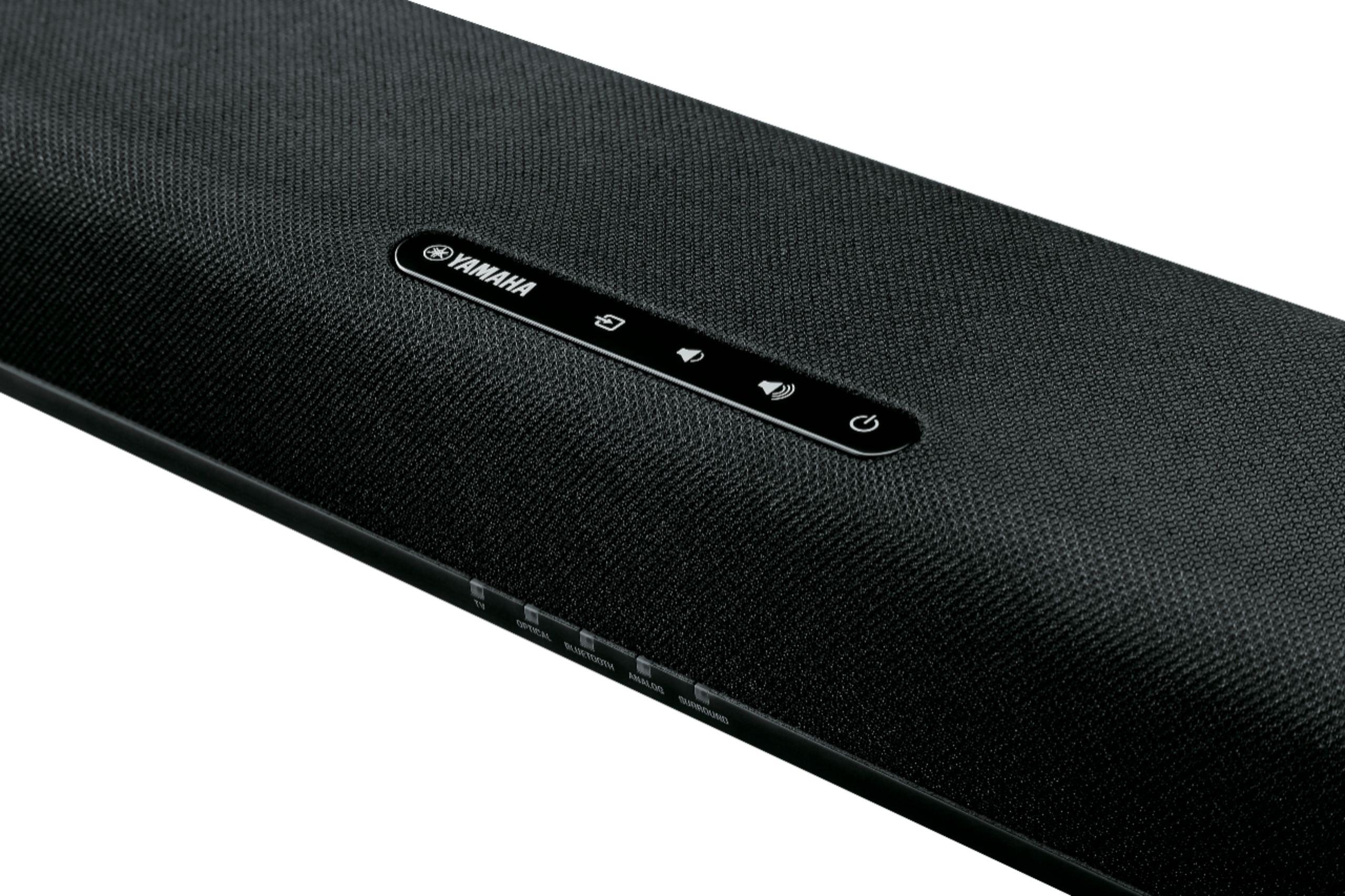
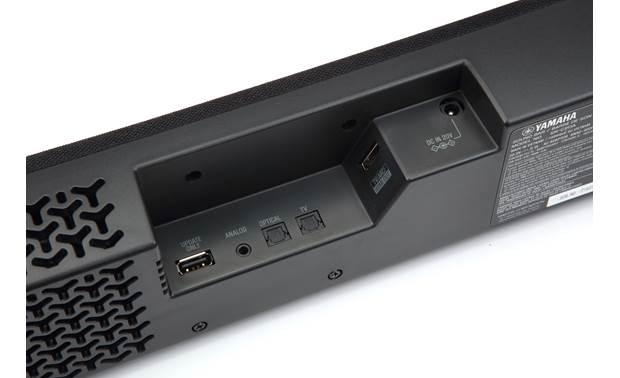
The Yamaha SR-C20A keeps things much simpler. There's no HDMI at all – just two optical inputs, one analog aux input, and Bluetooth 5.0 for wireless streaming. This might sound limiting, but it's actually liberating in some ways. Setup is foolproof, and there are no compatibility issues to worry about.
The optical connections support standard Dolby Digital and DTS formats, which covers the vast majority of content from cable boxes, streaming devices, and game consoles. While you won't get the highest quality formats, you also won't encounter the handshake issues or audio dropouts that sometimes plague HDMI connections.
The Sound Bar Remote app provides basic control from your smartphone, letting you switch inputs, adjust sound modes, and control volume. It's not sophisticated, but it works reliably and covers everything most users need.
One of the most impressive features of the Samsung HW-S700D is SpaceFit Sound Pro, which uses the soundbar's built-in microphone to analyze your room's acoustics and automatically adjust the audio output. This isn't just marketing fluff – the system actually measures how sound reflects off your walls and furniture, then applies equalization to compensate for acoustic problems.
Q-Symphony is another standout feature, but only if you have a compatible Samsung TV. This technology lets the TV's speakers work together with the soundbar instead of shutting off when the soundbar is connected. The result is a much wider soundstage and better dialogue clarity, since the TV's speakers can handle center channel duties while the soundbar focuses on left/right channels and effects.
Game Mode Pro automatically detects when you're gaming and optimizes the audio processing for lower latency. This might seem like a minor feature, but audio delay can be genuinely distracting in fast-paced games where timing matters.
The Yamaha SR-C20A offers four sound modes that you can cycle through manually: Stereo, Standard, Movie, and Game. Each mode applies different equalization curves and processing algorithms optimized for specific content types. The Movie mode adds some spatial processing and boosts bass, while Game mode emphasizes directional audio cues.
The Clear Voice feature is simple but effective – it applies targeted equalization to make dialogue more intelligible without dramatically changing the overall sound signature. Unlike some dialogue enhancement systems that can make voices sound artificial, Yamaha's implementation maintains natural tonality.
For home theater enthusiasts, the choice between these soundbars depends heavily on your room size and expectations. The Samsung HW-S700D can serve as the foundation for a legitimate home theater setup in medium-sized rooms. The wireless subwoofer provides the foundation you need for movie soundtracks, and Samsung sells optional rear speakers that can expand the system to 5.1 channels if you decide to upgrade later.
The Dolby Atmos processing, while not as precise as a full ceiling-speaker setup, does create a more immersive experience than traditional soundbars. I've found it particularly effective with action movies and nature documentaries, where the overhead effects add genuine atmosphere.
The Yamaha SR-C20A is better suited for smaller home theater setups or secondary viewing areas. It won't give you the spine-tingling bass drops or expansive soundstage of larger systems, but it will make your movie nights noticeably more enjoyable than using TV speakers alone.
The Samsung HW-S700D ($377.99) justifies its premium price through advanced technology and room-filling performance. If you have a living room larger than 200 square feet with a 55-inch or larger TV, this soundbar can genuinely transform your viewing experience. The investment makes particular sense if you already own a Samsung TV that supports Q-Symphony, or if you frequently watch Dolby Atmos content from Netflix, Disney+, or 4K Blu-ray discs.
For gaming enthusiasts, the Game Mode Pro feature and low-latency HDMI connection provide competitive advantages that cheaper soundbars simply can't match. The comprehensive streaming support also means you can use it as a high-quality music speaker when you're not watching TV.
At its current clearance price of around $17.98, the Yamaha SR-C20A represents one of the best audio bargains available today. Even at its original retail price, it offered solid value, but at clearance pricing, it's almost impossible to justify not buying one if you have any TV that could benefit from better audio.
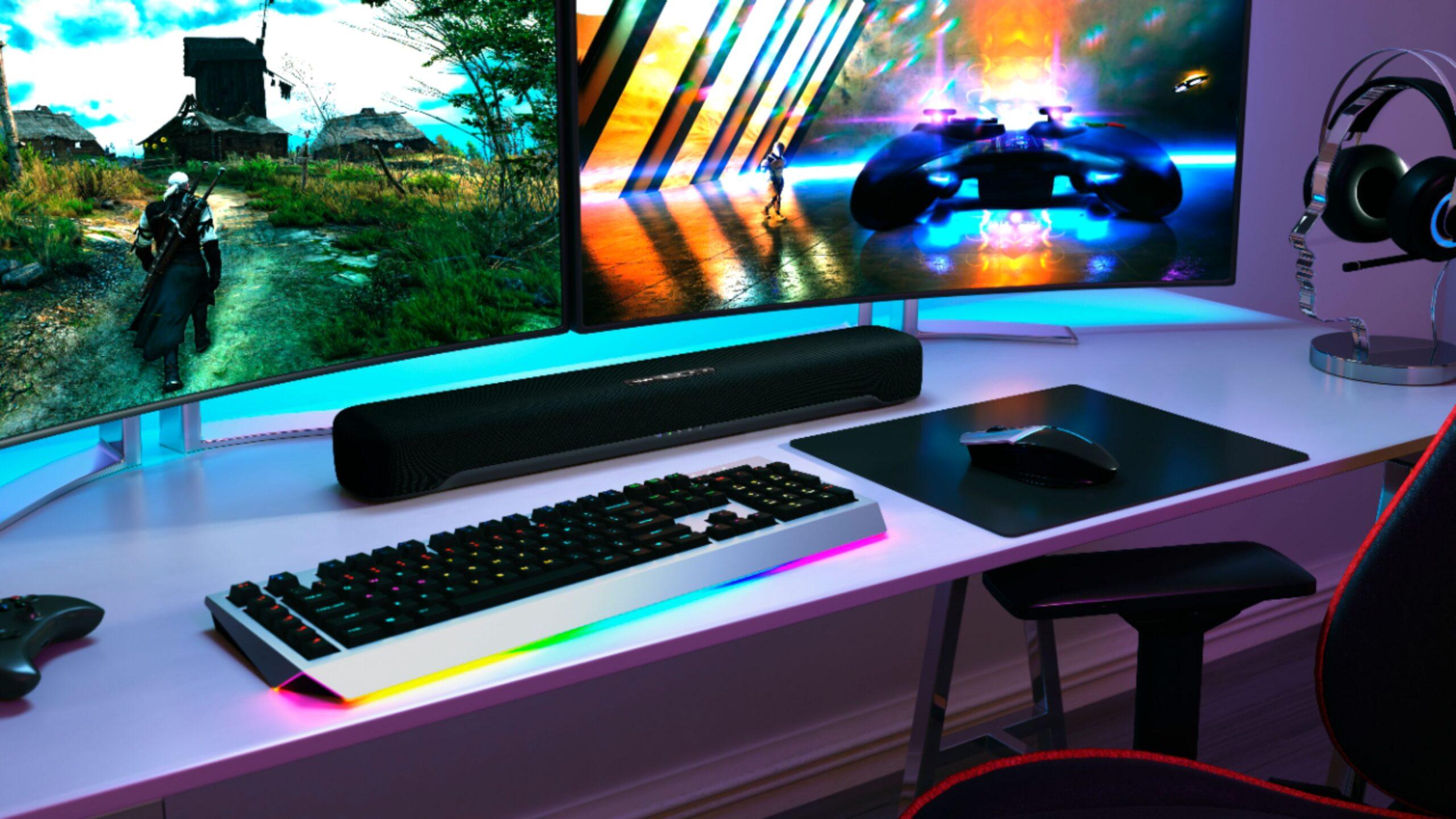
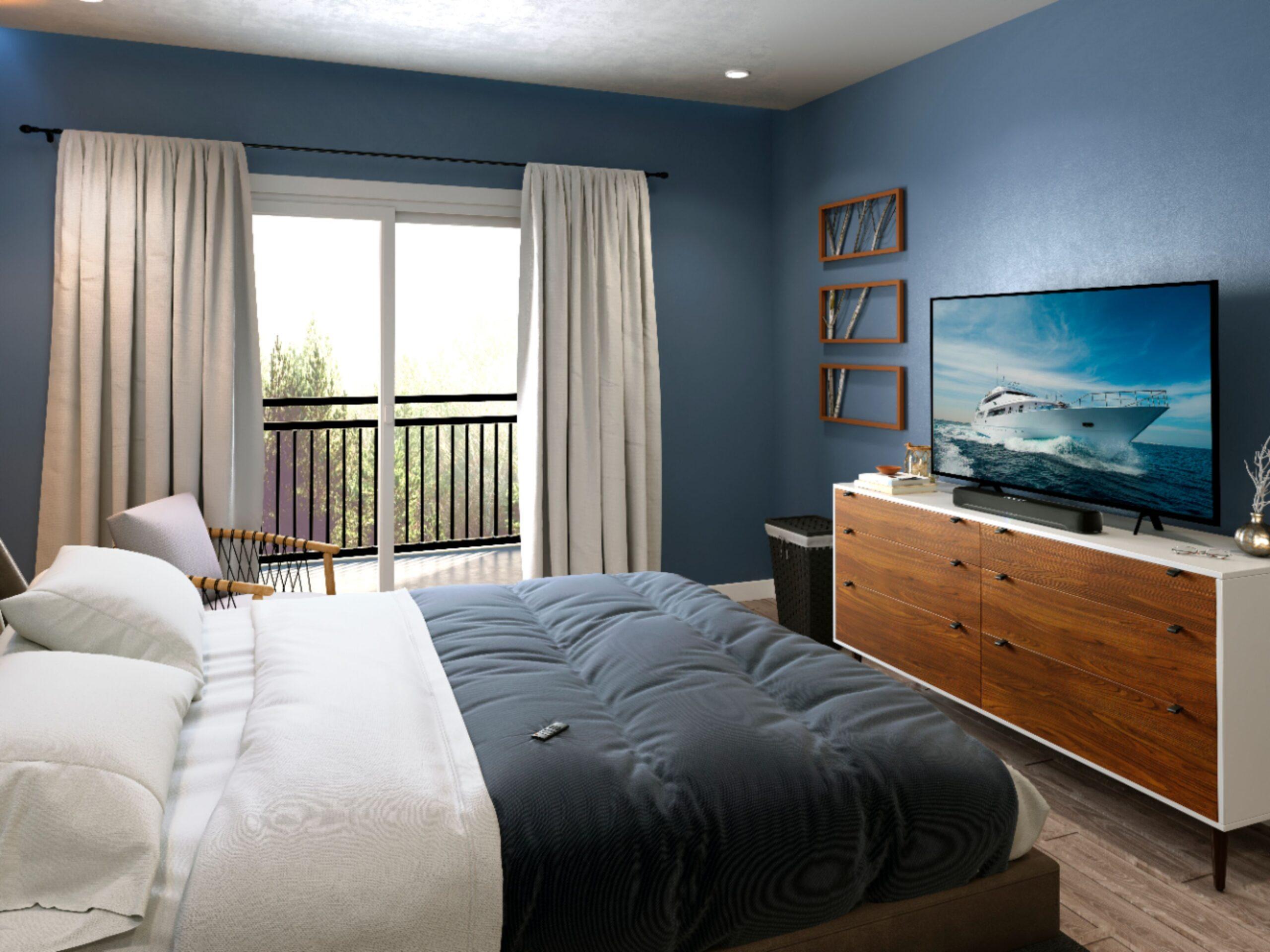
This soundbar excels in bedrooms, kitchens, home offices, or any space where you watch TV casually rather than having dedicated movie nights. The compact size means it won't dominate smaller entertainment centers, and the simple setup process means you can have dramatically improved audio in under 10 minutes.
Choosing between these soundbars ultimately comes down to matching the product to your specific situation and expectations. The Samsung HW-S700D is an investment in premium home theater audio that will grow with your system and provide years of cutting-edge performance. The Yamaha SR-C20A is an immediate, affordable solution that delivers professional-quality audio tuning at an almost absurdly low price point.
If your room is larger than 300 square feet, you want Dolby Atmos effects, or you're building around a Samsung TV ecosystem, the Samsung soundbar will provide a more satisfying long-term experience. If you're looking to improve audio in a compact space, want something simple and reliable, or are working with a tight budget, the Yamaha offers unmatched value.
Both soundbars will dramatically improve your TV audio experience compared to built-in speakers. The question isn't whether either will work – it's which approach better matches your room, your budget, and your expectations for what great TV audio should sound like.
| Samsung HW-S700D ($377.99) | Yamaha SR-C20A ($17.98) |
|---|---|
| Audio Channels - More channels provide better dialogue separation and immersion | |
| 3.1 channels with dedicated center speaker | 2.1 channels with phantom center imaging |
| Dolby Atmos Support - Creates overhead sound effects for cinematic experience | |
| Yes, wireless Dolby Atmos with Samsung TVs | No, uses basic virtual surround instead |
| Subwoofer Design - External subs deliver deeper bass but require more space | |
| 6" wireless subwoofer (can be placed anywhere) | Built-in 3" subwoofer with dual passive radiators |
| Total Power Output - Higher wattage fills larger rooms effectively | |
| 250W peak (suitable for 300+ sq ft rooms) | 100W total (ideal for rooms under 150 sq ft) |
| HDMI Connectivity - Essential for high-quality audio from modern sources | |
| HDMI eARC for lossless audio formats | No HDMI (optical and aux inputs only) |
| Smart Features - Advanced processing adapts sound to your room and content | |
| Q-Symphony, SpaceFit Sound Pro, Game Mode Pro | Basic 4-mode presets (Stereo/Standard/Movie/Game) |
| Streaming Capabilities - Built-in streaming eliminates need for separate devices | |
| AirPlay 2, Chromecast, Spotify Connect, Tidal Hi-Fi | Bluetooth 5.0 only |
| Release Year - Newer models offer latest audio technology | |
| 2024 (cutting-edge features) | 2020 (proven reliability) |
| Dimensions - Size impacts placement options and room aesthetics | |
| 35" × 1.5" × 5" (ultra-slim profile) | 23.6" × 2.5" × 3.8" (compact all-in-one) |
| Best Room Size - Matching soundbar to space prevents over/under-powering | |
| Large living rooms (300+ sq ft) | Small spaces like bedrooms (under 200 sq ft) |
| Primary Advantage - Key reason to choose this model | |
| Premium Dolby Atmos experience with Samsung TV integration | Exceptional value with professional Yamaha audio tuning |
The Samsung HW-S700D ($377.99) is significantly better for large rooms over 300 square feet. With 250W of total power and a dedicated wireless subwoofer, it can fill bigger spaces with immersive sound. The Yamaha SR-C20A ($17.98) works best in smaller rooms under 200 square feet due to its 100W output and compact built-in subwoofer design.
Yes, the Samsung HW-S700D supports wireless Dolby Atmos when paired with compatible Samsung TVs. This creates overhead sound effects for a more cinematic experience. The Yamaha SR-C20A does not support Dolby Atmos and instead uses basic virtual surround sound processing.
The Yamaha SR-C20A ($17.98) offers exceptional value at its current clearance price, providing professional Yamaha audio tuning for under $20. However, the Samsung HW-S700D ($377.99) delivers premium features like Dolby Atmos and advanced smart capabilities that justify its higher price for larger setups.
The Samsung HW-S700D includes a separate 6-inch wireless subwoofer that delivers deeper, more powerful bass suitable for movies and music. The Yamaha SR-C20A has a built-in 3-inch subwoofer with passive radiators that provides adequate bass for its compact size but can't match the depth of a dedicated subwoofer.
The Yamaha SR-C20A is much easier to set up with simple optical or aux connections and no separate subwoofer to position. The Samsung HW-S700D requires more setup time due to HDMI eARC connections and wireless subwoofer placement, though it offers better long-term flexibility.
Both soundbars work with any TV brand. However, the Samsung HW-S700D offers special features like Q-Symphony only with Samsung TVs, while the Yamaha SR-C20A provides the same performance regardless of your TV brand, making it more universally compatible.
The Samsung HW-S700D is superior for gaming with its dedicated Game Mode Pro that reduces audio latency and HDMI eARC connection for high-quality game audio. The Yamaha SR-C20A has a basic Game mode but lacks the advanced processing and low-latency connections preferred by serious gamers.
The Samsung HW-S700D supports multiple streaming platforms including AirPlay 2, Chromecast, Spotify Connect, and Tidal Hi-Fi directly. The Yamaha SR-C20A only supports Bluetooth streaming from your phone or other devices, requiring you to use your TV or streaming device for content.
Both excel at dialogue but in different ways. The Samsung HW-S700D has a dedicated center channel speaker that provides superior dialogue separation and clarity. The Yamaha SR-C20A uses Clear Voice technology to enhance speech frequencies, making it excellent for TV shows and news in smaller rooms.
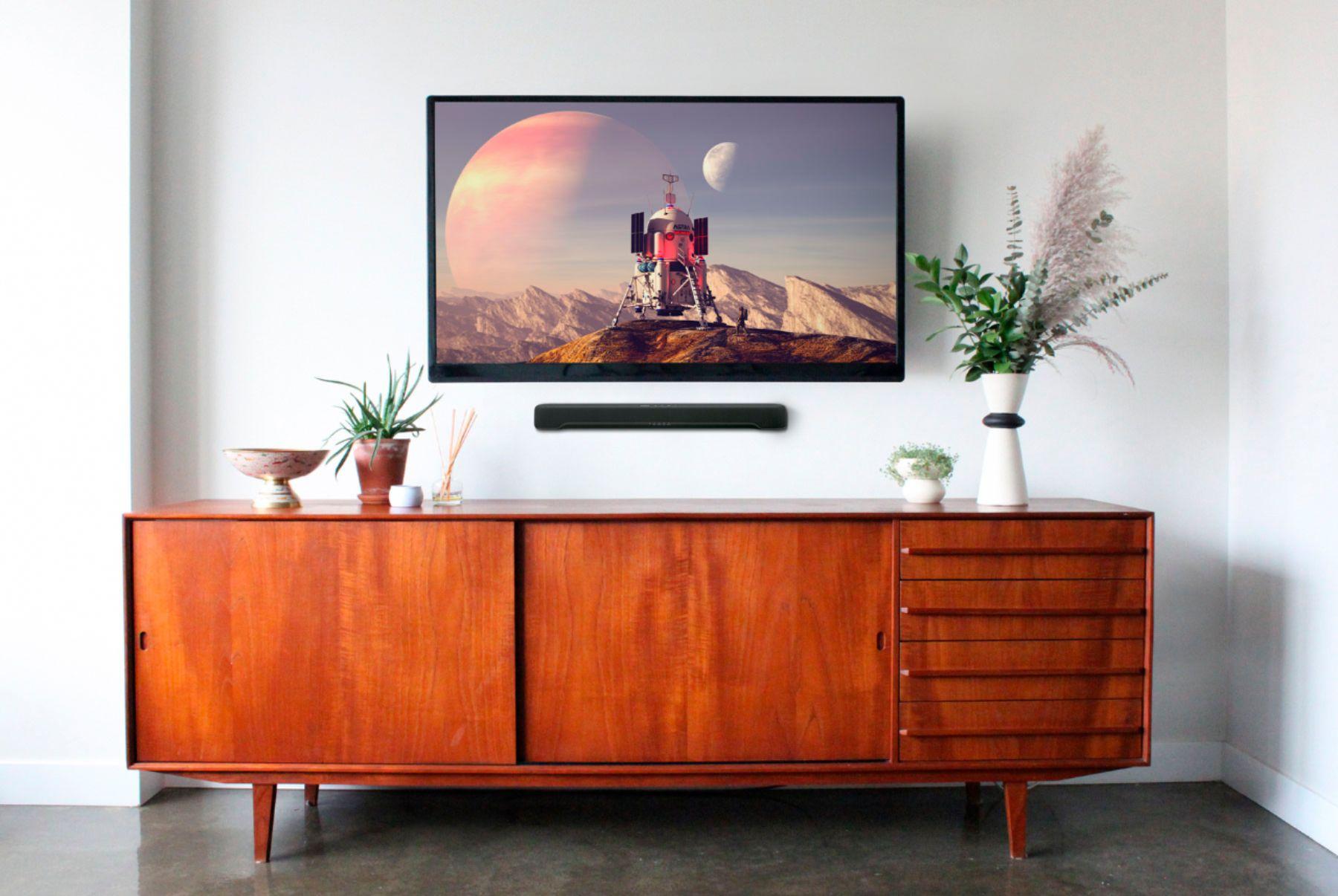
The Samsung HW-S700D is wider at 35 inches but ultra-slim at just 1.5 inches tall, making it ideal for wall mounting. The Yamaha SR-C20A is more compact at 23.6 inches wide and includes everything in one unit, making it perfect for smaller TV stands and tight spaces.
For dedicated home theater setups, the Samsung HW-S700D is the clear winner with true 3.1-channel audio, Dolby Atmos support, and the ability to add rear speakers later. The Yamaha SR-C20A works well for casual movie watching in smaller spaces but lacks the immersive features needed for serious home theater applications.
Choose the Samsung HW-S700D ($377.99) if you want premium Dolby Atmos performance, have a large room, own a Samsung TV, or plan to build a complete home theater system. Choose the Yamaha SR-C20A ($17.98) if you want exceptional audio quality at an unbeatable price, have limited space, or need a simple plug-and-play solution for immediate TV audio improvement.
We've done our best to create useful and informative comparisons to help you decide what product to buy. Our research uses advanced automated methods to create this comparison and perfection is not possible - please contact us for corrections or questions. These are the sites we've researched in the creation of this article: crutchfield.com - samsung.com - bestbuy.com - avsforum.com - walts.com - samsung.com - samsung.com - videoandaudiocenter.com - samsung.com - samsung.com - samsung.com - pcrichard.com - t3.com - usa.yamaha.com - radiotimes.com - shop.usa.yamaha.com - whathifi.com - hifiheaven.net - usa.yamaha.com - sweetwater.com - hub.yamaha.com - bestbuy.com

Privacy Policy
Terms and Conditions - Affiliate Policy
Home Security
© Copyright 2008-2026.
11816 Inwood Rd #1211, Dallas, TX 75244