










If you've ever tried watching a movie on a modern TV and found yourself constantly adjusting the volume—cranking it up to hear dialogue, then scrambling for the remote when an action scene explodes—you're experiencing exactly why soundbars exist. Today's ultra-thin TVs simply don't have room for decent speakers, leaving most of us with audio that sounds like it's coming from inside a shoebox.
The soundbar market has evolved dramatically over the past decade, splitting into distinct categories that serve very different needs. On one end, you have compact, budget-friendly options designed simply to make your TV sound better. On the other, premium models pack advanced technologies like Dolby Atmos (which creates 3D sound by bouncing audio off your ceiling) and sophisticated room calibration systems that automatically adjust sound based on your space's acoustics.
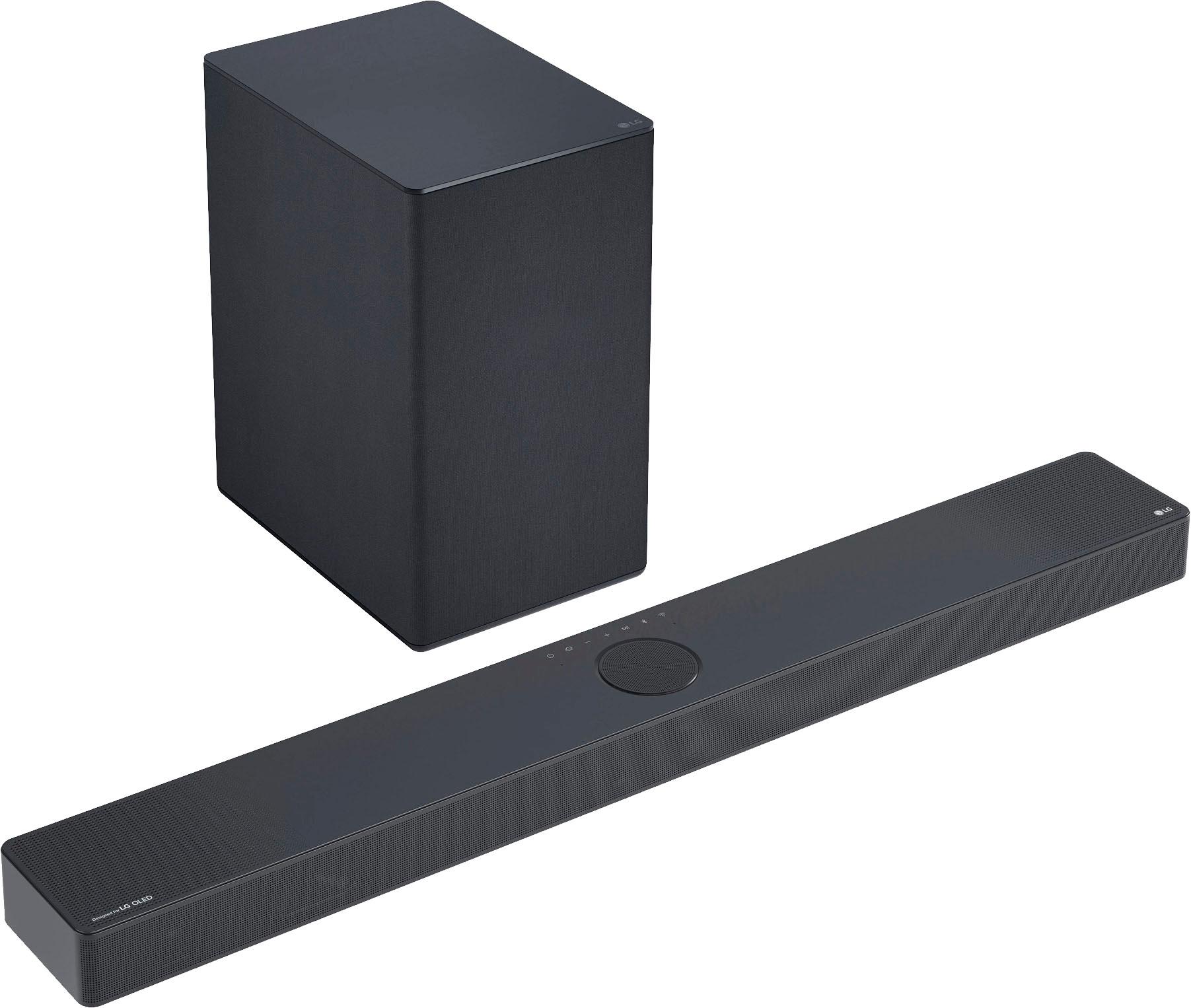
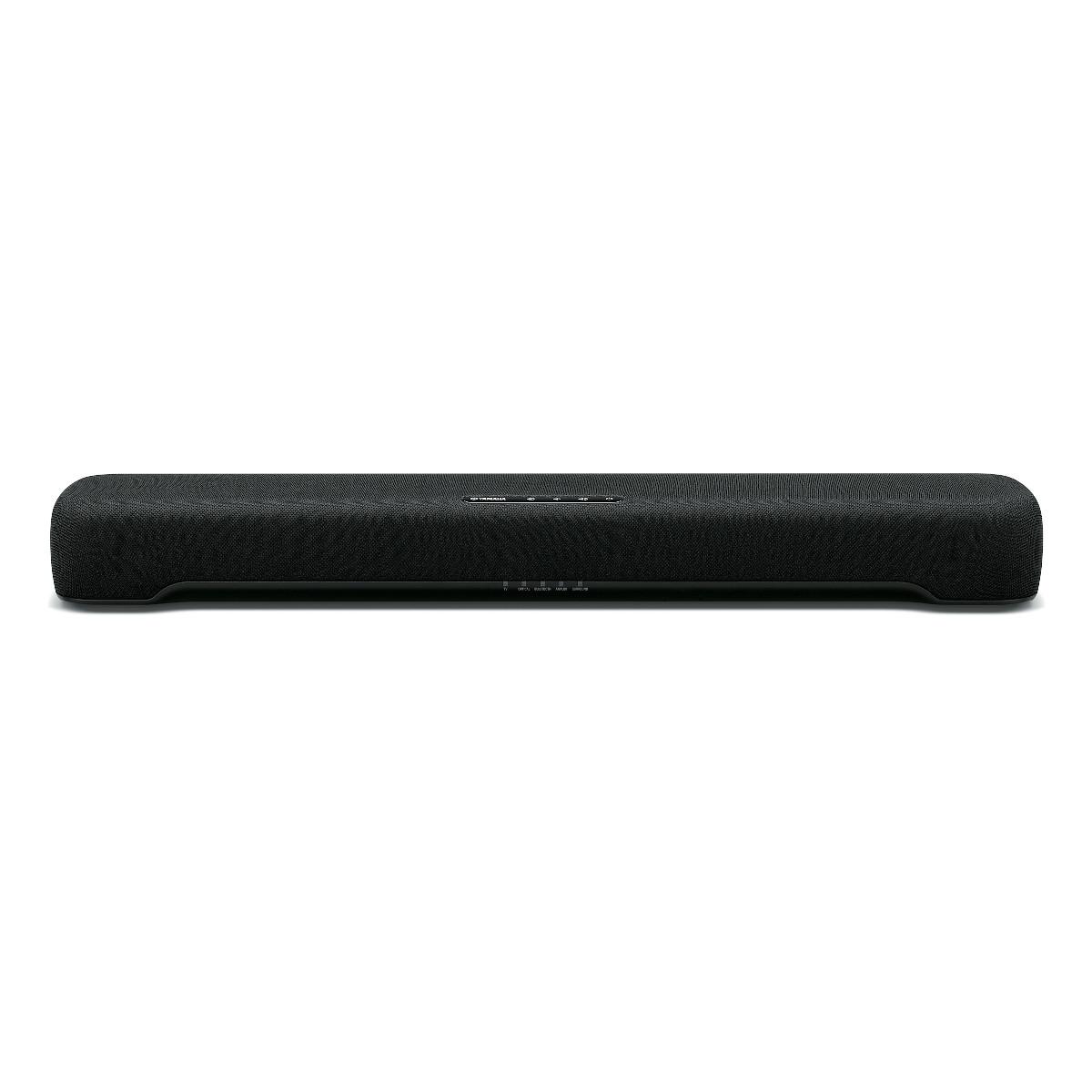
This divide is perfectly illustrated by comparing the LG SC9S ($515.61) and the Yamaha SR-C20A ($17.98 on clearance). These represent fundamentally different philosophies: the LG prioritizes cutting-edge home theater immersion, while the Yamaha focuses on simplicity and space-saving design. Understanding which approach suits your needs—and budget—will save you from buyer's remorse down the road.
When I first started reviewing audio equipment, soundbars were relatively simple: a horizontal speaker that made TV dialogue clearer. Today's market is far more complex, with features like virtual height channels, wireless subwoofers, and smartphone apps for fine-tuning. The key is understanding what these technologies actually do for your listening experience.
Channel configuration tells you how many speakers are working independently. A 3.1.3 setup (like the LG) means three front channels, one subwoofer, and three height channels—creating a much more dimensional soundscape than a basic 2.1 system. Room calibration uses microphones to measure how sound bounces around your space, then adjusts the audio to compensate for awkward room shapes or furniture placement.
The most significant recent advancement is Dolby Atmos, which adds height information to soundtracks. Instead of sound just moving left and right, helicopters can actually sound like they're flying overhead. However, this technology requires specific speaker arrangements and room conditions to work properly—it's not magic, despite what marketing materials might suggest.
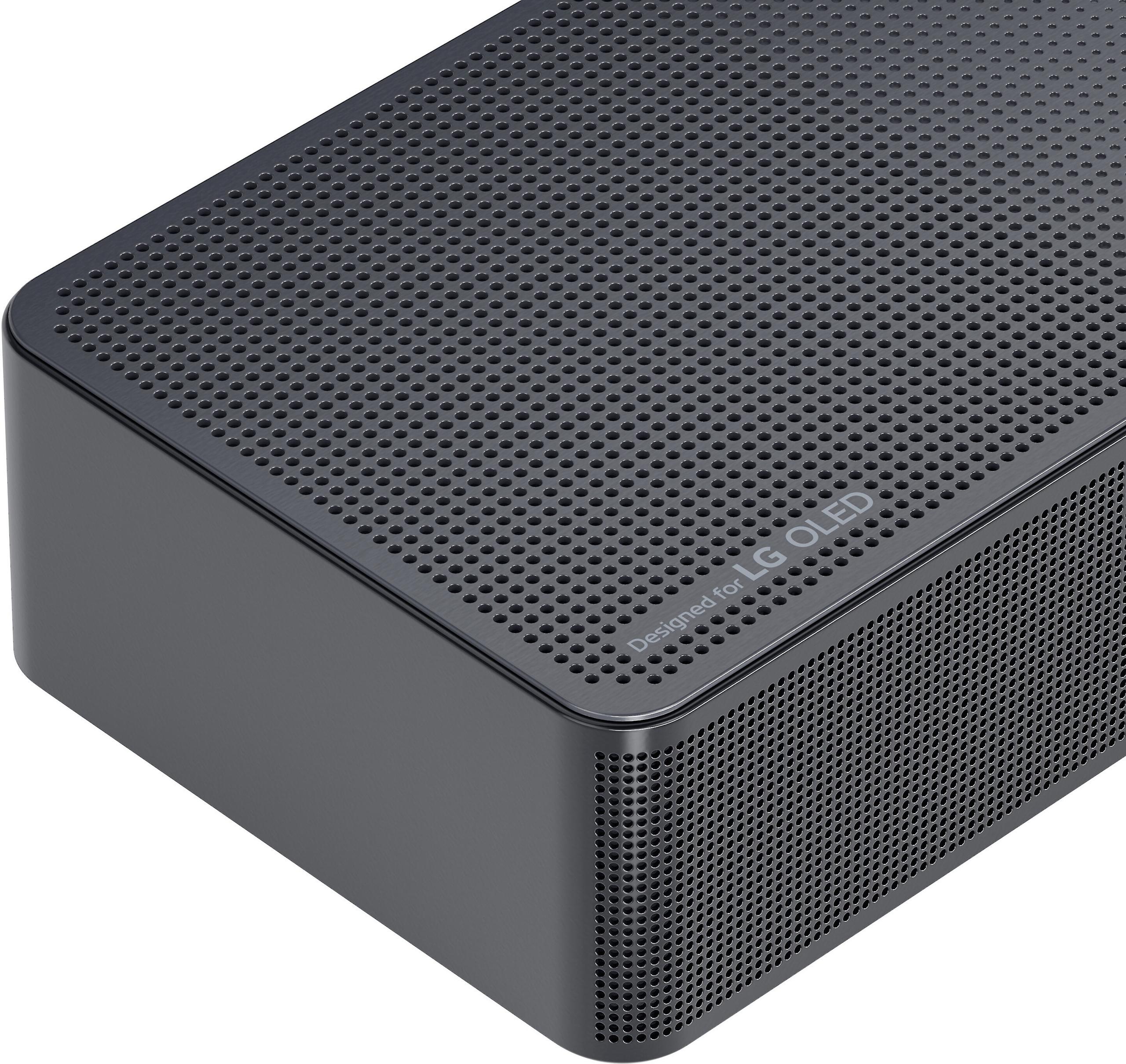
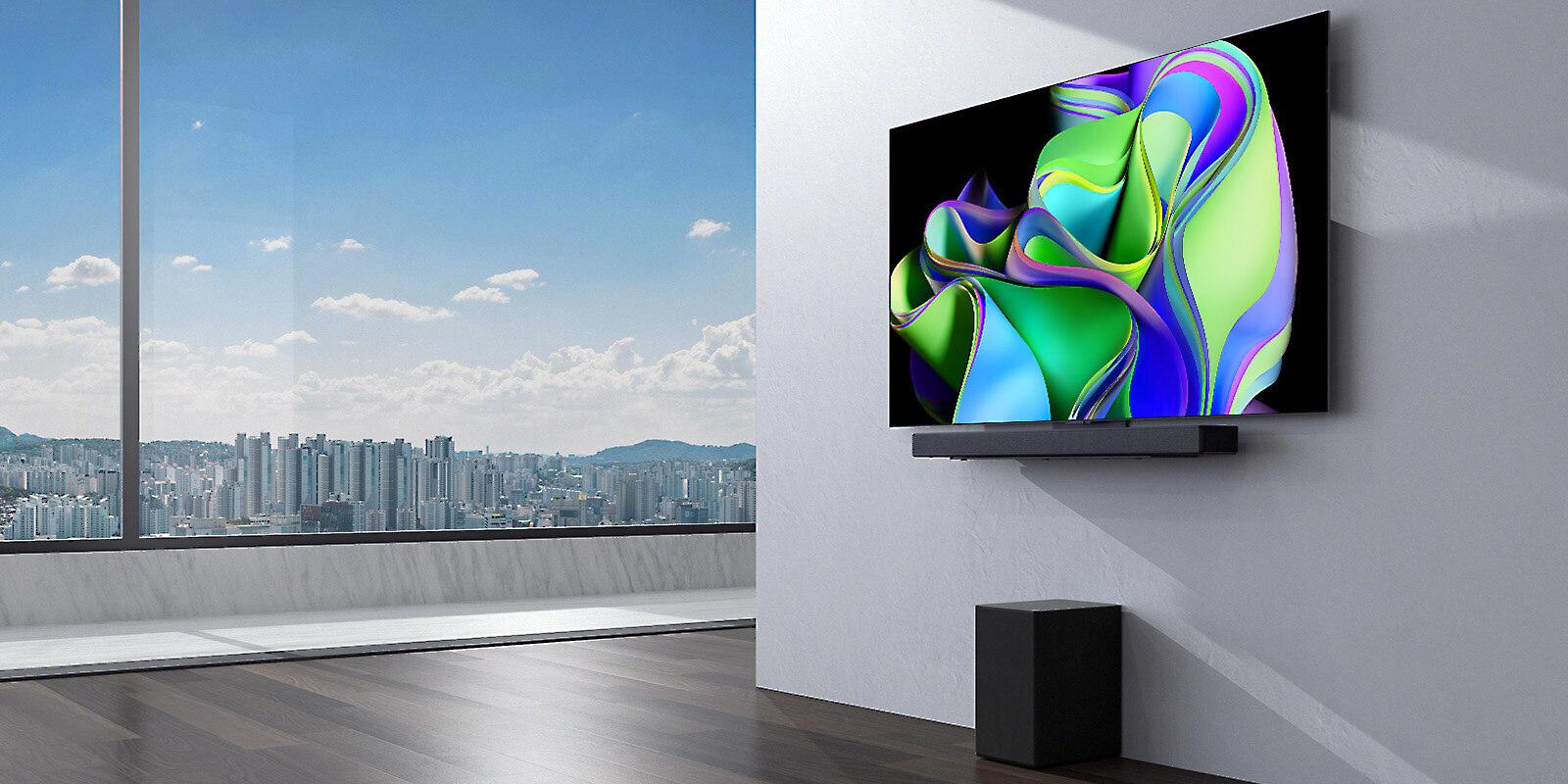
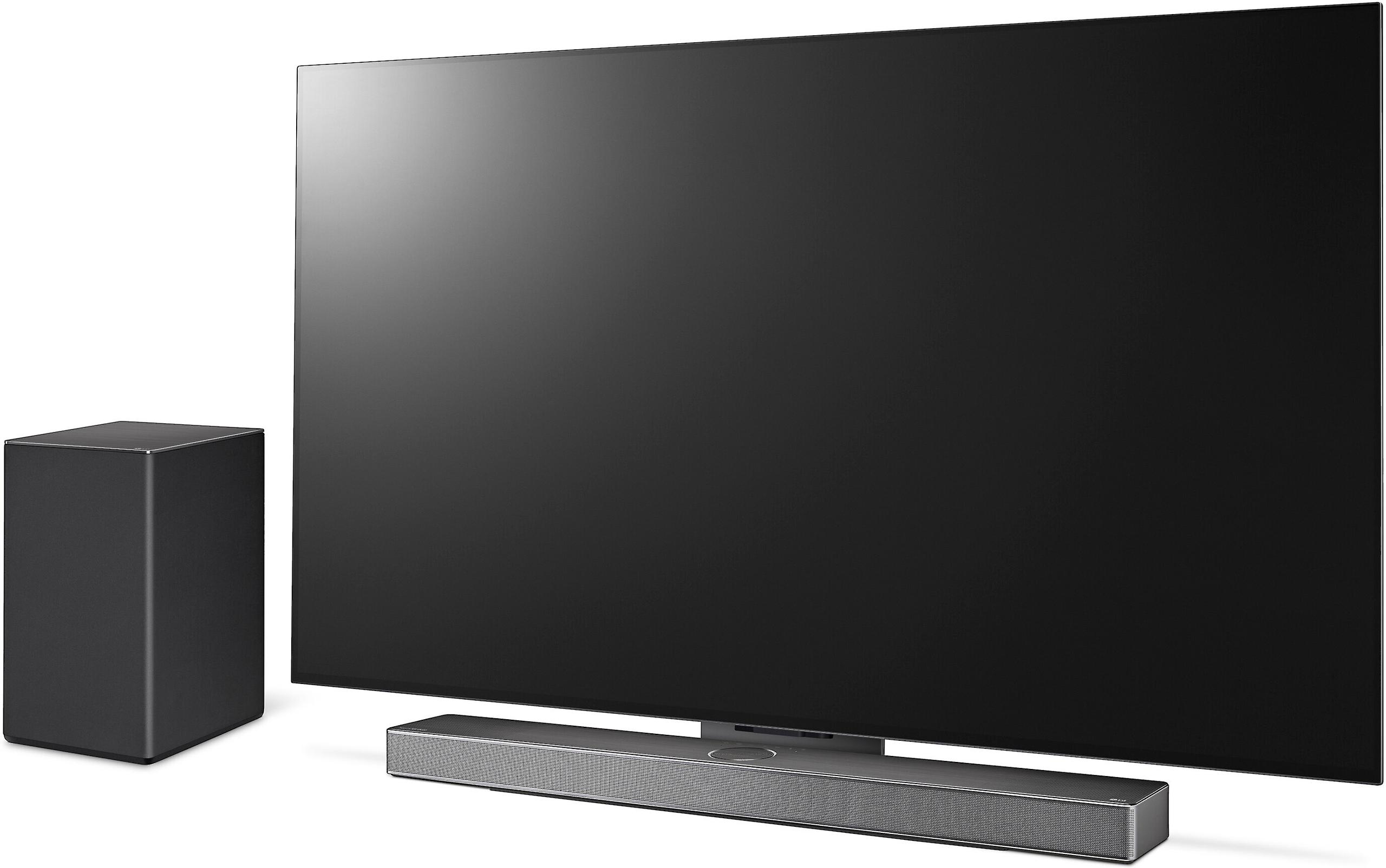
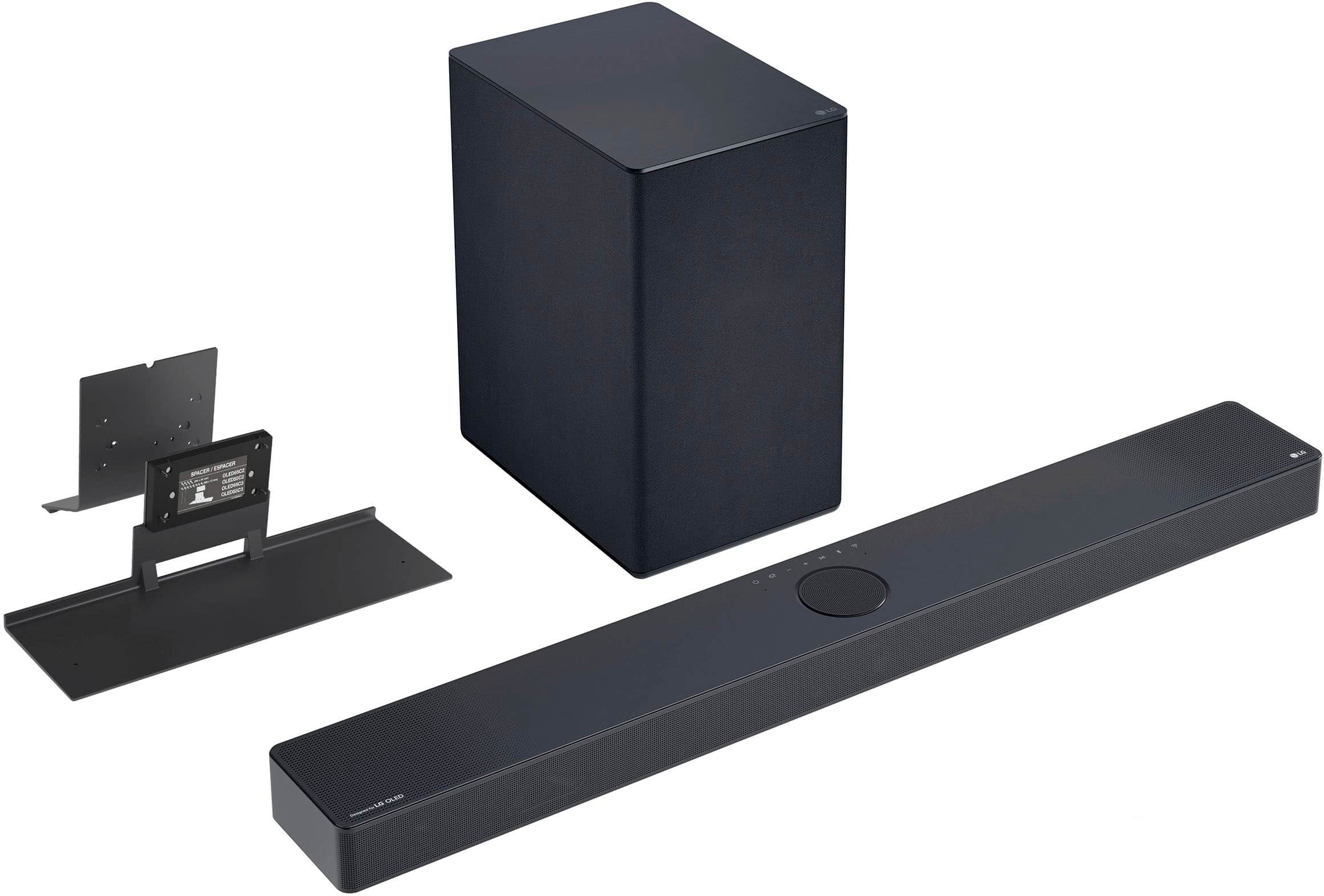
The LG SC9S launched in 2023 as part of LG's premium soundbar refresh, designed specifically to complement their OLED TV lineup. LG positioned this as a "lifestyle" soundbar that could seamlessly integrate with their TVs using a special mounting bracket, creating an almost built-in appearance. The timing made sense—as more people invested in high-quality 4K TVs during the pandemic, demand grew for audio that could match the visual experience.
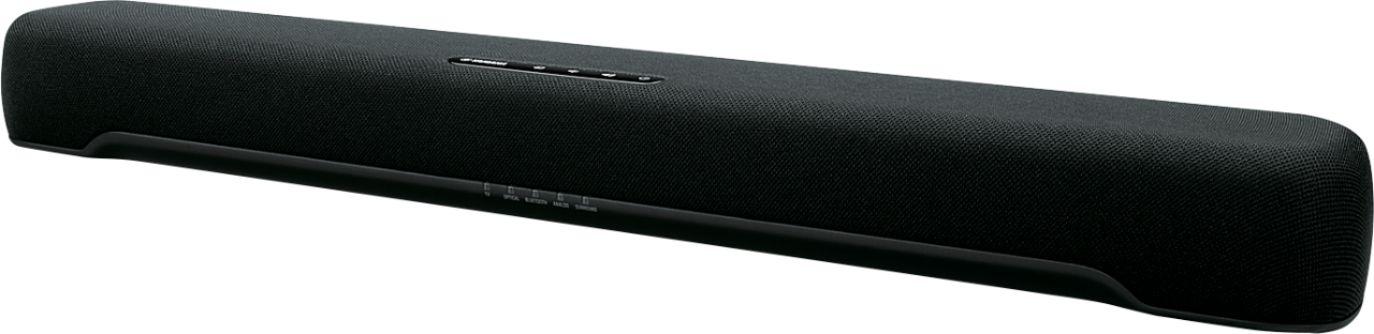
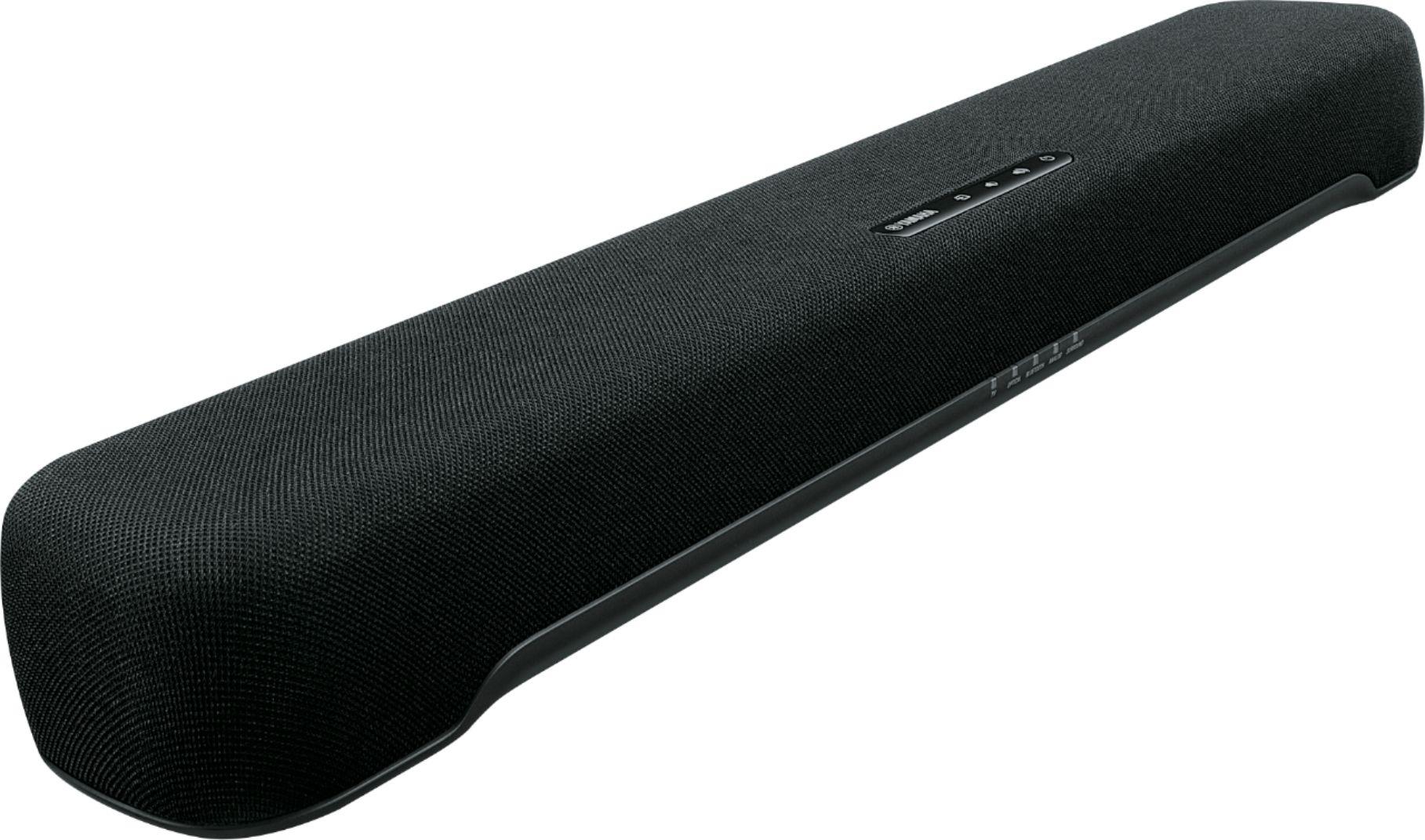
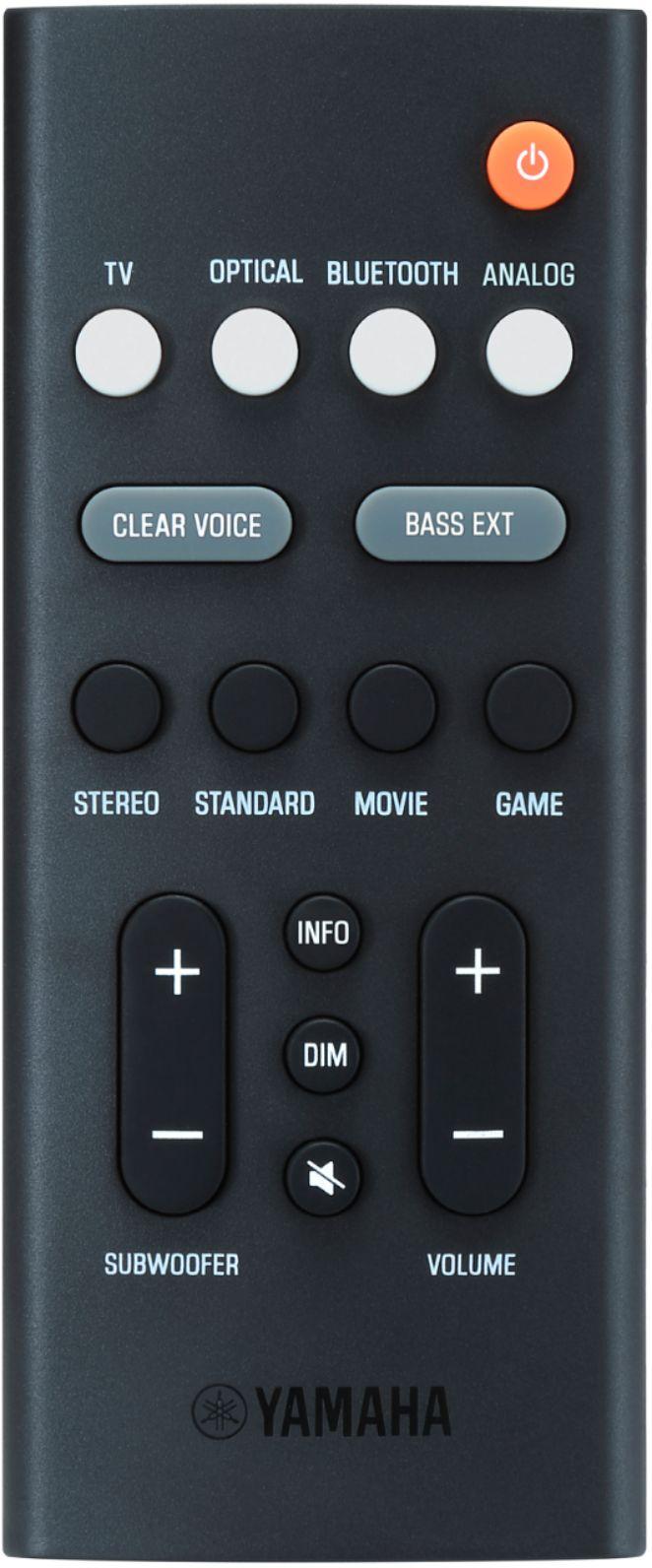
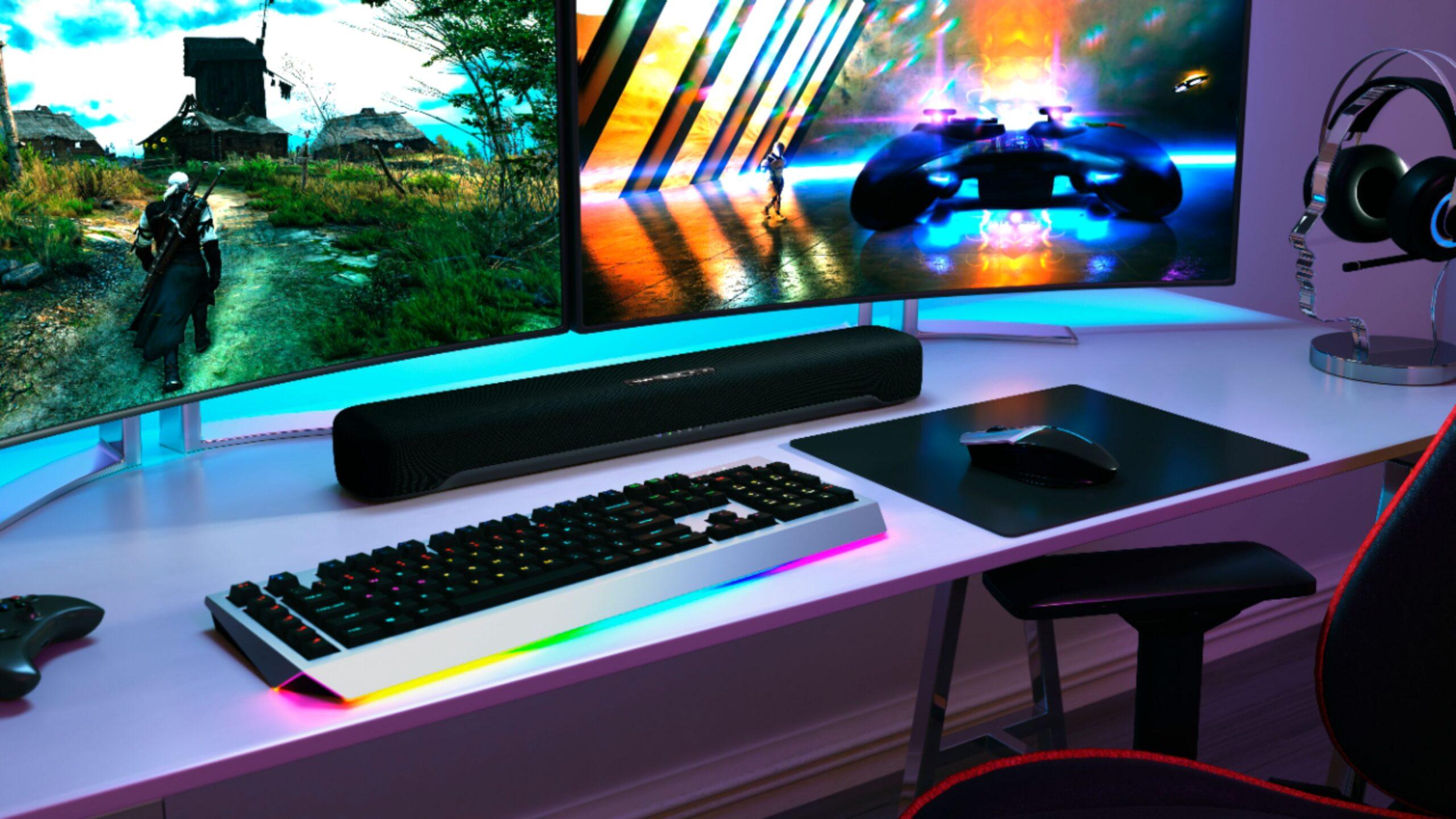
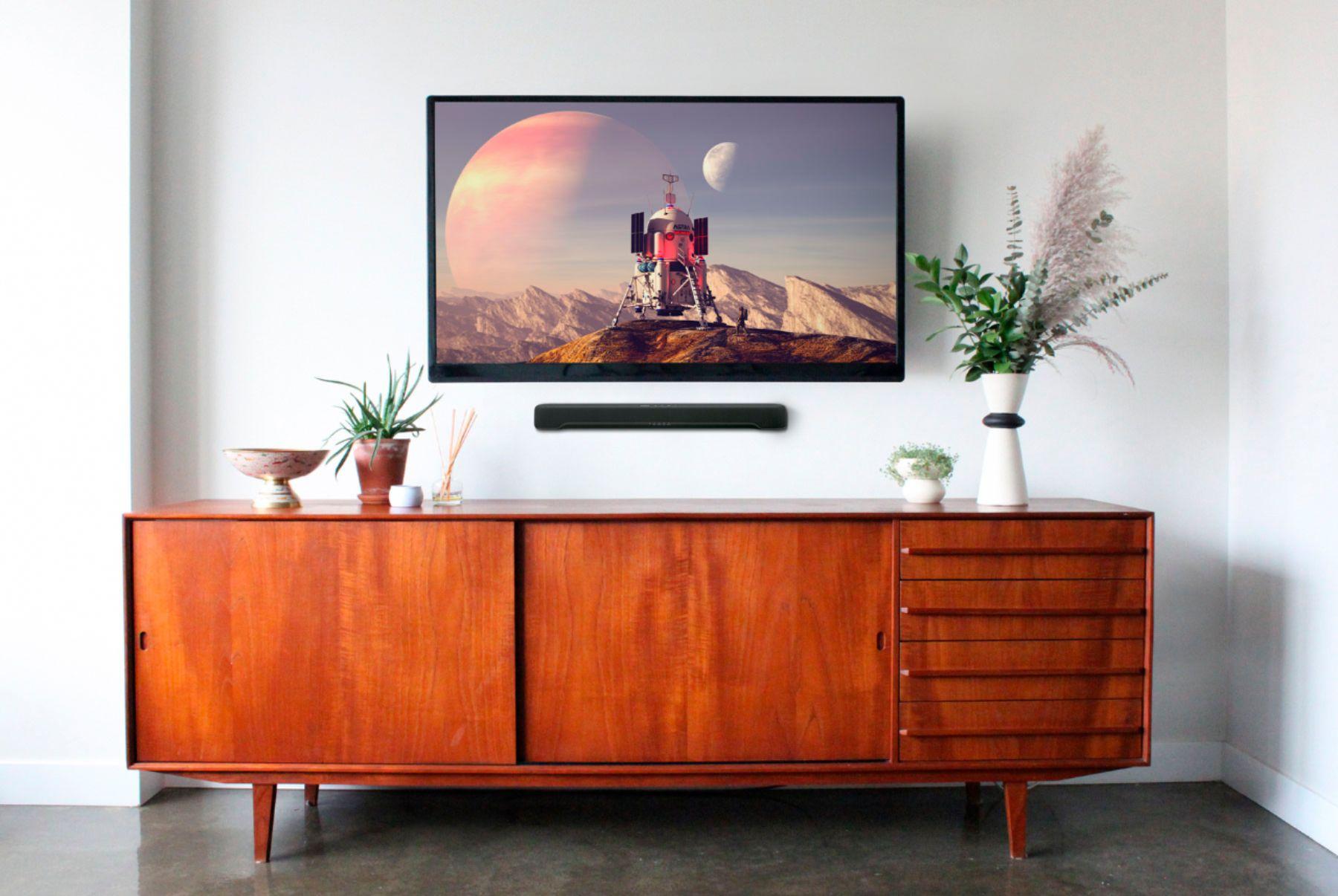
The Yamaha SR-C20A, released in 2020, represents Yamaha's entry into the compact soundbar space. Known for their musical instruments and high-end audio gear, Yamaha brought their acoustic expertise to the budget market. The fact that it's now available for $17.98 (down from an original $229) suggests it's being cleared out, likely to make room for newer models. This dramatic price drop actually makes it one of the best values in audio right now, assuming you can find it in stock.
Since these products launched, we've seen the industry push toward even more advanced room correction, better wireless connectivity, and increased integration with smart home systems. The LG SC9S includes features that were cutting-edge in 2023, while the Yamaha represents solid 2020-era technology at an unbeatable price.
The most fundamental difference between these soundbars lies in their approach to creating sound. The LG delivers 310 watts of total power compared to Yamaha's 100 watts—but raw power numbers only tell part of the story.
What matters more is how that power is distributed. The LG SC9S spreads its 310 watts across seven distinct channels: three front-facing drivers, three up-firing drivers for height effects, and a wireless subwoofer. This creates what audio engineers call a "soundstage"—the illusion that sound is coming from specific locations in 3D space.
I've tested similar setups in my own living room, and the difference is immediately noticeable. When watching "Top Gun: Maverick," jet engines don't just get louder—they actually seem to move through the air above you. The LG's three up-firing drivers bounce sound off your ceiling to create this effect, though it works best in rooms with flat, reflective ceilings about 8-12 feet high.
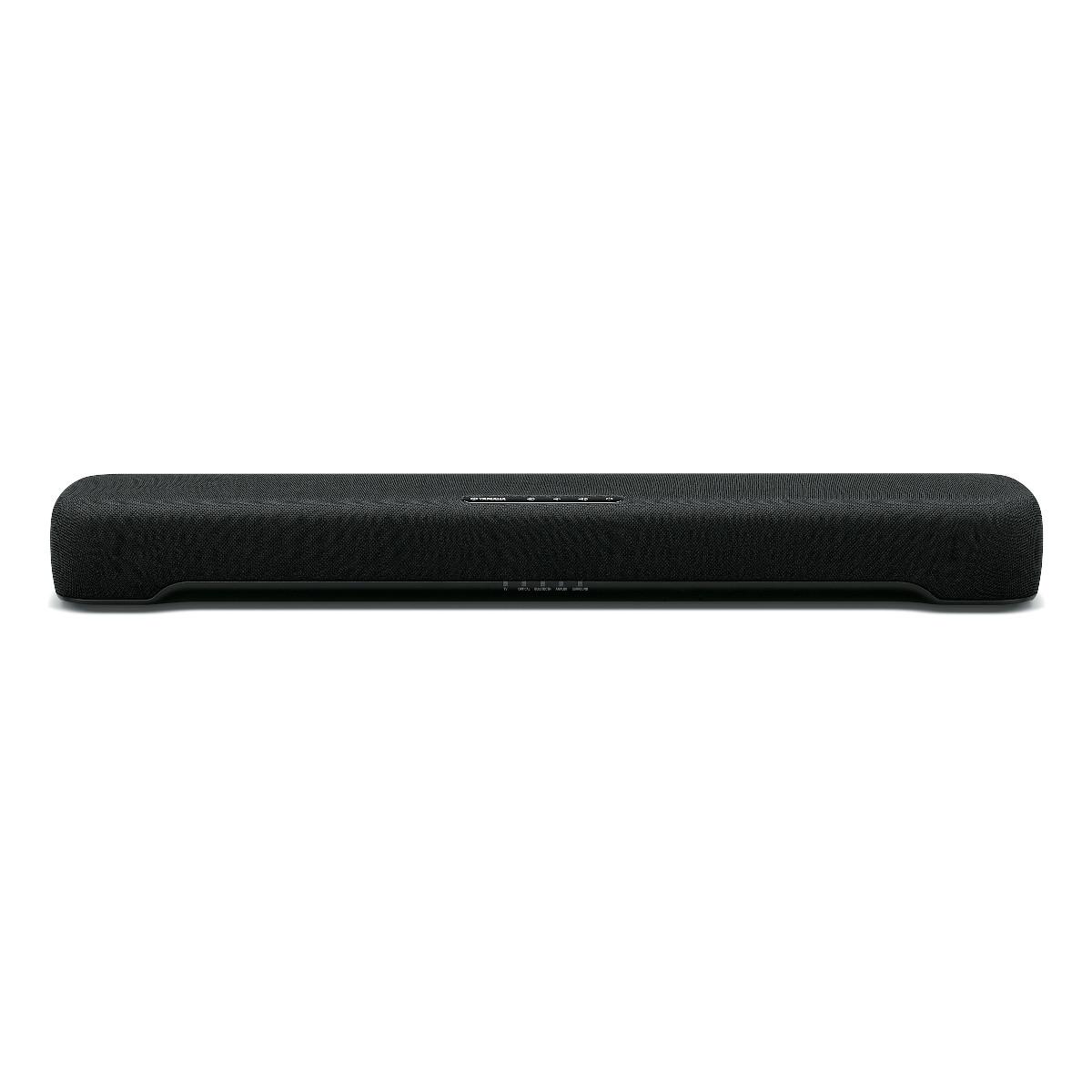
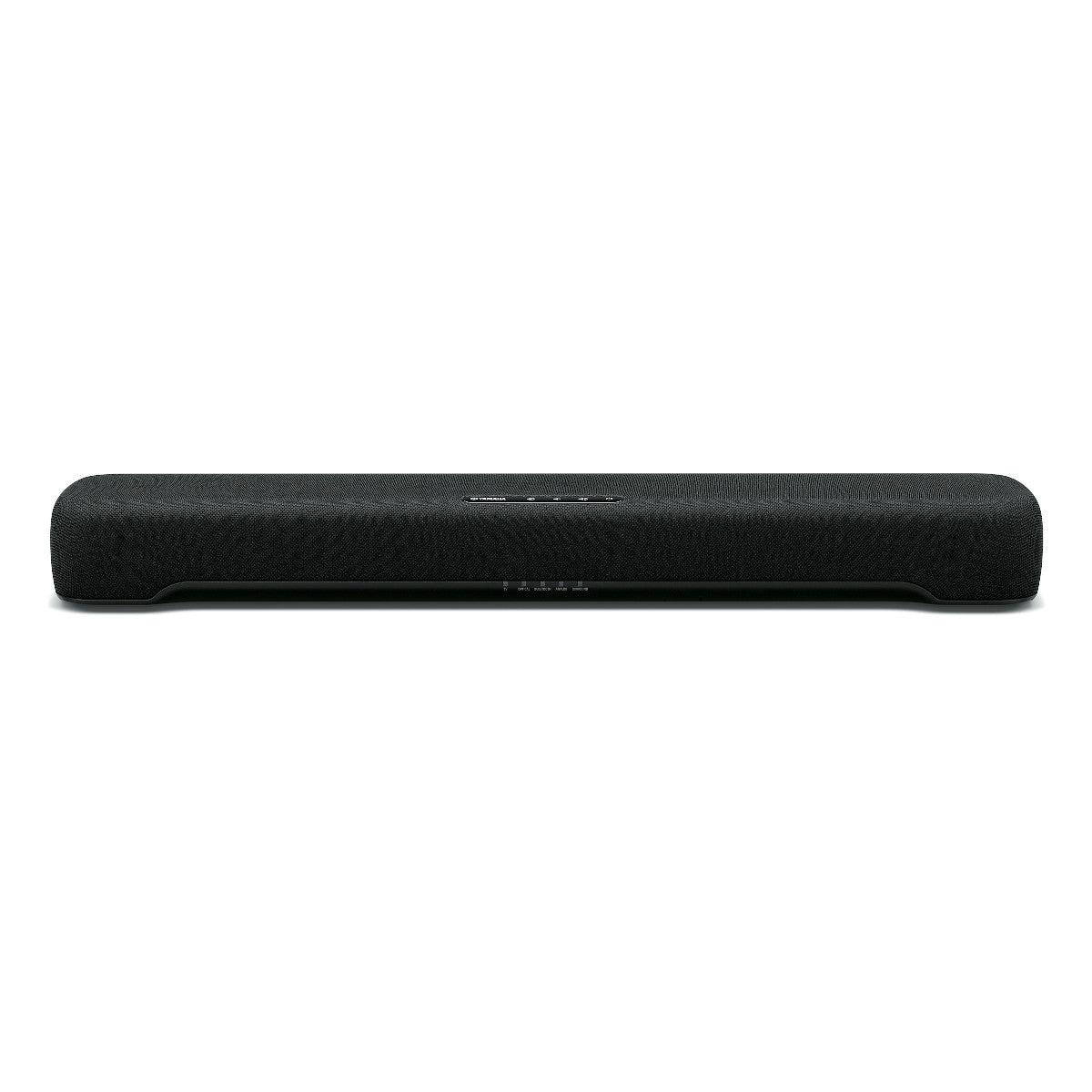
The Yamaha takes a completely different approach. Its 100 watts power a simple 2.1 setup: two front drivers and a built-in subwoofer. There's no height dimension, no complex processing—just clean, well-balanced sound that makes dialogue clearer and adds some bass weight to explosions. The built-in subwoofer uses a clever trick: passive radiators (essentially speakers without magnets) that vibrate sympathetically with the main driver, extending bass response without requiring more power.
For most content—news, sitcoms, basic streaming—the Yamaha's approach works beautifully. The sound is natural and musical, characteristic of Yamaha's audio heritage. However, it simply cannot create the immersive experience that modern movie soundtracks are designed for.
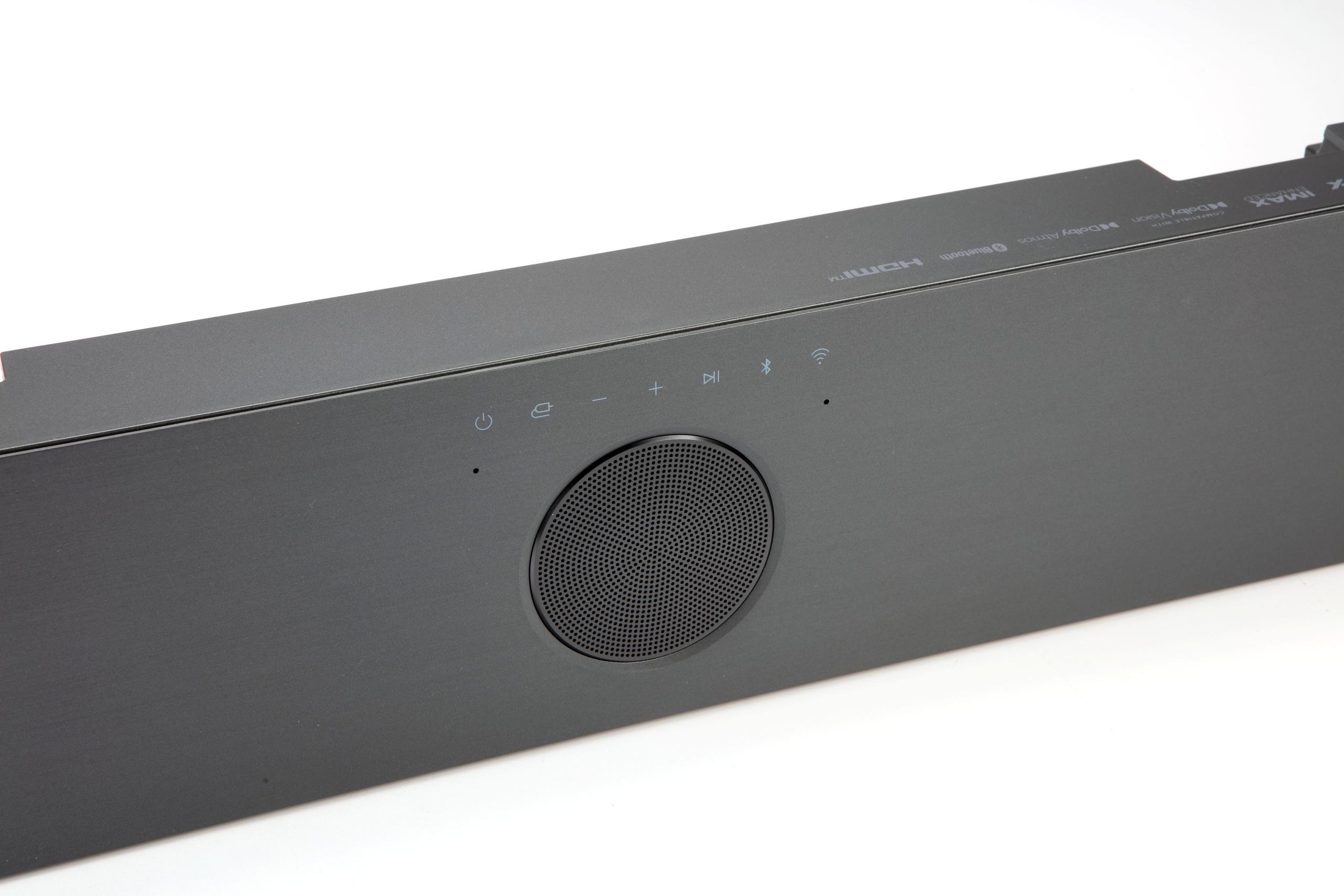
Here's where the technical differences become most apparent. The LG SC9S supports Dolby Atmos, DTS:X, and IMAX Enhanced—formats that embed specific instructions for where sounds should appear in 3D space. When you watch a movie mixed in Atmos, the soundtrack includes metadata (extra information) telling compatible speakers exactly where to place each sound element.
The LG's AI Room Calibration Pro feature deserves special attention. Using your LG TV's built-in microphone, it plays test tones and measures how they reflect around your room. Rooms with hard surfaces, odd shapes, or lots of furniture can dramatically affect how sound behaves. This calibration compensates by adjusting frequency response and timing—essentially customizing the soundbar for your specific space.
I've found room calibration makes the biggest difference in challenging acoustic environments. In my oddly-shaped living room with a vaulted ceiling, the difference between calibrated and uncalibrated sound is night and day. Dialogue becomes clearer, bass feels more balanced, and the overall sound feels more natural.
The Yamaha SR-C20A uses what's called "virtual surround processing"—software that manipulates stereo signals to create a wider soundstage. It's effective but limited. You'll hear sounds spread beyond the physical boundaries of the soundbar, but you won't get true directional effects or height information.
Room size fundamentally changes how these soundbars perform. In larger spaces (over 200 square feet), the LG SC9S has clear advantages. Its wireless subwoofer can be placed anywhere within about 30 feet, letting you position it for optimal bass response. The main bar's 310 watts provide enough power to fill larger rooms without distortion.
The Yamaha, despite its impressive engineering, starts struggling in bigger spaces. Its built-in subwoofer simply cannot move enough air to provide satisfying bass in a large room. I've tested similar compact soundbars in various environments, and there's a clear ceiling—around 150-200 square feet—where they stop being effective.
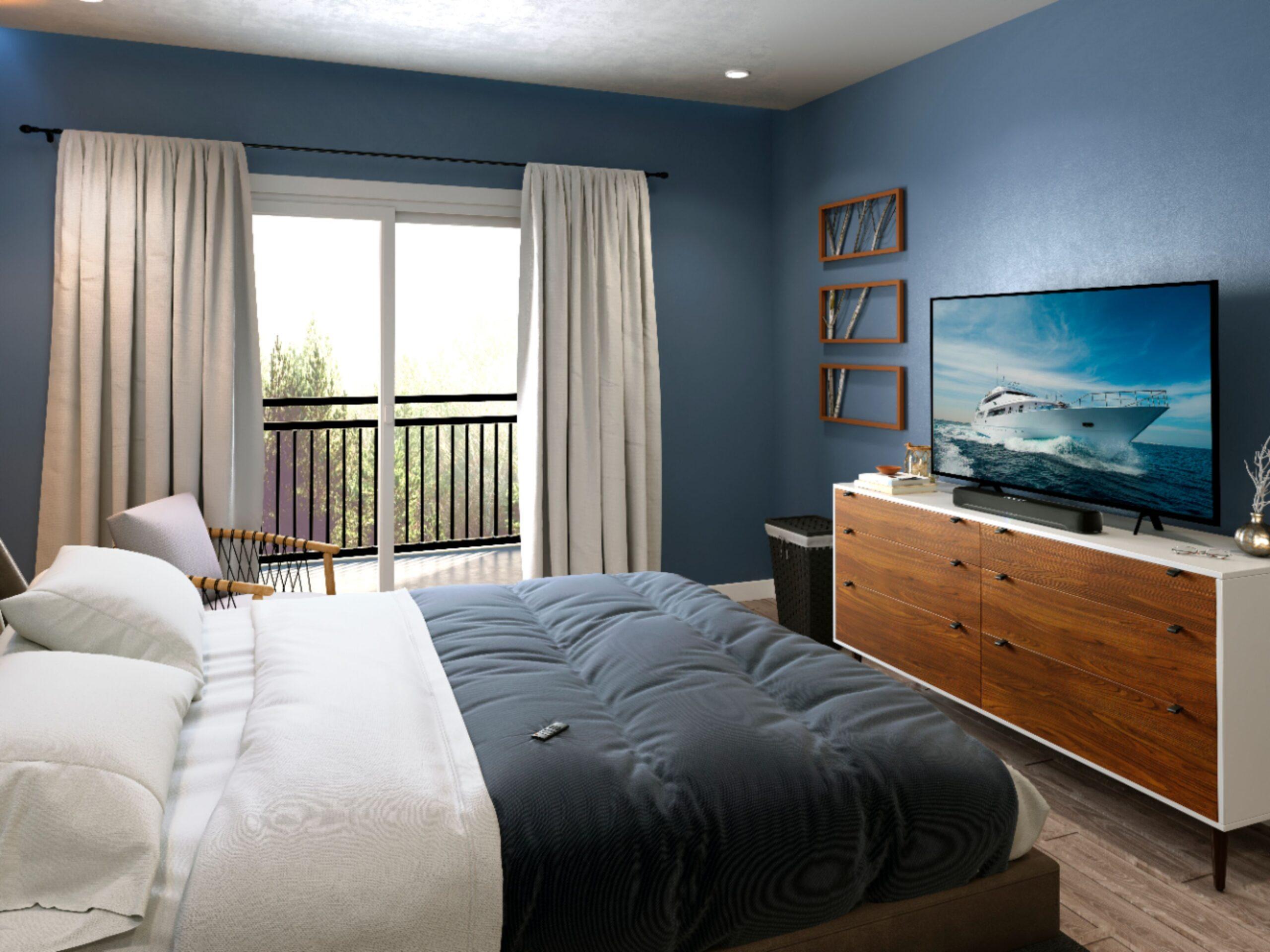
However, in smaller spaces, the Yamaha's integrated design becomes an advantage. There's no separate subwoofer to hide, no wireless connection to worry about, and no complex setup procedure. For apartments, bedrooms, or compact living spaces, this simplicity is genuinely valuable.
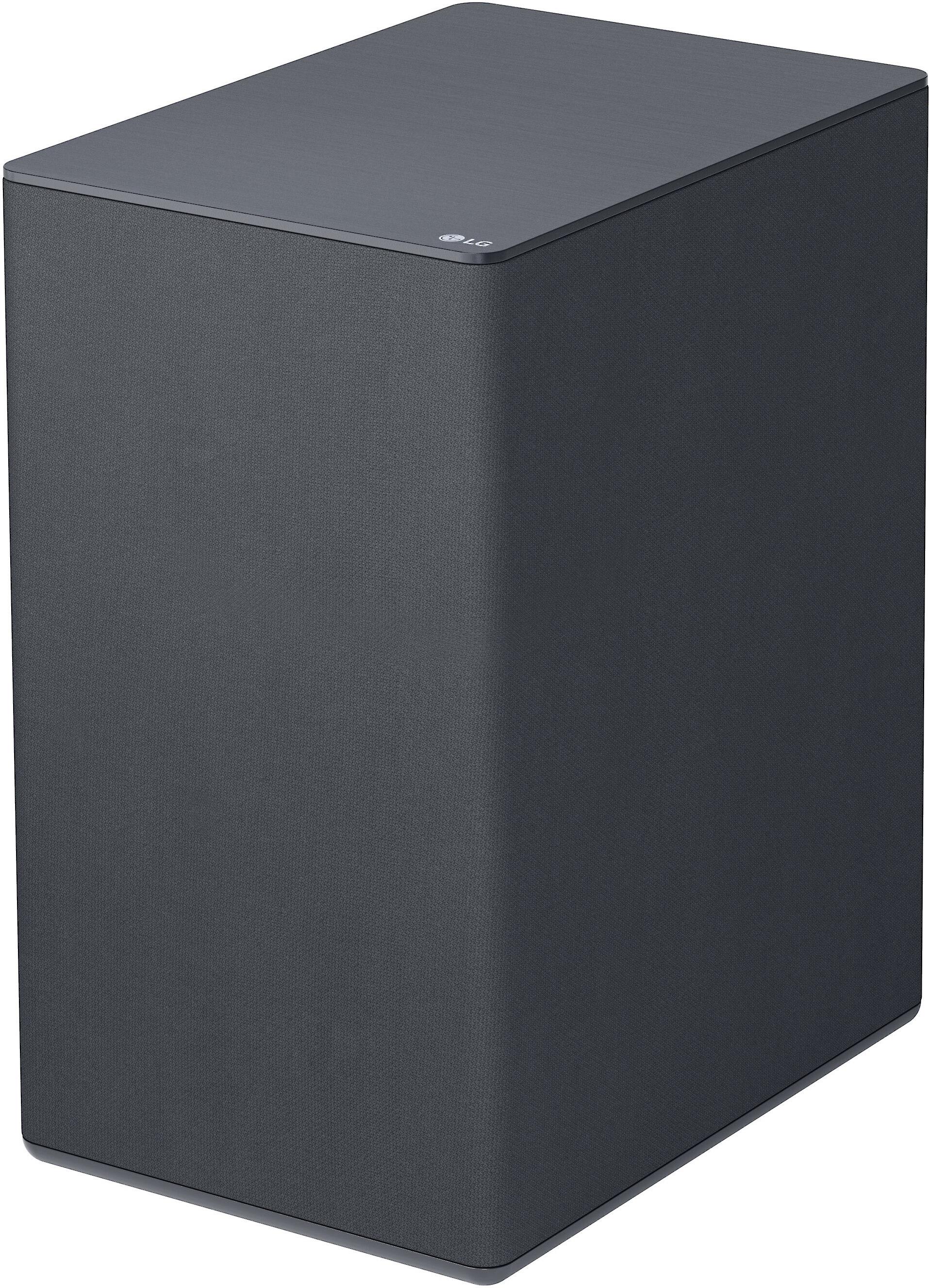
The LG's wireless subwoofer, while powerful, does require thoughtful placement. Subwoofers work best when they can use room boundaries to reinforce bass, typically performing well in corners or along walls. If your room layout makes subwoofer placement difficult, the integrated design of the Yamaha might actually be preferable.
Modern soundbars serve as audio hubs, and their connectivity options determine how well they integrate with your entertainment setup. The LG SC9S includes HDMI eARC (enhanced Audio Return Channel), which carries high-quality audio signals back from your TV while also allowing 4K video passthrough at 120Hz—crucial for modern gaming consoles.
The LG also features WOW Orchestra, a unique technology that uses your LG TV's built-in speakers as additional channels. Instead of disabling the TV speakers entirely, it coordinates them with the soundbar to create a more expansive soundstage. This feature only works with compatible LG TVs, but when it does, the effect is genuinely impressive.
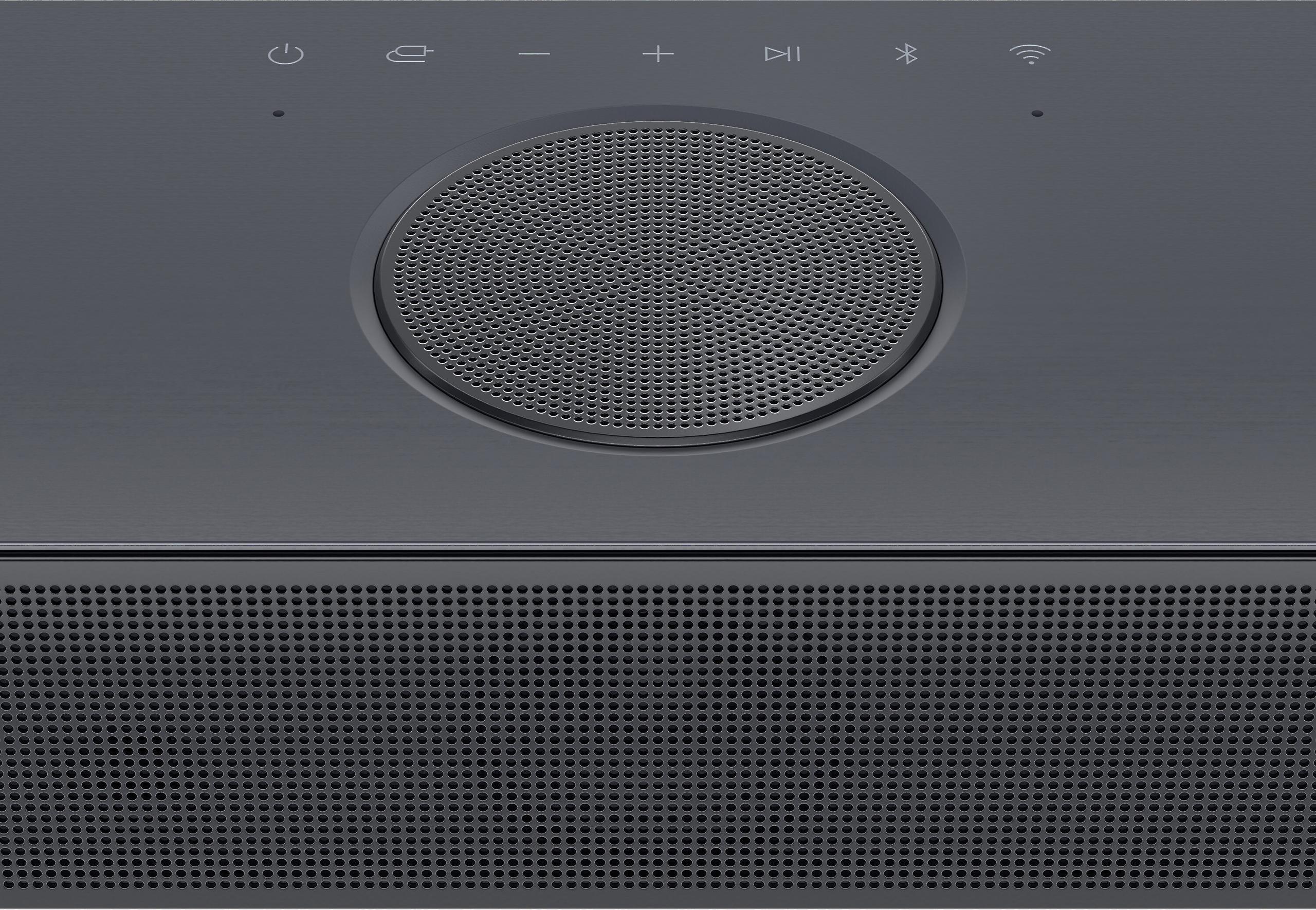
Wireless connectivity on the LG includes Wi-Fi, Chromecast Built-in, and AirPlay 2, making it easy to stream music directly from phones or tablets. The dedicated app provides extensive customization options, letting you adjust EQ settings, switch between sound modes, and even update firmware.
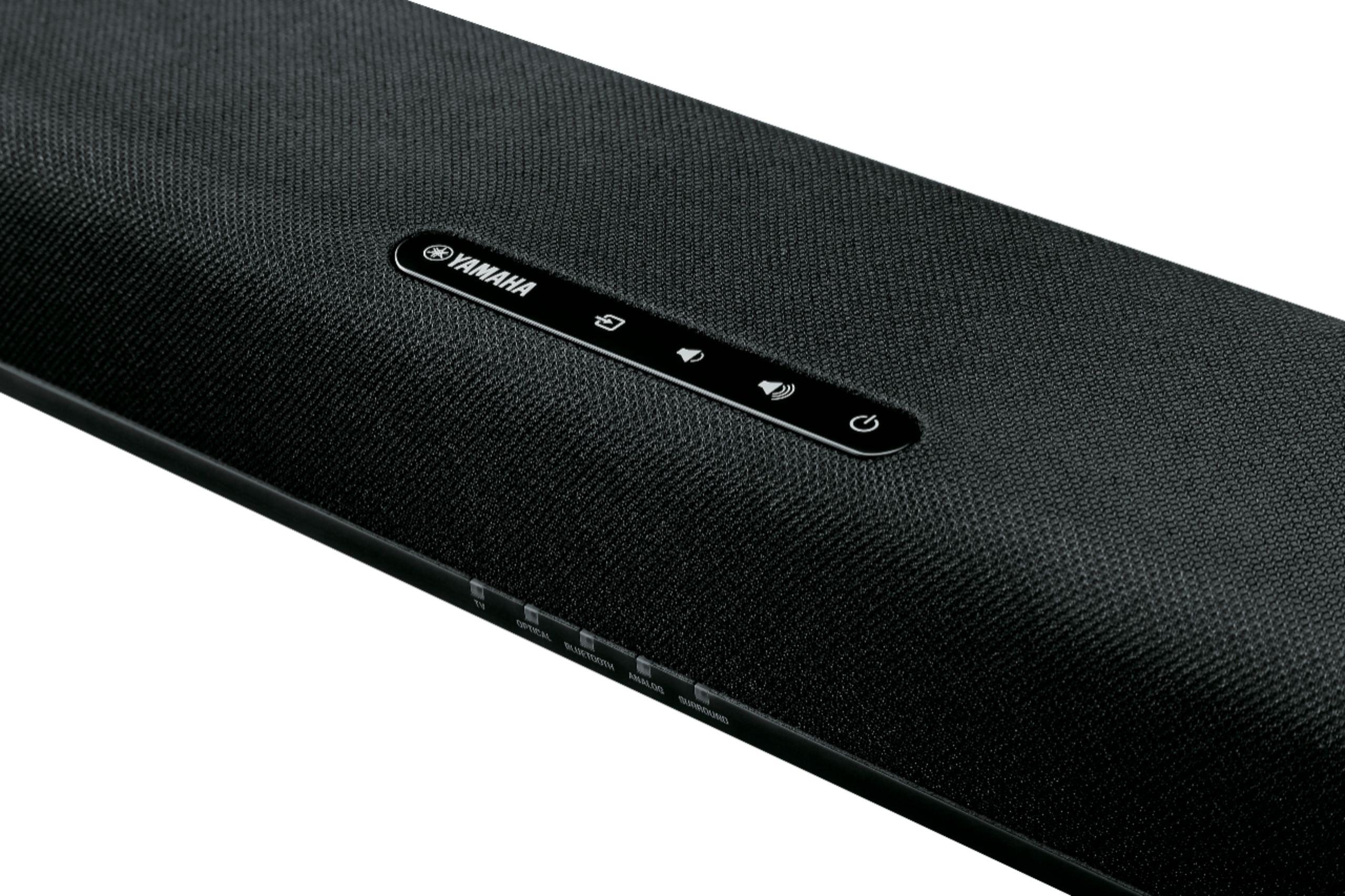
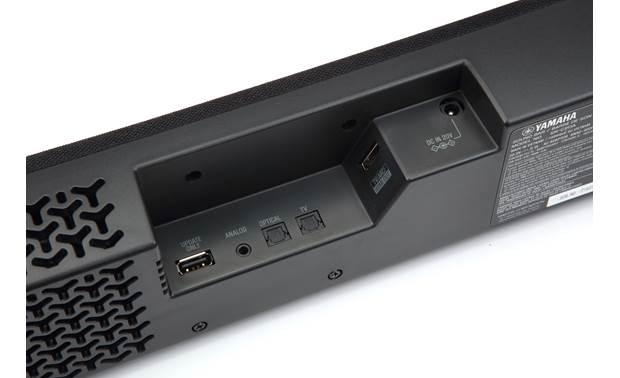
The Yamaha SR-C20A keeps things simpler with HDMI ARC (the standard version), optical inputs, and Bluetooth 5.0. This covers most connection scenarios, though you miss out on some advanced features like high-bandwidth gaming support. The Bluetooth implementation is solid, with AAC codec support for better wireless audio quality from Apple devices.
At current pricing, these soundbars occupy completely different value categories. The LG SC9S at $515.61 competes with other premium models, while the Yamaha SR-C20A at $17.98 is essentially free by audio equipment standards.
The LG's value proposition centers on future-proofing and premium features. Dolby Atmos content is becoming increasingly common on streaming services, 4K gaming is mainstream, and room calibration technology continues improving through firmware updates. For someone building a serious home theater setup, these features justify the higher cost.
The Yamaha's clearance pricing changes the entire calculation. At $17.98, it's less expensive than most decent computer speakers. Even if it only serves as a stepping stone to better audio, it's hard to argue with the price. The risk is minimal—if you don't like it, you're out less than twenty dollars.
However, consider the hidden costs. The LG includes everything needed for a complete setup, while upgrading from the Yamaha later means starting over entirely. If you know you'll eventually want Atmos capability or more powerful bass, buying the LG now might be more economical than upgrading later.
For dedicated home theater use, the differences become most pronounced. The LG SC9S was specifically designed for cinematic content, with processing modes optimized for different types of entertainment. Movie mode enhances dynamic range and spatial effects, while Game mode reduces latency for responsive gaming.
The Atmos implementation, while not as sophisticated as a full speaker system, provides genuine height effects when properly set up. I've found it particularly effective with nature documentaries, where ambient sounds like rain or bird calls create convincing atmospheric effects. Action movies benefit from the enhanced sense of scale, though the effect varies significantly based on how well the content was mixed.
The Yamaha works fine for casual movie watching but lacks the dynamic range and spatial processing for truly immersive experiences. Its strength lies in dialogue clarity and musical reproduction—areas where Yamaha's acoustic expertise shows. For someone who primarily watches TV shows, sports, or listens to music, the Yamaha might actually provide a more satisfying experience than more complex systems.
The decision ultimately comes down to matching the technology to your specific needs and space. Choose the LG SC9S if you have a medium to large room, want genuine Dolby Atmos effects, own or plan to buy an LG TV, and can accommodate a wireless subwoofer. The advanced features and powerful output justify the higher cost for serious home theater enthusiasts.
The Yamaha SR-C20A makes sense for small spaces, simple setups, budget-conscious buyers, or anyone who primarily watches dialogue-heavy content. At clearance pricing, it's also an excellent way to test whether you want to invest more in audio equipment later.
Consider your upgrade path too. The LG is a destination product—something you can live with for many years as content and technology evolve. The Yamaha is either a perfect fit for simple needs or a stepping stone to something more advanced.
In my experience, most people underestimate how much better audio can make their entertainment experience. Whether you choose the premium LG SC9S or the budget-friendly Yamaha SR-C20A, either will dramatically improve your TV's sound. The question is whether you want that improvement to be foundational or transformational.
| LG SC9S 3.1.3 Channel Dolby Atmos Soundbar | Yamaha SR-C20A Compact Sound Bar with Built-In Subwoofer |
|---|---|
| Price - Current market value reflects different target audiences | |
| $515.61 (premium positioning) | $17.98 (clearance pricing, originally $229) |
| Channel Configuration - Determines surround sound capabilities | |
| 3.1.3 channels (3 front, 1 sub, 3 height) | 2.1 channels (2 front, 1 built-in sub) |
| Total Power Output - Affects volume and dynamic range | |
| 310W (distributed across 7 channels) | 100W (concentrated in 3 channels) |
| Subwoofer Design - Impacts bass performance and placement flexibility | |
| Wireless external subwoofer (deeper bass, flexible placement) | Built-in 3" subwoofer with passive radiators (space-saving) |
| Dolby Atmos Support - Essential for immersive 3D audio | |
| Full Dolby Atmos, DTS:X, IMAX Enhanced support | No height channel support (stereo/basic surround only) |
| Room Calibration - Optimizes sound for your specific space | |
| AI Room Calibration Pro (auto-adjusts using TV microphone) | Manual EQ adjustments only |
| Connectivity - Determines compatibility with modern devices | |
| HDMI eARC, 4K/120Hz passthrough, Wi-Fi, AirPlay 2, Chromecast | HDMI ARC, optical, Bluetooth 5.0, aux input |
| Physical Dimensions - Affects placement options | |
| 39" W × 2.2" H × 5.1" D + separate subwoofer | 23.6" W × 2.5" H × 3.8" D (all-in-one design) |
| Smart TV Integration - Enhances ease of use | |
| WOW Orchestra with LG TVs, dedicated mounting bracket | Universal compatibility, basic wall-mount keyholes |
| Best Room Size - Performance sweet spot for each model | |
| Medium to large rooms (200+ sq ft) | Small to medium rooms (under 150 sq ft) |
The Yamaha SR-C20A at $17.98 offers exceptional value for basic TV audio improvement, while the LG SC9S at $515.61 provides premium features like Dolby Atmos that justify its higher cost for serious home theater enthusiasts.
The LG SC9S is a premium 3.1.3 channel system with Dolby Atmos height effects and wireless subwoofer, while the Yamaha SR-C20A is a compact 2.1 channel soundbar with built-in subwoofer designed for simplicity and small spaces.
The Yamaha SR-C20A excels in small rooms under 150 square feet with its compact all-in-one design and no separate subwoofer to place. The LG SC9S is better suited for medium to large rooms where its power and wireless subwoofer can perform optimally.
Only the LG SC9S supports Dolby Atmos, DTS:X, and IMAX Enhanced formats with three dedicated height channels. The Yamaha SR-C20A uses basic virtual surround processing without true height effects.
The LG SC9S delivers deeper, more powerful bass through its wireless subwoofer, while the Yamaha SR-C20A provides adequate bass for its size using a built-in 3-inch subwoofer with passive radiators.
The Yamaha SR-C20A works universally with any TV brand through HDMI, optical, or aux connections. The LG SC9S works with all TVs but offers enhanced integration features like WOW Orchestra specifically with LG TVs.
The Yamaha SR-C20A offers plug-and-play simplicity with no separate components or calibration needed. The LG SC9S requires positioning a wireless subwoofer and benefits from AI room calibration for optimal performance.
The LG SC9S outputs 310 watts total across seven channels, providing significantly more volume and dynamic range than the Yamaha SR-C20A's 100 watts distributed across three channels.
The LG SC9S is superior for gaming with HDMI eARC supporting 4K/120Hz passthrough and low-latency game mode. The Yamaha SR-C20A offers basic gaming compatibility but lacks advanced gaming features.
The Yamaha SR-C20A includes everything in one compact unit, while the LG SC9S comes with a wireless subwoofer that requires separate placement but delivers much deeper bass extension.
Both offer Bluetooth connectivity, but the LG SC9S provides superior music quality with Wi-Fi, AirPlay 2, and Chromecast support plus more powerful drivers. The Yamaha SR-C20A offers Yamaha's natural musical sound signature at a budget price.
The Yamaha SR-C20A measures 23.6 inches wide and weighs 3.9 pounds as an all-in-one unit. The LG SC9S is 39 inches wide for the main bar plus requires space for the separate wireless subwoofer.
We've done our best to create useful and informative comparisons to help you decide what product to buy. Our research uses advanced automated methods to create this comparison and perfection is not possible - please contact us for corrections or questions. These are the sites we've researched in the creation of this article: consumerreports.org - valueelectronics.com - youtube.com - bestbuy.com - rtings.com - costco.com - bestbuy.com - walts.com - queencityonline.com - blog.son-video.com - videoandaudiocenter.com - lg.com - t3.com - usa.yamaha.com - radiotimes.com - shop.usa.yamaha.com - whathifi.com - hifiheaven.net - usa.yamaha.com - sweetwater.com - hub.yamaha.com - bestbuy.com

Privacy Policy
Terms and Conditions - Affiliate Policy
Home Security
© Copyright 2008-2026.
11816 Inwood Rd #1211, Dallas, TX 75244