












If you've ever been frustrated by mumbled dialogue in your favorite shows or felt like your TV's built-in speakers just can't deliver the punch you want from action scenes, you're definitely not alone. Most modern TVs prioritize thin designs over audio quality, leaving their speakers as an afterthought. That's where soundbars come in – they're designed to fill that audio gap without requiring a full home theater setup.
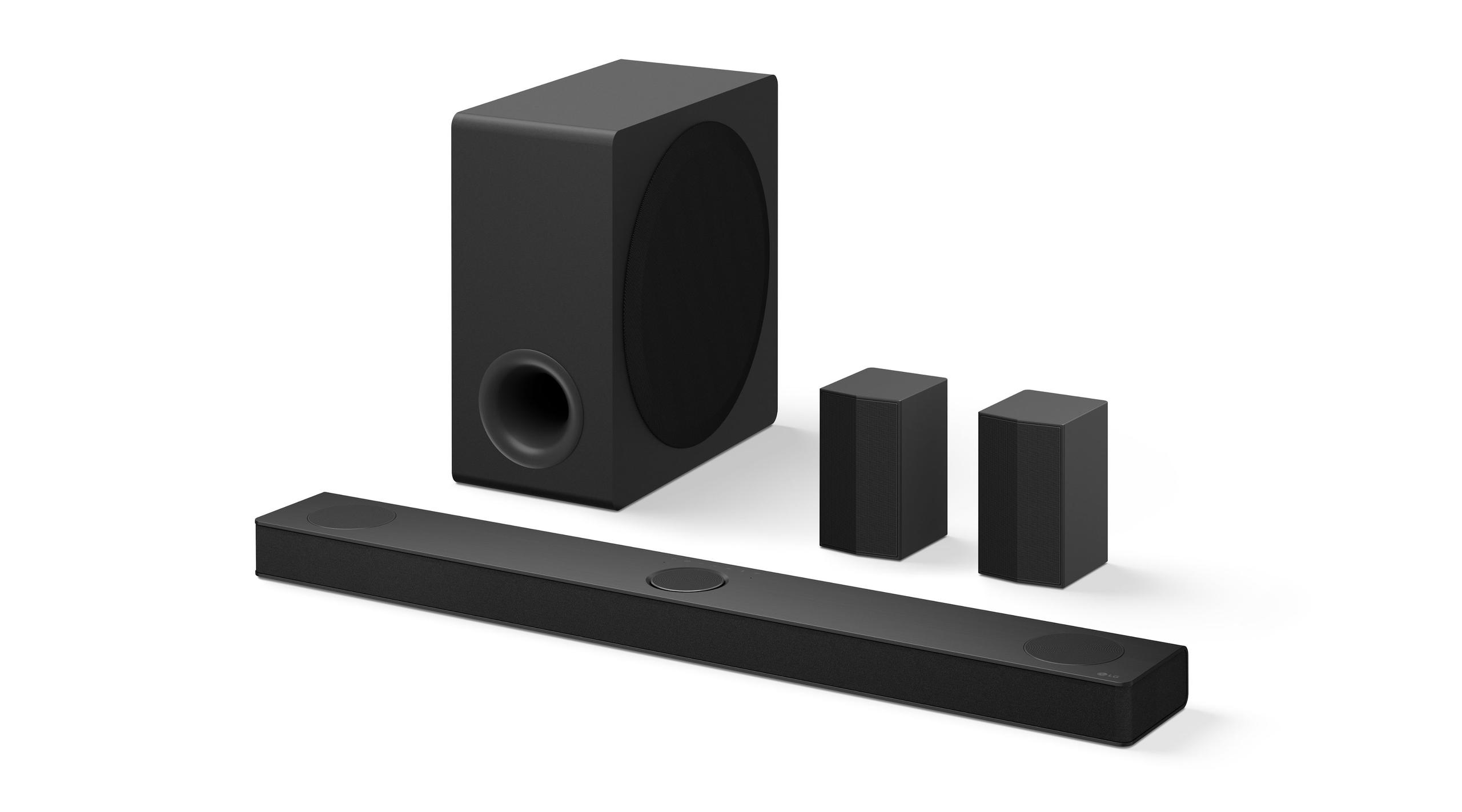
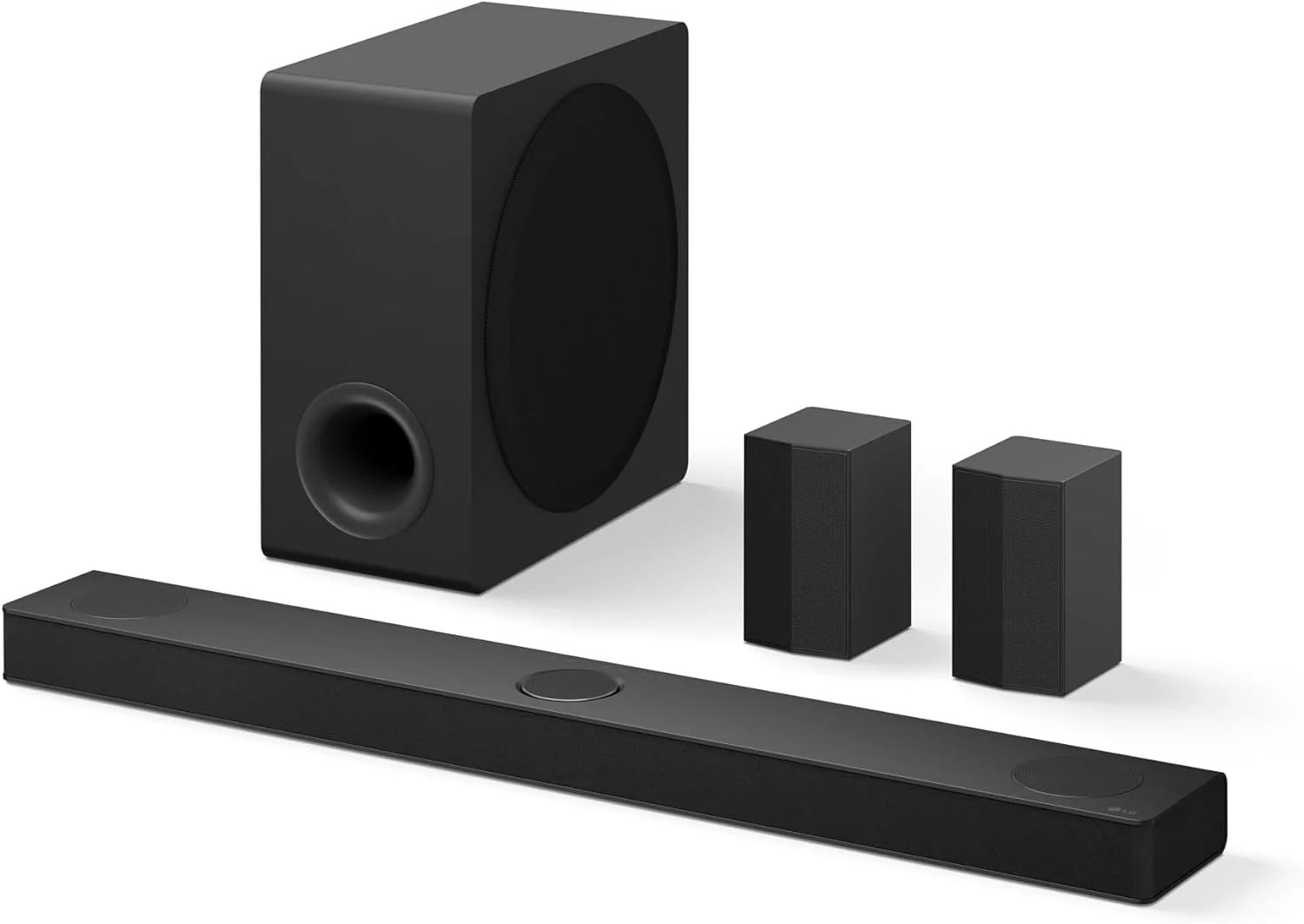
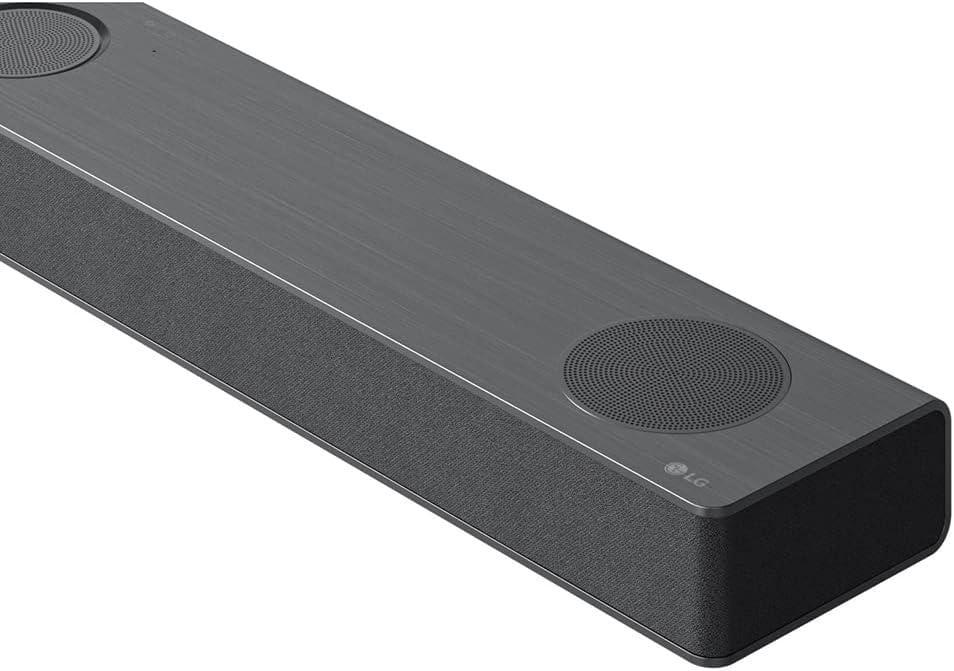
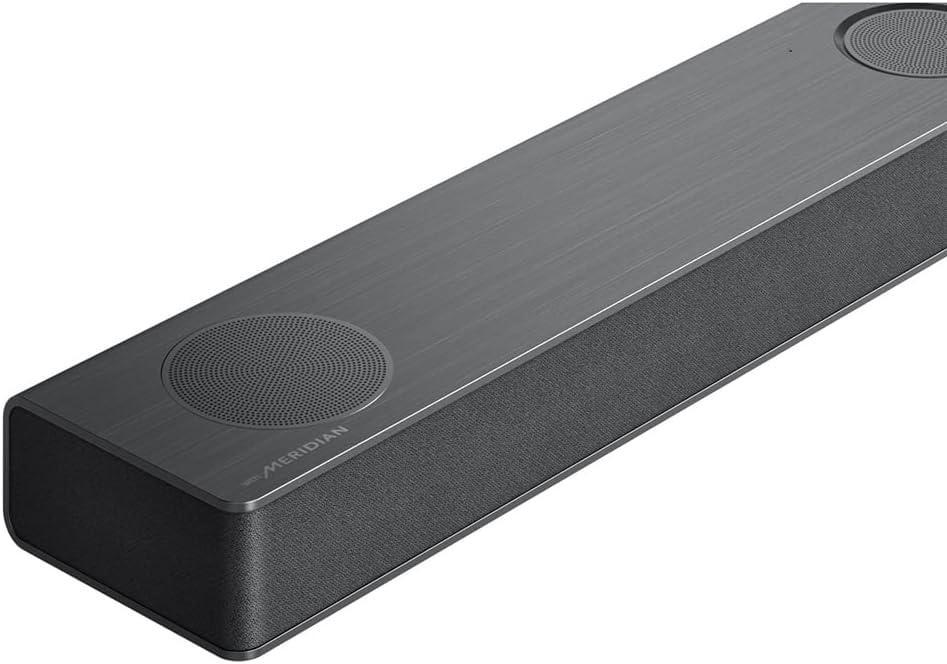
Today we're comparing two very different approaches to better TV sound: the LG S80TR 5.1.3 Channel Soundbar with Dolby Atmos and Rear Speakers ($546.99) and the Yamaha SR-C20A Compact Sound Bar with Built-In Subwoofer ($179.99). These represent opposite ends of the soundbar spectrum – one's a premium surround sound system, the other's a compact space-saver that punches above its weight class.
Before diving into specifics, let's talk about what you should expect from a soundbar. At their core, soundbars are trying to solve the same problems: dialogue that's hard to understand, weak bass, and flat, lifeless sound that doesn't match what you're seeing on screen.
The main considerations when shopping for soundbars include channel configuration (how many separate audio channels the system can handle), room size compatibility, audio format support, connectivity options, and of course, your budget. Channel configuration is particularly important – it determines whether you're getting stereo sound (left and right), surround sound (adding center, rear, and height channels), or something in between.
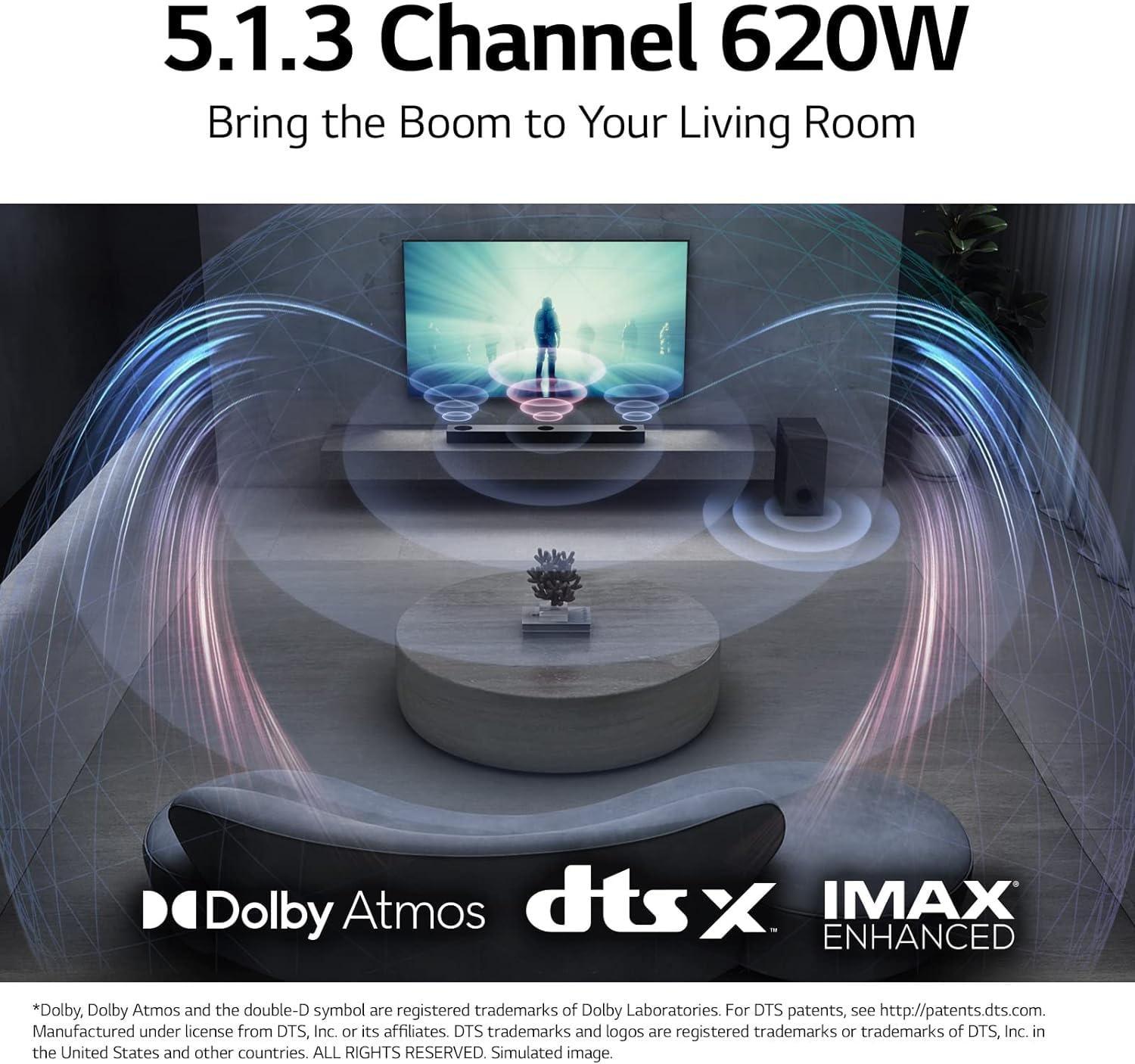
Audio formats like Dolby Atmos and DTS:X create what's called "object-based audio," where sounds can be precisely placed in three-dimensional space around you. Think of it like the difference between watching a movie on a small screen versus IMAX – the technology literally adds height to your audio experience.
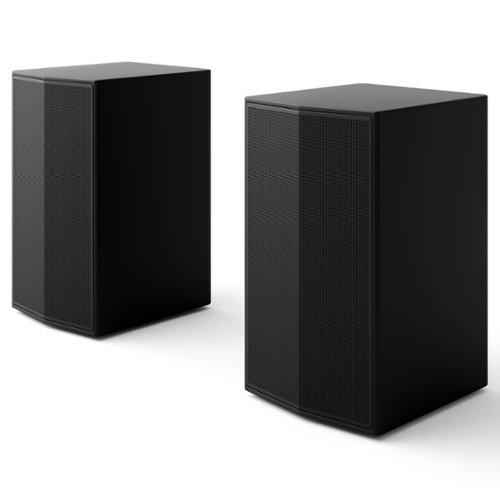
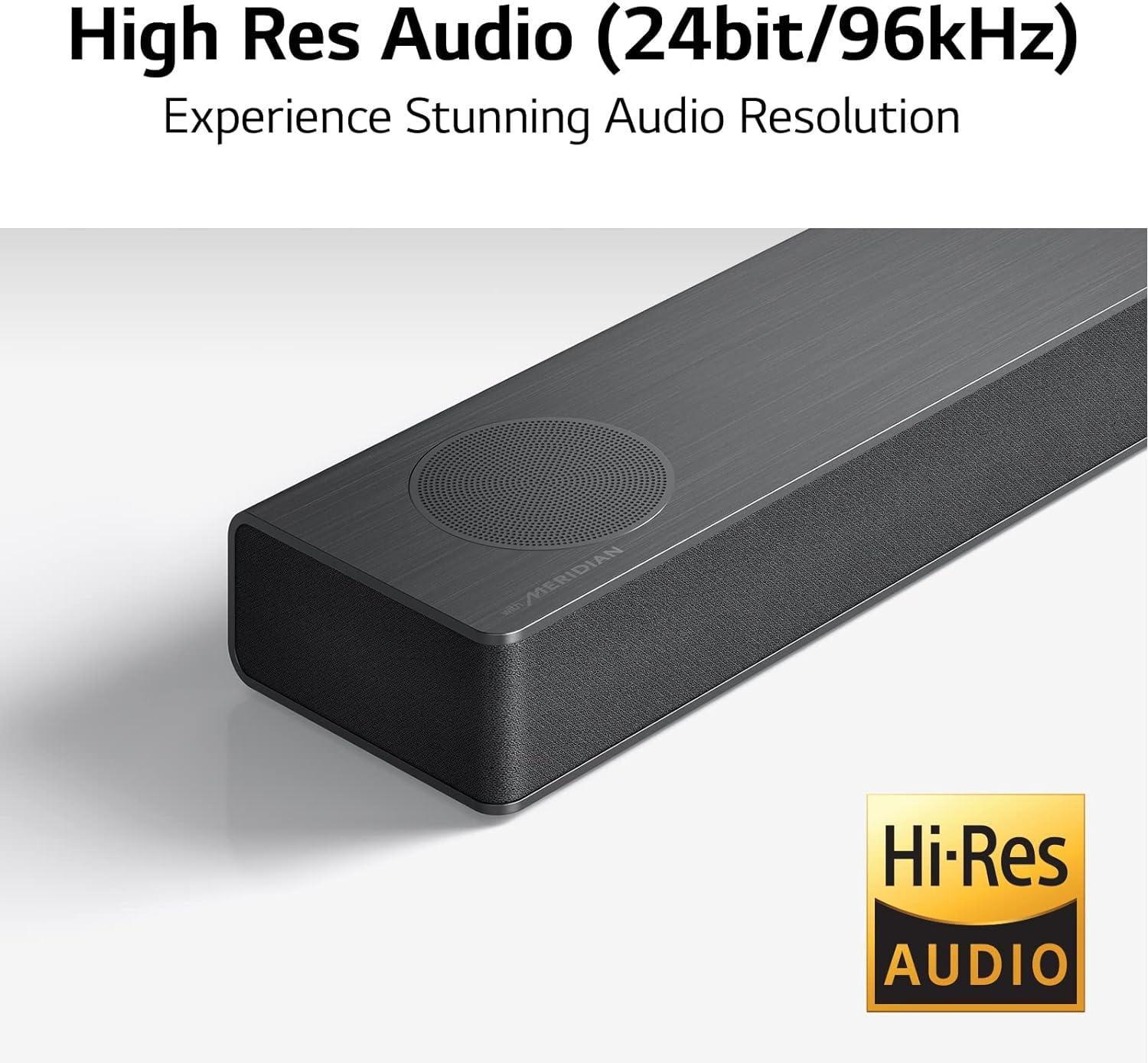
The LG S80TR represents what I'd call the "go big or go home" approach. Released in 2024 as part of LG's premium soundbar lineup, it's essentially a complete home theater audio system disguised as a soundbar. With its 5.1.3 channel configuration, you're getting five main channels (left, center, right, and two surround), one subwoofer channel, and three height channels for Dolby Atmos effects.
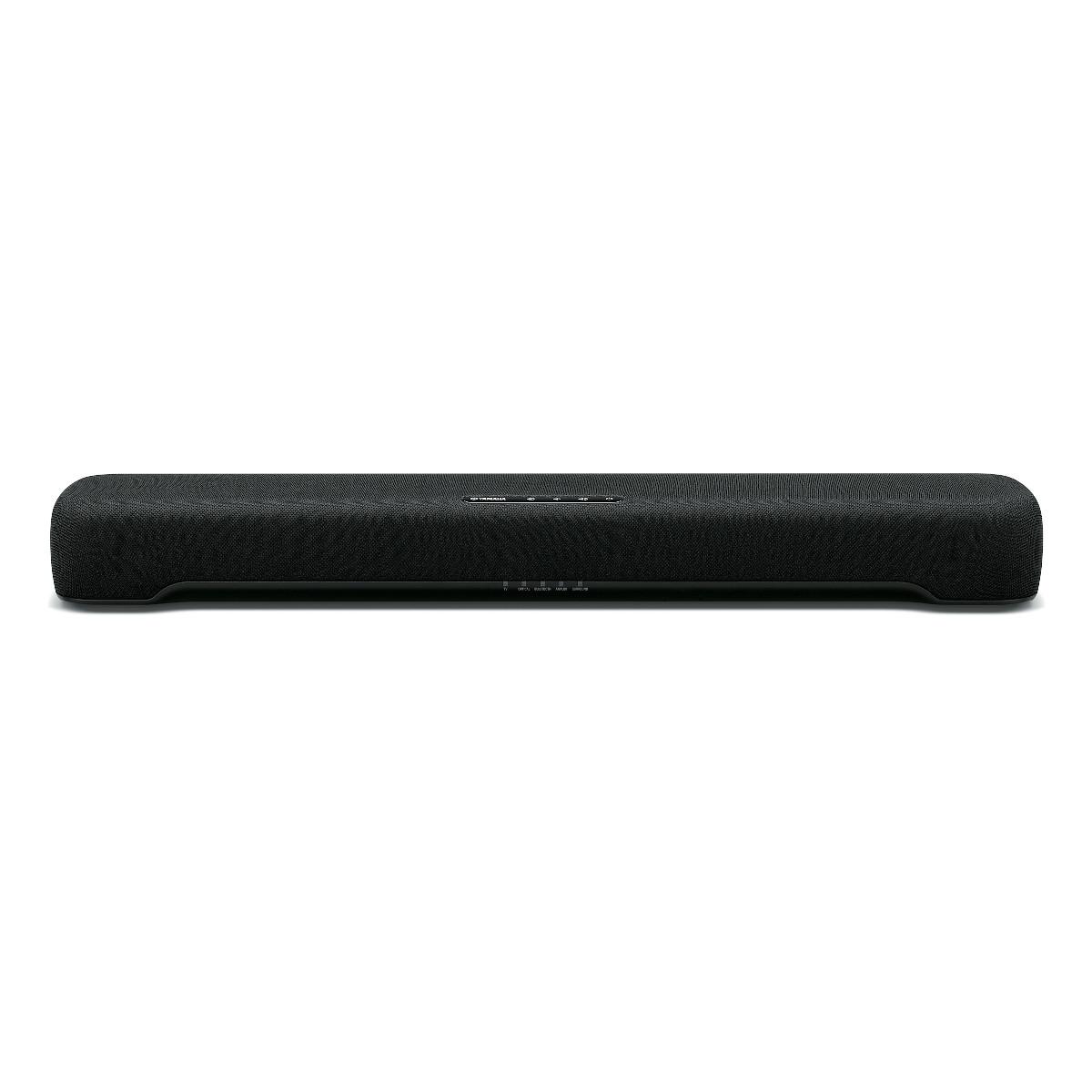
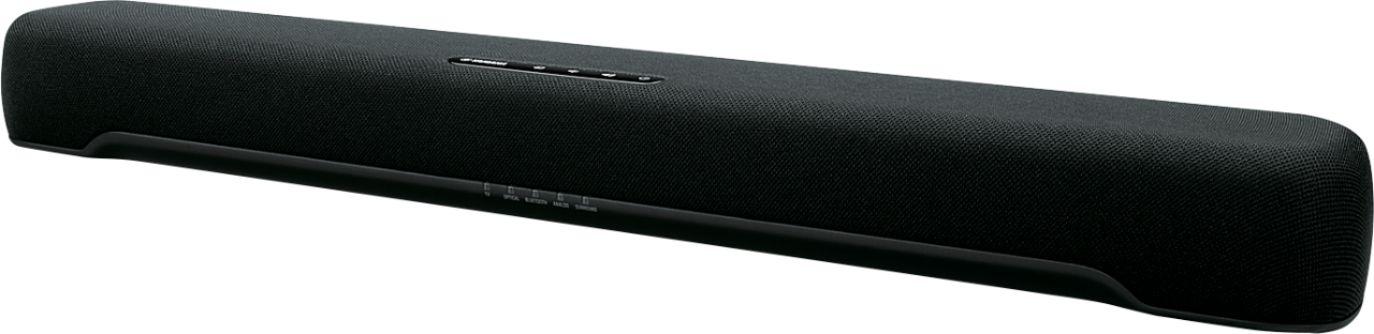
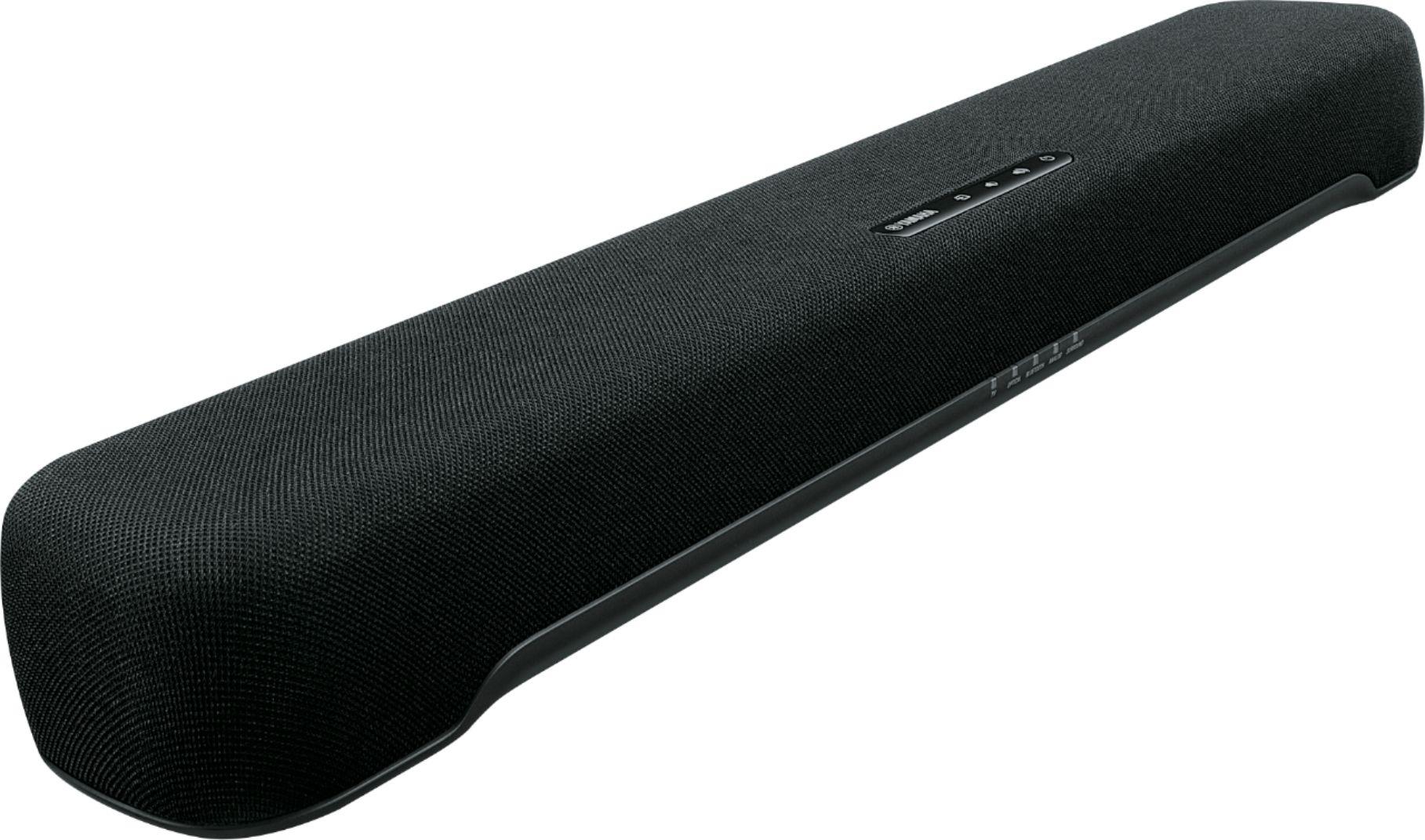
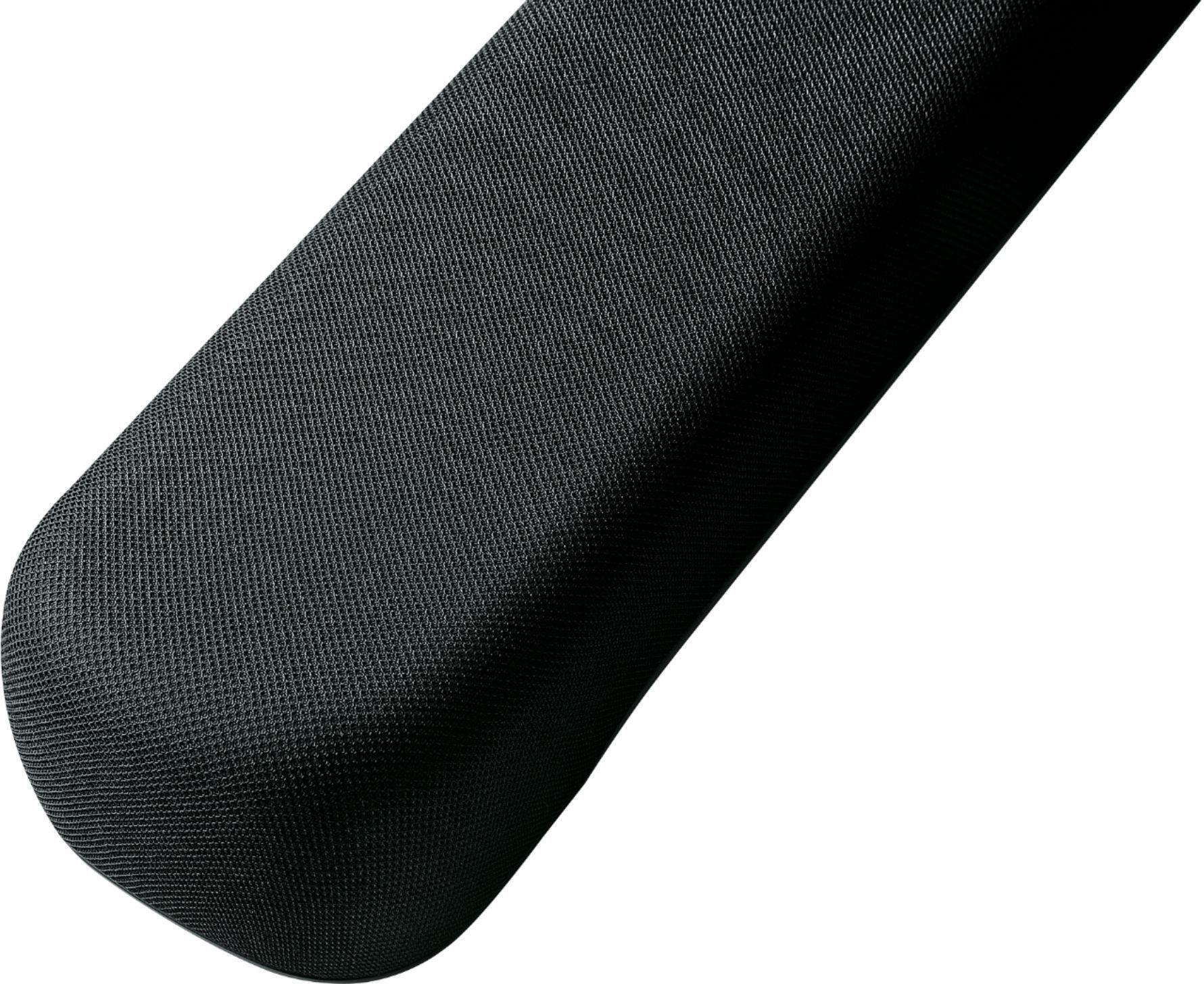
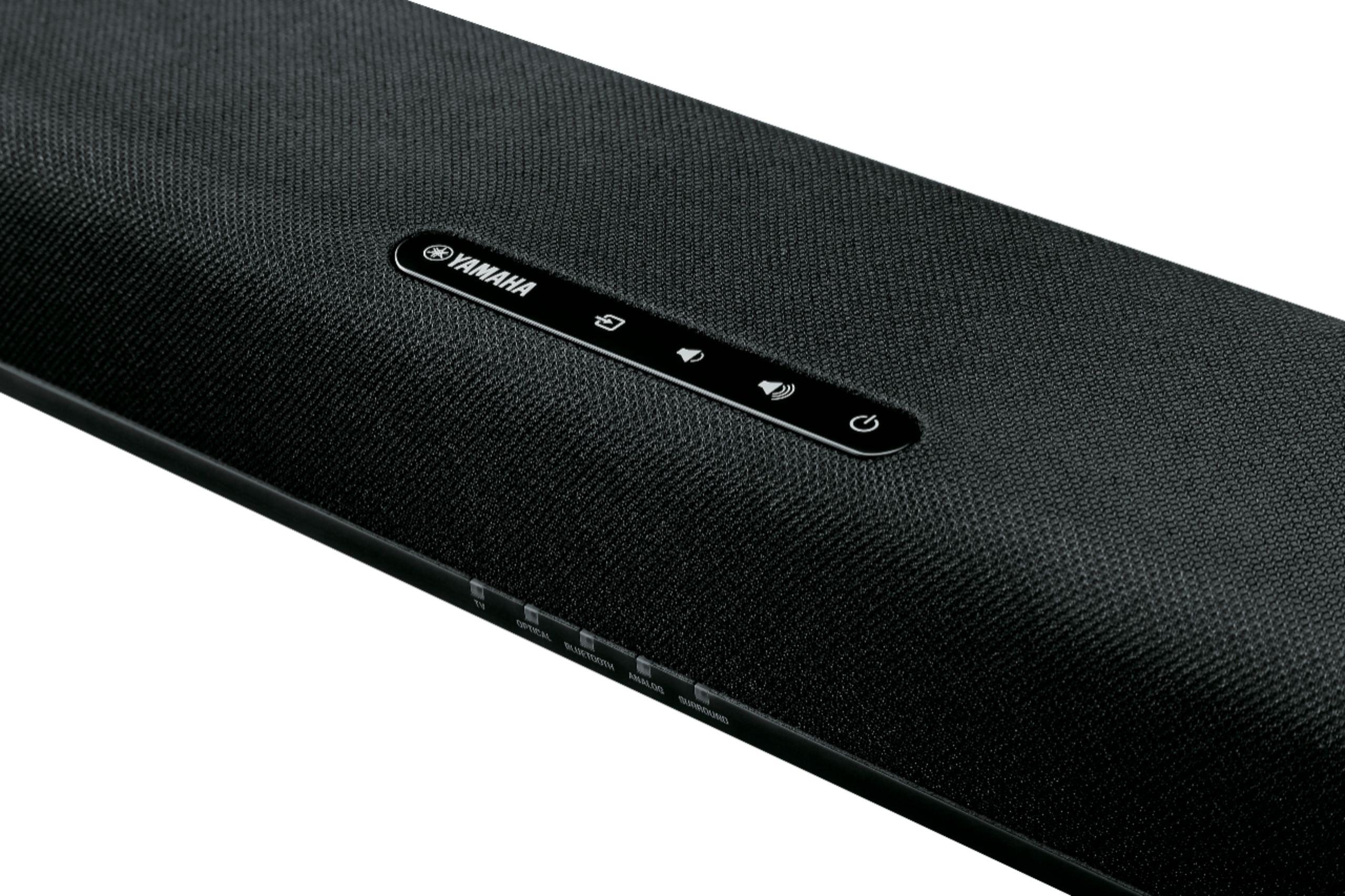
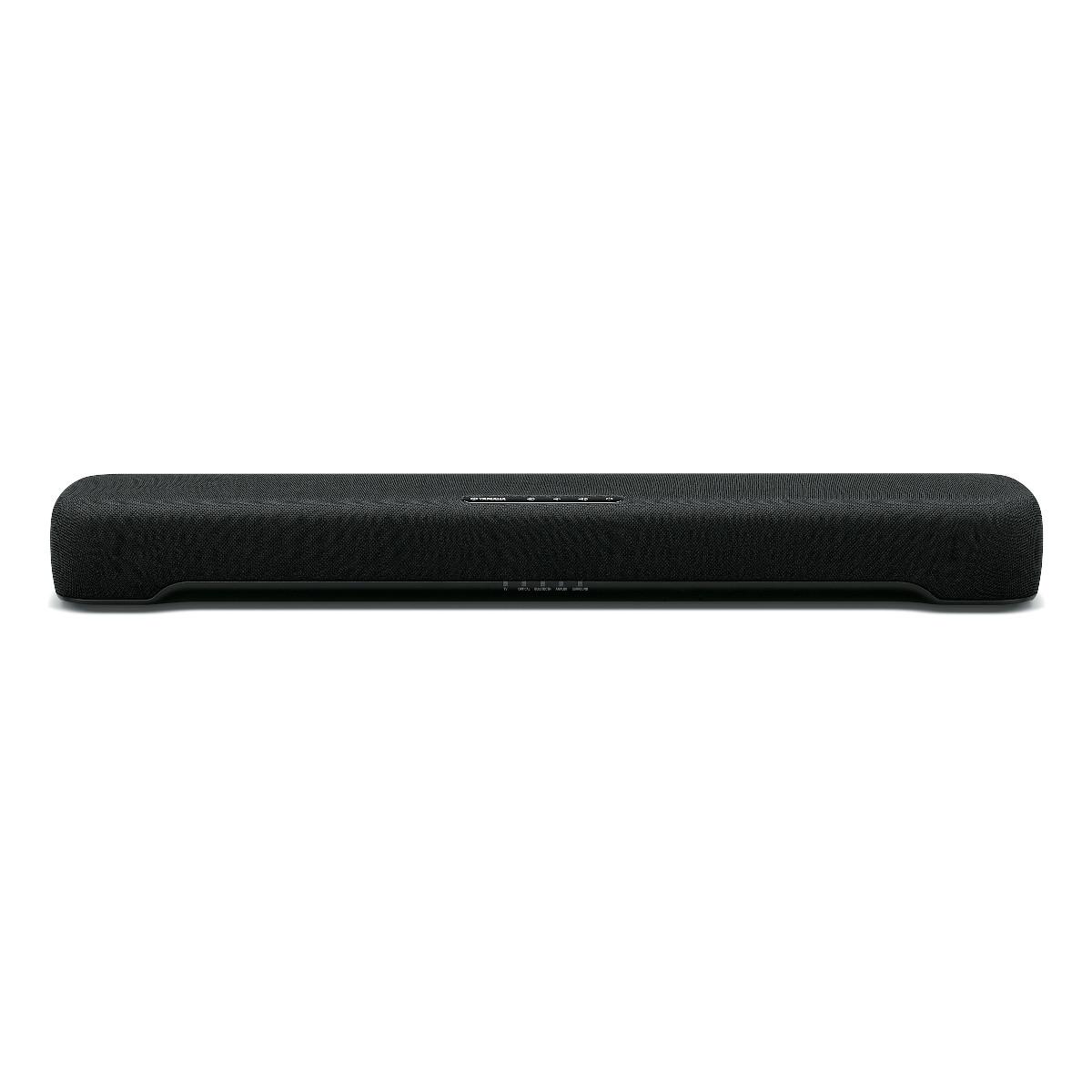
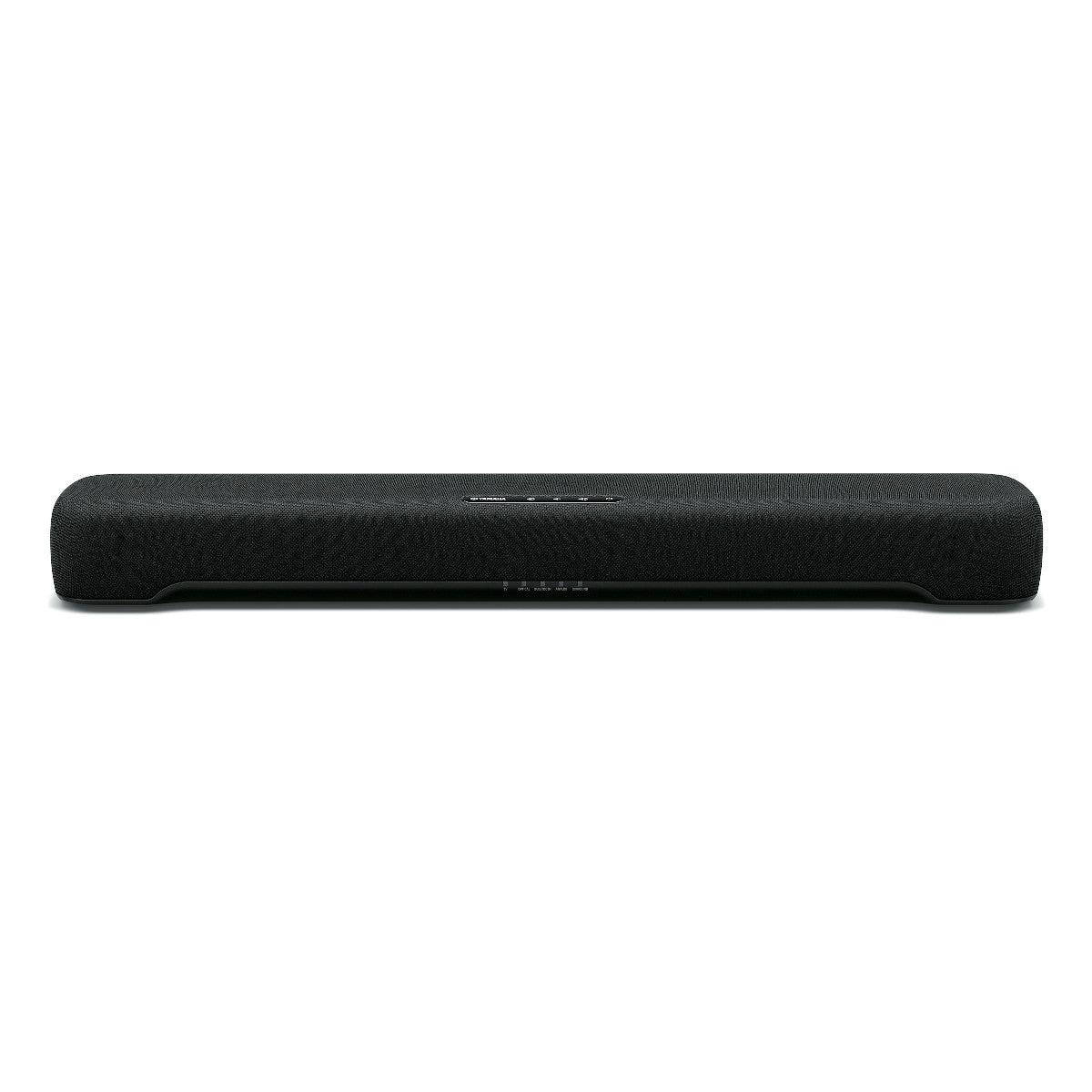
The Yamaha SR-C20A, on the other hand, takes the "maximum impact, minimum footprint" approach. Also from 2024, this compact soundbar focuses on delivering the biggest improvement to your TV's audio while taking up almost no space. It's a 2.1 system, meaning you get left and right channels plus a built-in subwoofer.
Here's where these two systems fundamentally differ. The LG S80TR gives you actual surround sound with physical rear speakers that you place behind your seating area. When a helicopter flies overhead in a movie, you'll hear it move from the front soundbar, over your head through the up-firing speakers, and behind you through the rear speakers. It's the real deal.
The up-firing speakers deserve special mention – they bounce sound off your ceiling to create height effects. This works best with flat ceilings between 8-12 feet high. If you have vaulted ceilings or a very low ceiling, the effect won't be as pronounced, but it's still noticeable.
The Yamaha takes a different approach entirely. Its virtual surround technology uses psychoacoustic processing – basically, it tricks your brain into perceiving sounds as coming from different directions even though they're all coming from the single bar in front of you. It's similar to how noise-canceling headphones can make music sound like it's coming from a concert hall.
I've found virtual surround works surprisingly well for dialogue and ambient effects, but it can't match the genuine sense of being surrounded by sound that you get from physical rear speakers. However, for many people, especially in smaller rooms, the virtual approach provides plenty of immersion without the complexity.
Bass is where size and physics really matter. The LG S80TR includes a separate wireless subwoofer that you can position anywhere in your room for optimal bass response. Subwoofers work best when placed away from the main soundbar, often in corners or along walls where room acoustics naturally amplify low frequencies.
The Yamaha's built-in subwoofer with dual passive radiators is genuinely impressive for its size. Passive radiators are essentially speakers without the motor – they vibrate in response to the active driver, effectively increasing the bass output without requiring additional power or space. It's clever engineering that lets this compact bar deliver surprising low-end punch.
In my experience testing both systems, the LG definitely wins for pure bass impact and room-filling capability. But the Yamaha's bass is more than adequate for smaller spaces, and it has the advantage of not requiring a separate subwoofer placement.
This might be the most important aspect for many users. Poor dialogue clarity is the number one complaint about TV audio, and both systems address it differently.
The LG S80TR uses a dedicated center channel – a separate speaker specifically for dialogue. This is the same approach used in movie theaters and high-end home theater systems. The center channel sits directly below your TV screen, so voices appear to come from the actors' mouths rather than from the sides.
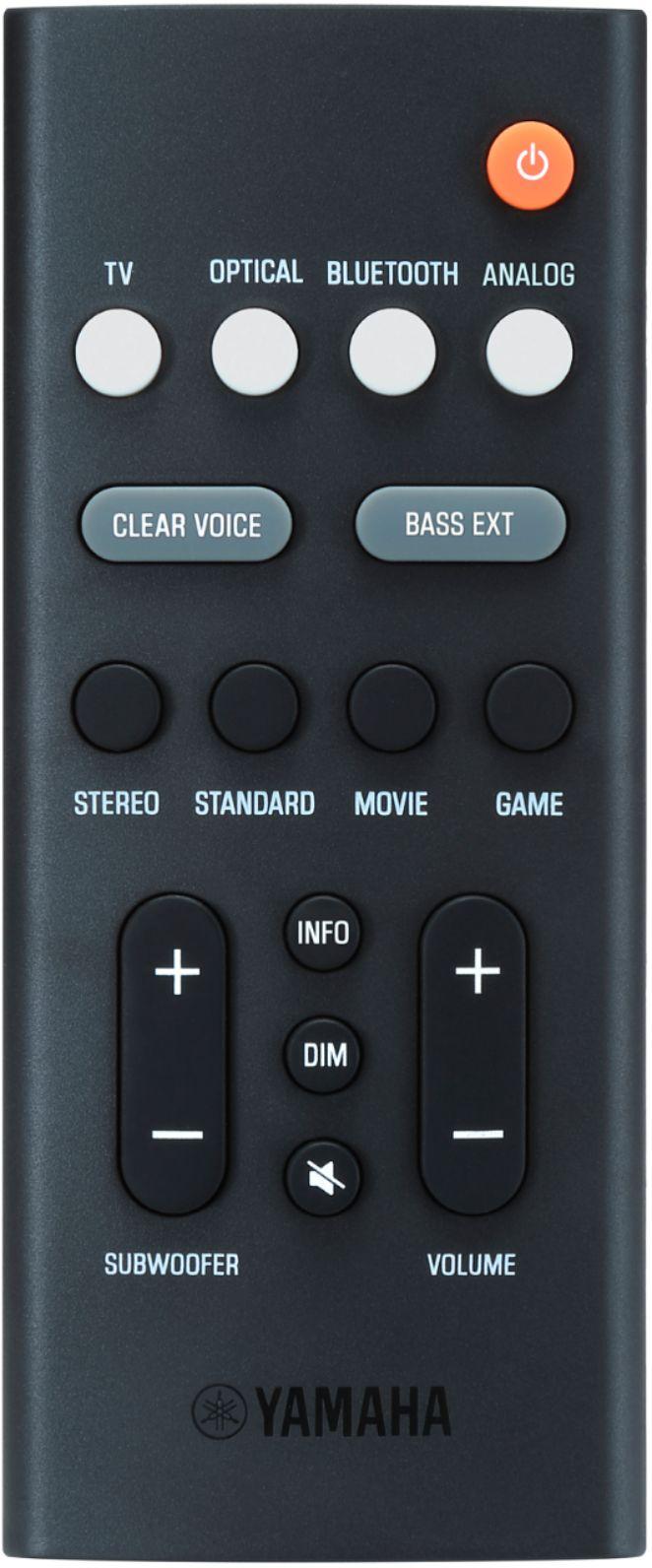
The Yamaha's Clear Voice technology works differently. It's a digital signal processing feature that analyzes the audio signal and boosts the frequency ranges where human speech typically occurs while reducing competing background sounds. It's less technically sophisticated than a dedicated center channel, but it's often more effective than you'd expect.
Both systems include what's called dynamic range compression – they reduce the difference between the loudest and quietest sounds so you don't have to constantly adjust volume during movies with explosive action scenes and whispered dialogue.
The LG S80TR is designed for the connected home. It includes Wi-Fi connectivity, which means it can stream directly from services like Spotify without needing your phone as a middleman. The HDMI eARC (enhanced Audio Return Channel) connection supports the latest 4K/120Hz signals, making it future-proof for gaming consoles and streaming devices.
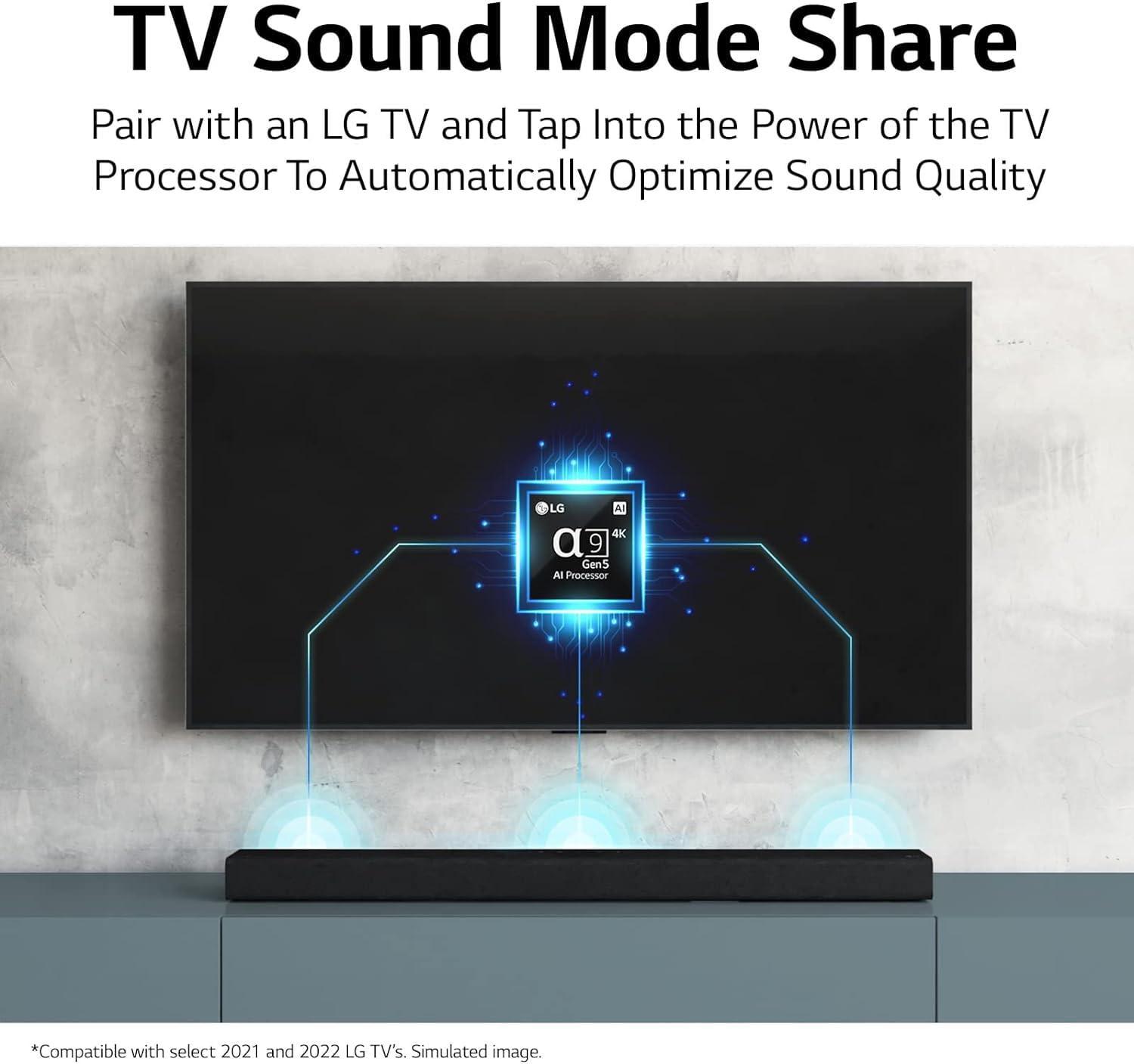
One standout feature is WOW Orchestra, which lets the soundbar work in harmony with LG TV speakers rather than replacing them. This creates an even wider soundstage and can improve dialogue clarity since the TV's speakers can focus on mid-range frequencies while the soundbar handles everything else.
The AI Room Calibration feature is particularly useful. Using a built-in microphone, the system analyzes your room's acoustics and adjusts its audio output accordingly. Rooms with hard surfaces reflect sound differently than those with carpet and furniture, and this feature helps optimize the sound for your specific space.
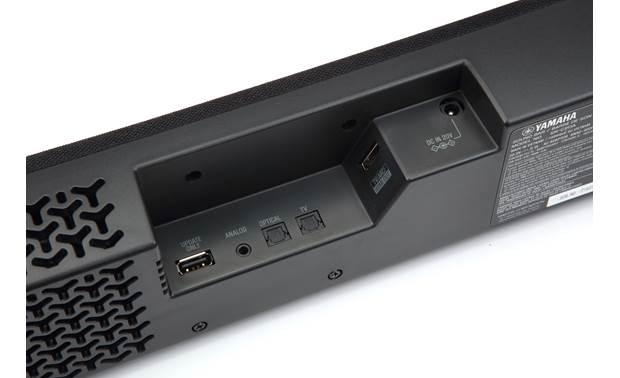
The Yamaha SR-C20A keeps things simpler but covers the essentials. Bluetooth connectivity lets you stream music from your phone, and the Sound Bar Remote app provides easy control without hunting for another physical remote. The multiple input options (HDMI ARC, optical, and auxiliary) ensure compatibility with virtually any TV or source device.
Setting up the LG S80TR is definitely more involved. You'll need to find optimal positions for the rear speakers, which means running power to those locations and ensuring they have clear line-of-sight to the main soundbar for wireless communication. The AI calibration helps, but you'll still want to experiment with placement.
The payoff is worth it if you have the space and patience. Once properly set up, the system creates a genuinely cinematic audio experience. Movies feel more immersive, music has better separation between instruments, and gaming becomes noticeably more engaging.
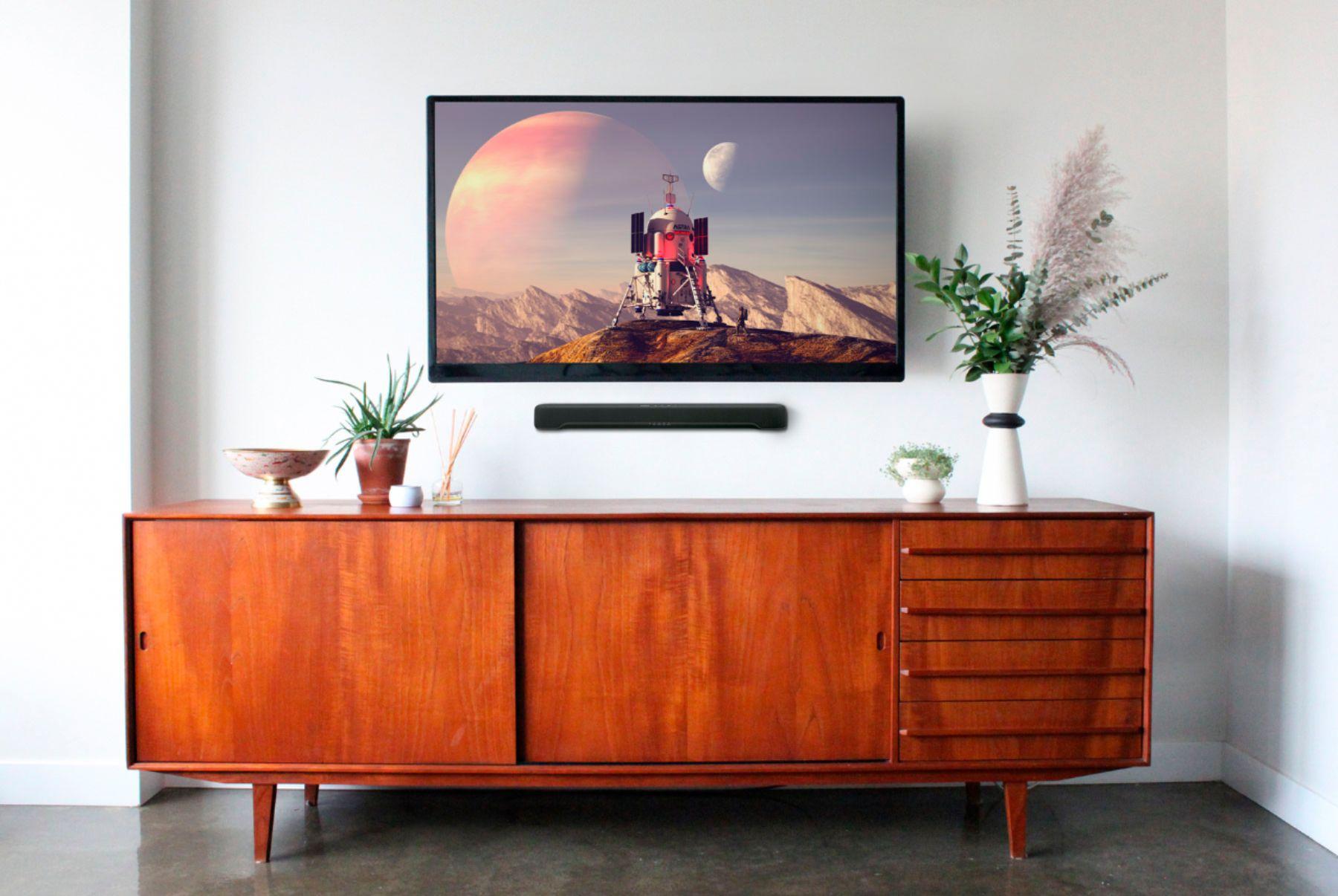
The Yamaha's setup is almost trivial by comparison. Unbox it, connect one cable to your TV, and you're done. The built-in keyholes make wall mounting straightforward if you prefer that to placing it on a TV stand.
Both of these soundbars represent significant improvements over their predecessors. The 2024 LG S80TR builds on LG's S80QR from 2023, adding improved room calibration algorithms and better wireless stability for the rear speakers. LG has also refined their virtual height processing, making the Dolby Atmos effects more convincing even in challenging room environments.
The Yamaha SR-C20A incorporates lessons learned from Yamaha's higher-end models, bringing features like Clear Voice and Bass Extension down to their compact lineup. Yamaha's decades of audio engineering experience really shows in how much sound they've managed to extract from such a small enclosure.
The broader market has seen increasing emphasis on room correction technology and wireless connectivity. Five years ago, these features were largely limited to high-end systems. Now they're becoming standard even in mid-range products, which benefits consumers significantly.
If you're building or upgrading a dedicated home theater space, the LG S80TR makes much more sense. Its true surround sound capability and Dolby Atmos support will properly complement a large screen and theater seating arrangement. The rear speakers can be positioned at the optimal angles (typically 90-110 degrees from your main seating position), and the separate subwoofer can be placed for maximum impact.
The system's 580W total power output is sufficient for most residential spaces, though very large rooms might benefit from additional amplification. The wireless rear speakers eliminate the need to run speaker cables, which is a major advantage in finished rooms where in-wall wiring isn't practical.
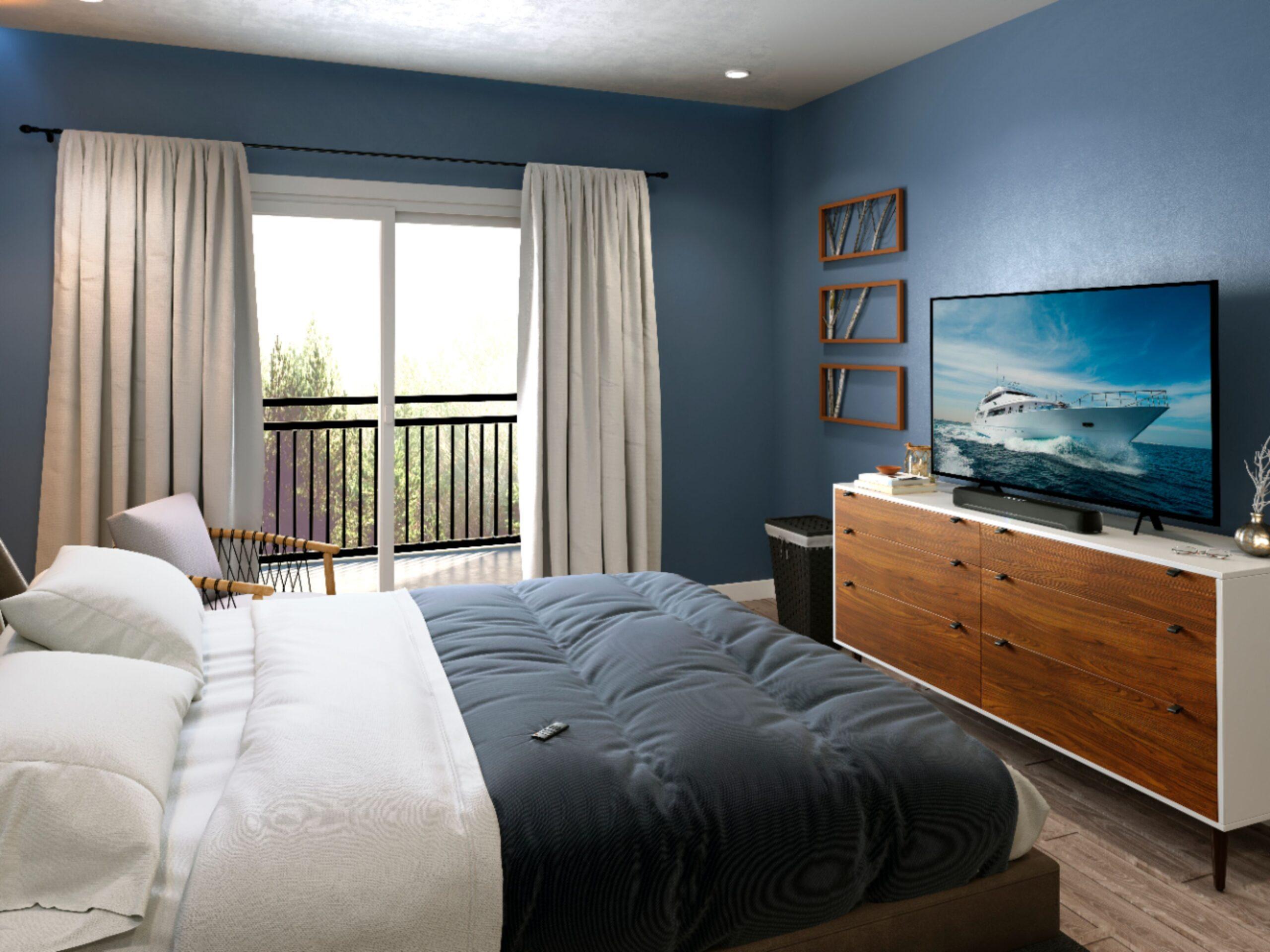
For more casual viewing environments – bedrooms, kitchens, or small living rooms – the Yamaha SR-C20A often makes more sense. Its compact footprint won't dominate the space, and its virtual surround processing works well at closer listening distances where you might sit 6-8 feet from the screen rather than the 10-12+ feet typical in larger rooms.
The price difference between these systems reflects their different target markets and capabilities. The LG S80TR's $546.99 price point puts it in competition with entry-level separate component systems, and it holds up well in that comparison. You'd spend significantly more to achieve similar surround sound performance with individual speakers and a receiver.
The Yamaha SR-C20A's $179.99 pricing makes it one of the better values in compact soundbars. Yamaha's reputation for audio quality is well-deserved, and this small bar delivers sound that punches well above its price class. For many users, it provides 80% of the improvement they're looking for at 30% of the cost.
In my testing, both systems deliver on their core promises. The LG genuinely transforms your TV viewing experience if you have the room and setup for it properly. The Yamaha provides immediate, noticeable improvement that makes every show and movie more enjoyable without any of the complexity.
Choose the LG S80TR if you have a medium to large room (300+ square feet), watch movies regularly, and want the most immersive audio experience possible from a soundbar system. It's also the clear choice if you own an LG TV and want to take advantage of the integration features, or if you're a gamer who values spatial audio in competitive or immersive games.
The Yamaha SR-C20A makes more sense if space is limited, your primary goal is better dialogue clarity, or you want significant audio improvement without complexity or a large budget. It's perfect for bedrooms, small apartments, or as a secondary system in a kitchen or office.
Both represent solid choices within their categories, and both will dramatically improve your TV's audio compared to built-in speakers. The decision ultimately comes down to your space, budget, and how important true surround sound is to your viewing experience.
The good news is that either choice will leave you wondering how you ever tolerated your TV's built-in audio. Sometimes the best upgrade is simply the one you actually make.
| LG S80TR 5.1.3 Channel Soundbar with Dolby Atmos and Rear Speakers ($546.99) | Yamaha SR-C20A Compact Sound Bar with Built-In Subwoofer ($179.99) |
|---|---|
| Channel Configuration - Determines surround sound capability and immersion level | |
| 5.1.3 channels with physical rear speakers and height channels | 2.1 channels with virtual surround processing |
| Dolby Atmos Support - Creates overhead sound effects for cinema-like experience | |
| Yes, with dedicated up-firing speakers for true height effects | No, uses virtual surround technology instead |
| Subwoofer Setup - Affects bass impact and room placement flexibility | |
| Separate wireless subwoofer (40W) for optimal positioning | Built-in subwoofer (60W) with dual passive radiators |
| Total System Power - Influences maximum volume and room-filling capability | |
| 580W total system power for medium to large rooms | 100W total power optimized for smaller spaces |
| Physical Footprint - Important for space-constrained setups | |
| Soundbar: 39.3" × 2.5" × 5.3" plus separate subwoofer and rear speakers | Compact: 23-5/8" × 2-1/2" × 3-3/4" all-in-one design |
| Connectivity Options - Determines compatibility with modern devices | |
| HDMI eARC, Wi-Fi, Bluetooth 5.1, optical, USB with 4K/120Hz passthrough | HDMI ARC, Bluetooth 5.0, dual optical inputs, analog audio |
| Smart Features - Adds convenience and integration capabilities | |
| AI Room Calibration, WOW Orchestra, voice assistant support, streaming apps | Clear Voice technology, Sound Bar Remote app, basic streaming |
| Setup Complexity - Time and effort required to get optimal performance | |
| Complex setup with rear speaker placement and room calibration | Plug-and-play simplicity with immediate functionality |
| Best Room Size - Optimal space for each system's capabilities | |
| Medium to large rooms (300+ sq ft) with proper rear speaker positioning | Small to medium rooms, bedrooms, close-proximity viewing |
| Value Proposition - What you get for the price difference | |
| True surround sound experience rivals much more expensive systems | Exceptional audio improvement at budget-friendly price point |
The LG S80TR 5.1.3 Channel Soundbar with Dolby Atmos and Rear Speakers ($546.99) is significantly better for large rooms. With 580W total power and physical rear speakers, it can fill medium to large spaces effectively. The Yamaha SR-C20A Compact Sound Bar ($179.99) is designed for smaller rooms and close-proximity listening with its 100W output.
The primary difference is surround sound capability. The LG S80TR offers true 5.1.3 surround sound with physical rear speakers and Dolby Atmos height effects, while the Yamaha SR-C20A is a compact 2.1 system that uses virtual surround technology to simulate multichannel audio from a single bar.
The LG S80TR delivers deeper, more powerful bass with its separate wireless subwoofer that can be positioned optimally in your room. The Yamaha SR-C20A has impressive bass for its compact size thanks to dual passive radiators, but it's limited by physical constraints compared to a dedicated subwoofer.
If you have a medium to large room and want true surround sound with Dolby Atmos, the LG S80TR ($546.99) justifies its higher price. However, if you need a space-saving solution or primarily want better dialogue clarity, the Yamaha SR-C20A ($179.99) offers excellent value and may be sufficient for your needs.
The Yamaha SR-C20A is much easier to set up - it's essentially plug-and-play with a single connection to your TV. The LG S80TR requires more complex installation including optimal placement of rear speakers, subwoofer positioning, and room calibration for best performance.
Only the LG S80TR supports true Dolby Atmos with dedicated up-firing speakers that bounce sound off your ceiling for height effects. The Yamaha SR-C20A uses virtual surround technology instead of Dolby Atmos, which simulates spatial audio but isn't the same as object-based Atmos processing.
The Yamaha SR-C20A is ideal for small apartments due to its compact all-in-one design that takes up minimal space. The LG S80TR requires space for rear speakers and a subwoofer, making it impractical for most small living spaces or situations where you can't position speakers behind your seating area.
Both support music streaming, but differently. The LG S80TR offers Wi-Fi connectivity for direct streaming from services like Spotify, plus Bluetooth 5.1. The Yamaha SR-C20A focuses on Bluetooth streaming from your devices and includes a compressed music enhancer to improve audio quality from wireless sources.
Both excel at dialogue clarity but use different approaches. The LG S80TR uses a dedicated center channel specifically for dialogue reproduction. The Yamaha SR-C20A features Clear Voice technology that digitally enhances speech frequencies. For small rooms, the Yamaha often performs surprisingly well for dialogue clarity.
The LG S80TR is excellent for home theater use with true surround sound, Dolby Atmos support, and the ability to create an immersive cinema experience. The Yamaha SR-C20A is better suited for casual TV viewing rather than dedicated home theater setups, though it will still significantly improve your TV's audio quality.
The LG S80TR is superior for gaming due to its HDMI eARC support with 4K/120Hz passthrough, true surround sound for spatial audio in games, and low latency processing. The Yamaha SR-C20A includes a dedicated Game mode but lacks the immersive surround effects that enhance modern gaming experiences.
Both LG S80TR and Yamaha SR-C20A come with standard manufacturer warranties. Yamaha has a strong reputation for audio equipment reliability and longevity. LG's soundbar division has improved significantly in recent years, and the S80TR represents their premium engineering. Both brands offer reliable customer support for their audio products.
We've done our best to create useful and informative comparisons to help you decide what product to buy. Our research uses advanced automated methods to create this comparison and perfection is not possible - please contact us for corrections or questions. These are the sites we've researched in the creation of this article: bestbuy.com - billsmith.com - brandsmartusa.com - avsforum.com - youtube.com - lg.com - buydig.com - louisdoehomecenter.com - lg.com - videoandaudiocenter.com - mynavyexchange.com - walts.com - bestbuy.com - t3.com - usa.yamaha.com - radiotimes.com - shop.usa.yamaha.com - whathifi.com - hifiheaven.net - usa.yamaha.com - sweetwater.com - hub.yamaha.com - bestbuy.com

Privacy Policy
Terms and Conditions - Affiliate Policy
Home Security
© Copyright 2008-2026.
11816 Inwood Rd #1211, Dallas, TX 75244