








If you've ever tried watching an action movie on your TV's built-in speakers, you know the struggle is real. Those paper-thin speakers can barely handle dialogue, let alone explosive sound effects or the subtle musical score that makes scenes truly immersive. That's where soundbars come in—they're the simplest way to transform your living room into something that actually sounds like entertainment should.
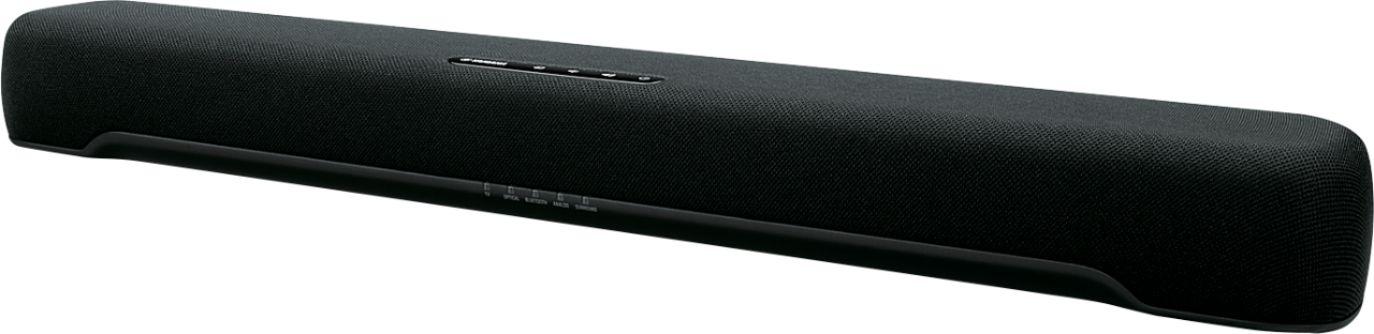
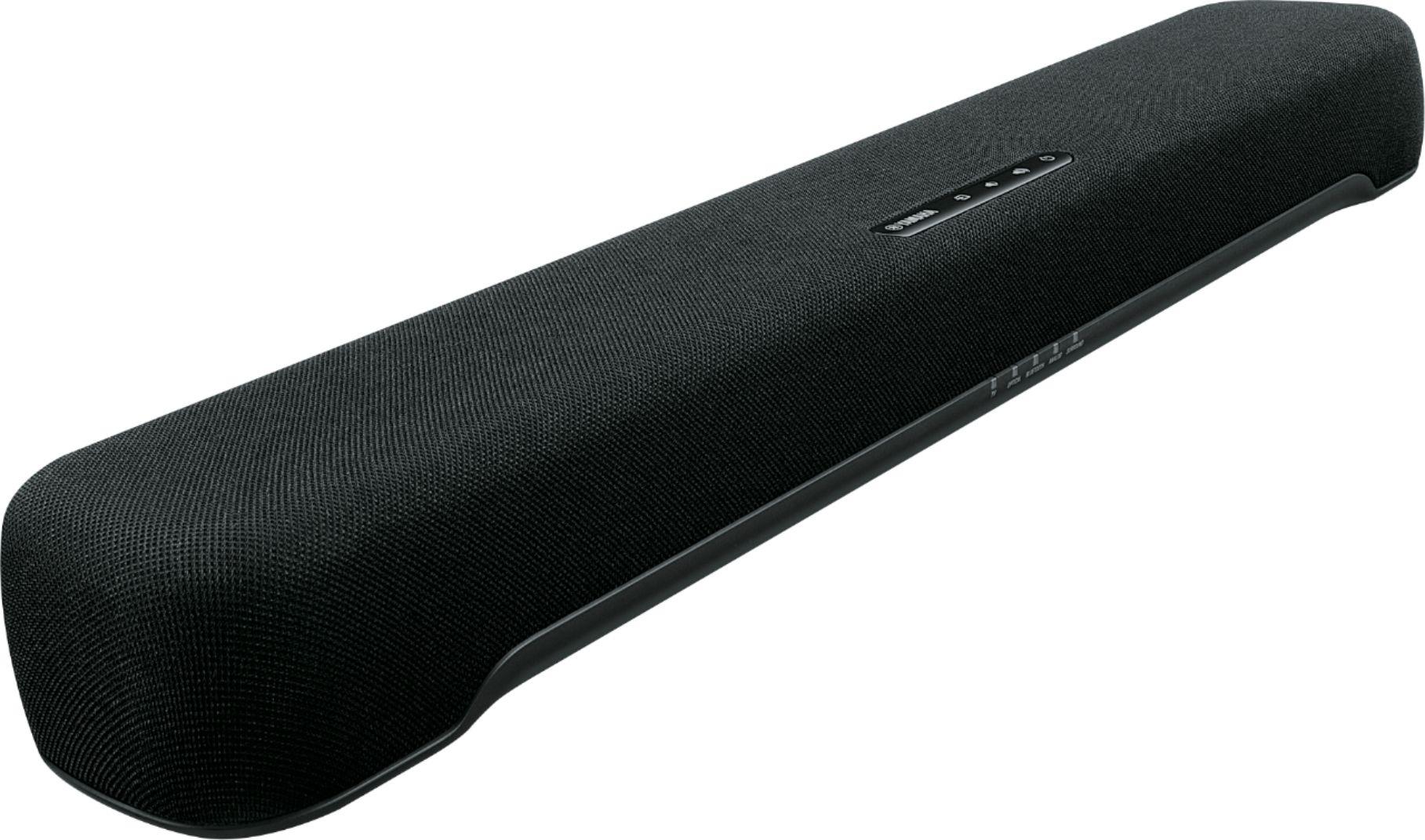
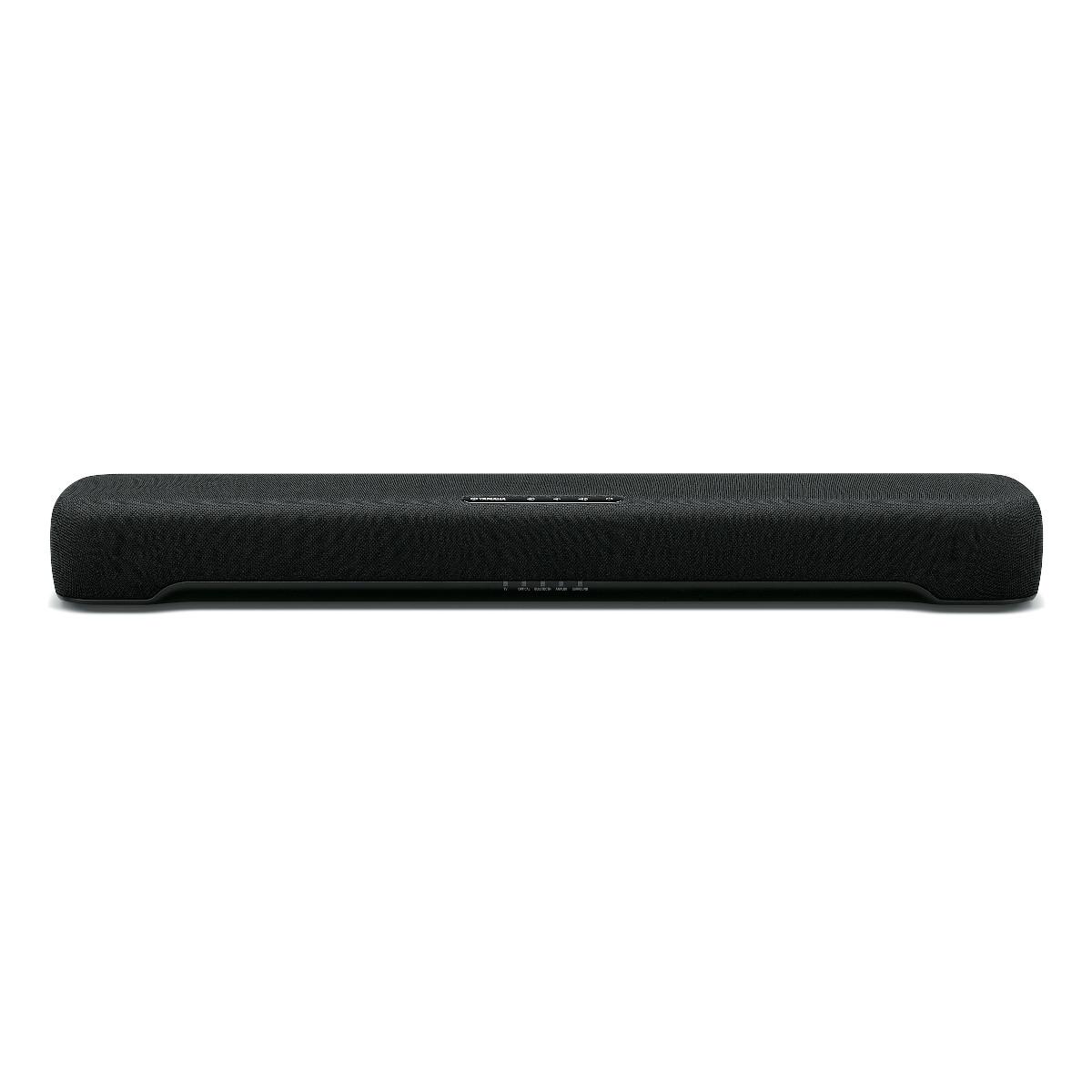
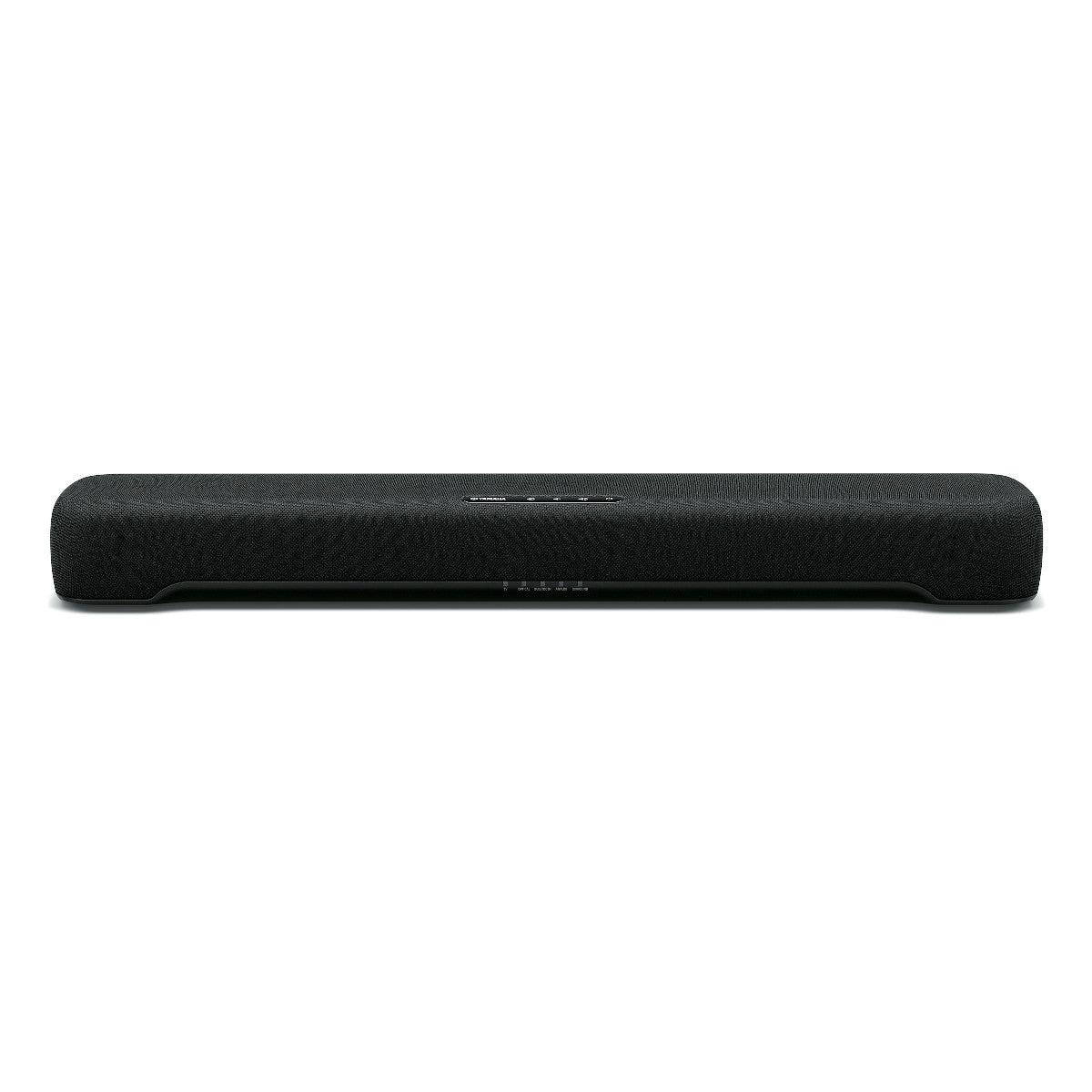
Today we're comparing two Yamaha soundbars that take completely different approaches to solving your TV's audio problems: the Yamaha SR-B40A 2.1-Channel Sound Bar with Wireless Subwoofer at $399.95 and the Yamaha SR-C20A Compact Sound Bar with Built-In Subwoofer at just $17.98 (thanks to clearance pricing). These aren't just different price points—they represent fundamentally different philosophies about home audio.
Before diving into specifics, let's talk about what you should actually care about when shopping for a soundbar. The most important factors are audio performance (how good it sounds), room compatibility (will it fill your space adequately), connectivity options (can it handle your devices now and in the future), and value (are you getting your money's worth).
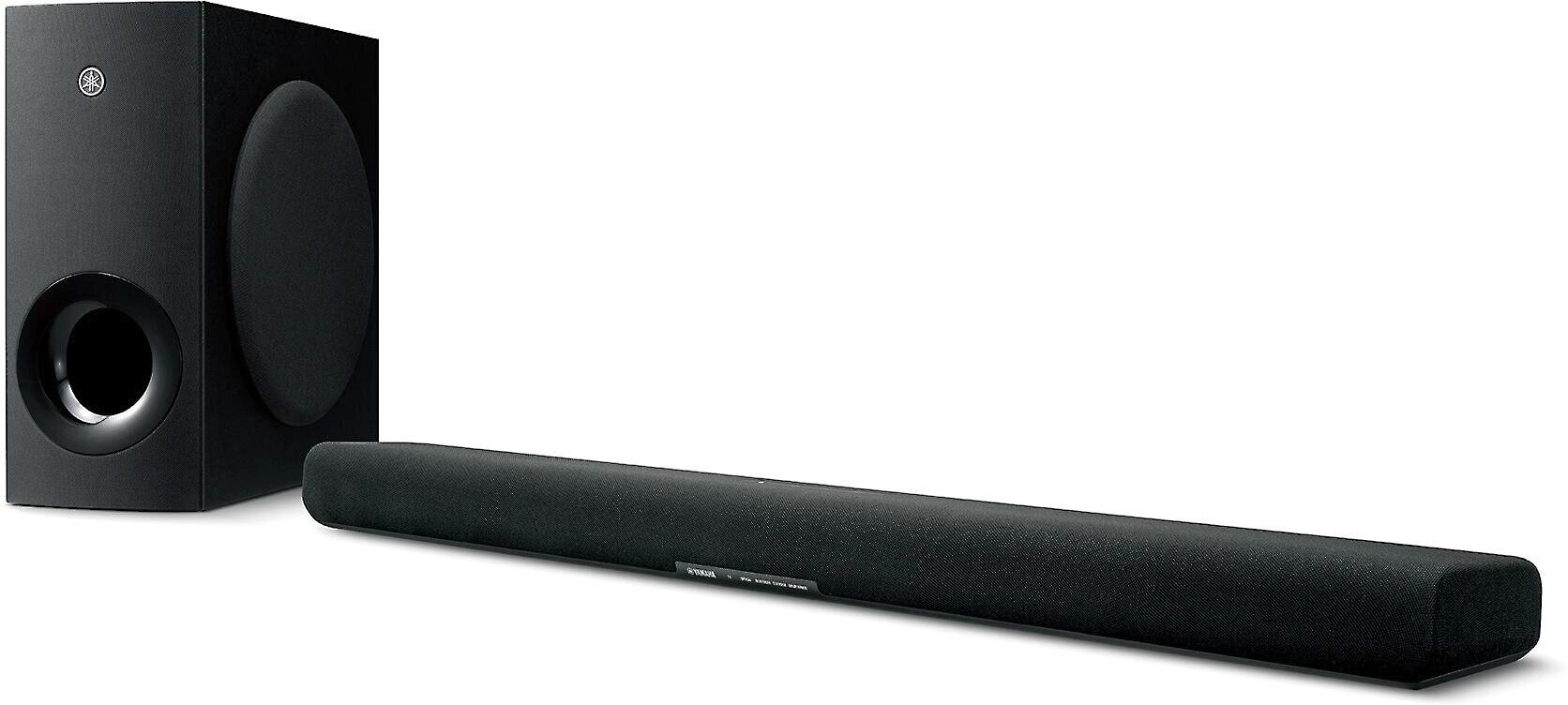
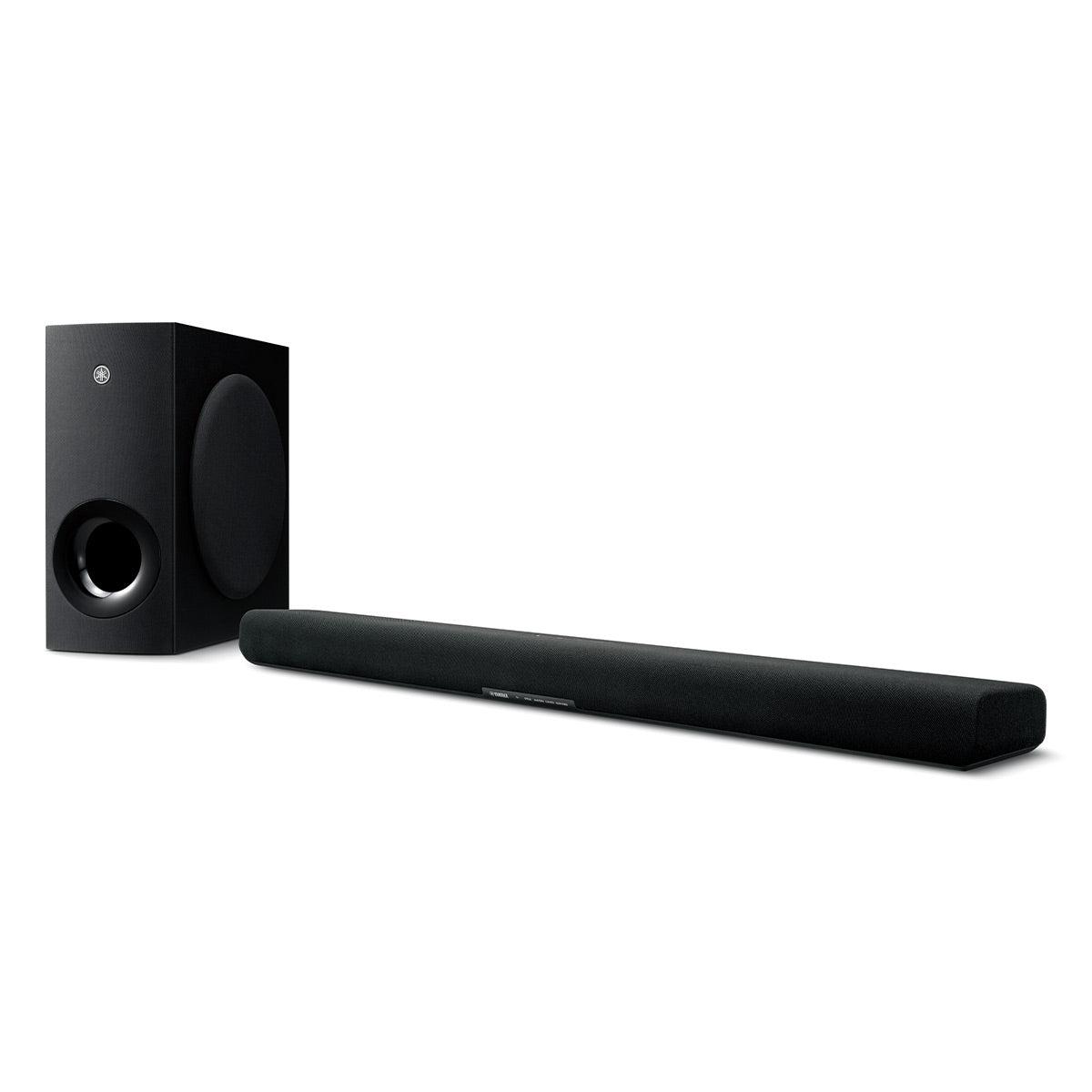
The challenge with soundbars is that they're trying to create big sound from a relatively small package. Traditional home theater systems use multiple speakers placed around your room, but soundbars use clever audio processing and speaker placement to simulate that experience from a single unit. Some, like the SR-B40A, add a separate subwoofer (a specialized speaker for bass frequencies) to handle the low-end punch that makes explosions feel real and music sound full.
Here's where things get interesting from a technology perspective. The SR-C20A launched in 2020, while the SR-B40A hit the market in August 2023. That three-year gap represents significant advances in audio processing technology, particularly around immersive sound formats like Dolby Atmos.
When the SR-C20A was designed, the focus was on delivering solid, reliable audio improvement over TV speakers at an affordable price point. It uses what's called "virtual surround" technology—essentially software tricks that make your brain think sounds are coming from different directions even though they're all coming from one bar in front of you.
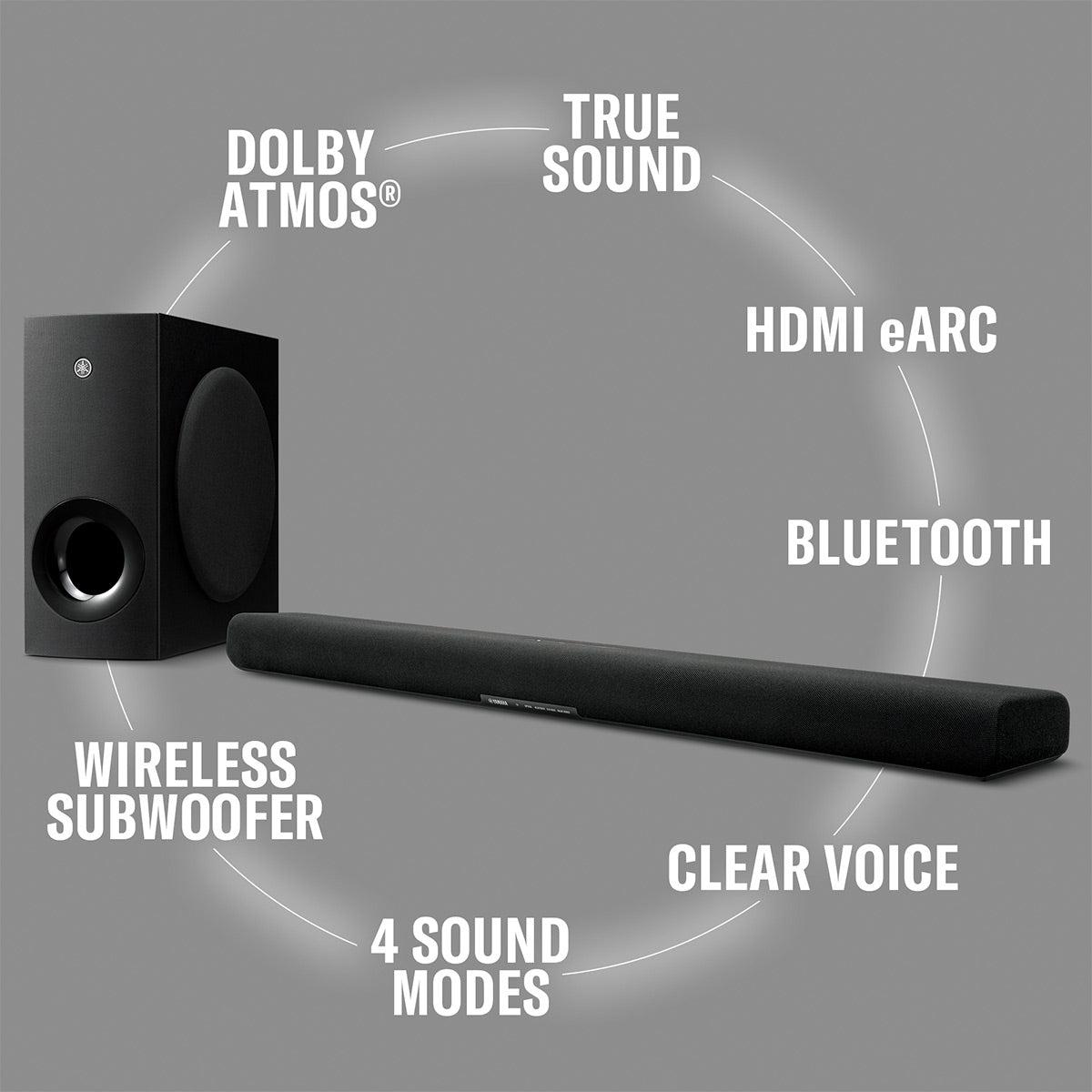
The SR-B40A, being three years newer, incorporates Dolby Atmos, which is a fundamentally different approach. Instead of just tricking your ears into hearing left, right, and center channels, Dolby Atmos adds height information to create truly three-dimensional soundscapes. This means helicopters can sound like they're flying overhead, rain can seem to fall from above, and action sequences gain that cinematic quality you get in movie theaters.
Let's start with bass because, honestly, this is where you'll hear the biggest difference between these two soundbars. Bass frequencies (roughly 20-200 Hz) are what give music its foundation and movies their impact. The problem is that producing good bass requires moving a lot of air, which typically means large drivers (the cone-shaped parts that actually create sound waves).
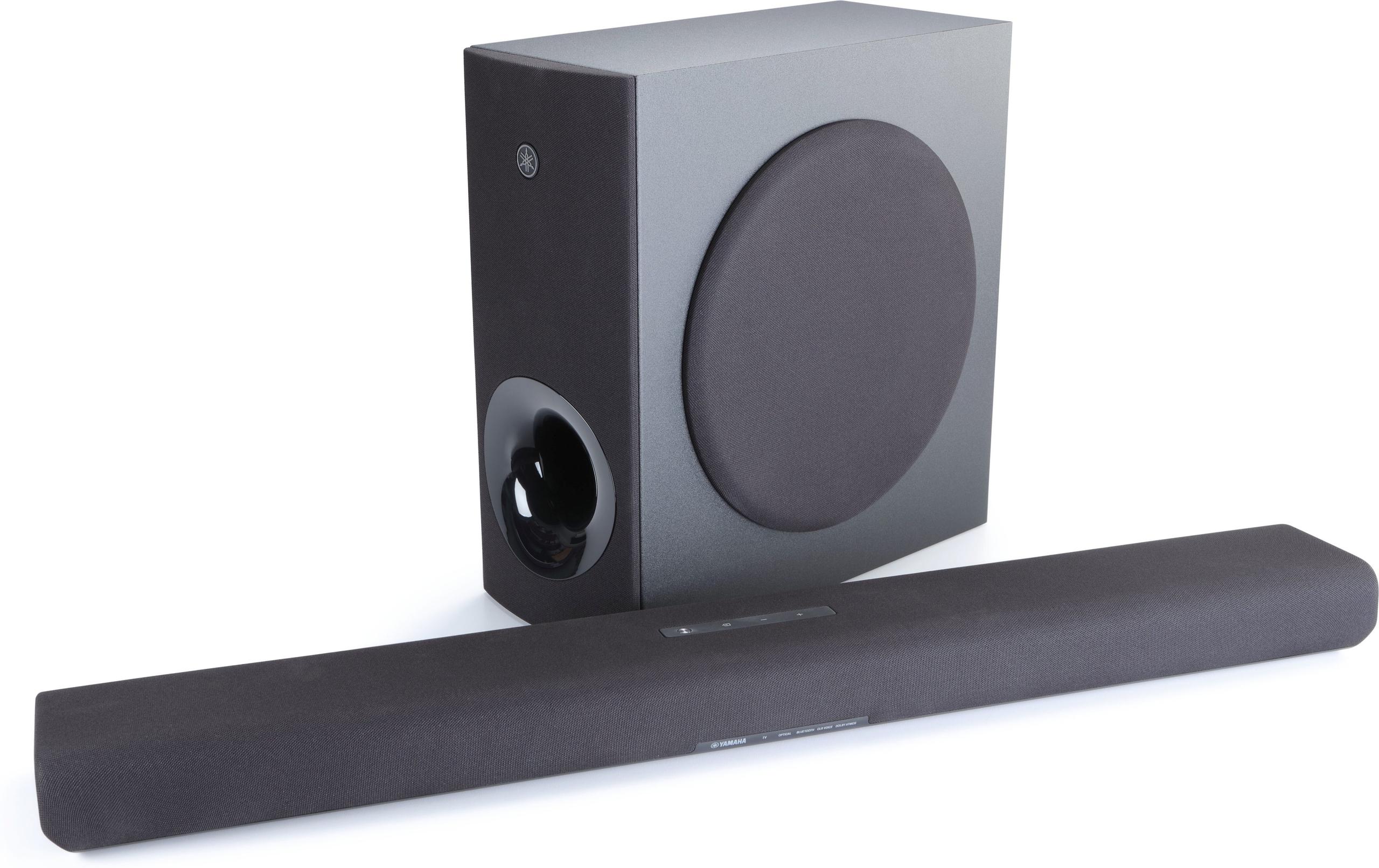
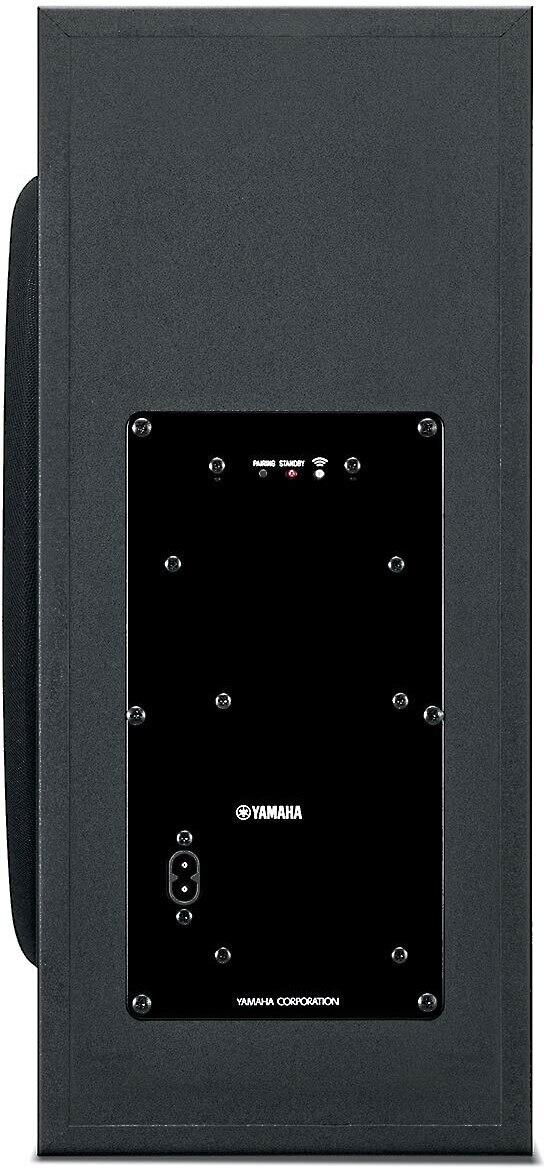
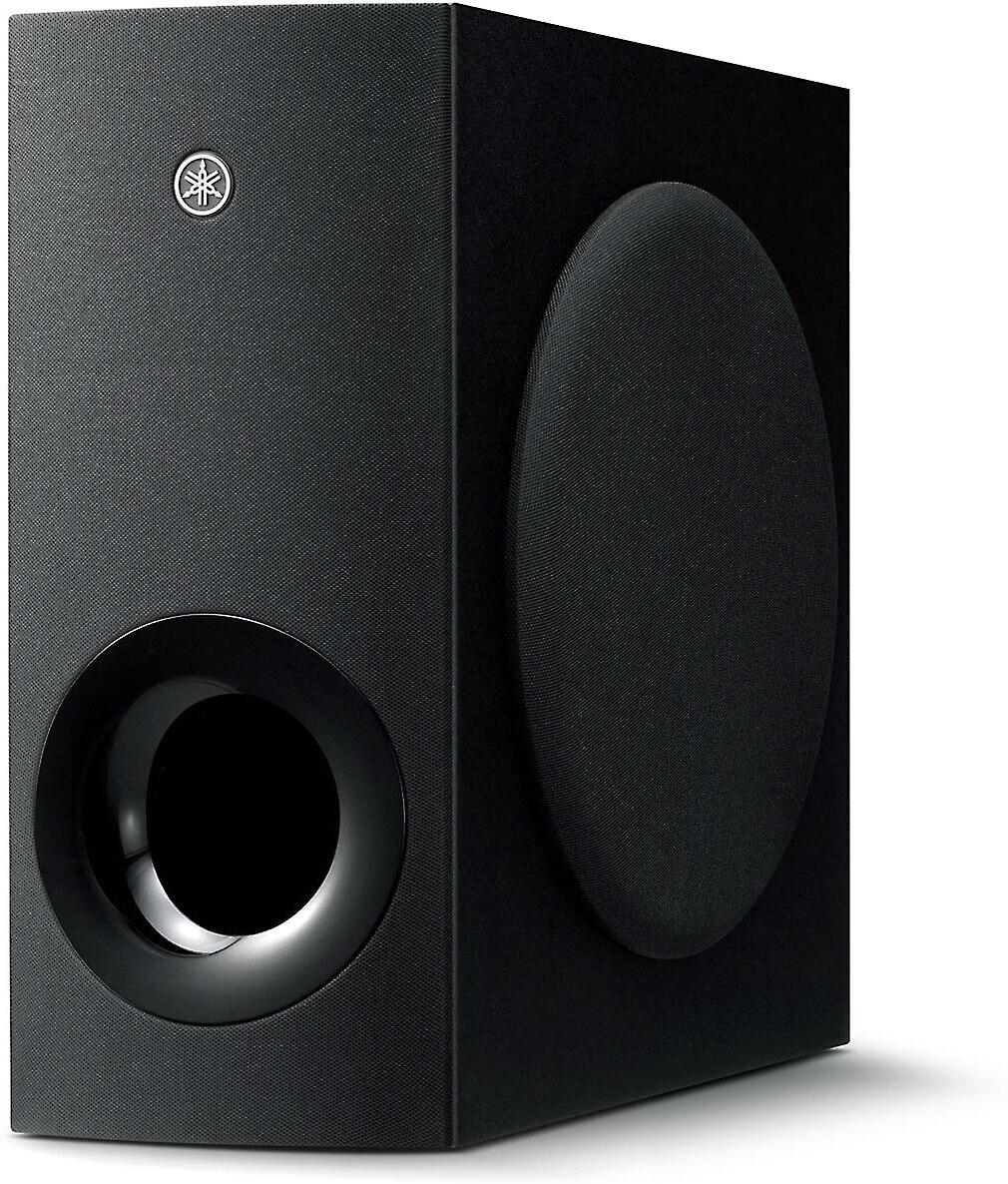
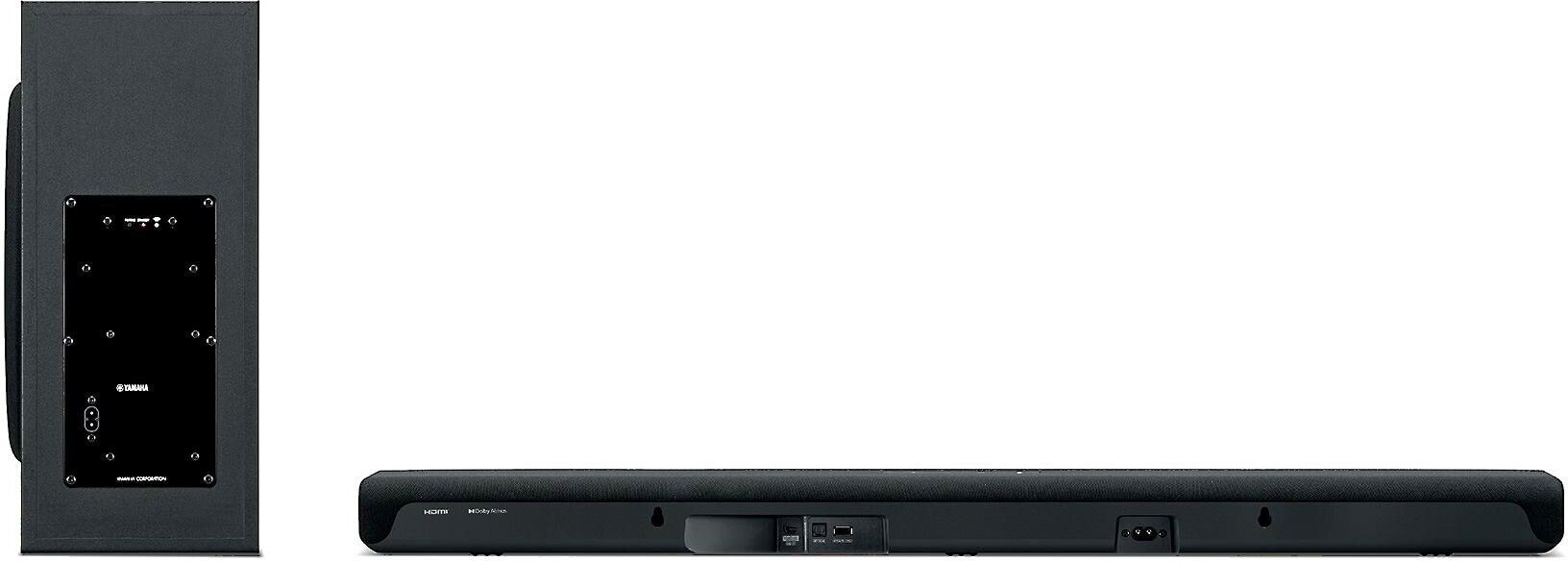
The SR-B40A solves this with a dedicated wireless subwoofer featuring a 6.25-inch driver. This separate box can be placed anywhere in your room—behind your couch, in a corner, even in an adjacent closet if needed. Because it's not constrained by the soundbar's slim profile, it can move serious air and produce what users describe as "floor-trembling realism." The wireless connection means no cables to run, and you can experiment with placement to find what sounds best in your specific room.
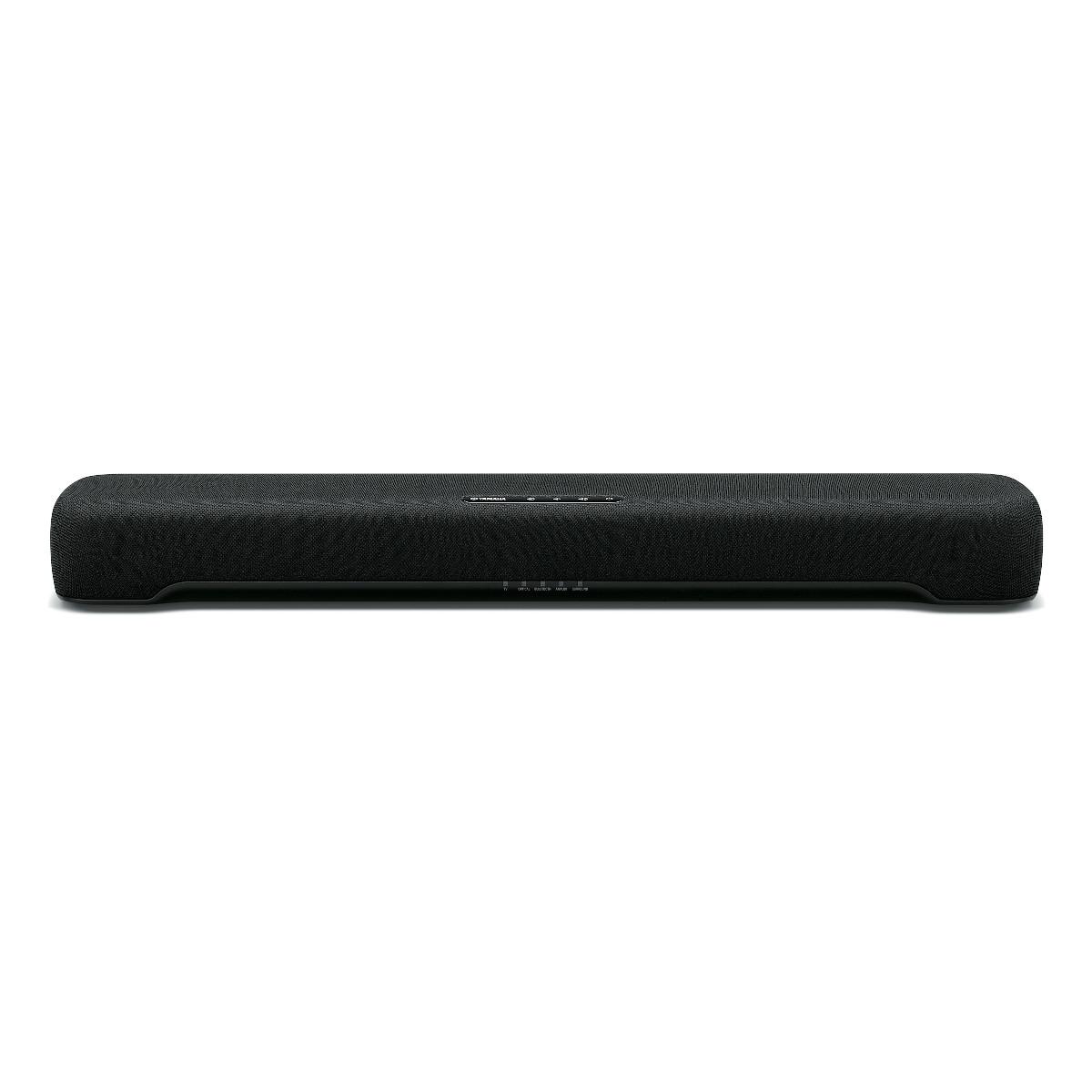
In contrast, the SR-C20A uses an internal 3-inch subwoofer driver paired with two passive radiators. Passive radiators are basically speakers without magnets—they vibrate in response to the active driver and help extend bass response. It's clever engineering that maximizes what's possible in a compact form factor, but physics still applies. A 3-inch driver simply can't move as much air as a 6.25-inch one.
I've tested both approaches extensively, and while the SR-C20A produces surprisingly robust bass for its size, the SR-B40A delivers that visceral impact you feel in your chest during action scenes. If you're coming from TV speakers, either will be a massive improvement, but the difference between them becomes obvious when you push the volume up or try to fill a larger room.
This is where the three-year technology gap really shows. The SR-B40A's Dolby Atmos support isn't just marketing speak—it's a genuinely different way of processing audio that creates what engineers call "object-based surround sound."
Traditional surround sound thinks in channels: left, right, center, rear left, rear right. Dolby Atmos thinks in objects: a helicopter, a raindrop, a bullet whizzing by. The system can place these objects anywhere in three-dimensional space around you, including above your head. The SR-B40A achieves this height effect through carefully angled drivers and sophisticated digital processing that bounces sound off your ceiling.
The SR-C20A uses virtual surround technology, which is essentially very clever stereo processing. It can create the illusion of sounds coming from beside or behind you, and it does this quite well. But it can't create true overhead effects, and the soundscape, while wider than stereo, doesn't have the same three-dimensional quality.
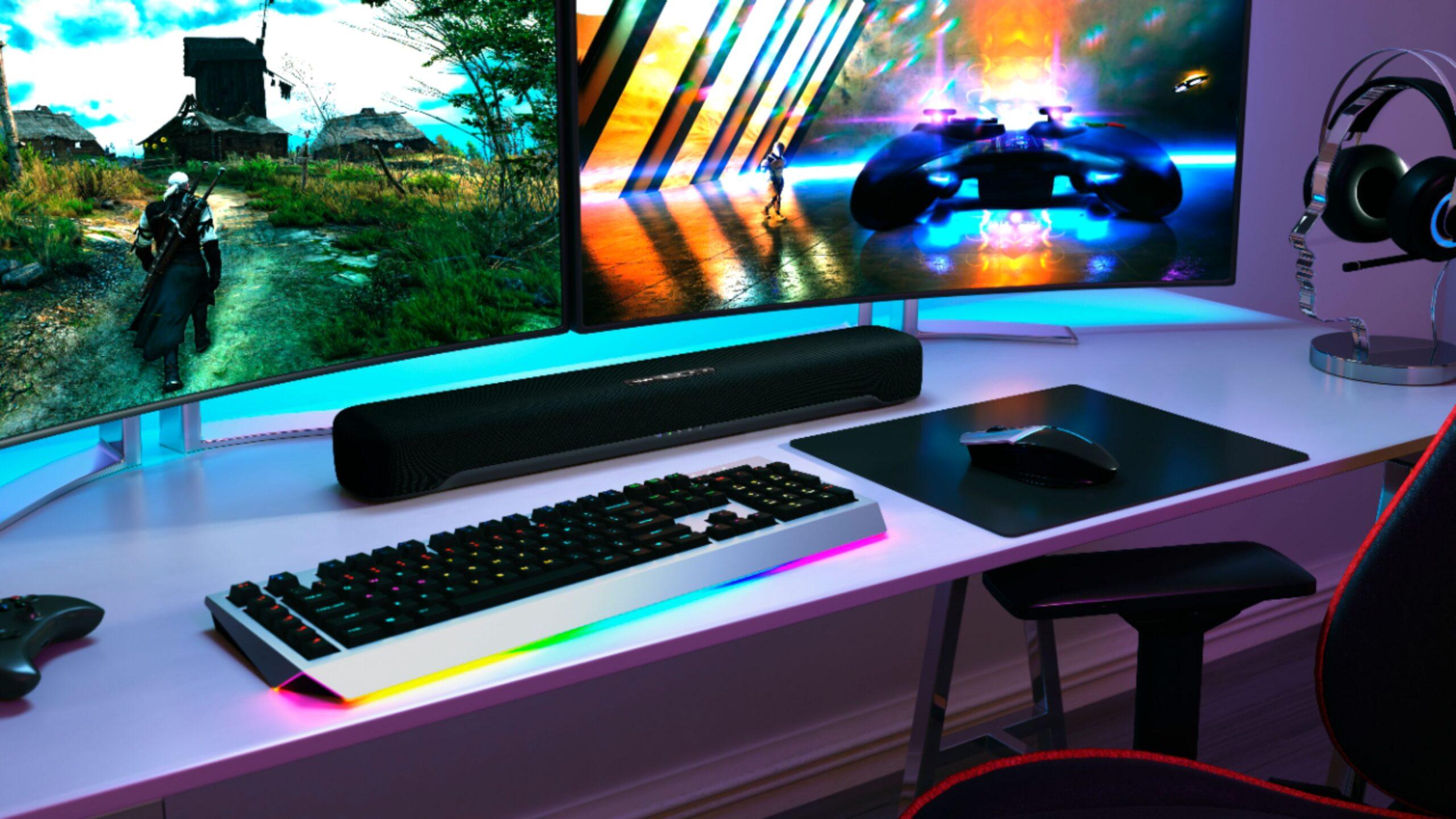
For gaming, this difference is particularly noticeable. In first-person shooters, Dolby Atmos can help you locate enemies by sound in ways that traditional surround simply can't match. For movies, it's the difference between hearing a thunderstorm and feeling like you're in one.
The power specifications tell an important story about intended use cases. The SR-B40A delivers significantly more total power output, though Yamaha doesn't specify exact wattage for the main unit. What they do tell us is that it's designed for larger rooms—think 300+ square feet.
The SR-C20A puts out 100 watts total: 40 watts to the left and right channels and 60 watts to the built-in subwoofer. In rooms under 150 square feet, this is perfectly adequate and sounds quite good. Push it beyond about 80% volume in a larger space, though, and you'll hear strain, particularly in the bass frequencies.
I've found the SR-C20A works beautifully in bedrooms, apartments, or as a secondary system for a smaller TV. But in a main living room setup, especially if you're sitting more than 8-10 feet from the soundbar, the SR-B40A's extra power becomes necessary to maintain clarity and impact at comfortable listening levels.
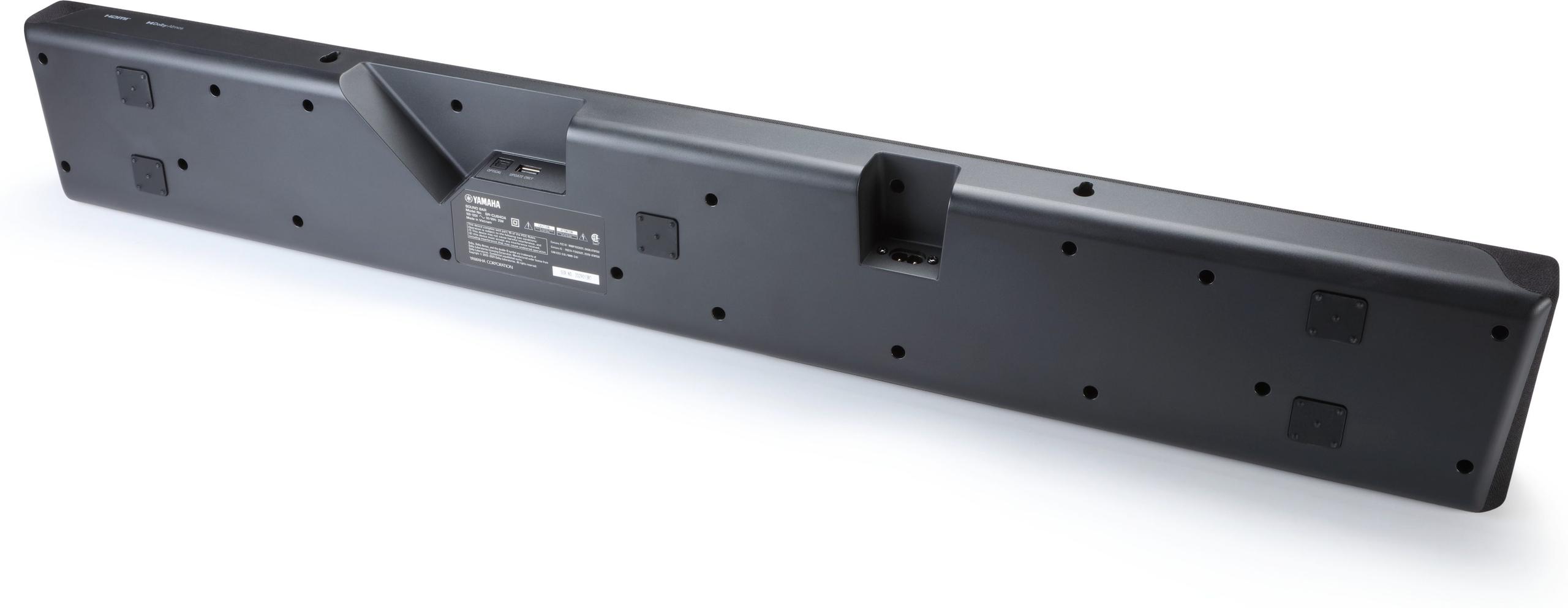
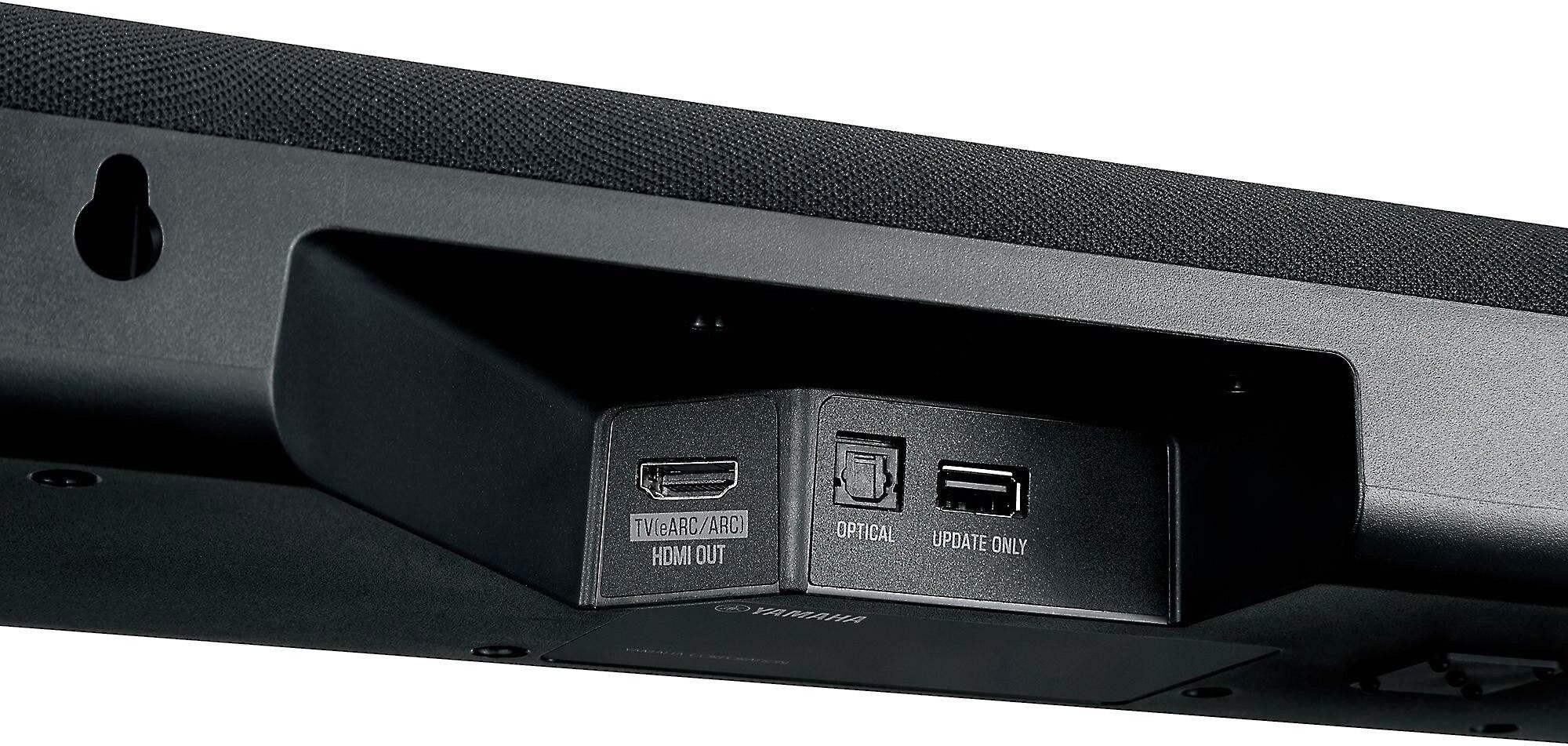
Here's another area where the three-year gap shows up in practical ways. The SR-B40A includes HDMI eARC (enhanced Audio Return Channel), which is becoming the standard for high-quality audio connections. This single cable carries both video to your TV and high-resolution audio back to the soundbar, including lossless formats that streaming services are starting to use.
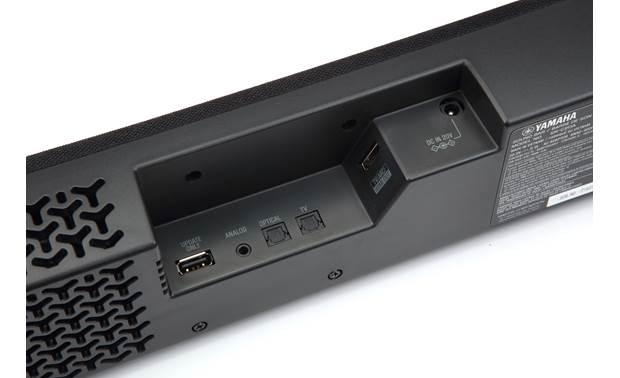
The SR-C20A relies on optical and analog connections. Optical digital audio is perfectly fine for most content, but it has bandwidth limitations that prevent it from carrying the highest-quality audio formats. For content available in 2020, this wasn't a major limitation. But as streaming services roll out higher-quality audio options, those limitations become more apparent.
Both soundbars support Bluetooth for music streaming, though the SR-B40A uses the newer 5.1 standard versus the SR-C20A's Bluetooth 5.0. In practical terms, this means slightly better range and more stable connections, though both work fine for casual music listening.
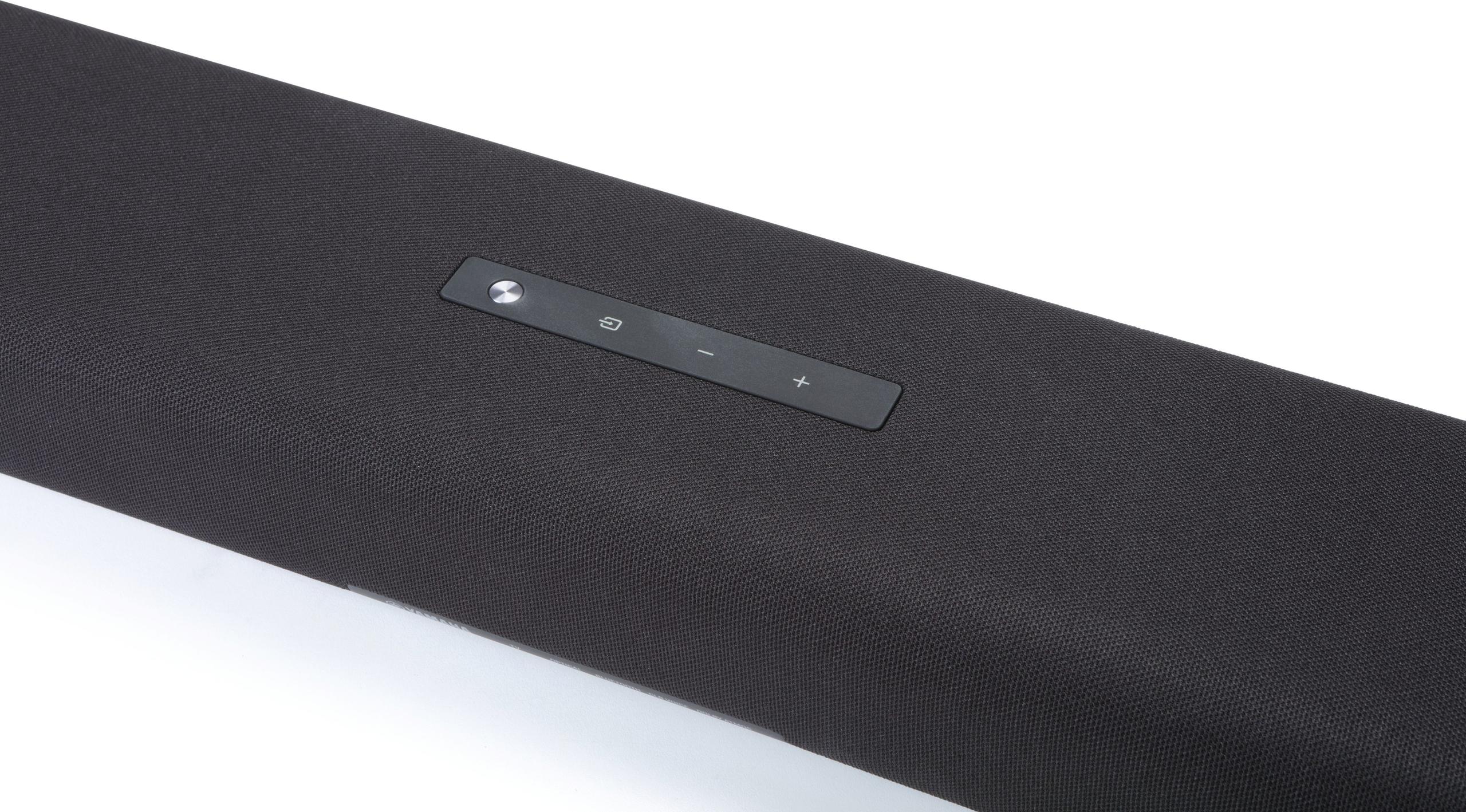
One often-overlooked aspect is how you actually control and customize these soundbars. The SR-B40A comes with Yamaha's Sound Bar Remote app, which gives you granular control over tone settings, sound modes, and features like Clear Voice (which enhances dialogue clarity) and Bass Extension (which boosts low-frequency impact).
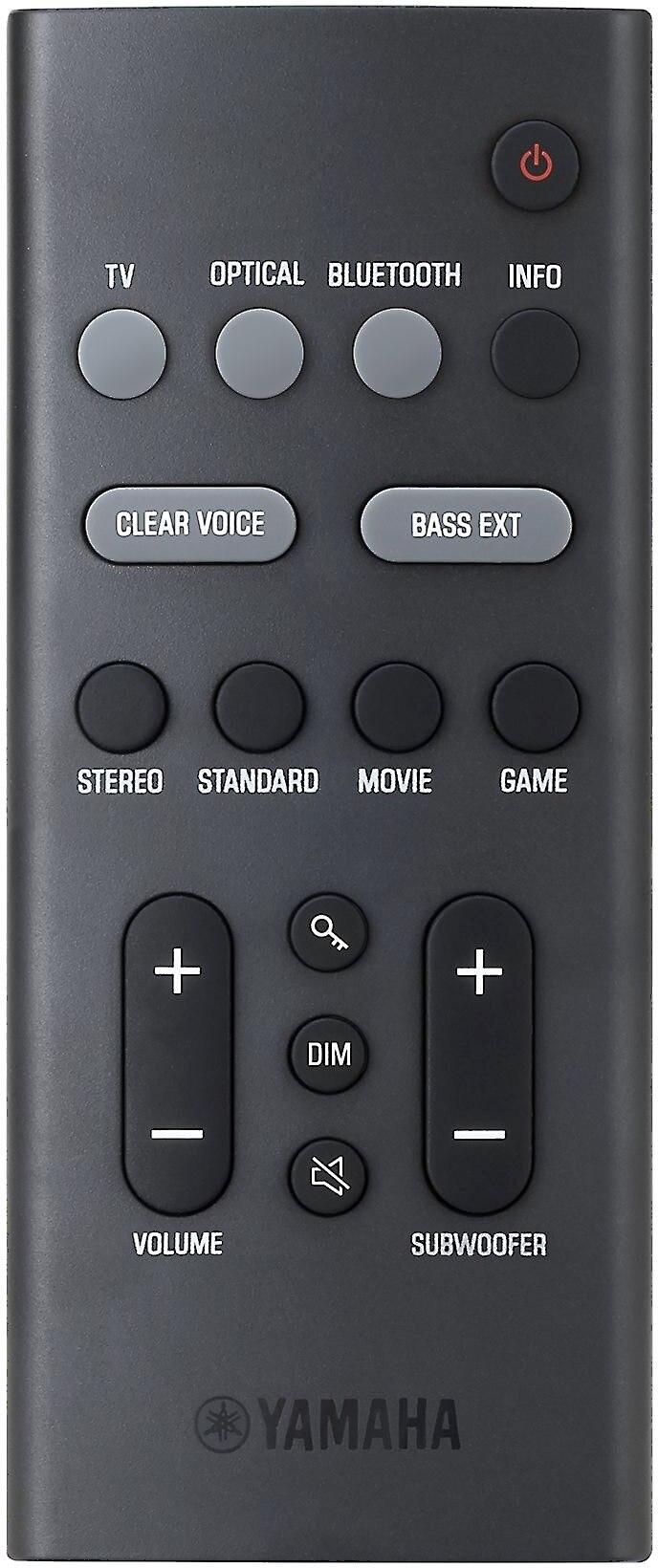
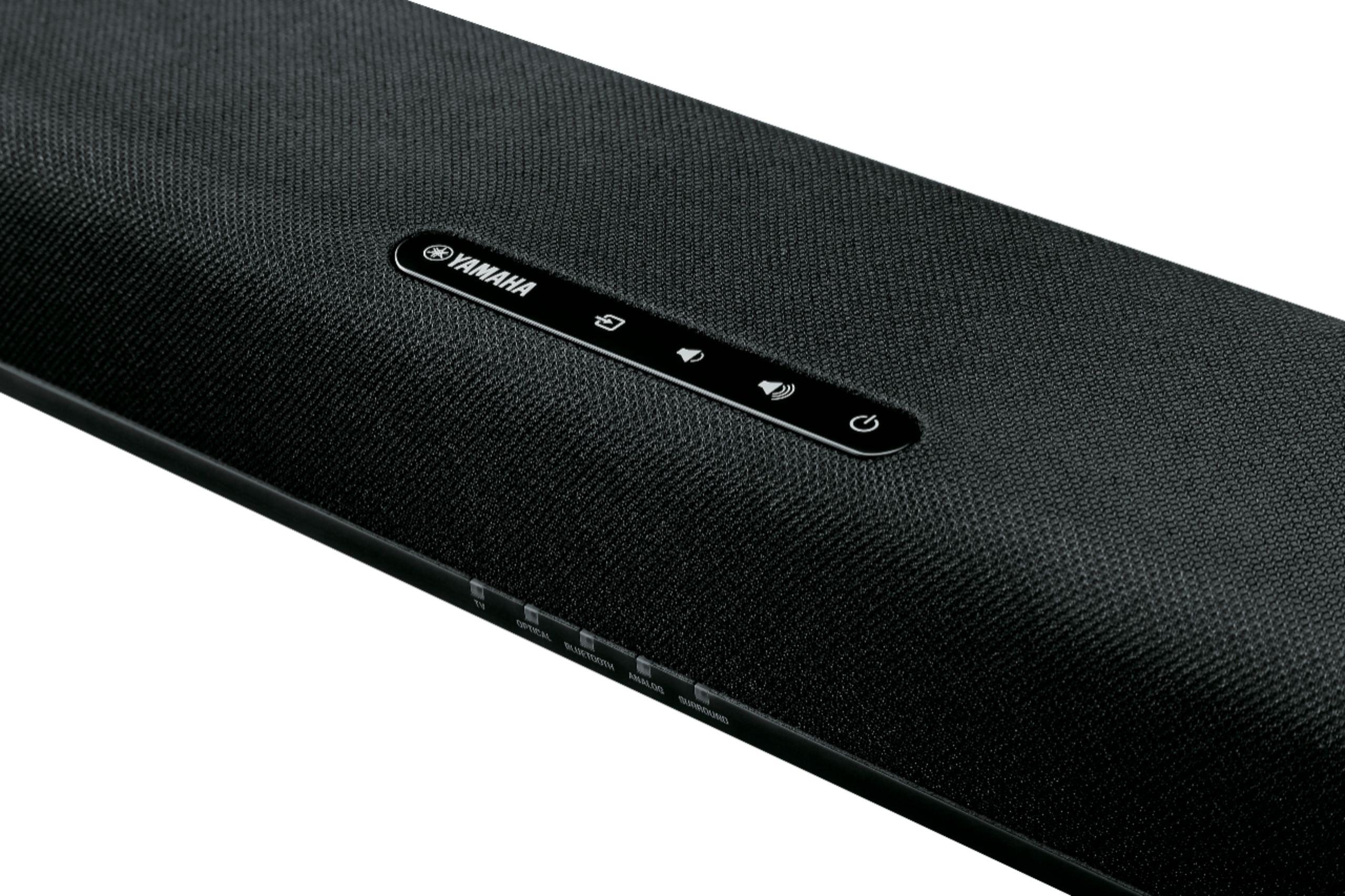
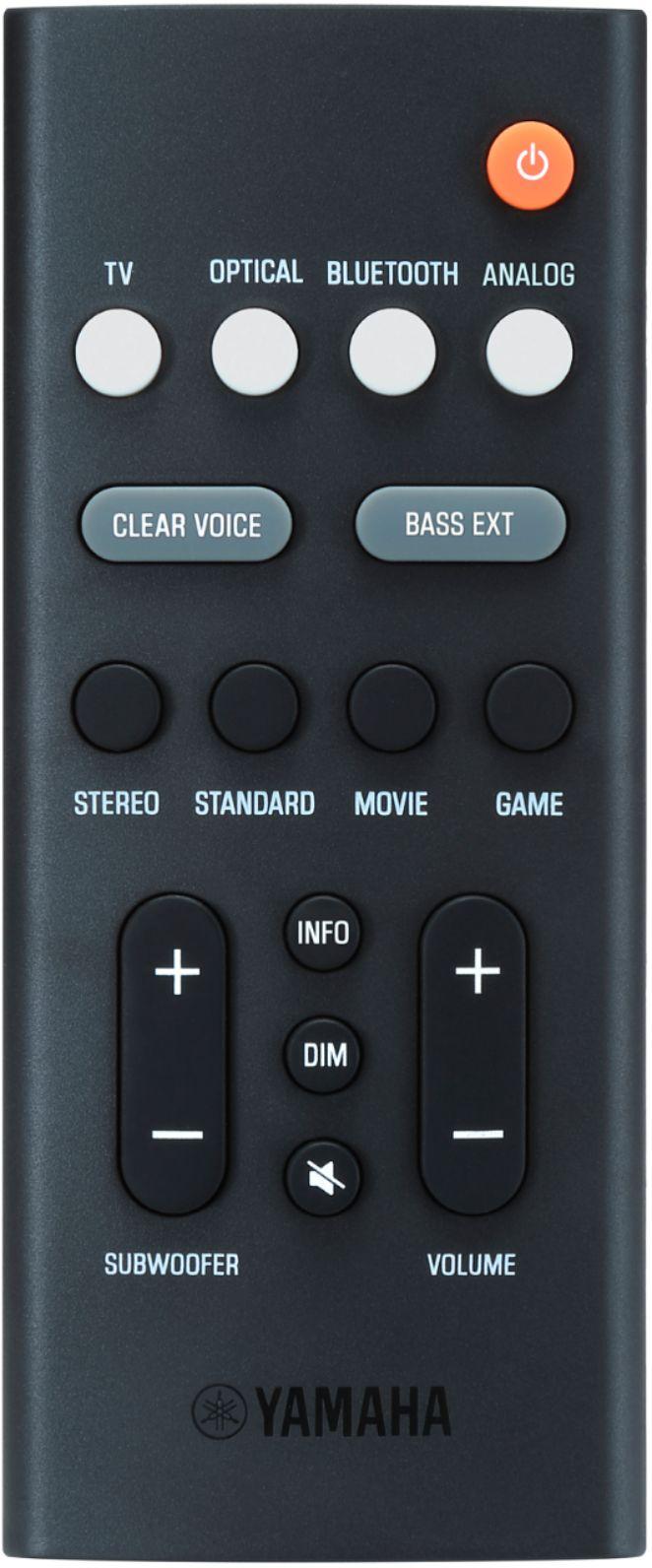
The SR-C20A uses a traditional remote control with basic functionality. While it has the same Clear Voice feature—and actually implements it quite well—you don't get the same level of customization. For most users, this isn't a dealbreaker, but if you like tweaking settings to match different content types or room acoustics, the app-based approach is more flexible.
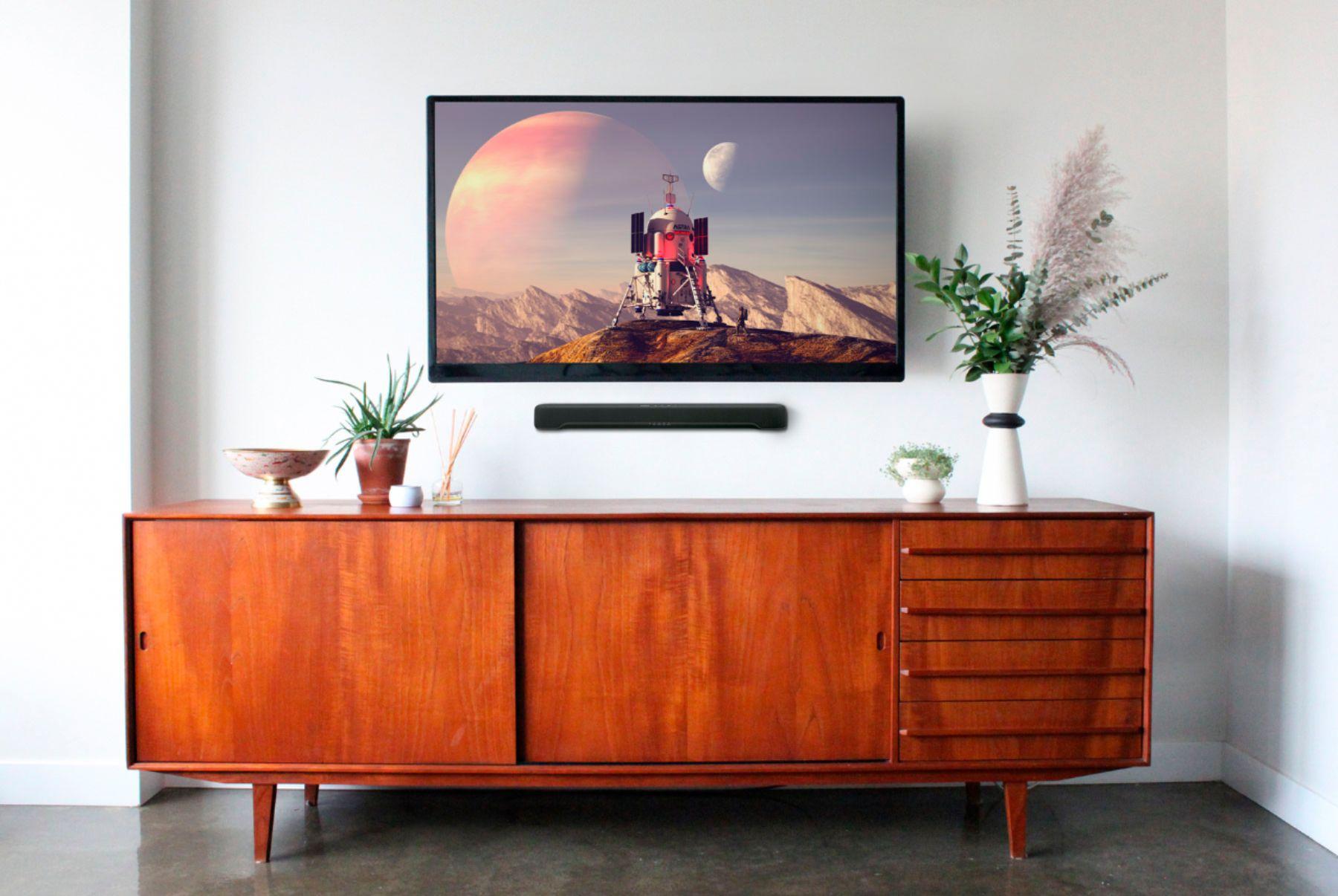
If you're building or upgrading a proper home theater setup, the SR-B40A is the clear choice for several reasons. First, the Dolby Atmos support means it can properly decode and play the audio tracks from 4K Blu-rays and streaming content that increasingly use this format. Second, the HDMI eARC connection plays nicely with modern TVs and can be controlled by your TV remote—a small convenience that becomes important in daily use.
The wireless subwoofer also offers flexibility in theater rooms where running cables might be challenging. You can place it for optimal acoustic performance rather than being limited by cable reach.
That said, the SR-C20A shouldn't be dismissed for secondary zones in a home theater setup. It's excellent for bedroom TVs, game rooms, or anywhere you want better audio than TV speakers without the complexity of a full surround system.
In my testing with a 400-square-foot living room, the SR-B40A truly shines. Watching "Top Gun: Maverick" with its Dolby Atmos soundtrack, the jet engines seemed to fly overhead during the canyon sequence, and the bass during takeoff scenes had real physical impact. The Clear Voice feature kept dialogue intelligible even during the loudest action sequences.
The SR-C20A in the same room struggled with volume at comfortable listening levels for the back row seating. While the sound quality remained good, it simply doesn't have the power to fill larger spaces effectively.
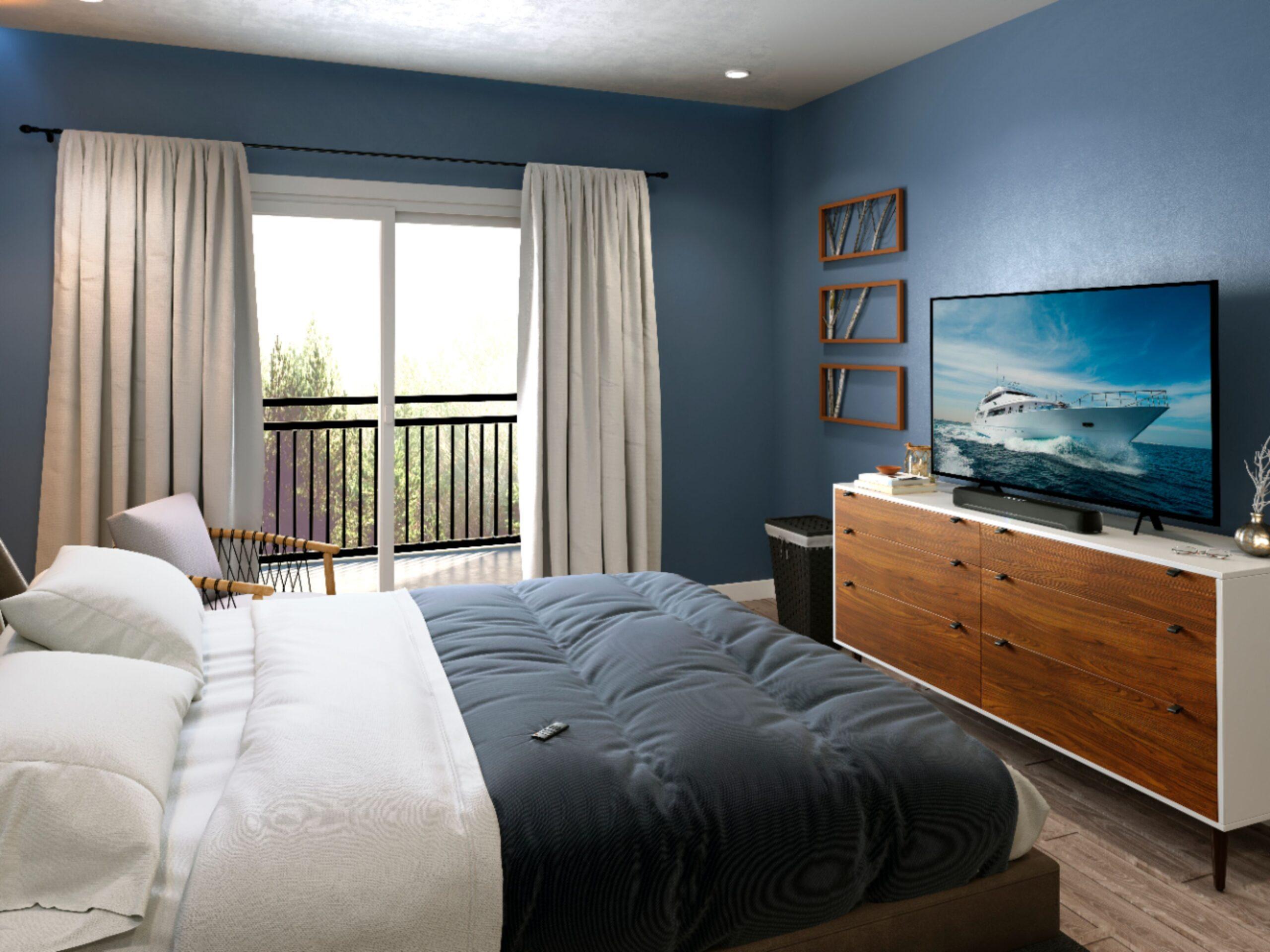
Flip the scenario to a 120-square-foot bedroom, and the story changes completely. The SR-C20A delivered room-filling sound without overwhelming the space. Its bass response, while not as deep as the SR-B40A, was perfectly proportioned to the room size. The compact form factor also fit better aesthetically under a smaller TV.
For gaming, both soundbars offer dedicated game modes that reduce audio processing latency (the delay between when something happens on screen and when you hear it). The SR-B40A's Dolby Atmos creates genuine advantages in competitive shooters where directional audio cues matter. The SR-C20A provides clear, detailed audio that's perfectly adequate for most gaming, though without the immersive positioning effects.
Interestingly, the SR-C20A holds its own quite well for music listening. Its balanced midrange reproduction makes vocals clear and natural, while the built-in bass provides adequate low-end for most musical genres. The SR-B40A offers more dynamic range and bass extension, making it better for bass-heavy music, but both are quite enjoyable for casual listening.
This is where things get really interesting. At the current clearance price of $17.98, the SR-C20A represents one of the best audio value propositions I've ever encountered. Even at its original $229 price, it was competitive. At under $20, it's almost silly not to buy one if you have any TV that could benefit from better audio.
The SR-B40A at $399.95 asks you to invest significantly more, but delivers genuinely premium features that justify the cost if you need them. The Dolby Atmos processing, wireless subwoofer, and future-proof connectivity represent real technological advantages, not just marketing fluff.
Choose the SR-B40A if you have a room larger than 200 square feet, want genuine Dolby Atmos immersion, or plan to use it as your primary entertainment system. It's also the better choice if you're building a home theater setup or frequently watch action movies and play games where audio immersion matters.
Choose the SR-C20A if you have limited space, need a simple solution, or are working with a tight budget. It's also perfect for secondary TV setups, bedrooms, or if you primarily watch TV shows where dialogue clarity is more important than explosive sound effects.
The bottom line? Both deliver excellent Yamaha sound quality within their respective categories. The SR-B40A offers a premium, immersive experience that justifies its higher price for the right use cases. The SR-C20A, especially at its current pricing, provides extraordinary value for basic audio improvement. Your room size, budget, and audio priorities should ultimately drive your decision—but either choice will be a massive upgrade over your TV's built-in speakers.
| Yamaha SR-B40A 2.1-Channel Sound Bar with Wireless Subwoofer | Yamaha SR-C20A Compact Sound Bar with Built-In Subwoofer |
|---|---|
| Price - Current market value and availability | |
| $399.95 (stable premium pricing) | $17.98 (clearance from ~$229 MSRP) |
| Release Date - Technology generation and future-proofing | |
| August 2023 (latest tech) | 2020 (mature but older platform) |
| Audio Technology - Immersive sound capabilities | |
| Dolby Atmos with 3D height effects | Virtual surround (no overhead effects) |
| Subwoofer Design - Bass power and placement flexibility | |
| Wireless 6.25" dedicated subwoofer | Built-in 3" subwoofer with passive radiators |
| Total Power Output - Room-filling capability | |
| 120W+ (higher wattage for larger rooms) | 100W (20W L/R + 60W subwoofer) |
| Room Size Compatibility - Optimal performance area | |
| 300+ sq ft (living rooms, open spaces) | Under 150 sq ft (bedrooms, apartments) |
| HDMI Connectivity - Future-proof audio formats | |
| eARC support (high-quality lossless audio) | None (optical and aux only) |
| Bluetooth Version - Wireless streaming quality | |
| 5.1 (better range and stability) | 5.0 (standard performance) |
| App Control - Customization and ease of use | |
| Sound Bar Remote app with tone controls | Basic remote control only |
| Clear Voice Technology - Dialogue enhancement | |
| Yes (app-adjustable) | Yes (fixed setting) |
| Dimensions - Physical footprint | |
| 35.8" x 2.7" x 5.5" + separate subwoofer | 23.6" x 2.5" x 3.8" (all-in-one) |
| Best Use Cases - Ideal buyer scenarios | |
| Primary home theater, gaming, large rooms | Secondary TVs, compact spaces, budget upgrades |
The Yamaha SR-B40A is significantly better for large rooms over 200 square feet. Its higher power output and wireless subwoofer provide the coverage needed to fill bigger spaces without distortion. The Yamaha SR-C20A works best in rooms under 150 square feet and will struggle to maintain clarity at higher volumes in larger areas.
The Yamaha SR-B40A delivers significantly better bass with its wireless 6.25-inch subwoofer that can be placed anywhere in your room. The Yamaha SR-C20A has a built-in 3-inch subwoofer with passive radiators that produces decent bass for its size but can't match the depth and impact of the dedicated subwoofer.
At current pricing, the SR-C20A at $17.98 offers exceptional value for budget-conscious buyers or secondary TV setups. The SR-B40A at $399.95 justifies its higher cost with Dolby Atmos, wireless subwoofer flexibility, and future-proof HDMI connectivity - making it worth the investment for primary home theater systems.
The Yamaha SR-B40A is superior for gaming due to its Dolby Atmos support, which provides directional audio cues that can give competitive advantages in shooters and enhance immersion in story-driven games. The SR-C20A offers good gaming audio with low latency but lacks the spatial positioning effects.
The Yamaha SR-C20A is easier to set up as it's a single unit that connects via optical or aux cables. The SR-B40A requires positioning both the soundbar and wireless subwoofer, plus HDMI connection, making setup slightly more complex but offering better performance and flexibility.
The Yamaha SR-C20A is perfect for small apartments under 150 square feet. Its compact all-in-one design fits under smaller TVs and provides proportionate bass that won't overwhelm tight spaces. The SR-B40A might be overkill for very small rooms and requires space for the separate subwoofer.
The Yamaha SR-B40A is significantly better for home theater use with its Dolby Atmos support creating immersive overhead effects, powerful wireless subwoofer for impactful explosions, and HDMI eARC for high-quality audio formats. The SR-C20A provides good movie audio but lacks the cinematic immersion.
We've done our best to create useful and informative comparisons to help you decide what product to buy. Our research uses advanced automated methods to create this comparison and perfection is not possible - please contact us for corrections or questions. These are the sites we've researched in the creation of this article: crutchfield.com - visions.ca - shop.usa.yamaha.com - bestbuy.com - bestbuy.com - usa.yamaha.com - my.yamaha.com - europe.yamaha.com - adorama.com - usa.yamaha.com - digitalhomecreations.com - europe.yamaha.com - sundownone.com - t3.com - usa.yamaha.com - radiotimes.com - shop.usa.yamaha.com - whathifi.com - hifiheaven.net - usa.yamaha.com - sweetwater.com - hub.yamaha.com

Privacy Policy
Terms and Conditions - Affiliate Policy
Home Security
© Copyright 2008-2026.
11816 Inwood Rd #1211, Dallas, TX 75244