




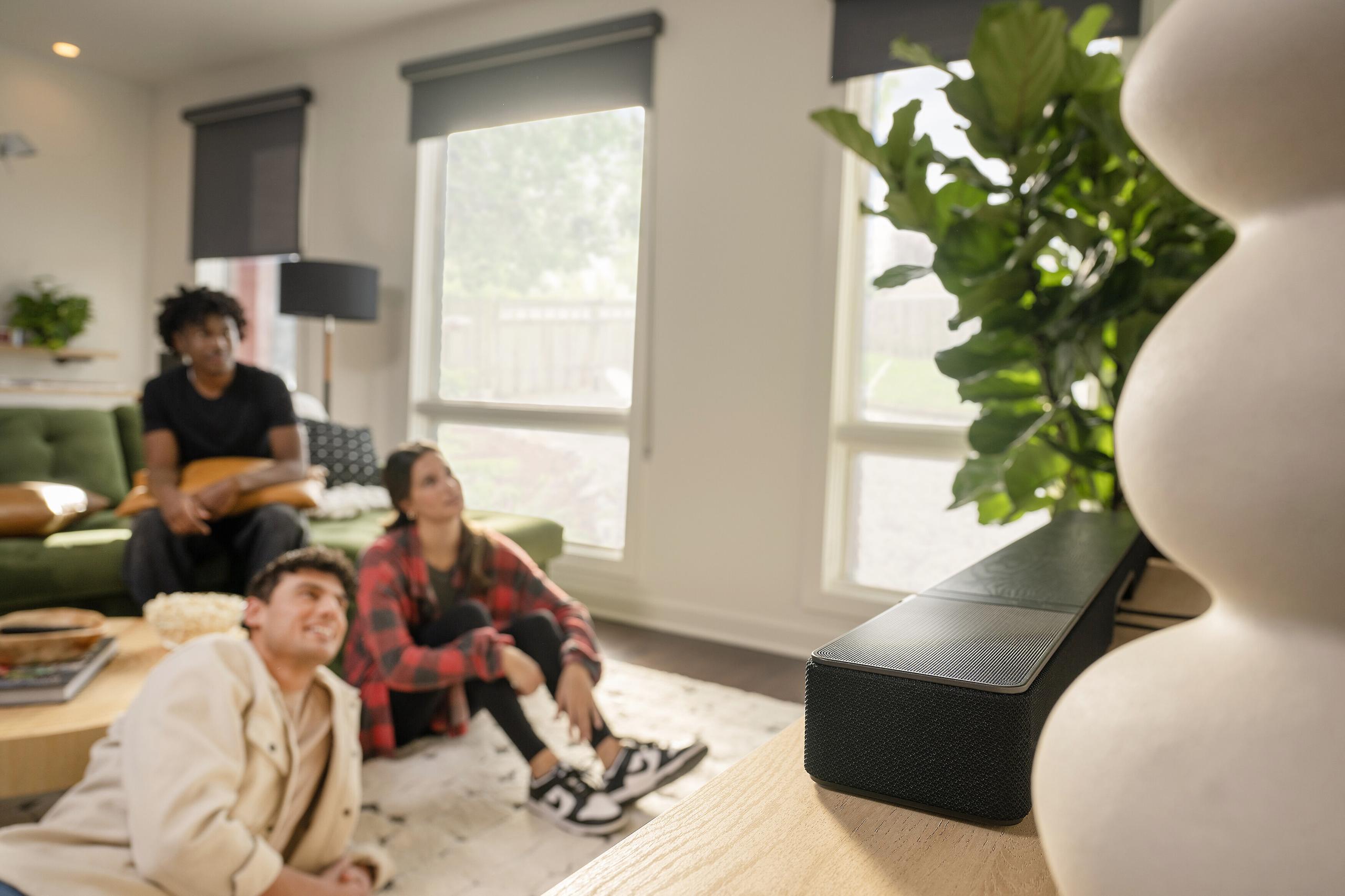







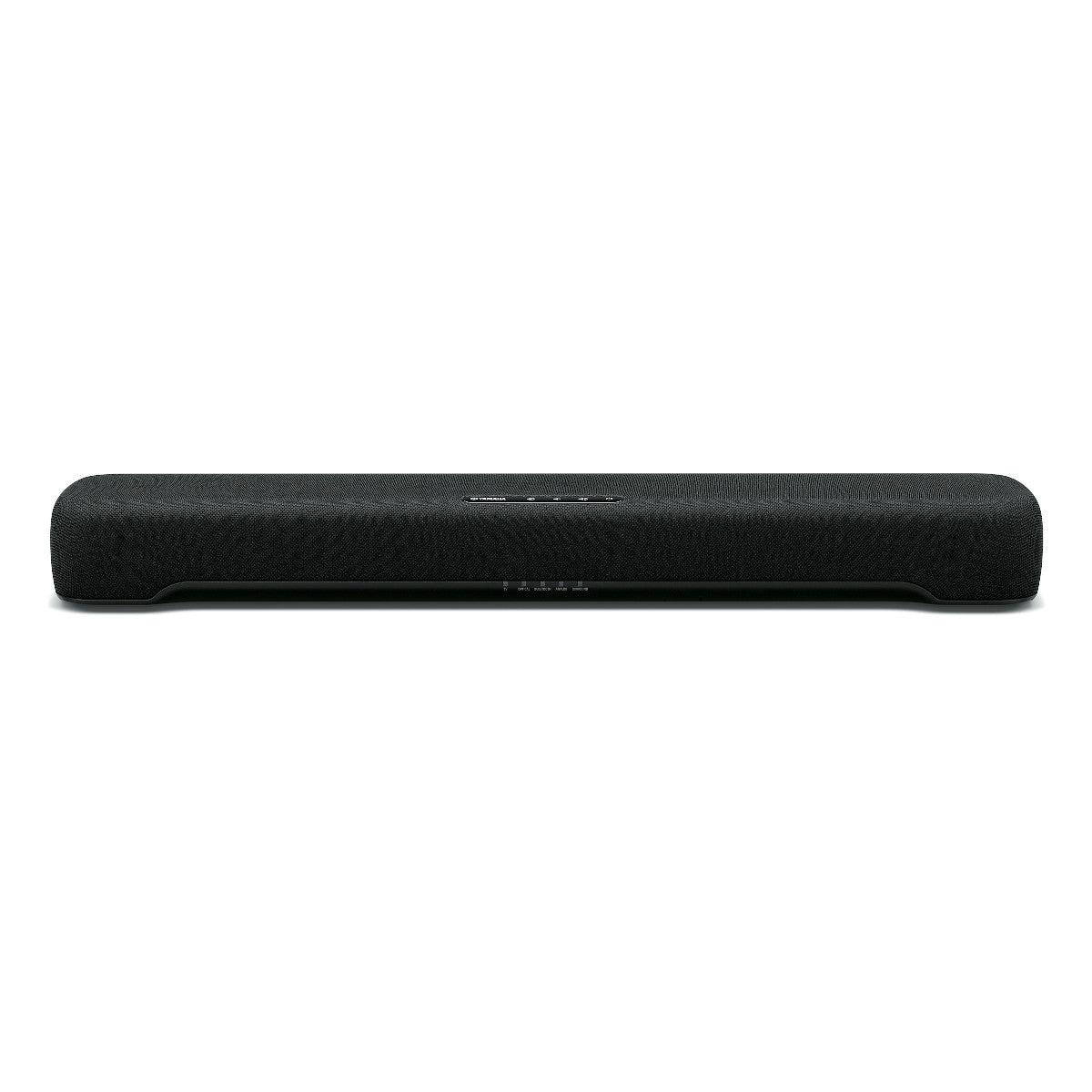
If you've ever found yourself squinting at your TV, desperately trying to catch what the characters are saying over booming background music, you're not alone. Modern TVs, despite their stunning picture quality, often have speakers that sound like they're stuck inside a cardboard box. That's where soundbars come in—they're the most practical solution for upgrading your TV's audio without turning your living room into a speaker showroom.
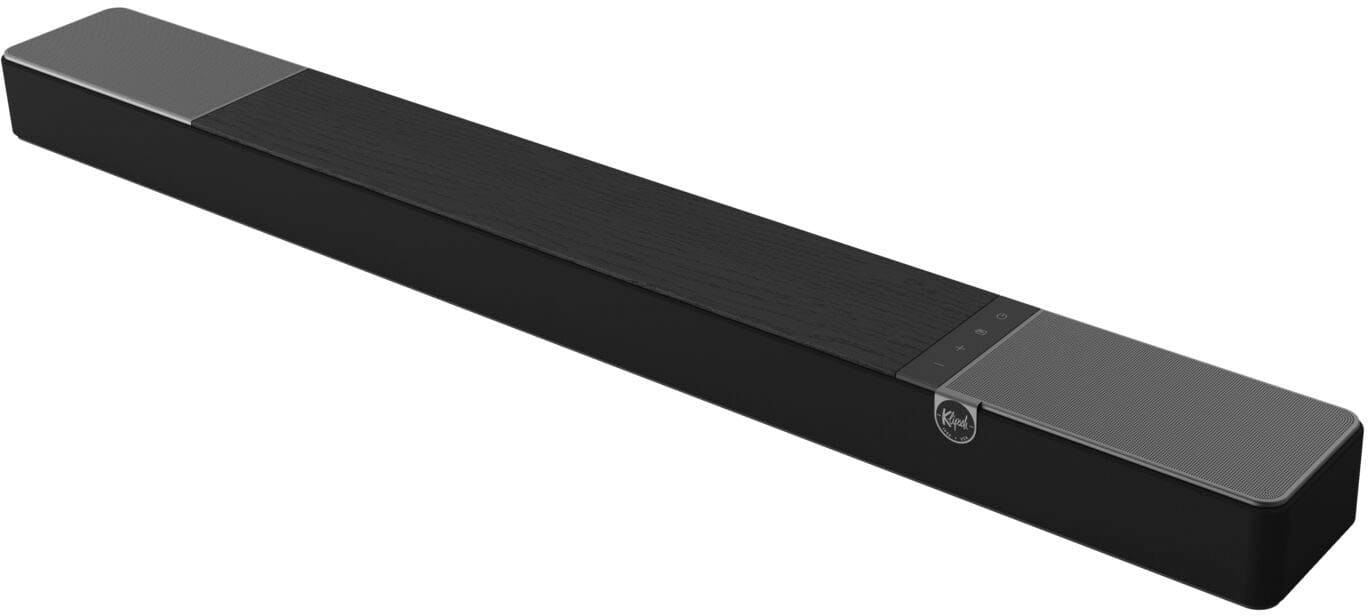
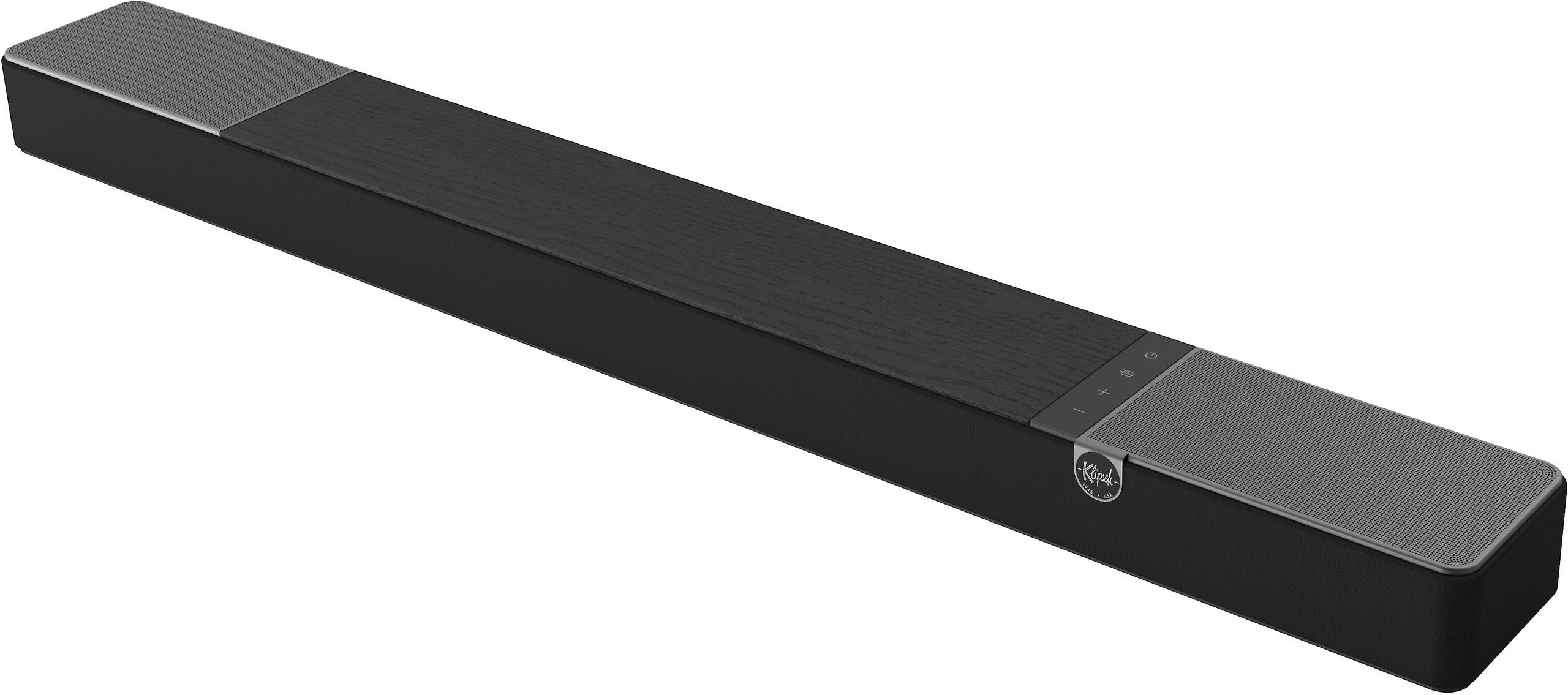
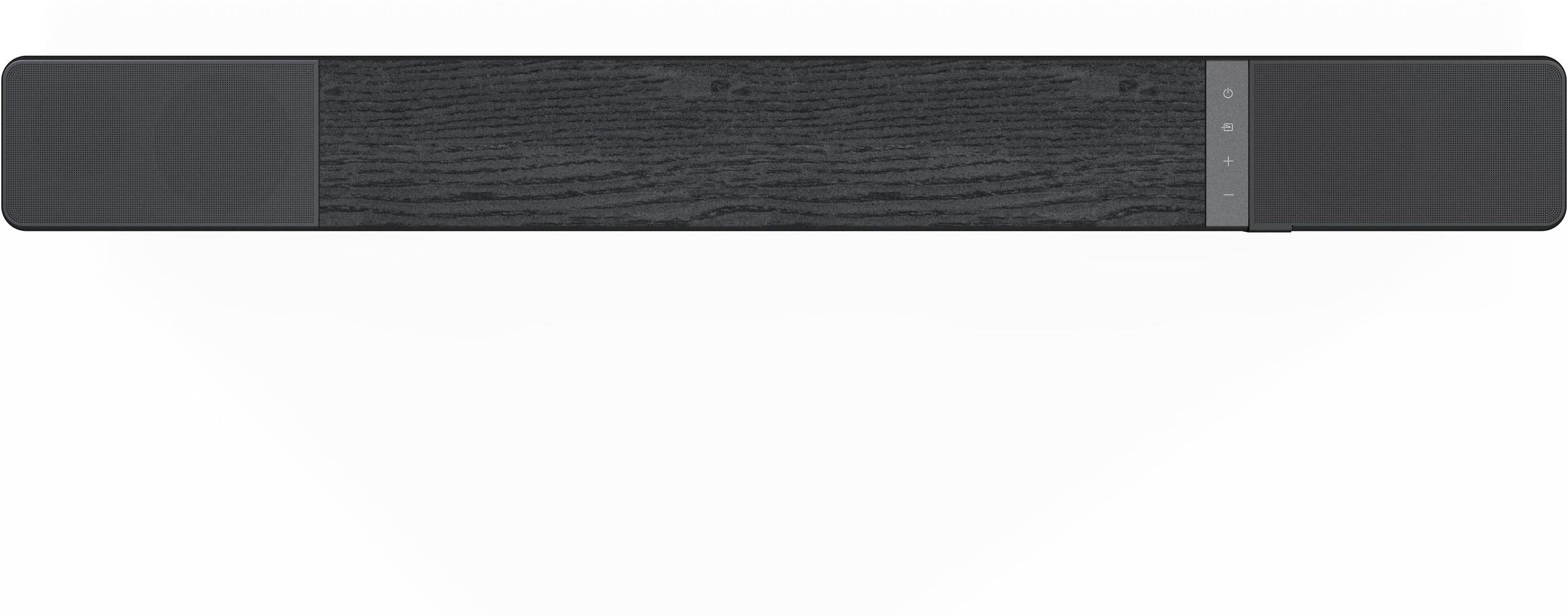
Today, we're comparing two very different approaches to this problem: the Klipsch Flexus Core 200 ($369) and the Yamaha SR-C20A ($200-250). Think of it like comparing a Swiss Army knife to a really good screwdriver—both are useful tools, but they're designed for completely different jobs.
Before we dive into the specifics, let's talk about what actually matters when you're shopping for a soundbar. The most important factor is matching the soundbar to your space and needs. A compact soundbar that works perfectly in a bedroom might get lost in a large living room, while a massive system could overwhelm a small apartment.
The technology inside matters too. Basic soundbars use stereo drivers (left and right speakers) to create a wider sound than your TV. Virtual surround systems use clever audio processing to trick your ears into hearing sounds from different directions. Then there's true surround sound like Dolby Atmos, which uses physical speakers pointing in different directions—including upward—to create a genuine three-dimensional audio experience.
Connectivity is another crucial consideration. HDMI eARC (enhanced Audio Return Channel) gives you the best audio quality and lets you control the soundbar with your TV remote. Bluetooth lets you stream music from your phone, while optical connections work with older TVs that don't have HDMI eARC.
Finally, there's the question of expandability. Some soundbars are complete systems that can't be upgraded, while others let you add wireless subwoofers or surround speakers later. This staged upgrade approach can save money upfront while protecting your investment long-term.
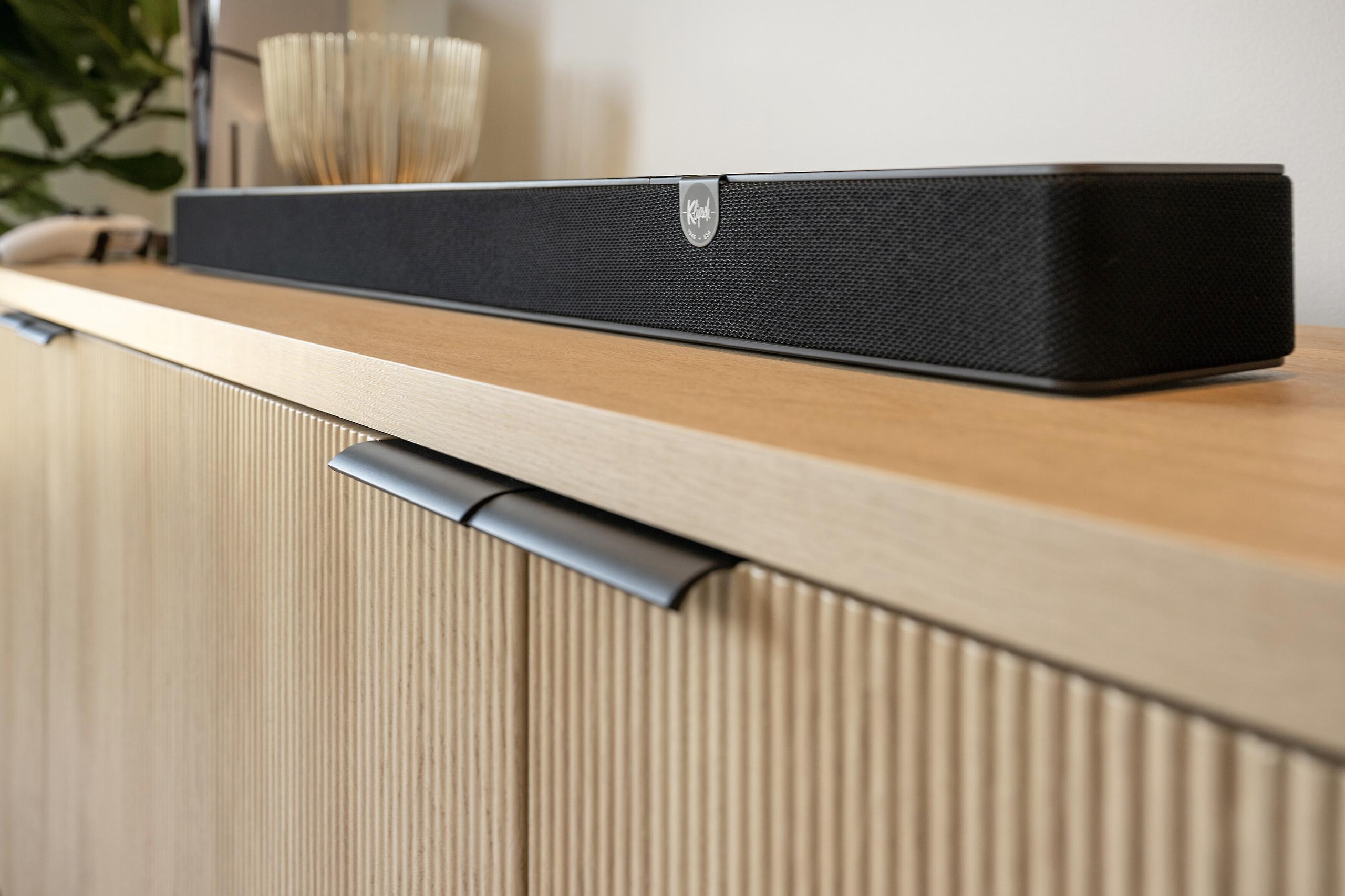
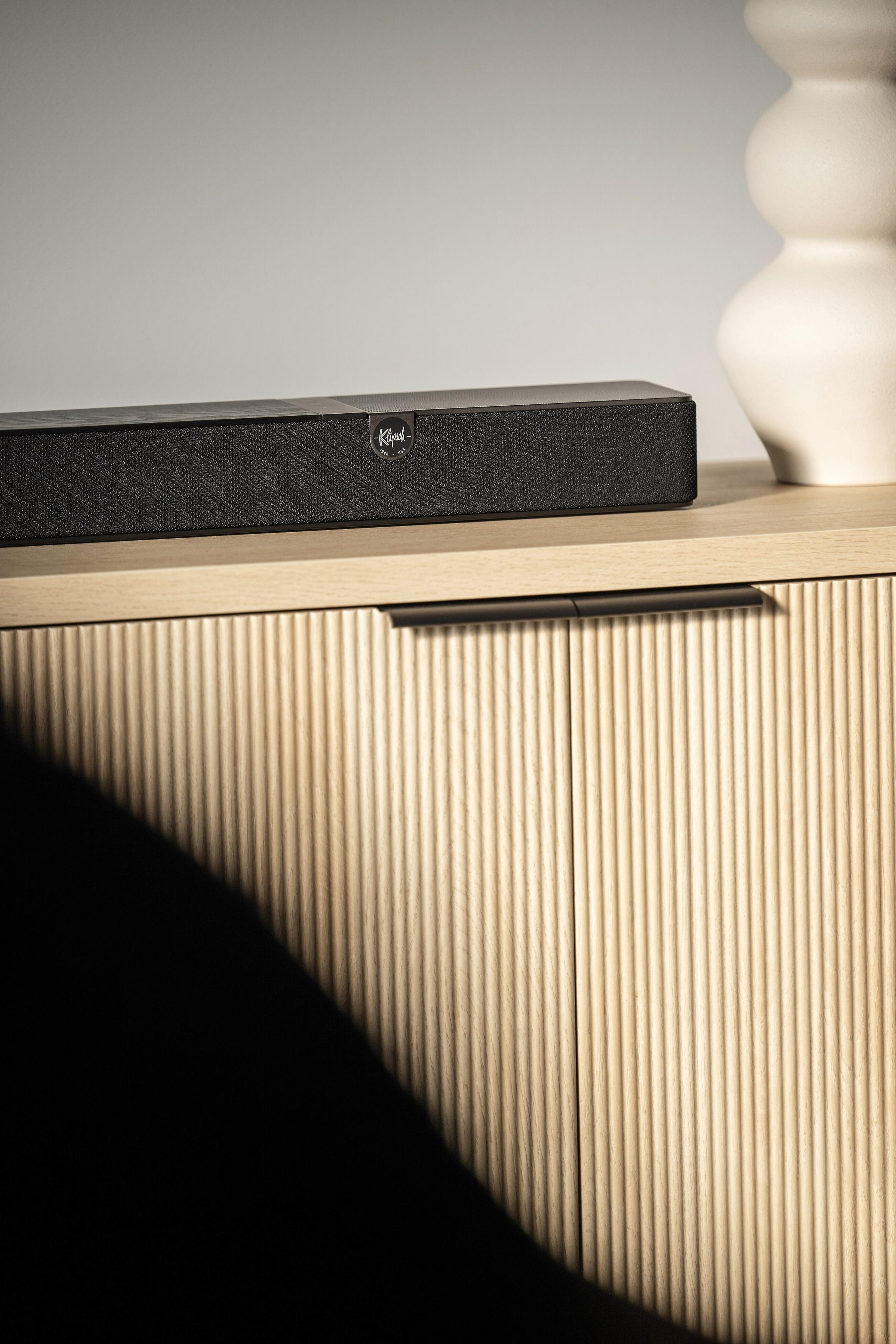
The Klipsch Flexus Core 200, released in 2024, represents Klipsch's latest thinking on premium soundbars. It's part of their new modular Flexus ecosystem, developed in partnership with Onkyo's engineering team. This collaboration brings together Klipsch's signature horn-loaded tweeters with advanced room correction technology called Dirac Live—the same system used in high-end recording studios.
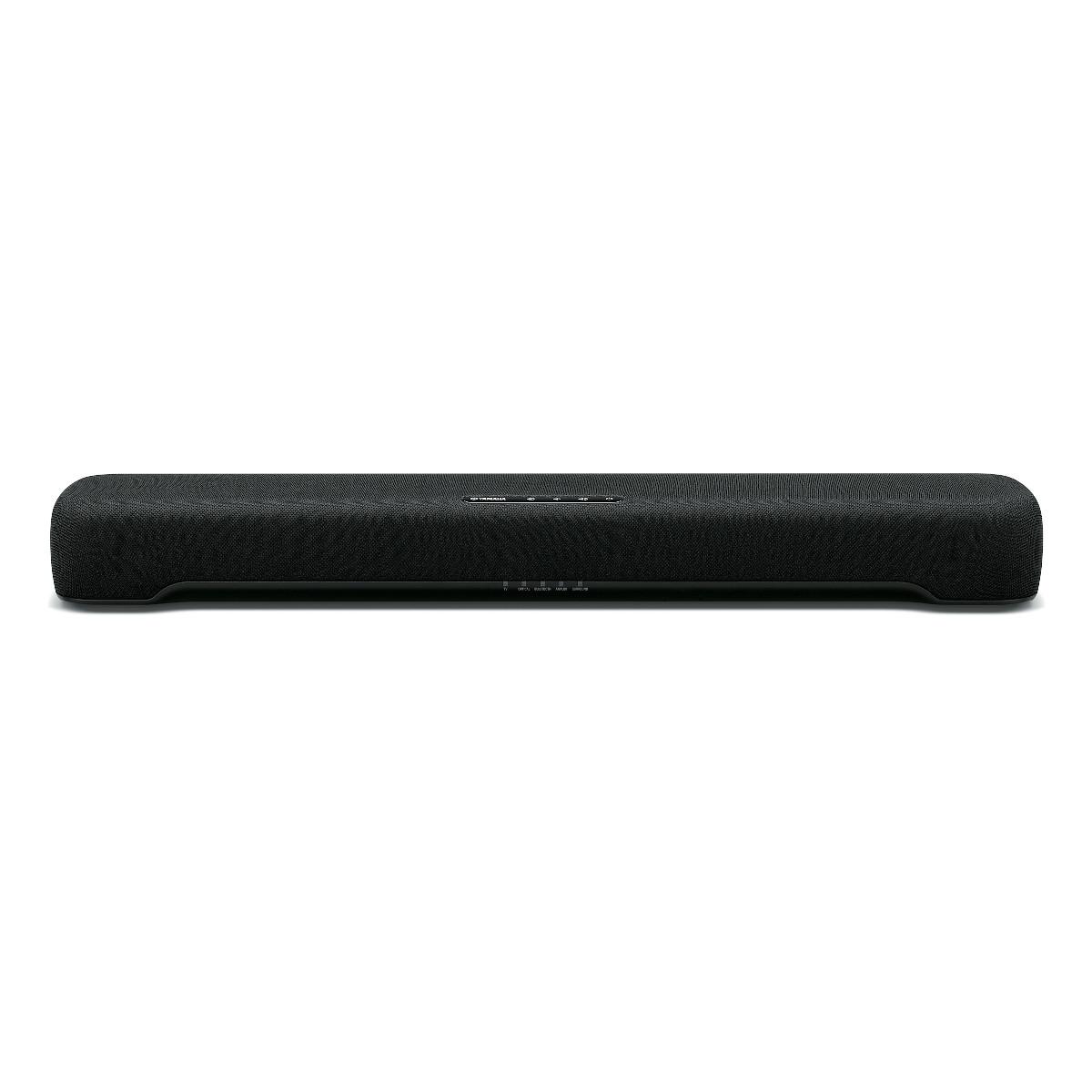
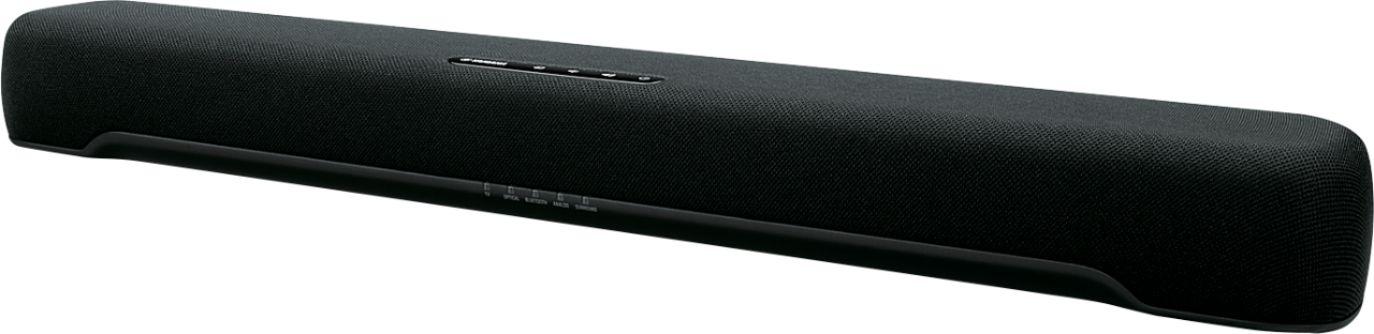
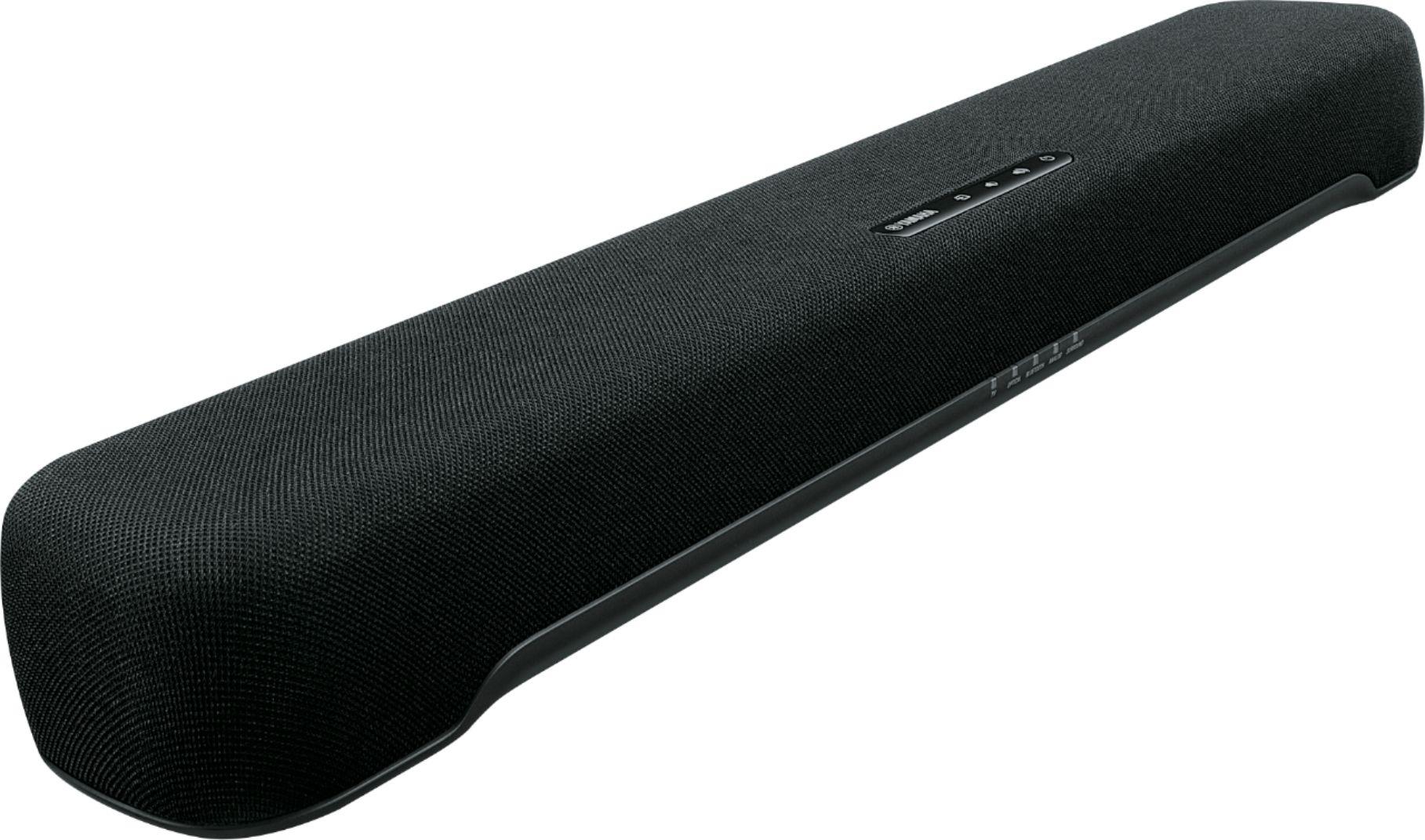
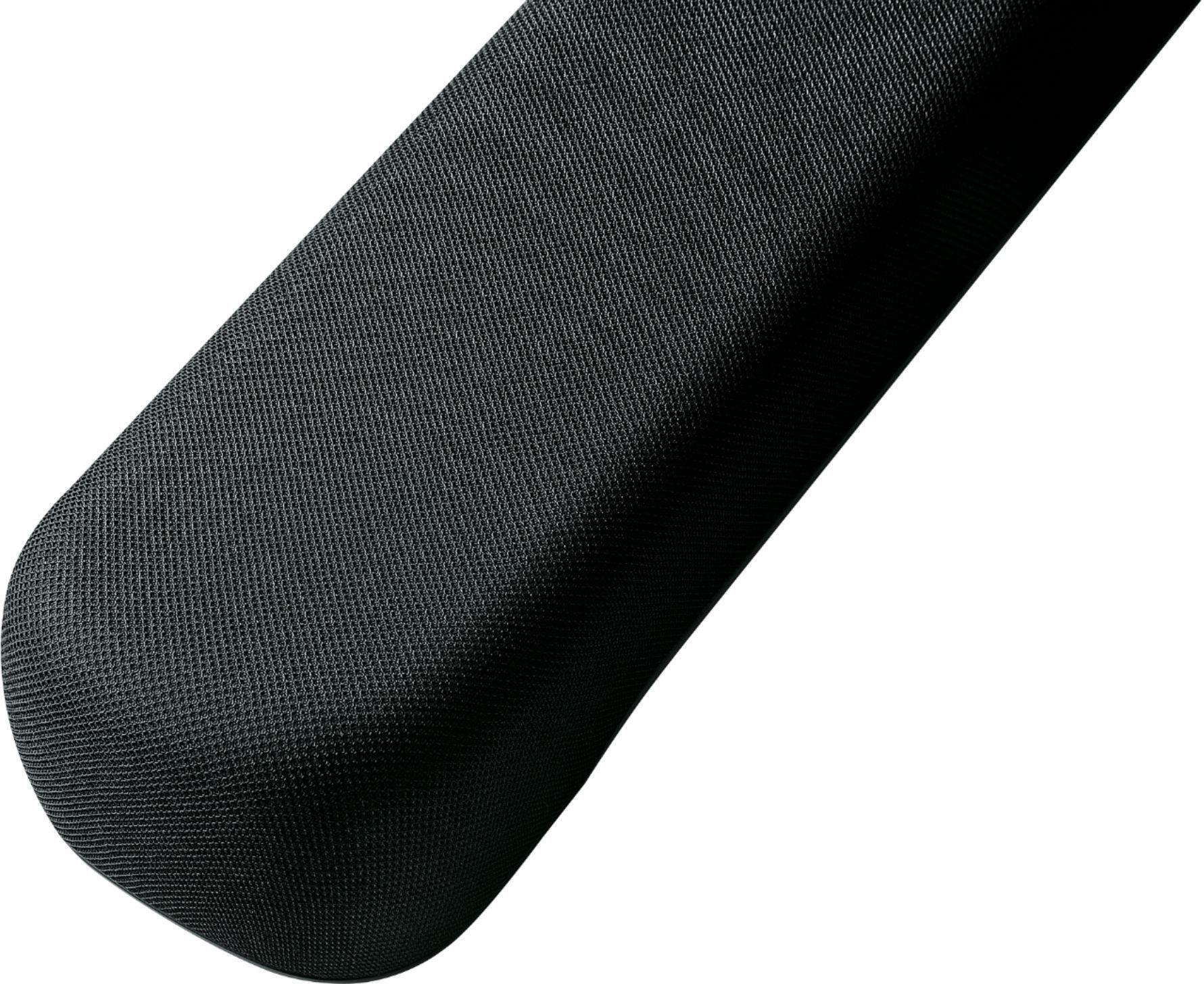
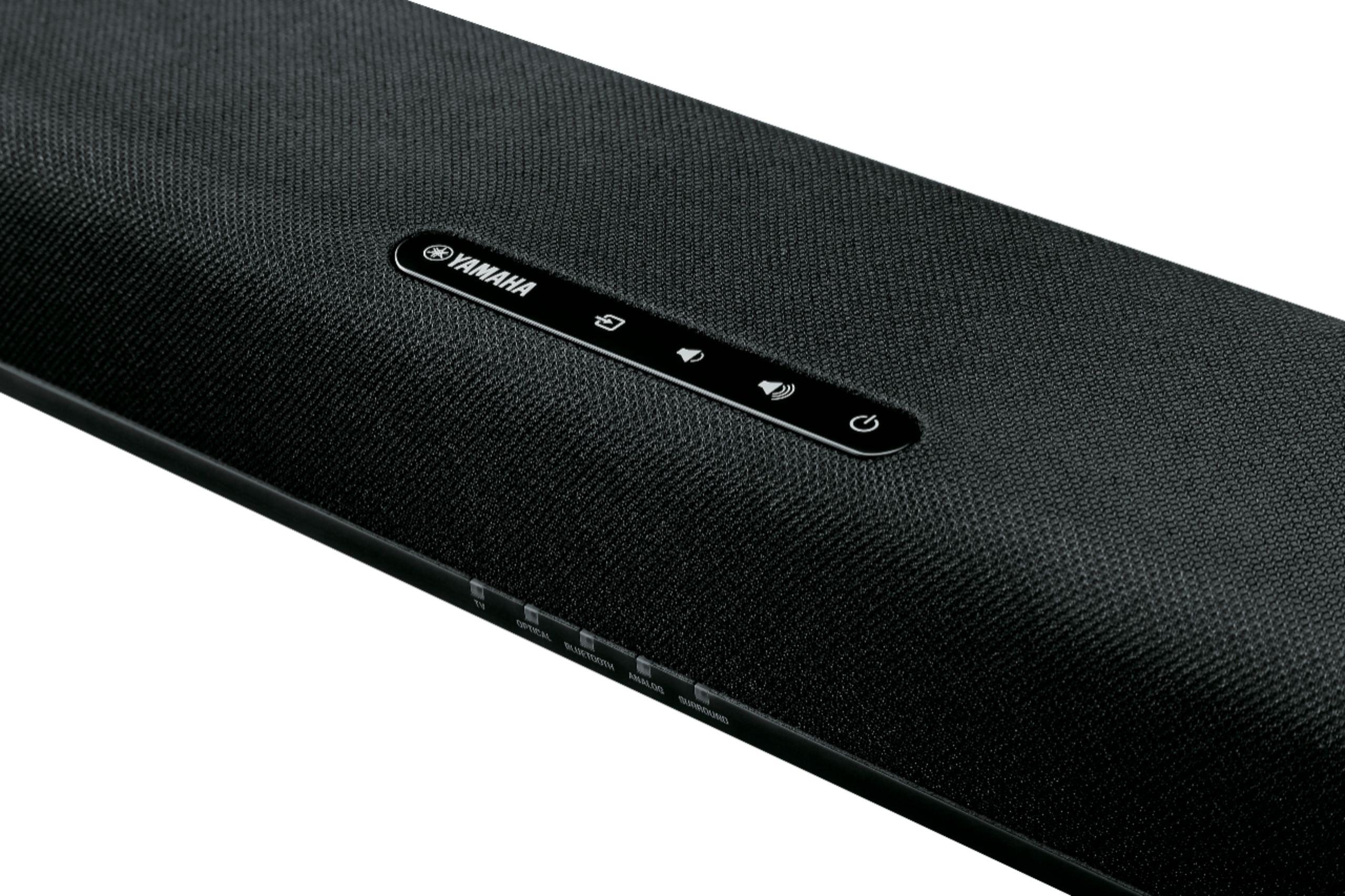
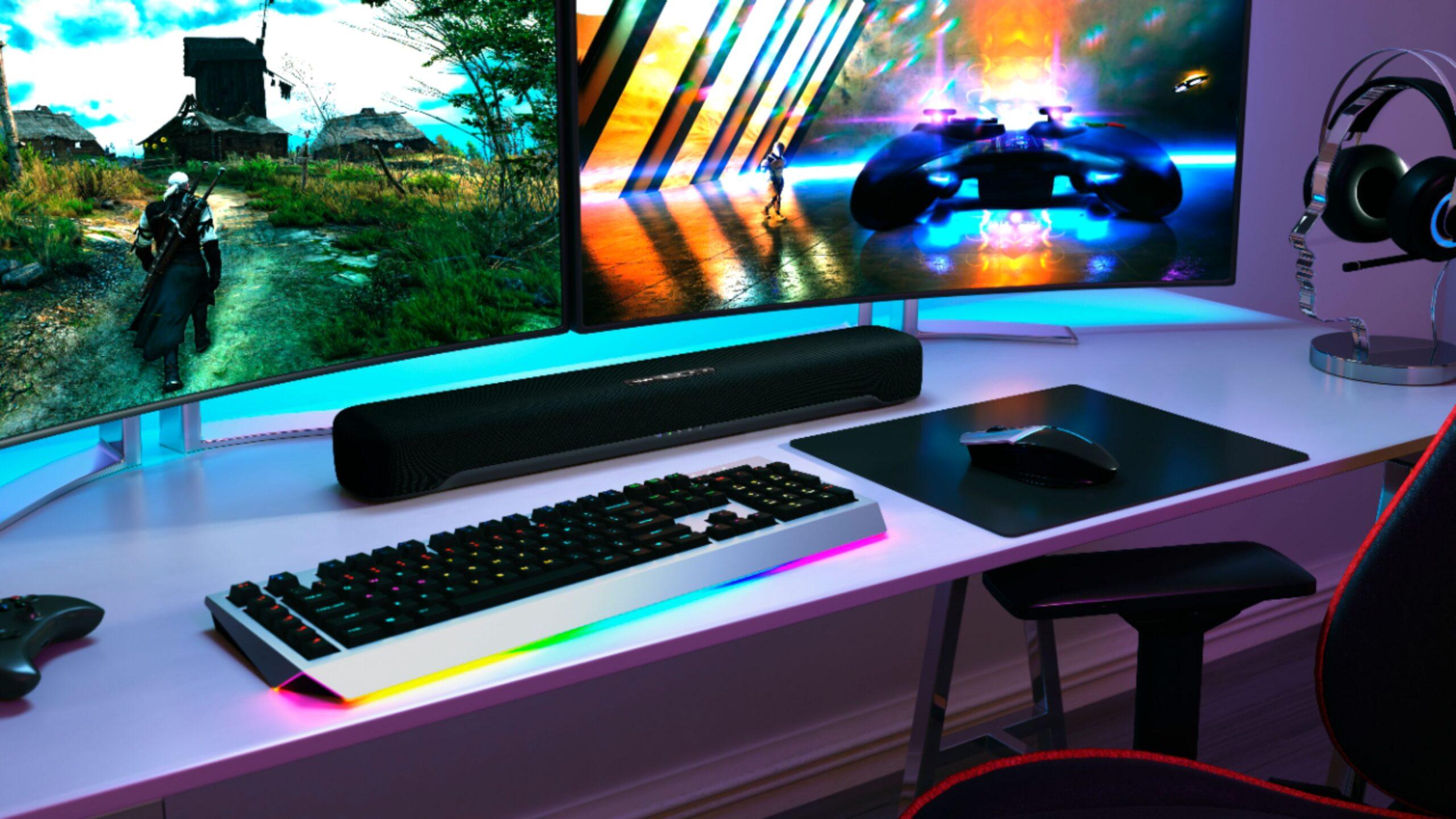
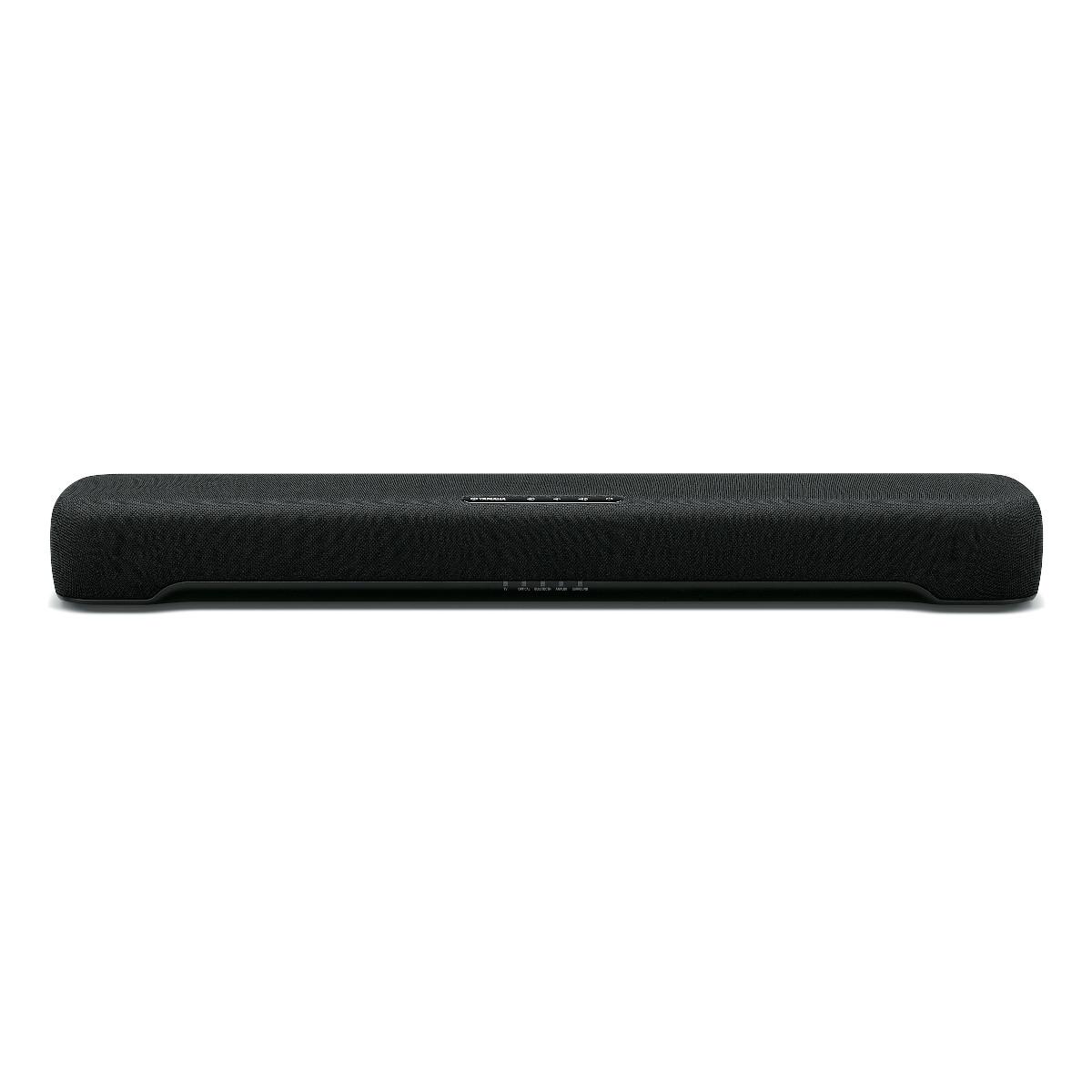
The Yamaha SR-C20A, launched in 2022, takes a completely different approach. Yamaha designed it as a simple, affordable solution for people who just want better TV audio without complexity. It's part of Yamaha's strategy to make decent sound accessible to everyone, not just audio enthusiasts.
These different release timelines tell an important story. The Klipsch benefits from newer audio processing chips and wireless technology that weren't available when the Yamaha was designed. However, the Yamaha has had two years in the market to prove its reliability and earn user feedback.
Here's where these two soundbars diverge most dramatically. The Klipsch Flexus Core 200 uses true Dolby Atmos technology with a 3.1.2 speaker configuration. Those numbers tell you exactly what you're getting: three main channels (left, center, right), one subwoofer channel (the .1), and two height channels (the .2).
The height channels are the real magic here. Two 2.25-inch drivers fire sound upward, bouncing it off your ceiling to create overhead effects. When a helicopter flies across the screen, you'll hear it move above your head. When rain falls in a movie, it sounds like it's actually coming from above. This isn't audio processing trickery—it's physical sound placement that your ears can genuinely locate in three-dimensional space.
The center channel deserves special attention too. Klipsch uses their signature horn-loaded tweeter for the center, which acts like a megaphone to project dialogue clearly across the room. This design has been Klipsch's trademark for over 75 years, and there's a reason they keep using it—it works incredibly well for vocal clarity.
The Yamaha takes a completely different approach with virtual surround processing. It uses digital signal processing (DSP) to analyze incoming audio and create the illusion of surround sound from just two main drivers. Think of it like audio Photoshop—the soundbar examines the sound and applies effects to make it seem wider and more spacious than it actually is.
Yamaha's Clear Voice technology specifically targets dialogue by analyzing the frequency range where most human speech occurs and boosting those frequencies while reducing background noise. It's effective for its intended purpose, but it can't create the genuine height effects that physical Atmos speakers provide.
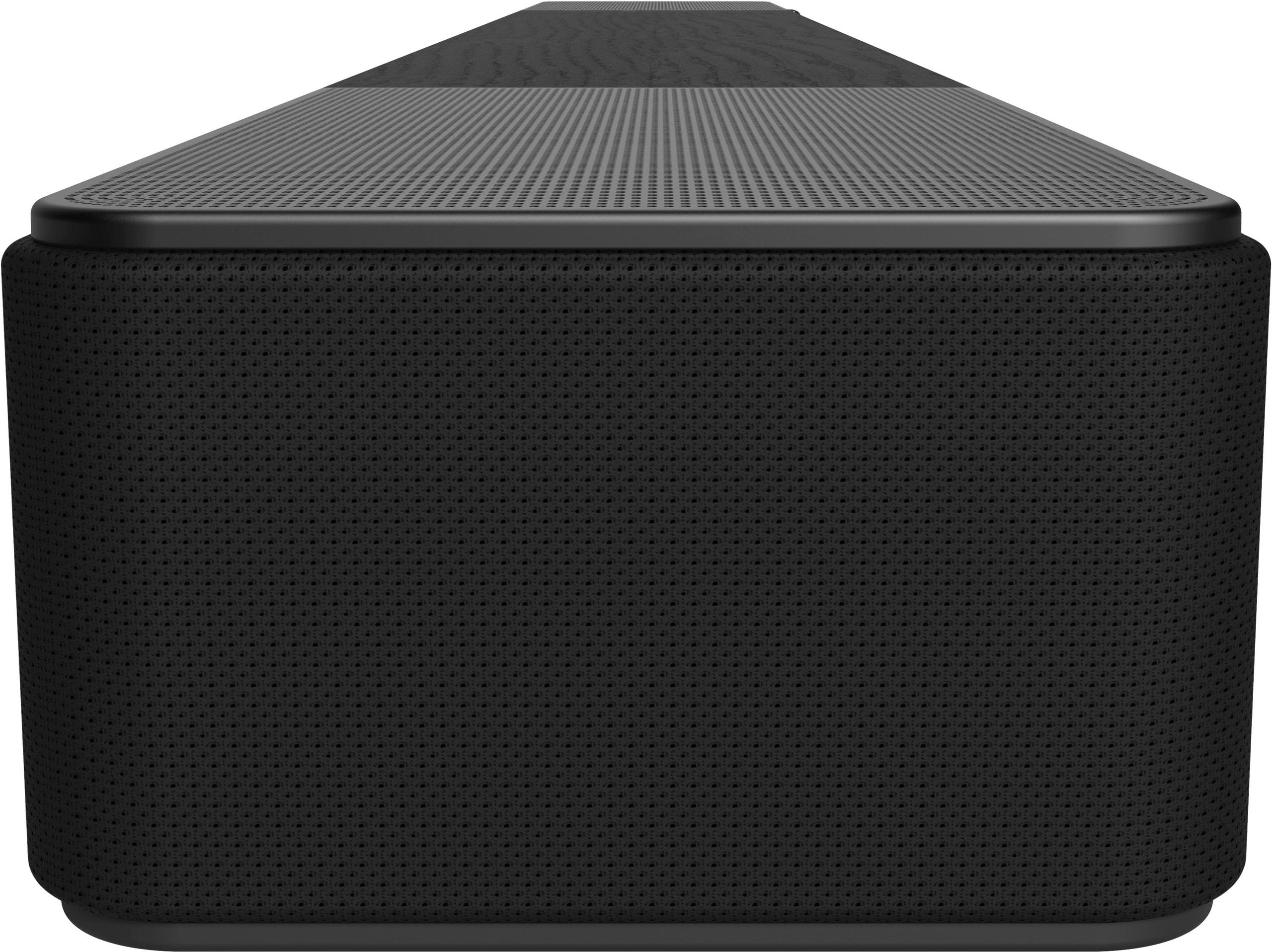
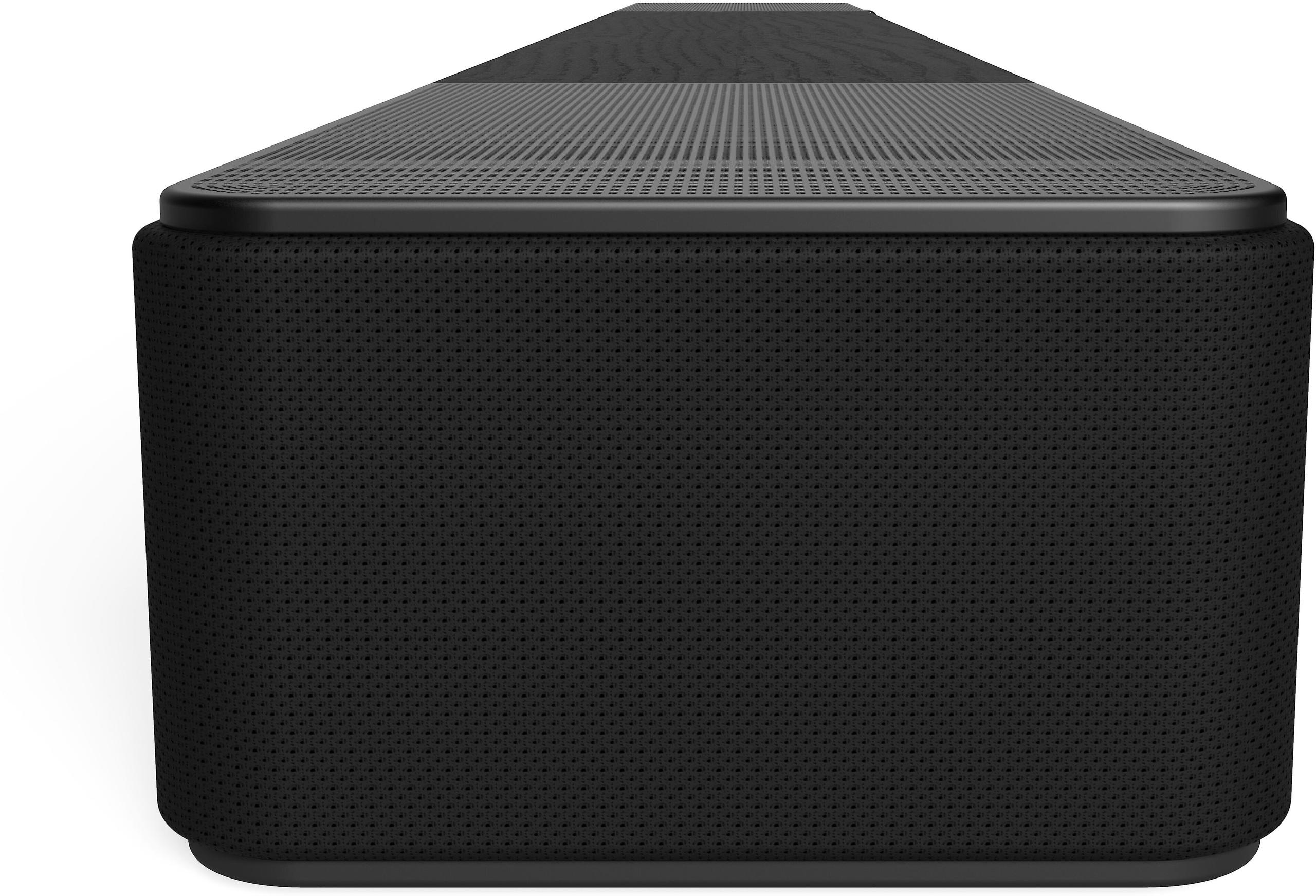
Bass reproduction reveals another fundamental difference between these soundbars. The Klipsch Flexus Core 200 packs dual 4-inch subwoofers inside its 44-inch frame. These aren't tiny drivers struggling to move air—they're properly-sized woofers that can reach down to 43Hz, well into the range where you feel bass as much as hear it.
What's particularly impressive is that Klipsch achieved this without requiring a separate subwoofer box. Many soundbars at this price point come with wireless subwoofers that need their own power outlet and floor space. The Flexus Core 200's built-in approach means less clutter and fewer potential connection issues.
The dual subwoofer design also provides better bass distribution across the room. Instead of all the low-frequency energy coming from one spot, it's spread across the soundbar's width, creating more even bass response regardless of where you're sitting.
The Yamaha uses a single 3-inch subwoofer supplemented by two passive radiators. Passive radiators are essentially speakers without magnets—they vibrate in response to the air pressure created by the active subwoofer, effectively increasing the bass output without requiring additional amplification. It's a clever engineering solution for a compact design, and it works well for the Yamaha's intended use in smaller rooms.
However, there's no escaping physics. A 3-inch driver simply can't move as much air as two 4-inch drivers, which means less bass impact and a higher rolloff frequency. The Yamaha does surprisingly well for its size, but it's not going to satisfy someone who wants to feel movie explosions.
The power specifications tell an important story about these soundbars' intended applications. The Klipsch Flexus Core 200 delivers 185 watts RMS (Root Mean Square—the actual continuous power, not peak marketing numbers) and can reach 99.8 decibels maximum output. Those numbers might seem abstract, but they translate to real-world performance differences.
185 watts is serious power for a soundbar. It's enough to fill a large living room with clean, undistorted sound even at high volumes. The 99.8dB maximum output means you can watch action movies at truly cinematic volume levels without the soundbar straining or compressing the audio.
The Yamaha's 100 watts total power (split between 60 watts for the subwoofer and 40 watts for the main channels) is perfectly adequate for its intended use. In a bedroom or small living room, 100 watts can provide plenty of volume. However, larger spaces expose the limitations—the Yamaha starts to sound strained when pushed hard, and dialogue can get lost in complex soundtracks at high volumes.
This power difference becomes most apparent during dynamic passages—those moments in movies where quiet dialogue suddenly explodes into action sequences. The Klipsch handles these transitions smoothly, maintaining clarity throughout. The Yamaha does its best but sometimes compresses the dynamic range to prevent distortion, which reduces the impact of those dramatic moments.
The connectivity differences between these soundbars reflect their different target markets and release dates. The Klipsch Flexus Core 200 includes HDMI eARC, which provides several important advantages. First, it can handle high-bandwidth audio formats like Dolby Atmos and DTS:X without compression. Second, it enables CEC (Consumer Electronics Control), letting you control the soundbar's volume with your TV remote. Third, it can automatically switch audio formats based on what you're watching.
The Klipsch also includes USB-C input, which is increasingly important as more devices move to this standard. You can connect gaming handhelds, laptops, or mobile devices directly for high-quality audio playback. The optical input provides compatibility with older TVs, while Bluetooth handles wireless music streaming.
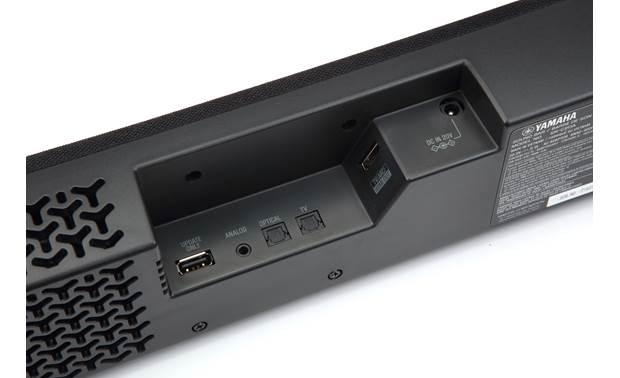
The Yamaha focuses primarily on Bluetooth connectivity with version 5.0, which provides stable connections and good audio quality for music streaming. It includes optical inputs for TV connection but lacks HDMI entirely. This isn't necessarily a problem—optical can carry Dolby Digital and DTS audio just fine—but it means you're limited to older surround formats and can't take advantage of newer lossless audio streams.
This is where the release date difference really shows. The Klipsch Flexus Core 200 includes Dirac Live room correction, a sophisticated system that analyzes your room's acoustics and adjusts the soundbar's output accordingly. Using the Klipsch Connect Plus app, you place your phone's microphone at your listening position, and the system plays test tones to measure how sound reflects off your walls, ceiling, and furniture.
Dirac Live then creates a custom EQ curve that compensates for your room's acoustic signature. If your room has a bass peak at 80Hz due to its dimensions, Dirac Live will reduce the soundbar's output at that frequency. If dialogue gets muddy due to reflections, the system can sharpen the midrange response. It's like having an audio engineer tune your soundbar specifically for your space.
The app also provides manual EQ controls, preset sound modes for different content types, and the ability to adjust individual speaker levels. You can fine-tune the height channel volume, boost the center channel for clearer dialogue, or adjust the subwoofer level for your preference.
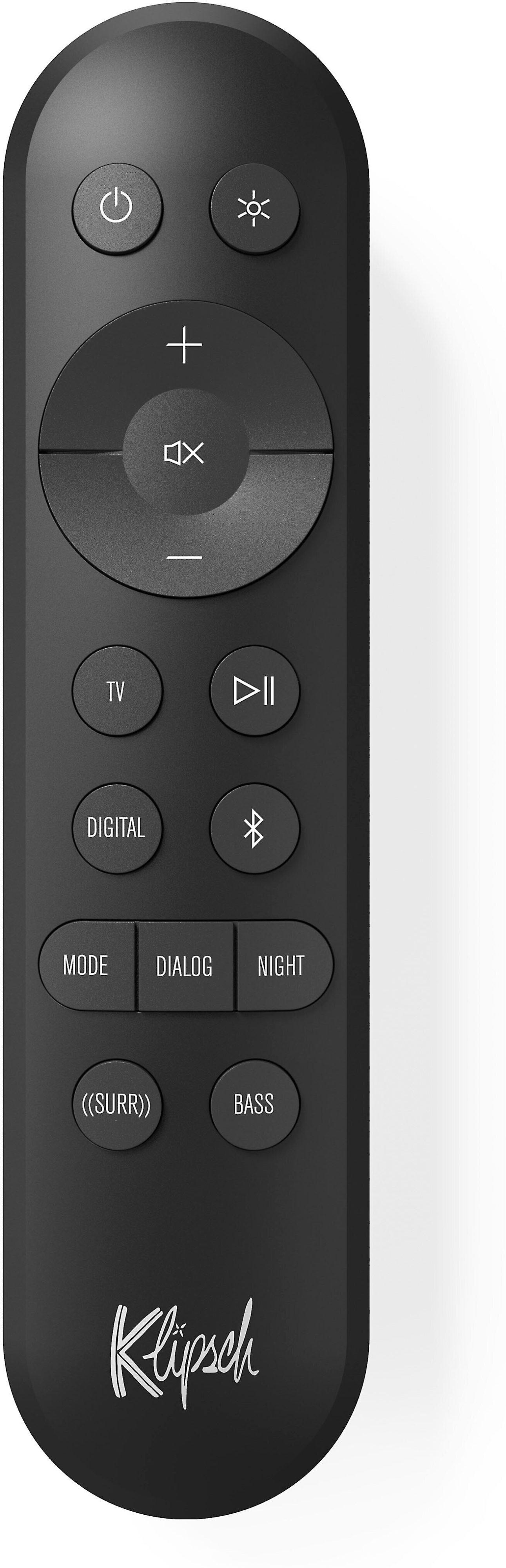
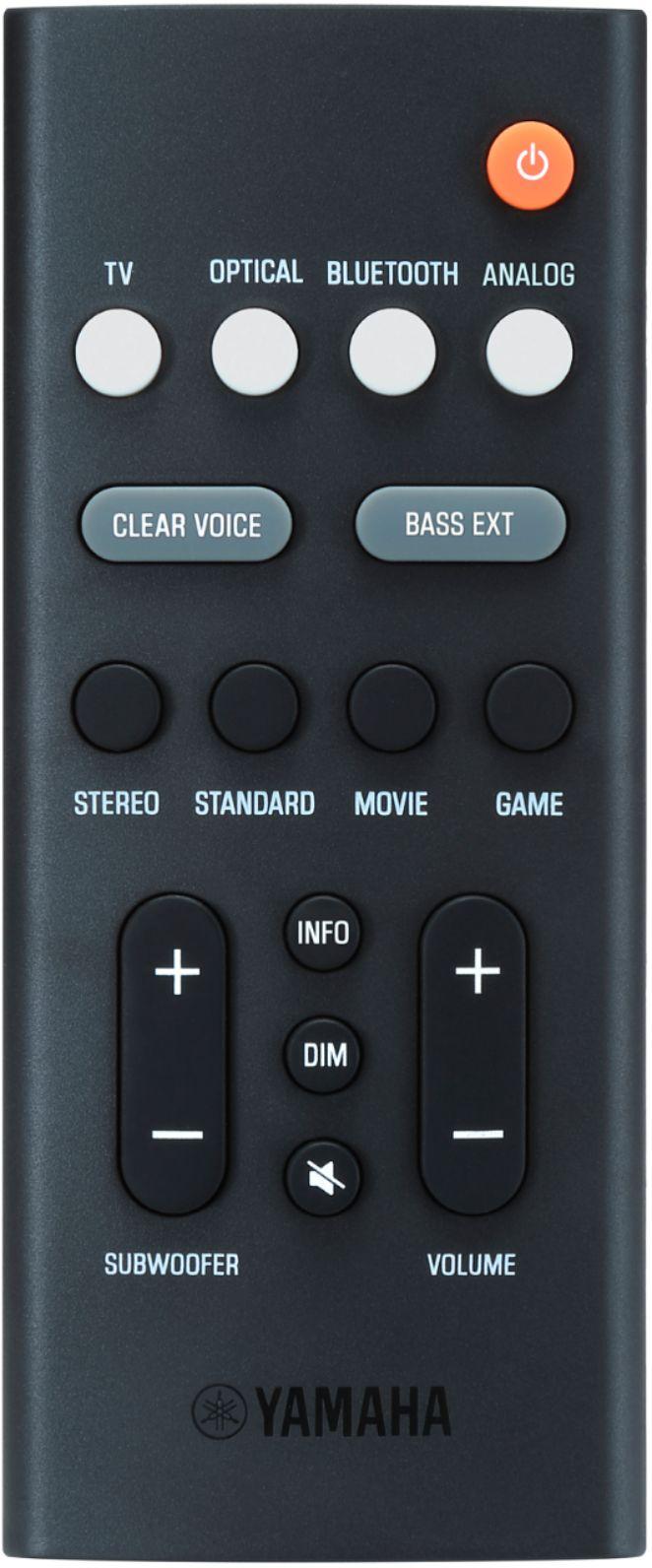
The Yamaha SR-C20A takes a much simpler approach with four preset sound modes: Stereo for music, Standard for TV, Movie for enhanced surround effects, and Game for spatial awareness in gaming. There's no app, no room correction, and no manual adjustments beyond these presets and basic volume/bass controls on the remote.
One of the Klipsch Flexus Core 200's strongest selling points is its modular design. Using Klipsch Transport wireless technology (based on WiSA standards), you can add the Flexus Sub 100 wireless subwoofer for deeper bass impact, or the Flexus Surr 100 wireless surround speakers for true rear-channel effects.
This expandability is genuinely valuable. You might start with just the soundbar to improve your TV audio, then add the wireless subwoofer when you want more bass impact, and finally complete the system with rear speakers for full surround sound. Each addition connects wirelessly without running cables, and the system automatically configures itself.
The wireless technology operates in the 5GHz band with dedicated audio channels, which means less interference from your WiFi network and more reliable connections than standard Bluetooth. The latency is low enough that you won't notice any delay between video and audio, which can be a problem with some wireless audio systems.
The Yamaha SR-C20A is a complete, non-expandable system. What you buy is what you get, which has advantages and disadvantages. The advantage is simplicity—no decisions about future upgrades, no additional components to manage. The disadvantage is that if you want better performance later, you'll need to replace the entire soundbar rather than adding components.
In my experience testing both soundbars, the differences become most apparent with specific types of content. For dialogue-heavy shows like news programs or character dramas, both soundbars perform well. The Yamaha's Clear Voice technology is particularly effective here, making speech more intelligible even when there's background music or effects.
However, when you switch to action movies or immersive gaming, the Klipsch Flexus Core 200 pulls significantly ahead. The height channels create genuine overhead effects that virtual processing simply can't match. In a movie like "Top Gun: Maverick," you'll hear jet engines pass overhead with convincing three-dimensional placement. The Yamaha's virtual processing creates a wider soundstage, but it can't create that vertical dimension.
For music listening, the Klipsch's aluminum cone drivers and wider frequency response provide better detail and dynamics. Music sounds more natural and less processed, with better separation between instruments. The Yamaha is perfectly adequate for casual music listening, but it's clearly optimized for TV audio rather than high-quality music reproduction.
If you're building a dedicated home theater, the Klipsch Flexus Core 200 is the clear choice despite its higher price. The true Dolby Atmos implementation, expandability options, and room correction technology make it a proper foundation for a serious home theater system.
The ability to add wireless surrounds and subwoofers means you can create a full 5.1.2 or even 7.1.2 system without running speaker wires around your room. The Dirac Live room correction becomes even more valuable in a dedicated theater space, where acoustic treatment and speaker placement optimization can make dramatic differences in sound quality.
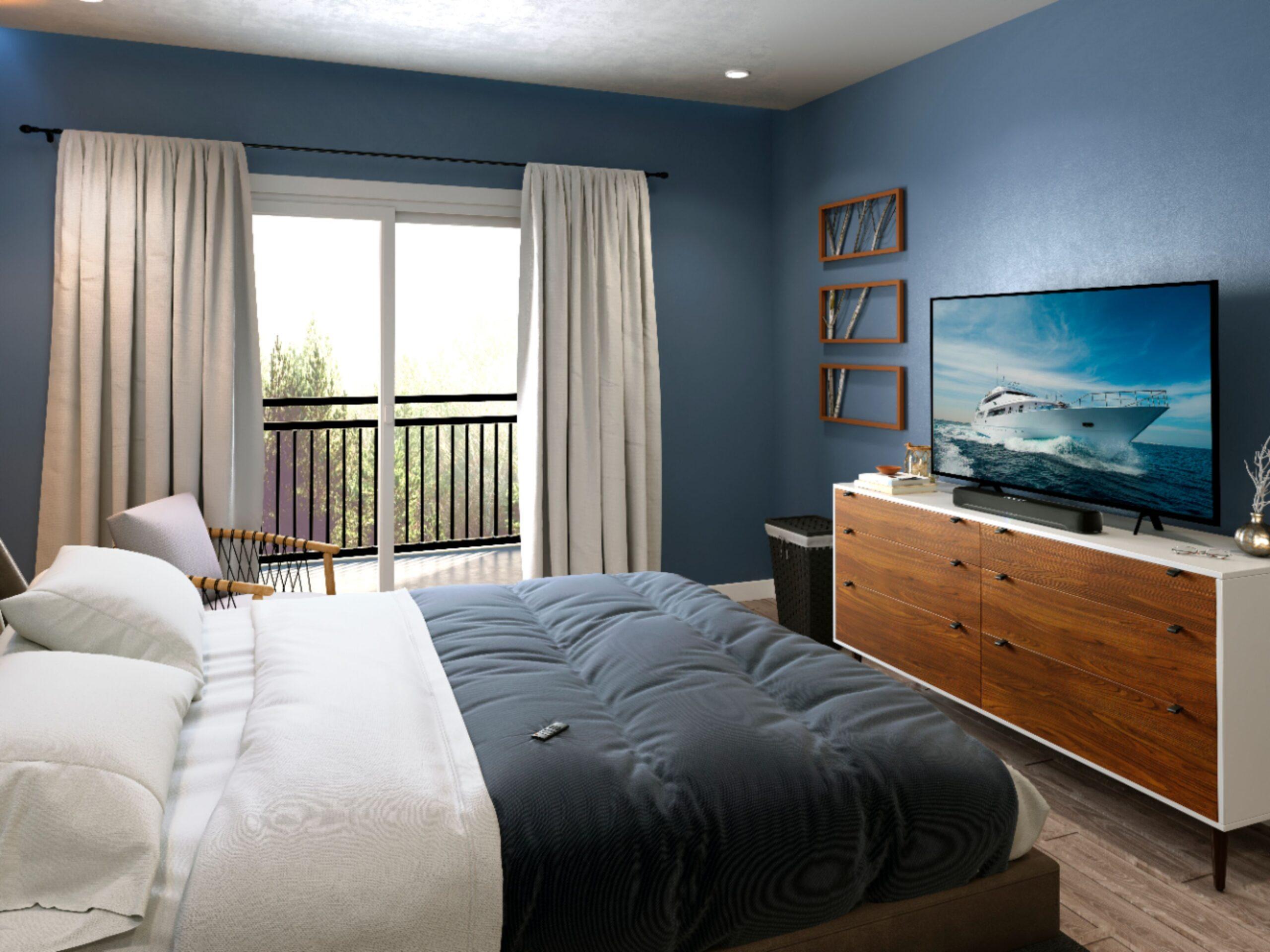
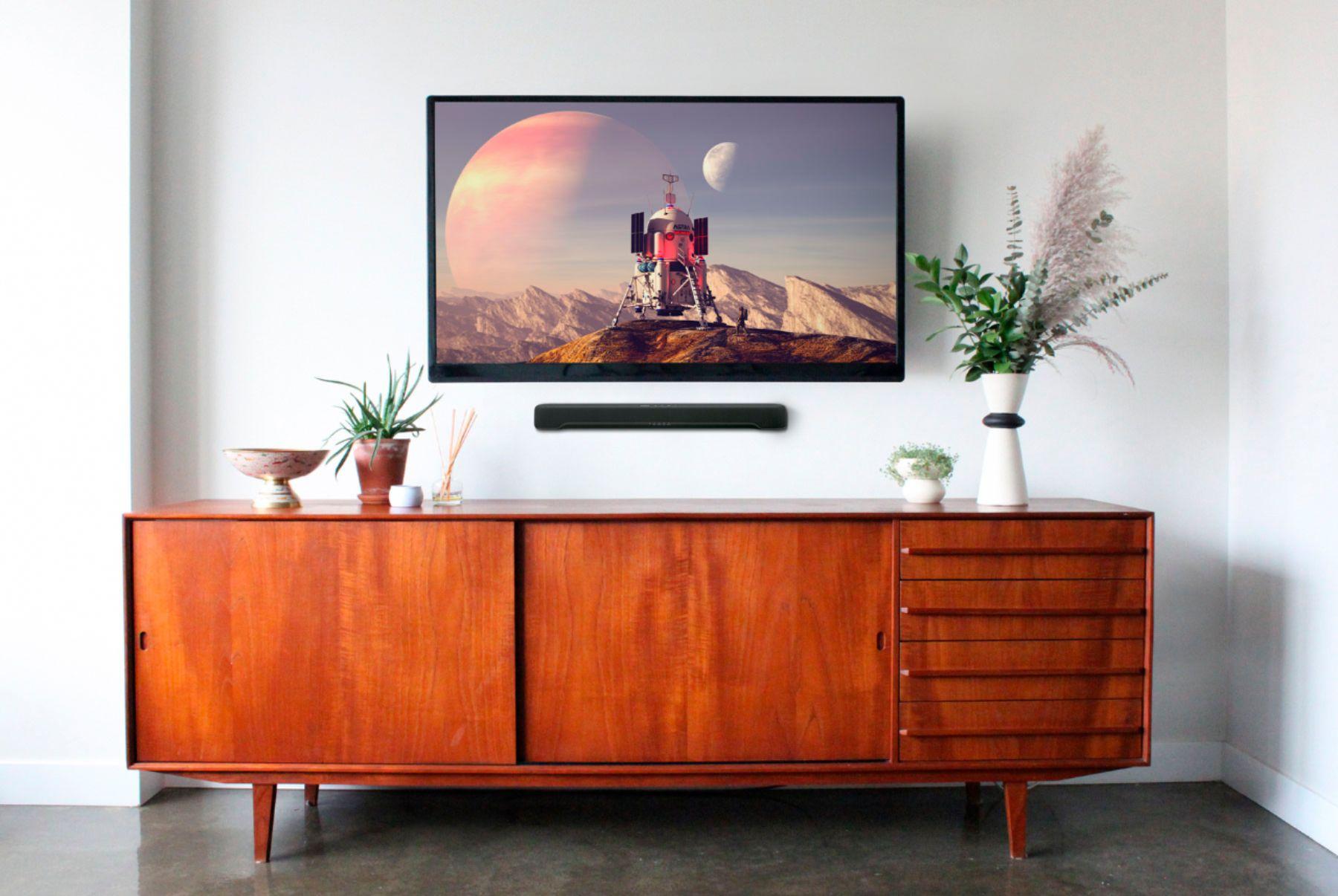
For casual TV watching in a living room or bedroom, the Yamaha SR-C20A offers a much simpler path to better audio. Its compact size, easy setup, and focus on dialogue clarity make it ideal for everyday TV viewing without the complexity of a full home theater system.
Choosing between these soundbars comes down to understanding what you actually need and how you plan to use your system. The Klipsch Flexus Core 200 ($369) offers dramatically better performance, genuine Dolby Atmos, and room for future expansion. It's the better choice if you have a medium to large room, watch a lot of movies, or plan to build a more complete audio system over time.
The Yamaha SR-C20A ($200-250) provides solid value for users who want simple improvement over TV speakers without complexity or high cost. It's perfect for smaller rooms, casual viewing, or situations where you just want better dialogue clarity without investing in a full home theater experience.
Consider your room size, viewing habits, and future plans. If you're the type of person who researches audio equipment and reads articles like this one, you'll probably appreciate the Klipsch's advanced features and expansion possibilities. If you just want to plug something in and immediately get better TV audio, the Yamaha's simplicity might be exactly what you need.
Both soundbars succeed at their intended purposes—they're just designed for different users with different priorities. The key is being honest about which category you fall into.
| Klipsch Flexus Core 200 ($369) | Yamaha SR-C20A ($200-250) |
|---|---|
| Audio Technology - Determines immersion level and spatial effects | |
| True Dolby Atmos 3.1.2 with physical height channels | Virtual surround processing (no height channels) |
| Bass System - Critical for movie impact and music fullness | |
| Dual 4" built-in subwoofers (43Hz-20kHz response) | Single 3" subwoofer + passive radiators |
| Power Output - Affects volume capability and room size compatibility | |
| 185W RMS (99.8dB max output) | 100W total (60W sub, 40W mains) |
| Connectivity - Determines device compatibility and audio quality | |
| HDMI eARC, USB-C, Optical, Bluetooth | Bluetooth 5.0 only (no HDMI or optical) |
| Size & Room Fit - Must match your space and TV setup | |
| 44" wide, 18.7 lbs (medium/large rooms) | 24" wide, 3.9 lbs (small rooms/bedrooms) |
| Expandability - Future upgrade options without replacing entire system | |
| Wireless surrounds and subwoofers via Klipsch Transport | Non-expandable (complete replacement needed for upgrades) |
| Setup Complexity - Time investment vs. optimized performance | |
| App-based Dirac Live room correction and EQ controls | Plug-and-play with 4 preset sound modes |
| Release Date - Indicates technology generation and feature maturity | |
| 2024 (latest audio processing and wireless tech) | 2022 (proven reliability, older connectivity) |
The Klipsch Flexus Core 200 ($369) is significantly better for large rooms with its 185W power output and 44-inch width. Its dual 4-inch subwoofers and higher maximum volume (99.8dB) can fill larger spaces effectively. The Yamaha SR-C20A ($200-250) is designed for small to medium rooms and may struggle with volume and bass in larger spaces.
If you watch movies frequently or want immersive gaming audio, the Klipsch Flexus Core 200 with true Dolby Atmos provides genuine overhead effects that virtual surround cannot match. The Yamaha SR-C20A uses virtual processing which works well for TV shows and casual viewing but lacks the three-dimensional sound placement of physical Atmos speakers.
The Klipsch Flexus Core 200 has much stronger bass with dual 4-inch built-in subwoofers that reach down to 43Hz. The Yamaha SR-C20A has a single 3-inch subwoofer with passive radiators that provides adequate bass for its size but cannot match the Klipsch's low-end impact and authority.
Only the Klipsch Flexus Core 200 supports expansion with wireless surround speakers and additional subwoofers through Klipsch Transport technology. The Yamaha SR-C20A is a complete, non-expandable system, so you'd need to replace the entire soundbar to upgrade your audio setup.
The Yamaha SR-C20A offers simpler plug-and-play setup with just four preset sound modes and basic controls. The Klipsch Flexus Core 200 requires app-based room calibration using Dirac Live technology for optimal performance, making it more complex but ultimately better-optimized for your specific room.
The Klipsch Flexus Core 200 ($369) costs about $120-170 more than the Yamaha SR-C20A ($200-250). The price difference gets you true Dolby Atmos, much more powerful bass, room correction technology, and expandability options. It's worth it if you want premium features and future upgrade flexibility.
Both excel at dialogue but through different approaches. The Klipsch Flexus Core 200 uses a dedicated horn-loaded tweeter and center channel for crystal-clear speech. The Yamaha SR-C20A features Clear Voice technology that specifically enhances dialogue frequencies. Both provide significant improvement over TV speakers.
The Yamaha SR-C20A connects via Bluetooth only, limiting compatibility with older TVs that lack Bluetooth. The Klipsch Flexus Core 200 includes optical input for older TVs plus HDMI eARC for newer models, making it more universally compatible with different TV generations.
The Klipsch Flexus Core 200 provides better music performance with its aluminum cone drivers, wider frequency response (43Hz-20kHz), and more balanced sound signature. The Yamaha SR-C20A is optimized primarily for TV audio and offers adequate but not exceptional music reproduction.
The Klipsch Flexus Core 200 supports HDMI-CEC control through its eARC connection, allowing TV remote operation. The Yamaha SR-C20A doesn't have HDMI connectivity, so you'll need to use its included remote or the manufacturer's app for control.
The Yamaha SR-C20A is specifically designed for small spaces with its compact 24-inch width and 3.9-pound weight. It provides adequate performance improvement without overwhelming smaller rooms. The Klipsch Flexus Core 200 at 44 inches wide may be too large for very small apartments or bedrooms.
The Klipsch Flexus Core 200 is excellent for home theater with true Dolby Atmos, room correction, and the ability to expand into a full 5.1.2 system. The Yamaha SR-C20A is better suited for casual TV viewing rather than dedicated home theater use, lacking the immersive features and expansion capabilities needed for serious movie watching.
We've done our best to create useful and informative comparisons to help you decide what product to buy. Our research uses advanced automated methods to create this comparison and perfection is not possible - please contact us for corrections or questions. These are the sites we've researched in the creation of this article: soundandvision.com - avnirvana.com - avsforum.com - cnet.com - klipsch.com - klipsch.com - youtube.com - assets.klipsch.com - klipsch.com - worldwidestereo.com - klipsch.com - crutchfield.com - digitaltrends.com - t3.com - usa.yamaha.com - radiotimes.com - shop.usa.yamaha.com - whathifi.com - hifiheaven.net - usa.yamaha.com - sweetwater.com - hub.yamaha.com - bestbuy.com

Privacy Policy
Terms and Conditions - Affiliate Policy
Home Security
© Copyright 2008-2026.
11816 Inwood Rd #1211, Dallas, TX 75244