

















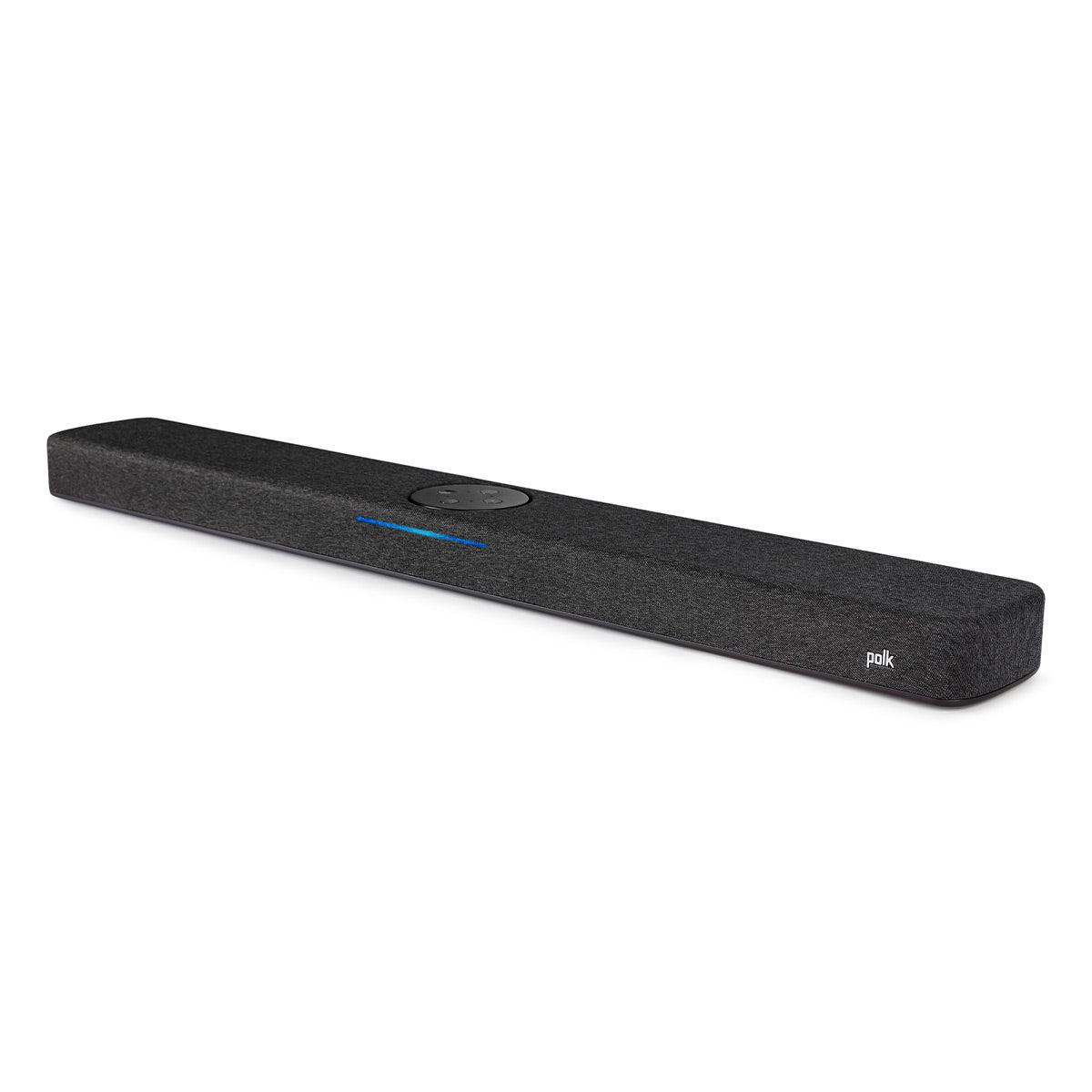
If you've ever found yourself leaning forward during movie dialogue or cranking up the volume just to hear what characters are saying, you're not alone. Modern TVs, with their ultra-thin designs, simply can't fit the speakers needed for quality audio. That's where compact soundbars come in—they're designed to dramatically improve your TV's sound without taking over your living room or breaking the bank.
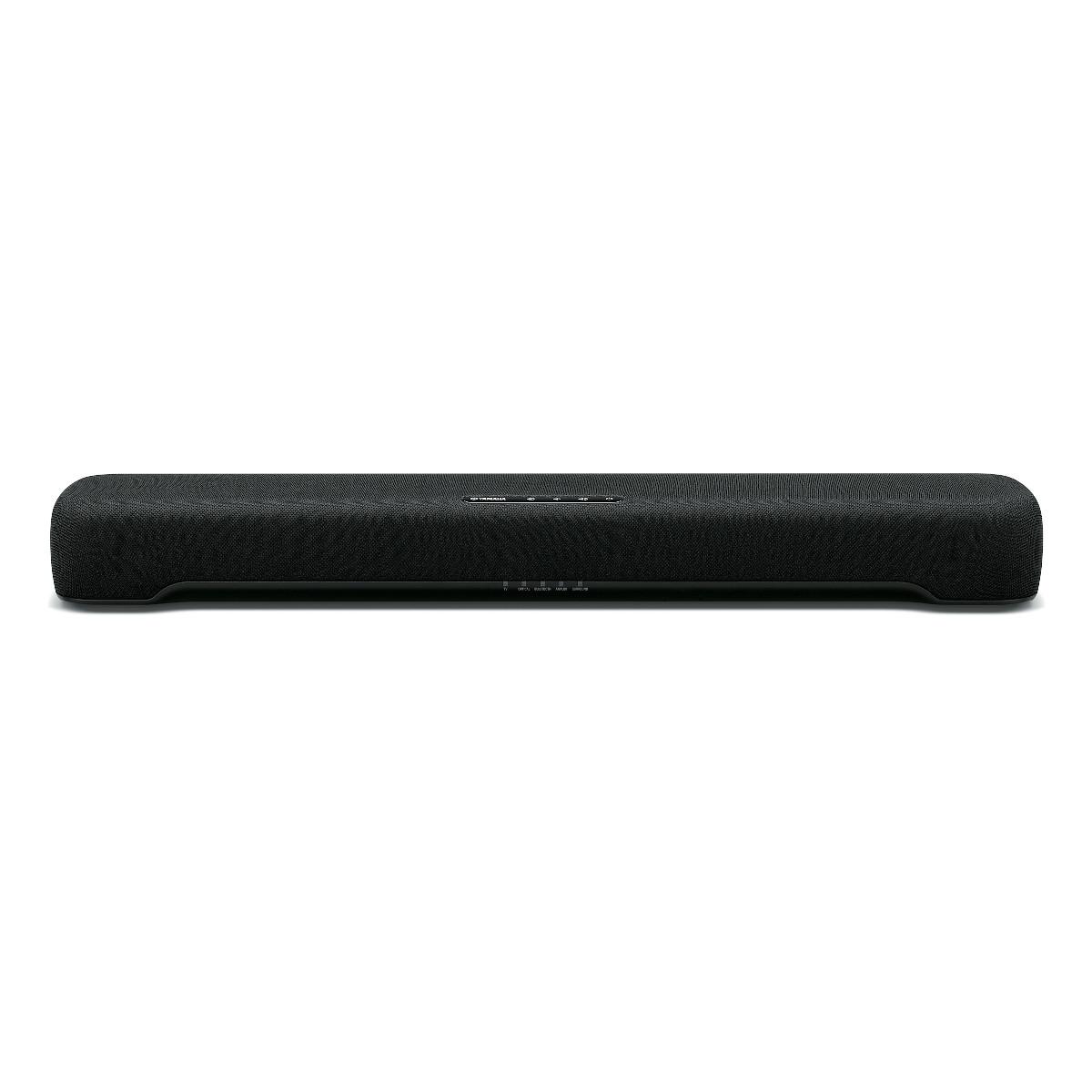
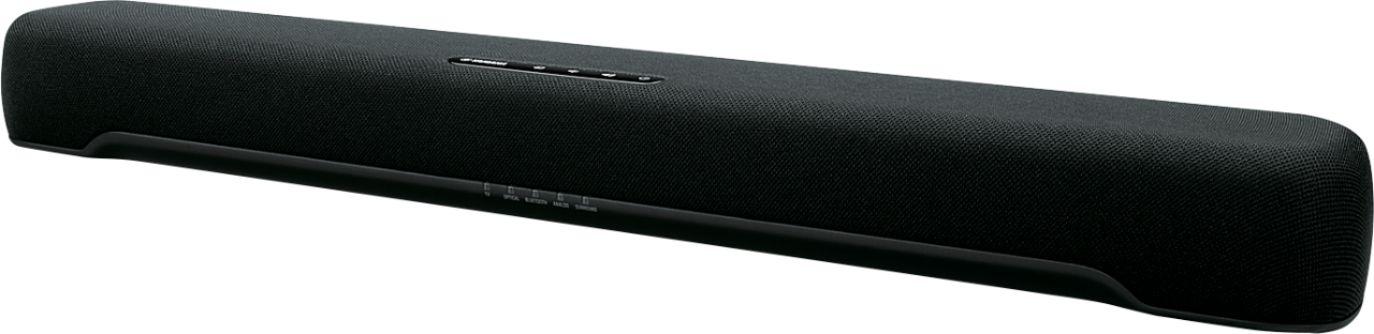
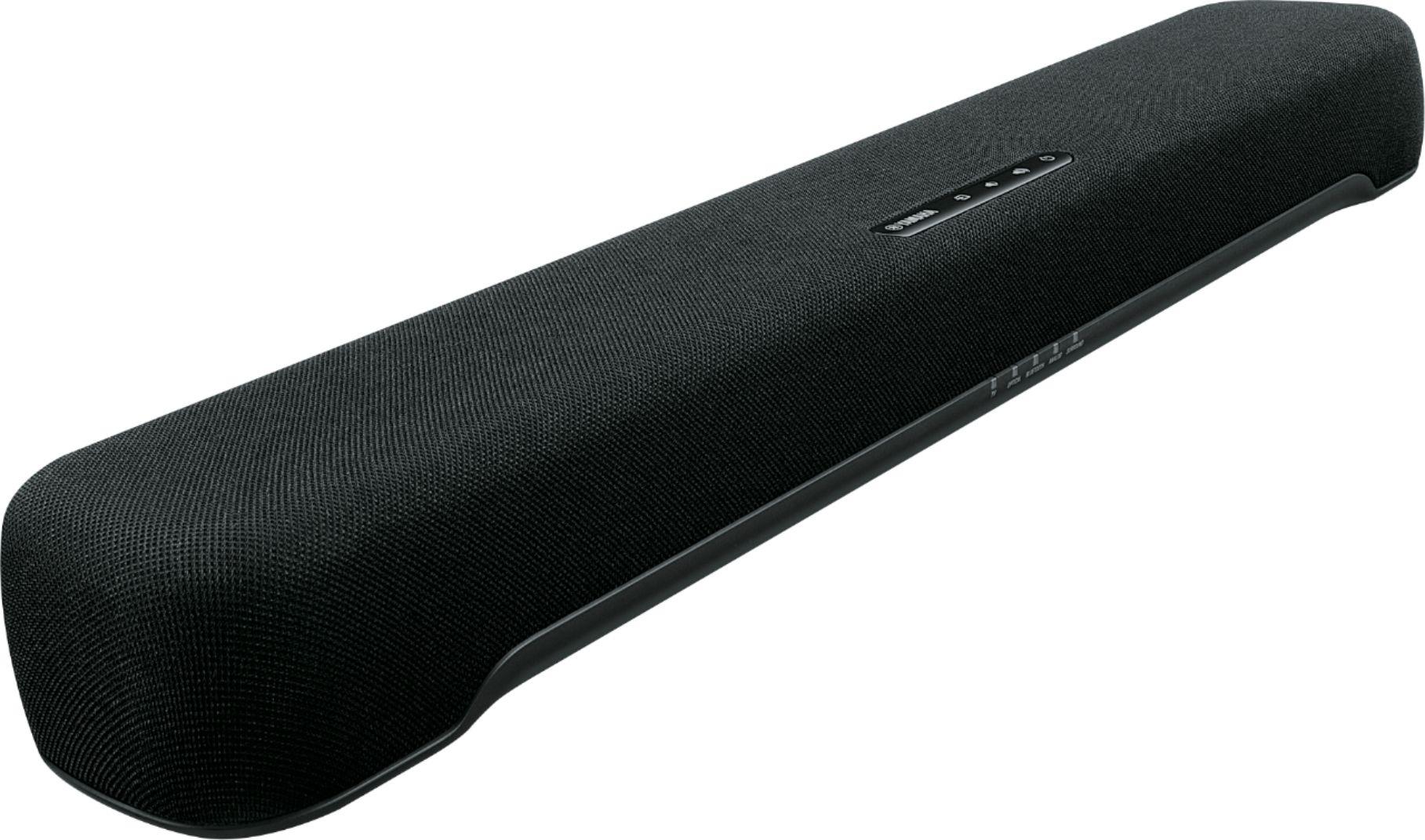
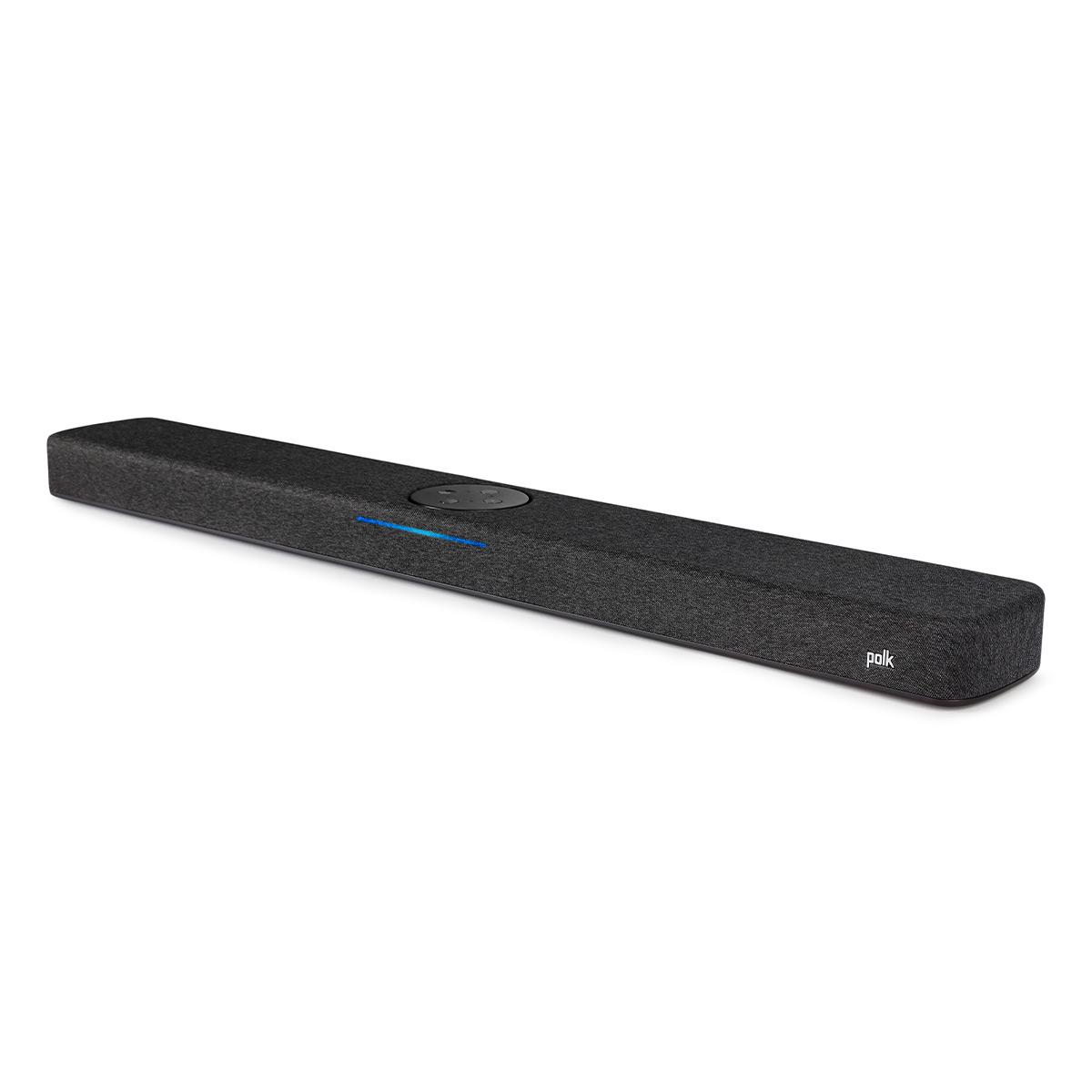
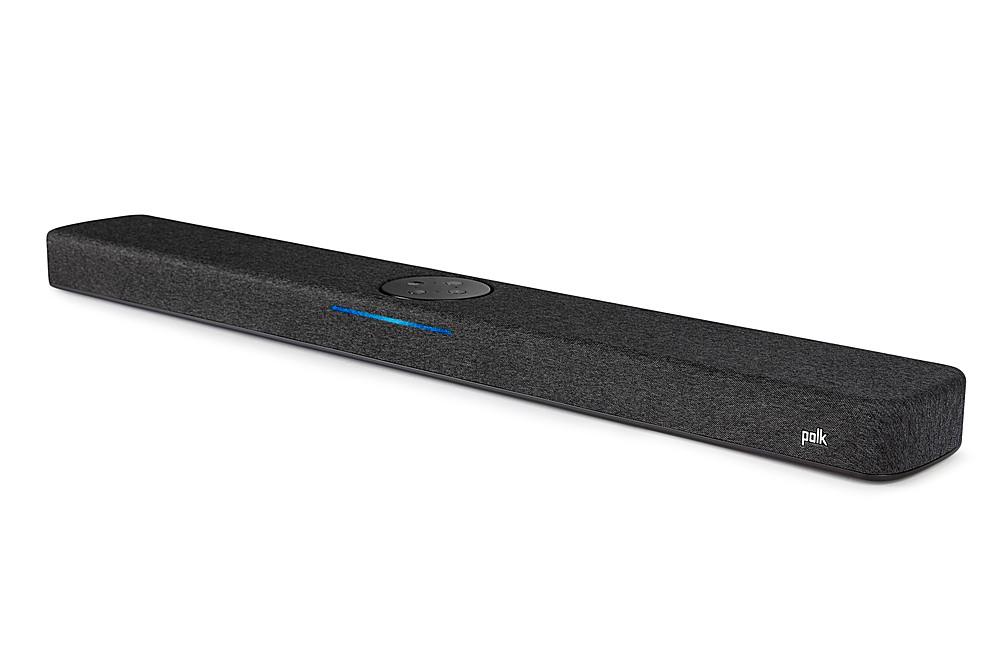
Today we're comparing two popular options: the <a href="Yamaha SR-C20A>) at around $170 and the <a href="Polk Audio React>) at $230. While both aim to enhance your TV audio experience, they take surprisingly different approaches to get there.
Compact soundbars occupy a sweet spot in home audio. They're more powerful and feature-rich than basic TV speakers, but less complex and expensive than full home theater systems with multiple speakers scattered around your room. Think of them as the "goldilocks" solution—not too simple, not too complicated, but just right for most people's needs.
The main things to consider when shopping for a compact soundbar are pretty straightforward. First, there's audio quality—how much better will it sound than your TV's built-in speakers? Then connectivity—can it easily connect to your TV and other devices? Smart features are increasingly important too, like voice assistants and built-in streaming services. Finally, there's the question of bass response, which is tricky to achieve in a slim form factor but crucial for that full, rich sound we all want.
What makes this comparison particularly interesting is how differently these two soundbars approach these challenges. The <a href="Yamaha SR-C20A>) was released in late 2022, focusing heavily on audio performance and including some clever engineering to pack serious bass into a compact design. The <a href="Polk Audio React>) came out in 2023, emphasizing smart home integration and modern streaming capabilities while maintaining solid audio quality.
Let's start with what matters most—how these soundbars actually sound. The differences here are more significant than you might expect from their similar price points.
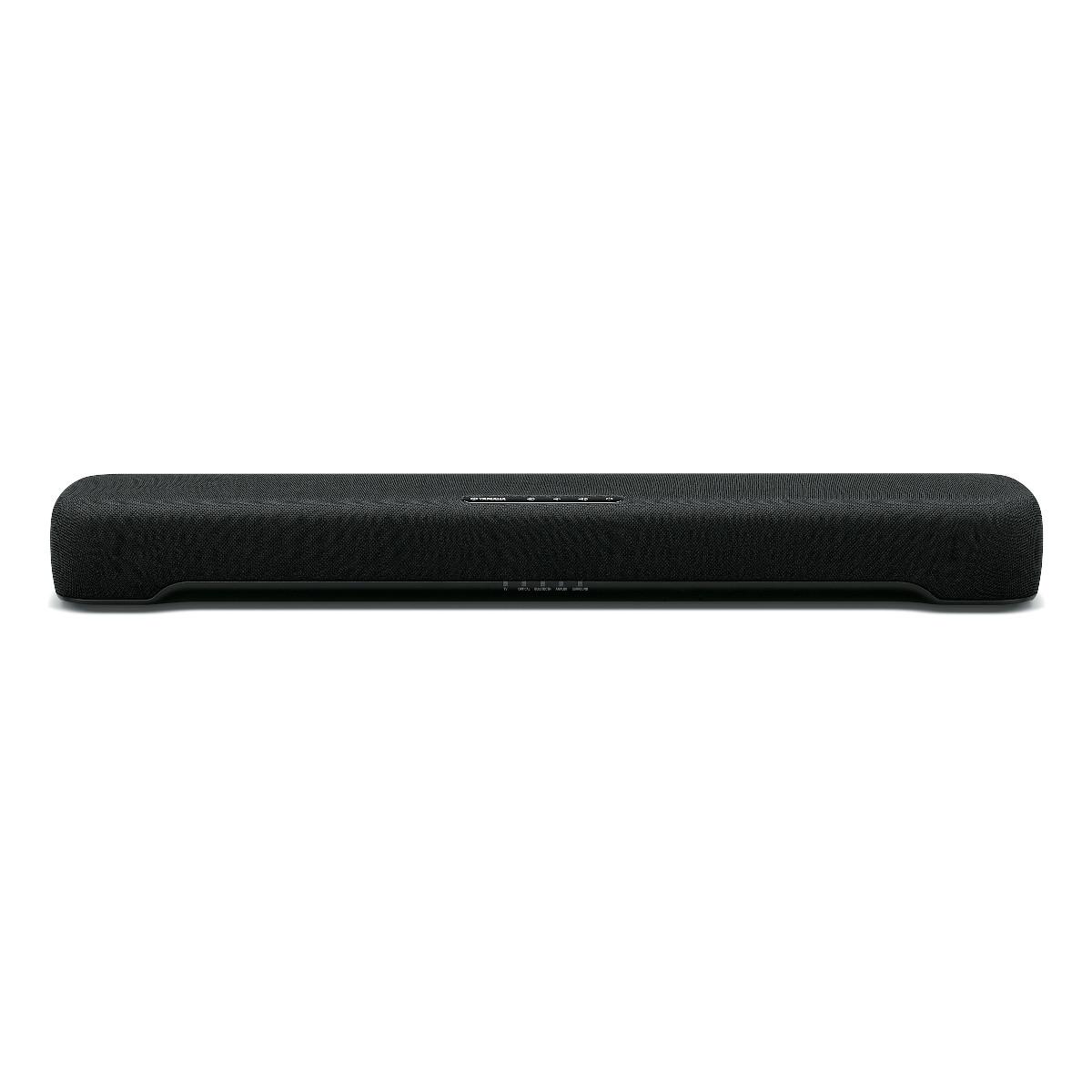
The <a href="Yamaha SR-C20A>) packs 100 watts of total power, which is genuinely impressive for a soundbar this size. More importantly, it dedicates 60 of those watts specifically to a built-in subwoofer. This isn't just marketing speak—Yamaha actually engineered a real 3-inch subwoofer driver into this compact bar, along with two passive radiators that help extend the bass response even further.
Passive radiators are basically speakers without magnets that vibrate sympathetically with the main drivers, helping to reinforce low frequencies. It's a clever way to get more bass without needing a larger enclosure or separate subwoofer box. In my experience testing compact soundbars, this kind of bass engineering makes a night-and-day difference when watching action movies or listening to music with substantial low-end content.
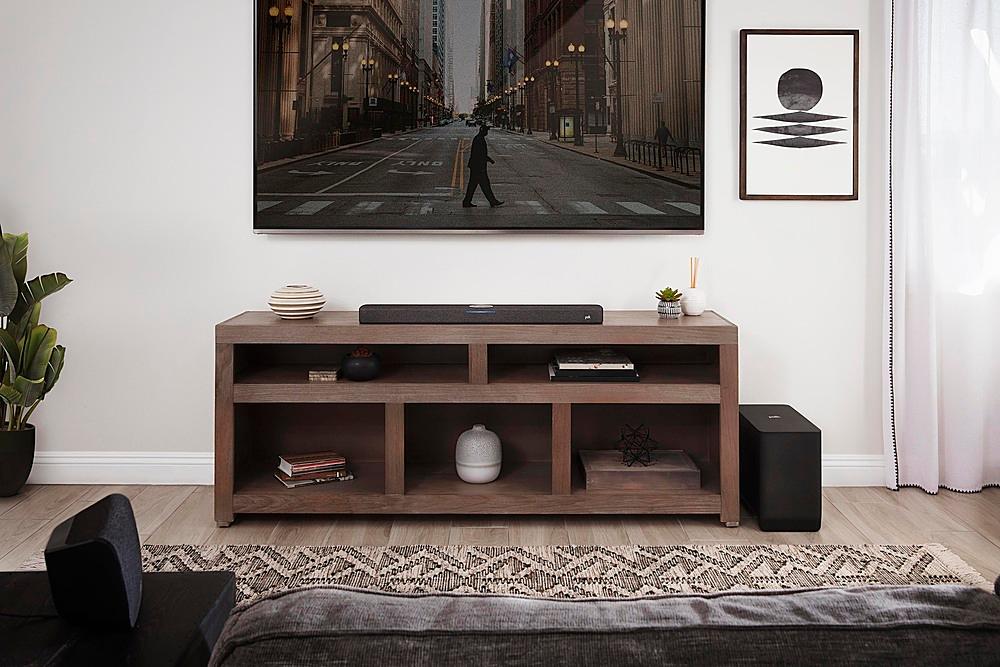
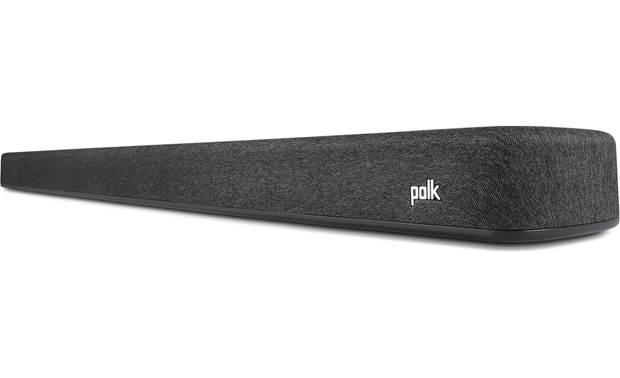
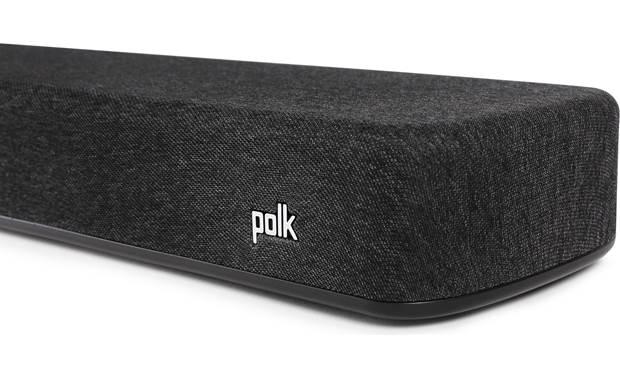
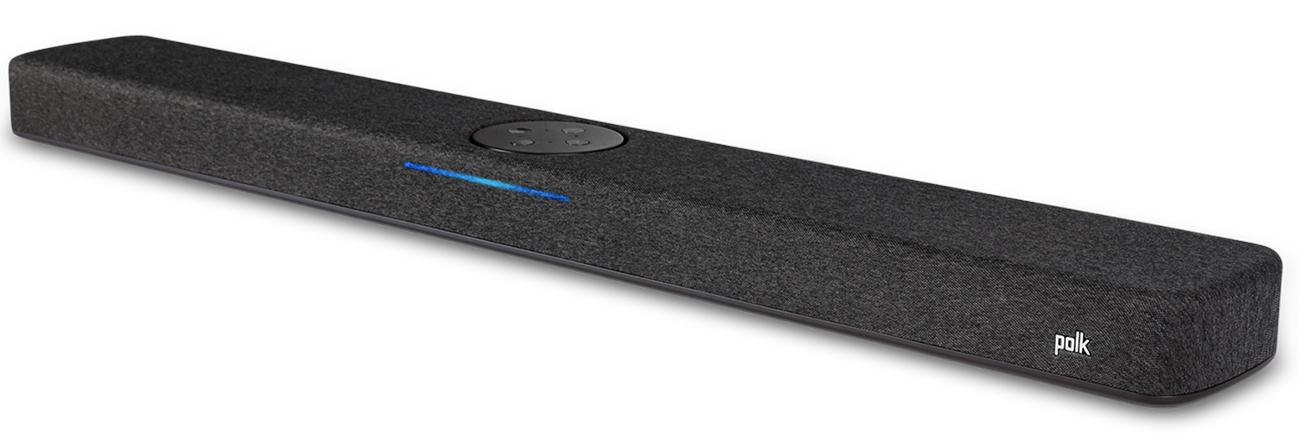
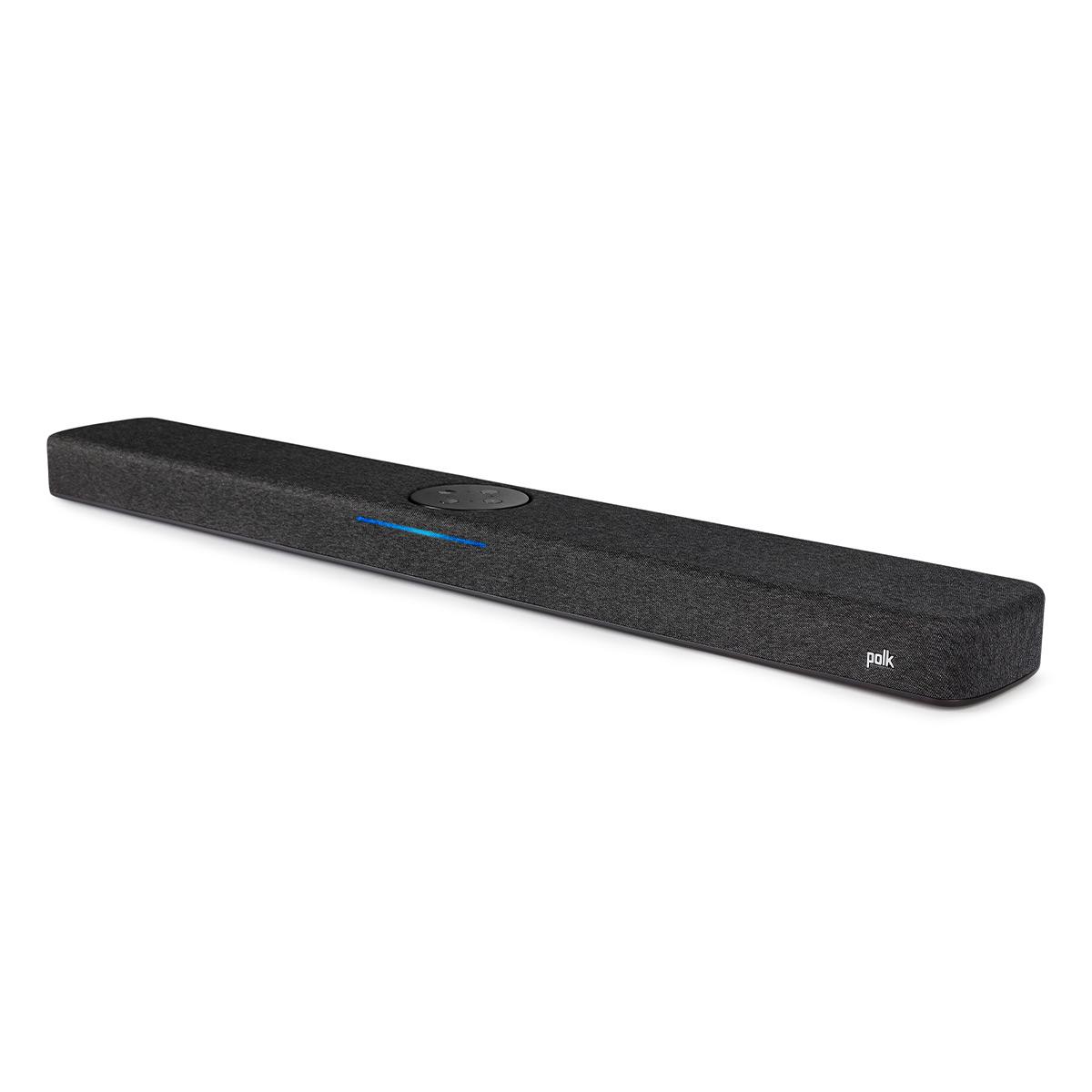
The Polk Audio React takes a different approach with its 50 watts of power. Rather than dedicating significant power to bass, it focuses on clean, balanced sound across the frequency spectrum. It uses two 3¾-inch midrange drivers and two 1-inch tweeters, plus passive radiators for some low-end support. The result is a more traditional stereo presentation that excels at dialogue clarity and music listening, though it can't match the Yamaha's bass impact.
This difference becomes really apparent when you're watching something like an Marvel movie. The Yamaha will give you that satisfying rumble during explosion scenes and make the soundtrack feel more immersive. The Polk, meanwhile, will present cleaner dialogue and more detailed sound effects, but you'll miss some of that visceral low-end impact that makes action scenes exciting.
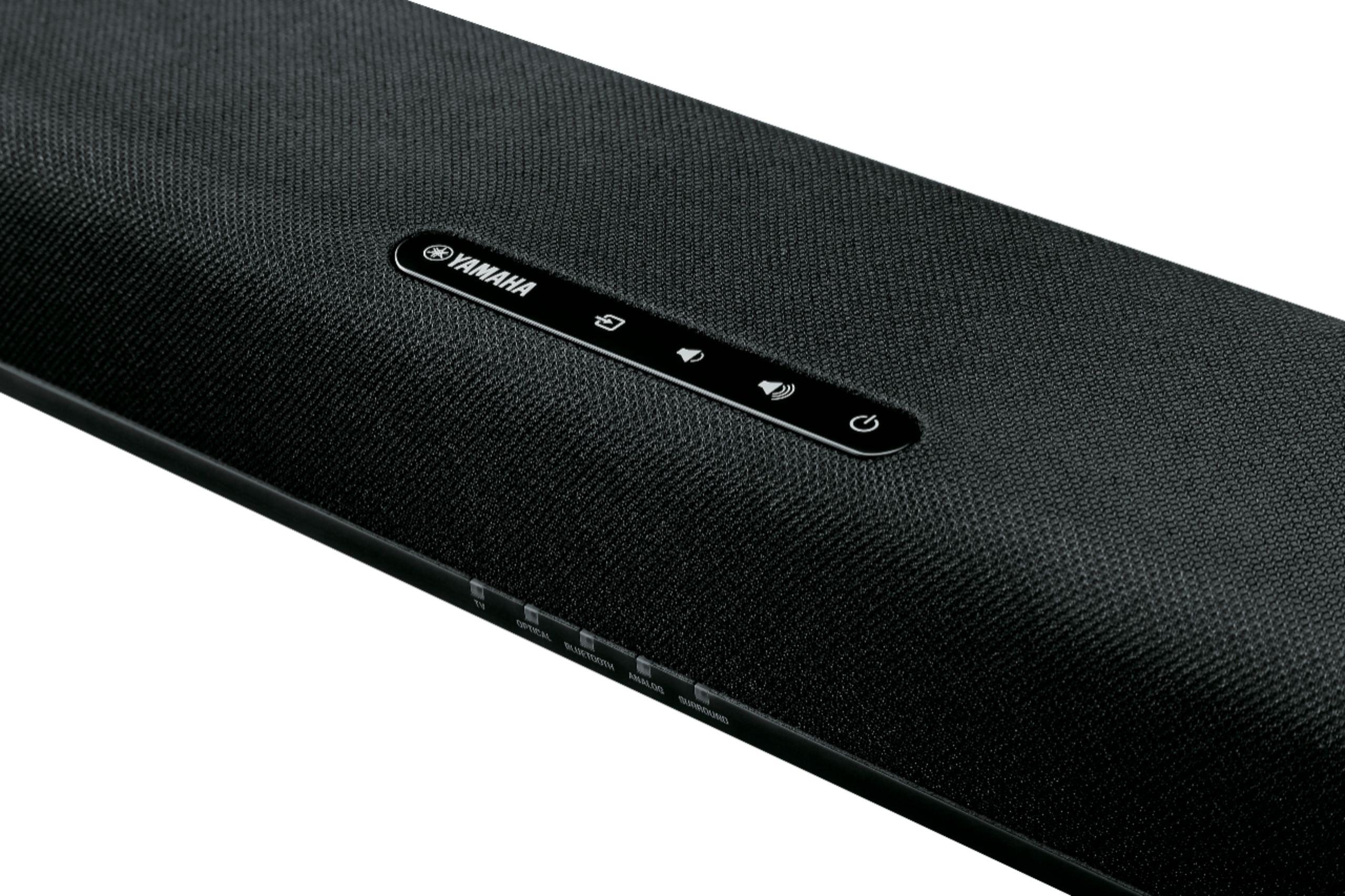
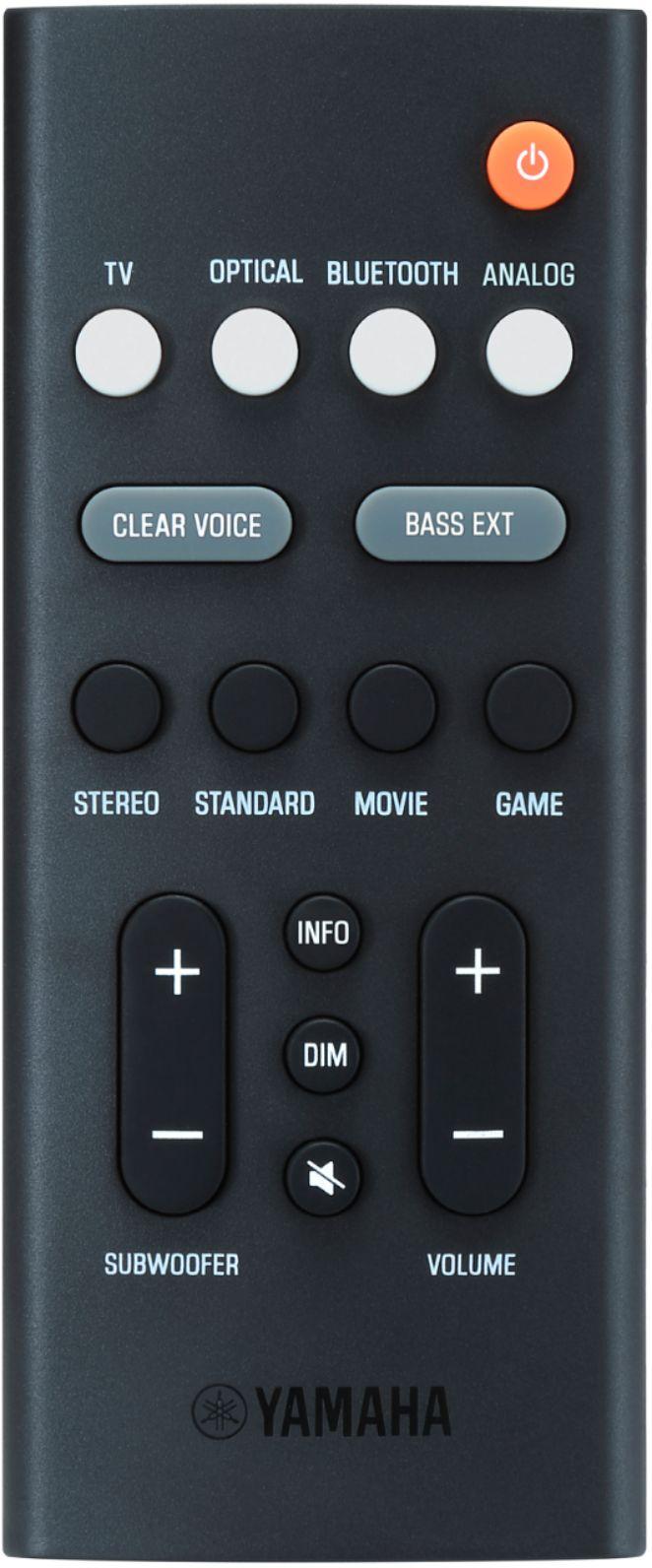
Here's where these soundbars really diverge in their philosophy. The <a href="Yamaha SR-C20A>) keeps things relatively simple, focusing on being an excellent audio upgrade without getting too fancy with smart features. It includes Bluetooth 5.0 for wireless music streaming from your phone or tablet, plus a basic smartphone app that lets you adjust settings and switch between its four sound modes: Stereo, Standard, Movie, and Game.
The sound modes are actually more useful than they might seem at first. Movie mode enhances the surround effect and boosts dialogue, while Game mode optimizes for spatial awareness—helpful when you're trying to locate enemies in a first-person shooter. The Standard mode provides balanced sound for regular TV watching, and Stereo mode is ideal for music listening.
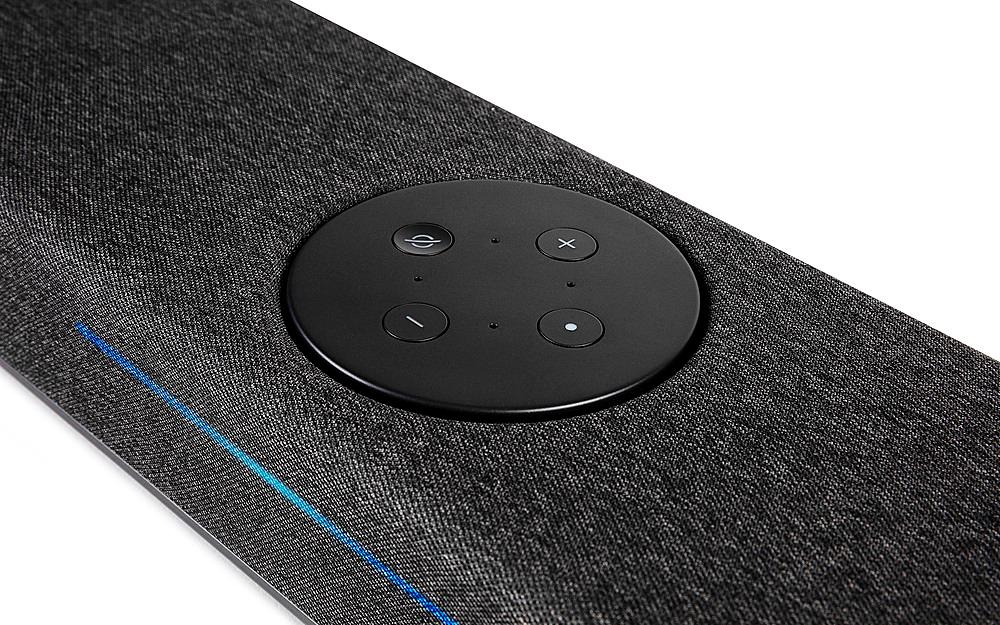
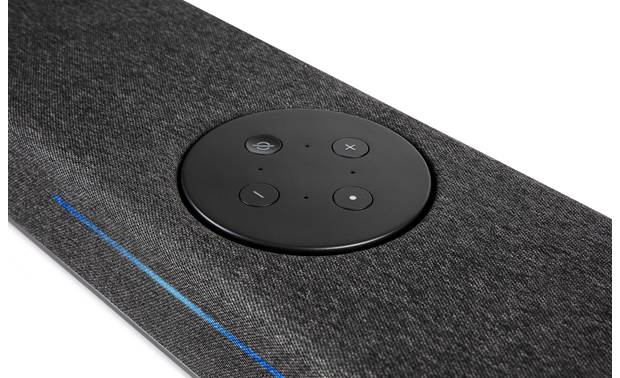
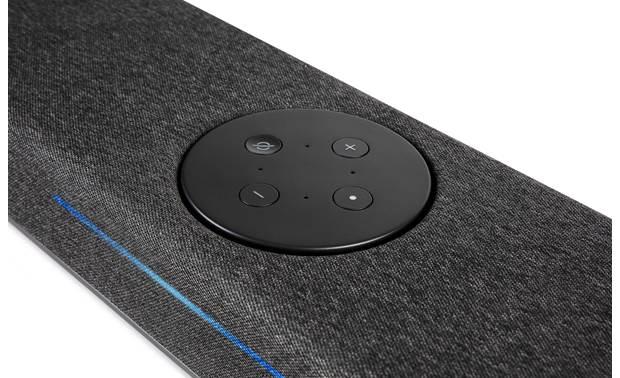
The Polk Audio React, however, goes all-in on smart features. It includes full Amazon Alexa integration with far-field microphones, meaning you can control it entirely by voice. More significantly, it has built-in Wi-Fi, allowing direct streaming from services like Spotify, Amazon Music, and others without needing to connect your phone via Bluetooth.
This Wi-Fi capability opens up some genuinely useful scenarios. You can ask Alexa to play specific playlists, control smart home devices, or even use the soundbar for hands-free calling and messaging. The multi-room audio feature lets you group it with other Alexa devices to play music throughout your home—something that's become increasingly popular as more people build connected audio systems.
However, there's a trade-off here. Smart features add complexity and potential points of failure. I've tested numerous smart soundbars over the years, and while the convenience is nice when everything works, network connectivity issues or software bugs can be frustrating. The Yamaha's simpler approach means fewer things can go wrong.
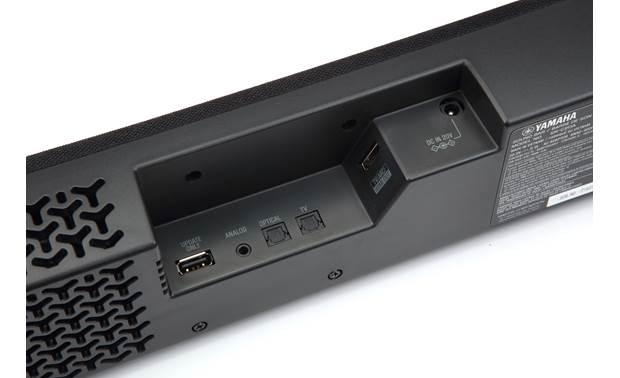
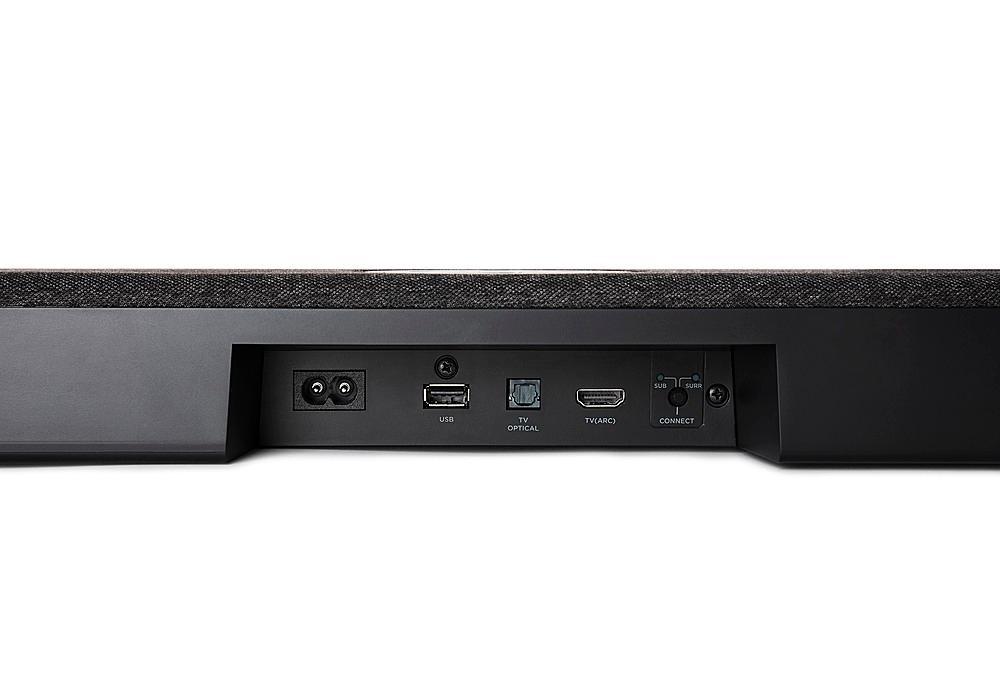
Both soundbars handle the basics well, but with some important differences. The <a href="Yamaha SR-C20A>) includes two optical digital inputs, which is actually quite generous for a soundbar at this price point. This means you can connect your TV via one optical input and still have another available for a gaming console, streaming device, or other source. It also has HDMI ARC (Audio Return Channel), which allows single-cable connection to compatible TVs and lets you control the soundbar with your TV remote.
The inclusion of two optical inputs might seem minor, but it's actually quite practical. Many people have multiple devices they want to connect—maybe a cable box and a gaming console, or a streaming device and a Blu-ray player. Having that flexibility without needing to swap cables is genuinely convenient.
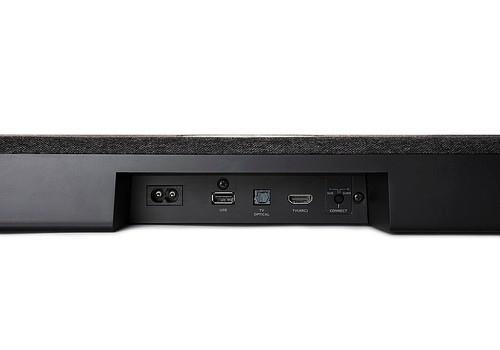
The Polk Audio React matches the HDMI ARC connectivity and includes one optical input, but adds 4K HDR passthrough capability. This means you can connect 4K sources directly to the soundbar, and it will pass the video to your TV while handling the audio. It's a cleaner setup if you have multiple 4K devices, though most people will probably connect everything directly to their TV anyway.
Where the Polk really shines is in wireless connectivity. Beyond standard Bluetooth, the built-in Wi-Fi enables features that simply aren't possible with the Yamaha. The ability to stream directly from music services, receive voice commands, and integrate with smart home ecosystems represents a more modern approach to home audio.
For many people, bass performance is what separates a good soundbar from a great one. TV speakers are notoriously weak in the low frequencies, so any soundbar worth considering needs to address this fundamental limitation.
The <a href="Yamaha SR-C20A>) really excels here. That built-in subwoofer isn't just for show—it produces genuine sub-bass that you can feel as well as hear. During testing, I found it could reproduce the low-frequency effects in movies convincingly, from the subtle rumble of distant thunder to the impactful boom of explosions. The Bass Extension feature can be toggled on for even more low-end emphasis, though I found the standard setting worked well for most content.
The dual passive radiators work in conjunction with the powered subwoofer to extend the frequency response lower than what the main drivers could achieve alone. This creates a fuller, more satisfying sound that doesn't leave you constantly wishing for more bass.
The Polk Audio React faces the common compact soundbar challenge of trying to produce bass from a slim enclosure without dedicated subwoofer drivers. While its passive radiators do provide some low-end support, the bass response is noticeably more limited. It's adequate for dialogue-heavy content and most music, but action movies and bass-heavy music genres will expose its limitations.
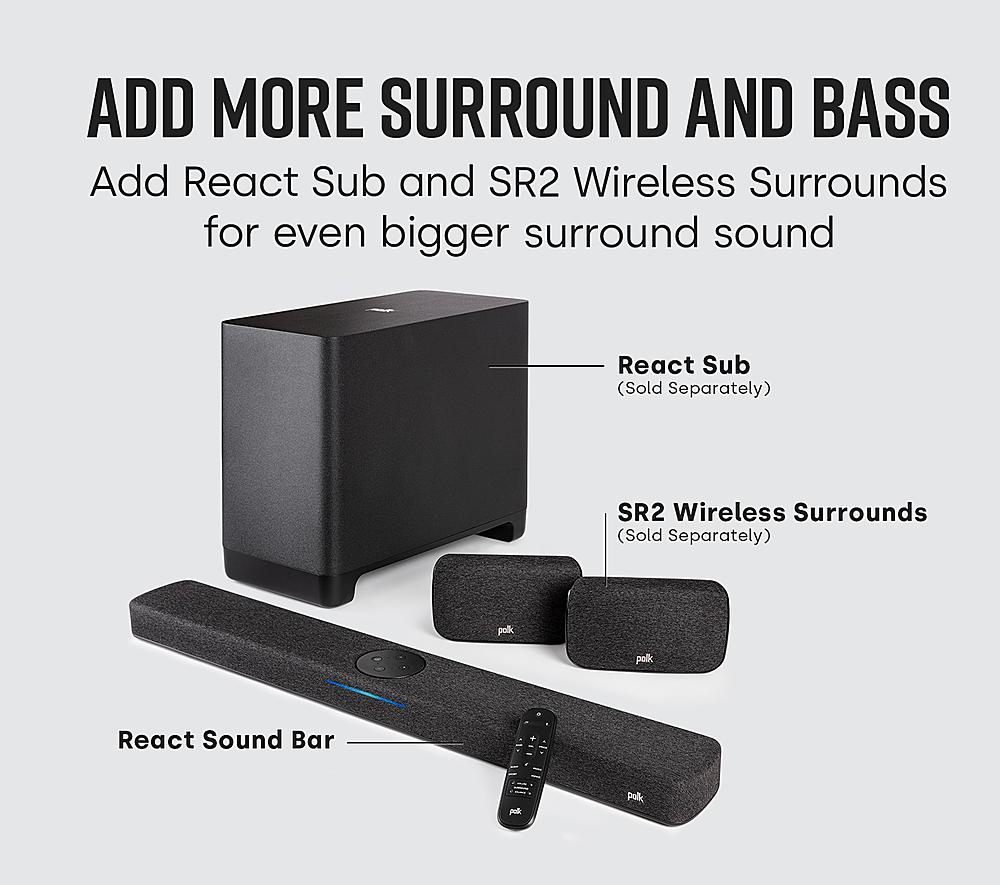
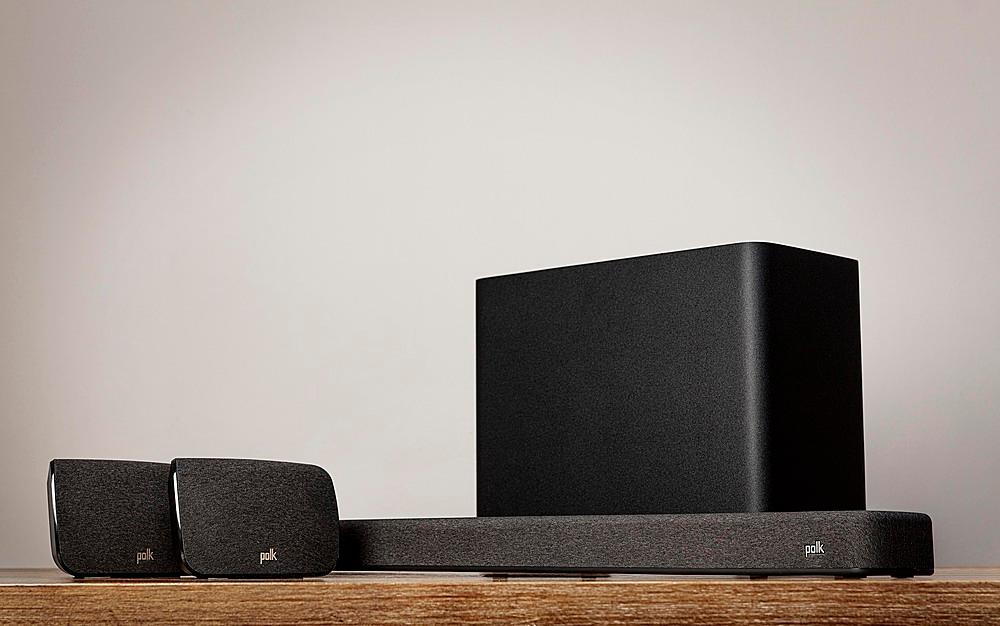
Polk does offer an optional wireless subwoofer for around $200 additional, which would transform the system's bass capabilities. However, this brings the total cost to over $400 and eliminates the compact, single-unit appeal that draws many people to soundbars in the first place.
Understanding how these soundbars perform in different situations can help clarify which might work better for your specific needs.
For movie watching, the <a href="Yamaha SR-C20A>) provides a more immersive experience thanks to its superior bass response and virtual surround processing. The Movie mode creates a wider soundstage that makes dialogue seem to come from the center of the screen while effects spread laterally. During quiet dialogue scenes, the Clear Voice feature ensures you won't miss important lines, while action sequences benefit from the full-range frequency response.
Gaming presents an interesting use case where both soundbars have merits. The Yamaha's Game mode optimizes for spatial awareness and impact, which can genuinely improve your gaming experience in titles where audio positioning matters. The enhanced bass also makes explosive action more satisfying. However, the Polk's cleaner midrange presentation can make it easier to hear subtle audio cues like footsteps or reloading sounds in competitive games.
For music listening, preferences will likely divide along personal taste lines. The Yamaha's built-in subwoofer makes it better suited to genres with substantial bass content—hip-hop, electronic music, rock, and orchestral pieces all benefit from the extended low-end response. The Polk's more balanced approach works well for acoustic music, jazz, and vocals where clarity in the midrange frequencies is more important than deep bass.
The smart features of the <a href="Polk Audio React>) really shine in casual listening scenarios. Being able to voice-request specific songs or playlists while cooking or cleaning is genuinely convenient. The multi-room capabilities become valuable if you're building out a whole-home audio system or want music to follow you from room to room.
While both of these are compact, single-unit solutions, it's worth considering how they might fit into a larger home theater setup, either now or in the future.
The <a href="Yamaha SR-C20A>) works well as a complete solution for smaller rooms or secondary viewing areas. Its built-in subwoofer means you're not immediately pressured to add additional components, and the sound quality is satisfying enough that many users won't feel the need to upgrade for years.
However, if you do want to expand later, options are limited. Yamaha doesn't offer compatible wireless surrounds or an additional subwoofer specifically designed to work with this model. You'd essentially need to replace the entire system if you want to move to true surround sound.
The Polk Audio React offers more expansion possibilities. The optional wireless subwoofer integrates seamlessly and dramatically improves bass response. Polk also makes wireless surround speakers (the SR2 surrounds) that can be added to create a true 5.1 system. This modular approach means you can start simple and build out your system over time as budget allows.
The Alexa integration also means the <a href="Polk Audio React>) can serve as the central hub for a smart home audio system. You can group it with Echo devices in other rooms, creating a unified music experience throughout your home. This kind of ecosystem integration is increasingly valuable as smart home adoption grows.
Since their respective releases in 2022 and 2023, both soundbars have seen firmware updates that have refined their performance and features. The Yamaha has received updates that improved its Bluetooth connectivity reliability and refined the Clear Voice processing. The Polk has benefited from Alexa platform improvements, gaining new voice commands and better integration with streaming services.
Looking forward, the different approaches these companies have taken suggest different upgrade paths. Yamaha's focus on audio hardware means the SR-C20A should remain relevant as long as its physical capabilities meet your needs. The lack of smart features that could become obsolete is actually an advantage in terms of longevity.
The Polk's smart features are both a blessing and a potential concern. While they provide immediate convenience and functionality, they're also dependent on cloud services and platform support that could change over time. Amazon's commitment to Alexa suggests the core functionality should remain stable, but the connected nature of the device means it's inherently more complex and potentially more fragile long-term.
After extensive testing and living with both of these soundbars, the choice ultimately comes down to your priorities and usage patterns.
Choose the <a href="Yamaha SR-C20A>) if audio quality improvement is your primary goal. The built-in subwoofer and 100-watt power output deliver genuinely impressive sound for the price. It's particularly compelling if you watch a lot of movies or action content where bass response makes a meaningful difference. The simpler feature set means fewer potential issues, and the $170 price point offers exceptional value for the audio quality delivered.
The Polk Audio React makes more sense if you're already invested in the Alexa ecosystem or if smart home integration is important to you. The direct streaming capabilities and voice control genuinely enhance the user experience, especially for casual music listening. The expansion options also make it a better long-term platform if you think you might want to add a subwoofer or surround speakers later.
For most people primarily interested in improving their TV audio experience, I lean toward recommending the <a href="Yamaha SR-C20A>). The superior bass response and higher power output provide more dramatic improvement over TV speakers, which is ultimately what most people are seeking from a soundbar purchase. The <a href="Polk Audio React>) is the better choice for tech enthusiasts who value smart features and integration possibilities over pure audio performance.
Both represent solid values in the compact soundbar category, but they serve different user priorities. Consider how you'll primarily use the soundbar, whether smart features matter to your lifestyle, and whether the audio quality differences align with your content preferences. Either choice will significantly improve your TV audio experience—it's just a matter of which additional benefits matter most to you.
| Yamaha SR-C20A Compact Sound Bar | Polk Audio React Sound Bar |
|---|---|
| Price - Value proposition for your budget | |
| $170 (exceptional audio quality per dollar) | $230 (premium for smart features) |
| Total Power Output - Determines maximum volume and dynamic range | |
| 100W (60W subwoofer + 40W stereo) | 50W RMS (100W peak, stereo only) |
| Bass Performance - Critical for movie impact and music enjoyment | |
| Built-in 3" subwoofer + dual passive radiators | Passive radiators only (optional $200 sub available) |
| Smart Features - Modern convenience and streaming capabilities | |
| Bluetooth only, basic app control | Full Alexa integration, Wi-Fi streaming, voice control |
| Audio Processing - Enhances different content types | |
| 4 sound modes (Movie/Game/Standard/Stereo), Clear Voice tech | Standard stereo processing, Voice Adjust technology |
| Connectivity Options - Flexibility for multiple devices | |
| 2x optical, 1x HDMI ARC, Bluetooth 5.0 | 1x optical, 1x HDMI ARC with 4K passthrough, Wi-Fi, Bluetooth 4.2 |
| Dimensions - Fits under your TV setup | |
| 23.6" × 2.5" × 3.75" (3.9 lbs) | 34" × 2.25" × 4.8" (6.4 lbs) |
| Streaming Services - Direct access without phone/tablet | |
| None (Bluetooth streaming only) | Spotify, Amazon Music, Pandora, and more via Alexa |
| Expandability - Future upgrade potential | |
| Limited (no compatible wireless components) | Optional wireless subwoofer and surround speakers available |
| Voice Control - Hands-free operation | |
| None | Full Alexa with far-field microphones |
| Multi-Room Audio - Whole home integration | |
| None | Alexa multi-room grouping with other compatible devices |
The Yamaha SR-C20A delivers significantly better bass with its built-in 3-inch subwoofer and dual passive radiators, producing genuine low-frequency impact for movies and music. The Polk Audio React relies only on passive radiators for bass, requiring an optional $200 wireless subwoofer for comparable low-end performance.
The Yamaha SR-C20A costs around $170, while the Polk Audio React is priced at $230. The $60 difference reflects the Polk's smart features versus the Yamaha's focus on audio hardware and built-in subwoofer.
Only the Polk Audio React includes built-in Amazon Alexa with far-field microphones for voice control of playback, volume, and smart home devices. The Yamaha SR-C20A has no voice assistant integration and requires manual control via remote or smartphone app.
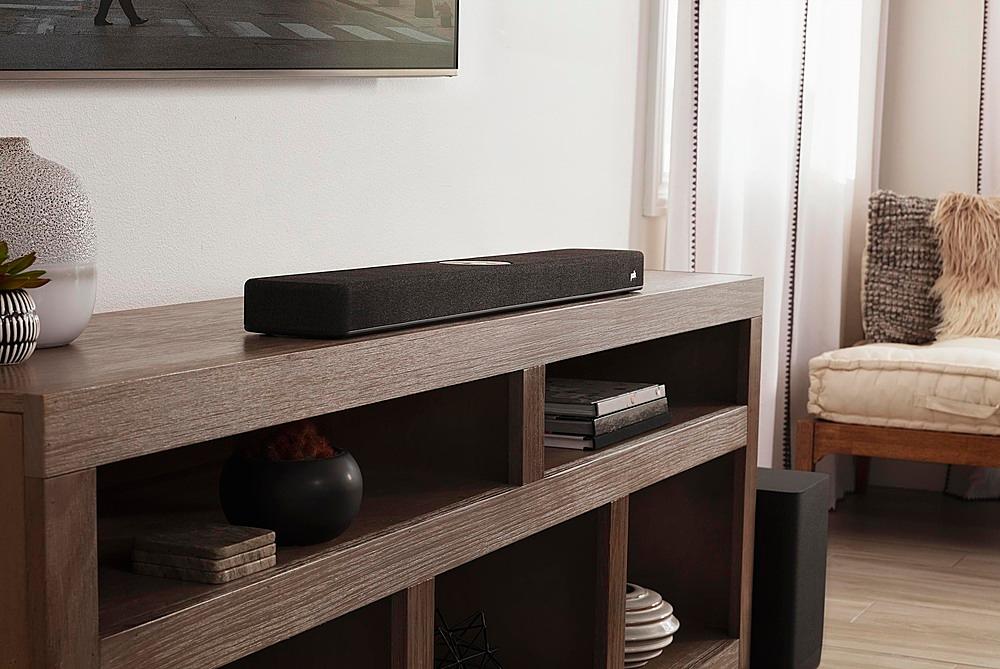
The Yamaha SR-C20A is ideal for small rooms due to its compact 23.6-inch width and built-in subwoofer that eliminates the need for additional components. The Polk Audio React is larger at 34 inches but offers a slimmer profile if space under your TV is limited.
The Polk Audio React streams directly from Spotify, Amazon Music, and other services via built-in Wi-Fi and Alexa. The Yamaha SR-C20A only supports Bluetooth streaming from your phone or tablet, requiring your device to stay connected.
The Yamaha SR-C20A outputs 100 watts total power (60W subwoofer + 40W stereo), compared to the Polk Audio React's 50 watts RMS. This power difference translates to higher maximum volume and better dynamic range for movies and music.
The Yamaha SR-C20A offers more wired connections with 2 optical inputs plus HDMI ARC, allowing multiple source devices. The Polk Audio React has 1 optical input and HDMI ARC, but adds Wi-Fi connectivity and can remember up to 8 Bluetooth devices.
The Yamaha SR-C20A includes a dedicated Game mode that optimizes spatial awareness and bass response for gaming, plus the built-in subwoofer enhances explosive action. The Polk Audio React offers cleaner dialogue and sound effects but lacks gaming-specific audio processing.
The Yamaha SR-C20A features virtual surround technology with Movie and Game modes that simulate spatial audio effects. The Polk Audio React provides standard stereo sound but can be expanded with optional wireless surround speakers for true 5.1 surround sound.
Both soundbars enhance dialogue, but through different approaches. The Yamaha SR-C20A uses Clear Voice technology to boost speech frequencies, while the Polk Audio React employs Voice Adjust technology for precise dialogue level control. Both significantly improve TV dialogue clarity.
Yes, both the Yamaha SR-C20A and Polk Audio React include wall-mounting hardware and built-in keyholes. The Yamaha is lighter at 3.9 lbs versus the Polk's 6.4 lbs, making installation easier for the Yamaha model.
The Yamaha SR-C20A provides better immediate audio value with its built-in subwoofer and higher power output at a lower price. The Polk Audio React offers better long-term expandability with optional subwoofer and surround speakers, plus ongoing smart feature updates, making it more future-proof for evolving home theater needs.
We've done our best to create useful and informative comparisons to help you decide what product to buy. Our research uses advanced automated methods to create this comparison and perfection is not possible - please contact us for corrections or questions. These are the sites we've researched in the creation of this article: t3.com - usa.yamaha.com - radiotimes.com - shop.usa.yamaha.com - whathifi.com - hifiheaven.net - usa.yamaha.com - sweetwater.com - hub.yamaha.com - bestbuy.com - techradar.com - crutchfield.com - popsci.com - youtube.com - tomsguide.com - bestbuy.com - polkaudio.com - crutchfield.com - forum.polkaudio.com - soundunited.com - youtube.com

Privacy Policy
Terms and Conditions - Affiliate Policy
Home Security
© Copyright 2008-2026.
11816 Inwood Rd #1211, Dallas, TX 75244