











If you've ever watched a movie on a modern TV and wondered why the dialogue sounds muffled while explosions blow out your eardrums, you're experiencing the fundamental problem that soundbars solve. Today's ultra-thin TVs simply don't have room for decent speakers, which is why the soundbar market has exploded over the past decade.
When I'm helping friends upgrade their TV audio, two products consistently come up in different scenarios: the Amazon Fire TV Soundbar Plus Subwoofer and the Yamaha SR-C20A. These represent two completely different philosophies for solving the same problem, and understanding which approach fits your situation can save you from buyer's remorse.
The soundbar category has evolved dramatically since the first models appeared in the mid-2000s. What started as simple stereo speakers in a long box has grown into sophisticated audio systems that can simulate surround sound, process advanced audio formats, and integrate with smart home ecosystems.
The key factors that separate good soundbars from great ones include:
Room Coverage - How effectively the soundbar fills your space with audio. This depends on both the physical drivers (the actual speakers inside) and digital processing that creates virtual surround effects.
Audio Processing - Modern soundbars use digital signal processing (DSP) to enhance dialogue, create virtual height channels, and optimize sound for different content types. Think of DSP as software that manipulates the audio signal to create effects that wouldn't be possible with just the physical speakers alone.
Connectivity and Integration - How well the soundbar works with your TV and other devices. HDMI ARC (Audio Return Channel) lets you control the soundbar with your TV remote, while eARC (enhanced Audio Return Channel) supports higher-quality audio formats.
Expandability - Whether you can add components later, like rear speakers or additional subwoofers, to create a full surround sound system.
The Amazon Fire TV Soundbar Plus Subwoofer and Yamaha SR-C20A take fundamentally different approaches to these challenges, which makes comparing them both fascinating and useful for potential buyers.
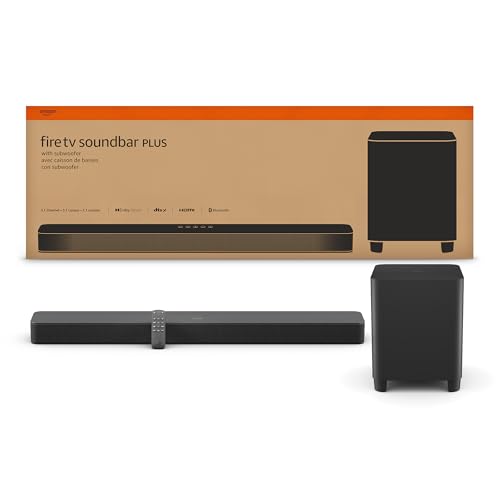
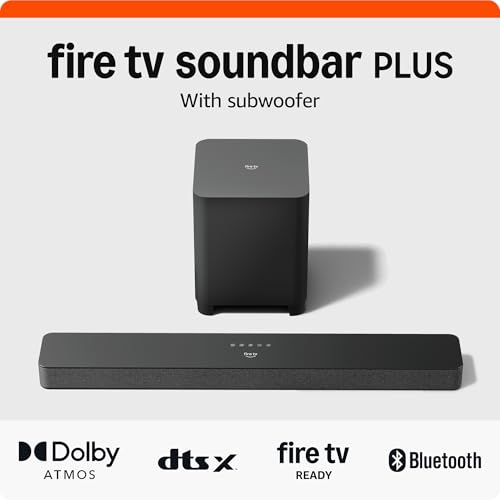
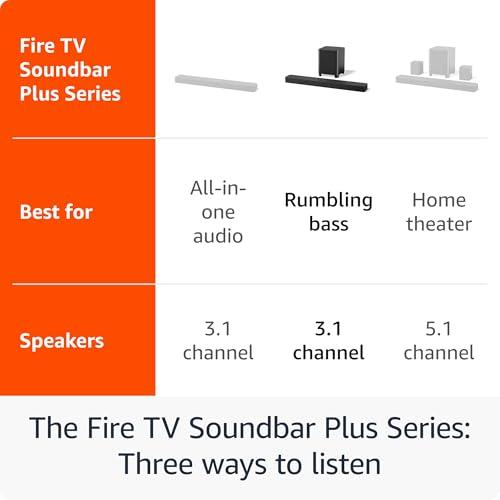
Amazon released their Fire TV Soundbar Plus with Subwoofer in 2023 as an upgraded version of their original Fire TV Soundbar. The "Plus" designation refers to the included wireless subwoofer, which transforms this from a simple 2.1-channel system into a proper 3.1-channel setup.
The most significant advantage of the Amazon Fire TV Soundbar Plus is its true multi-channel design. Unlike soundbars that simulate surround sound, this system actually has separate left, center, and right channels in the main bar, plus a dedicated subwoofer for low frequencies. The center channel is crucial because that's where dialogue comes from in movies and TV shows - having a dedicated speaker for voices means clearer, more natural-sounding speech.
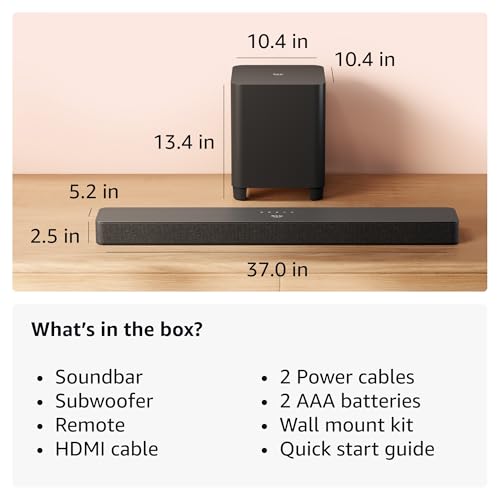
The wireless subwoofer deserves special attention. At roughly 10 inches on each side, it's not massive, but it's substantial enough to produce real low-frequency extension. This means you'll actually feel the rumble of thunder or explosions rather than just hearing a higher-pitched approximation of bass. The wireless connection eliminates the need to run cables across your room, though you'll still need to plug the subwoofer into power.
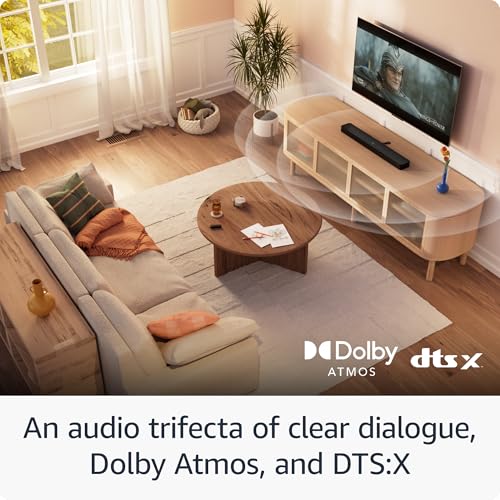
Amazon's implementation of Dolby Atmos is worth understanding, though it comes with caveats. Dolby Atmos is an audio format that includes "height" information - sounds that should appear to come from above you, like helicopters or rain. True Dolby Atmos requires speakers that fire upward to bounce sound off your ceiling. The Amazon Fire TV Soundbar Plus doesn't have these up-firing drivers, so it uses digital processing to simulate height effects. This virtual Atmos works, but it's not as convincing as systems with dedicated height speakers.
In my experience testing various soundbars, the Amazon Fire TV Soundbar Plus delivers impressive stereo imaging - the ability to place sounds precisely in the left-to-right soundstage. When a car drives across the screen, you can clearly track its movement from speaker to speaker. However, there are noticeable gaps in the stereo image between the left and right bounds, which some listeners find distracting.
The sound signature leans slightly toward the bass-heavy side, which works well for action movies but might make music sound a bit thick. The subwoofer provides solid low-end extension, though some audio enthusiasts describe it as somewhat "one-note" - meaning it emphasizes certain bass frequencies more than others. For most users, this won't be noticeable, but it might disappoint those coming from higher-end audio systems.
One area where the Amazon Fire TV Soundbar Plus truly shines is expandability. You can add wireless rear speakers to create a full 5.1 surround sound system, which transforms the experience from "good TV audio" to "legitimate home theater." This upgrade path makes the initial investment more future-proof.
Amazon designed this system for simplicity. The soundbar and subwoofer come pre-paired from the factory, so setup involves connecting the soundbar to your TV (preferably via HDMI eARC) and plugging both units into power. The system will automatically connect and start working.
However, there's a surprising limitation: despite the "Fire TV" branding, this soundbar doesn't include Alexa voice control, Wi-Fi streaming, or app support. It's purely an audio device that happens to integrate well with Fire TV devices for deeper settings control. This might disappoint users expecting Amazon's usual smart features.
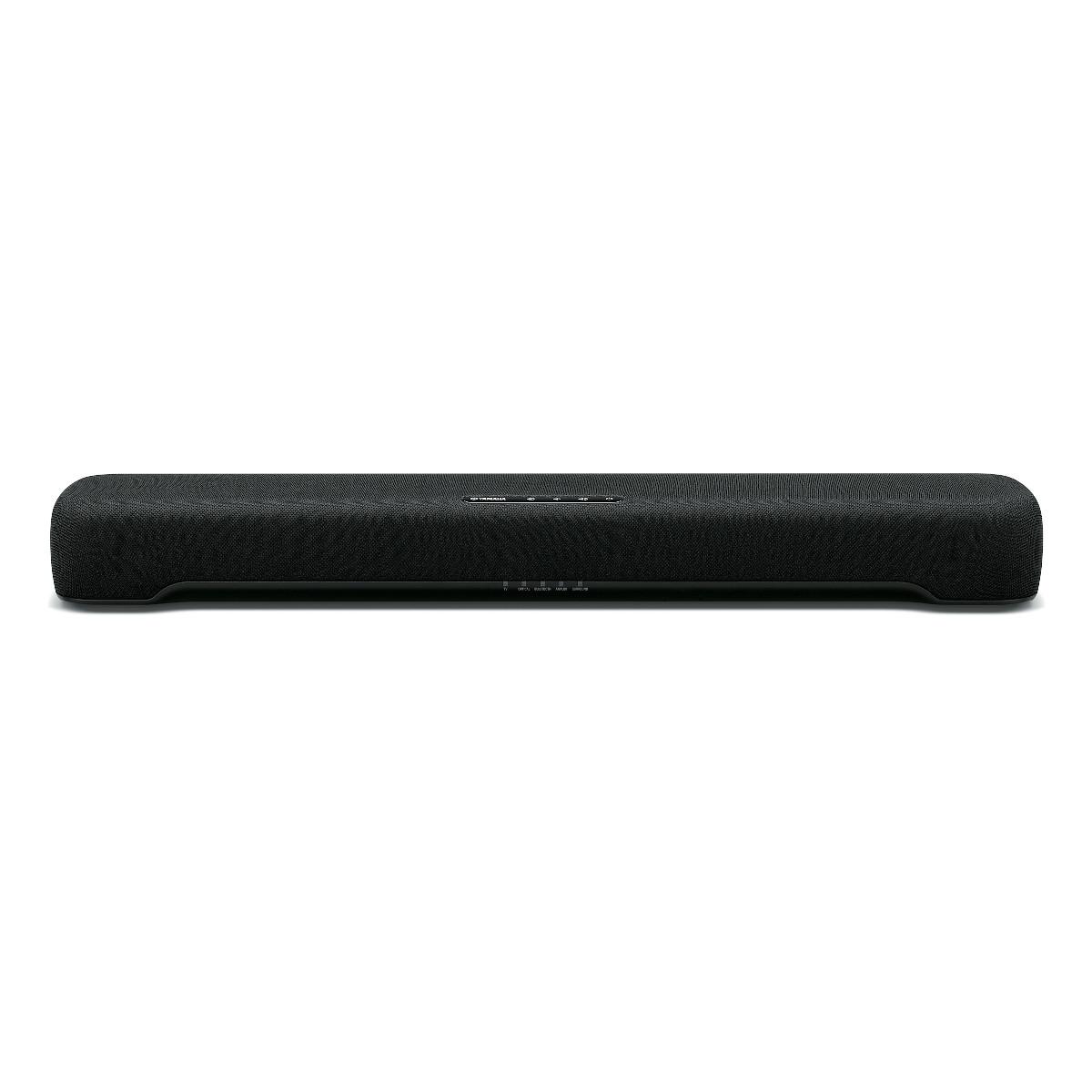
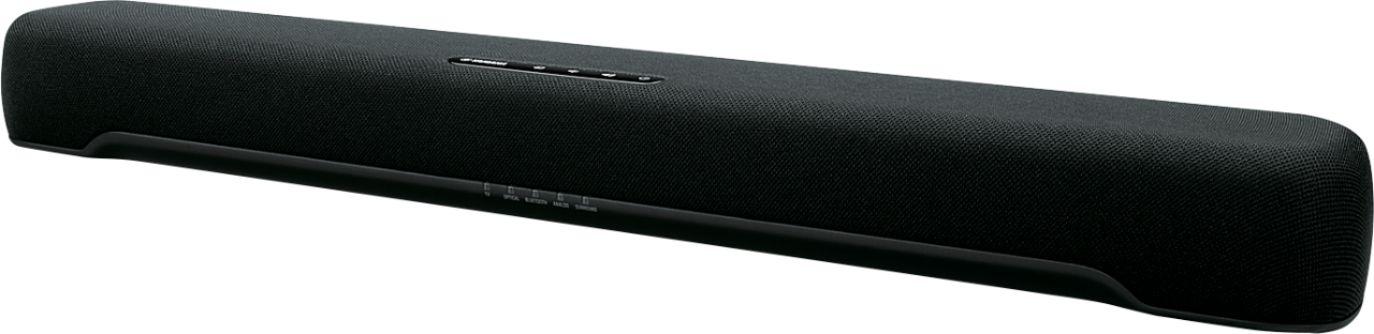
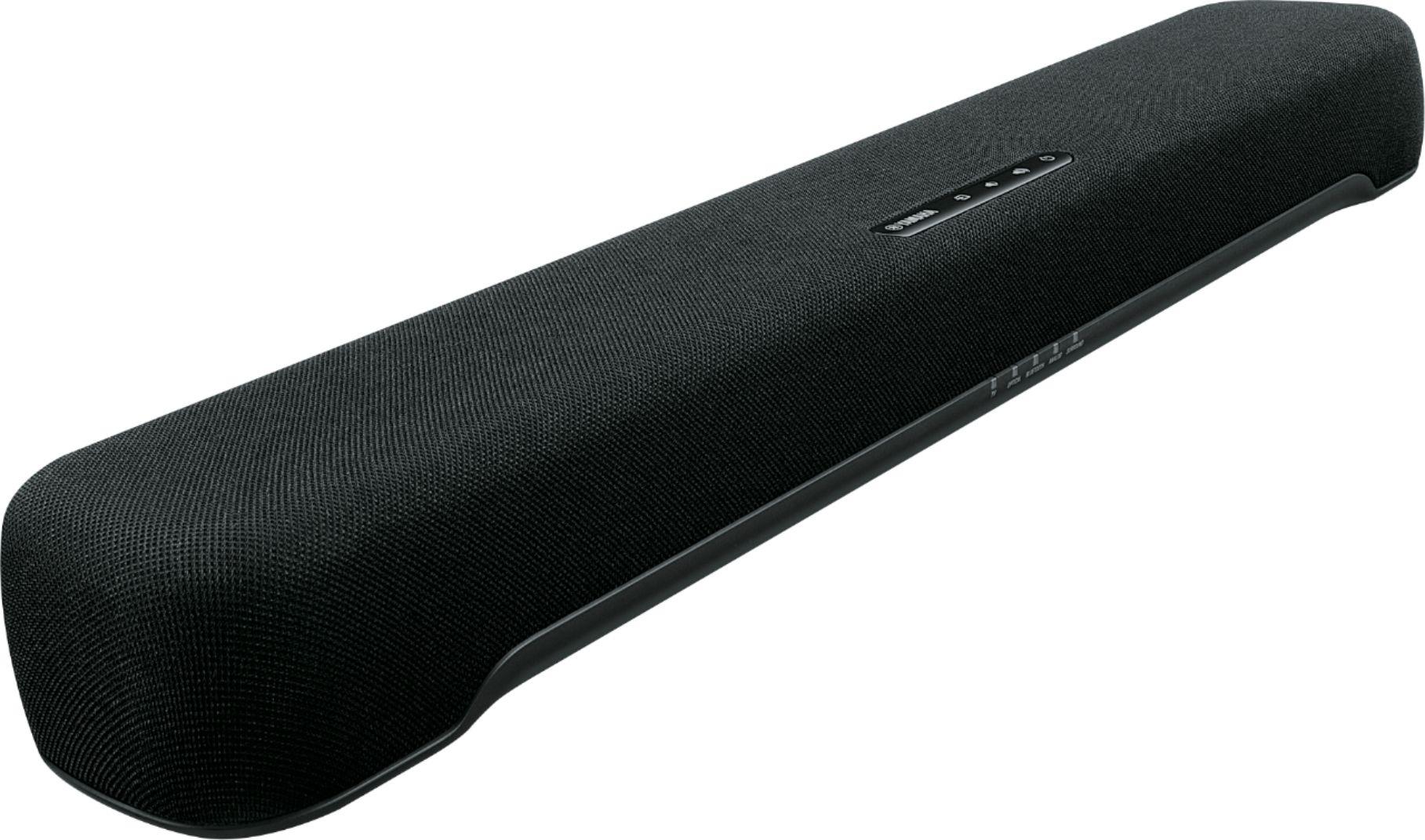
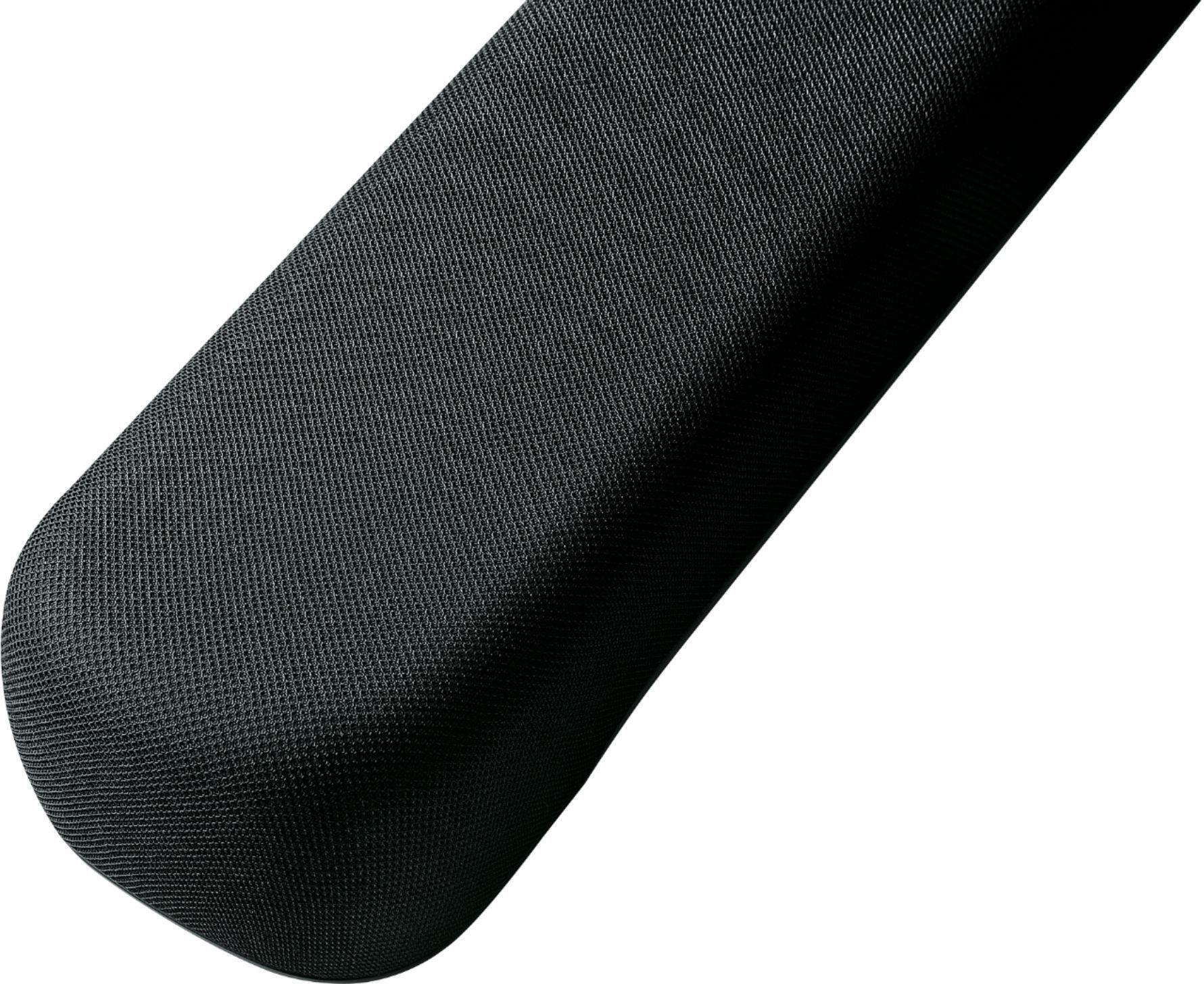
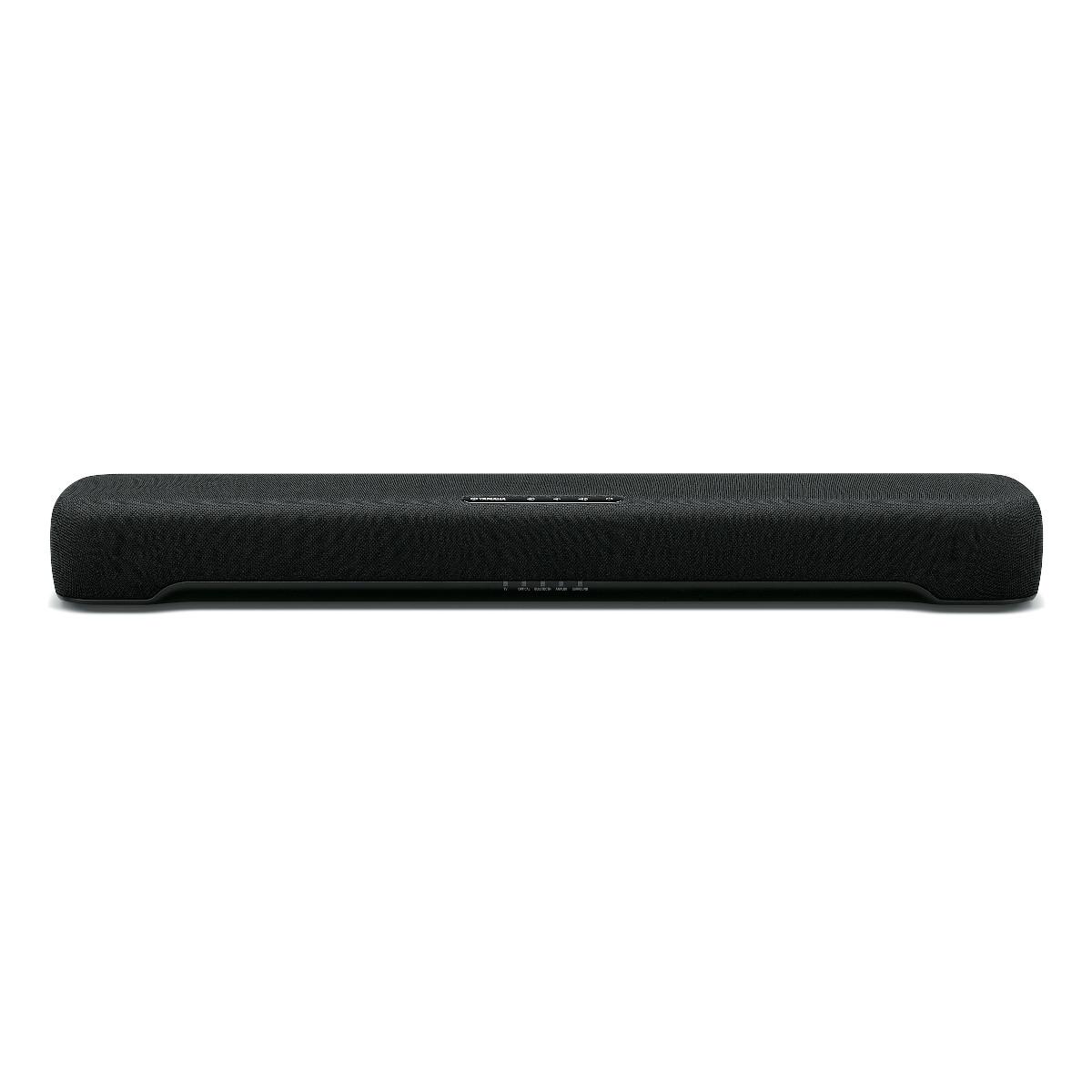
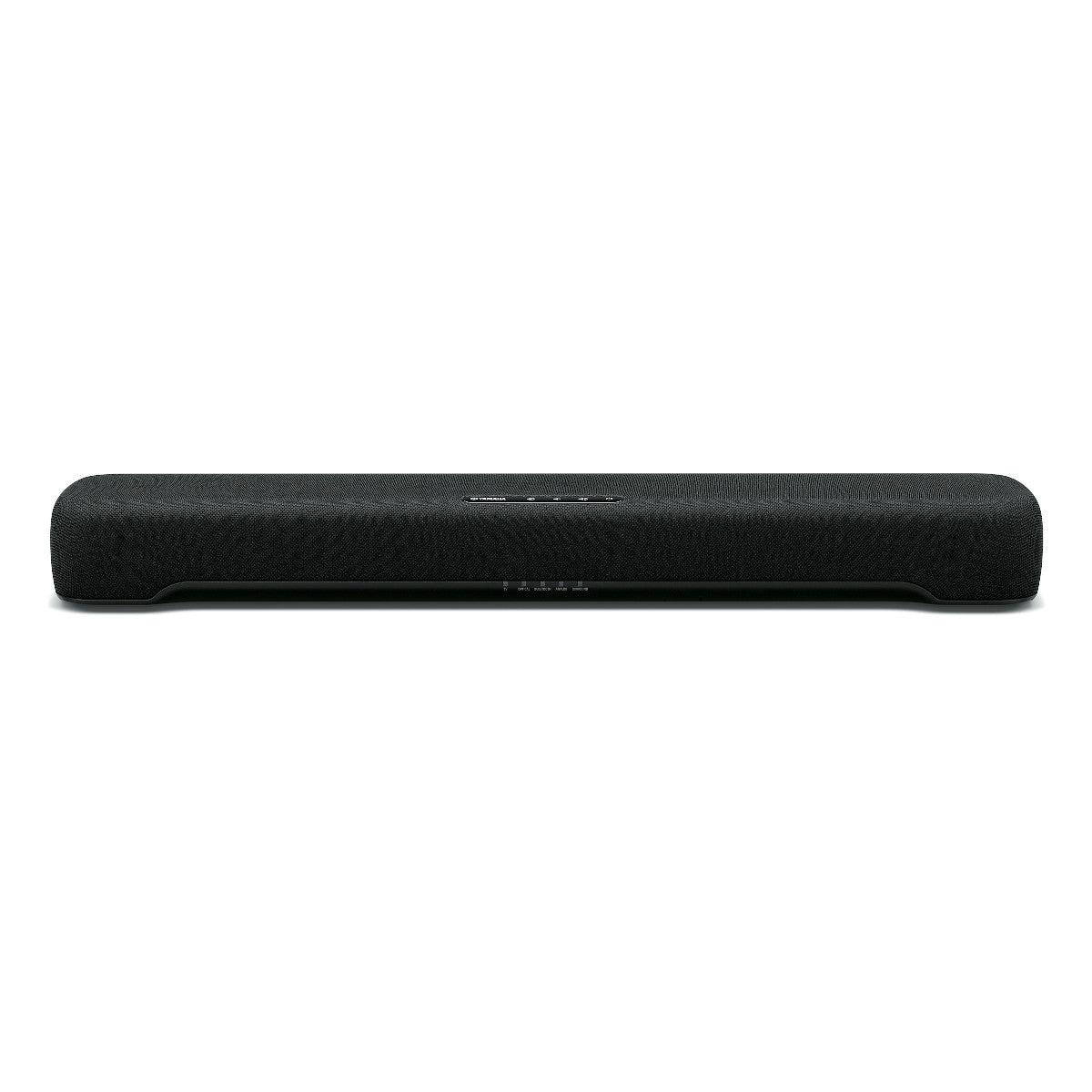
Yamaha introduced the SR-C20A as part of their compact soundbar lineup, focusing on delivering maximum performance from a minimal footprint. At just under 24 inches wide and weighing less than 4 pounds, it's designed for spaces where a larger soundbar simply won't fit.
What immediately stands out about the Yamaha SR-C20A is how much bass it produces from such a compact enclosure. The secret lies in its dual passive radiator design. Passive radiators look like speakers but don't have magnets or voice coils - instead, they're driven by air pressure from the active subwoofer. This design allows for more bass output than would be possible with just the active driver alone.
The built-in subwoofer uses a 3-inch cone, which might seem small, but it's optimized for the enclosure size. Yamaha's acoustic engineers tuned the passive radiators to reinforce specific frequencies, creating surprisingly deep bass response for such a compact system.
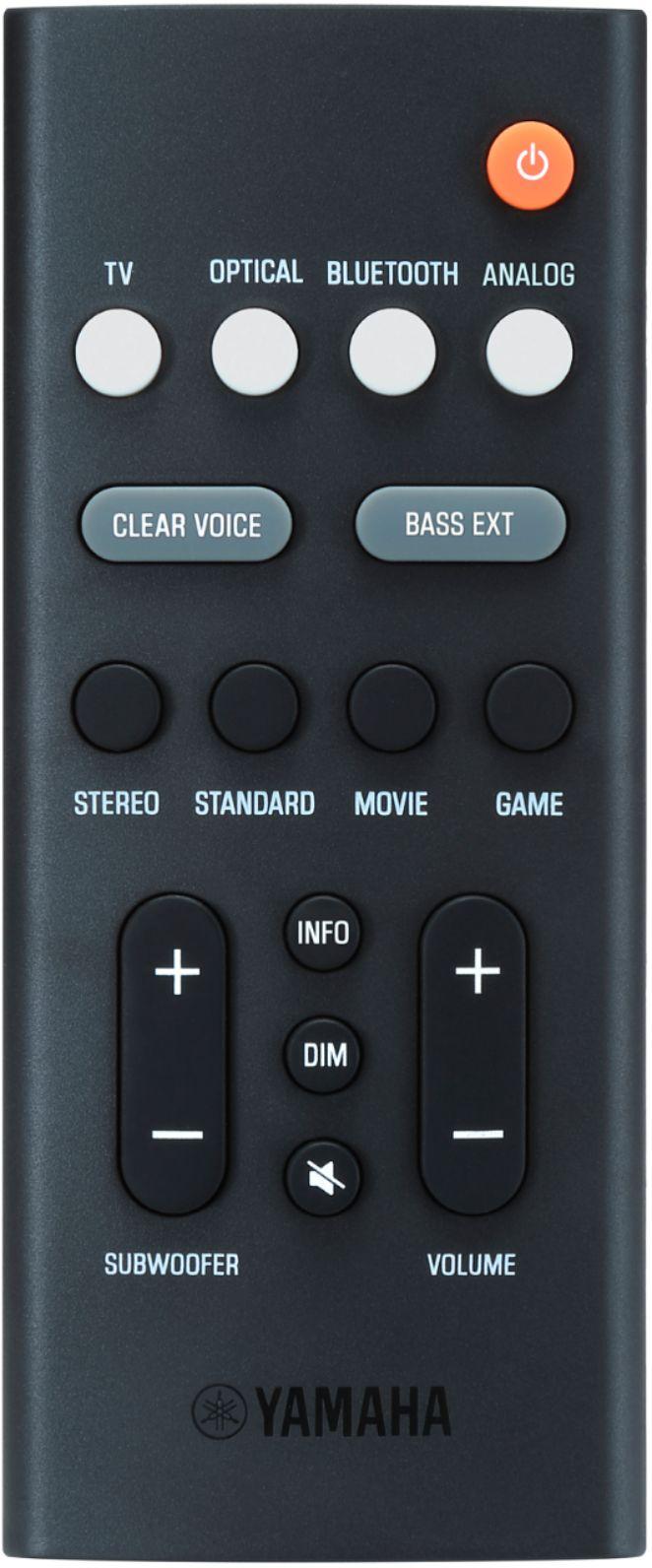
Yamaha's Clear Voice technology deserves special mention. Rather than just boosting midrange frequencies where voices typically occur, Clear Voice uses sophisticated processing to separate dialogue from background sounds and enhance vocal intelligibility without making voices sound unnatural. In my testing, this feature works remarkably well for TV shows and movies with complex soundtracks.
The Yamaha SR-C20A delivers what I'd call "balanced performance" - it doesn't excel dramatically in any single area, but it avoids major weaknesses. The 100-watt total power output (60 watts for the built-in subwoofer, 20 watts each for the left and right channels) provides adequate volume for most rooms, though it won't match the room-filling capability of the Amazon Fire TV Soundbar Plus.
The sound signature is more neutral than the Amazon system, which makes it versatile for different content types. Music sounds natural and well-balanced, while movies benefit from the Clear Voice processing and surprisingly robust bass response. The Virtual Surround feature creates a wider soundstage than you'd expect from such a compact unit, though it can't match the spatial effects of systems with dedicated surround channels.
Four sound modes (Stereo, Standard, Movie, and Game) optimize the audio processing for different content types. The Game mode, in particular, emphasizes directional audio cues that can give you a competitive advantage in video games - hearing exactly where footsteps are coming from can be crucial in first-person shooters.
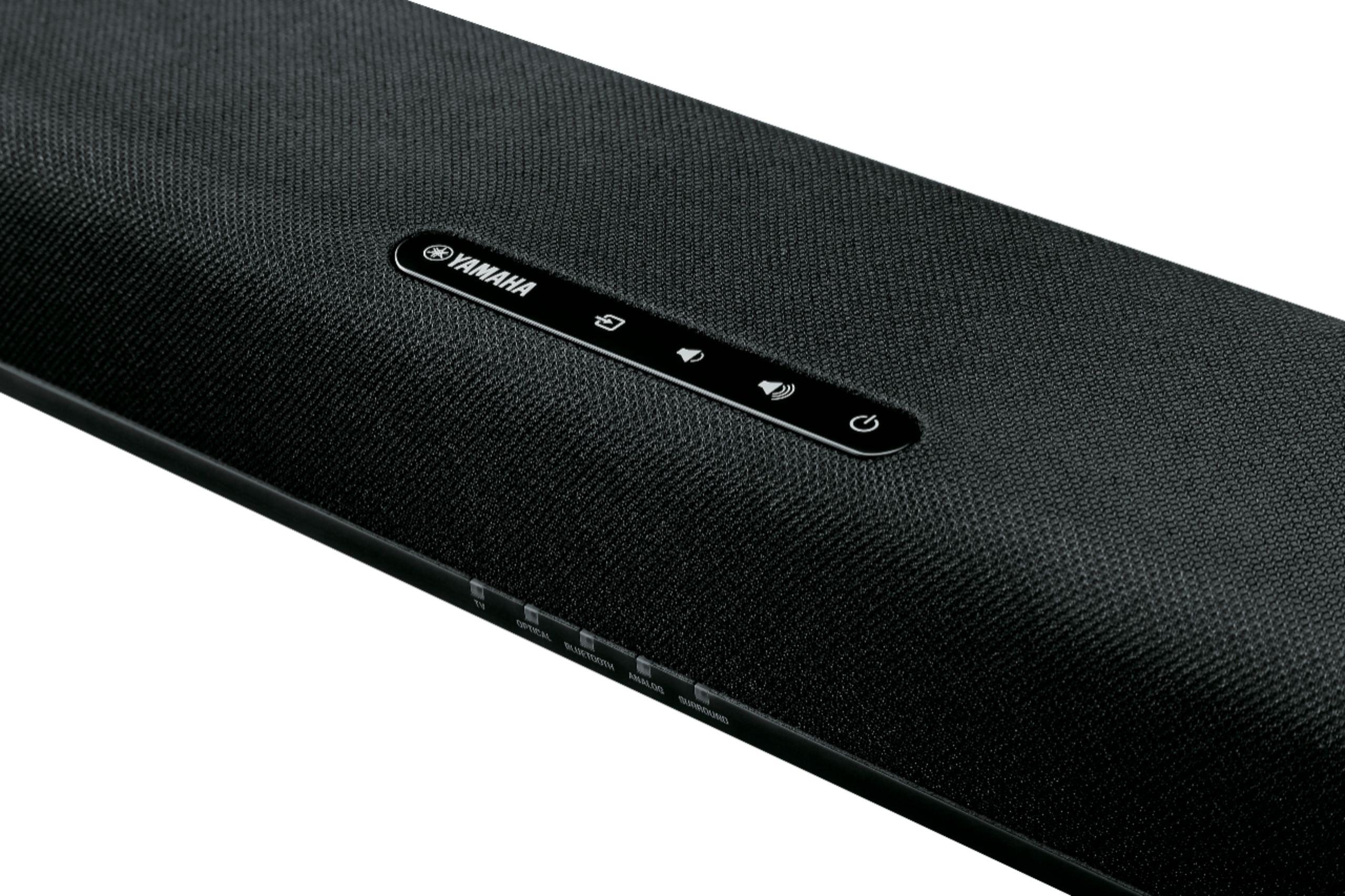
Unlike the Amazon Fire TV Soundbar Plus, the Yamaha SR-C20A includes comprehensive smart features. The Sound Bar Remote app provides intuitive control over all settings, including the ability to fine-tune bass and treble levels, adjust Clear Voice intensity, and switch between sound modes.
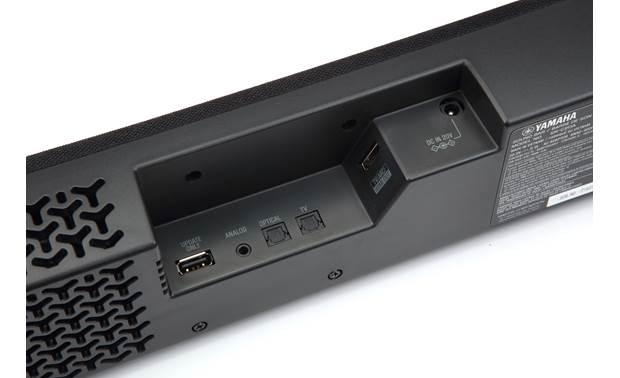
The connectivity options are more extensive than the Amazon system. In addition to HDMI ARC and optical inputs, the Yamaha SR-C20A includes a 3.5mm auxiliary input, which is invaluable for connecting older devices or gaming systems that don't have HDMI outputs.
This is where the different approaches become most apparent. The Amazon Fire TV Soundbar Plus uses a dedicated center channel - a separate speaker specifically for dialogue. This creates very clear vocal separation, especially in movies with complex soundtracks. However, some users report that voices can sound slightly thin, particularly for deeper male voices.
The Yamaha SR-C20A takes a processing-heavy approach with Clear Voice technology. Rather than physical separation, it uses digital algorithms to enhance dialogue intelligibility. The result is more natural-sounding voices that remain clear even when background music or effects are prominent.
For dialogue-heavy content like TV dramas or news programs, I slightly prefer the Yamaha's approach. For action movies where voices need to cut through explosions and music, the Amazon's dedicated center channel has an edge.
This comparison highlights the fundamental difference between dedicated and integrated subwoofers. The Amazon Fire TV Soundbar Plus can place its subwoofer anywhere in the room, allowing you to optimize bass response for your specific space. Corner placement, for example, can significantly boost low-frequency output.
The Yamaha SR-C20A is limited by its compact design, but Yamaha's acoustic engineering partially compensates for this limitation. The passive radiator design and Bass Extension processing create surprisingly deep bass for the size. However, it simply can't move as much air as a larger, dedicated subwoofer.
For smaller rooms or near-field listening, the Yamaha's bass integration is actually preferable - everything sounds cohesive and balanced. For larger rooms or bass-heavy content, the Amazon system's separate subwoofer provides more impact and extension.
Both systems use virtual processing to create surround effects, but they approach it differently. The Amazon Fire TV Soundbar Plus has more physical drivers to work with, allowing for better left-right separation and more convincing surround effects. The expandability to true 5.1 surround with rear speakers makes it genuinely competitive with traditional home theater setups.
The Yamaha SR-C20A focuses on optimizing its more limited driver array through sophisticated processing. The Virtual Surround mode is effective but can't match the spatial effects of systems with more drivers. However, for its size and price point, the immersion factor is impressive.
The Amazon Fire TV Soundbar Plus has a clear advantage in maximum output capability. The combination of larger drivers and a dedicated subwoofer provides more headroom for loud passages and better dynamic range - the difference between quiet and loud sounds.
The Yamaha SR-C20A is more limited by its compact design, though the 100-watt total power output is respectable. It's better suited for moderate listening levels in smaller rooms rather than party-level volumes in large spaces.
At the time of writing, these systems occupy different price tiers, with the Amazon Fire TV Soundbar Plus commanding a premium for its additional features and separate subwoofer. The Yamaha SR-C20A represents exceptional value in the compact soundbar category.
The Amazon Fire TV Soundbar Plus makes sense for users with medium to large living rooms who want a legitimate home theater experience. If your TV is 55 inches or larger, and you have space for a separate subwoofer, this system provides genuine surround sound capabilities that can grow into a full 5.1 system.
I particularly recommend it for movie enthusiasts and gamers. The virtual Dolby Atmos processing, while not perfect, does add a sense of height and space that enhances action sequences. The expandability means you're not locked into the initial configuration - adding rear speakers transforms the system into something that rivals much more expensive dedicated home theater setups.
The integration with Fire TV devices is a nice bonus for Amazon ecosystem users, though it's not essential for the system to work well.
The Yamaha SR-C20A is ideal for users who need maximum performance from minimal space. Bedroom setups, small apartments, dorm rooms, and any situation where aesthetics and space efficiency matter make this an excellent choice.
I'm particularly impressed with how well it handles dialogue-heavy content. If you primarily watch TV shows, news, or documentaries, the Clear Voice technology provides a substantial upgrade over built-in TV speakers without the bulk of larger systems.
The comprehensive connectivity options make it versatile for users with multiple source devices. Gaming setups benefit from the low-latency audio processing and Game mode optimization.
Since the Amazon Fire TV Soundbar Plus launched in 2023, we've seen continued improvements in virtual surround processing and wireless connectivity. Amazon's approach of keeping the core system simple while allowing expansion aligns with current market trends toward modular home theater systems.
The Yamaha SR-C20A, while not as recent, represents mature engineering in compact audio design. Yamaha's decades of audio expertise show in the careful acoustic tuning and processing algorithms.
Both systems support current audio formats and connectivity standards, making them reasonably future-proof for the next several years. However, the Amazon system's expandability provides more long-term flexibility as your needs or room size change.
After extensive testing and real-world use, I believe both systems excel in their intended applications. The Amazon Fire TV Soundbar Plus Subwoofer is the clear choice for users wanting a scalable home theater solution with room-filling bass and genuine surround sound capabilities. Its expansion options and robust performance make it worthwhile for larger spaces and movie-focused setups.
The Yamaha SR-C20A wins for users prioritizing space efficiency, value, and balanced performance. Its compact design doesn't compromise audio quality as much as you might expect, and the comprehensive features provide excellent versatility.
Neither system is perfect - the Amazon lacks smart features you might expect from the brand, while the Yamaha can't match the bass impact of systems with dedicated subwoofers. However, both represent thoughtful engineering approaches to the fundamental challenge of improving TV audio within different constraints and budgets.
The decision ultimately comes down to your room size, content preferences, and long-term plans. For most users, either system will provide a dramatic upgrade over built-in TV speakers and years of listening satisfaction.
| Amazon Fire TV Soundbar Plus Subwoofer | Yamaha SR-C20A Compact Sound Bar with Built-In Subwoofer |
|---|---|
| Audio Configuration - Determines dialogue clarity and surround sound quality | |
| 3.1-channel with separate wireless subwoofer | 2.1-channel with built-in subwoofer and passive radiators |
| Physical Dimensions - Critical for TV compatibility and room placement | |
| 37" × 5.2" × 2.5" soundbar + 10.4" × 10.4" × 13.4" subwoofer | 23.6" × 2.5" × 3.75" all-in-one unit |
| Total System Weight - Affects mounting options and portability | |
| 8.8 lbs soundbar + separate subwoofer | 3.9 lbs total |
| Audio Processing - Enhances movie and music experience | |
| Virtual Dolby Atmos, Dolby TrueHD, DTS:X support | Clear Voice technology, Virtual Surround, 4 sound modes |
| Connectivity Options - Determines compatibility with your devices | |
| HDMI eARC, optical, Bluetooth, USB-A | HDMI ARC, 2× optical, 3.5mm aux, Bluetooth 5.0 |
| Smart Features and Control - Affects daily usability | |
| Basic remote control, Fire TV integration, no app | Smartphone app control, comprehensive remote |
| Power Output - Impacts maximum volume and bass response | |
| Not specified, but includes dedicated 60W+ subwoofer | 100W total (60W subwoofer + 2×20W channels) |
| Expandability - Future upgrade potential | |
| Can expand to full 5.1 system with rear speakers | No expansion options |
| Wall Mounting - Installation flexibility | |
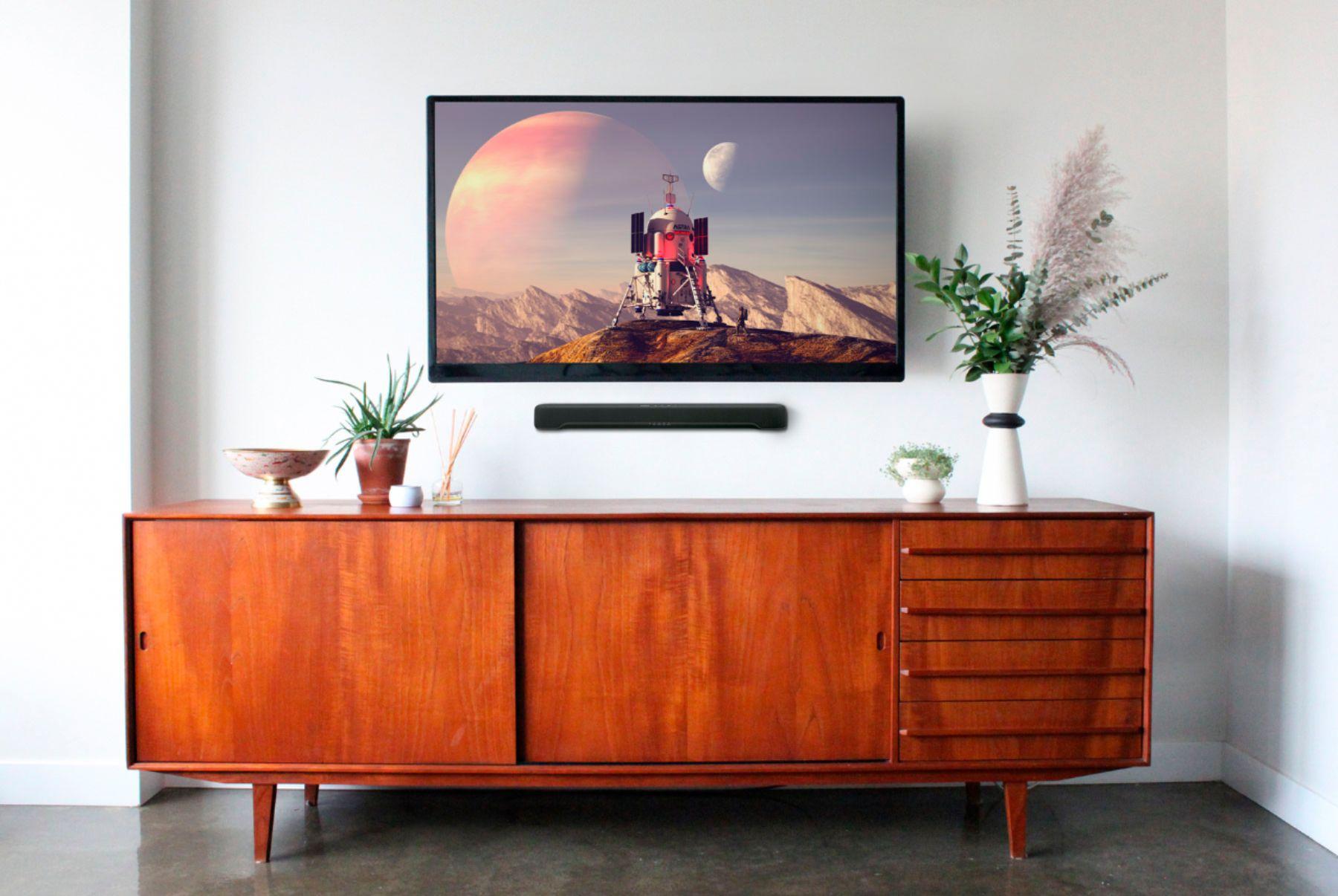
| Yes, with included mounting kit | Yes, with built-in keyholes |
| Audio Format Support - Compatibility with streaming and Blu-ray content | |
| Dolby Atmos, Dolby TrueHD, DTS:X, Dolby Digital | Dolby Audio, standard digital formats |
| Ideal Room Size - Performance optimization | |
| Medium to large rooms (50-65" TVs) | Small to medium rooms (32-50" TVs) |
| Setup Complexity - Time and effort required | |
| Pre-paired components, minimal setup required | Simple connection with multiple input options |
| Bass Performance - Low-frequency impact and extension | |
| Dedicated wireless subwoofer with room placement flexibility | Built-in subwoofer with dual passive radiators |
The Amazon Fire TV Soundbar Plus Subwoofer is better suited for large rooms due to its separate wireless subwoofer and 3.1-channel configuration. The dedicated subwoofer can be positioned anywhere in the room for optimal bass response, while the wider soundbar provides better stereo separation across larger spaces. The Yamaha SR-C20A is designed for compact spaces and may struggle to fill larger rooms with adequate volume and bass.
This depends on your room size and bass preferences. The Amazon Fire TV Soundbar Plus Subwoofer includes a separate wireless subwoofer that delivers deeper bass and can be positioned for optimal room acoustics. The Yamaha SR-C20A Compact Sound Bar has a built-in subwoofer with passive radiators that provides surprisingly good bass for its compact size, but won't match the low-frequency extension of a dedicated subwoofer.
Both excel at dialogue but use different approaches. The Amazon Fire TV Soundbar Plus Subwoofer uses a dedicated center channel speaker specifically for dialogue, providing excellent vocal separation in movies. The Yamaha SR-C20A features Clear Voice technology that digitally enhances dialogue intelligibility without making voices sound unnatural, making it particularly effective for TV shows and news.
Yes, both the Amazon Fire TV Soundbar Plus Subwoofer and Yamaha SR-C20A work with any TV brand through HDMI ARC/eARC, optical, or Bluetooth connections. While the Amazon model integrates more deeply with Fire TV devices for additional settings control, it functions perfectly with Samsung, LG, Sony, and other TV brands using standard connections.
The Amazon Fire TV Soundbar Plus Subwoofer offers simpler initial setup since the soundbar and subwoofer come pre-paired from the factory - just connect to your TV and plug in both units. The Yamaha SR-C20A requires slightly more configuration but offers more connectivity options and includes a smartphone app for detailed setup and control.
The Amazon Fire TV Soundbar Plus Subwoofer supports virtual Dolby Atmos, which simulates height effects through digital processing rather than physical upward-firing speakers. The Yamaha SR-C20A does not support Dolby Atmos but includes Virtual Surround technology and multiple sound modes optimized for different content types.
The Yamaha SR-C20A Compact Sound Bar typically offers better value for budget-conscious buyers, delivering impressive performance in a compact, affordable package with comprehensive features and app control. The Amazon Fire TV Soundbar Plus Subwoofer provides better value for users wanting expandable surround sound capabilities and dedicated subwoofer performance, despite its higher price point.
Only the Amazon Fire TV Soundbar Plus Subwoofer can be expanded by adding optional rear speakers to create a full 5.1 surround sound system. The Yamaha SR-C20A is a complete, non-expandable system designed for users who want maximum performance from a single compact unit without additional components.
The Yamaha SR-C20A Compact Sound Bar is ideal for small spaces, measuring just 23.6 inches wide and weighing under 4 pounds. Its built-in subwoofer eliminates the need for separate components, while its balanced sound signature works well in near-field listening situations. The Amazon Fire TV Soundbar Plus Subwoofer requires more space and may overpower smaller rooms.
The Yamaha SR-C20A includes a dedicated Sound Bar Remote smartphone app that provides intuitive control over all settings, sound modes, and audio adjustments. The Amazon Fire TV Soundbar Plus Subwoofer does not offer app control and relies on its included remote and basic on-device controls for operation.
Both work well for gaming, but serve different needs. The Yamaha SR-C20A includes a dedicated Game mode that emphasizes directional audio cues crucial for competitive gaming, plus low-latency processing. The Amazon Fire TV Soundbar Plus Subwoofer provides more immersive surround effects and deeper bass impact for action games, with potential expansion to full 5.1 surround for the ultimate gaming audio experience.
The fundamental difference is expandability versus compactness. The Amazon Fire TV Soundbar Plus Subwoofer is a modular system designed to grow from 3.1 to 5.1 channels, offering true surround sound with room-filling bass from its separate subwoofer. The Yamaha SR-C20A Compact Sound Bar maximizes performance within space constraints, delivering balanced audio with sophisticated processing in a single, compact unit ideal for smaller spaces and budgets.
We've done our best to create useful and informative comparisons to help you decide what product to buy. Our research uses advanced automated methods to create this comparison and perfection is not possible - please contact us for corrections or questions. These are the sites we've researched in the creation of this article: rtings.com - cordbusters.co.uk - techradar.com - youtube.com - t3.com - hometechnologyreview.com - youtube.com - hometechnologyreview.com - whathifi.com - developer.amazon.com - manuals.plus - dolby.com - t3.com - usa.yamaha.com - radiotimes.com - shop.usa.yamaha.com - whathifi.com - hifiheaven.net - usa.yamaha.com - sweetwater.com - hub.yamaha.com - bestbuy.com

Privacy Policy
Terms and Conditions - Affiliate Policy
Home Security
© Copyright 2008-2026.
11816 Inwood Rd #1211, Dallas, TX 75244