

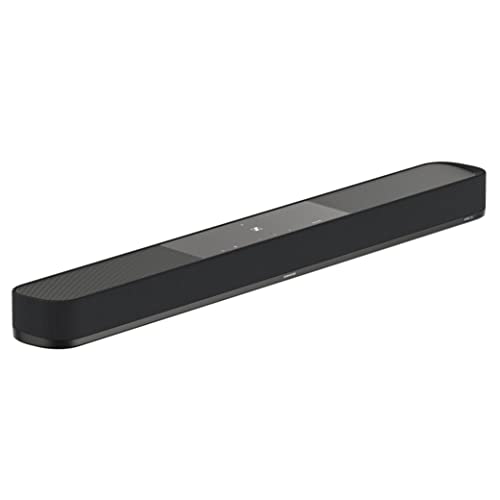

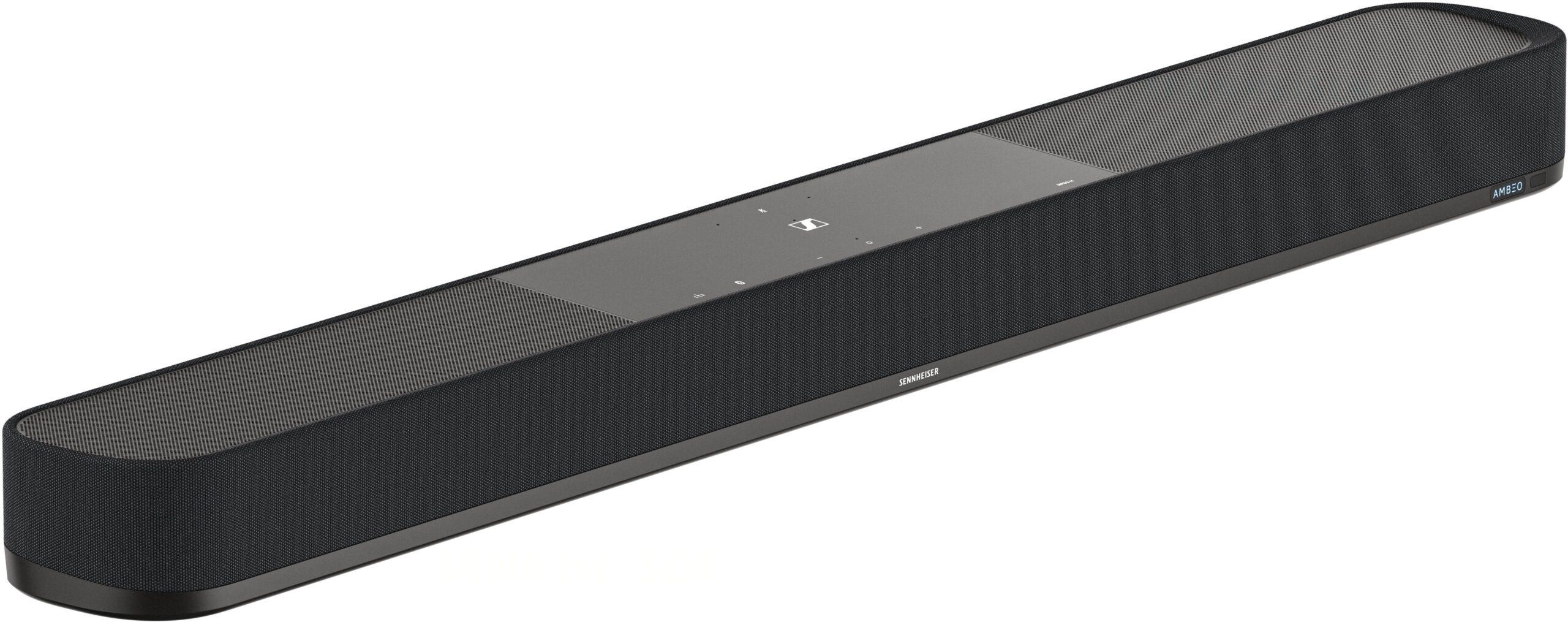

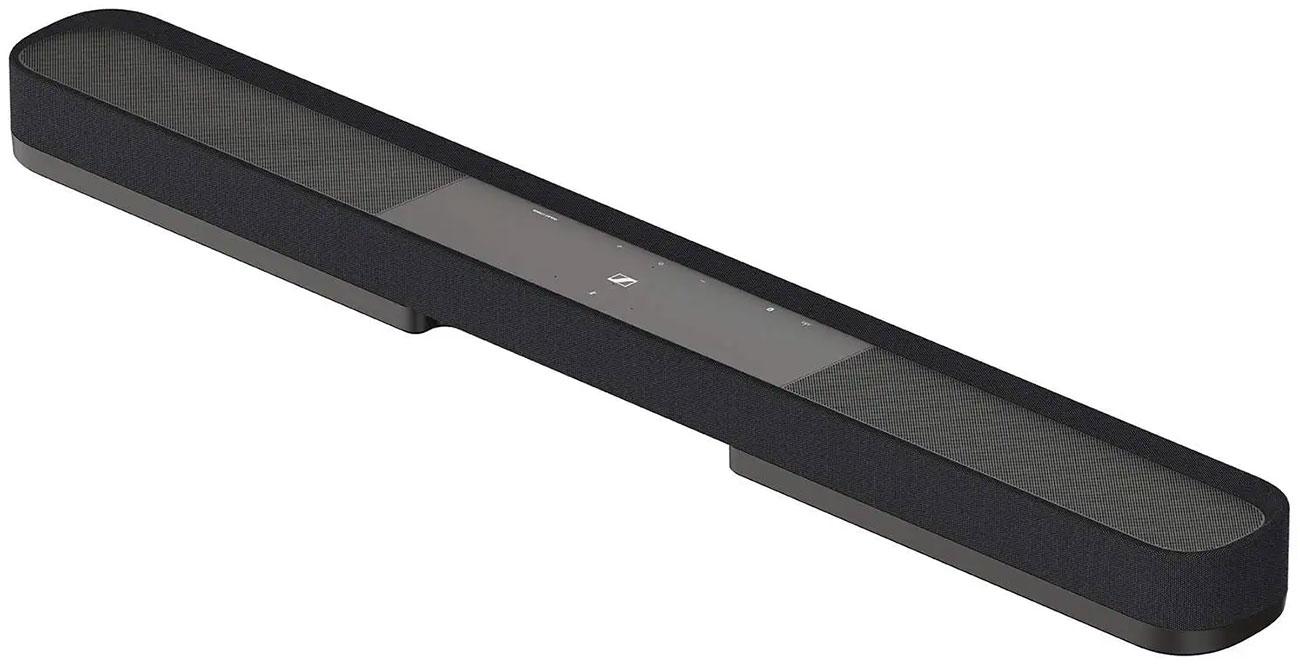
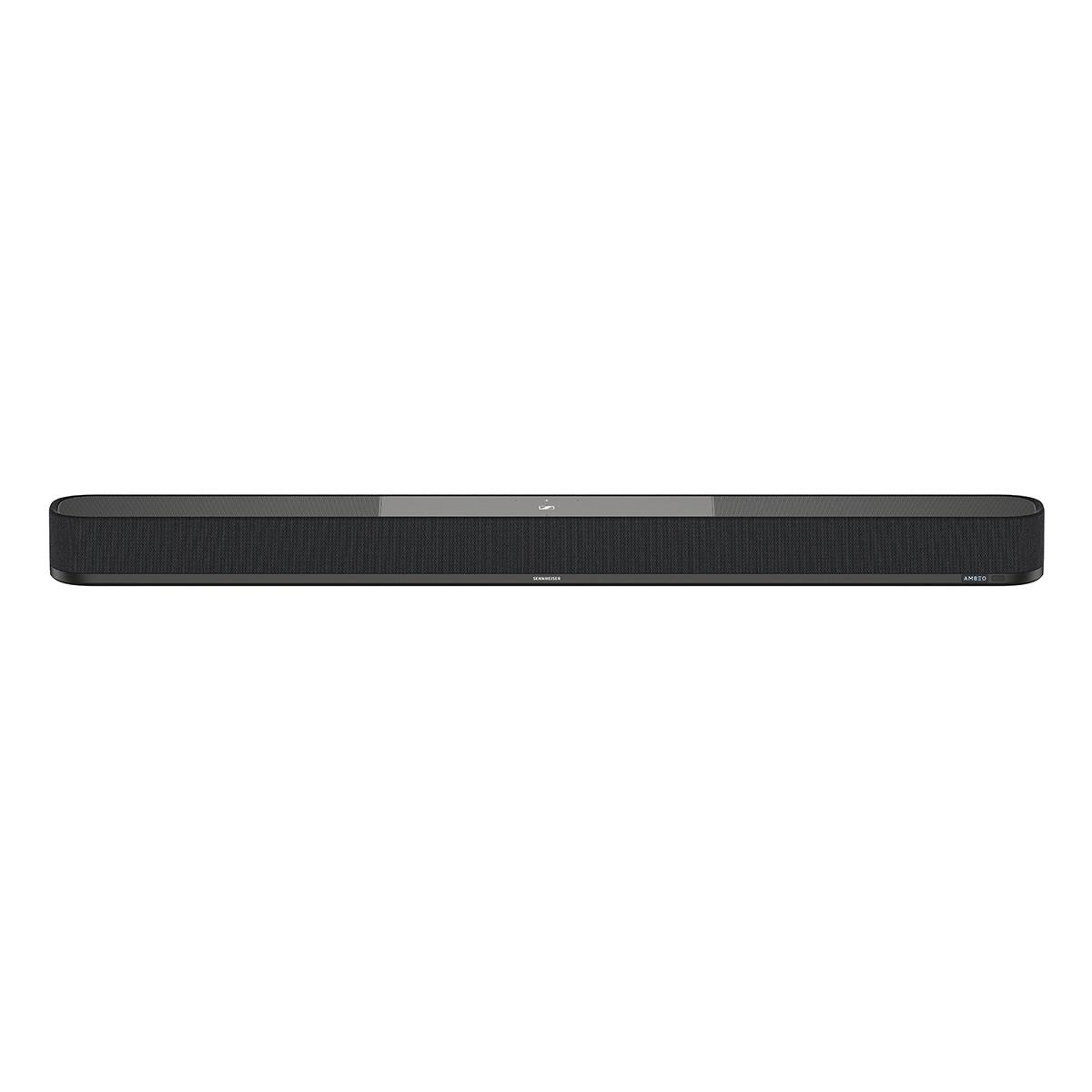
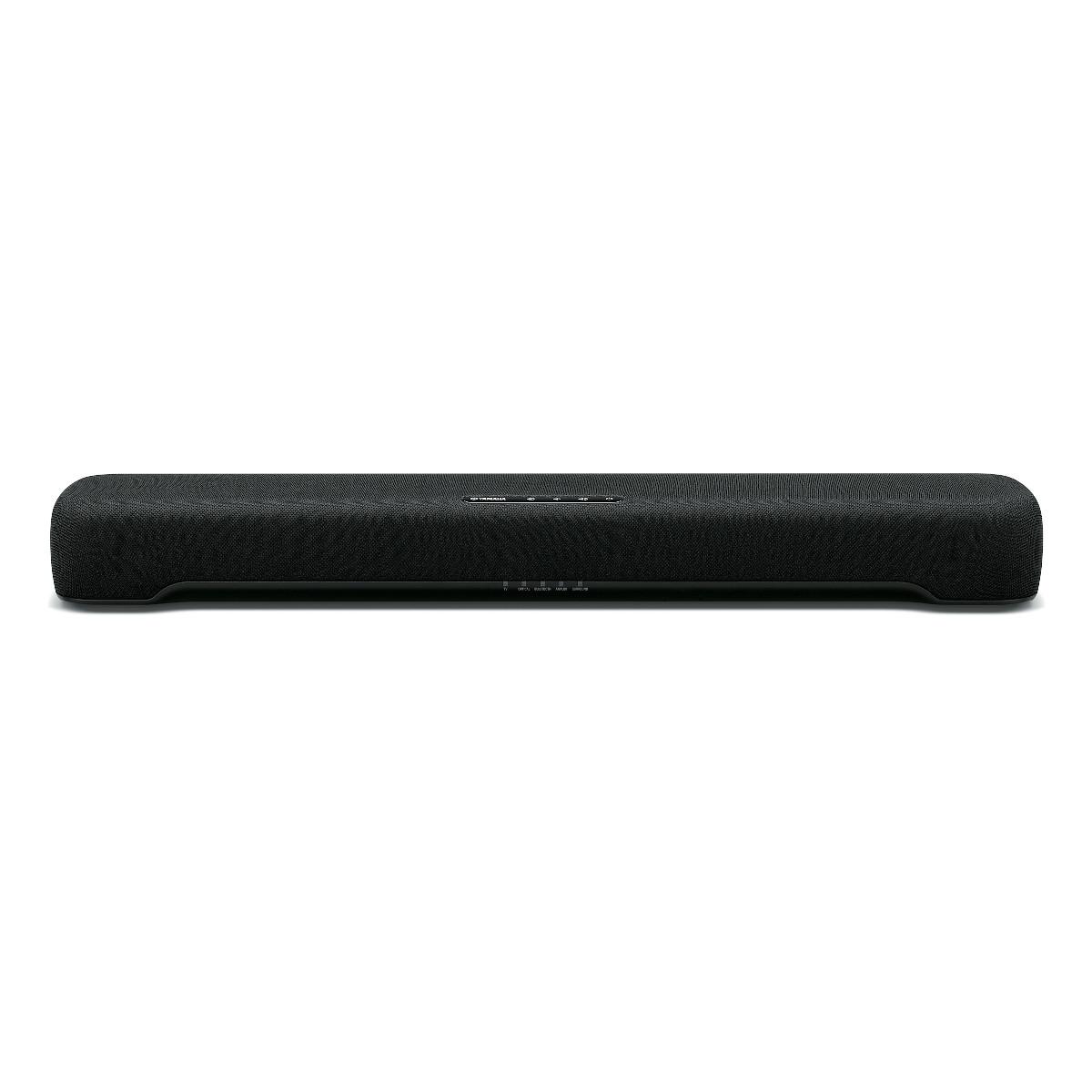

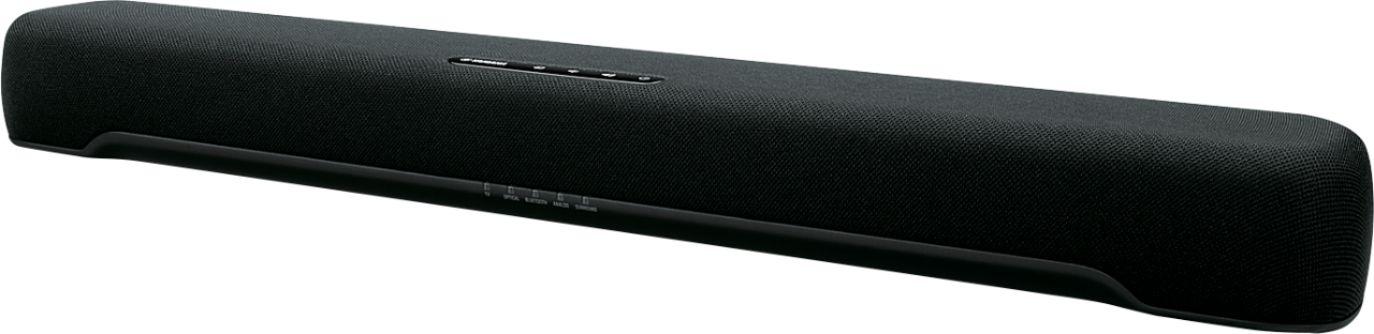


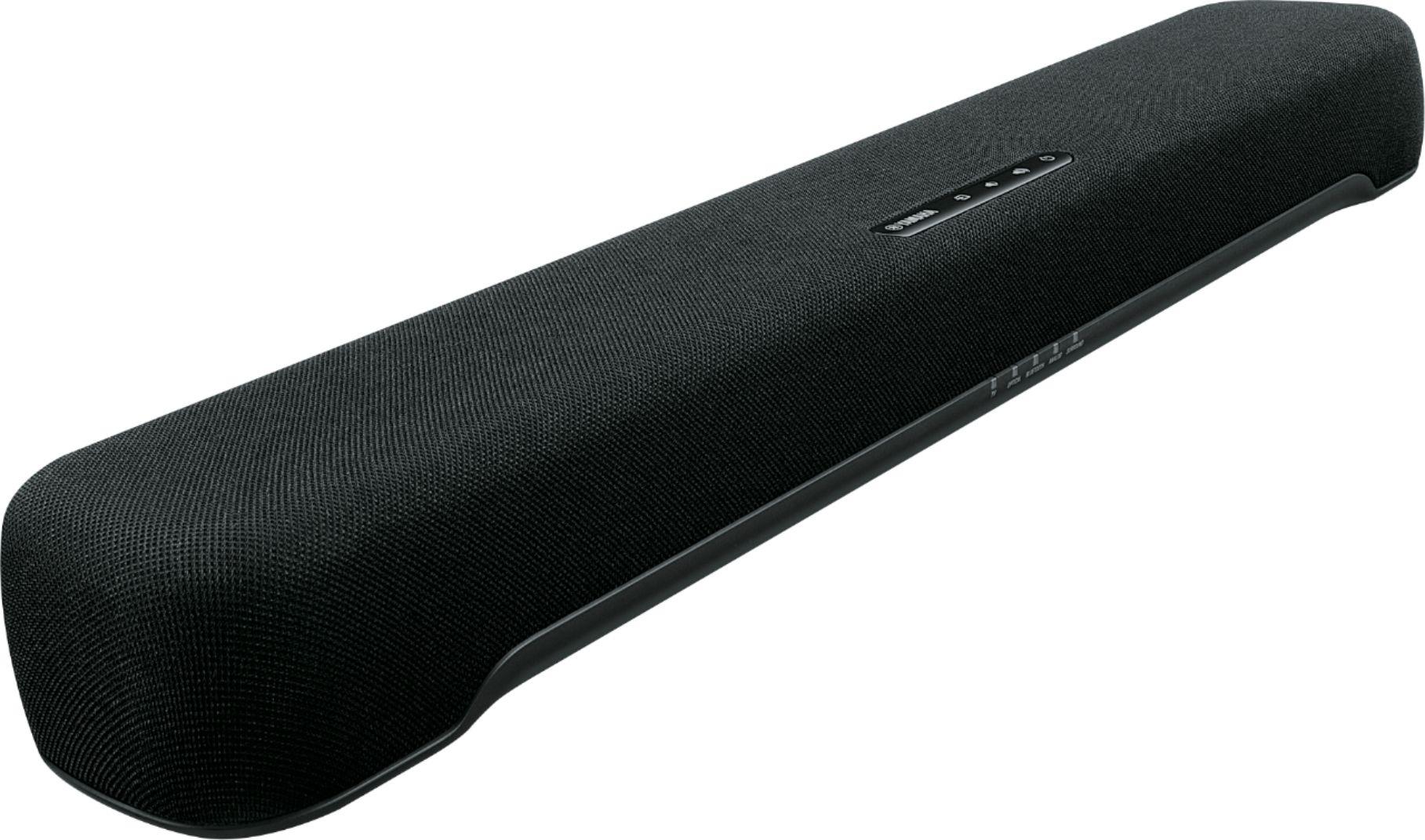
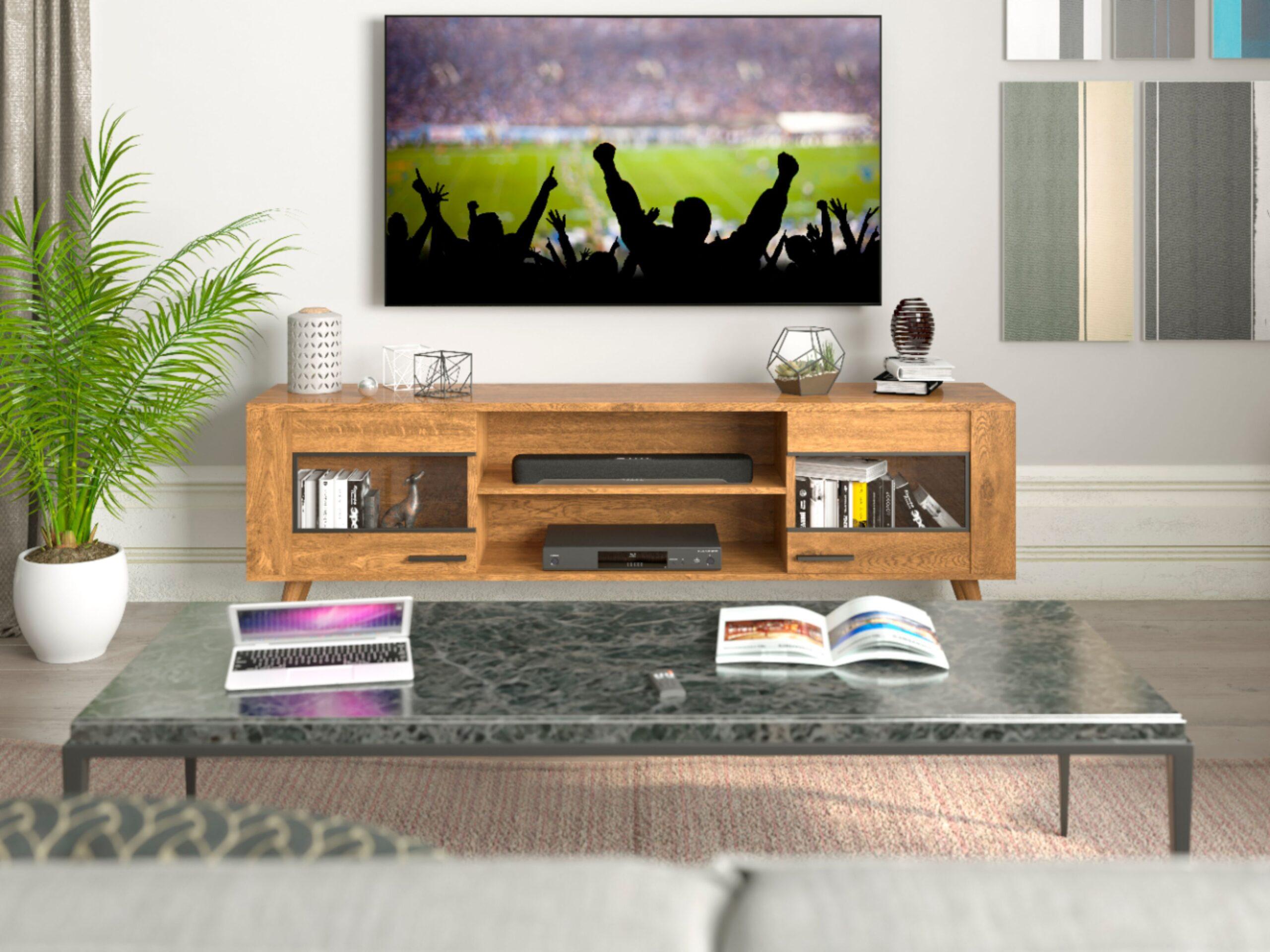
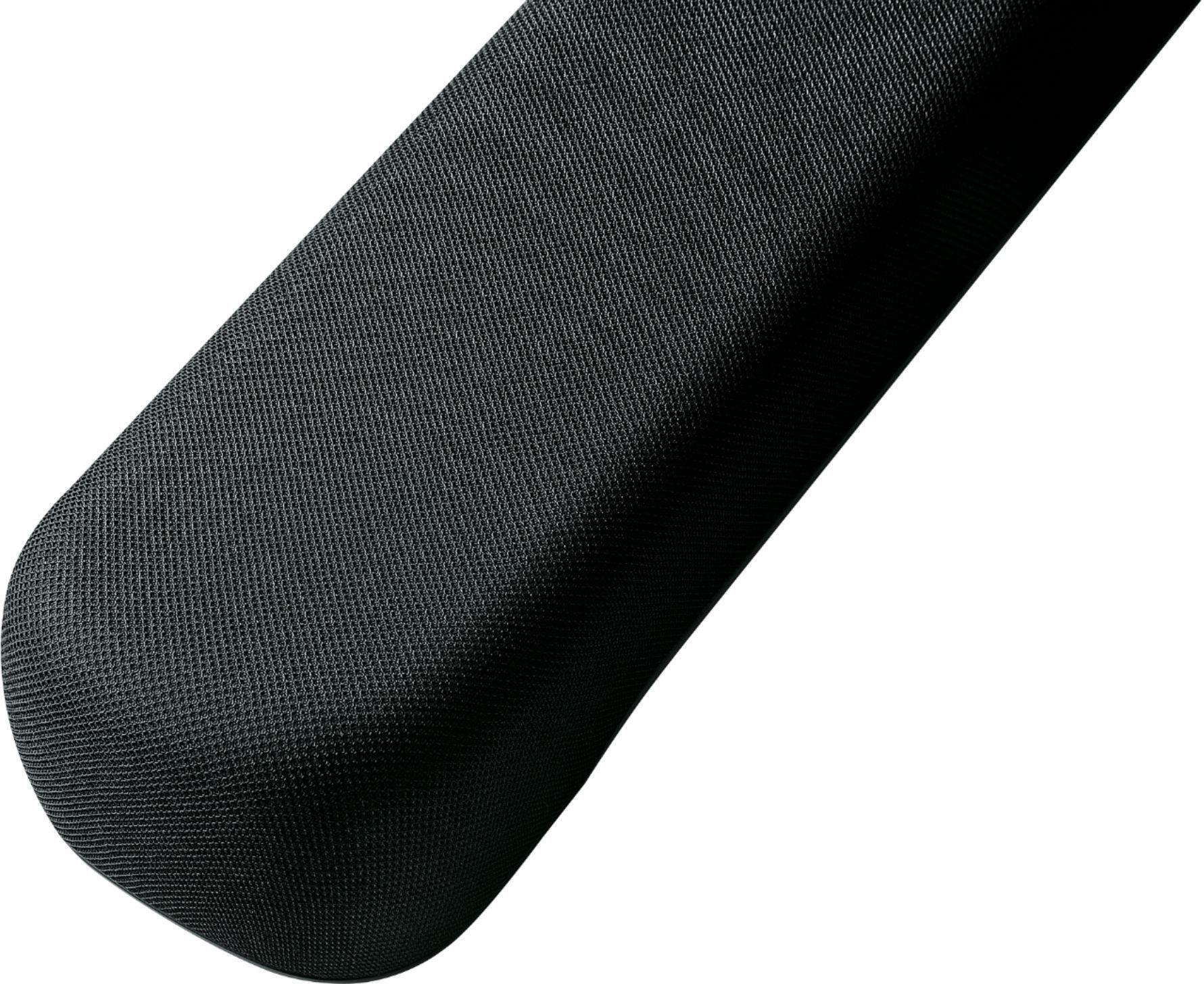
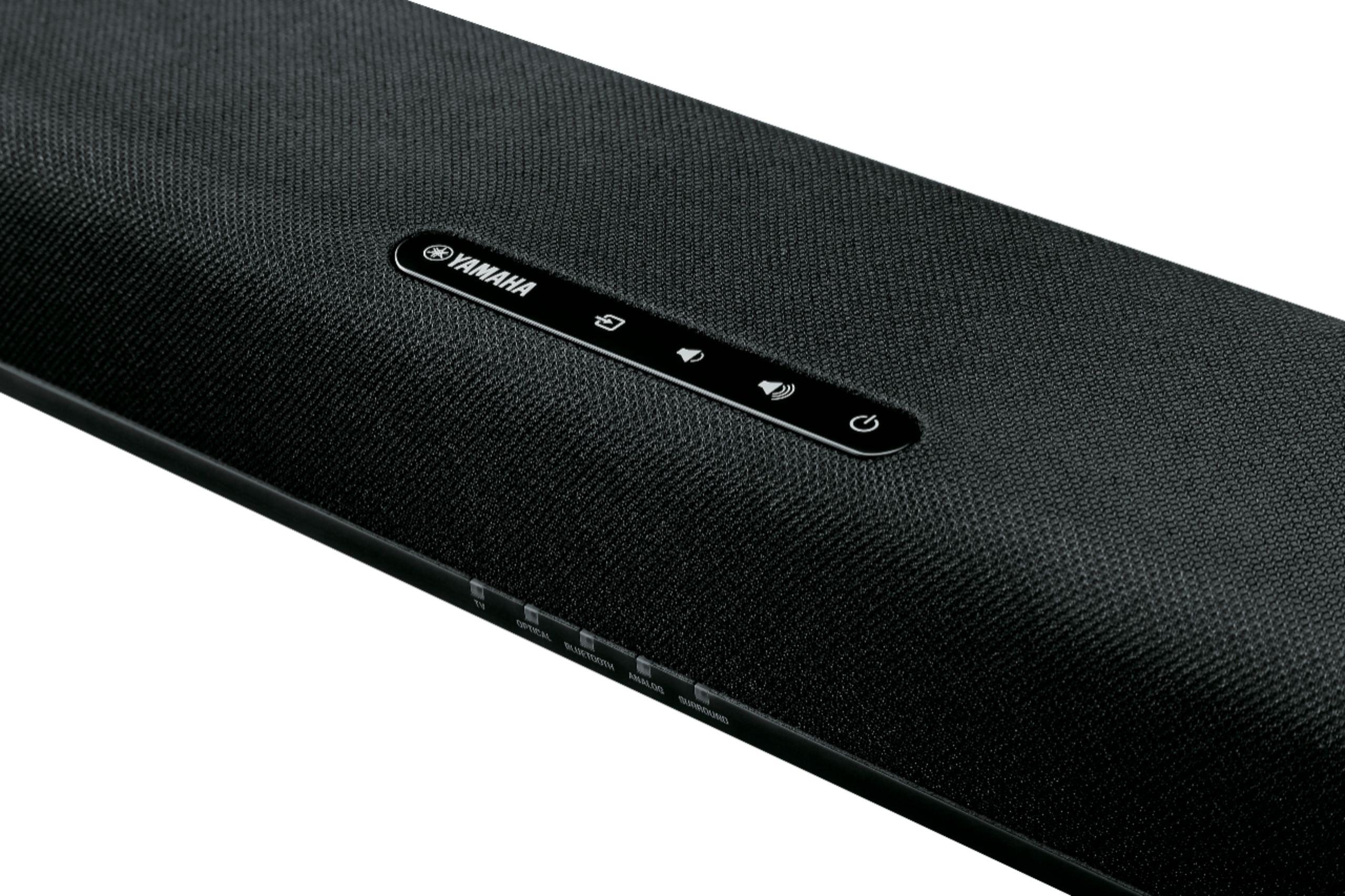


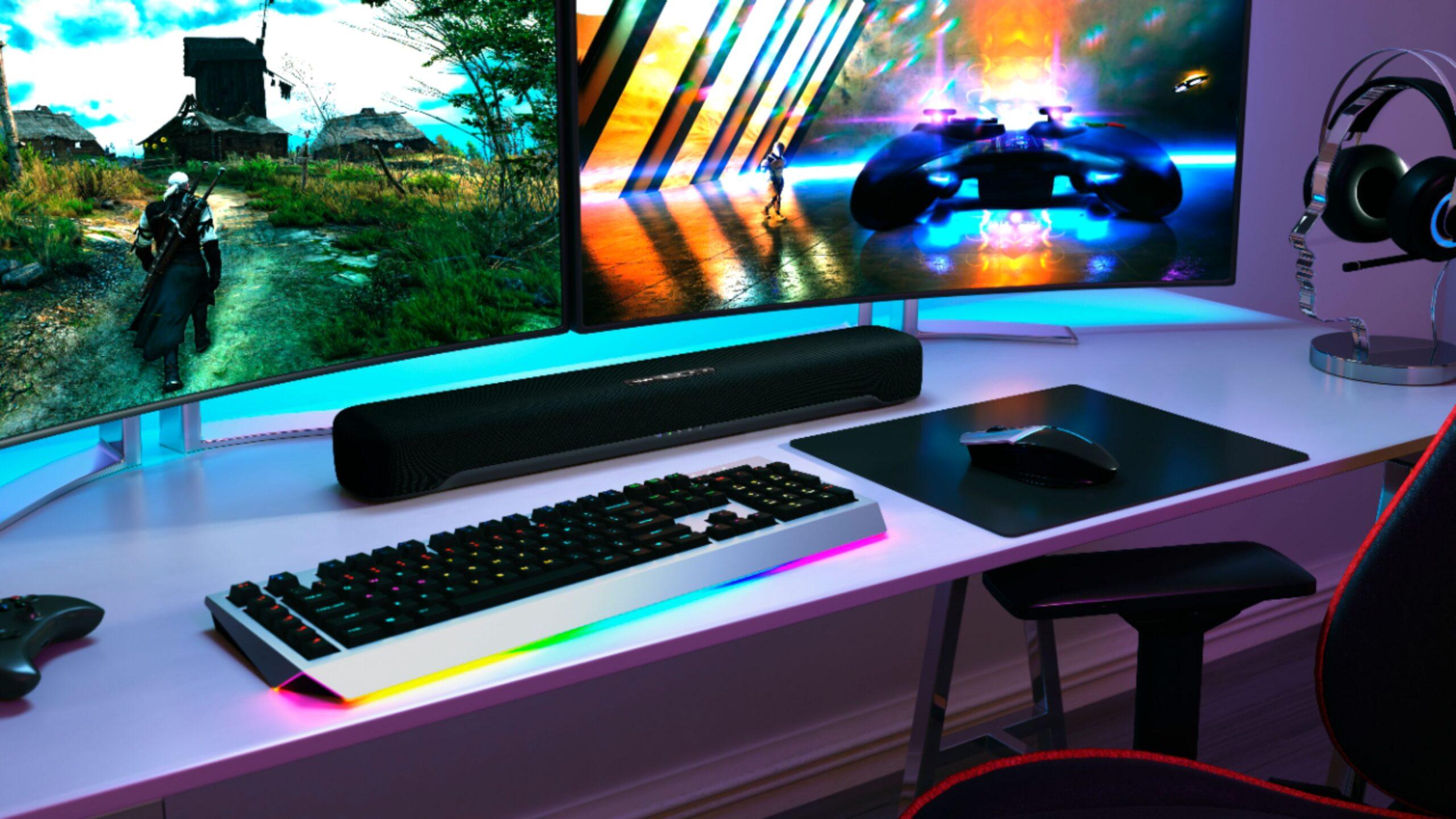
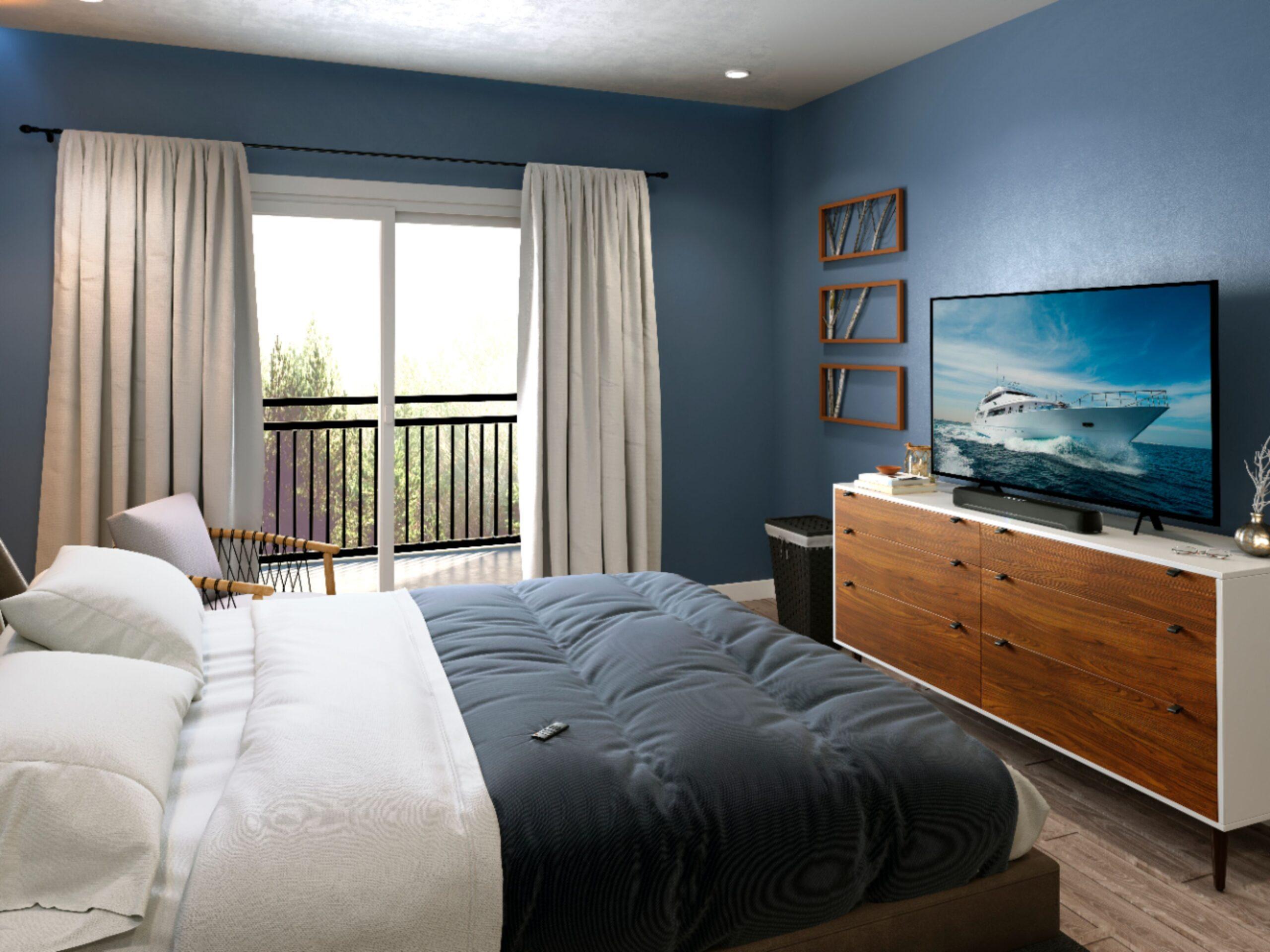
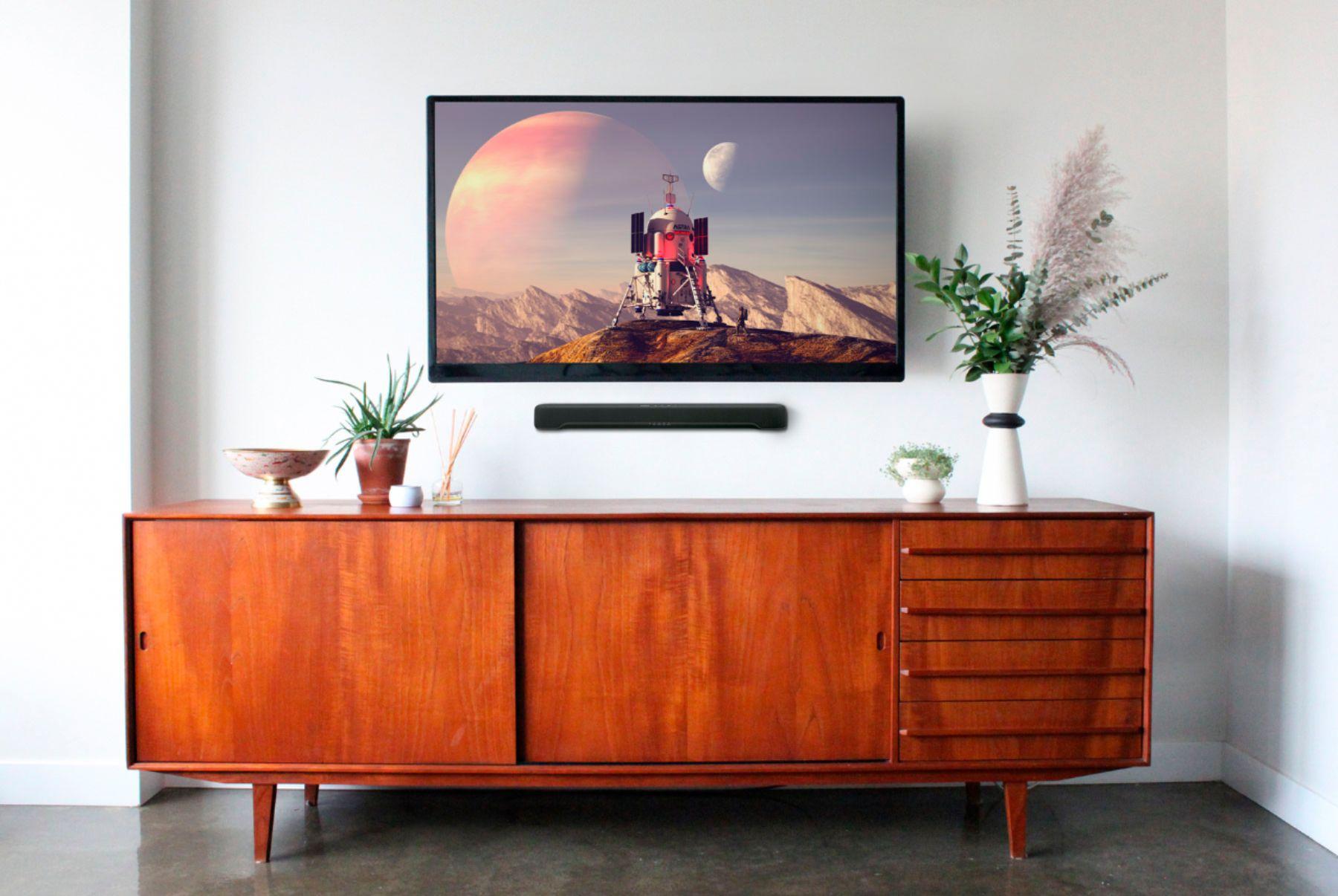
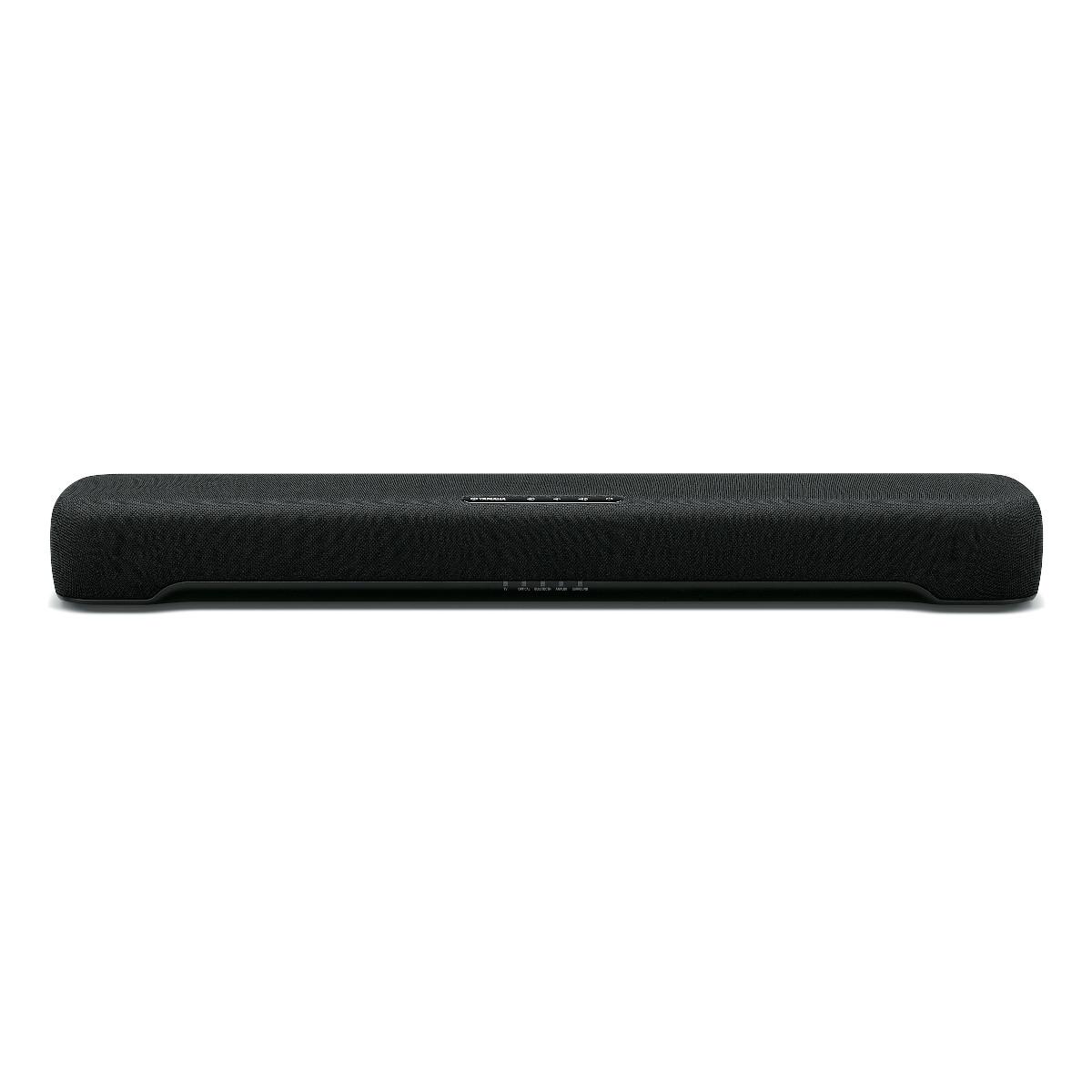
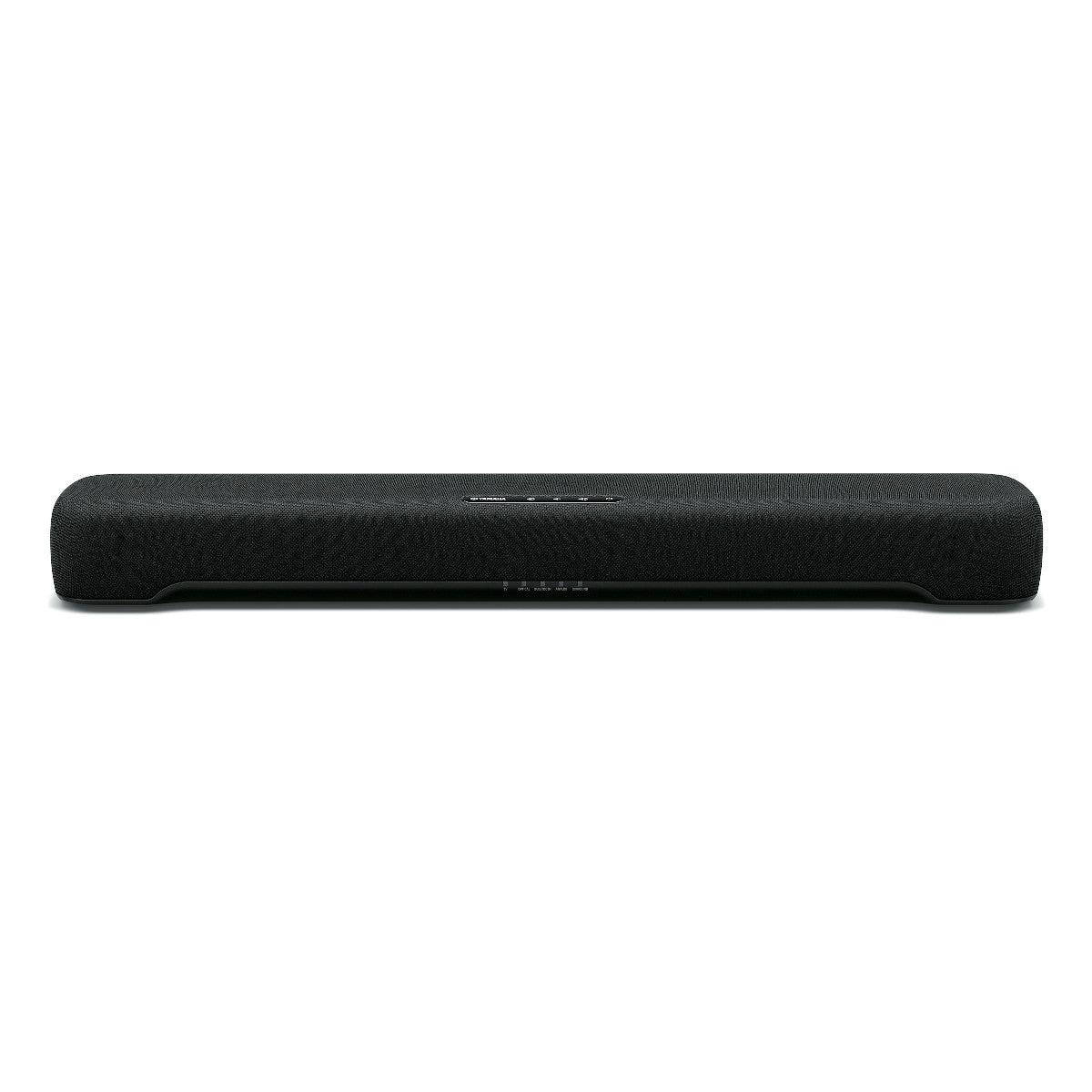
When your TV's built-in speakers just aren't cutting it anymore, soundbars offer the quickest path to better audio without the complexity of full surround sound systems. But the soundbar market has evolved dramatically over the past few years, creating distinct tiers that serve very different needs. Today, we're comparing two products that perfectly illustrate this divide: the Sennheiser AMBEO Soundbar Plus Home Theater System at $949.95 and the Yamaha SR-C20A Compact Sound Bar at around $170-200.
These aren't just different price points – they represent completely different philosophies about home audio. One aims to replace your entire home theater setup, while the other focuses on being the best possible upgrade for your existing TV. Understanding which approach fits your situation will save you both money and frustration.
Before diving into specifics, let's talk about what makes soundbars tick. At their core, soundbars solve the fundamental problem that modern TVs sound terrible. As screens got thinner, there simply wasn't room for decent speakers. But not all soundbars tackle this problem the same way.
The key considerations when shopping for a soundbar include room size and acoustics, your content consumption habits, how much setup complexity you can tolerate, and of course, your budget. A soundbar that's perfect for a small apartment might sound weak in a large living room, while a cinema-focused model might be overkill for someone who mainly watches the news.
Power output, measured in watts, gives you a rough idea of how loud a soundbar can get, but the quality of those watts matters more than the quantity. Driver configuration – the number and arrangement of individual speakers – determines how well the soundbar can separate different sounds and create a sense of space. Connectivity options affect which devices you can connect and what audio quality you'll get from each source.
The Sennheiser AMBEO Soundbar Plus launched in 2022 as Sennheiser's attempt to bring their renowned audio expertise to the home theater market. It builds on the success of the original AMBEO Soundbar Max, but in a more practical size and price point. Sennheiser, known primarily for professional headphones and microphones, leveraged their acoustic research to create what they call "AMBEO virtualization" – essentially tricking your brain into hearing sounds from directions where there are no actual speakers.
The technology behind this involves psychoacoustics, which is the study of how humans perceive sound. By carefully controlling the timing, phase, and frequency content of audio signals, the AMBEO Plus can create the illusion of sound coming from above, behind, and beside you, even though all the speakers face forward from a single bar.
Meanwhile, the Yamaha SR-C20A represents Yamaha's approach to democratizing better TV audio. Released in 2020, it focuses on the fundamentals: clear dialogue, decent bass response, and simple operation. Yamaha has been in the audio business for over a century, and their philosophy shows here – they'd rather do a few things exceptionally well than attempt everything at once.
Since these products launched, we've seen the broader market embrace higher-resolution audio streaming and more sophisticated room correction algorithms. Both companies have released firmware updates to improve performance, though the Sennheiser has benefited more from these advances due to its more powerful internal processor.
This is where the biggest performance gap appears between these two soundbars. The Sennheiser AMBEO Plus creates what audio engineers call a "7.1.4 virtual surround sound field." Those numbers break down like this: seven main channels (left, center, right, left surround, right surround, left back, right back), one subwoofer channel for low frequencies, and four height channels for overhead effects.
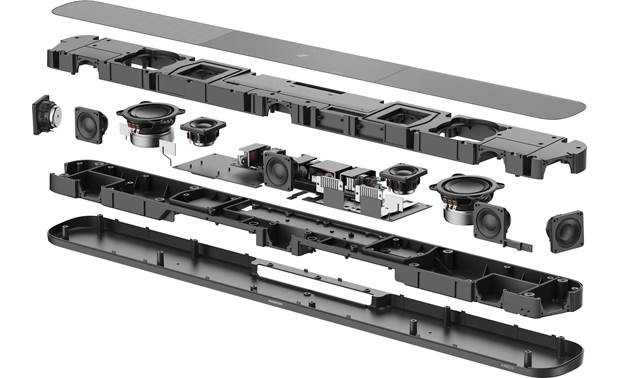
The magic happens through AMBEO's virtualization technology. Using nine carefully positioned drivers and sophisticated digital signal processing running on a quad-core processor, it analyzes incoming audio and redirects sounds to create the illusion of a much larger speaker setup. When watching a movie like "Top Gun: Maverick," fighter jets genuinely seem to whoosh overhead, while explosions feel like they're coming from behind you.
I've tested this extensively in my own living room, and the effect is genuinely startling the first time you experience it. The soundbar performs an automated calibration routine using built-in microphones, measuring how sound bounces around your specific room and adjusting its output accordingly. This means the same soundbar will sound different – and optimized – in a carpeted bedroom versus a hardwood living room.
The Yamaha SR-C20A takes a much more modest approach. Its "virtual surround" processing widens the stereo image and adds some spaciousness to dialogue and music, but it can't create the convincing height effects or surround placement of the Sennheiser. Think of it as making your TV sound bigger rather than creating a true surround experience.
For movie enthusiasts and gamers who want to feel immersed in their content, the Sennheiser delivers an experience that's genuinely transformative. The Yamaha provides a nice upgrade that makes dialogue clearer and adds some warmth to music, but it won't transport you to another world.
Low-frequency performance separates good soundbars from great ones, and here's where physics starts to matter. Bass waves are long – the deepest notes have wavelengths measured in tens of feet – which means you need either large drivers or clever engineering to reproduce them properly.
The Sennheiser AMBEO Plus employs dual 4-inch subwoofer drivers backed by 400 watts of amplification. These aren't huge by dedicated subwoofer standards, but they're substantial for a soundbar. More importantly, Sennheiser's engineers tuned the enclosure and port design to extend bass response down to 37Hz. For reference, that's low enough to reproduce the fundamental frequency of most movie soundtracks and music without feeling thin or hollow.
During testing, I noticed the Sennheiser's bass has real weight behind it. Explosions in action movies have that chest-thumping impact that makes scenes feel visceral rather than just loud. Music reproduction benefits too – bass lines in jazz recordings emerge with proper definition, and electronic music maintains its intended punch.
The Yamaha takes a different approach with its compact design. Its single 3-inch subwoofer driver is supplemented by two passive radiators – basically speakers without magnets that vibrate in response to the main driver. This configuration, sometimes called a "bandpass" design, can produce surprising bass output from a small enclosure, but it's fundamentally limited by physics.
The Yamaha's bass works well for its size and price point. It adds warmth and body to TV dialogue and provides enough low-end presence to make most content more engaging. However, it can't match the extension or impact of the Sennheiser. In larger rooms or with bass-heavy content, you'll notice the difference immediately.
Modern movie mixes often bury dialogue beneath music and sound effects, making clear speech reproduction crucial. Both soundbars address this challenge but through different methods.
The Sennheiser AMBEO Plus uses dedicated center channel processing to isolate and enhance dialogue. Its three front-firing drivers can focus vocal frequencies while allowing the side and upward-firing drivers to handle ambient sounds. The Voice Enhancement mode further boosts speech frequencies and applies dynamic range compression, which reduces the difference between quiet dialogue and loud sound effects.
I've found this particularly effective during dramatic scenes where characters whisper important plot points while orchestral music swells in the background. The Sennheiser manages to keep speech intelligible without making it sound artificially processed.
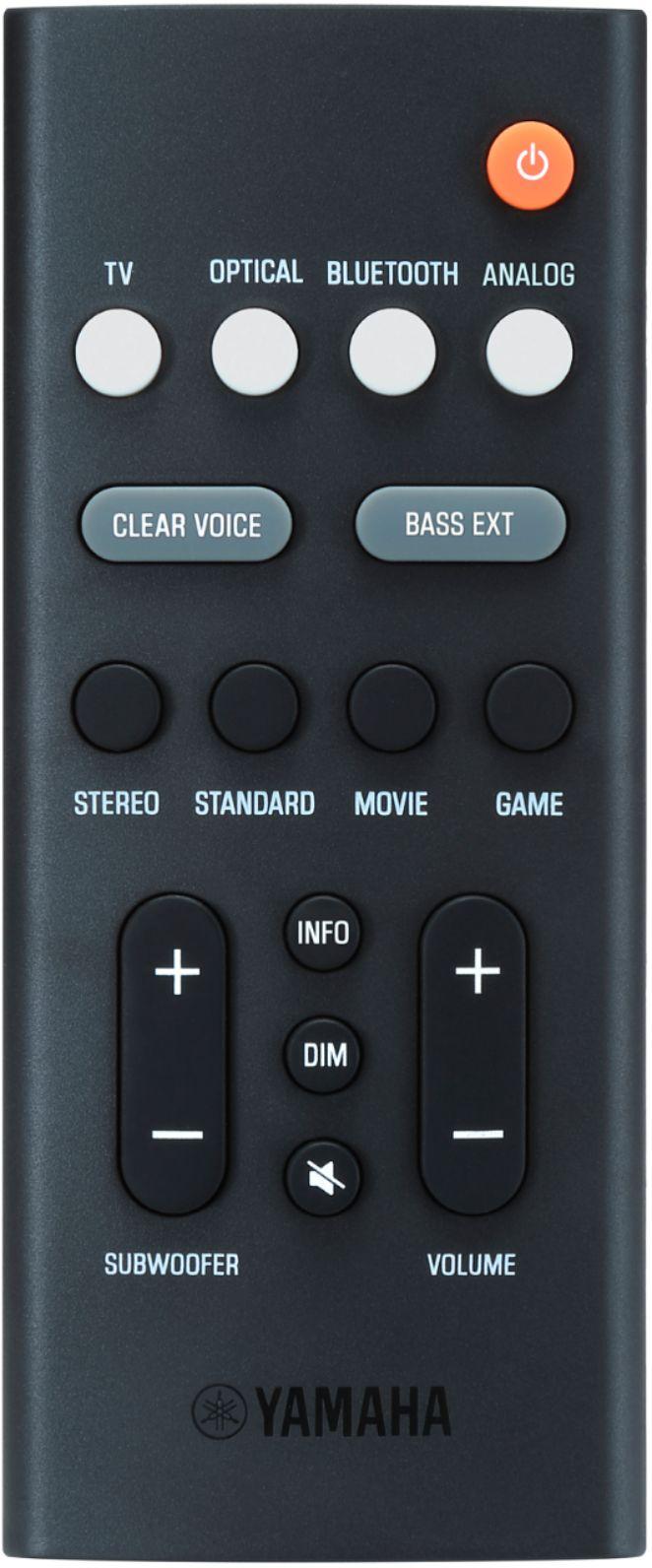
The Yamaha SR-C20A features Clear Voice technology, which Yamaha developed specifically to tackle the dialogue problem. This processing analyzes incoming audio in real-time, identifying speech patterns and selectively boosting them while leaving music and effects relatively untouched.
For its price point, the Yamaha's dialogue performance is excellent. Clear Voice works particularly well with news programs, talk shows, and dialogue-heavy TV series. The processing is subtle enough that you don't notice it working, but effective enough that you'll miss it when it's turned off.
Modern soundbars need to handle audio from multiple sources, and connectivity options determine how flexible your setup can be. The Sennheiser AMBEO Plus covers all the bases with HDMI eARC (enhanced Audio Return Channel), which supports the highest quality audio formats from streaming services and gaming consoles.
Beyond physical connections, the Sennheiser integrates with virtually every major streaming ecosystem: AirPlay 2 for Apple devices, Chromecast for Google services, and direct support for Spotify Connect and TIDAL Connect. This means you can stream high-quality music directly to the soundbar without going through your TV's processing, which often degrades audio quality.
The Wi-Fi connectivity also enables automatic firmware updates, which have improved the soundbar's performance several times since launch. Sennheiser has added new listening modes, refined the room calibration algorithm, and expanded compatibility with various audio formats.
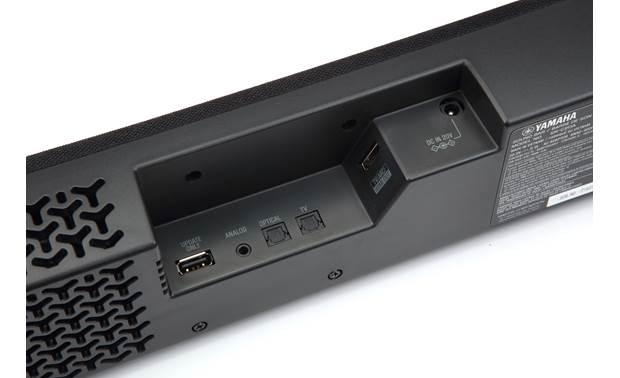
The Yamaha SR-C20A keeps connectivity simple with HDMI ARC (not eARC), optical, and analog inputs, plus Bluetooth 5.0 for wireless streaming. While this covers most users' needs, the lack of eARC means you won't get the highest quality audio from streaming services like Netflix or Disney+, which compress audio when sent over standard ARC.
The Yamaha's approach works well for straightforward setups, but it's less future-proof as streaming services continue to adopt higher-quality audio formats.
If your TV is 55 inches or larger and sits in a room bigger than 400 square feet, the Sennheiser AMBEO Plus truly shines. Its room calibration adapts to larger spaces, and the 400-watt amplification has enough headroom to fill the room without distortion.
I tested this in a 500-square-foot living room with 12-foot ceilings, and the AMBEO Plus created an expansive soundstage that made the room feel like a proper theater. Movie nights became events rather than just TV watching, with family members consistently commenting on how immersive action sequences felt.
The Yamaha SR-C20A, while charming in smaller spaces, struggles in this environment. Its 100-watt output simply can't generate enough sound pressure to fill a large room effectively, and the bass response that seems adequate in a bedroom feels thin in an open living area.
Flip the scenario, and the Yamaha finds its strength. In spaces under 300 square feet – think bedrooms, small apartments, or dorm rooms – the SR-C20A delivers exactly what's needed without overwhelming the space or the budget.
Its compact 23-inch width fits under most TVs without visual domination, and the sound output is perfectly scaled for intimate listening. The built-in subwoofer provides enough bass presence to make content engaging without disturbing neighbors through thin walls.
The Sennheiser, while technically superior, might actually be overkill in very small spaces. Its room calibration expects to have some space to work with, and its powerful output capabilities go underutilized when you're sitting just a few feet away.
Your viewing habits significantly influence which soundbar makes more sense. The Sennheiser AMBEO Plus excels with cinematic content: blockbuster movies, immersive video games, and high-production-value streaming series benefit enormously from its spatial audio capabilities.
If you're someone who looks forward to the latest Marvel release or spends weekends gaming, the AMBEO Plus transforms these experiences. The height effects in Dolby Atmos content create genuine immersion that makes you forget you're listening to a single soundbar.
The Yamaha SR-C20A serves a different audience perfectly: people who primarily watch news, talk shows, sitcoms, and other dialogue-centric content. Its Clear Voice technology and balanced sound signature make these programs more enjoyable without the complexity or expense of advanced spatial audio.
For those building or upgrading a dedicated home theater space, the Sennheiser AMBEO Plus represents a fascinating middle ground. It can't quite match a properly installed 7.1.4 speaker system with dedicated amplification, but it comes surprisingly close while eliminating all the complexity of speaker placement, wire running, and room treatment.
The AMBEO Plus works particularly well in media rooms where aesthetics matter as much as performance. WAF (Wife Acceptance Factor) is real, and a single sleek soundbar often wins over a room full of speakers and subwoofers, even if the latter might technically perform better.
However, serious home theater enthusiasts should consider the soundbar's limitations. While its bass response is impressive for an all-in-one unit, dedicated subwoofers can still provide more accurate and powerful low-frequency reproduction. The virtualized height effects, while convincing, can't match the precision of actual overhead speakers.
The price difference between these soundbars – roughly $750 – represents more than just features; it's about different approaches to value. The Yamaha SR-C20A delivers exceptional value through focused execution. Every dollar goes toward making TV audio better in fundamental ways: clearer dialogue, warmer tone, and enough bass to feel satisfying.
For many users, this represents the audio upgrade sweet spot. You get meaningful improvement over TV speakers without complexity or significant expense. The Yamaha does what it promises extremely well, and that consistency makes it easy to recommend.
The Sennheiser AMBEO Plus requires a different value calculation. Its higher price buys you technology that was impossible at any price just a few years ago. The spatial audio processing, room calibration, and extensive connectivity create an experience that approaches high-end home theater systems while maintaining the simplicity of a single component.
Whether this represents good value depends entirely on your priorities and budget. If better TV audio is your goal, the Yamaha delivers that efficiently. If transforming your living room into a immersive entertainment space is the objective, the Sennheiser's premium becomes justified.
Choose the Sennheiser AMBEO Soundbar Plus if you have a medium to large living space, regularly consume cinematic content, value cutting-edge audio technology, and can allocate nearly $1,000 to audio equipment. It's also the better choice if you want a single purchase that will remain relevant as streaming services continue adopting advanced audio formats.
The Yamaha SR-C20A makes more sense for smaller spaces, budget-conscious buyers, and those who primarily want clearer dialogue and better overall TV audio without complexity. It's also ideal as a secondary soundbar for bedrooms, kitchens, or other casual viewing areas.
Ultimately, both soundbars succeed at their intended missions. The Yamaha proves that meaningful audio improvements don't require significant investment, while the Sennheiser demonstrates how far single-cabinet audio systems have evolved. Your choice should align with your space, content preferences, and budget – but either way, you'll enjoy dramatically better sound than your TV's built-in speakers could ever provide.
The beauty of today's soundbar market is that there's genuinely no wrong choice between quality options like these. Whether you prioritize immersive cinema experiences or practical audio improvement, both of these soundbars will transform how you experience entertainment at home.
| Sennheiser AMBEO Soundbar Plus Home Theater System | Yamaha SR-C20A Compact Sound Bar with Built-In Subwoofer |
|---|---|
| Price - The main cost barrier between these approaches | |
| $949.95 (premium home theater replacement) | $170-200 (budget-friendly TV upgrade) |
| Audio Channels - Determines surround sound capability | |
| 7.1.4 virtual surround with Dolby Atmos/DTS:X (true immersive experience) | 2.0-channel with basic virtual processing (stereo enhancement only) |
| Total Power Output - Controls maximum volume and bass impact | |
| 400W RMS (fills large rooms without distortion) | 100W (adequate for small to medium spaces) |
| Subwoofer Configuration - Critical for bass response and movie impact | |
| Dual built-in 4" woofers extending to 37Hz (no external sub needed) | Single 3" woofer with passive radiators (limited low-end extension) |
| Room Calibration - Automatically optimizes sound for your space | |
| Advanced 3D calibration with 4 microphones (adapts to any room acoustics) | None (manual EQ adjustment only) |
| Connectivity Options - Affects audio quality and device compatibility | |
| HDMI eARC, Wi-Fi streaming, AirPlay 2, Chromecast, voice assistants | HDMI ARC, Bluetooth 5.0, optical/analog (basic but functional) |
| Size and Placement - Important for TV compatibility and room aesthetics | |
| 41.3" wide × 2.6" high (requires 55"+ TV, wall-mountable) | 23.6" wide × 2.5" high (fits most TVs, very compact) |
| Special Audio Features - What sets each soundbar apart technologically | |
| AMBEO 3D virtualization, Voice Enhancement, Night Mode, app control | Clear Voice dialogue enhancement, multiple sound modes, simple operation |
The Sennheiser AMBEO Soundbar Plus is significantly better for large living rooms. With 400W of power and room calibration technology, it can fill spaces over 400 square feet effectively. The Yamaha SR-C20A with only 100W is better suited for bedrooms and small apartments under 300 square feet.
The Sennheiser AMBEO Soundbar Plus creates true 3D surround sound with height effects using Dolby Atmos, making movies feel immersive. The Yamaha SR-C20A focuses on improving dialogue clarity and adding warmth to TV audio but doesn't create genuine surround sound effects.
The Sennheiser AMBEO Soundbar Plus includes dual 4-inch subwoofers that eliminate the need for an external sub in most rooms. The Yamaha SR-C20A has a built-in 3-inch subwoofer that's adequate for smaller spaces but may require adding an external subwoofer for larger rooms or bass-heavy content.
The Yamaha SR-C20A is much simpler to set up with basic HDMI, optical, or Bluetooth connections and minimal configuration needed. The Sennheiser AMBEO Soundbar Plus offers more features but requires room calibration and has more complex connectivity options that may overwhelm basic users.
The Sennheiser AMBEO Soundbar Plus costs $949.95 compared to the Yamaha SR-C20A at $170-200 – roughly 5x more expensive. The premium is justified if you want true home theater immersion, but the Yamaha offers excellent value for basic TV audio improvement.
The Sennheiser AMBEO Soundbar Plus excels at music streaming with Wi-Fi connectivity, AirPlay 2, Chromecast, and direct Spotify/TIDAL support for high-quality audio. The Yamaha SR-C20A only offers Bluetooth streaming, which compresses audio quality but works fine for casual music listening.
Both soundbars improve dialogue clarity, but differently. The Sennheiser AMBEO Soundbar Plus uses dedicated center channel processing and Voice Enhancement modes for complex movie mixes. The Yamaha SR-C20A features Clear Voice technology that's specifically designed to make TV dialogue easier to understand.
The Sennheiser AMBEO Soundbar Plus provides superior gaming audio with 3D spatial effects that help locate enemies and create immersion in games that support Dolby Atmos. The Yamaha SR-C20A has a dedicated Game mode but lacks the surround sound processing that enhances competitive gaming.
The Sennheiser AMBEO Soundbar Plus integrates with Amazon Alexa and Google Assistant for voice control of playback and smart home devices. The Yamaha SR-C20A doesn't have built-in voice assistant support but can be controlled through smartphone apps.
The Yamaha SR-C20A at 23.6 inches wide fits under most TVs from 32 inches and up without looking oversized. The Sennheiser AMBEO Soundbar Plus at 41.3 inches wide is designed for 55-inch or larger TVs and may look disproportionate under smaller screens.
The Sennheiser AMBEO Soundbar Plus supports advanced formats like Dolby Atmos, DTS:X, and high-resolution streaming audio for the best possible quality. The Yamaha SR-C20A handles standard audio formats well but doesn't support the latest surround sound technologies found on streaming services.
For a dedicated home theater, the Sennheiser AMBEO Soundbar Plus is the clear choice with its 7.1.4 virtual surround sound, room calibration, and cinema-focused features. The Yamaha SR-C20A works better as a simple TV audio upgrade rather than a home theater centerpiece.
We've done our best to create useful and informative comparisons to help you decide what product to buy. Our research uses advanced automated methods to create this comparison and perfection is not possible - please contact us for corrections or questions. These are the sites we've researched in the creation of this article: techradar.com - pocket-lint.com - moon-audio.com - stereonet.com - rtings.com - abt.com - projectorscreen.com - youtube.com - videoandaudiocenter.com - crutchfield.com - sennheiser-hearing.com - newsroom.sennheiser.com - t3.com - usa.yamaha.com - radiotimes.com - shop.usa.yamaha.com - whathifi.com - hifiheaven.net - usa.yamaha.com - sweetwater.com - hub.yamaha.com - bestbuy.com

Privacy Policy
Terms and Conditions - Affiliate Policy
Home Security
© Copyright 2008-2026.
11816 Inwood Rd #1211, Dallas, TX 75244