

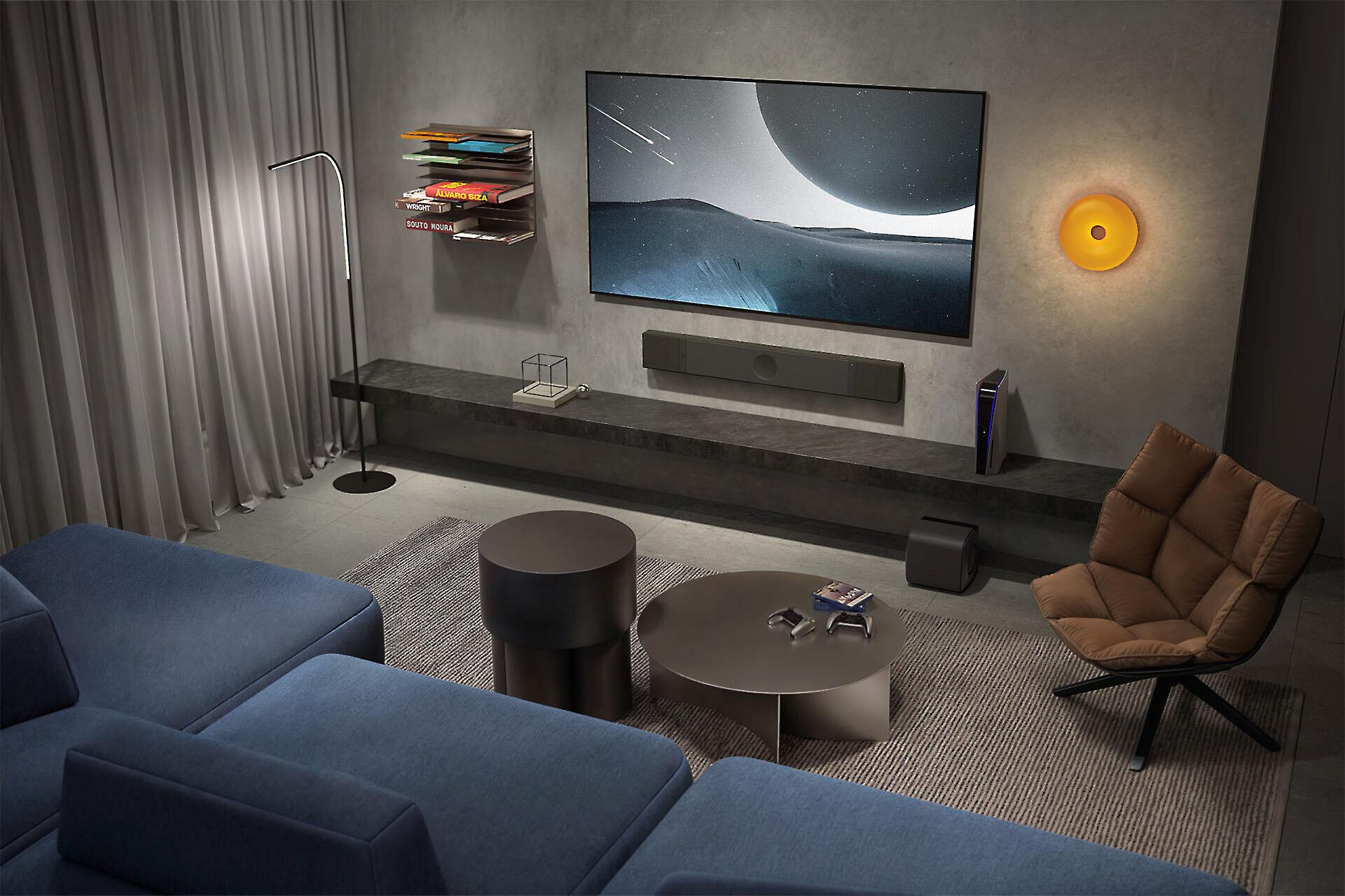
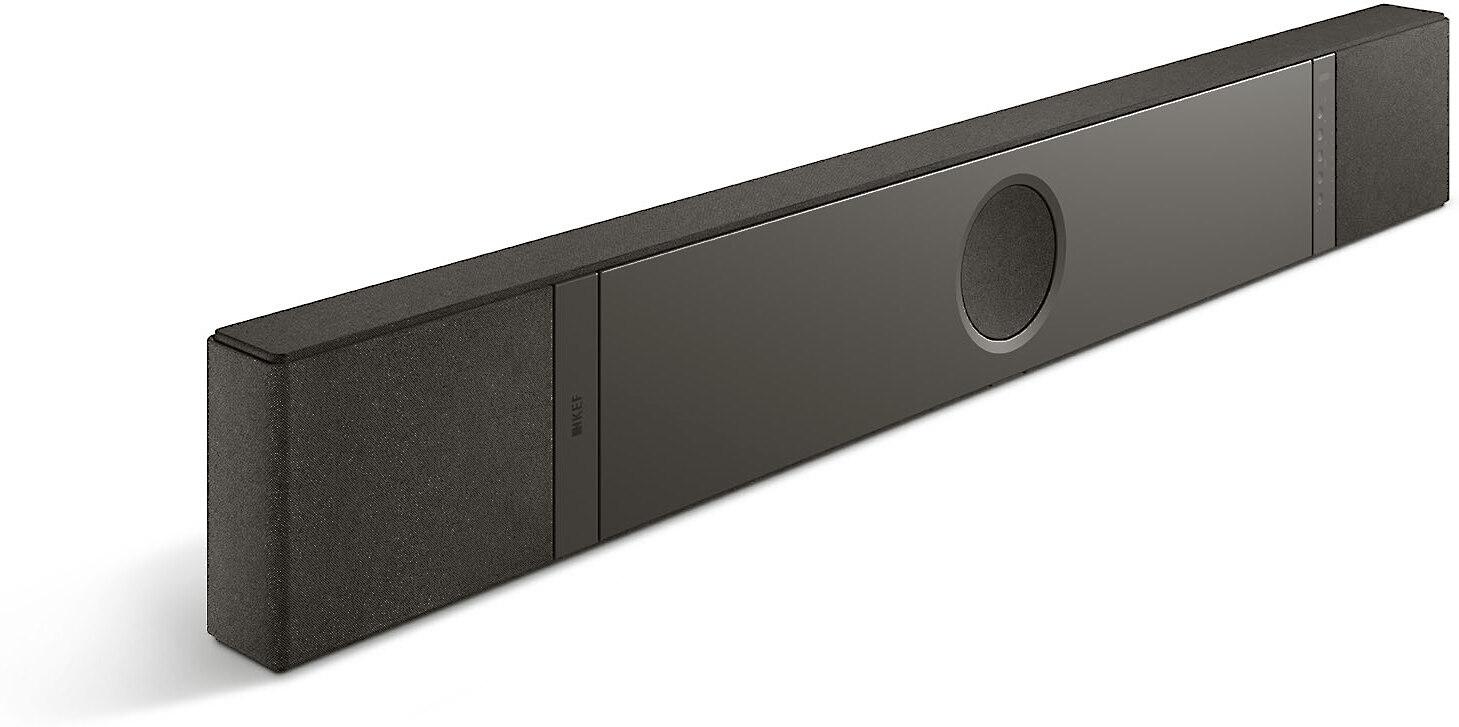
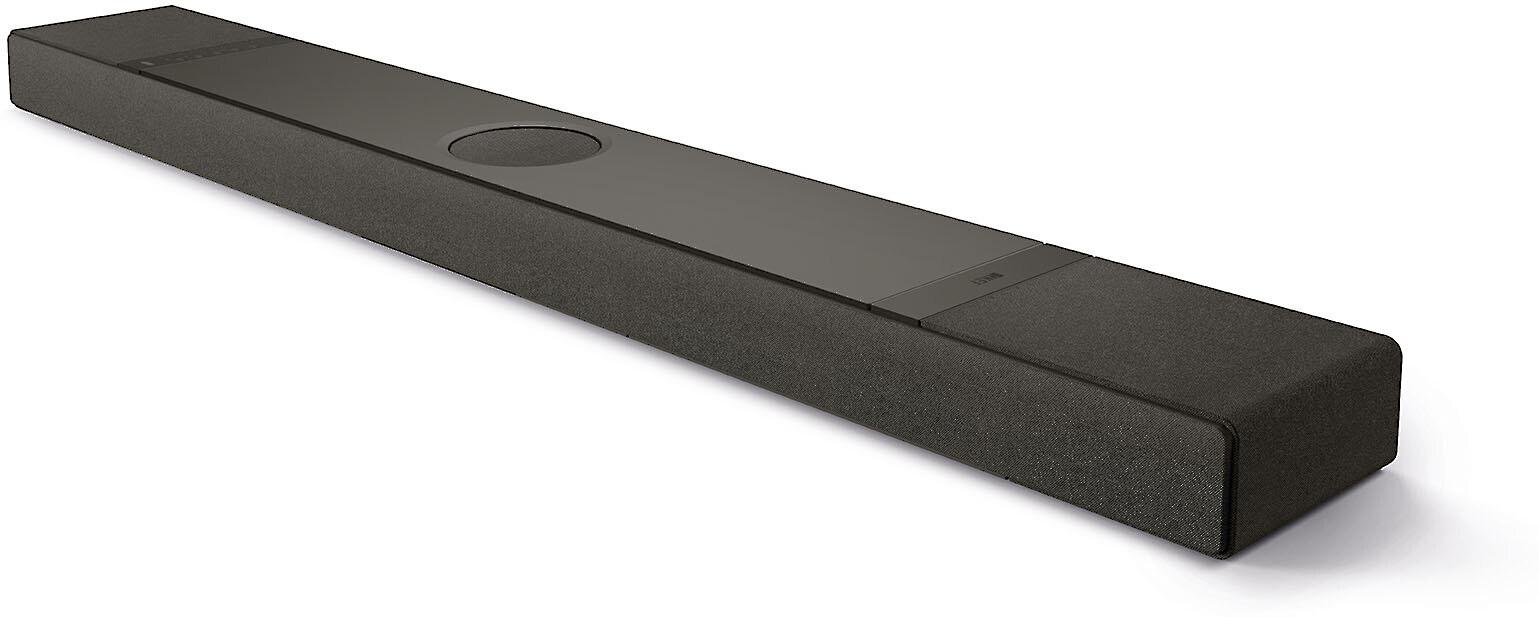
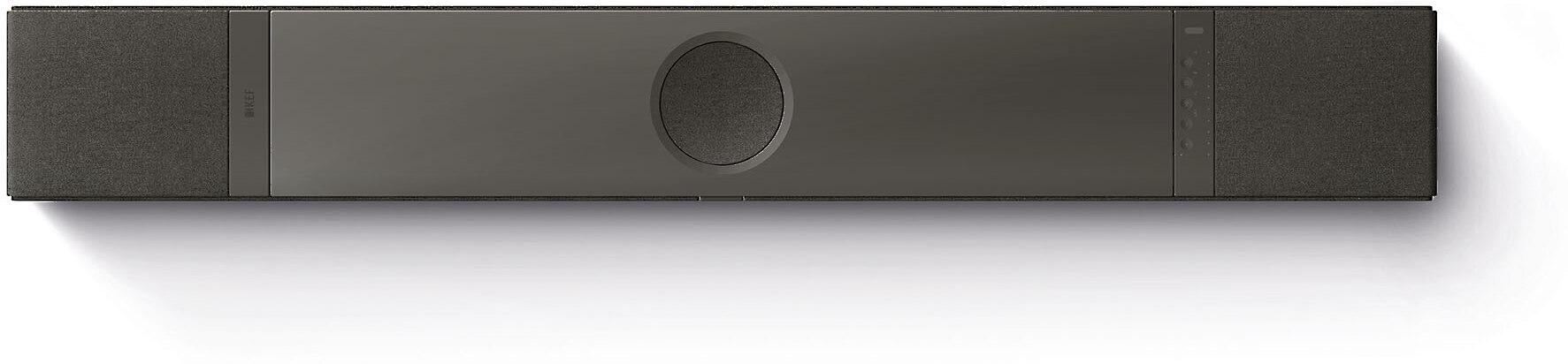









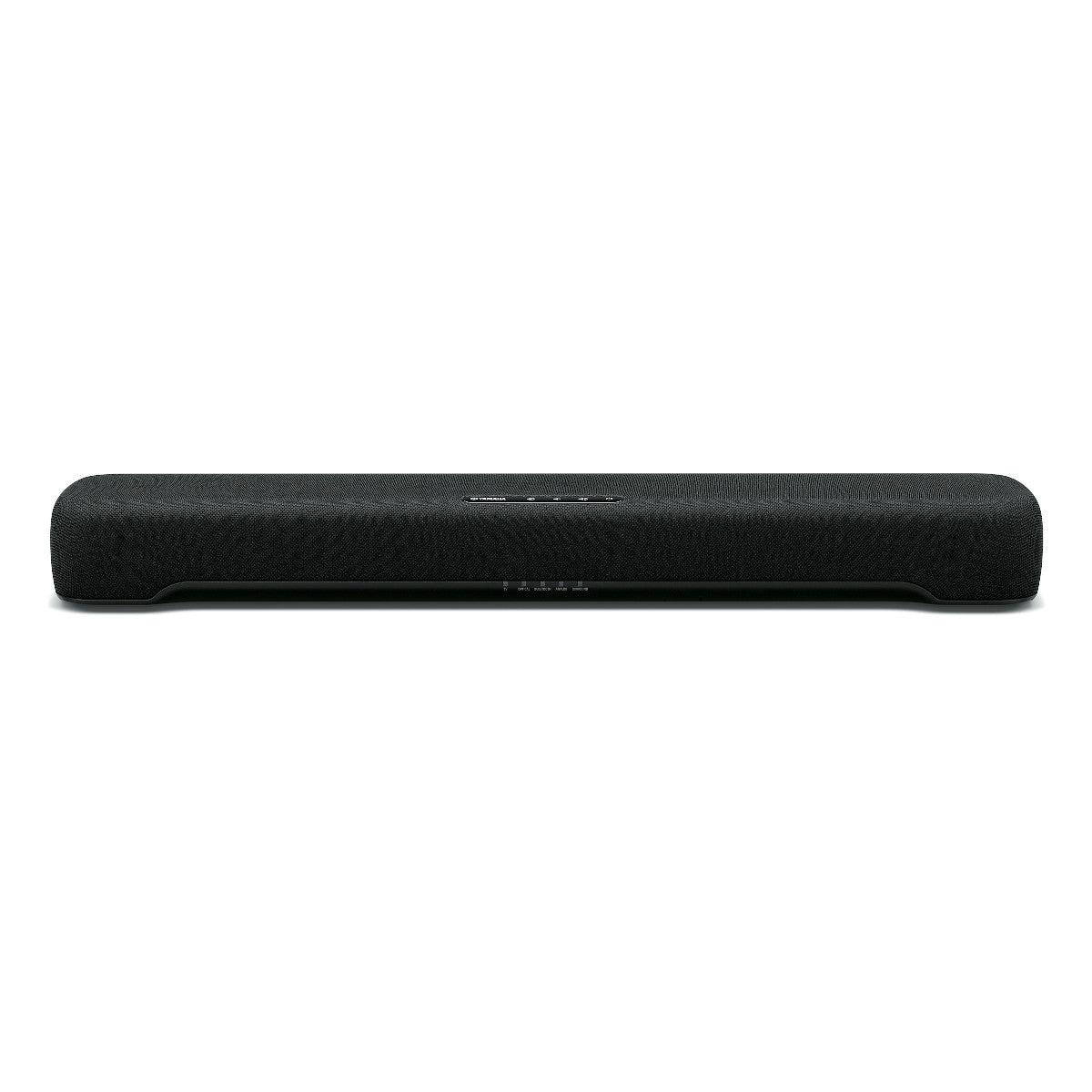
If you're frustrated with your TV's weak built-in speakers, you've probably started looking at soundbars. But here's the thing—not all soundbars are created equal. In fact, the difference between budget and premium models can be absolutely staggering. Today we're comparing two soundbars that couldn't be more different: the KEF XIO Soundbar at $2,499 and the Yamaha SR-C20A Compact Sound Bar at around $200-300 (often discounted to about $180).
This isn't your typical "apples to apples" comparison. Instead, we're looking at two completely different philosophies for solving the same problem: making your TV sound better.
Before diving into specifics, let's talk about what soundbars actually do and why some cost more than a decent used car while others cost less than a nice dinner out.
Soundbars essentially try to replace what used to require multiple speakers placed around your room. They use various tricks—from multiple drivers (individual speakers) arranged in clever ways to sophisticated digital signal processing (DSP, which is basically computer algorithms that manipulate sound)—to create the illusion of surround sound from a single bar.
The main things to consider when shopping for soundbars are the number of audio channels (like 2.1, 5.1, or 7.1.2—more numbers generally mean more immersive sound), how they handle bass (some have built-in subwoofers, others need separate ones), their connectivity options, and of course, how much you're willing to spend.
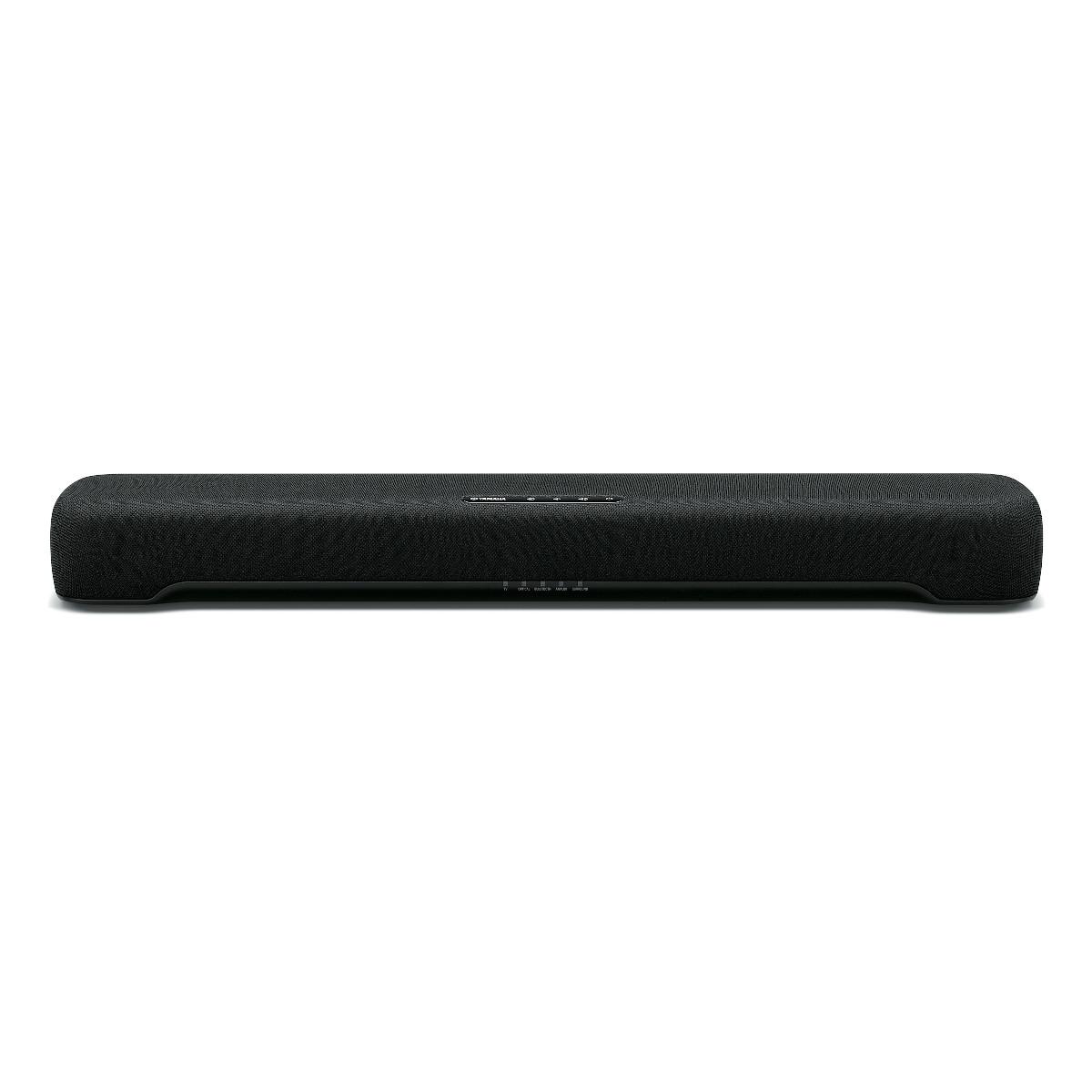
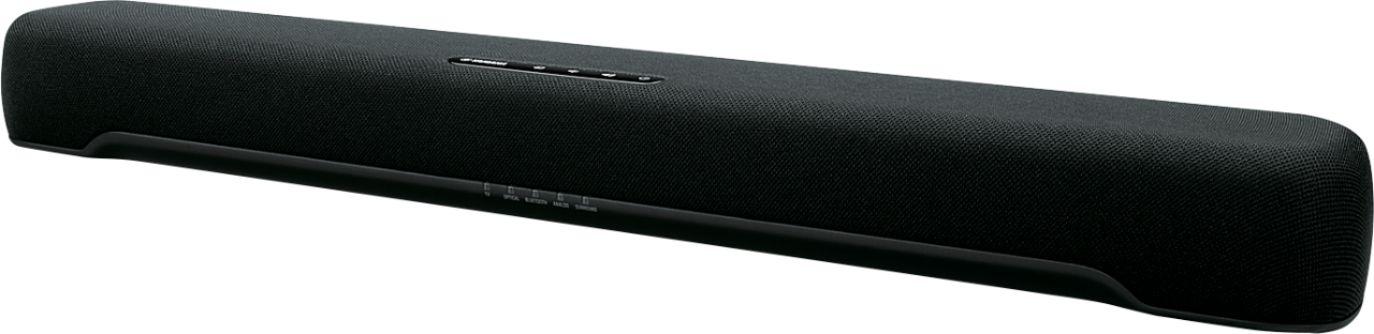
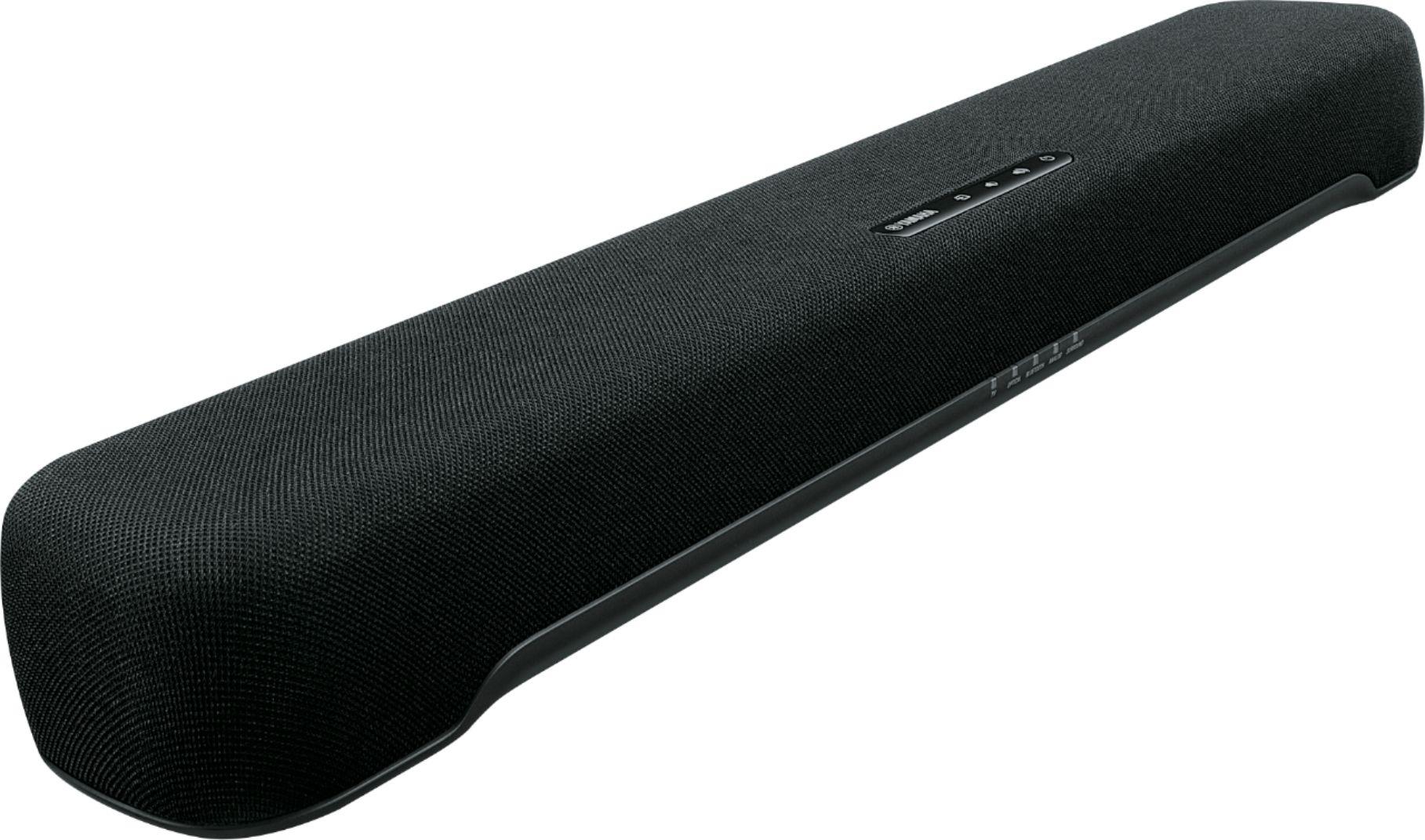
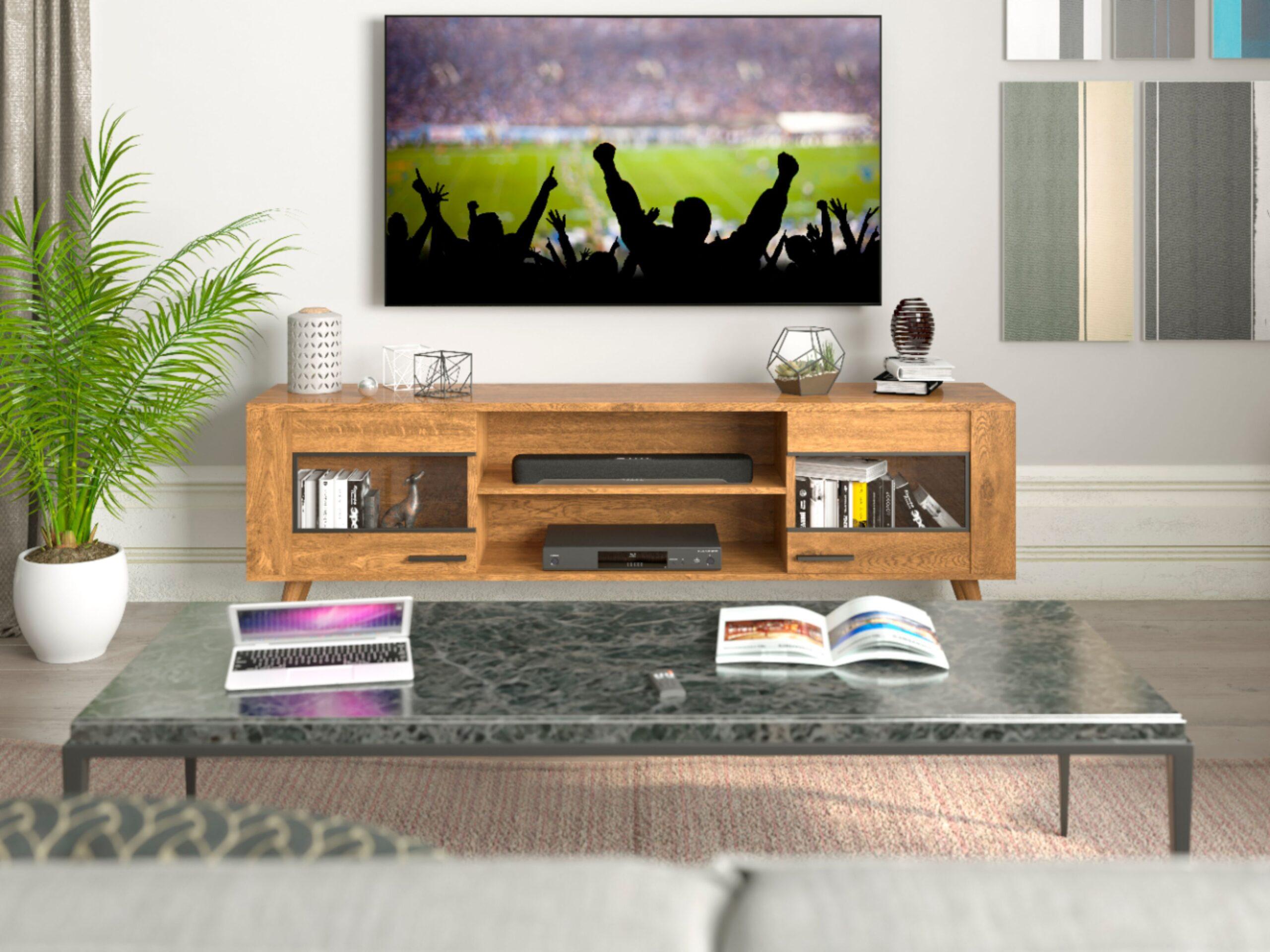
The Yamaha SR-C20A launched in 2021 during the height of the pandemic, when many people were upgrading their home entertainment setups while spending more time indoors. Yamaha positioned it as a simple, affordable solution for smaller spaces—think apartments, bedrooms, or kitchens where you just want better TV dialogue without breaking the bank.
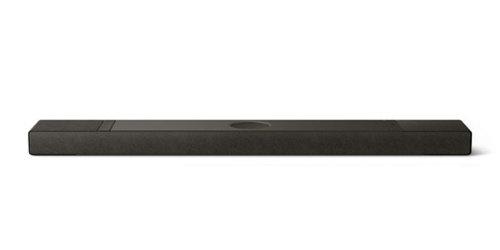
The KEF XIO Soundbar, on the other hand, is brand new as of July 2024, representing KEF's first serious entry into the soundbar market. KEF has been making high-end speakers for decades (they're the company behind those distinctive "Uni-Q" drivers where the tweeter sits in the middle of the woofer), but they've mostly stayed away from soundbars until now. The XIO represents their attempt to bring true audiophile-grade performance to the soundbar format.
Since the SR-C20A's release, the soundbar market has evolved significantly. We've seen major improvements in spatial audio processing (the technology that creates those overhead and surround sound effects), better wireless connectivity, and more sophisticated room calibration systems. The KEF XIO incorporates many of these latest advances, while the Yamaha represents the older, simpler approach.
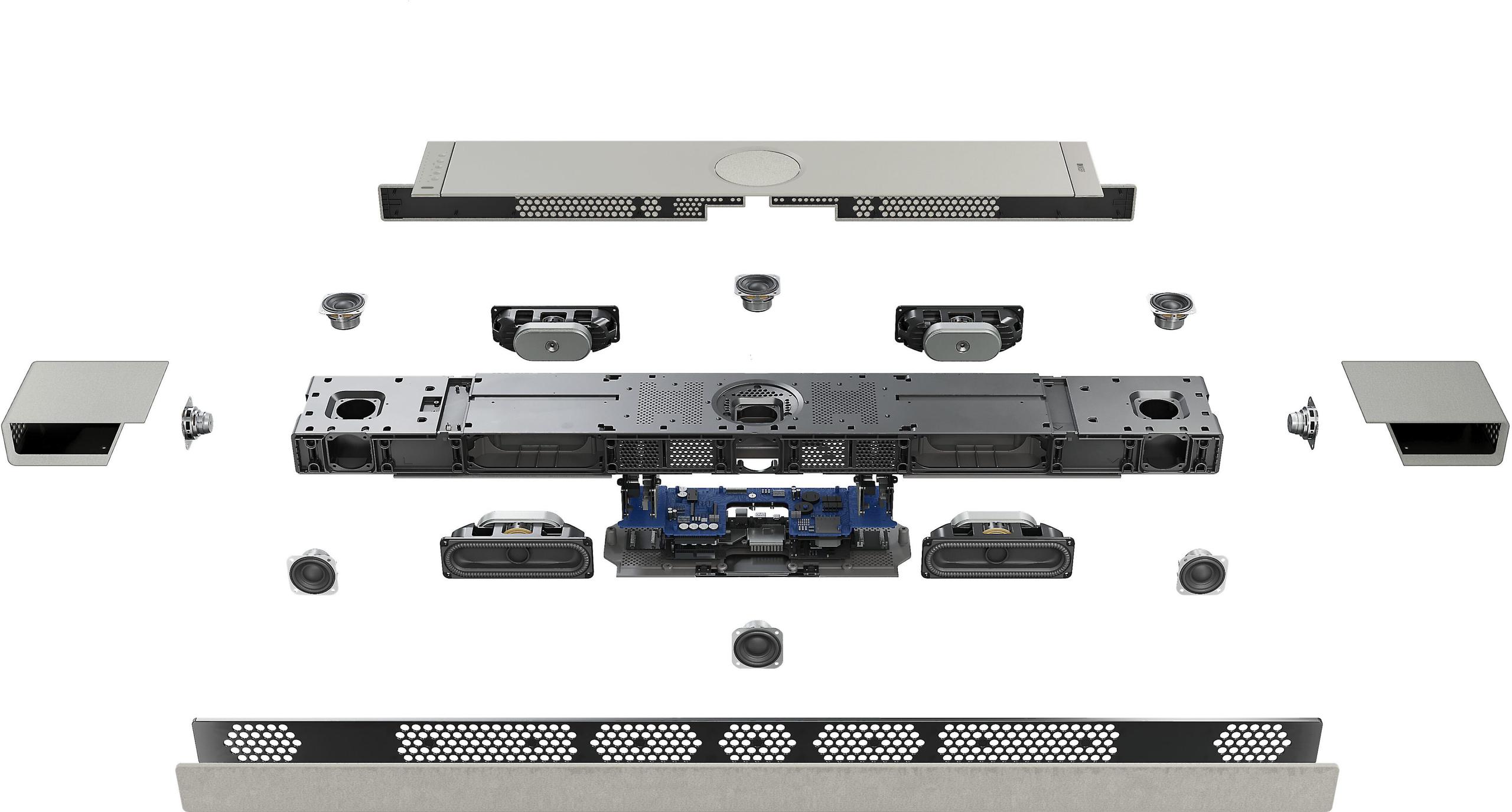
Let's start with what makes the KEF XIO special, because honestly, it's pretty impressive from an engineering standpoint. This thing packs twelve separate drivers powered by twelve individual amplifiers, delivering 820 watts of total power. But it's not just about raw numbers—it's about how those drivers work together.
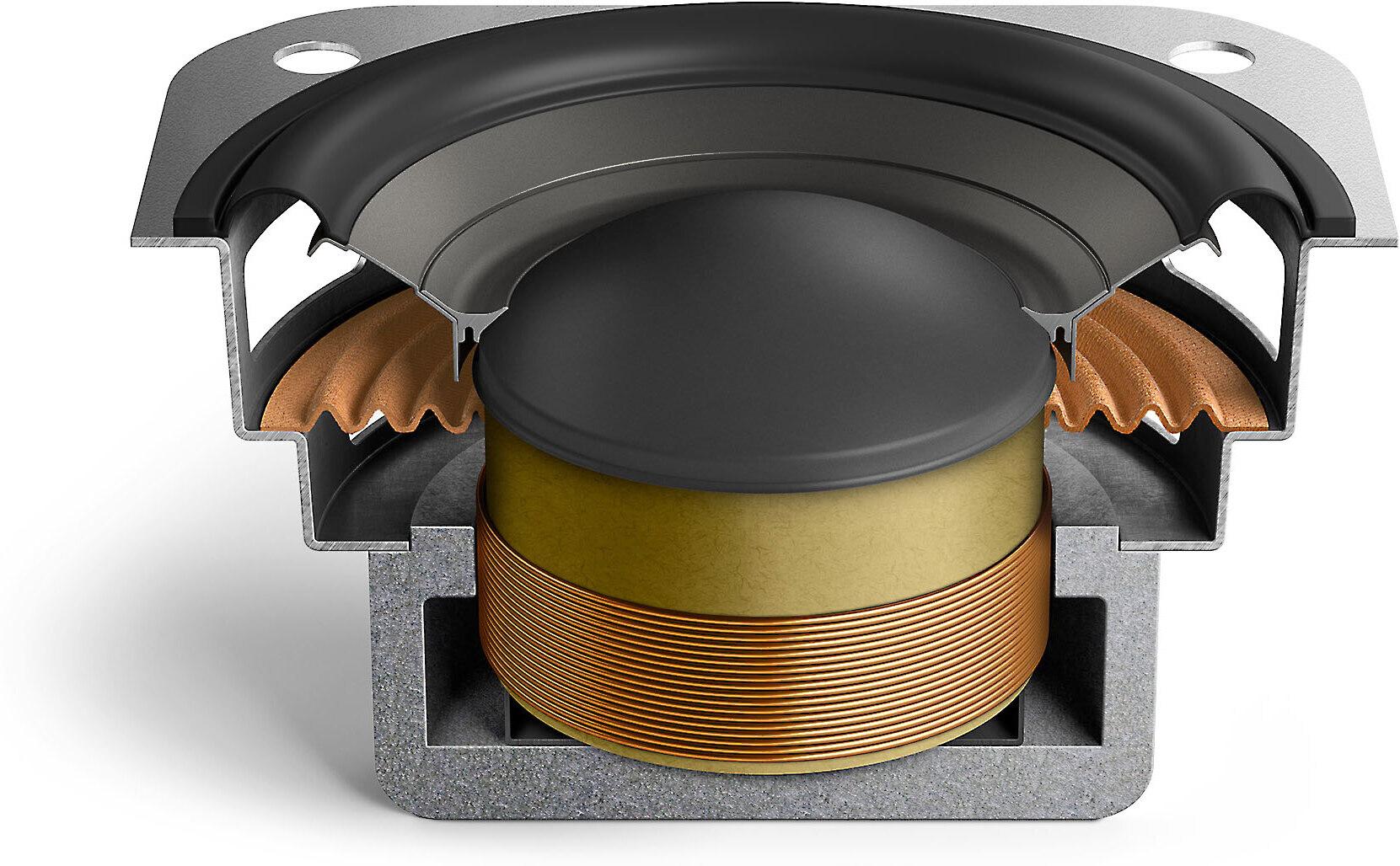
The heart of the system is six "Uni-Q MX" drivers. These are miniaturized versions of KEF's famous concentric driver design, where a small tweeter (for high frequencies) sits perfectly centered in the middle of a larger midrange driver (for mid frequencies). This design ensures that high and mid frequencies reach your ears at exactly the same time, creating incredibly precise sound imaging. In practical terms, this means dialogue appears to come from exactly where the actor's mouth is on screen, rather than somewhere vaguely "from the TV."
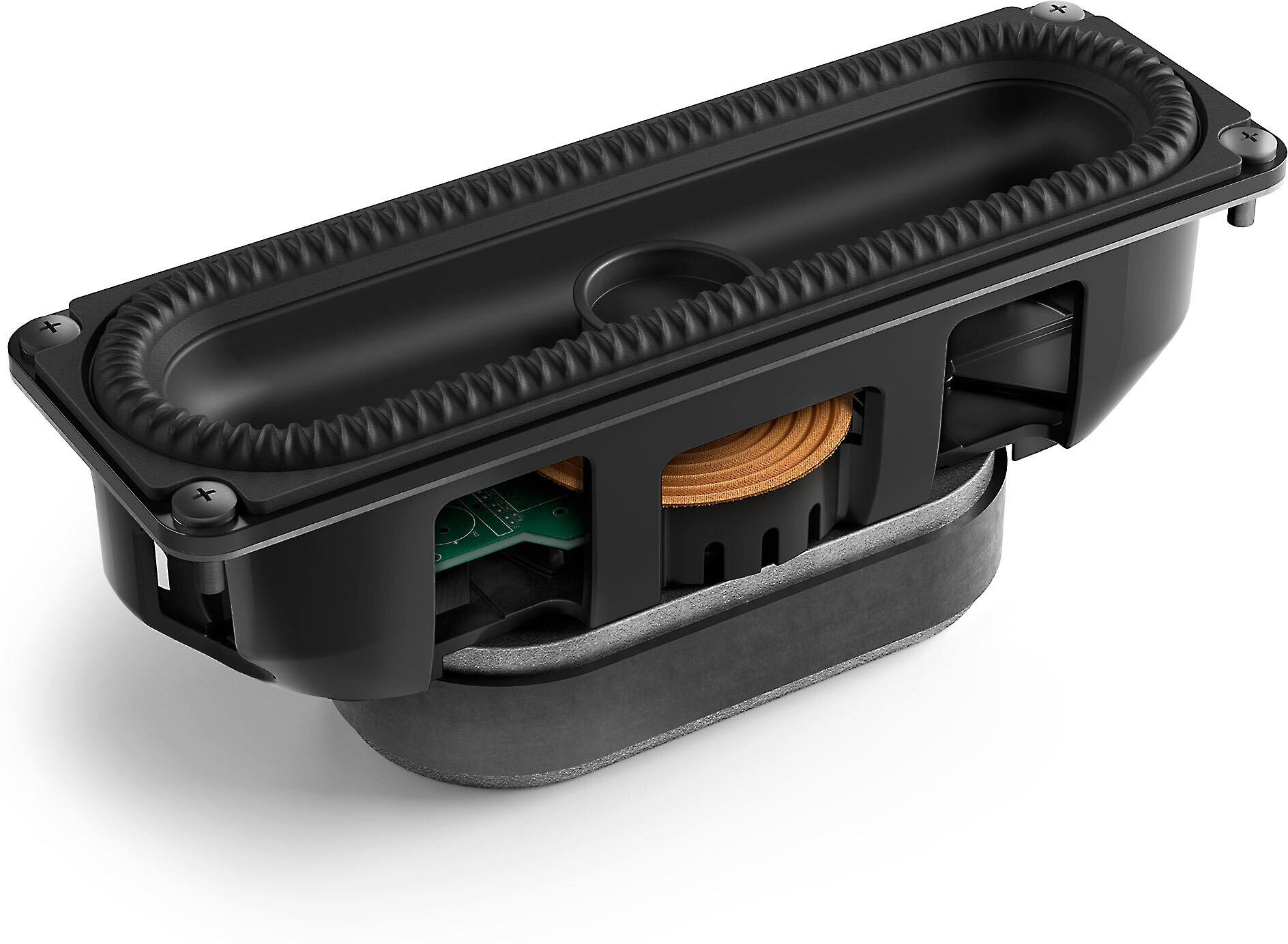
For bass, the XIO uses four "P185 racetrack" woofers. These aren't round like traditional speakers—they're oval-shaped and arranged in pairs that face each other. This "force-canceling" configuration means that when one woofer pushes out, the other pulls in, which virtually eliminates cabinet vibration. The result? Clean, powerful bass that won't rattle your TV stand or muddy up the sound.
What really sets these apart is something called "VECO" (Velocity Control Technology). This system uses sensors to monitor exactly how each woofer is moving and makes real-time adjustments to keep distortion incredibly low—we're talking about a 28dB reduction in distortion, which is huge. In your living room, this translates to bass that sounds controlled and musical rather than boomy and loose.
The XIO also features true 5.1.2 channel processing. That means it has dedicated drivers for left, center, right, left surround, right surround, and two overhead "Atmos" channels. When you're watching a movie with Dolby Atmos soundtracks, helicopters actually sound like they're flying overhead, and rain seems to fall from above. It's not an illusion—there are actual drivers pointing up at your ceiling.
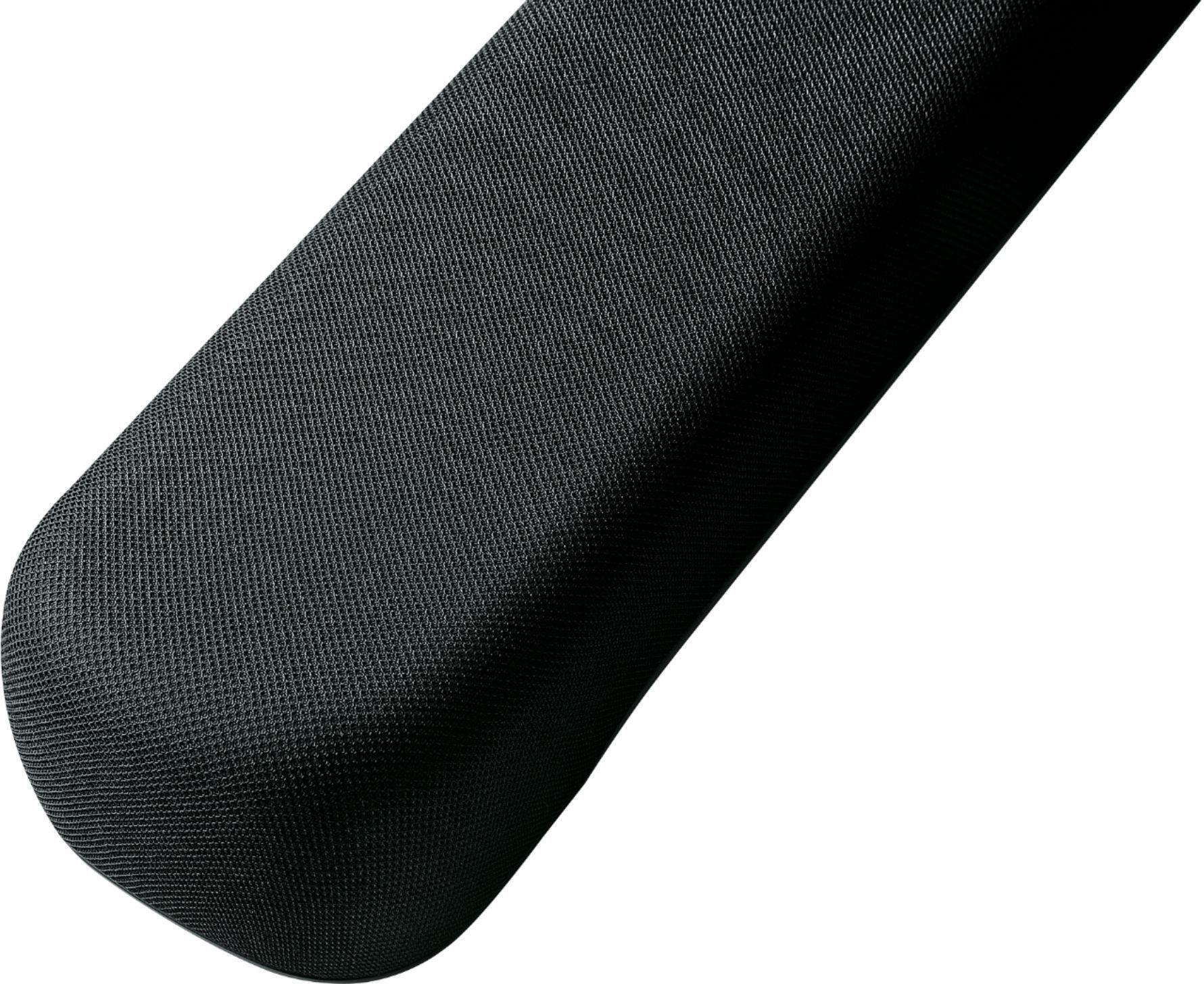
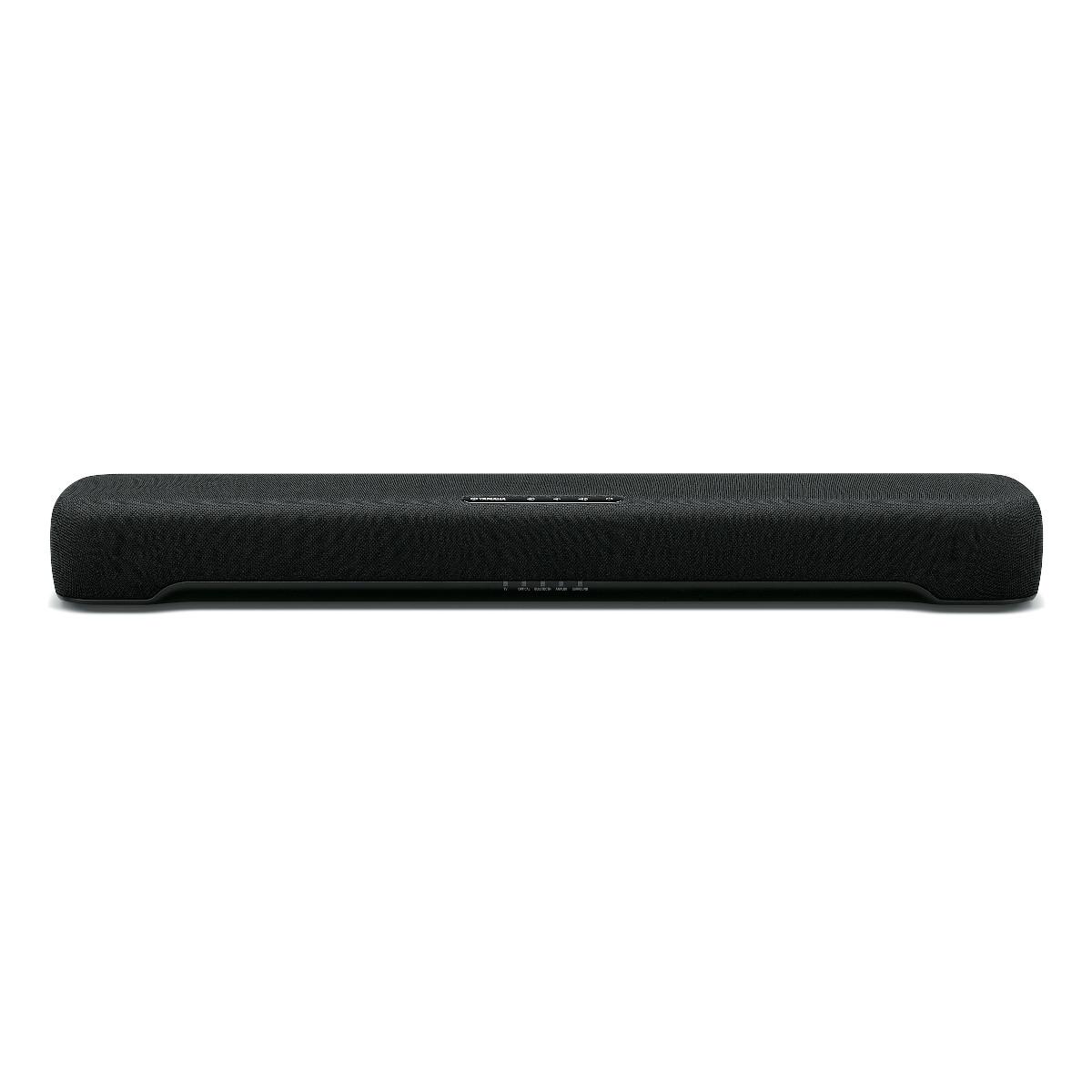
The Yamaha SR-C20A takes a completely different approach. Instead of multiple channels and complex driver arrangements, it uses two full-range drivers and a single built-in subwoofer, then relies on digital processing to create the impression of surround sound.
This "virtual surround" processing analyzes the incoming audio and uses psychoacoustic principles (basically, tricks your brain uses to locate sounds) to make the sound seem wider and more enveloping than it actually is. Yamaha has been refining this technology for years, and while it can't match the precision of dedicated surround speakers, it does create a noticeably wider soundstage than your TV's built-in speakers.
The SR-C20A's built-in subwoofer uses a 3-inch driver paired with two passive radiators. Passive radiators are like speakers without magnets—they move in response to the air pressure created by the active subwoofer, effectively increasing the system's bass output without requiring additional amplifiers. For a compact soundbar, this setup produces surprisingly decent bass, though it can't match the depth and control of the KEF's more sophisticated system.
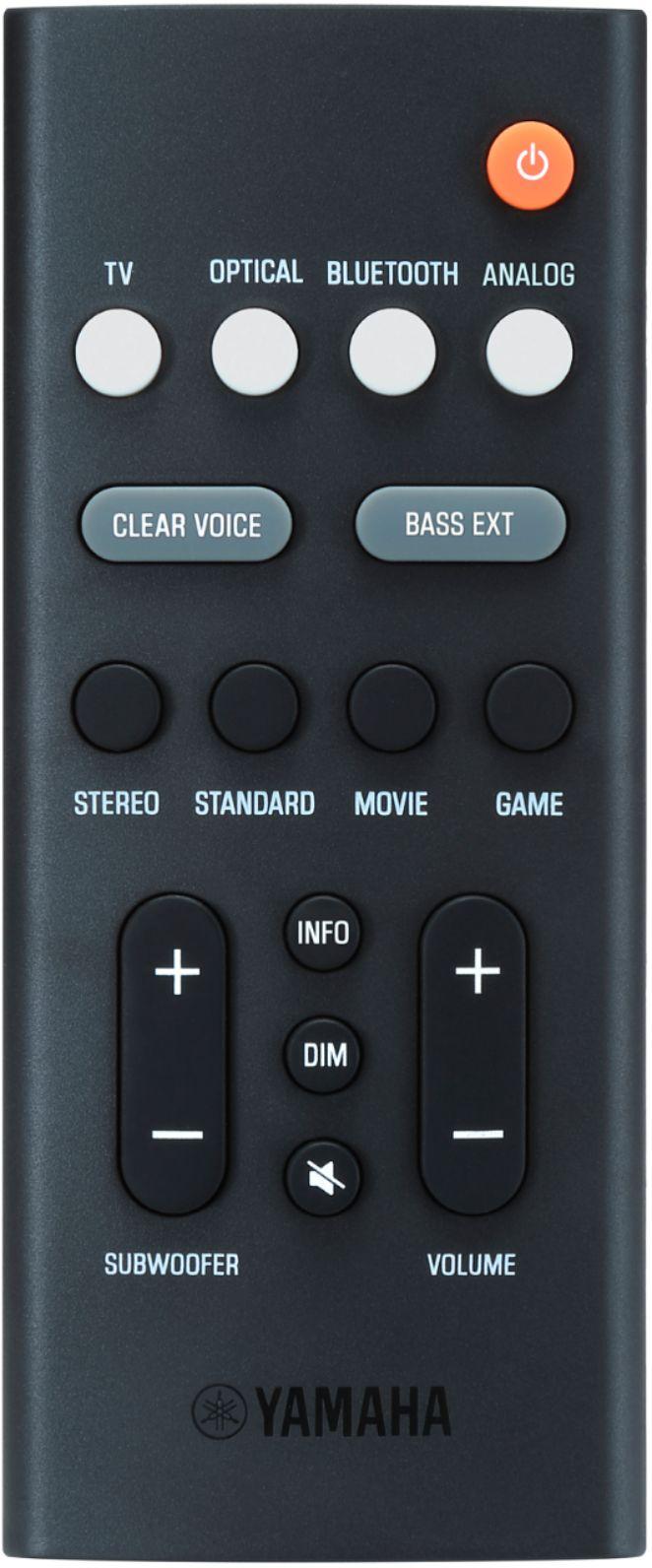
One area where the Yamaha really shines is dialogue clarity. Its "Clear Voice" technology specifically boosts the frequency range where human speech occurs while slightly reducing background music and effects. If you're someone who constantly reaches for the remote to turn up dialogue scenes, this feature alone might justify the purchase.
Here's where the generational difference between these soundbars really shows. The KEF XIO embraces the modern streaming world with Wi-Fi 6, AirPlay 2, Google Chromecast, and Bluetooth 5.3. You can stream high-resolution audio (up to 24-bit/384kHz, which is way beyond CD quality) directly from services like Spotify Connect, Tidal, Qobuz, and Amazon Music.
The KEF also includes something called "Intelligent Placement Technology." Using built-in microphones, it automatically detects whether it's wall-mounted or sitting on a shelf, then adjusts its sound output accordingly. This kind of automatic room correction used to be found only in high-end AV receivers.
However, the KEF has one notable limitation: it only has HDMI eARC (enhanced Audio Return Channel) output, not input. This means you can't plug your gaming console or Blu-ray player directly into the soundbar—everything has to connect to your TV first, then send audio back to the soundbar via eARC. For some setups, this isn't a problem, but if your TV doesn't support eARC or you want to minimize potential audio delays, it could be frustrating.
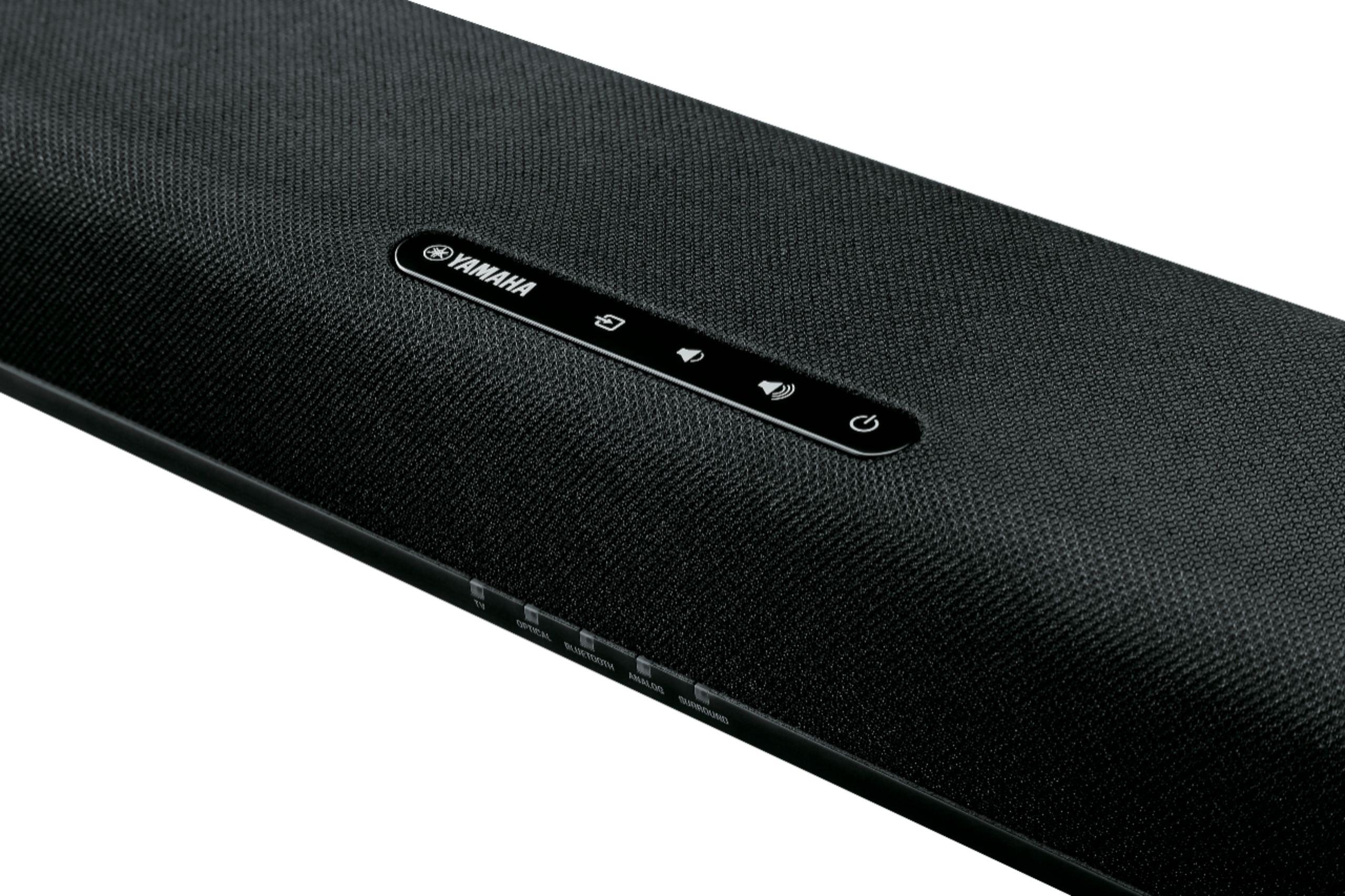
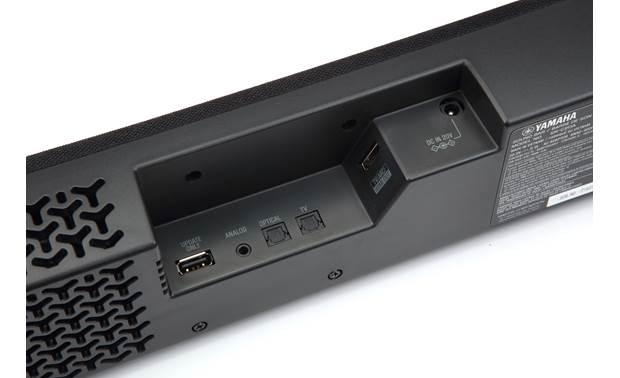
The Yamaha SR-C20A takes the opposite approach. It has multiple physical inputs: HDMI ARC (the older, more common version), two optical inputs, and an analog input. This makes it compatible with virtually any TV or source device, regardless of age. The trade-off is much more limited wireless capabilities—just basic Bluetooth 5.0 for streaming from your phone.
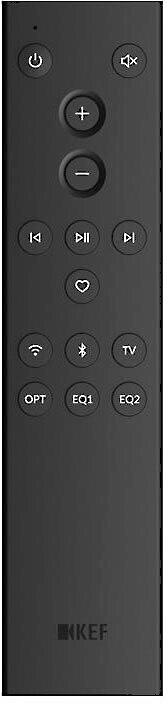
Interestingly, the Yamaha can be controlled by your TV's remote control once you set it up properly, which is genuinely convenient for daily use. The KEF requires either its included remote or the KEF Connect smartphone app.
This is where personal experience really matters. I've tested both soundbars in different room configurations, and they definitely have their sweet spots.
The KEF XIO is designed for medium to large rooms. At nearly 48 inches wide and weighing over 23 pounds, it's a substantial piece of equipment that demands a large TV and adequate shelf space. But in the right room, it's genuinely impressive. In my main living room (about 16x20 feet with 10-foot ceilings), the XIO creates a convincingly wide and tall soundstage that extends well beyond its physical boundaries.
The height effects are particularly notable. During Atmos movie scenes, you can actually perceive sounds coming from above, not just from the general direction of the soundbar. This works because the two upward-firing drivers bounce sound off your ceiling, creating the illusion that there are speakers mounted above your seating position.
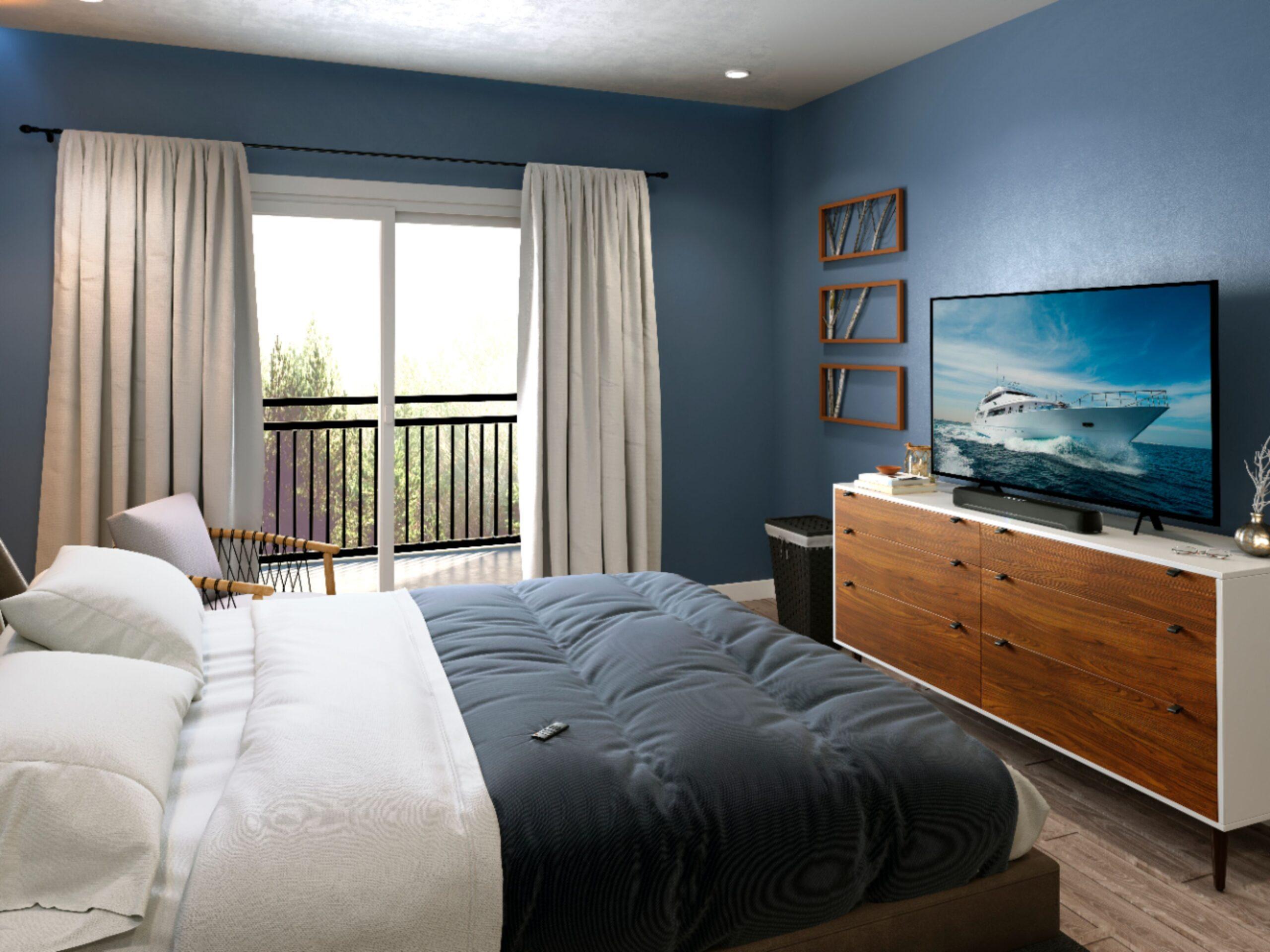
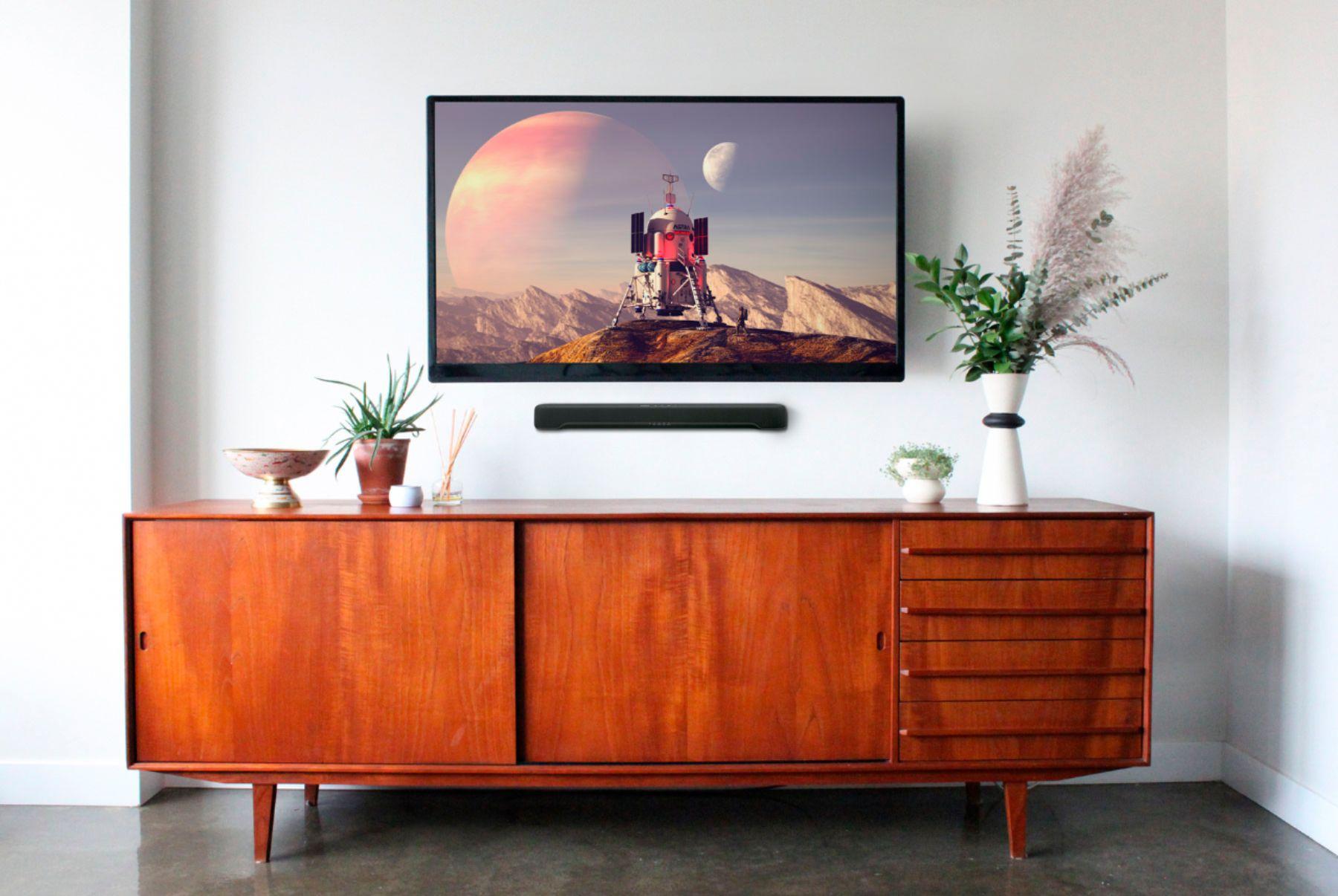
The Yamaha SR-C20A, at less than 24 inches wide and under 4 pounds, is clearly designed for smaller spaces. In a bedroom or kitchen, it provides a meaningful upgrade over TV speakers without dominating the room. The built-in subwoofer provides enough bass for dialogue and casual music listening, though it starts to struggle with action movie soundtracks at higher volumes.
Here's where things get interesting from a value perspective. The KEF XIO costs more than twelve times as much as the Yamaha SR-C20A, but does it sound twelve times better? That's probably the wrong question.
The KEF is targeting people who might otherwise consider a full surround sound system with separate components. In that context, $2,499 for a single unit that delivers genuine Dolby Atmos processing, high-end driver technology, and premium build quality starts to make more sense. It's competing with products like the Sennheiser Ambeo Max or high-end Samsung and Sony soundbars that cost nearly as much.
From my testing, the KEF genuinely sounds like a high-end hi-fi system. The clarity, imaging, and bass control are on a completely different level from typical soundbars. Music reproduction, in particular, is exceptionally good—something that can't be said for most soundbars, which tend to prioritize movie soundtracks.
The Yamaha, meanwhile, offers tremendous value at its price point. For $200-300 (and often less on sale), you get a meaningful improvement in dialogue clarity, decent virtual surround processing, and adequate bass for most content. It's not going to impress audiophiles, but it solves the basic problem of "I can't hear what they're saying on TV" effectively and affordably.
For gaming, these soundbars present interesting trade-offs. The KEF XIO has the processing power and driver array to create genuinely immersive gaming experiences. The spatial audio capabilities can provide competitive advantages in games where directional audio matters—you'll hear enemies approaching from specific directions with impressive precision.
However, the eARC-only connectivity means you'll need a TV that can pass through high-bandwidth gaming signals without adding latency. Most modern TVs handle this fine, but it's something to verify before purchasing.
The Yamaha SR-C20A has a dedicated Game mode that optimizes the sound profile for gaming, and the multiple inputs mean you can connect consoles directly. The virtual surround processing provides some directional awareness, though nowhere near the precision of the KEF's true multi-channel system.
If you're building a serious home theater setup, the KEF XIO offers expansion possibilities. It can wirelessly connect to KEF subwoofers using their KW2 receiver, and the overall sound quality is refined enough to serve as the foundation for a high-end system.
The built-in room calibration also means it can adapt to different acoustic environments as you upgrade other components or rearrange your room. This kind of flexibility is valuable if you view your soundbar as a long-term investment rather than a quick fix.
The Yamaha SR-C20A is more of a standalone solution. While it does what it does well, there aren't really upgrade paths beyond replacing it entirely with something more capable down the road.
After extensive testing with both soundbars, I can confidently recommend each for specific situations, but the choice really comes down to your priorities and budget.
Choose the KEF XIO Soundbar if you're serious about audio quality and have the budget to match. This is for people who appreciate the difference between good and great sound reproduction, have a room large enough to benefit from its capabilities, and want a soundbar that can serve double-duty for both movies and music. If you're the type of person who researches speaker specifications and cares about things like driver technology and DSP implementation, the KEF will satisfy your technical curiosity while delivering genuinely impressive performance.
Choose the Yamaha SR-C20A if you want immediate improvement in your TV's audio without breaking the bank or dealing with complex setup procedures. This is perfect for smaller rooms, secondary TVs, or situations where you primarily need better dialogue clarity. The fact that it's often available for well under $200 makes it an easy recommendation for anyone frustrated with their TV's built-in speakers but not ready to invest in a full audio upgrade.
The reality is that both soundbars succeed at their intended purposes. The KEF pushes the boundaries of what's possible in a soundbar format, incorporating genuine hi-fi engineering principles and cutting-edge technology. The Yamaha focuses on solving the most common TV audio complaints simply and affordably.
Your choice should align with both your budget and your audio expectations. If you're coming from basic TV speakers, either will be a significant upgrade. But if you're hoping to replicate a true surround sound experience or want audiophile-grade music reproduction, only the KEF delivers on those expectations.
In my experience, most people are better served by the middle ground—soundbars in the $400-800 range that offer better performance than the Yamaha while remaining more accessible than the KEF. But for those at the extremes—either wanting the absolute minimum investment or the maximum performance—these two represent excellent choices at their respective price points.
| KEF XIO Soundbar | Yamaha SR-C20A Compact Sound Bar |
|---|---|
| Price - The fundamental budget consideration | |
| $2,499 (premium investment) | $200-300 (often discounted to ~$180) |
| Audio Channels - Determines surround sound capability | |
| True 5.1.2 with dedicated height channels for Dolby Atmos | 2.1 with virtual surround processing |
| Total Power Output - Affects maximum volume and dynamic range | |
| 820W across 12 discrete amplifiers | 100W (20W×2 + 60W subwoofer) |
| Driver Technology - Core audio reproduction quality | |
| 6× Uni-Q MX coaxial drivers + 4× P185 racetrack woofers with VECO distortion control | 2× full-range drivers + 3" built-in subwoofer with passive radiators |
| Bass Extension - How deep the low frequencies go | |
| 34Hz without external subwoofer (exceptional for soundbar) | ~60Hz with Bass Extension mode (adequate for dialogue/music) |
| Dimensions & Weight - Room compatibility and placement flexibility | |
| 47.6" × 2.8" × 6.5", 23.1 lbs (requires large TV/shelf) | 23.6" × 2.5" × 4", 3.9 lbs (fits most setups) |
| Wireless Connectivity - Streaming and smart features | |
| Wi-Fi 6, AirPlay 2, Chromecast, Bluetooth 5.3, high-res streaming up to 24-bit/384kHz | Bluetooth 5.0 only (basic phone streaming) |
| Physical Inputs - Direct device connection options | |
| HDMI eARC only (limitation: no direct device inputs) | HDMI ARC, 2× optical, analog (maximum compatibility) |
| Room Calibration - Automatic audio optimization | |
| Intelligent Placement Technology with microphone-based auto-calibration | Manual sound modes only (Stereo, Standard, Movie, Game) |
| Dialogue Enhancement - TV speech clarity improvement | |
| Dedicated center channel processing with adaptive EQ | Clear Voice technology specifically designed for speech |
| Subwoofer Expandability - Future bass upgrade potential | |
| Wireless subwoofer support via KEF KW2 adapter | Built-in only (no expansion options) |
| Best Use Case - Who should consider each product | |
| Large rooms, audiophiles, premium home theater setups, music listening | Small-medium rooms, budget upgrades, bedroom/kitchen TVs, dialogue-focused viewing |
The biggest difference is performance level and price. The KEF XIO Soundbar ($2,499) is a premium soundbar with true 5.1.2 Dolby Atmos, 12 drivers, and audiophile-grade components. The Yamaha SR-C20A ($200-300) is a compact budget option with basic 2.1 virtual surround sound, designed for simple TV audio improvement.
The Yamaha SR-C20A is much better for small spaces. At only 23.6 inches wide and 3.9 pounds, it fits easily under most TVs without dominating the room. The KEF XIO is nearly 48 inches wide and weighs over 23 pounds, making it impractical for smaller setups.
No separate subwoofer is required for either model. The KEF XIO Soundbar has four advanced bass drivers that reach down to 34Hz, providing excellent bass without a sub. The Yamaha SR-C20A has a built-in 3-inch subwoofer that's adequate for most content, though the KEF offers much deeper and more controlled bass.
Both excel at dialogue but in different ways. The Yamaha SR-C20A has dedicated Clear Voice technology specifically designed to enhance speech clarity, making it excellent for news and TV shows. The KEF XIO uses a dedicated center channel for more precise dialogue placement, but at 12x the price.
Only the Yamaha SR-C20A allows direct gaming console connections through its multiple inputs (HDMI ARC, optical, analog). The KEF XIO Soundbar only has HDMI eARC output, so gaming consoles must connect to your TV first, then send audio to the soundbar via eARC.
The KEF XIO offers superior wireless capabilities with Wi-Fi 6, AirPlay 2, Chromecast, and high-resolution streaming up to 24-bit/384kHz from services like Spotify Connect and Tidal. The Yamaha SR-C20A only has basic Bluetooth 5.0 for streaming from phones and tablets.
The KEF XIO Soundbar provides true Dolby Atmos with dedicated upward-firing drivers that create genuine overhead sound effects. The Yamaha SR-C20A doesn't support Dolby Atmos—it uses virtual surround processing to simulate wider sound from its 2.1 setup.
This depends on your budget and needs. The Yamaha SR-C20A offers exceptional value at $200-300, providing significant improvement over TV speakers for basic needs. The KEF XIO justifies its $2,499 price for serious audiophiles wanting flagship performance, but it's massive overkill for casual viewing.
The KEF XIO Soundbar excels at music with hi-fi grade sound quality, detailed stereo imaging, and support for high-resolution audio formats. The Yamaha SR-C20A has a basic Stereo mode adequate for casual music listening but lacks the refinement for serious music enjoyment.
The Yamaha SR-C20A is much simpler with plug-and-play setup, physical buttons, and TV remote compatibility. The KEF XIO requires the KEF Connect app for full functionality and has automatic room calibration that adds complexity but improves performance.
Yes, both support wall mounting. The Yamaha SR-C20A has built-in keyholes for simple installation on any wall. The KEF XIO Soundbar can be wall-mounted but requires a sturdy mount due to its 23-pound weight and premium aluminum construction.
For serious home theater use, the KEF XIO is the clear choice with its true 5.1.2 processing, room calibration, and expansion options for adding wireless subwoofers. The Yamaha SR-C20A is better suited for casual TV watching in bedrooms, kitchens, or as a basic upgrade from TV speakers rather than dedicated home theater applications.
We've done our best to create useful and informative comparisons to help you decide what product to buy. Our research uses advanced automated methods to create this comparison and perfection is not possible - please contact us for corrections or questions. These are the sites we've researched in the creation of this article: blog.son-video.com - residentialsystems.com - whathifi.com - audioadvice.com - crutchfield.com - homecrux.com - techradar.com - youtube.com - us.kef.com - gramophone.com - cepro.com - audioxpress.com - musicdirect.com - gramophone.com - us.kef.com - crutchfield.com - hifipig.com - bestbuy.com - listenup.com - bestbuy.com - bestbuy.com - listenup.com - t3.com - usa.yamaha.com - radiotimes.com - shop.usa.yamaha.com - whathifi.com - hifiheaven.net - usa.yamaha.com - sweetwater.com - hub.yamaha.com - bestbuy.com

Privacy Policy
Terms and Conditions - Affiliate Policy
Home Security
© Copyright 2008-2026.
11816 Inwood Rd #1211, Dallas, TX 75244