













If you've ever found yourself turning up the TV volume just to understand what the characters are saying, or if explosions sound more like gentle puffs of air, you're definitely not alone. Most TV speakers are frankly terrible – they're thin, tinny, and seem designed more as an afterthought than a serious audio component. That's where compact soundbars come in, and today we're comparing two excellent options that take very different approaches to solving your TV audio problems.
Before diving into these specific models, let's talk about what compact soundbars are trying to accomplish. Unlike their larger, more expensive cousins that might stretch four feet across your entertainment center, compact soundbars prioritize fitting into smaller spaces while still delivering a meaningful upgrade over your TV's built-in speakers.
The main challenge with compact soundbars is physics – you're asking a relatively small box to produce the full range of sound that should ideally come from multiple speakers placed around your room. Engineers solve this through clever acoustic design, digital signal processing (which is basically using computer chips to manipulate the sound waves), and sometimes by including multiple drivers (individual speakers) that each handle different frequency ranges.
When shopping for a compact soundbar, you'll want to consider several key factors. Sound quality obviously tops the list, but you'll also need to think about how it connects to your TV and other devices, whether it can adapt to your room's acoustics, and importantly, how much you're willing to spend for the features you actually need.
The room size matters more than you might think. A soundbar that sounds amazing in a bedroom might struggle to fill a large living room, while one designed for bigger spaces might overwhelm a small apartment. Connectivity is another crucial consideration – some soundbars offer multiple input options and wireless streaming, while others keep things simple with just one or two connection methods.
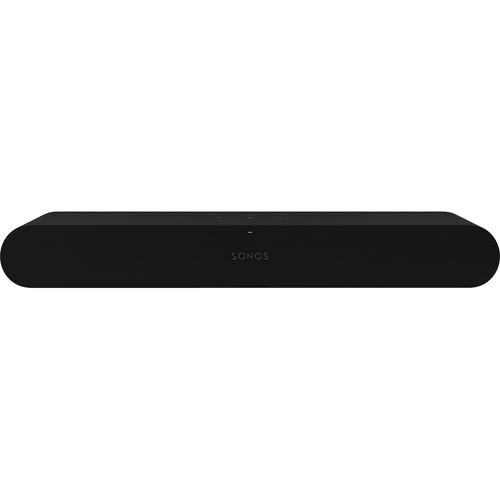
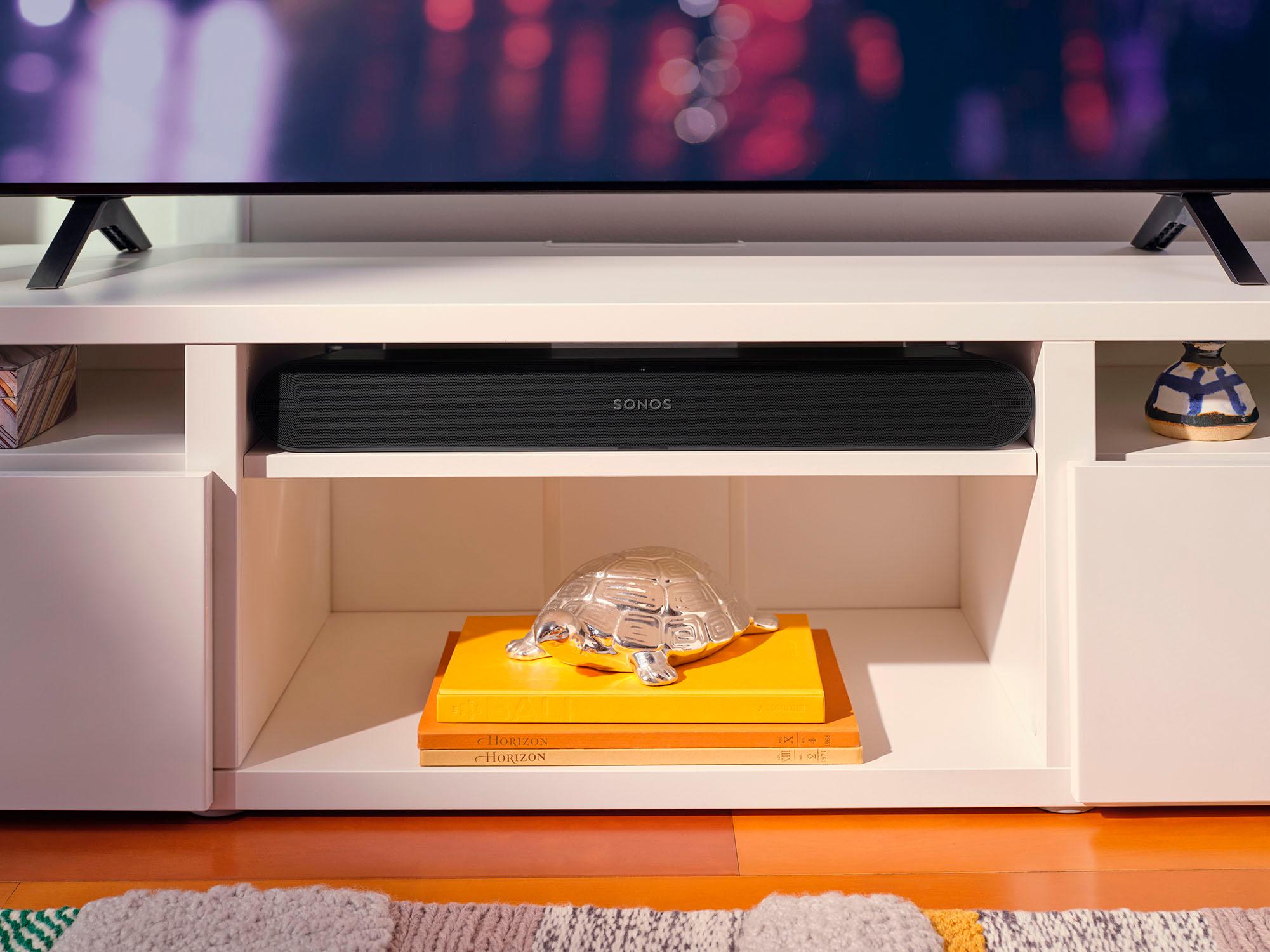
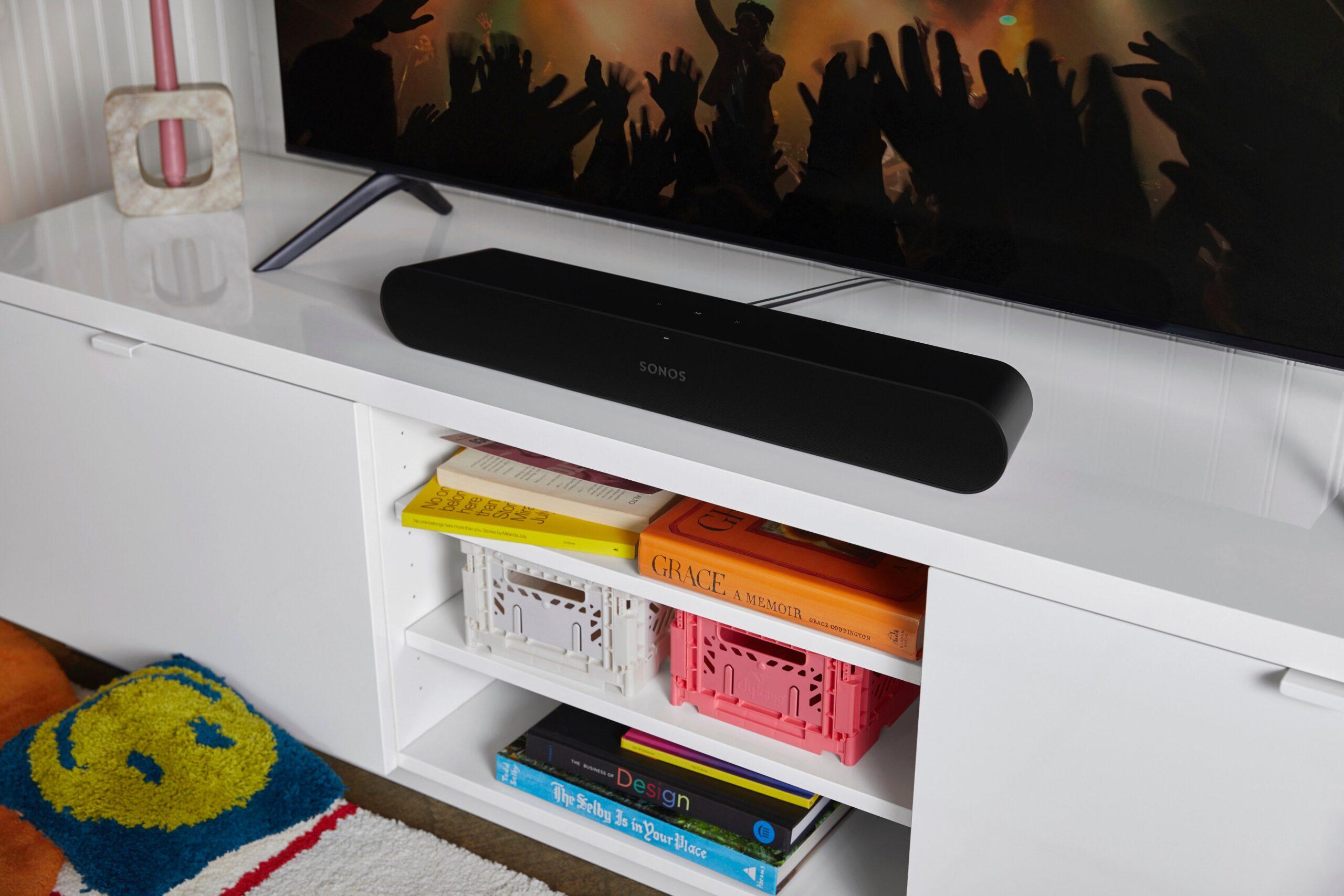
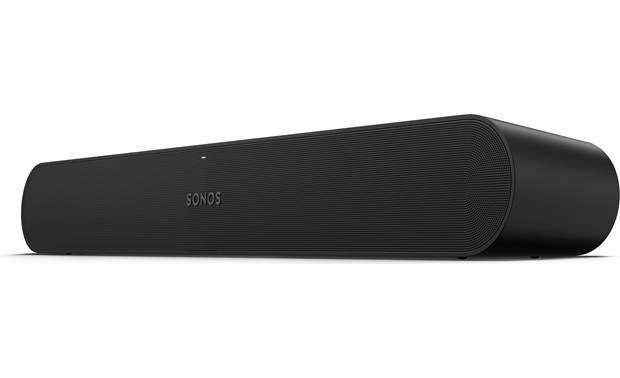
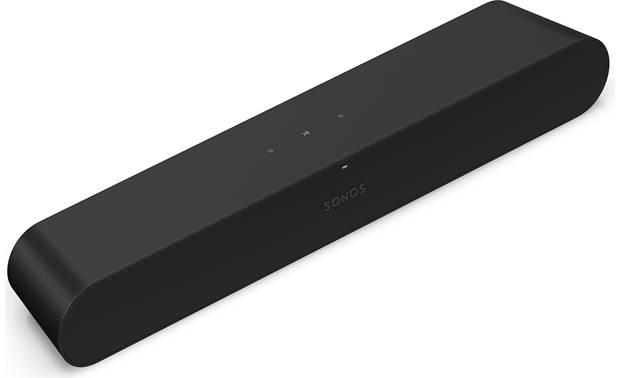
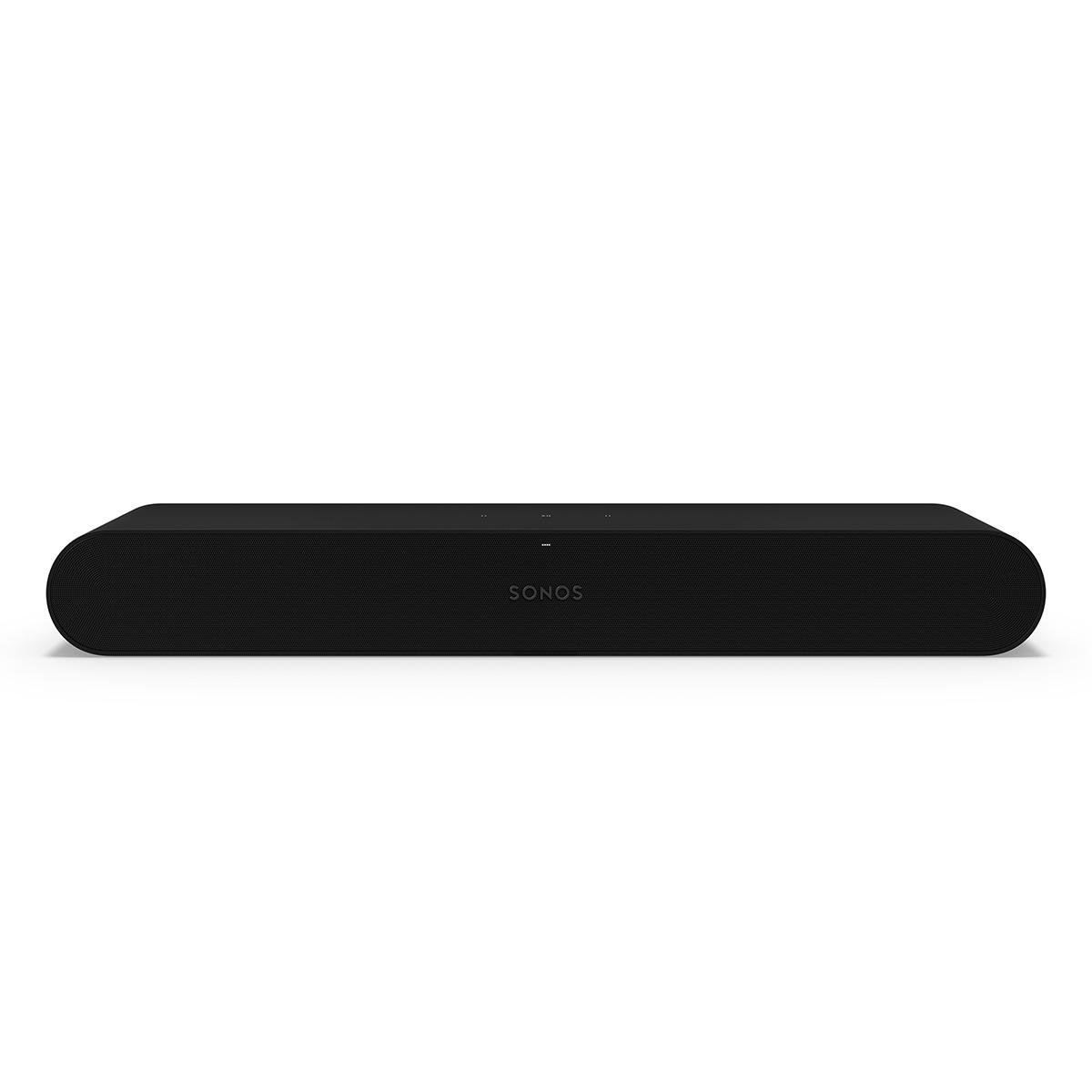
The Sonos Ray ($279) arrived in May 2022 as Sonos's most affordable soundbar, designed to bring people into their ecosystem without the higher price tags of their other models. What makes the Ray unique is its complete commitment to Wi-Fi-based audio streaming – there's no Bluetooth connectivity at all, which was a bold choice that raised eyebrows when it launched.
Sonos built the Ray around four custom-designed drivers: two precision-engineered tweeters (which handle high frequencies like cymbals and vocal clarity) and two full-range drivers that cover midrange sounds like guitars and most human voices. The company spent considerable effort on the acoustic engineering, using custom waveguides – think of these as specially shaped tunnels that help direct sound waves more precisely – to create a wider soundstage than you'd expect from such a compact unit.
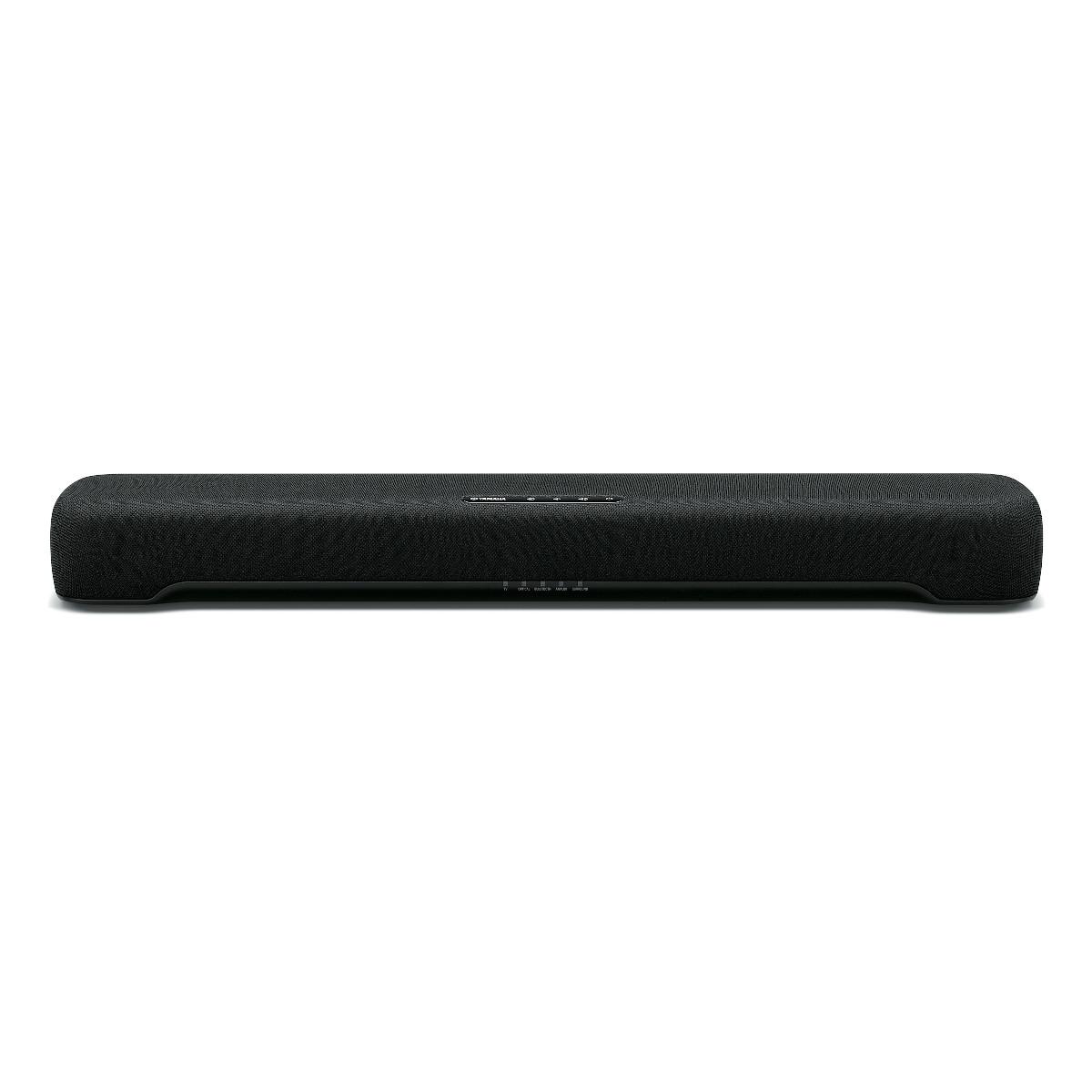
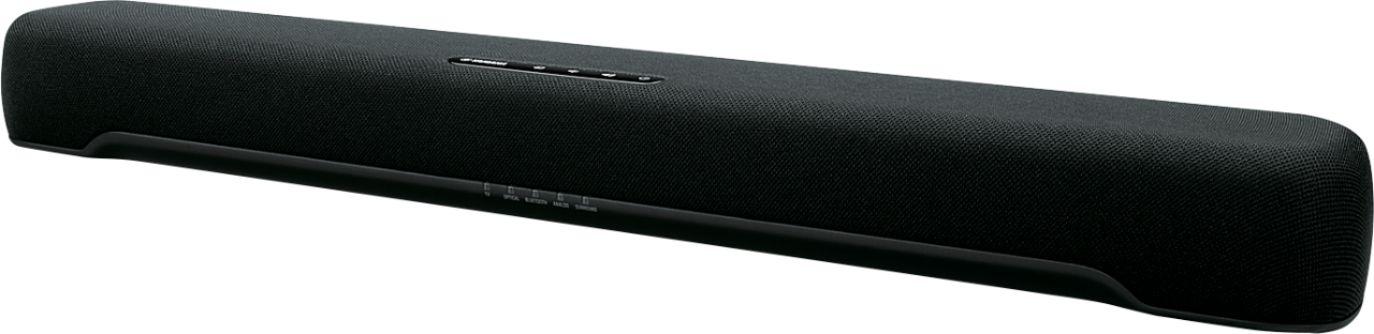
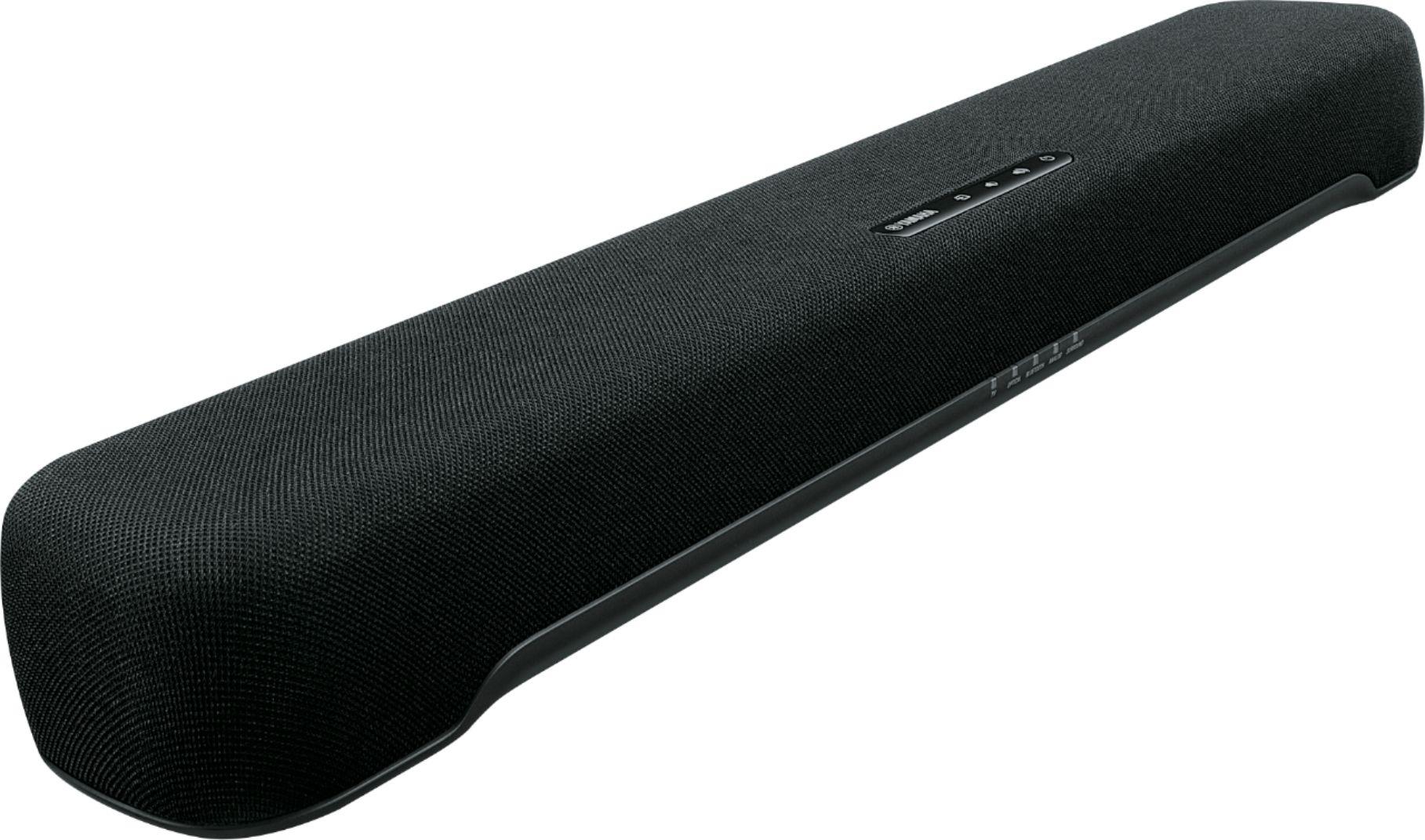
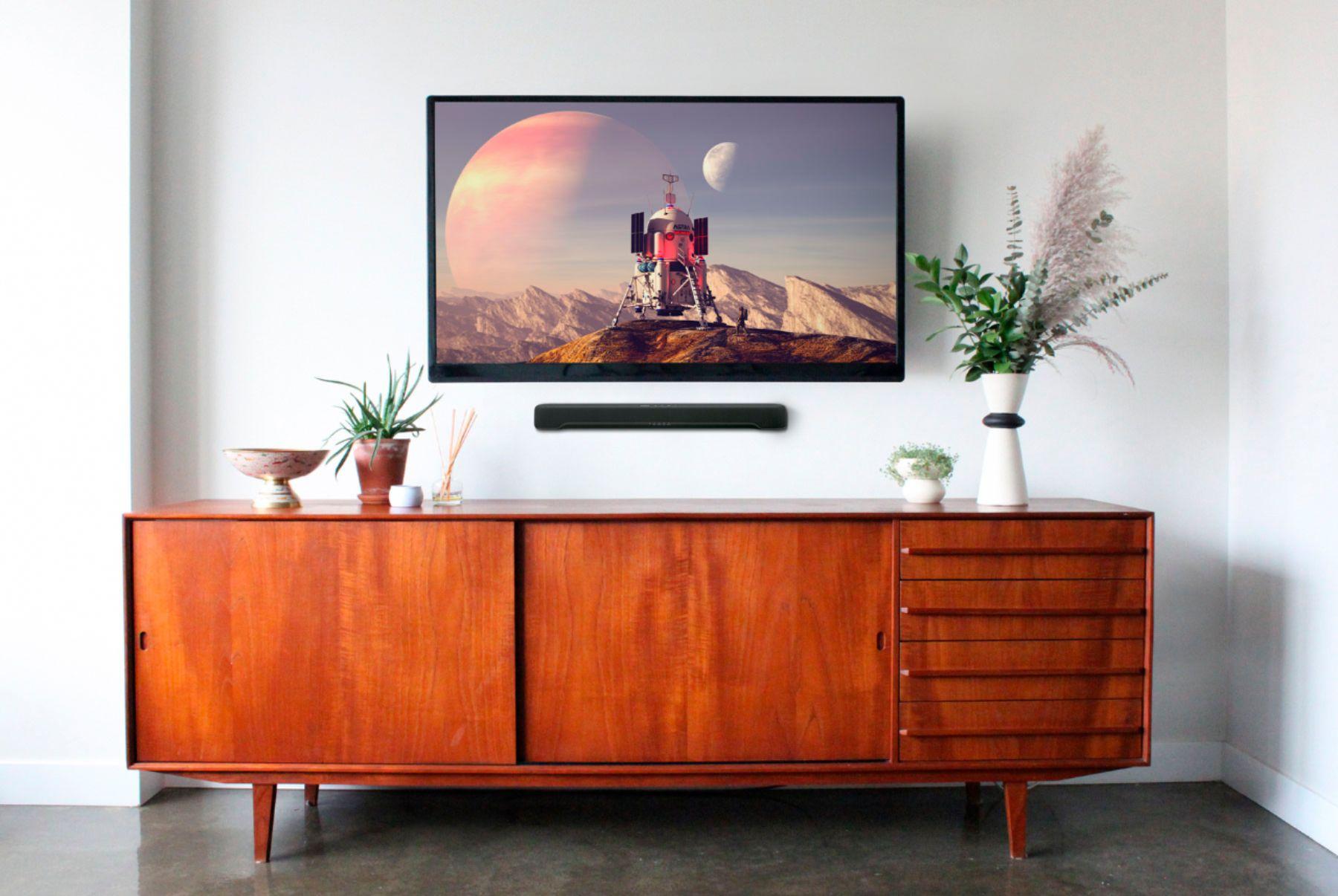
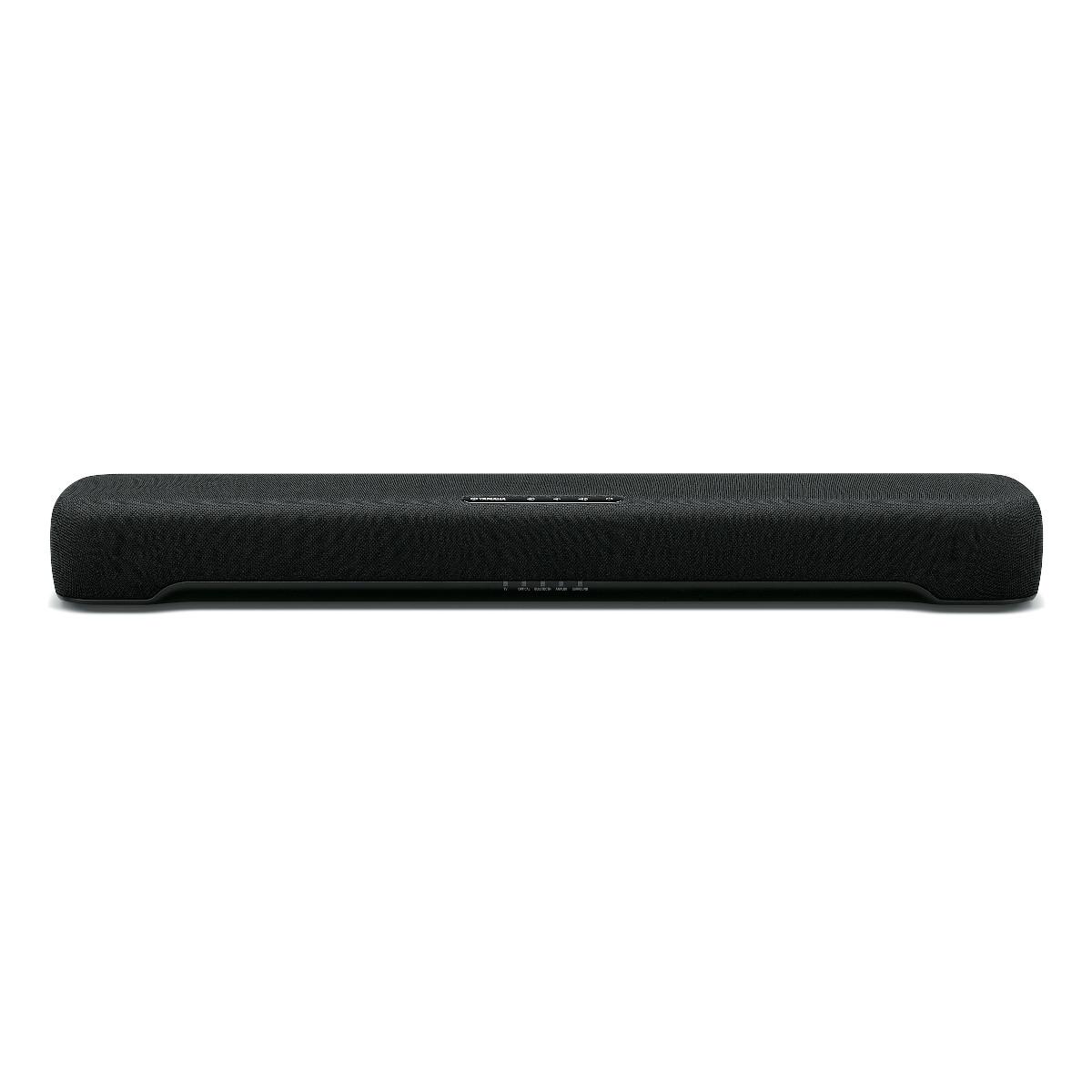
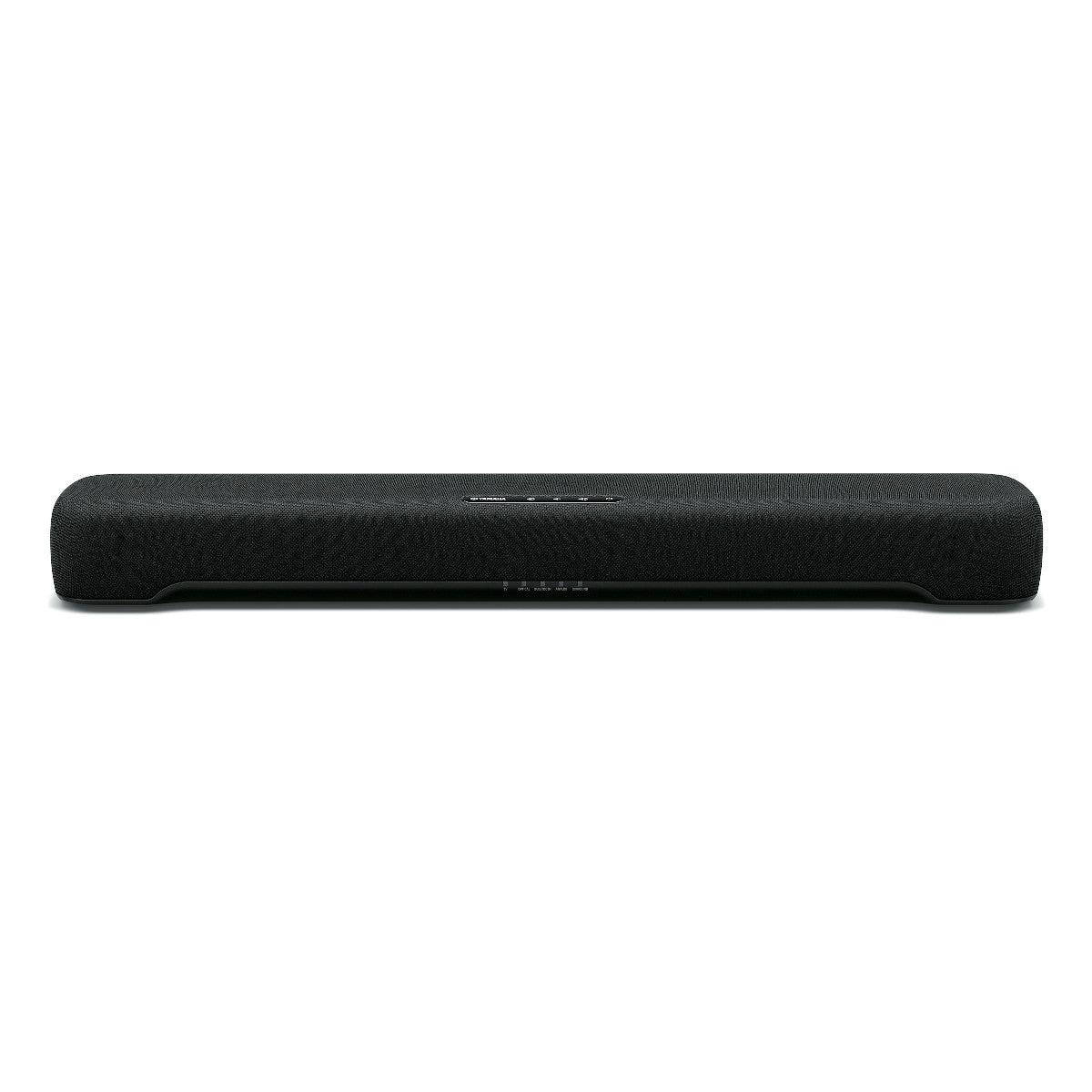
Released about a year earlier in June 2021, the Yamaha SR-C20A ($179) takes a more conventional approach to compact soundbar design. It's what audio engineers call a 2.1-channel system, meaning it has left and right channels plus a dedicated subwoofer built right into the same housing. This built-in subwoofer is paired with two passive radiators – these are essentially speakers without magnets that vibrate in response to the air pressure created by the active subwoofer, amplifying bass response.
At 100 watts total power (60 watts dedicated to that subwoofer), the Yamaha packs more pure amplification power than many soundbars in this price range. Yamaha also included their Clear Voice technology, which uses digital processing to boost the frequency ranges where human speech typically occurs, making dialogue easier to understand even when there's background music or sound effects happening simultaneously.
This is where these two soundbars show their most dramatic difference. The Yamaha SR-C20A includes that dedicated 60-watt subwoofer I mentioned, which uses a 3-inch cone driver. For reference, most TV speakers use drivers smaller than 2 inches, so you're already getting significantly more surface area to move air and create bass. Those dual passive radiators work like bass amplifiers, resonating at specific frequencies to extend the low-end response even further.
When I tested the Yamaha with action movies, the difference was immediately apparent. Explosions had actual rumble rather than just mid-frequency noise, and music with prominent bass lines – think hip-hop or electronic music – had the kind of physical presence that you feel in your chest. The Bass Extension mode pushes this even further, though it can get a bit overwhelming in smaller rooms.
The Sonos Ray, on the other hand, relies on what's called a bass reflex system. Instead of a dedicated subwoofer, it uses carefully tuned ports (openings in the speaker cabinet) and advanced digital processing to enhance lower frequencies. Sonos spent considerable engineering effort on this, creating what they call a "proprietary bass reflex design" that's specifically optimized for the Ray's compact dimensions.
The result is more controlled and articulate bass. It won't rattle your windows like the Yamaha might, but it provides a more balanced sound signature that works well across different types of content. In smaller rooms, I actually preferred the Ray's approach – it gave movies and music more depth without overwhelming the space or muddying up dialogue.
Here's where both soundbars really shine compared to TV speakers, but they achieve it differently. The Sonos Ray uses something called Speech Enhancement, which analyzes the incoming audio signal in real-time and boosts the frequency ranges where human voices naturally occur. But more importantly, the Ray's four-driver array creates what acousticians call a "phantom center channel."
Even though there's no dedicated center speaker (like you'd find in a traditional home theater setup), the precise positioning and timing of the left and right drivers tricks your brain into perceiving voices as coming from the center of the soundbar. During my testing, this worked surprisingly well – dialogue in movies and TV shows had excellent clarity and seemed to emerge from a specific point rather than spreading across the whole soundbar.
The Yamaha SR-C20A takes a more direct approach with its Clear Voice technology. This feature essentially acts like an equalizer specifically tuned for human speech, emphasizing the 2-4 kHz frequency range where most vocal clarity lives. It's effective, though not quite as sophisticated as Sonos's approach. In complex scenes with lots of background noise, voices occasionally got slightly muffled, though they were still much clearer than what you'd get from TV speakers.
This is where the Sonos Ray really shows off its acoustic engineering. Those custom waveguides I mentioned earlier help project sound well beyond the physical boundaries of the soundbar itself. The effect is genuinely impressive – in a medium-sized living room, the soundstage extended several feet to either side of the actual speaker, creating a much more immersive listening experience.
Sonos also includes Trueplay room correction technology, though it only works with iPhones (Android users are out of luck). This feature uses your phone's microphone to measure how sound bounces around your specific room, then adjusts the soundbar's output to compensate for acoustic issues. In my experience, this made a noticeable difference, particularly in rooms with hard surfaces that tend to create echoes.
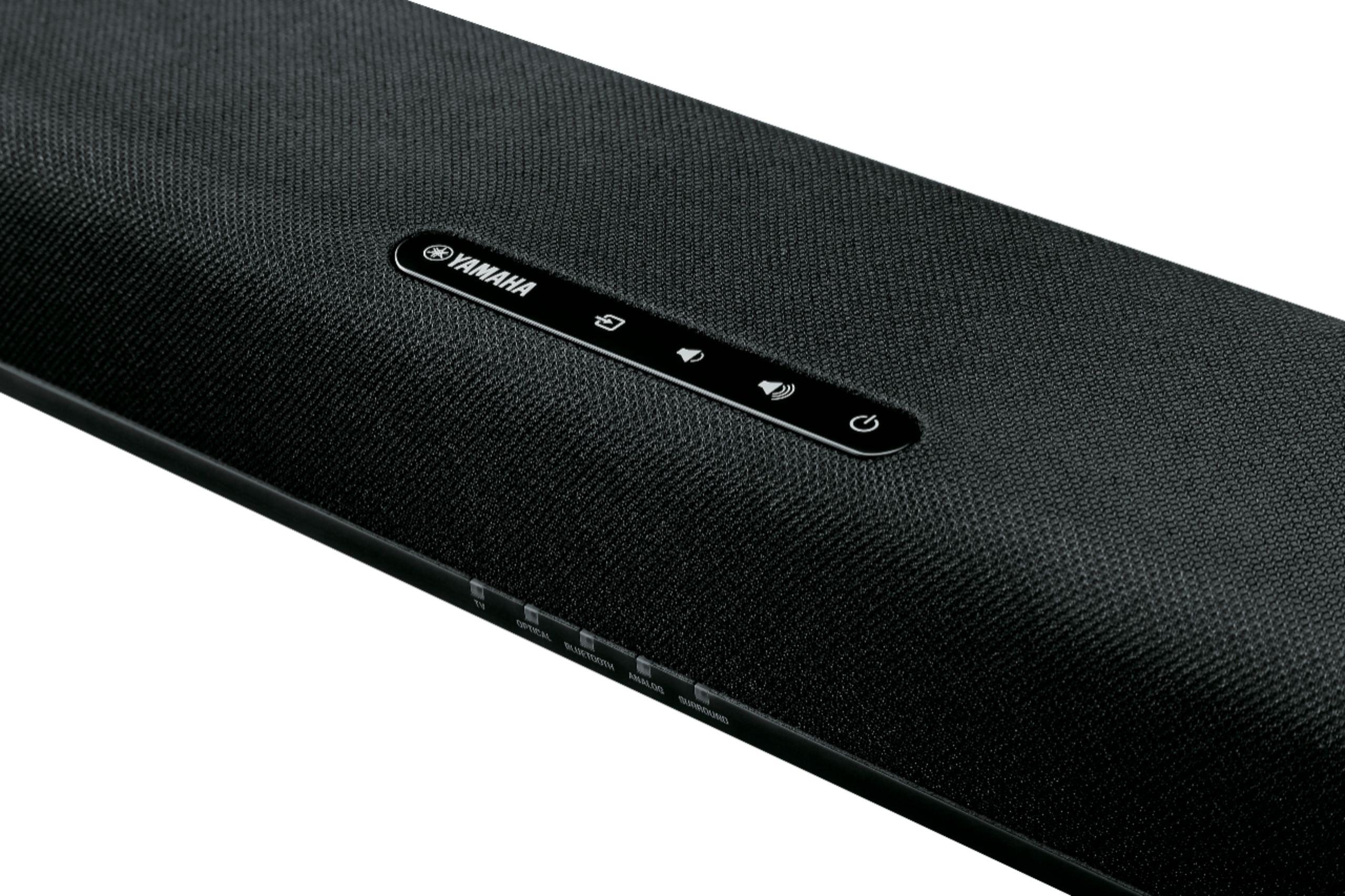
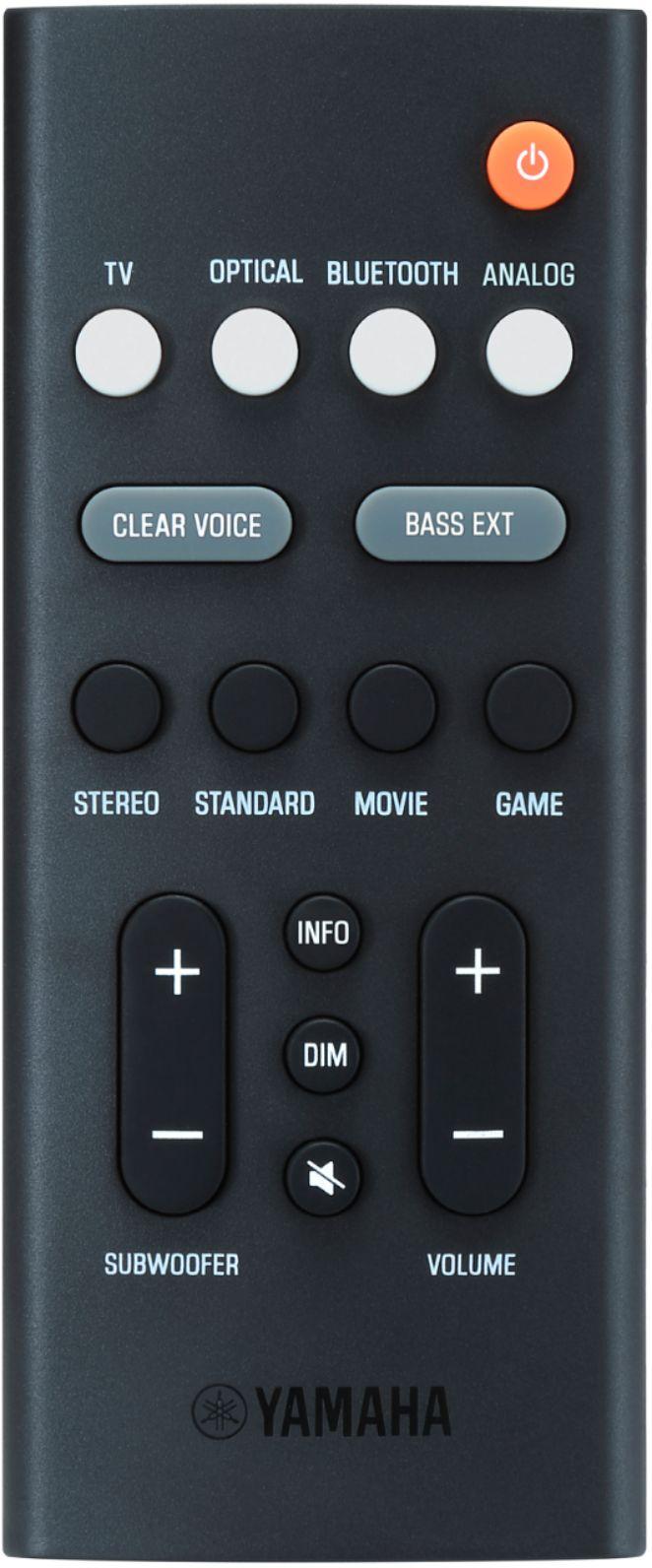
The Yamaha SR-C20A offers four different sound modes – Stereo, Standard, Movie, and Game – that adjust the audio processing for different types of content. The Movie mode attempts to create virtual surround sound using digital processing, though it's not as convincing as the Ray's natural soundstage width. Still, it's a nice feature that helps optimize performance for different situations.
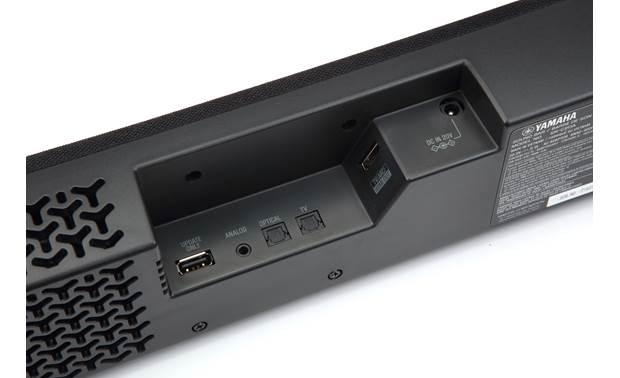
This might be the most significant practical difference between these two soundbars. The Yamaha SR-C20A includes just about every connection option you might need: HDMI-ARC (Audio Return Channel, which lets you control the soundbar with your TV remote), optical digital input, analog auxiliary input, and Bluetooth 5.0 for wireless streaming.
That HDMI-ARC connection is particularly valuable because it enables what's called CEC (Consumer Electronics Control). This means when you turn on your TV, the soundbar automatically turns on too, and your TV remote can control the soundbar's volume without any additional setup. It's one of those features that seems small until you experience how convenient it is.
The Bluetooth connectivity supports both SBC and AAC codecs (these are different methods of compressing audio for wireless transmission), with AAC providing noticeably better sound quality when streaming from iPhones or other Apple devices.
The Sonos Ray, meanwhile, deliberately omits both HDMI and Bluetooth connections. Instead, it connects to your TV via optical cable (included) and relies entirely on Wi-Fi for wireless streaming. This supports Apple AirPlay 2, Spotify Connect, and the Sonos app for streaming from various services.
This approach has trade-offs. The Wi-Fi connection typically provides better audio quality than Bluetooth – there's less compression and no concern about interference from other wireless devices. However, it's less convenient for guests who want to quickly play music from their phones, and the optical-only TV connection means you might need to use multiple remotes or set up IR learning (where the soundbar learns to respond to your TV remote's signals).
At first glance, the price difference seems straightforward – the Yamaha SR-C20A at $179 costs $100 less than the Sonos Ray at $279. But the value equation is more complex than just upfront cost.
The Yamaha delivers impressive performance per dollar. That built-in subwoofer, multiple connectivity options, and solid build quality represent features you'd typically find in soundbars costing significantly more. For someone who wants immediate improvement over TV speakers with maximum compatibility, it's hard to beat.
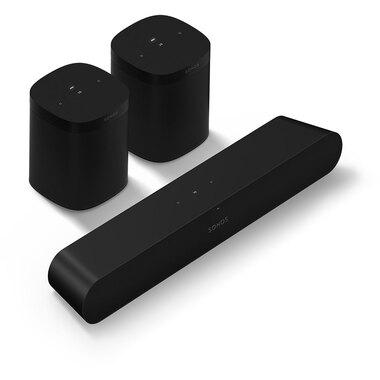
The Sonos Ray costs more but offers capabilities that become more valuable over time. The multi-room audio integration means you can eventually build a whole-home audio system, with the Ray serving as your TV soundbar while other Sonos speakers handle music in different rooms. The superior app experience and room correction technology also add value, particularly for users who care about optimizing their audio setup.
There's also the expansion question. Sonos designed the Ray to work with their Sub (subwoofer) and other speakers to create a complete surround sound system. While expensive, this upgrade path means your initial investment isn't wasted if you later want more capability. The Yamaha, being a standalone unit, doesn't offer similar expandability.
For dedicated home theater use, both soundbars have strengths and limitations. The Yamaha SR-C20A supports Dolby Digital 5.1 decoding and includes that Game mode, which reduces audio processing delay – important for video games where you need sound effects to sync perfectly with on-screen action.
However, both soundbars work best in smaller to medium-sized rooms. In a large home theater space, you'd probably want something with more power and additional speakers. That said, for apartments, bedrooms, or moderate-sized living rooms, either option provides a significant upgrade over TV audio.
The Sonos Ray supports Dolby Digital 5.1 and DTS Digital Surround, processing these multi-channel formats into convincing stereo presentation. Its Night Sound mode reduces the dynamic range (the difference between loud and quiet sounds) so you can watch movies late without disturbing others – a thoughtful feature for apartment living.
Since their respective launches, both companies have continued refining these products through software updates. Sonos regularly updates the Ray's firmware to improve performance and add features, with recent updates enhancing dialogue clarity and bass response. This ongoing support is one advantage of Wi-Fi-connected devices – they can genuinely get better over time.
Yamaha has also released firmware updates for the SR-C20A, though less frequently than Sonos. The updates have primarily focused on stability improvements and better Bluetooth connectivity rather than fundamental audio enhancements.
It's worth noting that both soundbars arrived during a period of rapid innovation in compact audio. The Ray represented Sonos's first attempt at a truly budget-friendly soundbar, while Yamaha was responding to increased demand for home audio improvements during the pandemic years.
Choose the Yamaha SR-C20A if you prioritize immediate value and universal compatibility. At $179, it's an excellent entry point into better TV audio, and that built-in subwoofer provides bass impact that's genuinely impressive for the size and price. The multiple connection options mean it'll work with virtually any TV or device, and the simple setup process gets you up and running quickly.
This soundbar makes the most sense for people who want a significant but straightforward upgrade over TV speakers. It's ideal for smaller rooms, casual viewing, and users who don't want to deal with apps or wireless network setup. The Bluetooth connectivity is particularly valuable if you frequently have guests who want to play music from their phones.
Choose the Sonos Ray if you value long-term audio quality and potential system expansion. Yes, it costs more initially, but the superior acoustic engineering, room correction technology, and multi-room capabilities justify the premium for many users. The dialogue clarity is genuinely excellent, and the wide soundstage creates a more immersive viewing experience.
The Ray makes sense for people who see this as the first step in building a more comprehensive audio system, or for those who already own Sonos products. It's also the better choice if you primarily stream content from services like Spotify or Apple Music and want the best possible wireless audio quality.
Both soundbars represent excellent value in their own ways. The Yamaha maximizes features and performance per dollar spent, while the Sonos maximizes long-term satisfaction and system integration. Neither choice will disappoint compared to TV speakers, but understanding these differences will help you pick the one that best matches your priorities and usage patterns.
The bottom line? If budget is your primary concern and you need maximum connectivity flexibility, the Yamaha SR-C20A is tough to beat. If you're willing to spend more for superior audio engineering and future expandability, the Sonos Ray justifies its higher price through measurably better performance and unique capabilities.
| Sonos Ray Soundbar | Yamaha SR-C20A Compact Sound Bar |
|---|---|
| Price - Budget is often the deciding factor for compact soundbars | |
| $279 | $179 |
| Driver Configuration - Determines sound character and bass response | |
| 4 drivers: 2 tweeters + 2 mid-woofers (no subwoofer) | 2.1 system: 2 full-range + built-in 60W subwoofer with passive radiators |
| Bass Performance - Critical for movie impact and music enjoyment | |
| Bass reflex ports with digital processing (controlled, articulate) | Dedicated subwoofer delivers significantly more physical bass impact |
| TV Connectivity - Affects ease of use and remote control integration | |
| Optical input only (included adapter, may require multiple remotes) | HDMI-ARC + optical + aux (seamless TV remote control) |
| Wireless Streaming - How you'll connect phones and streaming devices | |
| Wi-Fi only: AirPlay 2, Spotify Connect (no Bluetooth, better quality) | Bluetooth 5.0 with SBC/AAC codecs (universal device compatibility) |
| Room Correction - Optimizes sound for your specific space | |
| Trueplay tuning with iPhone (measurable improvement in most rooms) | Manual sound modes only (Stereo, Movie, Game, Standard) |
| Multi-Room Audio - Future expansion possibilities | |
| Full Sonos ecosystem integration (can build whole-home system) | Standalone unit only (no multi-room or expansion options) |
| Dialogue Enhancement - Most important upgrade over TV speakers | |
| Speech Enhancement with phantom center channel (excellent clarity) | Clear Voice technology (good but less sophisticated processing) |
| Soundstage Width - How immersive the audio feels | |
| Custom waveguides create exceptionally wide soundstage | More focused 2.1 presentation, virtual surround processing available |
| Power Output - Affects maximum volume and dynamic range | |
| Not specified (smaller drivers, more controlled at high volumes) | 100W total (20W per channel + 60W subwoofer, can distort when pushed) |
| App Experience - Daily usability and feature access | |
| Premium Sonos app with extensive streaming service integration | Basic Yamaha SR-C20A app for settings, relies on device apps for streaming |
The Yamaha SR-C20A at $179 offers exceptional value with its built-in subwoofer, multiple connectivity options, and solid performance. The Sonos Ray at $279 costs more but delivers superior dialogue clarity, room correction technology, and multi-room audio capabilities that justify the premium for many users.
The biggest difference is bass performance and connectivity. The Yamaha SR-C20A includes a dedicated 60-watt subwoofer for powerful bass and offers HDMI-ARC, optical, and Bluetooth connections. The Sonos Ray focuses on Wi-Fi streaming with advanced acoustic engineering but lacks Bluetooth and has only optical input.
The Yamaha SR-C20A has significantly better bass thanks to its built-in subwoofer and dual passive radiators. It delivers the kind of rumbling low-end that makes action movies and music more impactful. The Sonos Ray offers more controlled bass through its bass reflex design but can't match the physical impact of a dedicated subwoofer.
It depends on your usage. The Yamaha SR-C20A includes Bluetooth 5.0, making it easy for guests to connect their phones or for quick music streaming. The Sonos Ray uses Wi-Fi-only streaming, which provides better audio quality but requires the Sonos app or AirPlay-compatible devices.
The Yamaha SR-C20A is easier to set up with its HDMI-ARC connection that allows your TV remote to control volume automatically. The Sonos Ray requires the Sonos app for setup and may need IR learning for TV remote compatibility, though it includes helpful setup guidance.
Both work well for home theater use in small to medium rooms. The Yamaha SR-C20A includes a Game mode for reduced audio delay and supports Dolby Digital 5.1. The Sonos Ray can be expanded with additional Sonos speakers and a subwoofer to create a full surround system over time.
The Sonos Ray has superior dialogue clarity thanks to its Speech Enhancement technology and phantom center channel created by precise driver positioning. The Yamaha SR-C20A includes Clear Voice technology that's effective but not quite as sophisticated in complex audio scenes.
Neither soundbar supports Dolby Atmos. The Sonos Ray supports Dolby Digital 5.1 and DTS Digital Surround, while the Yamaha SR-C20A handles Dolby Digital 5.1 decoding. For true Dolby Atmos, you'd need to consider larger, more expensive soundbars.
Both work well in small rooms, but the Sonos Ray might be preferable due to its more controlled bass response and room correction technology. The Yamaha SR-C20A can be overwhelming in very small spaces when the bass is turned up, though its compact size fits well physically.
The Sonos Ray offers excellent expandability within the Sonos ecosystem – you can add rear speakers, a subwoofer, or integrate it into a multi-room audio system. The Yamaha SR-C20A is designed as a standalone unit with no official expansion options.
The Sonos Ray excels at streaming with built-in support for Spotify Connect, extensive streaming service integration, and high-quality Wi-Fi audio. The Yamaha SR-C20A relies on Bluetooth streaming from your phone or tablet, which is more universal but lower quality than Wi-Fi streaming.
Choose the Yamaha SR-C20A at $179 if you want immediate value, need multiple connection options, and prioritize bass impact in a simple package. Choose the Sonos Ray at $279 if you value superior dialogue clarity, plan to build a multi-room system, or want the best possible wireless streaming quality despite the higher price.
We've done our best to create useful and informative comparisons to help you decide what product to buy. Our research uses advanced automated methods to create this comparison and perfection is not possible - please contact us for corrections or questions. These are the sites we've researched in the creation of this article: techradar.com - soundandvision.com - youtube.com - appleinsider.com - youtube.com - sonos.com - cnet.com - howtogeek.com - pcrichard.com - en.community.sonos.com - epicsystems.tech - en.community.sonos.com - cepro.com - videoandaudiocenter.com - t3.com - usa.yamaha.com - radiotimes.com - shop.usa.yamaha.com - whathifi.com - hifiheaven.net - usa.yamaha.com - sweetwater.com - hub.yamaha.com - bestbuy.com

Privacy Policy
Terms and Conditions - Affiliate Policy
Home Security
© Copyright 2008-2026.
11816 Inwood Rd #1211, Dallas, TX 75244