

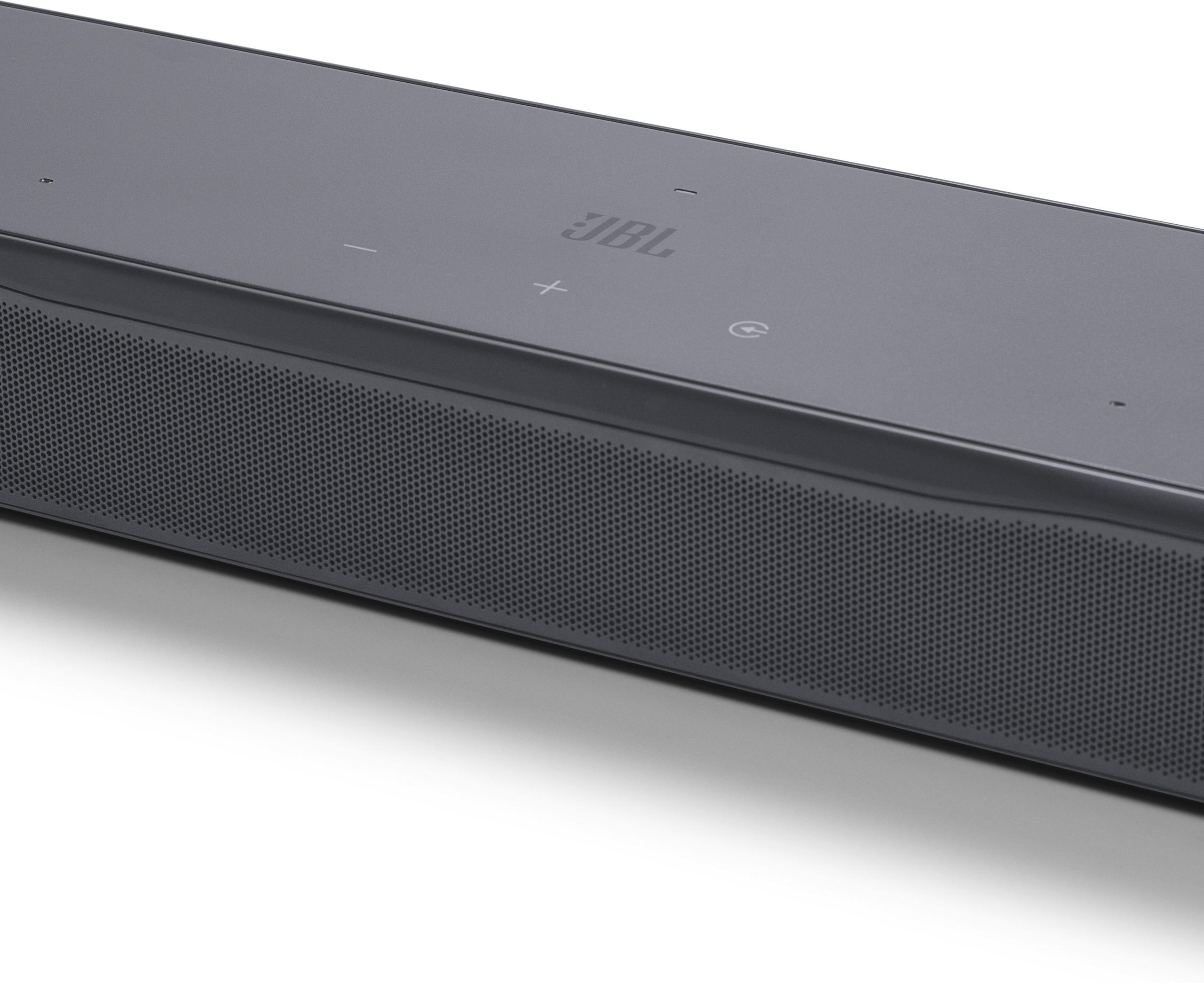
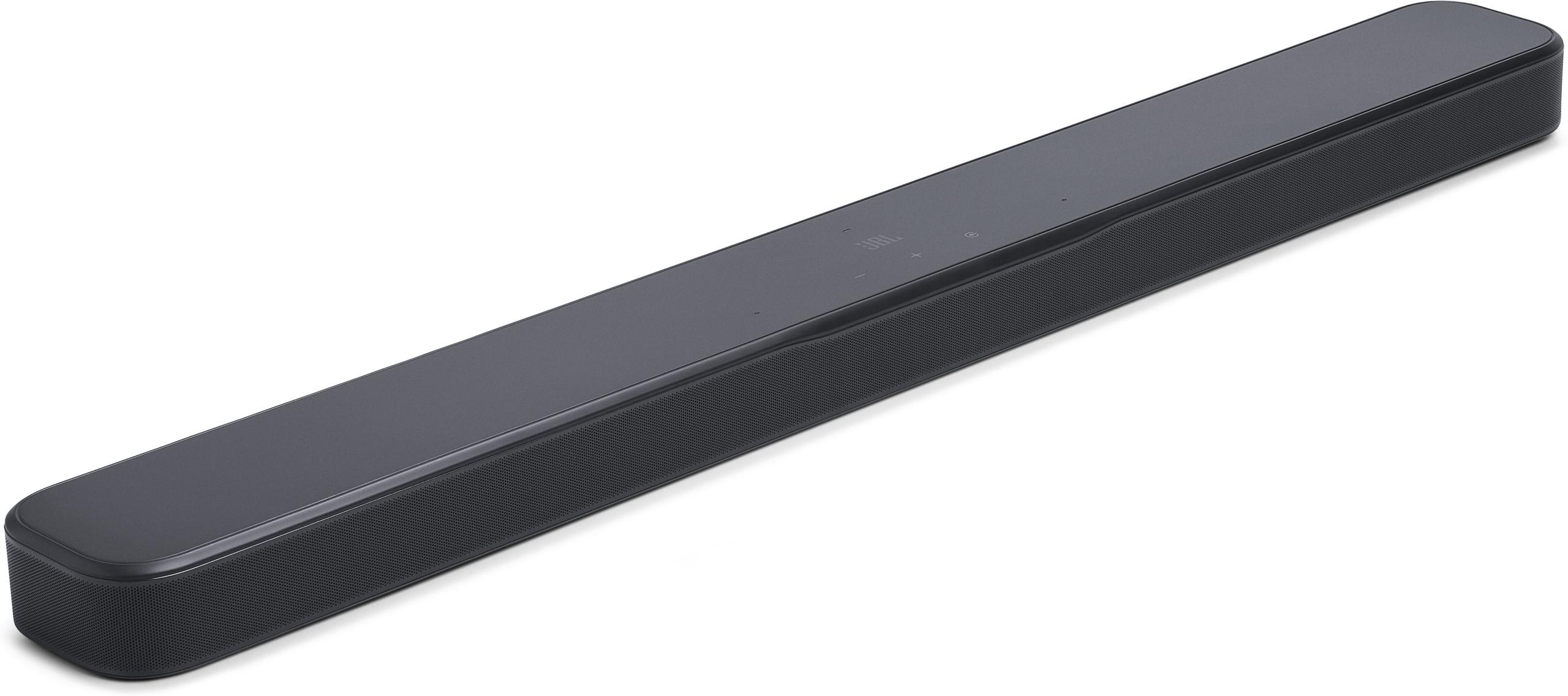

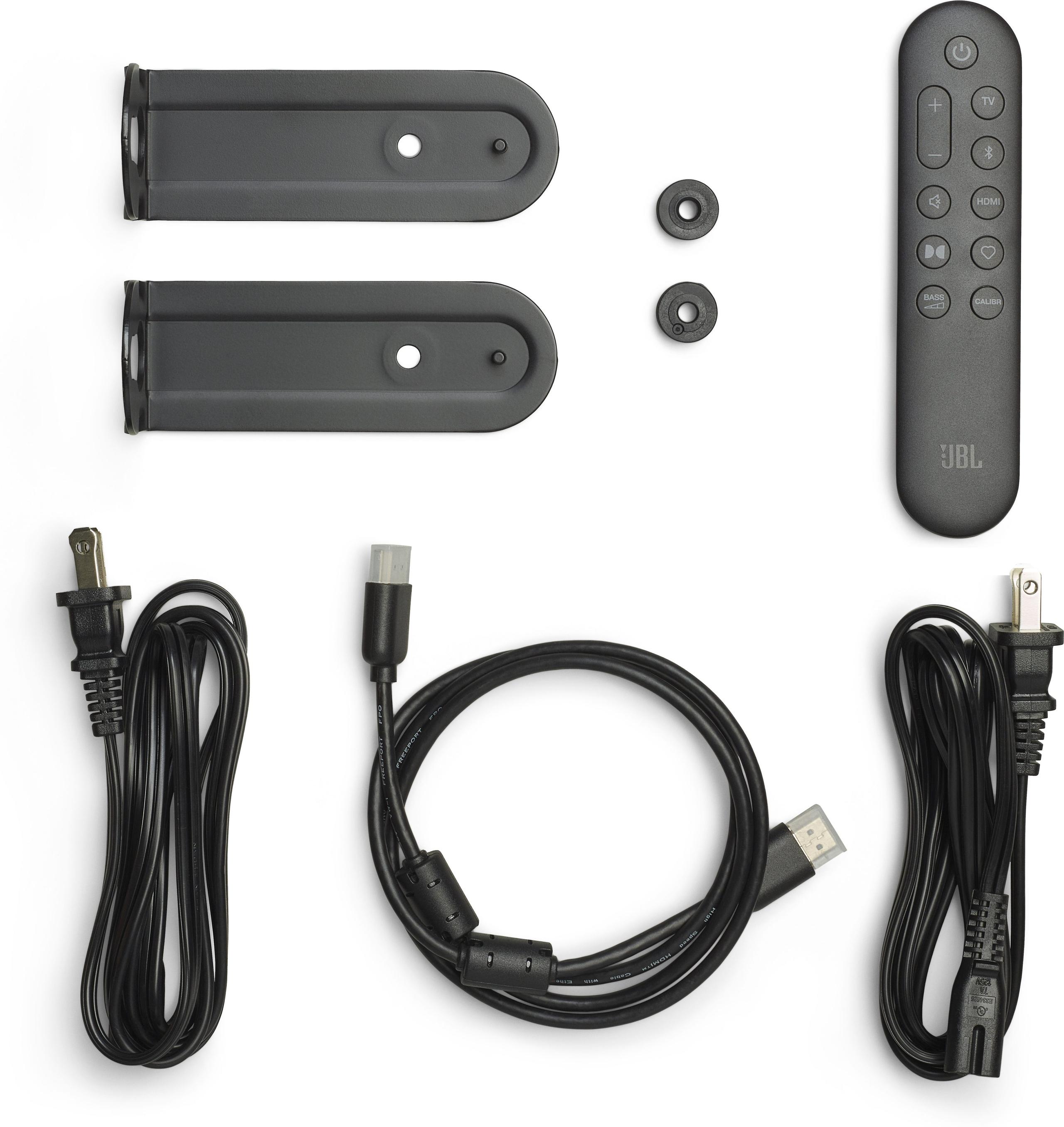
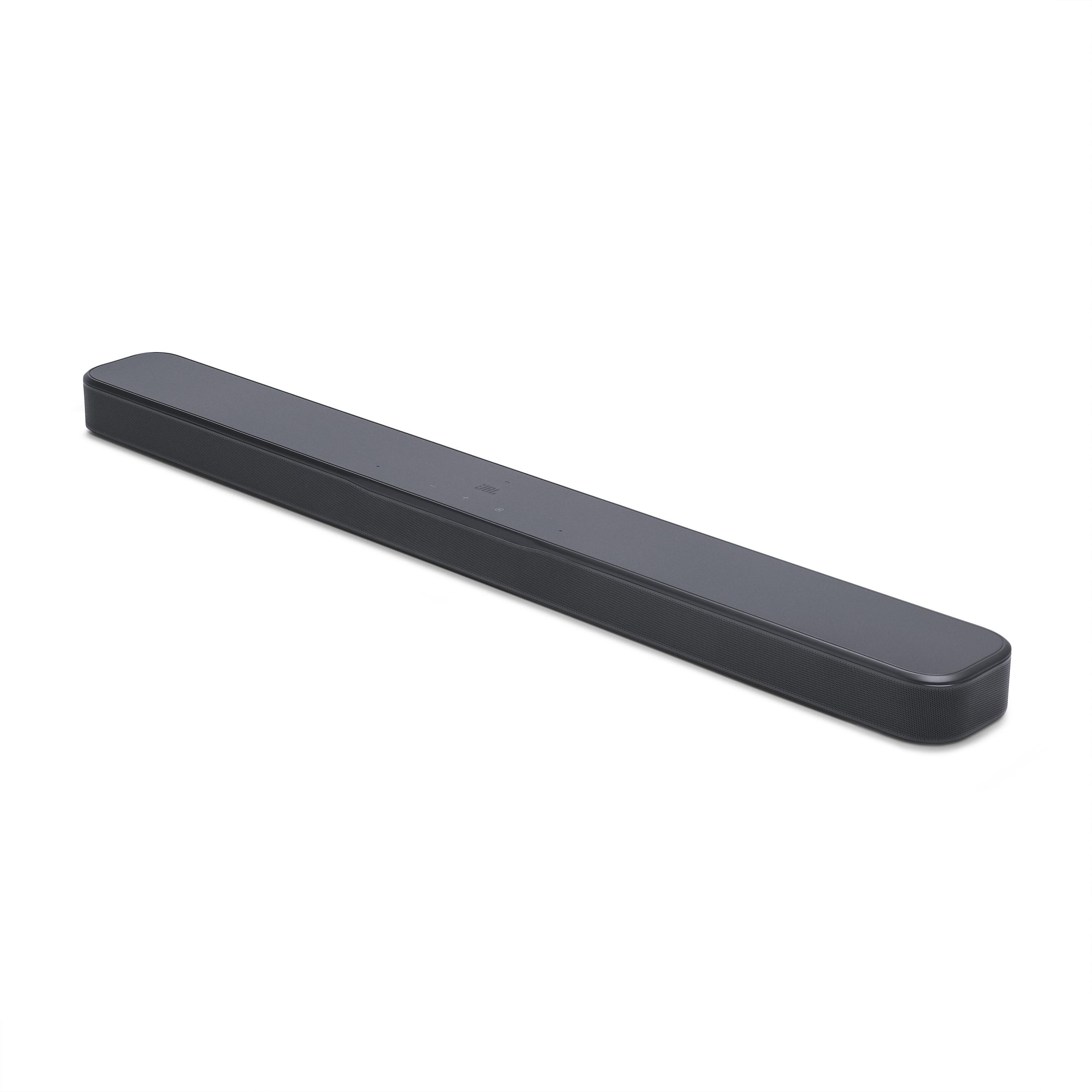

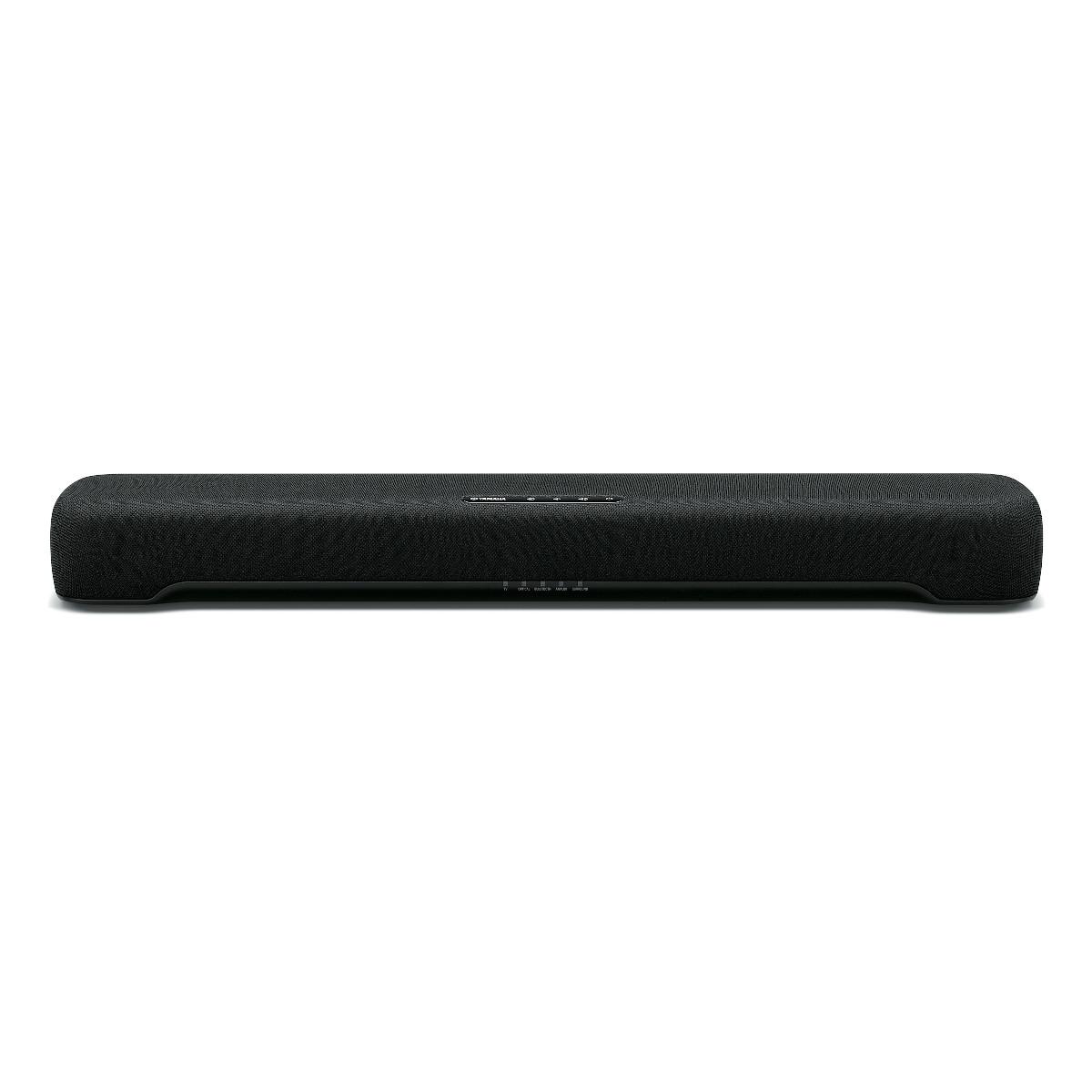

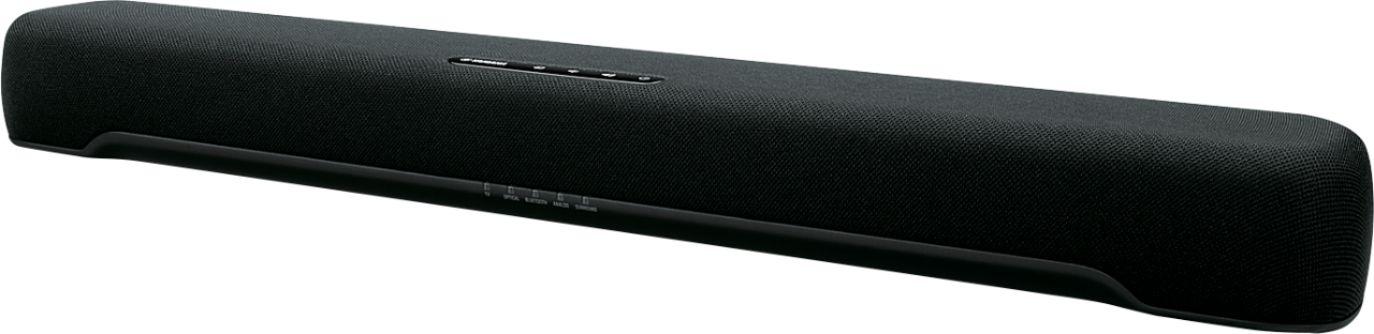


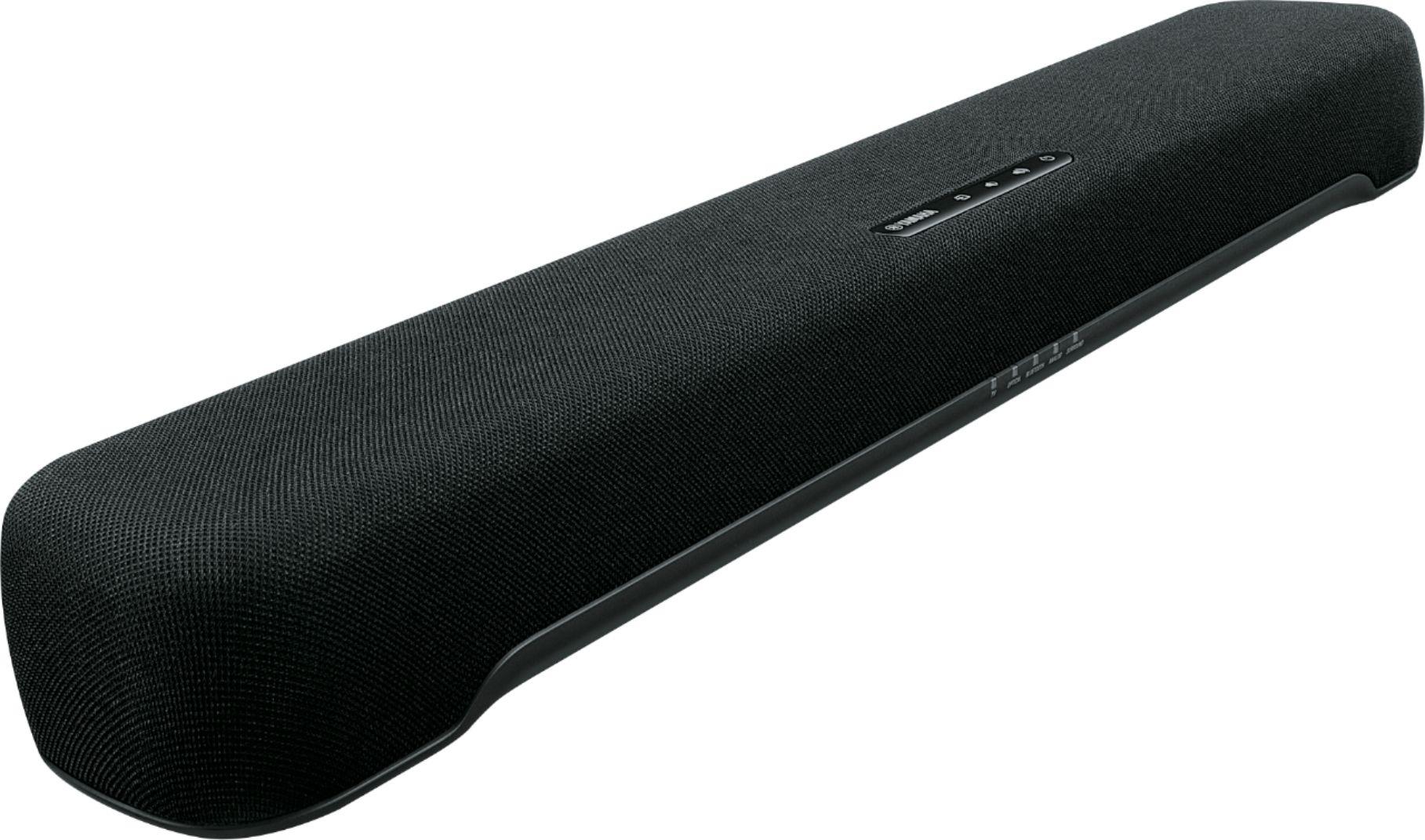
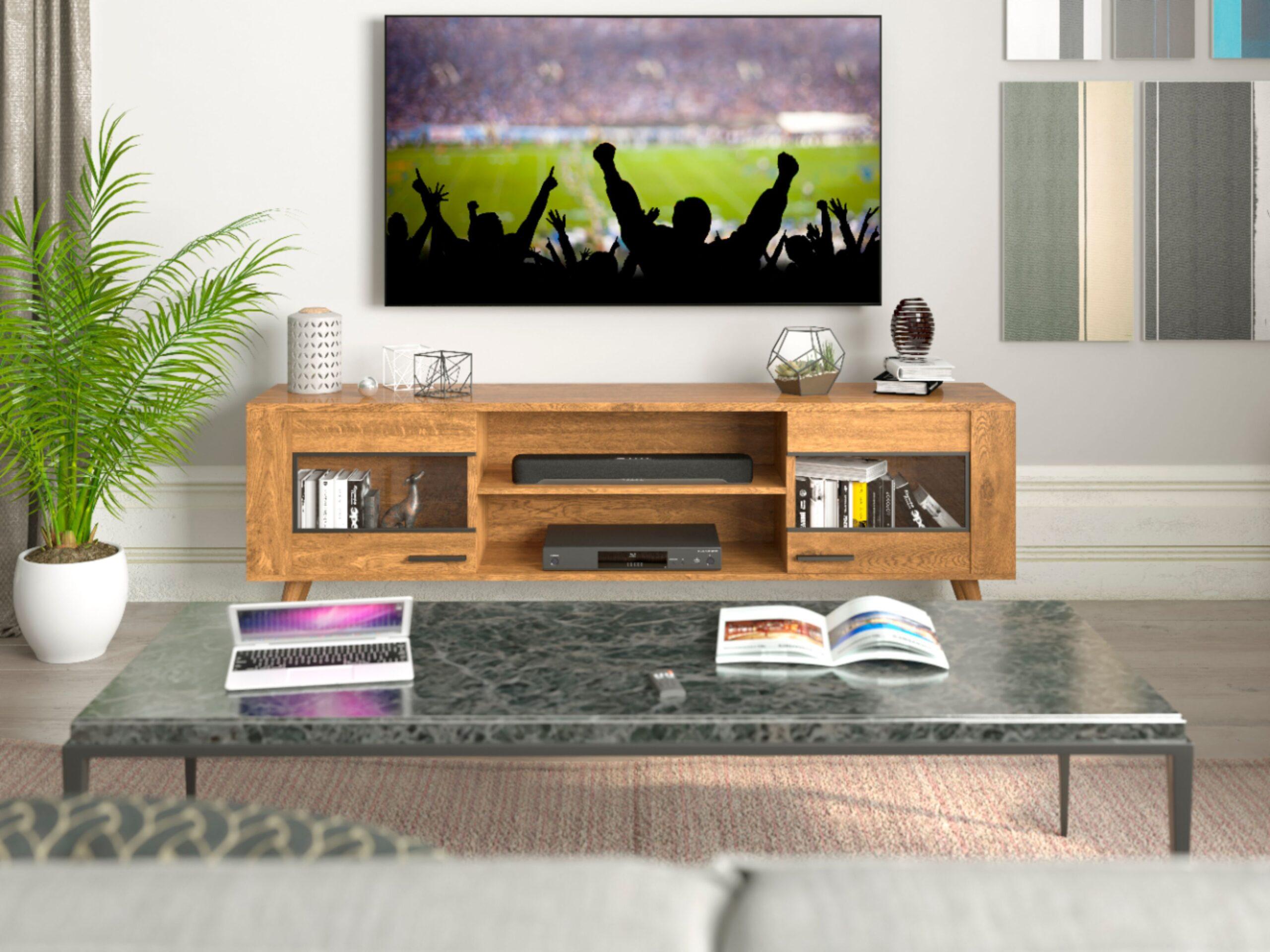
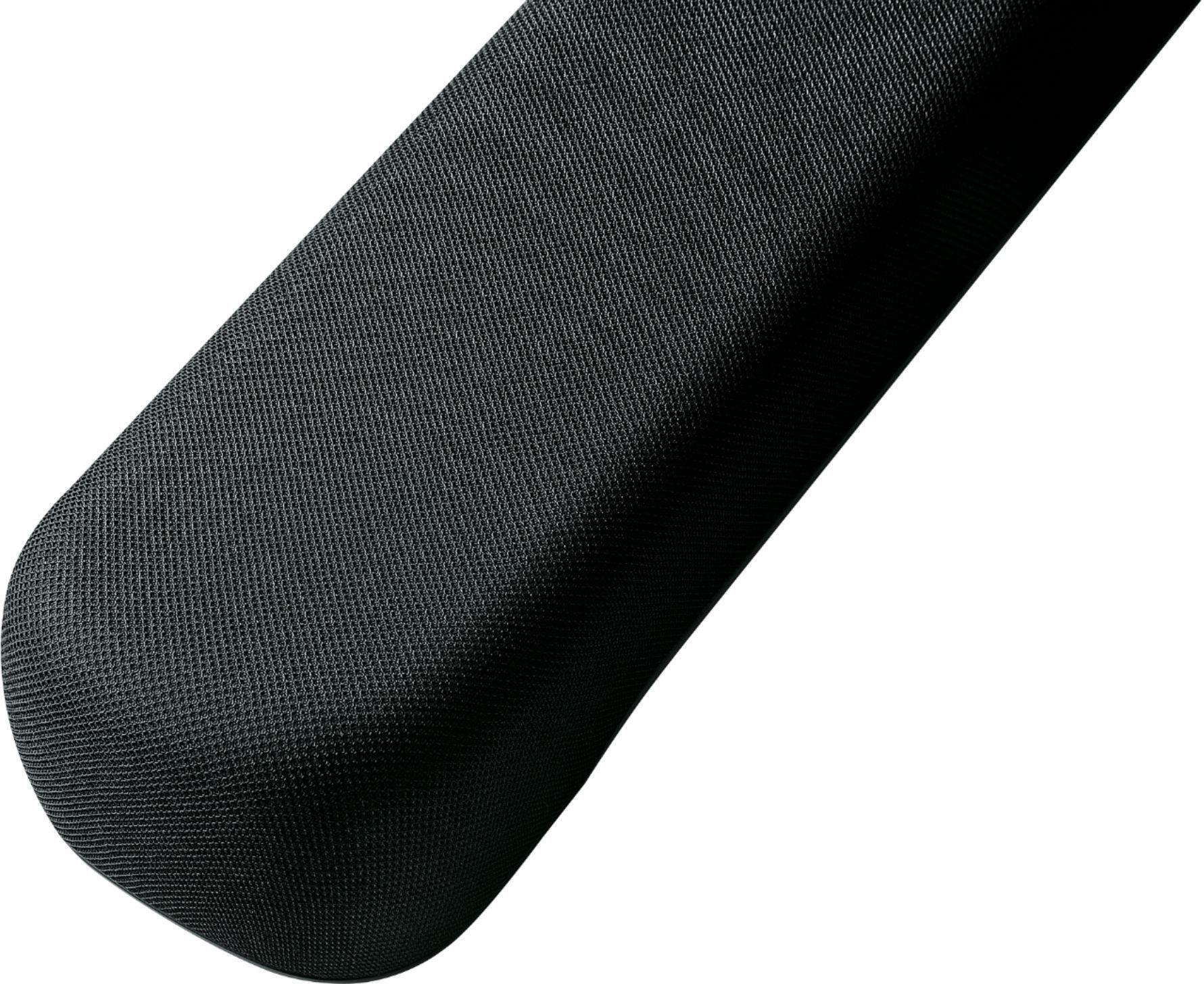
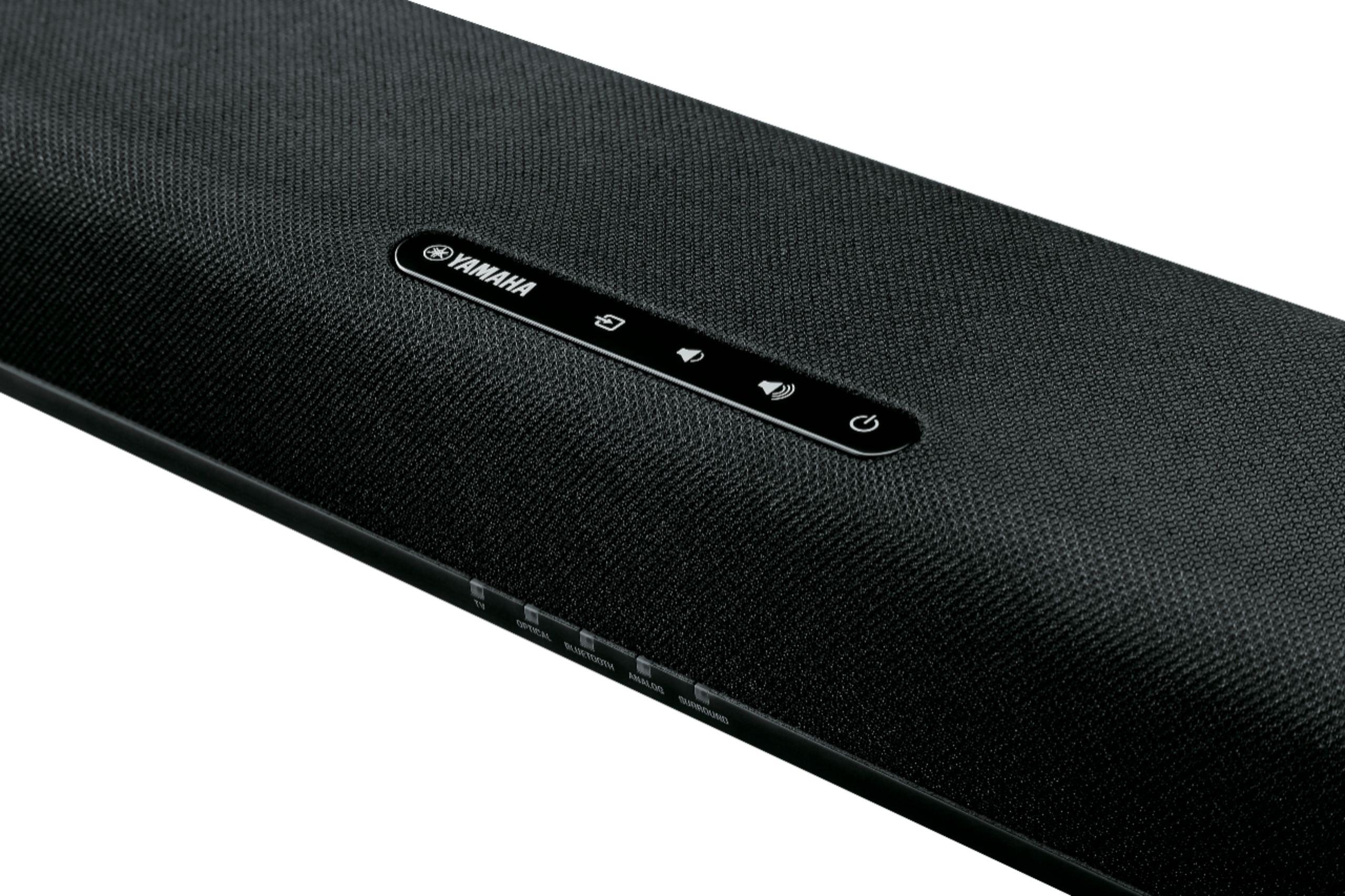


Choosing a soundbar can feel overwhelming when you're staring at dozens of options online, each promising to transform your TV experience. I've spent years testing these systems, and two models keep coming up in conversations with friends and readers: the JBL Bar 300 MK2 ($450) and the Yamaha SR-C20A ($170). While they're both soundbars, they take completely different approaches to solving the same problem – making your TV sound way better than it currently does.
Let me walk you through everything you need to know to make the right choice for your setup.
Before diving into specifics, it's worth understanding why soundbars exist in the first place. Modern TVs have gotten incredibly thin, which means there's barely any space for decent speakers inside them. The result? That tinny, flat sound that makes dialogue hard to hear and action scenes feel lifeless.
Soundbars solve this by packing multiple speakers into a slim bar that sits under or in front of your TV. The best ones create the illusion of sound coming from all around you, even though all the speakers are in one place. This magic happens through digital signal processing (DSP) – essentially computer algorithms that manipulate the audio to trick your brain into hearing a wider, more immersive soundscape.
The main things to consider when shopping for a soundbar are room size, what you primarily watch, how much you want to spend, and whether you prefer simple setup or don't mind tweaking settings. Some people want plug-and-play simplicity, while others enjoy fine-tuning their audio experience.
Both the JBL Bar 300 MK2 and Yamaha SR-C20A launched in 2025, but they represent fundamentally different philosophies. JBL's approach is "all-in-one premium" – pack everything you need into a single, sophisticated unit. Yamaha went with "compact efficiency" – deliver the biggest improvement in the smallest package at an affordable price.
The JBL Bar 300 MK2 is actually the second generation of JBL's Bar 300, with the "MK2" designation indicating significant updates. The main improvements include increased power output (from 260W to 450W), enhanced MultiBeam processing, and better wireless connectivity. JBL also added their SmartDetails technology, which helps reproduce subtle audio elements that often get lost in compressed streaming content.
The Yamaha SR-C20A, meanwhile, represents Yamaha's continued focus on what they call "Natural Sound" – the idea that audio reproduction should feel effortless and realistic rather than artificially enhanced. This compact bar includes several refinements to their Clear Voice technology, which has become increasingly important as more people struggle to hear dialogue in modern TV shows and movies.
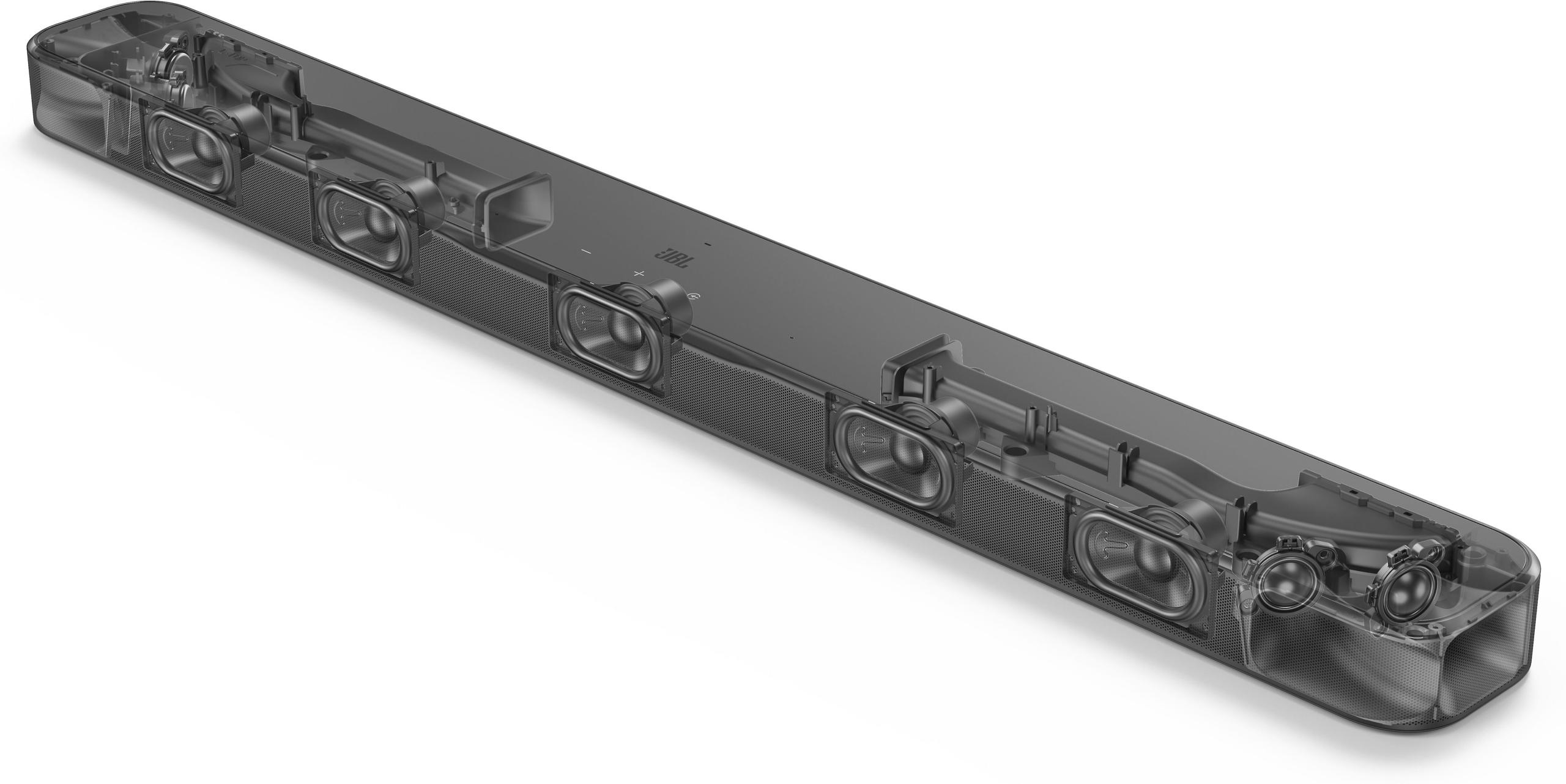
Here's where things get interesting from a technical standpoint. The JBL Bar 300 MK2 uses what's called a 5.0-channel configuration. This means it has five distinct audio channels: left, center, right, and two surround channels, all processed separately before being output through six physical drivers arranged strategically along the bar.
Those drivers include four "racetrack" bass/midrange drivers (called racetrack because of their oval shape, which fits better in slim enclosures than round drivers) and two dedicated tweeters for high frequencies. The clever part is how JBL's MultiBeam 3.0 technology uses these drivers. Instead of just pointing all the sound straight at you, it bounces sound off your walls and ceiling to create the impression of speakers placed around the room.
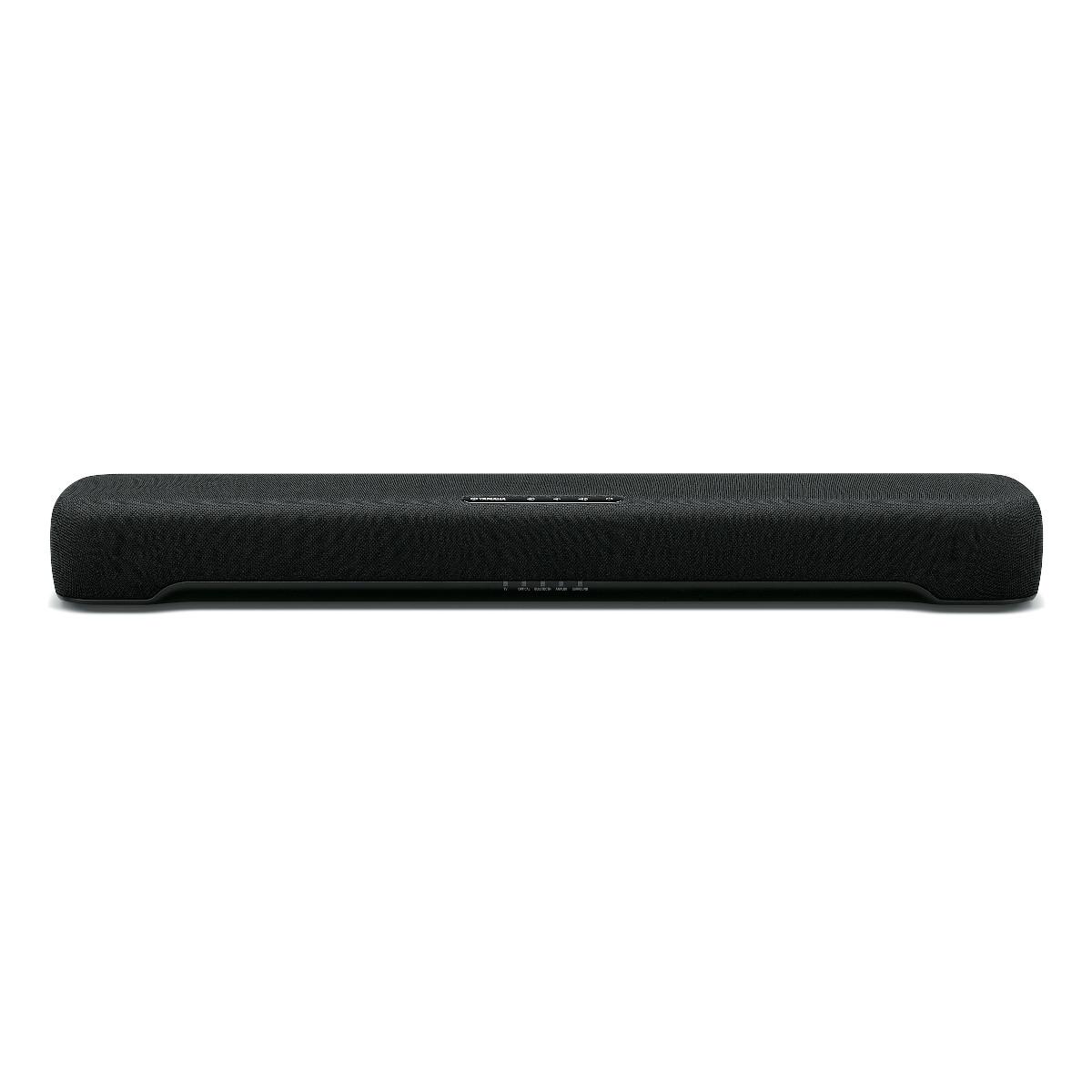
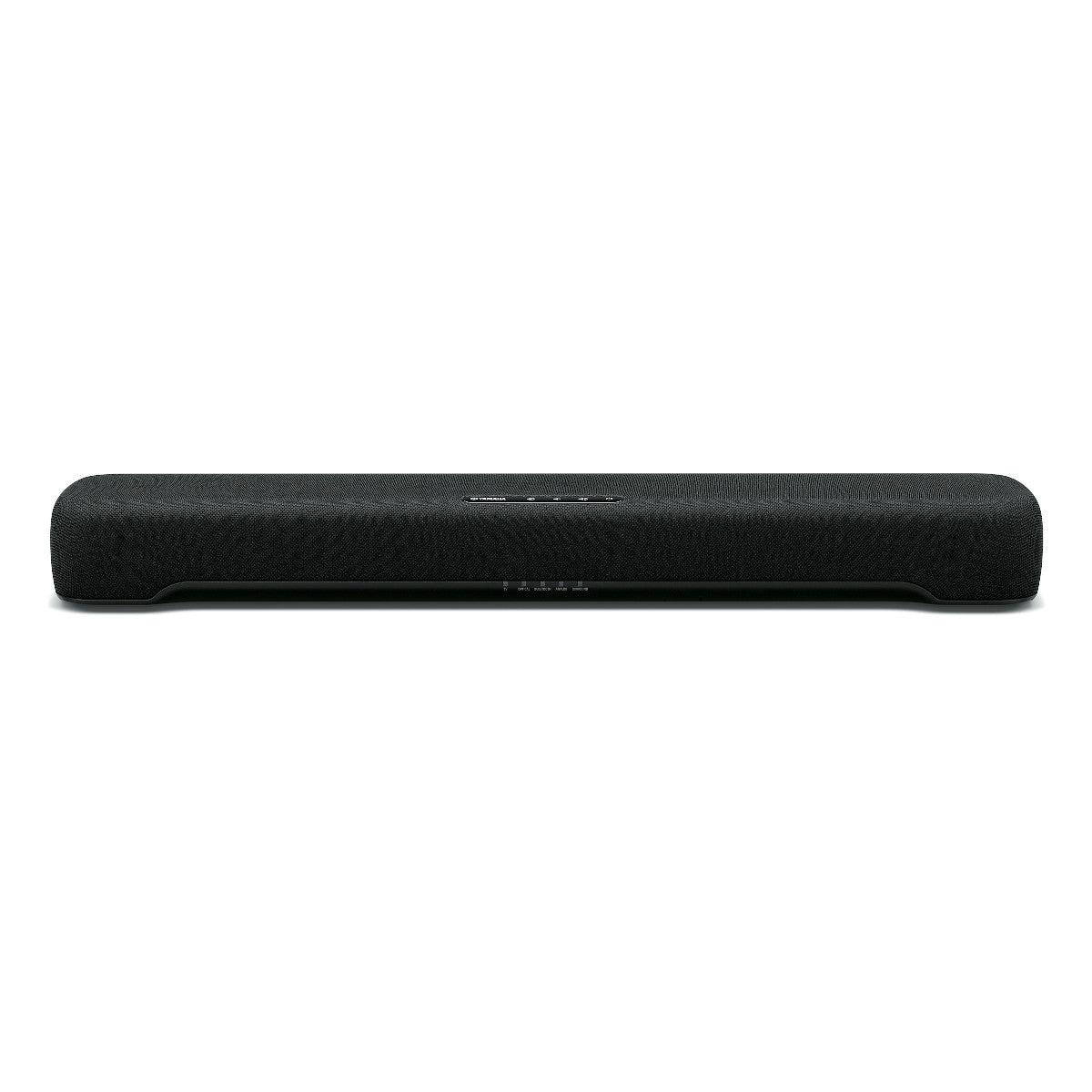
The Yamaha takes a simpler but more traditional approach with a 2.1-channel system. This means left and right stereo channels plus a dedicated subwoofer channel (.1). The subwoofer is built right into the soundbar housing along with two passive radiators – these are basically speakers without magnets that vibrate in response to the active subwoofer, extending and smoothing out the bass response.
From my testing, the difference in approach creates notably different listening experiences. The JBL creates a wider, more enveloping soundscape that really shines with movie soundtracks and complex music. The Yamaha focuses its energy more directly, creating punchy, immediate sound that excels with dialogue and simpler content.
The power difference between these two is substantial – 450W maximum for the JBL versus 100W for the Yamaha. But here's the thing about audio power: it's not just about loudness. More power generally means better dynamic range (the difference between quiet and loud sounds), cleaner performance at moderate volumes, and the ability to reproduce sudden impacts without distortion.
In real-world use, the JBL can fill medium to large rooms effectively, while the Yamaha works best in smaller spaces. I've found the JBL maintains its composure even when pushing it fairly hard, while the Yamaha starts to strain if you really crank it up. However, for typical living room volumes, both perform admirably within their intended spaces.
Both soundbars use virtual surround processing, but the sophistication levels differ dramatically. The JBL Bar 300 MK2 supports Dolby Atmos, which is the current premium surround format that adds height information to create truly three-dimensional audio. When you hear a helicopter flying overhead in a movie, Dolby Atmos can make it sound like it's actually moving above you.
JBL's MultiBeam technology works by precisely timing when sounds reach your ears from different directions. It analyzes your room acoustics and adjusts the audio accordingly. The system also includes something called "object-based audio processing," which treats individual sounds (like footsteps or car engines) as separate audio objects that can be positioned anywhere in your perceived sound space.
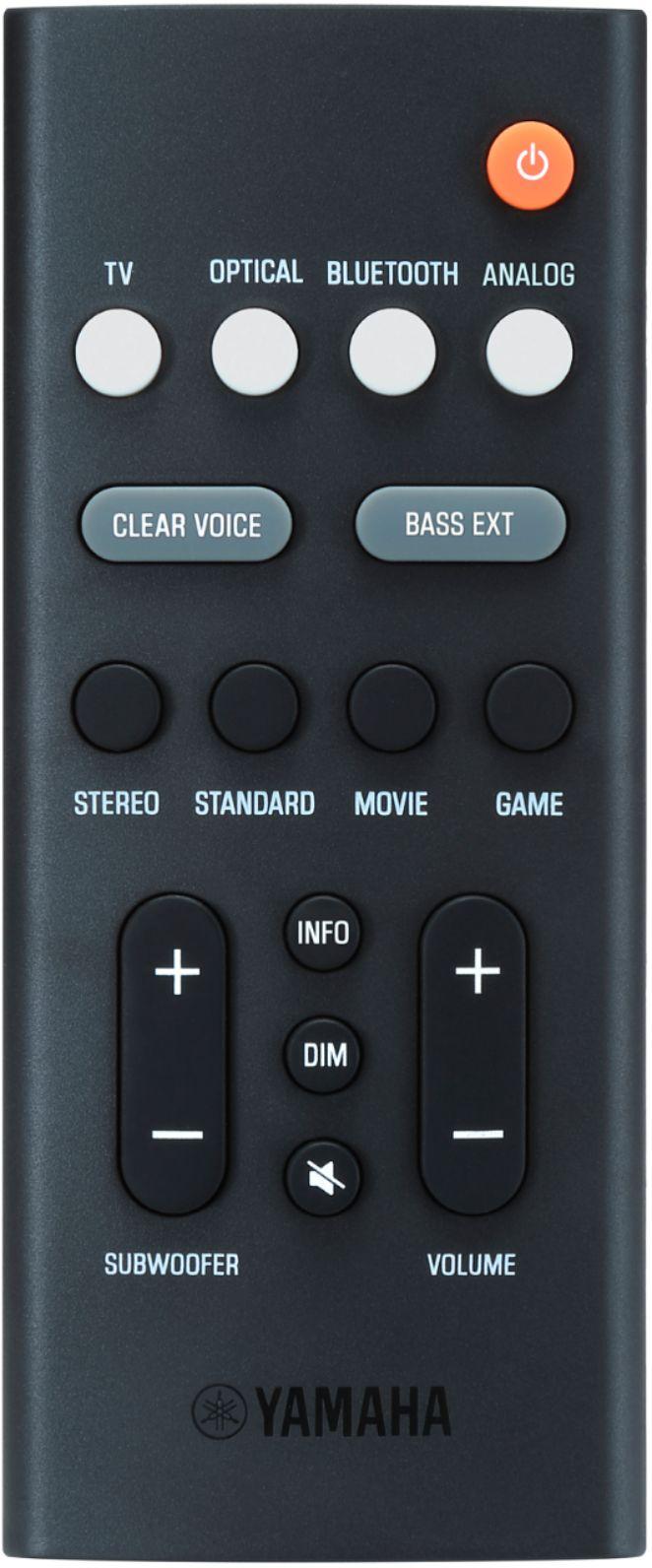
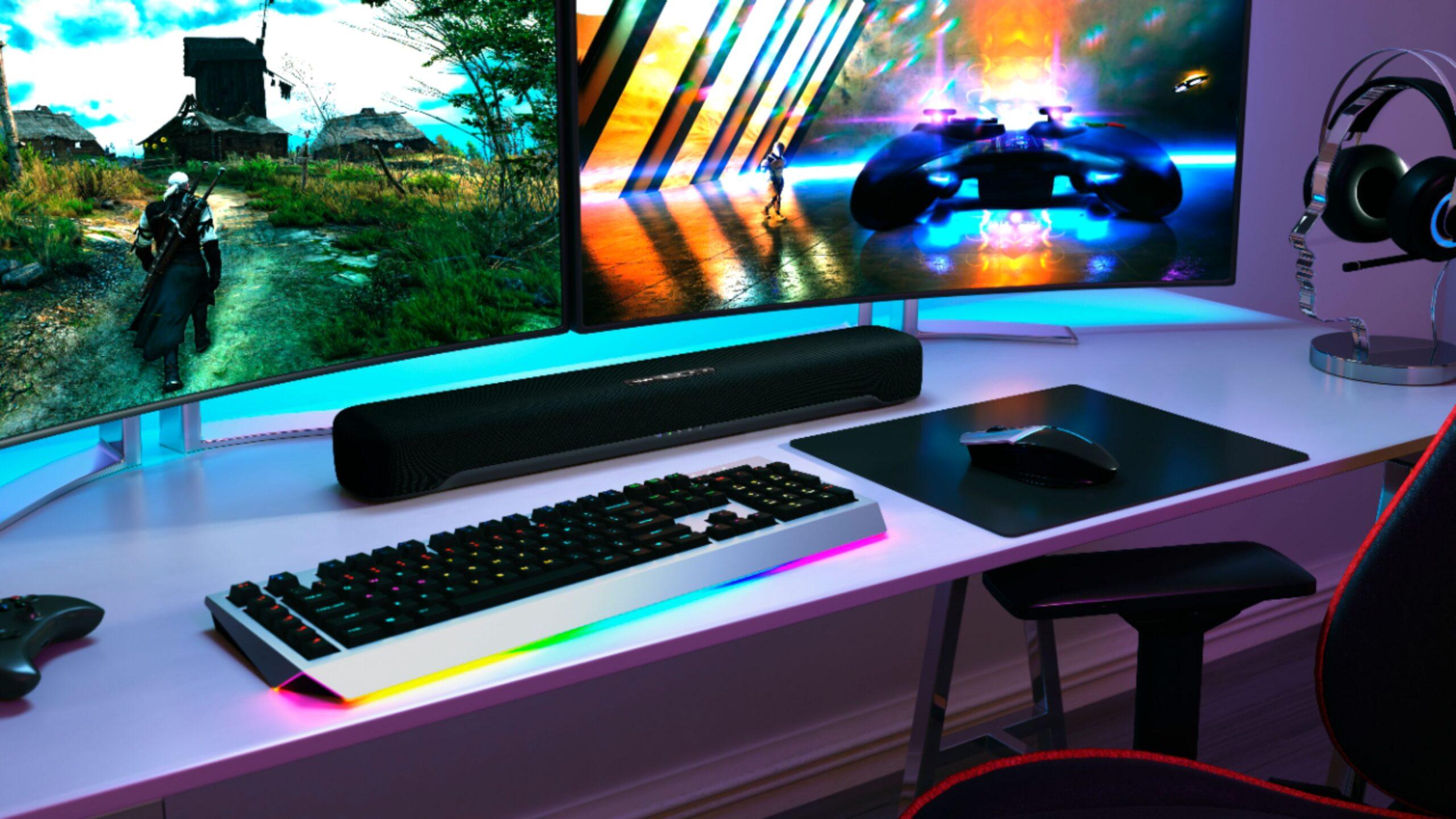
The Yamaha uses more basic virtual surround processing, primarily focused on widening the stereo image rather than creating true surround effects. It has four preset modes – Stereo for music, Standard for general TV watching, Movie for enhanced dramatic effects, and Game for more immediate, impactful sound during gaming.
From my experience, the JBL's surround effects are genuinely impressive for a single-bar solution, especially with well-mixed Dolby Atmos content. The Yamaha's virtual processing is more subtle but effective at making stereo content feel more spacious.
This is where the fundamental design differences really show. The Yamaha SR-C20A has a significant advantage with its built-in 60W subwoofer and dual passive radiators. This dedicated bass handling means it can reproduce low frequencies that the JBL simply can't match without adding a separate subwoofer later.
The JBL relies on its racetrack drivers and a bass port (an opening that helps extend low-frequency response) for its bottom end. While this works reasonably well, it can't produce the deep, room-shaking bass that makes action movies truly exciting or gives electronic music its full impact.
However, the JBL does offer upgrade flexibility – you can add JBL's wireless subwoofer later if you decide you want more bass. The Yamaha is what it is; there's no expansion path.
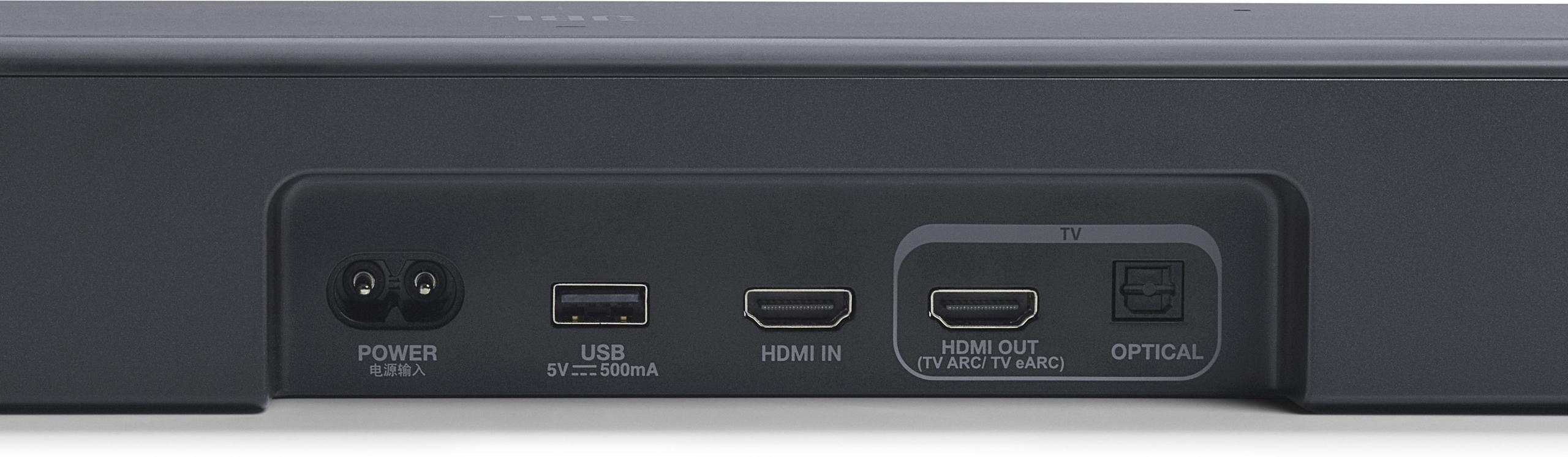
Modern soundbars need to work with all your devices, and this is where the JBL Bar 300 MK2 really pulls ahead. It includes HDMI eARC (enhanced Audio Return Channel), which supports uncompressed audio formats and allows for two-way communication between your TV and soundbar. This means better audio quality and simplified control – you can often adjust soundbar volume using your TV remote.
The JBL also supports 4K Dolby Vision passthrough, so if you have a 4K streaming device, you can run it through the soundbar without any loss in video quality. The built-in Wi-Fi opens up streaming services directly through the soundbar, plus support for AirPlay (Apple devices), Chromecast (Google/Android), and Alexa Multi-Room Music.
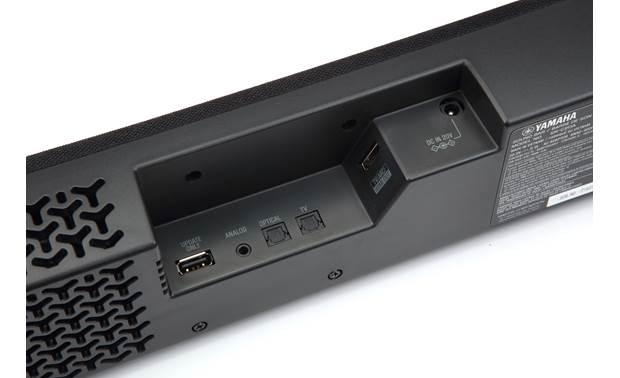
The Yamaha keeps things simpler with basic HDMI ARC (without the "enhanced" features), Bluetooth 5.0, and its Sound Bar Remote app. While this covers the basics, it lacks the advanced connectivity that makes the JBL more future-proof.
Having lived with both systems, the differences become clear pretty quickly. The JBL excels with complex, layered content – think Marvel movies with their intricate sound design, or music with lots of instrumental separation. Its processing power really shines when there's a lot happening simultaneously in the audio mix.
The Yamaha's strength lies in clarity and directness. Dialogue is exceptionally clear thanks to Yamaha's Clear Voice technology, which uses frequency-specific processing to make human voices cut through background noise. For daily TV watching – news, sitcoms, dramas – this focused approach often feels more satisfying than the JBL's wider, more diffuse presentation.
For home theater use specifically, the JBL Bar 300 MK2 is the clear winner. Its Dolby Atmos processing, wider soundstage, and higher power output create a more cinematic experience. Movie soundtracks have room to breathe, and action sequences feel more dynamic and engaging.
At $450, the JBL costs nearly three times as much as the Yamaha's typical $170 price. That's a significant difference, but the feature gap is even wider than the price gap suggests. The JBL includes premium processing, extensive connectivity, upgrade potential, and regular software updates that add new features over time.
The Yamaha offers excellent value for what it does – immediate, substantial improvement over TV speakers at a very reasonable price. It's the kind of purchase you make and forget about, knowing it'll work reliably for years without needing attention.
Choose the JBL Bar 300 MK2 if you're serious about audio quality and want a soundbar that can grow with your needs. It's ideal for medium to large rooms, movie enthusiasts, and anyone who values extensive connectivity options. The higher price pays for genuinely better performance and more sophisticated processing.
Go with the Yamaha SR-C20A if you want immediate improvement without complexity or high cost. It's perfect for smaller spaces, casual viewing, and situations where you primarily want clearer dialogue and better bass than your TV provides.
The bottom line? Both soundbars succeed at their intended goals. The JBL aims higher and achieves more, while the Yamaha focuses on essentials and delivers them efficiently. Your choice should align with your space, budget, and how much you care about audio as part of your entertainment experience.
In my experience, people who choose the Yamaha are usually happy with the immediate improvement it provides. Those who invest in the JBL tend to discover they enjoy their TV and music more than they expected, often leading them to pay more attention to audio quality in general. Either way, you'll wonder how you tolerated your TV's built-in speakers for so long.
| JBL Bar 300 MK2 Soundbar ($450) | Yamaha SR-C20A Compact Sound Bar ($170) |
|---|---|
| Audio Channels - Determines surround sound immersion and spatial accuracy | |
| 5.0-channel system with dedicated center processing | 2.1-channel system with built-in subwoofer |
| Total Power Output - Affects maximum volume and dynamic range | |
| 450W maximum (room-filling power for medium-large spaces) | 100W total (adequate for small-medium rooms) |
| Subwoofer Configuration - Critical for bass response and deep frequencies | |
| No built-in subwoofer (can add wireless sub later) | Built-in 60W subwoofer with dual passive radiators |
| Surround Sound Technology - Determines how immersive movies and games feel | |
| Dolby Atmos with MultiBeam 3.0 (virtual 3D audio) | Basic Virtual Surround Technology (stereo widening) |
| Smart Connectivity - Affects streaming options and future compatibility | |
| Wi-Fi, HDMI eARC, AirPlay, Chromecast, Alexa MRM | Bluetooth only, basic HDMI ARC |
| Dimensions - Important for TV compatibility and room aesthetics | |
| 32.3" × 2.2" × 4.1" (larger footprint) | 23.6" × 2.5" × 3.7" (compact design) |
| Dialogue Enhancement - Crucial for clear speech in movies and TV | |
| PureVoice 2.0 with dedicated center channel | Clear Voice technology with vocal optimization |
| App Control and Customization - Affects ease of use and personalization | |
| JBL One app with EQ controls and streaming | Sound Bar Remote app with basic controls |
| Upgrade Path - Whether system can grow with your needs | |
| Can add wireless subwoofer and rear speakers | No expansion options available |
| Best Use Case - Who should choose each option | |
| Home theater enthusiasts wanting immersive surround sound | Budget-conscious buyers needing immediate TV audio improvement |
The Yamaha SR-C20A ($170) offers exceptional value for basic audio improvement, while the JBL Bar 300 MK2 ($450) provides premium features and performance that justify its higher price. If you're budget-conscious and want immediate improvement over TV speakers, the Yamaha is hard to beat. For those wanting advanced surround sound and future-proof connectivity, the JBL delivers better long-term value.
The JBL Bar 300 MK2 is a 5.0-channel system focused on surround sound immersion without a built-in subwoofer, while the Yamaha SR-C20A is a 2.1-channel system with an integrated subwoofer prioritizing bass and dialogue clarity. The JBL creates wider soundstage effects, while the Yamaha delivers immediate bass impact.
The Yamaha SR-C20A has superior bass right out of the box thanks to its built-in 60W subwoofer and dual passive radiators. The JBL Bar 300 MK2 relies on its main drivers for bass, which is adequate but not as deep or impactful. However, the JBL can be expanded with a wireless subwoofer later.
Only the JBL Bar 300 MK2 supports Dolby Atmos with virtual height effects through its MultiBeam 3.0 technology. The Yamaha SR-C20A uses basic Virtual Surround Technology that widens the stereo image but doesn't provide true Atmos processing or height channels.
The Yamaha SR-C20A is specifically designed for small spaces with its compact 23.6-inch width and focused 100W output. The JBL Bar 300 MK2 is larger at 32.3 inches and designed for medium to large rooms where its 450W power and wide soundstage can be fully utilized.
Both soundbars support HDMI ARC/eARC connectivity, allowing basic volume control through your TV remote. The JBL Bar 300 MK2 offers enhanced eARC with better integration, while the Yamaha SR-C20A uses standard ARC. Both also come with their own dedicated remote controls.
Both excel at dialogue but through different approaches. The Yamaha SR-C20A features dedicated Clear Voice technology specifically designed to enhance speech intelligibility. The JBL Bar 300 MK2 uses PureVoice 2.0 with dedicated center channel processing. Both significantly improve dialogue over TV speakers.
The JBL Bar 300 MK2 offers extensive streaming support with built-in Wi-Fi, AirPlay, Chromecast, and Alexa Multi-Room Music, allowing direct access to hundreds of streaming services. The Yamaha SR-C20A only supports Bluetooth streaming from your phone or tablet, requiring a connected device for streaming services.
The JBL Bar 300 MK2 is superior for home theater applications with its Dolby Atmos support, 5.0-channel processing, higher power output, and immersive surround effects. The Yamaha SR-C20A works well for casual movie watching but lacks the spatial audio processing needed for a true cinematic experience.
Both soundbars are relatively easy to set up with single-cable HDMI connections. The Yamaha SR-C20A offers simpler plug-and-play operation, while the JBL Bar 300 MK2 requires initial setup through the JBL One app for optimal performance but provides more customization options once configured.
The JBL Bar 300 MK2 can be expanded with JBL's wireless subwoofer and rear speakers for a full surround system. The Yamaha SR-C20A cannot be expanded – it's a complete system as-is with no upgrade path available.
Choose the JBL Bar 300 MK2 if you want premium surround sound, extensive streaming features, and room to grow your system. It's ideal for dedicated home theater setups and larger rooms. Choose the Yamaha SR-C20A if you need immediate bass improvement in a compact package at an affordable price, perfect for smaller spaces and budget-conscious buyers.
We've done our best to create useful and informative comparisons to help you decide what product to buy. Our research uses advanced automated methods to create this comparison and perfection is not possible - please contact us for corrections or questions. These are the sites we've researched in the creation of this article: homecinemachoice.com - retailspecs.com - hometechnologyreview.com - whathifi.com - news.jbl.com - engadget.com - crutchfield.com - harmanaudio.com - techradar.com - bestbuy.com - jbl.com - sweech.co.ke - jbl.com - jbl.com.sg - mm.jbl.com - abcwarehouse.com - harmanaudio.com - sweetwater.com - ro.harmanaudio.com - dell.com - jbl.co.nz - t3.com - usa.yamaha.com - radiotimes.com - shop.usa.yamaha.com - whathifi.com - hifiheaven.net - usa.yamaha.com - sweetwater.com - hub.yamaha.com - bestbuy.com

Privacy Policy
Terms and Conditions - Affiliate Policy
Home Security
© Copyright 2008-2026.
11816 Inwood Rd #1211, Dallas, TX 75244