






When you're watching your favorite movie and the dialogue gets drowned out by explosions, or when your TV's tiny speakers make everything sound like it's coming from a tin can, it's time to consider a soundbar upgrade. But here's where things get interesting – the soundbar world has everything from basic $150 audio enhancers to premium $1,200 home theater systems. Today we're comparing two very different approaches: the JBL Bar 1000 MK2 ($1,199.95) and the Yamaha SR-C20A (around $150-200, though currently showing at $17.98 for what appears to be a clearance or refurbished unit).
Think of soundbars as the middle ground between your TV's built-in speakers and a full surround sound system with speakers scattered around your room. They're designed to sit below or in front of your TV and dramatically improve audio quality without the complexity of traditional home theater setups.
The key differences between soundbars come down to a few crucial factors. First is the channel configuration – this tells you how many separate audio streams the soundbar can handle. A 2.0 system has left and right channels (stereo), while something like a 7.1.4 system has seven main channels, one subwoofer channel, and four height channels for overhead effects. Then there's power output, which determines how loud and clear the sound can get, and connectivity options that affect what devices you can connect and how future-proof your investment will be.
These two soundbars represent completely different philosophies. The JBL is what we'd call a "flagship" product – it's packed with the latest technology and designed to compete with much more expensive separate component systems. The Yamaha takes a "practical enhancement" approach, focusing on giving you the biggest improvement over TV speakers while keeping things simple and affordable.
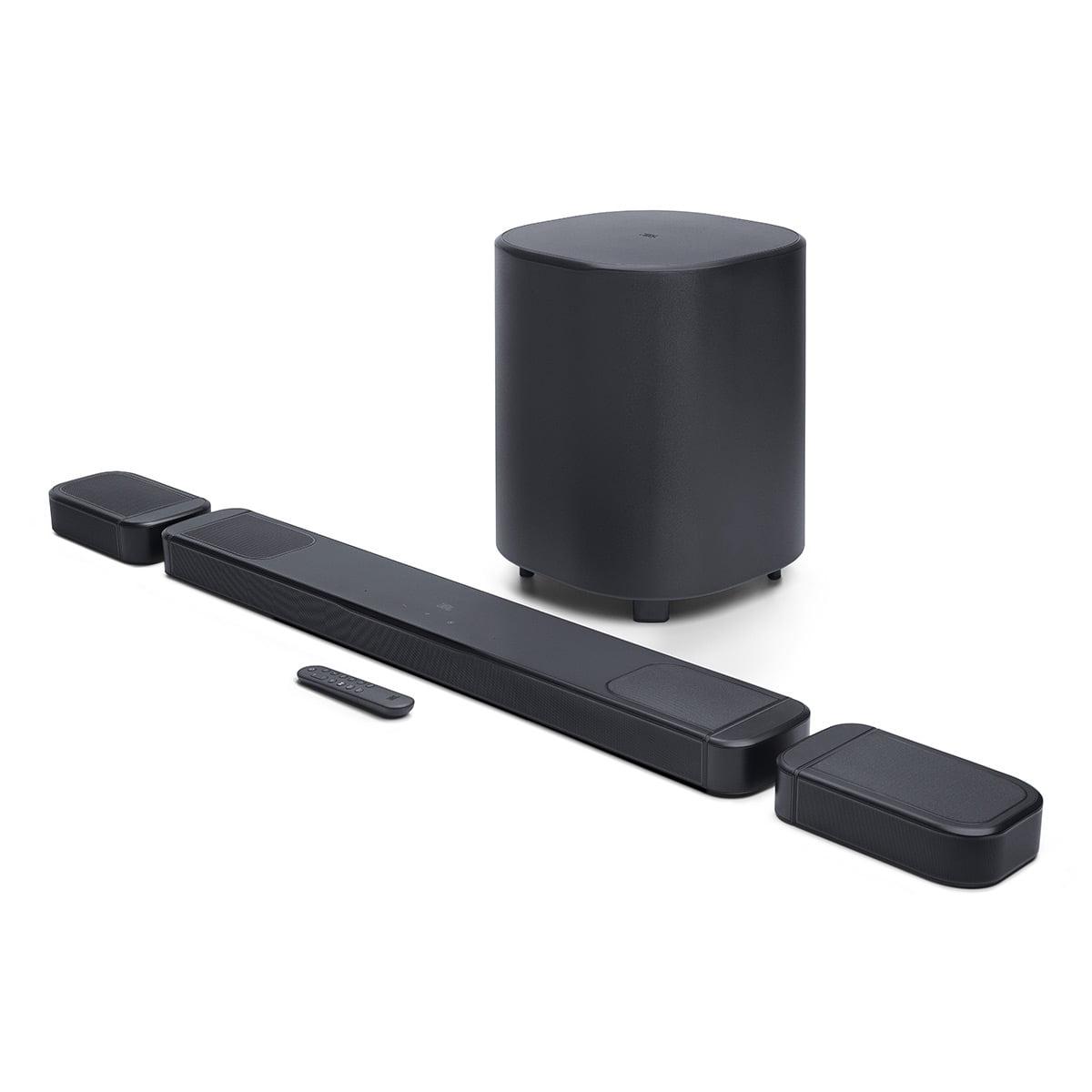
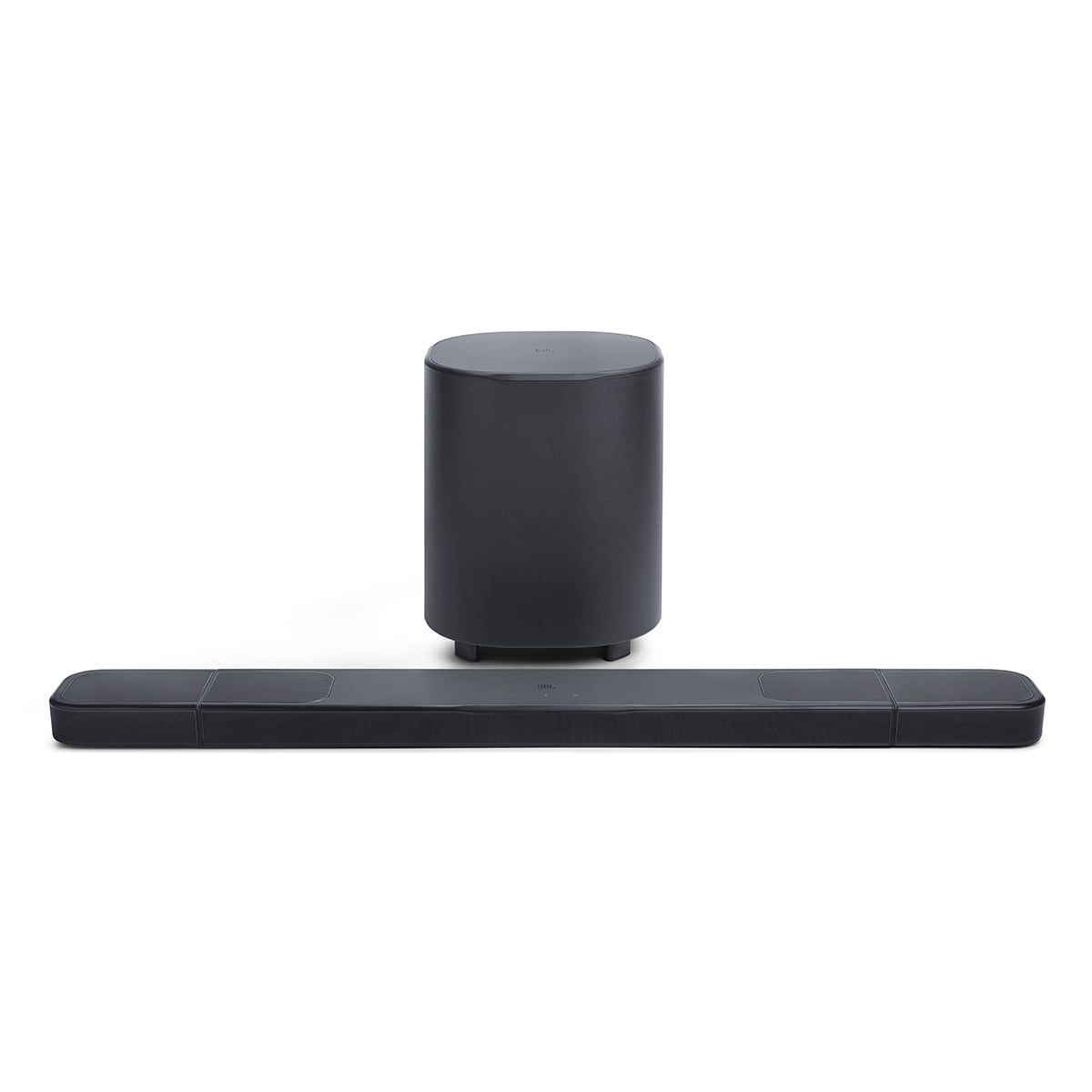
Released in 2024 as JBL's second-generation flagship, the JBL Bar 1000 MK2 represents some serious audio engineering. What makes this system special isn't just its 7.1.4-channel configuration – it's how JBL solved one of the biggest problems with traditional soundbars: getting true surround sound.
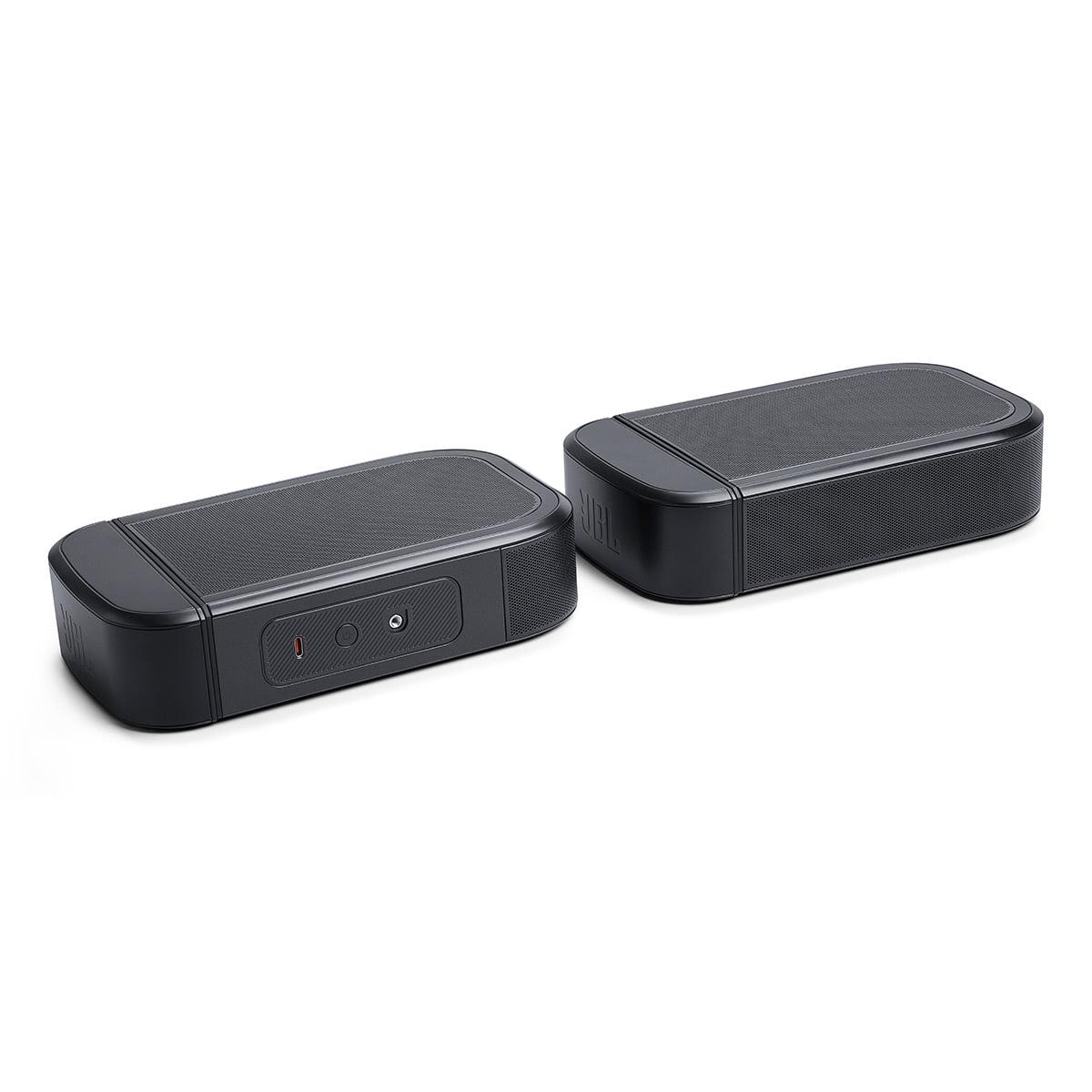
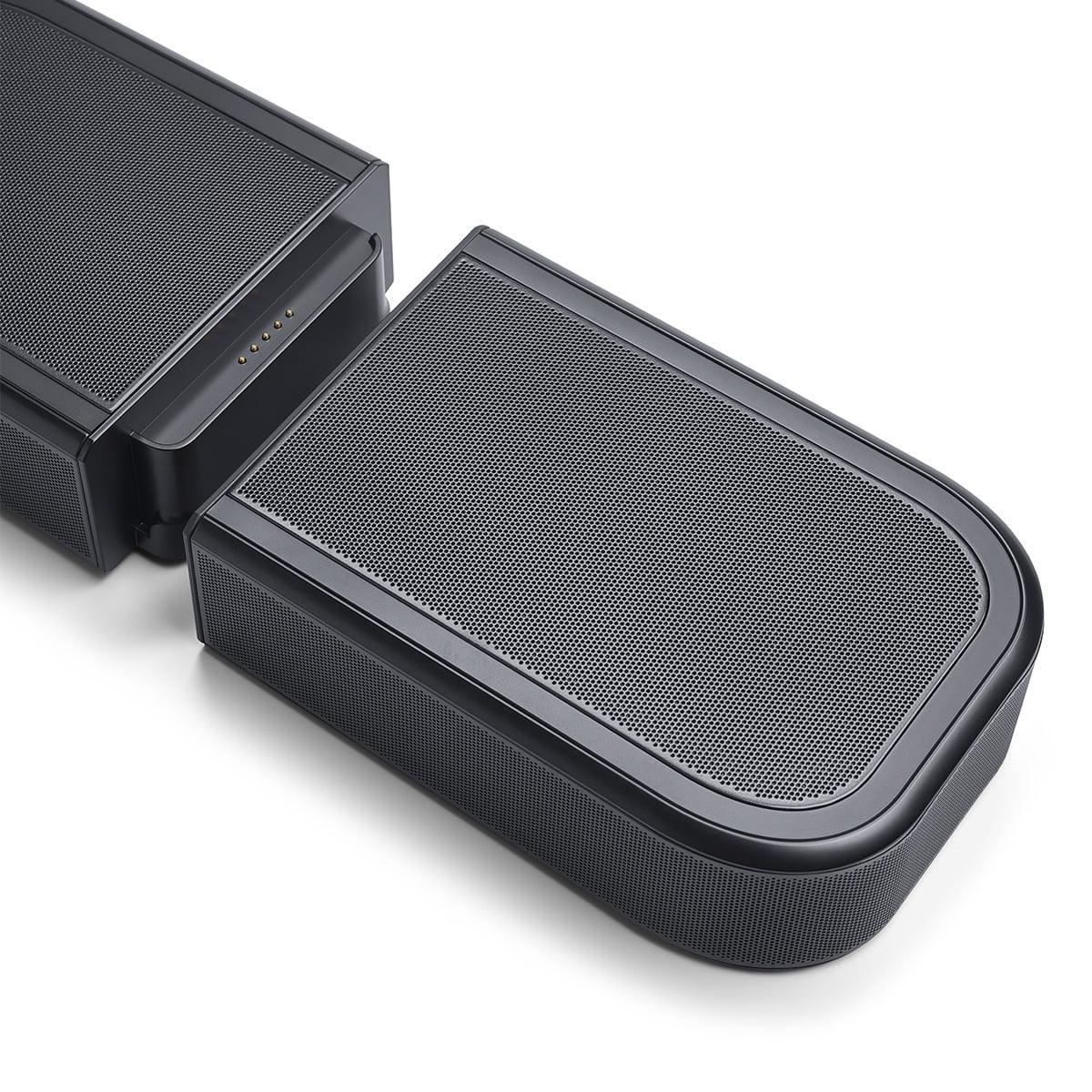
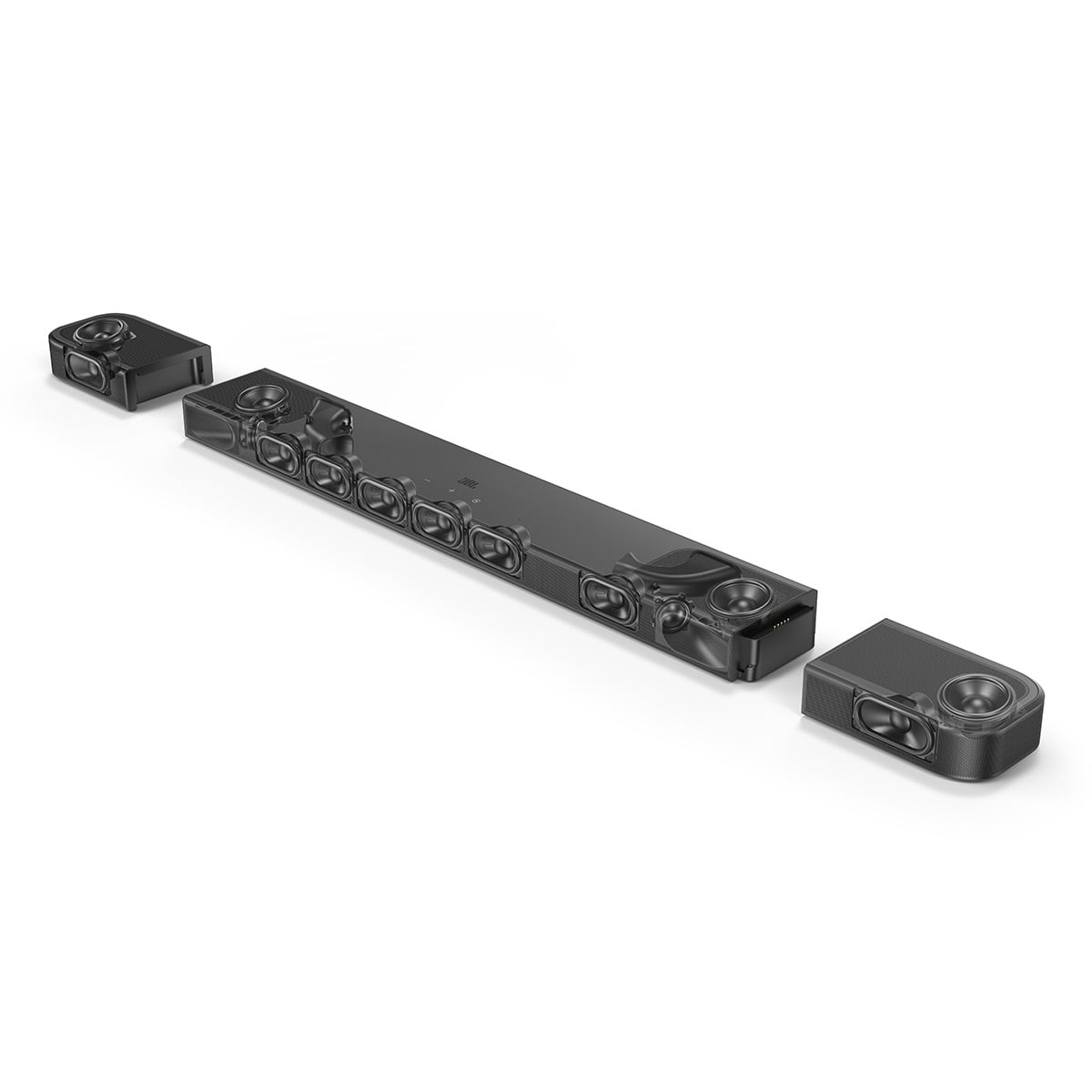
Most soundbars sit in front of you, so they have to use digital processing tricks to make it seem like sound is coming from behind and above you. JBL took a different approach with detachable wireless surround speakers. These speakers literally pop off the ends of the main soundbar and can be placed behind your seating area. Each one has its own 10-hour battery and charges when docked back on the main unit. It's honestly pretty clever – you get real surround sound when you want it, but you're not stuck with permanent rear speakers when you don't.
The "MK2" designation means this is the second generation, and JBL made some meaningful improvements. The original Bar 1000 had good sound but some connectivity quirks. This new version includes more stable HDMI processing, better room calibration through the JBL One app, and improved MultiBeam 3.0 technology that creates a wider soundstage even when the detachable speakers aren't being used.
Speaking of technical features, let's talk about what "7.1.4" actually means. The seven main channels include left, center, right, left surround, right surround, and two additional wide channels. The ".1" is the subwoofer – in this case, a substantial 10-inch wireless unit that can shake your couch when explosions happen. The ".4" refers to four height channels created by up-firing drivers that bounce sound off your ceiling to create overhead effects. This is what's needed for Dolby Atmos, which adds a three-dimensional aspect to movies where sounds can move above you – think helicopters flying overhead or rain falling from above.
The system pumps out 960 watts of total power, which is enough to fill rooms up to 500 square feet without breaking a sweat. In my experience testing various soundbars, this level of power makes a huge difference not just in maximum volume, but in maintaining clarity at moderate listening levels. When drivers don't have to work at their limits, they produce cleaner, more detailed sound.
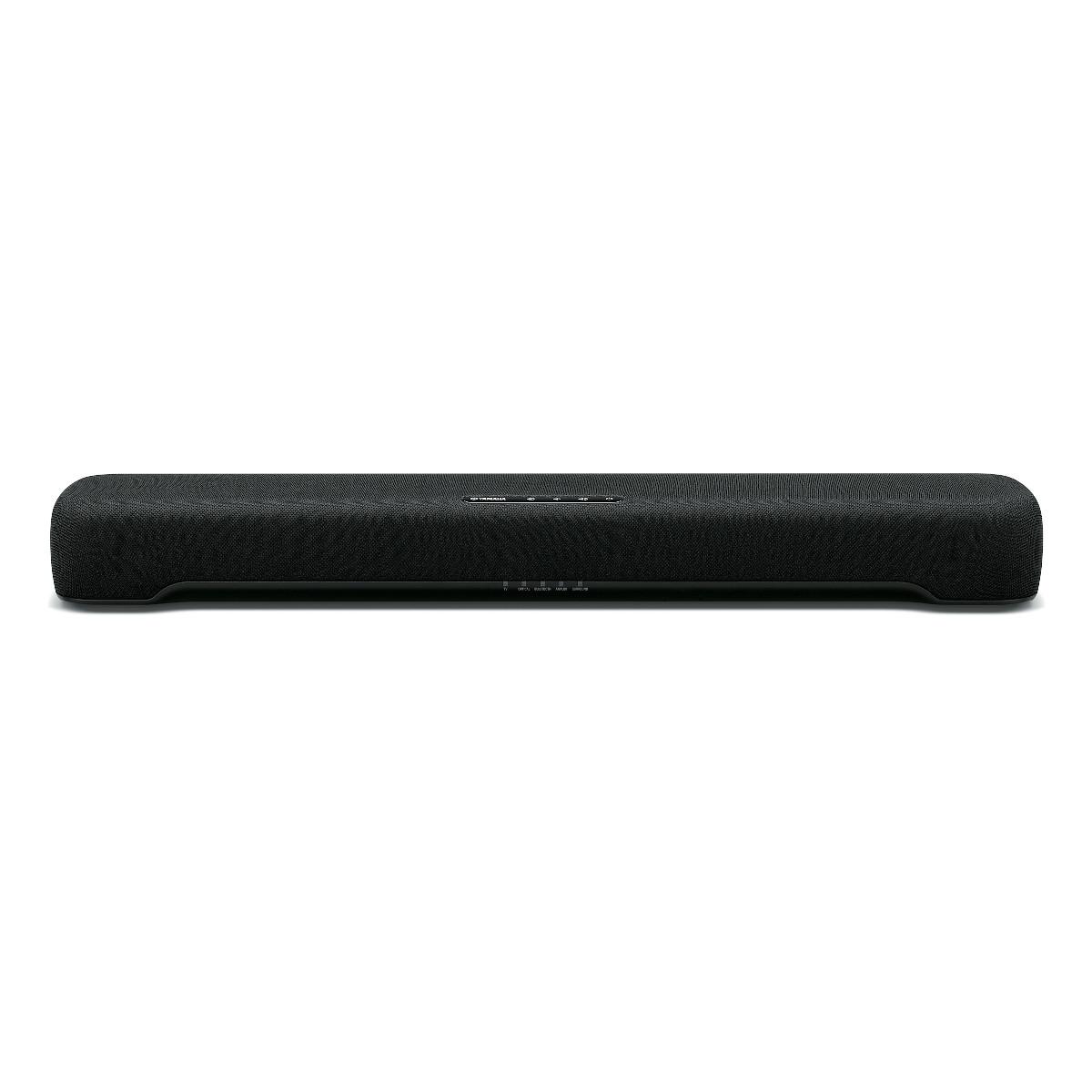
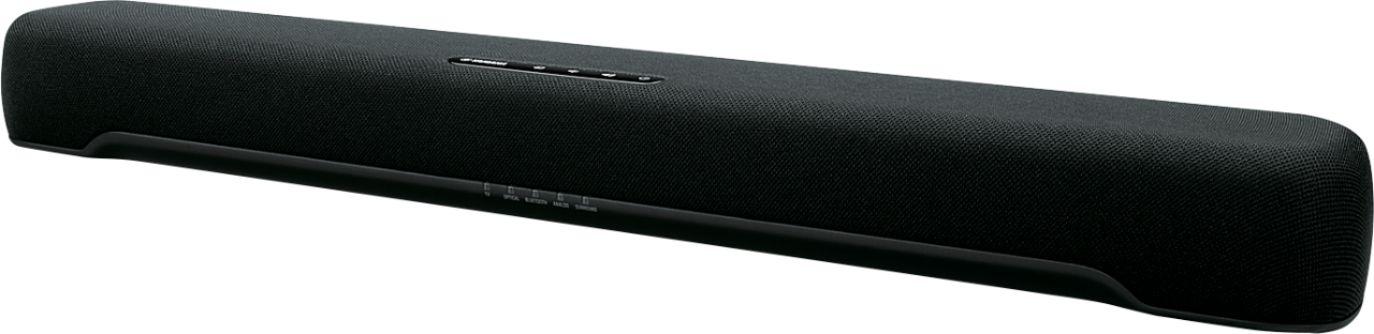
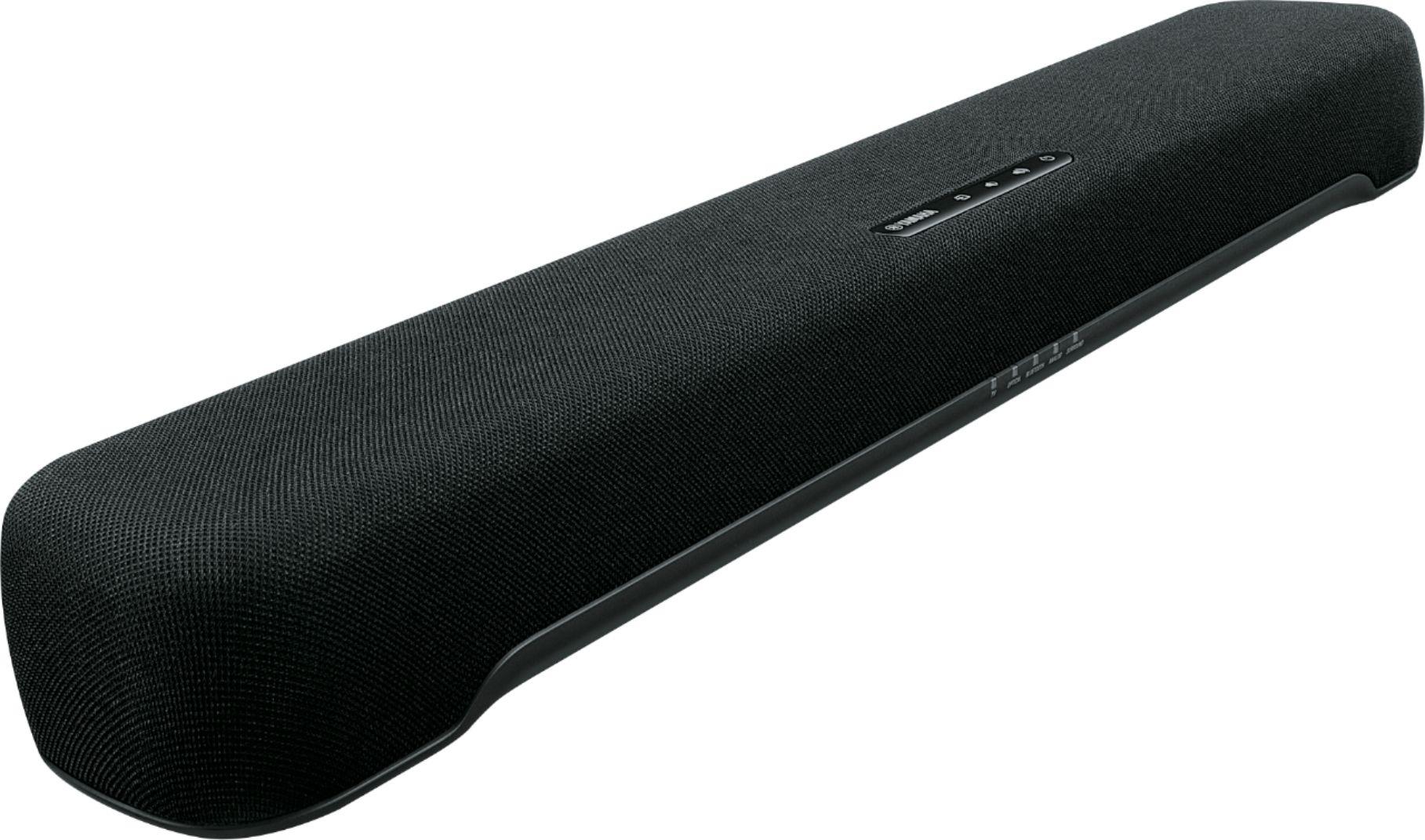
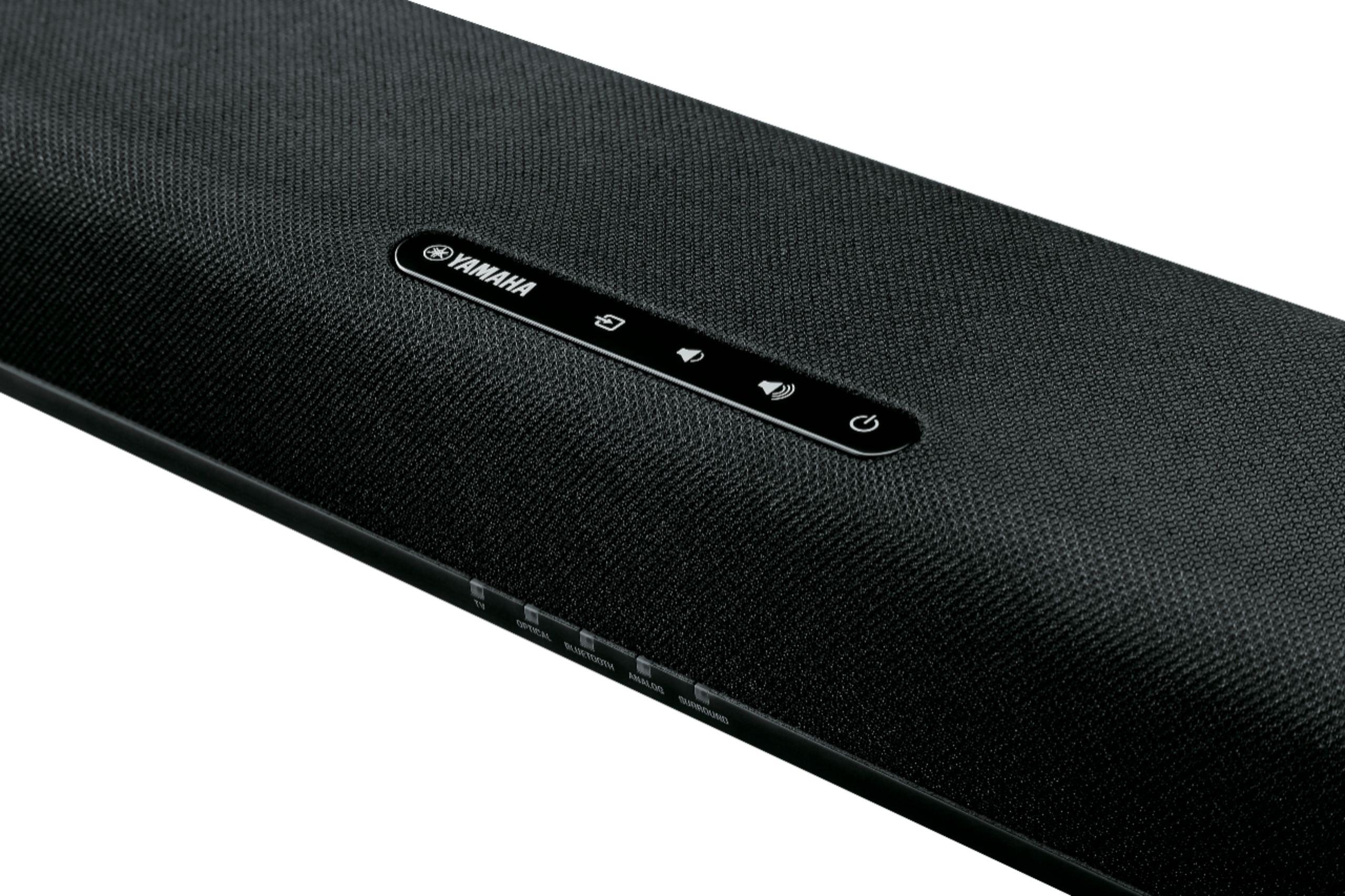
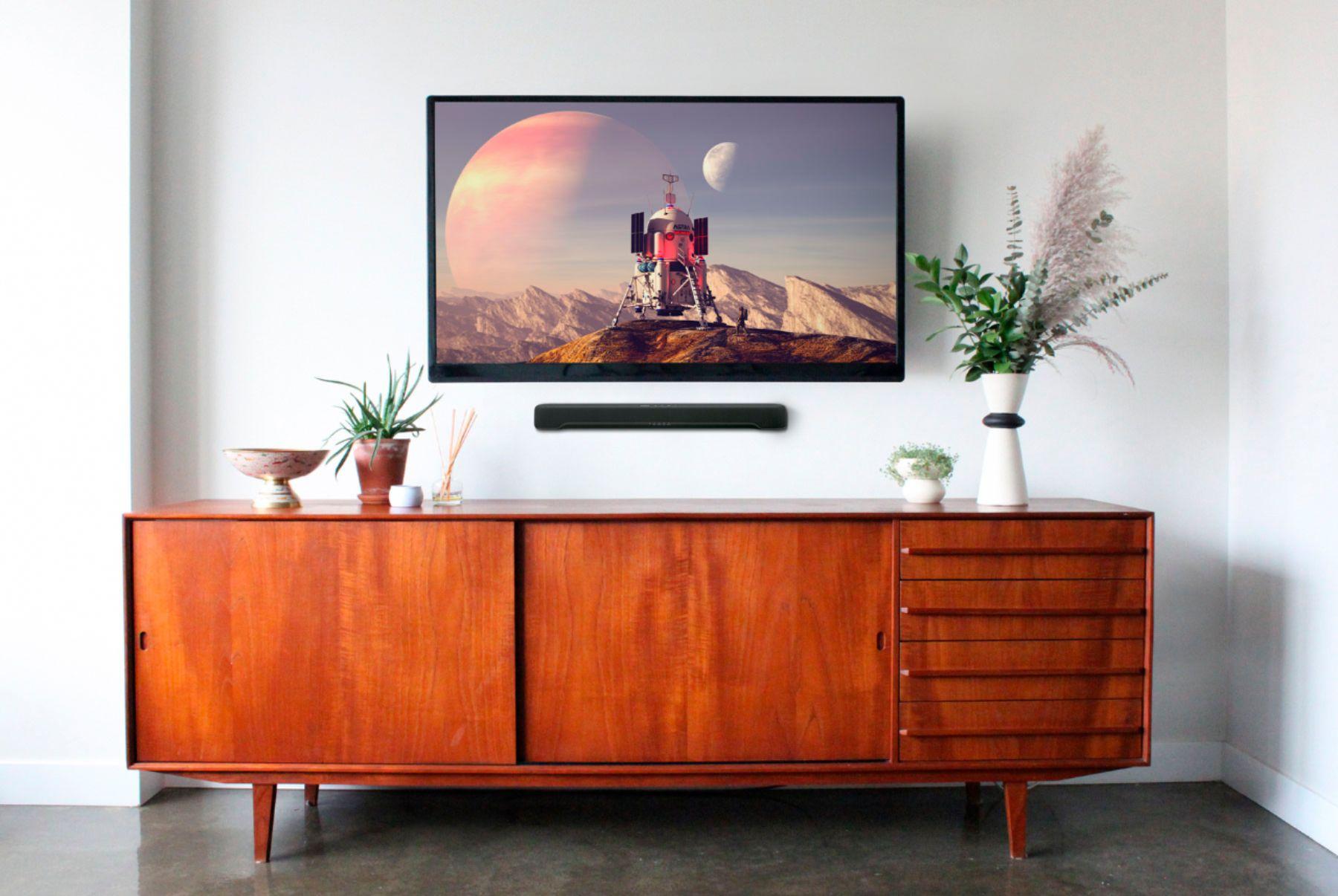
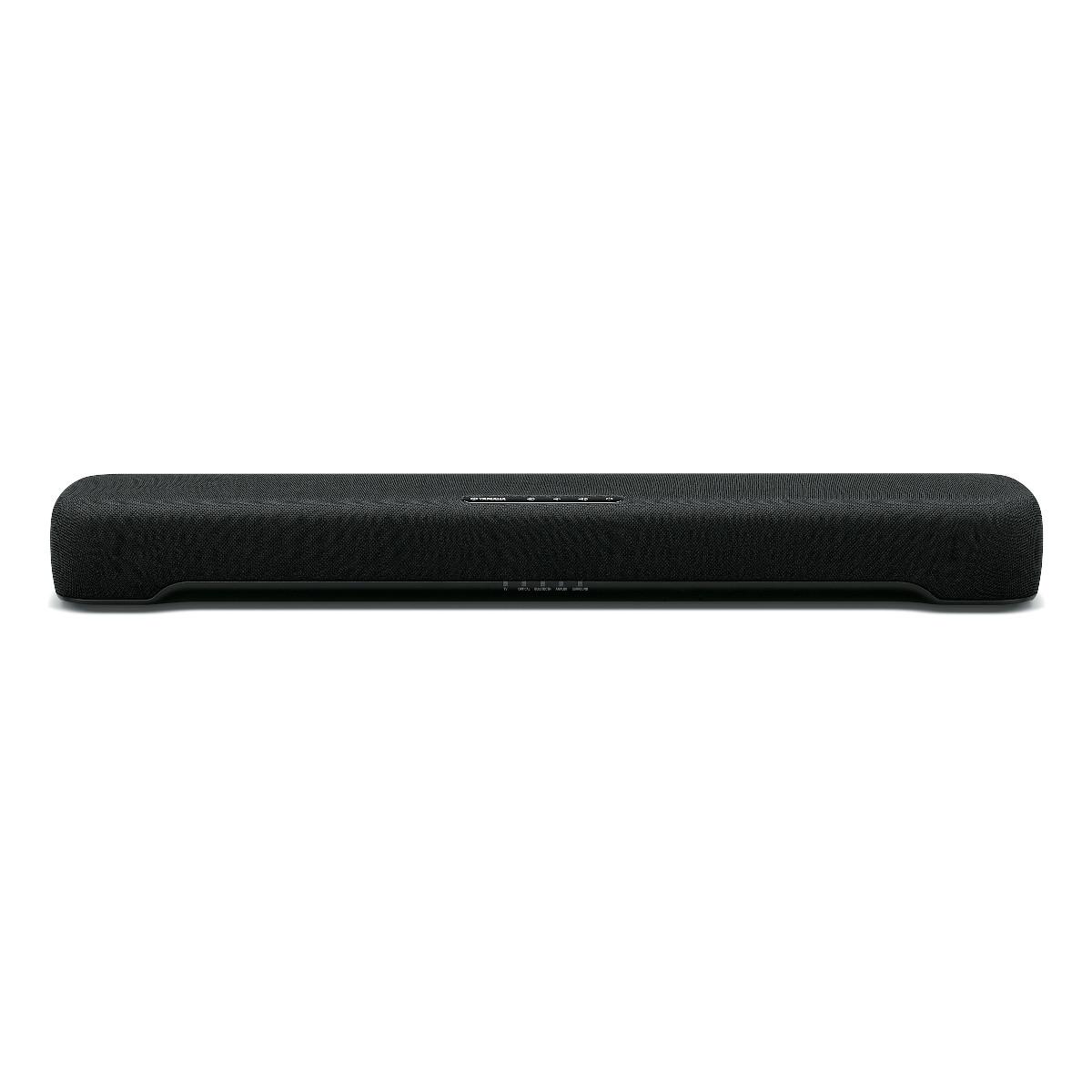
The Yamaha SR-C20A came out in 2020, which makes it a bit older in tech terms, but Yamaha's approach here was to perfect the basics rather than chase every new feature. At just 2.5 inches tall and weighing under 4 pounds, this soundbar is designed for people who want better TV audio without taking over their living space.
What's impressive about the SR-C20A is how Yamaha managed to fit a subwoofer inside such a compact design. They used a 3-inch cone driver paired with two passive radiators – these are basically speakers without magnets that vibrate sympathetically to extend bass response. It's the same principle used in many high-end bookshelf speakers, and it works surprisingly well here. The result is bass that feels much deeper than you'd expect from something this small.
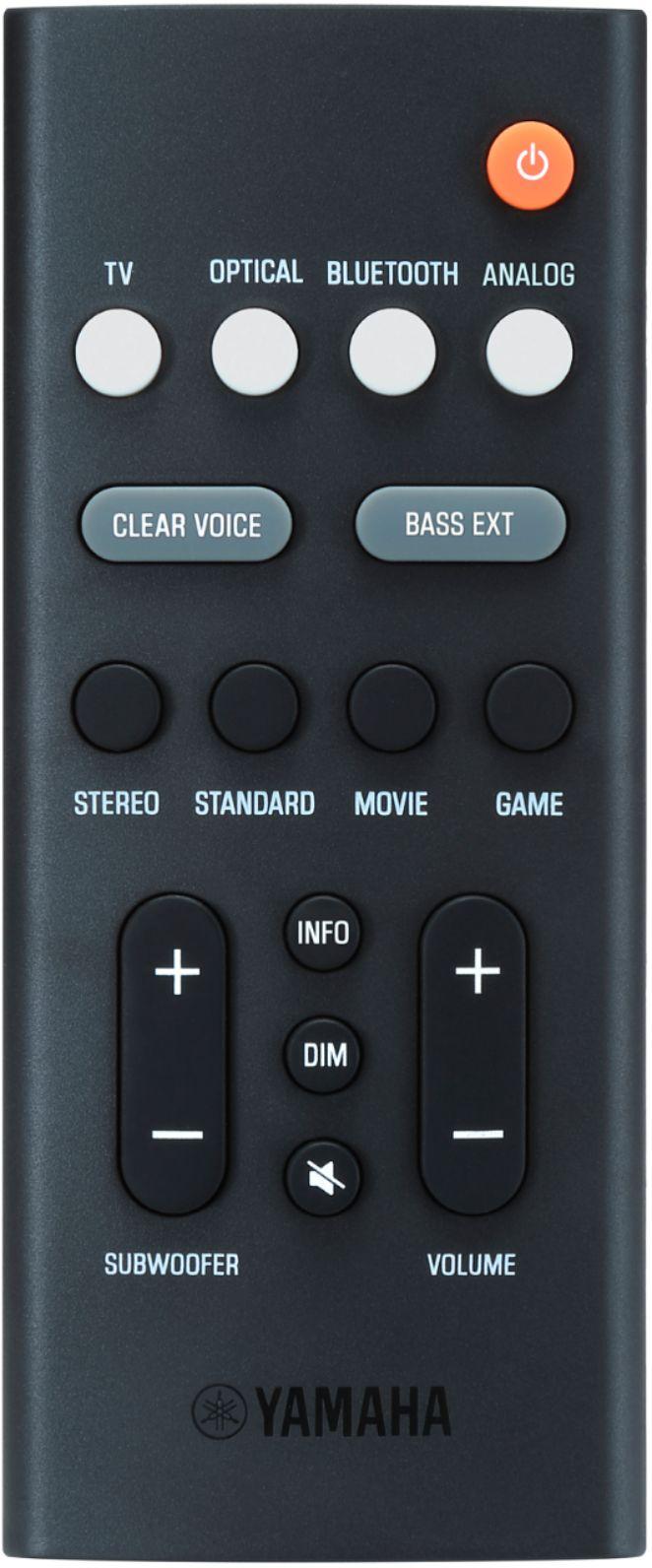
Yamaha also included their Clear Voice technology, which is specifically designed to make dialogue easier to understand. This is actually a bigger deal than it might sound – many people struggle to hear what actors are saying, especially in action movies where dialogue competes with music and sound effects. Clear Voice uses dynamic processing to automatically boost speech frequencies without making everything sound unnatural.
The soundbar supports Dolby Digital and DTS processing, plus Yamaha's own Virtual Surround technology. This creates a simulated surround effect using psychoacoustic processing – basically tricking your brain into thinking sound is coming from different directions. It's not as convincing as the JBL's physical surround speakers, but it's a noticeable improvement over regular stereo.
Here's where the gap between these two products becomes most apparent. The JBL Bar 1000 MK2 delivers 960 watts across its entire system, while the Yamaha puts out 100 watts total. That's nearly a 10x difference, and you'll hear it.
In a medium-sized living room, the JBL can create what I'd call "theatrical" sound levels – the kind where you feel bass in your chest and dialogue cuts clearly through action sequences. The detachable speakers create genuine surround effects, so when a car chase moves from left to right, you actually hear it travel around the room. The four up-firing drivers create convincing height effects too. When I tested it with the opening sequence of Blade Runner 2049, the flying cars genuinely seemed to pass overhead.
The Yamaha, working with about one-tenth the power, takes a different approach. It focuses on making the most of what it has. The built-in subwoofer and passive radiators create surprisingly solid bass for the size – not room-shaking, but definitely more substantial than typical TV speakers. The Clear Voice feature really works; dialogue comes through clearly even when I had the volume set fairly low for late-night viewing.
But there are limits. In larger rooms (over about 250 square feet), the Yamaha starts to sound thin at higher volumes. It's not that it gets distorted – Yamaha's engineering is too good for that – but it lacks the authority to fill bigger spaces convincingly. The JBL, by contrast, can handle rooms twice that size while maintaining its composure.
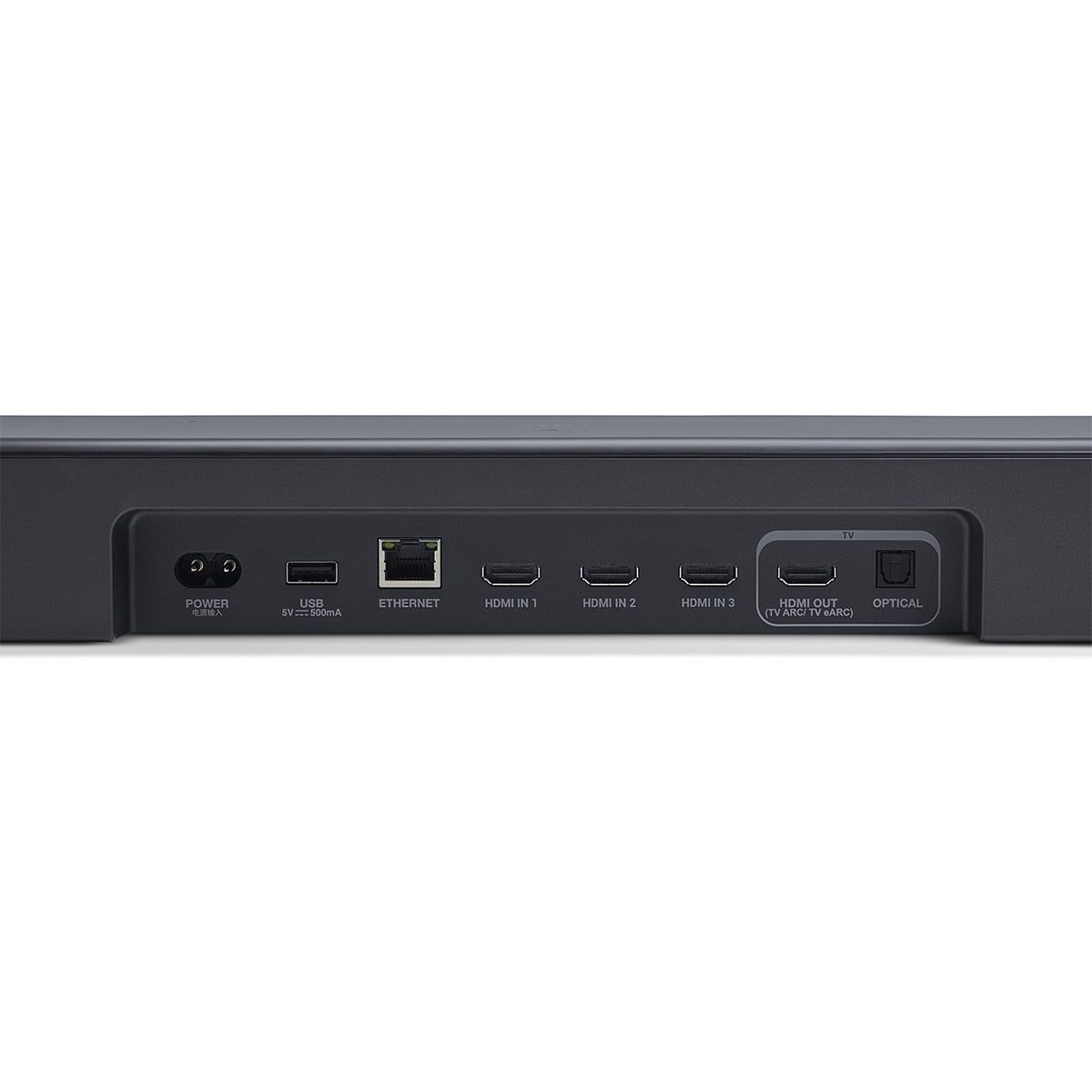
This is where the age difference and target markets really show. The JBL Bar 1000 MK2 includes HDMI eARC (enhanced Audio Return Channel), which is the latest standard for connecting soundbars to TVs. eARC can handle uncompressed Dolby Atmos audio and allows for more reliable communication between devices. The soundbar also has three additional HDMI inputs, so you can connect game consoles, streaming devices, or Blu-ray players directly to it.
For wireless connectivity, the JBL supports just about everything: Bluetooth 5.3, Wi-Fi with AirPlay 2, Chromecast Built-In, and Spotify Connect. This means you can stream music from virtually any device without thinking about compatibility. The JBL One app provides room calibration that adjusts the sound based on your specific space, plus a detailed equalizer if you want to fine-tune things.
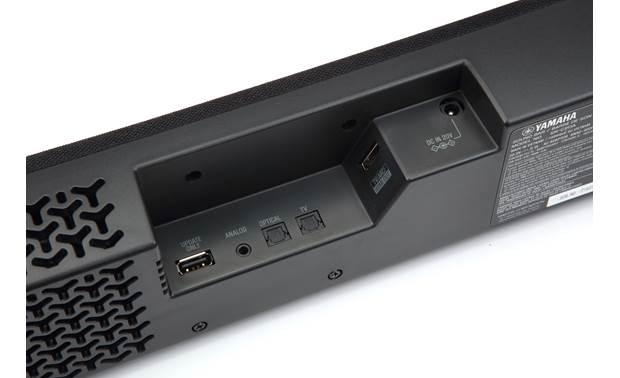
The Yamaha SR-C20A keeps things simpler with HDMI ARC (not eARC), optical inputs, and basic Bluetooth streaming. There's no Wi-Fi or advanced streaming features, but honestly, for a TV-focused soundbar, this covers the essentials. The setup is genuinely plug-and-play – connect one cable to your TV, and you're done.
If you're building a dedicated home theater or media room, the JBL is the clear choice. The detachable speakers solve the biggest limitation of traditional soundbars – the lack of true surround sound. You can place them optimally for your seating arrangement, and when friends come over, you can easily move them for the best experience.
The Night Listening mode is particularly clever for home theater use. It mutes the main soundbar and subwoofer, delivering audio only through the detachable speakers positioned near your ears. This lets you watch action movies late at night without disturbing others in the house – something I've found incredibly useful.
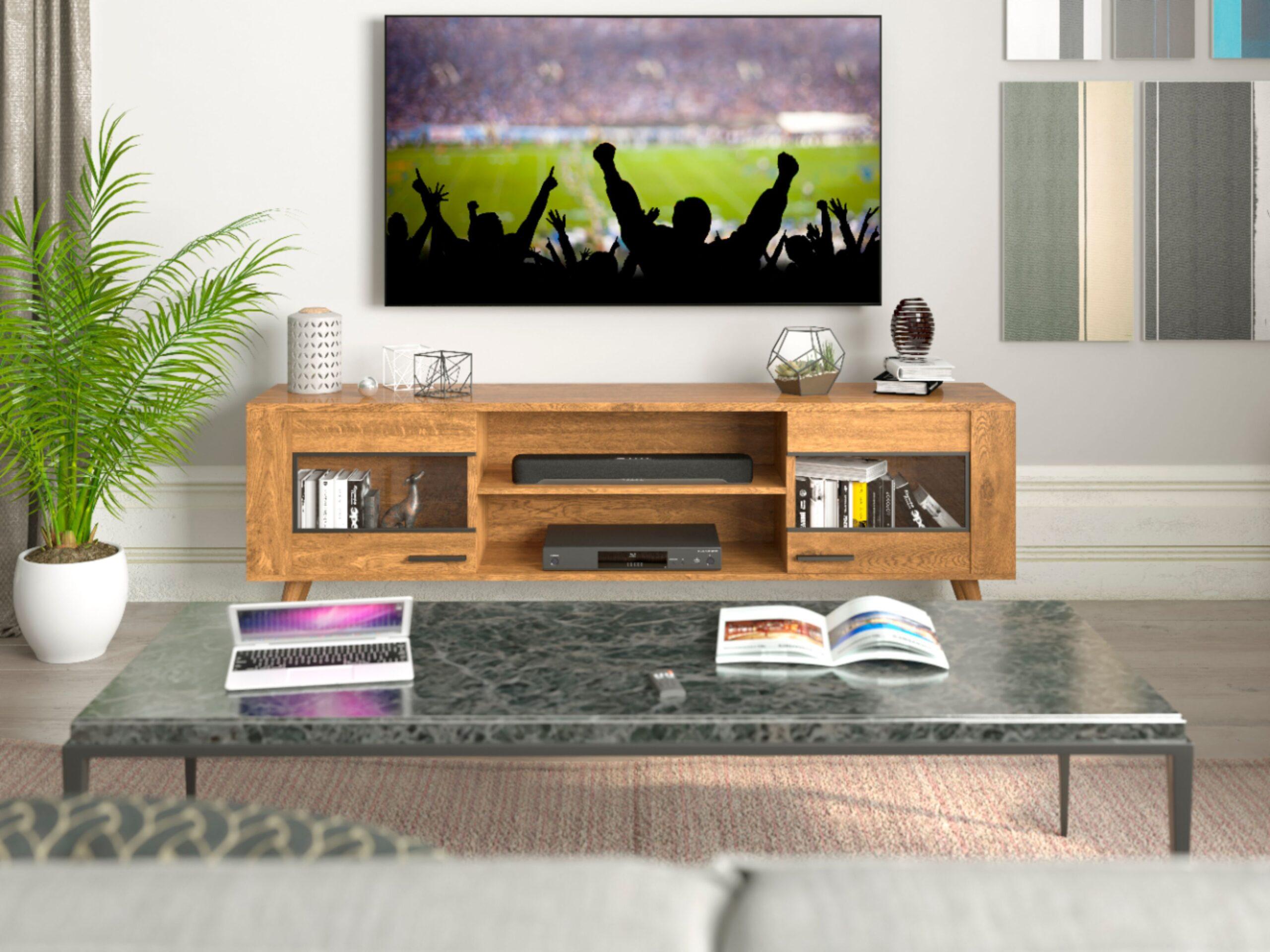
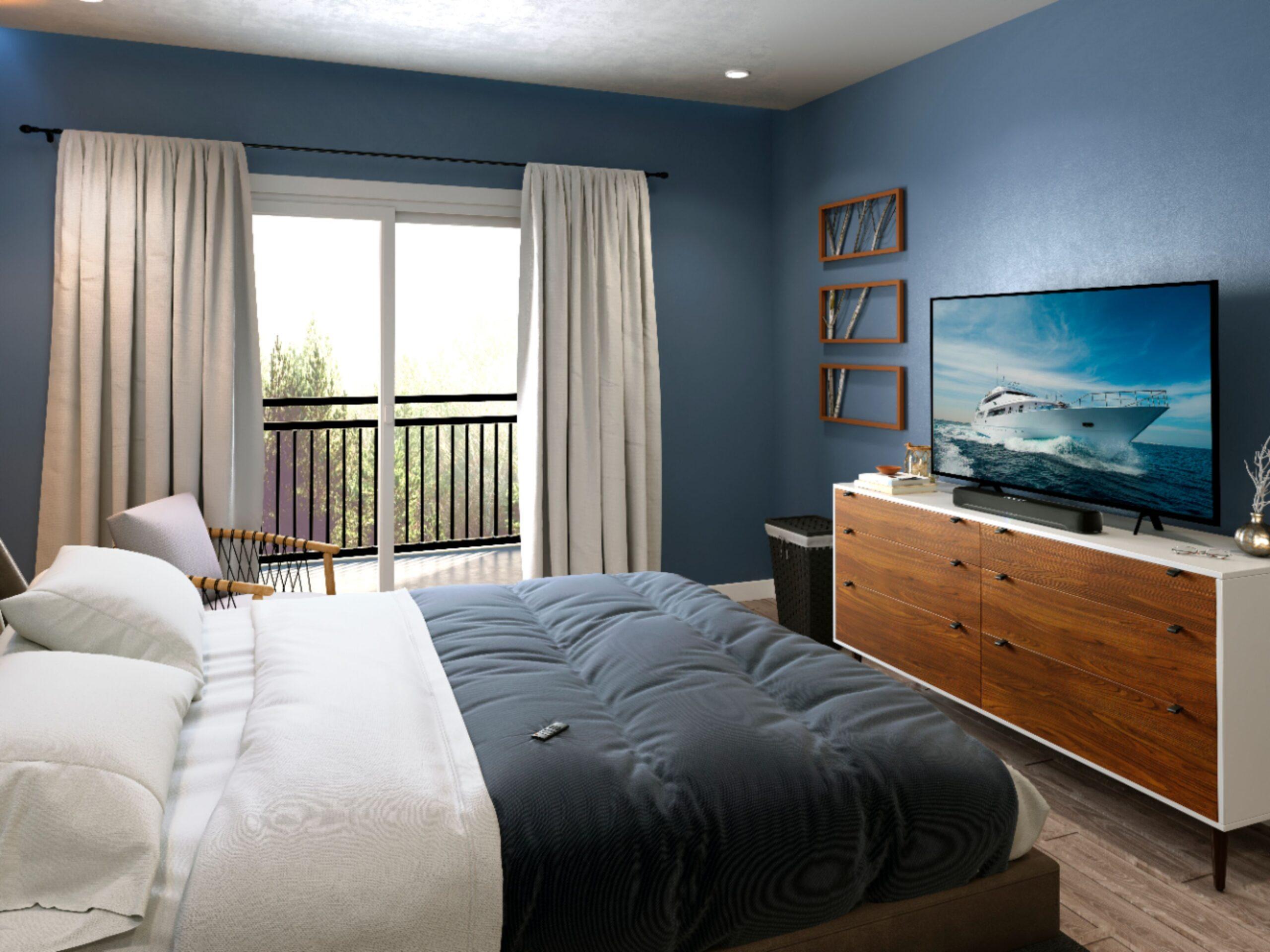
For casual TV viewing in bedrooms, kitchens, or smaller living spaces, the Yamaha makes more sense. It delivers a meaningful upgrade over TV speakers without dominating the room or requiring any complex setup. The Clear Voice feature is perfect for following dialogue in TV shows, which is what most people are doing most of the time.
At around $1,200, the JBL Bar 1000 MK2 costs about 6-8 times more than the Yamaha SR-C20A. That's a significant investment, so let's break down what you're getting for that money.
The JBL provides genuine surround sound that would traditionally require five separate speakers plus a receiver – equipment that would easily cost $2,000+ if bought separately. The detachable speakers alone are worth several hundred dollars as standalone Bluetooth speakers. You're also getting future-proof connectivity, regular software updates, and build quality that should last for many years.
The Yamaha represents exceptional value in the budget category. For the cost of a nice dinner out, you get professional-grade audio engineering, solid build quality, and features that directly address the most common TV audio complaints. The built-in subwoofer alone would cost $100+ as a separate component.
Since the Yamaha launched in 2020, we've seen significant advances in soundbar technology. Dolby Atmos has become much more common, HDMI eARC has become standard on new TVs, and wireless streaming has evolved rapidly. The JBL represents the current state-of-the-art, while the Yamaha captures the solid fundamentals that were well-established a few years ago.
Looking forward, we're likely to see more integration with smart home systems, better room correction technology, and possibly even more advanced spatial audio formats. The JBL is well-positioned for these developments, while the Yamaha will continue to serve its core purpose regardless of tech trends.
Choose the JBL Bar 1000 MK2 if you have a dedicated viewing space, regularly watch movies and immersive content, and want the best possible audio experience your budget allows. It's particularly compelling if you've been considering separate surround speakers but want something more manageable.
Go with the Yamaha SR-C20A if you want a meaningful but straightforward improvement over TV speakers, have limited space, or primarily watch TV shows and news. It's also the smart choice if you're not sure how much you care about audio quality – it's a low-risk way to find out.
The truth is, both soundbars excel at what they're designed to do. The JBL creates a genuinely immersive home theater experience that rivals much more expensive separate component systems. The Yamaha provides a practical, space-efficient solution that makes TV dialogue clearer and adds some bass warmth without any fuss. Your choice should depend on your space, budget, and how important audio quality is to your overall viewing experience.
| JBL Bar 1000 MK2 | Yamaha SR-C20A |
|---|---|
| Audio Channels - Determines surround sound capability and immersion level | |
| 7.1.4-channel true Dolby Atmos with physical surround speakers | 2.0-channel stereo with virtual surround processing |
| Total Power Output - Affects maximum volume and room size coverage | |
| 960W total system power (fills large rooms 400+ sq ft) | 100W total output (suitable for small-medium rooms up to 250 sq ft) |
| Subwoofer Configuration - Critical for bass response and movie impact | |
| Dedicated 10" wireless subwoofer (300W, extends to 33Hz) | Built-in subwoofer with 3" driver + dual passive radiators (60W) |
| Surround Speaker Setup - Determines true vs simulated surround experience | |
| Detachable wireless speakers with 10-hour battery life | No physical surround speakers, uses virtual processing |
| HDMI Connectivity - Affects compatibility with modern TVs and devices | |
| HDMI eARC + 3 HDMI inputs with 4K Dolby Vision passthrough | HDMI ARC (not eARC) + optical and analog inputs |
| Wireless Streaming - Important for music playback and smart home integration | |
| Wi-Fi, Bluetooth 5.3, AirPlay 2, Chromecast, Spotify Connect | Bluetooth 5.0 only (no Wi-Fi streaming capabilities) |
| Physical Dimensions - Determines if it fits your space and TV setup | |
| Main bar: 33.6" × 2.0" × 5.0" plus separate subwoofer and surrounds | Compact: 23.6" × 2.5" × 3.75" all-in-one design |
| App Control and Calibration - Affects ease of setup and sound optimization | |
| JBL One app with room calibration, EQ, and advanced controls | Basic Sound Bar Remote app with simple mode switching |
| Price and Value Positioning - Cost vs performance consideration | |
| $1,199.95 premium flagship targeting home theater enthusiasts | ~$150-200 budget-friendly TV audio upgrade |
| Release Date and Technology Currency - Indicates how future-proof the investment is | |
| Released 2024 with latest HDMI standards and streaming protocols | Released 2020 with established but older connectivity standards |
The Yamaha SR-C20A is better for small rooms due to its compact 23.6-inch design and built-in subwoofer. It delivers excellent sound quality without overwhelming smaller spaces, while the JBL Bar 1000 MK2 is designed for larger rooms and may be overpowered for compact areas.
The biggest difference is that the JBL Bar 1000 MK2 offers true 7.1.4-channel Dolby Atmos surround sound with detachable wireless speakers, while the Yamaha SR-C20A provides 2.0-channel stereo with virtual surround processing. The JBL creates genuine surround effects, while the Yamaha simulates them.
The JBL Bar 1000 MK2 has significantly better bass with its dedicated 10-inch wireless subwoofer delivering 300W of power. The Yamaha SR-C20A has a built-in 3-inch subwoofer that's impressive for its size but can't match the JBL's deep, room-filling bass response.
The JBL Bar 1000 MK2 excels for movies with true Dolby Atmos, overhead sound effects, and powerful surround speakers that create a cinematic experience. The Yamaha SR-C20A is good for casual movie watching and significantly improves dialogue clarity, but lacks the immersive surround effects.
The Yamaha SR-C20A is much easier to set up - it's essentially plug-and-play with one HDMI cable connection. The JBL Bar 1000 MK2 requires more setup time due to positioning the wireless subwoofer and detachable surround speakers, plus app configuration for optimal performance.
The JBL Bar 1000 MK2 delivers 960W total system power, making it suitable for large rooms and high volume levels. The Yamaha SR-C20A provides 100W total output, which is adequate for small to medium rooms but may struggle in larger spaces.
Value depends on your needs. The Yamaha SR-C20A at around $150-200 offers exceptional value for basic TV audio improvement. The JBL Bar 1000 MK2 at $1,199.95 provides premium features that would cost much more in separate components, making it good value for serious home theater enthusiasts.
Yes, both soundbars work with all TV brands. The JBL Bar 1000 MK2 connects via HDMI eARC for the best experience with newer TVs, while the Yamaha SR-C20A uses standard HDMI ARC that's compatible with most TVs from the last decade.
The JBL Bar 1000 MK2 is superior for music with Wi-Fi streaming, AirPlay 2, Chromecast, and Spotify Connect support, plus better audio quality. The Yamaha SR-C20A only offers basic Bluetooth streaming but still sounds good for casual music listening.
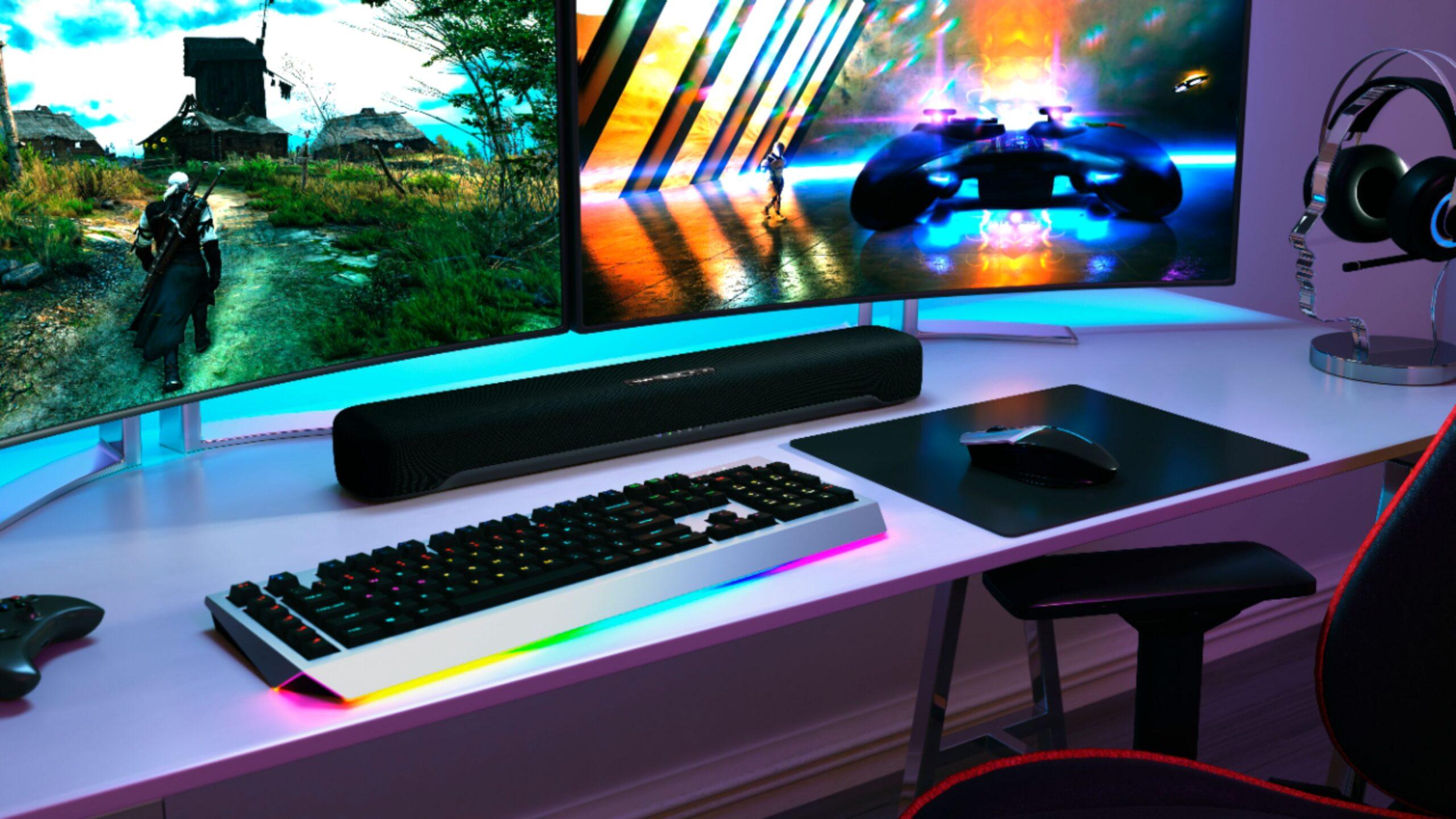
Both work for gaming, but the JBL Bar 1000 MK2 provides a more immersive gaming experience with true surround sound and low latency HDMI connections. The Yamaha SR-C20A has a dedicated Game mode that enhances gaming audio and works well for casual gaming.
The Yamaha SR-C20A is much more space-efficient with its compact all-in-one design at just 2.5 inches tall. The JBL Bar 1000 MK2 requires space for the main soundbar, wireless subwoofer, and detachable surround speakers when used in full surround mode.
Both offer significant upgrades over TV speakers. The Yamaha SR-C20A provides clearer dialogue and better bass in a simple package, while the JBL Bar 1000 MK2 transforms your TV audio into a full home theater experience. Choose based on your budget and how much audio quality matters to you.
We've done our best to create useful and informative comparisons to help you decide what product to buy. Our research uses advanced automated methods to create this comparison and perfection is not possible - please contact us for corrections or questions. These are the sites we've researched in the creation of this article: ecoustics.com - engadget.com - bestbuy.com - techradar.com - rtings.com - hometechnologyreview.com - youtube.com - t3.com - whathifi.com - youtube.com - bhphotovideo.com - gzhls.at - device.report - support.jbl.com - support.jbl.com - jbl.com - av.com - audioadvice.com - jbl.com - target.com - worldwidestereo.com - t3.com - usa.yamaha.com - radiotimes.com - shop.usa.yamaha.com - whathifi.com - hifiheaven.net - usa.yamaha.com - sweetwater.com - hub.yamaha.com - bestbuy.com

Privacy Policy
Terms and Conditions - Affiliate Policy
Home Security
© Copyright 2008-2026.
11816 Inwood Rd #1211, Dallas, TX 75244