

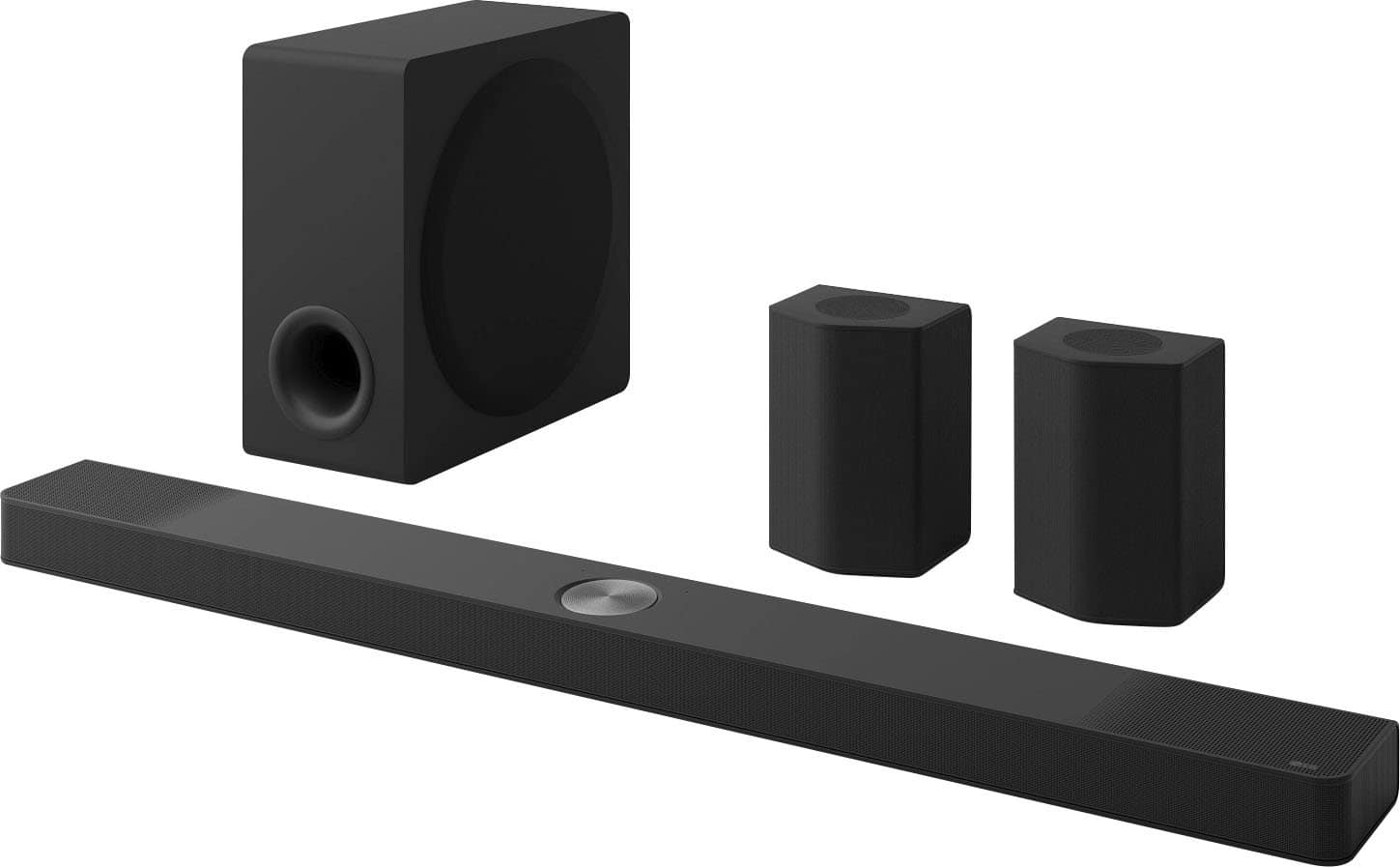
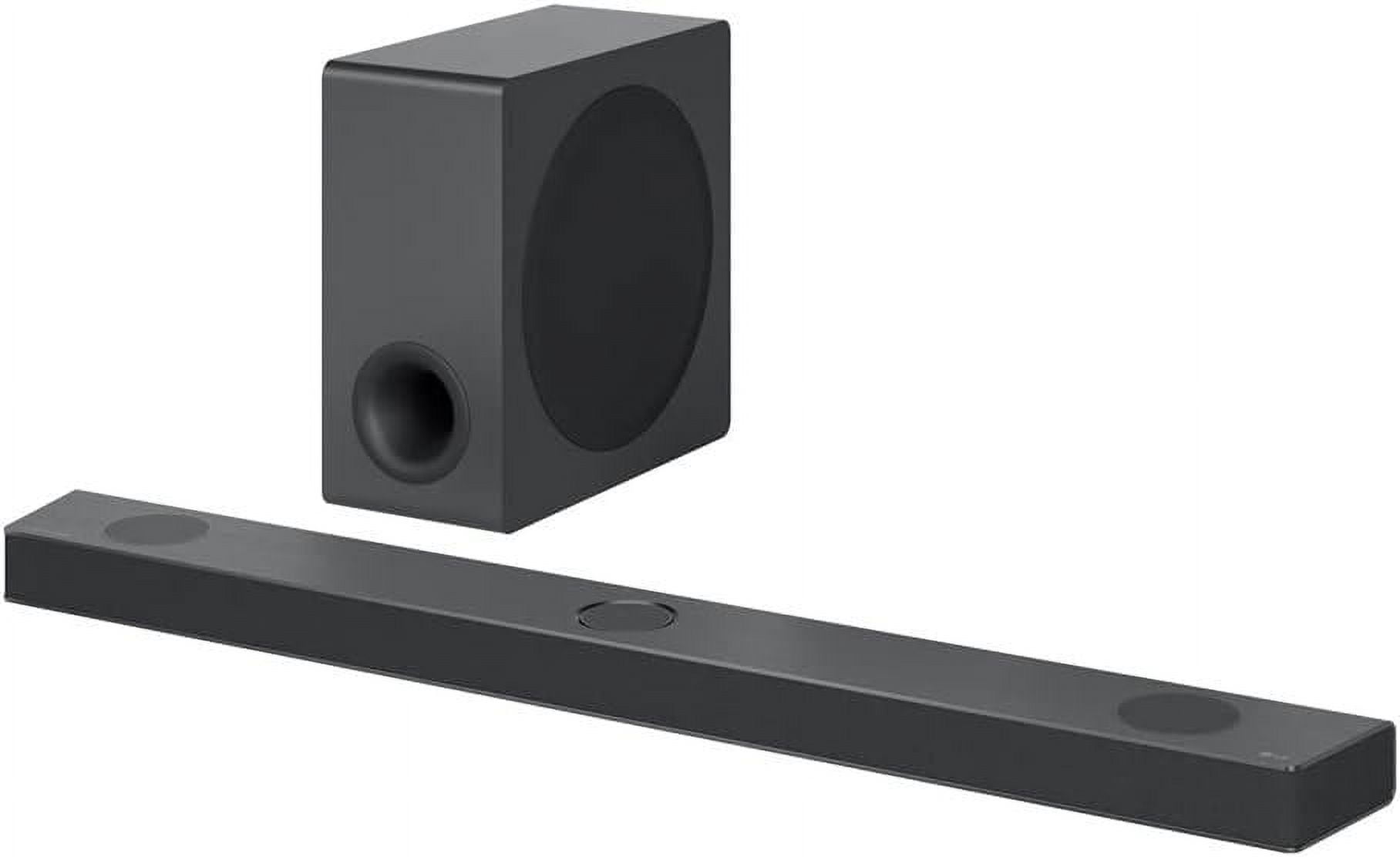





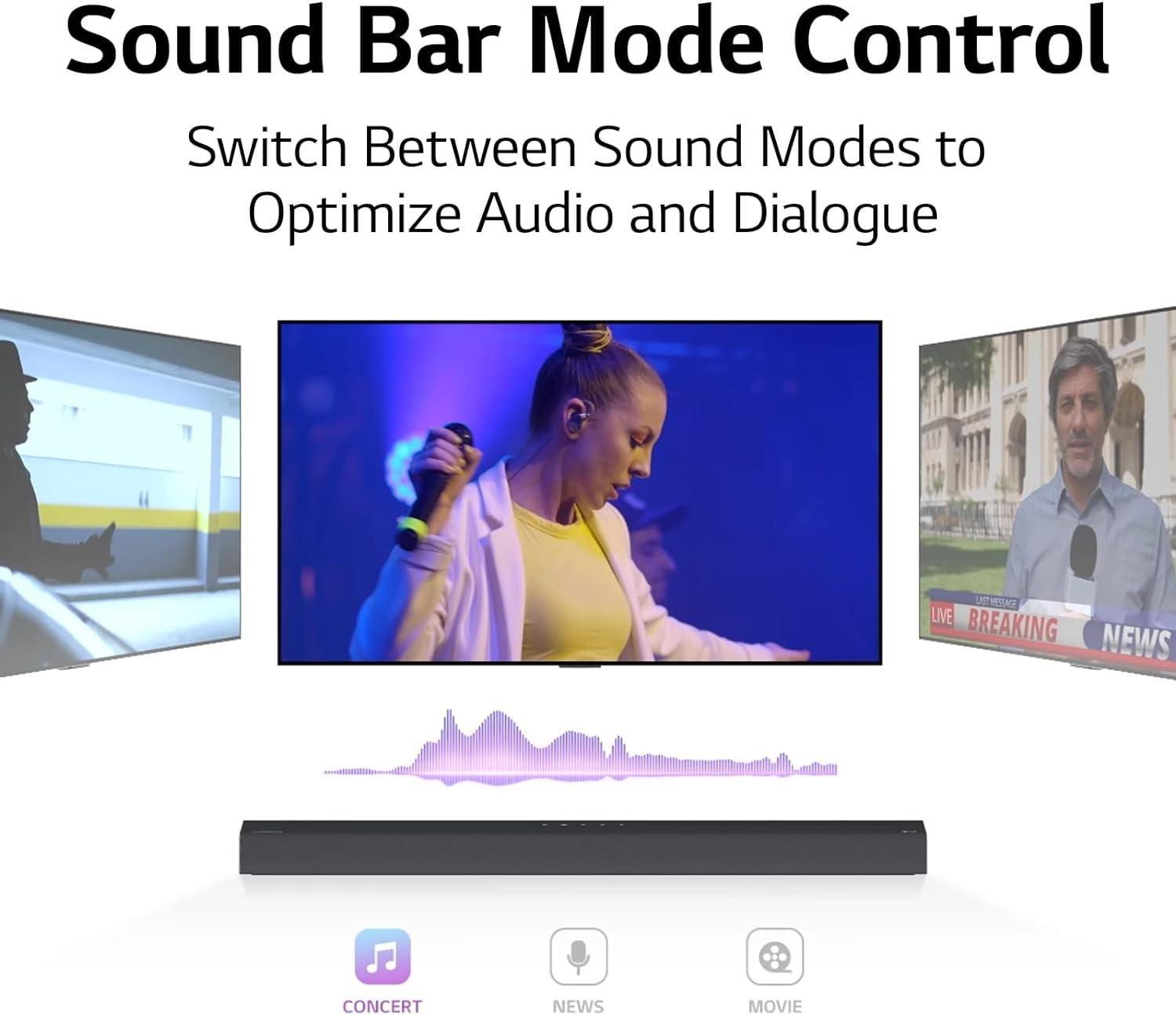

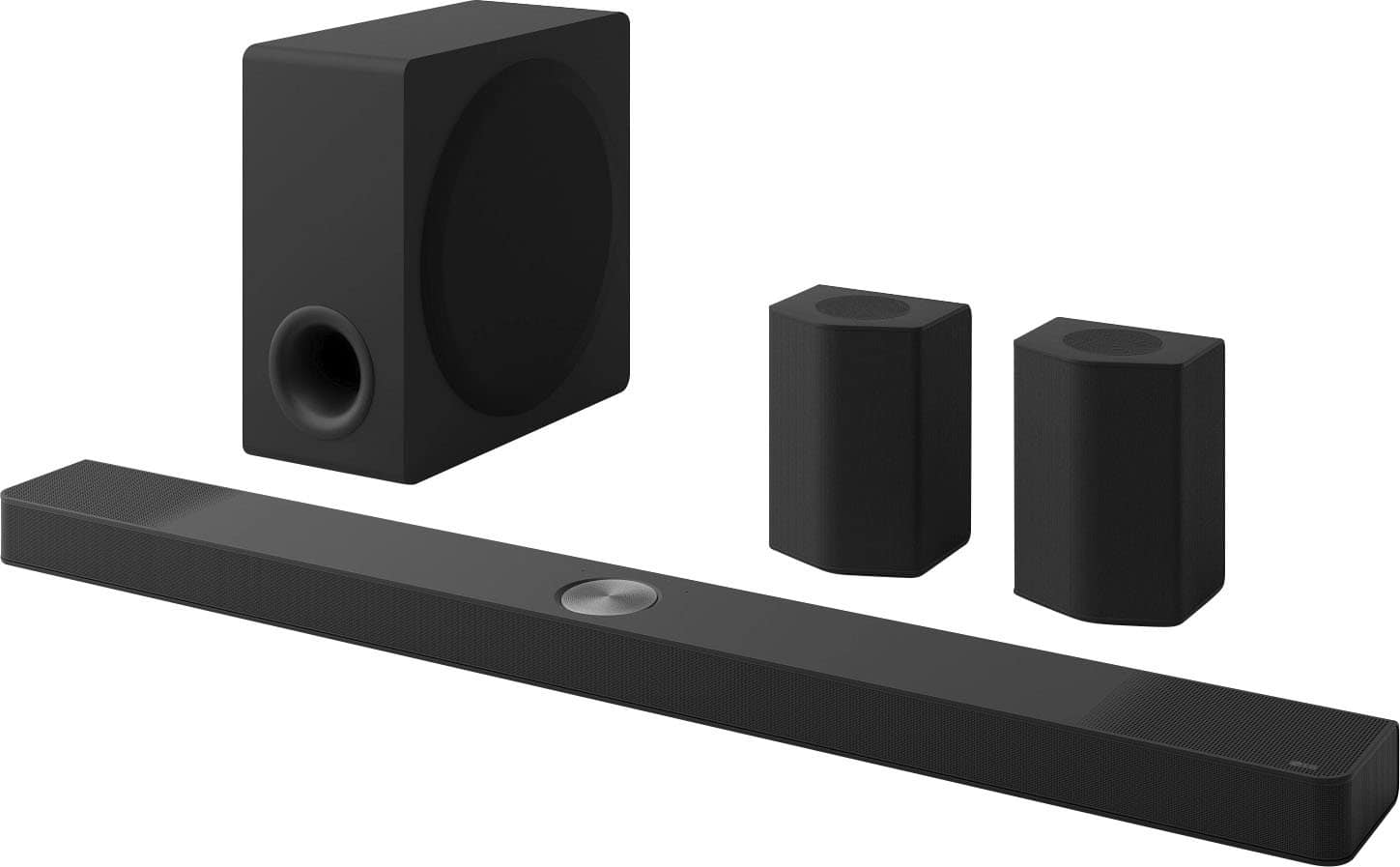
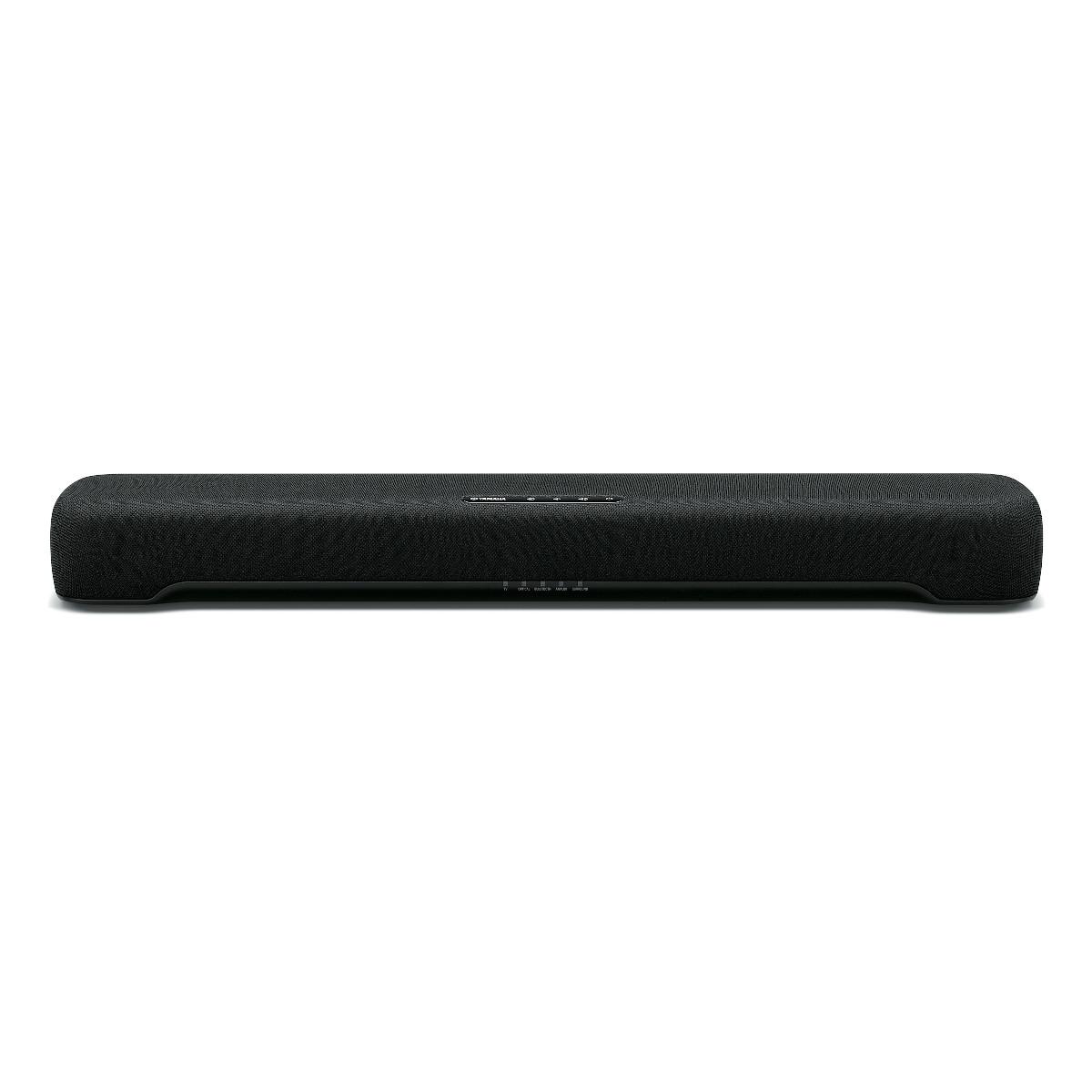

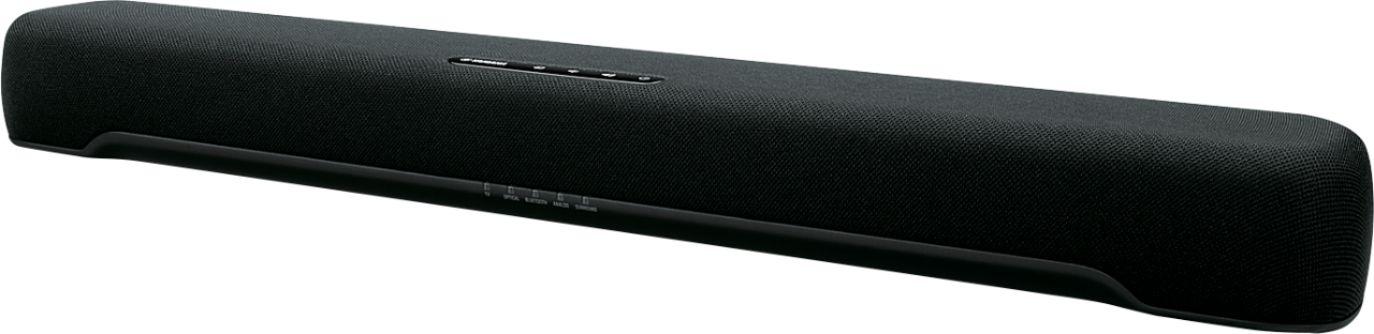







Choosing a soundbar can feel overwhelming when you're staring at hundreds of options ranging from $30 to over $1,000. The reality is that soundbars exist on a massive spectrum, and understanding where different products fit can save you both money and disappointment. Today, we're comparing two soundbars that couldn't be more different: the premium LG S95TR 9.1.5 Channel Soundbar with Dolby Atmos ($996.99) and the budget-friendly Yamaha SR-C20A Compact Sound Bar with Built-In Subwoofer ($17.98).
These represent opposite ends of the soundbar world, but both serve important roles. Understanding their differences will help you figure out exactly what you need for your space and budget.
The soundbar market has exploded over the past decade, driven by increasingly thin TVs with terrible built-in speakers. Modern TVs prioritize sleek designs over audio quality, leaving many of us straining to hear dialogue or missing the rumble of action scenes entirely.
Soundbars solve this problem, but they do it in vastly different ways. On one end, you have simple stereo bars that just make TV dialogue clearer. On the other, you have complex multi-speaker systems that can replace entire home theater setups. The key considerations when shopping include:
Room size compatibility is crucial because a soundbar designed for a bedroom will sound thin and weak in a large living room, while a powerful system will overwhelm a small space. Audio format support determines whether you'll hear basic stereo, virtual surround sound, or true three-dimensional audio with height effects. Installation complexity varies from plugging in a single cable to positioning multiple wireless speakers around your room.
Content optimization matters because different soundbars excel at different types of audio - some prioritize clear dialogue for TV shows, others focus on explosive movie soundtracks, and some try to do both well. Finally, integration ease with your existing TV and devices can make or break the daily experience.
The timing of these products tells an interesting story about how quickly soundbar technology evolves. The Yamaha SR-C20A launched in 2020 during the early pandemic when many people were upgrading their home entertainment setups. At the time, it represented solid value in the compact soundbar category, offering built-in subwoofer capabilities that were relatively uncommon at its price point.
The LG S95TR, however, represents 2025's cutting-edge technology. It launched as LG's flagship soundbar, incorporating five years of technological advancement since the Yamaha's debut. This includes more sophisticated processing chips, improved wireless connectivity, AI-powered sound optimization, and support for the latest Dolby Atmos standards.
What's particularly telling is that Yamaha has since discontinued the SR-C20A, replacing it with newer models that incorporate lessons learned over the past few years. This has created an interesting opportunity - you can now find the SR-C20A on clearance for as little as $17.98, making it one of the best bargains in audio equipment today.
The price gap between these soundbars is staggering - nearly $1,000 separates them. The LG S95TR at $996.99 targets serious home theater enthusiasts who want the latest technology and don't mind paying for it. The Yamaha SR-C20A at $17.98 appeals to budget-conscious buyers who simply want better sound than their TV provides.
This isn't just about money, though. It reflects completely different design philosophies and use cases.
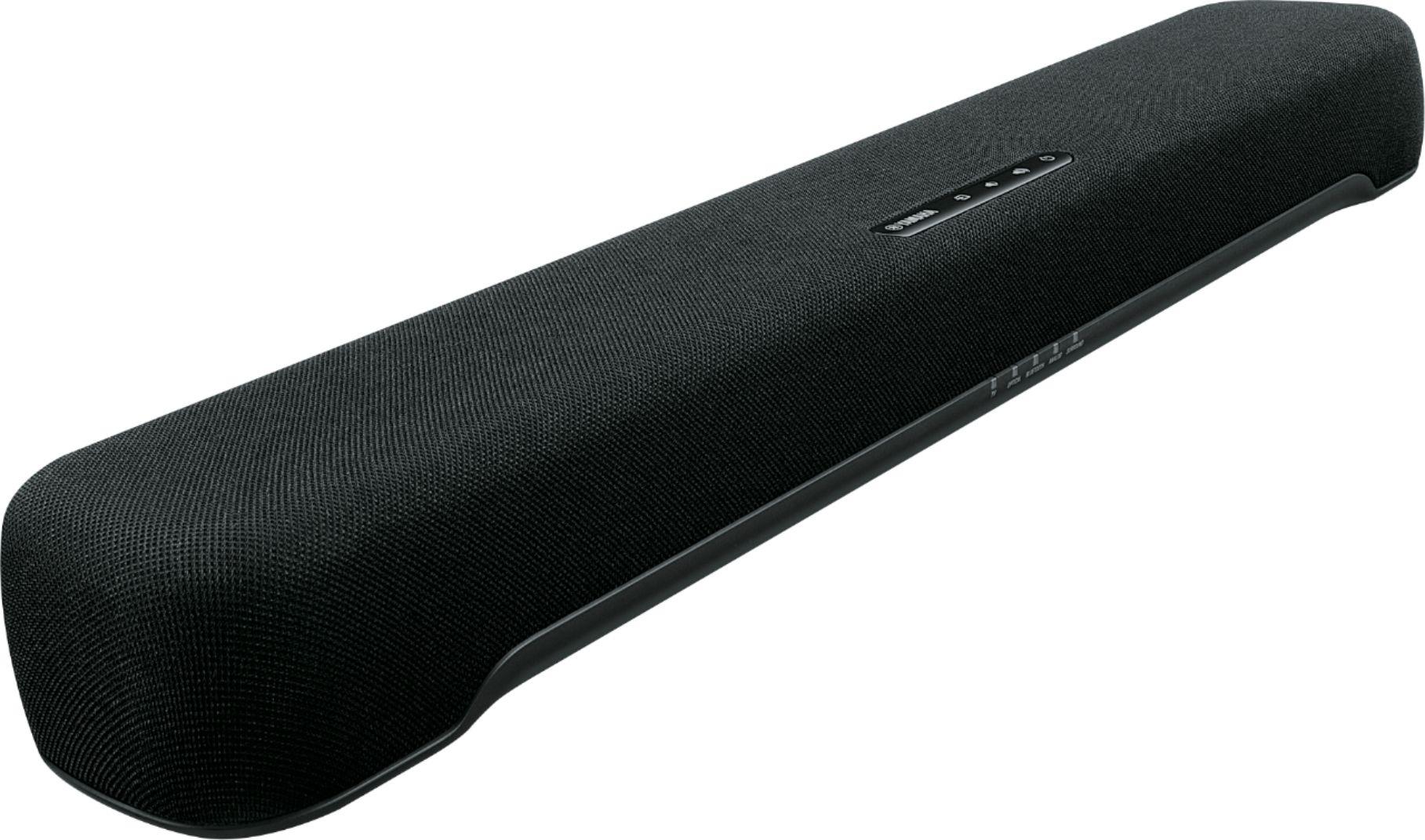
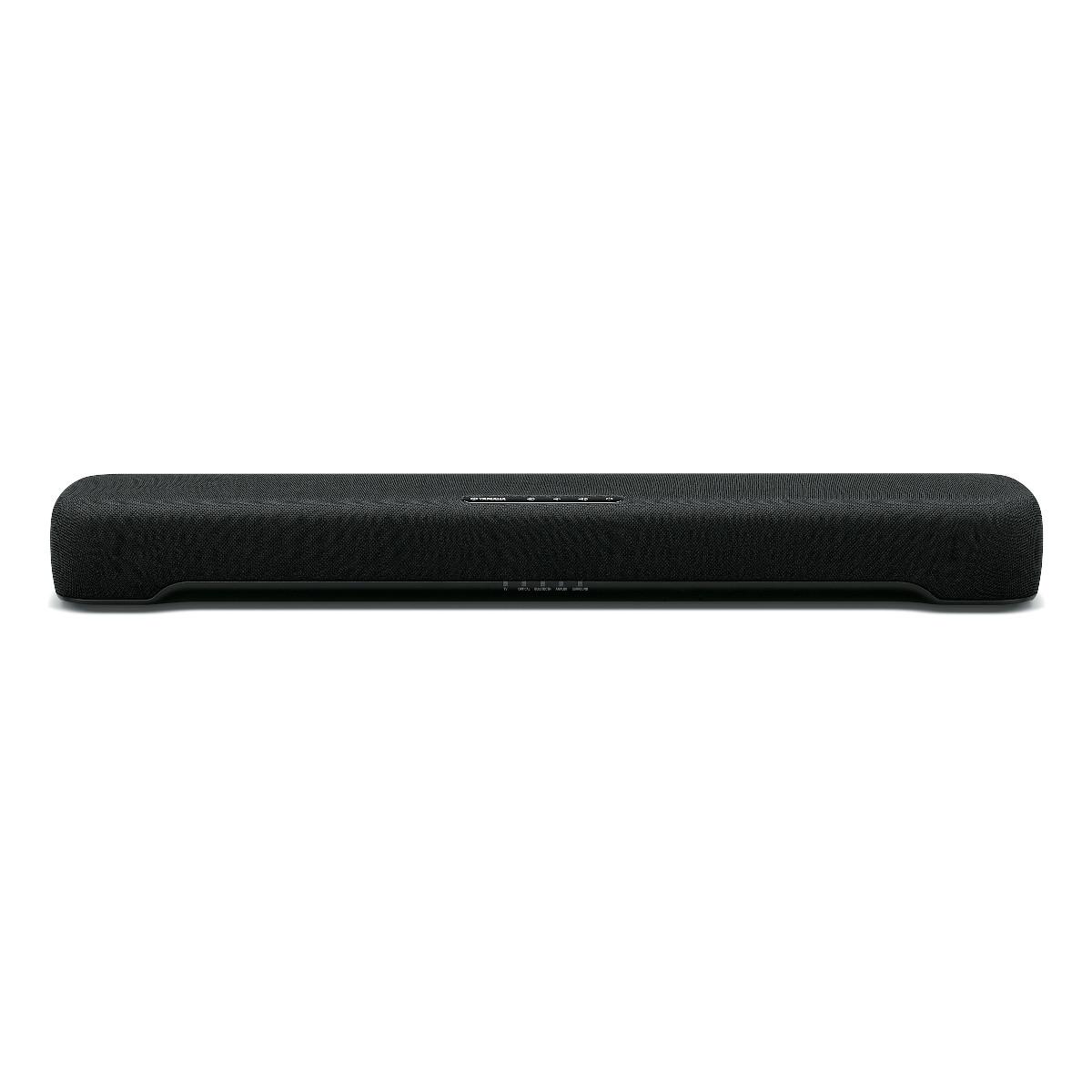
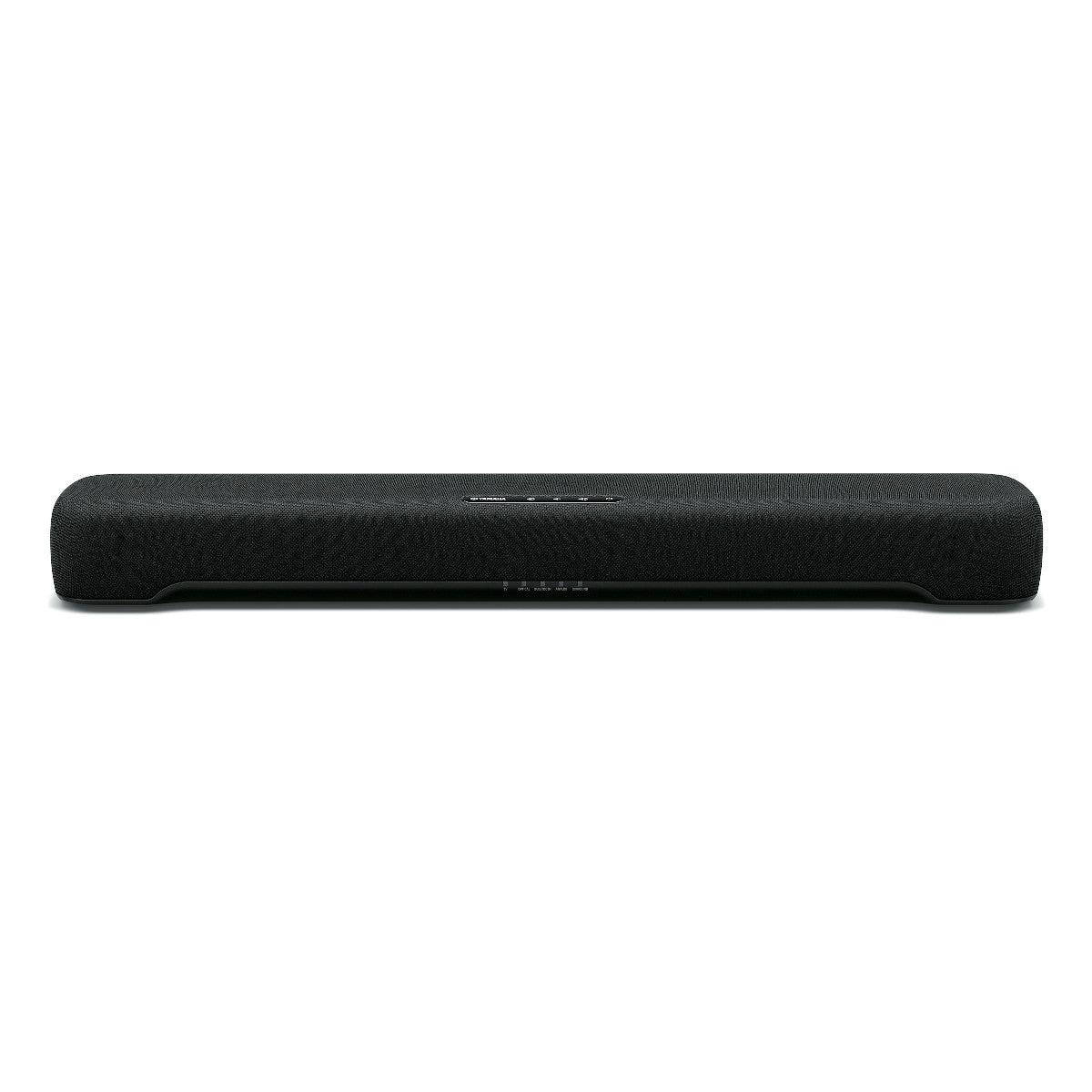
The Yamaha takes the "keep it simple" approach with everything built into a single 23.6-inch bar. It includes a built-in subwoofer using a 3-inch driver plus two passive radiators (which are like speakers without magnets that vibrate sympathetically to boost bass response). This design works well for small spaces where you can't accommodate separate components.
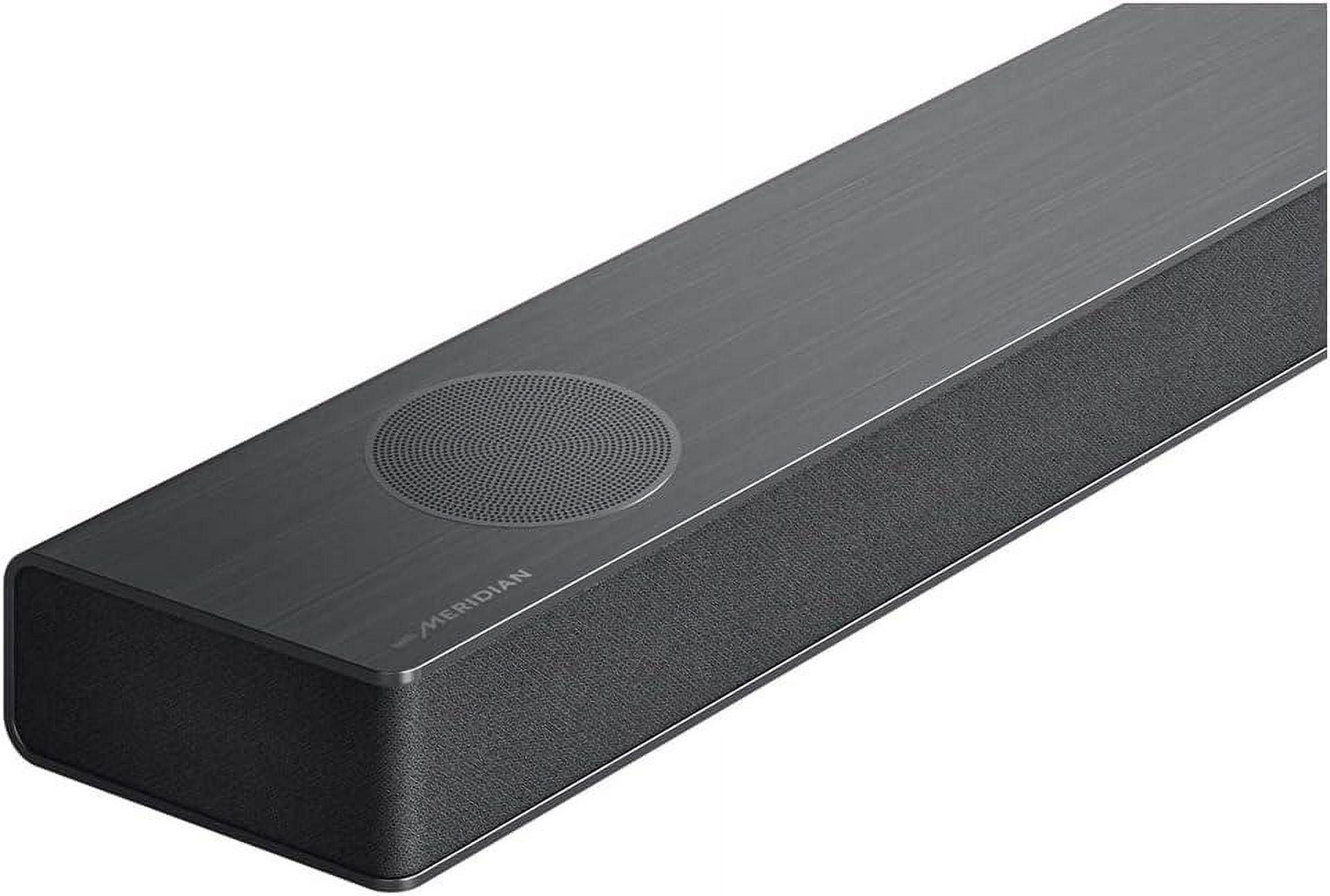
The LG follows the "go big or go home" philosophy with a 9.1.5-channel system. Let me break down what those numbers mean: the "9" represents nine main speakers (front left, center, right, side surrounds, and rear surrounds), the "1" is the dedicated subwoofer, and the "5" indicates five up-firing speakers that bounce sound off your ceiling to create height effects.
This multi-component approach requires more space and planning, but it delivers genuinely immersive surround sound rather than virtual processing tricks.
Bass performance reveals the biggest difference between these approaches. The Yamaha's built-in subwoofer system is clever engineering - it uses internal space efficiently and includes passive radiators to enhance low-frequency output. For a compact bar, it produces surprisingly punchy mid-bass that works well for music and TV dialogue.
However, physics limits what's possible in a small enclosure. The 3-inch driver simply can't move enough air to produce the deep, room-shaking bass you experience in movie theaters. The bass extension feature helps somewhat by boosting lower frequencies, but it can't create bass that isn't there.
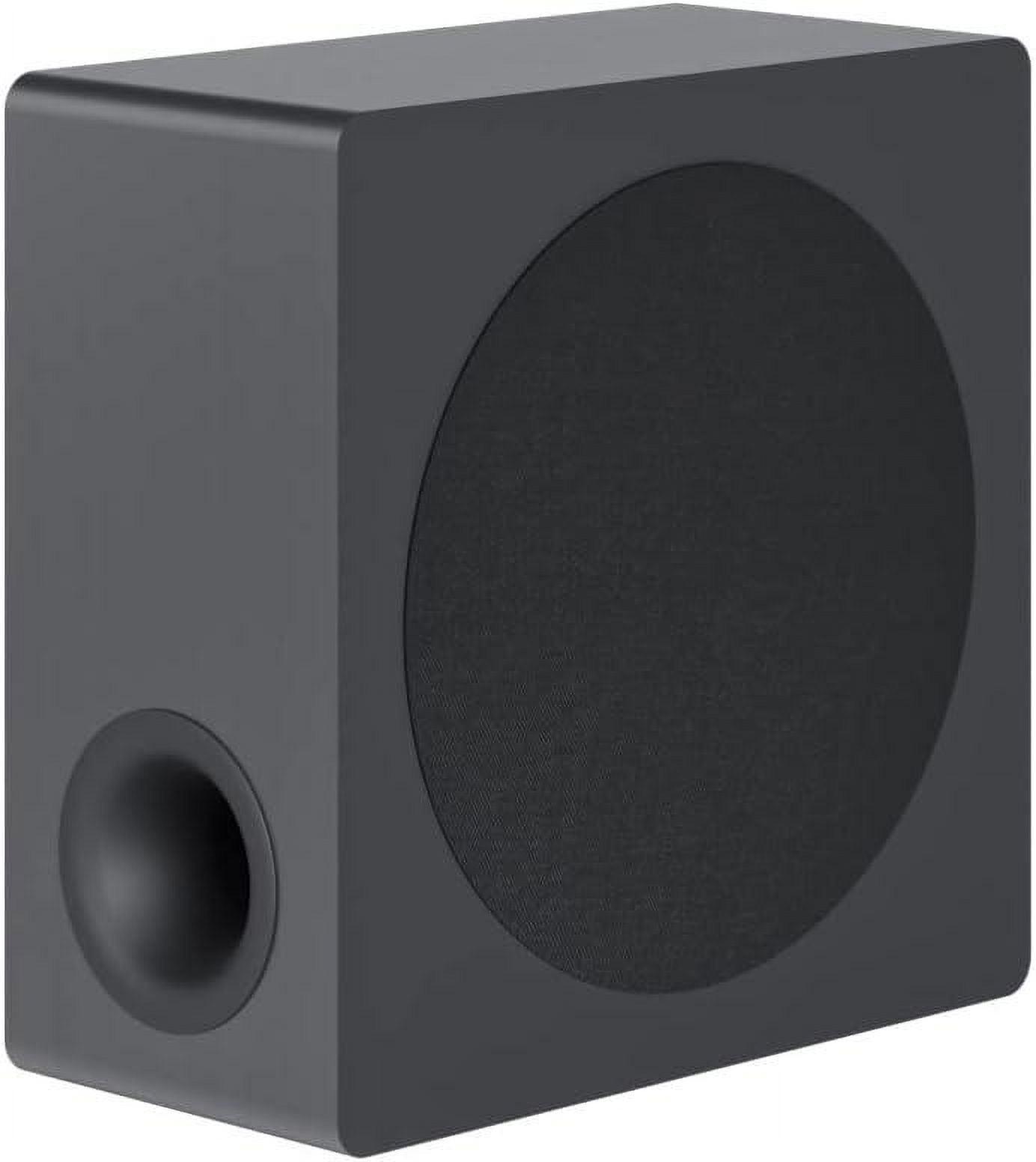
The LG S95TR's wireless subwoofer changes everything. With a much larger driver and dedicated amplification, it produces genuine sub-bass frequencies below 40Hz - the rumble you feel in your chest during action scenes. More importantly, being wireless means you can position it optimally in your room, often in a corner where bass naturally reinforces.
I've tested both approaches extensively, and while the Yamaha's bass works fine for casual listening, the LG delivers the visceral impact that makes movies truly exciting.
Dynamic range refers to a system's ability to reproduce both whispered dialogue and explosive sound effects without distortion. This is where the power difference becomes crucial.
The Yamaha SR-C20A delivers 100 watts total power, which sounds adequate until you realize it's spread across multiple functions - the two main channels get 20 watts each, with 60 watts for the built-in subwoofer. In practice, this means the system starts straining around 80% volume, especially in rooms larger than 150 square feet.
The LG's 810-watt system operates in a different league entirely. Each component has dedicated amplification, so the system maintains clean, uncompressed sound even at high volumes. This isn't just about playing loud music - it's about preserving the subtle details in quiet scenes while still delivering impact when the action explodes.
Since most people use soundbars primarily for TV watching, dialogue clarity might be the most important performance metric. Both systems address this challenge differently.
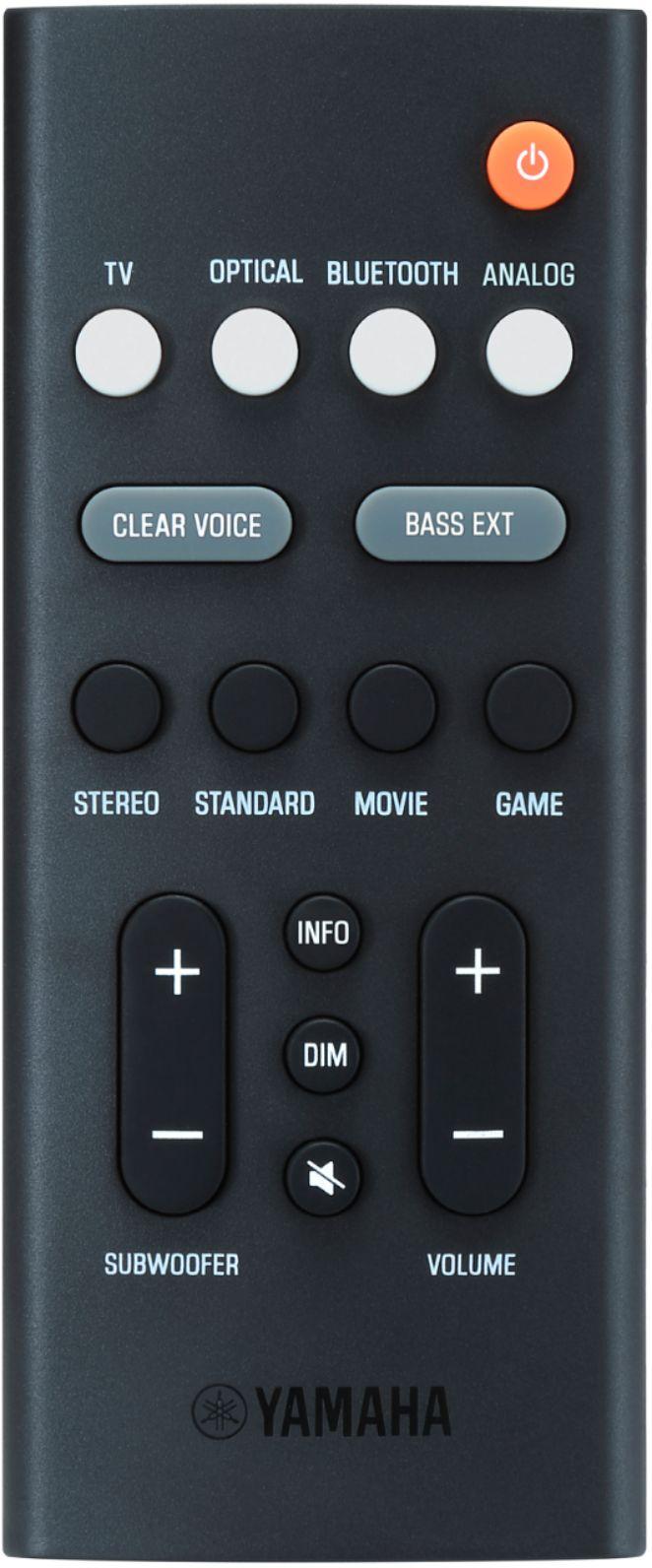
The Yamaha includes Clear Voice technology, which uses fixed EQ adjustments to boost vocal frequencies. It's effective for basic dialogue enhancement, making voices more present and easier to understand. However, it's a relatively simple solution that applies the same processing to all content.
The LG takes a more sophisticated approach with a dedicated center channel - a separate speaker specifically for dialogue - combined with AI Sound Pro processing. This system analyzes content in real-time and adjusts dialogue levels dynamically. The result is more natural-sounding voices that remain clear even during complex audio scenes with music and effects.
In my experience testing both systems, the difference is immediately noticeable when watching dialogue-heavy content like dramas or news programs.
This might be the most significant performance difference between these soundbars. The Yamaha creates surround effects using virtual processing - digital signal processing tricks that manipulate stereo audio to seem wider and more enveloping. It works reasonably well for creating a sense of space, but you're still fundamentally listening to stereo audio from the front of the room.
The LG S95TR offers true multichannel surround sound with physical speakers positioned around your listening area. The wireless rear speakers create genuine surround effects, while the five up-firing speakers bounce sound off your ceiling to create height channels. This enables proper Dolby Atmos reproduction, where individual sound objects can be precisely positioned in three-dimensional space around you.
Dolby Atmos, for context, represents the latest evolution in surround sound. Instead of fixed channels, it treats sounds as objects that can move freely through space. A helicopter can fly over your head, rain can fall around you, and background conversations can place you in the middle of a crowd.
The difference is transformative for movie watching. Virtual surround processing can make audio seem wider, but Dolby Atmos makes you feel like you're inside the movie.
At nearly $1,000, the LG S95TR needs to justify its premium pricing through advanced features and superior performance. It delivers this through cutting-edge audio processing, wireless component flexibility, smart home integration, and future-proof format support.
The WOW Orchestra feature, for example, synchronizes the soundbar with compatible LG TV speakers to create an even wider soundstage. AI Room Calibration automatically adjusts audio characteristics based on your room's acoustics. WOWCAST provides wireless connectivity that eliminates cable clutter while maintaining full audio quality.
These aren't just marketing features - they represent genuine technological advancement that improves the daily user experience.
The Yamaha SR-C20A at $17.98 represents exceptional value precisely because it's discontinued. You're getting a soundbar that originally retailed for around $180 at clearance pricing. While it lacks premium features, it delivers the fundamental benefit any soundbar should provide - significantly better audio than your TV's built-in speakers.
At this price point, it's almost impossible to make a bad decision. Even if it only improves your TV watching experience marginally, you're spending less than you might on a single dinner out.
The LG provides comprehensive connectivity with HDMI eARC (enhanced Audio Return Channel, which supports higher-quality audio formats), multiple digital inputs, and advanced wireless capabilities. It integrates seamlessly with modern smart home ecosystems and supports the latest streaming audio formats.
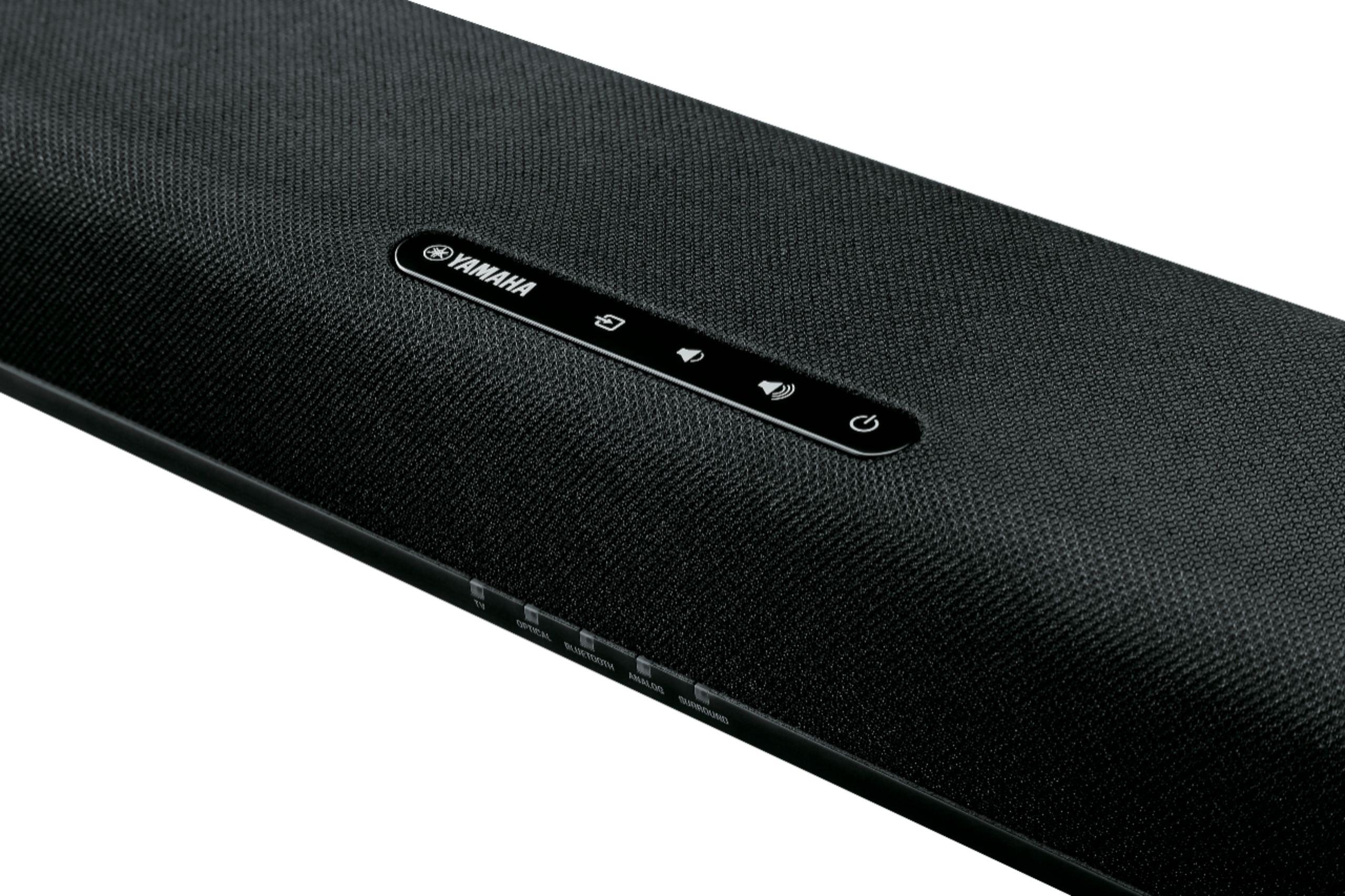
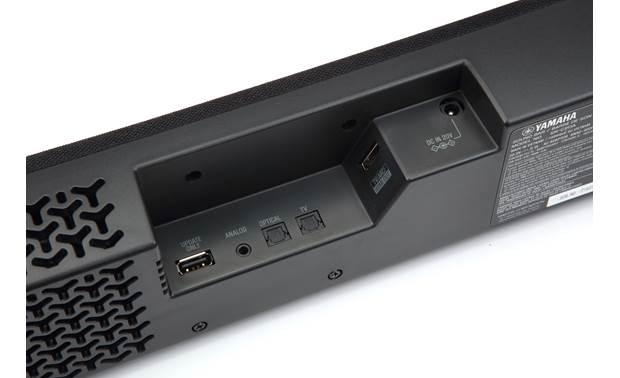
The Yamaha offers essential connectivity - HDMI ARC, optical inputs, and Bluetooth - without advanced features. For basic TV improvement, this is perfectly adequate. The app control is simple and functional, though it lacks the sophistication of premium alternatives.
For dedicated home theater use, the LG S95TR operates as a genuine surround sound system replacement. The wireless rear speakers can be positioned optimally for your seating arrangement, while the subwoofer placement flexibility allows you to maximize bass response for your specific room layout.
The system excels with movie content, particularly films mixed in Dolby Atmos or DTS:X (another object-based audio format). Action movies become genuinely immersive experiences, with sound effects positioned precisely around your listening space. The dedicated center channel ensures dialogue remains clear even during explosive sequences.
Gaming represents another strength, as the system's low-latency processing maintains audio synchronization while the surround capabilities enhance spatial awareness in competitive games.
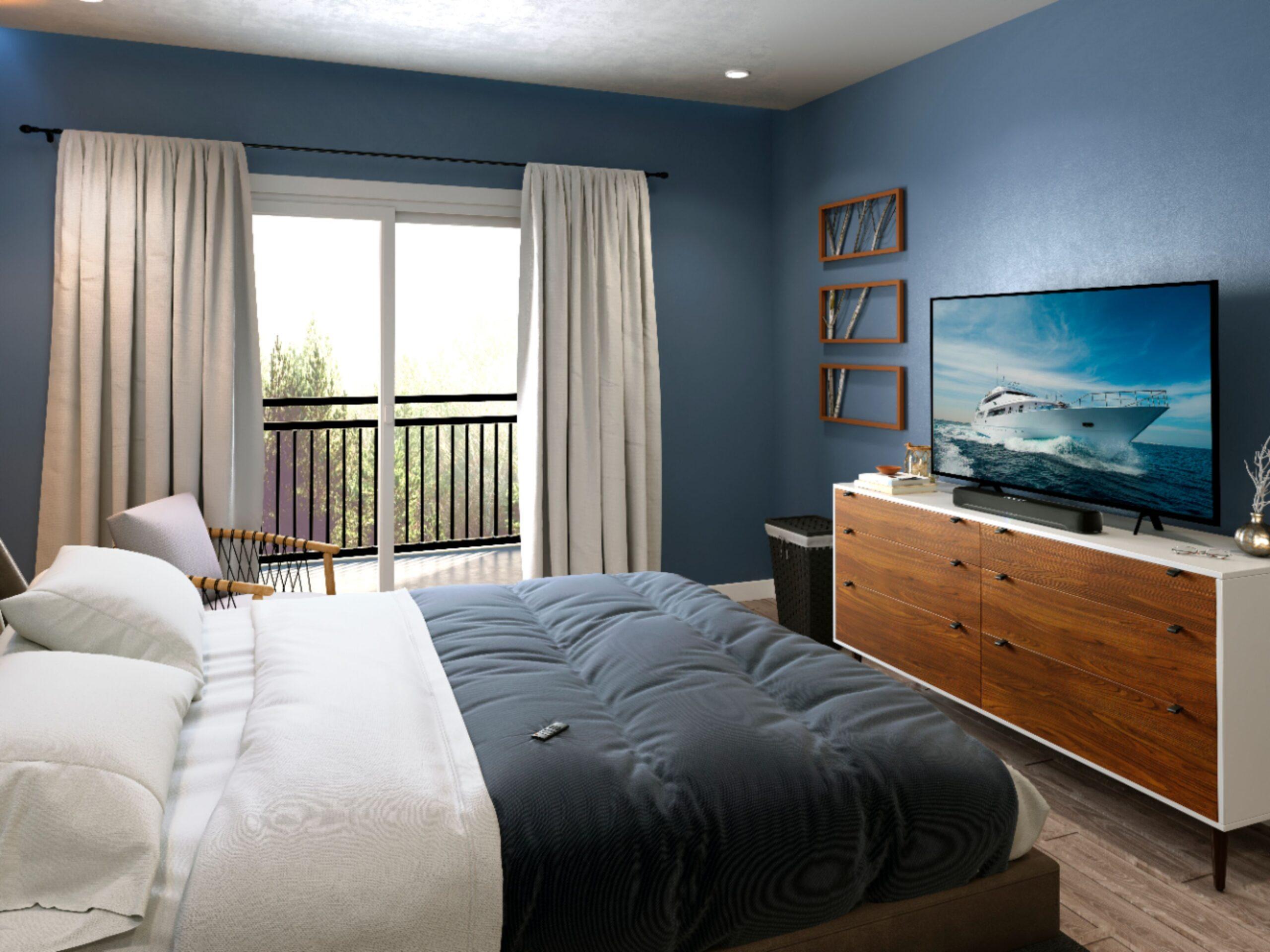
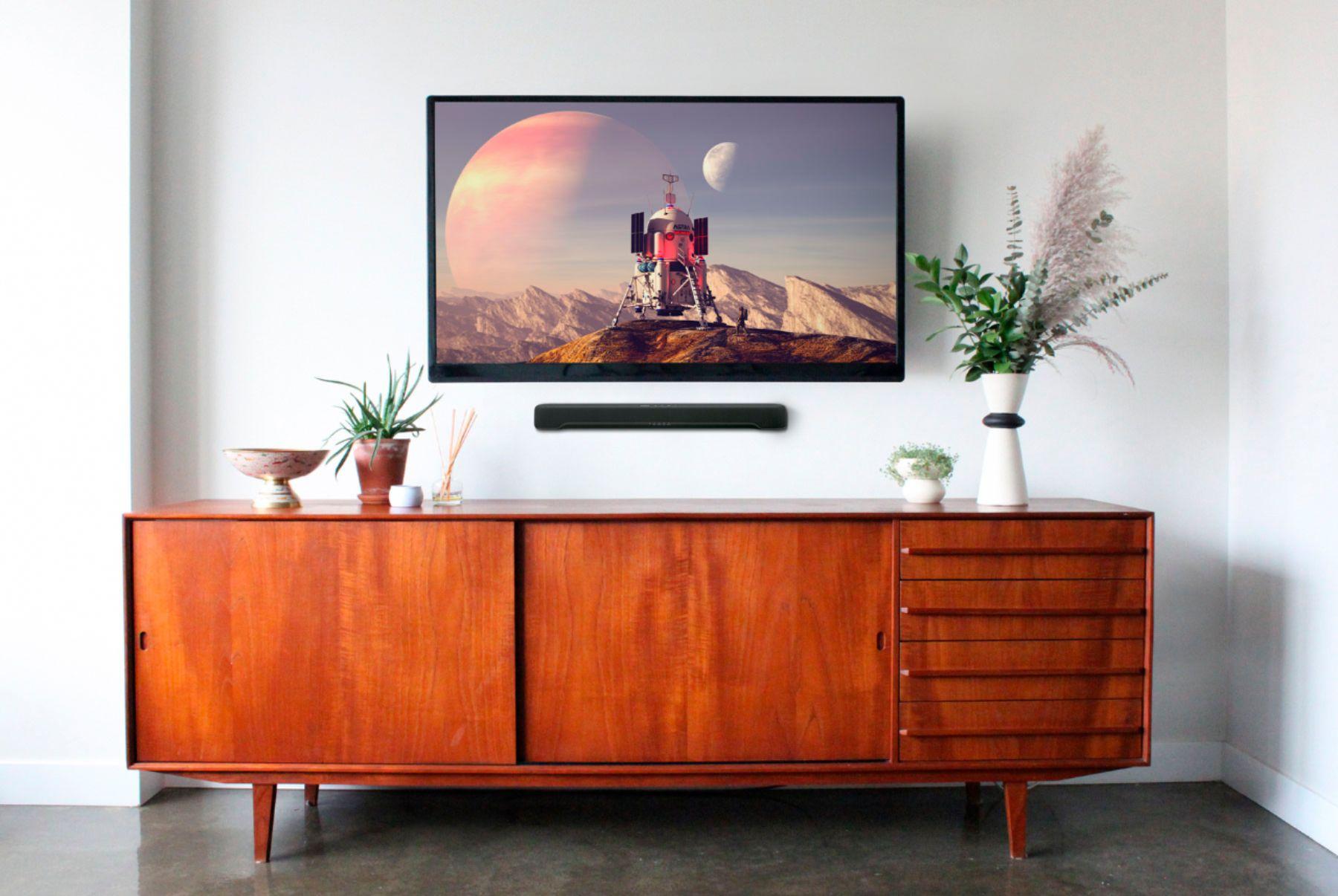
The Yamaha SR-C20A shines in situations where the LG would be complete overkill. Bedrooms, kitchens, small apartments, and dorm rooms benefit from its compact footprint and simplified setup. The built-in subwoofer provides adequate bass enhancement without requiring additional floor space.
For casual TV watching - news, talk shows, sitcoms - the Yamaha delivers exactly what most people need: clearer dialogue and more engaging audio than TV speakers provide. The various sound modes (Standard, Movie, Game, Stereo) offer basic customization for different content types.
The wall-mounting capability with built-in keyholes makes installation simple even in tight spaces where floor placement isn't practical.
Interestingly, the Yamaha often sounds more natural for music listening in small spaces. Its tonal balance aims for accuracy rather than the enhanced dynamics that benefit movie soundtracks. The built-in subwoofer provides musical bass that doesn't overwhelm, while the stereo imaging remains focused and coherent.
The LG, while capable of excellent music reproduction, is optimized for cinematic content. Its enhanced spatial processing and bass response can make music sound artificial unless you adjust the settings appropriately.
The technological gap between 2020 and 2025 becomes apparent when examining processing capabilities. The LG S95TR incorporates AI-powered sound optimization that adapts to content type, room acoustics, and even time of day. This isn't just marketing - modern digital signal processing chips can analyze audio characteristics in real-time and make adjustments faster than human perception.
The Yamaha uses more traditional fixed processing algorithms. While effective for their intended purpose, they can't adapt to changing conditions or optimize for different content types automatically.
Wireless audio technology has advanced significantly since 2020. The LG's WOWCAST system provides high-quality wireless transmission with minimal latency, while older wireless standards could introduce audible delays or compression artifacts.
The Yamaha's Bluetooth implementation, while functional, represents older technology with limited codec support. It's perfectly adequate for casual music streaming but lacks the sophistication of modern wireless audio systems.
You're serious about home theater performance and have the space for a multi-component system. Your primary viewing space is larger than 300 square feet, and you regularly watch movies or play games that benefit from immersive audio. You own or plan to purchase an LG TV to take advantage of integrated features like WOW Orchestra.
Budget allows for premium features, and you value future-proofing with support for the latest audio formats. You want a system that can serve as your primary home theater solution rather than just a TV audio upgrade.
You need a simple TV audio improvement for a smaller space like a bedroom, kitchen, or apartment under 200 square feet. Your primary content consists of TV shows, news, and casual music listening rather than cinematic experiences.
The clearance pricing makes this an easy decision if you're simply looking for better sound than your TV provides. You prefer minimal setup complexity and don't need advanced surround sound features.
Your listening preferences favor natural sound reproduction over enhanced processing effects, particularly for music content.
For the LG S95TR: Limited room space makes this system impractical, as does a budget under $500. If you primarily listen to music rather than watching movies, the enhanced processing might sound artificial to your preferences.
For the Yamaha SR-C20A: Rooms larger than 200 square feet will expose the system's power limitations. If you want genuine surround sound rather than stereo enhancement, the virtual processing won't satisfy your expectations.
These soundbars serve completely different needs, and both excel within their intended applications. The LG S95TR delivers premium home theater performance that justifies its high price through advanced technology and superior audio quality. The Yamaha SR-C20A provides essential TV audio improvement at a clearance price that makes it almost impossible to regret.
Your room size, content preferences, and budget will determine which approach makes sense. The LG transforms your living room into a mini movie theater, while the Yamaha simply makes your TV more enjoyable to watch. Both are worthy goals, and both products achieve them effectively within their respective price ranges.
The key is honest assessment of your actual needs rather than aspirational wants. A $1,000 soundbar in a small bedroom is wasted money, just as a $18 soundbar in a large living room will leave you disappointed. Match the tool to the job, and either choice can significantly improve your daily entertainment experience.
| LG S95TR 9.1.5 Channel Soundbar with Dolby Atmos ($996.99) | Yamaha SR-C20A Compact Sound Bar with Built-In Subwoofer ($17.98) |
|---|---|
| Price - Major budget consideration affecting value equation | |
| $996.99 (premium home theater investment) | $17.98 (clearance pricing, originally ~$180) |
| System Configuration - Determines setup complexity and performance ceiling | |
| 9.1.5 channels with wireless subwoofer and rear speakers | 2.1 channels all-in-one with built-in subwoofer |
| Total Power Output - Affects volume capability and dynamic range | |
| 810W (maintains clarity at high volumes) | 100W (adequate for small rooms, strains above 80% volume) |
| Room Size Compatibility - Critical for matching performance to space | |
| 300+ sq ft (large living rooms, open floor plans) | Under 150 sq ft (bedrooms, small apartments, kitchens) |
| Audio Format Support - Determines surround sound quality and future-proofing | |
| Dolby Atmos, DTS:X with true object-based positioning | Virtual surround processing, no height channels |
| Bass Performance - Impacts movie experience and music enjoyment | |
| Dedicated wireless subwoofer with deep sub-bass extension | Built-in 3" driver with passive radiators, limited low-end |
| Dialogue Clarity - Essential for TV watching and movie comprehension | |
| Dedicated center channel with AI processing | Clear Voice technology with fixed EQ boost |
| Connectivity Options - Affects compatibility with modern devices | |
| HDMI eARC, WOWCAST wireless, multi-platform smart features | HDMI ARC, optical, Bluetooth - basic but functional |
| Setup Complexity - Time and effort required for installation | |
| Requires positioning subwoofer and rear speakers around room | Single unit with simple wall-mount or TV stand placement |
| Unique Features - Brand-specific technologies and integrations | |
| WOW Orchestra (LG TV sync), AI Room Calibration, 5 up-firing speakers | Bass Extension mode, Sound Bar Remote app control |
| Best Use Cases - Ideal applications for each system | |
| Home theater replacement, large room movie watching, gaming | TV audio upgrade, background music, small space enhancement |
The Yamaha SR-C20A Compact Sound Bar ($17.98) is specifically designed for small spaces under 150 square feet. Its compact 23.6-inch design fits perfectly in bedrooms, kitchens, or small apartments without overwhelming the space. The LG S95TR ($996.99) is built for large rooms over 300 square feet and would be overkill in a small space.
There's a massive $979 price gap between these models. The LG S95TR 9.1.5 Channel Soundbar ($996.99) is a premium home theater system, while the Yamaha SR-C20A ($17.98) is available at clearance pricing after being discontinued. The Yamaha originally retailed for around $180.
The LG S95TR delivers significantly better bass with its dedicated wireless subwoofer that produces deep, room-filling low frequencies. The Yamaha SR-C20A has a built-in 3-inch subwoofer with passive radiators that provides decent mid-bass for its size but can't match the depth and power of a dedicated subwoofer.
Only the LG S95TR 9.1.5 Channel Soundbar supports true Dolby Atmos with five up-firing speakers that bounce sound off your ceiling for height effects. The Yamaha SR-C20A uses virtual surround processing but doesn't support Dolby Atmos or any height channels.
The Yamaha SR-C20A Compact Sound Bar is much simpler to install - it's a single unit that connects with one cable and can be wall-mounted easily. The LG S95TR requires positioning a wireless subwoofer and rear speakers around your room, making setup more complex but delivering better performance.
Both improve TV dialogue significantly. The LG S95TR uses a dedicated center channel with AI processing for superior dialogue clarity, especially in complex audio scenes. The Yamaha SR-C20A includes Clear Voice technology that boosts vocal frequencies effectively for basic dialogue enhancement.
The LG S95TR 9.1.5 Channel Soundbar is designed specifically for home theater applications with true surround sound, Dolby Atmos support, and 810 watts of power. It can replace a traditional surround sound system. The Yamaha SR-C20A is better suited for basic TV audio improvement rather than immersive home theater experiences.
The power gap is substantial - the LG S95TR delivers 810 watts total power compared to the Yamaha SR-C20A's 100 watts. This means the LG can fill large rooms with clean, undistorted sound at high volumes, while the Yamaha works best at moderate volumes in smaller spaces.
Yes, both soundbars work with any TV that has HDMI ARC or optical connections. However, the LG S95TR offers special integration features like WOW Orchestra when paired with LG TVs. The Yamaha SR-C20A provides universal compatibility without brand-specific features.
For casual music in small spaces, the Yamaha SR-C20A often sounds more natural with its balanced tonal signature. The LG S95TR can deliver excellent music reproduction but is optimized for cinematic content with enhanced spatial processing that some prefer for movies over music.
The LG S95TR 9.1.5 Channel Soundbar features a complex array with nine main channels, one subwoofer, and five up-firing speakers across multiple components. The Yamaha SR-C20A is a simpler 2.1 system with stereo speakers and a built-in subwoofer all contained in one bar.
Value depends on your needs and budget. The Yamaha SR-C20A at $17.98 offers exceptional value for basic TV audio improvement at clearance pricing. The LG S95TR at $996.99 provides premium value for serious home theater enthusiasts who want cutting-edge technology and immersive surround sound capabilities.
We've done our best to create useful and informative comparisons to help you decide what product to buy. Our research uses advanced automated methods to create this comparison and perfection is not possible - please contact us for corrections or questions. These are the sites we've researched in the creation of this article: techradar.com - bestbuy.com - youtube.com - trustedreviews.com - zdnet.com - rtings.com - lg.com - lambcotvandappliance.com - valueelectronics.com - romomattressfurniture.com - dolby.com - youtube.com - t3.com - usa.yamaha.com - radiotimes.com - shop.usa.yamaha.com - whathifi.com - hifiheaven.net - usa.yamaha.com - sweetwater.com - hub.yamaha.com - bestbuy.com

Privacy Policy
Terms and Conditions - Affiliate Policy
Home Security
© Copyright 2008-2026.
11816 Inwood Rd #1211, Dallas, TX 75244