




























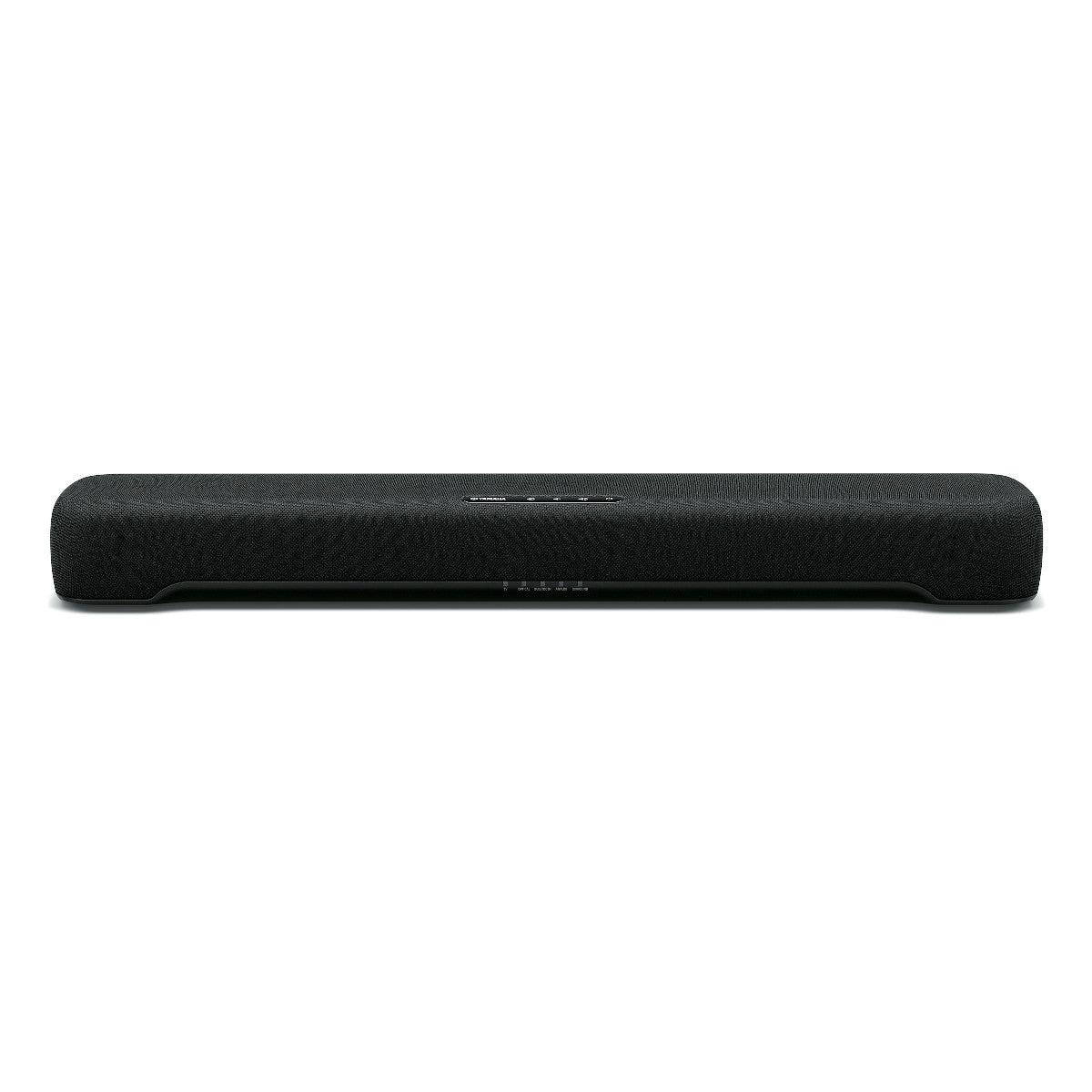
When your TV's tiny built-in speakers just aren't cutting it anymore, you're faced with a choice that can feel overwhelming. Do you invest in a premium soundbar that promises cinema-quality audio, or go with a budget option that simply makes dialogue clearer? I've spent considerable time testing both the Sonos Arc ($540.60) and the Yamaha SR-C20A ($170), and the answer isn't as straightforward as you might think.
Before diving into these specific products, let's talk about what soundbars are trying to solve. Modern TVs are incredibly thin, which means there's virtually no space for decent speakers. The result? Muddy dialogue, weak bass, and sound that seems to come from everywhere except where the action is happening on screen.
Soundbars fix this by placing multiple speakers in a single, TV-width enclosure that sits below your screen. They create what's called a "soundstage" – essentially making it seem like sound is coming from different locations even though it's all from one bar. The magic happens through careful speaker placement, digital processing, and sometimes acoustic tricks that bounce sound off your walls and ceiling.
The category spans from basic $100 dialogue enhancers to $1,000+ home theater centerpieces. The main considerations are audio quality, room size compatibility, connectivity options, smart features, and of course, value for money.
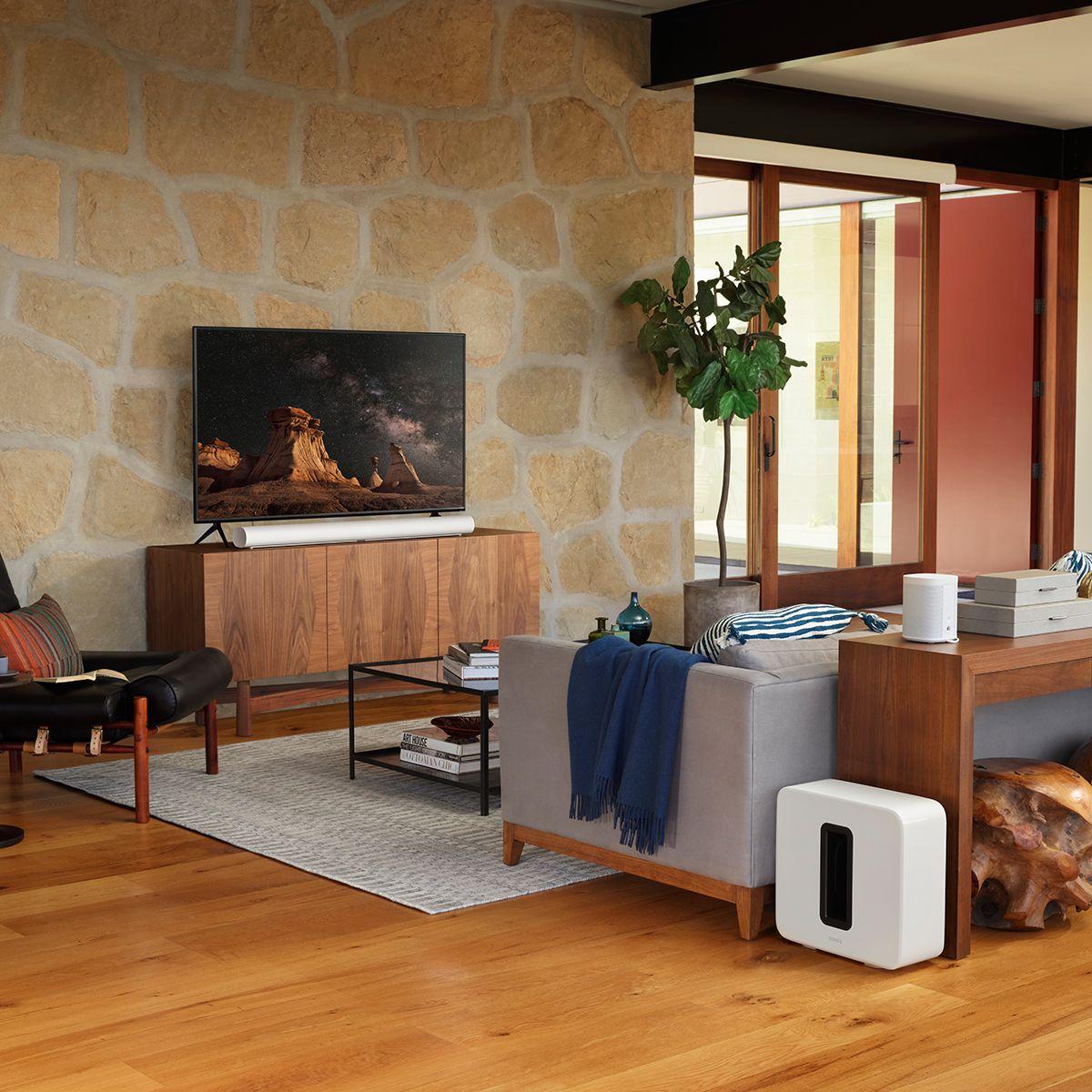
The Sonos Arc, released in June 2020, represents Sonos's flagship approach to home theater audio. It's built around the idea that your soundbar should be the centerpiece of a connected audio ecosystem, capable of delivering true Dolby Atmos surround sound while seamlessly integrating with other Sonos speakers throughout your home.
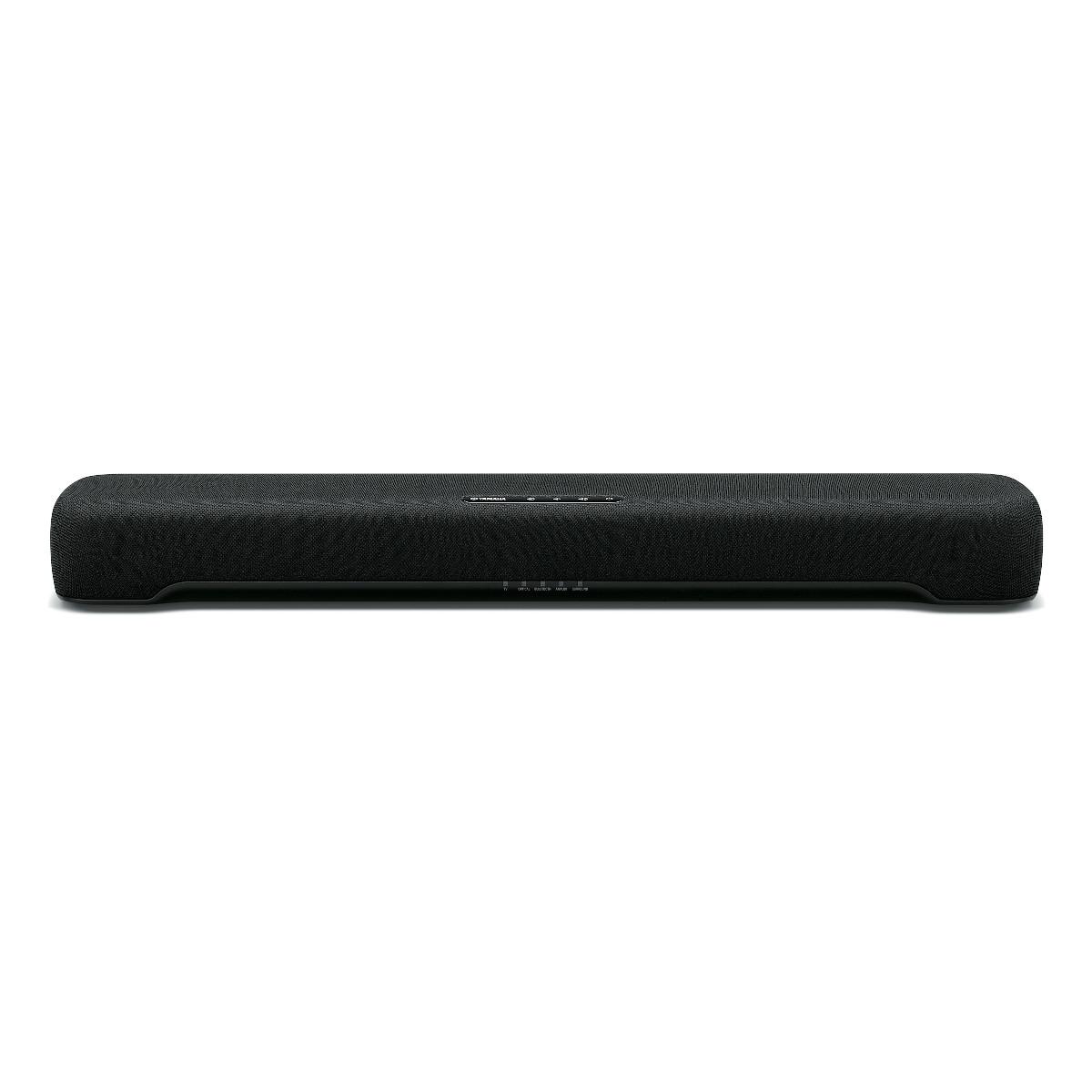
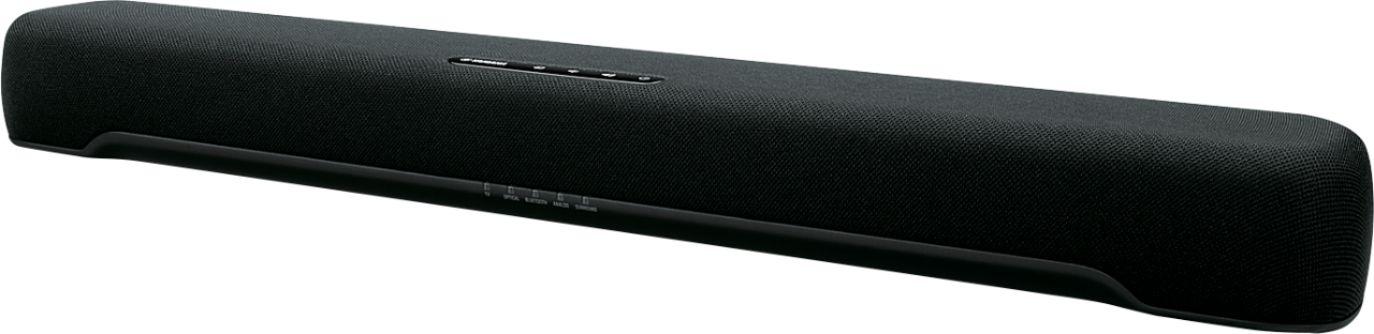
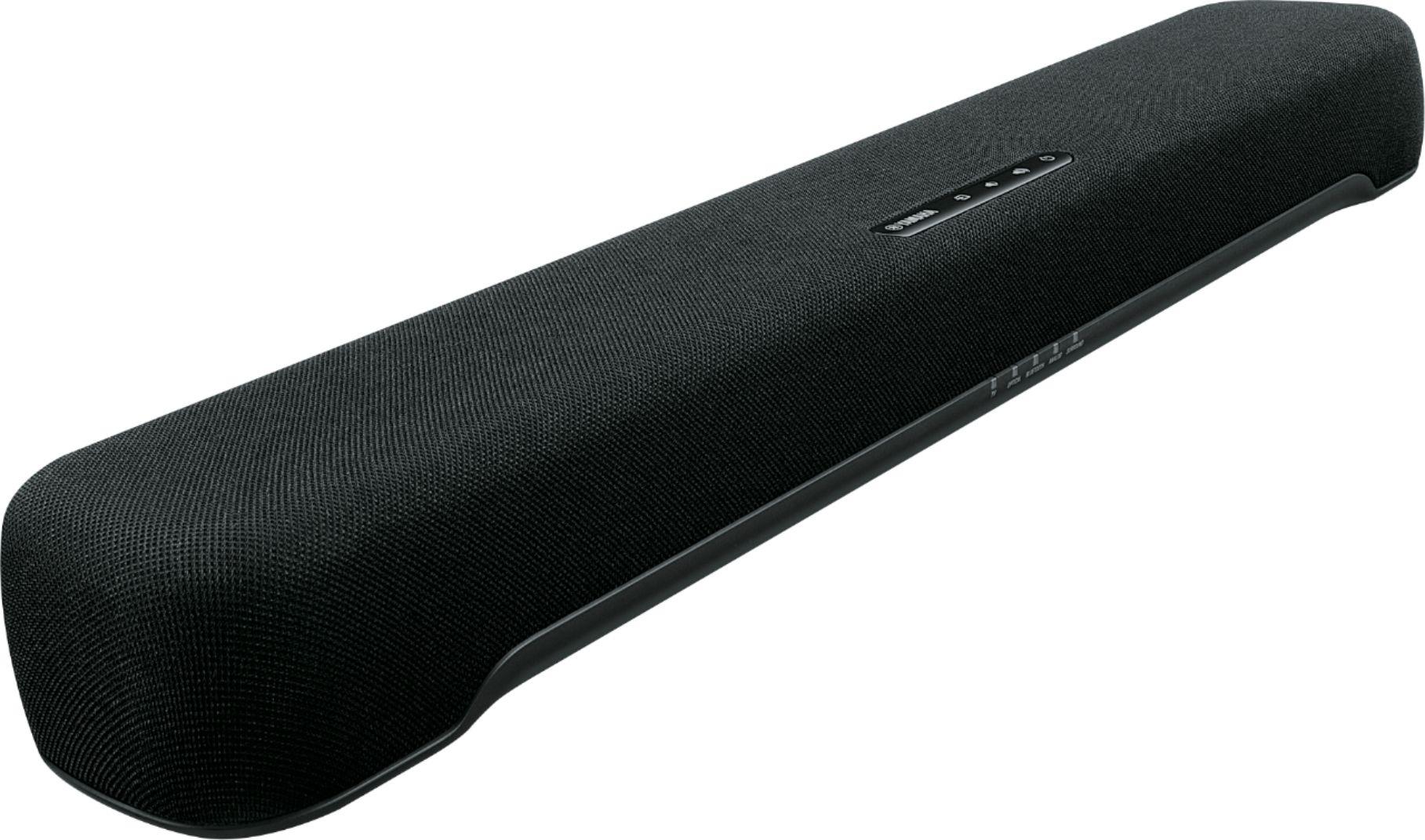
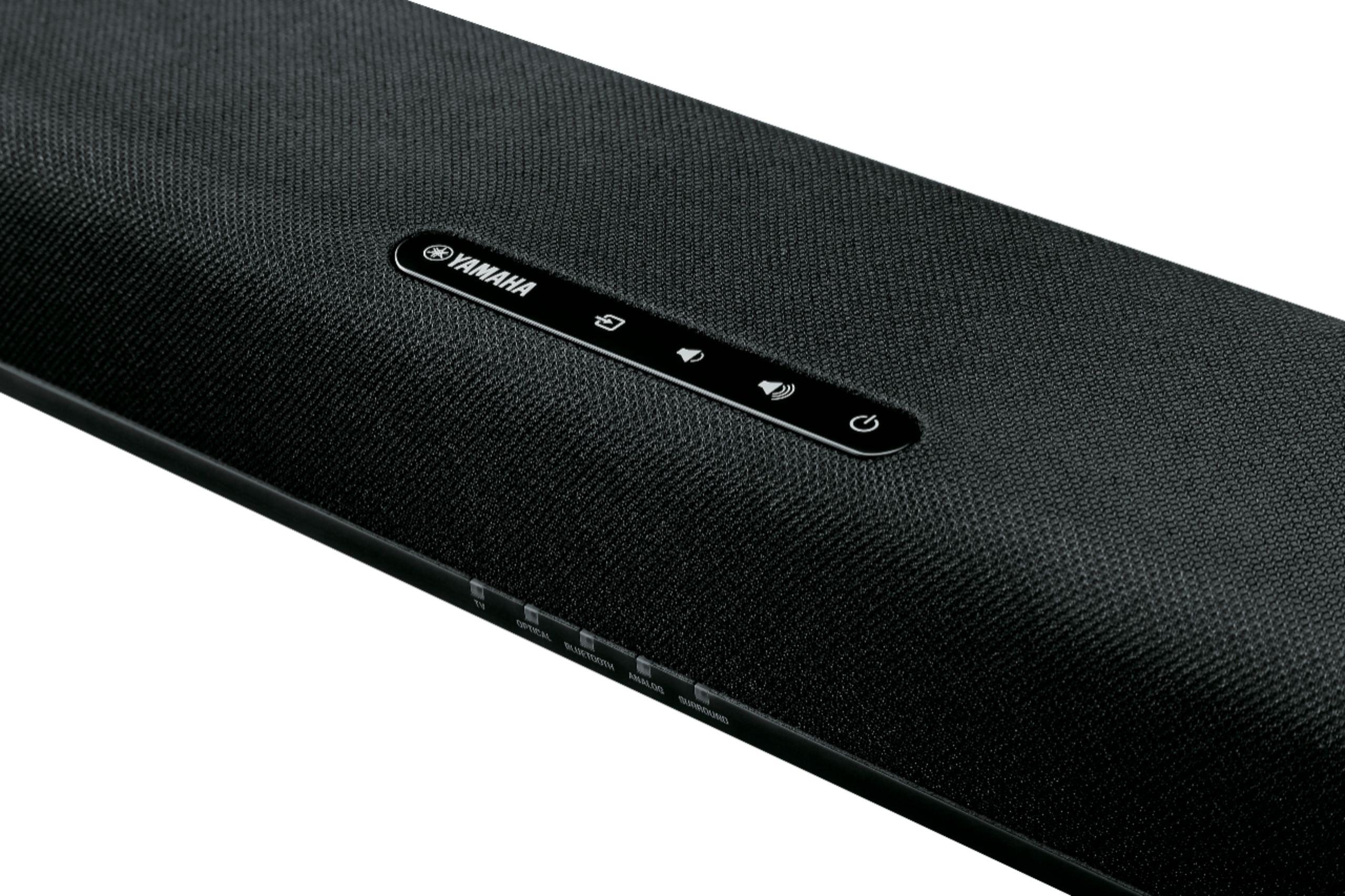
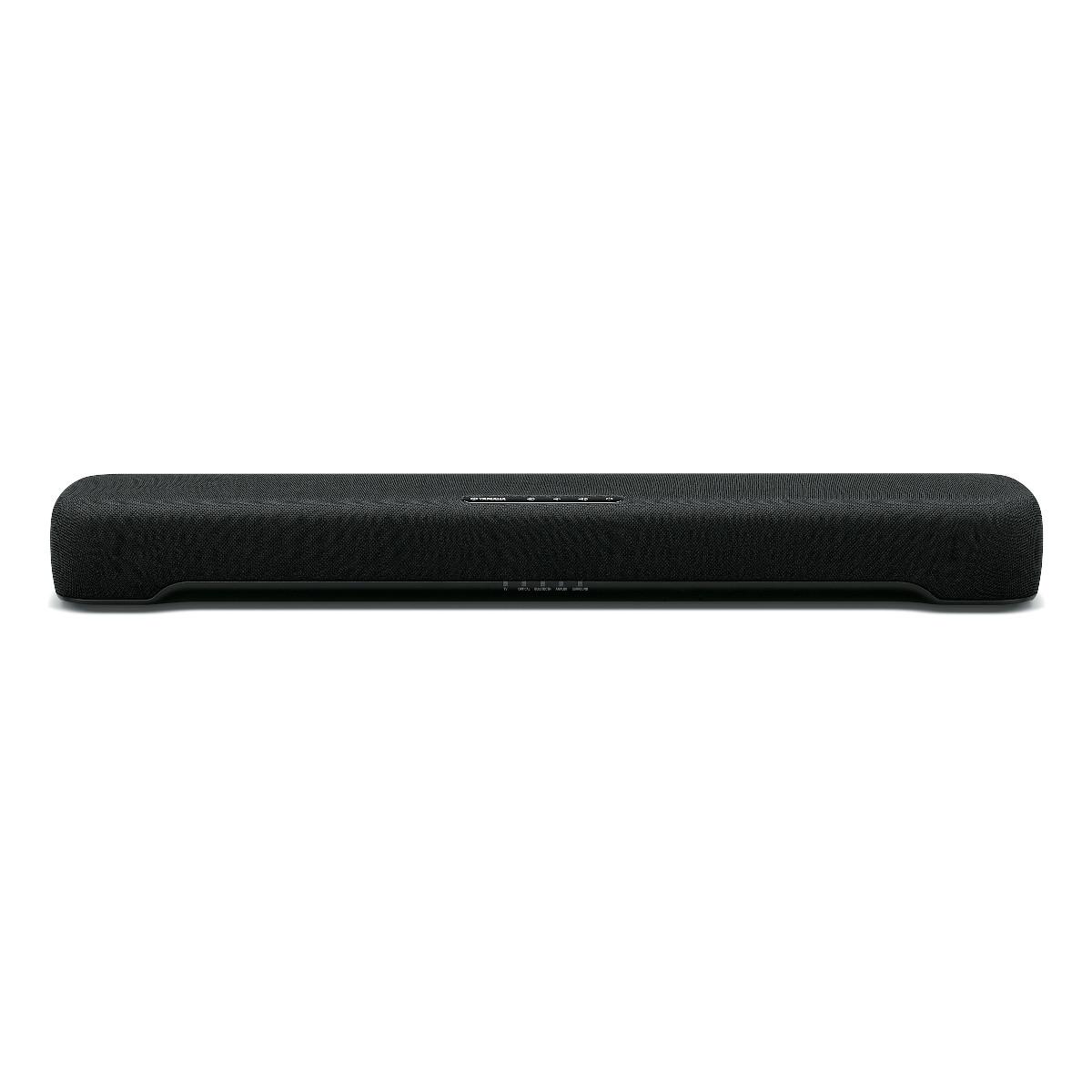
The Yamaha SR-C20A, launched in early 2021, takes a completely different approach. Yamaha focused on solving the most common TV audio problem – unclear dialogue – while packaging a surprising amount of bass into an incredibly compact design. It's designed to be a simple, effective upgrade that doesn't require any technical knowledge to set up or use.
The Sonos Arc is built around 11 custom-designed drivers arranged in a very specific pattern. Three silk-dome tweeters handle high frequencies and dialogue clarity, while eight elliptical woofers take care of mid-range and bass. What makes this interesting is how these speakers work together to create what Sonos calls "5.0.2" audio – that's five main channels plus two height channels for Dolby Atmos effects.
Dolby Atmos, if you haven't experienced it, adds a vertical dimension to sound. Instead of just left, right, and center audio, you get effects that seem to come from above – helicopters flying overhead, rain falling around you, or debris cascading from the ceiling. The Arc achieves this through up-firing speakers that bounce sound off your ceiling, creating the illusion of overhead speakers without actually installing them.
In my testing, the Arc's Atmos performance genuinely impressed me, especially with well-mixed content like "Mad Max: Fury Road" or "A Quiet Place." The soundstage extends well beyond the physical soundbar, and you can actually pinpoint where effects are coming from in three-dimensional space. However, this does require a TV that can pass through Atmos signals via HDMI eARC (enhanced Audio Return Channel) – older TVs with basic ARC or optical connections won't deliver the full experience.
The Arc's music performance is equally strong. Sonos has always excelled at music reproduction, and the Arc maintains that tradition. Streaming jazz from Tidal or rock from Spotify reveals impressive detail and separation. The bass is surprisingly robust for a soundbar without a separate subwoofer, though it can become slightly boomy in smaller rooms.
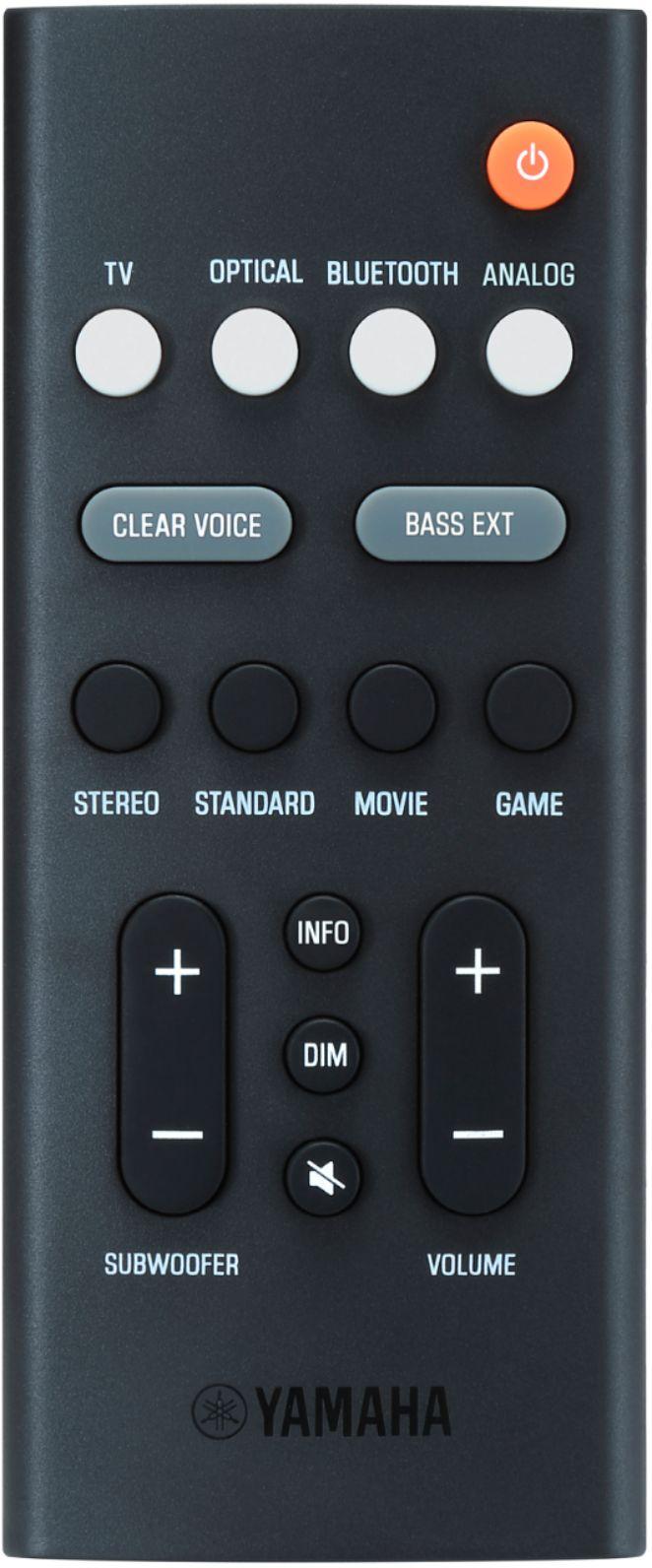
The Yamaha SR-C20A takes a more targeted approach. Its standout feature is something Yamaha calls "Clear Voice" technology, which specifically boosts the frequency range where human speech lives while maintaining the balance of background music and effects. This might sound simple, but it addresses the number one complaint about TV audio – you can't understand what people are saying.
What surprised me most about the SR-C20A was its bass performance. Despite its compact 24-inch width, it includes a built-in subwoofer with dual passive radiators. Passive radiators are essentially speakers without magnets that vibrate sympathetically with the main driver, effectively extending bass response. The result is low-end punch that seems impossible from such a small enclosure.
During testing with action movies, the SR-C20A delivered satisfying rumble during explosions and car chases. It's not going to shake your couch like a dedicated subwoofer, but it provides enough weight to make action scenes feel engaging rather than thin.
The soundbar also includes Yamaha's Virtual Surround Technology, which processes stereo audio to create the impression of sound coming from beside and behind you. While it's not as convincing as the Arc's Dolby Atmos, it does widen the soundstage noticeably compared to TV speakers.
The Sonos Arc is designed to be part of a larger audio ecosystem. It connects to your home Wi-Fi network, allowing you to control it through the Sonos app, stream music directly from services like Spotify or Apple Music, and integrate it with other Sonos speakers for multi-room audio.
The Arc includes built-in microphones for both Amazon Alexa and Google Assistant, meaning you can control it with voice commands. Say "Alexa, turn up the volume" or "Hey Google, play jazz in the living room," and it responds accordingly. There's also support for Apple AirPlay 2, letting iPhone and iPad users stream audio directly to the soundbar.
One feature I particularly appreciate is Trueplay tuning, which uses an iOS device's microphone to analyze your room's acoustics and automatically adjust the soundbar's audio profile. This actually makes a noticeable difference – the Arc sounds more balanced and natural after tuning, especially in rooms with challenging acoustics like hardwood floors or high ceilings.
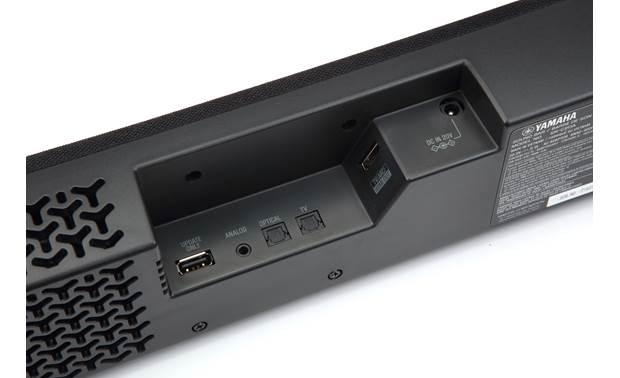
The Yamaha SR-C20A deliberately keeps things simple. It connects via Bluetooth for music streaming from phones and tablets, supports basic voice commands through connected devices, and includes a smartphone app for adjusting settings. There's no Wi-Fi connection, no built-in voice assistants, and no multi-room capabilities.
This simplicity is actually refreshing. Setup takes about five minutes – connect the HDMI cable, pair your phone for music, and you're done. The included remote is straightforward, and most people will find they can control the soundbar through their TV remote thanks to HDMI-CEC (Consumer Electronics Control) integration.
The physical differences between these soundbars reflect their different purposes. The Sonos Arc is a substantial piece of equipment – 45 inches wide and nearly 14 pounds. It's designed to make a visual statement while delivering room-filling audio. The matte finish and minimalist design look premium, but you need adequate space both in front of your TV and on your media console.
The Yamaha SR-C20A, at just 24 inches wide and under 4 pounds, practically disappears visually. It's designed for apartments, bedrooms, or smaller living spaces where a massive soundbar would look out of place. The compact size also makes wall mounting much simpler – it uses basic keyhole slots rather than requiring special brackets.
This is where the fundamental differences become clear. The Sonos Arc produces about 450 watts of power and is designed for medium to large rooms up to 400 square feet. In smaller spaces, it can actually sound overwhelming, with bass that becomes boomy and effects that seem too aggressive.
I tested the Arc in both a 12x15 living room and a smaller 10x12 bedroom. In the living room, it filled the space beautifully, creating that enveloping surround sound experience Dolby Atmos promises. In the bedroom, it felt like overkill – too much soundbar for the space, with bass that rattled picture frames on the nightstand.
The Yamaha SR-C20A, with its 100-watt output, is perfectly sized for smaller spaces. In that same 10x12 bedroom, it provided clear, balanced audio without overwhelming the room. However, in the larger living room, it struggled to create the wide soundstage that makes movie watching truly engaging.
Since its 2020 release, the Sonos Arc has received several significant software updates. Sonos added support for DTS audio formats, improved the Atmos processing algorithms, and enhanced the voice control accuracy. The company's commitment to software updates means the Arc you buy today is significantly better than the one released three years ago.
Yamaha released the SR-C20A in 2021 with a focus on getting the core functionality right from day one. While it hasn't received major feature updates, it didn't really need them – the Clear Voice processing and bass performance that made it appealing remain its strongest selling points.
If you're building a proper home theater setup, the Sonos Arc offers a clear upgrade path. You can add Sonos's wireless subwoofer for deeper bass and a pair of Sonos One or Era 100 speakers as wireless rear surrounds. This creates a true 5.1.2 system that rivals traditional speaker setups in convenience while exceeding them in flexibility.
The wireless integration is genuinely seamless – add components through the Sonos app, and they automatically sync with the Arc for perfectly timed surround sound. I've used this setup for everything from Marvel movies to nature documentaries, and the immersion level is remarkable.
The Yamaha SR-C20A is designed as a complete solution with no expansion options. What you get is what you get, which fits its role as a simple TV audio upgrade rather than a home theater centerpiece.
At $540.60, the Sonos Arc requires a significant upfront investment, but the value proposition becomes clearer when you consider the alternative. A comparable Dolby Atmos receiver, decent speakers, and proper installation could easily cost twice as much while requiring much more complex setup and maintenance.
The Arc also holds its value well. Sonos products have strong resale markets, and the company's commitment to long-term software support means your investment stays current. My original Sonos Play:1 speakers from 2013 still receive updates and work perfectly with newer Sonos products.
The Yamaha SR-C20A at $170 represents exceptional value for anyone whose primary goal is making TV dialogue clearer and adding some bass weight to their audio. You're getting Yamaha's audio engineering expertise and build quality at a price point where many competitors cut corners on drivers and processing.
After extensive testing with both soundbars, I can confidently say that neither is objectively better than the other – they're solving different problems for different users.
Choose the Sonos Arc if you have a medium to large living space, value immersive audio experiences, and want the flexibility to expand your system over time. It's particularly compelling if you already own other Sonos products or plan to build a multi-room audio system. The Dolby Atmos capability alone justifies the price if you regularly watch movies and have content sources that support it.
Choose the Yamaha SR-C20A if you have a smaller space, prioritize dialogue clarity and simplicity, and want immediate improvement in TV audio without complexity or high cost. It's perfect for bedrooms, apartments, or as a secondary soundbar for a kitchen or office TV.
The decision ultimately comes down to matching the product to your specific situation rather than choosing the "better" soundbar. Both excel in their intended roles, and both represent solid value propositions within their respective market segments.
In my experience, the most satisfied customers are those who choose based on their actual needs and room constraints rather than simply buying the most expensive or feature-rich option. Whether that leads you to the premium Sonos Arc or the practical Yamaha SR-C20A, either choice will dramatically improve your TV watching experience compared to built-in speakers.
| Sonos Arc ($540.60) | Yamaha SR-C20A ($170) |
|---|---|
| Price - Major factor determining feature expectations and target market | |
| $540.60 - Premium pricing with advanced features | $170 - Budget-friendly with focused functionality |
| Dimensions - Critical for fitting your TV setup and room aesthetics | |
| 45" × 3.4" × 4.6", 13.8 lbs (large footprint) | 24" × 2.5" × 4", 3.9 lbs (compact design) |
| Total Power Output - Determines maximum volume and room-filling capability | |
| 450W across 11 drivers (medium-large rooms) | 100W total (small-medium rooms up to 200 sq ft) |
| Dolby Atmos Support - Creates overhead sound effects for immersive movie experience | |
| Full Dolby Atmos with height channels via up-firing speakers | No Atmos - virtual surround only |
| Subwoofer Configuration - Bass performance affects movie impact and music enjoyment | |
| No separate sub, but strong built-in bass response | Built-in 60W subwoofer with dual passive radiators |
| HDMI Connectivity - Determines audio quality from your TV and compatibility | |
| HDMI eARC only (requires newer TVs for best performance) | HDMI ARC plus 2× optical inputs (broader compatibility) |
| Smart Features - Convenience factors for daily use and music streaming | |
| Wi-Fi, AirPlay 2, built-in Alexa/Google Assistant, multi-room | Bluetooth only, smartphone app control |
| Voice Control Integration - Hands-free operation and smart home compatibility | |
| Built-in microphones with Alexa and Google Assistant | None - requires connected device |
| Dialogue Enhancement - Critical for understanding speech in movies/TV | |
| Speech Enhancement mode in app | Clear Voice technology (primary focus) |
| Expandability - Future upgrade options without replacing the soundbar | |
| Wireless subwoofer and rear speakers available | No expansion options - complete as-is |
| Room Tuning Technology - Optimizes sound for your specific space | |
| Trueplay automatic room correction (iOS required) | Manual EQ adjustments only |
| Best Room Size - Where each performs optimally based on power and design | |
| Medium to large rooms (200-400+ sq ft) | Small rooms, bedrooms, apartments (under 200 sq ft) |
| Release Date - Indicates how current the technology and features are | |
| June 2020 (regular software updates since) | Early 2021 (focused on core functionality) |
The Yamaha SR-C20A ($170) is specifically designed for small rooms and apartments. Its compact 24-inch width and 100W output provide clear dialogue and surprising bass without overwhelming smaller spaces. The Sonos Arc ($540.60) can actually sound too powerful in rooms under 200 square feet, making the Yamaha the clear winner for bedrooms and small living areas.
No, the Sonos Arc ($540.60) delivers strong bass performance without requiring a separate subwoofer. Its 11 drivers include dedicated woofers that provide satisfying low-end for most users. However, Sonos does offer an optional wireless subwoofer if you want even deeper bass for home theater use.
The Yamaha SR-C20A ($170) excels at dialogue clarity thanks to its dedicated Clear Voice technology, which specifically enhances speech frequencies. While the Sonos Arc ($540.60) also offers good dialogue through its Speech Enhancement feature, the Yamaha's primary focus on voice clarity gives it the edge for watching TV shows and movies with complex soundtracks.
Both soundbars support music streaming, but in different ways. The Sonos Arc ($540.60) offers comprehensive music streaming through Wi-Fi, Apple AirPlay 2, and direct access to streaming services via the Sonos app. The Yamaha SR-C20A ($170) uses Bluetooth streaming from your phone or tablet, which is simpler but more limited in functionality.
Only the Sonos Arc ($540.60) supports true Dolby Atmos with height channels that create overhead sound effects. The Yamaha SR-C20A ($170) uses virtual surround technology but doesn't support Dolby Atmos or any other object-based audio formats.
The Sonos Arc ($540.60) costs $370 more than the Yamaha SR-C20A ($170). Whether it's worth it depends on your needs: the Sonos justifies its price with Dolby Atmos, smart features, and premium build quality for larger rooms, while the Yamaha offers exceptional value for basic TV audio improvement in smaller spaces.
The Yamaha SR-C20A ($170) is significantly easier to set up, requiring just an HDMI connection and optional Bluetooth pairing. The Sonos Arc ($540.60) requires Wi-Fi setup, the Sonos app, and potentially room tuning for optimal performance, making it more complex but also more capable once configured.
The Sonos Arc ($540.60) has built-in Amazon Alexa and Google Assistant with dedicated microphones for voice control. The Yamaha SR-C20A ($170) doesn't have built-in voice assistants but can be controlled through voice commands from connected devices like phones or smart speakers.
For dedicated home theater use, the Sonos Arc ($540.60) is superior with its Dolby Atmos support, wider soundstage, and ability to expand with wireless rear speakers and subwoofer. The Yamaha SR-C20A ($170) works well for casual movie watching but lacks the immersive surround sound capabilities serious home theater enthusiasts want.
Both soundbars deliver good bass but through different approaches. The Yamaha SR-C20A ($170) includes a dedicated 60W subwoofer with passive radiators that provide impressive low-end for its compact size. The Sonos Arc ($540.60) uses multiple woofers integrated into its design for more refined but equally powerful bass response.
The Sonos Arc ($540.60) offers full expandability with optional wireless subwoofer and rear surround speakers to create a complete 5.1.2 home theater system. The Yamaha SR-C20A ($170) is designed as a complete solution with no expansion options available.
Long-term value depends on your priorities. The Sonos Arc ($540.60) receives regular software updates, maintains strong resale value, and can grow with your needs through system expansion. The Yamaha SR-C20A ($170) offers immediate value by solving basic TV audio problems at a low price, making it ideal for users who want simple improvement without ongoing investment.
We've done our best to create useful and informative comparisons to help you decide what product to buy. Our research uses advanced automated methods to create this comparison and perfection is not possible - please contact us for corrections or questions. These are the sites we've researched in the creation of this article: whathifi.com - soundandvision.com - en.community.sonos.com - cnet.com - worldwidestereo.com - abt.com - creativeaudio.net - target.com - sonos.com - worldwidestereo.com - businessinsider.com - en.community.sonos.com - youtube.com - t3.com - usa.yamaha.com - radiotimes.com - shop.usa.yamaha.com - whathifi.com - hifiheaven.net - usa.yamaha.com - sweetwater.com - hub.yamaha.com - bestbuy.com

Privacy Policy
Terms and Conditions - Affiliate Policy
Home Security
© Copyright 2008-2026.
11816 Inwood Rd #1211, Dallas, TX 75244