














When your TV's built-in speakers make movie dialogue sound like it's coming through a tin can, it's time for an upgrade. But the soundbar world can be confusing—especially when you're choosing between two completely different approaches to better audio. The Ultimea Poseidon D70 and Yamaha SR-C20A represent opposite ends of the soundbar philosophy spectrum, and understanding their differences will help you pick the right one for your setup.
Before diving into these specific models, let's talk about what soundbars actually do and why the approach matters. Traditional TV speakers face a fundamental problem: they're tiny drivers crammed into impossibly thin displays, often firing downward or backward. Soundbars solve this by putting larger, forward-firing speakers in a dedicated housing that sits below your TV.
The real differences emerge in how they create that "surround sound" experience you get at movie theaters. Some soundbars, like the Yamaha SR-C20A, use clever digital processing to trick your ears into hearing sounds from different directions—this is called "virtual surround." Others, like the Ultimea Poseidon D70, take the direct approach by actually placing physical speakers around your room, creating what's known as "true surround sound."
Both approaches have merit, but they serve different needs and room setups. The key is understanding which philosophy matches your situation, budget, and tolerance for complexity.
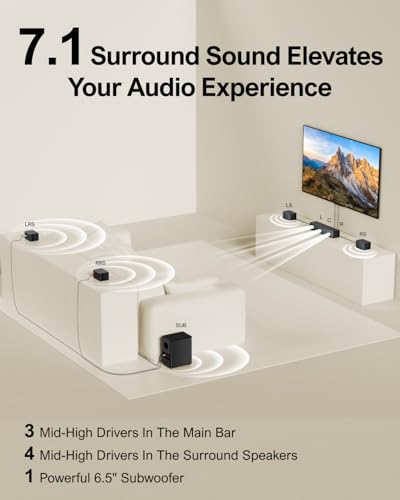
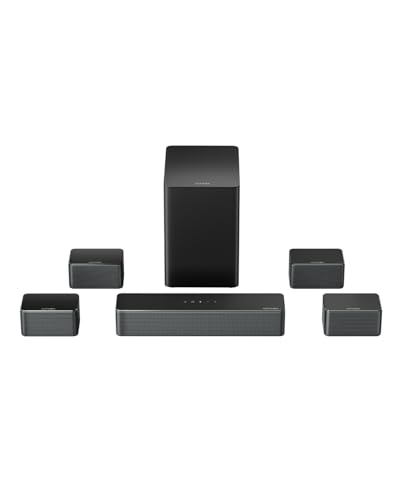
The Ultimea Poseidon D70, released in 2024, represents the "more is more" approach to home audio. This isn't just a soundbar—it's a complete 7.1 channel surround system that happens to be packaged as a soundbar solution. When you unbox this system, you'll find six separate pieces: the main soundbar, a wireless subwoofer, and four satellite speakers that need to be positioned around your room.
Here's where the technical specs matter: the Poseidon D70 delivers 410 watts of peak power distributed across eight individual drivers. That breaks down to three 2.25-inch drivers in the main soundbar (handling dialogue and front effects), four matching drivers in the surround speakers (creating directional audio), and a substantial 6.5-inch subwoofer driver for bass. This driver configuration allows each speaker to specialize in specific frequency ranges, which typically results in cleaner, more detailed sound reproduction.
What makes the Ultimea system interesting is its proprietary SurroundX technology. Instead of using digital tricks to simulate surround sound, SurroundX coordinates all eight speakers using what Ultimea calls a "Spatial Positioning Algorithm." In practical terms, this means when a helicopter flies overhead in a movie, you'll hear it move from your front-left speaker, across the soundbar, and out through your rear-right speaker. It's authentic positional audio that matches what the movie's sound engineers intended.
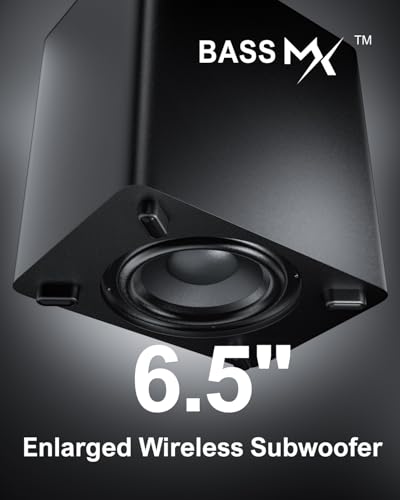
The system also includes BassMX technology, which is essentially bass enhancement processing that works with that 6.5-inch subwoofer. Bass response extends down to 35Hz—low enough to reproduce the rumble of explosions and the deepest notes in music. For context, most compact soundbars struggle to reproduce anything below 60-80Hz effectively.
Perhaps the most impressive feature is the AI-powered sound optimization. The Poseidon D70 uses machine learning algorithms trained on what Ultimea claims are "billions of real-world sounds." This processing analyzes incoming audio in real-time and adjusts frequency response to optimize clarity and dynamics. While marketing claims about AI can be overblown, user feedback suggests this feature does produce noticeably more natural sound reproduction compared to static EQ settings.
Here's where things get real: the Ultimea Poseidon D70 requires actual effort to set up properly. You'll need to run cables to position four surround speakers throughout your room—Ultimea includes 3-meter cables for front speakers and 6-meter cables for rear placement, but you'll need to plan your room layout carefully. The payoff is authentic surround sound, but the tradeoff is installation complexity that some people will find daunting.
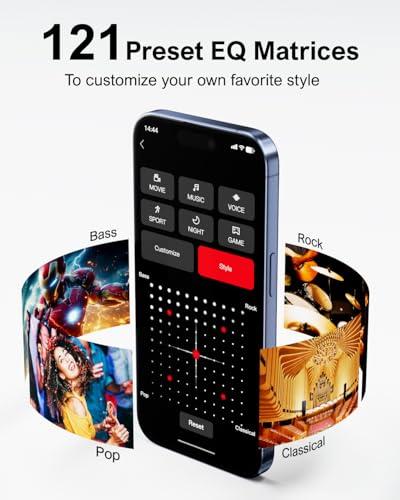
The mobile app control deserves mention because it's genuinely comprehensive. The 10-band equalizer lets you fine-tune specific frequency ranges, while the 121 preset EQ matrices cover everything from classical music to action movies. There's even an innovative "dot-matrix soundboard" where you drag a cursor around a grid to automatically adjust bass and treble balance. It's the kind of deep customization that audio enthusiasts appreciate, though casual users might find it overwhelming.
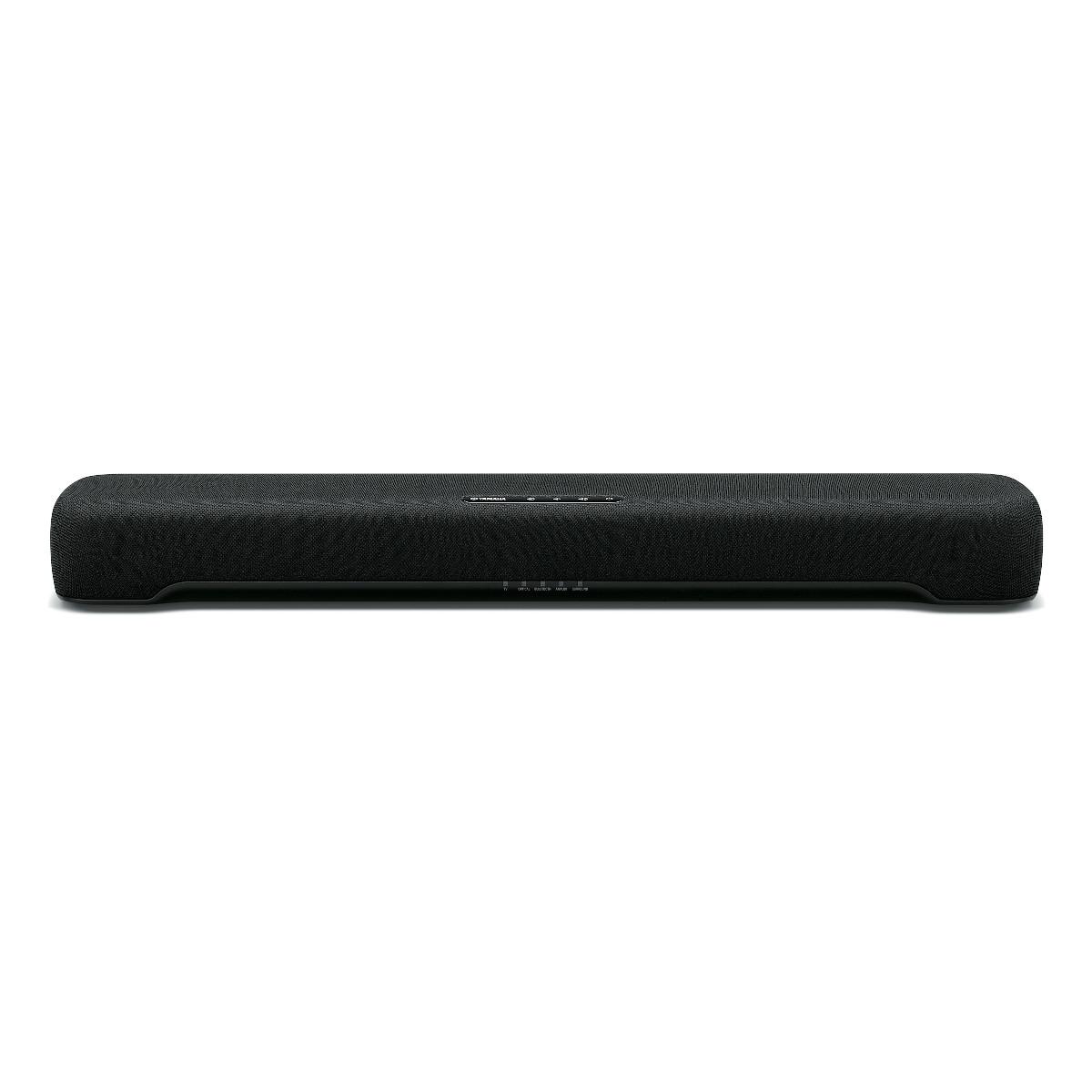
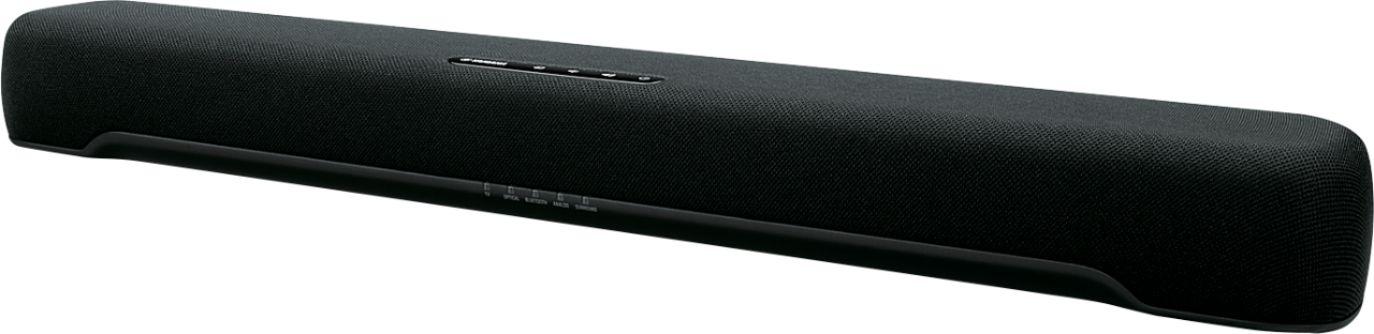
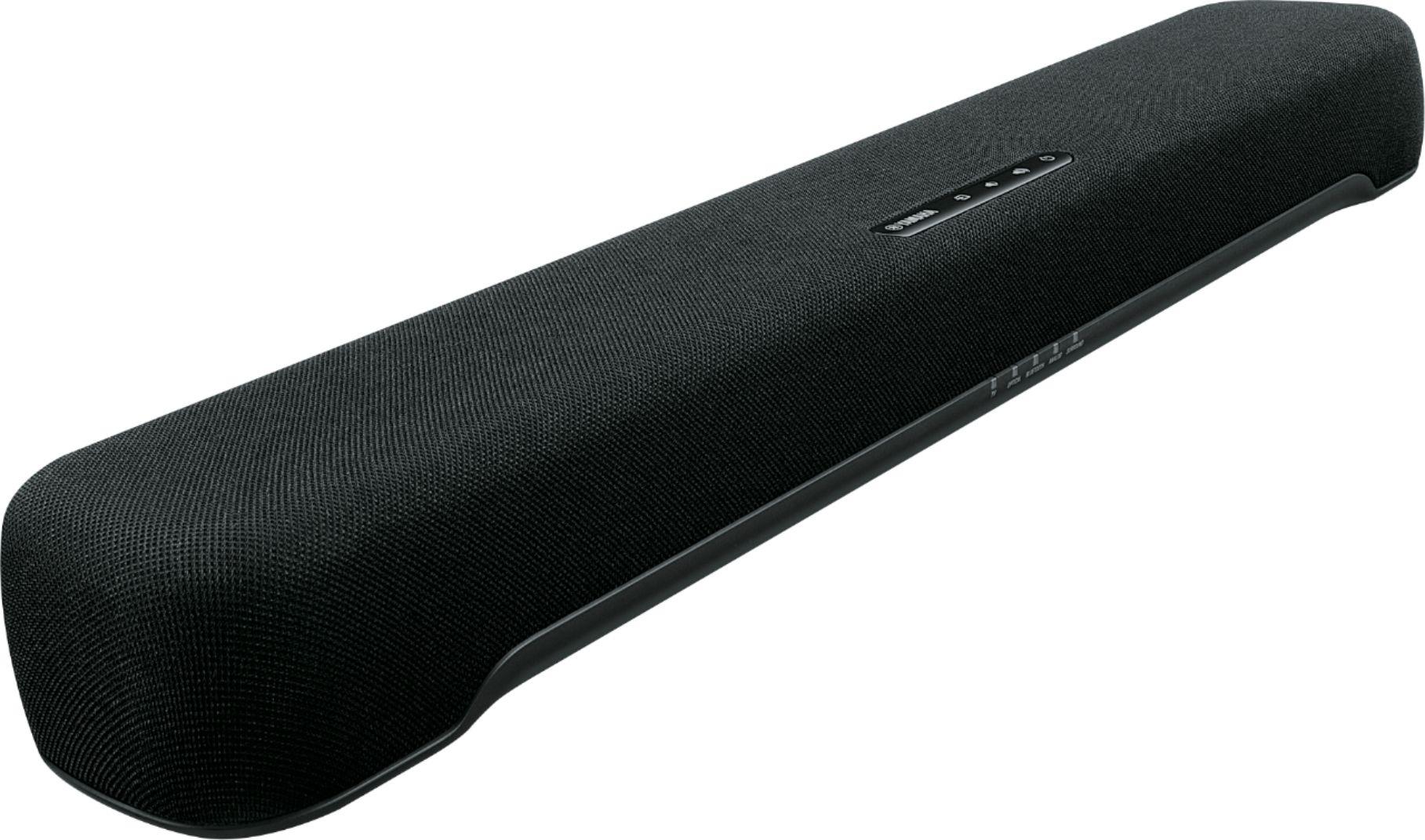
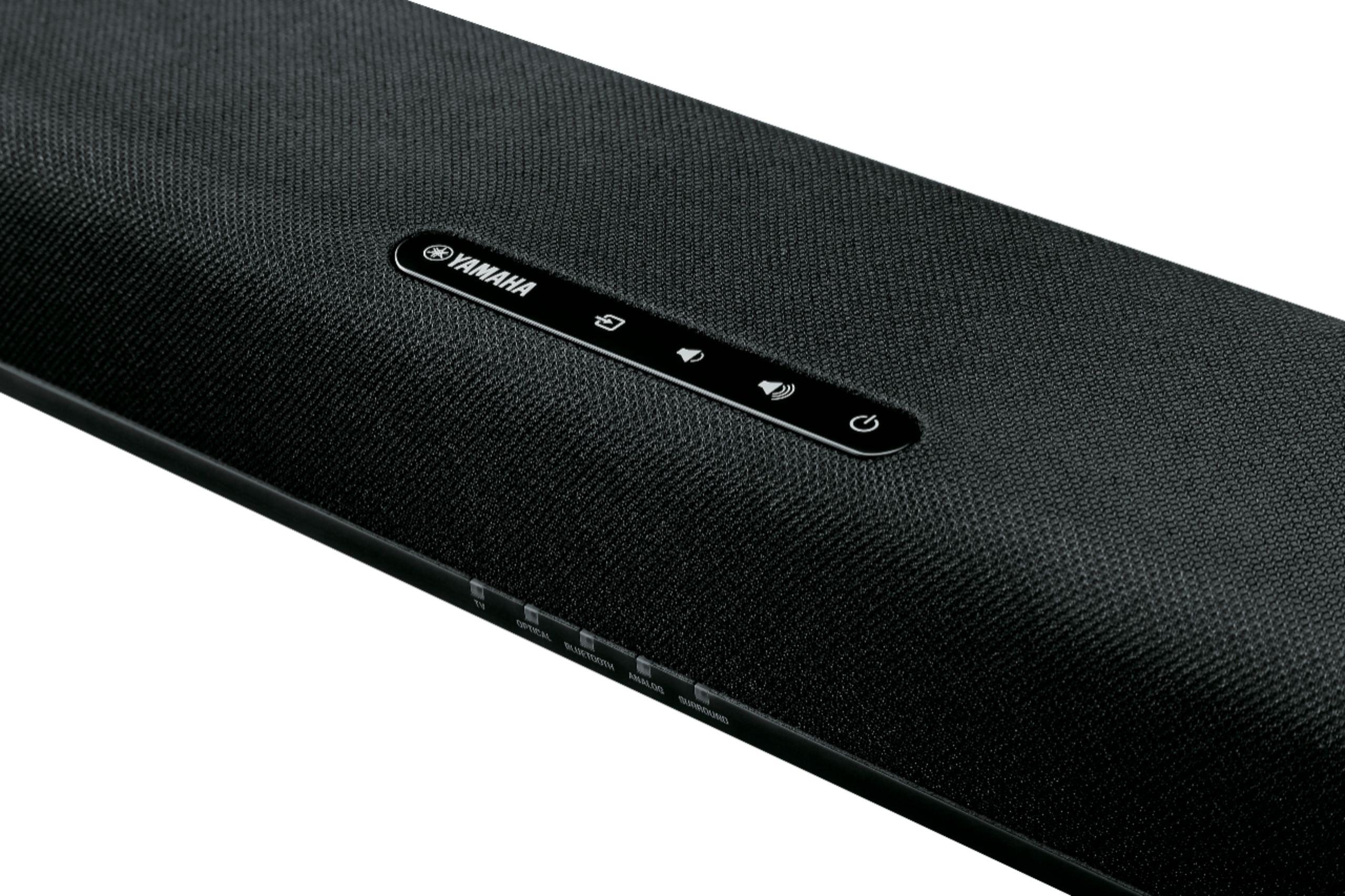
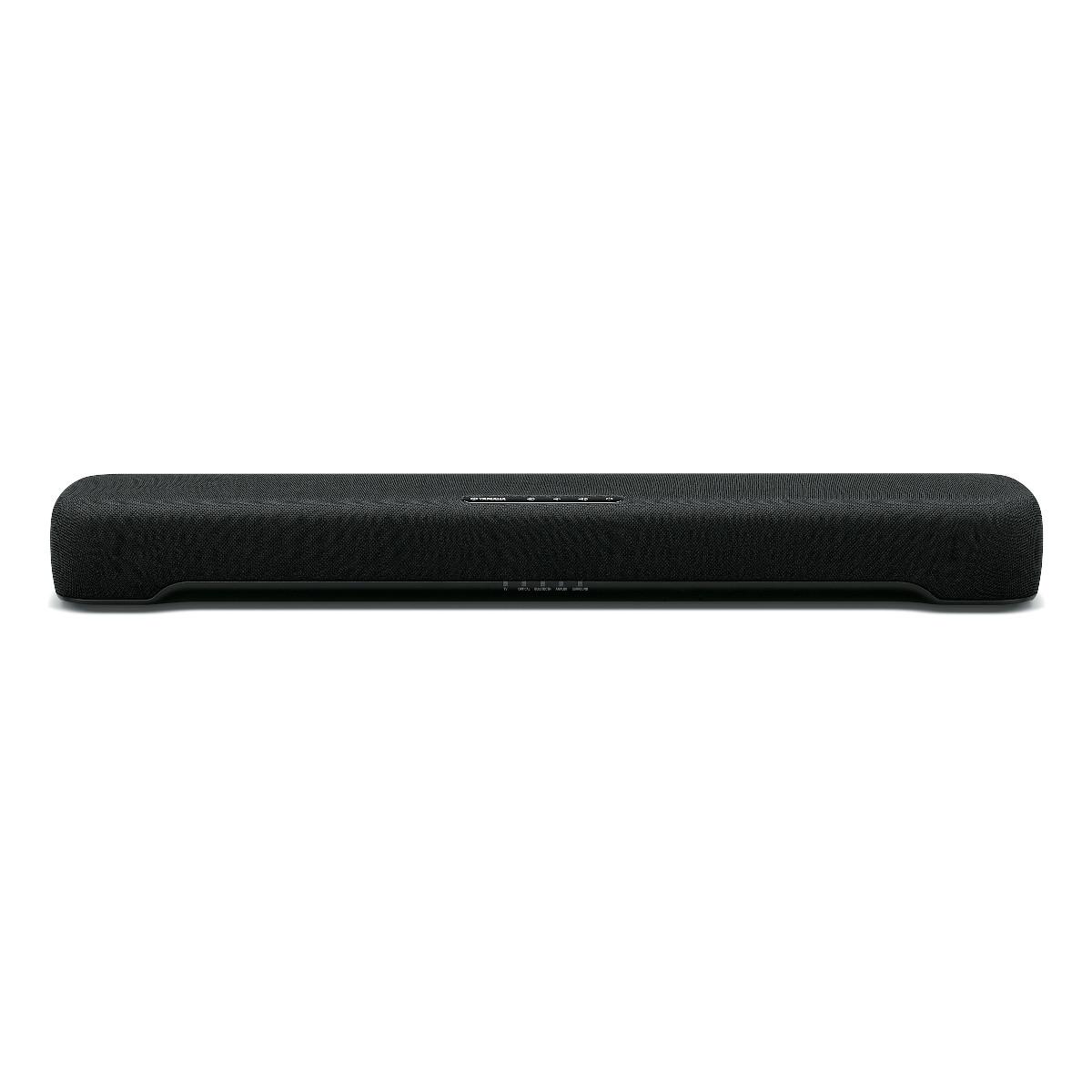
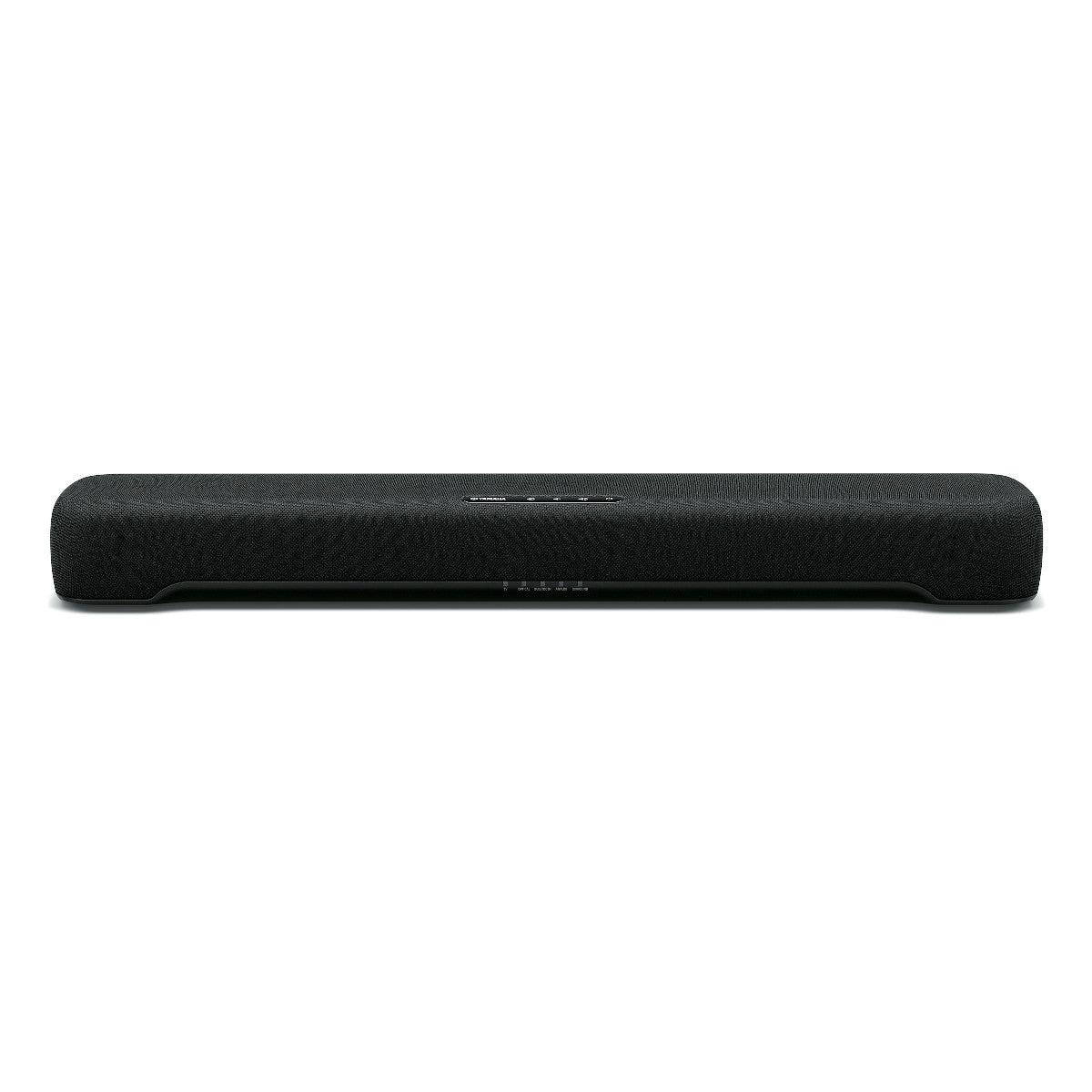
The Yamaha SR-C20A, which has been available since 2020, takes the opposite approach. This compact 26-inch soundbar represents Yamaha's philosophy that good audio engineering can overcome the limitations of a single-unit design. Instead of multiple speakers, the SR-C20A relies on a built-in 3-inch subwoofer, dual passive radiators (which are essentially speakers without magnets that vibrate in response to air pressure), and sophisticated digital processing.
What makes the Yamaha interesting isn't flashy features—it's the fundamentals done well. The Clear Voice technology specifically targets the frequency range where human speech occurs (roughly 300Hz to 3kHz), applying processing that makes dialogue more intelligible without making it sound unnatural. In our research of user feedback, this feature consistently received praise for making movie dialogue easier to understand, even during complex action scenes.
The virtual surround processing deserves explanation because it's more sophisticated than simple stereo widening. The SR-C20A uses psychoacoustic principles—basically, knowledge about how your brain processes sound—to create the illusion of sounds coming from behind and beside you. It analyzes incoming audio for directional cues and applies phase shifts and frequency filtering to trick your ears into perceiving a larger soundstage.
The built-in subwoofer might seem limited at 3 inches, but Yamaha's implementation is clever. The dual passive radiators effectively extend the bass response by moving more air than the active driver alone could manage. This design allows the SR-C20A to reproduce surprisingly deep bass for its size, though it can't match the raw output of a larger external subwoofer.
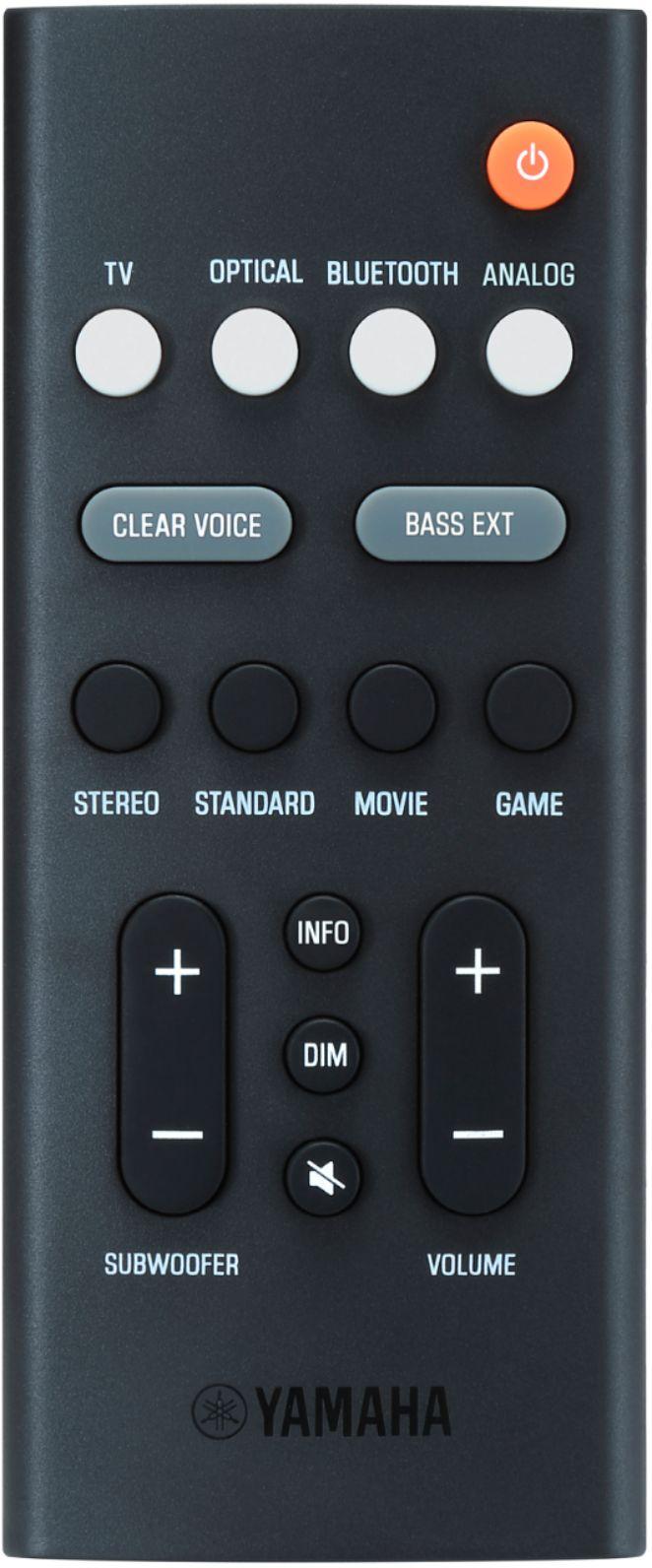
Where the Yamaha really shines is in its approach to user experience. There's no app, no complex setup, and no speaker placement decisions. You connect one cable to your TV, power it on, and you're done. The four sound modes (Movie, Game, Standard, and Stereo) are accessible via the included remote, and each mode applies different processing optimized for that content type.
This simplicity isn't laziness—it's intentional design. Yamaha recognizes that many people want better TV audio without becoming audio enthusiasts. The SR-C20A delivers meaningful improvement over TV speakers while maintaining the plug-and-play experience that most consumers prefer.
The power difference between these systems is substantial and affects real-world performance. The Ultimea Poseidon D70 peaks at 410 watts with 144 watts RMS (RMS is the continuous power rating that matters for sustained loud playback). This power advantage becomes noticeable in larger rooms or when you want to really crank the volume for action movies.
The Yamaha SR-C20A doesn't publish detailed power specifications, but its compact design and single-unit construction inherently limit maximum output. However, our research suggests that the Yamaha maintains better clarity at higher volumes due to superior driver quality and amplifier design. It's a classic example of "watts aren't everything"—clean, controlled power often matters more than raw numbers.
Bass reproduction reveals the fundamental difference between these approaches. The Poseidon D70's 6.5-inch wireless subwoofer can move significantly more air than the SR-C20A's built-in solution, resulting in deeper, more impactful low-frequency response. For action movies, electronic music, or gaming, this difference is immediately apparent.
However, the Yamaha's integrated approach has advantages too. The built-in subwoofer and passive radiators are perfectly matched to the main drivers, creating more seamless bass integration. Some users actually prefer this more controlled approach for music listening, where overwhelming bass can muddy the overall sound balance.
This is where Yamaha's decades of audio engineering experience show. The SR-C20A's Clear Voice technology and carefully tuned frequency response produce exceptionally clear dialogue reproduction. User reviews consistently highlight this strength, with many noting improved comprehension of movie dialogue compared to other soundbars in similar price ranges.
The Ultimea system takes a different approach, using dedicated drivers and AI processing to optimize mid-range frequencies. The result is detailed sound reproduction across all content types, though some users report that dialogue can get lost during particularly complex action sequences without manual EQ adjustment.
Here's where the philosophical difference matters most. The Poseidon D70 creates genuine surround sound with discrete speakers positioned around your room. When properly set up, this produces the most convincing surround experience possible from a soundbar system. You'll hear helicopters pass overhead, footsteps move behind you, and ambient sounds that create genuine immersion.
The Yamaha's virtual surround is impressive for a single unit, but it can't replicate true positional audio. However, it does create a convincing sense of width and spaciousness that significantly improves the movie-watching experience compared to TV speakers. The effectiveness varies by content—movies mixed for surround sound benefit more than stereo music sources.
For rooms larger than 15 feet from seating to TV, the Ultimea Poseidon D70 becomes the clear choice. The higher power output and physical speaker placement work better in larger spaces where sound needs to travel greater distances. The wireless subwoofer can be positioned anywhere in the room for optimal bass response, while the surround speakers create an envelope of sound that fills larger spaces effectively.
Home theater enthusiasts will appreciate the extensive customization options and the ability to fine-tune the system for their specific room acoustics. The mobile app's EQ capabilities allow for compensation of room anomalies that can affect sound quality in larger or acoustically challenging spaces.
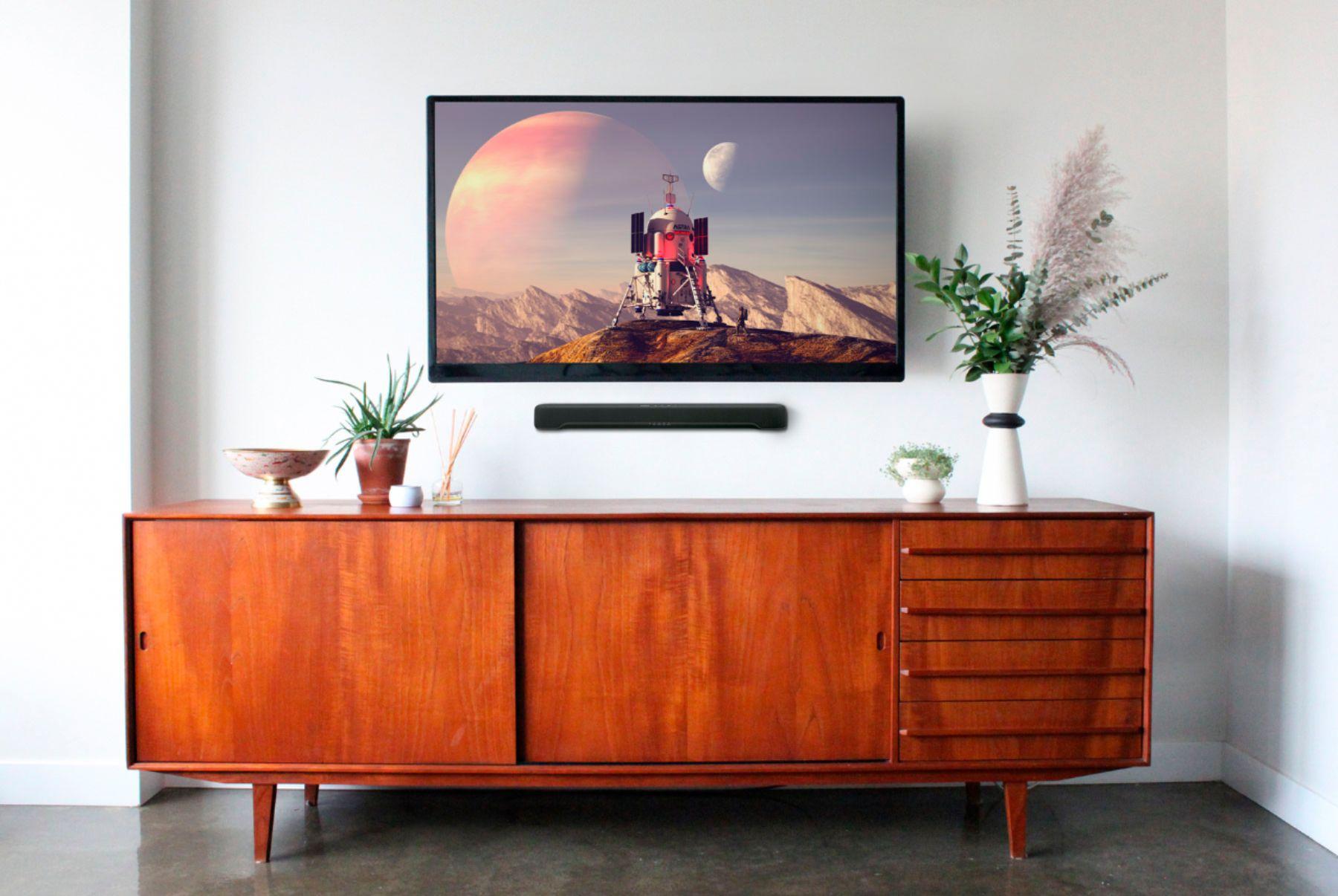
The Yamaha SR-C20A excels in compact living situations. Its 26-inch footprint fits under most TVs without overwhelming smaller entertainment centers, and the lack of additional speakers means no furniture rearrangement or cable management. For apartment dwellers who need to consider neighbors, the Yamaha's more controlled bass output and excellent clarity at moderate volumes make it the considerate choice.
The simplicity factor becomes crucial in smaller spaces where complex setups can create clutter and stress. The SR-C20A provides meaningful audio improvement without the installation project that the Ultimea system requires.
Both systems offer gaming benefits, but in different ways. The Poseidon D70 excels for immersive gaming experiences where positional audio enhances gameplay—think horror games where you need to hear enemies approaching from different directions, or open-world games with rich environmental soundscapes.
The Yamaha's Game mode optimizes for competitive gaming, enhancing directional audio cues without the potential phase issues that can sometimes occur with complex surround processing. For fast-paced games where reaction time matters, the SR-C20A's more direct audio path can actually provide clearer positional information.
Since the SR-C20A launched in 2020, soundbar technology has evolved significantly, particularly in virtual surround processing and smart features. However, Yamaha's focus on fundamental audio quality means the SR-C20A remains competitive despite lacking newer features like Dolby Atmos support or voice assistant integration.
The Poseidon D70, being a 2024 release, incorporates more recent developments like AI audio processing and advanced Bluetooth 5.3 connectivity. However, it also lacks support for object-based audio formats like Dolby Atmos or DTS:X, which have become increasingly common in streaming content and 4K Blu-rays.
At the time of writing, neither system supports the newest spatial audio formats, but both provide firmware update capabilities that could potentially add features over time. The Ultimea's mobile app enables over-the-air updates, while the Yamaha focuses on hardware-based reliability over software features.
The Poseidon D70 makes sense if you want maximum audio impact for your investment and don't mind the setup complexity. At the time of writing, it offers exceptional value for users seeking true surround sound, typically costing significantly less than comparable multi-speaker systems from established brands.
Choose this system if you have a dedicated home theater room or large living space, enjoy customizing audio settings, and want the most immersive experience possible from a soundbar-based system. The mobile app control and extensive EQ options provide the flexibility to optimize performance for your specific content preferences and room acoustics.
The Ultimea also makes sense for users who plan to primarily watch action movies, play immersive games, or listen to music at higher volumes where the power advantage becomes apparent.
The SR-C20A represents the better choice for users who prioritize simplicity, reliability, and dialogue clarity over maximum impact. Despite being the older design, Yamaha's audio engineering expertise produces more refined sound quality in its focused areas of strength.
Select the Yamaha if you live in a smaller space, prefer minimal setup complexity, or primarily watch dialogue-heavy content like dramas, news, or documentaries. The Clear Voice technology and balanced frequency response make it particularly well-suited for users who struggle with dialogue comprehension.
The SR-C20A also appeals to users who want a "set it and forget it" experience without mobile apps, firmware updates, or complex customization options.
After evaluating both systems extensively, the choice ultimately depends on your priorities and living situation. The Ultimea Poseidon D70 offers superior power, genuine surround sound, and extensive customization for users willing to invest time in proper setup. The Yamaha SR-C20A provides refined audio quality, exceptional dialogue clarity, and hassle-free operation for users who value simplicity over maximum impact.
Neither approach is inherently better—they serve different needs within the soundbar market. The Poseidon D70 targets audio enthusiasts who want the closest thing to a traditional surround sound system in soundbar form. The SR-C20A serves users who simply want noticeably better TV audio without the complexity of multi-speaker systems.
Consider your room size, setup tolerance, and primary use cases carefully. Both systems deliver meaningful improvements over TV speakers, but their different philosophies mean one will likely suit your specific situation much better than the other.
| Ultimea Poseidon D70 | Yamaha SR-C20A |
|---|---|
| Channel Configuration - Determines authenticity of surround sound experience | |
| True 7.1 with 4 physical surround speakers + subwoofer | 2.0 with virtual surround processing |
| Total System Components - Affects setup complexity and room requirements | |
| 6 pieces (soundbar + 4 satellites + wireless sub) | 1 piece (all-in-one compact unit) |
| Peak Power Output - Higher power better for large rooms and loud listening | |
| 410W peak / 144W RMS across 8 drivers | 100W total (exact peak not specified) |
| Subwoofer Type - External subs typically provide deeper, more powerful bass | |
| 6.5" wireless external subwoofer with BassMX™ | 3" built-in subwoofer with dual passive radiators |
| App Control & Customization - More options allow fine-tuning but add complexity | |
| Full mobile app with 10-band EQ + 121 presets | Remote-only operation, 4 preset sound modes |
| Setup Requirements - Consider your tolerance for cable management | |
| Cable routing required for 4 surround speakers | Single connection to TV, wall-mountable |
| Frequency Response - Lower bass extends deeper, higher treble adds detail | |
| 35Hz - 18kHz (deeper bass extension) | Not specified (likely 60Hz+ given compact design) |
| Bluetooth Version - Newer versions offer better range and stability | |
| Bluetooth 5.3 | Bluetooth 5.0 |
| Smart Features - Advanced processing can improve sound but may complicate use | |
| AI deep learning optimization, SurroundX™ spatial positioning | Clear Voice dialogue enhancement, virtual surround |
| Physical Dimensions - Important for TV compatibility and room aesthetics | |
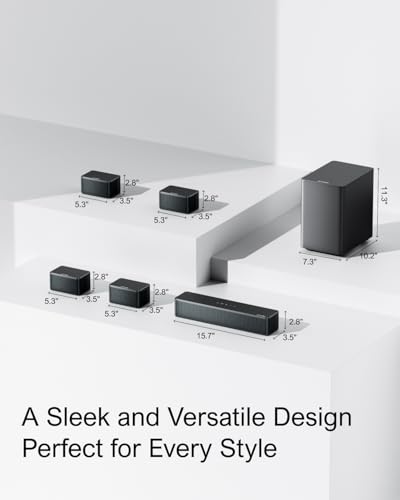
| Main bar: 15.7" × 2.8" × 3.5" plus separate components | Single unit: 23.6" × 2.5" × 3.7" |
| Connectivity Options - More inputs provide flexibility for multiple devices | |
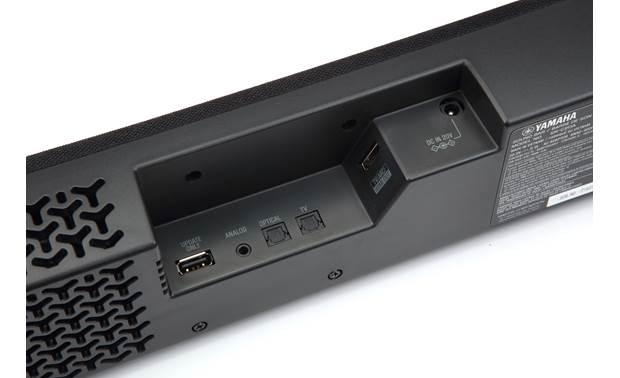
| HDMI ARC, Optical, USB, Bluetooth, 3.5mm AUX | HDMI ARC, 2× Optical, Bluetooth, AUX |
| Release Year - Newer isn't always better, but shows current tech integration | |
| 2024 (latest features, AI processing) | 2020 (proven reliability, mature design) |
The Ultimea Poseidon D70 is significantly better for large rooms due to its 410W peak power output and physical surround speakers that can be positioned throughout the space. The four satellite speakers create authentic directional audio that fills larger areas effectively, while the wireless 6.5" subwoofer provides powerful bass that can reach across greater distances. The Yamaha SR-C20A works better in smaller to medium-sized rooms where its compact design and controlled audio output are more appropriate.
Yes, the Ultimea Poseidon D70 requires running cables to position four surround speakers around your room - it includes 3-meter front speaker cables and 6-meter rear speaker cables. The subwoofer connects wirelessly, but the satellite speakers must be wired. The Yamaha SR-C20A requires no additional cables beyond connecting to your TV, making it much simpler to install with its all-in-one design.
The Ultimea Poseidon D70 delivers significantly deeper and more powerful bass with its dedicated 6.5" wireless subwoofer that extends down to 35Hz. The Yamaha SR-C20A uses a built-in 3" subwoofer with passive radiators, which produces surprisingly good bass for its compact size but cannot match the raw power and depth of the larger external subwoofer in the Poseidon D70.
The Ultimea Poseidon D70 includes comprehensive mobile app control with a 10-band equalizer, 121 preset EQ matrices, and firmware update capabilities. The Yamaha SR-C20A has no app control - it relies entirely on the included remote control or your TV remote via HDMI CEC, emphasizing simplicity over advanced customization features.
The Yamaha SR-C20A is ideal for apartment living with its compact 26-inch footprint, no additional speakers to place, and more controlled bass output that won't disturb neighbors. The Ultimea Poseidon D70 requires significant space for proper surround speaker placement and produces much higher volume levels that may not be suitable for close living quarters.
Neither the Ultimea Poseidon D70 nor the Yamaha SR-C20A supports Dolby Atmos or other object-based audio formats. The Poseidon D70 uses proprietary SurroundX technology for spatial audio, while the SR-C20A relies on virtual surround processing to enhance the listening experience.
The Yamaha SR-C20A is much easier to set up - simply connect one cable to your TV and you're ready to go. The Ultimea Poseidon D70 requires planning speaker placement, running cables throughout your room, and configuring the wireless subwoofer connection, making it significantly more complex but rewarding for those wanting true surround sound.
The Yamaha SR-C20A excels at dialogue clarity with its dedicated Clear Voice technology that specifically enhances speech frequencies without making voices sound unnatural. The Ultimea Poseidon D70 uses AI processing and dedicated center channel drivers for dialogue, but some users report needing EQ adjustments during complex action scenes to maintain optimal voice clarity.
Both soundbars serve gaming well but differently. The Ultimea Poseidon D70 excels for immersive gaming with its physical surround speakers providing authentic directional audio for atmospheric games. The Yamaha SR-C20A offers a dedicated Game mode that optimizes directional audio cues for competitive gaming, making it better for fast-paced multiplayer games where reaction time matters.
The Ultimea Poseidon D70 is a complete system that cannot be expanded - all components are included and matched specifically for this configuration. The Yamaha SR-C20A also cannot be expanded with additional speakers, but its single-unit design means there's nothing to expand anyway. Neither system offers modular upgrade paths.
Value depends on your needs: the Ultimea Poseidon D70 offers exceptional value for users wanting true surround sound, providing performance comparable to much more expensive traditional surround systems. The Yamaha SR-C20A provides excellent value for users prioritizing simplicity and dialogue clarity, offering refined audio engineering and proven reliability in a hassle-free package.
For dedicated home theater rooms, the Ultimea Poseidon D70 is the clear winner with its true 7.1 surround sound, higher power output, and immersive audio experience that closely matches traditional multi-speaker setups. The Yamaha SR-C20A works well for casual home theater viewing in smaller spaces but cannot match the cinematic immersion provided by the physical surround speakers of the Poseidon D70.
We've done our best to create useful and informative comparisons to help you decide what product to buy. Our research uses advanced automated methods to create this comparison and perfection is not possible - please contact us for corrections or questions. These are the sites we've researched in the creation of this article: ultimea.com - provantage.com - ultimea.com - youtube.com - youtube.com - bestbuy.com - the-gadgeteer.com - shopmyexchange.com - youtube.com - youtube.com - youtube.com - ultimea.com - manuals.plus - device.report - images.thdstatic.com - shopmyexchange.com - staples.com - ultimea.de - t3.com - usa.yamaha.com - radiotimes.com - shop.usa.yamaha.com - whathifi.com - hifiheaven.net - usa.yamaha.com - sweetwater.com - hub.yamaha.com - bestbuy.com

Privacy Policy
Terms and Conditions - Affiliate Policy
Home Security
© Copyright 2008-2026.
11816 Inwood Rd #1211, Dallas, TX 75244