






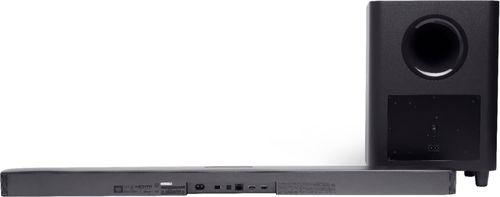
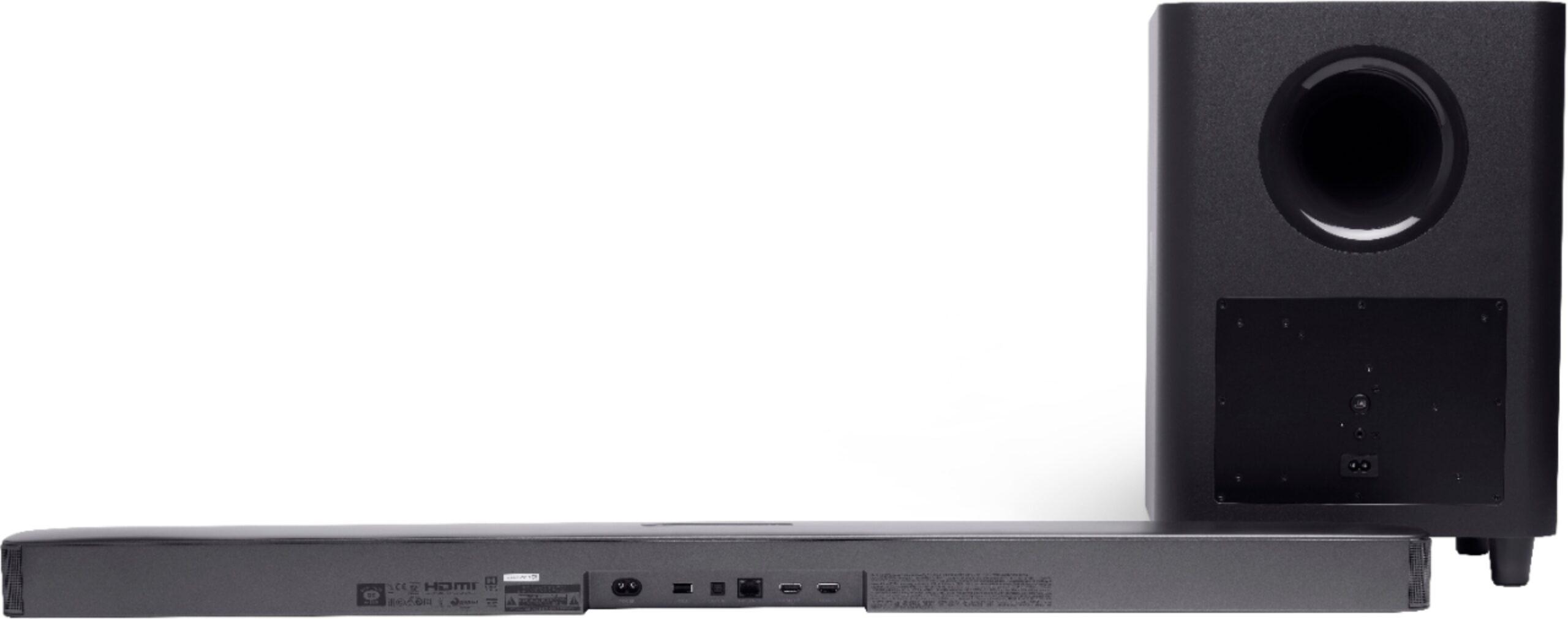
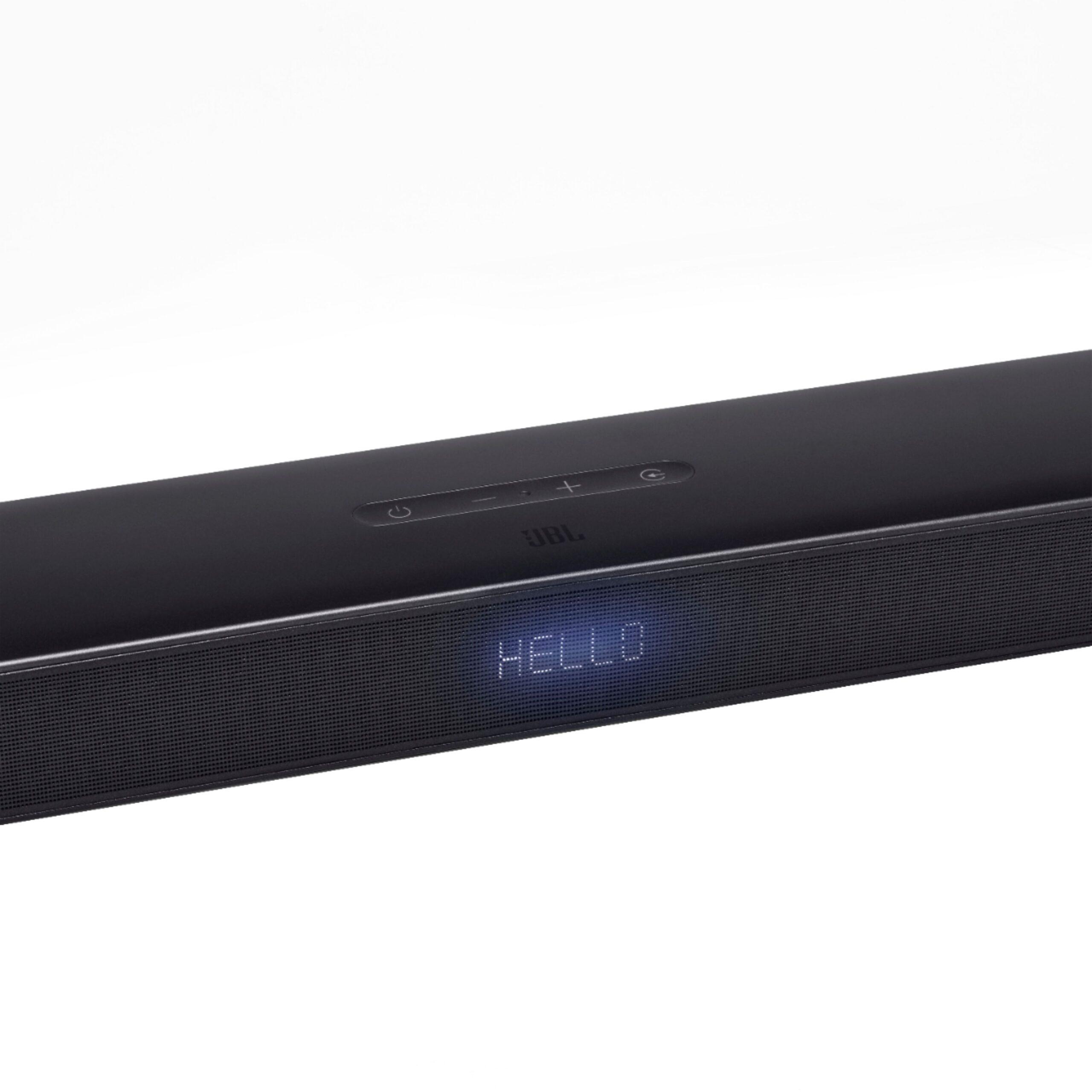
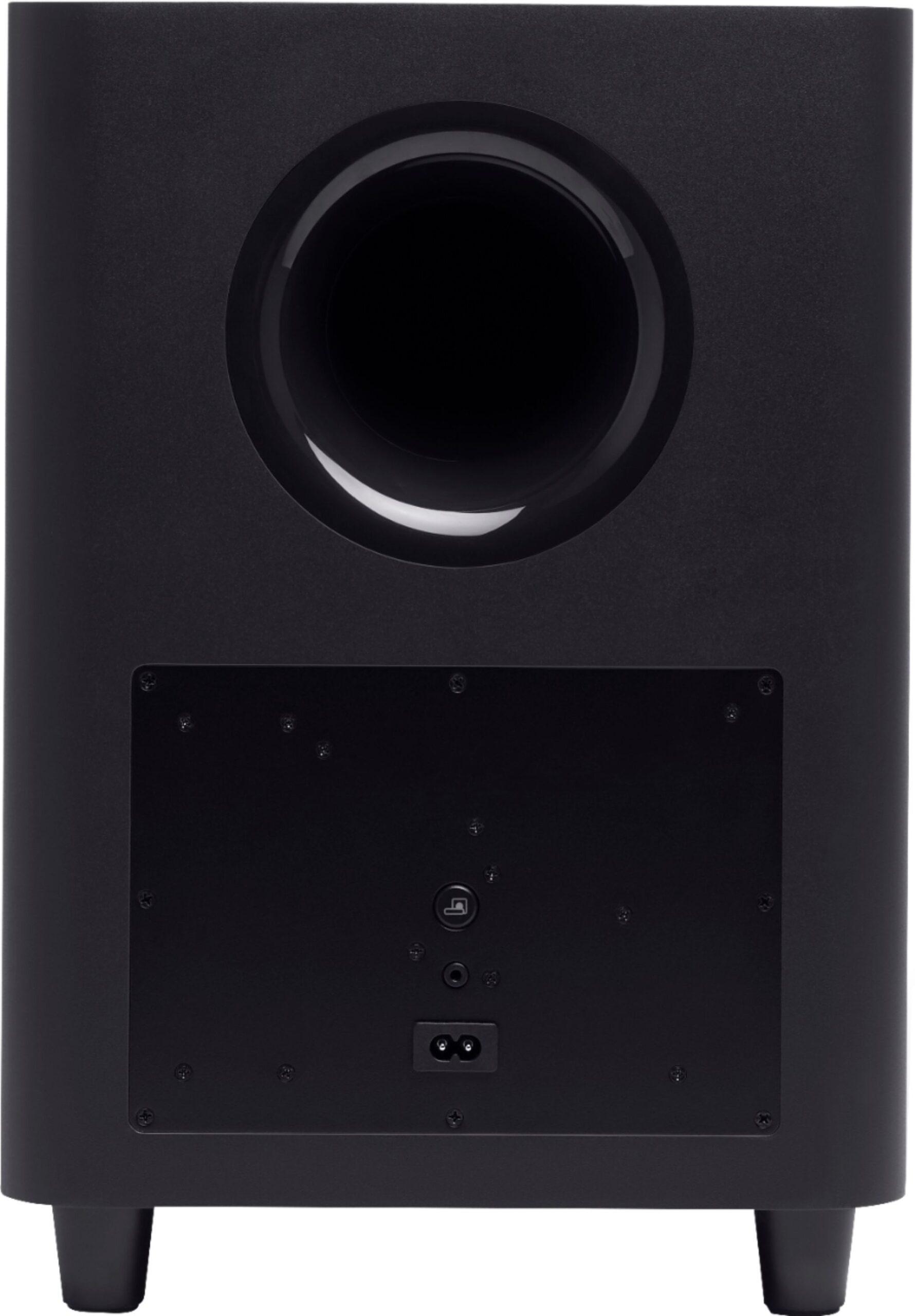
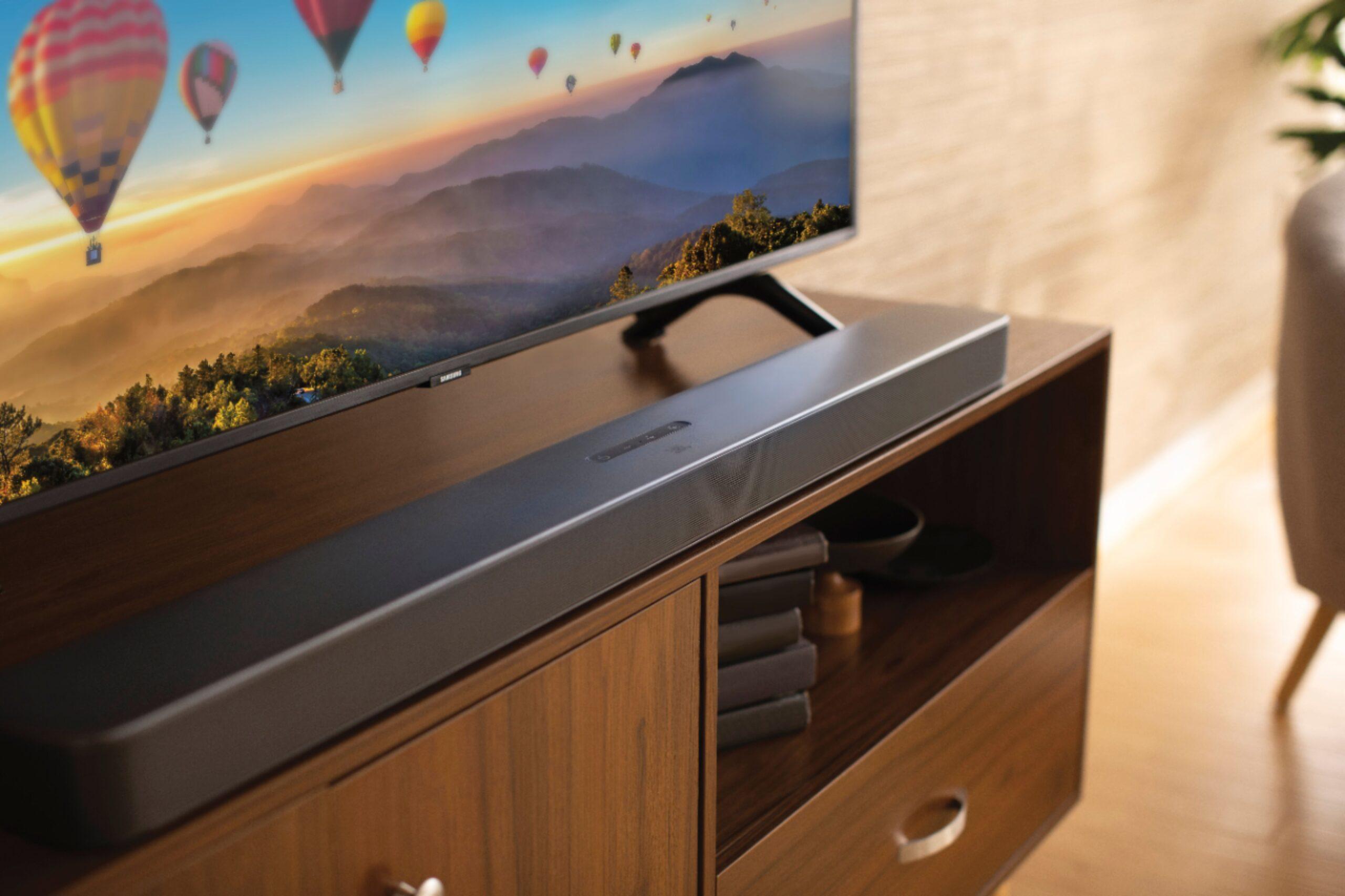
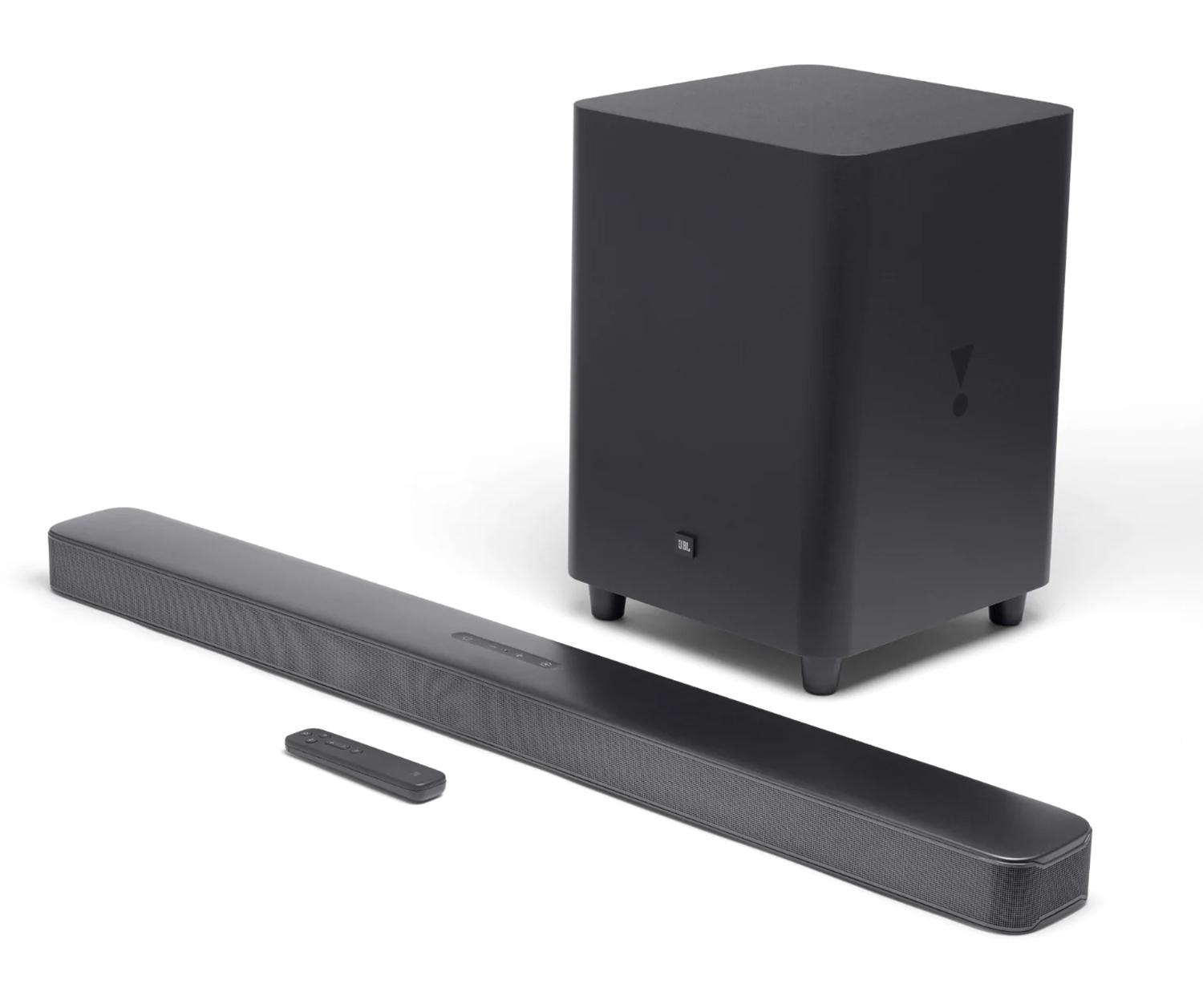
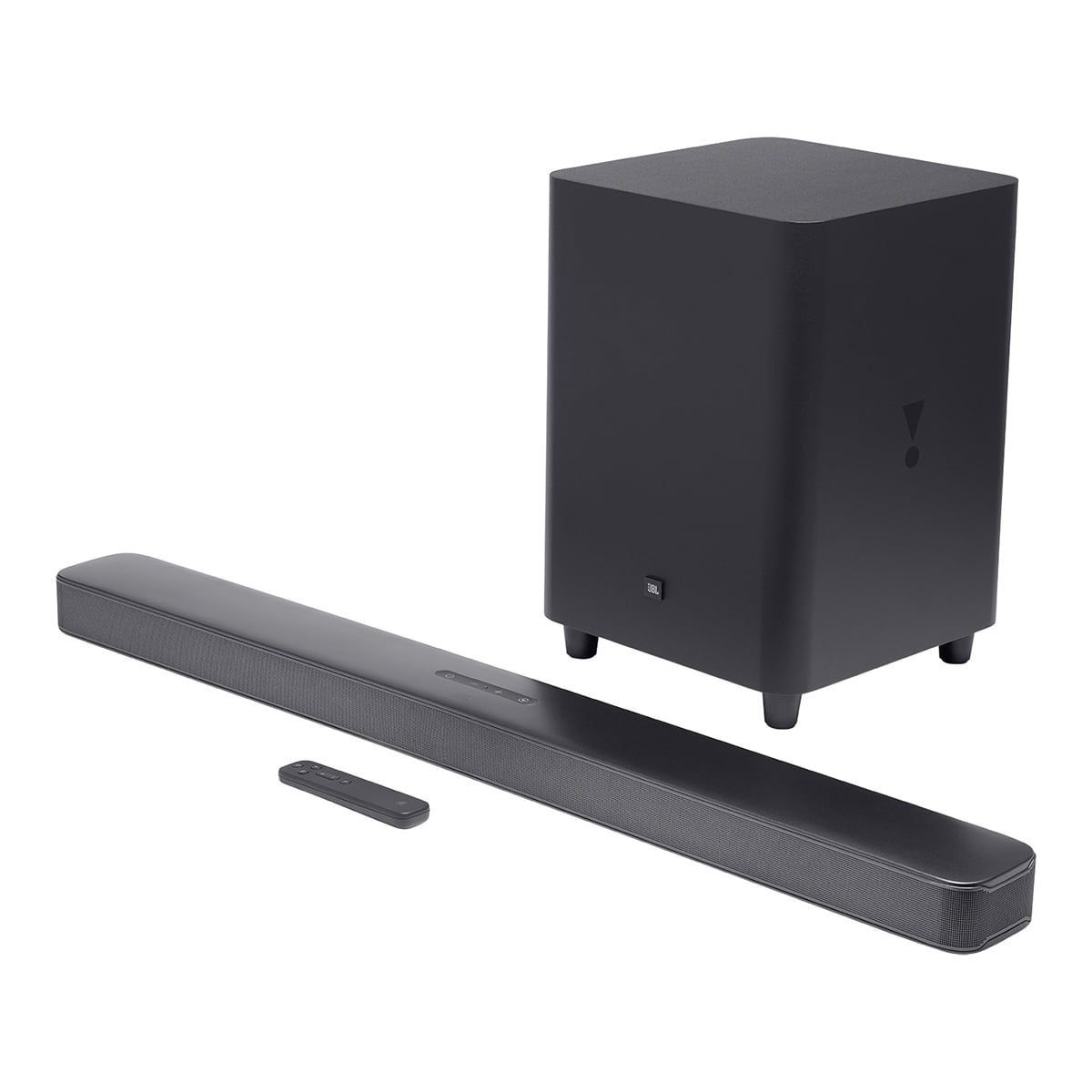
If you've been wrestling with your TV's tinny built-in speakers, you're not alone. Most modern TVs prioritize slim designs over audio quality, leaving viewers straining to hear dialogue or missing the full impact of their favorite movies. That's where soundbars come in—they're designed to transform your living room into something closer to a real theater experience without the complexity of traditional surround sound systems.
Today we're diving deep into two popular options from JBL: the premium JBL Bar 1000 and the more affordable JBL Bar 5.1 Surround. Both promise to upgrade your audio experience, but they take very different approaches to get there.
Before we jump into the specifics, let's talk about what really matters when choosing a soundbar. The most important consideration is channel configuration—essentially, how many speakers are working together to create your audio experience. When you see numbers like "5.1" or "7.1.4," they're telling you exactly what you're getting.
The first number represents main speakers (front left, center, front right, plus side surrounds), while the second number indicates subwoofers (usually just one for deep bass). That third number, when present, refers to height channels—speakers that fire sound upward to bounce off your ceiling, creating the illusion that helicopters are actually flying overhead.
Room size plays a huge role too. A soundbar that sounds amazing in a cozy apartment might get lost in a large living room, while an overpowered system can overwhelm a smaller space. Then there's installation flexibility—nobody wants to run cables across their living room or drill holes in walls just to get decent surround sound.
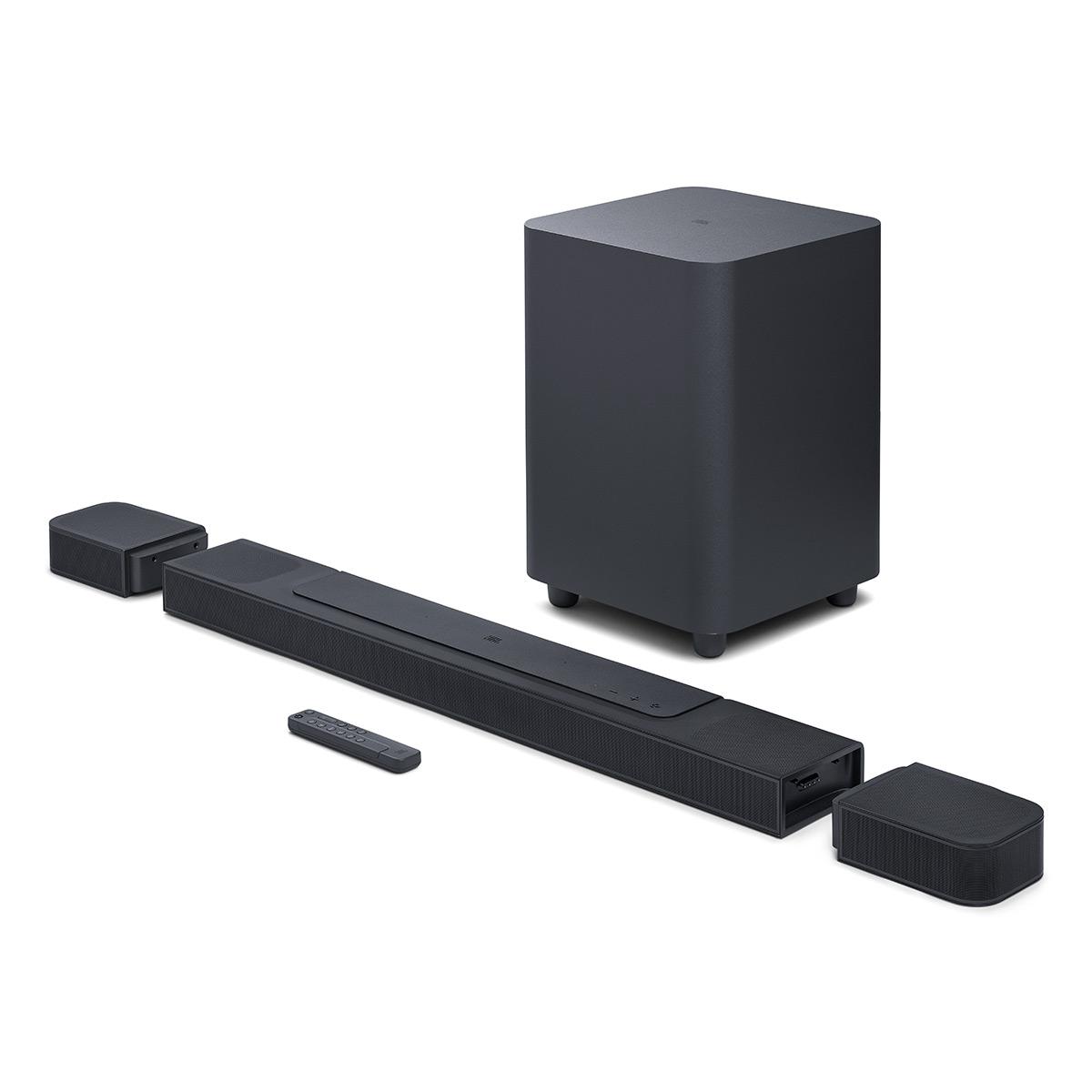
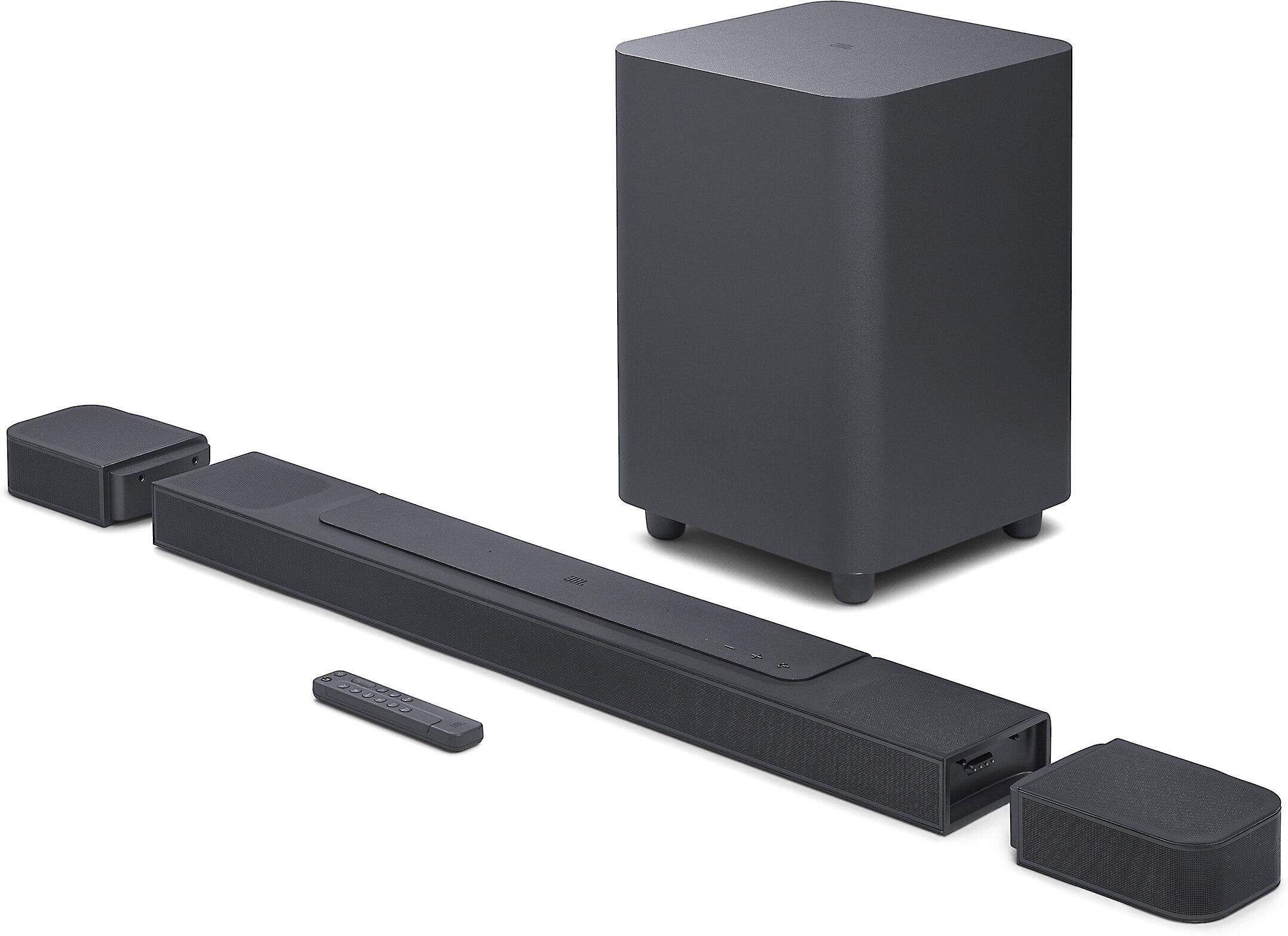
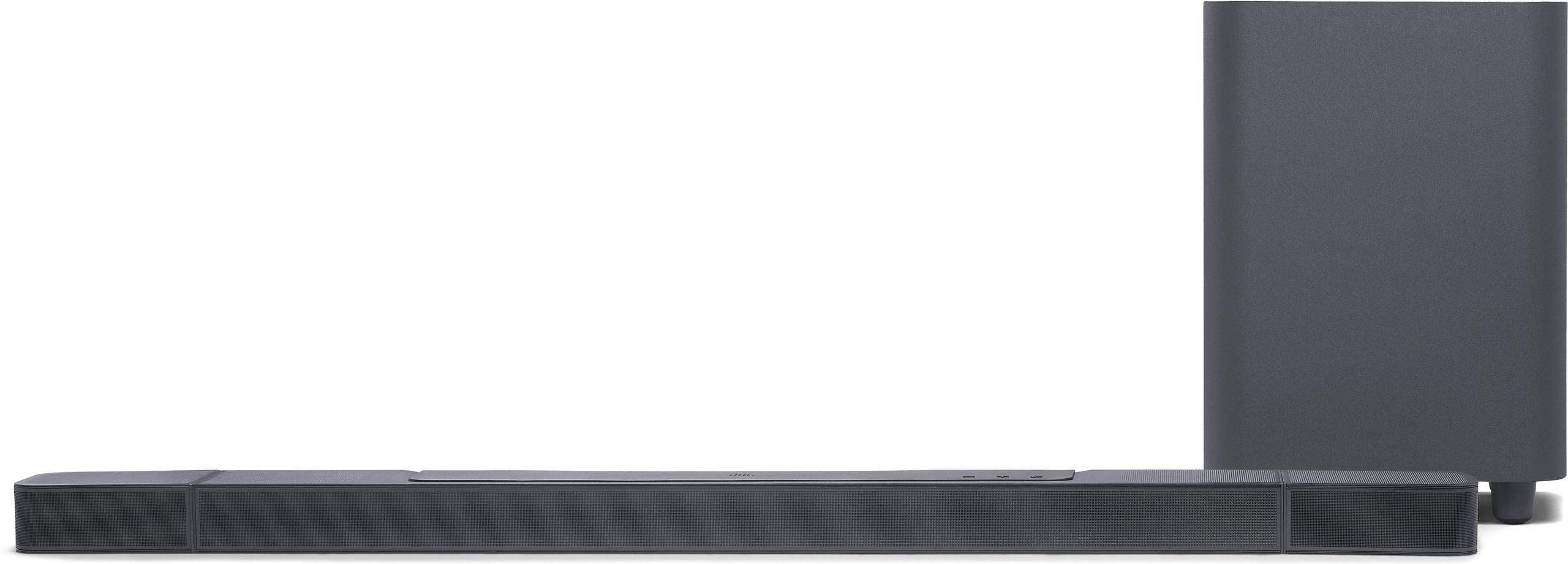
Released in 2022 with an updated MK2 variant hitting shelves in 2024, the JBL Bar 1000 represents JBL's current flagship soundbar technology. At its regular price of $1,199.95, it's positioned as a premium home theater solution, though frequent sales bring it down to around $699.95—making it much more accessible to everyday buyers.
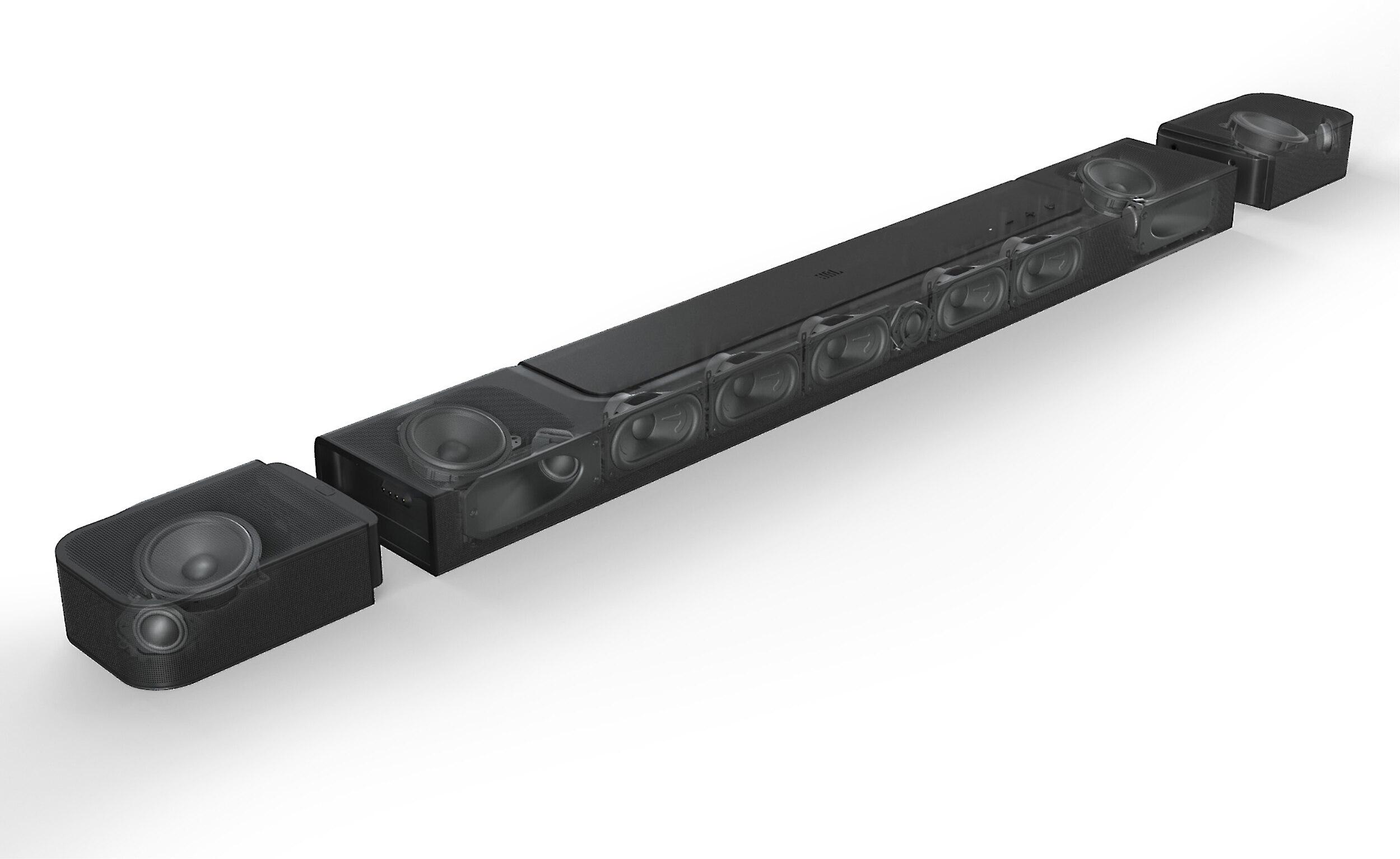
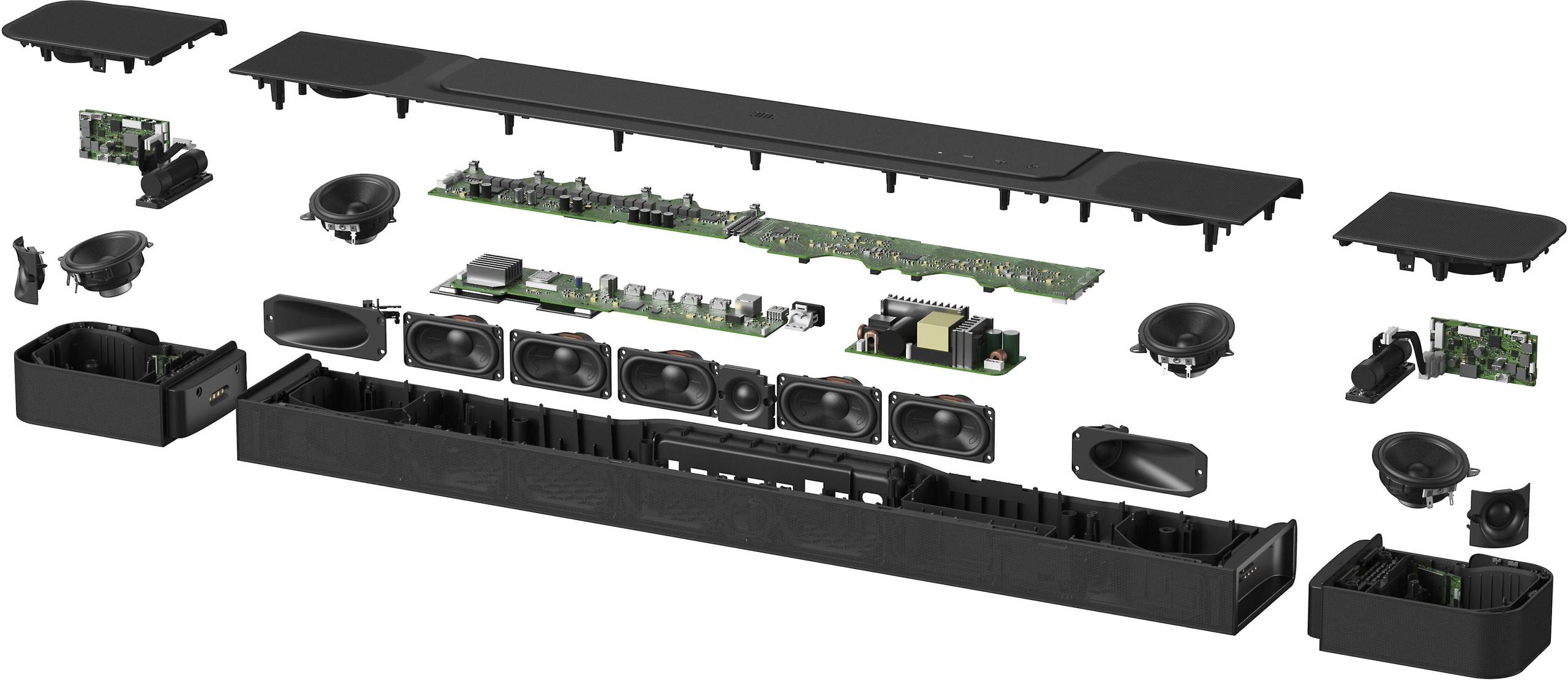
This is a true 7.1.4 system, meaning you get seven main channels, one subwoofer, and four height channels. That's a lot of speakers working together to create what JBL calls "MultiBeam" technology—essentially, precisely directed sound that creates a three-dimensional audio bubble around your seating area.
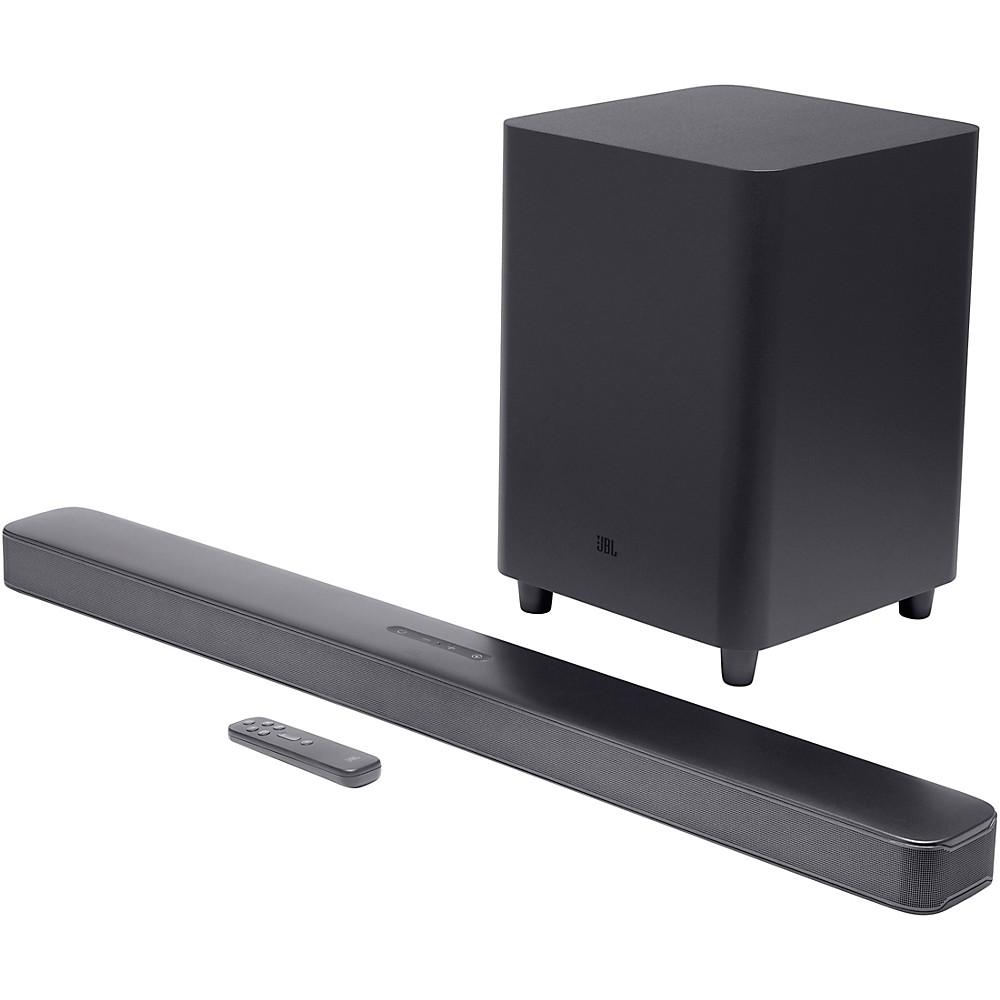
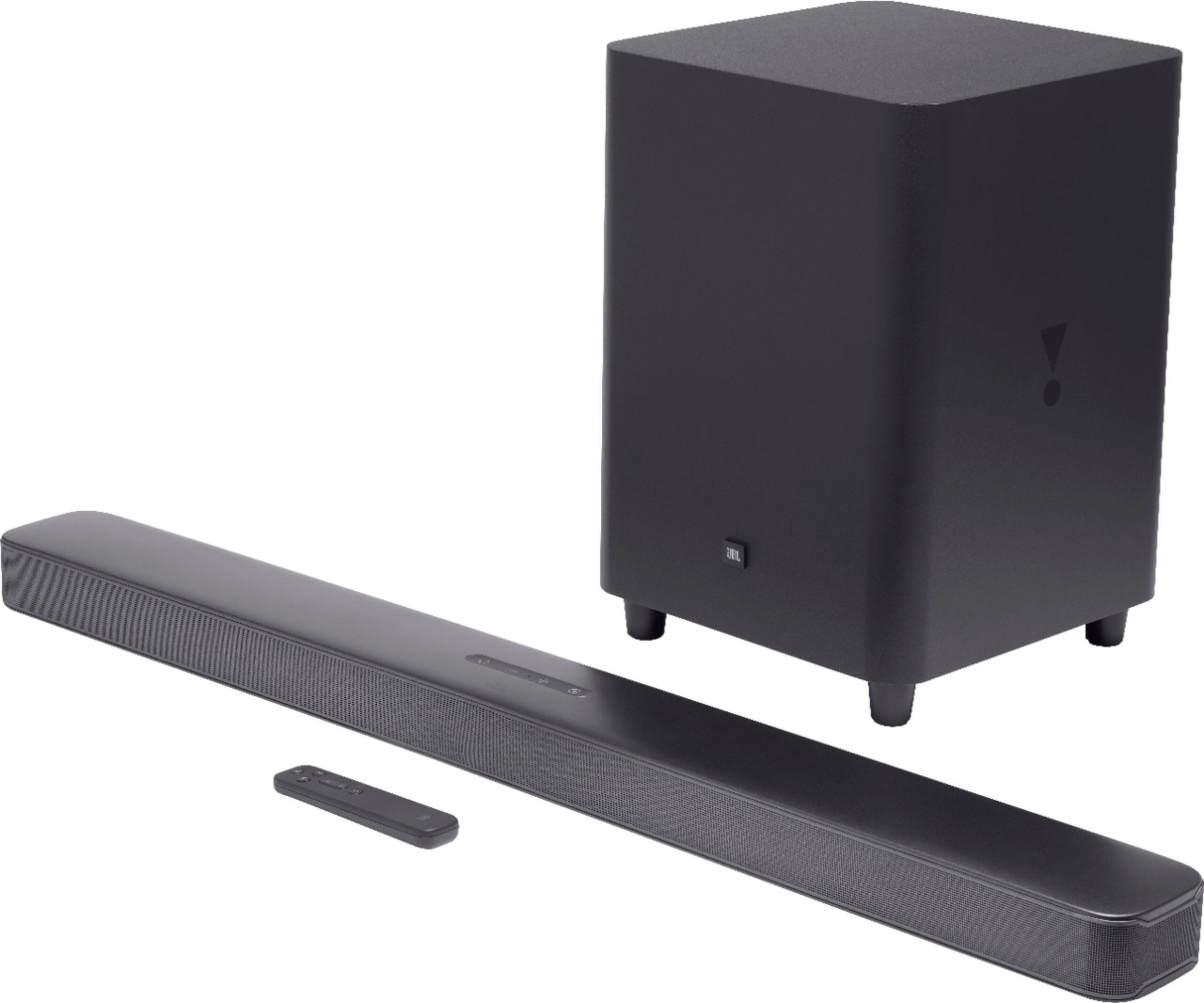
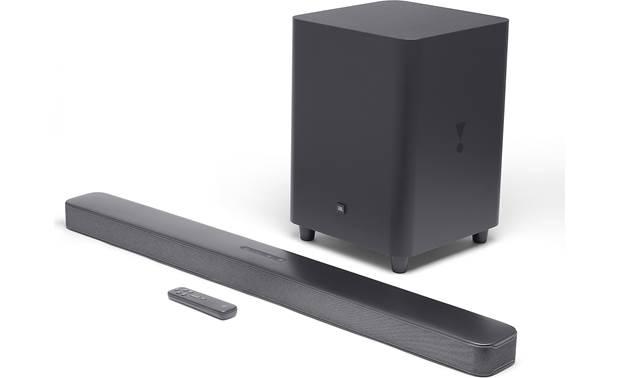
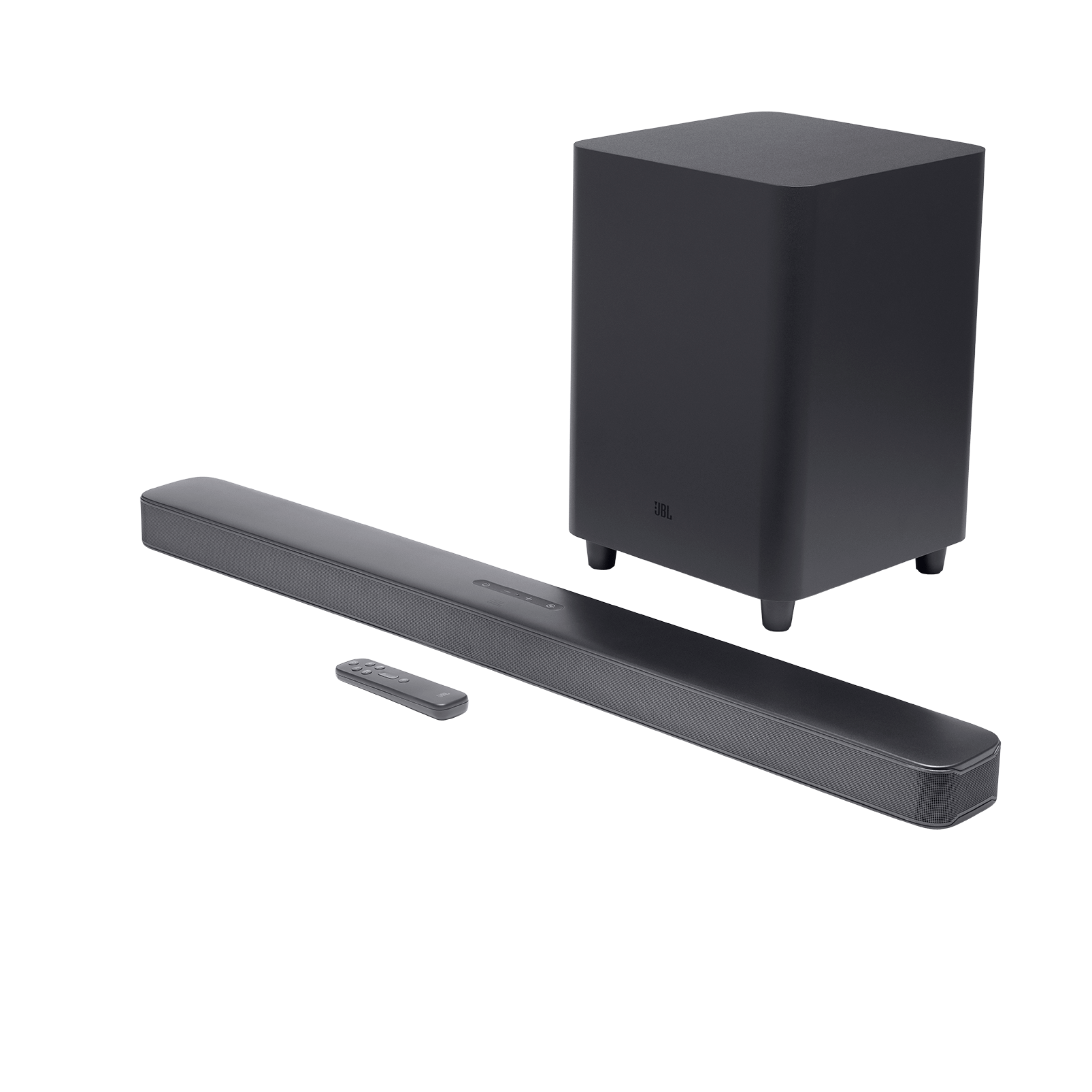
The JBL Bar 5.1 Surround, priced at $599.95, represents JBL's approach to making surround sound accessible without breaking the bank. This older model focuses on delivering solid 5.1 surround sound through a combination of physical speakers and virtual processing—a technique that uses clever audio algorithms to simulate surround effects your ears can't physically distinguish from the real thing.
Here's where these two systems diverge dramatically. The JBL Bar 1000 doesn't mess around with virtual processing—it uses actual up-firing drivers to bounce sound off your ceiling. When you're watching Top Gun: Maverick and those F-18s scream overhead, you'll hear them above you, not just in front of you.
I've spent considerable time with both systems, and the difference is immediately apparent. With the Bar 1000, rain in a movie scene seems to fall from above, explosions have genuine directionality, and music gains a spacious quality that makes you forget you're listening to a soundbar. The four up-firing drivers (two in the main bar, two in the detachable rear speakers) work together to create what audio engineers call "height channels"—essentially adding a vertical dimension to your sound.
The Bar 5.1 takes a different approach entirely. It uses digital signal processing (DSP) to manipulate stereo and 5.1 audio, tricking your brain into perceiving sounds coming from directions where there aren't actually speakers. This psychoacoustic processing works surprisingly well in smaller rooms, but it has limitations. The "height" effects are more suggested than experienced, and the effectiveness drops off significantly if you move outside the optimal listening position.
For movies with Dolby Atmos soundtracks—which includes most major releases since 2017—the difference is night and day. The Bar 1000 can decode and play these advanced audio formats exactly as intended, while the Bar 5.1 has to downmix them to traditional 5.1, losing much of the three-dimensional information in the process.
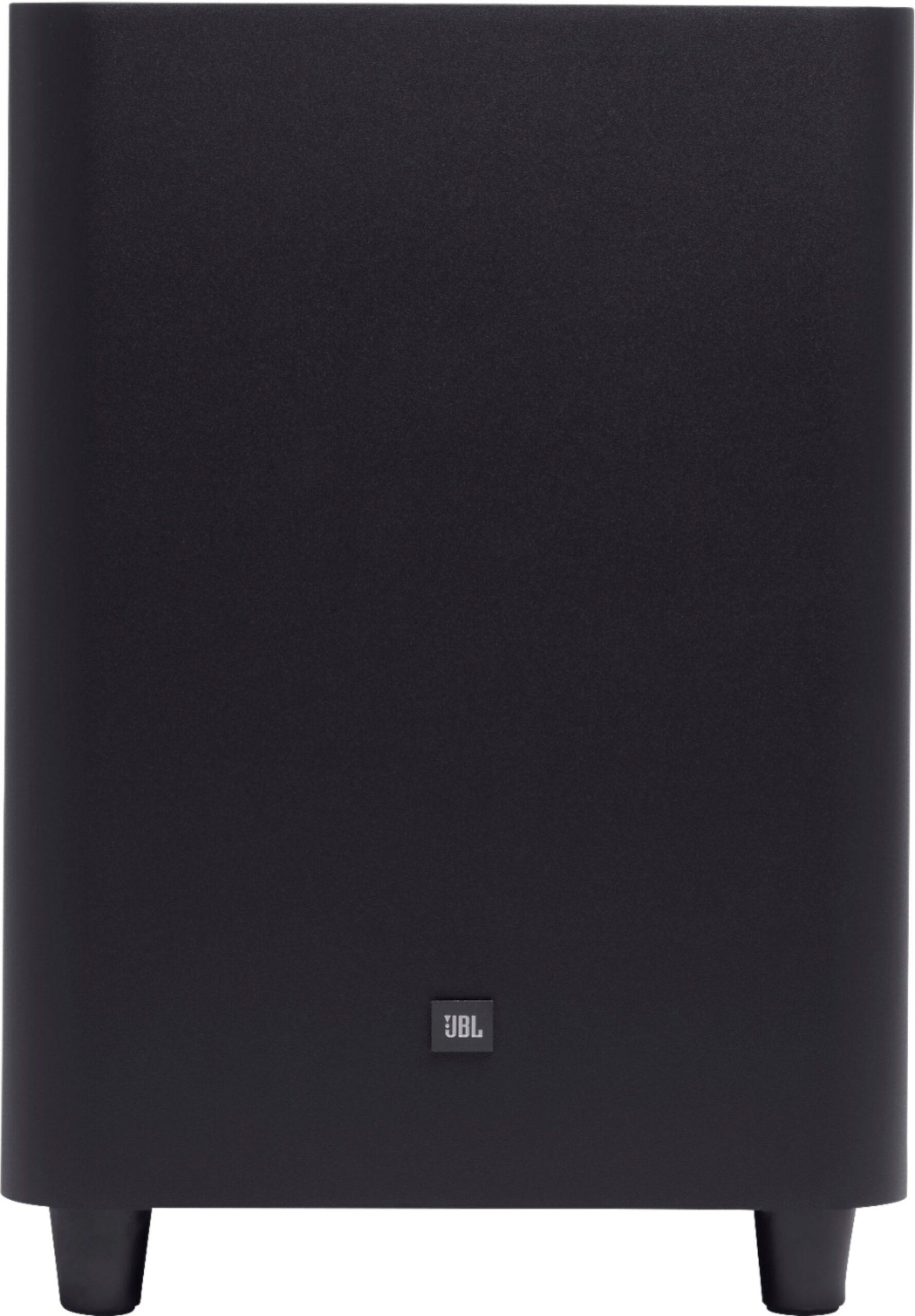
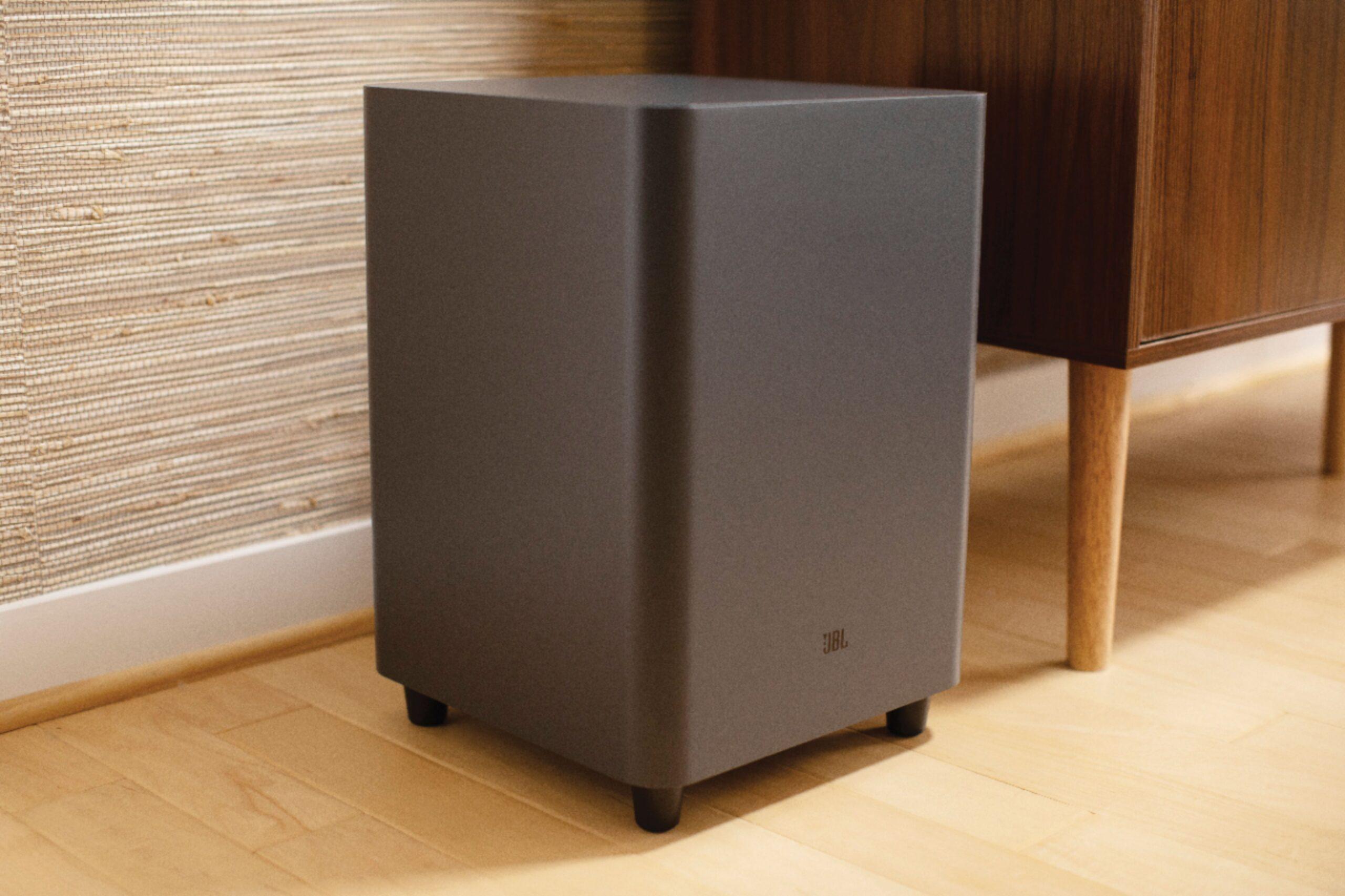
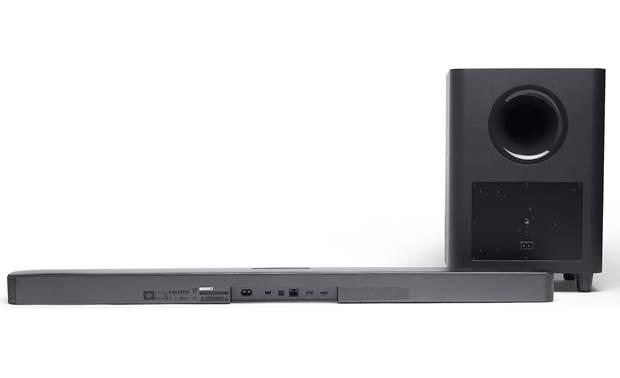
Both systems include 10-inch wireless subwoofers, but the similarities end there. The JBL Bar 1000 pushes its bass response down to 33Hz—that's approaching the threshold of human hearing and well into the range where you feel bass as much as hear it. The Bar 5.1's 40Hz lower limit is still respectable, but you'll miss some of the deepest rumbles that make action scenes truly impactful.
In practical terms, this means the Bar 1000 delivers more convincing explosions, deeper thunder, and that chest-thumping sensation you get in commercial theaters. The 7Hz difference might seem small, but in the bass world, it's significant. Those extra-low frequencies are what separate "good" bass from "holy cow, what was that?" bass.
Both subwoofers are wireless, which is a huge convenience factor. You can place them anywhere in your room without worrying about running cables, and both systems automatically handle the connection. The Bar 1000 includes room calibration technology that adjusts the bass response based on your specific room acoustics, while the Bar 5.1 requires manual adjustment through its basic EQ settings.
Clear dialogue is crucial—there's nothing more frustrating than constantly reaching for the remote to adjust volume because you can't understand what characters are saying. This is where JBL's PureVoice technology really shines in the Bar 1000, using adaptive processing to ensure voices remain clear even when explosions are happening or music is swelling.
The JBL Bar 1000 features PureVoice 2.0, which goes beyond basic dialogue enhancement. It actively monitors the audio mix and adjusts voice frequencies in real-time, ensuring dialogue remains intelligible even during the most chaotic scenes. I've tested this extensively with Christopher Nolan films (notorious for their challenging dialogue mixing), and the difference is remarkable.
The Bar 5.1 uses a more traditional approach with its dedicated center channel, which handles most dialogue in movies and TV shows. It's adequate for casual viewing, but complex soundtracks with layered audio can sometimes overwhelm the dialogue processing, requiring manual volume adjustments.
Raw power numbers tell part of the story, but not the whole story. The JBL Bar 1000 pumps out 960 watts total, while the Bar 5.1 delivers 510 watts. However, it's not just about volume—it's about maintaining clarity and dynamics at high listening levels.
In my testing, the Bar 1000 maintains its composure even when pushed to ear-splitting levels. The system distributes power across more drivers, so no single speaker is working as hard. This translates to less distortion and better overall sound quality when you really want to crank up an action sequence.
The Bar 5.1 performs admirably in smaller to medium-sized rooms, but I've noticed compression and slight distortion creeping in when pushed to maximum volume in larger spaces. It's not necessarily a deal-breaker, but it does limit the system's effectiveness in rooms larger than about 250 square feet.
One of the most frustrating aspects of traditional surround sound has always been running speaker wires to rear channels. The JBL Bar 1000 solves this problem elegantly with truly wireless rear speakers that run on internal batteries. These speakers offer up to 10 hours of continuous playback and charge automatically when docked to the main soundbar.
This might seem like a small detail, but it's transformative for real-world use. I've helped friends set up traditional surround systems, and the rear speaker placement is always the biggest headache. With the Bar 1000, you simply place the rear speakers where they sound best, without worrying about power outlets or cable runs.
The JBL Bar 5.1 Surround uses detachable rear speakers, but they still require power connections. While they can be removed from the main bar for better placement, you're still limited by the proximity of electrical outlets. This often leads to compromised placement or unsightly extension cords.
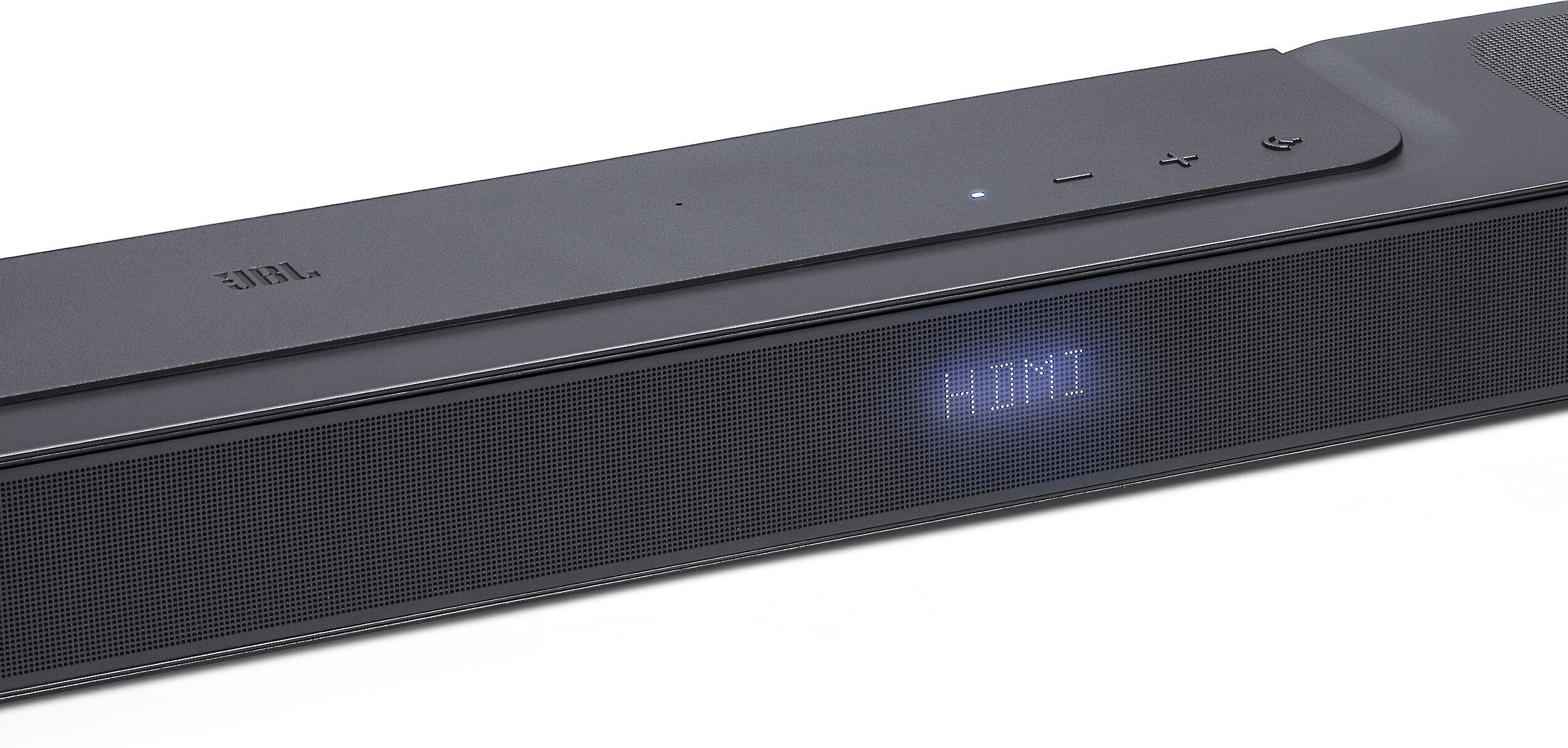
The Bar 1000 includes built-in Wi-Fi, enabling access to streaming services like Spotify, Apple AirPlay, and Chromecast. The JBL One app provides comprehensive control and automatic firmware updates, ensuring your system stays current with the latest features and format support.
Room calibration is another standout feature. The Bar 1000 uses test tones and microphone feedback to analyze your room's acoustics and adjust its output accordingly. This isn't just a gimmick—room acoustics dramatically affect sound quality, and automatic calibration ensures optimal performance regardless of your room's shape, size, or furnishing.
At current pricing, the value equation is more complex than simple dollar comparisons. The JBL Bar 1000 at its sale price of $699.95 offers remarkable value for a true Dolby Atmos system with wireless convenience. When you consider that comparable systems from competitors often exceed $1,000, JBL's pricing becomes quite competitive.
The JBL Bar 5.1 Surround at $599.95 represents solid value for buyers who prioritize budget over cutting-edge features. You're getting genuine surround sound enhancement and a substantial upgrade over TV speakers, even if you're missing the latest audio format support.
However, the $100 price difference between these systems (at Bar 1000's sale price) shifts the value equation significantly. For most buyers, the additional investment buys transformative improvements in immersion, bass response, and installation flexibility.
For dedicated home theater use, the JBL Bar 1000 is the clear winner. Its support for Dolby Atmos and DTS:X ensures compatibility with the latest movie soundtracks, while the wireless rear speakers make professional-level installation possible in any room layout.
The room calibration feature is particularly valuable in home theater applications, where seating position and room acoustics are crucial for optimal experience. The system automatically adjusts for your specific setup, delivering consistent performance whether you're watching from the main sofa or side chairs.
Gaming enthusiasts will appreciate the Bar 1000's low-latency HDMI connections and support for object-based audio in modern games. Titles like Call of Duty and Battlefield use three-dimensional audio positioning for competitive advantages—you can literally hear enemies approaching from specific directions.
Both systems reflect different eras in soundbar development. The JBL Bar 1000 incorporates lessons learned from the streaming audio revolution, with built-in Wi-Fi, app control, and support for high-resolution audio formats. Its 2024 MK2 update addressed early firmware issues and improved wireless connectivity stability.
The Bar 5.1 represents an earlier approach to affordable surround sound, prioritizing basic functionality over advanced features. While it lacks the latest connectivity options, its simpler design means fewer potential points of failure.
Looking forward, object-based audio formats like Dolby Atmos are becoming standard in streaming content, not just premium movie releases. Netflix, Disney+, and Apple TV+ increasingly offer Atmos soundtracks, making the Bar 1000's advanced format support more valuable over time.
For most buyers, the JBL Bar 1000 at its current sale price offers the better long-term value. The combination of true Dolby Atmos, wireless convenience, and room calibration technology provides a more complete and future-proof solution. If your room exceeds 200 square feet or you regularly watch action movies and immersive content, the additional investment pays immediate dividends.
The JBL Bar 5.1 Surround remains an excellent choice for smaller spaces, budget-conscious buyers, or those who primarily watch news, sports, and lighter entertainment. Its virtual surround processing works well in intimate settings, and the simpler feature set means less complexity for users who prefer straightforward operation.
Consider your room size, content preferences, and long-term plans. If you're building a dedicated home theater or love immersive entertainment, the Bar 1000's advanced features justify the premium. For casual improvement over TV speakers in smaller spaces, the Bar 5.1 delivers solid value without unnecessary complexity.
The soundbar market continues evolving rapidly, but both systems represent mature, reliable technology that will serve you well for years to come. Choose based on your specific needs, room requirements, and feature priorities—both options will dramatically improve your TV audio experience over built-in speakers.
| JBL Bar 1000 Surround Sound System | JBL Bar 5.1 Surround Soundbar |
|---|---|
| Price - Current market pricing affects value proposition | |
| $699.95 (sale) / $1,199.95 (MSRP) | $599.95 |
| Audio Channels - Determines surround sound immersion level | |
| True 7.1.4 Dolby Atmos/DTS:X with physical height channels | 5.1 virtual surround with no height channels |
| Total Power Output - Affects room coverage and maximum volume | |
| 960W (handles large rooms without distortion) | 510W (adequate for small to medium rooms) |
| Subwoofer Bass Extension - Lower frequencies create more impactful bass | |
| 33Hz (deep, theater-like bass response) | 40Hz (good bass but less profound impact) |
| Rear Speaker Design - Affects placement flexibility and installation ease | |
| Detachable wireless with 10-hour battery (total freedom) | Detachable wired requiring power outlets (limited placement) |
| Height Effects Technology - Creates overhead sound for movies/games | |
| 4 dedicated up-firing drivers for true Atmos experience | Virtual processing only (simulated overhead effects) |
| Dialogue Enhancement - Ensures clear speech during complex scenes | |
| PureVoice 2.0 with adaptive real-time processing | Standard center channel dialogue enhancement |
| Room Calibration - Automatically optimizes sound for your space | |
| Automatic calibration via JBL One app | Manual EQ adjustments only |
| Smart Connectivity - Streaming and app control features | |
| Built-in Wi-Fi, AirPlay, Chromecast, comprehensive app control | Basic Bluetooth connectivity with limited app integration |
| Release Date - Indicates technology generation and future support | |
| 2022 (MK2 variant 2024) - current flagship technology | Pre-2022 - older generation without latest features |
| Best Room Size - Optimal performance parameters | |
| 200-400+ square feet (maintains clarity in large spaces) | 100-250 square feet (virtual surround effective in smaller rooms) |
The JBL Bar 1000 is a true 7.1.4 Dolby Atmos system with physical height channels and wireless rear speakers, while the JBL Bar 5.1 Surround is a 5.1 virtual surround system with wired detachable speakers. The Bar 1000 creates genuine overhead sound effects, while the Bar 5.1 simulates surround sound through digital processing.
The JBL Bar 1000 is significantly better for large rooms with its 960W total power output and true surround speaker placement. It maintains clarity and impact in spaces up to 400+ square feet. The JBL Bar 5.1 with 510W is better suited for rooms under 250 square feet where virtual surround processing remains effective.
Only the JBL Bar 1000 supports true Dolby Atmos and DTS:X with four dedicated up-firing drivers that create overhead sound effects. The JBL Bar 5.1 Surround does not support Dolby Atmos and is limited to traditional Dolby Digital and DTS formats with virtual processing.
Both include 10" wireless subwoofers, but the JBL Bar 1000 extends deeper to 33Hz compared to the Bar 5.1's 40Hz. This 7Hz difference provides more impactful, theater-like bass that you can feel during action scenes. The Bar 1000 also includes room calibration for optimized bass response.
No. The JBL Bar 1000 features truly wireless rear speakers with 10-hour batteries that charge on the main soundbar, offering complete placement freedom. The JBL Bar 5.1 Surround has detachable rear speakers that still require power outlet connections, limiting placement options.
The JBL Bar 1000 typically costs $1,199.95 but frequently goes on sale for $699.95. The JBL Bar 5.1 Surround is priced at $599.95. At sale pricing, the price difference is only about $100, making the Bar 1000 exceptional value for the additional features.
The JBL Bar 1000 is superior for dedicated home theaters with its true Dolby Atmos support, room calibration, and wireless rear speaker flexibility. It handles modern movie soundtracks as intended and provides the immersive experience expected in a home theater setup.
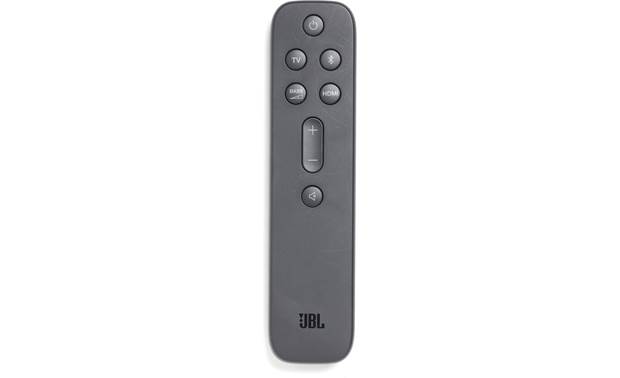
The JBL Bar 1000 offers easier long-term setup with wireless rear speakers and automatic room calibration via the JBL One app. The JBL Bar 5.1 Surround requires more manual setup with wired rear speakers and basic remote control, but has fewer initial components to configure.
The JBL Bar 1000 features advanced PureVoice 2.0 technology that adaptively enhances dialogue in real-time, ensuring voices remain clear during complex scenes. The JBL Bar 5.1 uses standard center channel dialogue enhancement, which is adequate but less sophisticated.
The JBL Bar 1000 includes built-in Wi-Fi with support for AirPlay, Chromecast, and Alexa Multi-Room Music, plus comprehensive app control. The JBL Bar 5.1 Surround offers basic Bluetooth connectivity but lacks advanced streaming features and app integration.
At current pricing, the JBL Bar 1000 at $699.95 (sale price) offers exceptional value with true Atmos, wireless convenience, and future-proof features. The JBL Bar 5.1 at $599.95 provides good value for budget-conscious buyers seeking basic surround sound enhancement.
The JBL Bar 1000 performs optimally in medium to large rooms (200-400+ square feet) where its power and true surround capabilities shine. The JBL Bar 5.1 Surround works best in smaller rooms (100-250 square feet) where virtual surround processing remains convincing and power output is adequate.
We've done our best to create useful and informative comparisons to help you decide what product to buy. Our research uses advanced automated methods to create this comparison and perfection is not possible - please contact us for corrections or questions. These are the sites we've researched in the creation of this article: zdnet.com - jbl.com - jbl.com - pcrichard.com - rtings.com - d21buns5ku92am.cloudfront.net - ro.harmanaudio.com - target.com - harmanaudio.com - dell.com - mm.jbl.com - dolby.com - jbl.com.my - videoandaudiocenter.com - jbl.com - jbl.com - jbl.com - tomsguide.com - jbl.com - bestbuy.com - bestbuy.com - jbl.com - jbl.com - worldwidestereo.com

Privacy Policy
Terms and Conditions - Affiliate Policy
Home Security
© Copyright 2008-2026.
11816 Inwood Rd #1211, Dallas, TX 75244