


When your TV's built-in speakers sound like they're trapped inside a shoebox, it's time for an upgrade. But the soundbar market can feel overwhelming, especially when comparing products at dramatically different price points. Today we're looking at two soundbars that represent opposite philosophies: the ultra-affordable Amazon Fire TV Soundbar and the feature-rich JBL Bar 5.1 Surround.
Understanding these differences isn't just about picking the more expensive option—it's about matching your actual needs with the right technology. Let's dive into what really matters when choosing between a basic stereo soundbar and a full surround sound system.
Before we get into the specifics, it helps to understand what you're actually buying. Soundbars are essentially multiple speakers crammed into a single housing, designed to sit below or mount under your TV. They solve the fundamental problem that modern TVs, despite having gorgeous pictures, often have terrible audio because there's no room for decent speakers in those thin panels.
The key specifications that actually matter include channel configuration (how many discrete audio channels the system can produce), total power output (measured in watts, indicating how loud and dynamic the sound can be), and frequency response (the range of audio frequencies from deep bass to high treble that the system can reproduce).
When evaluating any soundbar, the most critical performance characteristics are dialogue clarity, bass response, and soundstage width. Dialogue clarity determines whether you'll need subtitles for every movie, bass response affects how impactful explosions and music feel, and soundstage width influences how immersive the audio experience becomes.
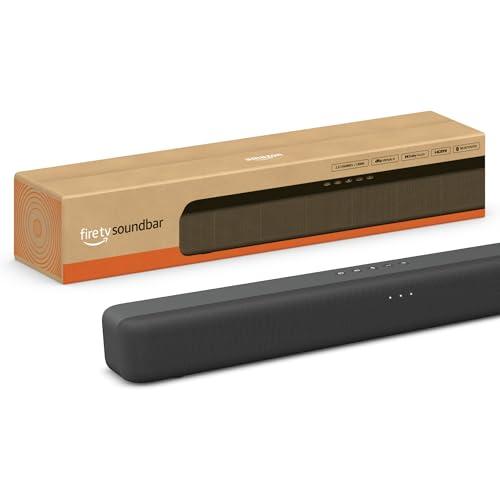
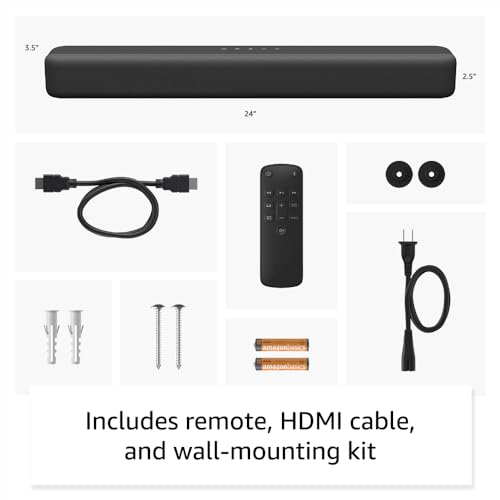
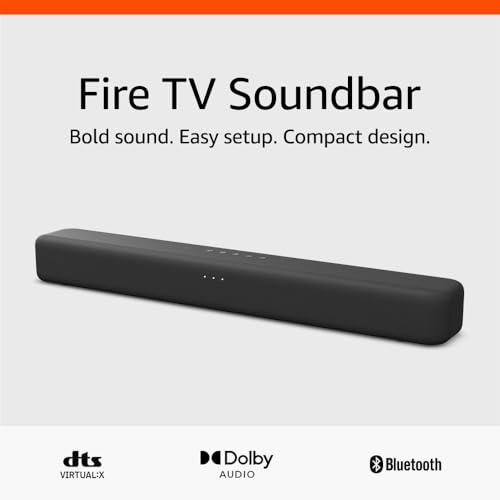
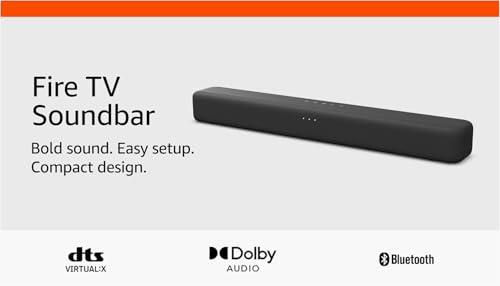
The Amazon Fire TV Soundbar, released in 2023, represents Amazon's first entry into the soundbar market. At the time of writing, it typically sells for well under $150, making it one of the most affordable name-brand options available. This 2.0-channel system (meaning two discrete audio channels—left and right) measures just 24 inches wide, making it perfect for smaller TVs and tight spaces.
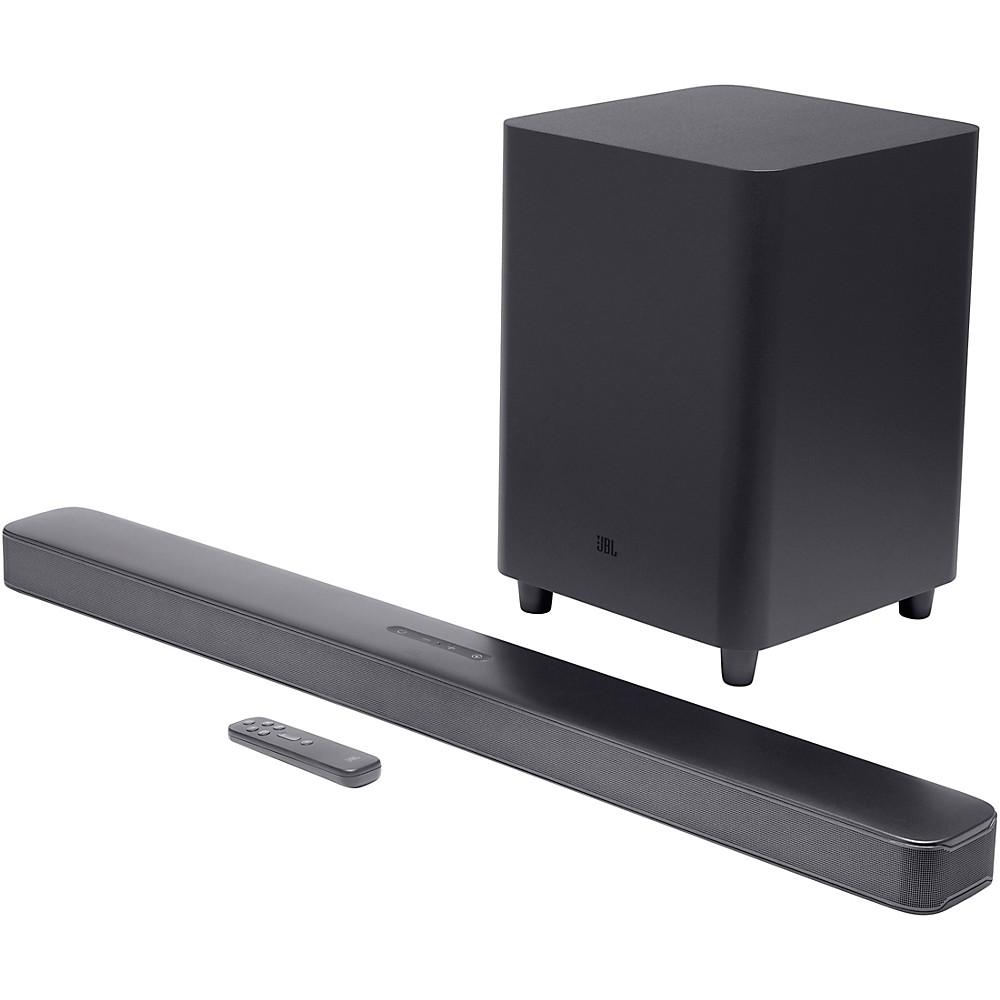
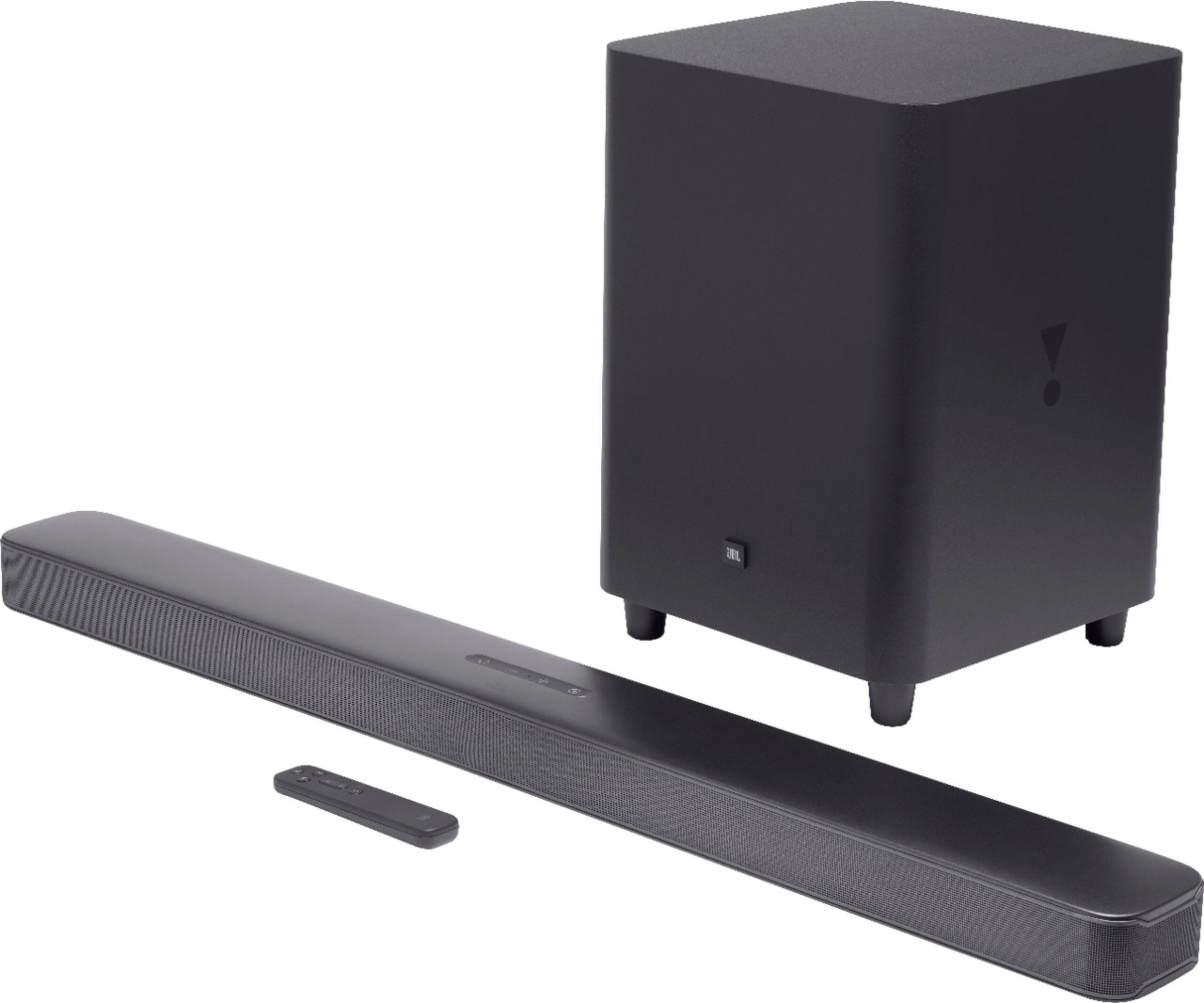
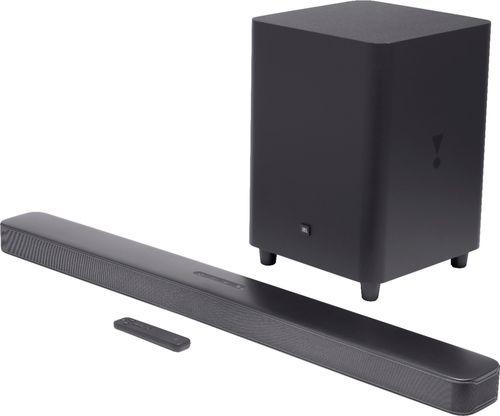
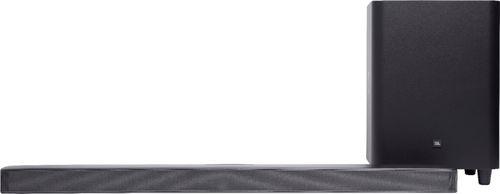
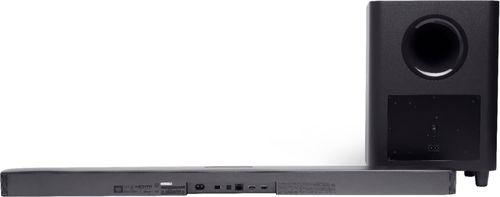
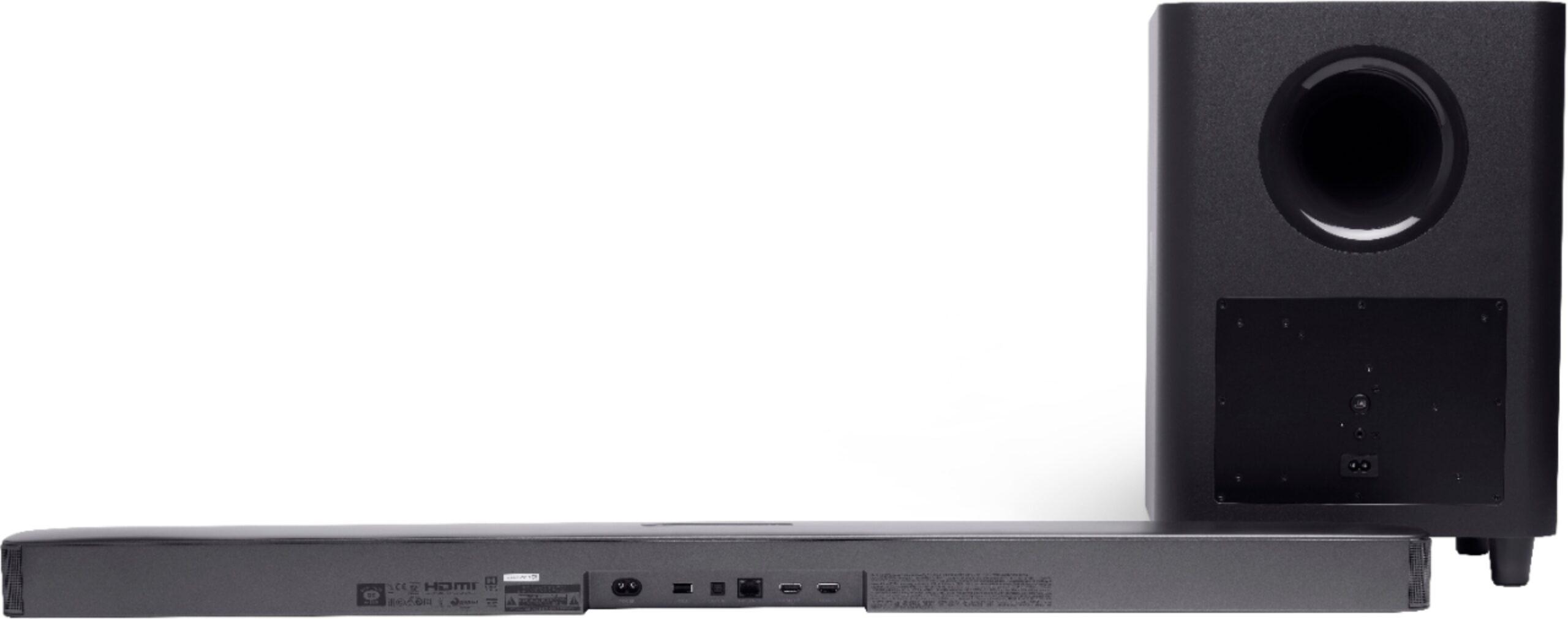
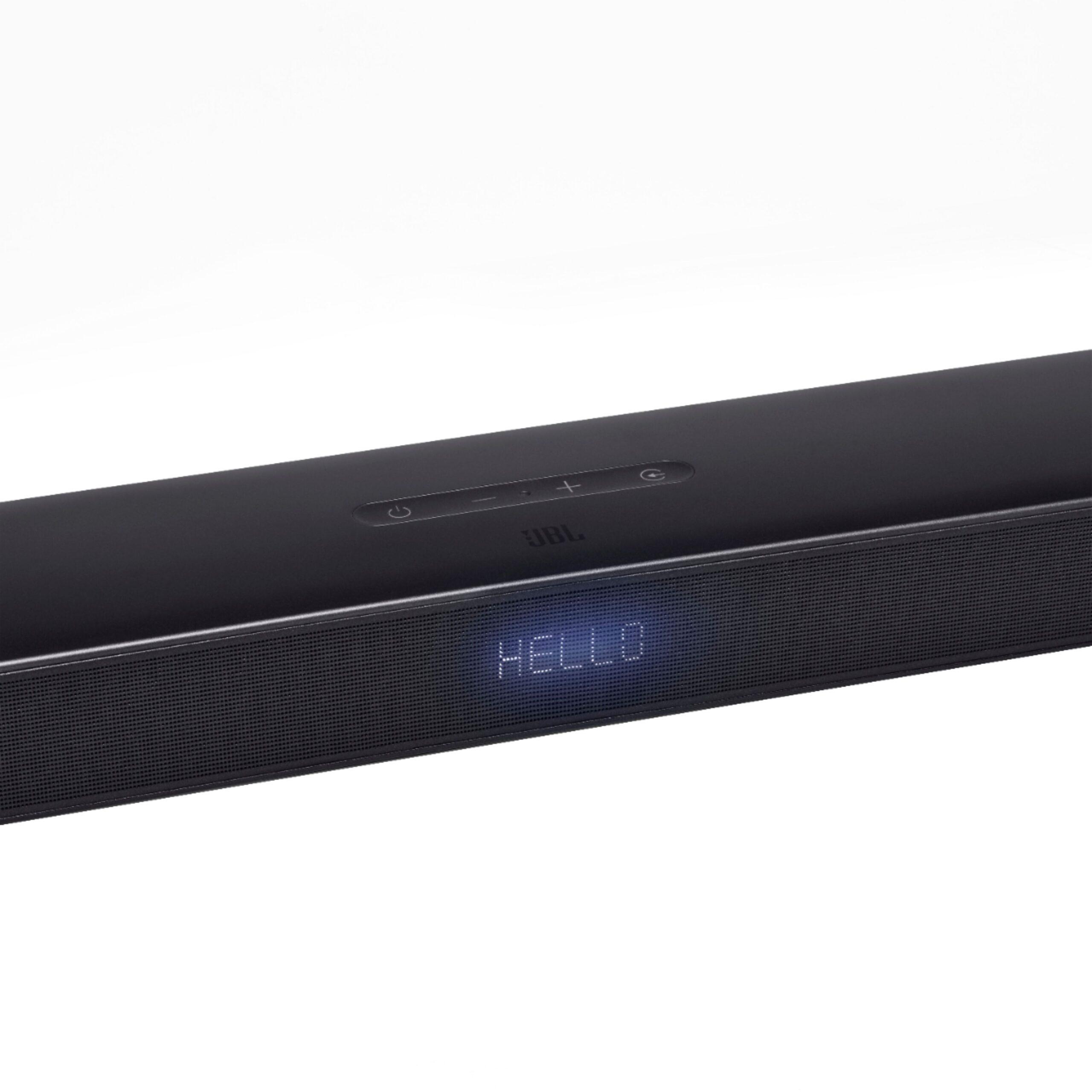
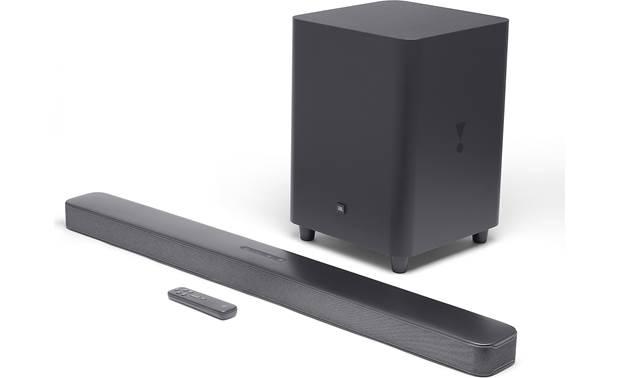
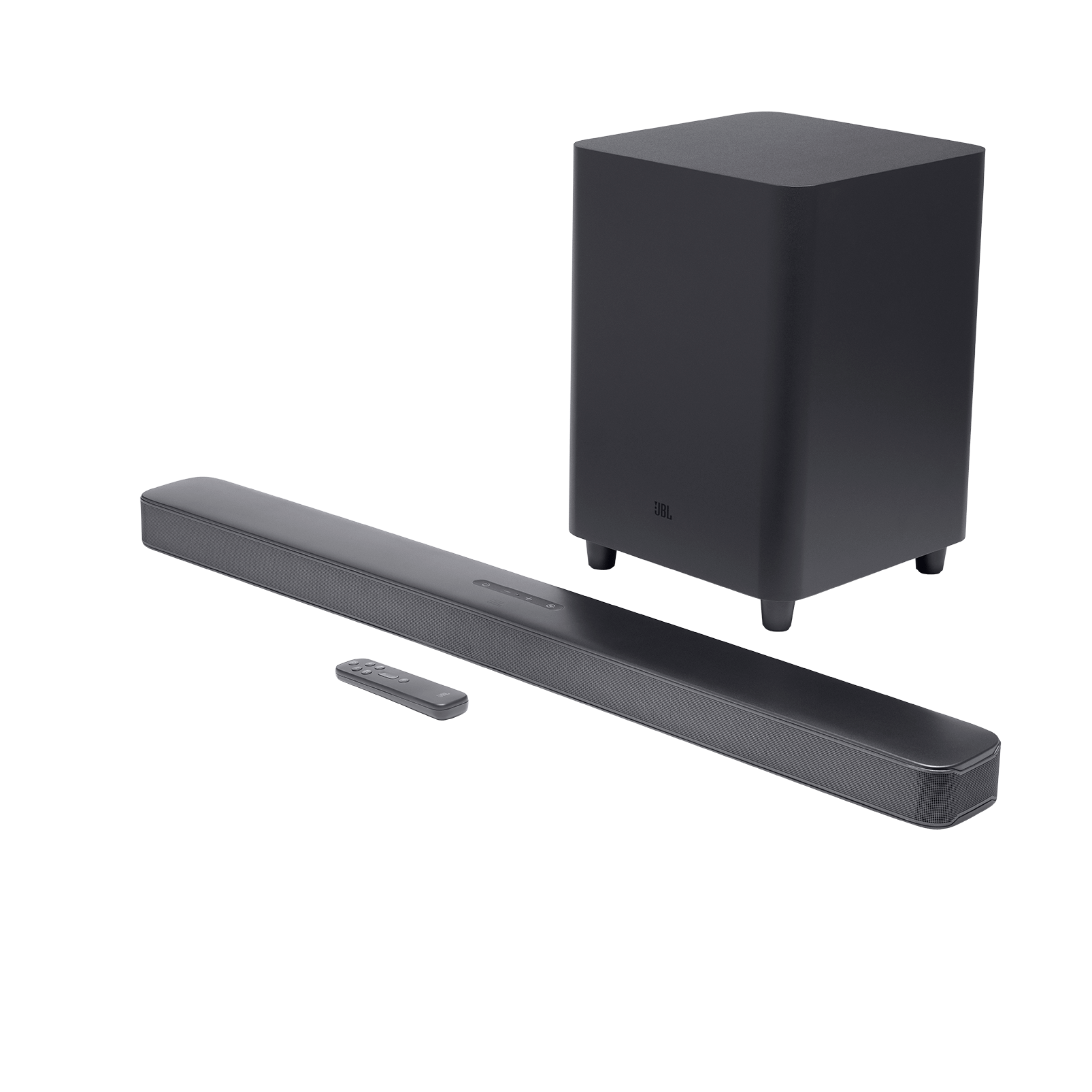
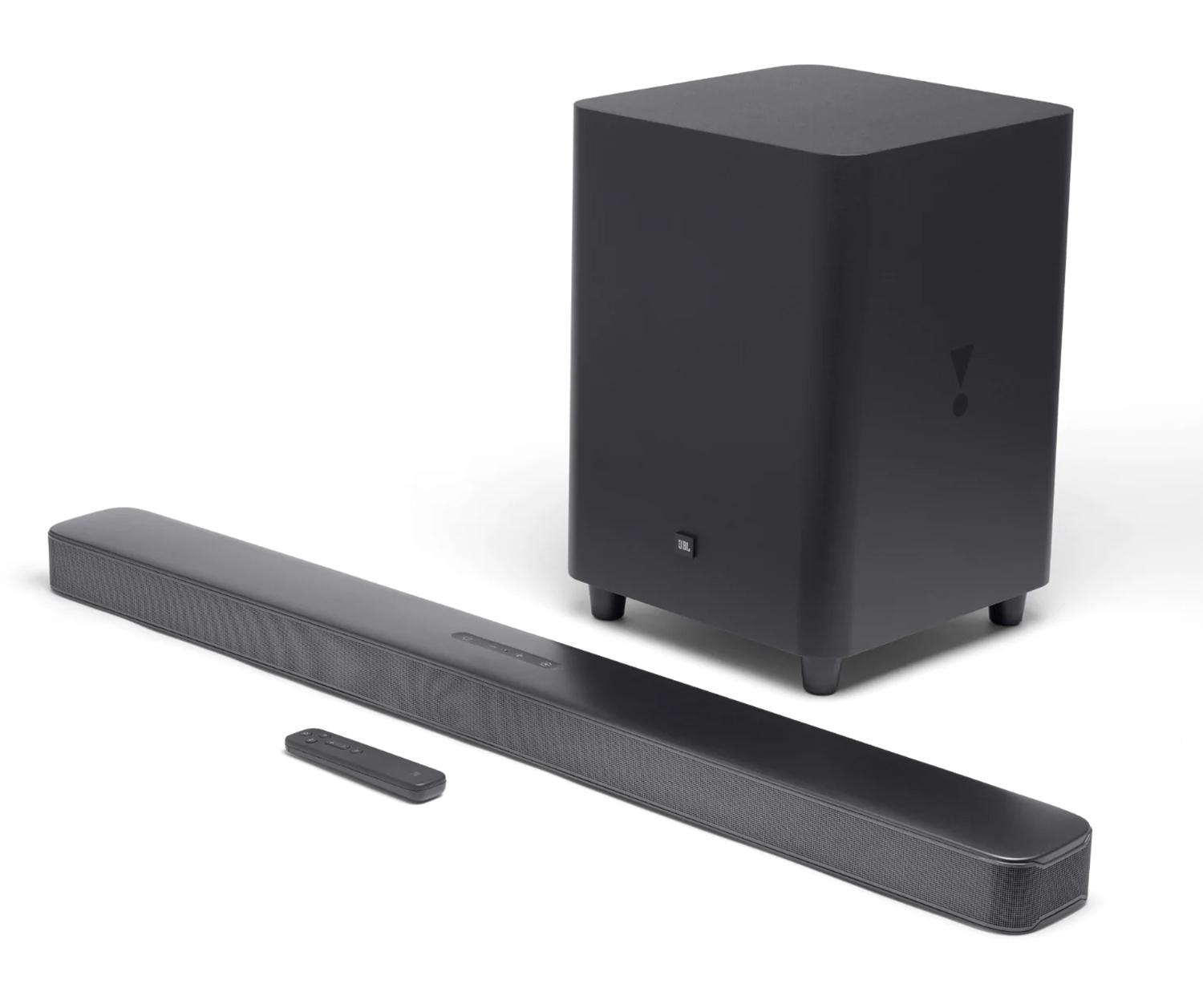
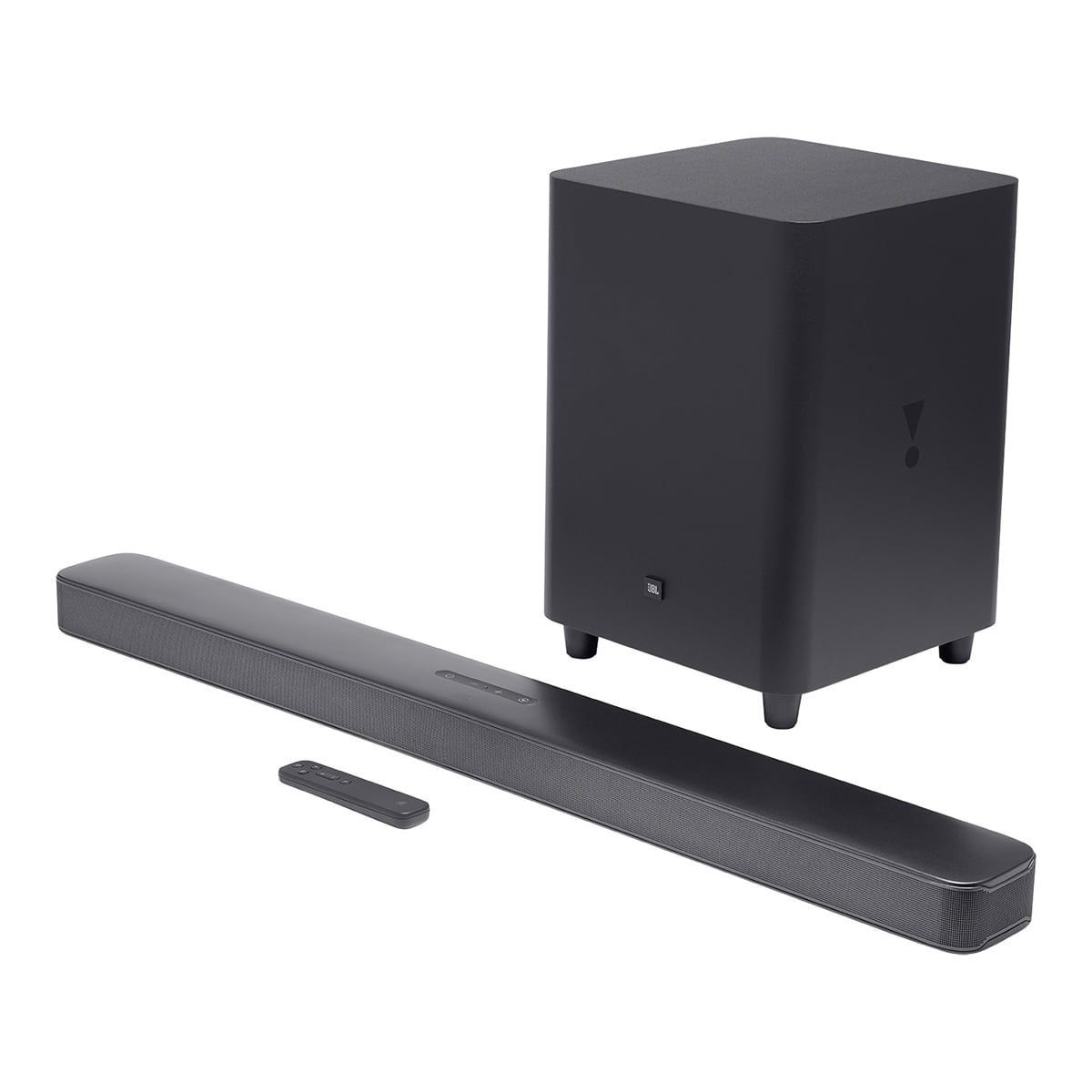
In contrast, the JBL Bar 5.1 has been evolving since around 2017, with the current "Surround" model representing JBL's mid-tier home theater solution. Priced at roughly three to four times the cost of the Amazon at the time of writing, it offers true 5.1-channel surround sound with a wireless subwoofer and detachable rear speakers.
These products target completely different users and use cases, which makes the comparison particularly interesting. You're not just choosing between two soundbars—you're choosing between two philosophies of home audio.
The Amazon Fire TV Soundbar operates with dual 20-watt amplifiers powering two full-range "racetrack" drivers. These oval-shaped speakers are designed to maximize surface area while maintaining a compact profile. The total 40-watt output is modest but perfectly adequate for small to medium rooms—think typical apartments or bedrooms up to about 200 square feet.
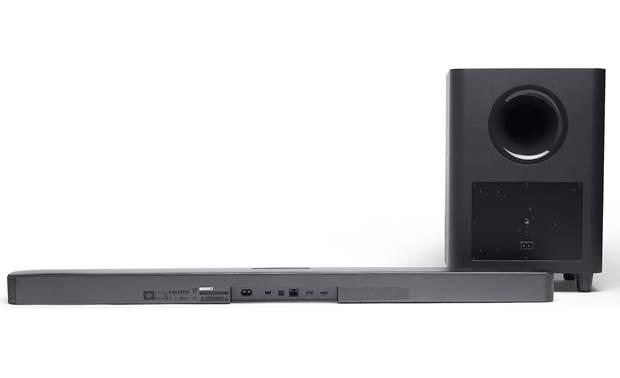
The JBL Bar 5.1, meanwhile, brings serious firepower with 550 watts of total system power distributed across multiple components. The soundbar itself houses five 50-watt amplifiers, while the wireless subwoofer adds another 300 watts dedicated entirely to bass reproduction. This isn't just about getting louder—it's about maintaining clarity and dynamic range even at higher volumes.
In practical terms, the Amazon will get plenty loud for normal viewing but may strain during action sequences or music listening. The JBL, conversely, can fill large living rooms with effortless, undistorted sound that maintains its composure even when pushed hard.
This is where the fundamental design differences become most apparent. The Amazon Fire TV Soundbar relies entirely on its compact drivers and a small bass reflex port for low-end output. Bass reflex technology uses a tuned port to enhance low-frequency response, but physics limits what's possible in such a small enclosure. The result is adequate bass for dialogue and casual content, but action movies and music will expose the limitations.
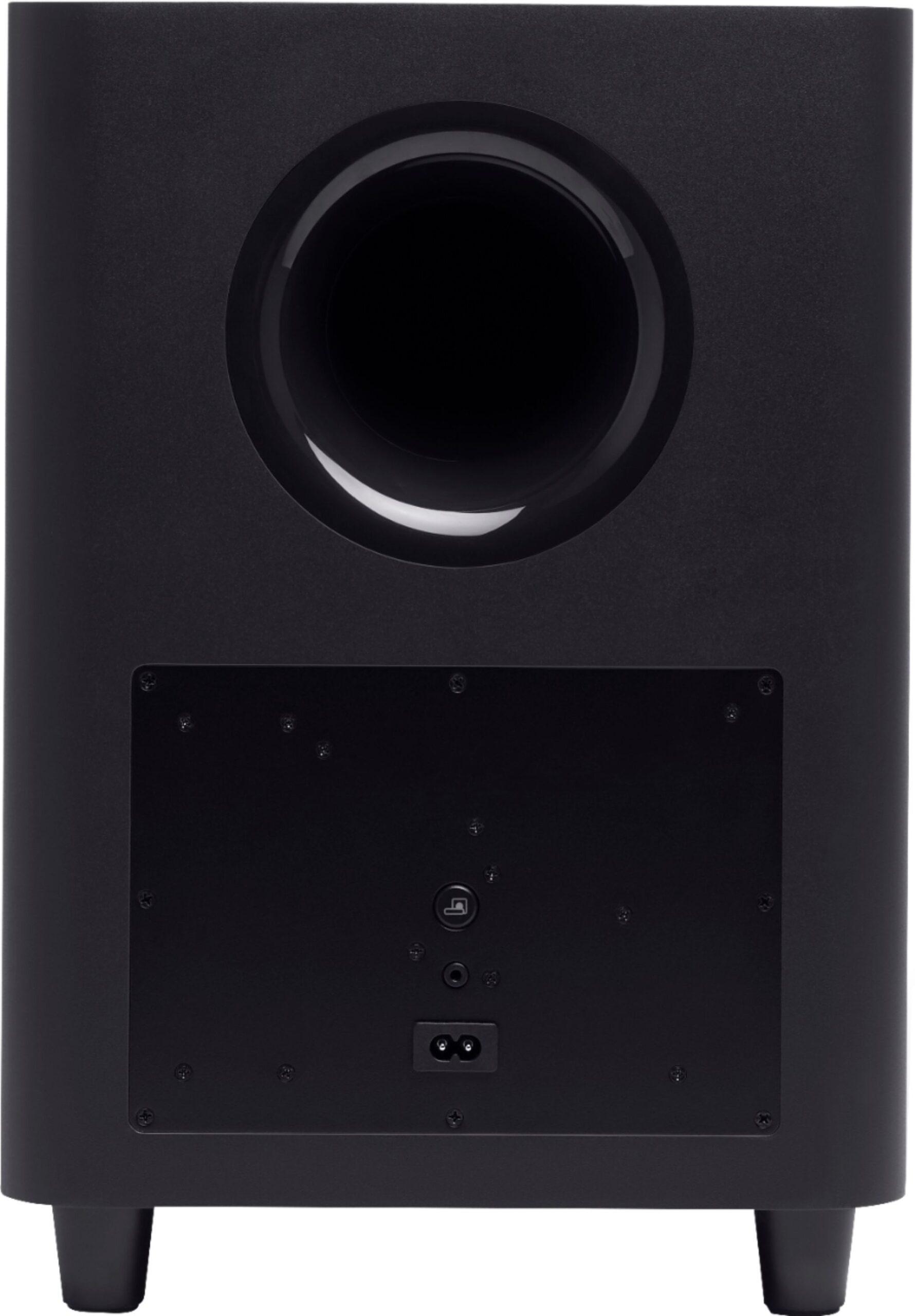
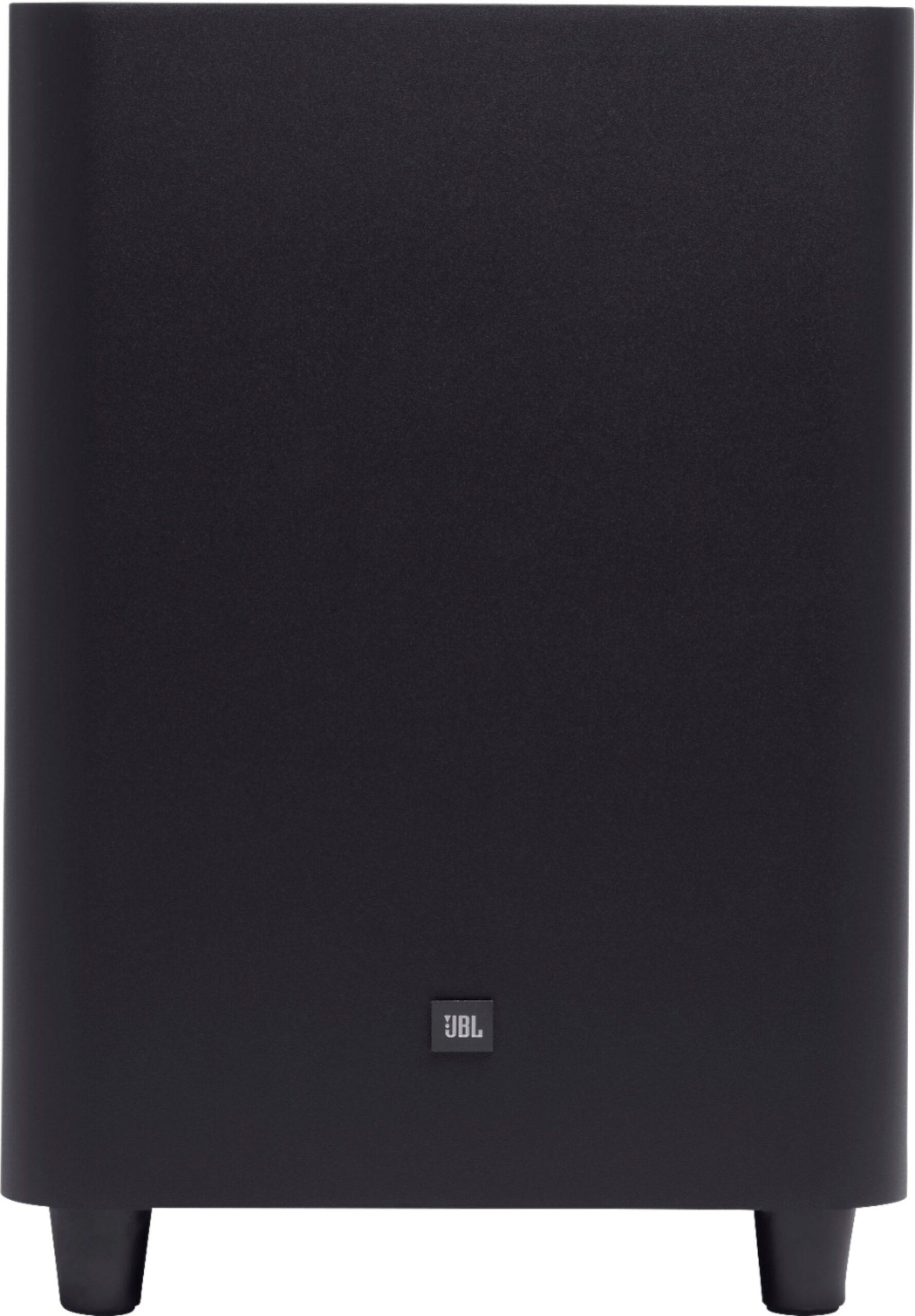
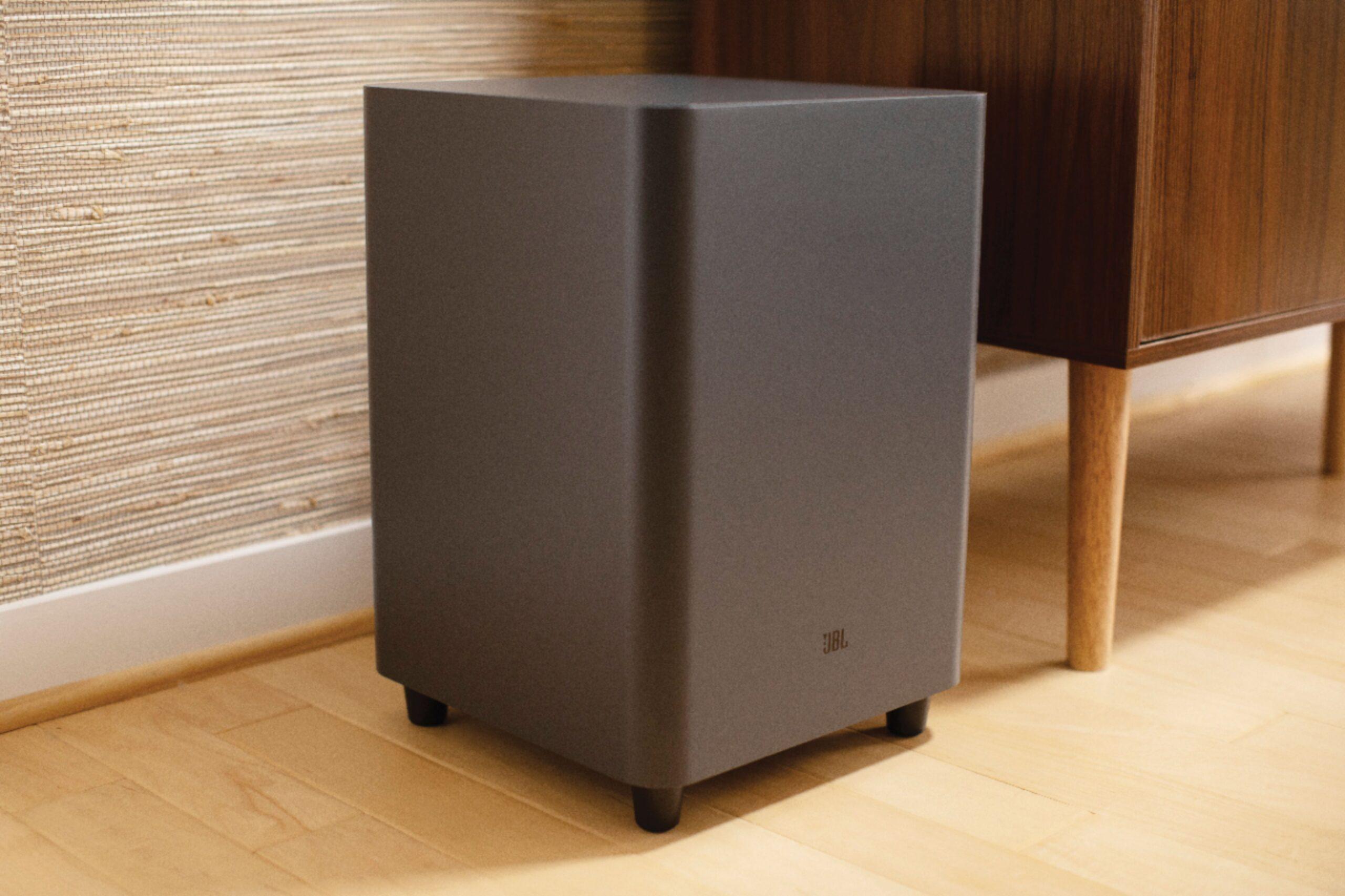
The JBL Bar 5.1's 10-inch wireless subwoofer changes everything. Dedicated subwoofers can move much more air than tiny soundbar drivers, producing those room-shaking explosions and deep musical notes that make content feel immersive. The wireless connection eliminates cable clutter while allowing optimal placement—often tucked beside furniture or in a corner where bass naturally amplifies.
Our research into user feedback consistently shows that bass response is where budget soundbars face their biggest compromise, and where users most notice the upgrade to systems with dedicated subwoofers.
Both systems prioritize dialogue clarity, but achieve it differently. The Amazon Fire TV Soundbar uses a dedicated "Dialog/Voice" sound mode that emphasizes the frequency range where human speech occurs, making it easier to understand conversations without cranking the volume. The front-firing drivers and compact design actually help here—dialogue comes directly from the screen area where it should originate.
The JBL Bar 5.1 uses its center channel speaker (the middle of the five front speakers) specifically for dialogue reproduction. This is how movie theaters and professional audio systems work—dedicating an entire speaker to vocals ensures clarity even during complex soundtracks with lots of background noise and music.
In our evaluation of expert reviews, both systems perform well for dialogue, but the JBL's discrete center channel provides more consistent performance across different types of content.
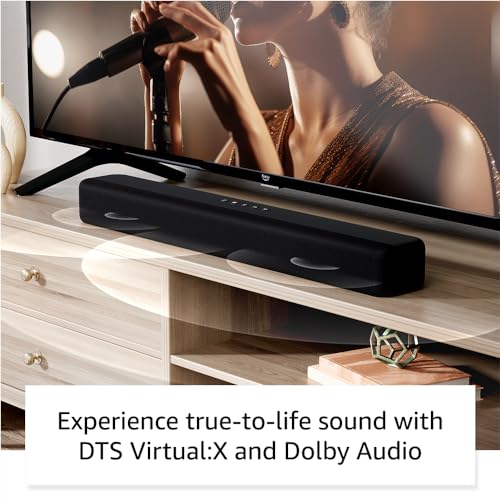
The Amazon Fire TV Soundbar creates its surround sound effect through DTS Virtual:X processing. This technology analyzes audio signals and uses psychoacoustic tricks—basically fooling your brain—to create the impression of sounds coming from beside and behind you, even though all the speakers are in front.
Virtual surround can be surprisingly effective for creating a wider, more spacious soundstage than you'd expect from two speakers. However, it can't replicate the precise directional effects of true surround sound systems. You might hear a helicopter circling overhead in a movie, but you won't feel it moving specifically from left rear to right rear behind your head.
The JBL Bar 5.1 takes the authentic approach with actual rear speakers. The detachable wireless surround speakers can be positioned anywhere in your room, creating genuine 5.1-channel audio—front left, center, front right, rear left, rear right, plus the subwoofer's dedicated bass channel (that's the ".1" in 5.1).
These battery-powered rear speakers offer up to 10 hours of playback and automatically recharge when docked to the main soundbar. This solves the biggest problem with surround sound systems—running speaker wires across your living room. The wireless design provides authentic surround effects without the installation hassle.
For home theater enthusiasts, this difference is enormous. True surround sound transforms movie watching, gaming, and even some TV shows into genuinely immersive experiences where audio moves around you naturally.
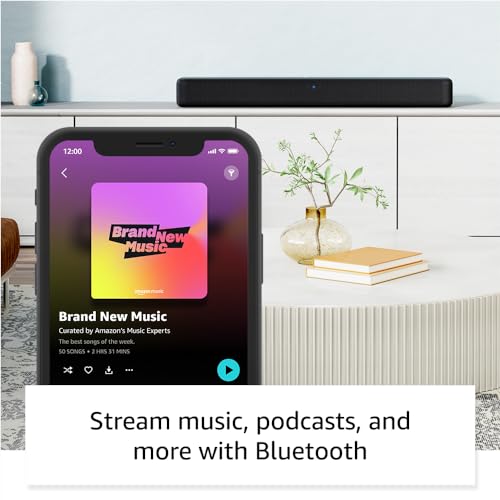
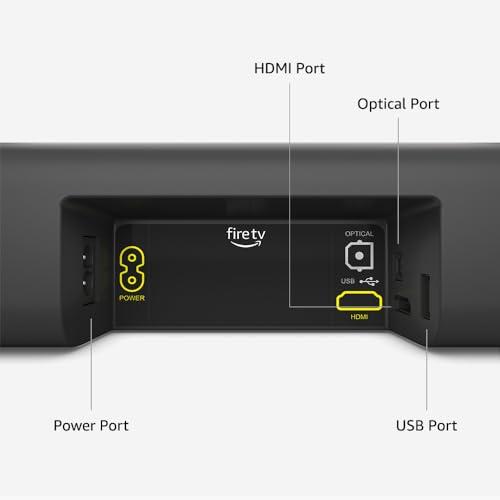
The Amazon Fire TV Soundbar keeps things beautifully simple with just one HDMI ARC connection (Audio Return Channel, which sends audio from your TV back to the soundbar through the same HDMI cable) plus an optical input for older TVs. Bluetooth handles wireless music streaming from phones and tablets. There's also a USB port, though it's only for power and firmware updates, not music playback.
This simplicity is intentional and valuable. Many users just want better TV sound without complexity, and the Amazon delivers exactly that with minimal setup and configuration.
The JBL Bar 5.1 offers three HDMI inputs plus the ARC output, meaning you can connect multiple 4K devices (game consoles, streaming boxes, Blu-ray players) directly to the soundbar. It also supports more advanced wireless streaming protocols beyond basic Bluetooth, depending on the specific model year.
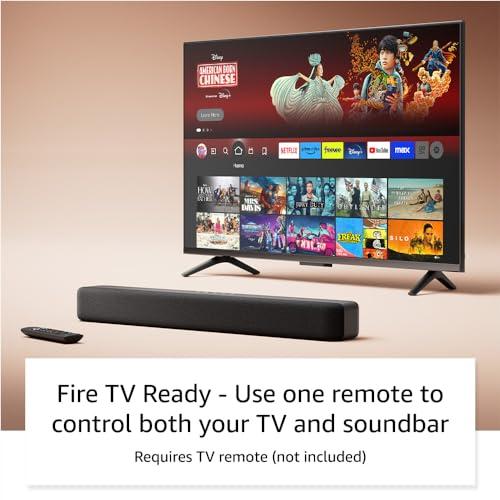
Despite carrying the "Fire TV" name, the Amazon Fire TV Soundbar doesn't actually include any smart streaming features or Alexa voice control. It's purely an audio device that works with any TV brand through standard connections. The naming reflects its optimization for Fire TV devices, but it's not limited to them.
The JBL Bar 5.1 varies by model year in terms of smart features, with newer versions supporting technologies like Chromecast Built-in and Apple AirPlay for direct streaming from mobile devices. These features turn the soundbar into a standalone music system that works even when your TV is off.
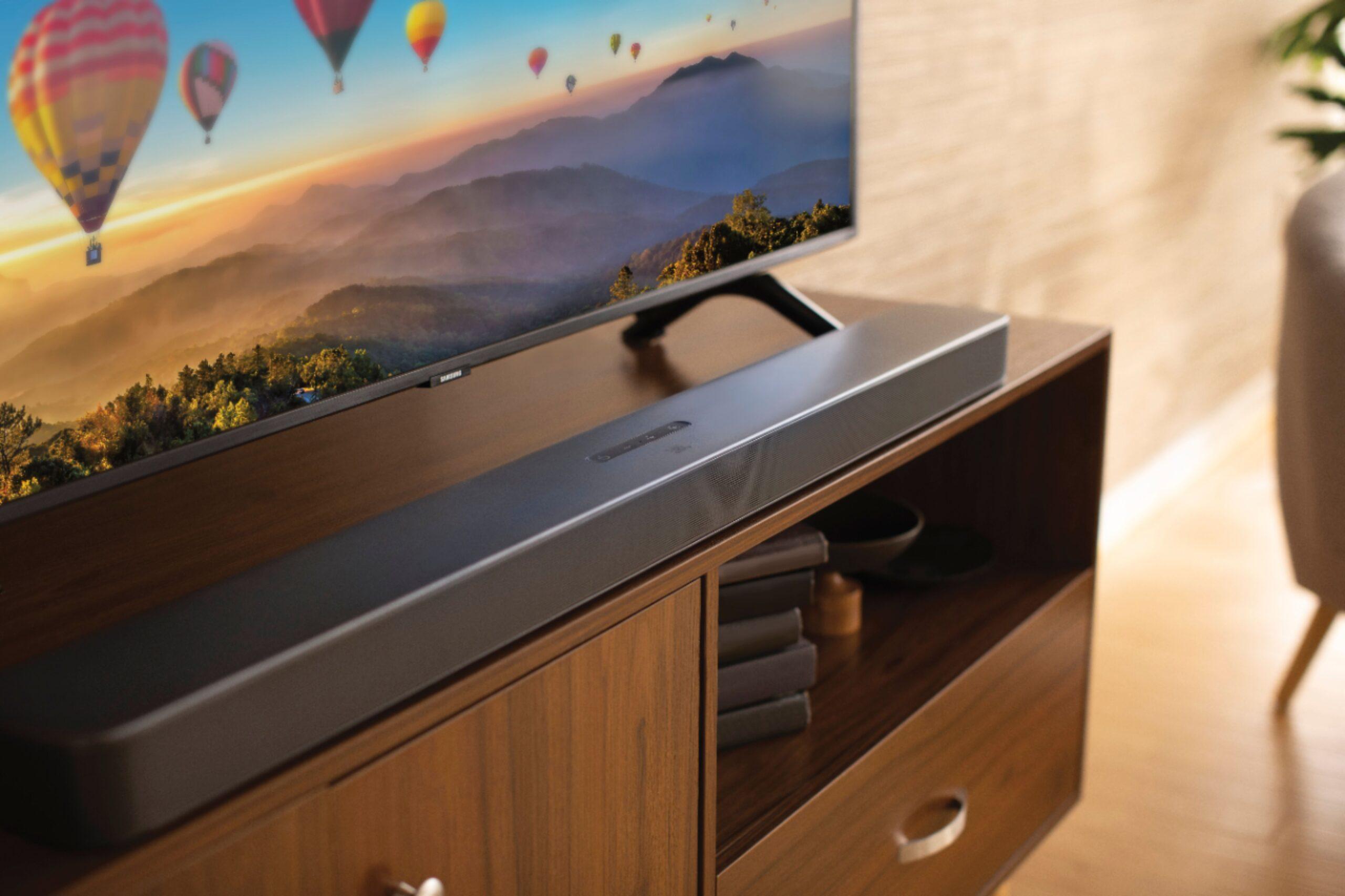
Setting up the Amazon Fire TV Soundbar is genuinely plug-and-play. Connect one HDMI cable, and you're done. The compact size means it fits easily with TVs from 32 to 50 inches without overwhelming smaller entertainment centers. Physical controls on the soundbar handle volume, input switching, and Bluetooth pairing without requiring the remote.
The JBL Bar 5.1 requires more thought and effort. You'll need to position the wireless subwoofer for optimal bass (usually within 15 feet of the soundbar), place the rear speakers appropriately, and potentially use multiple HDMI connections if you have several devices. The payoff is a more complete entertainment system, but it's definitely more involved.
Room acoustics dramatically affect soundbar performance, and this is where the power and design differences become most apparent. In smaller spaces like bedrooms or apartments, the Amazon Fire TV Soundbar provides a noticeable upgrade without overwhelming the space. Its compact size and moderate output work well in acoustically smaller environments.
Large living rooms expose the Amazon's limitations quickly. The modest power output and lack of dedicated bass reproduction become obvious in spaces over 250 square feet. The JBL Bar 5.1 thrives in these environments, with enough power and bass extension to fill larger spaces effectively.
For primarily dialogue-driven content—news, talk shows, sitcoms—both systems work well, with the Amazon Fire TV Soundbar providing excellent value. The difference becomes stark with action movies, concerts, and gaming where dynamic range, bass response, and surround effects matter most.
Gaming, in particular, benefits enormously from true surround sound. Directional audio cues in competitive games, immersive environmental sounds in adventure titles, and the full impact of action sequences all shine with the JBL Bar 5.1's authentic surround capabilities.
At the time of writing, the Amazon Fire TV Soundbar typically costs less than many people spend on a nice dinner out, making it an almost no-risk upgrade for anyone suffering with poor TV audio. For this price, you get meaningful dialogue improvement, wider soundstage than TV speakers, and genuine build quality from a major brand.
The JBL Bar 5.1 costs several times more but provides exponentially more capability. True surround sound, powerful bass, multiple device connectivity, and room-filling power represent a comprehensive home theater solution rather than a simple TV audio upgrade.
This is where long-term thinking becomes important. The Amazon Fire TV Soundbar is essentially a complete system with no upgrade path. If your audio needs evolve—you move to a larger space, become more interested in movies, or want better music reproduction—you'll need to replace it entirely.
The JBL Bar 5.1 offers more staying power. Its multiple HDMI inputs accommodate device upgrades, the wireless design allows room reconfiguration, and the performance capability grows with larger TVs and spaces. It's more likely to remain satisfying as your entertainment setup evolves.
You're working with a strict budget under $200 and need immediate improvement over terrible TV speakers. This soundbar excels in smaller living spaces with TVs under 50 inches, especially if you primarily watch dialogue-heavy content like news, sitcoms, and dramas. It's perfect for apartment dwellers who can't use powerful bass systems, seniors who want simple operation without complexity, or anyone setting up secondary TV areas in bedrooms and kitchens.
The Amazon Fire TV Soundbar also makes sense if you're testing whether soundbars work for you before committing to more expensive options, or if extreme simplicity is more valuable than advanced features.
You can invest $300-400 for a comprehensive audio upgrade and have the space to benefit from it. This system shines with TVs 50 inches and larger in medium to large living rooms where you regularly watch action movies, play games, or listen to music through your TV.
The JBL Bar 5.1 is ideal for movie enthusiasts who want cinematic audio experiences, gamers who benefit from directional audio cues, or anyone with multiple devices requiring HDMI connections. If you're planning to keep the system for five-plus years and want room to grow with future entertainment upgrades, the additional investment makes sense.
Honestly, both products succeed in their intended markets, but serve fundamentally different needs. The Amazon Fire TV Soundbar is about solving the basic problem of poor TV audio as affordably as possible. The JBL Bar 5.1 is about creating a legitimate home theater audio experience.
If you're unsure which category you fall into, start by honestly evaluating your budget, room size, and content preferences. A $100 soundbar that gets used daily provides better value than a $400 system that's overkill for your situation. Conversely, if you're passionate about movies and have the space to appreciate true surround sound, the additional investment in the JBL system pays dividends every time you watch something engaging.
The key is matching your actual needs with the right technology level, rather than automatically assuming more expensive means better for your specific situation.
| Amazon Fire TV Soundbar | JBL Bar 5.1 Surround Soundbar with Wireless Subwoofer |
|---|---|
| Channel Configuration - Determines surround sound capability | |
| 2.0 stereo (virtual surround via DTS Virtual:X) | True 5.1 surround with detachable wireless rear speakers |
| Total Power Output - Controls maximum volume and dynamic range | |
| 40W total (2 x 20W amplifiers) | 550W total (5 x 50W soundbar + 300W subwoofer) |
| Subwoofer - Critical for bass response in movies and music | |
| None (relies on small drivers and bass reflex port) | 10-inch wireless subwoofer included |
| Dimensions - Important for TV compatibility and room fit | |
| 24" x 2.3" x 3.4" (compact, fits smaller TVs) | 40" x 2.3" x 3.9" soundbar + separate subwoofer |
| HDMI Inputs - Determines how many devices you can connect | |
| 1 HDMI ARC + optical input | 3 HDMI inputs + ARC output (connects multiple 4K devices) |
| Wireless Connectivity - Affects music streaming options | |
| Bluetooth only | Bluetooth + advanced streaming (Chromecast/AirPlay on newer models) |
| Audio Format Support - Determines compatibility with premium content | |
| Dolby Audio, DTS Virtual:X | Dolby Digital, DTS, Dolby Pro Logic II |
| Setup Complexity - Impacts ease of installation | |
| Single cable connection, minimal setup | Multiple wireless components, optimal placement required |
| Smart Features - Voice control and streaming capabilities | |
| None (despite Fire TV branding) | Varies by model year, some include voice assistant support |
| Ideal Room Size - Where each system performs best | |
| Small to medium rooms (up to 200 sq ft) | Medium to large rooms (250+ sq ft) |
| Battery Life for Rear Speakers - Convenience factor | |
| Not applicable | 10 hours playback, auto-charge when docked |
| Target Use Case - Best application for each system | |
| Basic TV audio upgrade, dialogue enhancement | Comprehensive home theater, movie/gaming experience |
The Amazon Fire TV Soundbar is better suited for smaller TVs due to its compact 24-inch width that won't overwhelm smaller entertainment setups. Its 2.0-channel design provides adequate audio improvement for typical bedroom or apartment viewing without taking up excessive space. The JBL Bar 5.1 at 40 inches wide may look disproportionate with smaller TVs and delivers more power than smaller rooms typically need.
A subwoofer significantly improves the audio experience for movies, music, and gaming by reproducing deep bass frequencies that small soundbar speakers cannot produce effectively. The Amazon Fire TV Soundbar lacks a subwoofer and relies on small drivers for bass, which limits impact during action scenes. The JBL Bar 5.1 includes a 10-inch wireless subwoofer that delivers room-filling bass for a more cinematic experience.
The Amazon Fire TV Soundbar offers extremely simple setup with just one HDMI cable connection to your TV. No additional components or complex positioning is required. The JBL Bar 5.1 requires more setup effort, including optimal placement of the wireless subwoofer and positioning the detachable rear surround speakers for best performance.
Virtual surround sound, used by the Amazon Fire TV Soundbar through DTS Virtual:X, uses audio processing to simulate surround effects from front-facing speakers. Real surround sound from the JBL Bar 5.1 uses actual rear speakers positioned around your room to create authentic directional audio effects. True surround provides more precise sound placement and immersion for movies and gaming.
Yes, both the Amazon Fire TV Soundbar and JBL Bar 5.1 work with any TV brand through standard HDMI ARC or optical connections. Despite the "Fire TV" name, the Amazon soundbar isn't limited to Fire TV devices and functions as a universal audio upgrade for any television.
The Amazon Fire TV Soundbar is more apartment-friendly due to its compact size, moderate volume output, and lack of a subwoofer that might disturb neighbors. The JBL Bar 5.1 with its powerful 10-inch subwoofer may be too much for thin apartment walls and close neighbors, though the wireless subwoofer can be positioned to minimize sound transmission.
The Amazon Fire TV Soundbar provides one HDMI ARC connection plus one optical input, limiting you to connecting devices through your TV. The JBL Bar 5.1 offers three HDMI inputs plus ARC output, allowing direct connection of multiple 4K devices like game consoles, streaming boxes, and Blu-ray players without using TV inputs.
The JBL Bar 5.1 provides significant advantages for gaming with true surround sound that helps locate enemies and environmental audio cues, plus powerful bass for impact effects. The multiple HDMI inputs also simplify connecting gaming consoles. The Amazon Fire TV Soundbar offers basic audio improvement but lacks the directional audio precision that enhances competitive gaming.
Both soundbars support Bluetooth music streaming from phones and tablets. The Amazon Fire TV Soundbar is limited to basic Bluetooth connectivity. Newer versions of the JBL Bar 5.1 may include advanced streaming features like Chromecast Built-in or Apple AirPlay, making it more versatile as a standalone music system.
Both soundbars improve dialogue clarity compared to TV speakers, but use different approaches. The Amazon Fire TV Soundbar includes a dedicated dialogue mode that emphasizes speech frequencies. The JBL Bar 5.1 uses a discrete center channel speaker specifically for dialogue reproduction, providing more consistent vocal clarity across different content types.
The Amazon Fire TV Soundbar performs optimally in small to medium rooms up to about 200 square feet, where its 40-watt output provides adequate volume. The JBL Bar 5.1 with 550 watts of total power excels in medium to large rooms over 250 square feet, where it can demonstrate its full dynamic range and bass capabilities without overwhelming the space.
The Amazon Fire TV Soundbar provides excellent immediate value for basic TV audio improvement but has no upgrade path if your needs evolve. The JBL Bar 5.1 represents better long-term value with true surround sound, multiple device connections, and performance that scales with larger TVs and rooms, making it more likely to remain satisfying as your entertainment setup grows.
We've done our best to create useful and informative comparisons to help you decide what product to buy. Our research uses advanced automated methods to create this comparison and perfection is not possible - please contact us for corrections or questions. These are the sites we've researched in the creation of this article: rtings.com - developer.amazon.com - stereoguide.com - developer.amazon.com - techradar.com - hometechnologyreview.com - whathifi.com - youtube.com - whathifi.com - wirelessplace.com - hometechnologyreview.com - dolby.com - aboutamazon.com - developer.amazon.com - community.anker.com - youtube.com - cordbusters.co.uk - jbl.com - jbl.com - jbl.com - tomsguide.com - jbl.com - bestbuy.com - bestbuy.com - jbl.com - jbl.com - worldwidestereo.com

Privacy Policy
Terms and Conditions - Affiliate Policy
Home Security
© Copyright 2008-2026.
11816 Inwood Rd #1211, Dallas, TX 75244