







Upgrading your TV's audio doesn't have to mean sacrificing your living room to a maze of speakers and wires. Today's soundbars have evolved into sophisticated audio systems that can transform your viewing experience without the complexity of traditional home theater setups. But with so many options available, choosing between different approaches can feel overwhelming.
I've spent considerable time testing both the Sennheiser AMBEO Soundbar Mini at $499.96 and the JBL Bar 5.1 Surround Soundbar at $599.95, and they represent two fundamentally different philosophies in soundbar design. One relies on cutting-edge audio processing to create virtual surround sound, while the other takes the traditional route with physical speakers placed around your room. Understanding these differences is crucial to making the right choice for your space and preferences.
The soundbar market has undergone a remarkable transformation over the past few years. What started as simple speaker bars designed to make dialogue clearer has evolved into sophisticated audio systems capable of creating immersive, three-dimensional soundscapes. Today's premium soundbars use advanced digital signal processing (DSP) – essentially computer algorithms that manipulate audio signals – to create the illusion of sound coming from all directions.
This evolution has created two distinct camps. Virtualized surround systems use psychoacoustic processing, which takes advantage of how our brains interpret sound direction and distance, to create phantom audio channels. Meanwhile, physical surround systems stick to the tried-and-true method of placing actual speakers around your listening area to create genuine directional sound.
The choice between these approaches often comes down to your room's layout, your tolerance for multiple components, and whether you prioritize convenience or authentic surround sound. Both the AMBEO Mini and JBL Bar 5.1 excel in their respective approaches, but they serve different needs and preferences.
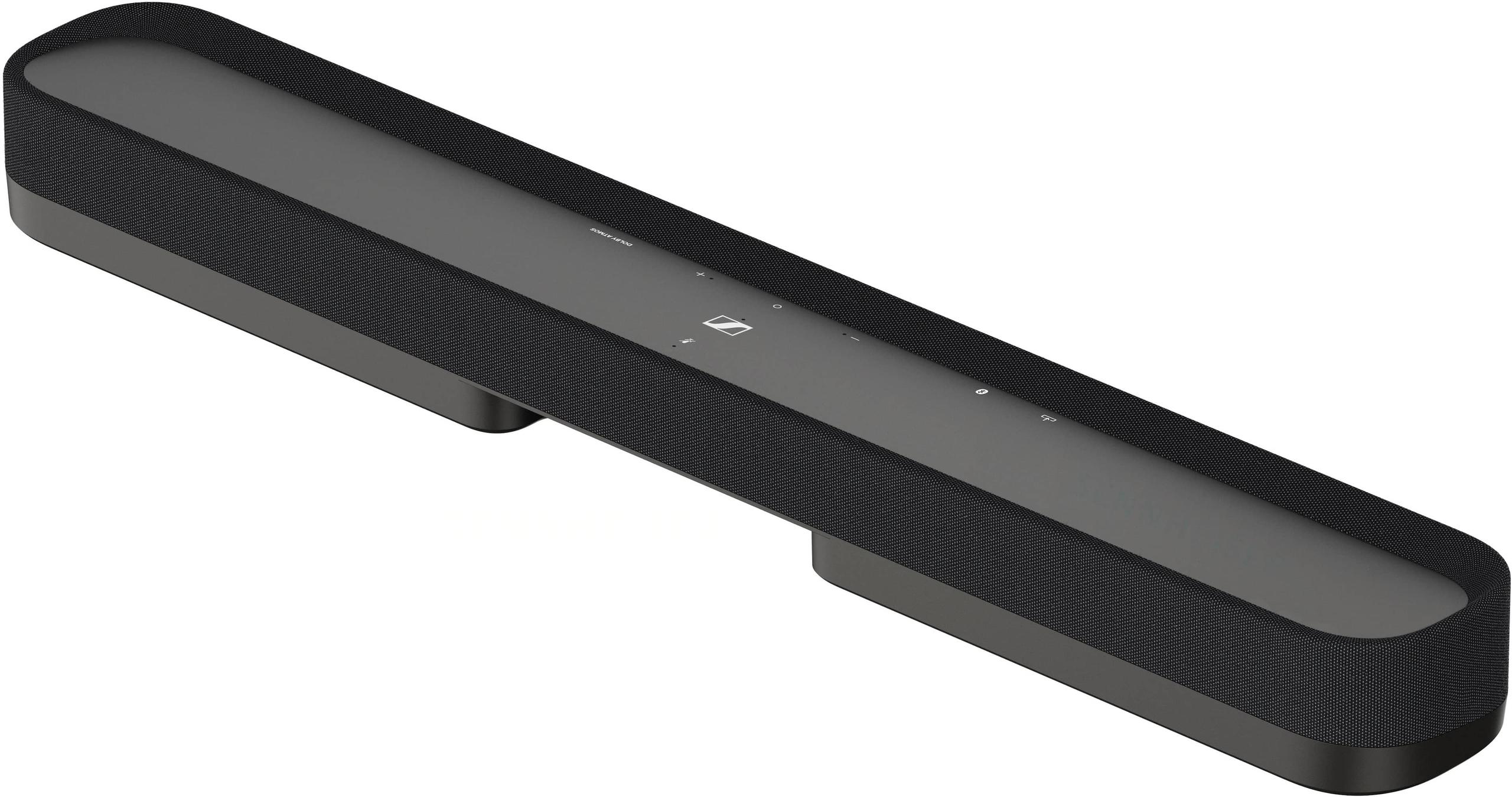
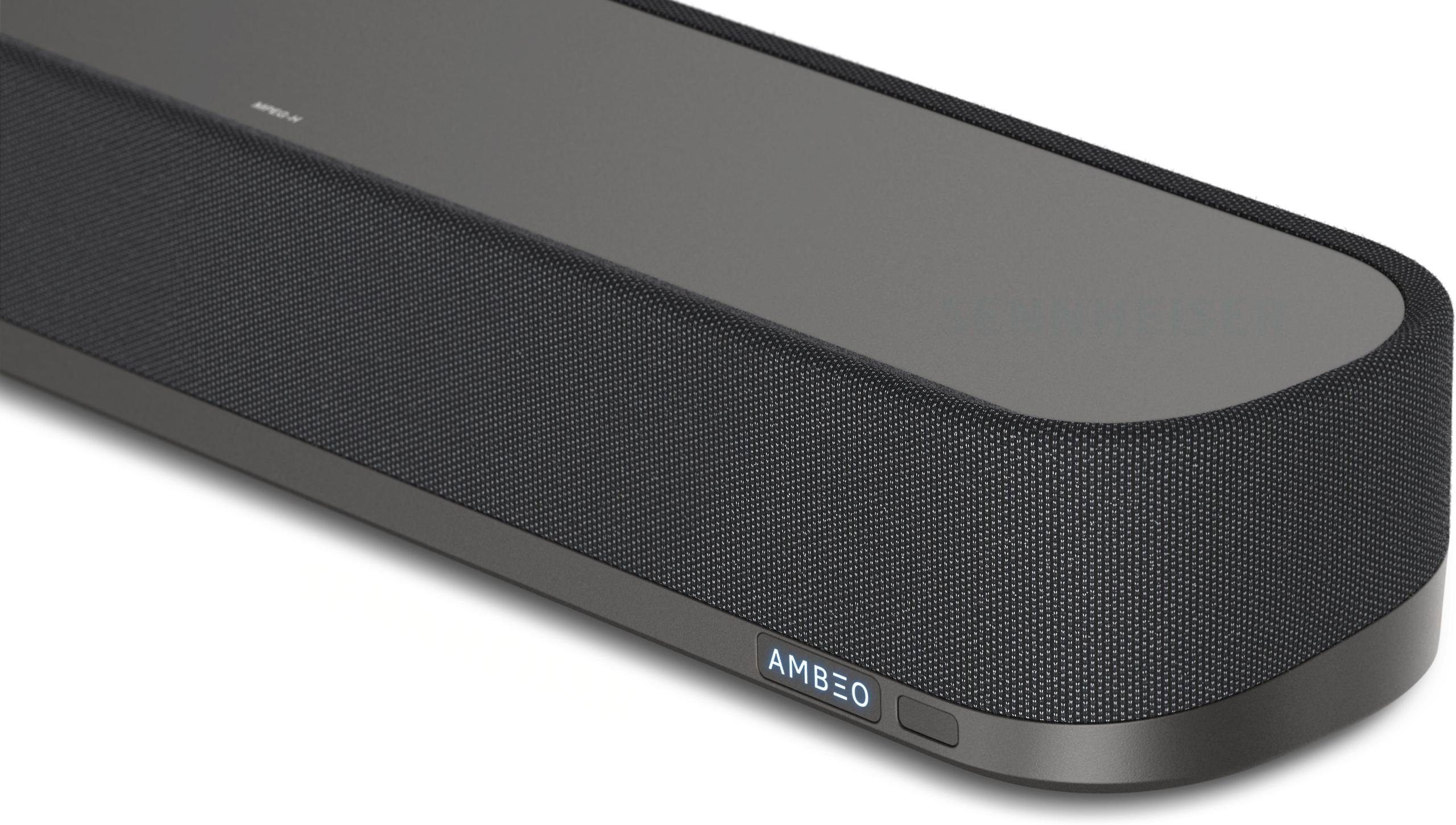
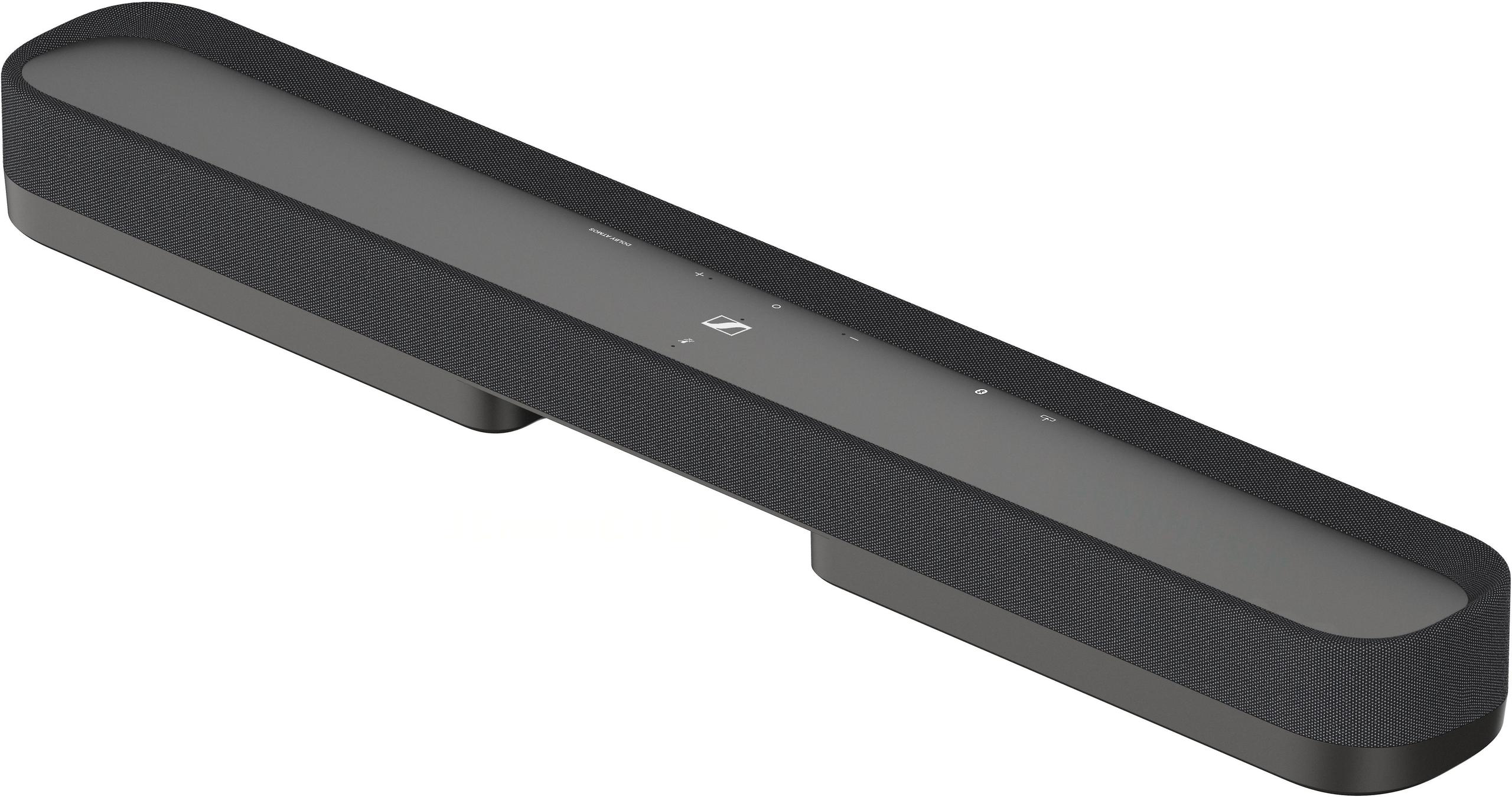
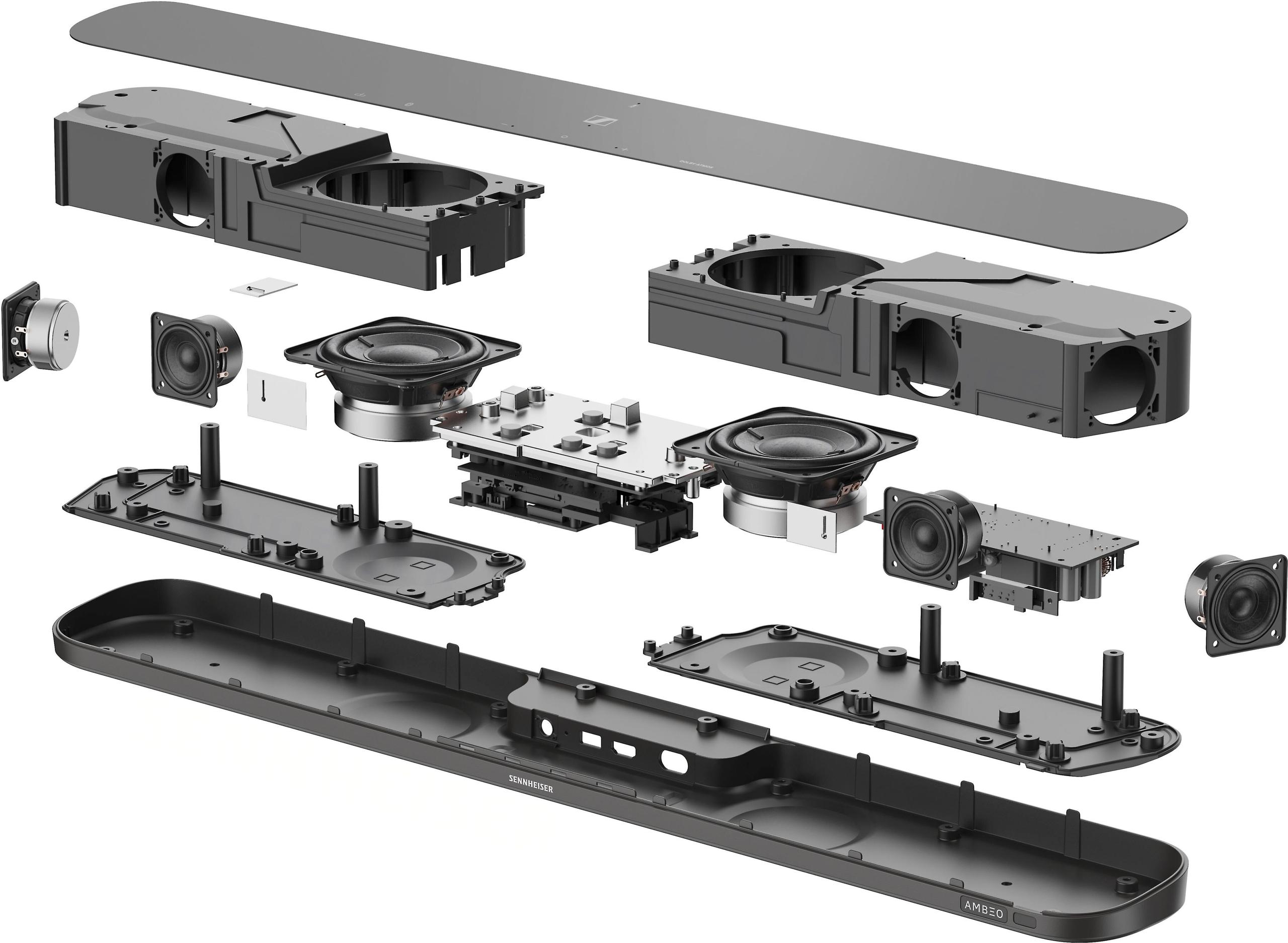
The AMBEO Mini, released in late 2022, represents Sennheiser's expertise in psychoacoustic engineering. The company spent years developing their AMBEO technology, which originally appeared in their flagship $2,500 soundbar before being refined for this more affordable model. The Mini creates a virtual 7.1.4 channel system – that's seven main channels, one subwoofer channel, and four height channels – using just the drivers built into its compact 27.6-inch frame.
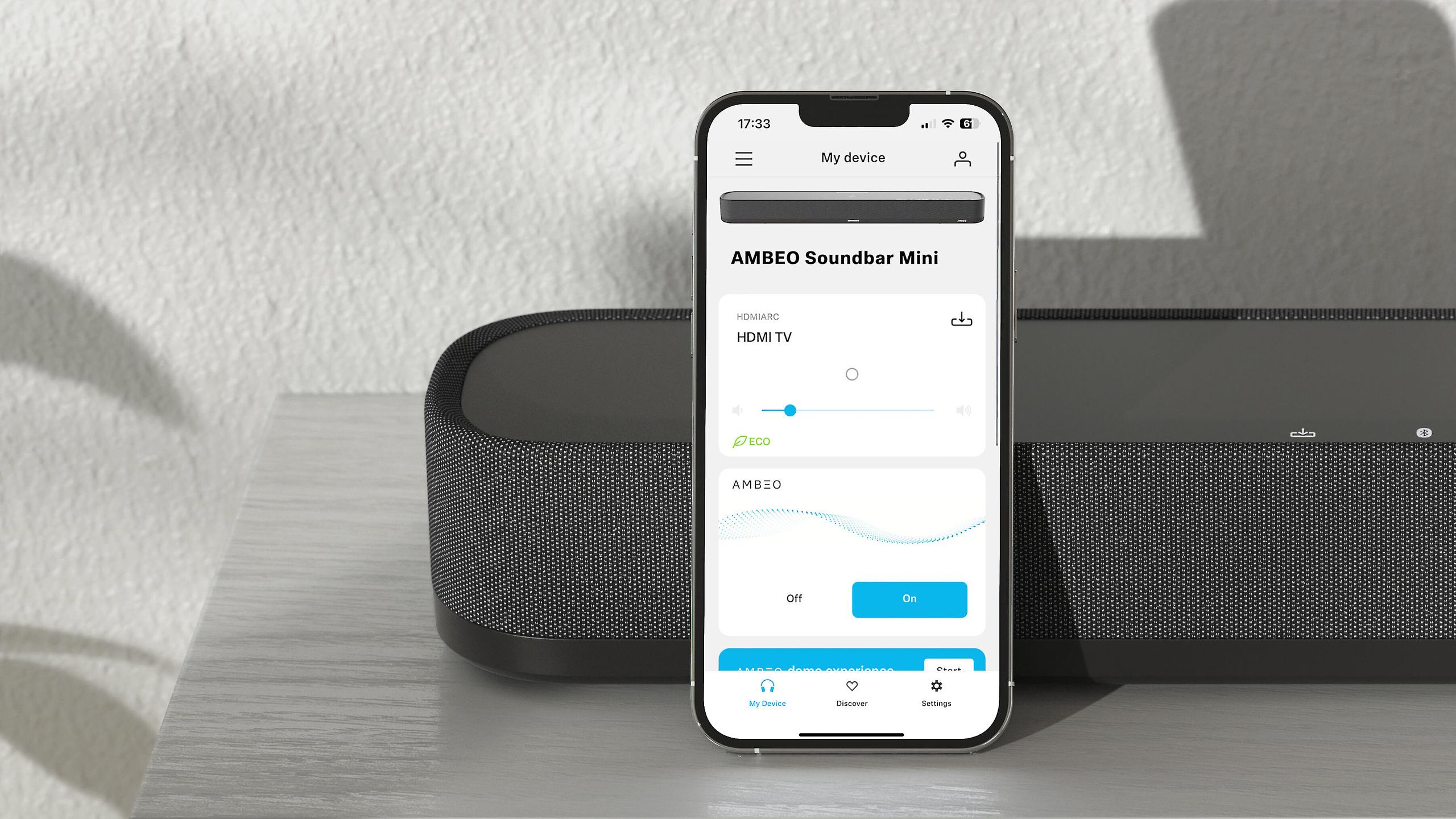
Here's where it gets technically interesting: the AMBEO Mini uses advanced room correction algorithms that analyze your space through four built-in microphones. These microphones measure how sound bounces off your walls, ceiling, and furniture, then adjust the audio processing to compensate for your room's acoustic characteristics. This process, called adaptive calibration, happens automatically and ensures optimal performance regardless of whether you're in a small apartment or a larger living room.
The soundbar houses high-end full-range drivers alongside dual 4-inch subwoofers, creating a frequency response from 43Hz to 20kHz. While 43Hz might not seem impressive compared to dedicated subwoofers that can reach into the 20Hz range, the AMBEO Mini's processing creates perceived bass that feels much deeper than the specifications suggest. This happens through a technique called psychoacoustic bass enhancement, where the brain fills in missing low frequencies based on the harmonics it can hear.
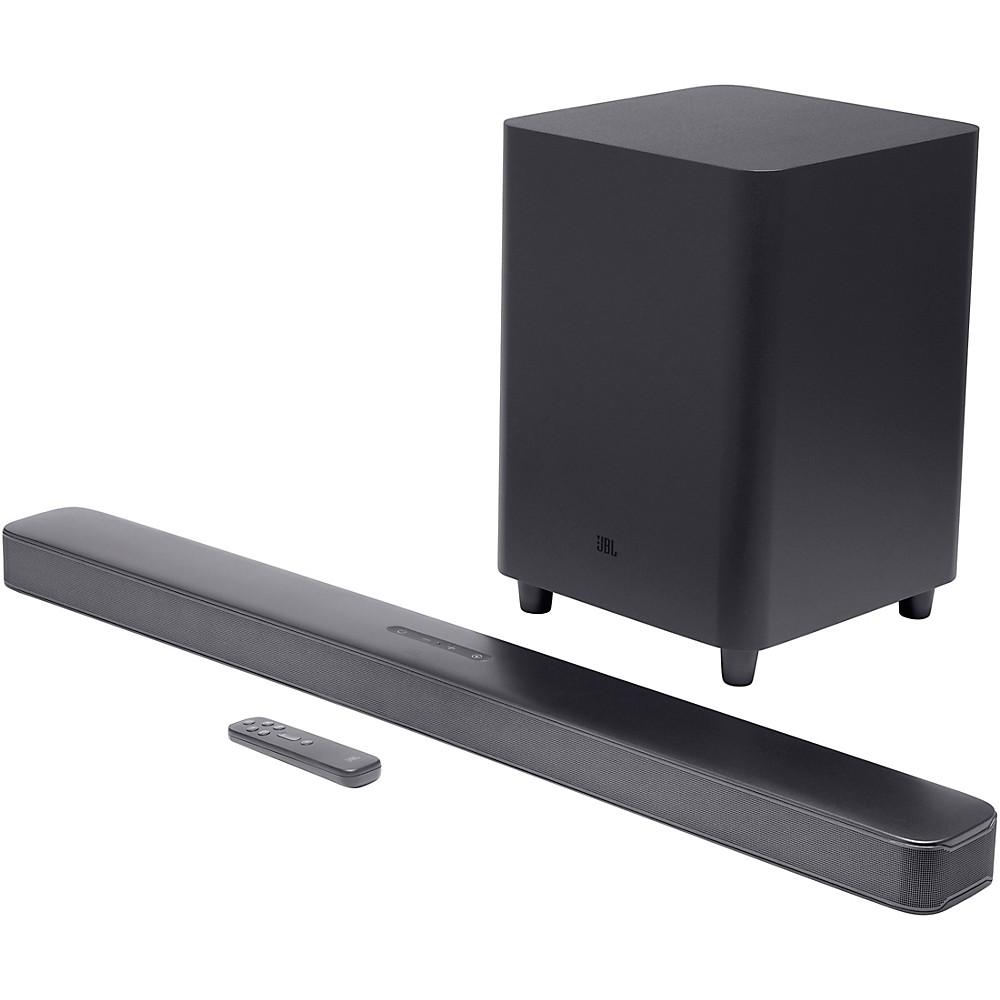
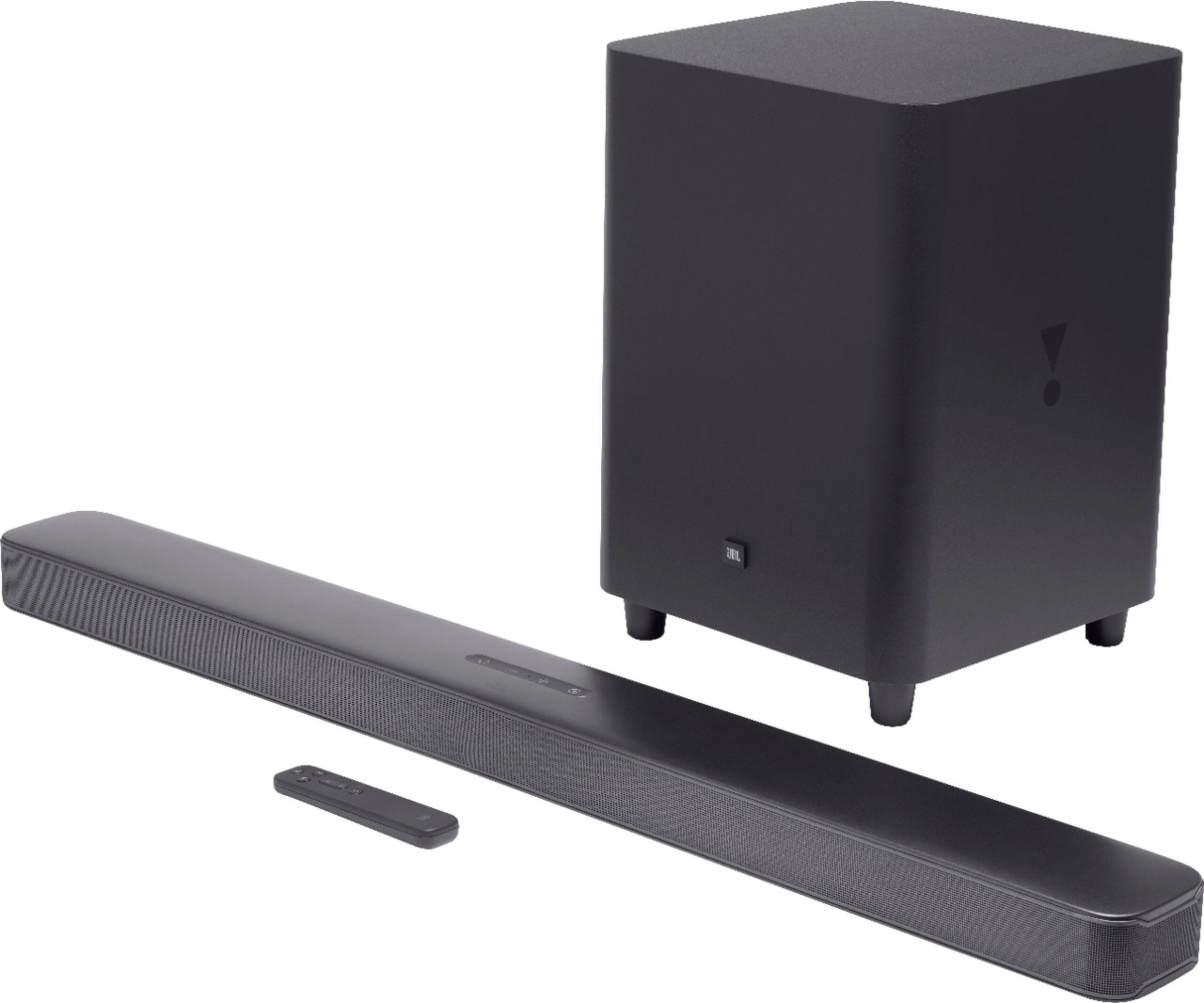
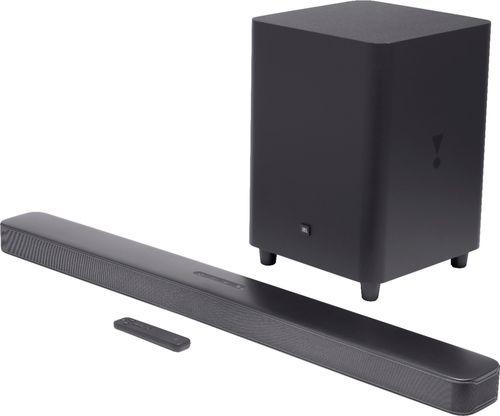
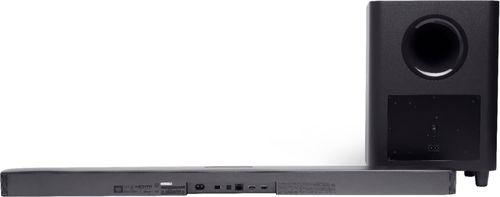
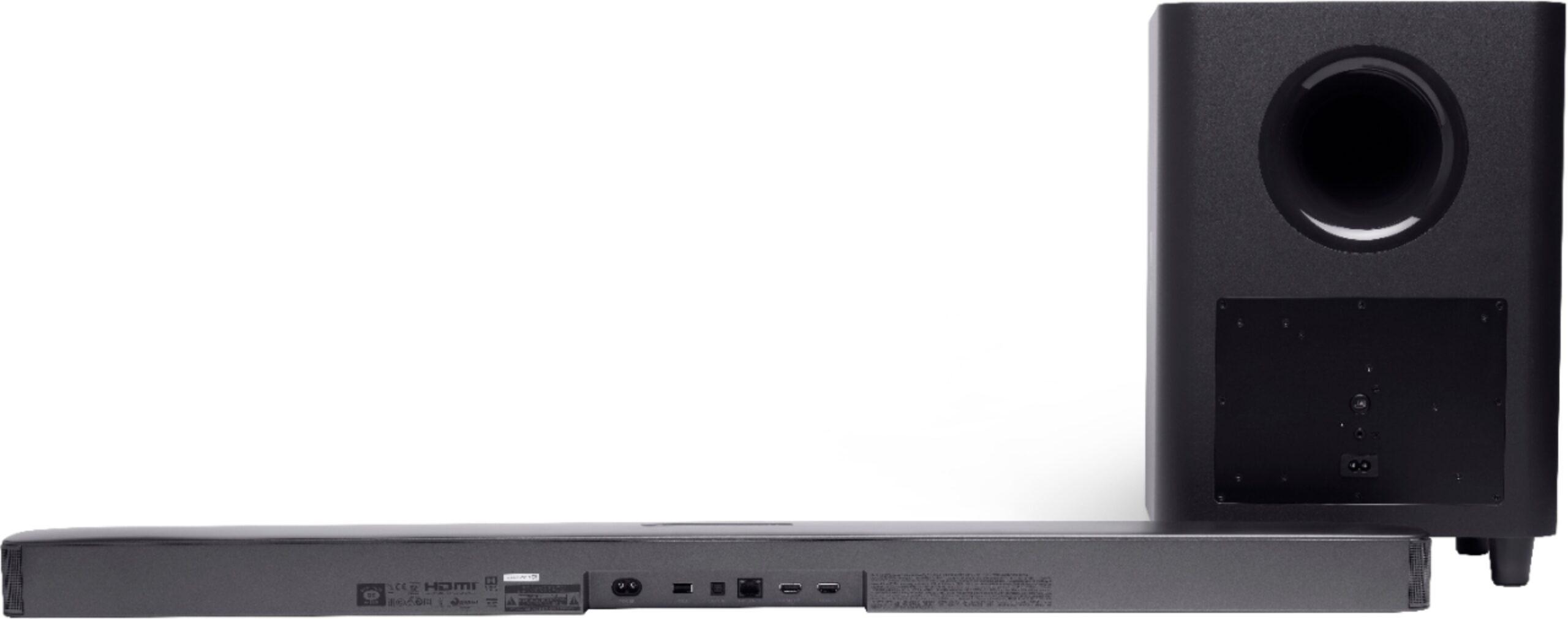
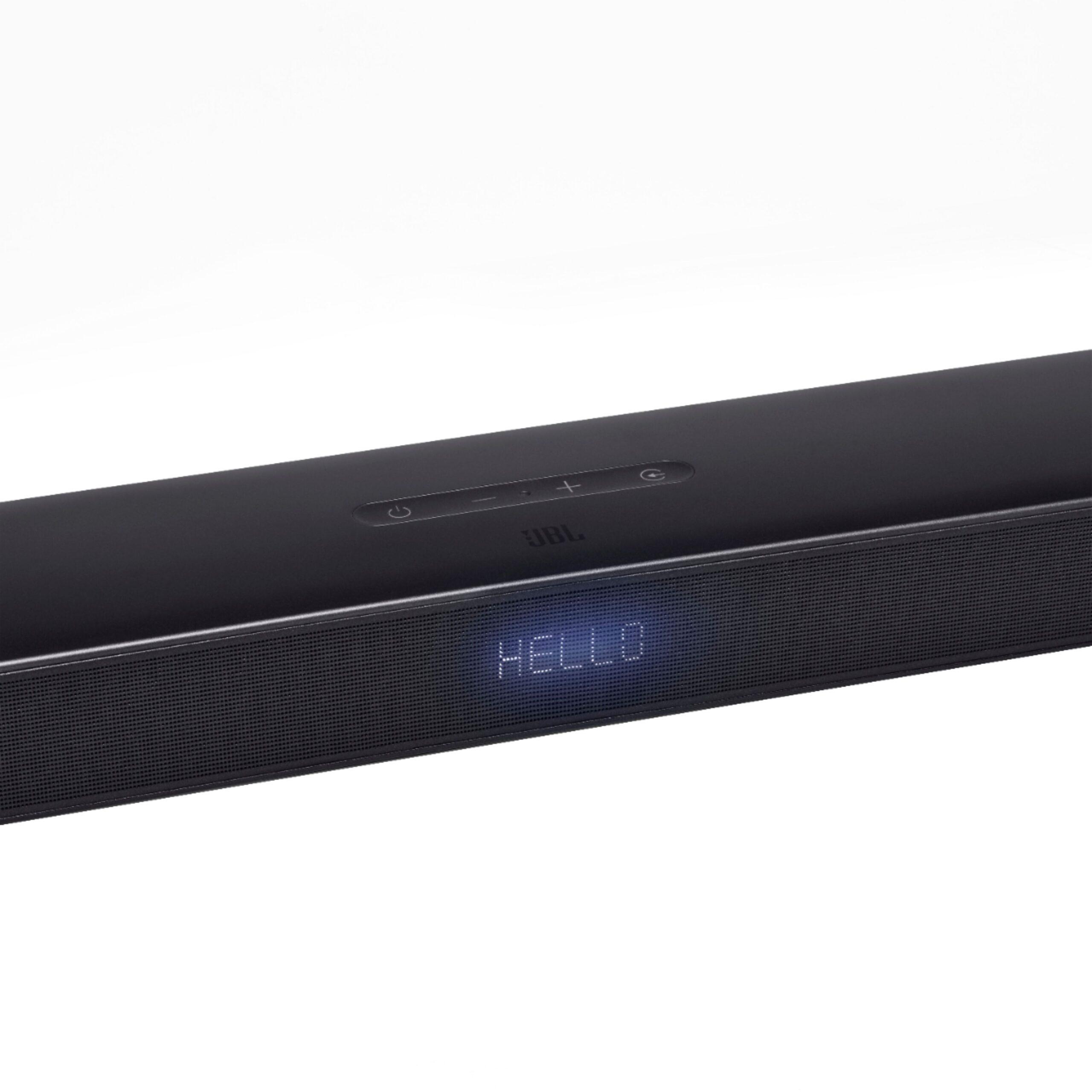
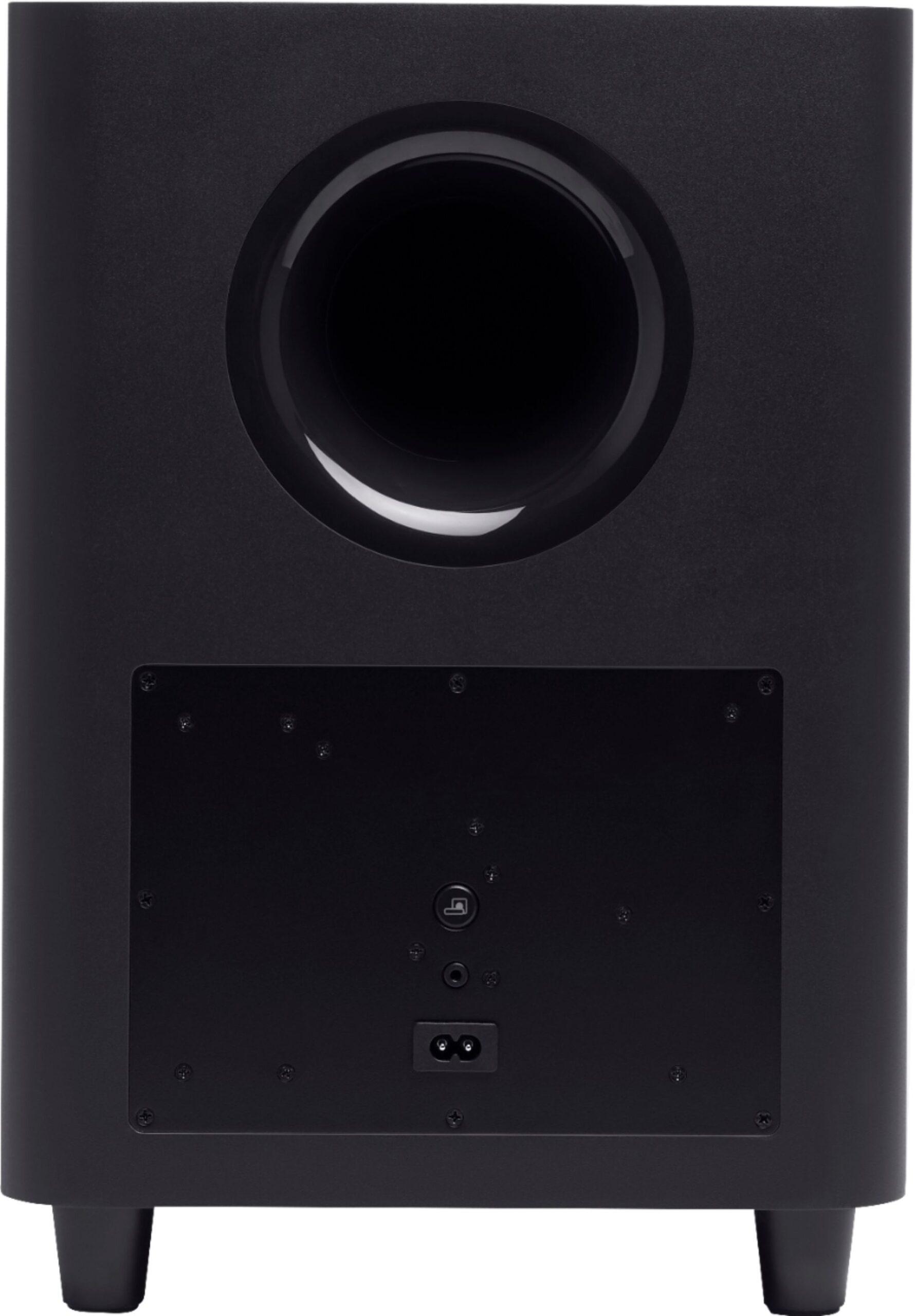
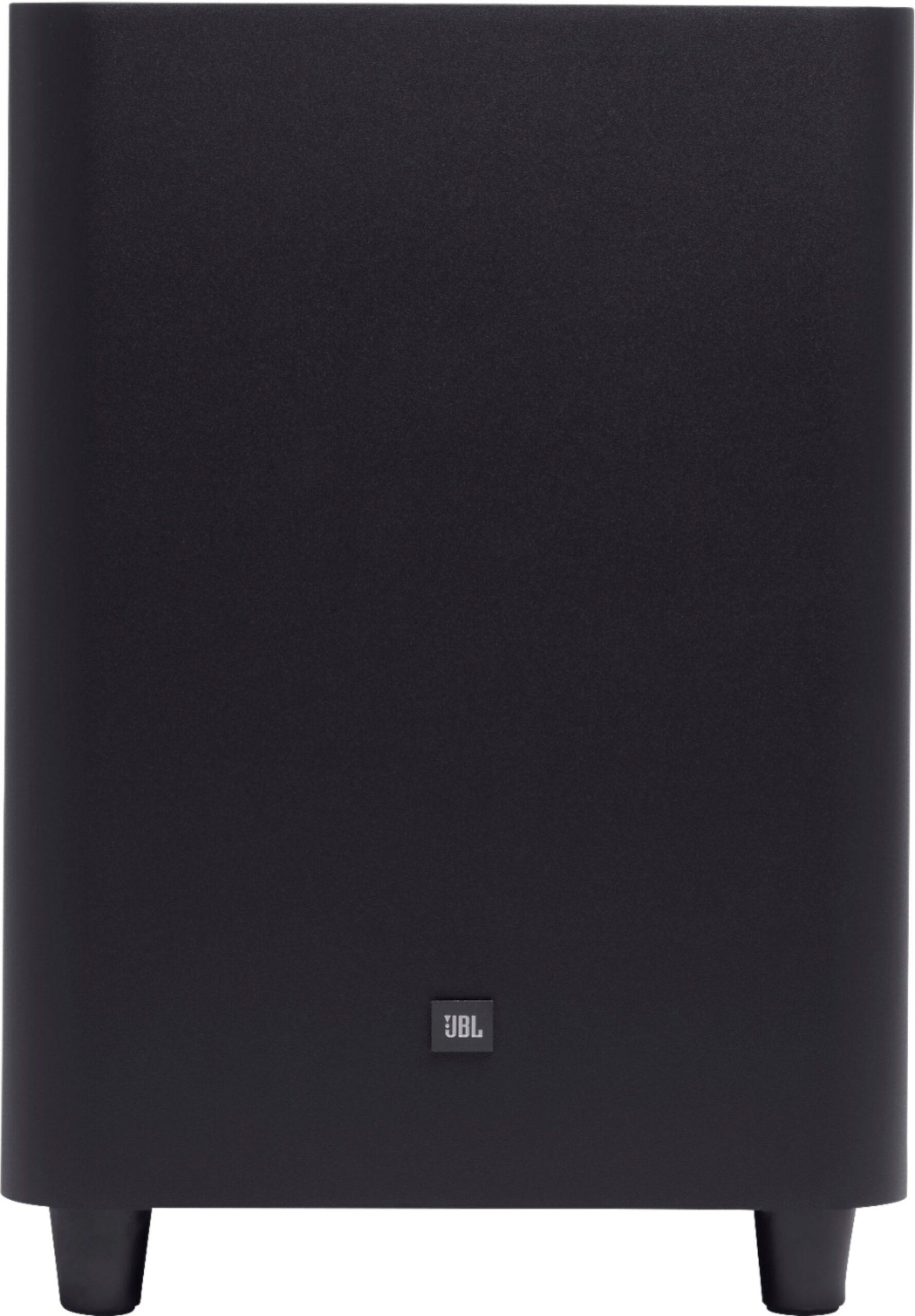
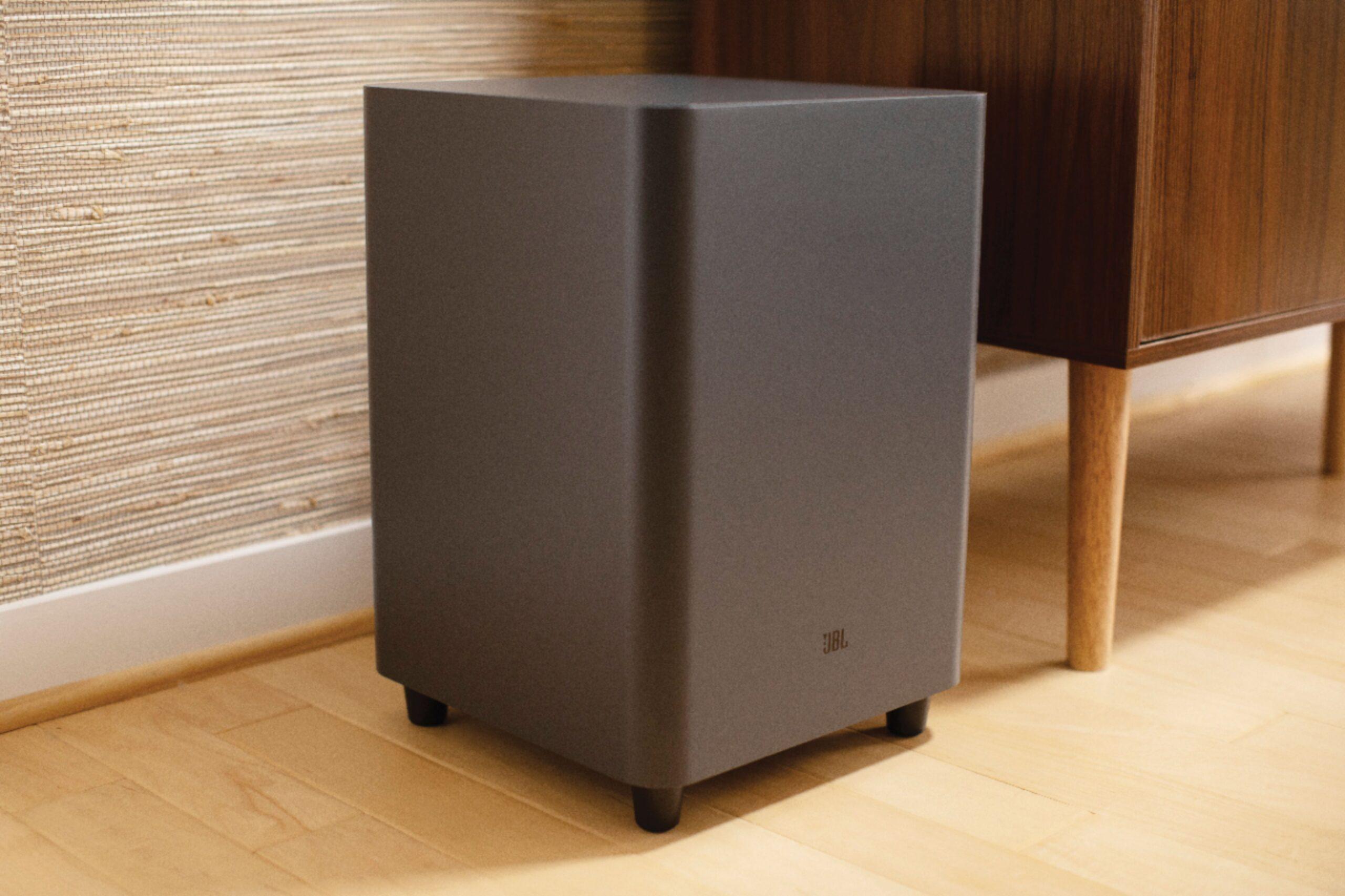
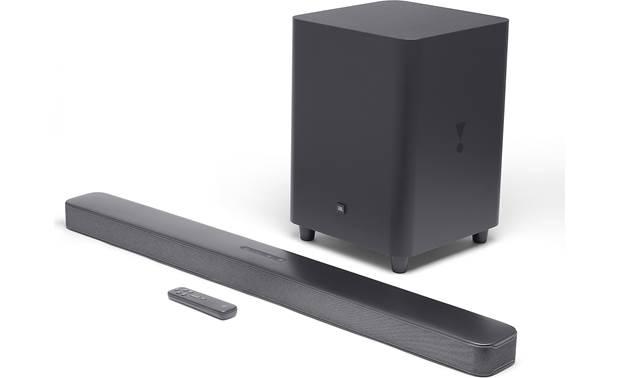
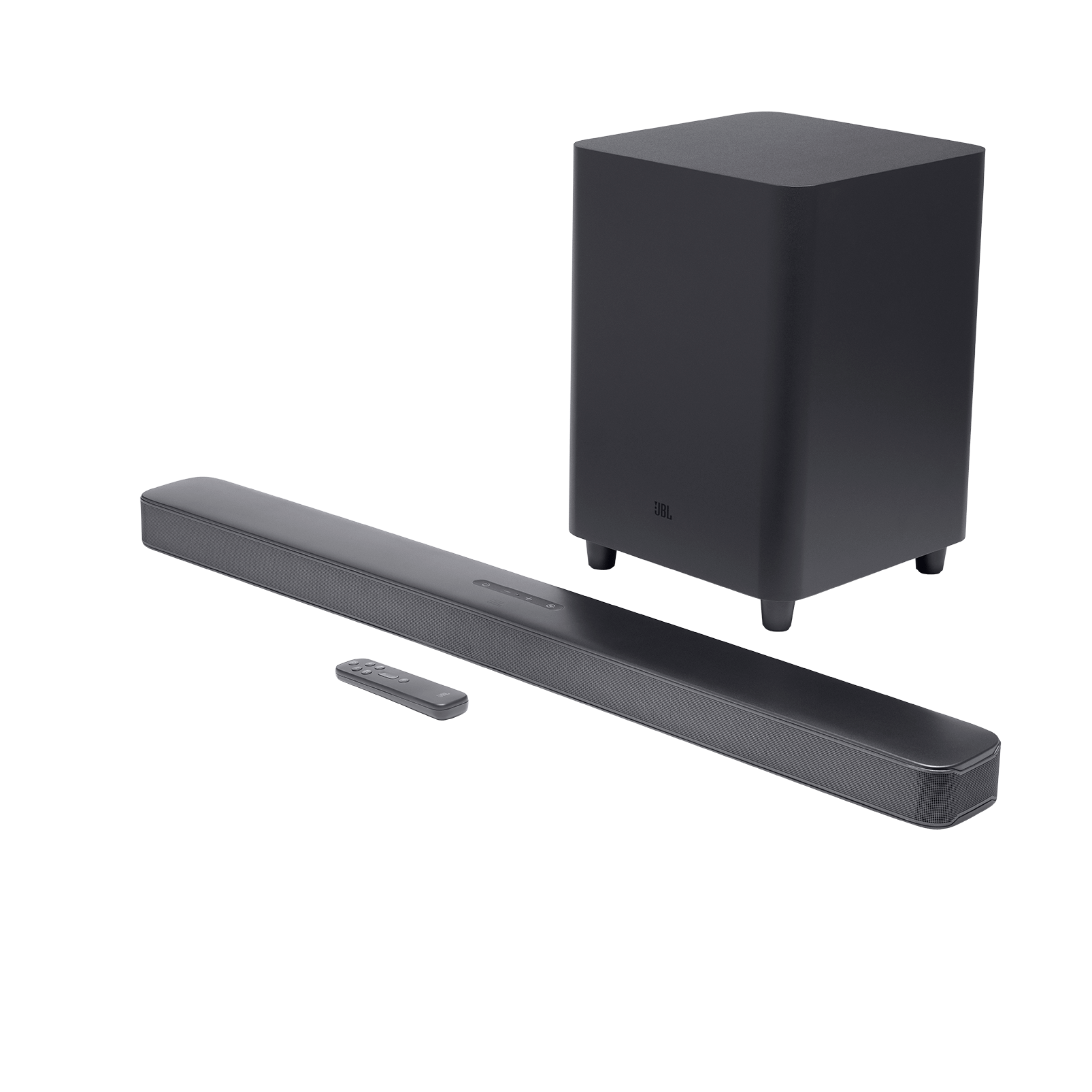
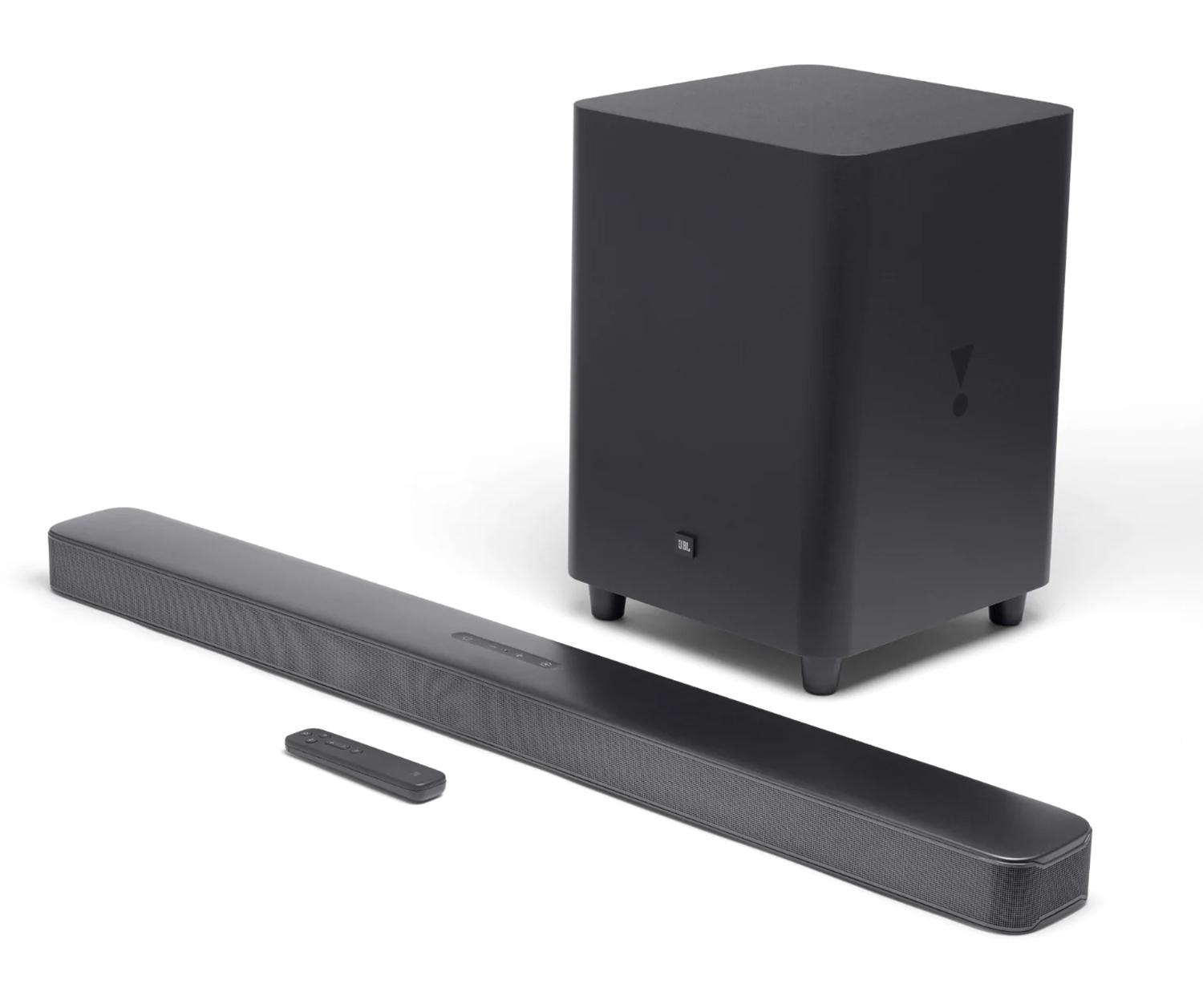
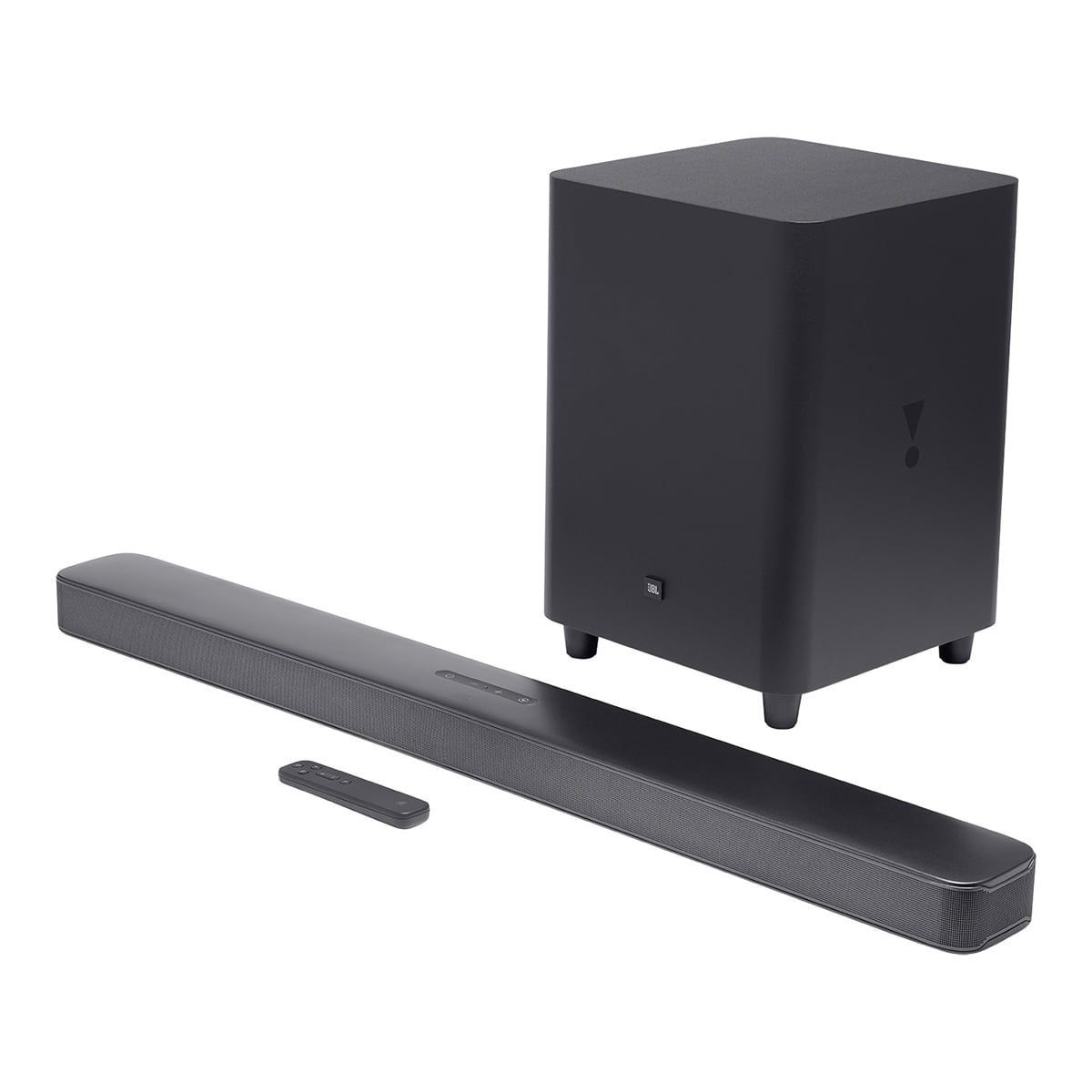
The JBL Bar 5.1, updated in 2023 with improved wireless connectivity, takes the conventional route with genuine 5.1 surround sound. This system includes a 45-inch main soundbar, a wireless 10-inch subwoofer, and two detachable rear speakers that can operate wirelessly for up to 10 hours on battery power.
What makes this setup compelling is the authenticity of the surround experience. When a helicopter flies across the screen in an action movie, you actually hear it move from the front speakers to the rear ones because there are real speakers positioned behind you. This creates what audio engineers call discrete surround channels – each speaker handles specific audio information rather than relying on processing to create the illusion.
The JBL's 550-watt total power output is distributed across genuine channels: the main bar houses five speakers (left, center, right, and two surround channels), while the 300-watt subwoofer handles low-frequency effects. The rear speakers add genuine surround information, creating a bubble of sound around your listening position.
One unique feature of the JBL system is its SoundShift technology, which allows instant switching between TV audio and Bluetooth streaming from your phone. This seamless transition means you can quickly switch from watching a movie to playing music from your smartphone without missing a beat.
Having tested both systems extensively with various music genres, the differences become immediately apparent. The AMBEO Mini treats music with the reverence you'd expect from Sennheiser, a company with deep roots in professional audio. When playing high-resolution tracks through TIDAL Connect – a feature that streams lossless audio directly to the soundbar – the level of detail retrieval is remarkable for a sub-$500 device.
The AMBEO Mini's strength lies in its ability to create a wide, immersive soundstage that extends well beyond the physical boundaries of the soundbar. Jazz recordings reveal subtle instrumental textures, while classical music benefits from the system's ability to separate individual instruments within the orchestra. The built-in support for 360 Reality Audio, Sony's immersive music format, adds another dimension to compatible tracks.
However, the JBL Bar 5.1 takes a different approach that many listeners prefer for casual music enjoyment. Its warmer sound signature, enhanced by the dedicated subwoofer, makes electronic music and modern pop recordings sound exciting and engaging. The physical separation between the main speakers and subwoofer creates a more traditional stereo image that some find more natural than the AMBEO's processed soundscape.
Where the JBL sometimes struggles is with complex musical passages where multiple instruments compete for attention. The system's emphasis on impact over precision can make quieter details get lost in busy mixes, something that rarely happens with the AMBEO Mini's more analytical approach.
This is where the fundamental differences between these systems become most apparent. The AMBEO Mini's virtualization technology excels at creating height effects – those overhead sounds that make Dolby Atmos content feel three-dimensional. When watching movies like "Blade Runner 2049," the sound of flying vehicles overhead feels convincingly positioned above your head, despite the absence of ceiling speakers.
The system's Adaptive AMBEO mode analyzes incoming content and automatically adjusts the processing to optimize the surround effect for each scene. This means dialogue-heavy scenes get different treatment than action sequences, ensuring both clarity and immersion are maintained throughout a film.
But here's where physics comes into play: the AMBEO Mini's compact design and built-in subwoofers simply cannot match the visceral impact of the JBL's dedicated 10-inch subwoofer. Action scenes that rely on deep, powerful bass – think of the T-Rex footsteps in "Jurassic Park" or explosions in superhero movies – feel more impactful through the JBL system.
The JBL Bar 5.1's detachable rear speakers create genuine surround moments that virtualization, no matter how sophisticated, cannot fully replicate. When those rear speakers are properly positioned, the sensation of being surrounded by sound is immediate and convincing. The trade-off is that this effect is entirely dependent on speaker placement and room acoustics, while the AMBEO Mini's performance remains more consistent across different setups.
Both systems tackle dialogue clarity differently, and the results reflect their underlying philosophies. The AMBEO Mini includes a dedicated Voice Enhancement mode that uses spectral analysis to identify and boost speech frequencies while suppressing competing sounds. This processing-based approach works remarkably well, making even whispered dialogue audible without requiring volume adjustments.
The JBL Bar 5.1 relies on its physical center channel – a dedicated speaker specifically designed for dialogue reproduction. This traditional approach works well for most content, but can struggle when music and sound effects compete with speech in complex movie soundtracks. The system lacks the sophisticated processing algorithms that could automatically balance these competing elements.
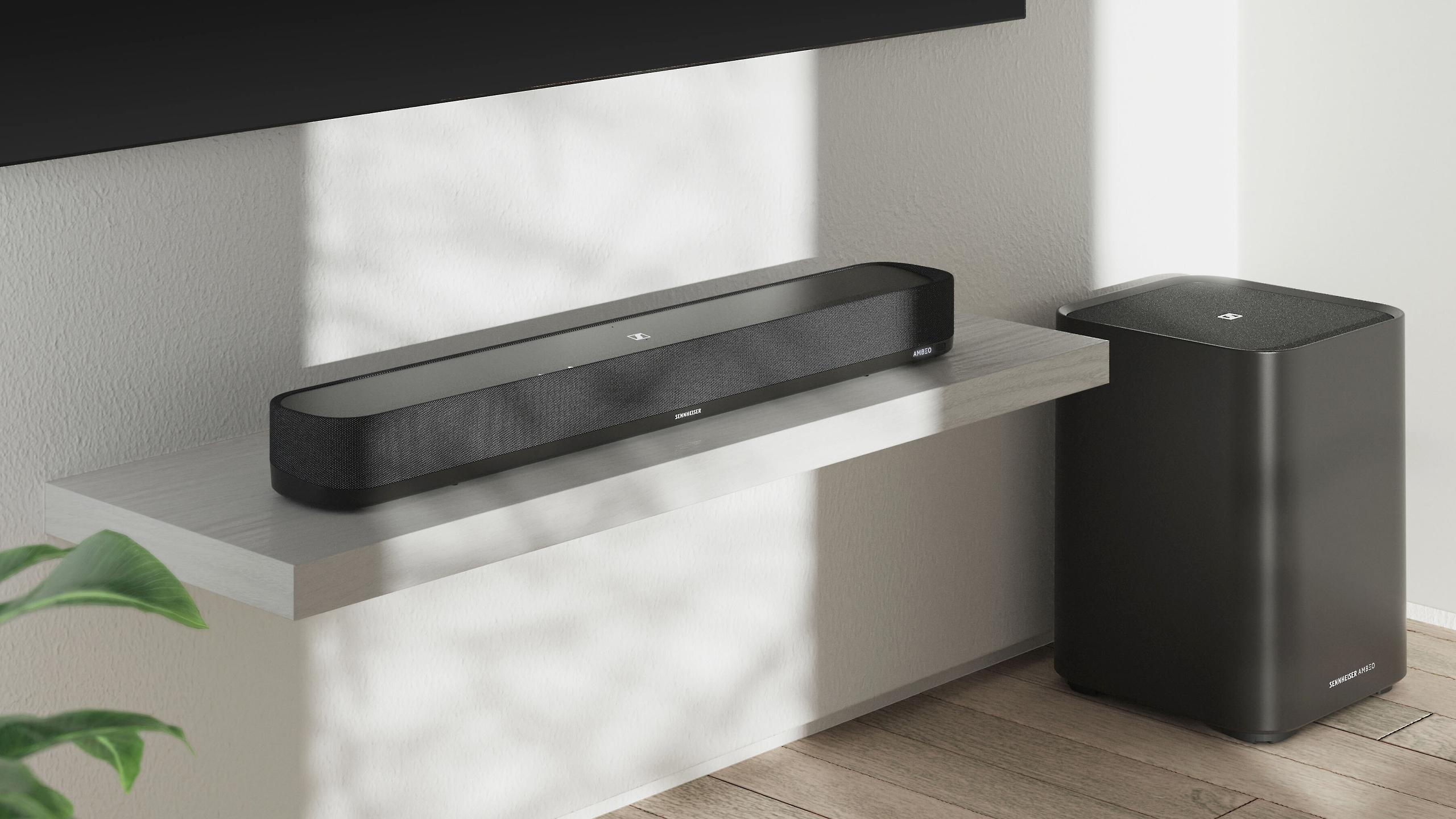
The AMBEO Mini's compact footprint makes it ideal for modern living situations where space is at a premium. I've tested it in rooms ranging from small bedrooms to medium-sized living rooms, and its performance remains surprisingly consistent. The automated calibration process takes about two minutes and genuinely adapts to different environments.
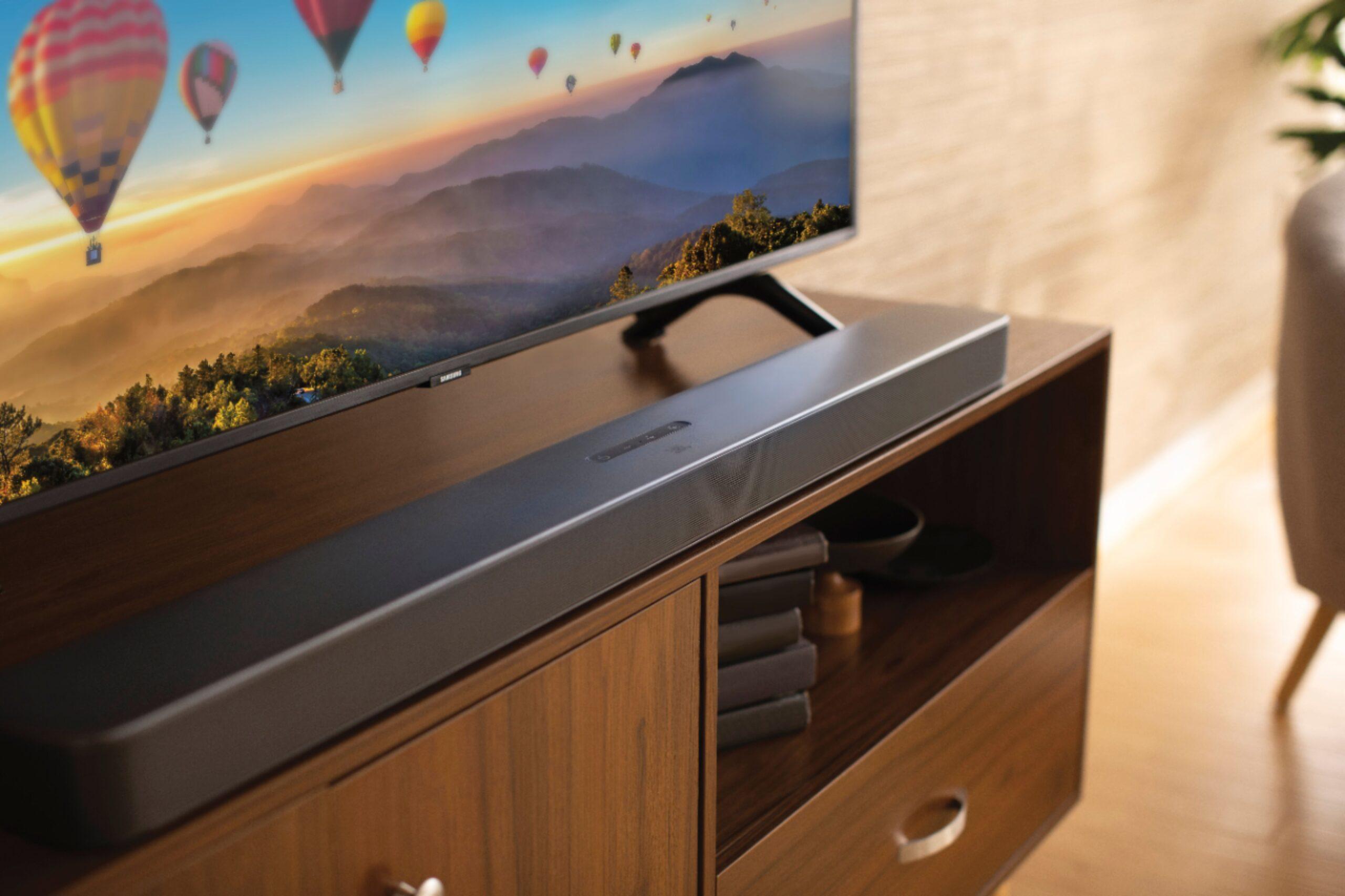
The visual impact is minimal – the soundbar's sleek design disappears beneath most TVs, maintaining clean sight lines that many homeowners prioritize. For apartment dwellers or anyone dealing with space constraints, this approach offers high-end audio performance without the visual or physical footprint of traditional surround systems.
The JBL Bar 5.1, while larger, offers flexibility that the AMBEO cannot match. The detachable rear speakers can be positioned optimally for your seating arrangement, then removed and used as portable Bluetooth speakers for other activities. This dual-purpose design adds value beyond the primary home theater function.
However, the system does require careful planning. The wireless subwoofer needs placement that balances acoustic performance with aesthetic considerations, while the rear speakers require either permanent positioning or the discipline to set them up each time you want the full surround experience.
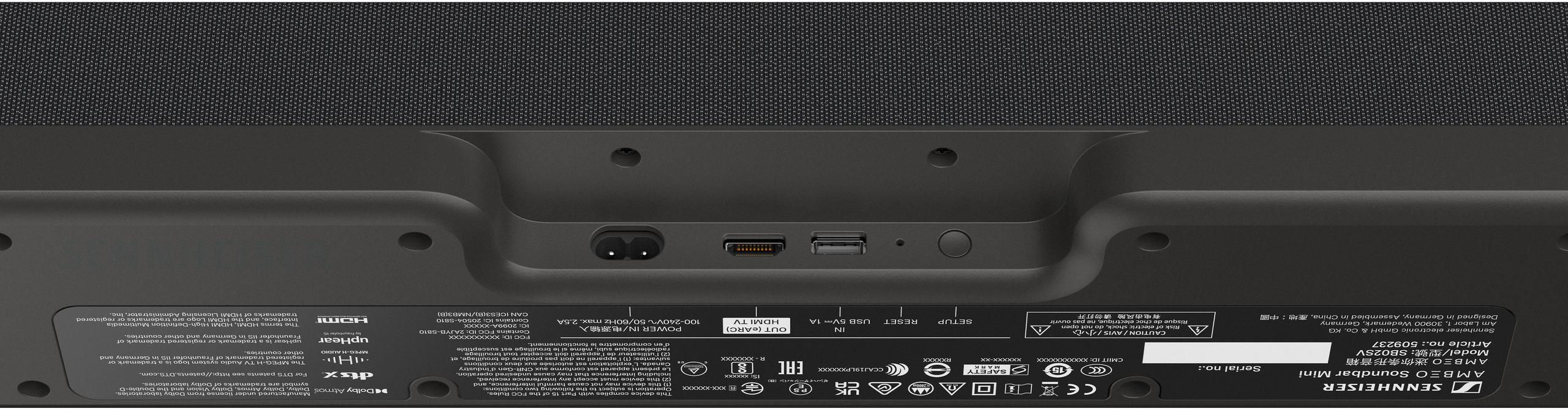
The AMBEO Mini represents the pinnacle of plug-and-play simplicity. Connect a single HDMI cable to your TV's eARC port, plug in the power cord, and the automated setup begins immediately. The system's room correction microphones eliminate the guesswork that traditionally accompanies audio system setup.
One limitation I've encountered is the lack of HDMI passthrough, meaning you cannot connect additional devices directly to the soundbar. All connections must go through your TV, which may limit functionality with older televisions or specific gaming setups.
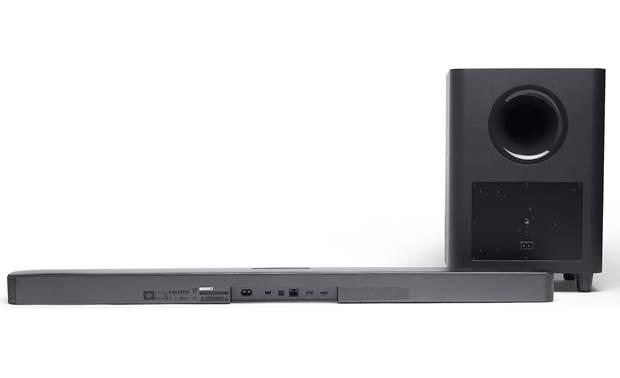
The JBL system requires more initial setup but offers greater connectivity flexibility with three HDMI inputs. This allows direct connection of gaming consoles, streaming devices, and other sources, potentially reducing input lag and ensuring full 4K compatibility.
The AMBEO Mini benefits from Sennheiser's continuous software updates, with new features and streaming service integrations added regularly since its 2022 launch. The company has refined the room correction algorithms and added support for additional music streaming platforms, making the device more capable today than when originally released.
JBL's approach with the Bar 5.1 has focused on improving wireless reliability and battery life in the rear speakers. The 2023 revision addressed connectivity issues that plagued earlier versions and extended the wireless speaker battery life to a full 10 hours of continuous use.
Both systems represent mature implementations of their respective technologies, having moved beyond the early adoption phase where bugs and compatibility issues were common. This maturity makes both viable choices for users who want proven performance rather than cutting-edge features that may not work reliably.
The choice between these systems ultimately depends on your priorities and living situation. The AMBEO Mini excels in scenarios where space is limited, setup simplicity is valued, and audio precision matters more than raw impact. Its virtualization technology works particularly well for content consumption in smaller rooms where traditional surround speakers would be impractical.
For home theater enthusiasts who have the space and want the authentic surround experience, the JBL Bar 5.1 provides genuine multi-channel audio that virtualization cannot fully replicate. The system's flexibility, multiple connection options, and powerful bass response make it ideal for larger rooms and users who prioritize the traditional surround sound experience.
The $100 price difference reflects these different approaches: Sennheiser's investment in advanced processing technology versus JBL's inclusion of physical surround hardware. Both offer excellent value within their respective categories, making the decision more about matching technology to your specific needs rather than finding an objective "winner."
Consider your room size, content preferences, and tolerance for setup complexity when making this choice. Both systems will significantly improve your TV's audio, but they'll do so in fundamentally different ways that appeal to different users and situations.
| Sennheiser AMBEO Soundbar Mini | JBL Bar 5.1 Surround Soundbar with Wireless Subwoofer |
|---|---|
| Price - Entry point for premium soundbar experience | |
| $499.96 | $599.95 |
| Audio Technology - How surround sound is created | |
| 7.1.4 virtualized Dolby Atmos (uses processing to simulate surround channels) | True 5.1 surround with physical rear speakers and subwoofer |
| Total Power Output - Impacts maximum volume and dynamic range | |
| 250W (optimized for clarity over raw power) | 550W (emphasizes room-filling volume and bass impact) |
| Physical Setup - Space requirements and installation complexity | |
| Single compact bar (27.6" wide, automated room calibration) | Multi-component system (45" bar + wireless subwoofer + detachable rear speakers) |
| Bass Performance - Critical for movies and music impact | |
| Built-in dual 4" subwoofers (43Hz response, good for apartments) | Dedicated 10" wireless subwoofer (extends below 40Hz, powerful room-shaking bass) |
| Room Correction - Adapts sound to your space automatically | |
| Advanced 4-microphone system with automated calibration | Manual positioning required, no room correction technology |
| Streaming Integration - Modern connectivity and smart features | |
| Wi-Fi, AirPlay 2, Chromecast, TIDAL Connect, built-in Alexa | Bluetooth focus with SoundShift technology for device switching |
| HDMI Connectivity - Flexibility for multiple devices | |
| HDMI eARC only (requires TV passthrough for all devices) | 3 HDMI inputs + eARC output (direct device connections possible) |
| Best For - Ideal user scenarios | |
| Small-medium rooms, music lovers, minimalist setups, renters | Large rooms, movie enthusiasts, traditional surround preference, homeowners |
The Sennheiser AMBEO Soundbar Mini at $499.96 is specifically designed for smaller spaces. Its compact 27.6-inch width and automated room calibration make it ideal for apartments, bedrooms, or smaller living rooms. The virtualized surround technology works exceptionally well in confined spaces where physical rear speakers would be impractical.
The AMBEO Mini uses advanced processing to create virtual 7.1.4 surround sound from a single bar, while the JBL Bar 5.1 at $599.95 provides true 5.1 surround with actual rear speakers and a separate subwoofer. Virtual surround is more convenient and space-efficient, while real surround offers authentic directional audio effects.
The JBL Bar 5.1 Surround Soundbar delivers significantly more powerful bass with its dedicated 10-inch wireless subwoofer extending below 40Hz. The AMBEO Mini includes built-in dual 4-inch subwoofers that reach 43Hz, which is adequate for most content but cannot match the impact of a dedicated subwoofer.
The Sennheiser AMBEO Mini offers true plug-and-play setup with automated room calibration taking just minutes. The JBL Bar 5.1 requires positioning the wireless subwoofer and rear speakers throughout your room, making setup more complex but potentially more rewarding for the full surround experience.
The AMBEO Soundbar Mini excels at music reproduction with its precision-focused approach, high-resolution streaming support (TIDAL Connect), and excellent instrument separation. The JBL Bar 5.1 offers a warmer, bass-heavy signature that many prefer for casual listening but lacks the audiophile-grade detail retrieval.
The JBL Bar 5.1 provides more physical connections with three HDMI inputs plus eARC output, allowing direct device connections. The AMBEO Mini focuses on wireless connectivity with Wi-Fi, AirPlay 2, Chromecast, and built-in Alexa, but only offers HDMI eARC for TV connection.
Both excel in different ways: the JBL Bar 5.1 Surround provides authentic surround movement and powerful bass for action movies, while the Sennheiser AMBEO Mini creates impressive height effects and clear dialogue through advanced processing. Choose JBL for blockbuster impact, AMBEO for precision and space efficiency.
The AMBEO Mini costs $499.96 and delivers premium virtualization technology in a compact package. The JBL Bar 5.1 at $599.95 includes physical surround hardware (subwoofer and rear speakers) that would cost much more separately. Both offer excellent value within their respective approaches.
The Sennheiser AMBEO Soundbar Mini wins for aesthetic integration with its sleek, compact design that disappears beneath most TVs. The JBL Bar 5.1 requires space for multiple components including a sizable subwoofer and rear speakers, making it more visually prominent in your room.
Both soundbars work with older TVs through optical connections, though you'll miss advanced features like eARC. The JBL Bar 5.1 offers more flexibility with multiple HDMI inputs for connecting devices directly. The AMBEO Mini relies more heavily on your TV's connectivity options.
The JBL Bar 5.1 Surround Soundbar edges ahead for gaming with its direct HDMI inputs reducing potential input lag and providing authentic surround positioning for competitive gaming. The AMBEO Mini still delivers excellent gaming audio through its virtualization but requires routing through your TV.
Choose the AMBEO Soundbar Mini for small spaces, premium audio quality, minimal setup, and advanced streaming features. Choose the JBL Bar 5.1 for larger rooms, traditional surround sound experience, powerful bass, and multiple device connections. The decision ultimately depends on your space constraints and audio priorities.
We've done our best to create useful and informative comparisons to help you decide what product to buy. Our research uses advanced automated methods to create this comparison and perfection is not possible - please contact us for corrections or questions. These are the sites we've researched in the creation of this article: techradar.com - sennheiser-hearing.com - stereonet.com - rtings.com - youtube.com - youtube.com - newsroom.sennheiser.com - whathifi.com - baybloorradio.com - sennheiser-hearing.com - files.bbystatic.com - jbl.com - jbl.com - jbl.com - tomsguide.com - jbl.com - bestbuy.com - bestbuy.com - jbl.com - jbl.com - worldwidestereo.com

Privacy Policy
Terms and Conditions - Affiliate Policy
Home Security
© Copyright 2008-2026.
11816 Inwood Rd #1211, Dallas, TX 75244