



If you've been frustrated by your TV's weak, tinny speakers, you're not alone. Built-in TV audio has gotten worse as screens have gotten thinner, leaving many viewers struggling to hear dialogue clearly or feel any impact from action scenes. That's where 5.1 soundbar systems come in—they promise to deliver theater-like surround sound without the complexity of traditional multi-speaker setups.
The Amazon Fire TV Soundbar Plus 5.1 Channel System and JBL Bar 5.1 Surround Soundbar represent two compelling but distinctly different approaches to solving this problem. Both systems were released in recent years—Amazon's in 2023 and JBL's system arriving earlier in 2019—and at the time of writing, they're priced competitively in the mid-range market around $400-450. However, their fundamental approaches to creating surround sound couldn't be more different.
Before diving into these specific products, it's worth understanding what "5.1" actually means and why it matters for your home theater experience. The "5.1" designation refers to six total audio channels: five main speakers (front left, center, front right, rear left, rear right) plus one subwoofer channel (the ".1") for low-frequency effects. This configuration allows sound engineers to place specific audio elements—like a helicopter flying overhead or footsteps moving behind you—in precise locations around your listening space.
Traditional 5.1 systems require six separate speakers positioned throughout your room, which can be impractical for many living spaces. Modern soundbar systems attempt to recreate this experience through various technologies, and that's where our two contenders take dramatically different paths.
The most fundamental difference between the Amazon Fire TV Soundbar Plus and JBL Bar 5.1 lies in how they create that coveted surround sound experience.
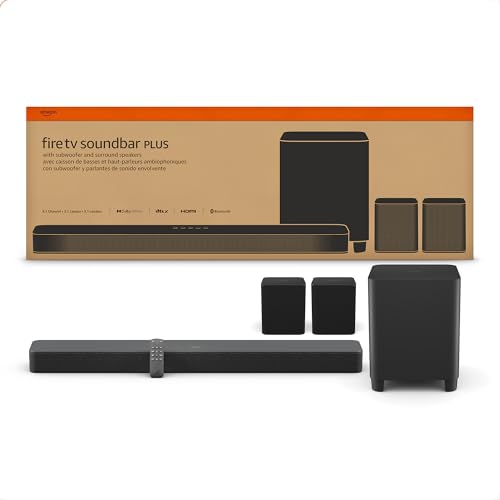
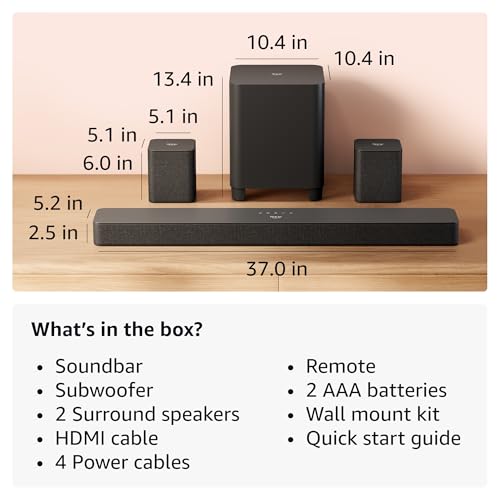
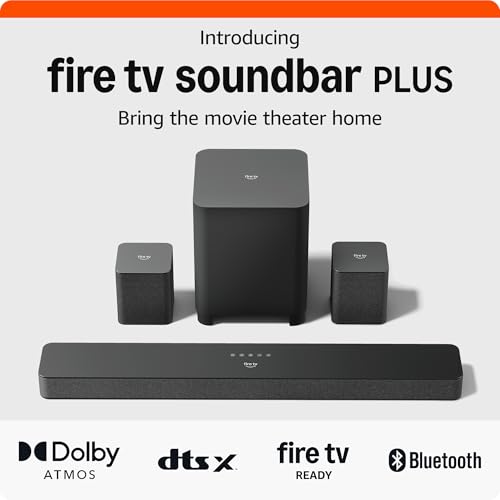
The Amazon Fire TV Soundbar Plus takes what purists would call the "honest" approach. When you unbox this system, you'll find not just a soundbar and subwoofer, but also two small wireless satellite speakers designed to sit behind your seating area. These rear speakers are genuine surround channels—when a movie's sound designer wants you to hear a car chase approaching from behind, these speakers will actually play that audio from behind you.
This setup delivers what audio engineers call "discrete channel separation," meaning each of the 5.1 channels plays through its own dedicated speaker. The result is remarkably convincing positional audio that can make you turn your head when a sound effect pans from front to back. During our research into user experiences, owners consistently praise this authentic surround positioning, particularly noting how helicopter scenes in action movies or ambient crowd noise in concert footage creates genuine immersion.
However, this approach comes with practical trade-offs. Those rear speakers need to be positioned properly and plugged into power outlets, which isn't always convenient in every living room setup. The satellite speakers also represent additional components that can potentially fail or lose their wireless connection.
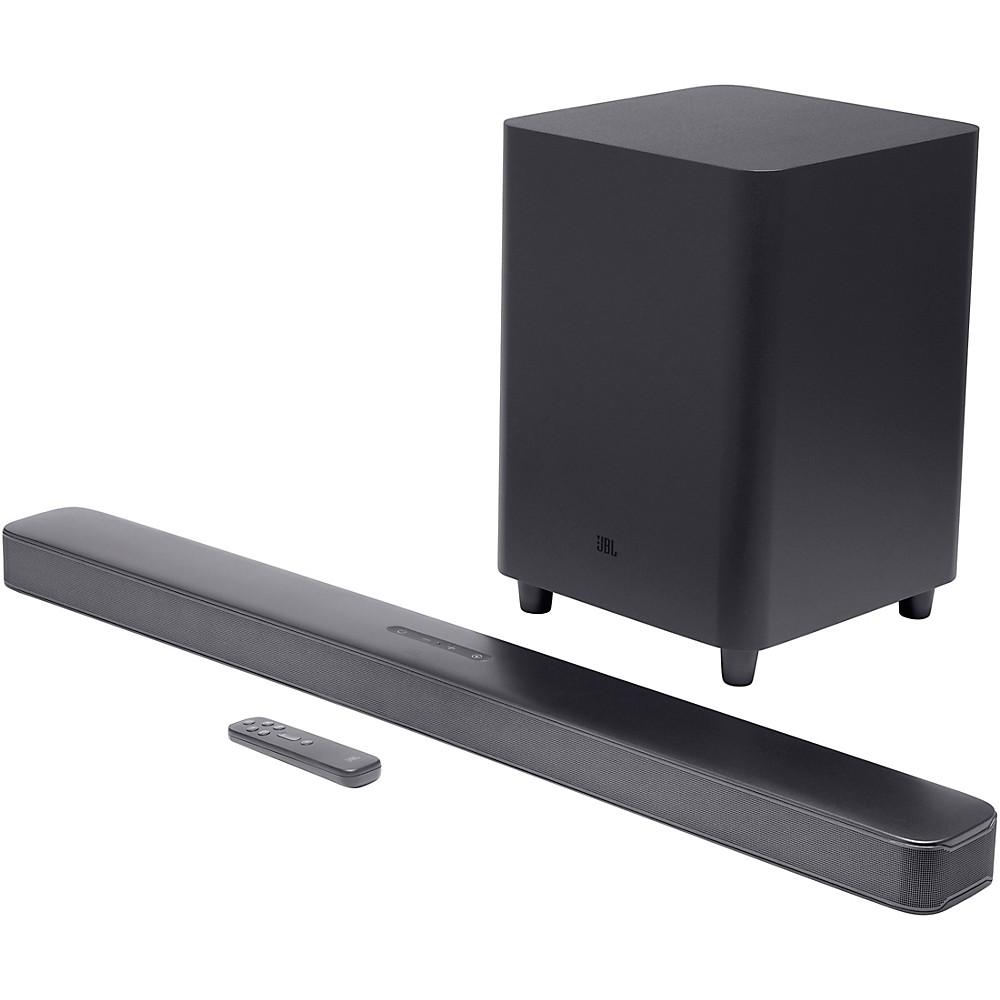
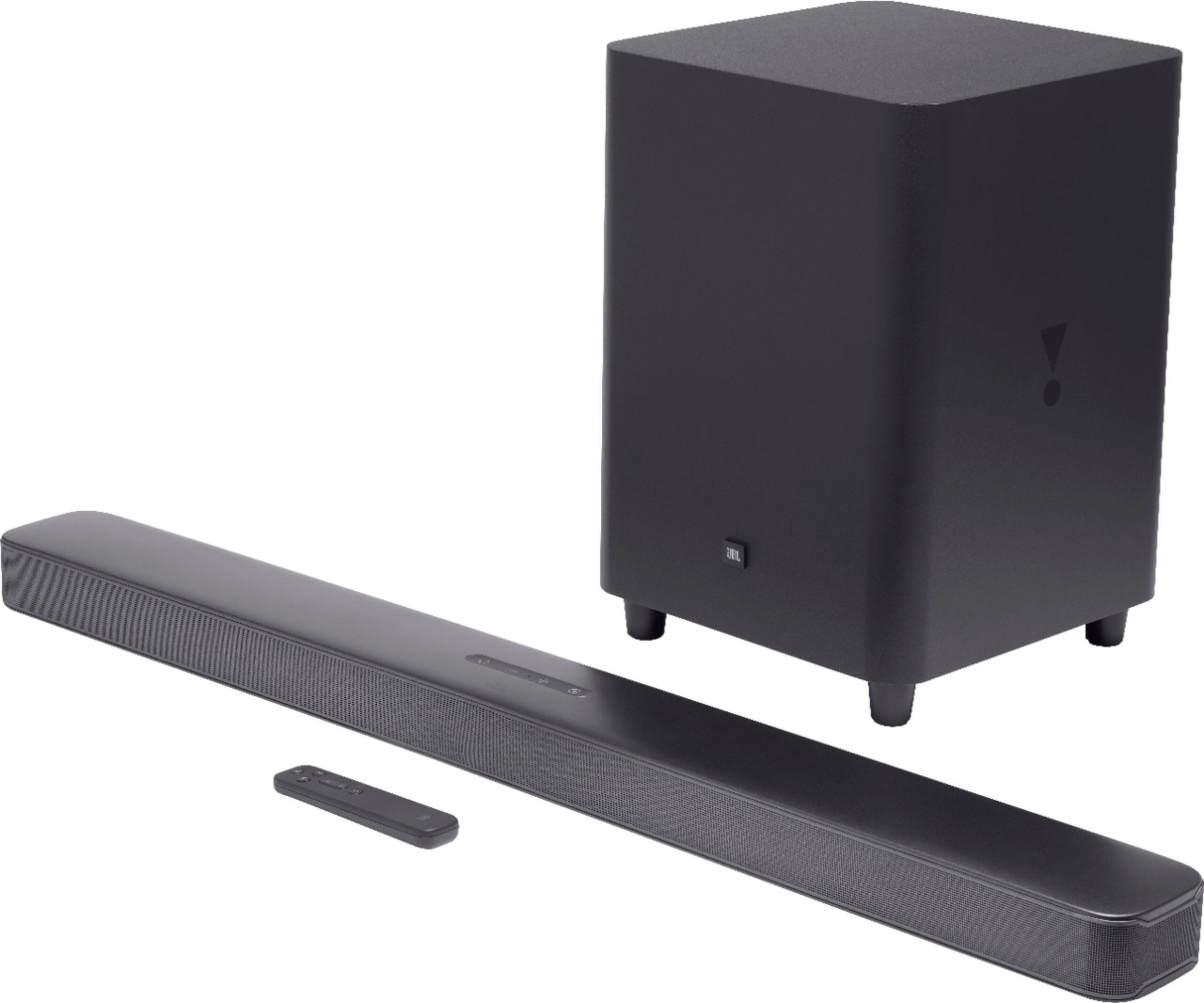
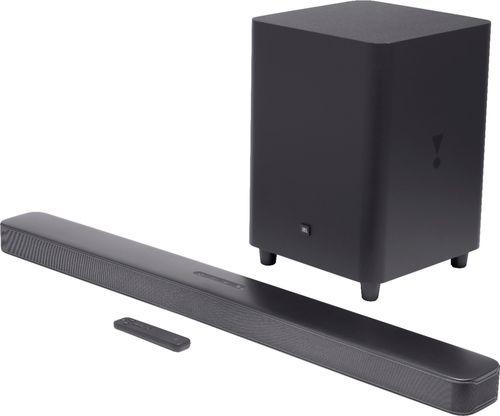
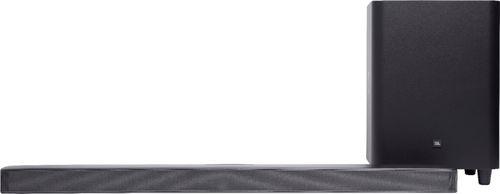
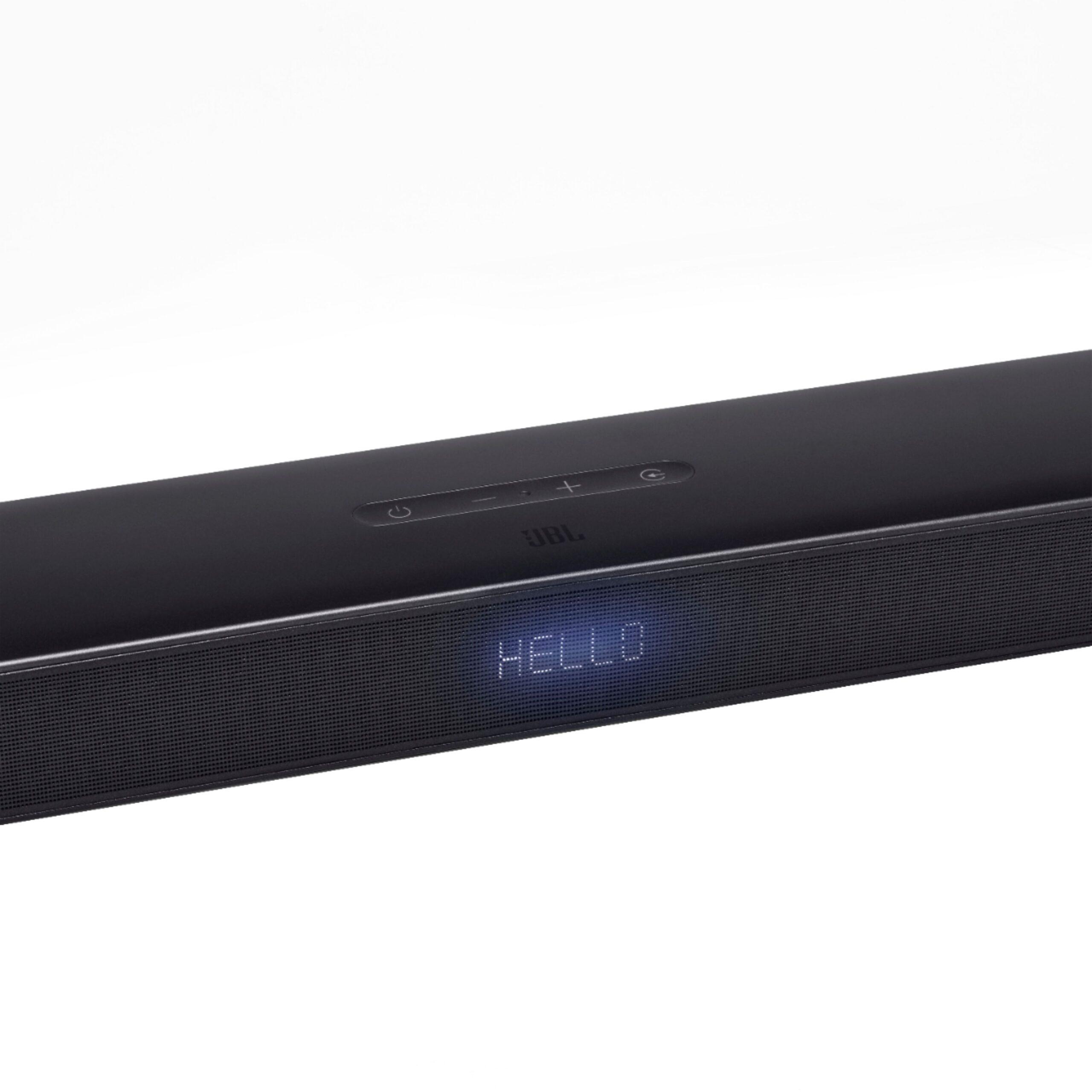
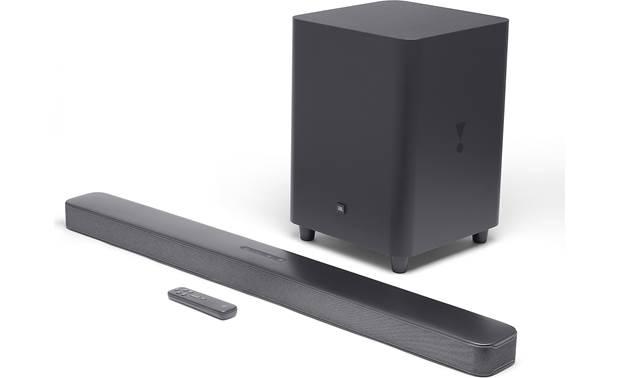
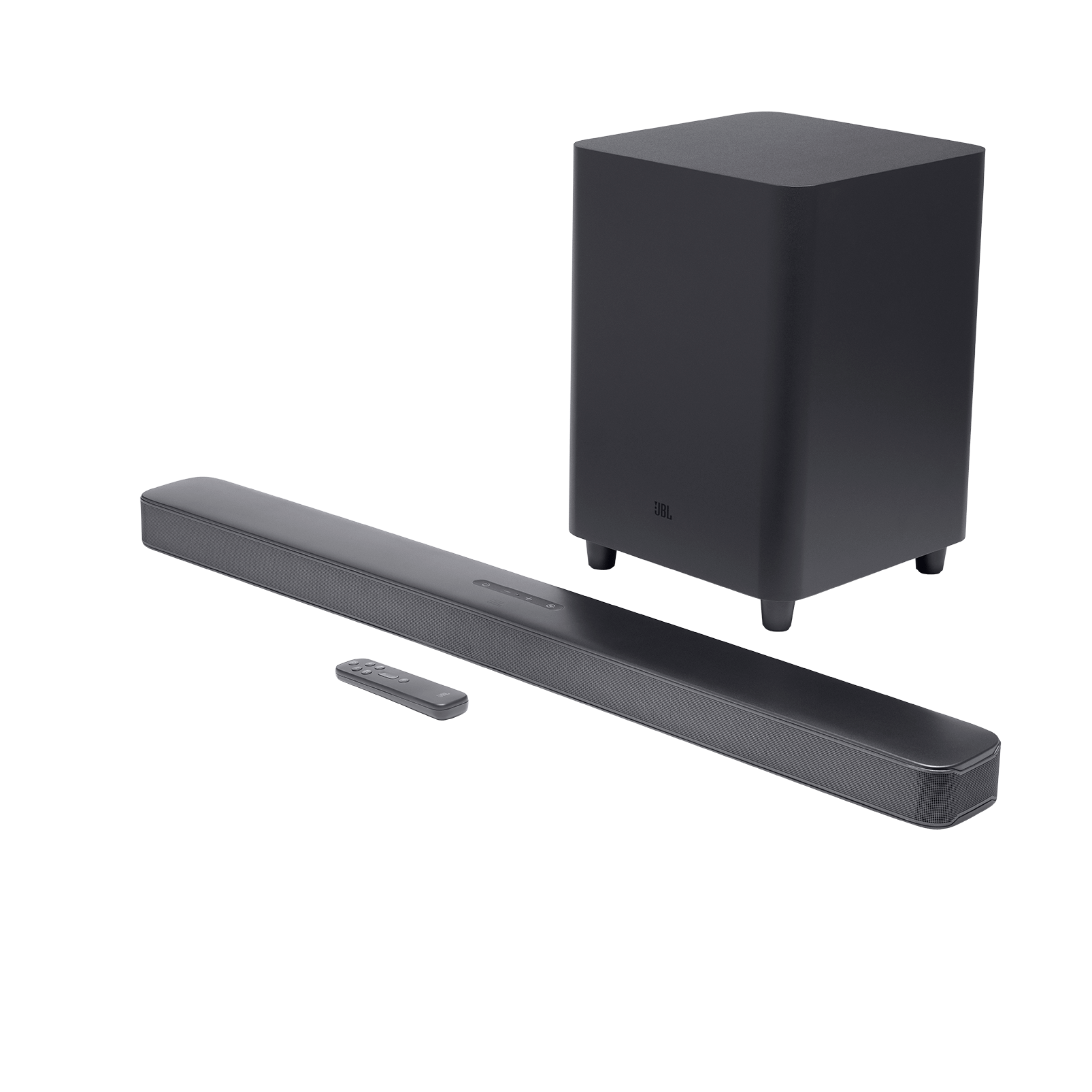
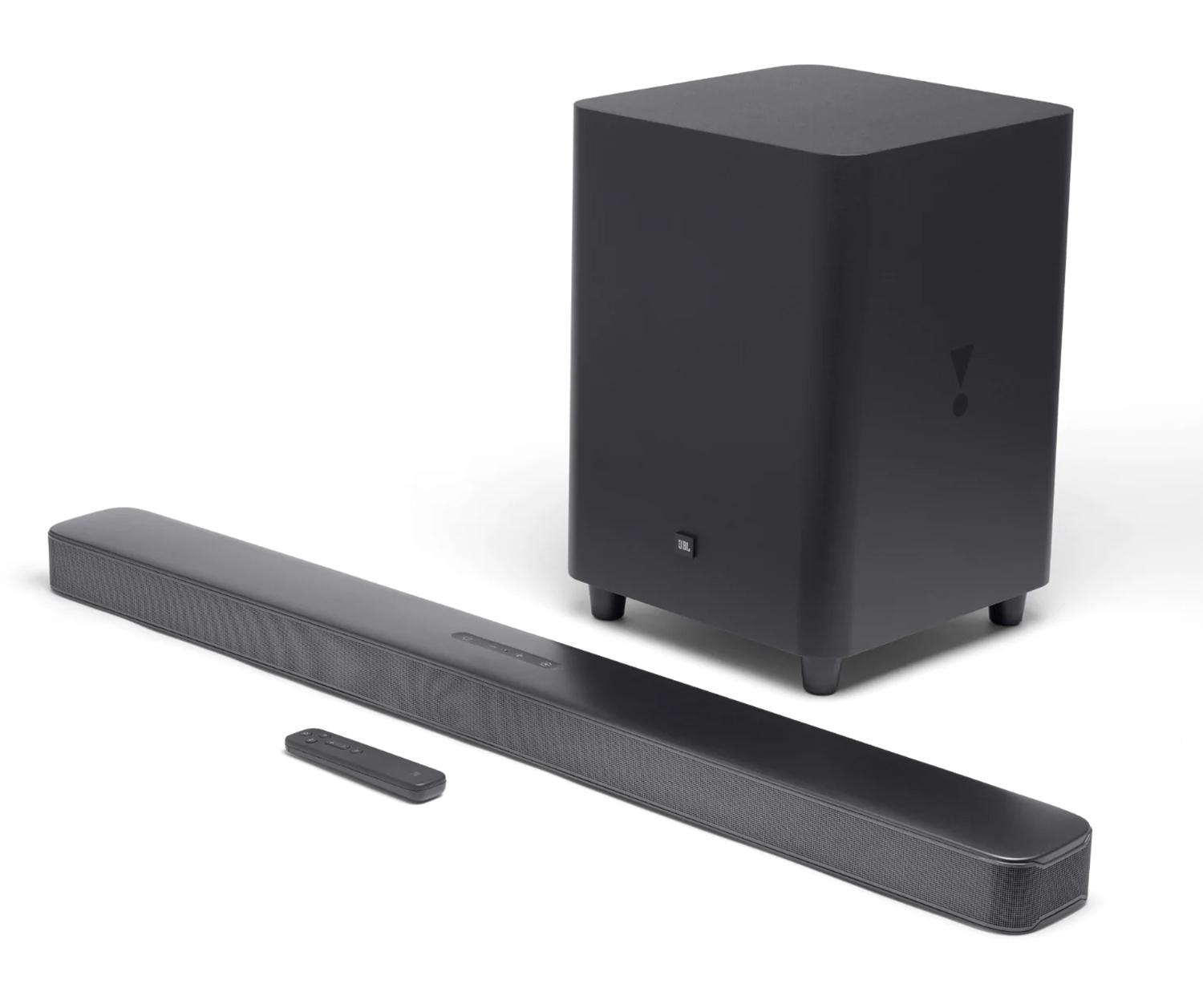
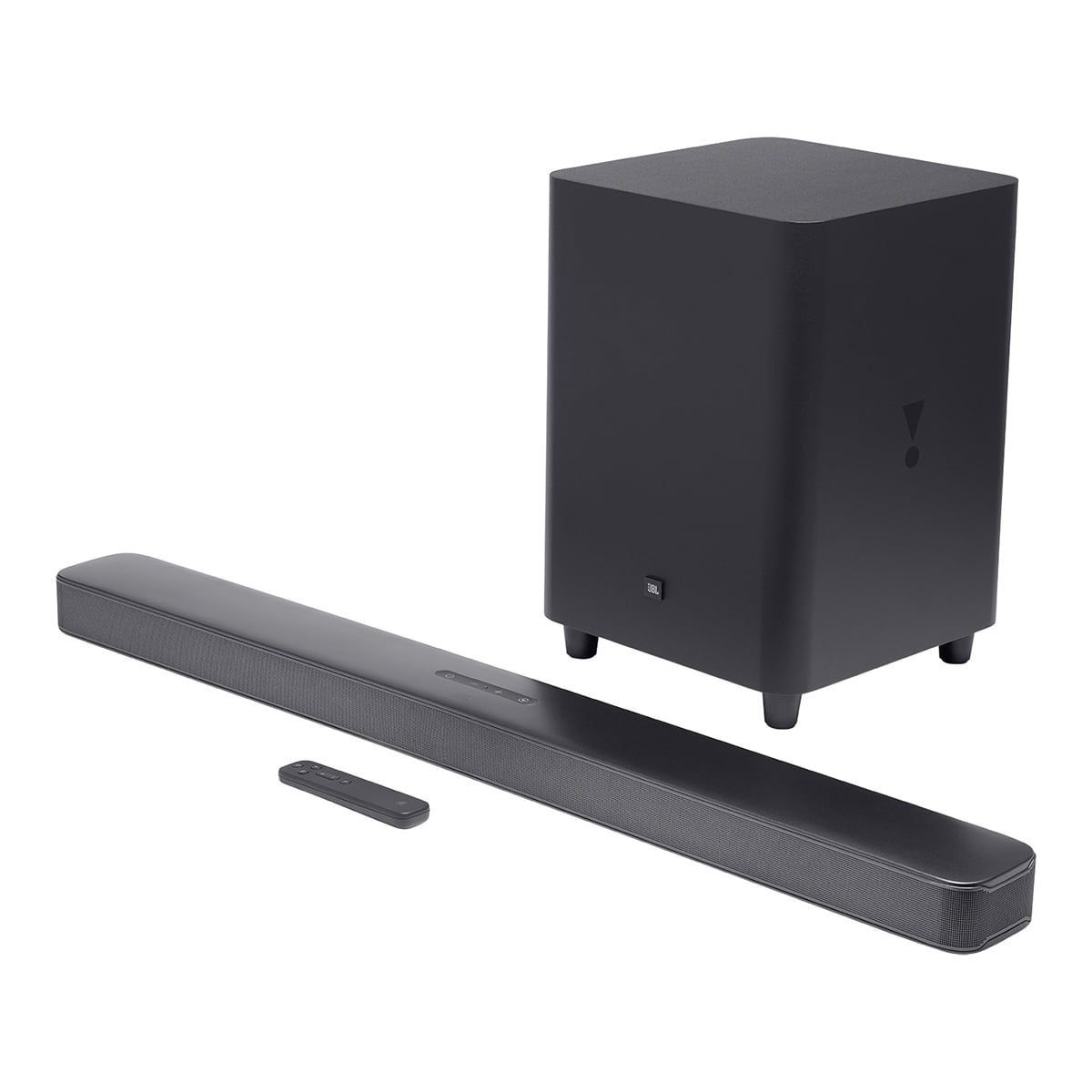
The JBL Bar 5.1 takes a completely different approach with its MultiBeam technology—a fancy name for using carefully positioned drivers and psychoacoustic processing to fool your brain into hearing surround sound from a single soundbar unit.
Here's how it works: the soundbar contains five front-firing oval-shaped drivers plus two side-firing tweeters (small speakers designed for high frequencies). The side-firing speakers bounce sound off your room's walls, while digital processing delays and modifies these reflections to simulate the experience of rear speakers. Your brain interprets these reflected sounds as coming from behind you, creating a virtual surround effect.
This technology has improved significantly since JBL first introduced it. The current implementation includes room calibration through a built-in microphone that automatically adjusts the sound processing based on your room's acoustics—a feature that wasn't common in earlier virtual surround systems.
The virtual approach offers obvious advantages: no rear speakers to position, fewer cables to manage, and a cleaner aesthetic. However, the effectiveness depends heavily on your room's layout and wall surfaces. Rooms with lots of soft furnishings or irregular shapes may not provide the reflective surfaces needed for optimal performance.
One area where these systems diverge significantly is in their support for modern audio formats—and this difference matters more than you might initially think.
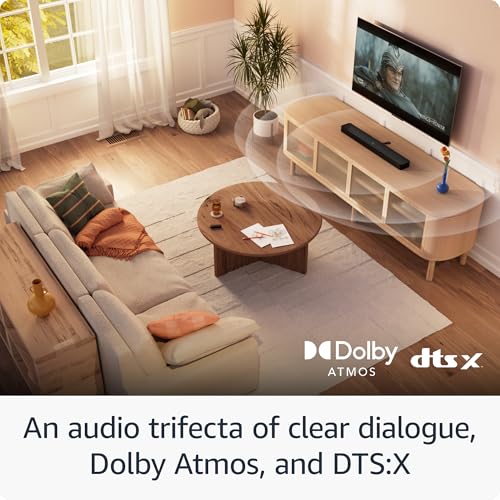
The Amazon Fire TV Soundbar Plus supports an impressive array of audio formats, including Dolby Atmos and DTS:X (object-based surround formats that can place sounds in three-dimensional space), plus lossless formats like Dolby TrueHD and DTS-HD Master Audio that preserve the full quality of movie soundtracks. While the system lacks dedicated up-firing speakers for true height effects, it processes these advanced formats and creates virtualized height cues.
The JBL Bar 5.1, despite its more recent engineering, supports only basic Dolby Digital decoding. It cannot process DTS audio (a common format on Blu-ray discs), Dolby Atmos, or any lossless audio formats. For a system released in 2019, this limitation is puzzling and significantly restricts compatibility with modern streaming content and physical media.
This difference becomes crucial when you consider that most major streaming services now offer Dolby Atmos content, and virtually all Blu-ray movies include either DTS or advanced Dolby formats. If you're investing in a sound system to last several years, format compatibility should be a primary consideration.
Both systems include dedicated center channels—the most important speaker for clear dialogue reproduction. However, their implementation and performance characteristics differ noticeably.
The Amazon Fire TV Soundbar Plus features three full-range drivers and three tweeters in its main soundbar, with a dedicated center channel that excels at speech reproduction. Users consistently report excellent dialogue clarity, particularly beneficial for TV shows and movies where understanding every word matters. The system includes adjustable dialogue enhancement that can boost speech frequencies without making the overall sound harsh.
However, some users note that deeper male voices can sound slightly thin due to what appears to be a dip in the lower midrange frequencies—a common issue with budget-oriented speaker tuning that emphasizes clarity over full-range accuracy.
The JBL Bar 5.1 takes a different approach with its more sophisticated driver arrangement and room calibration. The automatic calibration system analyzes your room and adjusts the center channel's output accordingly, potentially providing more consistent performance across different environments. The build quality is notably superior, with better materials and more robust driver construction contributing to cleaner dialogue reproduction.
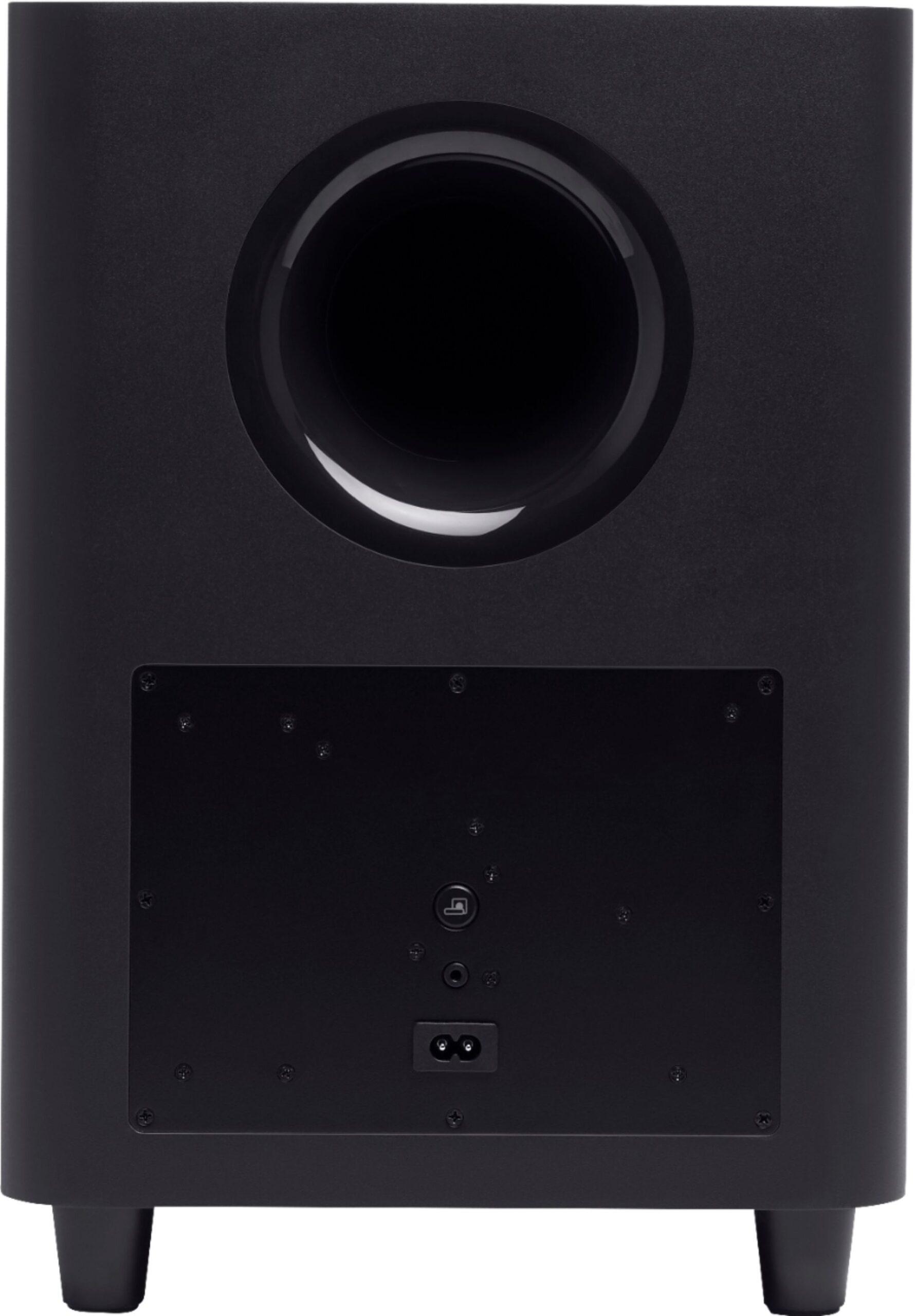
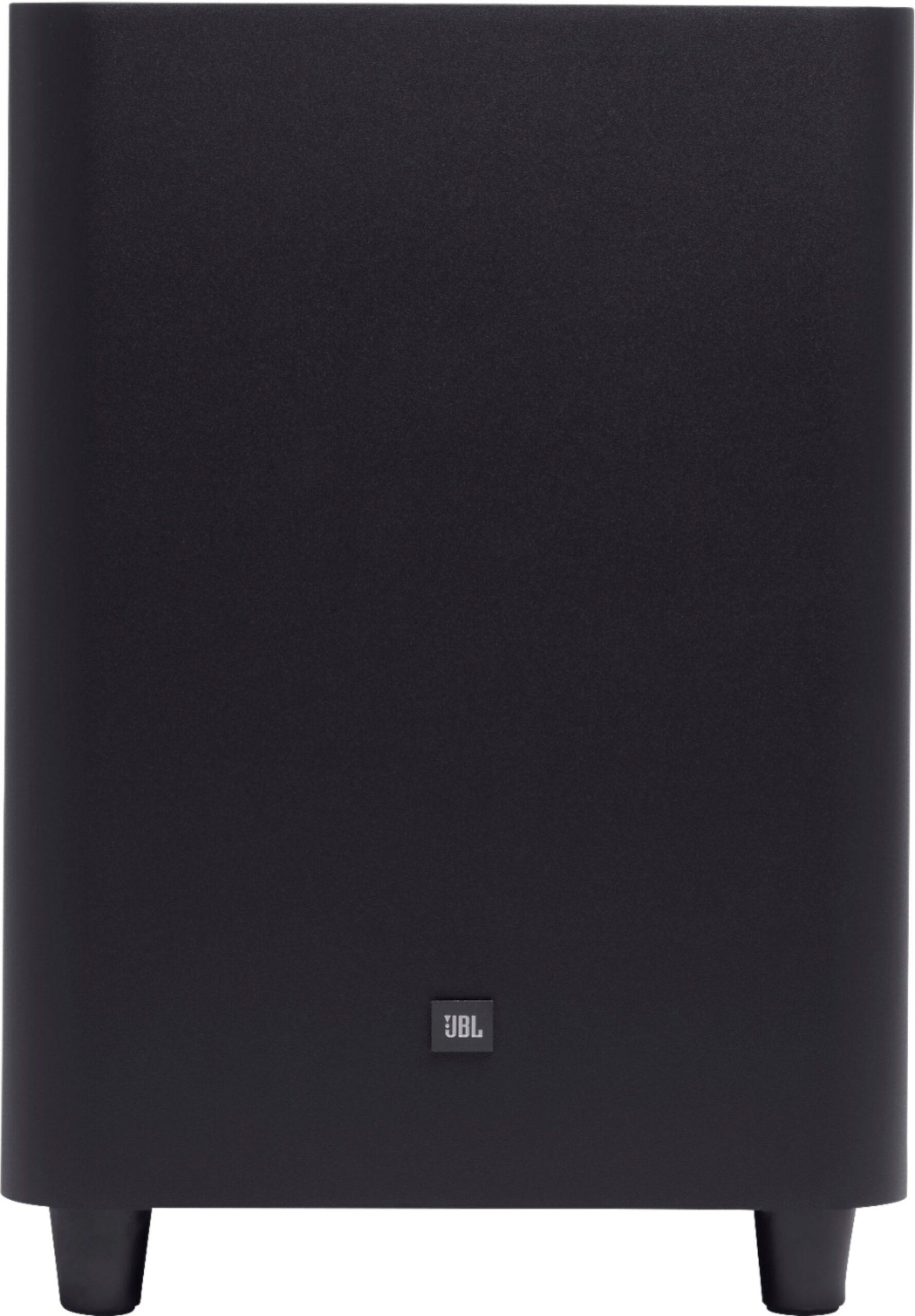
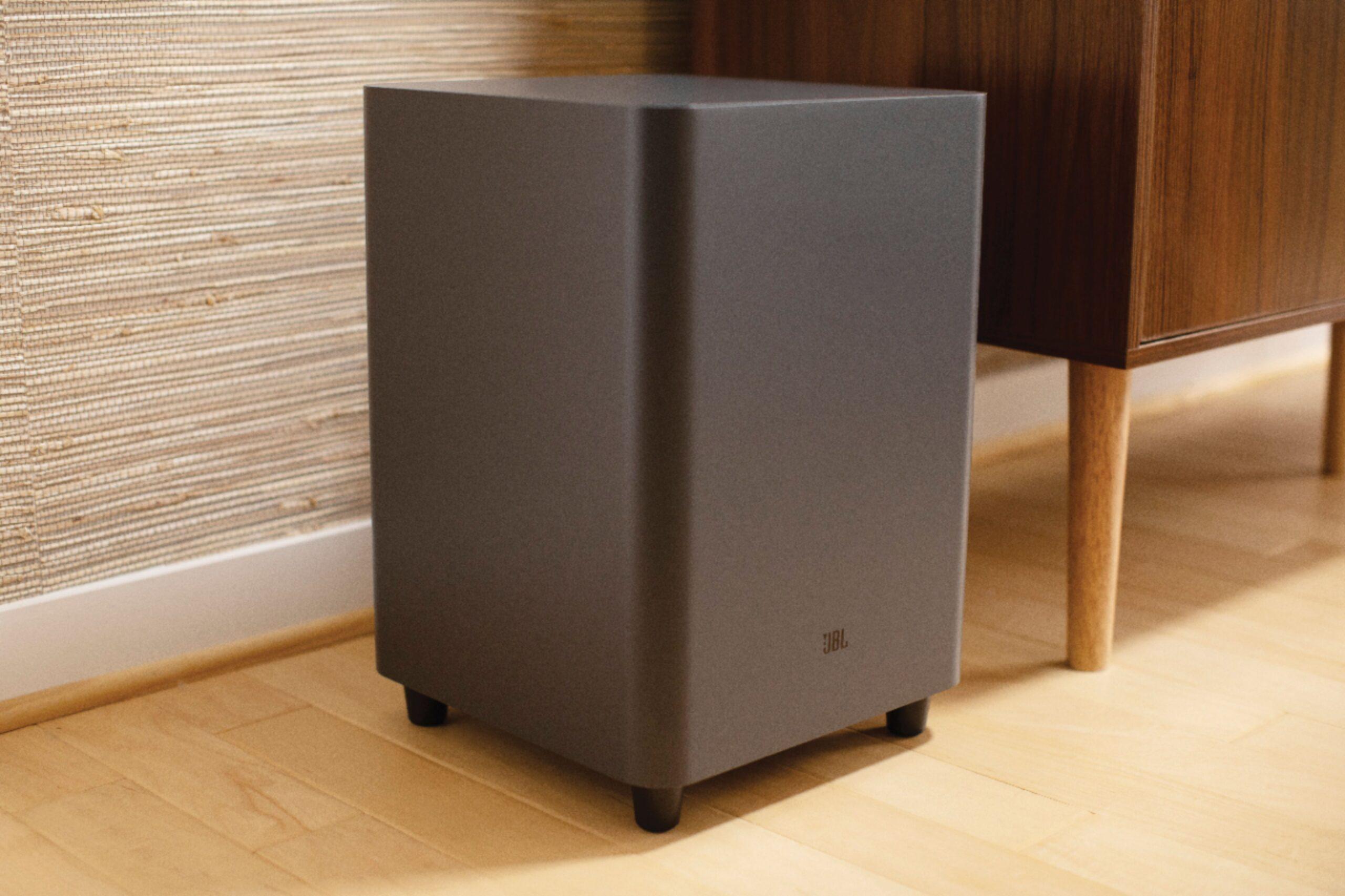
Both systems include wireless 10-inch subwoofers, but their character and integration differ substantially.
The Amazon system's subwoofer delivers impressive punch for its price point, providing satisfying rumble during action sequences and decent extension for music listening. However, user reports suggest it can become somewhat "one-note" at higher volumes, and the integration with the main soundbar isn't always seamless—bass can occasionally overpower dialogue during explosive action scenes.
The JBL's subwoofer benefits from more sophisticated engineering and better integration with the main soundbar. With 300 watts of amplification driving its 10-inch down-firing driver, it provides more controlled and musical bass reproduction. The automatic room calibration also optimizes the subwoofer's output for your specific space, potentially solving common issues like bass buildup in corners or nulls in certain seating positions.
This is where the fundamental differences between these systems become most apparent.
The Amazon Fire TV Soundbar Plus's physical rear speakers create genuinely convincing surround effects. Movie scenes with helicopters flying overhead, cars racing past, or ambient environmental sounds demonstrate clear directional accuracy. The discrete channel separation means sound effects genuinely originate from their intended positions, creating the kind of immersive experience that can make you forget you're listening to a soundbar system rather than a full home theater setup.
However, some users report occasional gaps in the stereo imaging—sounds panning from front to rear can sometimes seem to "jump" rather than move smoothly, likely due to the physical separation between the front soundbar and rear satellites.
The JBL Bar 5.1's virtual surround creates a surprisingly wide and enveloping soundstage from its single-unit design. When the room acoustics cooperate, the MultiBeam technology can produce convincing surround effects that rival some discrete speaker systems. The room calibration helps optimize this virtual processing for your specific environment.
But physics imposes limitations that clever engineering can't entirely overcome. The virtual surround effect works best in acoustically favorable rooms and with specific types of content. Users with highly reflective rooms report excellent results, while those with carpeted, furniture-heavy spaces may find the effect less convincing.
The construction quality difference between these systems is immediately apparent when handling them.
The Amazon Fire TV Soundbar Plus reflects its value-oriented positioning with adequate but unremarkable build quality. The soundbar housing is predominantly plastic with a fabric grille, and the satellite speakers feel lightweight. While functional, the overall construction emphasizes affordability over premium materials or exceptional durability.
The JBL Bar 5.1 demonstrates notably superior build quality throughout. The soundbar housing feels more substantial, with better materials and more robust internal construction. The driver quality appears higher-grade, and the overall fit and finish reflects JBL's professional audio heritage.
Connectivity options reveal another significant divide between these systems.
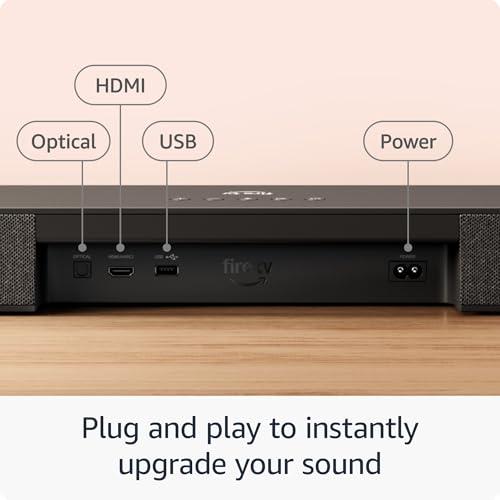
The Amazon Fire TV Soundbar Plus offers relatively basic connectivity: HDMI eARC (Enhanced Audio Return Channel) output only, optical digital input, USB port for media playback, and Bluetooth for wireless streaming. Notably, it lacks HDMI input, which limits flexibility for connecting multiple devices. However, when paired with Fire TV devices via HDMI, it offers enhanced integration and can be controlled through the Fire TV interface.
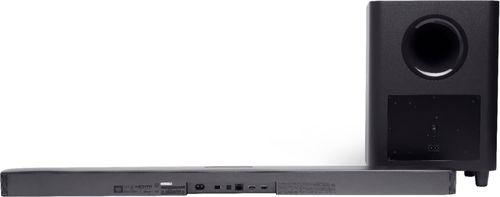
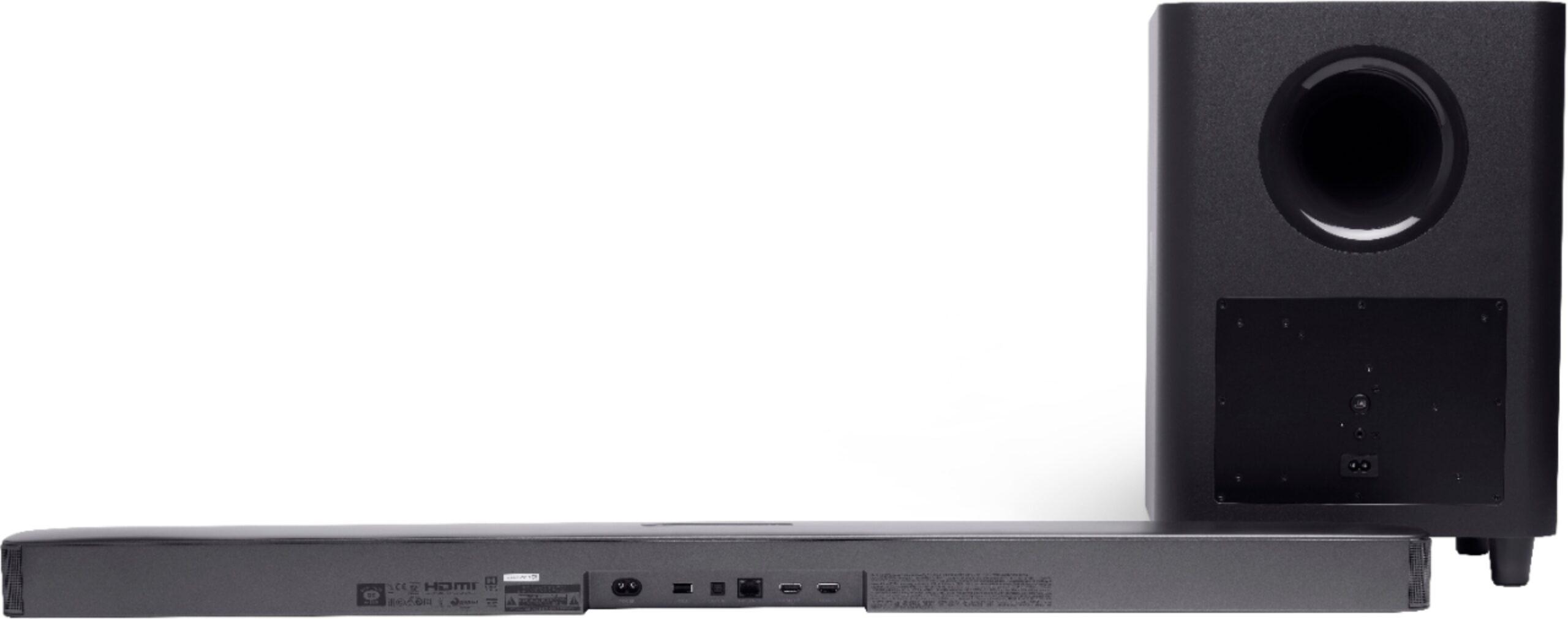
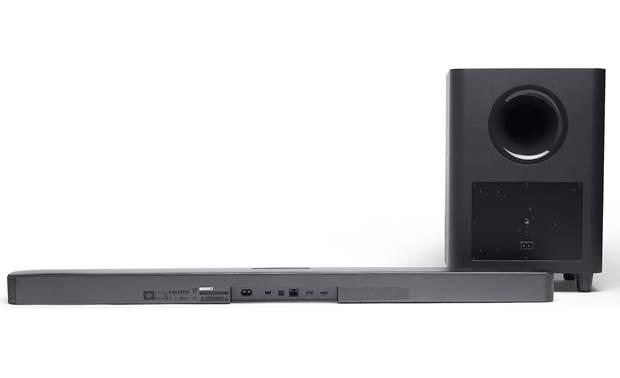
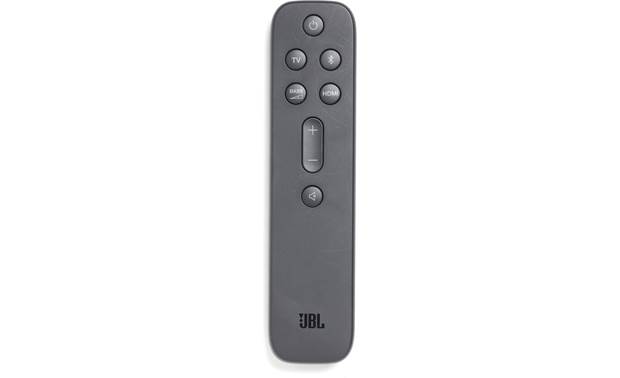
The JBL Bar 5.1 provides more comprehensive connectivity with HDMI input and output (supporting 4K passthrough with HDR), optical input, and USB port. More importantly, it includes modern smart features: Chromecast built-in and Apple AirPlay 2 support allow wireless streaming from virtually any device, while Bluetooth connectivity handles basic wireless audio needs.
The JBL's room calibration feature deserves special mention—the built-in microphone automatically analyzes your room's acoustics and adjusts the sound processing accordingly. This technology, which has become more sophisticated since the system's 2019 release, can significantly improve performance in challenging acoustic environments.
For dedicated home theater use, both systems offer distinct advantages depending on your priorities and room constraints.
The Amazon Fire TV Soundbar Plus excels in traditional home theater applications where authentic surround sound takes priority over convenience. The discrete rear speakers create the kind of directional accuracy that makes action movies, concerts, and gaming more engaging. If you're building a dedicated media room or have a living room where you can properly position rear speakers, this system delivers more convincing surround sound than most virtual alternatives.
However, the rear speaker requirement can be problematic in certain room layouts. Open-concept living spaces, rooms with limited power outlets near seating areas, or spaces where aesthetic concerns outweigh audio performance may not accommodate the satellite speakers effectively.
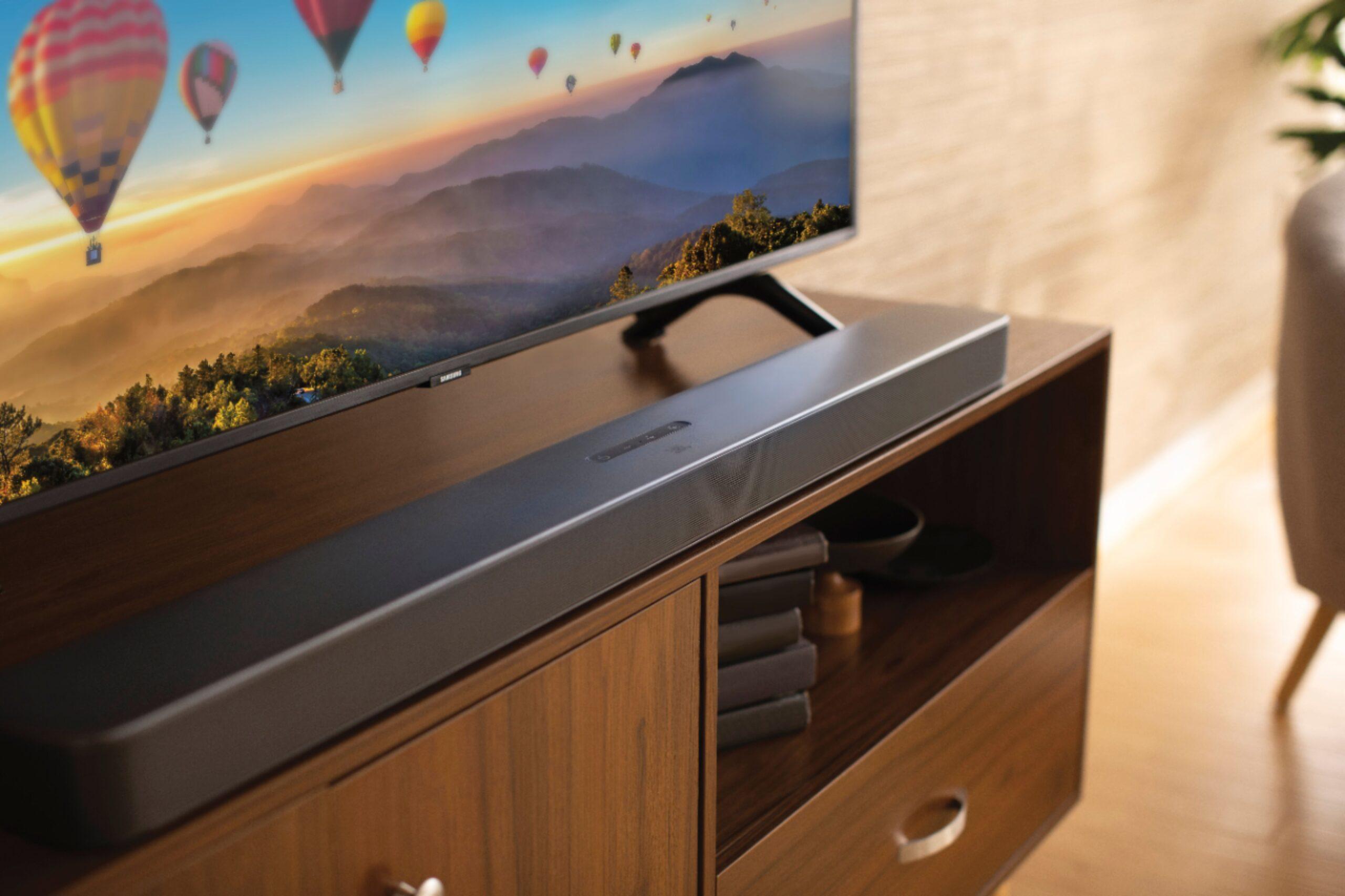
The JBL Bar 5.1 shines in situations where convenience and room aesthetics matter as much as audio performance. The single-unit design works well in modern living rooms where visible speakers might clash with interior design, and the room calibration helps optimize performance regardless of room acoustics.
For casual viewing—TV shows, news, sports—both systems provide substantial improvement over built-in TV speakers. The dialogue clarity and bass response make everyday watching more enjoyable without the complexity of traditional surround systems.
Based on our research and analysis of user experiences, clear patterns emerge for optimal system selection.
Choose the Amazon Fire TV Soundbar Plus if you prioritize authentic surround sound positioning and have modern streaming sources or a Blu-ray collection with advanced audio formats. This system makes sense for users who can accommodate rear speaker placement and value audio format compatibility over convenience features. If you're building a dedicated home theater space or primarily watch action movies, concerts, and content where surround positioning matters, the discrete speakers provide noticeably superior immersion.
The Amazon system also makes sense for Fire TV ecosystem users who value integration features, though it's worth noting that the "Fire TV" branding refers only to device integration—the soundbar itself doesn't include streaming capabilities or Alexa voice control.
Choose the JBL Bar 5.1 if you prioritize build quality, convenient setup, and smart streaming features over ultimate surround accuracy. This system excels for users with aesthetic concerns, challenging room layouts, or those who primarily consume basic streaming content without advanced audio formats. The superior construction quality and room calibration technology provide long-term value, while the virtual surround proves surprisingly effective in acoustically favorable environments.
At the time of writing, both systems offer compelling value in the competitive mid-range soundbar market, but they serve different user priorities. The Amazon Fire TV Soundbar Plus delivers more authentic surround sound and broader format compatibility, making it the better choice for serious home theater enthusiasts willing to accommodate physical rear speakers.
The JBL Bar 5.1 provides superior build quality, smart features, and convenient single-unit design, appealing to users who want significant audio improvement without the complexity of discrete surround speakers.
Neither system represents a poor choice—they're simply optimized for different use cases and user preferences. Your decision should ultimately rest on whether you prioritize authentic surround positioning (Amazon) or premium construction with convenient setup (JBL), as both deliver meaningful improvement over built-in TV audio at their respective price points.
| Amazon Fire TV Soundbar Plus 5.1 Channel System | JBL Bar 5.1 Surround Soundbar with Wireless Subwoofer |
|---|---|
| Surround Sound Implementation - The fundamental difference in how you experience surround audio | |
| True 5.1 with physical wireless rear satellite speakers | Virtual 5.1 using MultiBeam technology and room reflections |
| Audio Format Support - Critical for modern streaming content and Blu-ray compatibility | |
| Dolby Atmos, DTS:X, Dolby TrueHD, DTS-HD MA (virtualized height) | Dolby Digital only (no DTS, Atmos, or lossless formats) |
| Total System Power - Impacts maximum volume and dynamic range | |
| Not specified (adequate for medium to large rooms) | 550W total (250W soundbar + 300W subwoofer) |
| HDMI Connectivity - Affects how many devices you can connect directly | |
| HDMI eARC output only (no HDMI input) | 1 HDMI input + 1 HDMI ARC output with 4K passthrough |
| Smart Features - Built-in streaming and wireless capabilities | |
| Fire TV integration only, Bluetooth 5.0 | Chromecast built-in, Apple AirPlay 2, Bluetooth 4.2, Wi-Fi |
| Room Calibration - Automatic optimization for your specific listening space | |
| Manual bass/treble adjustment only | Built-in calibration microphone with automatic room tuning |
| Soundbar Dimensions - Important for TV stand compatibility and wall mounting | |
| 37" x 2.5" x 5.2" (fits under most 43"+ TVs) | 40" x 2.3" x 3.9" (fits under most 50"+ TVs) |
| Subwoofer Configuration - Affects bass quality and room placement flexibility | |
| 10" wireless subwoofer (unspecified power) | 10" wireless down-firing subwoofer (300W, better integration) |
| Build Quality - Long-term durability and premium feel | |
| Basic plastic construction, value-oriented materials | Superior build quality with professional-grade drivers |
| Setup Complexity - Time and effort required for optimal performance | |
| Requires rear speaker placement and power outlets | Single soundbar unit with automatic calibration |
| Release Year - Indicates technology generation and feature currency | |
| 2023 (latest Amazon soundbar technology) | 2019 (established but older virtual surround tech) |
The Amazon Fire TV Soundbar Plus 5.1 Channel System delivers more authentic surround sound because it includes actual wireless rear speakers that create true discrete 5.1-channel audio. The JBL Bar 5.1 Surround Soundbar uses virtual surround technology that bounces sound off walls to simulate rear speakers. While JBL's MultiBeam technology is impressive, physical rear speakers provide more convincing directional audio for movies and gaming.
Only the Amazon Fire TV Soundbar Plus supports Dolby Atmos, along with DTS:X and other modern audio formats. The JBL Bar 5.1 is limited to basic Dolby Digital and doesn't support DTS, Dolby Atmos, or lossless audio formats. This makes the Amazon system more compatible with modern streaming content and Blu-ray discs.
The JBL Bar 5.1 Surround Soundbar is significantly easier to set up since it's essentially a single soundbar unit with a wireless subwoofer. The Amazon Fire TV Soundbar Plus requires positioning and powering two additional rear speakers, which can be challenging in some room layouts. JBL also includes automatic room calibration to optimize sound for your space.
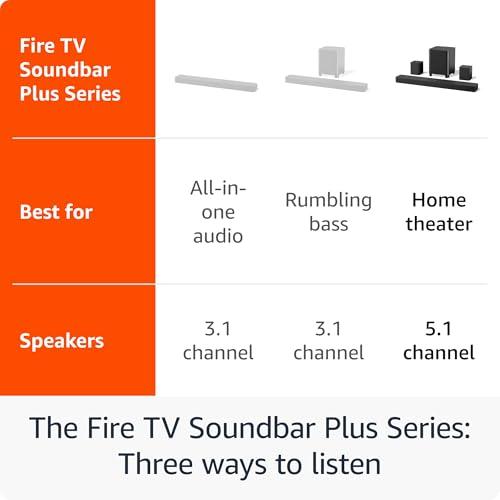
The Amazon Fire TV Soundbar Plus functions as a 3.1-channel system if you don't connect the rear speakers, though you lose the true surround experience. The JBL Bar 5.1 doesn't have separate rear speakers—it creates virtual surround from the main soundbar unit, so there's no option to remove components.
Both systems excel at dialogue clarity with dedicated center channels. The Amazon Fire TV Soundbar Plus offers adjustable dialogue enhancement and generally clear speech reproduction. The JBL Bar 5.1 has superior build quality and room calibration that can optimize dialogue based on your room acoustics, potentially providing more consistent performance.
The JBL Bar 5.1 Surround Soundbar supports 4K passthrough with HDR through its HDMI input and output ports. The Amazon Fire TV Soundbar Plus only has HDMI eARC output and no HDMI input, so it can't pass through 4K signals from connected devices.
Both include 10-inch wireless subwoofers, but the JBL Bar 5.1 has a more powerful 300-watt subwoofer with better integration and room calibration. The Amazon Fire TV Soundbar Plus delivers strong bass impact but can occasionally overpower dialogue and may sound less refined at higher volumes.
Yes, both support Bluetooth streaming. However, the JBL Bar 5.1 Surround Soundbar offers more options with Chromecast built-in, Apple AirPlay 2, and Wi-Fi connectivity for higher-quality wireless streaming. The Amazon Fire TV Soundbar Plus is limited to Bluetooth 5.0 for wireless music playback.
For dedicated home theater use, the Amazon Fire TV Soundbar Plus provides more authentic surround positioning with its physical rear speakers, making it better for action movies and immersive content. The JBL Bar 5.1 offers excellent performance for casual movie watching with superior build quality and convenience, but can't match true discrete surround speakers for cinematic immersion.
The JBL Bar 5.1 Surround Soundbar has notably superior build quality with better materials, more robust construction, and professional-grade drivers. The Amazon Fire TV Soundbar Plus uses adequate but basic materials that reflect its value-oriented positioning, though it still delivers solid performance.
The JBL Bar 5.1 provides more comprehensive connectivity with HDMI input/output, optical input, USB, and multiple wireless options. The Amazon Fire TV Soundbar Plus has more limited connectivity with HDMI eARC output only, optical input, and USB, but offers enhanced integration with Fire TV devices.
Both systems offer competitive value but serve different priorities. The Amazon Fire TV Soundbar Plus provides better value for users who prioritize authentic surround sound and modern audio format support. The JBL Bar 5.1 Surround Soundbar offers better value for users who want superior build quality, smart features, and convenient setup without rear speakers.
We've done our best to create useful and informative comparisons to help you decide what product to buy. Our research uses advanced automated methods to create this comparison and perfection is not possible - please contact us for corrections or questions. These are the sites we've researched in the creation of this article: rtings.com - cordbusters.co.uk - techradar.com - developer.amazon.com - t3.com - hometechnologyreview.com - youtube.com - hometechnologyreview.com - whathifi.com - hometechnologyreview.com - hometechnologyreview.com - youm.design - hometechnologyreview.com - dolby.com - jbl.com - jbl.com - jbl.com - tomsguide.com - jbl.com - bestbuy.com - bestbuy.com - jbl.com - jbl.com - worldwidestereo.com

Privacy Policy
Terms and Conditions - Affiliate Policy
Home Security
© Copyright 2008-2026.
11816 Inwood Rd #1211, Dallas, TX 75244