

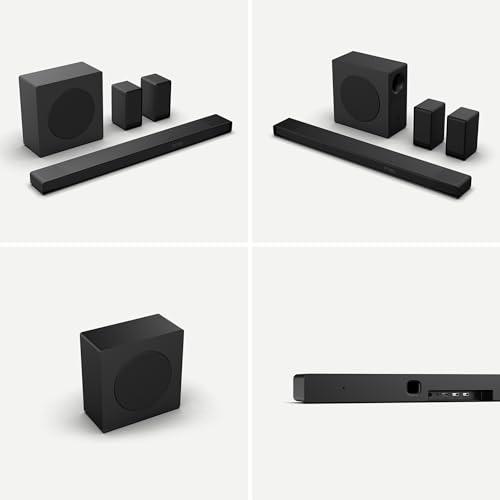
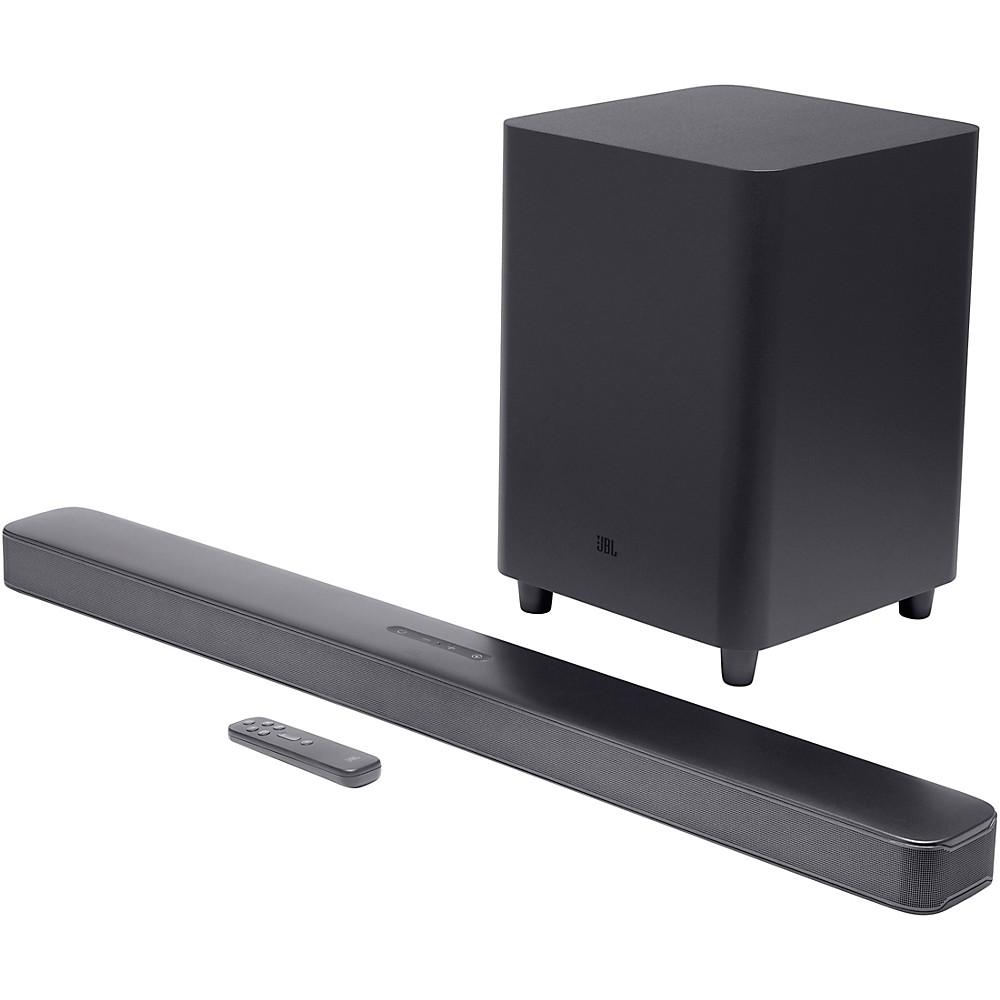
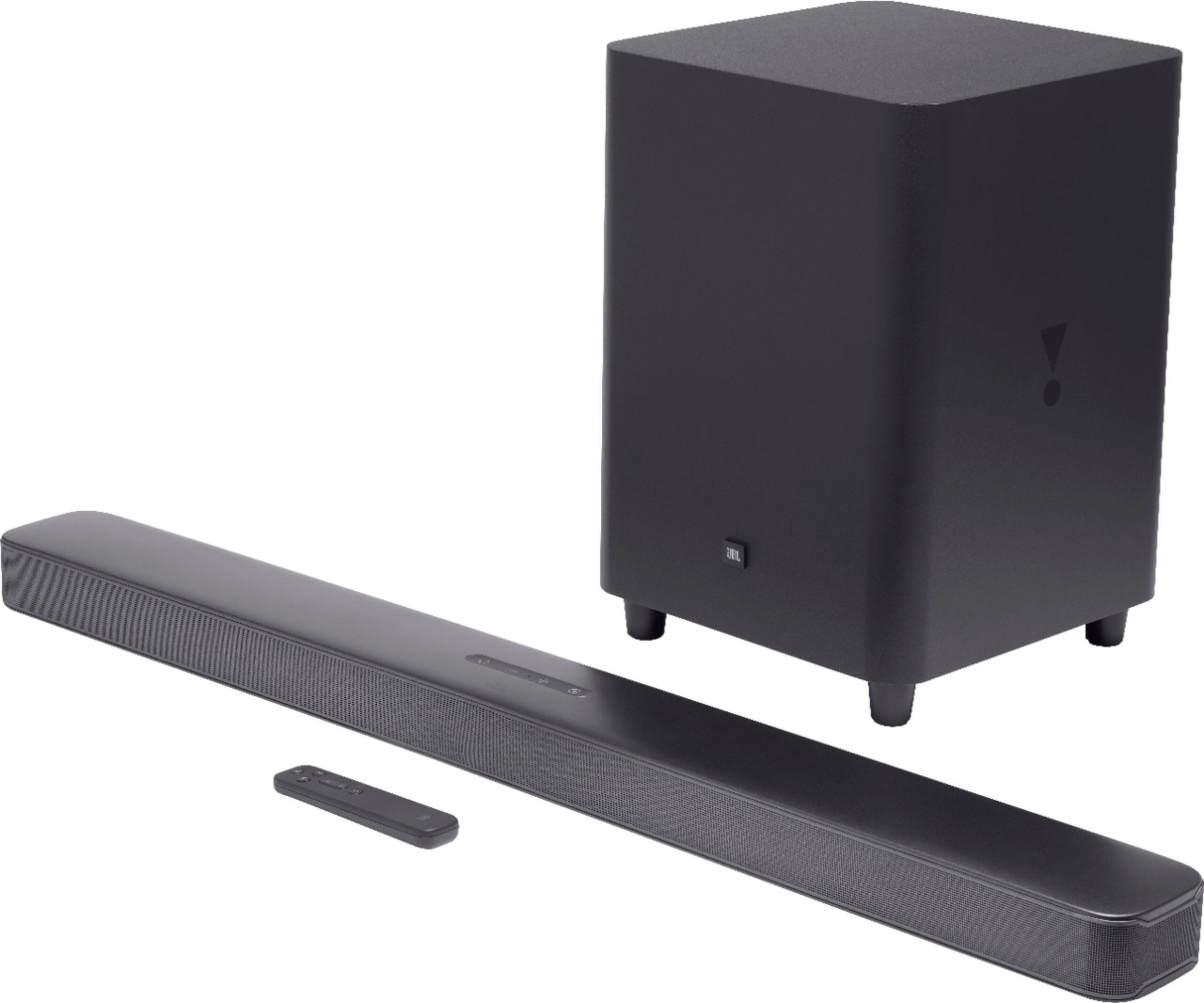

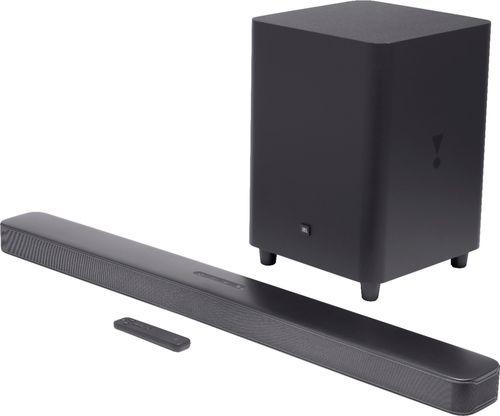
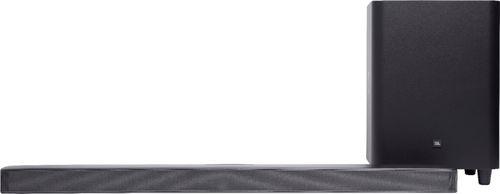
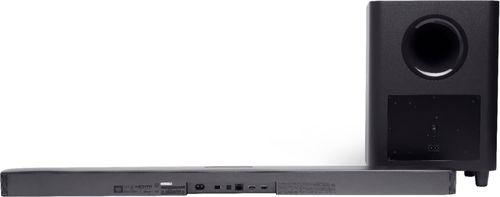
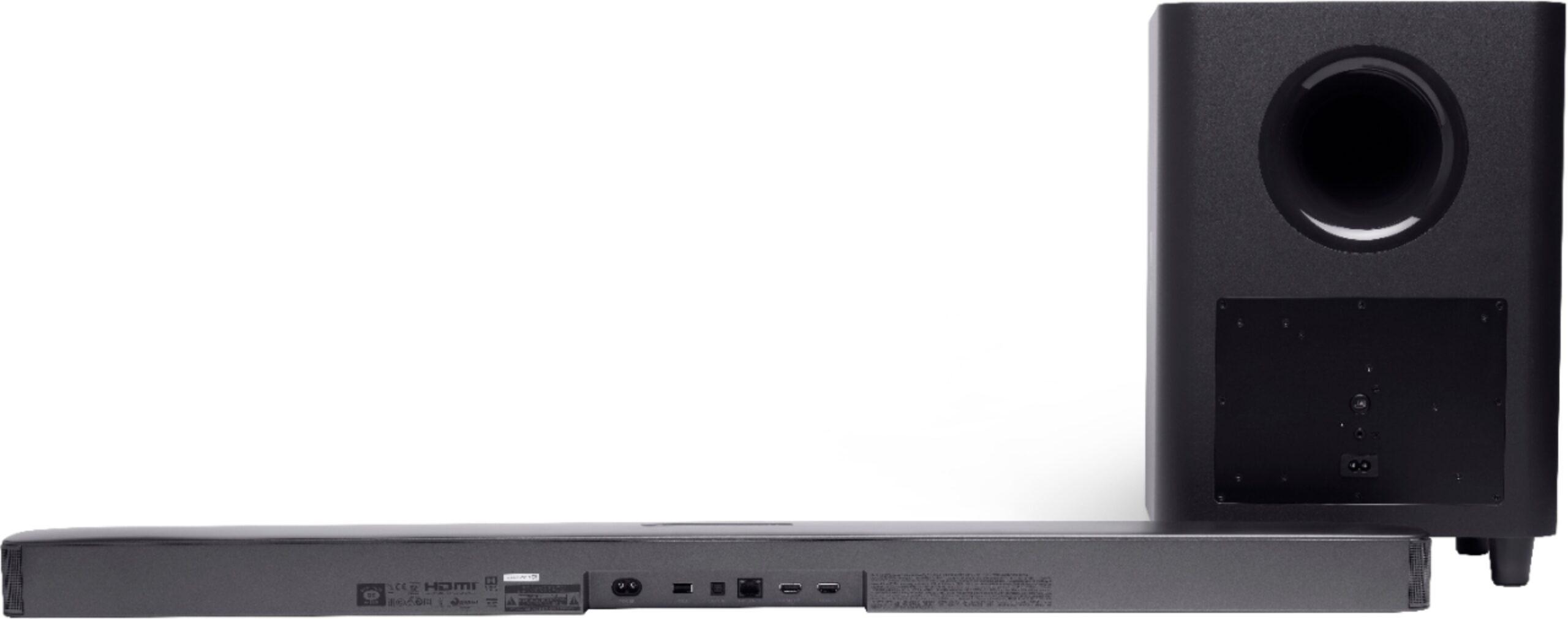
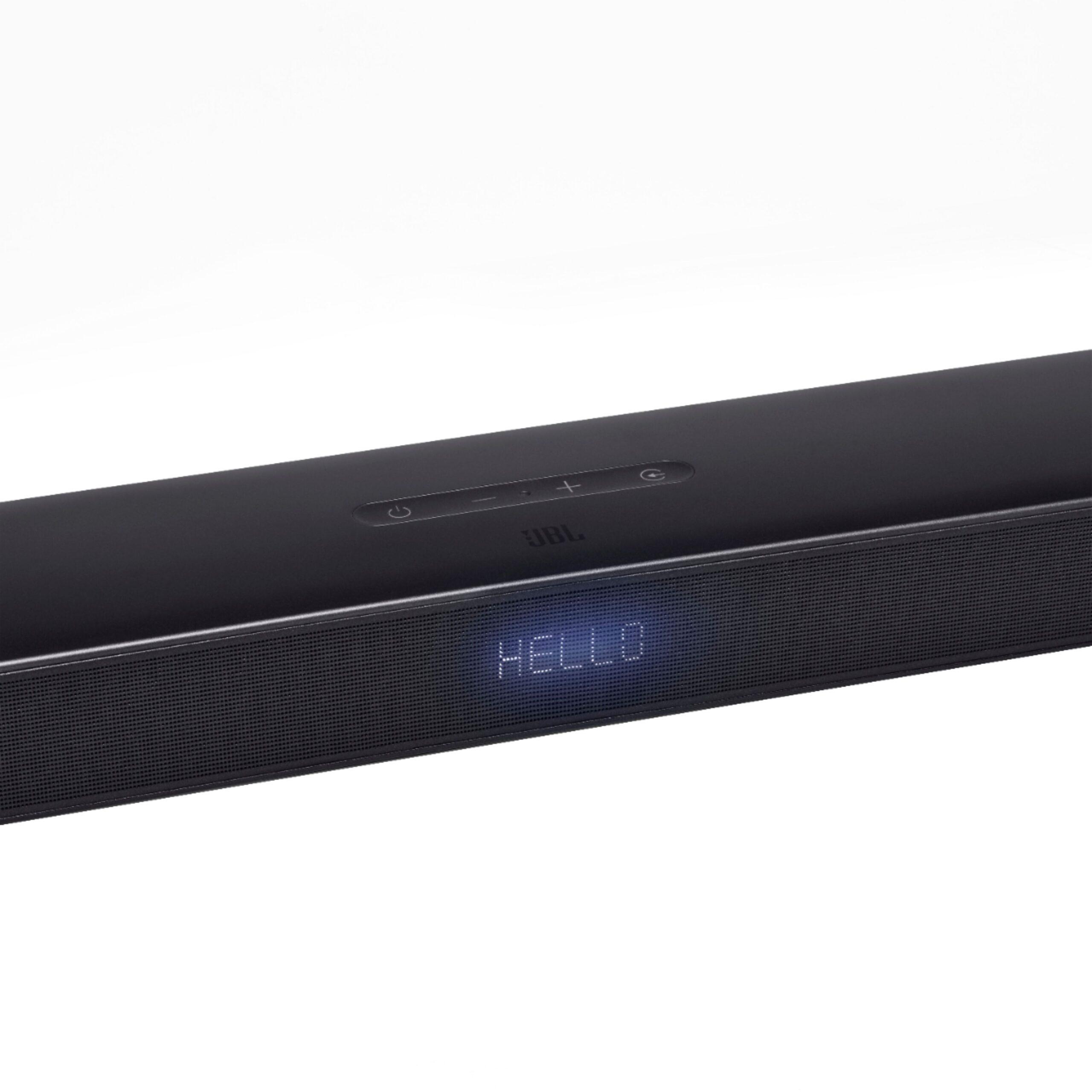
Choosing the right soundbar feels overwhelming when you're staring at dozens of options promising "cinematic sound" and "immersive audio." The reality is that most soundbars fall into predictable categories, but every so often, two products emerge that represent genuinely different philosophies for achieving great home theater audio. That's exactly what we found when comparing the Hisense AX5140Q and the JBL Bar 5.1.
These aren't just two more soundbars competing on specs—they represent fundamentally different approaches to surround sound. The Hisense AX5140Q pushes into premium territory with true Dolby Atmos support and height channels, while the JBL Bar 5.1 perfects the traditional surround sound formula with some clever wireless innovations. At the time of writing, they're priced within about $60 of each other, making this comparison particularly relevant for anyone looking to spend between $250-400 on a serious audio upgrade.
Before diving into these specific models, it's worth understanding what separates good soundbars from great ones. The most important factor is channel configuration—essentially how many discrete speakers are working to create your audio experience. A 2.1 system has left, right, and a subwoofer. A 5.1 system adds a center channel for dialogue and two rear speakers for surround effects. The newest format, represented by systems like 5.1.4, adds height channels that fire sound upward to bounce off your ceiling, creating overhead effects for formats like Dolby Atmos.
The second crucial consideration is whether those channels are real or virtual. Many soundbars claim "5.1 surround" but create that effect using digital processing rather than actual rear speakers. While virtual surround has improved dramatically, nothing quite matches the precision and immersion of discrete speakers positioned around your room.
Power output matters, but not in the way most people think. A 600-watt soundbar isn't necessarily better than a 300-watt one—what matters is how that power is distributed, how clean it sounds at your typical listening volumes, and whether the speakers can handle dynamic peaks without distortion. Room size plays a huge role here; a powerful system in a small room can sound harsh, while an underpowered system in a large space will never fill the room properly.
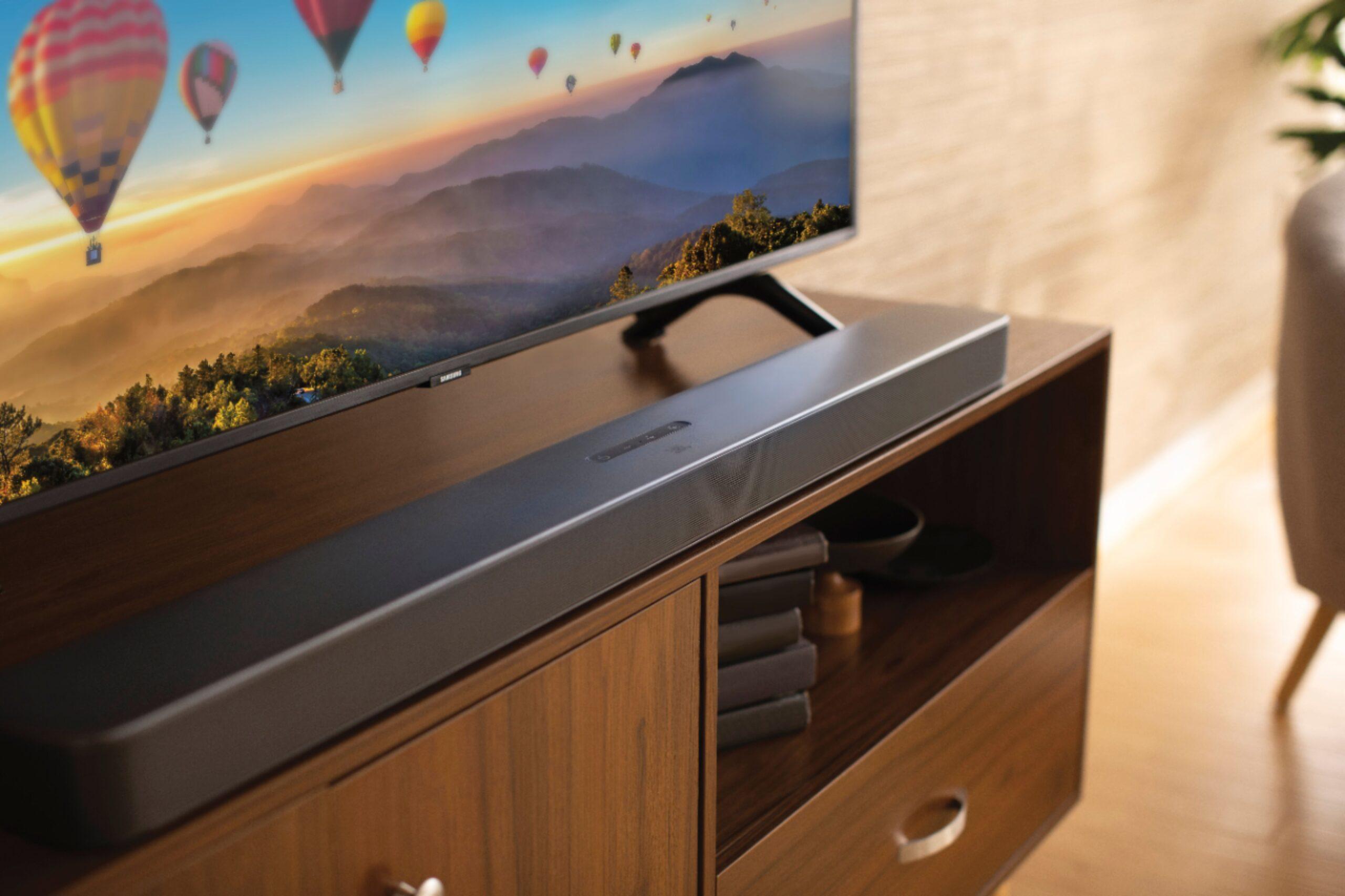
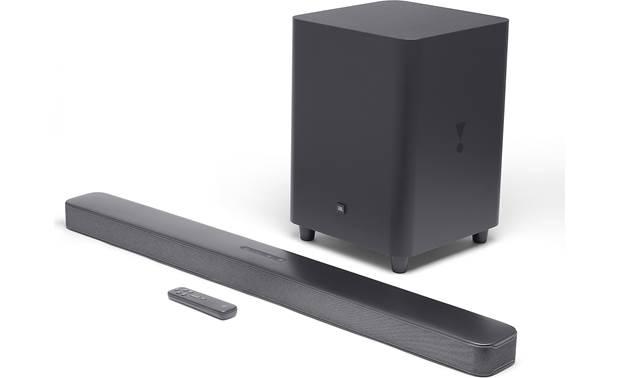
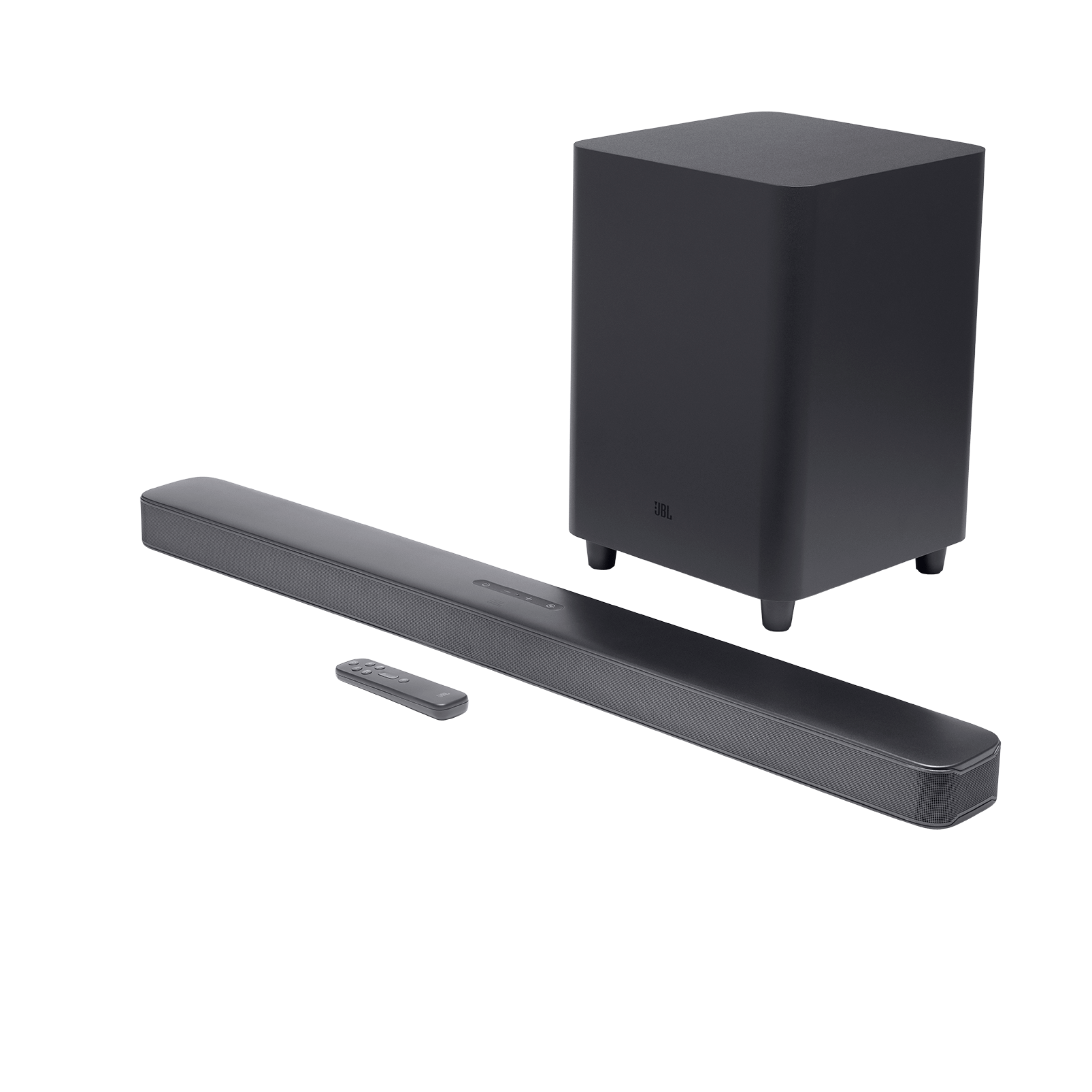
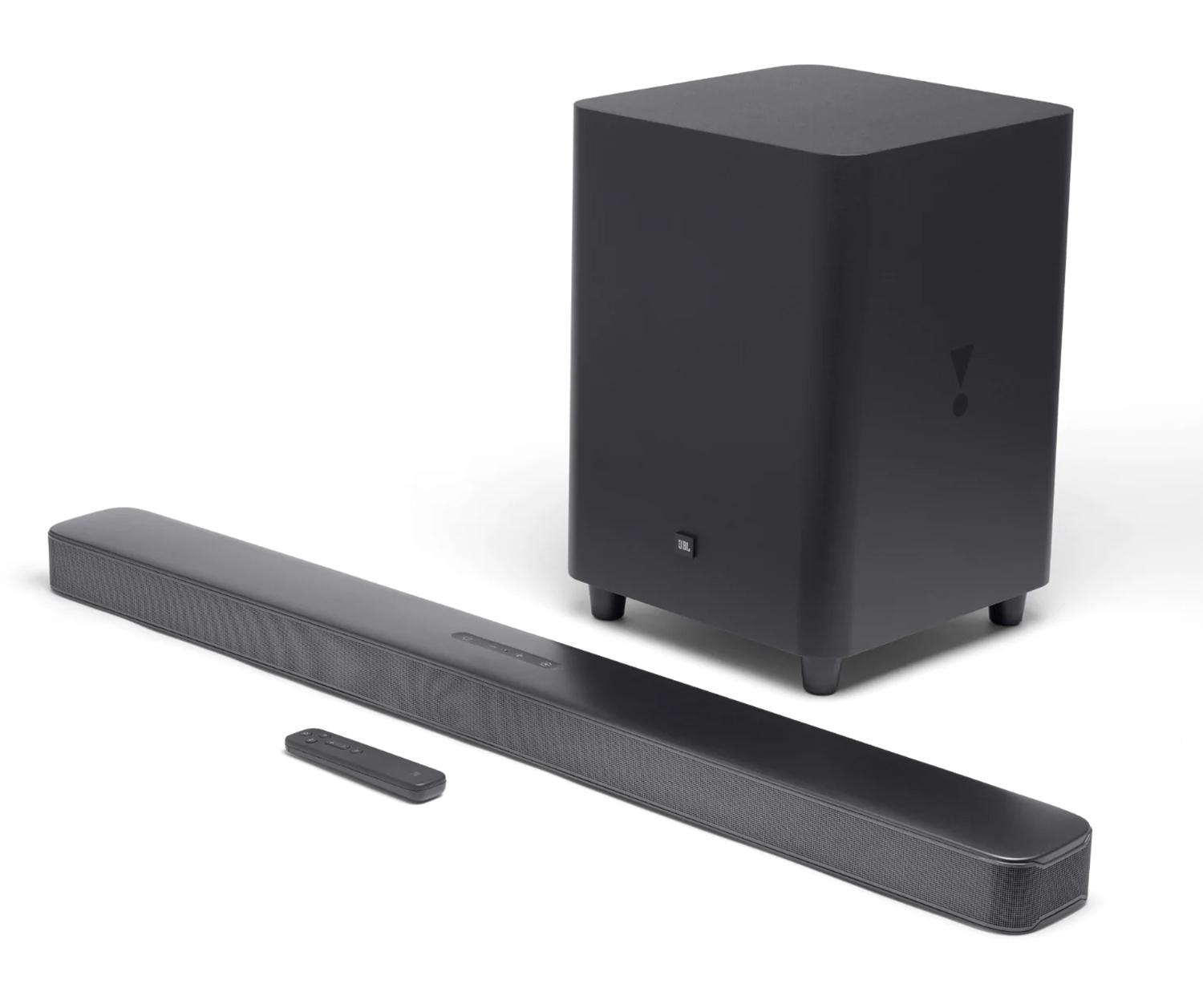
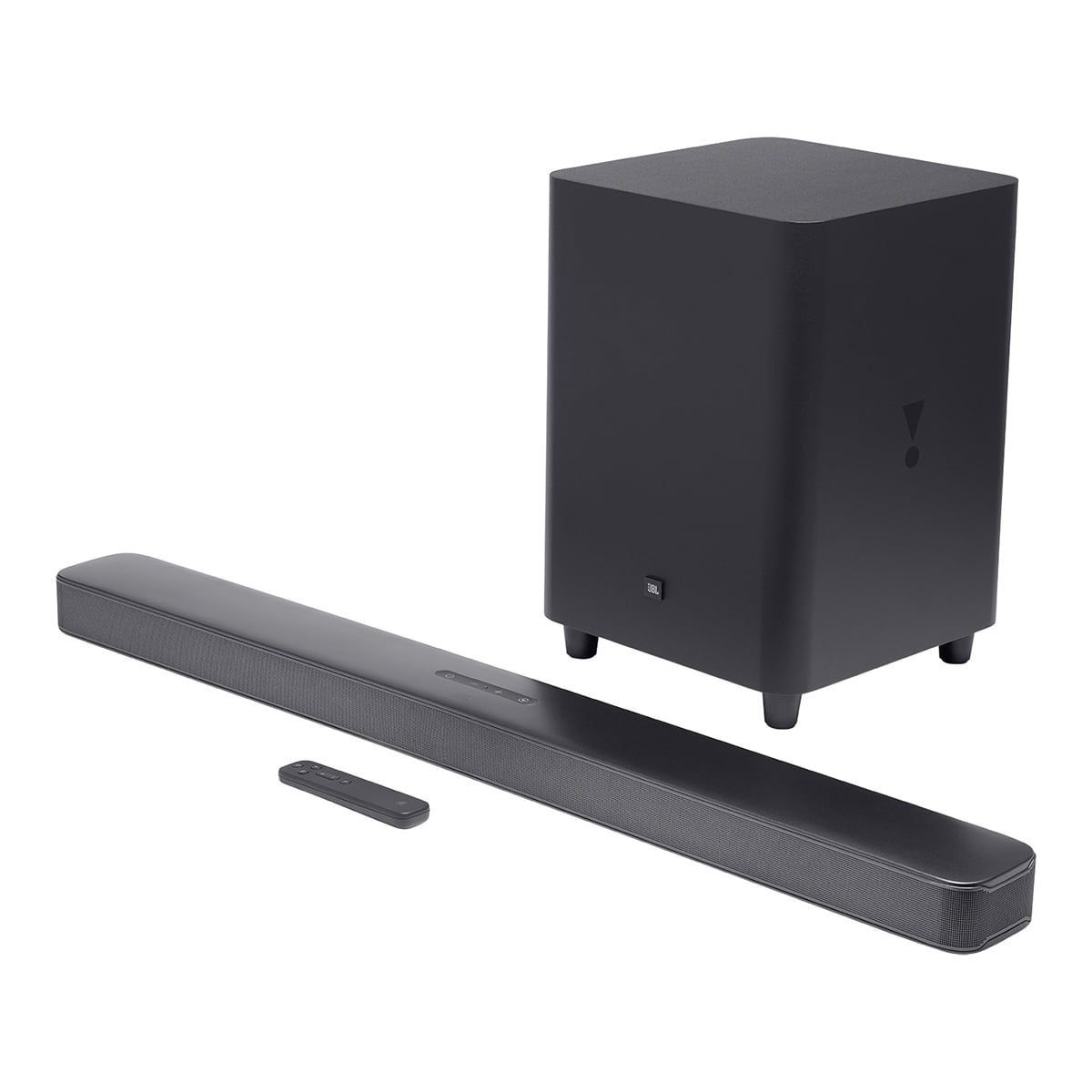
The JBL Bar 5.1 launched in 2020 and represented JBL's attempt to solve the biggest problem with surround sound systems: cable management. By making the rear speakers completely wireless and battery-powered, they eliminated the need to run wires across your room or find power outlets behind your couch. It was an elegant solution that made true 5.1 surround accessible to people who couldn't or wouldn't deal with traditional speaker placement challenges.
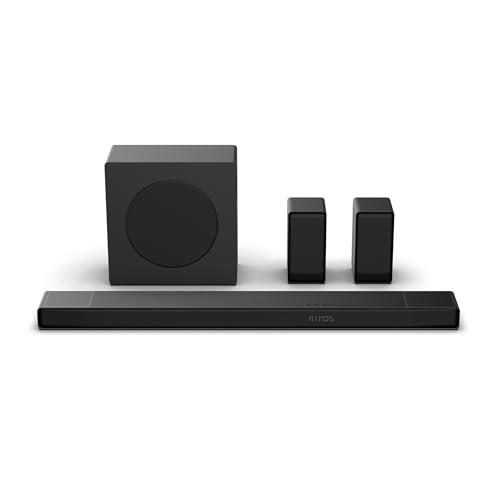
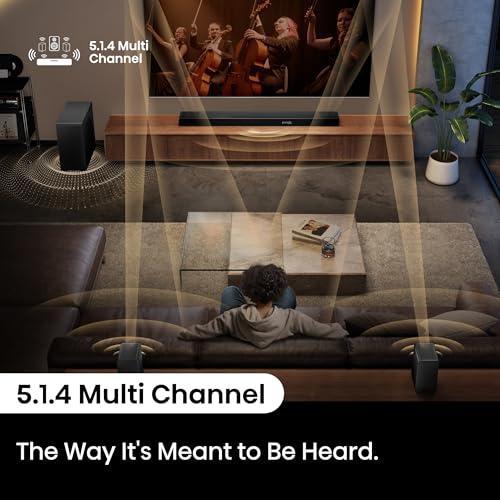
The Hisense AX5140Q, released more recently, takes a different approach. Rather than focusing on convenience, it prioritizes audio performance and future-proofing. This system embraces the newer Dolby Atmos format, which adds height information to create a true three-dimensional soundstage. When you watch a scene with helicopters flying overhead or rain falling from above, Atmos systems can actually make you hear those effects coming from above your head rather than just from the front speakers.
The most significant difference between these systems is how they handle modern audio formats. The Hisense AX5140Q supports Dolby Atmos and DTS:X, which are object-based audio formats. Instead of just sending specific sounds to specific speakers, these formats treat sounds as objects that can move freely through three-dimensional space. When a car crashes in a movie, the system doesn't just play that sound through the center speaker—it can move that sound from left to right, front to back, and even up and down to match what you see on screen.
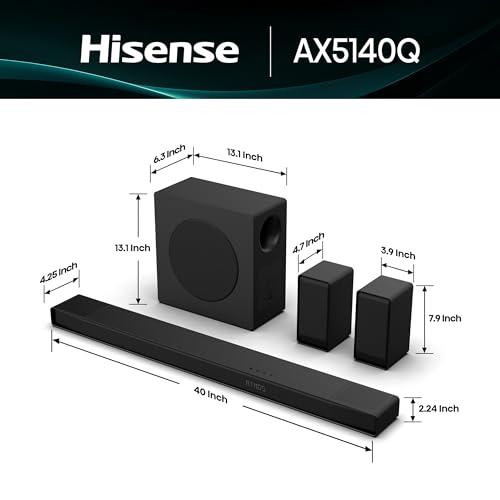
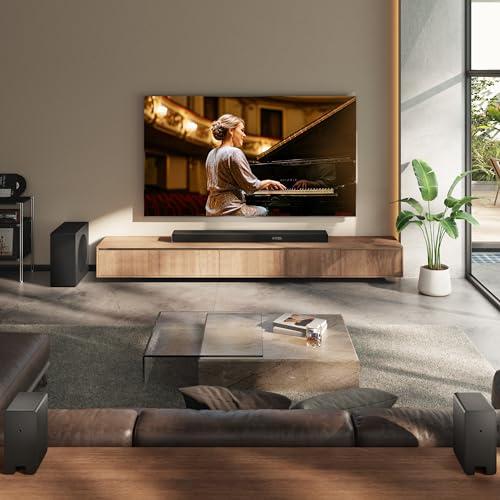
The Hisense system achieves this through its 5.1.4 configuration, which means five main channels (front left, center, front right, and two rears), one subwoofer, and four height channels. Those four height channels come from upfiring drivers built into both the main soundbar and the rear speakers. These drivers shoot sound toward your ceiling, where it reflects back down to create the impression of overhead audio.
The JBL Bar 5.1, by contrast, uses a traditional 5.1 setup without height channels. It relies on JBL's MultiBeam technology, which uses precise speaker placement and digital processing to create a wider soundstage and some virtual height effects, but it cannot match the authentic overhead experience of true Atmos systems.
Our research into user experiences shows this difference is immediately noticeable when watching Atmos content on streaming services like Netflix, Disney+, or Apple TV+. Users consistently report that rain scenes, aircraft flyovers, and action sequences feel dramatically more immersive on the Hisense system. However, for traditional stereo music or older movies without Atmos soundtracks, both systems perform similarly well.
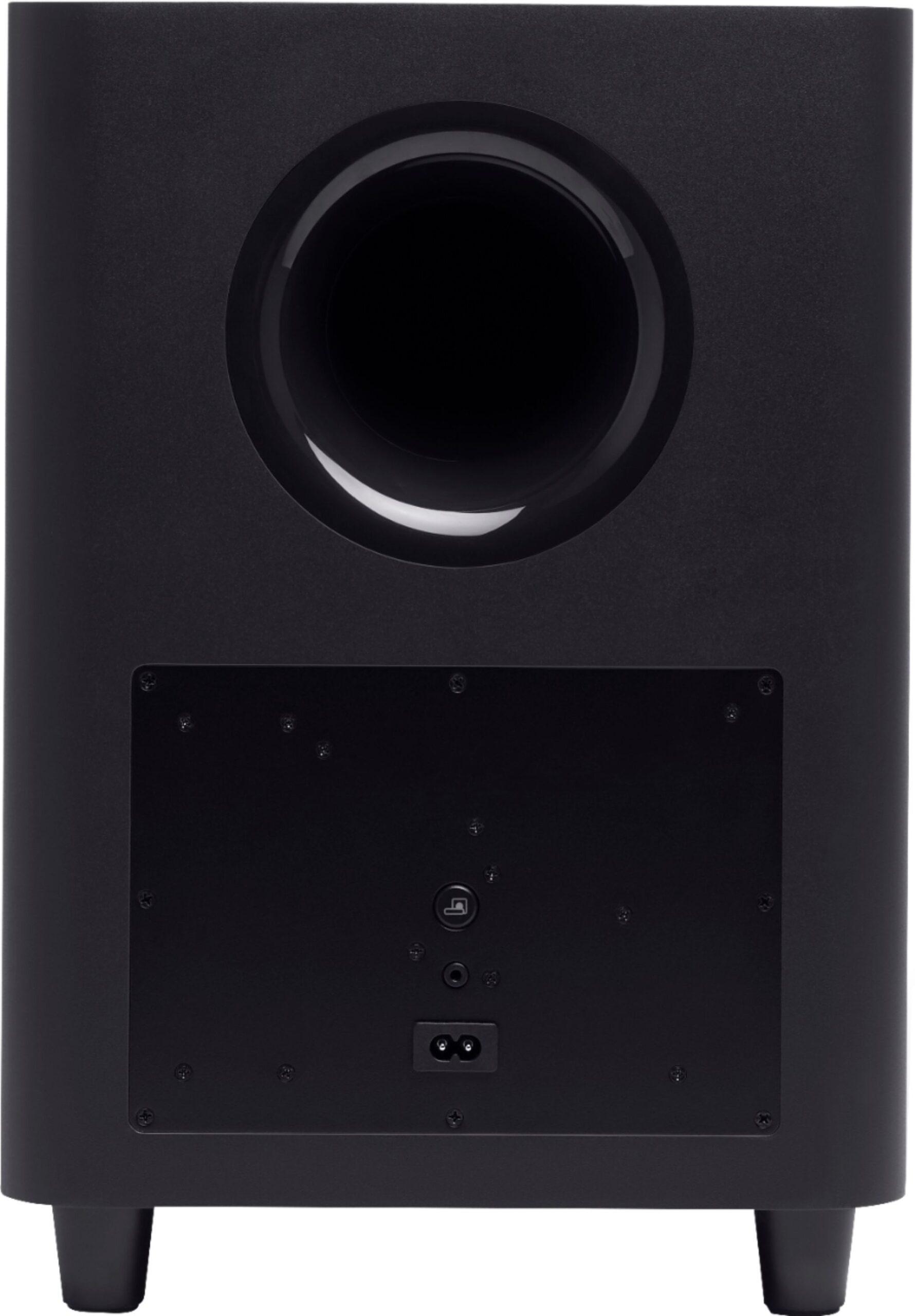
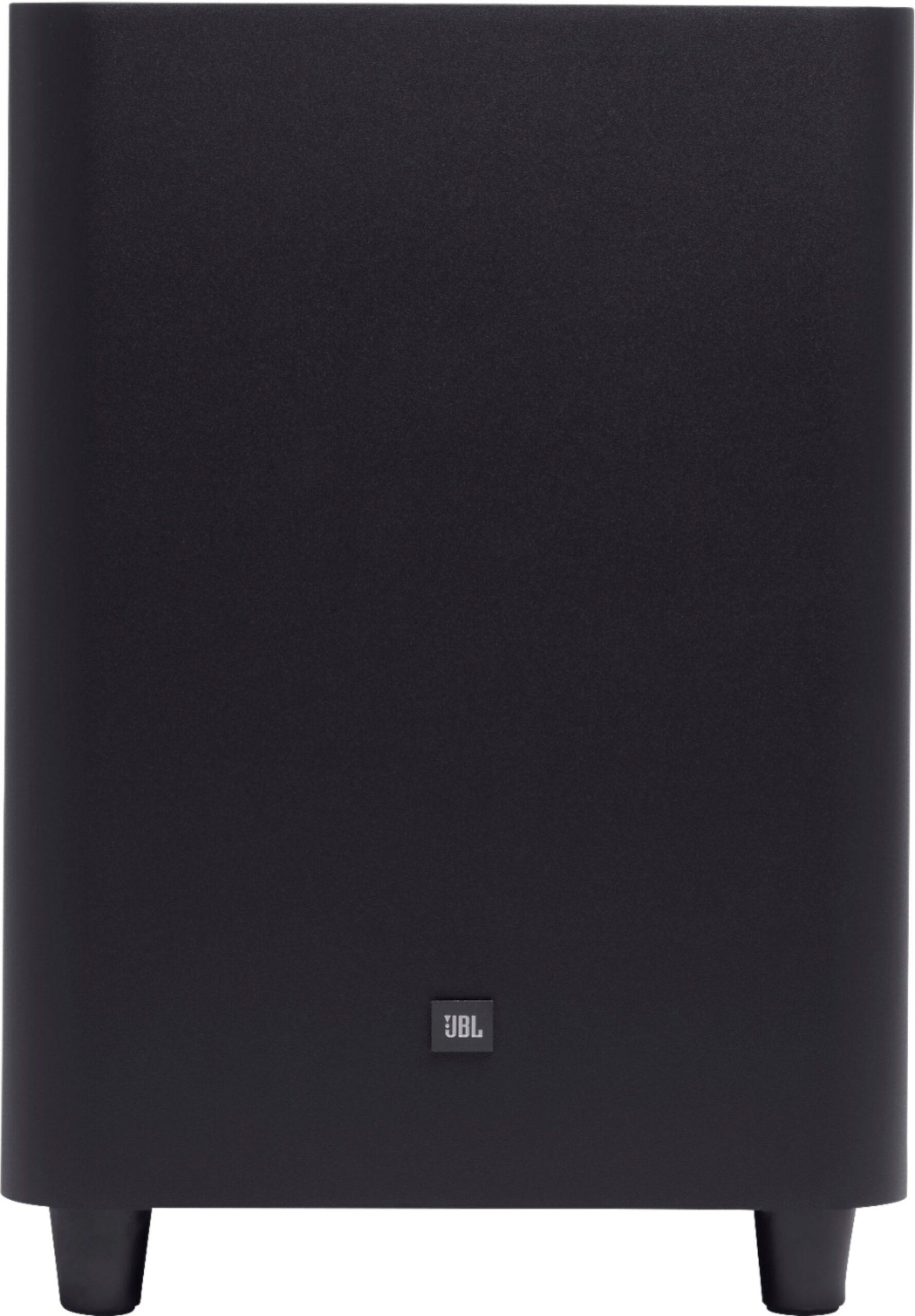
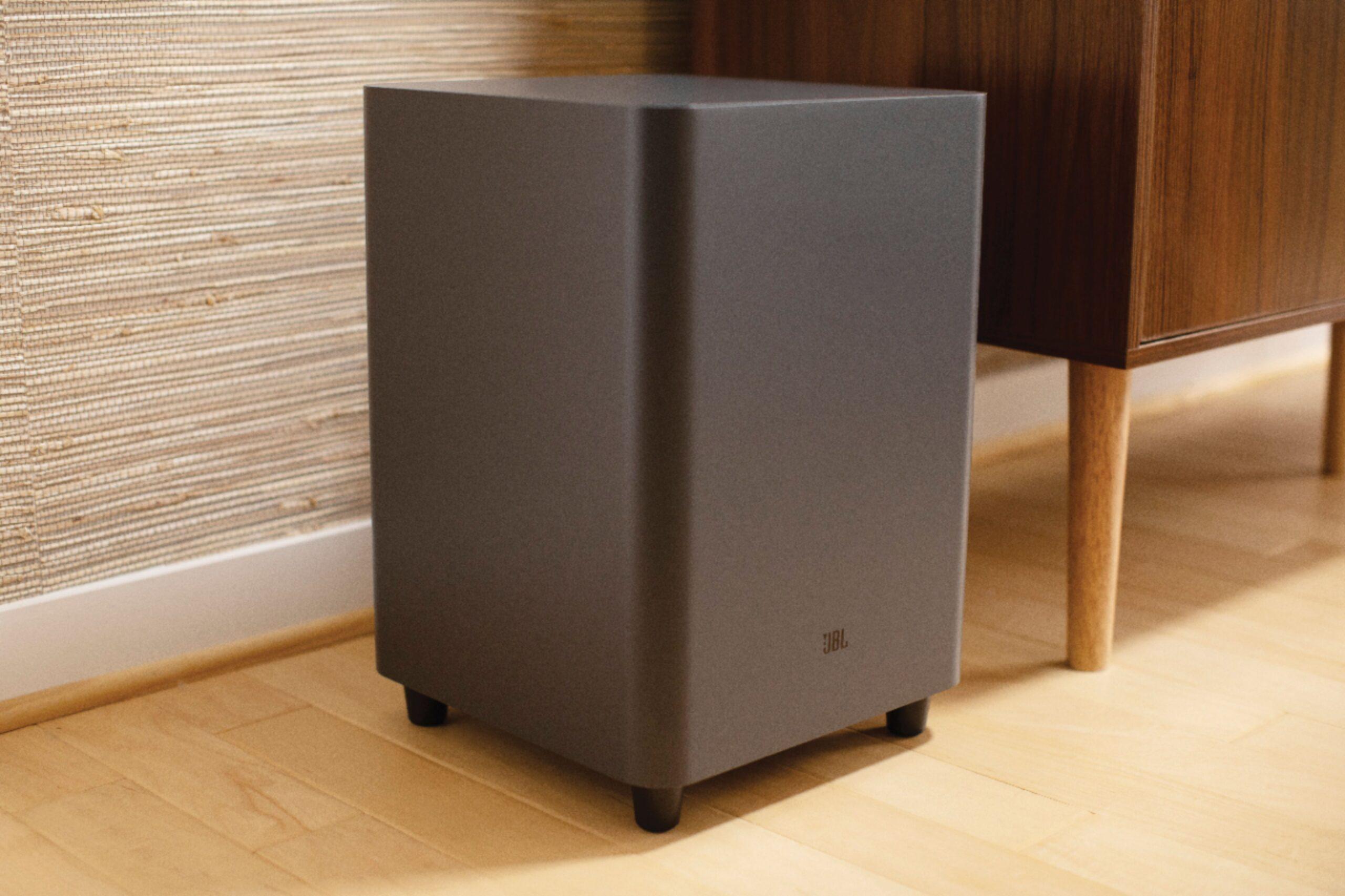
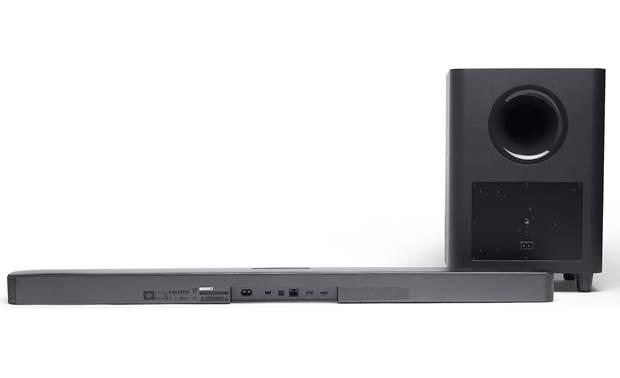
When it comes to low-frequency performance, the JBL Bar 5.1 has a clear advantage with its 10-inch wireless subwoofer compared to the Hisense system's 6.5-inch unit. That extra driver size translates directly into deeper bass extension and more impact during explosive movie scenes.
The JBL's subwoofer produces 300 watts of dedicated power, and user reviews consistently praise its ability to shake the room during action sequences. The larger driver moves more air, creating that visceral impact you feel in your chest during movie explosions or the deep rumble of a spaceship engine. This becomes particularly important in larger rooms where a smaller subwoofer might struggle to pressurize the space effectively.
The Hisense subwoofer, while smaller, integrates more seamlessly with the overall system's frequency response. The 6.5-inch driver provides adequate bass for most rooms and content, but it won't match the JBL for sheer impact. Where the Hisense system compensates is in its overall tonal balance—the smaller subwoofer doesn't overpower the mid-range frequencies, making dialogue clearer and music reproduction more natural.
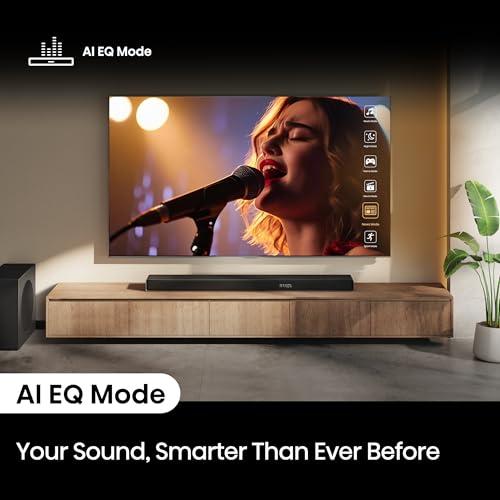
Both systems excel at dialogue reproduction thanks to their dedicated center channels, but they achieve clarity through different methods. The Hisense AX5140Q incorporates AI EQ processing that automatically adjusts the frequency response based on the type of content you're watching. This means dialogue in a quiet drama gets different treatment than the same dialogue during an action sequence with explosions happening simultaneously.
The AI system analyzes the incoming audio signal and makes real-time adjustments to ensure voices remain clear and intelligible even during complex scenes. User feedback suggests this works particularly well for streaming content, where audio quality can vary significantly between different shows and movies.
The JBL system takes a more traditional approach, relying on careful acoustic tuning and driver selection to ensure clear dialogue reproduction. While it lacks the AI processing, many users actually prefer this approach because it's more predictable—dialogue sounds consistent across all content types without the subtle changes that AI processing can introduce.
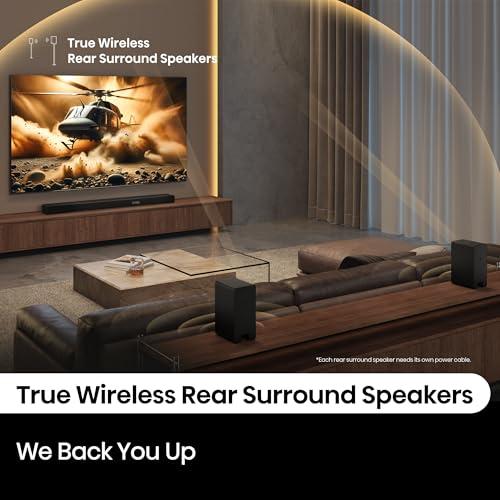
The surround sound experience reveals another key philosophical difference. The Hisense AX5140Q creates its soundstage using four discrete wireless speakers: the main soundbar, two rear speakers, and a subwoofer. The rear speakers include both traditional drivers for surround effects and upfiring drivers for height channels, creating a truly enveloping audio experience.
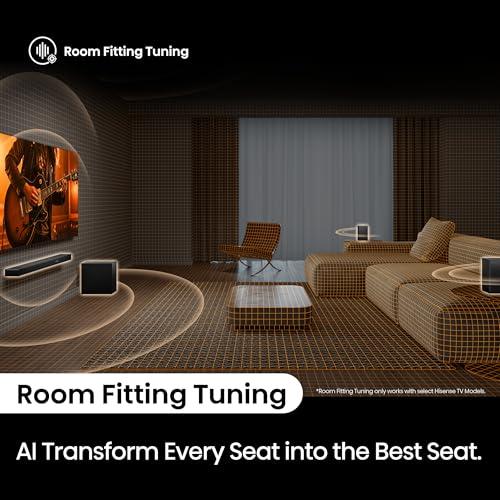
Room calibration on the Hisense system uses test tones and AI processing to measure your room's acoustics and adjust the timing and levels of each speaker accordingly. This helps eliminate dead zones and ensures consistent sound quality regardless of where you sit in the room.
The JBL Bar 5.1 also uses discrete rear speakers, but they serve a different purpose. These battery-powered speakers can operate for up to 10 hours on a single charge, making them incredibly flexible for placement. You can position them optimally for movie watching, then easily move them for parties or outdoor use. The MultiBeam technology in the main soundbar creates an impressively wide front soundstage that, combined with the wireless rears, delivers convincing surround effects.
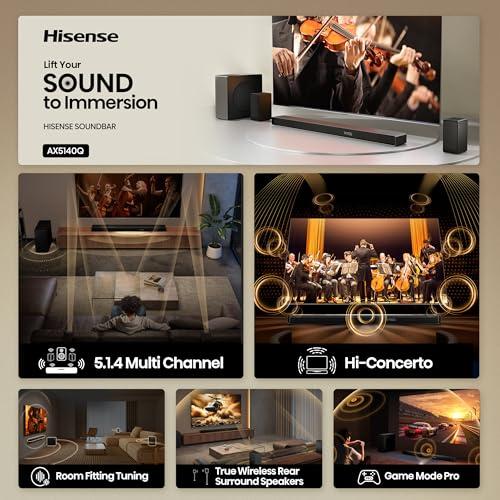
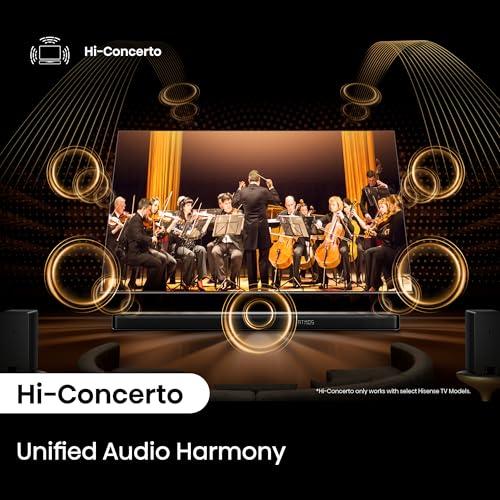
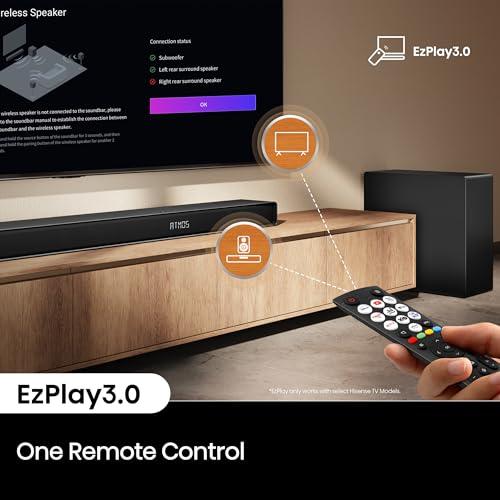
Modern soundbars need to integrate seamlessly with your existing entertainment setup, and both systems approach this differently. The Hisense AX5140Q includes Hi-Concerto technology, which provides deep integration with compatible Hisense TVs. This isn't just about using one remote—the system actually coordinates with the TV's processing to optimize audio based on what you're watching.
When paired with a compatible Hisense TV, the system can automatically adjust EQ settings based on content type, manage volume levels more intelligently, and even provide on-screen displays showing the status of all wireless speakers. It's the kind of integration that makes the system feel like an extension of the TV rather than a separate component.
The JBL Bar 5.1 takes a more universal approach with support for Chromecast, AirPlay 2, and multi-room audio capabilities. This makes it compatible with virtually any TV brand and integrates well with existing smart home ecosystems. The trade-off is less specialized optimization, but greater flexibility across different devices and platforms.
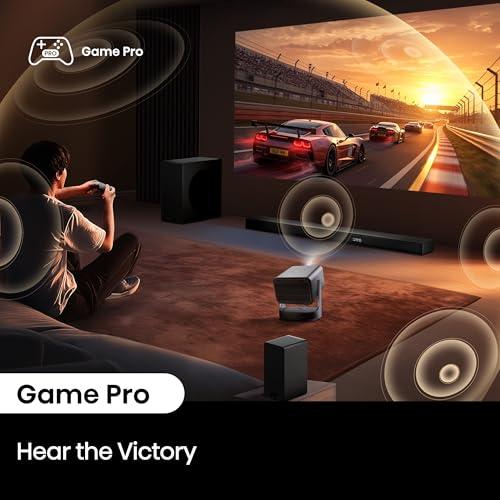
Based on extensive review analysis and user feedback, both systems deliver on their core promises but excel in different scenarios. The Hisense AX5140Q consistently impresses users who prioritize movie watching and gaming. The Dolby Atmos support makes a dramatic difference when watching modern blockbusters, and gamers particularly appreciate the spatial audio benefits for competitive gaming where directional cues matter.
However, some users report occasional sync issues with the Hi-Concerto feature, particularly when first setting up the system. These issues typically resolve with firmware updates, but they highlight the complexity of the system's advanced features.
The JBL Bar 5.1 earns praise for its reliability and ease of use. The battery-powered rear speakers are genuinely convenient—users love being able to position them perfectly for movie night, then easily store them away afterward. The system's wireless connectivity has proven robust over several years of user testing, with minimal reports of dropouts or pairing issues.
The main limitation users note with the JBL system is the lack of Atmos support. As more streaming content adopts the format, this becomes increasingly noticeable. Users who upgrade from the JBL to Atmos-capable systems consistently report the difference as significant, particularly for action movies and nature documentaries.
At the time of writing, both systems represent solid value in their respective approaches. The Hisense AX5140Q delivers premium features typically found in systems costing significantly more, making it an exceptional value for buyers wanting future-proof format support. The inclusion of true Dolby Atmos in this price range was almost unheard of just a few years ago.
The JBL Bar 5.1 offers proven technology at a lower price point, with the wireless convenience features adding genuine value beyond just audio performance. The battery-powered rear speakers eliminate installation headaches that have traditionally kept people from upgrading to surround sound.
From a longevity perspective, the Hisense system has a clear advantage. As streaming services continue expanding their Atmos content libraries and gaming consoles add more spatial audio features, the format support becomes increasingly valuable. The JBL system, while excellent at what it does, is essentially locked into legacy surround formats.
Choose the Hisense AX5140Q if you're serious about movie watching and gaming. The Dolby Atmos support alone justifies the additional cost for most home theater enthusiasts. This system works best for dedicated media rooms where you can position all speakers optimally and where the advanced features like room calibration provide the most benefit. If you own or plan to buy a Hisense TV, the Hi-Concerto integration makes this choice even more compelling.
The JBL Bar 5.1 is ideal for people who want genuine surround sound but need maximum flexibility. The battery-powered rears make this system perfect for renters, people with challenging room layouts, or anyone who values convenience over cutting-edge features. It's also the better choice for music listening, thanks to the larger subwoofer and JBL's audio tuning expertise.
For rooms larger than 300 square feet, the JBL's more powerful subwoofer becomes a significant advantage. In smaller rooms, the Hisense system's more balanced approach and height channels create a more impressive overall experience.
The decision ultimately comes down to priorities: future-proof format support and maximum immersion versus proven reliability and wireless convenience. Both represent excellent value in their respective approaches, but the Hisense AX5140Q offers a more complete path toward true home theater audio, while the JBL Bar 5.1 perfects the traditional surround sound experience with modern conveniences.
| Hisense AX5140Q 5.1.4Ch Dolby Atmos DTS:X Sound Bar | JBL Bar 5.1 Surround Soundbar with Wireless Subwoofer |
|---|---|
| Channel Configuration - Determines immersion level and future content compatibility | |
| 5.1.4 channels with true height speakers for Dolby Atmos | 5.1 channels, traditional surround without height |
| Audio Format Support - Critical for streaming services and modern content | |
| Dolby Atmos, DTS:X, Dolby TrueHD, DTS-HD Master Audio | Dolby Digital, DTS, Dolby Pro Logic II (no Atmos) |
| Total System Power - Affects volume capability and dynamics | |
| 600W peak power across all channels | 550W total system power |
| Subwoofer Size - Directly impacts bass depth and room-filling capability | |
| 6.5" wireless subwoofer (adequate for most rooms) | 10" wireless subwoofer (superior bass impact) |
| Rear Speaker Design - Affects placement flexibility and convenience | |
| Wireless with AC power required, includes upfiring drivers | Battery-powered (10 hours), completely wireless placement |
| Smart Features - Enhances ease of use and optimization | |
| AI EQ, room calibration, Hi-Concerto TV integration | MultiBeam technology, Chromecast, AirPlay 2 |
| Bluetooth Version - Affects wireless streaming quality and range | |
| Bluetooth 5.3 (improved range and stability) | Bluetooth 4.2 (standard performance) |
| HDMI Connectivity - Important for 4K passthrough and eARC support | |
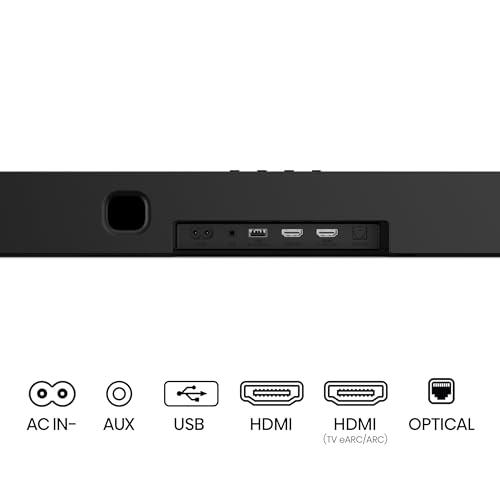
| HDMI eARC + 1 input with 4K 60Hz passthrough | HDMI ARC + 3 inputs with 4K passthrough |
| Room Size Suitability - Helps determine which system fits your space | |
| Medium to large rooms, benefits from height effects | Small to large rooms, excels in bass-heavy content |
| Setup Complexity - Balance between features and ease of installation | |
| More complex setup but includes auto-calibration | Simple setup with ultimate rear speaker flexibility |
The Hisense AX5140Q is superior for movie watching due to its Dolby Atmos and DTS:X support, which creates overhead sound effects that make action scenes and nature documentaries dramatically more immersive. The JBL Bar 5.1 delivers excellent traditional surround sound but lacks the height channels needed for modern movie formats.
The key difference is that the Hisense AX5140Q features a 5.1.4 channel configuration with height speakers for true 3D audio, while the JBL Bar 5.1 uses a traditional 5.1 setup without overhead effects. The Hisense system supports modern Dolby Atmos content, while the JBL focuses on perfecting conventional surround sound.
The JBL Bar 5.1 delivers superior bass with its larger 10-inch subwoofer compared to the Hisense AX5140Q's 6.5-inch subwoofer. The JBL provides deeper, more impactful low-frequency effects that are particularly noticeable in action movies and music with heavy bass content.
Yes, both systems include wireless rear speakers, but they work differently. The JBL Bar 5.1 features battery-powered rear speakers that operate for 10 hours without any cables, offering ultimate placement flexibility. The Hisense AX5140Q has wireless rear speakers that still require AC power but include upfiring drivers for height effects.
The JBL Bar 5.1 is generally easier to set up due to its battery-powered rear speakers and straightforward configuration. The Hisense AX5140Q requires more initial setup including room calibration, but this extra complexity enables better performance optimization for your specific room.
Only the Hisense AX5140Q supports true Dolby Atmos and DTS:X with dedicated height channels. The JBL Bar 5.1 does not support Atmos formats and is limited to traditional Dolby Digital and DTS surround sound processing.
The Hisense AX5140Q is better for gaming due to its Dolby Atmos support, which enhances spatial audio in modern games for better positional awareness. The system's AI EQ also optimizes audio for gaming content. The JBL Bar 5.1 provides good surround effects but lacks the overhead audio that improves competitive gaming performance.
The Hisense AX5140Q produces 600W of peak power across all channels, while the JBL Bar 5.1 delivers 550W total system power. The power difference is relatively small, with both systems providing adequate volume for most room sizes, though the Hisense system may handle dynamic peaks slightly better.
The Hisense AX5140Q offers AI EQ processing, room calibration, and Hi-Concerto integration with compatible Hisense TVs for optimized performance. The JBL Bar 5.1 provides broader compatibility with Chromecast, AirPlay 2, and multi-room audio capabilities that work with any TV brand.
Both soundbars handle music well, but with different strengths. The JBL Bar 5.1 may be slightly better for music due to its larger subwoofer and JBL's audio tuning expertise. The Hisense AX5140Q offers Hi-Res Audio support and AI EQ that adapts to music content, making both systems capable music performers.
The Hisense AX5140Q provides exceptional value by delivering premium Dolby Atmos features typically found in much more expensive systems. The JBL Bar 5.1 offers excellent value for traditional surround sound with the added convenience of battery-powered rear speakers, making both systems competitive in their respective approaches.
Choose the Hisense AX5140Q if you want future-proof Dolby Atmos support for streaming content and gaming, especially if you own a Hisense TV. Choose the JBL Bar 5.1 if you prioritize setup convenience, need flexible rear speaker placement, or want the deepest possible bass from the larger subwoofer while staying with traditional surround formats.
We've done our best to create useful and informative comparisons to help you decide what product to buy. Our research uses advanced automated methods to create this comparison and perfection is not possible - please contact us for corrections or questions. These are the sites we've researched in the creation of this article: shop.hisense-usa.com - manuals.plus - dolby.com - youtube.com - gzhls.at - rtings.com - youtube.com - bestbuy.com - manuals.plus - bestbuy.com - hisense-usa.com - youtube.com - device.report - manuals.plus - youtube.com - device.report - manuals.plus - youtube.com - jbl.com - jbl.com - jbl.com - tomsguide.com - jbl.com - bestbuy.com - bestbuy.com - jbl.com - jbl.com - worldwidestereo.com

Privacy Policy
Terms and Conditions - Affiliate Policy
Home Security
© Copyright 2008-2026.
11816 Inwood Rd #1211, Dallas, TX 75244