



When your TV's built-in speakers leave action scenes sounding flat and dialogue barely audible, a quality soundbar system can transform your viewing experience. But with so many options available, choosing the right one requires understanding what separates good from great—and more importantly, what works best for your specific setup and needs.
Today we're comparing two compelling but fundamentally different approaches to surround sound: the Ultimea Poseidon D70 7.1 channel system and the JBL Bar 5.1 with its innovative wireless design. Both promise to deliver that coveted "theater at home" experience, but they achieve it through remarkably different philosophies that will appeal to different users.
Before diving into specifics, it's worth understanding what we're dealing with here. Traditional home theater systems required separate receivers, multiple speakers, and complex wiring throughout your room. Modern soundbars aim to deliver similar results through clever engineering and digital processing, but not all approaches are created equal.
True surround sound means having actual speakers positioned around your listening area, creating discrete audio channels that can pinpoint where sounds originate. This is different from virtual surround, which uses digital processing to simulate the effect of multiple speakers using fewer physical drivers. While virtual processing has improved dramatically, physics still favors having real speakers in the right positions.
The key specifications that matter most are total power output (measured in watts), frequency response (how low and high the system can reproduce sound), channel configuration (like 5.1 or 7.1, where the first number indicates main speakers and .1 refers to the subwoofer), and driver quality (the individual speakers that actually produce sound).
The Ultimea Poseidon D70 and JBL Bar 5.1 represent two distinct philosophies in home theater audio. Released around 2023-2024, the Ultimea Poseidon D70 embraces the "more channels are better" approach with a true 7.1 configuration, while the JBL Bar 5.1, building on JBL's decades of audio expertise, focuses on solving the biggest pain point in surround sound: cable management.
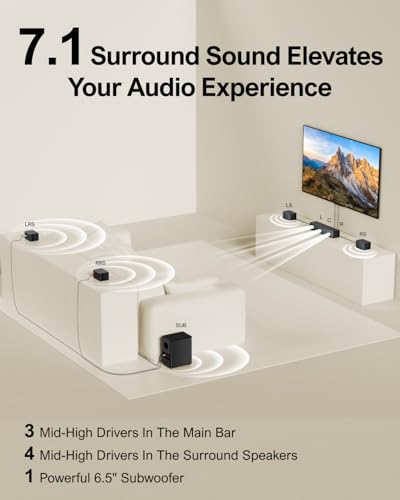
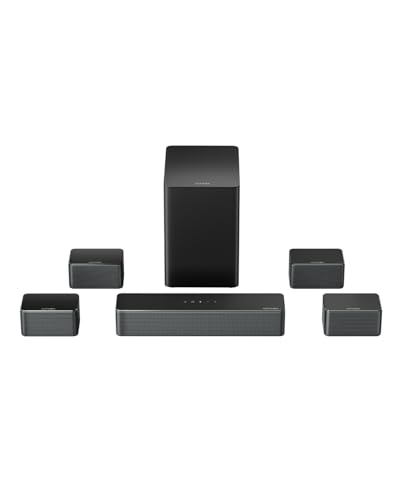
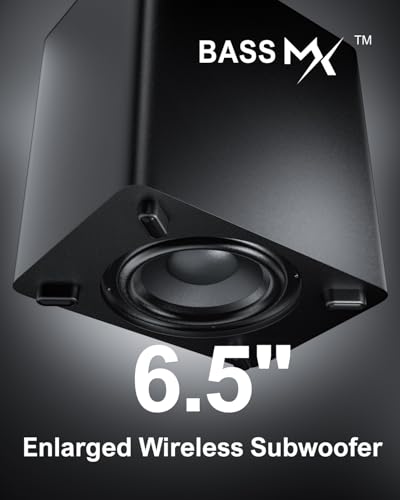
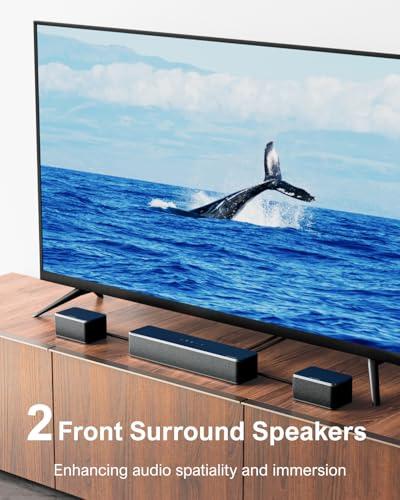
The Ultimea Poseidon D70 gives you eight separate speakers total—three drivers in the main soundbar, four discrete surround speakers, and a 6.5-inch wireless subwoofer. This creates seven full-range audio channels plus the dedicated bass channel, hence "7.1." The system outputs 410 watts peak power (144 watts RMS, which is the more meaningful continuous power rating) across all these drivers.
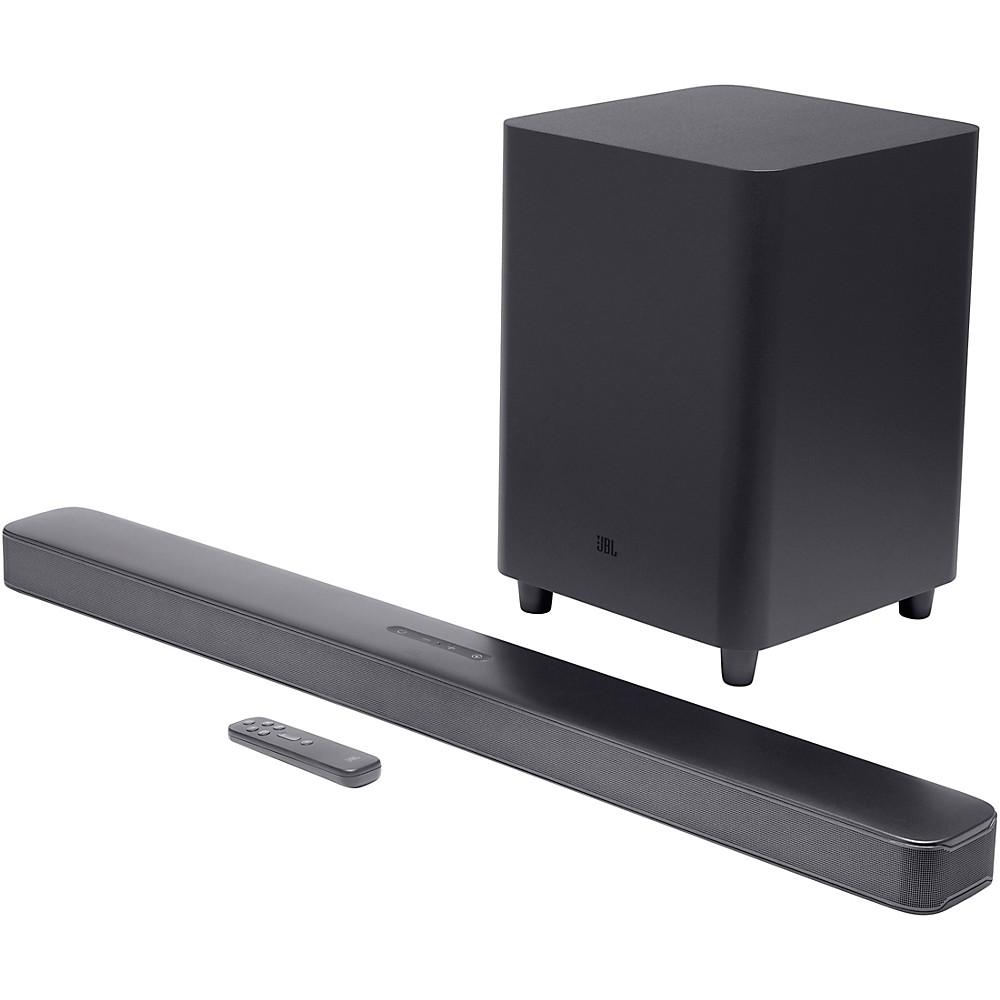
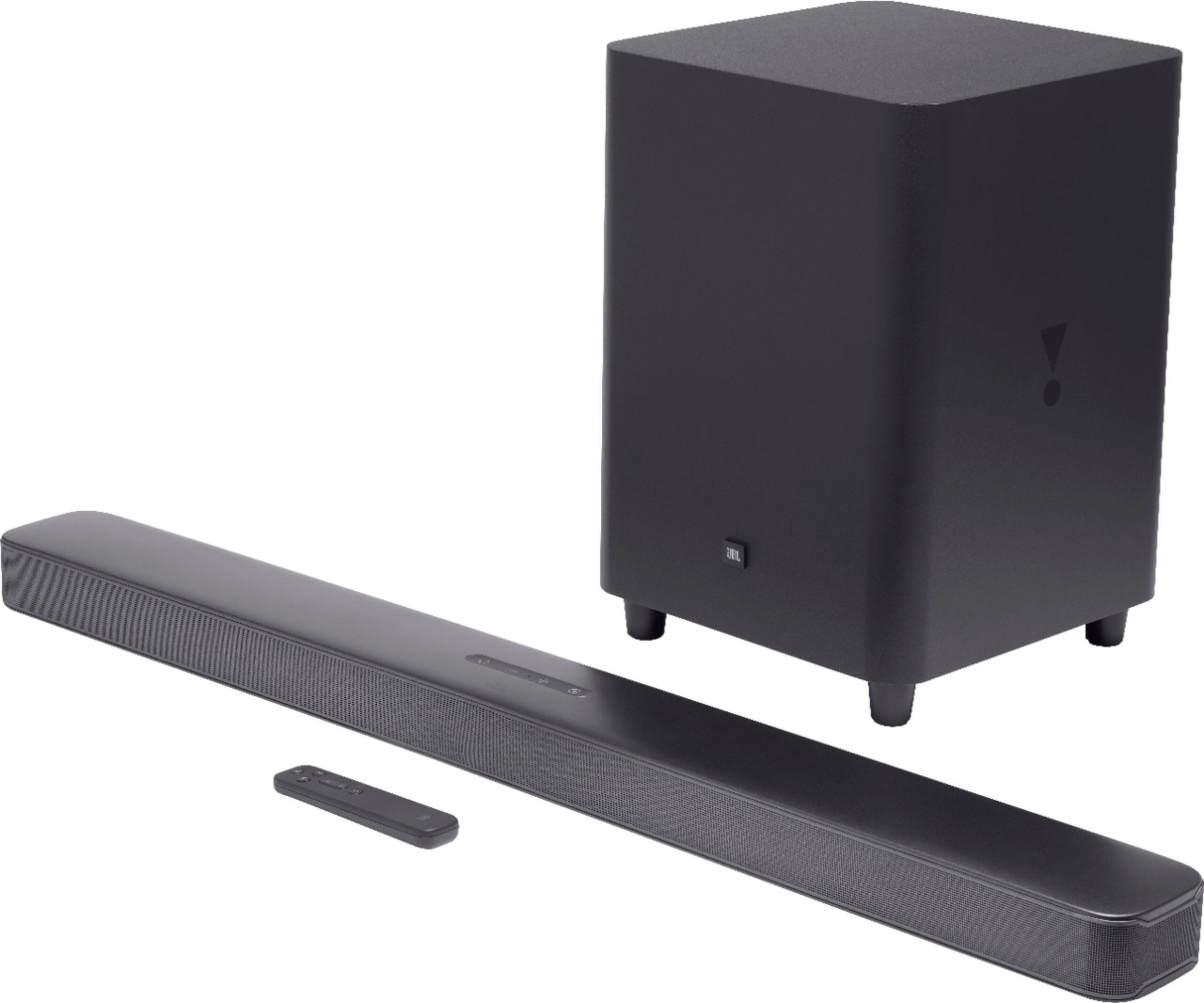
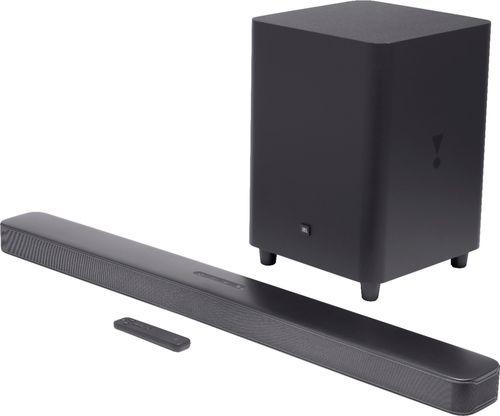
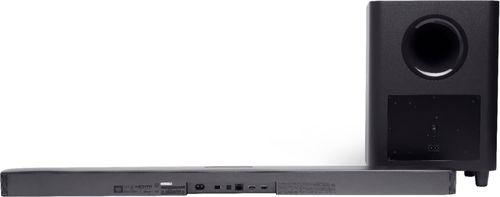
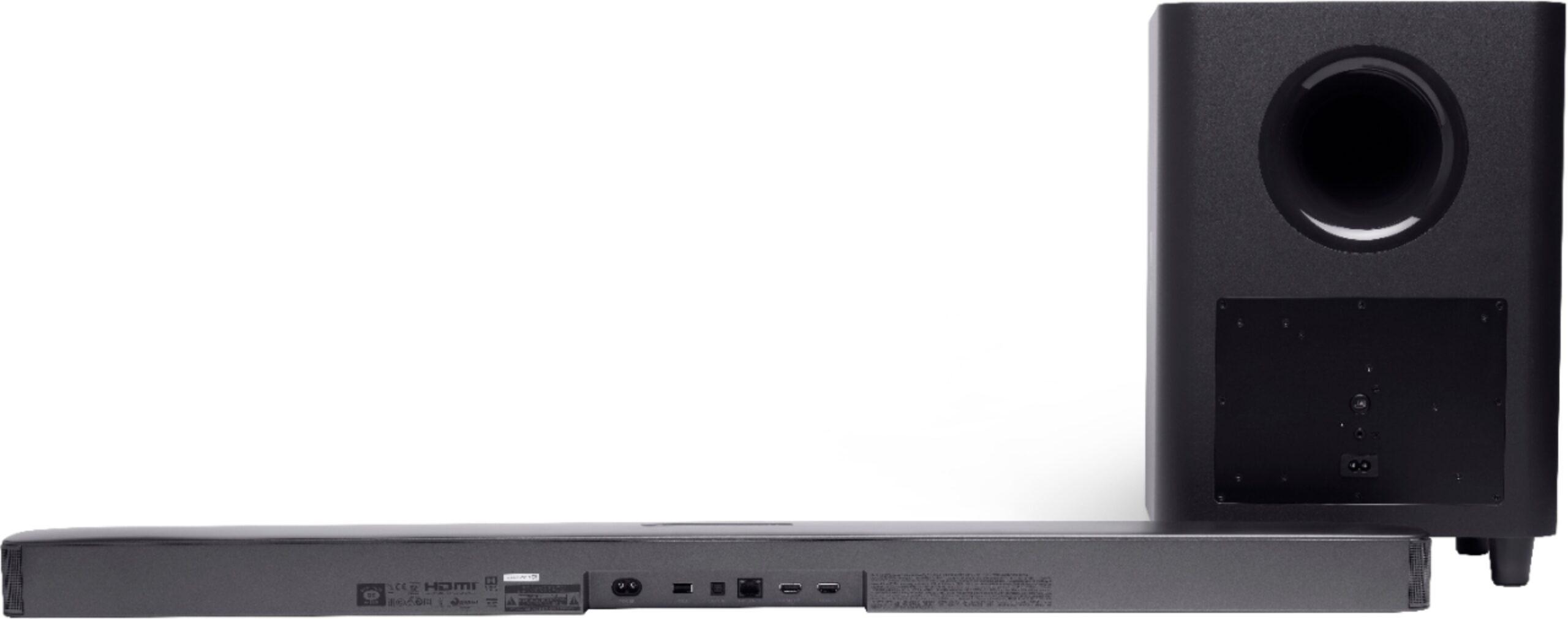
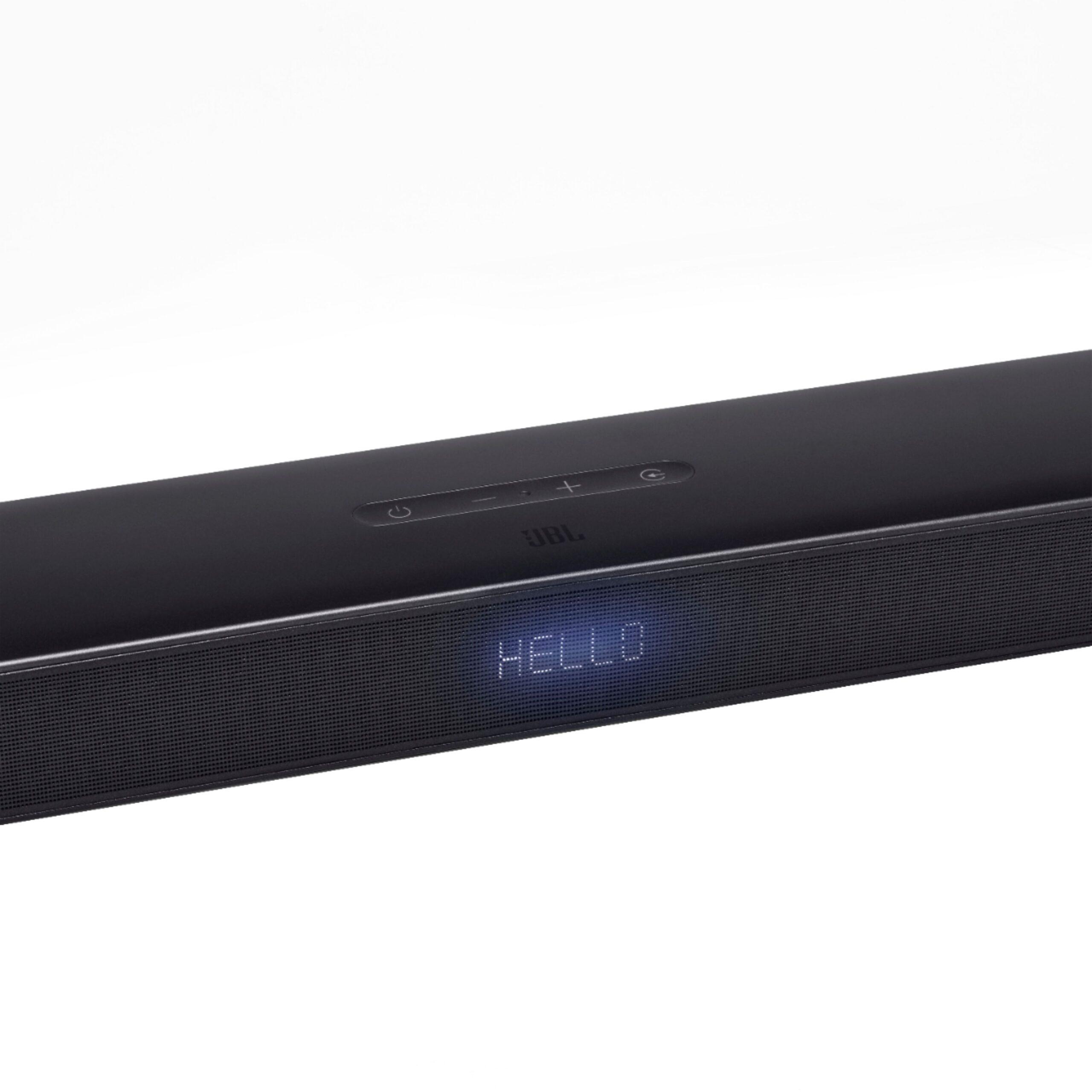
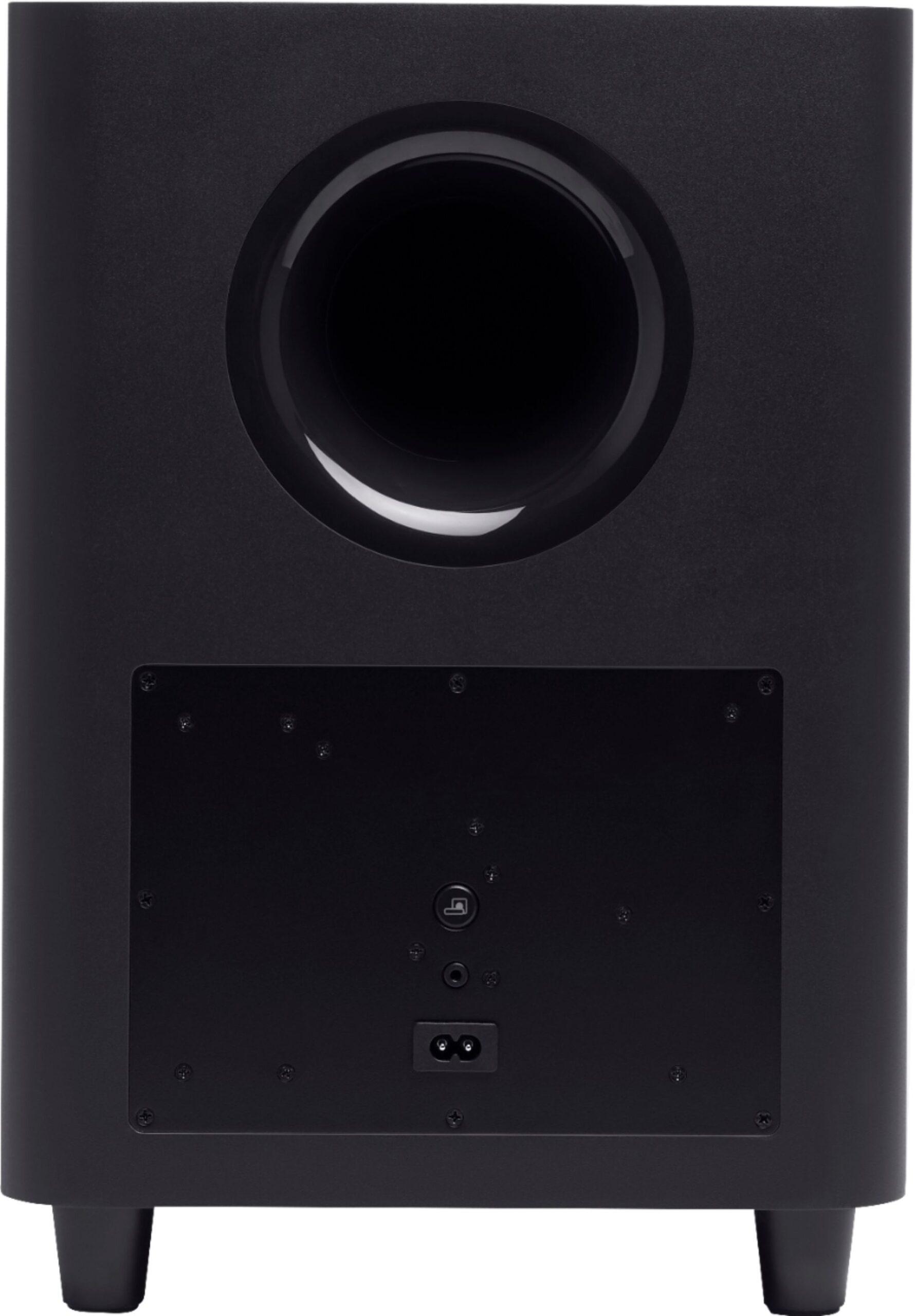
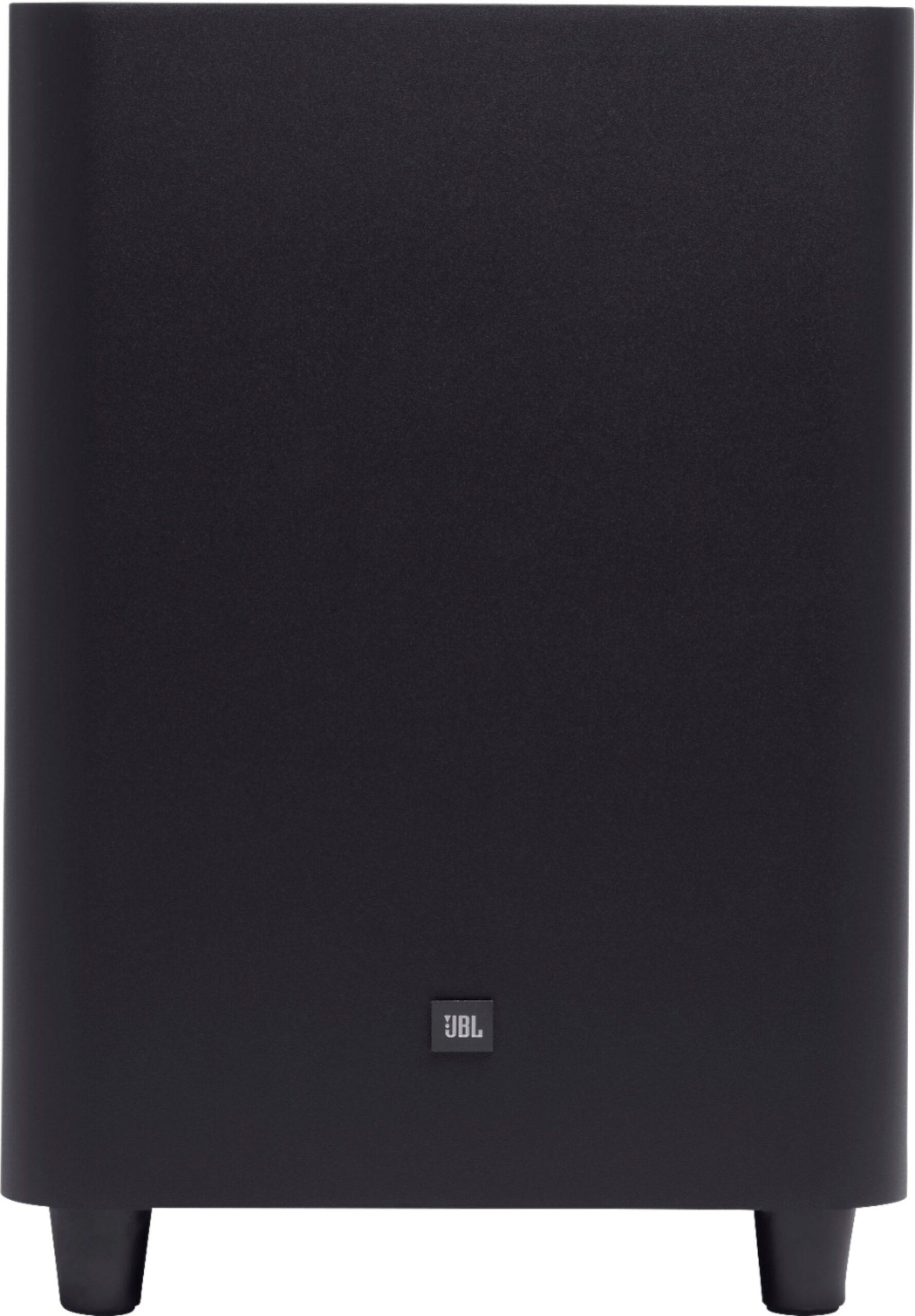
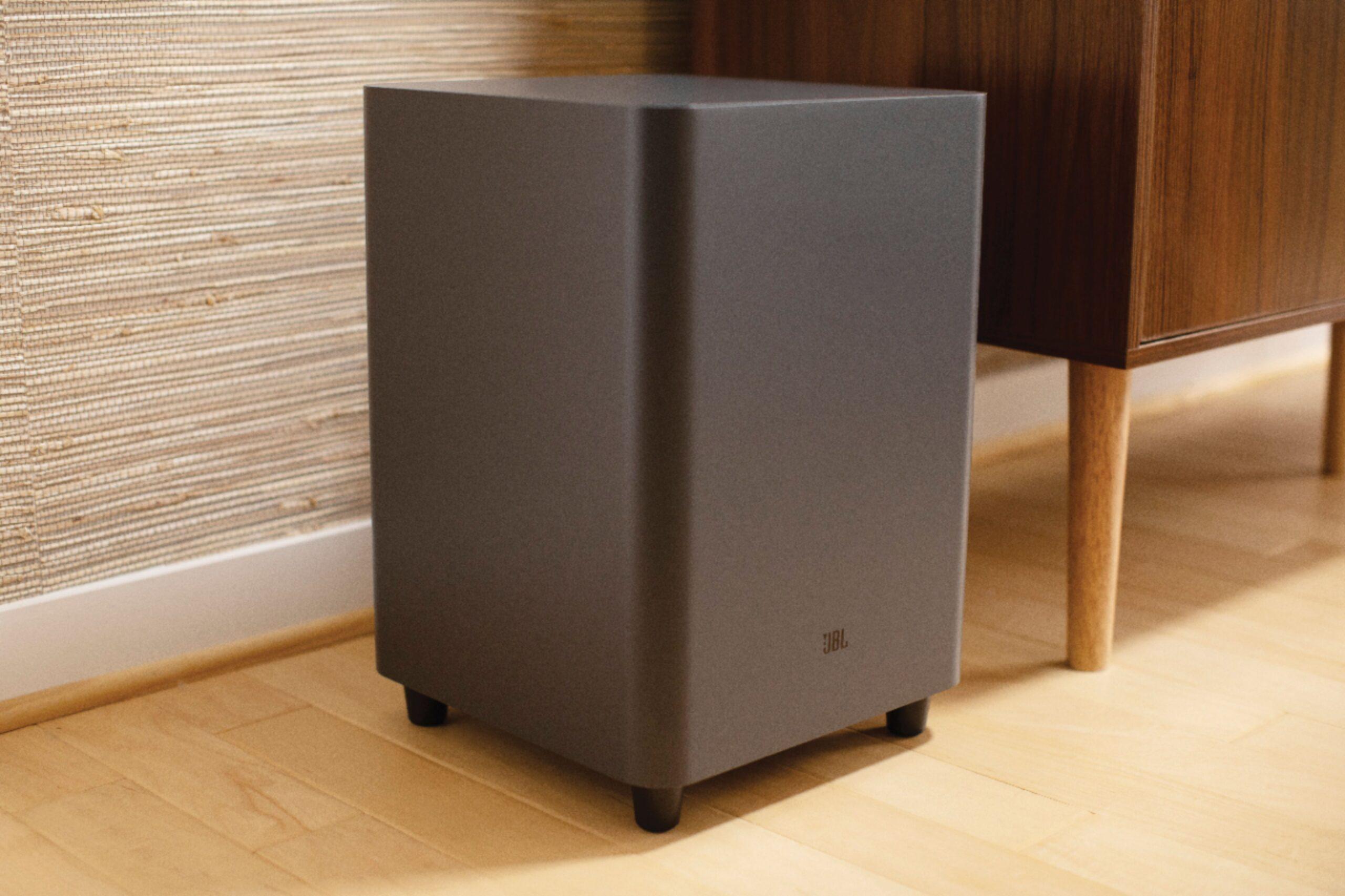
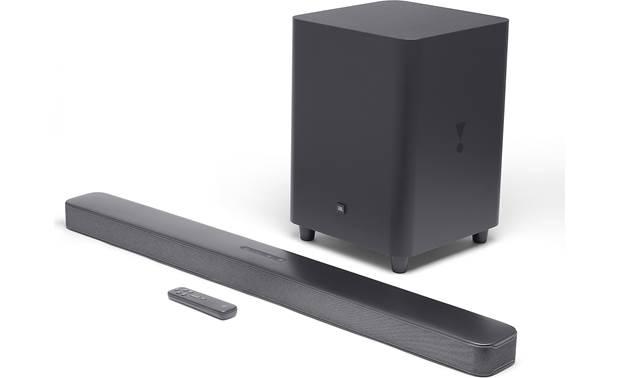
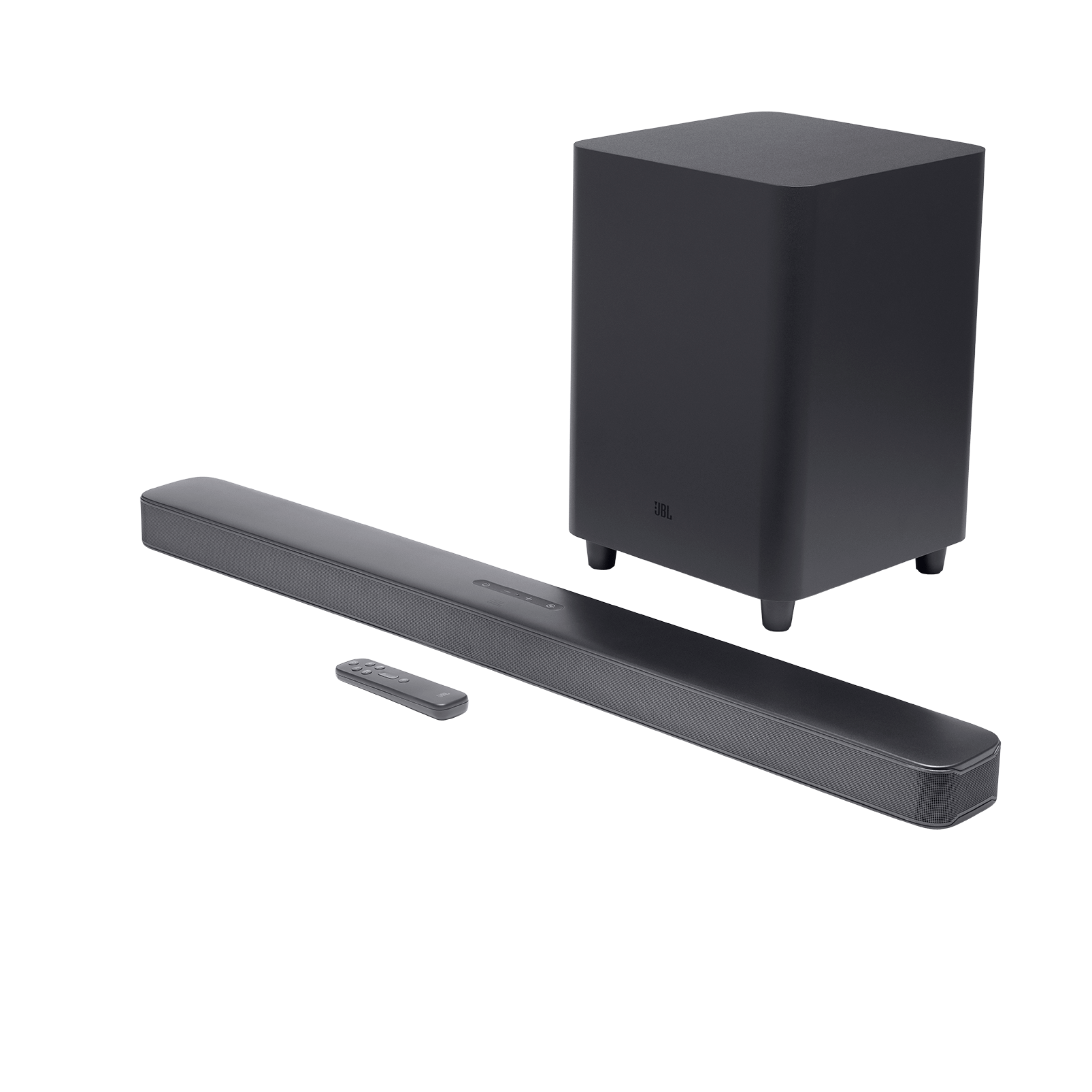
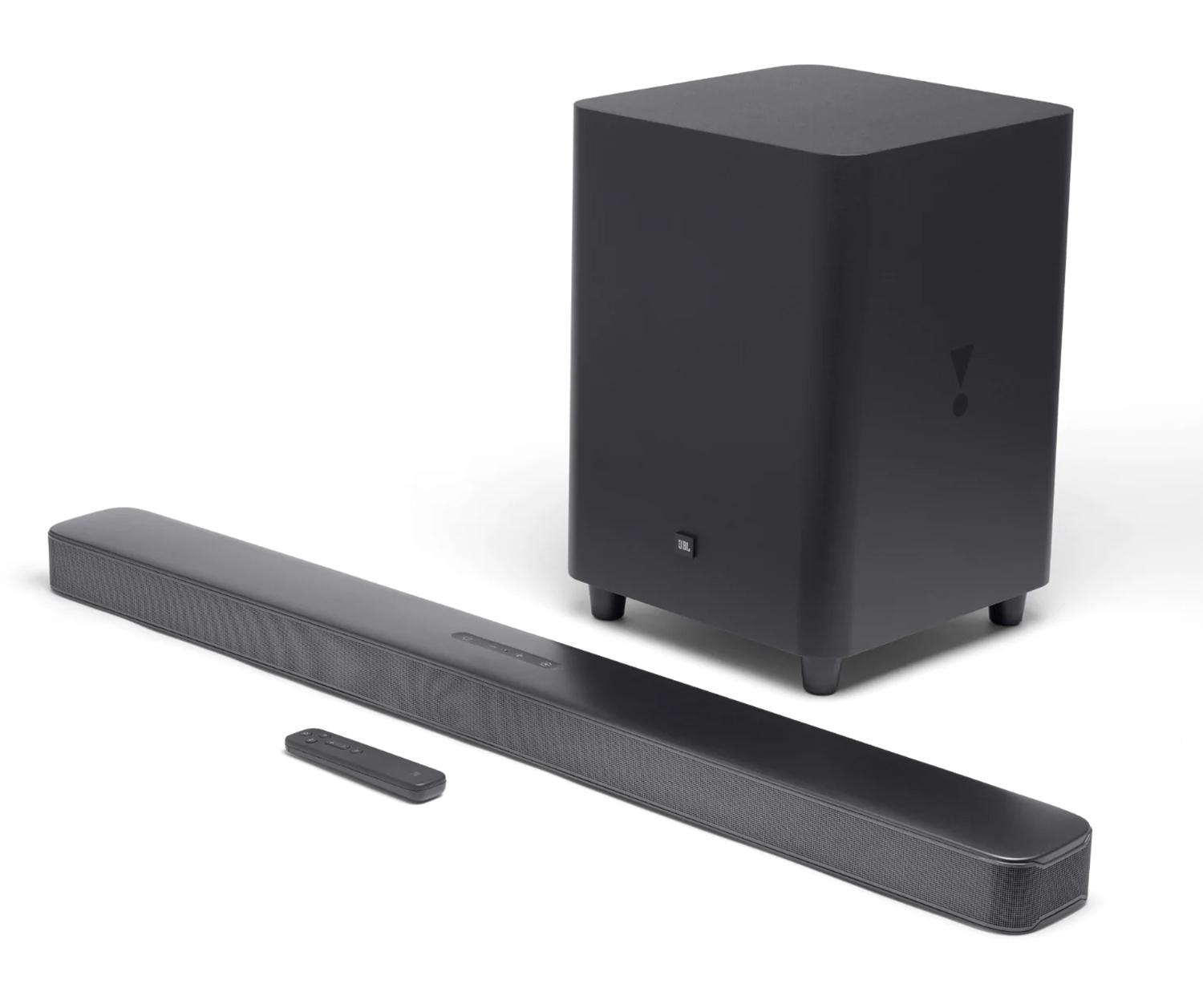
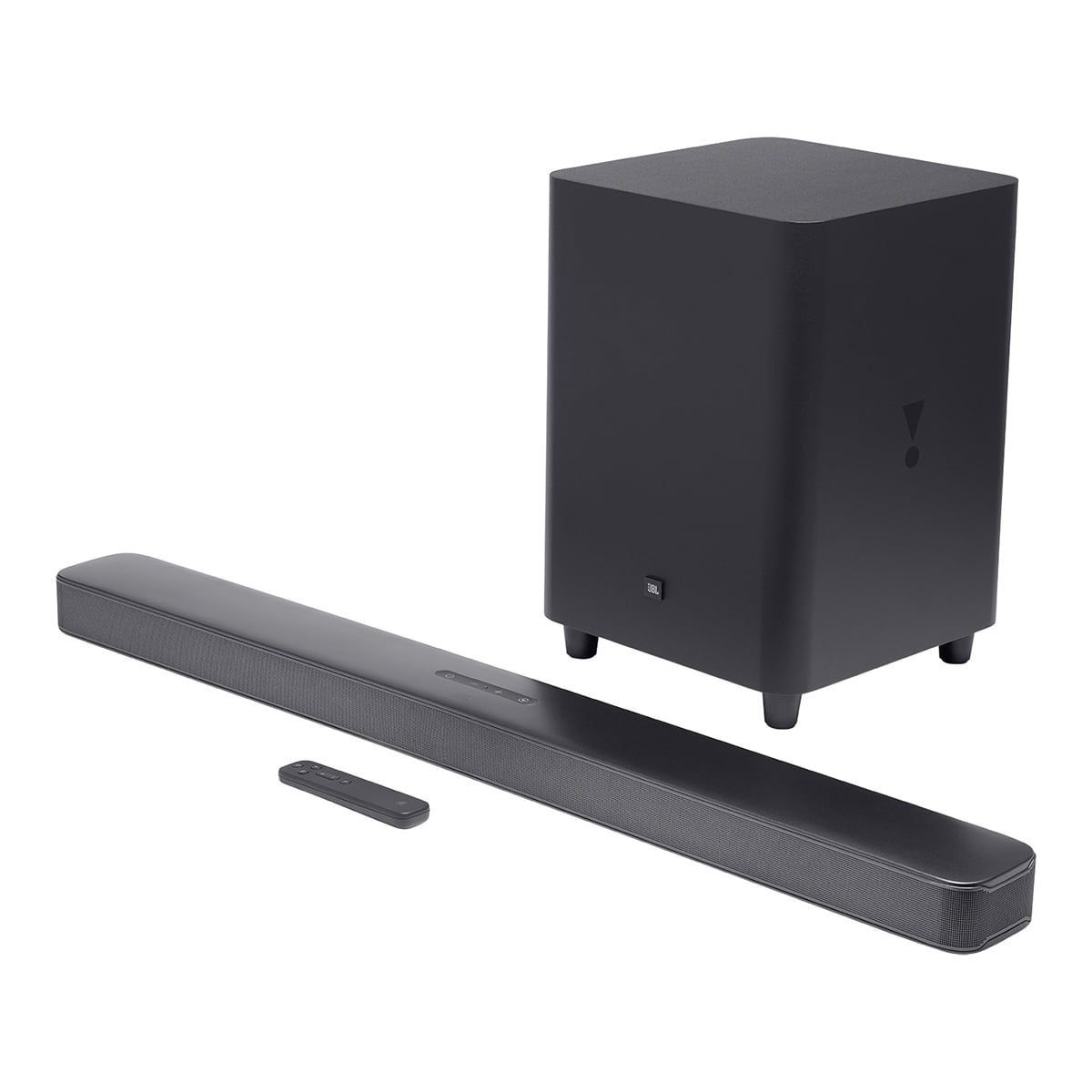
The JBL Bar 5.1 takes a different approach with its 5.1 configuration, but the innovation lies in execution. The surround speakers are completely wireless and battery-powered, physically detaching from the main soundbar when you want to use them. With 510 watts of total power and a much larger 10-inch subwoofer, it prioritizes convenience and raw power over channel count.
Channel Configuration and Spatial Audio
This is where the Ultimea Poseidon D70 shows its strength. Having seven discrete channels means sounds can be positioned with remarkable precision around your listening area. When watching action movies, you'll hear helicopters move from front to back through the side channels, or ambient sounds like rainfall seeming to surround you completely. The two additional channels (compared to 5.1) create more precise localization, especially for side-to-side audio movement.
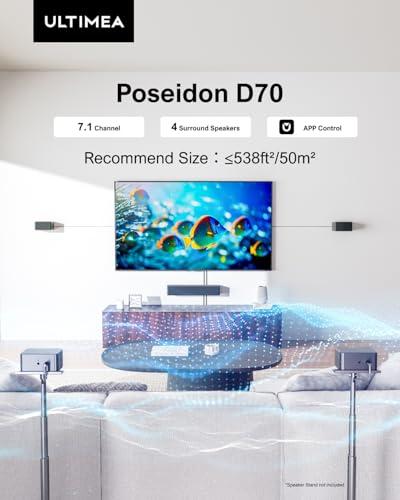
Our research into user experiences consistently highlights this advantage. The Ultimea Poseidon D70 creates what many describe as a "bubble of sound" that's particularly noticeable in gaming and action sequences. The discrete positioning of four physical surround speakers—two in front, two behind—provides spatial cues that virtual processing simply cannot replicate.
The JBL Bar 5.1, while limited to 5.1 channels, compensates through JBL's MultiBeam technology and more powerful drivers. The nine-driver soundbar array includes dedicated tweeters for crisp high-frequency reproduction, something the Ultimea handles through its larger full-range drivers. Expert reviews consistently praise the JBL's ability to create an enveloping soundfield despite having fewer discrete channels.
Bass Response and Low-Frequency Performance
This is where things get interesting and somewhat counterintuitive. You'd expect the JBL Bar 5.1 with its massive 10-inch subwoofer to dominate, but real-world feedback tells a more nuanced story.
The Ultimea Poseidon D70 uses BassMX technology with its 6.5-inch subwoofer to deliver what users describe as "punchy and immediate" bass response. The smaller driver size actually helps with speed and accuracy—think tight, controlled bass that complements action scenes without overwhelming dialogue.
The JBL's 10-inch subwoofer should theoretically produce deeper, more powerful bass, but user reports suggest mixed results. Some owners achieve the thunderous low-end they expected, while others report disappointing output even at maximum settings. This inconsistency might relate to room placement, setup, or individual unit variation, but it's worth noting given the subwoofer's prominent role in the system's design.
For home theater use, bass quality matters more than quantity. Explosive action sequences need tight, controlled bass that doesn't blur into neighboring frequencies, while music benefits from deep extension that doesn't sacrifice clarity. Based on consensus feedback, the Ultimea seems to achieve more consistent results across different setups and content types.
Dialogue Clarity and Frequency Balance
Clear dialogue might be the most crucial aspect of home theater audio. Both systems handle this well, but through different approaches. The Ultimea Poseidon D70 uses dedicated center channel processing through its main soundbar, with AI deep learning optimization that analyzes audio content in real-time to enhance speech clarity.
The JBL Bar 5.1 relies on its dedicated center drivers and digital processing, with users reporting excellent dialogue reproduction in most scenarios. However, some reviews mention occasional harshness in the treble frequencies, particularly with certain types of content or at higher volumes.
Power and Dynamic Range
Raw power isn't everything, but it matters for dynamic content. The JBL Bar 5.1 has higher total wattage (510W vs 410W), but power distribution tells the real story. The Ultimea Poseidon D70 spreads its power across more channels, potentially creating better overall balance, while the JBL concentrates significant power in its subwoofer channel.
For reference, 100 watts is generally sufficient for most living rooms, so both systems provide adequate power. The more important factor is how efficiently they use that power across different frequency ranges and at various listening levels.
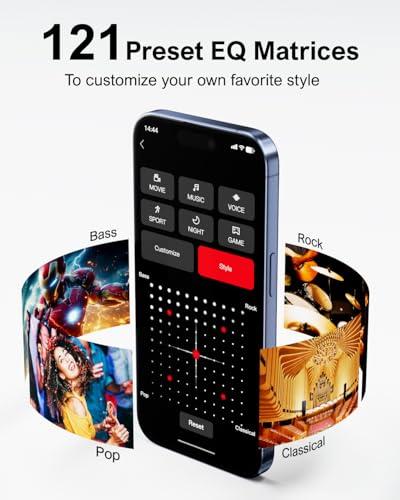
Here's where the Ultimea Poseidon D70 truly differentiates itself. The dedicated mobile app provides an level of control typically reserved for much more expensive systems. The 121 preset EQ matrices aren't just marketing fluff—they represent different acoustic scenarios optimized for various content types, room sizes, and listening preferences.
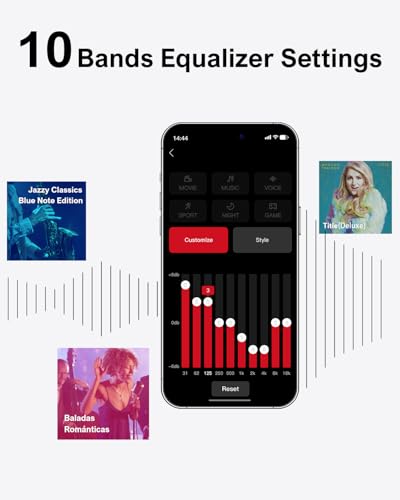
The 10-band graphic equalizer lets you fine-tune specific frequency ranges, which is invaluable for compensating for room acoustics. If your space has hard surfaces that create harsh reflections, you can dial down the problematic frequencies. If your room absorbs too much bass, you can boost the low-end accordingly.
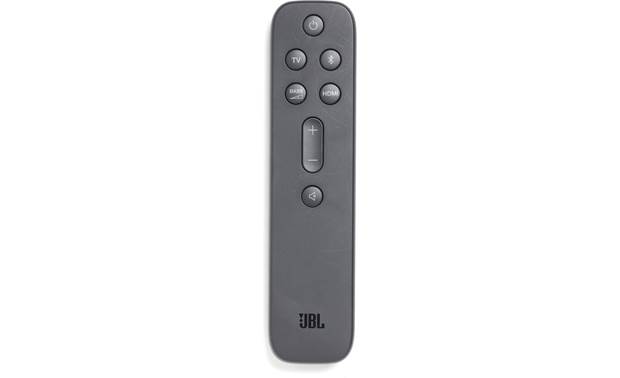
The JBL Bar 5.1 takes a deliberately simpler approach with six preset sound modes and automatic room calibration through a built-in microphone. This philosophy appeals to users who want great sound without tweaking, though it limits long-term customization options.
The SurroundX technology in the Ultimea uses spatial positioning algorithms to optimize sound placement based on your room's characteristics, while the AI processing continuously adjusts audio based on content analysis. These aren't gimmicks—they represent genuine technological advances that improve the listening experience.
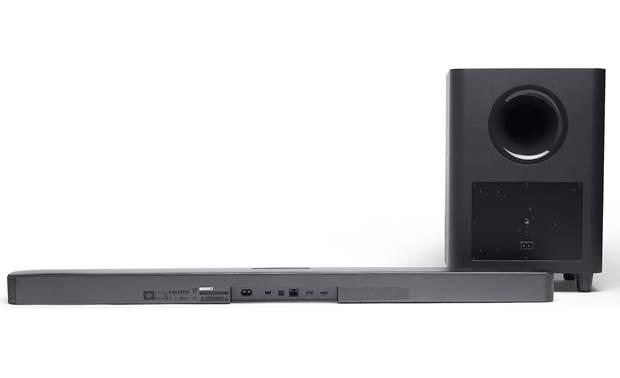
This is where the JBL Bar 5.1 shows its maturity as a complete home theater solution. Three HDMI 2.0 inputs transform it into your entertainment hub, eliminating the need for separate switching devices. The 4K HDR pass-through ensures compatibility with modern content sources, while HDMI CEC allows unified control through your TV remote.
The Ultimea Poseidon D70 keeps connectivity minimal with single HDMI ARC, optical, and Bluetooth inputs. While this simplifies setup, it means relying on your TV's switching capabilities and potentially dealing with audio format limitations.
For modern home theater setups with multiple devices—gaming consoles, streaming devices, Blu-ray players—the JBL's connectivity advantage is significant. You can switch between sources directly on the soundbar, ensuring optimal audio format support for each device.
The Cable Question
This might be the deciding factor for many users. The Ultimea Poseidon D70 requires running cables from the subwoofer to each of the four surround speakers. While the system includes various cable lengths, you'll need to plan routing carefully to avoid unsightly wires crossing your room.
The JBL Bar 5.1's battery-powered wireless surrounds eliminate this concern entirely. The speakers detach from the main soundbar, operate for up to 10 hours on battery power, and can be placed anywhere within wireless range. When batteries run low, you simply reattach them to the soundbar for a three-hour recharge cycle.
This convenience comes with trade-offs. You need to remember to charge the surrounds periodically, and battery performance will degrade over time. However, for many users, the freedom from permanent wiring outweighs these limitations.
Room Compatibility
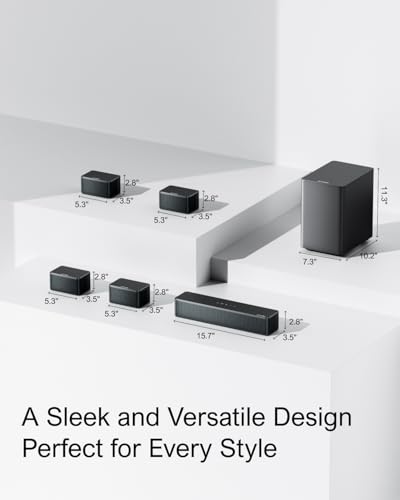
The Ultimea Poseidon D70 works better in smaller to medium-sized rooms where its compact 15.7-inch soundbar fits proportionally with smaller displays and where the 7.1 channel density creates an immersive experience without overwhelming the space.
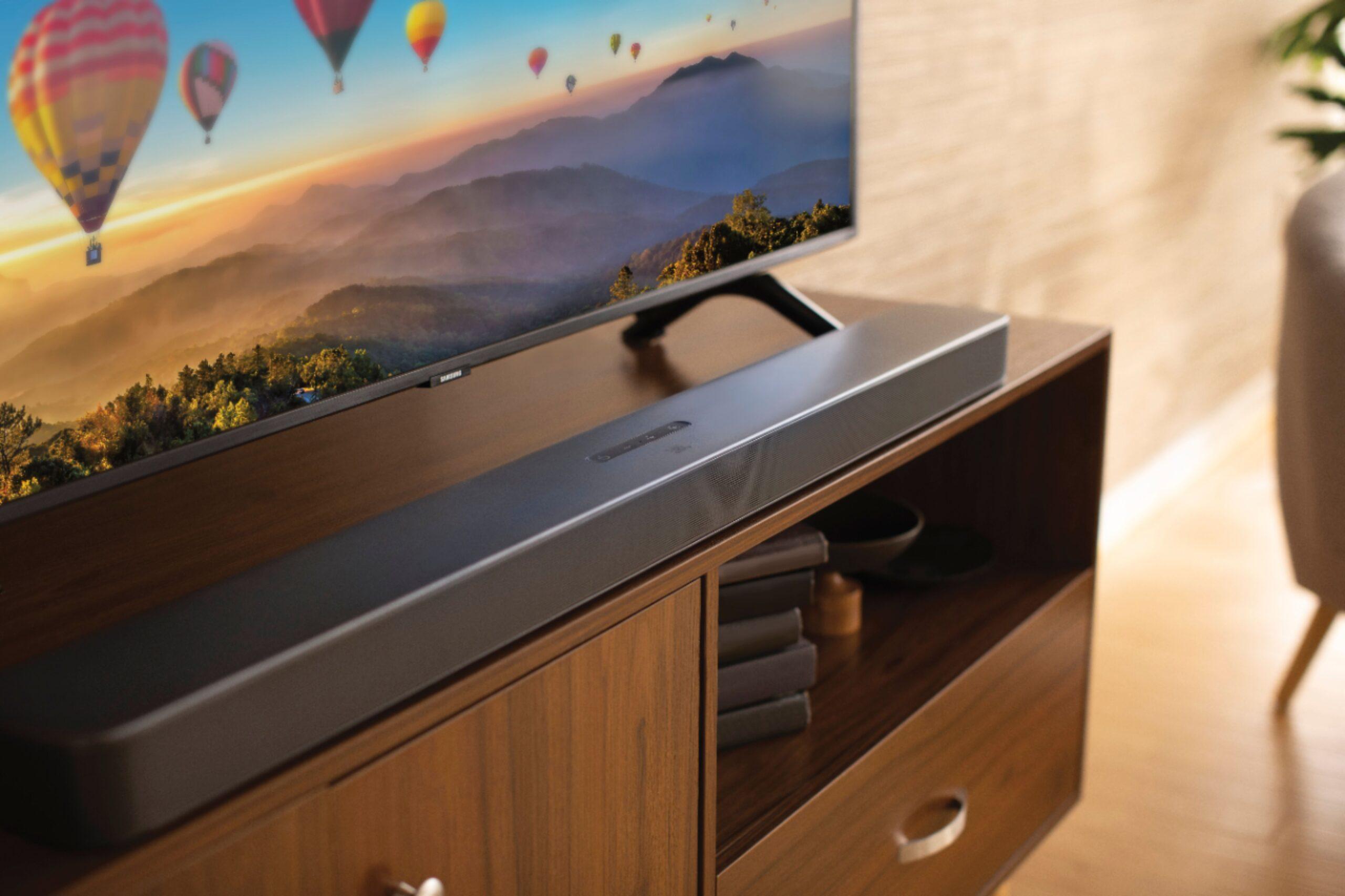
The JBL Bar 5.1 demands more room to breathe. At 45 inches wide, it's designed for larger displays (50+ inches) and rooms where its powerful output won't seem excessive. The larger subwoofer also needs adequate placement flexibility to achieve optimal bass response.
At the time of writing, these systems occupy different value segments but deliver comparable overall performance through different approaches. The Ultimea Poseidon D70 represents exceptional value for audio enthusiasts who prioritize channel count and customization features typically found in much more expensive systems.
The JBL Bar 5.1 commands a premium for its convenience features and established brand reputation, making it worthwhile for users who value simplicity and reliability over maximum channel count.
Who Should Choose the Ultimea Poseidon D70
The Ultimea appeals to users who want maximum immersion and don't mind some setup complexity. If you're upgrading from basic TV speakers and want to experience true surround sound positioning, the additional channels make a noticeable difference. The extensive app-based customization suits users who enjoy fine-tuning their audio setup and want ongoing control over their listening experience.
This system works particularly well for dedicated home theater spaces where you can properly position all speakers and where the cable management won't be an issue. Gamers especially appreciate the precise positional audio that helps with directional cues in competitive gaming.
Who Should Choose the JBL Bar 5.1
The JBL is ideal for users who want excellent surround sound without the complexity. The wireless surrounds solve the biggest practical barrier to surround sound adoption, while the multiple HDMI inputs eliminate the need for separate switching equipment.
This system suits larger living rooms where it serves as both daily TV enhancement and occasional movie theater. The established JBL brand brings confidence in long-term reliability and customer support, important factors for a significant audio investment.
Both systems succeed in their intended approaches, making this more about matching the right solution to your specific needs rather than declaring an absolute winner.
Choose the Ultimea Poseidon D70 if you prioritize audio performance above all else and want the most immersive surround experience possible at this price point. The 7.1 configuration and advanced customization features provide exceptional value for users willing to invest time in proper setup and tuning.
Choose the JBL Bar 5.1 if convenience and integration matter more than maximum channel count. The wireless surrounds and comprehensive connectivity make it a complete home theater solution that's easier to live with long-term.
Either choice will dramatically improve your TV audio experience. The decision ultimately comes down to whether you want maximum immersion with some complexity (Ultimea) or excellent performance with maximum convenience (JBL). Both represent solid investments that should serve you well for years to come.
| Ultimea Poseidon D70 | JBL Bar 5.1 |
|---|---|
| Channel Configuration - More channels create better surround positioning | |
| True 7.1 discrete channels with 4 separate surround speakers | 5.1 channels with detachable battery-powered surrounds |
| Total System Power - Higher wattage enables louder, cleaner sound | |
| 410W peak (144W RMS) distributed across 8 drivers | 510W total (150W soundbar, 300W subwoofer) |
| Subwoofer Size - Larger drivers typically produce deeper bass | |
| 6.5" wireless subwoofer with BassMX technology | 10" wireless subwoofer (down-firing with bass reflex) |
| Surround Speaker Design - Affects placement flexibility and setup complexity | |
| 4 wired speakers connect to subwoofer (cables included) | 2 detachable wireless speakers with 10-hour battery life |
| Smart Control Features - App control offers more customization than basic remotes | |
| Comprehensive mobile app with 121 EQ presets, 10-band equalizer, firmware updates | Basic IR remote with 6 sound modes, no app control |
| HDMI Connectivity - Multiple inputs eliminate need for separate switching | |
| Single HDMI ARC input (relies on TV switching) | 3 HDMI inputs + 1 output with 4K HDR pass-through |
| Audio Processing - Modern formats provide better surround effects | |
| Proprietary SurroundX with AI optimization (no Dolby/DTS) | Dolby Digital, DTS, Dolby Pro Logic II decoding |
| Soundbar Dimensions - Size affects TV compatibility and room aesthetics | |
| Compact 15.7" wide (ideal for smaller TVs) | Large 45" wide (requires 50"+ TV for proper proportion) |
| Setup Complexity - Simpler installation appeals to non-technical users | |
| Requires cable management for 4 surround speakers | Truly wireless operation (surrounds charge on soundbar) |
| Room Calibration - Automatic tuning saves time vs manual adjustment | |
| Manual app-based tuning with spatial positioning algorithm | Auto-calibration microphone with one-time room setup |
The Ultimea Poseidon D70 delivers superior surround sound with its true 7.1 channel configuration, featuring four separate surround speakers that create more precise audio positioning around your room. The JBL Bar 5.1 offers excellent 5.1 surround sound but with fewer discrete channels. For the most immersive home theater experience, the Ultimea Poseidon D70 provides better spatial audio placement.
The JBL Bar 5.1 is significantly easier to install because its surround speakers are completely wireless and battery-powered, eliminating all speaker cables during use. The Ultimea Poseidon D70 requires running cables from the subwoofer to four surround speaker positions around your room. If you want minimal installation complexity, the JBL Bar 5.1 is the clear winner.
The JBL Bar 5.1 is designed for larger rooms with its 45-inch wide soundbar, powerful 10-inch subwoofer, and 510W total power output. The Ultimea Poseidon D70 works better in smaller to medium rooms where its 7.1 channel configuration can create proper immersion without overwhelming the space.
Neither the Ultimea Poseidon D70 nor JBL Bar 5.1 supports Dolby Atmos or DTS:X. The JBL Bar 5.1 does support Dolby Digital and DTS decoding, while the Ultimea Poseidon D70 uses proprietary SurroundX virtual surround processing with AI optimization.
The JBL Bar 5.1 provides superior connectivity with three HDMI inputs plus 4K HDR pass-through, making it a complete home theater hub. The Ultimea Poseidon D70 has minimal connectivity with only single HDMI ARC, optical, and Bluetooth inputs, requiring you to rely on your TV's switching capabilities.
Only the Ultimea Poseidon D70 offers comprehensive smartphone app control with 121 preset EQ settings, 10-band equalizer, and firmware updates. The JBL Bar 5.1 lacks app control entirely and relies on a basic IR remote with six sound modes.
Despite having a smaller 6.5-inch subwoofer, the Ultimea Poseidon D70 consistently delivers more satisfying bass performance according to user reviews. The JBL Bar 5.1 has a larger 10-inch subwoofer but receives mixed feedback on bass output, with some users reporting disappointing performance even at maximum settings.
The JBL Bar 5.1 features truly wireless, detachable surround speakers with 10-hour battery life that completely eliminate cables during use. The Ultimea Poseidon D70 uses four wired surround speakers that connect to the subwoofer via included cables, requiring permanent cable management around your room.
The Ultimea Poseidon D70 excels for gaming and movies due to its 7.1 channel configuration providing superior positional audio for directional cues and immersive action sequences. The JBL Bar 5.1 also performs well for movies but with less precise surround positioning due to its 5.1 channel limitation.
The Ultimea Poseidon D70 has a compact 15.7-inch soundbar suitable for smaller TVs and rooms. The JBL Bar 5.1 measures 45 inches wide and requires larger displays (50+ inches) for proper visual proportion and adequate room size to utilize its full power effectively.
The Ultimea Poseidon D70 provides exceptional value with more audio channels, advanced app features, and AI processing typically found in premium systems. The JBL Bar 5.1 offers good value for users prioritizing convenience features and established brand reliability over maximum channel count.
The JBL Bar 5.1 includes an auto-calibration microphone that optimizes sound based on your room's acoustics during initial setup. The Ultimea Poseidon D70 uses manual app-based tuning with spatial positioning algorithms and AI optimization that continuously adjusts audio based on content analysis.
We've done our best to create useful and informative comparisons to help you decide what product to buy. Our research uses advanced automated methods to create this comparison and perfection is not possible - please contact us for corrections or questions. These are the sites we've researched in the creation of this article: ultimea.com - provantage.com - ultimea.com - youtube.com - youtube.com - bestbuy.com - the-gadgeteer.com - shopmyexchange.com - youtube.com - youtube.com - youtube.com - ultimea.com - manuals.plus - device.report - images.thdstatic.com - shopmyexchange.com - staples.com - ultimea.de - jbl.com - jbl.com - jbl.com - tomsguide.com - jbl.com - bestbuy.com - bestbuy.com - jbl.com - jbl.com - worldwidestereo.com

Privacy Policy
Terms and Conditions - Affiliate Policy
Home Security
© Copyright 2008-2026.
11816 Inwood Rd #1211, Dallas, TX 75244