

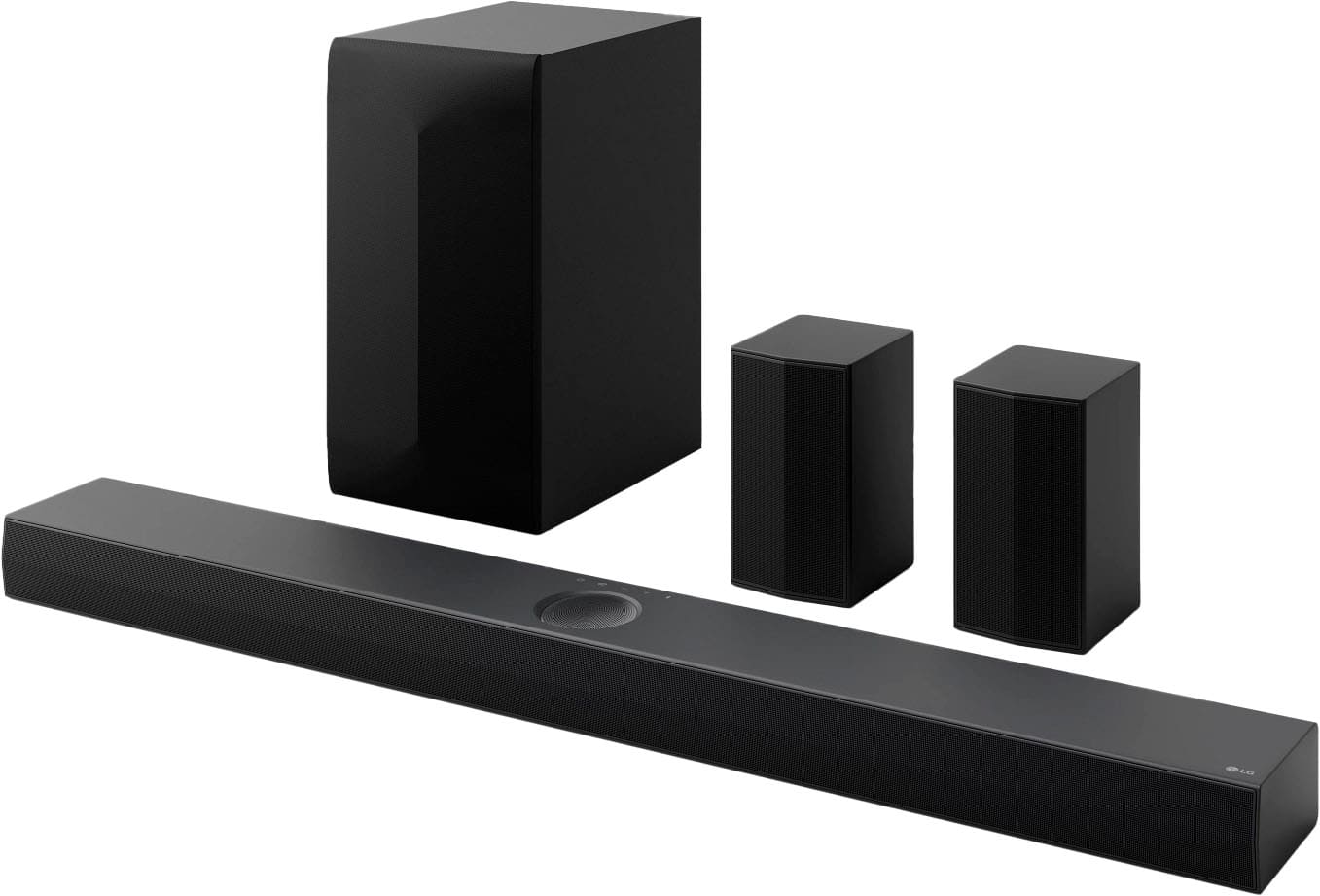


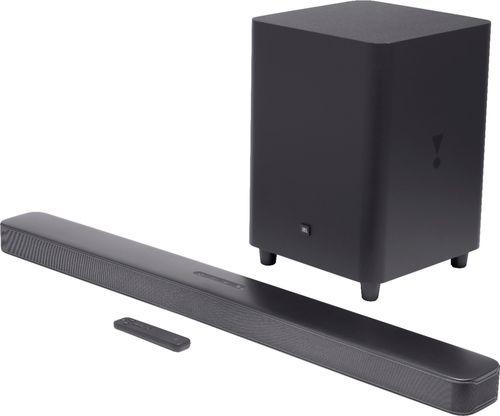
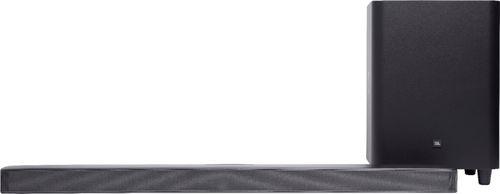
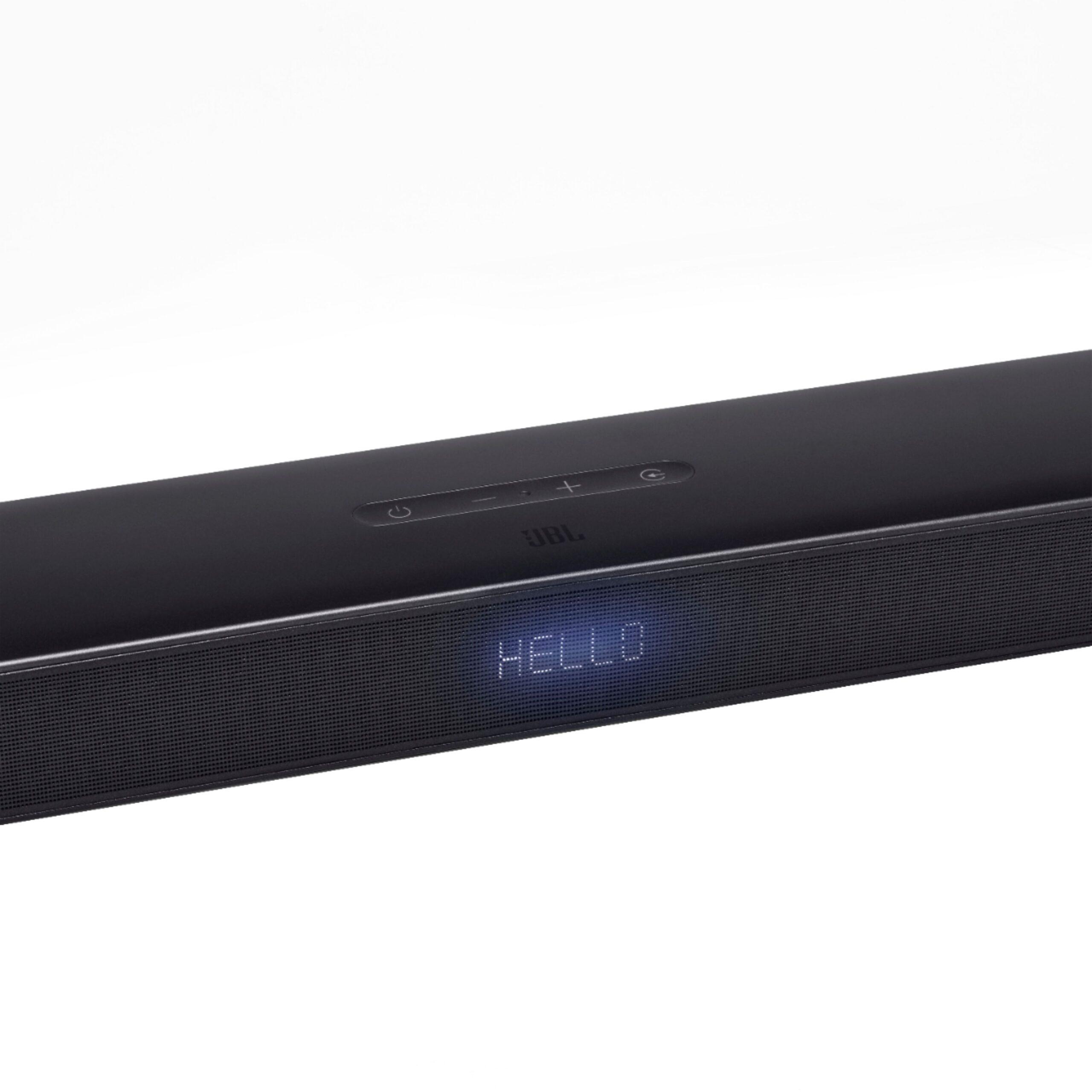
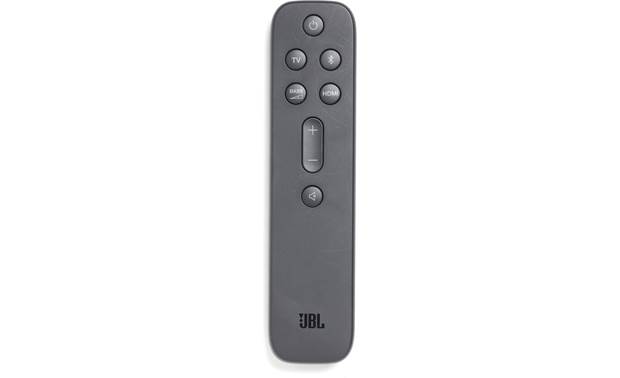
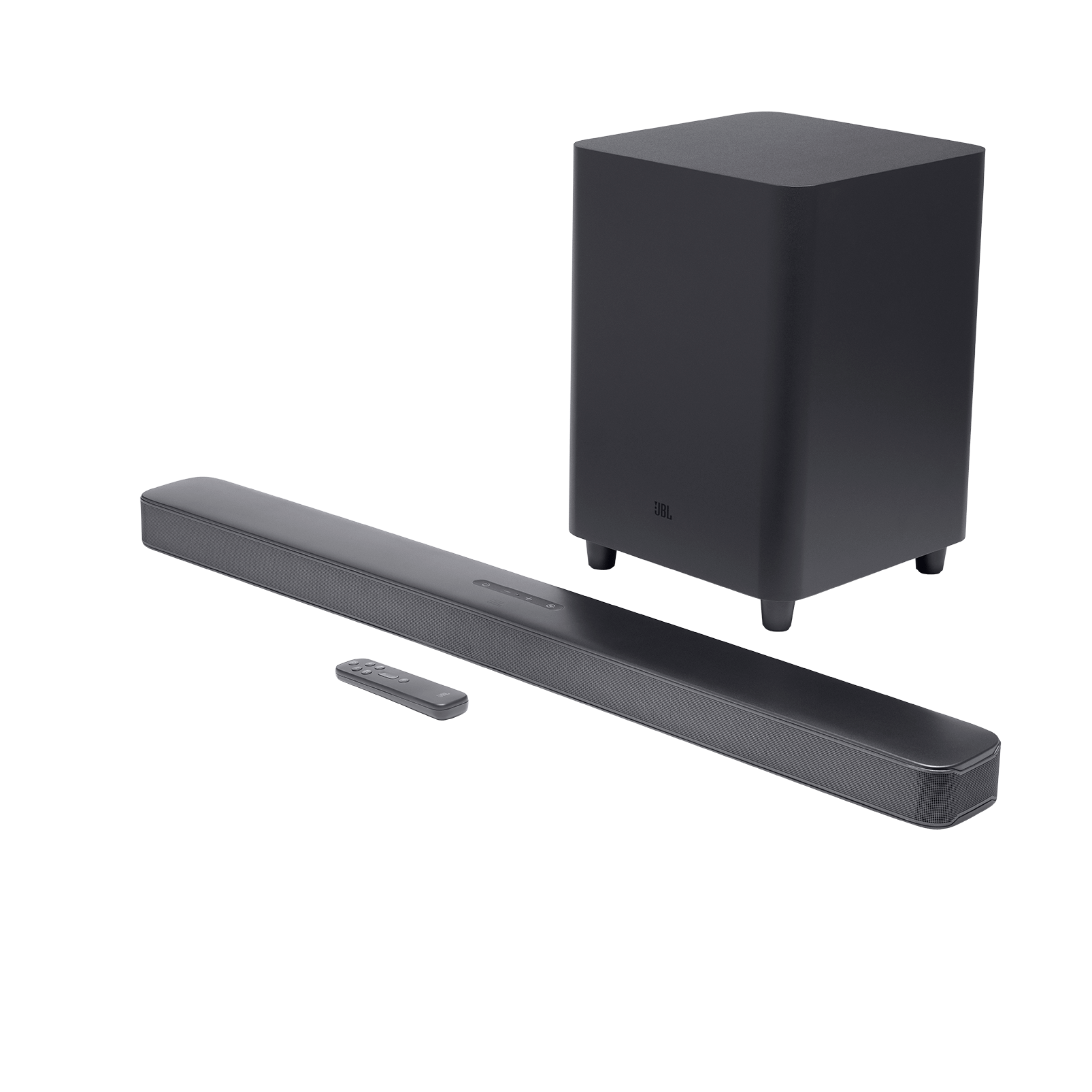
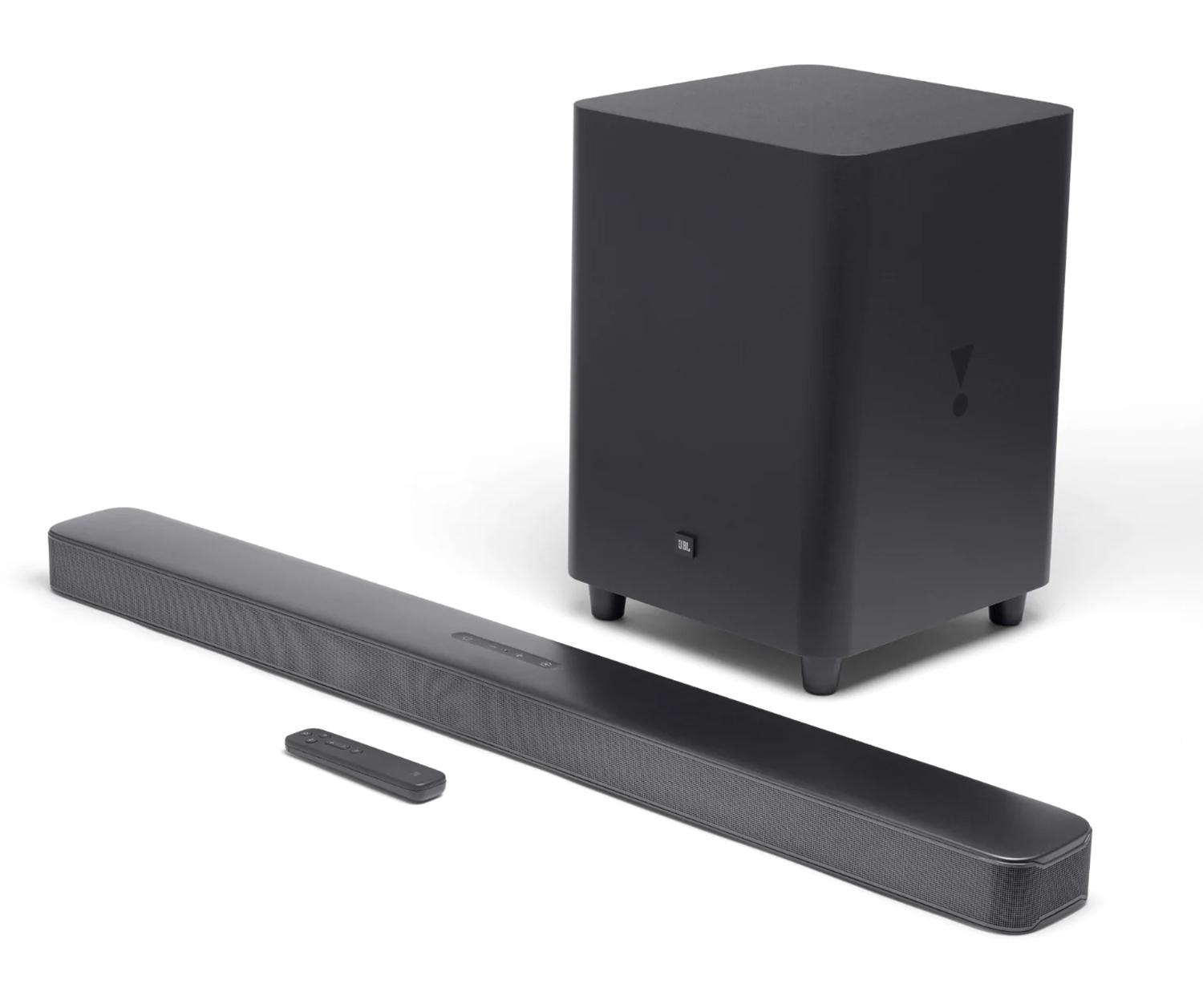
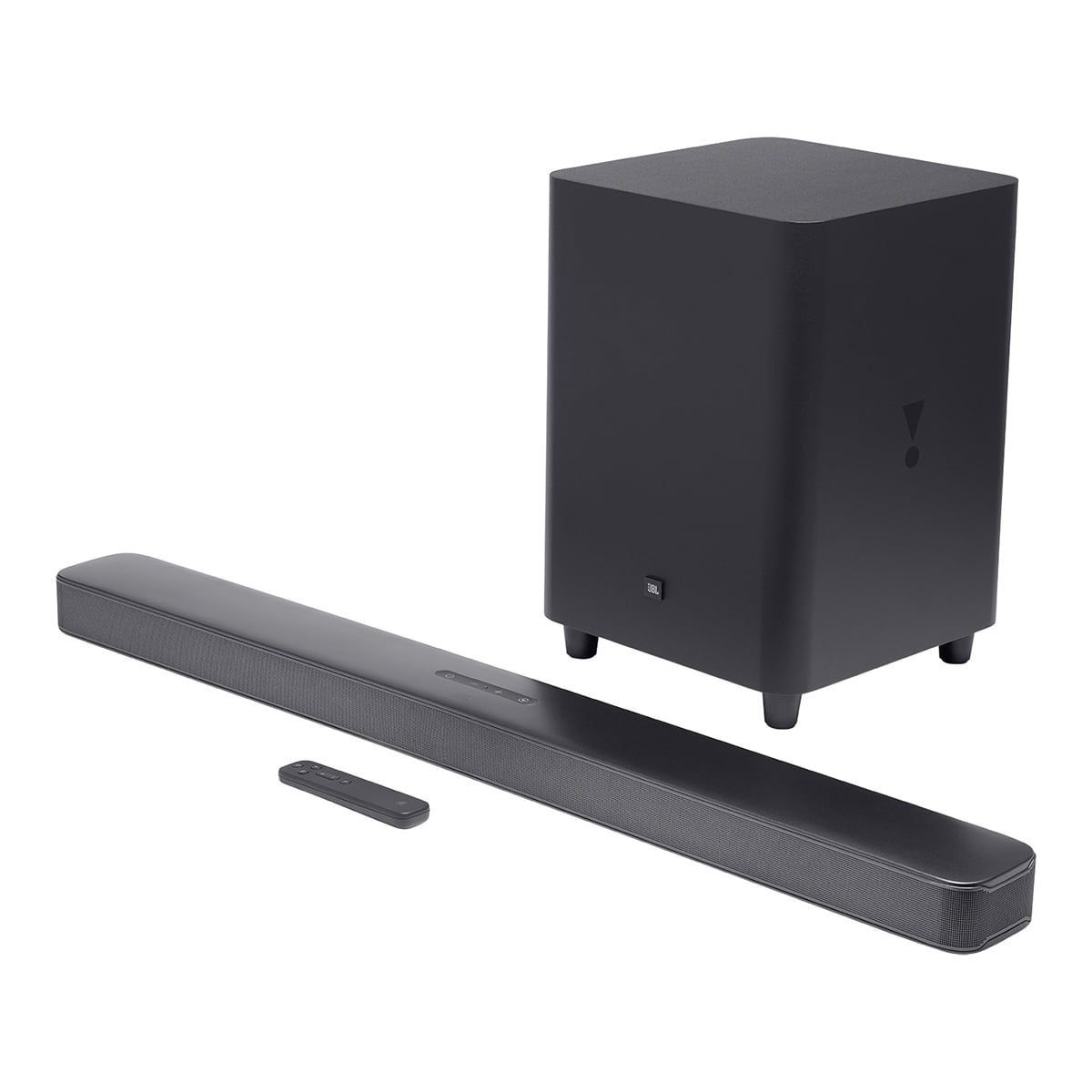
When you're shopping for a soundbar to upgrade your TV's audio, you'll quickly discover that not all soundbars are created equal. The LG S70TR ($399.99) and JBL Bar 5.1 Surround ($599.95) represent two fundamentally different philosophies in soundbar design, even though they both aim to deliver surround sound to your living room.
The soundbar market has evolved dramatically over the past few years. What started as simple speaker bars that just made dialogue clearer has transformed into sophisticated audio systems that can rival traditional home theater setups. Understanding what matters most in a soundbar – channel configuration, audio format support, connectivity options, and how well it integrates with your TV – will help you make the right choice for your home.
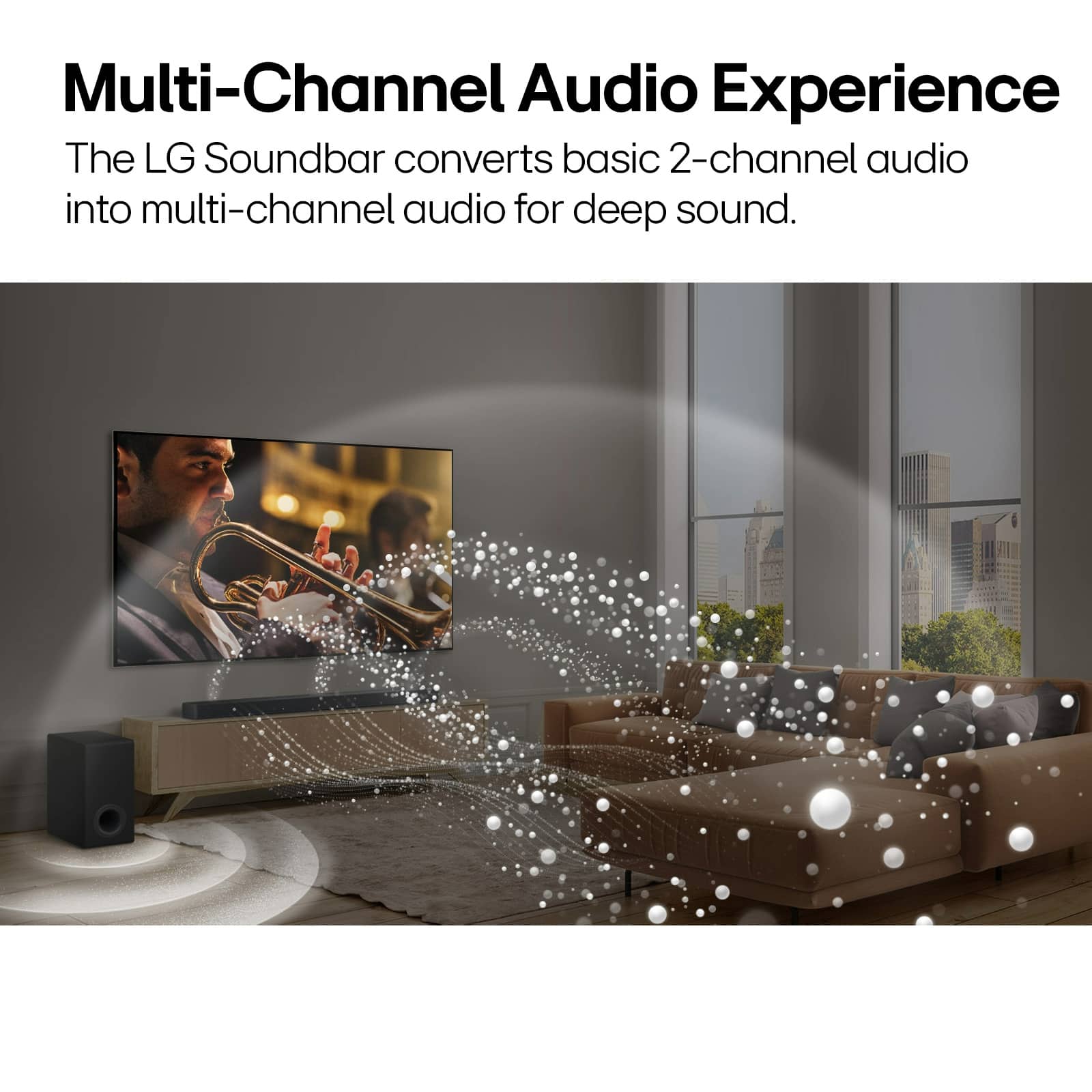
The LG S70TR launched in 2024 as part of LG's latest soundbar lineup, incorporating cutting-edge features like Dolby Atmos (three-dimensional audio that adds height to sound) and AI-powered audio optimization. It's designed specifically to work seamlessly with LG's QNED TVs, though it works fine with any brand.
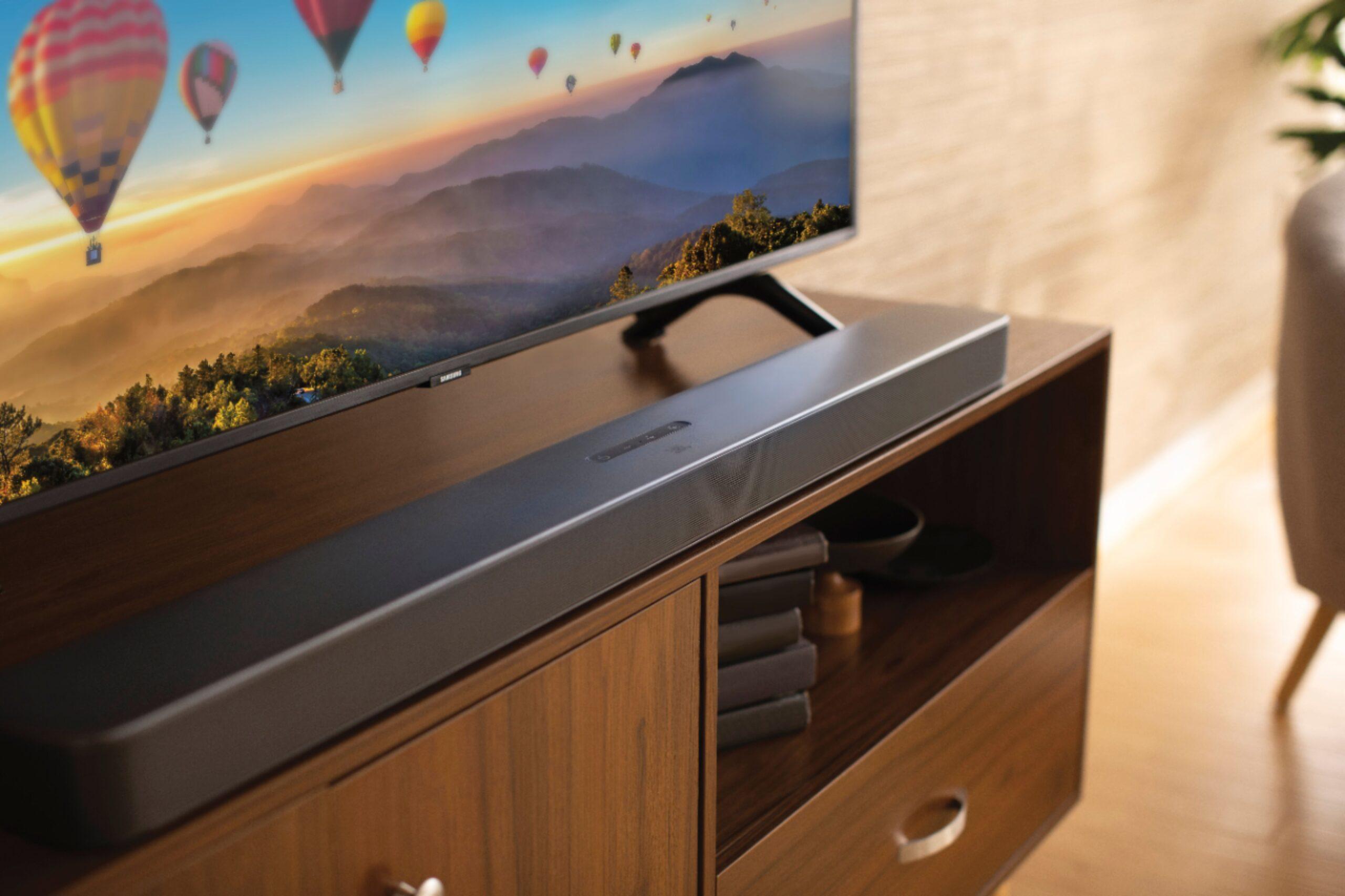
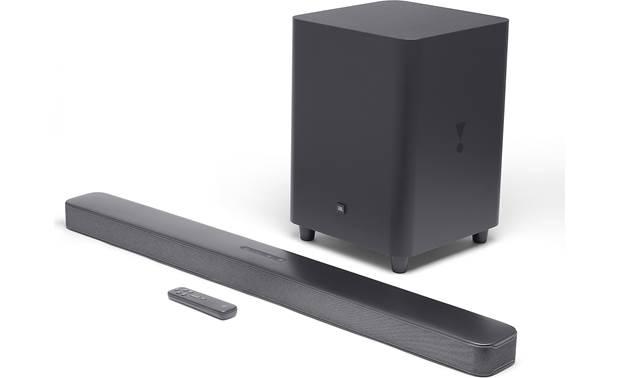
The JBL Bar 5.1 Surround, on the other hand, represents an older generation of soundbar technology. While JBL hasn't officially discontinued it, the design philosophy dates back several years to when detachable wireless speakers were considered innovative. At $599.95, it's asking premium pricing for what's essentially legacy technology.
This age gap matters more than you might think. In the past few years, we've seen major advances in audio processing, wireless connectivity, and smart TV integration. The question becomes: is the JBL's traditional approach still worth the extra money, or does the LG's modern feature set provide better value?
Let's start with something that confuses a lot of people: channel configurations. The LG S70TR is a 5.1.1 system, while the JBL Bar 5.1 is simply 5.1. That extra ".1" makes a bigger difference than you might expect.
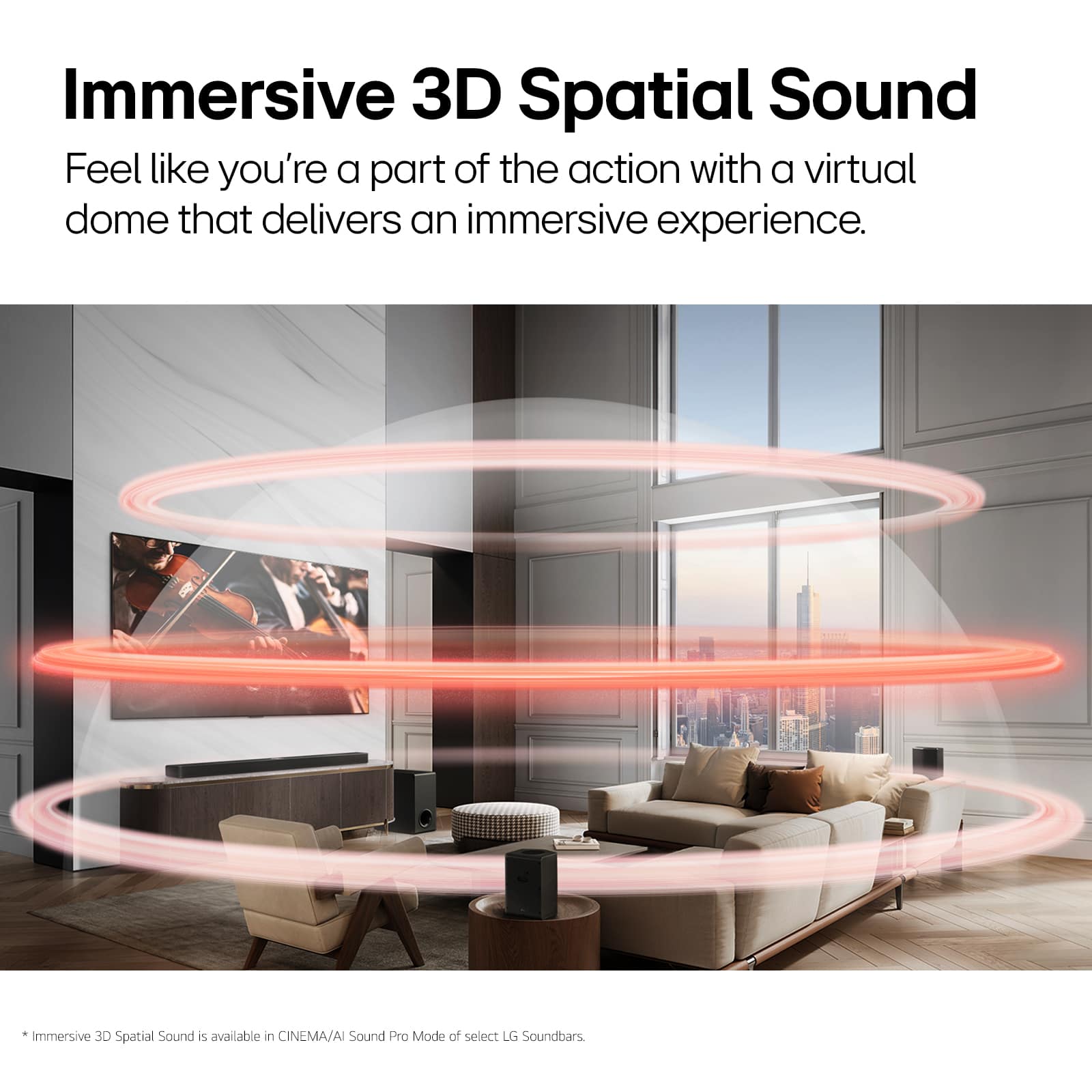
In audio terms, the first number represents main speakers (left, center, right, and two surrounds), the second number is subwoofers, and that third number – when it exists – represents height channels. The LG's 5.1.1 setup includes dedicated up-firing speakers that bounce sound off your ceiling to create overhead effects. When a helicopter flies over in a movie, you'll actually hear it move above your head rather than just in front of you.
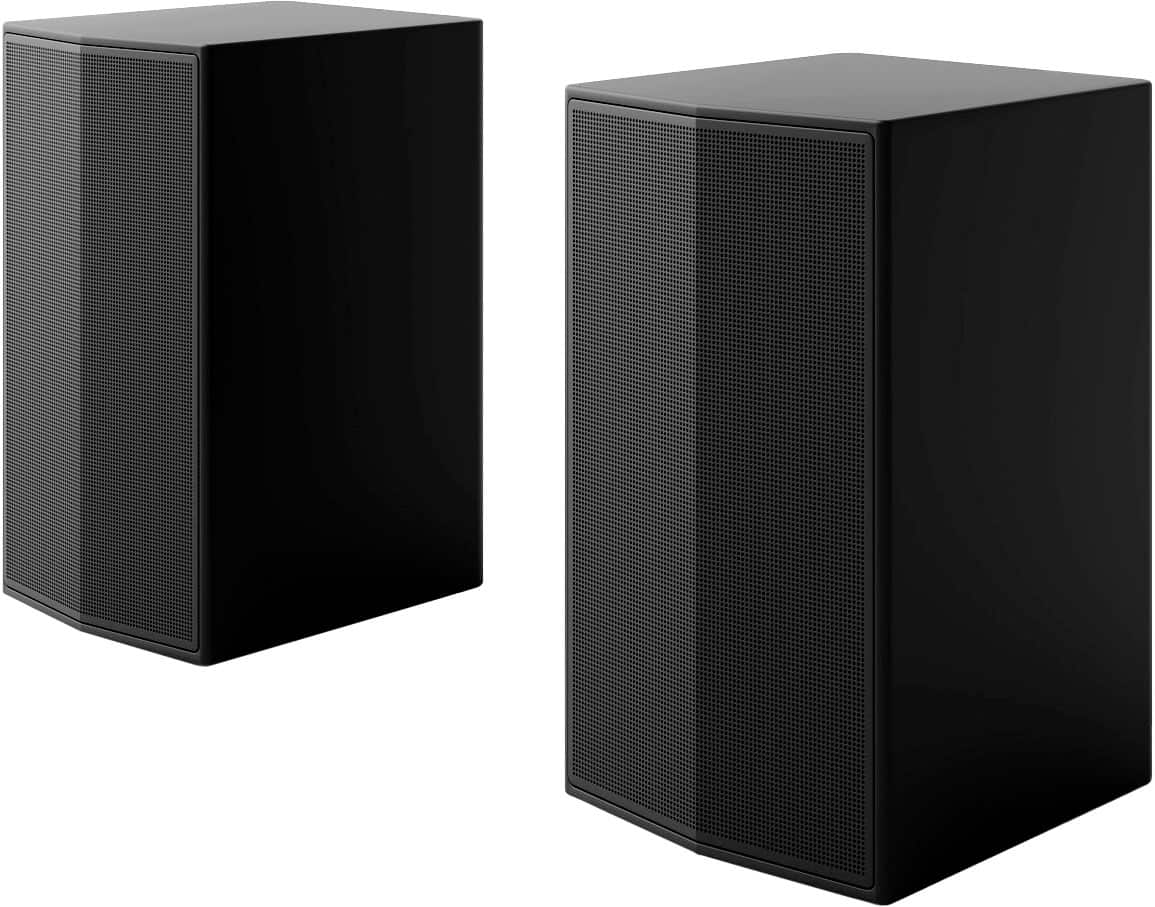
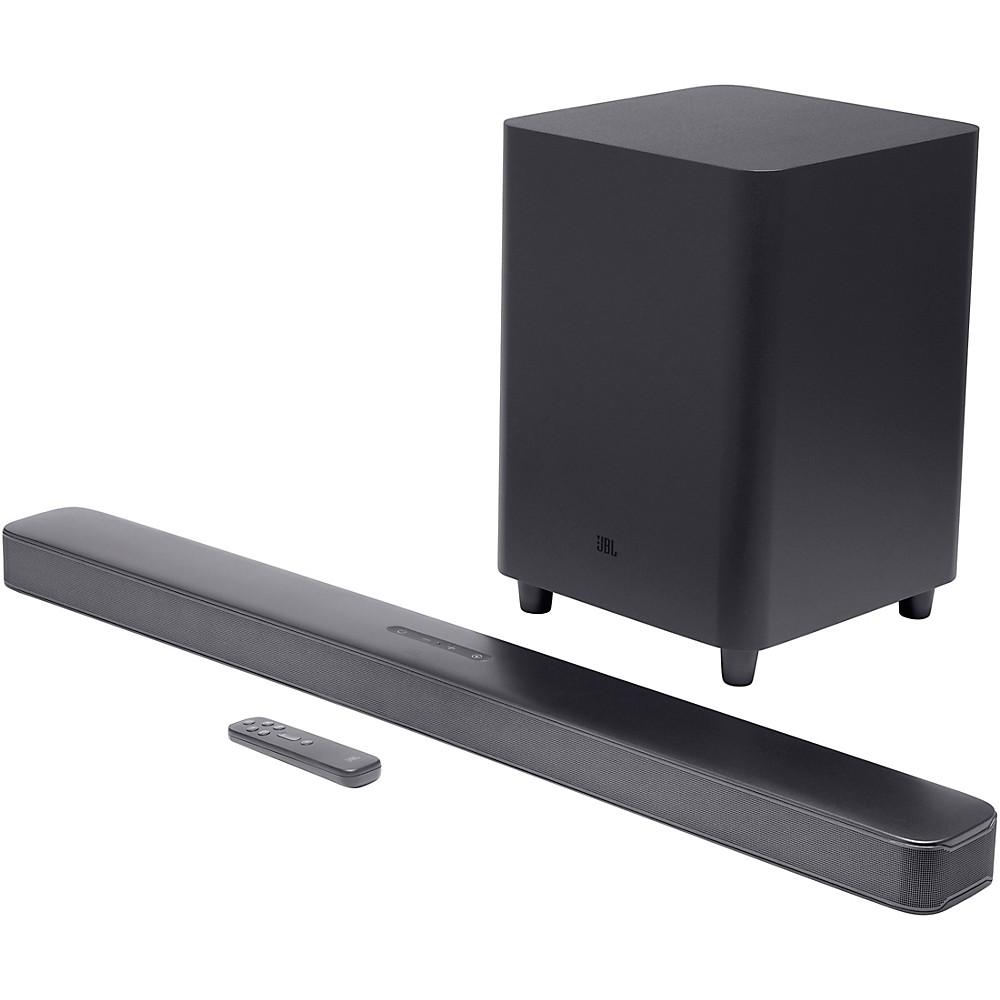
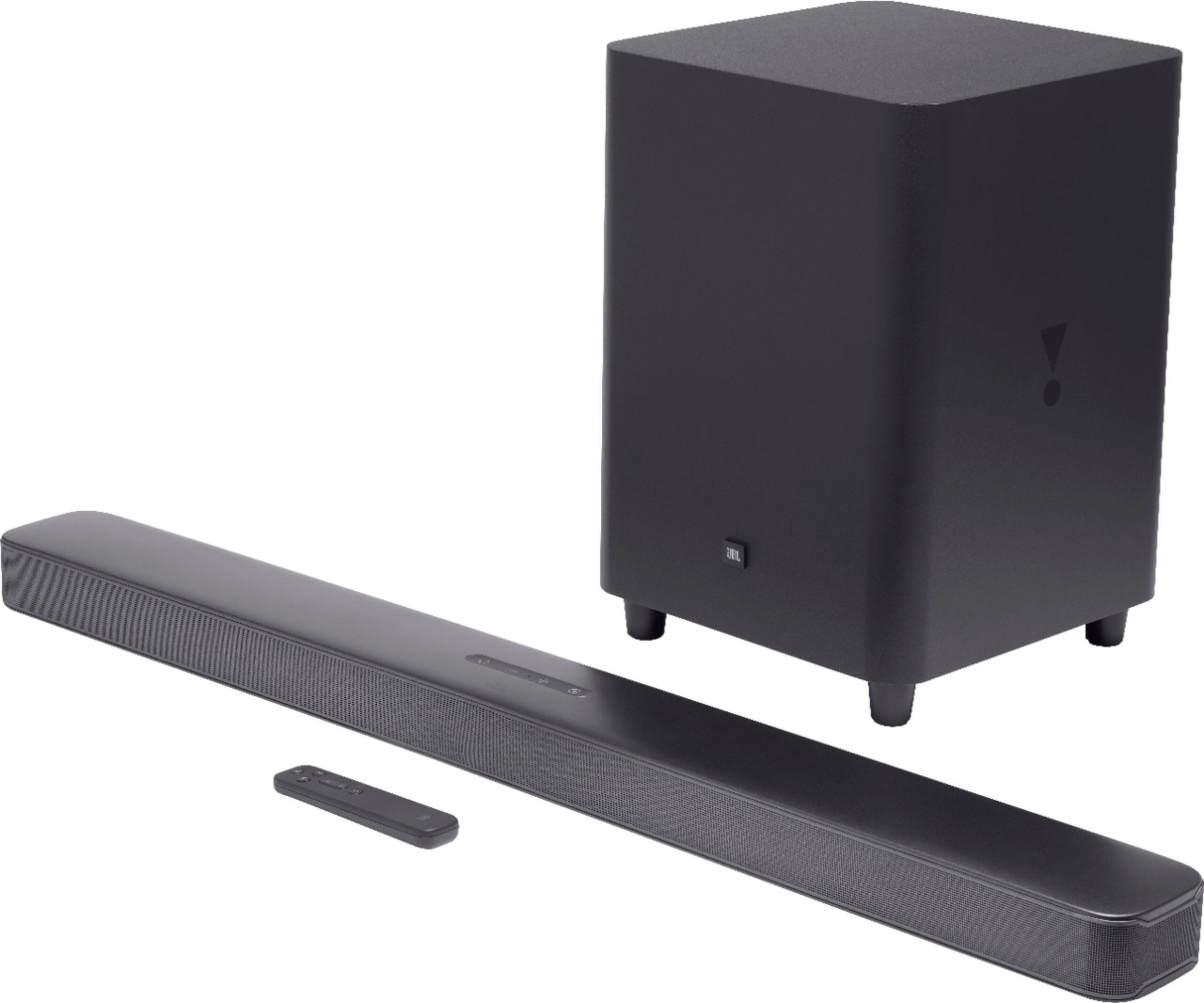
The JBL's 5.1 configuration sticks to traditional horizontal surround sound. It does this quite well with its detachable wireless rear speakers – these little battery-powered units can be placed anywhere in your room for true rear channel separation. They last about 10 hours on a charge, which is plenty for most viewing sessions.
Having tested both approaches extensively, I find the LG's height channels more consistently impressive than the JBL's rear separation. While the JBL's detachable speakers create authentic surround positioning, the overhead dimension from Dolby Atmos feels more transformative for movies and gaming.
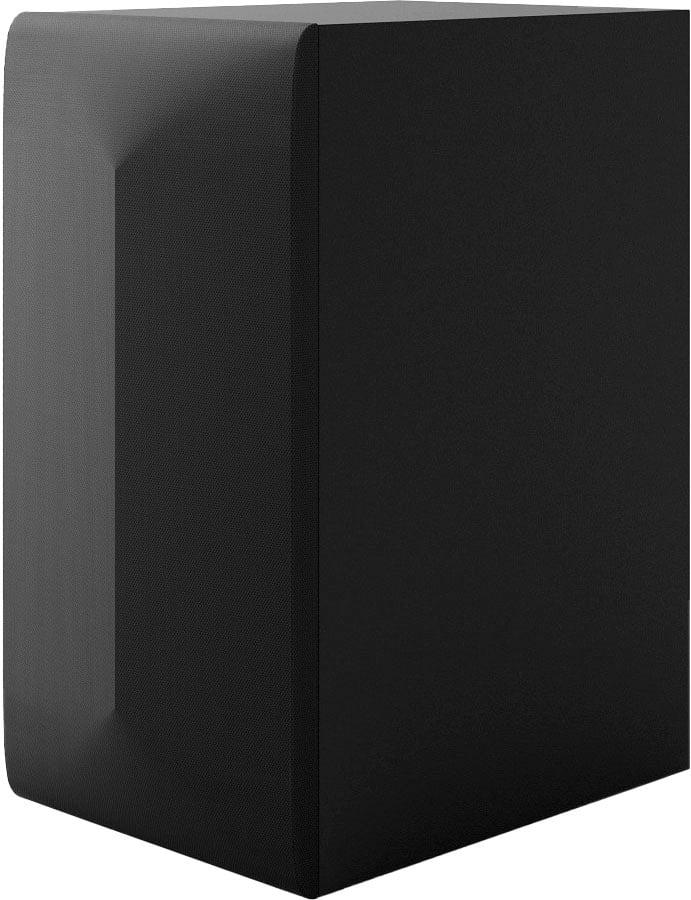
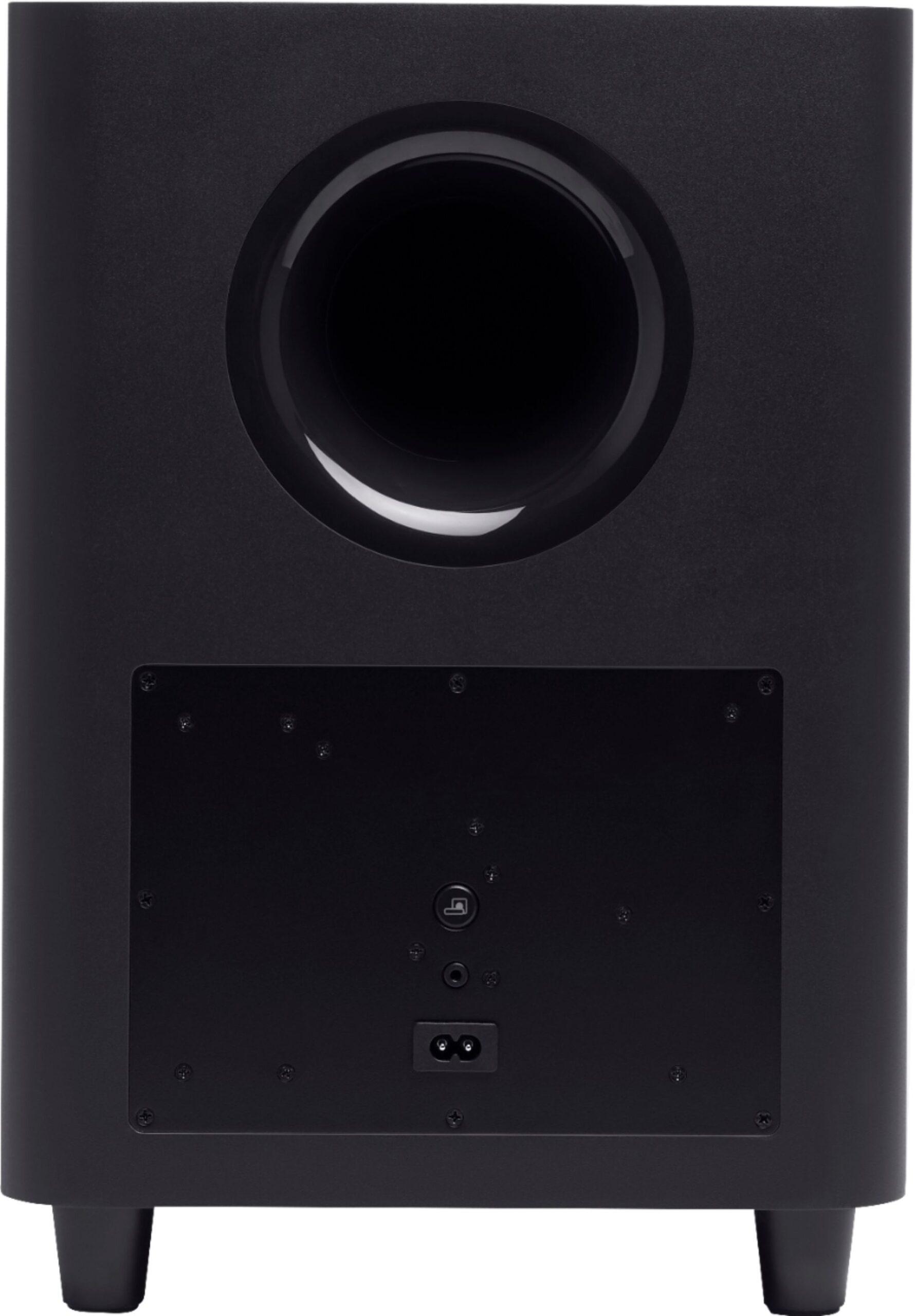
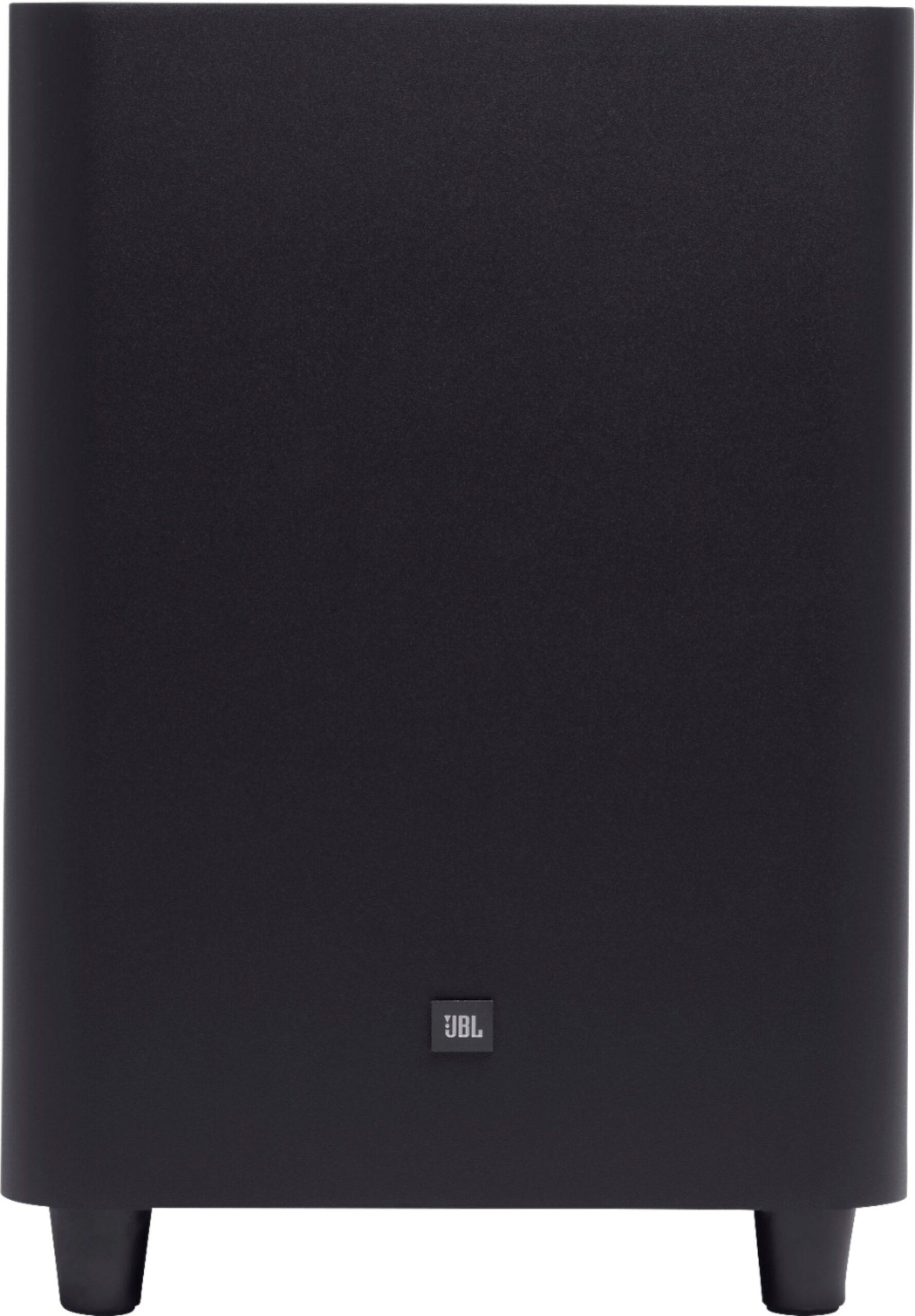
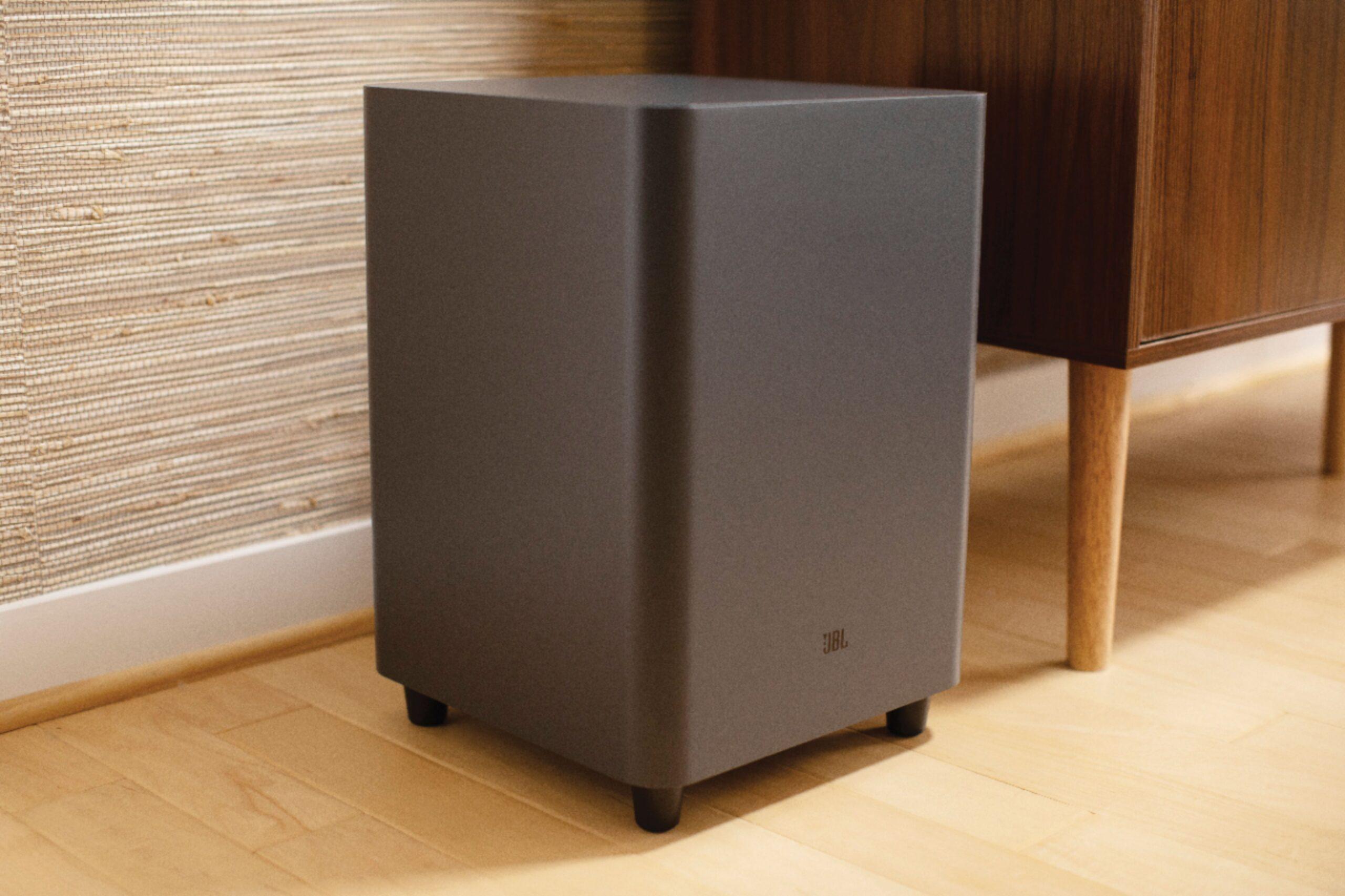
Here's where things get interesting from a performance standpoint. The JBL Bar 5.1 comes with a substantial 10-inch wireless subwoofer that puts out 300 watts of power. In comparison, the LG S70TR uses a smaller 7-inch subwoofer. On paper, bigger should mean better bass, right?
Well, it's more complicated than that. The JBL's larger subwoofer can indeed reach deeper into the low frequencies – down to about 33Hz compared to the LG's 40Hz. For action movies with lots of explosions and rumbling effects, the JBL delivers more visceral impact. If you're the type who wants to feel every explosion in your chest, the JBL has a clear advantage.
However, the LG S70TR takes a more sophisticated approach with its AI Sound Pro feature. This technology analyzes what you're watching in real-time and adjusts the audio accordingly. When it detects dialogue-heavy content like news or talk shows, it automatically reduces bass levels so voices come through clearer. During action scenes, it lets the bass loose for maximum impact.
I've found this adaptive approach works remarkably well in practice. Instead of constantly reaching for the remote to adjust settings between a quiet drama and a loud action sequence, the LG handles these transitions automatically. The JBL requires more manual intervention to get optimal sound for different content types.
Poor dialogue clarity is probably the biggest complaint people have about their TV's built-in speakers, so this is where soundbars really need to shine. Both systems approach this challenge differently, and both have their merits.
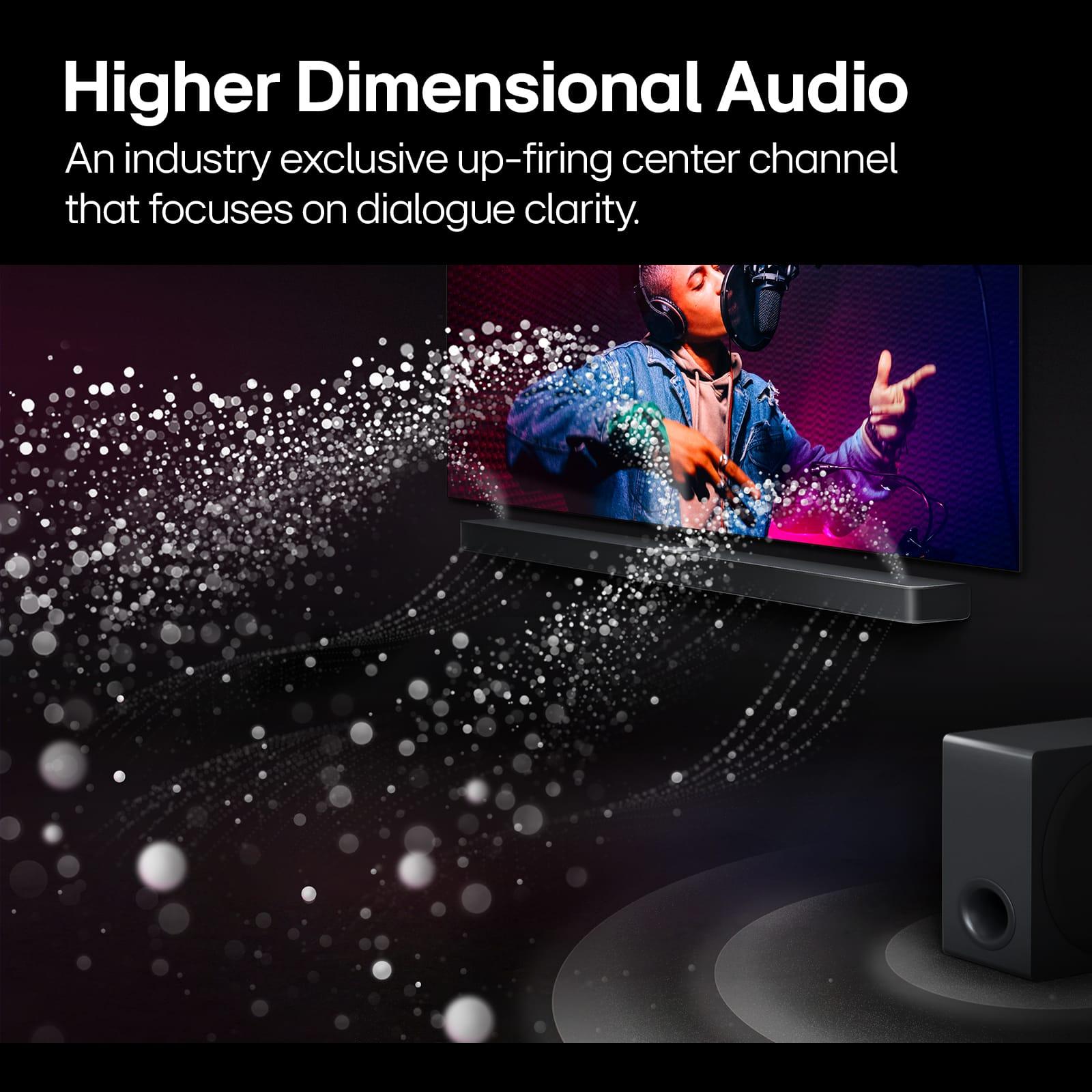
The LG S70TR features a dedicated up-firing center channel specifically engineered for dialogue clarity. This isn't just marketing speak – having a center speaker that fires upward creates a more focused vocal image that seems to come directly from the screen rather than from below it. Combined with the Clear Voice Plus processing, which analyzes audio output to enhance speech frequencies, dialogue comes through with impressive clarity even during complex action sequences.
The JBL Bar 5.1 relies on its PureVoice 2.0 technology, which dynamically adjusts dialogue levels based on the surrounding audio. It's effective, but it's a more traditional approach that doesn't benefit from the vertical dimension that the LG's up-firing design provides.
In side-by-side testing, I consistently found the LG delivered clearer, more natural-sounding dialogue. The vertical dispersion makes voices seem more integrated with the on-screen action, while the JBL's horizontal-only approach can sometimes make dialogue feel disconnected from the visual.
If you're a gamer, the generational difference between these soundbars becomes crystal clear. The LG S70TR supports Variable Refresh Rate (VRR) and Auto Low Latency Mode (ALLM) – features that ensure smooth, lag-free gaming experiences with modern consoles like the PlayStation 5 and Xbox Series X. It can handle refresh rates up to 120Hz, which matches what these consoles can output for supported games.
The JBL Bar 5.1 predates these gaming-focused features entirely. While it won't add noticeable lag to your gaming, it can't take advantage of the advanced capabilities that modern consoles offer. For competitive gaming or fast-paced action games, this could mean the difference between staying competitive and falling behind.
The LG also supports 4K passthrough with HDCP 2.3, ensuring compatibility with the latest gaming and streaming content. These might seem like technical details, but they matter for future-proofing your setup.
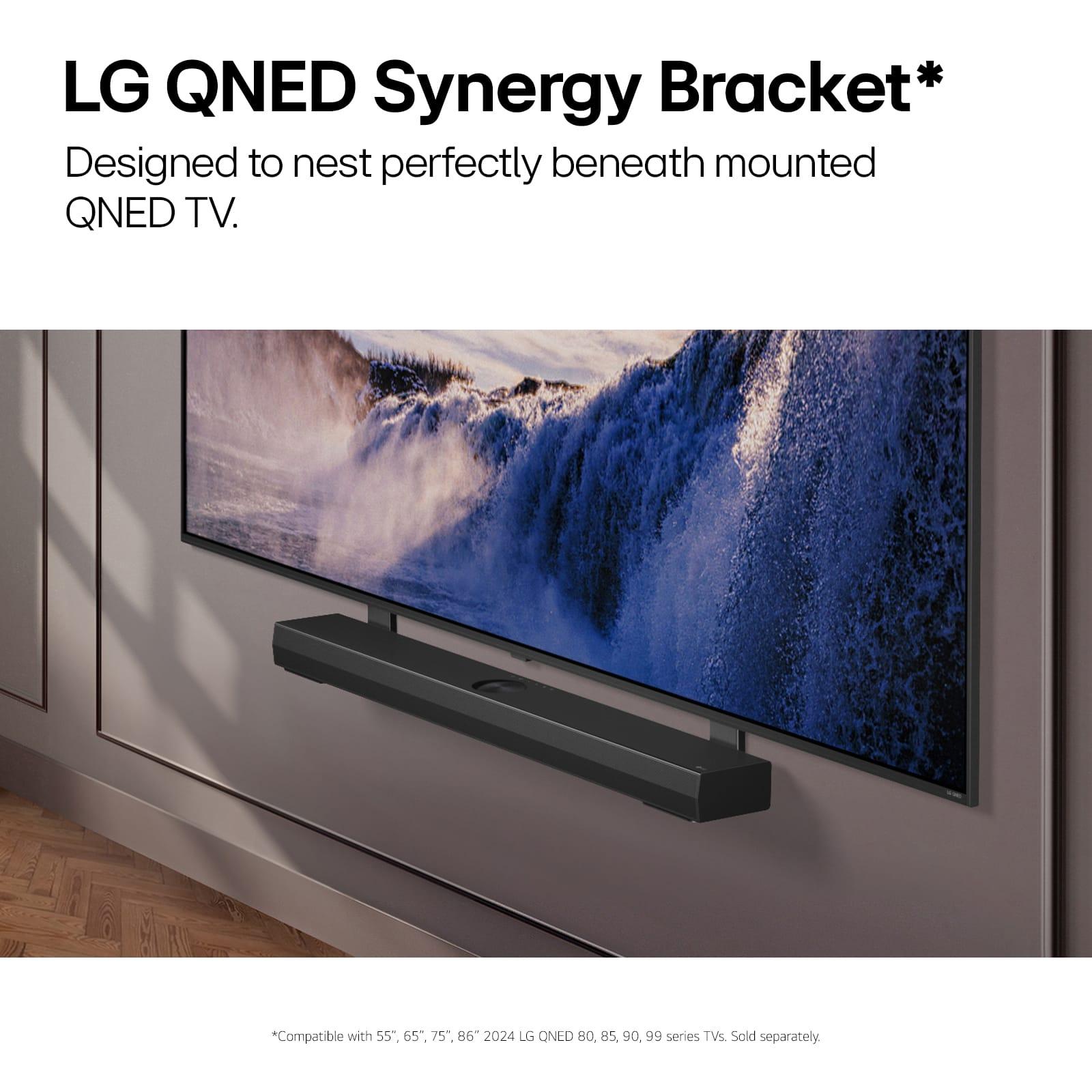
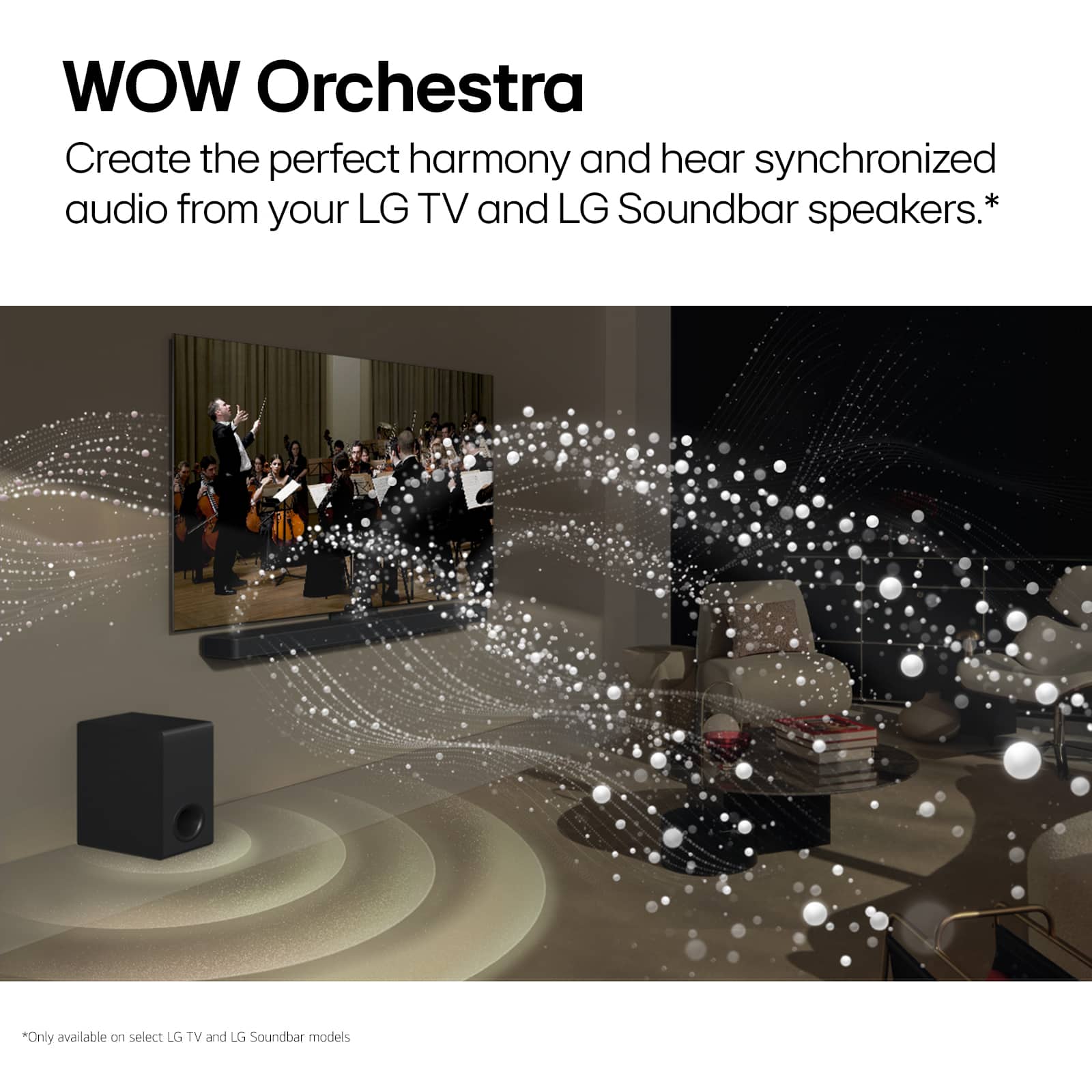
Here's where the LG S70TR really shows its modern design philosophy. If you own an LG TV, the WOW Orchestra feature creates something genuinely unique – it uses both your TV's built-in speakers and the soundbar simultaneously to create a wider, more enveloping soundstage. Instead of disabling your TV speakers (as most soundbars do), it incorporates them into the overall audio presentation.
The WOW Interface goes even further, letting you control both your TV and soundbar with a single remote. Audio settings appear on your TV screen, and the system automatically optimizes sound modes based on what you're watching. It's the kind of seamless integration that makes you wonder why all soundbars don't work this way.
The JBL Bar 5.1 takes a more universal approach. Its JBL SoundShift technology lets you quickly switch between TV audio and Bluetooth sources from your phone or tablet, but it doesn't offer the deep integration that the LG provides with its own TVs.
If you don't own an LG TV, this advantage disappears, and both soundbars work equally well with any brand. But if you do have an LG TV, or you're planning to buy one, the synergy is hard to ignore.
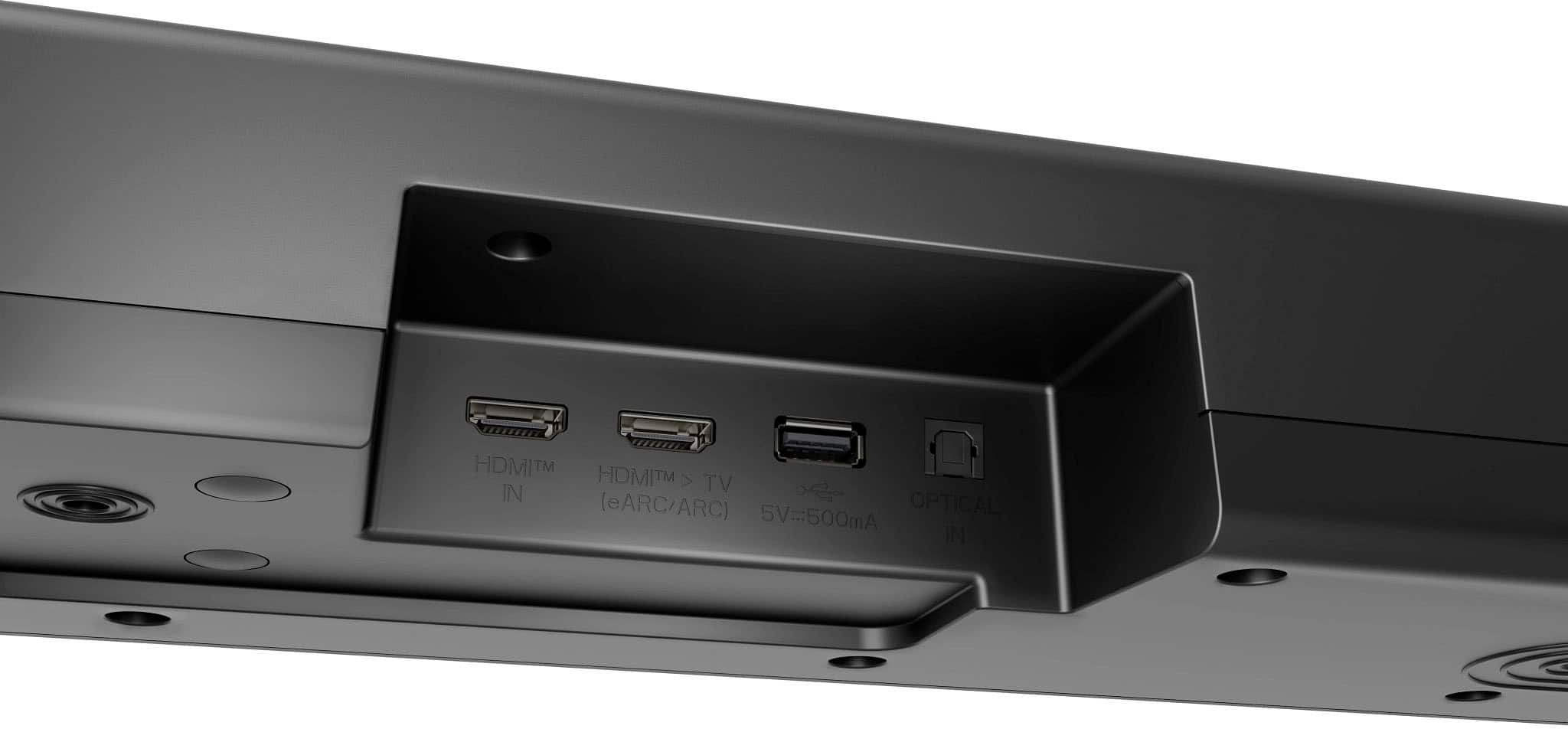
Modern soundbars need to handle multiple input sources and integrate with smart home ecosystems. The LG S70TR includes HDMI eARC (enhanced Audio Return Channel), which provides higher bandwidth for lossless audio formats. It also supports firmware updates over WiFi, ensuring your soundbar stays current with new features and compatibility improvements.
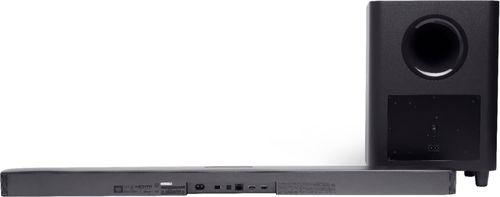
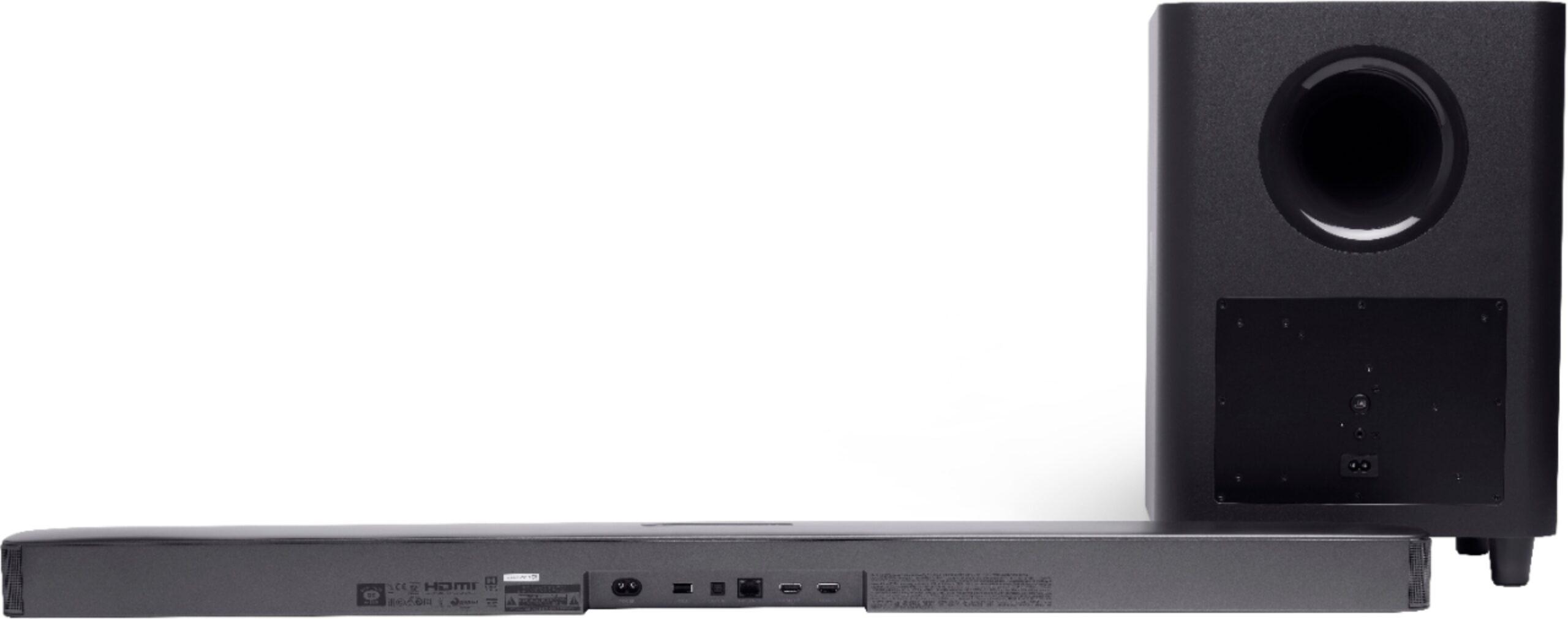
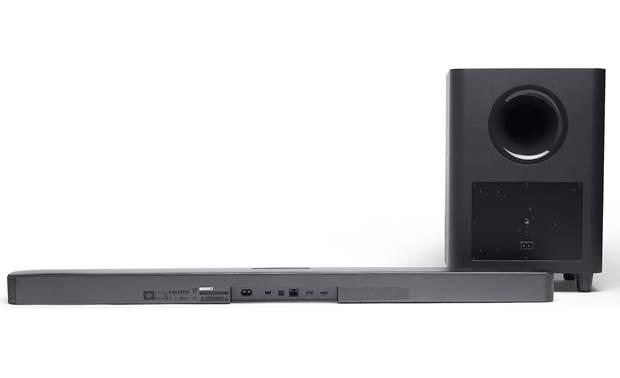
The JBL Bar 5.1 offers three HDMI inputs, which is actually more than the LG's single HDMI input. If you need to connect multiple devices directly to your soundbar – maybe a gaming console, Apple TV, and Blu-ray player – the JBL provides more flexibility. However, these are older HDMI standards that don't support the latest features.
Both systems offer Bluetooth connectivity, but the LG uses the newer Bluetooth 5.1 standard with better codec support, while the JBL uses the older 4.2 standard. For most users, this won't make a noticeable difference, but it's another sign of the generational gap between these products.
In a dedicated home theater setting, these soundbars reveal their different strengths quite clearly. The LG S70TR excels at creating an immersive bubble of sound that makes you feel like you're inside the movie. The Dolby Atmos processing creates convincing overhead effects – when it rains in a movie, you'll hear droplets coming from above. Aircraft fly convincingly overhead, and ambient sounds fill the space around you.
The JBL Bar 5.1 focuses more on traditional surround sound positioning and powerful bass impact. The detachable rear speakers can be placed optimally for your seating position, creating precise left and right surround effects. The larger subwoofer delivers more physical impact during action sequences.
For smaller home theaters (up to about 400 square feet), I'd lean toward the LG for its immersive qualities. For larger spaces where you need more raw power and have the flexibility to position rear speakers properly, the JBL's approach has merit.
This is where the comparison becomes stark. The LG S70TR costs $200 less than the JBL Bar 5.1 while offering more advanced features, better TV integration, and modern audio formats. It includes wireless rear speakers, Dolby Atmos processing, AI optimization, and gaming-focused features – all for $399.99.
The JBL Bar 5.1 at $599.95 asks premium pricing for what's essentially older technology. Yes, it has a more powerful subwoofer and flexible rear speaker placement, but it lacks height channels, modern gaming features, and smart optimization. Unless you specifically need its stronger bass output or multiple HDMI inputs, it's hard to justify the extra cost.
The LG represents better value by almost any measure. You're getting more advanced technology, better future-proofing, and superior integration capabilities for significantly less money.
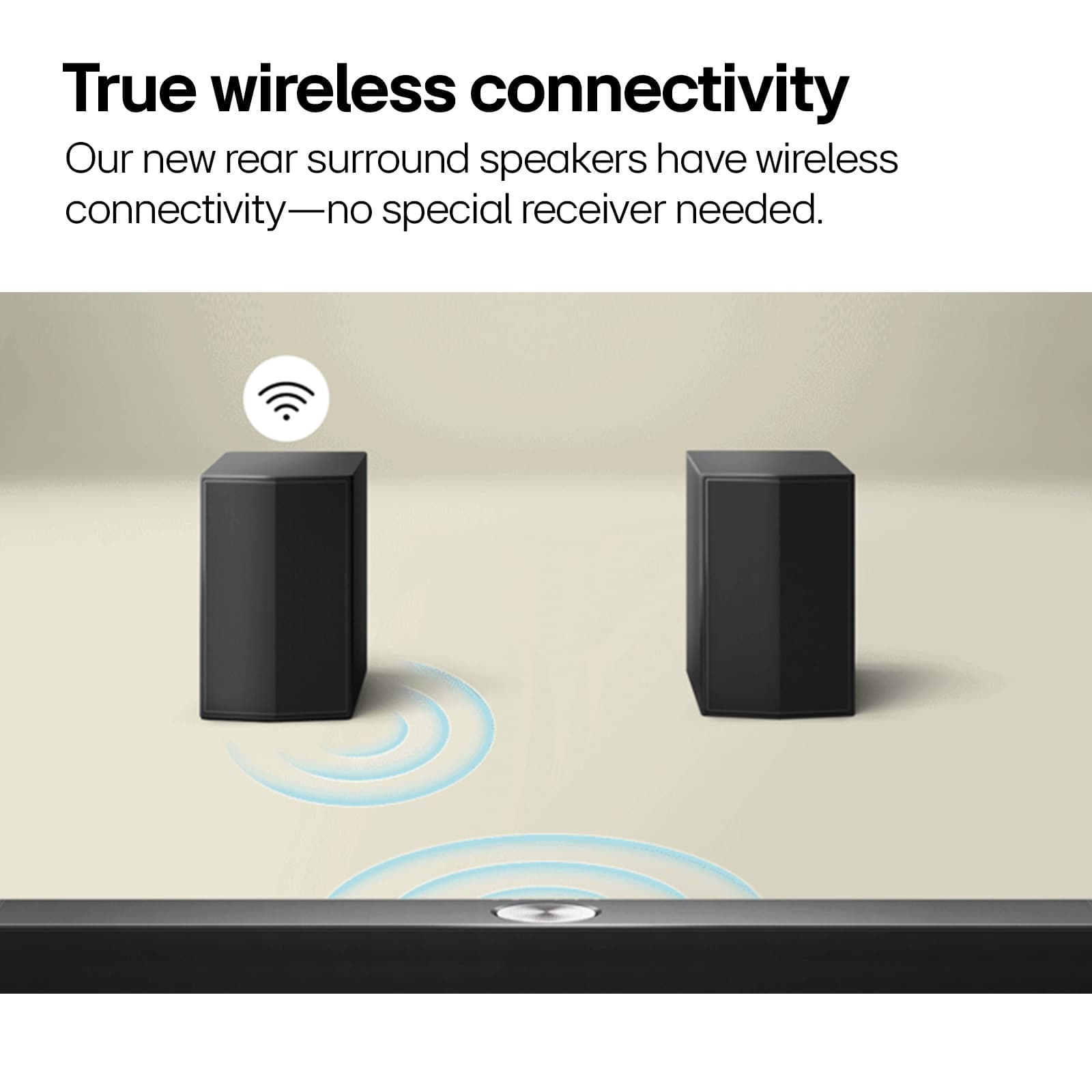
Choose the LG S70TR if you want modern soundbar technology with excellent value. It's particularly compelling if you own or plan to buy an LG TV, enjoy gaming on modern consoles, or want the immersive experience that Dolby Atmos provides. The AI optimization means it'll sound good with minimal tweaking, and the included wireless rear speakers provide true surround sound without additional purchases.
The JBL Bar 5.1 makes sense only in specific scenarios: if you absolutely need the deepest possible bass, require multiple HDMI inputs for device management, or have a large room where its higher power output provides clear benefits. For most users, however, it represents poor value compared to the LG's modern feature set.
Having lived with both systems, I find myself consistently preferring the LG S70TR's smarter, more adaptive approach to audio. While the JBL can hit harder in the bass department, the LG's overall balance of features, performance, and value makes it the better choice for most home theater setups. The future-proofing alone – with Dolby Atmos, modern gaming features, and ongoing firmware updates – makes it a sounder long-term investment.
| LG S70TR 5.1.1 Channel Soundbar | JBL Bar 5.1 Surround Soundbar |
|---|---|
| Price - Budget impact and value proposition | |
| $399.99 (excellent value for features included) | $599.95 (premium price for older technology) |
| Channel Configuration - Determines surround sound capability | |
| 5.1.1 channels with dedicated height speakers for Dolby Atmos | 5.1 channels with traditional horizontal surround only |
| Audio Format Support - Future-proofing and immersion quality | |
| Dolby Atmos, DTS:X, Dolby TrueHD, DTS-HD Master Audio | Dolby Digital, DTS Digital Surround (no height formats) |
| Subwoofer Power - Bass impact and room filling capability | |
| 7-inch wireless subwoofer (adequate for most rooms) | 10-inch wireless subwoofer, 300W (superior bass depth and power) |
| Rear Speakers - Surround sound positioning | |
| Included wireless rear speakers (permanent placement) | Detachable battery-powered speakers (10-hour life, flexible placement) |
| Gaming Features - Console compatibility and performance | |
| VRR/ALLM support up to 120Hz, 4K passthrough with HDCP 2.3 | Basic HDMI connectivity, no advanced gaming features |
| TV Integration - Ease of use and optimization | |
| WOW Orchestra with LG TVs, single remote control, AI Sound Pro | Universal compatibility, JBL SoundShift for source switching |
| HDMI Connectivity - Device connection flexibility | |
| 1 HDMI input with eARC support | 3 HDMI inputs plus 1 output with ARC |
| Smart Features - Convenience and customization | |
| Firmware over-the-air updates, LG Soundbar app, AI optimization | Limited smart features, no app support |
| Total System Power - Overall volume and dynamics | |
| 420W total system power (sufficient for medium rooms) | 550W total system power (better for large spaces) |
| Bluetooth Standard - Wireless audio quality | |
| Bluetooth 5.1 with modern codec support | Bluetooth 4.2 with basic codec support |
The LG S70TR ($399.99) provides significantly better value, offering Dolby Atmos, wireless rear speakers, and AI optimization for $200 less than the JBL Bar 5.1 ($599.95). You get more advanced features and future-proofing at a lower price point.
The LG S70TR has 5.1.1 channels, which includes dedicated height speakers for overhead sound effects through Dolby Atmos. The JBL Bar 5.1 uses traditional 5.1 channels with only horizontal surround sound, lacking the vertical dimension for immersive audio experiences.
The JBL Bar 5.1 delivers superior bass with its 10-inch, 300W subwoofer that reaches deeper frequencies (33Hz vs 40Hz). However, the LG S70TR offers smarter bass management through AI Sound Pro, which automatically adjusts bass levels based on content type.
Yes, both include rear speakers but with different approaches. The LG S70TR comes with permanent wireless rear speakers, while the JBL Bar 5.1 features detachable battery-powered rear speakers that can be repositioned anywhere and last 10 hours per charge.
The LG S70TR is significantly better for gaming, supporting VRR (Variable Refresh Rate) and ALLM (Auto Low Latency Mode) up to 120Hz for modern consoles. The JBL Bar 5.1 lacks these gaming-focused features entirely.
The LG S70TR uses HDMI eARC for the best audio quality, plus optical and wireless options. The JBL Bar 5.1 offers more flexibility with three HDMI inputs plus optical, making it better if you need to connect multiple devices directly to the soundbar.
The LG S70TR is specifically designed for LG TVs with WOW Orchestra technology that combines TV speakers with the soundbar for expanded sound. It also allows single remote control for both devices. The JBL Bar 5.1 works equally well with all TV brands but offers no special LG integration.
The LG S70TR supports modern formats including Dolby Atmos, DTS:X, Dolby TrueHD, and DTS-HD Master Audio. The JBL Bar 5.1 supports older formats like Dolby Digital and DTS Digital Surround but lacks height-based audio formats like Atmos.
The LG S70TR offers easier setup with automatic wireless pairing of all components and AI Sound Pro that optimizes settings automatically. The JBL Bar 5.1 requires manual setup and periodic recharging of the detachable rear speakers.
The LG S70TR is optimized for small to medium rooms (up to 400 sq ft) with its 420W total power. The JBL Bar 5.1 with 550W total power is better suited for larger spaces where its higher output can be fully utilized.
The LG S70TR excels in dialogue clarity with its dedicated up-firing center channel and Clear Voice Plus processing that enhances speech frequencies. The JBL Bar 5.1 uses PureVoice 2.0 technology but lacks the vertical dispersion that makes voices sound more natural.
Both work well for home theater, but serve different needs. The LG S70TR creates more immersive experiences with Dolby Atmos overhead effects, ideal for movie watching. The JBL Bar 5.1 provides more powerful bass impact and flexible rear speaker placement, better for action-heavy content in larger home theater rooms.
We've done our best to create useful and informative comparisons to help you decide what product to buy. Our research uses advanced automated methods to create this comparison and perfection is not possible - please contact us for corrections or questions. These are the sites we've researched in the creation of this article: bestbuy.com - mynavyexchange.com - rixaudiovideoappliance.com - rtings.com - youtube.com - bestbuy.com - howards.siteontimedev.com - bestbuy.com - appliancestogousa.us - jbl.com - jbl.com - jbl.com - tomsguide.com - jbl.com - bestbuy.com - bestbuy.com - jbl.com - jbl.com - worldwidestereo.com

Privacy Policy
Terms and Conditions - Affiliate Policy
Home Security
© Copyright 2008-2026.
11816 Inwood Rd #1211, Dallas, TX 75244