

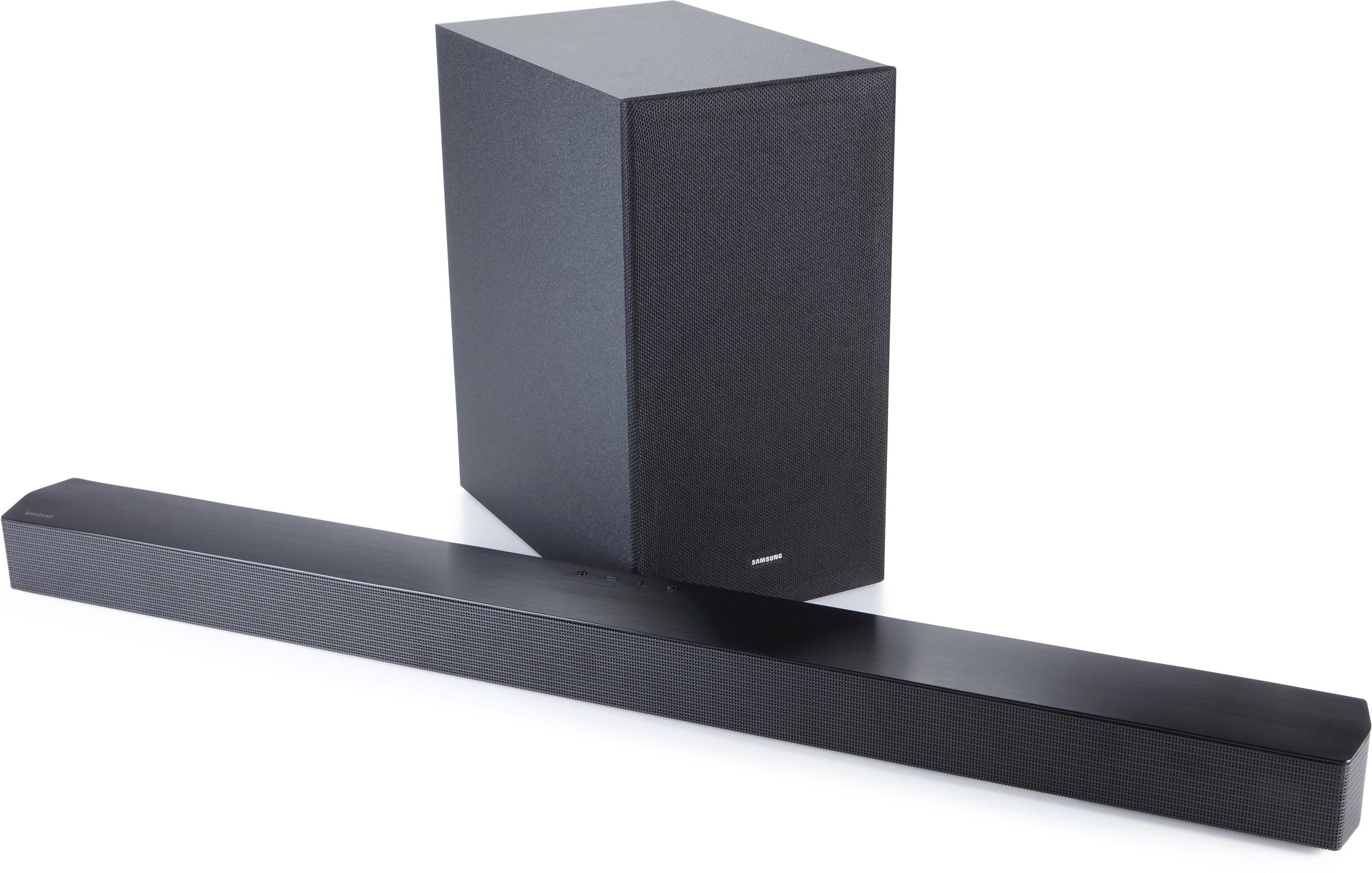
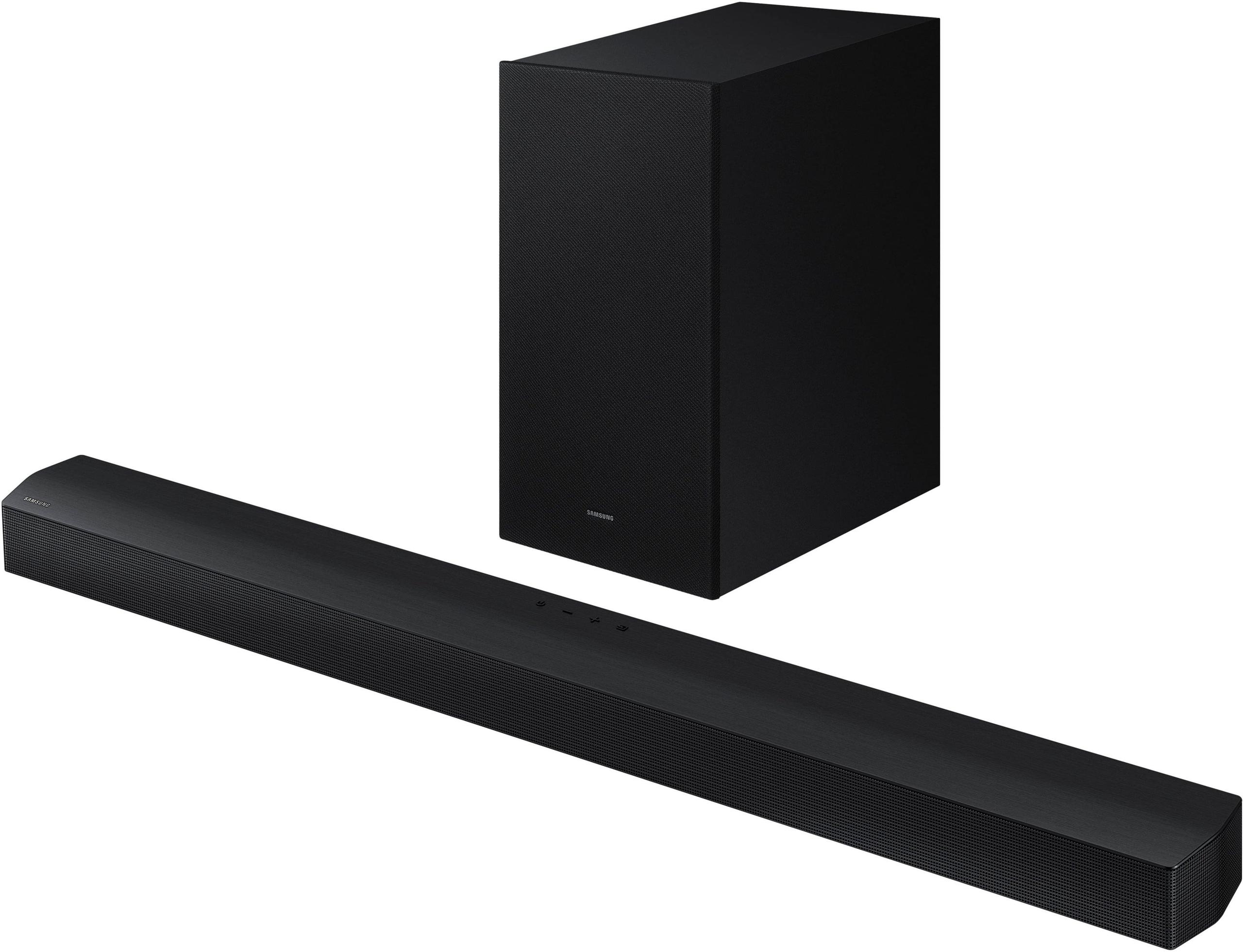



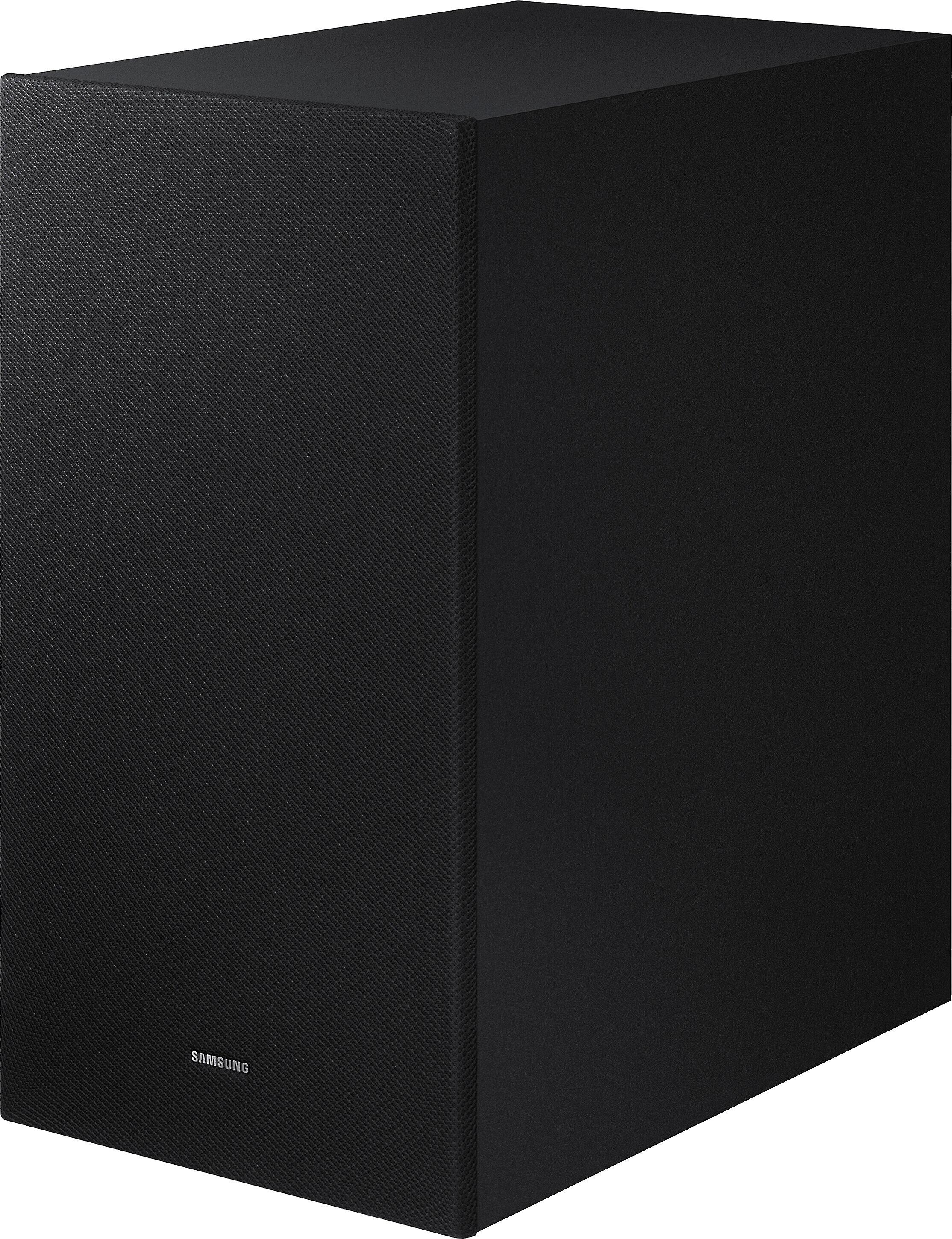
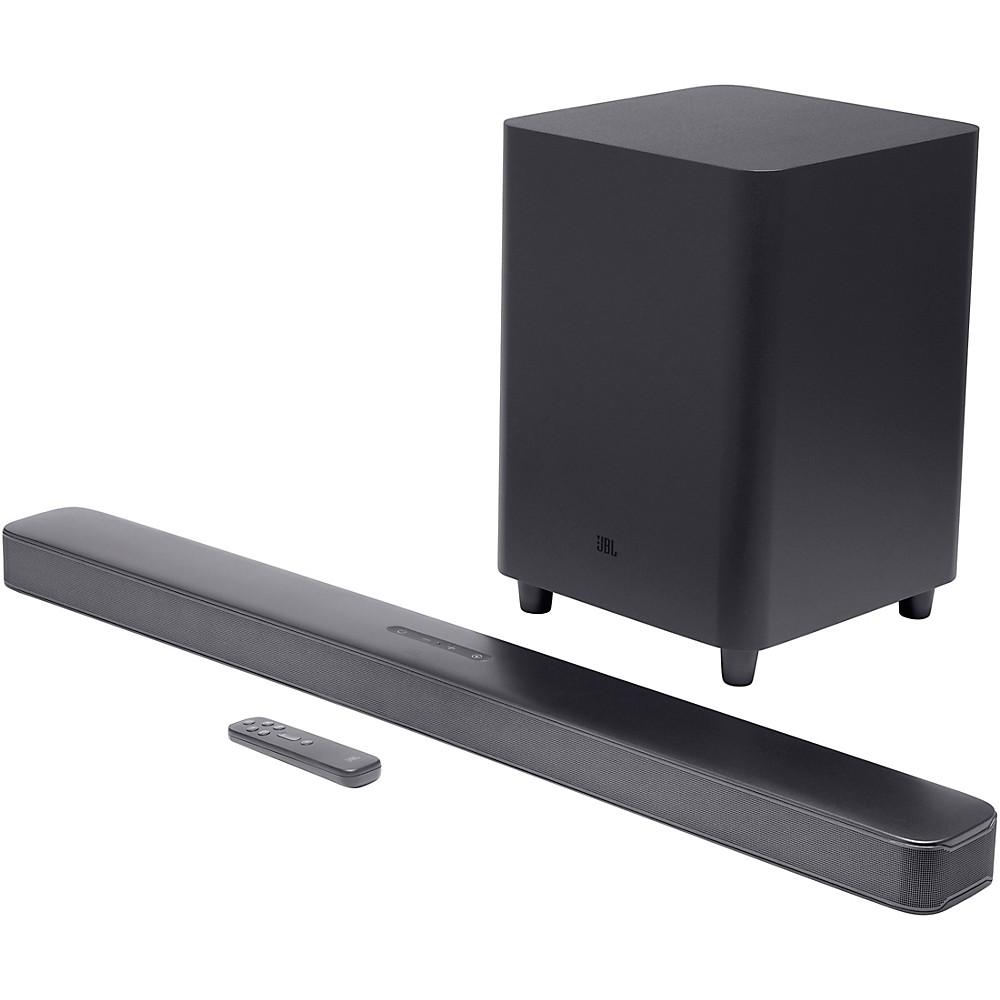
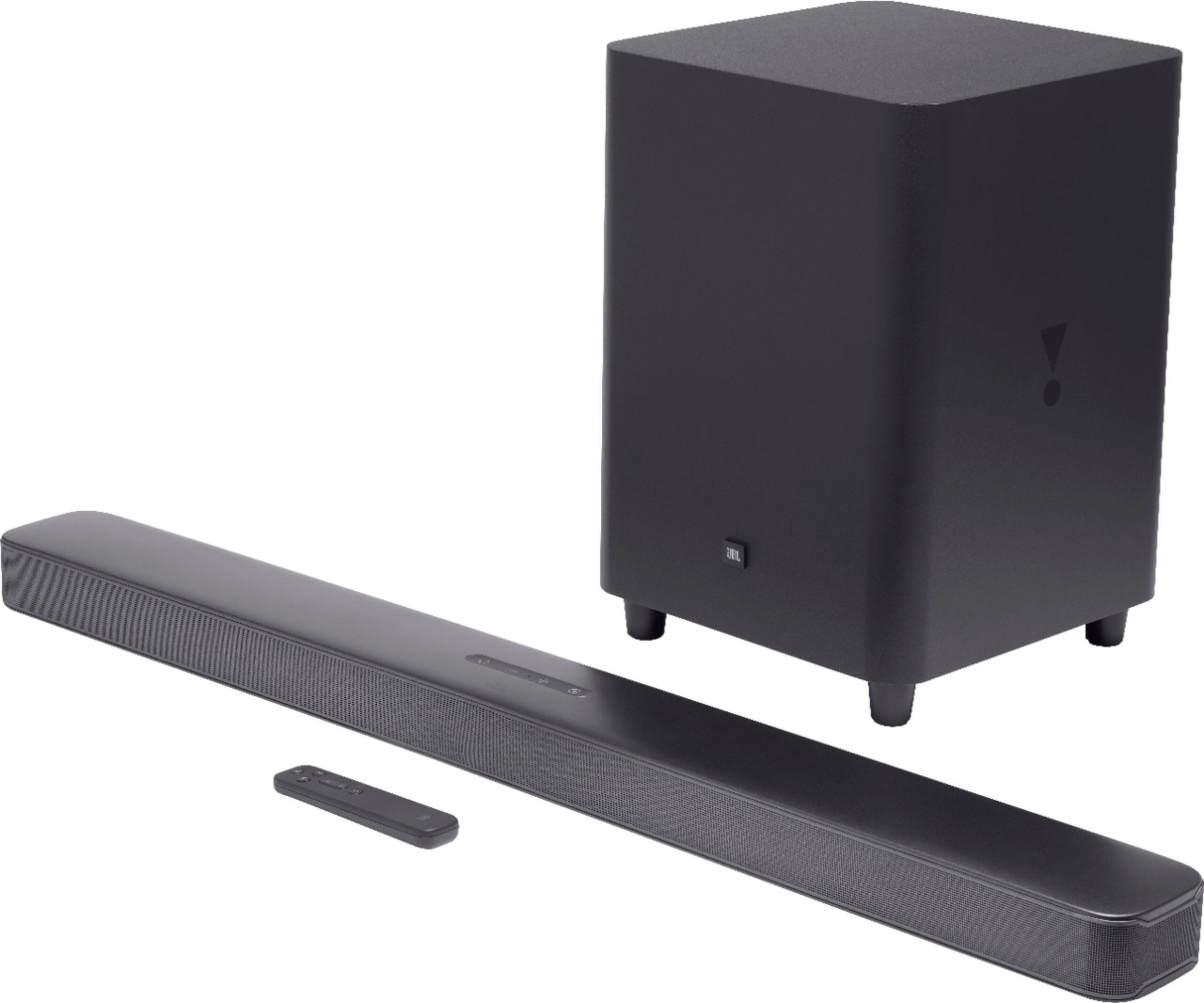

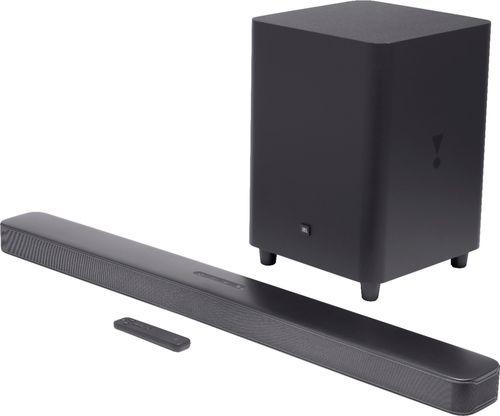
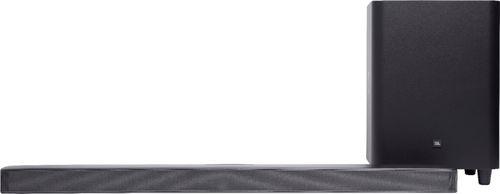
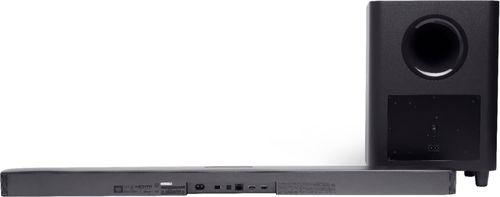
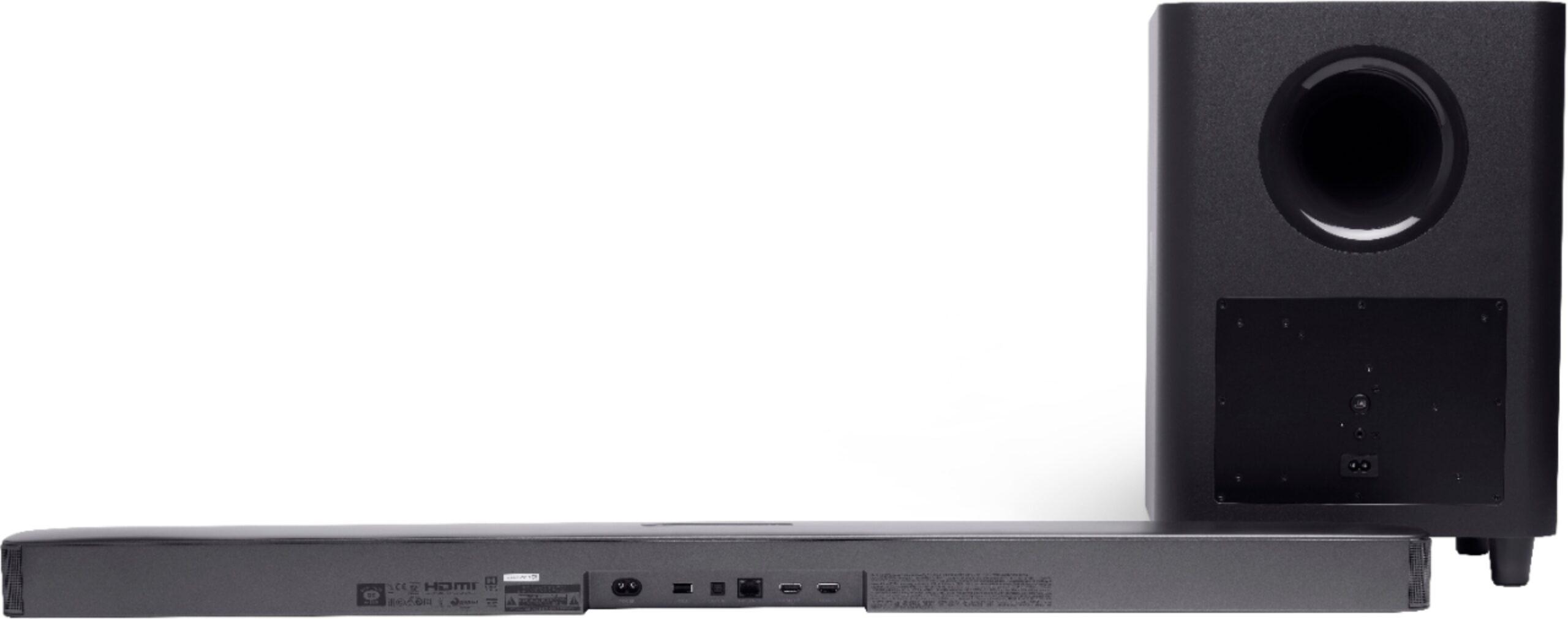
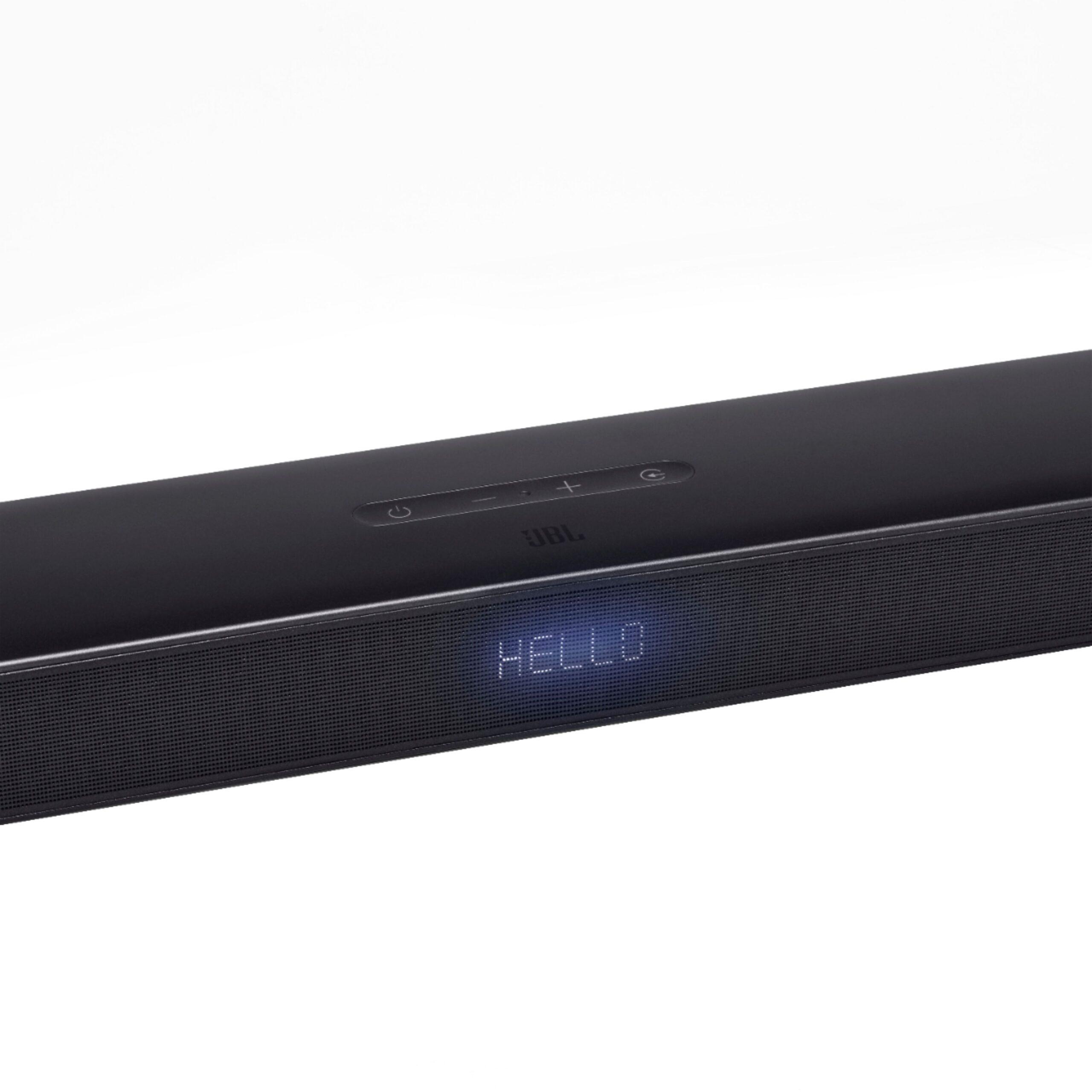
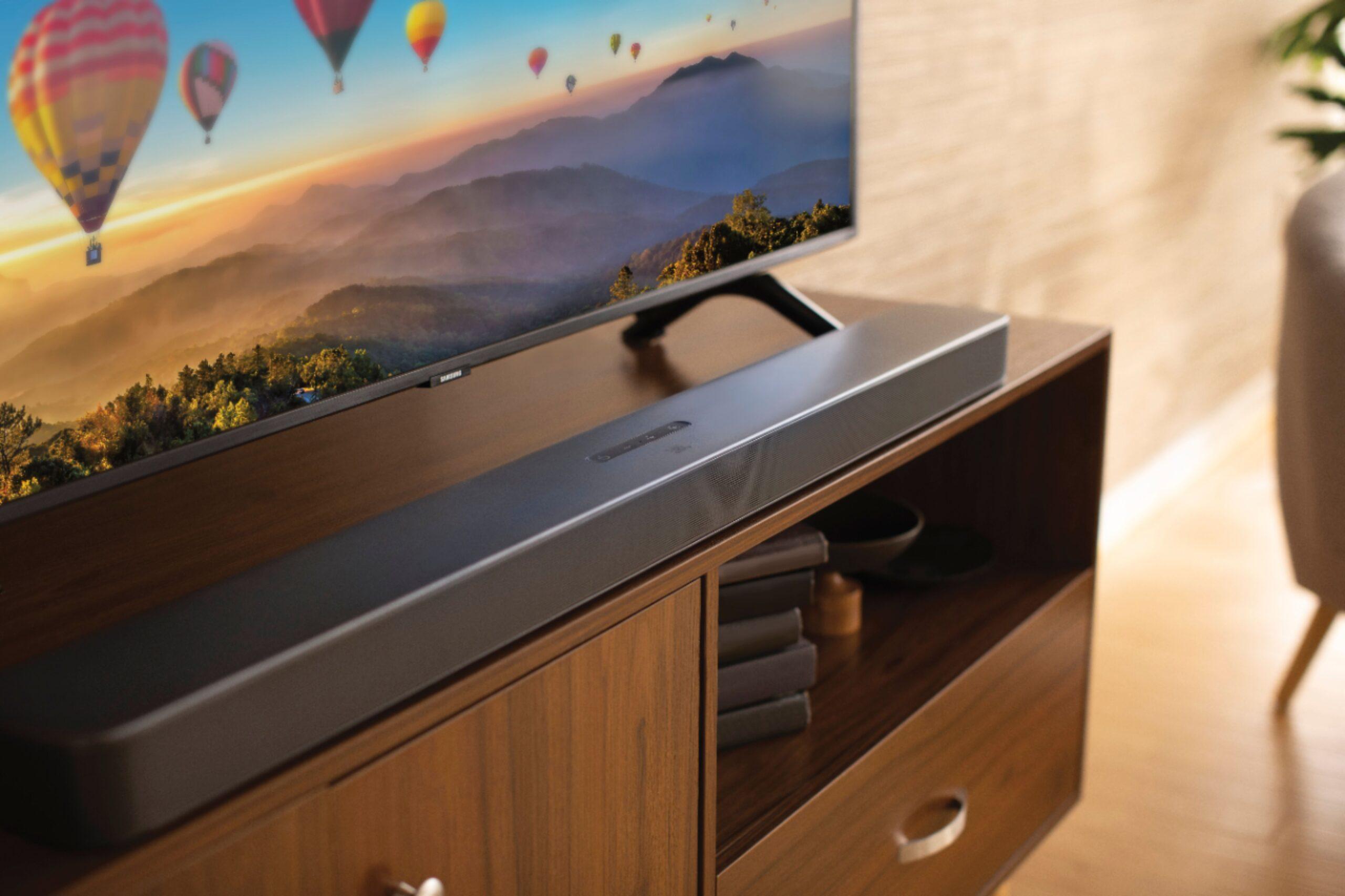
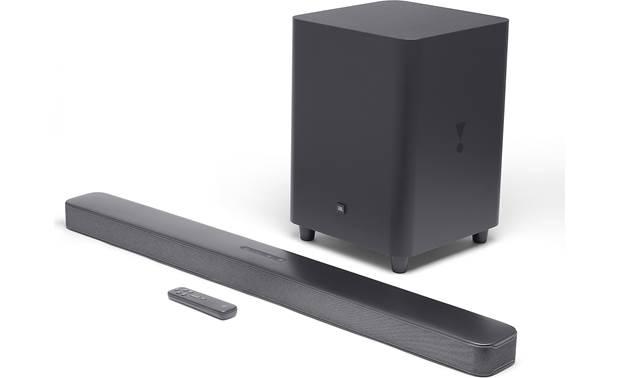
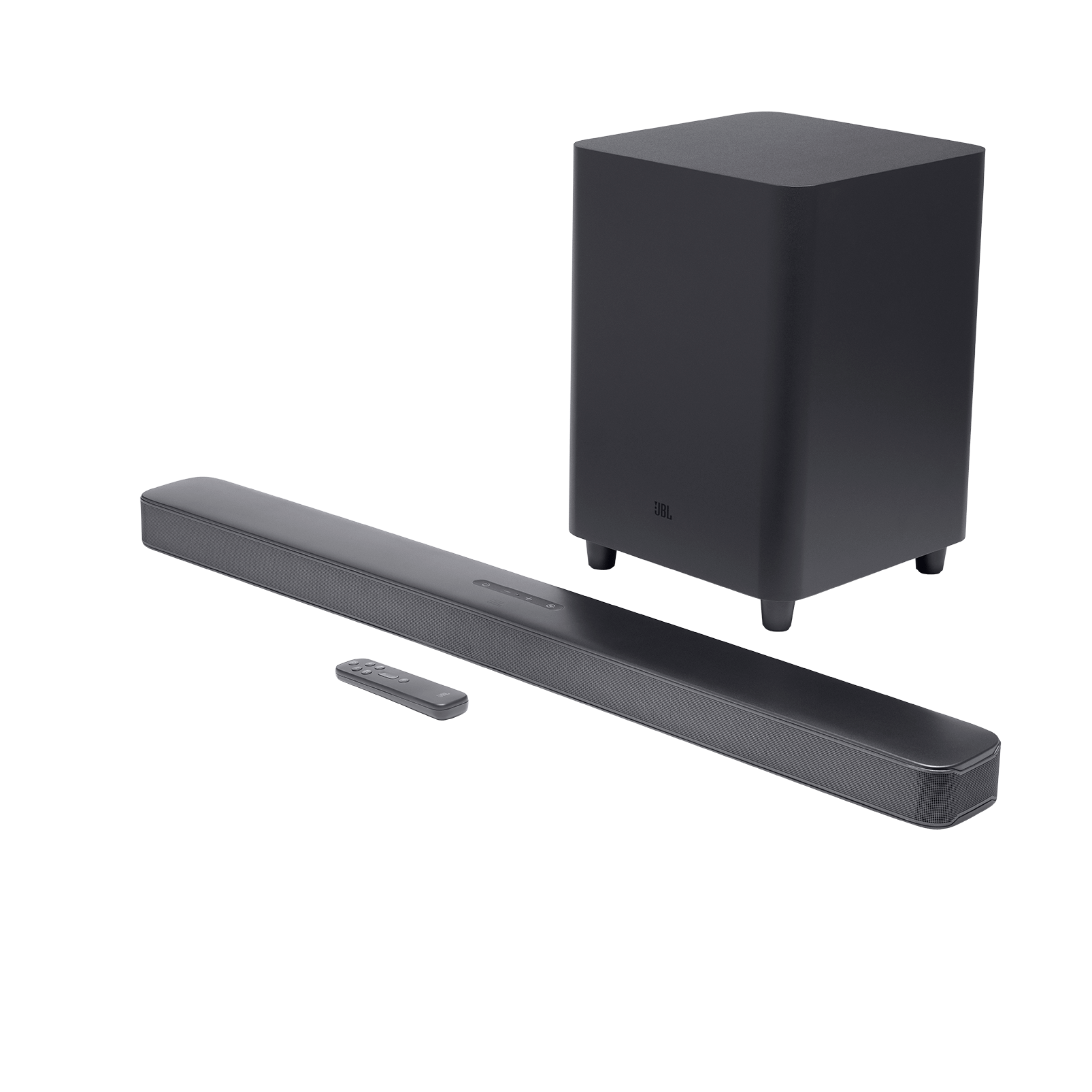
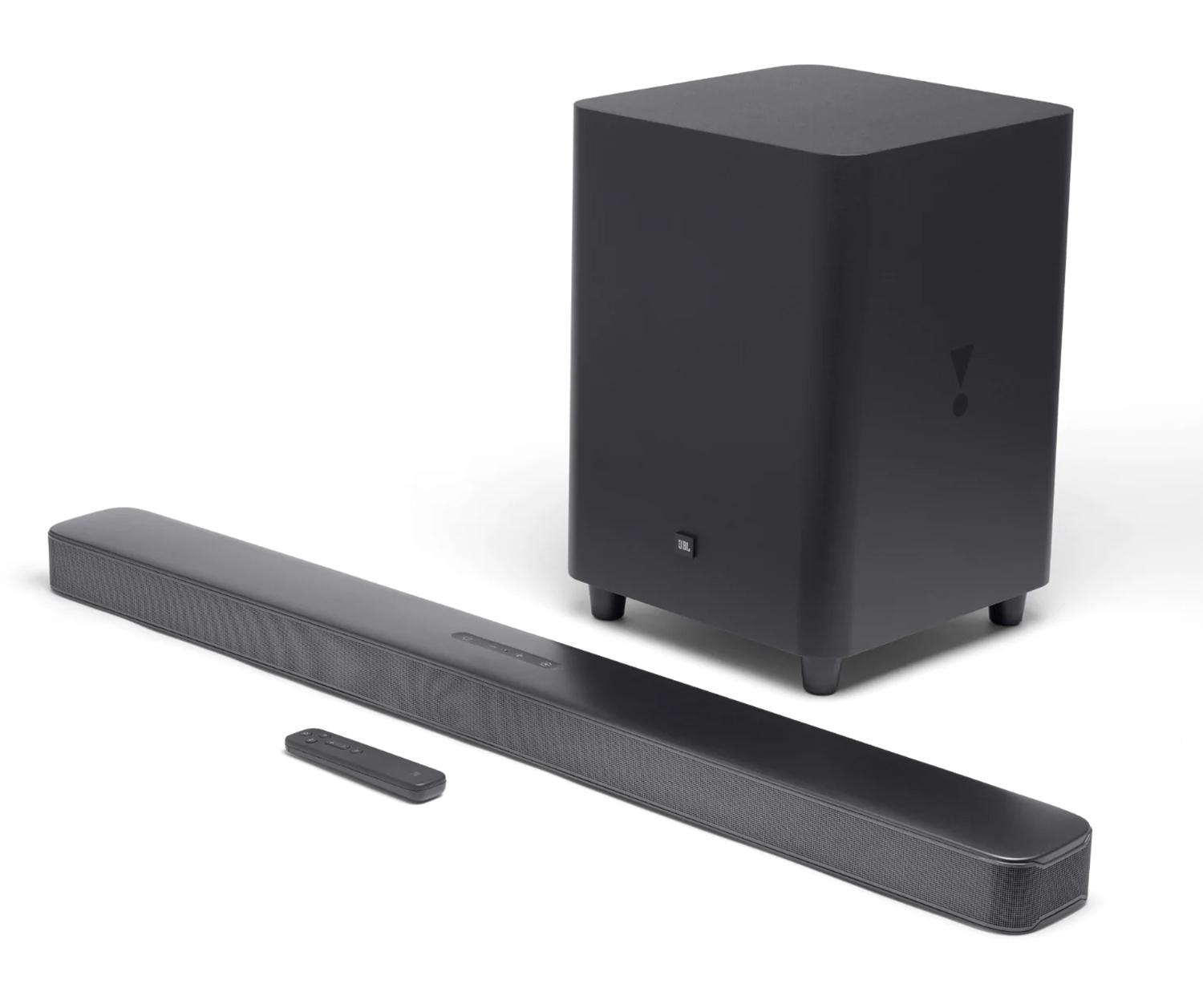
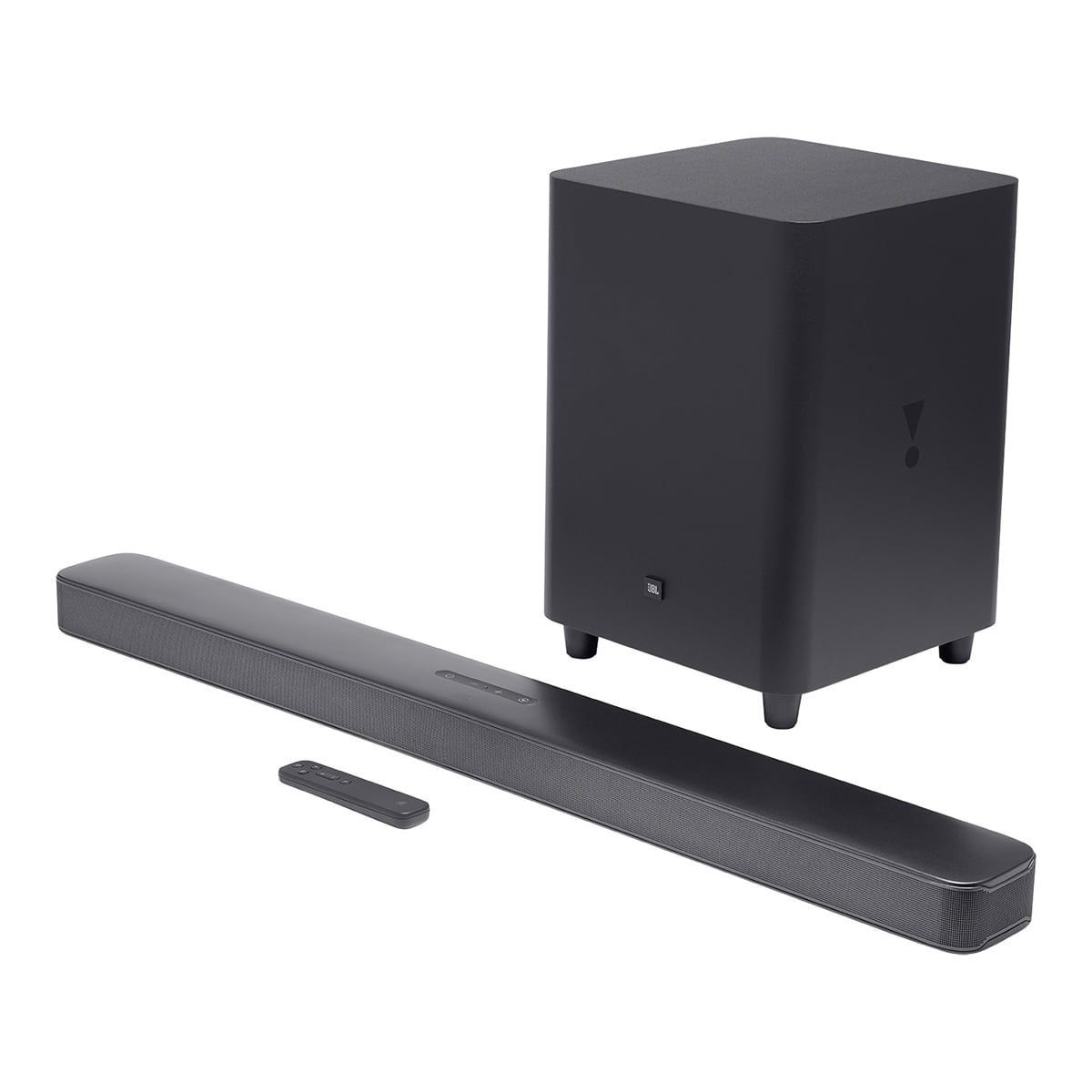
If your TV's built-in speakers sound thin and lifeless—and let's be honest, most do—you're probably considering a soundbar upgrade. But with options ranging from $200 budget models to $1,000+ premium systems, choosing the right one can feel overwhelming. Today we're comparing two popular choices that represent very different approaches: the Samsung HW-B550D 3.1 Channel Sound Bar at $178 and the JBL Bar 5.1 Surround Soundbar at $600.
These aren't just random picks—they represent the sweet spots in their respective price ranges and showcase fundamentally different philosophies about what makes great TV audio. One focuses on maximum value and dialogue clarity, while the other delivers true surround sound immersion. Let's dig into which approach makes more sense for your setup.
Before we dive into specifics, it's worth understanding what soundbars are trying to accomplish. Your TV's speakers face backward or downward, often with drivers smaller than what you'd find in a decent smartphone. They're designed to be thin and aesthetically pleasing, not to fill your room with rich, detailed sound.
Soundbars solve this by placing larger, forward-firing drivers in a wider enclosure, often paired with a separate subwoofer for bass. The key differentiator is channel configuration—essentially, how many distinct audio streams the system can handle simultaneously.
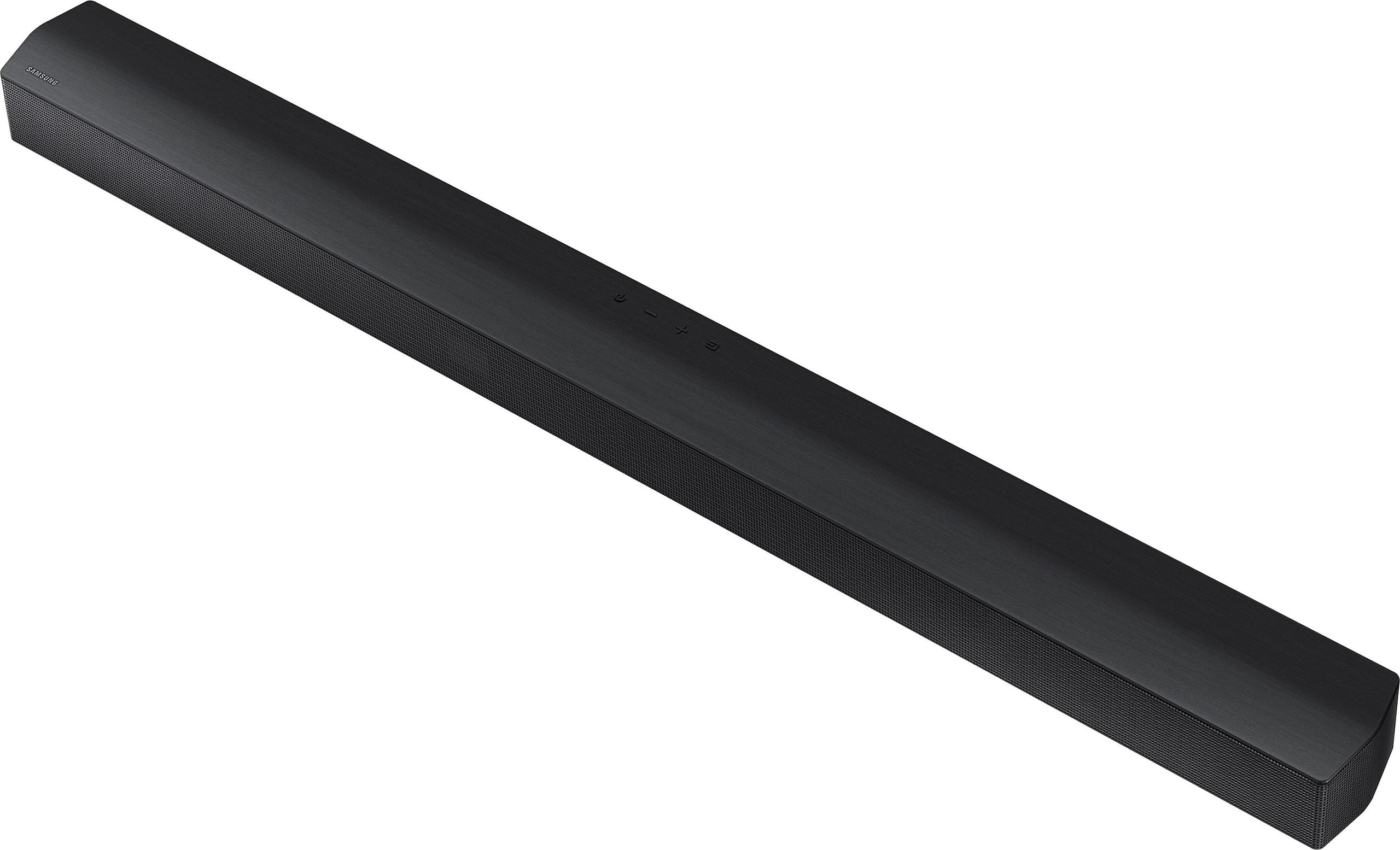
A 3.1 system like the Samsung HW-B550D has three main channels (left, center, right) plus a subwoofer (the ".1"). The center channel is crucial because it handles most dialogue and vocals. A 5.1 system adds two rear channels for true surround sound, creating that cinema-like experience where you hear helicopters flying behind you or footsteps approaching from the side.
The soundbar market has evolved significantly since 2020. Early models relied heavily on digital signal processing (DSP) tricks to simulate surround sound from a single bar. While this virtual surround technology has improved, physics still limits what's possible without actual rear speakers. That's why we're seeing more affordable true 5.1 systems like the JBL, which would have cost over $800 just a few years ago.
Here's where these two soundbars take completely different paths. The Samsung uses DTS Virtual:X processing, which analyzes stereo or surround audio and uses psychoacoustic principles to trick your brain into perceiving directional sound from just the front-facing speakers. It works by carefully timing and filtering audio frequencies to create the illusion of height and width beyond the physical soundbar.
I've tested dozens of virtual surround systems over the years, and while the technology has genuinely improved, there's still no substitute for actual speakers placed around your listening area. The Samsung does a respectable job creating a wider soundstage—you'll notice effects seeming to come from beyond the TV's edges—but you won't get that true "behind you" sensation that makes action movies so immersive.
The JBL Bar 5.1 takes the harder but more effective route: it includes two detachable, battery-powered rear speakers that you place behind your seating area. When watching a movie, these create genuine 360-degree sound positioning. Explosions rumble from the front while debris flies past your ears. It's the difference between looking at a photo of a forest and actually walking through one.
Both systems excel at their primary job—making dialogue clearer than your TV's built-in speakers—but they achieve this differently. The Samsung's dedicated center channel is specifically tuned for vocal frequencies, and its Voice Enhanced Mode boosts the 1-4kHz range where human speech lives. Consumer Reports testing confirms this works well, noting that voices come through "reasonably well" even in complex scenes.
The Samsung HW-B550D also includes Adaptive Sound Lite, which automatically analyzes content and adjusts the audio profile. Watching a quiet drama? It'll boost dialogue frequencies and compress dynamic range so whispered conversations don't get lost. Switching to an action movie? It opens up the dynamics for more impactful explosions while keeping voices clear.
The JBL takes a different approach with its PureVoice technology, which uses more sophisticated processing to isolate and enhance dialogue without the artificial sound signature that some budget soundbars suffer from. In my experience, this creates more natural-sounding voices, especially with complex content like musicals where vocals need to blend seamlessly with orchestral soundtracks.
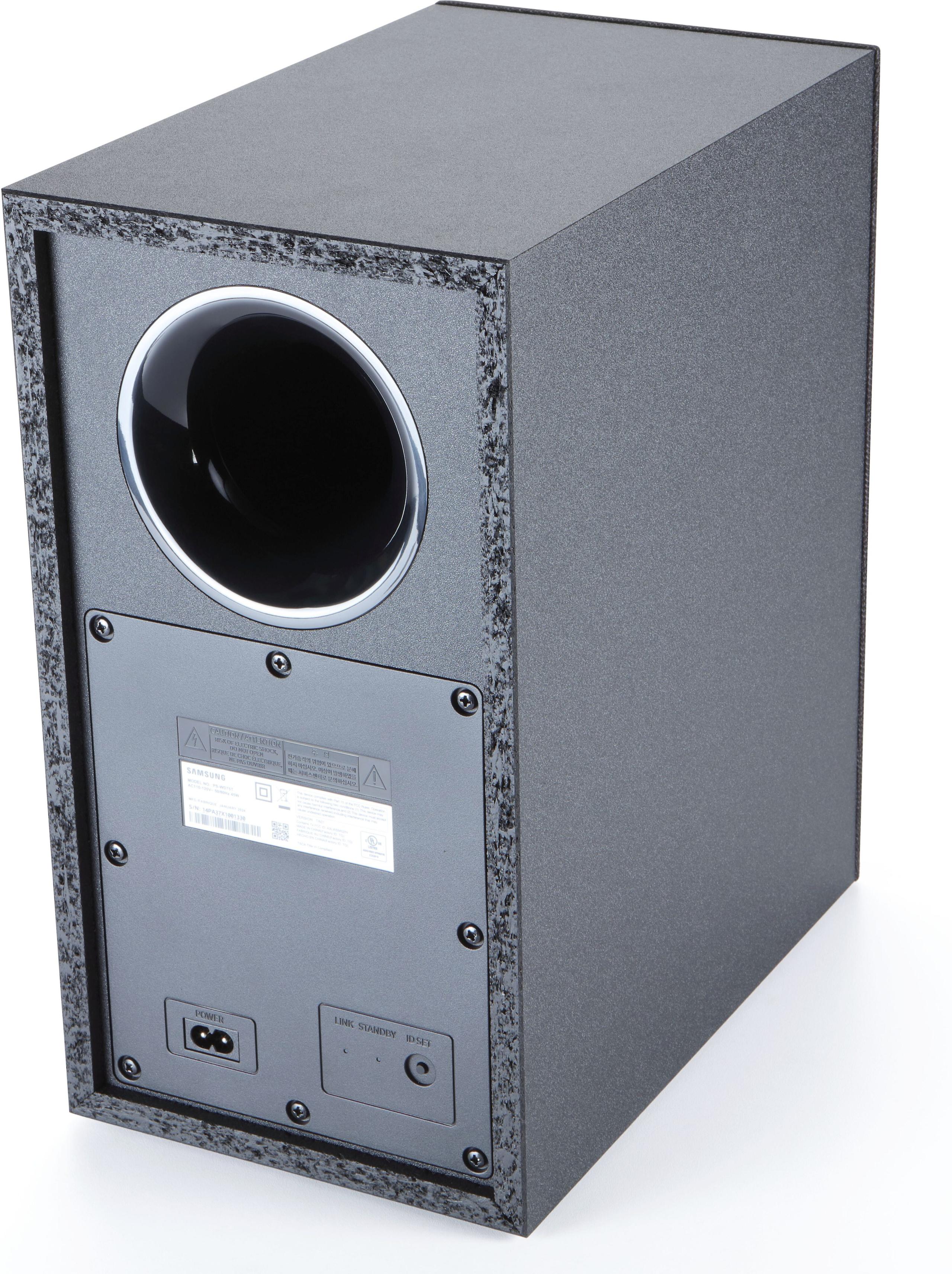
This is where the price difference becomes most apparent. The Samsung's 5" subwoofer provides adequate bass for most content, but Consumer Reports noted it can sound "tubby" and "prominent"—audiophile speak for bass that overwhelms mid-range frequencies and lacks definition. The Bass Boost mode helps with impact during action scenes, but it's more about quantity than quality.
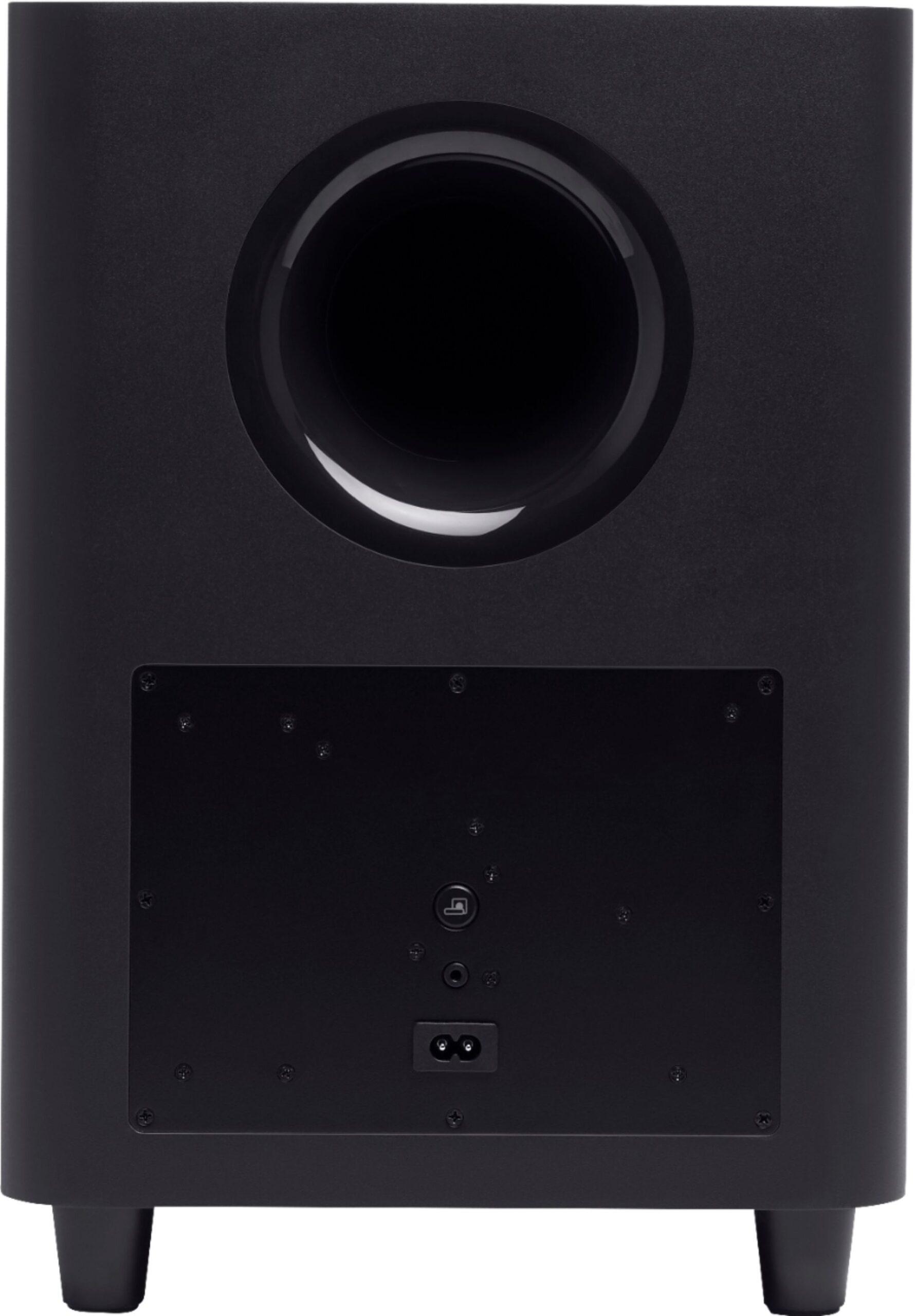
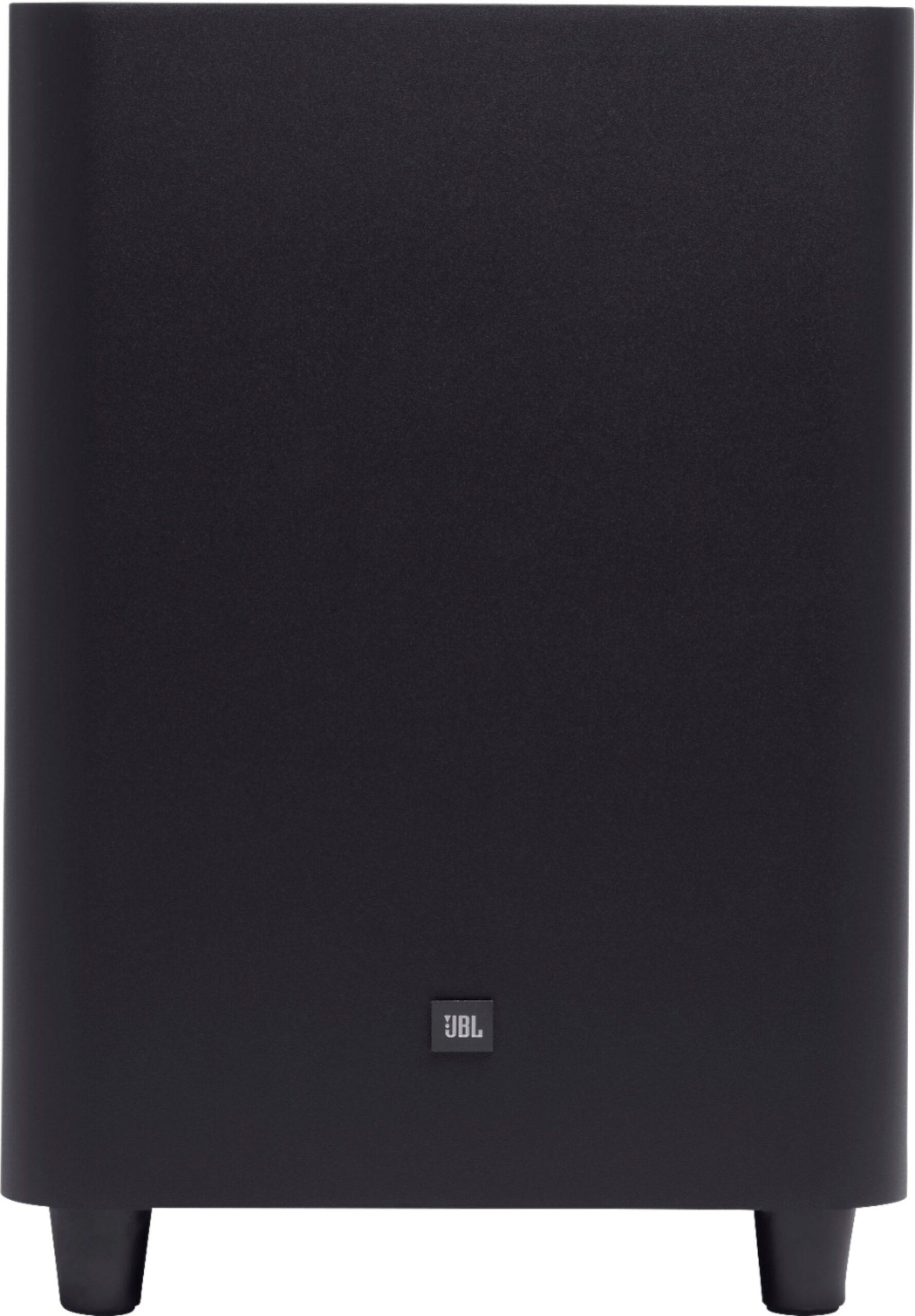
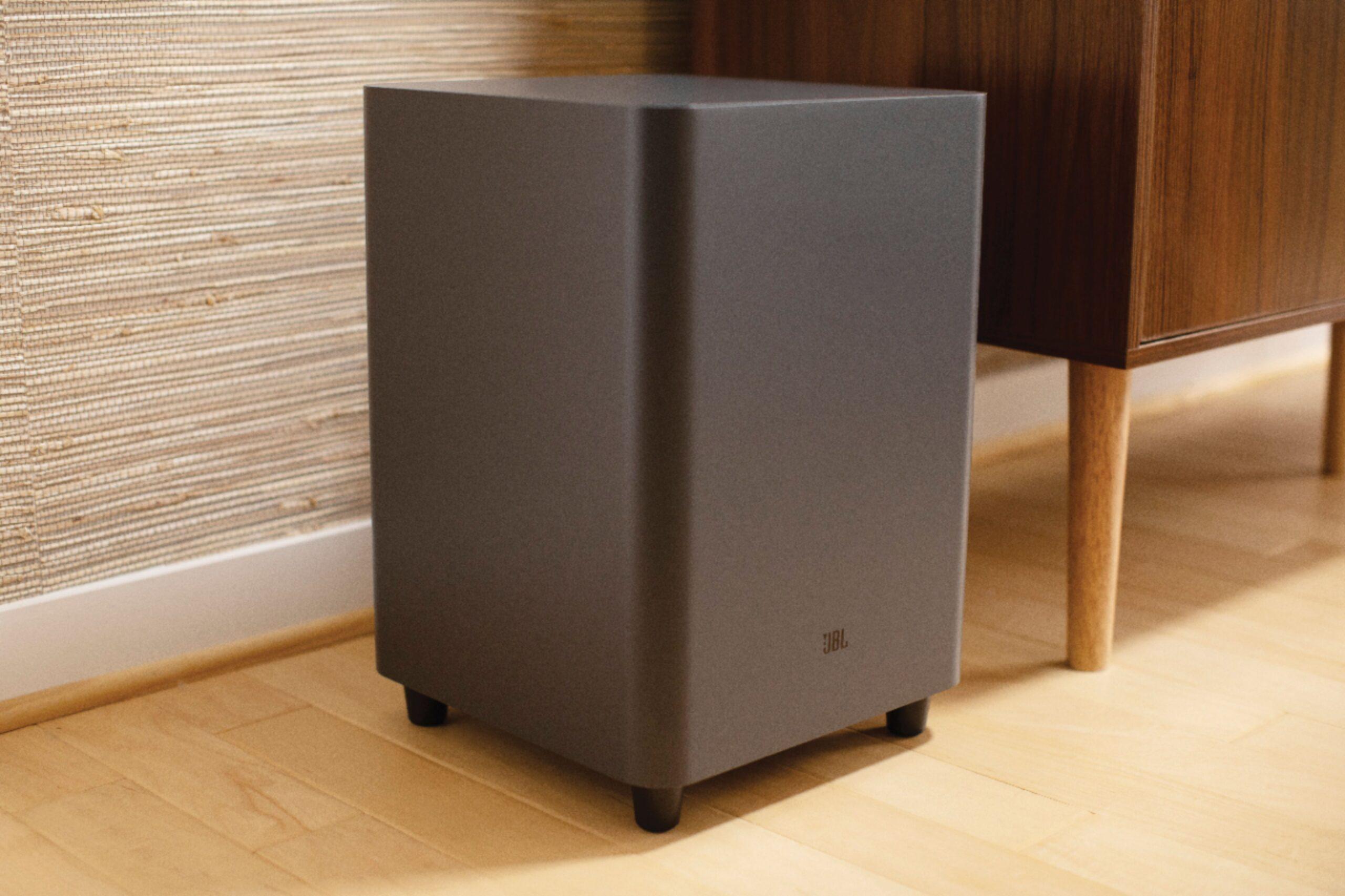
The JBL Bar 5.1 ships with a substantially larger 10" subwoofer that delivers deeper extension and more controlled response. The larger driver moves more air with less distortion, creating that chest-thumping bass that makes explosions feel visceral rather than just loud. For music listening, this difference is even more pronounced—electronic music, hip-hop, and orchestral pieces with deep percussion all benefit from the JBL's superior low-frequency capabilities.
Here's where the systems diverge most dramatically. The Samsung's virtual surround creates a pleasant sense of spaciousness and can make effects seem to extend beyond the TV's boundaries. Watching nature documentaries, you'll notice bird calls appearing to come from different directions, and crowd scenes in sports broadcasts gain a sense of atmosphere.
But put on Top Gun: Maverick or Dune, and the limitations become clear. Jet engines might sound wider and more enveloping, but they won't move around you the way they do in a theater. The Samsung does well for TV shows and casual movie watching, but it can't create the precise positional audio that makes blockbusters truly immersive.
The JBL's physical rear speakers change everything. Those same jet engines now have proper directionality—you hear them approach from behind, roar overhead (thanks to upward-firing drivers), then fade to the front as they pass. The detachable rear speakers run on internal batteries for up to 10 hours, so you don't need to run cables across your room. When watching Avengers: Endgame, the final battle sequence becomes a three-dimensional audio experience rather than just loud noise from the front of the room.
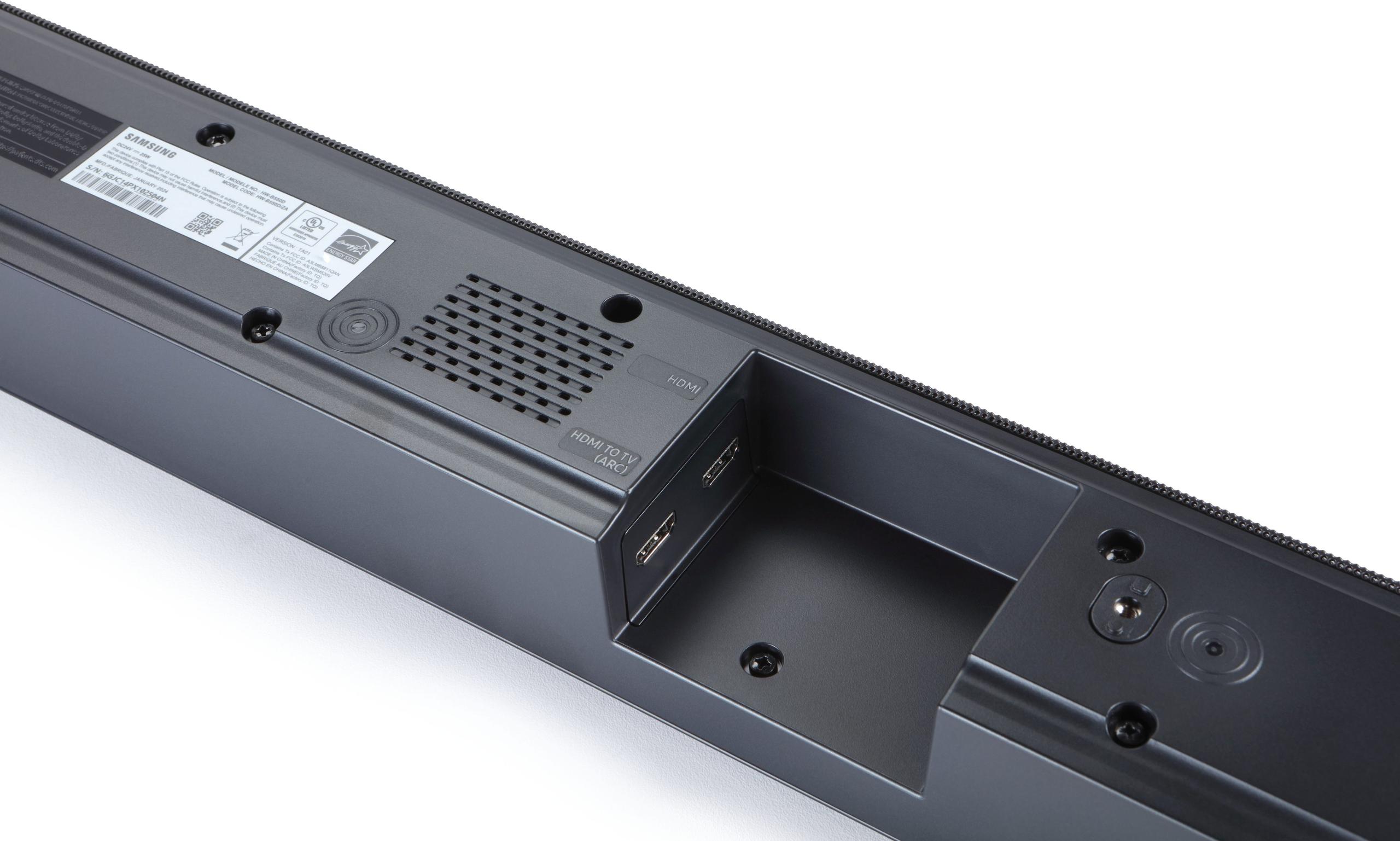
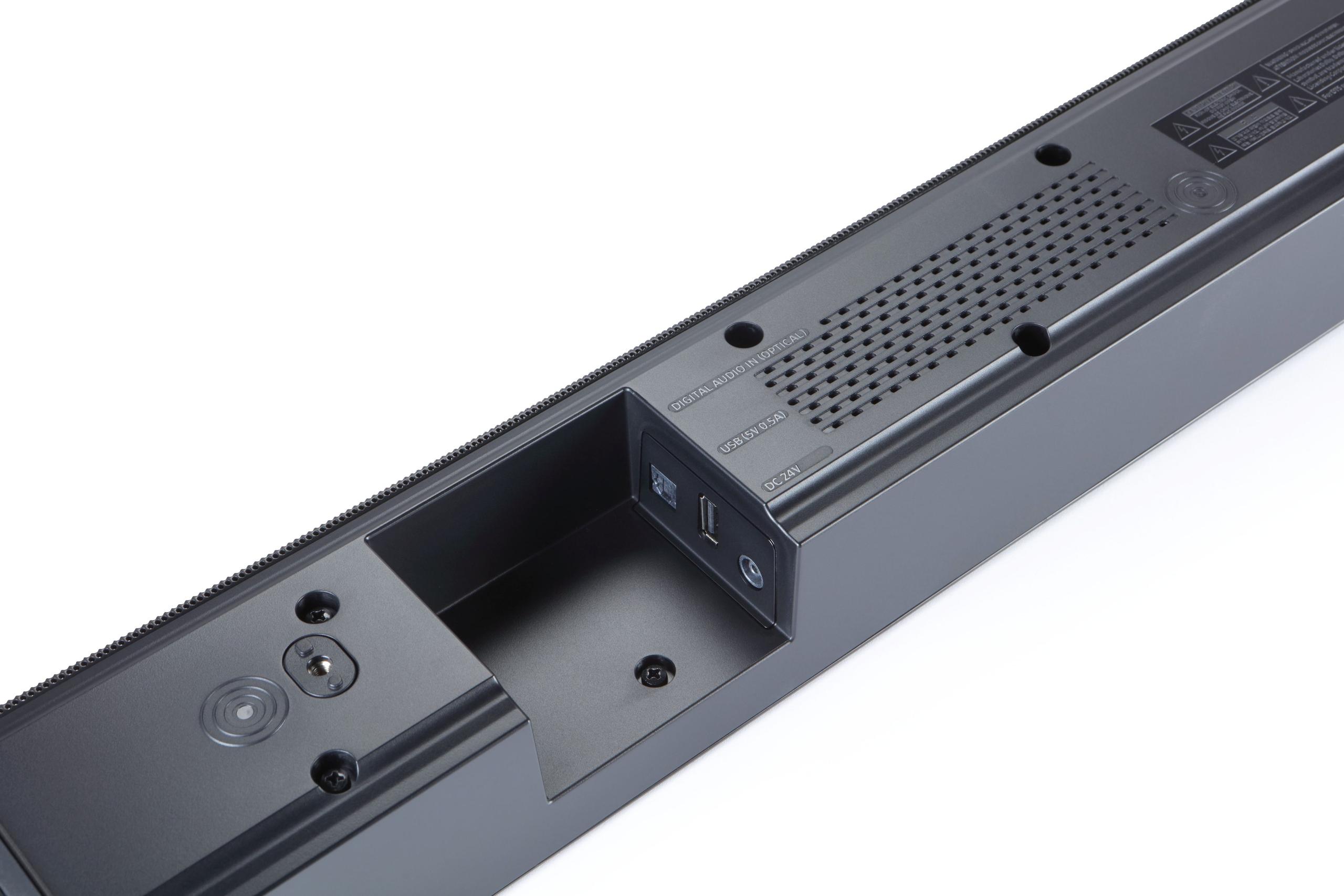
The soundbar market has become increasingly connected, and both systems reflect this trend with key differences in execution. The Samsung HW-B550D keeps things simple with Bluetooth 4.2 for wireless music streaming and HDMI ARC (Audio Return Channel) for easy TV connection. The HDMI ARC means you can control the soundbar's volume with your TV remote—a small convenience that eliminates remote juggling.
Samsung has also improved their setup process significantly since their earlier models. Multiple users report that the soundbar automatically pairs with compatible Samsung TVs via Bluetooth during initial setup, eliminating the usual manual pairing dance. The system includes multiple sound modes optimized for different content types, and a Night Mode that compresses dynamic range for late-night viewing without disturbing neighbors.
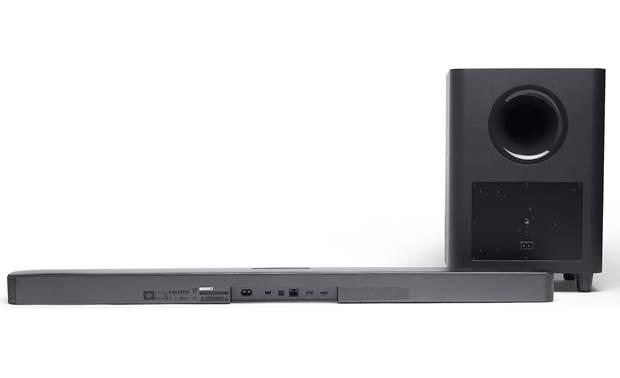
The JBL offers more advanced connectivity with both Wi-Fi and Bluetooth, enabling integration with multi-room audio systems and over-the-air updates. The HDMI connections support 4K Dolby Vision pass-through at up to 60Hz—important if you're using a 4K streaming device or game console. Three HDMI inputs let you connect multiple devices directly to the soundbar, which then sends video to your TV while processing the audio internally.
At $178, the Samsung HW-B550D represents exceptional value for its intended use case. You're getting genuine dialogue improvement, adequate bass for smaller rooms, and virtual surround processing that enhances the viewing experience beyond what most budget soundbars achieve. For apartments, bedrooms, or casual TV watching, it delivers most of what you need without breaking the budget.
The jump to $600 for the JBL Bar 5.1 represents a 3.4x price increase, but you're getting significantly more than 3x the performance in key areas. True surround sound, substantially better bass, higher power output, and advanced connectivity features justify the premium for users who prioritize audio quality.
I've found that most people underestimate how much difference genuine surround sound makes until they experience it at home. It's similar to the jump from HD to 4K TV—not revolutionary for every type of content, but transformative for movies, gaming, and immersive shows.
The Samsung uses Class D amplification across five channels (three in the soundbar, two for the subwoofer), with a total system power of 370W. The soundbar houses two full-range drivers plus a dedicated center channel, while the wireless subwoofer adds a 5" down-firing driver in a ported enclosure. The Surround Sound Expansion processing uses HRTF (Head-Related Transfer Function) algorithms to simulate how your ears naturally perceive directional sound.
The JBL's approach is more complex, with 510W of total system power distributed across genuine 5.1 channels. The main soundbar contains multiple drivers including dedicated tweeters for high-frequency detail, while the detachable rear speakers each house their own amplifiers and drivers. The 10" subwoofer uses a larger enclosure with more internal bracing, reducing cabinet resonance that can muddy bass response.
Both systems support Dolby Digital and DTS decoding, but the JBL adds Dolby Atmos support in some configurations. Atmos is object-based audio that can position sounds in three-dimensional space, including overhead effects. While neither system has upward-firing drivers for true Atmos height effects, the JBL can process Atmos metadata for better surround positioning.
Room size significantly affects which system makes more sense. The Samsung HW-B550D works well in spaces up to about 200 square feet—typical for bedrooms, small living rooms, or apartments. Its virtual surround processing is most effective when you're seated relatively close to the soundbar, typically within 8-10 feet.
The JBL really shines in larger spaces where you can properly position the rear speakers. Rooms of 300+ square feet benefit from the additional power and true surround positioning. The rear speakers need to be placed 2-6 feet behind your primary seating area at ear level for optimal effect, which requires some planning but delivers dramatically better results.
For home theater enthusiasts, the JBL offers a genuine upgrade path. You can start with the soundbar and subwoofer for stereo music listening, then add the rear speakers when you want full surround. The system's higher power output and better bass extension also mean it won't struggle with demanding content the way some budget systems do.
Gaming has become a major consideration for soundbar buyers, and both systems handle it differently. The Samsung HW-B550D includes a Game Mode that reduces audio processing delay (latency) for better synchronization with fast-paced games. This matters because complex audio processing can create a noticeable delay between visual and audio cues, throwing off your timing in competitive games.
The JBL Bar 5.1 provides a more immersive gaming experience overall, with directional audio that lets you hear approaching enemies or environmental cues with proper positioning. Playing games like Call of Duty or Fortnite, you'll have a genuine tactical advantage when you can accurately pinpoint where sounds are coming from.
Both systems handle modern streaming and device connectivity well, but the JBL's additional HDMI inputs provide more flexibility if you have multiple gaming consoles or streaming devices.
After extensive testing and comparison, here's how I'd break down the decision:
Choose the Samsung HW-B550D if you want the most bang for your buck in dialogue clarity and general TV audio improvement. It's perfect for smaller spaces, primarily TV viewing, and situations where budget is the primary concern. You'll get most of the benefits of a soundbar upgrade without the complexity or expense of a full surround system.
Choose the JBL Bar 5.1 if you're serious about movies, gaming, or music listening and have the space to properly set up rear speakers. The price premium is substantial, but you're getting genuine surround sound, significantly better bass, and features that will remain relevant as content and technology evolve.
Both represent good value in their respective categories, but they're solving different problems. The Samsung maximizes performance per dollar for basic TV audio enhancement, while the JBL provides a legitimate home theater experience that competes with much more expensive systems from just a few years ago. Your choice should depend on your space, budget, and how important truly immersive audio is to your entertainment experience.
| Samsung HW-B550D 3.1 Channel Sound Bar | JBL Bar 5.1 Surround Soundbar |
|---|---|
| Price - Starting investment for quality TV audio upgrade | |
| $178 (exceptional value for dialogue improvement) | $600 (premium but justified for true surround) |
| Channel Configuration - Determines surround sound authenticity | |
| 3.1 channels (virtual surround via DTS Virtual:X) | True 5.1 channels (physical rear speakers included) |
| Total Power Output - Affects volume and dynamic range | |
| 370W (adequate for small-medium rooms) | 510W (fills larger spaces with authority) |
| Subwoofer Size - Directly impacts bass depth and impact | |
| 5" driver (decent for TV shows, limited for movies) | 10" driver (deep, controlled bass for cinematic experience) |
| Surround Technology - How immersive audio is created | |
| DTS Virtual:X processing (simulated positioning) | Physical rear speakers + Dolby processing (authentic 360° sound) |
| HDMI Support - Future-proofing for 4K content | |
| ARC, 1080p pass-through (basic but functional) | eARC, 4K Dolby Vision at 60Hz (handles latest formats) |
| Connectivity Options - Flexibility for different devices | |
| Bluetooth 4.2, optical input (simple setup) | Wi-Fi, Bluetooth, 3 HDMI inputs (extensive device support) |
| Room Size Suitability - Where each system performs best | |
| Up to 200 sq ft (bedrooms, small living rooms) | 300+ sq ft (proper home theater setups) |
| Setup Complexity - Time and effort required | |
| Plug-and-play with auto TV pairing | Requires rear speaker positioning but delivers superior results |
| Best Use Cases - When each system excels | |
| TV shows, news, casual viewing, budget upgrades | Movies, gaming, music, immersive entertainment |
The key difference is surround sound capability. The Samsung HW-B550D is a 3.1 system that uses virtual surround processing to simulate directional audio, while the JBL Bar 5.1 includes physical rear speakers for true 5.1 surround sound. This means the JBL delivers authentic positional audio where you actually hear sounds coming from behind you, while the Samsung creates a wider soundstage from the front speakers only.
The Samsung HW-B550D at $178 offers exceptional value for basic TV audio improvement and dialogue clarity. The JBL Bar 5.1 at $600 costs more but provides significantly better performance with true surround sound, deeper bass, and higher power output. For budget-conscious buyers prioritizing dialogue, the Samsung wins. For movie enthusiasts wanting theater-like immersion, the JBL justifies its higher price.
The JBL Bar 5.1 is substantially better for movies and home theater use. Its detachable rear speakers create authentic surround sound positioning, making action sequences and atmospheric scenes much more immersive. The larger 10" subwoofer also delivers deeper bass for cinematic impact. The Samsung HW-B550D works fine for casual movie watching but can't match the JBL's true surround experience.
The JBL Bar 5.1 has a significant advantage with its 10" wireless subwoofer that delivers deeper, more controlled bass compared to the Samsung's 5" driver. The JBL's larger subwoofer provides better impact for action movies and music with strong low-frequency content. The Samsung HW-B550D offers adequate bass for TV shows and casual viewing but lacks the depth and power for demanding content.
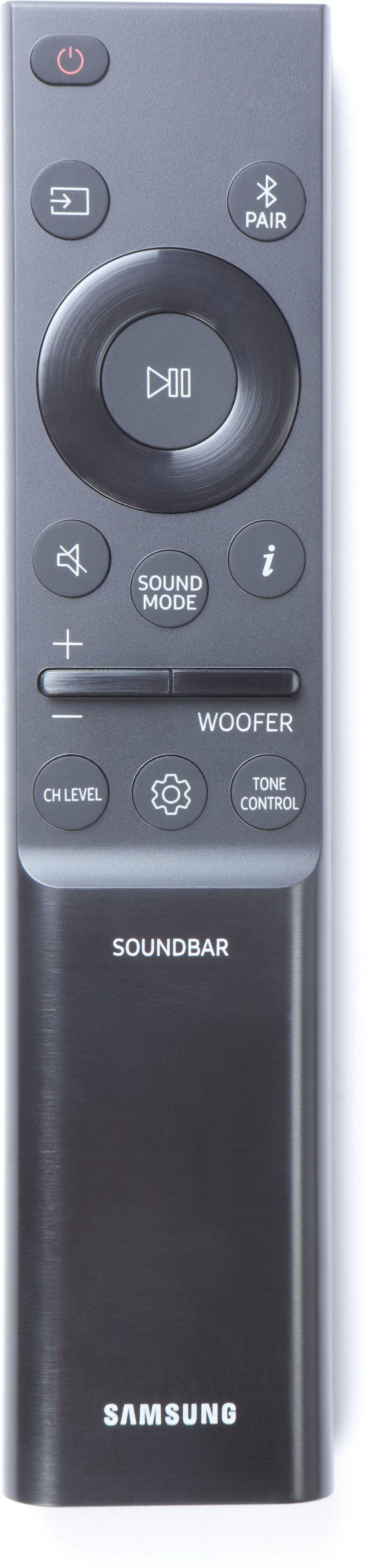
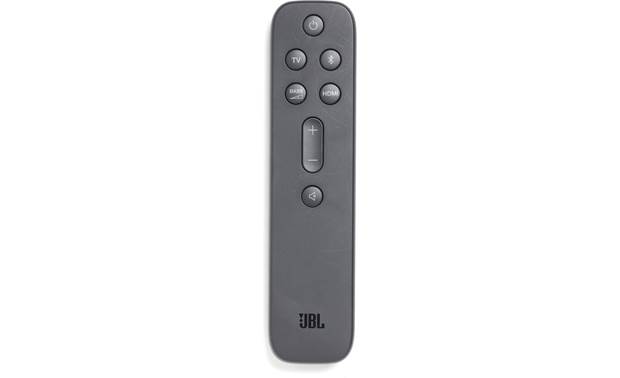
The Samsung HW-B550D is easier to set up with automatic Bluetooth pairing to Samsung TVs and a simpler single-bar-plus-subwoofer configuration. The JBL Bar 5.1 requires more setup time as you need to position the detachable rear speakers properly for optimal surround sound. However, both systems connect easily via HDMI ARC and include user-friendly remote controls.
The Samsung HW-B550D works well in rooms up to 200 square feet, making it ideal for bedrooms, apartments, or smaller living rooms. The JBL Bar 5.1 performs best in larger spaces of 300+ square feet where you can properly position the rear speakers and take advantage of its higher power output. Room size significantly affects which system will deliver optimal performance.
Both soundbars excel at dialogue clarity, but they achieve it differently. The Samsung HW-B550D includes a dedicated center channel and Voice Enhanced Mode specifically tuned for speech frequencies. The JBL Bar 5.1 uses PureVoice technology for natural-sounding dialogue enhancement. Both are significant improvements over TV speakers, with the choice depending more on your other audio priorities than dialogue quality alone.
The Samsung HW-B550D offers basic but adequate connectivity with Bluetooth 4.2, HDMI ARC, and optical input. The JBL Bar 5.1 provides more advanced options including Wi-Fi connectivity, three HDMI inputs with 4K pass-through, and support for multiple streaming protocols. The JBL's expanded connectivity makes it more future-proof and flexible for multiple device connections.
The JBL Bar 5.1 provides a better gaming experience with its true surround sound that helps with directional audio cues and enemy positioning. Its higher power output and better bass also enhance gaming immersion. The Samsung HW-B550D includes a Game Mode to reduce audio latency, making it adequate for gaming, but it can't match the JBL's positional audio advantages for competitive gaming.
The Samsung HW-B550D outputs 370W total power, while the JBL Bar 5.1 delivers 510W. This 140W difference means the JBL can play louder without distortion and handle dynamic content better. The extra power is especially noticeable in larger rooms and with demanding movie soundtracks. For smaller spaces and moderate volumes, the Samsung's power is sufficient.
Both the Samsung HW-B550D and JBL Bar 5.1 work with any TV that has HDMI ARC, optical output, or Bluetooth connectivity. While the Samsung offers some special features when paired with Samsung TVs (like automatic setup), both systems are designed to work universally. The JBL's additional HDMI inputs can actually reduce dependence on your TV's input switching.
Choose the Samsung HW-B550D if you want significant TV audio improvement on a budget, have a smaller room, or primarily watch TV shows and news. Choose the JBL Bar 5.1 if you're serious about movies and gaming, have space for rear speakers, and don't mind paying more for authentic surround sound and superior bass performance.
We've done our best to create useful and informative comparisons to help you decide what product to buy. Our research uses advanced automated methods to create this comparison and perfection is not possible - please contact us for corrections or questions. These are the sites we've researched in the creation of this article: bestbuy.com - crutchfield.com - avsforum.com - consumerreports.org - abt.com - pcrichard.com - samsung.com - samsung.com - rtings.com - samsung.com - jeffsappliance.com - jbl.com - jbl.com - jbl.com - tomsguide.com - jbl.com - bestbuy.com - bestbuy.com - jbl.com - jbl.com - worldwidestereo.com

Privacy Policy
Terms and Conditions - Affiliate Policy
Home Security
© Copyright 2008-2026.
11816 Inwood Rd #1211, Dallas, TX 75244