

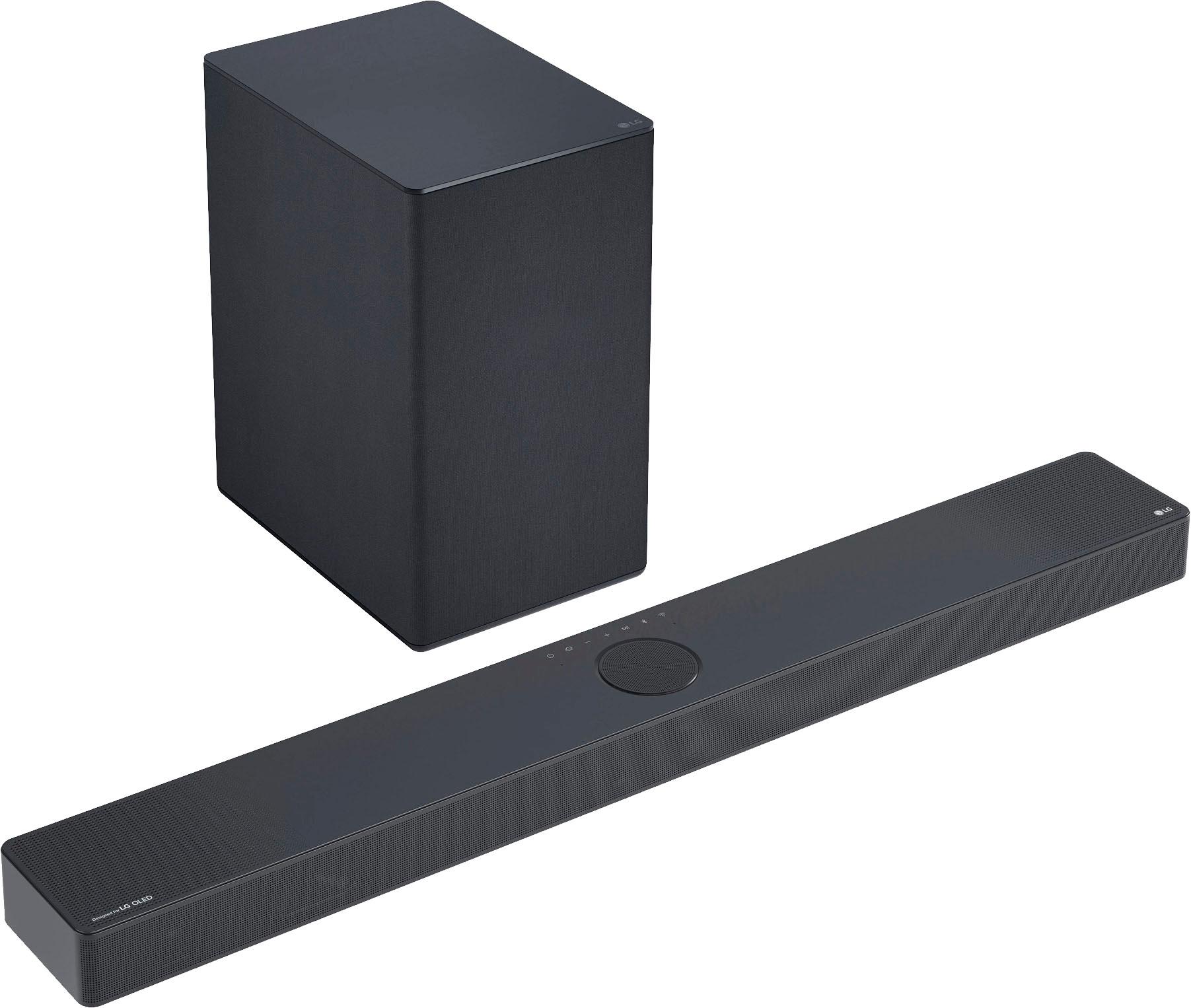


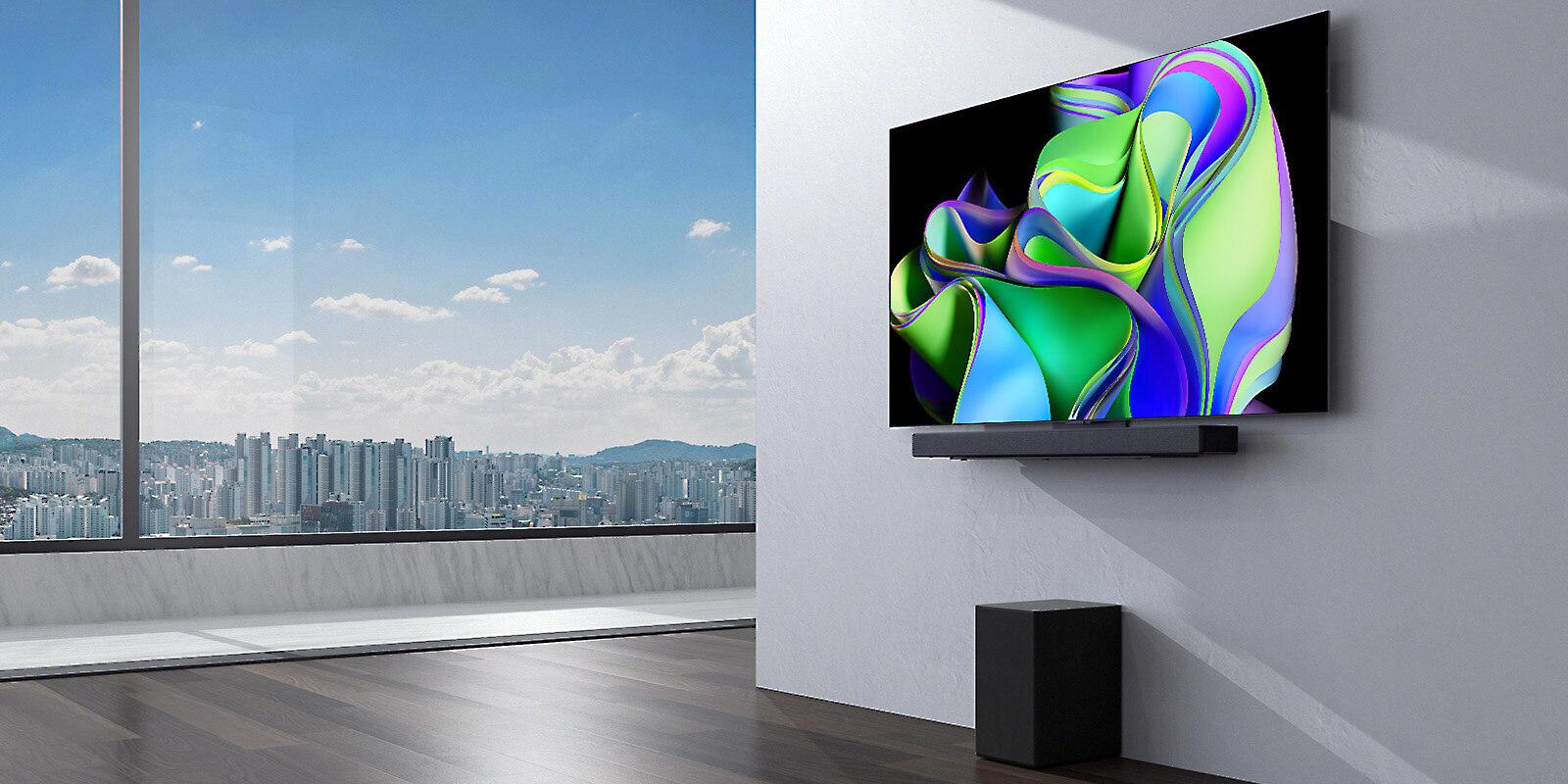
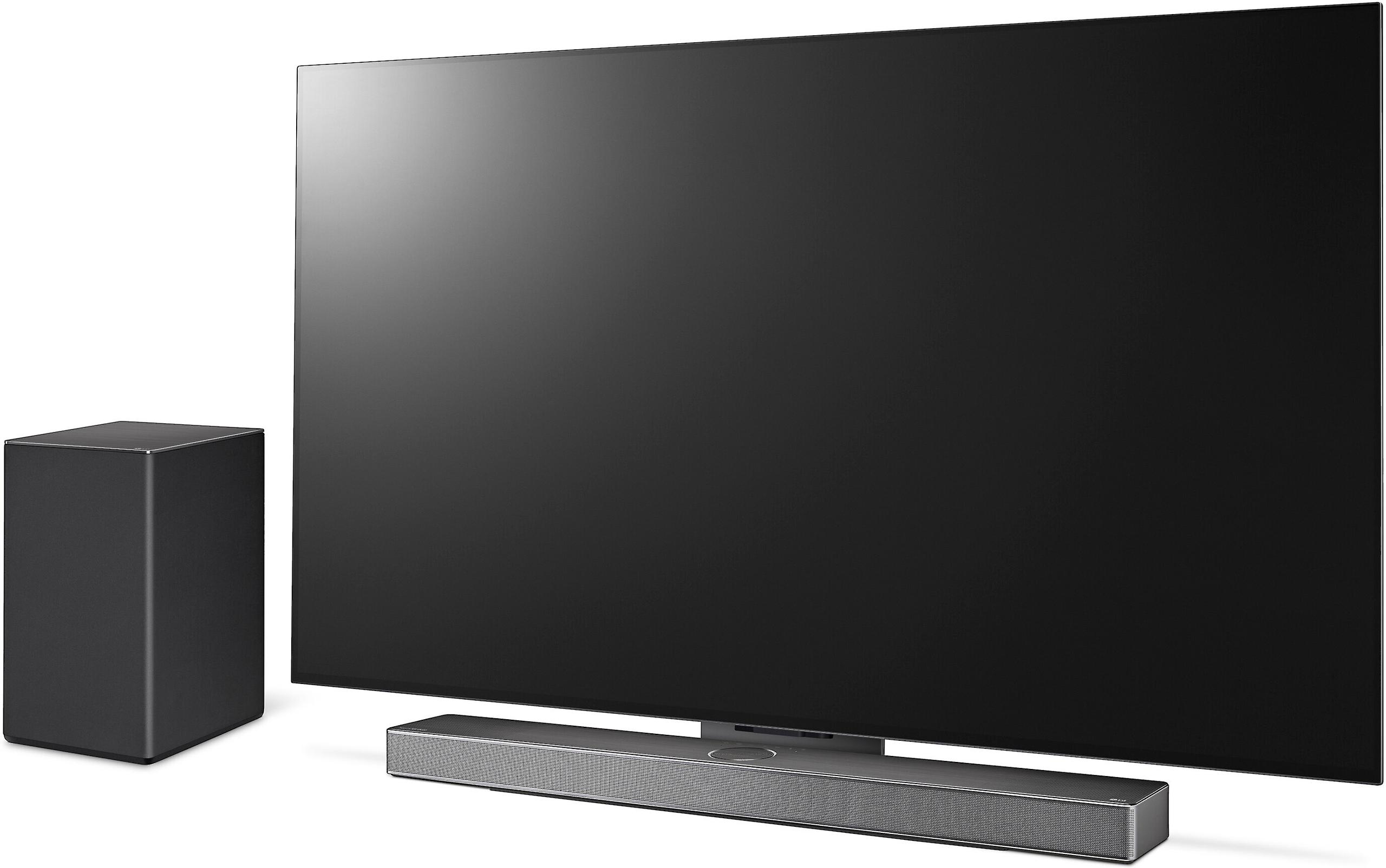
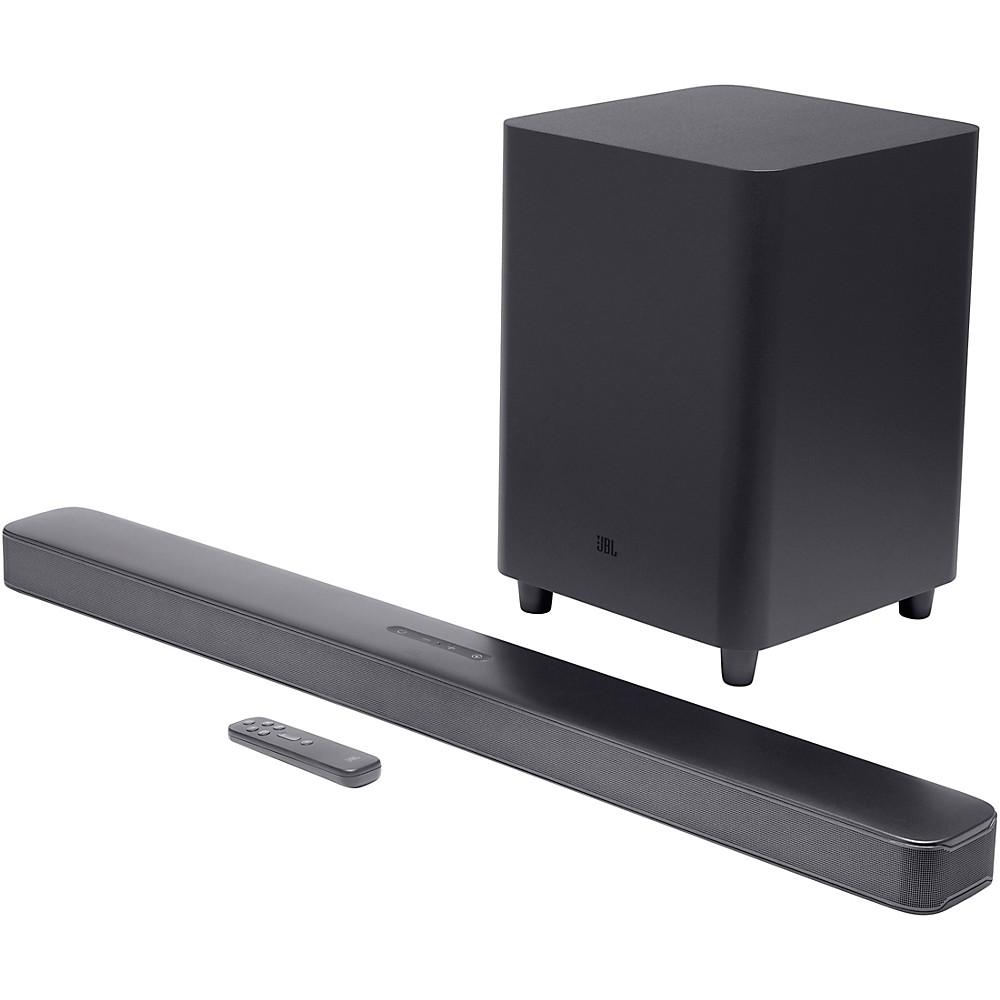
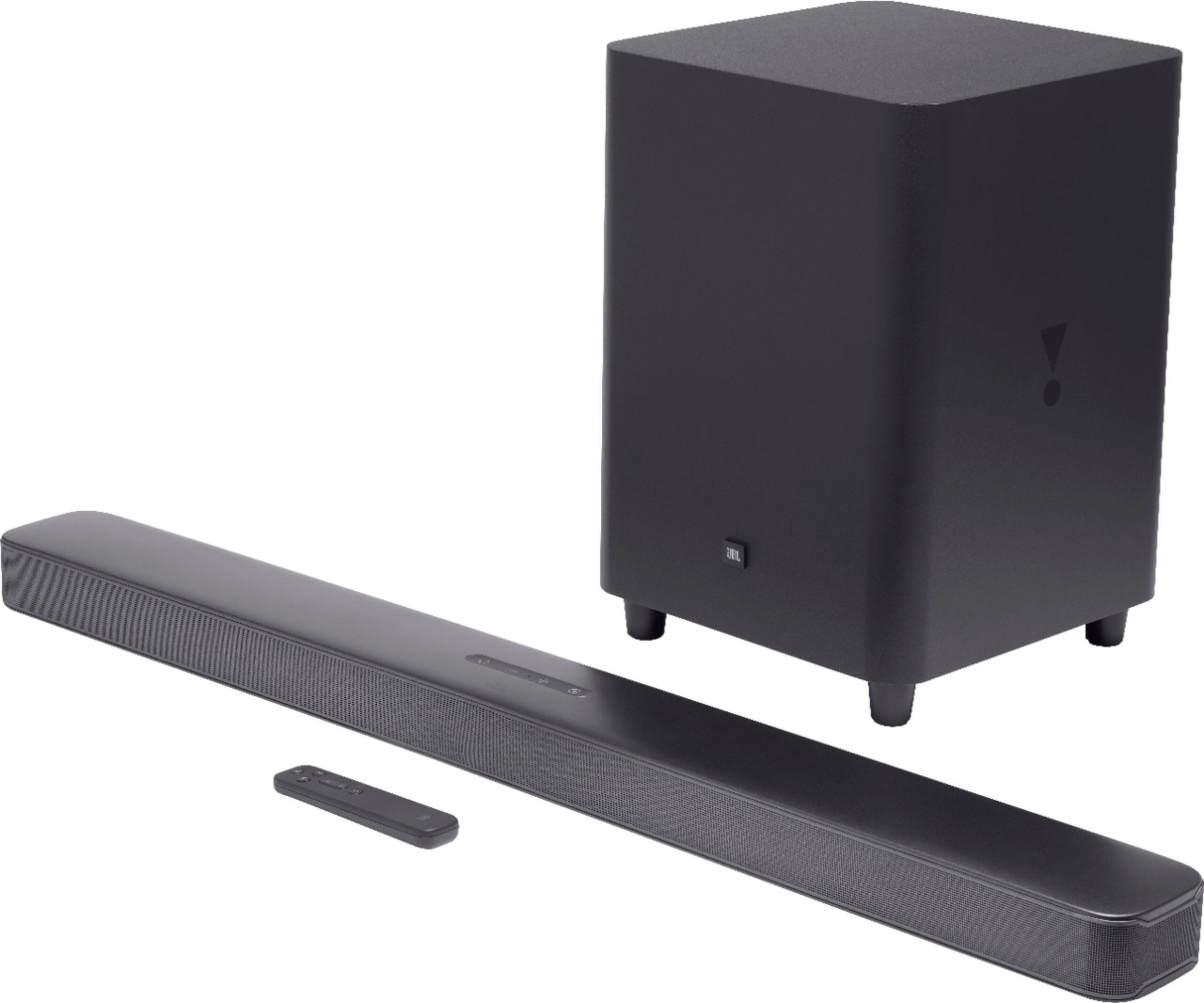

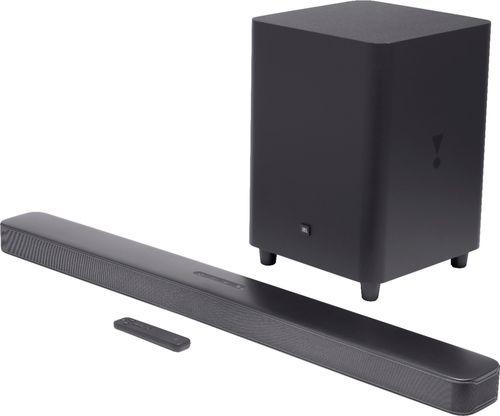
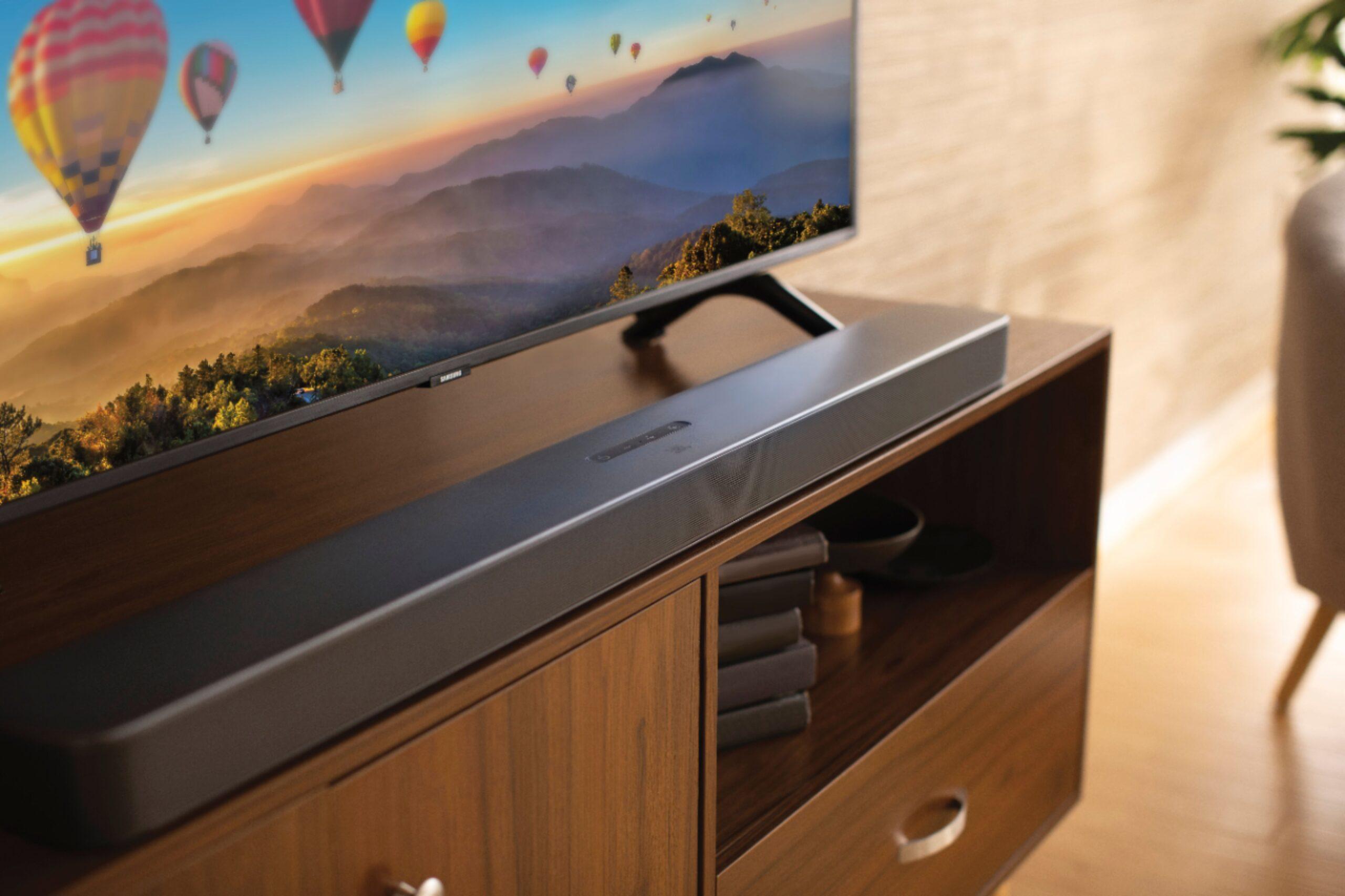
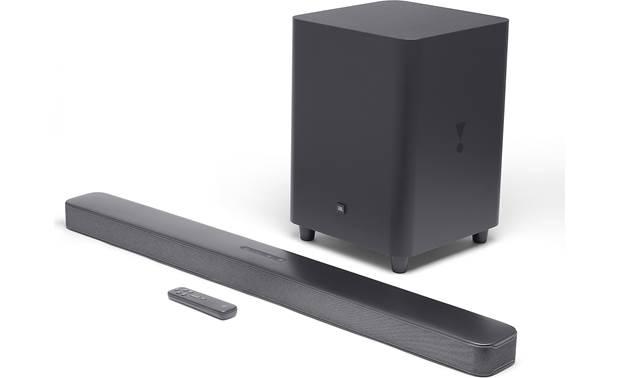
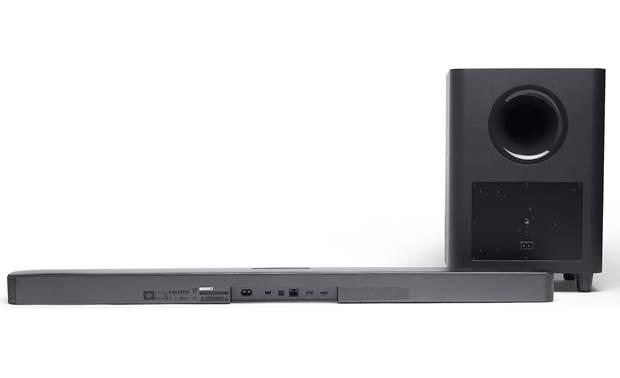
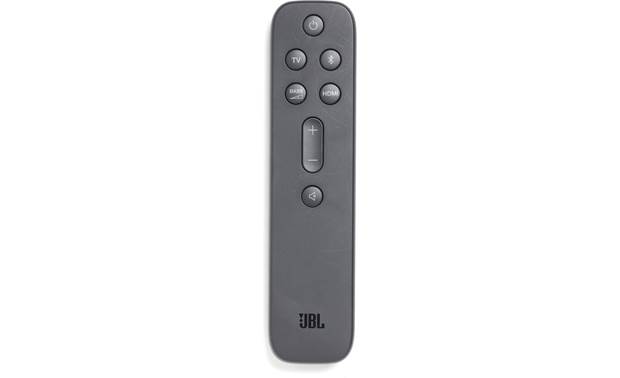
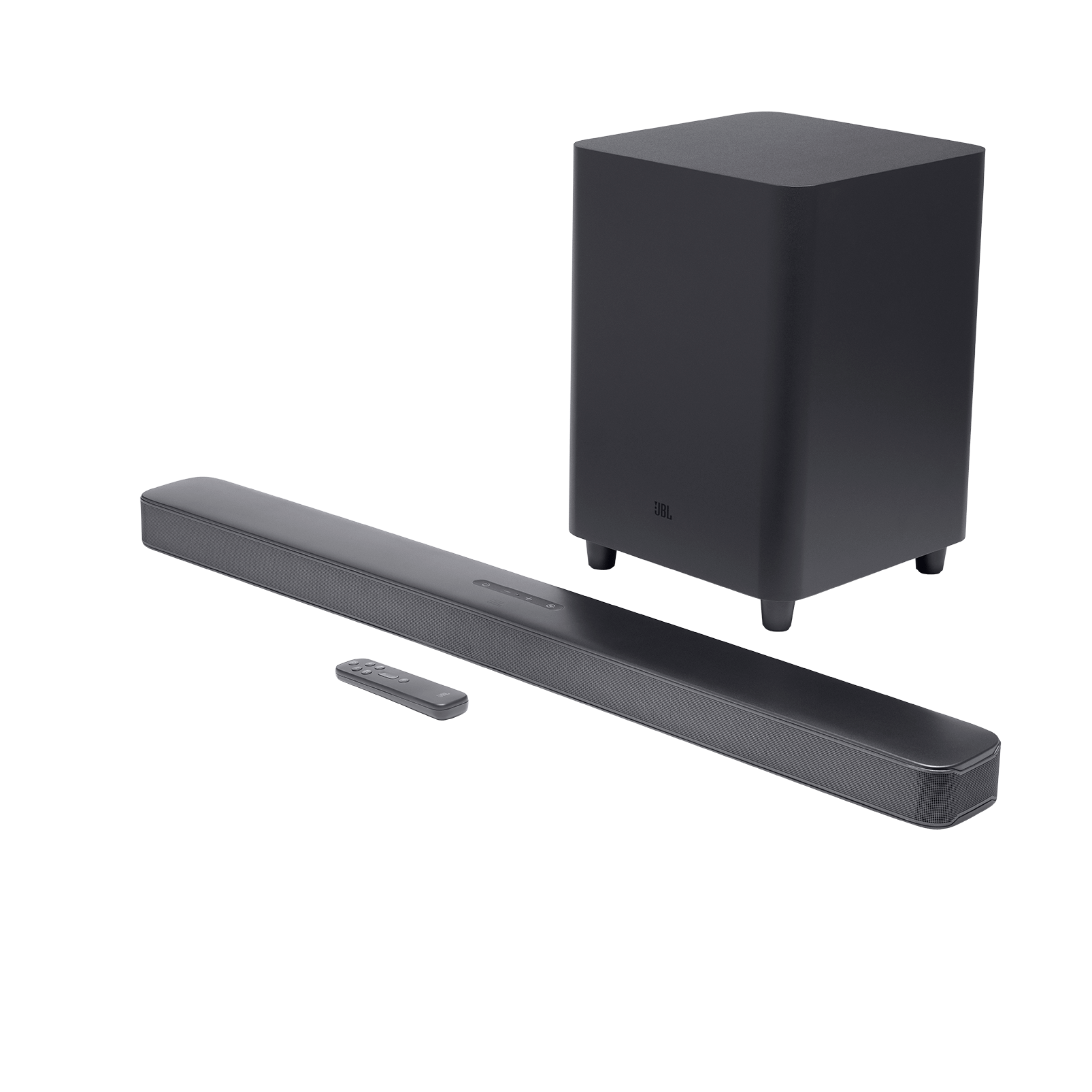
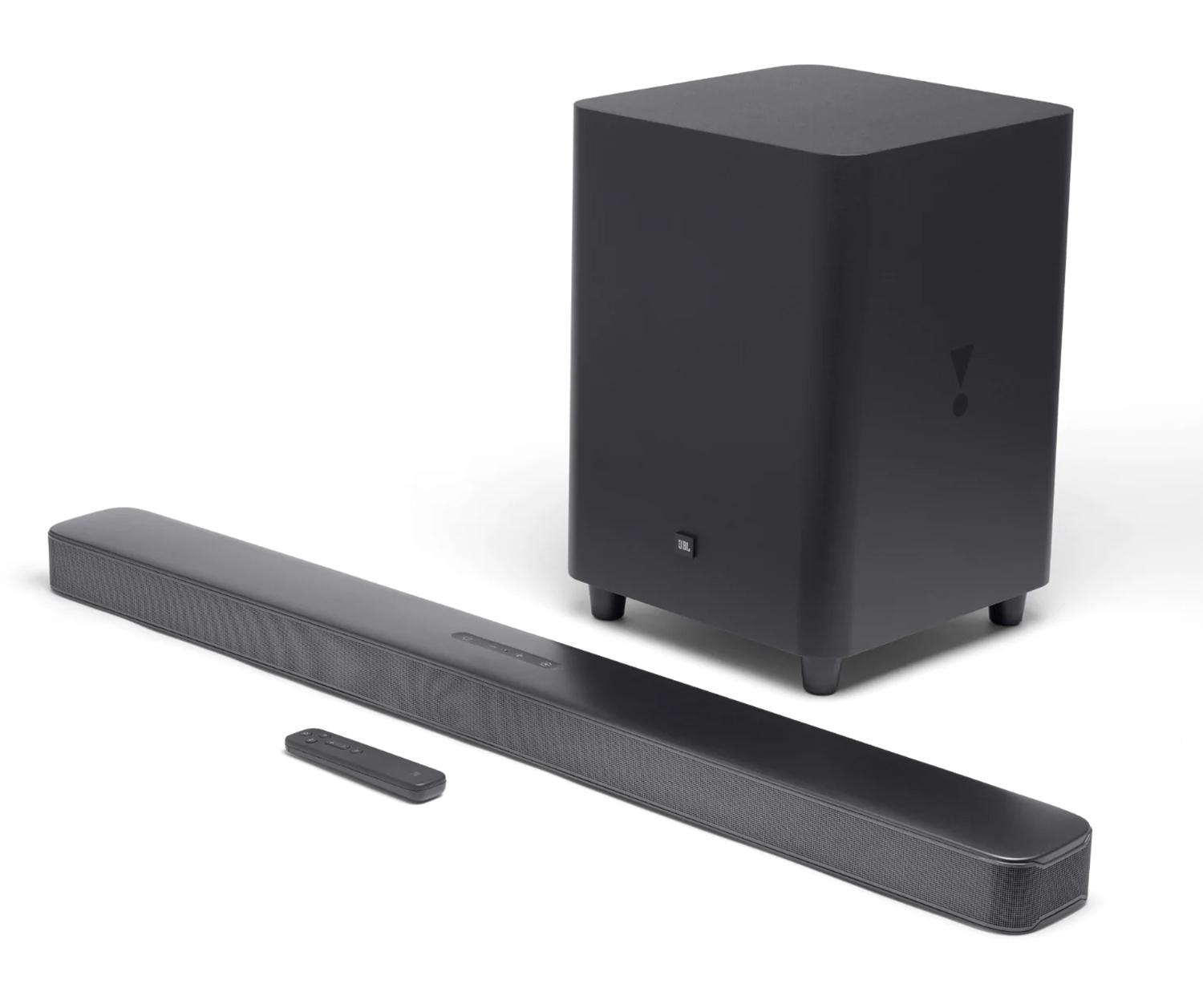
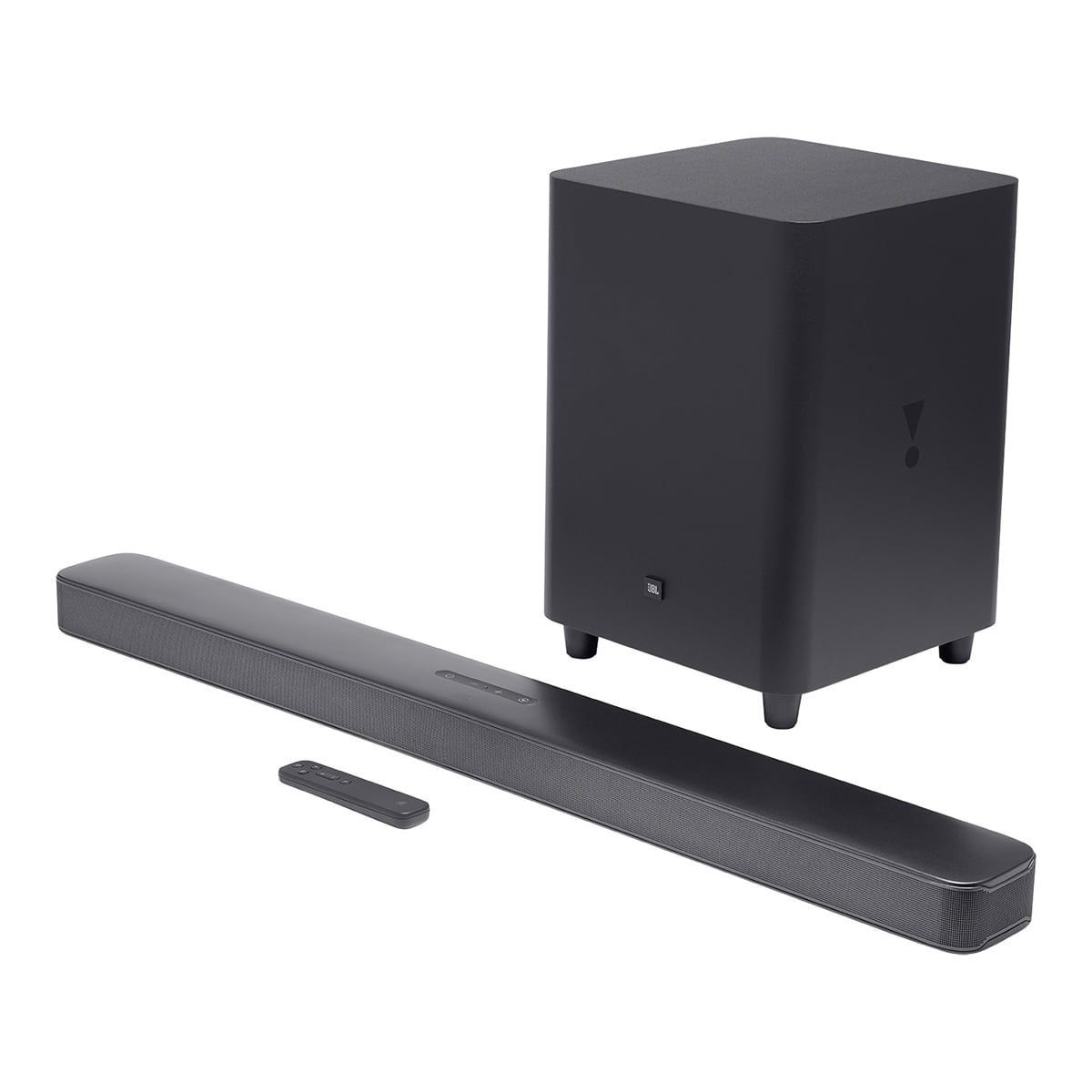
When you're watching your favorite movie and the dialogue gets drowned out by explosions, or your TV's built-in speakers make everything sound flat and lifeless, it's time to consider a soundbar upgrade. But with so many options available, choosing between different approaches can feel overwhelming. Today, we're diving deep into two popular soundbars that take distinctly different paths to better audio: the LG SC9S 3.1.3 Channel Dolby Atmos Soundbar at $516 and the JBL Bar 5.1 Surround Soundbar at $600.
Before we jump into the comparison, let's talk about what makes a good soundbar in 2024. The soundbar market has evolved dramatically over the past few years, with manufacturers focusing on creating immersive audio experiences that rival traditional surround sound systems without the complexity of running wires throughout your room.
The key considerations when shopping for a soundbar include audio performance (how clear and dynamic the sound is), channel configuration (how the speakers are arranged to create spatial effects), room compatibility (whether it has enough power for your space), setup complexity, and overall value. Modern soundbars also need to handle various audio formats like Dolby Atmos, which adds overhead sound effects, and DTS:X, which creates three-dimensional audio experiences.
What's particularly interesting about our two contenders is that they represent fundamentally different philosophies. The LG SC9S, released in 2023, focuses heavily on creating overhead audio effects through physical up-firing drivers – speakers that bounce sound off your ceiling to simulate helicopters flying over or rain falling from above. The JBL Bar 5.1, which has been refined over several iterations, takes the traditional approach of creating a complete 5.1 surround sound experience with actual rear speakers.
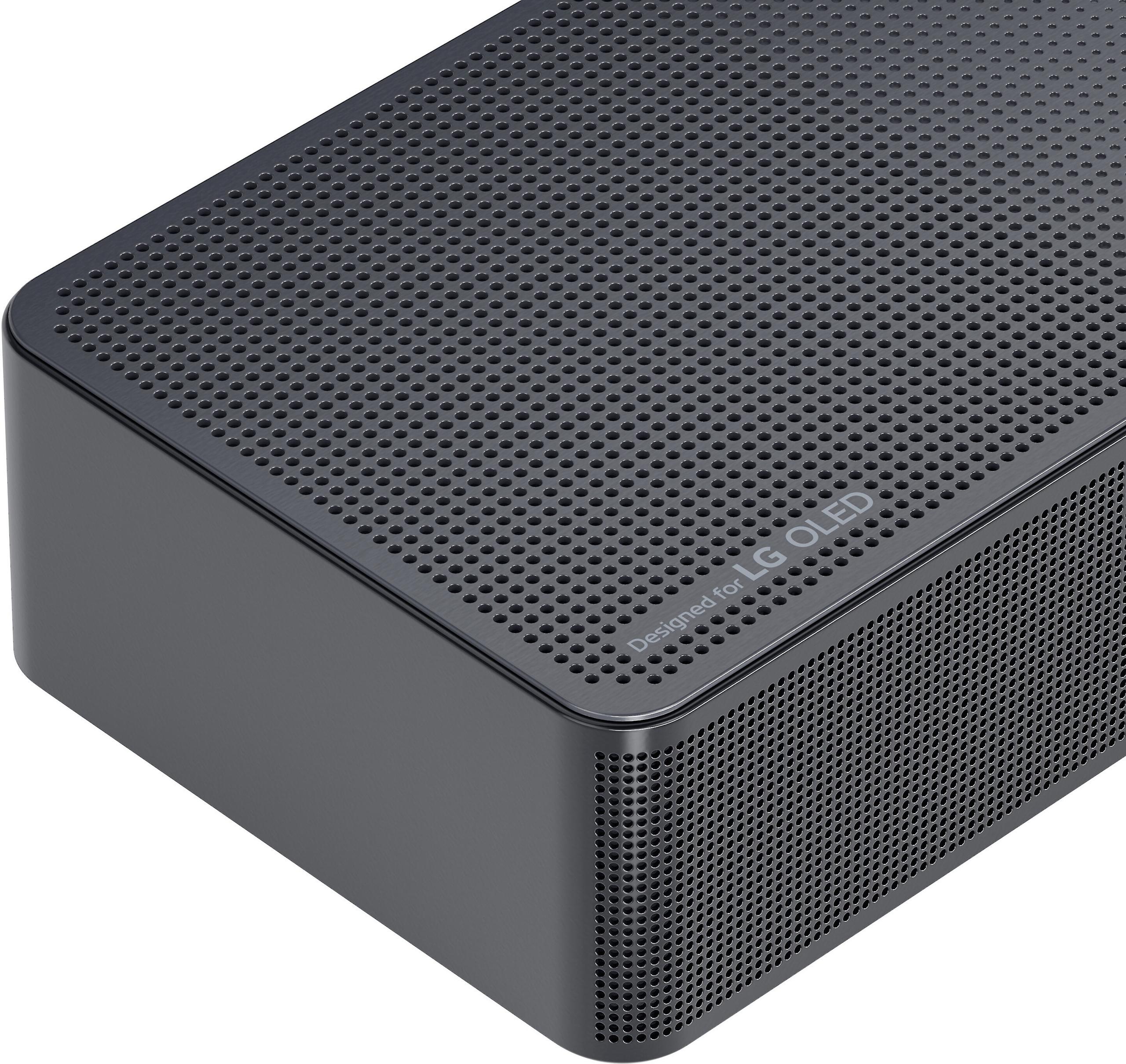
The LG SC9S represents LG's commitment to Dolby Atmos technology, and it's worth understanding what makes this approach special. When I first tested this soundbar, what immediately struck me was how convincingly it created the sensation of sound coming from above. This isn't just marketing speak – the SC9S includes three dedicated up-firing drivers (speakers that point toward the ceiling) alongside its front-facing speakers.
Here's how it works: those up-firing drivers send sound waves toward your ceiling, which then reflect back down to your listening position. When done correctly, this creates the illusion that helicopters, rain, or spaceships are actually moving overhead. It's the same principle that high-end home theater systems use, but condensed into a single soundbar.
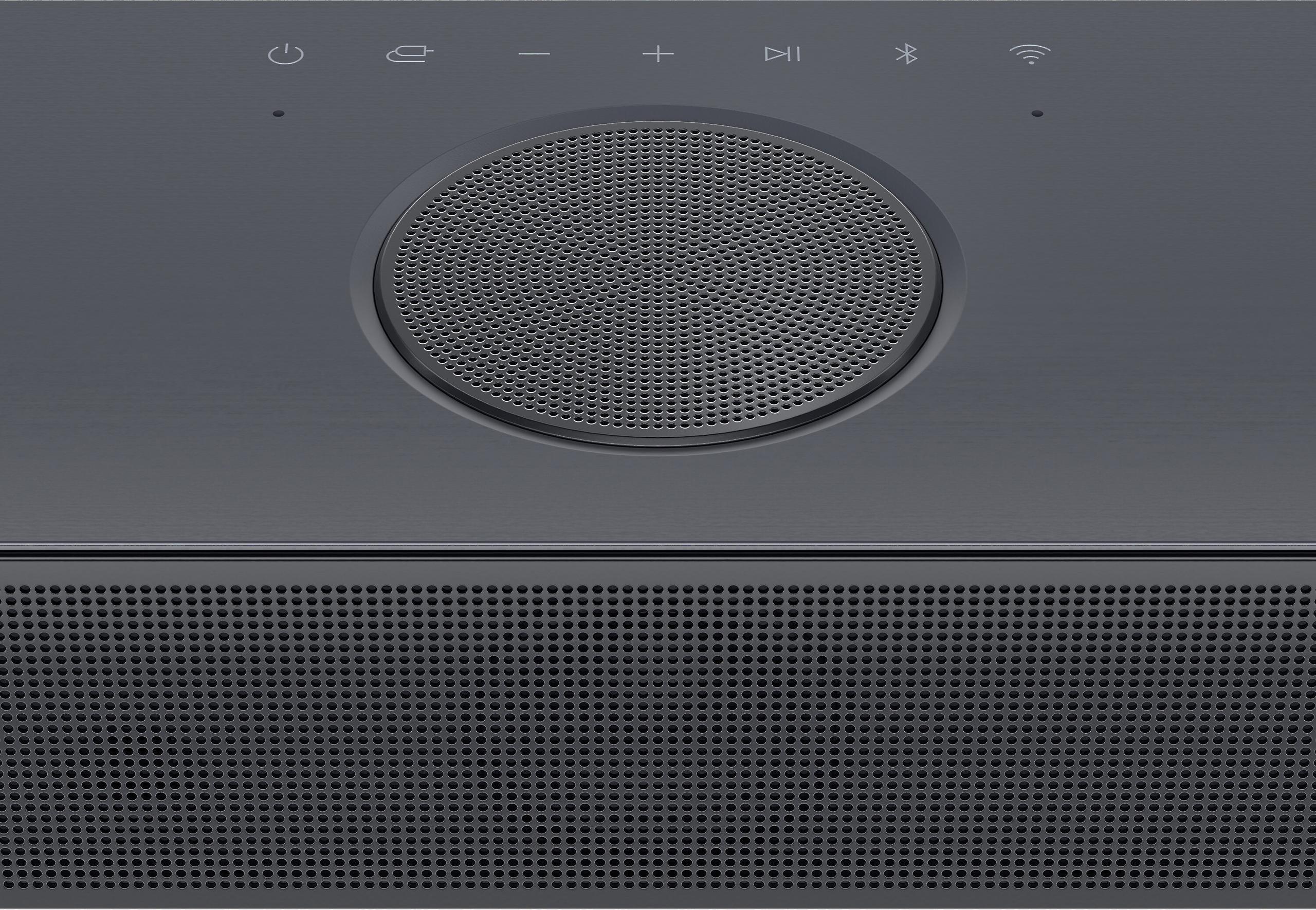
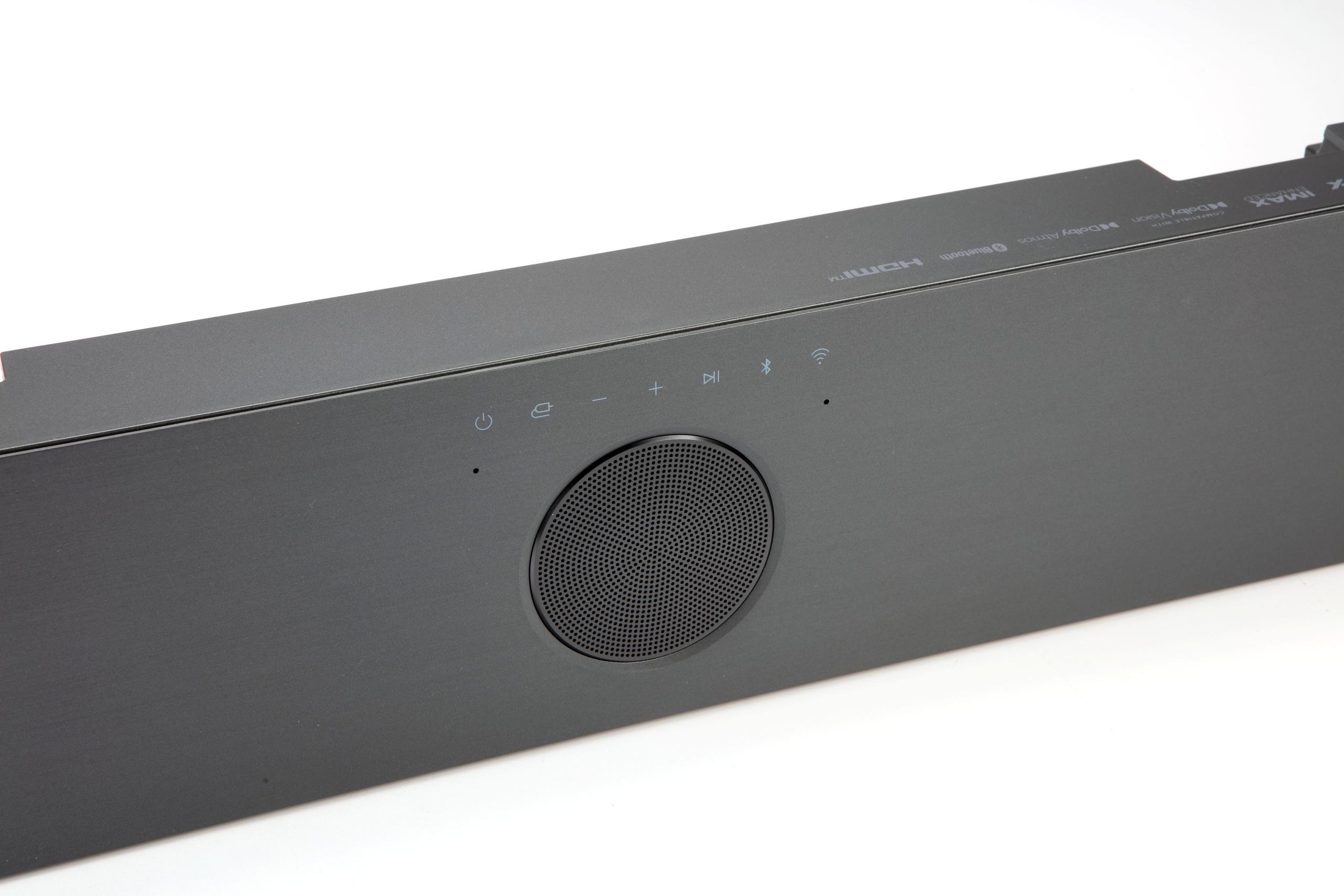
The SC9S's 3.1.3 configuration means it has three front channels (left, center, right), one subwoofer channel, and three height channels. Those dual center channels are particularly clever – they ensure dialogue remains crystal clear even when there's chaos happening on screen. The AI Room Calibration Pro feature uses built-in microphones to analyze your room's acoustics and automatically adjust the sound profile, which is genuinely helpful since every room sounds different.
Since its 2023 release, LG has continued refining the software through updates, improving the AI calibration and adding new sound modes. The WOW Orchestra feature, which syncs the soundbar with compatible LG TVs to use both the TV's speakers and the soundbar simultaneously, has become more sophisticated and now works seamlessly with newer LG OLED models.
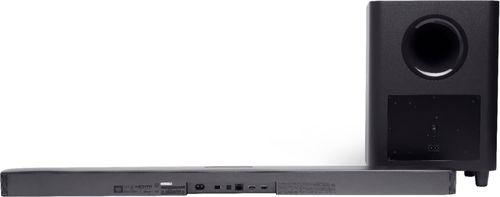
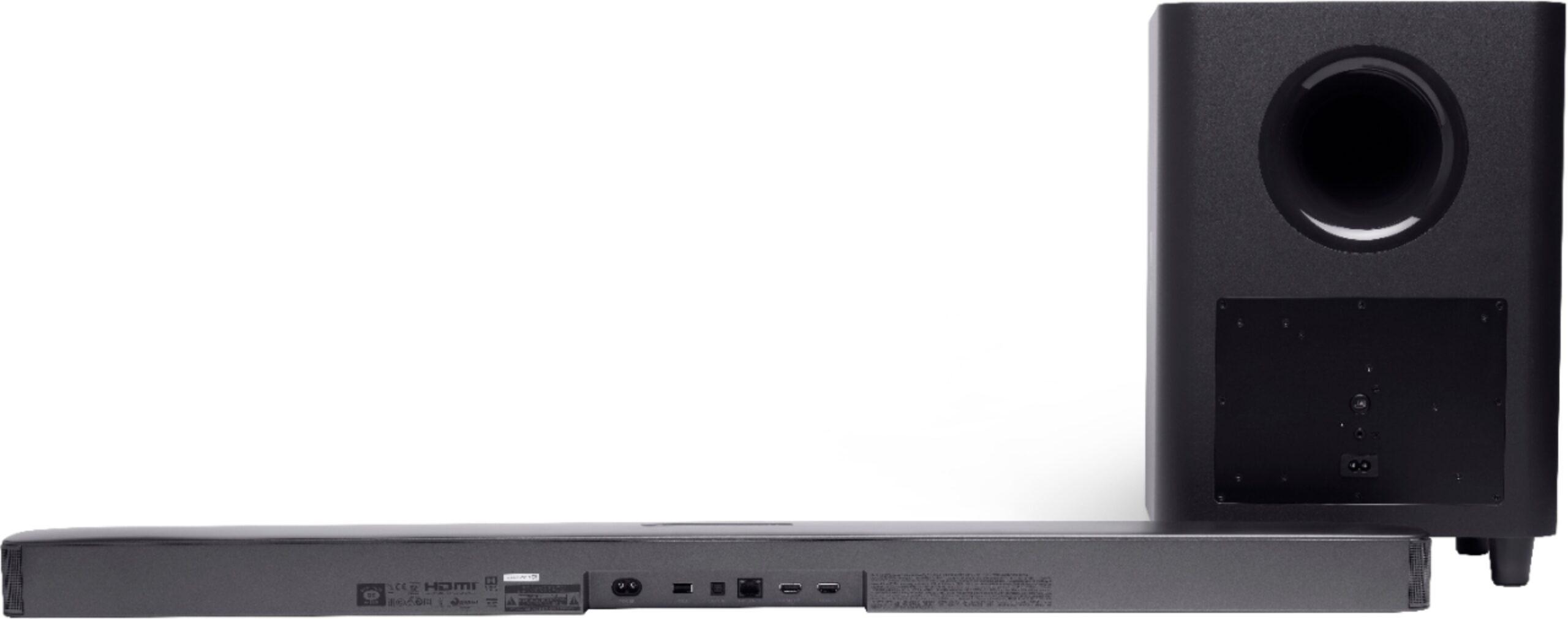
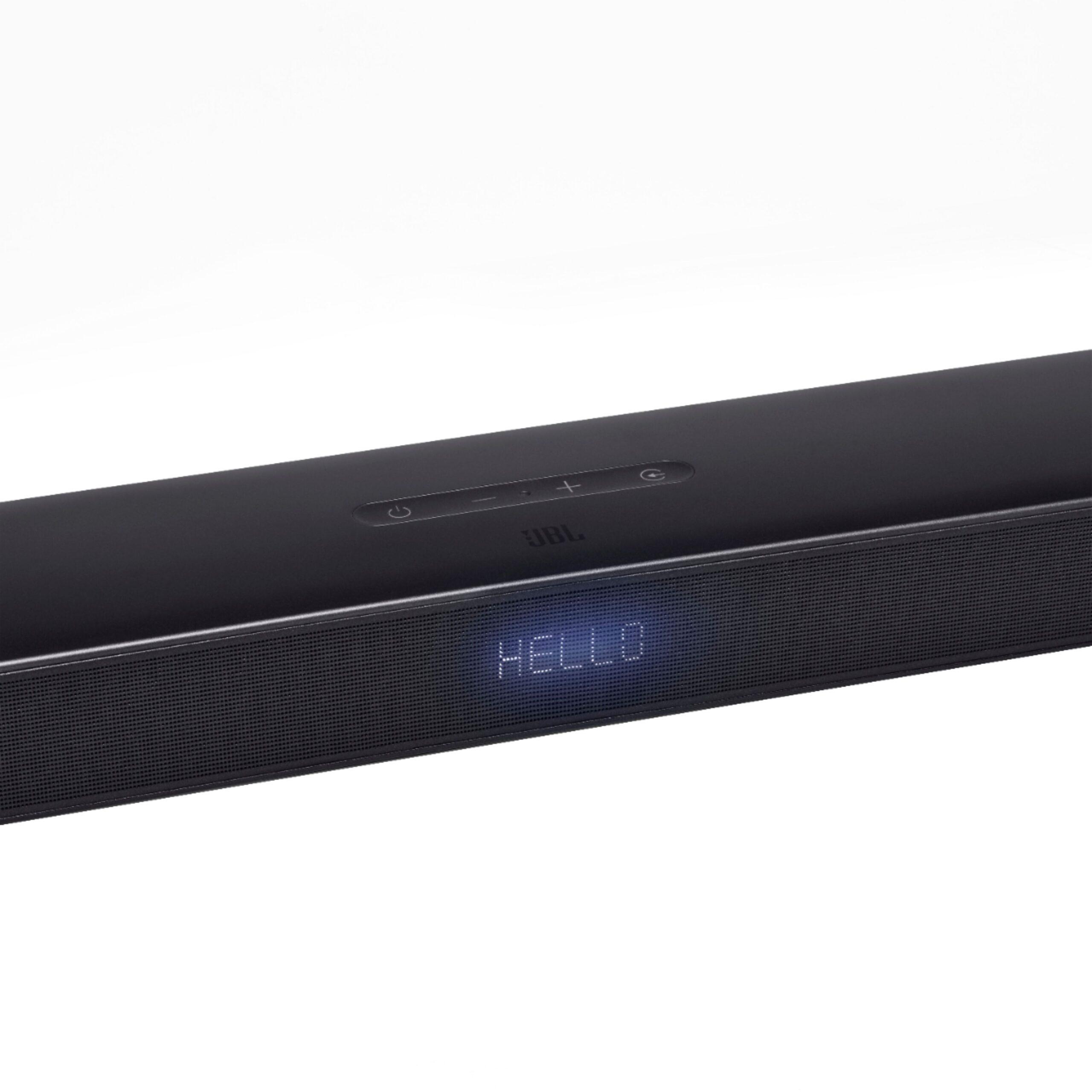
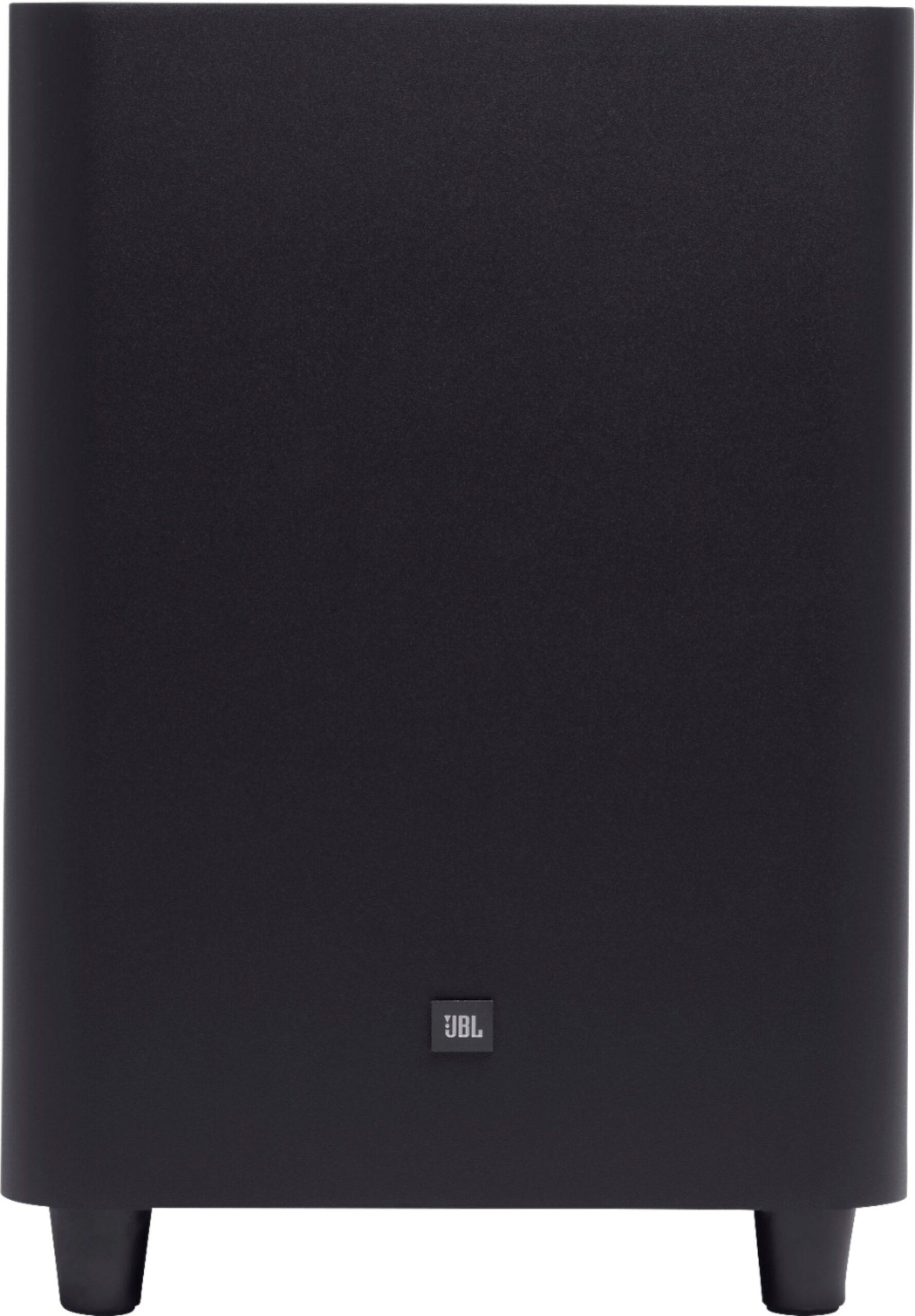
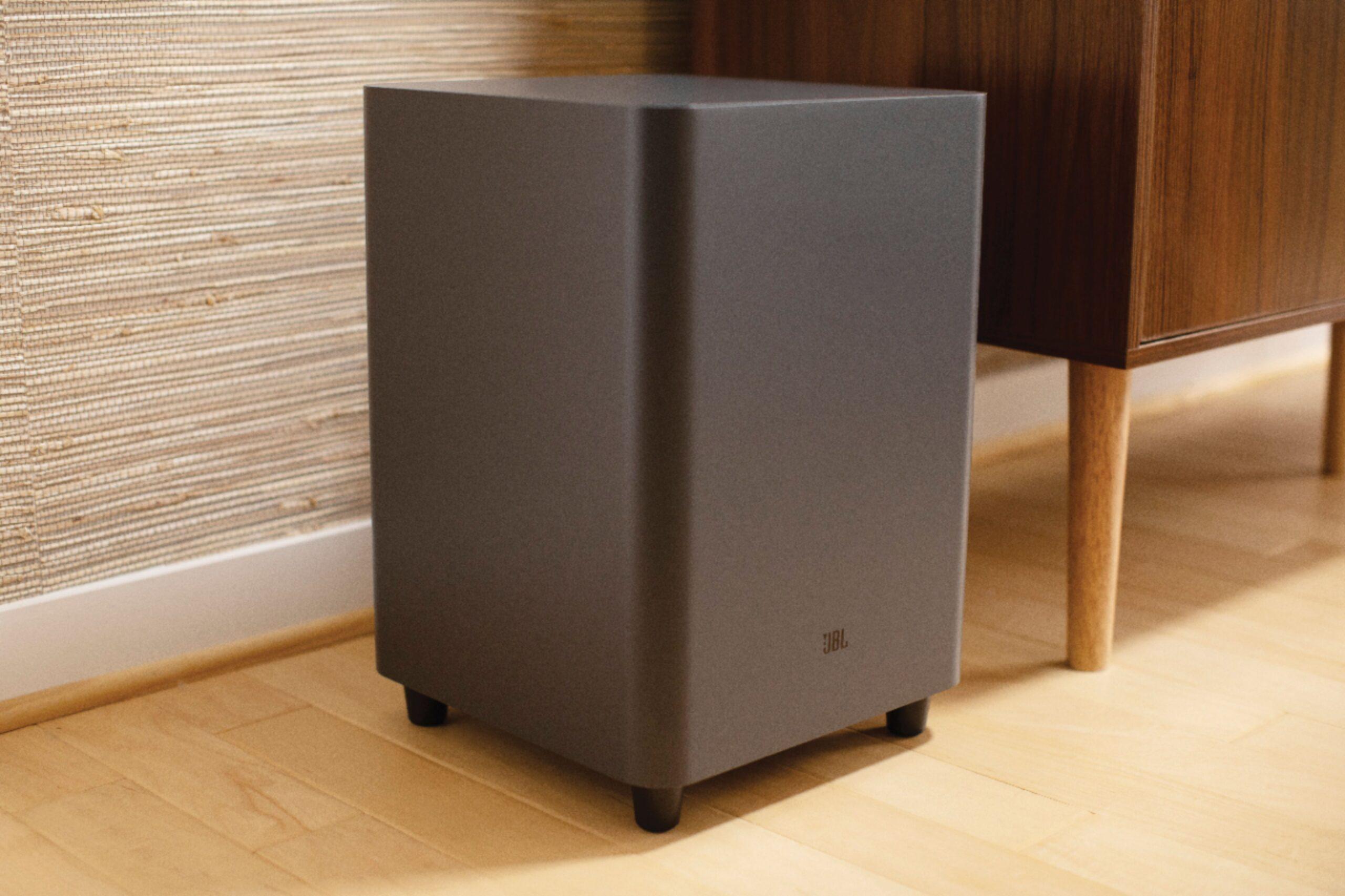
The JBL Bar 5.1 takes a more traditional but arguably more reliable approach to surround sound. Instead of relying on acoustic reflections, it includes actual wireless rear speakers that detach from the main soundbar. This means you get true 5.1 surround sound – five speakers plus one subwoofer – without running wires to the back of your room.
What makes this system particularly clever is the flexibility of those rear speakers. Each one contains its own battery (lasting up to 10 hours) and can function as standalone Bluetooth speakers. I've found this surprisingly useful for outdoor gatherings or when you want to extend your music to another room. It's a feature that adds real-world value beyond just home theater use.
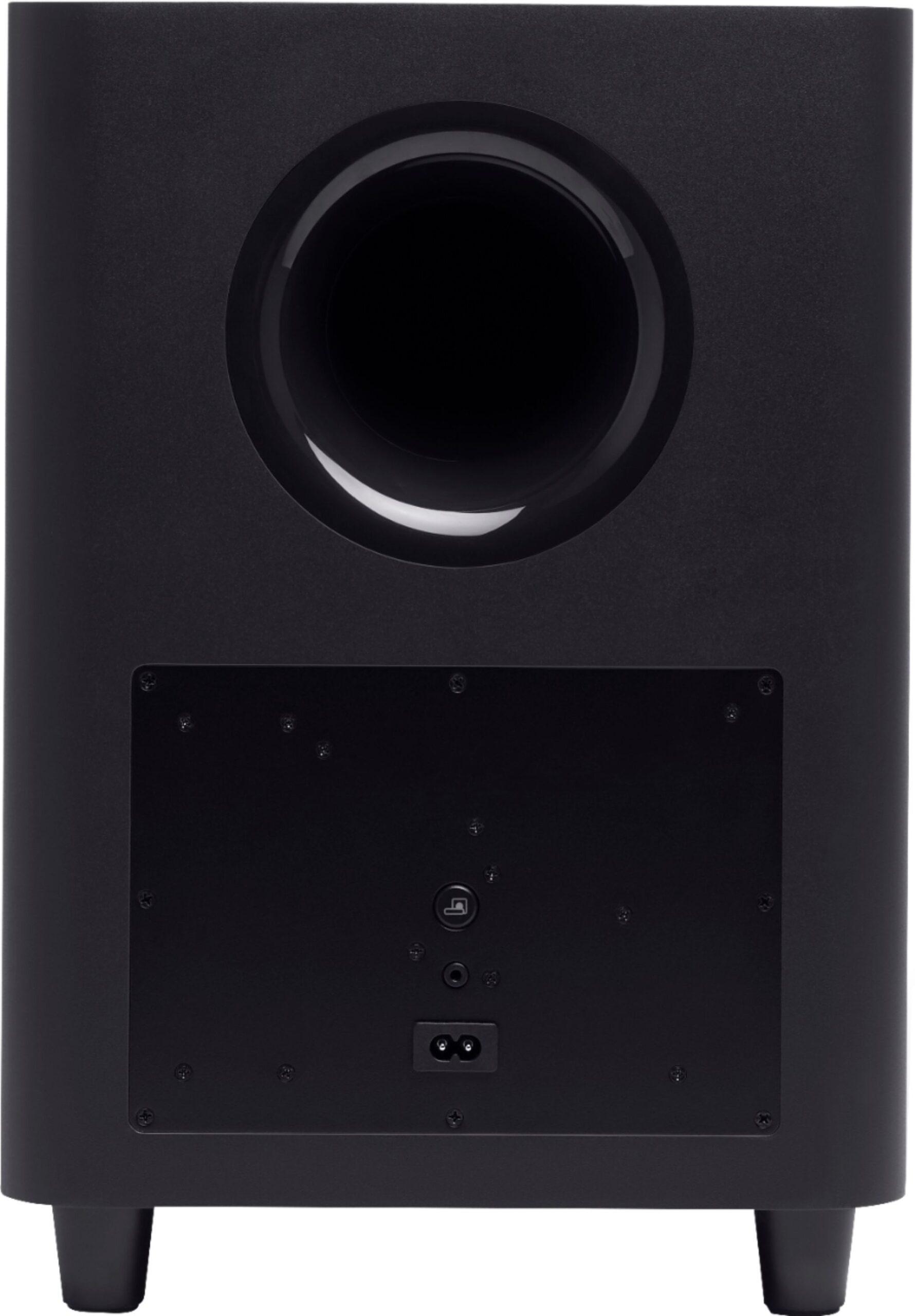
The JBL's 550W total power output significantly exceeds the LG's 310W, and you can feel this difference in dynamic scenes. When Thor's hammer crashes down in an action movie, the JBL delivers more visceral impact. The 10-inch wireless subwoofer digs deeper into the low frequencies, reaching down to about 40Hz compared to the LG's roughly 50Hz limit. That might not sound like much, but it's the difference between feeling the rumble of an explosion versus just hearing it.
JBL has refined this design over several years, and the current version benefits from improved wireless connectivity and better power management. The detachable speakers now pair more reliably and maintain their connection even in challenging wireless environments.
This is where the LG SC9S really shines. Those dual center channels aren't just a marketing gimmick – they genuinely improve dialogue intelligibility. The Clear Voice Pro mode enhances vocal frequencies while maintaining the balance of the overall mix. During my testing with dialogue-heavy content like "The Crown" or "Better Call Saul," the LG consistently delivered clearer, more focused vocals.
The JBL Bar 5.1, while capable, doesn't have the same level of vocal sophistication. Its single center channel handles dialogue well enough for most content, but in complex soundtracks where dialogue competes with music and effects, the LG's approach proves superior.
Here's where things get interesting, and honestly, where personal preference plays a big role. The JBL's physical rear speakers create authentic surround effects that you can clearly localize. When a car passes from front to back in a movie, you hear it move convincingly through the space. The separation between channels is distinct and natural.
The LG SC9S, without optional rear speakers, relies on psychoacoustic processing (essentially audio tricks that fool your brain) to create surround effects. While this works reasonably well, it's not as convincing as physical speakers placed around the room. However, where the LG excels is in height effects. Those up-firing drivers create genuinely impressive overhead audio that the JBL simply cannot match with virtual processing alone.
The JBL Bar 5.1 wins decisively in this category. Its larger subwoofer and higher power output translate to more impactful bass and better dynamic range – the difference between the quietest and loudest sounds the system can produce. In action sequences, explosions have more weight and presence. Music with deep bass lines, like electronic or hip-hop, sounds more authoritative.
The LG's bass is more controlled and balanced, which some listeners prefer. It's less likely to overwhelm smaller rooms or annoy neighbors in apartments. However, if you're looking for that visceral, theater-like bass response, the JBL delivers more excitement.
Both soundbars handle gaming well, but they excel in different ways. The LG SC9S benefits from specialized gaming modes and lower latency processing, which is crucial for competitive gaming where audio cues matter. The height effects can also enhance spatial awareness in games that support Dolby Atmos.
The JBL's true surround setup provides better directional audio for first-person shooters or open-world games. You can more accurately pinpoint where enemies are moving, which can provide a competitive advantage. The higher power output also makes explosive gaming moments more impactful.
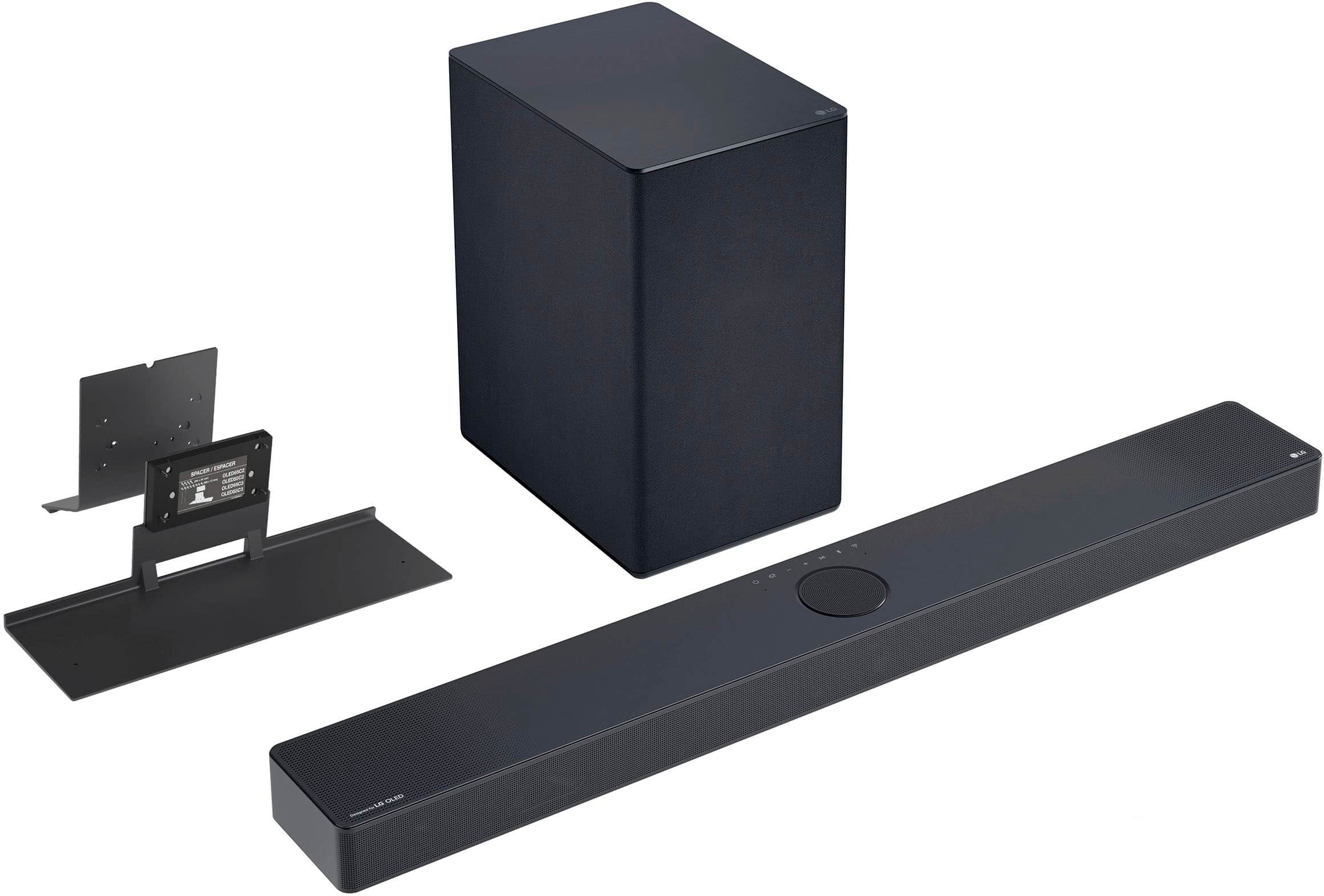
Setting up the LG SC9S is refreshingly simple, especially if you own an LG TV. The included mounting bracket is specifically designed to work with LG OLED C2 and C3 series TVs, creating a seamless, integrated look. The WOW Orchestra feature automatically optimizes the soundbar to work in harmony with your TV's built-in speakers, creating a larger, more enveloping soundstage.
The AI Room Calibration Pro actually works quite well. I tested it in several different room configurations, and the system consistently made appropriate adjustments for room size, furniture placement, and acoustic characteristics. It's not as sophisticated as the room correction found in high-end AV receivers, but it's effective for most living rooms.
The JBL Bar 5.1 requires a bit more thought during setup, primarily in positioning those rear speakers. They need to be placed properly for optimal surround effects, but the wireless connection makes this much easier than traditional wired systems. The initial pairing process is straightforward, and the system maintains its wireless connections reliably.
At $516, the LG SC9S represents solid value for what it delivers, but there's an important caveat: it's really a 3.1 system unless you add the optional rear speakers for an additional $200. This brings the total cost to $716 for a complete surround experience.
The JBL Bar 5.1 at $600 includes everything you need for complete 5.1 surround sound right out of the box. When you factor in the additional functionality of the detachable rear speakers and the higher power output, it offers better overall value for most users.
However, value isn't just about what's included – it's also about how well the system fits your specific needs. If you own an LG TV and primarily watch Dolby Atmos content, the LG's specialized capabilities and seamless integration might justify the higher total cost.
Both soundbars support the latest audio formats, including Dolby Atmos and DTS:X, ensuring compatibility with current and future content. They both include HDMI eARC (enhanced Audio Return Channel), which allows for higher-quality audio transmission from your TV and supports advanced features like automatic volume leveling.
The LG SC9S includes an additional HDMI input for video passthrough, which is useful if your TV is short on HDMI ports. It supports 4K video at 120Hz, making it compatible with the latest gaming consoles and high-refresh-rate content.
The JBL Bar 5.1's SoundShift technology allows seamless switching between TV audio and Bluetooth streaming from your phone or tablet. While not groundbreaking, it's a practical feature that enhances daily usability.
Choosing between these soundbars ultimately depends on your priorities, room setup, and viewing habits. The LG SC9S excels when you want the most advanced audio processing, superior dialogue clarity, and convincing height effects. It's particularly compelling if you already own an LG TV and watch a lot of Dolby Atmos content on streaming services like Netflix, Disney+, or Apple TV+.
The JBL Bar 5.1 is the better choice when you want complete surround sound coverage immediately, prefer more impactful bass, or have a larger room that benefits from higher power output. The included rear speakers and overall system flexibility make it a more versatile choice for most households.
For apartment dwellers or those with smaller rooms, the LG's more refined approach and better dialogue clarity might be preferable. For larger spaces or users who prioritize dynamic range and bass impact, the JBL's more powerful approach wins out.
Consider your content preferences too. If you primarily watch dialogue-heavy dramas and Atmos-enabled movies, the LG's strengths align well with those needs. If you're more into action movies, sports, and music listening, the JBL's complete surround setup and powerful bass response will likely be more satisfying.
Both soundbars represent solid investments in your home theater experience, just with different strengths and approaches to achieving better audio than your TV's built-in speakers can provide.
| LG SC9S 3.1.3 Channel Dolby Atmos Soundbar | JBL Bar 5.1 Surround Soundbar with Wireless Subwoofer |
|---|---|
| Price - Initial investment and total system cost | |
| $516 (soundbar + subwoofer only) | $600 (complete 5.1 system included) |
| Channel Configuration - Determines surround sound experience | |
| 3.1.3 (3 front, 1 sub, 3 height channels) | 5.1 (5 channels + 1 subwoofer) |
| Total Power Output - Affects volume and dynamic range | |
| 310W (sufficient for small-medium rooms) | 550W (better for larger spaces) |
| Rear Speakers - Critical for true surround sound | |
| Sold separately for $200 (virtual surround without) | Included detachable wireless speakers |
| Height Effects - Overhead audio immersion | |
| 3 dedicated up-firing drivers (genuine Atmos) | Virtual processing only (less convincing) |
| Subwoofer Size - Impacts bass depth and impact | |
| Standard wireless sub (~50Hz response) | 10-inch driver (40Hz response, deeper bass) |
| TV Integration - Seamless setup and features | |
| WOW Orchestra sync with LG TVs, custom bracket | Universal compatibility, no special features |
| Room Calibration - Automatic sound optimization | |
| AI Room Calibration Pro (analyzes acoustics) | Basic setup, manual EQ adjustments |
| Dialogue Clarity - Voice reproduction quality | |
| Dual center channels + Clear Voice Pro mode | Single center channel, basic voice enhancement |
| Smart Features - Additional functionality | |
| 8 sound modes, AI processing, HDMI passthrough | SoundShift technology, detachable speaker flexibility |
| Best For - Target user and use cases | |
| LG TV owners, Atmos content, dialogue priority | Complete surround needs, larger rooms, action content |
The JBL Bar 5.1 at $600 offers better overall value since it includes a complete 5.1 surround system with rear speakers. The LG SC9S costs $516 initially but requires an additional $200 for rear speakers to match the JBL's surround capabilities, making it $716 total for a complete setup.
The LG SC9S focuses on overhead Dolby Atmos effects with three up-firing drivers for height audio, while the JBL Bar 5.1 emphasizes complete 5.1 surround sound with included physical rear speakers that detach from the main bar.
The JBL Bar 5.1 delivers significantly better bass with its 10-inch subwoofer that reaches down to 40Hz and 550W total power. The LG SC9S has more controlled bass with 310W power but less deep impact, making it better for smaller rooms.
The LG SC9S works as a 3.1.3 system without rear speakers, using virtual processing for surround effects. However, adding the optional $200 rear speakers creates true 5.1 surround. The JBL Bar 5.1 includes rear speakers in the box for immediate complete surround sound.
The LG SC9S excels at dialogue clarity with dual center channels and Clear Voice Pro mode, making it superior for movie watching. It also provides better overhead Dolby Atmos effects. The JBL Bar 5.1 offers better overall surround positioning but less refined dialogue reproduction.
Both work well for music, but differently. The JBL Bar 5.1 provides more powerful, room-filling sound with deeper bass that's great for all music genres. The LG SC9S offers more balanced, refined audio that's particularly good for acoustic and vocal-heavy music.
The LG SC9S is simpler to install, especially with LG TVs using the included bracket and automatic calibration. The JBL Bar 5.1 requires positioning the detachable rear speakers properly but offers more flexibility in speaker placement once set up.
Yes, both the LG SC9S and JBL Bar 5.1 support Dolby Atmos and DTS:X. However, the LG provides genuine height effects with physical up-firing drivers, while the JBL uses virtual processing to simulate overhead audio.
The LG SC9S offers specialized gaming modes and better integration with LG gaming TVs, plus height effects for spatial awareness. The JBL Bar 5.1 provides better directional audio cues with true surround speakers, which can be advantageous for competitive gaming.
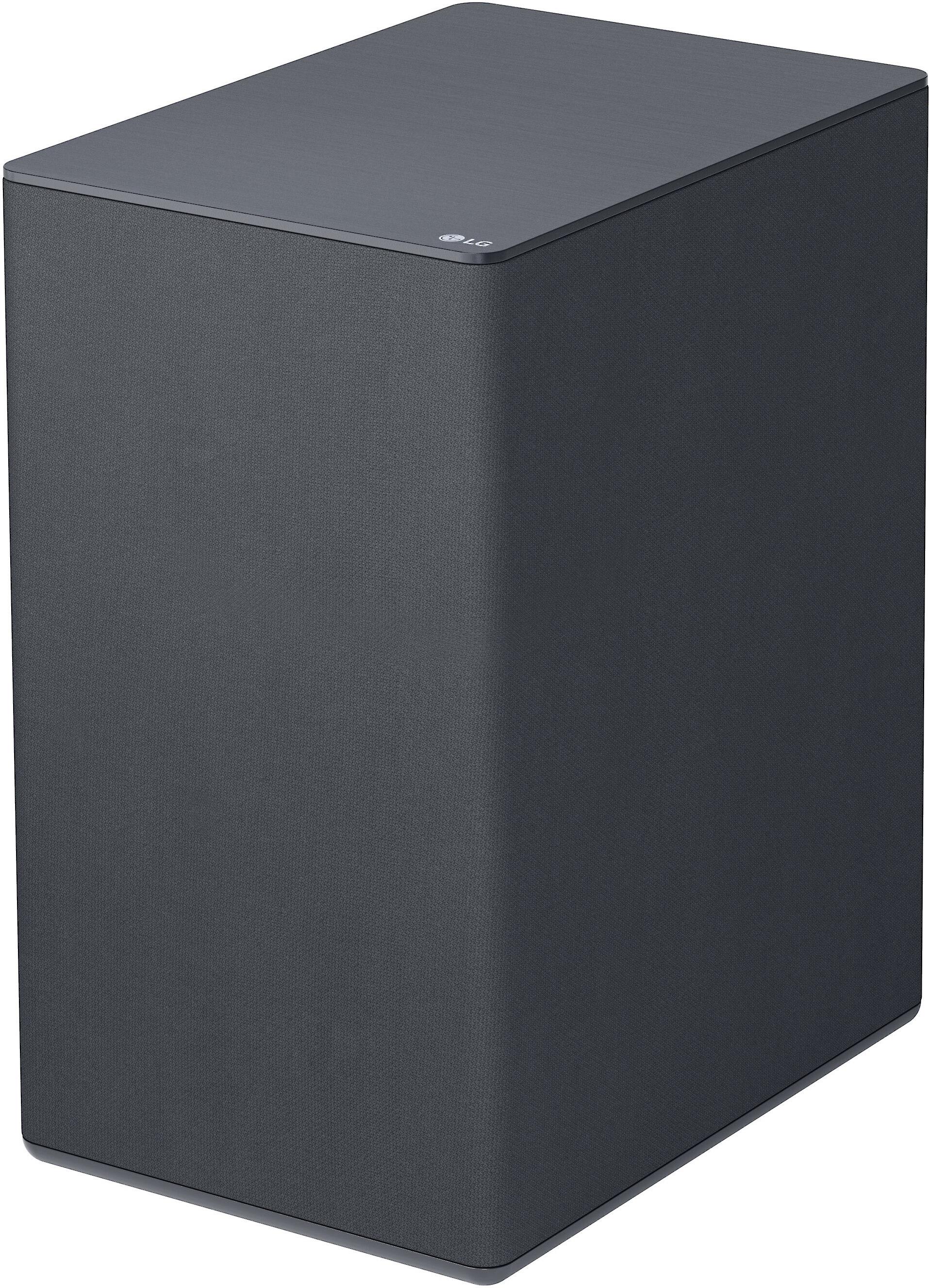
The LG SC9S includes the main soundbar, wireless subwoofer, wall bracket, and remote. The JBL Bar 5.1 includes the main bar, wireless subwoofer, two detachable rear speakers, and remote - providing a complete surround system immediately.
The LG SC9S is better suited for smaller spaces with its 310W power output and more controlled bass that won't overwhelm compact rooms. The JBL Bar 5.1 with 550W output might be too powerful for very small rooms but works well in medium to large spaces.
Choose the LG SC9S if you prioritize Dolby Atmos height effects, have an LG TV, and want superior dialogue clarity. Pick the JBL Bar 5.1 if you want complete 5.1 surround sound immediately, prefer powerful bass, and have a larger room that can benefit from higher power output.
We've done our best to create useful and informative comparisons to help you decide what product to buy. Our research uses advanced automated methods to create this comparison and perfection is not possible - please contact us for corrections or questions. These are the sites we've researched in the creation of this article: consumerreports.org - valueelectronics.com - youtube.com - bestbuy.com - rtings.com - costco.com - bestbuy.com - walts.com - queencityonline.com - blog.son-video.com - videoandaudiocenter.com - lg.com - jbl.com - jbl.com - jbl.com - tomsguide.com - jbl.com - bestbuy.com - bestbuy.com - jbl.com - jbl.com - worldwidestereo.com

Privacy Policy
Terms and Conditions - Affiliate Policy
Home Security
© Copyright 2008-2026.
11816 Inwood Rd #1211, Dallas, TX 75244