





















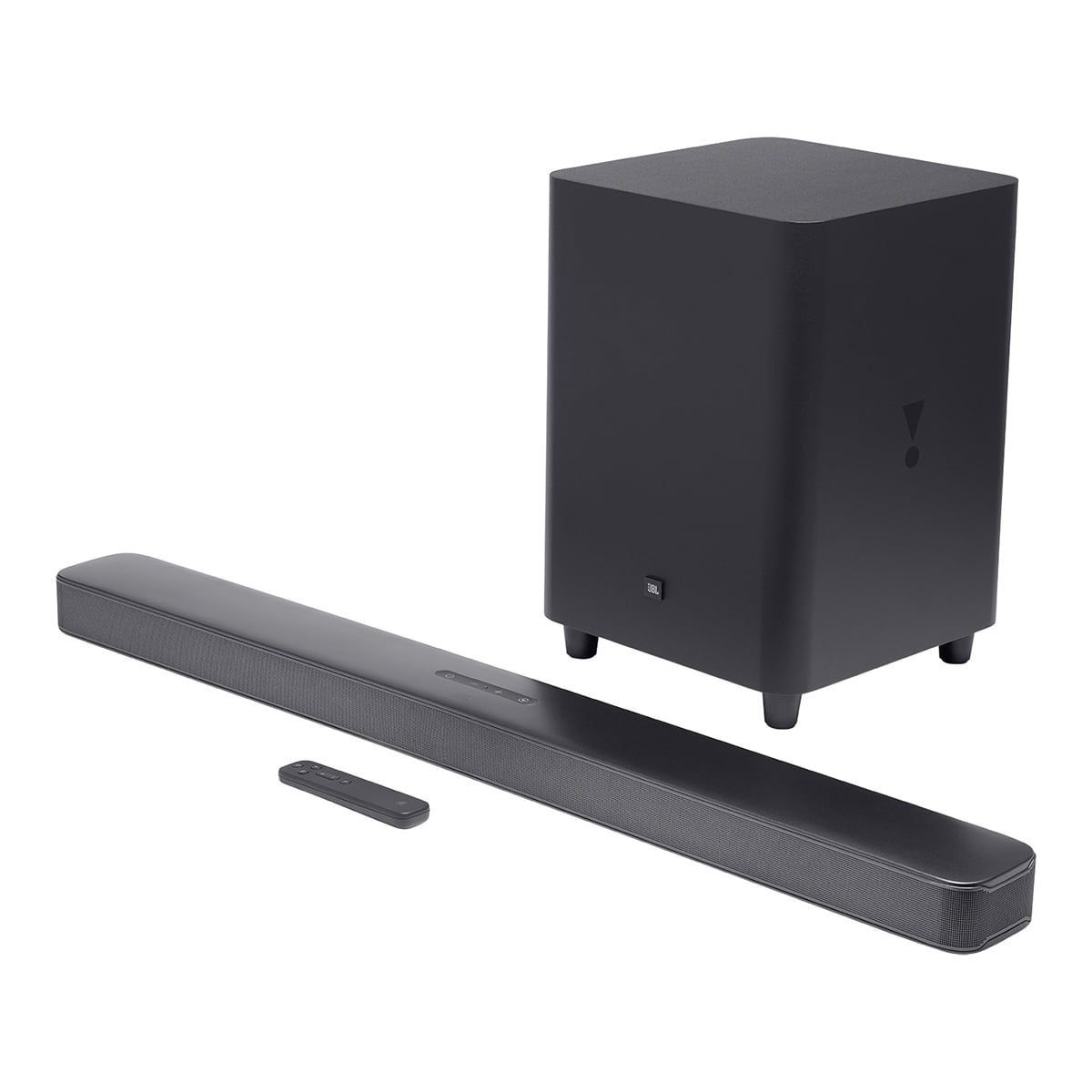
When your TV's built-in speakers just aren't cutting it anymore, you've probably started looking at soundbars. But not all soundbars are created equal, and the premium segment—where both the Sonos Arc ($540.60) and JBL Bar 5.1 ($599.95) live—offers some genuinely impressive technology that can transform your viewing experience.
Premium soundbars represent a sweet spot for many people: they deliver dramatically better sound than TV speakers without the complexity of installing a full surround sound system with wires running everywhere. But within this category, manufacturers take very different approaches to solving the same basic problem—how to create immersive, cinema-quality sound from what's essentially a long speaker sitting below your TV.
The main considerations when shopping in this space come down to a few key areas. Audio quality is obviously paramount—you want clear dialogue, good bass response, and a wide soundstage that makes movies and music feel more engaging. Then there's the question of surround sound: some soundbars use clever digital processing to simulate surround effects, while others include actual physical speakers you place around your room. Smart features have become increasingly important too, with voice assistants, streaming capabilities, and integration with your existing tech ecosystem playing bigger roles in purchasing decisions.
Setup simplicity matters more than many people initially realize. The best soundbar in the world isn't worth much if you can't get it properly configured for your room and preferences. Finally, there's value—not just the upfront cost, but what you're getting for your money and whether you'll need to buy additional components later.
Both soundbars were released in 2020, hitting the market during a time when home entertainment became more important than ever. Since their launches, both companies have continued refining their products through firmware updates, though the core hardware remains the same.
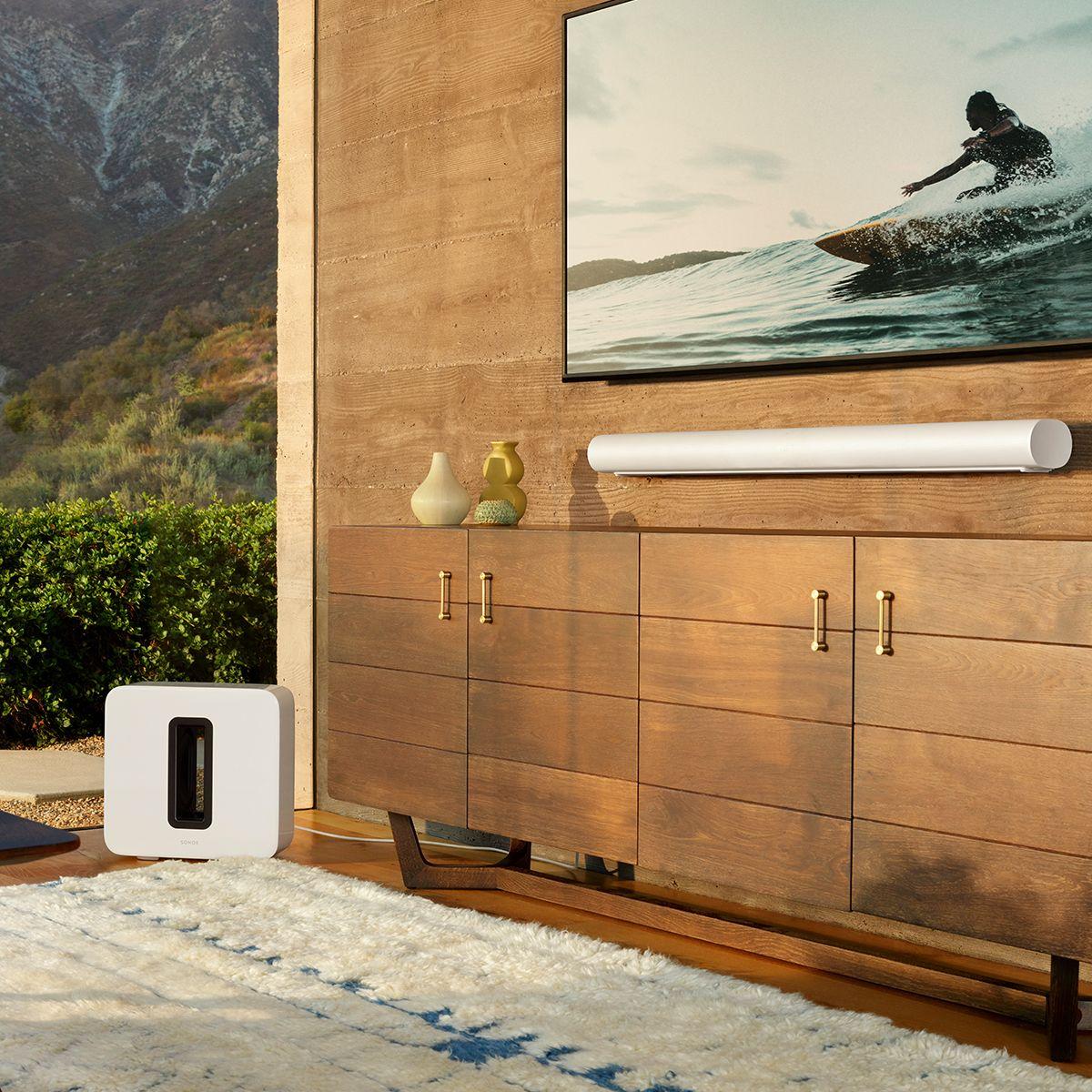
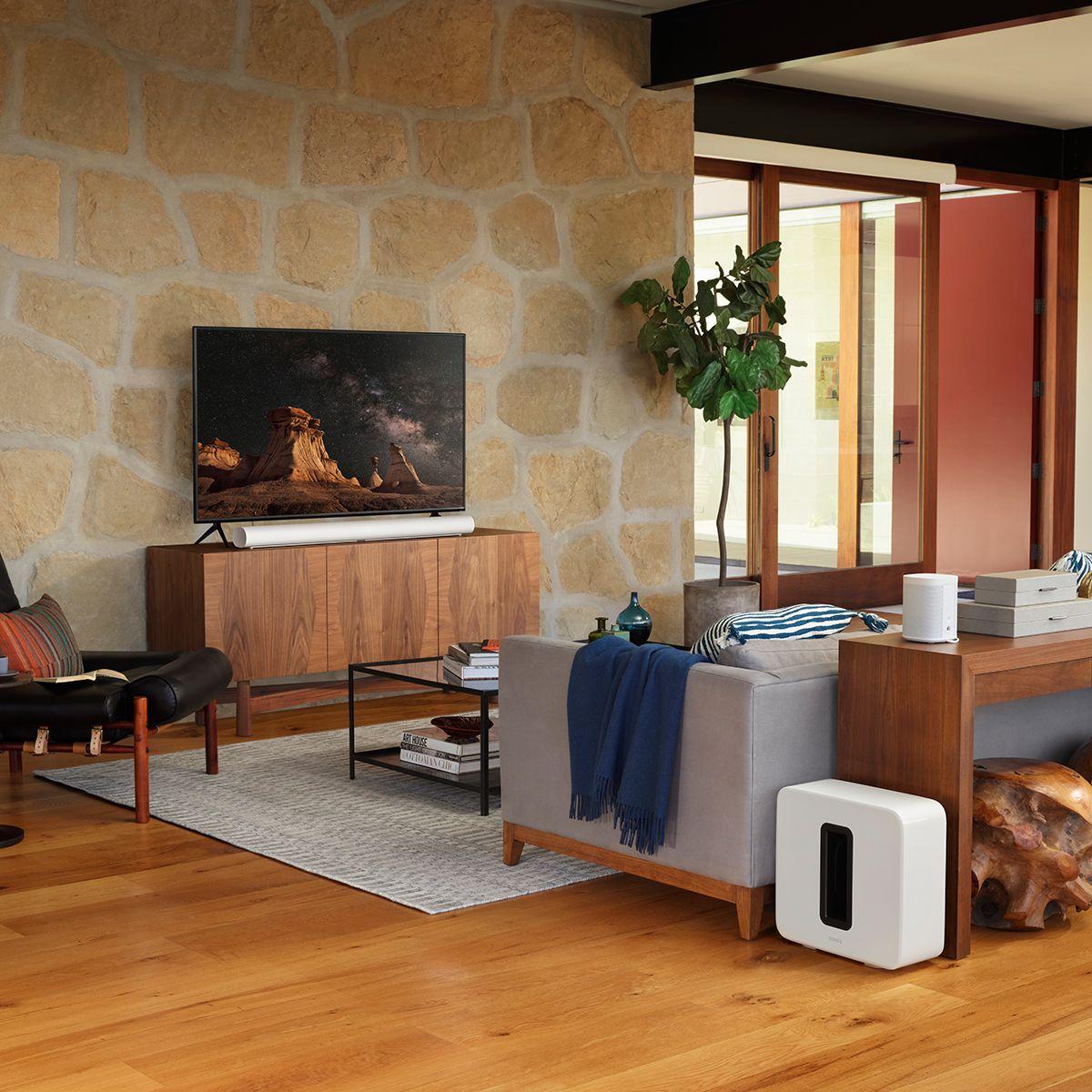
The Sonos Arc represents what I'd call the "virtuoso" approach. At $540.60, it's a single, elegantly designed soundbar that relies heavily on sophisticated digital processing and psychoacoustic tricks—techniques that work with how your brain processes sound—to create an immersive experience. It's part of Sonos's broader ecosystem strategy, designed to work seamlessly with other Sonos speakers throughout your home.
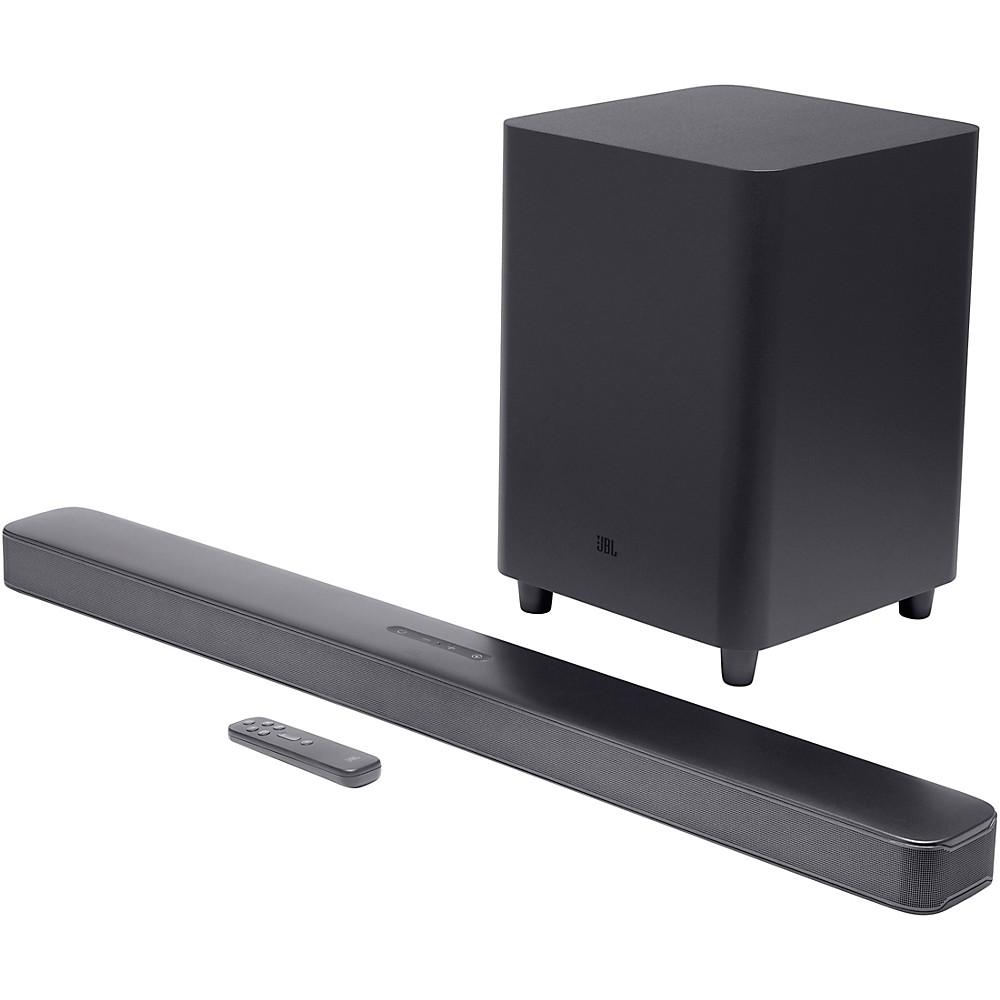
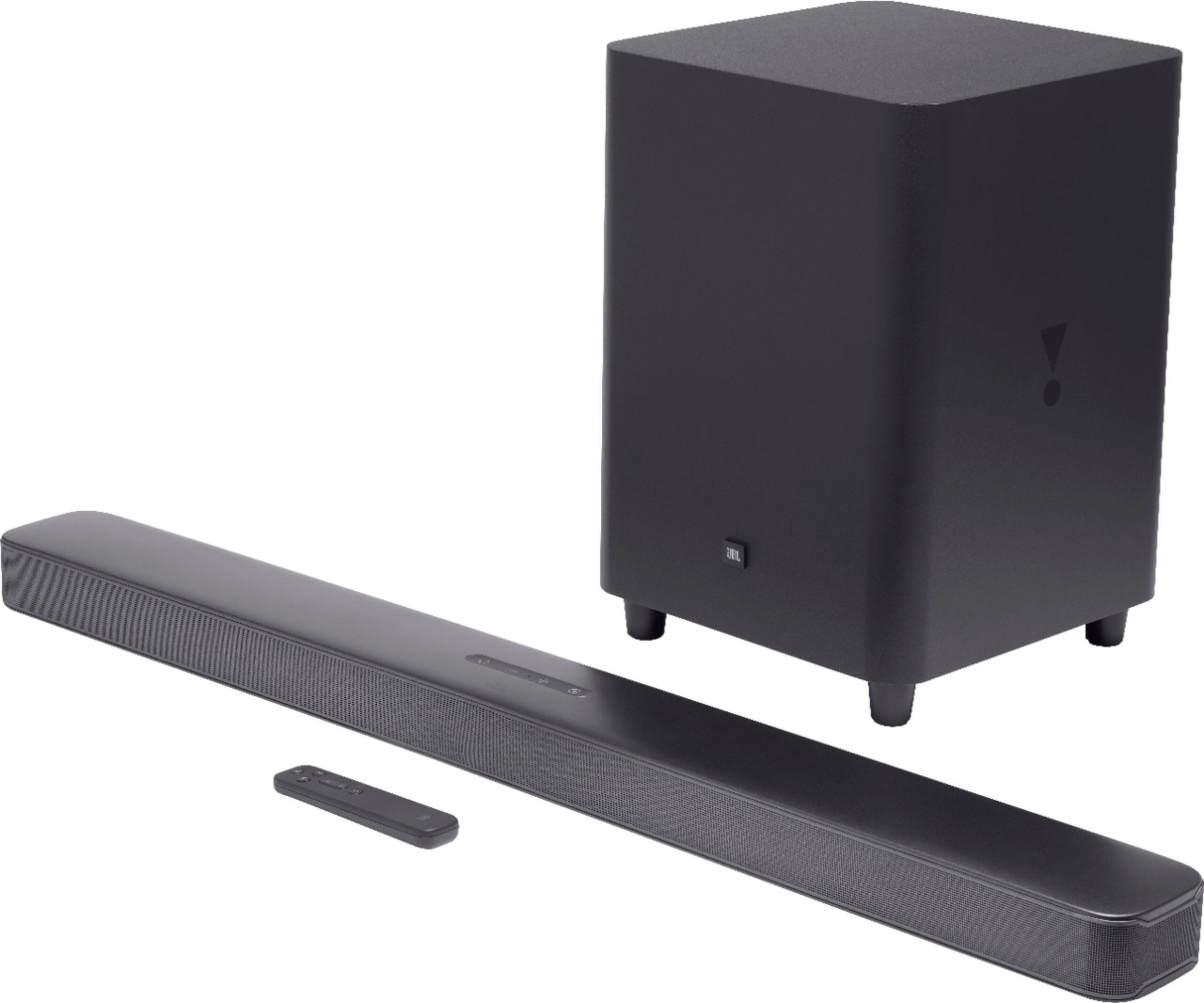
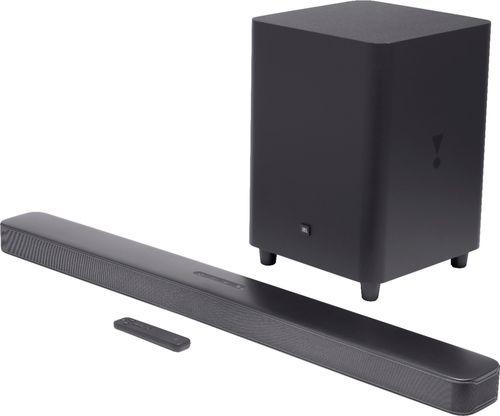
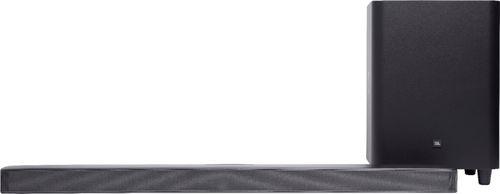
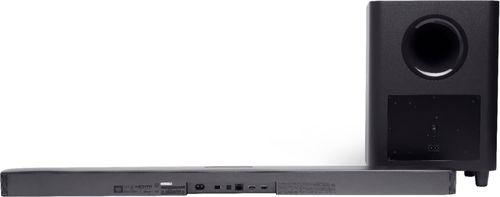
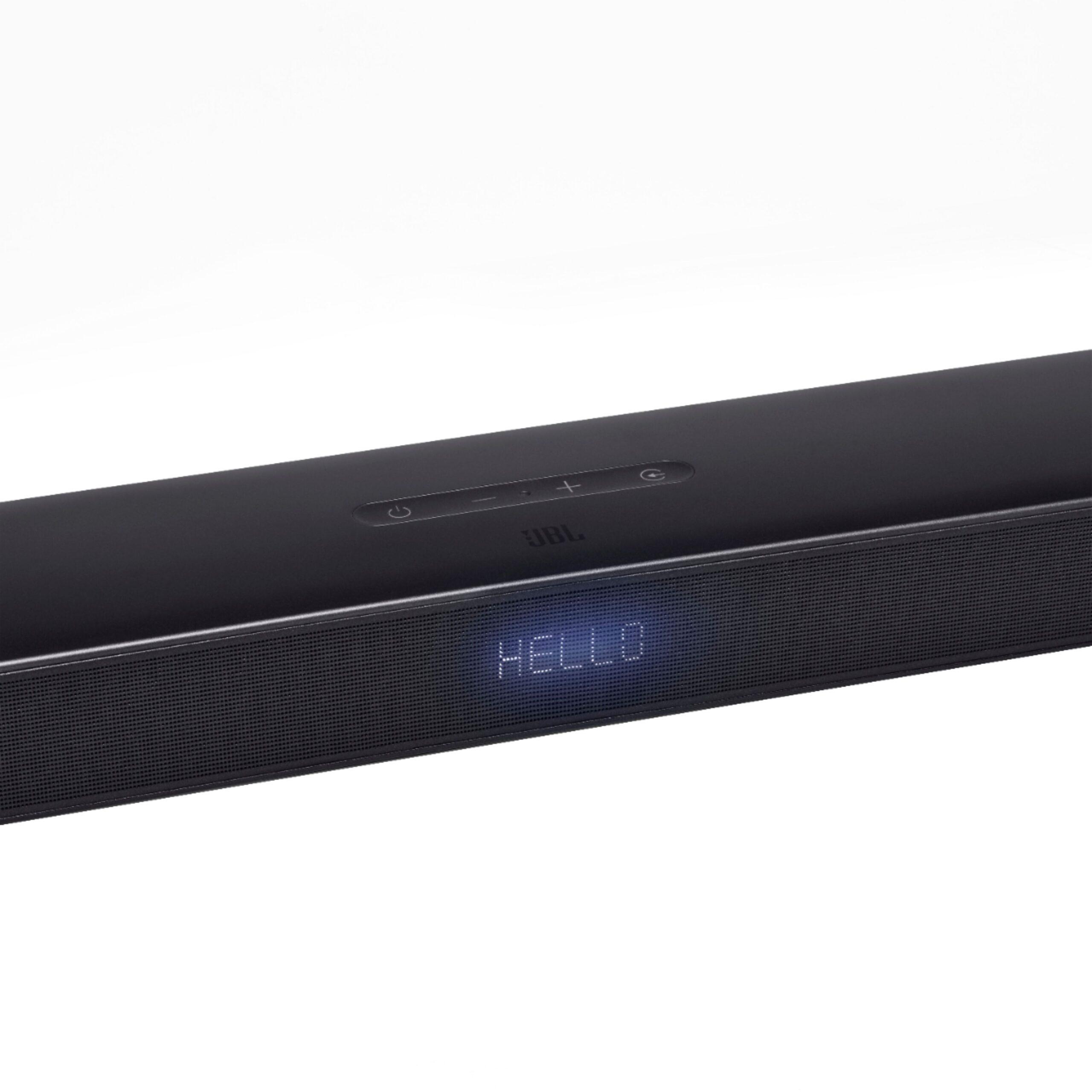
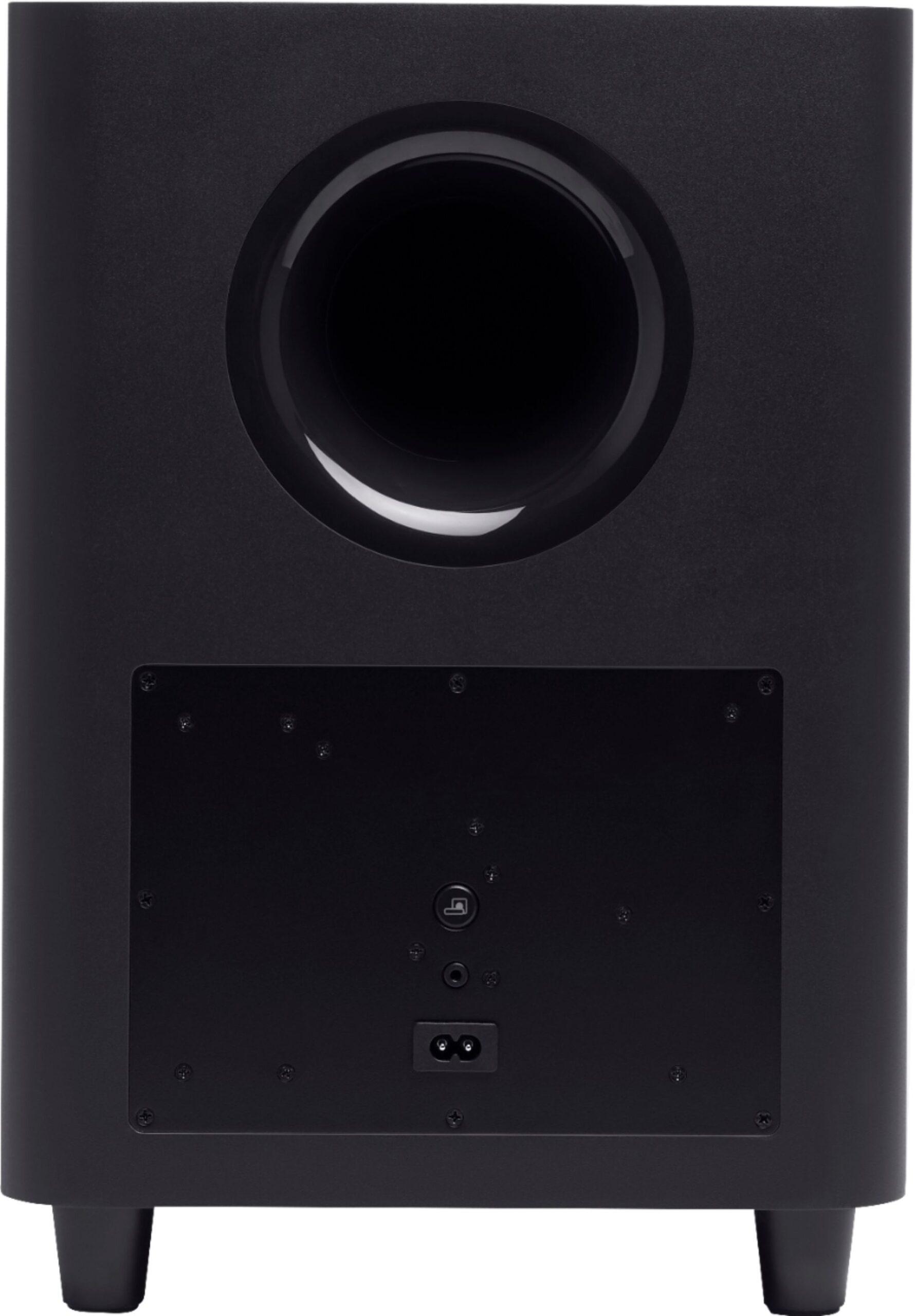
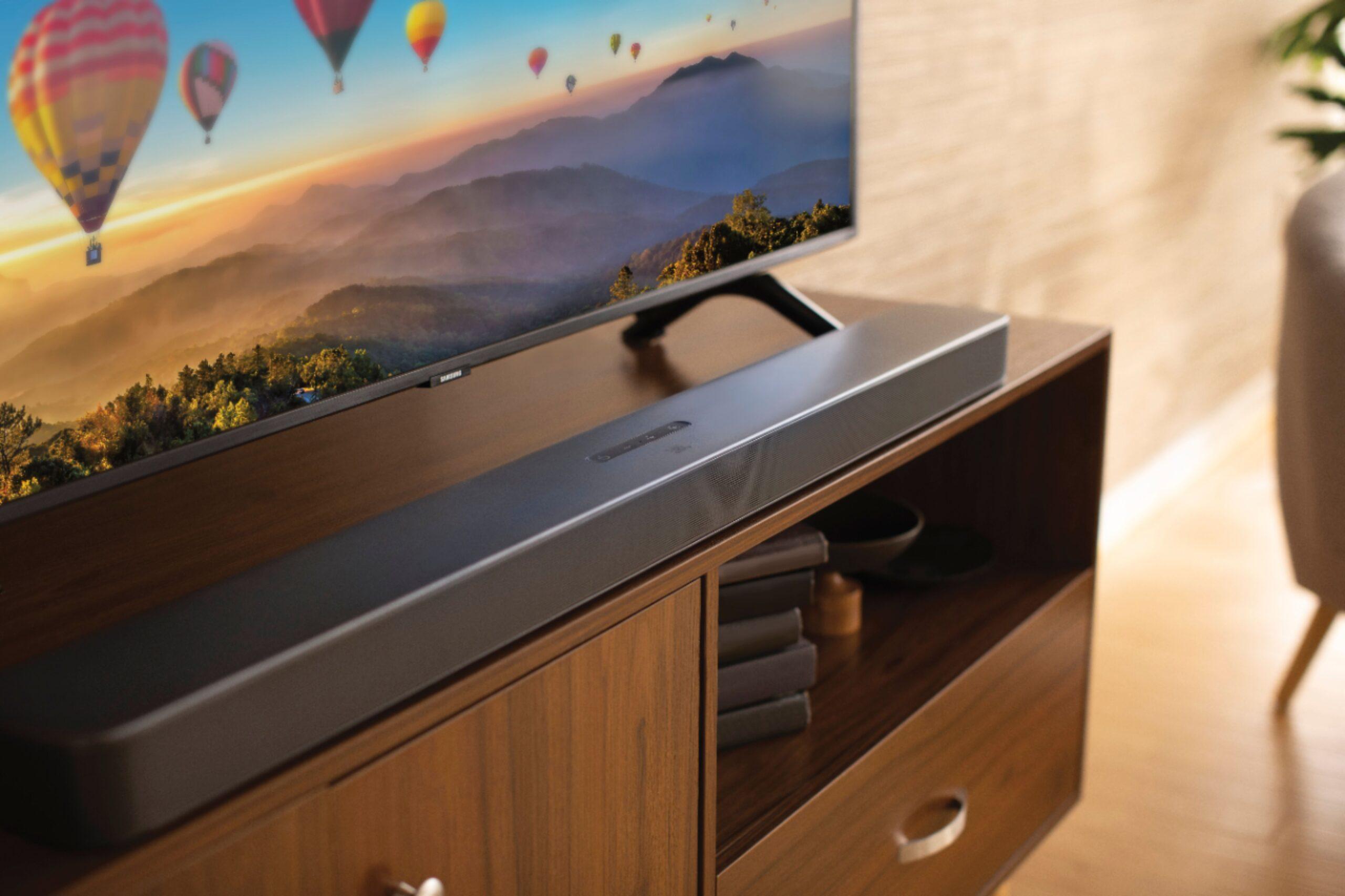
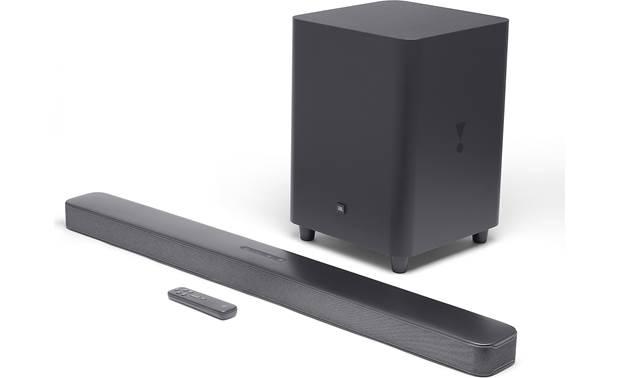
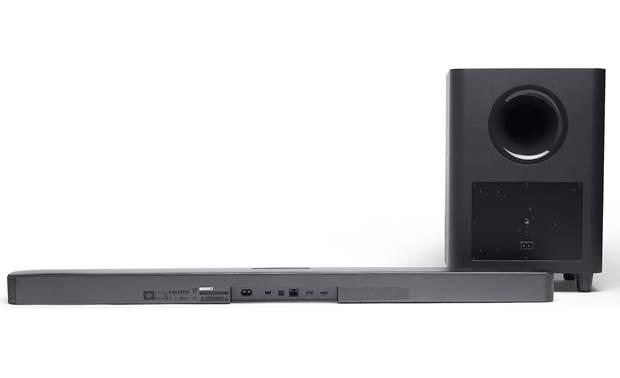
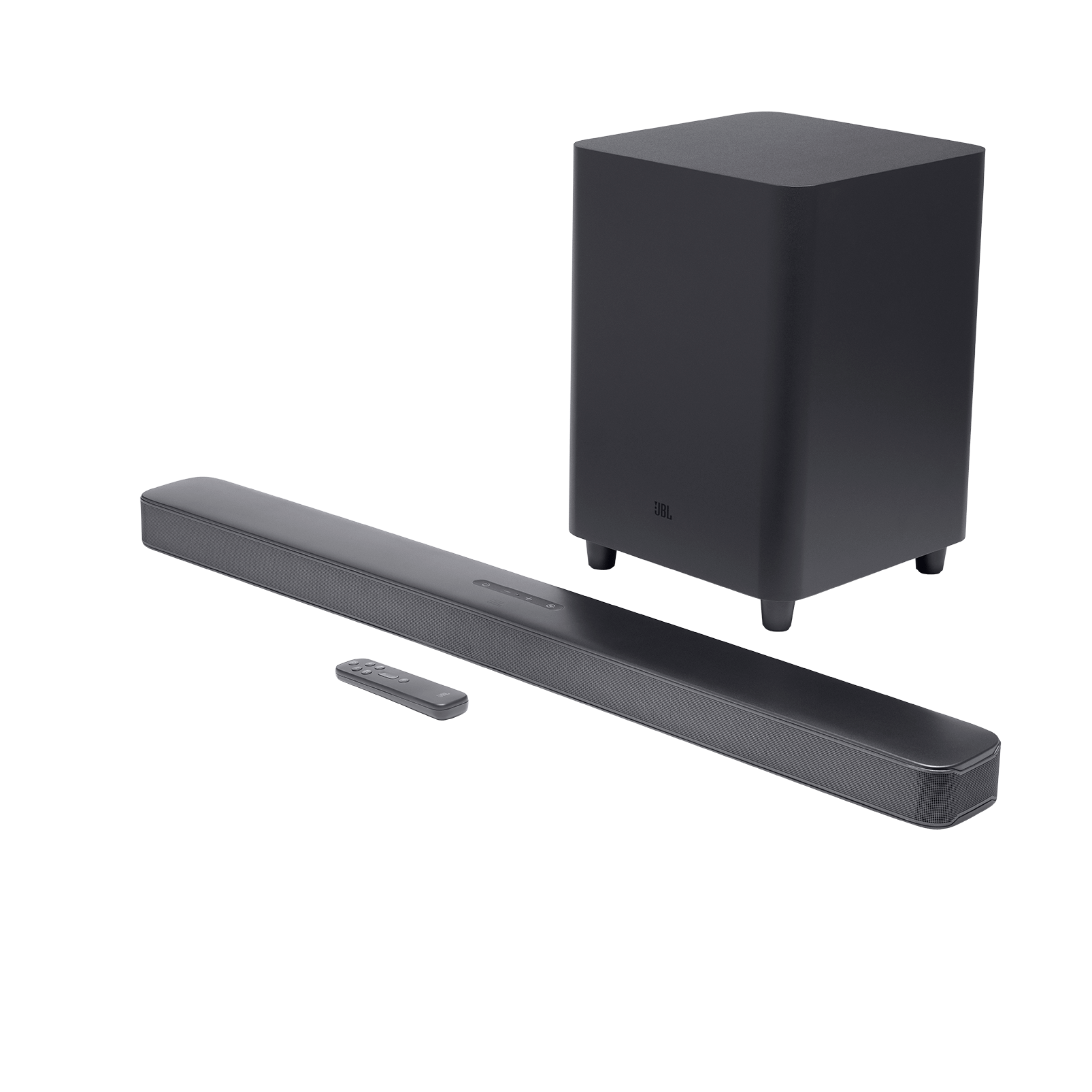
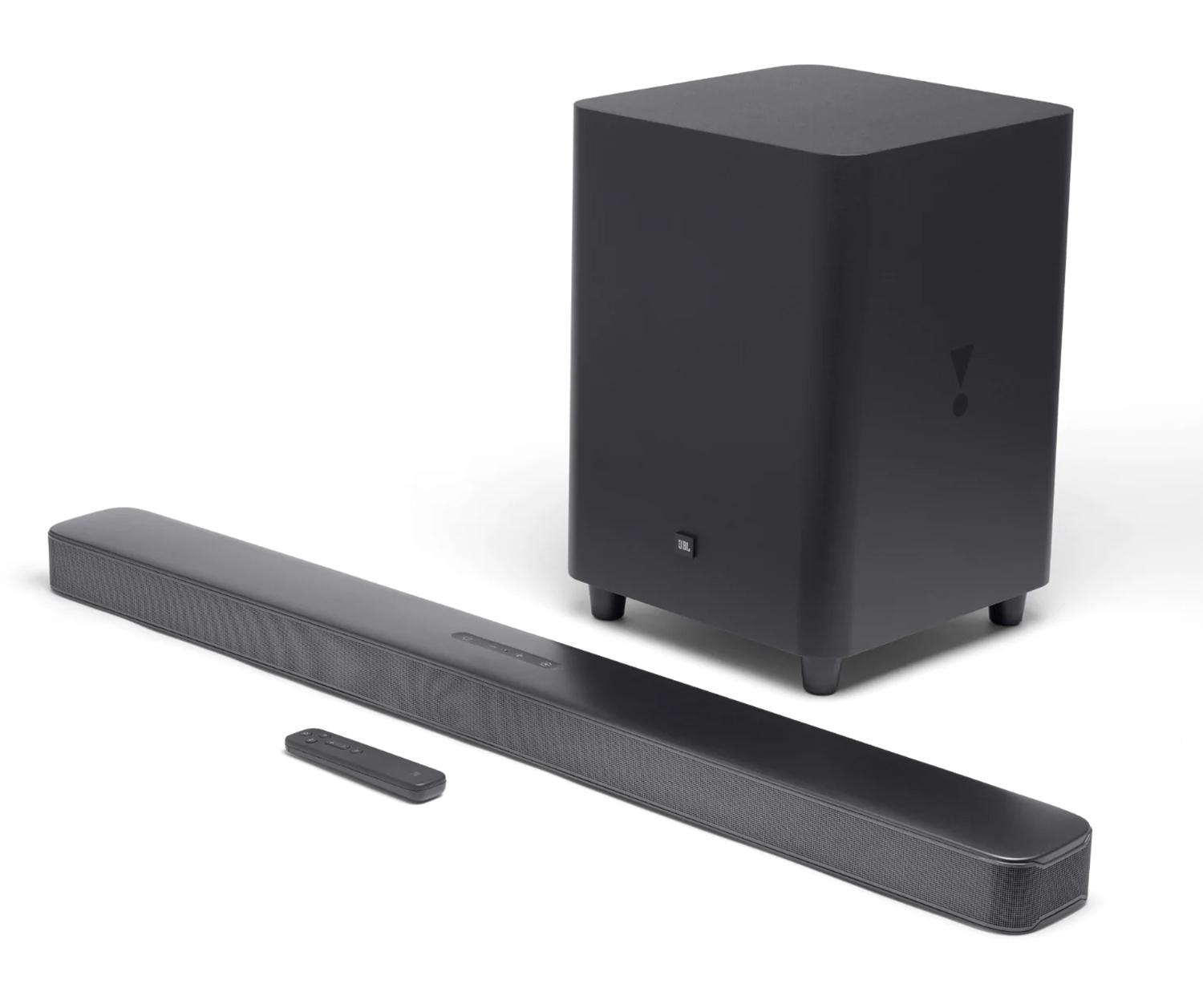
The JBL Bar 5.1, priced at $599.95, takes the "complete package" route. Rather than relying purely on digital magic, it gives you actual physical components: a wireless subwoofer for bass and two detachable rear speakers that you can position around your room. It's designed to deliver that true surround sound experience right out of the box.
One of the most noticeable upgrades when moving from TV speakers to a quality soundbar is how much clearer dialogue becomes. The Sonos Arc particularly excels here, thanks to its three dedicated silk-dome tweeters—the small speakers responsible for high-frequency sounds like voices. These aren't just positioned to fire forward; they're precisely angled to create what Sonos calls a "crystal clear dialogue" experience.
The Arc also includes a Speech Enhancement feature in its app. When you're watching something where the dialogue gets buried under music or sound effects (looking at you, Christopher Nolan movies), this feature boosts the frequency range where human voices live, making conversations much easier to follow. There's also a Night Sound mode that reduces loud sounds while boosting quieter ones—perfect for late-night viewing without waking the household.
The JBL Bar 5.1 handles dialogue well too, but its approach is different. Rather than relying on specialized drivers, it uses its overall power output (550 watts total) and digital signal processing to ensure voices remain prominent. Users report that vocals come through clearly, though some find the treble occasionally harsh compared to the more refined Sonos approach.
This is where these two soundbars diverge most dramatically, and it's probably the single biggest factor in choosing between them.
The Sonos Arc includes eight elliptical woofers—the drivers responsible for mid-range and bass frequencies. While this sounds impressive, the reality is that no soundbar, no matter how well-designed, can produce the deep, room-filling bass that comes from a dedicated subwoofer. Sonos knows this, which is why they sell the Sonos Sub separately for $799. Without it, the Arc delivers respectable bass for its size, but it won't give you that chest-thumping impact during action scenes or the full foundation that makes music feel complete.
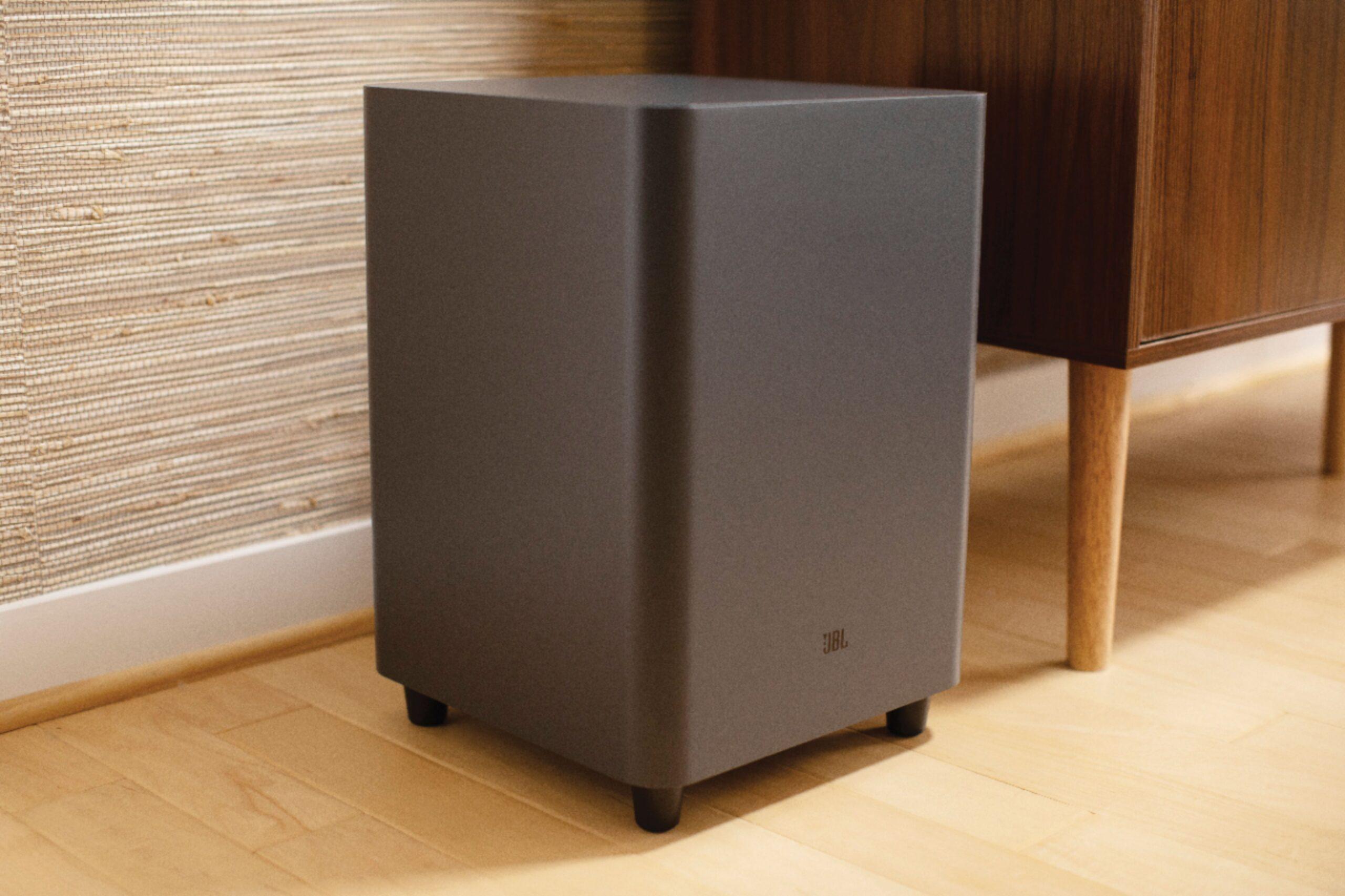
The JBL Bar 5.1 includes a 10-inch wireless subwoofer right in the box. This makes an enormous difference in real-world performance. When Thor throws his hammer across the screen or when you're listening to bass-heavy music, you feel it as much as hear it. The subwoofer connects wirelessly, so you have flexibility in where to place it, and it delivers the kind of low-end authority that transforms the viewing experience immediately.
The Sonos Arc uses what's called "virtual surround processing" combined with Dolby Atmos technology. Dolby Atmos is a newer surround sound format that includes height information—sounds can seem to come from above you, not just around you. The Arc achieves this through upward-firing drivers that bounce sound off your ceiling, creating the illusion of overhead effects. It's genuinely impressive when it works well, making rainfall, helicopters, or debris seem to fall from above.
The catch is that this technology works best in ideal conditions: medium-sized rooms with standard ceiling heights and hard surfaces for sound reflection. The Arc also includes Trueplay technology, which uses the microphone on an iPhone or iPad to measure your room's acoustics and adjust the sound accordingly. Unfortunately, this feature only works with iOS devices, which limits its accessibility.
The JBL Bar 5.1 takes a more straightforward approach with its detachable wireless rear speakers. These small speakers can be removed from the main soundbar and placed anywhere in your room, running on their own batteries for up to 10 hours. This gives you true surround sound—actual speakers behind you creating directional effects. When something moves from the front of the scene to the back, you hear it move through your physical space rather than relying on psychoacoustic processing.
For gaming, this physical surround approach often feels more immediate and precise. You can pinpoint exactly where that enemy footstep is coming from, which can be a genuine advantage in competitive games.
The Sonos Arc shines brightest when considered as part of a larger ecosystem. It includes built-in voice assistants—Amazon Alexa, Google Assistant, and Sonos's own voice control—so you can control it hands-free. More importantly, it seamlessly integrates with other Sonos speakers throughout your home. You can group the Arc with Sonos speakers in other rooms, stream the same music everywhere, or use different speakers for different audio sources.
The Arc supports Apple AirPlay 2, making it incredibly easy to stream music from iPhones, iPads, or Macs. Notably, it doesn't include Bluetooth connectivity, which initially seems like an oversight but actually reflects Sonos's philosophy of prioritizing higher-quality wireless protocols over universal compatibility.
The JBL Bar 5.1 takes a more inclusive approach. It includes Bluetooth 5.0, so you can connect virtually any phone, tablet, or laptop directly. It also features Chromecast built-in, making it easy to stream from Android devices or cast from apps that support Google's casting protocol. However, it doesn't include built-in voice assistants, so you'd need to use external smart speakers or your phone for voice control.
This is where Sonos's expertise really shows. The Arc's Trueplay technology doesn't just make minor adjustments—it fundamentally changes how the soundbar produces audio based on your specific room. Hard surfaces, soft furnishings, room size, and even the position of your furniture all affect how sound waves behave. Trueplay measures these characteristics and creates a custom audio profile.
The process involves walking around your room with an iOS device while the soundbar plays test tones. The results can be dramatic—the same soundbar can sound noticeably different (and better) after proper calibration. The limitation is requiring an iOS device, which excludes Android-only households from this optimization.
The JBL Bar 5.1 offers basic app-based tuning options, but nothing approaching Sonos's sophisticated room correction. This makes it more plug-and-play, but potentially less optimized for your specific space.
For dedicated home theater use, both soundbars offer significant advantages over TV speakers, but they excel in different scenarios.
The Sonos Arc creates a more cohesive, refined experience for movie watching, especially with Atmos content from services like Netflix, Disney+, or 4K Blu-rays. The virtual height effects can be genuinely startling—I've had guests look up at the ceiling during helicopter scenes, convinced the sound was actually coming from above. However, without the separate subwoofer, action scenes that rely heavily on bass impact don't hit as hard as they should.
The JBL Bar 5.1 delivers immediate satisfaction for movie watching. The included subwoofer means explosions feel explosive, and the physical rear speakers create authentic surround effects. It's particularly effective for action movies, horror films, and any content where you want to feel immersed in the chaos. The trade-off is that it's less refined for dialogue-heavy content like dramas or documentaries.
While both soundbars were designed primarily for TV audio, they handle music differently.
The Sonos Arc benefits from the company's long experience in music streaming. It's been optimized for the way most people consume music today—streaming from services like Spotify, Apple Music, or Tidal. The sound signature is more neutral and balanced, making it suitable for everything from classical to hip-hop. The wide soundstage makes stereo music feel spacious and engaging.
The JBL Bar 5.1's music performance is more polarized. The included subwoofer makes bass-heavy genres like electronic music and hip-hop sound powerful and exciting. However, the overall tuning is more aggressive, which can make acoustic music or classical pieces sound less natural compared to the Sonos.
This is where the comparison gets interesting from a financial perspective.
The Sonos Arc at $540.60 seems less expensive initially, but that's only for the basic experience. For optimal performance—especially the bass response that most people expect from a premium soundbar—you'll likely want to add the Sonos Sub for an additional $799. Suddenly, you're looking at around $1,340 for the complete system.
However, this modular approach has advantages. You can start with just the Arc and add the subwoofer later when budget allows. You can also add Sonos rear speakers (another $498 for a pair) to create a true 5.1.2 system. The total investment can grow over time, but so does the performance.
The JBL Bar 5.1 at $599.95 gives you everything immediately—soundbar, subwoofer, and rear speakers. There's no need for additional purchases to get the full experience. From a pure value perspective, you're getting more hardware for less money upfront.
The question becomes whether you prefer the immediate complete experience (JBL) or the flexibility to build a more sophisticated system over time (Sonos).
Both soundbars have received firmware updates since their 2020 launches, but the approach differs significantly.
Sonos has a strong track record of adding features through software updates. The Arc has gained new voice control capabilities, additional streaming service support, and refinements to its audio processing. The company's commitment to long-term software support means these soundbars often gain new capabilities years after purchase.
JBL's updates have been more focused on stability and compatibility improvements rather than adding major new features. This isn't necessarily negative—it reflects a more traditional approach where the hardware capabilities are fixed at launch.
After spending time with both systems, here's how I'd recommend thinking about the decision:
Choose the Sonos Arc if you're building a smart home ecosystem and value long-term flexibility. It's ideal for people who primarily stream content, use voice assistants regularly, and want the option to expand their audio system over time. The Atmos implementation is genuinely impressive in the right room, and the overall refinement is noticeable with all types of content. Just budget for the subwoofer if bass matters to you.
Choose the JBL Bar 5.1 if you want the complete surround sound experience immediately without additional purchases. It's perfect for people who watch a lot of action movies, play games, or just want to feel the impact of bass without spending extra money. The physical rear speakers provide a level of surround immersion that virtual processing can't quite match.
The reality is that both soundbars will dramatically improve your TV watching experience compared to built-in TV speakers. The Sonos offers more sophistication and ecosystem benefits, while the JBL provides more immediate physical impact and better value for a complete system. Your choice should depend on your priorities, room setup, and whether you prefer to invest gradually or get everything at once.
Either way, you'll end up with a soundbar that makes movies more engaging, music more enjoyable, and gives you a reason to stay home for movie night instead of heading to the theater.
| Sonos Arc Wireless Sound Bar ($540.60) | JBL Bar 5.1 Surround Soundbar ($599.95) |
|---|---|
| Audio Configuration - Determines surround sound approach and immersion quality | |
| 5.0.2 channels with virtual Atmos processing | True 5.1 channels with physical rear speakers |
| Total System Power - Affects volume levels and dynamic range | |
| Not specified (11 Class-D amplifiers) | 550W total (300W sub + 5x50W channels) |
| Subwoofer Inclusion - Critical for bass impact and movie experience | |
| Not included (Sonos Sub sold separately for $799) | 10" wireless subwoofer included |
| Driver Configuration - Determines sound quality and frequency response | |
| 11 drivers: 8 woofers + 3 tweeters | 6 drivers in bar + dedicated 10" subwoofer |
| Smart Features - Voice control and ecosystem integration | |
| Built-in Alexa, Google Assistant, Sonos Voice Control | No built-in voice assistants (requires external) |
| Wireless Connectivity - Streaming flexibility and device compatibility | |
| Wi-Fi, Apple AirPlay 2 (no Bluetooth) | Wi-Fi, Bluetooth 5.0, Chromecast built-in |
| Room Calibration - Audio optimization for your specific space | |
| Trueplay room correction (iOS devices only) | Basic app-based EQ adjustments |
| Physical Surround Speakers - True directional audio vs virtual processing | |
| None (uses virtual surround processing) | Two detachable wireless speakers (10-hour battery) |
| Dolby Atmos Support - Overhead sound effects capability | |
| Full Dolby Atmos with upward-firing drivers | Standard Dolby Digital/DTS (no Atmos) |
| Dimensions - Space requirements and visual impact | |
| 45" x 3.4" x 4.6" (single bar only) | 40" x 2.3" x 3.9" bar + separate subwoofer |
| HDMI Connectivity - 4K device connections and passthrough | |
| 1 HDMI eARC input only | 3 HDMI inputs + 1 eARC output |
| Complete System Cost - Total investment for full experience | |
| $1,340 with required Sonos Sub for optimal bass | $599.95 includes everything needed |
| Ecosystem Expansion - Future upgrade and multi-room options | |
| Seamless Sonos multi-room integration | Limited to single-room use |
For movies, the JBL Bar 5.1 ($599.95) provides better immediate impact with its included wireless subwoofer and physical rear speakers, making action scenes more thrilling. The Sonos Arc ($540.60) offers superior Dolby Atmos effects and dialogue clarity but requires an additional $799 subwoofer for optimal bass response in movies.
The JBL Bar 5.1 includes everything you need: wireless subwoofer and detachable rear speakers. The Sonos Arc works standalone but benefits significantly from adding the Sonos Sub ($799) for proper bass and optional rear speakers ($498) for full surround sound.
The JBL Bar 5.1 has much better bass out of the box thanks to its included 10-inch wireless subwoofer. The Sonos Arc has limited bass response without purchasing the separate Sonos Sub, making the JBL the clear winner for bass impact at the base price.
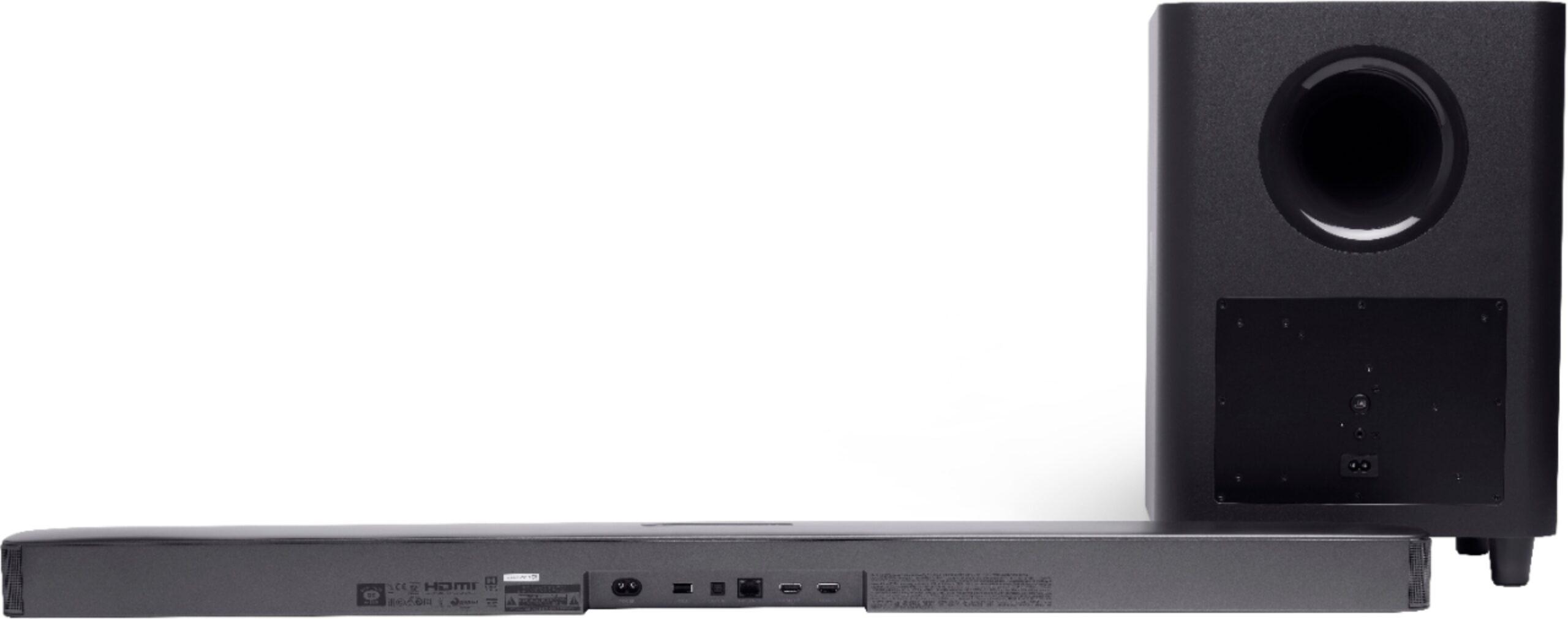
Yes, both connect via HDMI. The Sonos Arc uses one HDMI eARC connection to your TV. The JBL Bar 5.1 offers more flexibility with three HDMI inputs for connecting multiple devices plus one HDMI eARC output to your TV.
The Sonos Arc excels at music with its refined sound signature, Apple AirPlay 2 support, and integration with music streaming services. The JBL Bar 5.1 handles music well but is more aggressive sounding and better suited for bass-heavy genres than acoustic music.
The Sonos Arc has built-in Amazon Alexa, Google Assistant, and Sonos Voice Control for hands-free operation. The JBL Bar 5.1 doesn't include voice assistants but can be controlled through external smart speakers or smartphone apps.
The JBL Bar 5.1 ($599.95) offers better upfront value by including wireless subwoofer and rear speakers. The Sonos Arc ($540.60) appears cheaper initially but costs around $1,340 for a complete system with subwoofer, making the JBL more cost-effective for most buyers.
Only the JBL Bar 5.1 supports Bluetooth 5.0 for direct streaming from phones and tablets. The Sonos Arc doesn't have Bluetooth but supports higher-quality Wi-Fi streaming through AirPlay 2 and the Sonos app.
The JBL Bar 5.1 is generally better for gaming due to its physical rear speakers providing precise directional audio and immediate bass impact from the included subwoofer. The Sonos Arc can work well for gaming but shines more with Atmos-enabled games and content.
The Sonos Arc features advanced Trueplay room calibration that optimizes sound for your specific space, but requires an iPhone or iPad. The JBL Bar 5.1 offers basic EQ adjustments through its app but lacks sophisticated room correction technology.
The Sonos Arc has dedicated Dolby Atmos support with upward-firing drivers that create convincing overhead effects. The JBL Bar 5.1 doesn't support Dolby Atmos but provides excellent traditional surround sound through its physical speaker configuration.
The Sonos Arc offers excellent expansion options within the Sonos ecosystem, allowing you to add subwoofers, rear speakers, and integrate with other Sonos speakers throughout your home. The JBL Bar 5.1 is a complete standalone system with limited expansion possibilities beyond the included components.
We've done our best to create useful and informative comparisons to help you decide what product to buy. Our research uses advanced automated methods to create this comparison and perfection is not possible - please contact us for corrections or questions. These are the sites we've researched in the creation of this article: whathifi.com - soundandvision.com - en.community.sonos.com - cnet.com - worldwidestereo.com - abt.com - creativeaudio.net - target.com - sonos.com - worldwidestereo.com - businessinsider.com - en.community.sonos.com - youtube.com - jbl.com - jbl.com - jbl.com - tomsguide.com - jbl.com - bestbuy.com - bestbuy.com - jbl.com - jbl.com - worldwidestereo.com

Privacy Policy
Terms and Conditions - Affiliate Policy
Home Security
© Copyright 2008-2026.
11816 Inwood Rd #1211, Dallas, TX 75244