



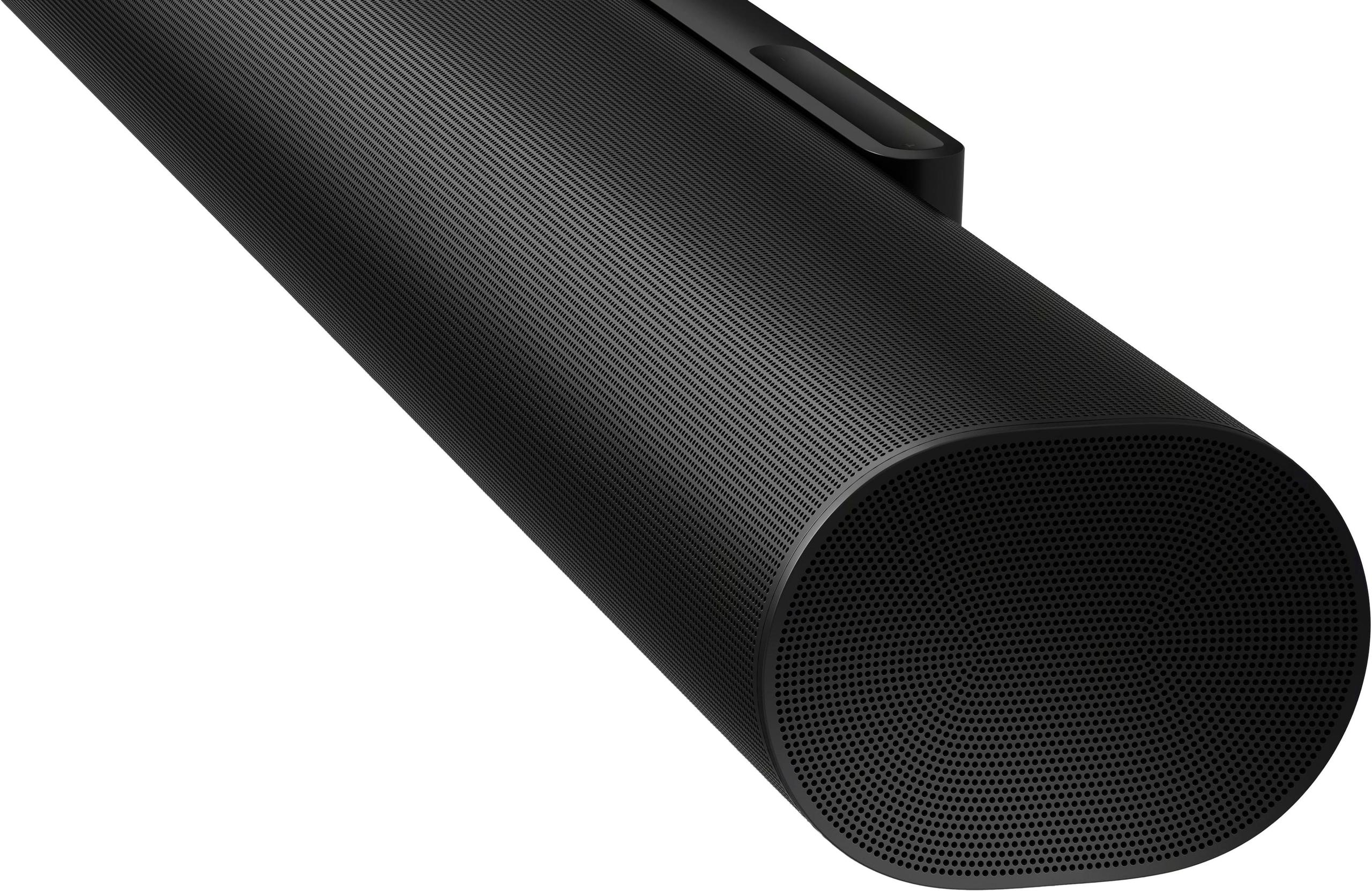
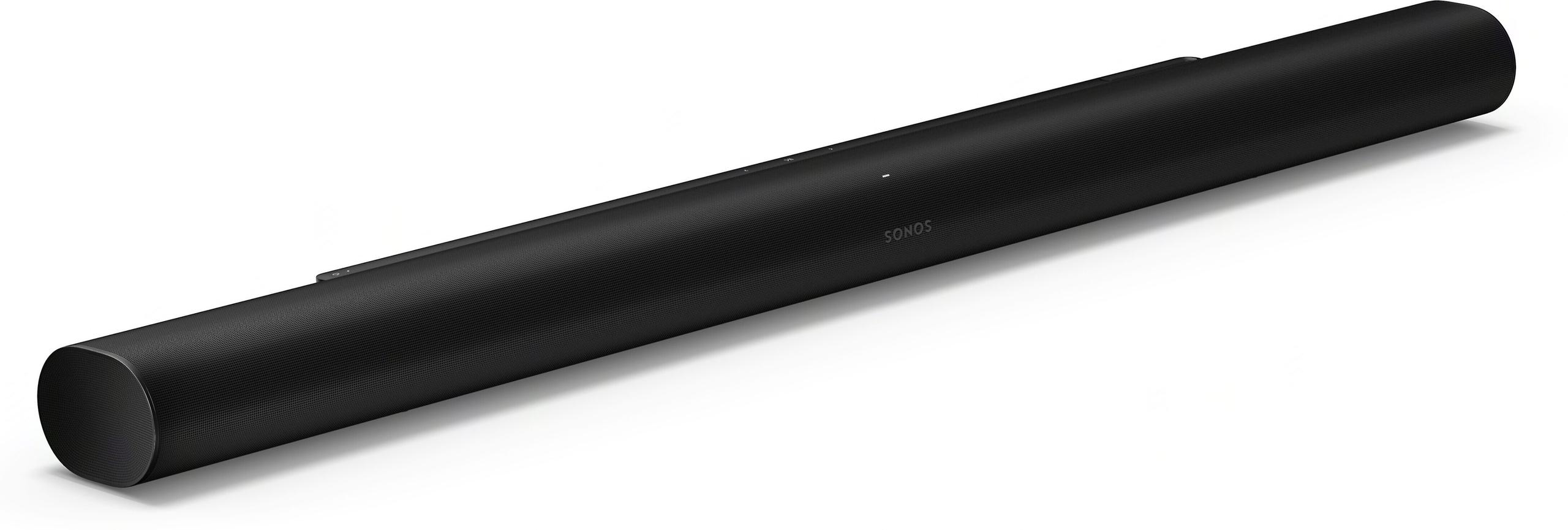
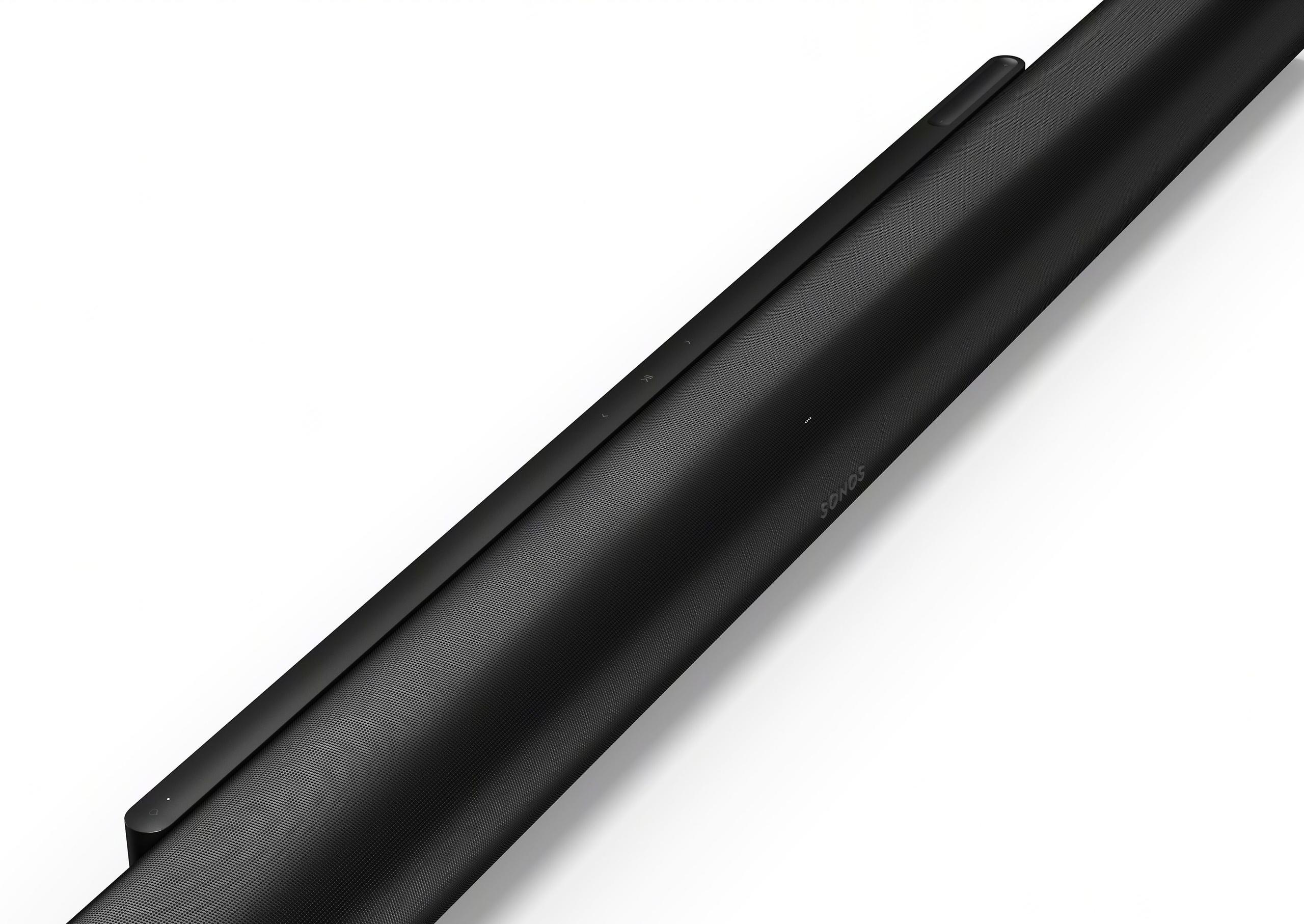
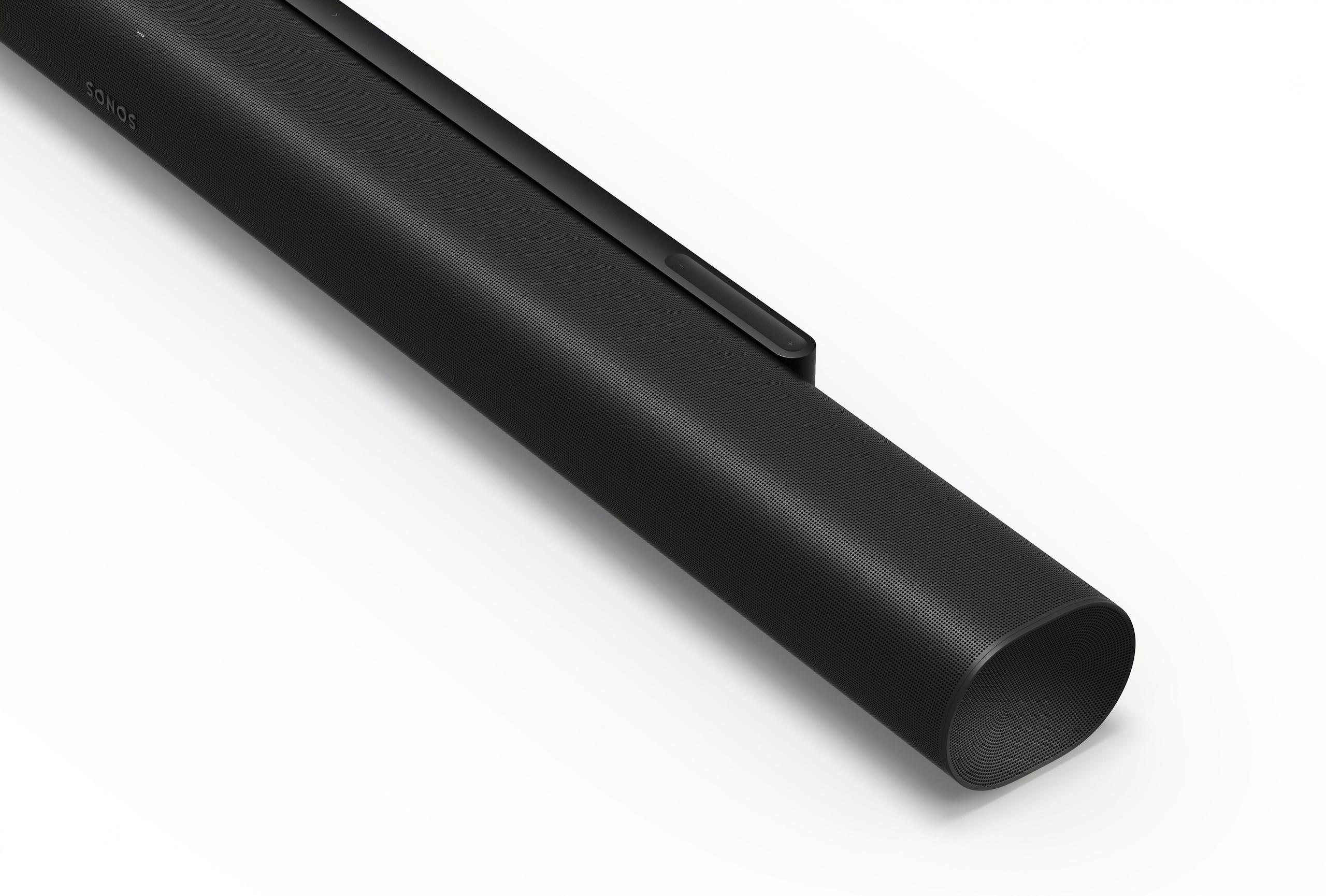
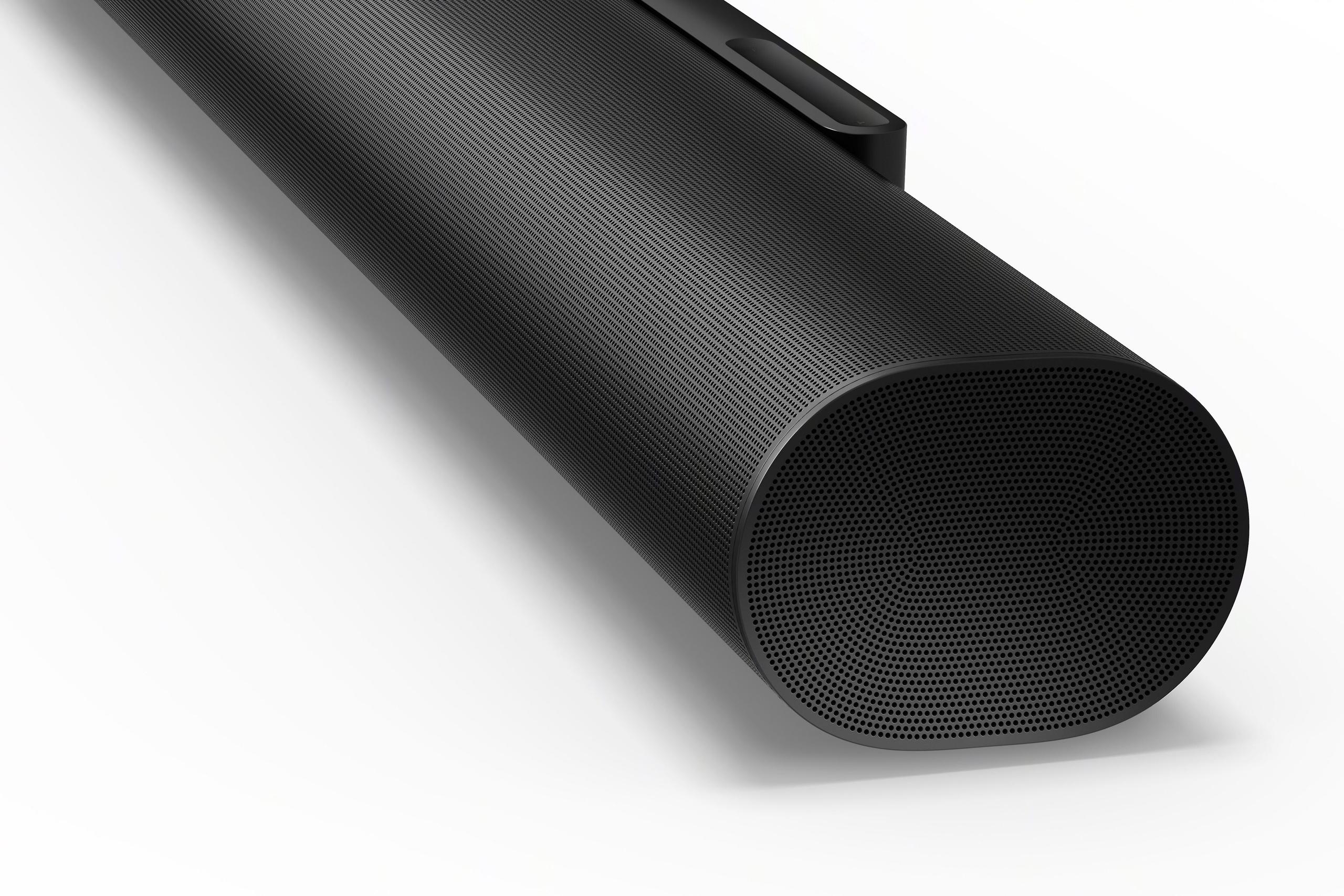
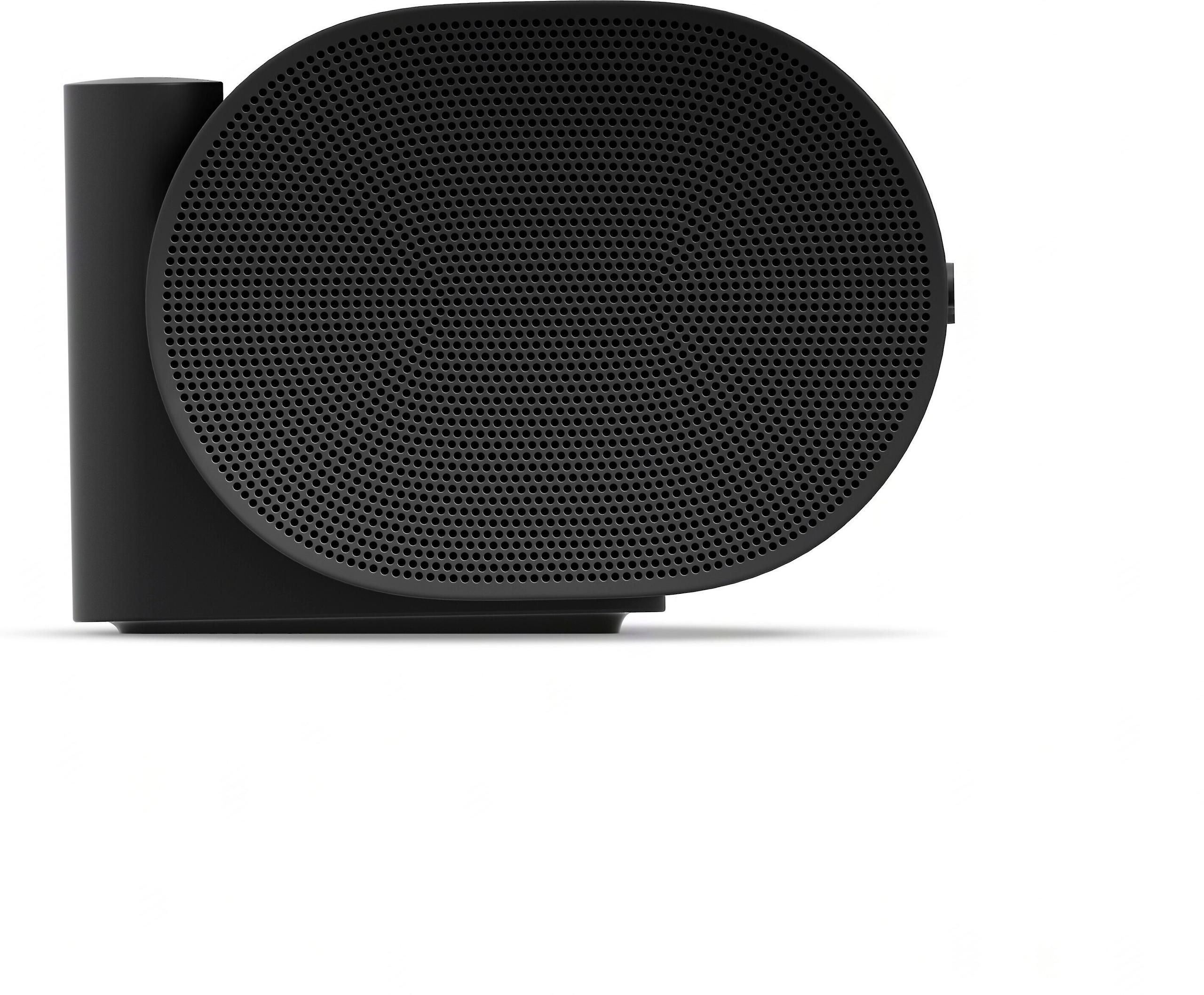
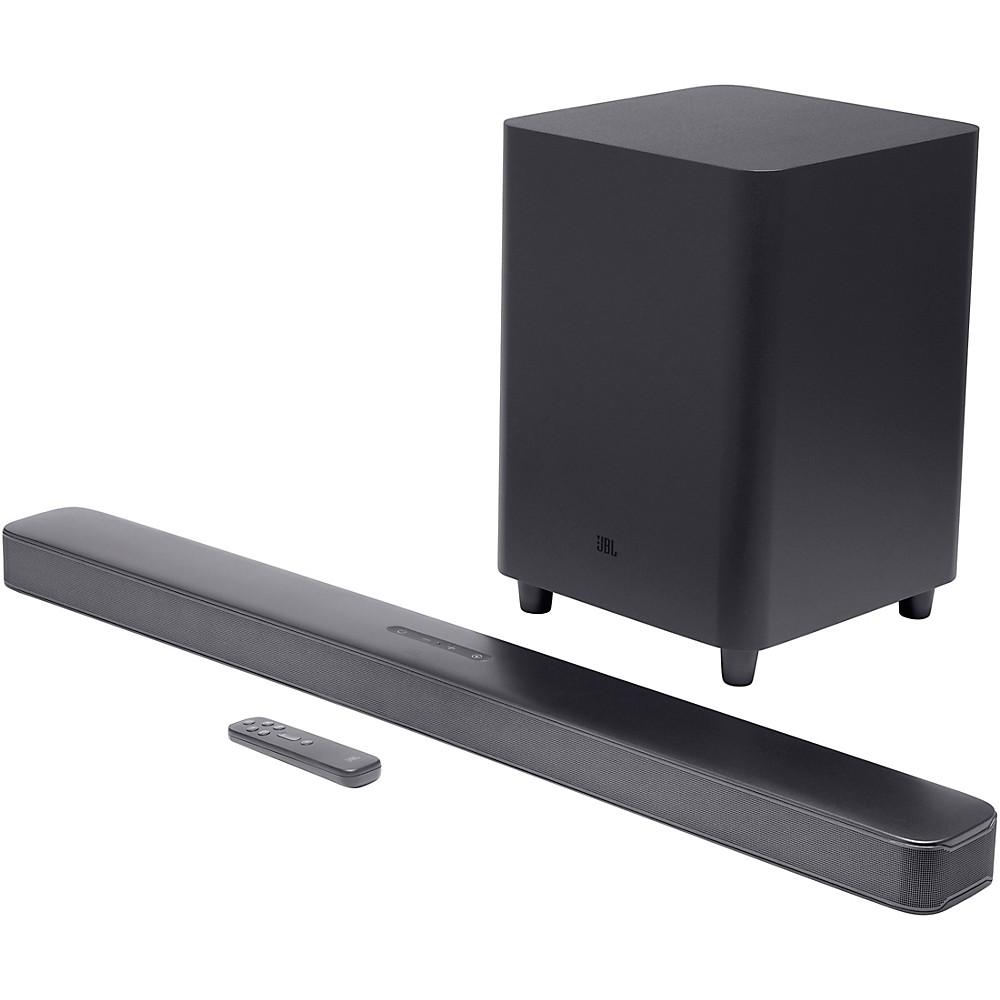




When your TV's built-in speakers just aren't cutting it anymore, you're probably looking at soundbars to upgrade your audio experience. But with so many options out there, how do you choose between a premium single-bar solution and a complete surround sound system? Today, we're diving deep into two very different approaches to premium home theater audio: the Sonos Arc Ultra Dolby Atmos Soundbar at $929 and the JBL Bar 5.1 Surround Soundbar with Wireless Subwoofer at $600.
These aren't just any soundbars – they represent two fundamentally different philosophies about how to bring cinematic sound to your living room. Understanding these differences will help you make the right choice for your space, budget, and listening preferences.
Before we jump into comparing these specific models, let's talk about what separates premium soundbars from the basic models you'll find at big box stores. Premium soundbars typically offer several key advantages: they have more powerful amplifiers that can fill larger rooms, they include advanced audio processing that can simulate surround sound effects, and they often support high-quality audio formats like Dolby Atmos (which adds height information to create a three-dimensional sound experience).
The main considerations when shopping for premium soundbars include audio performance across different types of content, how they handle surround sound (whether through virtual processing or physical speakers), bass response, connectivity options, and how well they integrate with your existing setup. Most importantly, you want to consider the total cost – some soundbars seem affordable until you realize you need to buy additional components to get the full experience.
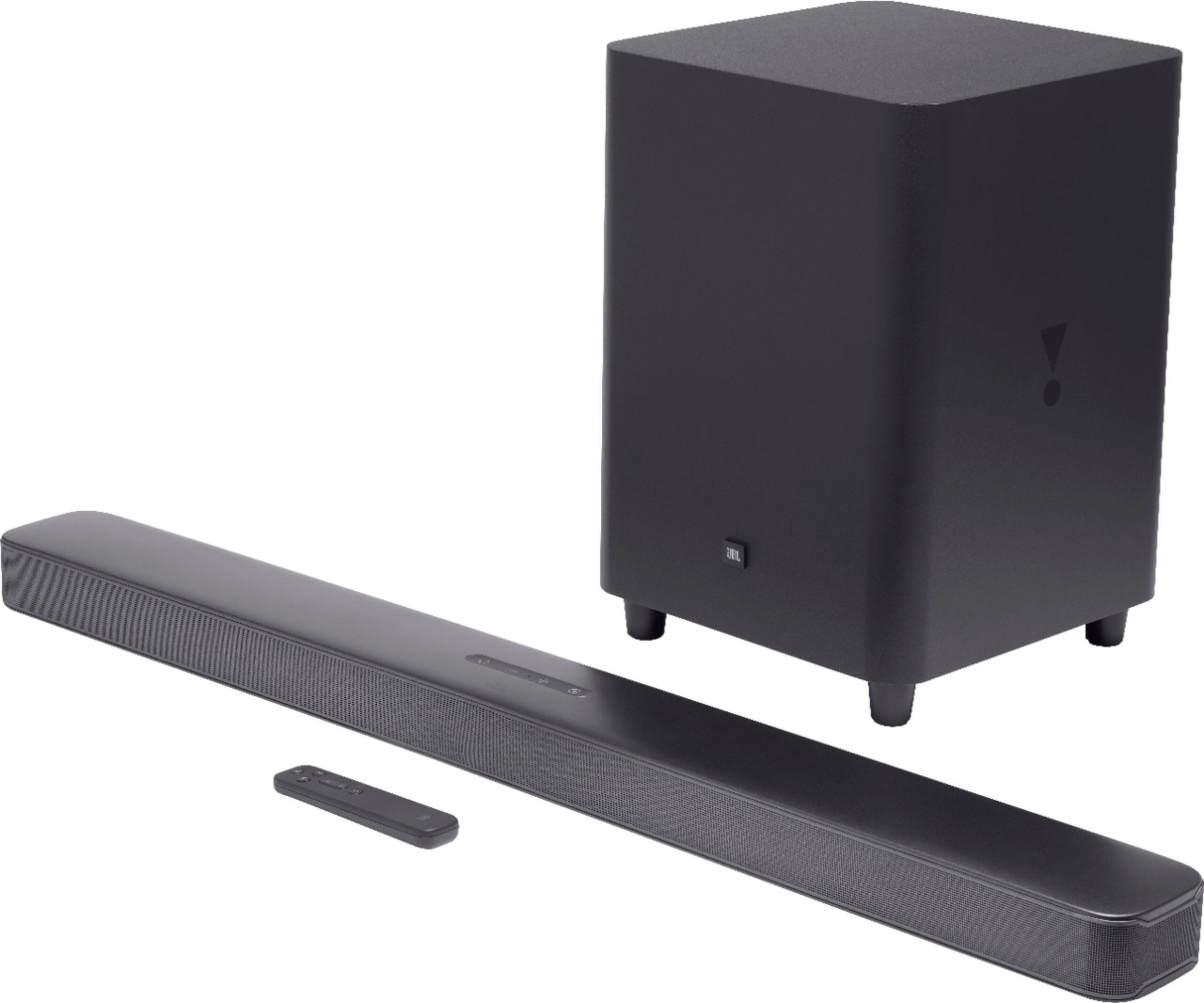
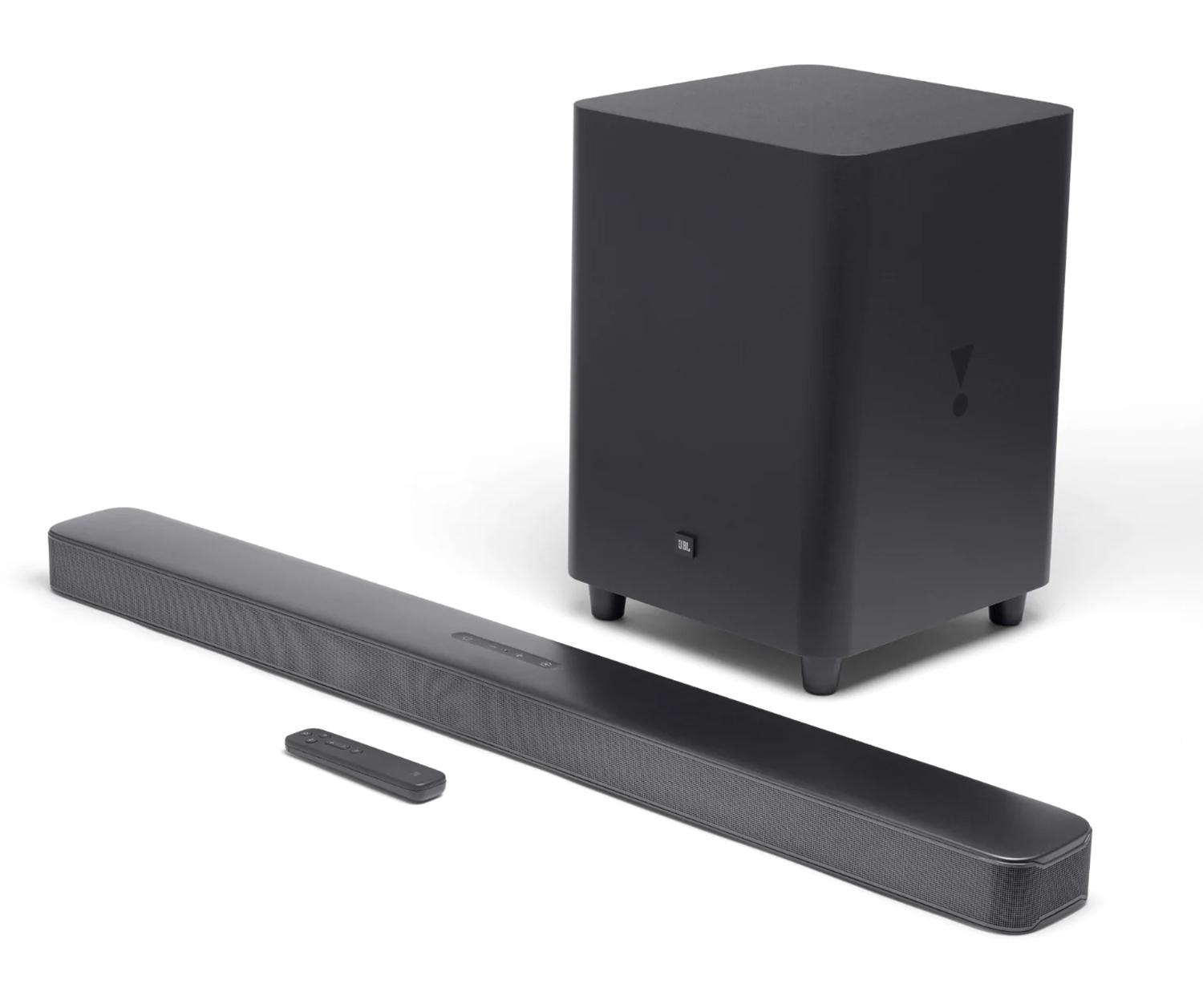
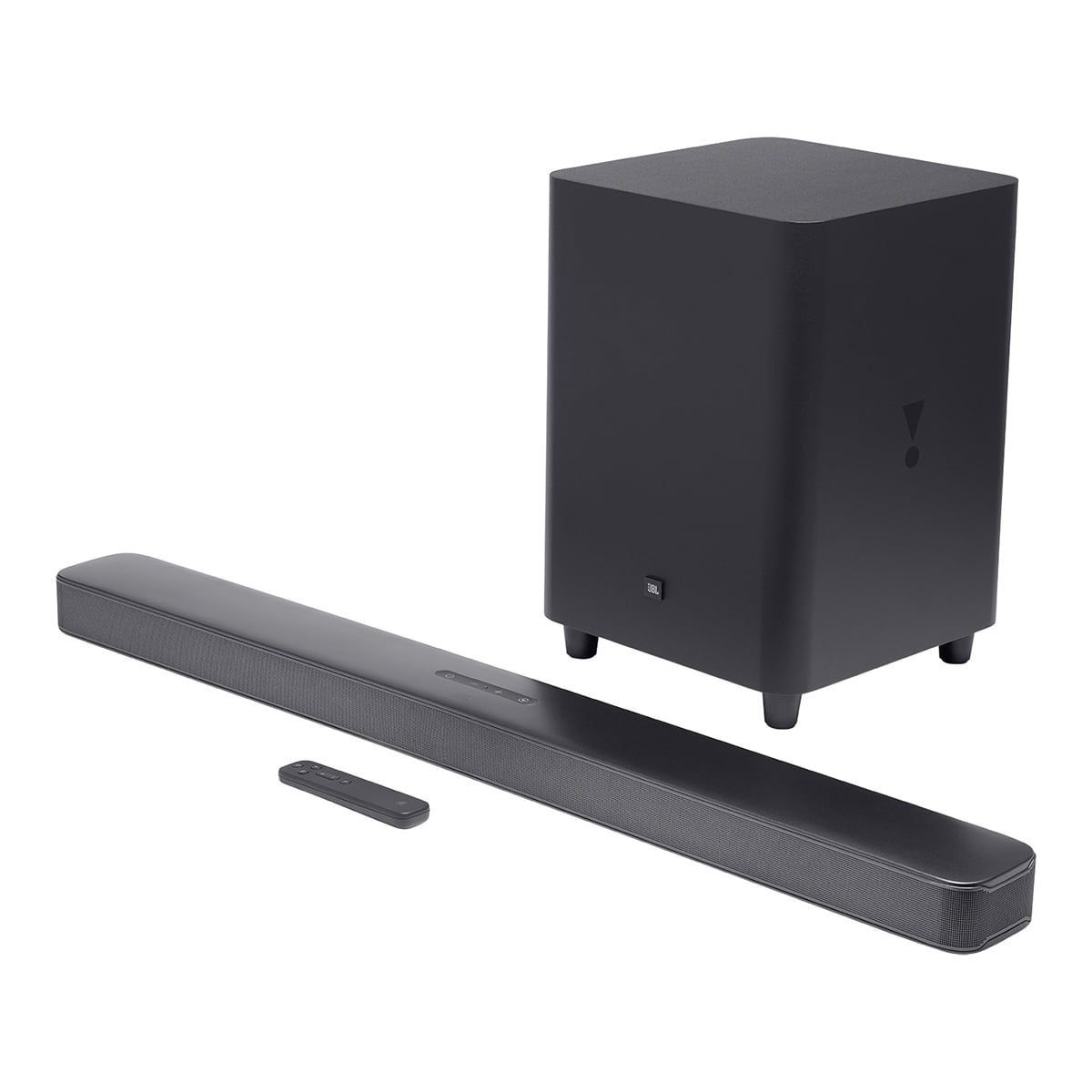
The JBL Bar 5.1 launched in 2020 during a period when many people were upgrading their home entertainment setups. JBL's approach was refreshingly straightforward: include everything you need for true 5.1 surround sound in one package. The detachable rear speakers were particularly innovative – they could work as standalone Bluetooth speakers when you weren't watching movies.
The Sonos Arc Ultra, on the other hand, represents the latest evolution of Sonos's flagship soundbar philosophy. Released in 2024 as an upgrade to the original Arc, it incorporates several technological improvements that address common complaints about the previous generation. The most significant upgrade is the new Sound Motion woofer technology, which allows for much better bass response in the same compact form factor. This addresses one of the biggest criticisms of the original Arc – that it needed an expensive subwoofer to really shine.
Since the JBL's release, we've seen the home theater landscape shift significantly toward Dolby Atmos support and wireless connectivity. The Arc Ultra reflects these trends with its advanced virtualized Atmos processing and deep integration with smart home ecosystems.
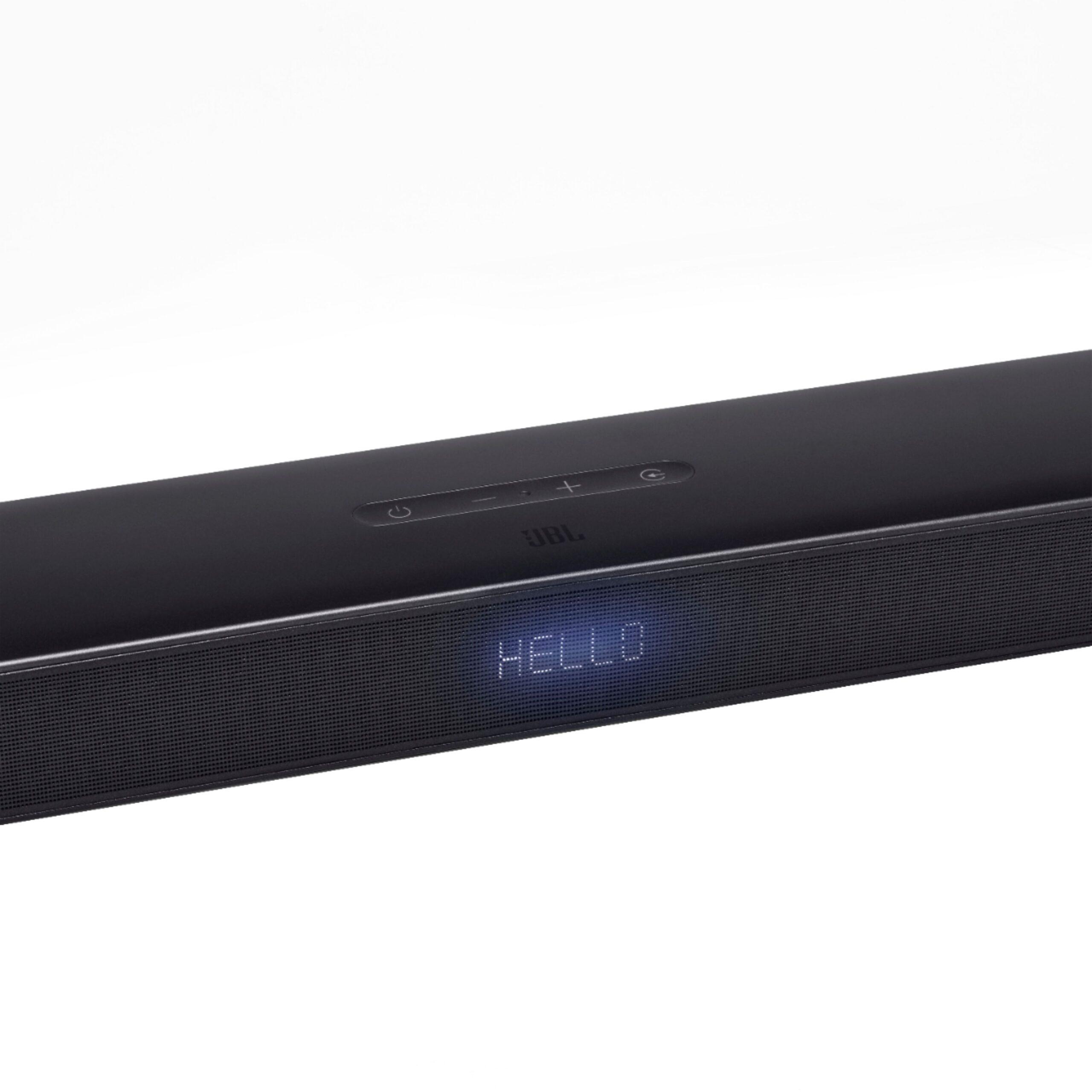
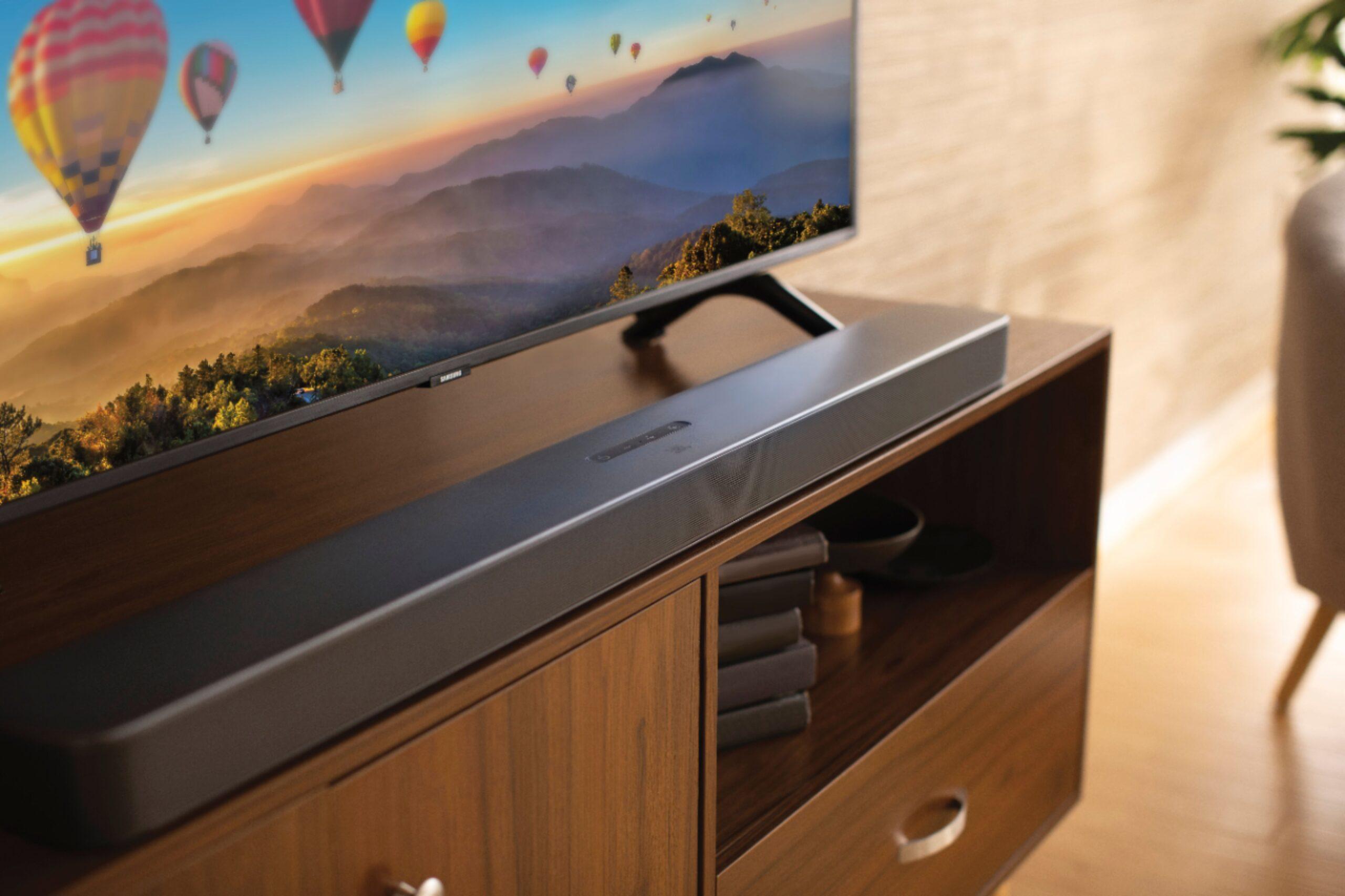
These two soundbars represent completely different approaches to home theater audio. The Arc Ultra follows the "less is more" philosophy that Sonos is known for. It's a single, elegantly designed bar that sits beneath your TV and uses advanced digital signal processing to create the illusion of surround sound. The bar itself is impressively compact at 46 inches wide but only 3.1 inches tall, making it less likely to block your TV screen or interfere with your viewing experience.
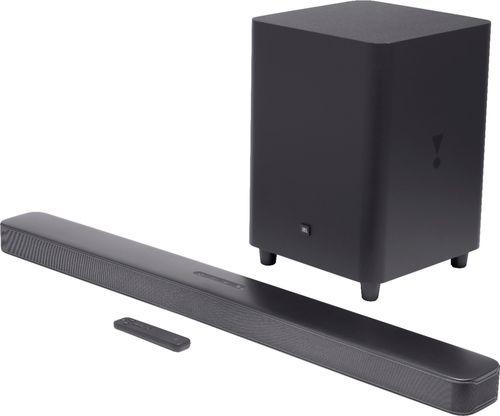
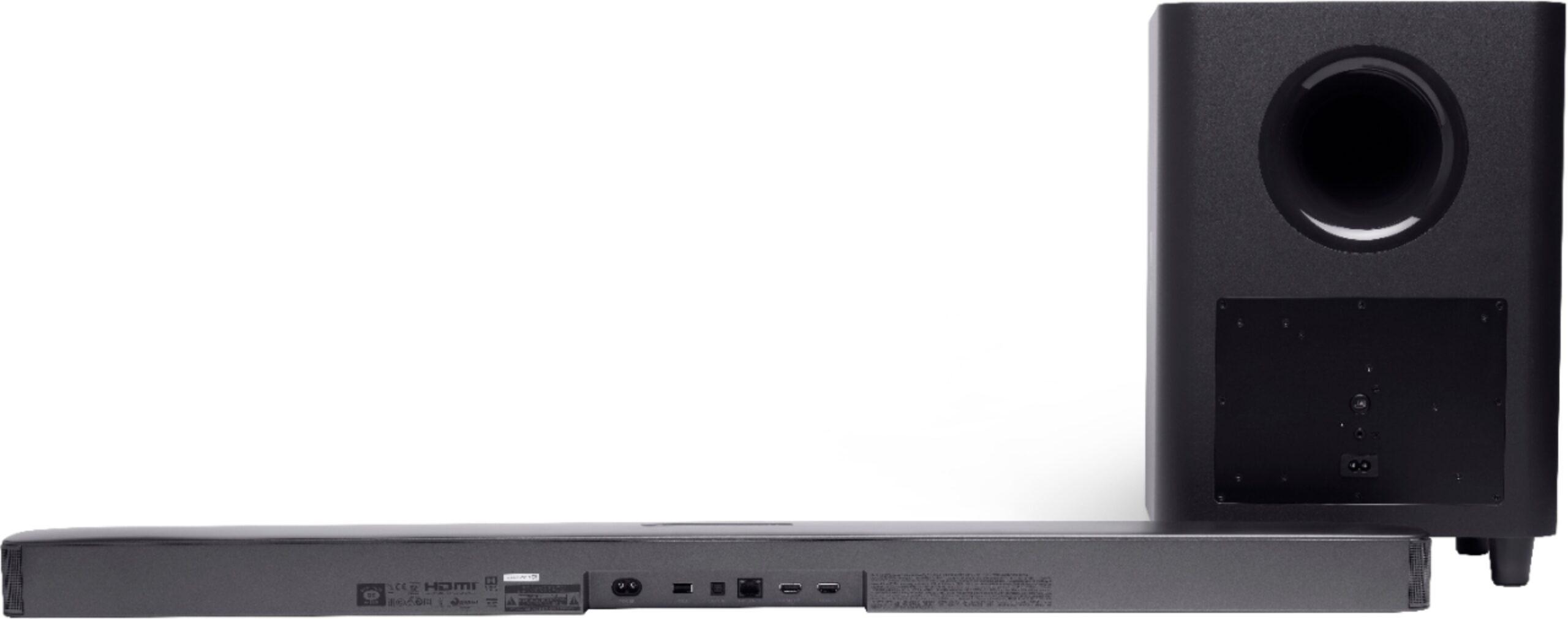
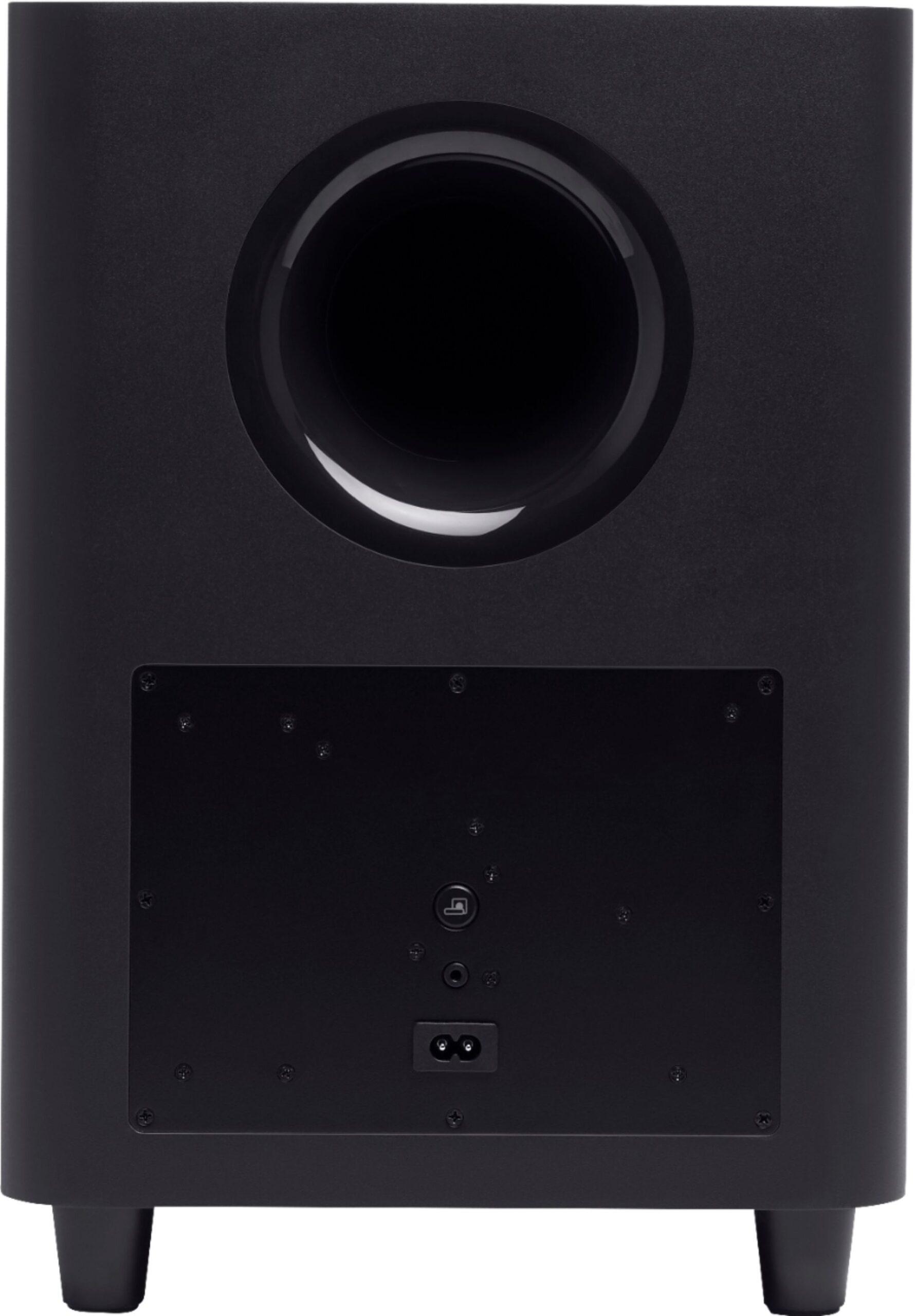
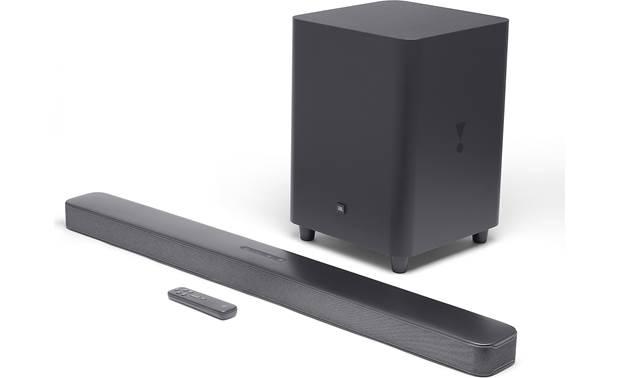
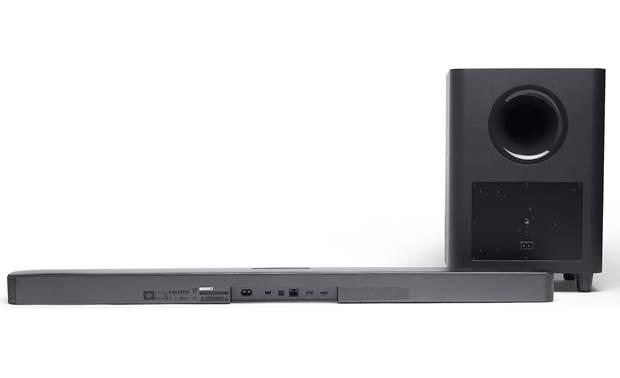
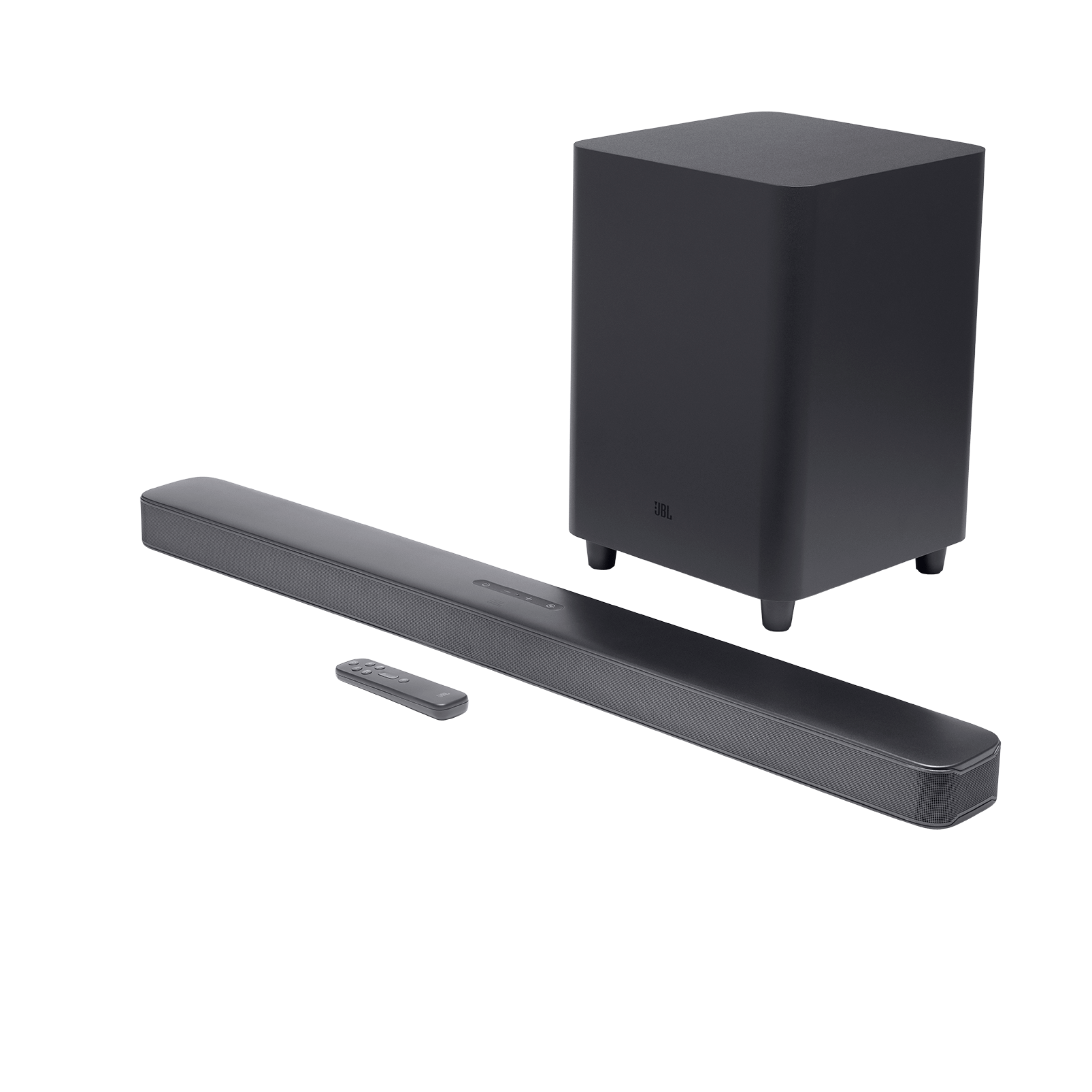
The JBL Bar 5.1 takes the opposite approach. It's saying, "Why simulate surround sound when you can have the real thing?" The system includes the main soundbar, a wireless 10-inch subwoofer, and two detachable rear speakers that you can position anywhere in your room. When you want true surround sound, you place the rear speakers behind your seating area. When you don't need them, they can charge in the main bar or be used as portable Bluetooth speakers around your home.
This fundamental difference affects everything from setup complexity to performance characteristics. The Sonos requires virtually no setup beyond plugging it in and running through the app-based configuration. The JBL requires you to think about speaker placement and manage charging cycles for the rear speakers, but it rewards that extra effort with genuine surround sound immersion.
In my experience testing both systems, dialogue clarity is where the Arc Ultra truly shines. Sonos has engineered dedicated center channel drivers specifically for voice reproduction, and it shows. Whether you're watching quiet drama series or action-packed blockbusters, voices cut through the mix with remarkable clarity. The system also includes multiple levels of speech enhancement – a feature that's particularly valuable if you find yourself constantly adjusting volume levels or reaching for subtitles.
The Arc Ultra's approach to dialogue processing is particularly sophisticated. It doesn't just boost certain frequencies like many soundbars do. Instead, it uses advanced digital signal processing to separate dialogue from background music and effects, then presents it more clearly without making voices sound artificial or overly bright.
The JBL Bar 5.1 handles dialogue well, but it takes a more traditional approach. The center channel in the main bar delivers clear vocals, but it lacks the precision and adjustability of the Sonos system. During quieter scenes, you might find yourself reaching for the remote more often to balance dialogue against background music.
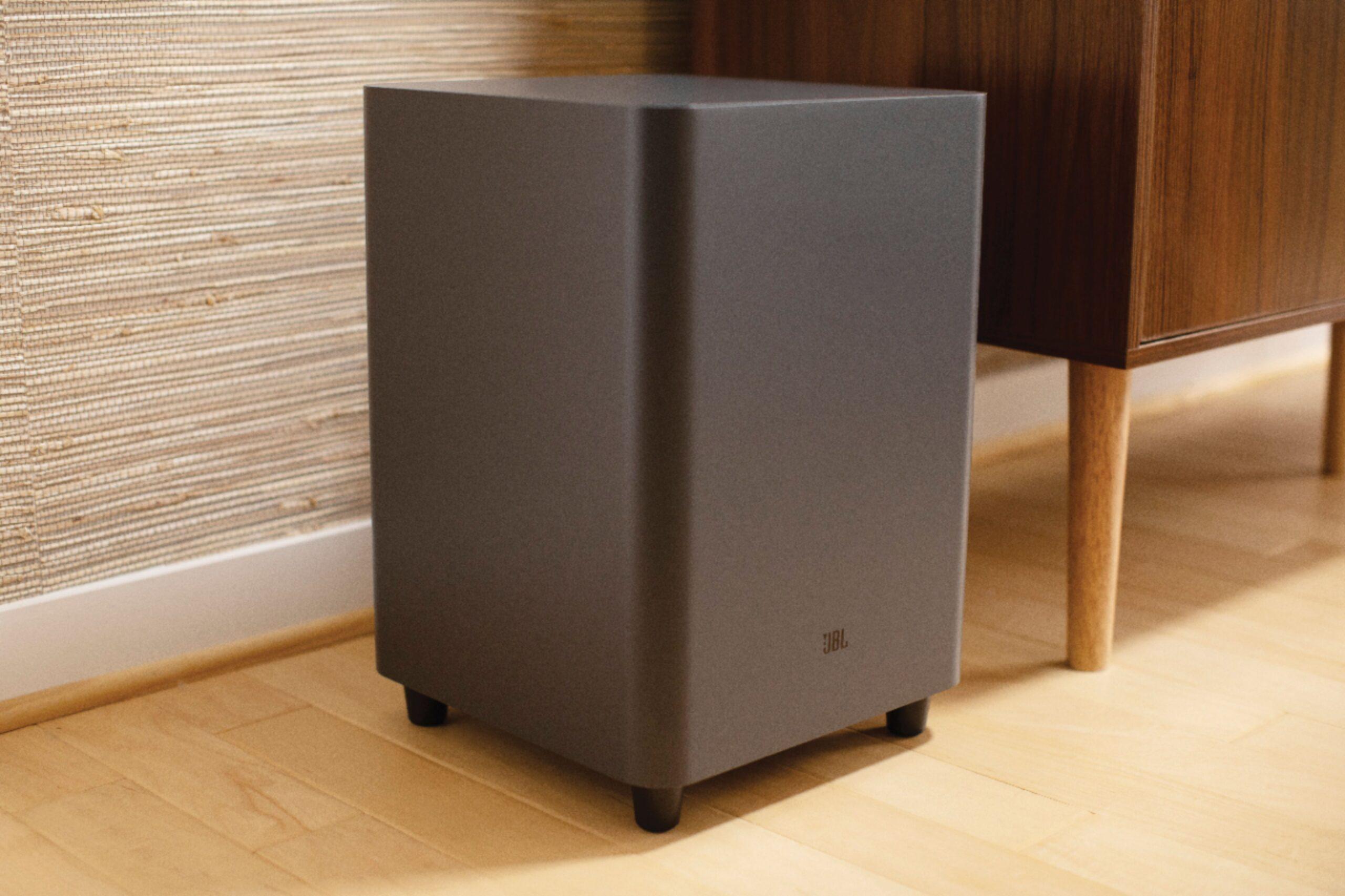
This is where the difference in approaches becomes most apparent. The JBL system includes a substantial 10-inch wireless subwoofer that delivers immediate impact. When explosions happen on screen or bass drops hit in music tracks, you feel it. The subwoofer can be placed anywhere in your room for optimal bass response, and its wireless connection means you won't have cables running across your floor.
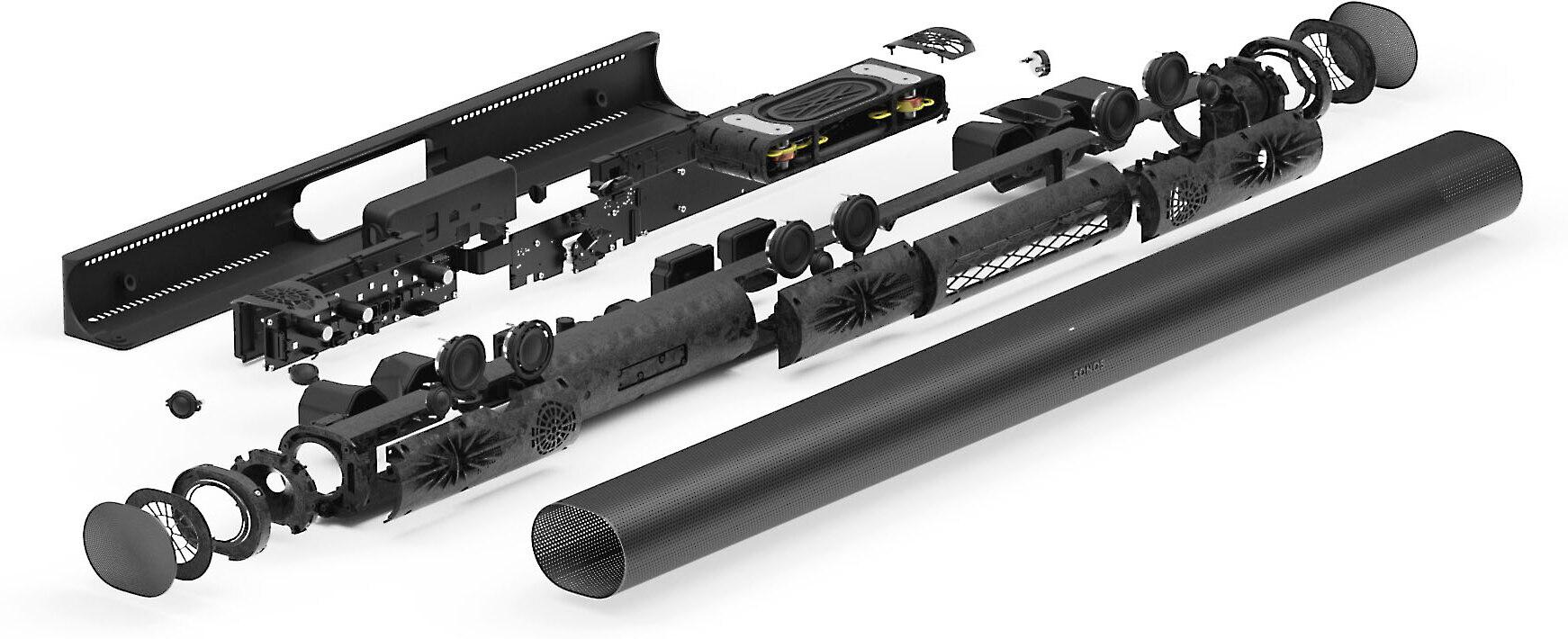
The Arc Ultra relies on its built-in Sound Motion woofer technology – a significant improvement over the original Arc's bass capabilities. This new driver design allows for much better low-end response than you'd expect from such a compact form factor. However, it's still limited by physics. While the bass is present and well-integrated with the rest of the frequency spectrum, it can't match the raw impact of a dedicated 10-inch subwoofer.
Where the Arc Ultra has an advantage is in bass quality and integration. The built-in bass never sounds disconnected from the rest of the audio, which can sometimes happen with separate subwoofers if they're not properly positioned or calibrated. For music listening, this creates a more cohesive and natural sound signature.
The surround sound capabilities of these two systems represent their most fundamental difference. The Arc Ultra uses up-firing drivers and sophisticated digital signal processing to create virtualized Dolby Atmos effects. When it works well – which is most of the time – the effect can be genuinely convincing. You'll hear helicopters flying overhead, rain falling from above, and ambient sounds that seem to come from all around you.
However, virtualized surround sound has inherent limitations. The effectiveness depends heavily on your room's acoustics, ceiling height, and seating position. In my testing, the Arc Ultra's Atmos effects worked best in medium-sized rooms with standard 8-9 foot ceilings. In larger spaces or rooms with vaulted ceilings, the effect becomes less convincing.
The JBL Bar 5.1 doesn't attempt to create height effects, but its physical rear speakers provide something that virtual processing simply cannot: actual sound coming from behind you. When playing games or watching action movies, this directional audio is incredibly immersive. You can pinpoint exactly where sounds are coming from, which is particularly valuable for gaming where audio cues can give you competitive advantages.
The rear speakers themselves are quite clever. Each one contains a 6,600mAh battery that provides up to 10 hours of use, and they automatically connect to the main bar when you place them back in their charging positions. This makes the system more flexible than traditional wired surround setups while maintaining the benefits of true multichannel audio.
The Arc Ultra showcases Sonos's strength in ecosystem integration and smart home connectivity. The system seamlessly connects to your existing Sonos speakers, allowing you to create a whole-home audio system where music can flow from room to room. The Trueplay room correction technology uses your smartphone's microphone to analyze your room's acoustics and automatically optimize the sound signature accordingly.
Voice control is deeply integrated, with far-field microphones that can hear commands even during loud movie scenes. The system supports both Amazon Alexa and Google Assistant, and the voice recognition is impressively accurate. You can control not just the soundbar, but your entire connected home ecosystem through voice commands.
The Sonos app experience is also notably polished. It provides detailed control over equalization settings, allows you to group speakers across your home, and gives you access to dozens of streaming services. The interface is intuitive enough that you won't need to consult the manual for basic operations.
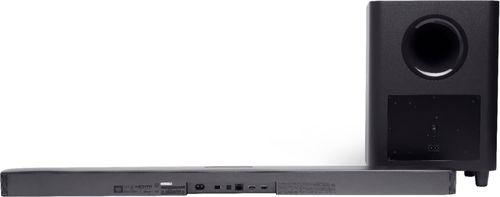
The JBL Bar 5.1 takes a more traditional approach to smart features. It includes Bluetooth connectivity (which the Sonos lacks), multiple HDMI inputs with 4K/120Hz passthrough for gaming consoles, and basic app control. The JBL app isn't as sophisticated as Sonos's offering, but it covers the essentials: EQ adjustment, input selection, and sound mode switching.
One unique feature of the JBL system is its Night Listening mode. When activated, it mutes the main bar and subwoofer, routing all audio through the detachable rear speakers. This allows for late-night viewing without disturbing others in your home – a practical feature that Sonos doesn't offer.
For movie watching, both systems excel in different ways. The Arc Ultra creates a more refined, audiophile-oriented experience. Soundtracks are beautifully balanced, dialogue is crystal clear, and the virtual surround effects add an impressive sense of space. It's particularly excellent for dialogue-heavy content like dramas or documentaries, where speech clarity is paramount.
The JBL system is more visceral and immediate in its impact. Action sequences feel more dynamic thanks to the dedicated subwoofer and physical rear speakers. During the opening sequence of "Mad Max: Fury Road," the JBL system made every engine rev and explosion feel more impactful, while the rear speakers accurately positioned ambient desert sounds and flying debris.
For gaming, the JBL's directional audio provides clear advantages. In competitive shooters, you can precisely locate enemy footsteps and gunfire. The low latency connection ensures that audio stays synchronized with fast-paced action. The Arc Ultra's gaming performance is good, but the virtualized surround can't match the precision of actual rear speakers for positional audio.
Music listening reveals another difference in character. The Sonos Arc Ultra presents music with a more neutral, balanced signature that works well across all genres. Jazz recordings sound natural and spacious, while electronic music maintains its energy without becoming fatiguing. The JBL system has a more energetic, forward presentation that's exciting for rock and pop music but might be too aggressive for acoustic genres.
The pricing difference between these systems becomes more complex when you consider the total cost of ownership. The JBL Bar 5.1 at $600 includes everything you need for a complete 5.1 surround system. There are no additional purchases required to achieve the full experience.
The Sonos Arc Ultra starts at $929, but to truly maximize its potential, you'll likely want to add the Sonos Sub ($799) and possibly Era 300 rear speakers ($449 each) for genuine surround sound. This brings the total cost to nearly $2,100 for a complete system – more than three times the price of the JBL.
However, this comparison isn't entirely fair to Sonos. The Arc Ultra is designed to be expandable over time. You can start with just the soundbar and add components as your budget allows or your needs change. The JBL system is what it is – you get everything upfront, but there's no clear upgrade path.
From a pure performance-per-dollar perspective, the JBL offers exceptional value. You're getting true surround sound, a powerful subwoofer, and flexible rear speakers for significantly less money than competing systems. The Sonos justifies its premium pricing through superior build quality, more advanced features, and the flexibility of ecosystem expansion.
Neither system is perfect, and understanding their limitations is crucial for making the right choice. The Arc Ultra's virtualized Atmos, while impressive, can't fully replicate the experience of discrete height speakers. In larger rooms or with certain seating arrangements, the effect may be less convincing than you'd hope.
The Sonos system also lacks Bluetooth connectivity, which might be frustrating if you want to quickly connect a phone or tablet without going through the app. The reliance on Wi-Fi connectivity means that network issues can occasionally interrupt your listening experience.
The JBL Bar 5.1's main limitation is the need to manage charging cycles for the rear speakers. While the 10-hour battery life is generous, you'll need to remember to dock them periodically. The rear speakers also need to be positioned relatively close to your seating area to be effective, which might not work in all room layouts.
The JBL's app experience, while functional, feels less polished than Sonos's offering. Advanced features like room correction are limited, and the overall ecosystem integration is minimal compared to what Sonos provides.
Choosing between the Sonos Arc Ultra and JBL Bar 5.1 ultimately comes down to your priorities, budget, and listening preferences.
Choose the Sonos Arc Ultra if you value refined audio quality, want the flexibility to expand your system over time, or already have other Sonos products in your home. It's ideal for users who prioritize dialogue clarity, appreciate sophisticated room correction technology, and want seamless integration with smart home ecosystems. The Arc Ultra is also the better choice if you primarily listen to music through your soundbar, as its balanced signature works well across all genres.
The JBL Bar 5.1 is the better choice if you want immediate surround sound immersion without additional purchases, prioritize value for money, or do a lot of gaming where directional audio matters. It's particularly well-suited for action movie enthusiasts who want to feel every explosion and car chase, and for users who appreciate the flexibility of having portable rear speakers for other uses.
Consider your room size and layout as well. The Arc Ultra works better in smaller to medium-sized rooms where its virtualized effects can be most convincing. The JBL system can fill larger spaces more effectively thanks to its separate subwoofer and the ability to position rear speakers optimally.
Both soundbars represent excellent choices within their respective approaches to home theater audio. The JBL offers more immediate gratification and complete functionality at a lower price point, while the Sonos provides a more refined experience with greater long-term flexibility. Your choice should align with your specific needs, budget, and how you plan to use your home theater system in the years to come.
| Sonos Arc Ultra Dolby Atmos Soundbar | JBL Bar 5.1 Surround Soundbar with Wireless Subwoofer |
|---|---|
| Price - Total cost to get started with quality surround sound | |
| $929 (soundbar only, may want Sub later for $799) | $599 (complete 5.1 system included) |
| Surround Sound Approach - Virtual processing vs physical speakers | |
| Virtualized Dolby Atmos with up-firing drivers | True 5.1 with detachable wireless rear speakers |
| Bass Response - Impact for movies and music | |
| Built-in Sound Motion woofer (good but limited) | Dedicated 10" wireless subwoofer (powerful impact) |
| Audio Channels - How sound is distributed | |
| 9.1.4 virtualized channels | 5.1 physical channels |
| Dialogue Clarity - Critical for understanding speech | |
| Excellent with dedicated center channel + speech enhancement | Good center channel, less sophisticated processing |
| Smart Features - Convenience and integration | |
| Full Sonos ecosystem, Trueplay tuning, voice control | Basic app, Bluetooth, Night Listening mode |
| Connectivity Options - How you connect devices | |
| HDMI eARC, Wi-Fi, AirPlay 2 (no Bluetooth) | HDMI 2.1 (4K/120Hz), Bluetooth, optical, USB |
| Rear Speaker Battery Life - For wireless surround models | |
| N/A (virtualized surround) | 10 hours per charge, doubles as Bluetooth speakers |
| Room Correction - Optimizes sound for your space | |
| Advanced Trueplay tuning via smartphone | Basic EQ adjustments only |
| Expandability - Future upgrade options | |
| Full Sonos ecosystem (Sub, rear speakers, multi-room) | Limited upgrade path beyond included components |
| Best Use Cases - Where each excels most | |
| Music listening, dialogue-heavy content, smart homes | Gaming, action movies, immediate surround impact |
The JBL Bar 5.1 Surround Soundbar with Wireless Subwoofer at $599 offers better immediate value, providing a complete 5.1 system with subwoofer and rear speakers included. The Sonos Arc Ultra Dolby Atmos Soundbar at $929 costs significantly more for just the soundbar, though it offers premium features and expandability.
With the JBL Bar 5.1, everything is included for true 5.1 surround sound. The Sonos Arc Ultra uses virtualized surround sound built-in, but you'd need to purchase separate Sonos Era 300 speakers ($449 each) for physical rear channels.
The JBL Bar 5.1 is superior for gaming due to its physical rear speakers providing precise directional audio and HDMI 2.1 support for 4K/120Hz gaming. The physical surround speakers help locate enemy positions and audio cues more accurately than the virtualized surround of the Sonos Arc Ultra.
The JBL Bar 5.1 includes a powerful 10" wireless subwoofer that delivers immediate, impactful bass. The Sonos Arc Ultra uses built-in Sound Motion woofer technology that's improved but still limited compared to a dedicated subwoofer, though you can add the optional Sonos Sub for $799.
The Sonos Arc Ultra excels in smart home integration with built-in voice assistants, seamless Sonos ecosystem connectivity, and advanced app control. The JBL Bar 5.1 offers basic smart features and Bluetooth connectivity but lacks the sophisticated ecosystem integration of Sonos.
Both work well for music, but the Sonos Arc Ultra offers superior music performance with its balanced sound signature and integration with music streaming services. The JBL Bar 5.1 has a more energetic sound that works well for upbeat genres but may be less refined for acoustic music.
The Sonos Arc Ultra is simpler to set up - just plug in and configure through the app. The JBL Bar 5.1 requires positioning the subwoofer and rear speakers around your room, plus managing charging cycles for the wireless rear speakers.
The Sonos Arc Ultra fully supports Dolby Atmos with virtualized height effects through up-firing drivers. The JBL Bar 5.1 does not support Dolby Atmos but compensates with true physical 5.1 surround sound from its rear speakers.
The Sonos Arc Ultra excels at dialogue with dedicated center channel drivers and multiple levels of speech enhancement. The JBL Bar 5.1 provides good dialogue clarity but lacks the sophisticated speech processing and adjustability of the Sonos system.
The JBL Bar 5.1 typically performs better in larger spaces due to its separate subwoofer and ability to position rear speakers optimally. The Sonos Arc Ultra's virtualized effects work best in medium-sized rooms with standard ceiling heights.
The Sonos Arc Ultra offers extensive expandability within the Sonos ecosystem - you can add the Sonos Sub, rear speakers, and connect to other Sonos speakers throughout your home. The JBL Bar 5.1 is a complete system with limited upgrade options beyond what's included.
For action movies, the JBL Bar 5.1 provides more visceral impact with its dedicated subwoofer and true surround sound. For dialogue-heavy films and refined audio quality, the Sonos Arc Ultra offers superior clarity and balanced sound. Your preference depends on whether you prioritize impact or refinement.
We've done our best to create useful and informative comparisons to help you decide what product to buy. Our research uses advanced automated methods to create this comparison and perfection is not possible - please contact us for corrections or questions. These are the sites we've researched in the creation of this article: bestbuy.com - shopjetson.com - youtube.com - ign.com - crutchfield.com - dowtechnologies.com - sonos.com - appleinsider.com - pcrichard.com - clefdesol.com - sonos.com - businessinsider.com - audioadvice.com - en.community.sonos.com - jbl.com - jbl.com - jbl.com - tomsguide.com - jbl.com - bestbuy.com - bestbuy.com - jbl.com - jbl.com - worldwidestereo.com

Privacy Policy
Terms and Conditions - Affiliate Policy
Home Security
© Copyright 2008-2026.
11816 Inwood Rd #1211, Dallas, TX 75244