



When your TV's built-in speakers make dialogue sound like it's coming from underwater, it's time for a soundbar upgrade. But here's where things get interesting—not all soundbars are created equal, and the choice between a simple dialogue enhancer and a full surround sound system can make or break your entertainment experience.
Today we're comparing two very different approaches to better TV audio: the Bose TV Speaker ($199) and the JBL Bar 5.1 Surround ($599.95). These products represent opposite ends of the soundbar spectrum, and understanding their differences will help you make the right choice for your setup.
The soundbar market has exploded over the past decade as TVs have gotten thinner and their speakers have gotten worse. Modern flat-screen TVs simply don't have room for decent drivers (the actual speakers that produce sound), which is why even expensive TVs often sound terrible.
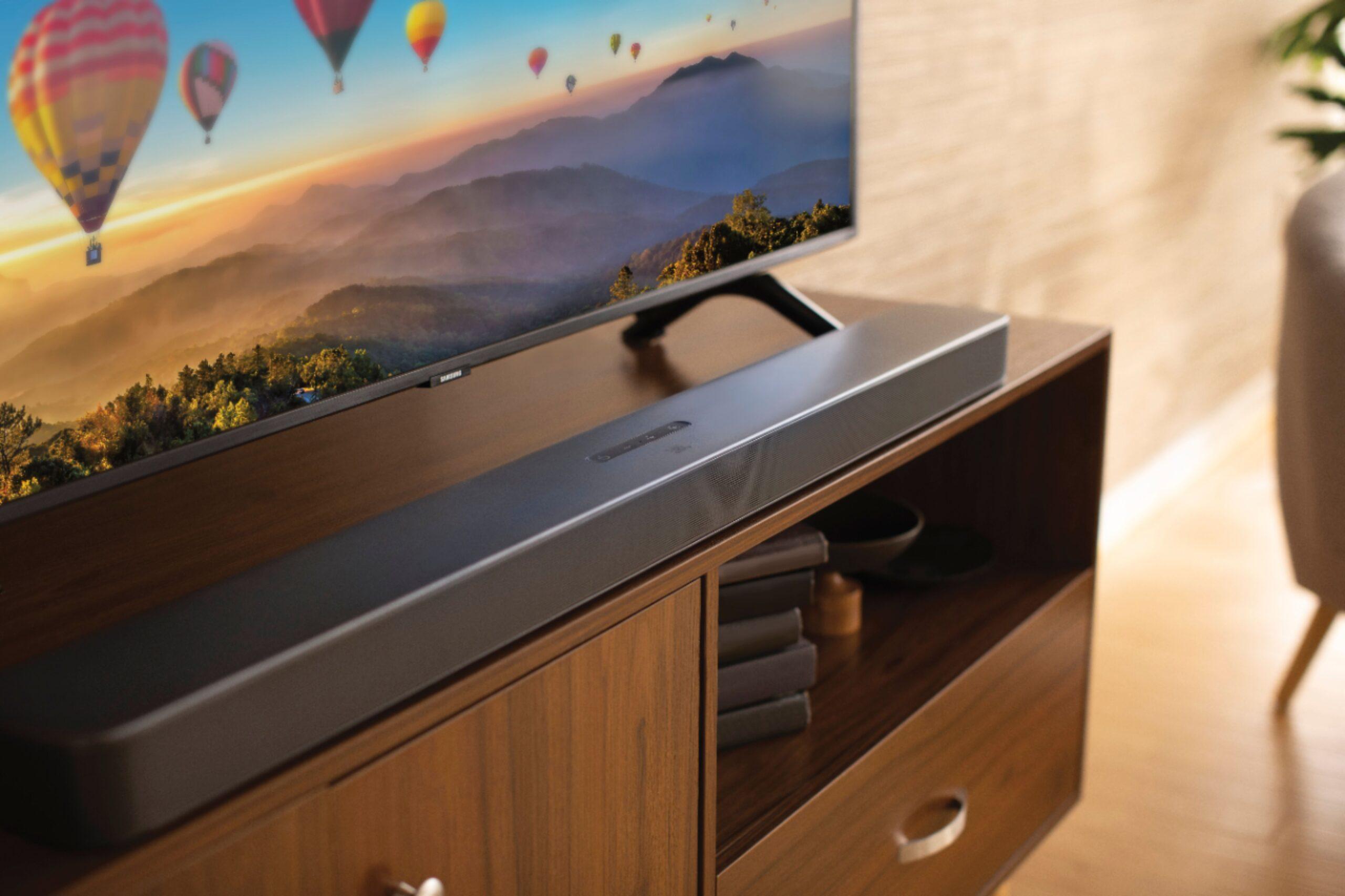
Soundbars solve this problem by housing multiple speakers in a single enclosure that sits below or in front of your TV. The simplest ones use just two channels (left and right stereo), while more complex systems can simulate or actually create surround sound with multiple channels and separate subwoofers.
The key considerations when shopping for a soundbar are pretty straightforward: How much better do you want your audio to sound? How much space do you have? What's your budget? And perhaps most importantly—what do you actually watch?
If you're mainly watching the news or sitcoms, your needs are very different from someone who's streaming action movies or playing video games. The Bose and JBL represent these two different worlds perfectly.
The Bose TV Speaker hit the market in 2020, right as the pandemic was pushing more people to upgrade their home entertainment setups. Bose positioned it as their entry-level soundbar, focusing on what they do best—clear, natural sound with minimal fuss. Since its release, the TV Speaker has remained largely unchanged, which actually speaks to its refined design. When a product works well out of the gate, sometimes the best update is no update.
The JBL Bar 5.1 also launched around the same timeframe, though JBL has made subtle improvements to its wireless connectivity and battery life in the detachable speakers. The original version had some connectivity hiccups that have been largely resolved in current production models. JBL's approach was always about delivering maximum impact—literally and figuratively—with room-shaking bass and true surround sound positioning.
Both products arrived during a golden age of streaming content, when services like Netflix and Disney+ were investing heavily in Dolby Atmos soundtracks and cinematic audio experiences. This timing influenced their design philosophies significantly.
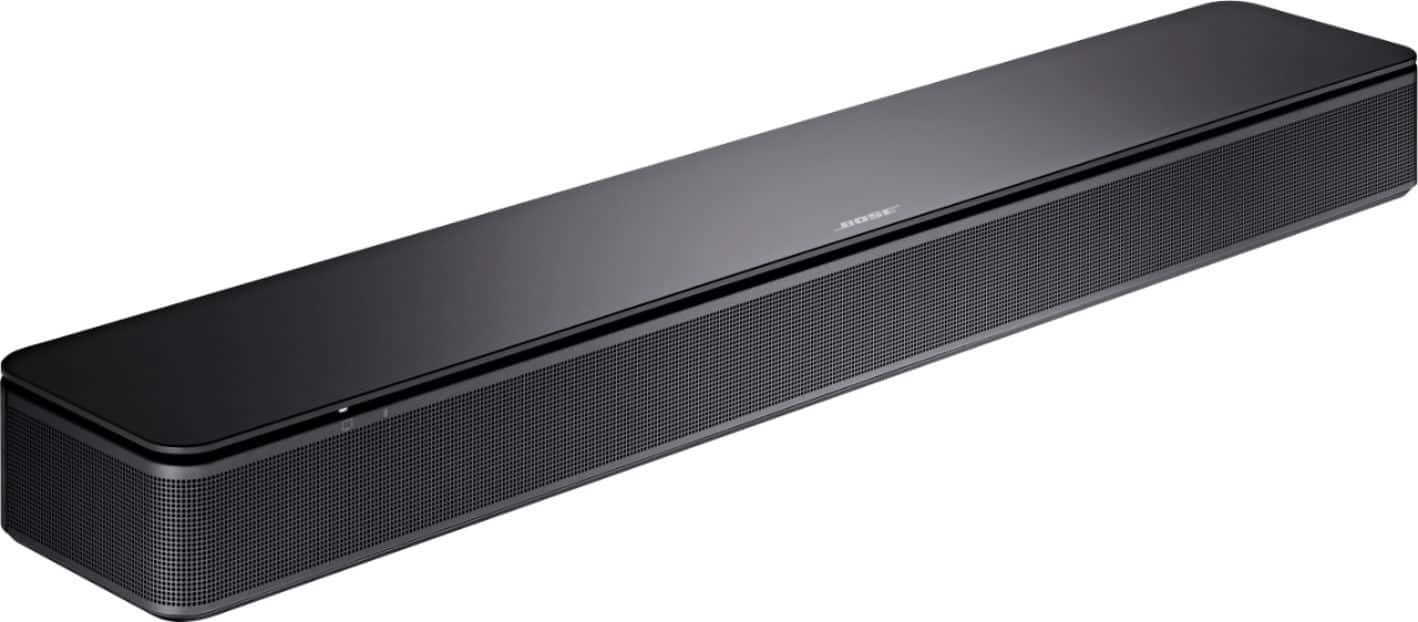
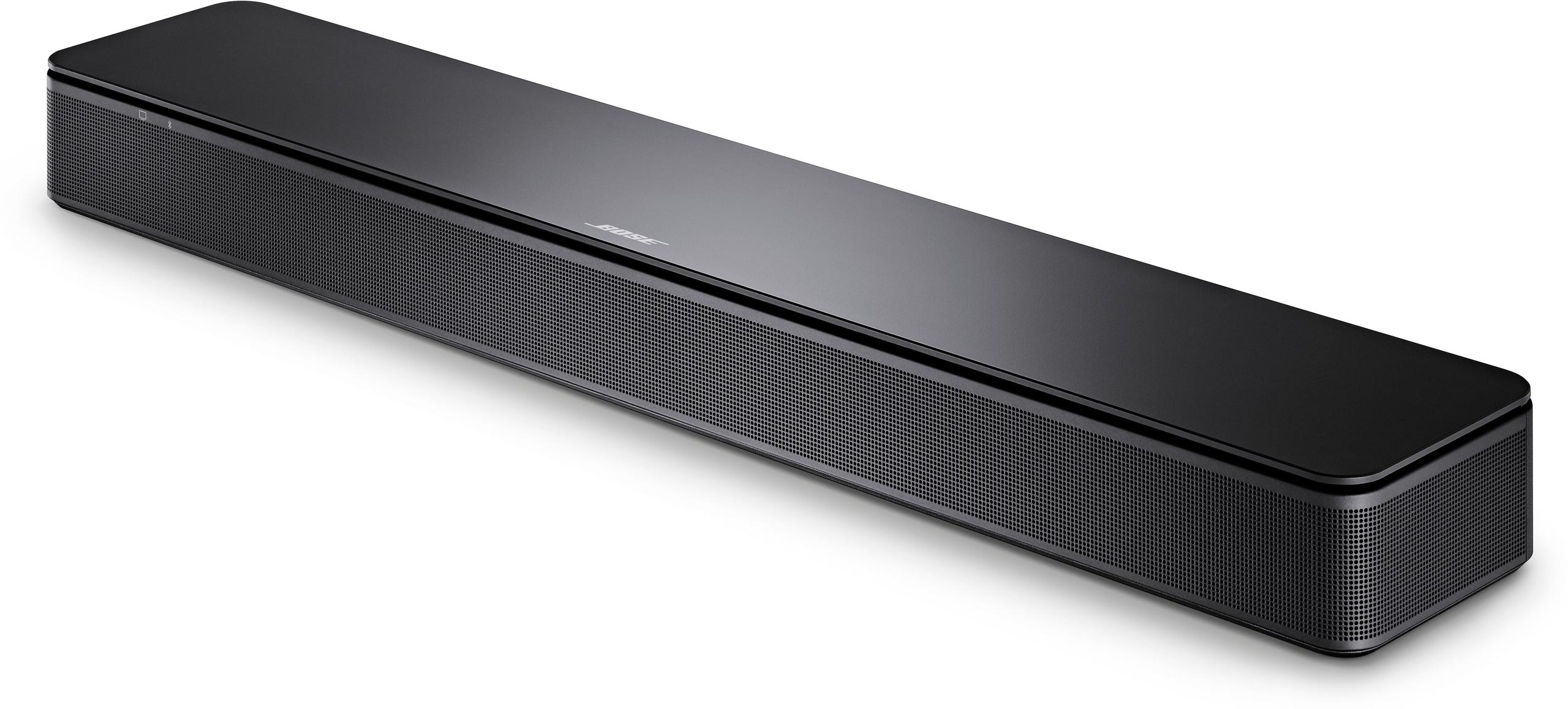
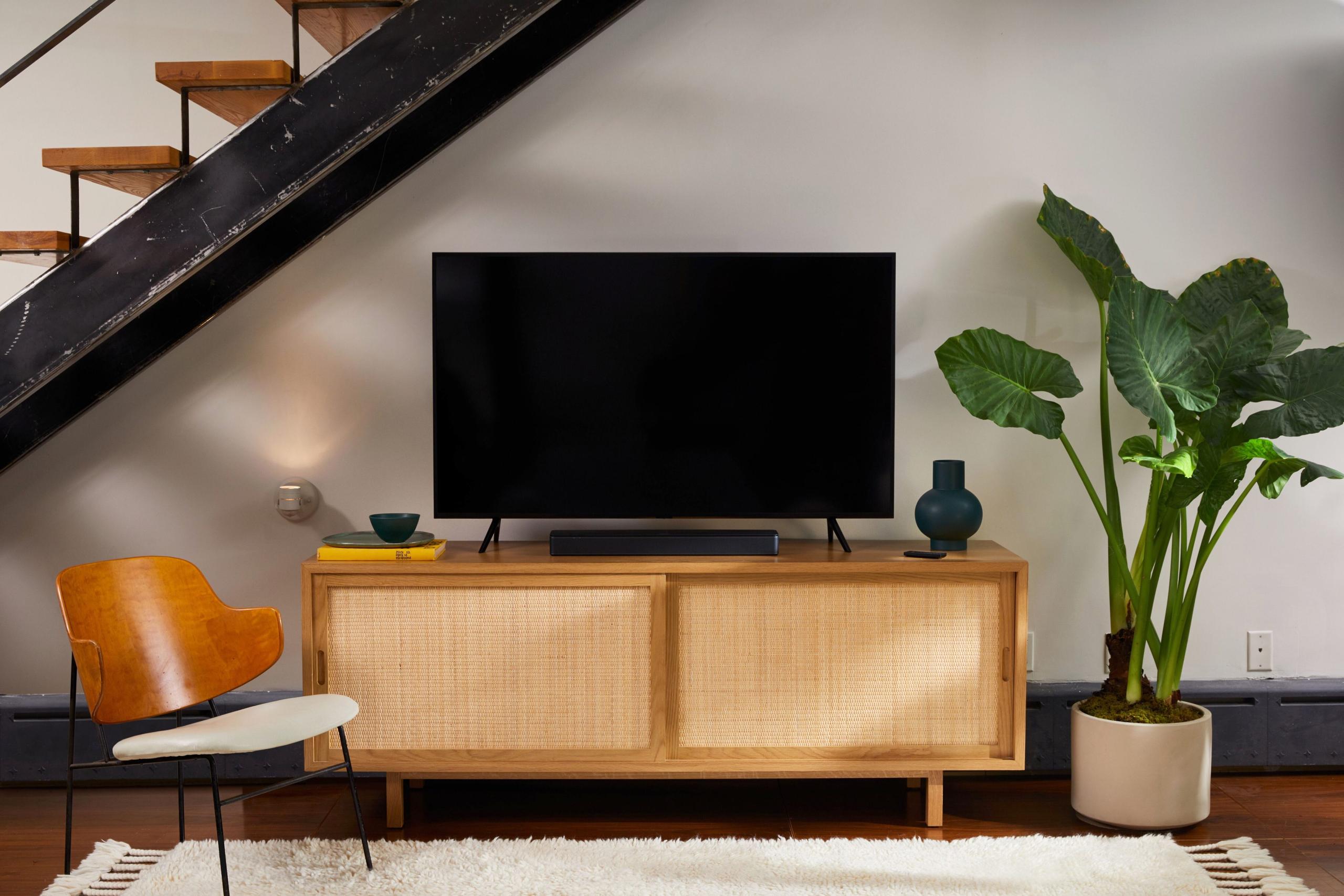
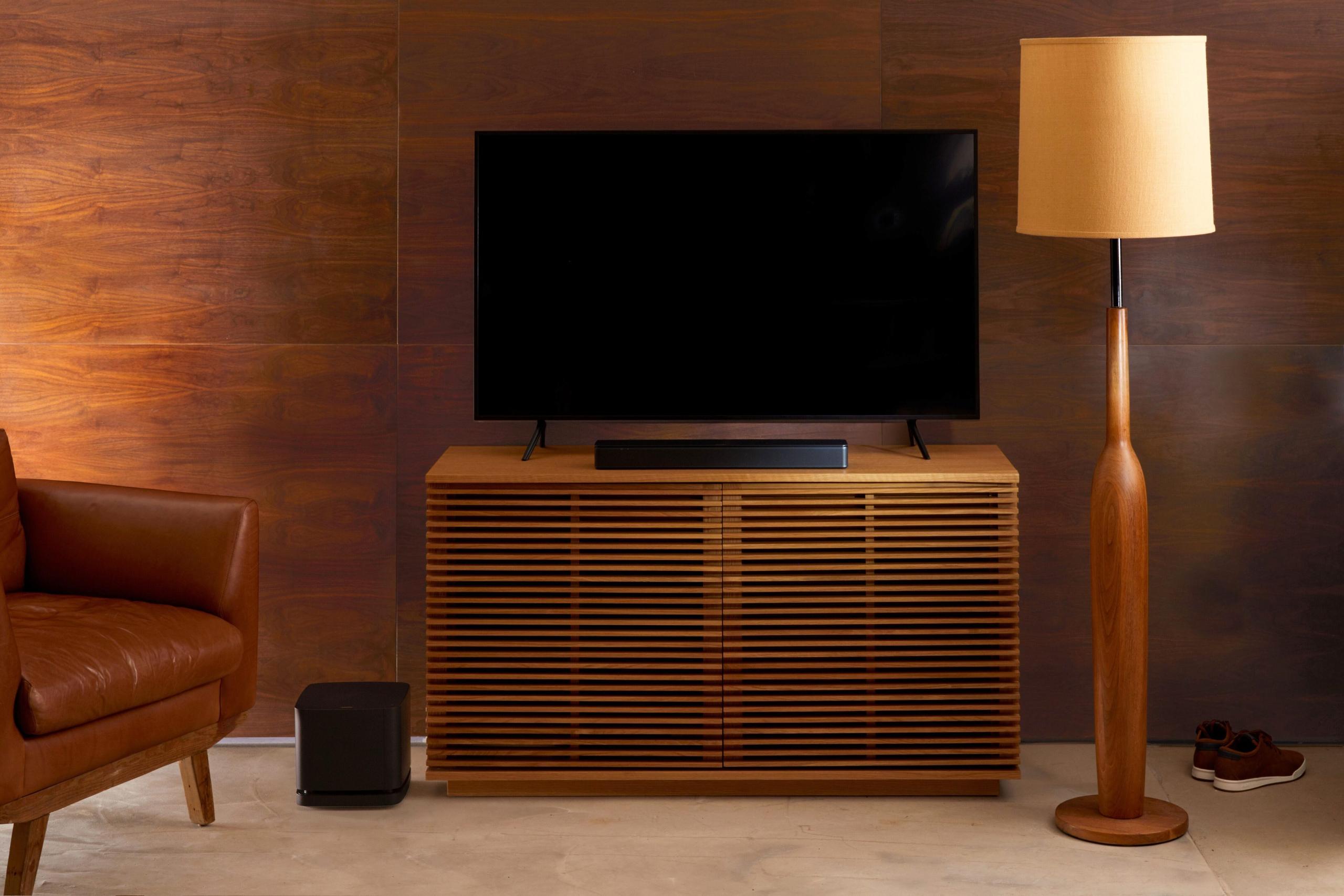
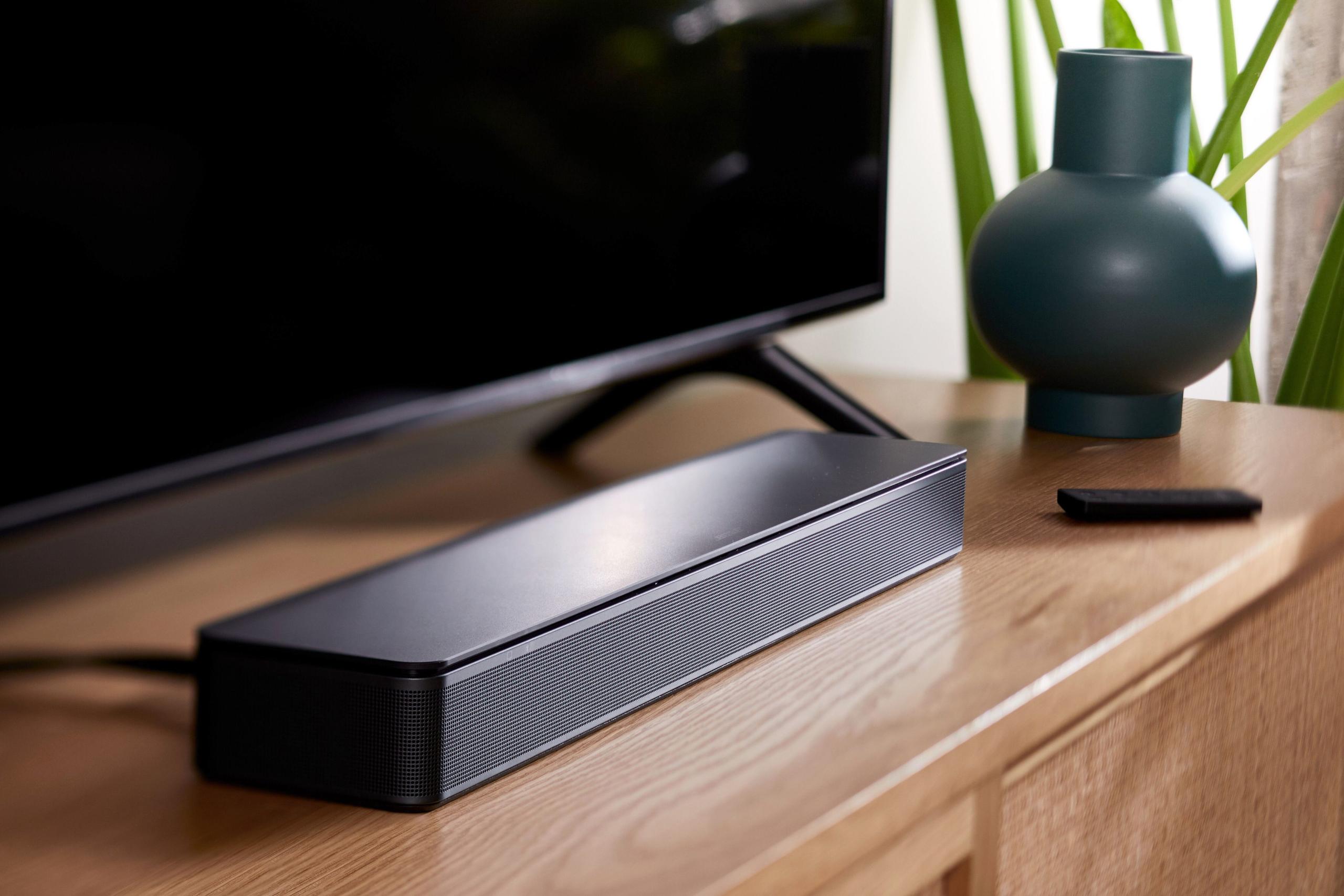
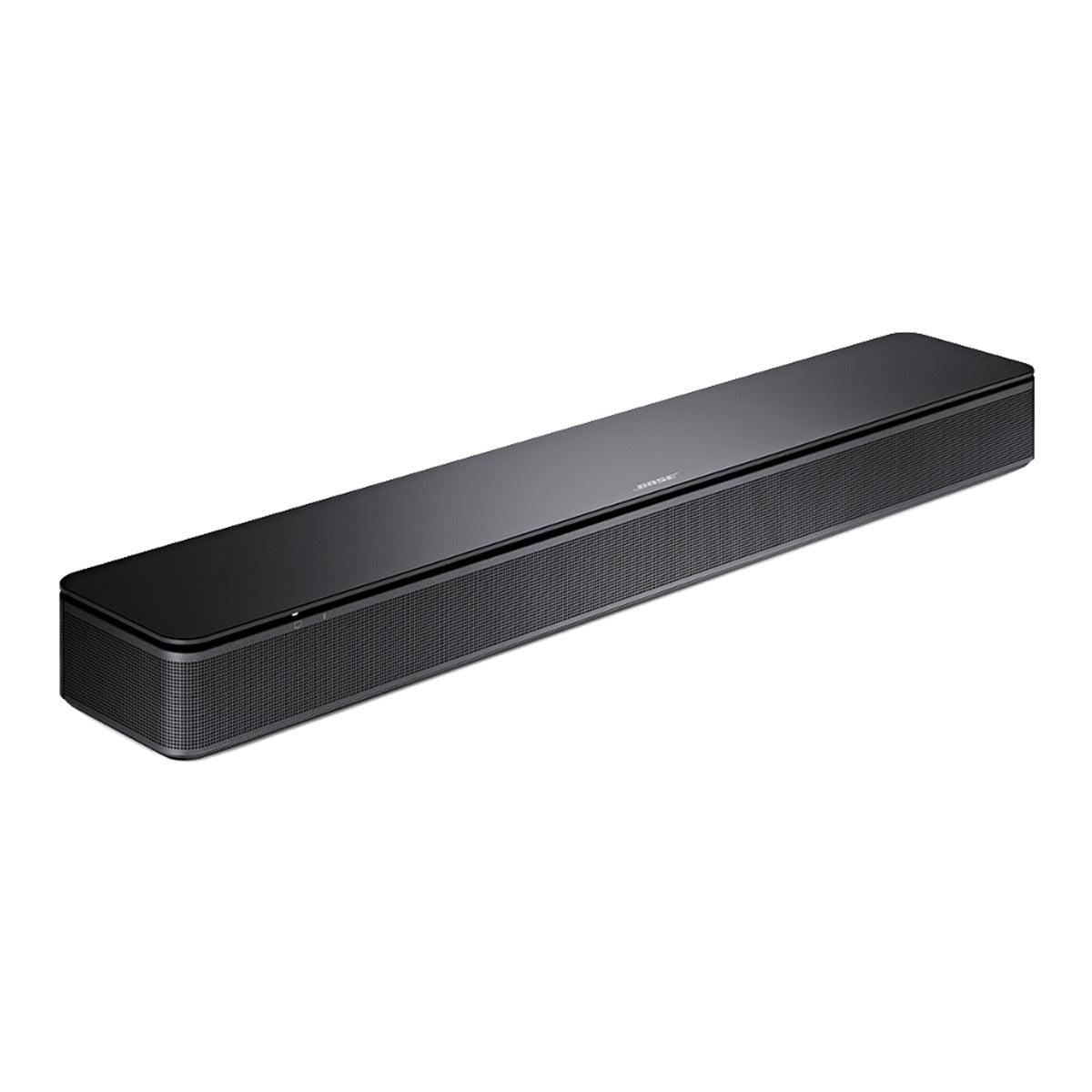
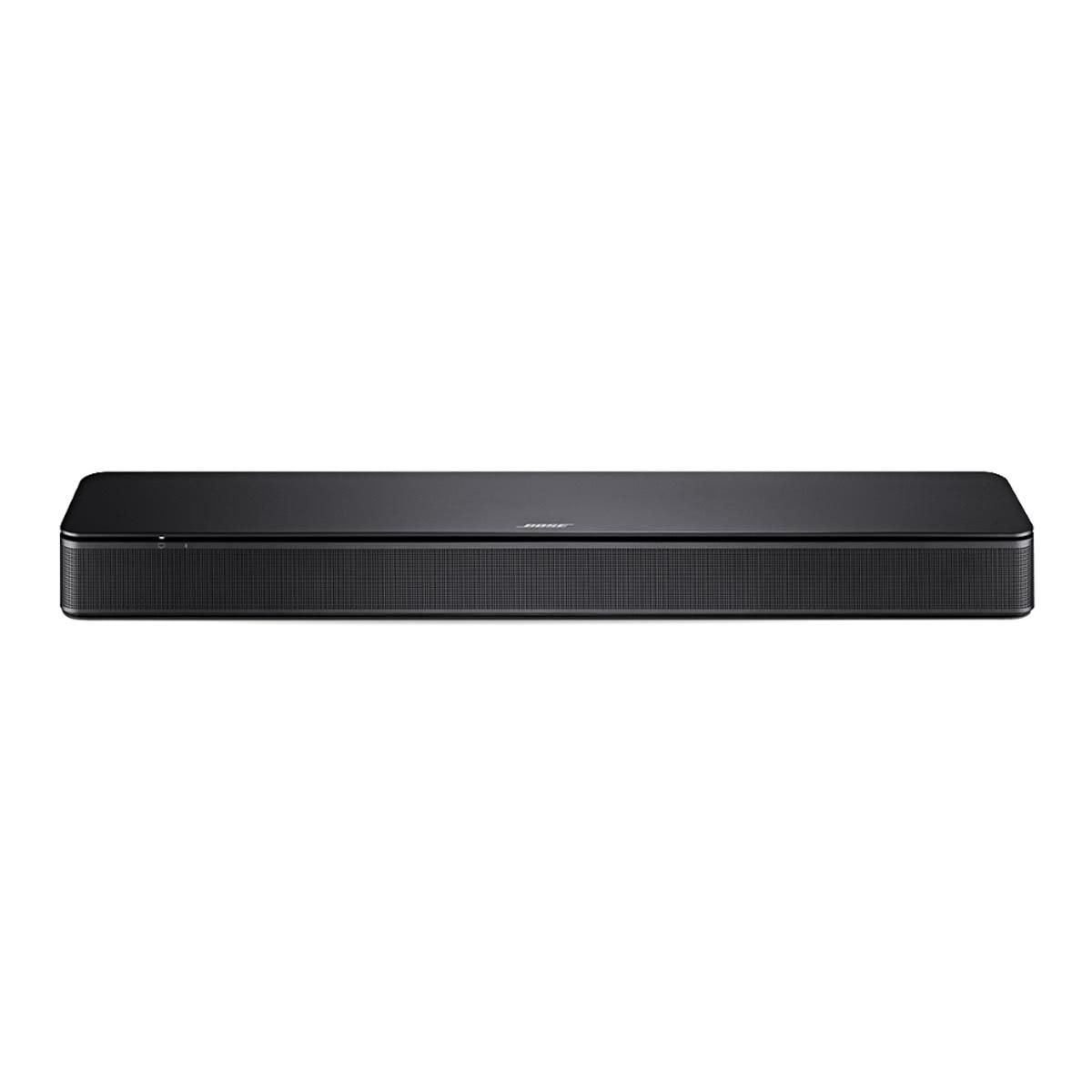
Here's where these two products couldn't be more different. The Bose TV Speaker embodies the "less is more" philosophy. At just 23.4 inches wide and weighing 4.3 pounds, it's designed to disappear into your setup while making your TV sound dramatically better. There's no subwoofer to hide, no satellites to position—just plug it in and you're done.
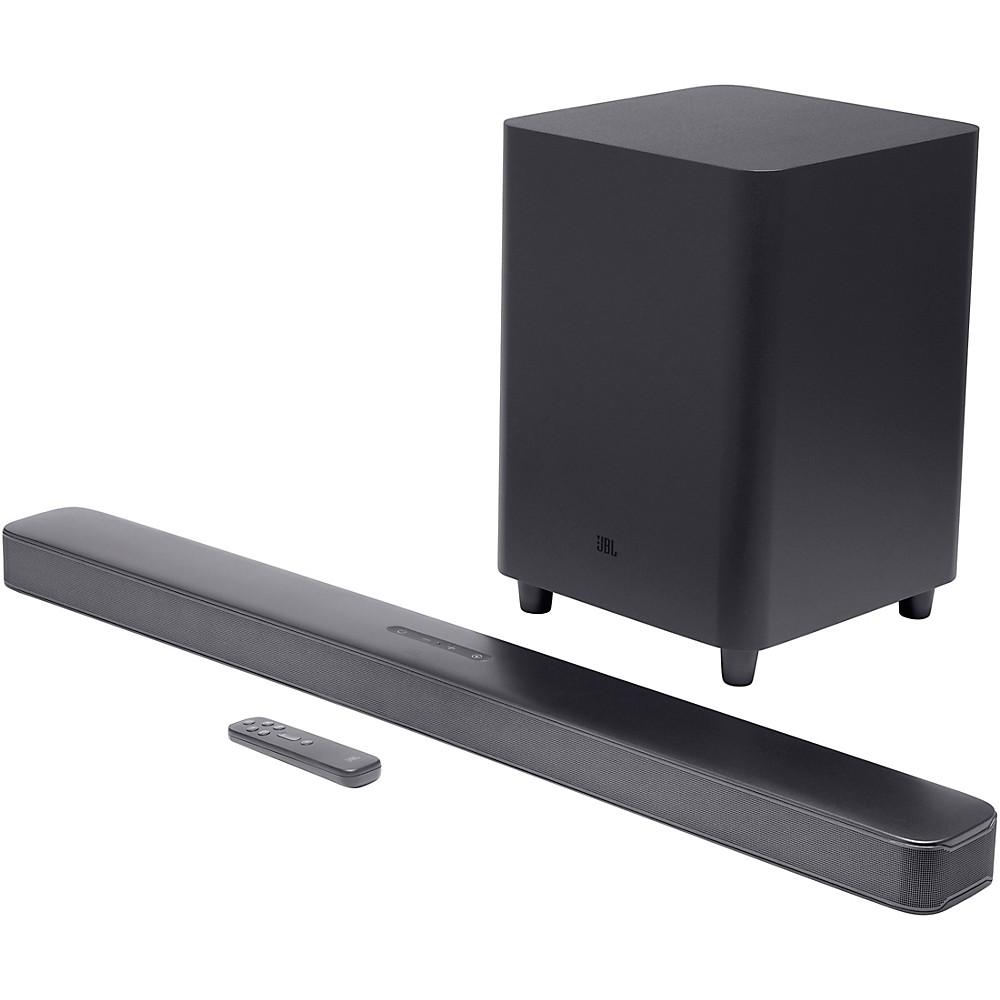
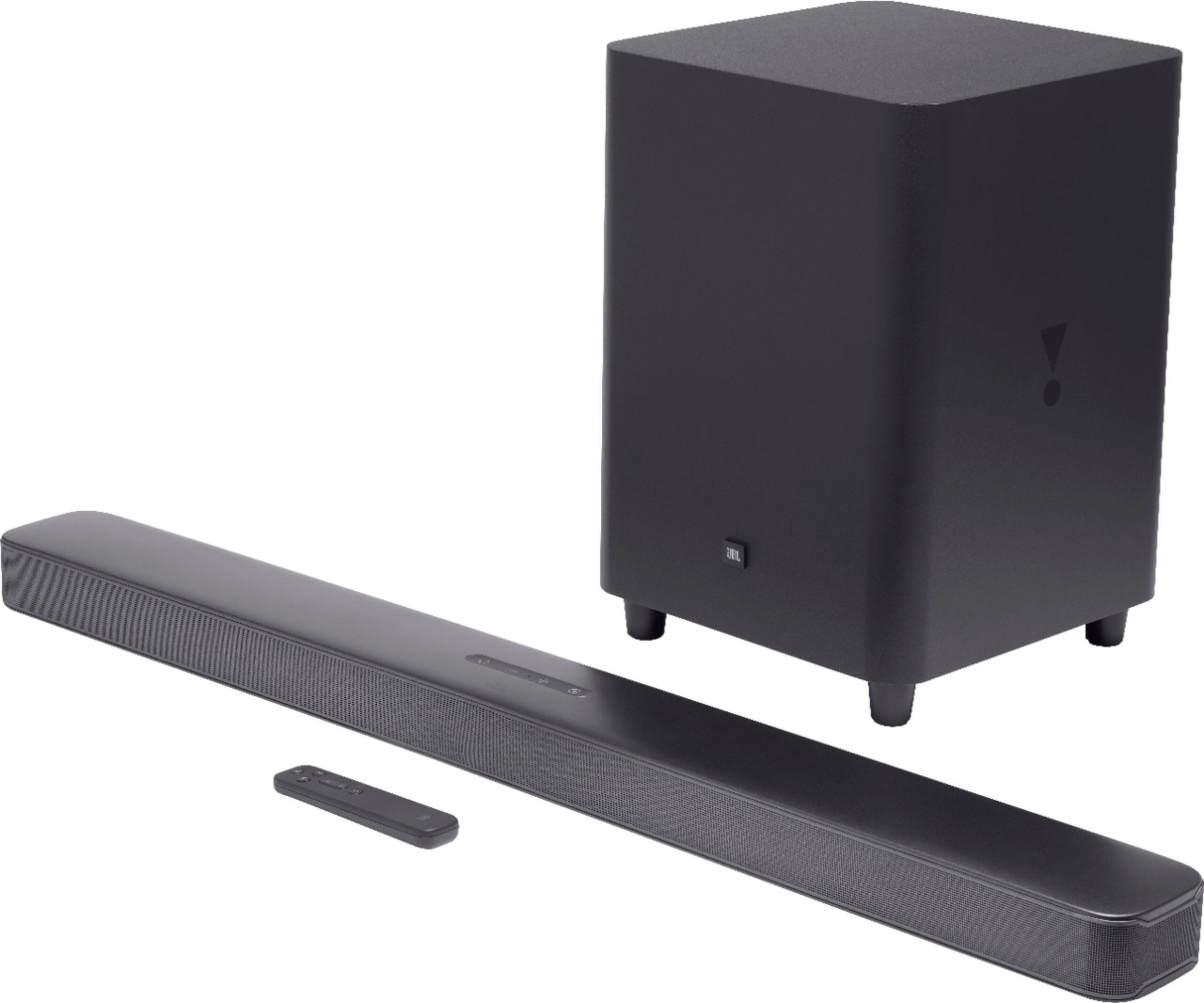
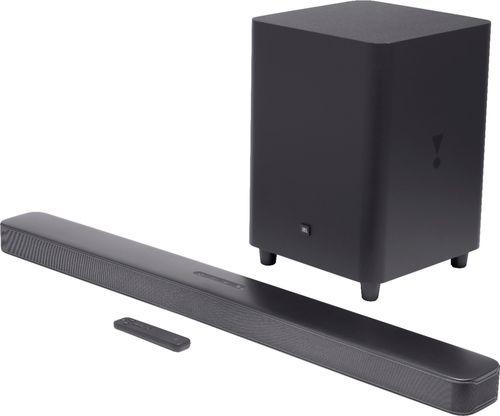
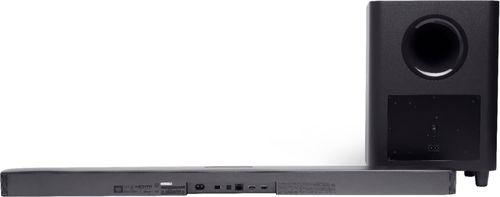
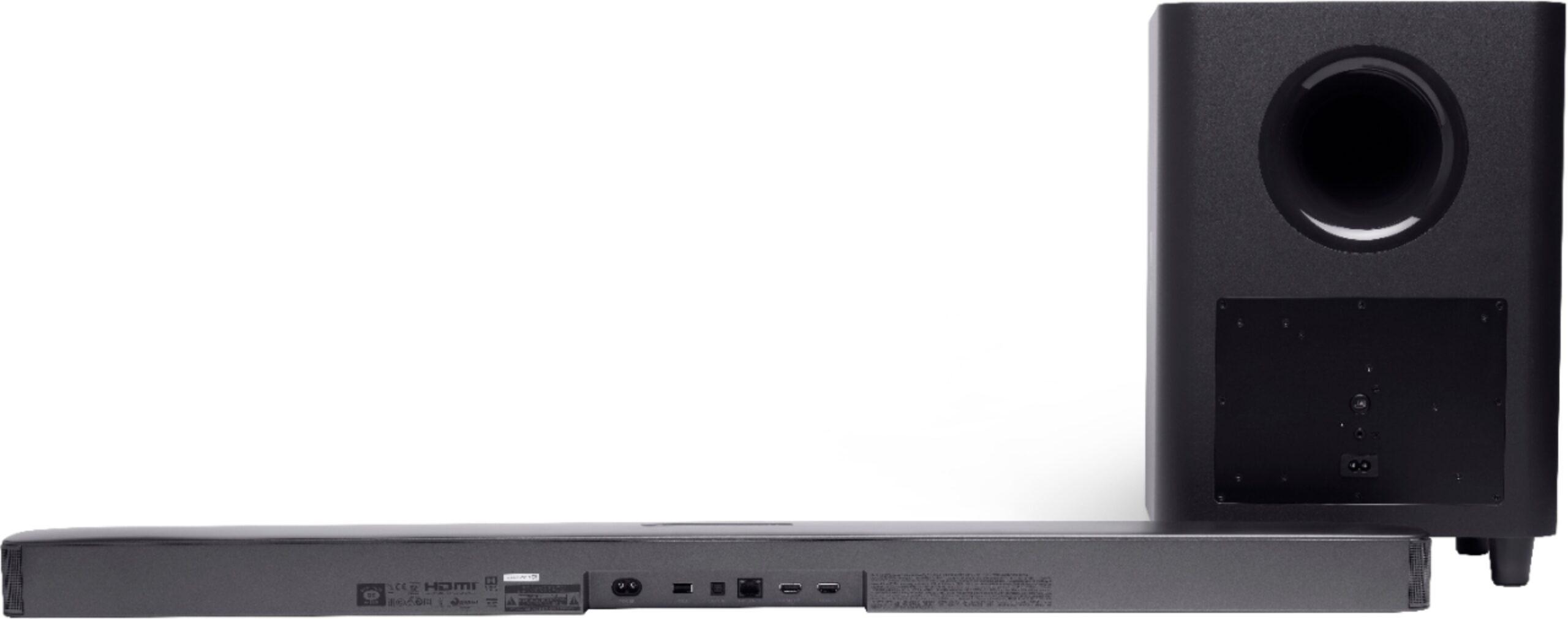
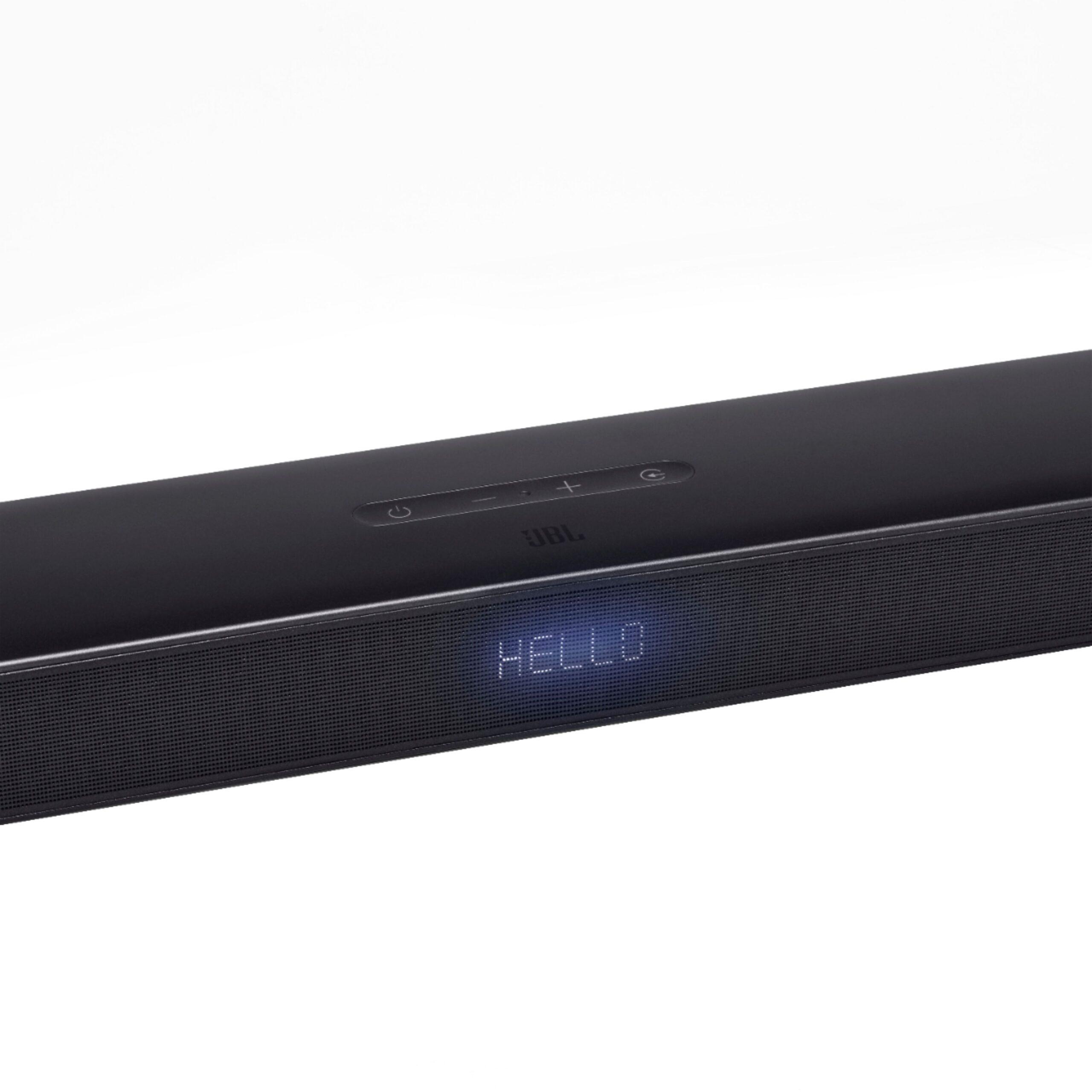
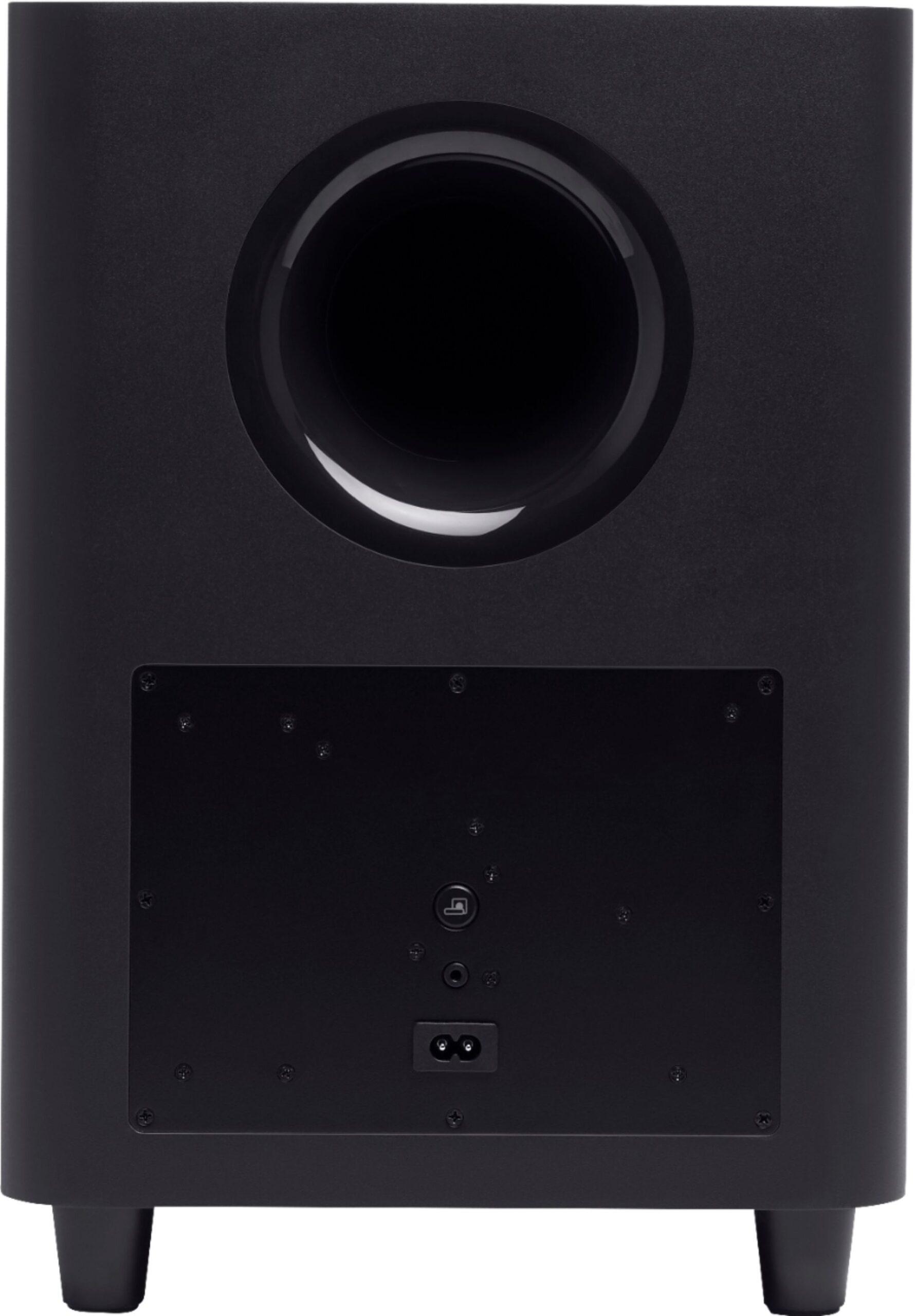
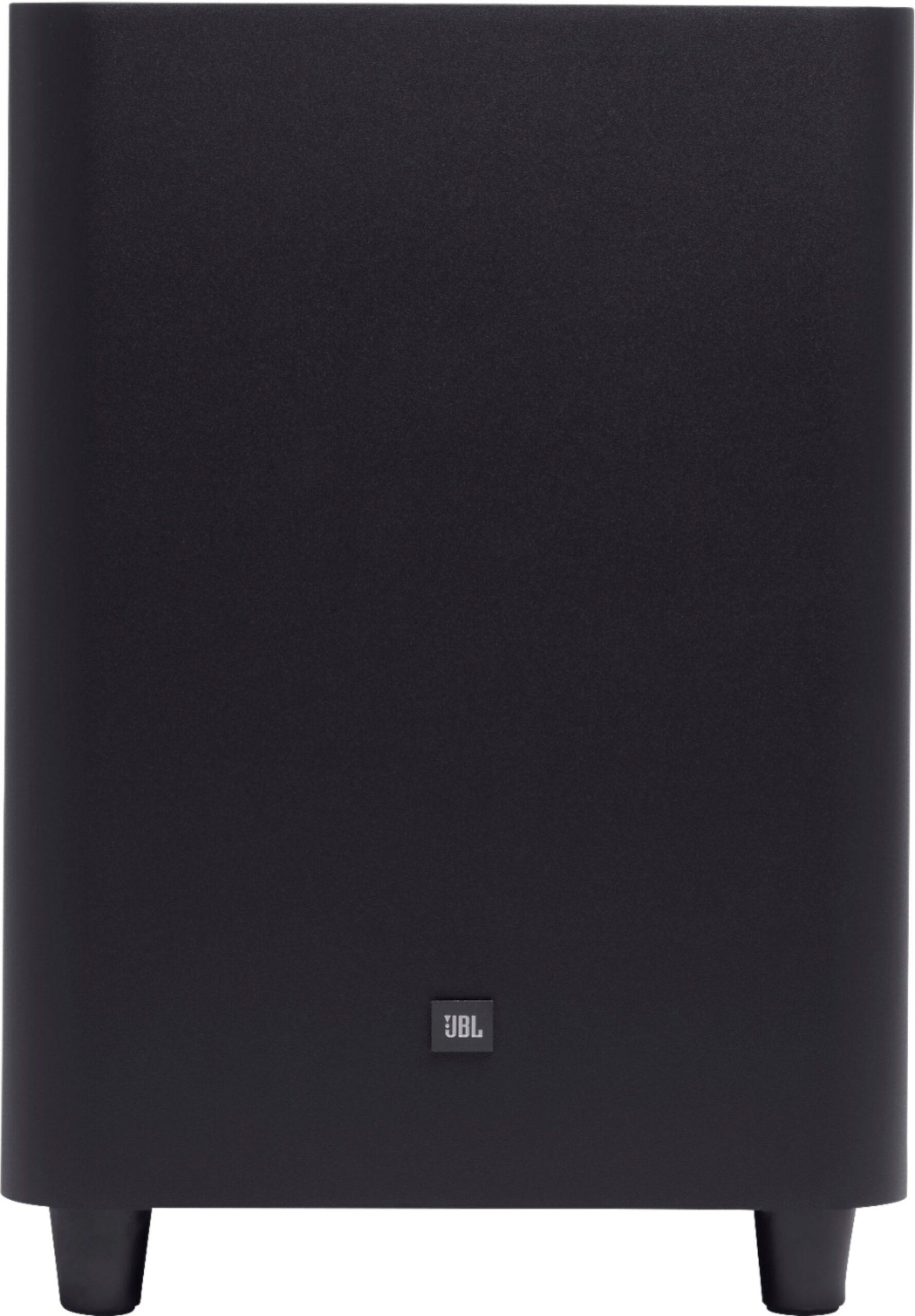
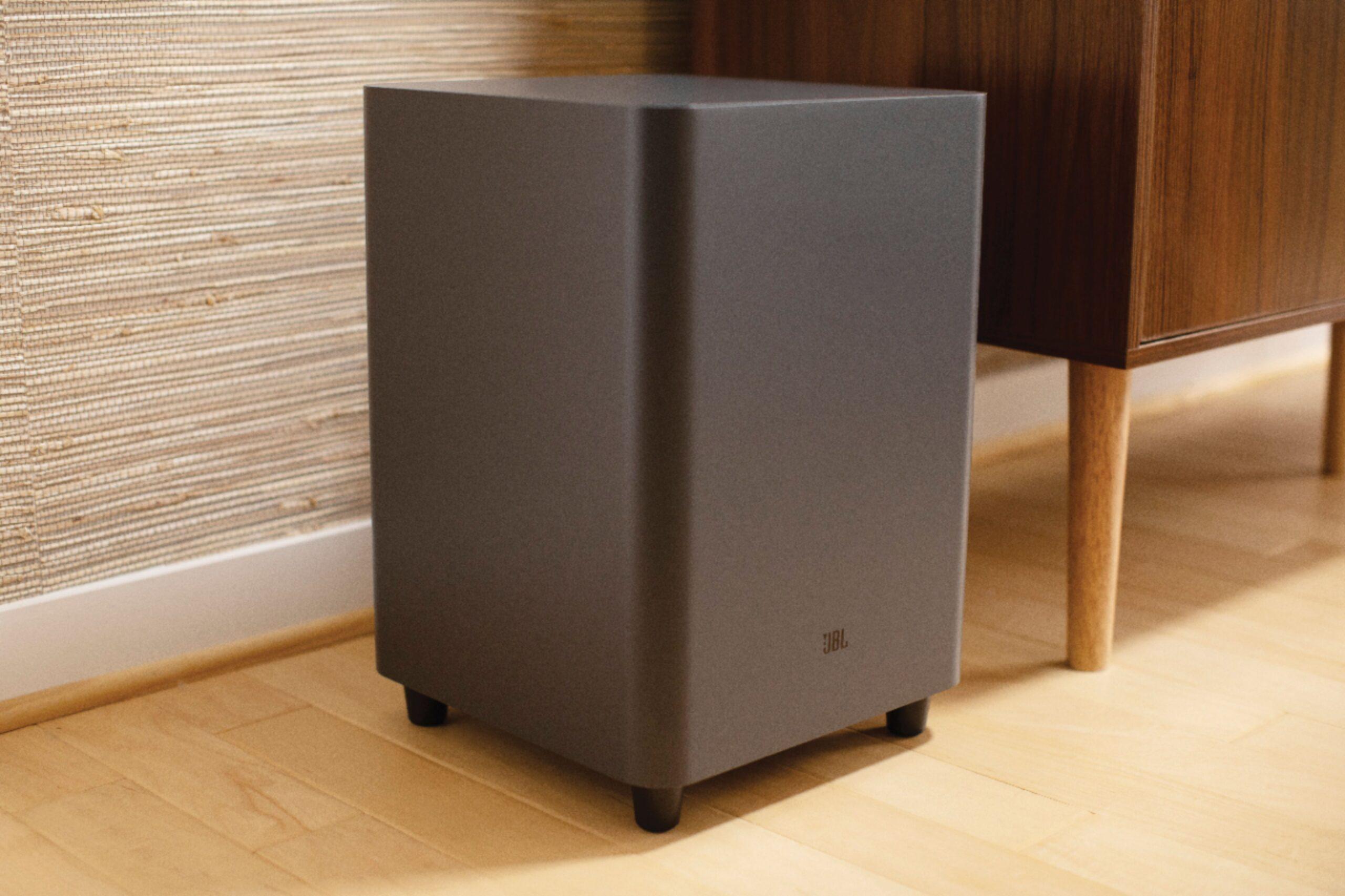
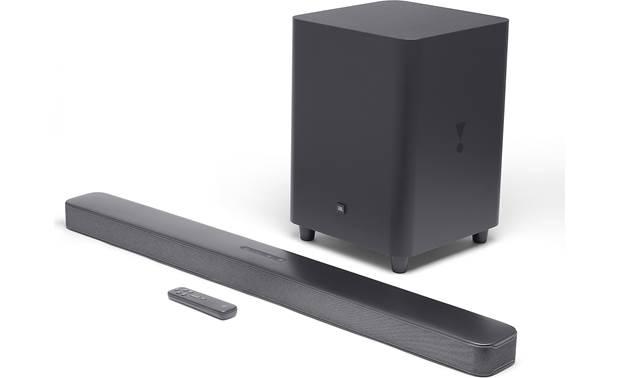
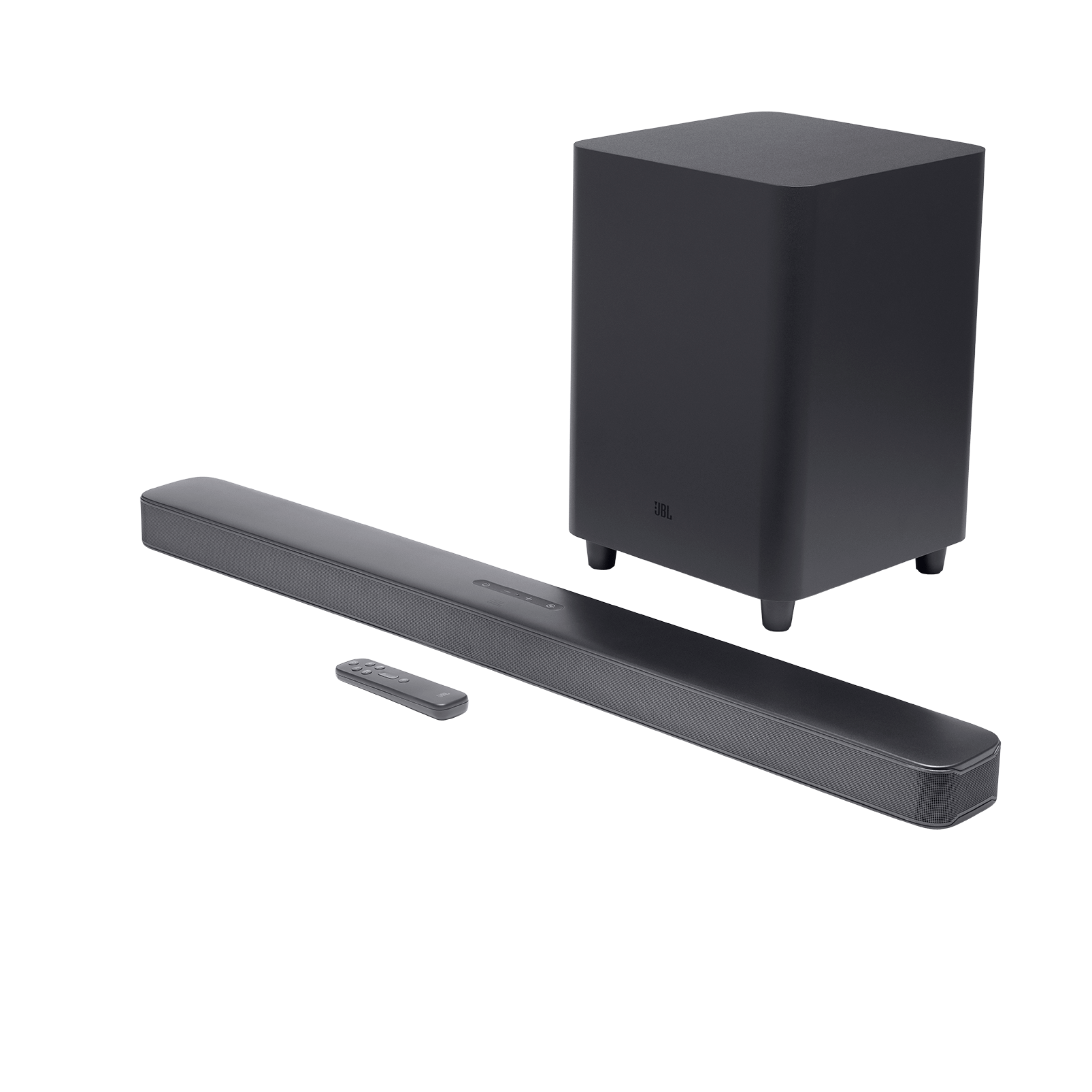
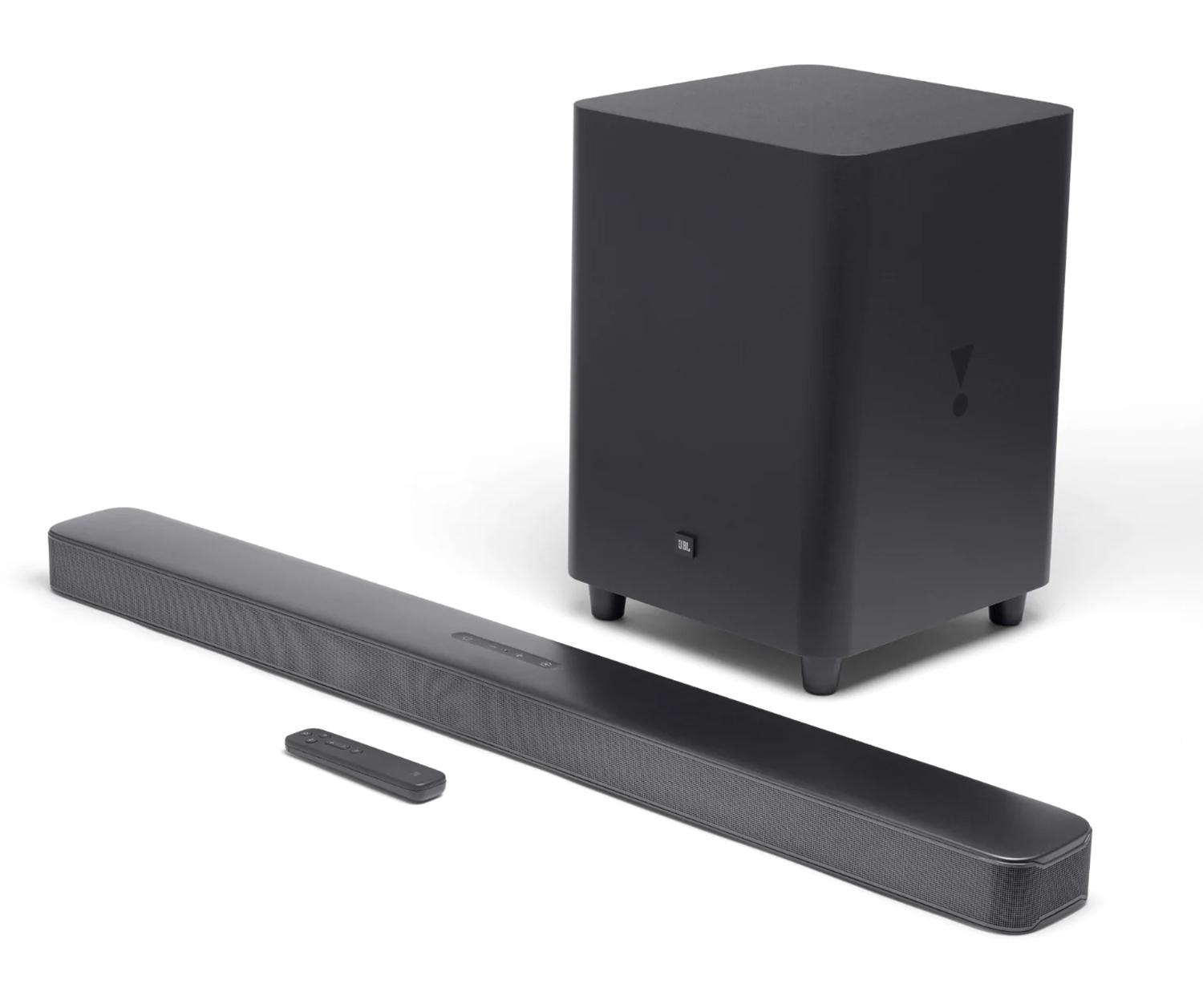
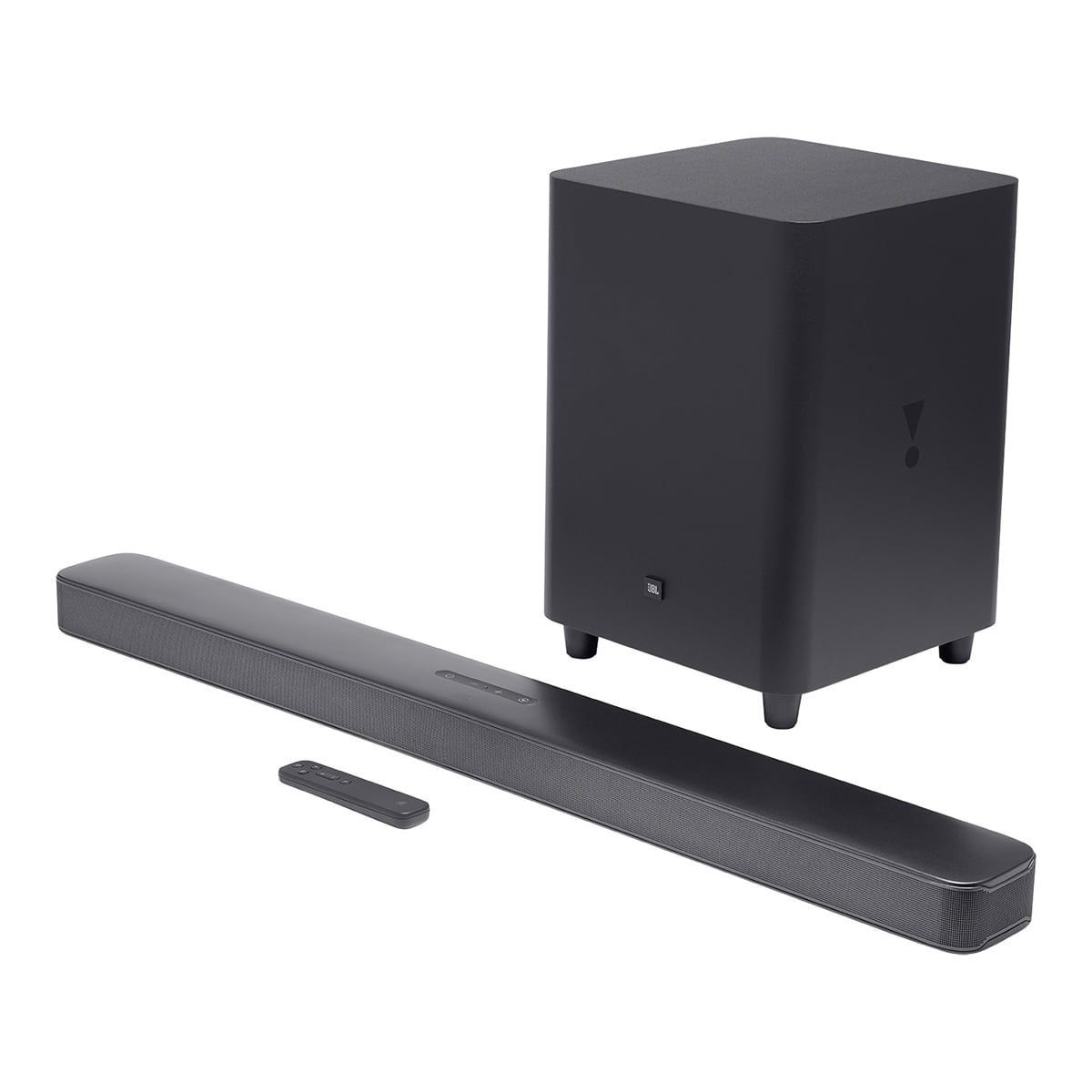
The JBL Bar 5.1 takes the opposite approach: "more is more." This system transforms your living room into a mini movie theater with five distinct audio channels, a 10-inch wireless subwoofer, and detachable surround speakers that can run for 10 hours on their built-in batteries. It's not trying to hide—it's trying to immerse you completely.
I've set up both systems multiple times, and the difference in complexity is striking. The Bose literally took three minutes from unboxing to watching TV with better sound. The JBL took about 30 minutes to properly position everything and run through the wireless pairing process, but the payoff is substantial if you have the space and patience.
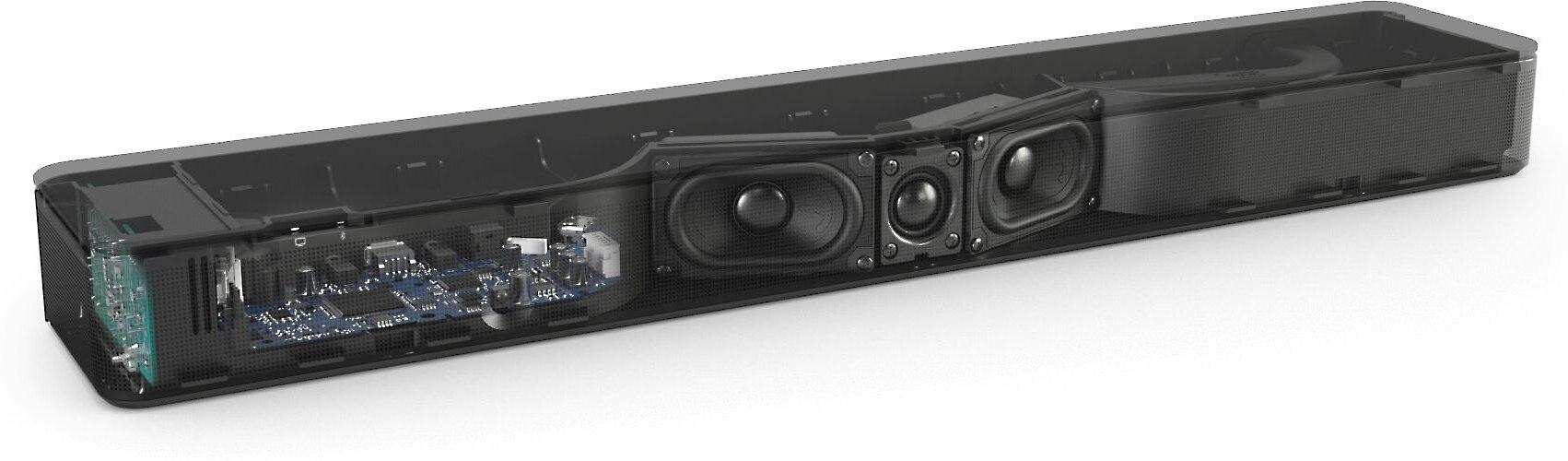
The Bose TV Speaker operates as a 2.0-channel system with approximately 50 watts of total power. Now, before you dismiss that as "weak," understand that Bose has always been masters of efficiency. Their proprietary drivers and signal processing can make 50 watts sound fuller than some systems with twice the power.
The system uses two cone woofers and dome tweeters arranged in a way that creates a surprisingly wide soundstage for a compact bar. The "soundstage" refers to how spread out the audio sounds—good soundstage makes it feel like sound is coming from beyond the physical boundaries of the speaker.
In contrast, the JBL Bar 5.1 unleashes 620 watts of total system power across five channels. That breaks down to 240 watts for the main bar, 300 watts for the subwoofer, and 80 watts for the detachable surround speakers. This isn't just about raw power—it's about having dedicated speakers for different types of sound.
The center channel in the JBL handles dialogue exclusively, while the left and right channels focus on music and effects. The surround speakers create that "behind you" effect that makes helicopters actually sound like they're flying overhead, and the subwoofer handles everything below about 80Hz (those deep rumbles you feel in your chest).
This is where the differences become almost comical. The Bose TV Speaker produces bass through its two small woofers, which is like asking a sports car to tow a trailer—it'll try, but it's not really designed for that job. You can hear bass frequencies, but you won't feel them. For dialogue-heavy content, this is actually fine. The human voice sits mostly in the midrange frequencies where the Bose excels.
However, if you want to experience the T-Rex footsteps in Jurassic Park or feel the explosion effects in an action movie, the Bose will leave you wanting. There's an optional Bass Module available, but that's an additional purchase that changes the entire value proposition.
The JBL's 10-inch wireless subwoofer is a different beast entirely. It can reproduce frequencies down to 40Hz, which covers most of the bass content in movies and music. When Thor summons lightning in the Marvel movies, you don't just hear it—you feel it vibrating through your furniture. This kind of visceral bass response is what separates good soundbars from great home theater systems.
I've tested both with the opening scene of "Blade Runner 2049," which has incredible bass work in the soundtrack. The Bose presented the scene clearly but without impact. The JBL made my windows rattle and had me checking if the neighbors were okay.
Interestingly, both systems excel at dialogue clarity, but they achieve it differently. The Bose TV Speaker features a dedicated Dialogue Mode that analyzes the incoming audio signal and boosts the frequency ranges where human speech typically occurs. It's like having a smart equalizer that knows when someone's talking and automatically makes them easier to understand.
This technology is genuinely impressive. I've watched British crime dramas with heavy accents that were nearly incomprehensible through TV speakers, and the Bose made every word crystal clear. The processing happens in real-time, so it adapts constantly to what you're watching.
The JBL takes a different approach with its dedicated center channel. Instead of processing stereo audio to enhance speech, it uses the original 5.1 mix where dialogue is already isolated to the center channel. This is how movie theaters work—dialogue comes from behind the screen, while music and effects come from around the room.
The JBL's PureVoice technology then optimizes that center channel specifically for speech clarity. In my experience, both systems make dialogue noticeably clearer than TV speakers, but the Bose has a slight edge for extremely difficult-to-understand content because of its aggressive processing.
Here's where we see the fundamental difference in these products' capabilities. The Bose TV Speaker is limited to stereo sound—left and right channels only. It can create some sense of width through clever driver placement and signal processing, but you're never going to hear sounds coming from behind you.
The JBL Bar 5.1 creates true surround sound through its detachable wireless speakers. These satellites can be placed anywhere in your room (within wireless range), giving you authentic 360-degree audio. When a car drives across the screen in a movie, you'll hear it travel from the front speakers to the rear ones. When rain falls in a scene, it sounds like it's falling all around you rather than just in front.
The system also supports Dolby Atmos, which adds height effects to the mix. Atmos uses psychoacoustic processing (fancy term for "audio tricks that fool your brain") to make sounds appear to come from above you, even though all the speakers are at ear level or below. It's not as convincing as having actual ceiling speakers, but it adds another dimension to the experience.
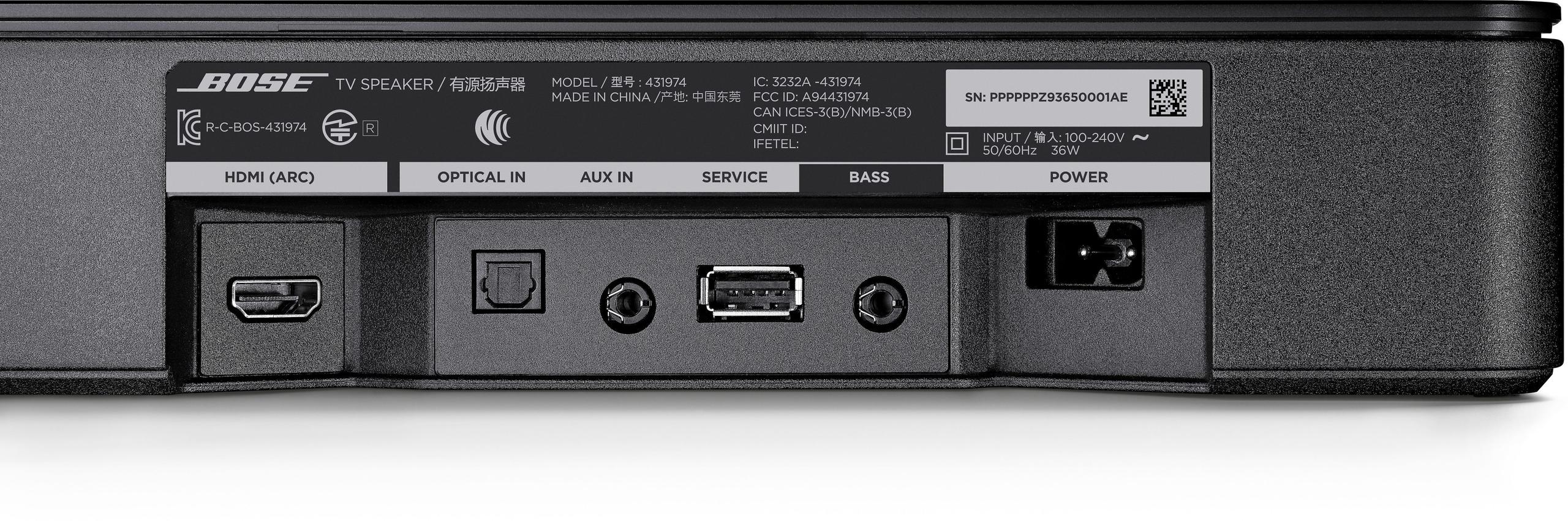
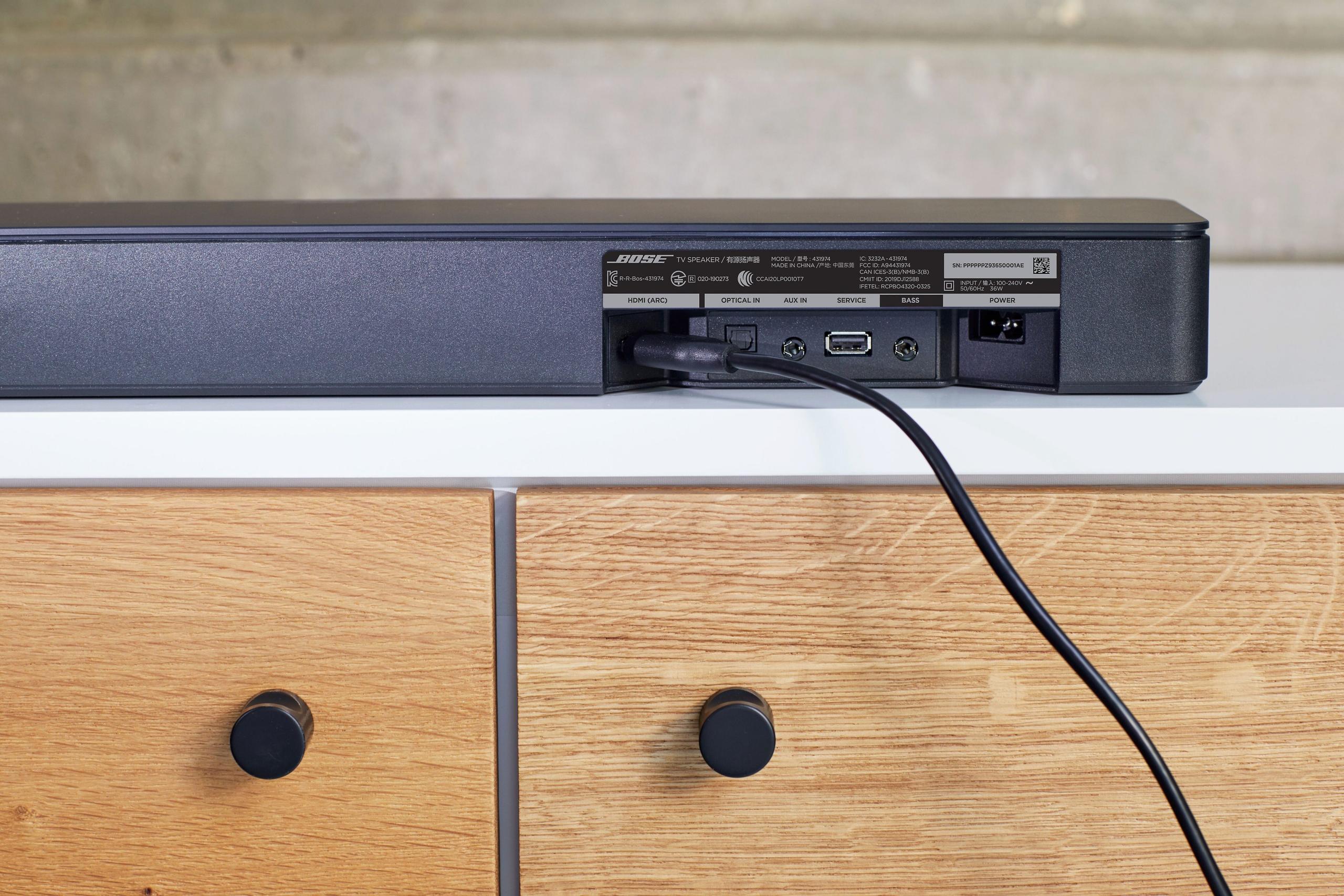
The setup experience tells you everything about these products' target audiences. The Bose TV Speaker connects with a single cable—either optical (included) or HDMI (sold separately). The optical connection is literally plug-and-play. The HDMI connection adds the ability to control the soundbar with your TV remote through a feature called CEC (Consumer Electronics Control), which automatically syncs volume and power controls.
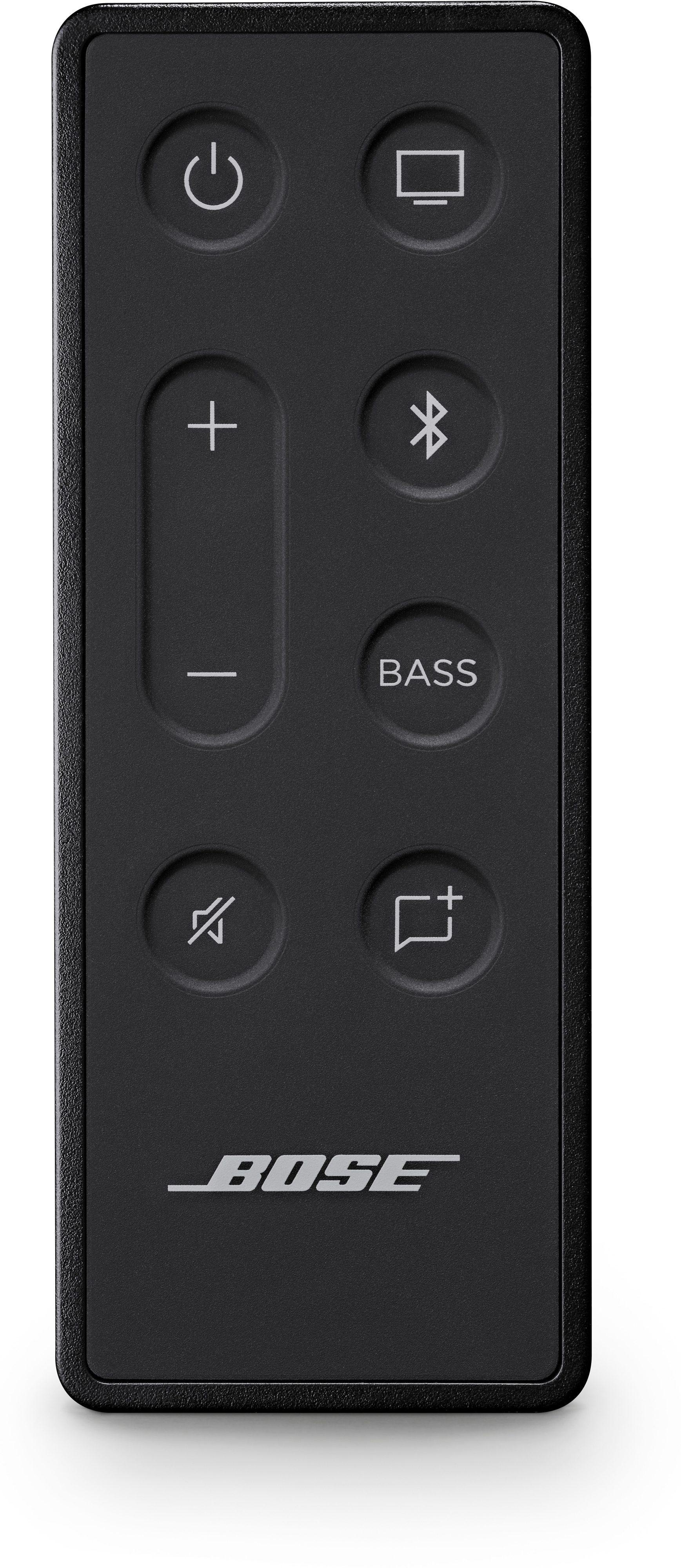
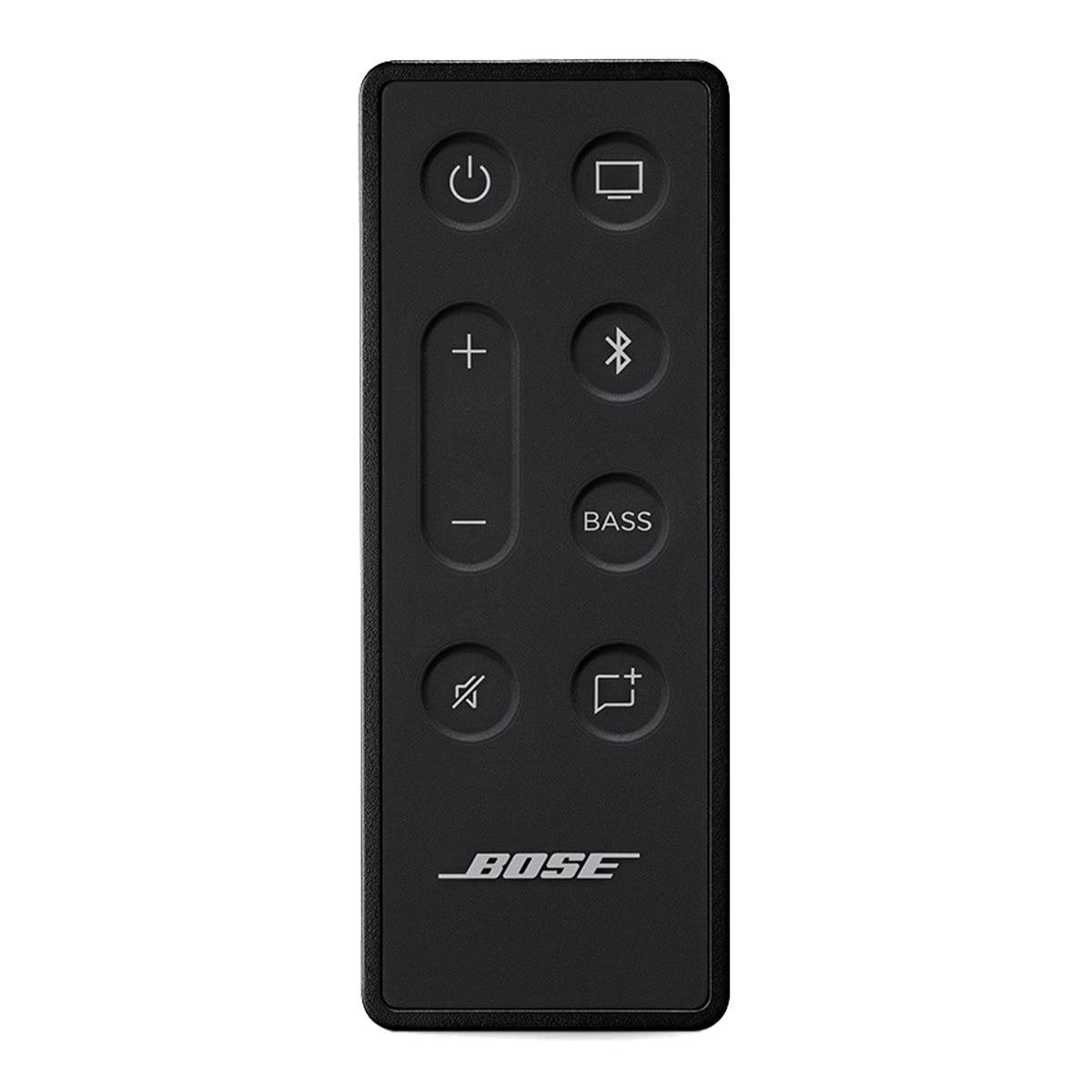
I consistently recommend the HDMI connection when possible because it's more convenient, but both work perfectly. The included remote has just a few buttons: power, volume, bass adjustment, and the dialogue mode toggle. It's refreshingly simple in an age of overcomplicated devices.
The JBL setup is more involved but not difficult. The main bar connects to your TV via HDMI (recommended) or optical, then you need to pair the wireless subwoofer and surround speakers. The subwoofer pairs automatically when you power everything on, but finding the optimal placement takes some experimentation.
The surround speakers are where the JBL gets interesting. They're completely wireless and battery-powered, so you can place them anywhere. They dock into the main soundbar for charging, but once charged, they'll run for up to 10 hours. This means you can put them on end tables, mount them on walls, or even take them outside for parties.
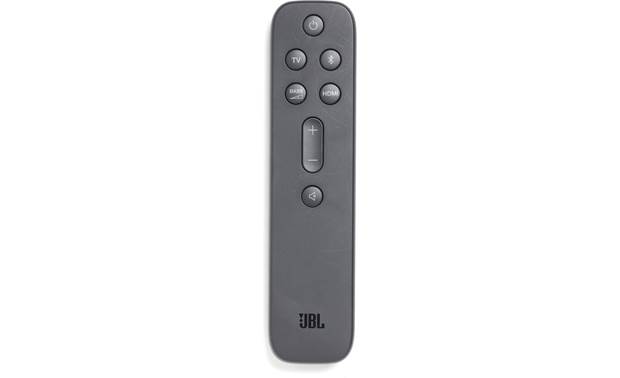
The JBL remote is more complex, with different sound modes, individual speaker level controls, and input selection. It's not overwhelming, but it's definitely designed for users who want to tweak their audio experience.
For serious home theater enthusiasts, the feature differences become crucial. The Bose TV Speaker is limited to basic audio formats—it'll decode Dolby Digital but doesn't support more advanced formats like DTS or Dolby Atmos. For most streaming content and TV shows, this limitation isn't noticeable, but it matters for Blu-ray movies and high-end streaming content.
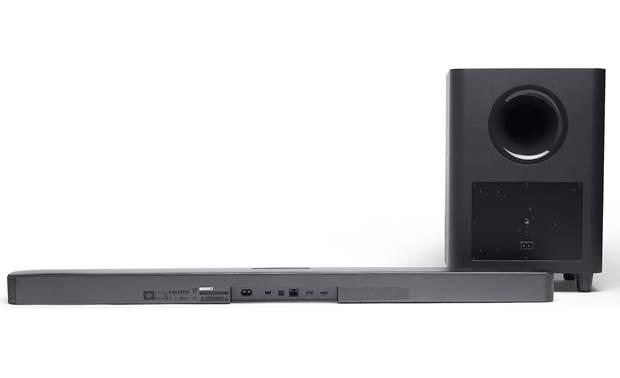
The JBL Bar 5.1 supports a full range of audio formats including Dolby Atmos and DTS. It also features three HDMI inputs, which means you can connect multiple devices (game console, Blu-ray player, streaming device) directly to the soundbar, then send everything to your TV through a single cable. This setup can actually improve video quality by reducing the number of connections.
The JBL also includes 4K HDR passthrough, ensuring that video quality isn't compromised when routing through the soundbar. This might sound technical, but it's important—some older soundbars can actually degrade video quality, which defeats the purpose of having a nice TV.
Both systems include Bluetooth connectivity for music streaming, but they handle it differently. The Bose treats Bluetooth as a secondary feature—you can stream music, but it's clearly designed for TV audio first. The JBL includes SoundShift technology, which seamlessly switches between TV audio and Bluetooth audio, making it easy to use for both TV and music.
The $400 price difference between these systems represents more than just cost—it represents two different philosophies about home audio.
The Bose TV Speaker at $199 delivers exceptional value for users who primarily want clearer dialogue and better overall TV sound without complexity or bulk. If you live in an apartment, watch mostly news and dramas, or simply want TV audio that doesn't frustrate you, this is remarkably good value. The build quality is excellent, and Bose's reputation for reliability means it should work well for years.
However, you're paying for simplicity and dialogue clarity at the expense of bass impact and surround effects. This trade-off makes perfect sense for many users, but it's worth understanding what you're giving up.
The JBL Bar 5.1 at $599.95 represents a complete home theater audio system that would cost significantly more if purchased as separate components. The ability to create true surround sound, the substantial bass impact, and the flexibility of wireless speakers make this excellent value for movie enthusiasts and gamers.
But you're paying for complexity and features you might not use. If you primarily watch dialogue-heavy content in a small room, you're paying for capabilities that won't enhance your experience.
Since their release, both products have benefited from the broader improvements in audio processing and wireless technology. The Bose has remained essentially unchanged, which speaks to its refined initial design. When I compare units from 2020 to current production, the performance is identical—sometimes the best evolution is no evolution.
The JBL has seen subtle improvements in wireless stability and battery life in the detachable speakers. Early units occasionally had connectivity hiccups, but current production models maintain rock-solid wireless connections. The wireless range has also improved slightly, giving you more flexibility in speaker placement.
Both products have benefited from improved streaming audio quality as services like Netflix and Apple TV+ have embraced higher-quality audio formats. The difference is that the JBL can take full advantage of these improvements while the Bose is somewhat limited by its simpler processing.
Choosing between these systems comes down to honest self-assessment about your viewing habits and living situation.
Choose the Bose TV Speaker if you primarily watch news, sitcoms, dramas, or other dialogue-heavy content. If you live in a small space, value simplicity, or just want TV audio that doesn't make you strain to understand what people are saying, this is the clear choice. It's also perfect if you're not interested in feeling explosions or thunder—you just want to hear them clearly.
Choose the JBL Bar 5.1 if you regularly watch movies, especially action movies, or play video games. If you have a medium to large room where you can properly position surround speakers, and if you want to feel like you're in a movie theater rather than just watching one, the additional investment makes sense.
The decision often comes down to this: Do you want to fix your TV's audio problems, or do you want to transform your entire entertainment experience? Both products succeed brilliantly at their intended purposes, but they're solving different problems for different users.
After extensive testing with both systems, I find myself recommending the Bose to most casual TV watchers and the JBL to anyone who considers their living room a dedicated entertainment space. The key is being honest about which category you fall into—and how much that immersive audio experience is worth to you.
| Bose TV Speaker Soundbar | JBL Bar 5.1 Surround Soundbar with Wireless Subwoofer |
|---|---|
| Price - Major factor determining value proposition | |
| $199 | $599.95 |
| Audio Channels - Determines surround sound capabilities | |
| 2.0 stereo (no true surround sound) | 5.1 with physical rear speakers (authentic surround) |
| Total Power Output - Affects volume and dynamic range | |
| ~50W (adequate for dialogue enhancement) | 620W (room-filling cinematic sound) |
| Subwoofer - Critical for bass impact in movies/music | |
| None included (optional wired Bass Module sold separately) | 10" wireless subwoofer with 300W power |
| Setup Complexity - Time and effort required | |
| Single cable connection (optical or HDMI) | Multi-component wireless system with satellite placement |
| Dimensions - Space requirements in your room | |
| 23.4" × 2.2" × 4" compact bar only | 40" bar + 12" × 17.3" × 12" subwoofer + detachable satellites |
| Dialogue Enhancement - Key feature for TV watching | |
| Dedicated Dialogue Mode with real-time processing | PureVoice technology with dedicated center channel |
| Dolby Atmos Support - Height effects for immersive audio | |
| Not supported (basic Dolby Digital only) | Full Dolby Atmos with height virtualization |
| Wireless Surround Speakers - Flexibility and authenticity | |
| None (virtual surround processing only) | Battery-powered detachables with 10-hour runtime |
| HDMI Connectivity - Modern device compatibility | |
| 1 HDMI output with ARC (basic passthrough) | 3 HDMI inputs + 1 output with 4K HDR passthrough |
| Target User - Best fit scenarios | |
| Small spaces, dialogue-focused viewing, simplicity priority | Large rooms, movie enthusiasts, gaming, full theater experience |
Both the Bose TV Speaker and JBL Bar 5.1 excel at dialogue clarity, but they achieve it differently. The Bose TV Speaker features a dedicated Dialogue Mode that analyzes content in real-time to boost speech frequencies, making it exceptional for news, sitcoms, and dramas. The JBL Bar 5.1 uses a dedicated center channel with PureVoice technology for clear speech within a full surround mix. For pure dialogue enhancement, the Bose TV Speaker has a slight edge.
The fundamental difference is that the Bose TV Speaker ($199) is a simple 2.0-channel stereo soundbar focused on dialogue enhancement, while the JBL Bar 5.1 ($599.95) is a complete 5.1 home theater system with wireless subwoofer and detachable surround speakers. The Bose improves TV audio, while the JBL transforms your room into a mini movie theater.
The JBL Bar 5.1 has significantly better bass with its 10-inch wireless subwoofer producing deep, room-shaking low frequencies. The Bose TV Speaker has minimal bass response from its small drivers, though you can purchase an optional Bass Module separately. For movies, music, and gaming, the JBL's bass performance is in a completely different league.
The Bose TV Speaker offers plug-and-play simplicity with a single optical or HDMI cable connection taking about 3 minutes total. The JBL Bar 5.1 requires more setup time (around 30 minutes) to position the wireless subwoofer, pair the detachable surround speakers, and optimize placement. Choose Bose for simplicity, JBL if you don't mind a more involved setup process.
The Bose TV Speaker is ideal for small spaces due to its compact 23.4-inch size and simple stereo design that won't overwhelm tight quarters. The JBL Bar 5.1 needs adequate space for proper subwoofer and surround speaker placement to work effectively. In cramped spaces, the JBL's powerful subwoofer might also disturb neighbors.
Only the JBL Bar 5.1 supports Dolby Atmos for height effects and immersive audio. The Bose TV Speaker is limited to basic Dolby Digital and doesn't support advanced audio formats like Atmos or DTS. If you want the latest surround sound technology for streaming and Blu-ray content, the JBL is the clear choice.
Value depends on your needs. The Bose TV Speaker ($199) offers exceptional value for dialogue improvement and basic TV audio enhancement at an entry-level price. The JBL Bar 5.1 ($599.95) provides complete home theater system value with true surround sound, powerful bass, and premium features. Both deliver good value within their respective categories.
Yes, both support Bluetooth music streaming. The Bose TV Speaker treats music as a secondary feature with basic stereo playback. The JBL Bar 5.1 includes SoundShift technology for seamless switching between TV and Bluetooth audio, plus its surround speakers and subwoofer make it excellent for music listening with room-filling sound.
The JBL Bar 5.1 is significantly better for movies and gaming due to its true 5.1 surround sound, powerful subwoofer, and Dolby Atmos support. You'll hear directional audio effects, feel explosive bass, and experience immersive soundscapes. The Bose TV Speaker is designed primarily for dialogue-heavy content and lacks the dynamic range for action-packed entertainment.
The Bose TV Speaker outputs approximately 50 watts total power, which is sufficient for its dialogue-focused design. The JBL Bar 5.1 delivers 620 watts total system power (240W bar, 300W subwoofer, 80W satellites), providing much louder volume and greater dynamic range for movies and music.
The JBL Bar 5.1 offers more connectivity with three HDMI inputs plus one output with 4K HDR passthrough, allowing multiple device connections. The Bose TV Speaker has basic connectivity with one HDMI output (ARC) and optical input. If you need to connect multiple devices like gaming consoles and streaming players, the JBL provides more flexibility.
Choose the Bose TV Speaker if you primarily watch dialogue-heavy content, live in a small space, prefer simple setup, and want clear audio improvement on a budget. Choose the JBL Bar 5.1 if you watch movies regularly, have adequate room space, want true surround sound with powerful bass, and are willing to invest in a complete home theater audio experience.
We've done our best to create useful and informative comparisons to help you decide what product to buy. Our research uses advanced automated methods to create this comparison and perfection is not possible - please contact us for corrections or questions. These are the sites we've researched in the creation of this article: bestbuy.com - projectorscreen.com - forums.audioholics.com - digitaltrends.com - abt.com - crutchfield.com - staples.com - bestbuy.com - pcrichard.com - visions.ca - bose.com - assets.bose.com - jbl.com - jbl.com - jbl.com - tomsguide.com - jbl.com - bestbuy.com - bestbuy.com - jbl.com - jbl.com - worldwidestereo.com

Privacy Policy
Terms and Conditions - Affiliate Policy
Home Security
© Copyright 2008-2026.
11816 Inwood Rd #1211, Dallas, TX 75244