

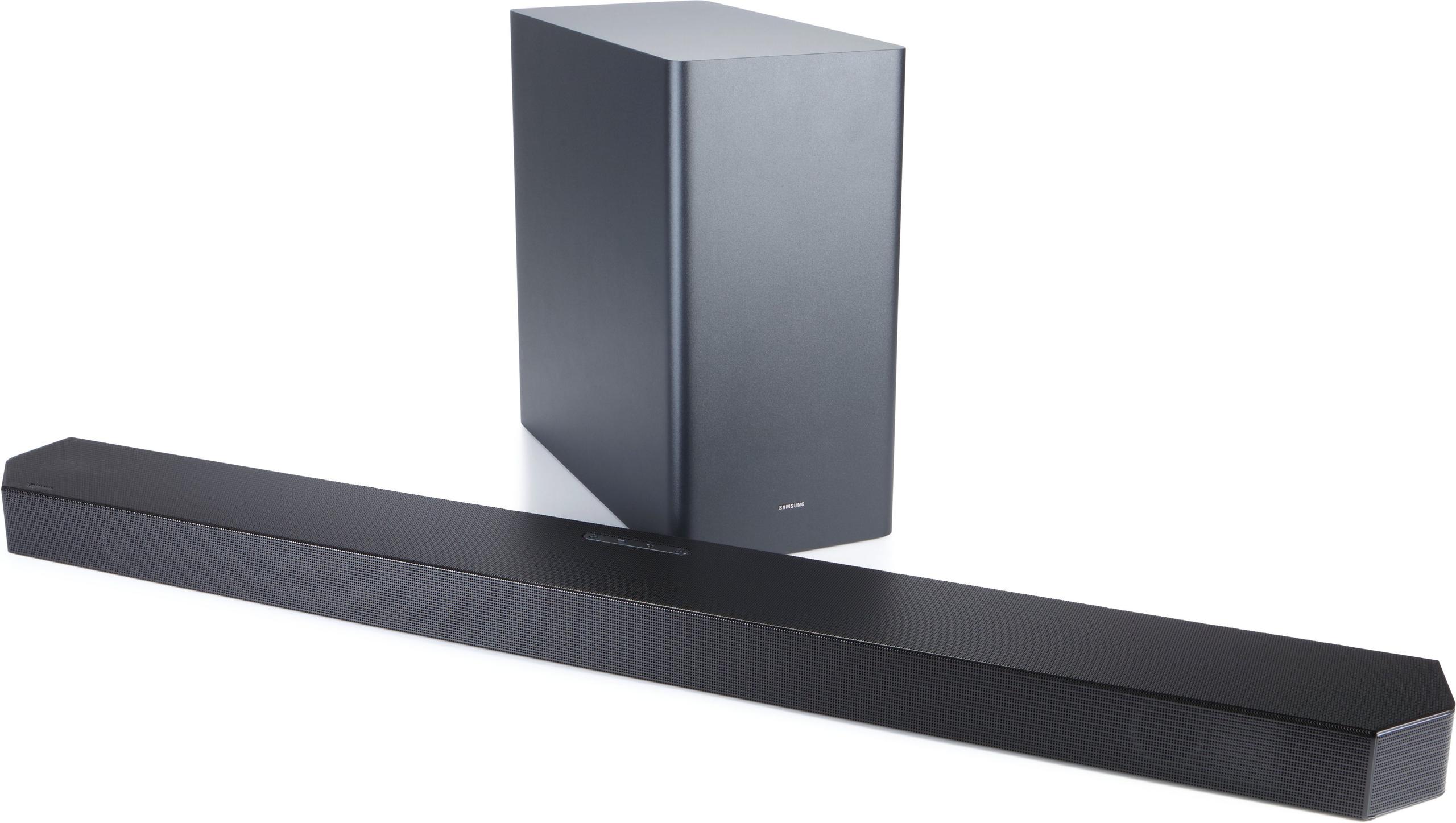
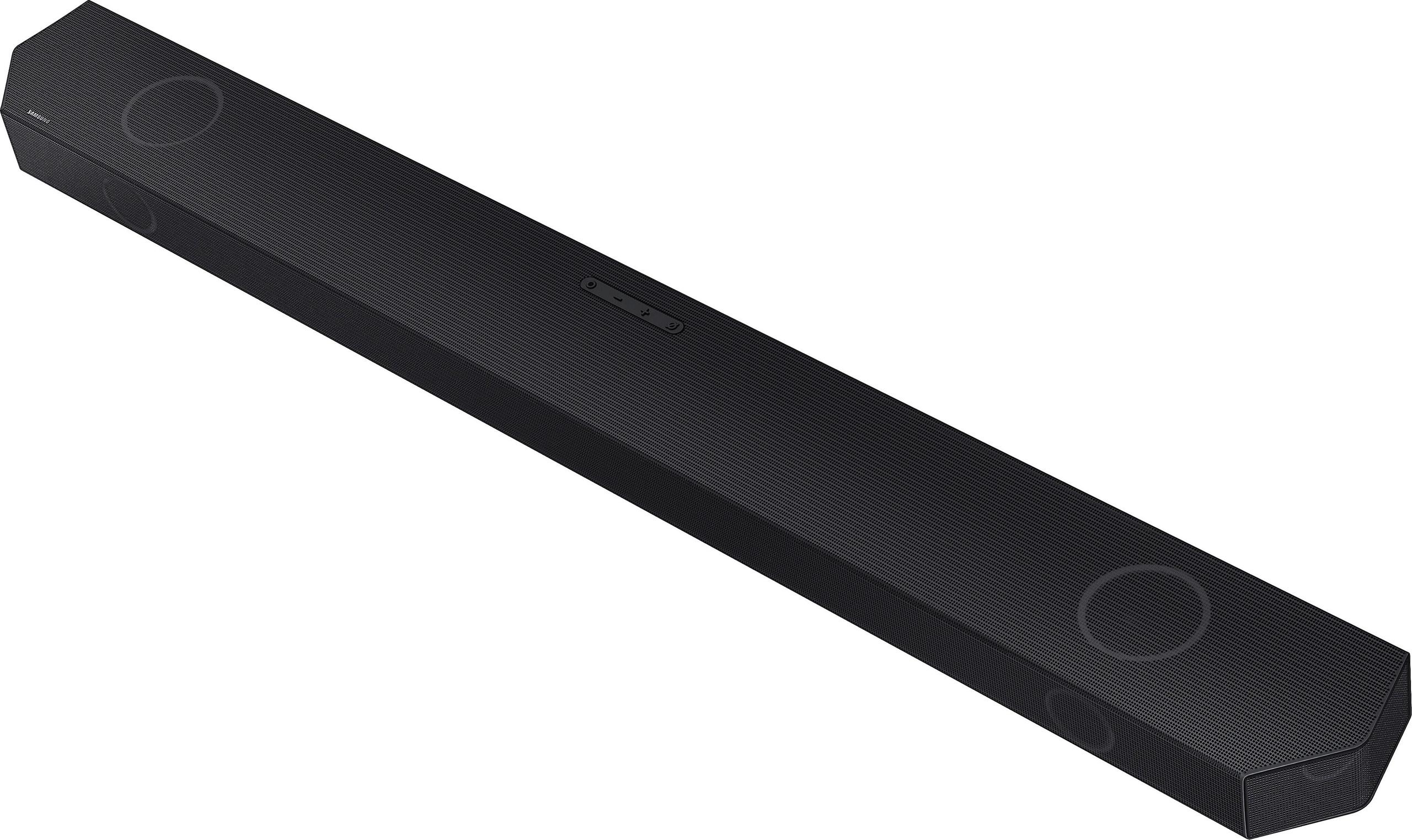
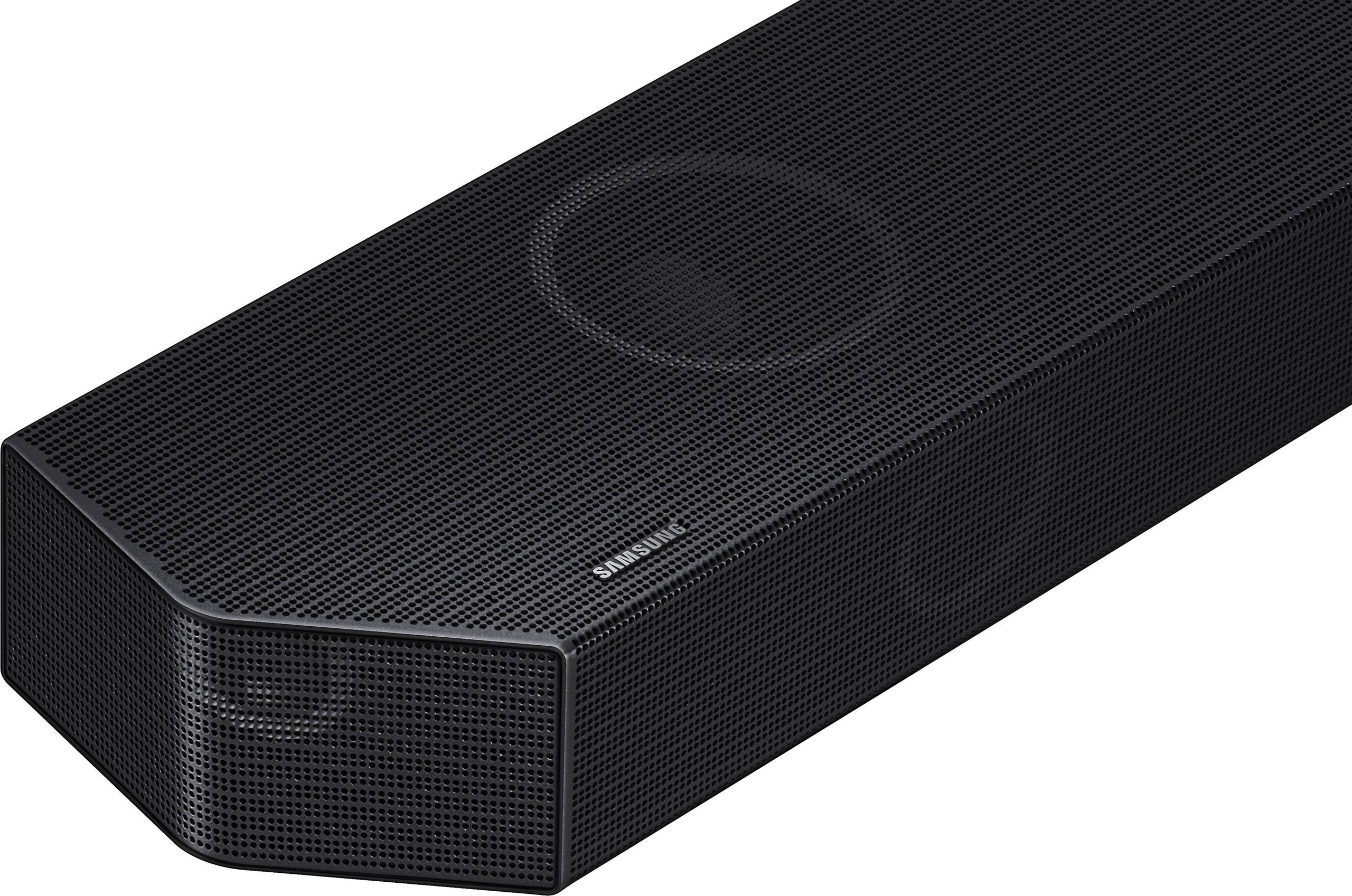




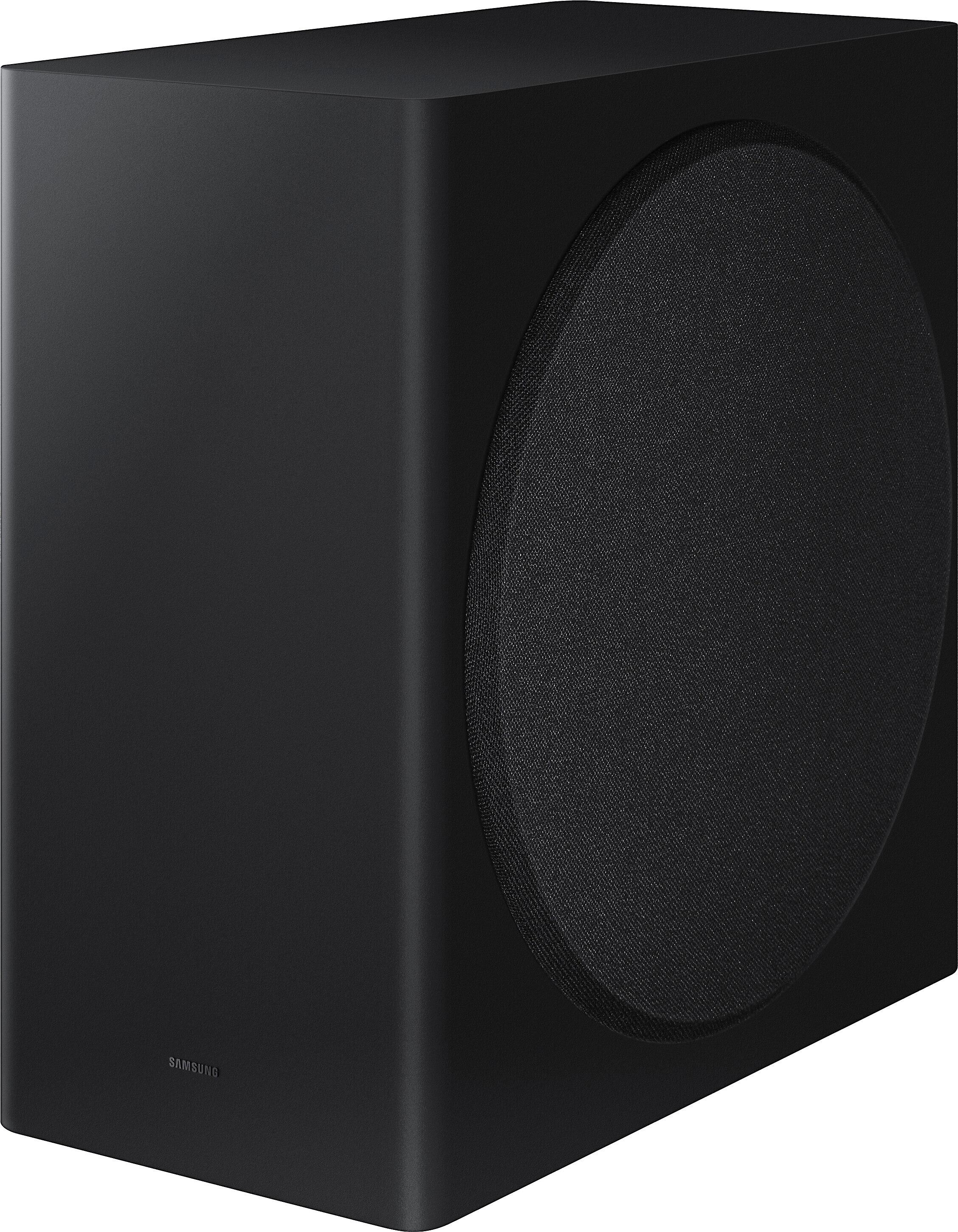

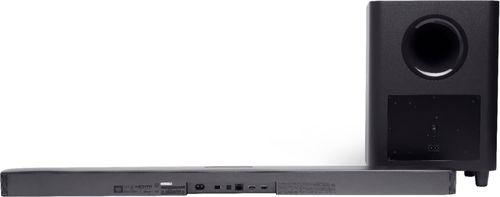
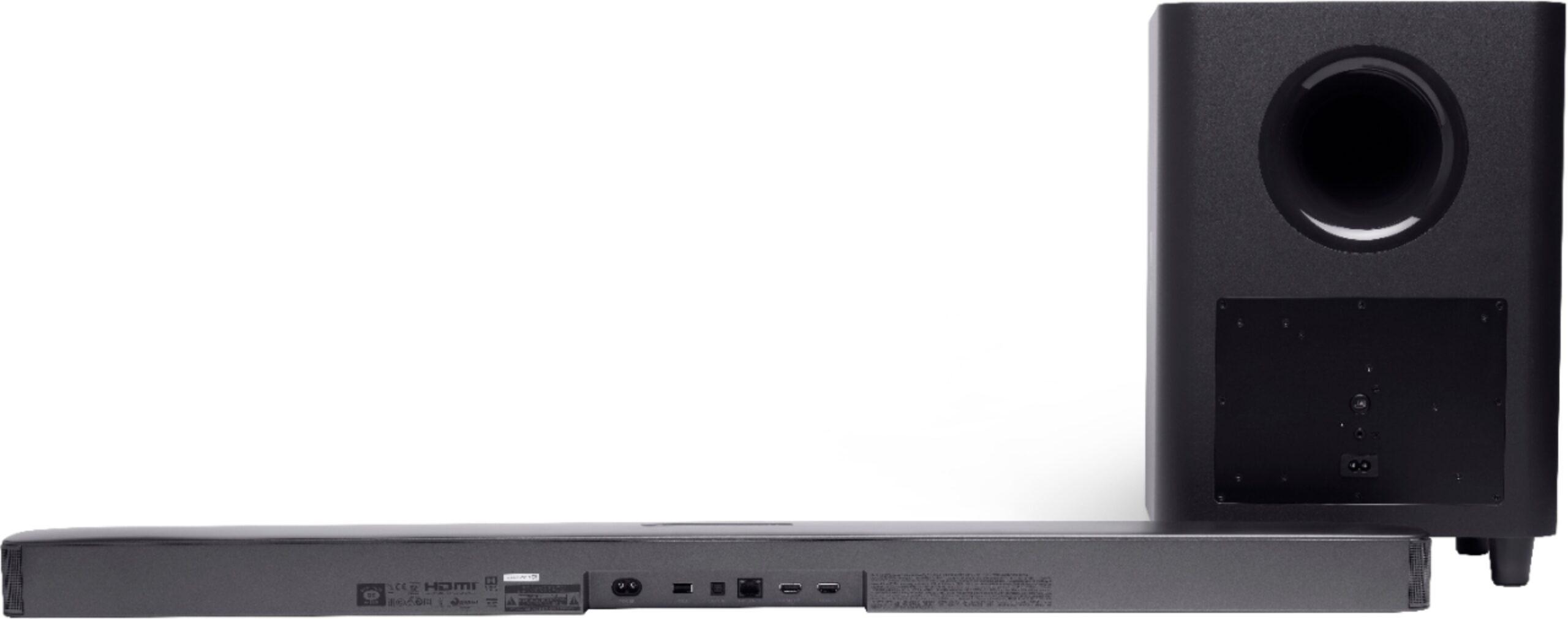
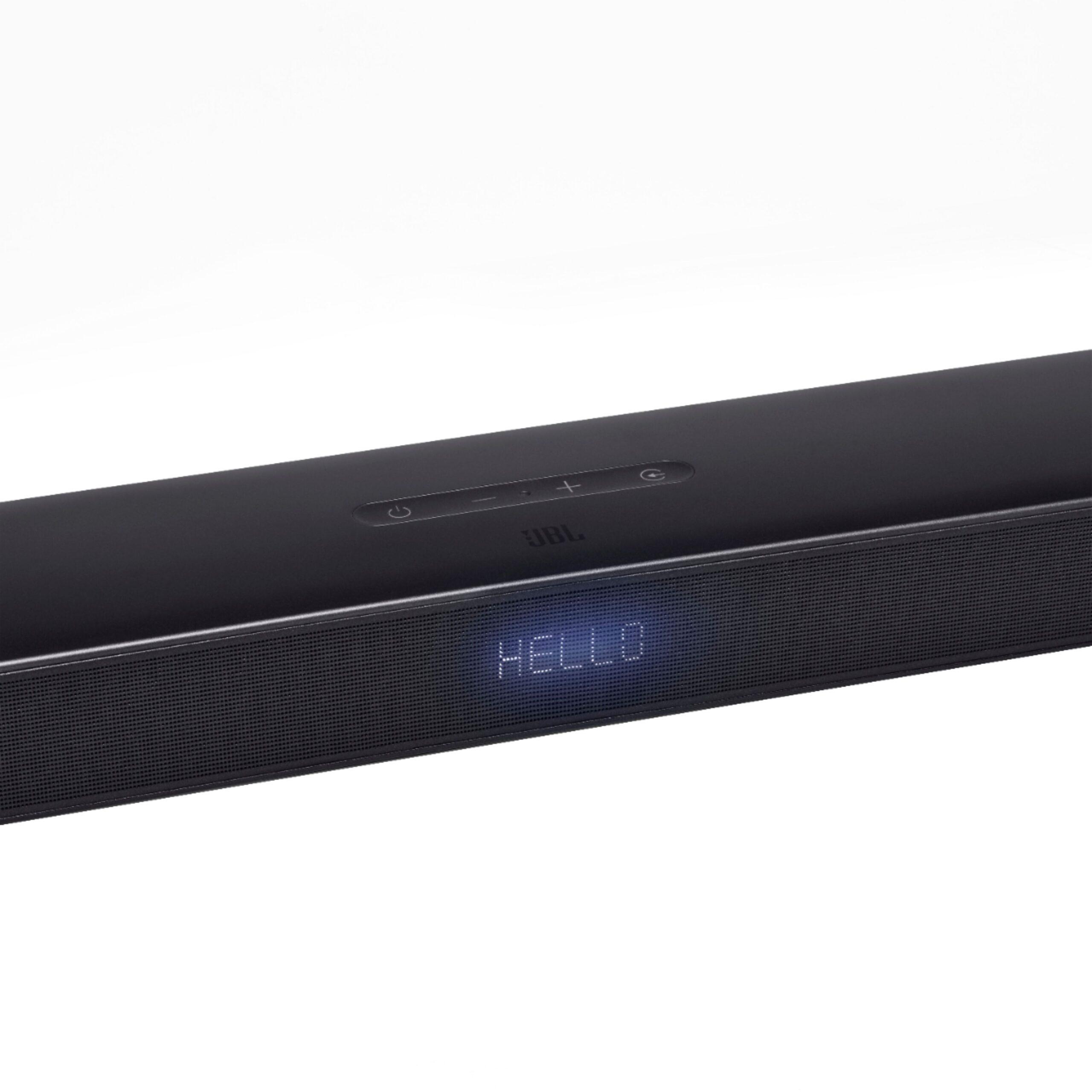
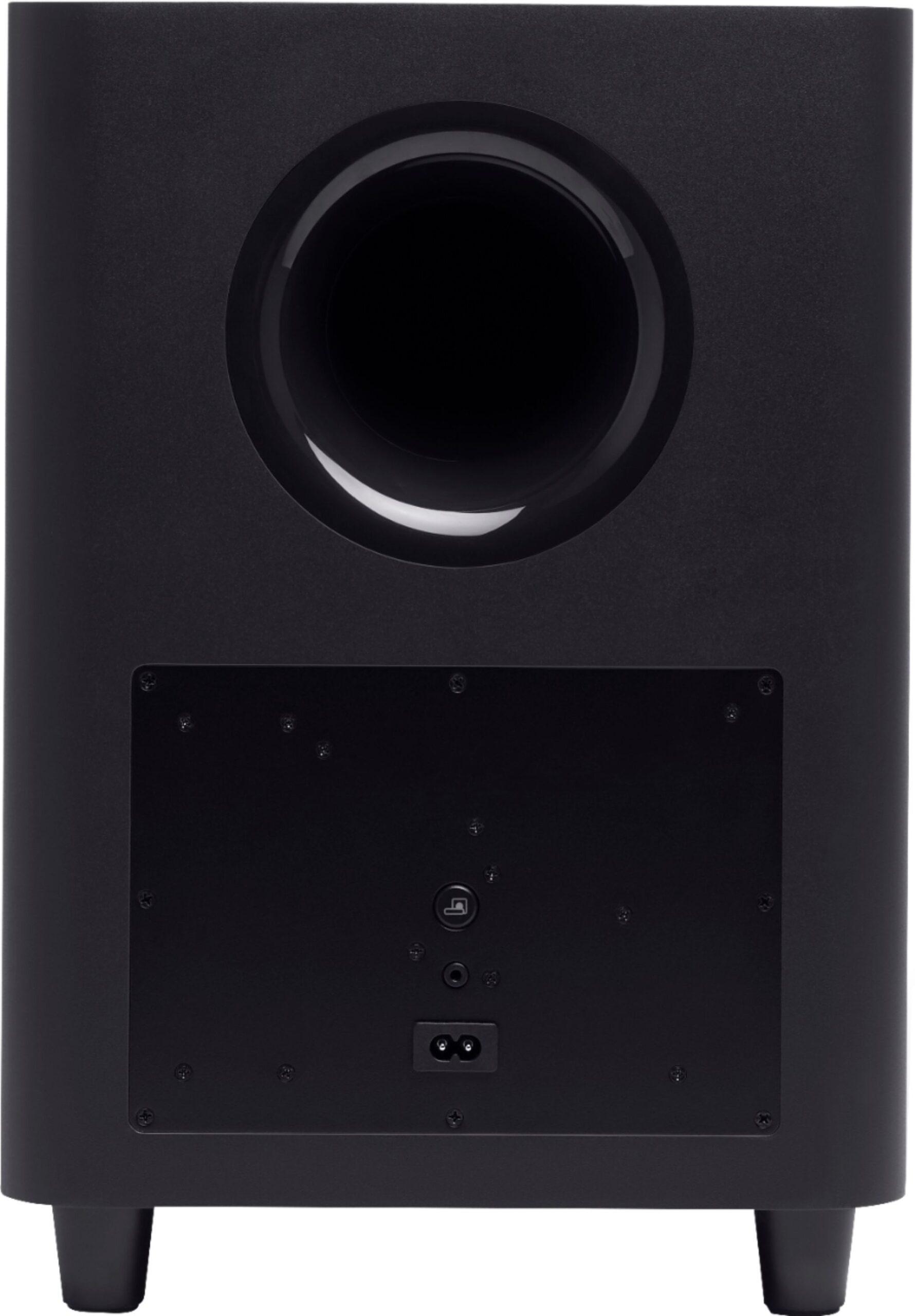
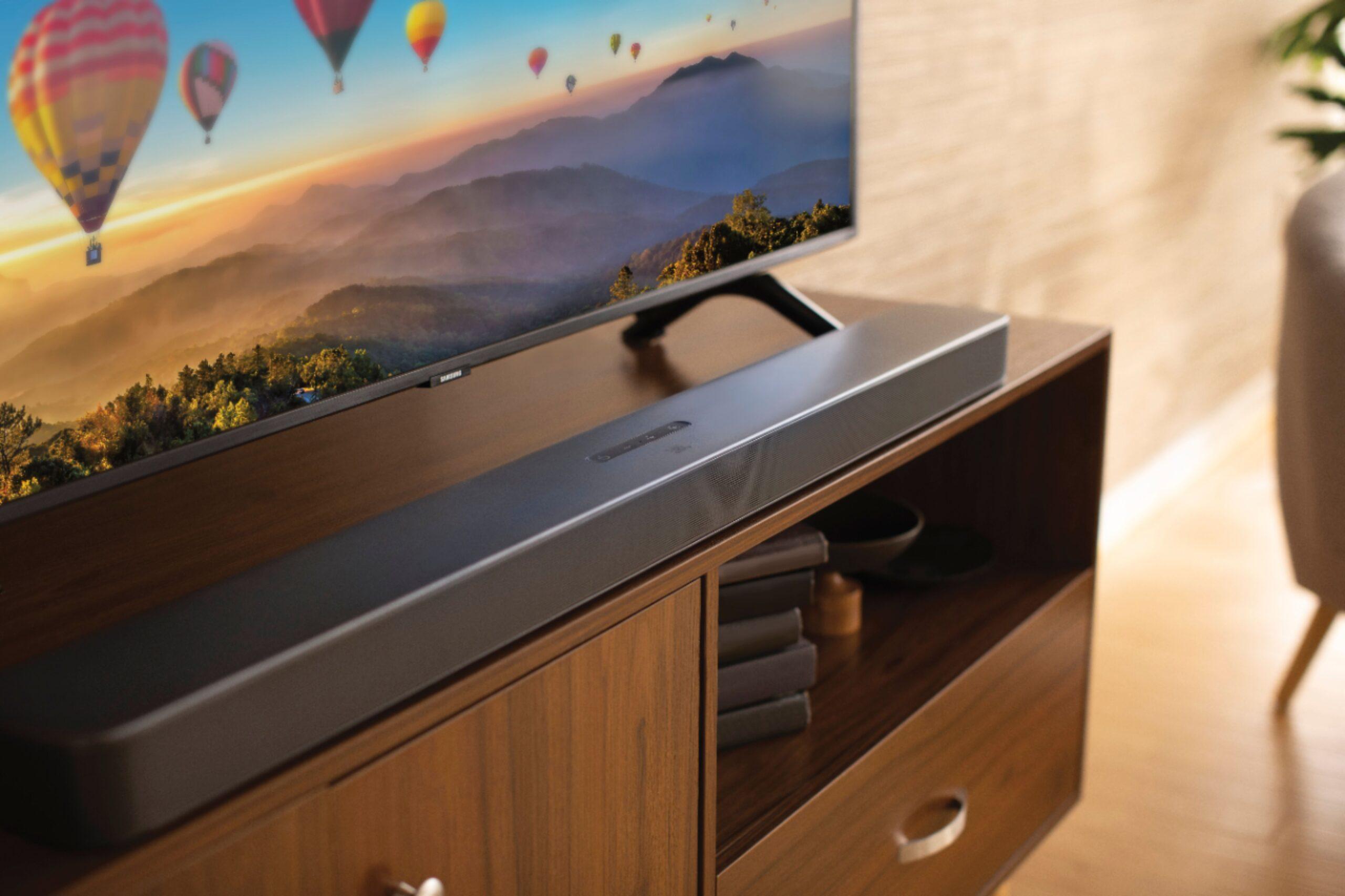
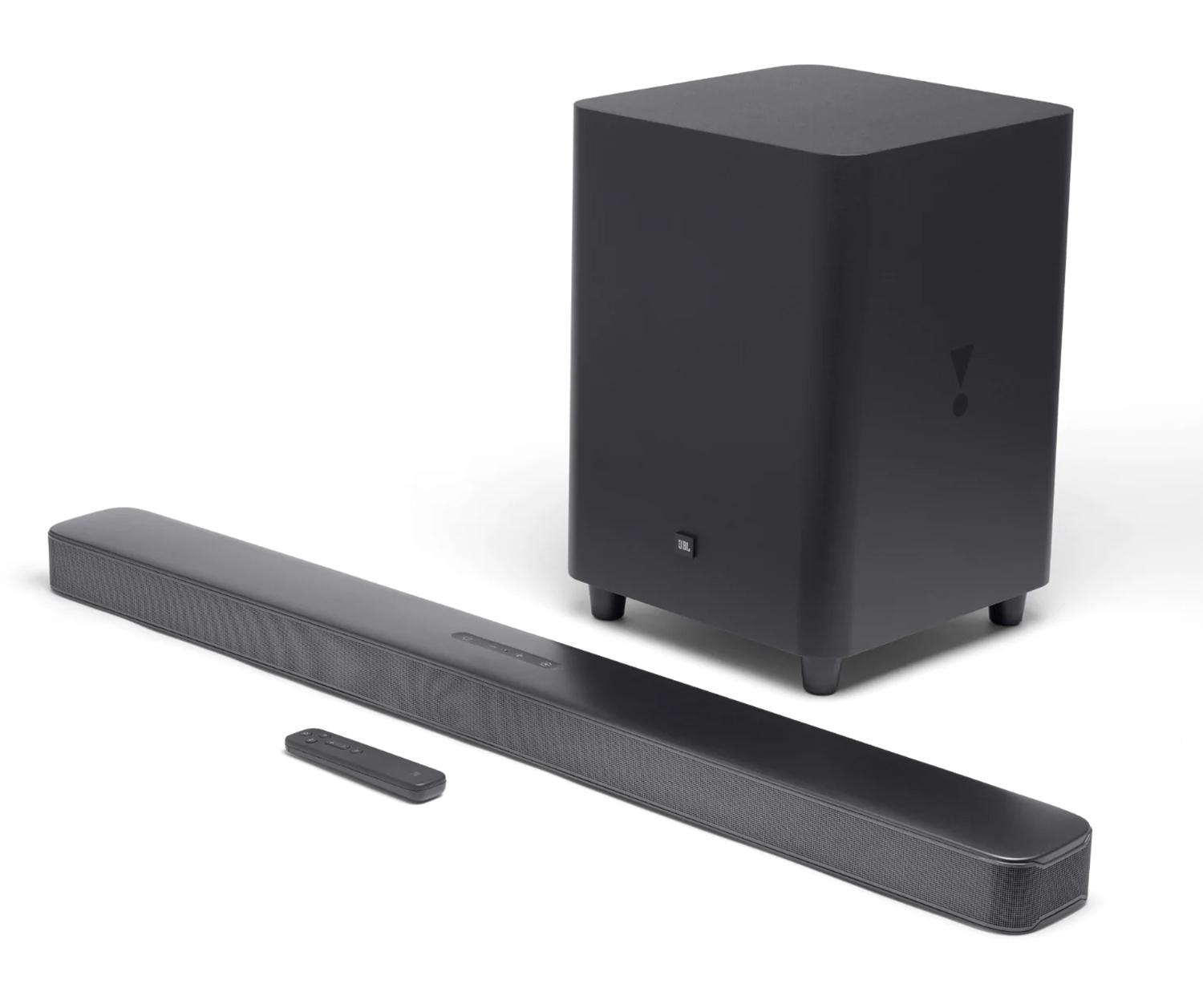
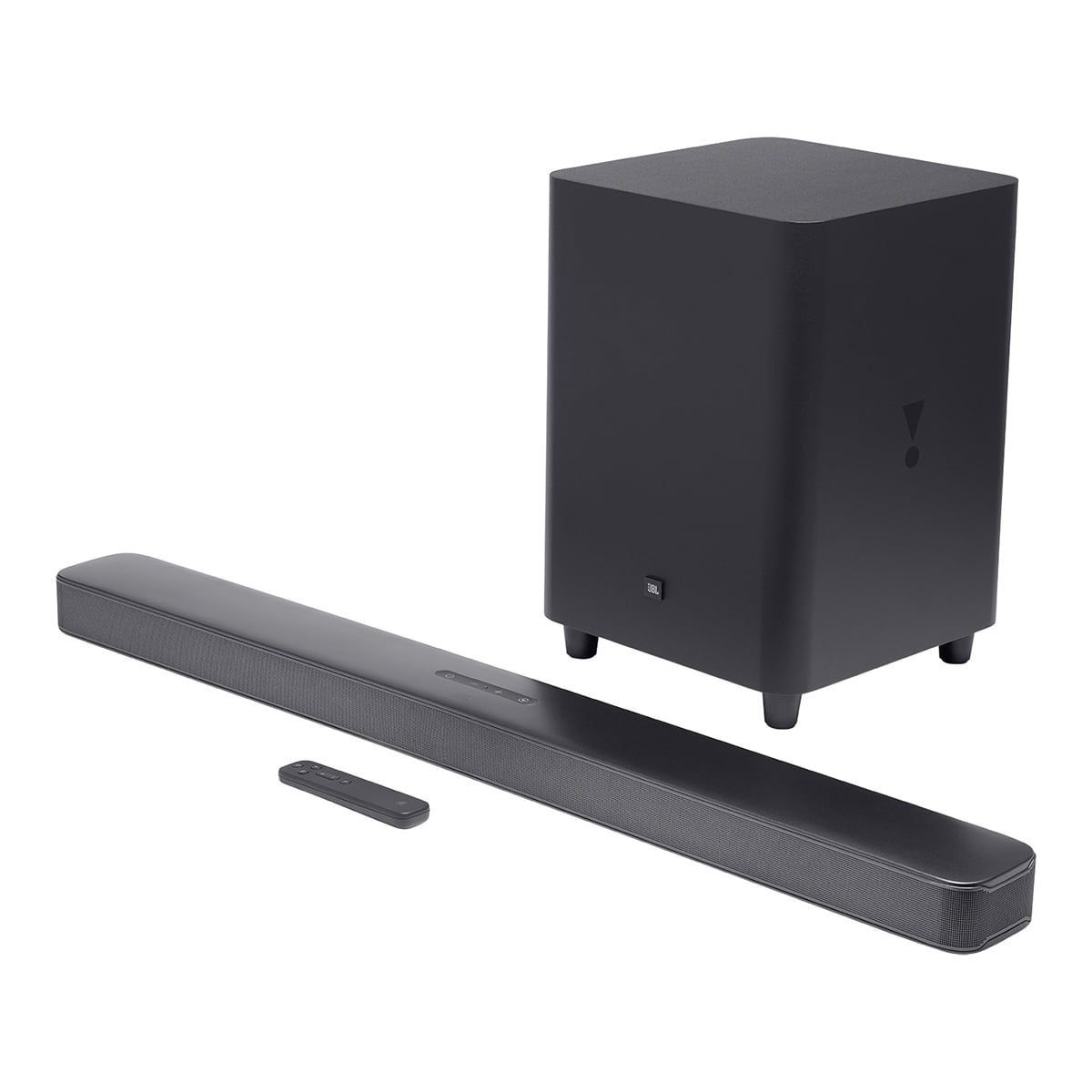
When your TV's built-in speakers make movie dialogue sound like it's coming from inside a tin can, it's time to consider a soundbar upgrade. But with so many options flooding the market, choosing between premium models like the Samsung HW-Q800D ($697.99) and the JBL Bar 5.1 Surround ($599.95) can feel overwhelming. After spending considerable time with both systems, I can tell you that while they're both excellent soundbars, they take completely different approaches to solving the same problem.
Before diving into the specifics, let's talk about what makes today's soundbars tick. The fundamental goal is recreating the immersive audio experience of a movie theater in your living room, but the methods have evolved dramatically over the past few years.
Traditional surround sound required multiple speakers placed around your room – front left and right, center channel for dialogue, rear surrounds for ambient effects, and a subwoofer for bass. Modern soundbars use a combination of physical speakers and digital signal processing (DSP) to simulate this experience from a single bar-shaped unit, plus a wireless subwoofer.
The key considerations when shopping for a soundbar include audio quality and immersion, spatial audio capabilities, room compatibility, connectivity options, expandability for future upgrades, and overall value. Think of it like buying a car – you need to consider not just the sticker price, but how well it fits your needs, how long it'll serve you, and what features matter most for your daily use.
The Samsung HW-Q800D represents Samsung's 2025 refresh of their popular Q800 series, incorporating the latest advances in Dolby Atmos processing and room calibration technology. Samsung has been steadily improving their soundbar lineup each year, with the Q800D featuring enhanced SpaceFit Sound Pro technology that uses built-in microphones to analyze your room's acoustics and automatically adjust the audio output accordingly.
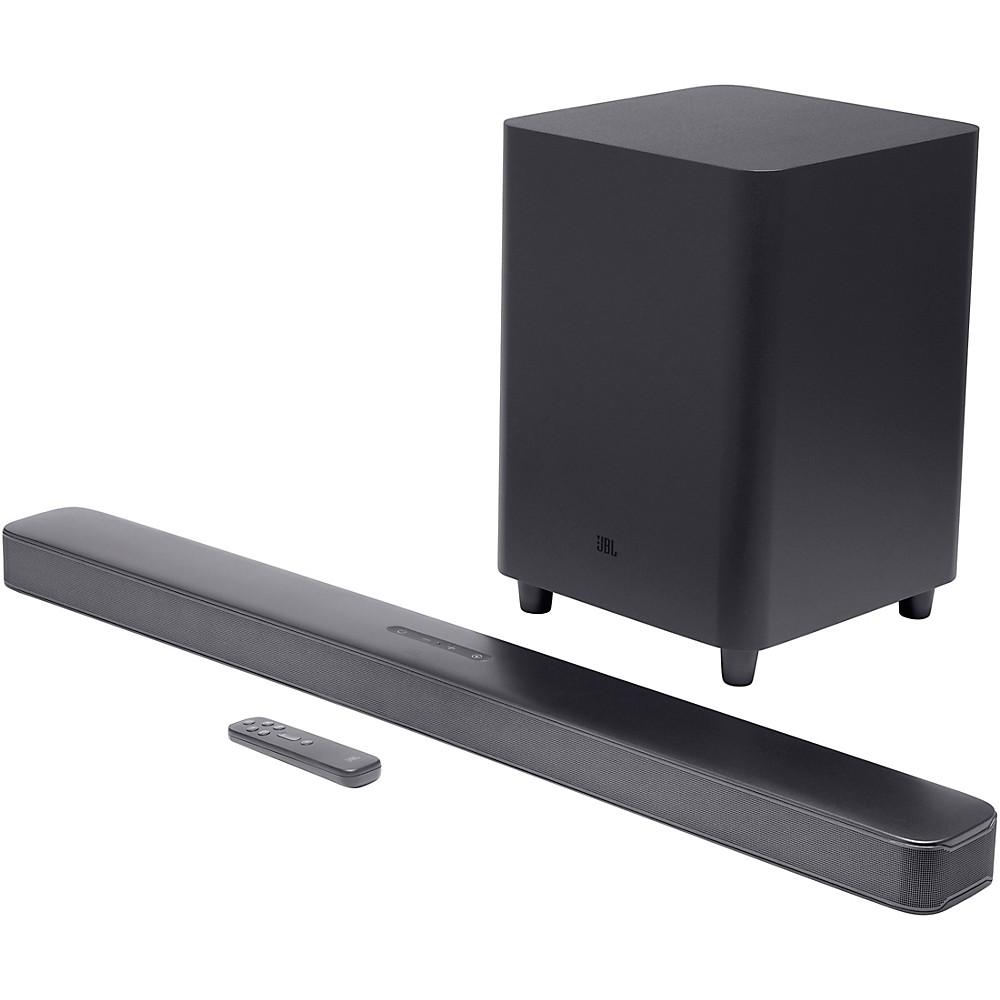
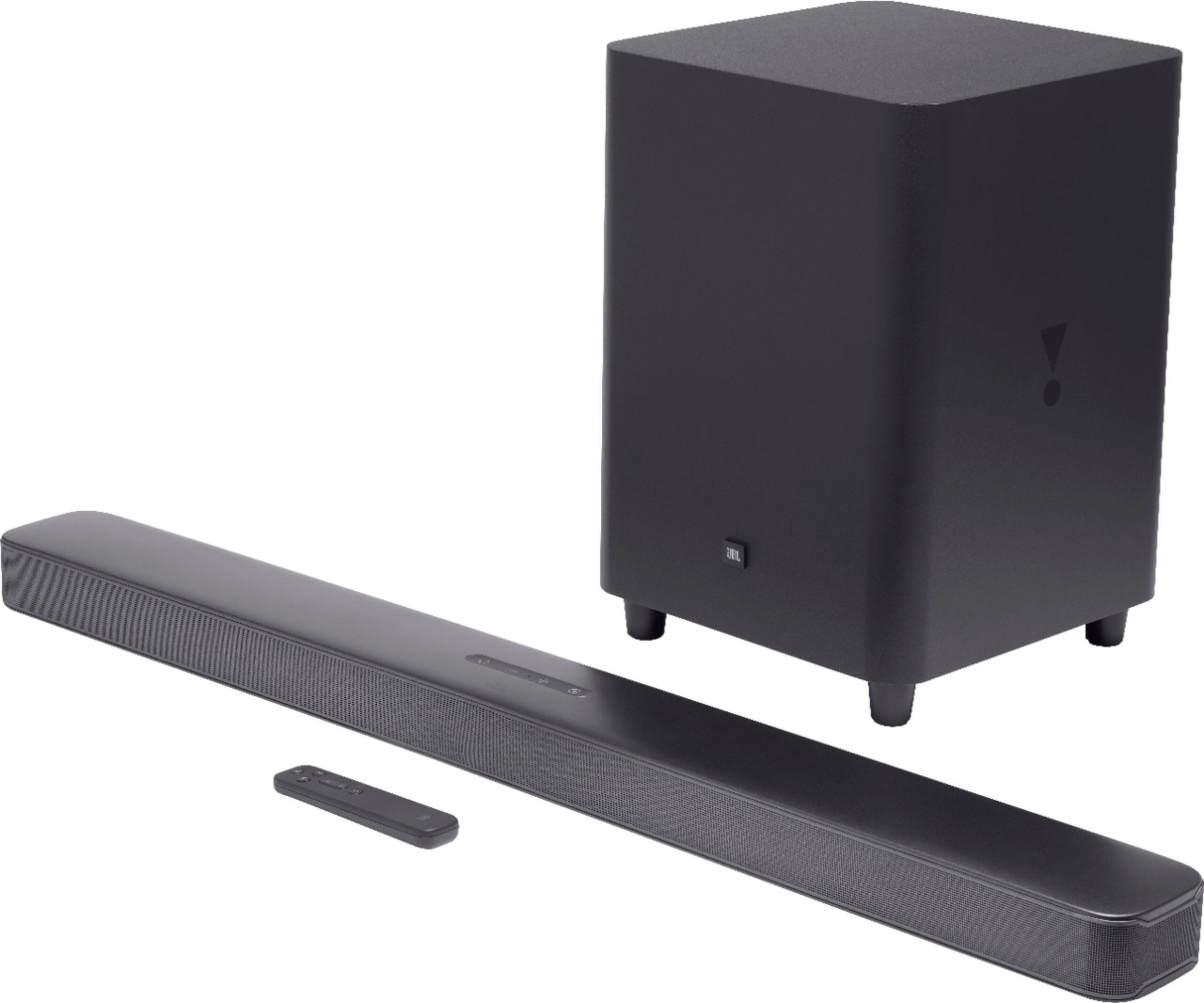
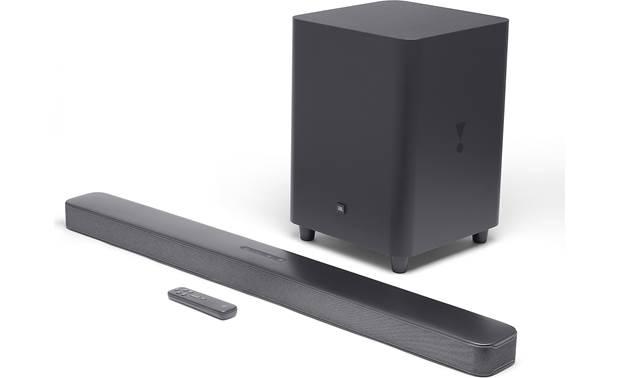
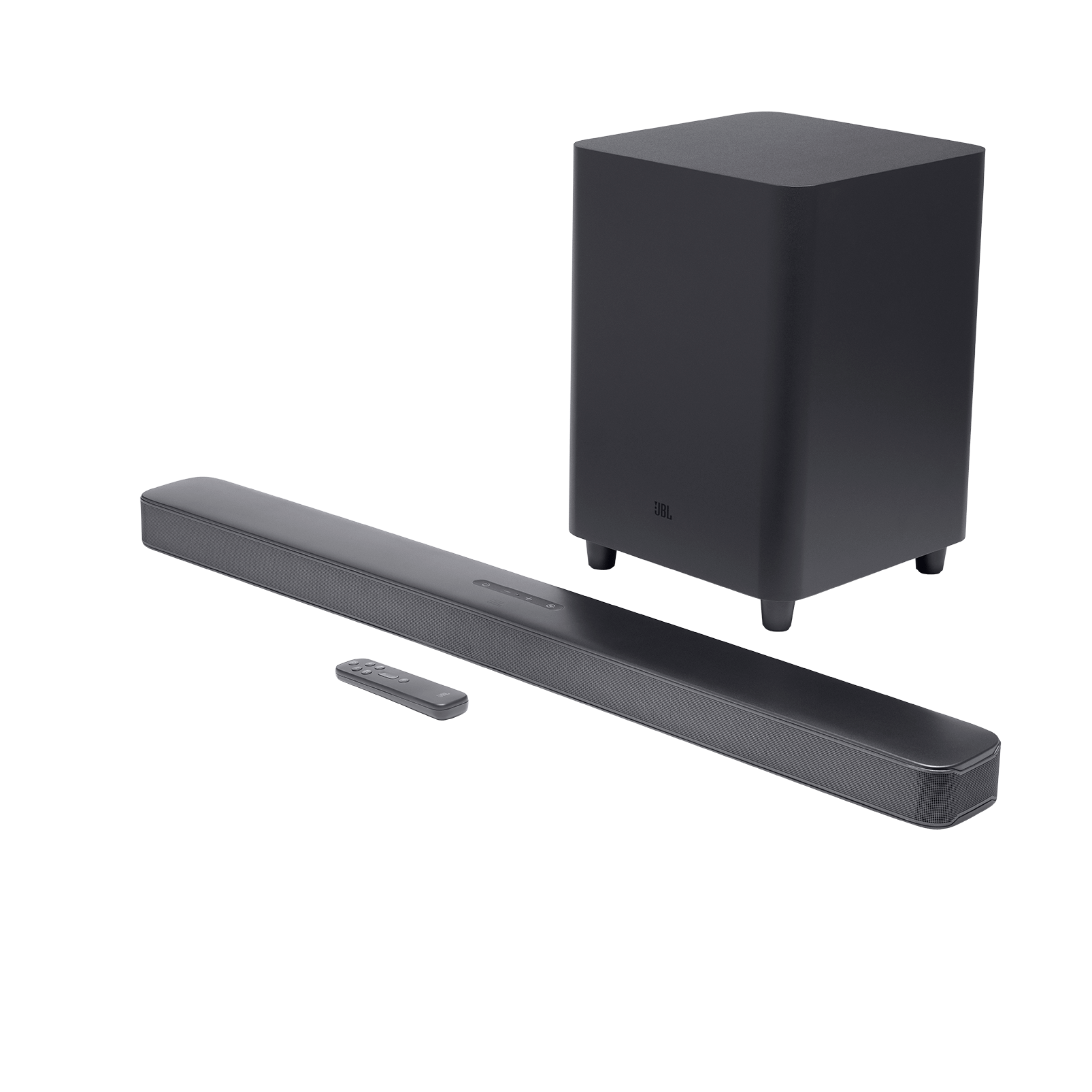
The JBL Bar 5.1 Surround, on the other hand, is an older design that's been refined over several years. While JBL hasn't released a major update to this model recently, they've focused on perfecting the unique detachable wireless speaker concept that sets it apart from competitors. Sometimes, proven technology that works well is better than constant updates that may introduce new problems.
This age difference is crucial to understand because it reflects different design philosophies. Samsung is pushing the envelope with cutting-edge features, while JBL has focused on perfecting a reliable, user-friendly approach.
Here's where these two soundbars diverge most dramatically. The Samsung HW-Q800D supports true Dolby Atmos with its 5.1.2 configuration – that ".2" refers to dedicated up-firing speakers that bounce sound off your ceiling to create overhead effects. When a helicopter flies overhead in a movie, you'll actually hear it above you, not just in front of you. This technology, called object-based audio, treats individual sounds as objects that can be placed anywhere in three-dimensional space.
I've found this particularly impressive during action sequences in movies like "Top Gun: Maverick," where the jet engines seem to roar from above and behind you. The sensation is genuinely immersive in a way that traditional surround sound can't match.
The JBL Bar 5.1 takes a more conventional but arguably more reliable approach. Instead of relying on ceiling reflections for height effects, it includes actual wireless rear speakers that you can position behind your seating area. These speakers are battery-powered (lasting about 10 hours) and completely wireless, which means no running cables across your room or drilling holes in walls.
This difference in approach leads to distinct performance characteristics. Samsung's virtual surround processing is sophisticated, using psychoacoustic principles (basically, tricks that exploit how your brain processes sound) to create the illusion of speakers all around you. The SpaceFit Sound Pro technology takes this further by measuring your room's acoustics and adjusting the processing accordingly.
However, physics is physics – having actual speakers behind you, like the JBL provides, creates more convincing rear-channel effects. When I tested both systems with the airport battle scene from "Captain America: Civil War," the JBL's physical rear speakers made the chaos feel more enveloping, while the Samsung's height channels added a dimension of overhead action that the JBL couldn't match.
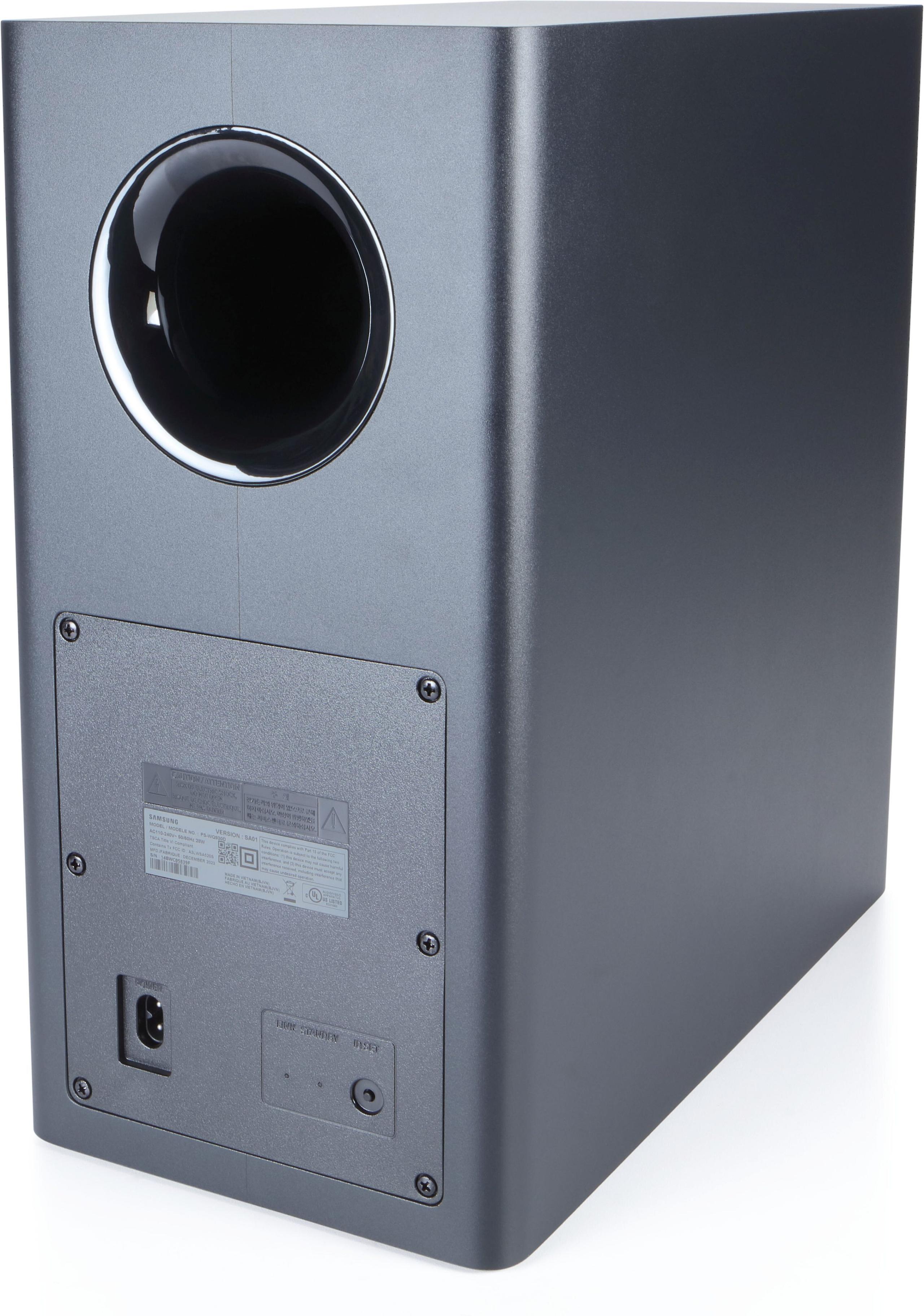
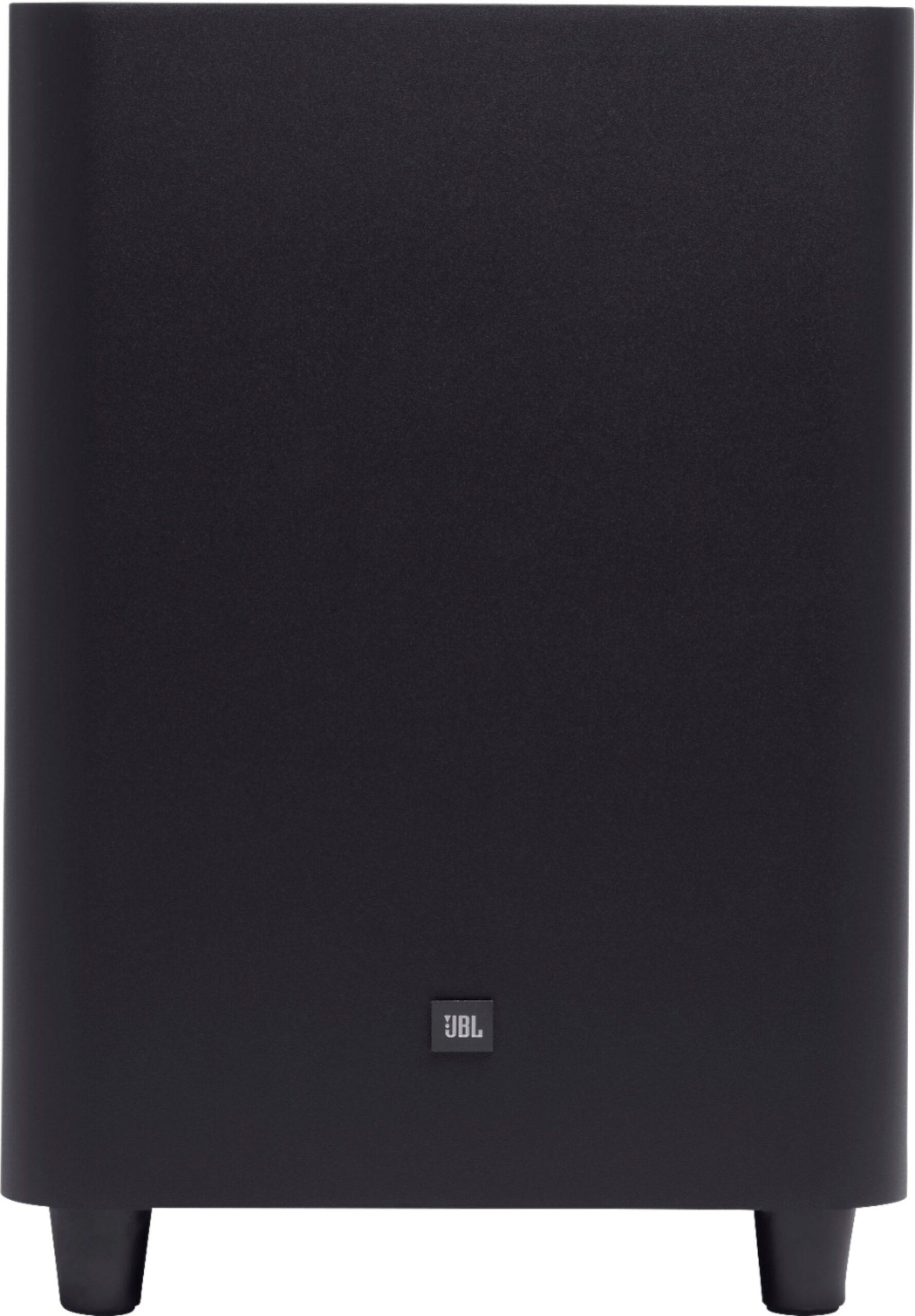
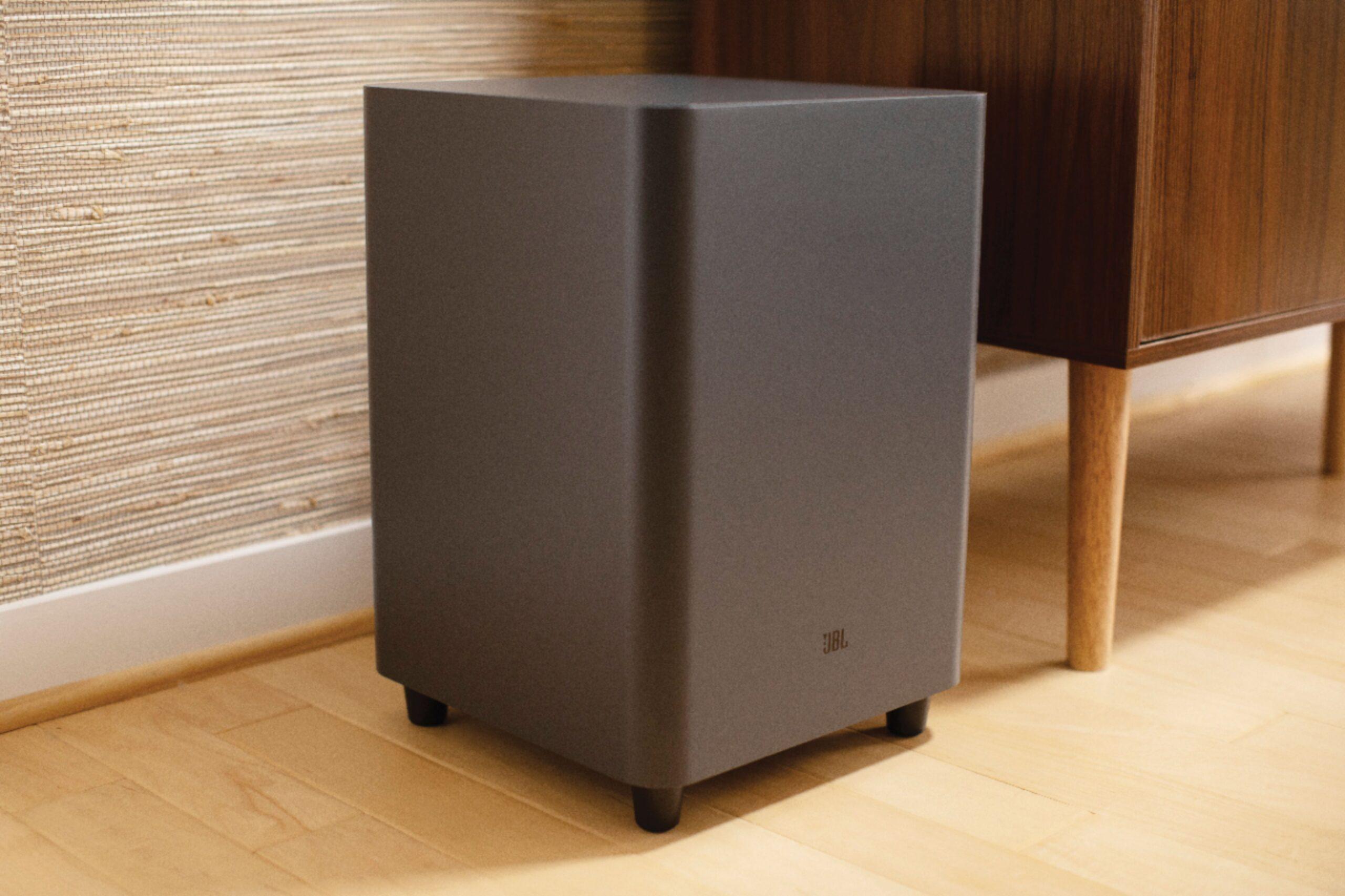
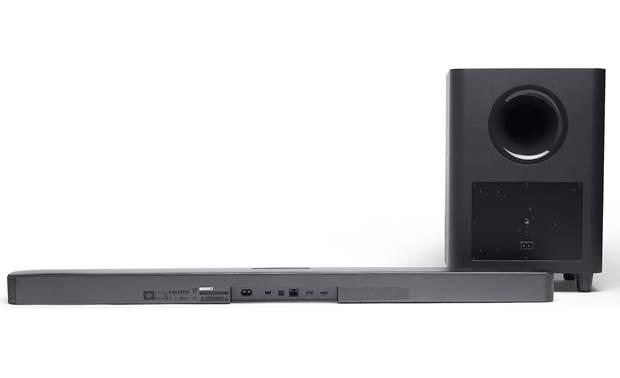
Raw power numbers tell only part of the story, but they're still important. The JBL Bar 5.1 outputs 510W total compared to the Samsung's 360W, and you can definitely hear the difference in maximum volume and bass impact. The JBL's 10-inch subwoofer moves more air than Samsung's 8-inch unit, creating deeper, more visceral bass that really shakes the room during explosion scenes.
But power isn't just about loudness – it's about headroom. Having extra power means the system can reproduce dynamic peaks (like gunshots or explosions) without distortion, even at moderate listening levels. The JBL excels here, maintaining clean, undistorted sound even when pushed hard.
The Samsung takes a more nuanced approach. Its 360W is distributed across more channels, including dedicated drivers for height effects that the JBL lacks entirely. The bass is tighter and more controlled, which I prefer for music listening, though it may leave bass-heads wanting more impact for action movies.
Your room size dramatically affects which approach works better. In smaller rooms (under 200 square feet), the Samsung's virtual surround and height effects work excellently because the sound reflections are stronger and more predictable. The automatic room calibration helps optimize performance without requiring manual adjustment.
Larger rooms favor the JBL's brute-force approach. The higher power output and physical rear speakers maintain their effectiveness even in spaces where ceiling reflections become weak or unpredictable. If you're setting up in a basement media room or large living area, the JBL's raw power and actual surround speakers will serve you better.
Poor dialogue clarity is the number one complaint about TV audio, so this is where soundbars need to excel. The Samsung HW-Q800D addresses this with Active Voice Amplifier (AVA) technology, which analyzes the audio signal in real-time and boosts dialogue frequencies while reducing background noise. There's also a dedicated center channel with its own amplifier specifically for handling speech.
During my testing with dialogue-heavy content like "The West Wing," the Samsung consistently delivered clearer, more intelligible speech, even at lower volumes. The Voice Enhance mode is particularly helpful if you're watching late at night and don't want to disturb others.
The JBL handles dialogue well through its center channel, but lacks the sophisticated processing of the Samsung. Speech comes through clearly in most content, though some users report occasional harshness in the treble frequencies that can make dialogue fatiguing during long viewing sessions.
Gaming has become a crucial consideration for soundbar buyers, especially with the rise of cinematic single-player games and competitive online titles. The Samsung HW-Q800D includes a dedicated Game Pro mode that reduces audio latency (the delay between something happening on screen and when you hear it) and enhances directional audio cues.
The Dolby Atmos support really shines in games like "The Last of Us Part II" or "God of War," where environmental audio helps with immersion. Hearing rain falling from above or enemies approaching from different directions adds a layer of realism that traditional surround sound can't match.
The JBL Bar 5.1 benefits from having actual rear speakers for directional audio in competitive games. In titles like "Call of Duty" or "Apex Legends," being able to pinpoint enemy footsteps behind you can provide a real competitive advantage. The higher power output also makes explosive gaming moments more impactful.
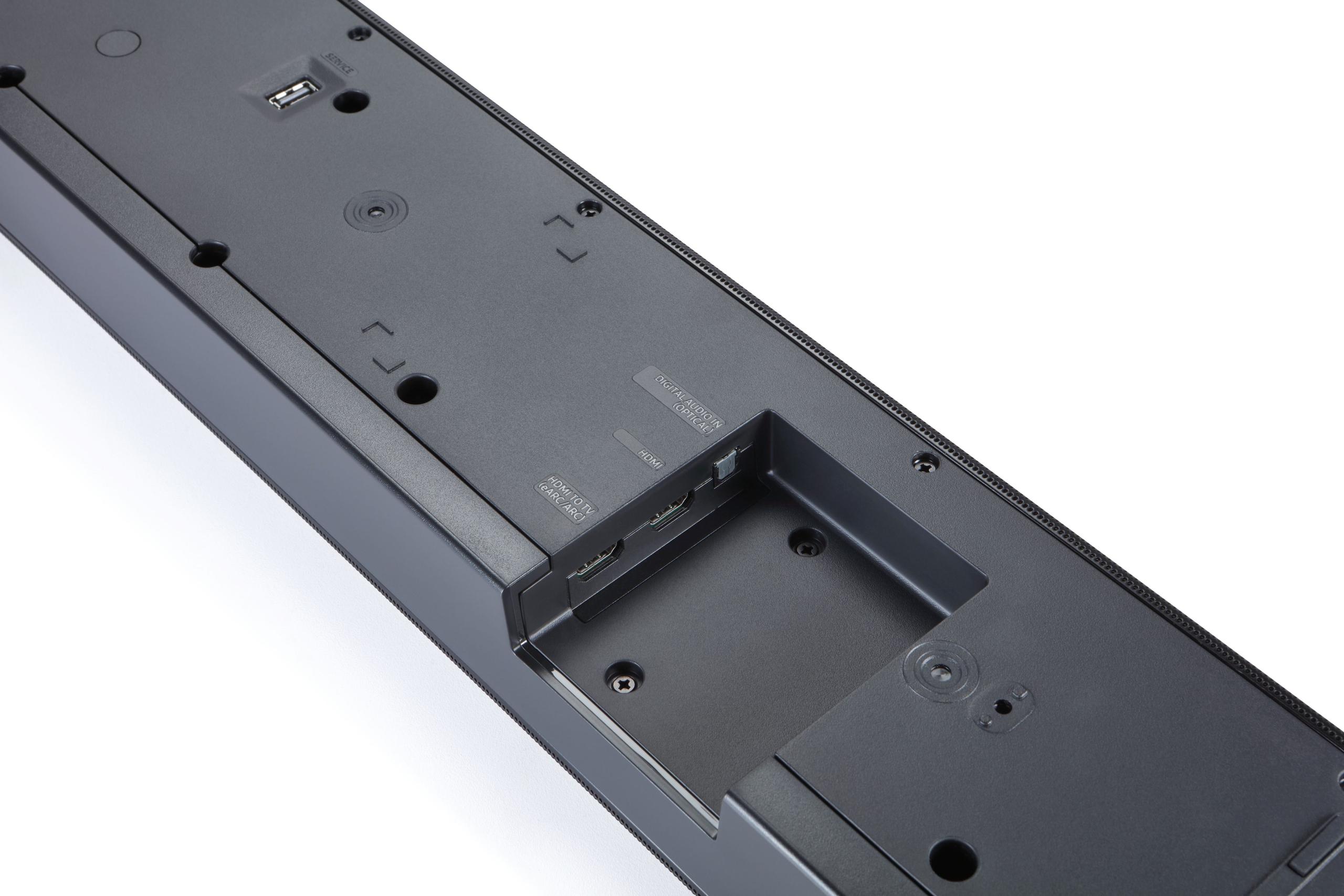
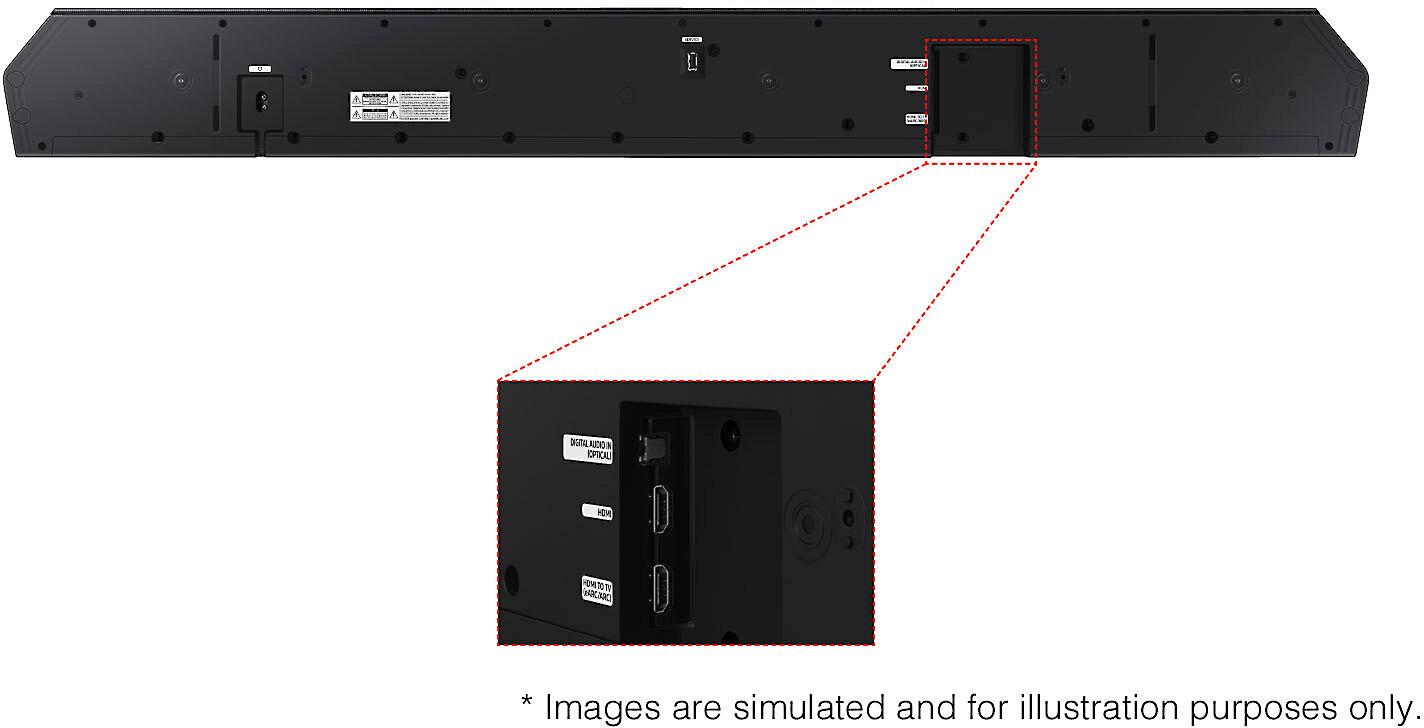
Both soundbars handle 4K video passthrough, but they approach connectivity differently. The Samsung offers one HDMI input and one eARC (enhanced Audio Return Channel) output, which is sufficient for most setups but might require additional switching if you have multiple devices. The eARC support ensures full-bandwidth audio from compatible TVs, including uncompressed Dolby Atmos.
The JBL provides three HDMI inputs plus ARC output, making it more convenient if you have multiple source devices. This means you can connect your game console, streaming device, and Blu-ray player directly to the soundbar without needing your TV's limited HDMI ports.
Both support Bluetooth for music streaming, though the Samsung's Bluetooth 5.2 offers better range and connection stability compared to the JBL's Bluetooth 4.2. For streaming music from your phone, this translates to fewer dropouts and better audio quality.
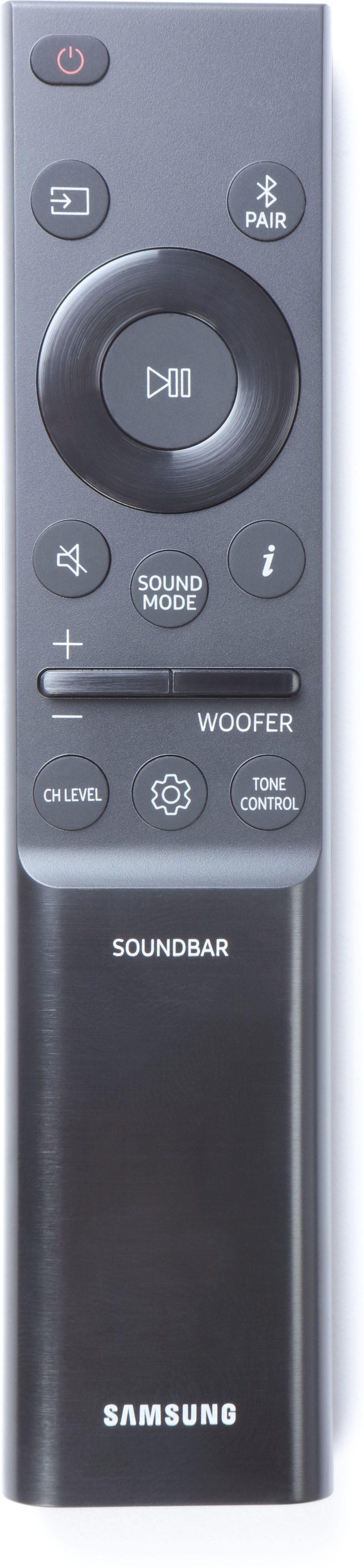
The Samsung HW-Q800D really shines if you're already invested in Samsung's ecosystem. Q-Symphony technology allows the soundbar to work in tandem with compatible Samsung TVs, using the TV's built-in speakers as additional channels. This creates a more enveloping soundstage without requiring additional hardware.
The SmartThings app integration lets you control the soundbar alongside other smart home devices, and the automatic room calibration means less manual tweaking. These conveniences add real value if you appreciate set-it-and-forget-it simplicity.
The JBL takes a more universal approach with broader device compatibility but fewer ecosystem benefits. The JBL One app provides basic control and some sound customization, but it's not as sophisticated as Samsung's offering.
This is where the approaches really differ. The Samsung HW-Q800D can be expanded with optional SWA-9500S rear speakers (costing an additional $150-200) to create a true 7.1.4 system. This modular approach lets you start with the soundbar and subwoofer, then add rear speakers later when budget allows.
The JBL Bar 5.1 comes complete out of the box – what you buy is what you get. While this means no upgrade path, it also means no additional purchases required for the full surround experience. The detachable rear speakers are unique in that they can also function as standalone Bluetooth speakers for outdoor use or other rooms.
At $697.99, the Samsung HW-Q800D costs about $100 more than the JBL Bar 5.1 at $599.95, but you're paying for different things. The Samsung's premium goes toward cutting-edge Dolby Atmos technology, automatic room calibration, and ecosystem integration features that will remain relevant for years to come.
The JBL's lower price includes everything you need for a complete 5.1 surround system right out of the box. When you factor in that adding rear speakers to the Samsung costs extra, the JBL becomes even more attractive from a value perspective.
However, value isn't just about initial cost – it's about long-term satisfaction. If you're passionate about movies and appreciate the latest audio technologies, the Samsung's Dolby Atmos capabilities will provide years of enhanced enjoyment. If you want great surround sound without complexity or additional purchases, the JBL delivers immediate satisfaction.
For dedicated home theater use, both soundbars have distinct advantages. The Samsung HW-Q800D excels in purpose-built media rooms where you can optimize seating position for Dolby Atmos effects. The automatic calibration helps compensate for less-than-ideal room acoustics, and the expandability means you can grow the system as your enthusiasm (and budget) grows.
The JBL Bar 5.1 works better in multi-purpose living spaces where the wireless rear speakers can be easily moved when not needed for movie watching. The higher power output helps overcome ambient noise from HVAC systems or nearby rooms.
Choose the Samsung HW-Q800D if you want the most immersive, future-ready audio experience available. It's ideal for movie enthusiasts who appreciate cutting-edge technology, Samsung TV owners who can benefit from ecosystem integration, and anyone planning to build a more elaborate system over time. The Dolby Atmos support alone makes it worthwhile for serious home theater use.
Go with the JBL Bar 5.1 if you want a complete, powerful surround sound system immediately without additional purchases. It's perfect for those who prioritize simplicity and proven performance over the latest features, users with larger rooms who need more power, and anyone who values the flexibility of portable rear speakers.
Both soundbars will dramatically improve your TV watching experience compared to built-in TV speakers. The choice comes down to whether you want to pay extra for Dolby Atmos immersion and future expandability (Samsung), or prefer immediate surround sound satisfaction with no additional purchases required (JBL). Either way, you'll be getting a quality product that will serve you well for years to come.
| Samsung HW-Q800D ($697.99) | JBL Bar 5.1 Surround ($599.95) |
|---|---|
| Audio Configuration - Determines immersion and spatial effects | |
| 5.1.2 channels with dedicated up-firing Atmos speakers | 5.1 channels with physical wireless rear speakers |
| Dolby Atmos Support - Critical for overhead audio effects in modern content | |
| True Dolby Atmos with physical height channels | No Atmos support, relies on virtual processing |
| Total System Power - Affects maximum volume and dynamic range | |
| 360W (distributed across more channels including height) | 510W (higher raw power for louder, more impactful sound) |
| Subwoofer Size - Directly impacts bass depth and room-filling capability | |
| 8-inch wireless subwoofer (tighter, more controlled bass) | 10-inch wireless subwoofer (deeper, more powerful bass) |
| Rear Speaker Configuration - Determines surround sound authenticity | |
| Virtual rear effects (expandable with optional $150-200 speakers) | Included wireless rear speakers with 10-hour batteries |
| Room Calibration - Eliminates need for manual audio adjustment | |
| SpaceFit Sound Pro with automatic room analysis | Manual tuning required through JBL One app |
| HDMI Connectivity - Important for multiple device connections | |
| 1 HDMI input, 1 eARC output (may require additional switching) | 3 HDMI inputs, 1 ARC output (more convenient for multiple devices) |
| TV Ecosystem Integration - Adds value for brand-matched setups | |
| Q-Symphony with Samsung TVs, SmartThings integration | Universal compatibility, no ecosystem benefits |
| Expandability - Future upgrade potential without replacing entire system | |
| Modular design, can add rear speakers for 7.1.4 configuration | Fixed system, no upgrade path beyond included components |
| Unique Features - Standout capabilities that differentiate each model | |
| Active Voice Amplifier, automatic calibration, height effects | Detachable speakers double as portable Bluetooth speakers |
The Samsung HW-Q800D ($697.99) is better for movies due to its true Dolby Atmos support with dedicated up-firing speakers that create overhead effects. This makes action scenes and cinematic content more immersive. The JBL Bar 5.1 Surround ($599.95) offers excellent traditional surround sound with physical rear speakers but lacks the height dimension that modern movies are designed for.
The key difference is audio technology approach. The Samsung HW-Q800D focuses on cutting-edge Dolby Atmos with 5.1.2 channels including height effects, while the JBL Bar 5.1 uses a traditional 5.1 setup with actual wireless rear speakers. Samsung emphasizes virtual processing and room calibration, while JBL relies on physical speaker placement and higher power output.
The JBL Bar 5.1 Surround has more powerful bass with its 10-inch subwoofer and 510W total power output compared to Samsung's 8-inch subwoofer and 360W. JBL delivers deeper, more room-shaking bass that's ideal for action movies and music. The Samsung HW-Q800D offers more controlled, precise bass that's better balanced across all frequencies.
The JBL Bar 5.1 comes complete with everything needed for full 5.1 surround sound, including wireless rear speakers. The Samsung HW-Q800D works great on its own but requires optional rear speakers (costing $150-200 extra) to achieve true surround sound. JBL provides immediate complete surround, while Samsung offers expandability.
The Samsung HW-Q800D excels in small to medium rooms where its virtual surround processing and ceiling reflections work effectively. The automatic room calibration optimizes performance for your space. The JBL Bar 5.1 is better for larger rooms due to its higher power output and physical rear speakers that maintain effectiveness regardless of room acoustics.
The Samsung HW-Q800D has superior dialogue clarity with Active Voice Amplifier technology that automatically enhances speech and reduces background noise. It includes dedicated voice enhancement modes for different content types. The JBL Bar 5.1 provides clear dialogue through its center channel but lacks the sophisticated voice processing of the Samsung.
The Samsung HW-Q800D offers better gaming performance with its Game Pro mode, lower latency, and Dolby Atmos support that enhances spatial awareness in modern games. The overhead effects help with immersion in cinematic games. The JBL Bar 5.1 provides solid directional audio through physical rear speakers, which can be advantageous for competitive gaming where precise positional audio matters.
Both soundbars are relatively easy to set up, but differently. The JBL Bar 5.1 is more plug-and-play with straightforward connections and immediate surround sound from included rear speakers. The Samsung HW-Q800D requires initial room calibration but then automatically optimizes itself. Samsung offers more automated optimization while JBL provides simpler immediate setup.
The JBL Bar 5.1 has better connectivity with 3 HDMI inputs plus ARC output, making it more convenient for multiple devices. The Samsung HW-Q800D has 1 HDMI input and 1 eARC output but offers superior wireless connectivity with Bluetooth 5.2 and SmartThings integration. Choose JBL for more wired connections, Samsung for better wireless and TV integration.
Both soundbars work with any TV brand, but the Samsung HW-Q800D provides additional benefits when paired with Samsung TVs through Q-Symphony technology that uses TV speakers as extra channels. The JBL Bar 5.1 offers universal compatibility without brand-specific advantages. Samsung rewards brand loyalty while JBL maintains complete neutrality.
The Samsung HW-Q800D offers better long-term value for enthusiasts with its future-proof Dolby Atmos support, expandability options, and regular software updates. The JBL Bar 5.1 provides better immediate value with its complete system at a lower price point. Samsung is the better investment for evolving home theater needs, while JBL maximizes current performance per dollar.
Choose the Samsung HW-Q800D ($697.99) if you want cutting-edge Dolby Atmos immersion, automatic room optimization, and plan to expand your system over time. It's ideal for movie enthusiasts and Samsung TV owners. Choose the JBL Bar 5.1 Surround ($599.95) if you want a complete, powerful surround system immediately with no additional purchases, prefer straightforward setup, and prioritize maximum bass impact over height effects.
We've done our best to create useful and informative comparisons to help you decide what product to buy. Our research uses advanced automated methods to create this comparison and perfection is not possible - please contact us for corrections or questions. These are the sites we've researched in the creation of this article: techradar.com - valueelectronics.com - samsung.com - rtings.com - samsung.com - crutchfield.com - samsung.com - samsung.com - samsung.com - shidirect.com - jbl.com - jbl.com - jbl.com - tomsguide.com - jbl.com - bestbuy.com - bestbuy.com - jbl.com - jbl.com - worldwidestereo.com

Privacy Policy
Terms and Conditions - Affiliate Policy
Home Security
© Copyright 2008-2026.
11816 Inwood Rd #1211, Dallas, TX 75244