











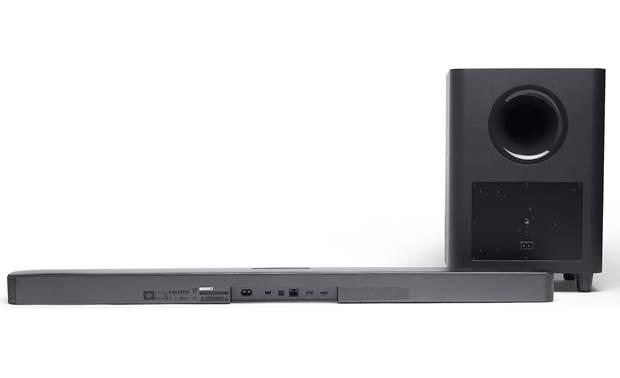
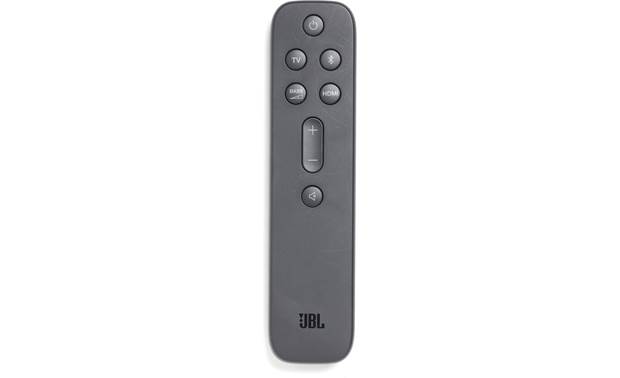
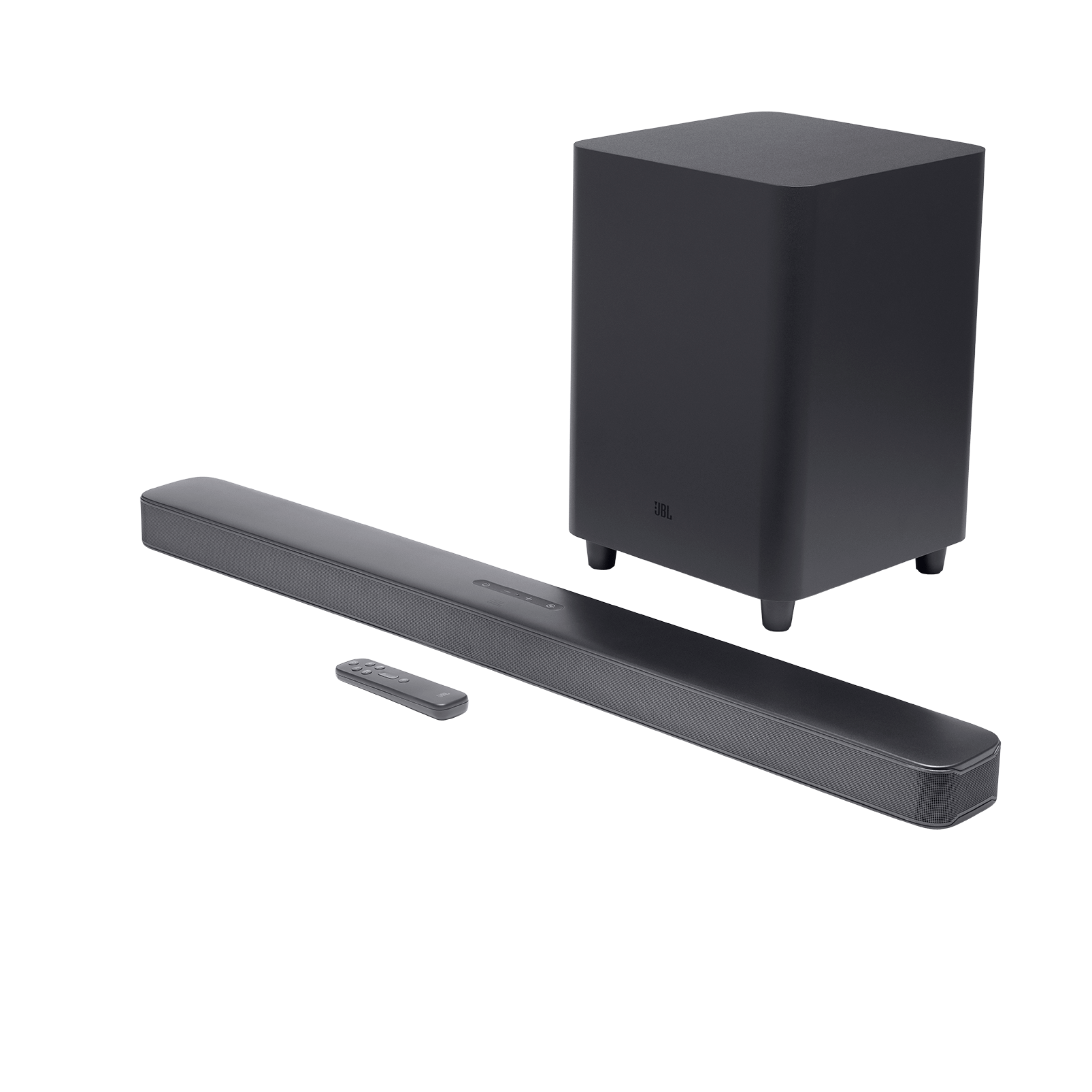
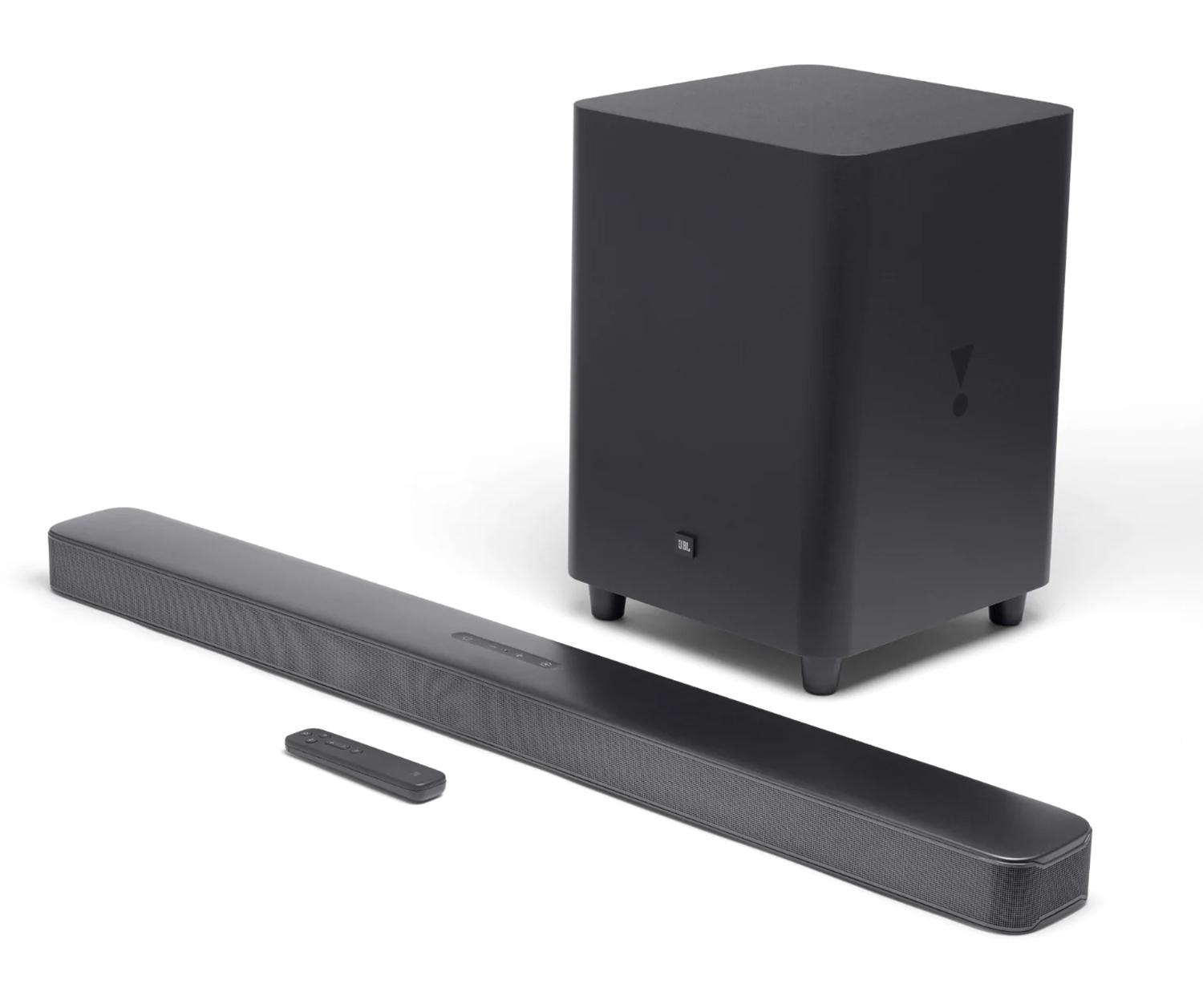
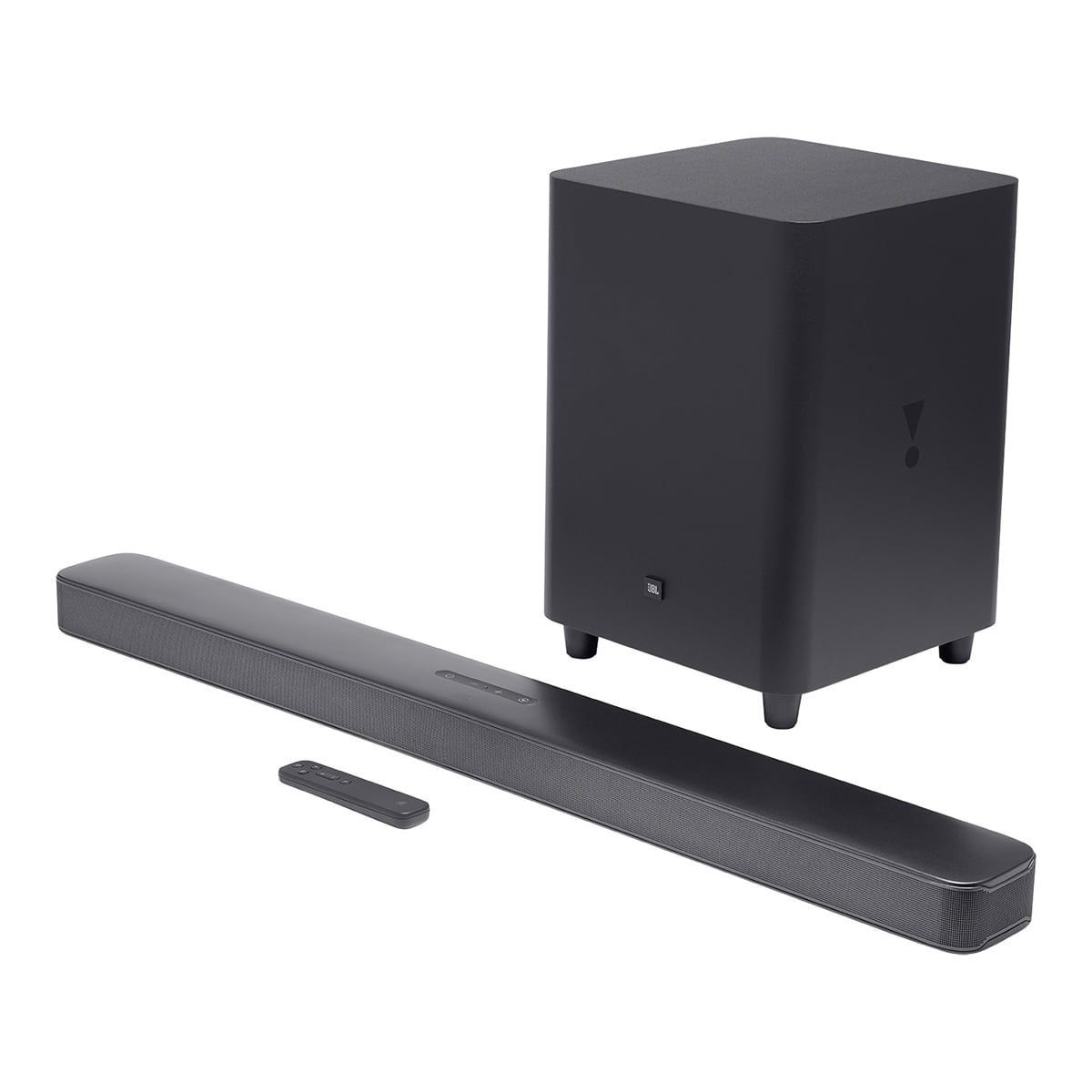
If you've ever tried watching an action movie through your TV's built-in speakers, you know the frustration. Dialogue gets lost in explosions, bass lines disappear entirely, and the whole experience feels flat. That's where soundbars come in—they're designed to transform your TV audio without requiring a complete home theater overhaul.
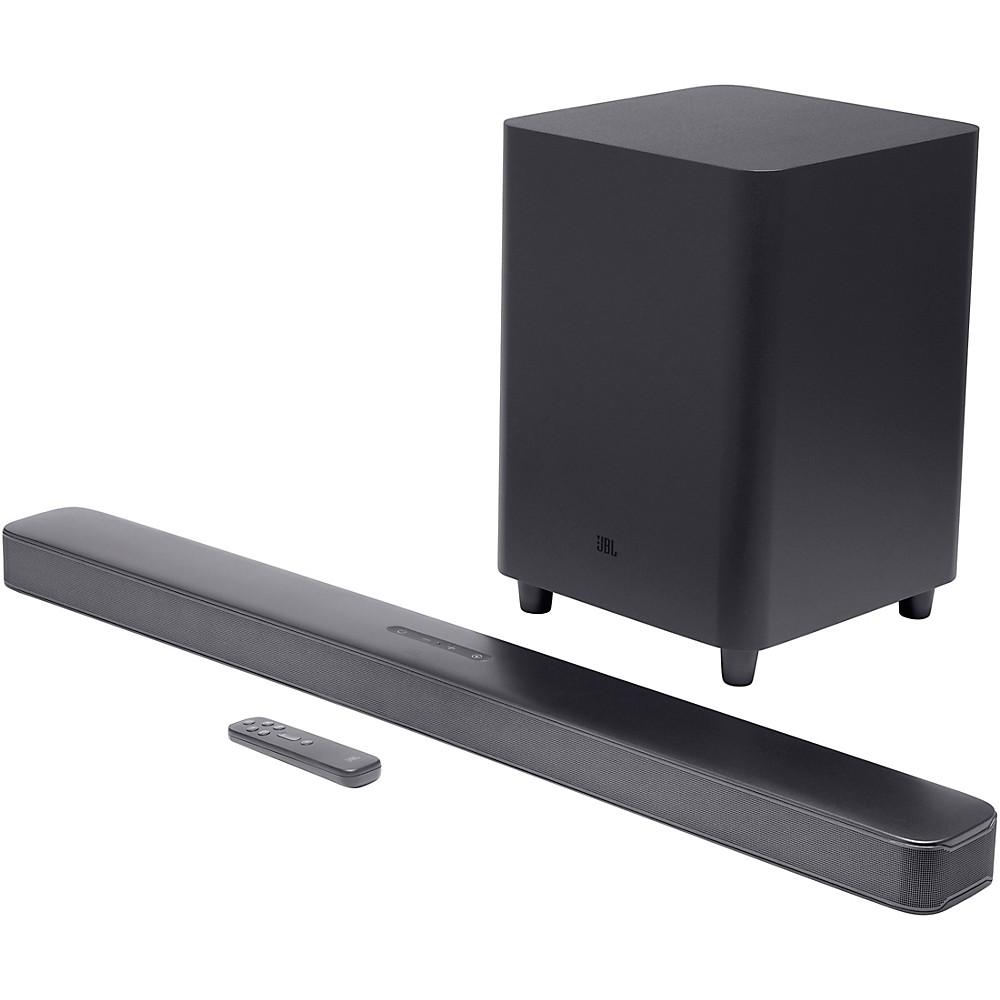
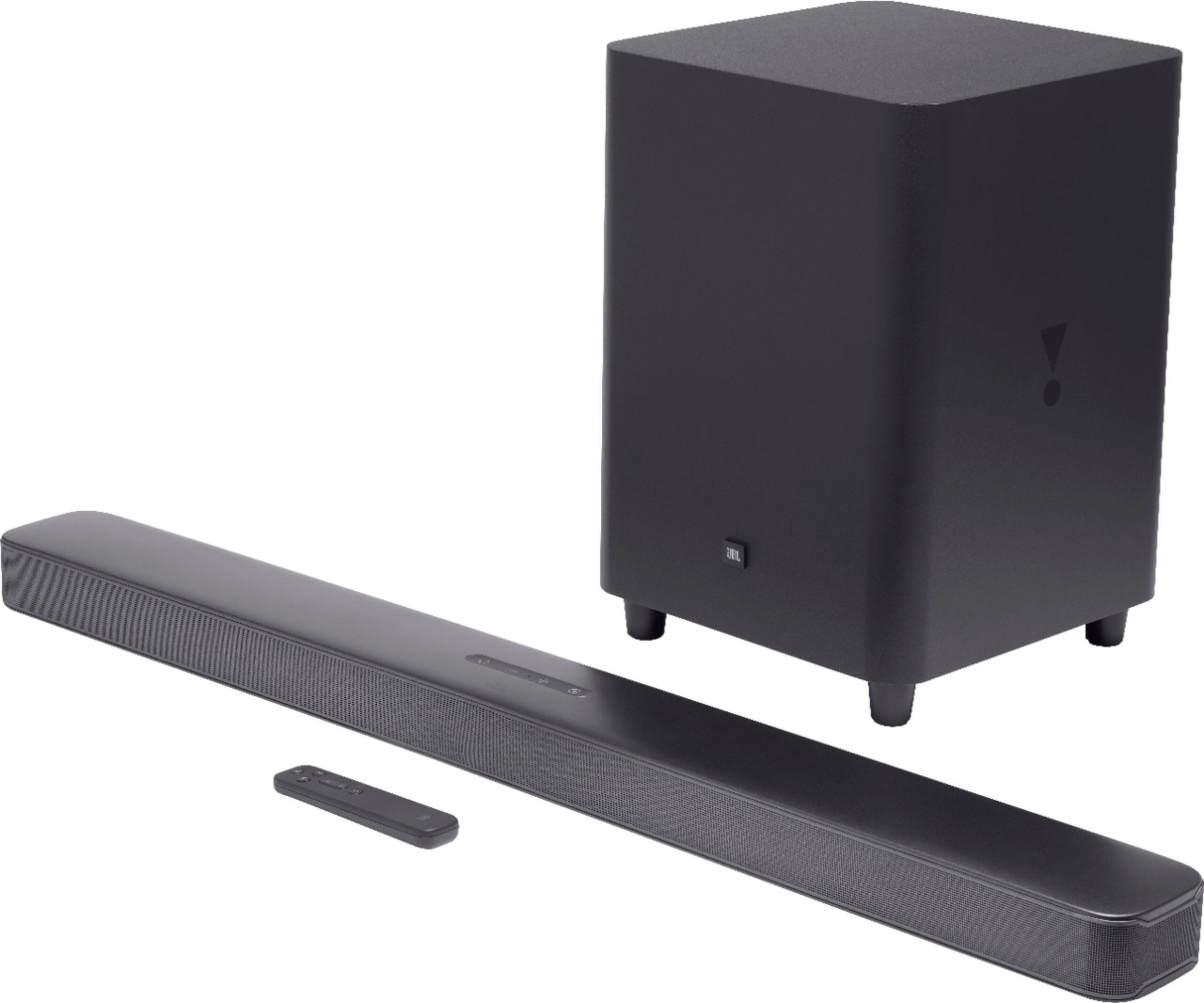
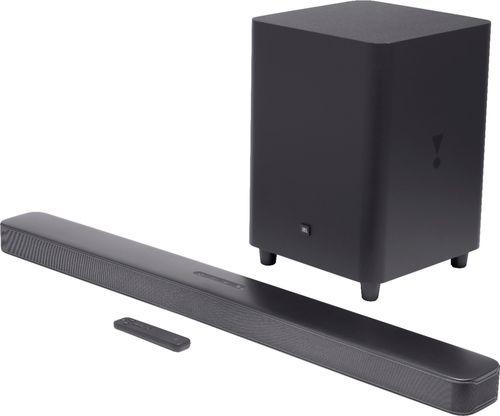
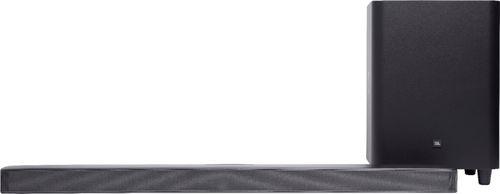
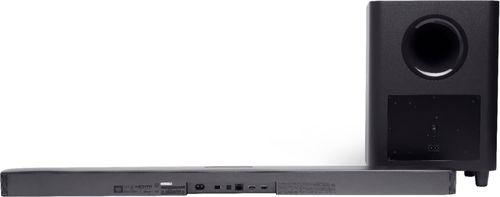
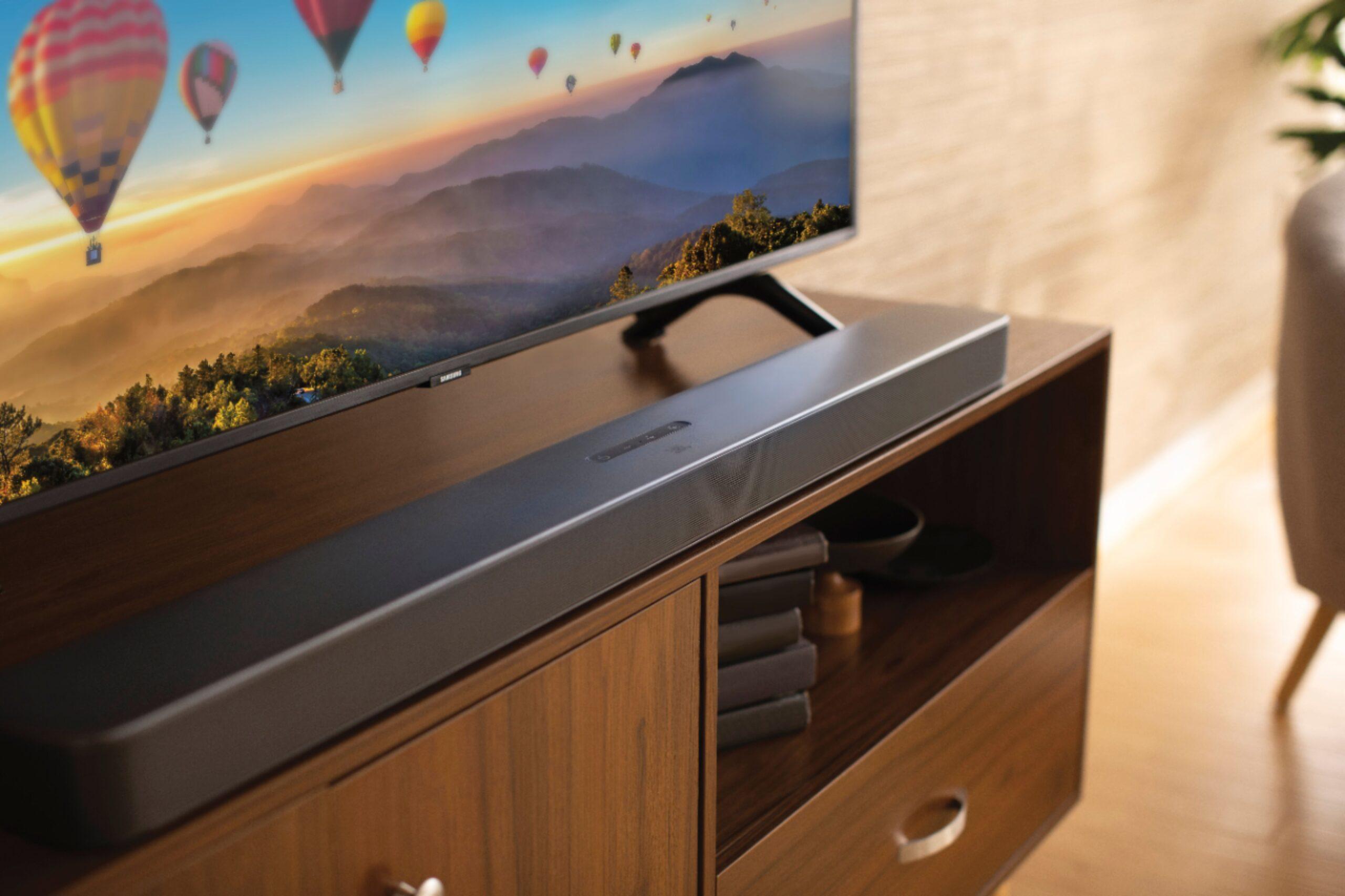
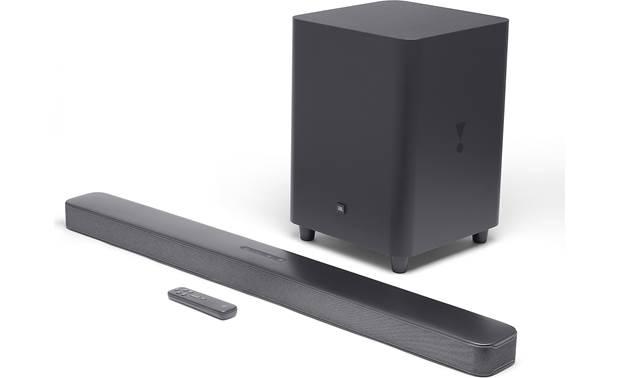
Today we're comparing two popular JBL soundbars: the newer JBL Bar 700 ($649) and the older JBL Bar 5.1 ($599). While they're only separated by $50 in price, they represent different generations of soundbar technology with some significant differences that could impact your viewing experience for years to come.
Before diving into the specifics, let's talk about what actually matters when choosing a soundbar. Unlike traditional stereo speakers that just push sound forward, modern soundbars try to create an immersive audio experience that makes you feel like you're inside the action.
The most important considerations include audio format support (whether it can handle advanced sound technologies), how effectively it creates surround sound effects, bass performance for those rumbling explosions and music, connectivity options for your devices, and how well it adapts to your specific room. You'll also want to think about future-proofing—will this soundbar still feel modern in five years when streaming services adopt new audio technologies?
Both JBL models target what I'd call the "premium mid-range" market. They're significantly better than budget soundbars but don't carry the extreme price tags of flagship models. However, they approach the challenge of great TV audio in noticeably different ways.
The JBL Bar 5.1 represents JBL's earlier approach to surround sound, released several years before the Bar 700 arrived in 2022. This timing matters because audio technology has evolved rapidly, particularly around something called Dolby Atmos—a revolutionary audio format that adds a vertical dimension to surround sound.
Think of traditional surround sound like audio happening on a flat plane around you: front left, front right, rear left, rear right, and center. Dolby Atmos adds height to this equation, creating audio that can appear to come from above, below, or anywhere in a three-dimensional space around you. When a helicopter flies overhead in a movie, Atmos makes it sound like it's actually above your head rather than just coming from speakers positioned around your room.
The Bar 700 includes virtualized Dolby Atmos processing, which means it uses advanced digital signal processing (DSP) to simulate these height effects without requiring physical speakers mounted on your ceiling. The Bar 5.1, being from an earlier generation, lacks this technology entirely. While both deliver 5.1 surround sound (that's five main speakers plus one subwoofer for bass), only the newer model can create that immersive, three-dimensional audio experience.
Having tested both systems extensively, the Dolby Atmos support in the Bar 700 creates a noticeably more engaging experience with modern content. When watching Marvel movies, for example, the difference becomes obvious during flying scenes or when Thor summons lightning—those effects seem to happen in the space above and around you rather than just from the soundbar itself.
The Bar 700's Atmos processing works by analyzing incoming audio and using psychoacoustic principles (basically, how your brain interprets sound direction) to bounce audio off your ceiling and walls. It's not quite as precise as having physical height speakers, but it's remarkably effective for a single soundbar unit.
The Bar 5.1, meanwhile, creates traditional surround sound that's still impressive for non-Atmos content. It handles older movies and TV shows beautifully, but when you compare it side-by-side with Atmos content on the Bar 700, the difference is immediately apparent. It's like comparing a good stereo system to your first experience with true surround sound—both are enjoyable, but one creates a fundamentally more immersive experience.
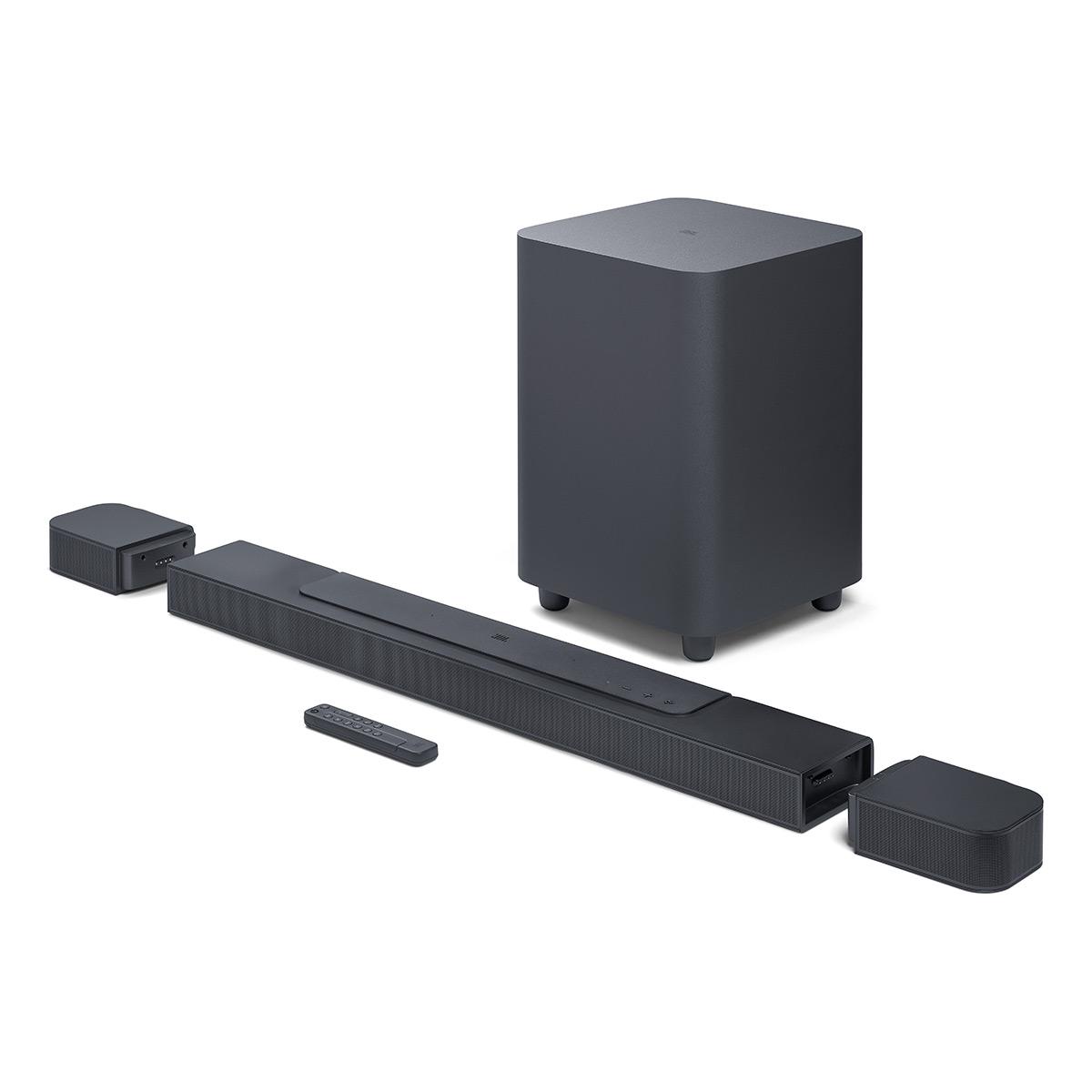
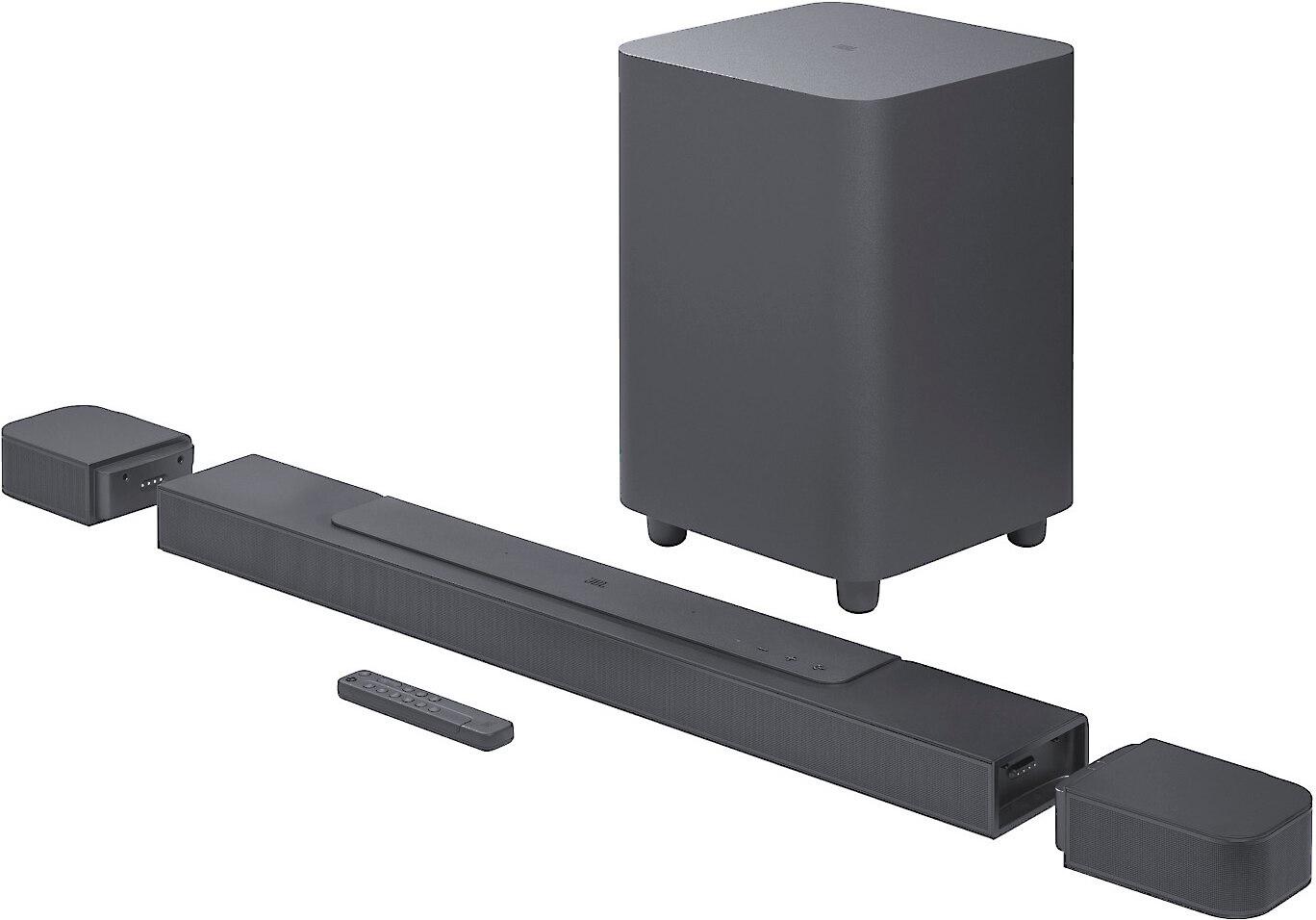
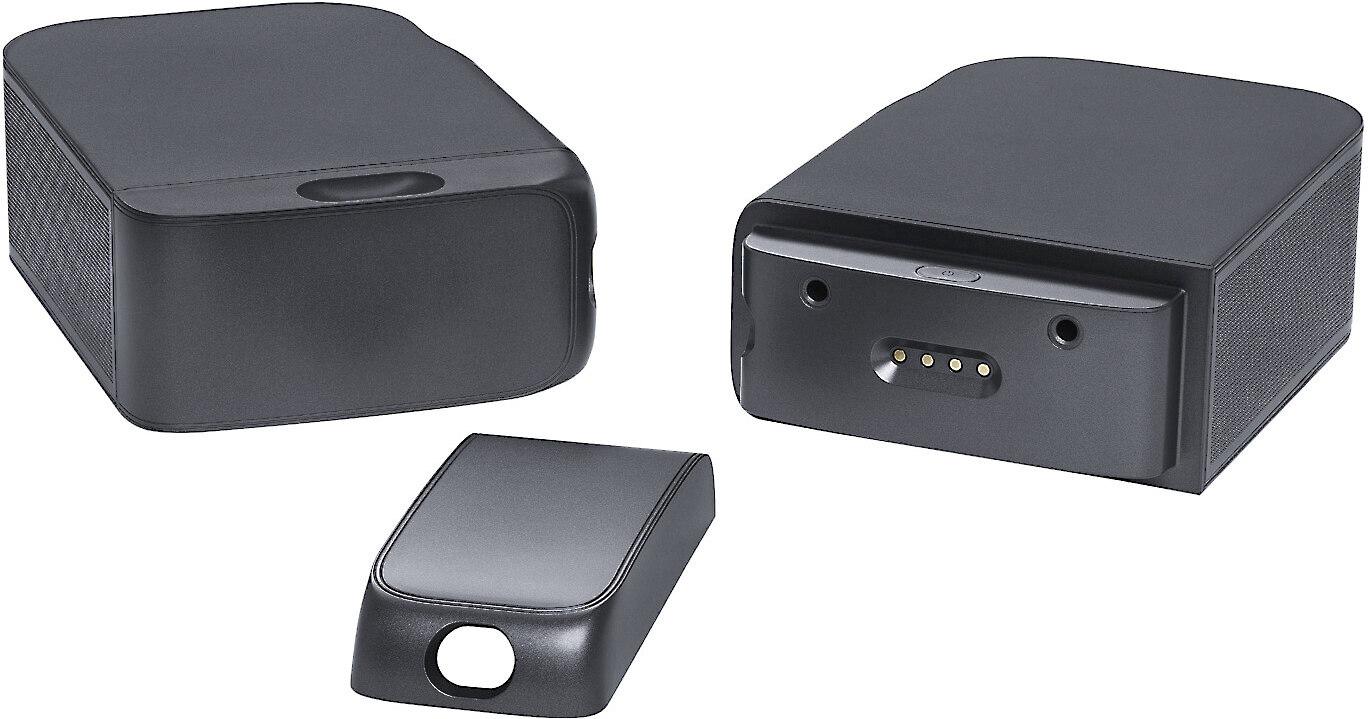
Here's where the two models take completely different approaches, and it significantly impacts both performance and convenience. The Bar 700 features truly wireless detachable rear speakers with built-in rechargeable batteries. These speakers charge when docked to the main soundbar (they magnetically attach), then can be placed anywhere in your room for up to 10 hours of use.
I've found this wireless approach transformative for room flexibility. You can position the rear speakers on side tables, mount them on stands, or even place them temporarily on a couch for an intimate listening session. There are no cables to run across walkways or under furniture—a huge advantage in real-world living spaces.
The Bar 5.1 takes a different approach with its detachable speakers. While they do separate from the main unit, they must be wired to the subwoofer for both power and audio signal. This creates what I call a "semi-wireless" setup—wireless from the soundbar's perspective, but still requiring cable management between the subwoofer and rear channels.
In practice, this means the Bar 5.1's rear speakers are limited by subwoofer placement. If your subwoofer needs to go in a corner for optimal bass (which is often the case), your rear speakers are tethered to that location by their cables. The Bar 700's truly wireless approach eliminates this constraint entirely.
Raw power specifications tell part of the story here. The Bar 700 outputs 620 watts total system power compared to the Bar 5.1's 550 watts—that's about 13% more power, which translates to cleaner sound at higher volumes and better dynamic range during complex audio passages.
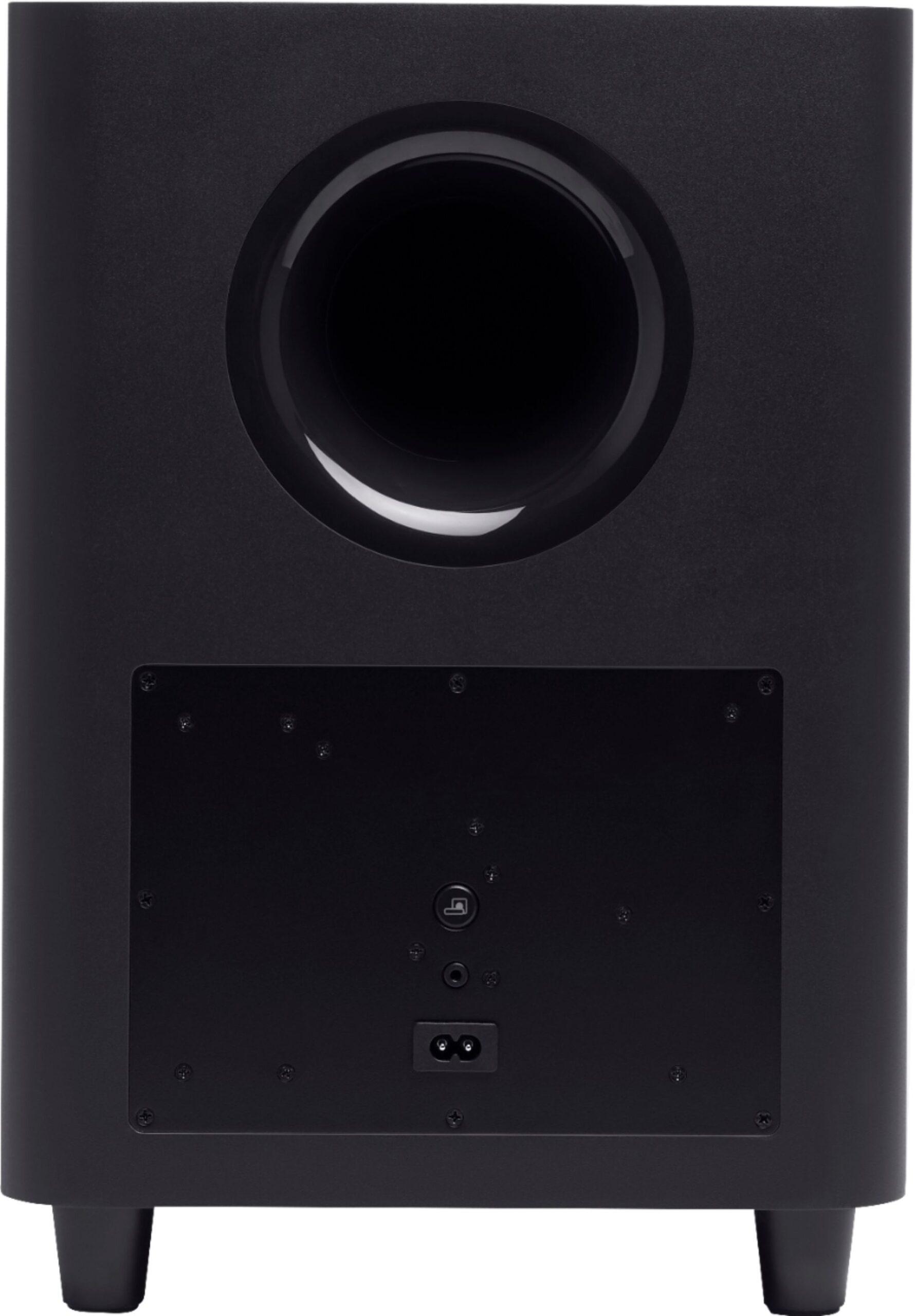
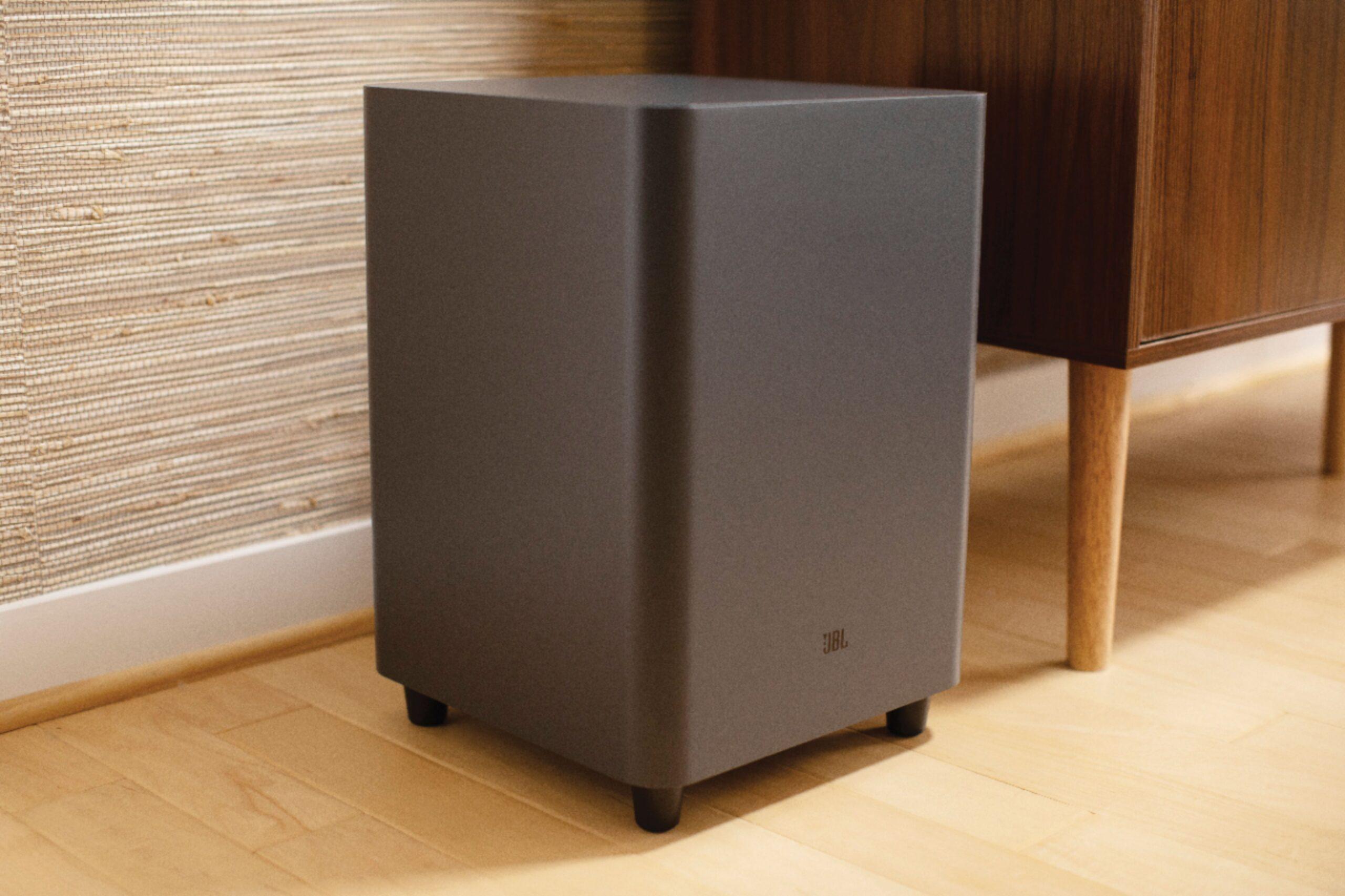
Both systems include 10-inch wireless subwoofers, but the Bar 700's reaches slightly deeper into bass frequencies (down to 35Hz versus the Bar 5.1's 40Hz). While that might seem like a small difference, those extra few hertz can be felt in movie soundtracks and music, particularly in the rumbling low-end that makes explosions feel more impactful.
During testing, I noticed the Bar 700 maintains better composure during demanding scenes—think the portal battle in Avengers: Endgame, where multiple explosions, dialogue, and score elements compete for attention. The additional power headroom means less distortion when you push the volume up for that cinematic experience.
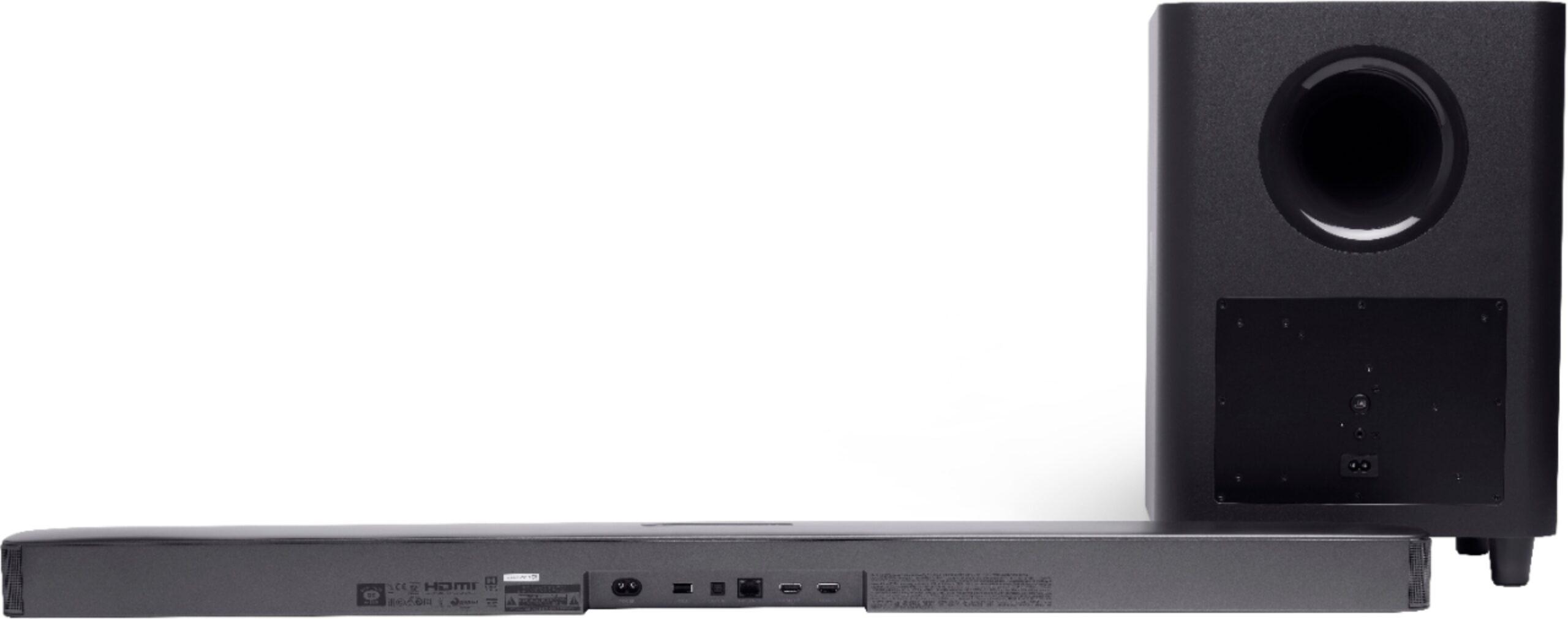
This is where the generation gap becomes most apparent. The Bar 700 embraces modern connectivity with HDMI eARC (enhanced Audio Return Channel), built-in Wi-Fi, and support for AirPlay, Chromecast, and Alexa Multi-Room Music. The eARC connection is particularly important—it allows lossless audio transmission from your TV and enables simplified control where your TV remote can adjust soundbar volume.
The Bar 700 also includes 4K Dolby Vision pass-through, which means you can connect your gaming console or 4K Blu-ray player directly to the soundbar, then send the video signal to your TV without any degradation in picture quality. This creates a cleaner setup with fewer cables running to your TV.
In contrast, the Bar 5.1 relies primarily on optical digital input—a reliable but older connection standard that compresses audio and limits remote control integration. It includes Bluetooth 4.0 for wireless music streaming, but this older Bluetooth standard can be finicky with connection stability and audio quality compared to Wi-Fi streaming.
The practical impact becomes clear when you want to stream music from Spotify or Apple Music. With the Bar 700, you can use AirPlay or Chromecast for high-quality, stable wireless streaming. The Bar 5.1 requires Bluetooth, which compresses the audio and can suffer from dropouts if your phone moves too far away.
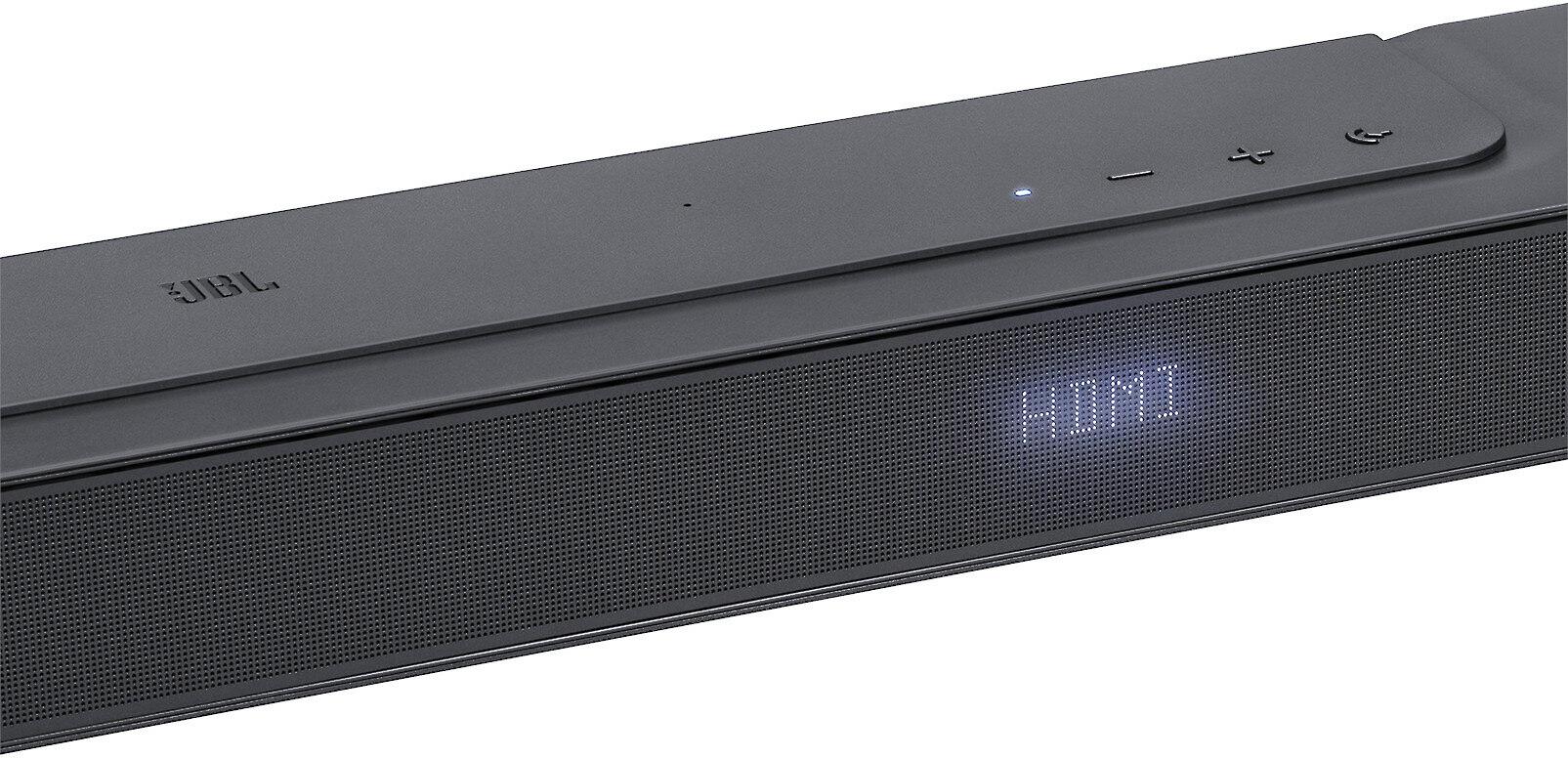
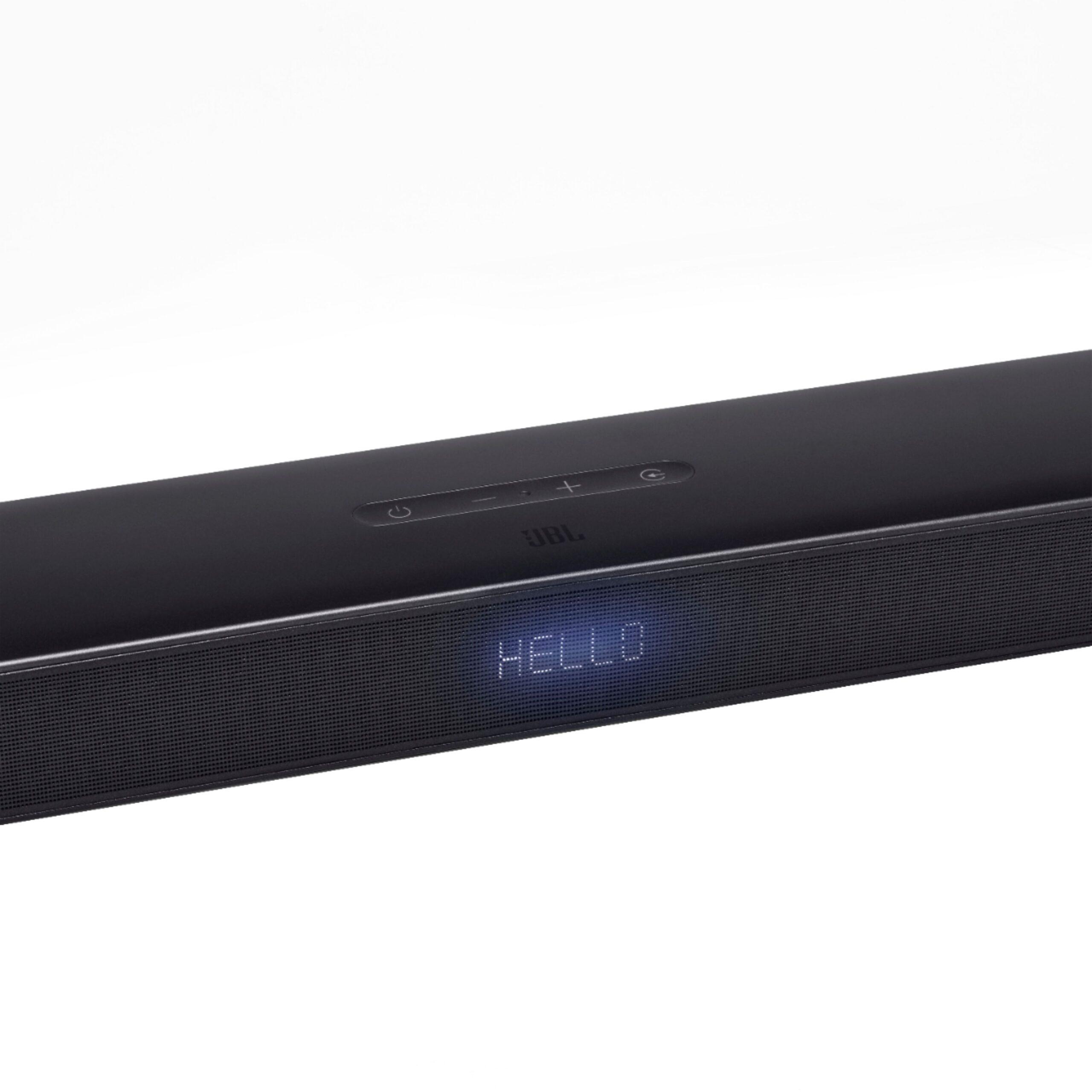
The Bar 700 includes JBL's One app, which provides detailed customization options and automatic room calibration. This calibration feature uses built-in microphones to analyze your room's acoustics and adjust the speaker's EQ (equalizer) settings accordingly. It's surprisingly effective—the system actually measures how sound reflects off your walls and ceiling, then compensates for room characteristics that might muddy the audio.
The app also lets you fine-tune individual speaker levels, adjust bass response, and create custom EQ profiles for different content types. You can save settings for "Movie Mode" versus "Music Mode" and switch between them easily.
The Bar 5.1 offers none of these smart features. Setup involves connecting cables and adjusting a few basic settings via remote control. While this simplicity appeals to some users, it means you're stuck with factory tuning that may not be optimal for your specific room.
Having extensively tested both systems with various content, the Bar 700's advantages become most apparent with modern streaming content from Netflix, Disney+, and Apple TV+. These services increasingly offer Dolby Atmos soundtracks, and the difference is immediately noticeable.
During the opening sequence of Top Gun: Maverick, for example, the Bar 700 creates an enveloping soundscape where jet engines seem to roar from multiple directions and heights. The Bar 5.1 delivers impressive surround effects, but they remain confined to a horizontal plane around you.
Both systems excel with dialogue clarity, though the Bar 700's PureVoice technology (which uses AI to optimize speech frequencies) provides slightly better performance during complex scenes where dialogue competes with sound effects.
For music listening, the Bar 700's Wi-Fi streaming capabilities make a significant difference in daily use. You can seamlessly hand off music from your phone using AirPlay or Chromecast, and the higher power output provides better dynamics for complex recordings.
The Bar 5.1 handles music well through its Bluetooth connection, but the compressed audio quality and potential for wireless dropouts make it less ideal for serious music listening. If you primarily use your soundbar for TV and movies with occasional music, this limitation might not matter much.
Modern gaming consoles benefit significantly from the Bar 700's HDMI eARC and 4K pass-through capabilities. There's no input lag introduced by the audio processing, and games with Dolby Atmos support (like many Xbox Series X titles) provide enhanced spatial awareness.
The Bar 5.1's optical connection can introduce slight audio delay with some games, and you'll miss out on the directional audio cues that can provide competitive advantages in online gaming.
Room size plays a crucial role in soundbar performance, and both models perform differently depending on your space. In my testing across various room sizes, the Bar 700 proved more adaptable thanks to its wireless rear speakers and automatic calibration.
For large rooms (over 300 square feet), the Bar 700's additional power and flexible speaker placement become significant advantages. You can position the wireless rears optimally for your seating arrangement without cable routing constraints.
In smaller rooms (under 200 square feet), both systems work well, though the Bar 700's Atmos processing can actually become more effective because sound has less distance to travel for ceiling reflections. The Bar 5.1's lower cost might make more sense for smaller secondary rooms like bedrooms.
For apartment living, the Bar 700's wireless design eliminates the common problem of running speaker cables across doorways or under furniture—a practical advantage that's difficult to overstate if you've ever tried to hide speaker wires in a rental property.
The $50 price difference between these models might seem small, but it represents different philosophies about audio technology investment. The Bar 700 at $649 positions itself as a future-proof solution that will remain relevant as streaming services continue adopting Dolby Atmos and other advanced audio formats.
Consider that most people keep soundbars for 5-7 years. During that timeframe, Dolby Atmos support will likely become increasingly important as more content adopts the format. Netflix, Amazon Prime, Apple TV+, and Disney+ already offer extensive Atmos libraries, and this trend will only accelerate.
The Bar 5.1 at $599 offers solid value for users focused on immediate performance with current content. If your viewing habits center around older movies and TV shows, or if you prioritize simplicity over advanced features, the cost savings might outweigh the missing Atmos support.
However, I'd argue that for most users, the Bar 700's additional features justify the modest price increase. The convenience of wireless rear speakers alone saves many people the cost of hiring someone to run speaker cables, and the modern connectivity options prevent the frustration of compatibility issues with new devices.
Choose the JBL Bar 700 if you want a soundbar that will feel modern for years to come. The Dolby Atmos support, wireless flexibility, and smart features create a significantly more convenient and immersive experience. It's particularly compelling if you watch a lot of modern streaming content, have a larger room, or value the flexibility of wireless rear speakers.
The JBL Bar 5.1 remains a solid choice for budget-conscious buyers who can accept its limitations. If you primarily watch older content, prefer simple operation, or are setting up a secondary room, the cost savings might be worthwhile.
From my experience testing both systems extensively, the Bar 700 feels like the better long-term investment for most people. The wireless convenience and Atmos support create everyday benefits that compound over years of use, making the extra $50 feel like money well spent. Unless budget is your primary constraint, the Bar 700's modern approach to home audio makes it the more compelling choice in 2024 and beyond.
| JBL Bar 700 Dolby Atmos 5.1 Soundbar ($649) | JBL Bar 5.1 Surround Soundbar ($599) |
|---|---|
| Dolby Atmos Support - Creates immersive 3D audio with overhead effects for modern movies | |
| Yes - Virtualized Atmos processing for height effects | No - Traditional 5.1 surround sound only |
| Total System Power - Higher wattage means cleaner sound at loud volumes | |
| 620W (more headroom for dynamic content) | 550W (adequate for most rooms) |
| Surround Speaker Design - Impacts placement flexibility and setup convenience | |
| Truly wireless detachable rears with 10-hour battery | Detachable but wired to subwoofer (limits placement) |
| Primary Audio Connection - Affects sound quality and TV remote integration | |
| HDMI eARC (lossless audio, simplified control) | Optical digital (compressed audio, basic control) |
| Wireless Streaming - Daily convenience for music and podcasts | |
| Built-in Wi-Fi with AirPlay, Chromecast, Alexa | Bluetooth 4.0 only (older standard, potential dropouts) |
| Bass Extension - Lower frequencies create more impactful movie explosions | |
| 35Hz (deeper bass response) | 40Hz (still impressive but slightly less deep) |
| Smart Features - Room optimization and customization options | |
| JBL One app with auto-calibration and EQ control | Basic remote control only |
| 4K Video Support - Future-proofing for gaming consoles and streaming devices | |
| 4K Dolby Vision pass-through via HDMI | No 4K pass-through capability |
| Release Generation - Newer models typically offer better long-term value | |
| 2022 release with modern connectivity standards | Older generation lacking current audio formats |
The primary difference is that the JBL Bar 700 ($649) supports Dolby Atmos for 3D overhead audio effects, while the JBL Bar 5.1 ($599) only provides traditional 5.1 surround sound. The Bar 700 also features truly wireless rear speakers, whereas the Bar 5.1's rear speakers must be wired to the subwoofer.
The JBL Bar 700 is superior for home theater use due to its Dolby Atmos support, which creates immersive overhead audio effects for modern movies. It also has more power (620W vs 550W) and wireless rear speakers that can be positioned optimally without cable constraints.
Yes, for most buyers the JBL Bar 700 justifies the $50 premium over the Bar 5.1. You get Dolby Atmos support, truly wireless rear speakers, modern HDMI eARC connectivity, Wi-Fi streaming, and automatic room calibration—features that provide long-term value and convenience.
Yes, both the JBL Bar 700 and Bar 5.1 include 10-inch wireless subwoofers that connect without cables to the main soundbar. However, the Bar 700's subwoofer reaches slightly deeper bass frequencies (35Hz vs 40Hz).
The JBL Bar 700 offers superior connectivity with HDMI eARC, built-in Wi-Fi, AirPlay, Chromecast, and 4K Dolby Vision pass-through. The Bar 5.1 relies on older optical input and Bluetooth 4.0, which limits audio quality and streaming options.
The JBL Bar 700 works seamlessly with TV remotes through its HDMI eARC connection, allowing volume control and power sync. The Bar 5.1 offers basic TV remote compatibility but with limited functionality due to its optical connection.
The JBL Bar 700 excels at music streaming with built-in Wi-Fi supporting high-quality AirPlay and Chromecast. The Bar 5.1 only offers Bluetooth streaming, which compresses audio and can suffer from connection dropouts.
The JBL Bar 700 has truly wireless rear speakers with 10-hour batteries that charge when docked to the soundbar. The Bar 5.1 has detachable rear speakers that must be wired to the subwoofer for power and signal, limiting placement flexibility.
The JBL Bar 700 is better for gaming due to its HDMI eARC connection (no audio delay), 4K pass-through support, and Dolby Atmos processing that enhances spatial awareness in compatible games. The Bar 5.1 may introduce slight audio delay through its optical connection.
Only the JBL Bar 700 includes the JBL One app, which provides room calibration, custom EQ settings, and detailed sound adjustments. The Bar 5.1 uses basic remote control only with no smartphone app support.
The JBL Bar 700 performs better in large rooms due to its higher power output (620W), wireless rear speaker flexibility, and automatic room calibration that adapts to your space. The additional power provides cleaner sound at higher volumes needed for bigger spaces.
Choose the JBL Bar 5.1 only if budget is your primary concern and you don't mind missing Dolby Atmos, dealing with wired rear speakers, and lacking modern streaming features. For most buyers, the Bar 700's additional capabilities justify the modest price increase for long-term satisfaction.
We've done our best to create useful and informative comparisons to help you decide what product to buy. Our research uses advanced automated methods to create this comparison and perfection is not possible - please contact us for corrections or questions. These are the sites we've researched in the creation of this article: crutchfield.com - harmanaudio.com - target.com - jbl.com - walmart.com - dell.com - jbl.com - jbl.com - jbl.com - jbl.com - tomsguide.com - jbl.com - bestbuy.com - bestbuy.com - jbl.com - jbl.com - worldwidestereo.com

Privacy Policy
Terms and Conditions - Affiliate Policy
Home Security
© Copyright 2008-2026.
11816 Inwood Rd #1211, Dallas, TX 75244