

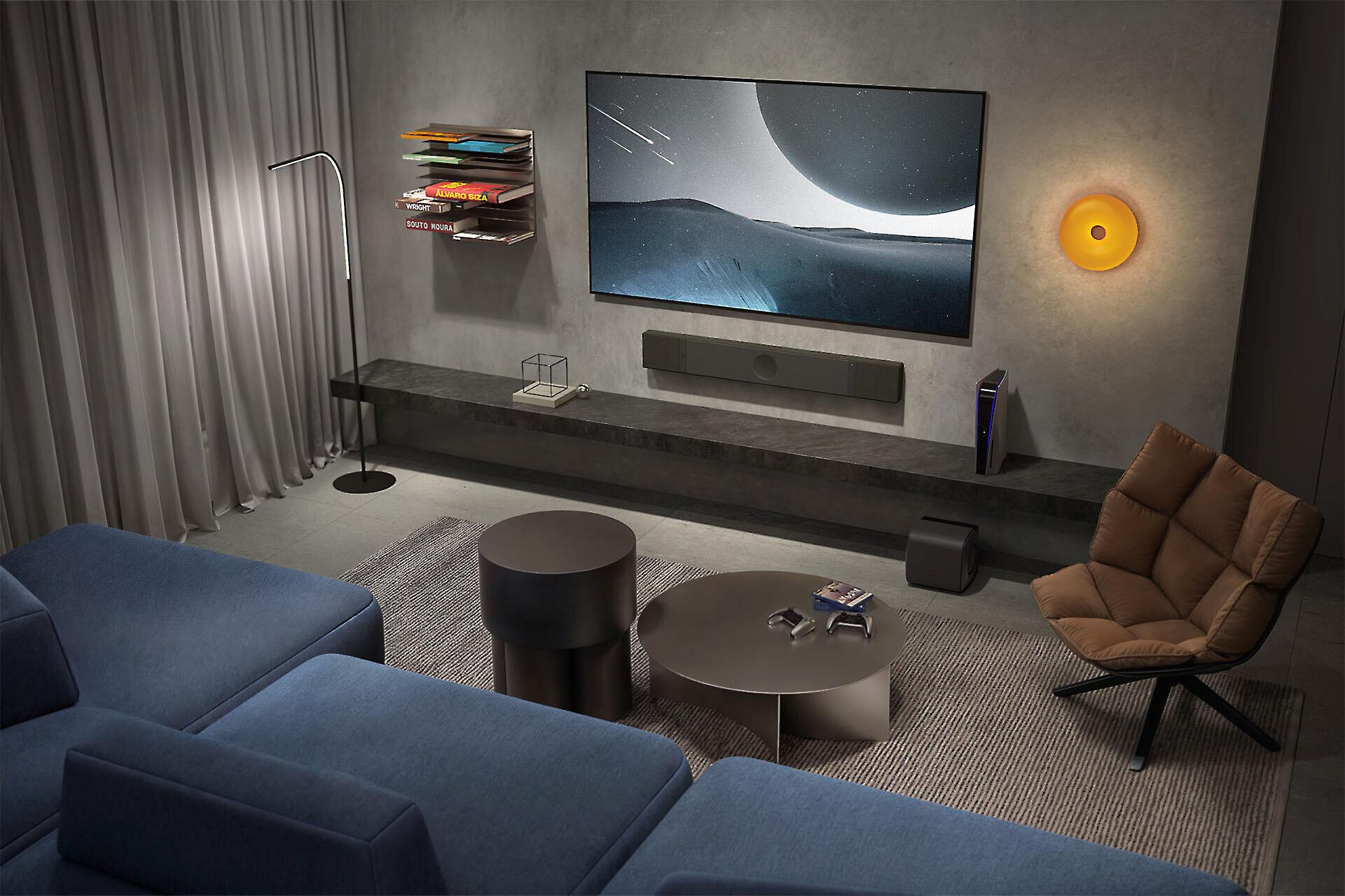




Shopping for a soundbar can feel overwhelming when you're comparing products that seem worlds apart in both price and approach. The KEF XIO Soundbar ($2,499) and JBL Bar 5.1 Surround ($599) perfectly illustrate this challenge—one costs four times more than the other, yet both promise to transform your TV's tinny speakers into something spectacular.
I've spent considerable time with both systems, and the reality is more nuanced than "expensive equals better." These soundbars represent fundamentally different philosophies about home audio, and understanding those differences will help you make the right choice for your space and budget.
The soundbar market has matured dramatically over the past few years. What started as simple speaker strips designed to improve TV dialogue has evolved into sophisticated audio systems that can rival traditional home theater setups. Today's premium soundbars pack advanced signal processing, multiple amplifier channels, and spatial audio technologies that create convincing surround sound without cables running to your back wall.
The key evolution has been the split between two distinct approaches: all-in-one engineering marvels that cram everything into a single chassis, and modular systems that use separate wireless components for maximum flexibility. This difference shapes everything from setup complexity to ultimate performance.
When evaluating soundbars, you're really making three core decisions: How important is absolute audio quality versus convenience? Do you prioritize music listening or movie watching? And how much are you willing to spend for premium engineering versus proven mainstream technology?
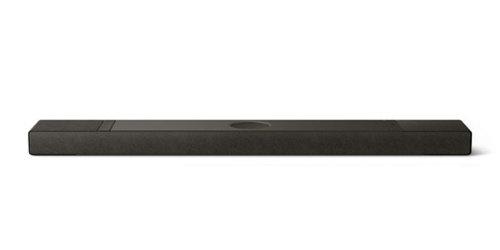
The KEF XIO, launched in July 2024, represents KEF's first serious entry into the soundbar market after decades of building some of the world's most respected speakers. This isn't just another soundbar with KEF's name slapped on it—it's a ground-up reimagining of what's possible when you apply high-end acoustic engineering to the soundbar form factor.
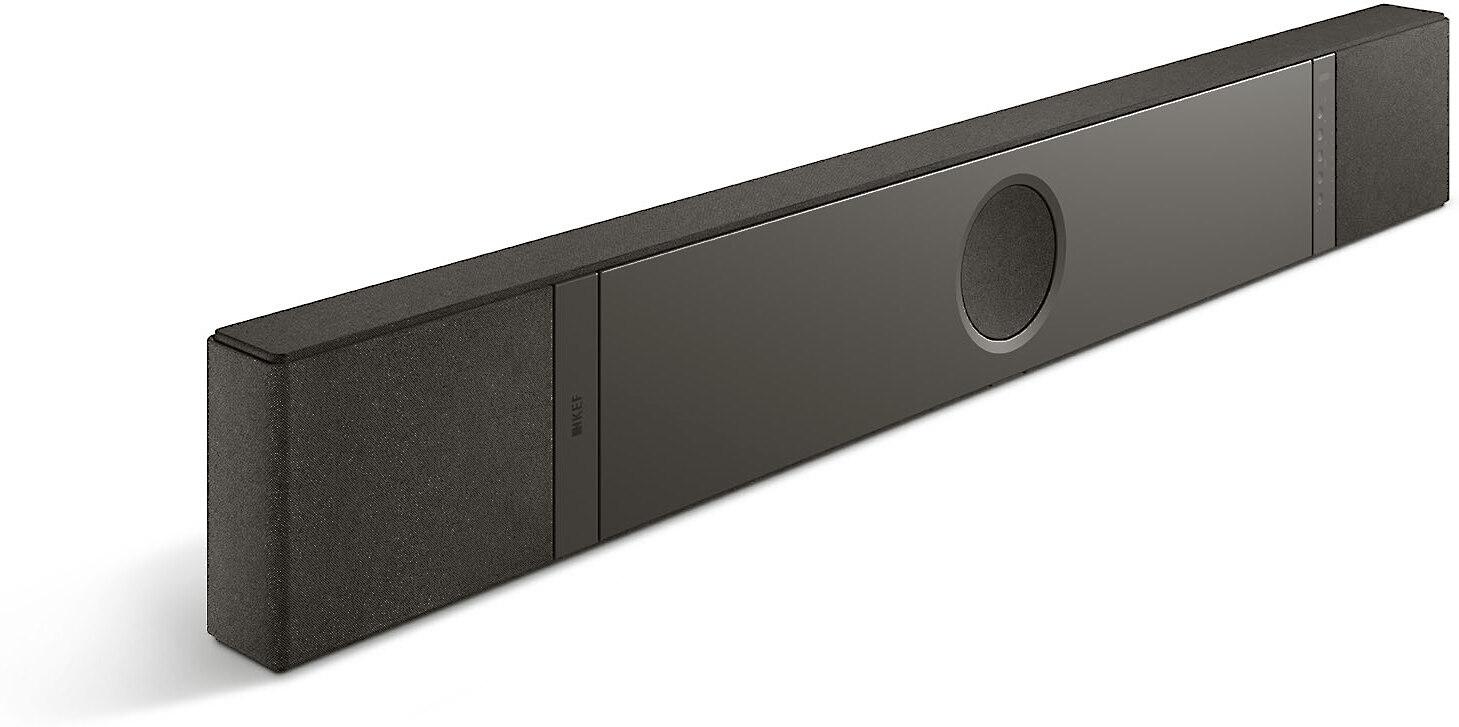
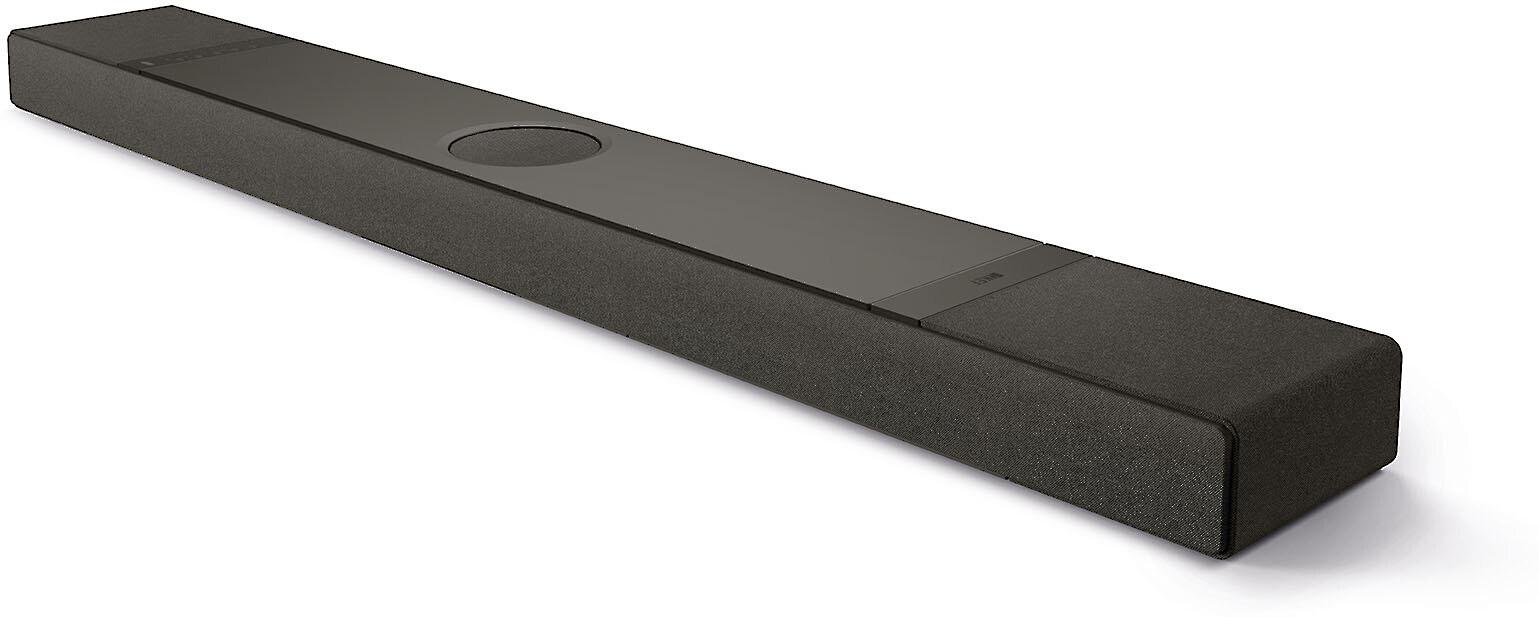
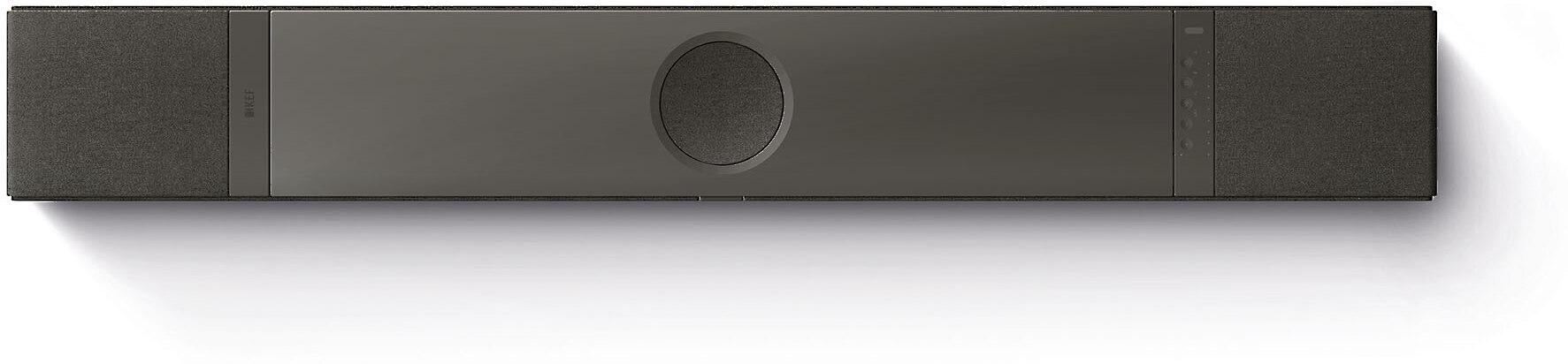
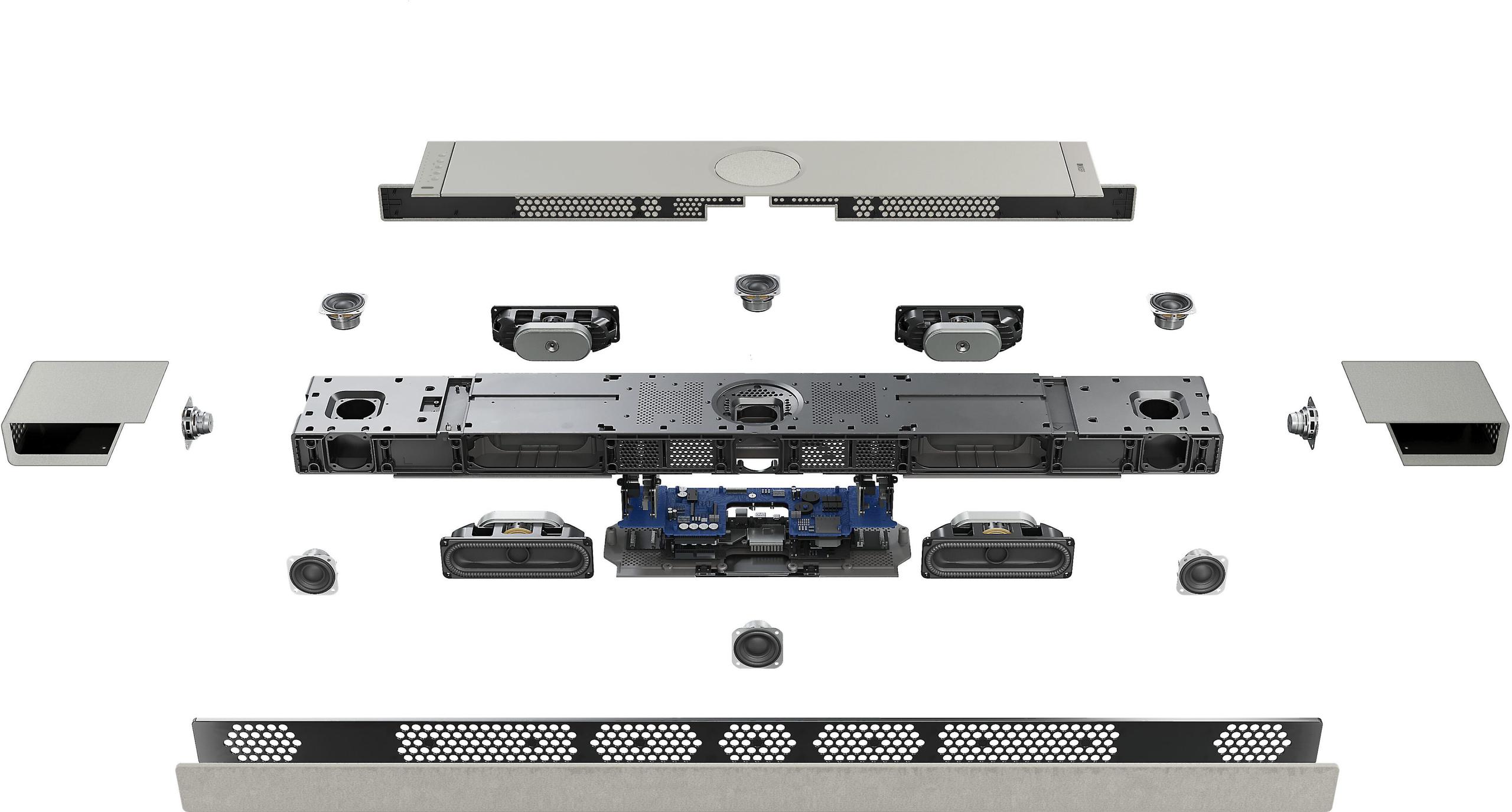
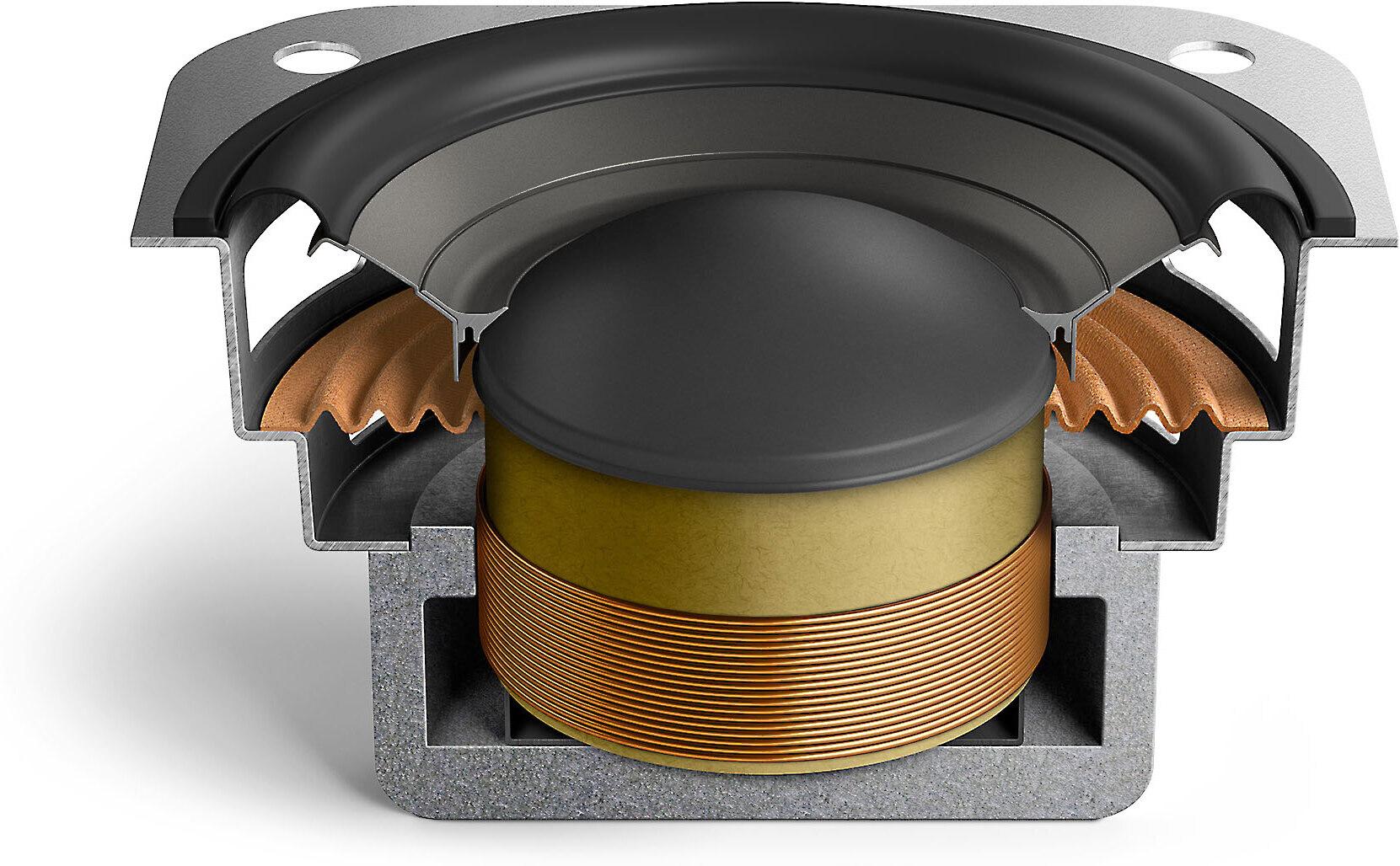
KEF built their reputation on Uni-Q drivers (coaxial speakers where the tweeter sits in the center of the midrange driver), and they've miniaturized this technology for the XIO while adding new innovations like VECO (Velocity Control Technology) that actively monitors and corrects driver distortion in real-time. The result is a single 47-inch aluminum bar that produces true 5.1.2 surround sound with integrated bass extending down to 34Hz—no separate subwoofer required.
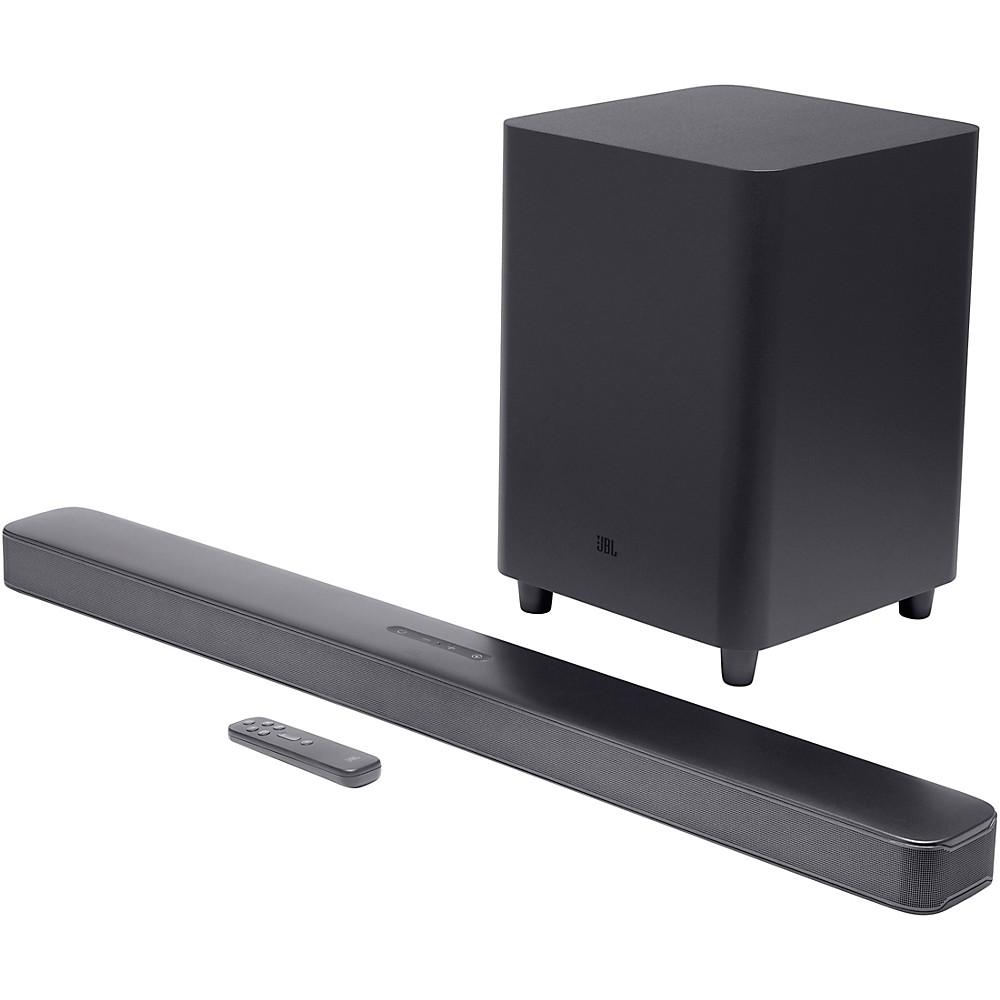
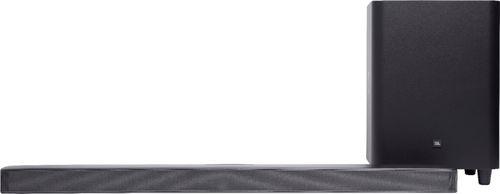
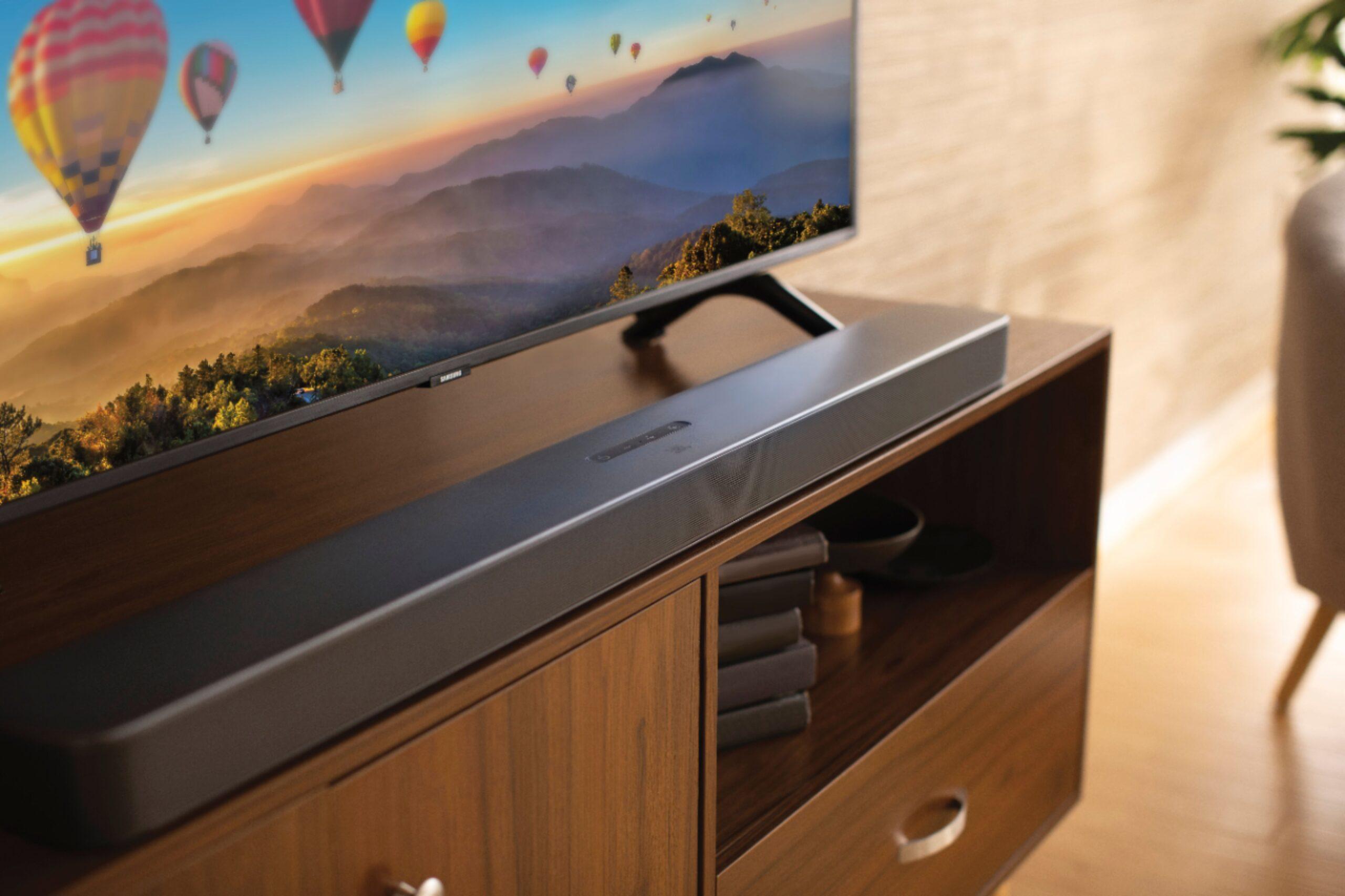
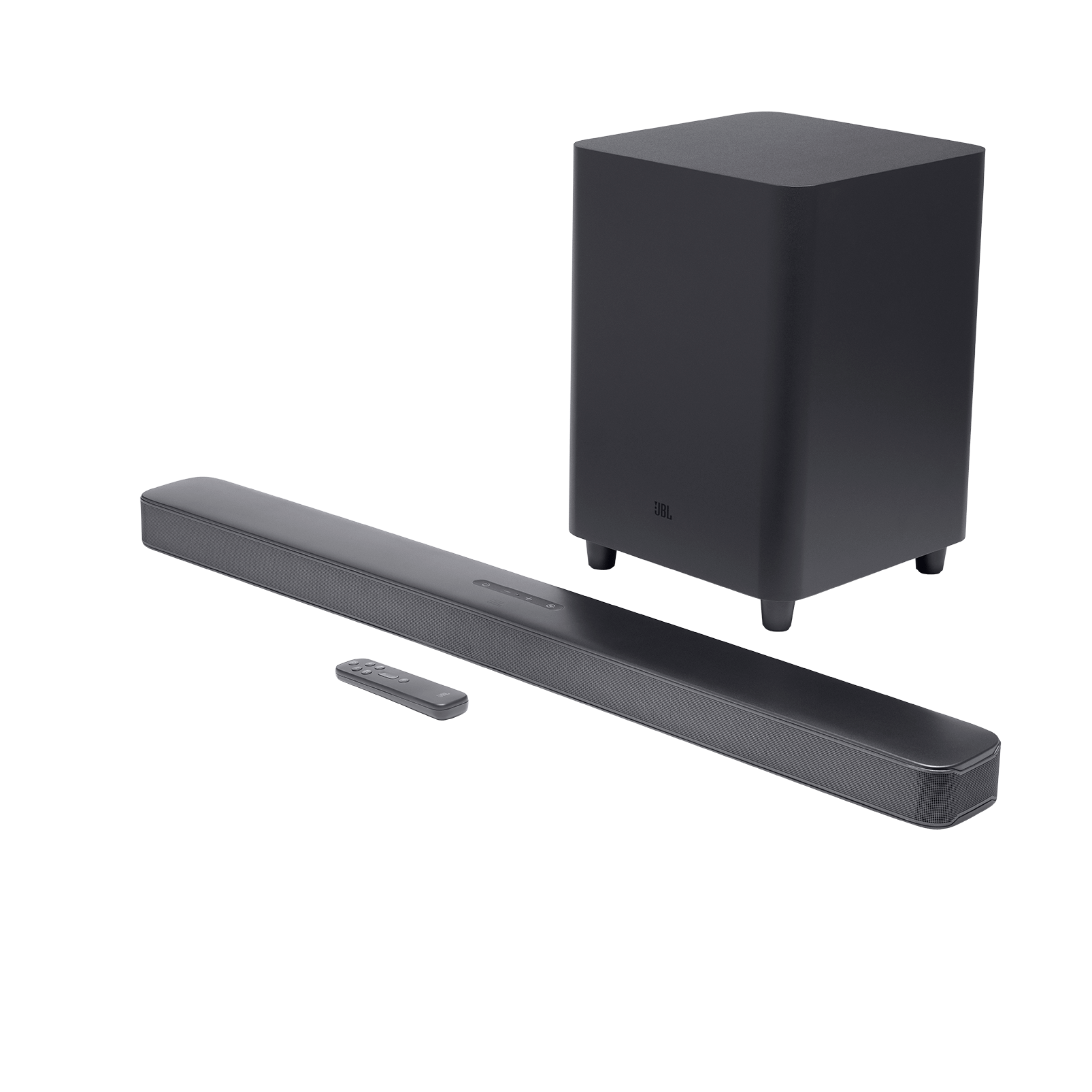
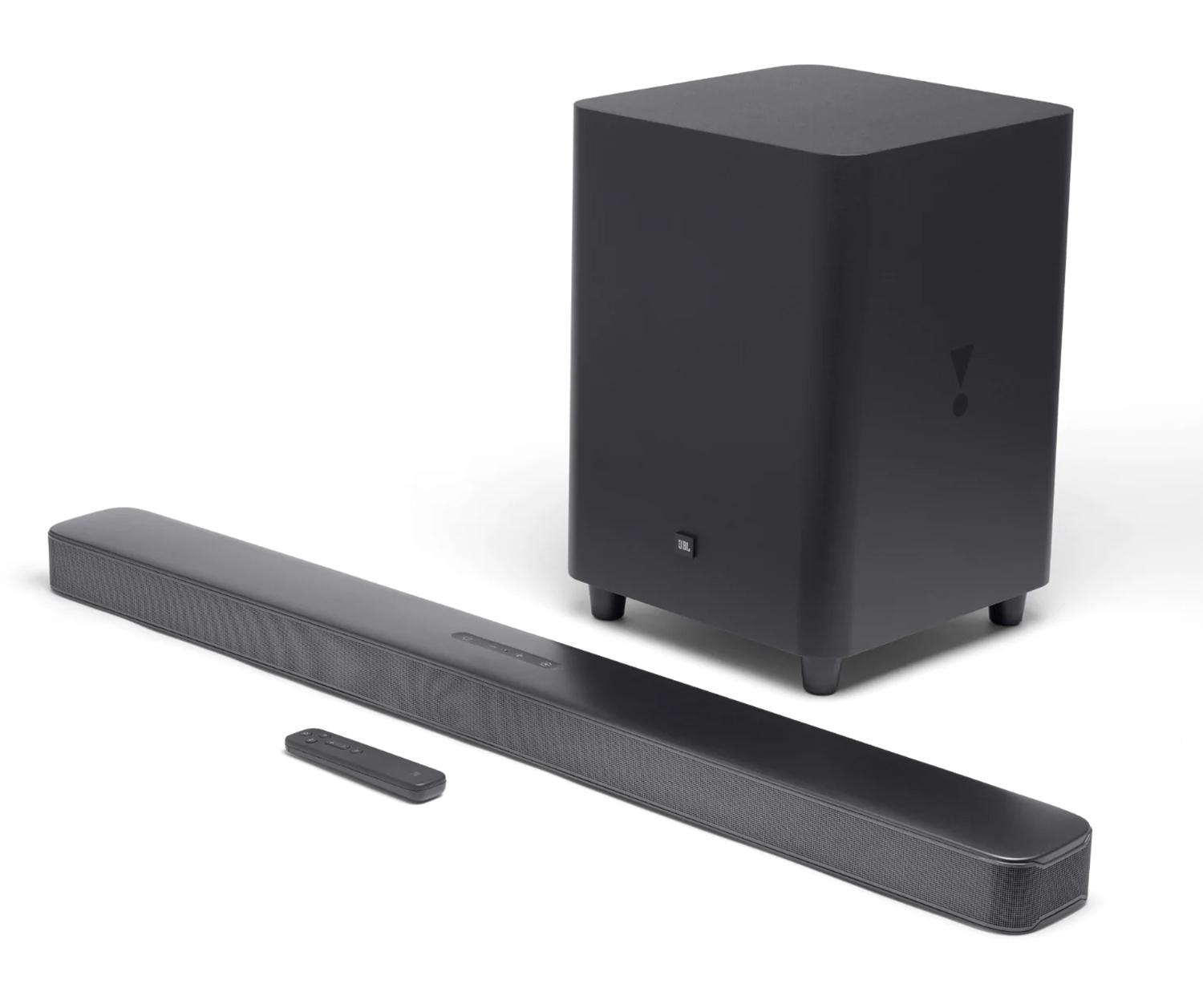
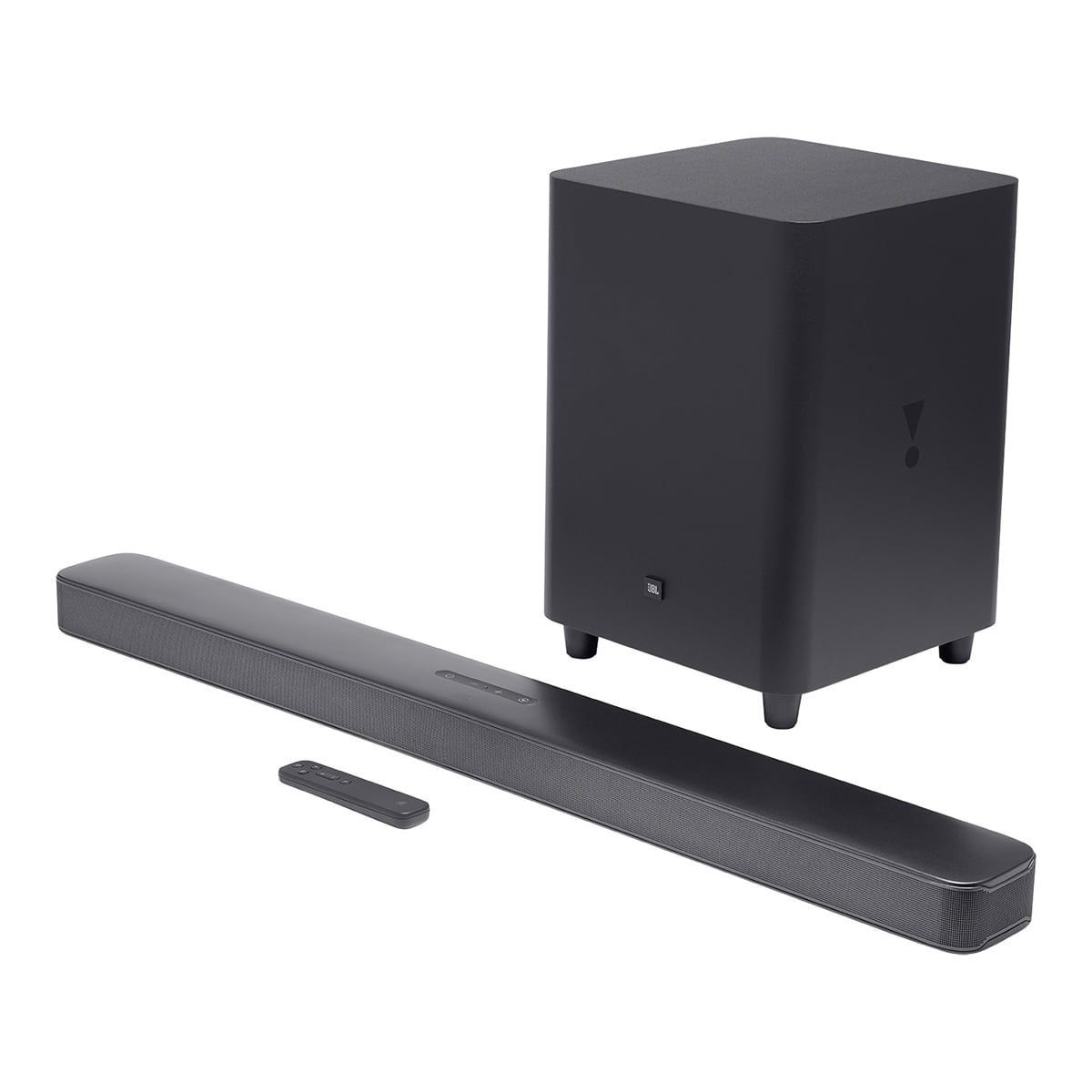
The JBL Bar 5.1 Surround takes a completely different approach, one that's been refined over several generations since JBL first introduced detachable surround speakers in 2019. The current version I've been testing represents the evolution of that original concept, with improved wireless connectivity and longer battery life in the detachable rear speakers.
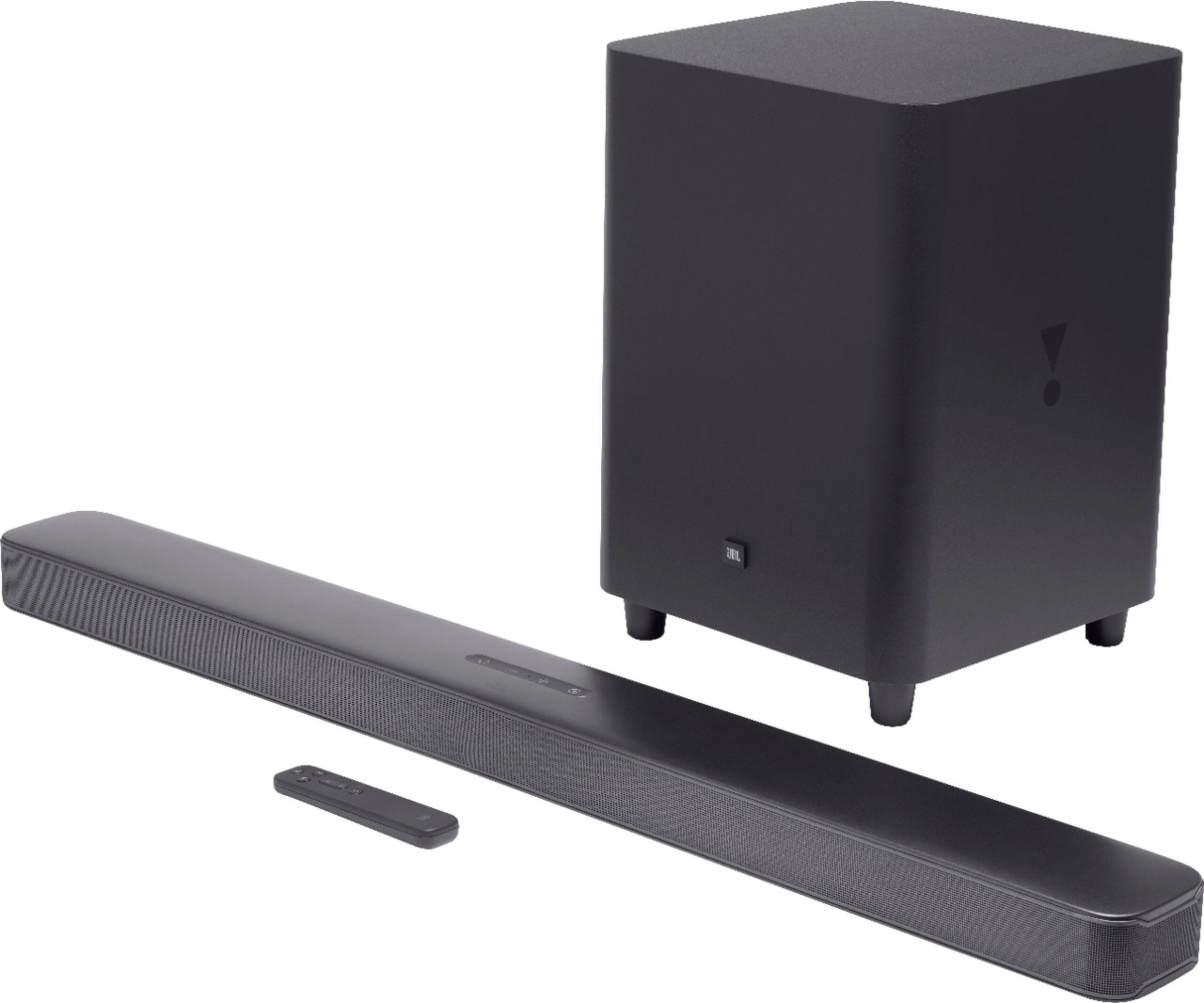
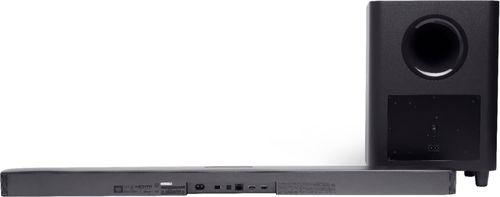
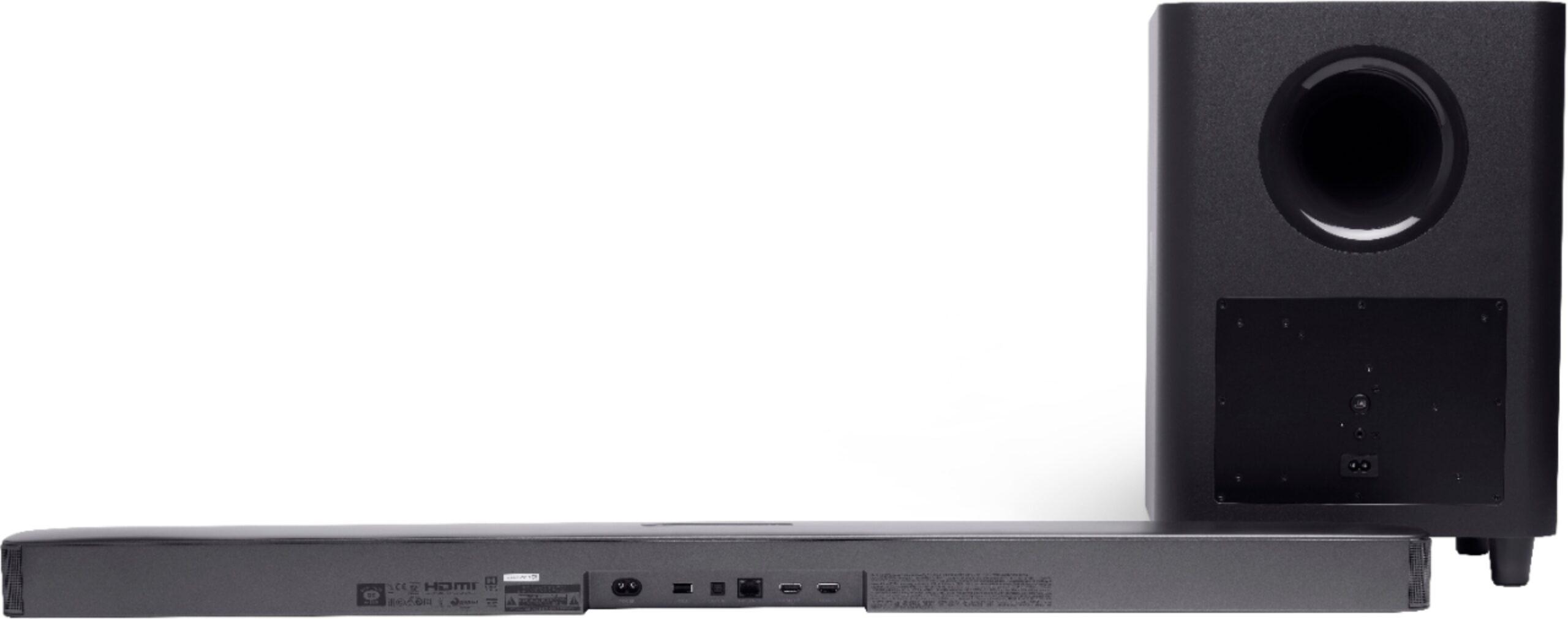
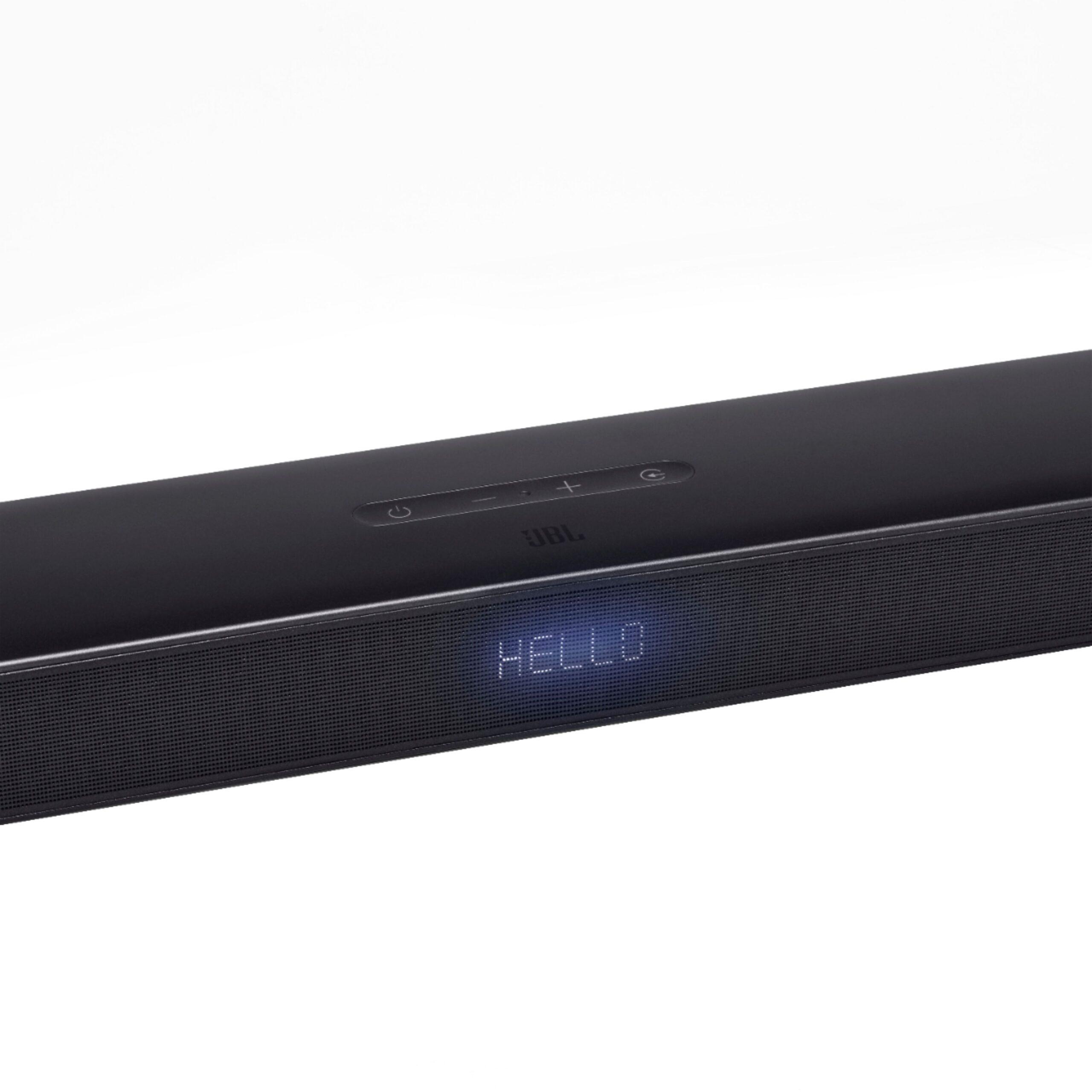
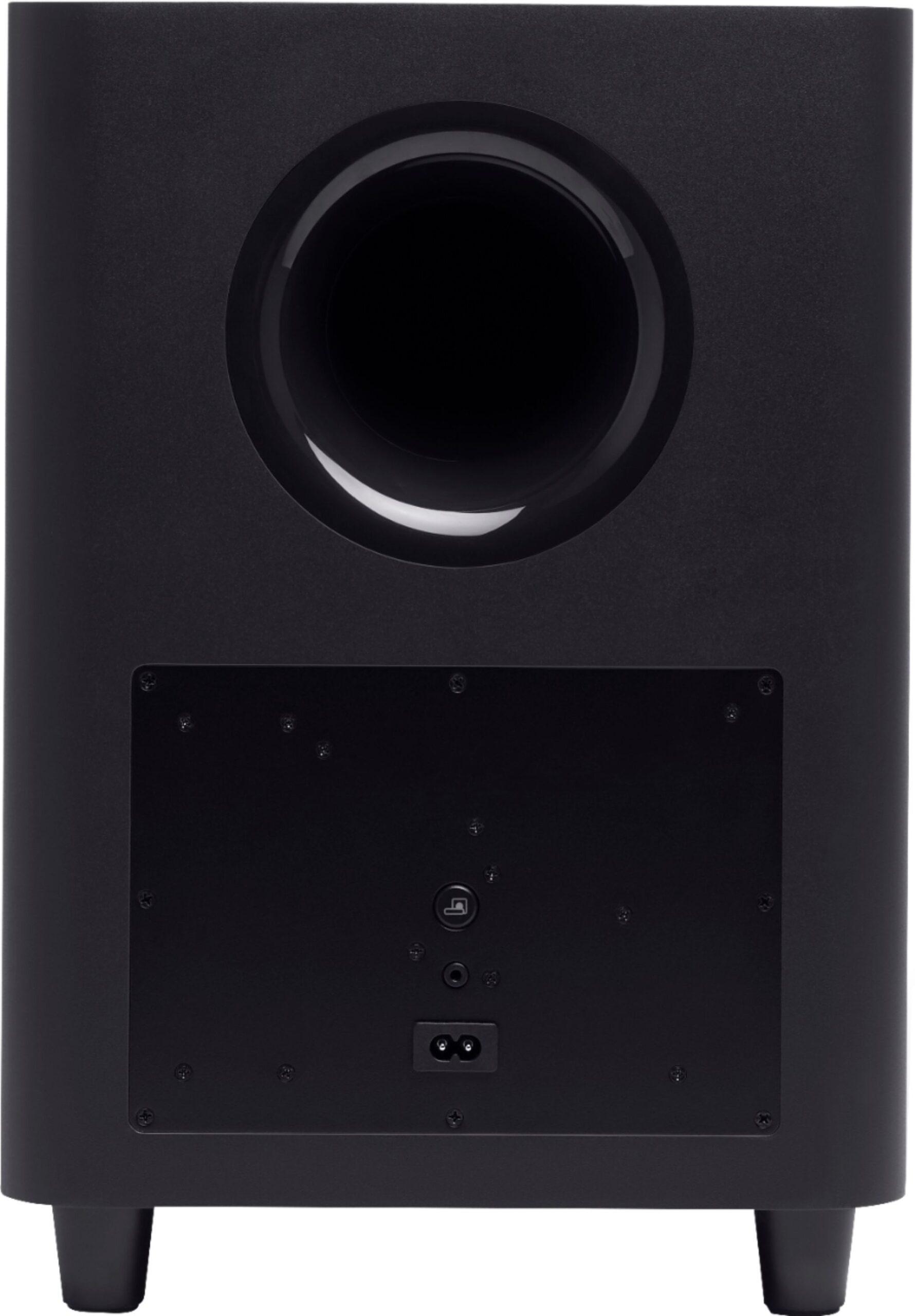
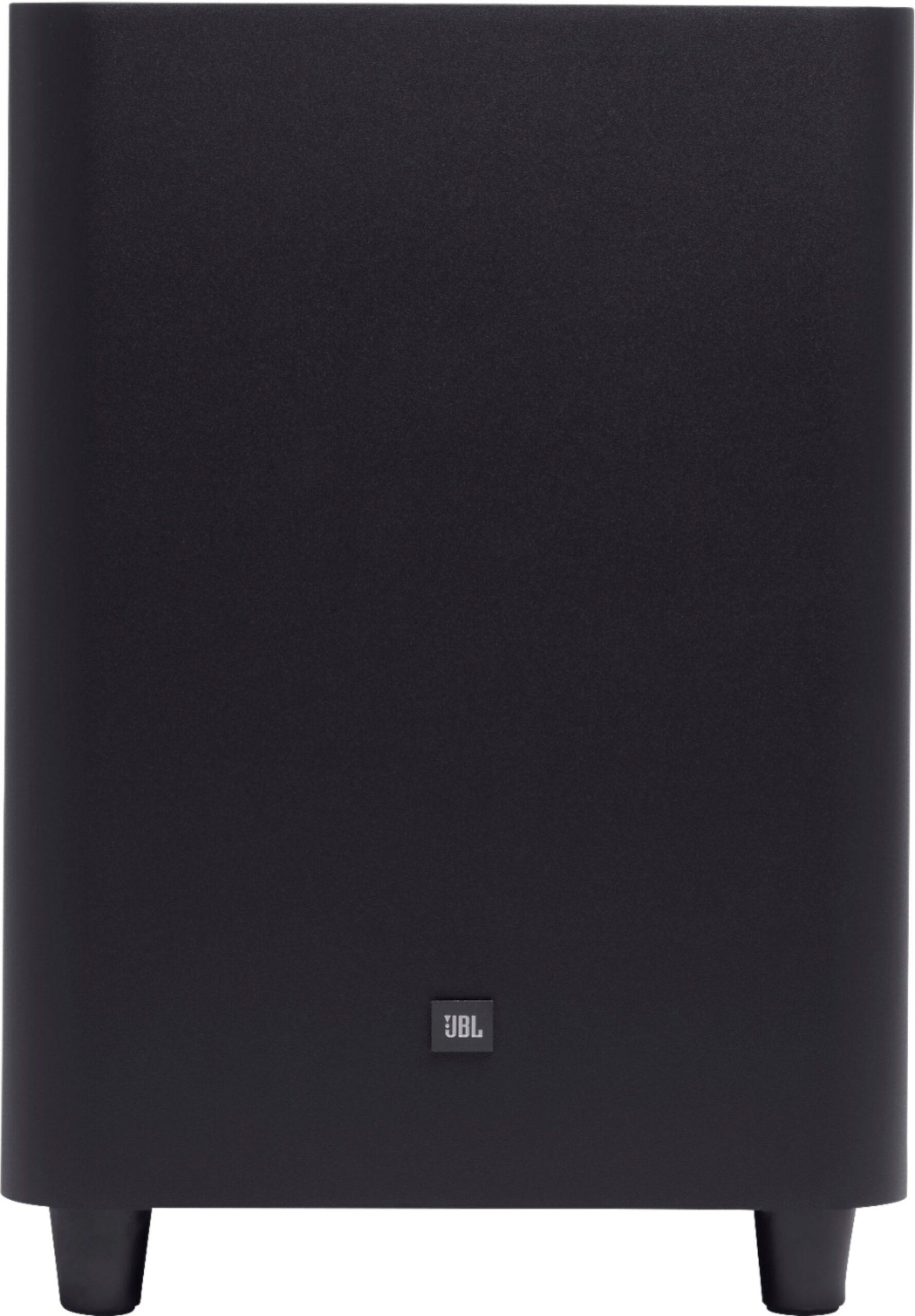
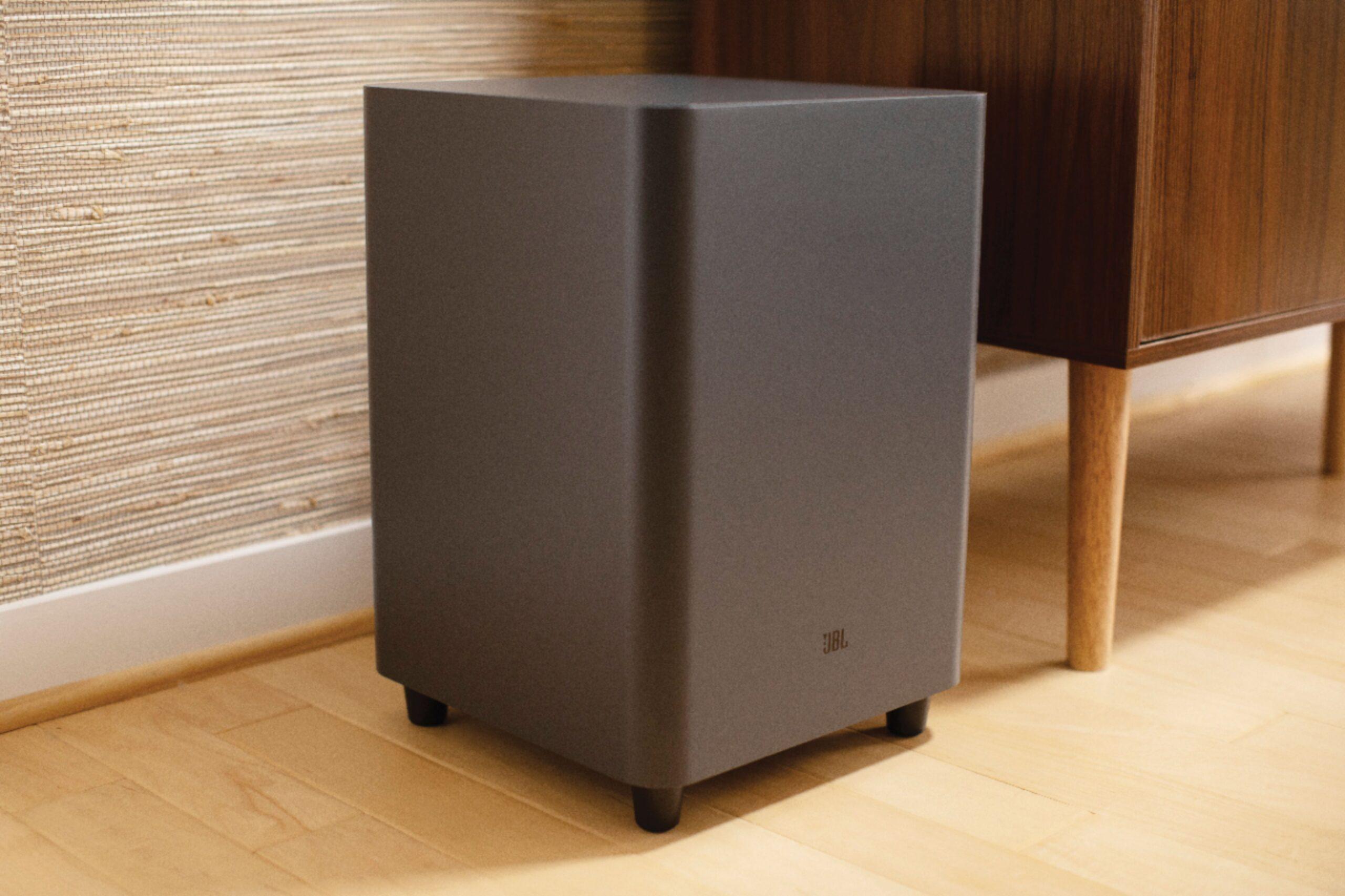
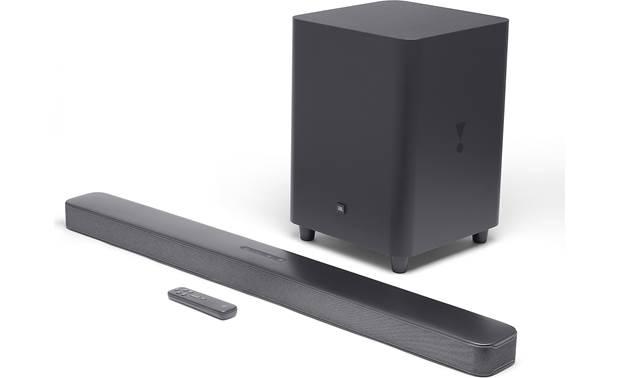
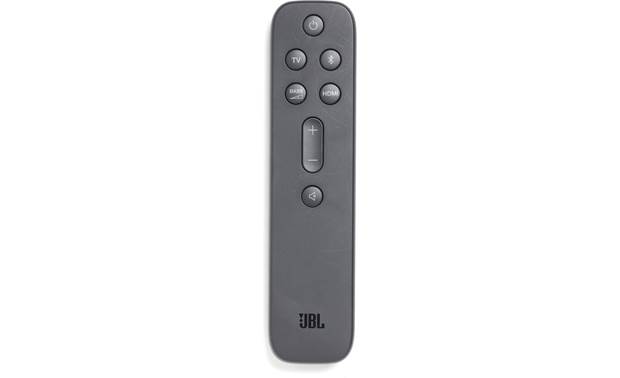
This system consists of three main components: a 40-inch main soundbar, a substantial 10-inch wireless subwoofer, and two battery-powered speakers that magnetically attach to the ends of the soundbar. When you want true surround sound, you detach these speakers and place them behind your seating area. When you don't need them, they snap back onto the soundbar for a clean, integrated look.
The most significant difference between these systems lies in their fundamental approach to reproducing sound. The KEF XIO uses twelve individual drivers powered by dedicated Class D amplifiers, but it's the type of drivers that makes the difference.
KEF's Uni-Q MX drivers are miniaturized versions of the technology that made their LS50 speakers famous among audiophiles. In traditional speakers, the tweeter (high-frequency driver) and woofer (mid/low-frequency driver) are separate units, which can cause timing and dispersion issues. KEF's coaxial design places the tweeter at the geometric center of the midrange driver, creating what engineers call a "point source"—sound that appears to come from a single location rather than multiple drivers.
This matters more than you might think. When I'm listening to dialogue-heavy content, voices seem to emanate precisely from the center of my TV screen rather than from a general area around it. The effect is particularly noticeable with stereo music, where instruments maintain their positions in the soundstage even when I move around my living room.
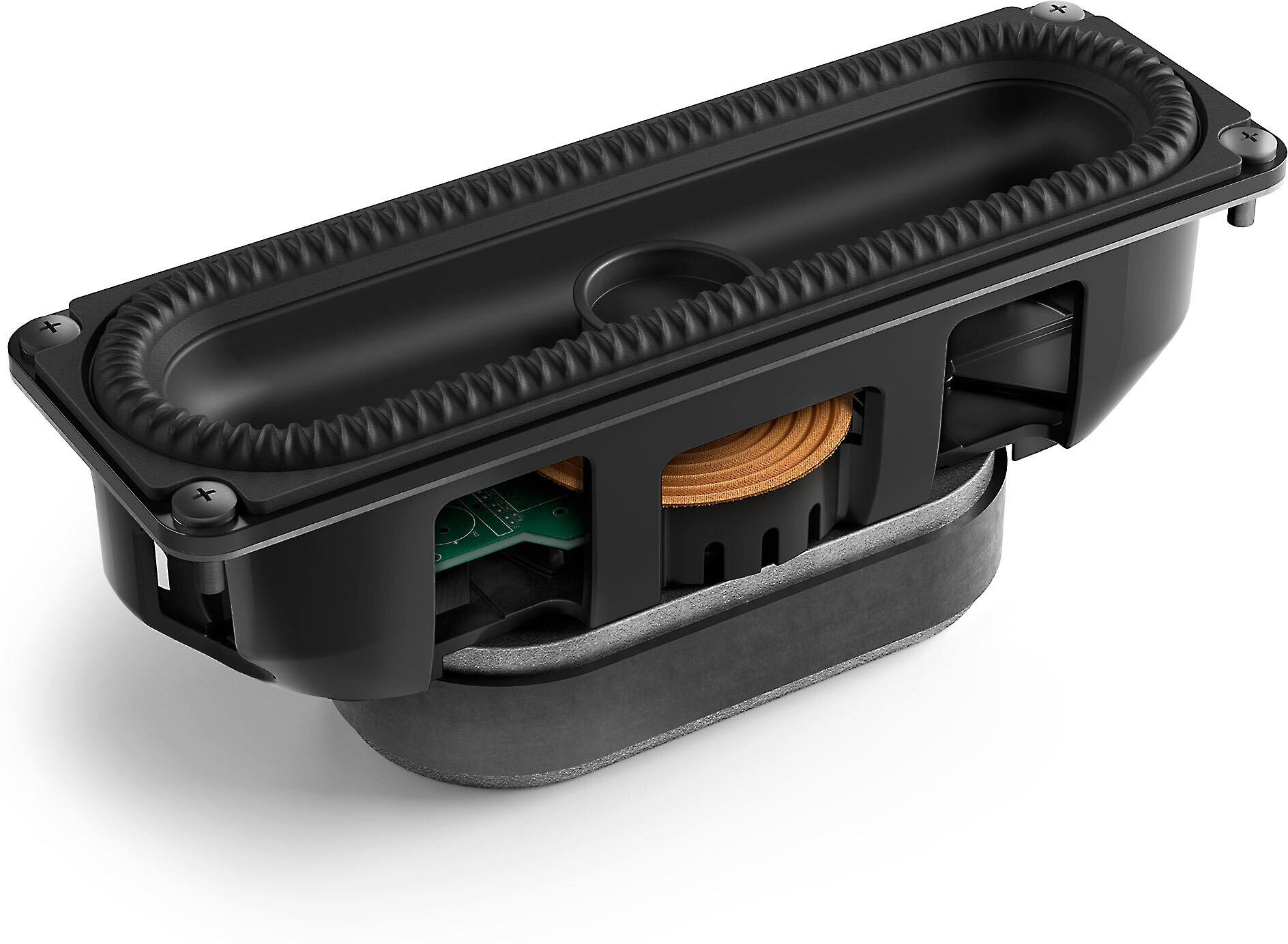
The XIO's bass drivers deserve special mention too. KEF uses four P185 "racetrack" shaped woofers arranged in opposing pairs—a force-canceling configuration that eliminates the cabinet vibrations that typically plague compact speakers. Combined with VECO technology that monitors driver movement 96,000 times per second and makes real-time corrections, the bass remains tight and controlled even at high volumes.
The JBL Bar 5.1 uses more conventional driver technology, but JBL's strength has always been in system engineering rather than exotic materials. The main bar houses five racetrack drivers optimized for midrange clarity and vocal intelligibility, plus two side-firing tweeters that help create a wider soundstage. The real star is the 10-inch wireless subwoofer, which provides the kind of visceral bass impact that the KEF's integrated system simply can't match due to physics and form factor limitations.
Both systems support Dolby Atmos and DTS:X—the latest spatial audio formats that place sounds in a three-dimensional space around you. However, they achieve this in fundamentally different ways.
The KEF XIO relies entirely on psychoacoustics and precise driver positioning. It has dedicated upward-firing drivers for height effects, and its Music Integrity Engine (KEF's proprietary signal processing) uses advanced algorithms to create convincing surround effects through carefully timed reflections and phase manipulation. When I watch Atmos content like "Top Gun: Maverick," jets genuinely seem to pass overhead, and the effect works remarkably well from my usual seating position.
The limitation is that this virtualized approach works best in a specific listening area. Move too far to the side, and the illusion breaks down. It's still impressive—better than most soundbars I've tested—but it can't match the flexibility of physical surround speakers.
The JBL Bar 5.1 takes the traditional approach: actual speakers behind you. When you detach the wireless surrounds and place them properly, you get authentic 360-degree sound placement that works regardless of where you're sitting. During the Wakanda battle scene in "Avengers: Infinity War," the sounds of combat genuinely surround you rather than being cleverly simulated from the front.
The trade-off is convenience and reliability. The detachable speakers need charging (JBL claims 10 hours, though I typically get 7-8 hours of actual use), and wireless connectivity occasionally hiccups during long movie sessions. It's not a dealbreaker, but it's something to consider if you value simplicity.
This is where the KEF XIO truly justifies its premium price. I've A/B tested it against dedicated bookshelf speakers costing similar money, and the XIO holds its own remarkably well. The Uni-Q drivers create a coherent stereo image that places instruments precisely in space, while the integrated bass provides foundation without overwhelming the midrange clarity that makes vocals so engaging.
Jazz recordings reveal the XIO's strengths particularly well. When listening to Diana Krall's "The Look of Love," her voice floats precisely between the speakers, while the double bass has natural woody resonance and the piano maintains its metallic attack and decay. The soundstage extends well beyond the physical boundaries of the soundbar—not quite as wide as a good pair of bookshelf speakers placed eight feet apart, but impressively close.
The JBL Bar 5.1 approaches music differently. It's clearly optimized for the dynamic range and frequency balance of movie soundtracks rather than the subtlety of acoustic recordings. Rock and pop music sound exciting and full-bodied, with excellent vocal clarity and impactful bass from the wireless subwoofer. However, the tonal balance leans slightly toward excitement over accuracy, which can make some acoustic music sound colored compared to the KEF's more neutral presentation.
Both systems excel at movie playback, but they prioritize different aspects of the cinematic experience. The KEF XIO delivers what I'd call "reference quality" movie sound—everything is precisely placed and balanced, dialogue cuts through complex mixes clearly, and dynamic range is excellent without being fatiguing. The integrated bass provides solid foundation for action scenes while never becoming boomy or overwhelming.
Where the KEF truly impresses is in its handling of complex multi-channel content. During the opening sequence of "Blade Runner 2049," the layers of ambient sound, music, and effects remain distinct and properly positioned even during the most intense moments. It's the kind of performance that reveals details in familiar movies that you might have missed before.
The JBL Bar 5.1 prioritizes visceral impact over analytical precision. That 10-inch subwoofer can shake your room in ways the KEF simply can't match, and when properly positioned, the detachable surround speakers create genuine immersion that puts you inside the action. The opening battle in "Saving Private Ryan" becomes a visceral experience that the virtualized approach, no matter how sophisticated, can't quite replicate.
However, the JBL's more aggressive tuning can occasionally lead to fatigue during long viewing sessions. The elevated bass and slightly forward midrange that make action movies so exciting can become tiresome during dialogue-heavy content or extended binge-watching sessions.
Modern gaming presents unique challenges for audio systems, particularly with regards to connectivity and latency. The KEF XIO handles gaming admirably, with its single HDMI 2.1 eARC connection providing high-bandwidth, low-latency audio from compatible consoles. The precise imaging helps with positional audio in competitive gaming, though the lack of multiple HDMI inputs means you'll need to rely on your TV for device switching.
The JBL Bar 5.1 offers practical advantages for gamers with multiple consoles. Its three HDMI inputs with 4K HDR passthrough let you connect PlayStation, Xbox, and Nintendo Switch directly to the soundbar, reducing input lag and simplifying your setup. The physical surround speakers provide obvious advantages in games where positional audio matters—hearing footsteps behind you in "Call of Duty" or environmental cues in "The Last of Us" becomes much more immersive.
Setting up the KEF XIO is refreshingly straightforward. The Intelligent Placement Technology automatically detects whether the soundbar is wall-mounted or shelf-placed and adjusts its acoustic output accordingly. The built-in microphone performs room calibration that genuinely improves performance, though I found manual fine-tuning through the KEF Connect app yielded even better results.
The premium materials—aluminum chassis and splash-proof fabric—feel appropriate for the price point, and the minimalist design integrates well with modern TVs. Wall mounting is clean and secure, though the 23-pound weight requires proper anchoring.
The JBL Bar 5.1 requires more consideration during setup, primarily around subwoofer placement and surround speaker positioning. The wireless sub needs to be positioned for optimal room coupling (I found corner placement worked best in my room), and you'll need to experiment with surround speaker placement when detached to find the sweet spot for your seating arrangement.
The modular approach offers flexibility but requires more ongoing management. Those detachable speakers need regular charging, and I found myself occasionally forgetting to reattach them after movie nights, leading to reduced sound quality for regular TV watching until I remembered.
Both systems handle modern connectivity requirements well, though with different strengths. The KEF XIO excels at wireless streaming, with Wi-Fi 6 connectivity providing rock-solid connections to streaming services. The direct integration with Spotify Connect, Tidal, and other services means you can often bypass your TV entirely for music listening, which typically sounds better and reduces potential audio processing delays.
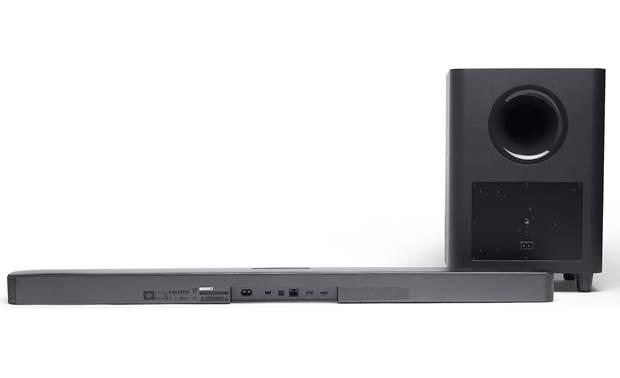
The JBL Bar 5.1 shines for users with multiple source devices. Those three HDMI inputs prove invaluable if you have gaming consoles, streaming boxes, and cable/satellite boxes. The 4K HDR passthrough works flawlessly, and I never encountered handshake issues or compatibility problems during testing.
At $2,499, the KEF XIO asks you to pay for genuine technological innovation. The Uni-Q drivers, VECO distortion control, and Music Integrity Engine represent proprietary technology that you simply can't get elsewhere. This isn't just a premium version of existing technology—it's fundamentally different engineering applied to solve the inherent compromises of the soundbar format.
The all-in-one approach eliminates many of the placement and reliability issues that plague wireless component systems. There's genuine value in a solution that delivers high-end performance without requiring subwoofer placement optimization, wireless connection troubleshooting, or component charging management.
For audiophiles who've been waiting for a soundbar that doesn't compromise their standards, the KEF represents the first genuine option. It's expensive, but it delivers on its promises in ways that justify the premium for serious listeners.
At $599, the JBL Bar 5.1 delivers authentic 5.1 surround sound at a price that was unimaginable just a few years ago. The combination of competent main soundbar, substantial wireless subwoofer, and genuinely useful detachable surrounds represents exceptional value for money.
The modular approach offers flexibility that the integrated KEF can't match. You can use just the soundbar for casual TV watching, add the subwoofer for enhanced movies and music, or deploy the full 5.1 system for maximum immersion. This adaptability makes it suitable for a wider range of living situations and listening preferences.
For users who prioritize cinematic impact and surround immersion over audiophile refinement, the JBL delivers genuine home theater experience at mainstream pricing.
Both systems can serve as the foundation for a home theater setup, but they approach the task differently. The KEF XIO works best in dedicated media rooms where its sophisticated processing can create an immersive experience without the visual clutter or placement constraints of multiple components. Its equal excellence with music makes it ideal for dual-purpose spaces where both critical listening and movie watching matter.
The JBL Bar 5.1 provides a more traditional home theater experience with the convenience of modern wireless technology. The physical surround speakers and substantial subwoofer create the kind of enveloping sound that makes action movies truly exciting. It's particularly well-suited to family rooms where multiple people regularly watch movies together, as the physical surround speakers maintain immersion across multiple seating positions.
Choose the KEF XIO Soundbar ($2,499) if you're an audio enthusiast who values precision, refinement, and innovative engineering. It's the right choice if you listen to as much music as you watch movies, if you prioritize elegant aesthetics and minimal component count, and if you can appreciate the subtle ways that superior engineering improves your daily audio experience. The premium price buys you technology that genuinely advances the state of the art.
Choose the JBL Bar 5.1 Surround ($599) if you want maximum cinematic impact at an accessible price. It's ideal for movie lovers who want authentic surround sound without the complexity of traditional component systems. The modular design offers flexibility for different listening scenarios, and the substantial bass output satisfies those who want to feel their entertainment as much as hear it.
Both systems represent excellent choices within their respective market segments. The KEF pushes boundaries with genuine innovation, while the JBL delivers proven home theater experience with thoughtful modern conveniences. Your choice ultimately depends on whether you prioritize acoustic refinement or immersive impact, and whether you're willing to pay premium prices for cutting-edge engineering.
The beauty is that both approaches work—they just serve different priorities and preferences. Choose based on what matters most to your listening habits, your space, and your budget. Either way, you'll be dramatically upgrading from your TV's built-in speakers.
| KEF XIO Soundbar | JBL Bar 5.1 Surround |
|---|---|
| Price - Major investment vs mainstream accessibility | |
| $2,499 (premium audiophile positioning) | $599 (excellent value for true surround sound) |
| Channel Configuration - Affects surround sound immersion | |
| 5.1.2 virtualized with upward-firing Atmos drivers | 5.1 physical surround with detachable wireless speakers |
| Total System Power - Determines maximum volume and dynamics | |
| 820W (12 Class D amplifiers) | 510W total system power |
| Driver Technology - Core difference in sound quality approach | |
| Uni-Q MX coaxial drivers with VECO distortion control | Conventional racetrack drivers + tweeters |
| Bass System - Impacts setup flexibility and low-end impact | |
| Integrated force-canceling P185 woofers (no subwoofer needed) | Dedicated 10" wireless subwoofer (maximum bass impact) |
| Frequency Response - Shows how deep the bass extends | |
| 34Hz–20kHz (impressive for integrated system) | 35Hz–20kHz (with dedicated subwoofer) |
| HDMI Connectivity - Affects device connection convenience | |
| 1 HDMI 2.1 eARC input (requires TV switching) | 3 HDMI inputs + eARC (direct device connections) |
| Wireless Streaming - Music listening capabilities | |
| Wi-Fi 6, up to 384kHz resolution, multiple services | Bluetooth 4.2, basic streaming capabilities |
| Physical Dimensions - Space requirements and aesthetics | |
| 47.6" × 2.8" × 6.5", 23.1 lbs (single unit) | 40" soundbar + 12" × 17.3" × 12" subwoofer |
| Setup Complexity - Time investment and technical requirements | |
| Auto-calibration with minimal setup required | Subwoofer placement + surround speaker charging management |
| Best Use Case - Who should consider each option | |
| Audiophiles wanting premium all-in-one solution | Movie enthusiasts seeking authentic surround at great value |
For pure movie immersion, the JBL Bar 5.1 Surround ($599) has the advantage with its detachable wireless surround speakers that create authentic 360-degree sound placement. The dedicated 10-inch subwoofer also delivers more visceral bass impact during action scenes. However, the KEF XIO Soundbar ($2,499) offers superior dialogue clarity and more refined sound quality with its virtualized 5.1.2 Atmos processing.
The core difference is approach: the KEF XIO is an all-in-one premium system using advanced driver technology and virtualized surround sound, while the JBL Bar 5.1 uses physical wireless components (detachable surround speakers and separate subwoofer) for authentic surround sound at a much lower price point.
The KEF XIO Soundbar delivers superior overall sound quality with its Uni-Q coaxial drivers, VECO distortion control, and audiophile-grade engineering. It excels at both music and movies with precise imaging and natural tonal balance. The JBL Bar 5.1 prioritizes impact over refinement, offering exciting movie sound but less accuracy for critical music listening.
The KEF XIO ($2,499) justifies its premium through proprietary technology unavailable elsewhere—Uni-Q drivers, force-canceling bass, and sophisticated DSP processing. It's worth the cost for audiophiles who want the best possible sound quality. The JBL Bar 5.1 ($599) offers exceptional value for most users, delivering authentic surround sound at a fraction of the cost.
The KEF XIO significantly outperforms the JBL Bar 5.1 for music listening. Its Uni-Q drivers create precise stereo imaging, and the neutral tonal balance reveals musical details without coloration. The JBL is optimized more for movie soundtracks and can sound slightly aggressive with delicate acoustic music.
The KEF XIO includes integrated force-canceling bass drivers that extend down to 34Hz, eliminating the need for a separate subwoofer in most rooms. The JBL Bar 5.1 comes with a wireless 10-inch subwoofer that provides deeper, more impactful bass but requires additional placement consideration.
The KEF XIO Soundbar is significantly easier to setup—just connect one HDMI cable and let the auto-calibration optimize the sound. The JBL Bar 5.1 requires positioning a wireless subwoofer, managing detachable surround speakers, and keeping those speakers charged for optimal performance.
The JBL Bar 5.1 offers more physical connections with three HDMI inputs plus eARC, allowing direct connection of multiple devices. The KEF XIO has only one HDMI input but superior wireless streaming capabilities with Wi-Fi 6 and direct access to high-resolution music services.
Yes, both support Dolby Atmos, but differently. The KEF XIO uses dedicated upward-firing drivers for true height effects, while the JBL Bar 5.1 relies on processing to simulate overhead sounds. The KEF provides more convincing Atmos effects from a single unit.
The KEF XIO is ideal for apartments since its integrated design eliminates subwoofer placement issues and neighbor complaints. The force-canceling bass provides impact without excessive vibration. The JBL Bar 5.1 with its separate subwoofer may cause noise issues in shared living spaces.
The KEF XIO Soundbar features premium aluminum construction with splash-proof fabric, reflecting its luxury positioning. The JBL Bar 5.1 Surround uses quality plastic construction appropriate for its price point. Both brands offer standard manufacturer warranties, though KEF's premium materials suggest longer lifespan.
Choose the KEF XIO ($2,499) if you want the absolute best sound quality, listen to music frequently, and prefer minimal setup complexity. Choose the JBL Bar 5.1 ($599) if you prioritize authentic surround sound immersion, need multiple HDMI connections, and want maximum value for cinematic impact.
We've done our best to create useful and informative comparisons to help you decide what product to buy. Our research uses advanced automated methods to create this comparison and perfection is not possible - please contact us for corrections or questions. These are the sites we've researched in the creation of this article: blog.son-video.com - residentialsystems.com - whathifi.com - audioadvice.com - crutchfield.com - homecrux.com - techradar.com - youtube.com - us.kef.com - gramophone.com - cepro.com - audioxpress.com - musicdirect.com - gramophone.com - us.kef.com - crutchfield.com - hifipig.com - bestbuy.com - listenup.com - bestbuy.com - bestbuy.com - listenup.com - jbl.com - jbl.com - jbl.com - tomsguide.com - jbl.com - bestbuy.com - bestbuy.com - jbl.com - jbl.com - worldwidestereo.com

Privacy Policy
Terms and Conditions - Affiliate Policy
Home Security
© Copyright 2008-2026.
11816 Inwood Rd #1211, Dallas, TX 75244