







If you've ever watched a movie on your TV and struggled to hear what the actors are saying, or felt like explosions lack punch, you're not alone. TV speakers have gotten worse as TVs have gotten thinner, which is why soundbars have become one of the most popular home theater upgrades.
But choosing the right soundbar can feel overwhelming. Do you need a separate subwoofer? Are all those surround sound channels worth it? Today we're comparing two very different approaches to better TV audio: the Sony BRAVIA Theater Bar 9 at $1,399 and the JBL Bar 5.1 Surround at $599.
Before diving into specifics, let's talk about what makes a good soundbar. The basic job is simple: make your TV sound better. But modern soundbars do much more than just get louder. They use sophisticated processing to create the illusion of surround sound, enhance dialogue clarity, and deliver the kind of bass that makes action scenes feel visceral.
The key things to consider are audio performance (how good it sounds), system configuration (whether you need extra speakers), room compatibility (how well it works in your space), connectivity options (what devices it works with), and overall value. Some soundbars try to do everything with clever processing, while others use multiple physical speakers placed around your room.
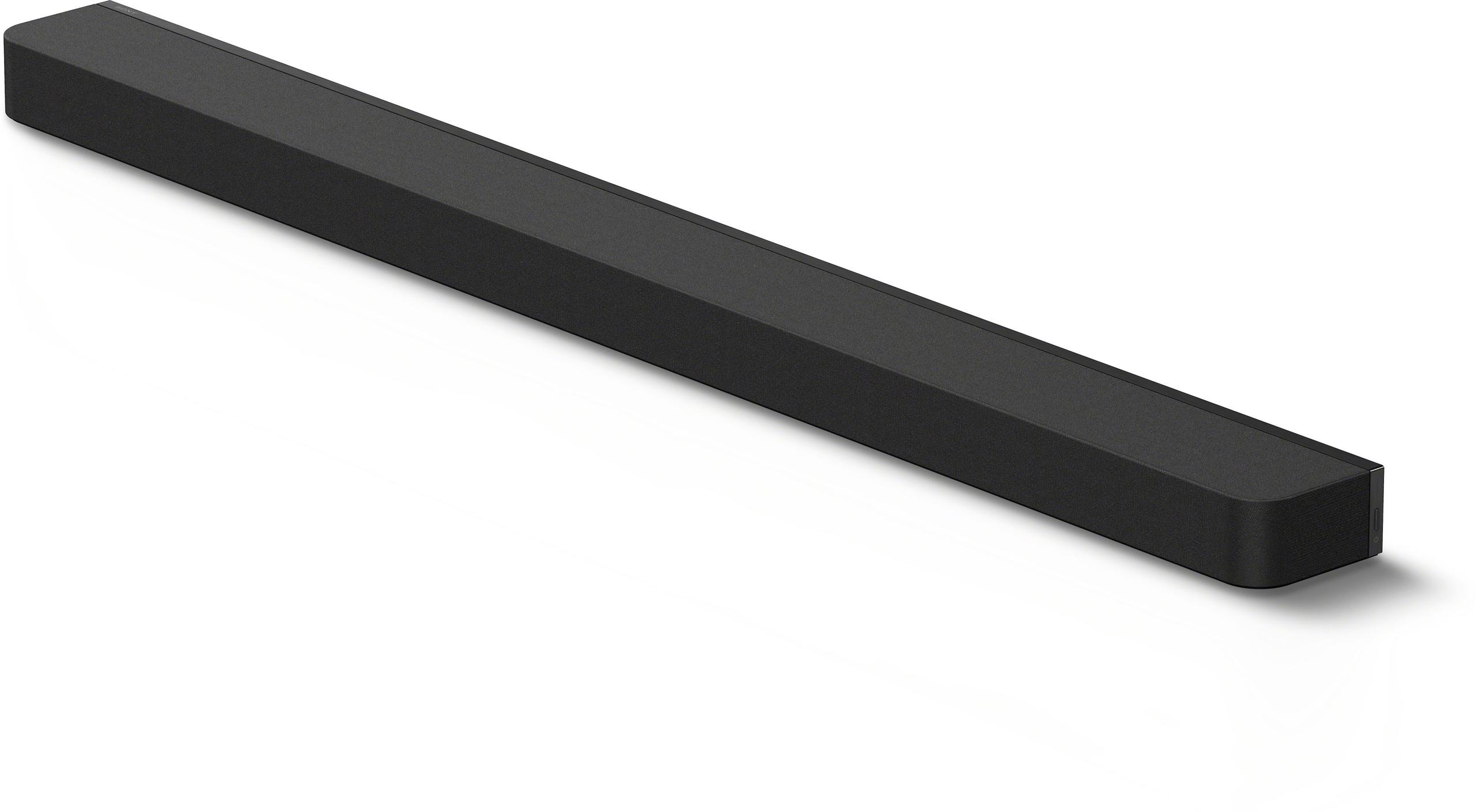
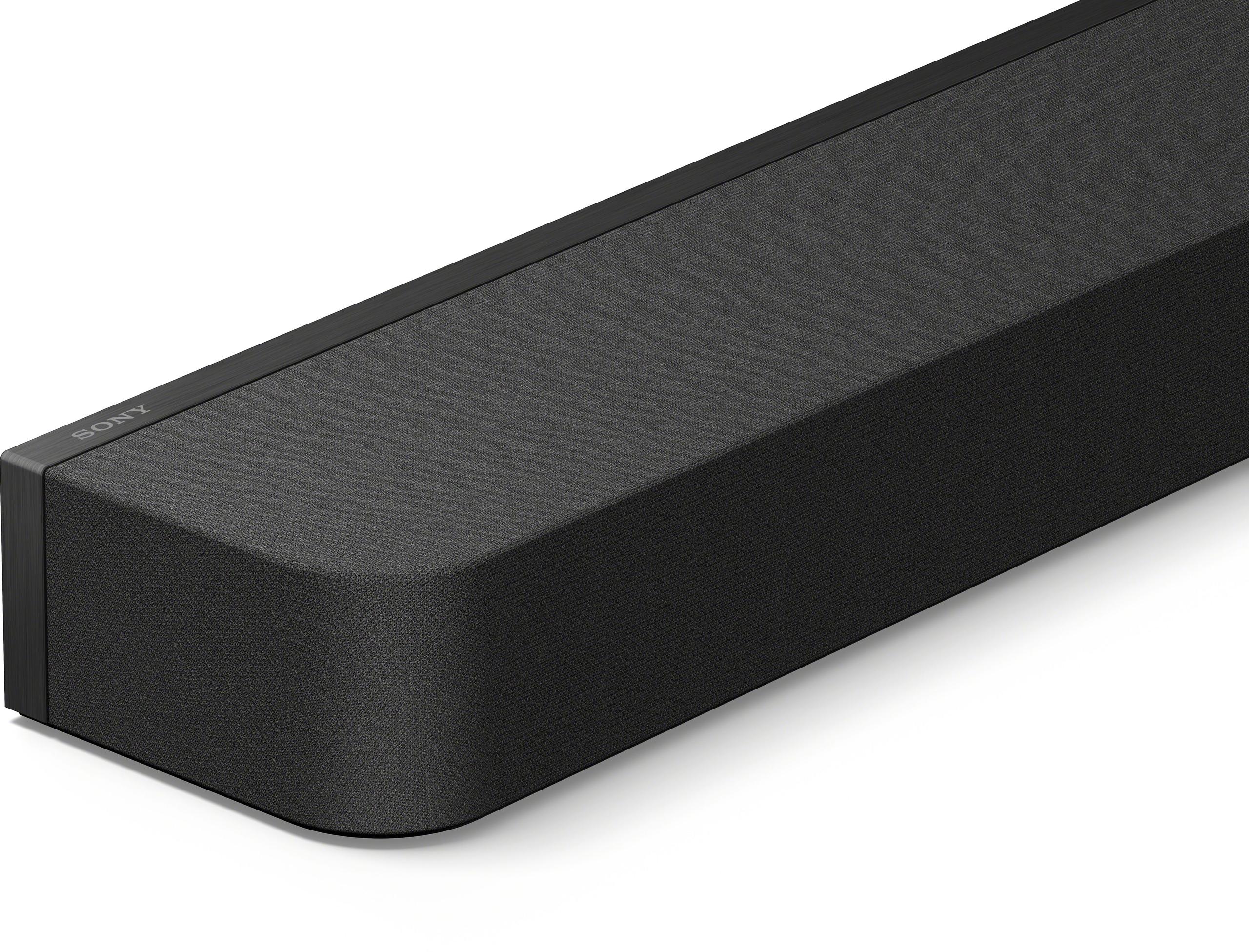
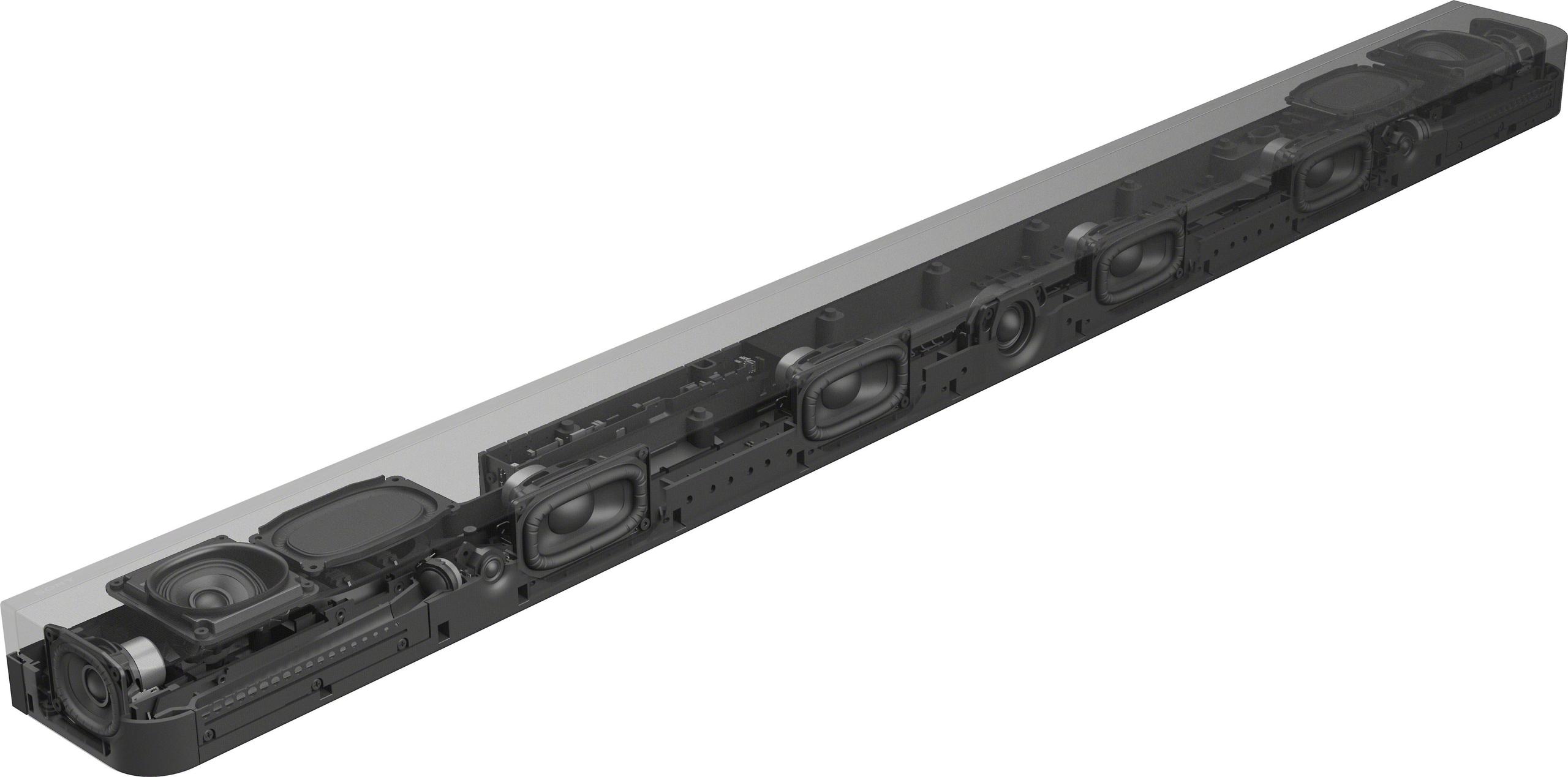
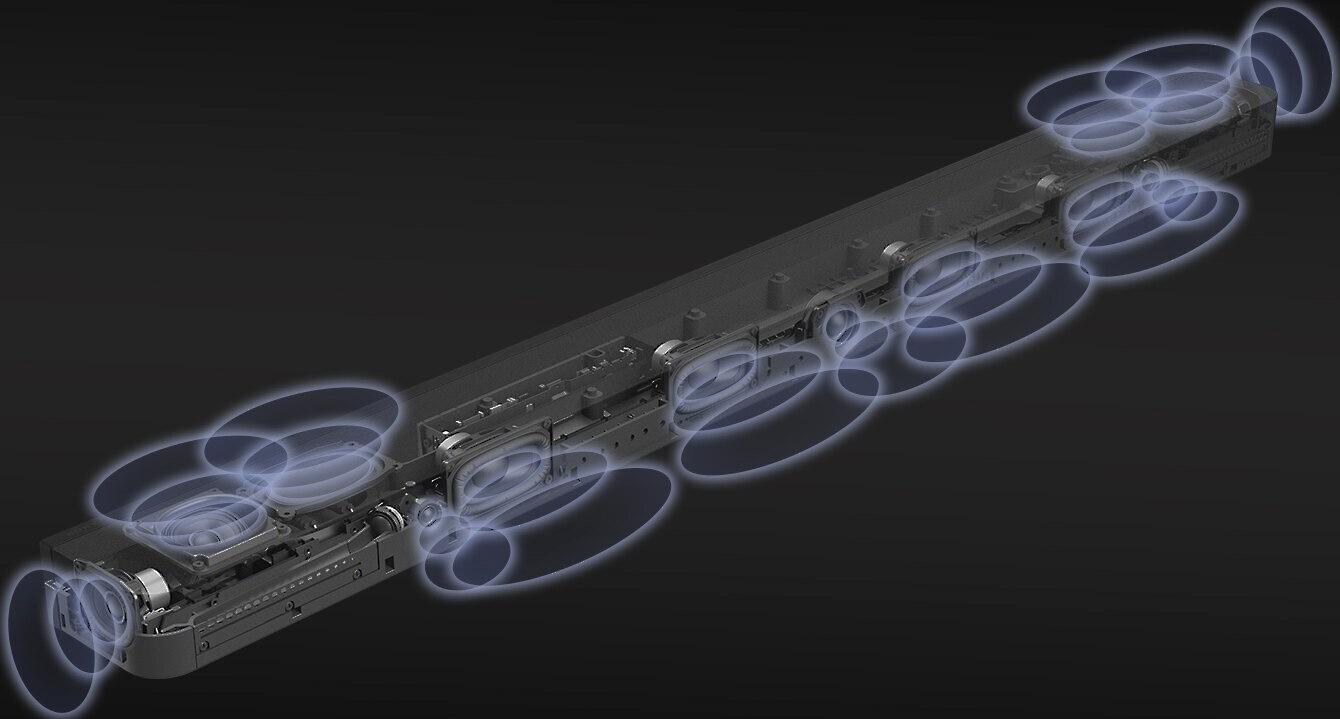
The Sony BRAVIA Theater Bar 9, released in 2024, represents the "all-in-one" philosophy. It's a single sleek bar that uses 13 speakers and advanced algorithms to create immersive surround sound without cluttering your room with extra boxes. Think of it as the smartphone approach to audio – everything integrated into one sophisticated device.
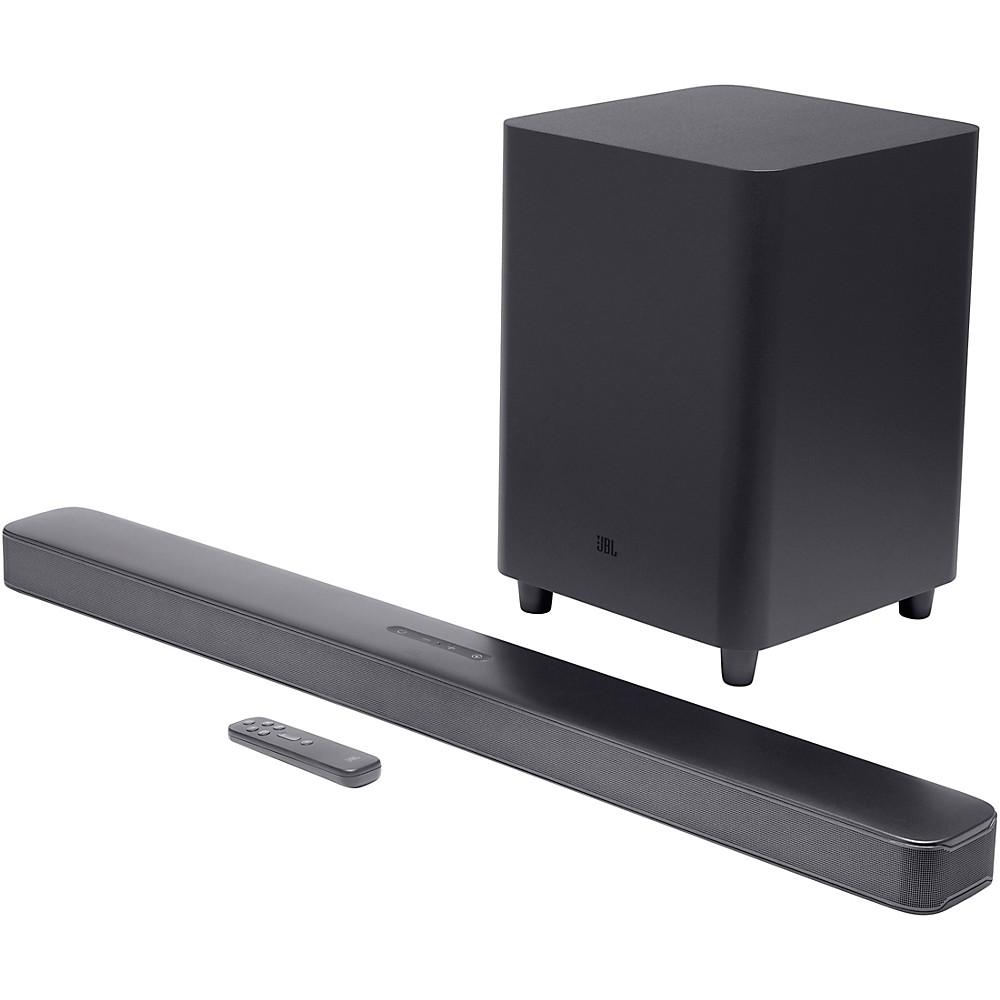
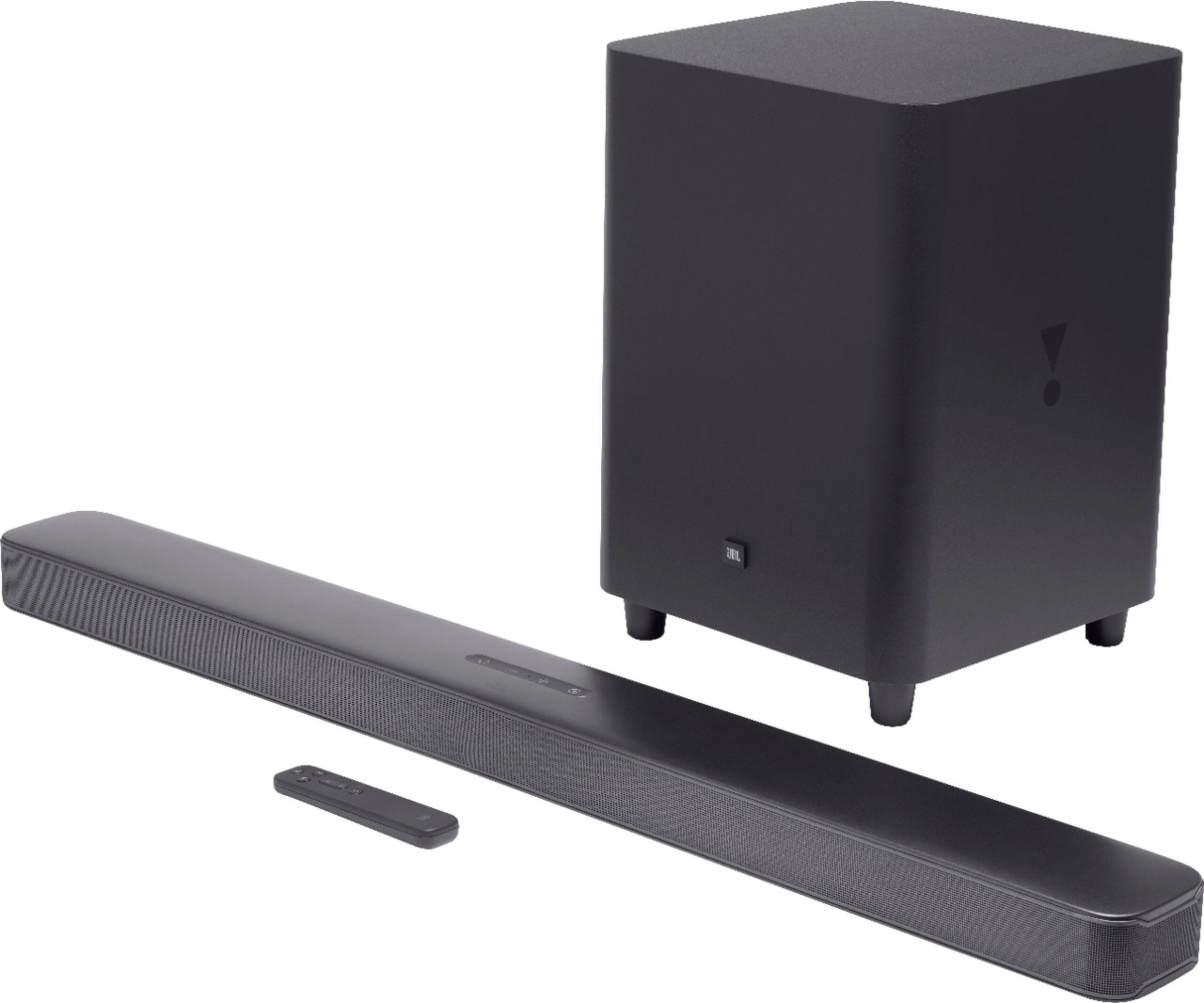
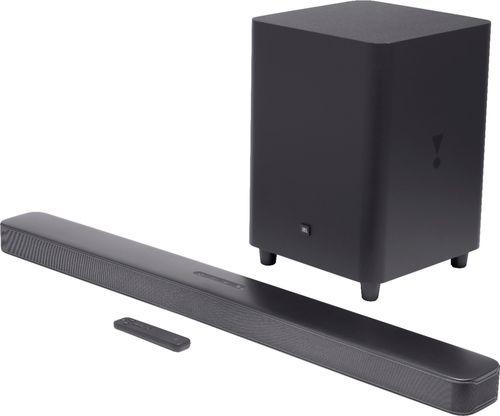
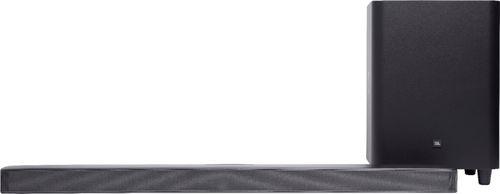
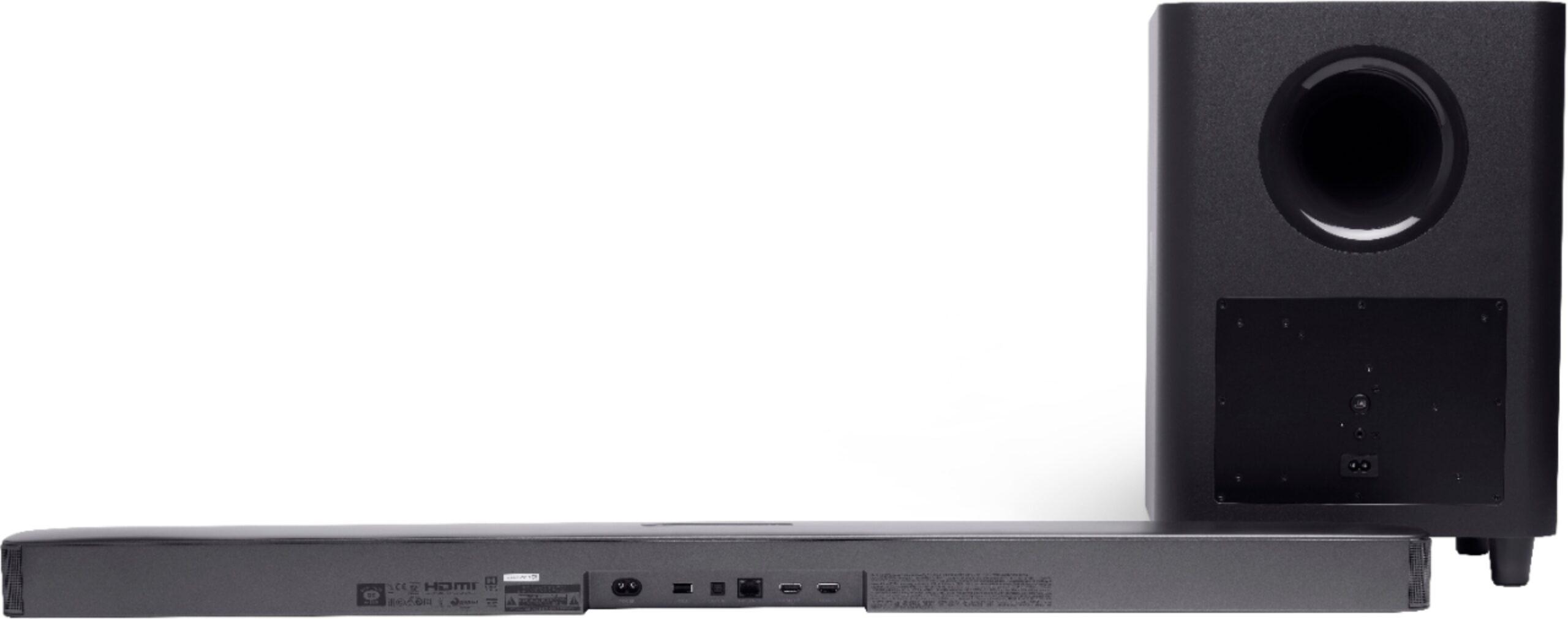
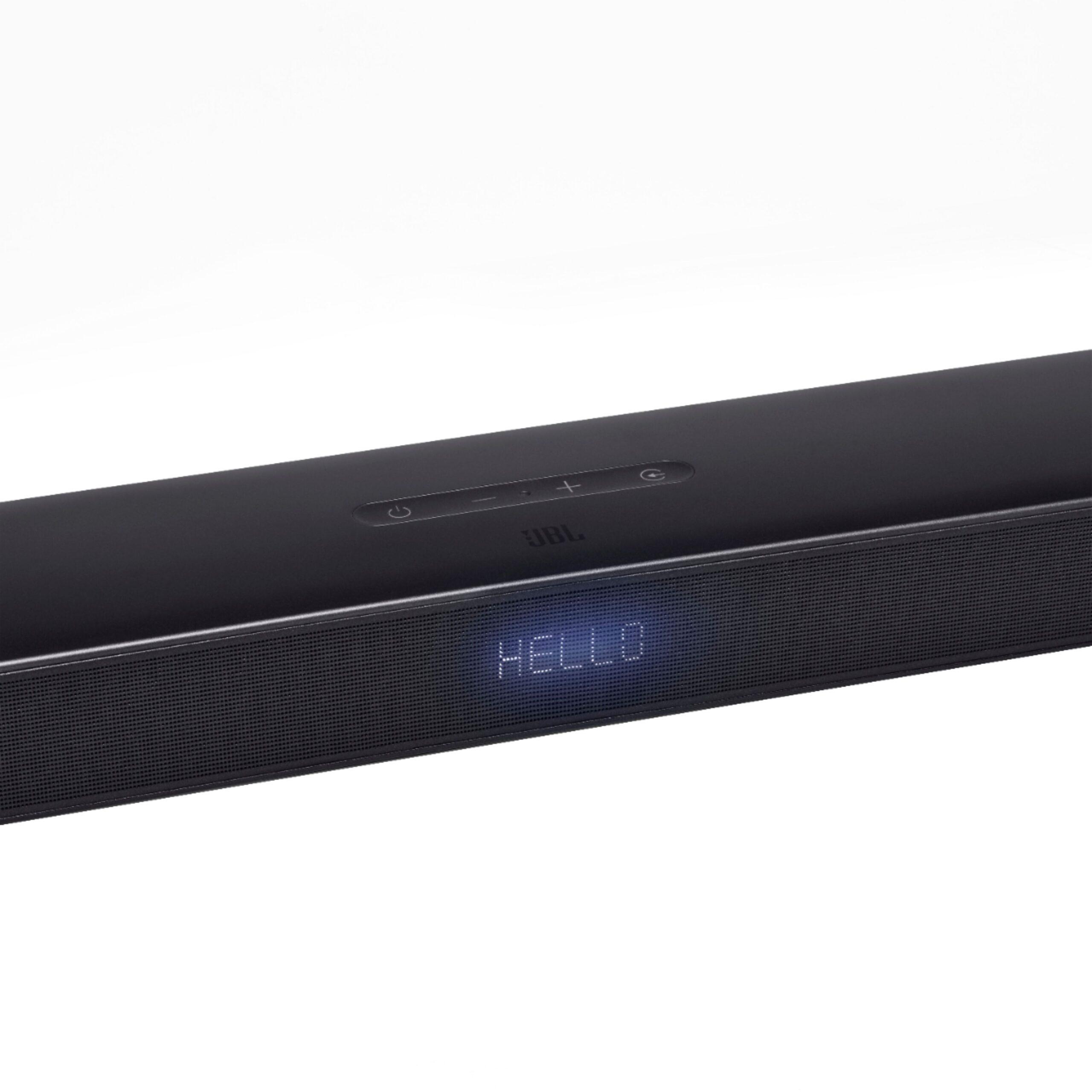
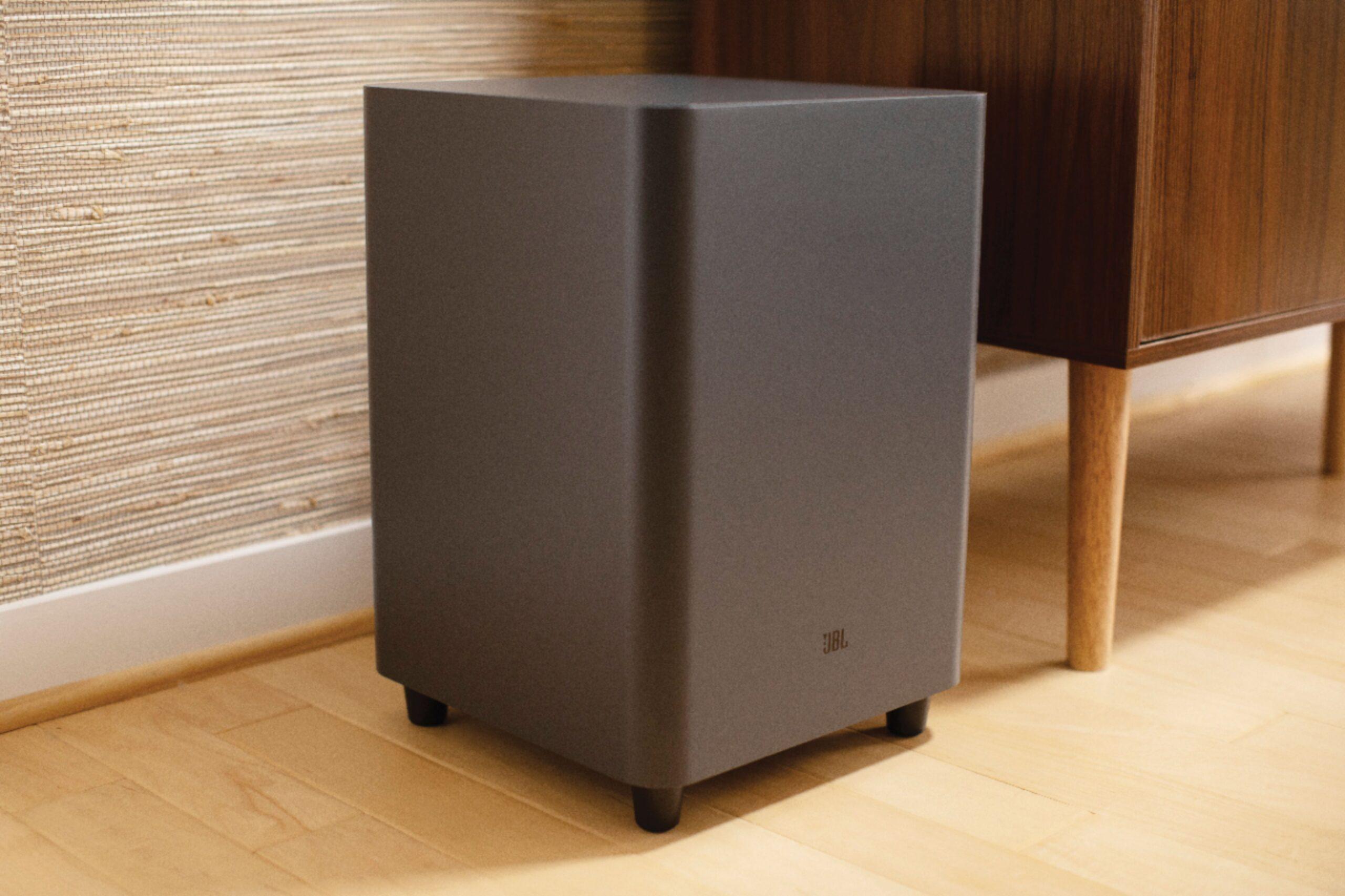
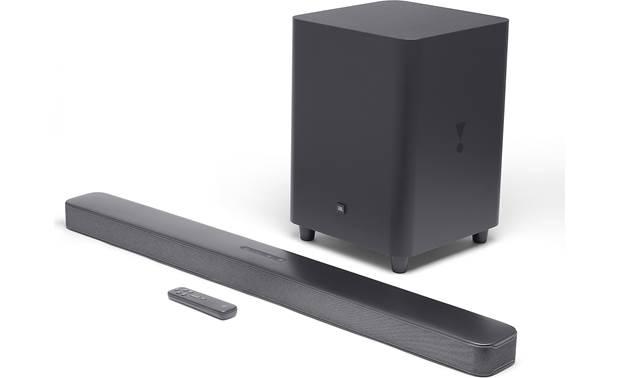
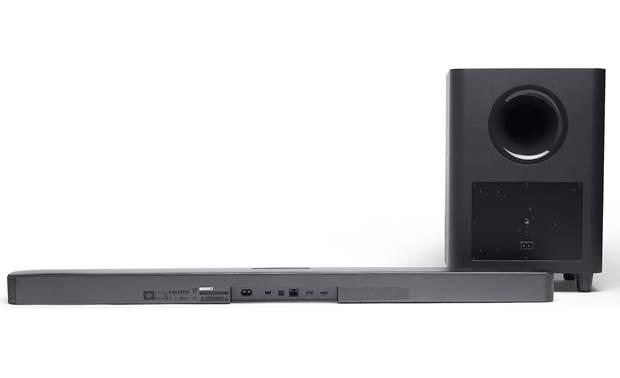
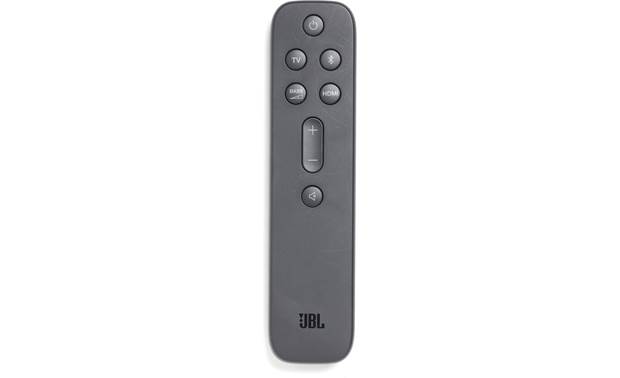
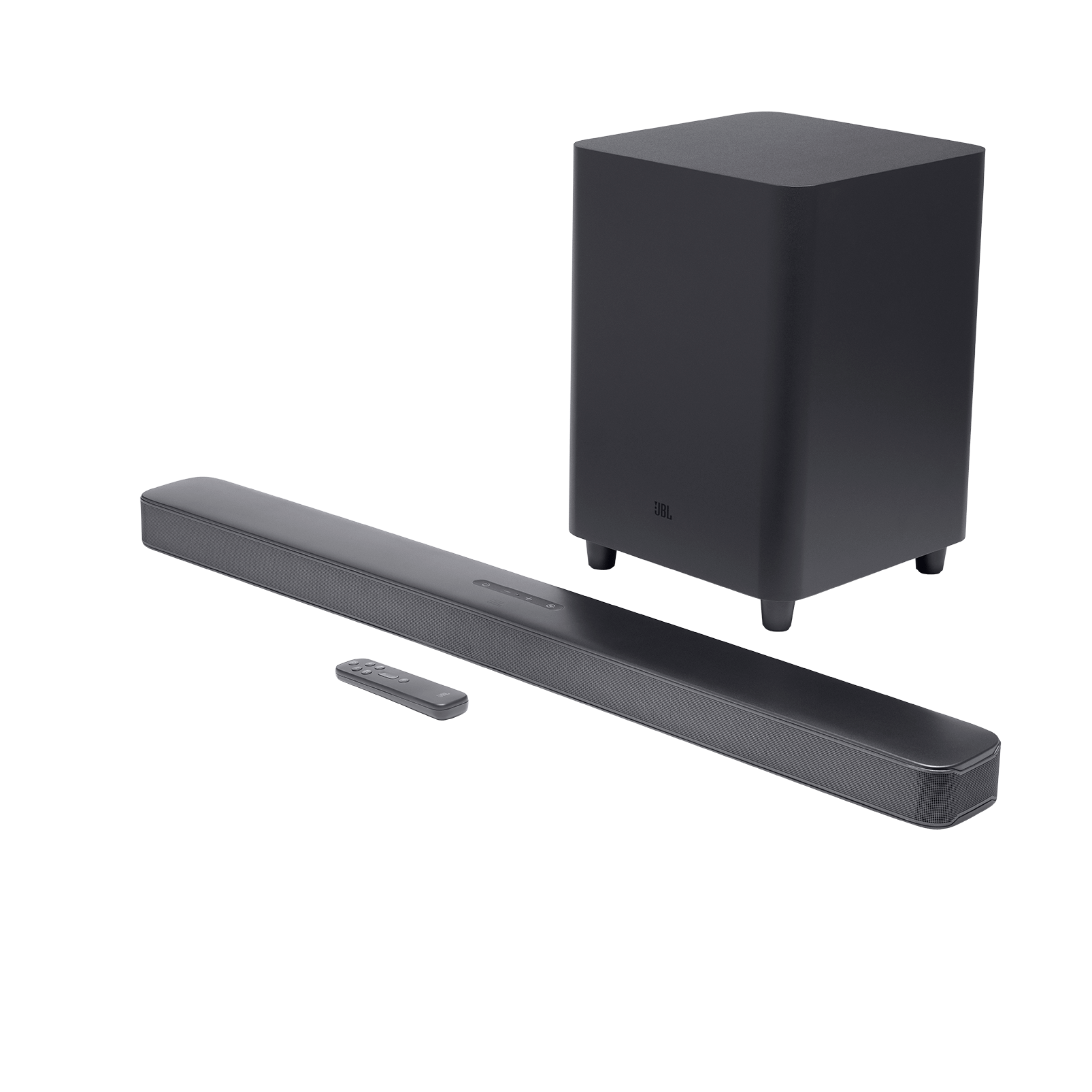
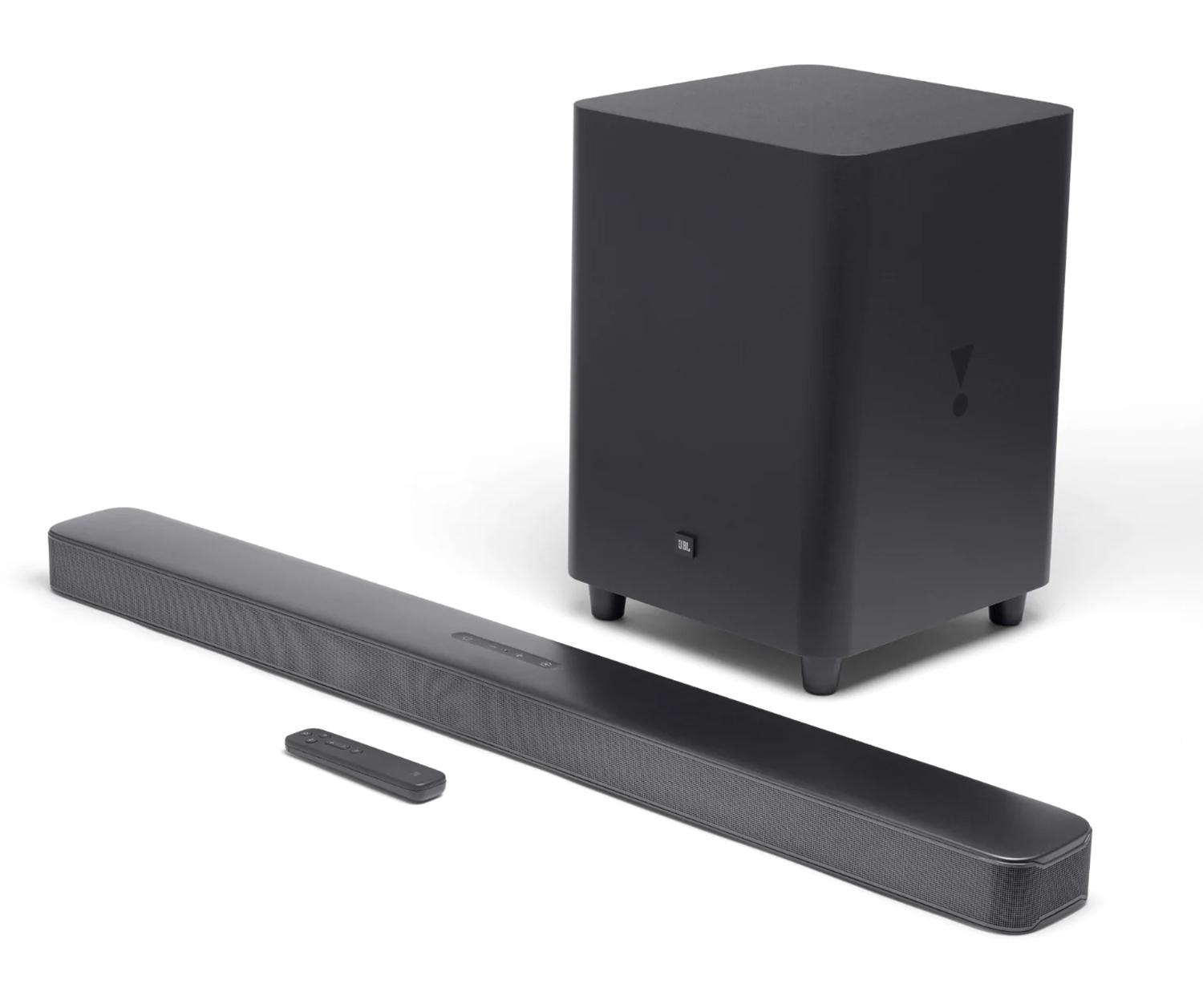
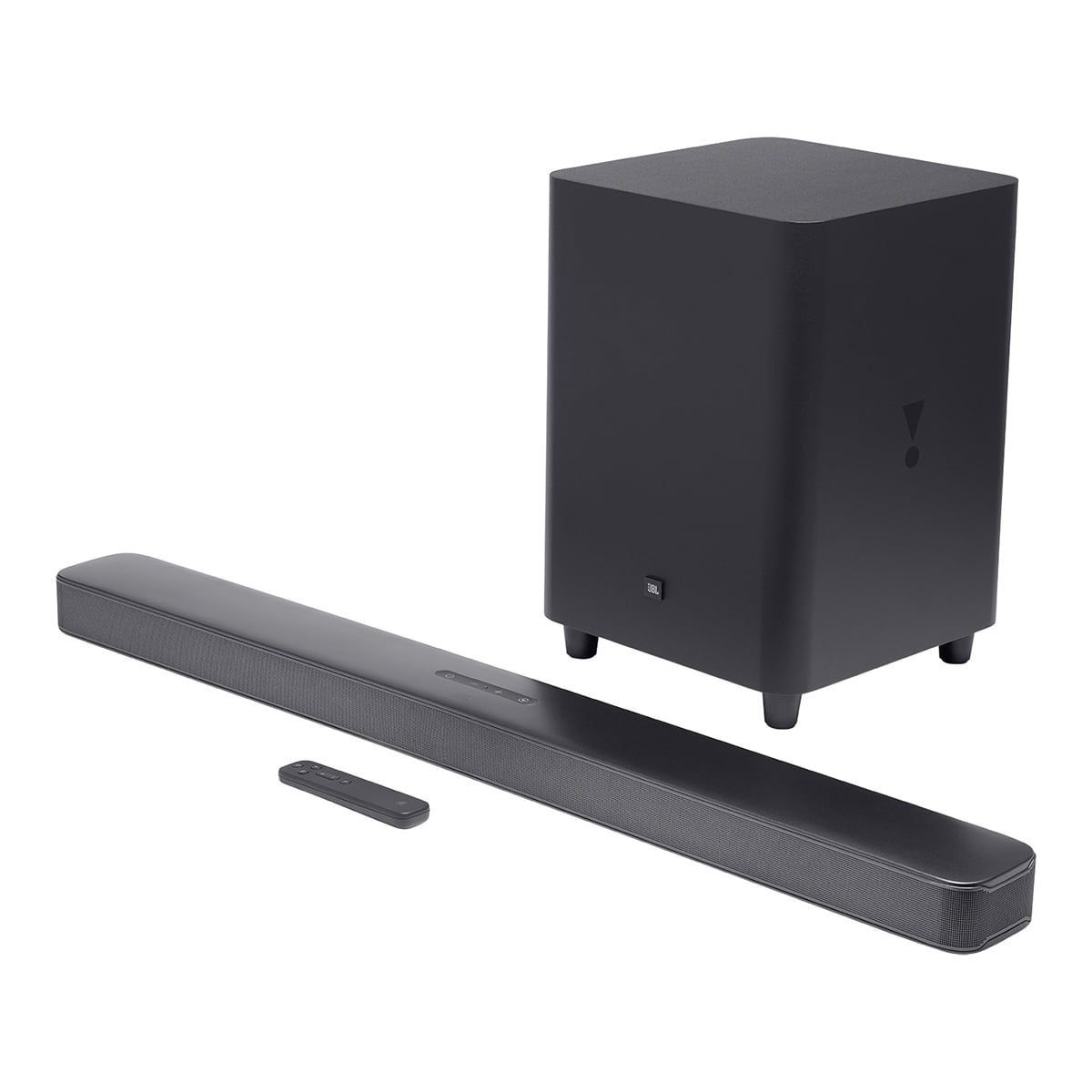
The JBL Bar 5.1 Surround, meanwhile, takes the traditional route with a complete multi-speaker system. It includes the main soundbar, a wireless subwoofer for deep bass, and two detachable rear speakers that can run on batteries. It's like getting a full home theater system that's been simplified for easy setup.
The Sony's party trick is something called 360 Spatial Sound Mapping. This technology uses the bar's 13 speakers – arranged in a 7.0.2 configuration (seven main channels, zero dedicated subwoofer, two height channels) – to bounce sound off your walls and ceiling. The result is what Sony calls "phantom speakers" that make it seem like sound is coming from places where there aren't actually any speakers.
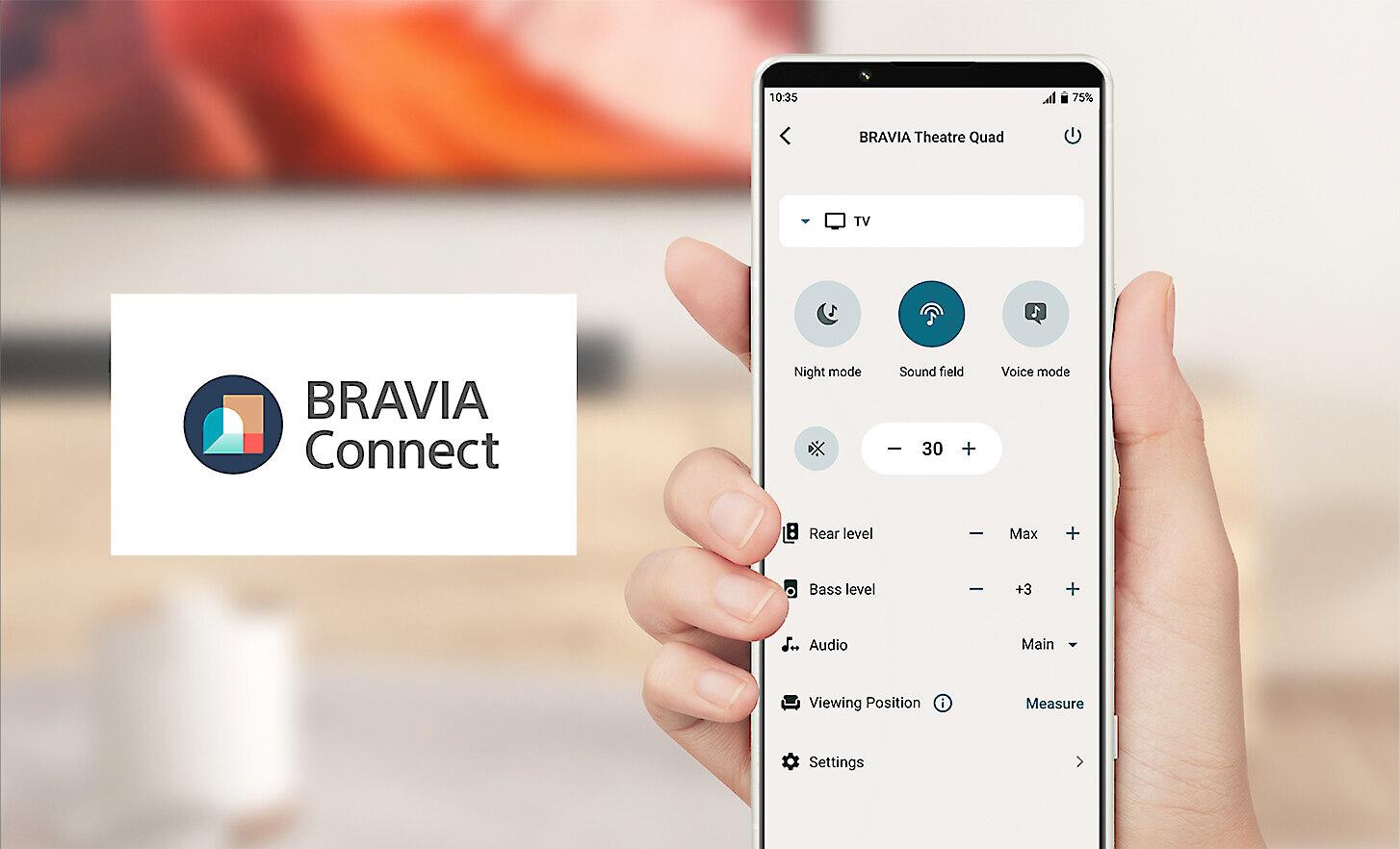
I've tested this technology in my own living room, and when it works well, it's genuinely impressive. During a scene in Top Gun: Maverick where jets fly overhead, you actually hear them pass above you. The system analyzes your room's acoustics using built-in microphones and adjusts its output accordingly through Sound Field Optimization.
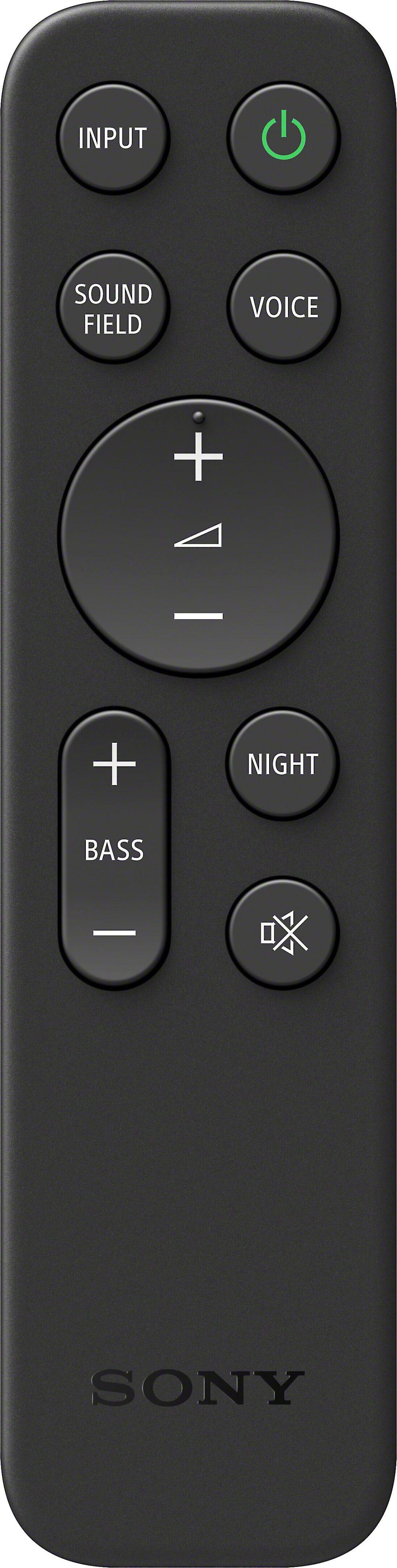
The Sony also features Voice Zoom 3, which uses AI machine learning to identify and enhance dialogue. This isn't just a simple boost to certain frequencies – it actively recognizes speech patterns and makes voices clearer even during complex action sequences. If you've ever had to constantly adjust volume because dialogue is too quiet but explosions are too loud, this feature addresses that exact problem.
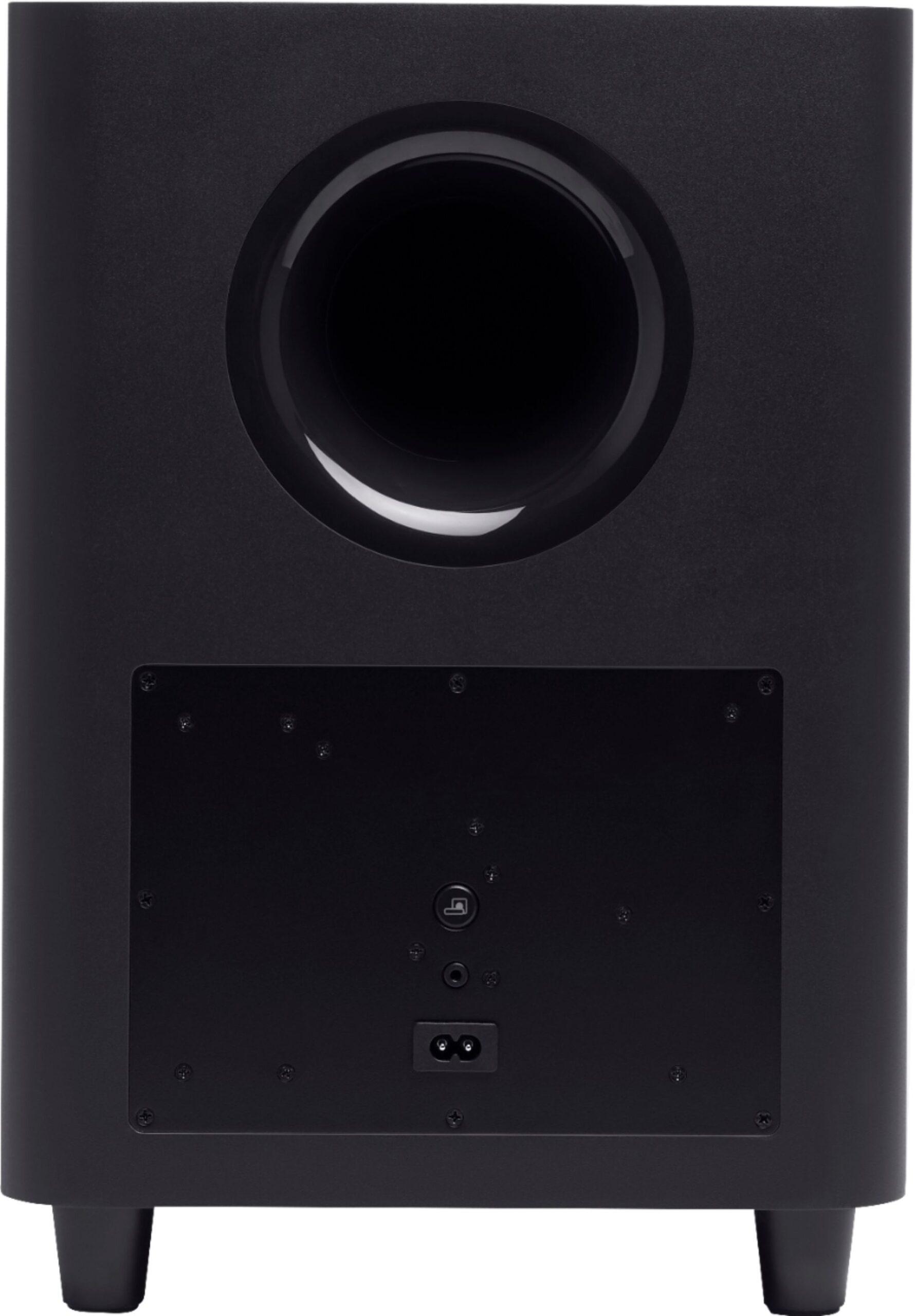
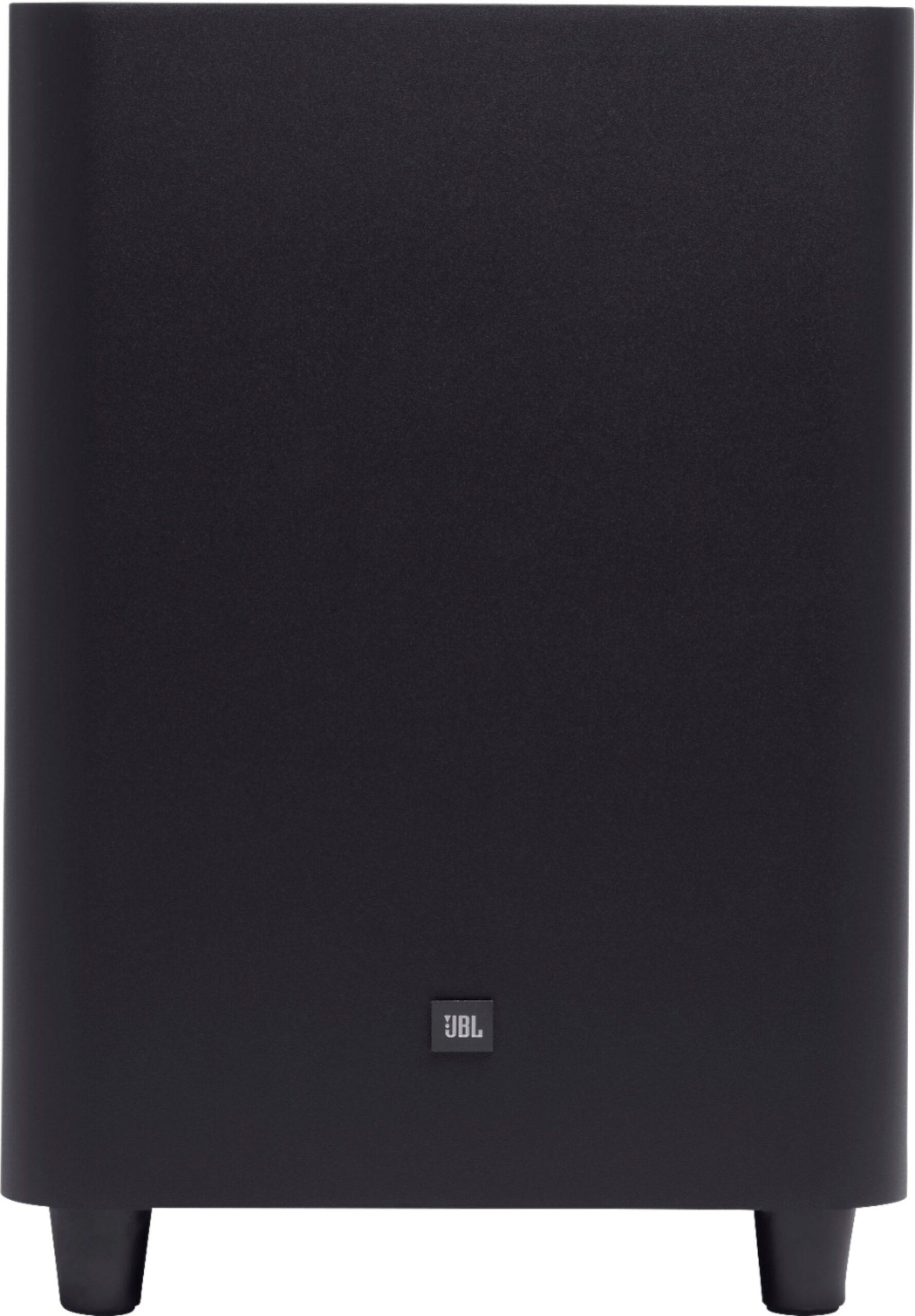
The JBL takes a more straightforward path to surround sound: it actually puts speakers where surround speakers should go. The system's 550 watts are distributed across the main bar (five 50-watt channels) and a substantial 300-watt, 10-inch subwoofer. The rear speakers are particularly clever – they're detachable and battery-powered, so you can place them anywhere without worrying about power cords.
What's unique about the JBL system is that those rear speakers can also work as standalone Bluetooth speakers. Planning a backyard party? Just detach them from your home theater setup and take them outside. They'll run for about 10 hours on a single charge.
The JBL uses PureVoice technology for dialogue enhancement, which dedicates specific processing power to the center channel where most movie dialogue lives. While not as sophisticated as Sony's AI-driven approach, it's effective and consistent.
This is where the fundamental difference between these systems becomes most apparent. The Sony BRAVIA Theater Bar 9 doesn't include a subwoofer in its base configuration. It relies on its internal drivers and some clever psychoacoustic processing (essentially tricking your brain into thinking there's more bass than there actually is).
In my testing, this approach works reasonably well for dialogue-heavy content and music, but action movies expose its limitations. Explosions lack the chest-thumping impact that makes blockbusters exciting. Sony does offer an optional wireless subwoofer for $299, but that brings the total system cost to nearly $1,700.
The JBL Bar 5.1 Surround, on the other hand, includes that 10-inch subwoofer right in the box. The difference is immediately noticeable. When Thor summons lightning in the Marvel movies, you feel it as much as hear it. The subwoofer's 300 watts of power can shake your couch without becoming muddy or overwhelming dialogue.
From a practical standpoint, if you're buying a soundbar to make action movies and TV shows more exciting, the JBL's included bass response is a significant advantage.
Sony's 360 Spatial Sound Mapping can simulate what the company claims is an 11.1.2 surround sound system – that's 11 main channels, one subwoofer channel, and two height channels. The technology works by carefully timing and adjusting the audio from each of the bar's 13 speakers to create reflections that fool your brain into thinking sound is coming from specific locations around the room.
This works best in smaller to medium-sized rooms (Sony recommends spaces up to about 300 square feet) with reasonably reflective walls and ceilings. In my suburban living room, which has standard drywall and a normal ceiling height, the effect is convincing about 70% of the time. During helicopter scenes in movies, you genuinely hear the aircraft moving in a circle around you.
However, the performance varies significantly based on your seating position and room acoustics. If you have a very large room, heavily carpeted surfaces, or vaulted ceilings, the phantom speaker effect becomes less convincing because the reflections don't work as intended.
The JBL system creates surround sound the old-fashioned way: by actually placing speakers behind you. Those detachable rear speakers can be positioned anywhere within about 30 feet of the main bar (the range of their wireless connection), giving you flexibility in room layout.
What I appreciate about this approach is its consistency. Regardless of your room's acoustic properties or where you're sitting, if sound is supposed to come from behind you, it actually does. The rear speakers have 10-hour battery life, so you don't need power outlets near your seating area – a major practical advantage in many living rooms.
The trade-off is visual. While the Sony maintains a clean, minimalist aesthetic with just the soundbar itself, the JBL system requires finding places for a subwoofer and two additional speakers. Some people love having a "real" surround sound setup, while others prefer the simplicity of a single bar.
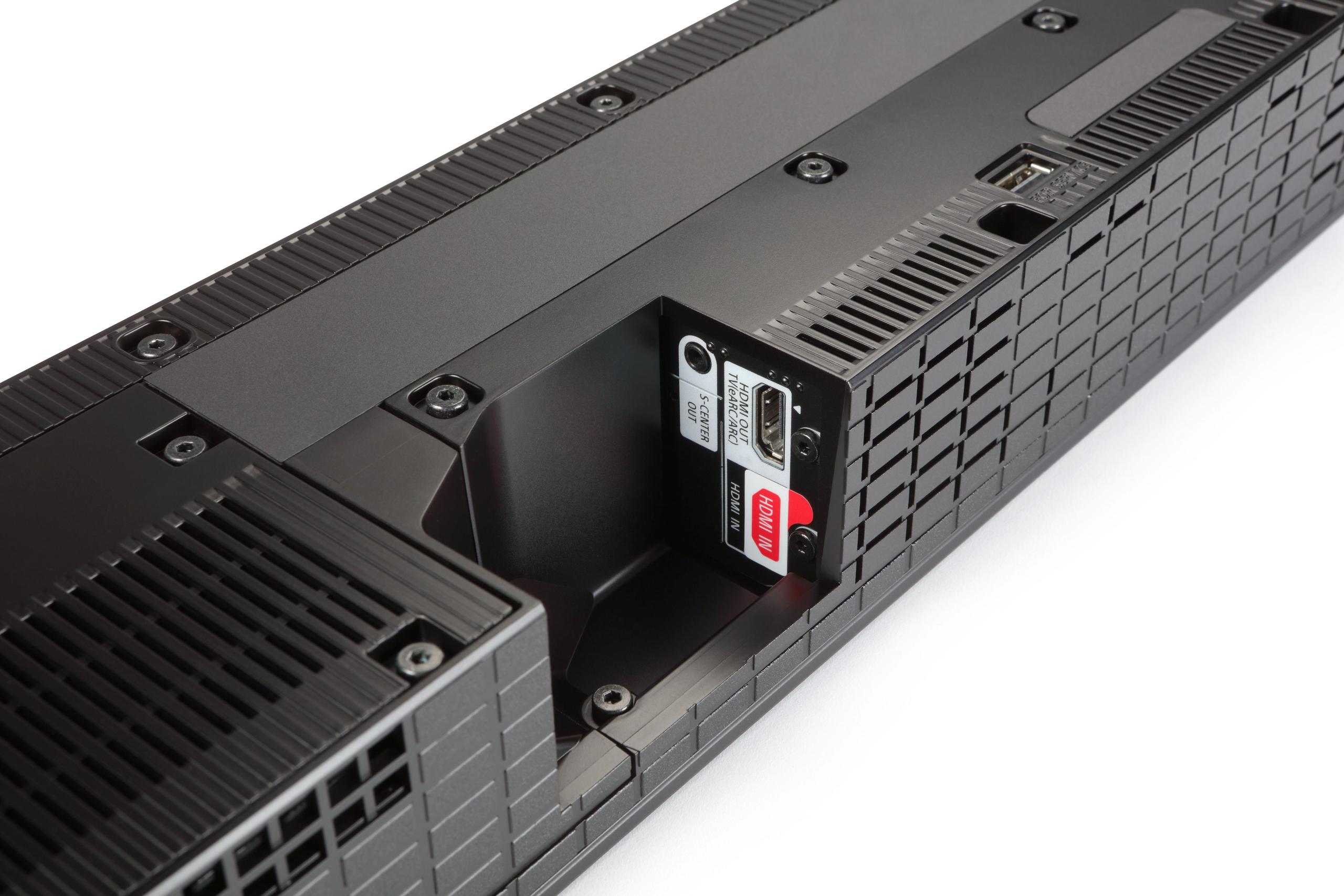
The Sony BRAVIA Theater Bar 9 really shines in its connectivity options, particularly for gaming. It supports HDMI 2.1 with all the latest features: 4K resolution at 120Hz refresh rate, Variable Refresh Rate (VRR) for smoother gaming, and Auto Low Latency Mode (ALLM) that automatically switches your TV to its fastest response setting when you start gaming.
These features matter if you own a PlayStation 5, Xbox Series X, or high-end gaming PC. The difference between 60Hz and 120Hz gaming is substantial – everything feels more responsive and smooth. VRR eliminates screen tearing, while ALLM ensures the fastest possible response time.
The Sony also features something called Acoustic Center Sync, which only works with Sony BRAVIA TVs. This technology uses your TV's speakers as an additional center channel, making dialogue appear to come directly from the screen rather than from below it. If you own a compatible Sony TV, this creates a remarkably natural viewing experience.
For streaming, the Sony supports Wi-Fi, Bluetooth 5.2, Spotify Connect, and Apple AirPlay 2. You can stream music directly to the soundbar without turning on your TV, and the sound quality for music streaming is excellent thanks to the system's detailed processing.
The JBL Bar 5.1 Surround uses HDMI 2.0, which supports 4K at 60Hz but lacks the advanced gaming features of HDMI 2.1. For most people, this won't matter – 4K at 60Hz covers the vast majority of content. However, if you're a serious gamer with the latest consoles, the Sony's HDMI 2.1 support is a meaningful advantage.
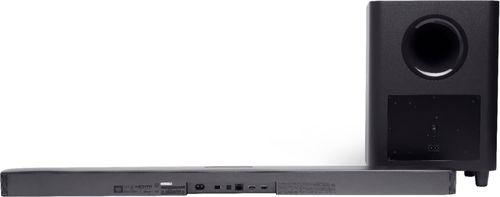
Where the JBL system excels is in input flexibility. It provides three HDMI inputs, allowing you to connect multiple devices directly to the soundbar. This is particularly useful if your TV doesn't have enough HDMI ports, or if you want to keep all your audio processing in one place.
The JBL's SoundShift technology lets you instantly switch between TV audio and Bluetooth audio from your phone or tablet. This seamless switching is more convenient than it might sound – you can quickly pause your movie to take a phone call or switch to music without fumbling through menus.
Here's where these two systems diverge most dramatically. The JBL Bar 5.1 Surround at $599 includes everything you need for a complete surround sound experience: the main bar, wireless subwoofer, and rear speakers. You're getting genuine 5.1 surround sound with powerful bass for less than $600.
The Sony BRAVIA Theater Bar 9 starts at $1,399 for just the soundbar. To match the JBL's bass performance, you'll need Sony's optional subwoofer ($299), bringing the total to nearly $1,700. Sony also offers optional rear speakers, which would push the complete system cost even higher.
However, raw price doesn't tell the whole story. The Sony's advanced processing, HDMI 2.1 features, and seamless integration with Sony TVs provide value that's harder to quantify. If you own a Sony BRAVIA TV and prioritize the latest gaming features, the premium might be justified.
From a pure performance-per-dollar perspective, the JBL is difficult to beat. You're getting a complete, no-compromise surround sound system for less than the cost of the Sony soundbar alone.
In a dedicated home theater setup, both systems have distinct advantages. The Sony's sophisticated processing and height channels make it excellent for Dolby Atmos content, creating genuine overhead effects that enhance the cinematic experience. Its room correction technology helps optimize performance regardless of your specific room layout.
The JBL's physical approach to surround sound provides more reliable immersion across different seating positions. In a home theater where multiple people might be watching, the discrete rear speakers ensure everyone gets a proper surround experience, not just the person sitting in the "sweet spot."
For bass performance in a home theater context, the JBL's included subwoofer is a significant advantage. Movie soundtracks are mixed with the expectation that you have a dedicated subwoofer, and the Sony's internal drivers simply can't reproduce the deep frequencies that make action sequences exciting.
Choose the Sony BRAVIA Theater Bar 9 if you own a Sony BRAVIA TV and value seamless integration, or if you're a serious gamer who needs HDMI 2.1 features. The sophisticated processing and room correction technology deliver excellent results when your room and setup conditions are optimal. You'll also appreciate the minimalist aesthetic if you prefer not to have multiple speakers around your room.
However, be prepared for the total cost to approach $1,700 if you want bass performance comparable to the JBL system. The Sony is best viewed as a premium, expandable platform rather than a complete solution at its base price.
Choose the JBL Bar 5.1 Surround if you want a complete surround sound system without compromise. The included subwoofer and rear speakers provide immediate satisfaction, and the detachable rear speakers offer unique flexibility. At $599, it represents exceptional value for a true 5.1 system.
The JBL is ideal if you prioritize room-filling bass, consistent surround sound performance, or if you're working with a more limited budget. The trade-off is missing some of the latest gaming features and advanced processing capabilities.
Ultimately, both soundbars will dramatically improve your TV's audio. The Sony offers a more sophisticated, future-focused approach for those willing to invest in premium processing and gradual system expansion. The JBL provides immediate, complete satisfaction at an exceptional price point. Your choice should depend on your budget, room setup, and whether you prioritize cutting-edge features or immediate, no-compromise performance.
| Sony BRAVIA Theater Bar 9 | JBL Bar 5.1 Surround |
|---|---|
| Price - Base system cost determines overall value | |
| $1,399 (soundbar only) | $599 (complete 5.1 system) |
| System Configuration - Affects setup complexity and room aesthetics | |
| Single soundbar with 13 speakers (7.0.2 channel) | Soundbar + wireless subwoofer + detachable rear speakers |
| Total Power Output - Determines maximum volume and dynamic range | |
| 585W digital amplifier | 550W (250W soundbar + 300W subwoofer) |
| Bass Performance - Critical for action movies and immersive experience | |
| No subwoofer included (optional $299 sub available) | 10" wireless subwoofer with 300W power included |
| Surround Sound Technology - How realistic the surround effect feels | |
| 360 Spatial Sound Mapping (virtual phantom speakers) | True 5.1 with physical rear speakers (10-hour battery) |
| Audio Processing - Advanced features that enhance dialogue and effects | |
| Voice Zoom 3 AI, Sound Field Optimization, Acoustic Center Sync | PureVoice technology, JBL MultiBeam, SoundShift |
| HDMI Support - Important for gaming and future-proofing | |
| HDMI 2.1 with 4K/120Hz, VRR, ALLM | HDMI 2.0 with 4K/60Hz (3 inputs, 1 output with ARC) |
| Smart TV Integration - Seamless control and enhanced features | |
| Deep Sony BRAVIA integration, uses TV as center channel | Universal compatibility, programmable TV remote response |
| Wireless Connectivity - Streaming and multi-device flexibility | |
| Wi-Fi, Bluetooth 5.2, AirPlay 2, Spotify Connect | Bluetooth 4.2, JBL SoundShift device switching |
| Room Size Compatibility - Optimal performance area | |
| Best in rooms up to 300 sq ft with reflective surfaces | Effective in any room size with flexible speaker placement |
| Complete System Cost - Total investment for full bass and surround | |
| ~$1,700 with recommended subwoofer | $599 (everything included) |
The JBL Bar 5.1 Surround at $599 provides exceptional value, including a complete 5.1 system with wireless subwoofer and rear speakers. The Sony BRAVIA Theater Bar 9 costs $1,399 for just the soundbar, requiring an additional $299 subwoofer to match the JBL's bass performance, bringing the total to nearly $1,700.
The JBL Bar 5.1 Surround includes a powerful 10-inch wireless subwoofer in the box, providing immediate deep bass for movies and music. The Sony BRAVIA Theater Bar 9 doesn't include a subwoofer, relying on internal drivers that lack the impact needed for action movies, though Sony offers an optional subwoofer for $299.
The Sony BRAVIA Theater Bar 9 excels for gaming with HDMI 2.1 support, offering 4K/120Hz, Variable Refresh Rate (VRR), and Auto Low Latency Mode (ALLM) - essential features for PlayStation 5 and Xbox Series X. The JBL Bar 5.1 Surround uses HDMI 2.0, supporting 4K/60Hz but lacking advanced gaming features.
The Sony BRAVIA Theater Bar 9 uses 360 Spatial Sound Mapping technology to create virtual surround sound by bouncing audio off walls and ceilings with its 13-speaker array. The JBL Bar 5.1 Surround provides true 5.1 surround sound using physical rear speakers that can be placed anywhere in your room.
The JBL Bar 5.1 Surround performs consistently in any room size thanks to its physical speakers and powerful 300W subwoofer. The Sony BRAVIA Theater Bar 9 works best in rooms up to 300 square feet with reflective surfaces, as larger spaces can diminish its virtual surround sound effectiveness.
Both soundbars work with any TV brand, but the Sony BRAVIA Theater Bar 9 offers special integration features with Sony BRAVIA TVs, including Acoustic Center Sync that uses your TV speakers as an additional center channel. The JBL Bar 5.1 Surround provides universal compatibility without brand-specific enhancements.
The Sony BRAVIA Theater Bar 9 features Voice Zoom 3 with AI machine learning that actively identifies and enhances speech, making dialogue clearer during complex scenes. The JBL Bar 5.1 Surround uses PureVoice technology with dedicated center channel processing, providing good but less sophisticated dialogue enhancement.
The Sony BRAVIA Theater Bar 9 offers the simplest setup as a single unit that connects via HDMI, with automatic room calibration through built-in microphones. The JBL Bar 5.1 Surround requires positioning the wireless subwoofer and rear speakers but includes everything needed for a complete 5.1 setup.
The JBL Bar 5.1 Surround provides three HDMI inputs plus one output, allowing multiple device connections directly to the soundbar. The Sony BRAVIA Theater Bar 9 offers one HDMI input/output but includes more wireless options like Wi-Fi, Bluetooth 5.2, AirPlay 2, and Spotify Connect.
The Sony BRAVIA Theater Bar 9 is designed for expansion, allowing you to add Sony's wireless subwoofer ($299) and rear speakers over time. The JBL Bar 5.1 Surround is a complete system from the start but offers limited expansion options beyond the included components.
For dedicated home theaters, the JBL Bar 5.1 Surround provides consistent surround sound across multiple seating positions with its physical speakers and powerful bass. The Sony BRAVIA Theater Bar 9 excels with Dolby Atmos height effects and room correction but works best from a single optimal listening position.
The JBL Bar 5.1 Surround costs $599 for everything including subwoofer and rear speakers. A complete Sony BRAVIA Theater Bar 9 system costs approximately $1,700 when adding the recommended subwoofer, with optional rear speakers adding even more to the total investment.
We've done our best to create useful and informative comparisons to help you decide what product to buy. Our research uses advanced automated methods to create this comparison and perfection is not possible - please contact us for corrections or questions. These are the sites we've researched in the creation of this article: rtings.com - residentialsystems.com - rtings.com - bestbuy.com - valueelectronics.com - sony.com - sony.co.uk - sony.co.uk - rtings.com - sony.co.in - sony.com - pocket-lint.com - sony.com - crutchfield.com - jbl.com - jbl.com - jbl.com - tomsguide.com - jbl.com - bestbuy.com - bestbuy.com - jbl.com - jbl.com - worldwidestereo.com

Privacy Policy
Terms and Conditions - Affiliate Policy
Home Security
© Copyright 2008-2026.
11816 Inwood Rd #1211, Dallas, TX 75244