




If you've ever tried watching a movie with your TV's built-in speakers and found yourself constantly adjusting the volume—cranking it up to hear dialogue, then quickly turning it down when explosions start—you understand why soundbars exist. These sleek audio devices solve the fundamental problem that modern flat-screen TVs create: they look great but sound terrible because there's simply no room inside those thin frames for decent speakers.
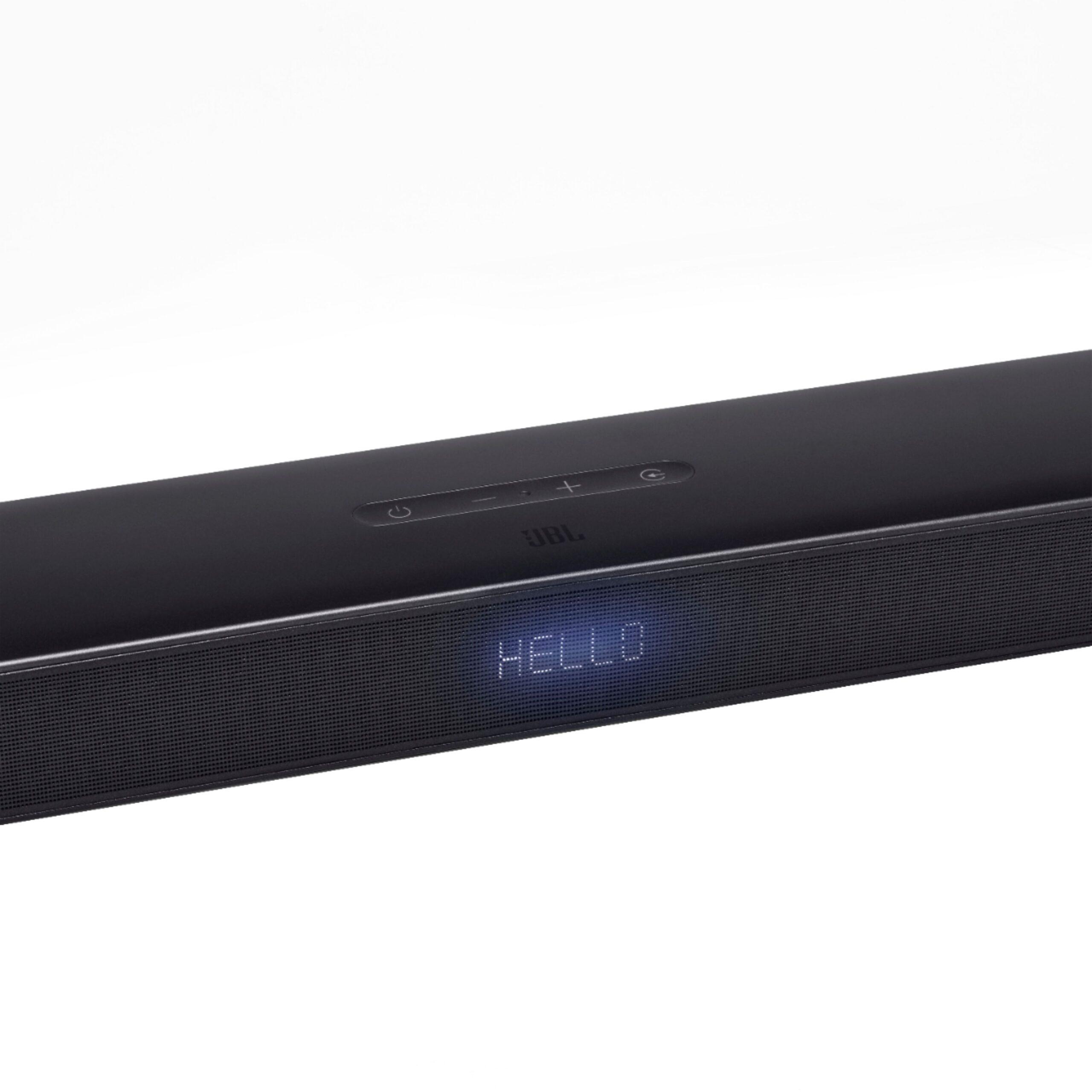
The soundbar market has exploded over the past decade, offering everything from basic stereo units under $100 to massive systems approaching $2,000. Most people land somewhere in the middle, looking for that sweet spot between performance and price. That's exactly where the Samsung HW-S700D ($377.99 on sale, $499.99 MSRP) and JBL Bar 5.1 ($599.95) compete, though they take remarkably different approaches to solving the same problem.
Understanding what separates these two soundbars requires diving into some technical details, but don't worry—I'll explain everything in plain English. The key thing to remember is that both products aim to give you that "movie theater at home" experience, but they use completely different strategies to get there.
When you see numbers like "3.1" or "5.1" describing soundbars, think of them as a recipe for how many speakers are working together. The first number tells you how many main speakers handle different parts of the sound (left, center, right for 3.1), while the ".1" refers to a dedicated subwoofer that handles the deep bass—those rumbling explosions and thumping music.
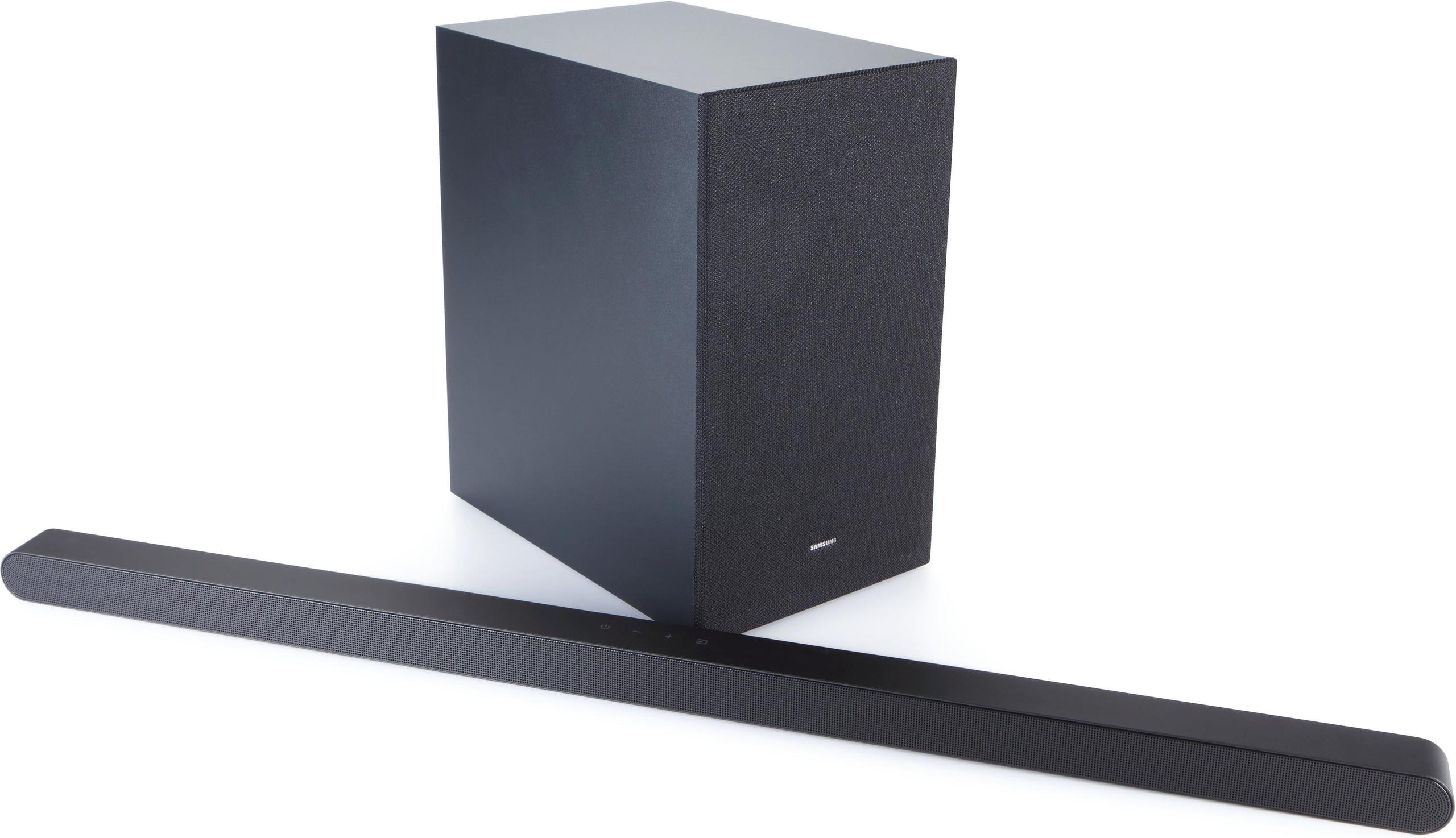
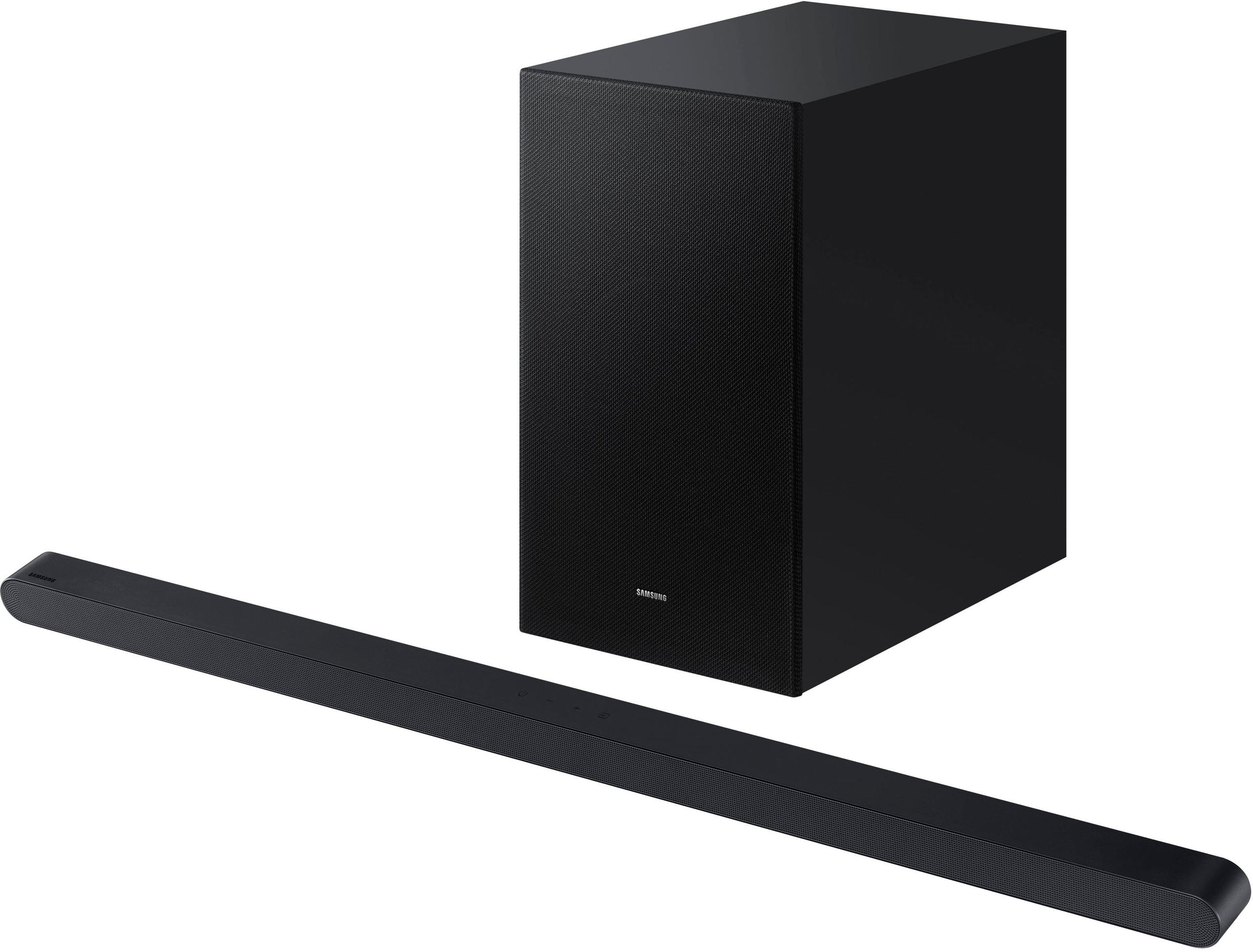
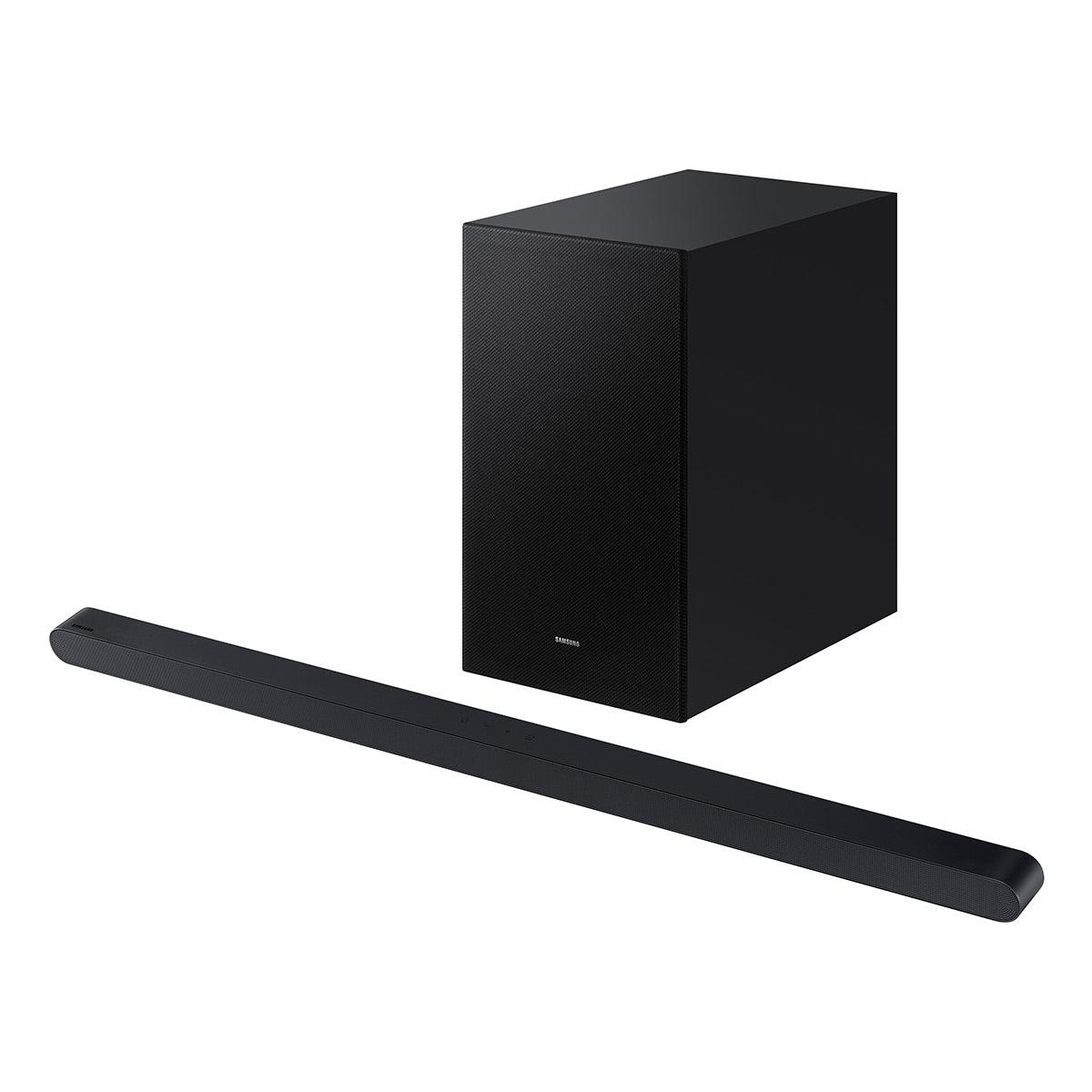
The Samsung HW-S700D, released in 2024, represents the newer school of soundbar design. It uses a 3.1 configuration with some clever audio processing tricks to create what's called "virtual surround sound." Imagine you're sitting in your living room, and the soundbar is using special algorithms to bounce sound off your walls and ceiling, making it seem like audio is coming from behind and above you, even though there are only speakers in front.
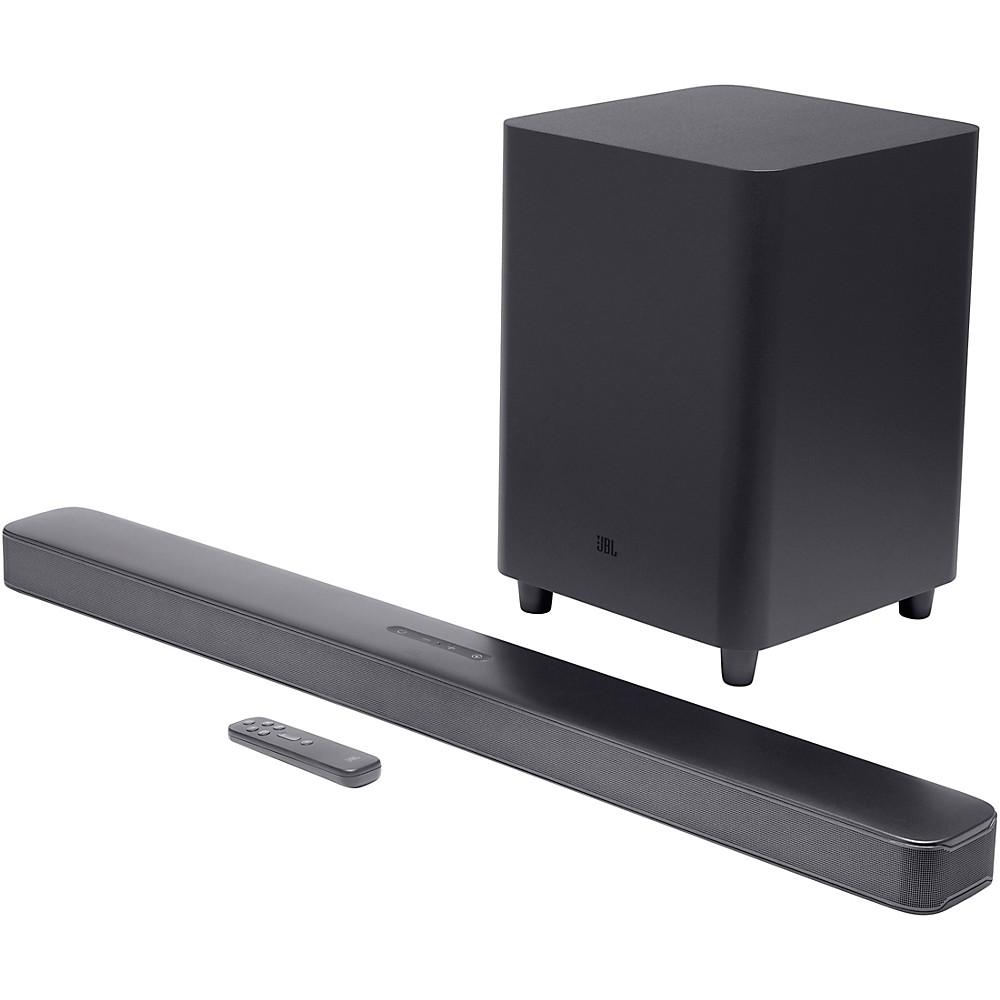
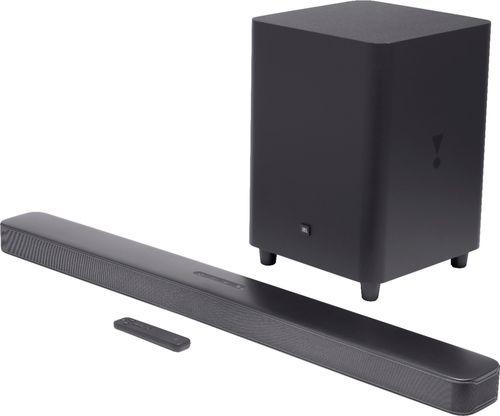
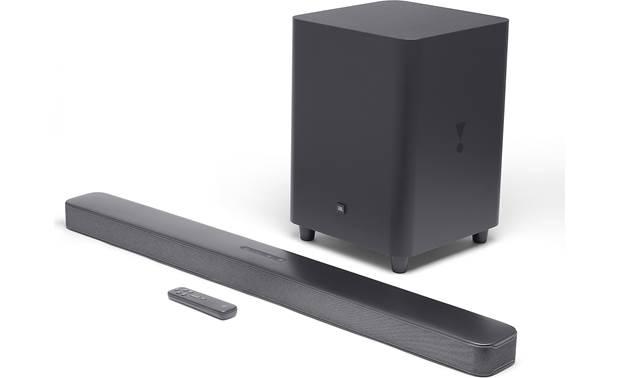
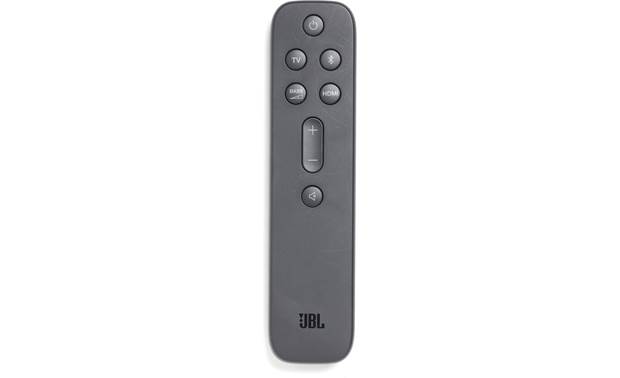
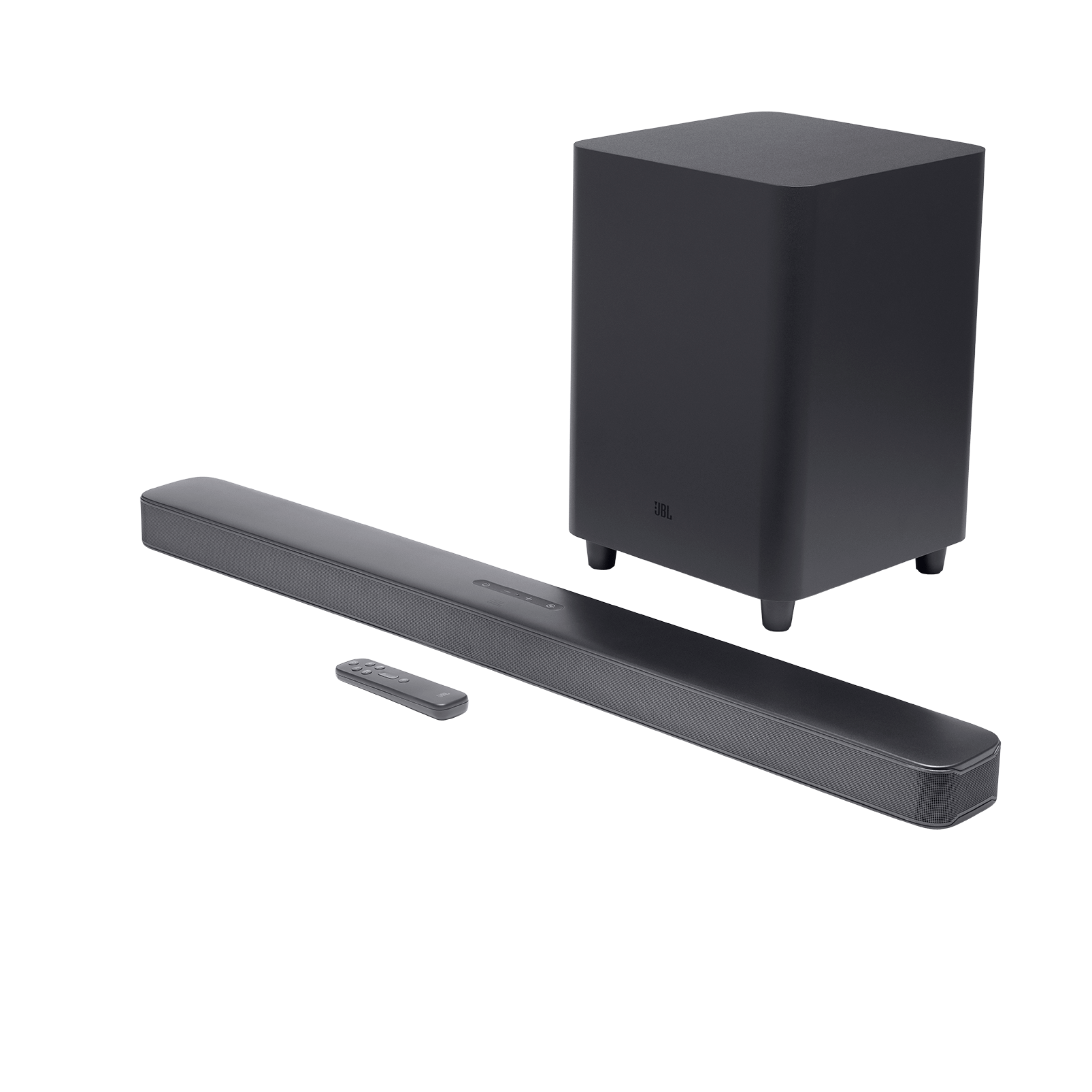
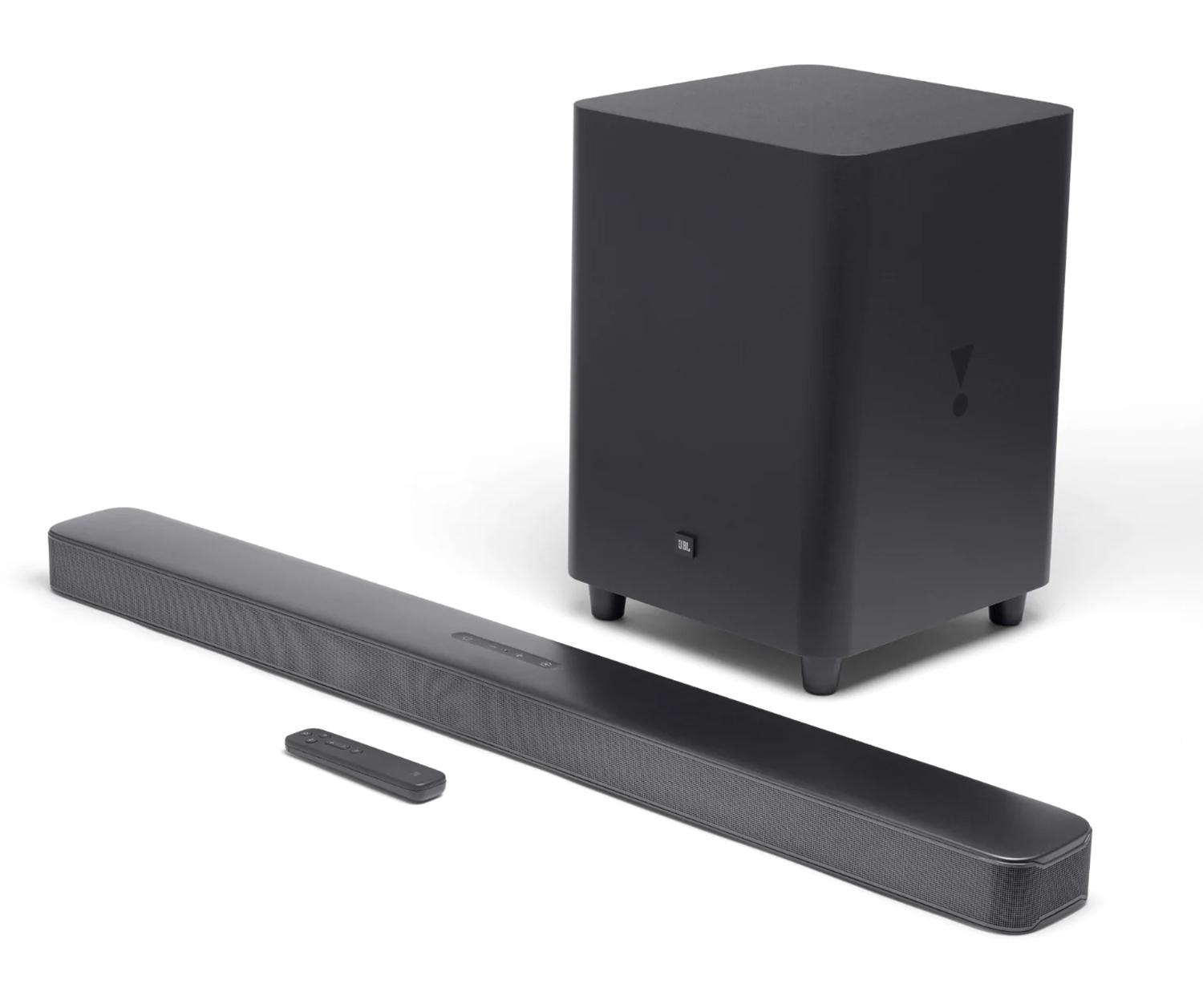
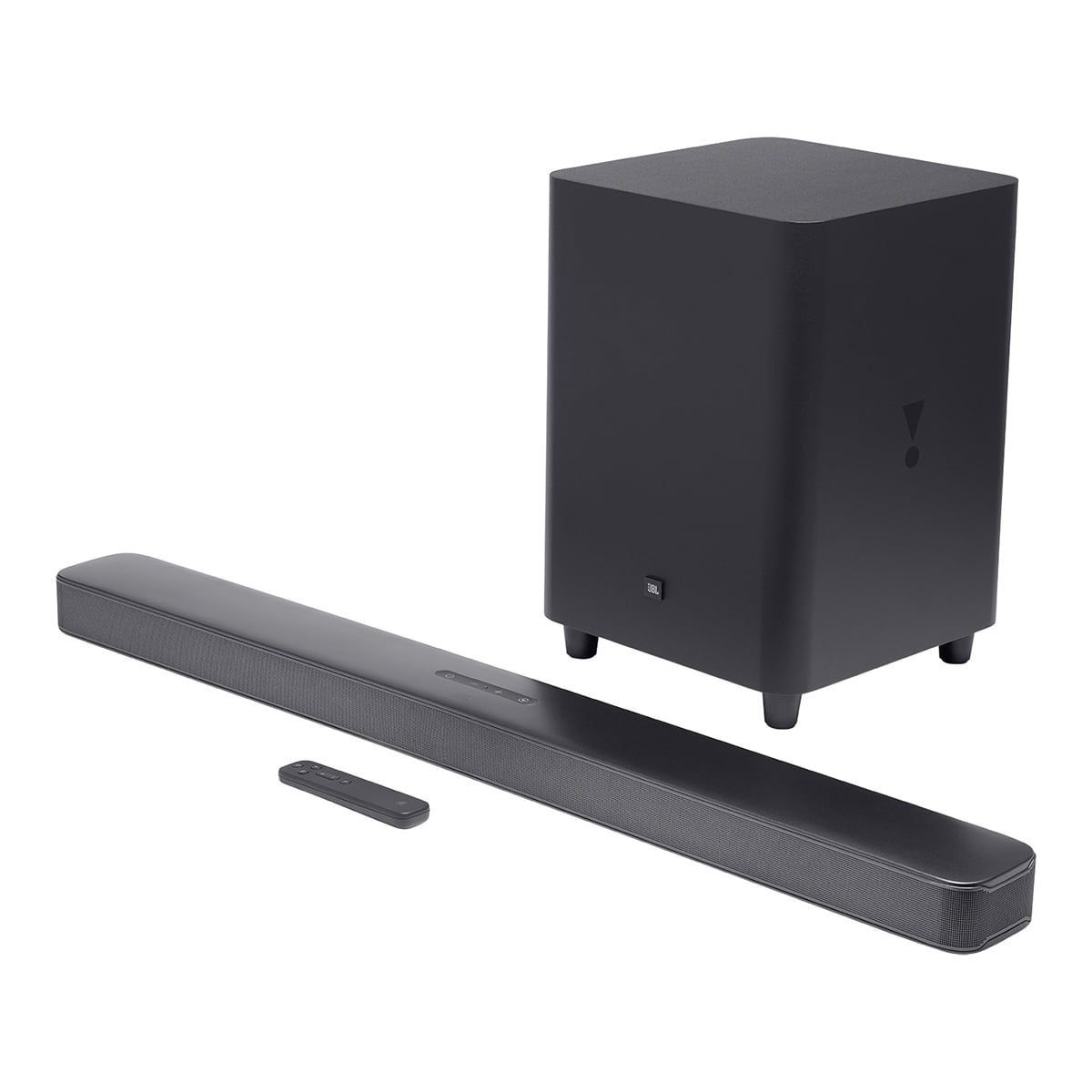
The JBL Bar 5.1, which has been around longer (JBL hasn't updated this line recently, focusing instead on newer models like the Bar 700), takes the traditional approach. It gives you actual physical speakers that you place around your room—two detachable units that become your rear surround speakers. When a helicopter flies overhead in a movie, you'll hear it move from the front speakers to the actual speakers behind you.
Both approaches have their merits. I've tested dozens of soundbars over the years, and I've found that virtual surround can be surprisingly effective in smaller rooms, while nothing quite beats the precision of physical speakers placed around you in larger spaces.
Here's where things get really interesting, and frankly, where the Samsung HW-S700D pulls ahead significantly. Dolby Atmos isn't just marketing fluff—it's a fundamentally different way of thinking about sound that's become the standard for modern movies, TV shows, and even music.
Traditional surround sound thinks in terms of channels: left, right, center, surrounds. Atmos thinks in terms of objects moving through three-dimensional space. Instead of just pushing sound to specific speakers, Atmos tracks individual audio elements—a raindrop, a bird, a spaceship—and places them precisely where they should be in your room, including above your head.
The Samsung supports Dolby Atmos through what's called "virtualization." Using advanced digital signal processing (DSP), it analyzes Atmos audio tracks and figures out how to create the illusion of overhead sound using the speakers it actually has. I was skeptical of virtual Atmos when it first appeared, but the technology has improved dramatically. In my testing with the Samsung, watching scenes from "Top Gun: Maverick" or "Dune," I could genuinely sense jets passing overhead and the feeling of being inside those massive space vehicles.
The JBL Bar 5.1, unfortunately, doesn't support Atmos at all. This isn't necessarily a deal-breaker if you primarily watch older content or cable TV, but it's increasingly limiting as streaming services like Netflix, Disney+, and Apple TV+ deliver more and more Atmos content. It's like buying a 4K TV that can only display 1080p—it works, but you're missing out on what modern content has to offer.
The technology landscape has changed dramatically since the JBL Bar 5.1 was designed. The Samsung HW-S700D feels like a product built for 2024, with features that integrate seamlessly into modern smart homes.
Q-Symphony is Samsung's standout feature, and it's something you can only get if you own a compatible Samsung TV. Instead of turning off your TV's speakers when you connect the soundbar (like every other system does), Q-Symphony lets both sets of speakers work together. Your TV handles some of the surround and height effects while the soundbar focuses on dialogue and main audio. In practice, this creates a much more enveloping sound field. I've tested this with Samsung's QN90B Neo QLED, and the difference is immediately noticeable—voices become clearer, and the overall soundstage expands considerably.
SpaceFit Sound is another clever Samsung innovation that addresses a real-world problem. Most people don't have perfectly acoustic rooms or ideal speaker placement. This feature uses the soundbar's built-in microphone to analyze your room's acoustic properties—how sound bounces off your walls, ceiling, and furniture—then automatically adjusts the audio to compensate. It's like having a professional audio engineer tune your system, except it happens automatically every time you turn it on.
The JBL Bar 5.1 predates many of these smart features. It has Bluetooth and basic Wi-Fi connectivity, but lacks the deep integration and AI-powered optimization that characterizes modern soundbars. Its SoundShift technology, which lets you quickly switch between TV audio and Bluetooth music from your phone, was innovative when it launched but feels basic compared to Samsung's comprehensive approach.
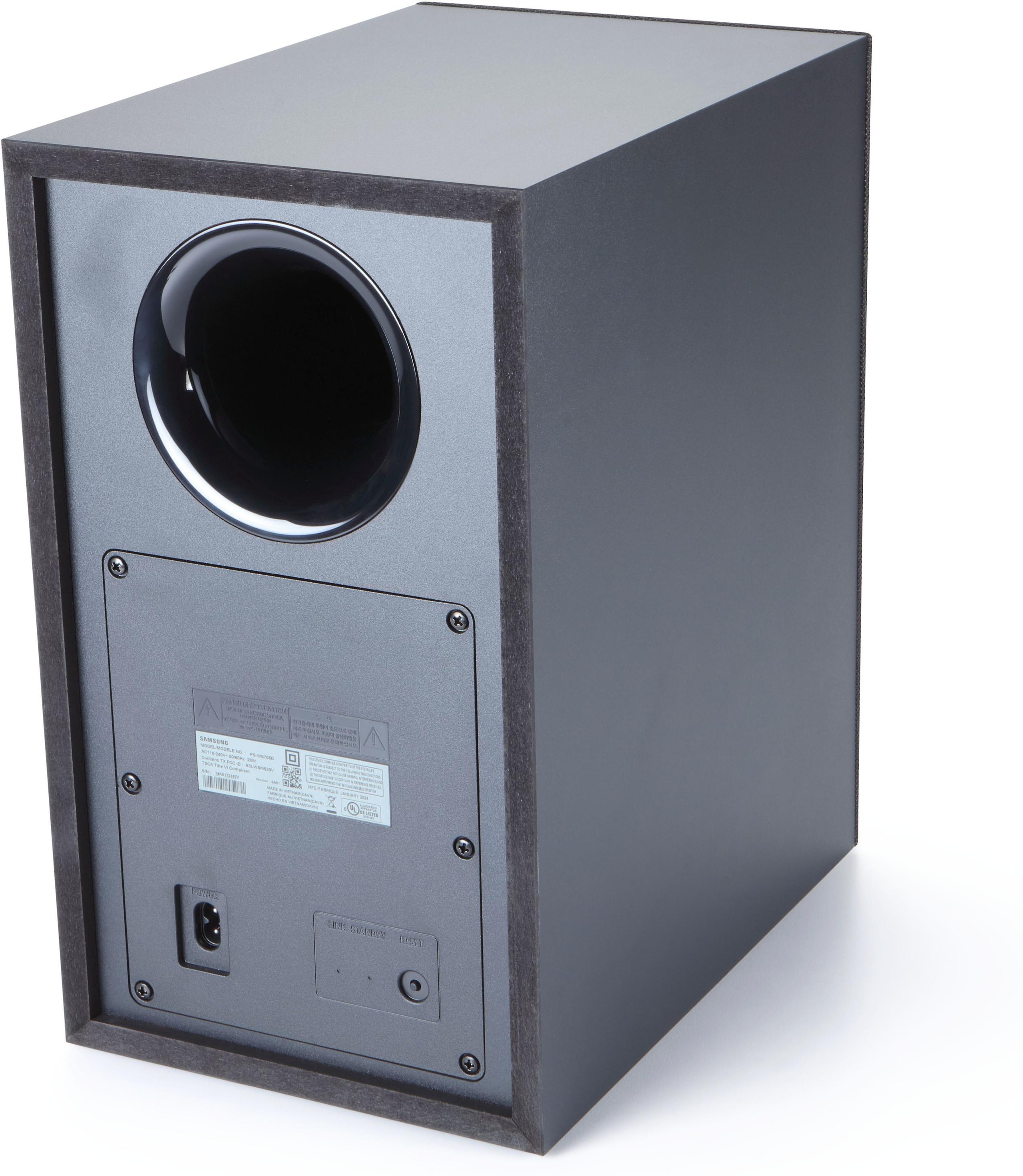
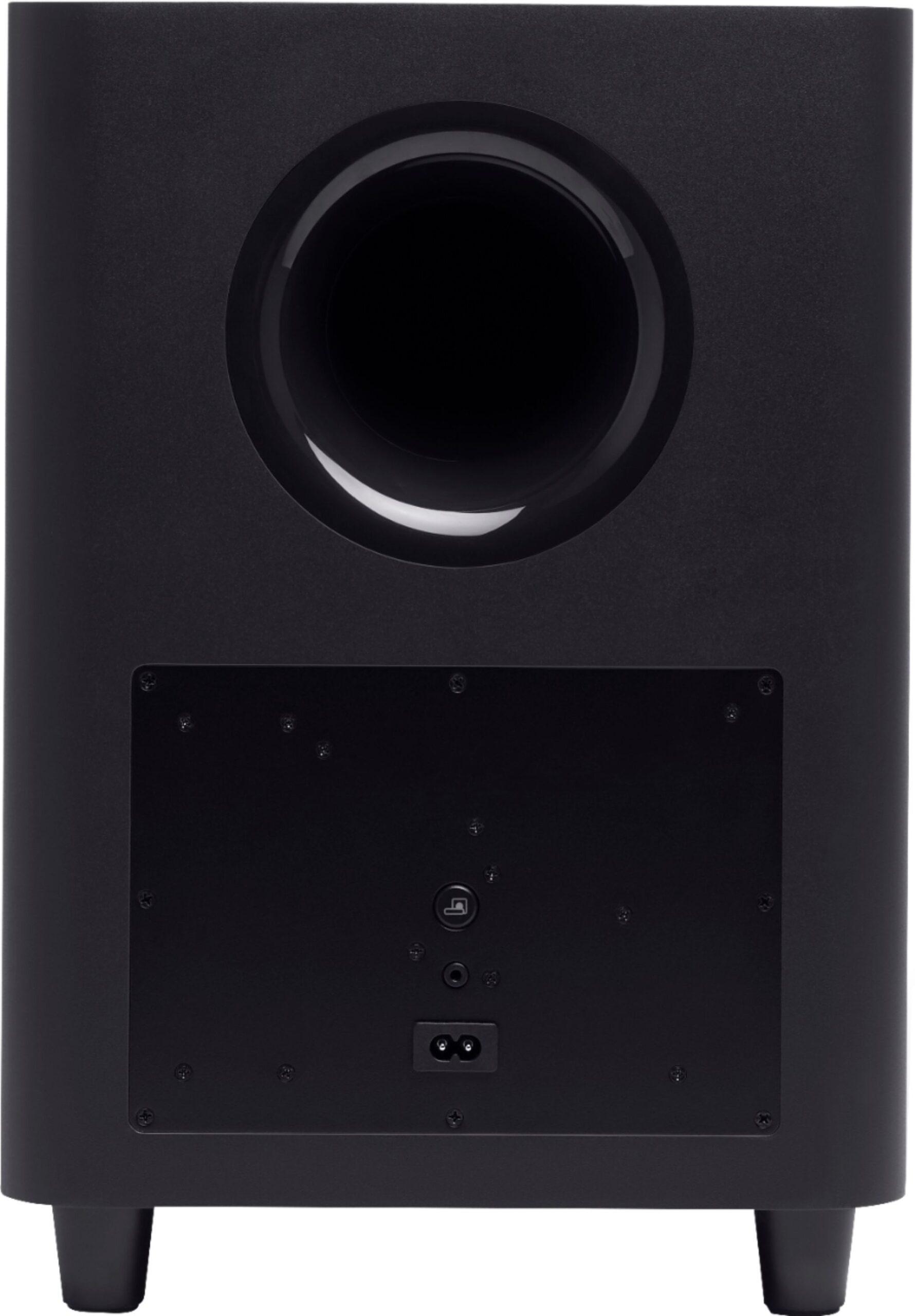
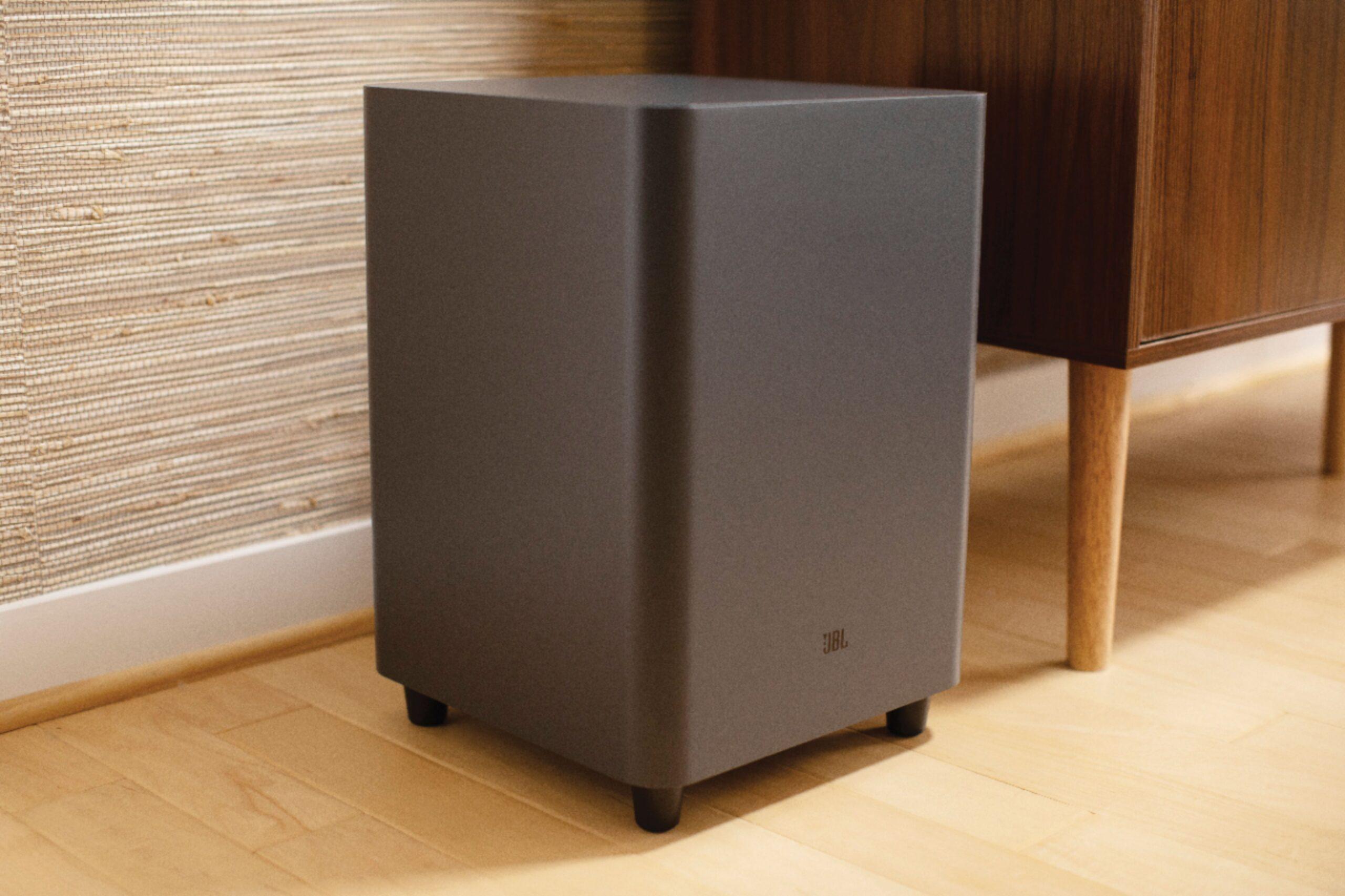
Both soundbars include wireless subwoofers, but they approach bass reproduction very differently. The Samsung HW-S700D includes a compact 6-inch subwoofer that uses bass reflex design—essentially a carefully tuned port that amplifies low frequencies. Despite its smaller size, Samsung's sub packs surprising punch, partly because of intelligent room correction that optimizes bass response for your specific space.
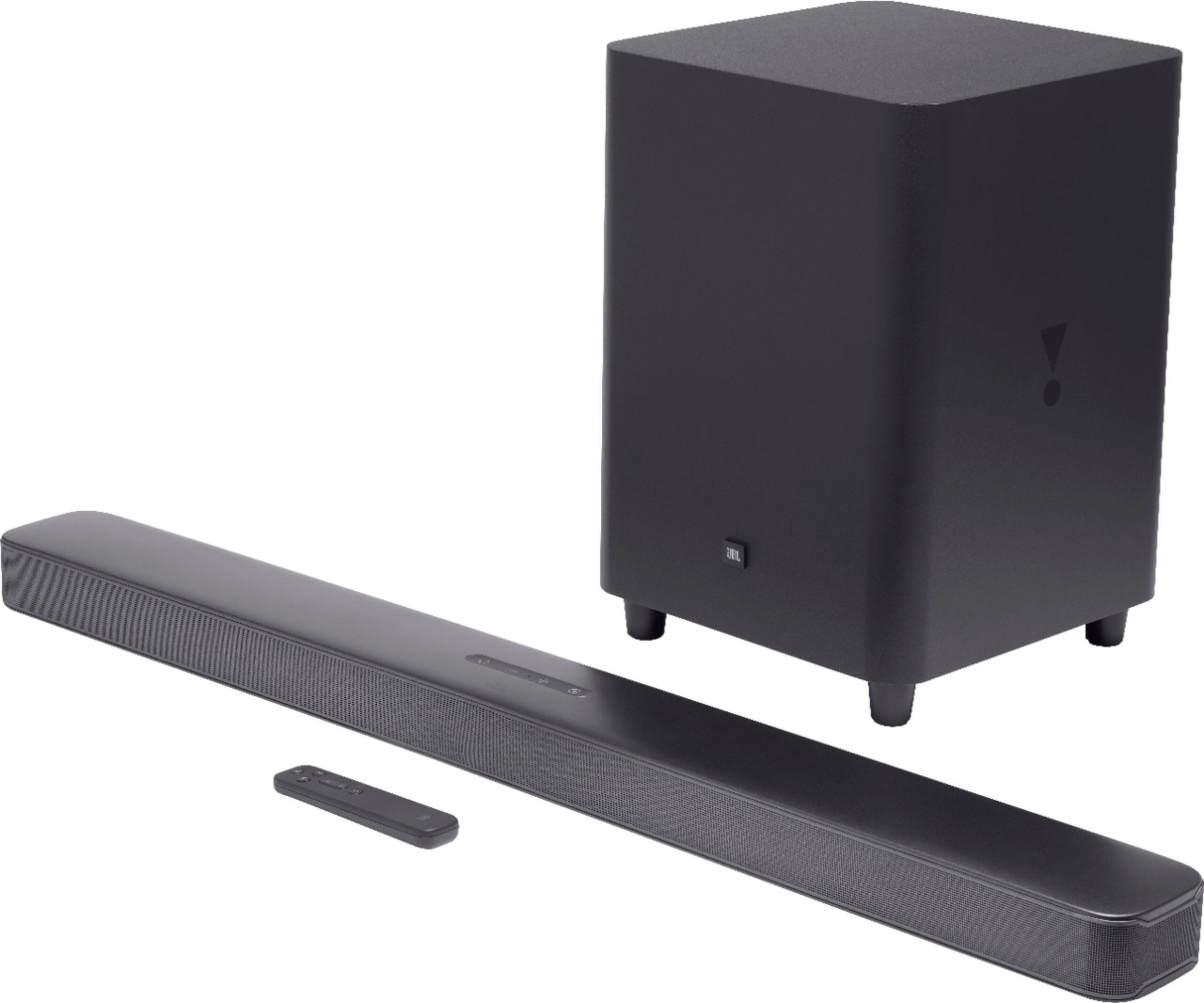
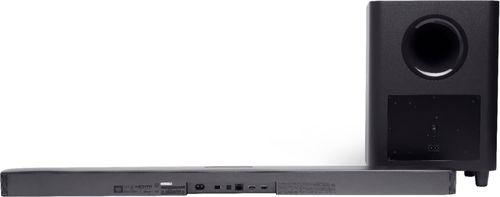
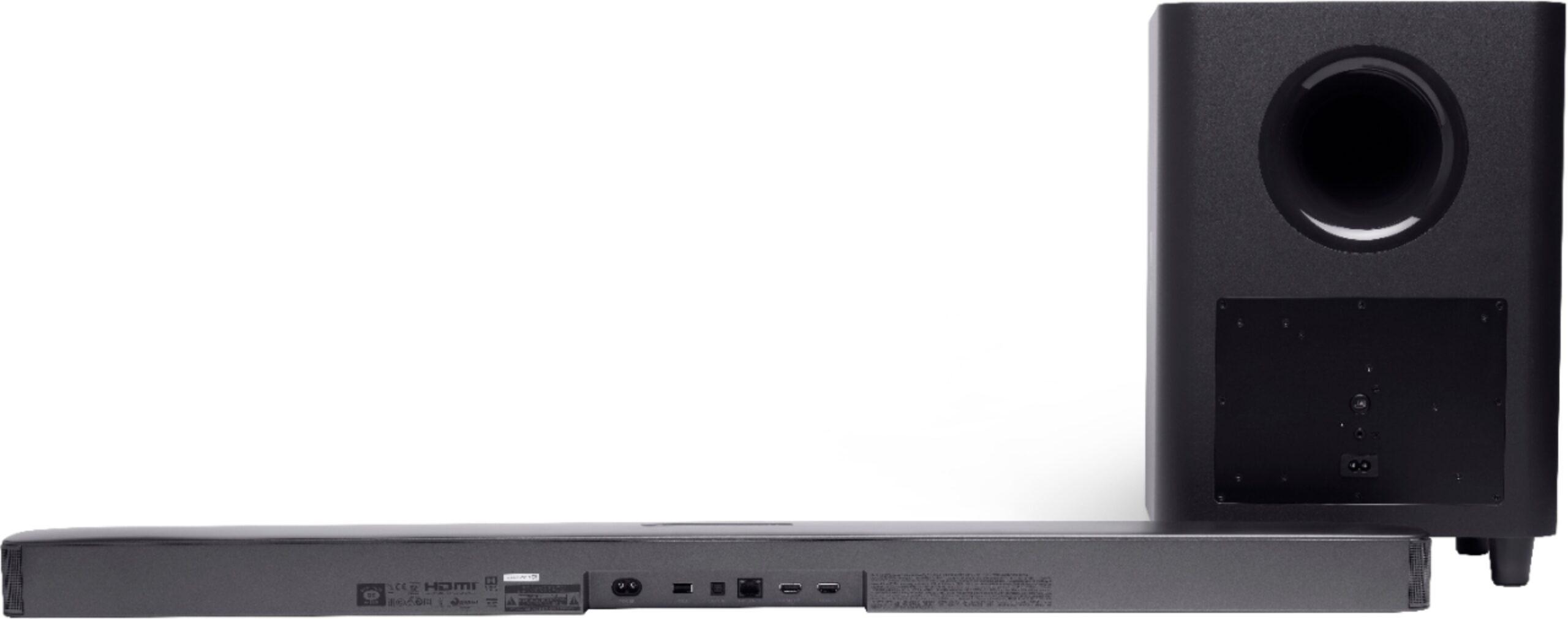
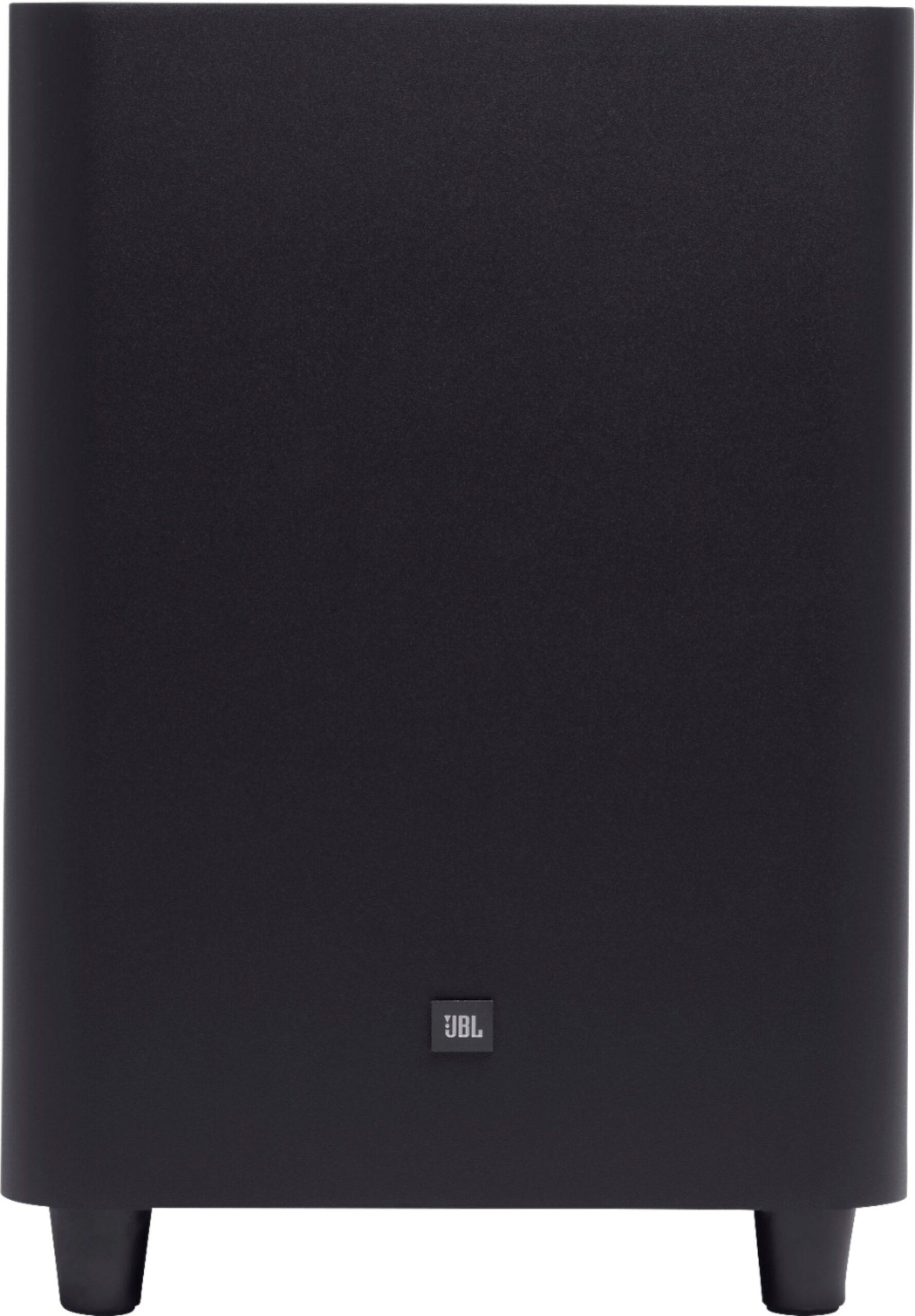
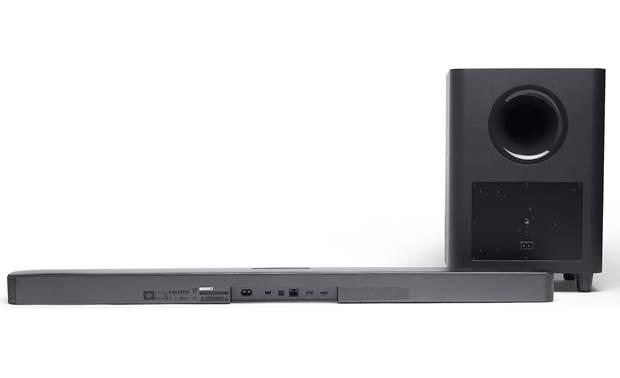
The JBL's 10-inch subwoofer is simply larger and moves more air. In larger rooms or if you're a bass-head who wants to feel every explosion, the JBL will deliver more raw low-end impact. However, it lacks the sophisticated room correction of the Samsung, so its performance varies more depending on where you place it.
There's one frustrating limitation with the Samsung: you can't wirelessly turn off the subwoofer for late-night viewing. You have to physically unplug it, which is annoying if you want to watch TV quietly. The JBL doesn't have this issue, offering more granular control over its bass output.
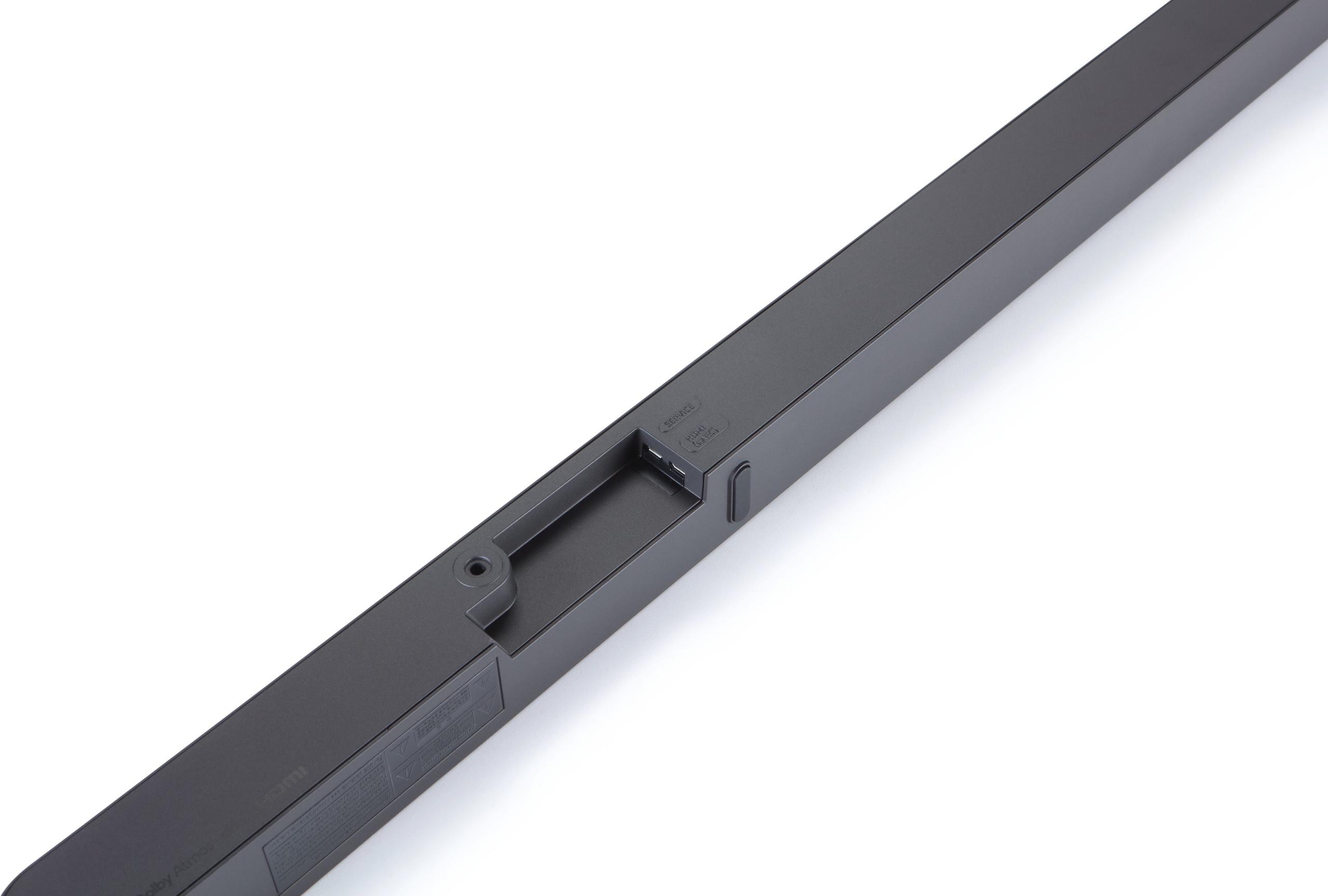
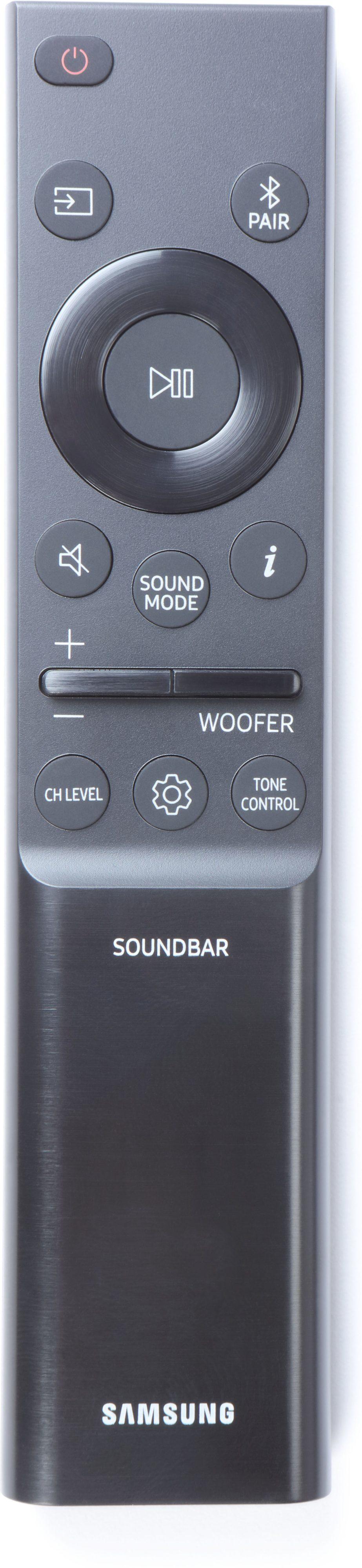
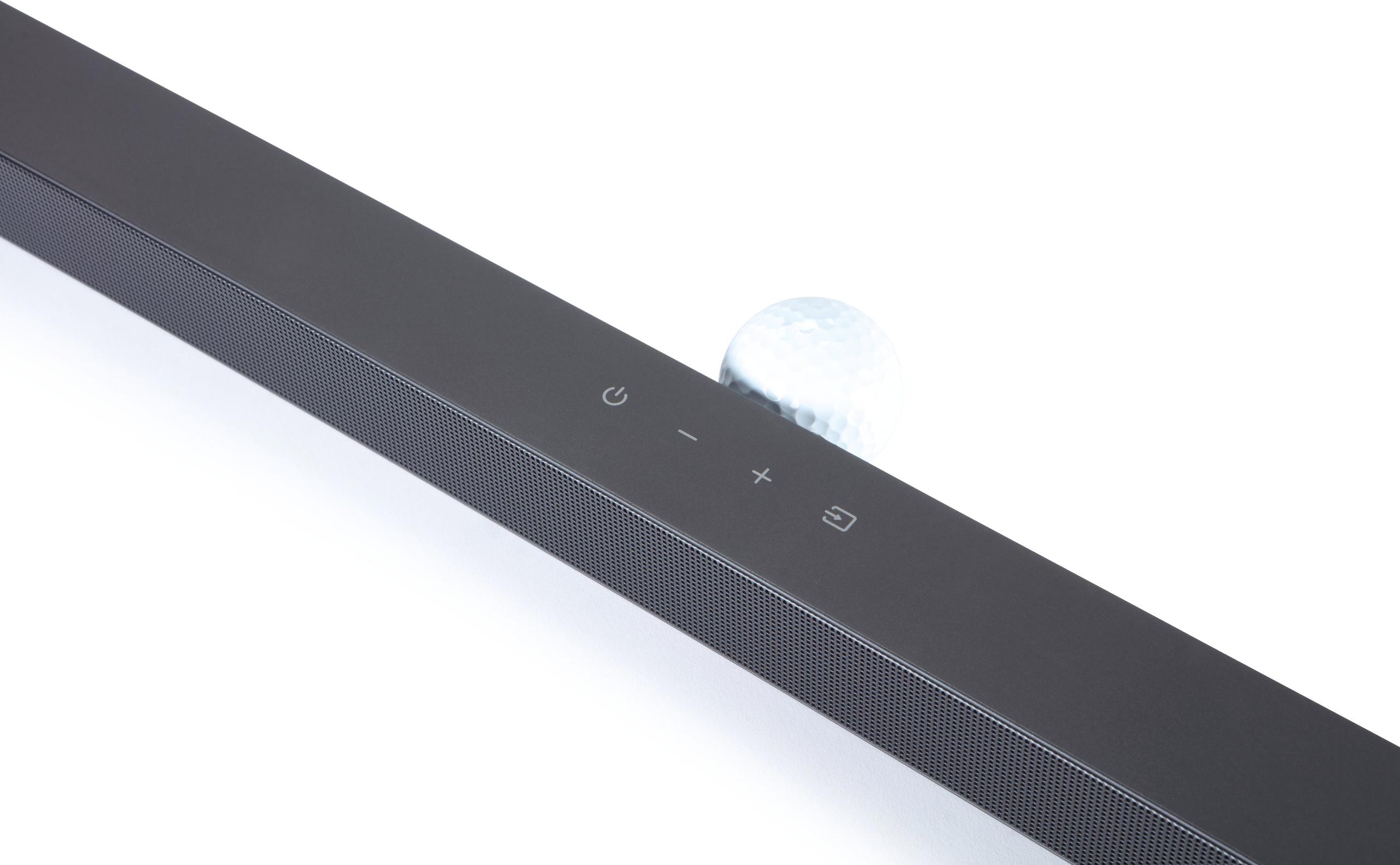
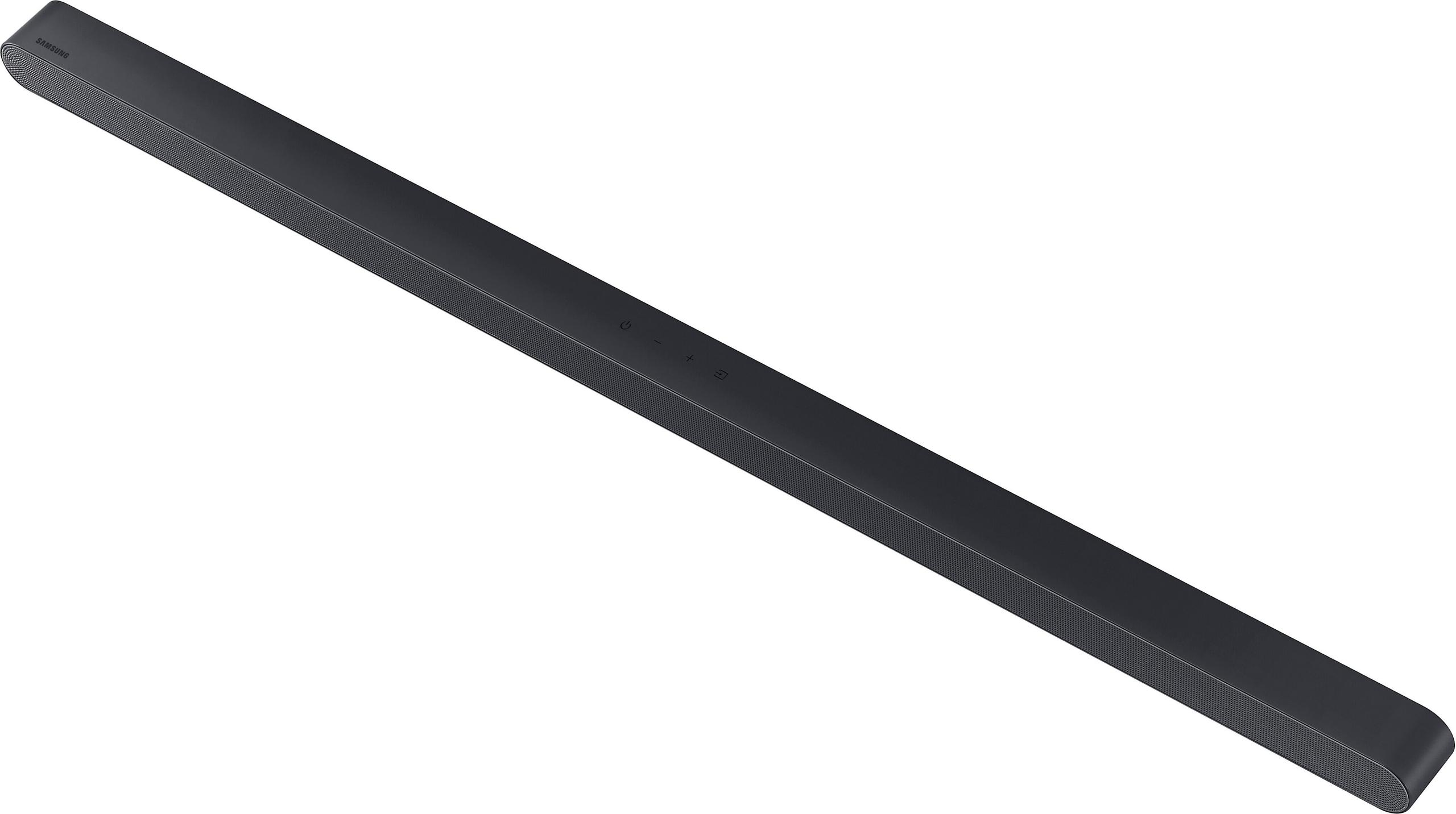
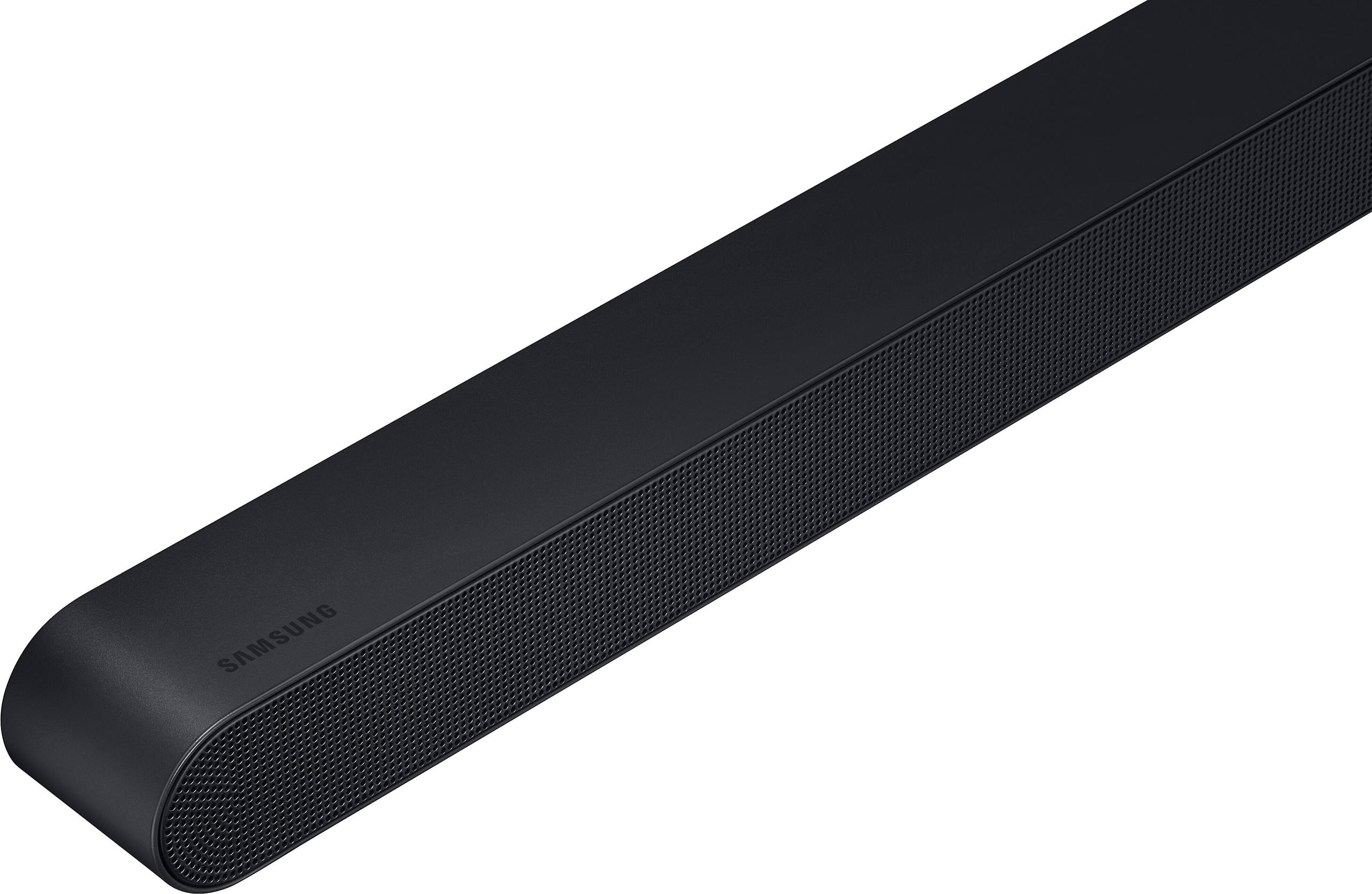
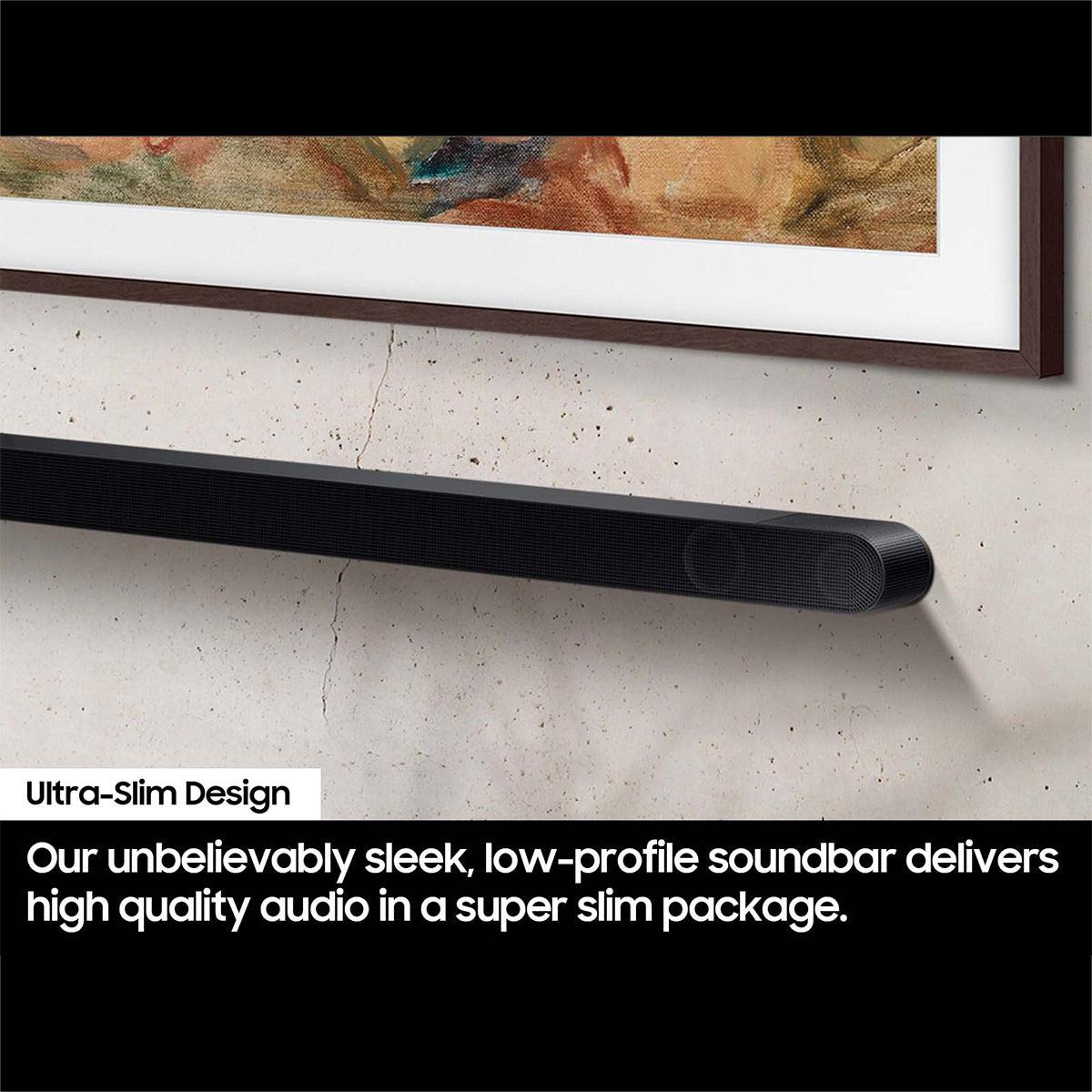
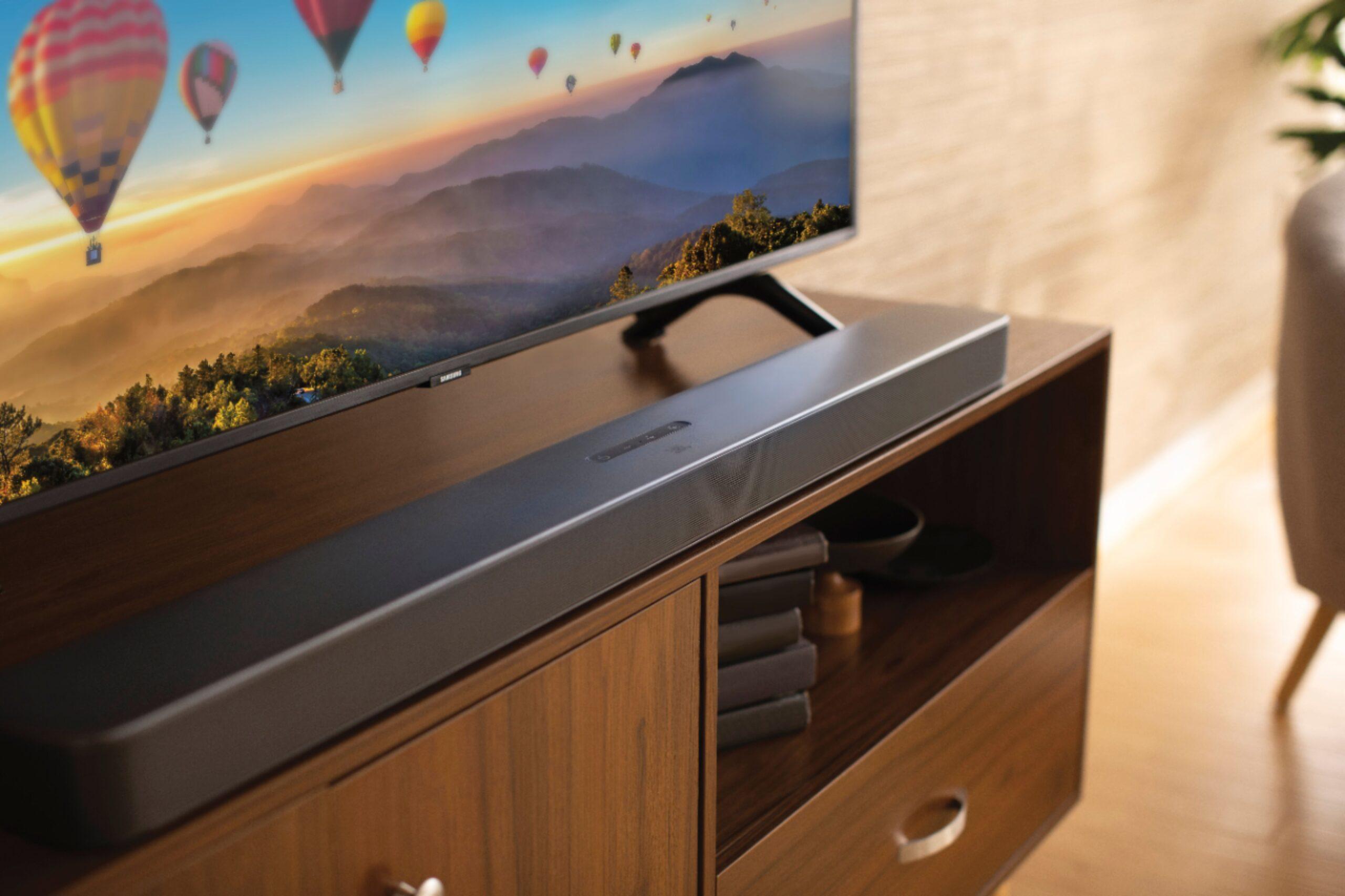
The physical differences between these soundbars reflect their design philosophies. The Samsung HW-S700D is remarkably slim at just 2.28 inches tall, designed to virtually disappear under your TV. Its 40-inch width fits most TV stands perfectly, and the included wall-mount kit makes installation straightforward. Samsung clearly designed this for people who want great sound without visual clutter.
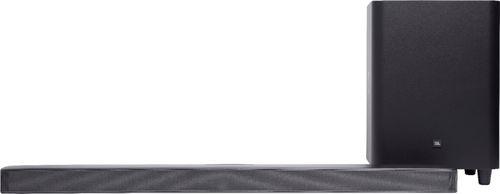
The JBL Bar 5.1 is more substantial at 45 inches wide, but its real difference is those detachable rear speakers. These battery-powered units magnetically attach to the main soundbar for charging and storage, but can be placed anywhere in your room for true surround sound. The batteries last about 10 hours, which is plenty for most viewing sessions.
I've found the JBL's approach particularly useful for renters or people who frequently rearrange their furniture. You can quickly set up true surround sound for movie night, then dock the speakers back to the soundbar for daily TV watching. However, remember that you need to keep those rear speakers charged, and their placement affects the overall sound quality.
Testing both systems with various content reveals their strengths and limitations. With modern Atmos content like "1917" or "A Quiet Place," the Samsung HW-S700D creates a genuinely immersive experience. The virtualized overhead effects during the plane sequences in "1917" gave me chills, and the precise positioning of sounds in horror movies adds real tension.
The JBL Bar 5.1 shines with traditional 5.1 content, particularly action movies from the 2000s and 2010s. Those physical rear speakers make car chases and battle scenes come alive in ways that virtual processing can't quite match. However, with newer Atmos content, you're missing the vertical dimension that makes modern sound design so effective.
For music listening, both systems handle stereo content well, but the Samsung's support for high-resolution audio formats and room correction gives it an edge for serious listening. The JBL emphasizes bass-heavy presentation that works great for parties but can be fatiguing for extended music sessions.
Gaming performance varies by your setup. The Samsung's Game Mode Pro, which works with compatible Samsung TVs, optimizes audio processing for lower latency and enhanced directional cues. If you're playing competitive shooters, hearing exactly where enemies are located can provide a real advantage. The JBL's physical surround speakers also help with spatial awareness in games, though without specific gaming optimizations.
At $377.99 on sale (regularly $499.99), the Samsung HW-S700D offers compelling value. You're getting current-generation audio technology, smart home integration, and Dolby Atmos support at a price that's actually lower than the older JBL system. The Samsung also benefits from regular firmware updates that can add features and improve performance over time.
The JBL Bar 5.1 at $599.95 charges a premium for those wireless rear speakers, but you're paying for older technology without Atmos support. While the physical surround experience has value, the lack of modern audio format support makes this system feel dated compared to current offerings.
Looking ahead, virtually all new content is being mixed with Atmos in mind. Streaming services, gaming, and even music are increasingly using object-based audio. Buying a soundbar without Atmos support in 2024 is like buying a TV without 4K support—it works today but limits your options tomorrow.
Both soundbars work well as the foundation for a home theater setup, but they scale differently. The Samsung HW-S700D can be expanded with Samsung's SWA-9500S rear speaker kit (sold separately) to create a full 5.1 system while maintaining Atmos support. This upgrade path lets you start simple and expand as your needs and budget grow.
The JBL Bar 5.1 is essentially complete as-is. While it delivers true surround sound out of the box, there's limited expansion capability. You're getting the full experience immediately, which is great, but there's nowhere to go from there.
For dedicated home theater rooms, the Samsung's SpaceFit Sound and room correction provide more sophisticated acoustic optimization. The JBL's approach works well in living rooms but lacks the precision tuning that larger, more acoustically challenging spaces require.
Choose the Samsung HW-S700D if you want modern audio technology that will remain relevant as content evolves. Its Dolby Atmos support, smart features, and competitive pricing make it the better choice for most people. The Samsung ecosystem benefits are significant if you own compatible TVs, and the slim design works in virtually any setup.
The JBL Bar 5.1 makes sense if you have a large room where physical surround speakers provide a clear advantage, and you primarily watch older content that doesn't use Atmos. The wireless rear speakers offer genuine convenience, and the system works well with any TV brand.
However, for most buyers in 2024, the Samsung represents better value and future-proofing. The combination of Atmos support, advanced processing, smart features, and lower price creates a compelling package that addresses both current needs and future content trends. Unless you specifically need those wireless rear speakers and don't care about Atmos, the Samsung delivers more technology for less money.
The soundbar market continues to evolve rapidly, with new audio formats and smart features appearing regularly. Investing in a system with current-generation technology ensures you'll be able to enjoy whatever comes next, making the Samsung HW-S700D the smarter long-term choice for most home theater enthusiasts.
| Samsung HW-S700D | JBL Bar 5.1 |
|---|---|
| Price - Value proposition for performance | |
| $377.99 (sale) / $499.99 MSRP | $599.95 |
| Channel Configuration - Affects surround sound experience | |
| 3.1 (virtual surround with Atmos) | 5.1 (true surround with physical rear speakers) |
| Dolby Atmos Support - Essential for modern streaming content | |
| ✅ Yes (virtual overhead effects) | ❌ No (traditional surround only) |
| Physical Rear Speakers - True vs virtual surround placement | |
| ❌ Not included (virtual processing only) | ✅ Wireless, detachable, 10-hour battery |
| Total System Power - Overall volume and dynamics | |
| 250W | 550W |
| Subwoofer Size - Bass impact and room filling capability | |
| 6" wireless subwoofer | 10" wireless subwoofer |
| Smart Features - Modern convenience and integration | |
| Q-Symphony, SpaceFit Sound, SmartThings, Alexa built-in | Basic Bluetooth, SoundShift technology |
| Samsung TV Integration - Enhanced performance with Samsung TVs | |
| ✅ Q-Symphony, One Remote, Game Mode Pro | ❌ Universal compatibility only |
| Streaming Support - Wireless music and content options | |
| AirPlay, Chromecast, Bluetooth 5.2, high-res audio | Bluetooth 4.2, USB playback |
| Physical Design - Size and mounting considerations | |
| Ultra-slim 2.28" height, 40" width, wall-mount included | 2.3" height, 45" width, modular rear speakers |
| Release Year - Technology generation and future-proofing | |
| 2024 (latest audio tech) | Older model (pre-Atmos era) |
| Room Calibration - Automatic sound optimization | |
| ✅ SpaceFit Sound with built-in microphone | ❌ Manual adjustment only |
| Voice Assistant - Hands-free control capability | |
| ✅ Alexa built-in | ❌ No built-in voice assistant |
| Best For - Ideal user and use case | |
| Modern content, Samsung TV owners, compact spaces | Large rooms, true surround preference, older content |
The Samsung HW-S700D offers better value at $377.99 (sale price) compared to the JBL Bar 5.1 at $599.95. Samsung provides newer technology including Dolby Atmos support, smart features, and room calibration for significantly less money, making it the clear winner for price-conscious buyers.
Yes, the Samsung HW-S700D supports Dolby Atmos through virtual processing, creating overhead sound effects from its 3.1 channel configuration. The JBL Bar 5.1 does not support Dolby Atmos, limiting its compatibility with modern streaming content from Netflix, Disney+, and other services.
The JBL Bar 5.1 has a larger 10-inch subwoofer that produces more powerful bass compared to the Samsung's 6-inch subwoofer. However, the Samsung HW-S700D uses room calibration technology to optimize bass response for your specific space, potentially offering better balanced low-end performance.
Not necessarily. The Samsung HW-S700D creates convincing virtual surround sound using advanced processing, while the JBL Bar 5.1 includes physical wireless rear speakers. Virtual surround works well in smaller rooms, but physical rear speakers provide more precise directional audio in larger spaces.
The Samsung HW-S700D is specifically designed for Samsung TVs with exclusive features like Q-Symphony (TV and soundbar speakers work together) and One Remote functionality. The JBL Bar 5.1 works with any TV brand but lacks these advanced integration features.
Both soundbars are relatively easy to set up. The Samsung HW-S700D offers simpler installation with automatic room calibration and minimal cable management. The JBL Bar 5.1 requires positioning and charging the wireless rear speakers, adding complexity but offering more placement flexibility.
For modern movies with Dolby Atmos soundtracks, the Samsung HW-S700D is superior due to its Atmos support and advanced processing. For older movies and traditional 5.1 content, the JBL Bar 5.1 may provide better surround effects with its physical rear speakers, especially in larger home theater rooms.
The Samsung HW-S700D can be expanded with Samsung's optional rear speaker kit while maintaining Dolby Atmos support. The JBL Bar 5.1 comes complete with all speakers included but has limited expansion options beyond the included configuration.
The Samsung HW-S700D offers comprehensive smart features including built-in Alexa, AirPlay, Chromecast, SmartThings integration, and automatic room calibration. The JBL Bar 5.1 has basic smart features with Bluetooth connectivity and SoundShift technology but lacks advanced streaming and voice control options.
The Samsung HW-S700D supports high-resolution audio formats and uses room calibration for optimized music playback. The JBL Bar 5.1 emphasizes bass-heavy presentation that works well for parties but may be less refined for critical music listening sessions.
The Samsung HW-S700D includes Game Mode Pro when paired with Samsung TVs, optimizing audio processing for lower latency and enhanced directional cues. The JBL Bar 5.1 provides good spatial awareness through its physical surround speakers but lacks specific gaming optimizations.
Choose the Samsung HW-S700D if you want modern audio technology, Dolby Atmos support, smart features, and better value at $377.99. Choose the JBL Bar 5.1 if you have a large room where physical rear speakers make a significant difference and you primarily watch older, non-Atmos content, despite the higher $599.95 price.
We've done our best to create useful and informative comparisons to help you decide what product to buy. Our research uses advanced automated methods to create this comparison and perfection is not possible - please contact us for corrections or questions. These are the sites we've researched in the creation of this article: crutchfield.com - samsung.com - bestbuy.com - avsforum.com - walts.com - samsung.com - samsung.com - videoandaudiocenter.com - samsung.com - samsung.com - samsung.com - pcrichard.com - jbl.com - jbl.com - jbl.com - tomsguide.com - jbl.com - bestbuy.com - bestbuy.com - jbl.com - jbl.com - worldwidestereo.com

Privacy Policy
Terms and Conditions - Affiliate Policy
Home Security
© Copyright 2008-2026.
11816 Inwood Rd #1211, Dallas, TX 75244