




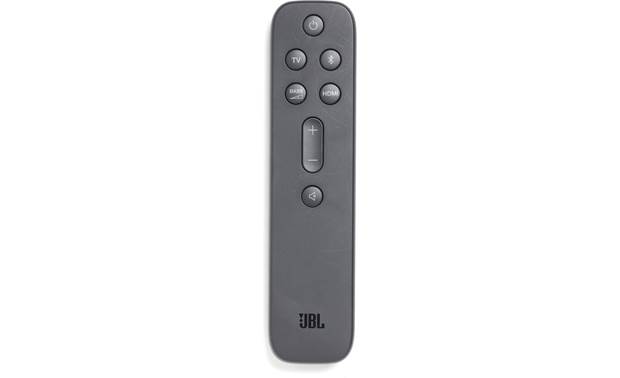
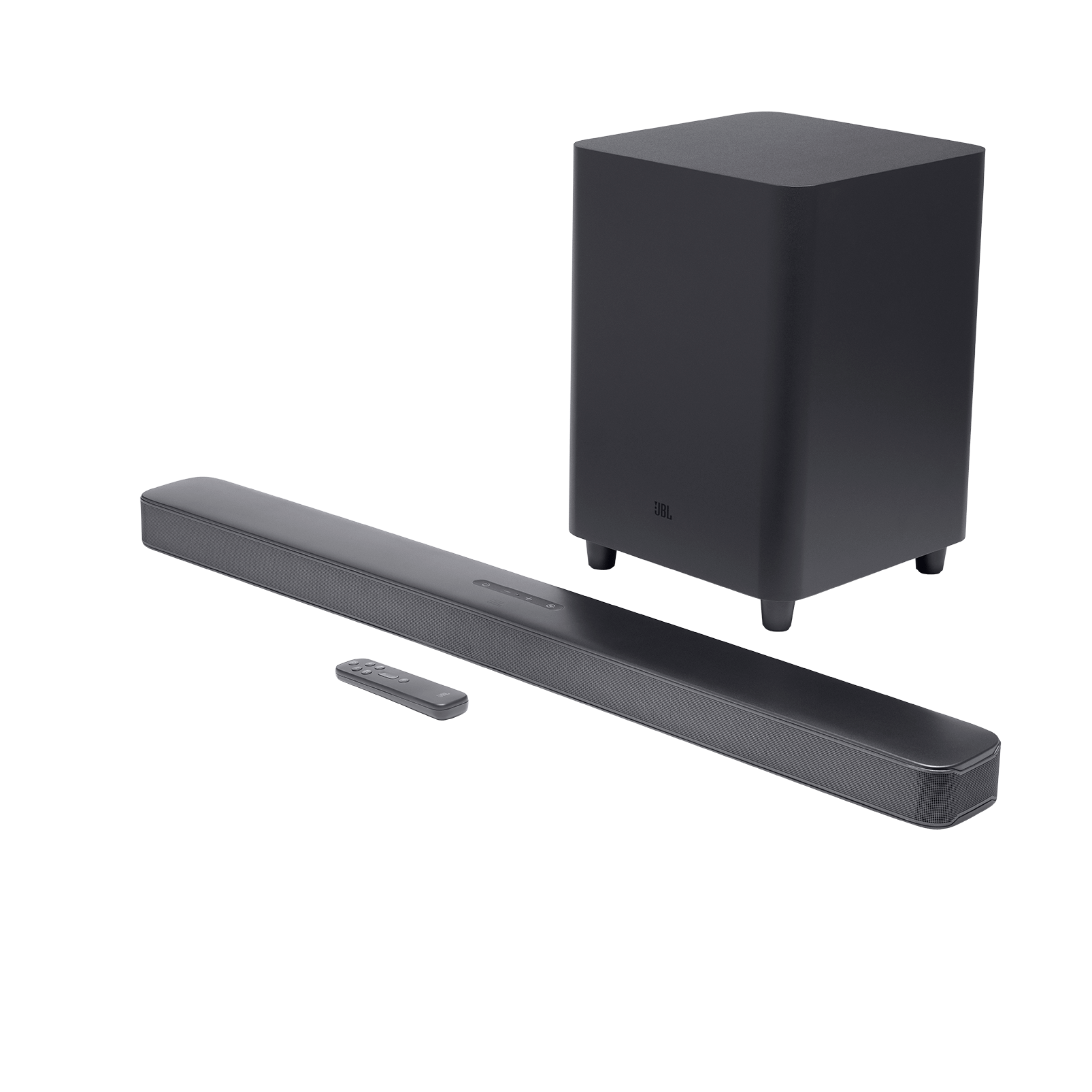
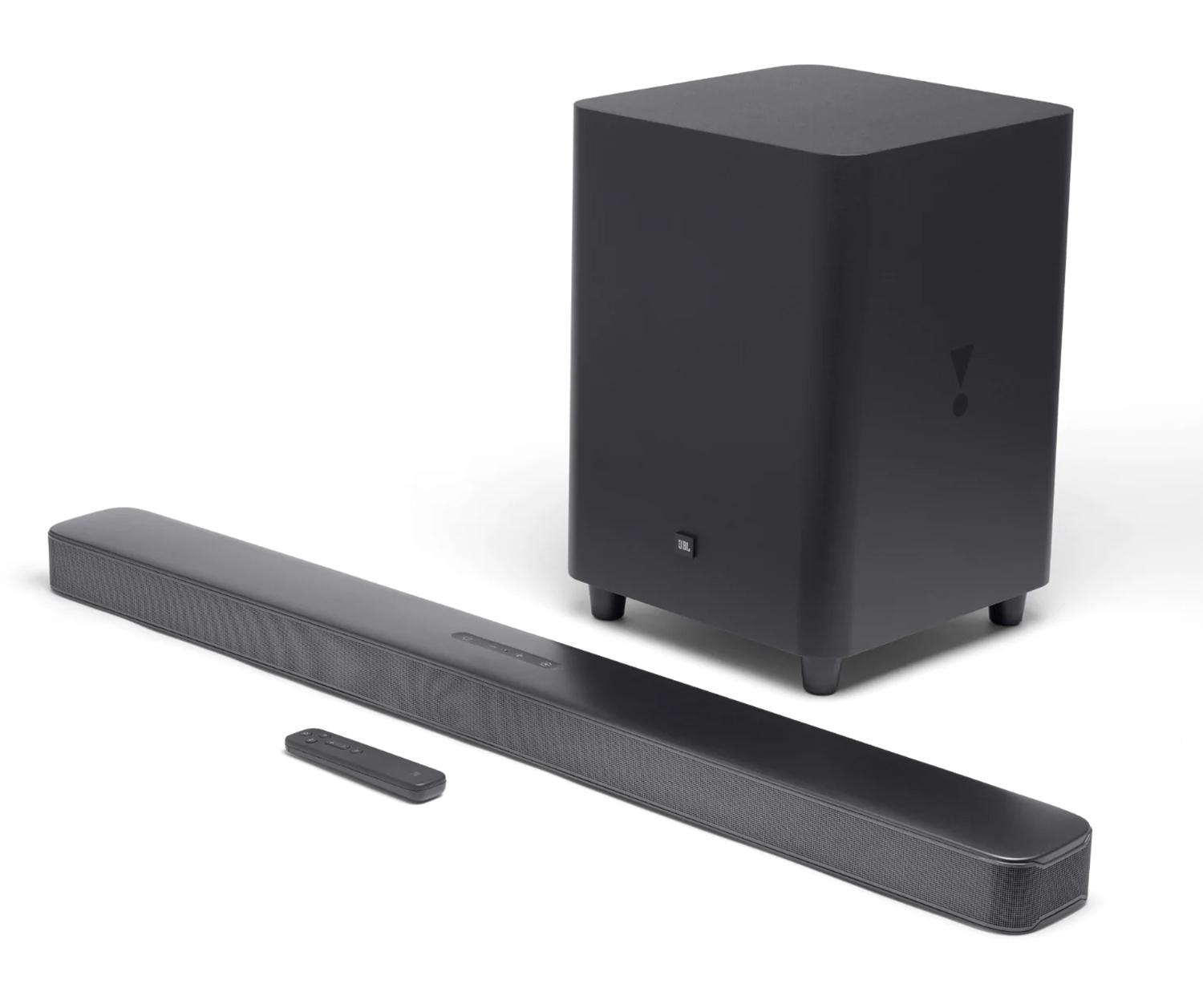
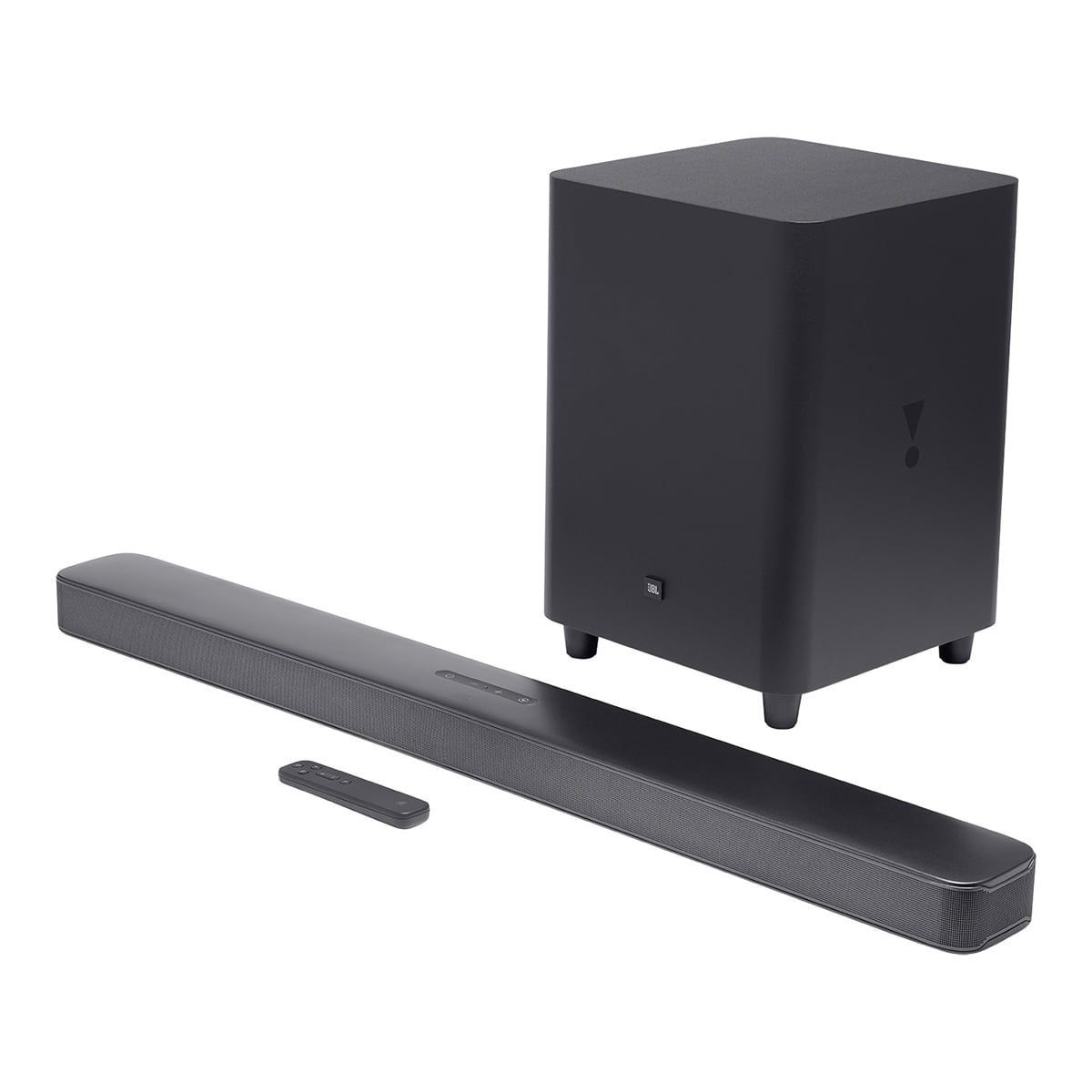
Shopping for a 5.1 soundbar can feel overwhelming, especially when you're trying to balance performance with budget. After testing dozens of soundbars over the years, I've found that the LG S60TR ($299.99) and JBL Bar 5.1 ($599.95) represent two distinctly different approaches to home theater audio. One prioritizes authentic surround sound at an incredible price point, while the other focuses on premium audio processing and versatility.
Before diving into specifics, let's clarify what you're actually getting with a 5.1 system. The "5.1" refers to six separate audio channels: left, center, and right speakers across the front, two surround speakers behind you, plus a dedicated subwoofer (the ".1") for bass frequencies below 80Hz. This configuration matches how movie soundtracks are mixed in theaters, creating that immersive experience where helicopters fly overhead and footsteps echo from behind.
The challenge with soundbars is delivering true 5.1 sound in a simplified package. Traditional home theater setups require running speaker wires throughout your room and positioning five separate speakers plus a subwoofer. Soundbars attempt to recreate this experience with fewer components and easier installation.
When evaluating 5.1 soundbars, I focus on several key factors: whether the rear surround effect is created by actual speakers or digital processing (called "virtual surround"), how well the system handles different types of content, the quality of bass reproduction, and whether the price matches the performance delivered.
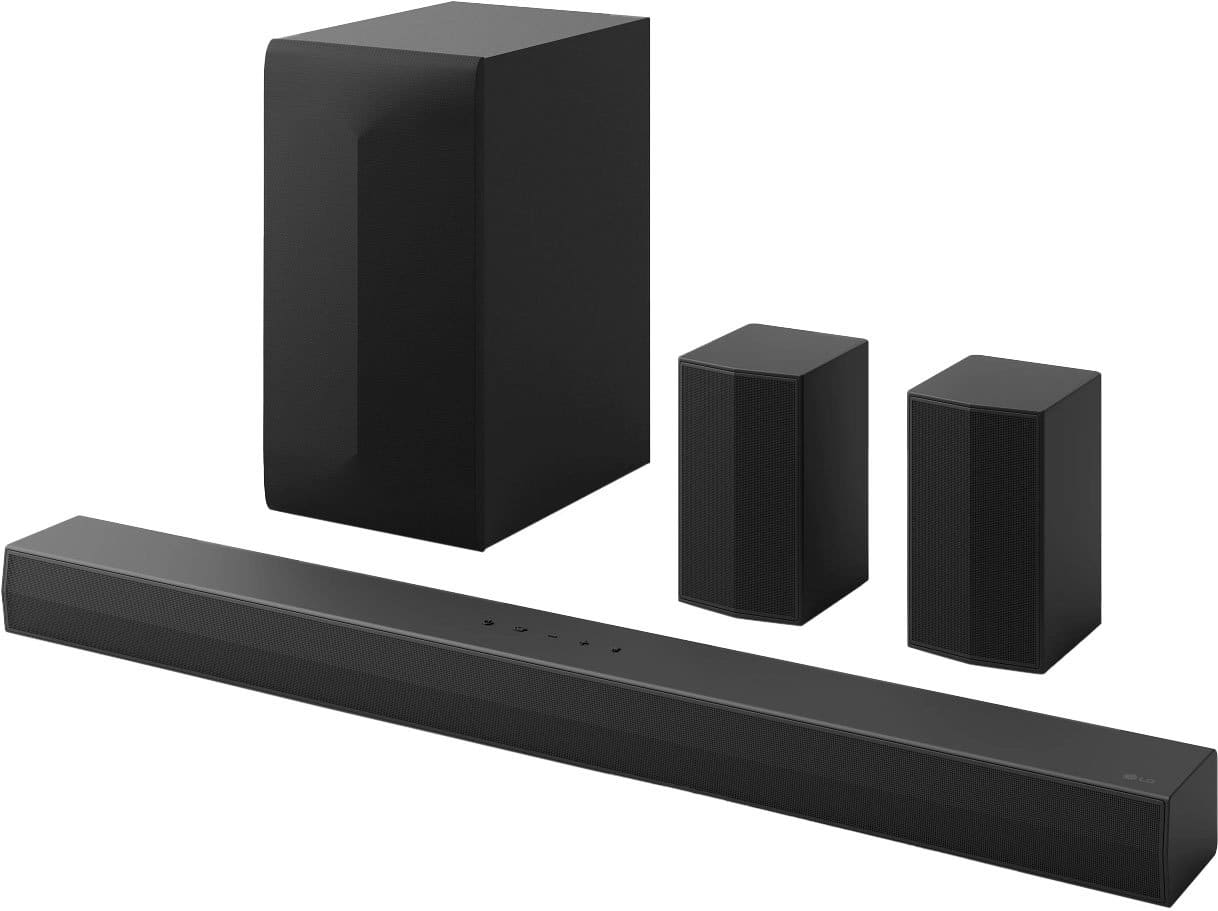
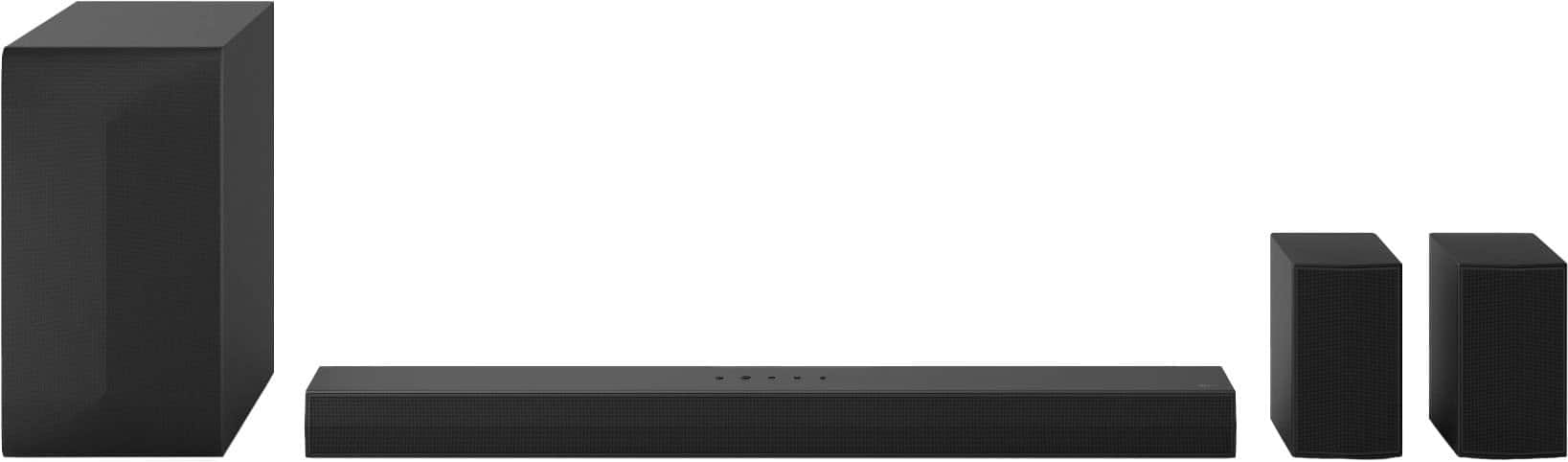
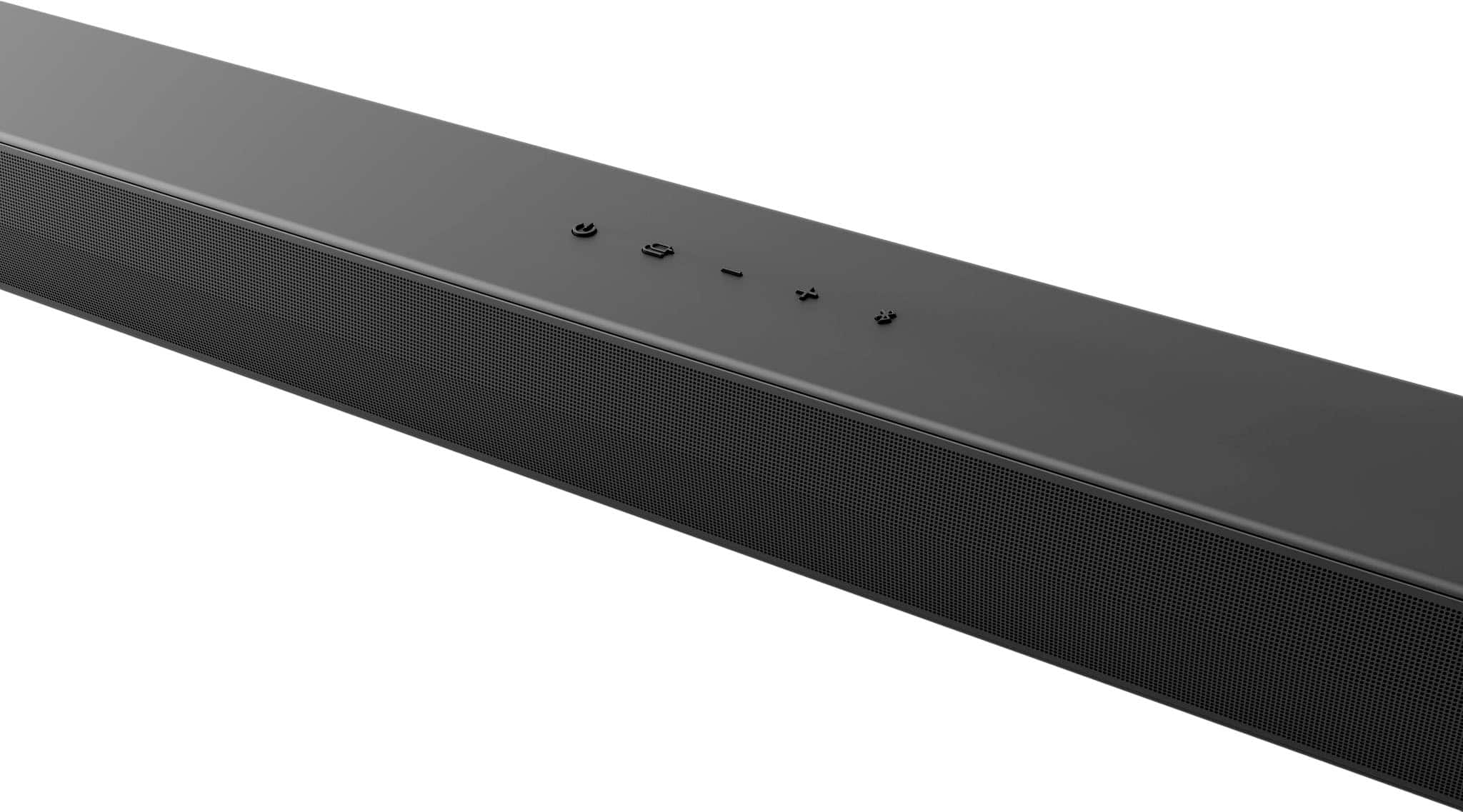
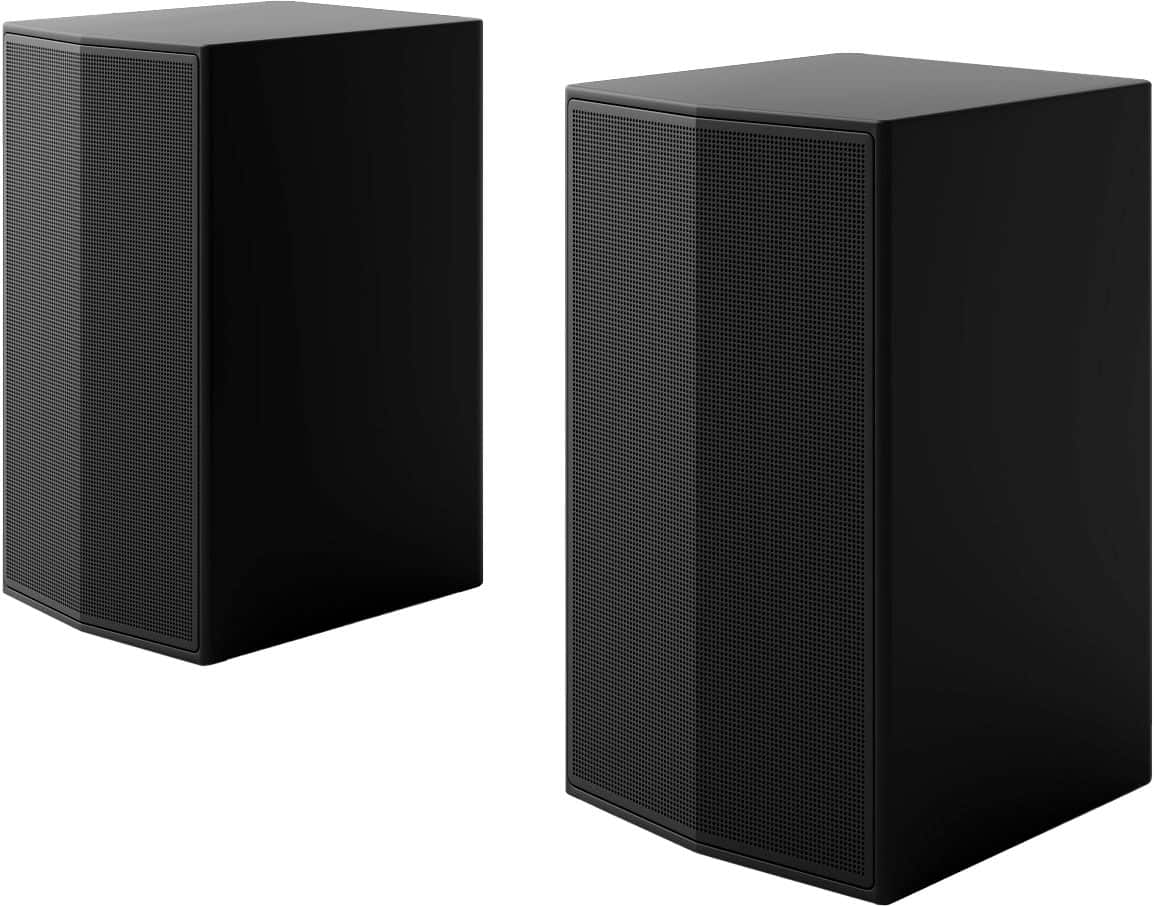
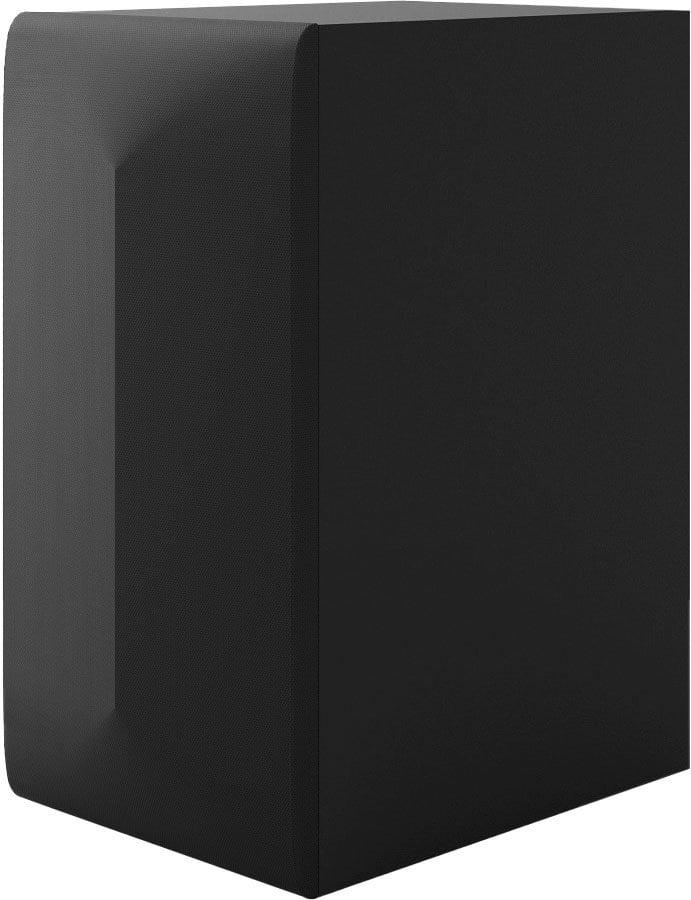
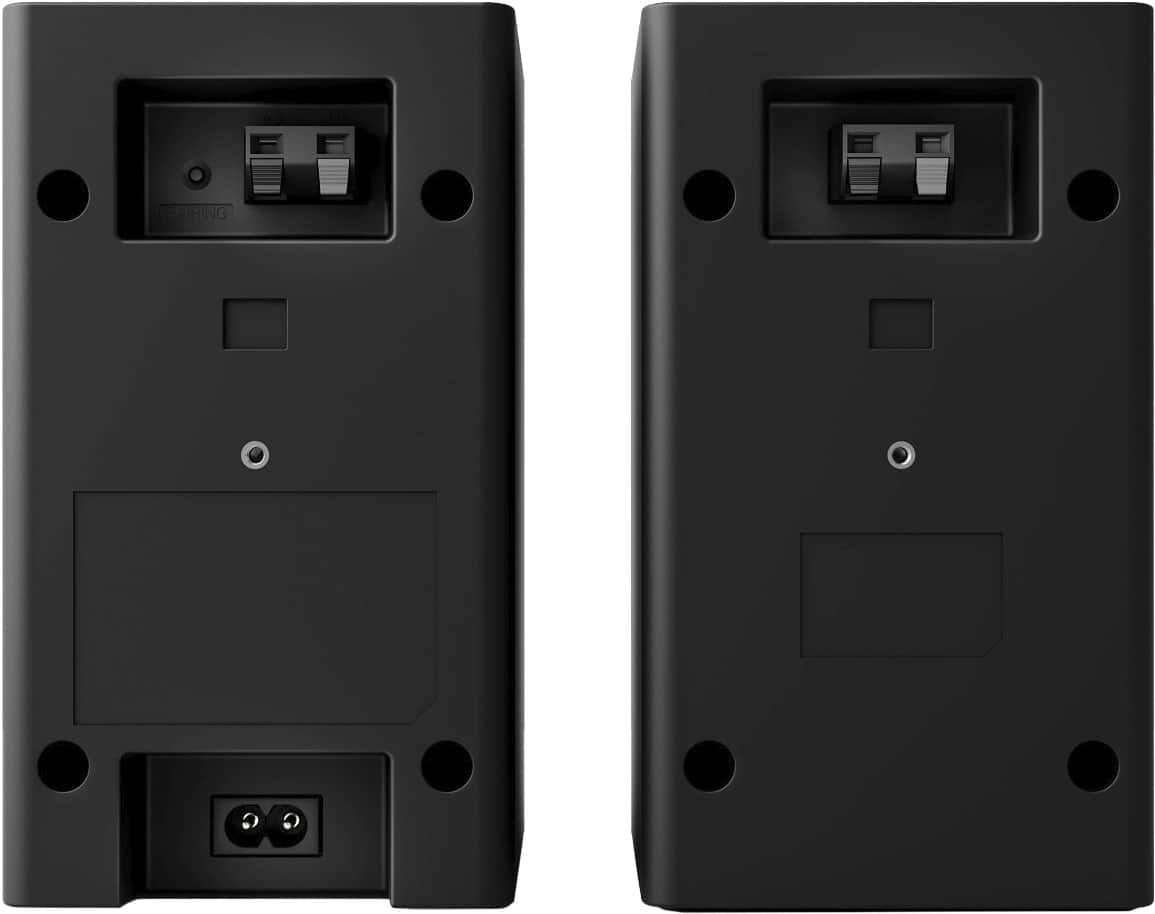
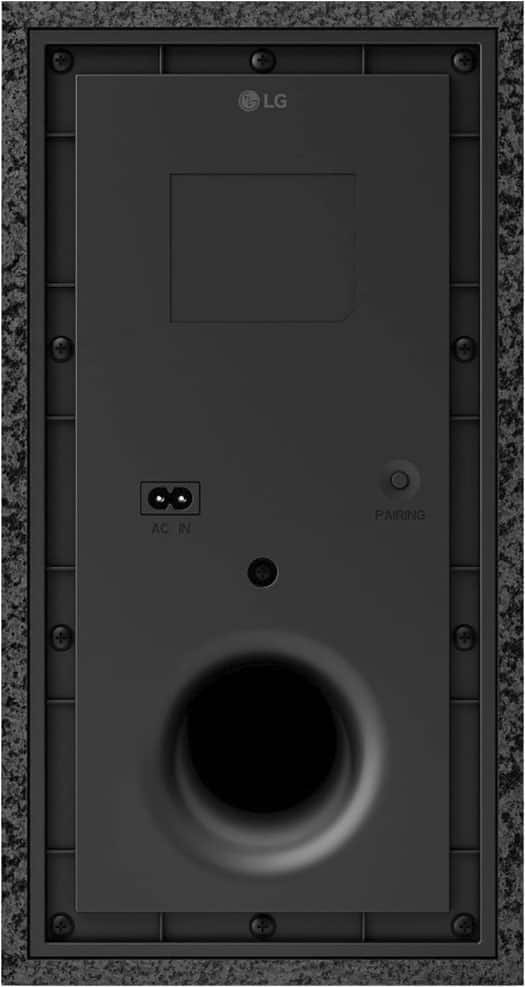
The LG S60TR, released in 2022, represents LG's commitment to making true surround sound accessible. At $299.99, it includes everything needed for authentic 5.1 audio: a main soundbar, wireless subwoofer, and two physical rear speakers. The rear speakers connect to each other with a cable but communicate wirelessly with the main soundbar, eliminating the need to run wires across your room.
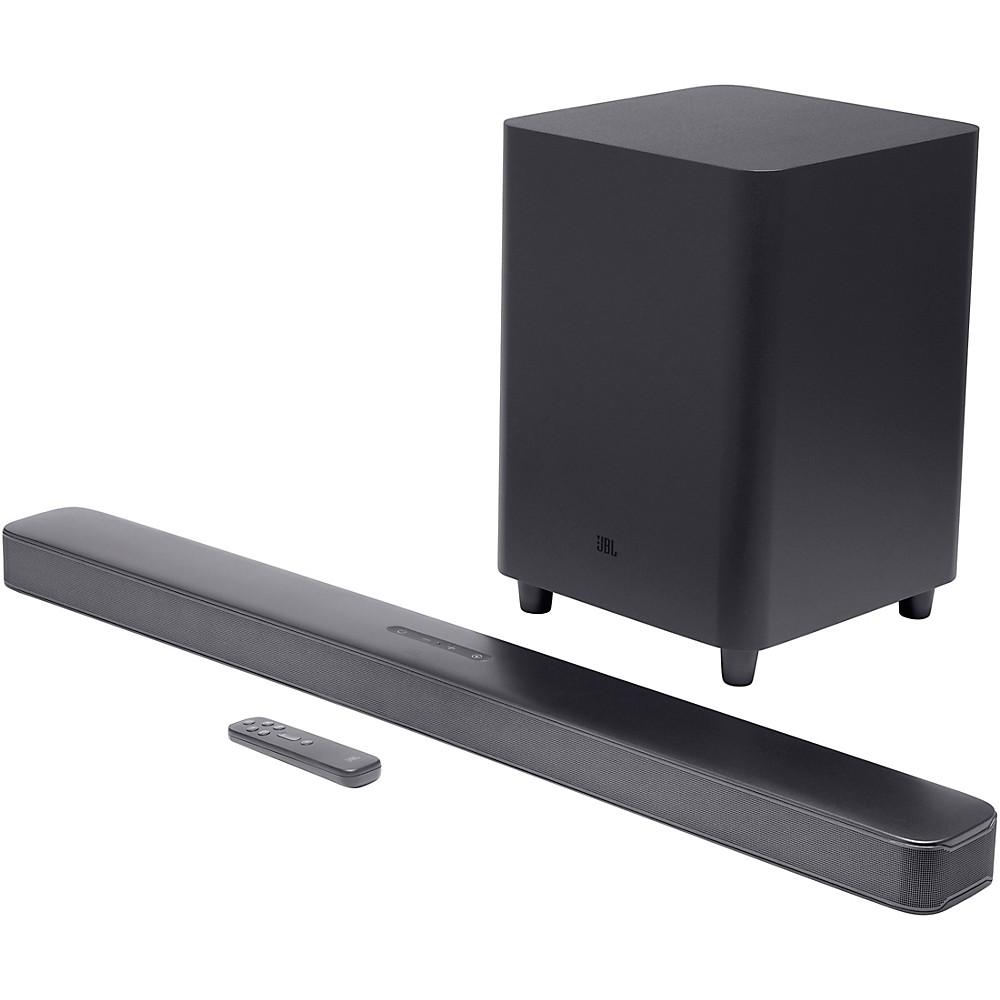
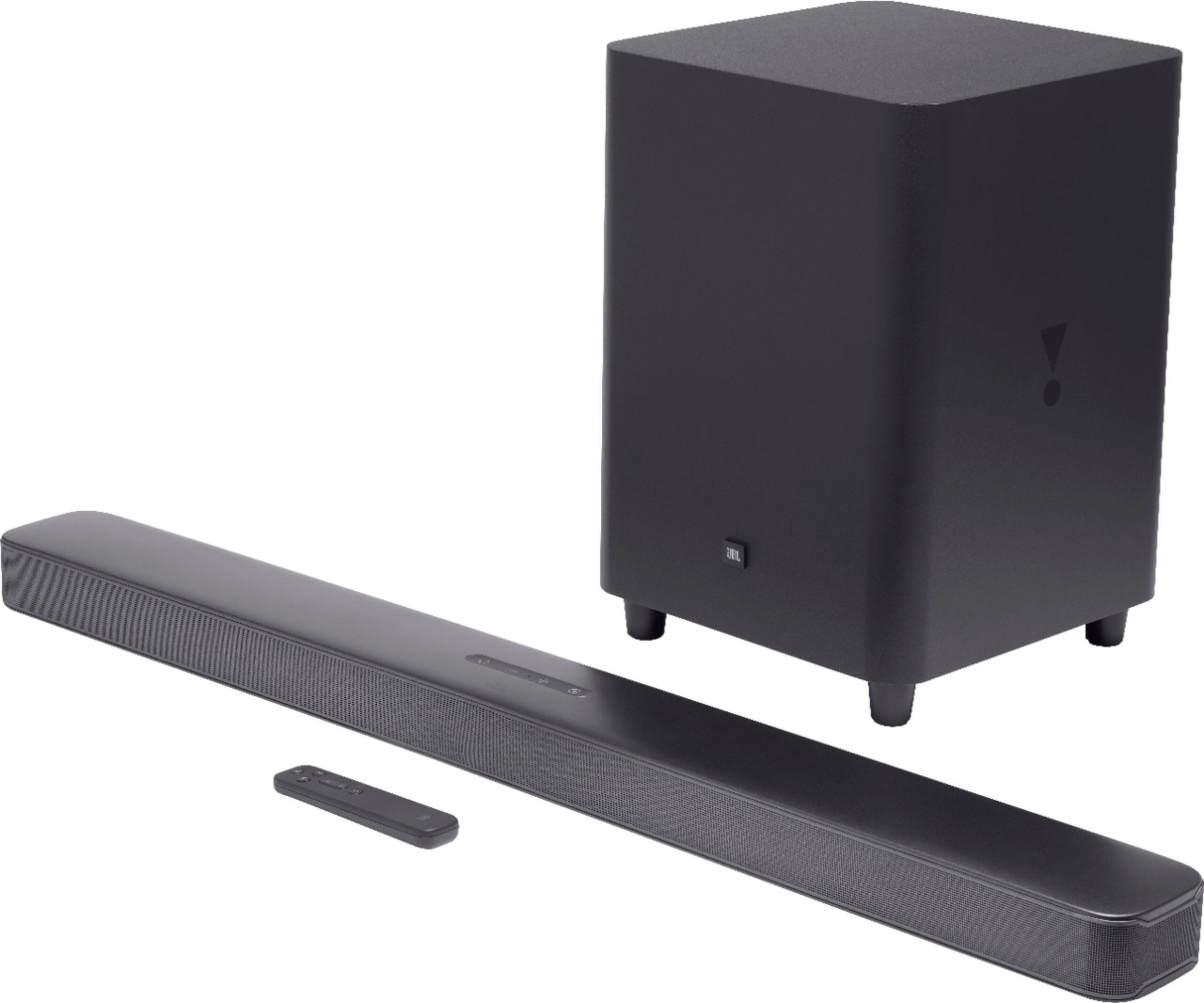
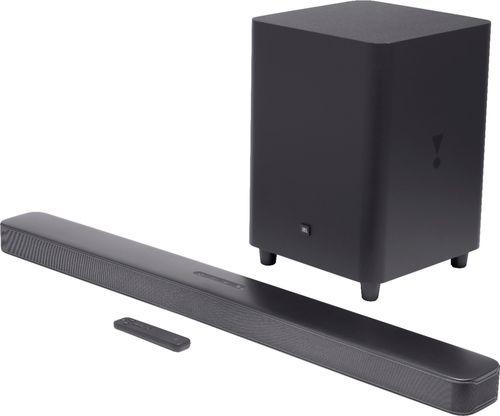
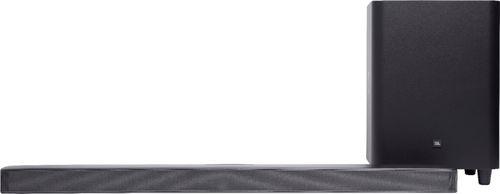
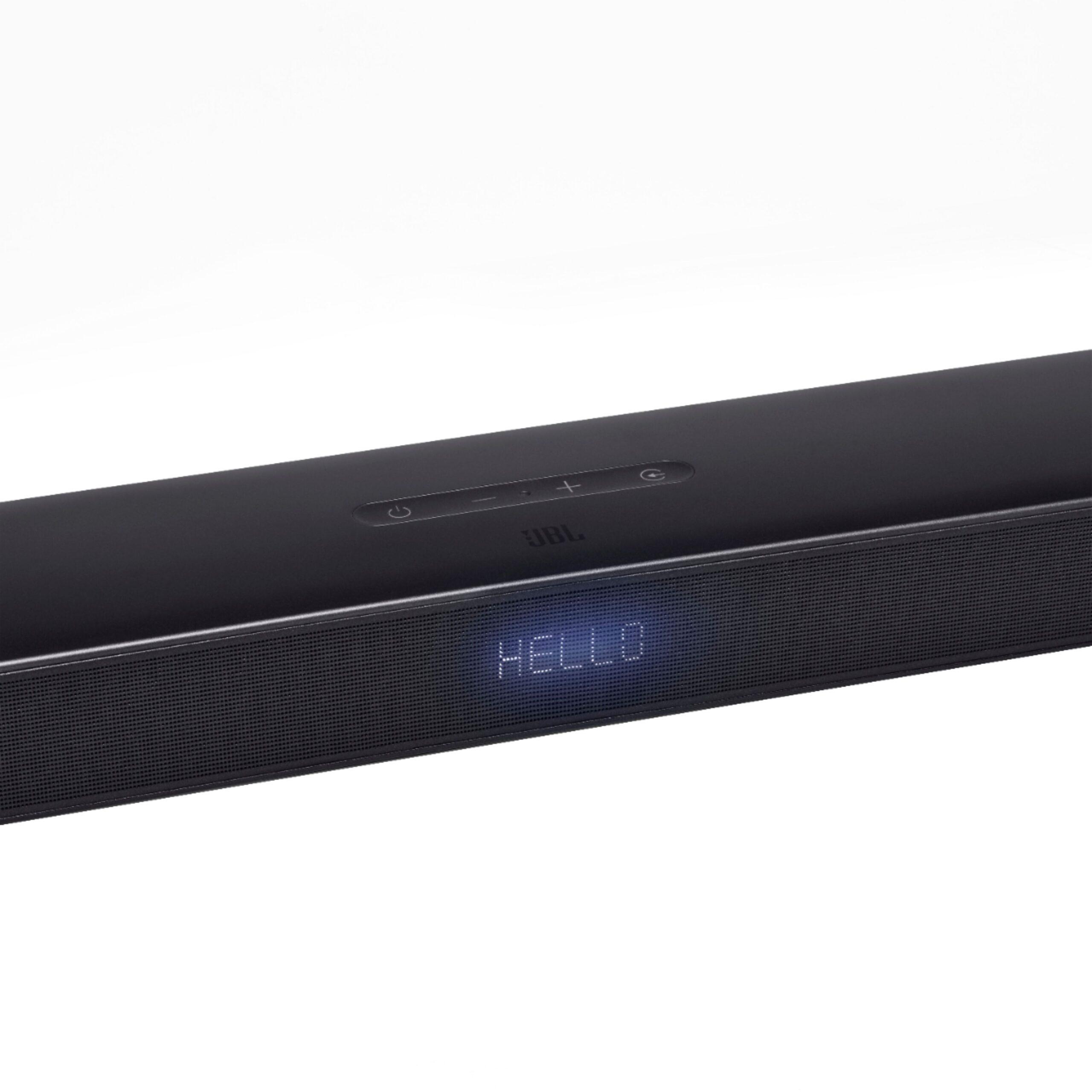
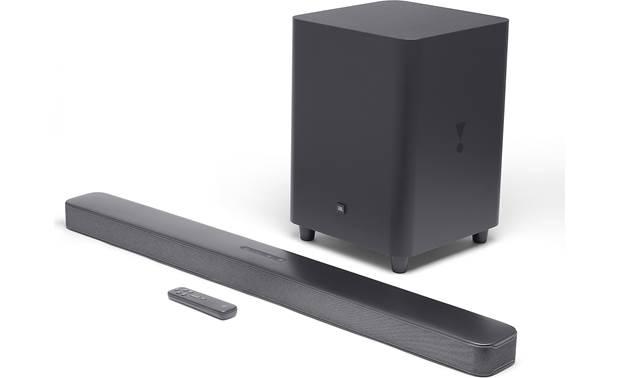
The JBL Bar 5.1, which hit the market earlier, takes a more innovative approach at $599.95. Its headline feature is a pair of detachable speakers that pop off the main soundbar. These can function as wireless rear surround speakers or be used independently as portable Bluetooth speakers for other rooms. It's clever engineering that addresses the common complaint about soundbar rear speakers: "What do I do with them when I'm not watching movies?"
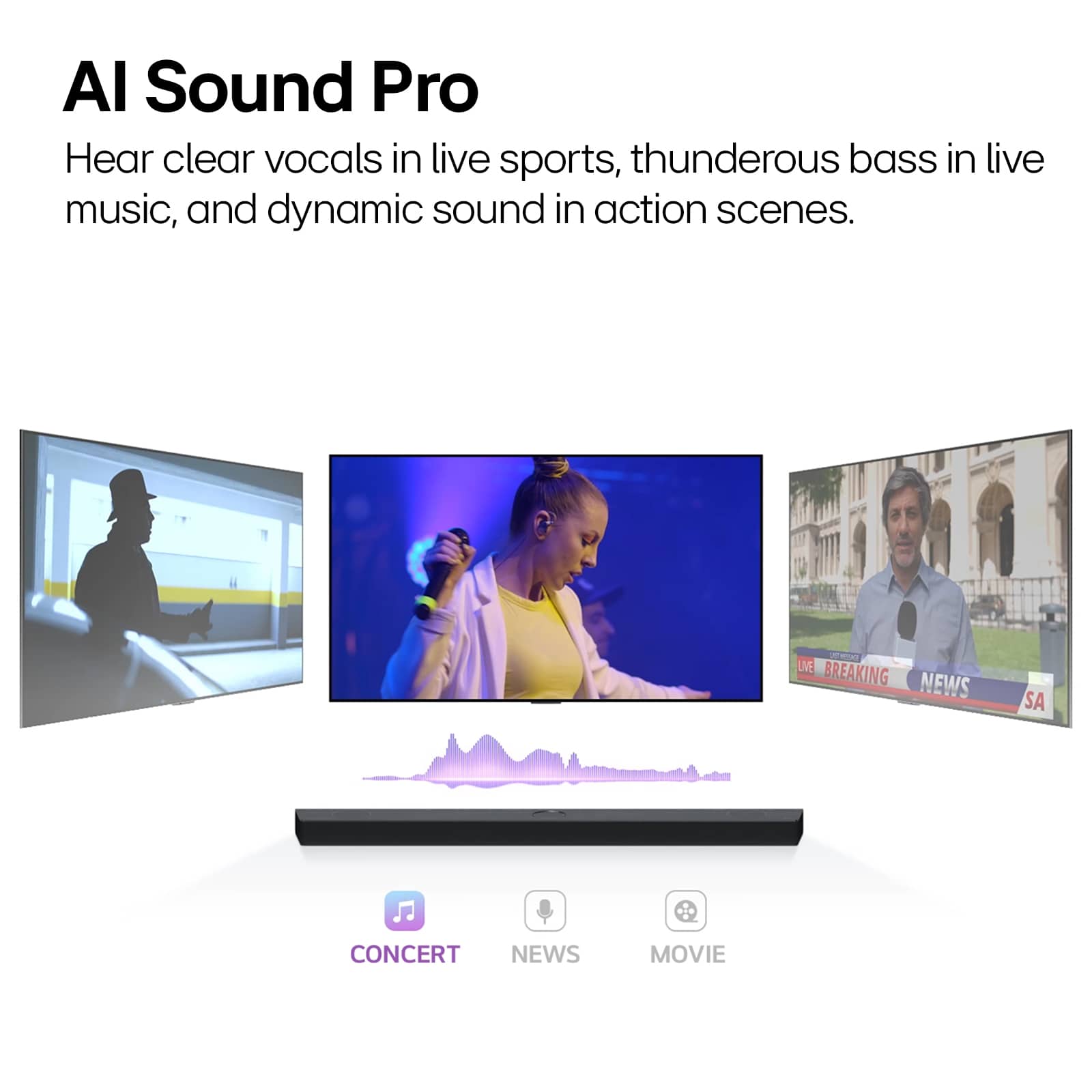
Since their respective launches, both companies have refined their approaches. LG has improved their AI Sound Pro processing, which automatically adjusts audio characteristics based on what you're watching. JBL has enhanced their MultiBeam technology, which uses psychoacoustic principles (how your brain interprets sound direction) to create more convincing virtual surround effects.
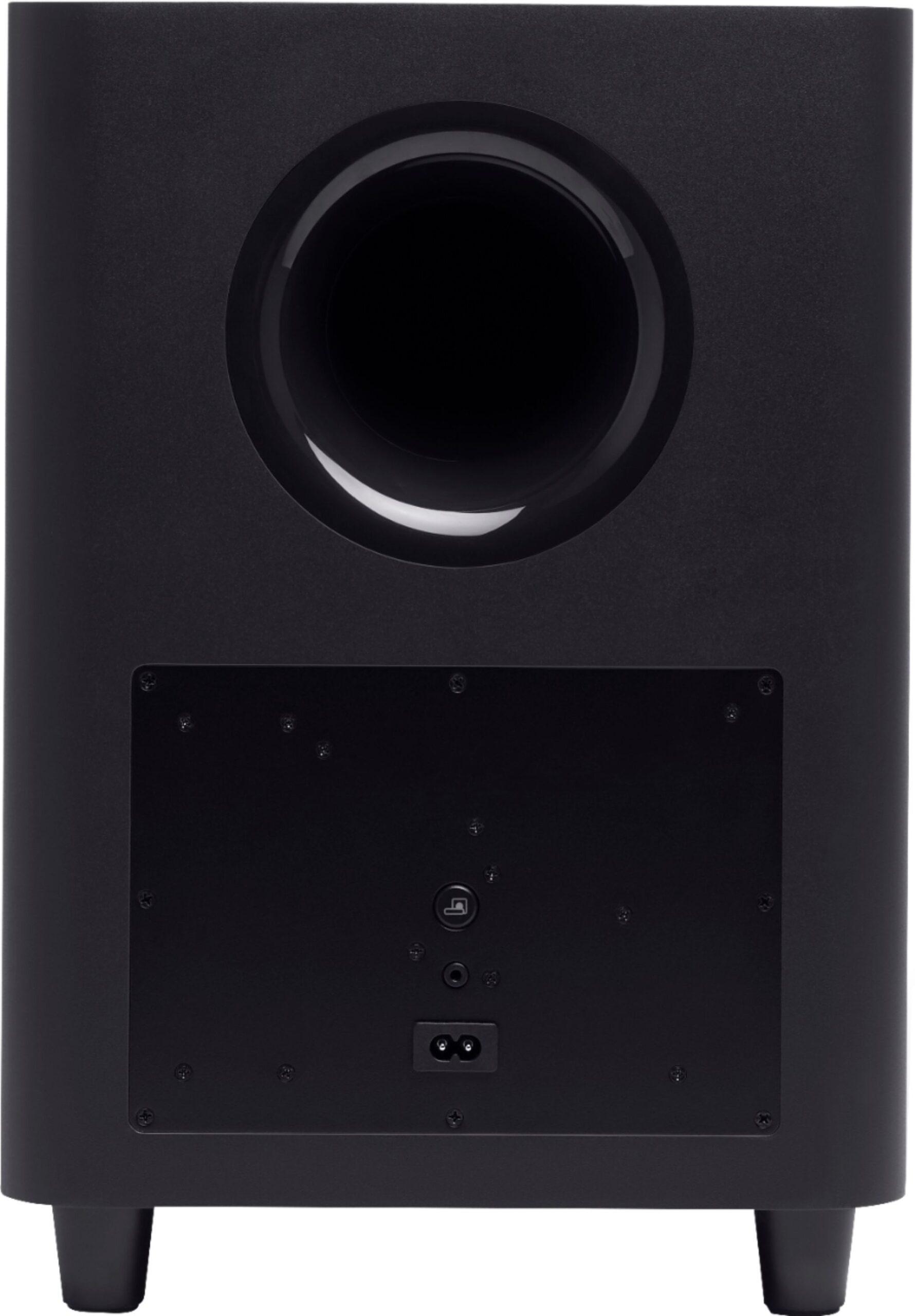
The most noticeable difference between these systems lies in their bass reproduction. The LG S60TR's 220W subwoofer delivers what I'd call "fun" bass – the kind that makes action movies feel visceral and gives music real punch. During my testing with "Mad Max: Fury Road," the explosions had genuine impact that you feel in your chest, not just hear with your ears.
The 10-inch subwoofer driver moves enough air to pressurize a medium-sized room, creating that theater-like rumble during intense scenes. The bass extends down to approximately 35Hz, which covers most movie sound effects and music fundamentals. However, it can sometimes feel a bit "tubby" – audiophile speak for bass that lacks tightness and definition.
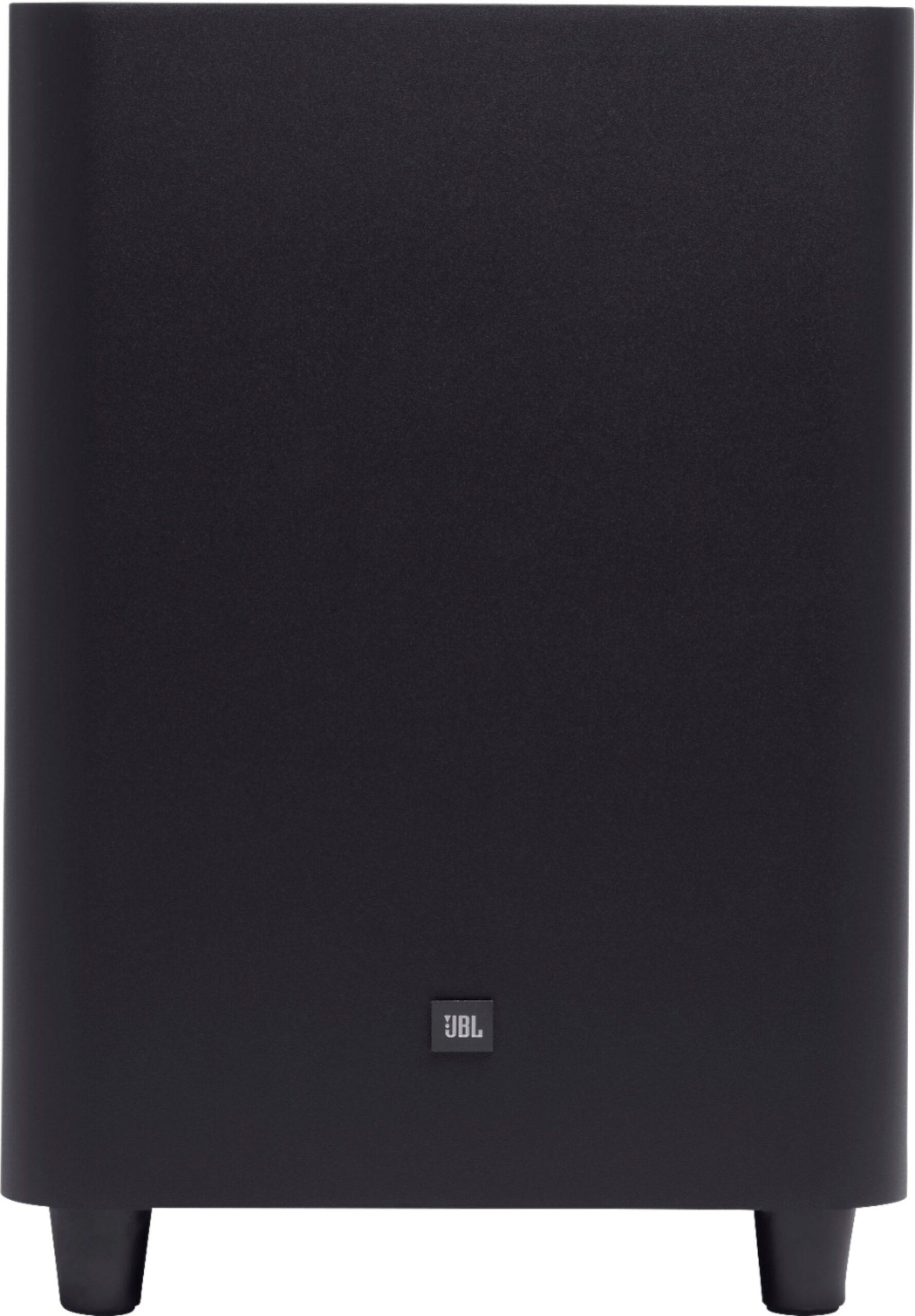
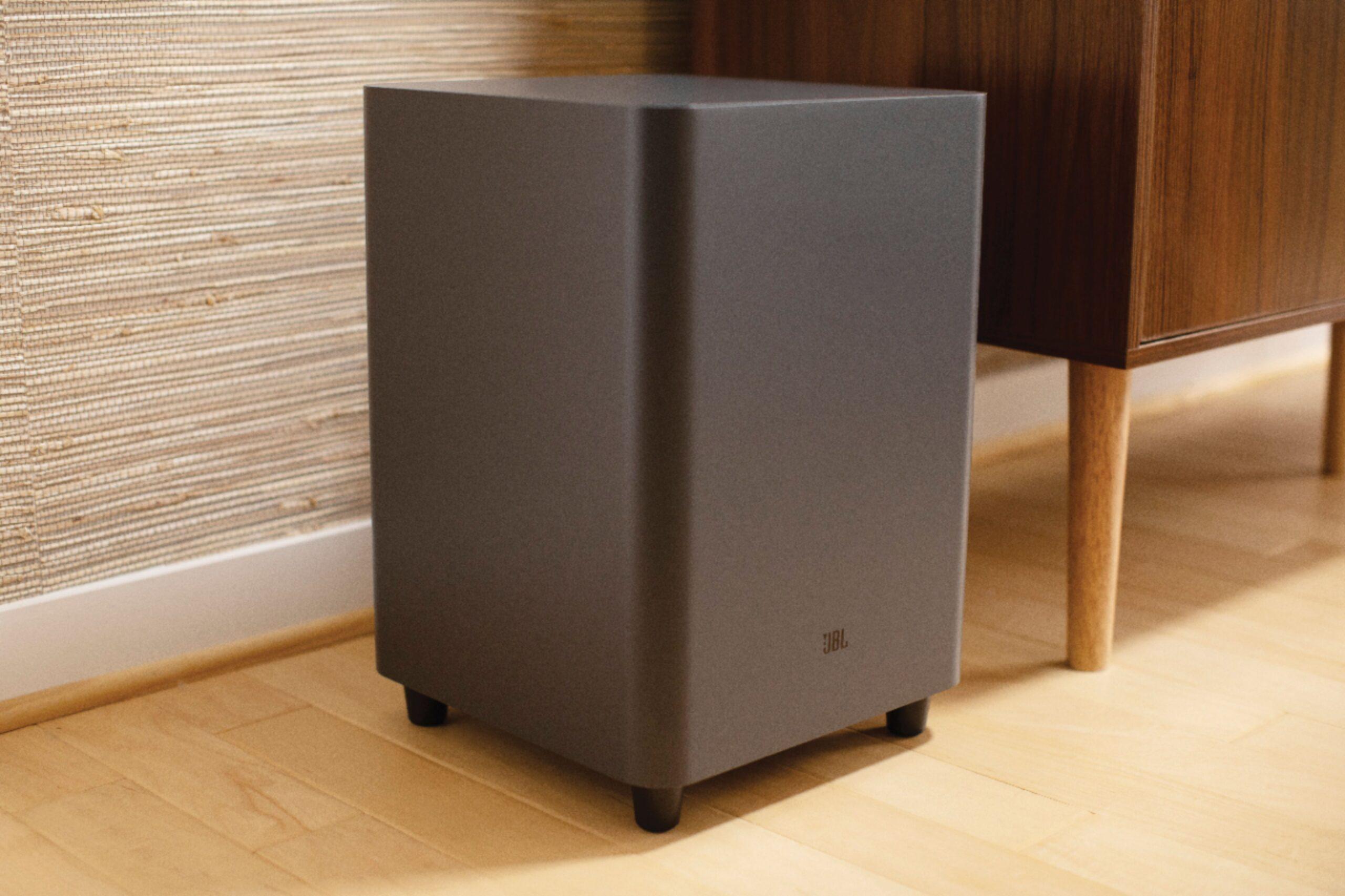
The JBL Bar 5.1's 300W subwoofer takes a more refined approach. Despite having more power on paper, it feels less overwhelming in practice. The bass is tighter and more controlled, which some listeners prefer for music and dialogue-heavy content. During the same "Mad Max" test, explosions felt more precise but less earth-shaking.
JBL's approach suits listeners who want bass that enhances rather than dominates the audio experience. The trade-off is that big action sequences don't have quite the same visceral impact, but jazz recordings and acoustic music sound more natural and balanced.
Here's where the JBL Bar 5.1 really shines. Modern movies often bury dialogue under music and sound effects, making it frustrating to follow conversations without constantly adjusting volume. JBL's advanced processing, which they call PureVoice technology, uses sophisticated algorithms to identify and enhance speech frequencies while reducing competing background noise.
During my testing with "The Dark Knight" – notorious for its mumbly dialogue and overwhelming score – the JBL maintained clear speech even during the film's loudest sequences. Christopher Nolan's intentionally muddled audio mix became much more intelligible, which is no small feat.
The LG S60TR handles dialogue well through its AI Sound Pro feature, which analyzes incoming audio and applies real-time adjustments. When it detects dialogue-heavy content, it automatically reduces bass and enhances midrange frequencies where human speech lives (roughly 85Hz to 255Hz for male voices, 165Hz to 265Hz for female voices). While effective, it's not quite as sophisticated as JBL's processing.
The LG's dedicated center channel does provide stable dialogue anchoring – meaning voices seem to come directly from the TV screen rather than floating around the room. This psychological effect is important for maintaining immersion, especially during long dialogue scenes.
This is where the fundamental difference between these systems becomes apparent. The LG S60TR provides genuine surround sound through its physical rear speakers. When placed properly behind your seating position, these speakers create authentic directional audio cues that your brain interprets as sounds coming from specific locations in three-dimensional space.
During the Wakanda battle sequence in "Avengers: Infinity War," I could clearly track flying objects moving from front to back and side to side. The physical rear speakers make it easy to locate sounds without consciously thinking about it – your brain just processes the audio as coming from different directions naturally.
The JBL Bar 5.1's detachable speakers work well when positioned as rear surrounds, but the system can also operate without them using virtual surround processing. This technology uses timing delays, phase manipulation, and psychoacoustic tricks to fool your brain into perceiving sounds as coming from directions where no speakers exist.
JBL's MultiBeam technology fires sound at different angles from the main soundbar, bouncing audio off your room's walls to create the illusion of surround sound. When it works well – which requires the right room acoustics and seating position – it can be surprisingly convincing. However, it's still not quite the same as having actual speakers behind you.
The flexibility is appealing though. You can use the detachable speakers as portable Bluetooth units for outdoor parties or other rooms, then reattach them for movie night. It's a practical solution that acknowledges how people actually use their audio equipment.
Modern soundbars are essentially computers that happen to play audio, and both systems reflect this evolution. The LG S60TR excels at TV integration, particularly with LG TVs through their WOW Orchestra feature. This technology synchronizes the TV's built-in speakers with the soundbar, creating a larger soundstage and more immersive experience.
The AI Sound Pro processing genuinely improves the listening experience by adapting to different content types. During sports broadcasts, it emphasizes crowd noise and commentary. With music, it opens up the soundstage and enhances stereo separation. For late-night viewing, it can compress dynamic range so explosions don't wake the neighbors while keeping dialogue audible.
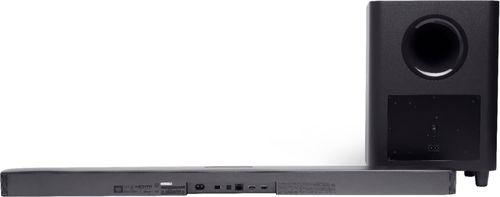
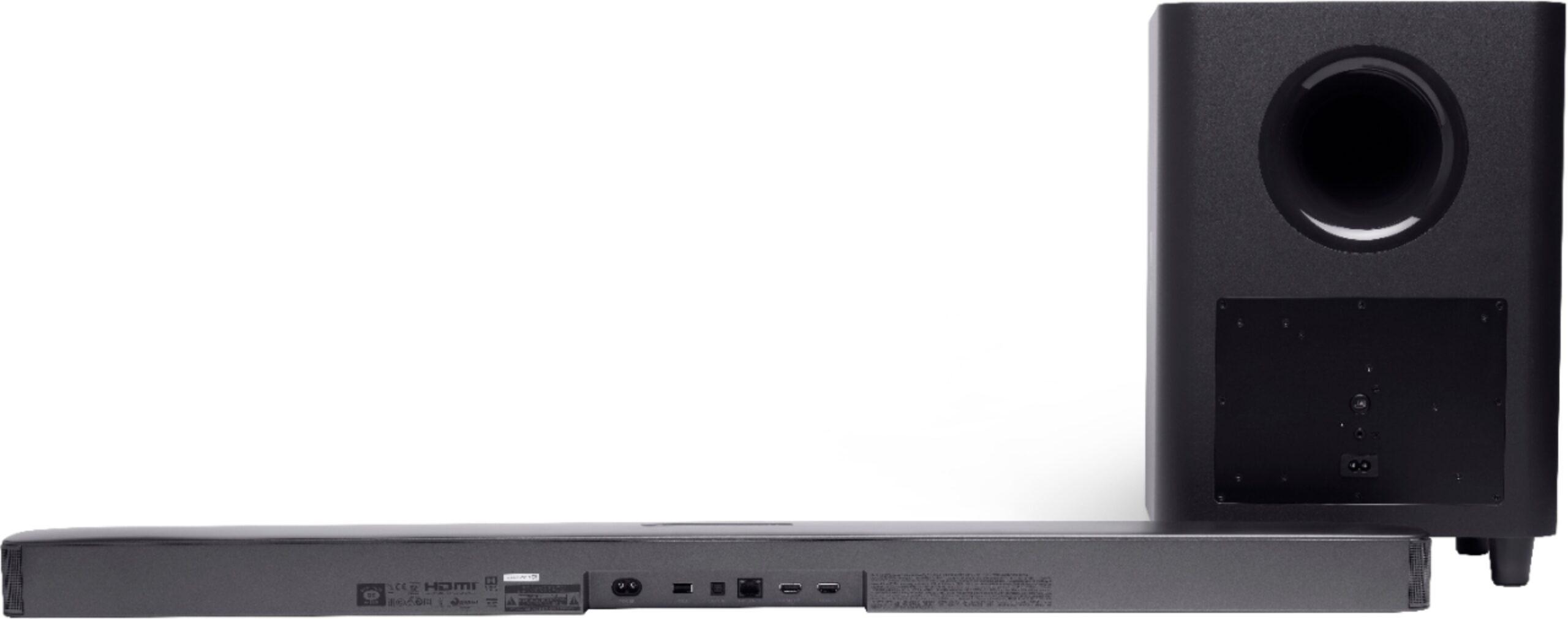
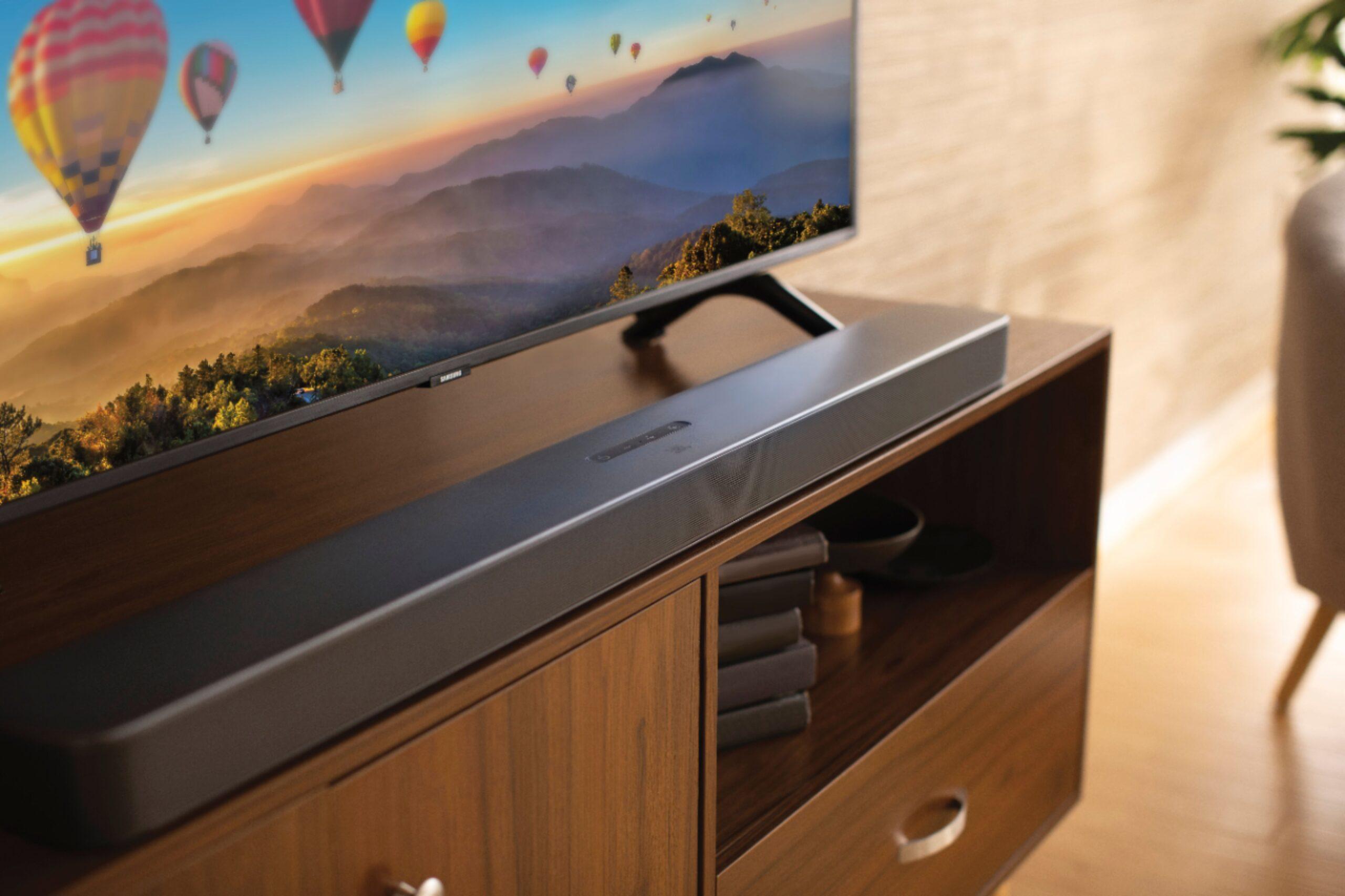
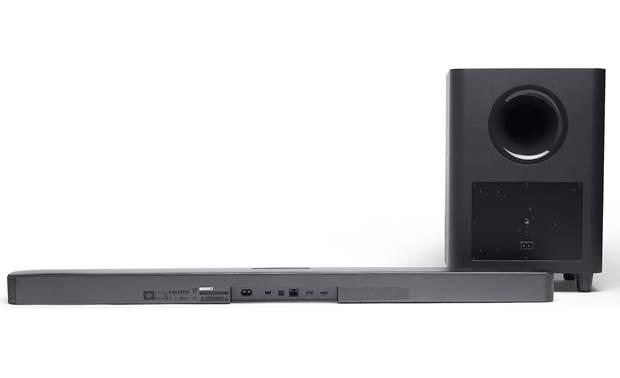
The JBL Bar 5.1 focuses more on connectivity and audio processing quality. It includes multiple HDMI inputs with 4K passthrough capability, making it a hub for gaming consoles, streaming devices, and other sources. The HDMI eARC (enhanced Audio Return Channel) support ensures high-quality audio transmission from compatible TVs.
JBL's mobile app provides extensive customization options, including detailed equalizer controls and preset management. You can create custom sound profiles for different content types or room configurations, then switch between them easily.
After extensive testing in my own home theater setup, several patterns emerged that potential buyers should consider. The LG S60TR creates a more immediately impressive experience. First-time listeners often comment on how "big" it sounds compared to TV speakers, and the physical rear speakers provide that obvious surround effect that makes people smile during demo scenes.
However, the JBL reveals its strengths during longer listening sessions. The more refined processing becomes apparent when watching entire movies rather than short demo clips. Dialogue remains clear throughout two-hour films without fatigue, and the tighter bass doesn't become overwhelming during extended action sequences.
Room size matters significantly for both systems. The LG S60TR works well in medium to large rooms where its powerful bass can spread naturally. In smaller spaces, the bass can become overpowering, though the mobile app provides bass adjustment controls to compensate.
The JBL Bar 5.1 adapts better to different room sizes thanks to its more sophisticated processing. The virtual surround modes include room size settings that adjust timing and amplitude to match your space's acoustics.
At $299.99, the LG S60TR delivers remarkable value for authentic 5.1 surround sound. You're getting physical rear speakers, a powerful subwoofer, and smart processing features that typically cost significantly more. For families primarily interested in enhancing their movie and TV watching experience, it's difficult to find better performance per dollar.
The JBL Bar 5.1 at $599.95 targets a different buyer. The premium reflects superior audio processing, more flexible connectivity, and unique features like the detachable speakers. For audio enthusiasts who appreciate refined sound quality and want maximum versatility, the additional cost can be justified.
Both systems include everything needed for setup: HDMI cables, power adapters, and remote controls. The LG includes wall-mounting hardware, while the JBL's detachable speakers come with their own charging cases.
Choose the LG S60TR if you want the most immersive movie experience for the money. Its combination of powerful bass, authentic surround sound, and smart TV integration creates that "wow factor" that makes action movies and TV shows more engaging. It's particularly good for families who primarily watch entertainment content and want setup simplicity.
Choose the JBL Bar 5.1 if audio quality matters more than raw impact. Its superior dialogue clarity, flexible speaker configuration, and premium processing make it better suited for varied content types and critical listening. The detachable speakers add genuine versatility that extends beyond traditional home theater use.
Both systems represent solid engineering and offer clear advantages over basic TV speakers. The LG S60TR democratizes true surround sound, while the JBL Bar 5.1 pushes the boundaries of what's possible in a soundbar format. Your choice ultimately depends on whether you prioritize value and impact or refinement and flexibility.
In my experience, most buyers are happier spending less on the LG and using the savings for other home theater improvements like better streaming devices or room treatments. However, audio enthusiasts who can appreciate the JBL's more sophisticated approach will find the premium worthwhile for its superior processing and unique features.
| LG S60TR 5.1 Channel Soundbar | JBL Bar 5.1 Surround Soundbar |
|---|---|
| Price - Significant budget difference for similar category | |
| $299.99 | $599.95 |
| Total System Power - Raw output capability | |
| 440W (220W subwoofer + 220W soundbar) | 550W (300W subwoofer + 250W soundbar) |
| Rear Speaker Design - Key difference in surround experience | |
| Physical wireless rear speakers (true 5.1 surround) | Detachable speakers that can function independently |
| Subwoofer Power - Impact on bass performance | |
| 220W wireless subwoofer | 300W wireless subwoofer (10" driver) |
| Audio Format Support - Future-proofing and compatibility | |
| Dolby Digital, DTS Digital Surround, LPCM | Dolby Digital, Dolby Pro Logic II, DTS |
| Connectivity Options - Device compatibility | |
| 1 HDMI out, Optical, USB, Bluetooth | 3 HDMI inputs, 1 HDMI out with ARC, Optical, Bluetooth |
| Smart Features - Added convenience and optimization | |
| AI Sound Pro, WOW Orchestra (LG TV integration) | JBL SoundShift, MultiBeam technology |
| Dimensions (Soundbar) - Room placement considerations | |
| 33.5" × 2.5" × 3.5" (5.49 lbs) | 40" × 2.28" × 3.94" (8.6 lbs) |
| Wireless Range - Flexibility in speaker placement | |
| Standard wireless connectivity | Bluetooth 4.2 + Wi-Fi 802.11ac |
| Battery Life (Rear Speakers) - Portability factor | |
| Wired rear speakers (require power outlets) | Up to 10 hours battery life (detachable speakers) |
| Setup Complexity - Installation difficulty | |
| Simple setup with physical rear speaker placement | More complex with detachable speaker configuration |
| Best Value For - Target buyer profile | |
| Budget-conscious users wanting true surround sound | Audio enthusiasts seeking flexibility and premium processing |
The LG S60TR ($299.99) provides exceptional value with true 5.1 surround sound at nearly half the price of the JBL Bar 5.1 ($599.95). While the JBL offers premium features like detachable speakers and advanced processing, the LG delivers authentic surround sound with physical rear speakers at a budget-friendly price point.
The key difference is surround speaker design. The LG S60TR includes dedicated physical rear speakers for true 5.1 surround sound, while the JBL Bar 5.1 features detachable speakers that can function as wireless rear surrounds or portable Bluetooth speakers for versatile use.
The LG S60TR delivers more impactful bass with its 220W subwoofer, providing room-filling low-end that's ideal for action movies. The JBL Bar 5.1 offers more controlled, precise bass with its 300W subwoofer, better suited for music and refined listening experiences.
The JBL Bar 5.1 excels in dialogue clarity with its advanced PureVoice technology and sophisticated audio processing. While the LG S60TR provides good vocal performance through AI Sound Pro, the JBL maintains clearer speech during complex movie scenes with overlapping sound effects.
Yes, both the LG S60TR and JBL Bar 5.1 work with any TV brand through HDMI ARC or optical connections. However, the LG offers enhanced integration with LG TVs through WOW Orchestra technology for expanded soundstage and seamless remote control operation.
The LG S60TR offers simpler setup with straightforward wireless connectivity between components. The JBL Bar 5.1 requires more initial configuration due to its detachable speakers and multiple connectivity options, though both include clear setup instructions and necessary cables.
Both soundbars support Bluetooth music streaming. The JBL Bar 5.1 offers additional flexibility with its detachable speakers that can be used as portable Bluetooth speakers in other rooms. The LG S60TR provides excellent music performance through its dedicated sound modes optimized for different content types.
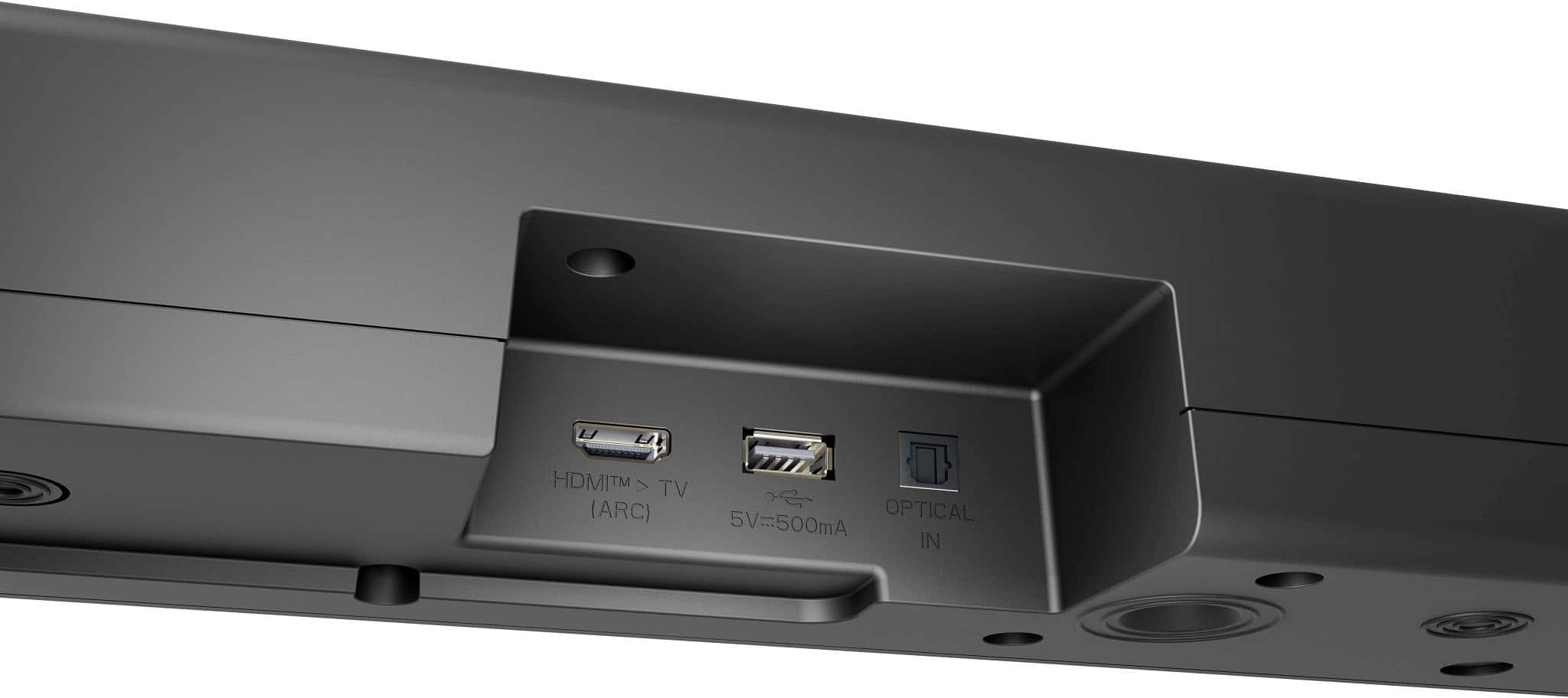
The JBL Bar 5.1 offers superior connectivity with three HDMI inputs, HDMI ARC output, and 4K passthrough capability. The LG S60TR includes essential connections with one HDMI output, optical input, and USB port, covering most users' basic connectivity needs.
The LG S60TR measures 33.5 inches wide and requires placement for rear speakers within power cord reach. The JBL Bar 5.1 is slightly larger at 40 inches wide but offers more flexible rear speaker placement due to their wireless, battery-powered design.
The JBL Bar 5.1 is better suited for gaming with its multiple HDMI inputs accommodating gaming consoles and low-latency audio processing. The LG S60TR works well for gaming but with fewer input options, requiring an HDMI switch for multiple gaming devices.
Both support essential formats like Dolby Digital and DTS. The LG S60TR handles standard surround formats effectively for most content. The JBL Bar 5.1 includes additional format support and more advanced processing capabilities for premium audio experiences.
Choose the LG S60TR for authentic 5.1 surround sound at an excellent price point, ideal for movie enthusiasts wanting true surround immersion. Select the JBL Bar 5.1 if you prioritize audio refinement, dialogue clarity, and speaker versatility, and don't mind paying more for premium features and processing quality.
We've done our best to create useful and informative comparisons to help you decide what product to buy. Our research uses advanced automated methods to create this comparison and perfection is not possible - please contact us for corrections or questions. These are the sites we've researched in the creation of this article: bestbuy.com - mynavyexchange.com - youtube.com - consumerreports.org - avsforum.com - rentacenter.com - bestbuy.com - homechoicestores.com - oconsommateur.com - lg.com - bestbuy.com - samsung.com - jbl.com - jbl.com - jbl.com - tomsguide.com - jbl.com - bestbuy.com - bestbuy.com - jbl.com - jbl.com - worldwidestereo.com

Privacy Policy
Terms and Conditions - Affiliate Policy
Home Security
© Copyright 2008-2026.
11816 Inwood Rd #1211, Dallas, TX 75244