

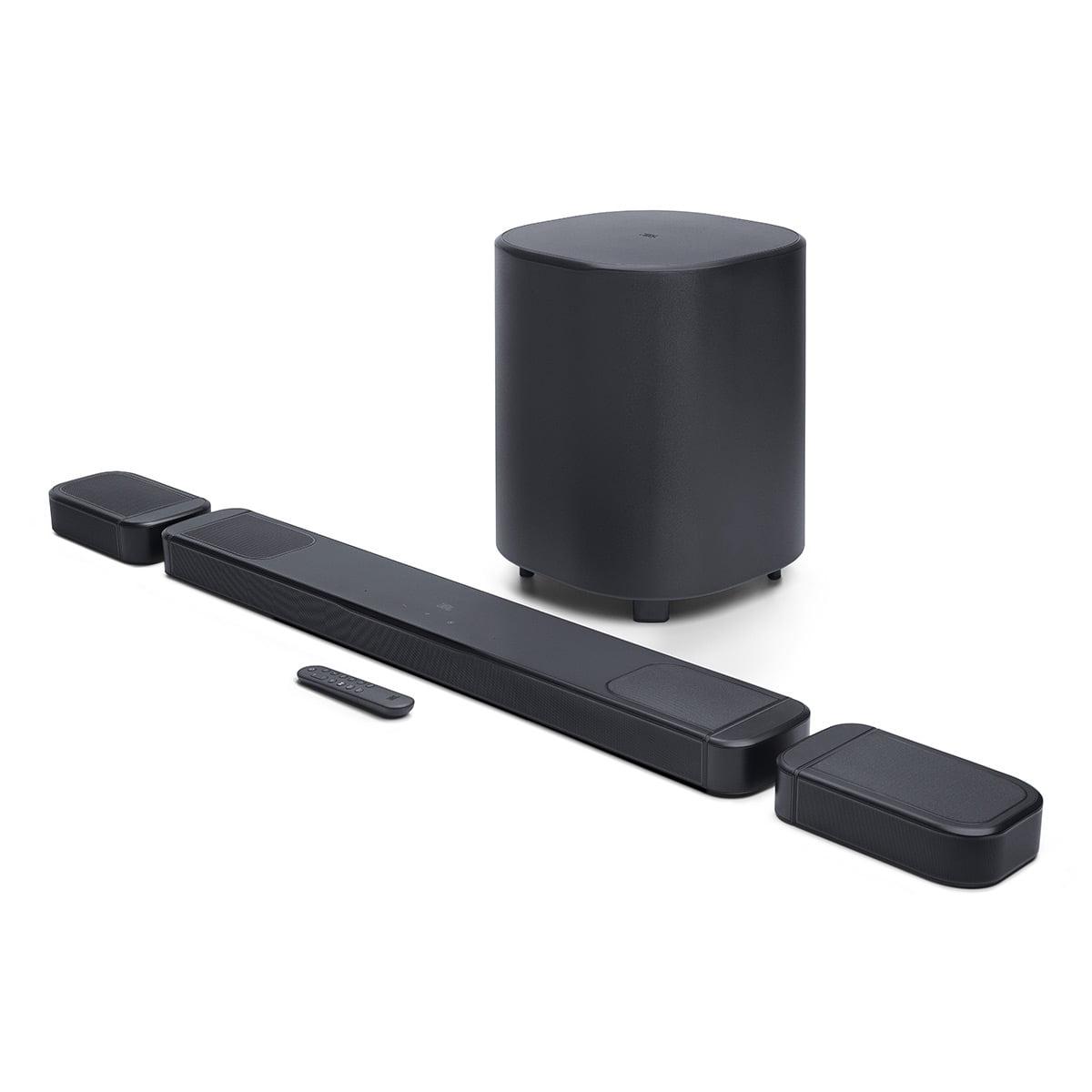
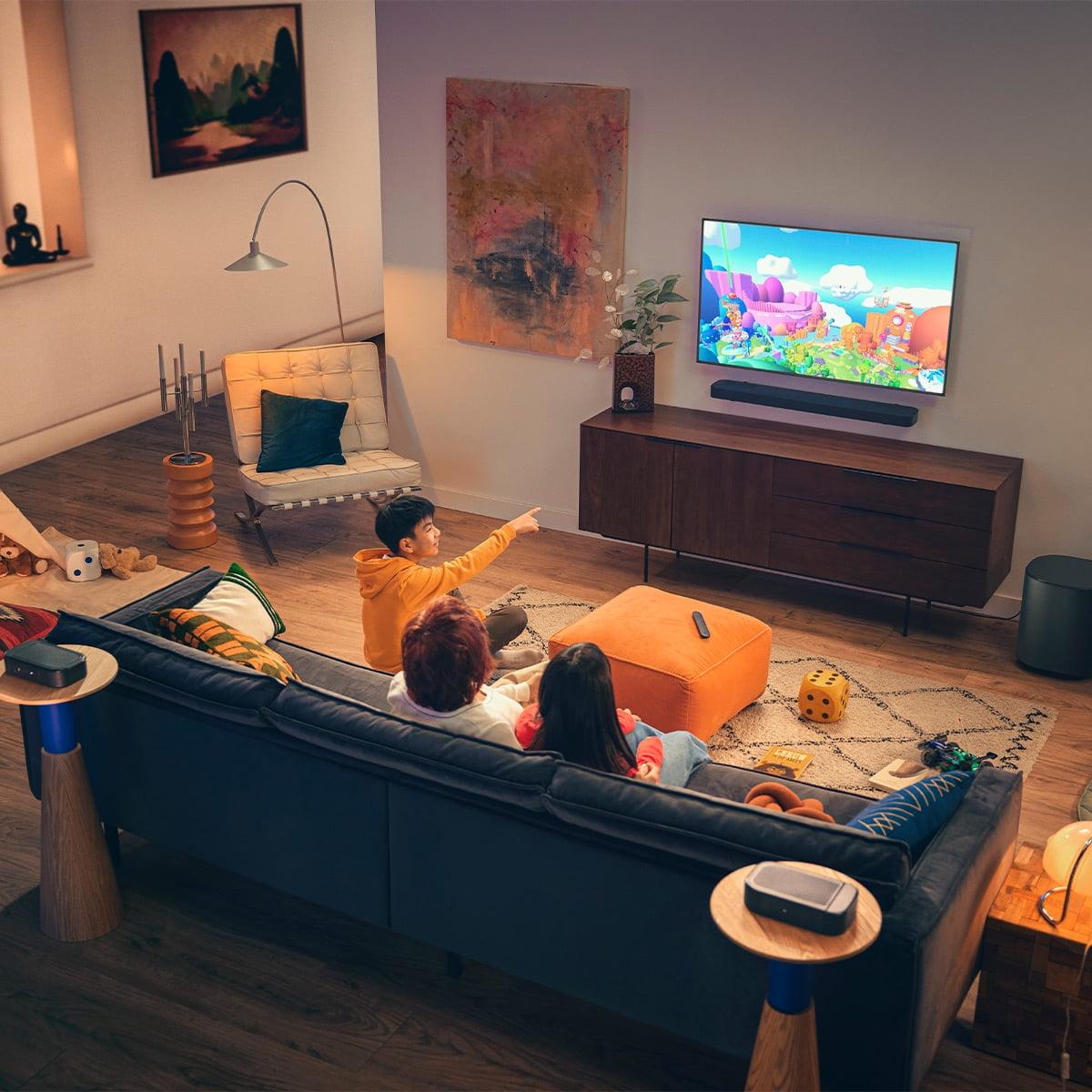
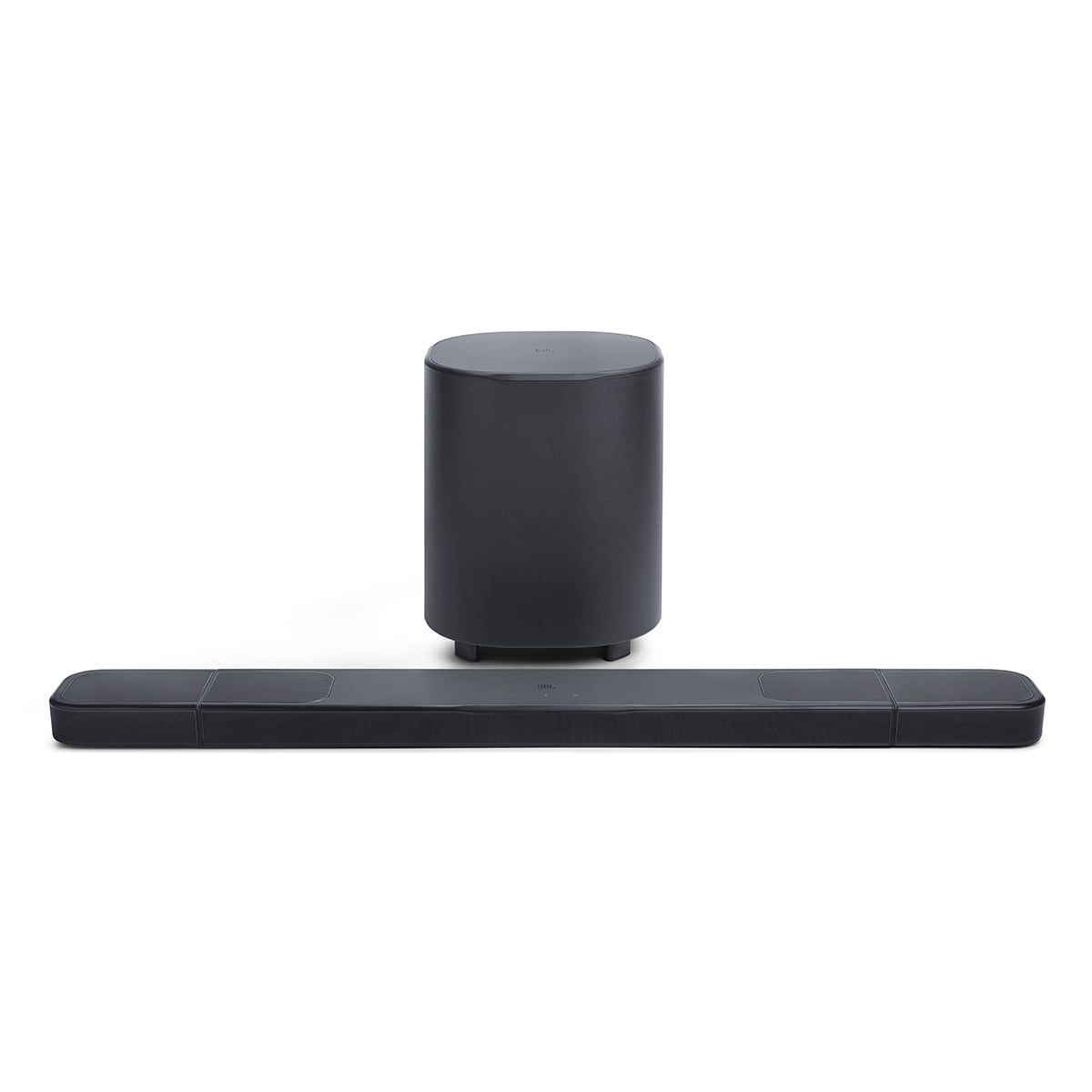
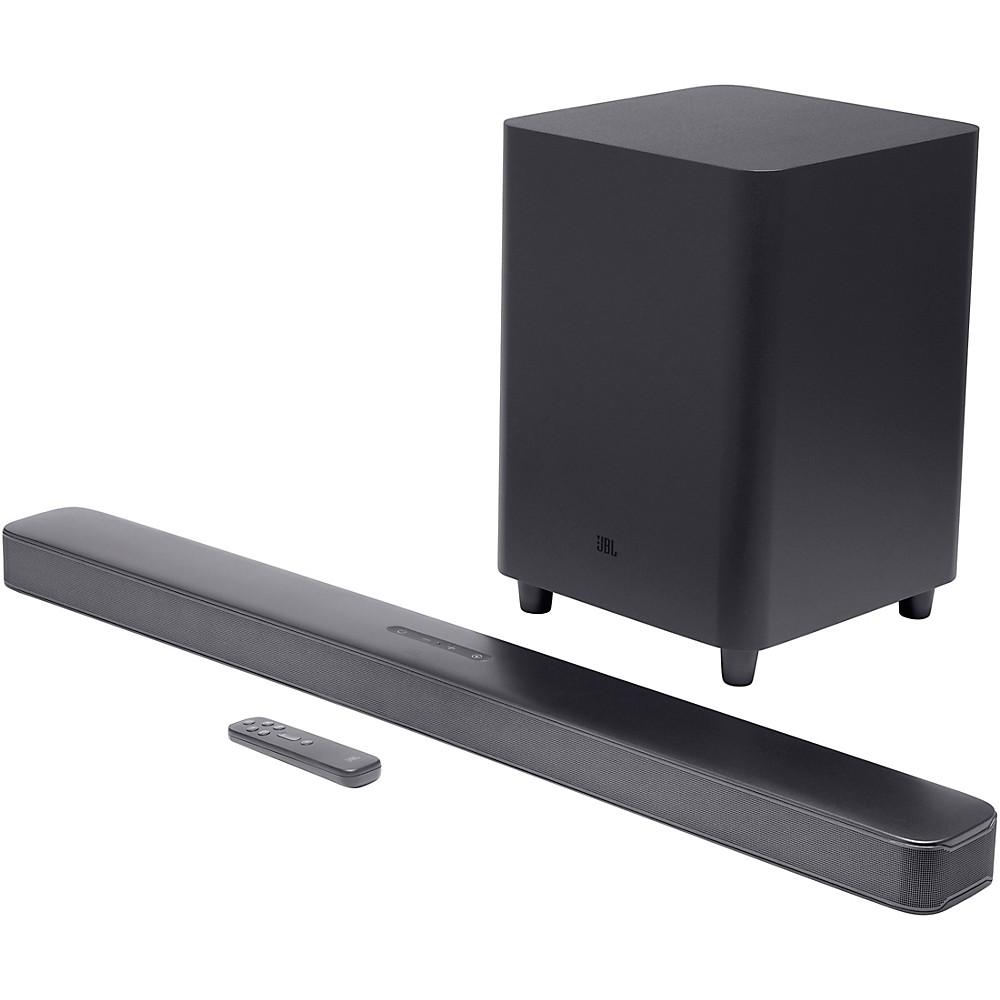
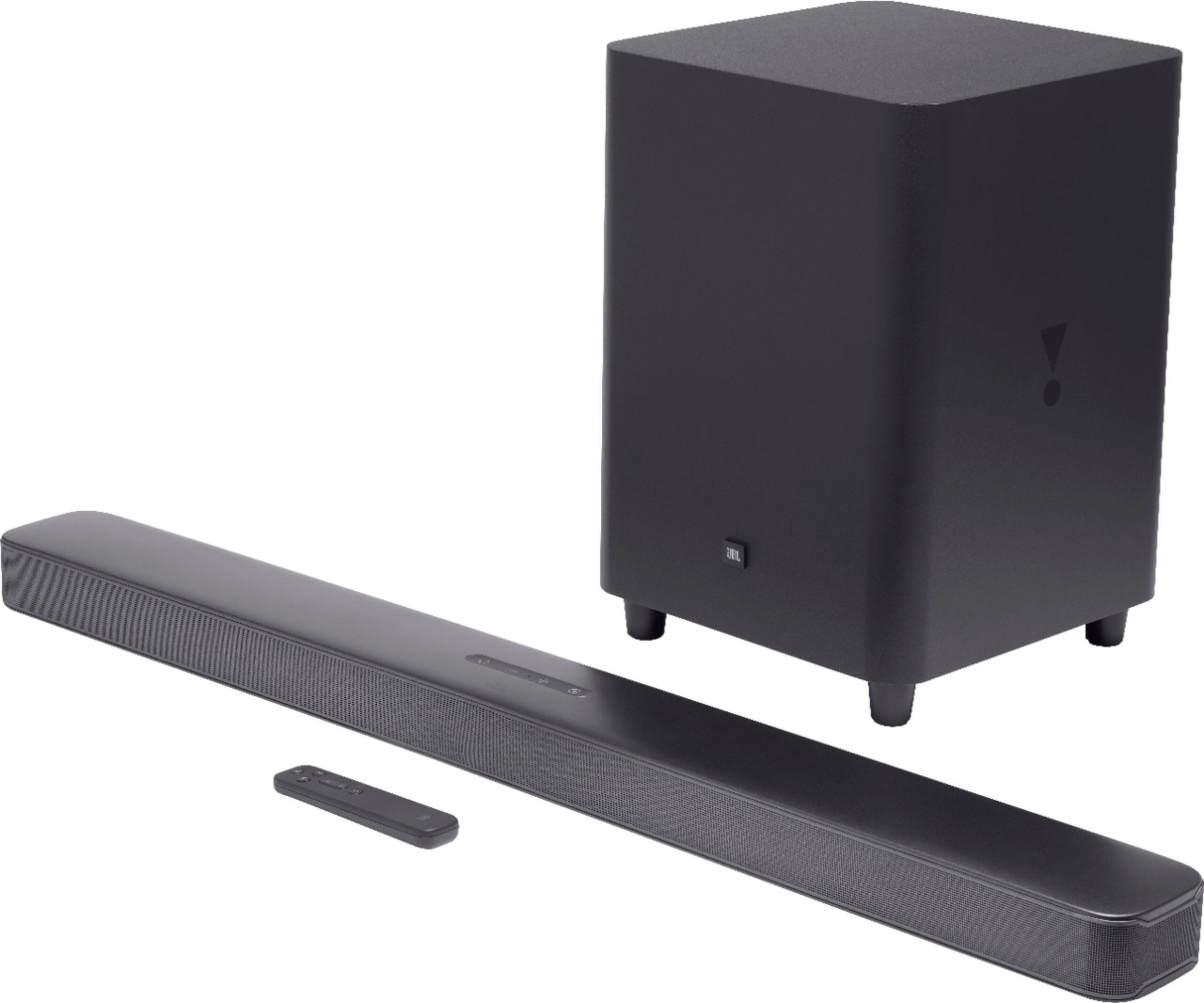

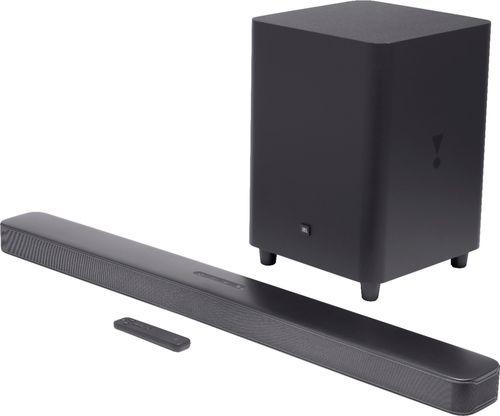
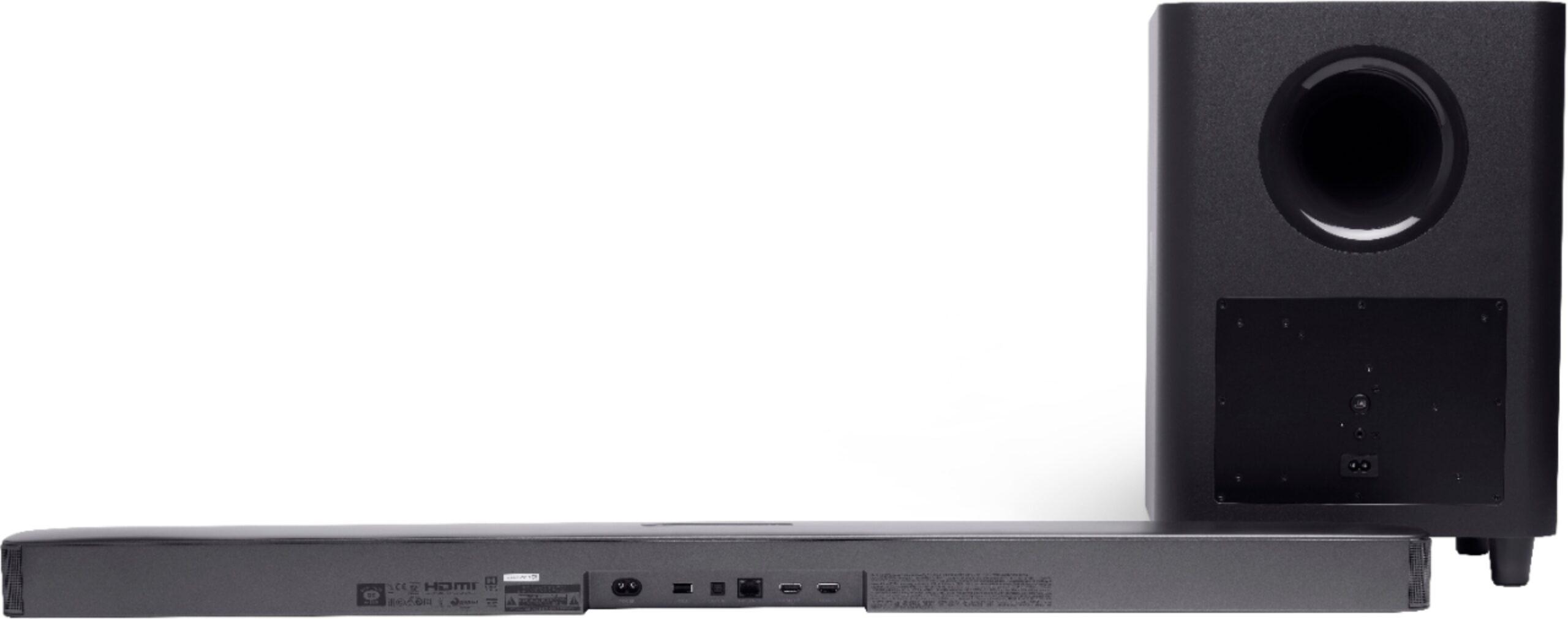
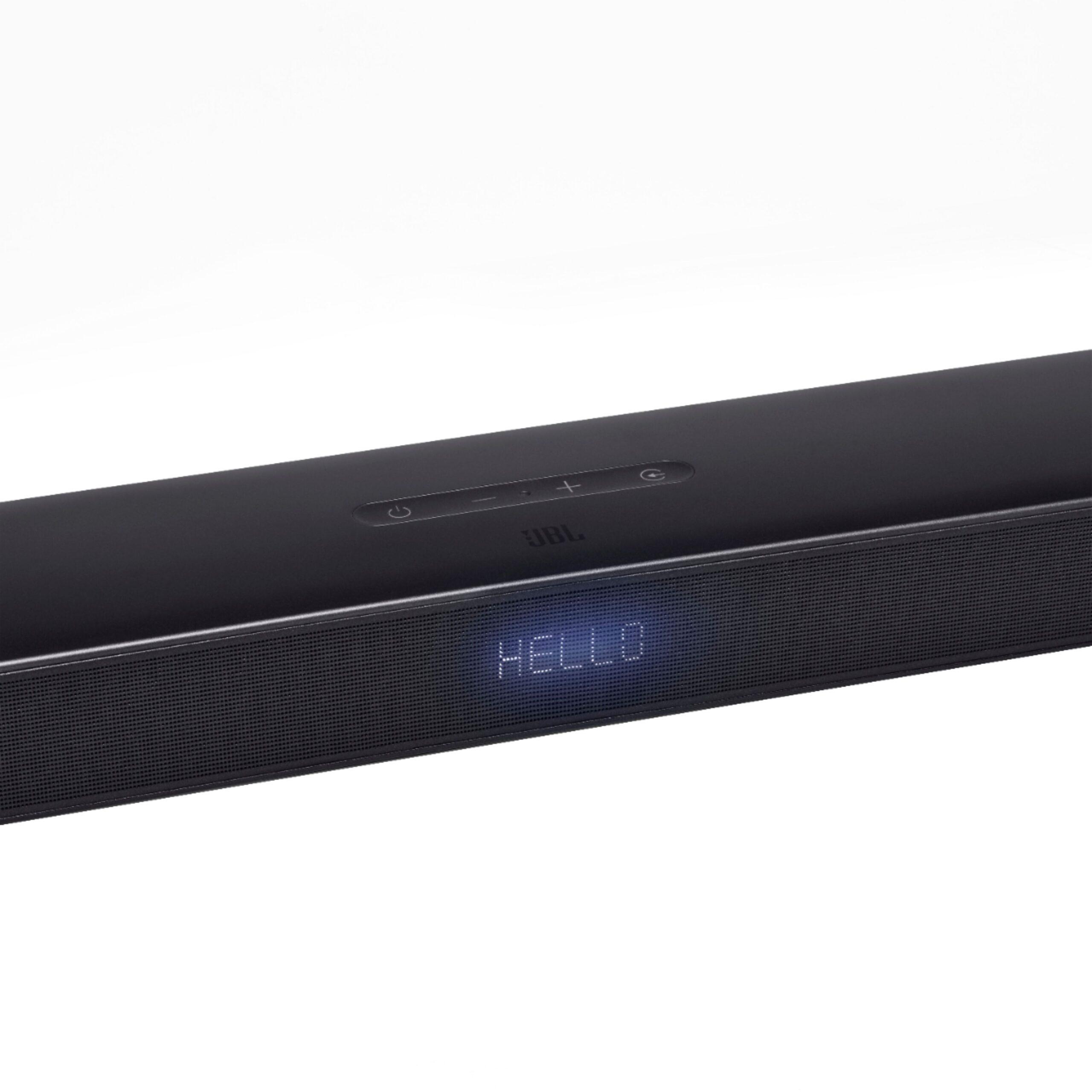
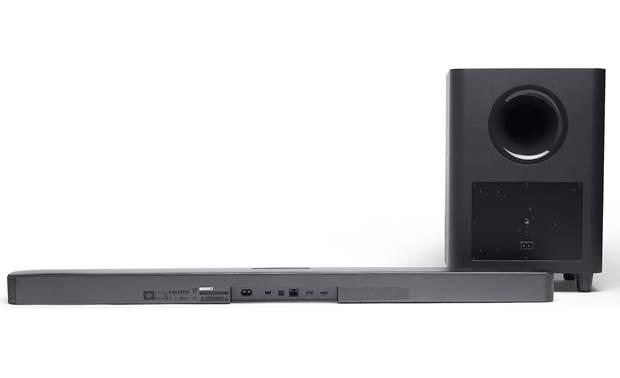
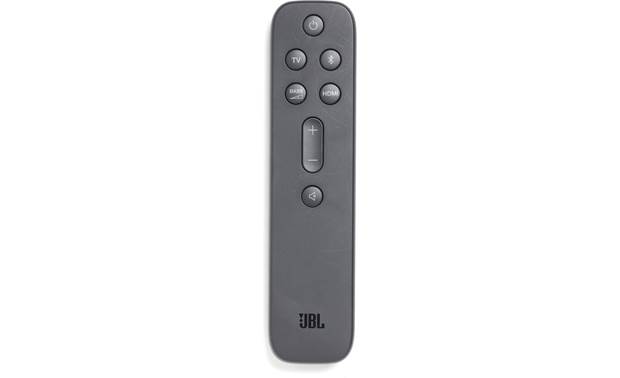
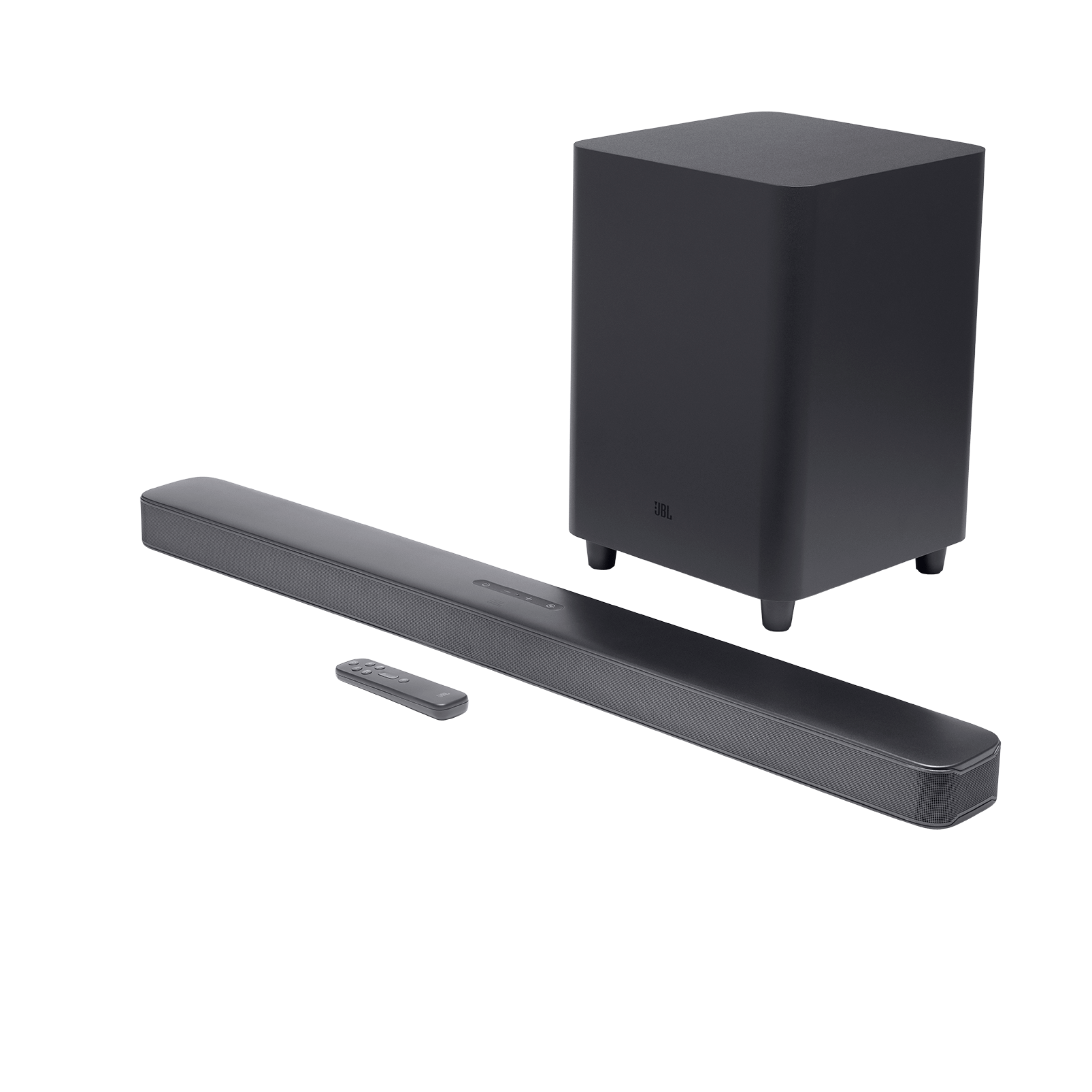
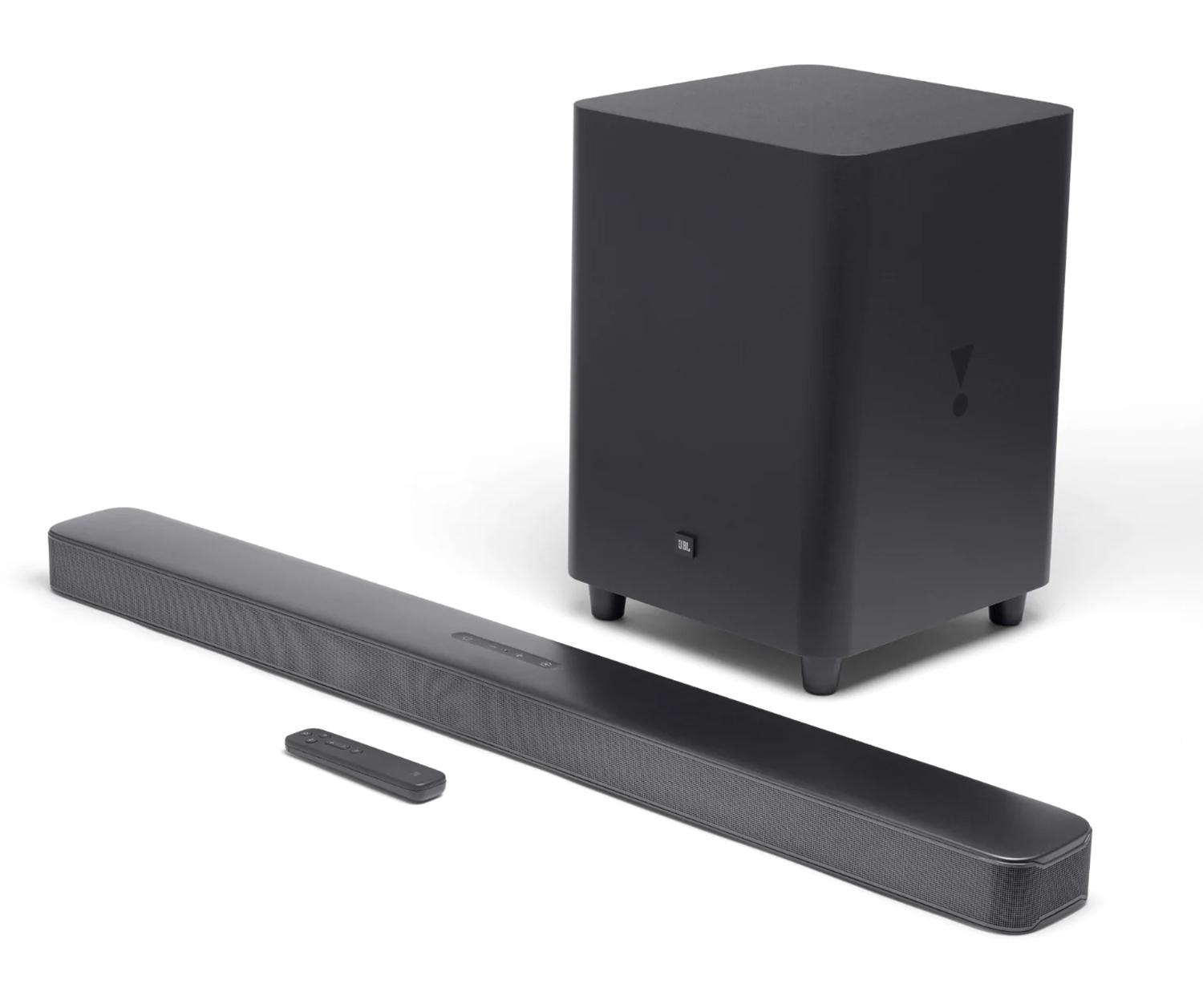
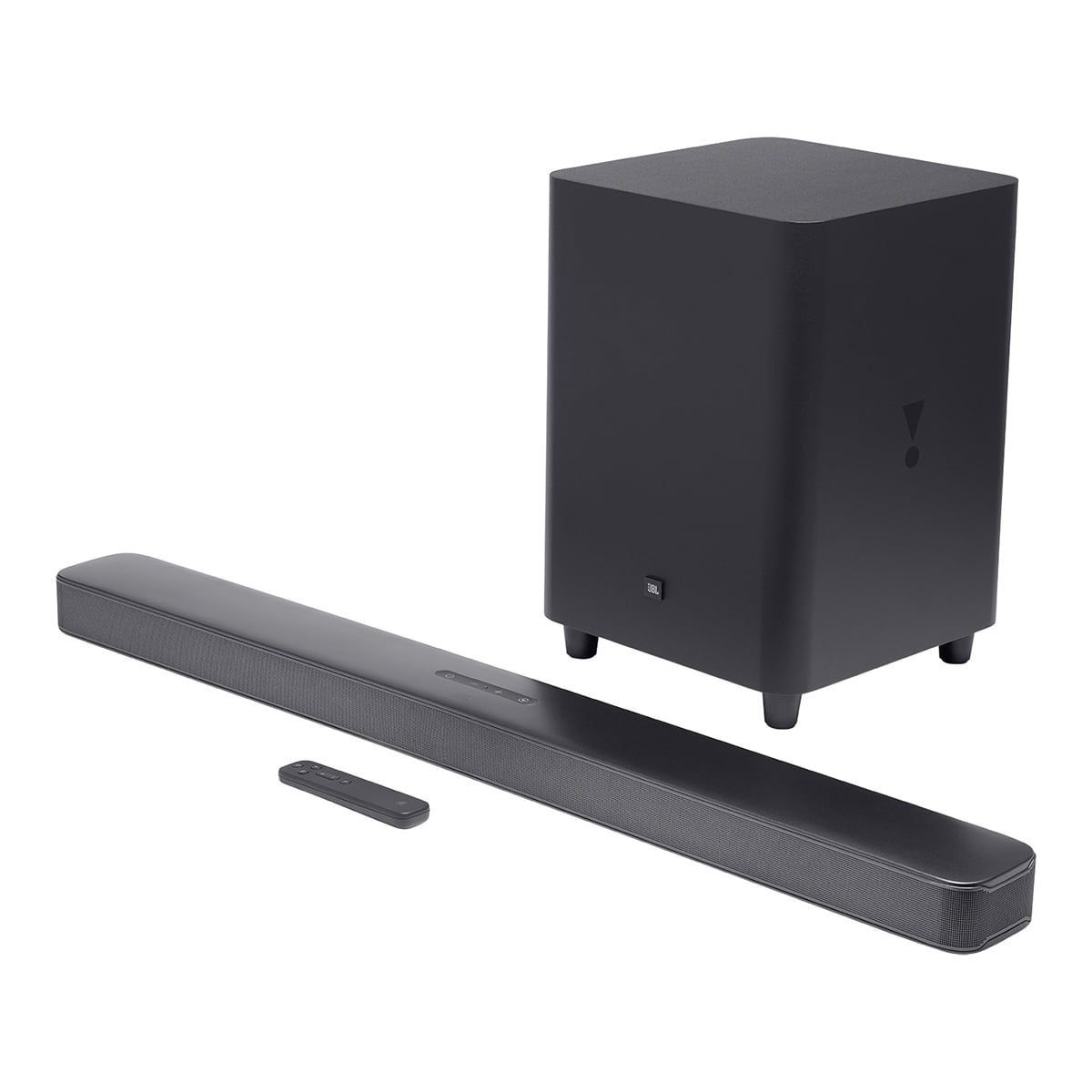
Shopping for a soundbar can feel overwhelming when you're trying to decode technical specs and figure out which features actually matter. I've spent considerable time with both the JBL Bar 1000 MK2 ($1,199.95) and the older JBL Bar 5.1 Surround ($599.95), and the differences go way beyond just the price tag. Let me walk you through what these systems actually do differently and help you figure out which one makes sense for your setup.
Before diving into these specific models, it's worth understanding what separates basic soundbars from premium home theater systems. Modern soundbars aren't just wider speakers – they're sophisticated audio processors trying to recreate the experience of a full surround sound setup without the complexity of multiple speakers around your room.
The key factors that determine whether a soundbar will actually enhance your viewing experience include the channel configuration (how many distinct audio paths it can process), power output (how loud and clear it can get), connectivity options (what devices it can handle), and perhaps most importantly, how it handles surround sound processing.
When manufacturers talk about "5.1" or "7.1.4" channels, they're describing how many discrete audio streams the system can handle. The first number represents main channels (left, center, right, plus rear speakers), the second number indicates subwoofers, and when present, the third number shows height channels for overhead effects. This matters because movies and games are mixed with specific audio placed in each channel – having more channels means more precise sound placement.
The JBL Bar 5.1 Surround launched in 2020 during a period when soundbar manufacturers were still figuring out how to make virtual surround sound convincing. It represented solid mid-range technology for its time, using digital signal processing to simulate surround effects from a limited number of physical speakers.
The JBL Bar 1000 MK2, released in 2024, benefits from four years of technological advancement. This newer system reflects major industry shifts toward true object-based audio (where sounds can be precisely placed in 3D space) and wireless connectivity improvements that eliminate the cable clutter that plagued earlier systems.
Between 2020 and 2024, we've seen significant improvements in wireless audio transmission, battery technology for portable speakers, and most importantly, the processing power needed for real-time audio calibration. The MK2 incorporates all these advances, while the Bar 5.1 remains locked into 2020-era limitations.
This is where the fundamental difference between these systems becomes apparent. The Bar 5.1 uses what's called "virtual surround processing" – it takes multi-channel audio and uses psychoacoustic tricks to make your brain think sounds are coming from behind you, even though they're not. It's impressive technology that works reasonably well, but it has inherent limitations.
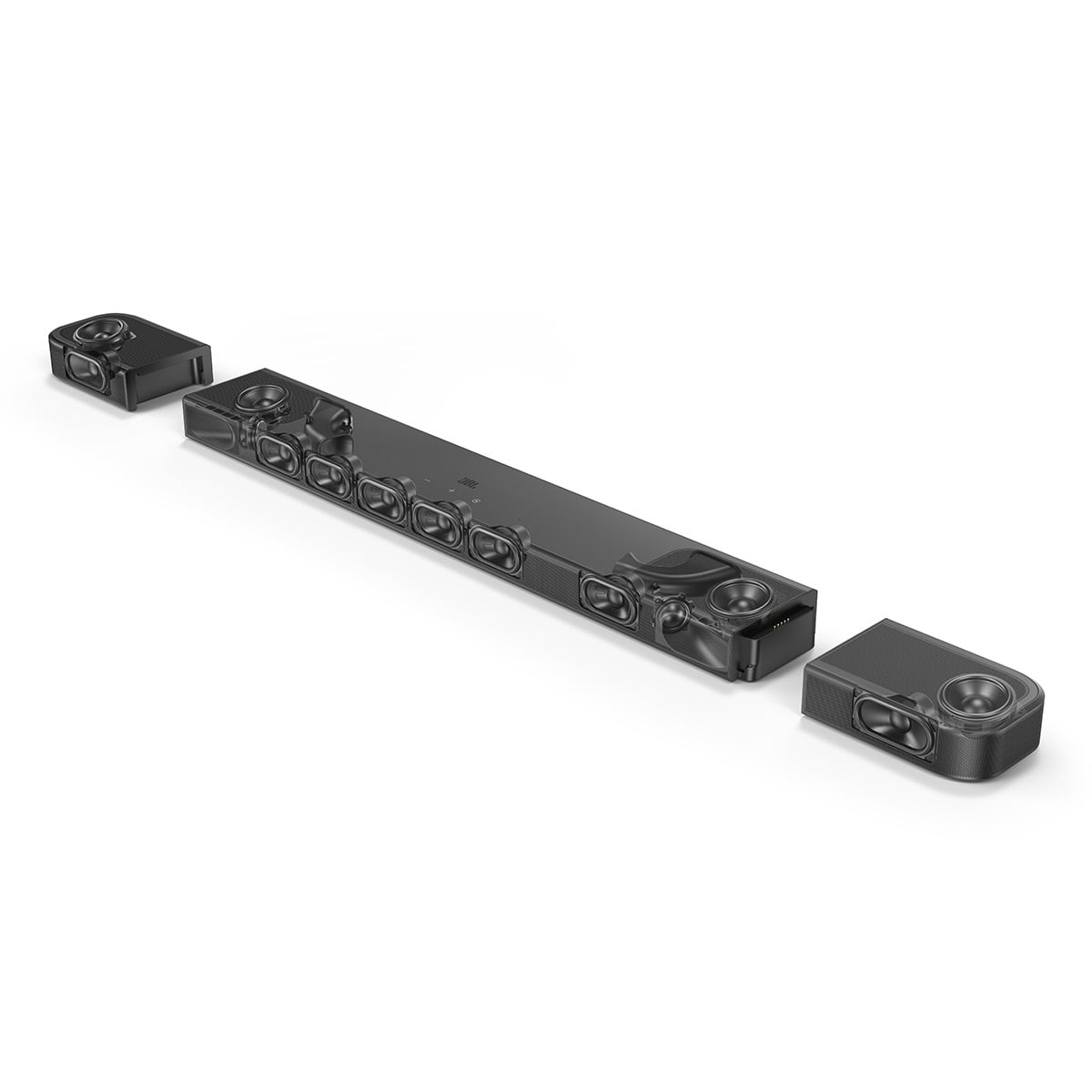
In contrast, the Bar 1000 MK2 creates what audio engineers call "true surround sound" using actual speakers positioned around your listening area. More importantly, it includes four "up-firing drivers" – specialized speakers that bounce sound off your ceiling to create height effects. This enables support for Dolby Atmos and DTS:X, which are object-based audio formats that can place sounds anywhere in three-dimensional space around you.
I've tested both systems with the same Dolby Atmos movie scenes, and the difference is immediately noticeable. During the helicopter chase in "Blade Runner 2049," the Bar 1000 MK2 creates a convincing sense of aircraft moving overhead and around the room. The Bar 5.1 produces a wide soundstage with good left-right separation, but lacks that vertical dimension entirely.
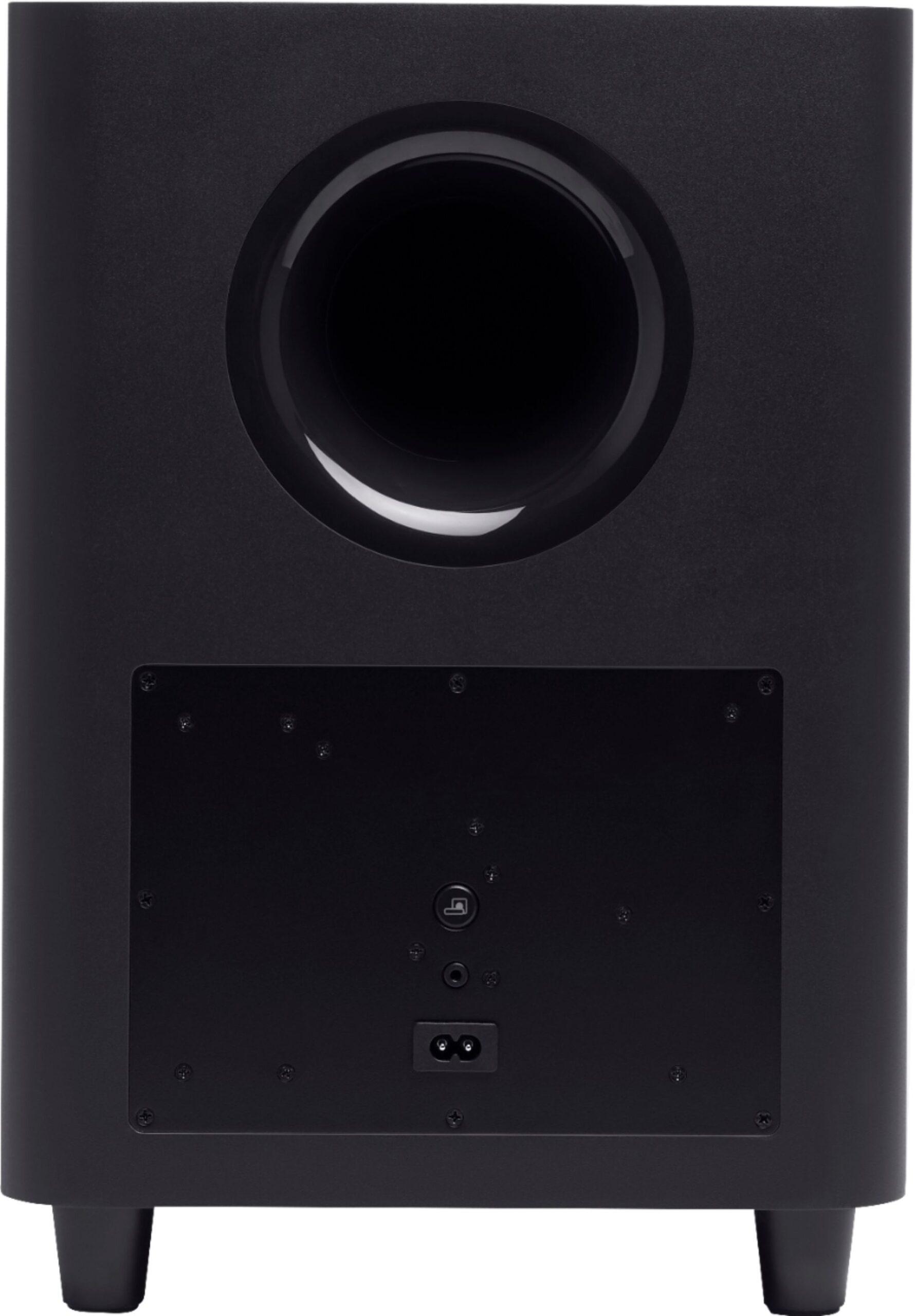
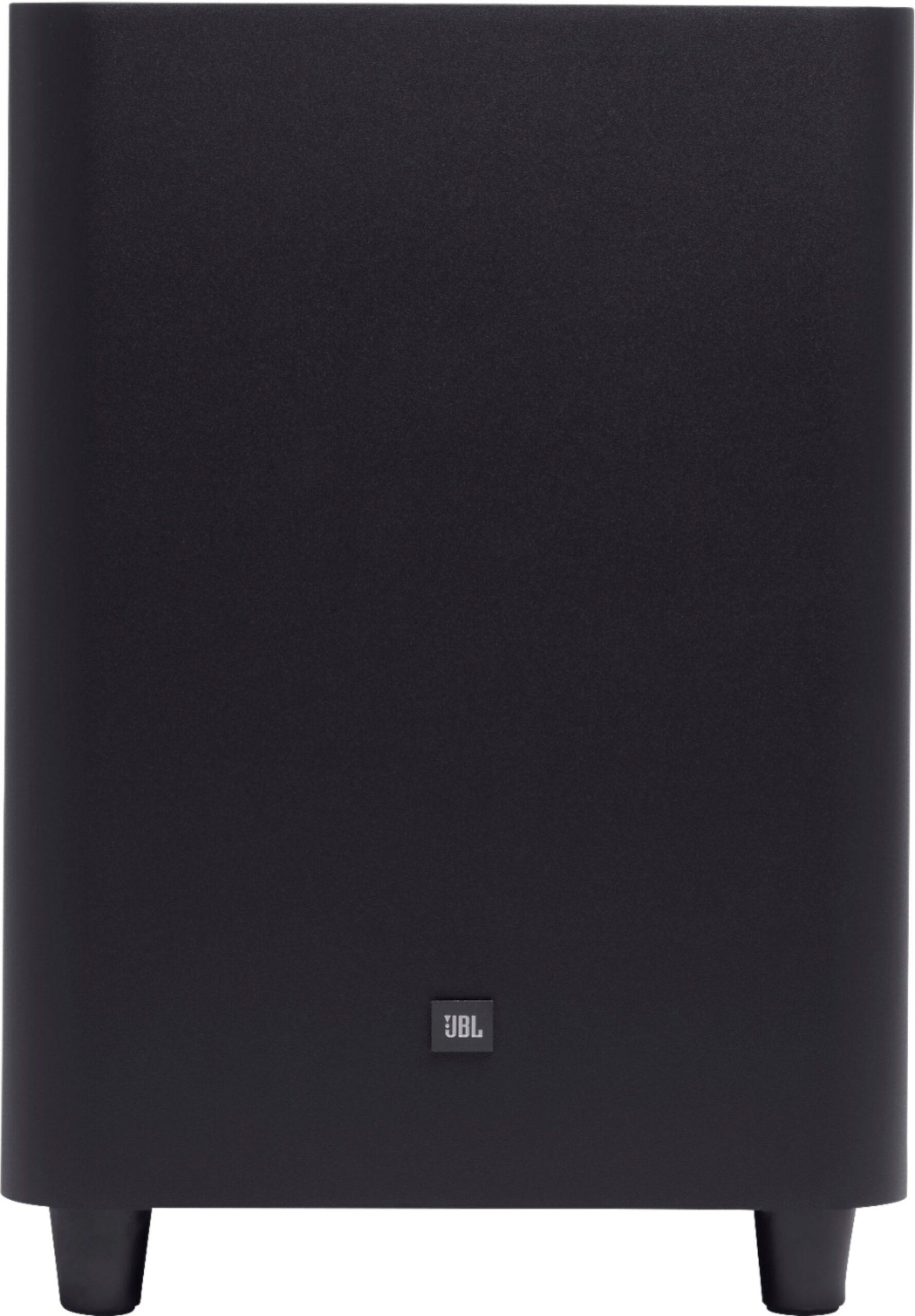
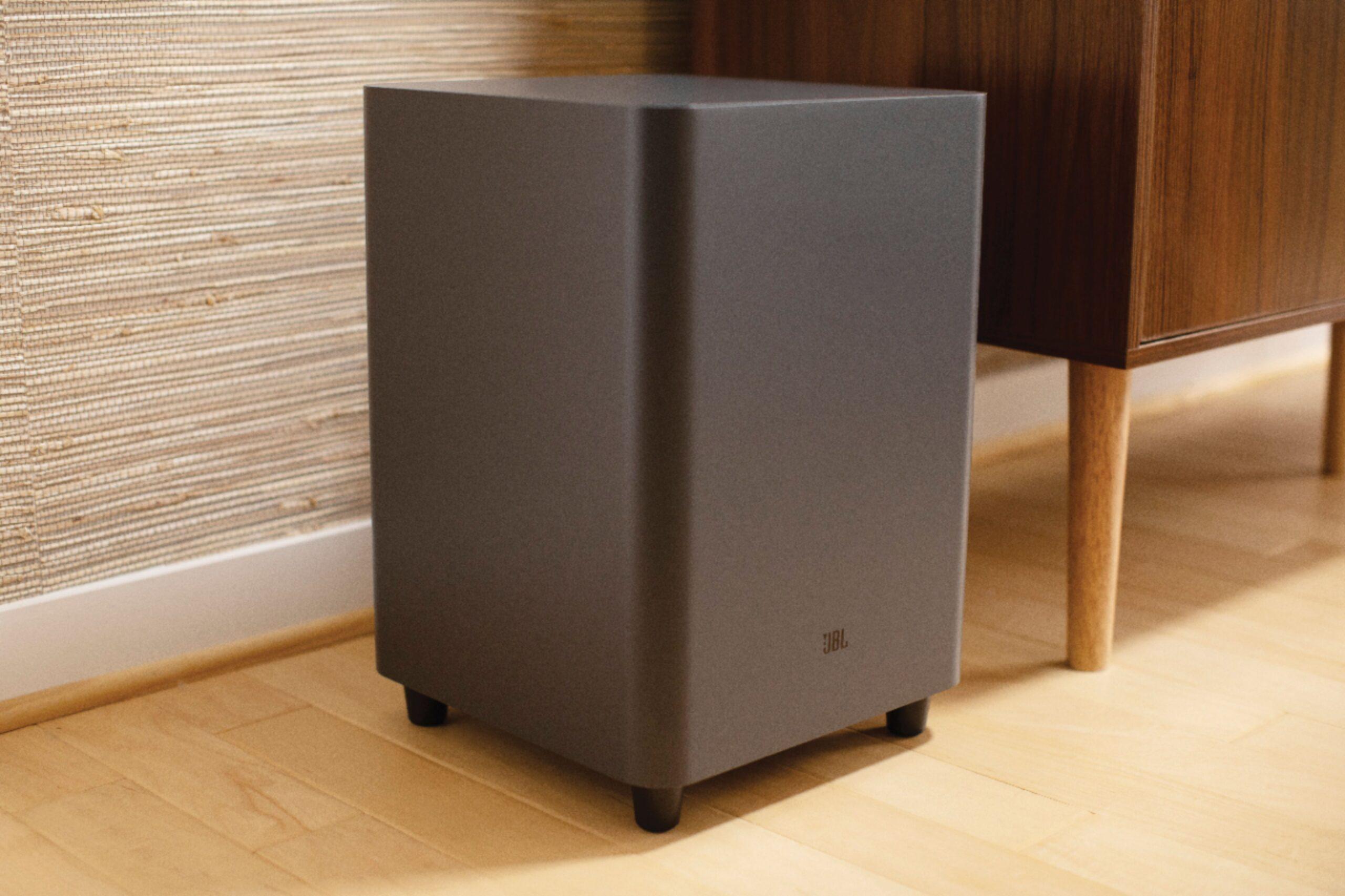
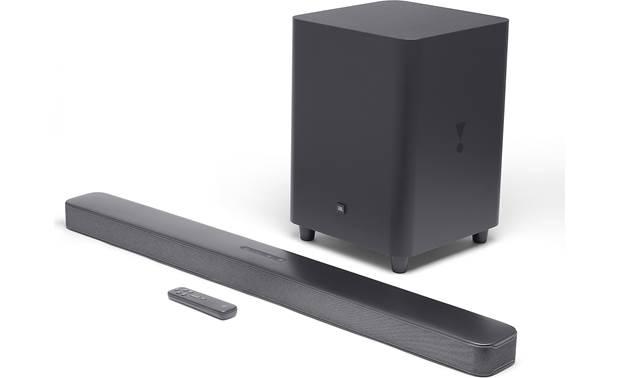
The power output differences also affect real-world performance significantly. The Bar 1000 MK2's 960W maximum output (480W RMS) versus the Bar 5.1's 550W means it can maintain clarity at higher volumes and fill larger rooms without strain. Both systems include 10-inch wireless subwoofers, but the MK2's extends deeper to 33Hz compared to the Bar 5.1's 40Hz cutoff. That extra bass depth makes explosions and music feel more impactful.
Both soundbars feature detachable rear speakers, but they implement this concept completely differently. The Bar 5.1's rear speakers detach from the main soundbar but still require wall power outlets wherever you place them. This creates a cable management challenge and limits where you can position them for optimal surround effects.
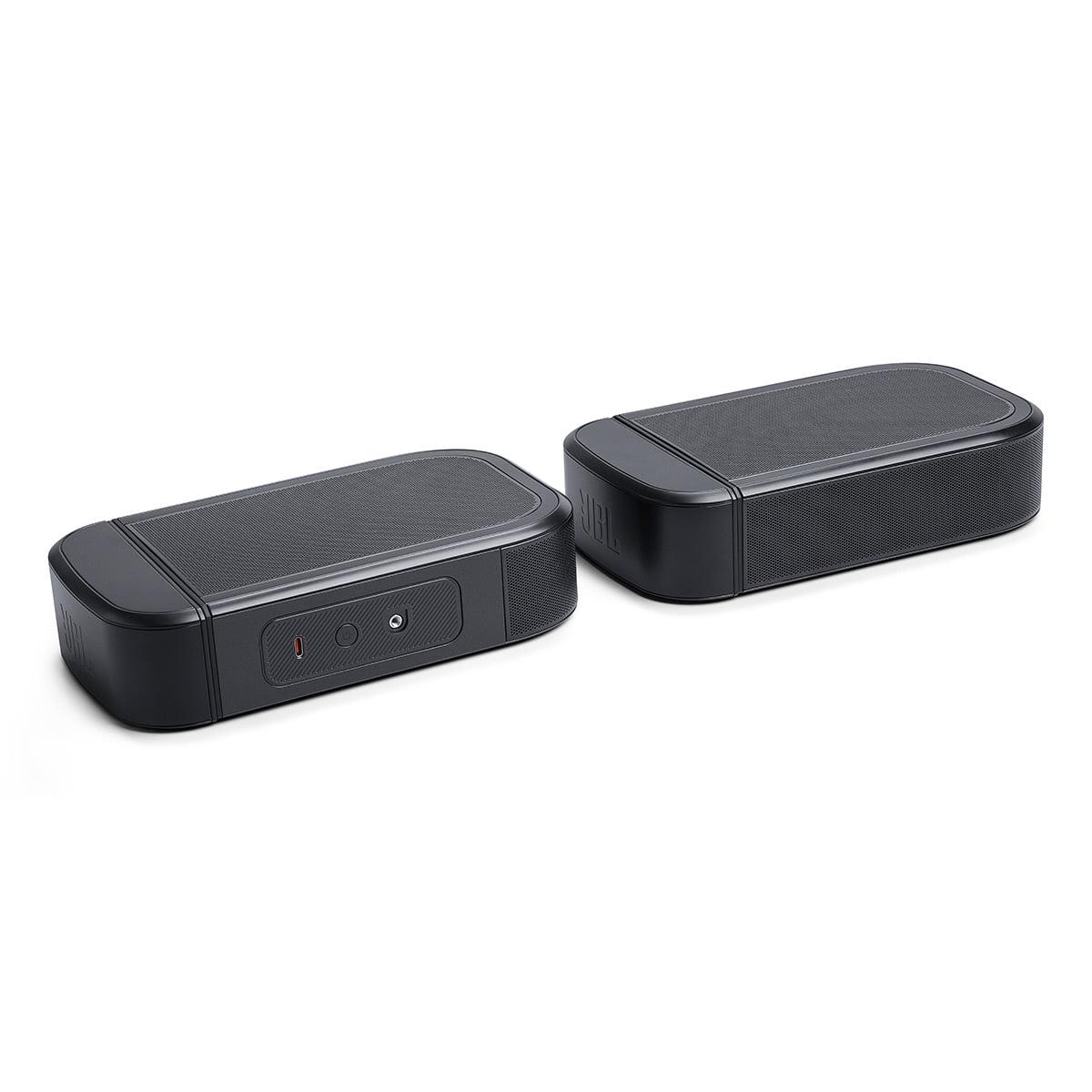
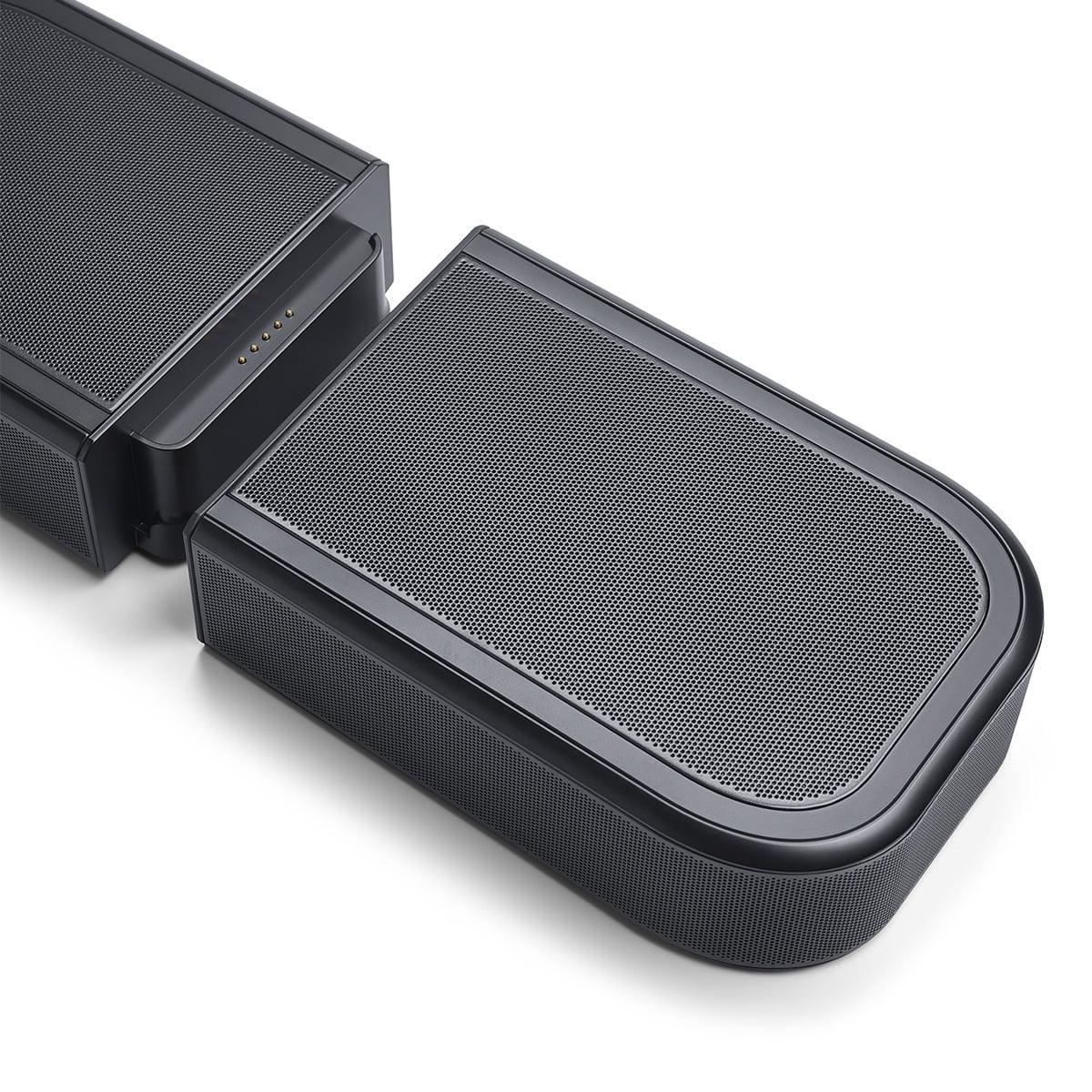
The Bar 1000 MK2's rear speakers are truly wireless, powered by internal batteries that provide up to 10 hours of operation. They automatically recharge when docked to the main soundbar, creating a seamless experience. This might seem like a small difference, but it fundamentally changes how you can use the system.
I've found the wireless design particularly valuable in apartments or rooms where running power cables to rear speaker locations isn't practical. The Bar 1000 MK2's speakers can be placed on side tables, bookshelves, or even temporarily positioned on the floor behind your couch for movie nights, then easily moved away when not needed.
Even more interesting is the Bar 1000 MK2's "Night Mode" feature, which mutes the main soundbar and subwoofer while sending audio only to the detachable speakers. This creates a personal listening experience that won't disturb others – essentially turning your rear speakers into wireless headphones for private late-night viewing.
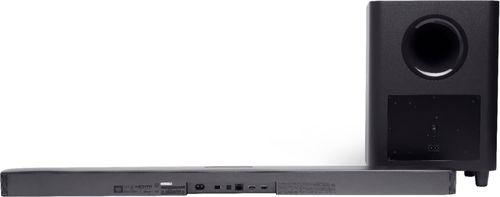
The connectivity differences between these systems reflect four years of technological evolution. The Bar 5.1 includes basic HDMI ARC (Audio Return Channel), which allows two-way communication between your TV and soundbar but limits audio quality to compressed formats.
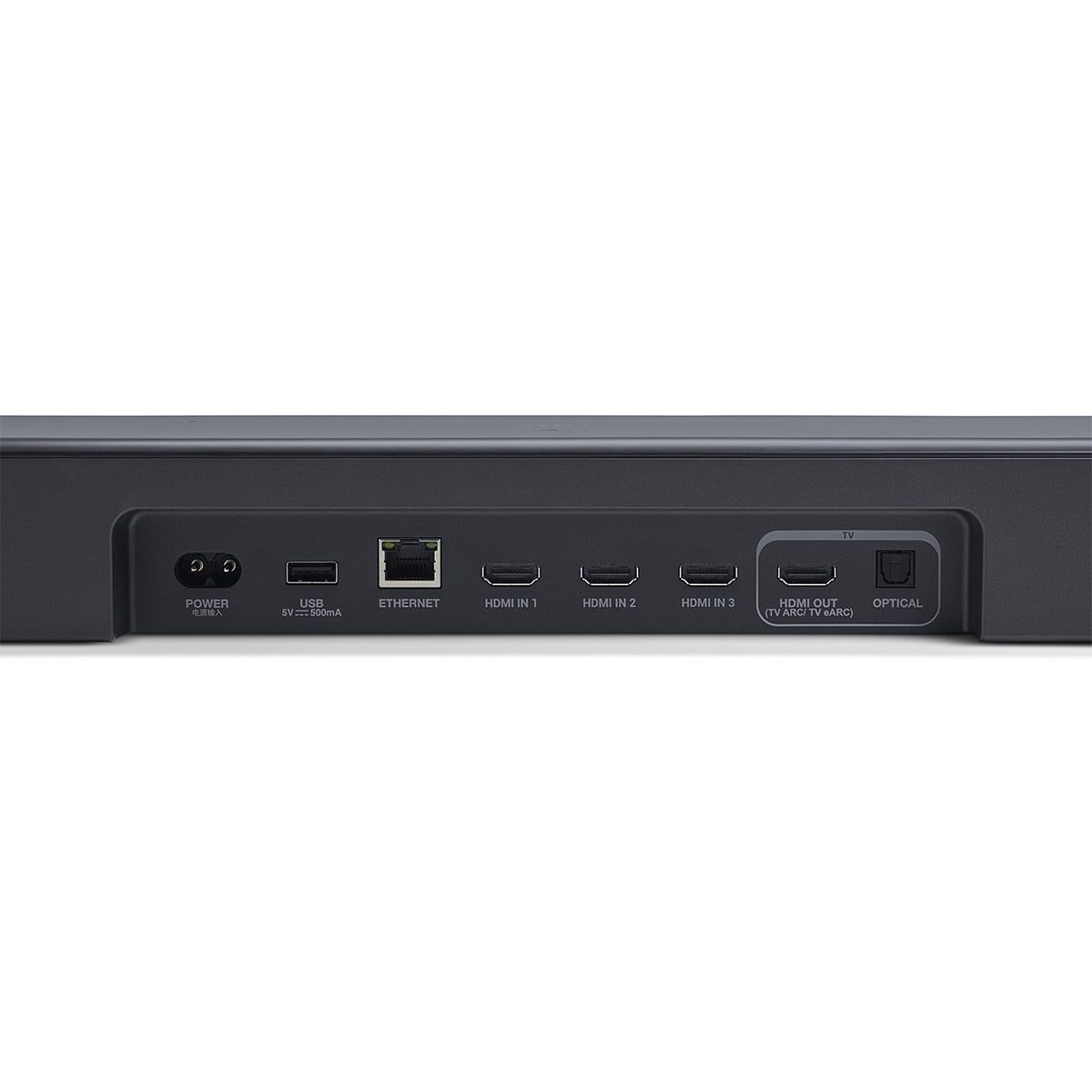
The JBL Bar 1000 MK2 features HDMI eARC (enhanced Audio Return Channel), which can transmit uncompressed Dolby Atmos and DTS:X audio. It also includes three HDMI 2.1 inputs supporting 4K video at 120Hz refresh rates, Variable Refresh Rate (VRR), and Auto Low Latency Mode (ALLM) – features that matter enormously for modern gaming consoles like the PlayStation 5 and Xbox Series X.
For streaming, the Bar 1000 MK2 supports AirPlay 2, Chromecast Built-In, Spotify Connect, and Roon Ready, while the Bar 5.1 is limited to basic Bluetooth connectivity. The newer system's dual-band Wi-Fi and Bluetooth 5.3 also provide more stable connections with better range.
The JBL One app available with the Bar 1000 MK2 offers comprehensive control including room-specific EQ adjustment, while the Bar 5.1's app functionality is much more limited. After using both, I appreciate having detailed control over the sound signature – being able to boost dialogue clarity or adjust bass response based on room acoustics makes a noticeable difference.
In my experience testing both systems in different room configurations, the performance gaps become most apparent with demanding content. Action movies with complex soundtracks showcase the Bar 1000 MK2's ability to maintain audio separation even during chaotic scenes. The dedicated center channel and true surround processing mean dialogue remains intelligible even when explosions and music compete for attention.
The Bar 5.1 handles simpler content well – TV shows, news, and music sound clear and full. However, complex movie mixes can become muddled, especially at higher volumes. The virtual surround processing works best in specific room configurations and loses effectiveness if you're not positioned directly in the sweet spot.
For gaming, the differences are even more pronounced. The Bar 1000 MK2's low-latency HDMI 2.1 connections eliminate audio delay that can throw off timing in competitive games. The true surround sound also provides better directional audio cues – in first-person shooters, you can actually pinpoint enemy locations based on audio positioning.
One unique advantage of the Bar 1000 MK2 is its detachable speakers' ability to function as portable Bluetooth speakers in other rooms. While this might seem like a minor feature, it effectively gives you a multi-room audio system. I've used the rear speakers as kitchen speakers while cooking or taken them to the patio for outdoor listening.
The Bar 5.1's wired rear speakers offer no such flexibility – they're dedicated to home theater use only. This limits the system's value proposition, especially considering that many users want audio solutions that adapt to different use cases.
At $599.95, the JBL Bar 5.1 Surround represents solid value for users primarily focused on improving TV audio without breaking the bank. It delivers meaningful bass improvement over TV speakers and creates a wider soundstage that enhances the viewing experience. For smaller rooms and basic surround sound needs, it provides good performance for the price.
The $1,199.95 JBL Bar 1000 MK2 costs exactly double but delivers significantly more than twice the performance. The true Dolby Atmos capability, wireless rear speakers, advanced connectivity, and multi-use flexibility justify the premium for users who want a comprehensive home theater upgrade.
When compared to competitors, the Bar 1000 MK2 competes favorably with systems costing $1,500 or more from brands like Samsung and Sonos, while offering unique advantages like truly wireless rear speakers. The Bar 5.1, while dated, still holds its own against current mid-range offerings.
The Bar 1000 MK2's 7.1.4 configuration includes seven main channels (left, center, right, two side surrounds, two rear surrounds), one subwoofer channel, and four height channels. This matches the channel count of professional cinema systems and allows for precise audio object placement.
The frequency response specifications tell an important story: the Bar 1000 MK2's 33Hz-20kHz range covers nearly the full spectrum of human hearing, while the Bar 5.1's 40Hz-20kHz response misses some deep bass content. That 7Hz difference might seem small, but it represents the difference between feeling bass effects and just hearing them.
Both systems use JBL's proprietary "racetrack" drivers – oval-shaped speakers that fit more cone area into compact spaces. However, the Bar 1000 MK2 includes additional tweeter arrays and up-firing drivers that the Bar 5.1 lacks entirely.
Choose the JBL Bar 1000 MK2 if you're serious about home theater audio and want technology that will remain relevant for years. The true Dolby Atmos experience, wireless convenience, and gaming-optimized connectivity make it worthwhile for enthusiasts willing to invest in premium performance.
The wireless rear speakers alone solve so many practical problems that they justify much of the price difference. If you've ever tried to run speaker wires across a room or deal with the aesthetic compromises of permanent rear speaker placement, you'll appreciate this innovation.
Opt for the JBL Bar 5.1 Surround if your budget is constrained and you primarily want better TV audio with some surround sound enhancement. It's a solid performer that will satisfy users upgrading from basic TV speakers, especially in smaller rooms where the virtual surround processing works effectively.
The Bar 5.1 also makes sense if you have simple connectivity needs and don't plan to upgrade your TV or gaming systems in the near future. Its limitations won't matter if you're not pushing the boundaries of what a soundbar can do.
For most users serious about home entertainment, the Bar 1000 MK2 represents the better long-term investment. The technology gap between these systems reflects genuine advances in audio processing and wireless design that translate into a noticeably superior experience. While the price difference is significant, the performance and flexibility advantages make it worthwhile for anyone planning to keep their soundbar for several years.
| JBL Bar 1000 MK2 Soundbar System | JBL Bar 5.1 Surround Soundbar with Wireless Subwoofer |
|---|---|
| Price - Initial investment cost | |
| $1,199.95 | $599.95 |
| Audio Channels - Determines surround sound quality and immersion | |
| 7.1.4 channels (true Dolby Atmos with 4 height speakers) | 5.1 channels (virtual surround, no height effects) |
| Total Power Output - Affects volume and room-filling capability | |
| 960W max (480W RMS) - fills large rooms without distortion | 550W max - adequate for medium rooms |
| Rear Speaker Design - Major convenience and placement factor | |
| Completely wireless with 10-hour battery, no outlets needed | Detachable but require wall power outlets |
| Bass Extension - How deep the low-end goes for movie impact | |
| 33Hz (deeper, more cinematic bass) | 40Hz (good but less impactful) |
| HDMI Connectivity - Future-proofing and gaming compatibility | |
| 3x HDMI 2.1 inputs + eARC (4K/120Hz, VRR, ALLM for PS5/Xbox) | 1x HDMI input + basic ARC (limited bandwidth) |
| Dolby Atmos Support - 3D overhead sound effects | |
| True Dolby Atmos/DTS:X with dedicated up-firing drivers | No Atmos support, virtual processing only |
| Wireless Streaming - Built-in music service compatibility | |
| AirPlay 2, Chromecast, Spotify Connect, Roon Ready | Basic Bluetooth 4.2 only |
| Multi-Use Flexibility - Additional ways to use the system | |
| Rear speakers work as portable Bluetooth speakers + Night Mode | Home theater use only |
| Room Calibration - Automatic sound optimization | |
| MultiBeam 3.0 with app-controlled EQ and room tuning | Basic MultiBeam, limited customization |
| Release Year - Technology generation and future support | |
| 2024 (latest features and long-term support) | 2020 (older tech, may lack future updates) |
The JBL Bar 1000 MK2 ($1,199.95) is a premium 7.1.4-channel system with true Dolby Atmos and completely wireless rear speakers, while the JBL Bar 5.1 Surround ($599.95) is a mid-range 5.1-channel system with virtual surround sound and wired rear speakers that need power outlets.
The JBL Bar 1000 MK2 delivers superior surround sound with true Dolby Atmos height effects using four up-firing drivers. The JBL Bar 5.1 uses virtual surround processing without height channels, creating a less immersive but still enjoyable experience.
Yes, both the JBL Bar 1000 MK2 and JBL Bar 5.1 Surround include 10-inch wireless subwoofers. However, the Bar 1000 MK2's subwoofer extends deeper to 33Hz compared to the Bar 5.1's 40Hz for more impactful bass.
The JBL Bar 1000 MK2 is significantly better for gaming with three HDMI 2.1 inputs supporting 4K/120Hz, VRR, and low-latency modes for PS5 and Xbox Series X. The JBL Bar 5.1 only has basic HDMI ARC without advanced gaming features.
No - this is a key difference. The JBL Bar 1000 MK2 has completely wireless rear speakers with 10-hour batteries that recharge when docked. The JBL Bar 5.1 Surround has detachable rear speakers but they still need to be plugged into wall outlets.
The JBL Bar 5.1 Surround ($599.95) offers better value for budget-conscious buyers seeking basic surround sound improvement. The JBL Bar 1000 MK2 ($1,199.95) provides premium value with advanced features that justify the higher cost for serious home theater enthusiasts.
The JBL Bar 1000 MK2 excels at music streaming with AirPlay 2, Chromecast, Spotify Connect, and Roon Ready support. The JBL Bar 5.1 is limited to basic Bluetooth 4.2 connectivity for music playback.
The JBL Bar 1000 MK2 is better suited for large rooms with 960W total power output and the ability to maintain clarity at higher volumes. The JBL Bar 5.1 Surround with 550W works well in medium-sized rooms but may struggle in larger spaces.
Only the JBL Bar 1000 MK2 supports true Dolby Atmos and DTS:X with dedicated up-firing drivers for overhead sound effects. The JBL Bar 5.1 Surround does not support Dolby Atmos and relies on virtual surround processing.
The JBL Bar 1000 MK2 includes three HDMI 2.1 inputs plus eARC output, allowing multiple 4K devices. The JBL Bar 5.1 has only one HDMI input plus basic ARC, limiting connectivity options.
Yes, but differently. The JBL Bar 1000 MK2's wireless rear speakers can function as portable Bluetooth speakers in other rooms and support a Night Mode for private listening. The JBL Bar 5.1's wired rear speakers cannot be used independently.
Choose the JBL Bar 1000 MK2 ($1,199.95) if you want the latest technology, true Dolby Atmos, wireless convenience, and future-proof gaming features. Select the JBL Bar 5.1 Surround ($599.95) if you're budget-conscious and primarily need better TV audio with basic surround sound enhancement.
We've done our best to create useful and informative comparisons to help you decide what product to buy. Our research uses advanced automated methods to create this comparison and perfection is not possible - please contact us for corrections or questions. These are the sites we've researched in the creation of this article: ecoustics.com - engadget.com - bestbuy.com - techradar.com - rtings.com - hometechnologyreview.com - youtube.com - t3.com - whathifi.com - youtube.com - bhphotovideo.com - gzhls.at - device.report - support.jbl.com - support.jbl.com - jbl.com - av.com - audioadvice.com - jbl.com - target.com - worldwidestereo.com - jbl.com - jbl.com - jbl.com - tomsguide.com - jbl.com - bestbuy.com - bestbuy.com - jbl.com - jbl.com - worldwidestereo.com

Privacy Policy
Terms and Conditions - Affiliate Policy
Home Security
© Copyright 2008-2026.
11816 Inwood Rd #1211, Dallas, TX 75244