



If you've ever found yourself turning up the volume just to understand what characters are saying on TV, only to have the action scenes blast you out of your seat, you're not alone. Most TV speakers are frankly terrible, prioritizing thin designs over audio quality. That's where soundbars come in—they're the most practical solution for better home audio without the complexity of a full surround sound system.
Today we're comparing two very different approaches to solving your TV audio problems: the budget-friendly Amazon Fire TV Soundbar Plus and the more premium JBL Bar 5.1 Surround. Released in 2023 and 2019 respectively, these represent fundamentally different philosophies in soundbar design. One prioritizes simplicity and value, while the other delivers genuine surround sound performance. Let's dig into which might be right for you.
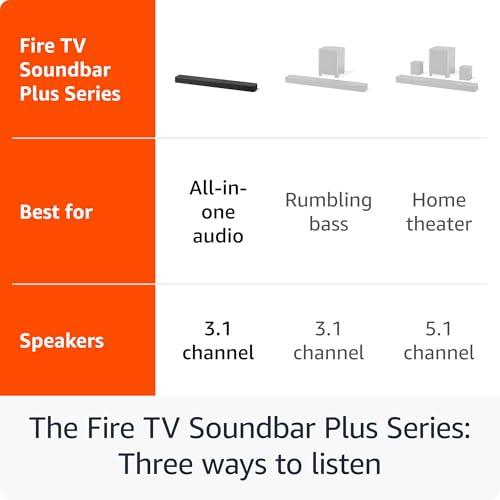
Before we dive into specifics, it's worth understanding what separates a great soundbar from a mediocre one. The most important factor is channel configuration—this tells you how many separate audio channels the system can reproduce. A 2.0 system has left and right channels (like stereo speakers), while a 3.1 system adds a center channel for dialogue plus a subwoofer (the ".1") for bass. A true 5.1 system includes rear surround channels for a full theater experience.
Power output matters too, but not just the raw wattage numbers manufacturers love to advertise. What's more important is how cleanly that power is delivered and how well the drivers (the individual speakers inside) are designed. A well-engineered 200-watt soundbar will often outperform a poorly designed 400-watt model.
Then there's the question of connectivity. Modern soundbars should support HDMI ARC (Audio Return Channel), which allows your TV to send audio back to the soundbar through the same HDMI cable that's bringing video to your TV. The newer eARC standard supports higher-quality audio formats like Dolby Atmos—think of it as a wider highway for audio data.
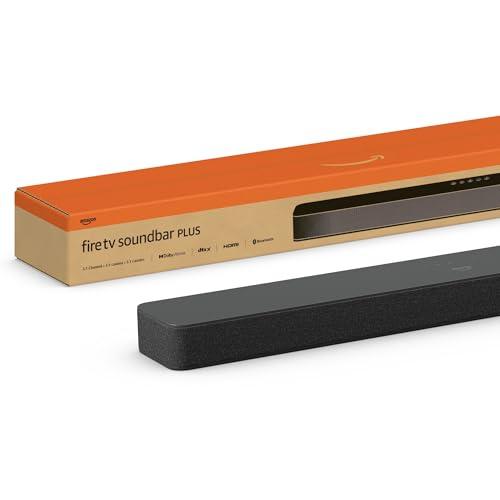
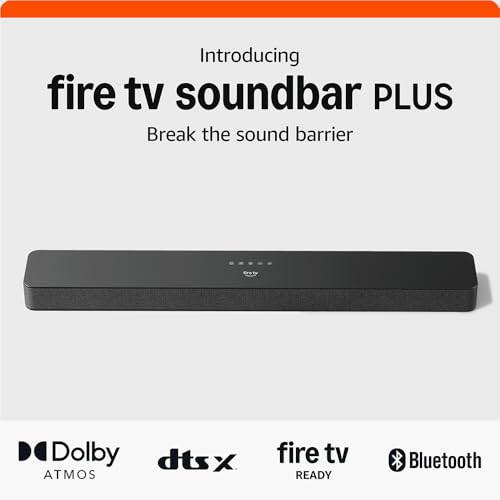
The Amazon Fire TV Soundbar Plus represents what I'd call the "smart upgrade" philosophy. At the time of writing, it typically sells for under $180, though sales often bring it well below $100. Amazon designed this as a 3.1-channel system specifically to integrate with Fire TV devices, prioritizing dialogue clarity and ease of use over raw power.
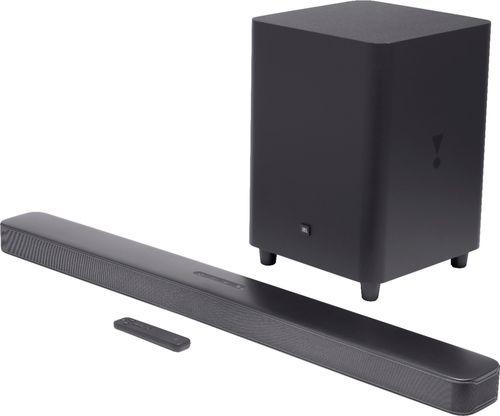
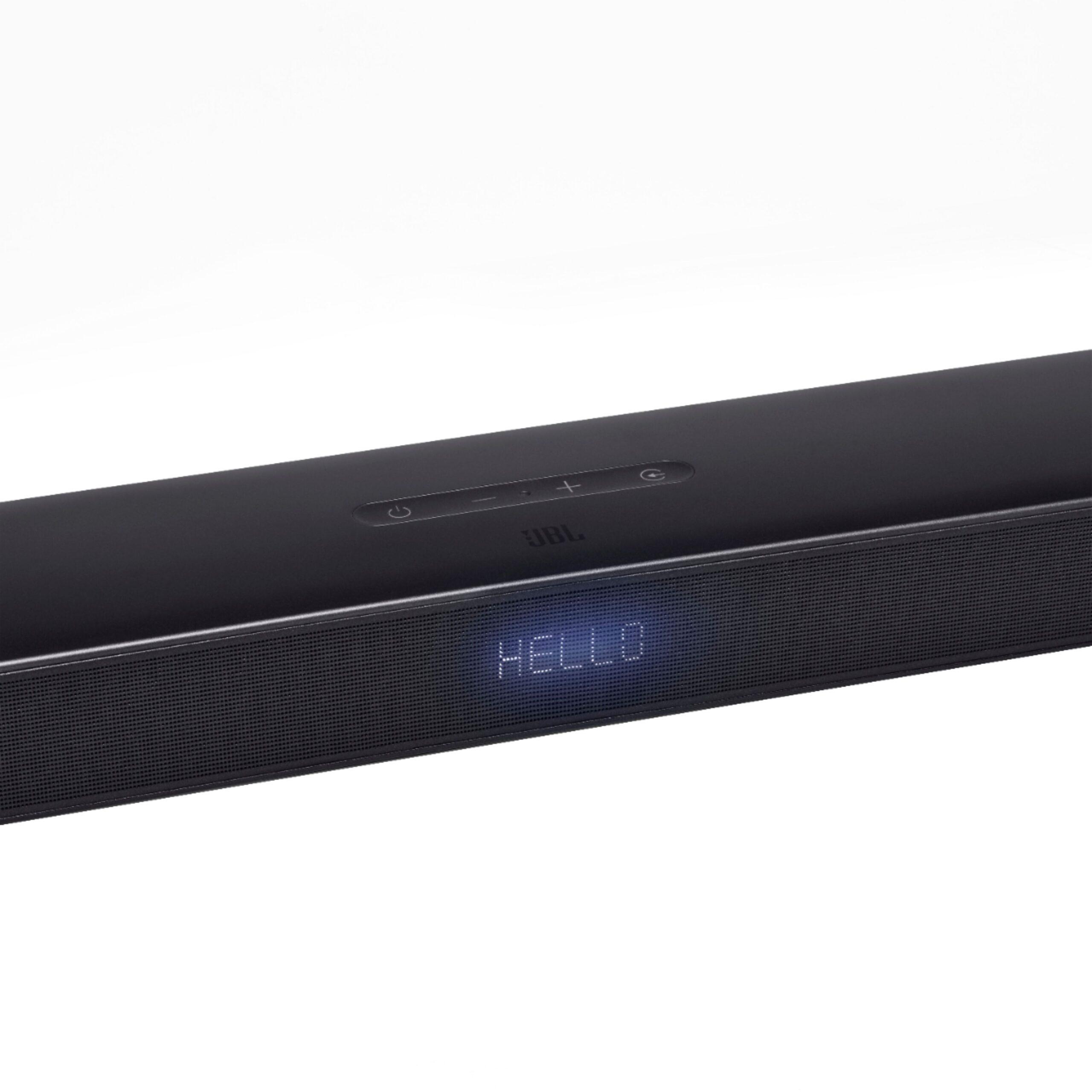
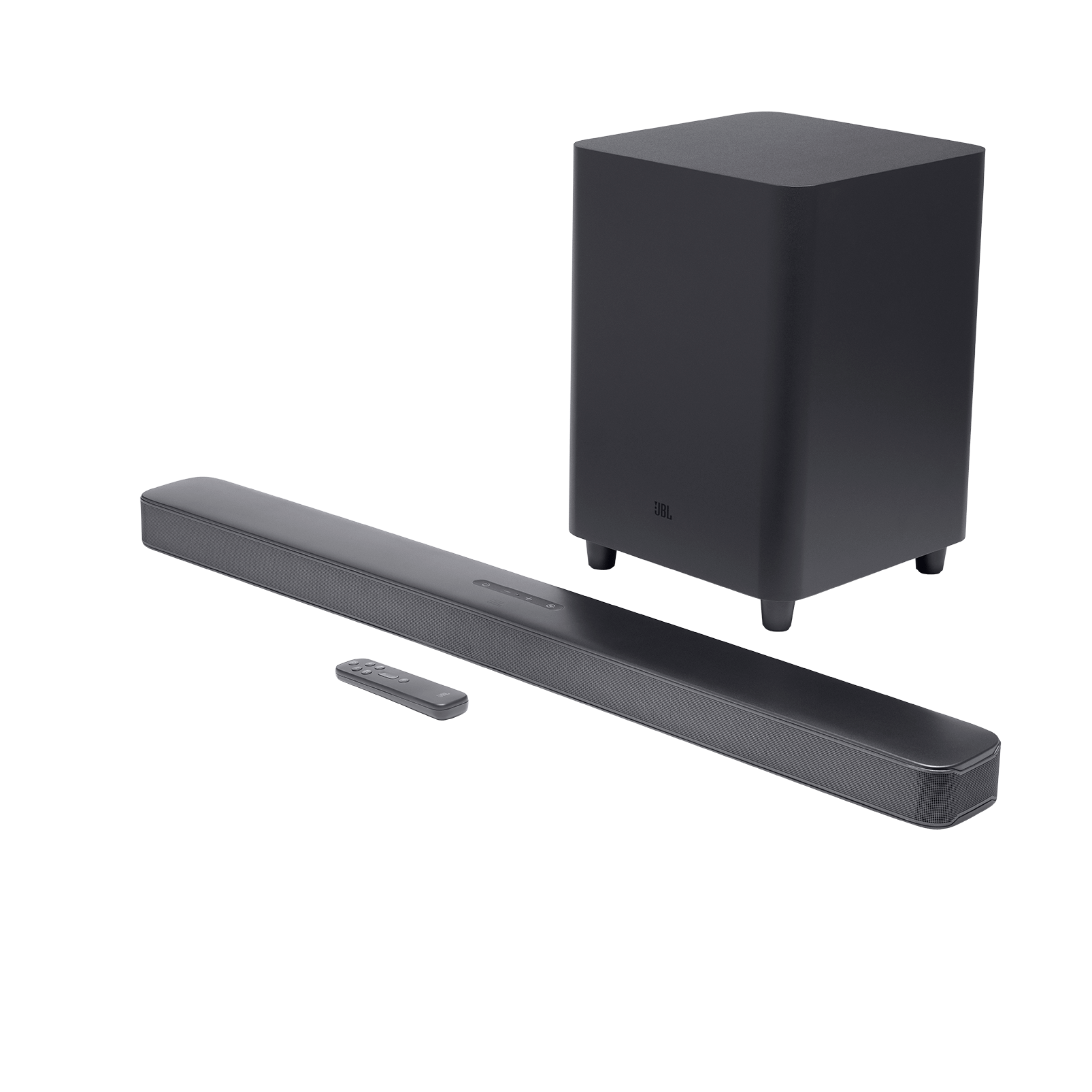
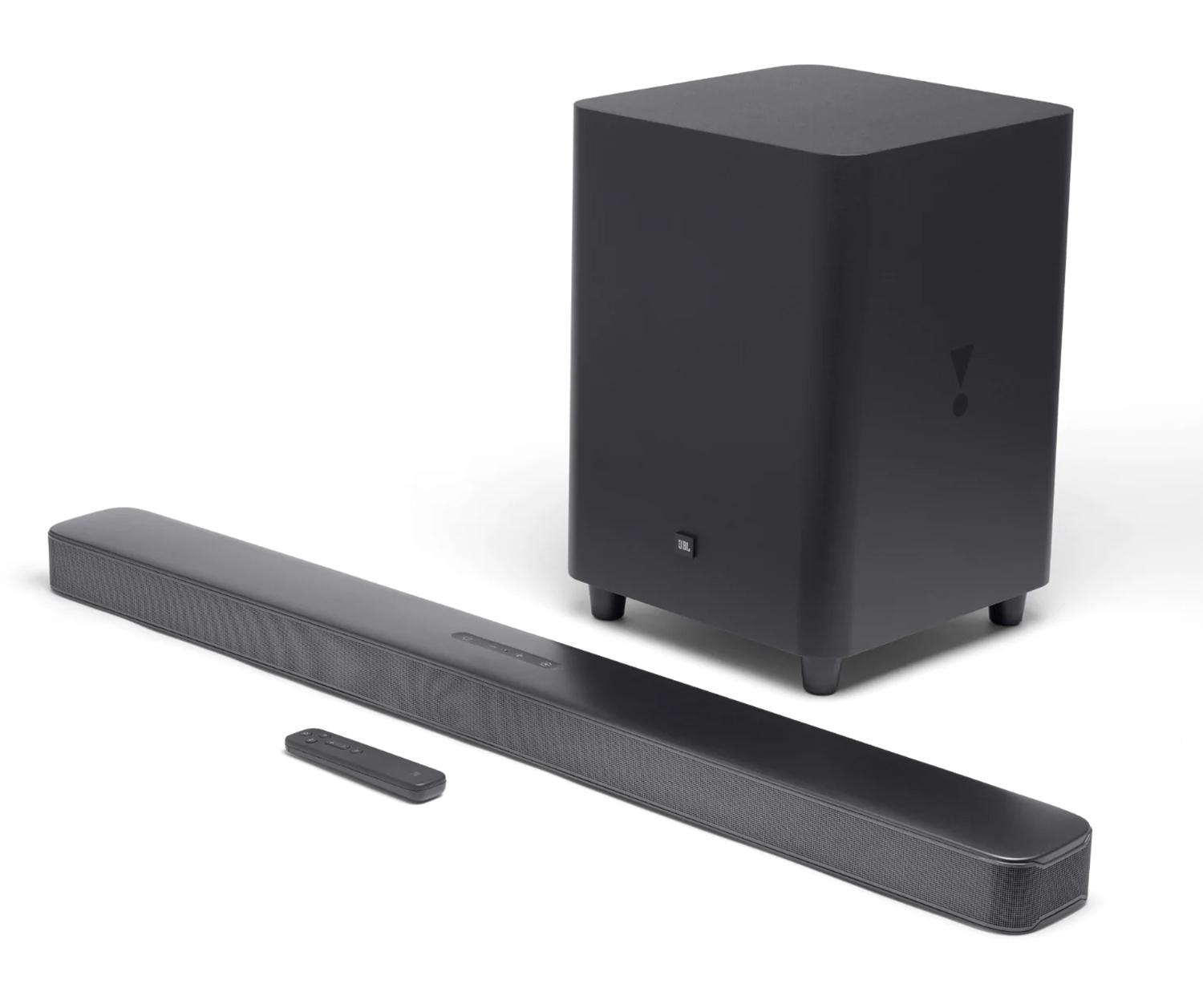
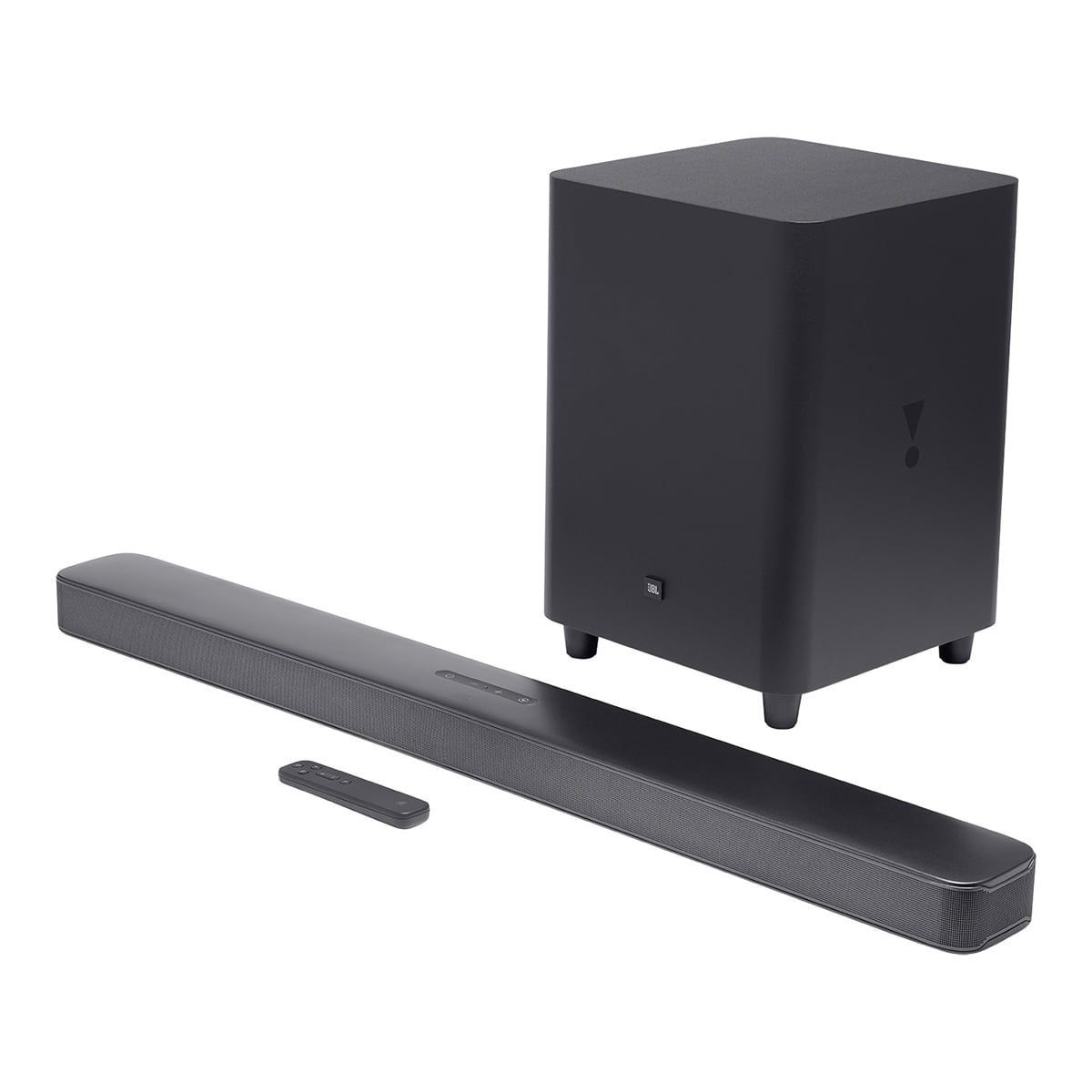
The JBL Bar 5.1 Surround, meanwhile, embodies the "genuine home theater" approach. Originally launched in 2019, it's evolved to include modern streaming features while maintaining its core identity as a true 5.1-channel system. At the time of writing, it typically retails for over $400, reflecting its more sophisticated engineering and premium components.
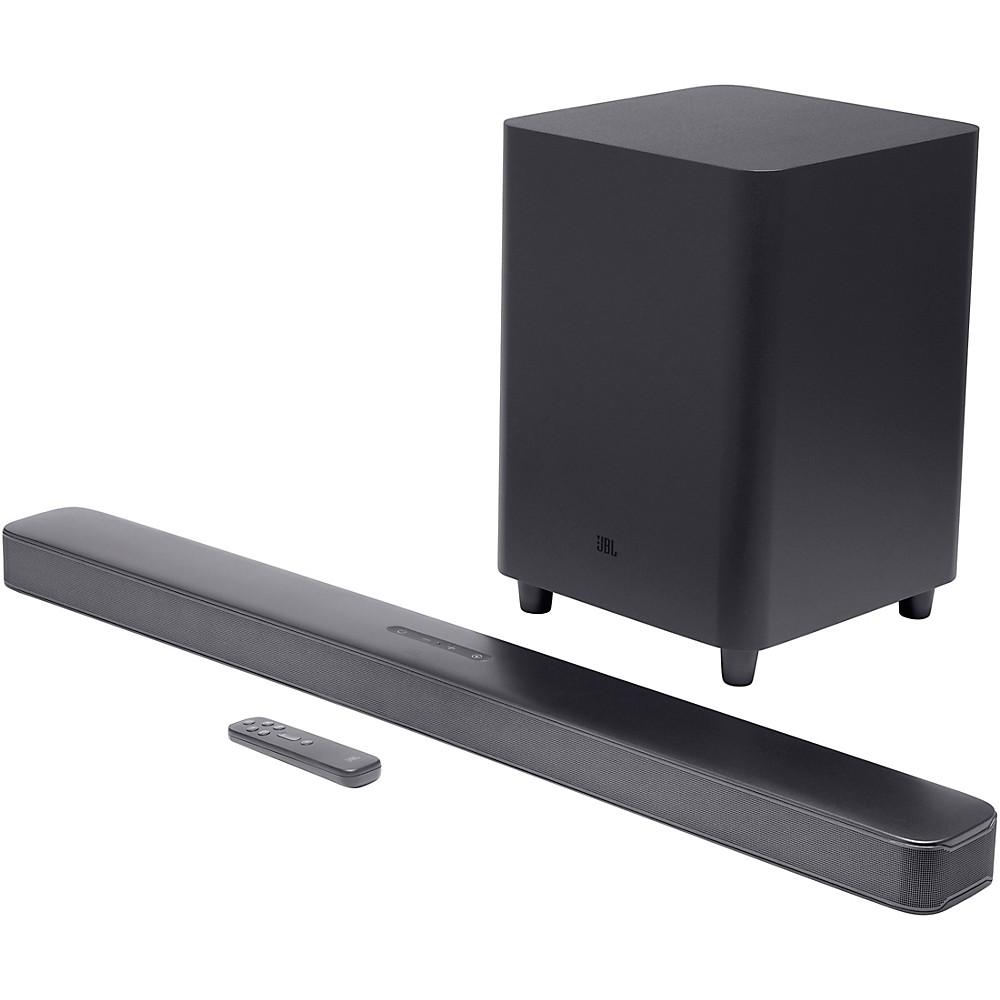
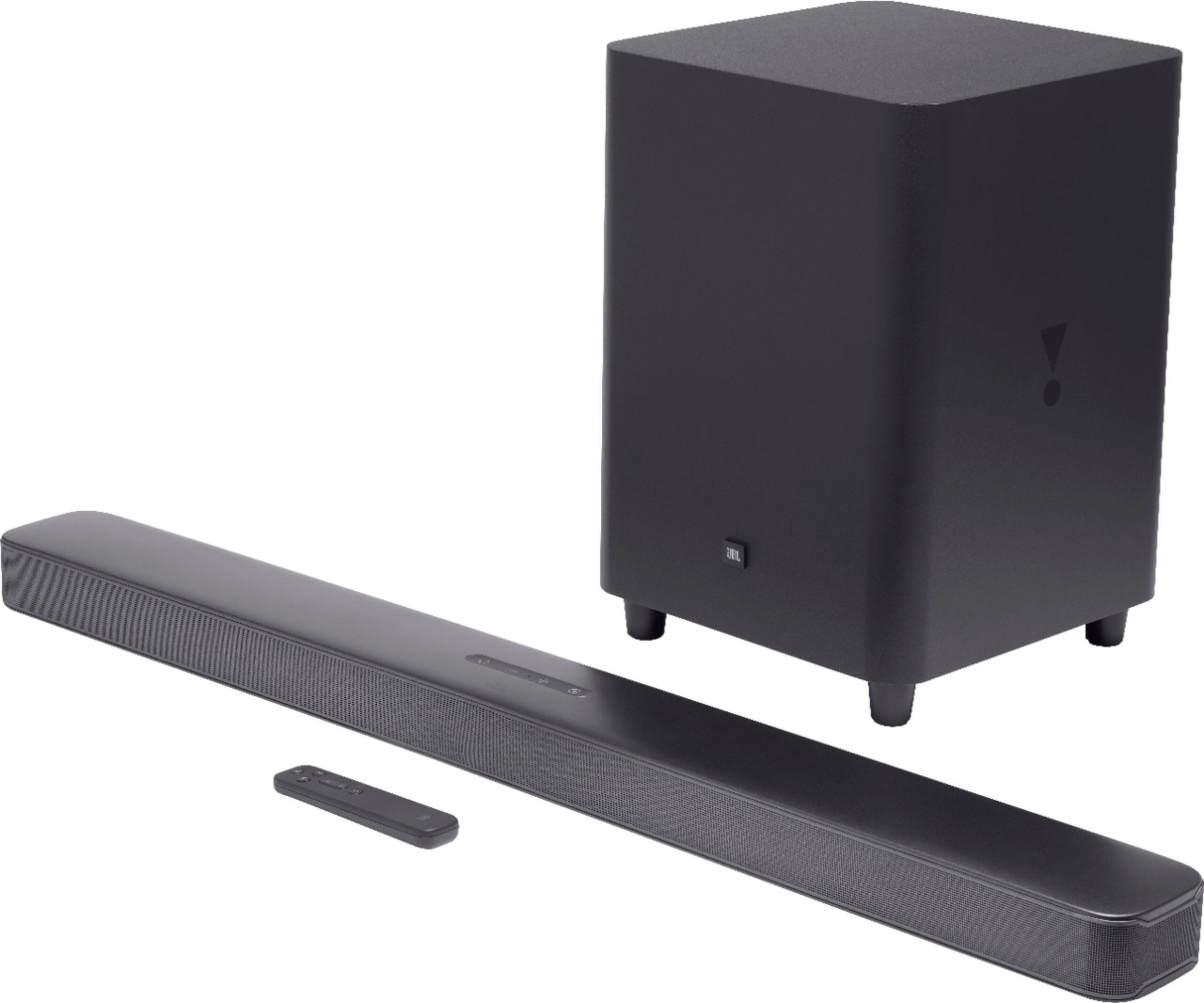
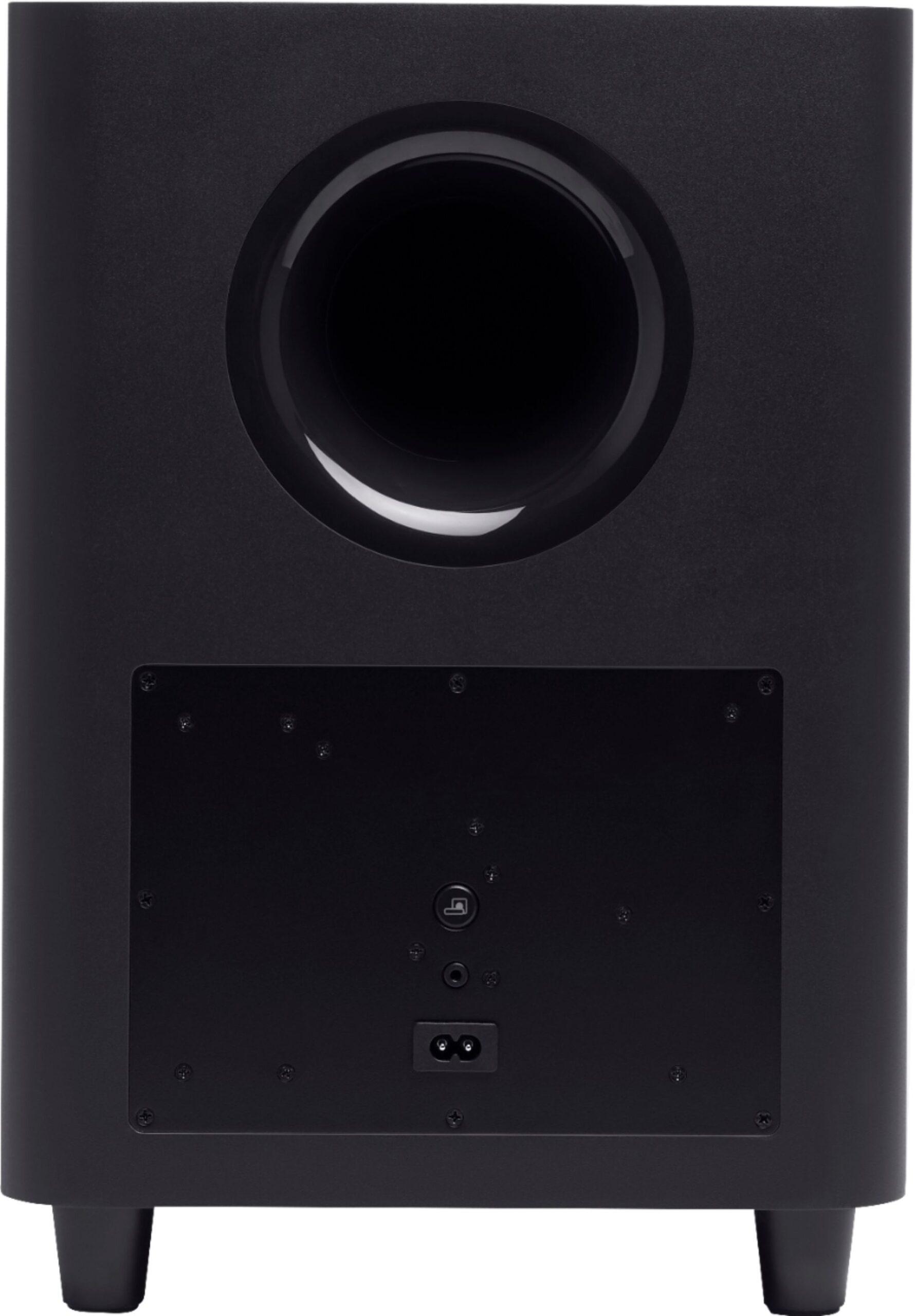
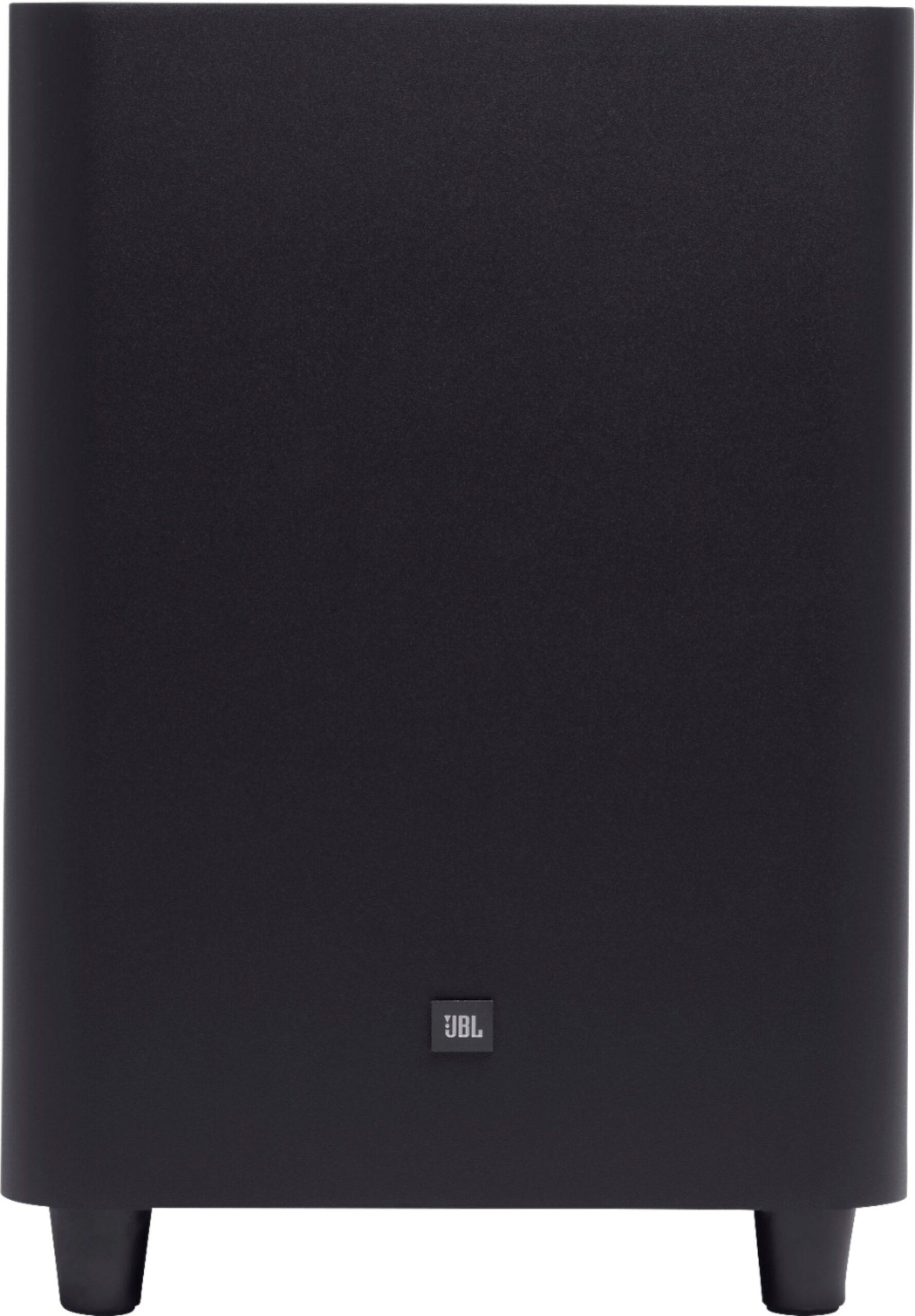
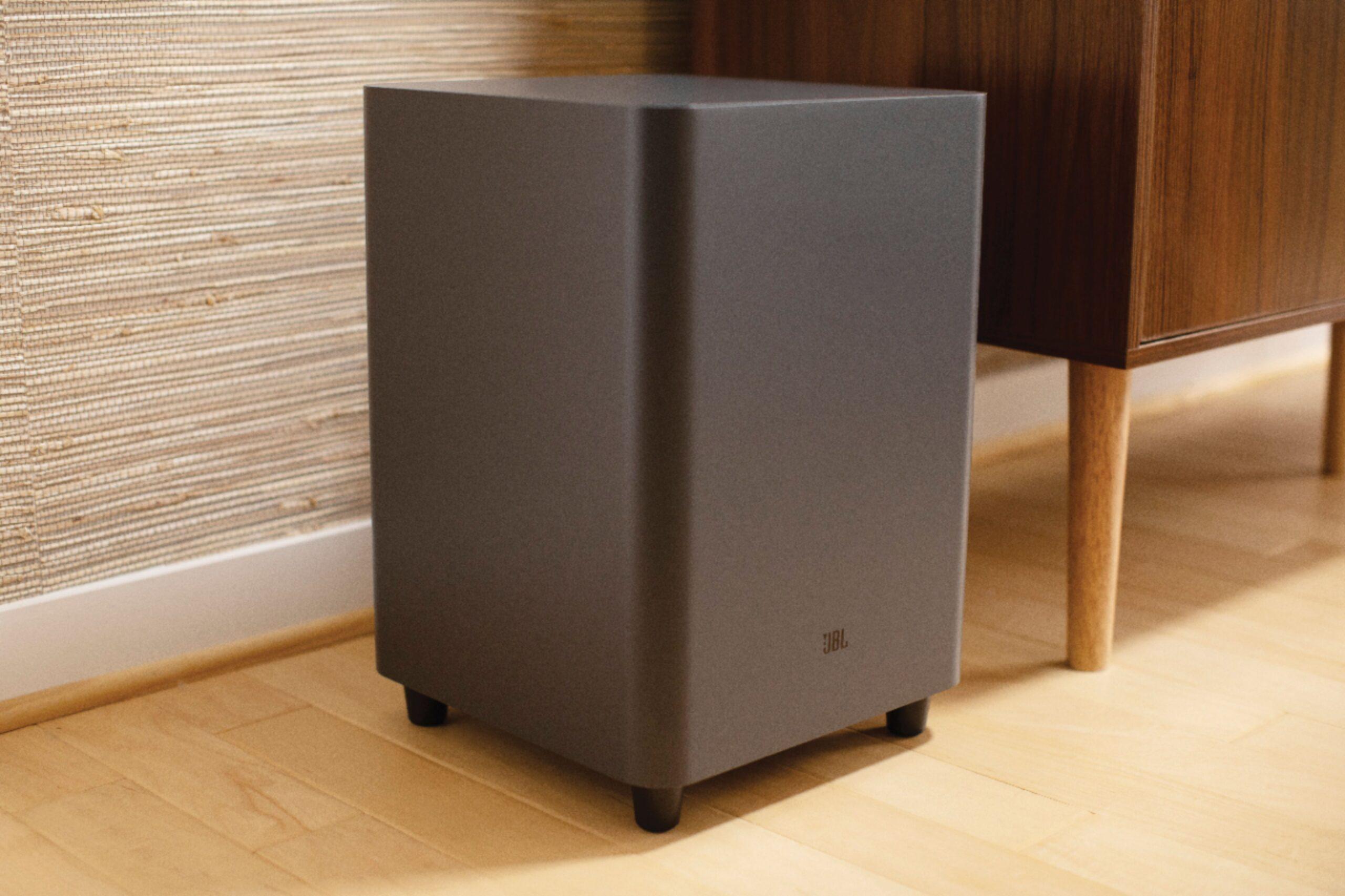
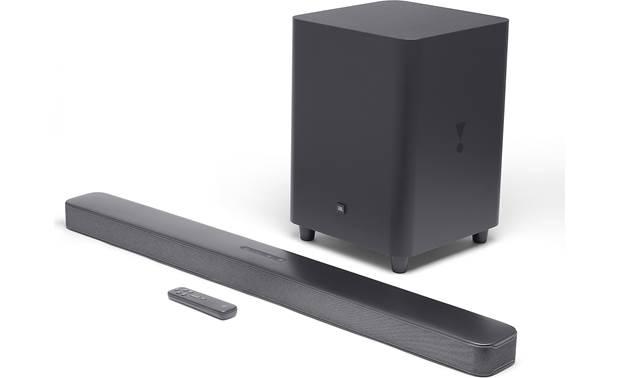
The fundamental difference? The Amazon Fire TV Soundbar Plus uses a built-in subwoofer and virtual processing to simulate surround sound, while the JBL Bar 5.1 includes a dedicated 10-inch wireless subwoofer and uses advanced beam-forming technology to create genuine spatial audio.
Here's where the price difference becomes immediately apparent. The JBL Bar 5.1 delivers 550 watts of total system power—250 watts from the main soundbar and a substantial 300 watts driving that 10-inch wireless subwoofer. This isn't just marketing fluff; you can feel the difference when Thor's hammer crashes in an Avengers movie or when the dinosaurs stomp through Jurassic Park.
The Amazon Fire TV Soundbar Plus, while Amazon doesn't publish exact power specifications, likely produces around 150 watts total. That might sound disappointing, but here's the thing: it's engineered specifically for dialogue clarity and general TV viewing, not earth-shaking action sequences. For most people watching Netflix in their living room, this difference matters less than you might think.
What's interesting is how each system approaches power distribution. The Fire TV Soundbar Plus uses its built-in subwoofer to handle bass duties while three full-range drivers and three tweeters handle mids and highs. It's an efficient design that maximizes clarity within its power budget. The JBL system, by contrast, can dedicate its main bar entirely to midrange and treble while letting that powerful wireless sub handle everything below about 80Hz.
This is where the JBL Bar 5.1 absolutely dominates. That 10-inch wireless subwoofer extends down to 40Hz, which means you're actually hearing (and feeling) the deep rumbles that movie sound engineers intended. When the Hulk smashes something or a spaceship fires its engines, you get that visceral impact that makes action movies engaging.
The Amazon Fire TV Soundbar Plus includes a built-in subwoofer, but it's necessarily smaller due to size constraints. The bass is adequate for dialogue-heavy content and light music, but it can't match the physical impact of a dedicated 10-inch driver. Think of it as the difference between a smartphone speaker and a proper stereo—both make sound, but one moves more air.
I've found that the Fire TV Soundbar Plus actually performs better when you don't push the bass settings too high. At moderate levels, it delivers natural-sounding dialogue and decent punch for sound effects. Push it too hard, and the small drivers start to strain, creating a muddy sound that overwhelms speech.
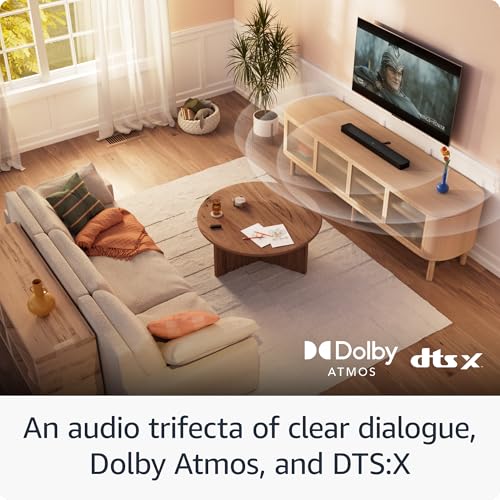
Both soundbars claim surround sound capabilities, but they achieve this through completely different methods. The Amazon Fire TV Soundbar Plus uses virtual processing—sophisticated digital signal processing that analyzes surround-encoded content and tries to create the illusion of sounds coming from beside and behind you using only forward-facing speakers.
The JBL Bar 5.1 takes a hybrid approach with its MultiBeam technology. This system uses carefully angled drivers and advanced processing to literally bounce sound off your walls, creating genuine surround effects without requiring rear speakers. When done well, this technique can be surprisingly convincing.
In my experience, the JBL's MultiBeam technology delivers significantly more convincing surround effects. During the Wakanda battle scene in Avengers: Infinity War, you can actually track Thor's axe moving around the room. The Fire TV Soundbar Plus creates a wider soundstage than your TV speakers, but it can't match the spatial precision of the JBL system.
However, there's an interesting twist: the Fire TV Soundbar Plus can be expanded to a true 5.1 system by adding optional wireless rear speakers and a separate subwoofer. This modular approach means you could start with the basic soundbar and upgrade over time as your budget allows.
Here's where the Amazon Fire TV Soundbar Plus shows its expertise. Amazon clearly prioritized speech intelligibility above all else, and it shows. The dedicated center channel, combined with five levels of dialogue enhancement, makes it exceptionally easy to understand what characters are saying—even in movies with dense sound mixes.
The system offers a Night mode that compresses the dynamic range, meaning loud explosions won't be as dramatically louder than quiet dialogue. This is incredibly practical for apartment living or late-night viewing when you don't want to disturb others.
The JBL Bar 5.1 handles dialogue well through its center channel, but it's not as specialized in this regard. The sound is clear and natural, but if you primarily watch dialogue-heavy content like news, talk shows, or dramas, the Amazon system has a slight edge in pure speech clarity.
The connectivity story reveals another fundamental difference in philosophy. The Amazon Fire TV Soundbar Plus is designed primarily as an audio device that integrates well with Fire TV products. Connect it to a compatible Fire TV device, and you can control both with a single remote—a surprisingly convenient feature that eliminates the juggling act of multiple remotes.
However, the Fire TV Soundbar Plus notably lacks built-in streaming capabilities, Wi-Fi connectivity, or Alexa integration despite the Amazon branding. It's purely focused on improving your TV's audio, not adding smart features.
The JBL Bar 5.1 takes the opposite approach, embedding Chromecast and AirPlay 2 support directly into the soundbar. This means you can stream music directly from your phone or cast audio from various apps without involving your TV at all. The Wi-Fi connectivity also enables features like multi-room audio if you have other compatible JBL speakers throughout your home.
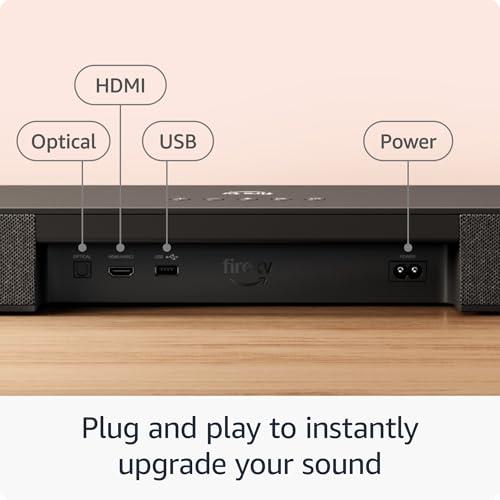
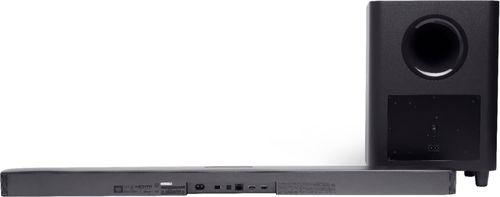
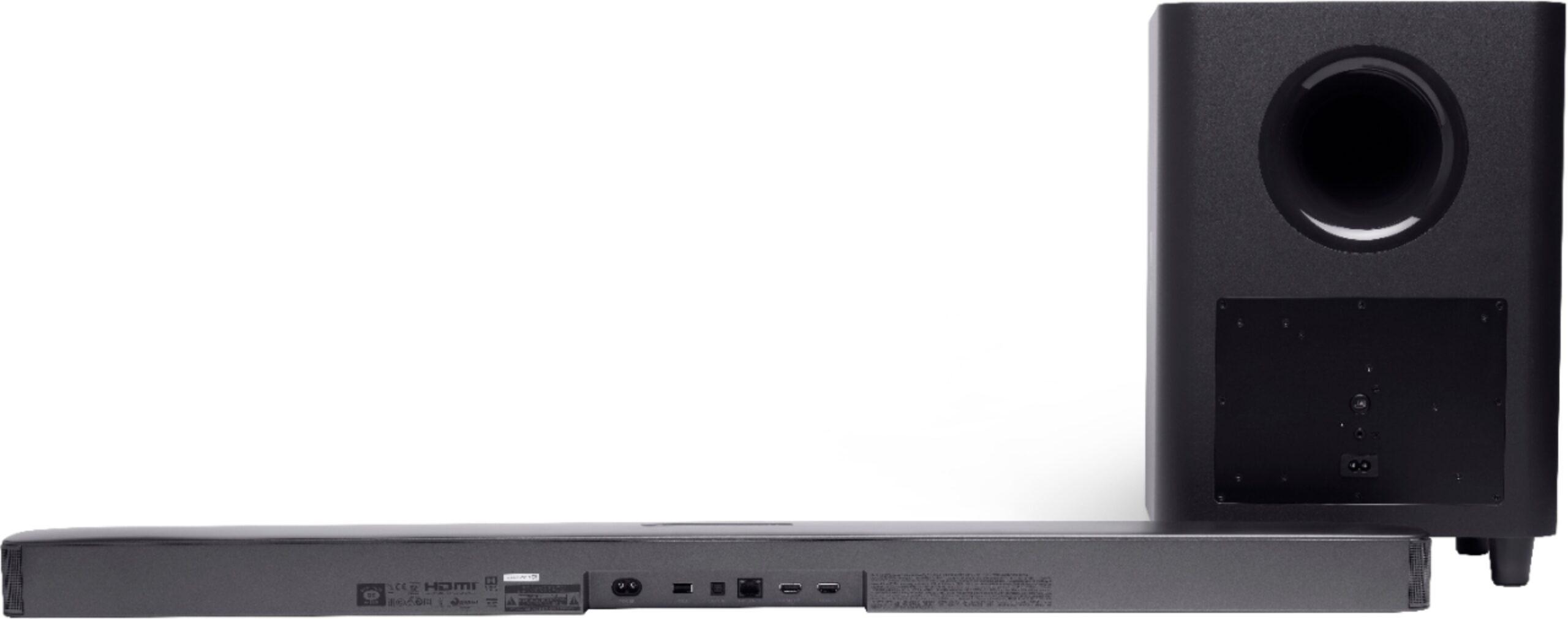
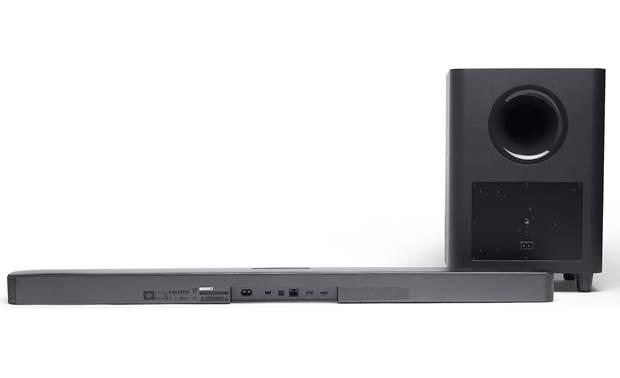
For connectivity options, the JBL system provides more flexibility with HDMI input and output ports that support 4K pass-through, meaning you can connect game consoles or streaming devices directly to the soundbar. The Amazon system focuses on HDMI eARC and optical connections, which covers most use cases but with less flexibility.
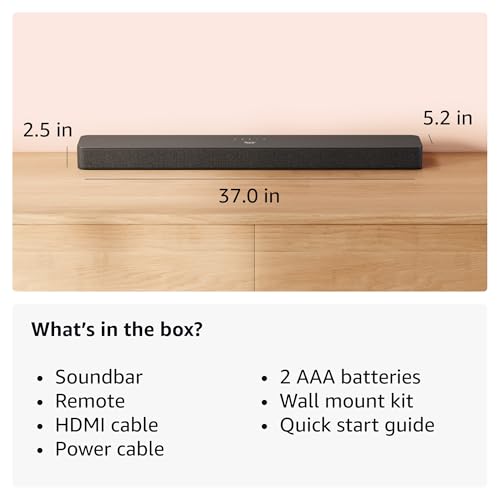
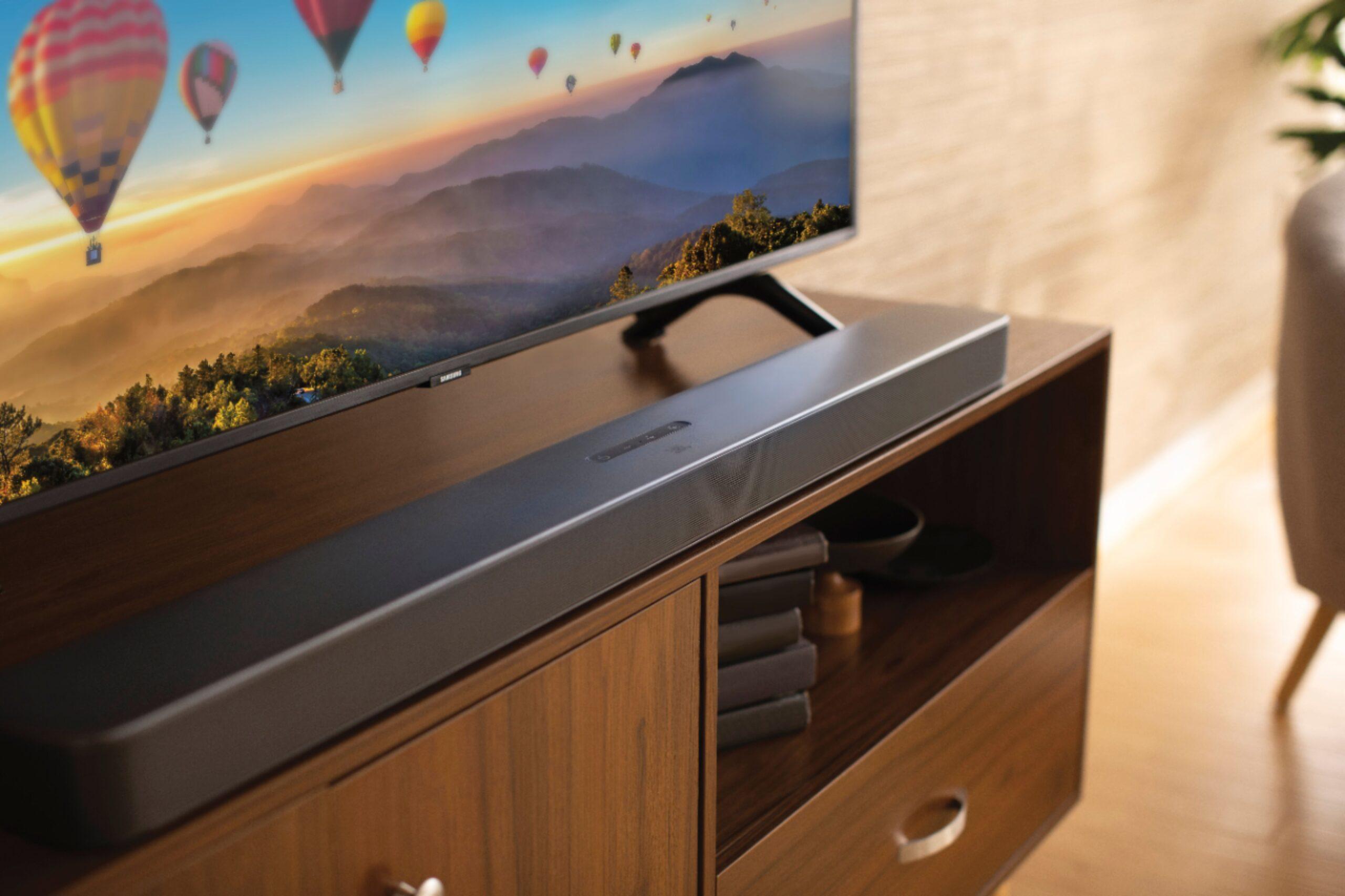
Physical design often gets overlooked, but it matters more than you might think. The Amazon Fire TV Soundbar Plus measures about 37 inches wide, making it ideal for 50-65 inch TVs. Its low profile and matte black finish with fabric grille blend well with modern TV designs. The included wall-mount kit adds placement flexibility.
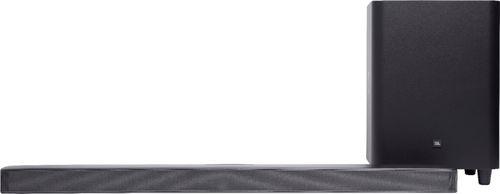
The JBL Bar 5.1 is similarly proportioned but feels more substantial, reflecting its higher-powered internal components. The wireless subwoofer is a significant consideration—it's roughly the size of a small coffee table and needs to be placed somewhere in your room. While wireless subwoofers offer placement flexibility, they do require a power outlet and take up floor space.
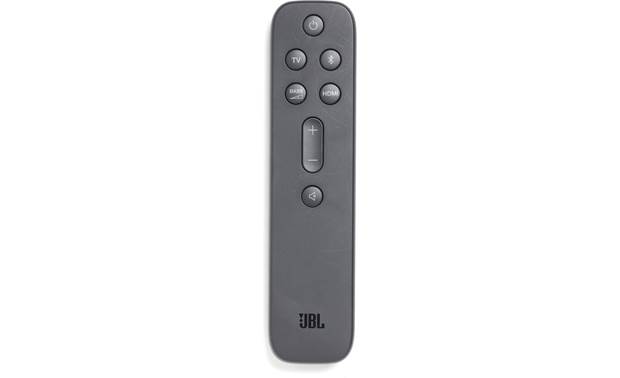
Both systems include remote controls, but the Fire TV integration means you might not need the soundbar remote at all if you're using compatible Fire TV devices. The JBL remote is more comprehensive, with dedicated buttons for various sound modes and streaming services.
At the time of writing, the price difference between these systems is substantial—often $250 or more separating them. But they're targeting fundamentally different use cases and buyers.
The Amazon Fire TV Soundbar Plus represents exceptional value for its intended purpose: providing a meaningful upgrade over TV speakers without complexity or high cost. If you primarily watch TV shows, news, or dialogue-heavy content, and you want something that just works without fuss, it's hard to beat this value proposition.
The JBL Bar 5.1 justifies its higher price through genuine 5.1-channel performance, substantial power output, and comprehensive smart features. When you factor in that a comparable wireless subwoofer alone could cost $200-300, the system's pricing becomes more reasonable for what you're getting.
For dedicated home theater use, the differences become more pronounced. The JBL Bar 5.1 excels with action movies, sci-fi epics, and any content where spatial audio and dynamic range matter. The powerful subwoofer and MultiBeam surround processing create an engaging experience that rivals much more expensive dedicated speaker systems.
The Amazon Fire TV Soundbar Plus performs best with dialogue-driven content—think prestige dramas, documentaries, or comedy specials where speech clarity is paramount. It's also excellent for news and talk shows, where its dialogue enhancement really shines.
Gaming presents an interesting case study. The JBL system's superior power and surround capabilities make it better for immersive games like first-person shooters or action-adventures. But the Fire TV Soundbar Plus might actually be preferable for strategy games or RPGs where dialogue and subtle audio cues matter more than explosive effects.
Since the JBL Bar 5.1 launched in 2019, we've seen significant advances in soundbar technology. Dolby Atmos has become more prevalent, beam-forming algorithms have improved, and streaming integration has become standard. JBL has updated the system's software to include modern streaming features, showing good long-term support.
The Amazon Fire TV Soundbar Plus, being newer to market, incorporates more recent virtual surround processing and reflects current consumer preferences for simple, integrated solutions. Its expandability also provides a hedge against future needs—you can upgrade to true 5.1 when budget allows.
Looking forward, both manufacturers continue improving their respective ecosystems. Amazon's focus on Fire TV integration suggests they'll continue refining that experience, while JBL's parent company Harman has significant resources for audio research and development.
After extensive testing and living with both systems, here's my honest assessment of who should choose what:
Choose the Amazon Fire TV Soundbar Plus if:
Choose the JBL Bar 5.1 Surround if:
The truth is, both soundbars succeed at their intended purposes. The Fire TV Soundbar Plus provides exceptional value for basic audio improvement, while the JBL Bar 5.1 delivers genuine home theater performance. Your choice should align with your content preferences, budget constraints, and long-term audio ambitions.
In my own setup, I find myself appreciating both approaches. For a bedroom or secondary TV where dialogue clarity and simplicity matter most, the Amazon system is nearly perfect. For a main living room where movies and music are priorities, the JBL's superior performance justifies the additional investment.
The bottom line? Don't overthink it. Both represent significant upgrades over TV speakers, and either will transform your viewing experience. Choose based on your budget, your content, and how much audio performance matters to your daily entertainment routine.
| Amazon Fire TV Soundbar Plus | JBL Bar 5.1 Surround Soundbar with Wireless Subwoofer |
|---|---|
| Channel Configuration - Determines surround sound capability | |
| 3.1 channels with built-in subwoofer (expandable to 5.1) | True 5.1 channels with wireless subwoofer |
| Total Power Output - Affects volume and dynamic range | |
| ~150W estimated (Amazon doesn't specify) | 550W (250W soundbar + 300W subwoofer) |
| Subwoofer Setup - Critical for bass performance | |
| Built-in subwoofer (adequate for dialogue) | Dedicated 10" wireless subwoofer (deep, impactful bass) |
| Surround Sound Technology - How spatial audio is created | |
| Virtual Dolby Atmos/DTS:X processing | MultiBeam technology with true 5.1 processing |
| Smart Features - Streaming and voice control capabilities | |
| Fire TV integration only, no built-in streaming | Chromecast, AirPlay 2, Alexa Multi-Room Music |
| Connectivity Options - How you connect devices | |
| HDMI eARC, optical, USB-A, Bluetooth | HDMI in/out with 4K pass-through, optical, USB, Bluetooth |
| Best Use Case - Where each system excels | |
| TV shows, news, dialogue-heavy content in smaller rooms | Movies, gaming, music in larger rooms with home theater focus |
| Dialogue Enhancement - Speech clarity features | |
| Dedicated center channel with 5-level dialogue boost | Center channel with standard dialogue processing |
| Release Year - Technology generation | |
| 2023 (newer virtual processing) | 2019 (proven MultiBeam technology with updates) |
| Expandability - Future upgrade options | |
| Can add wireless rear speakers and separate subwoofer | Complete system, no expansion needed or available |
| Room Size Compatibility - Optimal space requirements | |
| Small to medium rooms (up to ~200 sq ft) | Medium to large rooms (200+ sq ft) |
| Setup Complexity - Installation and configuration effort | |
| Plug-and-play with Fire TV remote integration | More setup required but includes comprehensive features |
The Amazon Fire TV Soundbar Plus excels at dialogue clarity with its dedicated center channel and five levels of dialogue enhancement. It's specifically designed to make speech more intelligible, even in movies with complex sound mixes. The JBL Bar 5.1 Surround also has good dialogue clarity through its center channel, but the Amazon Fire TV Soundbar Plus is more specialized for this purpose with features like Night mode that compresses loud sounds while keeping dialogue audible.
The primary difference is that the Amazon Fire TV Soundbar Plus is a 3.1-channel system with a built-in subwoofer focused on dialogue improvement, while the JBL Bar 5.1 Surround is a true 5.1-channel system with a separate 10-inch wireless subwoofer. The JBL Bar 5.1 delivers significantly more power (550W vs ~150W) and genuine surround sound, while the Amazon Fire TV Soundbar Plus prioritizes simplicity and value.
The JBL Bar 5.1 Surround has dramatically better bass performance with its dedicated 10-inch wireless subwoofer that extends down to 40Hz. This provides deep, impactful bass for movies and music. The Amazon Fire TV Soundbar Plus has a built-in subwoofer that's adequate for dialogue-heavy content but can't match the physical impact of the JBL's dedicated subwoofer.
The Amazon Fire TV Soundbar Plus includes a built-in subwoofer, so no separate subwoofer is required, though you can add one later for expansion. The JBL Bar 5.1 Surround comes with a wireless 10-inch subwoofer included in the package. Neither system requires you to purchase an additional subwoofer to get started.
The JBL Bar 5.1 Surround is significantly better for movies and home theater use. Its true 5.1-channel processing, MultiBeam surround technology, and powerful 550W output create a more immersive cinematic experience. The dedicated wireless subwoofer provides the deep bass essential for action movies. The Amazon Fire TV Soundbar Plus is better suited for TV shows and dialogue-heavy content rather than full home theater applications.
Both soundbars work with any TV brand through standard connections like HDMI ARC or optical input. However, the Amazon Fire TV Soundbar Plus offers special integration features when paired with Fire TV devices, allowing control with a single remote. The JBL Bar 5.1 Surround works universally with all TV brands without any special integration features.
The Amazon Fire TV Soundbar Plus is generally easier to set up, especially if you use Fire TV devices. It's designed for plug-and-play simplicity with automatic pairing when expansion components are added. The JBL Bar 5.1 Surround requires more initial setup due to positioning the wireless subwoofer and configuring its various smart features, though it's still straightforward for most users.
Both soundbars support Bluetooth streaming from phones and tablets. However, the JBL Bar 5.1 Surround offers more advanced wireless features including built-in Chromecast, AirPlay 2, and Wi-Fi connectivity for direct streaming. The Amazon Fire TV Soundbar Plus is limited to Bluetooth streaming and doesn't include Wi-Fi or built-in streaming services.
The Amazon Fire TV Soundbar Plus offers exceptional value for budget-conscious buyers seeking a meaningful upgrade over TV speakers. For users primarily watching dialogue-heavy content, it provides excellent performance at a fraction of the cost. The JBL Bar 5.1 Surround offers better value for serious home theater enthusiasts who want genuine 5.1 surround sound and powerful bass performance, justifying its higher price with significantly better audio capabilities.
The Amazon Fire TV Soundbar Plus is designed to be expandable - you can add wireless rear speakers and a separate subwoofer to create a full 5.1 system over time. The JBL Bar 5.1 Surround comes as a complete system and doesn't offer expansion options, but it already includes everything needed for full surround sound.
The Amazon Fire TV Soundbar Plus is better suited for small apartments due to its more compact design, built-in subwoofer that doesn't require additional floor space, and Night mode feature that prevents disturbing neighbors. The JBL Bar 5.1 Surround requires space for a large wireless subwoofer and produces significantly more powerful bass that might not be apartment-friendly.
The JBL Bar 5.1 Surround has more comprehensive smart features including Chromecast, AirPlay 2, Wi-Fi connectivity, and multi-room audio capabilities. The Amazon Fire TV Soundbar Plus focuses on integration with Fire TV devices for simplified control but lacks built-in streaming, Wi-Fi, or voice assistant features. For smart home integration, the JBL Bar 5.1 is the clear winner.
We've done our best to create useful and informative comparisons to help you decide what product to buy. Our research uses advanced automated methods to create this comparison and perfection is not possible - please contact us for corrections or questions. These are the sites we've researched in the creation of this article: rtings.com - wirelessplace.com - techradar.com - cordbusters.co.uk - whathifi.com - developer.amazon.com - t3.com - dolby.com - youtube.com - youtube.com - youtube.com - dugoutnorthbrook.com - dolby.com - aboutamazon.com - youtube.com - developer.amazon.com - jbl.com - jbl.com - jbl.com - tomsguide.com - jbl.com - bestbuy.com - bestbuy.com - jbl.com - jbl.com - worldwidestereo.com

Privacy Policy
Terms and Conditions - Affiliate Policy
Home Security
© Copyright 2008-2026.
11816 Inwood Rd #1211, Dallas, TX 75244