





If you've ever found yourself constantly adjusting your TV volume—cranking it up for action scenes, then scrambling to turn it down when dialogue gets too loud—you're experiencing exactly why soundbars have become one of the most popular home theater upgrades. But with hundreds of models on the market, choosing the right one can feel overwhelming.
Today, we're comparing two soundbars that represent very different approaches to solving your TV audio problems: the Yamaha YAS-109 ($219.95) and the JBL Bar 5.1 ($599.95). One prioritizes simplicity and smart features at a budget-friendly price, while the other delivers true surround sound with all the complexity that comes with it.
Before diving into specifics, let's talk about what you should actually care about when shopping for a soundbar. The most important factor is audio configuration—this refers to how many separate audio channels the system can produce. A 2.1 system has left and right speakers plus a subwoofer (the ".1" represents the bass channel). A 5.1 system adds rear surround speakers and a center channel for dialogue.
Room size compatibility matters more than most people realize. A powerful soundbar in a small apartment might annoy your neighbors, while an underpowered one in a large living room will leave you disappointed. Connectivity options determine what devices you can connect and how future-proof your purchase will be. Finally, there's the eternal balance between installation complexity and performance—generally, better sound requires more components and setup work.
The soundbar market has evolved dramatically over the past few years. When the Yamaha YAS-109 launched in 2019, built-in voice assistants were still novel, and most people were content with basic stereo sound from their TVs. The JBL Bar 5.1, representing JBL's current-generation approach, reflects how manufacturers have pushed toward more sophisticated audio processing and true multi-channel sound as streaming services began offering higher-quality audio formats.
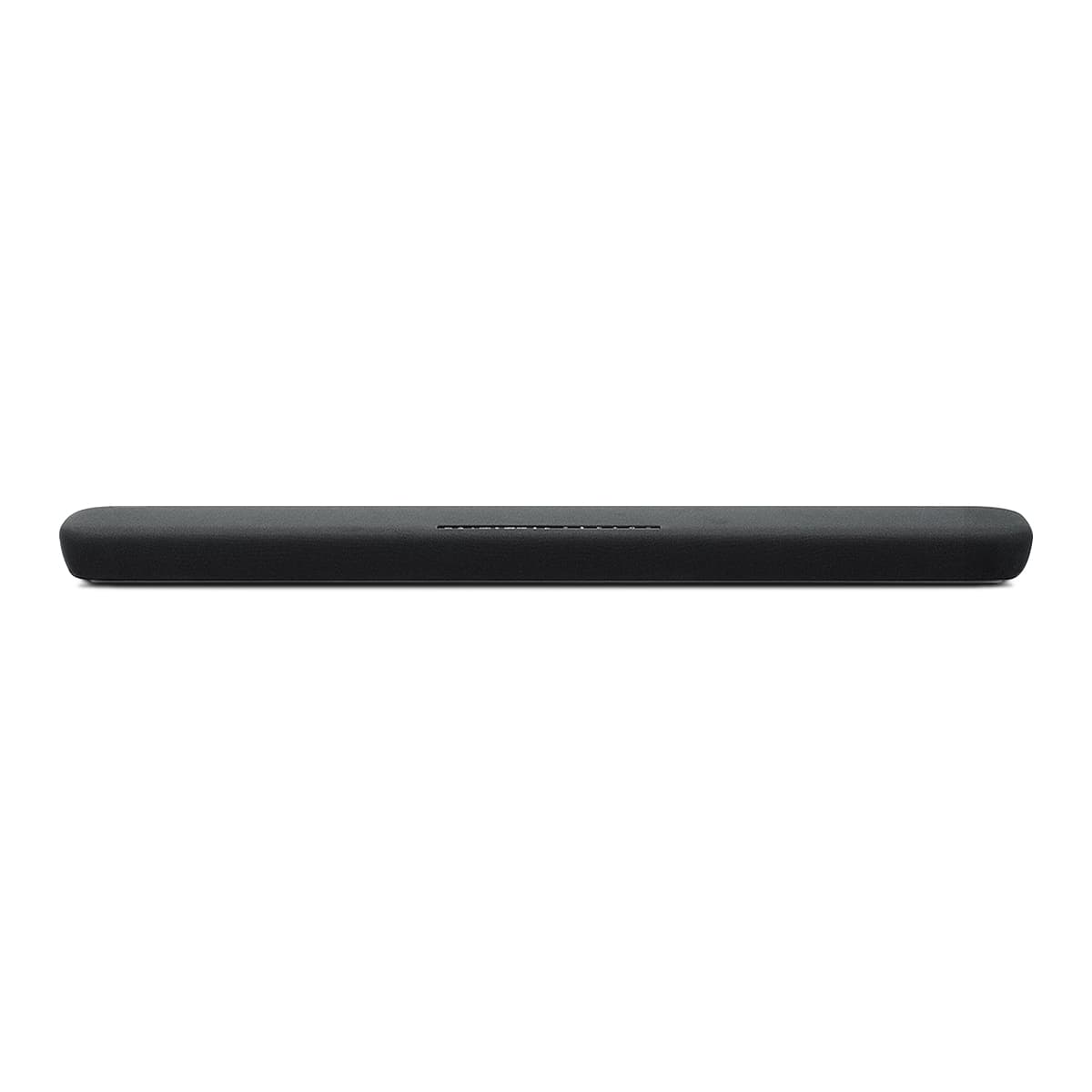
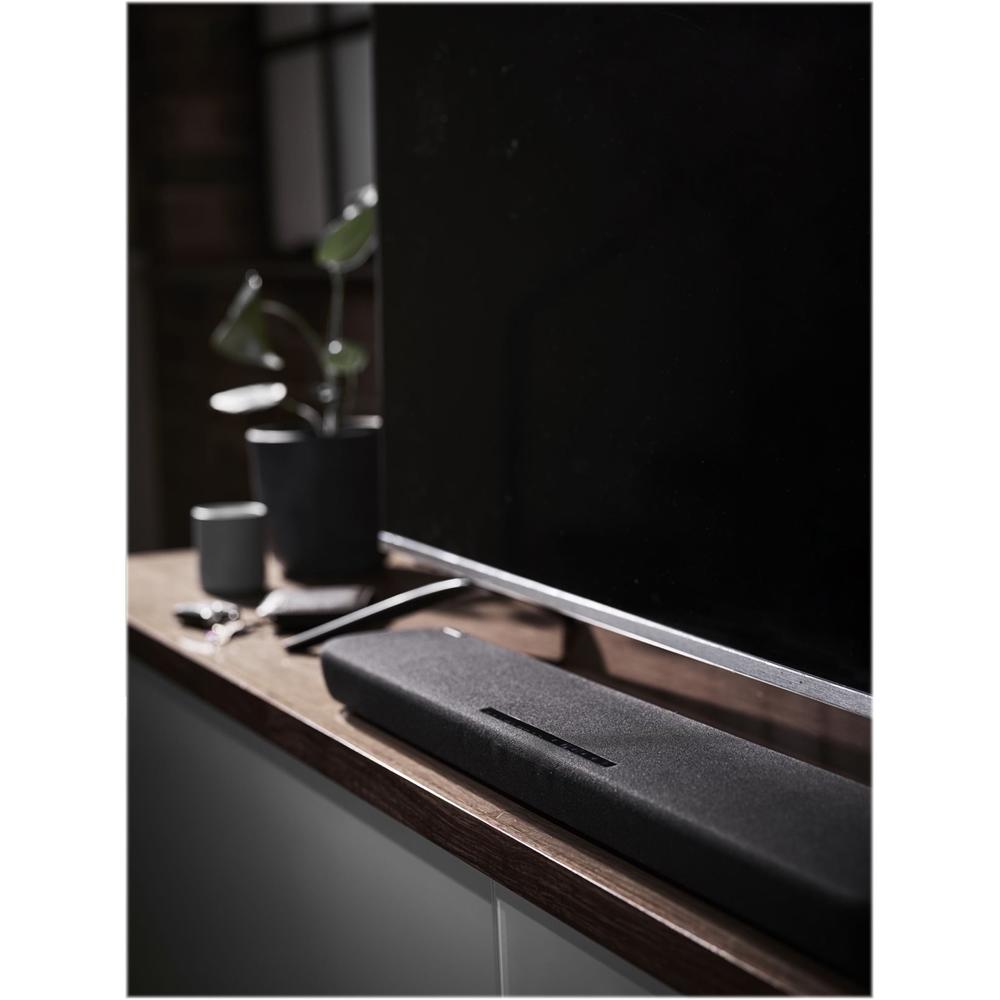
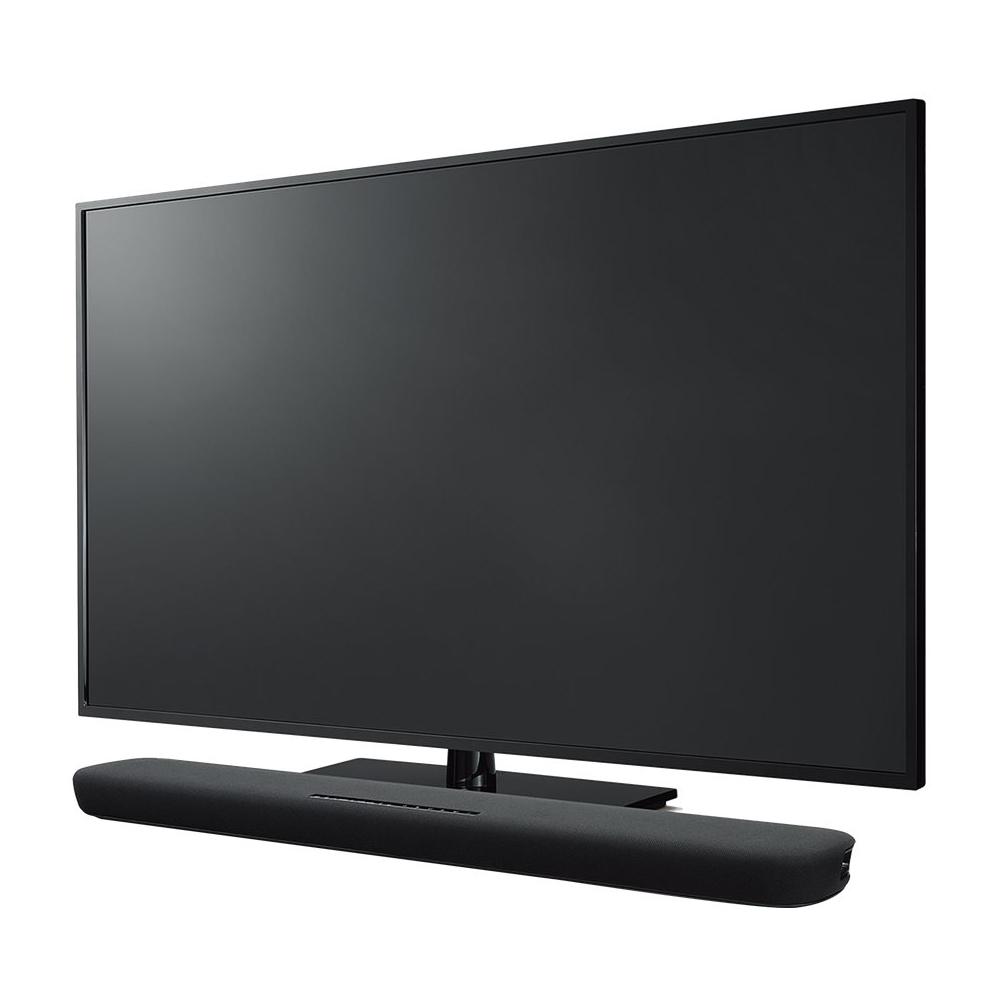
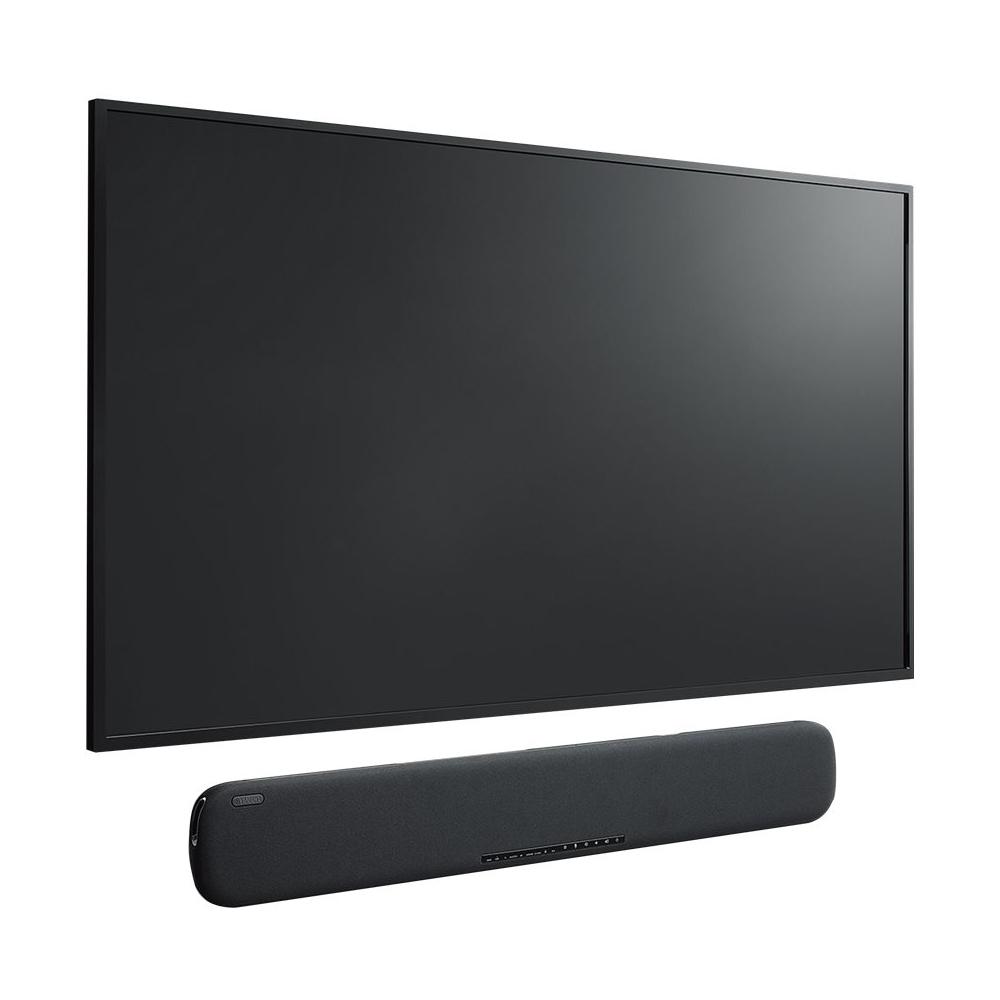
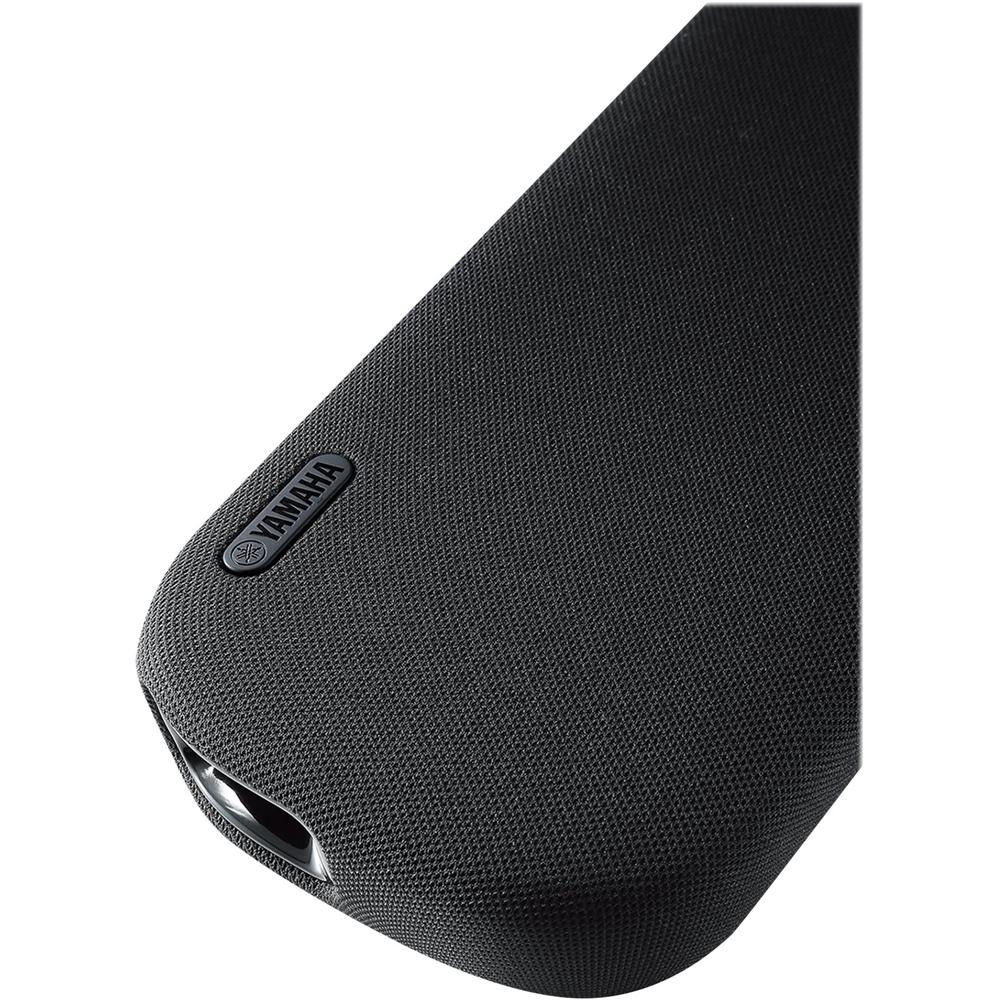
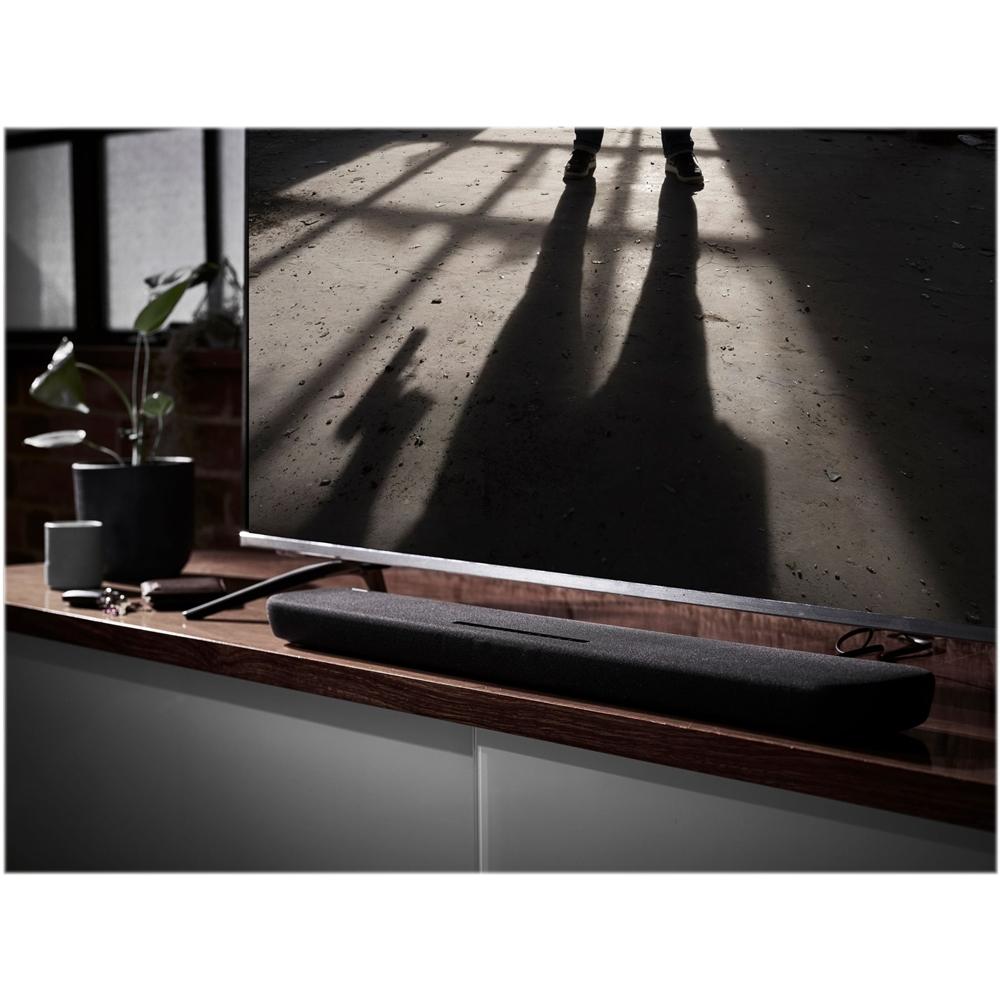
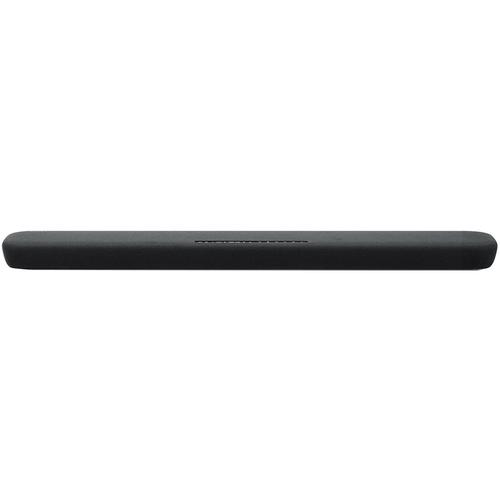
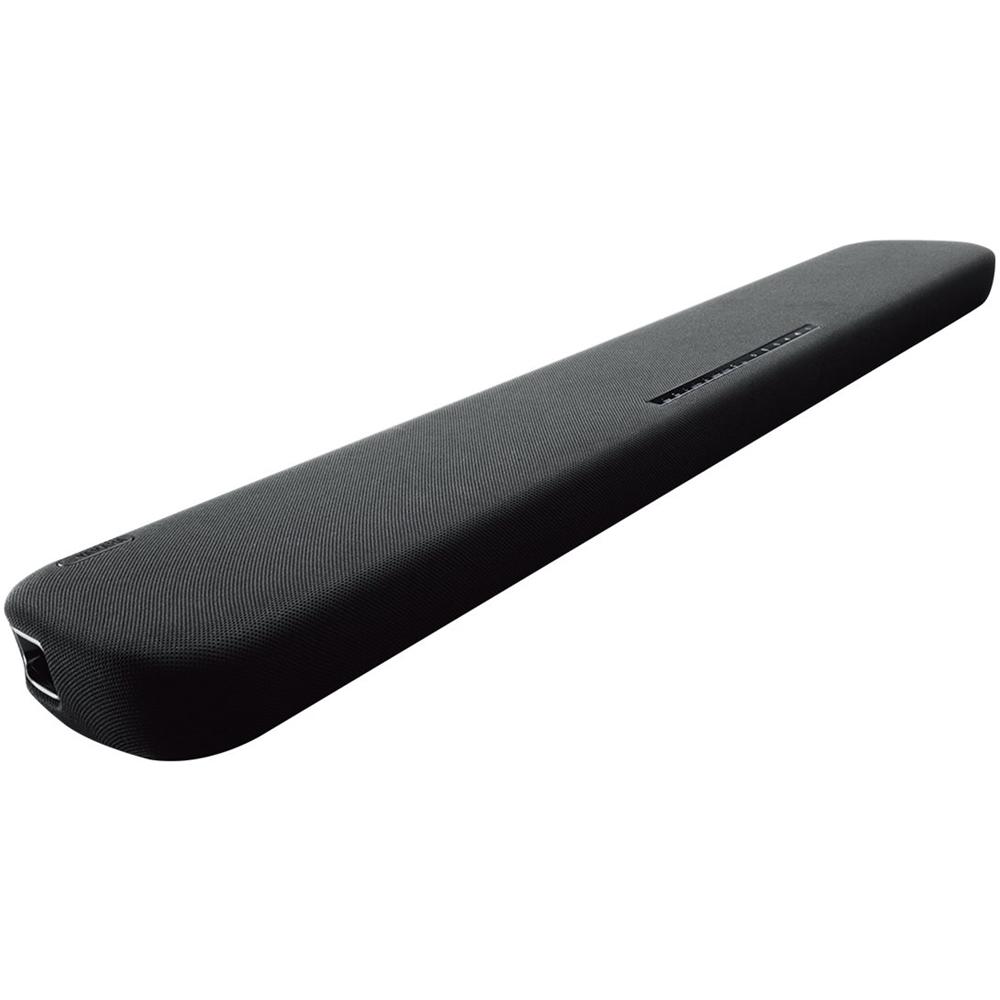
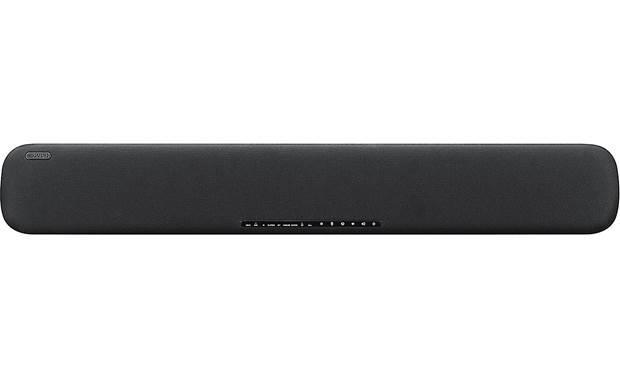
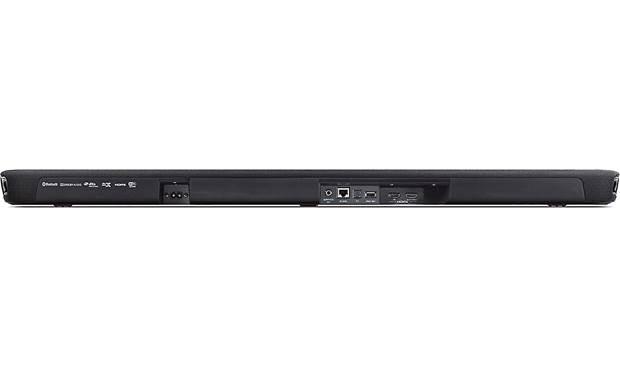
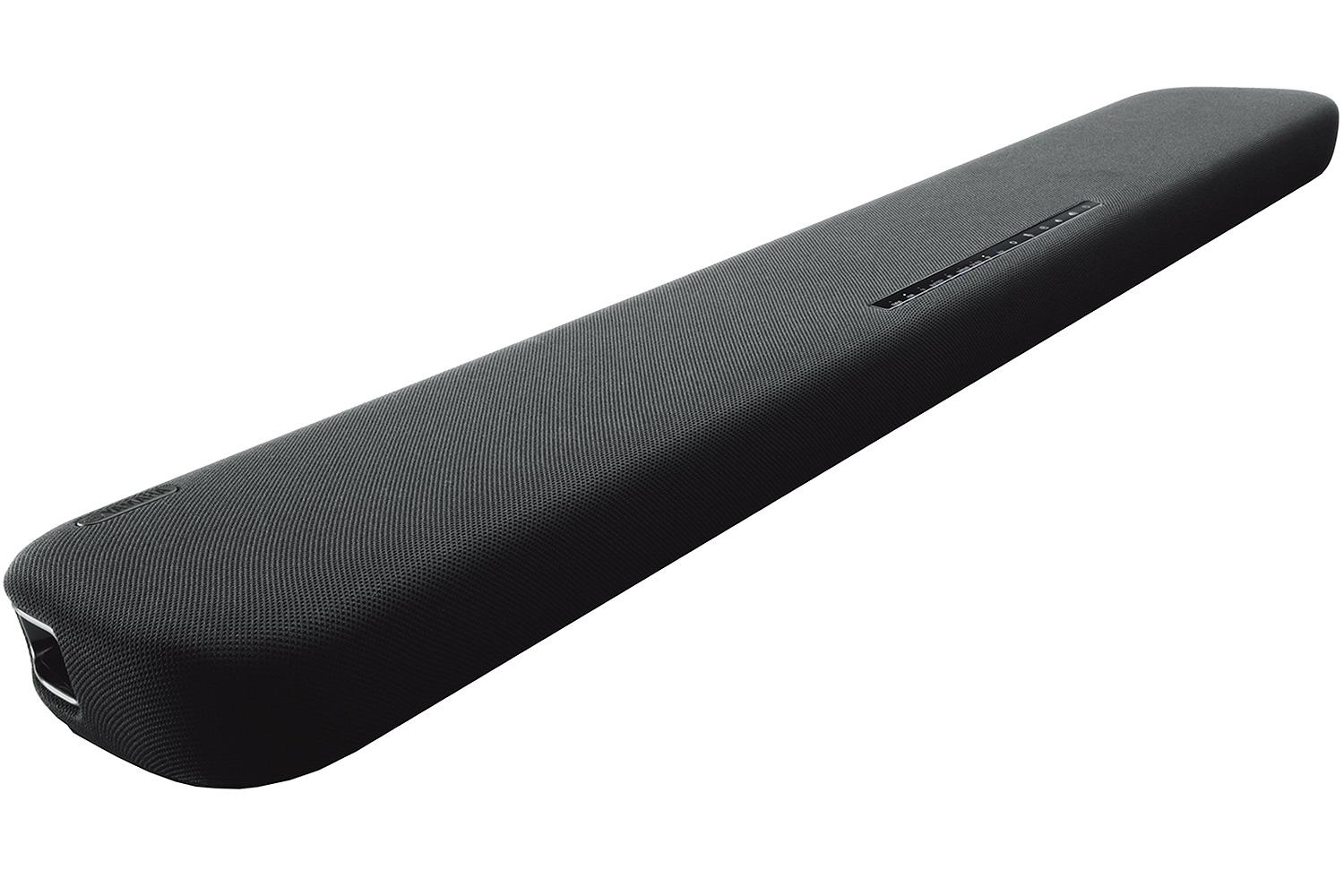
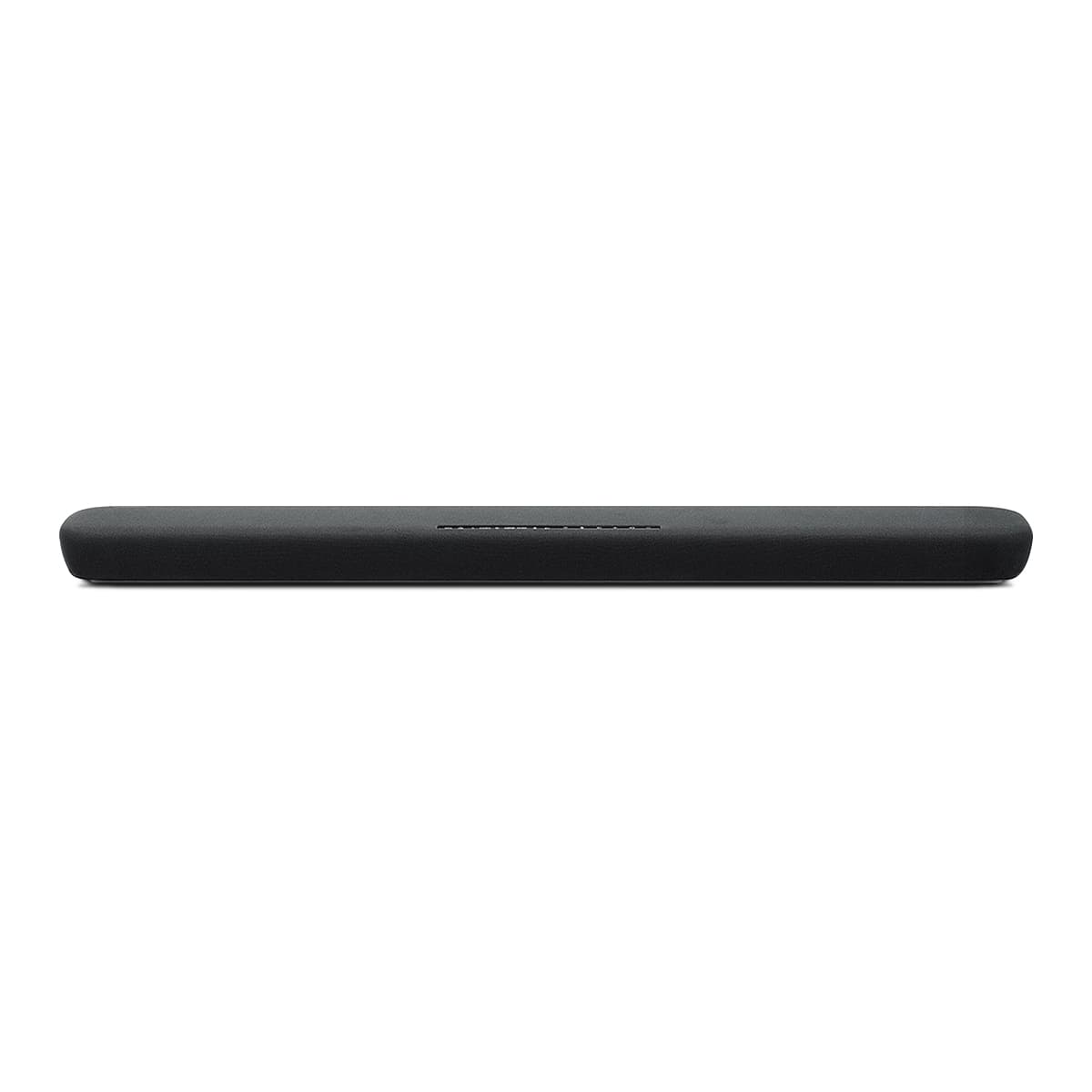
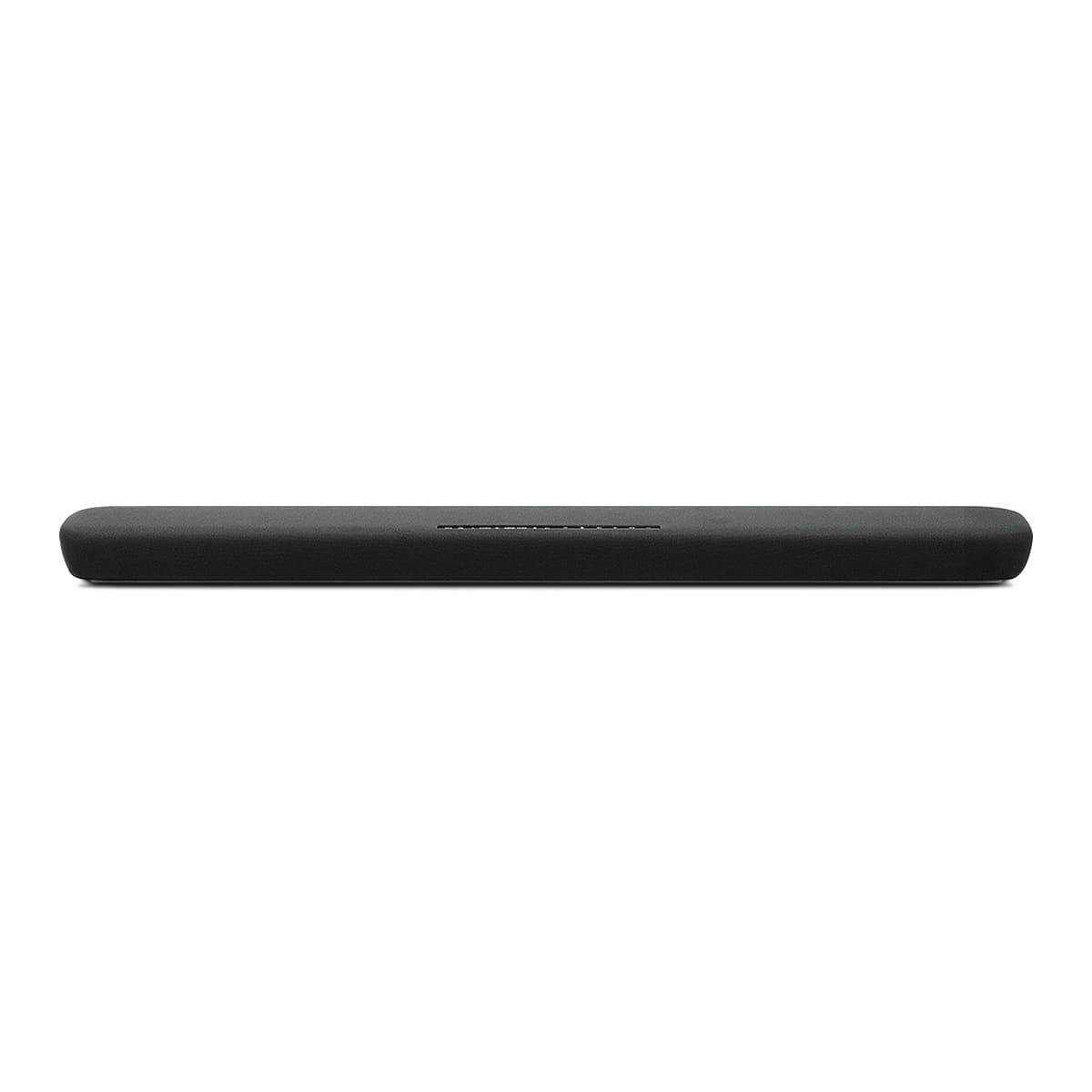
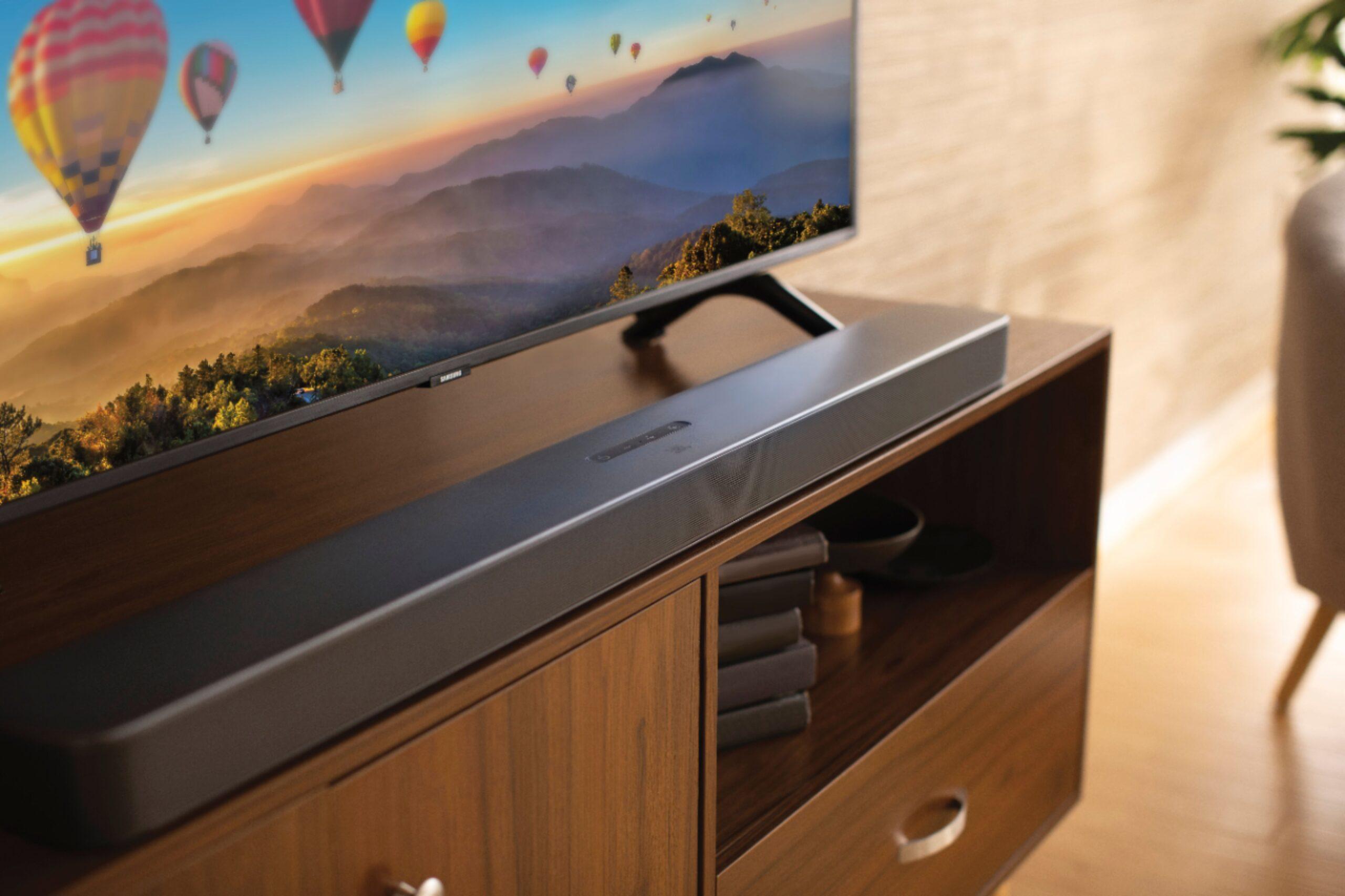
The YAS-109 represents Yamaha's philosophy that good sound shouldn't require a complete room makeover. At just 35 inches wide and barely over 2 inches tall, this soundbar fits under most TVs without blocking the screen or overwhelming your entertainment center. What makes it unique is the dual built-in subwoofers—essentially, Yamaha squeezed bass drivers right into the main soundbar chassis instead of requiring a separate subwoofer box.
This design choice has real-world implications. If you live in an apartment or have limited space, you get enhanced bass without finding room for another component. The built-in approach also means fewer wireless connections to potentially drop out during your favorite show. However, physics still applies—those 3-inch bass drivers simply can't move as much air as a larger dedicated subwoofer.
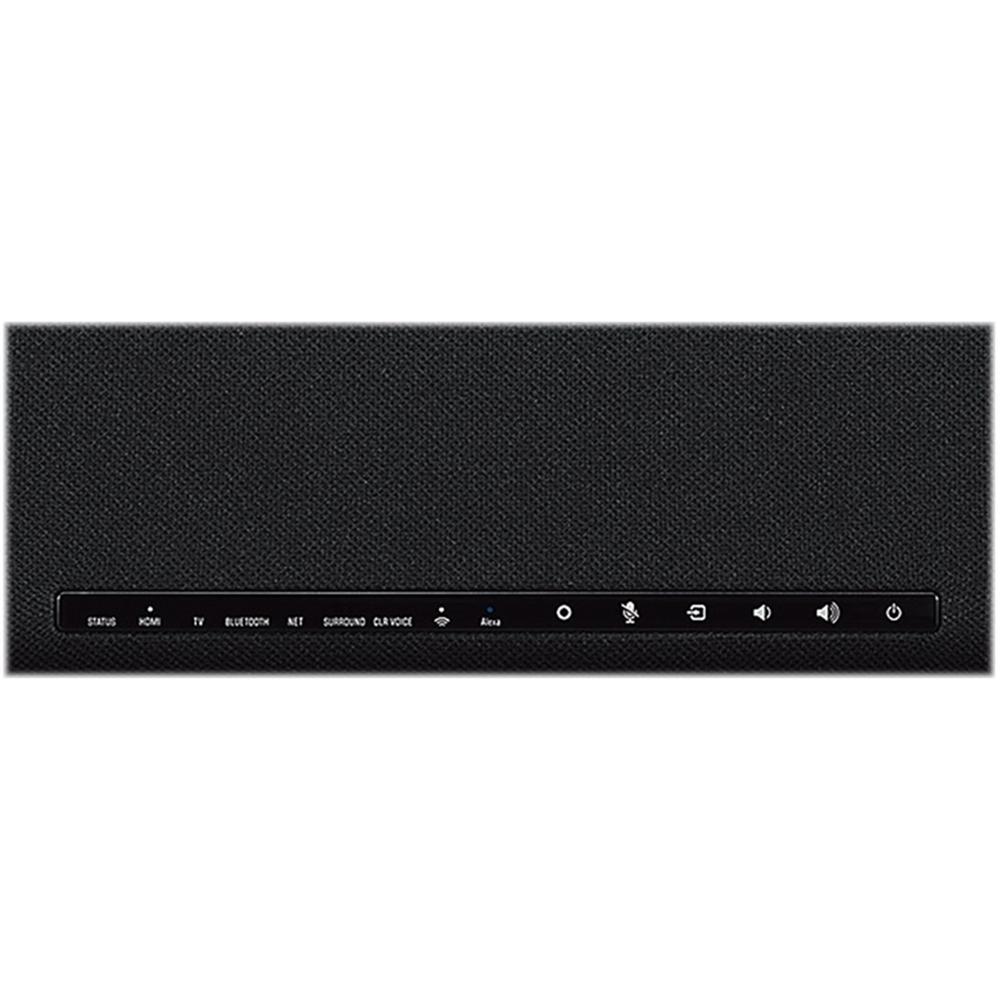
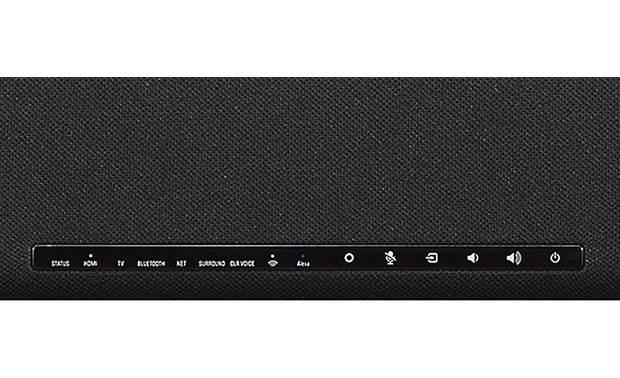
The YAS-109's standout feature is built-in Alexa integration. Unlike soundbars that require you to connect a separate Echo device, this one has Amazon's voice assistant baked right in. You can ask it to play music, control smart home devices, check the weather, or adjust the volume without touching a remote. Having used this feature extensively, I found it genuinely convenient for quick volume adjustments when your hands are full or you can't find the remote in the couch cushions.
Yamaha also included their Clear Voice technology, which uses digital processing to emphasize dialogue frequencies. This feature addresses one of the most common complaints about TV audio—that you can hear explosions just fine, but struggle to understand what characters are saying. The processing analyzes incoming audio in real-time and boosts the frequency range where human speech occurs, making conversations more intelligible without simply raising the overall volume.
For surround sound, the YAS-109 relies on DTS Virtual:X processing. This technology uses psychoacoustic principles (basically, tricks your brain plays on your ears) to create the impression of sound coming from directions where there aren't actually any speakers. While clever, virtual surround has limitations—it works best when you're sitting in the optimal listening position and can sound flat during complex audio scenes.
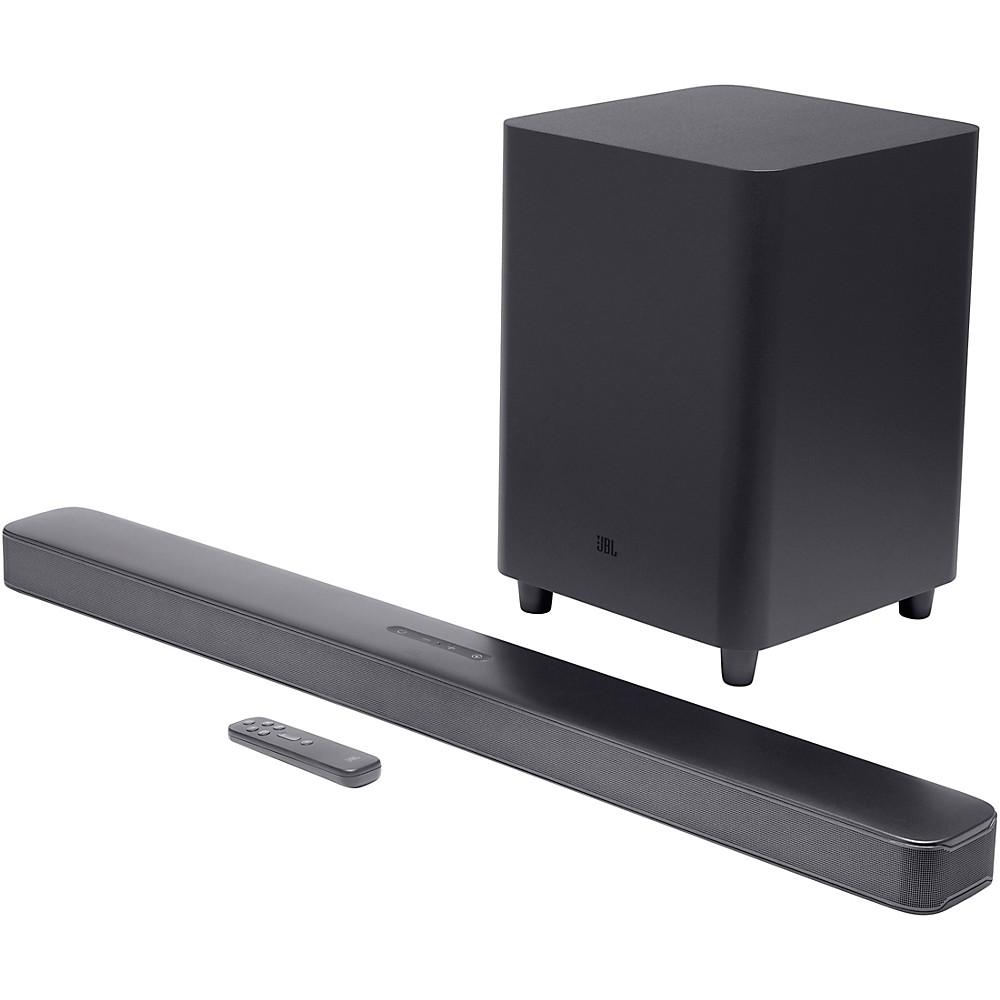
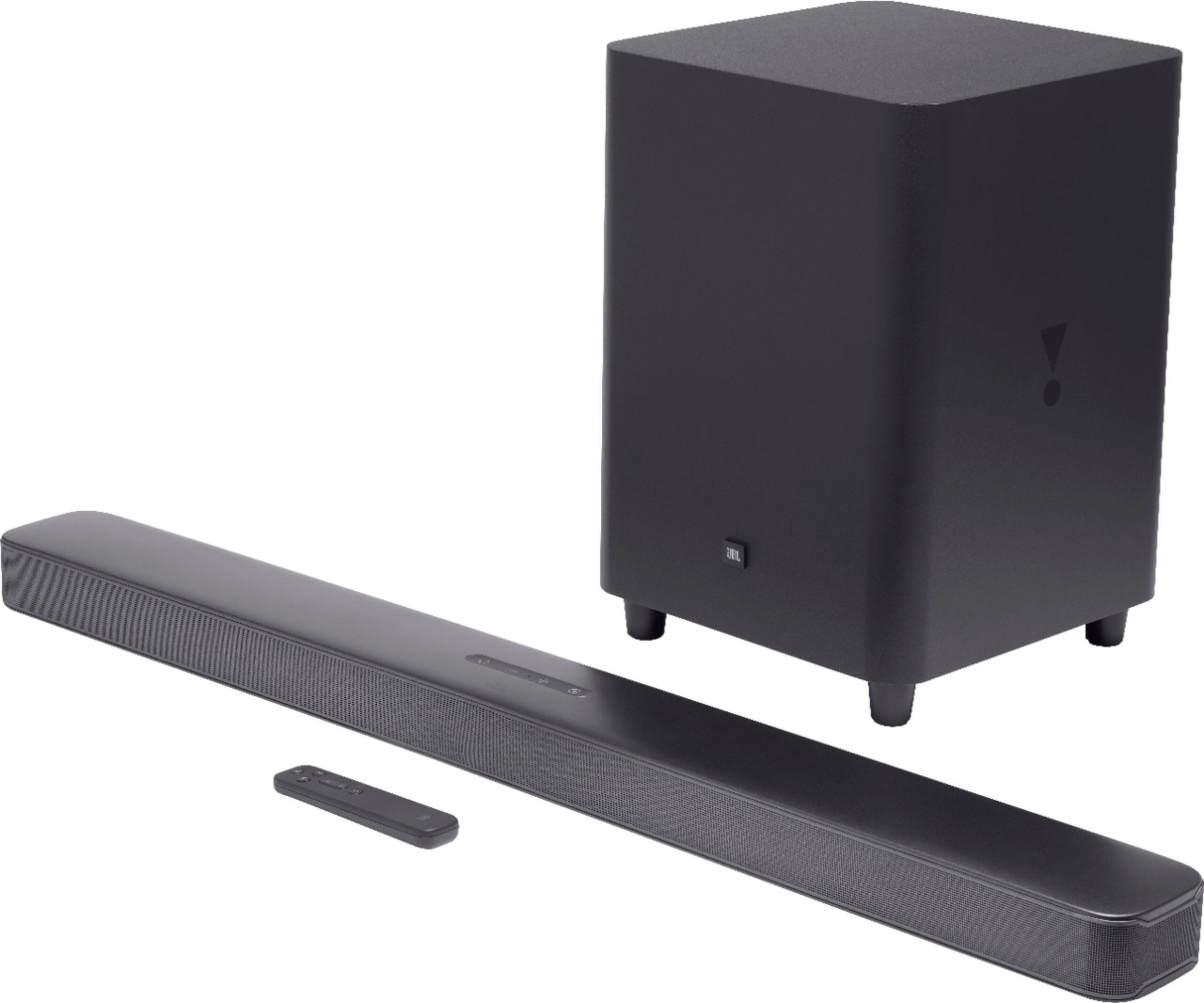
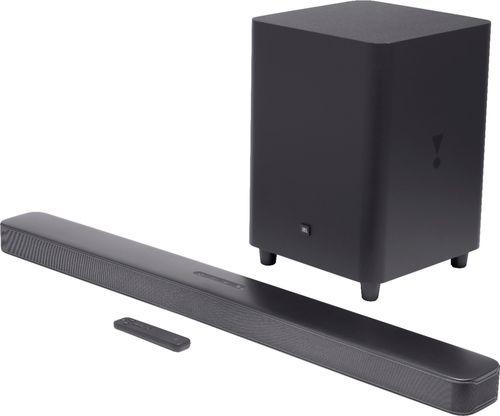
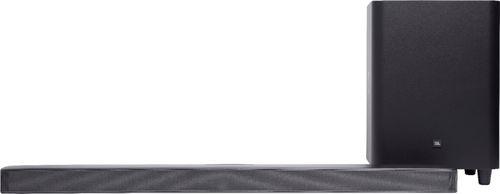
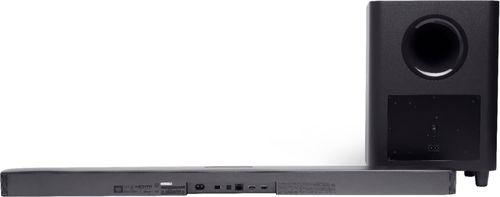
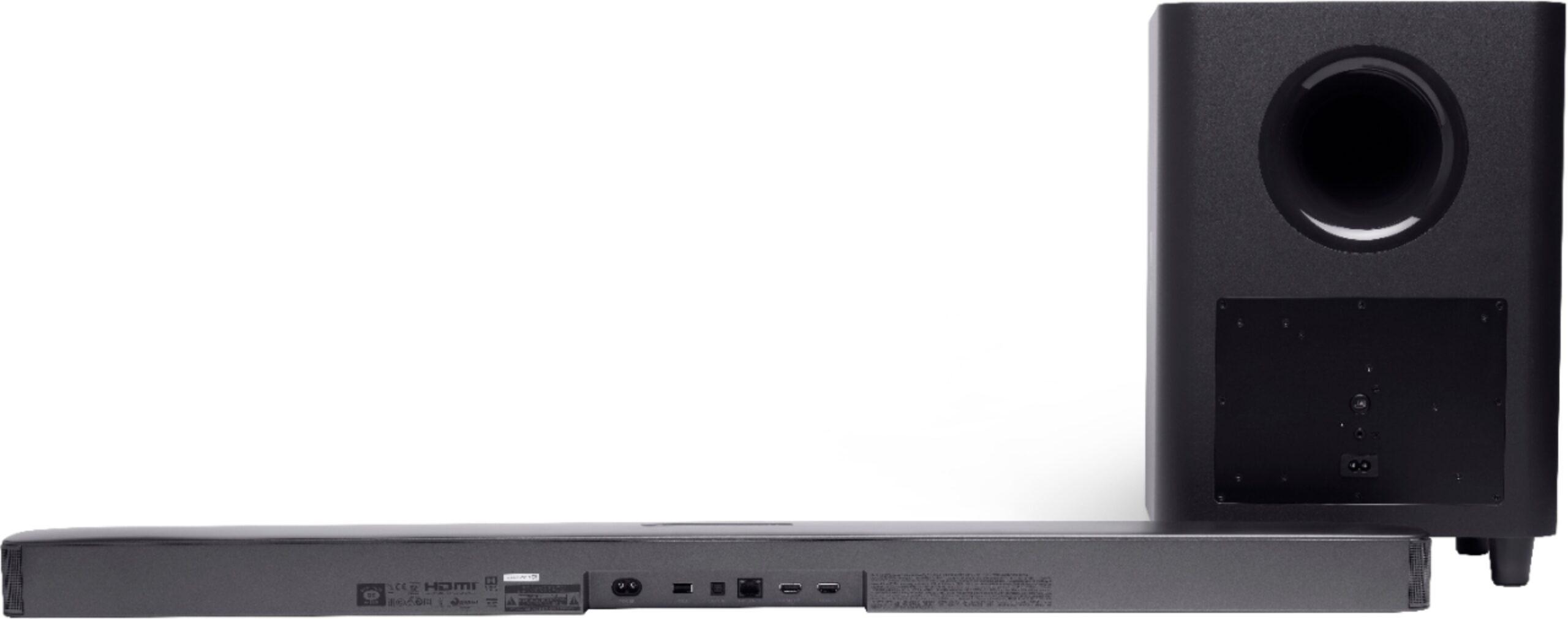
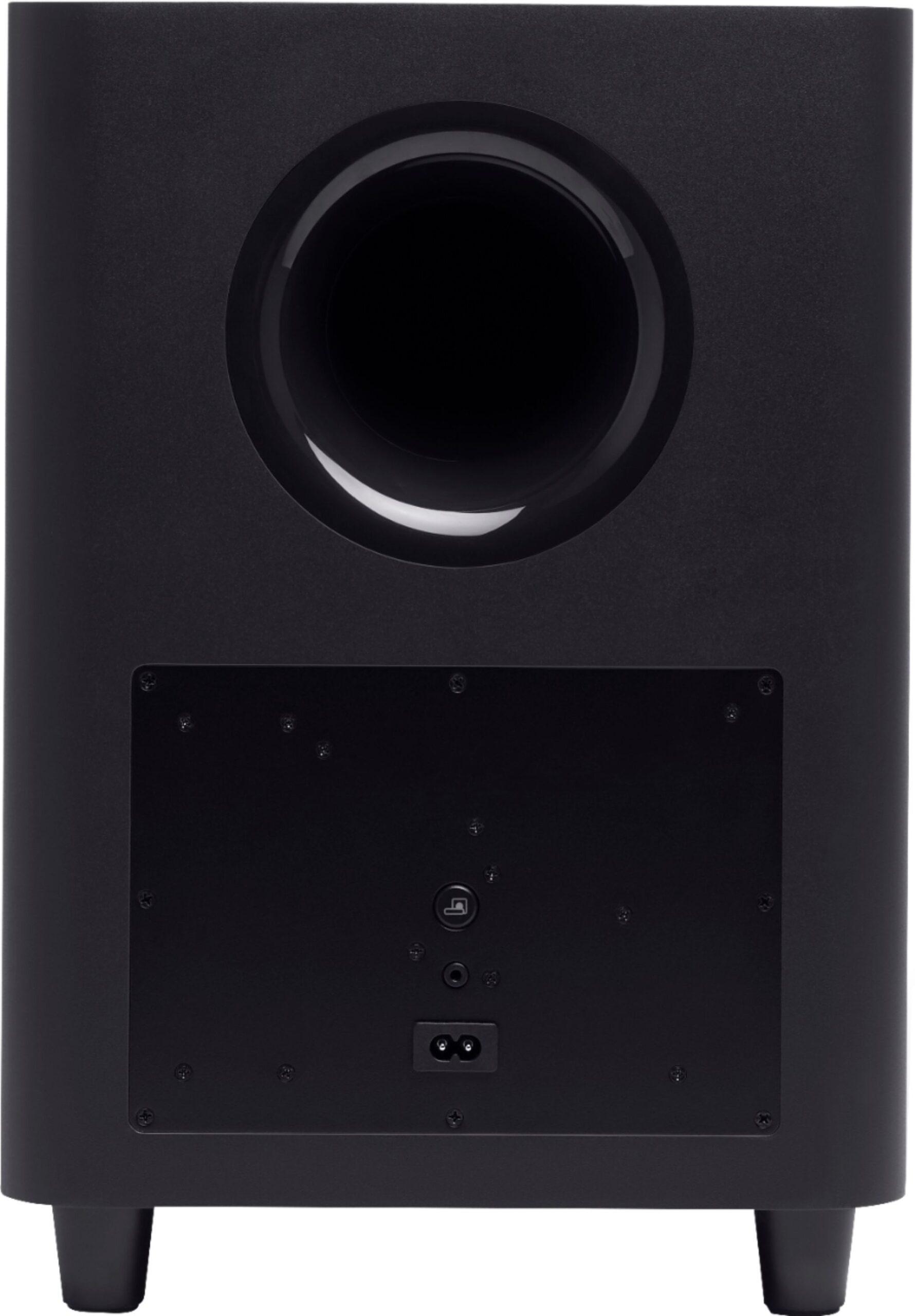
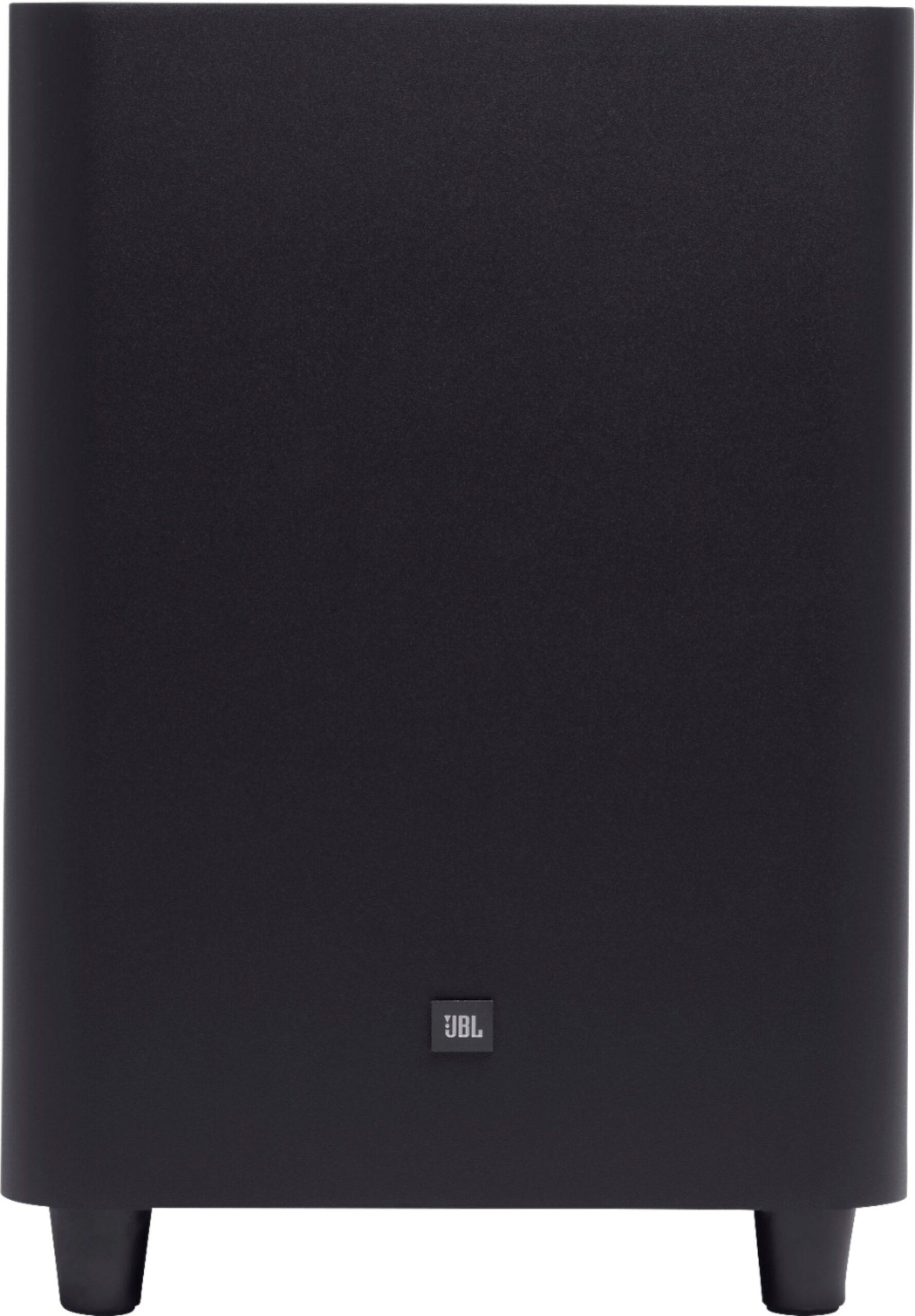
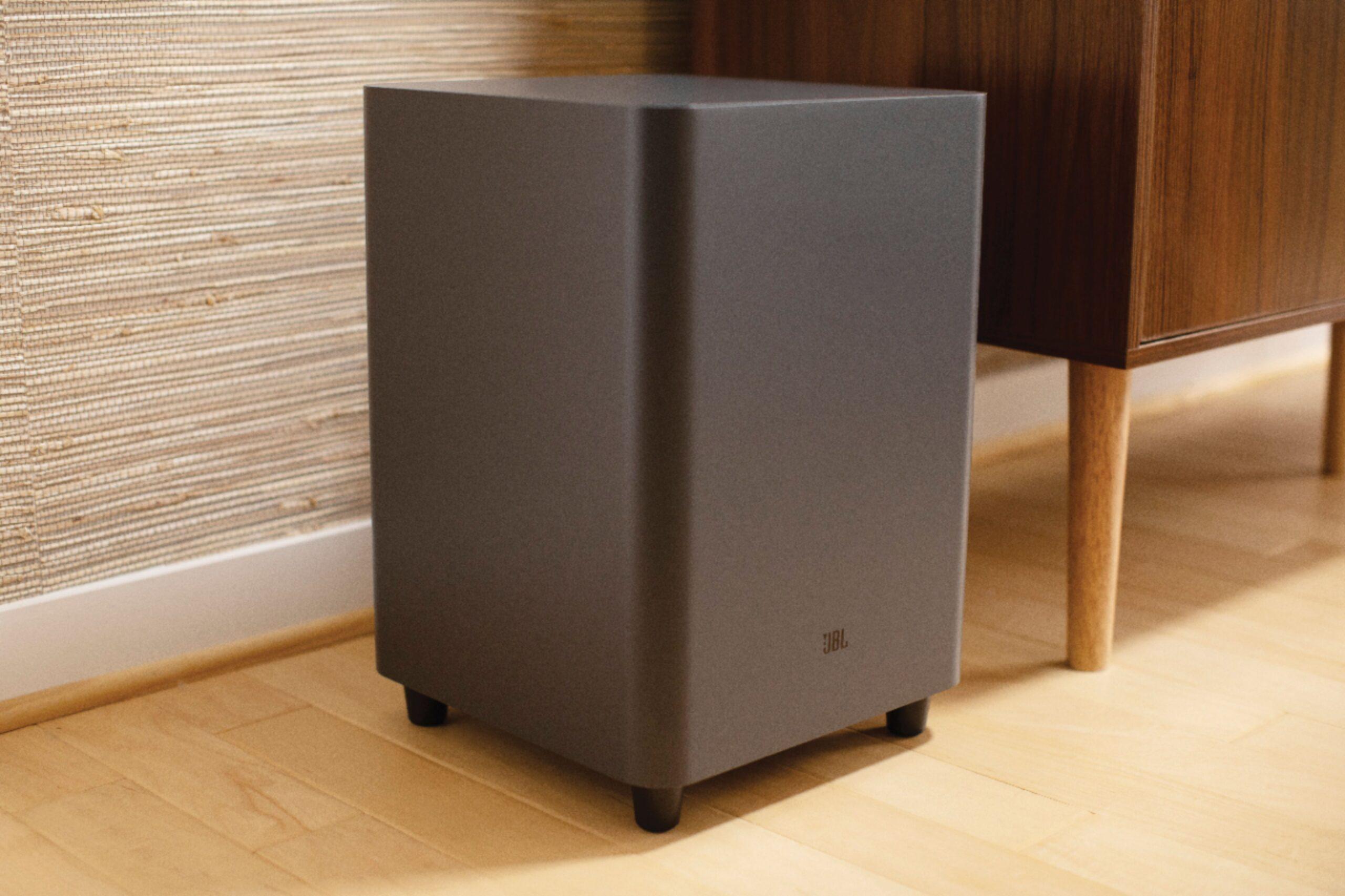
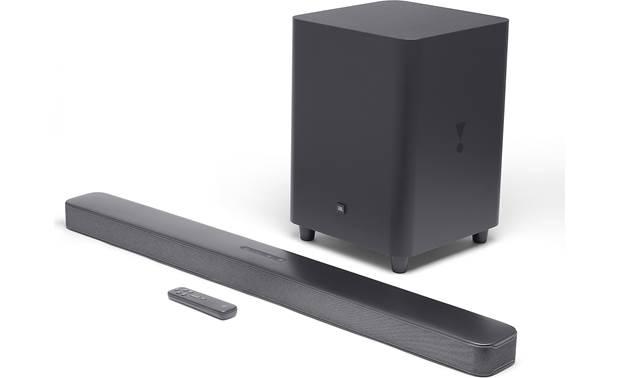
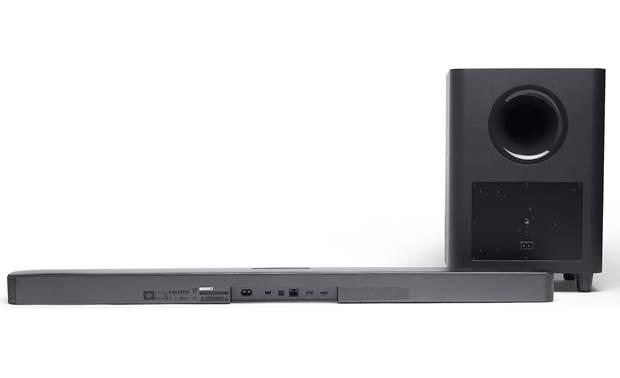
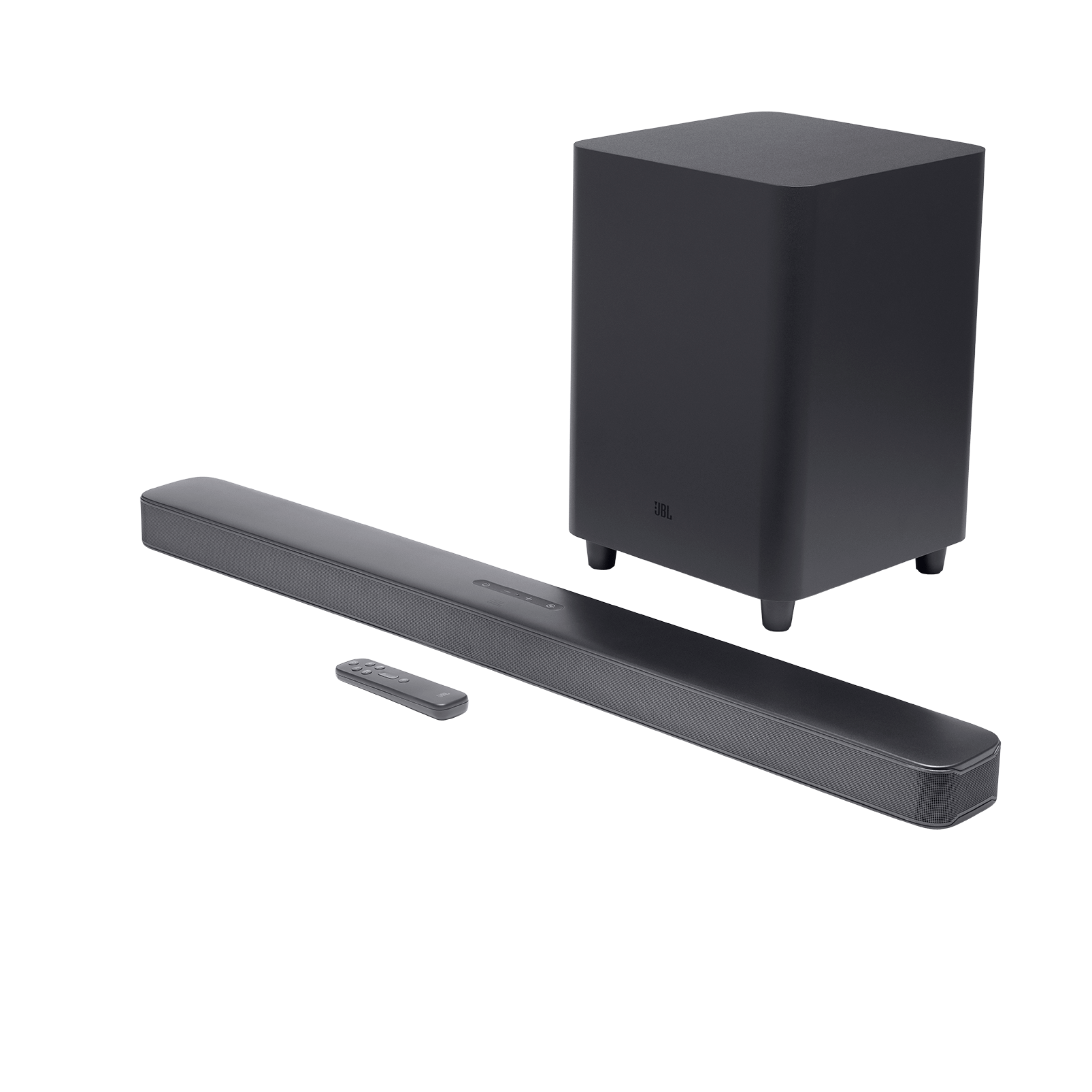
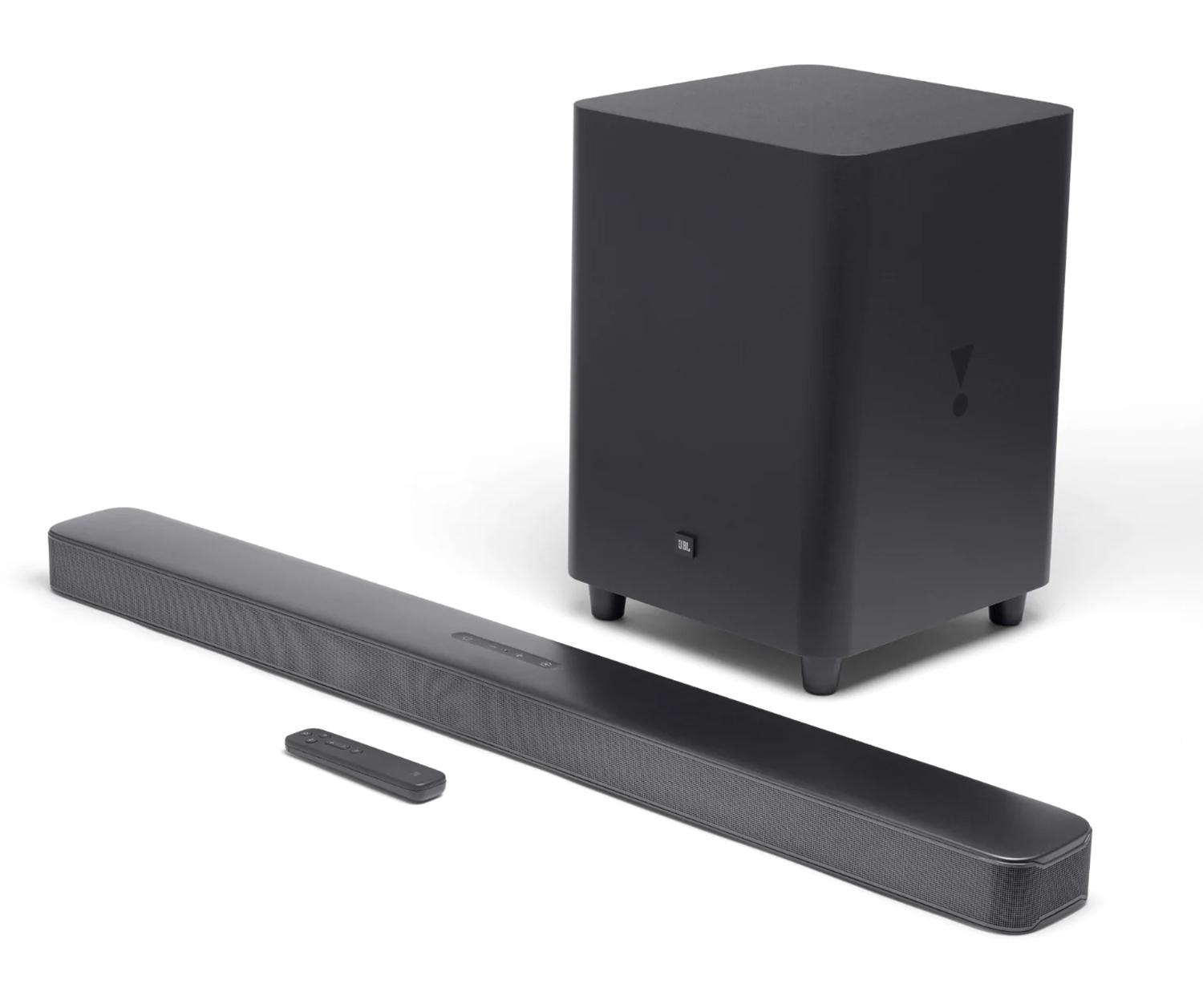
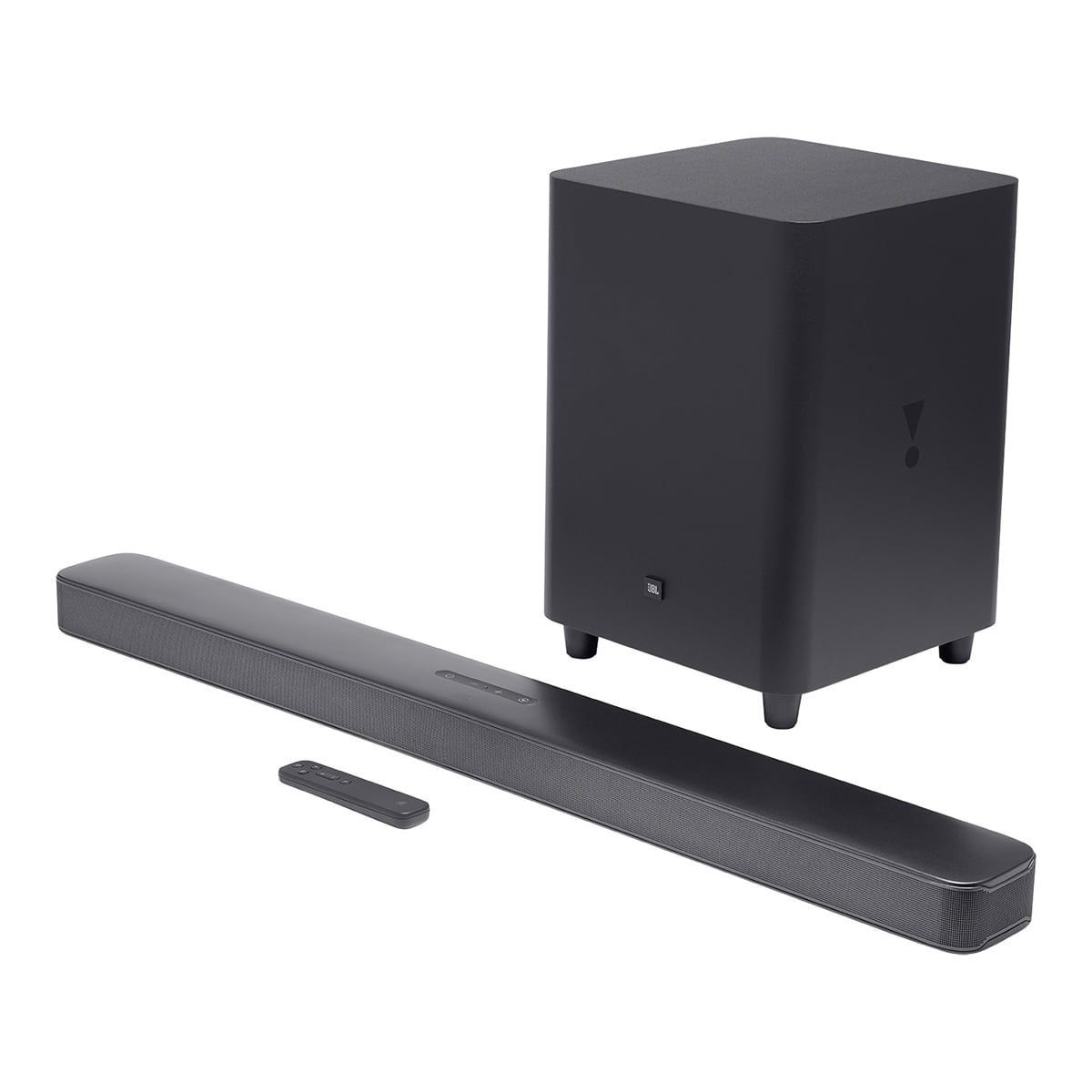
The JBL Bar 5.1 takes a fundamentally different approach. Instead of cramming everything into one compact unit, JBL created a modular system that can adapt to your room and preferences. The main soundbar houses the front left, center, and right channels, while a separate 10-inch wireless subwoofer handles the bass duties. But here's where it gets interesting—the left and right ends of the soundbar actually detach to become battery-powered wireless rear surround speakers.
This modular design means you get true 5.1-channel surround sound when you want it, but you can also use it as a traditional soundbar when you don't want speakers scattered around your room. The detachable speakers each have their own batteries (lasting up to 10 hours) and can be positioned anywhere within wireless range. For movie nights, you can place them behind your seating area for authentic surround effects. For casual TV watching, just leave them attached to the main bar.
The power difference between these systems is immediately noticeable. While the Yamaha delivers 120 watts total, the JBL pumps out 510 watts. That 300-watt wireless subwoofer can shake your room in ways the Yamaha's built-in drivers simply cannot match. When watching action movies, explosions have genuine impact rather than just sounding like loud noise.
JBL equipped this soundbar with Dolby Atmos support, which represents a significant advancement over traditional surround sound. Instead of just sending audio to specific speakers, Atmos treats sounds as objects that can be positioned anywhere in three-dimensional space. A helicopter in a movie might start behind you, move overhead, then sweep to your left—and you'll hear it move naturally through that path. The YAS-109's virtual processing can't replicate this level of spatial accuracy.
The connectivity story also favors the JBL. While the Yamaha offers basic HDMI with Audio Return Channel (ARC), the JBL includes HDMI 2.1 with enhanced ARC (eARC). This newer standard supports higher-bandwidth audio formats and is essential for getting the best sound from streaming services like Netflix and Disney+ that now offer Atmos content. For gamers, HDMI 2.1 also supports features like Variable Refresh Rate and 4K at 120Hz that next-generation consoles require.
The bass performance difference between these systems is like comparing a sports car to a motorcycle—both can be enjoyable, but they're designed for completely different experiences. The Yamaha's dual 3-inch built-in subwoofers provide adequate bass for dialogue-heavy content and lighter music, but they struggle with the deep, room-shaking frequencies that make action movies exciting.
During testing with bass-heavy content, the YAS-109's frequency response drops off noticeably around 80Hz. This means the rumble of thunder, the impact of explosions, and the lowest notes in music either sound weak or disappear entirely. It's not necessarily bad—it's just limited by physics. Those small drivers in the compact enclosure can only move so much air.
The JBL's 10-inch wireless subwoofer, by contrast, extends down to around 35Hz with authority. When that T-Rex footstep hits in Jurassic Park, you don't just hear it—you feel it. The difference is particularly noticeable in music; electronic music, hip-hop, and orchestral pieces with deep bass instruments sound fuller and more impactful through the JBL system.
Both systems address dialogue clarity, but they take different approaches. The Yamaha's Clear Voice processing works by analyzing the incoming audio signal and applying real-time equalization to boost frequencies where human speech typically occurs (roughly 85Hz to 255Hz for fundamental frequencies, with important harmonics extending much higher). This processing is quite effective—dialogue cuts through background music and sound effects more clearly than with the processing disabled.
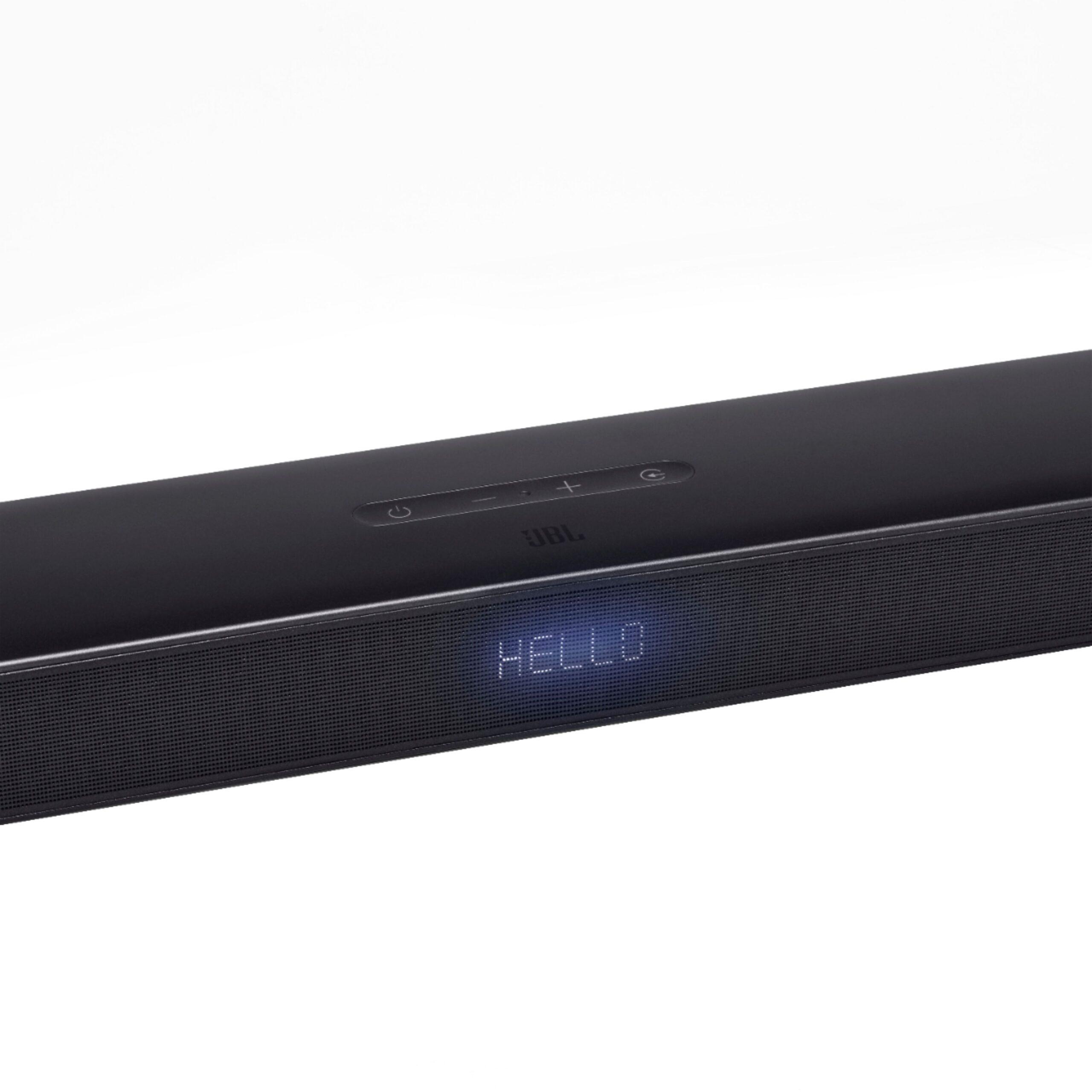
The JBL Bar 5.1 uses what they call PureVoice technology, which combines a dedicated center channel speaker with similar frequency optimization. Having a physical center channel provides a slight advantage because dialogue is actually coming from a speaker positioned near the TV screen, making conversations seem more natural and localized to the characters speaking.
In practice, both systems deliver clear dialogue, but the JBL's approach feels more natural while the Yamaha's can sometimes make voices sound slightly processed or artificial when the enhancement is set too aggressively.
This is where the fundamental difference in approach becomes most apparent. The Yamaha YAS-109's DTS Virtual:X processing uses a technique called Head-Related Transfer Function (HRTF) modeling to trick your brain into perceiving sounds from directions where there aren't any speakers. It works by applying specific delays, phase shifts, and frequency adjustments that mimic how your ears would naturally hear sounds from different directions.
The effect can be surprisingly convincing with the right content and seating position, but it has limitations. Virtual surround works best when you're sitting directly in front of the soundbar at the optimal distance. Move too far left or right, and the illusion breaks down. Complex scenes with multiple sound sources can also overwhelm the processing, resulting in a muddled presentation.
The JBL's true 5.1 setup, especially with the detachable surround speakers positioned properly, provides genuine directional audio. When a car drives around you in a movie, it actually moves from speaker to speaker rather than relying on psychoacoustic processing. The difference is most noticeable in films with active surround soundtracks—think of the pod race in Star Wars or any Marvel action sequence.
The JBL's Dolby Atmos support adds another dimension entirely. Instead of just left, right, and rear, Atmos can position sounds above you as well. Overhead effects like aircraft, rain, or debris falling feel more realistic because the audio processing places them in a believable three-dimensional space.
The Yamaha's built-in Alexa integration remains one of its strongest selling points. Unlike soundbars that require you to say "Alexa, tell [soundbar name] to turn up the volume," the YAS-109 responds directly to voice commands. You can control volume, playback, and even smart home devices without any intermediate steps.
This convenience factor shouldn't be underestimated. After living with the system for several months, voice control became second nature for quick adjustments. The far-field microphones work well even with background noise, though you'll want to mute them during movies to prevent accidental activation.
The JBL Bar 5.1 takes a different approach to smart features, focusing on compatibility with existing ecosystems rather than building everything in. It supports AirPlay 2, Chromecast, and can work with Alexa or Google Assistant devices you already own. This approach offers more flexibility but requires additional hardware for voice control.
For streaming music, both systems support the major services, but the JBL's broader compatibility with casting protocols makes it easier to stream from various devices and services. The difference is particularly noticeable if you use multiple streaming platforms or have a mixed ecosystem of Apple and Android devices.
The Yamaha excels in smaller spaces. Its compact footprint makes it ideal for bedrooms, apartments, or any situation where you want better TV audio without dominating the room visually. The all-in-one design also means minimal setup—connect one cable to your TV, plug it in, and you're mostly done.
For larger rooms, the physics become problematic. The YAS-109's 120 watts of power and limited bass extension mean it can struggle to fill spaces larger than about 200 square feet effectively. You'll find yourself pushing the volume higher to achieve satisfying levels, which can lead to distortion and listener fatigue.
The JBL Bar 5.1 is designed for medium to large rooms where its 510 watts of power can really shine. The wireless subwoofer offers placement flexibility—you can position it where it sounds best rather than where it fits with the soundbar. The detachable surround speakers extend this flexibility further, allowing you to optimize the surround sound experience for your specific seating arrangement.
However, this flexibility comes with complexity. You'll need to find appropriate placement for the subwoofer, manage the charging schedule for the detachable speakers, and potentially deal with wireless interference in congested RF environments.
At $219.95, the Yamaha YAS-109 represents exceptional value for its feature set. Built-in Alexa alone would cost $50-100 if purchased separately, and the sound quality improvements over TV speakers are immediately apparent. For many users, especially those primarily watching dialogue-heavy content like news, sitcoms, or documentaries, it provides everything they need without unnecessary complexity.
The JBL Bar 5.1 at $599.95 requires a bigger financial commitment, but it's targeting a different use case entirely. If you're serious about movie watching or have a larger room to fill, the performance differences justify the price premium. The modular design also means the system can adapt as your needs change—you might start using it as a traditional soundbar and add the surround speakers later for special occasions.
From a longevity perspective, the JBL's HDMI 2.1 connectivity provides better future-proofing for evolving video and audio standards. As streaming services continue to improve their audio quality and gaming becomes more sophisticated, having the bandwidth to handle these formats becomes increasingly important.
The choice between these soundbars ultimately comes down to matching the system to your specific situation and priorities. The Yamaha YAS-109 excels when you want immediate improvement in TV audio quality with minimal fuss and maximum convenience. Its built-in Alexa, compact size, and straightforward setup make it ideal for casual viewers who want better sound without changing how they use their entertainment system.
Choose the Yamaha if you're living in a smaller space, have a limited budget, value voice control integration, or primarily watch dialogue-heavy content. It's also the better choice if you're not comfortable managing multiple wireless components or dealing with more complex setup procedures.
The JBL Bar 5.1 makes sense when audio quality is a primary concern and you have the room and budget to take advantage of its capabilities. The true surround sound, powerful bass, and future-proof connectivity make it a better long-term investment for serious movie watchers and music listeners.
Go with the JBL if you have a medium to large room, frequently watch action movies or listen to music through your TV, want genuine surround sound effects, or are building a more serious home theater setup. The modular design also appeals to users who like having options and don't mind a bit more complexity for better performance.
Both soundbars will dramatically improve your TV's audio quality, but they'll do it in very different ways. The Yamaha prioritizes convenience and simplicity, while the JBL focuses on audio performance and flexibility. Understanding which approach better matches your lifestyle and viewing habits will guide you to the right choice.
| Yamaha YAS-109 ($219.95) | JBL Bar 5.1 ($599.95) |
|---|---|
| Audio Configuration - Determines surround sound capability and room-filling power | |
| 2.1 channel with dual built-in subwoofers | True 5.1 channel with detachable wireless surrounds |
| Total Power Output - Critical for larger rooms and impactful bass | |
| 120W (60W bass + 30W×2 front channels) | 510W (300W subwoofer + 210W soundbar) |
| Subwoofer Design - Affects bass depth and placement flexibility | |
| Dual 3" drivers built into main bar | Separate 10" wireless subwoofer |
| Surround Sound Technology - Key difference in immersion quality | |
| DTS Virtual:X (simulated surround from front speakers) | True 5.1 with Dolby Atmos support |
| Voice Control Integration - Convenience for hands-free operation | |
| Built-in Alexa (direct voice commands) | Compatible with external Alexa/Google devices |
| HDMI Connectivity - Future-proofing for gaming and streaming | |
| HDMI ARC (basic 4K passthrough) | HDMI 2.1 eARC (supports 4K/120Hz, VRR) |
| Dimensions - Space requirements and visual impact | |
| 35" × 2.1" × 5.1" (single compact unit) | 45" soundbar + 12" × 17.3" × 12" subwoofer |
| Room Size Optimization - Maximum effective coverage area | |
| Small to medium rooms (up to 200 sq ft) | Medium to large rooms (200+ sq ft) |
| Setup Complexity - Time and technical skill required | |
| Plug-and-play single unit | Multi-component wireless pairing required |
| Bass Extension - Depth of low-frequency response | |
| Limited to ~80Hz (adequate for TV/dialogue) | Deep bass to ~35Hz (cinematic impact) |
The Yamaha YAS-109 ($219.95) is ideal for small apartments due to its compact 35-inch design and built-in subwoofers that won't disturb neighbors. The single-unit setup eliminates the need for additional components that take up floor space, making it perfect for tight living situations.
The key difference is audio configuration: the Yamaha YAS-109 offers 2.1 channel sound with built-in subwoofers, while the JBL Bar 5.1 ($599.95) provides true 5.1 surround sound with detachable wireless rear speakers and a separate subwoofer for more immersive home theater experience.
The JBL Bar 5.1 delivers significantly better bass with its dedicated 10-inch wireless subwoofer producing deep frequencies down to 35Hz. The Yamaha's built-in 3-inch subwoofers are adequate for TV dialogue but can't match the JBL's room-shaking low-end impact.
It depends on your priorities. The JBL Bar 5.1 offers true surround sound and Dolby Atmos support, creating a more cinematic experience for action movies. However, the Yamaha YAS-109 provides clear dialogue and decent sound quality that satisfies most casual movie watchers at a much lower price.
The Yamaha YAS-109 is much easier to set up as a single plug-and-play unit that connects directly to your TV. The JBL Bar 5.1 requires positioning a wireless subwoofer, pairing detachable surround speakers, and managing multiple components, making setup more complex but offering better performance.
The Yamaha YAS-109 has built-in Alexa for direct voice commands without additional devices. The JBL Bar 5.1 requires connecting to external Alexa or Google Assistant devices for voice control, adding complexity but offering more ecosystem flexibility.
The JBL Bar 5.1 is designed for larger rooms with its 510W total power output and wireless subwoofer placement flexibility. The Yamaha YAS-109's 120W power struggles to fill rooms larger than 200 square feet effectively.
The JBL Bar 5.1 ($599.95) costs nearly three times more than the Yamaha YAS-109 ($219.95). The price difference is justified if you want true surround sound, powerful bass, and future-proof connectivity. For basic TV audio improvement, the Yamaha offers excellent value.
The JBL Bar 5.1 is better for gaming with HDMI 2.1 support for 4K/120Hz and Variable Refresh Rate features needed by next-gen consoles. The true surround sound also enhances gaming immersion. The Yamaha YAS-109 works fine for casual gaming but lacks advanced gaming features.
Yes, both support Bluetooth streaming. The Yamaha YAS-109 includes Spotify Connect and Wi-Fi streaming with built-in Alexa integration. The JBL Bar 5.1 offers broader compatibility with AirPlay 2, Chromecast, and multiple streaming services for more flexible music playback options.
The JBL Bar 5.1 is more future-proof with HDMI 2.1 eARC support for evolving audio/video standards and Dolby Atmos compatibility for newer streaming content. The Yamaha YAS-109 uses older HDMI ARC technology that may limit compatibility with future devices and formats.
Choose the Yamaha YAS-109 ($219.95) if you want affordable TV audio improvement, built-in voice control, and simple setup in smaller spaces. Choose the JBL Bar 5.1 ($599.95) if you prioritize true surround sound, powerful bass, larger room compatibility, and don't mind the higher cost and complexity for superior home theater performance.
We've done our best to create useful and informative comparisons to help you decide what product to buy. Our research uses advanced automated methods to create this comparison and perfection is not possible - please contact us for corrections or questions. These are the sites we've researched in the creation of this article: rtings.com - crutchfield.com - usa.yamaha.com - digitaltrends.com - tomsguide.com - listenup.com - youtube.com - usa.yamaha.com - hub.yamaha.com - youtube.com - hub.yamaha.com - jbl.com - jbl.com - jbl.com - tomsguide.com - jbl.com - bestbuy.com - bestbuy.com - jbl.com - jbl.com - worldwidestereo.com

Privacy Policy
Terms and Conditions - Affiliate Policy
Home Security
© Copyright 2008-2026.
11816 Inwood Rd #1211, Dallas, TX 75244