

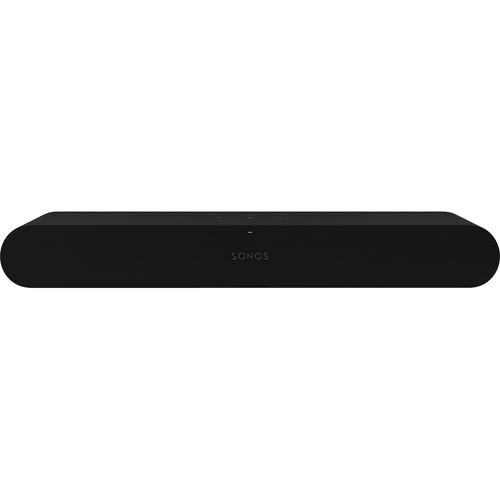


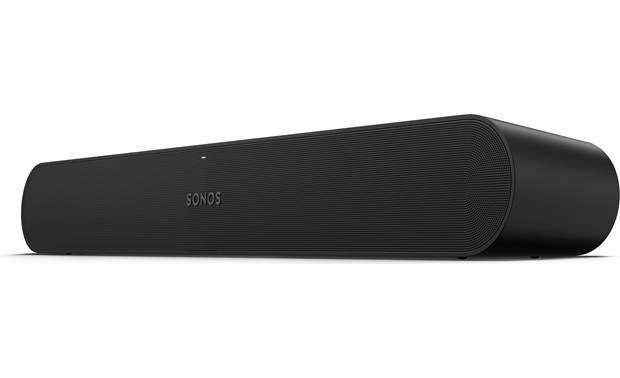
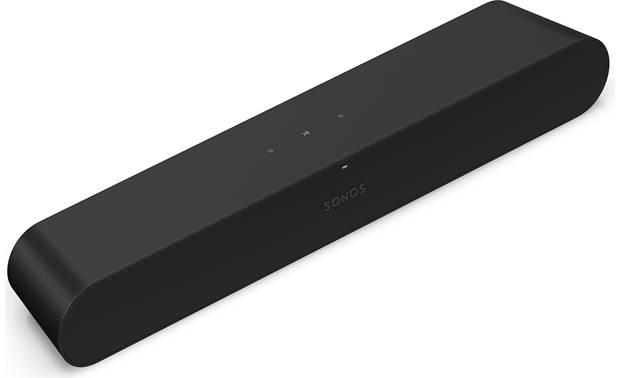
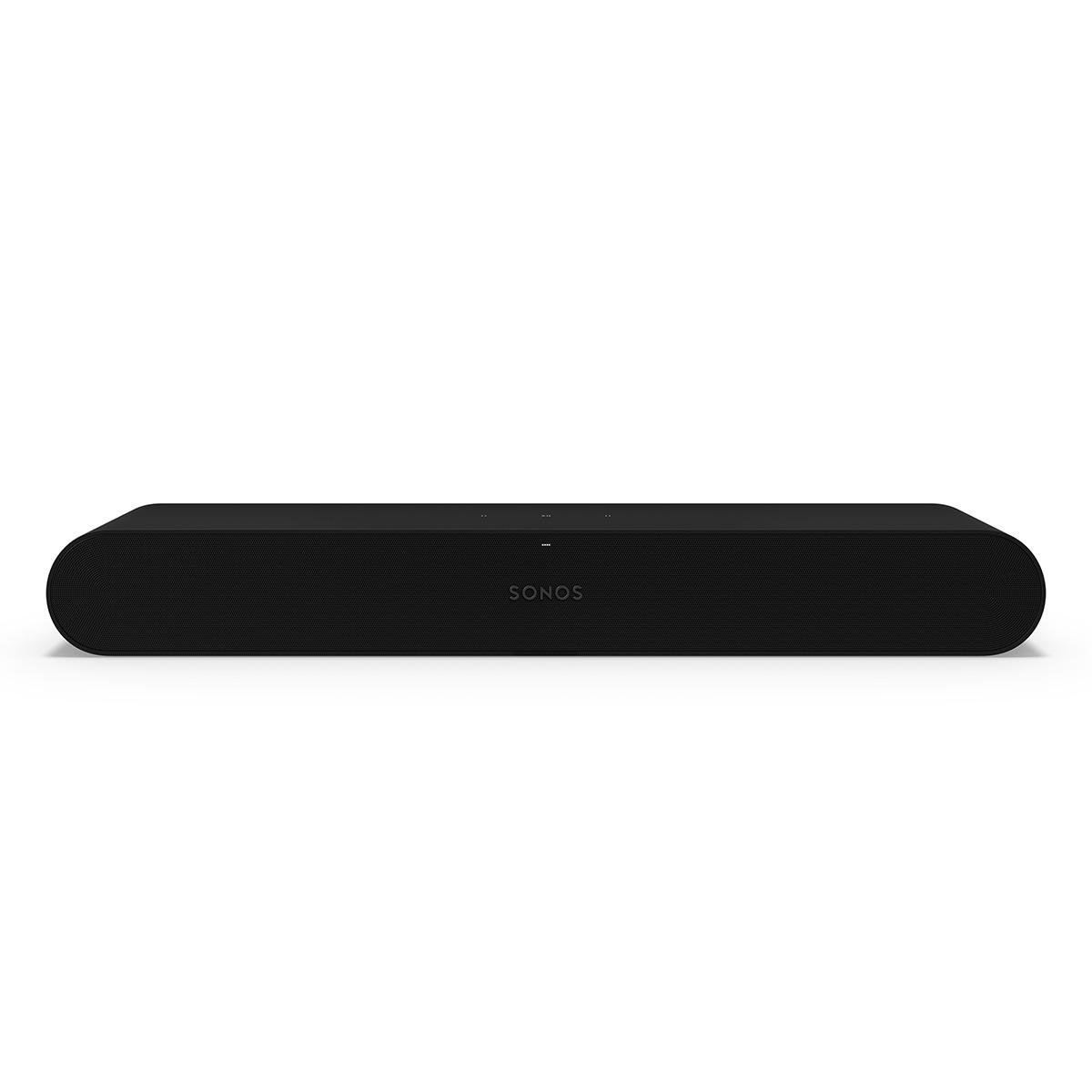



When your TV's built-in speakers leave you constantly reaching for the volume remote or asking "what did they just say?", it's time to consider a soundbar upgrade. But with dozens of options ranging from simple stereo bars to complex surround systems, choosing the right one can feel overwhelming. Today, we're comparing two popular but very different approaches: the compact Sonos Ray Soundbar ($279) and the full-featured JBL Bar 5.1 Surround Soundbar ($599).
These products represent fundamentally different philosophies in home audio. One prioritizes simplicity and dialogue clarity, while the other delivers true cinematic immersion. Understanding these differences will help you choose the soundbar that best fits your space, budget, and entertainment habits.
Before diving into specifics, let's establish what makes a soundbar worth your money. Modern flat-screen TVs sacrifice audio quality for sleek designs – those paper-thin profiles simply can't house decent speakers. A soundbar's job is to restore the audio experience without cluttering your living room with multiple speakers and wires.
The most important factors when choosing a soundbar include the channel configuration (how many separate audio channels it can produce), room size compatibility, connectivity options, and expansion potential. Channel configuration is expressed in numbers like "2.0" or "5.1" – the first number indicates main channels (left, right, center), while the second represents dedicated subwoofers for bass.
Connectivity determines how you'll connect your soundbar to your TV and other devices. HDMI ARC (Audio Return Channel) is the gold standard because it allows your TV remote to control soundbar volume, while optical connections are simpler but more limited. Streaming capabilities have become crucial since many of us now use soundbars for music as well as TV audio.
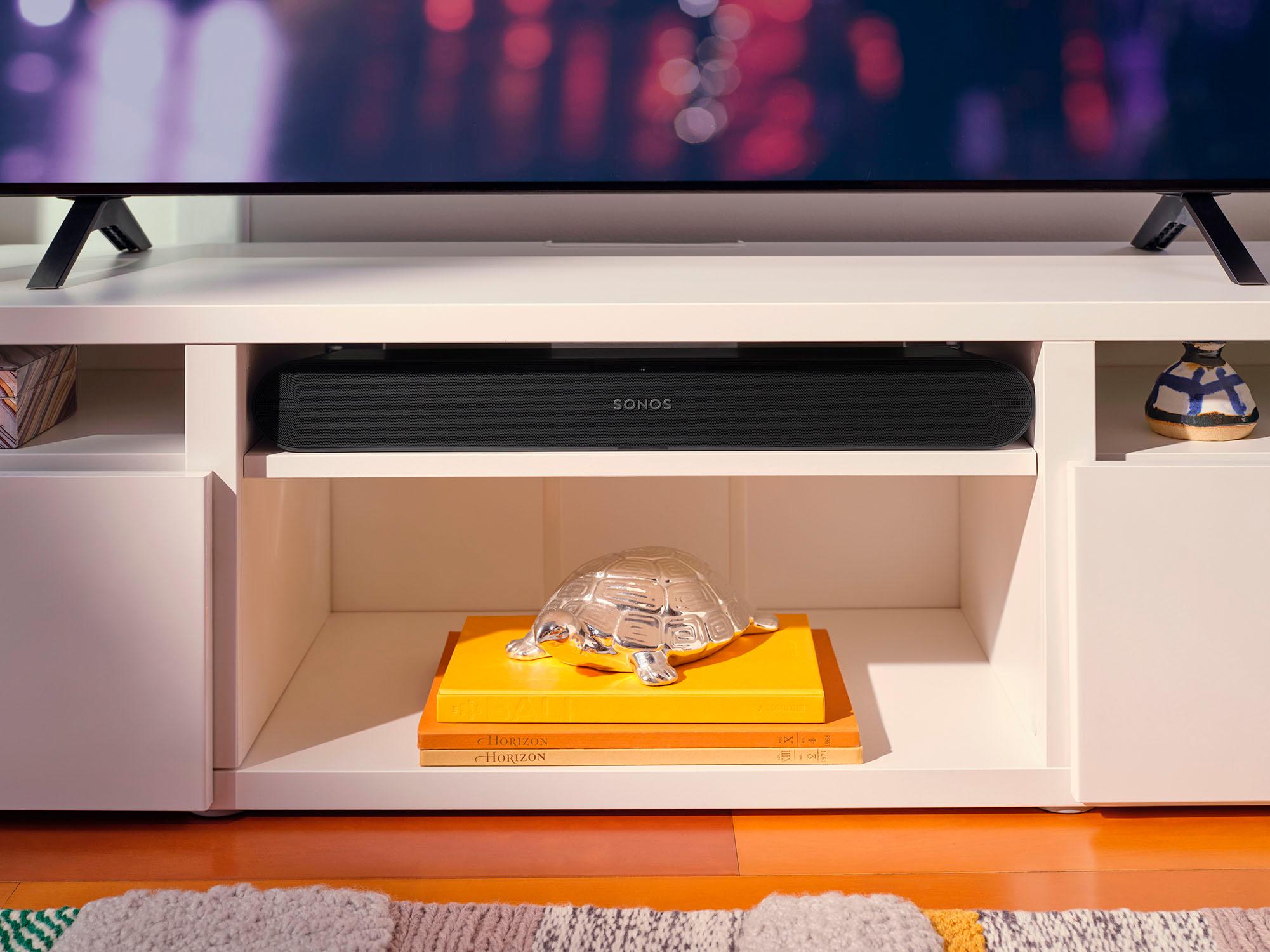
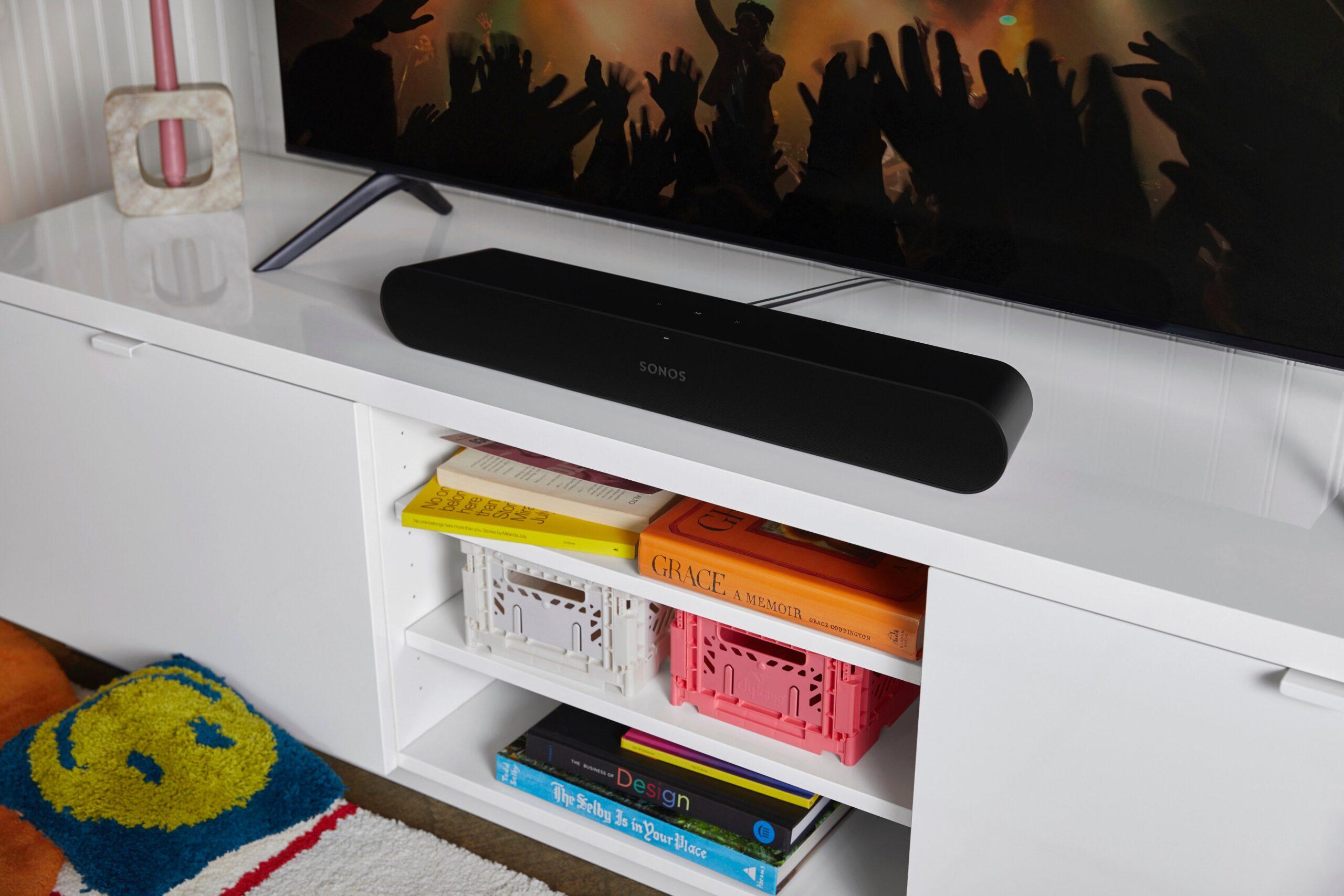
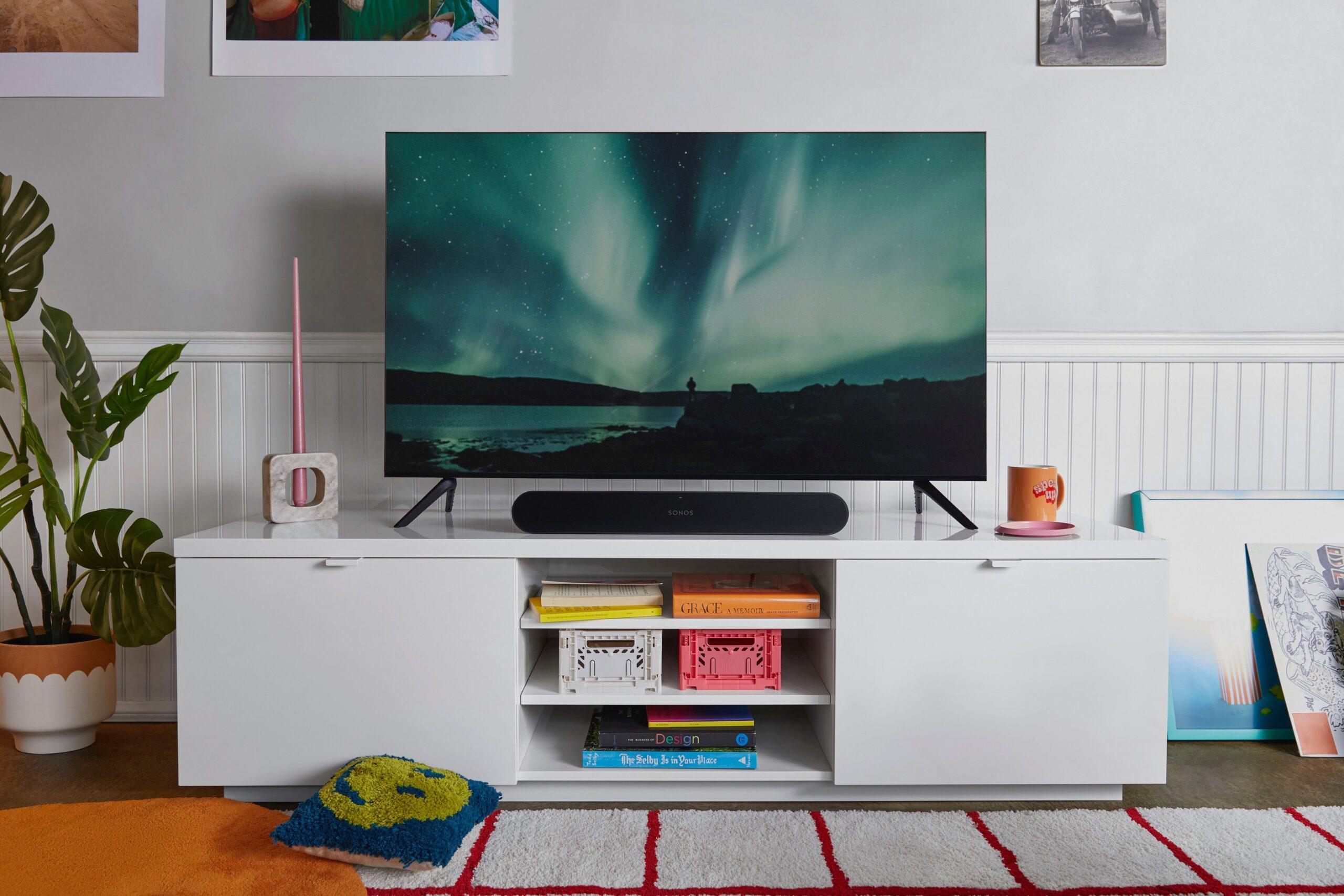
Released in 2022, the Sonos Ray ($279) marked Sonos's entry into the budget soundbar market. At just 22 inches wide and weighing only 4 pounds, it's designed for smaller spaces where a massive soundbar would overwhelm the room. But don't let its size fool you – Sonos packed some clever technology into this compact package.
The Ray uses a 2.0-channel configuration, meaning it produces stereo sound without a separate subwoofer. Sonos compensated for the lack of a dedicated bass driver with a custom bass reflex system – essentially tuned ports that enhance low-frequency response by using the soundbar's internal air volume as a resonating chamber. Think of it like the sound hole in an acoustic guitar, but engineered for maximum bass impact in a small enclosure.
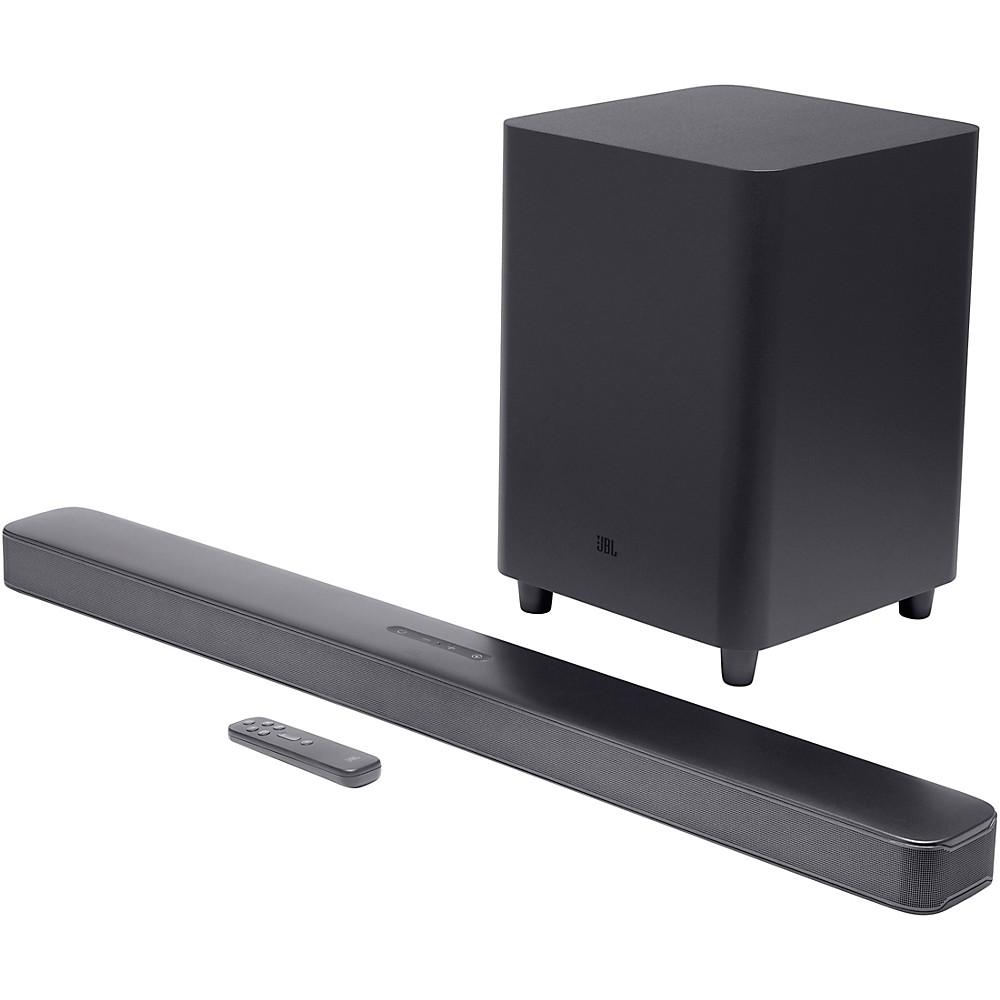
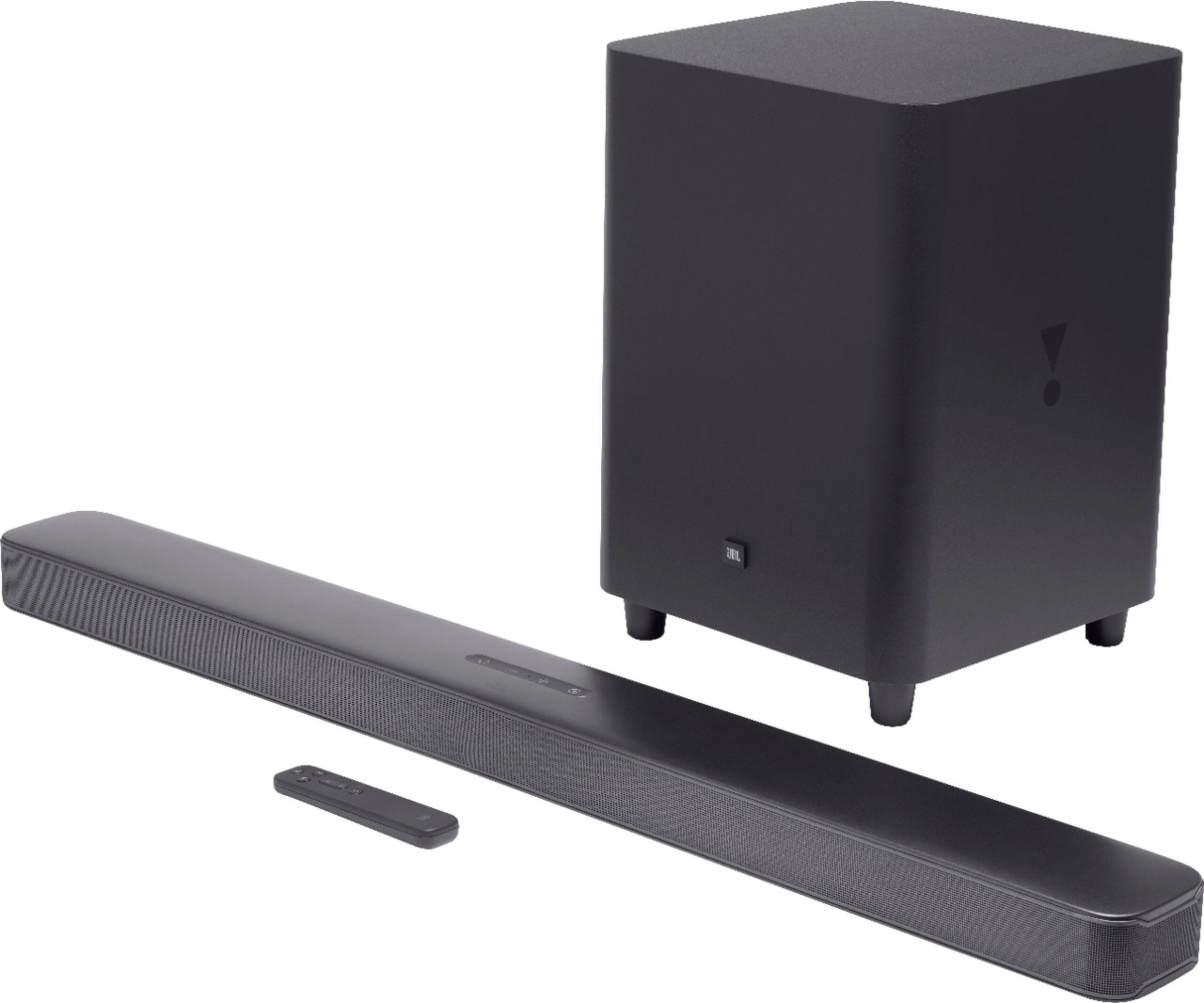
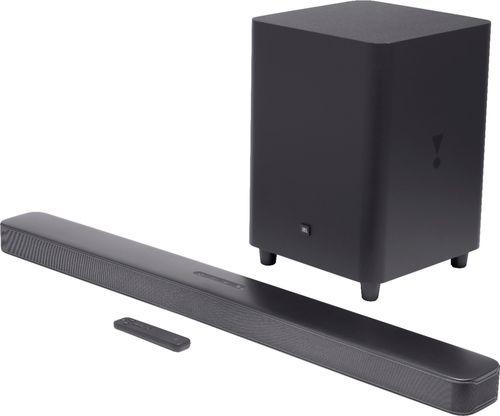
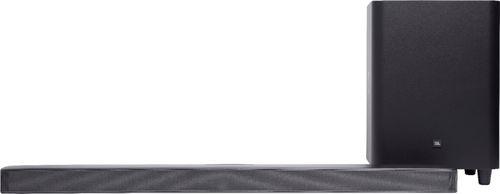
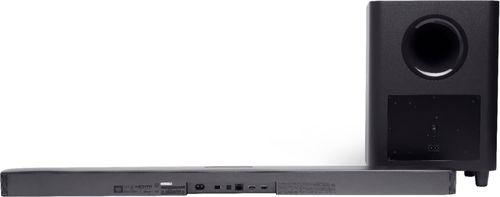
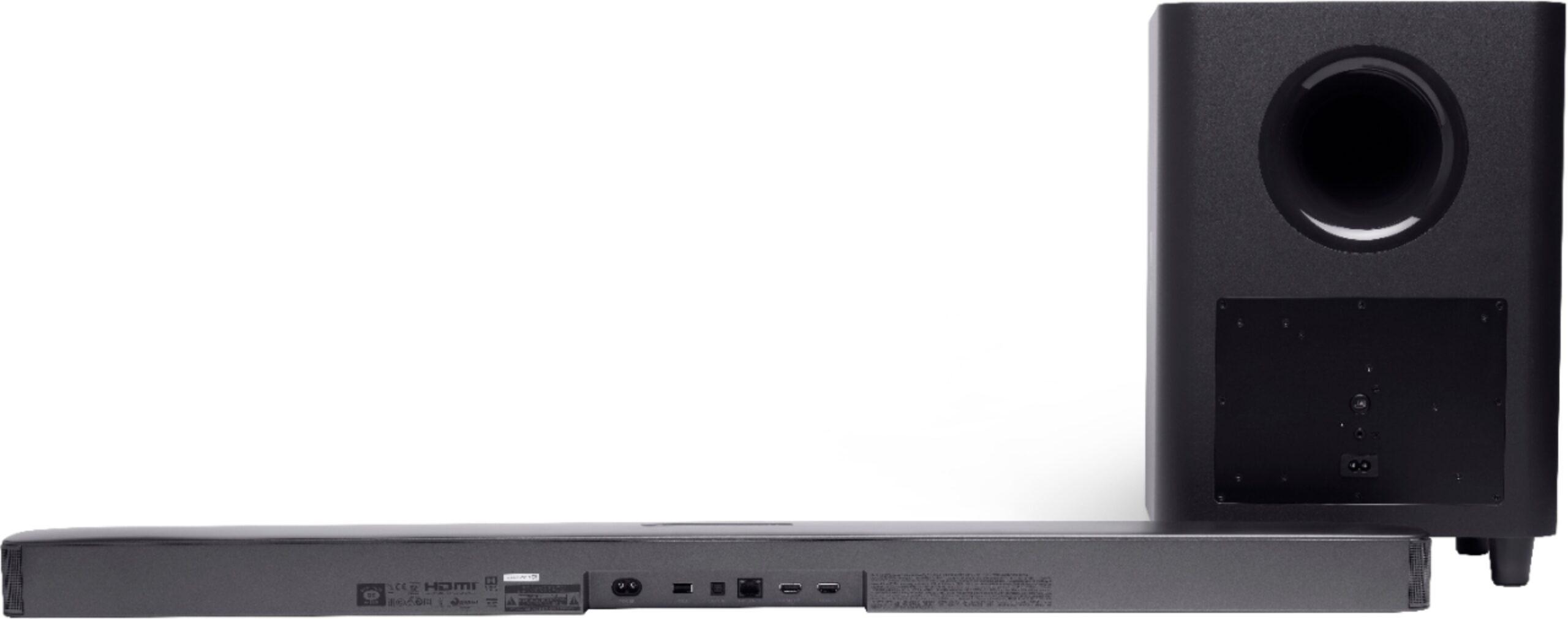
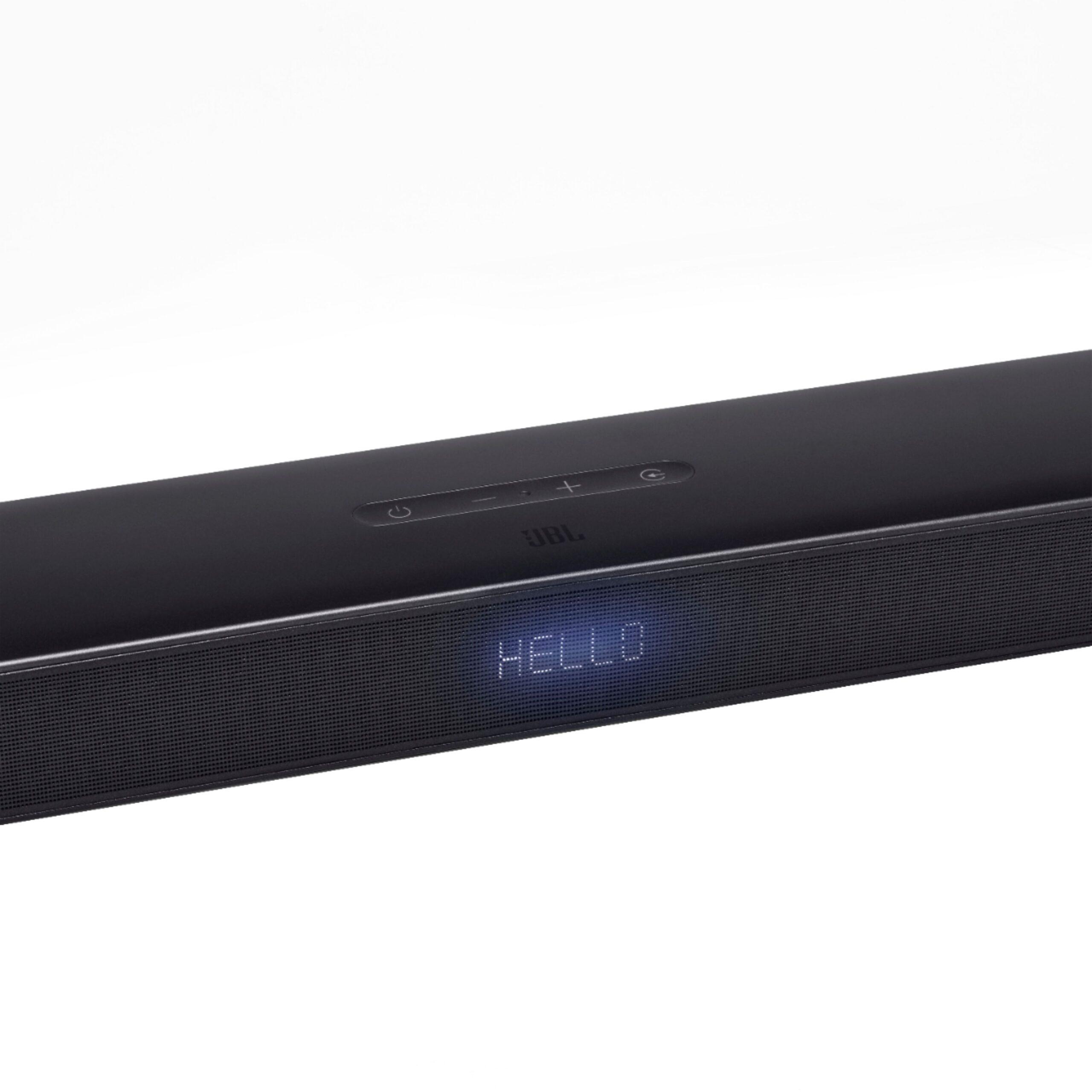
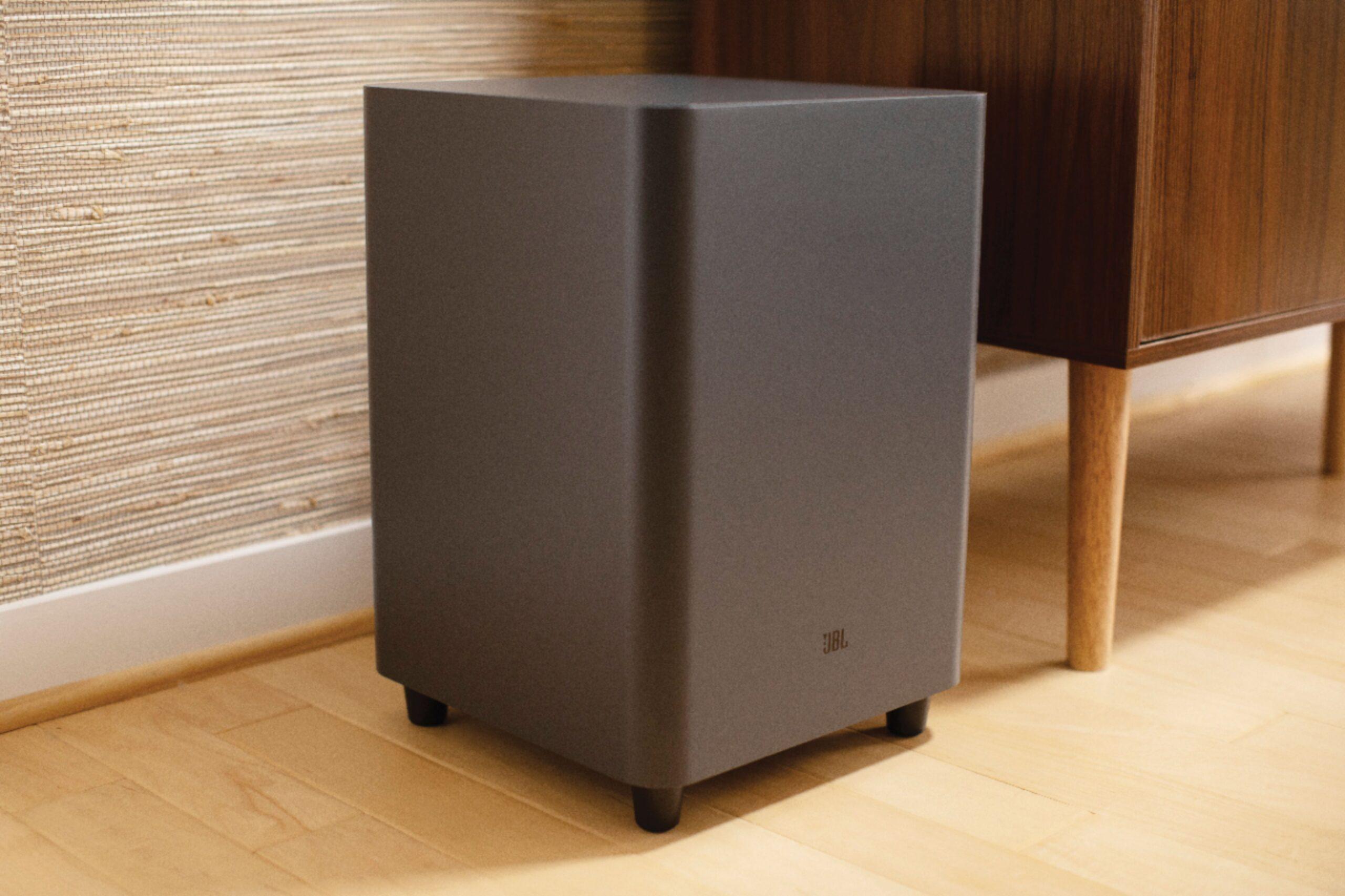
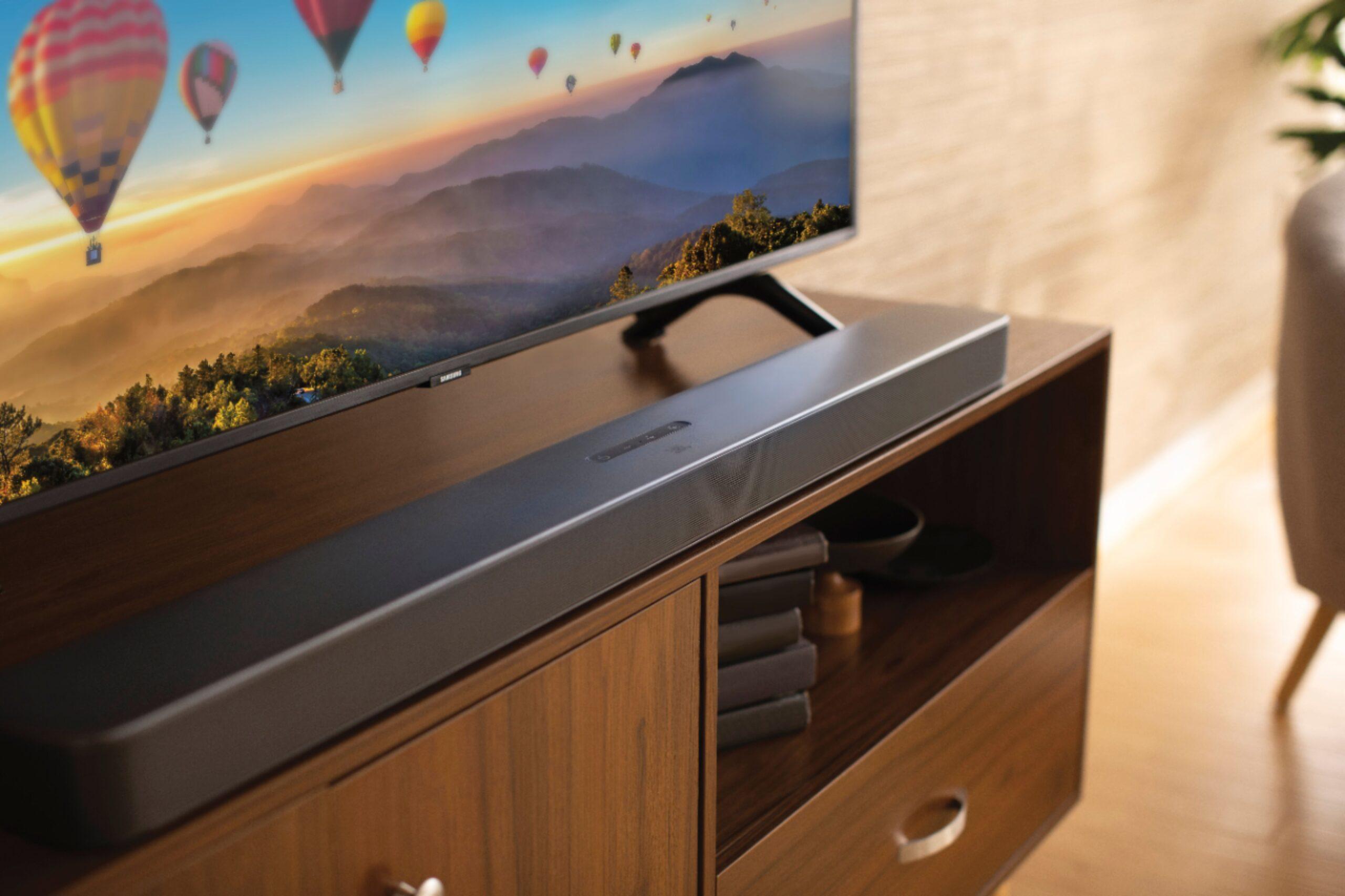
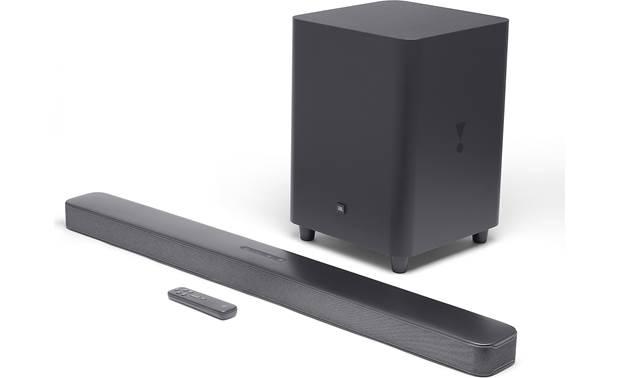
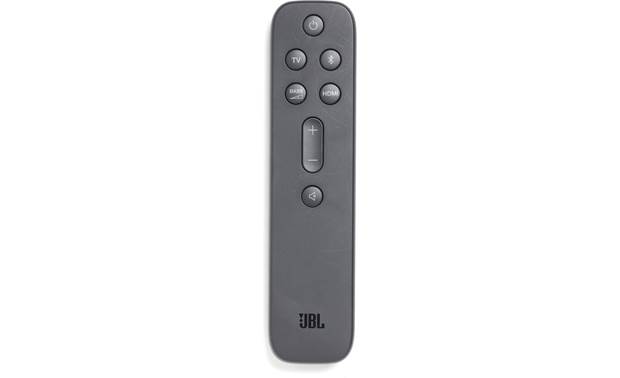
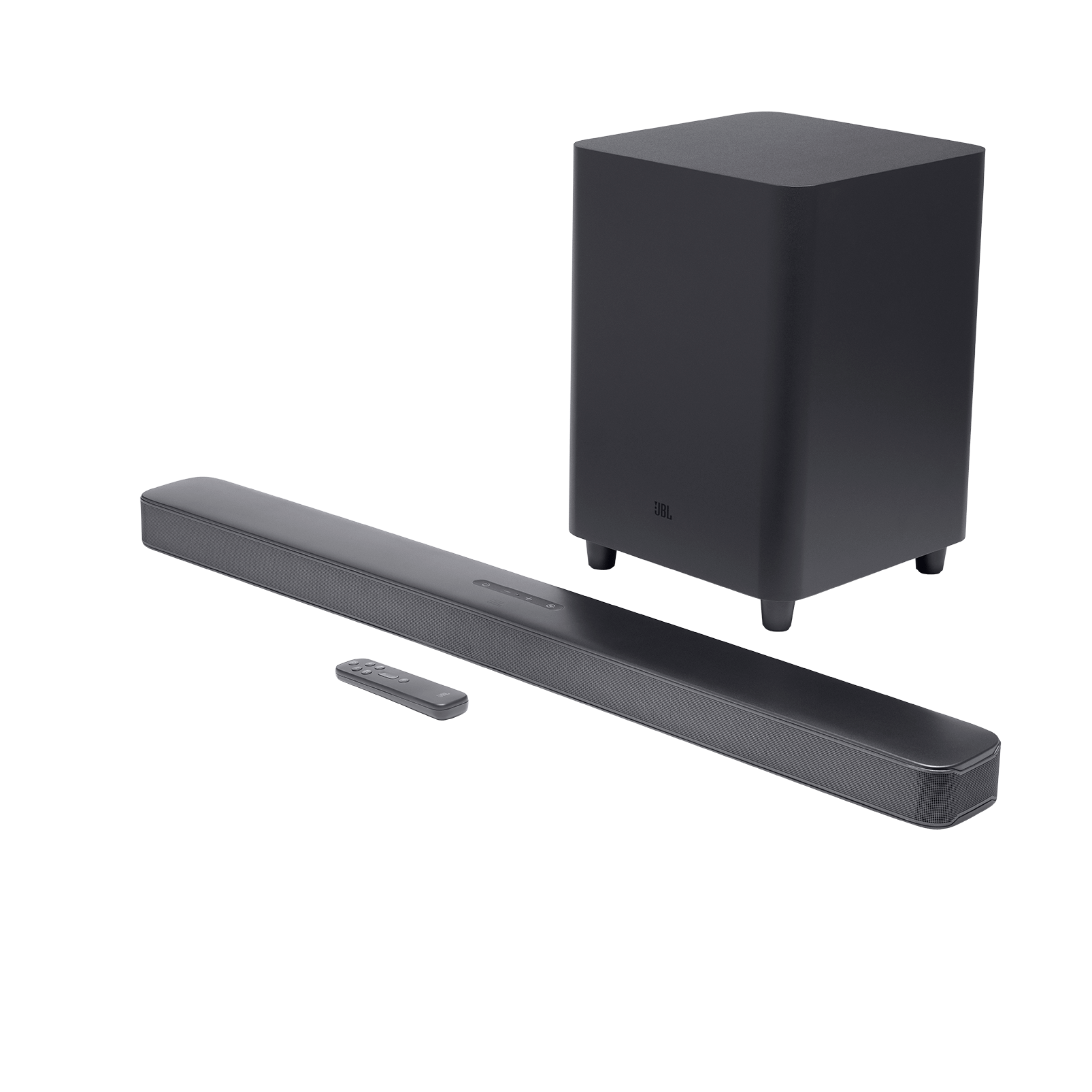
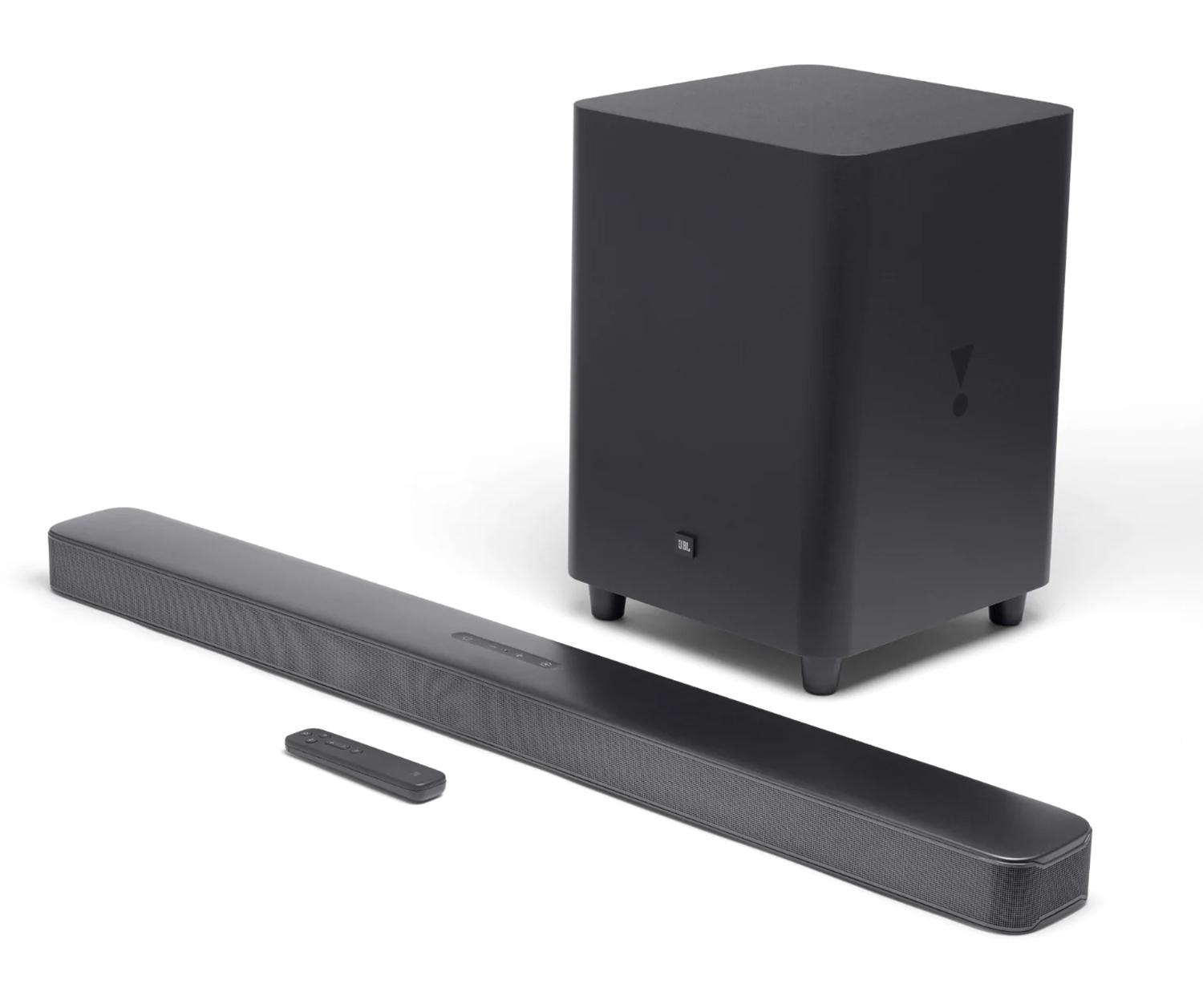
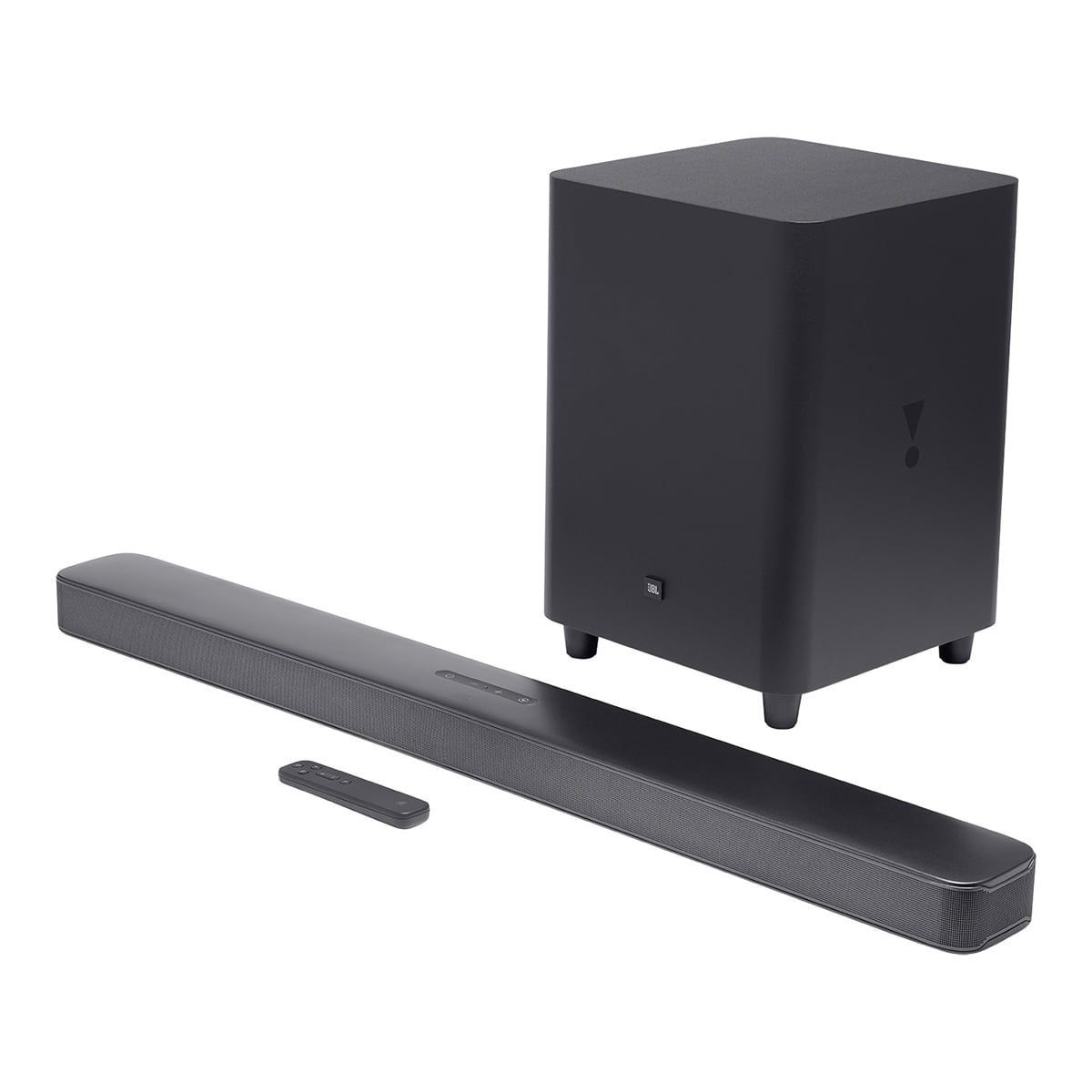
Also launched in 2022, the JBL Bar 5.1 Surround ($599) takes a completely different approach. This is a full 5.1-channel system, meaning it includes a center channel for dialogue, left and right front channels, two surround channels, and a dedicated subwoofer (the ".1" in 5.1). The standout feature is its detachable wireless surround speakers – the rear channels literally unplug from the main soundbar and can be placed anywhere in your room.
This modular design addresses one of the biggest challenges in home theater: speaker placement. Traditional surround systems require running wires to rear speakers or dealing with wireless connectivity issues. JBL's solution is elegant – the detachable speakers charge when docked to the main bar and provide up to 10 hours of wireless operation when separated.
Here's where the differences become stark. The Sonos Ray produces what I'd call "refined" sound – it's tuned for clarity and balance rather than raw power. During my testing with dialogue-heavy shows like "The Crown," every whispered conversation came through clearly, even during dramatic musical swells. The custom waveguide technology projects sound wider than the soundbar's physical dimensions, creating an impressively broad stereo image.
However, when I switched to action movies, the Ray's limitations became apparent. The bass reflex system provides adequate low-end for its size, but explosive scenes in films like "Mad Max: Fury Road" revealed its boundaries. The soundbar simply can't move enough air to reproduce truly deep bass – those rumbling engines and massive explosions lack the physical impact that makes action scenes thrilling.
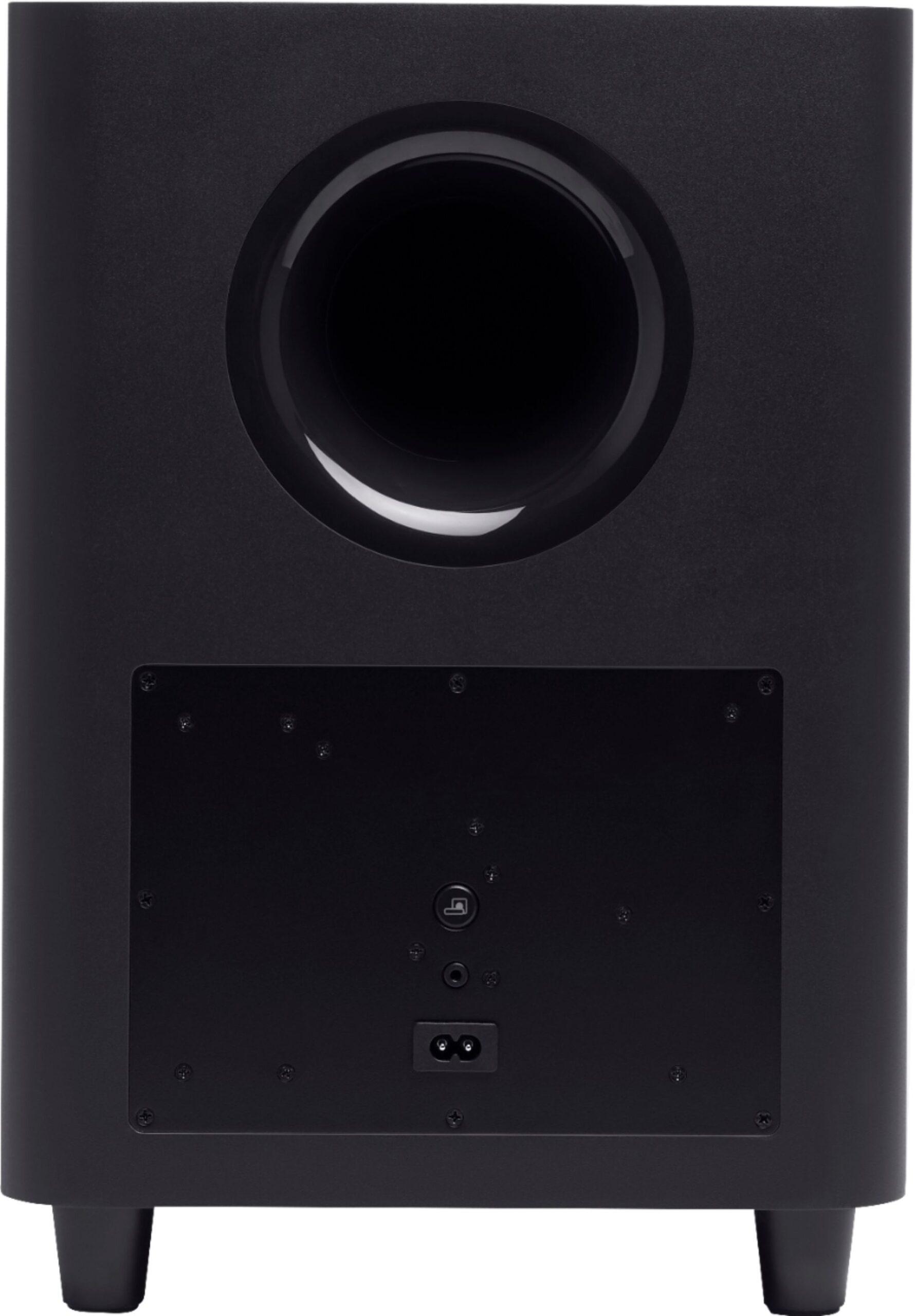
The JBL Bar 5.1 operates in a different league entirely. With 550 watts of total system power and a 10-inch wireless subwoofer, it can fill much larger rooms with authority. The dedicated subwoofer reaches down to 40Hz – low enough to reproduce the fundamental frequencies of most movie soundtracks. When Thor summons lightning in "Avengers," you don't just hear it; you feel it through the floor and furniture.
But raw power isn't everything. The JBL's strength in dynamic scenes sometimes works against it during quieter moments. Dialogue can get lost in the mix if you don't properly calibrate the system, and the more complex processing occasionally introduces slight delays that eagle-eared listeners might notice.
This comparison highlights one of audio's most debated topics: virtual surround processing versus discrete channels. The Sonos Ray uses psychoacoustic processing – digital signal manipulation that tricks your brain into perceiving a wider soundstage. It works by carefully adjusting timing, phase relationships, and frequency response to create the illusion of sounds coming from beyond the soundbar's physical location.
In smaller rooms, this virtual approach can be surprisingly effective. During concerts or live recordings, the Ray creates an impressive sense of space that makes you feel like you're in the venue. The key limitation is that it can't create true surround effects – sounds behind you will always seem to come from in front.
The JBL Bar 5.1's approach is fundamentally different. Those detachable surround speakers create genuine discrete surround channels, meaning different audio elements can literally come from different directions. When properly positioned, the effect is transformative for movie watching. Helicopters actually fly overhead, footsteps move around the room, and ambient sounds create a convincing three-dimensional audio environment.
The wireless surround speakers deserve special mention – they're one of the most innovative features in current soundbar design. Each speaker contains its own amplifier and battery, and they automatically reconnect to the main soundbar when you turn on your system. The 10-hour battery life means you can place them optimally without worrying about daily charging.
For most people, dialogue clarity is the primary reason for buying a soundbar. TV speakers typically struggle with the frequency range where human speech sits, especially when mixed with background music and sound effects. Both soundbars address this challenge differently.
The Sonos Ray includes Speech Enhancement mode, which boosts the frequency range where consonants and vocal clarity live (roughly 2-8kHz). Combined with the soundbar's overall tuning philosophy, this creates exceptional dialogue reproduction. I found myself turning off subtitles on shows where I previously needed them, particularly British dramas with heavy accents or mumbling actors.
The JBL's dialogue performance is more complex. In theory, having a dedicated center channel should provide superior speech clarity – that's exactly what center channels are designed for. In practice, the system's performance depends heavily on room acoustics and proper calibration. When optimally set up, dialogue is clear and well-positioned. But if your room has challenging acoustics or you skip the calibration process, voices can sound diffuse or get overshadowed by the powerful subwoofer.
Here's where we see a clear generational difference in design philosophy. The Sonos Ray includes only an optical digital input – no HDMI connections at all. This might seem limiting, but Sonos made this choice deliberately to keep costs down and setup simple. For most users, optical connection works perfectly fine, and the soundbar includes an optical adapter to ensure compatibility with virtually any TV.
The real connectivity strength of the Ray lies in its Wi-Fi streaming capabilities. Built on Sonos's mature S2 platform, it supports AirPlay 2, direct streaming from dozens of music services, and seamless integration with other Sonos speakers throughout your home. The Trueplay tuning feature uses your iPhone's microphone to measure room acoustics and automatically optimize the sound – a level of sophisticated room correction usually found in much more expensive systems.
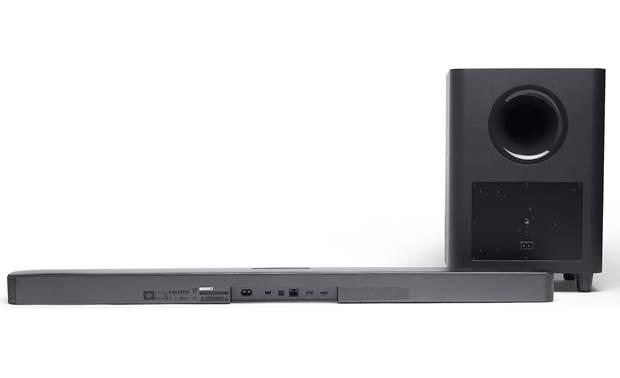
The JBL Bar 5.1 takes a more traditional home theater approach with multiple HDMI inputs, including eARC (enhanced Audio Return Channel) support. This allows the soundbar to handle high-resolution audio formats and gives you additional HDMI ports for source devices. The 4K passthrough capability means you can connect gaming consoles, streaming devices, and Blu-ray players directly to the soundbar without losing video quality.
Both soundbars embrace modern streaming expectations but through different ecosystems. The Sonos Ray integrates into the company's whole-home audio platform, allowing you to group it with other Sonos speakers for synchronized music playback throughout your house. This ecosystem approach means your soundbar investment can grow into a complete multi-room system over time.
The JBL focuses more on universal compatibility, supporting Bluetooth, Wi-Fi, and Chromecast built-in. It's less about creating a proprietary ecosystem and more about working with whatever devices and services you already use.
At $279, the Sonos Ray represents exceptional value for what it delivers. The build quality feels premium – the fabric grille, solid construction, and minimal design aesthetic rival soundbars costing twice as much. More importantly, the audio quality punches above its price point, particularly for dialogue and music streaming.
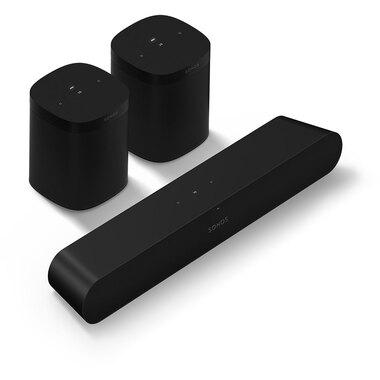
The long-term value proposition is even stronger when you consider expandability. Sonos recently released the Sub Mini, a compact subwoofer designed specifically for smaller Sonos soundbars. You can also add Sonos One or Era speakers as wireless surrounds, effectively building a full surround system gradually. This modular approach lets you start small and upgrade over time without replacing your initial investment.
However, there are compromises. The lack of HDMI means no advanced audio format support, and the optical-only connection limits some functionality with gaming consoles or high-end streaming devices. If you're primarily watching cable TV, streaming services, or listening to music, these limitations won't matter. But home theater enthusiasts will feel constrained.
The JBL Bar 5.1 ($599) delivers what would cost $800-1000 if purchased as separate components. You get a main soundbar, wireless subwoofer, and two wireless surround speakers for less than many premium 2.1 systems. The innovative detachable surround design adds functionality you simply can't find elsewhere at this price point.
For dedicated home theater rooms or large living spaces, this system can compete with traditional component-based surround systems costing significantly more. The convenience factor – everything works together out of the box with minimal setup complexity – adds considerable value for less technical users.
The primary value limitation is flexibility. Unlike the Sonos system, you can't easily upgrade individual components or integrate with other brands. What you buy is what you get, which is both a strength (simplicity) and weakness (limited future options).
In rooms under 200 square feet, the Sonos Ray is often the better choice. Its compact size won't dominate your entertainment center, and the refined sound signature works well in acoustically challenging spaces like apartments with thin walls. The excellent music streaming capabilities mean it serves double duty as your primary speaker system.
I've found the Ray particularly impressive in bedrooms and smaller living rooms where a full surround system would be overkill. The virtual surround processing works better in intimate spaces where you're sitting relatively close to the soundbar.
For larger rooms and serious movie watching, the JBL Bar 5.1 transforms the experience in ways the Ray simply can't match. The physical bass response from the 10-inch subwoofer and true surround separation create an immersive environment that makes you forget you're listening to a soundbar system.
The detachable surround speakers solve the biggest problem with wireless rear channels – optimal placement. You can position them exactly where they need to be for your seating arrangement, then dock them for charging when not in use. This flexibility is particularly valuable in rooms where permanent rear speaker placement isn't practical.
Both soundbars launched in 2022, representing the current generation of their respective company's technology. Since release, both have received firmware updates that improved connectivity stability and added new features.
The Sonos Ray benefited from Sonos's mature software ecosystem, receiving updates that expanded streaming service support and refined the Trueplay tuning algorithms. The company's focus on long-term software support means Ray owners continue receiving new features and improvements.
JBL has focused firmware updates on improving the wireless connection stability between the main bar and detachable surrounds, addressing early user reports of occasional dropouts. The company also refined the automatic room correction algorithms to better handle challenging acoustic environments.
Choose the Sonos Ray ($279) if:
Choose the JBL Bar 5.1 ($599) if:
The fundamental question isn't which soundbar is "better" – they're designed for different users and use cases. The Sonos Ray excels as a sophisticated TV audio upgrade that doubles as an excellent music system. The JBL Bar 5.1 delivers genuine home theater immersion that rivals traditional component systems.
Your content preferences should ultimately guide this decision. If you primarily watch dialogue-heavy shows, news, and stream music, the Ray's strengths align perfectly with your needs. If you're a movie enthusiast who wants to feel every explosion and hear helicopters fly overhead, the JBL's true surround capabilities justify the higher investment.
Both represent excellent value in their respective categories, and either will dramatically improve your TV audio experience over built-in speakers. The key is honestly assessing your room, your priorities, and your long-term audio ambitions before making your choice.
| Sonos Ray Soundbar ($279) | JBL Bar 5.1 Surround Soundbar ($599) |
|---|---|
| Channel Configuration - Determines surround sound capability | |
| 2.0 stereo (no dedicated subwoofer or surround channels) | True 5.1 with detachable wireless surrounds and subwoofer |
| Total Power Output - Affects volume and dynamic range | |
| Undisclosed (estimated ~100W based on size) | 550W total system power |
| Bass Response - Critical for movies and music impact | |
| Built-in bass reflex ports (limited low-end extension) | 10-inch wireless subwoofer (40Hz-20kHz frequency range) |
| Dimensions - Important for space constraints | |
| 22" W x 2.79" H x 3.66" D (4 lbs) - fits small spaces | 40" W x 2.28" H x 3.94" D main bar + 12" subwoofer |
| Connectivity Options - Determines device compatibility | |
| Optical input only, Wi-Fi streaming, AirPlay 2 | 3x HDMI inputs, HDMI eARC output, Bluetooth, Wi-Fi |
| Surround Sound Technology - Affects movie immersion | |
| Virtual surround processing (psychoacoustic effects) | Physical 5.1 separation with detachable battery speakers |
| Smart Features - Modern streaming expectations | |
| Sonos ecosystem integration, Trueplay room correction | Chromecast built-in, voice assistant compatibility |
| Dialogue Enhancement - Key for TV watching | |
| Speech Enhancement mode with optimized vocal tuning | Center channel processing (requires proper setup) |
| Expandability - Future upgrade potential | |
| Compatible with Sonos Sub Mini and wireless surrounds | Self-contained system (no modular upgrades available) |
| Setup Complexity - Affects user experience | |
| Single optical cable connection, automatic Wi-Fi setup | Multiple wireless components requiring room calibration |
| Best Use Case - Target audience | |
| Small-medium rooms, dialogue clarity, music streaming | Large rooms, movies, gaming, full home theater experience |
The Sonos Ray ($279) is specifically designed for small to medium rooms under 200 square feet. Its compact 22-inch width won't dominate your entertainment center, and the refined sound signature works well in acoustically challenging spaces like apartments. The virtual surround processing is more effective in intimate spaces where you're sitting close to the soundbar.
It depends on your content preferences. The Sonos Ray uses built-in bass reflex ports that provide adequate bass for dialogue and music but struggle with deep movie effects. The JBL Bar 5.1 ($599) includes a dedicated 10-inch wireless subwoofer that delivers room-shaking bass down to 40Hz, making it essential for action movies and gaming.
The Sonos Ray excels at dialogue clarity with its Speech Enhancement mode and tuning optimized for vocal frequencies. Many users find they can turn off subtitles after upgrading to the Ray. The JBL Bar 5.1 has a dedicated center channel for dialogue but requires proper room calibration to achieve optimal speech clarity.
The Sonos Ray is a 2.0 system with just left and right channels, creating virtual surround through audio processing. The JBL Bar 5.1 is a true 5.1 system with separate left, right, center, two surround channels, and a subwoofer, providing genuine directional audio where sounds can actually come from behind you.
The Sonos Ray ($279) is superior for music streaming with its refined audio tuning, Wi-Fi connectivity, AirPlay 2 support, and integration with the Sonos ecosystem. It can group with other Sonos speakers for whole-home audio and includes Trueplay room correction for optimal sound in any space.
The JBL Bar 5.1 offers multiple HDMI inputs with 4K passthrough and eARC support, making it ideal for connecting gaming consoles and multiple source devices. The Sonos Ray uses optical connection only, which works fine for most TVs and streaming but limits advanced audio format support.
The Sonos Ray provides exceptional value at $279 with premium build quality and the option to expand into a full Sonos system over time. The JBL Bar 5.1 ($599) offers complete 5.1 system value that would cost $800-1000 if purchased as separate components, making it excellent value for home theater enthusiasts.
Yes, but differently. The Sonos Ray can be expanded with the Sonos Sub Mini and wireless surround speakers, letting you build a system gradually. The JBL Bar 5.1 is a complete system with detachable wireless surrounds included – no additional purchases needed or possible.
The JBL Bar 5.1 Surround ($599) is specifically designed for home theater use with true 5.1 surround sound, powerful subwoofer, and support for Dolby Digital formats. The detachable wireless surround speakers create genuine directional audio effects that make movies and gaming significantly more immersive than the Sonos Ray's stereo configuration.
The Sonos Ray offers the simplest setup with just one optical cable connection and automatic Wi-Fi configuration through the Sonos app. The JBL Bar 5.1 requires pairing the wireless subwoofer and surround speakers, plus room calibration for optimal performance, making it more complex but still manageable for most users.
The JBL Bar 5.1 ($599) is designed for large rooms with its 550W total power output and room-filling surround sound. The wireless subwoofer and true channel separation create immersive audio that scales well in bigger spaces. The Sonos Ray ($279) works best in small to medium rooms where its more modest power output is adequate.
The Sonos Ray focuses on refined, balanced sound with exceptional dialogue clarity and music reproduction, while the JBL Bar 5.1 emphasizes dynamic range and cinematic impact with powerful bass and true surround separation. Choose the Ray for TV shows and music, or the JBL for movies and gaming where immersive sound effects matter most.
We've done our best to create useful and informative comparisons to help you decide what product to buy. Our research uses advanced automated methods to create this comparison and perfection is not possible - please contact us for corrections or questions. These are the sites we've researched in the creation of this article: techradar.com - soundandvision.com - youtube.com - appleinsider.com - youtube.com - sonos.com - cnet.com - howtogeek.com - pcrichard.com - en.community.sonos.com - epicsystems.tech - en.community.sonos.com - cepro.com - videoandaudiocenter.com - jbl.com - jbl.com - jbl.com - tomsguide.com - jbl.com - bestbuy.com - bestbuy.com - jbl.com - jbl.com - worldwidestereo.com

Privacy Policy
Terms and Conditions - Affiliate Policy
Home Security
© Copyright 2008-2026.
11816 Inwood Rd #1211, Dallas, TX 75244