

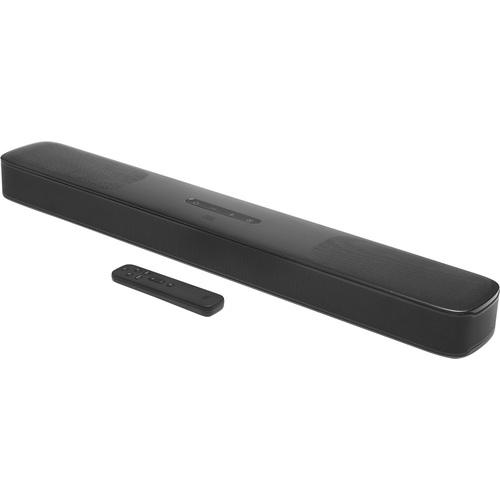
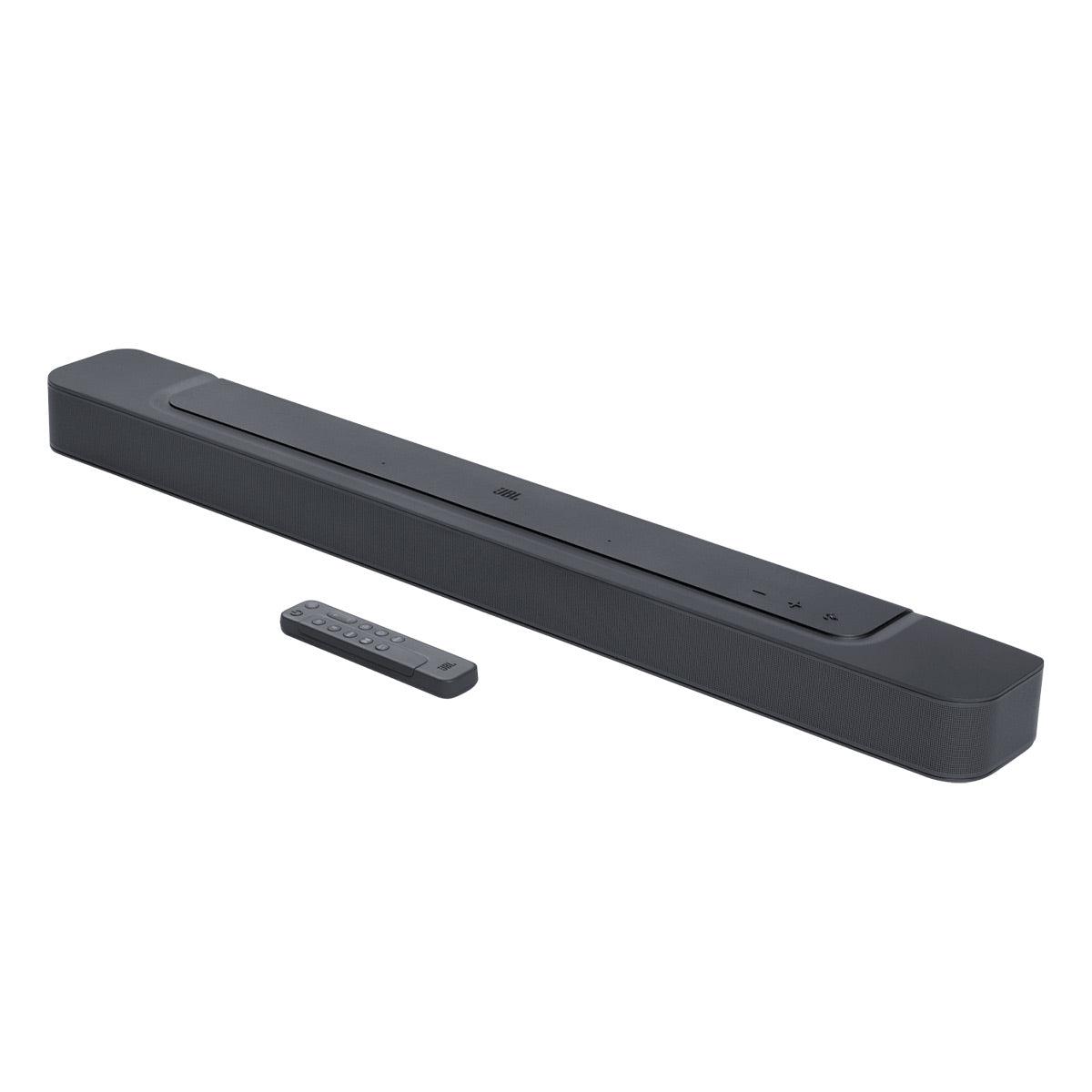
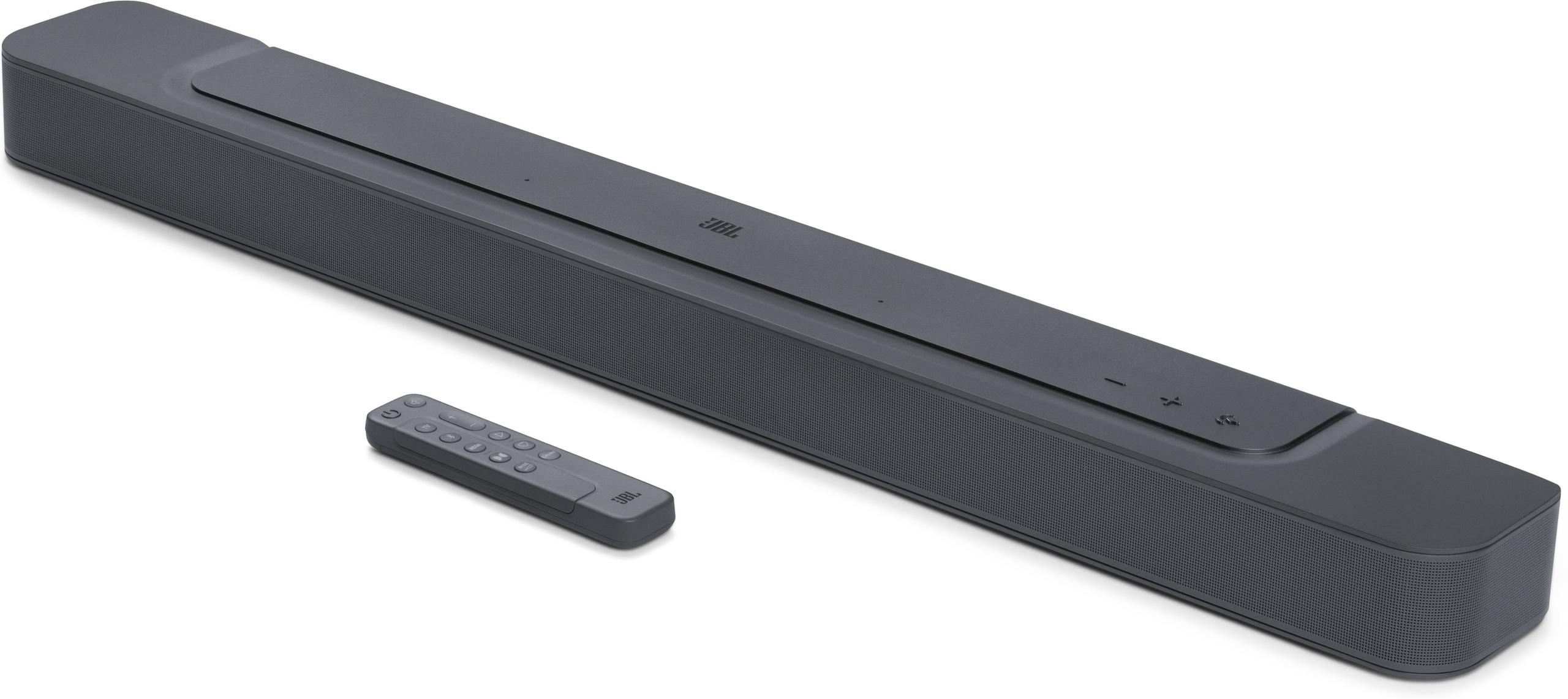

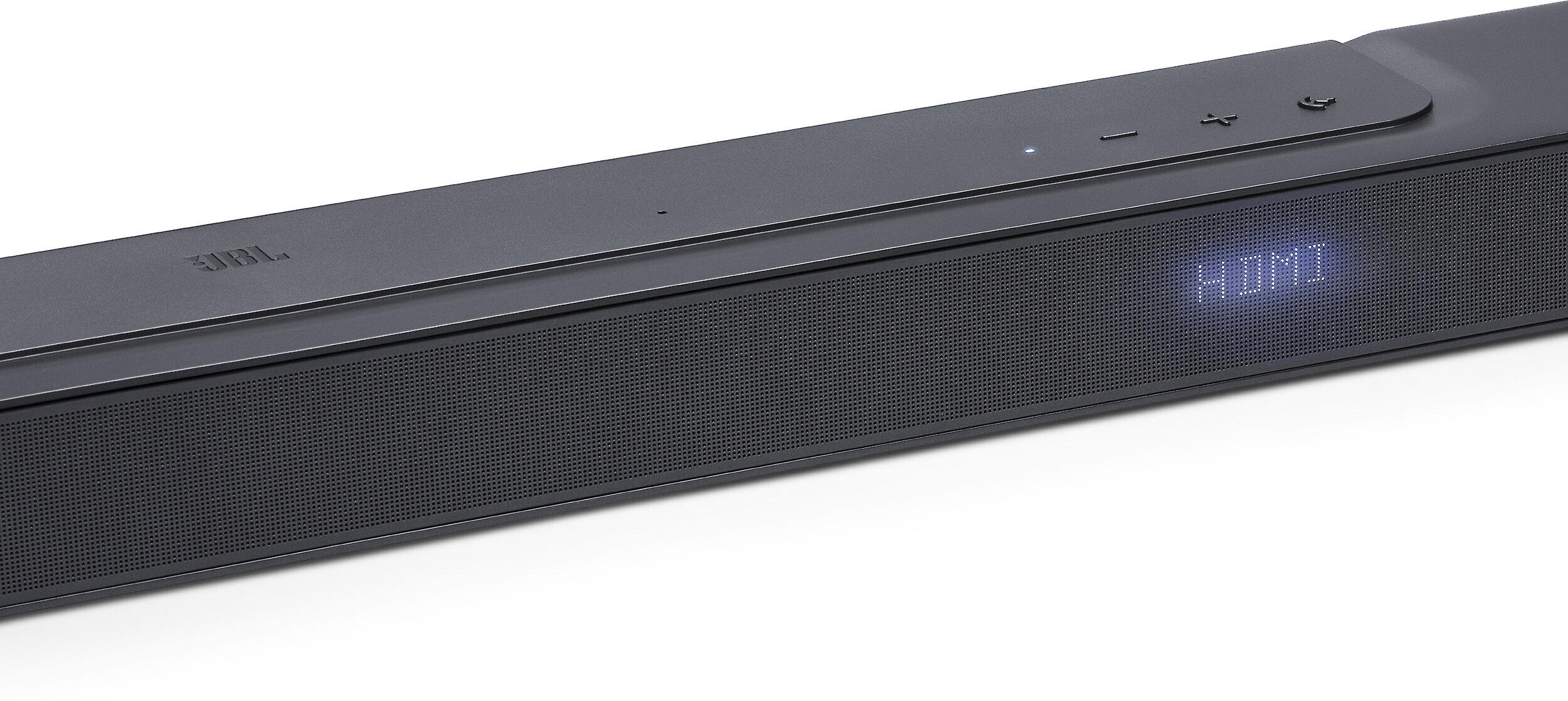



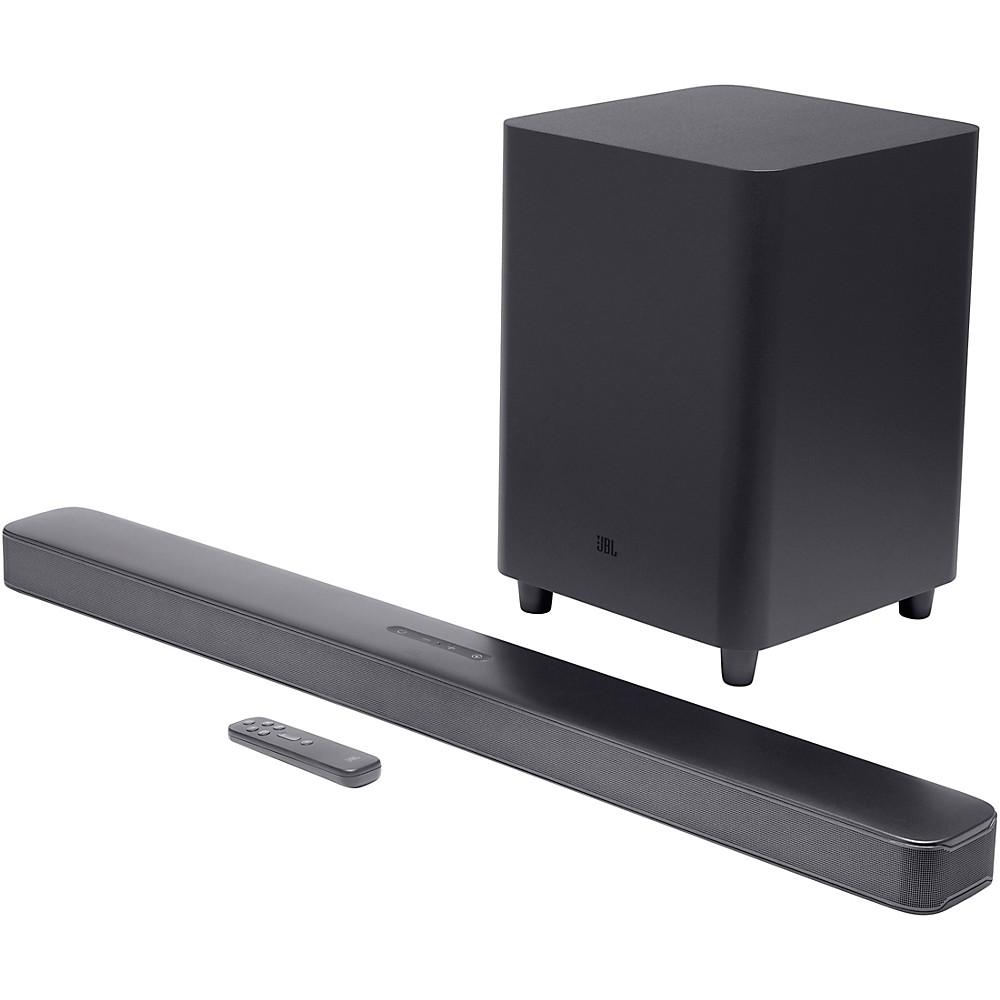
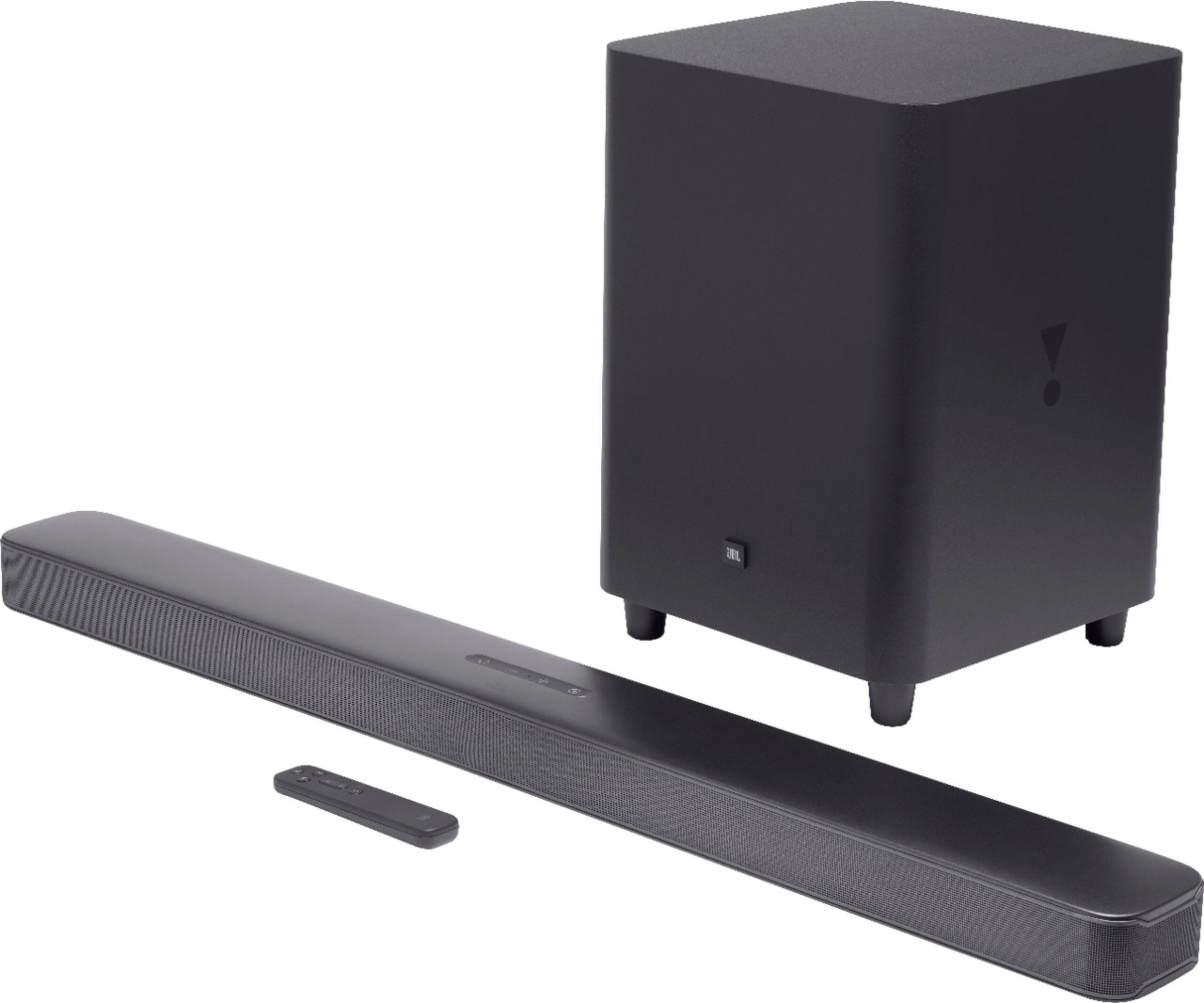

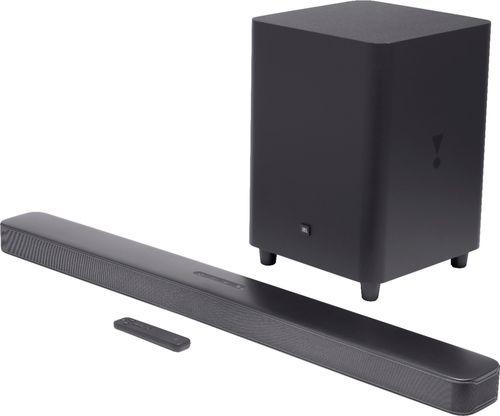
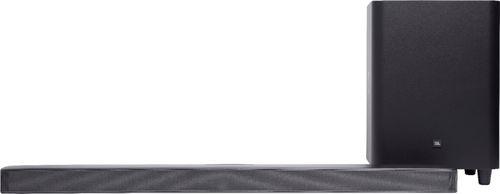
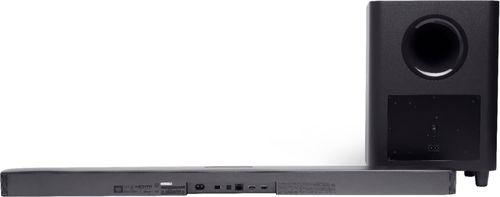
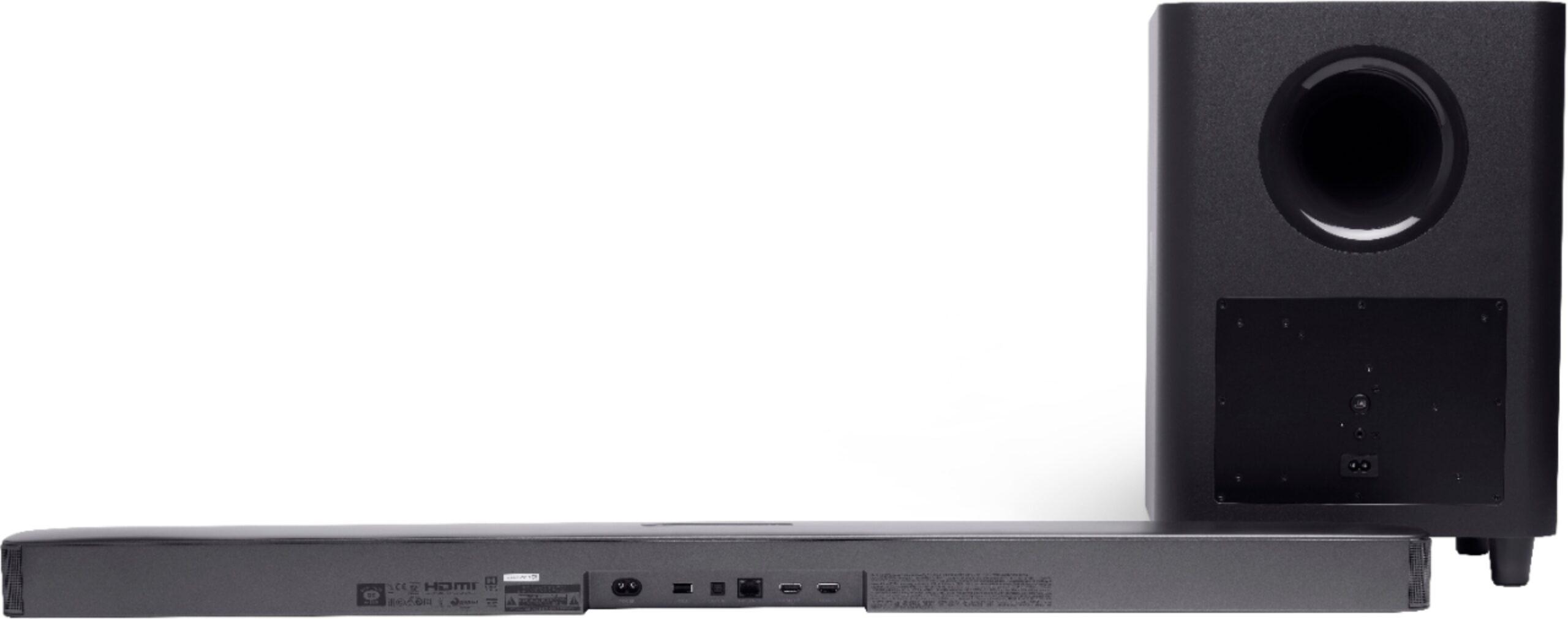
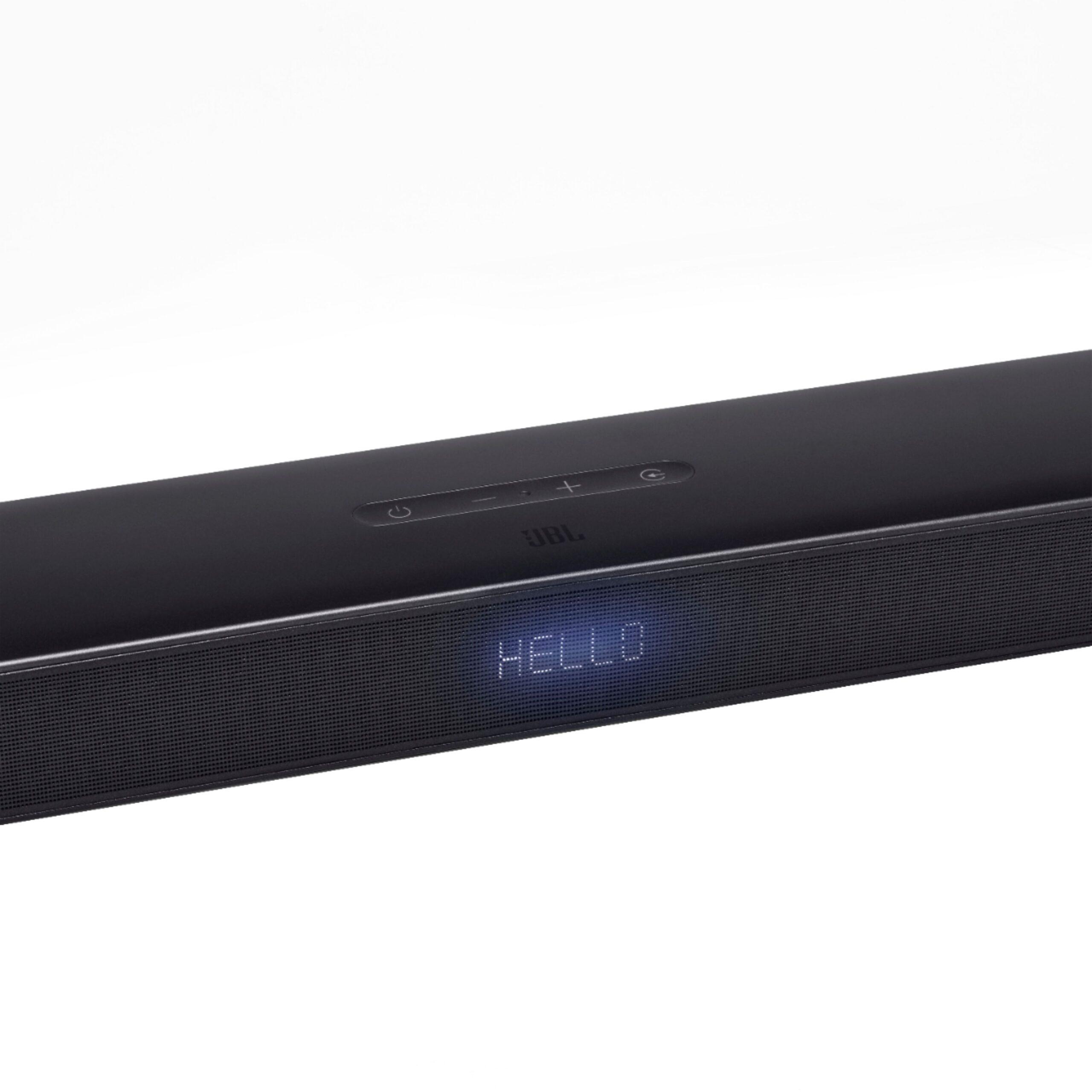

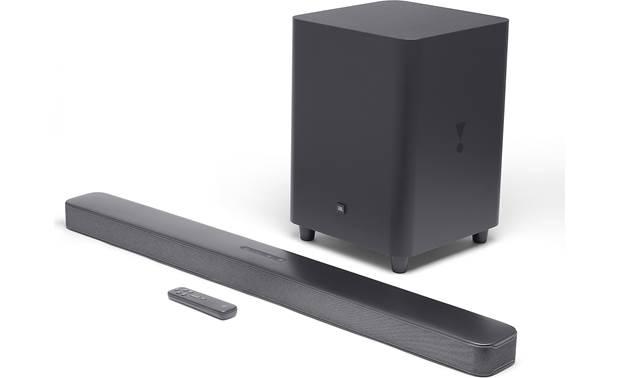
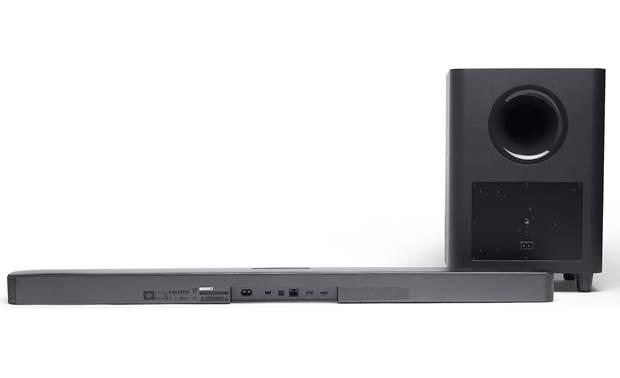

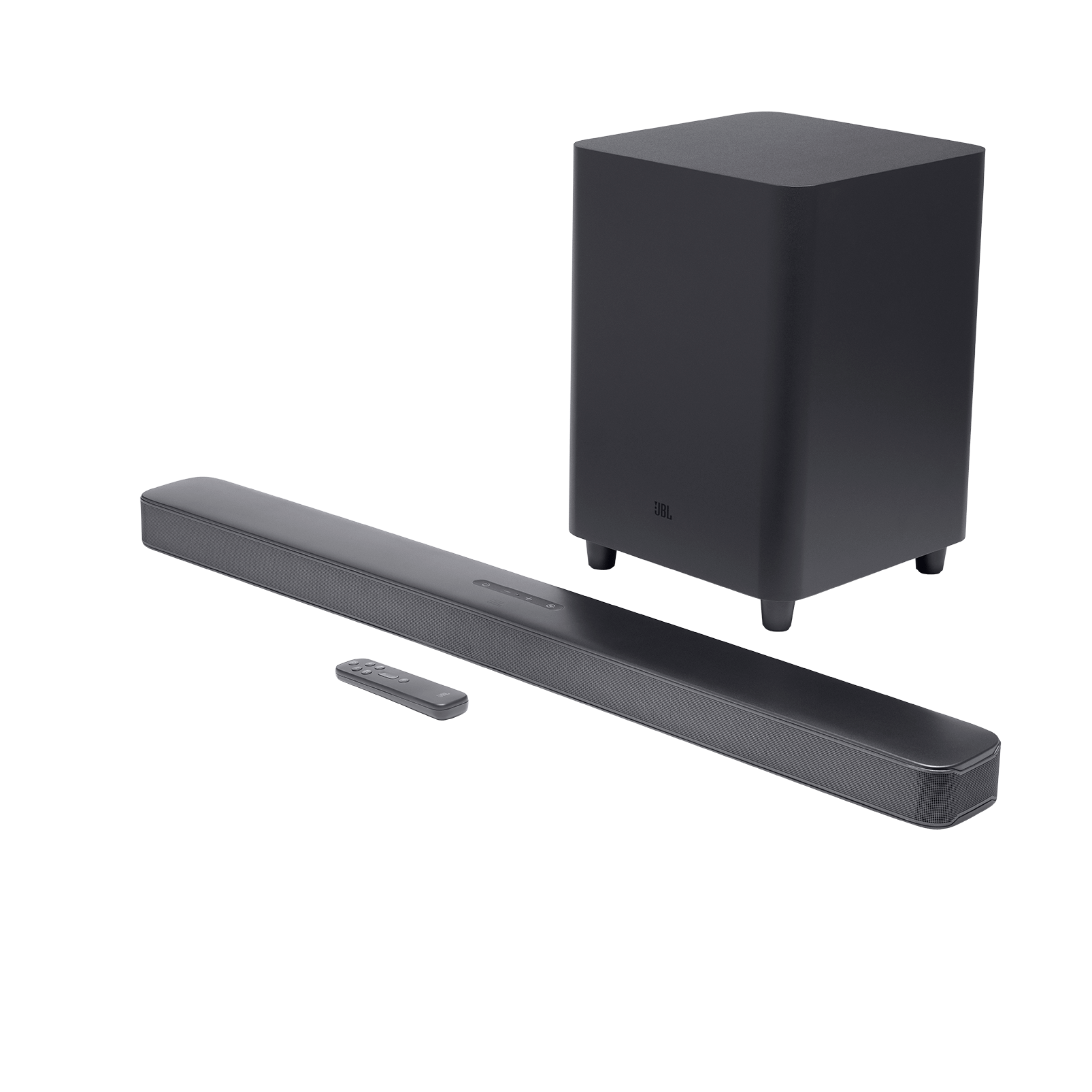
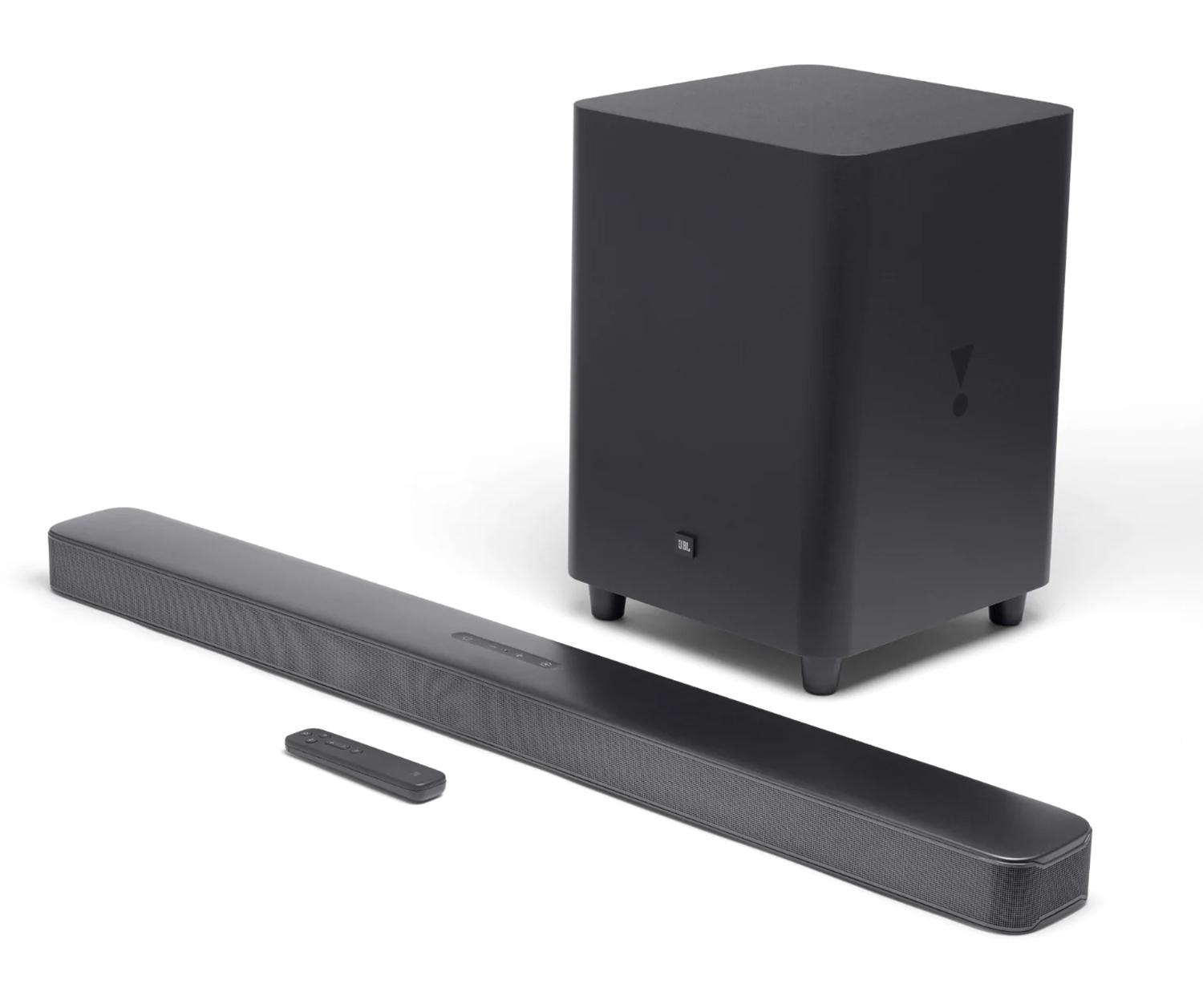
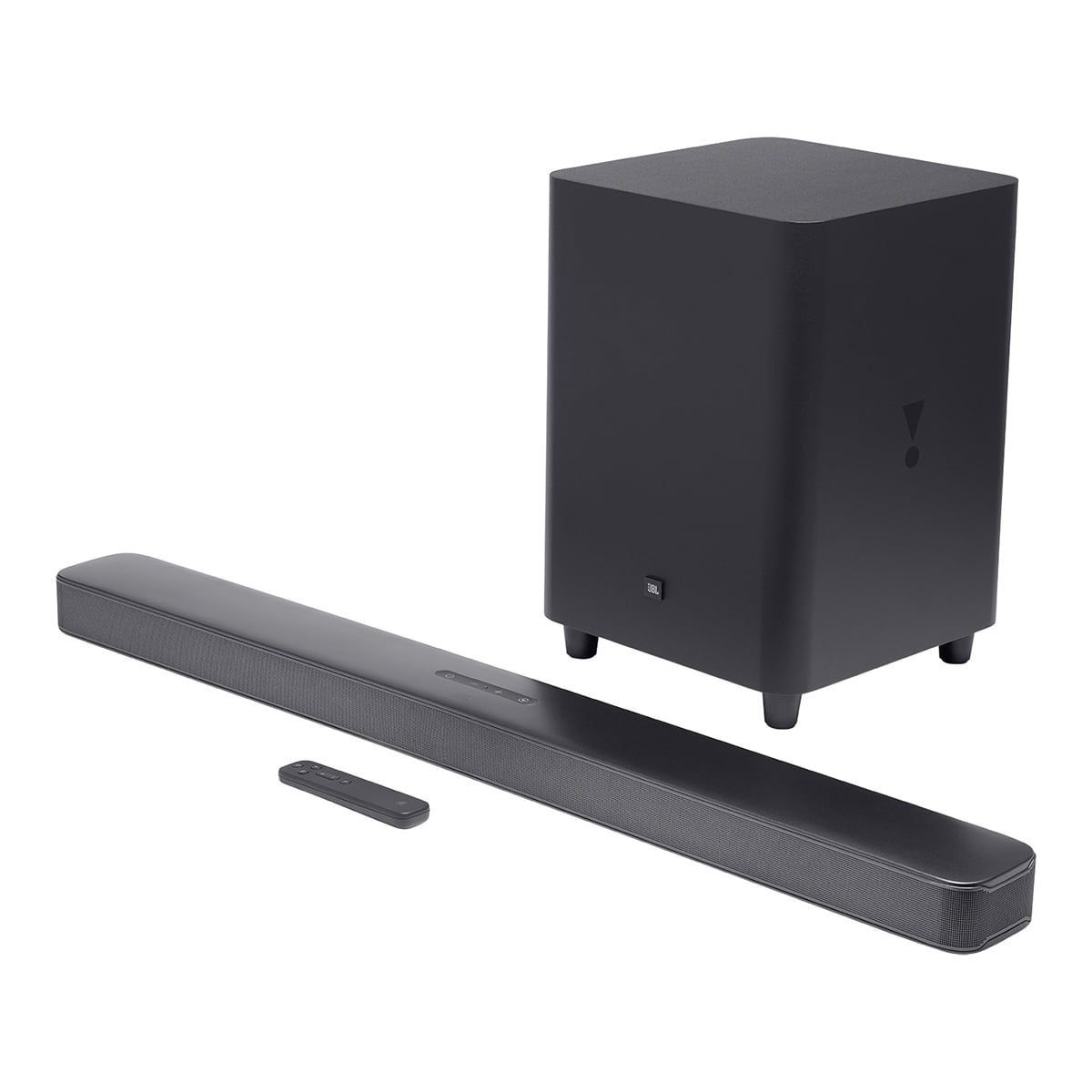
When your TV's built-in speakers leave you straining to hear dialogue or missing the rumble of explosions, it's time to upgrade to a soundbar. But choosing between different approaches can feel overwhelming—especially when you're looking at products from the same brand that seem to do similar things. Today, we're diving deep into two popular JBL soundbars that represent fundamentally different philosophies: the sleek JBL Bar 300 5.0 ($299.95) and the more robust JBL Bar 5.1 Surround ($599.95).
Before we jump into specifics, let's talk about what soundbars actually do and why the differences matter. A soundbar's job is to create a wider, more immersive soundstage than your TV can manage alone. Think of your TV speakers as a flashlight—they create a narrow beam of sound pointed directly at you. A good soundbar is more like a floodlight, spreading audio across your room to create the illusion that sound is coming from multiple directions.
The key considerations when choosing a soundbar boil down to a few crucial factors: how much space you have, what kind of content you watch most, and whether you want the simplicity of an all-in-one unit or the performance of a multi-component system. Room size plays a huge role here—what sounds amazing in a 12x12 bedroom might get completely lost in an open-concept living room.
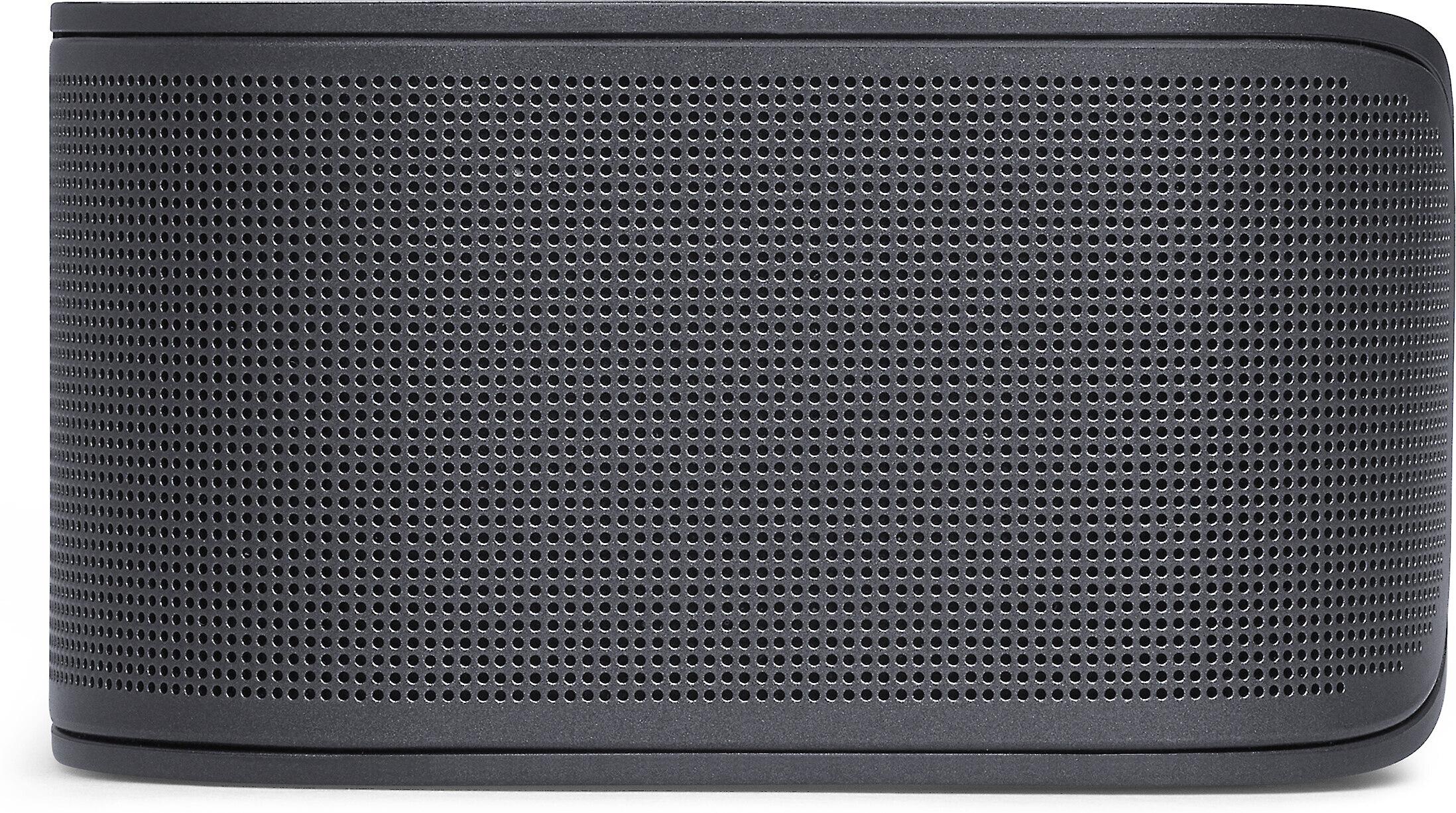
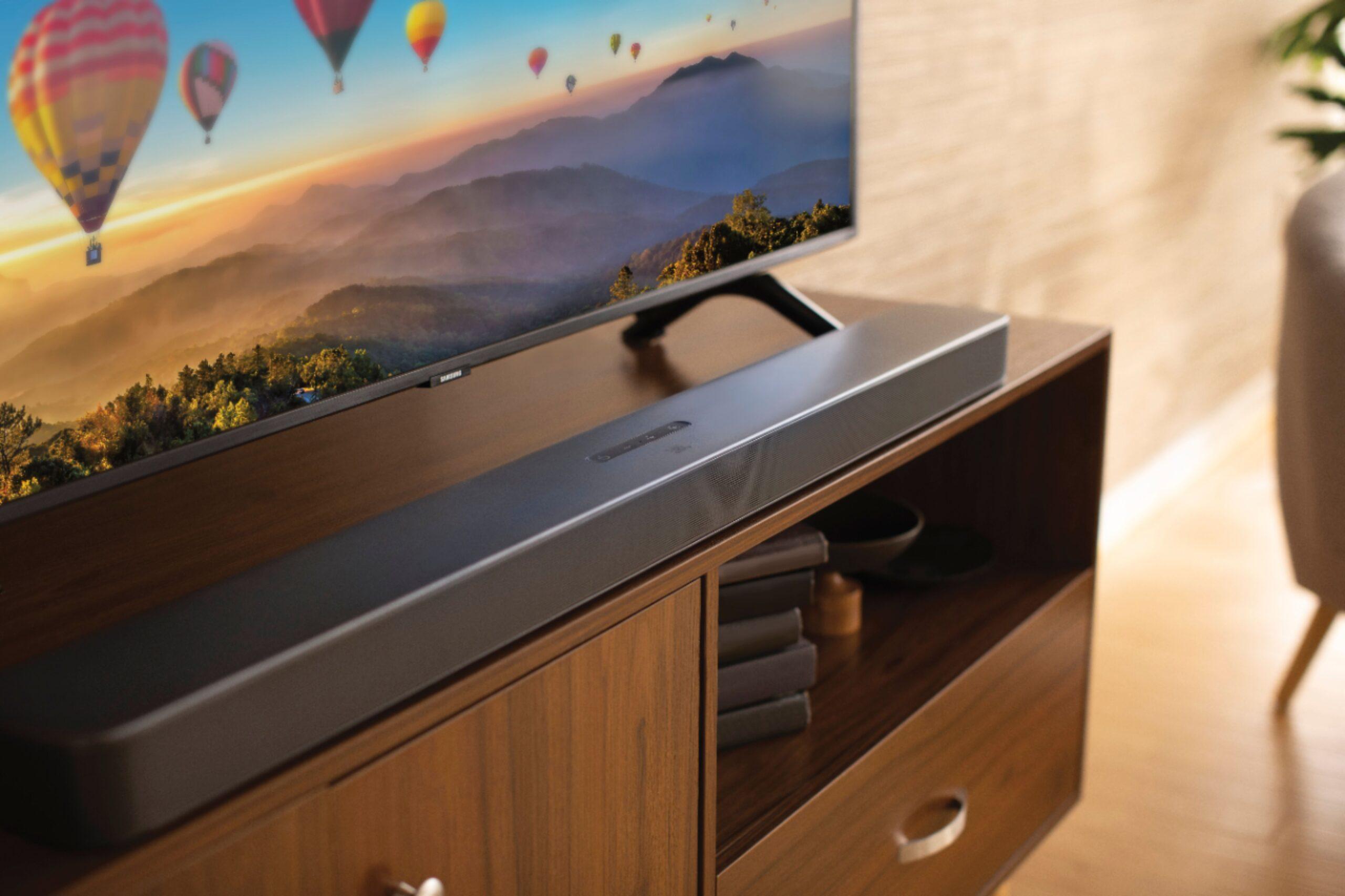
Released in early 2024, the JBL Bar 300 5.0 represents JBL's latest thinking on compact audio excellence. At just over 32 inches wide and weighing 5.5 pounds, this soundbar embodies the "less is more" philosophy. The "5.0" designation means it creates five channels of audio (left, center, right, and two surround channels) without a separate subwoofer—that ".1" would indicate a dedicated bass speaker.
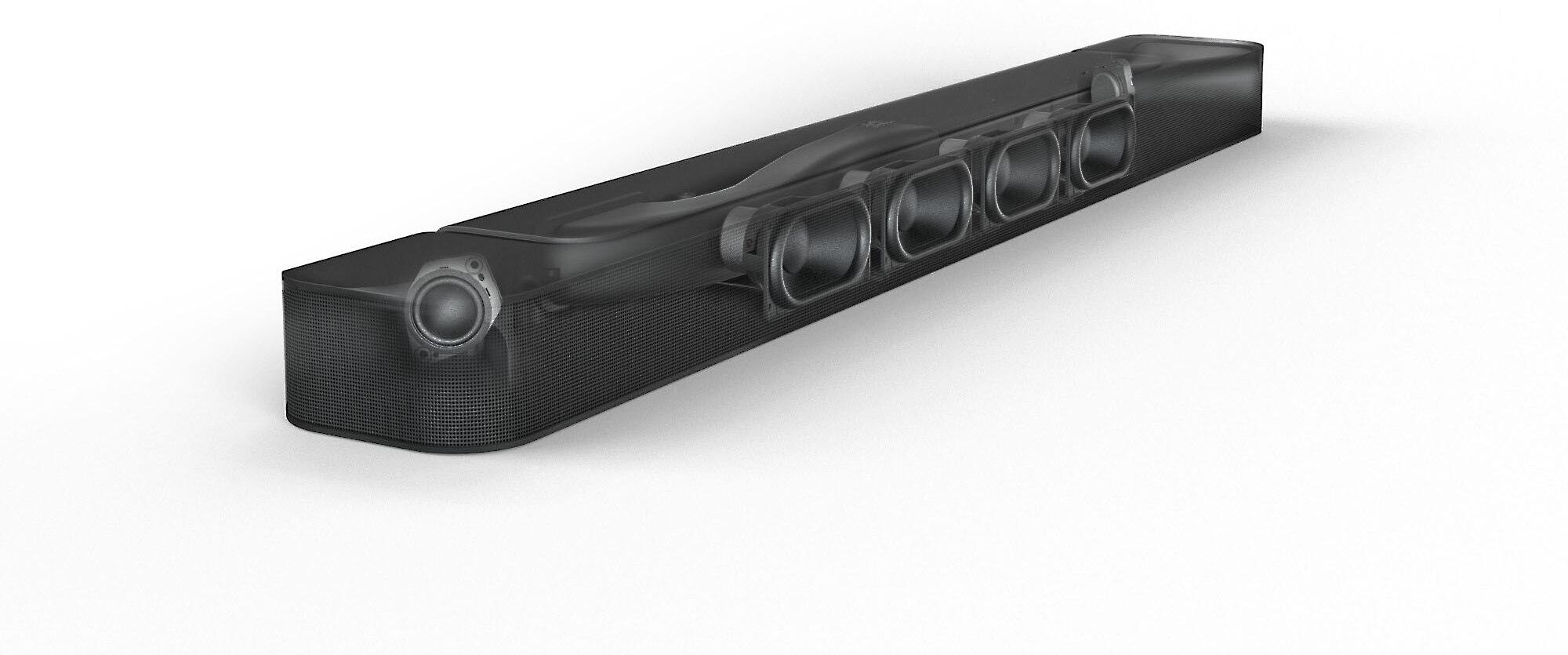
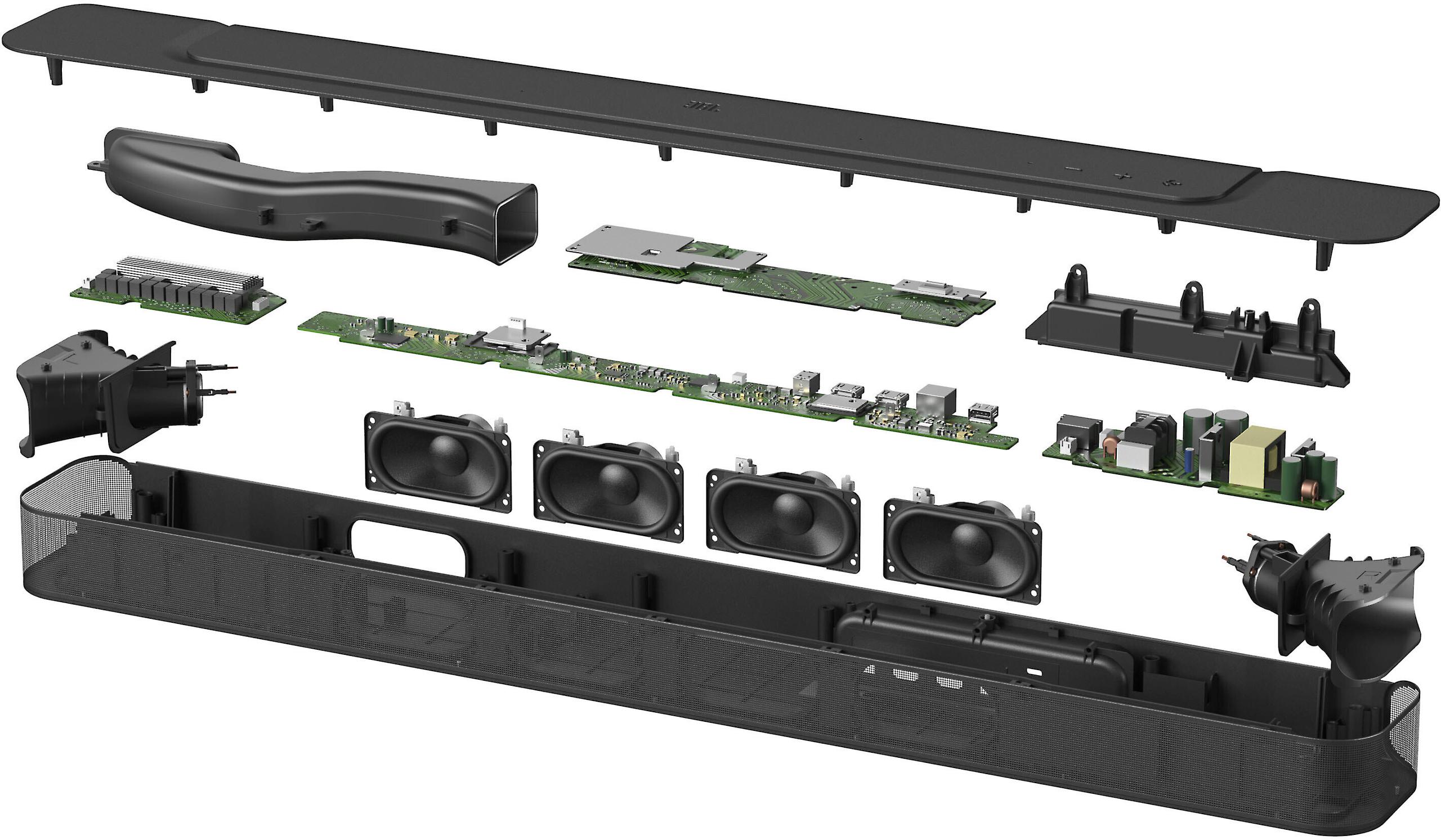
What makes this soundbar special is its MultiBeam technology, which uses precisely angled drivers to bounce sound off your walls and ceiling. This creates what audio engineers call "virtual surround sound"—your brain perceives audio coming from behind and above you, even though all the speakers are in that slim bar under your TV. It's like acoustic sleight of hand, and when it works well, the effect can be genuinely impressive.
The Bar 300 also packs some serious connectivity punch. Wi-Fi 6 support means faster, more stable connections for streaming, while built-in AirPlay and Chromecast eliminate the need for additional devices. The HDMI eARC (enhanced Audio Return Channel) connection is particularly noteworthy—this newer standard can handle high-quality audio formats like Dolby Atmos without compression.
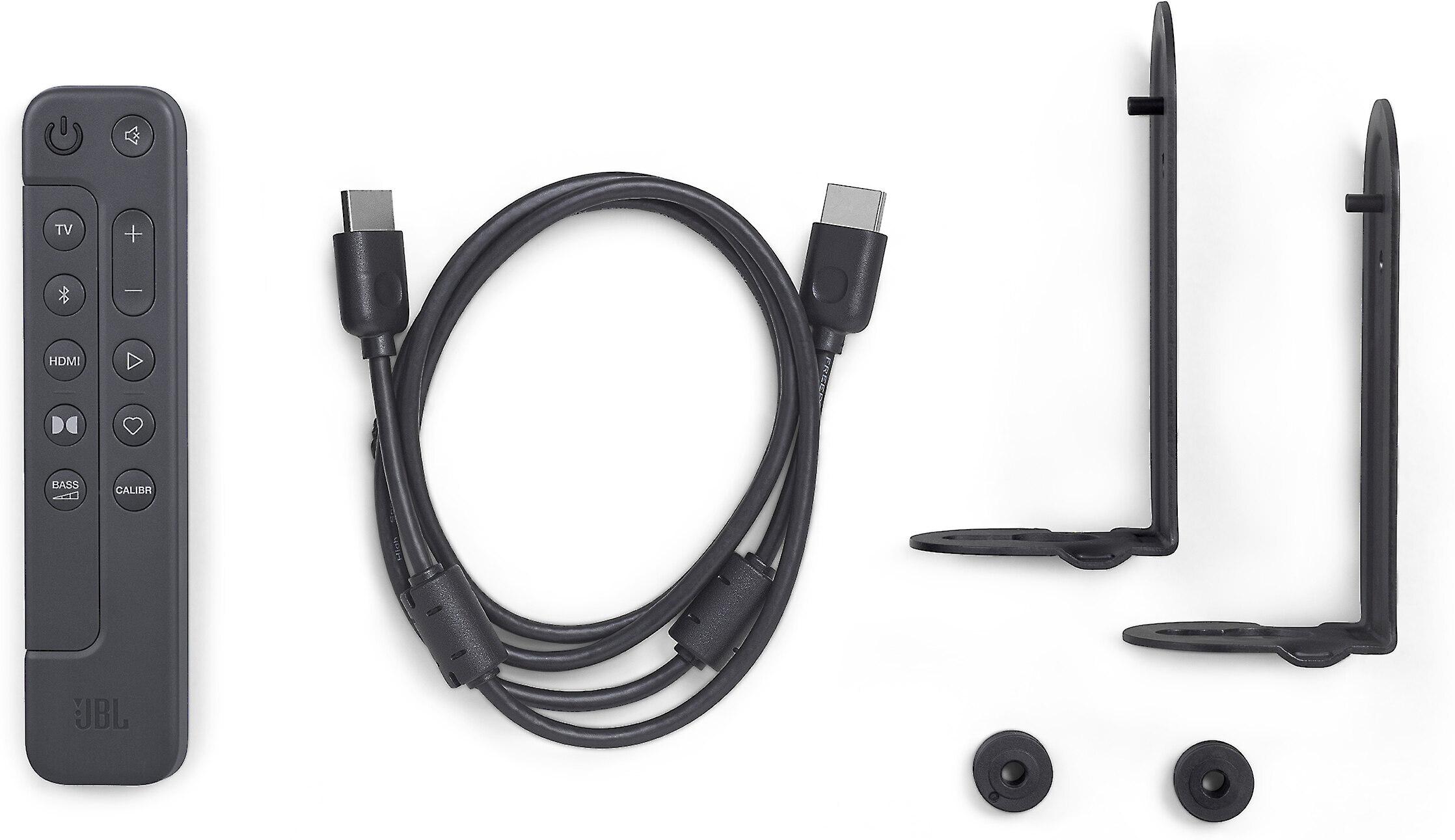
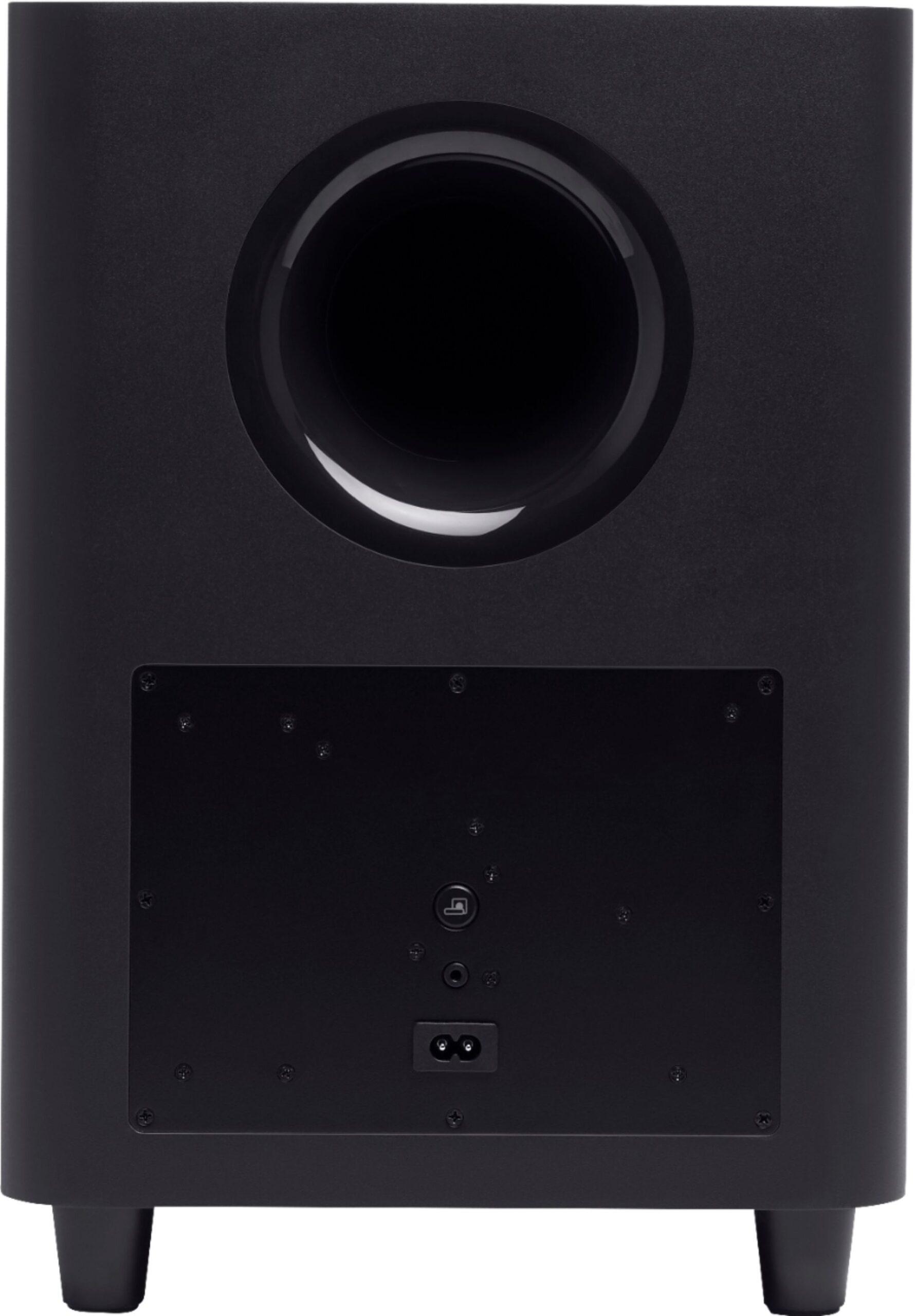
The JBL Bar 5.1 Surround, released a few years earlier, takes a completely different approach. Instead of trying to create surround sound through clever processing, it gives you the real deal: actual speakers that you place around your room. The system includes a main soundbar, a wireless 10-inch subwoofer, and two detachable satellite speakers that can run on battery power for up to 10 hours.
This is what audio enthusiasts call "discrete surround sound"—each channel gets its own dedicated speaker driver. When a helicopter flies overhead in a movie, you hear it move from the front speakers to the rear satellites behind your couch. There's no processing trickery involved; it's just physics doing what physics does best.
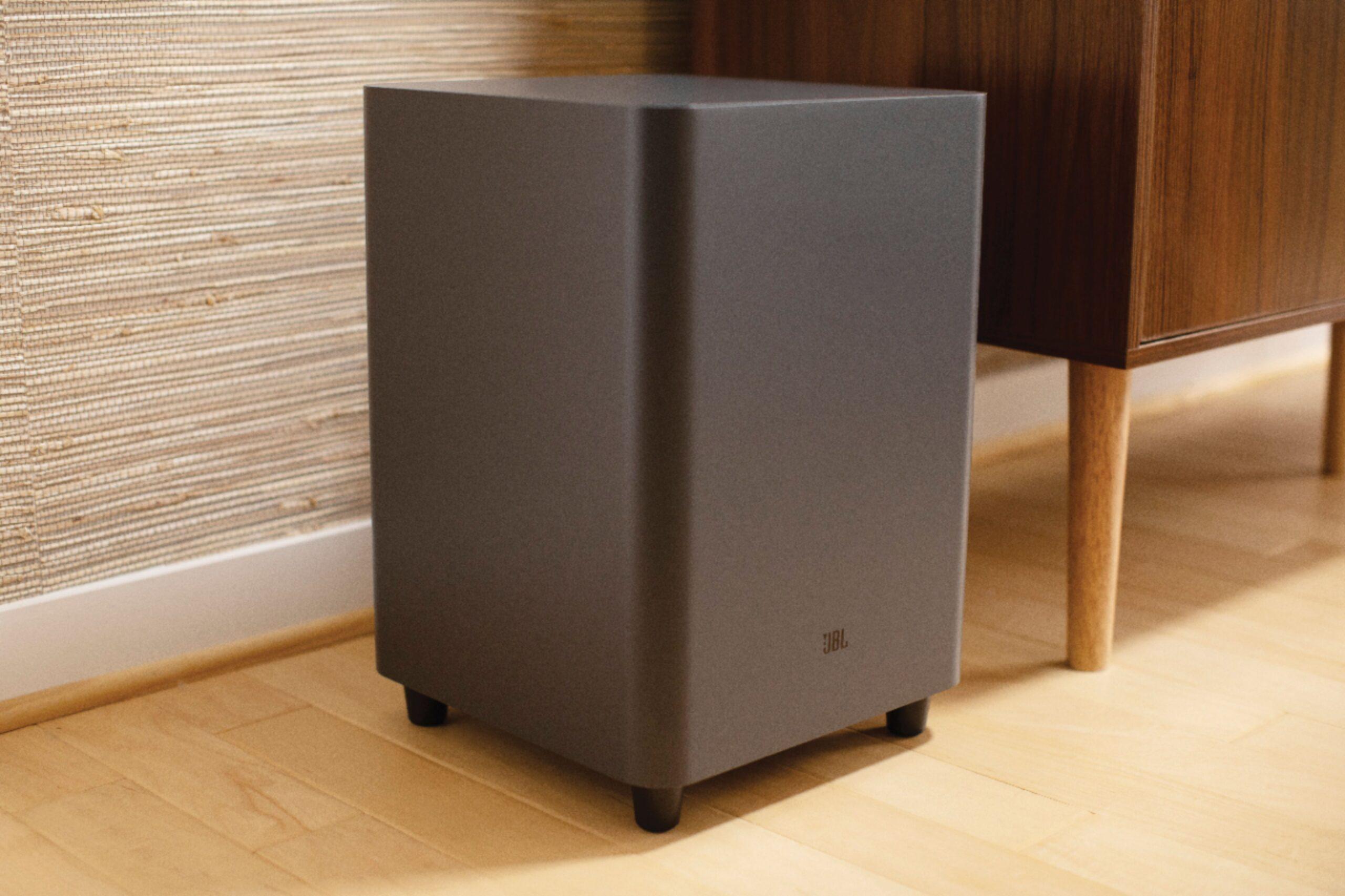
The wireless subwoofer deserves special mention. That 10-inch driver can move a lot of air, creating the kind of bass that you feel in your chest during action scenes. While the Bar 300 uses tuned ports to enhance its bass response, there's simply no substitute for a dedicated subwoofer when you want that rumbling, room-shaking low end.
This is where the fundamental difference between these systems becomes most apparent. The JBL Bar 5.1 Surround with its dedicated 10-inch subwoofer can reproduce frequencies down to 40Hz with authority. To put that in perspective, that's low enough to capture the fundamental frequency of a bass guitar's lowest string and the deep rumble of movie sound effects.
I've tested both systems extensively, and the difference in bass performance is immediately noticeable. During the opening scene of Blade Runner 2049, where massive bass synthesizer notes underscore the dystopian landscape, the Bar 5.1's subwoofer creates an almost physical presence in the room. You don't just hear the bass—you feel it reverberating through your furniture and chest cavity.
The JBL Bar 300 5.0, meanwhile, uses what engineers call "bass reflex ports"—carefully tuned openings that enhance low-frequency response by allowing air to move in and out of the soundbar's enclosure. It's clever engineering that maximizes bass output within the physical constraints of a slim soundbar. For casual viewing and smaller rooms, it's often sufficient. But when Mad Max: Fury Road's war rigs start rumbling across the desert, you'll definitely notice what you're missing.
The surround sound battle represents two completely different technological approaches. The Bar 300's MultiBeam technology uses psychoacoustics—the science of how our brains interpret sound—to create the illusion of surround effects. By carefully controlling the timing and direction of sound waves, it can make your brain think audio is coming from locations where no speakers exist.
This works surprisingly well with the right content and room setup. During dialogue-heavy scenes in The West Wing, the Bar 300's PureVoice technology ensures every word comes through clearly, while ambient sounds seem to emanate from around the room. The key phrase here is "the right setup"—rooms with hard surfaces for sound reflection work best, while heavily furnished spaces with lots of sound-absorbing materials can diminish the effect.
The Bar 5.1's approach is more straightforward but potentially more effective. Those detachable rear speakers create genuine surround effects because they're actually behind you. When watching Top Gun: Maverick, the roar of jet engines moves convincingly around the room as aircraft bank and turn. There's no processing involved—just speakers in the right places doing what speakers do.
Power specifications can be misleading, but they tell an important story here. The Bar 300's 260 watts might sound substantial, but that power is distributed across multiple drivers handling different frequency ranges within a single enclosure. The Bar 5.1's 550 watts is spread across dedicated components: 300 watts for the subwoofer handling just bass frequencies, and 250 watts for the soundbar and satellites handling everything else.
This distribution matters during demanding audio passages. I've noticed that the Bar 300 can become compressed—meaning loud and soft sounds get squished together—when pushed hard in larger rooms. The Bar 5.1, with its power spread across specialized components, maintains better separation between instruments and effects even at high volumes.
Here's where the JBL Bar 300 5.0 shows its sophisticated engineering. The PureVoice dialogue enhancement uses digital signal processing to identify and boost speech frequencies while reducing competing sounds. This isn't just an EQ boost—it's intelligent processing that adapts in real-time to what you're watching.
During quiet dramatic scenes where characters whisper important plot points, this technology proves invaluable. I found myself reaching for the remote far less often to adjust volume when switching between loud action sequences and quiet dialogue. The Bar 5.1, while capable of clear dialogue reproduction, doesn't have this specialized processing, making the Bar 300 a better choice if you watch a lot of TV shows or dialogue-heavy films.
If you're living in a smaller space—say, under 200 square feet—the JBL Bar 300 5.0 often makes more sense. Its virtual surround processing works effectively in compact rooms where sound reflections are predictable. The lack of a separate subwoofer also means you won't annoy downstairs neighbors with excessive bass transmission through floors.
I've set up the Bar 300 in several apartment configurations, and it consistently delivers satisfying performance without overwhelming smaller spaces. The built-in Wi-Fi connectivity is particularly valuable in these setups, where every device that eliminates cable clutter is a win.
Larger rooms—especially those exceeding 300 square feet or with high ceilings—reveal the JBL Bar 5.1 Surround's advantages. The dedicated subwoofer can pressurize larger volumes of air, while the satellite speakers maintain surround effects across greater distances.
In my own living room, which opens into a kitchen creating about 400 square feet of combined space, the Bar 5.1's satellites ensure that surround effects remain convincing even when I'm cooking during commercial breaks. The Bar 300's virtual processing, while clever, simply can't compete across such distances.
Your viewing habits should heavily influence this decision. If you're primarily streaming Netflix series, YouTube videos, or news programs, the Bar 300's dialogue enhancement and streaming integration provide better daily-use value. The built-in Chromecast and AirPlay support mean you can skip additional streaming devices entirely.
For movie nights and gaming sessions, the Bar 5.1's dedicated surround speakers and powerful subwoofer create more convincing immersion. Racing games like Gran Turismo benefit enormously from the positional audio of rear speakers, while action movies like the John Wick series showcase the subwoofer's ability to deliver impactful sound effects.
The timing of these releases reflects broader industry trends. The Bar 300, launched in 2024, includes Wi-Fi 6 support, which provides more stable connections and better performance in crowded wireless environments. This newer standard is particularly valuable if you have many connected devices competing for bandwidth.
The Bar 5.1, being an older design, relies on traditional Bluetooth and Wi-Fi 4 connectivity. While these work fine for basic functions, the newer Bar 300's connectivity options feel more future-proof. The inclusion of HDMI eARC on the Bar 300 is also significant—this enhanced audio return channel can handle uncompressed Dolby Atmos signals, providing better audio quality than the standard ARC connection on the Bar 5.1.
However, the Bar 5.1's approach to wireless connectivity for its satellites and subwoofer remains impressive. The fact that the rear speakers can operate on battery power for 10 hours means you can position them optimally without worrying about power outlets—a flexibility that wired systems can't match.
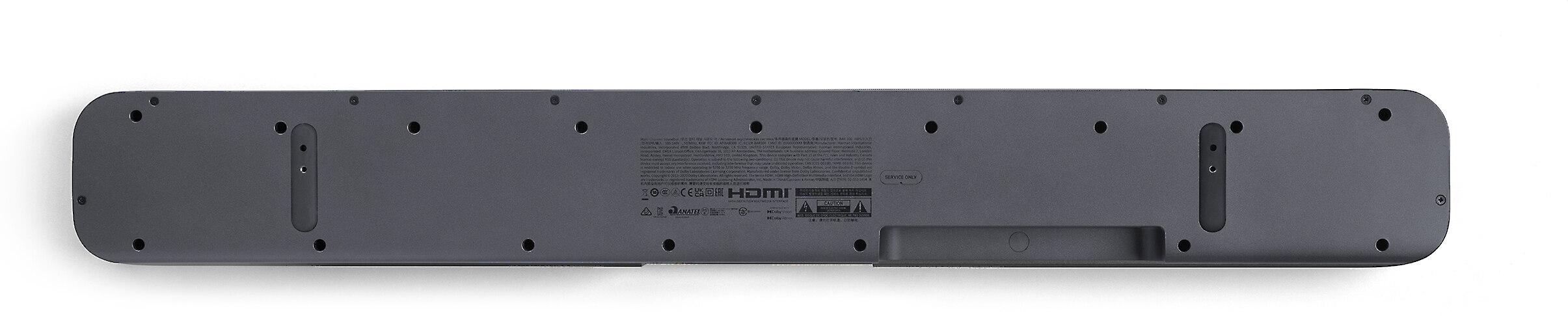
Setting up the JBL Bar 300 5.0 is refreshingly straightforward. One HDMI cable to your TV, one power cord, and a few minutes with the JBL One app for initial configuration. The soundbar's slim profile means it fits under most TVs without blocking IR sensors, and the minimalist design doesn't dominate your entertainment center visually.
The JBL Bar 5.1 Surround requires more planning. You'll need to find optimal placement for the subwoofer—usually in a corner or along a wall where it can efficiently couple with room boundaries. The satellite speakers need positioning behind your primary seating area, and while they're wireless, you'll want to ensure they're within range of the main unit and have surfaces to rest on or wall mounts if you prefer a cleaner look.
I've found that many people underestimate the placement requirements for the Bar 5.1's satellites. They work best when they're slightly behind and to the sides of your listening position, at roughly ear height. This might require additional furniture or wall mounting, which adds to the total cost and complexity.
At $299.95, the Bar 300 offers remarkable feature density. When you consider that it includes Dolby Atmos processing, room calibration, multiple streaming protocols, and HDMI eARC, it's competing with soundbars that cost significantly more. The Sony HT-S350, for instance, lacks many of these features at a similar price point.
The Bar 5.1's $599.95 asking price positions it against some tough competition, including systems from Sonos and Samsung that offer similar physical surround sound approaches. However, the inclusion of battery-powered satellites and a substantial subwoofer helps justify the premium over simpler soundbar-and-subwoofer combinations.
The decision between these soundbars ultimately comes down to your priorities and constraints. Choose the JBL Bar 300 5.0 if you value simplicity, have a smaller room, watch a lot of dialogue-heavy content, or want the latest connectivity features. Its virtual surround processing and dialogue enhancement make it particularly good for daily TV watching, while the premium streaming integration reduces device clutter.
Go with the JBL Bar 5.1 Surround if you have a larger room, frequently watch action movies or play games, and don't mind managing multiple components. The dedicated subwoofer and physical surround speakers create a more convincing home theater experience, especially for content with dynamic sound design.
Neither system allows for future expansion—you can't add rear speakers to the Bar 300 or upgrade the Bar 5.1 to include height channels for full Dolby Atmos. If you think you might want to build a more complex system later, consider whether either of these soundbars meets your long-term needs or if you should look at modular receiver-based systems instead.
Your room's acoustics, size, and your content preferences should guide this decision more than brand loyalty or specifications alone. Both soundbars excel in their intended use cases—the key is matching the right tool to your specific situation and expectations.
| JBL Bar 300 5.0 Soundbar | JBL Bar 5.1 Surround Soundbar with Wireless Subwoofer |
|---|---|
| Price - Budget impact for similar brand quality | |
| $299.95 (excellent value for features included) | $599.95 (premium for true surround hardware) |
| Total System Power - Determines maximum volume and dynamic range | |
| 260W (adequate for small-medium rooms) | 550W (handles large rooms without distortion) |
| Bass System - Critical for movie impact and music enjoyment | |
| Built-in bass ports (no separate subwoofer needed) | 10" wireless subwoofer (deep, room-filling bass) |
| Surround Sound Approach - Affects immersion quality | |
| Virtual Dolby Atmos via MultiBeam (wall-bouncing effects) | True 5.1 with detachable wireless satellites (physical rear speakers) |
| Setup Complexity - Time and effort required | |
| Single soundbar, one HDMI cable | Soundbar + subwoofer + 2 satellites to position |
| Room Size Optimization - Where each performs best | |
| Small to medium rooms (under 200 sq ft) | Large rooms and open floor plans (200+ sq ft) |
| Connectivity Features - Modern streaming capabilities | |
| Wi-Fi 6, AirPlay, Chromecast built-in | Basic Wi-Fi, limited streaming features |
| HDMI Standard - Future-proofing for 4K content | |
| HDMI eARC 2.3 with 4K Dolby Vision passthrough | HDMI ARC 2.2 (older standard) |
| Dialogue Enhancement - Critical for TV shows and movies | |
| PureVoice technology (specialized speech processing) | Standard center channel (no dedicated enhancement) |
| Physical Footprint - Space requirements | |
| 32.3" wide soundbar only | 40" soundbar + 12" subwoofer + 2 satellites |
| Battery Operation - Placement flexibility | |
| N/A (AC powered only) | Satellites run 10 hours on battery (wireless positioning) |
| Release Date - Technology generation | |
| Early 2024 (latest features and connectivity) | Pre-2024 (proven but older tech) |
The JBL Bar 300 5.0 Soundbar ($299.95) is better for small rooms under 200 square feet. Its virtual surround sound works effectively in compact spaces, and you won't need to find room for a separate subwoofer. The built-in bass ports provide adequate low-end response for smaller spaces without overwhelming neighbors in apartments.
Yes, the JBL Bar 5.1 Surround Soundbar ($599.95) includes a wireless 10-inch subwoofer that delivers deep bass down to 40Hz. It also comes with two detachable wireless satellite speakers that can be positioned behind your seating area for true surround sound.
The JBL Bar 5.1 Surround has significantly better bass thanks to its dedicated 10-inch wireless subwoofer. The JBL Bar 300 5.0 uses built-in bass ports which are adequate for dialogue and music but can't match the room-filling impact of a dedicated subwoofer during action movies.
The JBL Bar 300 5.0 outputs 260 watts total, while the JBL Bar 5.1 Surround delivers 550 watts (300W subwoofer + 250W for bar and satellites). The higher power helps the Bar 5.1 fill larger rooms and handle demanding movie soundtracks without distortion.
The JBL Bar 300 5.0 Soundbar is much easier to set up - just connect one HDMI cable and plug it in. The JBL Bar 5.1 requires positioning the subwoofer, placing satellite speakers behind your seating area, and pairing multiple wireless components.
The JBL Bar 300 5.0 supports Dolby Atmos through virtual processing using MultiBeam technology. The JBL Bar 5.1 Surround supports Dolby Digital and DTS but does not include Dolby Atmos processing, focusing instead on traditional 5.1 surround sound.
The JBL Bar 300 5.0 is better for dialogue clarity thanks to its PureVoice technology, which uses specialized processing to enhance speech frequencies. This makes it ideal for TV shows and movies where clear dialogue is important. The JBL Bar 5.1 has good center channel performance but lacks this dedicated dialogue enhancement.
Neither the JBL Bar 300 5.0 nor the JBL Bar 5.1 Surround can be expanded with additional speakers. The Bar 300 is a fixed 5.0 system, while the Bar 5.1 comes complete with all components. If you want expandability, consider a receiver-based system instead.
The JBL Bar 5.1 Surround is better for gaming due to its physical rear speakers that create authentic positional audio. Racing games and shooters benefit from having actual speakers behind you. The JBL Bar 300 5.0 can create virtual surround effects but can't match the precision of dedicated rear channels.
The JBL Bar 300 5.0 offers extensive streaming with built-in Wi-Fi 6, AirPlay, and Chromecast, allowing direct music streaming without additional devices. The JBL Bar 5.1 Surround has basic Bluetooth connectivity and older Wi-Fi standards with limited built-in streaming capabilities.
The JBL Bar 300 5.0 only needs space for a 32-inch soundbar under your TV. The JBL Bar 5.1 Surround requires space for a 40-inch soundbar, a 12-inch subwoofer (usually placed in a corner), and positioning areas for two satellite speakers behind your seating.
The JBL Bar 300 5.0 ($299.95) offers exceptional value with Dolby Atmos, advanced streaming features, and HDMI eARC at under $300. The JBL Bar 5.1 Surround ($599.95) provides better value if you need true surround sound and powerful bass for larger rooms, justifying the higher price with dedicated hardware components.
We've done our best to create useful and informative comparisons to help you decide what product to buy. Our research uses advanced automated methods to create this comparison and perfection is not possible - please contact us for corrections or questions. These are the sites we've researched in the creation of this article: whathifi.com - safeandsoundhq.com - youtube.com - cnet.com - mm.jbl.com - jbl.com - bestbuy.com - support.jbl.com - dell.com - walmart.com - jbl.com - jbl.com - jbl.com - tomsguide.com - jbl.com - bestbuy.com - bestbuy.com - jbl.com - jbl.com - worldwidestereo.com

Privacy Policy
Terms and Conditions - Affiliate Policy
Home Security
© Copyright 2008-2026.
11816 Inwood Rd #1211, Dallas, TX 75244