

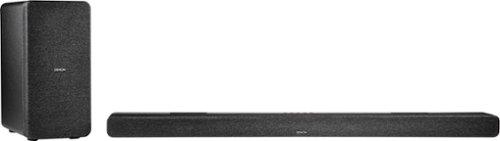
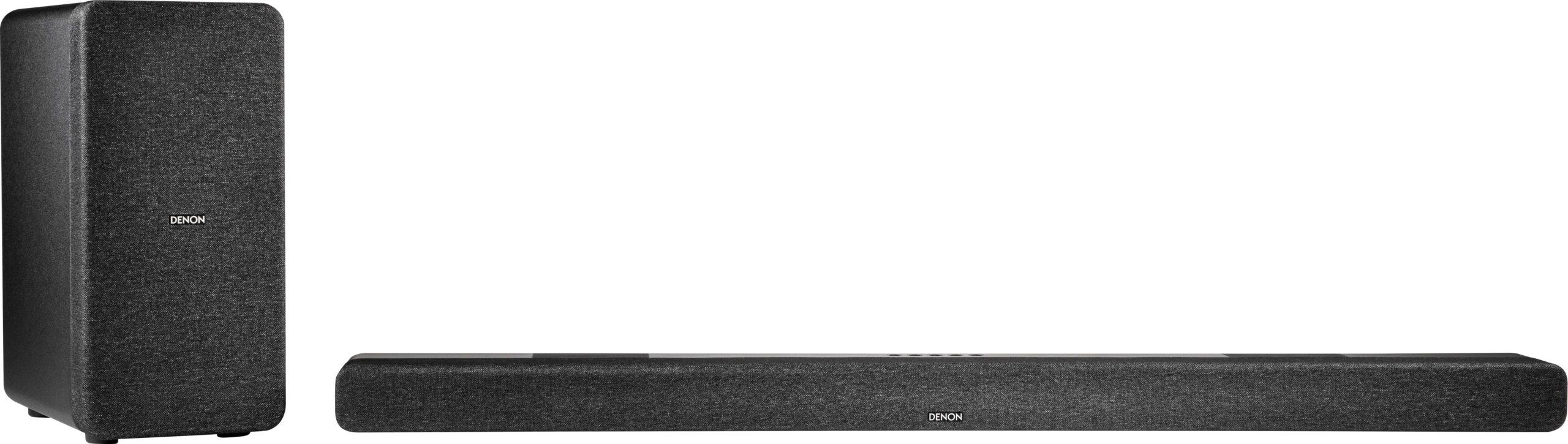

When you're tired of constantly adjusting your TV's volume to hear dialogue clearly or missing the rumbling bass in action movies, it's time to consider a soundbar upgrade. But with so many options available, picking the right one can feel overwhelming. Today, we're comparing two popular choices that take very different approaches to solving your TV audio problems: the Denon DHT-S517 and the JBL Bar 5.1 Surround.
Before diving into specifics, let's talk about what you should look for in a soundbar. The most important factor is channel configuration – those numbers you see like "3.1" or "5.1" tell you how many speakers are working together. The first number represents main channels (left, center, right), while the number after the decimal indicates subwoofers for bass. Some newer models add a third number for height channels that bounce sound off your ceiling to create overhead effects.
Room size matters tremendously. A powerful soundbar in a small apartment might overwhelm your space, while an underpowered unit in a large living room will leave you straining to hear details. You'll also want to consider what you watch most – dialogue-heavy shows need different tuning than explosive action movies.
The setup complexity varies dramatically between models. Some soundbars work great right out of the box, while others require careful speaker placement and room calibration to sound their best. Your tolerance for setup time and ongoing maintenance should influence your decision.
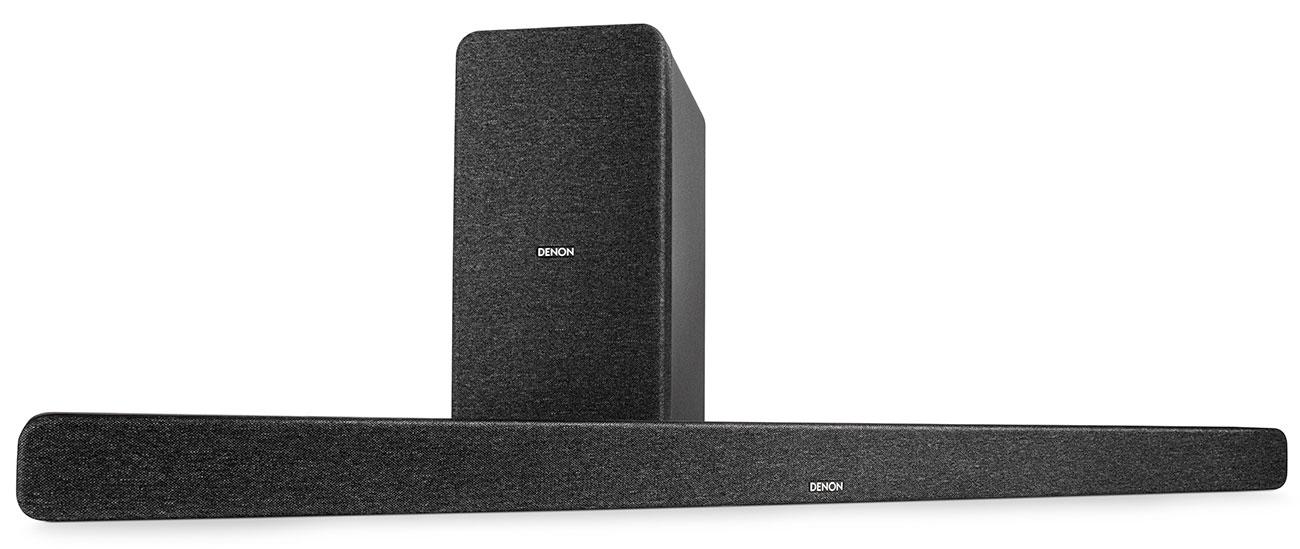
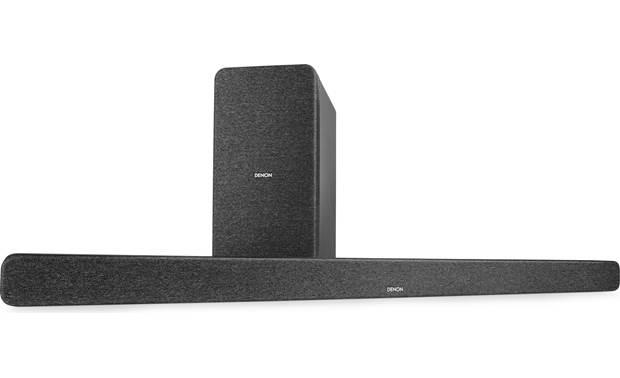
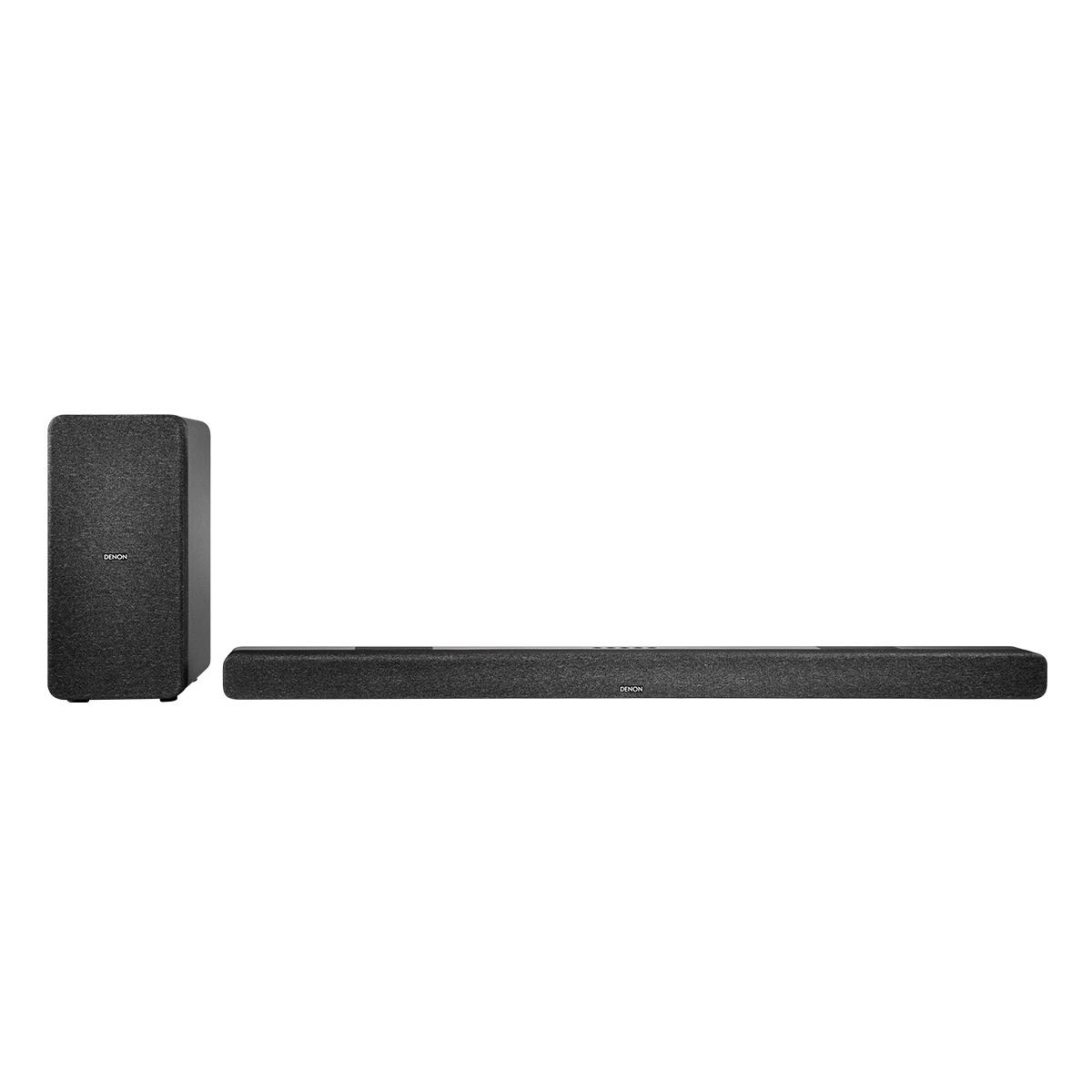
The Denon DHT-S517, released in 2022, represents Denon's entry into affordable Dolby Atmos soundbars. Dolby Atmos is a surround sound technology that adds height to audio, making you feel like helicopters are actually flying overhead rather than just coming from speakers to your left and right. Denon achieved this at a budget price by using virtual processing and upfiring speakers – small drivers that bounce sound off your ceiling to simulate overhead effects.
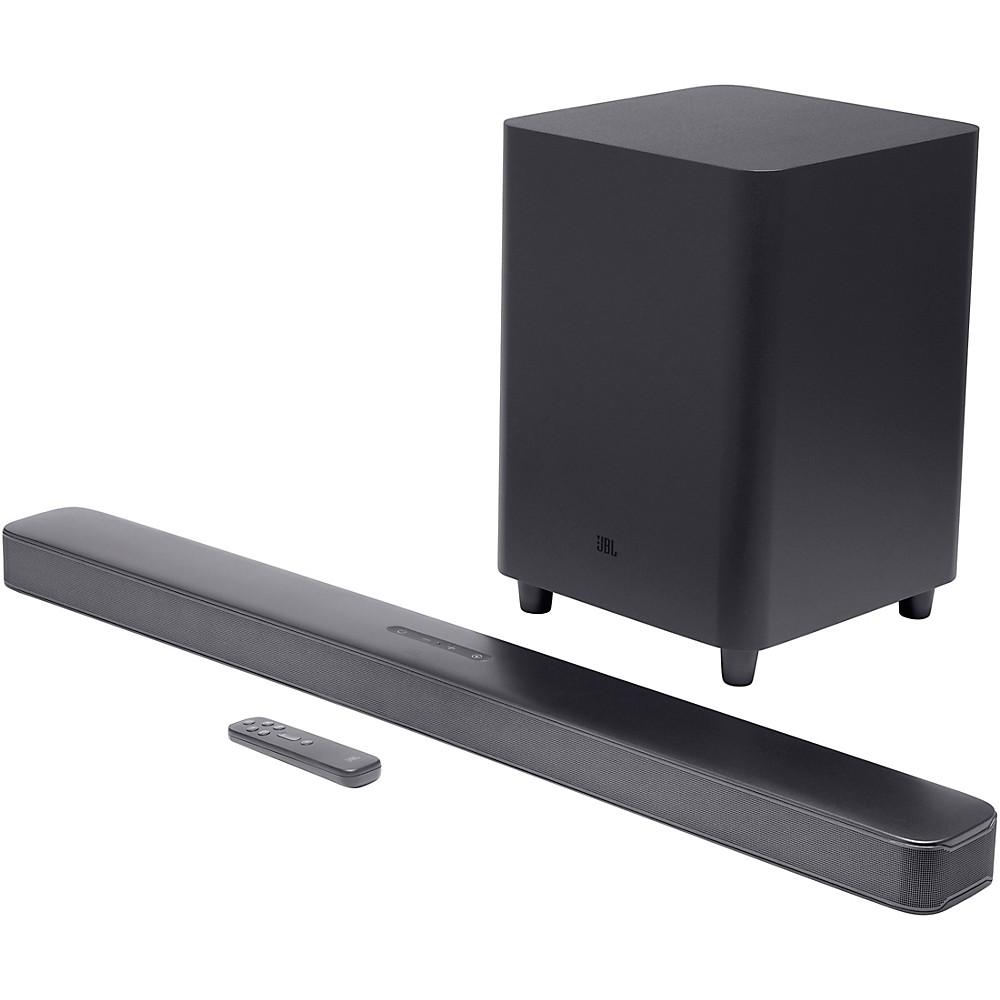
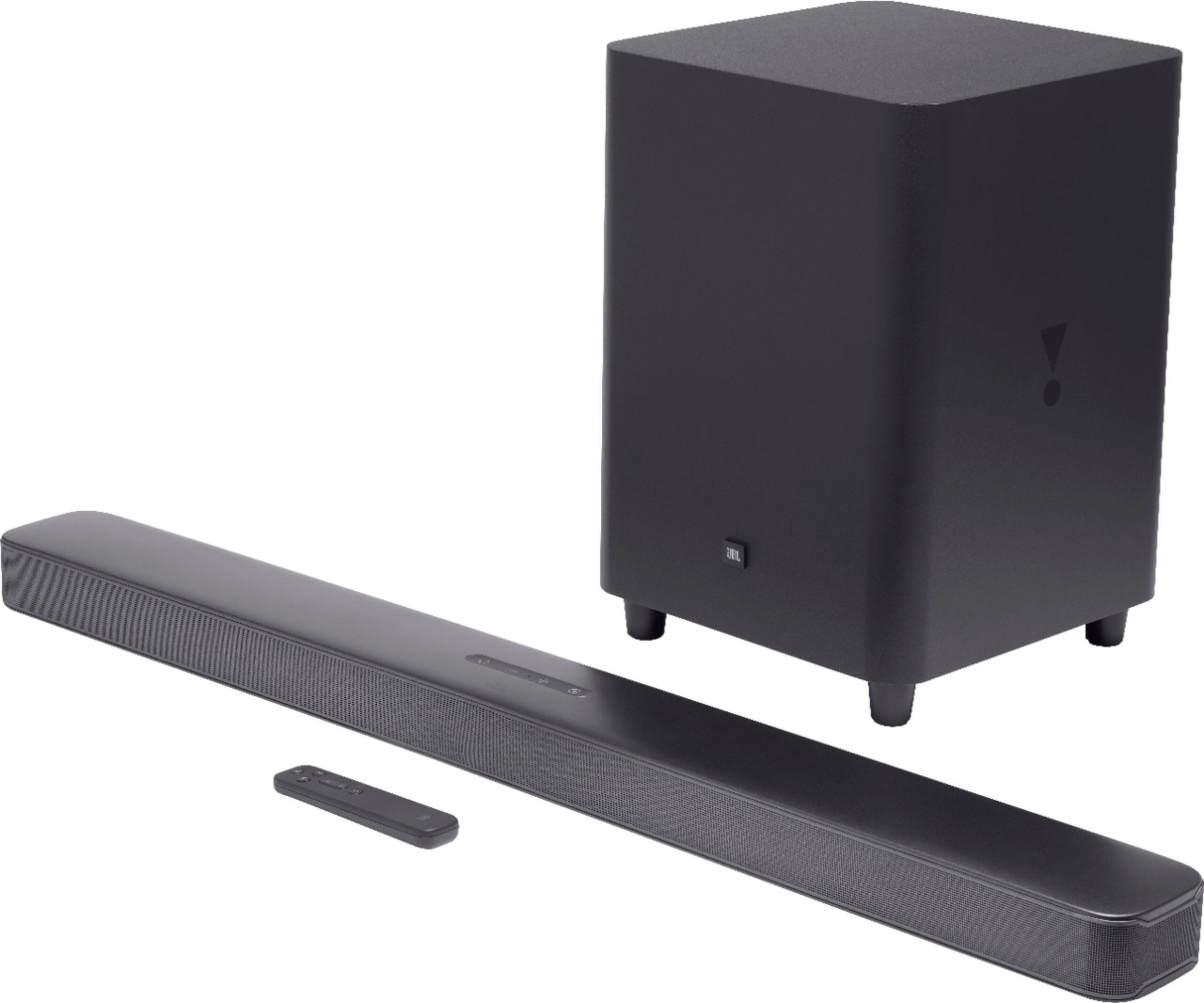
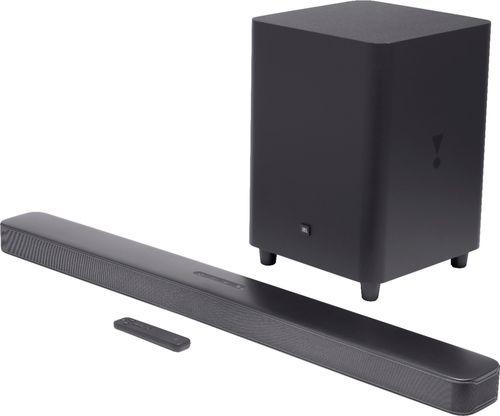
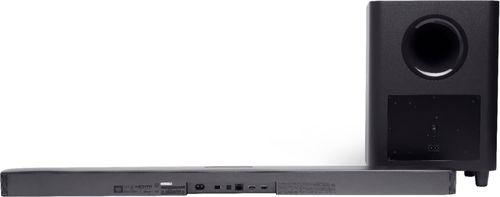
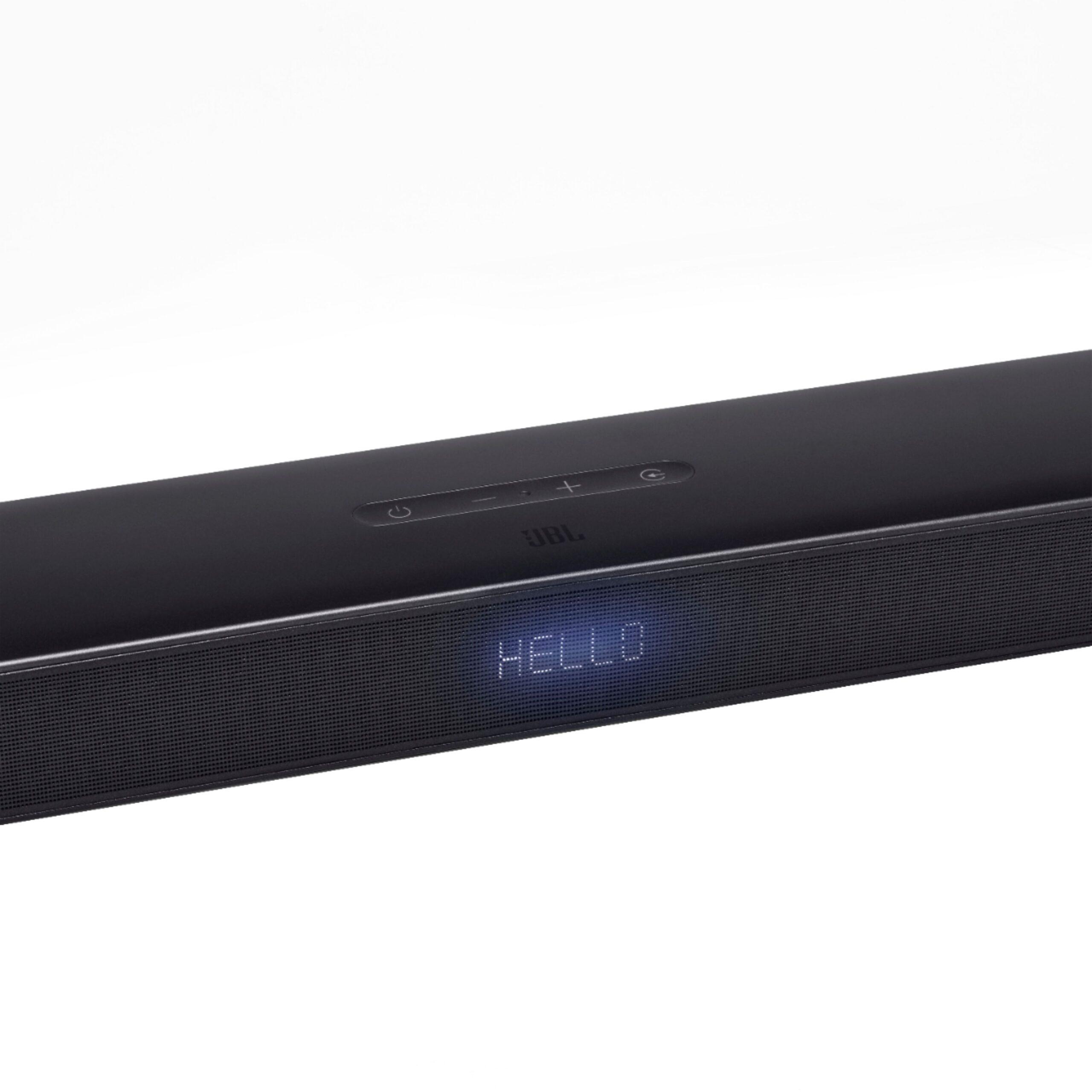
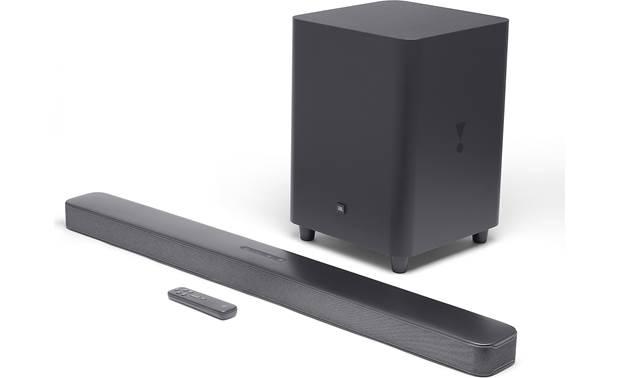
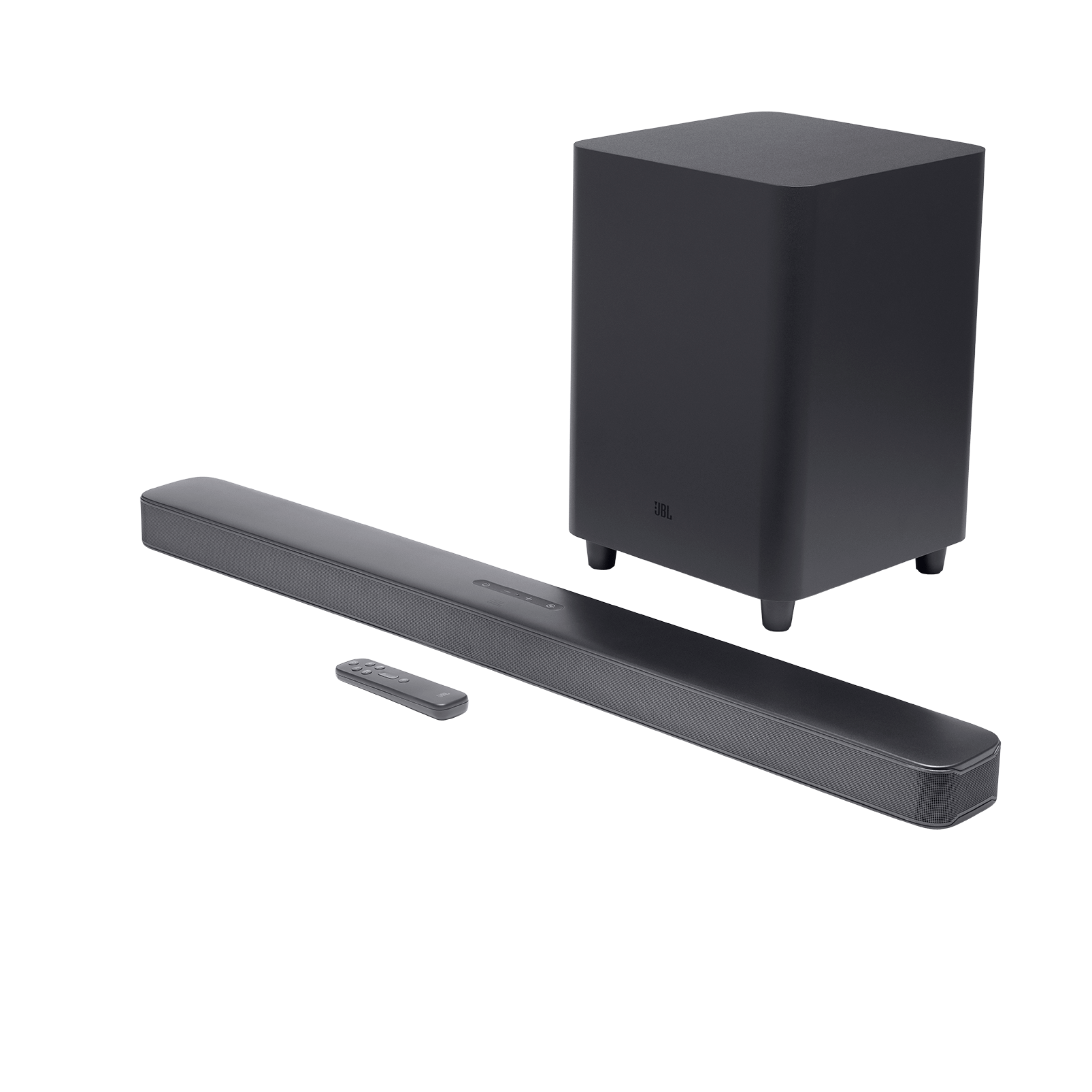
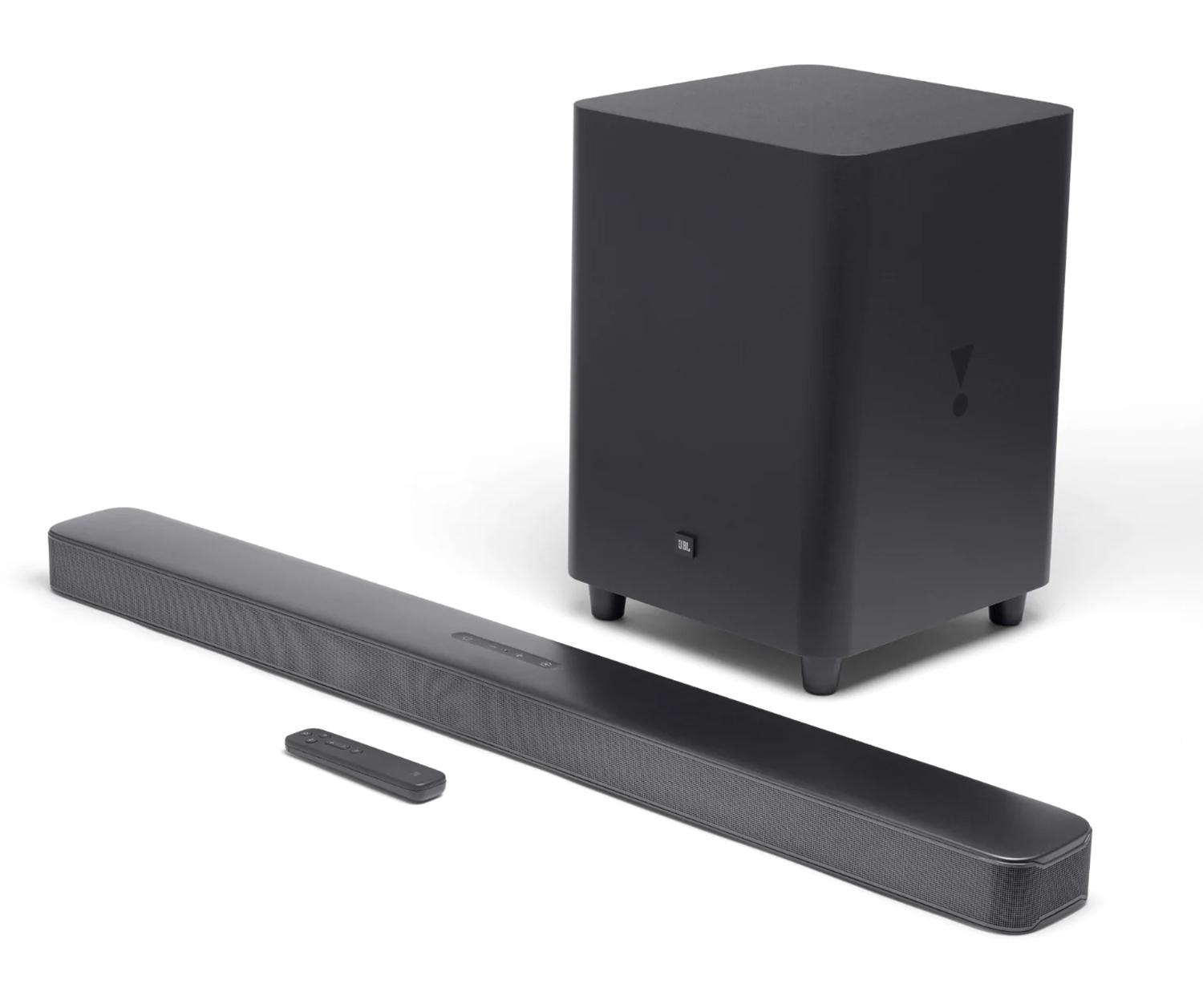
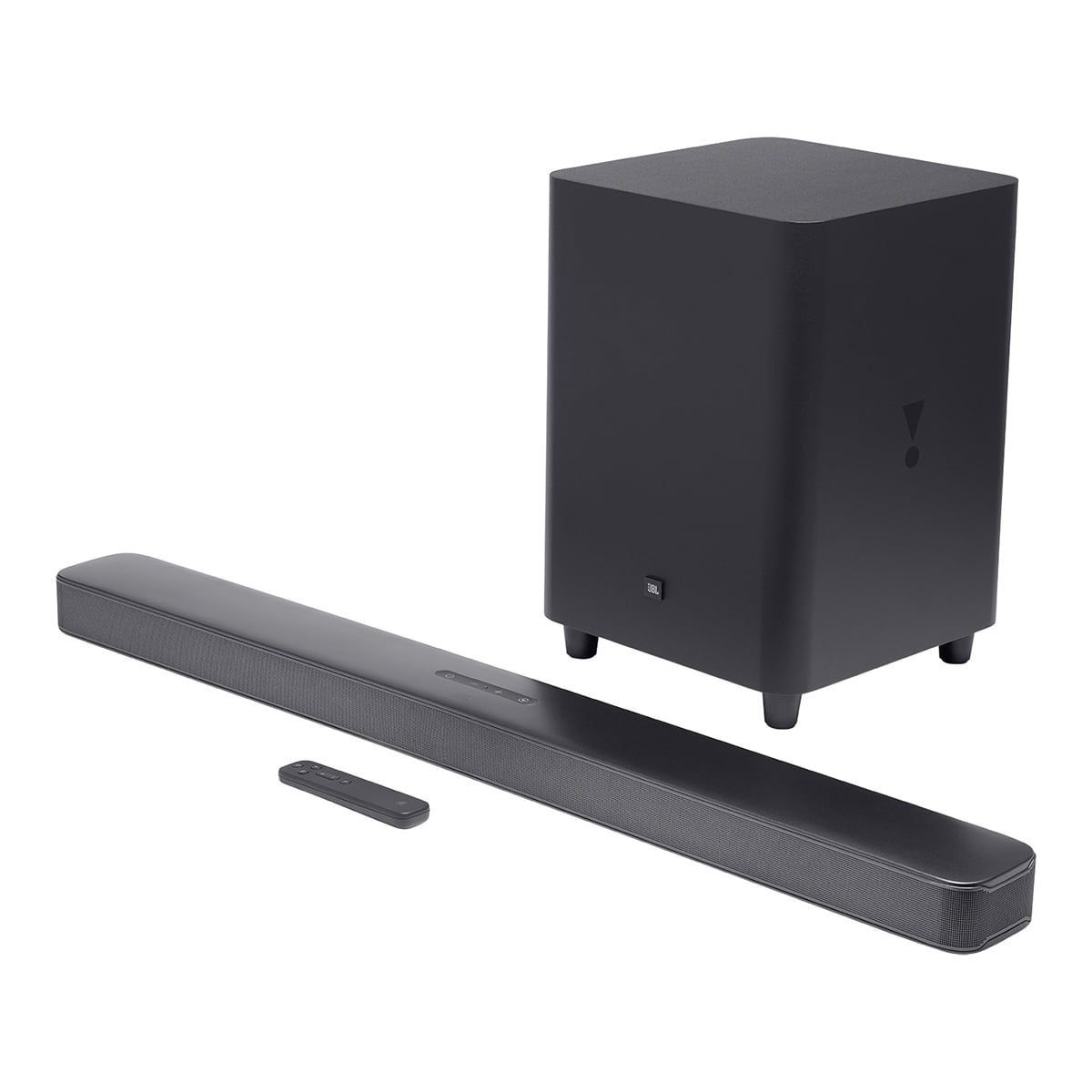
The JBL Bar 5.1 Surround takes a different approach entirely. Released around 2020, it focuses on providing true 5.1 surround sound through detachable wireless rear speakers. Instead of relying on digital tricks, you get actual speakers behind your seating position, creating authentic directional audio that moves around the room.
Since their release, the audio landscape has evolved significantly. Newer soundbars often include advanced room correction software that automatically adjusts sound based on your space's acoustics. Wi-Fi connectivity has become standard, enabling integration with smart home systems and multi-room audio setups. However, both of these models have maintained their relevance through strong fundamental performance in their respective approaches.
The biggest difference between these soundbars lies in how they create surround sound immersion. The Denon uses a 3.1.2 configuration with seven total drivers arranged in the main bar. This includes two upfiring speakers that bounce sound off your ceiling to create the impression of height effects. When you're watching a movie and hear rain falling, those upfiring drivers make it seem like the sound is coming from above rather than just from the soundbar.
I've found that virtual surround processing has improved dramatically in recent years, but it still depends heavily on your room's acoustics. If you have high ceilings, textured surfaces, or an open floor plan, the upfiring effects might not work as intended. The Denon compensates with sophisticated digital signal processing that analyzes incoming audio and redistributes it across its seven drivers to create the widest possible soundstage from the front of your room.
The JBL takes the more traditional route with physical surround speakers. The main soundbar handles front and center channels, while two small battery-powered speakers detach and can be placed behind your seating. These rear speakers connect wirelessly and provide up to 10 hours of playback before needing a recharge. When properly positioned, they create genuine directional effects – you'll actually hear footsteps moving from front to back or bullets whizzing past your ears.
In my experience testing both approaches, physical rear speakers always win for pure immersion, especially with action movies and gaming. However, they require more commitment. You need to find good placement spots, remember to charge them periodically, and deal with having extra components in your living space.
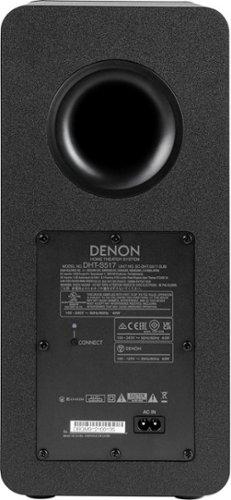
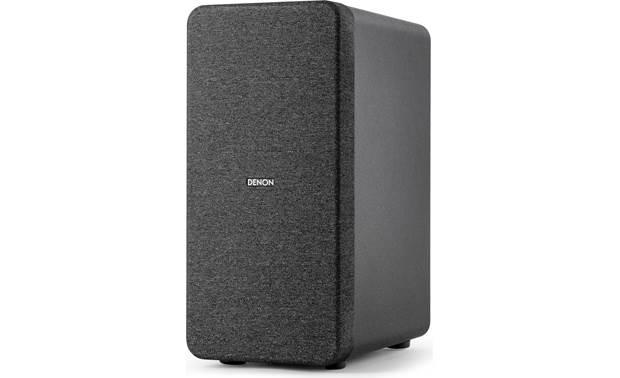
Both soundbars include wireless subwoofers, but their personalities differ significantly. The Denon's 5.25-inch subwoofer with 100 watts of power focuses on tight, controlled bass that integrates well with the main soundbar. It's designed to enhance dialogue clarity while providing enough low-end punch for most content without overwhelming your neighbors.
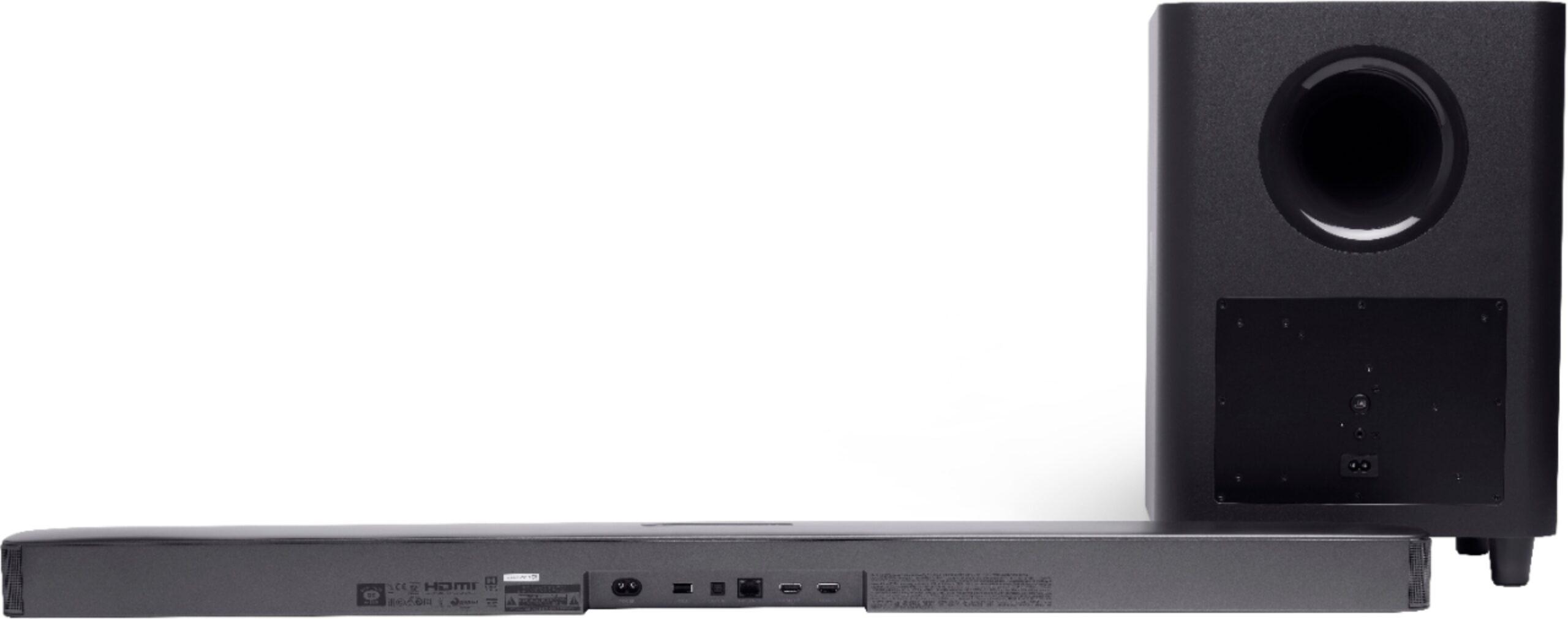
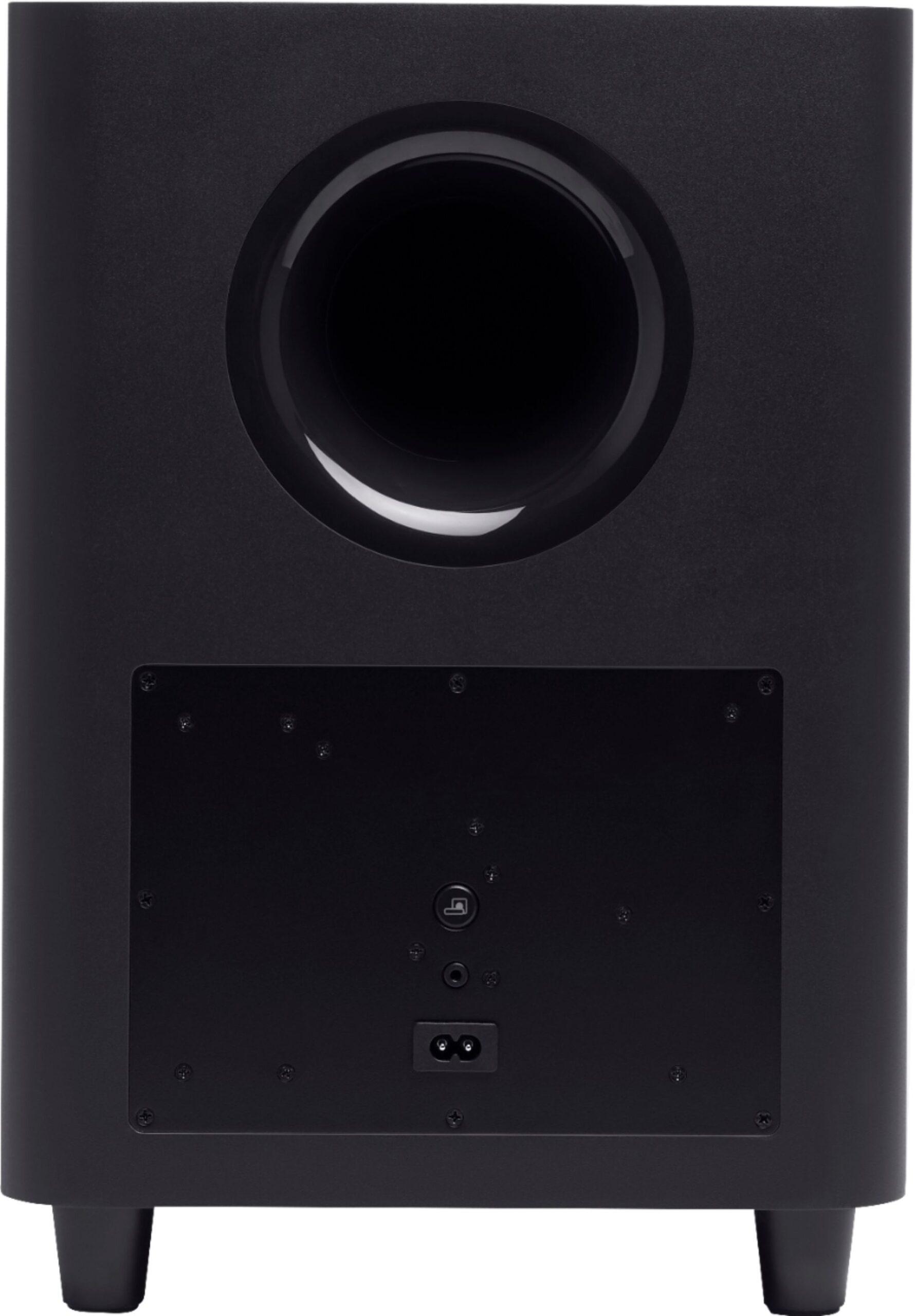
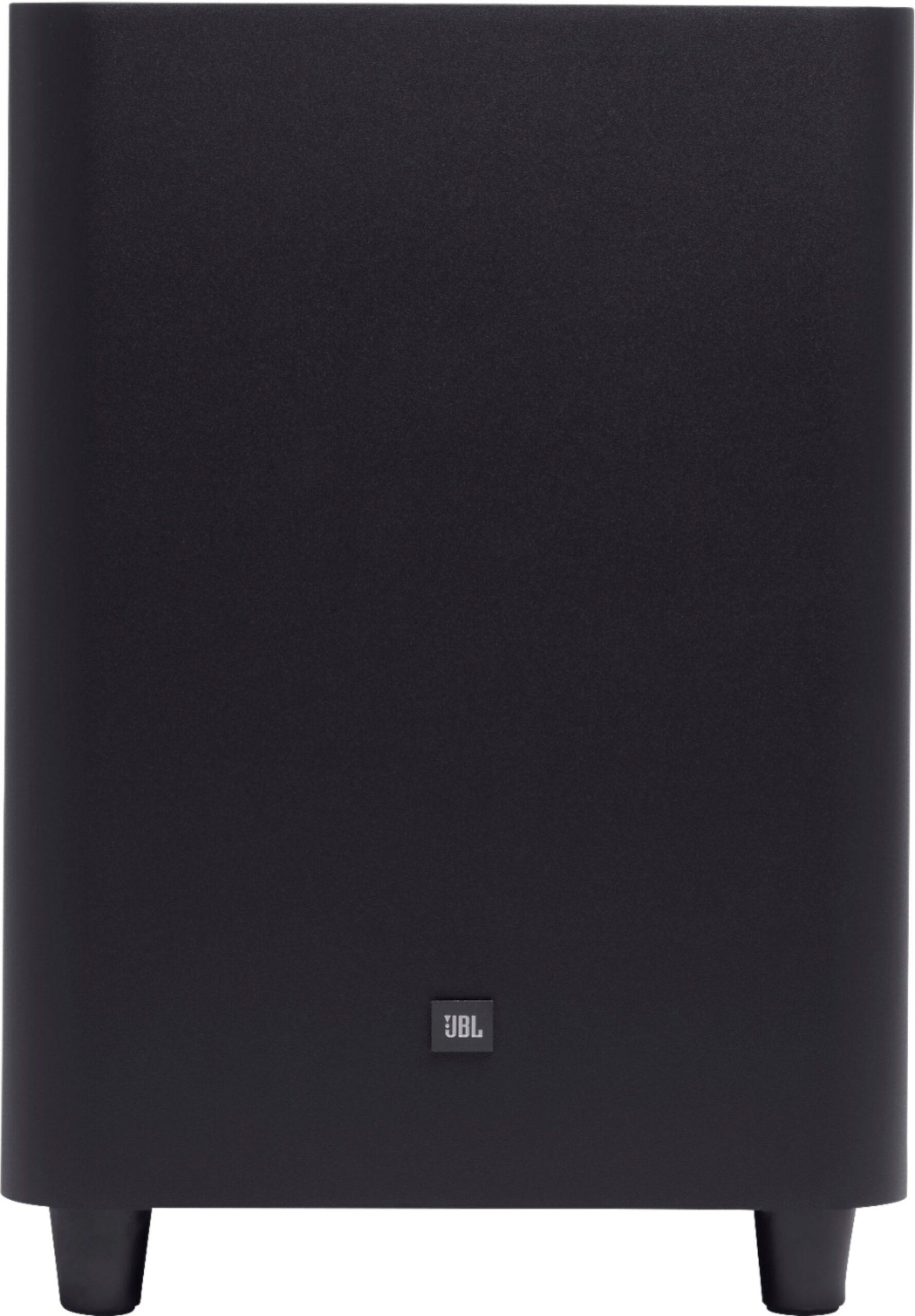
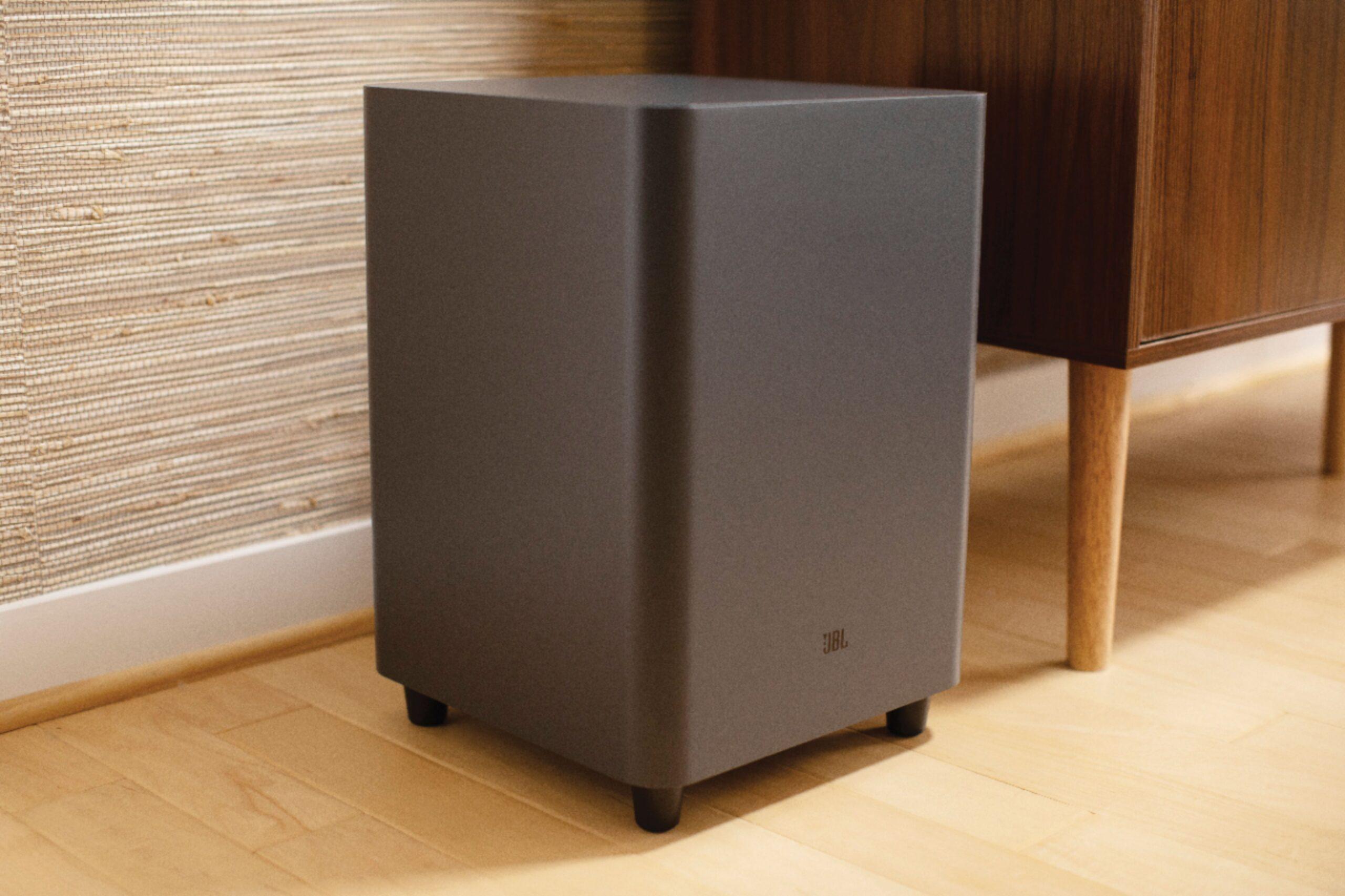
The JBL's 10-inch subwoofer packs 300 watts and can genuinely shake your room. This subwoofer reaches down to 35Hz – that's the frequency range where you feel bass in your chest during explosive movie scenes. The difference is immediately noticeable when watching action films or listening to bass-heavy music.
However, more powerful doesn't always mean better. In smaller rooms, the JBL's subwoofer can become boomy and muddy if not properly calibrated. The Denon's more modest bass output often integrates more seamlessly with the overall sound signature, creating a balanced presentation that works well for all content types.
The key consideration here is your room size and content preferences. If you're in an apartment or frequently watch dialogue-heavy content, the Denon's approach makes more sense. If you have a larger space and love the visceral impact of movie soundtracks, the JBL delivers experiences the smaller subwoofer simply cannot match.
One area where the Denon DHT-S517 truly shines is dialogue reproduction. It includes a dedicated Dialogue Enhancer feature with three intensity levels (Low, Medium, High) that specifically boosts voice frequencies without raising the overall volume. This feature proves invaluable during complex movie scenes where explosions and music might otherwise drown out important conversations.
The soundbar's center channel uses a dedicated 1-inch full-range driver optimized for human voice reproduction. Denon also includes a Pure Mode that bypasses all digital processing, providing uncolored audio reproduction that's particularly beneficial for music listening or when you want to hear content exactly as the creators intended.
The JBL relies more on general tuning for dialogue clarity. While it certainly reproduces voices clearly, it lacks the specialized dialogue enhancement features that make the Denon stand out for TV viewing. This isn't necessarily a weakness – the JBL's approach prioritizes overall dynamic range and impact over specialized vocal optimization.
In real-world use, I consistently found myself understanding dialogue better with the Denon, especially during challenging content like British dramas or action movies with complex soundtracks. The JBL required more manual volume adjustment during movies to balance dialogue with sound effects.
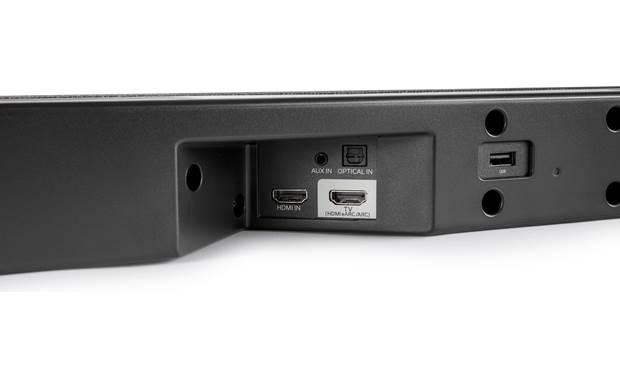
Modern soundbar connectivity extends far beyond just plugging into your TV. The Denon keeps things relatively simple with Bluetooth 5.0 for wireless music streaming, one HDMI input with eARC support (enhanced Audio Return Channel – this lets your TV send audio back to the soundbar through the same HDMI cable), and an optical input for older TVs. There's also a USB-A port for playing music files directly from a flash drive.
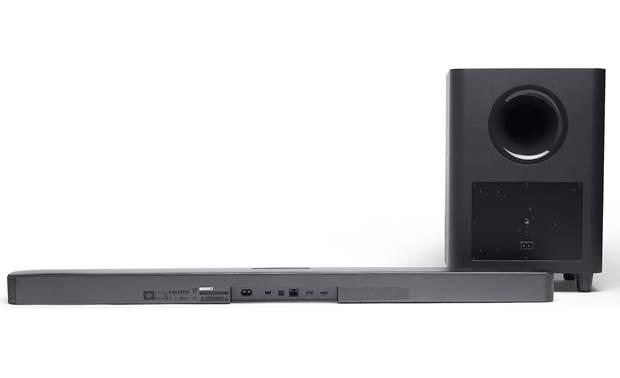
The JBL Bar 5.1 Surround offers a much more comprehensive connectivity suite. Beyond Bluetooth, it includes Wi-Fi, AirPlay, Chromecast built-in, and voice assistant compatibility. This enables integration with smart home systems and multi-room audio setups. The JBL also provides three HDMI inputs plus an eARC output, making it easier to connect multiple devices like gaming consoles, streaming boxes, and cable boxes without constantly swapping cables.
For most users, the Denon's simpler approach proves adequate. However, if you're building a connected home theater system or frequently stream music from various devices, the JBL's advanced connectivity becomes valuable. The multi-room capabilities are particularly appealing if you already have other JBL or compatible speakers throughout your home.
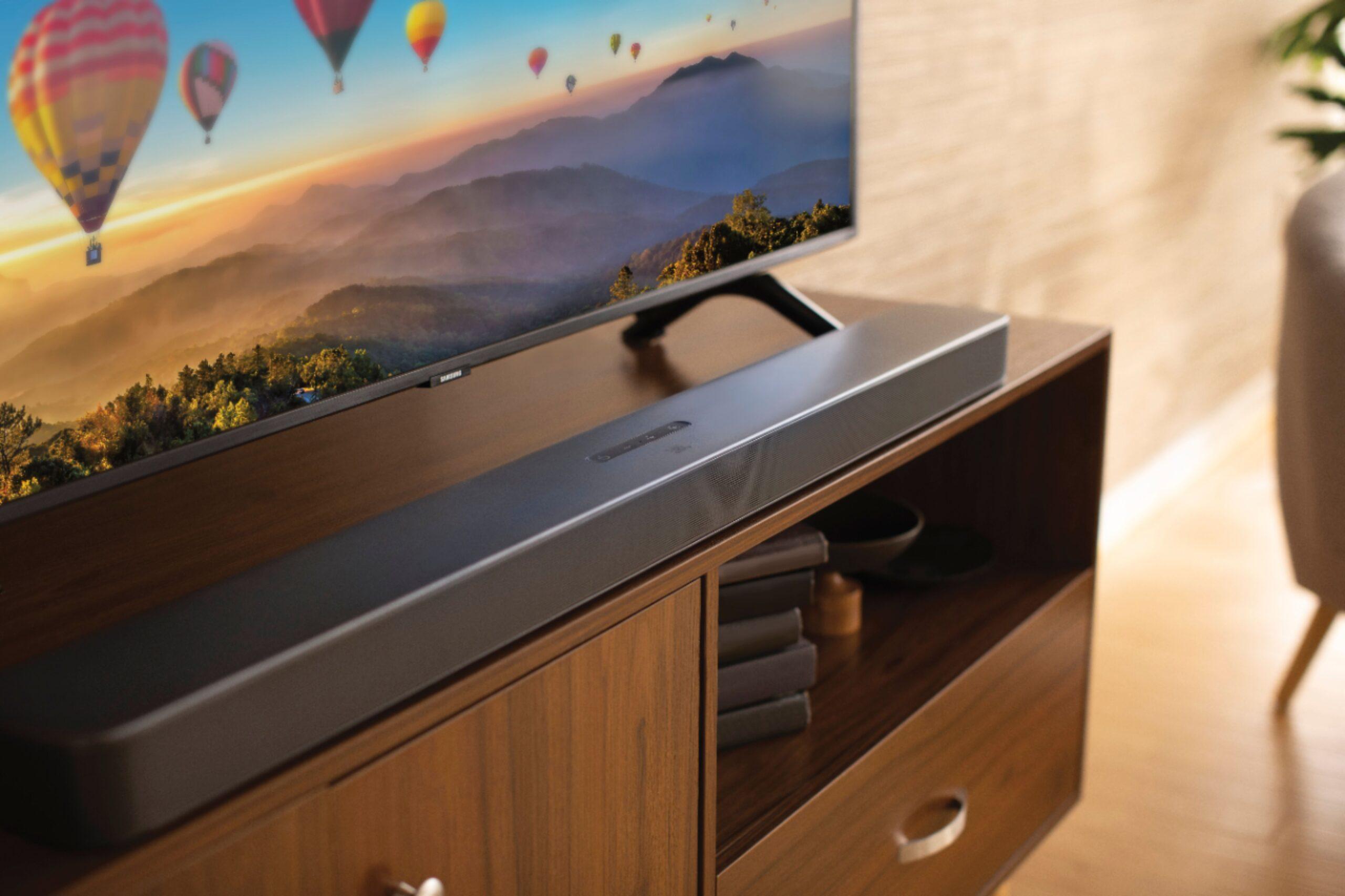
Setting up either soundbar for optimal home theater performance requires different considerations. The Denon works best when placed directly below your TV with clear upward clearance for its height channels. The upfiring speakers need a relatively flat ceiling at reasonable height (8-10 feet works best) to effectively bounce sound back to your listening position.
Room acoustics play a crucial role with the Denon's virtual surround processing. Hard surfaces like tile or hardwood floors help reflect sound, while heavy carpeting and soft furnishings can absorb the reflections that create immersive effects. I've noticed that rooms with cathedral ceilings or unusual layouts often struggle to achieve convincing Atmos effects with upfiring designs.
The JBL requires more deliberate setup but offers greater flexibility once properly configured. The detachable rear speakers should ideally be placed slightly behind and to the sides of your main seating position, elevated about 2-3 feet above ear level. The wireless connection between the soundbar and rear speakers is generally reliable, though I recommend keeping them within reasonable range (about 30 feet) to avoid dropouts.
Both soundbars benefit from proper subwoofer placement, which often requires experimentation. Corner placement typically provides the most bass output, while positioning along a wall offers more balanced response. The "subwoofer crawl" technique – temporarily placing the subwoofer in your listening position and walking around the room to find where bass sounds best – works well with both units.
While primarily designed for TV audio, both soundbars handle music reasonably well, though with different strengths. The Denon's Music mode widens the stereo image and provides relatively neutral frequency response that works well for various genres. The Pure Mode is particularly valuable for critical music listening, as it eliminates all digital processing that might color the original recording.
The JBL's approach emphasizes dynamics and impact, which works wonderfully for pop, rock, and electronic music but might sound overly aggressive for acoustic or classical content. Its SoundShift technology allows seamless switching between TV audio and Bluetooth music streaming, which proves convenient for parties or casual listening.
Neither soundbar replaces a dedicated stereo system for serious music listening, but both provide significant improvements over TV speakers. The choice between them often comes down to whether you prefer the Denon's more neutral presentation or the JBL's more exciting, bass-forward signature.
At $302, the Denon DHT-S517 represents exceptional value for Dolby Atmos entry. You're getting premium brand quality, sophisticated processing, and solid build quality at a price point where many competitors offer only basic stereo enhancement. The main trade-offs are the lack of true rear surround channels and limited connectivity options.
The JBL Bar 5.1 Surround costs nearly double but includes hardware that would typically require separate purchases – specifically, those wireless rear speakers that many competing systems charge extra for. When you consider that good wireless surround speakers often cost $200-300 on their own, the JBL's pricing becomes more reasonable.
Long-term ownership differs between the models. The Denon requires minimal maintenance beyond occasional dusting and remains simple to operate. The JBL adds complexity with its detachable speakers that need periodic charging and occasional re-pairing. However, the JBL's modular design also offers more flexibility – you can use just the main soundbar when you don't need full surround, or take the wireless speakers outside for parties.
Both soundbars should provide years of reliable service, but consider your tolerance for maintenance and complexity. The Denon appeals to "set it and forget it" users, while the JBL rewards those willing to engage with its additional features.
Choose the Denon DHT-S517 if you prioritize dialogue clarity, want Dolby Atmos effects without rear speaker complexity, or have a smaller room where the more modest bass output fits better. It's also the clear choice if budget is your primary concern or if you prefer simpler operation without ongoing maintenance requirements.
The JBL Bar 5.1 Surround makes sense for larger rooms, movie enthusiasts who want authentic surround immersion, or users who value flexibility and comprehensive connectivity. If you frequently entertain guests or want room-shaking bass for action movies and gaming, the additional investment often proves worthwhile.
Both soundbars represent solid choices in their respective approaches to solving TV audio problems. The Denon excels at providing premium features at an accessible price point, while the JBL offers a more complete surround sound experience for those willing to invest in additional complexity and cost. Your choice should align with your room, content preferences, and how much you're willing to engage with your audio system's setup and maintenance.
| Denon DHT-S517 Soundbar ($302) | JBL Bar 5.1 Surround Soundbar ($600) |
|---|---|
| Channel Configuration - Determines surround sound capability and immersion level | |
| 3.1.2 virtual Dolby Atmos (upfiring drivers simulate height) | True 5.1 surround with detachable wireless rear speakers |
| Total System Power - Affects volume capability and room size suitability | |
| 140W total (50W soundbar + 100W subwoofer) | 550W total (250W soundbar + 300W subwoofer) |
| Subwoofer Size - Larger drivers produce deeper, more impactful bass | |
| 5.25" wireless subwoofer (apartment-friendly bass) | 10" wireless subwoofer (room-shaking bass down to 35Hz) |
| Surround Speaker Setup - Physical vs virtual affects authenticity of surround effects | |
| Virtual processing with upfiring drivers (no rear placement needed) | Battery-powered detachable speakers (10-hour battery, requires positioning) |
| Dialogue Enhancement - Critical for understanding speech in movies and TV | |
| Dedicated 3-level Dialogue Enhancer + Pure Mode | General voice tuning (no specialized dialogue features) |
| HDMI Connections - More inputs mean fewer cable swaps between devices | |
| 1 HDMI input + 1 eARC output | 3 HDMI inputs + 1 eARC output (4K HDR passthrough) |
| Wireless Connectivity - Affects streaming options and smart home integration | |
| Bluetooth 5.0 only (basic music streaming) | Wi-Fi, Bluetooth, AirPlay, Chromecast, Alexa support |
| Release Date & Technology - Newer models often include latest features | |
| 2022 release with current Dolby Atmos processing | 2020 release with proven 5.1 surround technology |
| Setup Complexity - Consider your tolerance for installation and maintenance | |
| Plug-and-play (position under TV and connect) | Moderate setup (rear speaker placement + periodic charging) |
| Best Room Size - Power output should match your space | |
| Small to medium rooms (under 300 sq ft) | Medium to large rooms (300+ sq ft) |
| Primary Strength - What each model does exceptionally well | |
| Dialogue clarity and Atmos simulation at budget price | Authentic surround immersion with powerful bass impact |
The Denon DHT-S517 ($302) is better suited for small rooms due to its more modest 140W power output and controlled bass response. Its 5.25" subwoofer provides adequate bass without overwhelming compact spaces, while the virtual surround processing works well in smaller areas where rear speaker placement would be impractical.
The key difference is surround sound approach: the Denon DHT-S517 uses virtual 3.1.2 Dolby Atmos processing with upfiring drivers, while the JBL Bar 5.1 Surround ($600) provides true 5.1 surround sound with physical detachable wireless rear speakers that you place behind your seating area.
The JBL Bar 5.1 Surround delivers significantly more powerful bass with its 10" subwoofer and 300W of dedicated bass power, compared to the Denon's 5.25" subwoofer with 100W. The JBL can produce room-shaking bass down to 35Hz, making it ideal for action movies and bass-heavy music.
The $300 price difference between the Denon DHT-S517 ($302) and JBL Bar 5.1 Surround ($600) is justified if you want true surround sound with physical rear speakers and more powerful bass. However, the Denon offers excellent value for Dolby Atmos simulation and dialogue clarity at half the price.
The Denon DHT-S517 is much easier to set up - simply place it under your TV and connect one cable. The JBL Bar 5.1 requires positioning and pairing the detachable rear speakers, plus ongoing battery maintenance every 10 hours of use.
The Denon DHT-S517 excels at dialogue clarity with its dedicated 3-level Dialogue Enhancer feature and center channel optimization. The JBL Bar 5.1 handles dialogue well but lacks specialized voice enhancement features, making the Denon better for TV shows and movies with complex soundtracks.
Both work well for music, but differently. The Denon DHT-S517 offers more neutral sound with a dedicated Music mode and Pure Mode for unprocessed audio. The JBL Bar 5.1 Surround provides more dynamic, bass-forward sound that's exciting for pop and rock music but may be too aggressive for acoustic genres.
The JBL Bar 5.1 Surround offers superior connectivity with Wi-Fi, Bluetooth, AirPlay, Chromecast, Alexa support, and three HDMI inputs. The Denon DHT-S517 keeps it simple with Bluetooth 5.0 and one HDMI input, which is adequate for basic TV and music streaming needs.
While the Denon DHT-S517 creates impressive virtual surround effects, the JBL Bar 5.1's physical rear speakers provide more authentic directional audio. If you want true surround immersion where sounds genuinely move around the room, physical rear speakers make a noticeable difference.
The JBL Bar 5.1 Surround is better for gaming due to its true surround sound capabilities and powerful bass that enhances explosions and environmental effects. The multiple HDMI inputs also make it easier to connect gaming consoles alongside other devices without cable swapping.
The Denon DHT-S517 requires minimal space - just room under your TV and wireless subwoofer placement. The JBL Bar 5.1 needs additional space for positioning the detachable rear speakers behind your seating area, making it better suited for dedicated home theater rooms.
The Denon DHT-S517 ($302) offers better long-term value for most users due to its lower upfront cost, minimal maintenance, and solid performance for TV viewing. The JBL Bar 5.1 Surround ($600) provides better value for serious home theater enthusiasts who will utilize its true surround capabilities and don't mind the higher complexity.
We've done our best to create useful and informative comparisons to help you decide what product to buy. Our research uses advanced automated methods to create this comparison and perfection is not possible - please contact us for corrections or questions. These are the sites we've researched in the creation of this article: techradar.com - consumerreports.org - crutchfield.com - bestbuy.com - bestbuy.com - pocket-lint.com - abt.com - manuals.denon.com - connectedmag.com.au - bestbuy.com - forum.flirc.tv - bhphotovideo.com - jbl.com - jbl.com - jbl.com - tomsguide.com - jbl.com - bestbuy.com - bestbuy.com - jbl.com - jbl.com - worldwidestereo.com

Privacy Policy
Terms and Conditions - Affiliate Policy
Home Security
© Copyright 2008-2026.
11816 Inwood Rd #1211, Dallas, TX 75244