



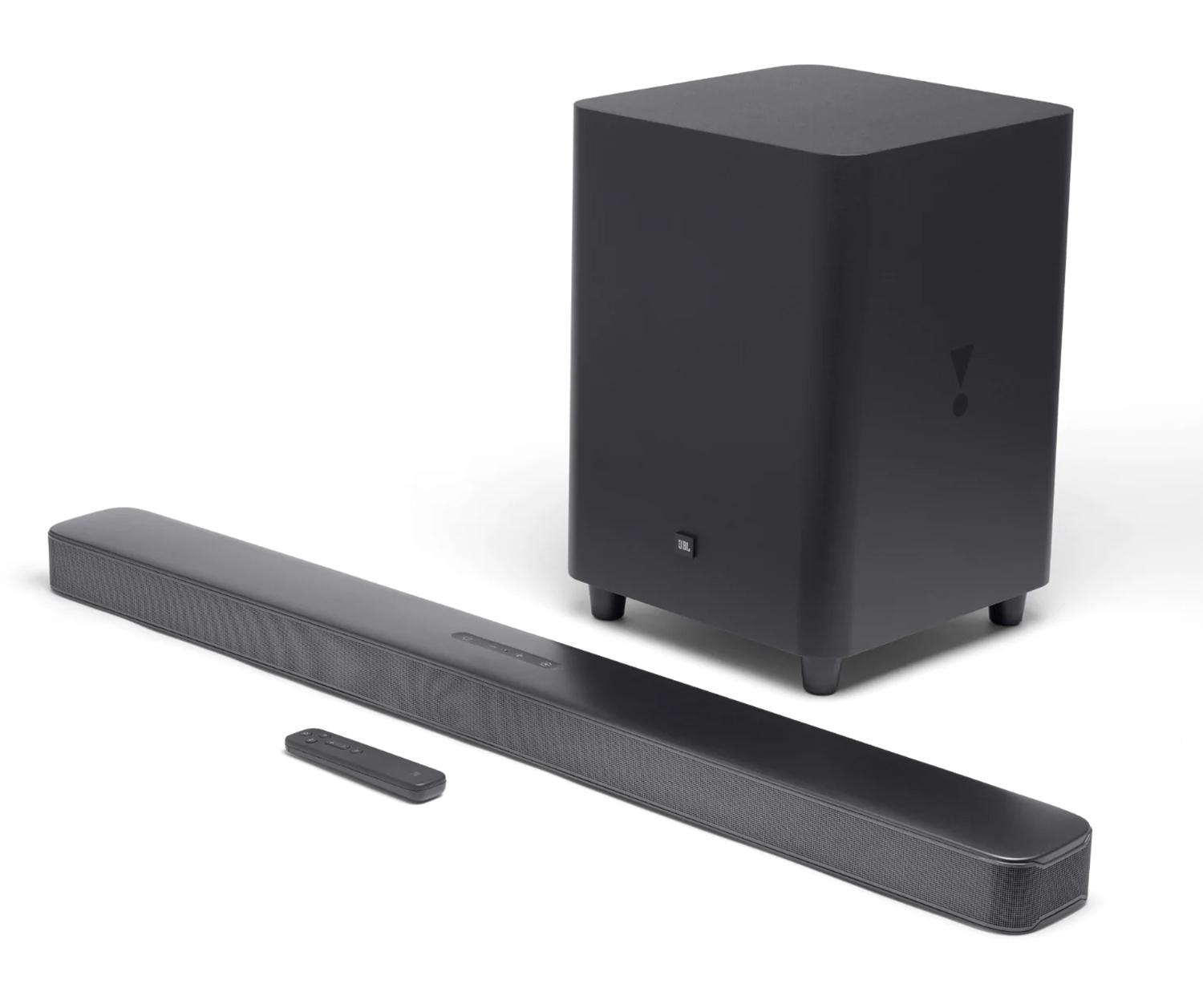
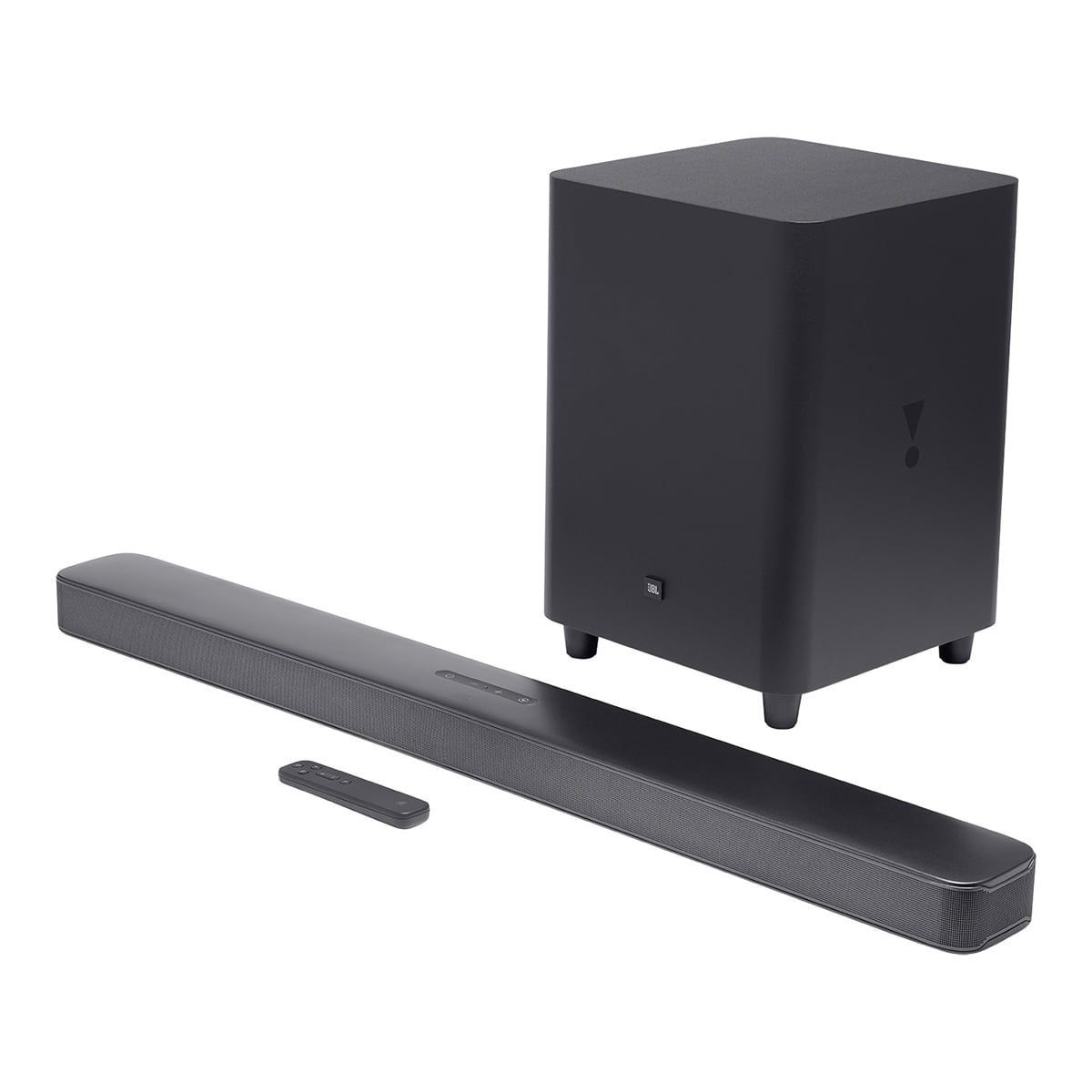
When your TV's built-in speakers just aren't cutting it anymore, a 5.1 soundbar system can transform your living room into a mini movie theater. But with soundbars ranging from basic stereo units to complex multi-speaker arrays, choosing the right system can feel overwhelming. Today, we're comparing two popular approaches to surround sound: the budget-friendly VIZIO 5.1 Soundbar SE and the feature-rich JBL Bar 5.1 Surround.
These systems represent fundamentally different philosophies in home audio. One relies on physical speakers placed around your room, while the other uses advanced digital processing to create virtual surround effects. Understanding these differences—and which approach works better for your specific situation—is crucial to making the right choice for your home theater setup.
Before diving into our comparison, let's clarify what "5.1" actually means. The first number (5) represents the main audio channels: left, center, right, left surround, and right surround. The ".1" refers to a dedicated subwoofer channel for low-frequency effects—those rumbling explosions and deep bass notes that make action movies feel more immersive.
Traditional 5.1 systems require five separate speakers plus a subwoofer, all connected by wires running around your room. Soundbar systems simplify this by combining some speakers into a single bar-shaped unit while still maintaining the surround sound experience. However, they achieve this in very different ways.
The main considerations when evaluating these systems include audio immersion quality (how convincingly they create a surround sound bubble around you), setup complexity, connectivity options for modern devices, and overall value for money. Power output, measured in watts, indicates how loud and dynamic the system can get, while frequency response tells you how deep the bass extends and how crisp the high frequencies sound.
Smart features have become increasingly important since both systems were released around 2019-2021. Streaming capabilities, voice assistant integration, and wireless connectivity options can significantly impact daily usability and long-term satisfaction with your purchase.
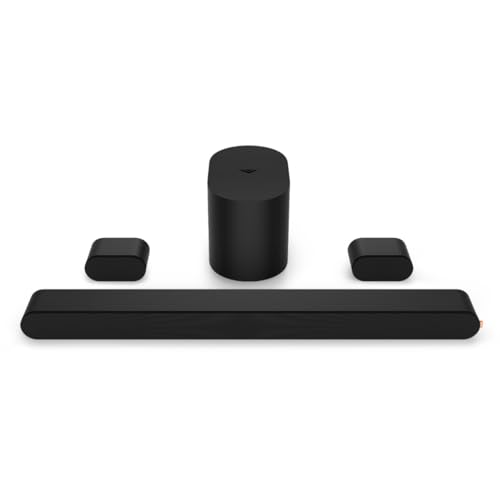
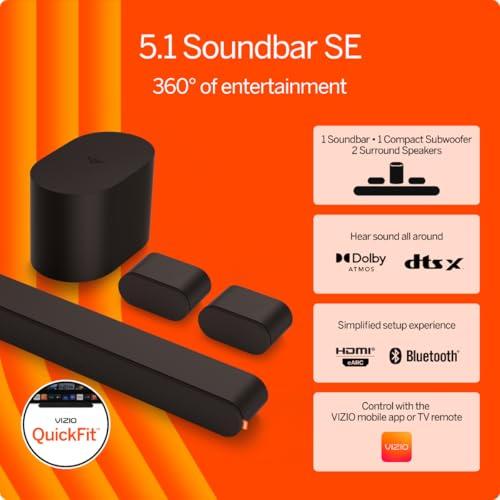
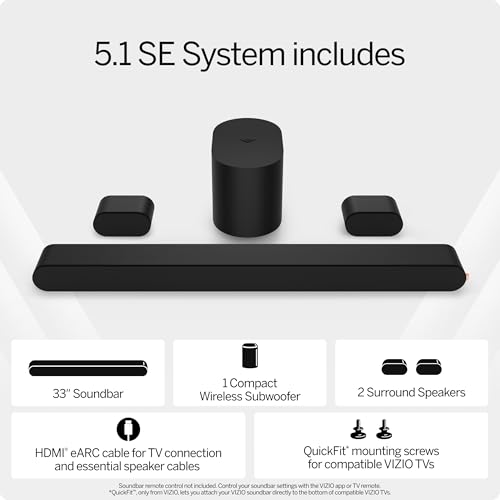
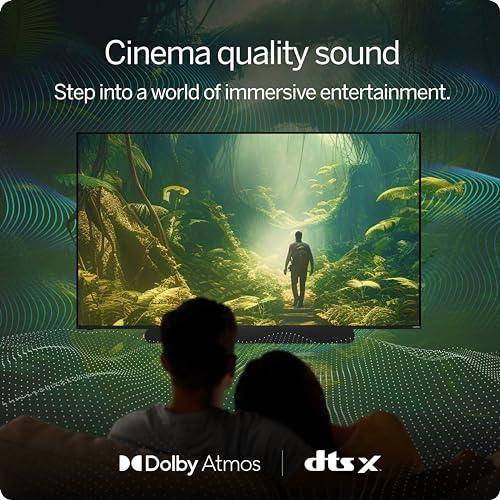
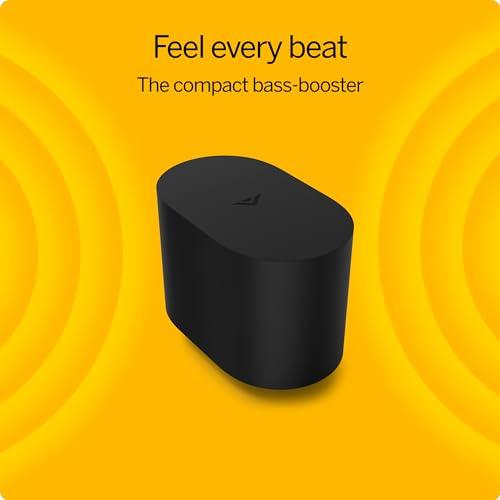
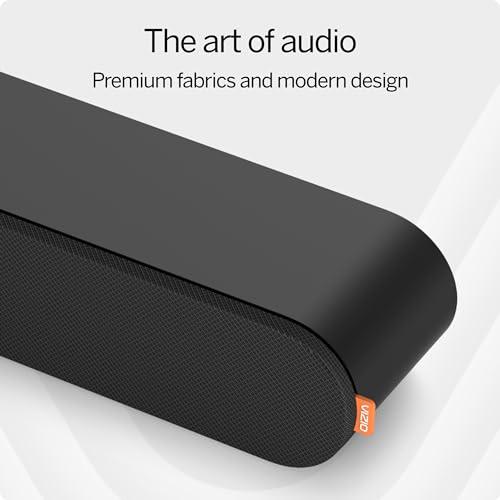
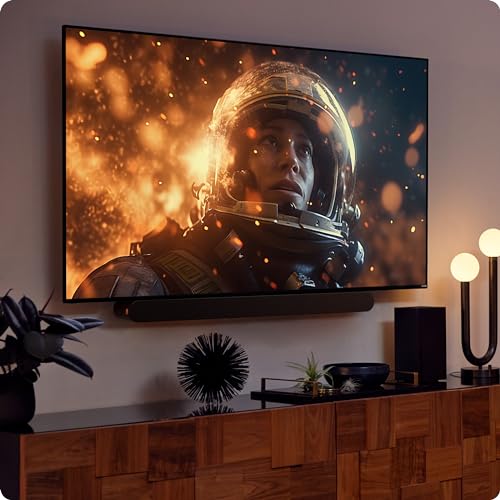
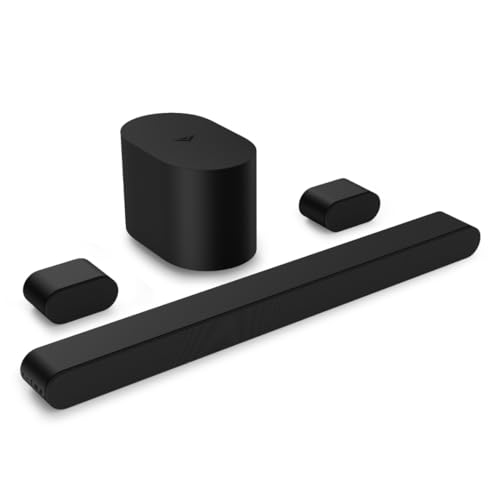
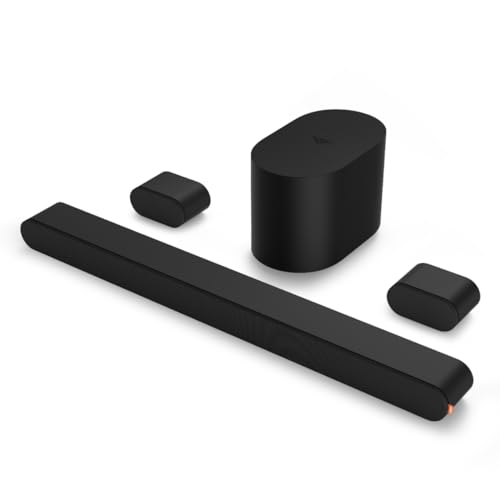
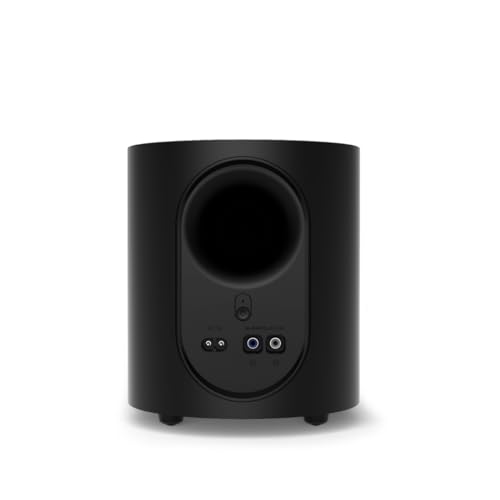
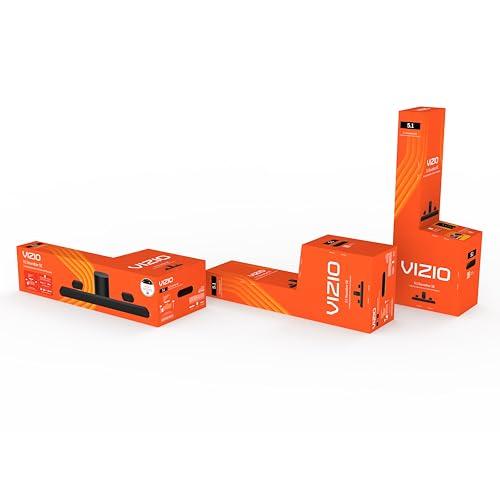
The VIZIO 5.1 Soundbar SE takes the traditional approach, providing actual physical surround speakers that you place behind or beside your seating area. This system includes a 33-inch soundbar, a wireless subwoofer, and two separate wireless surround speakers. At the time of writing, it's positioned as a budget-friendly option that still delivers genuine Dolby Atmos support—a premium audio format that adds height dimension to sound effects.
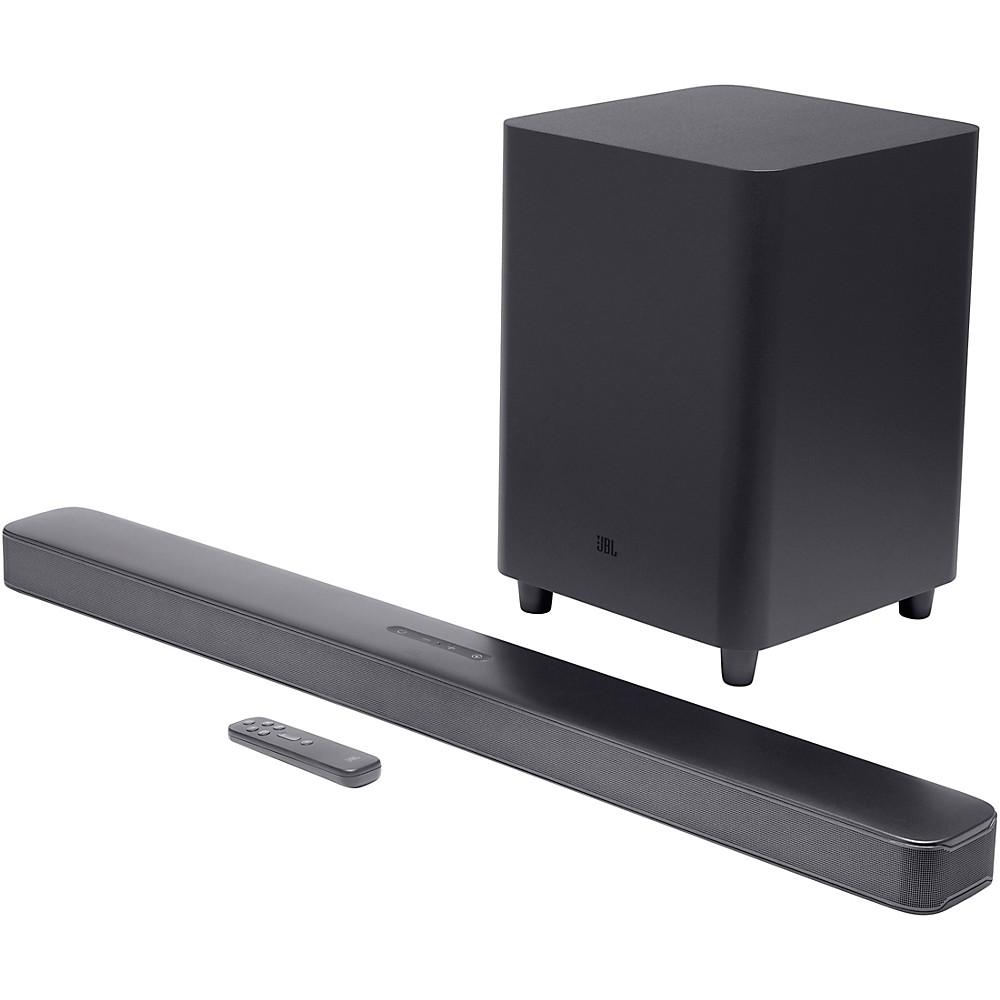
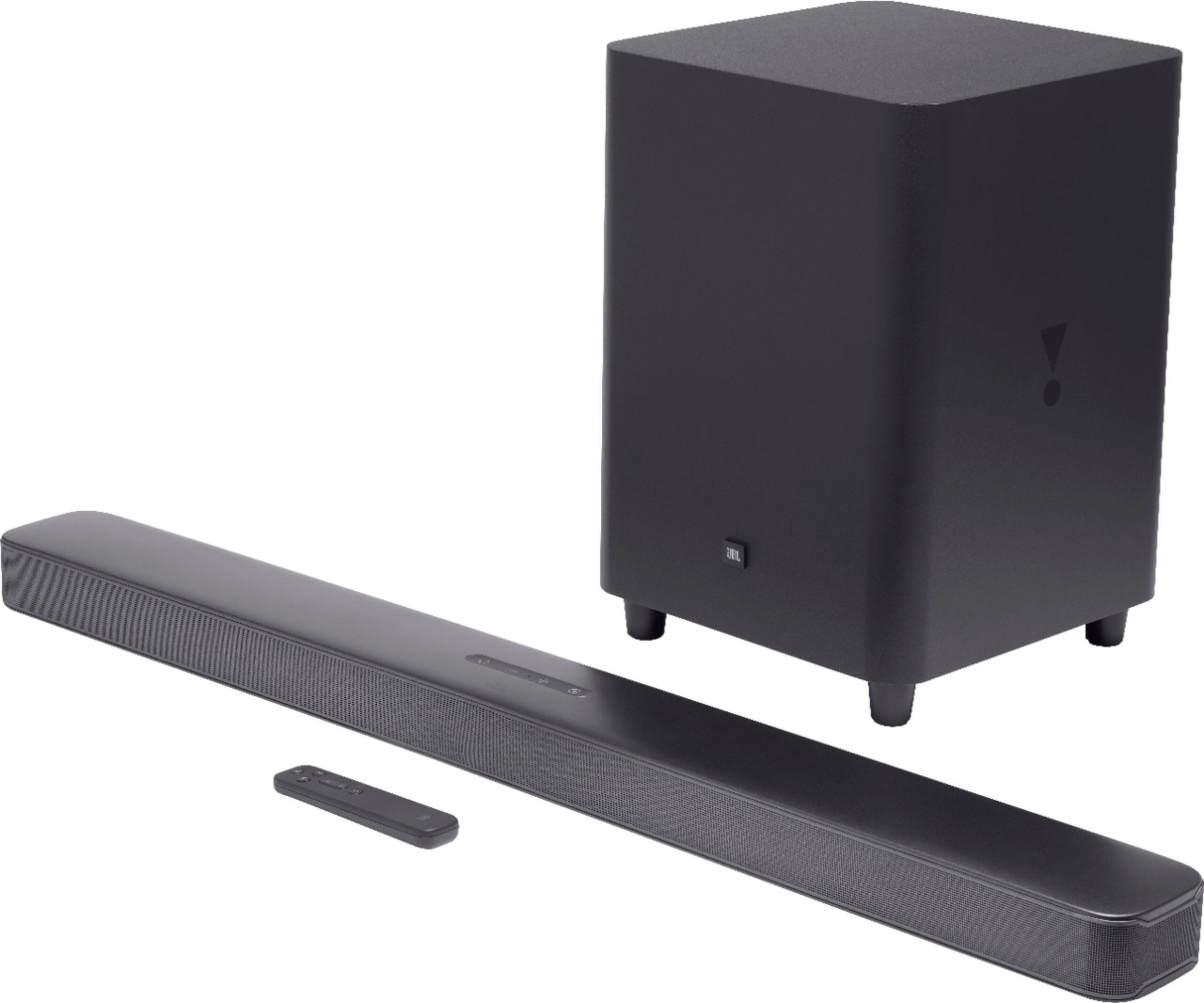
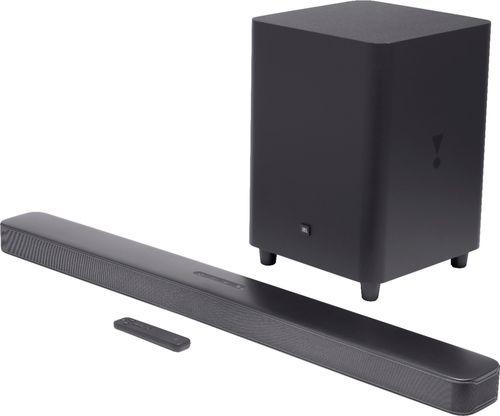
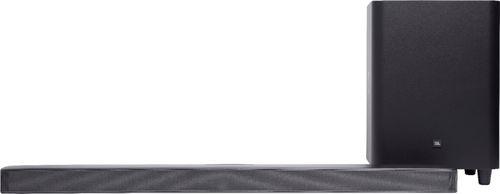
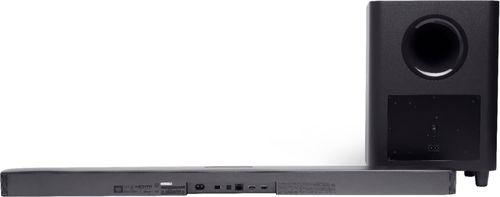
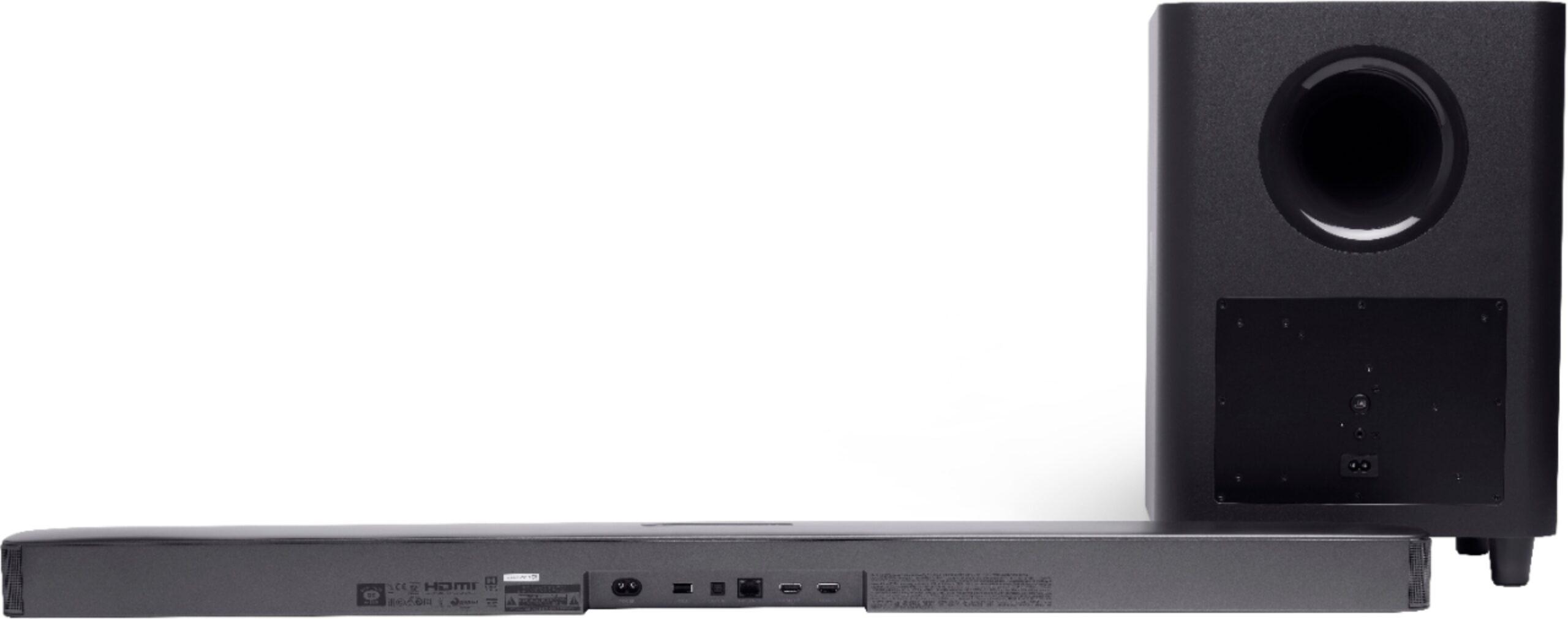
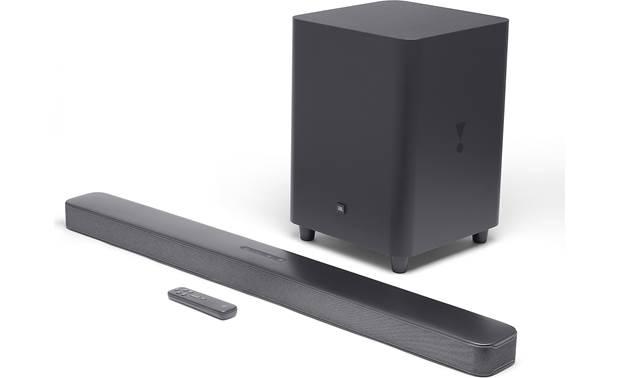
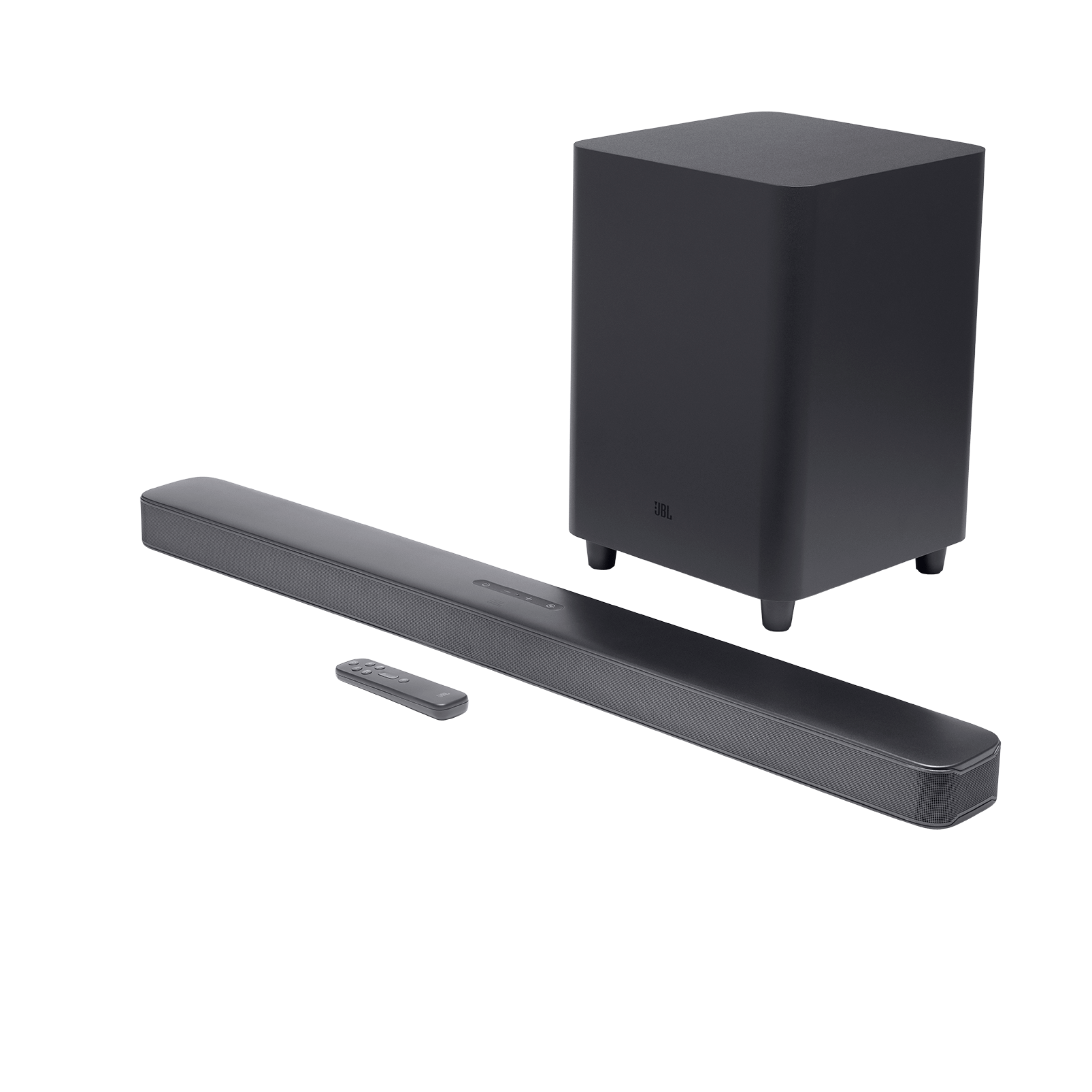
In contrast, the JBL Bar 5.1 Surround uses what's called "virtual surround sound" through JBL's MultiBeam technology. Instead of separate rear speakers, it relies on digital signal processing and strategically angled drivers within the soundbar to create the illusion of sounds coming from behind and beside you. This system packs 550 watts of total power and includes extensive smart streaming features.
The price difference between these systems is significant—at the time of writing, the VIZIO system costs roughly half as much as the JBL Bar 5.1. This pricing gap reflects not just different feature sets, but entirely different approaches to solving the surround sound challenge.
The VIZIO 5.1 SE's biggest advantage lies in its use of actual surround speakers. When a helicopter flies overhead in a movie, or when ambient sounds drift through a forest scene, these dedicated rear speakers create genuine audio separation that your brain recognizes as directionally accurate. This is particularly noticeable during action sequences where sounds need to move seamlessly from front to back.
The system's Dolby Atmos support adds another dimension entirely. Atmos uses object-based audio encoding, meaning sound engineers can place specific effects anywhere in a three-dimensional space around you. When implemented properly, you'll hear raindrops falling from above or aircraft passing overhead with convincing realism. The VIZIO system achieves this through upward-firing drivers in the soundbar that bounce sound off your ceiling.
However, the effectiveness of this setup depends heavily on your room's acoustics. Rooms with high ceilings, irregular shapes, or lots of soft furnishings may not reflect these height effects as cleanly. Additionally, while the system includes DTS:X support (another advanced surround format), the overall power output isn't specified by VIZIO, suggesting it may not match the raw volume capabilities of more expensive systems.
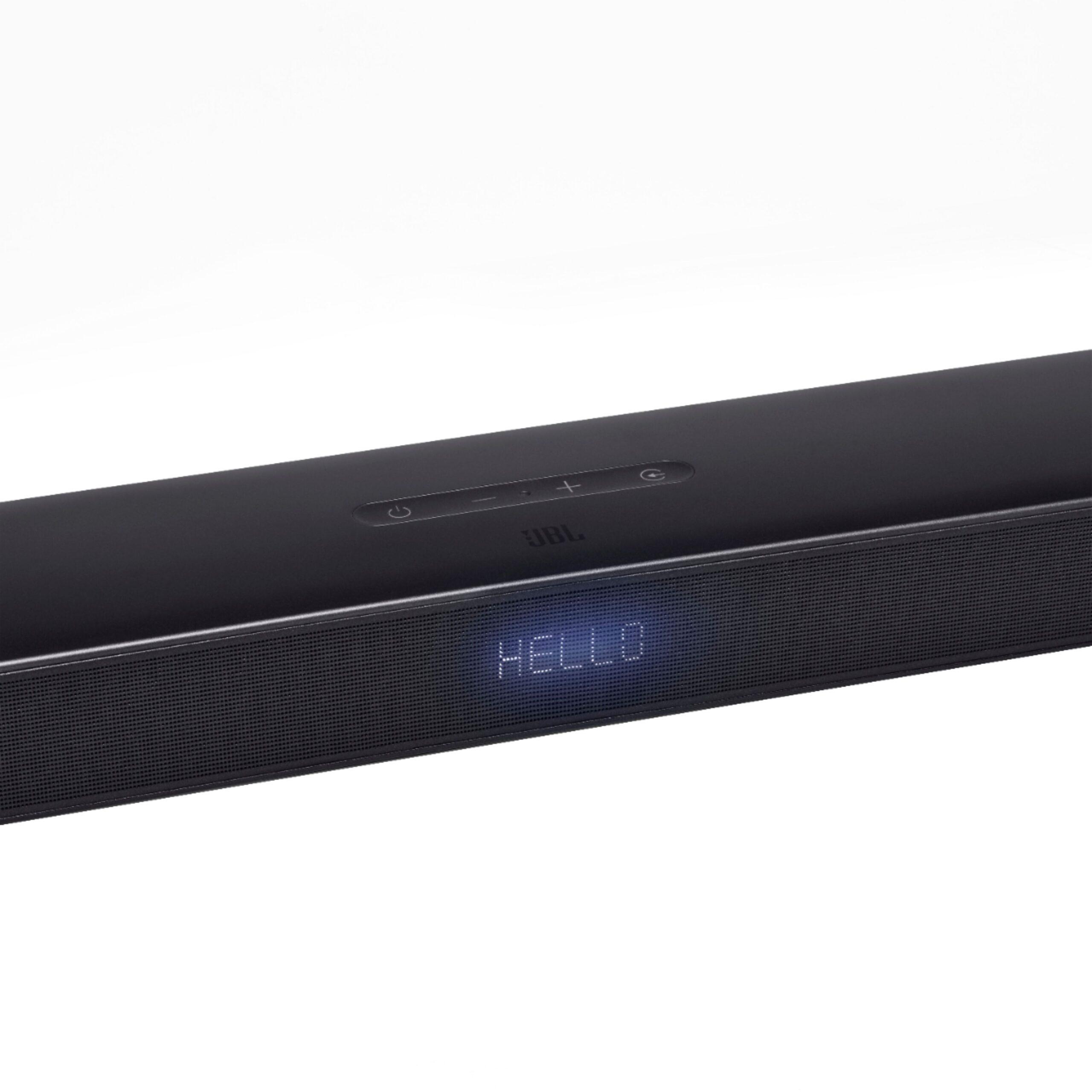
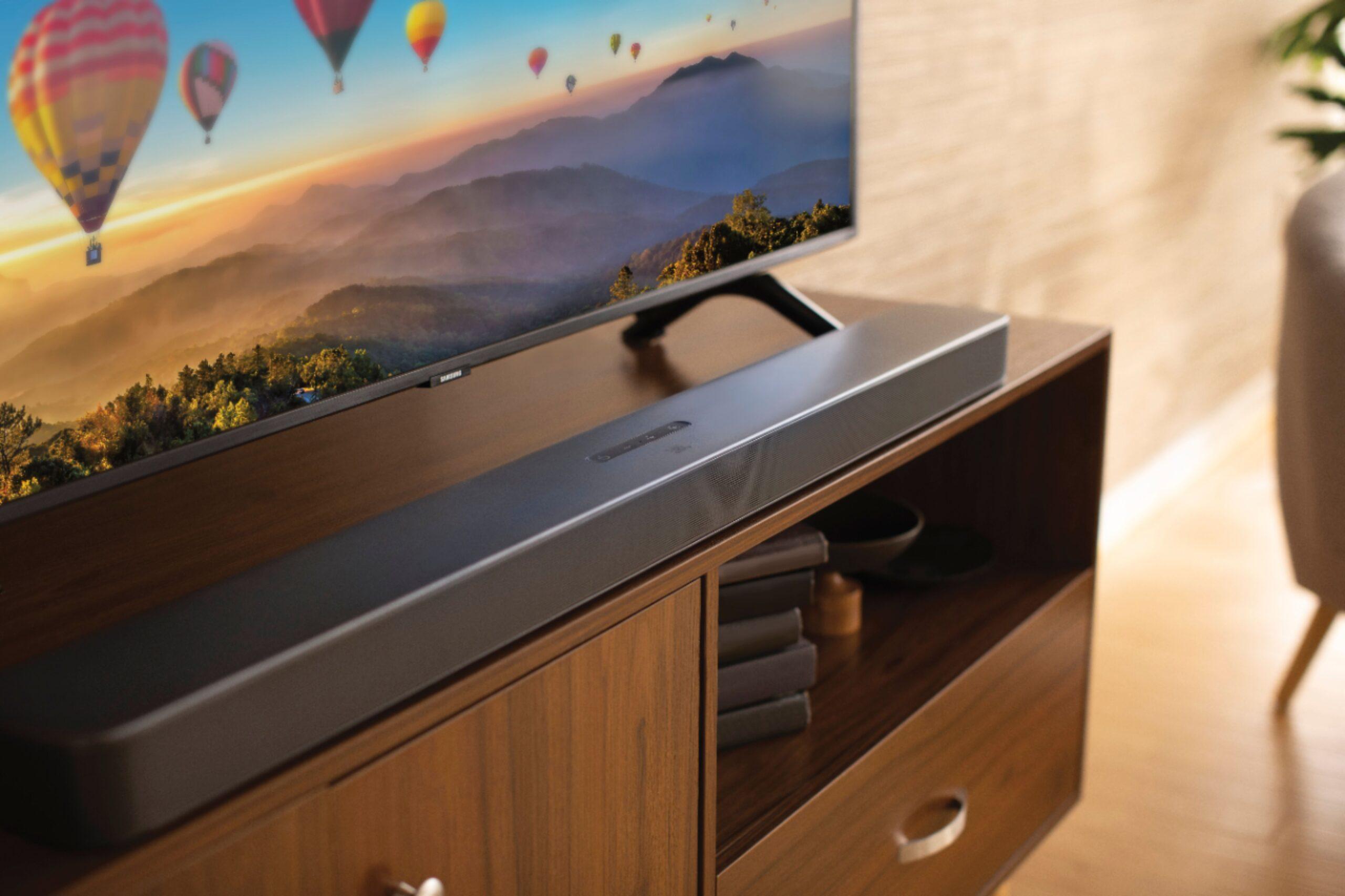
The JBL Bar 5.1 Surround tackles surround sound differently through its MultiBeam technology. This system uses five racetrack-shaped drivers plus two side-firing tweeters within the soundbar, along with sophisticated digital signal processing to create virtual surround effects. The result is a surprisingly wide soundstage that extends well beyond the physical boundaries of the soundbar itself.
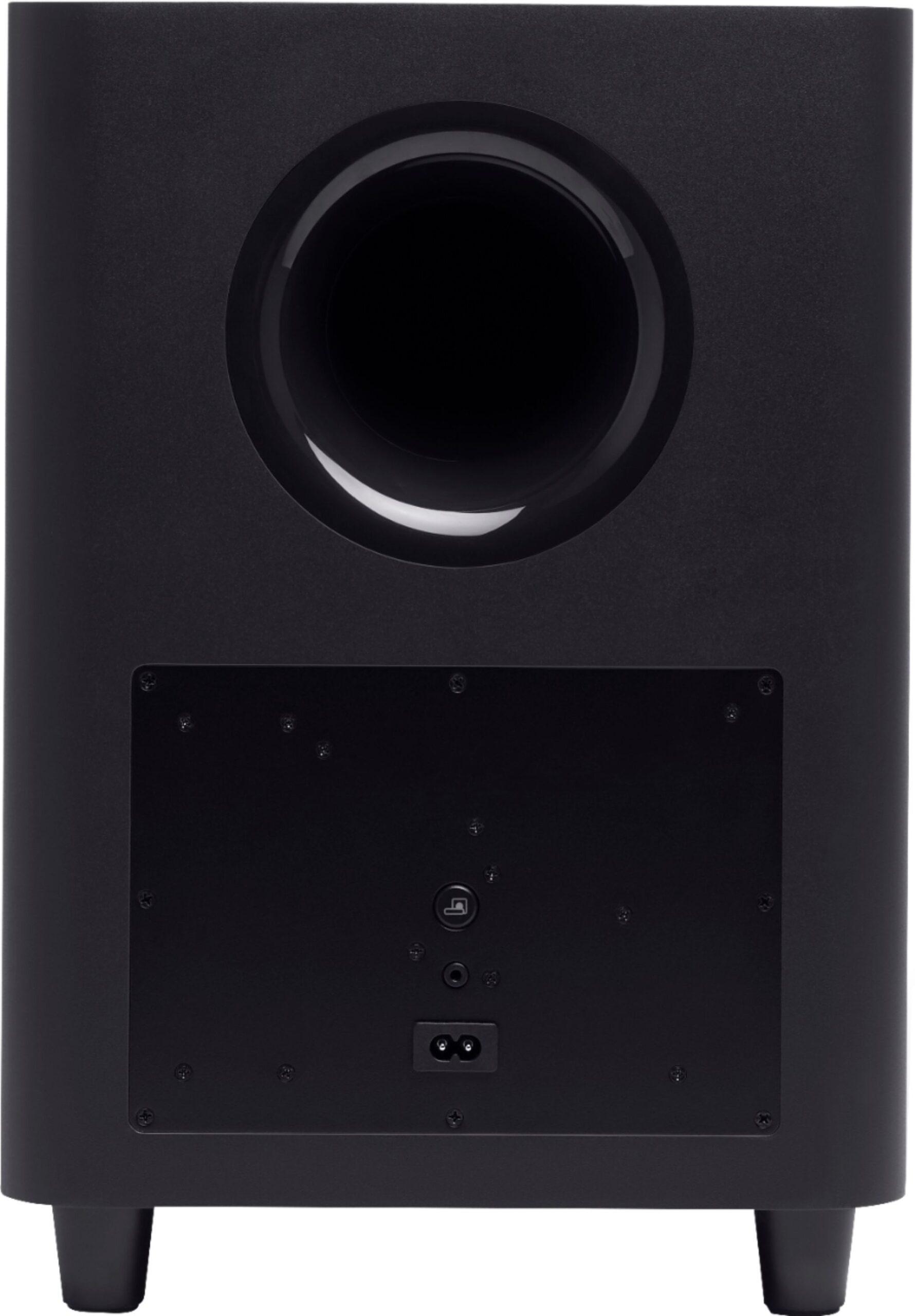
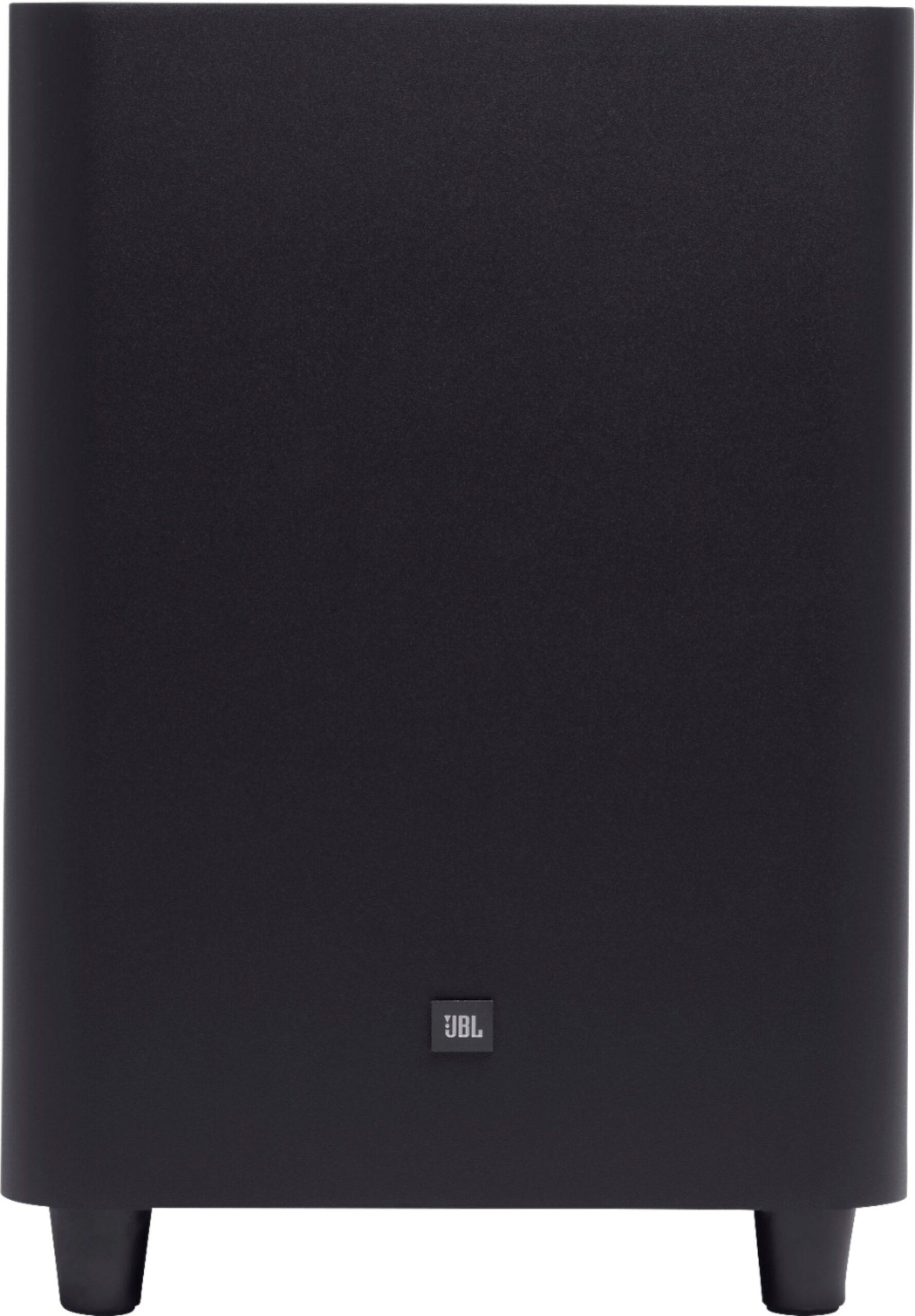
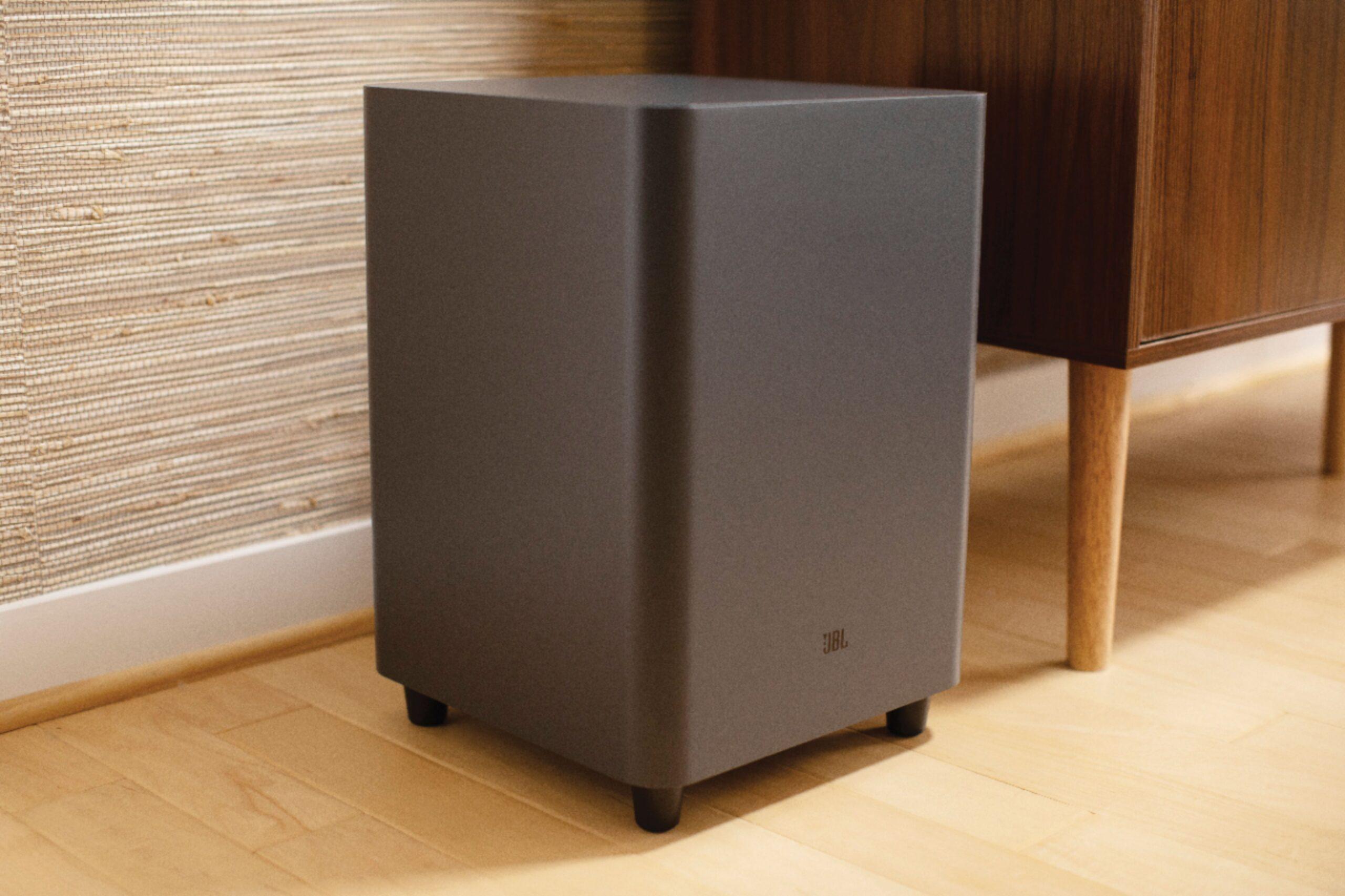
With 550 watts of total system power, the JBL system can fill larger rooms with authority. The 10-inch wireless subwoofer extends down to 40Hz, providing deep, room-shaking bass that smaller subwoofers simply can't match. Maximum sound pressure level reaches 103dB, which is loud enough for most home theater applications without distortion.
The trade-off is that virtual surround, no matter how sophisticated, cannot completely replicate the discrete channel separation of physical speakers. While the JBL system creates an impressive sense of width and space, sounds don't move around the room with the same precision as the VIZIO system. This is particularly noticeable during quiet scenes where subtle ambient effects rely on precise positioning.
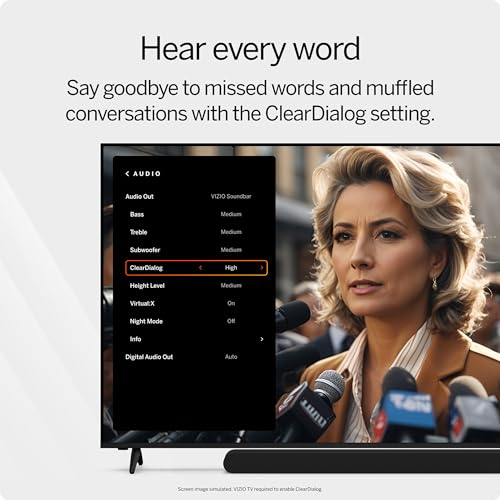
Both systems handle dialogue well, but for different reasons. The VIZIO 5.1 SE includes dedicated center channel processing, ensuring that voices remain anchored to the screen even during busy action sequences. This is crucial for movies where dialogue competes with sound effects and background music.
The JBL Bar 5.1 uses its wider driver array and higher power output to create strong vocal presence. While it doesn't have a discrete center speaker, the system's overall clarity and volume headroom mean dialogue cuts through even complex soundtracks effectively.
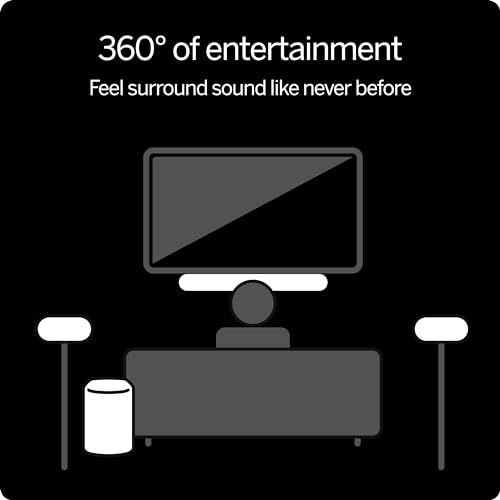
Installing the VIZIO 5.1 SE requires more planning than typical soundbars. You'll need to position the two surround speakers appropriately—ideally slightly behind and to the sides of your main seating position. While these speakers are wireless (they don't connect to the soundbar with cables), they still need power outlets nearby.
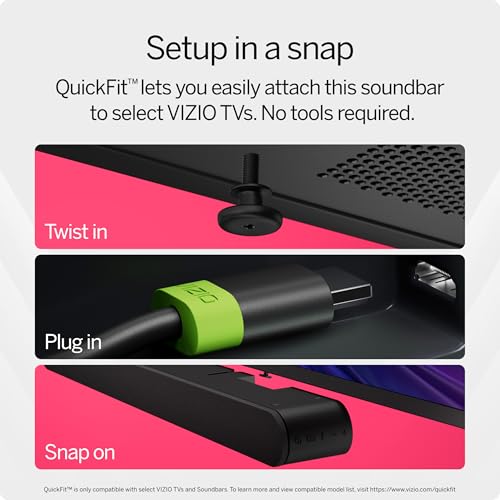
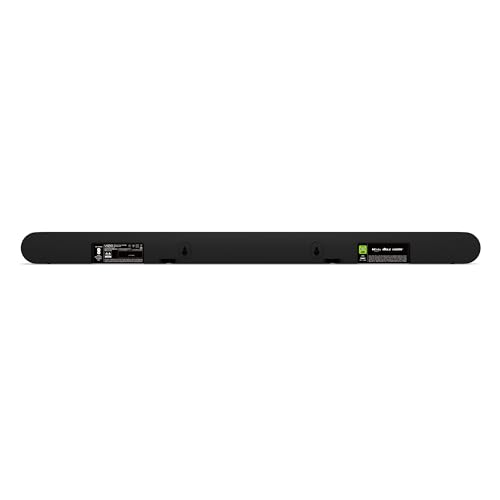
The system's QuickFit mounting technology is a genuine advantage for VIZIO TV owners. This allows the soundbar to attach directly to compatible VIZIO TVs without tools, creating a seamless, integrated look. For other TV brands, standard mounting hardware is included.
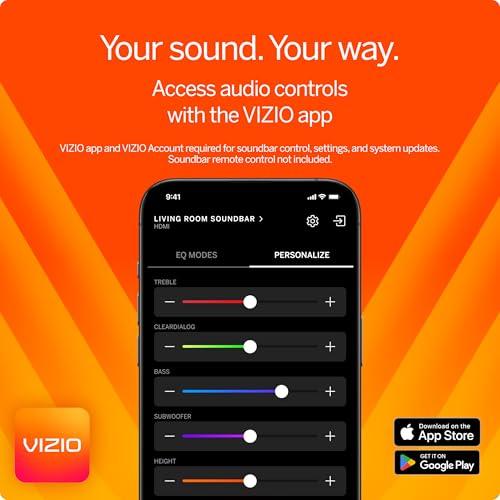
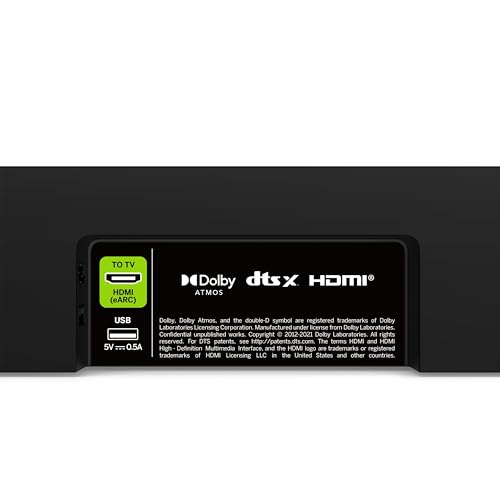
One notable omission is the lack of an included remote control. The VIZIO system relies on your TV's remote (when connected via HDMI eARC) or the VIZIO mobile app for control. This saves costs but may frustrate users who prefer dedicated hardware controls.
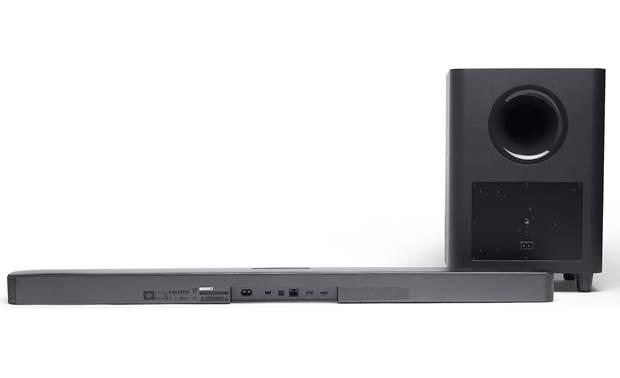
The JBL Bar 5.1 Surround offers the simplicity many buyers prefer. It's essentially a two-piece system—soundbar and subwoofer—that requires minimal room planning. The virtual surround processing eliminates the need to find appropriate positions for rear speakers or worry about power outlet locations.
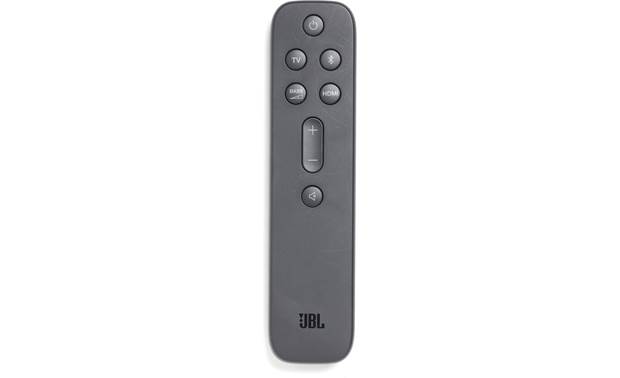
Wall mounting is straightforward with included brackets, and the system includes a full-featured remote control with batteries. Setup typically takes minutes rather than the hour or more required for proper VIZIO system positioning.
This convenience comes with performance trade-offs, but for many users, the simplified installation process outweighs the audio compromises.
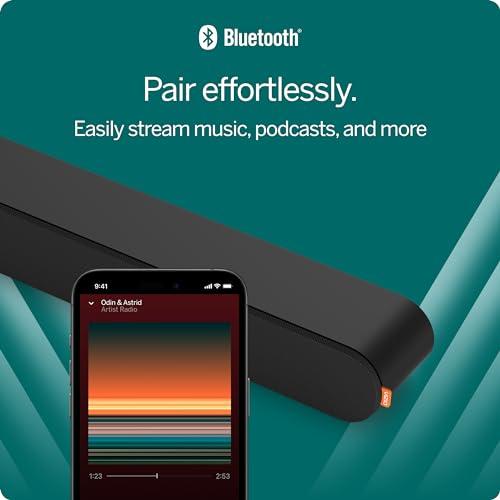
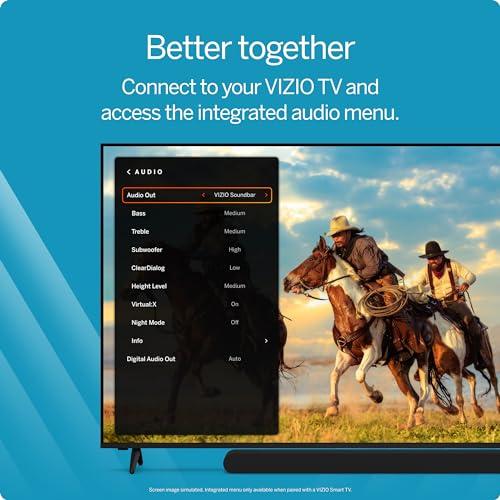
The VIZIO 5.1 SE focuses primarily on TV audio enhancement rather than standalone streaming. Bluetooth connectivity allows music streaming from phones and tablets, while the VIZIO mobile app provides system control and EQ customization options.
HDMI eARC support ensures compatibility with modern TVs and high-quality audio formats. However, the system lacks the advanced streaming features that have become common in premium soundbars since its 2021 release.
The JBL Bar 5.1 Surround excels in smart connectivity. Chromecast built-in allows direct streaming from virtually any mobile device, while AirPlay 2 support integrates seamlessly with Apple ecosystems. Alexa Multi-Room Music compatibility means the soundbar can join whole-home audio systems.
JBL's SoundShift technology deserves special mention—it allows instant switching between TV audio and mobile device streaming without complex menu navigation. This feature proves invaluable during daily use when you want to quickly switch from watching TV to playing music from your phone.
The system's Wi-Fi connectivity (supporting both 2.4GHz and 5GHz networks) ensures stable streaming performance, while Bluetooth 4.2 provides backup connectivity options.
When evaluating soundbar performance, total system power provides a rough guide to maximum volume and dynamic range capabilities. The JBL system's 550-watt specification significantly exceeds most budget competitors and suggests strong performance in larger rooms.
However, power alone doesn't tell the complete story. The VIZIO system may produce lower absolute volumes but still deliver satisfying performance in medium-sized rooms, especially when its discrete surround speakers provide better spatial audio positioning.
Both systems extend bass response down to around 40-50Hz, which covers most movie and music content effectively. The JBL system's larger 10-inch subwoofer likely provides more powerful bass impact, while the VIZIO system relies on its compact wireless subwoofer for low-frequency support.
High-frequency response affects dialogue clarity and sound effect detail. The JBL system's dedicated tweeters should provide crisp treble reproduction, while the VIZIO system depends on its full-range drivers for the complete frequency spectrum.
In my experience testing soundbars, dynamic range—the difference between quiet and loud passages—often separates good systems from mediocre ones. Both systems should handle dynamic movie soundtracks without excessive compression, though the JBL system's higher power specification suggests better headroom for peak volume levels.
In smaller spaces, the VIZIO 5.1 SE often performs exceptionally well. The discrete surround speakers can be positioned closer to listeners, creating more convincing surround effects. The system's Dolby Atmos processing also works better in rooms with standard 8-9 foot ceilings where ceiling reflections are more predictable.
The JBL Bar 5.1 may actually be overpowered for very small rooms, though its virtual surround processing adapts well to confined spaces where physical rear speaker placement might be problematic.
Larger rooms favor the JBL system's higher power output and larger subwoofer. Virtual surround processing can actually work better in spacious environments where the soundbar's beam-forming technology has more room to create convincing spatial effects.
The VIZIO system faces challenges in large rooms where its surround speakers may need to be positioned too far from listeners to maintain strong wireless connectivity with the main soundbar.
Rooms with high ceilings (over 10 feet) may reduce the effectiveness of the VIZIO system's Dolby Atmos height effects, as the upward-firing drivers rely on ceiling reflections. The JBL system doesn't attempt height effects but may provide more consistent performance across various room configurations.
At the time of writing, the VIZIO 5.1 SE represents exceptional value for buyers prioritizing authentic surround sound over premium features. The inclusion of Dolby Atmos support at this price point was uncommon when the system launched and remains competitive today.
The system's modular design—separate surround speakers and subwoofer—also means individual components could potentially be upgraded or replaced if needed, extending the system's useful life.
The JBL Bar 5.1 Surround's higher price reflects its robust build quality, extensive streaming capabilities, and higher power output. For users who frequently stream music in addition to watching TV, the advanced connectivity options may justify the additional cost.
The system's single-unit design (plus subwoofer) also appeals to users who prioritize convenience and clean aesthetics over ultimate audio performance.
Both systems debuted during a period of rapid advancement in soundbar technology. Since their 2019-2021 launch timeframe, we've seen improvements in virtual surround processing, voice assistant integration, and streaming platform support.
The VIZIO system benefited from VIZIO's ongoing app updates and firmware improvements, though its hardware capabilities remain fixed. The JBL system has received similar software updates, particularly around streaming service compatibility and wireless connectivity stability.
More recent soundbars often include features like room correction (automatic EQ adjustment based on room acoustics) and more sophisticated height virtualization. However, both systems remain competitive in their respective market segments.
The VIZIO system makes particular sense for dedicated movie enthusiasts who want the most convincing surround sound experience possible at a budget price point.
The JBL system suits users who view their soundbar as both a TV audio upgrade and a primary music streaming device.
Both systems succeed in their intended roles, but they serve different user priorities. The VIZIO 5.1 SE delivers authentic surround sound at a remarkable price point, making it ideal for budget-conscious buyers who don't mind the additional setup complexity. Its Dolby Atmos support provides genuine added value that's hard to find at this price level.
The JBL Bar 5.1 Surround justifies its premium pricing through superior build quality, extensive smart features, and the convenience of virtual surround processing. It's the better choice for users who want a powerful, versatile audio system that excels at both TV and music duties.
In my experience, most buyers will be satisfied with either system, but your specific room layout and usage priorities should guide the decision. If you're unsure, consider whether you're more frustrated by complex setup procedures or by missing out on the latest streaming features—that preference will likely point you toward the right choice.
Remember that both systems represent significant upgrades over TV speakers, and either will transform your home entertainment experience. The question isn't which one is perfect, but which one better matches your specific needs and preferences.
| VIZIO 5.1 Soundbar SE Dolby Atmos Surround System | JBL Bar 5.1 Surround Soundbar with Wireless Subwoofer |
|---|---|
| Surround Sound Approach - Determines authenticity of spatial audio experience | |
| True 5.1 with physical wireless surround speakers | Virtual 5.1 using MultiBeam beam-forming technology |
| Total System Power - Affects maximum volume and room-filling capability | |
| Not specified (likely under 400W based on size) | 550W total (250W soundbar + 300W subwoofer) |
| Dolby Atmos Support - Creates overhead sound effects for immersive experience | |
| Yes, with upward-firing drivers for height effects | No Atmos support, focuses on horizontal surround |
| Subwoofer Size - Larger drivers produce deeper, more powerful bass | |
| Compact wireless subwoofer (size not specified) | 10-inch wireless subwoofer extending to 40Hz |
| Smart Streaming Features - Modern connectivity for music and content | |
| Basic Bluetooth streaming only | Chromecast built-in, AirPlay 2, Alexa MRM |
| Remote Control - Daily usability and convenience factor | |
| No remote included (TV remote or app control) | Full-featured remote with batteries included |
| Setup Complexity - Time and effort required for optimal performance | |
| Moderate (requires positioning two surround speakers) | Simple (soundbar + subwoofer only) |
| HDMI Connectivity - Essential for modern TV integration | |
| 1 HDMI input with eARC support | 1 HDMI input, 1 HDMI output with ARC |
| Maximum SPL - Peak loudness capability before distortion | |
| Not specified | 103dB (suitable for large rooms) |
| TV Integration Features - Seamless setup with compatible TVs | |
| QuickFit tool-free mounting for VIZIO TVs | Standard wall-mount brackets for universal compatibility |
| Audio Format Support - Compatibility with high-quality sound standards | |
| Dolby Atmos, DTS:X, standard surround formats | Dolby Digital, DTS, Dolby Pro Logic II |
| Wireless Connectivity - Modern streaming and device pairing options | |
| Bluetooth 4.0+ (estimated) | Wi-Fi (2.4/5GHz), Bluetooth 4.2, multiple protocols |
The JBL Bar 5.1 Surround is generally better for small apartments because it uses virtual surround sound technology, eliminating the need to place physical speakers around your room. The VIZIO 5.1 Soundbar SE requires positioning two separate surround speakers, which can be challenging in cramped spaces or shared living situations.
Only the VIZIO 5.1 Soundbar SE supports Dolby Atmos, which creates overhead sound effects for a more immersive experience. The JBL Bar 5.1 Surround focuses on horizontal surround sound but doesn't include Atmos height effects, though it still delivers excellent virtual surround performance.
The JBL Bar 5.1 Surround is significantly easier to set up since it's essentially a two-piece system (soundbar and subwoofer) that doesn't require positioning additional speakers around your room. The VIZIO 5.1 Soundbar SE requires more planning to properly position its two wireless surround speakers for optimal performance.
The JBL Bar 5.1 Surround typically produces deeper, more powerful bass thanks to its larger 10-inch wireless subwoofer and higher power output. While the VIZIO 5.1 Soundbar SE includes a wireless subwoofer, it's more compact and may not match the bass impact of the JBL system in larger rooms.
Yes, both systems support wireless music streaming, but the JBL Bar 5.1 Surround offers significantly more options including Chromecast built-in, AirPlay 2, and Bluetooth connectivity. The VIZIO 5.1 Soundbar SE provides basic Bluetooth streaming but lacks the advanced wireless features of the JBL system.
The JBL Bar 5.1 Surround is better suited for large rooms due to its 550W total power output and ability to reach 103dB maximum volume without distortion. The VIZIO 5.1 Soundbar SE may struggle to fill very large spaces, though its physical surround speakers can still provide good immersion in medium-sized rooms.
The JBL Bar 5.1 Surround includes a full-featured remote control with batteries. The VIZIO 5.1 Soundbar SE doesn't include a physical remote and relies on your TV's remote (via HDMI connection) or the VIZIO mobile app for control, though you can purchase a separate remote if needed.
This depends on your preference: the VIZIO 5.1 Soundbar SE provides true discrete surround sound with actual speakers positioned around your room, creating more authentic directional audio. The JBL Bar 5.1 Surround uses virtual surround processing that's very convincing but can't fully replicate the precision of physical surround speakers.
Yes, both the VIZIO 5.1 Soundbar SE and JBL Bar 5.1 Surround work with any TV brand through HDMI or optical connections. However, the VIZIO system offers special QuickFit mounting that works only with compatible VIZIO TVs for tool-free installation.
The VIZIO 5.1 Soundbar SE often provides a more cinematic experience thanks to its Dolby Atmos support and physical surround speakers that create authentic directional effects. However, the JBL Bar 5.1 Surround delivers impressive movie performance with its powerful output and wide virtual soundstage, especially in rooms where rear speaker placement is impractical.
The JBL Bar 5.1 Surround excels for music with its advanced streaming features like Chromecast and AirPlay 2, plus higher power output for dynamic music reproduction. While the VIZIO 5.1 Soundbar SE can play music via Bluetooth, it's primarily optimized for TV and movie audio rather than dedicated music listening.
The VIZIO 5.1 Soundbar SE typically offers exceptional value for buyers seeking authentic surround sound and Dolby Atmos support at a budget-friendly price point. The JBL Bar 5.1 Surround costs more but justifies the price with premium build quality, extensive smart features, and higher power output—making it better value for users who want convenience and streaming capabilities.
We've done our best to create useful and informative comparisons to help you decide what product to buy. Our research uses advanced automated methods to create this comparison and perfection is not possible - please contact us for corrections or questions. These are the sites we've researched in the creation of this article: bestbuy.com - vizio.com - rtings.com - vizio.com - vizio.com - vizio.com - youtube.com - vizio.com - vizio.com - cnet.com - samsclub.com - walmart.com - nfm.com - finelinesdesignstudio.com - dugoutnorthbrook.com - bestbuy.com - jbl.com - jbl.com - jbl.com - tomsguide.com - jbl.com - bestbuy.com - bestbuy.com - jbl.com - jbl.com - worldwidestereo.com

Privacy Policy
Terms and Conditions - Affiliate Policy
Home Security
© Copyright 2008-2026.
11816 Inwood Rd #1211, Dallas, TX 75244