



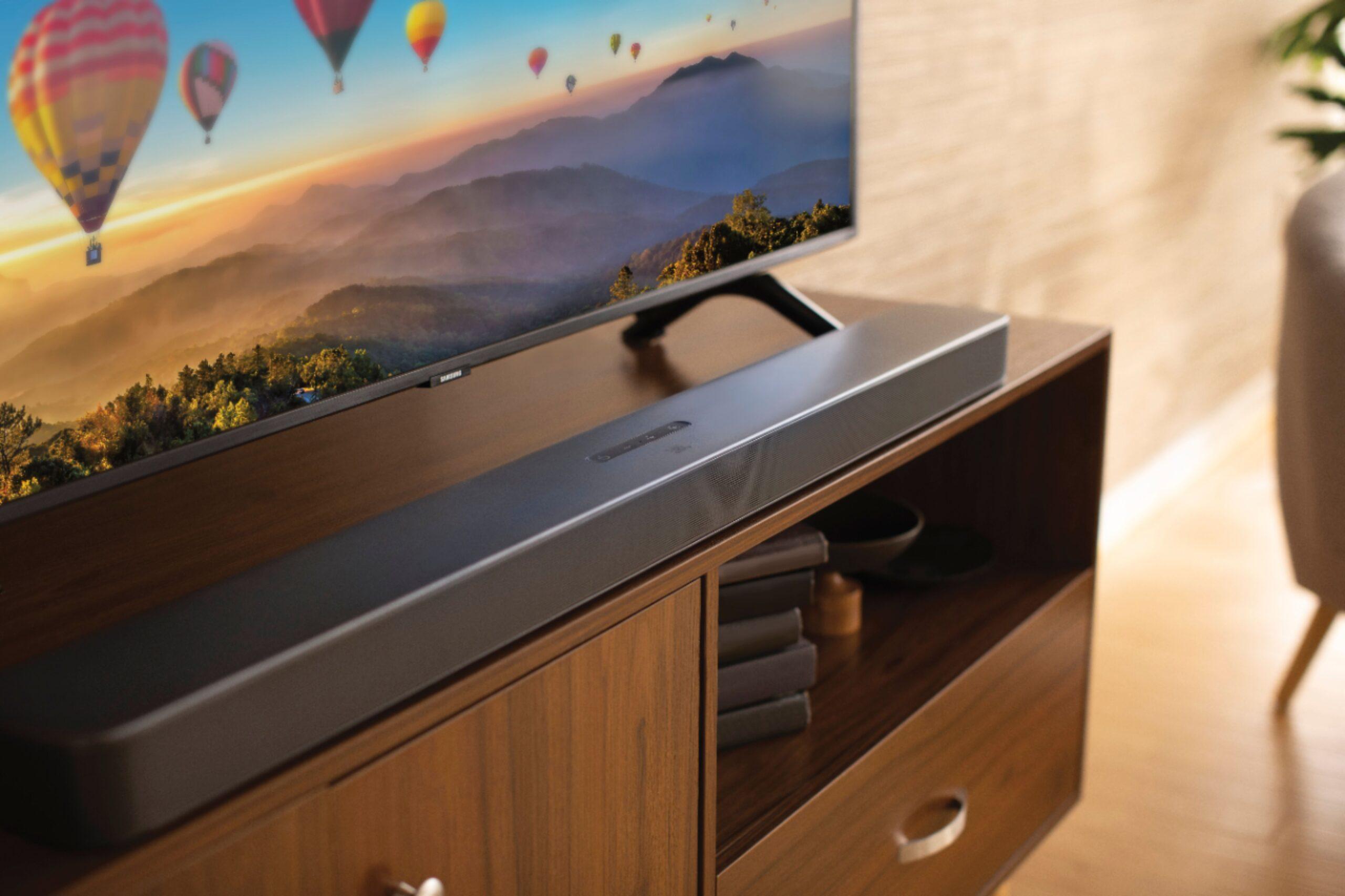
Shopping for a soundbar can feel overwhelming, especially when you're comparing products from completely different price brackets. Today we're diving deep into two soundbars that represent opposite ends of the market: the high-end Devialet Dione and the budget-friendly JBL Bar 5.1. At the time of writing, these products sit about $1,500 apart in price, which raises an important question: does spending significantly more actually get you better sound?
The soundbar market has evolved dramatically since both products launched. The JBL Bar 5.1 arrived around 2019, while the Devialet Dione debuted in 2020 as Devialet's first foray into soundbars. Since then, we've seen major improvements in spatial audio processing, wireless connectivity, and Dolby Atmos implementation. Understanding these technologies helps explain why some soundbars cost so much more than others.
Before comparing specific products, it's worth understanding what separates good soundbars from great ones. The most important factors include audio clarity, bass response, surround sound immersion, connectivity options, and how well they integrate into your living space.
Audio clarity comes down to how cleanly a soundbar reproduces dialogue, music, and sound effects without distortion. This depends heavily on the quality of the drivers (the speakers inside the bar) and the amplification system powering them. Bass response determines how well you feel those explosive movie moments and how full music sounds. Some soundbars build bass drivers directly into the main unit, while others use separate subwoofers.
Surround sound immersion describes how convincingly a soundbar can make you feel like you're in the middle of the action. Traditional surround sound uses multiple speakers placed around the room, but modern soundbars use clever processing tricks to simulate this effect from fewer speakers.
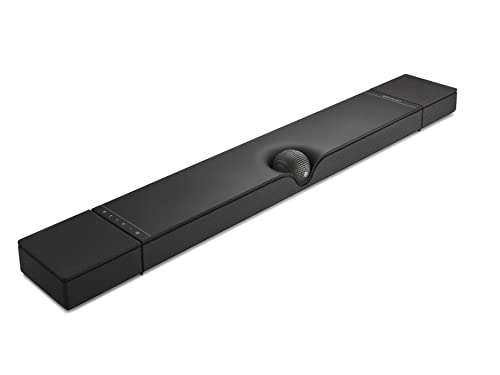
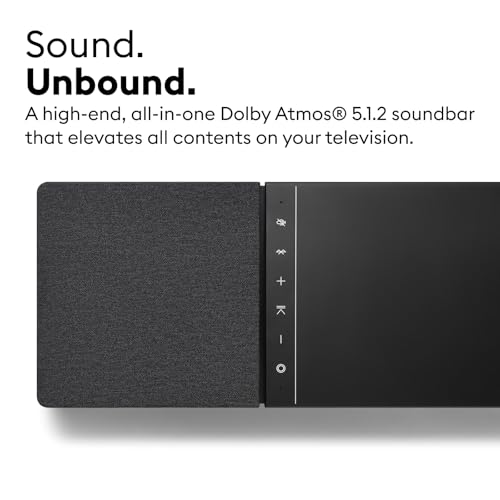
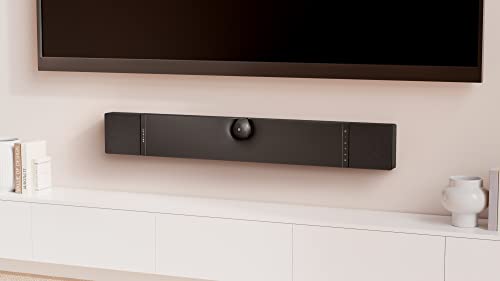
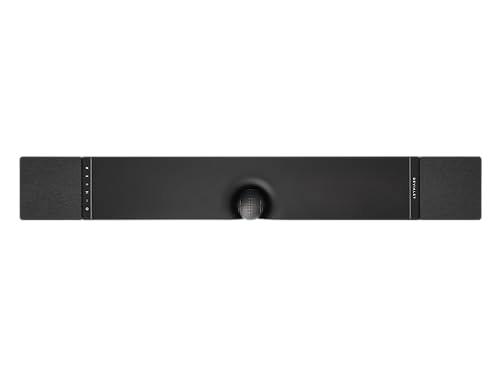
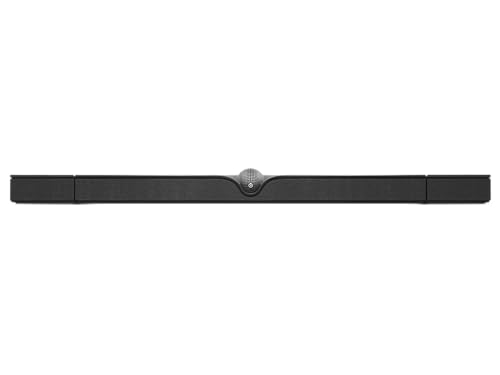
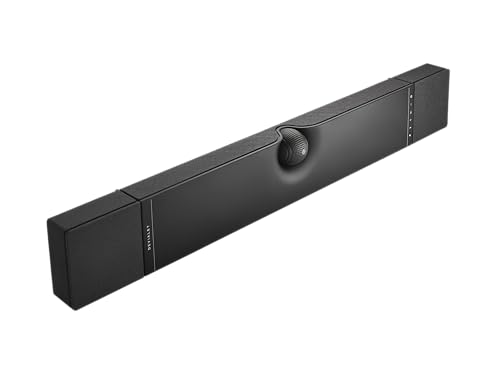
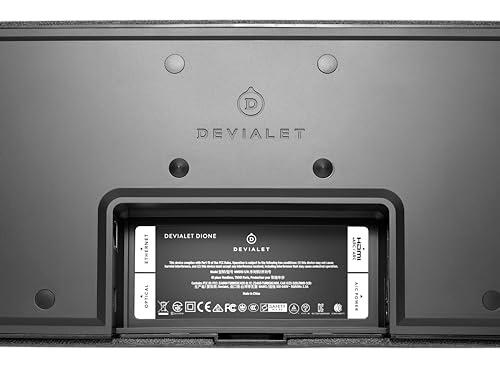
The Devialet Dione represents what happens when a company known for ultra-high-end speakers decides to make a soundbar. Rather than following conventional wisdom about separate subwoofers and rear speakers, Devialet packed everything into a single sleek bar.
At the heart of the Devialet Dione lies an impressive 17-driver array. This includes nine full-range aluminum drivers for midrange and treble sounds, plus eight high-excursion woofers that act as built-in subwoofers. The term "high-excursion" means these bass drivers can move back and forth much further than typical speakers, pushing more air and creating deeper bass notes.
What makes this design special is Devialet's "push-push" configuration. Instead of all the bass drivers pushing air in the same direction, they're arranged so opposing drivers cancel out each other's vibrations within the cabinet. This dramatically reduces unwanted resonance—those buzzy vibrations that can muddy the sound—while allowing the soundbar to produce surprisingly deep bass for its size.
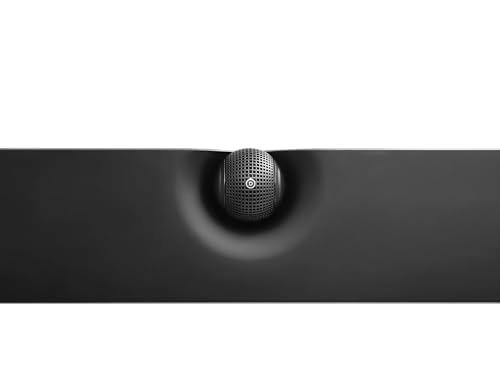
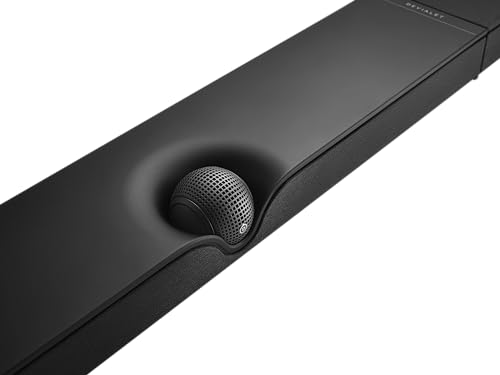
The most visually striking feature is the rotating ORB center channel. This spherical speaker handles dialogue and center-channel effects, and it can physically rotate 180 degrees. When you wall-mount the Devialet Dione, the ORB automatically adjusts to point toward your listening position, ensuring voices always sound clear and properly positioned.
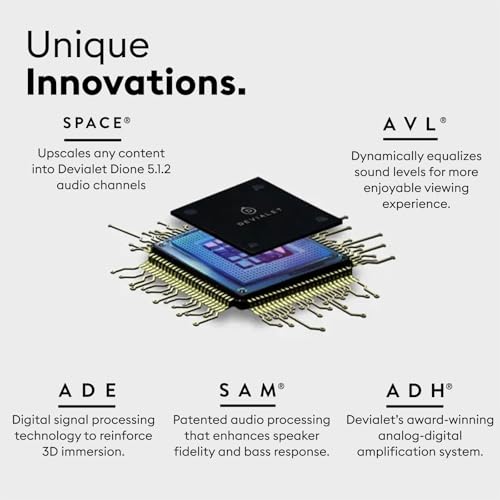
Powering all this is Devialet's ADH (Analog Digital Hybrid) amplification system. Without getting too technical, this combines the pure sound quality of traditional analog amplifiers with the efficiency and power of digital amplifiers. The result is incredibly low distortion—around 0.001%—which means the sound stays clean even at high volumes.
The Devialet Dione also includes several proprietary processing technologies. SAM (Speaker Active Matching) monitors each driver in real-time and prevents them from being pushed beyond their limits, which maintains sound quality and protects the hardware. SPACE technology can take regular stereo content and transform it into a 5.1.2 surround experience, while AVL (Adaptive Volume Level) automatically balances loud action scenes with quiet dialogue so you don't need to constantly adjust the volume.
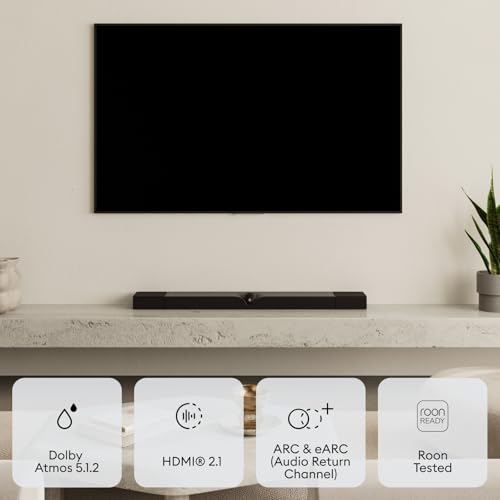
For connectivity, you get HDMI 2.1 with eARC (enhanced Audio Return Channel), which supports the highest quality audio formats including Dolby Atmos. There's also optical input, Ethernet, dual-band Wi-Fi, and support for AirPlay 2 and Spotify Connect.
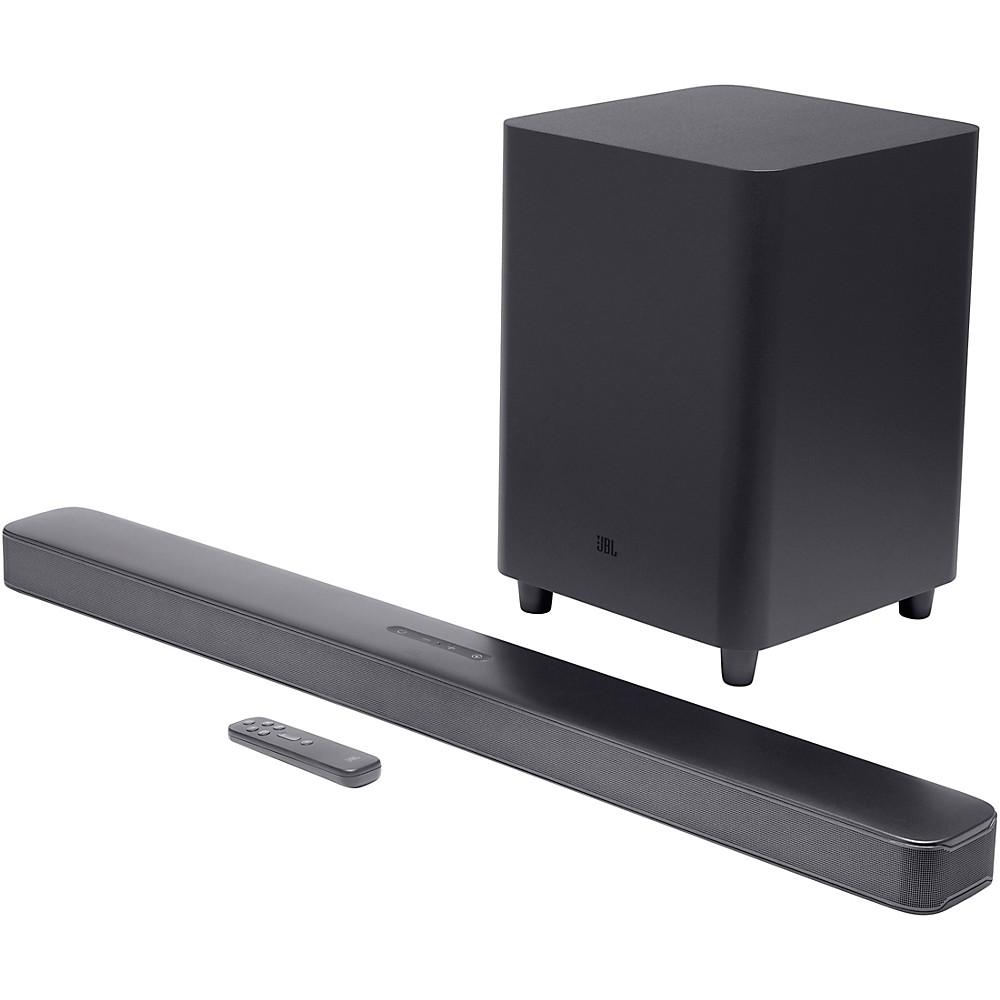
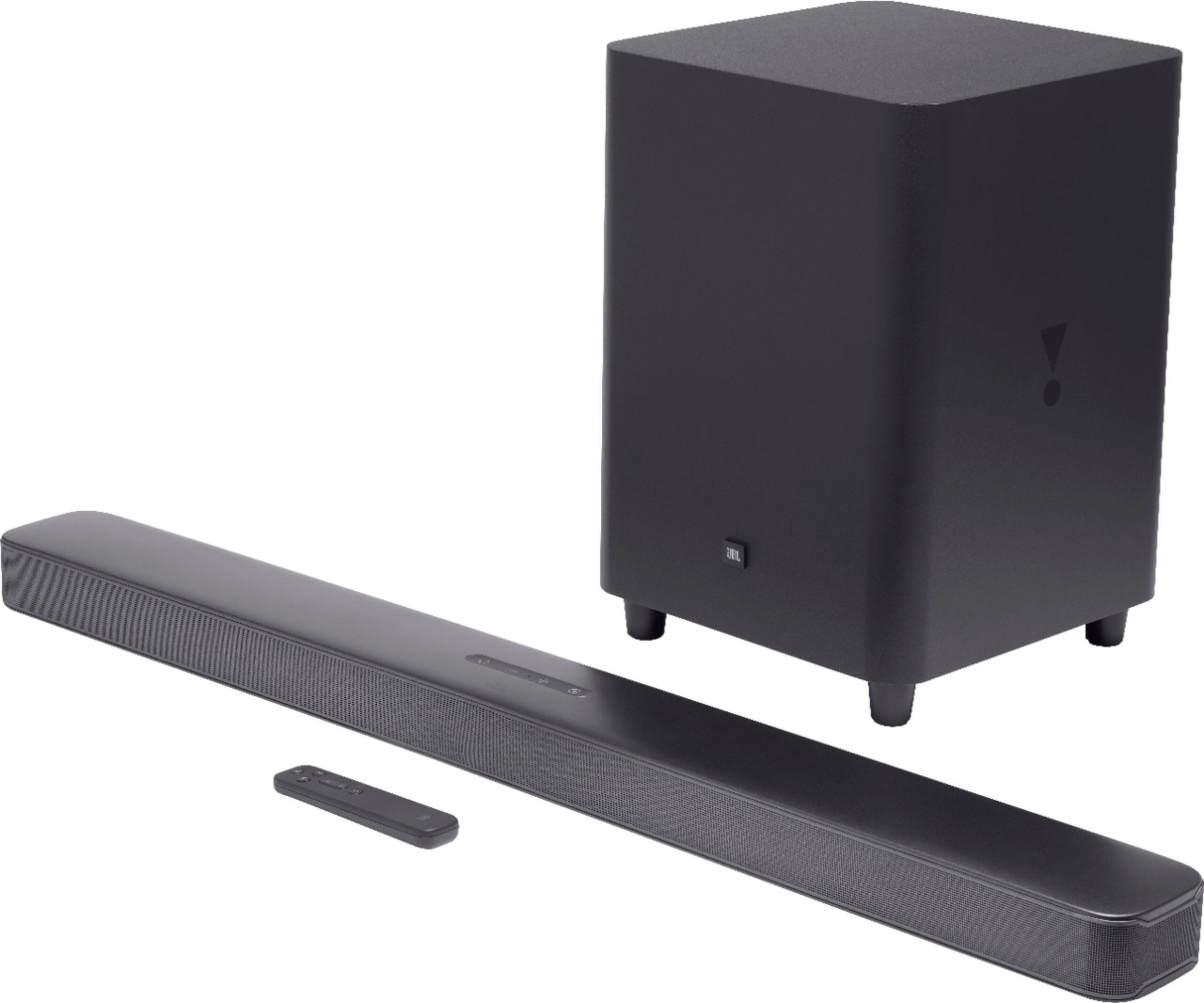
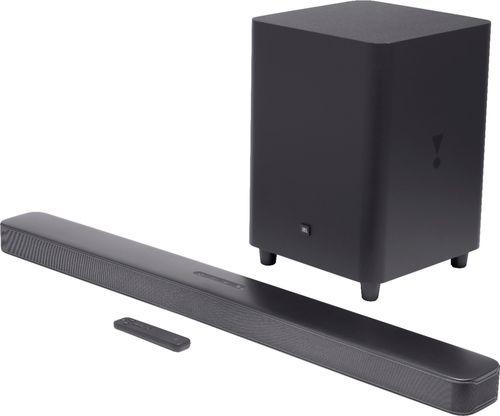
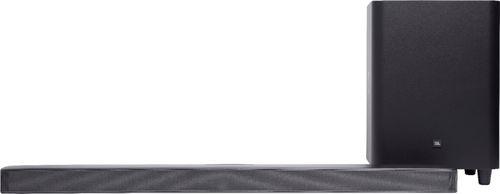
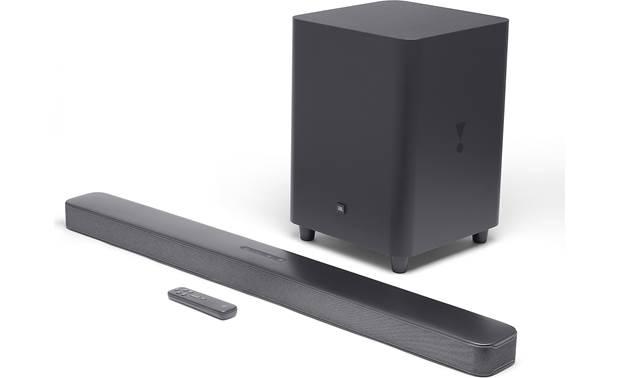
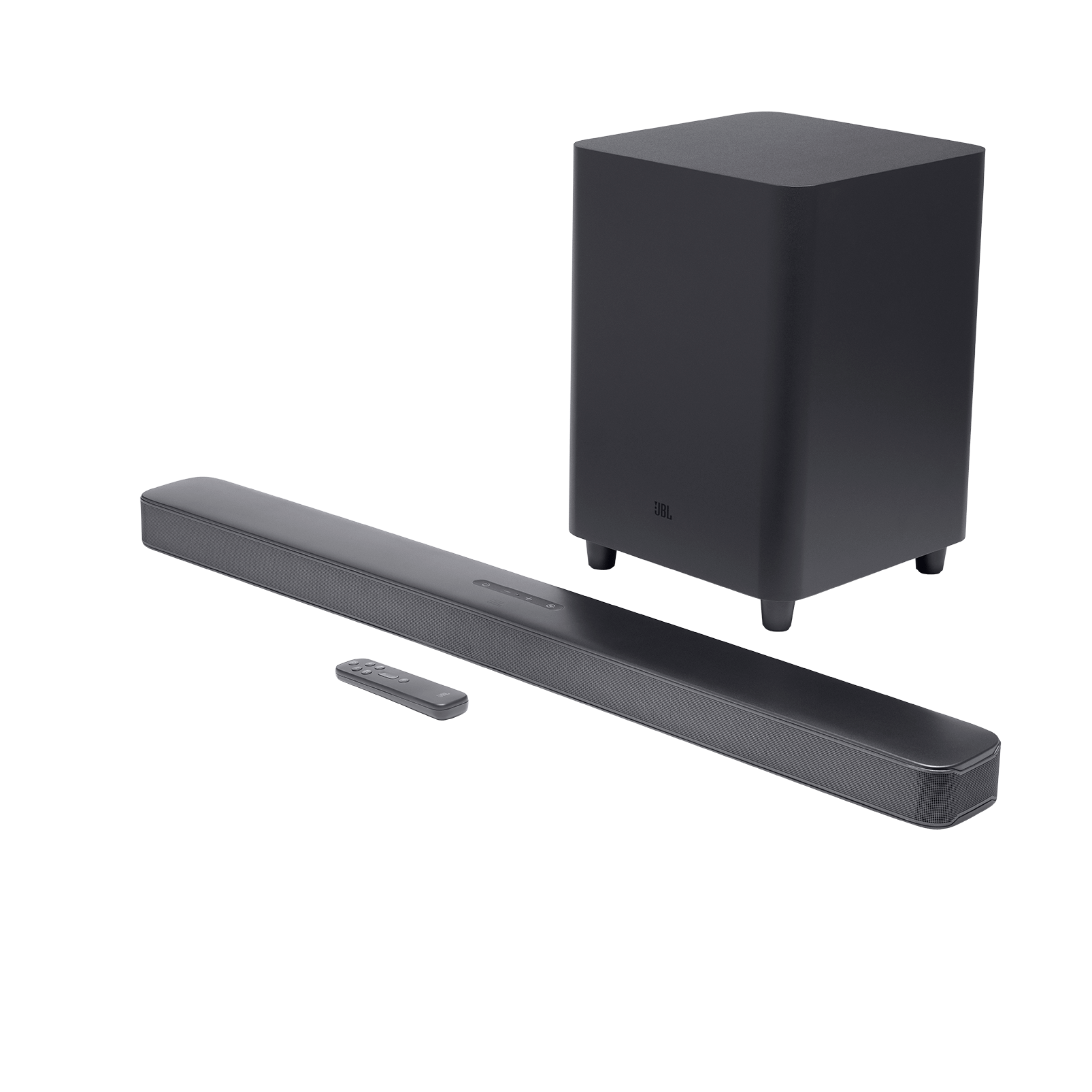
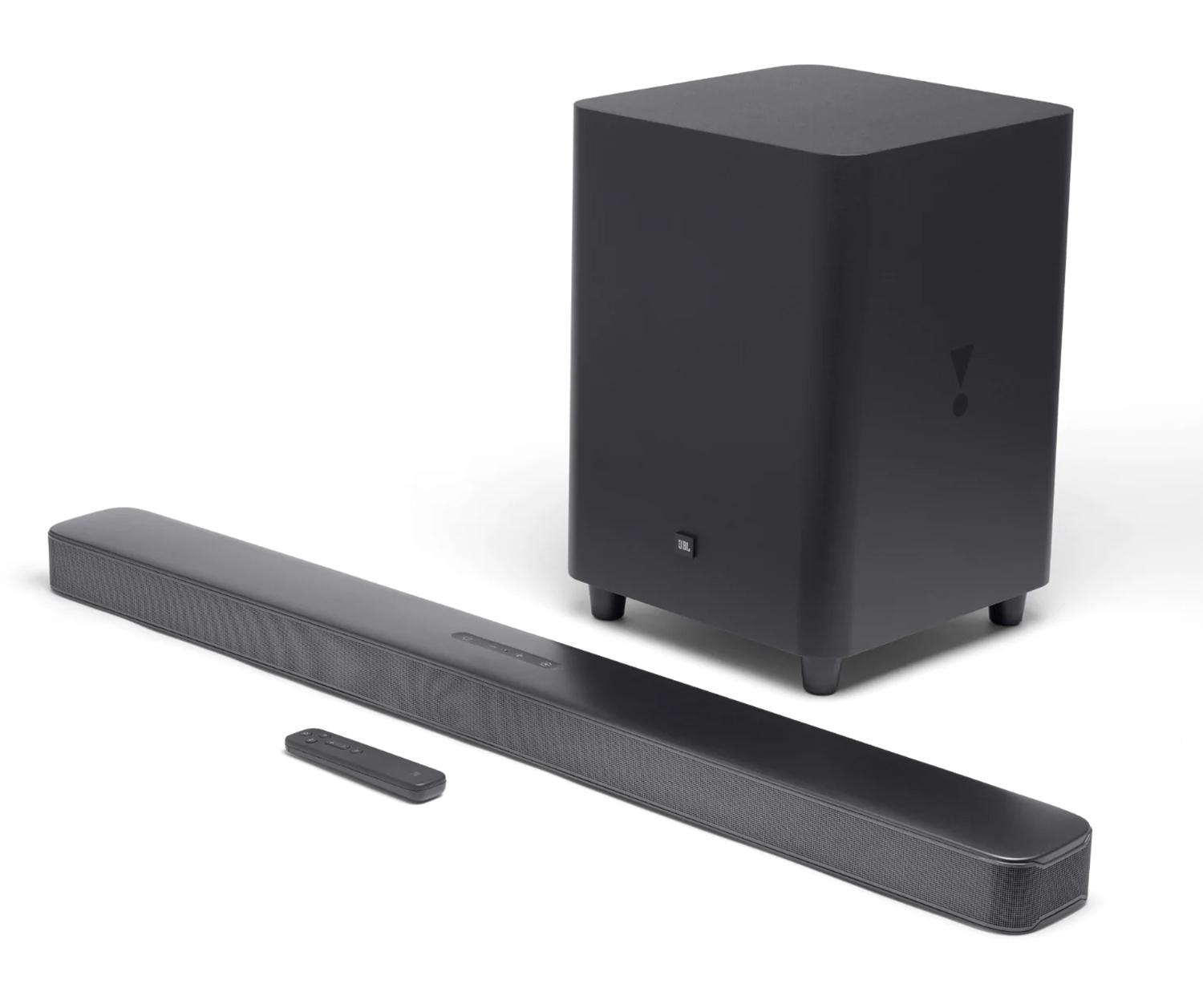
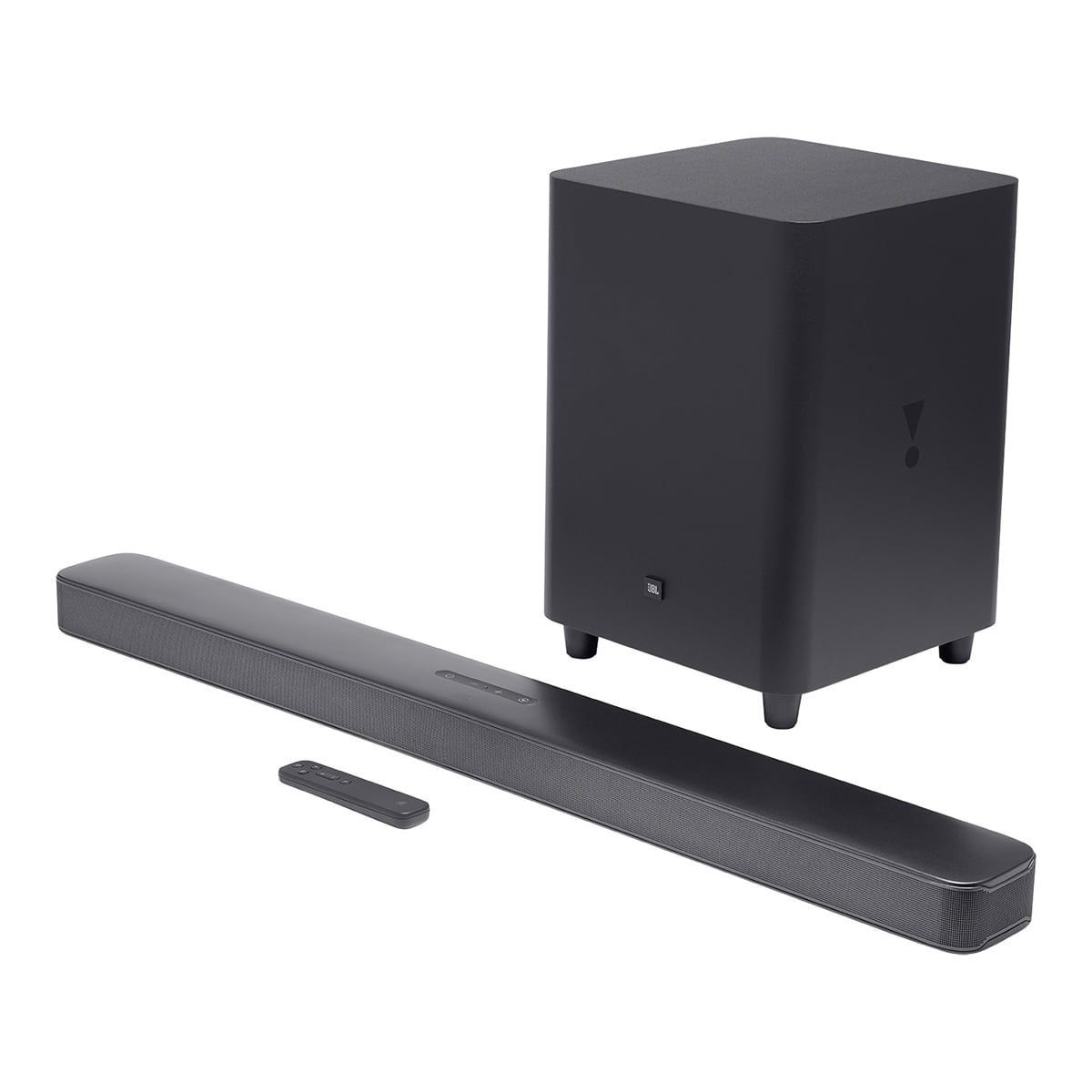
The JBL Bar 5.1 takes a more traditional approach that's been refined over decades of home theater development. Instead of cramming everything into one unit, it uses a main soundbar paired with a separate wireless subwoofer and detachable surround speakers.
This system produces a true 5.1 surround sound setup—five main speakers plus one dedicated subwoofer channel. The main soundbar handles front left, center, and right channels, while two speakers can detach from the ends of the bar to serve as wireless rear surrounds. Each detachable speaker runs on battery power for up to 10 hours, giving you flexibility in placement without worrying about power cables.
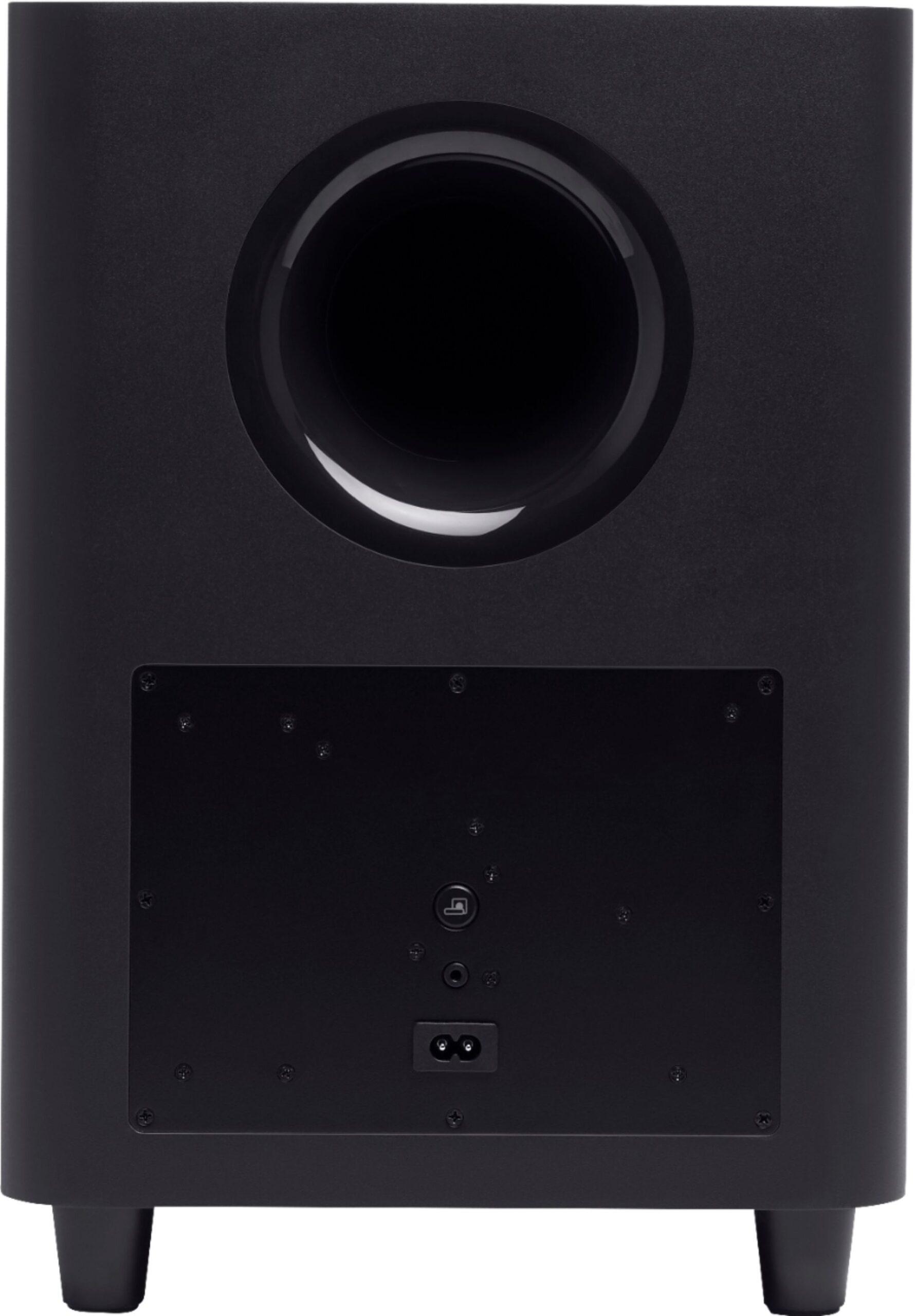
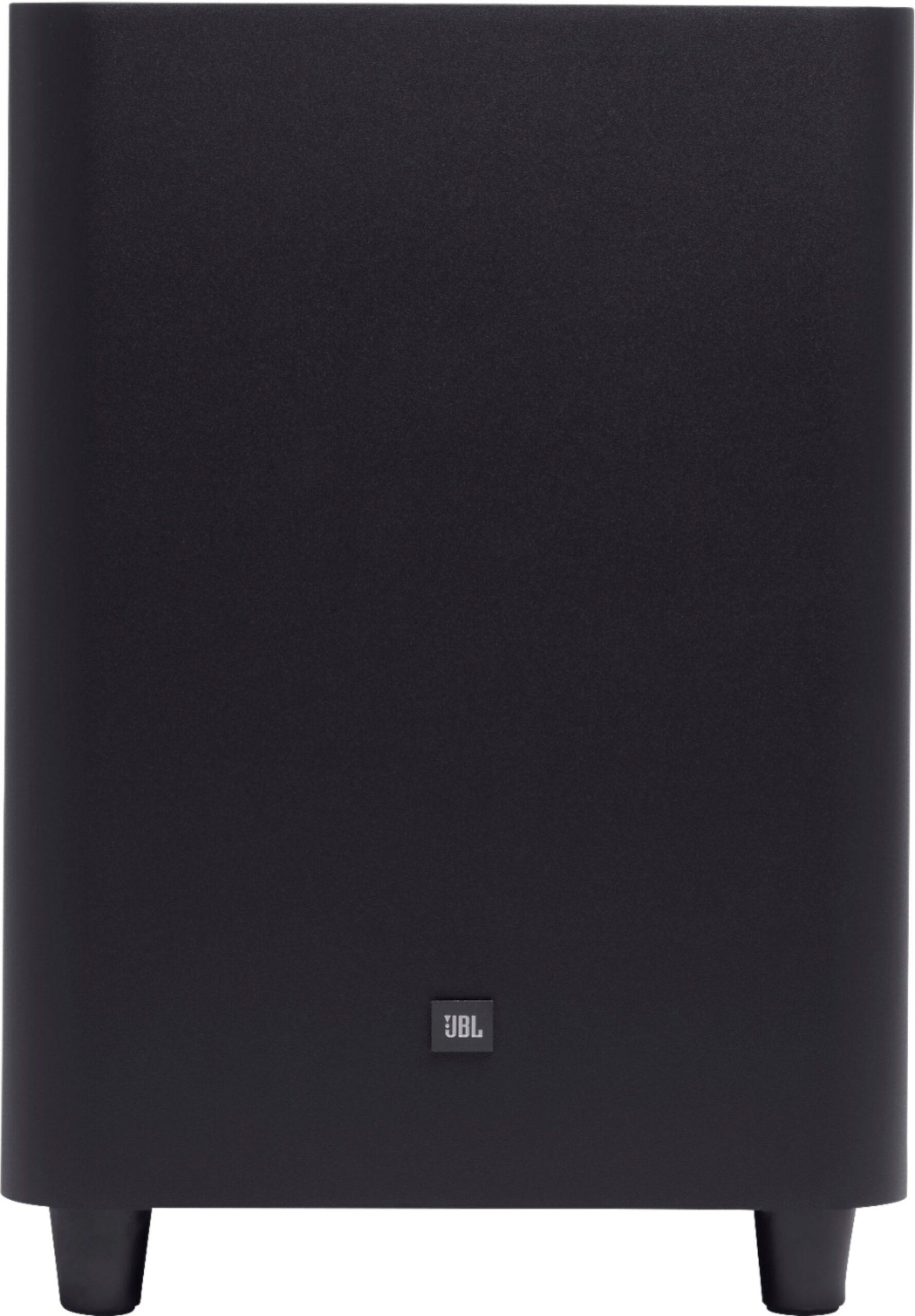
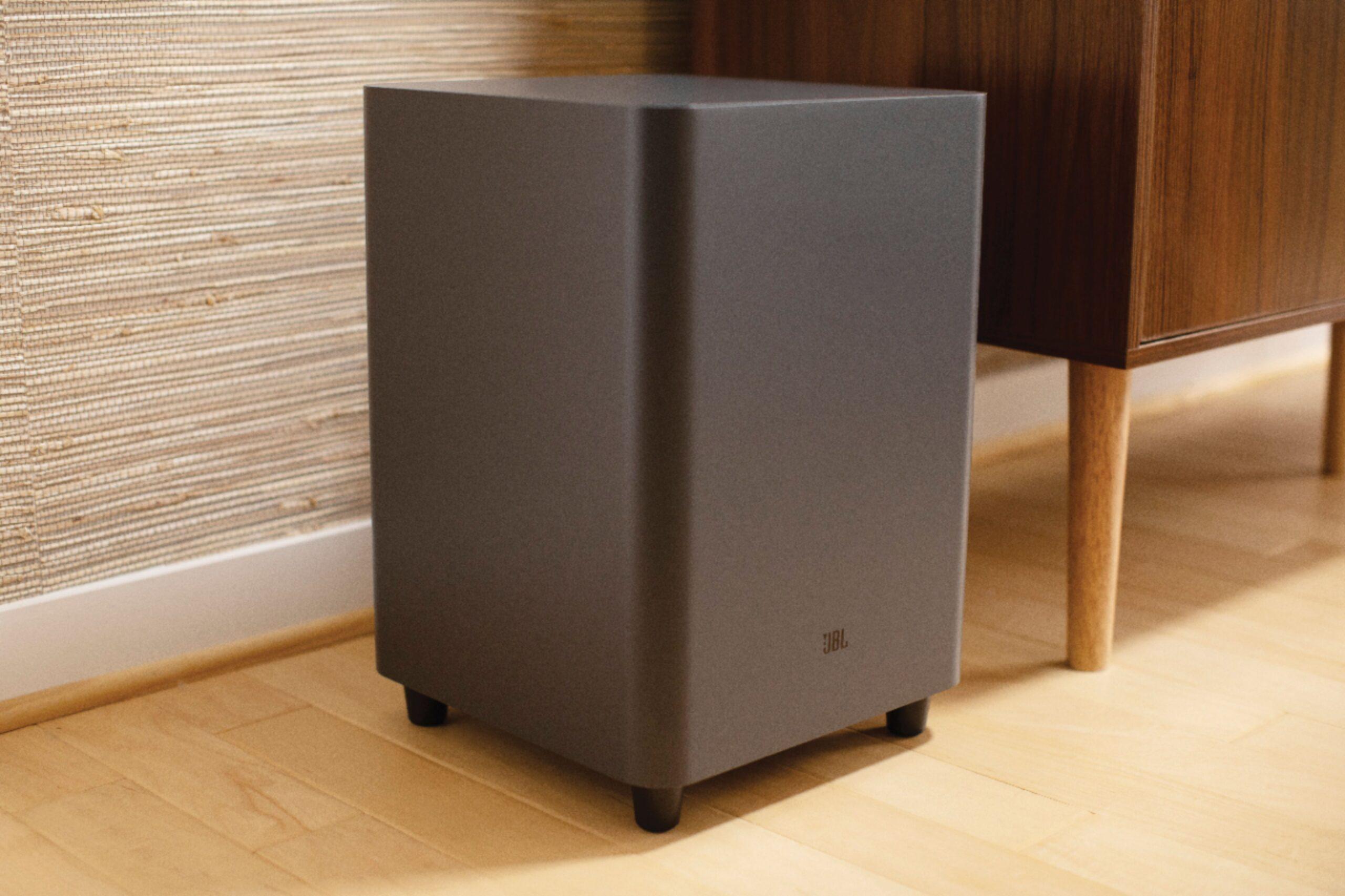
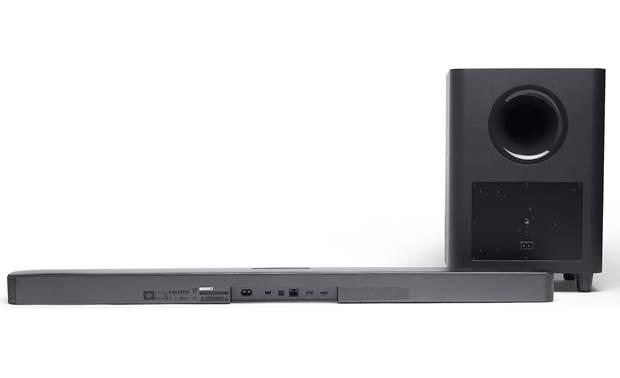
The separate 10-inch wireless subwoofer is perhaps the JBL Bar 5.1's biggest advantage over all-in-one competitors. Because it's a dedicated component, you can position it anywhere in the room for optimal bass response. More importantly, you can adjust its volume independently, which is crucial for achieving balanced sound in different rooms and with different content types.
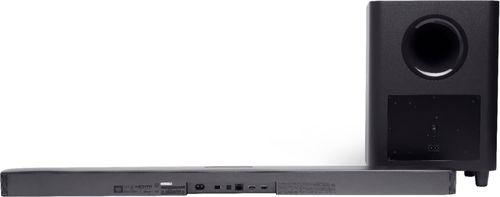
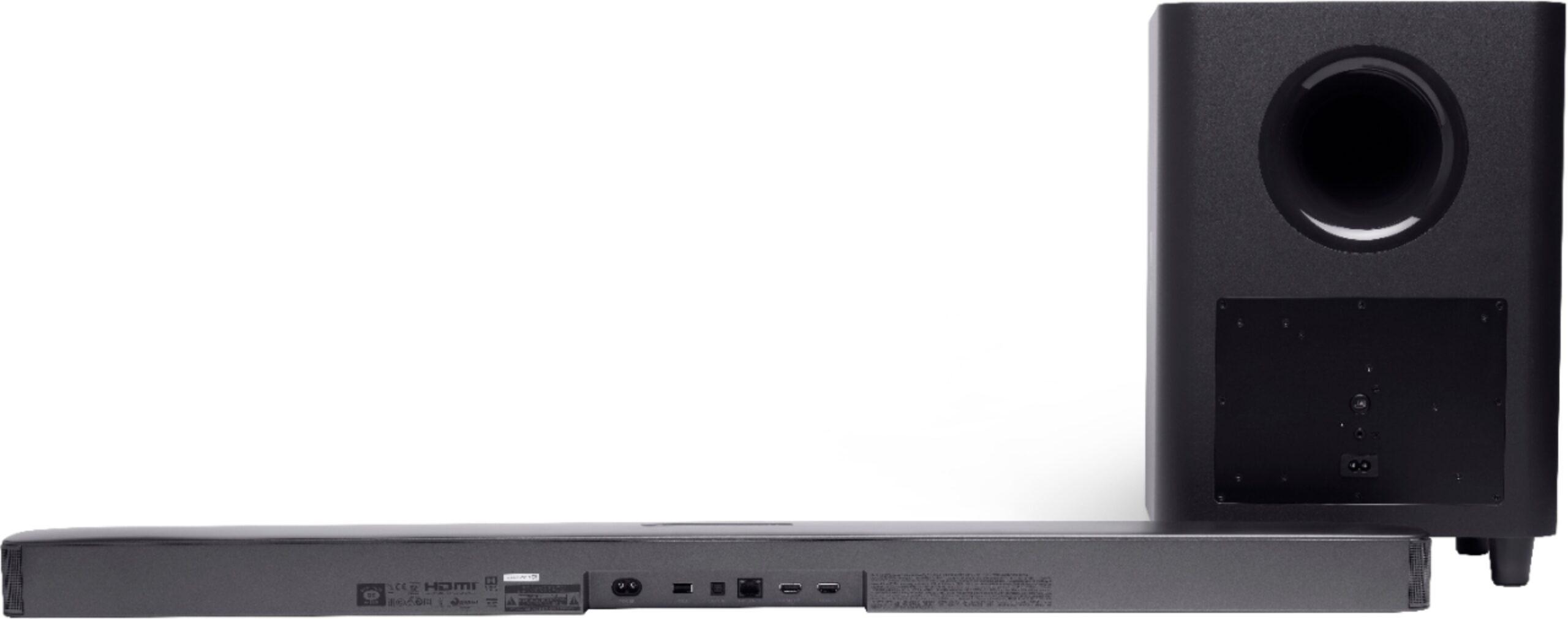
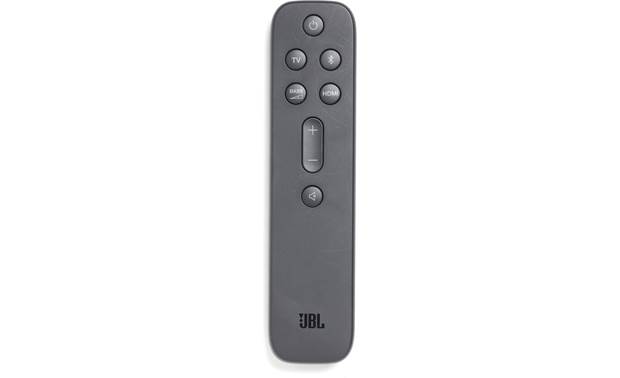
While the JBL Bar 5.1 doesn't include the advanced processing found in the Devialet Dione, it supports essential formats like Dolby Digital and offers solid connectivity with HDMI ARC, optical input, and Bluetooth streaming. The system includes a traditional remote control and straightforward setup process.
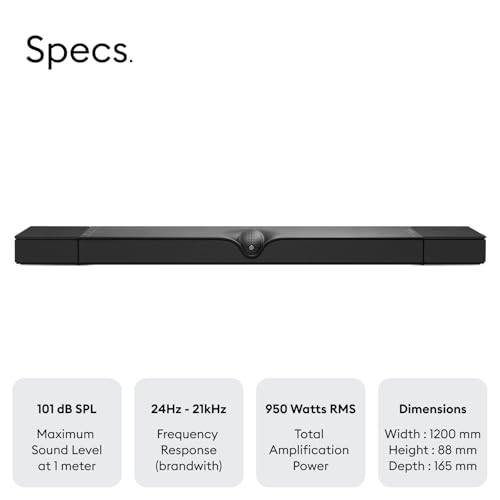
The bass performance difference between these soundbars illustrates two completely different design philosophies. The Devialet Dione produces remarkably deep bass for a single-unit soundbar, extending down to 24Hz—well into the range where you feel sound rather than just hear it. However, our research into user experiences reveals this bass can become overwhelming. The tight integration means you can't dial it back when watching dialogue-heavy content or listening to acoustic music.
The JBL Bar 5.1's separate subwoofer approach proves more versatile in real-world use. While it may not reach quite as deep as the Devialet Dione, the ability to adjust bass levels independently makes it much easier to achieve balanced sound for different types of content. This flexibility becomes especially important in apartments or shared living spaces where excessive bass might disturb others.
For home theater use, both approaches have merit. The Devialet Dione delivers more impactful bass for action movies and provides the convenience of a single unit. The JBL Bar 5.1 offers more control and typically integrates better with room acoustics due to subwoofer placement flexibility.
Here's where the philosophical differences become most apparent. The Devialet Dione uses sophisticated processing to create virtual surround sound from its single bar. Its 5.1.2 configuration includes dedicated height channels for Dolby Atmos content, and the ADE (Advanced Dimensional Experience) beamforming technology bounces sound off walls to simulate rear and overhead effects.
While impressive for a single unit, expert reviews consistently note that the Devialet Dione doesn't achieve the same level of immersion as systems with physical rear speakers. The soundstage remains primarily focused in front of the listener, with limited convincing rear-channel effects.
The JBL Bar 5.1 takes the traditional route with actual surround speakers that you place behind your seating position. This creates authentic directional audio—when something moves from front to back in a movie, you hear it actually travel around the room rather than just a processed approximation. The trade-off is additional setup complexity and the need to position and potentially charge the wireless rear speakers.
For serious home theater enthusiasts, the JBL Bar 5.1's approach typically provides more convincing surround effects despite its lower price. However, the Devialet Dione wins for Atmos content thanks to its dedicated height channels, which the JBL system lacks entirely.
The Devialet Dione showcases superior engineering in its clarity and detail reproduction. The rotating ORB center channel provides exceptionally clear dialogue, while the ADH amplification system maintains remarkable precision across the frequency range. The ultra-low distortion specification translates to cleaner sound, especially at higher volumes.
However, detailed analysis of user experiences reveals an interesting trade-off. While the Devialet Dione excels at rendering obvious details with crystal clarity, some listeners find it actually masks subtle ambient details in complex soundscapes. The powerful bass and enhanced processing can overshadow quieter background elements that contribute to realism.
The JBL Bar 5.1, despite its simpler design, often provides better reproduction of these subtle details. The physical separation between bass and midrange components prevents bass frequencies from interfering with vocal clarity, and the less aggressive processing preserves the natural balance of complex audio mixes.
Music reproduction reveals another key difference between these systems. The Devialet Dione offers a dedicated Music mode that disables spatial processing and focuses on stereo accuracy. When configured properly, it delivers audiophile-quality sound with excellent imaging and dynamics. The high-resolution audio support up to 24-bit/96kHz makes it excellent for streaming high-quality music.
However, the integrated bass design can make the Devialet Dione overly bass-heavy for some music genres, particularly acoustic or classical pieces where balance is crucial. The inability to adjust bass response independently limits its versatility for different musical styles.
The JBL Bar 5.1 provides more flexibility for music listening. The adjustable subwoofer allows you to dial in the perfect bass level for different genres, and the more neutral overall tuning often sounds more balanced with acoustic instruments and vocals. While it lacks the ultimate resolution and sophistication of the Devialet Dione, many users find it more enjoyable for everyday music listening.
At the time of writing, the price difference between these soundbars is substantial—roughly four to five times more for the Devialet Dione. This raises important questions about diminishing returns and practical value.
The Devialet Dione justifies its premium pricing through genuinely advanced technology, premium materials, and exceptional engineering. The ADH amplification, SAM processing, and sophisticated spatial audio algorithms represent genuine innovations that you won't find in budget alternatives. For audiophiles or those who want the absolute best single-unit solution, these technologies deliver measurable benefits.
However, our analysis suggests that for most users, the JBL Bar 5.1 provides better practical value. Its true surround sound capability, adjustable bass response, and balanced audio presentation often deliver more satisfying real-world performance despite the simpler technology. The wireless rear speakers create more convincing surround effects than any single-bar solution can achieve.
The value equation also depends heavily on your specific use case. If you're primarily streaming content from Netflix, Disney+, or similar services, the Devialet Dione's advanced processing and Dolby Atmos support provide clear benefits. If you watch a lot of Blu-rays or prefer balanced sound for mixed content, the JBL Bar 5.1's flexibility often proves more valuable.
Daily usability reveals important practical differences. The Devialet Dione offers superior convenience with its all-in-one design and automatic room calibration. The built-in gyroscope detects whether it's wall-mounted or sitting on furniture and adjusts accordingly. However, the lack of a physical remote and reliance on app control can frustrate users who prefer traditional interfaces.
The JBL Bar 5.1 requires more initial setup—positioning the subwoofer, placing rear speakers, and adjusting levels—but provides more long-term flexibility. You can easily readjust bass levels for different content or move components if you rearrange your room. The included remote provides immediate access to all functions without needing a smartphone.
Choose the Devialet Dione if you prioritize cutting-edge technology and convenience over everything else. It's ideal for tech enthusiasts who want the most advanced single-unit soundbar available and don't mind paying a premium for innovation. The Dolby Atmos support makes it particularly appealing for streaming movie content, and the premium design aesthetic suits high-end living spaces.
The JBL Bar 5.1 makes more sense for most buyers seeking genuine home theater improvement without breaking the bank. Its true surround sound capabilities, adjustable bass, and balanced performance provide more authentic cinema experiences for a fraction of the cost. It's particularly well-suited for larger rooms where you can properly position the rear speakers and for users who watch varied content types.
For apartment dwellers or those with space constraints, the Devialet Dione's single-unit convenience offers clear advantages despite its higher cost. However, if you have the space for proper speaker placement and prefer getting the most performance per dollar, the JBL Bar 5.1 typically delivers more satisfying results.
The soundbar market continues evolving rapidly, with new technologies and features appearing regularly. Both products represent solid choices within their respective price categories, but they serve different priorities and preferences. Understanding your specific needs—whether that's ultimate convenience, best value, authentic surround sound, or cutting-edge processing—will guide you to the right choice for your home theater setup.
| Devialet Dione | JBL Bar 5.1 Surround |
|---|---|
| Configuration - Determines setup complexity and surround authenticity | |
| All-in-one 5.1.2 Dolby Atmos soundbar with 17 built-in drivers | Traditional soundbar + wireless subwoofer + detachable rear speakers |
| Total Power Output - Affects maximum volume and dynamic range | |
| 950W RMS (concentrated in single unit) | 550W total system power (distributed across components) |
| Bass Approach - Critical for movie impact and music balance | |
| 8 integrated high-excursion woofers, extends to 24Hz, non-adjustable | Separate 10" wireless subwoofer, adjustable volume, flexible placement |
| Surround Sound Technology - Determines immersion quality | |
| Virtual 5.1.2 with ADE beamforming, dedicated Atmos height channels | True 5.1 with physical rear speakers, no Atmos support |
| Audio Processing - Affects sound quality and customization | |
| Advanced: ADH amplification, SAM driver matching, SPACE upmixing, AVL dynamic EQ | Standard processing with manual subwoofer adjustment |
| Connectivity Options - Determines source compatibility and streaming quality | |
| HDMI 2.1 eARC, optical, Ethernet, Wi-Fi, Bluetooth 5.0, AirPlay 2, Spotify Connect | HDMI ARC, optical, Wi-Fi, Bluetooth 4.2, basic streaming |
| Physical Design - Impacts room integration and aesthetics | |
| Single premium bar with rotating ORB center, wall-mount adaptive | Multi-component system with traditional remote control |
| Audio Format Support - Affects compatibility with your content library | |
| Dolby Atmos, TrueHD, Digital Plus, Digital, LPCM (no DTS support) | Dolby Digital, Dolby Pro Logic II, DTS, standard formats |
| Room Calibration - Determines how well it adapts to your space | |
| Automatic room correction with built-in microphones | Manual adjustment via subwoofer level control |
| Best Use Case - Who should choose each option | |
| Premium single-unit convenience, Atmos content, tech enthusiasts | Authentic surround sound, flexible setup, budget-conscious buyers |
The JBL Bar 5.1 offers significantly better value for most buyers. It provides true 5.1 surround sound with physical rear speakers and an adjustable subwoofer at a fraction of the cost of the Devialet Dione. While the Devialet Dione features premium technology and materials, the price difference is substantial enough that the JBL Bar 5.1 delivers more authentic surround sound performance per dollar spent.
The Devialet Dione doesn't need a separate subwoofer as it has 8 built-in high-excursion woofers that produce deep bass down to 24Hz. The JBL Bar 5.1 includes a wireless subwoofer as part of the system. The advantage of the JBL Bar 5.1's separate subwoofer is that you can adjust its volume independently and position it optimally in your room for better bass response.
Both offer excellent bass but in different ways. The Devialet Dione produces deeper, more powerful bass that can be overwhelming in some situations since it's not adjustable. The JBL Bar 5.1's separate subwoofer provides more balanced and controllable bass that you can fine-tune for different content types and room acoustics, making it more versatile for everyday use.
The JBL Bar 5.1 provides more authentic surround sound because it uses actual rear speakers that you place behind your seating area. The Devialet Dione uses virtual surround processing from a single bar, which is impressive but can't match the realism of physical surround speakers. However, the Devialet Dione supports Dolby Atmos height effects that the JBL Bar 5.1 lacks entirely.
The Devialet Dione is much easier to set up since it's a single unit that automatically calibrates to your room. You simply connect it and let the built-in room correction do the work. The JBL Bar 5.1 requires more setup time as you need to position the wireless subwoofer, place the detachable rear speakers, and manually adjust volume levels for optimal performance.
Only the Devialet Dione supports Dolby Atmos with dedicated 5.1.2 channels and up-firing drivers for height effects. The JBL Bar 5.1 doesn't support Atmos and focuses on traditional 5.1 surround sound. If you frequently watch Atmos content on streaming services or 4K Blu-rays, the Devialet Dione provides a clear advantage.
The Devialet Dione offers superior music quality with its dedicated Music mode, high-resolution audio support up to 24-bit/96kHz, and ultra-low distortion amplification. However, its powerful bass can overwhelm some music genres. The JBL Bar 5.1 provides a more balanced sound for music with its adjustable subwoofer, making it easier to optimize for different musical styles and personal preferences.
The Devialet Dione provides more advanced connectivity with HDMI 2.1 eARC, AirPlay 2, Spotify Connect, and high-quality wireless streaming. The JBL Bar 5.1 offers standard connectivity including HDMI ARC, optical input, and basic Bluetooth streaming. Both support the essential connections you need, but the Devialet Dione offers more premium streaming options and higher bandwidth audio support.
Both soundbars support HDMI CEC, allowing basic control through your TV remote for power and volume. The Devialet Dione relies primarily on app control and doesn't include a physical remote, while the JBL Bar 5.1 comes with a traditional remote control for full access to all features and settings.
The Devialet Dione is better suited for small spaces due to its single-unit design and automatic volume leveling that prevents disturbing neighbors. However, its powerful bass can be overwhelming in small rooms and isn't adjustable. The JBL Bar 5.1 offers more flexibility with adjustable subwoofer levels, making it easier to achieve balanced sound in compact living spaces.
Both excel at dialogue reproduction but through different approaches. The Devialet Dione features a rotating ORB center channel that always points toward listeners for optimal voice clarity, plus AVL technology that automatically balances dialogue with background sounds. The JBL Bar 5.1 provides clear dialogue through its dedicated center channel and offers a Voice mode for enhanced speech clarity.
Choose the Devialet Dione if you want premium single-unit convenience, Dolby Atmos support, and don't mind paying significantly more for advanced technology. Pick the JBL Bar 5.1 if you prioritize authentic surround sound with physical rear speakers, want adjustable bass control, and prefer better value for money. The JBL Bar 5.1 typically provides more convincing surround effects for traditional home theater use, while the Devialet Dione excels with modern Atmos content and high-end audio quality.
We've done our best to create useful and informative comparisons to help you decide what product to buy. Our research uses advanced automated methods to create this comparison and perfection is not possible - please contact us for corrections or questions. These are the sites we've researched in the creation of this article: rtings.com - crutchfield.com - devialet.com - ooberpad.com - bhphotovideo.com - kjwestone.co.uk - whathifi.com - devialet.com - devialet.com - sound-advice.online - kjwestone.co.uk - device.report - tmraudio.com - devialet.com - devialetchat.com - projectorscreen.com - soundandvision.com - bestbuy.com - youtube.com - av.com - audiofi.ca - devialet.com - blog.son-video.com - audioconnection.com.au - baybloorradio.com - cdn.abicart.com - smarthomesounds.co.uk - e-piphany.co.za - cloneyaudio.com - devialet.com - catalog.asbis.ee - av.com - soundandvision.com - youtube.com - comparisontabl.es - jbl.com - jbl.com - jbl.com - tomsguide.com - jbl.com - bestbuy.com - bestbuy.com - jbl.com - jbl.com - worldwidestereo.com

Privacy Policy
Terms and Conditions - Affiliate Policy
Home Security
© Copyright 2008-2026.
11816 Inwood Rd #1211, Dallas, TX 75244