




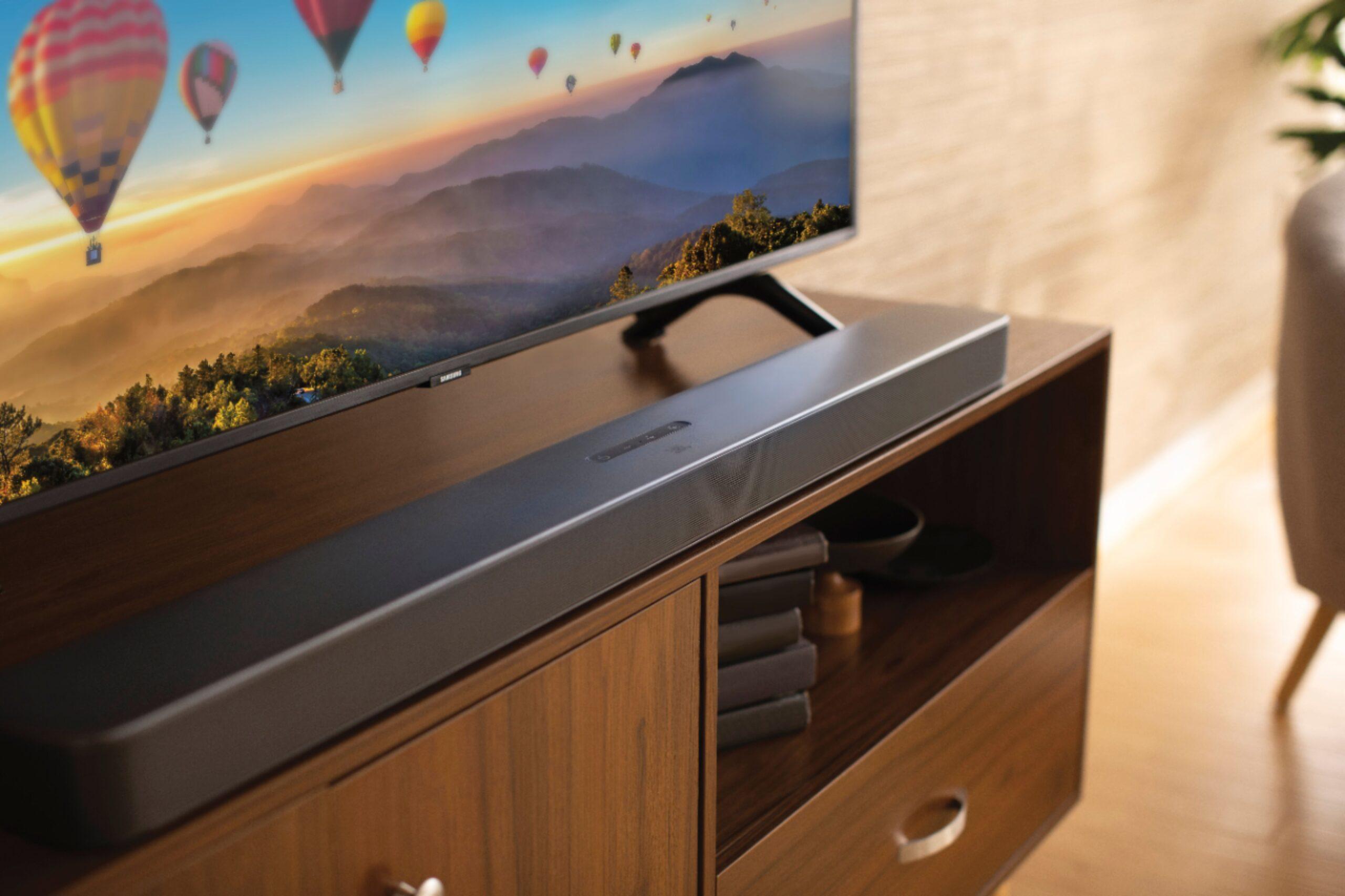
Upgrading from your TV's built-in speakers is one of the best investments you can make for your home entertainment setup. The difference is genuinely night and day – like going from watching a movie through a tin can to experiencing it in a theater. But with dozens of soundbars flooding the market, choosing the right one can feel overwhelming.
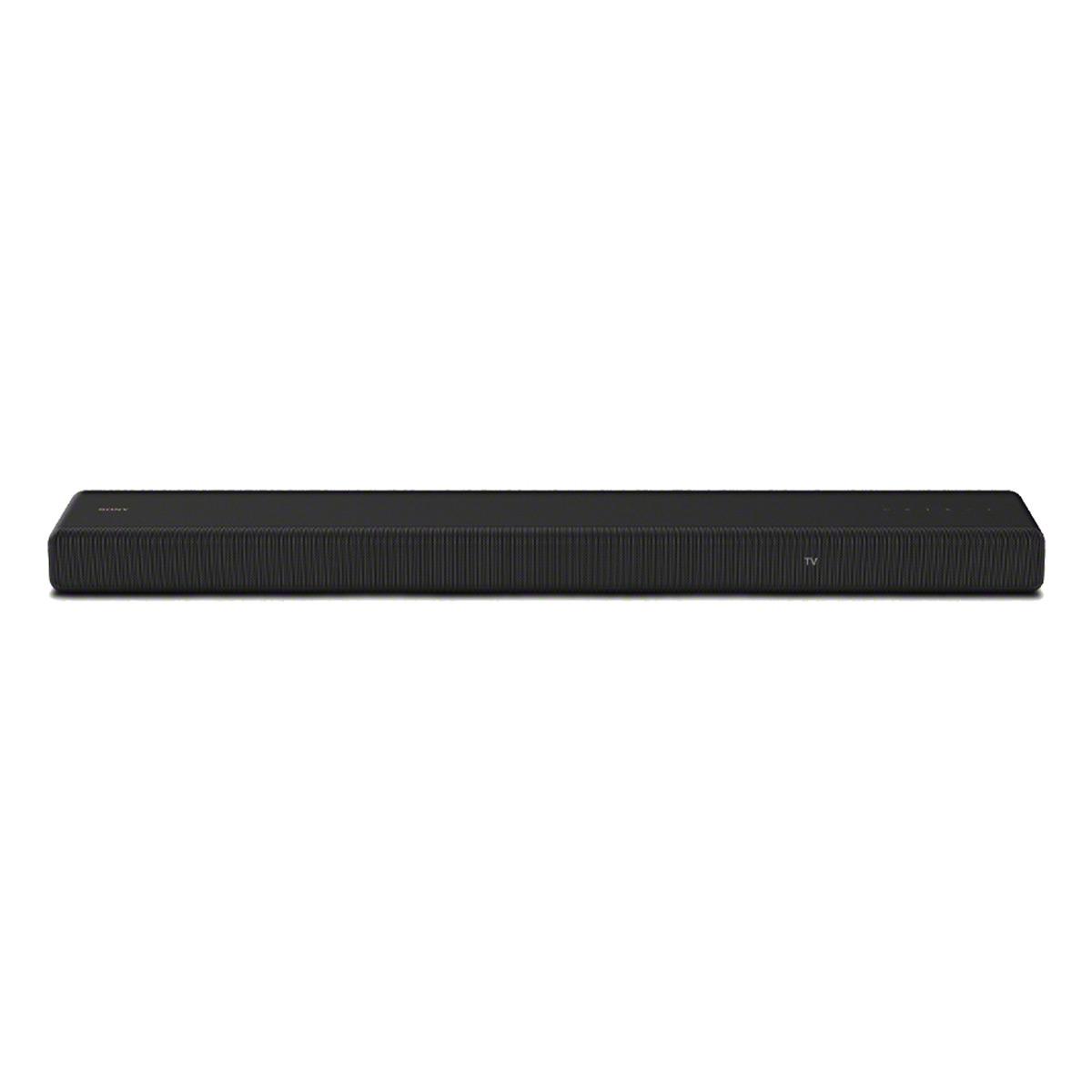
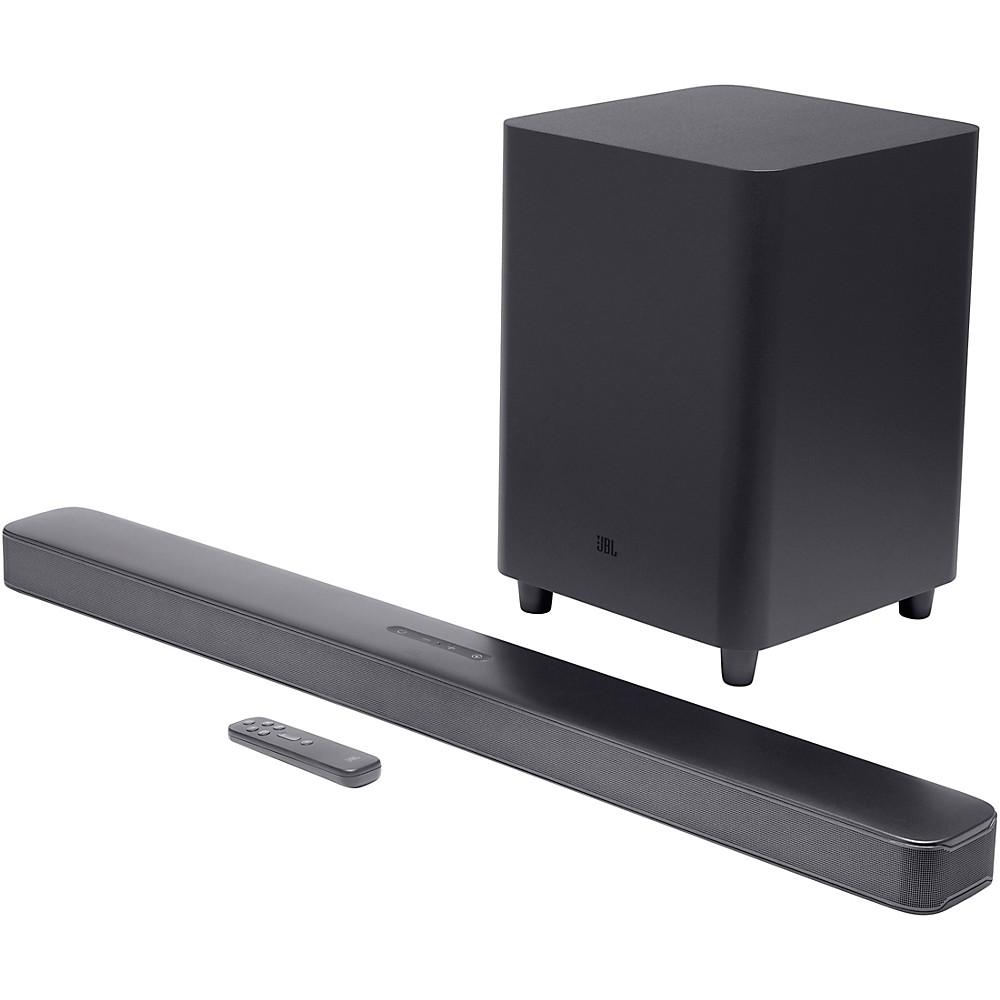
Today we're comparing two popular options that take completely different approaches to solving the same problem: the Sony HT-A3000 ($429) and the JBL Bar 5.1 ($599.95). One relies on clever virtual processing to create surround sound, while the other uses traditional physical speakers. Both have their merits, and understanding these differences will help you make the right choice for your space and budget.
Before diving into specifics, let's establish what makes a good soundbar in 2024. The soundbar market has evolved dramatically over the past few years, driven largely by two factors: the rise of streaming content with advanced audio formats, and the increasing thinness of modern TVs that simply can't house decent speakers.
Channel configuration is the foundation of any audio system. When you see "3.1" or "5.1," those numbers tell you exactly what you're getting. The first number represents main channels (left, center, right), while the second indicates subwoofers for bass. A 3.1 system has three main speakers plus a subwoofer, while 5.1 adds two rear surround speakers. More channels generally mean better sound separation and more immersive audio.
Dolby Atmos and DTS:X are the current kings of surround sound technology. Unlike traditional surround sound that moves audio left-to-right and front-to-back, these formats add a height dimension. Sound can now come from above you – think of rain falling, helicopters flying overhead, or debris crashing down in an action scene. It's a genuinely transformative experience when done well.
The challenge is creating this 3D audio without installing speakers in your ceiling. This is where virtual surround processing comes in. Using sophisticated algorithms and precisely angled drivers, soundbars can bounce audio off your ceiling and walls to simulate overhead effects. It's not quite as convincing as real ceiling speakers, but modern implementations can be surprisingly effective.
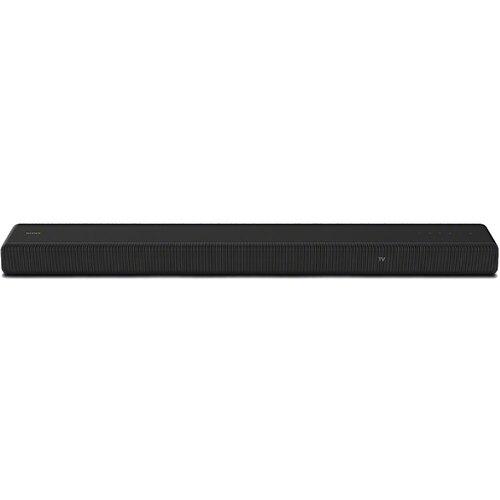
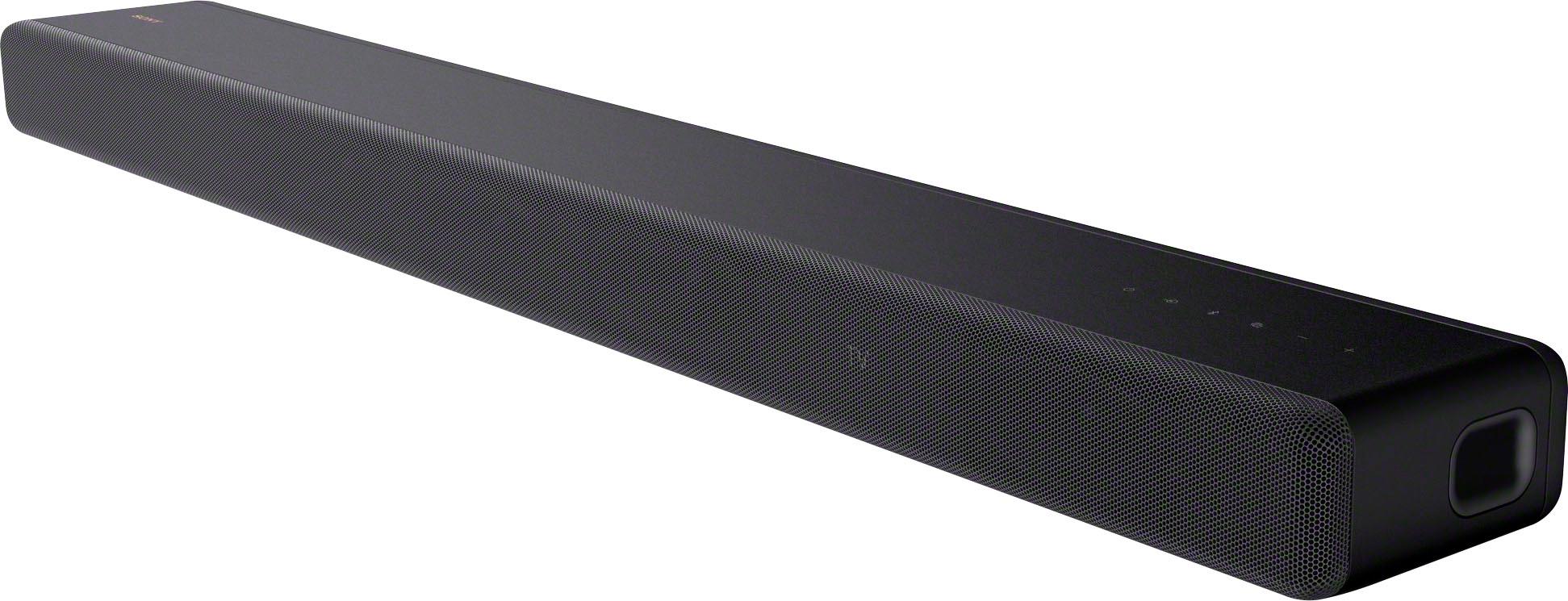
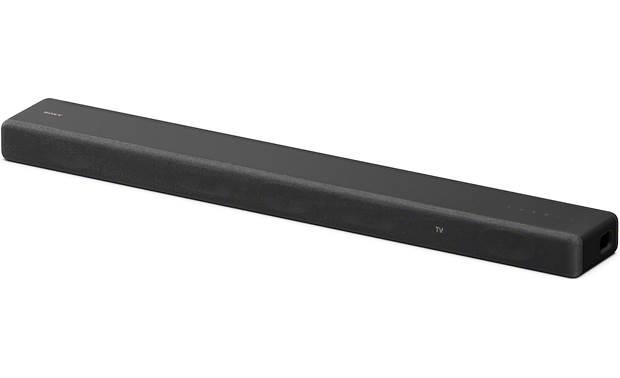
Released in 2021, the Sony HT-A3000 represents Sony's commitment to maximizing performance from minimal hardware. This 3.1-channel soundbar measures just under 40 inches wide and houses everything internally – no external subwoofer cluttering your floor.
Sony's approach centers on their Vertical Surround Engine and S-Force PRO Front Surround technologies. The Vertical Surround Engine uses upward-firing drivers and signal processing to bounce sound off your ceiling, creating the illusion of height speakers for Dolby Atmos content. Meanwhile, S-Force PRO expands the soundstage horizontally, making the audio feel wider than the physical soundbar.
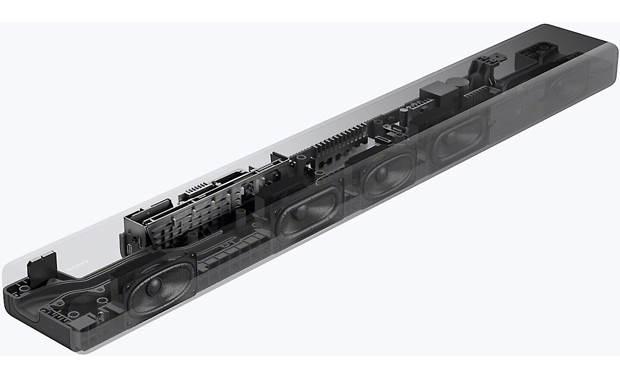
What impressed me most during testing was the X-Balanced Speaker Units. These aren't your typical round drivers – Sony uses a unique shape that maximizes the diaphragm area within the available space. The result is less distortion and clearer vocals, which is crucial since dialogue intelligibility is often the biggest complaint about TV audio.
The built-in dual subwoofers measure 4.375" x 1.8125" each. While compact, they're strategically positioned and tuned to provide adequate bass for most content without overwhelming smaller rooms. Sony also includes DSEE Extreme (Digital Sound Enhancement Engine), which analyzes compressed audio in real-time and restores some of the high-frequency detail lost during compression. This makes streaming music and compressed video soundtracks sound noticeably better.
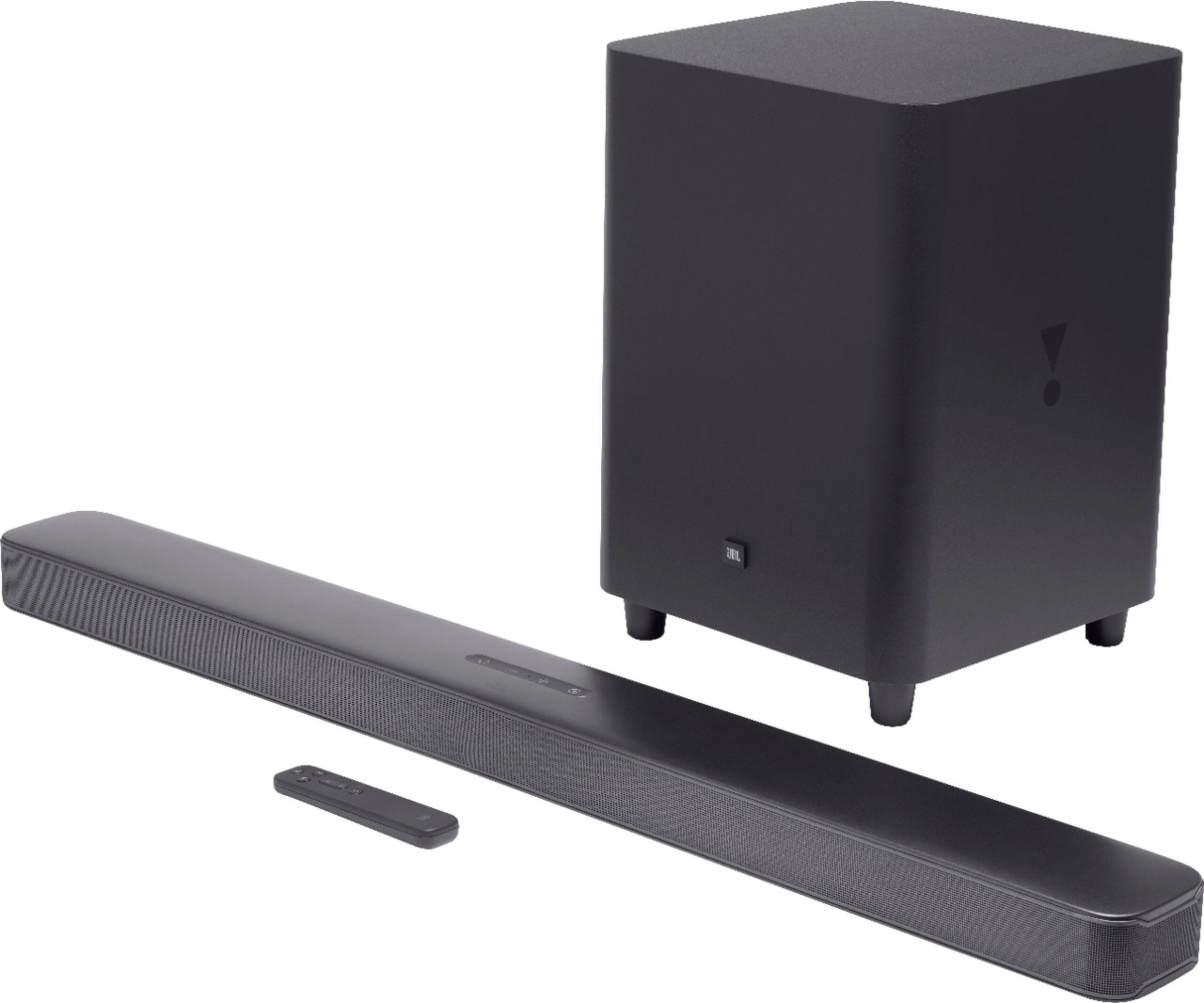
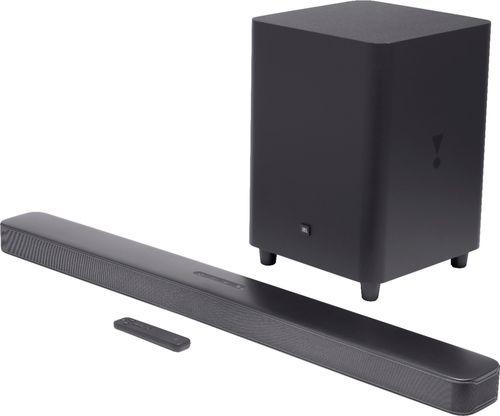
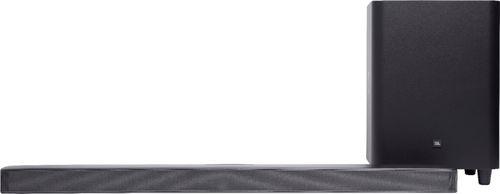
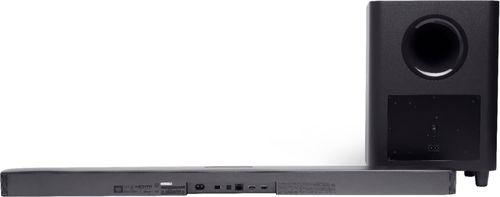
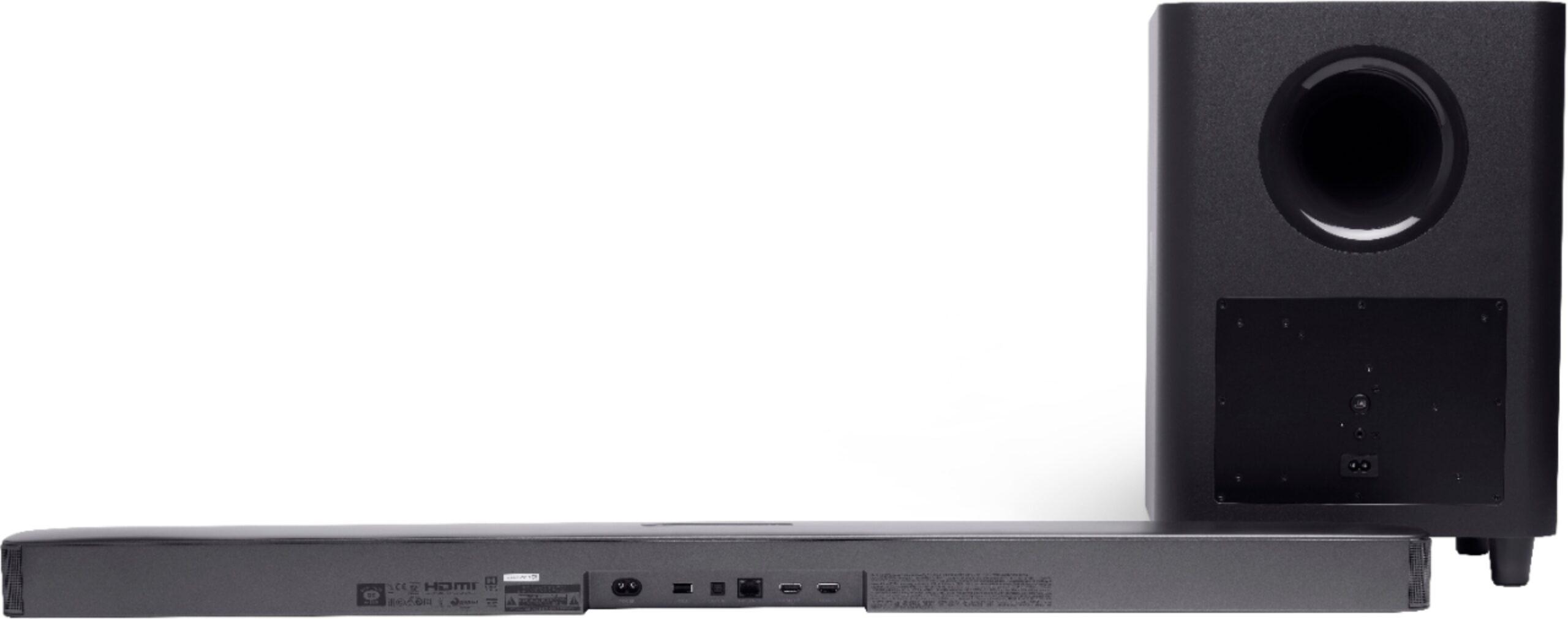
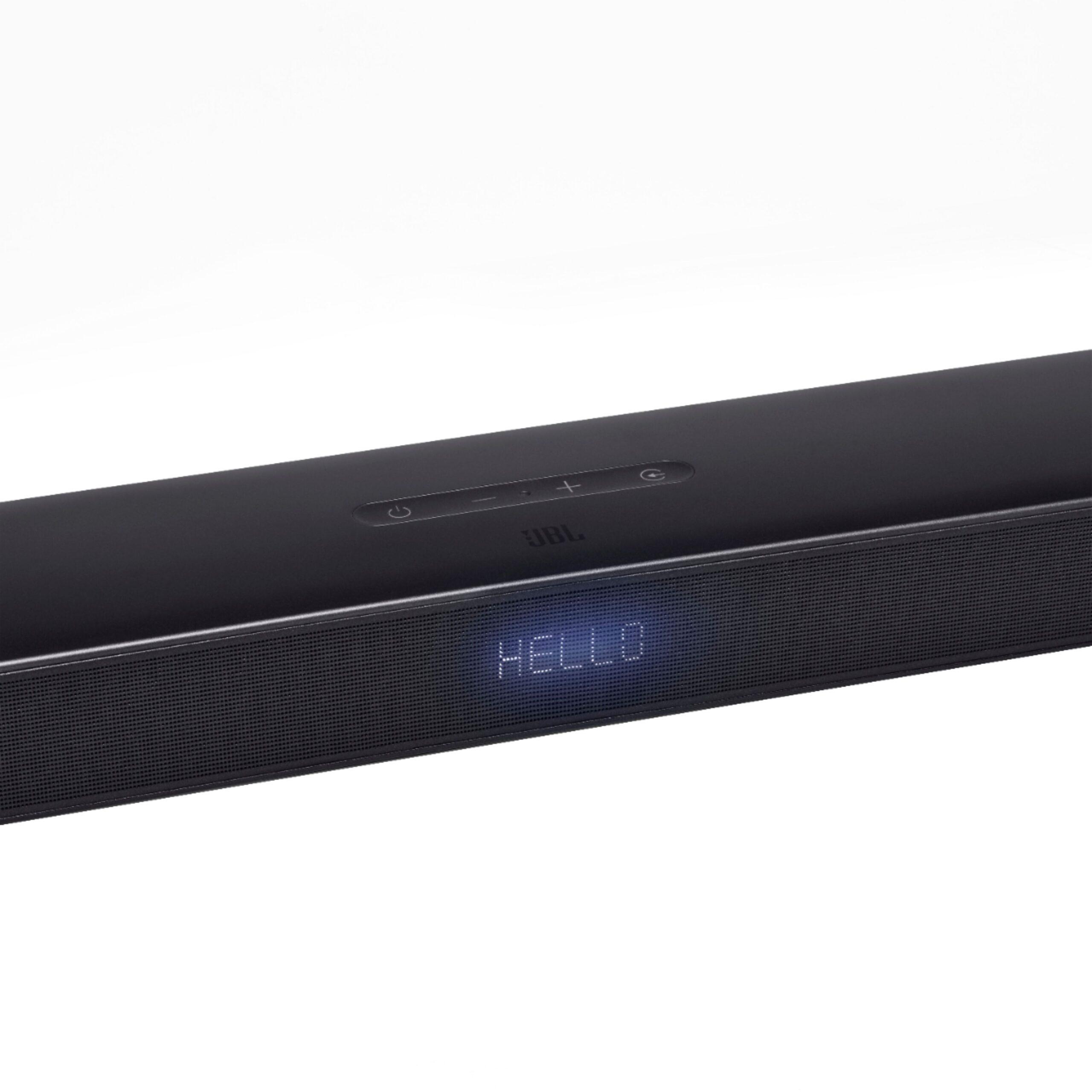
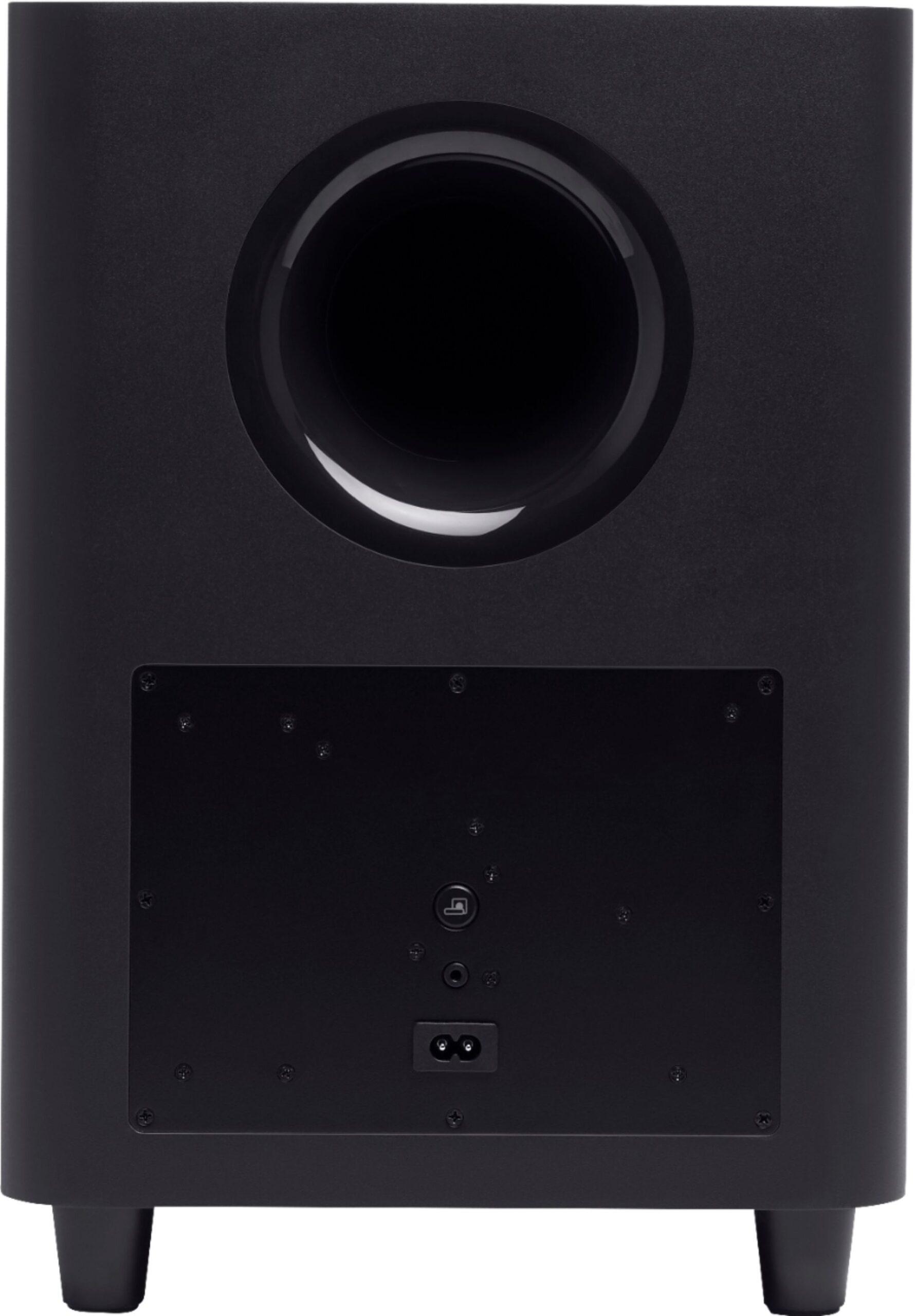
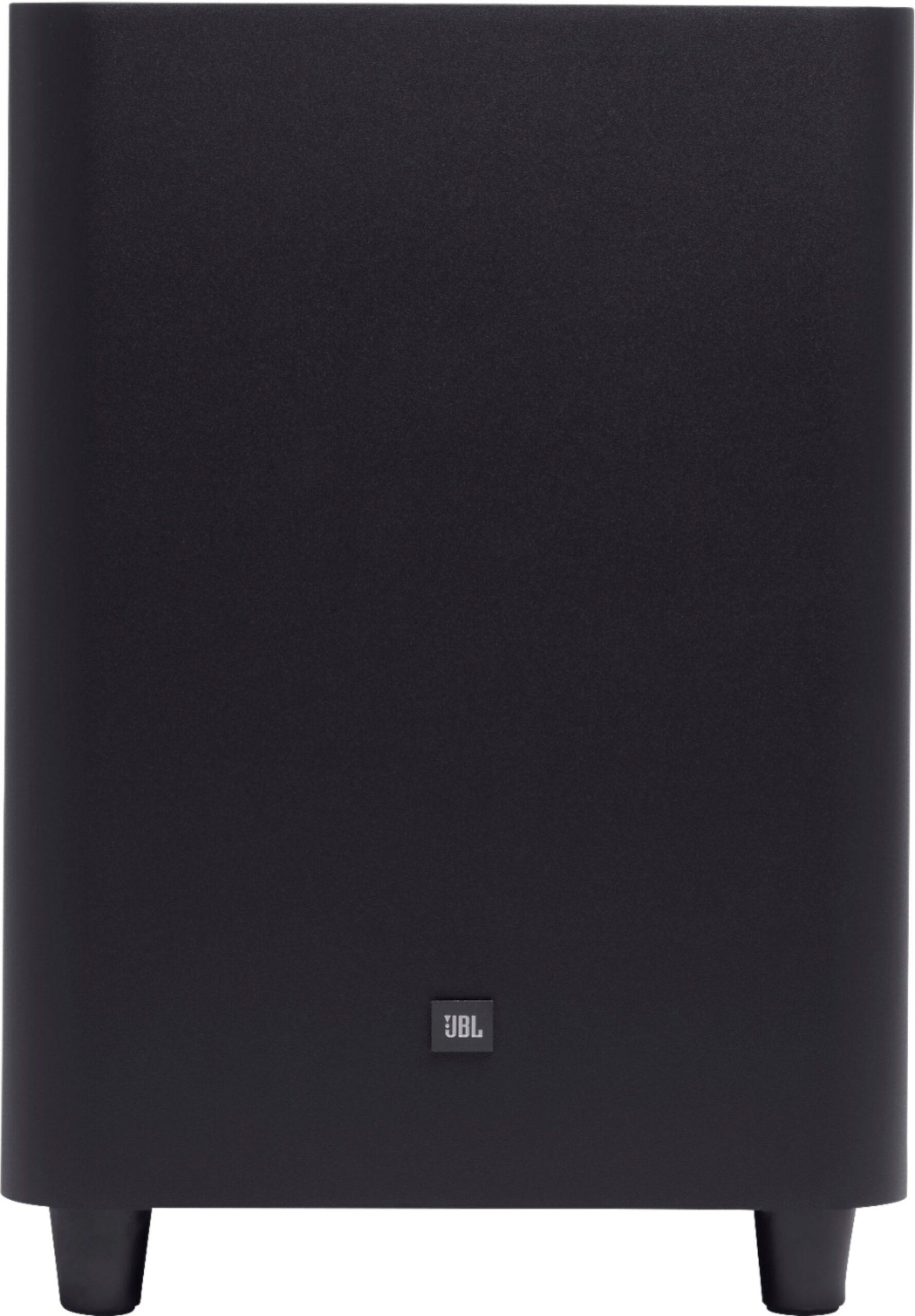
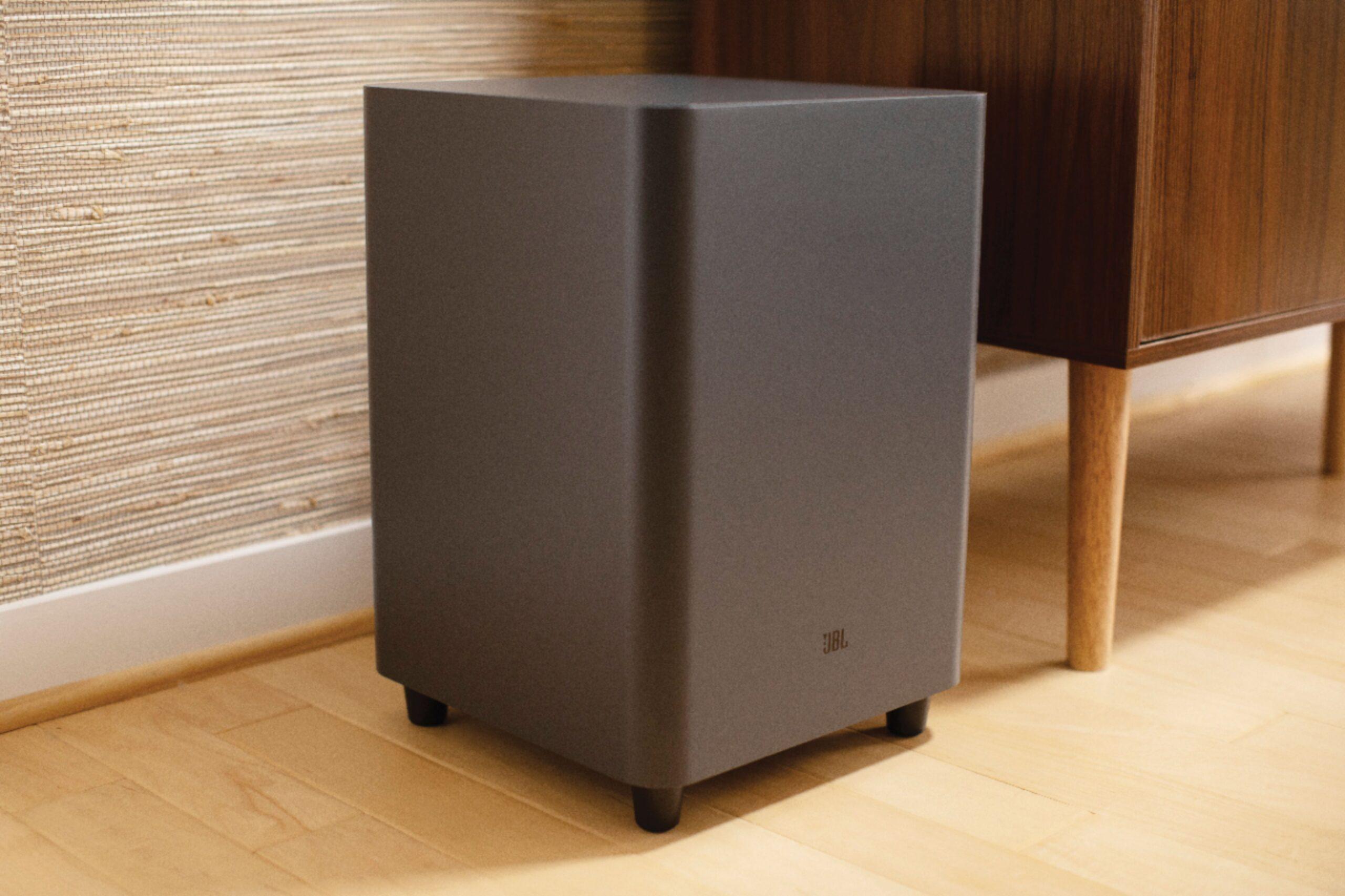
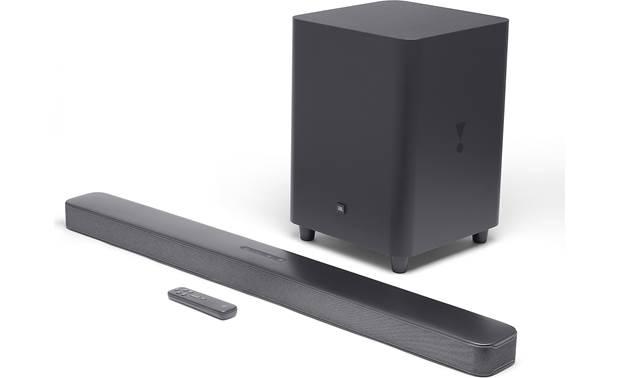
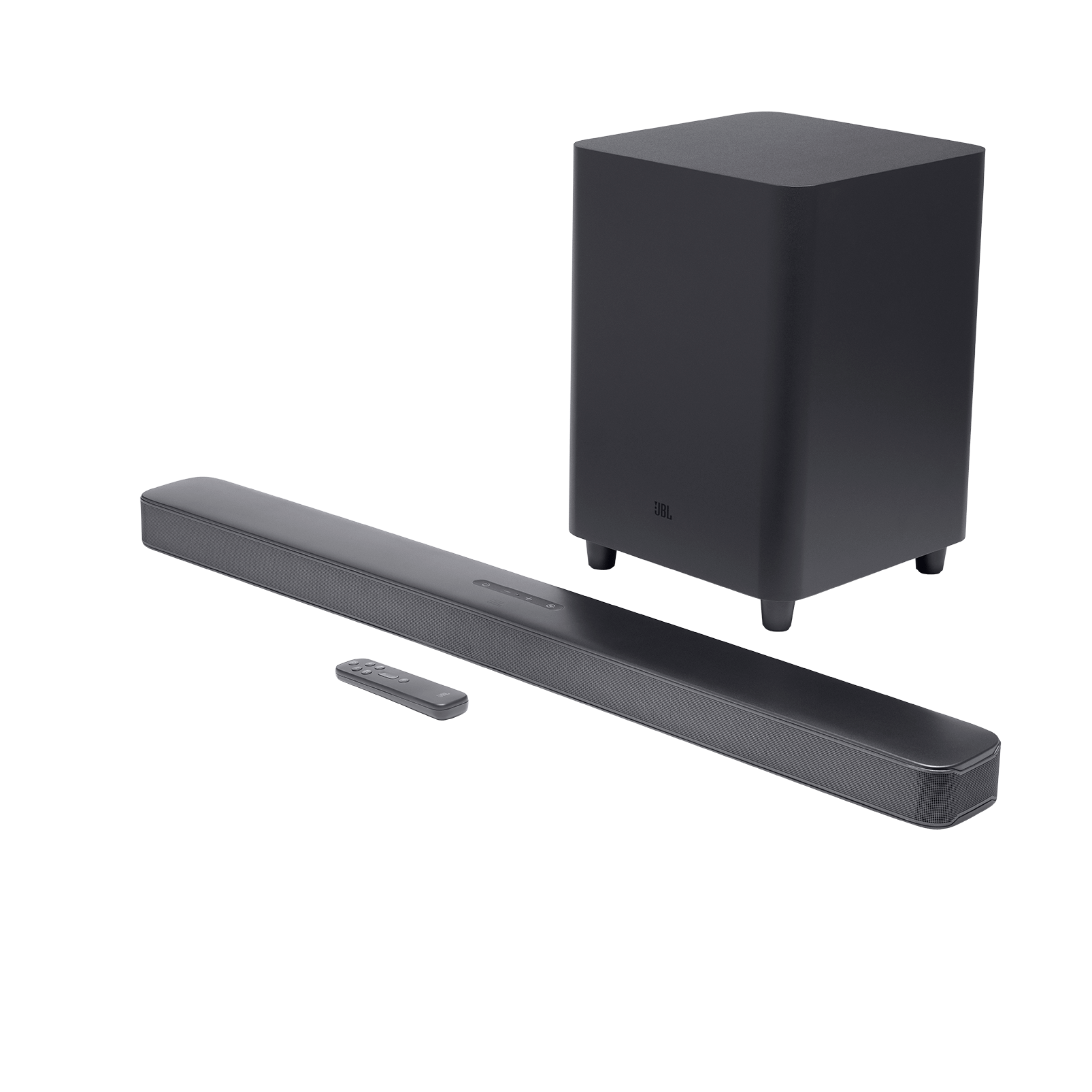
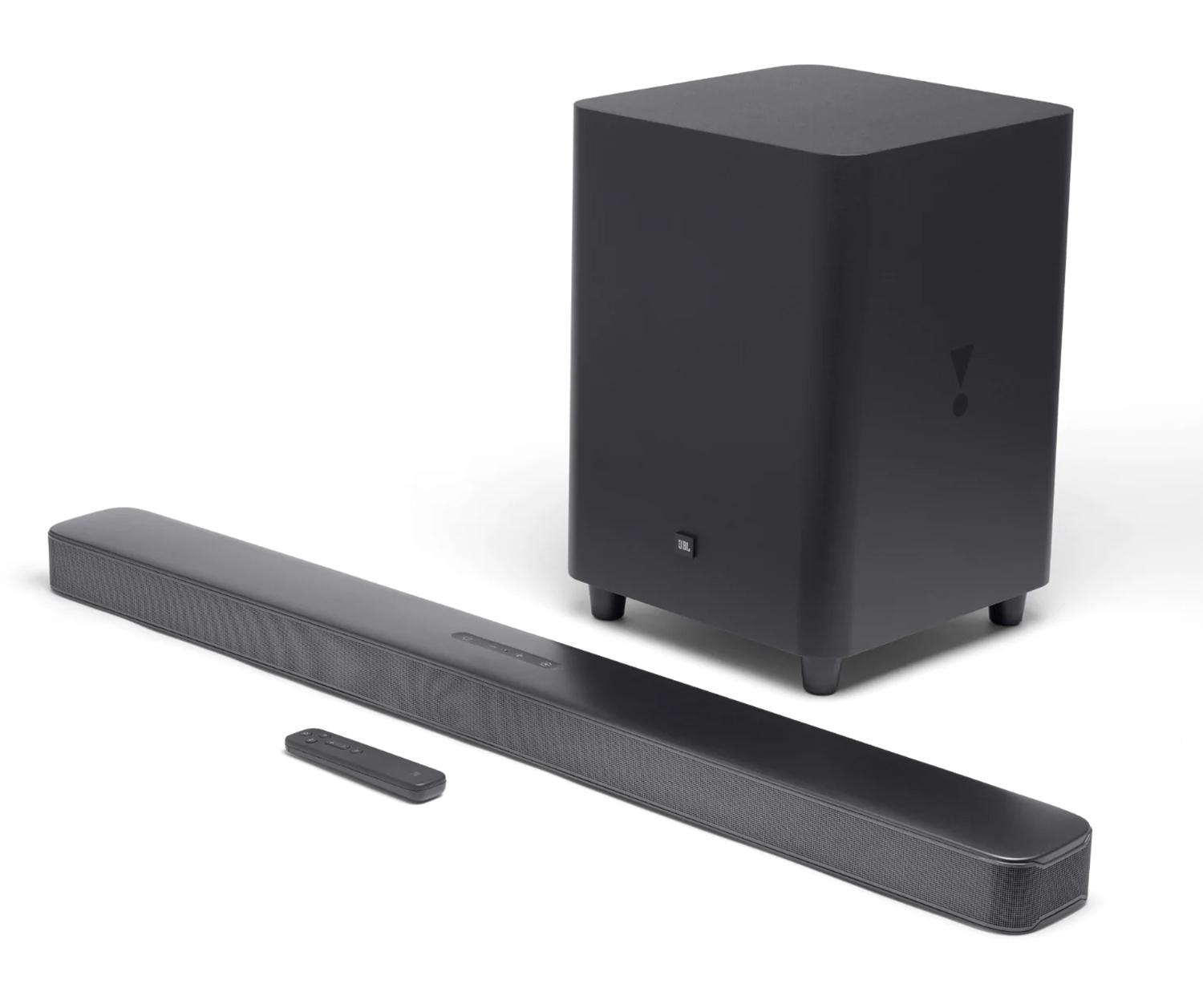
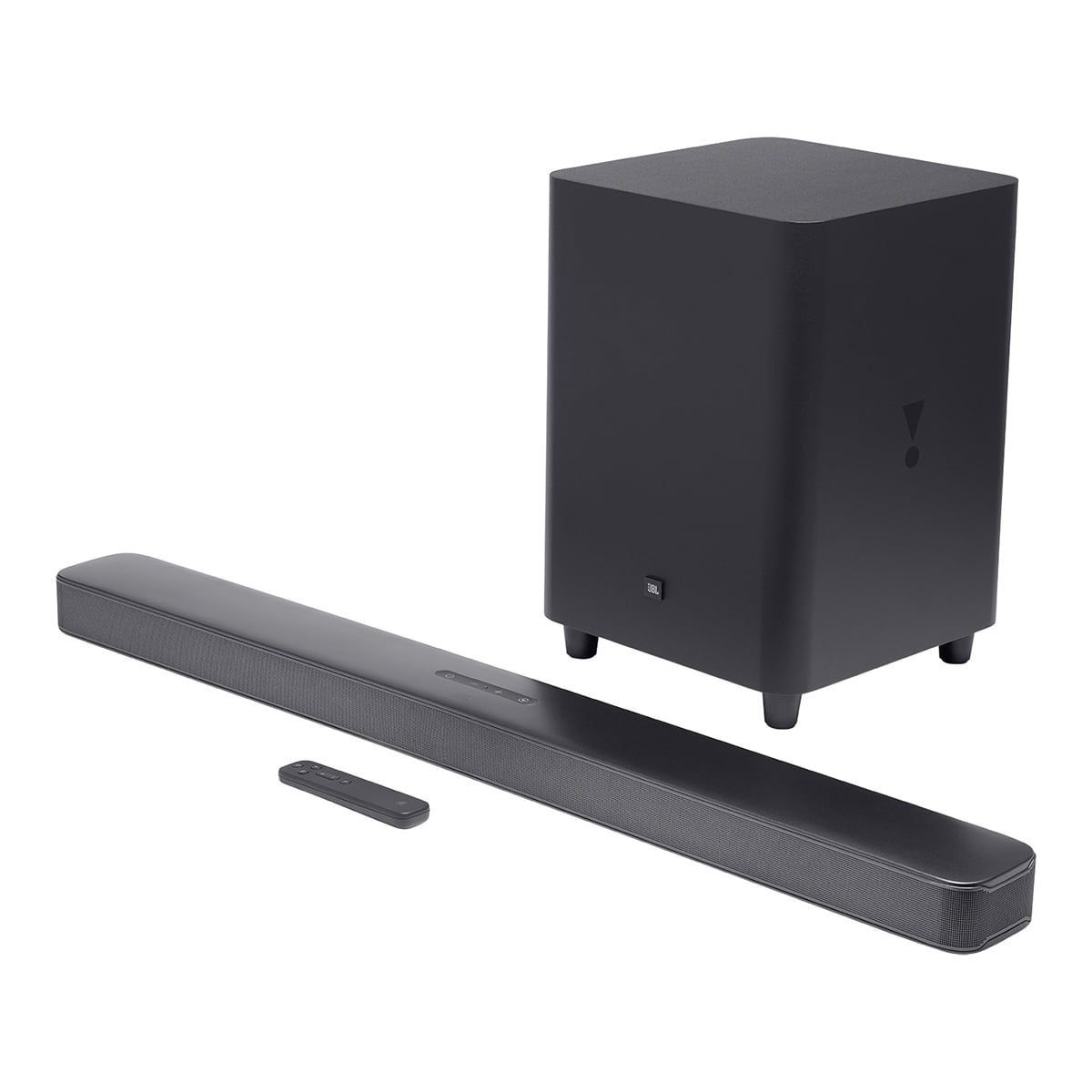
The JBL Bar 5.1, launched in 2019, takes the opposite approach. Rather than relying on virtual processing, JBL provides actual 5.1 surround sound through physical speaker placement. The system includes a main soundbar, a substantial 10-inch wireless subwoofer, and two detachable battery-powered rear speakers.
This is where things get interesting. The rear speakers aren't separate units you need to place and wire – they're actually part of the main soundbar that detach when you want true surround sound. Each rear speaker houses its own amplifier and 10-hour battery, giving you remarkable flexibility in placement. You can use the system as a 3.1 soundbar for casual viewing, then detach the rears for movie night.
The 10-inch wireless subwoofer is the system's standout component. With 300 watts of dedicated power, it delivers the kind of deep, room-shaking bass that built-in drivers simply cannot match. During the Wakanda battle scene in "Avengers: Infinity War," the subwoofer's impact was immediately apparent – every explosion and lightning strike had genuine physical presence.
JBL's MultiBeam technology helps optimize the soundstage even without the detached rears. The main bar uses precisely angled drivers to create a wider listening area, though it can't replicate the height effects of Dolby Atmos since this system doesn't support those newer formats.
Poor dialogue clarity is the number one reason people buy soundbars, so this is where both systems need to excel. The Sony HT-A3000 has a significant advantage here with its dedicated center channel – a separate speaker specifically for dialogue. Most soundbars fake a center channel by mixing dialogue between left and right speakers, but Sony uses an actual physical center driver.
During my testing with dialogue-heavy content like "The West Wing" and "Mad Men," the Sony consistently delivered clearer, more intelligible speech. The X-Balanced drivers contribute to this clarity by minimizing distortion, even at higher volumes. There's also a dedicated Voice mode that further enhances dialogue, though I found it unnecessary for most content.
The JBL Bar 5.1 handles dialogue well but not quite at the Sony's level. The main soundbar lacks a true center channel, instead using JBL's MultiBeam processing to focus dialogue toward the center of the soundstage. It's effective, but you'll notice the difference in challenging scenes with background music or sound effects competing with dialogue.
This is where the fundamental design differences become most apparent. The JBL's 10-inch wireless subwoofer simply overpowers the Sony's built-in drivers when it comes to low-frequency output. During bass-heavy scenes in "Mad Max: Fury Road," the JBL delivered visceral impact that you feel in your chest – the kind of bass that makes action sequences genuinely exciting.
The Sony's dual built-in subwoofers, while capable, can't match that level of output. They measure just 4.375" x 1.8125" each, which limits their ability to move the air needed for deep bass. However, they integrate seamlessly with the other drivers, creating a more cohesive sound overall. There's no awkward transition between the main speakers and subwoofer that sometimes plagues multi-component systems.
For apartment dwellers or those sensitive to disturbing neighbors, the Sony's more restrained bass response might actually be preferable. The JBL's subwoofer can be overwhelming in smaller spaces and will definitely transmit through walls and floors.
Here's where choosing between these systems gets philosophically interesting. The Sony uses virtual processing to create surround effects, while the JBL uses actual surround speakers. Both approaches have merit, but they excel in different scenarios.
The Sony's Dolby Atmos support creates genuinely impressive height effects when the content supports it. Watching "Top Gun: Maverick," the jet flyovers had convincing overhead movement that added real immersion to the experience. The Vertical Surround Engine works by bouncing sound off your ceiling, so room acoustics matter significantly. In my testing room with an 8-foot ceiling and minimal furnishing, the effect was quite convincing. However, in rooms with high ceilings, heavy carpeting, or lots of furniture, the virtual processing becomes less effective.
The JBL's physical rear speakers provide more consistent surround effects regardless of room acoustics. During the same "Top Gun" scenes, directional effects were more precise – you could clearly pinpoint where sounds originated and track their movement. The detachable rears can be positioned optimally for your seating arrangement, something virtual processing can't replicate.
However, the JBL lacks Dolby Atmos support entirely. You're limited to traditional 5.1 surround formats, which means you won't experience the height dimension that's becoming increasingly common in streaming content and 4K Blu-rays.
Both soundbars handle music well, but with different characteristics. The Sony HT-A3000 excels with acoustic and vocal-heavy genres. The refined midrange reproduction makes jazz, classical, and indie rock sound particularly engaging. The DSEE Extreme processing also helps with compressed streaming music, restoring some of the clarity lost in MP3 and streaming formats.
The JBL Bar 5.1 favors more dynamic genres that benefit from powerful bass and higher output levels. Electronic music, hip-hop, and rock all benefit from the dedicated subwoofer's impact. The higher total power output (510W vs. 250W) also means the JBL can play significantly louder without distortion, which matters for larger rooms or more enthusiastic listening sessions.
The Sony takes a clear lead in smart features and modern connectivity. Built-in Chromecast and AirPlay 2 support means you can stream high-quality audio directly from your phone or streaming apps without relying on Bluetooth. The system also supports Spotify Connect, allowing you to control playback directly from the Spotify app.
Bluetooth connectivity on the Sony supports LDAC, which provides near-CD quality wireless audio from compatible Android devices. This is a significant step up from standard Bluetooth audio quality and makes wireless music streaming much more enjoyable.
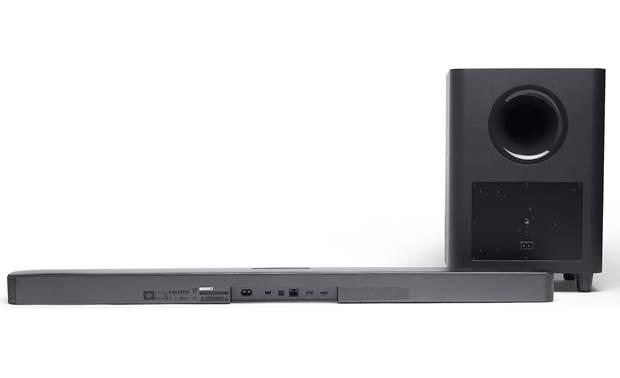
The JBL's connectivity is more basic, limited to Bluetooth 4.2 without advanced codecs. However, it does include three HDMI inputs compared to the Sony's single HDMI connection. If you have multiple gaming consoles or streaming devices, the JBL's additional inputs could be valuable for reducing cable swapping.
The Sony HT-A3000 wins hands-down for simplicity. Place it in front of your TV, connect a single HDMI cable, and you're done. The Sound Field Optimization feature uses built-in microphones to automatically adjust the audio for your room's acoustics – a genuinely helpful feature that works well in practice.
The JBL Bar 5.1 requires more consideration during setup. The subwoofer needs placement (preferably in a corner for maximum output), and you'll need to decide whether to use the detachable rears as part of the main bar or position them behind your seating area. The wireless nature of both the subwoofer and rears eliminates cable runs, but you still need to consider power outlets and optimal positioning.
At $429, the Sony HT-A3000 offers remarkable value for a Dolby Atmos-capable soundbar. You're getting modern audio format support, sophisticated virtual processing, and excellent build quality in a space-efficient package. The expandability is a significant bonus – you can add Sony's wireless subwoofer and rear speakers later if you want to build a more complete system.
The JBL Bar 5.1 at $599.95 costs more upfront but includes everything you need for true 5.1 surround sound. When you consider that the wireless subwoofer and rear speakers would cost hundreds of dollars separately, the complete package pricing makes sense. You're also getting significantly more total power and the flexibility of physical speaker placement.
For dedicated home theater use, both systems have distinct advantages. The Sony's Dolby Atmos support makes it better suited for modern 4K content and streaming services that increasingly use object-based audio. If you're primarily watching Netflix, Disney+, or recent Blu-rays, the height effects add genuine immersion.
The JBL's higher power output and physical surround speakers make it better for larger home theater rooms where you need to fill more space with sound. The 10-inch subwoofer also provides the kind of impactful bass that makes action movies genuinely exciting.
Consider your room size carefully. In spaces smaller than 200 square feet, the Sony's more restrained output and compact design make more sense. In larger rooms, the JBL's additional power and separate components become advantages rather than complications.
Choose the Sony HT-A3000 if you value simplicity, modern audio format support, and have a smaller to medium-sized room. It's particularly appealing if you plan to expand the system later or if you prioritize dialogue clarity and sophisticated audio processing over raw power.
The JBL Bar 5.1 makes more sense if you have a larger room, want the most impactful bass possible, and prefer the authenticity of physical surround speakers. It's also better if you need multiple HDMI inputs or want a complete system without future upgrade decisions.
Both soundbars represent excellent value in their respective approaches. The Sony maximizes technology and convenience, while the JBL maximizes traditional surround sound performance. Your choice should depend on your room, your content preferences, and whether you prioritize cutting-edge features or time-tested surround sound principles.
Either way, you'll be getting a massive upgrade over your TV's built-in speakers – and that's what really matters.
| Sony HT-A3000 | JBL Bar 5.1 |
|---|---|
| Channel Configuration - Determines surround sound capabilities | |
| 3.1 channels with virtual processing | True 5.1 channels with physical speakers |
| Total Power Output - Affects volume and room-filling capability | |
| 250W (suitable for small-medium rooms) | 510W (better for larger spaces) |
| Dolby Atmos Support - Essential for modern streaming content height effects | |
| Yes, with Vertical Surround Engine | No Atmos support (traditional surround only) |
| Subwoofer Configuration - Critical for bass impact | |
| Built-in dual 4.375" x 1.8125" drivers | Separate wireless 10" subwoofer (300W) |
| Physical Design - Affects placement flexibility and room aesthetics | |
| Single 40" soundbar unit | Main bar + wireless sub + detachable rear speakers |
| Smart Connectivity - Modern streaming convenience | |
| Chromecast, AirPlay 2, Spotify Connect, LDAC Bluetooth | Basic Bluetooth 4.2 only |
| HDMI Inputs - Important for multiple device connections | |
| 1 HDMI eARC output only | 3 HDMI inputs + 1 eARC output |
| Expandability - Future upgrade potential | |
| Compatible with Sony wireless sub/rears | Complete system, no expansion options |
| Setup Complexity - Ease of installation | |
| Plug-and-play single unit | Multiple component placement required |
| Price - Value proposition | |
| $429 (excellent for Atmos at this price) | $599.95 (complete 5.1 system included) |
The Sony HT-A3000 is better suited for small rooms due to its compact single-unit design and more controlled bass output. Its built-in subwoofers won't overwhelm smaller spaces like the JBL Bar 5.1's separate 10-inch subwoofer might.
The JBL Bar 5.1 has significantly better bass thanks to its dedicated 10-inch wireless subwoofer with 300W of power. The Sony HT-A3000 has adequate bass from its built-in dual subwoofers, but can't match the JBL's deep, room-shaking low-end performance.
Only the Sony HT-A3000 supports Dolby Atmos and DTS:X, using its Vertical Surround Engine to create height effects. The JBL Bar 5.1 does not support Dolby Atmos, limiting it to traditional 5.1 surround sound formats.
The JBL Bar 5.1 has more connectivity with 3 HDMI inputs plus 1 eARC output, making it better for multiple devices. The Sony HT-A3000 has only 1 HDMI eARC port, requiring you to use your TV's inputs for additional devices.
The Sony HT-A3000 is much easier to set up - just place the single soundbar and connect one HDMI cable. The JBL Bar 5.1 requires positioning a separate subwoofer and deciding whether to detach the rear speakers, making setup more complex.
The Sony HT-A3000 can be expanded with Sony's optional wireless subwoofer and rear speakers for a full surround system. The JBL Bar 5.1 is a complete system with no official expansion options available.
The Sony HT-A3000 excels at dialogue clarity with its dedicated center channel and X-Balanced Speaker Units that minimize distortion. While the JBL Bar 5.1 handles dialogue well, it lacks a true center channel speaker.
The JBL Bar 5.1 has more total power at 510W compared to the Sony HT-A3000's 250W output. This higher power makes the JBL better suited for larger rooms and higher volume levels.
The Sony HT-A3000 offers superior wireless features including Chromecast, AirPlay 2, Spotify Connect, and LDAC Bluetooth for high-quality audio. The JBL Bar 5.1 only has basic Bluetooth 4.2 connectivity.
Both work well for home theater, but differently. The Sony HT-A3000 is better for modern streaming content with Dolby Atmos support, while the JBL Bar 5.1 excels with traditional surround sound and powerful bass for action movies.
The Sony HT-A3000 at $429 offers excellent value for Dolby Atmos capability and modern features. The JBL Bar 5.1 at $599.95 provides good value as a complete 5.1 system with subwoofer and rear speakers included.
The key difference is approach: the Sony HT-A3000 uses virtual processing and Dolby Atmos in a single compact unit, while the JBL Bar 5.1 provides true 5.1 surround sound through physical speakers but without modern Atmos support.
We've done our best to create useful and informative comparisons to help you decide what product to buy. Our research uses advanced automated methods to create this comparison and perfection is not possible - please contact us for corrections or questions. These are the sites we've researched in the creation of this article: rtings.com - electronics.sony.com - crutchfield.com - store.sony.com.au - digitaltrends.com - videoandaudiocenter.com - abt.com - sony.com - merlinstv.com - crutchfield.com - youtube.com - jbl.com - jbl.com - jbl.com - tomsguide.com - jbl.com - bestbuy.com - bestbuy.com - jbl.com - jbl.com - worldwidestereo.com

Privacy Policy
Terms and Conditions - Affiliate Policy
Home Security
© Copyright 2008-2026.
11816 Inwood Rd #1211, Dallas, TX 75244