




Home theater audio has evolved dramatically over the past few years, but choosing between different approaches can feel overwhelming. Today, we're comparing two systems that represent fundamentally different philosophies: the innovative Sony HT-A9M2 BRAVIA Theater Quad and the traditional JBL Bar 5.1 Surround. One pushes the boundaries of wireless spatial audio, while the other perfects the classic soundbar formula.
After researching expert reviews, user feedback, and technical specifications, it's clear these systems serve different needs despite both aiming to upgrade your TV's audio. The choice ultimately comes down to whether you value cutting-edge technology and future-proofing, or prefer immediate satisfaction with proven surround sound at a fraction of the cost.
Before diving into specifics, let's establish what makes a great home theater system. The key performance metrics include spatial immersion (how well sound surrounds you), dialogue clarity, bass impact, and overall tonal balance. Modern systems also need robust connectivity for gaming consoles, streaming devices, and high-resolution audio sources.
The traditional approach uses a soundbar with discrete surround speakers and a subwoofer—essentially mimicking a full speaker system in a more convenient package. The newer wireless approach abandons the soundbar concept entirely, using multiple speakers positioned around your room to create a more natural sound field.
Both the Sony HT-A9M2 and JBL Bar 5.1 represent mature implementations of their respective philosophies. Sony released their system in 2023 as an evolution of their groundbreaking HT-A9, while JBL's Bar 5.1 has been refined since its 2019 launch with firmware updates and improved wireless stability.
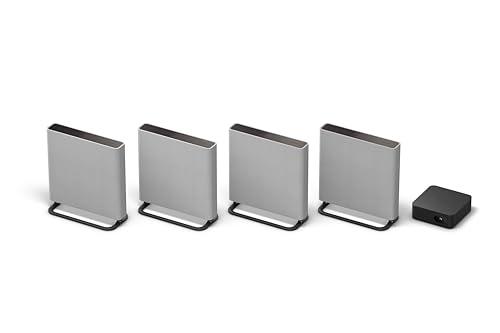
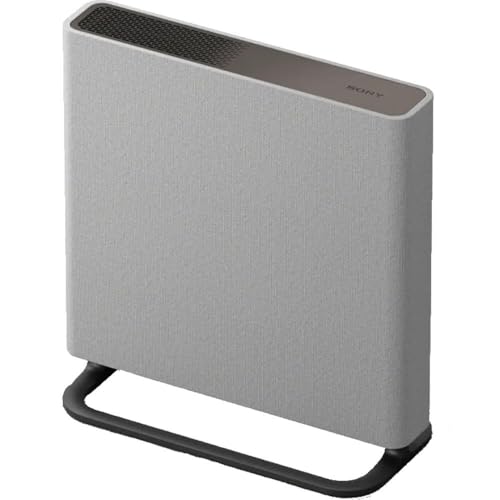
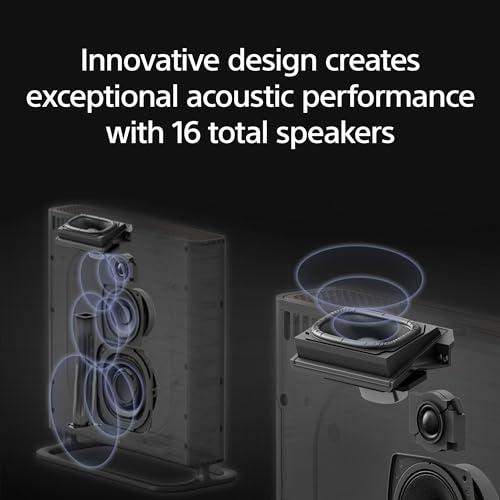
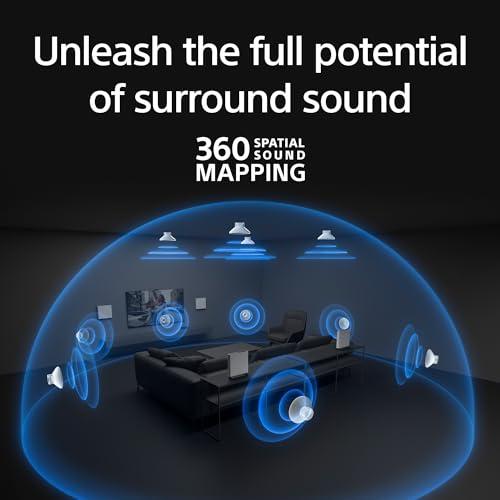
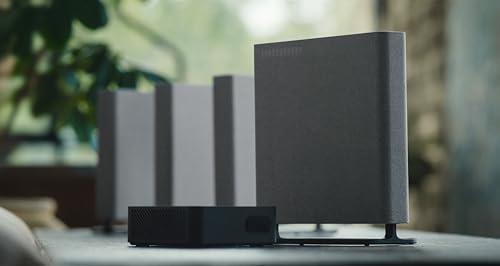
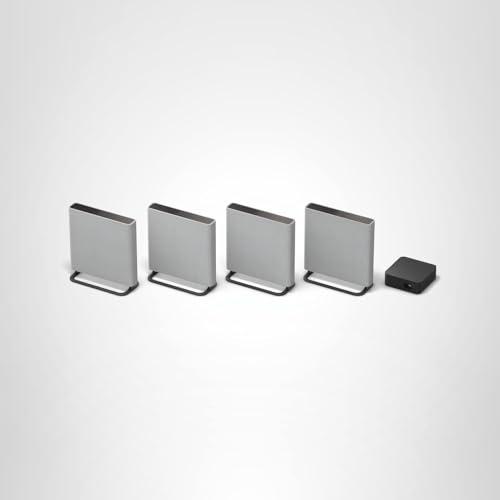
The Sony HT-A9M2 completely reimagines home theater setup. Instead of a single soundbar, you get four identical wireless speakers that can be placed anywhere in your room. Each speaker contains four drivers: a woofer for mid-bass, a midrange driver for vocals, a tweeter for high frequencies, and an upward-firing driver for Dolby Atmos height effects. This creates a 4.0.4-channel system—four main channels plus four height channels.
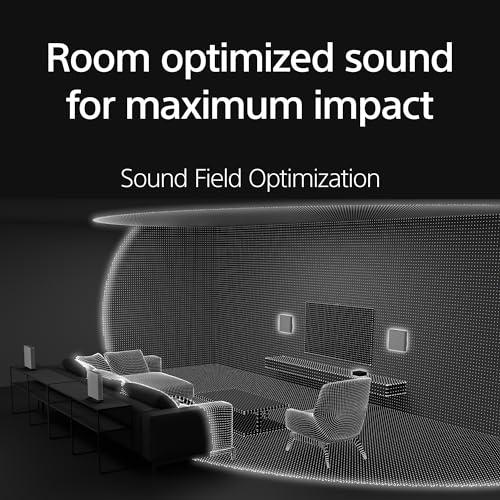
What makes this revolutionary is Sony's 360 Spatial Sound Mapping technology. Using built-in microphones, each speaker measures your room's acoustics and speaker distances, then creates virtual "phantom speakers" throughout your space. Think of it as audio holography—the system tricks your brain into hearing sounds from locations where no physical speakers exist.
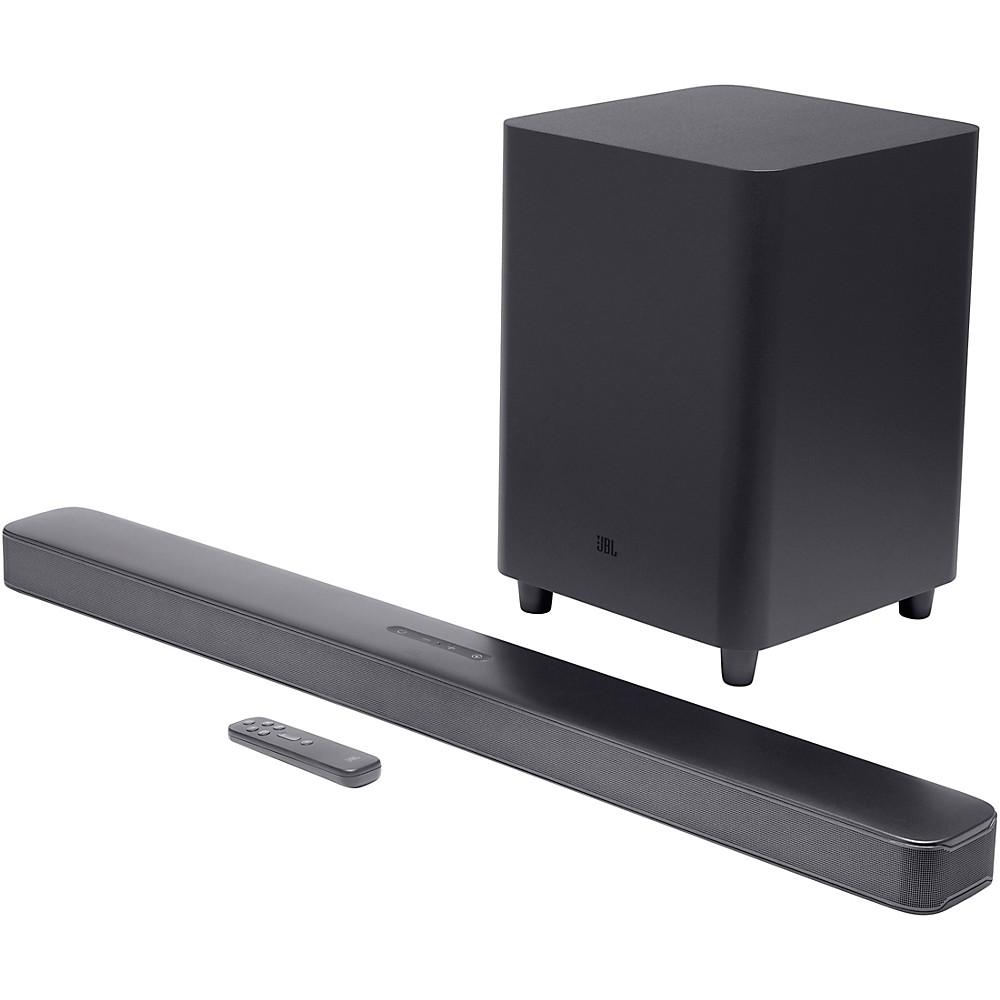
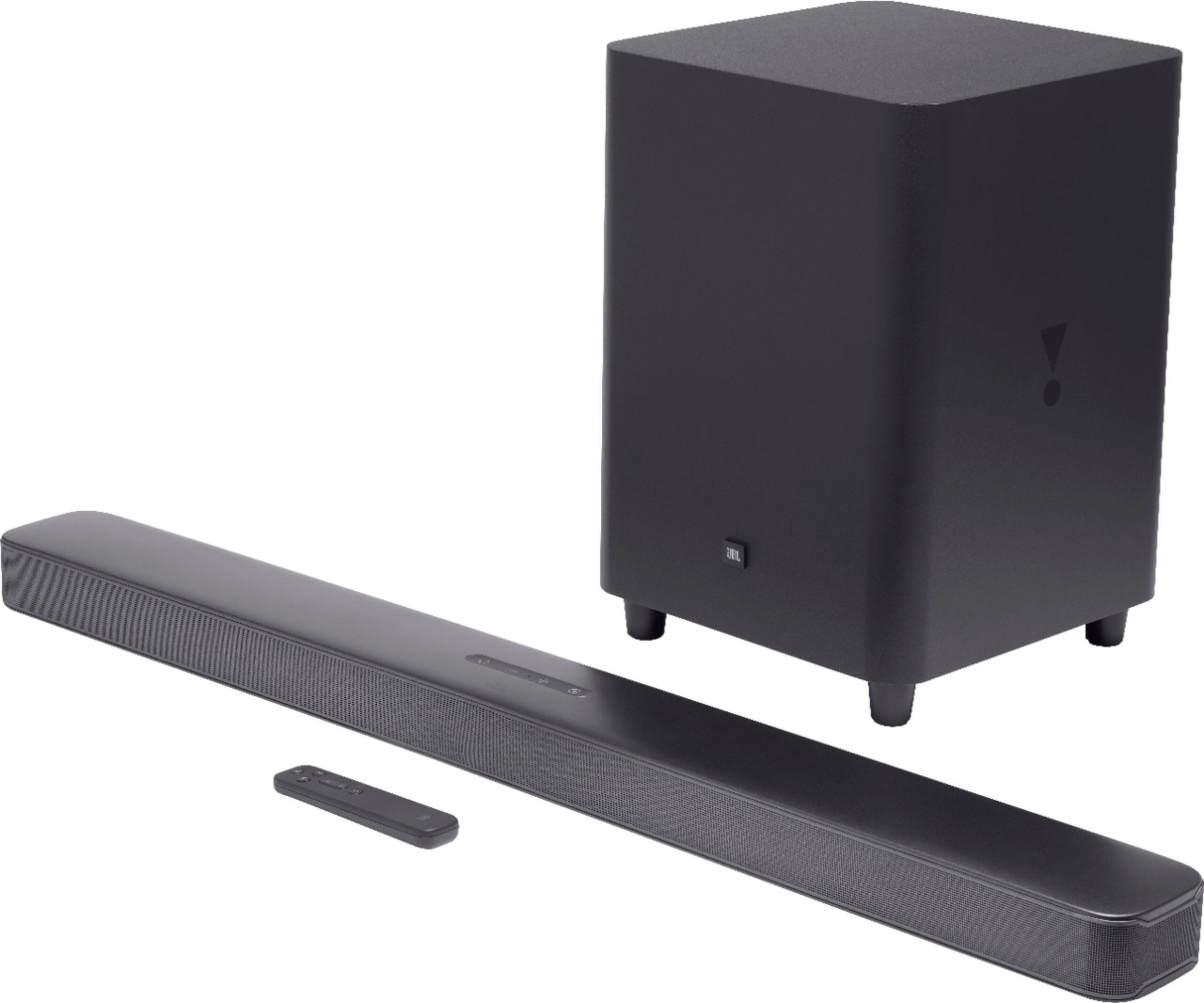
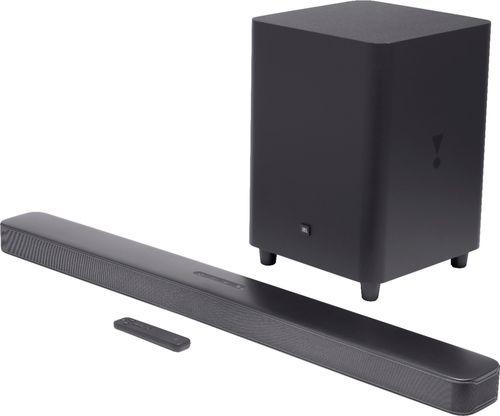
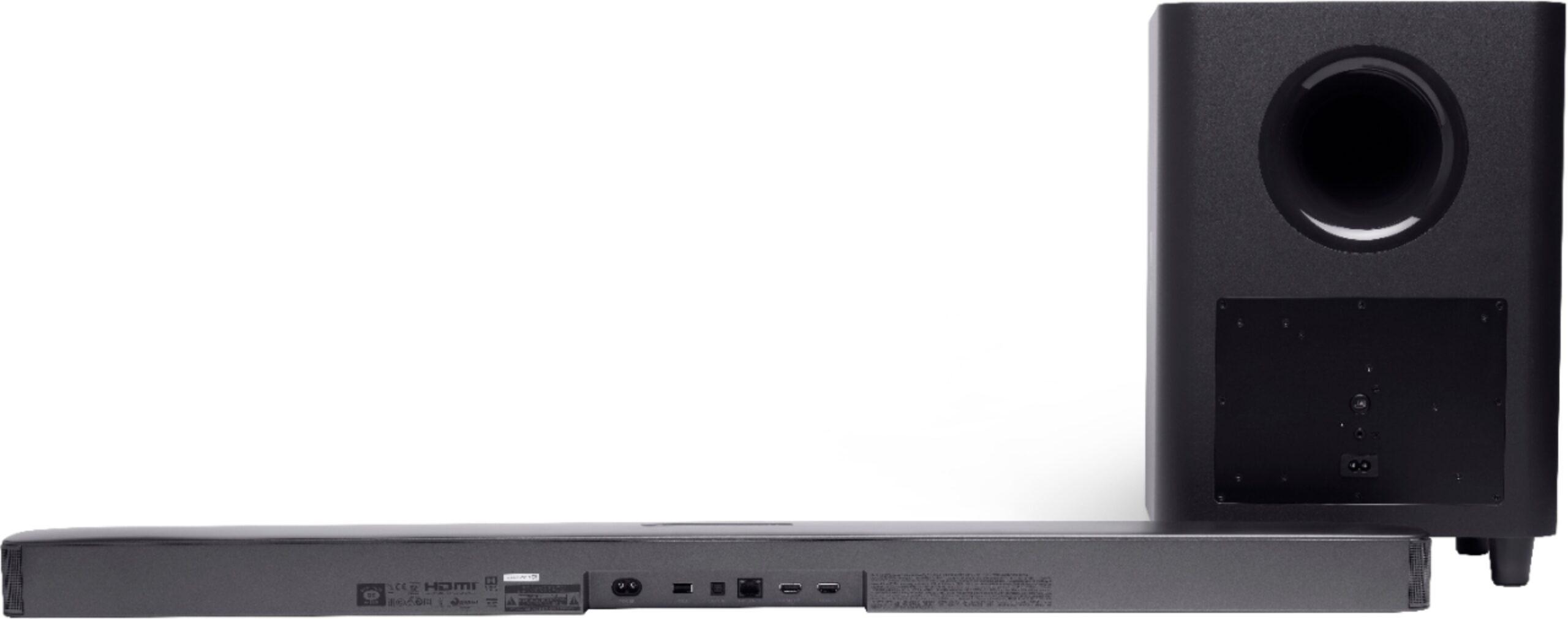
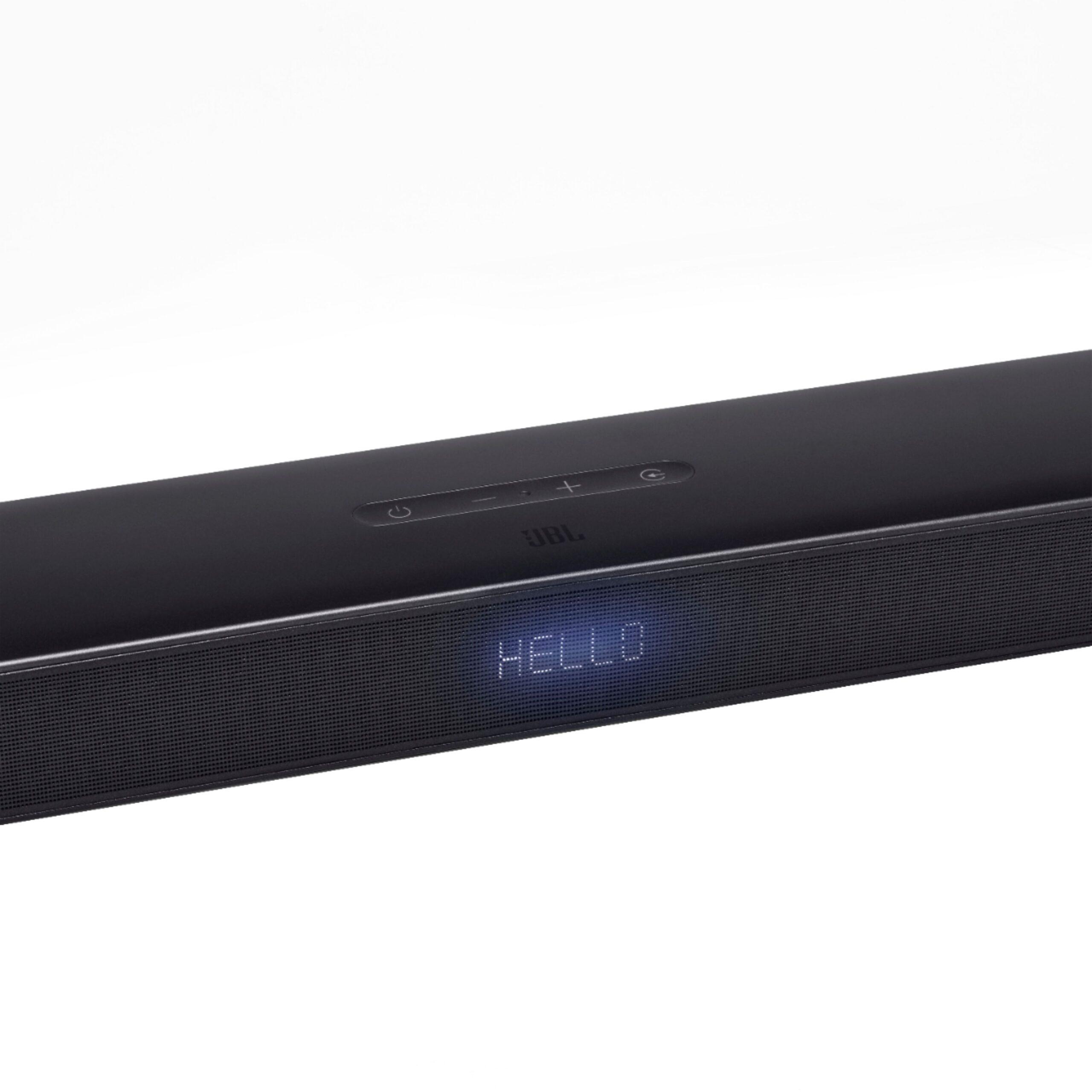
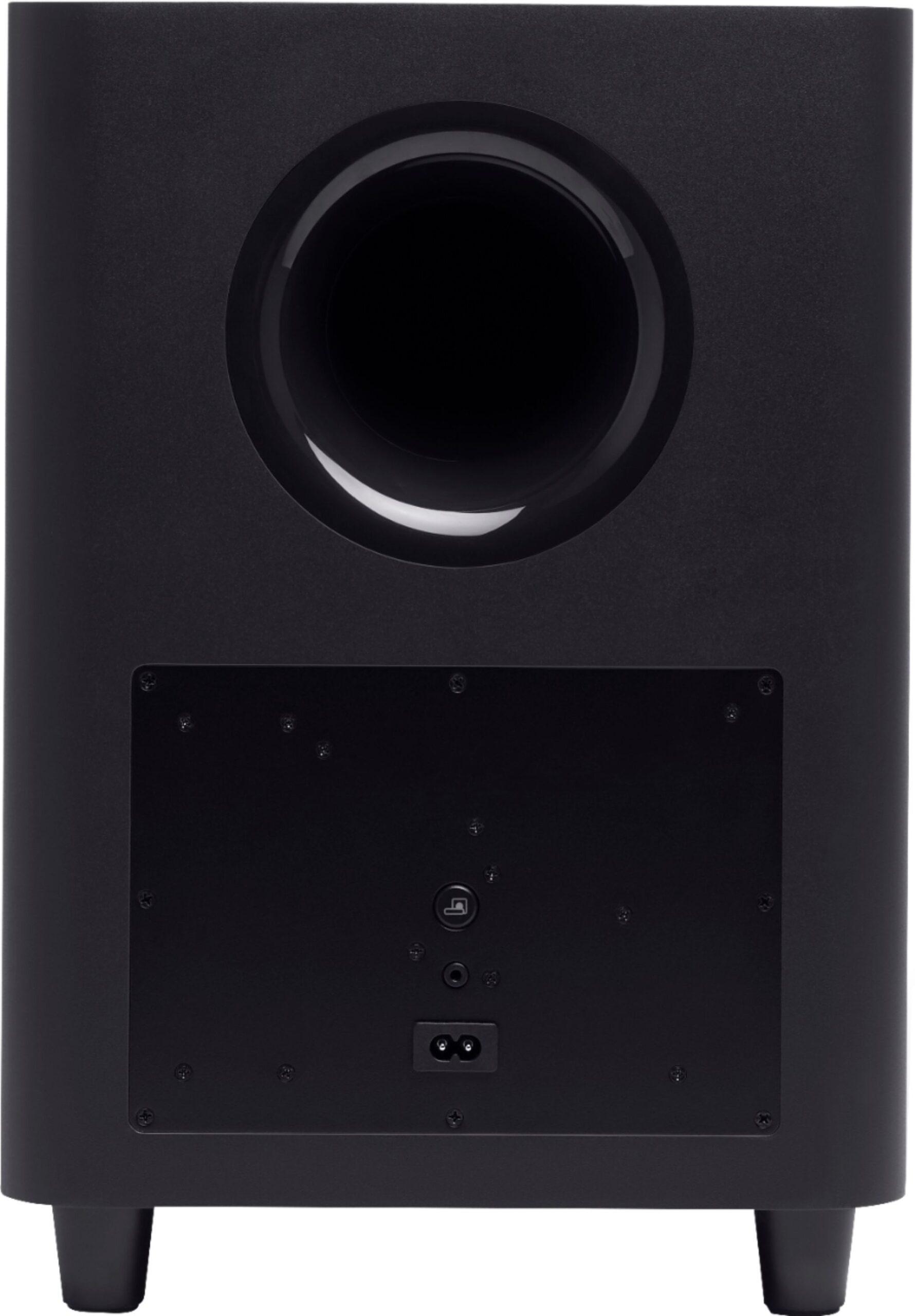
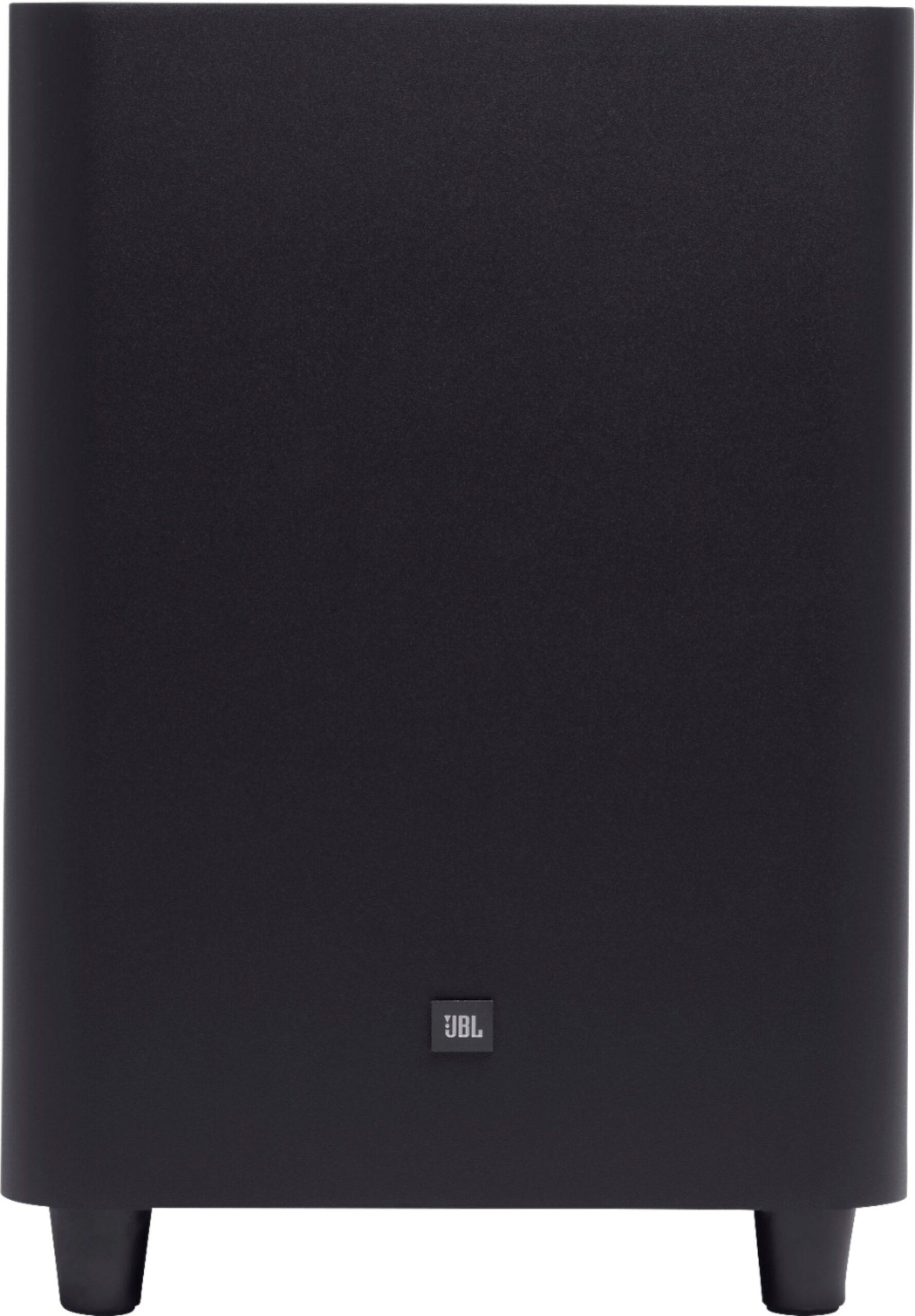
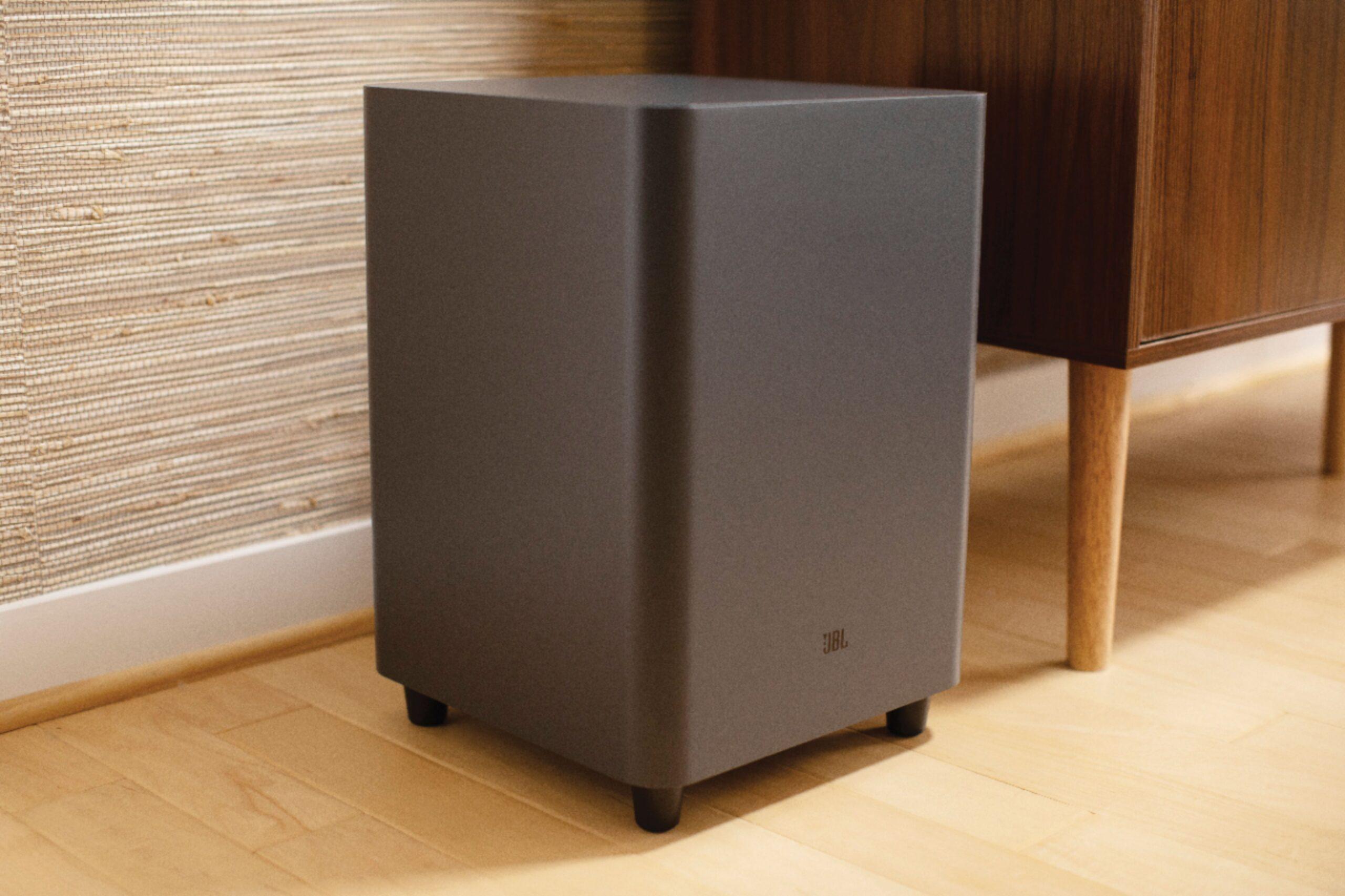
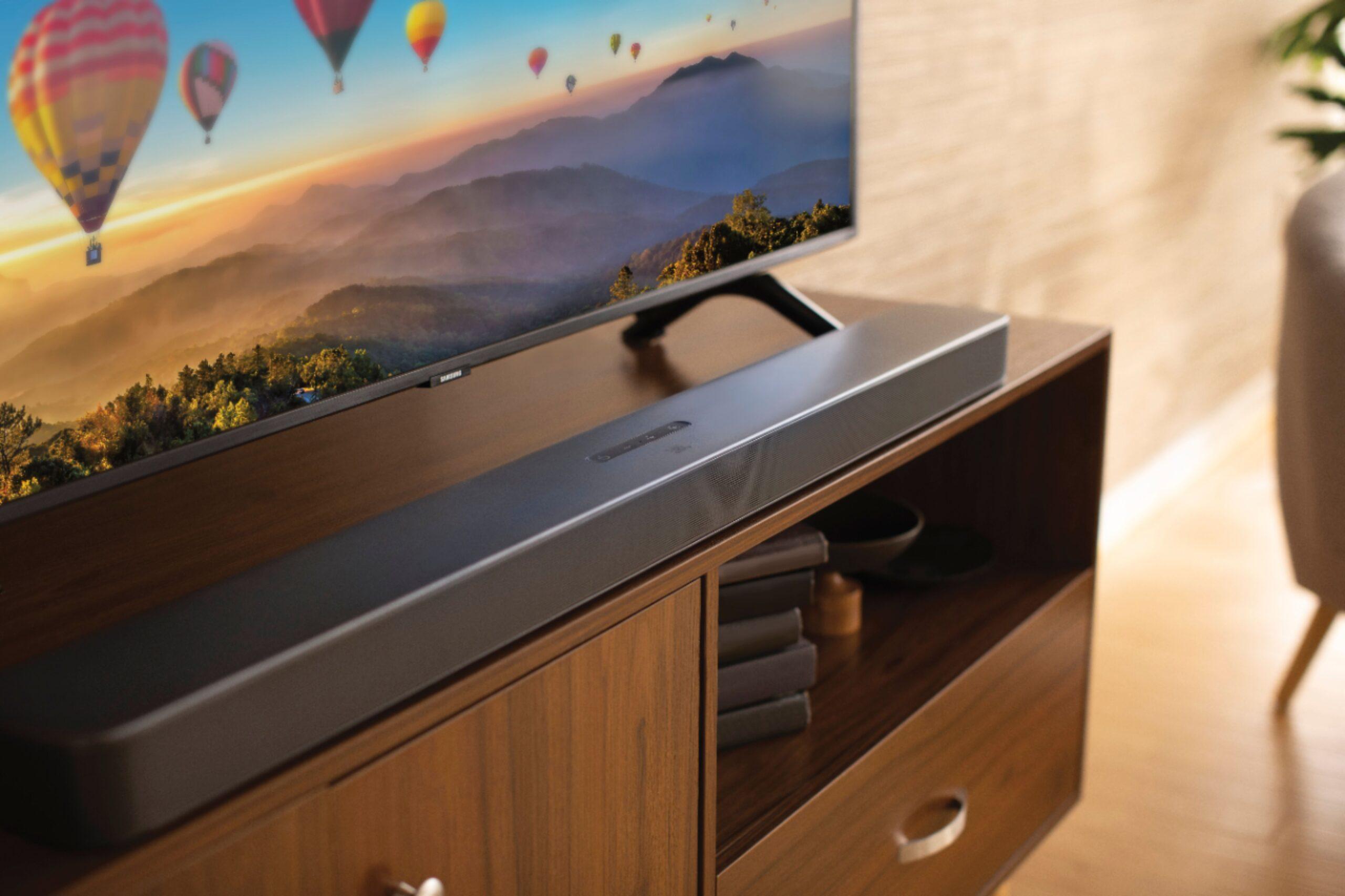
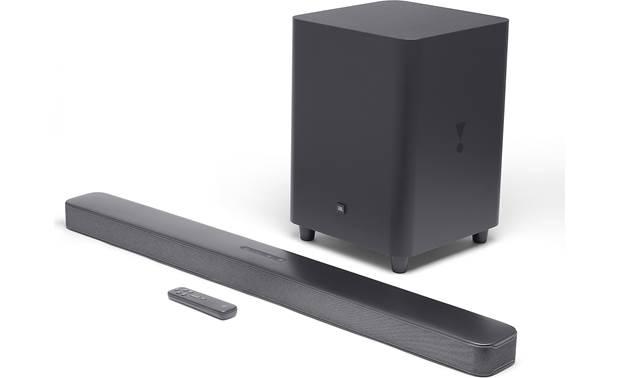
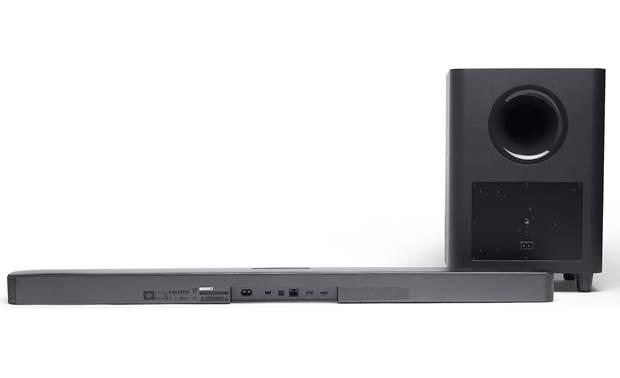
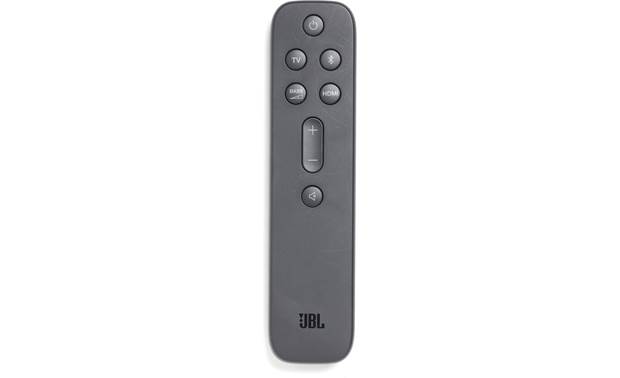
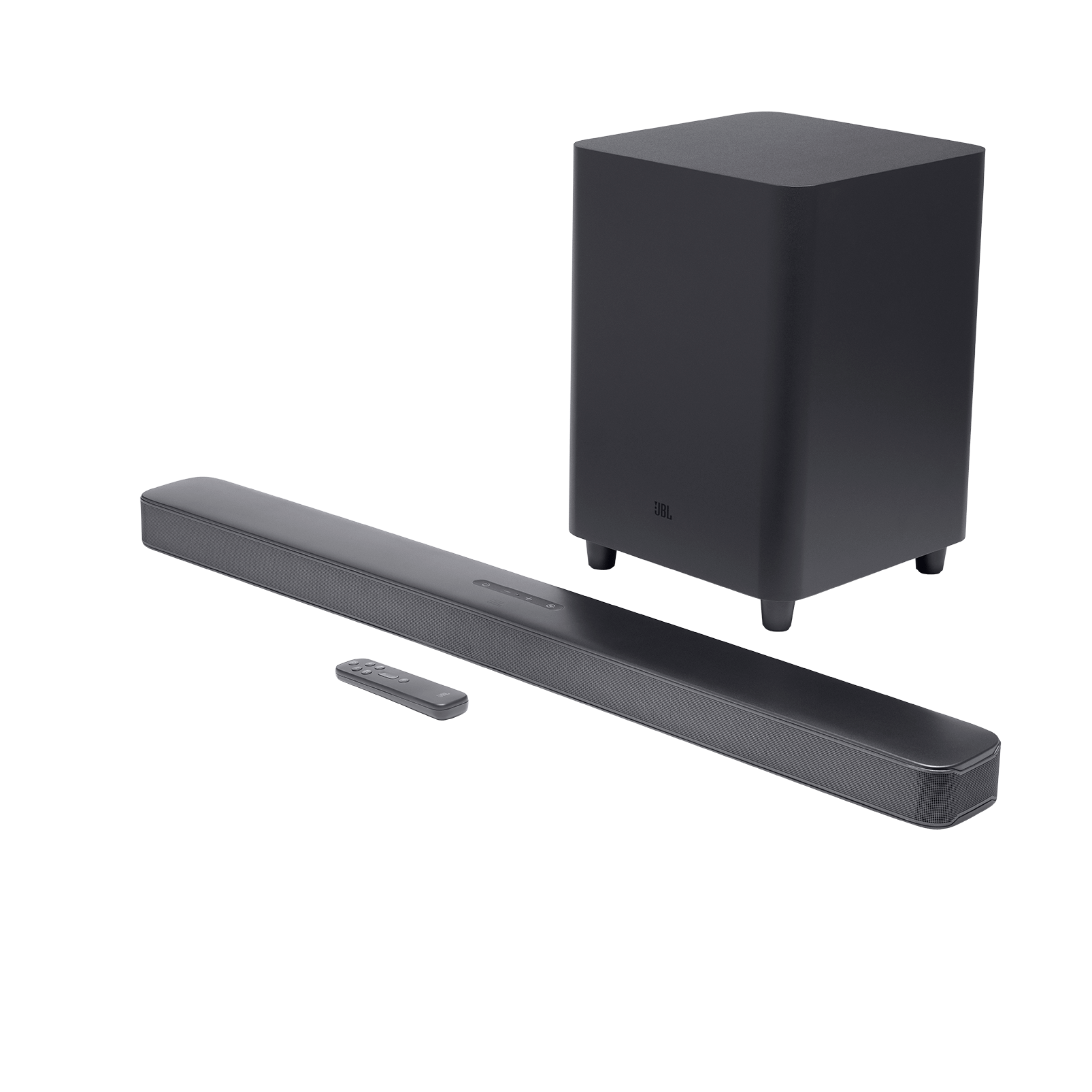
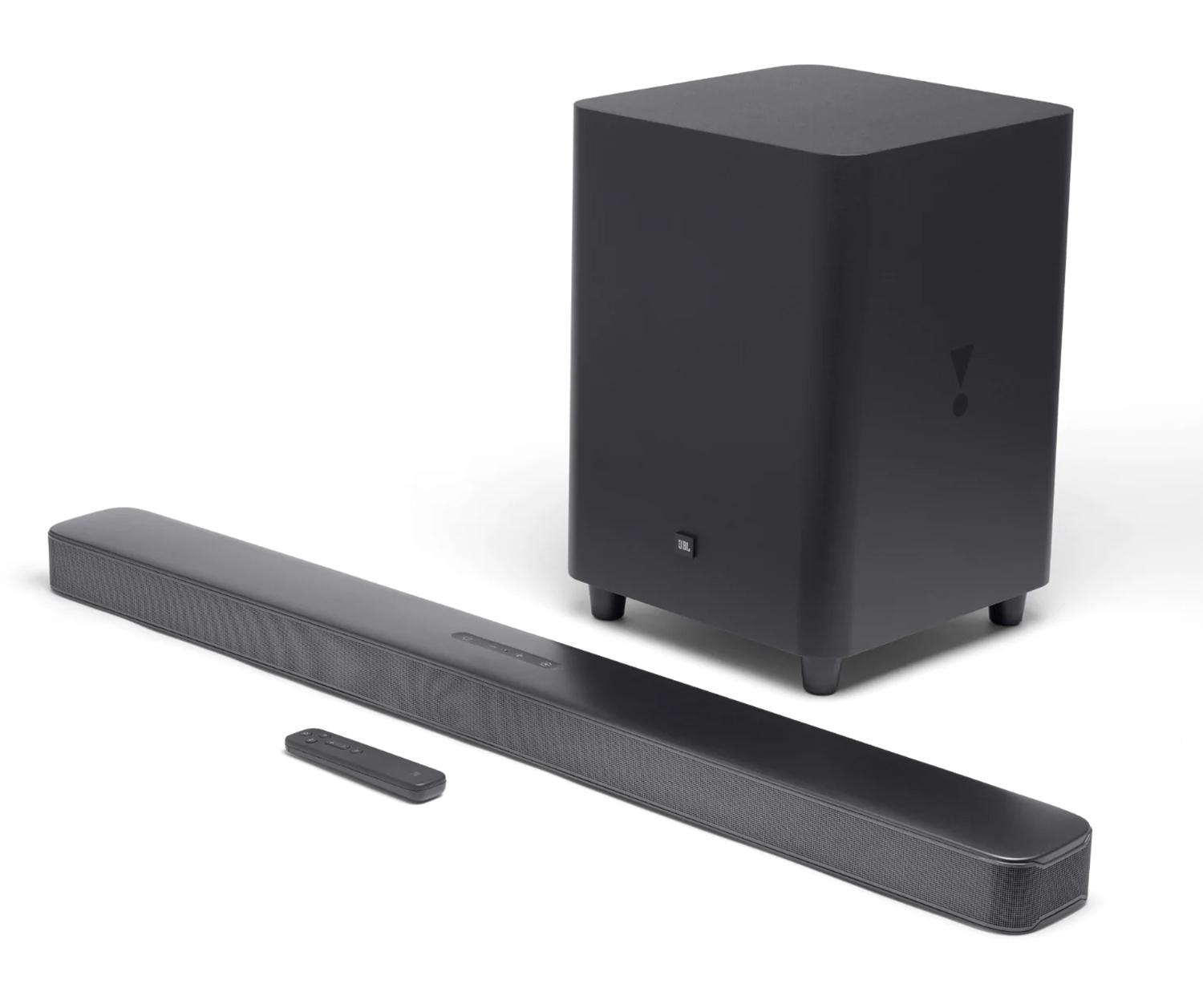
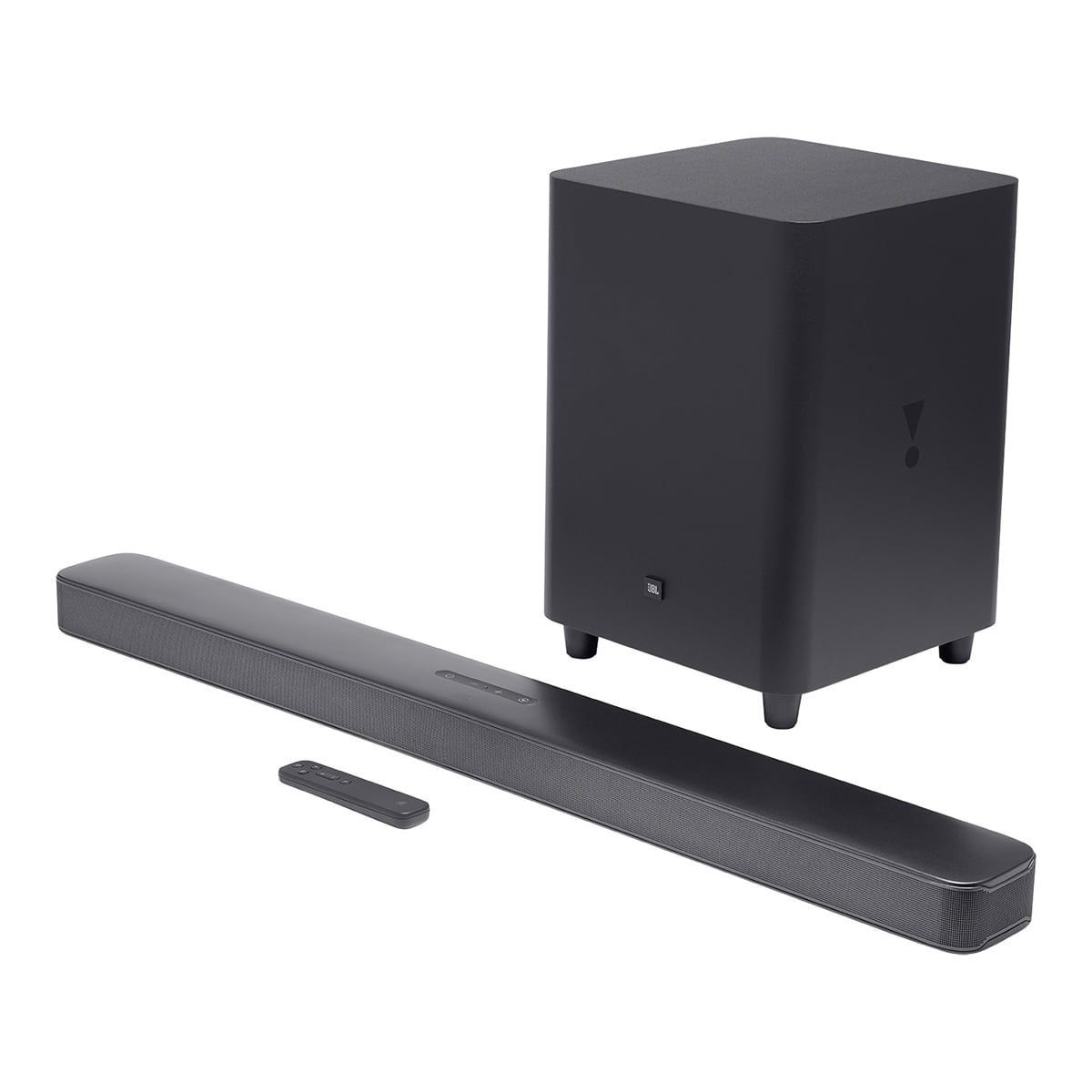
The JBL Bar 5.1 takes the familiar soundbar approach but adds clever twists. The main bar houses five drivers plus side-firing tweeters for width. What sets it apart are two detachable, battery-powered surround speakers that can be removed from the soundbar for true wireless rear placement. Add the included 10-inch wireless subwoofer, and you have a complete 5.1-channel system.
JBL's MultiBeam technology uses the side-firing drivers and digital processing to create virtual surround effects even when the rear speakers aren't deployed. It's less sophisticated than Sony's approach but more straightforward to understand and implement.
The Sony HT-A9M2 excels at creating what audiophiles call "soundstage"—the three-dimensional space where music and effects appear to originate. Our research into professional reviews reveals consistent praise for the system's ability to place sounds precisely in space. When watching movies like Top Gun: Maverick, jet engines don't just move left to right—they convincingly travel overhead and around your seating position.
This comes from having actual upward-firing drivers in each speaker, combined with Sony's sophisticated room correction. The system essentially maps your room and creates a bubble of sound that envelops your seating area from all directions, including above.
The JBL Bar 5.1 provides effective surround sound through its physical rear speakers but relies on psychoacoustic tricks for height effects. User reviews consistently note good left-right and front-back movement of effects, but the overhead sensation is more subtle. For most content, this traditional approach works well—you'll hear helicopters move across the room and ambient sounds from behind your seating position.
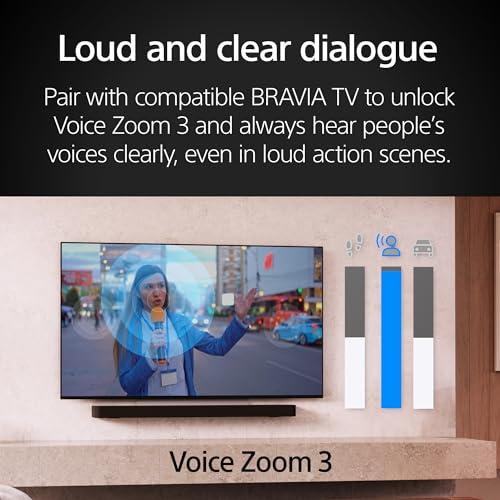
Dialogue clarity often determines whether a system feels engaging or fatiguing. The Sony HT-A9M2 uses a phantom center channel, meaning it creates the illusion of a center speaker between the front left and right units. Sony's Voice Zoom 3 technology uses AI to identify and enhance dialogue in the mix, making conversations more intelligible even at lower volumes.
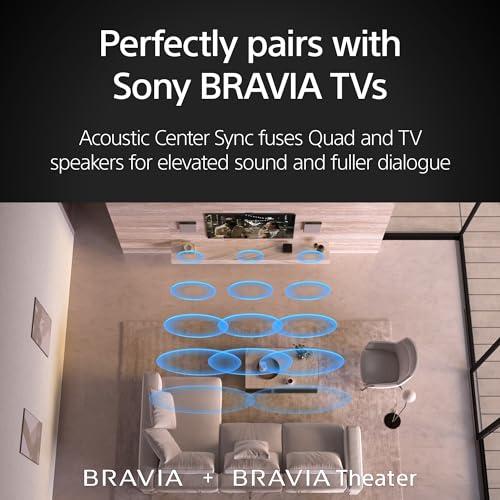
When paired with compatible Sony BRAVIA TVs, the system can use your TV's speakers as an actual center channel through Acoustic Center Sync. This anchors dialogue directly to the screen, which our research suggests provides noticeably better dialogue localization than phantom center processing alone.
The JBL Bar 5.1 has a dedicated center channel driver in the main soundbar, which typically provides more focused dialogue than phantom processing. Expert reviews note clear vocal reproduction, though some mention occasional harshness in the treble that can make dialogue slightly fatiguing during long viewing sessions.
This is where the systems diverge most dramatically. The JBL Bar 5.1 includes a substantial 10-inch wireless subwoofer delivering 300 watts of bass power. User feedback consistently praises the immediate impact—explosions have weight, music has punch, and the system feels complete from day one.
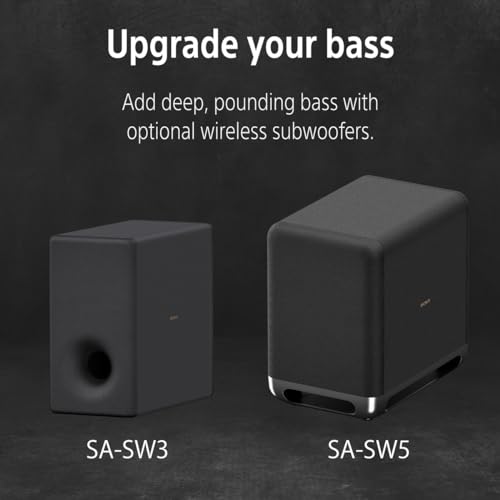
The Sony HT-A9M2 ships without a subwoofer, which multiple professional reviewers identify as its main weakness. The system's compact speakers simply cannot produce the low-frequency impact that modern movie soundtracks demand. Sony offers optional wireless subwoofers (the SA-SW3 and SA-SW5), but this represents additional cost on top of an already premium system.
Our analysis of user feedback reveals this as a consistent complaint: while the Sony system impresses with its spatial tricks and clarity, action movies lack the visceral punch that makes home theater exciting without adding a subwoofer.
Both systems can fill medium-sized rooms adequately, but they approach loudness differently. The Sony HT-A9M2 distributes its 504 watts across 16 individual drivers, allowing for precise control and excellent clarity even at higher volumes. The spatial processing also makes the system sound subjectively louder than its power rating might suggest.
The JBL Bar 5.1 concentrates its 550 watts more traditionally, with the subwoofer handling the heavy lifting for impact. This creates more immediate dynamic punch but less sophisticated spatial processing.
For larger rooms or reference-level volumes, neither system matches traditional AV receivers with full-sized speakers, but both handle typical living room use effectively.
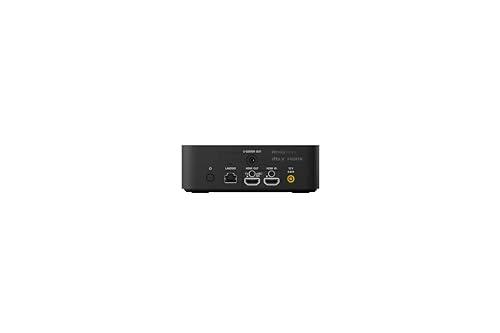
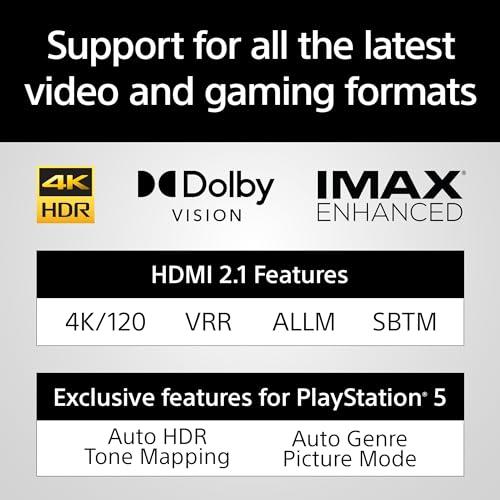
Gaming has become a crucial consideration for home theater systems, especially with PlayStation 5 and Xbox Series X pushing 4K gaming at 120Hz. The Sony HT-A9M2 embraces this reality with full HDMI 2.1 implementation, supporting 4K/120Hz and 8K/60Hz passthrough, Variable Refresh Rate (VRR), and Auto Low Latency Mode (ALLM).
For PlayStation 5 owners specifically, Sony includes optimizations like Auto HDR Tone Mapping and Auto Genre Picture Mode that automatically adjust audio and video settings based on the content type. The system also supports Source-Based Tone Mapping (SBTM), which allows games to send specific instructions for how HDR content should be displayed.
The JBL Bar 5.1 uses HDMI 2.0, which limits gaming capabilities to 4K/60Hz without the advanced features modern consoles offer. While perfectly adequate for current gaming, it lacks the future-proofing that serious gamers might want.
Both systems support high-quality Bluetooth audio, but the Sony system includes LDAC codec support for near-lossless wireless streaming from compatible devices—a notable advantage for high-resolution music listening.
The JBL Bar 5.1 wins on simplicity. Place the soundbar under your TV, position the subwoofer nearby, and optionally place the surround speakers behind your seating. The system works well immediately, with minimal configuration required.
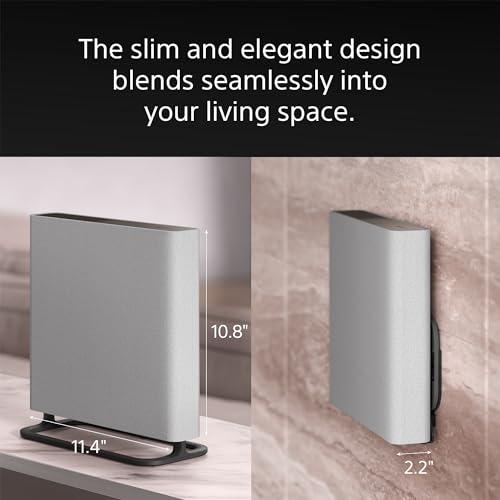
The Sony HT-A9M2 demands more thoughtful placement. You'll need to position four speakers around your room—they can be on stands, shelves, or wall-mounted, but optimal performance requires some planning. The payoff is greater flexibility and more immersive audio, but setup complexity is notably higher.
Sony's Sound Field Optimization runs automatically to measure your room and calibrate performance, which generally works well according to user reports. However, moving furniture or speakers requires recalibration, adding maintenance that the JBL system doesn't require.
Both systems integrate well with smart TVs through HDMI ARC/eARC, allowing your TV remote to control volume and basic functions.
At the time of writing, the pricing difference between these systems is substantial—the Sony HT-A9M2 costs roughly five times more than the JBL Bar 5.1. This price gap reflects their different target markets and technologies.
The JBL system represents exceptional value for what you get: a complete 5.1 surround system with strong bass performance at an accessible price point. It includes everything needed for effective home theater audio without additional purchases.
The Sony system justifies its premium pricing through cutting-edge spatial audio technology, superior future-proofing, and more sophisticated audio processing. However, the lack of an included subwoofer means the true cost of ownership is higher than the base price suggests.
For budget-conscious buyers wanting effective surround sound, the JBL Bar 5.1 delivers legitimate 5.1-channel performance at a price that makes sense for most households. The Sony HT-A9M2 serves audio enthusiasts willing to pay significantly more for revolutionary wireless spatial audio technology.
Our research into user feedback reveals interesting patterns. JBL Bar 5.1 owners consistently praise the immediate satisfaction—setup is quick, bass impact is strong, and the surround effect works as expected. Complaints typically focus on limited height effects and occasional Bluetooth connectivity issues.
Sony HT-A9M2 owners express more complex relationships with their systems. The spatial audio impresses visitors and creates genuinely unique listening experiences, but many acknowledge the need for additional subwoofer purchases and more involved setup processes. The wireless reliability has improved significantly since the original HT-A9, addressing early concerns about dropouts.
Professional reviewers consistently note that the Sony system requires a subwoofer to reach its full potential, while the JBL system works well immediately but can't match the spatial sophistication of Sony's approach.
Choose the JBL Bar 5.1 if you want proven surround sound performance without complexity or major investment. It's ideal for families wanting better TV audio, casual movie watchers who prioritize bass impact, and anyone preferring simple setup over cutting-edge features. The system works particularly well in smaller to medium rooms where traditional surround sound placement is practical.
Choose the Sony HT-A9M2 if you're fascinated by audio innovation and willing to invest in premium technology. It's perfect for PlayStation 5 owners, audiophiles interested in spatial audio, and homeowners who want flexibility in speaker placement. The system shines in larger or unusually shaped rooms where traditional surround sound setup is challenging.
These systems represent different philosophies rather than direct competitors. The JBL Bar 5.1 perfects the traditional soundbar approach with good performance at an accessible price. The Sony HT-A9M2 pioneers wireless spatial audio but demands premium pricing and careful consideration of your room and needs.
For most people wanting significantly better TV audio without major investment or complexity, the JBL system provides excellent value and immediate satisfaction. For audio enthusiasts seeking cutting-edge technology and willing to invest accordingly, the Sony system offers genuinely revolutionary spatial audio that transforms how you experience movies and music.
Neither choice is wrong—they simply serve different priorities and budgets in the evolving world of home theater audio.
| Sony HT-A9M2 BRAVIA Theater Quad | JBL Bar 5.1 Surround |
|---|---|
| System Configuration - Determines setup complexity and audio approach | |
| 4.0.4 channels with four wireless satellite speakers (16 total drivers) | 5.1 channels with soundbar + detachable wireless surrounds + subwoofer |
| Subwoofer Inclusion - Critical for bass impact and value | |
| No subwoofer included (must purchase separately for full performance) | 10-inch wireless subwoofer included |
| Total Power Output - Affects maximum volume and dynamic range | |
| 504W distributed across 16 individual drivers | 550W (250W soundbar + 300W subwoofer) |
| Spatial Audio Technology - Key differentiator for immersion | |
| 360 Spatial Sound Mapping creates phantom speakers throughout room | MultiBeam virtual surround + physical rear speakers |
| Height Effects - Essential for Dolby Atmos performance | |
| Dedicated upward-firing drivers in each speaker for true Atmos | Virtual height effects through processing (no dedicated height drivers) |
| HDMI Connectivity - Important for gaming and future-proofing | |
| HDMI 2.1 with 4K/120Hz, 8K/60Hz, VRR, ALLM support | HDMI 2.0 with 4K/60Hz support (no advanced gaming features) |
| Gaming Optimization - Crucial for PlayStation 5 and Xbox Series X owners | |
| PlayStation 5 optimized with Auto HDR Tone Mapping and Genre Picture Mode | Standard HDMI connectivity without console-specific features |
| Audio Format Support - Determines compatibility with premium content | |
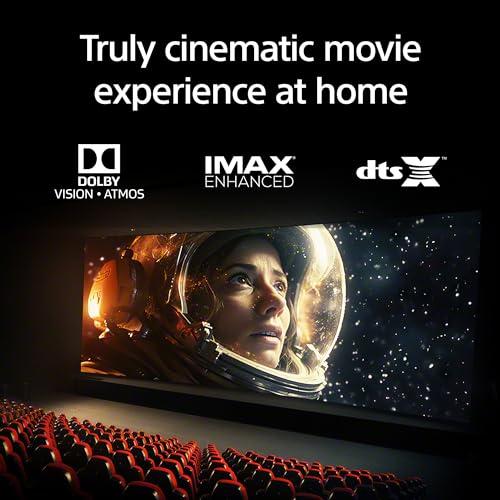
| Dolby Atmos, DTS:X, IMAX Enhanced, 360 Reality Audio, Hi-Res up to 192kHz/24-bit | Dolby Digital, DTS (no native Atmos or high-resolution audio support) |
| Bluetooth Audio Quality - Affects wireless music streaming | |
| Bluetooth 5.2 with LDAC codec for near-lossless audio | Bluetooth 4.2 with standard codecs |
| Setup Complexity - Consider your comfort with positioning multiple speakers | |
| Requires positioning four wireless speakers around room with calibration | Simple soundbar placement with optional wireless surround positioning |
| Room Calibration - Optimizes performance for your specific space | |
| Automatic Sound Field Optimization with room measurement | Manual setup without room correction |
| Physical Design - Consider your living space and aesthetic preferences | |
| Four separate speakers (11" x 11" x 3" each) requiring room placement | Traditional soundbar (40" wide) with compact wireless components |
| Value Proposition - Consider total cost including necessary accessories | |
| Premium pricing for cutting-edge spatial audio technology | Complete system at accessible price point with immediate bass impact |
The Sony HT-A9M2 delivers superior spatial audio through its four wireless speakers and 360 Spatial Sound Mapping technology, creating a more immersive bubble of sound around your seating area. The JBL Bar 5.1 provides traditional but effective 5.1 surround sound with physical rear speakers and a dedicated subwoofer for immediate bass impact.
The JBL Bar 5.1 includes everything you need: soundbar, wireless subwoofer, and detachable surround speakers. The Sony HT-A9M2 comes as a complete 4.0.4 system but lacks a subwoofer, which most users will want to purchase separately for full bass performance.
The JBL Bar 5.1 offers simpler installation with familiar soundbar placement under your TV and optional wireless surround positioning. The Sony HT-A9M2 requires more planning as you need to position four separate wireless speakers around your room, though it offers greater placement flexibility.
The JBL Bar 5.1 includes a powerful 10-inch wireless subwoofer that delivers immediate, impactful bass for movies and music. The Sony HT-A9M2 ships without a subwoofer, resulting in limited bass response until you add Sony's optional wireless subwoofer.
The Sony HT-A9M2 excels for gaming with full HDMI 2.1 support, including 4K/120Hz, Variable Refresh Rate, and PlayStation 5 optimizations. The JBL Bar 5.1 uses HDMI 2.0, limiting gaming features to 4K/60Hz without advanced console features.
The Sony HT-A9M2 supports high-resolution audio up to 192kHz/24-bit and includes LDAC Bluetooth for superior wireless music quality. The JBL Bar 5.1 provides good music performance with strong bass from its included subwoofer but uses older Bluetooth 4.2 technology.
The JBL Bar 5.1 provides exceptional value as a complete 5.1 system at an accessible price point with everything included. The Sony HT-A9M2 costs significantly more but offers cutting-edge spatial audio technology and future-proof connectivity for audio enthusiasts.
The Sony HT-A9M2 features dedicated upward-firing drivers in each speaker for true Dolby Atmos height effects. The JBL Bar 5.1 uses virtual processing for height effects rather than dedicated Atmos drivers, providing a less convincing overhead experience.
The JBL Bar 5.1 works well in small to medium rooms with its traditional soundbar approach. The Sony HT-A9M2 adapts better to various room sizes and shapes through its wireless speaker placement flexibility and automatic room calibration.
The Sony HT-A9M2 uses improved wireless technology with dual antennas and frequency hopping for stable four-speaker connectivity. The JBL Bar 5.1 offers reliable wireless connection between the soundbar, subwoofer, and detachable surround speakers with simpler wireless requirements.
Both systems handle dialogue well, with the Sony HT-A9M2 using AI-enhanced Voice Zoom 3 technology and optional TV speaker integration through Acoustic Center Sync. The JBL Bar 5.1 provides clear dialogue through its dedicated center channel in the main soundbar.
Choose the JBL Bar 5.1 for immediate satisfaction with complete 5.1 surround sound, strong bass, and simple setup at an accessible price. Choose the Sony HT-A9M2 for revolutionary spatial audio technology, premium gaming features, and flexible wireless speaker placement if you're willing to invest in cutting-edge home theater innovation.
We've done our best to create useful and informative comparisons to help you decide what product to buy. Our research uses advanced automated methods to create this comparison and perfection is not possible - please contact us for corrections or questions. These are the sites we've researched in the creation of this article: bestbuy.com - whathifi.com - whathifi.com - youtube.com - rtings.com - audiosciencereview.com - bhphotovideo.com - skybygramophone.com - sony.com - manuals.plus - audioadvice.com - dell.com - valueelectronics.com - youtube.com - merlinstv.com - videoandaudiocenter.com - electronics.sony.com - sony.com - bestbuy.com - beachcamera.com - sony.com - win.consulting - sony.com - jbl.com - jbl.com - jbl.com - tomsguide.com - jbl.com - bestbuy.com - bestbuy.com - jbl.com - jbl.com - worldwidestereo.com

Privacy Policy
Terms and Conditions - Affiliate Policy
Home Security
© Copyright 2008-2026.
11816 Inwood Rd #1211, Dallas, TX 75244