


If you've ever struggled to hear dialogue on your TV or felt that action scenes lack punch, you're not alone. Most TV speakers are terrible—they're tiny, face backward, and prioritize thin design over sound quality. That's where soundbars come in, and choosing between the Samsung HW-B630F and JBL Bar 5.1 represents a classic decision point in the soundbar world.
Before diving into these specific models, it's worth understanding what separates good soundbars from mediocre ones. The most important factor is channel configuration—this describes how many speakers are working independently. A 2.1 system has left and right speakers plus a subwoofer (the .1 refers to the bass-focused subwoofer). A 3.1 system adds a center channel specifically for dialogue, while 5.1 includes rear speakers for true surround sound.
The quality of dialogue reproduction matters enormously because most of what we watch centers around people talking. A dedicated center channel, positioned directly below your TV screen, anchors voices to the action on screen rather than having them float somewhere between the left and right speakers.
Bass performance determines how much impact explosions, music, and sound effects will have. This is where the subwoofer comes in—a specialized speaker designed to handle low frequencies that regular speakers can't reproduce effectively.
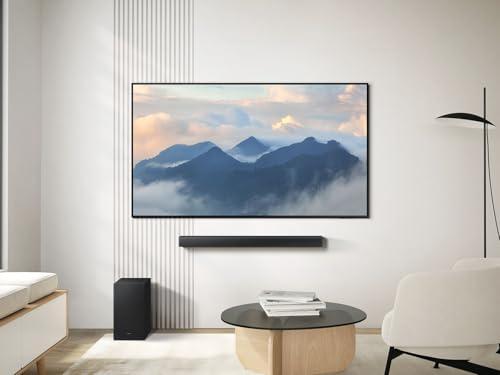
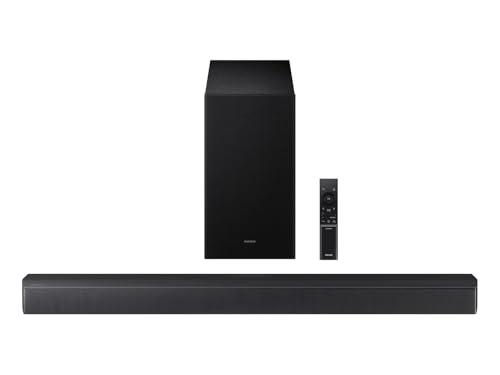
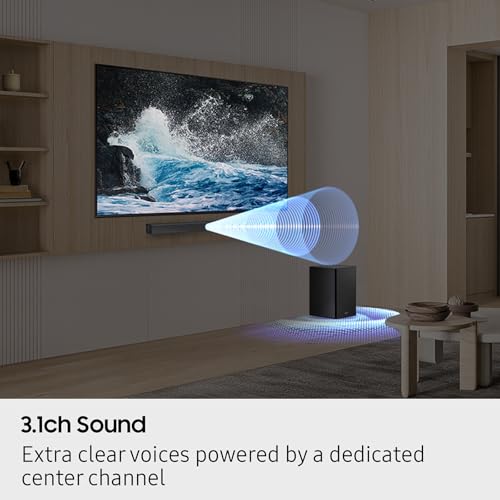
The Samsung HW-B630F, released in 2022, represents Samsung's approach to making TV audio better through smart processing and integration. It's a 3.1-channel system that focuses heavily on dialogue clarity and seamless operation with Samsung TVs.
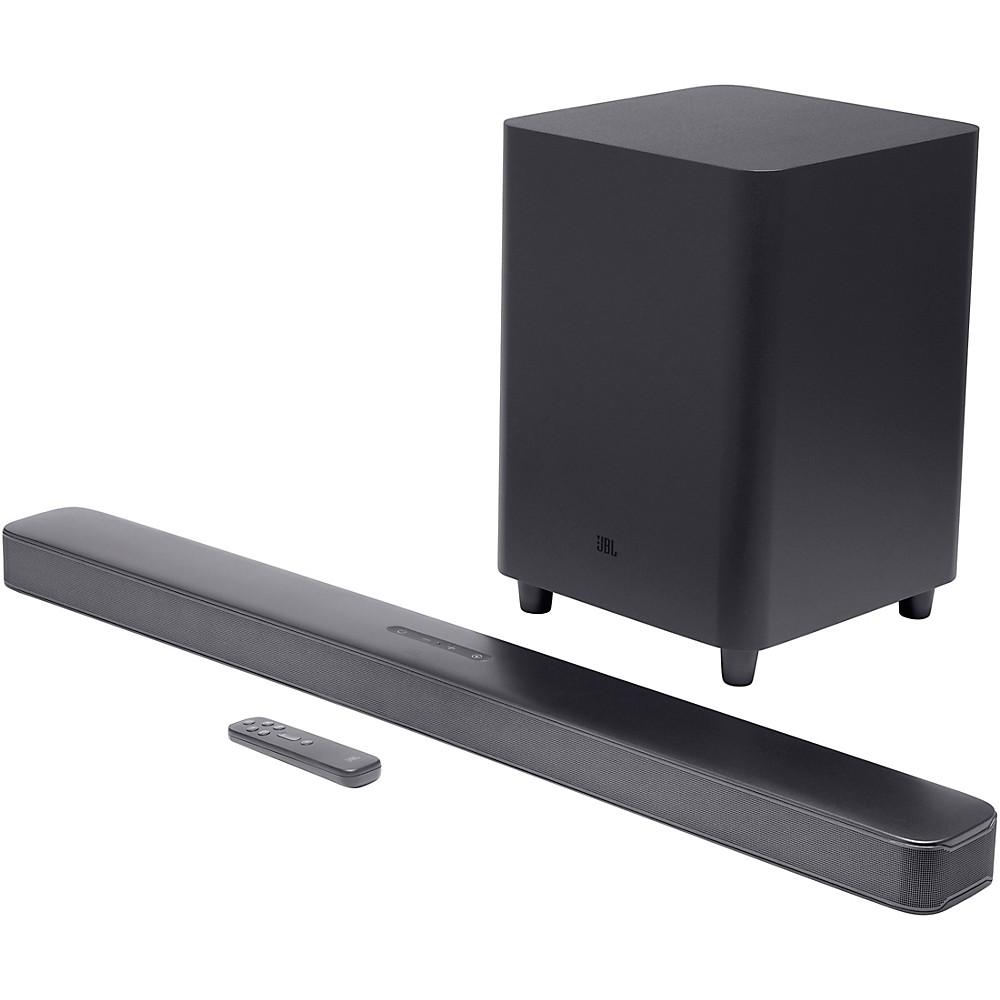
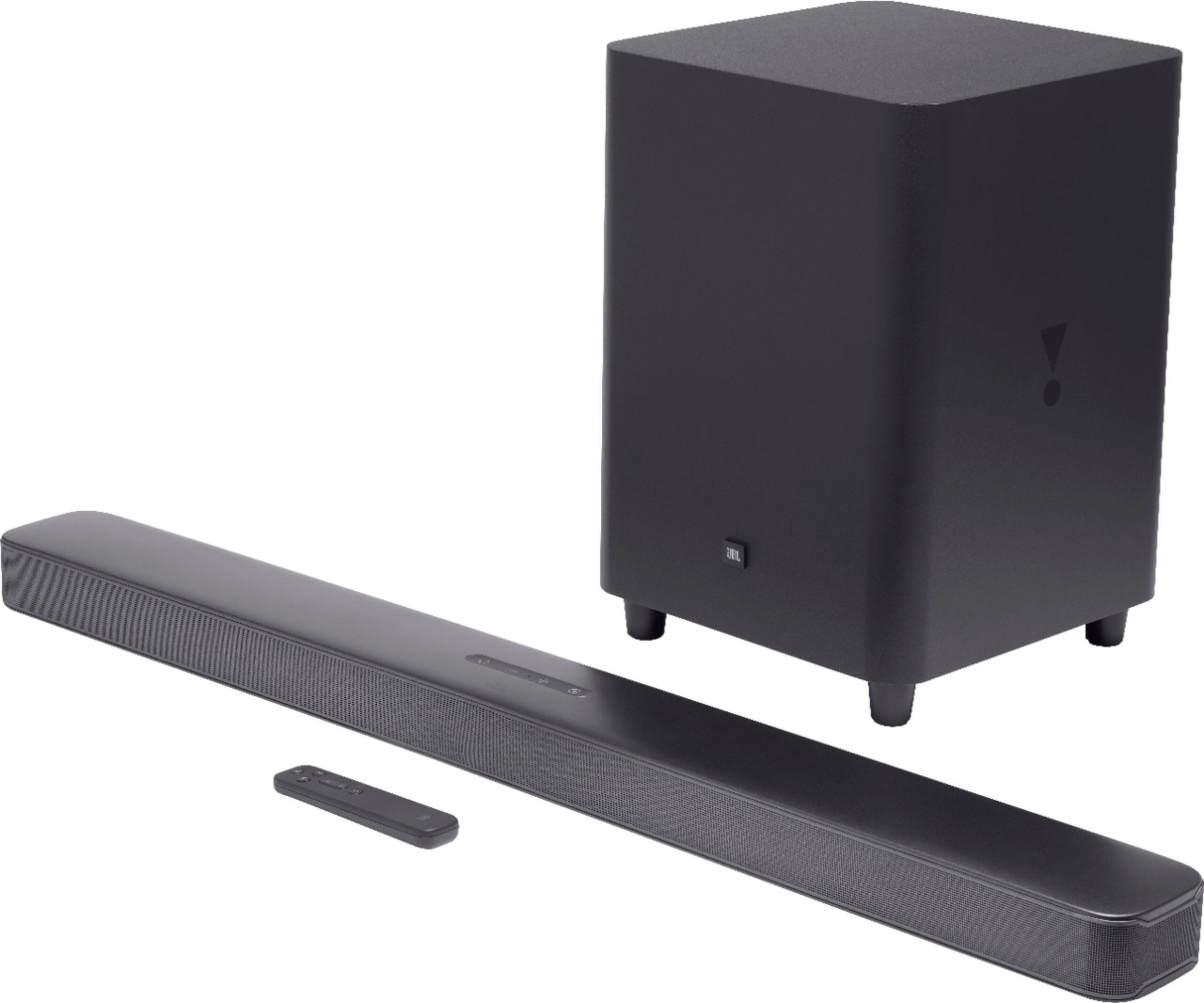
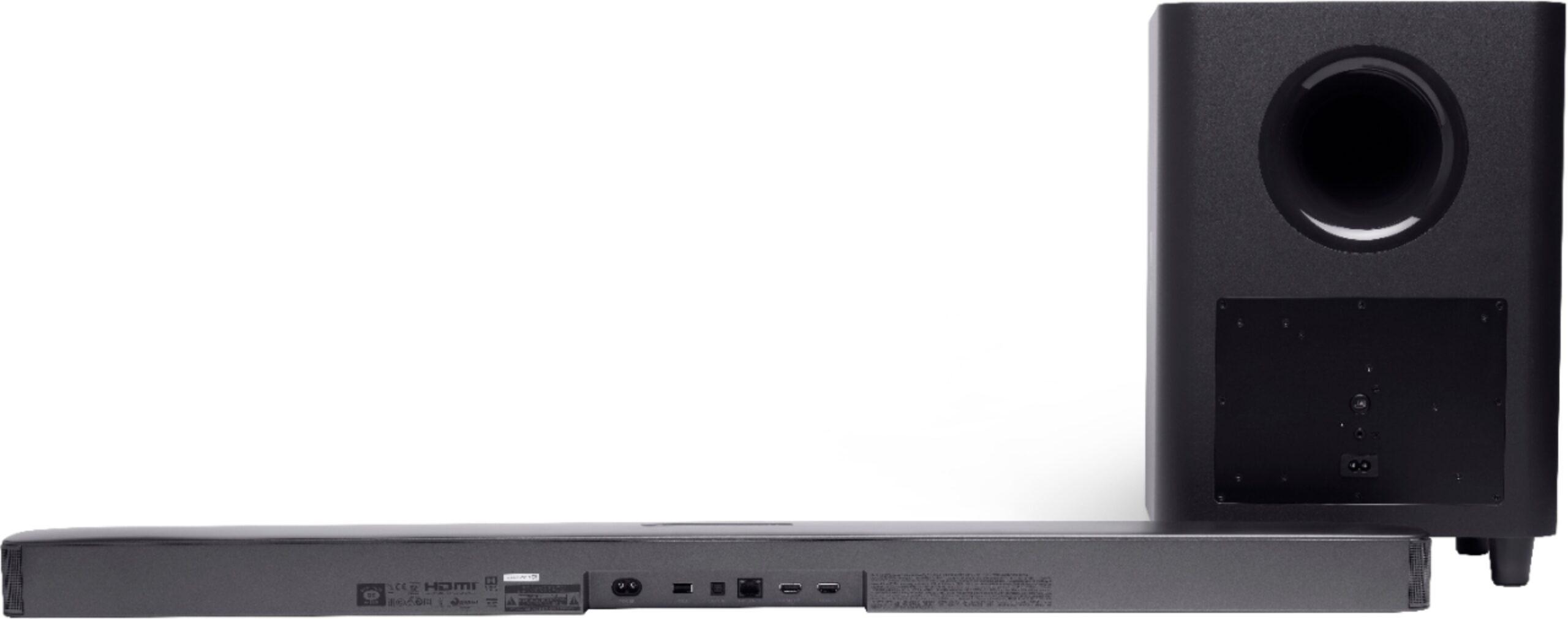
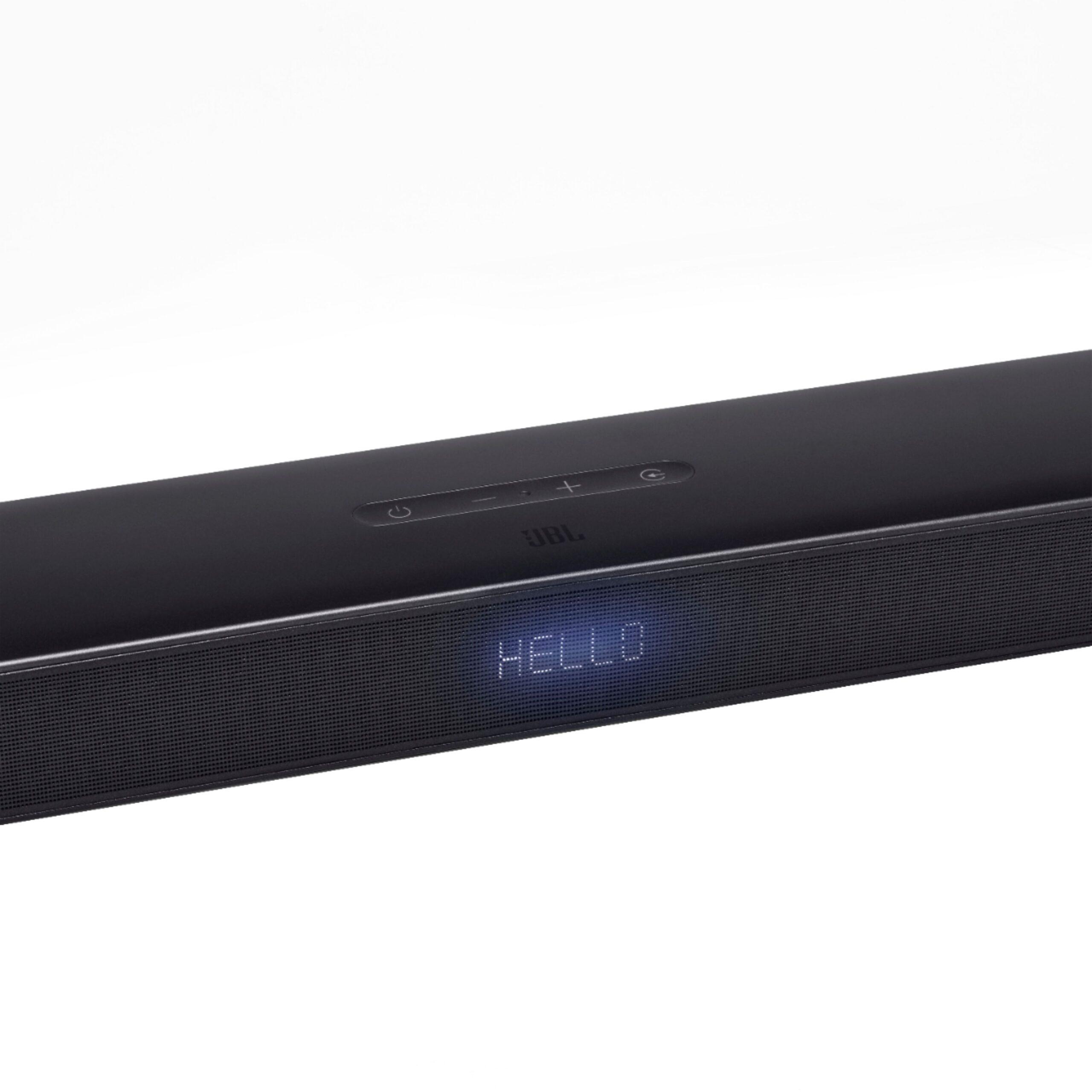
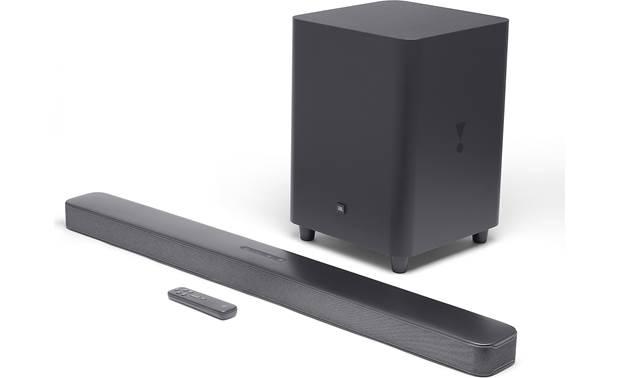
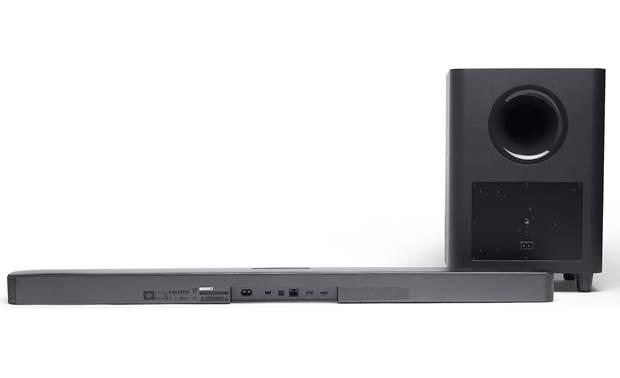
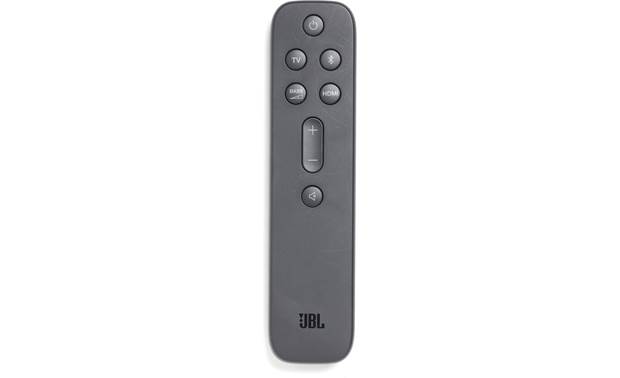
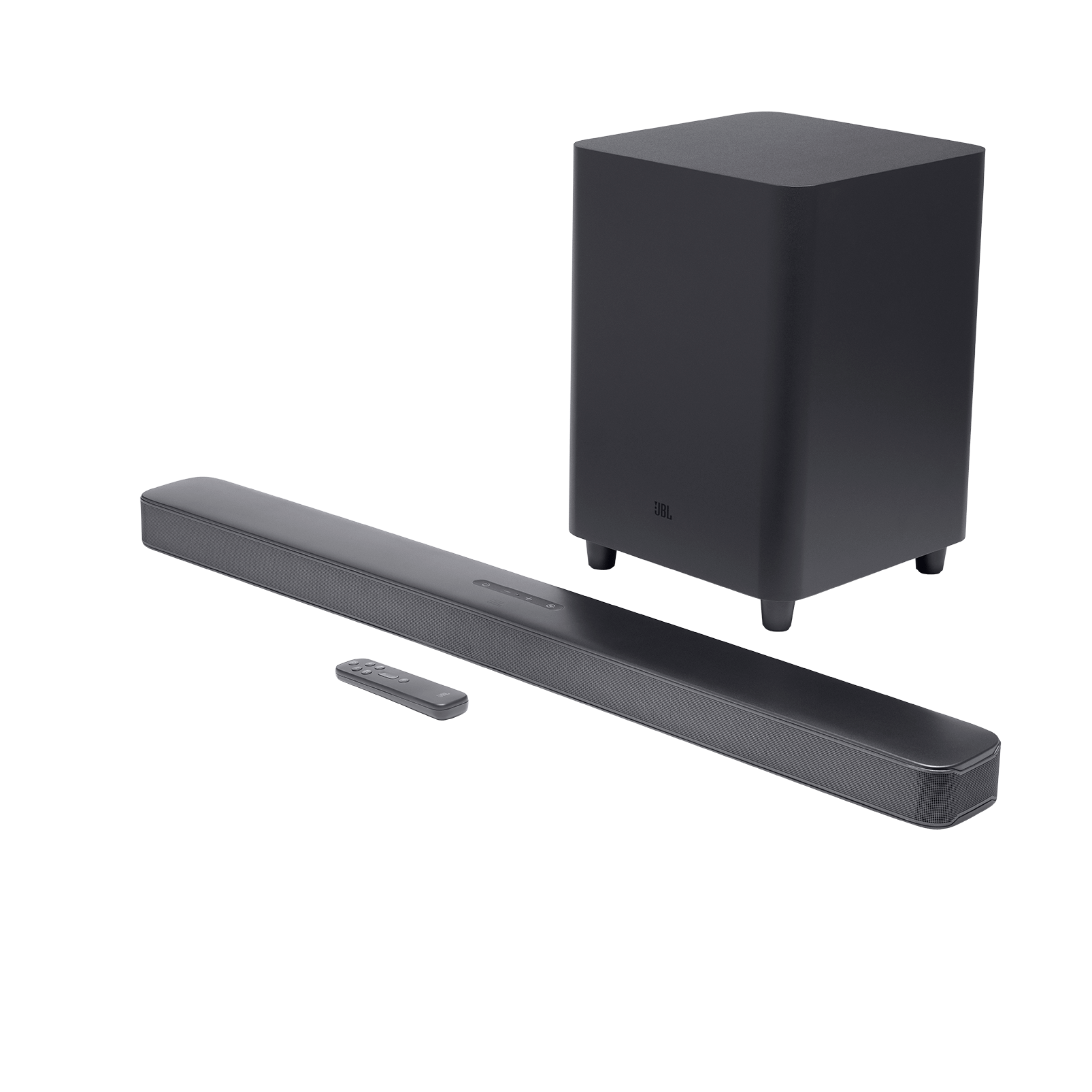
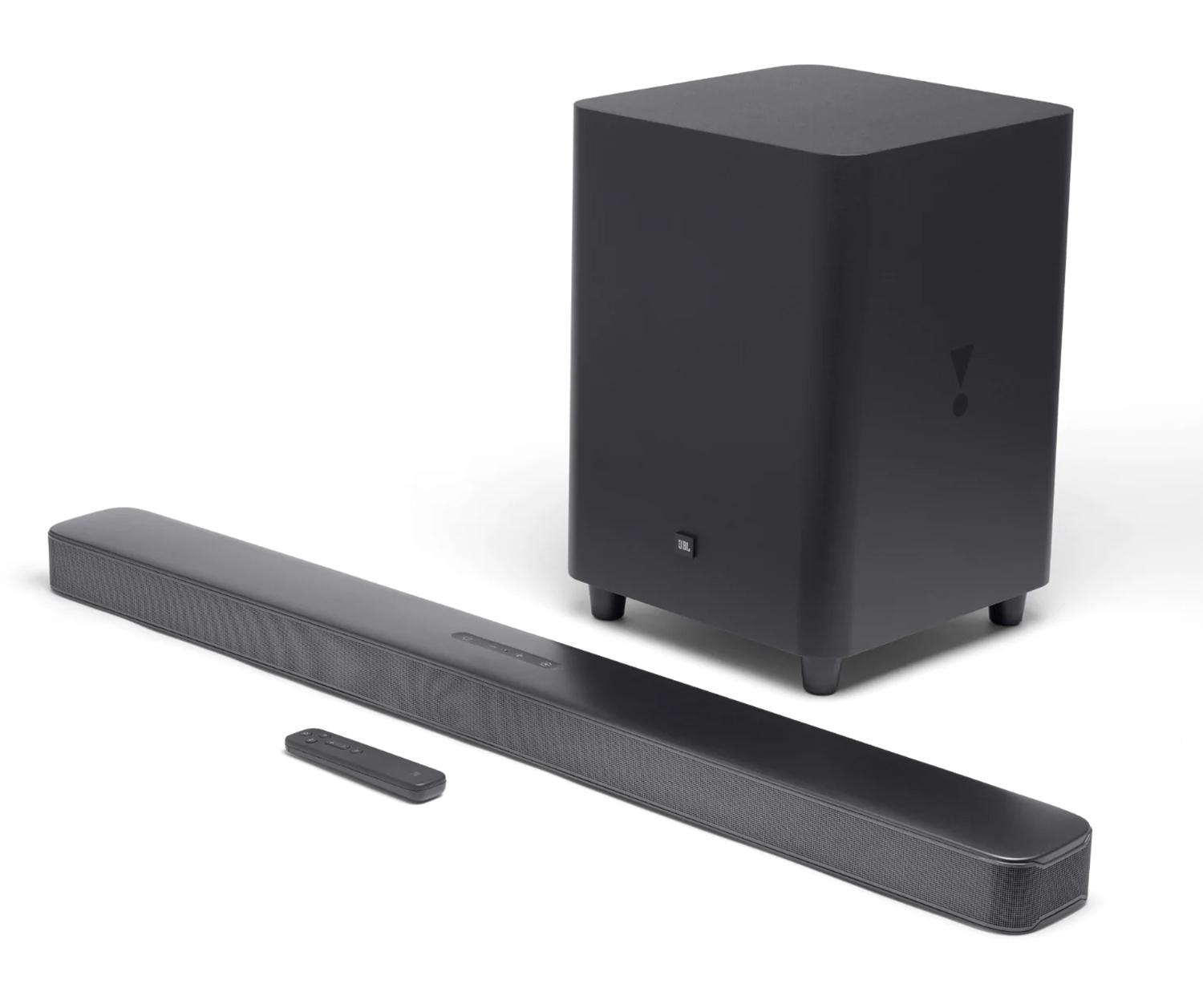
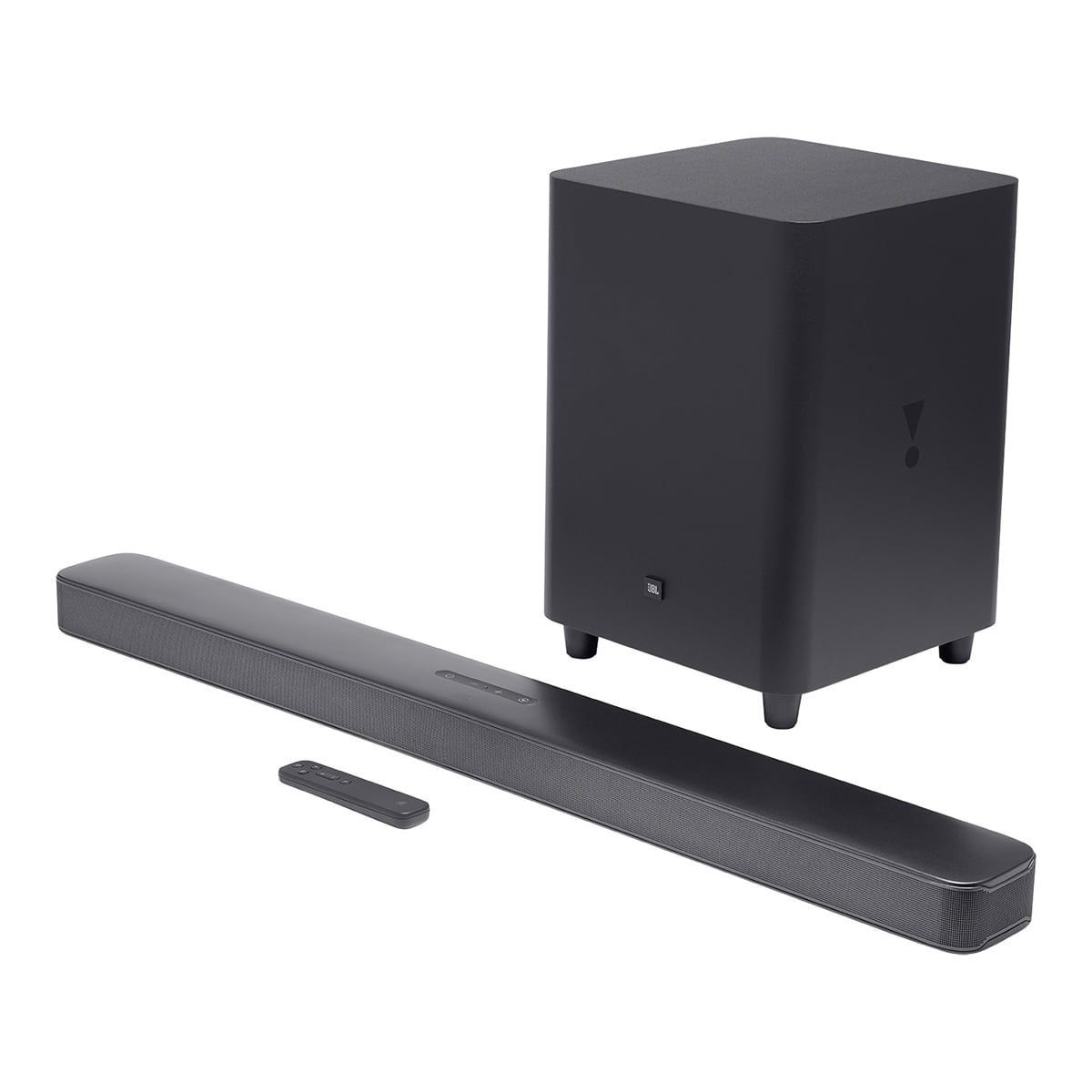
The JBL Bar 5.1, which hit the market in 2019, takes a more traditional home theater approach. It's a true 5.1 surround system with detachable rear speakers that can create genuine surround sound in your room.
These represent fundamentally different philosophies. Samsung prioritizes convenience and TV-watching optimization, while JBL focuses on authentic surround sound reproduction.
This is probably the biggest difference between these two systems. The JBL Bar 5.1 includes two detachable wireless surround speakers that run on internal batteries for up to 10 hours. When you set these up behind your seating area, you get true directional audio—sounds actually come from behind and beside you, not just from the front of the room.
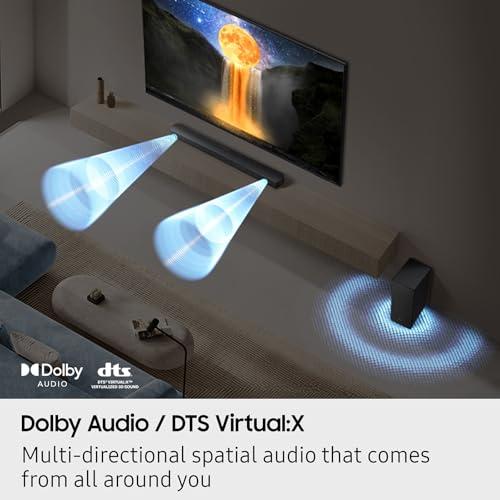
The Samsung HW-B630F, by contrast, uses virtual surround processing. Technologies like DTS Virtual:X use psychoacoustic tricks to make your brain think sounds are coming from different directions, even though all the speakers are still in front of you. It's essentially audio manipulation that can work surprisingly well, but it's not the same as having actual speakers positioned around the room.
In our research of expert reviews and user feedback, the consensus is clear: true surround speakers provide better spatial separation and more convincing directional effects. When you're watching a scene where a helicopter flies overhead or bullets whiz past characters, the JBL Bar 5.1 can actually place those sounds in your room's 3D space.
However, virtual surround has major practical advantages. The Samsung HW-B630F requires no rear speaker placement, no additional power outlets, and no worrying about where to position speakers for optimal effect. For many living rooms—especially smaller ones or those with challenging layouts—this simplicity is worth more than perfect surround accuracy.
Here's where the Samsung HW-B630F really shines. Samsung has tuned this system specifically for TV content, and it shows in the dialogue reproduction. The dedicated center channel uses a full-range driver positioned directly below your screen, and Samsung's Voice Enhance mode specifically boosts the frequency range where human speech lives (roughly 200Hz to 2kHz).
Even more impressively, the Adaptive Sound feature continuously analyzes what you're watching and automatically adjusts the audio. During quiet dialogue scenes, it subtly boosts vocal clarity and reduces background noise. During action sequences, it maintains dialogue intelligibility while letting effects have their impact.
The JBL Bar 5.1 has a center channel too, but it's not as specialized for speech reproduction. JBL's tuning targets a more neutral, music-friendly sound signature that works well for various content types but doesn't prioritize dialogue the way Samsung does.
Based on reviews from both professionals and users, this difference is significant for people who watch a lot of TV shows, news, or dialogue-heavy movies. The Samsung consistently gets praise for making voices easier to understand, even at lower volumes—something particularly valuable for late-night viewing or households with hearing difficulties.
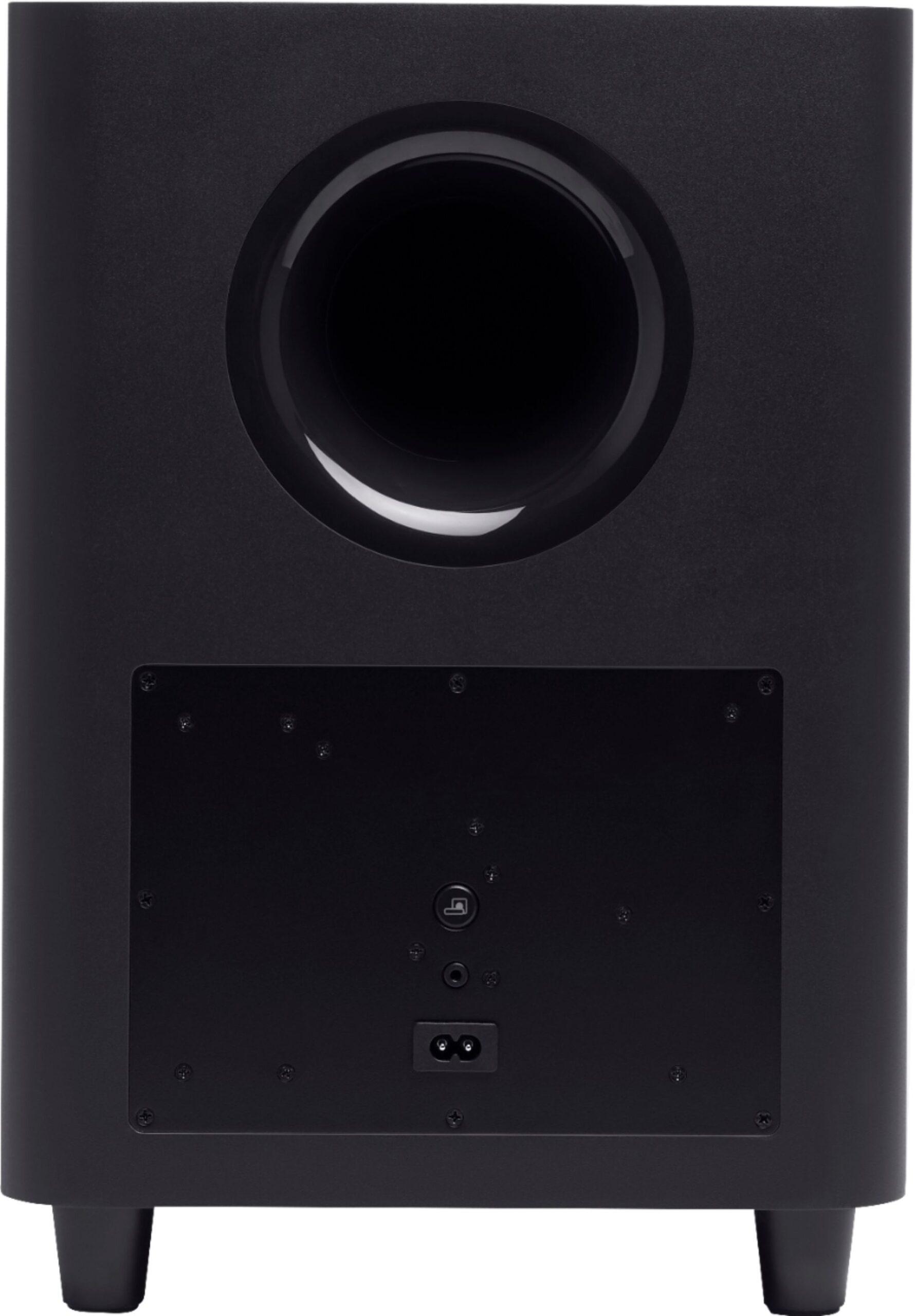
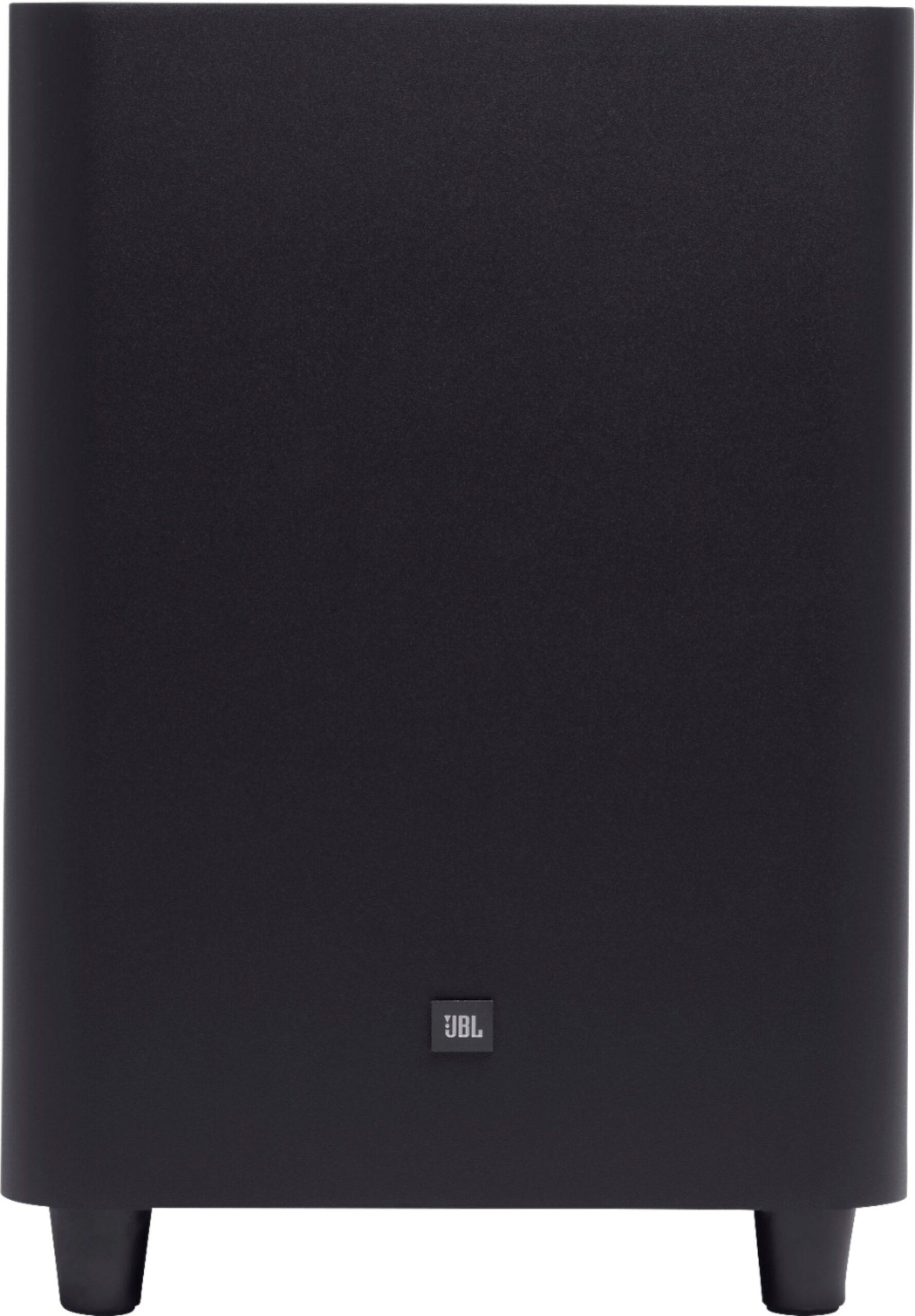
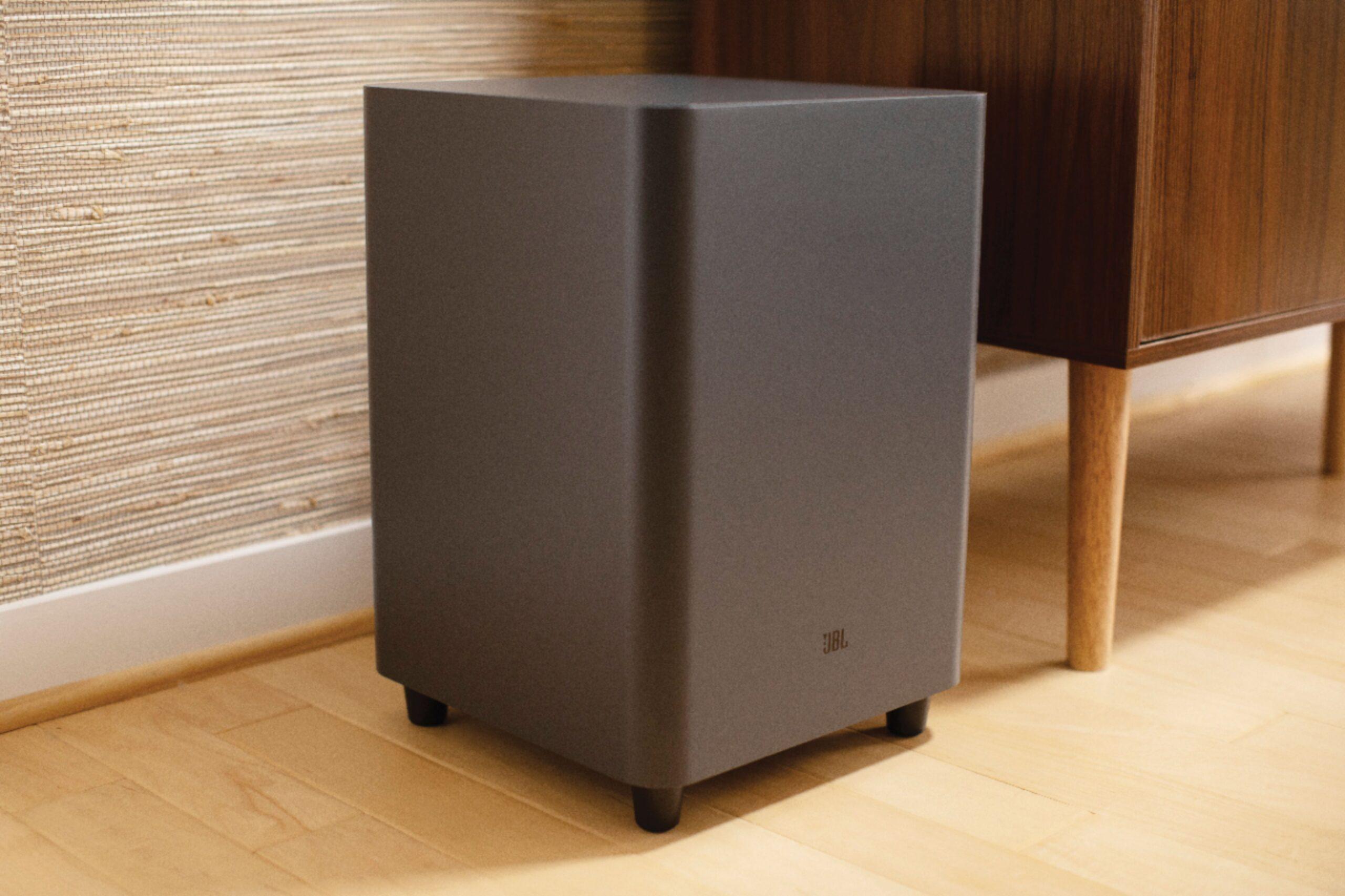
The subwoofer comparison reveals another key difference in philosophy. The JBL Bar 5.1 includes a substantial 10-inch driver in a bass-reflex cabinet, powered by 300 watts. This is a serious piece of bass hardware that can fill larger rooms with deep, impactful low frequencies.
The Samsung HW-B630F uses a smaller 6-inch front-firing driver in its wireless subwoofer. While Samsung doesn't publish detailed power specifications, the smaller driver and more compact enclosure suggest it's designed for moderate bass impact rather than room-shaking output.
In practice, this difference is substantial. Expert reviews consistently note the JBL's superior bass extension and impact. When watching action movies or listening to music with deep bass lines, the JBL Bar 5.1 delivers more of that visceral, feel-it-in-your-chest impact that makes explosions and musical crescendos truly engaging.
The Samsung's bass is more controlled and integrated—it provides enough low-frequency support to make TV content sound fuller without overwhelming dialogue or taking over small rooms. Samsung includes a Bass Boost mode that can push the smaller subwoofer harder when you want more impact.
For home theater enthusiasts who want to feel like they're in a movie theater, the JBL wins decisively. For everyday TV watching where you want better sound without annoying neighbors or family members, the Samsung's more restrained approach might actually be preferable.
Gaming audio presents unique challenges. You need clear directional cues to locate enemies, but you also want impactful sound effects and clear communication audio. These systems handle gaming differently.
The Samsung HW-B630F includes a dedicated Game Mode that uses cross-talk cancellation—a process that reduces interference between audio channels to make positional cues clearer. Combined with the system's focus on midrange clarity, this can make footsteps, reloading sounds, and other critical gaming audio more distinct.
The JBL Bar 5.1 takes a different approach. With actual rear speakers, directional audio cues are more naturally positioned. You can actually hear enemies approaching from behind because the sound literally comes from behind you. For immersive single-player games, this creates a more convincing environment.
Based on gaming-focused reviews, competitive gamers often prefer the Samsung's approach because it provides clearer audio separation in the front soundstage where most critical information comes from. Casual gamers and those who play atmospheric games tend to prefer the JBL's more immersive surround presentation.
This is where the age difference between these systems becomes apparent. The JBL Bar 5.1, despite being older, actually offers more comprehensive connectivity. It includes three HDMI inputs, 4K HDR pass-through, and HDCP 2.2 support—features that make it compatible with modern gaming consoles and streaming devices.
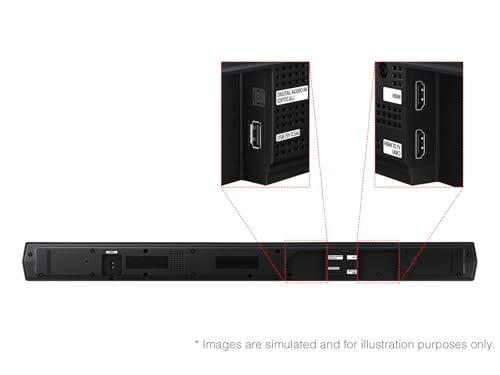
The Samsung HW-B630F is more limited, offering only one HDMI input and 1080p pass-through. If you have multiple 4K devices, you'll need to connect them directly to your TV and use HDMI ARC (Audio Return Channel) to send audio back to the soundbar.
For wireless connectivity, the JBL again offers more options. It includes both Wi-Fi and Bluetooth, supporting Chromecast and AirPlay 2 for direct music streaming. The Samsung relies on Bluetooth only, though it does support connecting to two devices simultaneously.
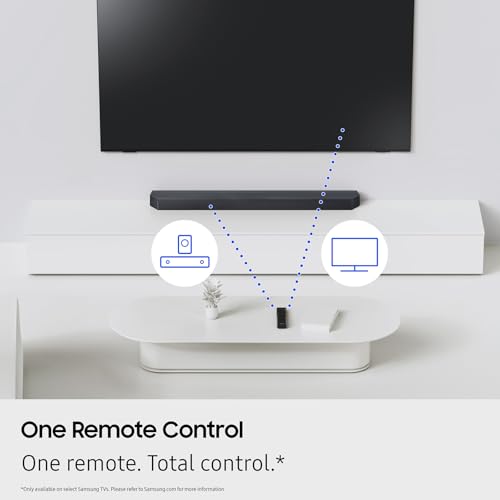
The trade-off is complexity. The Samsung HW-B630F integrates beautifully with Samsung TVs through One Remote Control support, letting you control the soundbar with your TV remote. For Samsung TV owners, this creates a seamless, appliance-like experience.
Samsung's ecosystem integration runs deep. Beyond remote control compatibility, the Samsung HW-B630F can automatically optimize its sound based on what Samsung TV you're using, adjusting EQ and processing to complement your TV's audio characteristics.
The system also includes comprehensive night-time listening features. Night Mode compresses dynamic range (reducing the difference between quiet and loud sounds) so you can hear dialogue clearly without explosive sound effects waking the household.
The JBL Bar 5.1 takes a more universal approach. It works equally well with any TV brand and focuses on providing robust audio processing rather than deep ecosystem integration. The detachable surround speakers can even be used as standalone Bluetooth speakers, adding versatility for outdoor gatherings or other uses.
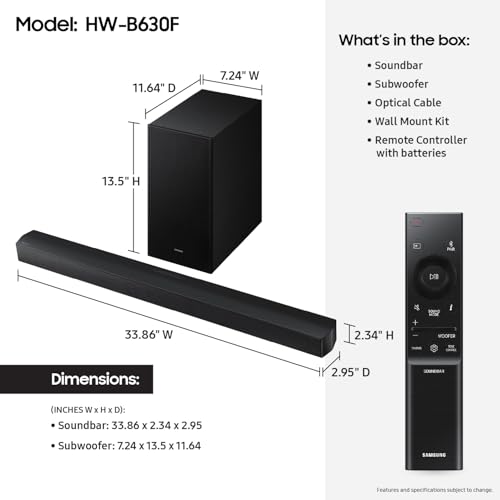
Physical constraints often determine which system works better. The Samsung HW-B630F measures about 34 inches wide and sits low enough that it rarely blocks TV sensors or screen edges. The wireless subwoofer can be placed anywhere within about 30 feet of the main bar.
The JBL Bar 5.1 is slightly larger at 40 inches wide, and the detachable surround speakers require strategic placement behind or beside your seating area. This works great in dedicated media rooms or larger living spaces, but can be challenging in smaller apartments or rooms with complex furniture layouts.
The JBL's battery-powered rear speakers eliminate the need for rear power outlets, which is genuinely helpful. But you do need to remember to charge them periodically, and finding optimal placement spots can be tricky in some room configurations.
Based on professional measurements and user consensus, certain performance characteristics matter more than others for different use cases.
For TV watching, dialogue intelligibility at moderate volumes is paramount. The Samsung HW-B630F consistently scores higher in this area due to its center channel tuning and voice enhancement processing.
For movies and immersive content, spatial accuracy and bass impact become more important. The JBL Bar 5.1 delivers superior performance in both areas through its true surround speakers and larger subwoofer.
For music listening, tonal balance and clarity across all frequencies matter most. Here, the JBL's more neutral tuning and powerful amplification generally provide better results, though neither system is primarily designed for critical music listening.
At the time of writing, these systems occupy different price tiers. The Samsung HW-B630F typically costs significantly less than the JBL Bar 5.1, making the value equation complex.
The Samsung offers exceptional value if your priorities align with its strengths: dialogue clarity, Samsung TV integration, and compact convenience. You get sophisticated audio processing and a complete 3.1 system at a reasonable price point.
The JBL commands a premium for its true surround capability and more powerful amplification. Whether that premium is worthwhile depends on your room size, content preferences, and how much you value authentic surround sound versus virtual processing.
For buyers seeking the best possible TV audio improvement per dollar, the Samsung often represents better value. For those wanting a legitimate home theater experience who don't mind paying more, the JBL delivers capabilities the Samsung simply can't match.
The Samsung HW-B630F makes sense for Samsung TV owners who primarily watch TV shows, news, and dialogue-heavy content in smaller-to-medium rooms. It's ideal for apartments, bedrooms, or living rooms where simplicity and integration matter more than ultimate surround performance.
The JBL Bar 5.1 suits movie enthusiasts and gamers with larger rooms who want authentic surround sound. If you have space for rear speakers and frequently watch action movies or play immersive games, the JBL's true surround capability justifies its higher cost and complexity.
For mixed use cases—some TV watching, some movies, some music—the decision often comes down to room constraints and budget. The Samsung delivers better convenience and TV-focused performance, while the JBL provides more complete home theater capabilities.
Neither system is perfect, but both excel in their intended use cases. The Samsung HW-B630F succeeds by making TV audio significantly better with minimal fuss. The JBL Bar 5.1 succeeds by bringing legitimate surround sound to living rooms without requiring a complex traditional speaker setup.
Your choice should align with how you actually use your TV and what improvements matter most to your daily viewing experience.
| Samsung HW-B630F | JBL Bar 5.1 |
|---|---|
| Channel Configuration - Determines surround sound capability and immersion level | |
| 3.1 channels (virtual surround via DTS Virtual:X) | True 5.1 channels with detachable wireless rear speakers |
| Center Channel Focus - Critical for dialogue clarity in TV shows and movies | |
| Dedicated center driver optimized for speech with Voice Enhance mode | Standard center channel without specialized dialogue tuning |
| Subwoofer Size - Directly impacts bass depth and room-filling capability | |
| 6" wireless subwoofer (adequate for small-medium rooms) | 10" wireless subwoofer (powerful bass for larger spaces) |
| Total System Power - Affects maximum volume and dynamic range | |
| ~72W combined (modest but sufficient for dialogue-focused content) | 550W total (significantly more powerful for movies and music) |
| HDMI Connectivity - Important for 4K device compatibility | |
| 1 HDMI input, 1080p pass-through only | 3 HDMI inputs with 4K HDR pass-through and HDCP 2.2 |
| Wireless Streaming - Convenience for music playback | |
| Bluetooth only (basic phone/tablet streaming) | Wi-Fi + Bluetooth with Chromecast and AirPlay 2 support |
| TV Integration - Simplifies daily use and control | |
| Excellent Samsung TV integration with One Remote Control | Universal compatibility but no brand-specific optimization |
| Sound Modes - Customization for different content types | |
| Adaptive Sound, Game Mode, Voice Enhance, Night Mode, Bass Boost | Standard sound modes without content-specific optimization |
| Physical Setup - Impacts room placement flexibility | |
| Compact bar (34") + wireless sub, no rear speakers needed | Larger bar (40") + wireless sub + detachable battery rear speakers |
| Target Use Case - Best application for each system | |
| TV-focused with excellent dialogue clarity and Samsung integration | Movie/gaming-focused with authentic surround sound experience |
The Samsung HW-B630F excels for TV shows and dialogue-heavy content thanks to its dedicated center channel and Voice Enhance mode that makes speech clearer. For movies, the JBL Bar 5.1 provides a more immersive experience with true surround sound from its detachable rear speakers. If you primarily watch TV, choose Samsung; for cinematic experiences, choose JBL.
The JBL Bar 5.1 includes actual wireless rear speakers that create authentic directional audio, while the Samsung HW-B630F uses virtual surround processing to simulate surround effects. True rear speakers provide better spatial separation and more convincing surround sound, but virtual processing works well in smaller rooms and requires no additional speaker placement.
The JBL Bar 5.1 delivers significantly stronger bass with its 10-inch subwoofer and 300W of dedicated bass power. The Samsung HW-B630F has a smaller 6-inch subwoofer that's adequate for most TV content but won't provide the deep, room-filling bass that the JBL system offers for action movies and music.
Both soundbars work with any TV, but the Samsung HW-B630F offers special integration features with Samsung TVs, including One Remote Control support and optimized audio settings. The JBL Bar 5.1 provides universal compatibility without brand-specific features, making it equally effective with all TV manufacturers.
The Samsung HW-B630F is simpler to set up with just a main bar and wireless subwoofer, plus seamless Samsung TV integration. The JBL Bar 5.1 requires positioning detachable rear speakers around your room and managing their battery charging, making it slightly more complex but offering superior surround sound performance.
The Samsung HW-B630F includes a dedicated Game Mode with cross-talk cancellation that enhances directional audio cues for competitive gaming. The JBL Bar 5.1 provides more immersive gaming with actual rear speakers for spatial positioning. Choose Samsung for competitive gaming clarity or JBL for atmospheric gaming experiences.
The Samsung HW-B630F is better suited for smaller spaces due to its compact design and virtual surround processing that doesn't require rear speaker placement. The JBL Bar 5.1 works best in medium to large rooms where you have space to properly position the detachable rear speakers for optimal surround sound.
The JBL Bar 5.1 offers more streaming options with Wi-Fi, Chromecast, AirPlay 2, and Bluetooth connectivity. The Samsung HW-B630F supports Bluetooth streaming only, but includes multipoint connection for pairing two devices simultaneously. For comprehensive music streaming, the JBL provides more flexibility.
The Samsung HW-B630F typically offers better value for TV-focused users, providing excellent dialogue clarity and smart features at a lower price point. The JBL Bar 5.1 costs more but delivers true surround sound and more powerful audio that justifies the premium for movie enthusiasts and larger rooms.
The JBL Bar 5.1 supports 4K HDR pass-through with three HDMI inputs and HDCP 2.2 compatibility. The Samsung HW-B630F only supports 1080p pass-through, so 4K devices need to connect directly to your TV. If you have multiple 4K sources, the JBL offers more convenient connectivity.
The Samsung HW-B630F excels for night listening with its Night Mode that compresses loud sounds while maintaining dialogue clarity, plus specialized voice enhancement features. While the JBL Bar 5.1 also offers night modes, the Samsung's focus on dialogue optimization makes it superior for quiet viewing without disturbing others.
The Samsung HW-B630F can be expanded to 5.1 surround with Samsung's optional Wireless Rear Speaker Kit. The JBL Bar 5.1 already includes rear speakers and represents a complete surround system. If you want to start simple and upgrade later, the Samsung offers an expansion path, while the JBL provides full surround capability from day one.
We've done our best to create useful and informative comparisons to help you decide what product to buy. Our research uses advanced automated methods to create this comparison and perfection is not possible - please contact us for corrections or questions. These are the sites we've researched in the creation of this article: samsung.com - bhphotovideo.com - crutchfield.com - youtube.com - bestproducts.com - videoandaudiocenter.com - pcrichard.com - bhphotovideo.com - samsung.com - youtube.com - requiremints.com - karlsonline.com - crutchfield.com - youtube.com - donstv.com - samsung.com - bhphotovideo.com - youtube.com - youtube.com - crutchfield.com - costco.ca - rtings.com - crutchfield.com - accio.com - bhphotovideo.com - manuals.plus - samsung.com - saraappliance.com - jbl.com - jbl.com - jbl.com - tomsguide.com - jbl.com - bestbuy.com - bestbuy.com - jbl.com - jbl.com - worldwidestereo.com

Privacy Policy
Terms and Conditions - Affiliate Policy
Home Security
© Copyright 2008-2026.
11816 Inwood Rd #1211, Dallas, TX 75244