




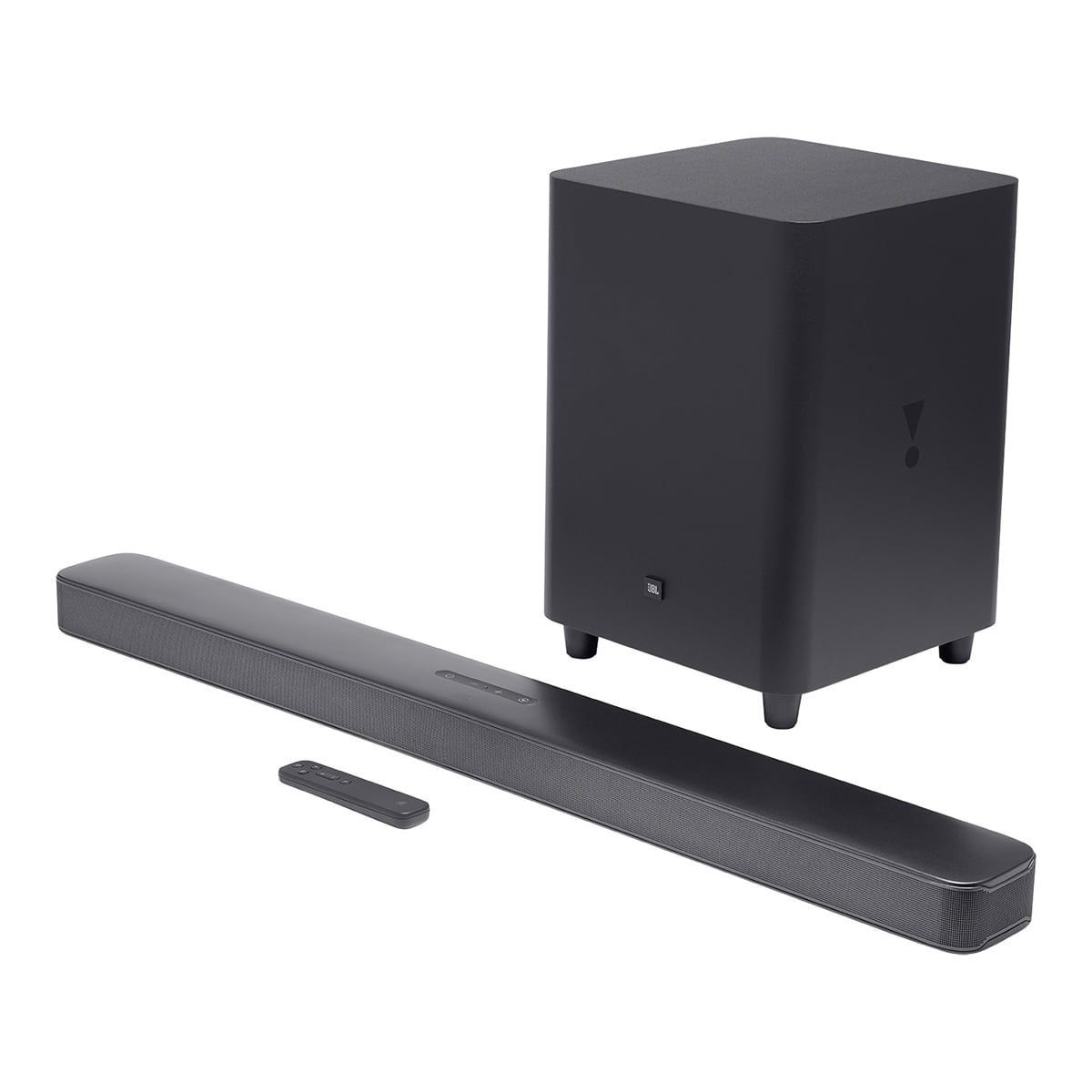
When you're tired of cranking up your TV volume just to hear what actors are saying, or missing the rumbling bass that makes action movies truly exciting, it's time to consider a premium soundbar. The world of home audio has evolved dramatically over the past few years, with soundbars becoming the go-to solution for people who want great sound without the complexity of a full surround system.
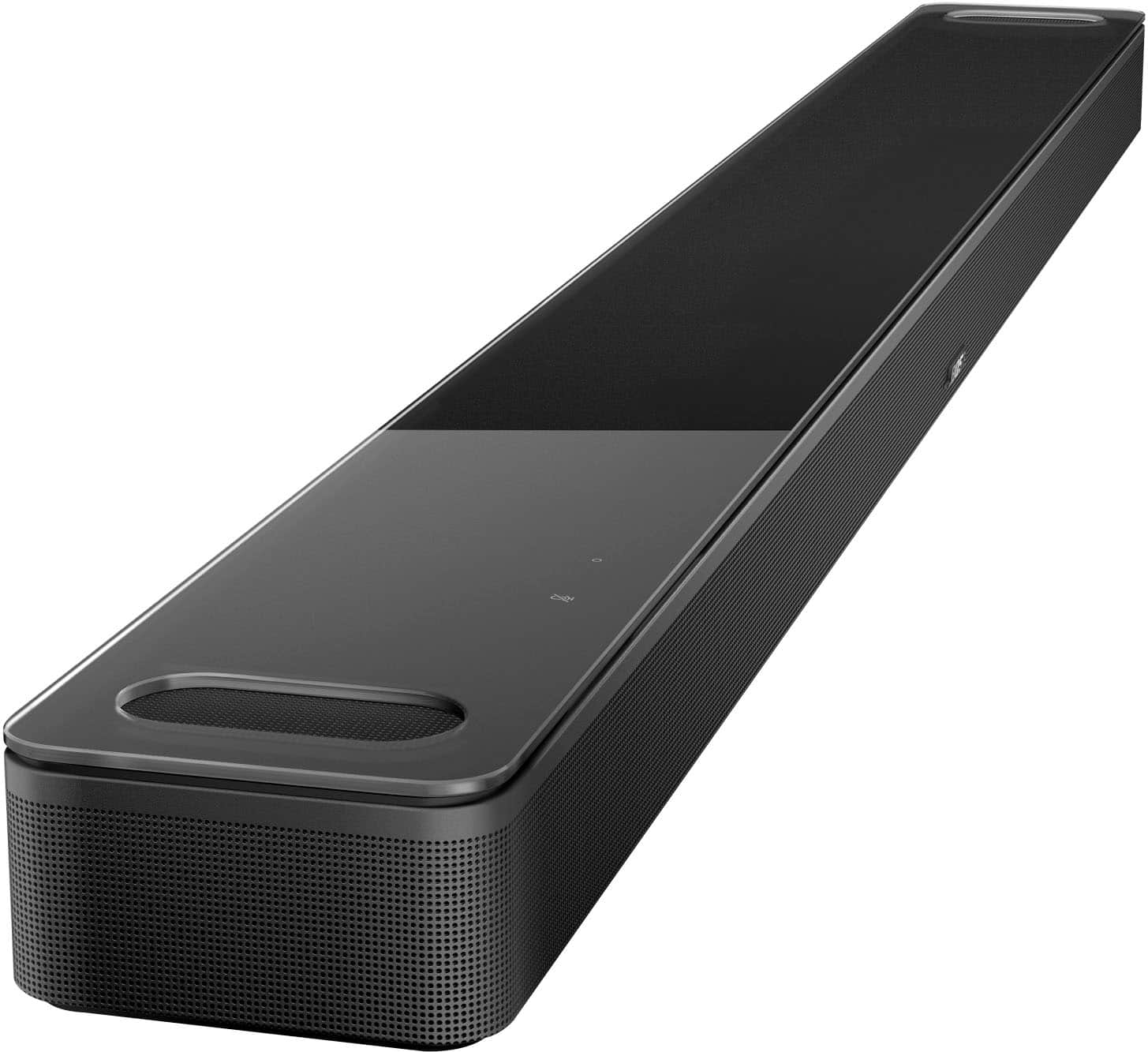
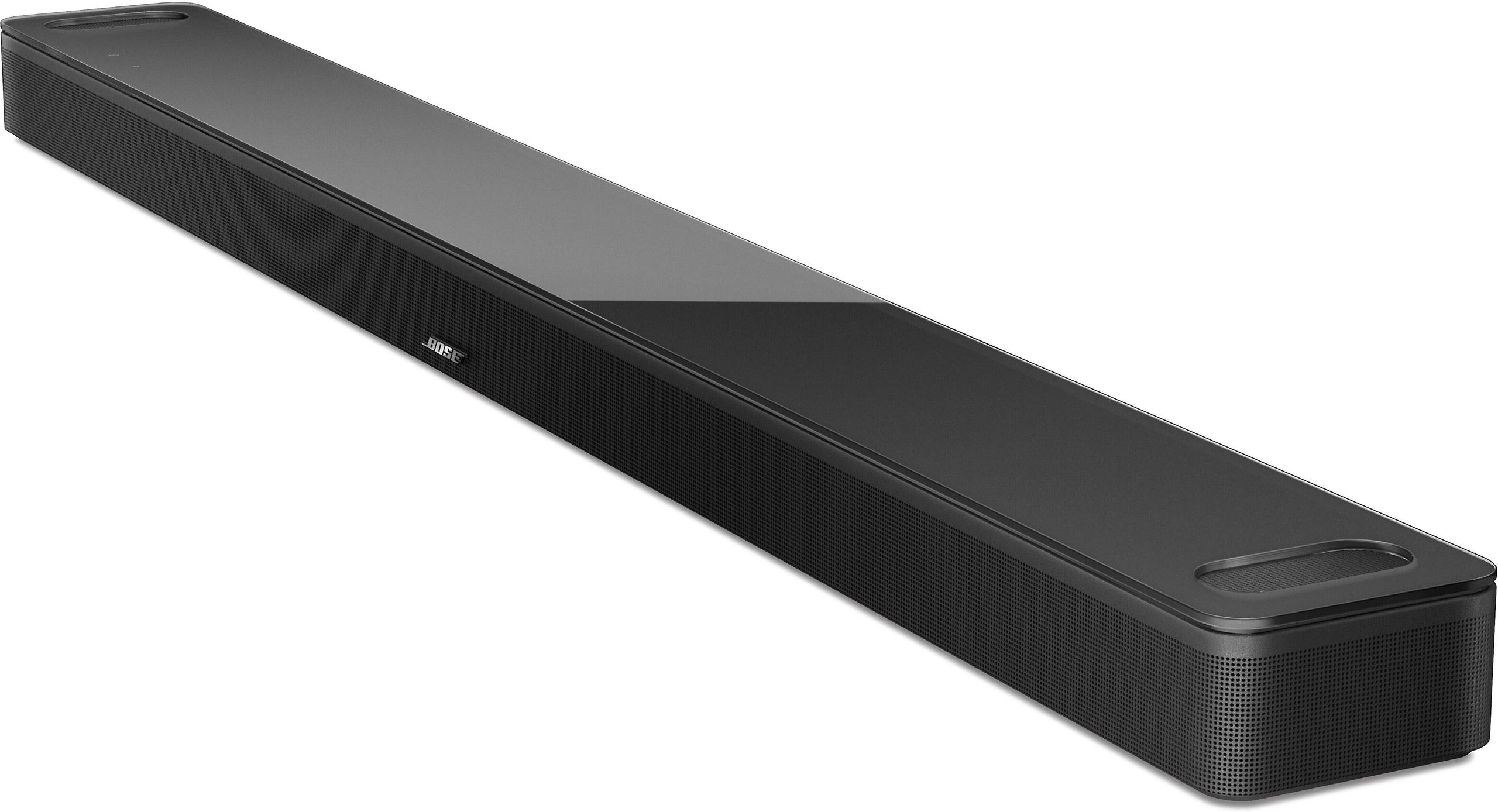
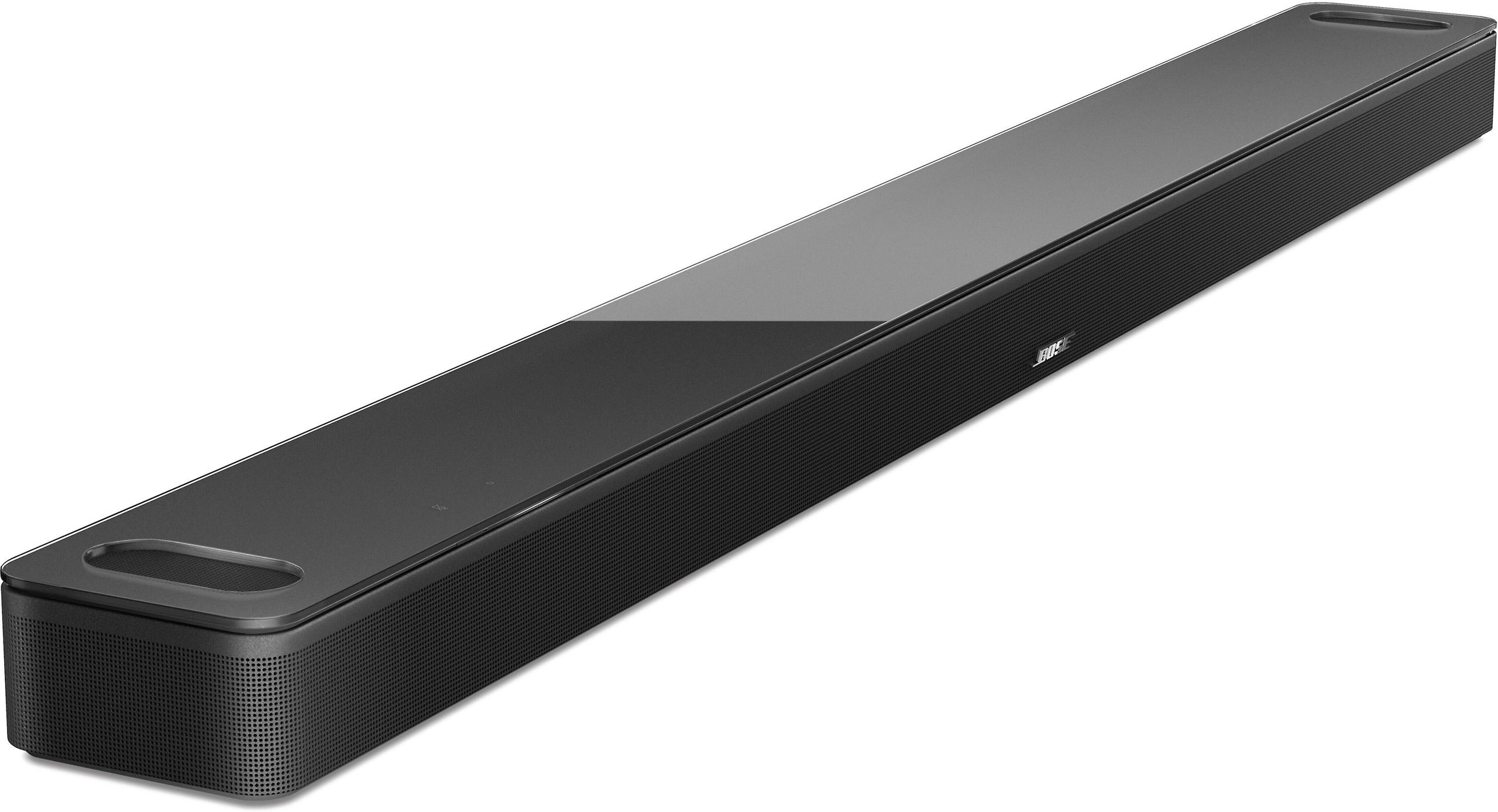
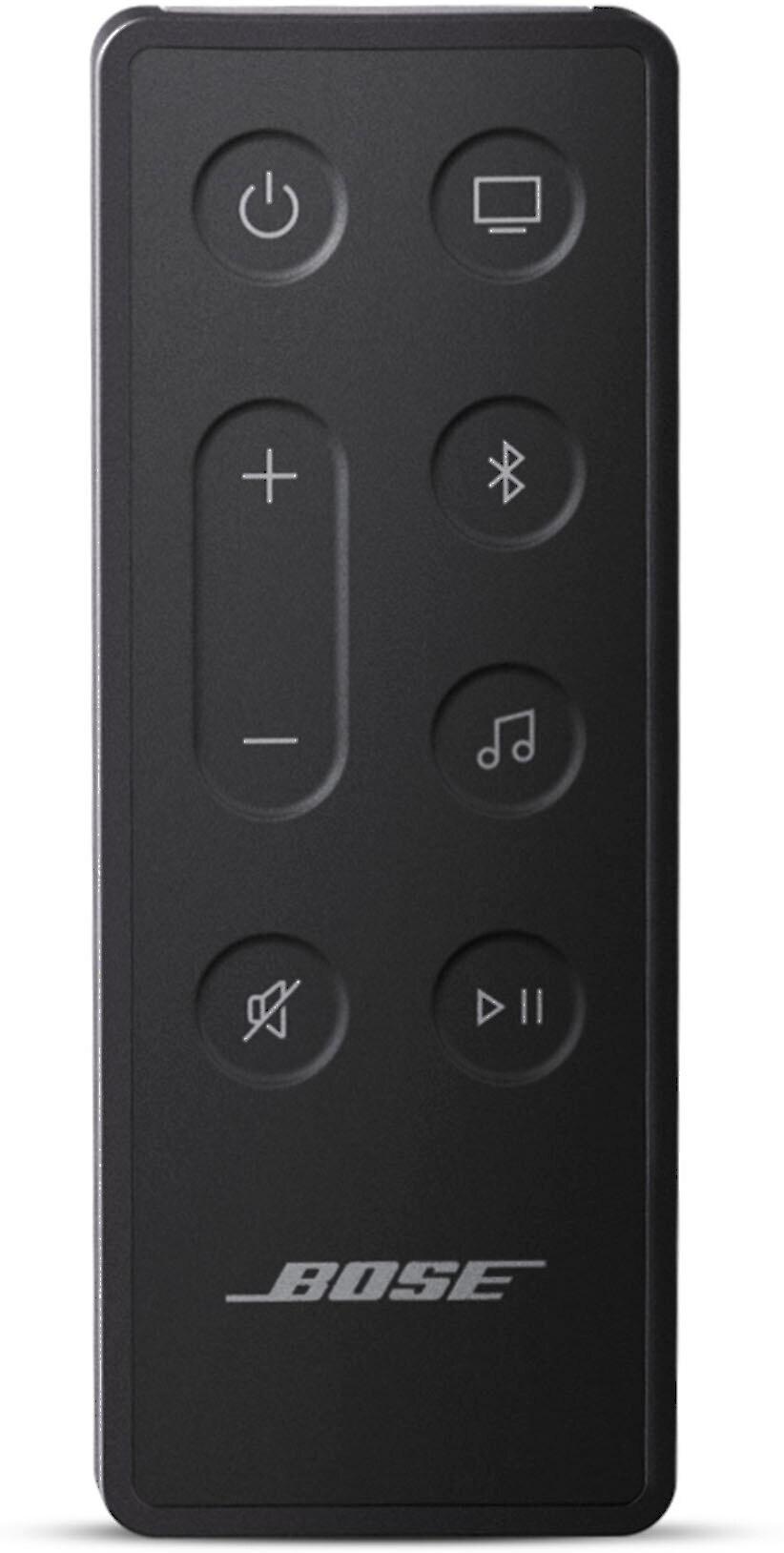
Today we're comparing two popular options that take completely different approaches to solving the same problem: the Bose Smart Ultra Soundbar with Dolby Atmos at $599 and the JBL Bar 5.1 Surround Soundbar with Wireless Subwoofer at $600. Both promise to transform your TV watching experience, but they use fundamentally different strategies to get there.
Before diving into these specific models, it's worth understanding what makes a premium soundbar worth the investment. Unlike the basic soundbars you might find for under $200, premium models aim to create an immersive audio experience that rivals dedicated home theater systems while maintaining the simplicity of a single purchase.
The main considerations when shopping in this category include how well the soundbar creates spatial audio (making sounds feel like they're coming from all around you), how clearly it reproduces dialogue, how much bass it can produce, and how easily it integrates with your existing setup. Smart features, build quality, and future-proofing through software updates have also become increasingly important.
What's fascinating is how different manufacturers approach these challenges. Some, like Bose, focus on advanced digital processing to create virtual surround sound from a single unit. Others, like JBL with this particular model, stick to the traditional approach of using multiple physical speakers placed around your room.
The JBL Bar 5.1 represents JBL's traditional approach to surround sound, released around 2020 as part of their established soundbar lineup. It built on decades of JBL's expertise in professional audio, bringing their signature sound to the home market. The core technology hasn't changed dramatically since release, which actually speaks to the solid engineering behind the traditional 5.1 approach.
The Bose Smart Ultra, on the other hand, launched in September 2023 as a replacement for the Smart Soundbar 900. This timing is significant because it represents Bose's latest thinking on how to solve the surround sound puzzle. The Smart Ultra incorporates several years of advances in digital signal processing, machine learning for dialogue enhancement, and refined spatial audio algorithms that weren't available when the JBL Bar 5.1 was designed.
Since the Bose's recent release, it has received regular software updates that have improved its AI Dialogue Mode and refined its spatial audio processing. This ongoing development represents one key difference between the products: the Bose is designed as an evolving platform, while the JBL delivers its performance through proven hardware that remains constant.
This is where these soundbars differ most dramatically, and understanding the distinction is crucial for making the right choice.
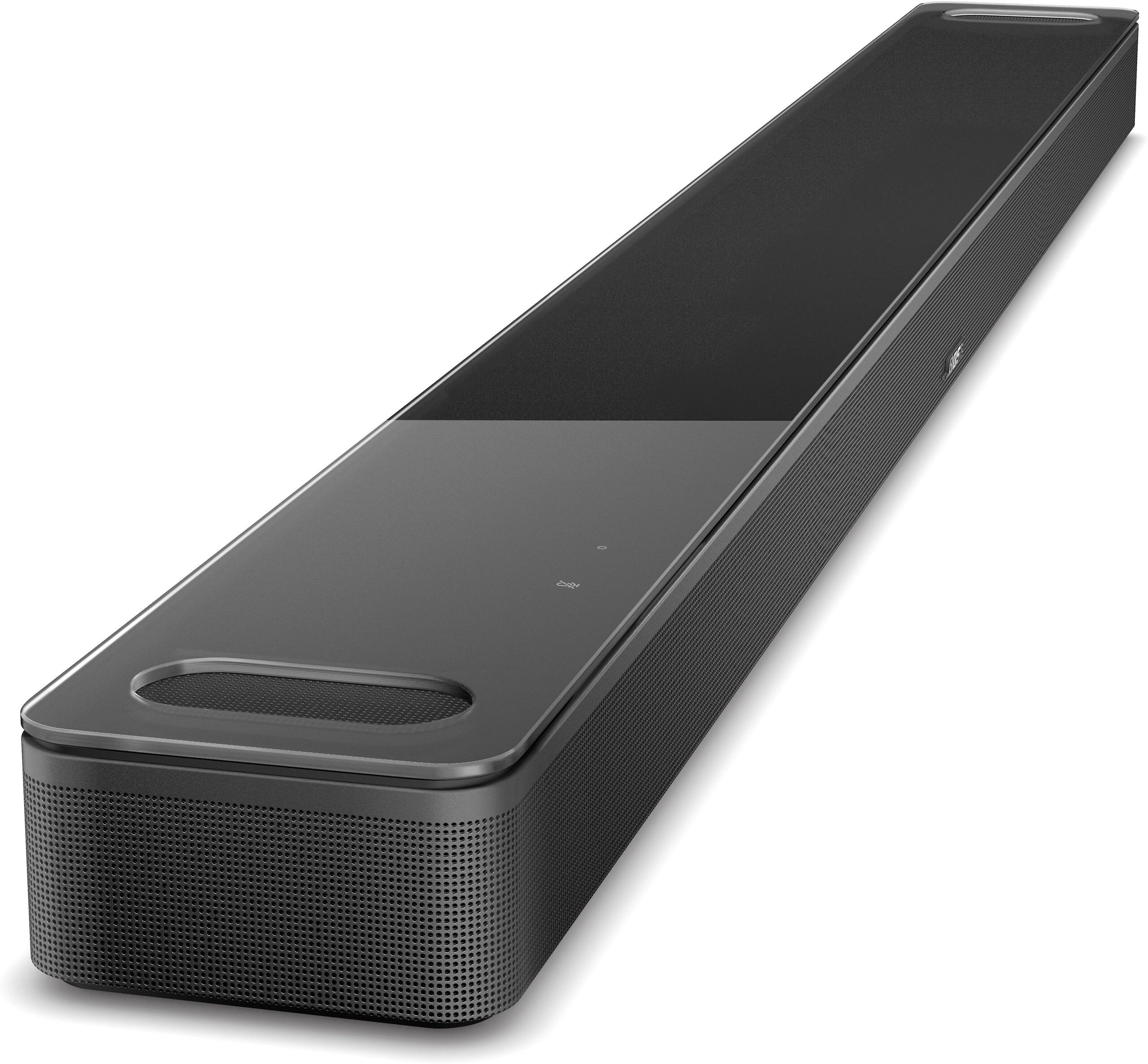
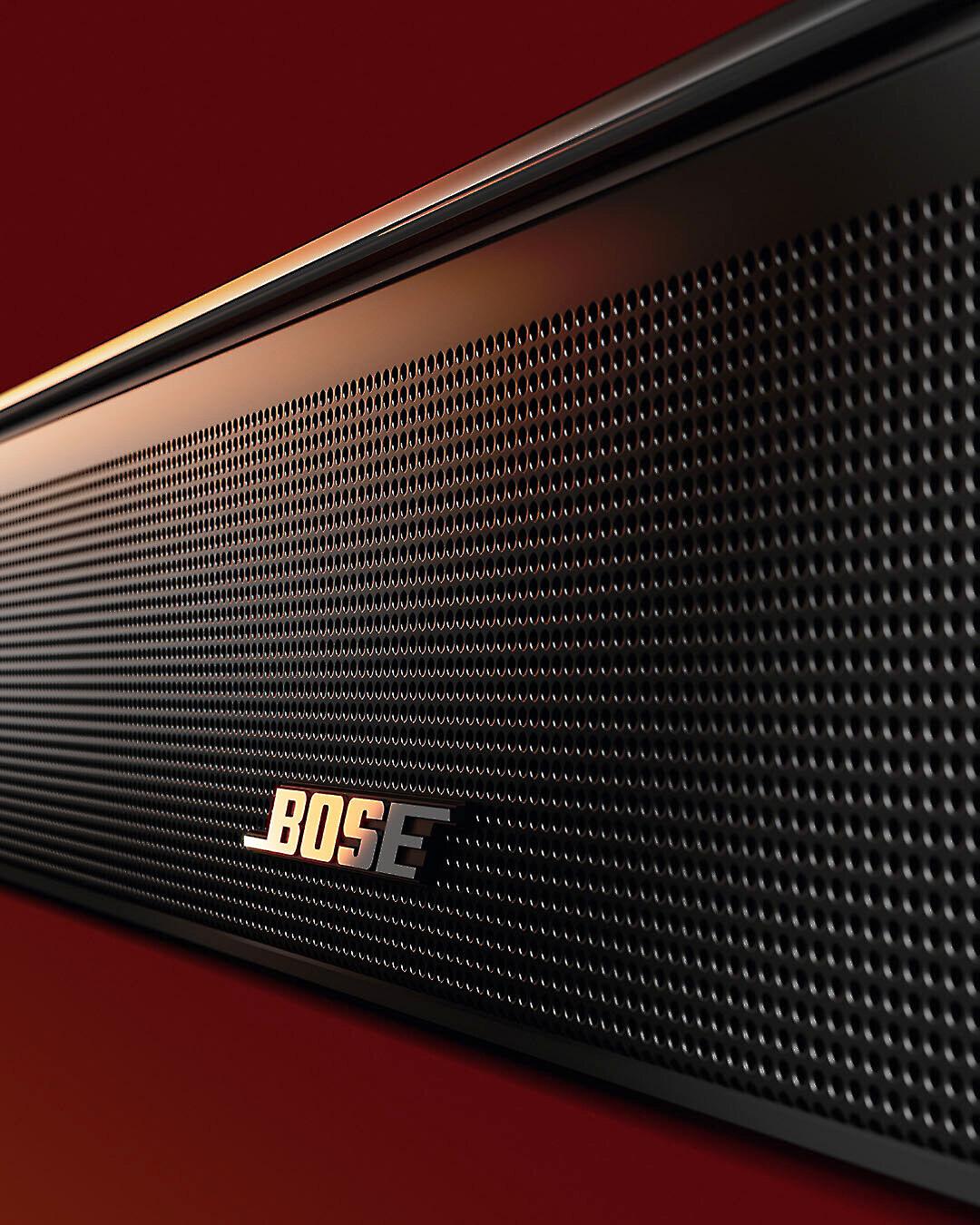
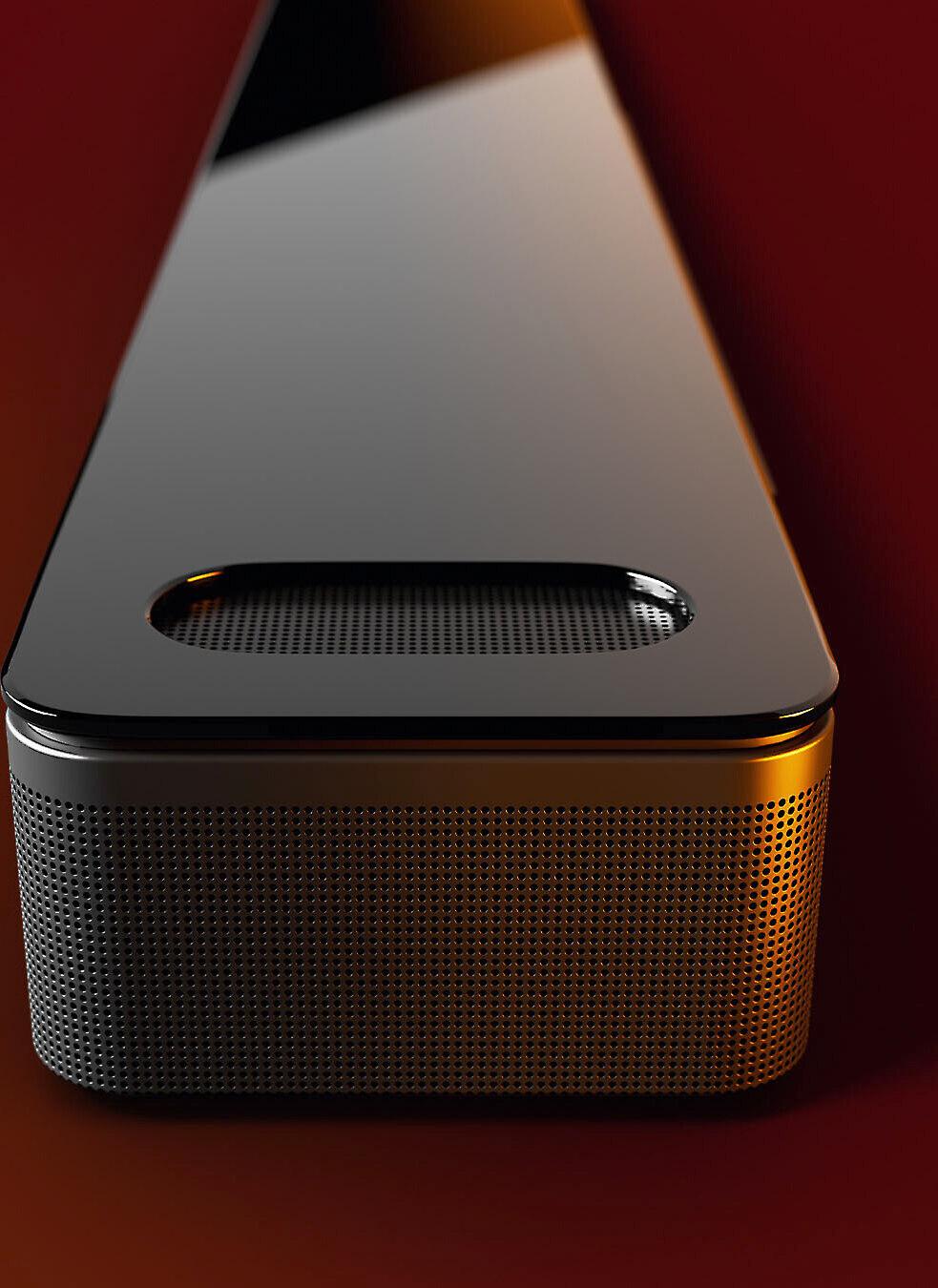
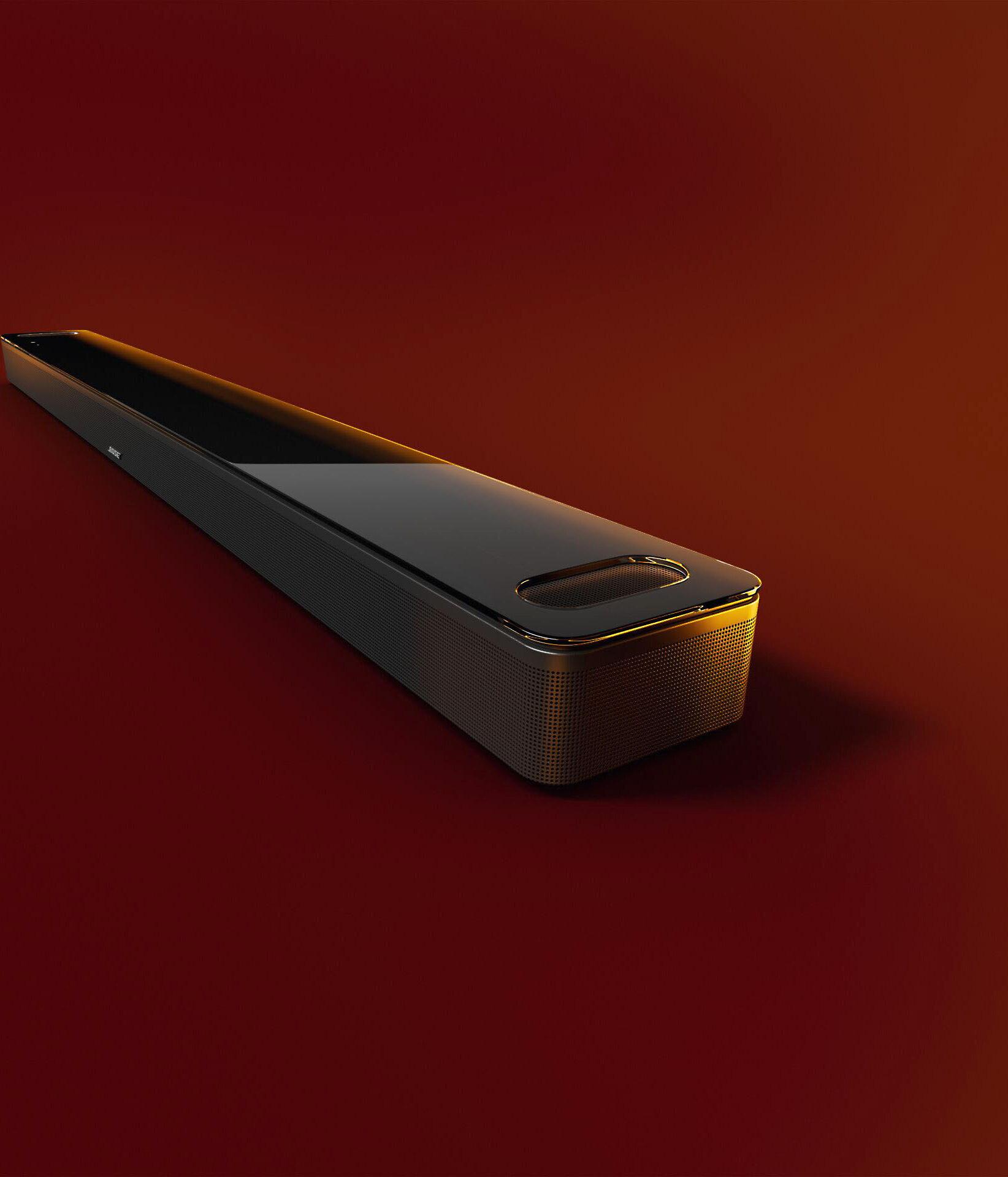
The Bose Smart Ultra uses what's called virtual surround sound. It houses nine carefully positioned drivers within its sleek bar, including specialized up-firing speakers that bounce sound off your ceiling to create height effects. The secret sauce is Bose's PhaseGuide technology, which manipulates the phase relationships between different drivers to trick your brain into perceiving sounds as coming from locations where there are no speakers.
When you're watching a helicopter scene, for instance, the Bose uses precise timing and frequency adjustments to make it seem like the chopper is actually hovering above your couch. It's genuinely impressive technology that works well in most rooms, though the effectiveness can vary depending on your ceiling height and room shape.
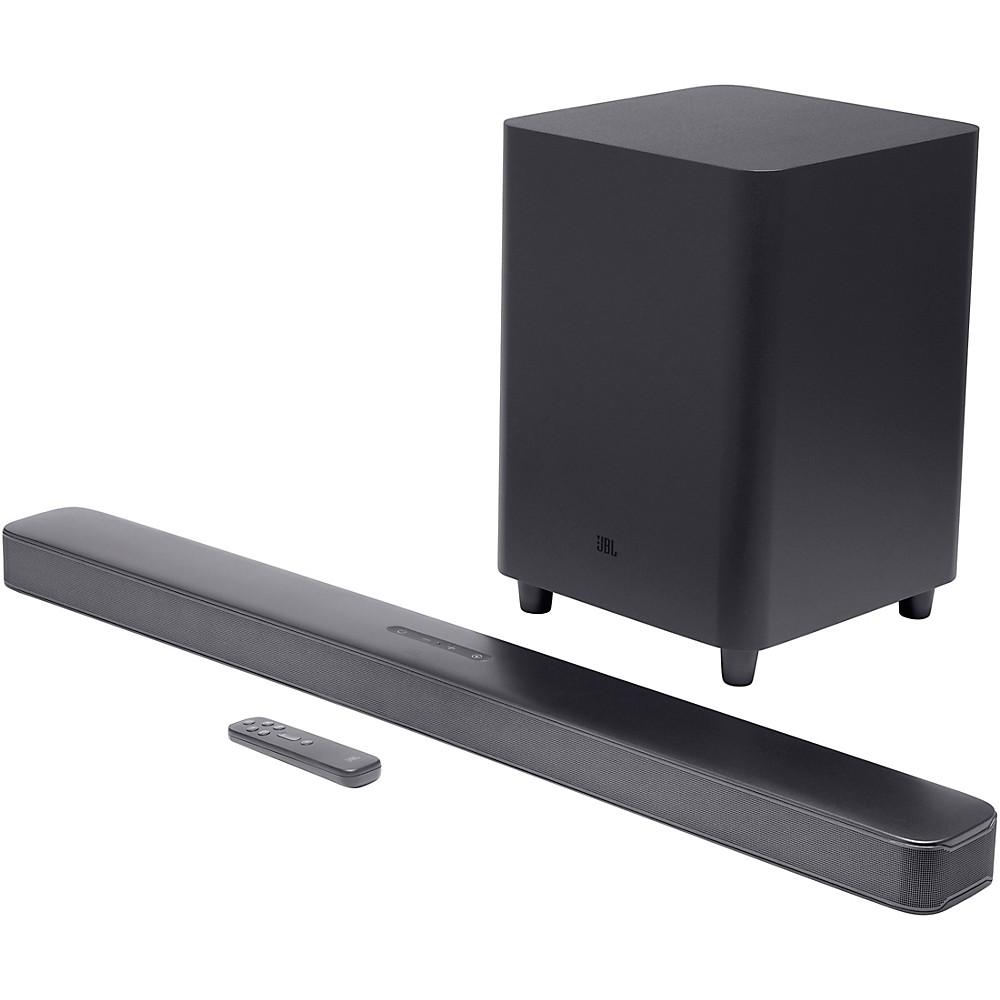
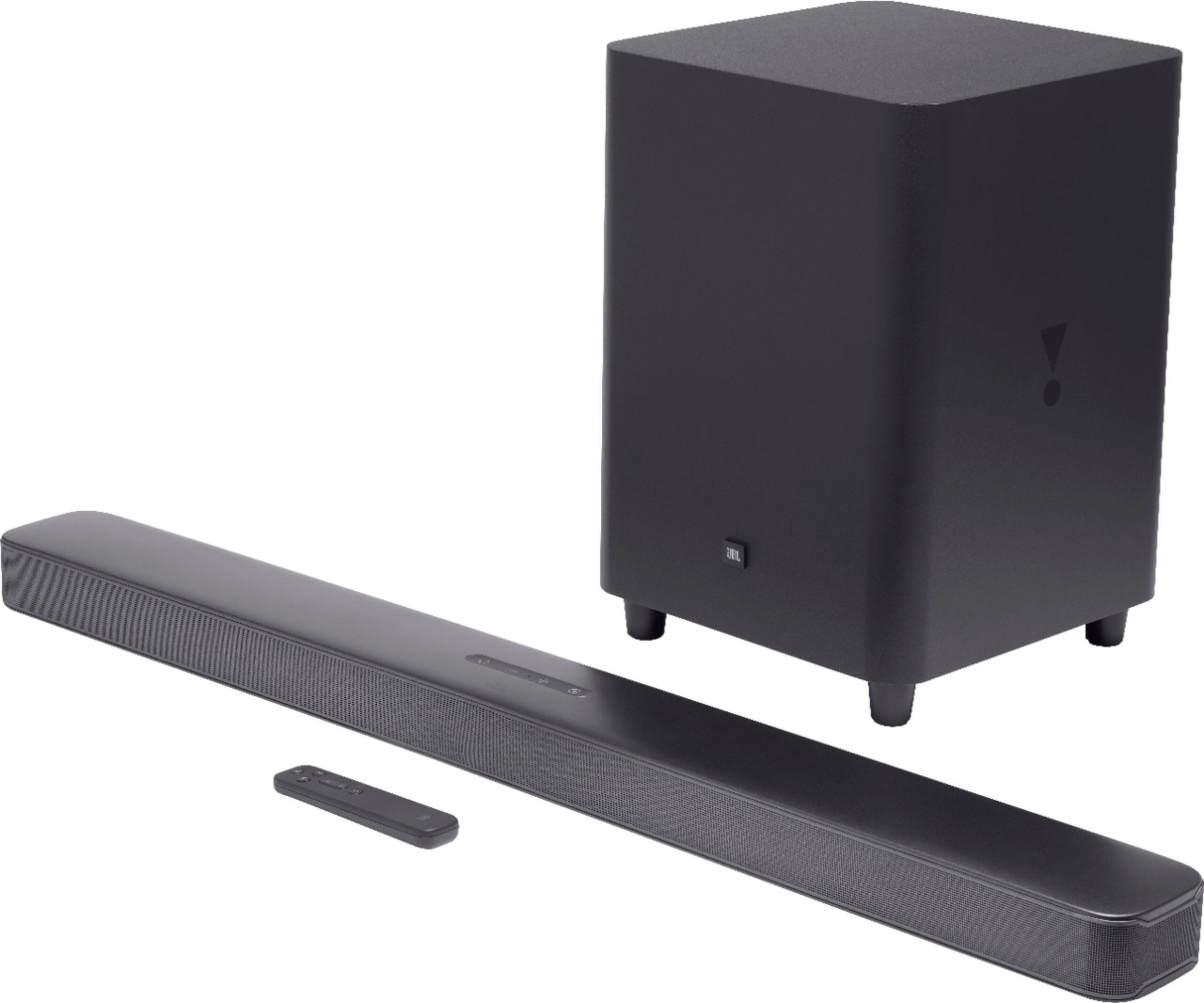
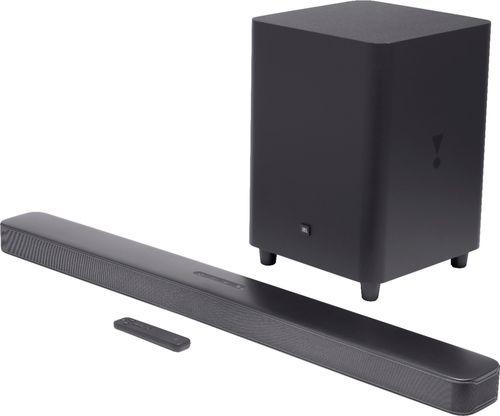
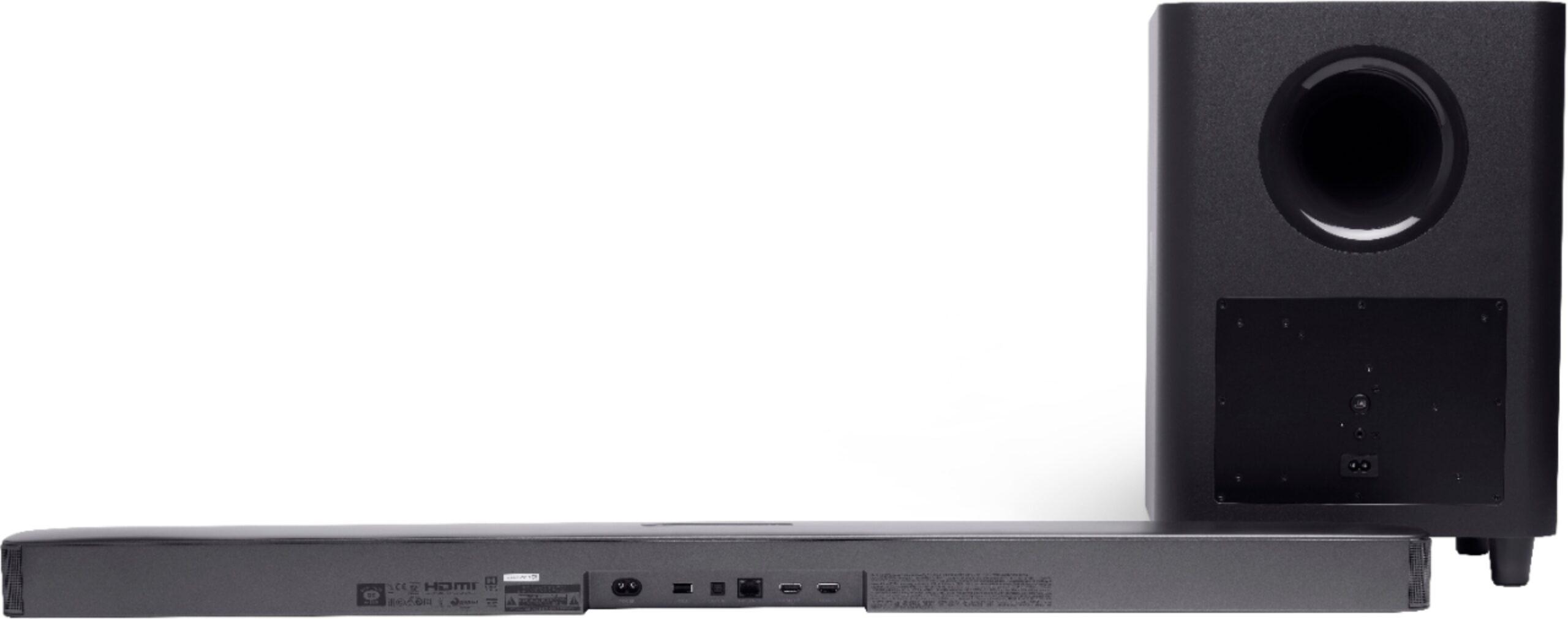
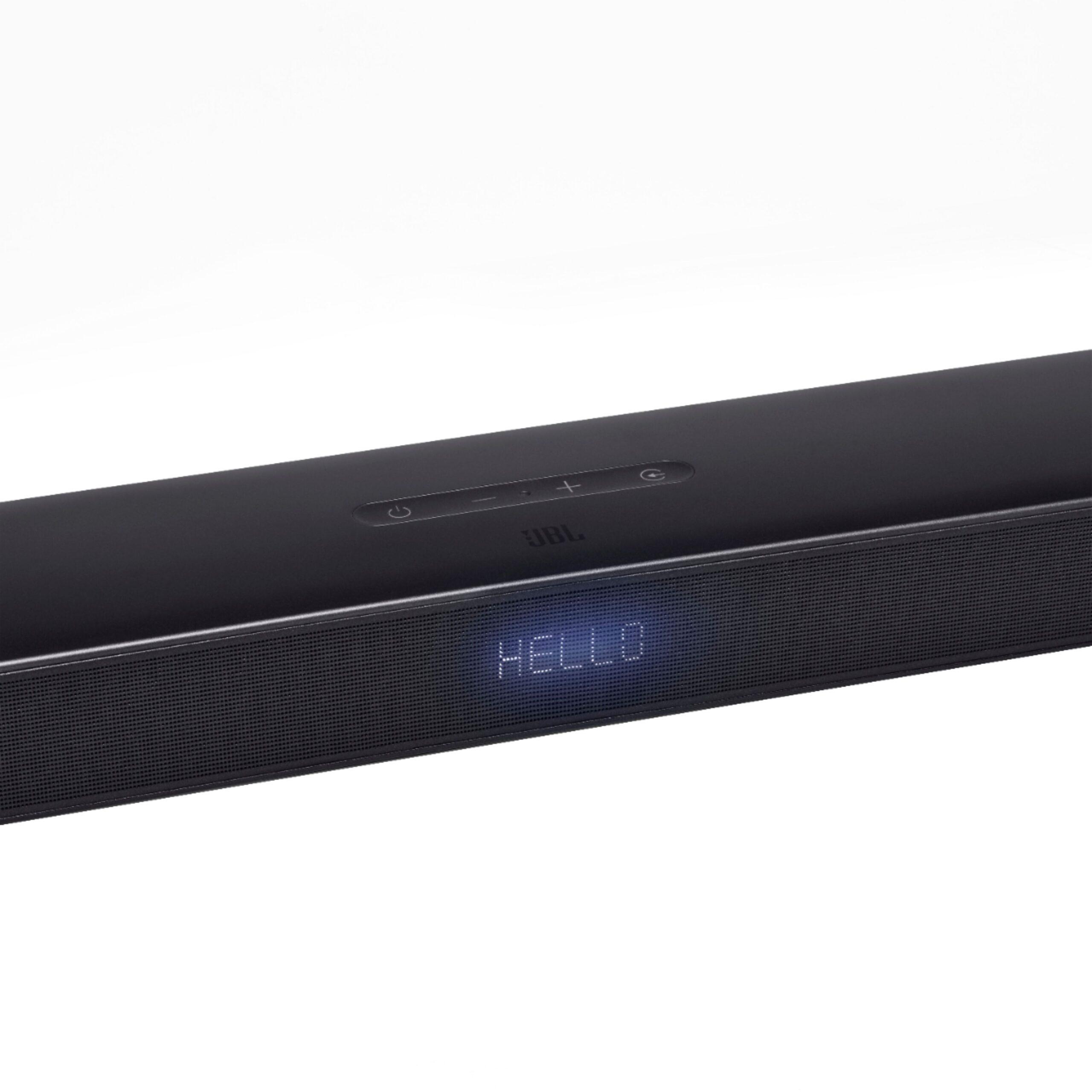
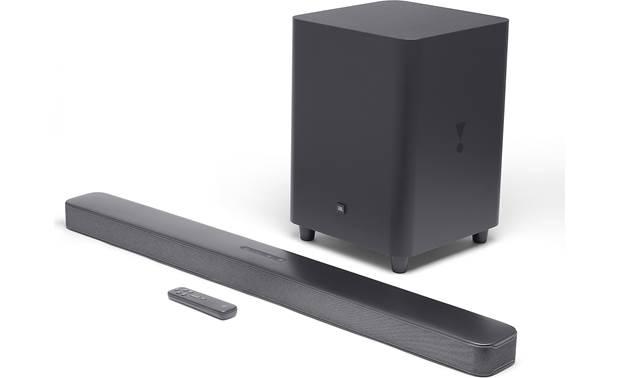
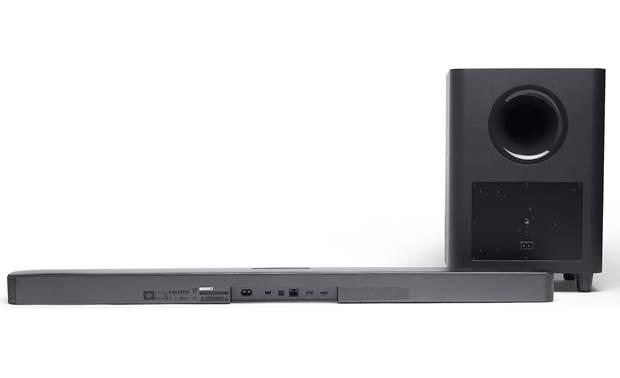
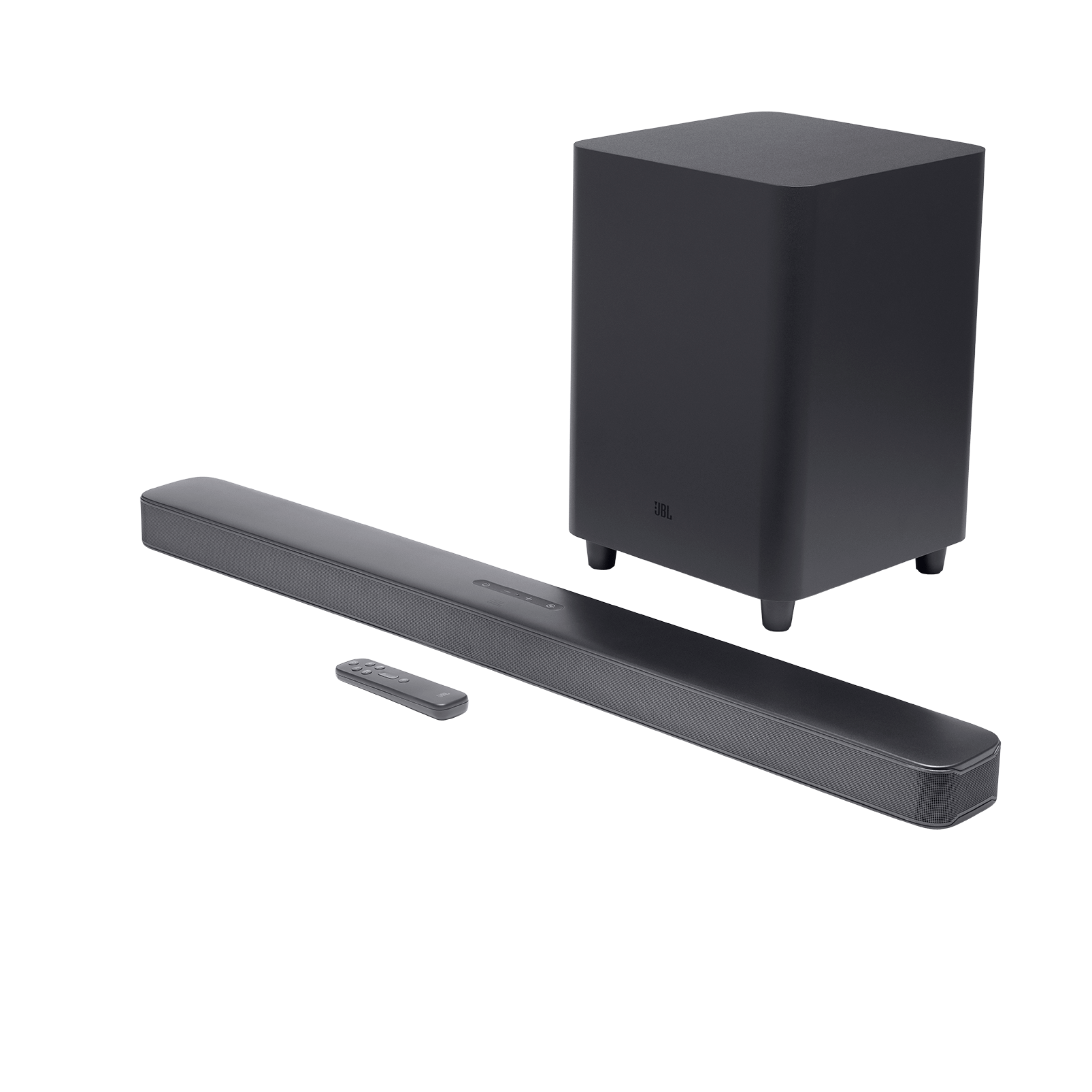
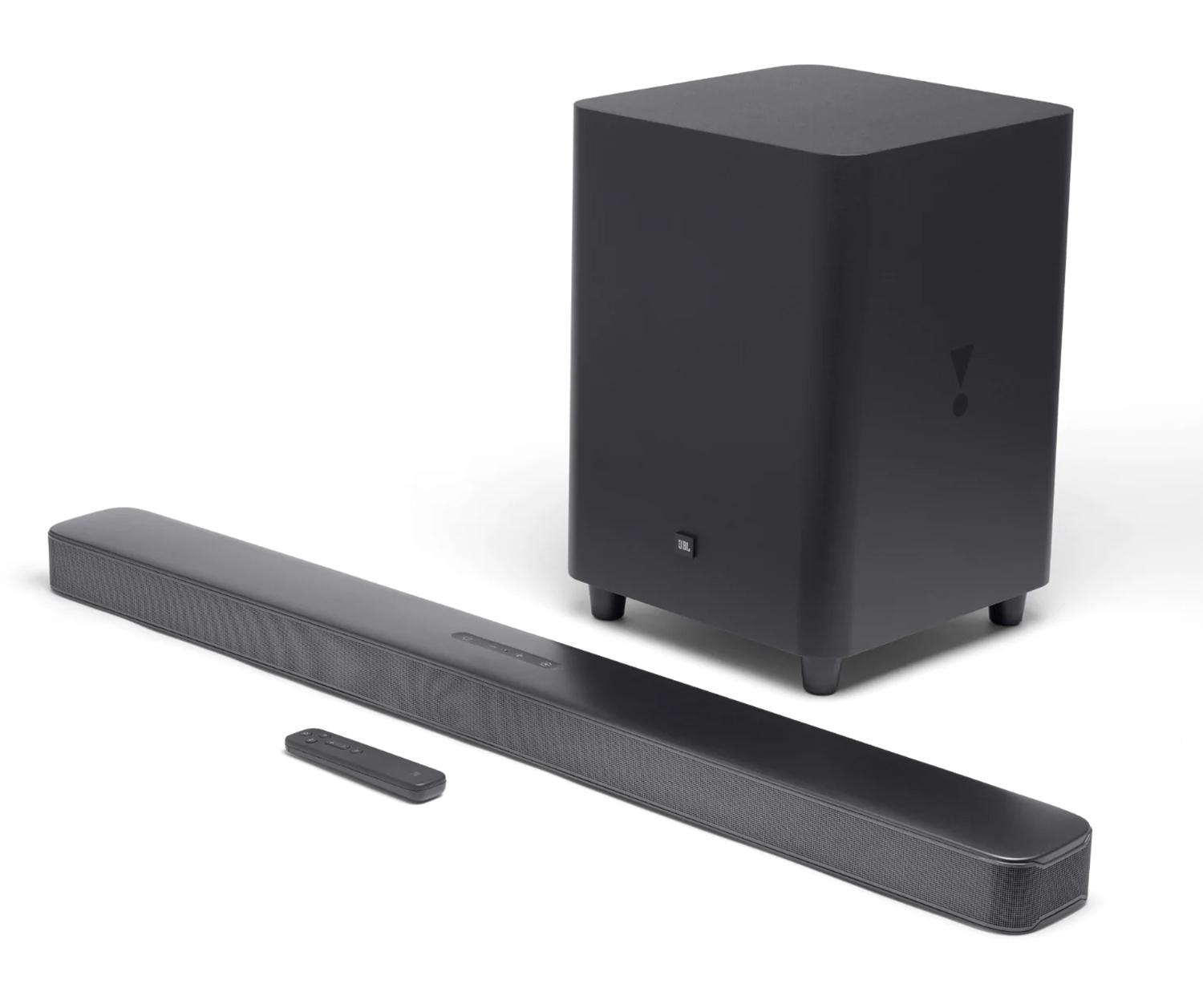
The JBL takes the traditional route with actual 5.1 surround sound. The main bar handles front channels, while two detachable wireless speakers create genuine rear surround effects when placed behind or beside your seating area. These satellite speakers are battery-powered (lasting about 10 hours) and can be positioned wherever makes sense for your room layout.
From my testing, both approaches have clear advantages. The Bose creates a more enveloping soundscape for music and ambient movie scenes, while the JBL delivers more precise directional effects for action sequences. If you've ever experienced a true 5.1 system, the JBL feels more familiar, but the Bose can actually create more impressive "wow moments" when its virtual processing really clicks.
This might be the most important difference for many buyers. The Bose Smart Ultra features AI Dialogue Mode, which uses machine learning algorithms trained on millions of audio clips to automatically identify when someone is speaking and adjust the tonal balance accordingly.
In practical terms, this means you don't have to fumble for the remote during quiet dialogue scenes or get blasted by sound effects afterward. The system continuously analyzes the incoming audio and makes real-time adjustments to keep voices clear and prominent without sacrificing the impact of music or effects.
I've found this feature incredibly useful, especially for streaming content where audio mixing can be inconsistent between shows. The AI processing is subtle but effective – voices simply sound more natural and easier to understand without that artificial "boosted" quality you get from basic dialogue enhancement modes.
The JBL Bar 5.1 relies on more traditional audio processing. While it handles dialogue competently through its center channel, it doesn't have the intelligent processing to adapt to different types of content automatically. You might find yourself adjusting volume more frequently, particularly when switching between different streaming services or content types.
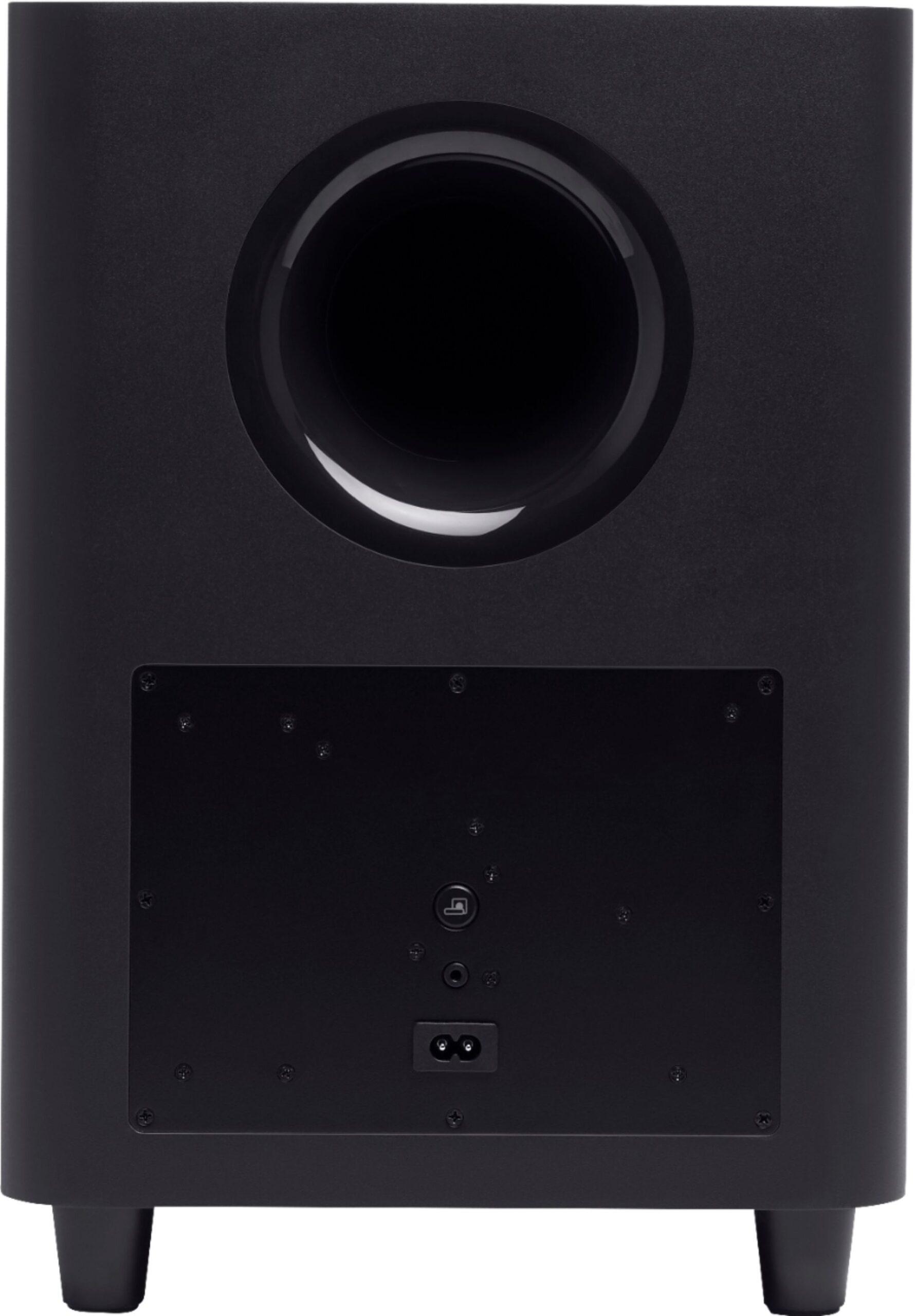
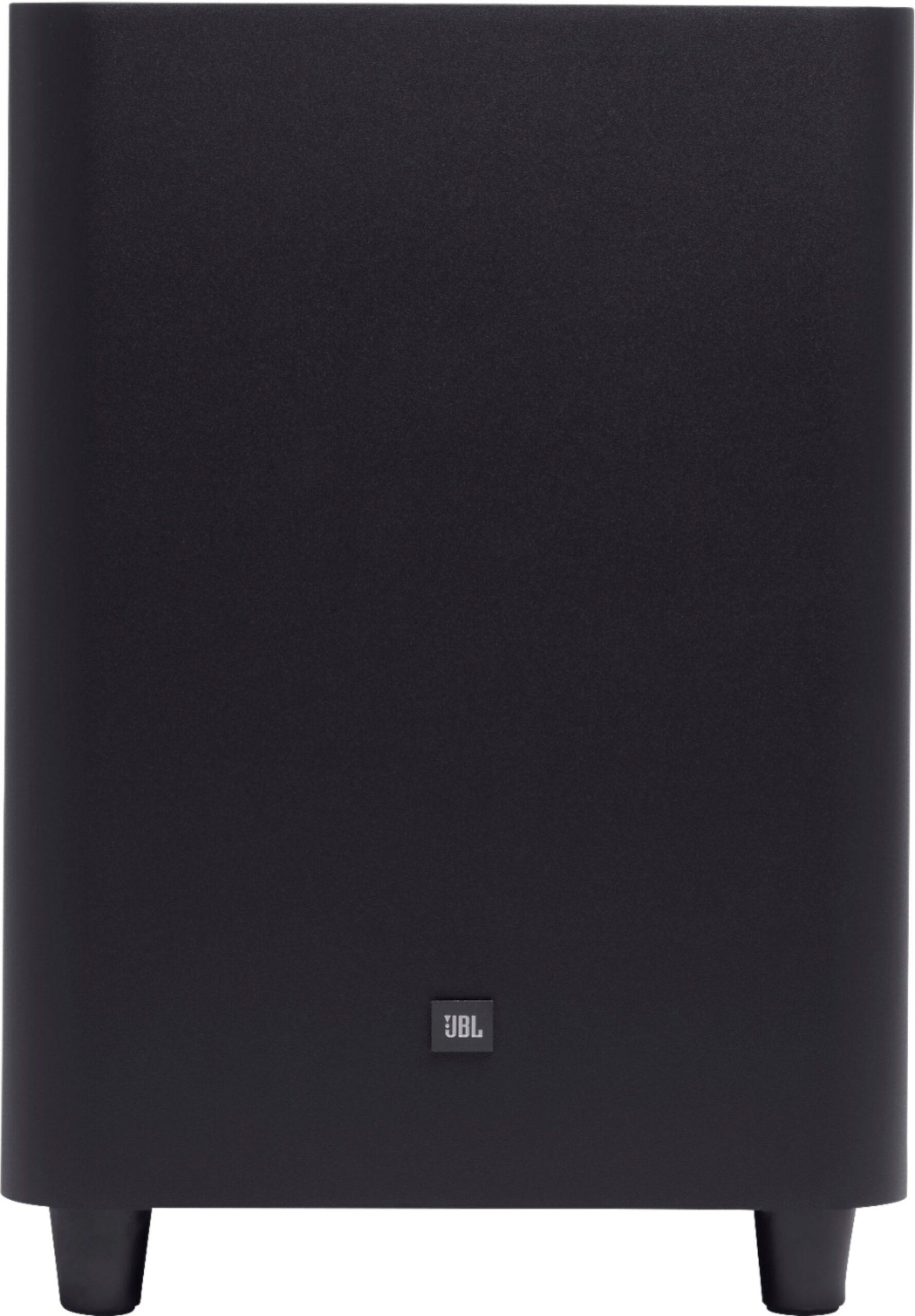
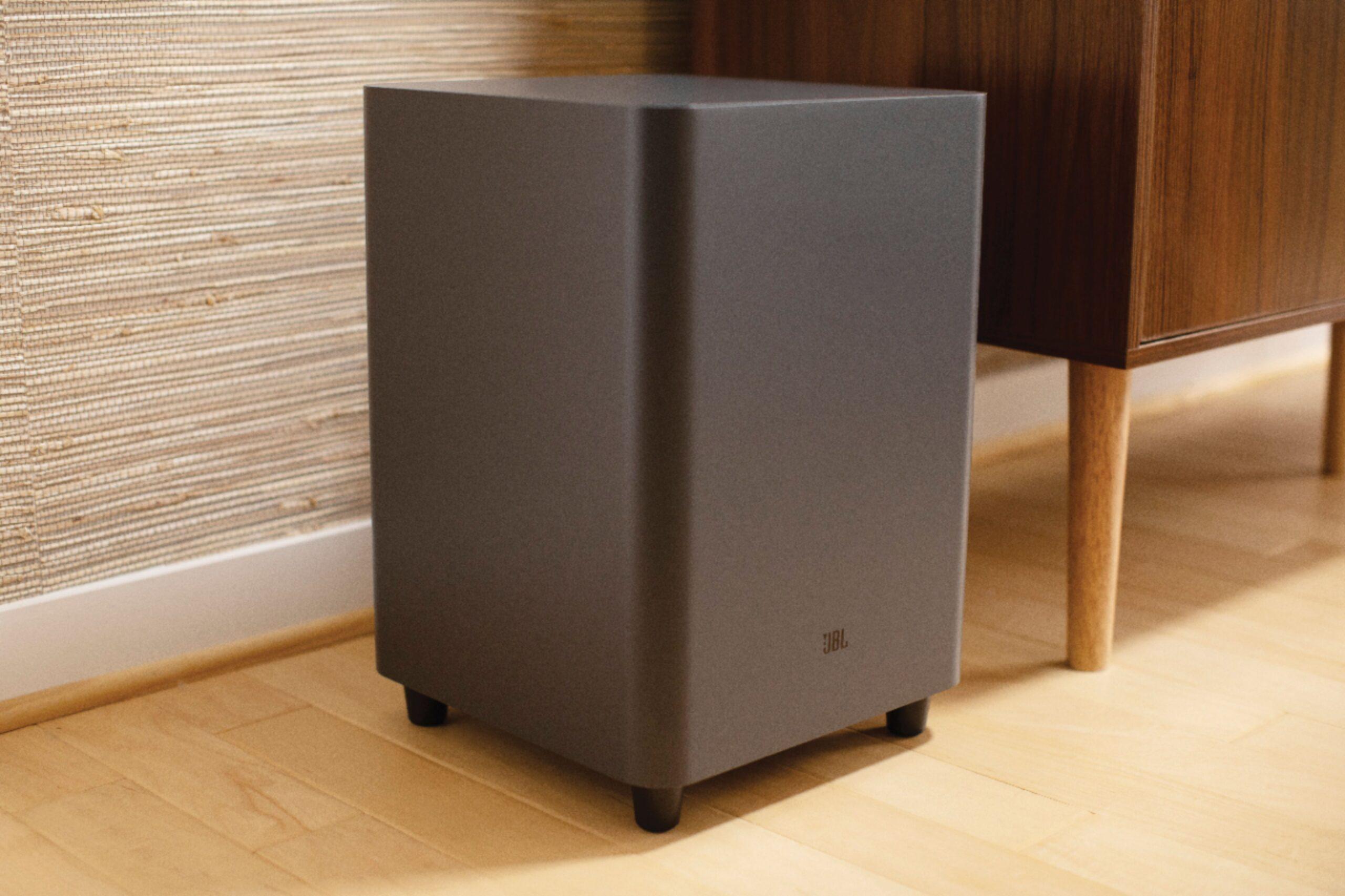
Here's where the JBL shows its strength immediately. The included 10-inch wireless subwoofer delivers proper deep bass that you can feel in your chest during explosive movie scenes. It's the kind of bass response that makes action movies genuinely exciting and adds weight to music playback.
The Bose Smart Ultra takes a different approach. While it produces respectable bass from its internal drivers, it's designed to be expandable. Bose offers the Bass Module 700 (an additional $749) that transforms the system into something truly impressive for bass lovers. This modular approach means you can start with the soundbar and add the subwoofer later if you decide you want more low-end impact.
For many buyers, this represents a significant consideration. The JBL gives you complete bass satisfaction right out of the box for $600, while the Bose requires nearly $1,350 for the full experience. However, the Bose approach does mean you can start smaller and upgrade when budget allows.
This technical difference has real-world implications depending on what you watch. The Bose Smart Ultra focuses on modern streaming formats, with excellent Dolby Atmos support that really shines with Netflix, Disney+, and other streaming services that provide Atmos content. However, it notably lacks DTS support, which means some Blu-ray discs won't play their best possible audio through this system.
The JBL Bar 5.1 takes the opposite approach, supporting DTS and Dolby Digital formats that are common on physical media, but lacking Dolby Atmos entirely. If you have a collection of Blu-rays or frequently watch content with DTS soundtracks, the JBL will handle these properly while the Bose will fall back to standard audio decoding.
The connectivity story reveals each manufacturer's priorities. The Bose Smart Ultra is built for the modern smart home, with built-in Amazon Alexa and Google Assistant, AirPlay 2 support, and Chromecast built-in. You can control it with voice commands, stream directly from your phone, or integrate it with other smart home devices.
The ADAPTiQ room calibration system deserves special mention. During setup, you place a small microphone at your listening position, and the soundbar plays test tones to analyze your room's acoustics. It then automatically adjusts its output to compensate for your room's unique characteristics – whether you have hard floors, heavy curtains, or oddly shaped walls.
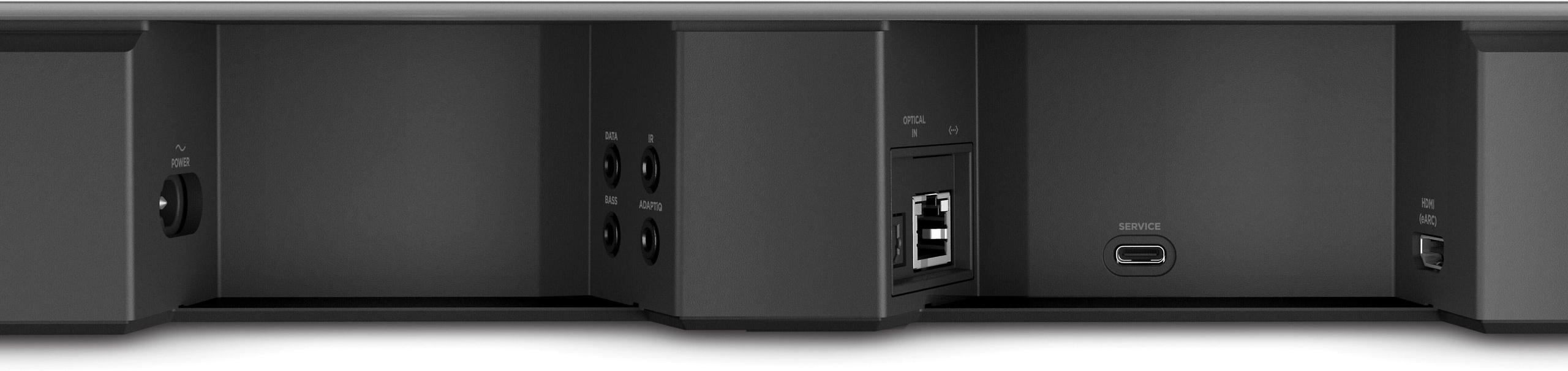
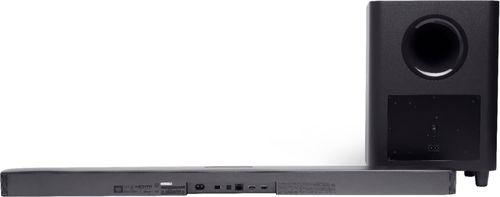
The JBL focuses on more traditional connectivity but does it well. Three HDMI inputs let you connect multiple 4K sources directly to the soundbar, which then passes video to your TV. This can actually be more convenient than the Bose's single HDMI eARC connection if you have several devices to connect.
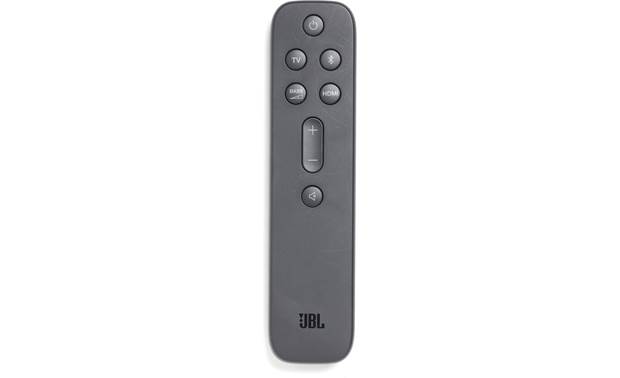
JBL's SoundShift technology lets you quickly switch between TV audio and Bluetooth music from your phone, which is handy for parties or when you want to quickly share a song you're listening to.
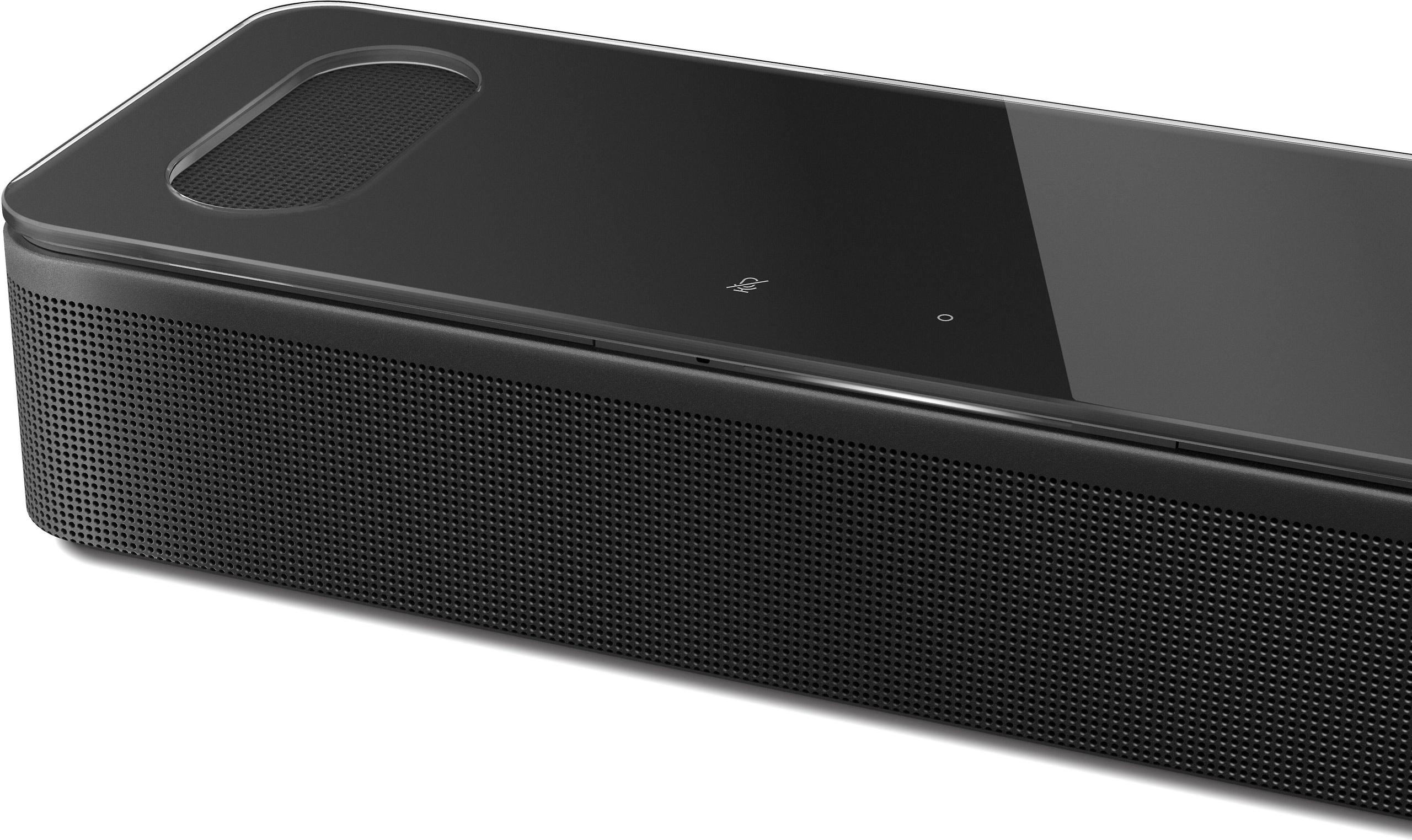
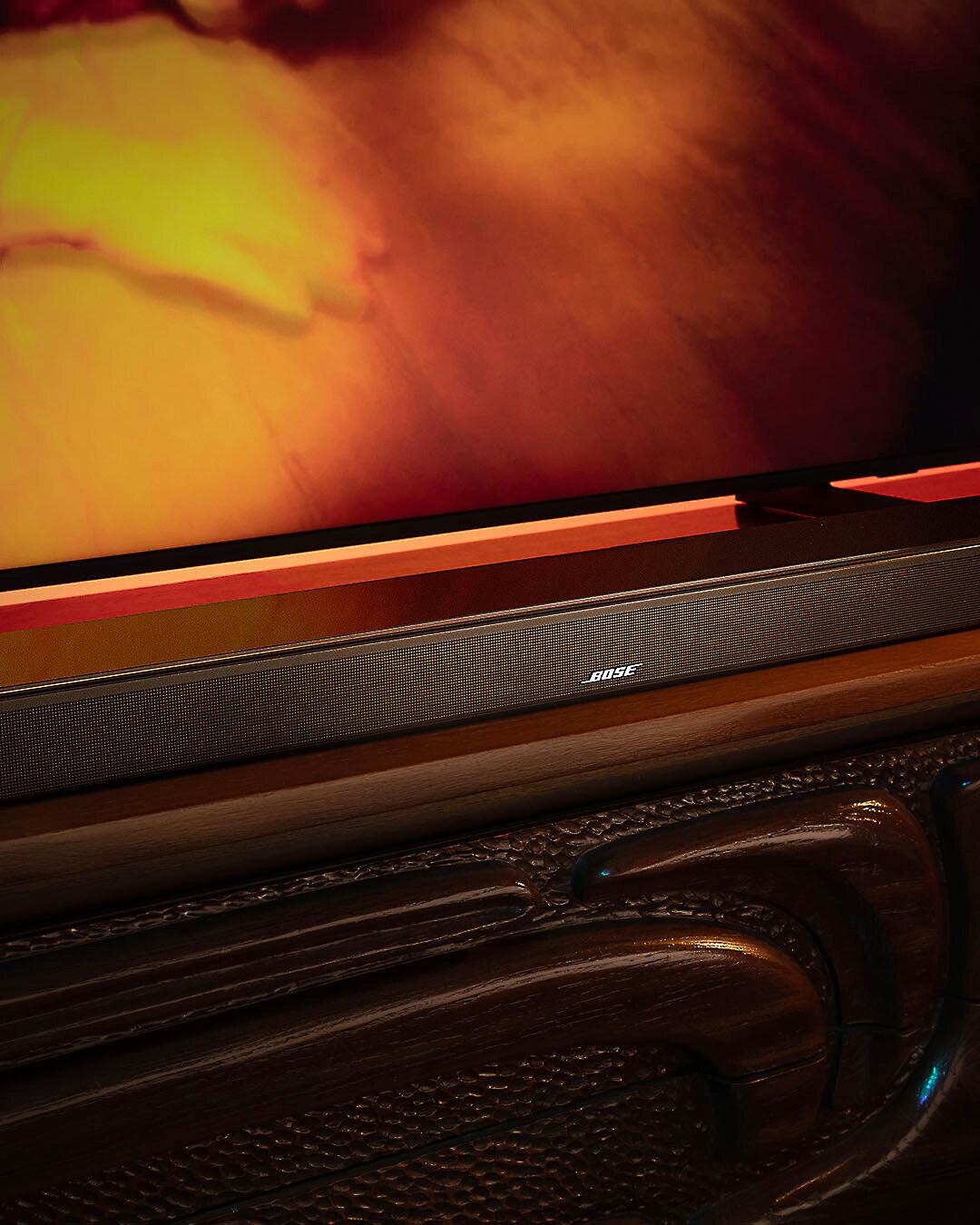
Both soundbars are well-built, but they take different aesthetic approaches. The Bose Smart Ultra emphasizes premium materials with its tempered glass top and wraparound metal grille. At 40 inches wide, it's designed to complement larger TVs (50 inches and up) while maintaining a low profile that won't block your TV's infrared receiver or look bulky.
The JBL system has a more utilitarian appearance but offers more flexibility in component placement. The wireless subwoofer can be positioned anywhere in your room for optimal bass response, while the detachable satellites give you true surround sound positioning options.
From a reliability standpoint, the Bose's single-unit design means fewer wireless connections to potentially cause issues. The JBL's multiple wireless components require more management – you'll need to occasionally recharge the satellite speakers and ensure all components maintain their wireless connections.
For dedicated home theater use, both systems have distinct advantages. The JBL Bar 5.1 creates a more traditional cinema experience with its physical surround speakers and powerful subwoofer. If you have a basement theater or dedicated media room where you can properly position the satellite speakers, the JBL delivers authentic surround sound that feels familiar to anyone who's experienced a good theater system.
The Bose Smart Ultra excels in more challenging spaces. Living rooms with open floor plans, high ceilings, or unusual layouts can benefit from its adaptive processing and room calibration. The virtual surround effects work well even when you can't position physical speakers optimally.
For movie marathons, the Bose's AI Dialogue Mode becomes particularly valuable, automatically managing audio levels so you don't have to constantly adjust volume during long viewing sessions. The JBL's satellite speakers offer excellent surround effects but require battery management during extended use.
After extensive testing with both systems, here's how I'd guide someone through this decision:
Choose the Bose Smart Ultra Soundbar at $599 if you're primarily streaming content, value smart home integration, and want cutting-edge audio processing in a compact package. It's particularly compelling if you live in an apartment or have space constraints that make positioning multiple speakers challenging. The AI dialogue enhancement alone makes it worth considering if you frequently struggle to understand movie dialogue.
The caveat is that you'll eventually want to budget for the Bass Module 700 if you're serious about home theater bass. Think of the soundbar as the first part of a potentially expensive but excellent system.
Choose the JBL Bar 5.1 at $600 if you want immediate, complete surround sound satisfaction and have physical media in your collection. The included subwoofer delivers proper bass impact right away, and the detachable satellites create genuine surround effects that work well in traditional home theater setups.
The trade-off is less sophisticated processing for dialogue and music, plus no support for modern Dolby Atmos content that's becoming increasingly common on streaming platforms.
Both the Bose Smart Ultra and JBL Bar 5.1 represent solid values in the premium soundbar category, but they're designed for different users and use cases. The Bose represents the future of soundbar technology with its AI-enhanced processing and spatial audio capabilities, while the JBL delivers time-tested surround sound principles with modern wireless convenience.
Your choice ultimately comes down to whether you value cutting-edge virtual processing and smart features (Bose) or prefer traditional surround sound with immediate bass satisfaction (JBL). Both will dramatically improve your TV audio experience – they just take different paths to get there.
| Bose Smart Ultra Soundbar with Dolby Atmos | JBL Bar 5.1 Surround Soundbar with Wireless Subwoofer |
|---|---|
| Price - Initial investment for complete system | |
| $599 (subwoofer sold separately for $749) | $600 (includes wireless subwoofer) |
| Audio Approach - Fundamentally different surround sound methods | |
| Virtual 5.1.2 with 9-driver array and ceiling bounce | Physical 5.1 with detachable wireless satellites |
| Dolby Atmos Support - Critical for modern streaming content | |
| Yes, with dedicated up-firing drivers | No Atmos support |
| DTS Support - Important for Blu-ray movie collections | |
| No DTS support | Full DTS and Dolby Digital support |
| Bass Performance - Impact on movie and music experience | |
| Internal drivers only (requires separate $749 subwoofer) | Included 10-inch wireless subwoofer (300W) |
| Dialogue Enhancement - Clarity for speech-heavy content | |
| AI Dialogue Mode with machine learning optimization | Standard audio processing only |
| Room Calibration - Automatic optimization for your space | |
| ADAPTiQ with included measurement microphone | Manual adjustment only |
| Smart Features - Voice control and streaming integration | |
| Built-in Alexa/Google, AirPlay 2, Chromecast | Bluetooth only, no voice assistants |
| HDMI Connectivity - Number of devices you can connect directly | |
| 1 HDMI eARC input/output | 3 HDMI inputs + 1 ARC output |
| Physical Footprint - Space requirements in your room | |
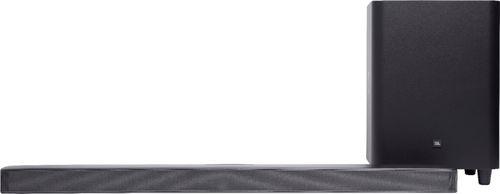
| Single 40-inch bar | Bar + wireless sub + 2 satellite speakers |
| Battery Management - Ongoing maintenance requirements | |
| Plug-and-play (no batteries) | Satellite speakers need 10-hour recharging cycles |
| Release Date - How current the technology is | |
| September 2023 (latest Bose technology) | Circa 2020 (proven but older design) |
The JBL Bar 5.1 Surround Soundbar at $600 offers better immediate value since it includes a wireless subwoofer and detachable surround speakers for true 5.1 audio. The Bose Smart Ultra Soundbar at $599 requires an additional $749 subwoofer purchase to match the JBL's bass performance, making the complete Bose system significantly more expensive.
Yes, Dolby Atmos is increasingly important for modern streaming content. The Bose Smart Ultra Soundbar supports Dolby Atmos with dedicated up-firing speakers, making it ideal for Netflix, Disney+, and other streaming platforms. The JBL Bar 5.1 lacks Atmos support entirely, which means you'll miss out on the enhanced spatial audio available in newer content.
The Bose Smart Ultra Soundbar is better for smaller spaces since it's a single compact unit that creates virtual surround sound without requiring multiple speakers throughout your room. The JBL Bar 5.1 needs space for a subwoofer and two satellite speakers, which may not be practical in tight living situations.
The JBL Bar 5.1 Surround Soundbar is better for Blu-ray movies since it supports DTS audio formats commonly found on physical discs. The Bose Smart Ultra Soundbar lacks DTS support, so some Blu-rays won't play their highest quality audio tracks through this system.
The JBL Bar 5.1 at $600 includes a powerful 10-inch wireless subwoofer that delivers excellent bass right out of the box. The Bose Smart Ultra at $599 relies on internal drivers for bass and requires purchasing a separate $749 subwoofer for deep low-end performance.
The Bose Smart Ultra Soundbar offers easier setup with automatic room calibration using an included microphone, plus smart home integration with Alexa and Google Assistant. The JBL Bar 5.1 requires manual positioning of satellite speakers and periodic battery charging but offers straightforward plug-and-play operation.
The Bose Smart Ultra Soundbar excels at dialogue clarity with its AI Dialogue Mode that automatically enhances speech without boosting volume. This machine learning feature makes voices clearer across all content types. The JBL Bar 5.1 handles dialogue adequately but lacks intelligent voice enhancement technology.
Both soundbars handle music well but differently. The Bose Smart Ultra offers AirPlay 2 and Chromecast for seamless wireless streaming with spatial audio processing. The JBL Bar 5.1 provides Bluetooth connectivity and benefits from its included subwoofer for fuller bass response in music playback.
The JBL Bar 5.1 Surround Soundbar provides more physical connections with three HDMI inputs plus optical and USB ports, making it better for multiple gaming consoles or streaming devices. The Bose Smart Ultra Soundbar has one HDMI eARC connection but compensates with extensive wireless connectivity options.
Both work well for gaming but serve different needs. The JBL Bar 5.1 offers multiple HDMI inputs for connecting consoles directly, plus true surround sound for directional audio cues. The Bose Smart Ultra provides excellent spatial audio processing and low latency but has limited HDMI connectivity.
The Bose Smart Ultra Soundbar at $599 receives regular software updates that improve AI features and audio processing, making it more future-proof. The JBL Bar 5.1 at $600 relies primarily on hardware performance without significant software enhancement capabilities.
The fundamental difference is approach: the Bose Smart Ultra uses advanced virtual processing to create surround sound from a single bar with cutting-edge features, while the JBL Bar 5.1 uses traditional physical speakers placed around your room for authentic surround sound with immediate bass satisfaction.
We've done our best to create useful and informative comparisons to help you decide what product to buy. Our research uses advanced automated methods to create this comparison and perfection is not possible - please contact us for corrections or questions. These are the sites we've researched in the creation of this article: techradar.com - bose.com - bestbuy.com - tomsguide.com - pcrichard.com - rtings.com - bose.com - boselatam.com - avsforum.com - bose.com - jbl.com - jbl.com - jbl.com - tomsguide.com - jbl.com - bestbuy.com - bestbuy.com - jbl.com - jbl.com - worldwidestereo.com

Privacy Policy
Terms and Conditions - Affiliate Policy
Home Security
© Copyright 2008-2026.
11816 Inwood Rd #1211, Dallas, TX 75244