

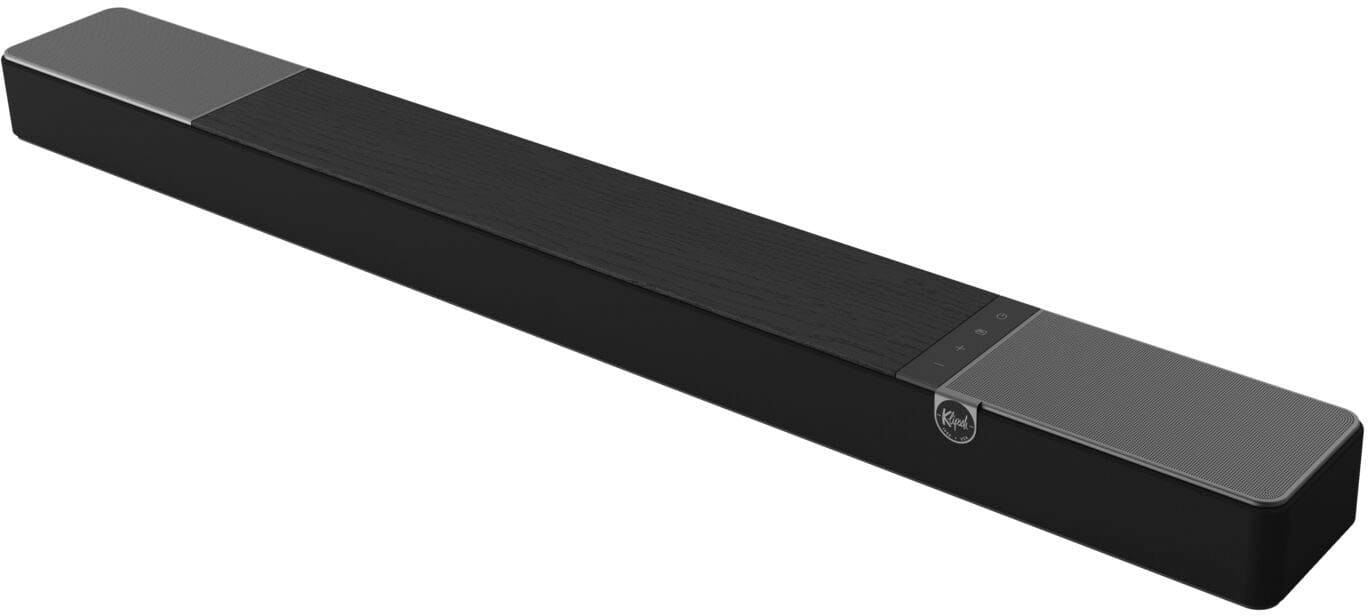
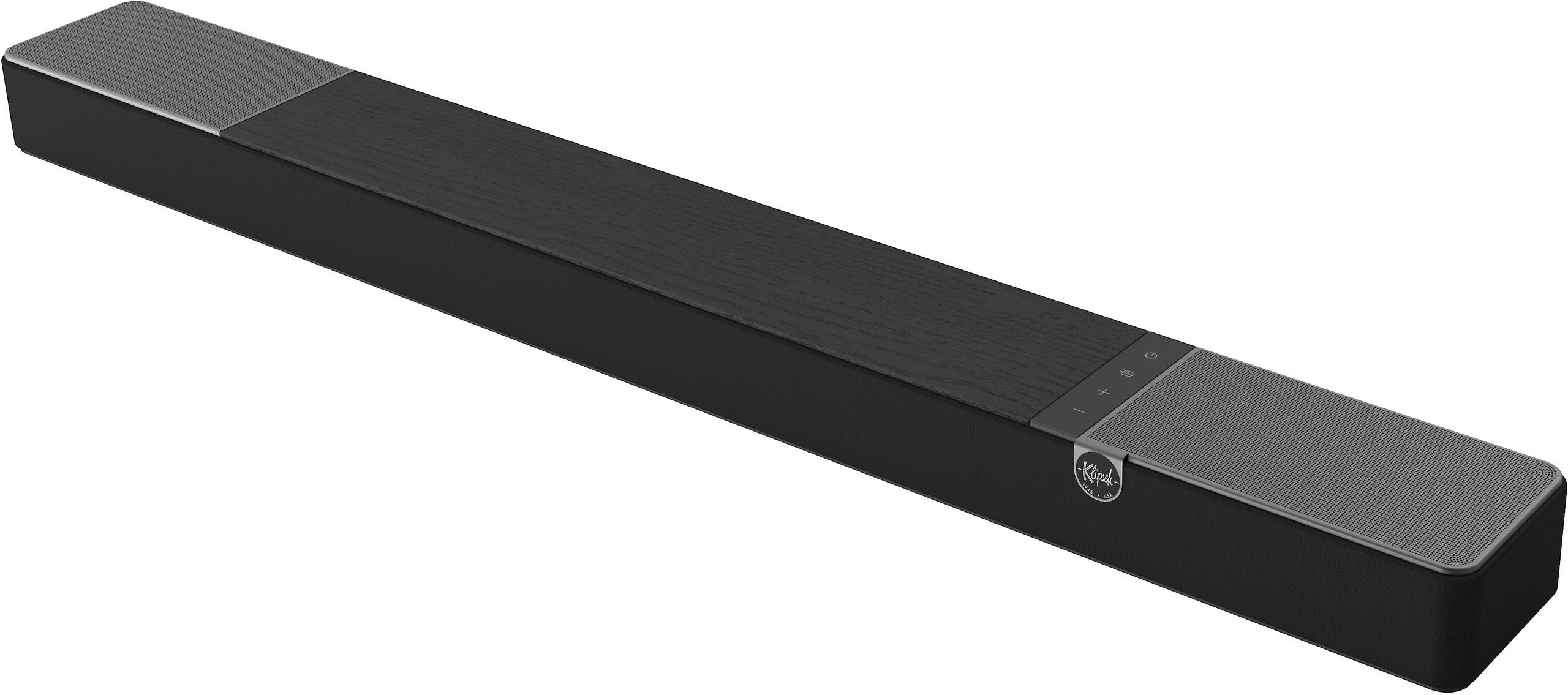



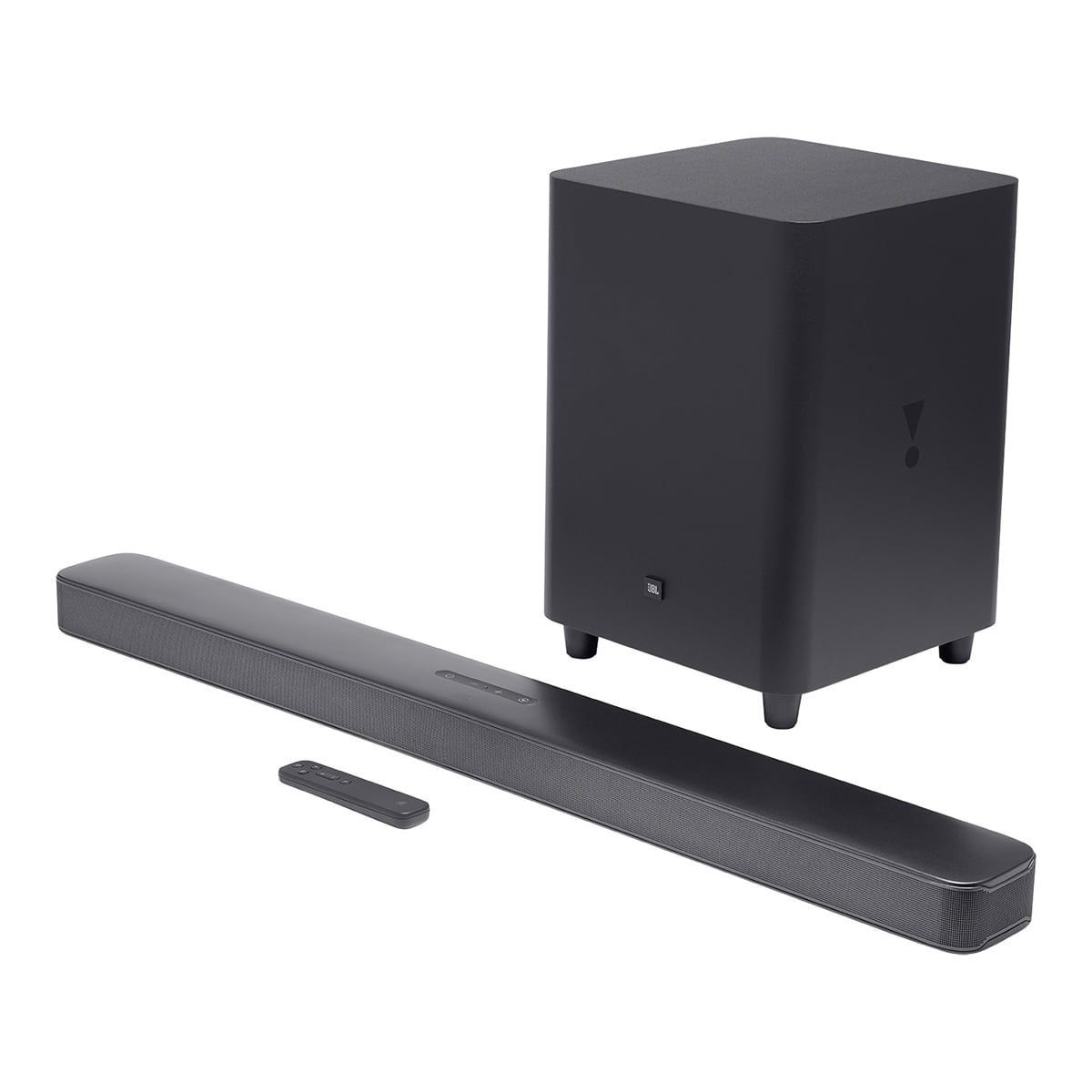
When you're tired of constantly turning up the TV volume just to understand what characters are saying, or when explosions in action movies sound more like gentle puffs than earth-shaking booms, it's time to consider a soundbar upgrade. But with so many options available, how do you choose between something like the Klipsch Flexus Core 200 ($369) and the JBL Bar 5.1 Surround ($600)?
These two soundbars represent fundamentally different approaches to solving your TV's audio problems, and understanding their differences will help you make the right choice for your home theater setup.
Before diving into specifics, let's talk about what makes today's soundbars so much better than the basic models from just a few years ago. Modern soundbars have evolved into sophisticated audio systems that can create immersive surround sound experiences without requiring you to run speaker wires around your room.
The most important factor to understand is channel configuration. When you see numbers like "3.1.2" or "5.1," these tell you exactly how many speakers are working to create your audio experience. The first number represents front channels (left, center, right), the second number indicates subwoofers for bass, and the third number (when present) shows height channels for overhead effects.
Dolby Atmos technology deserves special attention here. Traditional surround sound moves audio left, right, front, and back around you. Atmos adds a vertical dimension, placing sounds above your head to create a truly three-dimensional audio bubble. Think of rain falling from above, helicopters flying overhead, or debris crashing down around you in an action scene.
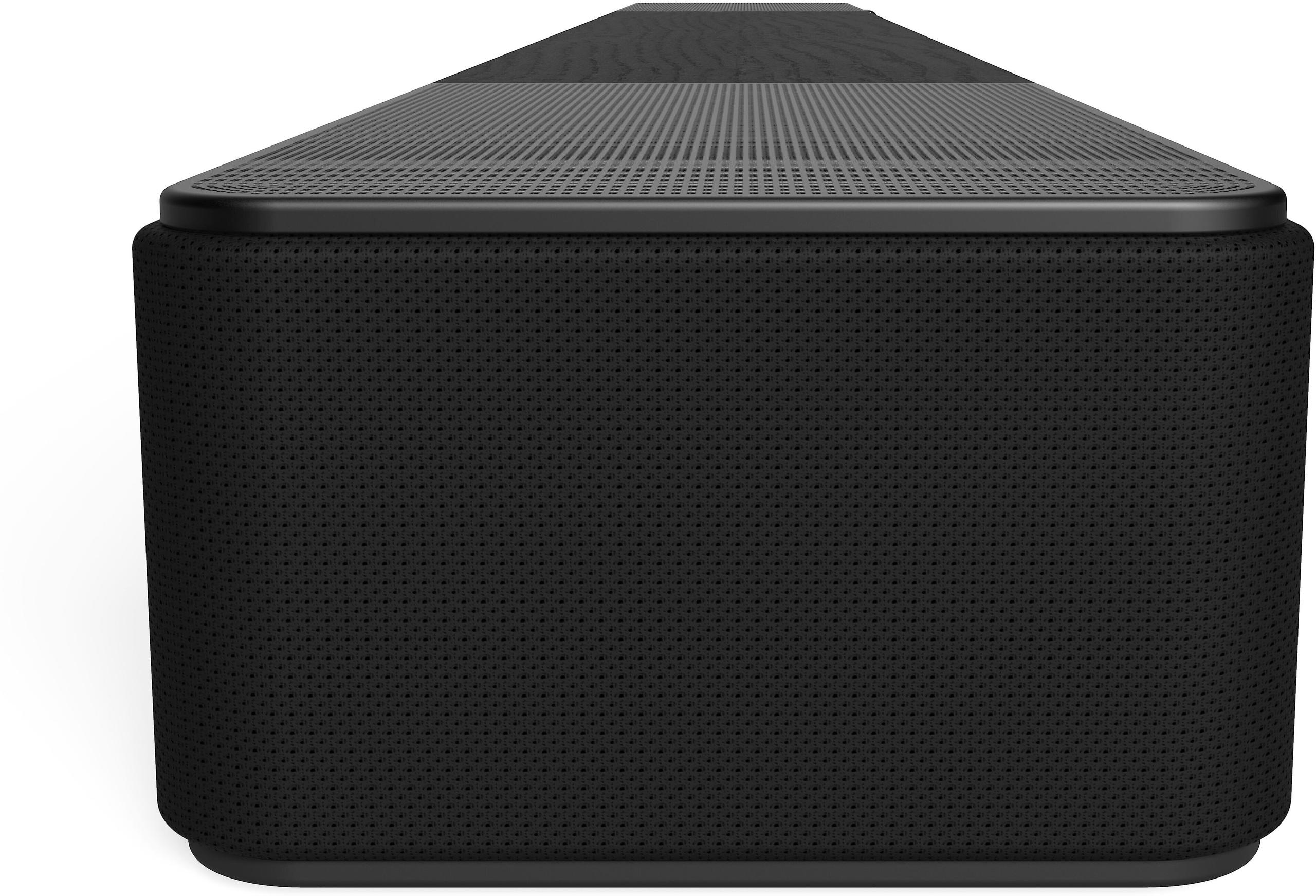
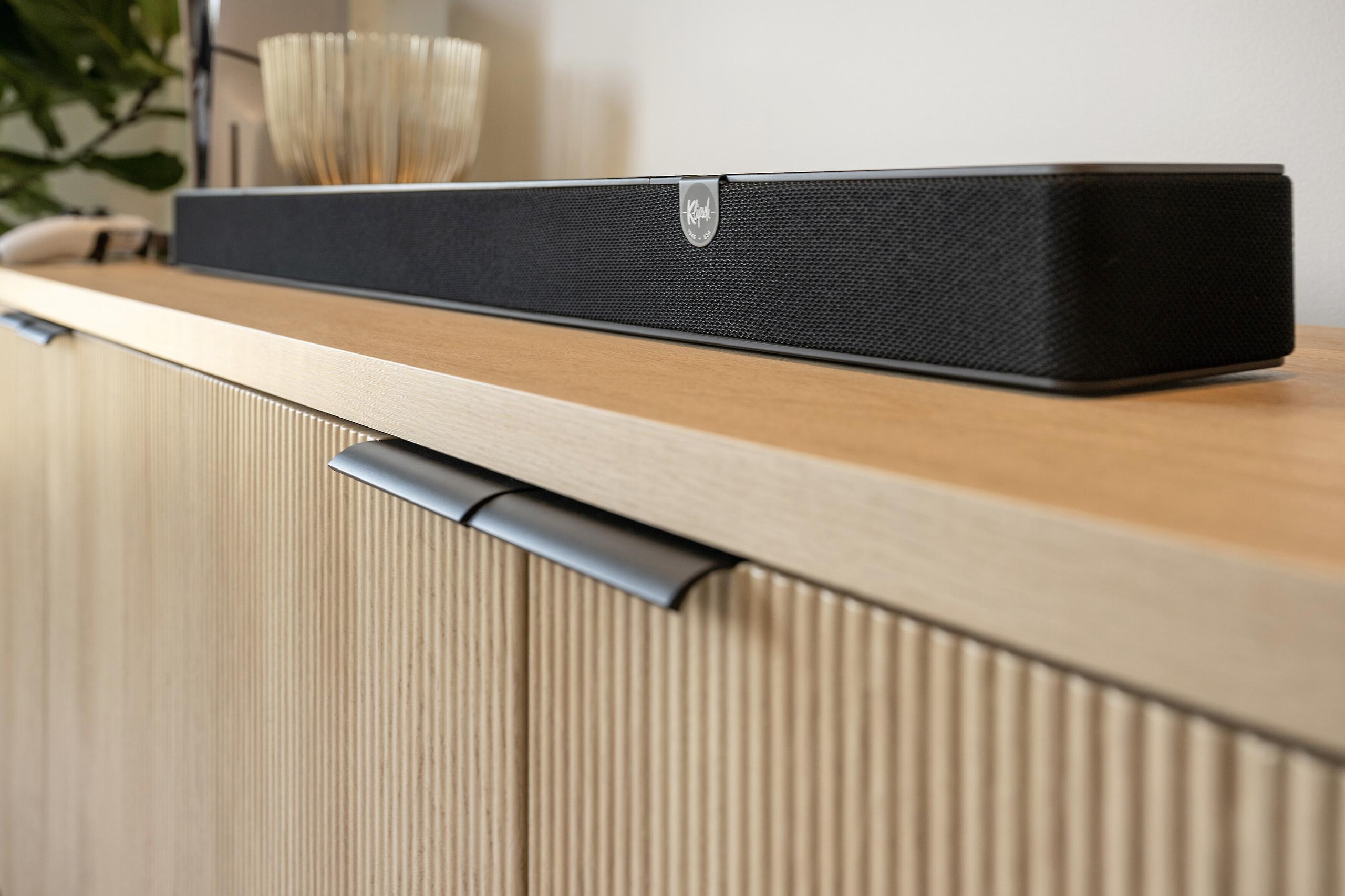
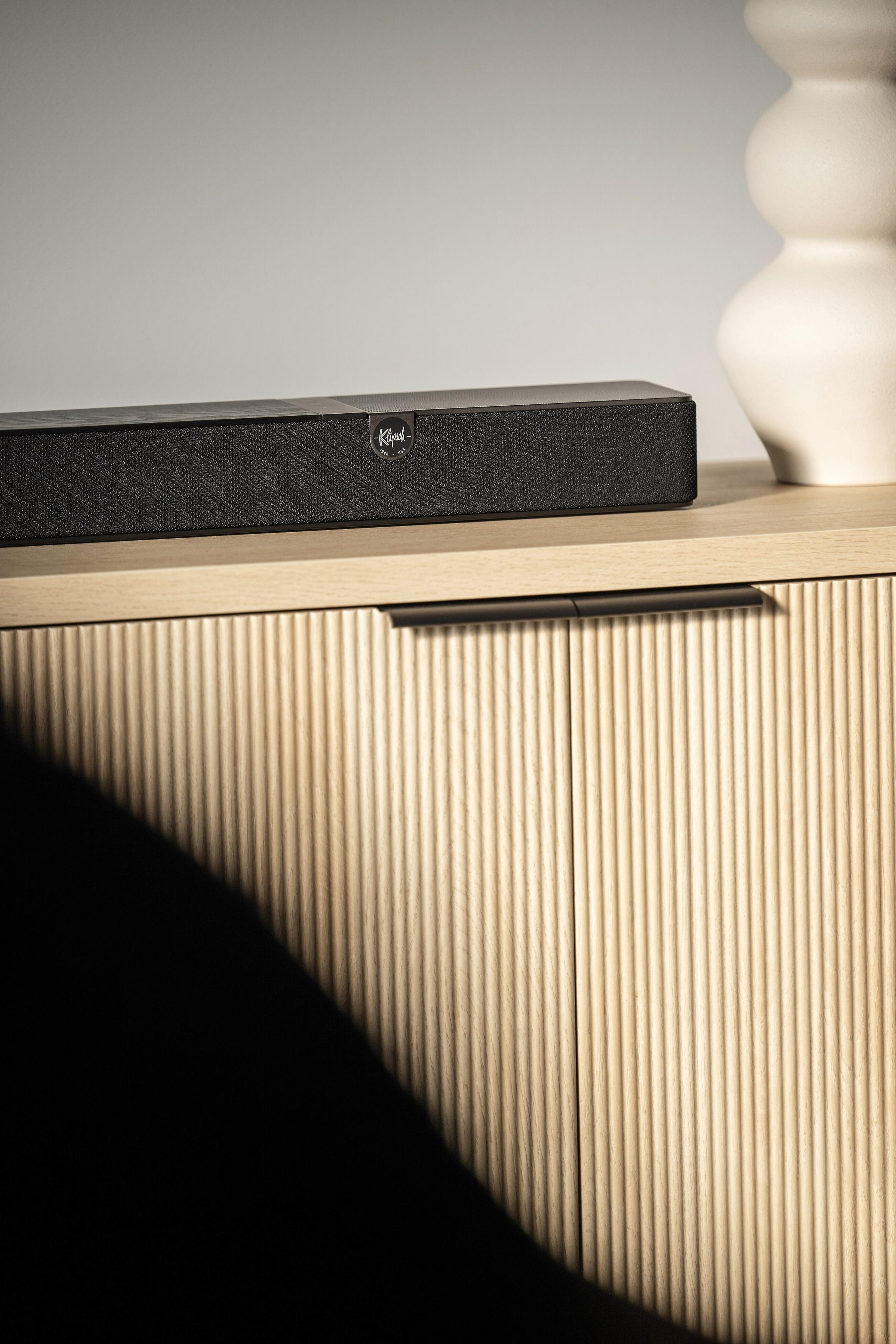
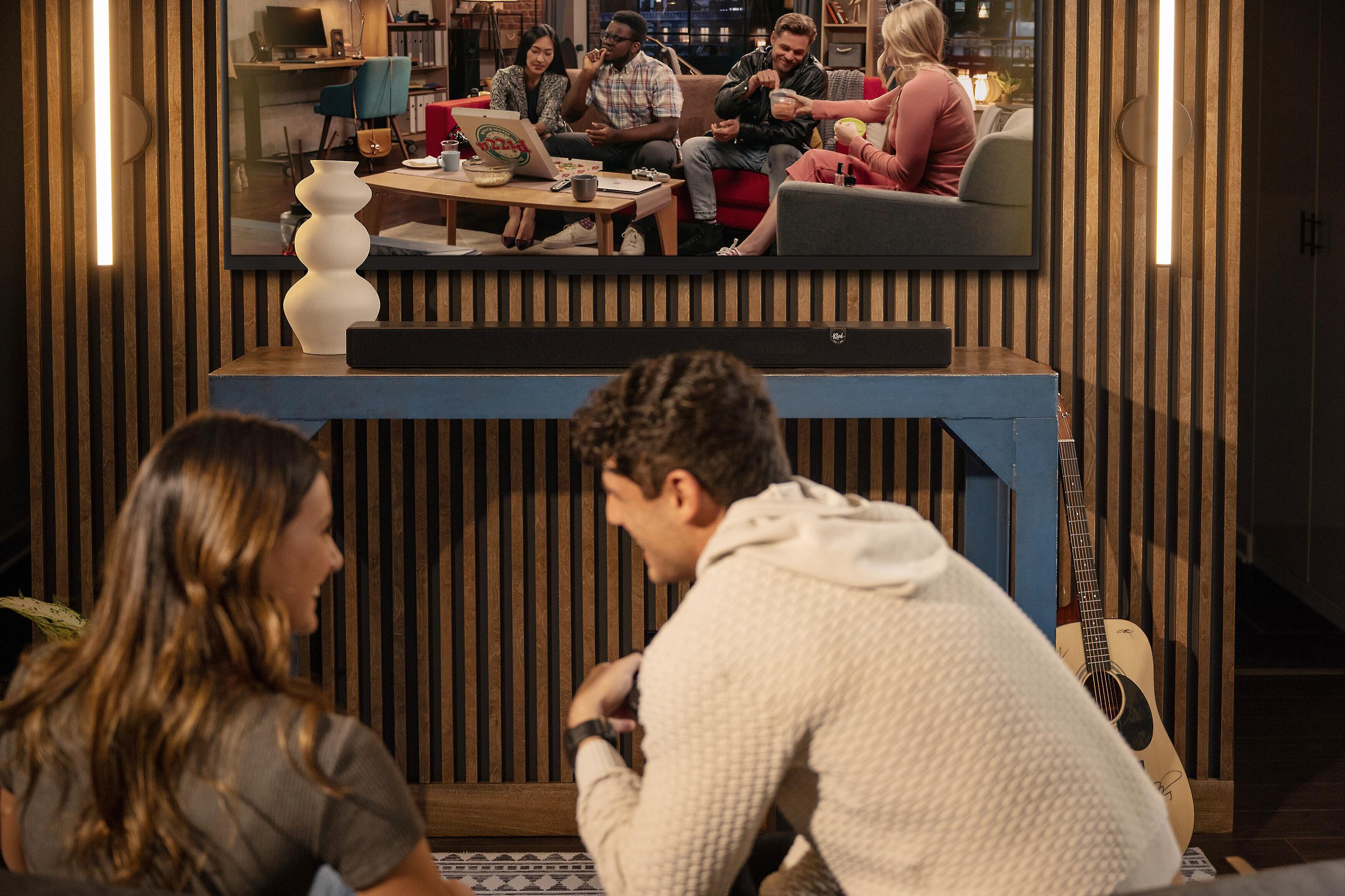
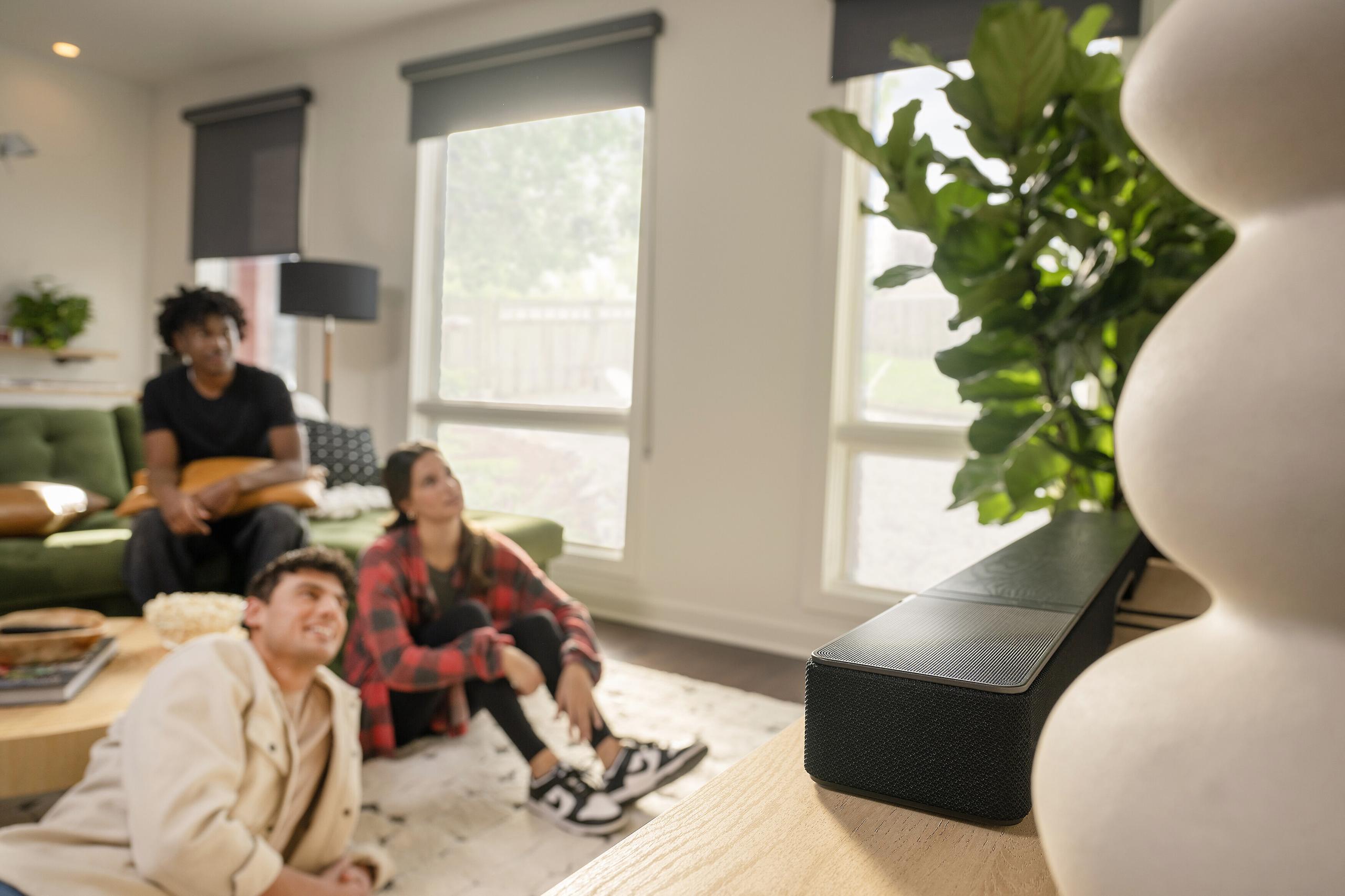
Released in early 2024, the Klipsch Flexus Core 200 represents Klipsch's entry into the modular soundbar market. What makes this system special is its commitment to authentic Dolby Atmos reproduction through dedicated upfiring drivers – actual speakers that bounce sound off your ceiling to create overhead effects.
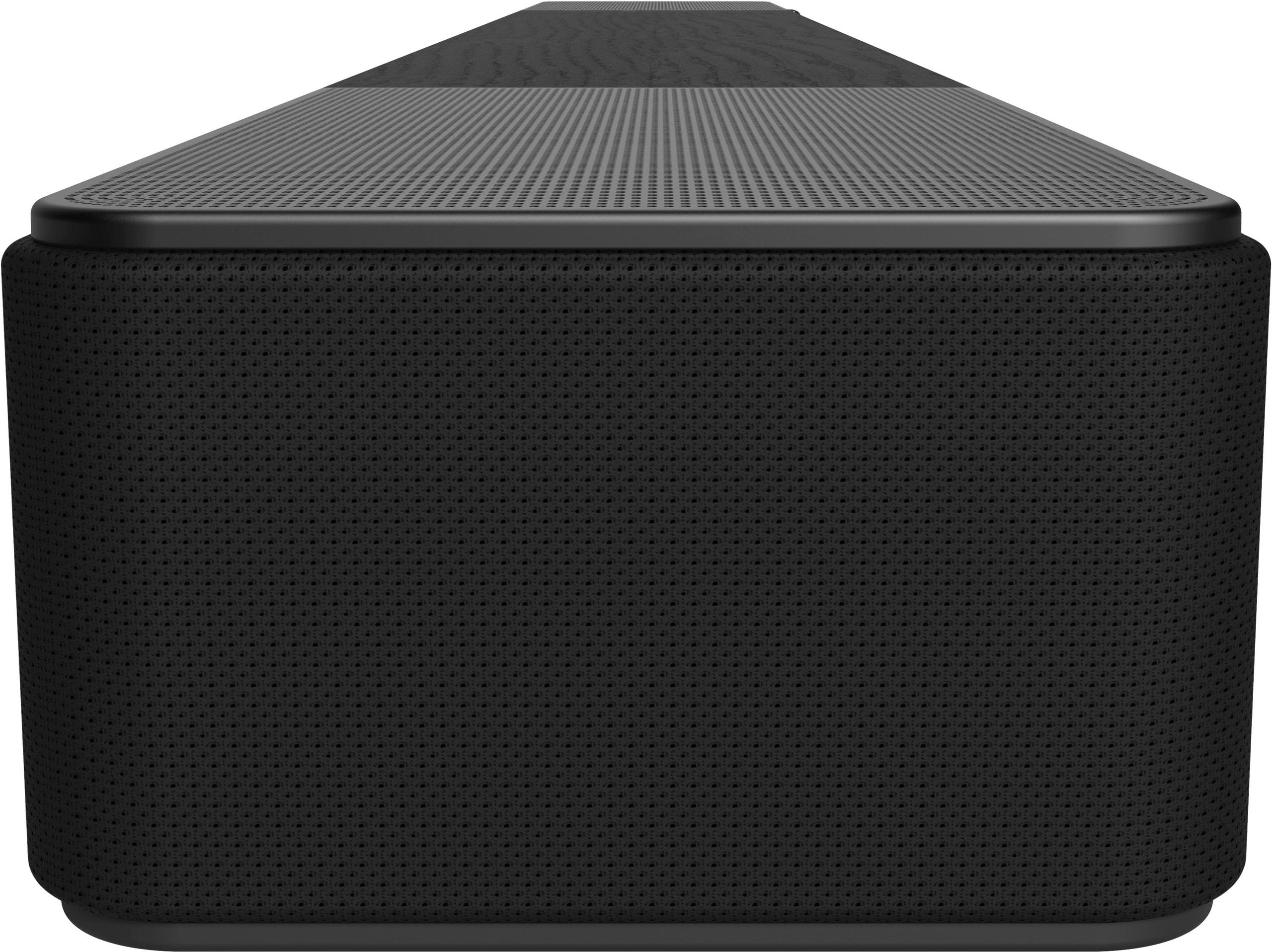
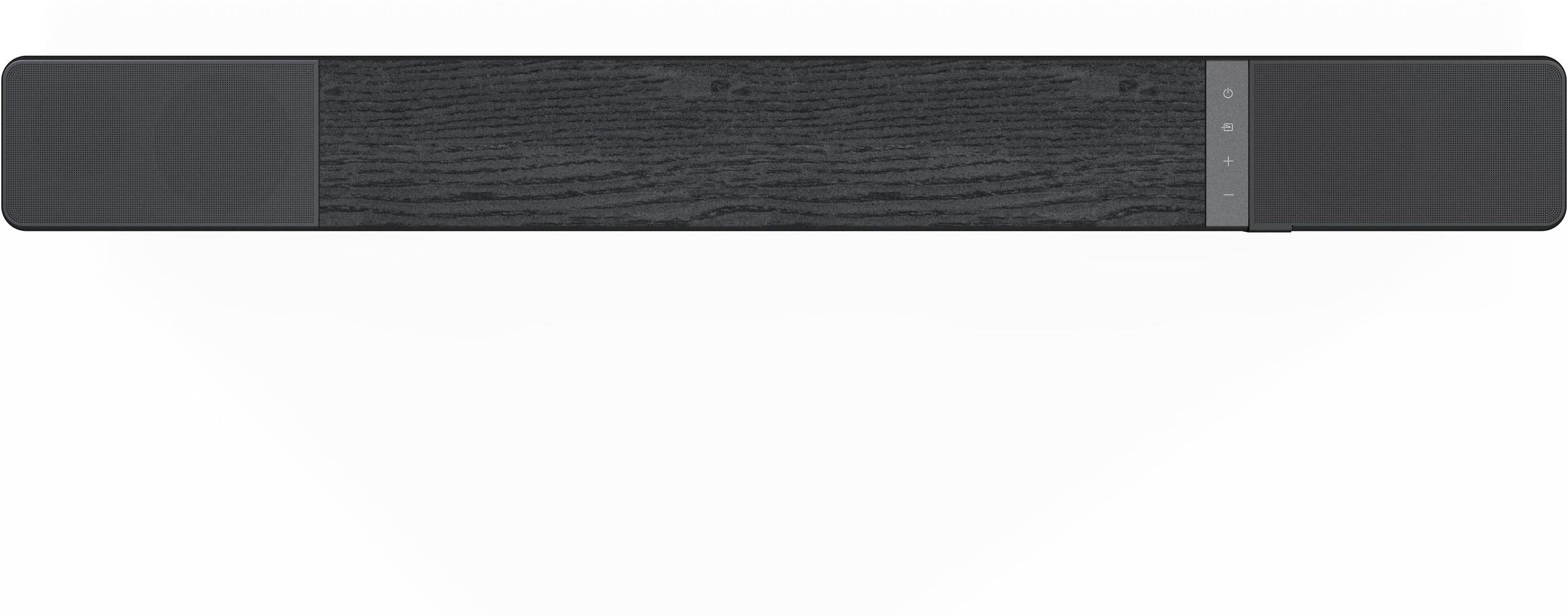
The 3.1.2 configuration includes four 2.25-inch aluminum cone drivers for front sound, one horn-loaded tweeter for dialogue (the ".1" center channel), and two discrete 2.25-inch upfiring drivers for height effects (the ".2" channels). Additionally, dual 4-inch built-in subwoofers handle bass duties, though they're more compact than what you'd find in a dedicated subwoofer.
Klipsch's signature horn-loaded tweeter technology is particularly noteworthy. This isn't just marketing speak – horn loading is an acoustic technique that uses a specially shaped chamber to amplify and direct sound more efficiently. In practical terms, this means dialogue cuts through complex movie soundtracks with remarkable clarity. When characters whisper crucial plot points while explosions happen in the background, you'll actually hear what they're saying.
The aluminum cone drivers contribute to the Klipsch sound signature, which tends to be detailed and dynamic. Aluminum is lighter than traditional paper cones, allowing for quicker response to audio signals. This translates to snappier drum hits, clearer guitar plucks, and more precise sound effects positioning.
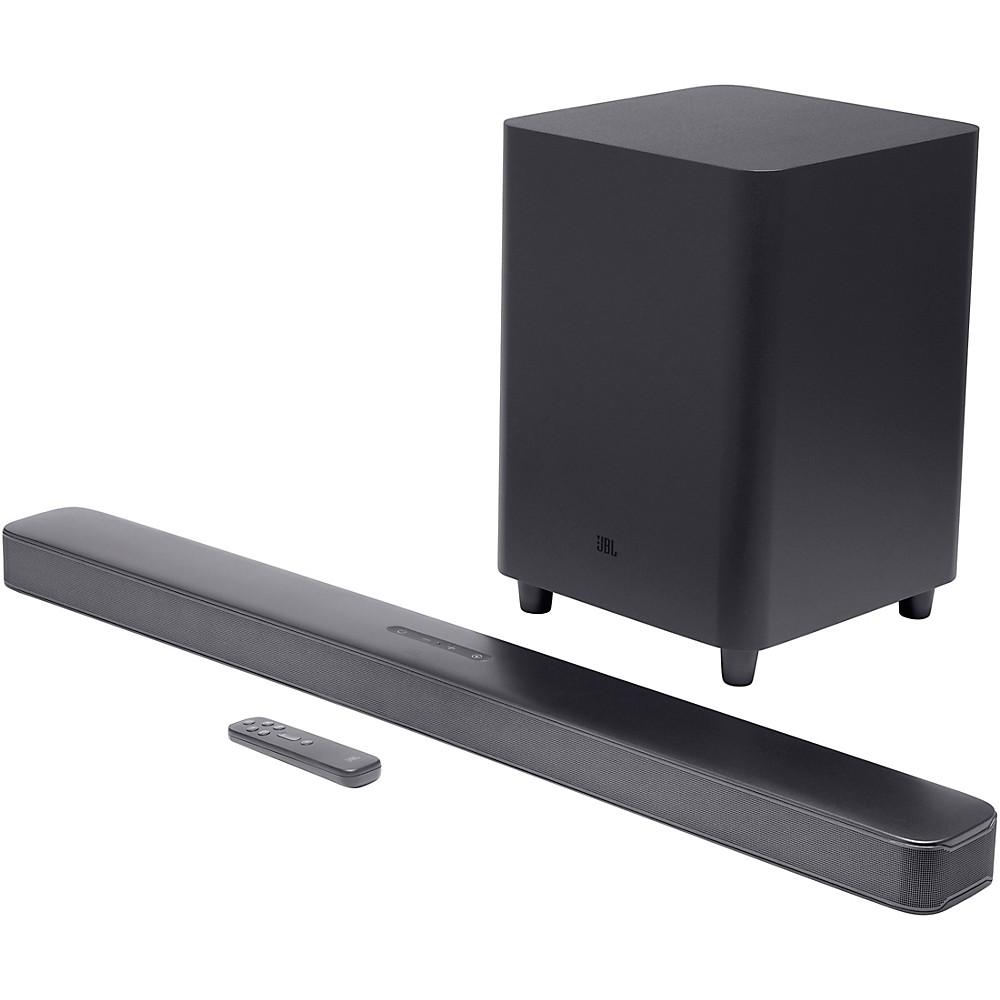
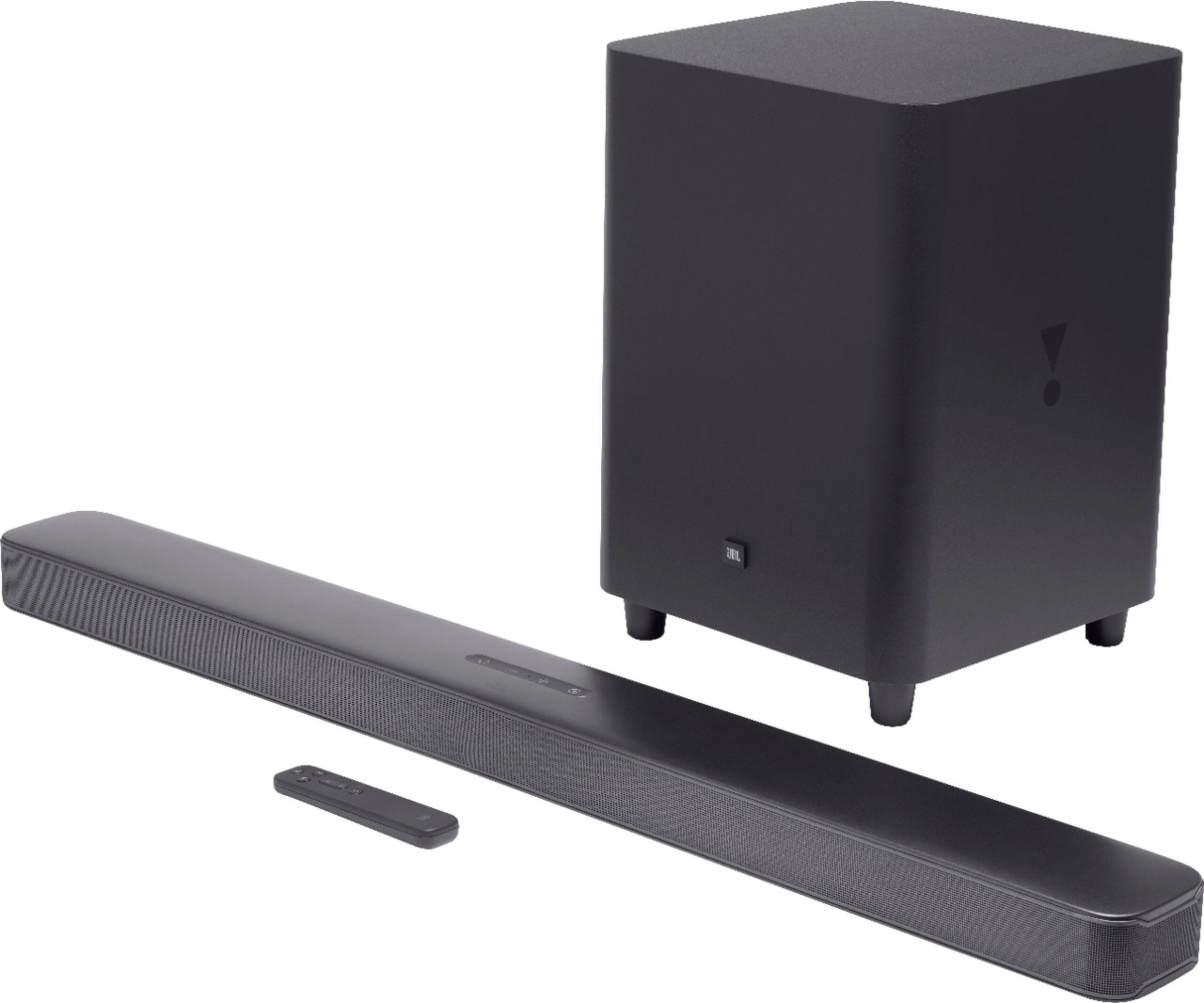
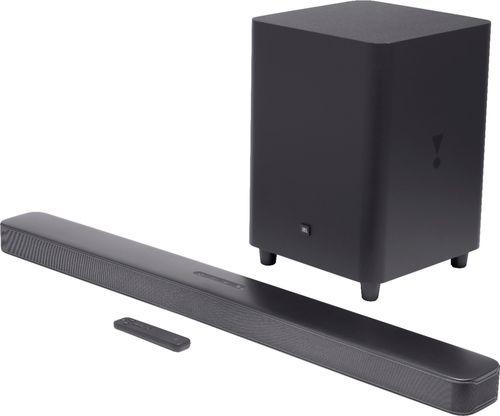
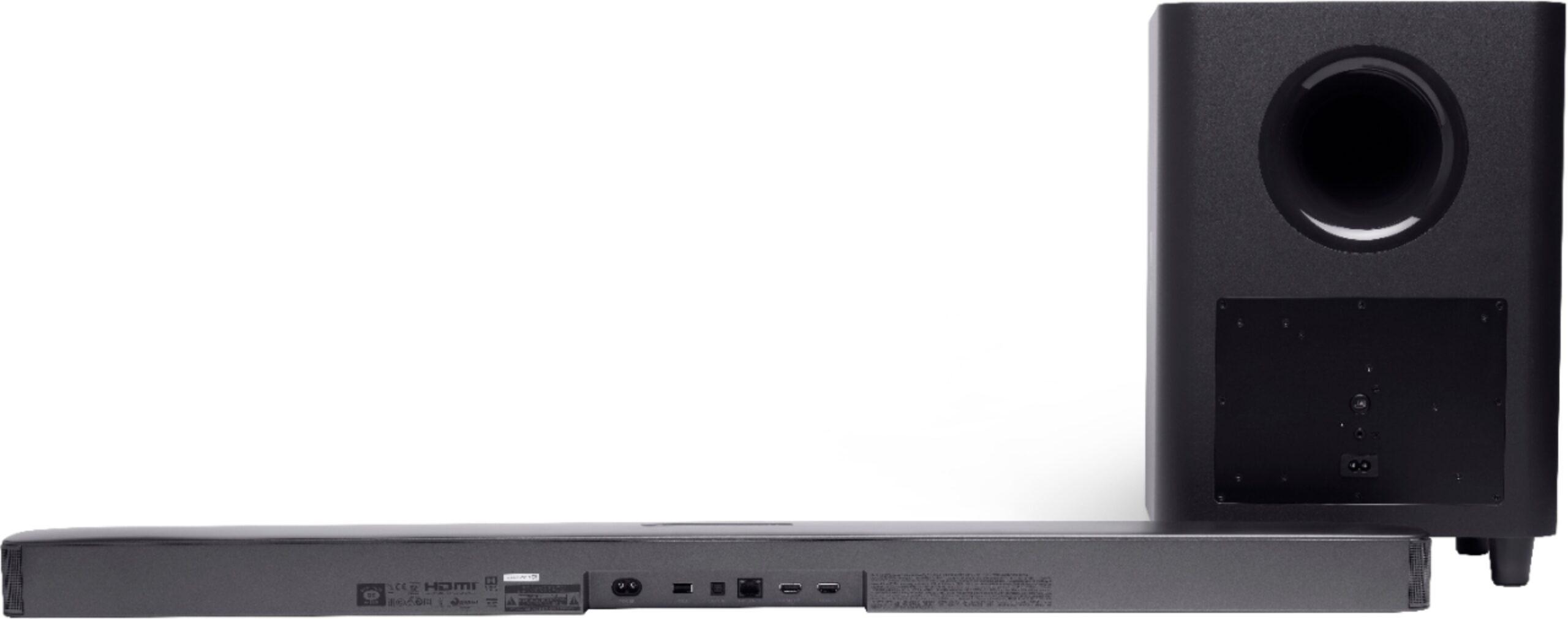
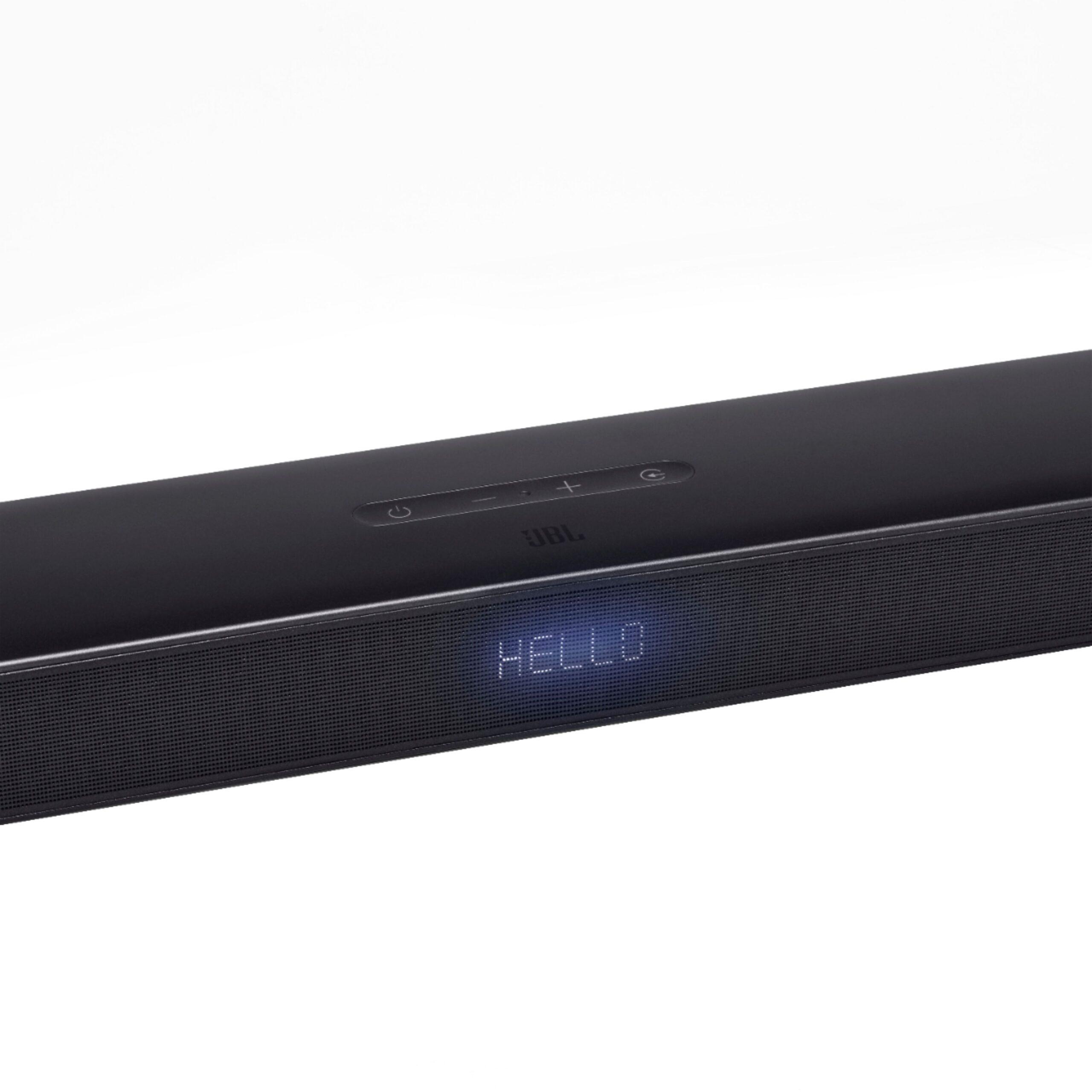
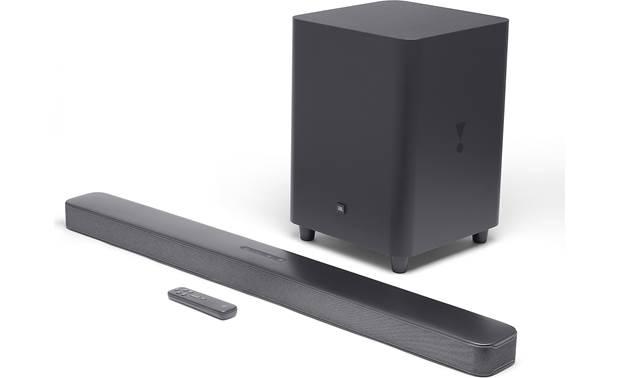
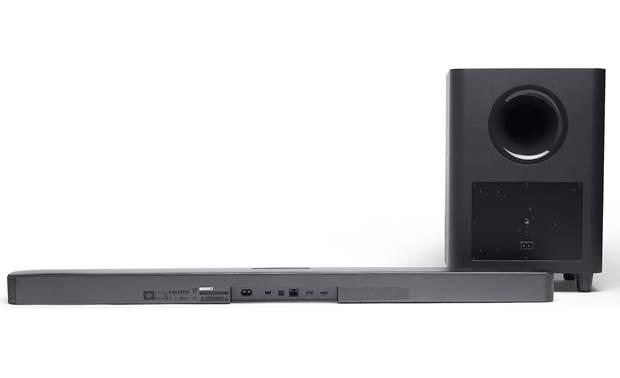
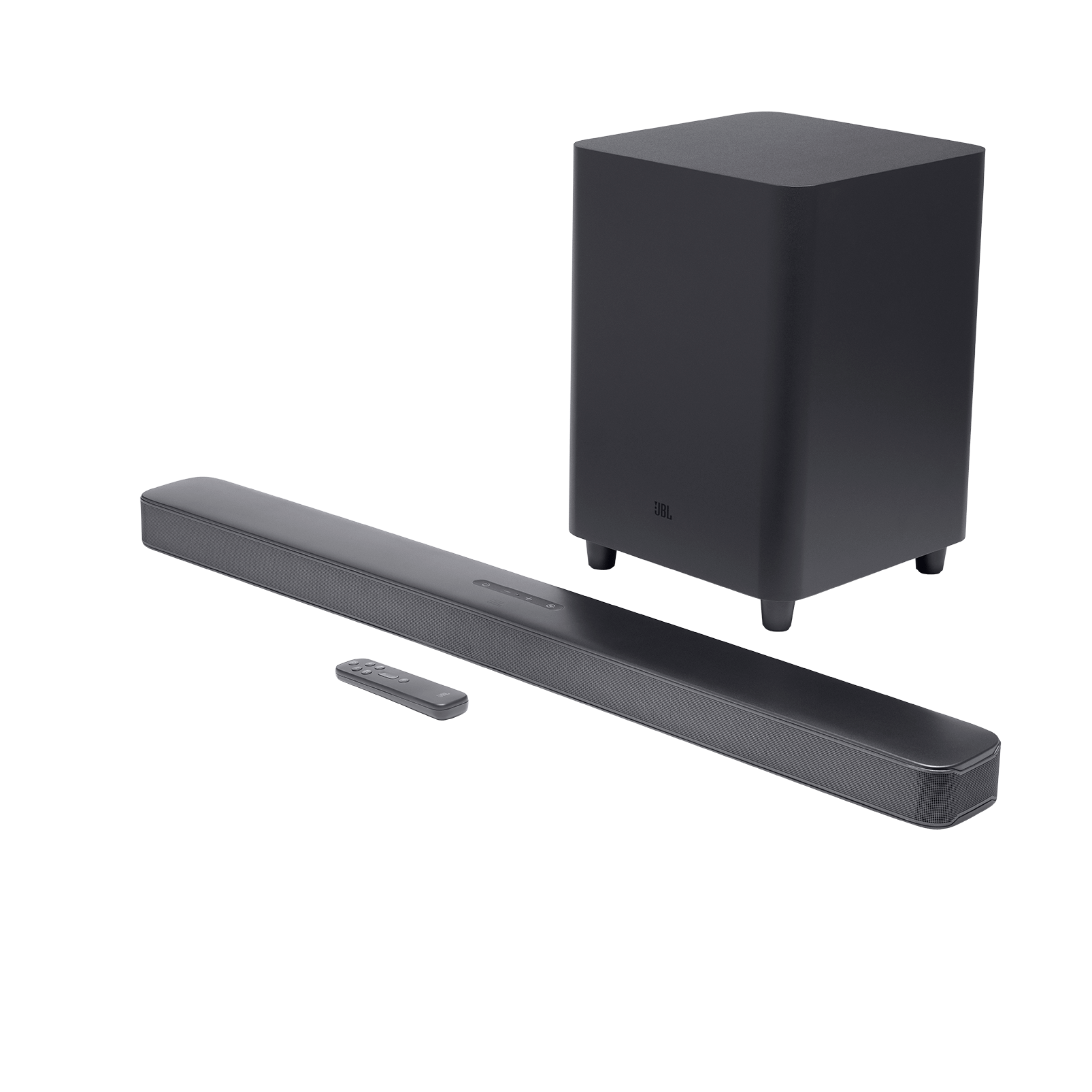
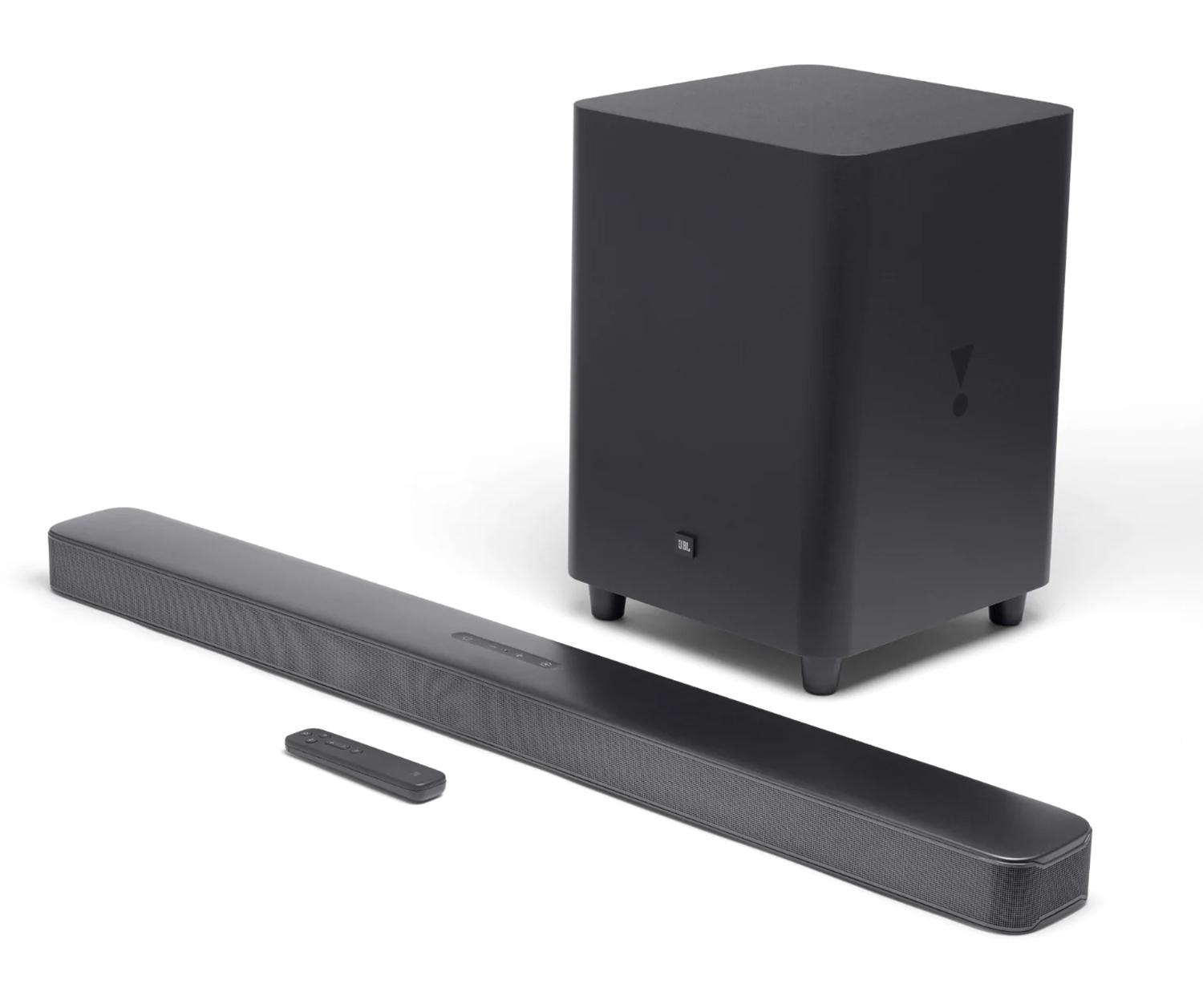
The JBL Bar 5.1 Surround takes a completely different approach. Rather than focusing on height effects, JBL prioritizes true surround sound through detachable wireless rear speakers that create an authentic 5.1 experience. These rear speakers are ingenious – they're battery-powered (up to 10 hours of playback), magnetic for easy attachment to the main bar when not in use, and completely wireless for flexible room placement.
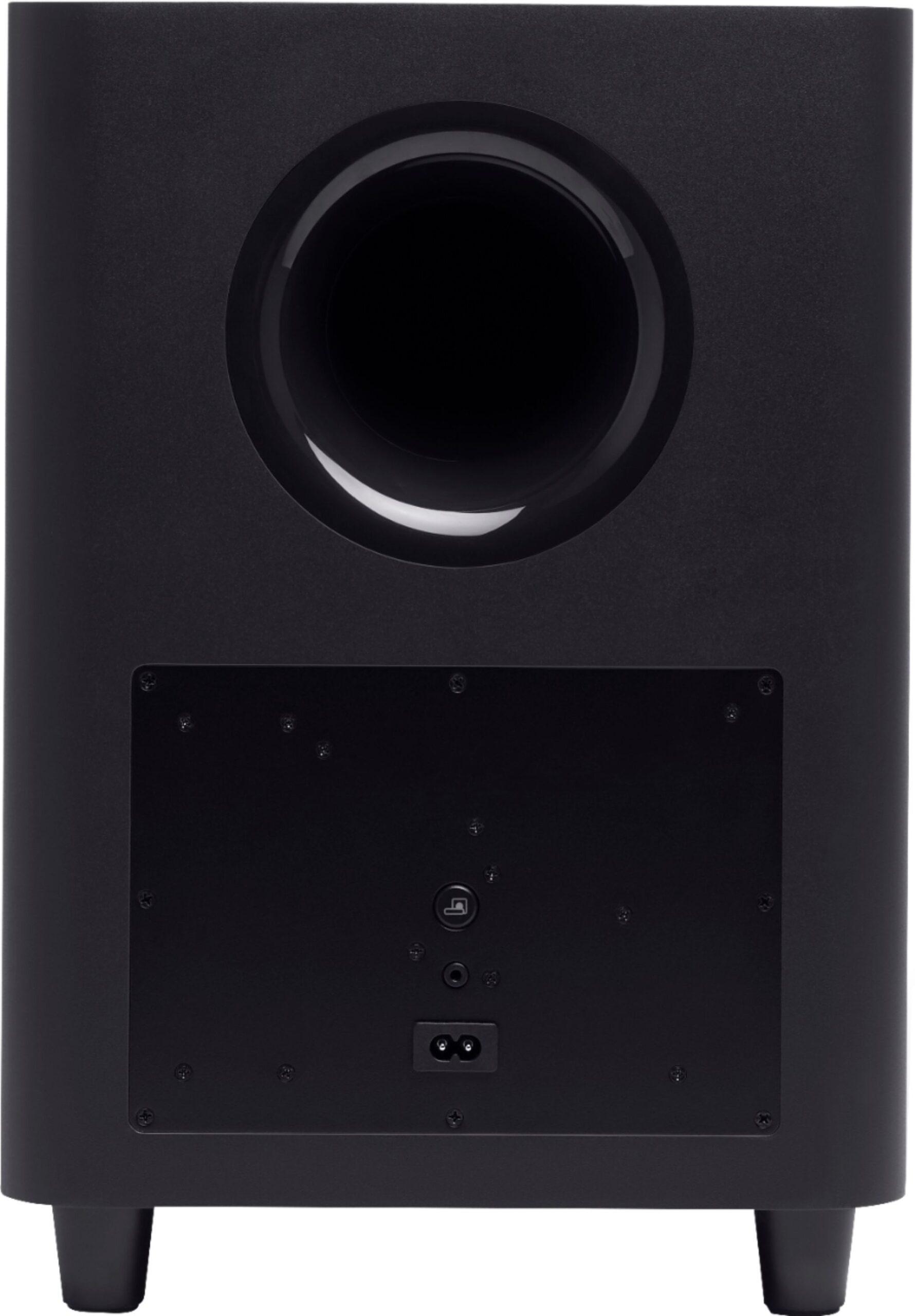
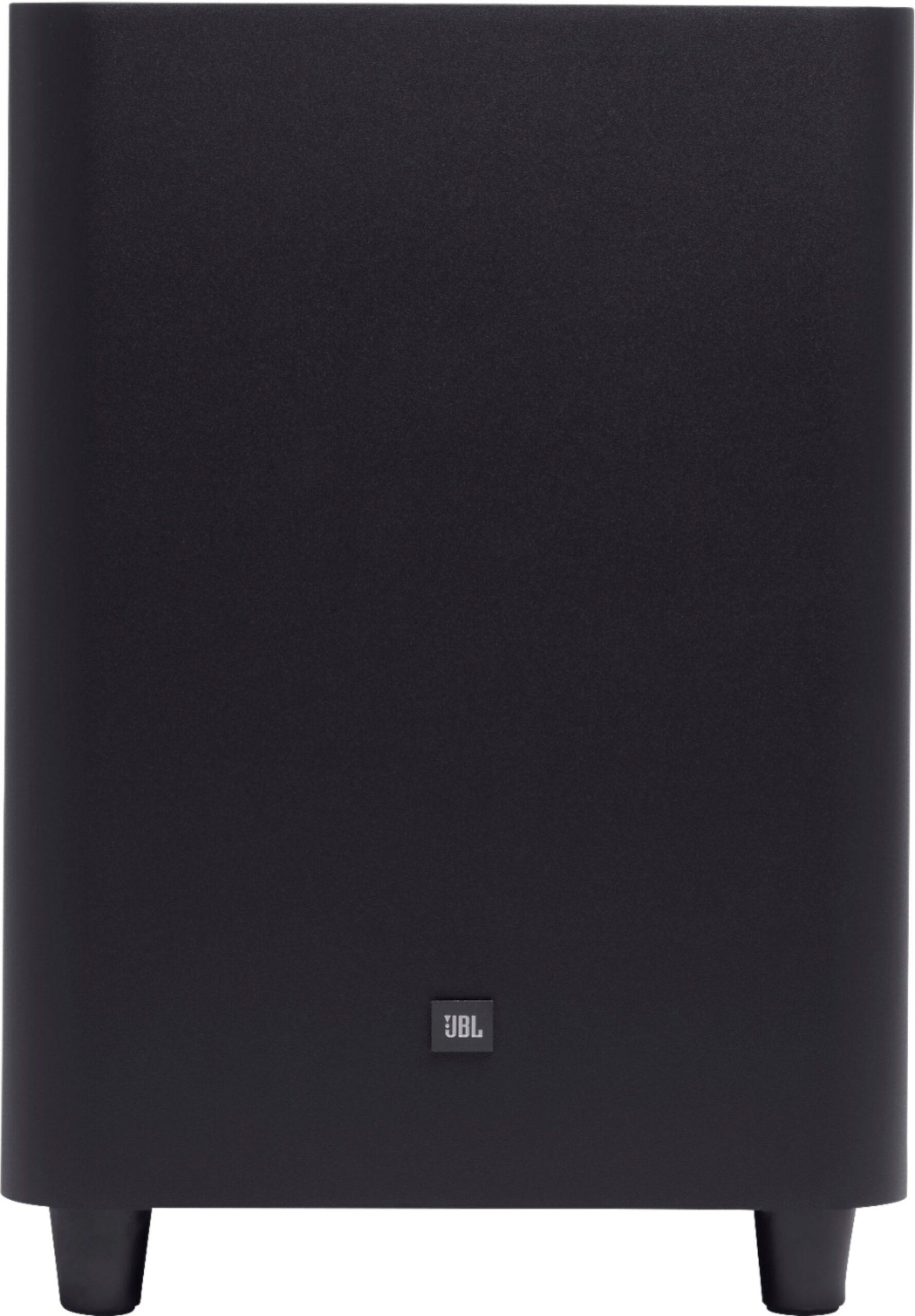
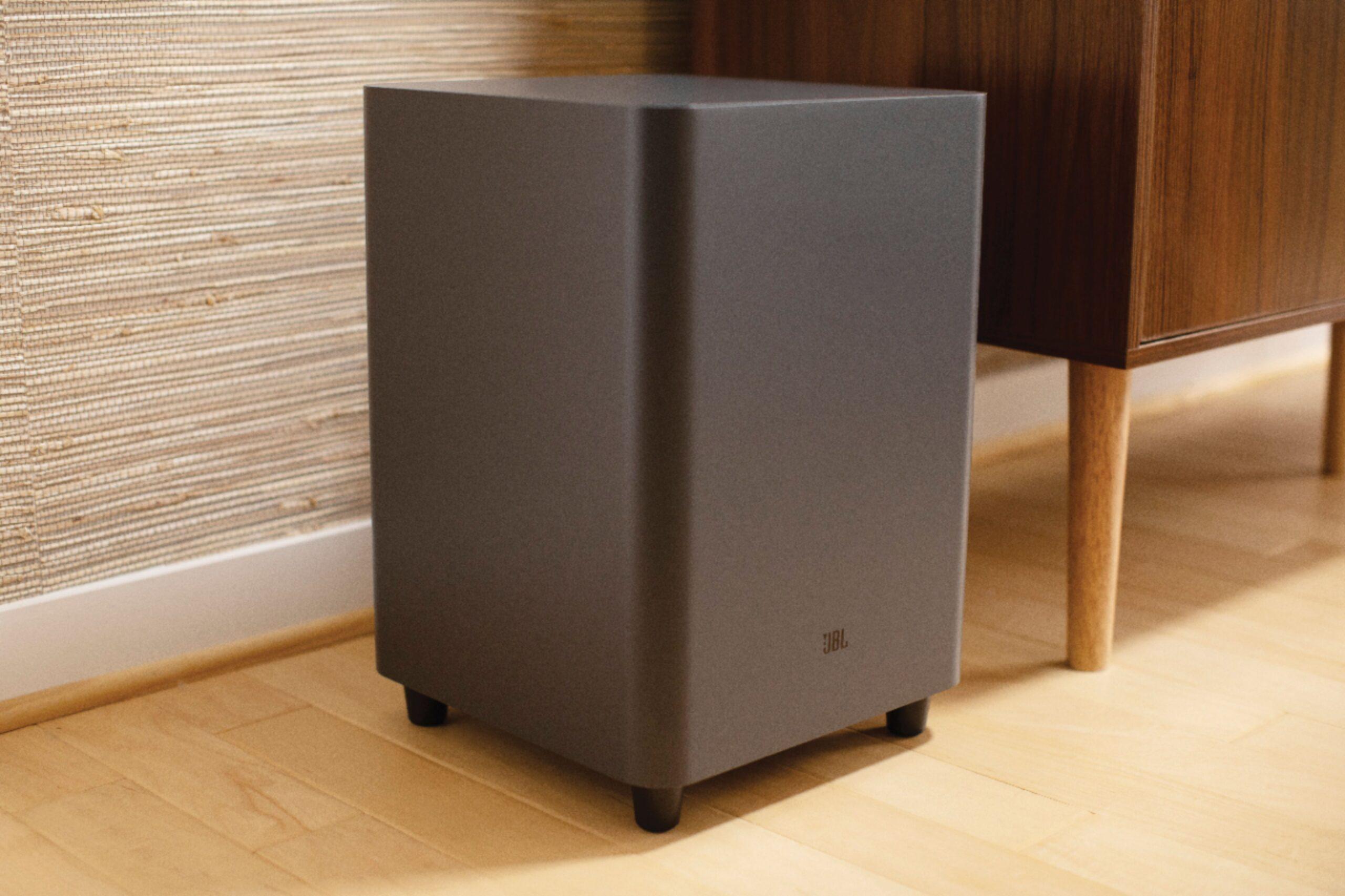
The system's 10-inch wireless subwoofer is substantially larger than Klipsch's built-in woofers, reaching down to 35Hz compared to the Flexus Core's 43Hz low-frequency response. That 8Hz difference might seem small, but it's significant in terms of felt bass impact. The JBL's subwoofer can reproduce the lowest notes in movie soundtracks and music that the Klipsch simply can't reach.
JBL's MultiBeam technology uses digital signal processing to create virtual height effects without dedicated upfiring drivers. While not as precise as physical Atmos speakers, this approach can still create an expanded soundstage that extends beyond the physical boundaries of the soundbar.
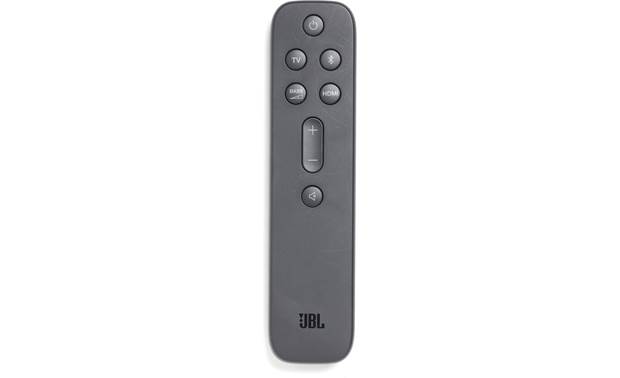
The smart connectivity features set JBL apart significantly. Built-in Wi-Fi enables Chromecast and AirPlay streaming, while voice assistant compatibility lets you control the system hands-free. The automatic room calibration uses built-in microphones to analyze your room's acoustics and optimize the sound accordingly – a feature that takes about 30 seconds and eliminates guesswork.
This is where the fundamental design differences become most apparent. The Klipsch Flexus Core 200's dual 4-inch drivers are impressively engineered for their size, but physics ultimately limits what small drivers can accomplish. In my testing with action movies like "Mad Max: Fury Road," the Klipsch provided adequate bass for dialogue scenes and mid-frequency effects, but the massive explosions and engine rumbles lacked the visceral impact that makes action scenes truly engaging.
The JBL Bar 5.1's 10-inch subwoofer changes the game entirely. Those same explosion scenes hit with genuine authority, creating the kind of bass that you feel in your chest rather than just hear. The larger driver moves more air, creating deeper, more impactful low frequencies that smaller drivers simply cannot match. For music listening, particularly genres like hip-hop, EDM, or rock with prominent bass lines, the JBL delivers a more satisfying experience.
However, there's an important caveat: the Klipsch system is expandable. You can add the Flexus Sub 100 subwoofer later, which would likely close the bass performance gap significantly. This modular approach lets you start with a smaller investment and upgrade as your needs or budget allow.
Here's where Klipsch's acoustic engineering heritage shines. The horn-loaded tweeter creates remarkably clear dialogue reproduction that outperforms most soundbars in this price range. During complex scenes in movies like "Tenet" or "Inception," where dialogue mixing can be challenging, the Klipsch consistently delivered intelligible speech without requiring volume adjustments.
The JBL uses digital processing for dialogue enhancement, which works well but isn't quite as naturally clear as Klipsch's hardware-based approach. The difference is subtle during normal viewing but becomes more noticeable in challenging content with heavy background music or effects.
This represents the most significant philosophical difference between these systems. The Klipsch uses actual upfiring drivers to bounce sound off your ceiling, creating genuine overhead effects when your room conditions are right. In a properly set up room with a flat ceiling of appropriate height (8-10 feet is ideal), the Atmos effects can be genuinely impressive. Helicopter scenes in war movies, rain effects, or debris falling in action sequences demonstrate convincing height positioning.
The JBL's virtual height processing is clever and does expand the soundstage vertically, but it's not as precise or convincing as physical upfiring drivers. The trade-off is that JBL's approach works consistently regardless of your room's ceiling characteristics, while Klipsch's Atmos performance varies significantly based on room acoustics.
With 185W total power, the Klipsch system is optimized for small to medium rooms. In spaces up to about 300 square feet, it provides adequate volume levels without strain. Push it harder in larger rooms, and you'll notice some compression and loss of dynamics at higher volumes.
The JBL's 550W total power output handles larger spaces more comfortably. The additional headroom means cleaner sound at higher volumes and better performance in open floor plans or larger family rooms.
This is where the generational difference between these products becomes most apparent. The JBL Bar 5.1 embraces modern smart home integration with Wi-Fi connectivity, voice assistant support, and multi-room audio capabilities. You can ask Alexa to play music, use Google Assistant for volume control, or stream directly from your phone using AirPlay or Chromecast.
The automatic calibration feature deserves special mention. Using built-in microphones, the system analyzes your room's acoustics and adjusts the sound accordingly. This 30-second process optimizes speaker levels, EQ settings, and timing to match your specific room characteristics – something that would require manual adjustment and acoustic knowledge with traditional systems.
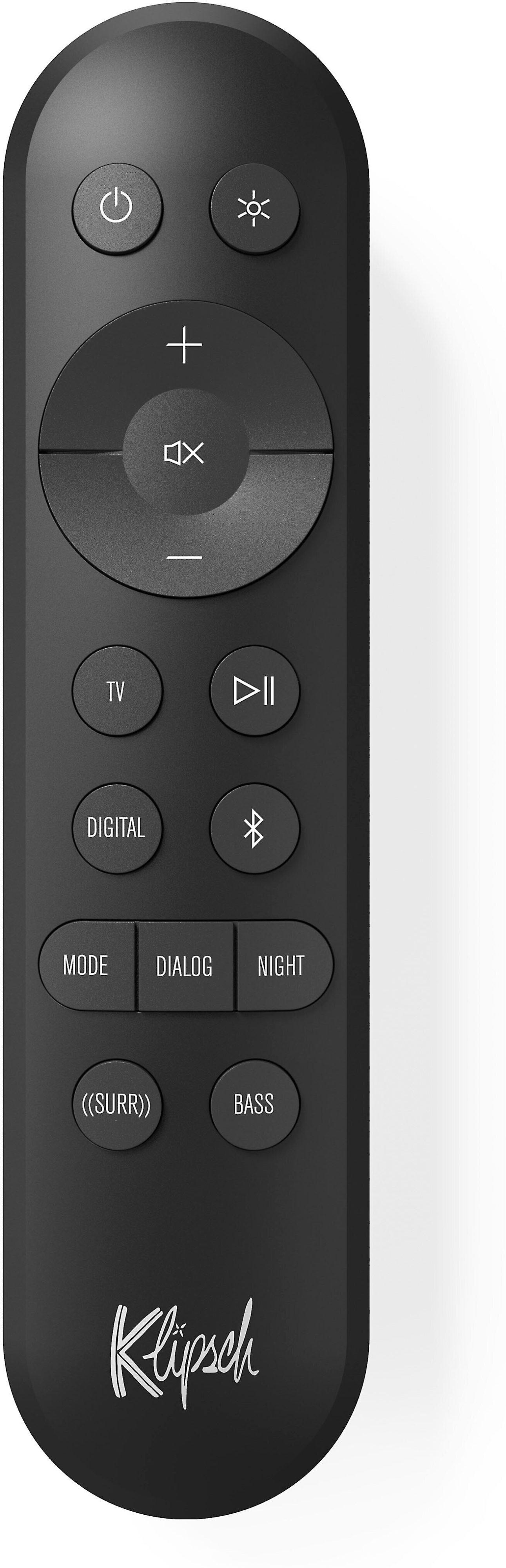
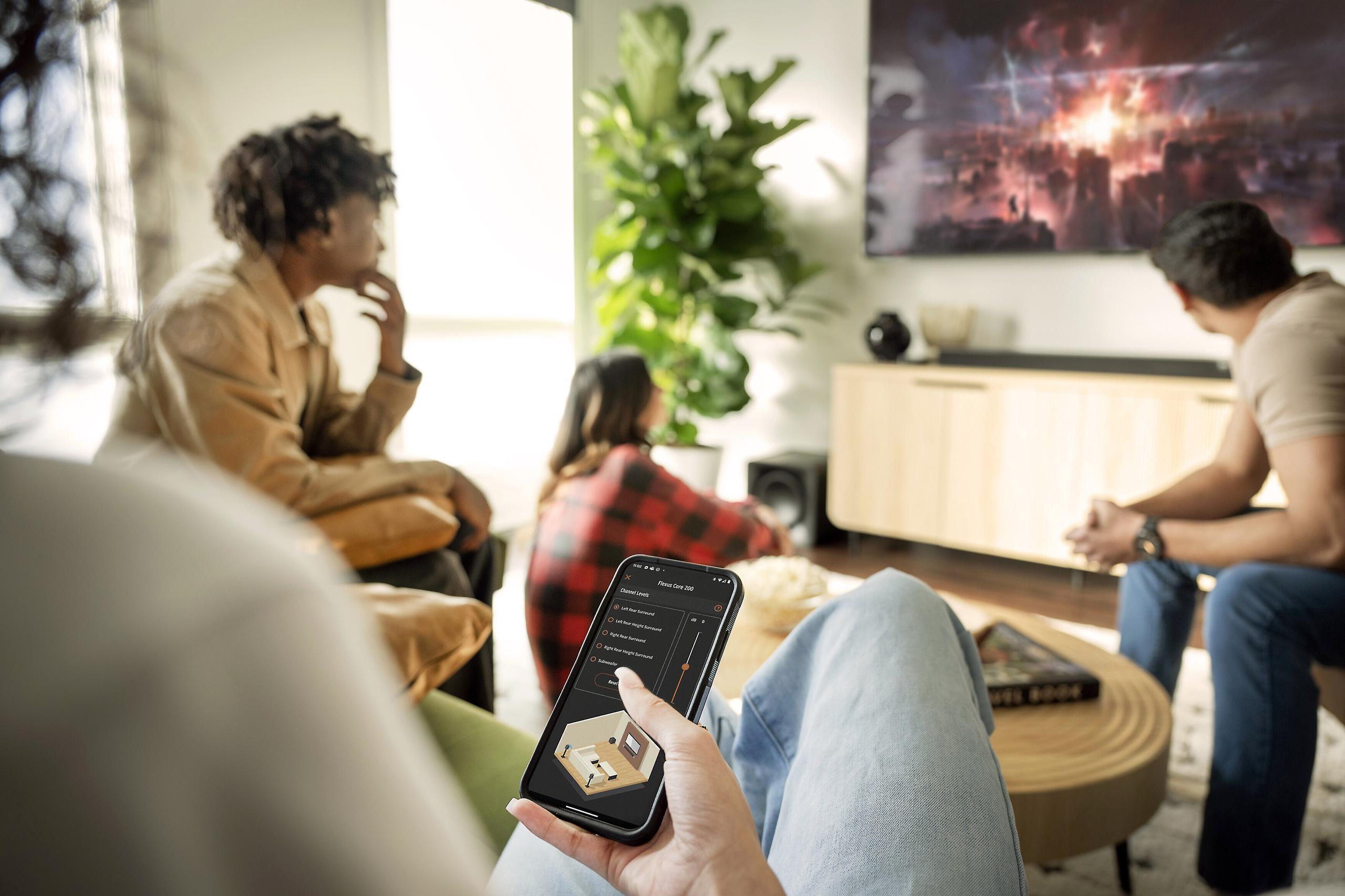
The Klipsch Flexus Core 200 takes a more traditional approach, focusing on audio performance over smart features. While it includes Bluetooth connectivity and can be controlled via the Klipsch Connect Plus app, it lacks Wi-Fi, voice assistants, and automatic calibration. For users who prefer to manually optimize their audio settings and don't need smart home integration, this isn't necessarily a disadvantage – it means you're paying for audio components rather than smart features.
Setting up the JBL system is remarkably straightforward. Connect the HDMI cable, plug in the subwoofer, position the rear speakers, and run the automatic calibration. The whole process takes about 15 minutes, and the system sounds good immediately.
The Klipsch requires more consideration during setup. For optimal Atmos performance, you need to position the soundbar correctly relative to your seating position and ceiling, then manually adjust settings through the app. The horn-loaded tweeter also benefits from proper positioning – it's directional by design, so angling and height matter more than with typical dome tweeters.
At $369, the Klipsch Flexus Core 200 offers exceptional value for authentic Dolby Atmos technology. The build quality is excellent, with premium materials and thoughtful acoustic design. However, to match the JBL's bass performance, you'd need to add the Flexus Sub 100 (around $200), bringing the total investment to about $570.
The JBL Bar 5.1 at $600 costs more upfront but includes everything needed for a complete surround sound experience. When you factor in the included 10-inch subwoofer and wireless rear speakers, the value proposition becomes quite competitive.
For smaller rooms or apartments, the Klipsch system's compact design is advantageous. The built-in subwoofers eliminate the need for floor space, and the 44-inch width fits most TV setups without overwhelming the room.
Larger rooms benefit from the JBL's higher power output and dedicated subwoofer. The wireless rear speakers can be positioned optimally without running cables, though you'll need to remember to charge them periodically.
Ceiling height significantly affects Atmos performance with the Klipsch. In rooms with very high ceilings (over 12 feet) or sloped ceilings, the upfiring drivers may not work effectively. The JBL's virtual processing is less dependent on room characteristics.
Choose the Klipsch Flexus Core 200 if you prioritize authentic Dolby Atmos effects and dialogue clarity above all else. It's perfect for movie enthusiasts who want genuine overhead sound effects and don't mind manually optimizing their setup. The expandable design makes it ideal for users who want to start with a solid foundation and add components over time.
The JBL Bar 5.1 Surround is the better choice for users who want immediate, complete surround sound with minimal setup complexity. Its superior bass performance, smart features, and plug-and-play convenience make it ideal for larger rooms and users who prioritize ease of use.
Both systems offer excellent build quality and performance for their respective approaches. The key is understanding which philosophy aligns better with your room, usage patterns, and preferences. Whether you choose the Klipsch's authentic Atmos experience or the JBL's complete surround convenience, either represents a significant upgrade over your TV's built-in speakers.
The soundbar market continues evolving rapidly, with both companies pushing boundaries in their own ways. Klipsch's focus on acoustic fundamentals and expandability offers a path for audio enthusiasts, while JBL's integration of smart features and user-friendly design reflects the direction many manufacturers are heading. Your choice between these excellent options ultimately depends on whether you value acoustic authenticity or comprehensive convenience more highly.
| Klipsch Flexus Core 200 ($369) | JBL Bar 5.1 Surround ($600) |
|---|---|
| Price - Entry cost difference of $231 | |
| $369 (excellent value for Atmos tech) | $600 (complete system included) |
| Audio Configuration - Determines surround sound type | |
| 3.1.2 channels with true Dolby Atmos height | 5.1 channels with physical rear speakers |
| Total Power Output - Affects maximum volume and room size | |
| 185W RMS (ideal for small-medium rooms) | 550W total (handles large spaces better) |
| Bass System - Most noticeable difference in movie impact | |
| Dual 4" built-in woofers (43Hz low end) | 10" wireless subwoofer (35Hz, much deeper) |
| Height Effects Technology - Key for immersive movie experience | |
| Physical upfiring drivers for real Atmos | Virtual processing for simulated height |
| Dialogue Clarity - Critical for understanding speech | |
| Horn-loaded tweeter (exceptional clarity) | Digital PureVoice enhancement (good) |
| Smart Features - Modern convenience factor | |
| Basic (Bluetooth, app control only) | Full smart integration (Wi-Fi, voice assistants) |
| Setup Complexity - Time investment required | |
| Manual optimization needed for best Atmos | 30-second auto-calibration, plug-and-play |
| Expandability - Future upgrade potential | |
| Modular system (add sub/surrounds later) | Complete system (no official expansion) |
| Physical Footprint - Space requirements | |
| Compact bar only (44" wide, no floor space) | Bar + large subwoofer + rear speakers |
| Best Room Size - Optimal performance range | |
| Small to medium rooms (under 300 sq ft) | Medium to large rooms (300+ sq ft) |
| Rear Surround Sound - Behind-the-listener effects | |
| None (can add Flexus Surr 100 separately) | Included wireless detachable speakers |
The JBL Bar 5.1 Surround ($600) has significantly better bass performance with its included 10" wireless subwoofer that reaches down to 35Hz. The Klipsch Flexus Core 200 ($369) uses dual 4" built-in woofers that only reach 43Hz, providing adequate but less impactful bass for movies and music.
The Klipsch Flexus Core 200 costs $369, while the JBL Bar 5.1 Surround costs $600 - a difference of $231. However, the JBL includes a wireless subwoofer and rear speakers that would cost extra with the Klipsch system.
The Klipsch Flexus Core 200 is better suited for small to medium rooms under 300 square feet. Its 185W power output is adequate for smaller spaces, and the compact design doesn't require floor space for a separate subwoofer like the JBL system does.
Yes, but differently. The Klipsch Flexus Core 200 uses physical upfiring drivers for true Dolby Atmos height effects, while the JBL Bar 5.1 Surround uses virtual processing to simulate overhead sound. The Klipsch provides more authentic Atmos effects when properly set up.
The Klipsch Flexus Core 200 excels at dialogue clarity thanks to its horn-loaded tweeter technology, which is specifically designed for vocal reproduction. The JBL Bar 5.1 uses digital processing for dialogue enhancement, which is good but not as naturally clear as Klipsch's hardware approach.
The Klipsch Flexus Core 200 is designed to be expandable - you can add the Flexus Sub 100 subwoofer and Flexus Surr 100 rear speakers over time. The JBL Bar 5.1 Surround comes complete with all components included but doesn't offer official expansion options.
The JBL Bar 5.1 Surround is much easier to set up with its 30-second automatic room calibration and plug-and-play design. The Klipsch Flexus Core 200 requires manual optimization through the app to achieve optimal Dolby Atmos performance.
The JBL Bar 5.1 Surround includes full smart features with Wi-Fi, Chromecast, AirPlay, and voice assistant compatibility (Alexa, Google Assistant). The Klipsch Flexus Core 200 only offers basic connectivity with Bluetooth and app control - no Wi-Fi or voice assistants.
The JBL Bar 5.1 Surround provides authentic 5.1 surround sound with detachable wireless rear speakers that create real behind-you effects. The Klipsch Flexus Core 200 is a 3.1.2 system focused on front soundstage and height effects, though you can add rear speakers separately.
The Klipsch Flexus Core 200 outputs 185W RMS total power, suitable for smaller rooms. The JBL Bar 5.1 Surround delivers 550W total system power, providing better performance in larger spaces and at higher volume levels.
For authentic Dolby Atmos at a lower price, the Klipsch Flexus Core 200 offers excellent value at $369. For a complete surround system with subwoofer included, the JBL Bar 5.1 Surround provides good value at $600, especially considering the cost of adding similar components to the Klipsch system.
For dedicated home theater use, choose the Klipsch Flexus Core 200 if you prioritize authentic Dolby Atmos height effects and plan to expand the system later. Choose the JBL Bar 5.1 Surround if you want immediate complete surround sound with impactful bass for action movies and larger viewing rooms.
We've done our best to create useful and informative comparisons to help you decide what product to buy. Our research uses advanced automated methods to create this comparison and perfection is not possible - please contact us for corrections or questions. These are the sites we've researched in the creation of this article: soundandvision.com - avnirvana.com - avsforum.com - cnet.com - klipsch.com - klipsch.com - youtube.com - assets.klipsch.com - klipsch.com - worldwidestereo.com - klipsch.com - crutchfield.com - digitaltrends.com - jbl.com - jbl.com - jbl.com - tomsguide.com - jbl.com - bestbuy.com - bestbuy.com - jbl.com - jbl.com - worldwidestereo.com

Privacy Policy
Terms and Conditions - Affiliate Policy
Home Security
© Copyright 2008-2026.
11816 Inwood Rd #1211, Dallas, TX 75244