




When I first started researching soundbars a few years ago, I was overwhelmed by the sheer number of options. Do you go with a simple two-channel bar, or invest in something with surround sound? What about those expensive models that promise "3D audio" – are they worth it? After testing dozens of soundbars over the years, I've learned that the most important decision isn't about brand names or flashy features. It's about understanding two fundamentally different approaches to creating immersive sound in your living room.
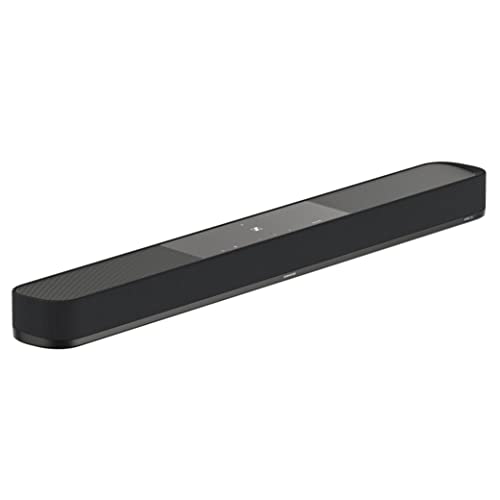
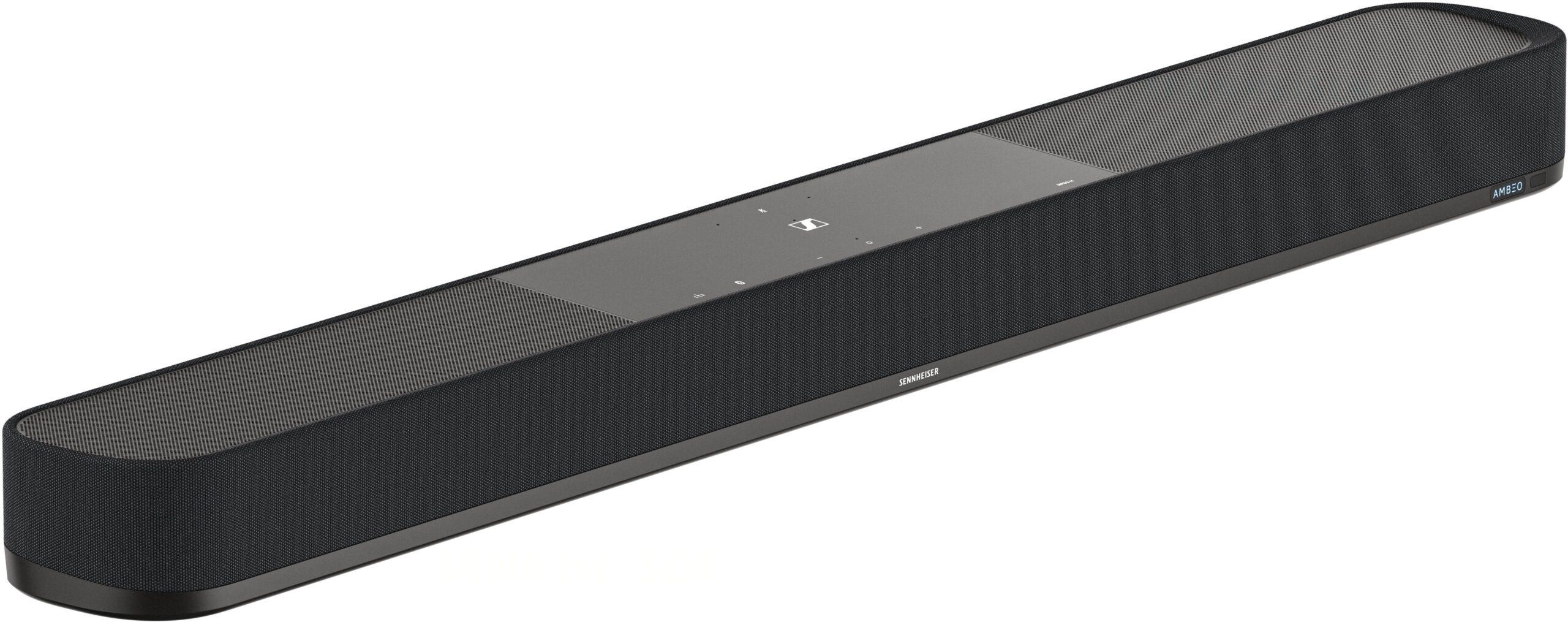
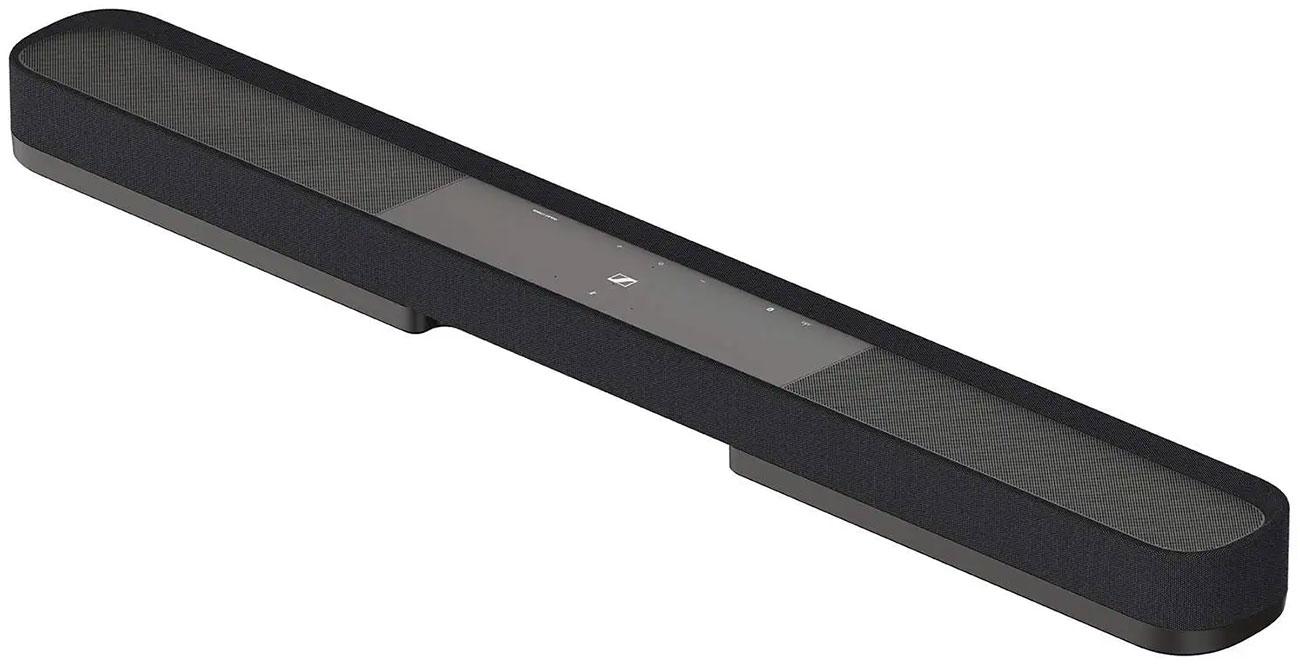
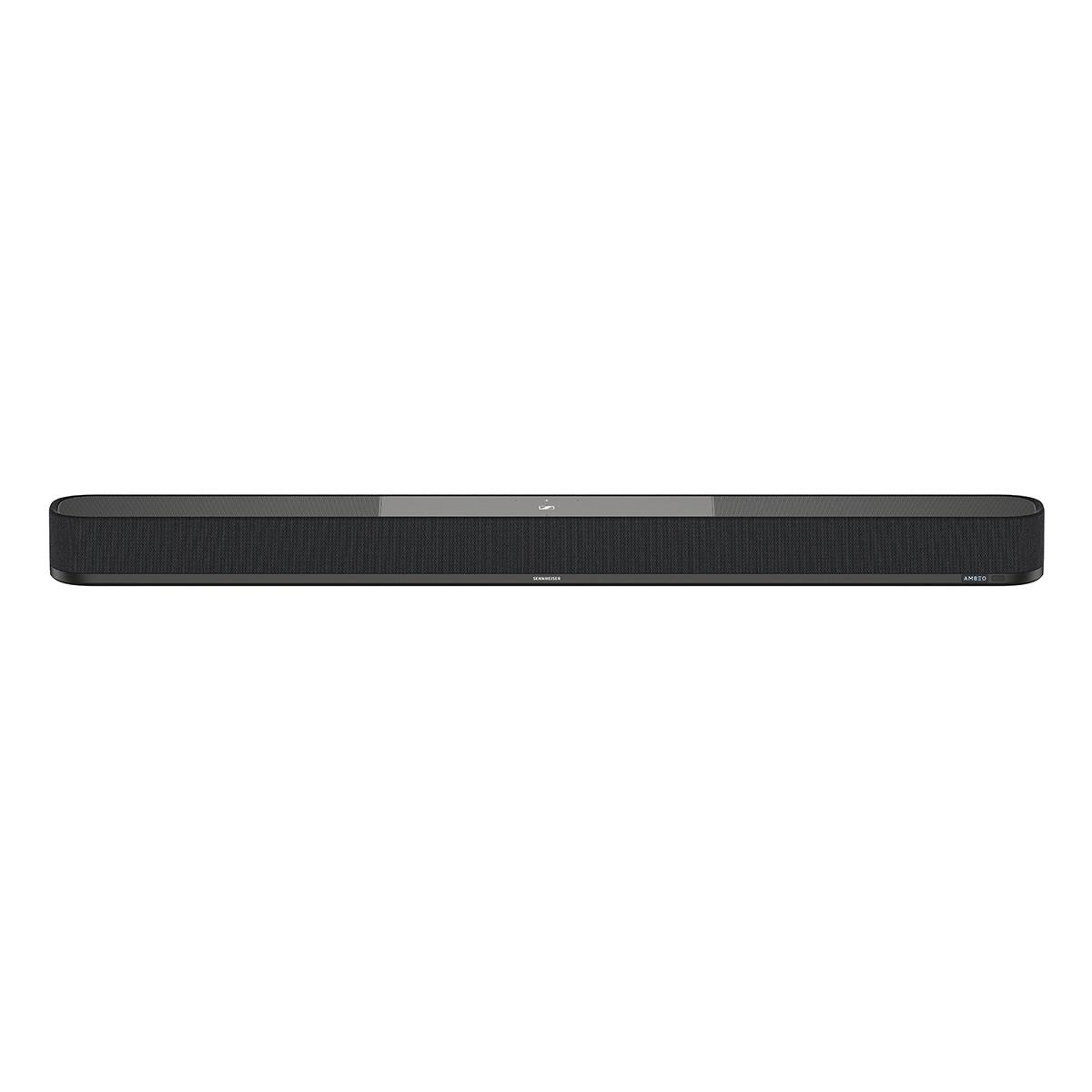
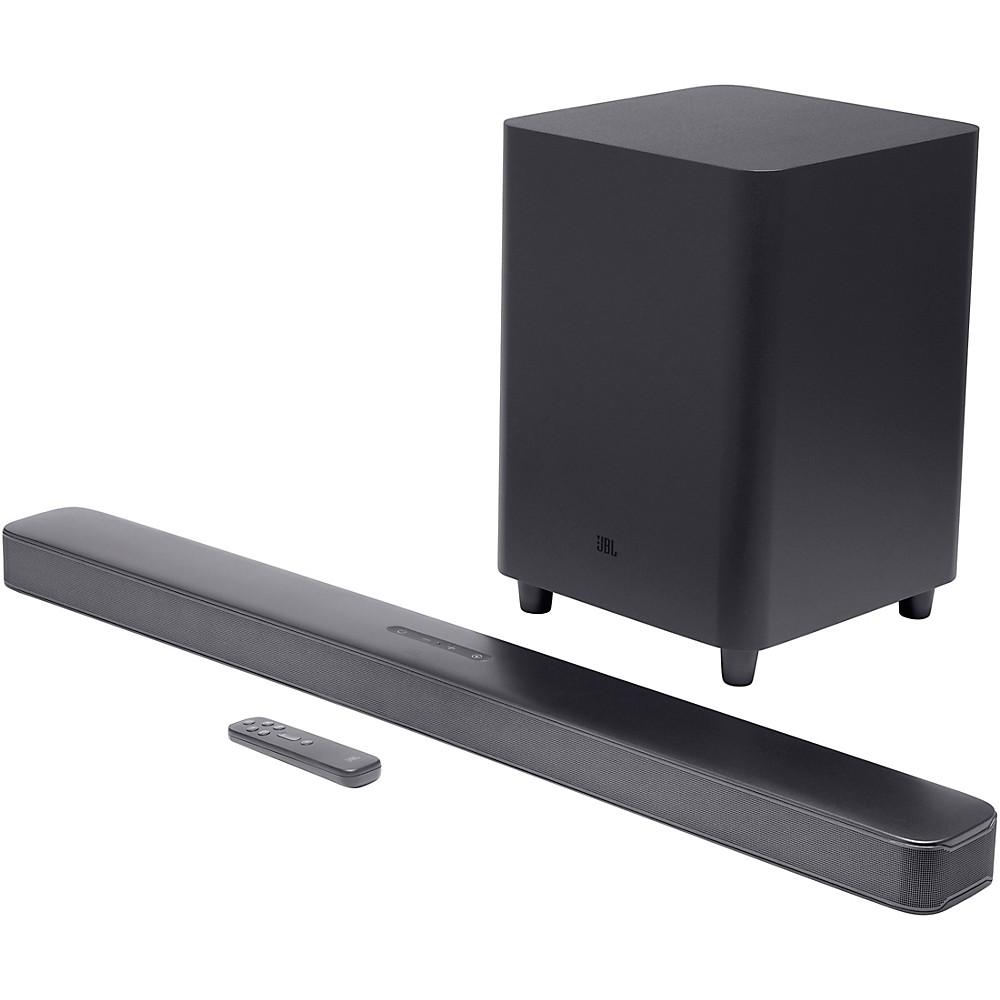
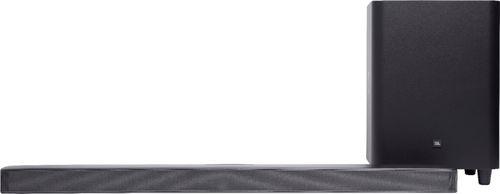
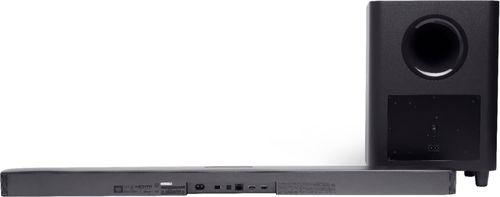
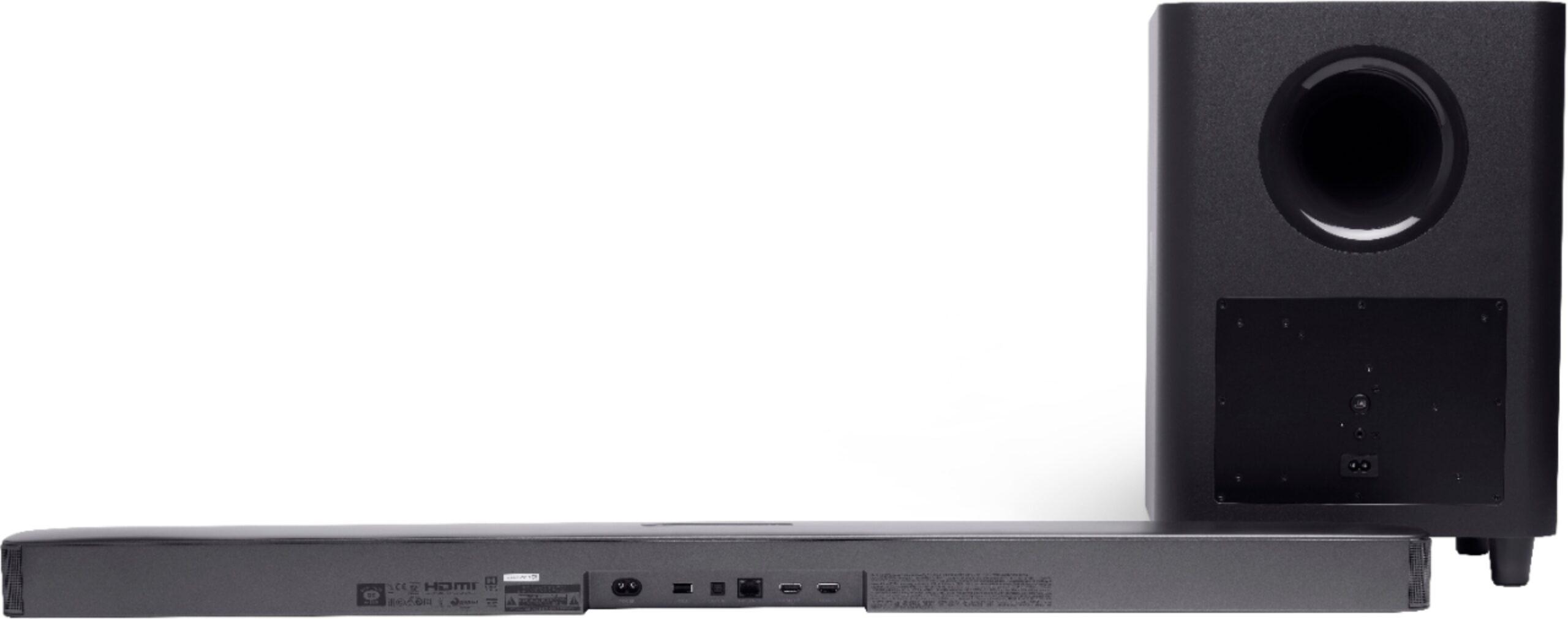
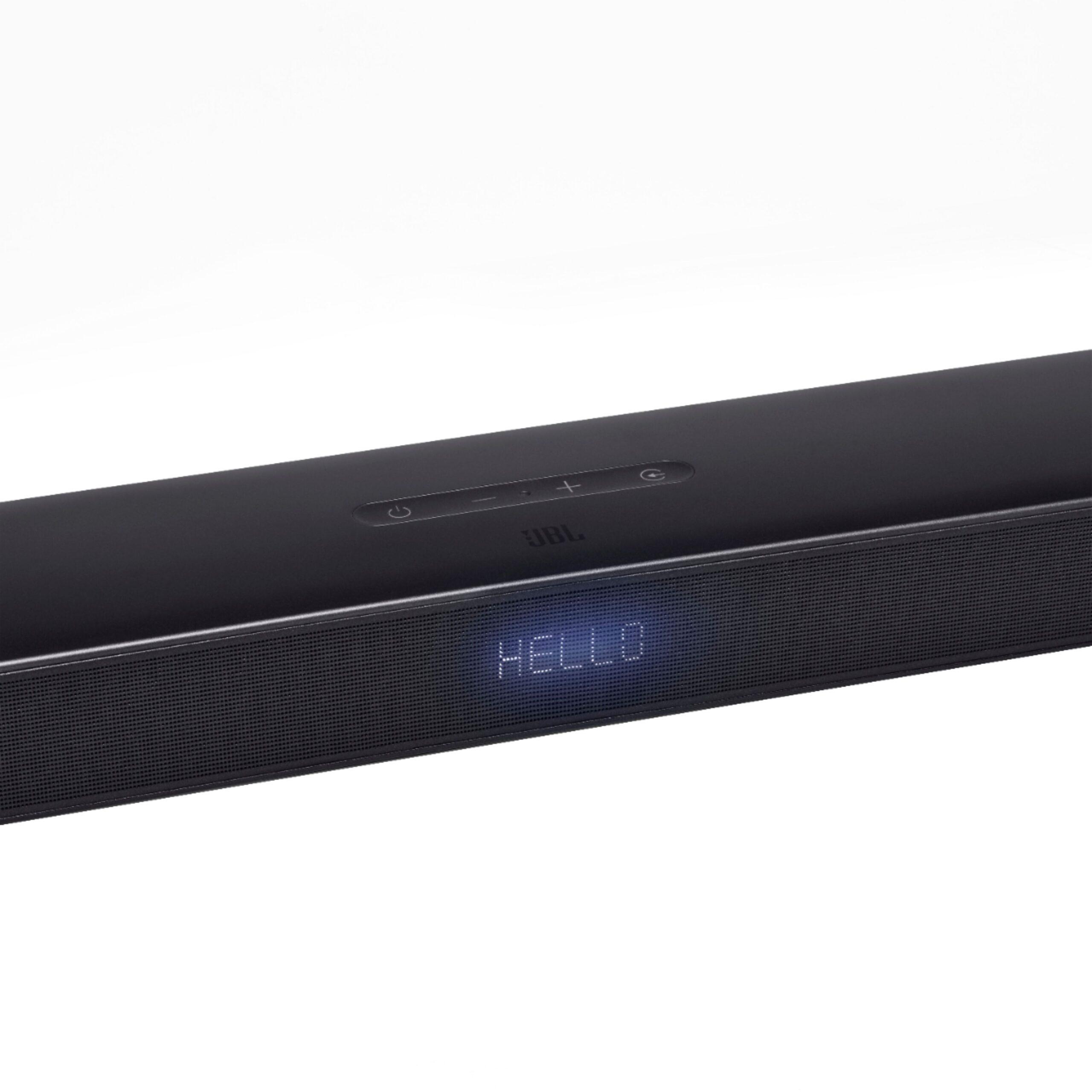
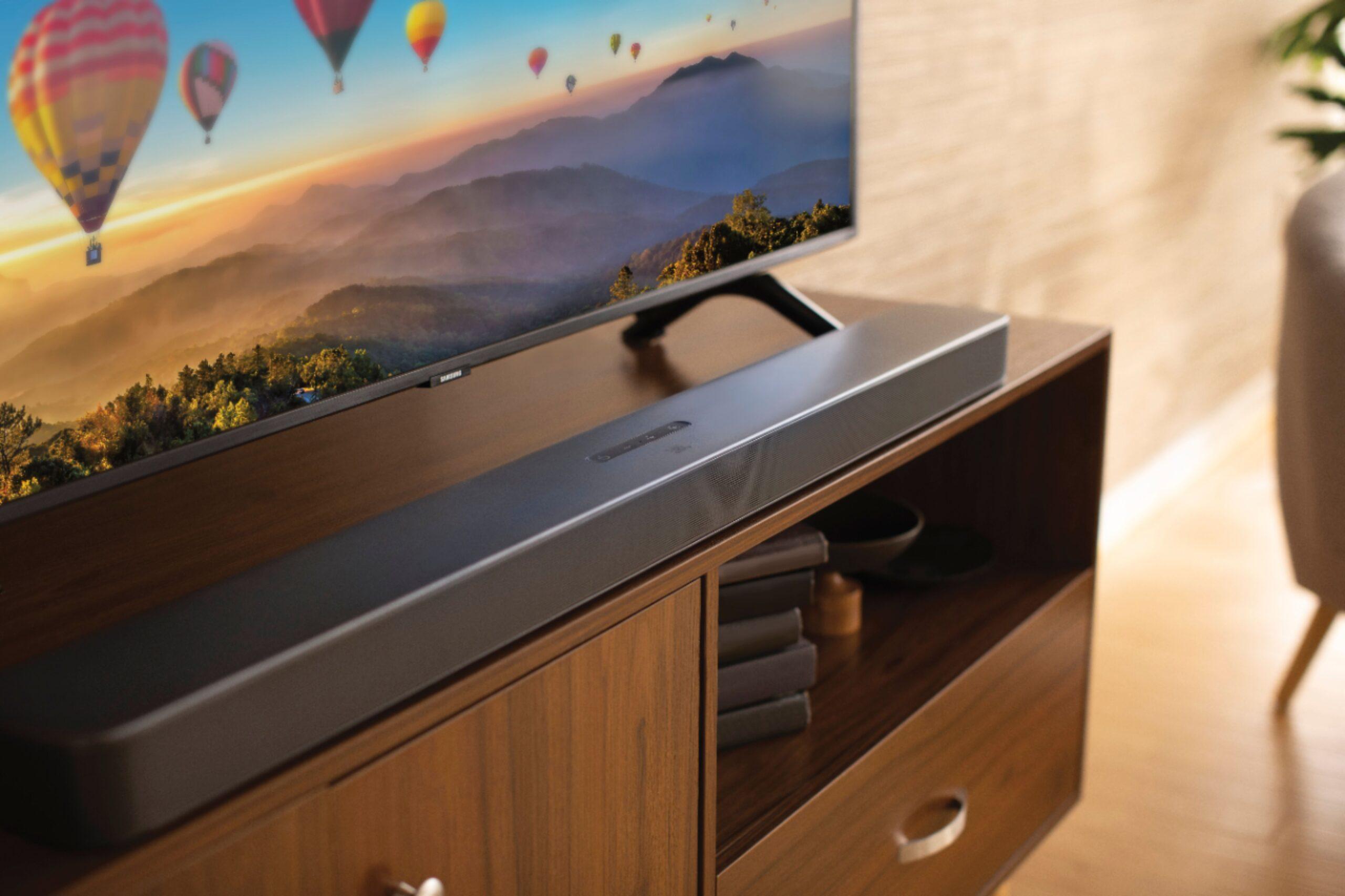
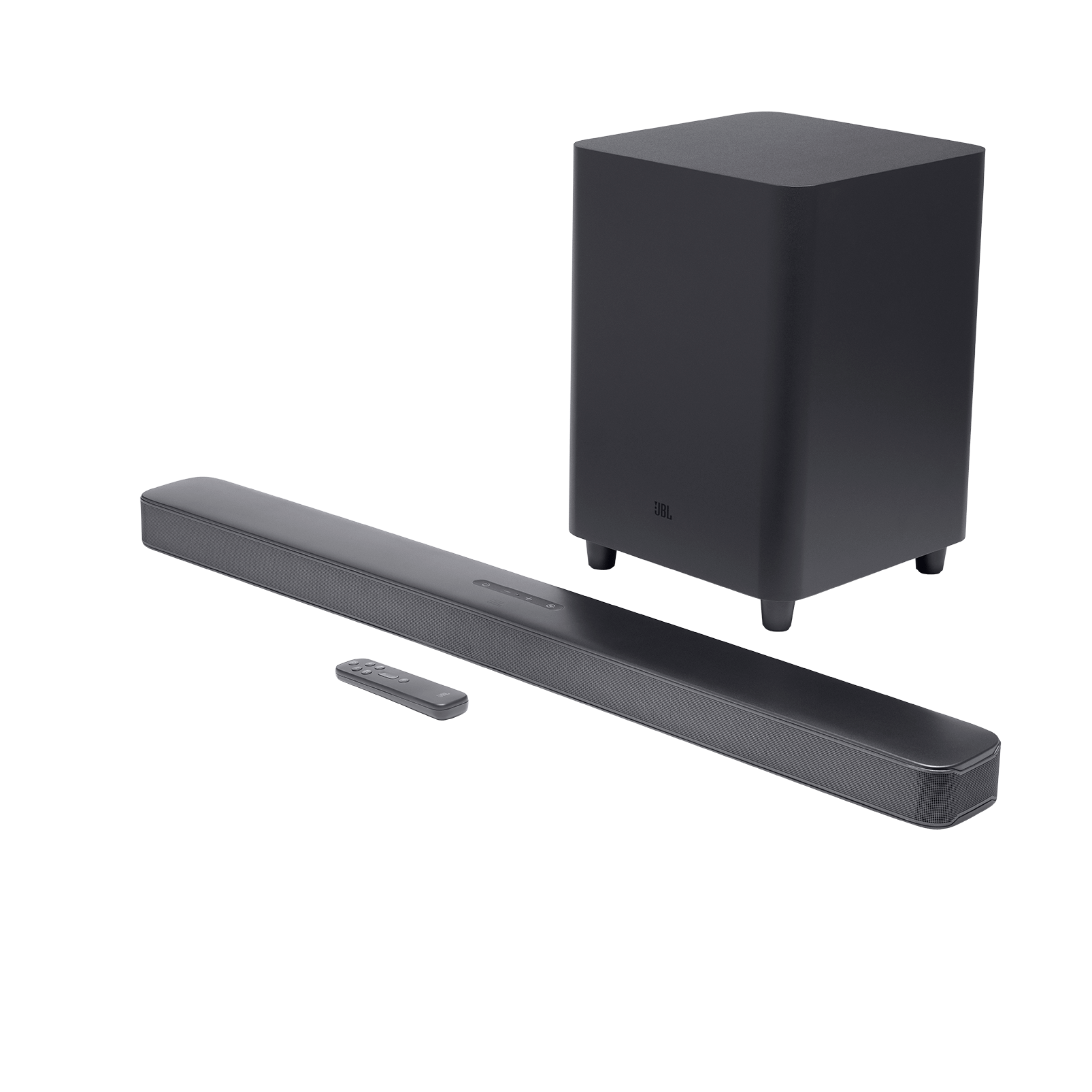
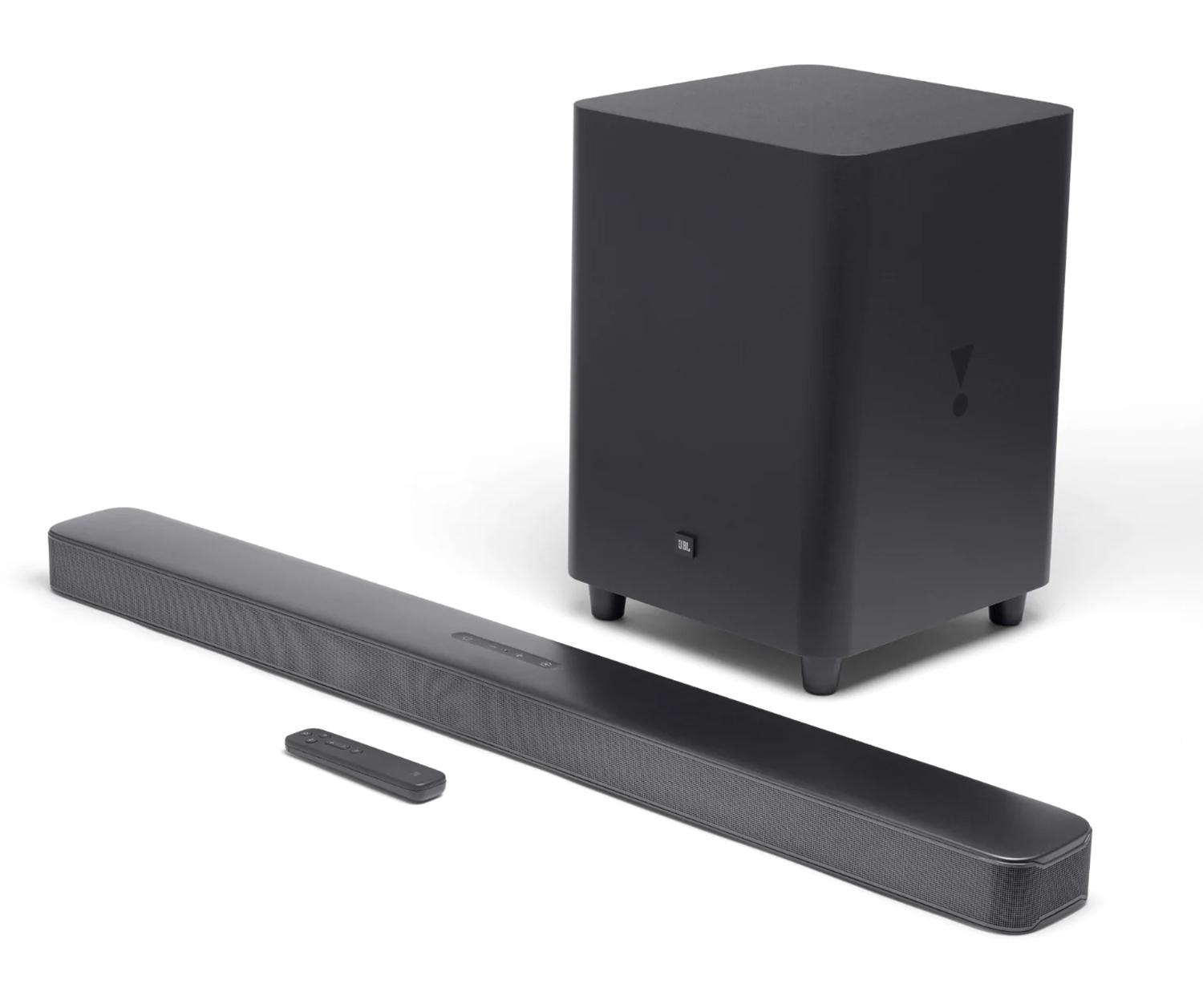
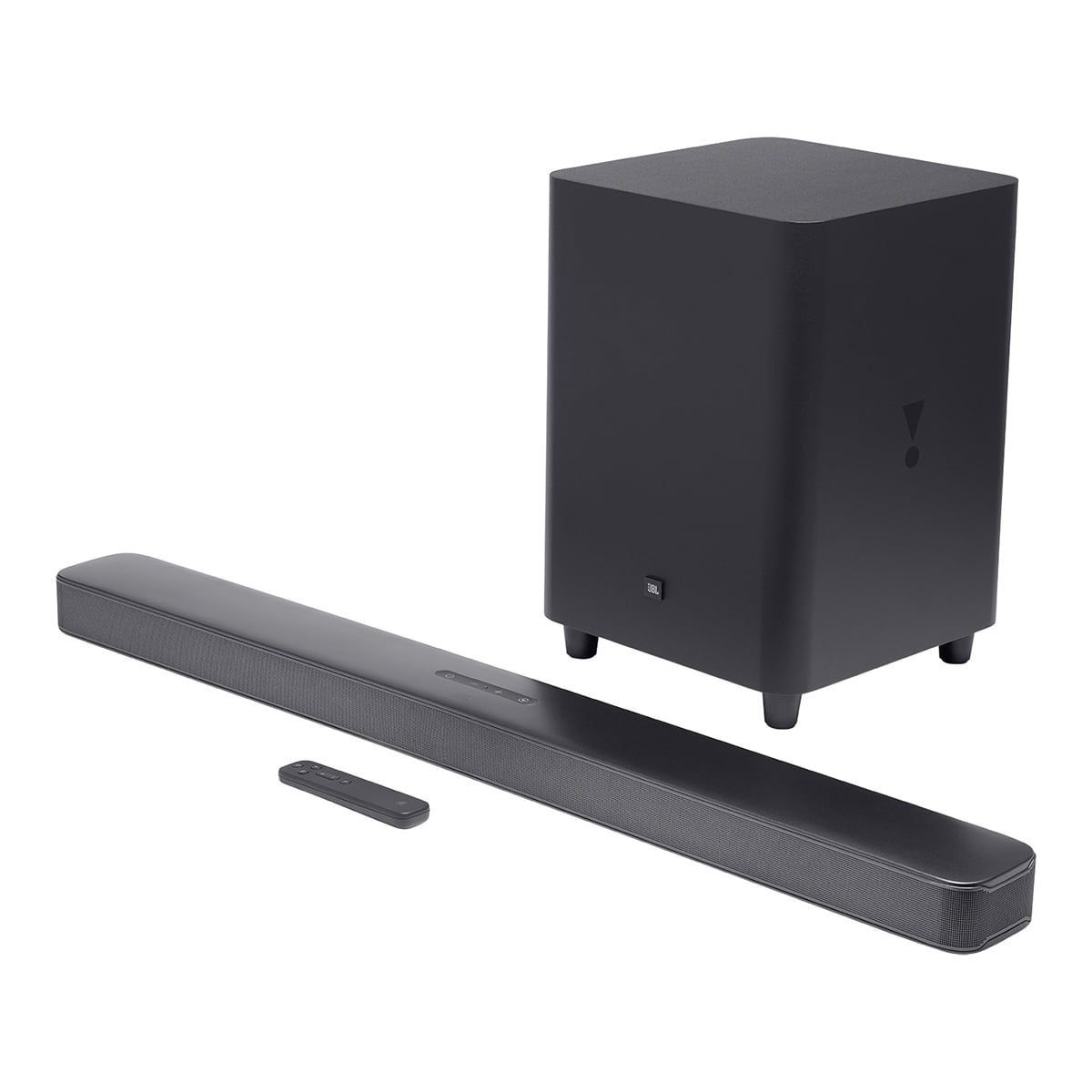
Today's premium soundbar market essentially splits into two camps: those that use advanced computer processing to simulate surround sound from a single bar, and those that stick with the traditional approach of placing actual speakers around your room. The Sennheiser AMBEO Soundbar Plus ($949.95) represents the cutting edge of virtual surround technology, while the JBL Bar 5.1 Surround Soundbar ($599.95) takes the classic route with physical surround speakers you can actually touch and move around.
Before diving into the specifics, it's crucial to understand what makes these products tick. The biggest difference between these two soundbars isn't their price or brand – it's their entire philosophy about how to create convincing surround sound.
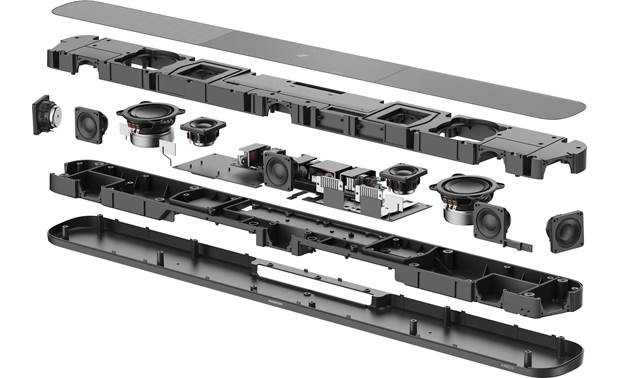
The Sennheiser AMBEO Plus uses something called "virtualization technology." Think of this like a sophisticated audio magician that tricks your brain into hearing sounds coming from places where there aren't actually any speakers. Using advanced computer processing and built-in microphones that "listen" to your room, it bounces sound off your walls and ceiling in precisely calculated ways. The result? Your brain thinks there are speakers behind you, above you, and all around you, even though there's just one bar sitting under your TV.
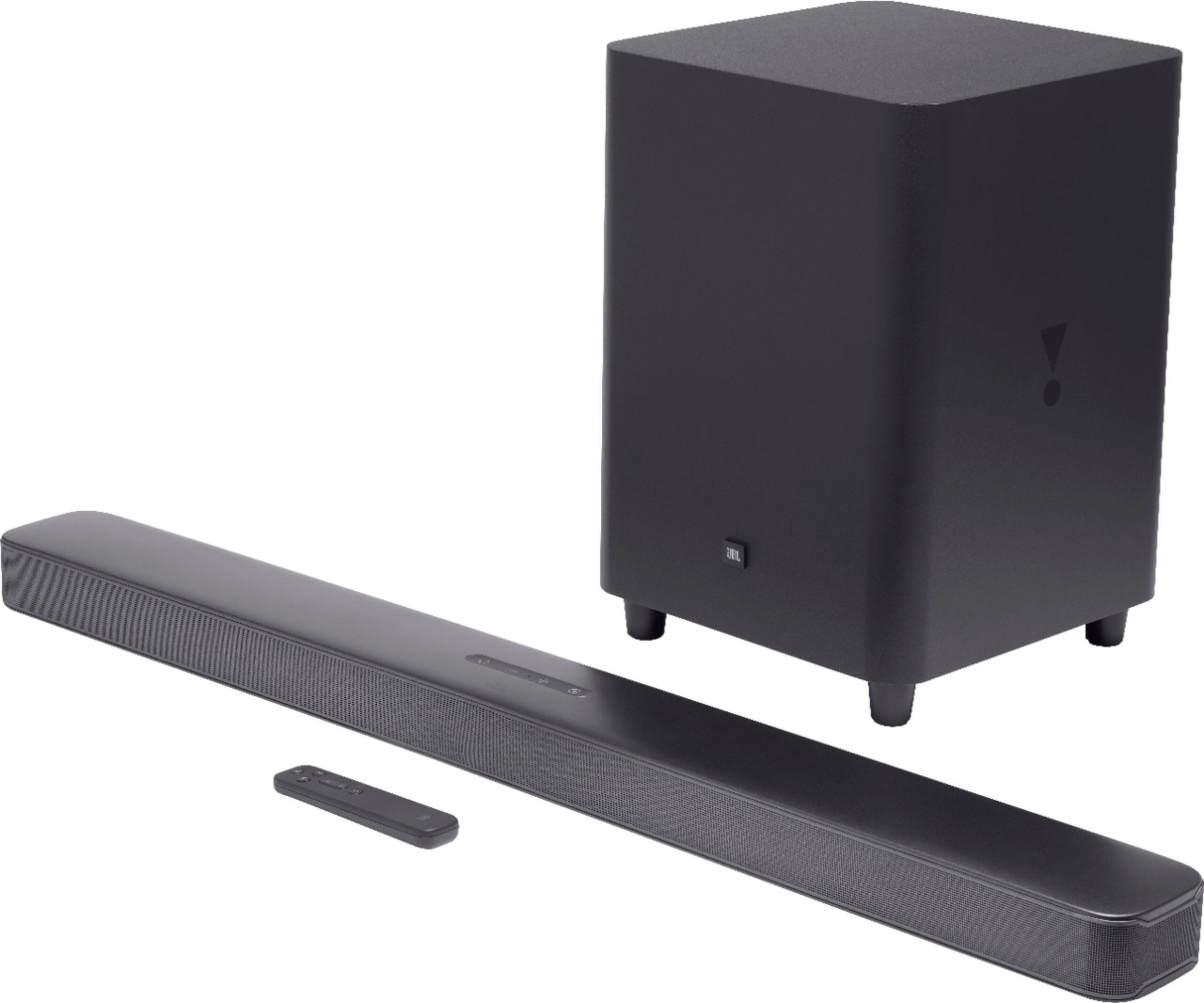
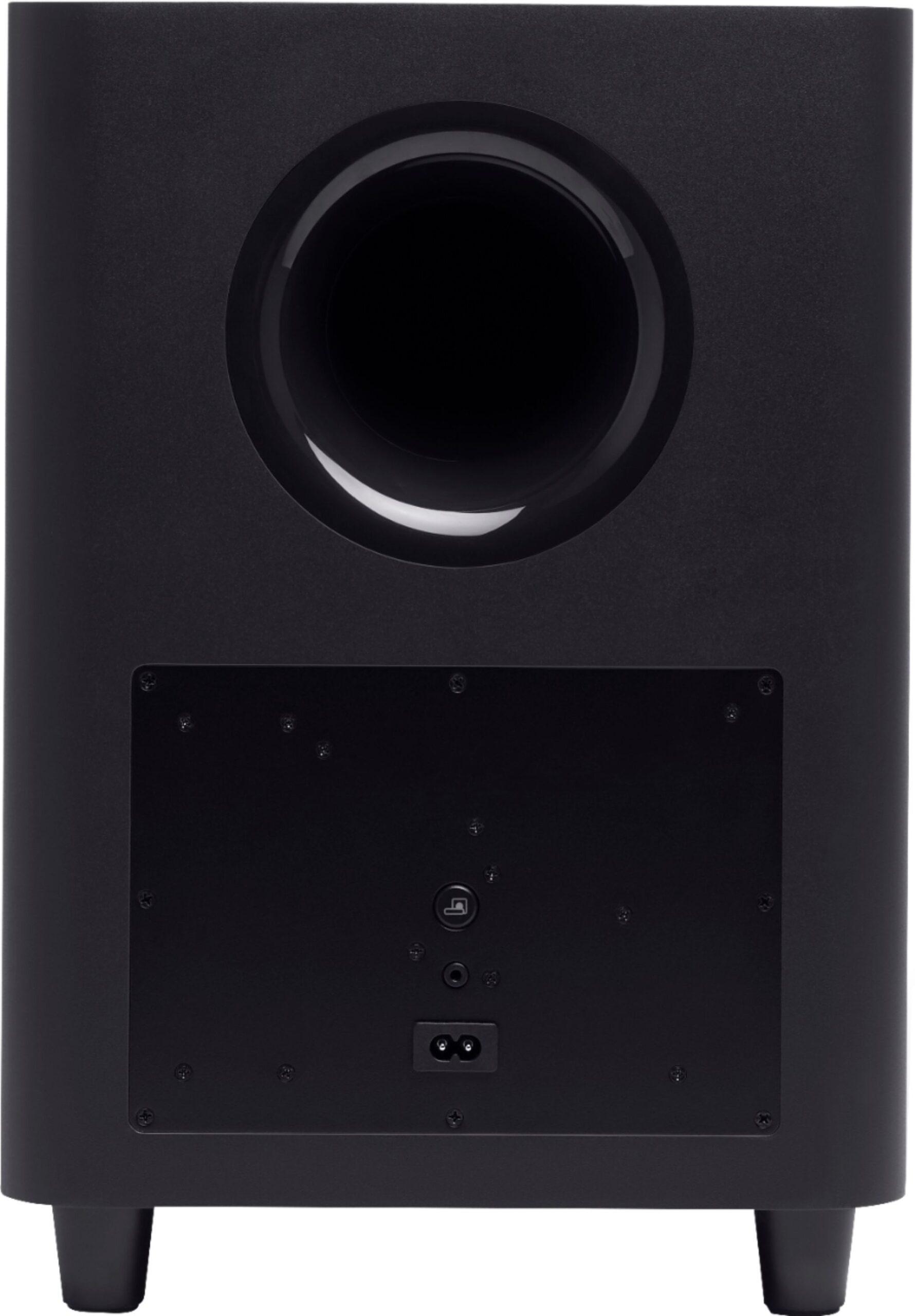
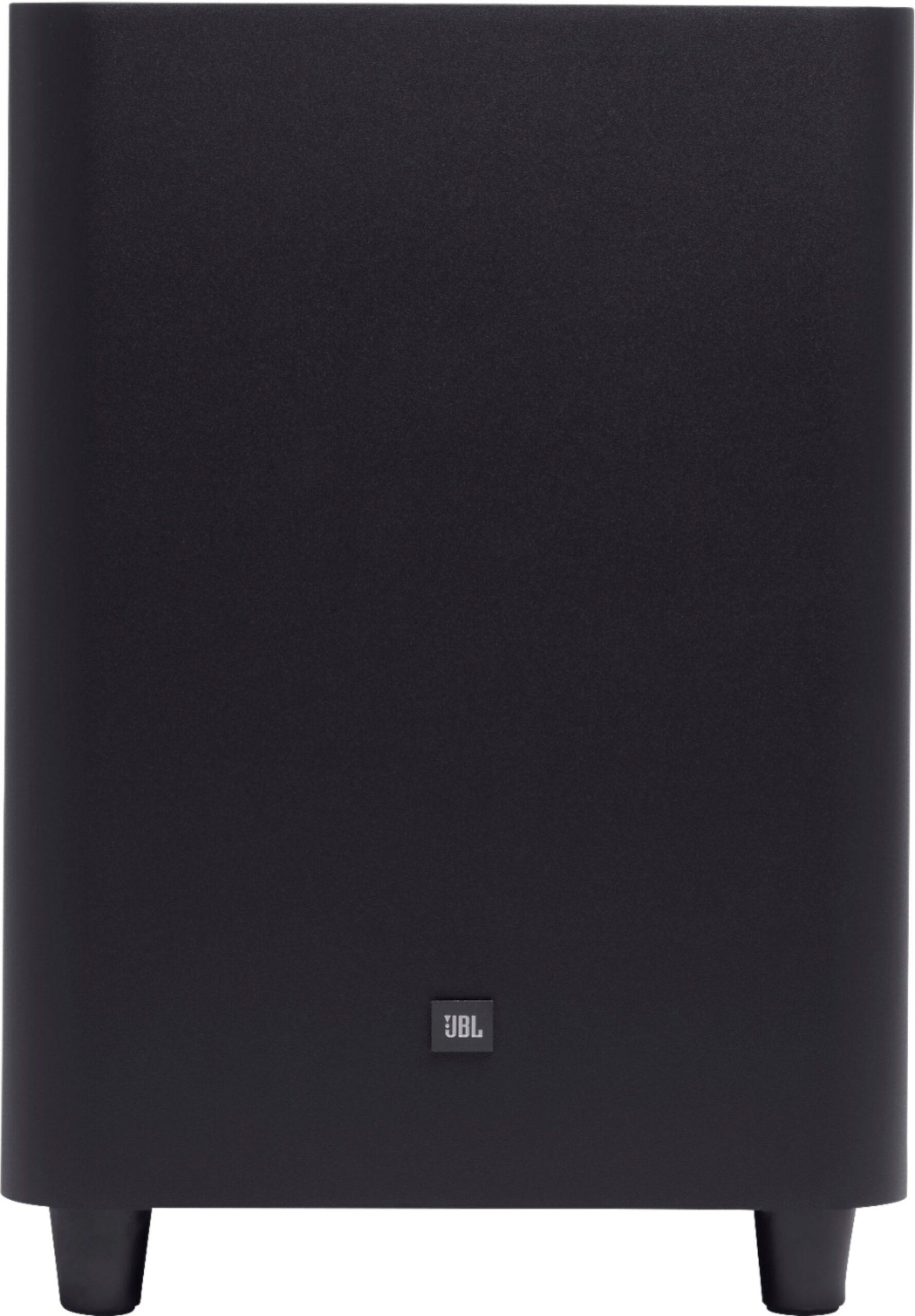
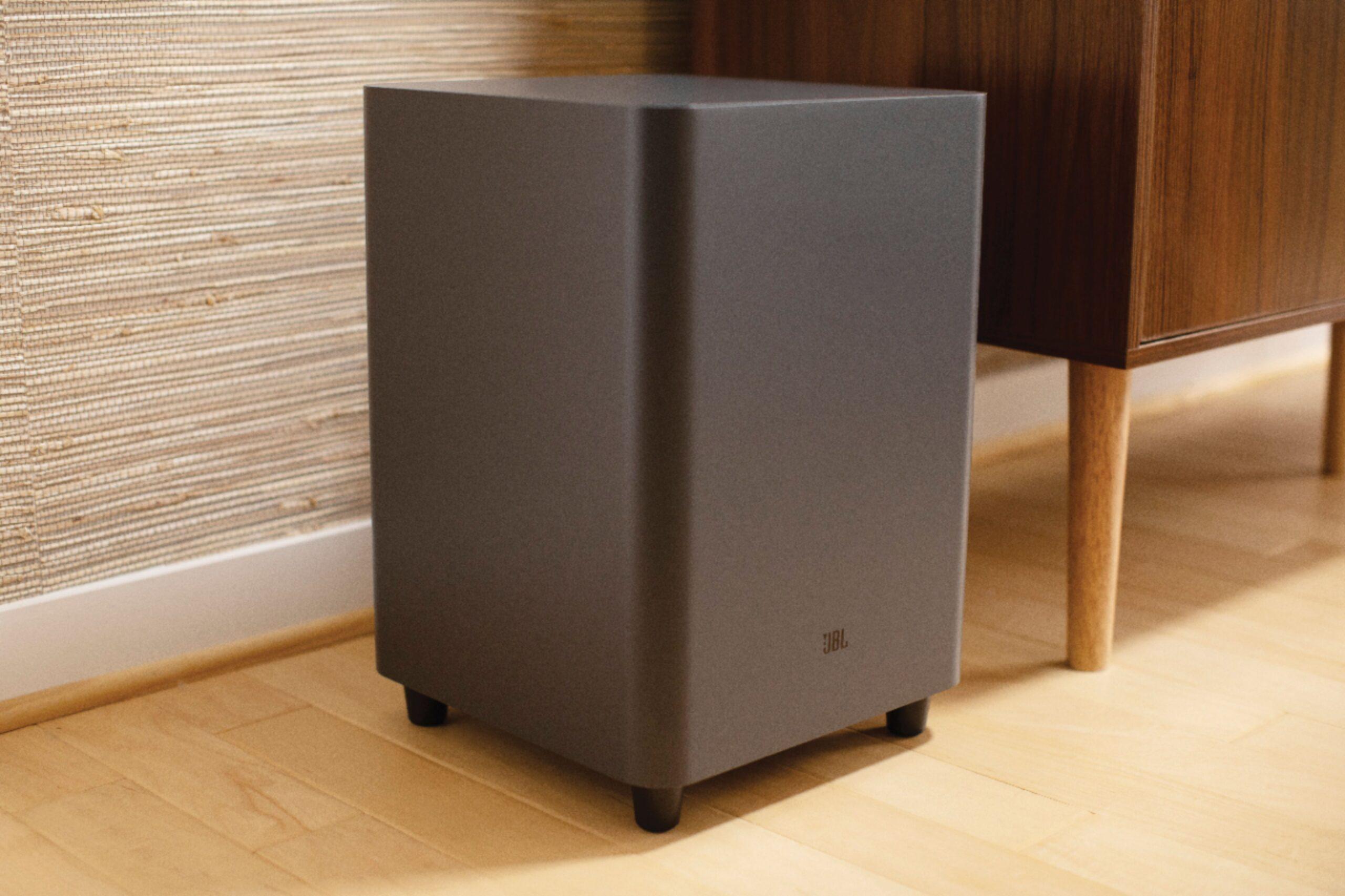
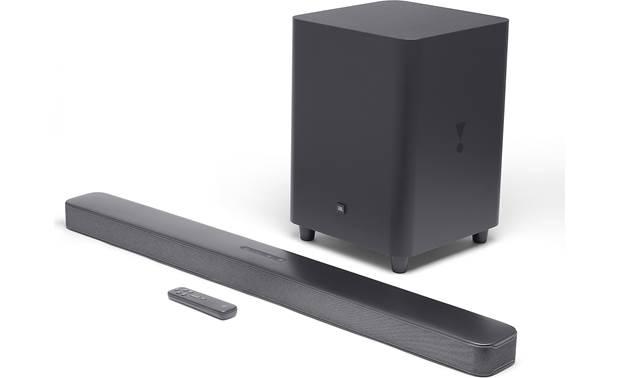
The JBL Bar 5.1, on the other hand, believes in the old-school approach: if you want surround sound, you need actual surround speakers. This system includes a main soundbar, a wireless subwoofer for bass, and two detachable rear speakers that you place behind your seating area. When a helicopter flies overhead in a movie, you hear it from the actual speaker positioned above and behind you – no audio trickery required.
Both approaches have their merits, and neither is inherently "better" than the other. The question is which one works best for your room, your preferences, and your lifestyle.
The Sennheiser AMBEO line launched in 2019, representing a major bet on virtualization technology becoming the future of home audio. Sennheiser, a company famous for their professional headphones and microphones, brought decades of acoustic expertise to create their AMBEO processing. The technology takes its name from "ambient" and "ambisonics" – a way of capturing and reproducing three-dimensional sound originally developed for VR applications.
Since its initial release, Sennheiser has continuously refined the AMBEO processing through software updates. The room calibration system has become more sophisticated, the mobile app has gained new features, and support for streaming services has expanded significantly. What started as an impressive but somewhat experimental product has matured into a polished system that consistently delivers on its promises.
JBL's Bar 5.1 represents a more evolutionary approach, building on decades of traditional surround sound principles. Released in 2020, it refined JBL's earlier soundbar designs by making the rear speakers completely wireless and detachable. This solved one of the biggest complaints about traditional surround systems: the need to run wires to rear speakers. The detachable design was particularly clever – when you're not watching movies, you can remove the rear speakers and use them as portable Bluetooth speakers around the house.
Since launch, JBL has focused on improving the wireless connectivity reliability and extending the battery life of the detachable speakers. The system now offers up to 10 hours of wireless playback for the rear channels, and the connection between components has become rock-solid reliable.
Here's where these soundbars really show their different personalities. The Sennheiser AMBEO Plus creates what I can only describe as an "audio bubble" around your listening position. When properly calibrated, sounds seem to float in three-dimensional space around you. Watching "Top Gun: Maverick," the jets don't just move from left to right – they genuinely seem to circle overhead and dive behind you.
The magic happens through psychoacoustics – the science of how our brains interpret sound. The AMBEO system uses its built-in microphones to create a detailed "map" of your room's acoustics. It measures how long sound takes to bounce off your walls, ceiling, and furniture, then uses this information to precisely time and shape the audio it produces. When it wants you to hear a sound from behind-left, it calculates exactly how to bounce audio off your rear wall so it reaches your ears at the right time and angle.
The JBL Bar 5.1 doesn't need to perform these acoustic gymnastics because it simply places real speakers where the sound should come from. When that same jet flies overhead in Top Gun, you hear it from the actual rear speakers positioned behind your couch. There's something satisfying and immediate about this approach – what you hear is what you get, no processing required.
In my testing, both approaches work well, but they excel in different scenarios. The Sennheiser creates a more seamless, enveloping soundfield that works consistently regardless of where you sit. The JBL provides more precise directional cues and a stronger sense of sounds moving through space, but you need to be positioned in the "sweet spot" between the speakers to get the full effect.
This is where the two systems diverge most dramatically. The Sennheiser AMBEO Plus includes dual 4-inch woofers built into the soundbar itself. These provide surprisingly solid bass for drivers of their size, reaching down to about 38Hz. For most music and TV shows, this bass response feels adequate and well-integrated with the rest of the frequency range.
However, when you fire up "Dune" and those massive sandworms start rumbling, the limitations become apparent. The built-in woofers simply can't move enough air to create the chest-thumping impact that makes action movies truly immersive. Sennheiser offers an optional AMBEO Sub for around $350-400, which transforms the system's low-end performance, but this pushes the total investment to nearly $1,350.
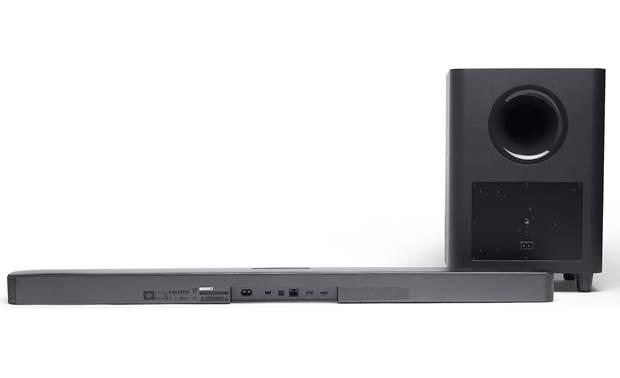
The JBL Bar 5.1 includes a dedicated 10-inch wireless subwoofer right in the box. This makes an enormous difference for movies and music with substantial low-frequency content. That same sandworm scene hits with genuine impact – you feel the bass as much as you hear it. The subwoofer is wireless, so you can position it wherever it sounds best in your room, typically tucked into a corner where room boundaries reinforce the bass response.
In my home theater setup, bass performance proved crucial for creating truly immersive movie experiences. While the Sennheiser's built-in bass sounds clean and controlled, the JBL's dedicated subwoofer simply delivers more of the visceral impact that makes action sequences come alive.
When it comes to music reproduction, these soundbars reveal their different design priorities. The Sennheiser AMBEO Plus approaches music with audiophile sensibilities. The frequency response is carefully tuned for accuracy rather than excitement, and the AMBEO processing can add a sense of spaciousness to stereo recordings that makes them feel more live and three-dimensional.
I particularly appreciate the Sennheiser's midrange clarity. Voices, whether in dialog or music, have a natural, uncolored quality that lets you hear subtle details in recordings. The system supports high-quality streaming through TIDAL Connect and Apple AirPlay 2, maintaining audio fidelity through the entire signal chain. Jazz recordings reveal instrument placement and room ambience, while classical music benefits from the system's ability to create a convincing sense of acoustic space.
The JBL Bar 5.1 takes a more populist approach to music. The sound signature is warmer and more energetic, with slightly elevated bass and treble that makes pop and rock music sound exciting and engaging. It's the kind of tuning that makes music sound great at a party, though serious listening sessions might reveal some coloration in the midrange.
The JBL's rear speakers add an interesting dimension to music playback. Many modern recordings include ambient information that gets sent to the surround channels, creating a more enveloping musical experience. This works particularly well with live albums and atmospheric genres like electronic music or film soundtracks.
Both systems handle dialog well, but they approach voice reproduction differently. The Sennheiser AMBEO Plus includes sophisticated dialog enhancement processing that can isolate and clarify speech without making it sound artificial. The system offers dedicated voice modes that emphasize the frequency range where most speech occurs, making it easier to follow conversations even during complex action scenes.
The JBL Bar 5.1 relies more on traditional approaches to voice clarity – primarily through careful frequency response tuning and dynamic range management. The dedicated center channel in the main soundbar handles most dialog, keeping voices anchored to the screen while the surround speakers handle ambient effects.
Setting up the Sennheiser AMBEO Plus feels like living in the future. After connecting the soundbar, you run the automatic calibration routine, which takes about 10 minutes. The system plays a series of test tones while its built-in microphones listen to how your room responds. It's measuring everything – the distance to your walls, the height of your ceiling, the location of furniture, even the acoustic properties of your carpet and curtains.
The results are impressive. The system adapts its processing to work optimally in your specific room, and it does this completely automatically. Move to a different house? No problem – just run calibration again. Rearrange your furniture? The system can detect the changes and adjust accordingly.
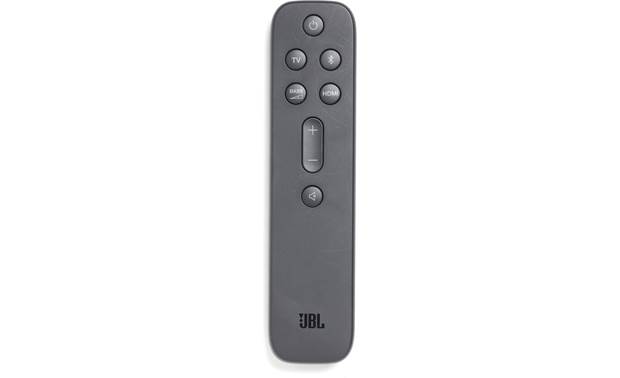
The JBL Bar 5.1 requires more hands-on involvement. You need to find appropriate locations for the subwoofer and rear speakers, then fine-tune the system using the mobile app. While this means more work upfront, it also means more control over the final result. Some users prefer this approach because they can adjust the system to match their specific preferences rather than relying on automated algorithms.
The Sennheiser AMBEO Plus wins hands-down for convenience. It's a single unit that sits under your TV – that's it. No additional components to hide, no speakers to mount or position. This makes it ideal for apartments, condos, or any situation where you want great sound without the visual complexity of multiple components.
However, the system works best in smaller to medium-sized rooms. The virtualization technology relies on reflections from nearby walls and ceiling, so it struggles in very large or acoustically challenging spaces. I've found it works optimally in rooms up to about 200 square feet with standard 8-9 foot ceilings.
The JBL Bar 5.1 requires more thoughtful placement but scales better to larger rooms. The wireless subwoofer needs to find a good spot (usually a corner or along a wall), and the detachable rear speakers need to be positioned behind or to the sides of your seating area. This sounds complicated, but the wireless nature of all components makes it much easier than traditional wired surround systems.
The Sennheiser AMBEO Plus lists for $949.95, but this doesn't tell the whole story. For music listening and casual movie watching, the soundbar alone provides excellent performance. However, for a truly complete home theater experience with deep, impactful bass, you'll likely want to add the AMBEO Sub, bringing the total investment to around $1,300-1,350.
This higher cost buys you cutting-edge technology, audiophile-grade sound quality, and the convenience of a single-unit solution. It's an investment in sophisticated audio engineering and the promise of continued software improvements over time.
The JBL Bar 5.1 at $599.95 represents exceptional value because you get everything you need right in the box. The included subwoofer and rear speakers mean no additional purchases are required for full performance. The only ongoing cost is occasionally recharging the rear speakers, which use standard USB charging.
The Sennheiser system benefits from regular software updates that add new features and improve performance. Since its release, the company has added support for new streaming services, refined the room calibration algorithms, and improved the mobile app interface. This suggests the system will continue improving over its lifespan.
The JBL system, being more hardware-focused, doesn't receive the same type of transformative software updates. However, its simpler architecture means fewer things can go wrong, and the basic surround sound approach will remain relevant regardless of future audio format developments.
After extensive testing with both systems, I've come to appreciate what each brings to the table. The choice ultimately comes down to your priorities, room situation, and how you plan to use the system.
Choose the Sennheiser AMBEO Plus if you value technological sophistication and convenience above all else. It's perfect for smaller rooms where you want the best possible sound quality without the complexity of multiple components. The system excels at both music and movies, though you'll need to budget for the optional subwoofer if deep bass is important to you. This is the soundbar for someone who appreciates cutting-edge audio technology and doesn't mind paying a premium for it.
The JBL Bar 5.1 makes sense if you want a complete, traditional surround sound experience at a moderate price point. It's ideal for medium to larger rooms where you have space to properly position the components. The system delivers impressive movie performance right out of the box and offers the satisfaction of true physical surround sound. Choose this if you want maximum bang for your buck and don't mind managing multiple components.
Both soundbars represent excellent engineering and will significantly upgrade your TV's audio performance. The Sennheiser pushes the boundaries of what's possible with virtualization technology, while the JBL proves that sometimes the traditional approach is still the best approach. Your choice depends on whether you're more excited by audio innovation or proven surround sound performance – and both are valid paths to great home theater sound.
| Sennheiser AMBEO Soundbar Plus | JBL Bar 5.1 Surround Soundbar |
|---|---|
| Price - Total investment needed for complete system | |
| $949.95 (add $350+ for subwoofer = ~$1,300 total) | $599.95 (everything included, no extras needed) |
| System Architecture - Fundamentally different approaches to surround sound | |
| Single soundbar with virtual 7.1.4 surround using AMBEO processing | True 5.1 system with physical subwoofer and detachable rear speakers |
| Bass Solution - Critical for movie impact and music fullness | |
| Dual 4" built-in woofers (38Hz), optional AMBEO Sub recommended | Included 10" wireless subwoofer (40Hz), complete out of box |
| Room Calibration - How well it adapts to your specific space | |
| Advanced auto-calibration with built-in microphones analyzing acoustics | Basic app-based tuning with manual speaker placement |
| Setup Complexity - Time and effort required to get optimal performance | |
| Plug-and-play single unit, 10-minute auto setup | Multi-component placement required, manual positioning needed |
| Audio Processing Power - Determines sound quality and features | |
| 400W total with quad-core processor and AMBEO 3D virtualization | 550W total with traditional surround processing |
| Dolby Atmos Support - Premium format for overhead sound effects | |
| Full virtualized Atmos with overhead effects | Not supported (standard 5.1 surround only) |
| Music Streaming Quality - Important for daily music listening | |
| Audiophile-grade with TIDAL Connect, AirPlay 2, lossless support | Standard Bluetooth and app support, warm sound signature |
| Physical Footprint - How much space and components in your room | |
| Single 40" soundbar only | Soundbar + subwoofer + 2 rear speakers to position |
| Optimal Room Size - Where each system performs best | |
| Small to medium rooms (up to ~200 sq ft) where virtualization works | Medium to large rooms where physical speakers can be properly placed |
| Rear Speaker Battery Life - Practical consideration for wireless surrounds | |
| No rear speakers (virtualized surround) | 10 hours playback, USB rechargeable detachable speakers |
The JBL Bar 5.1 at $599.95 offers better value for most buyers because it includes everything you need for complete surround sound - soundbar, wireless subwoofer, and rear speakers. The Sennheiser AMBEO Plus at $949.95 delivers premium virtualization technology but requires an additional $350+ subwoofer for full bass performance, bringing the total to around $1,300.
The JBL Bar 5.1 comes complete with all components - no additional purchases needed. The Sennheiser AMBEO Plus works as a standalone unit but you'll likely want to add the optional AMBEO Sub for movies with deep bass effects, which significantly increases the total cost.
The Sennheiser AMBEO Plus is much easier to set up - just plug in one soundbar and run a 10-minute automatic calibration. The JBL Bar 5.1 requires positioning three separate components (soundbar, subwoofer, and two rear speakers) and manual tuning through the app.
The JBL Bar 5.1 has significantly better bass out of the box with its included 10-inch wireless subwoofer. The Sennheiser AMBEO Plus has adequate bass from built-in drivers but needs the optional subwoofer add-on to match the JBL's low-frequency impact for action movies.
The Sennheiser AMBEO Plus works exceptionally well in small to medium rooms where its virtualization technology can use wall reflections effectively. The JBL Bar 5.1 can work in smaller spaces but really shines in larger rooms where you have space to properly position all the components.
Only the Sennheiser AMBEO Plus supports Dolby Atmos, using virtualization to create overhead sound effects. The JBL Bar 5.1 does not support Dolby Atmos but provides traditional 5.1 surround sound with physical rear speakers.
The Sennheiser AMBEO Plus offers superior music performance with audiophile-grade sound quality, support for high-resolution streaming services like TIDAL Connect, and precise instrument separation. The JBL Bar 5.1 has a warmer, more energetic sound that's enjoyable for casual music listening but less refined overall.
The JBL Bar 5.1 includes two detachable wireless rear speakers that you place behind your seating area for true surround sound. The Sennheiser AMBEO Plus doesn't have physical rear speakers - it uses advanced processing to virtually create surround effects from the single soundbar.
The JBL Bar 5.1 rear speakers provide up to 10 hours of wireless playback and charge via USB. The Sennheiser AMBEO Plus doesn't have wireless speakers since it uses virtualization technology instead of physical surround speakers.
The JBL Bar 5.1 performs better in large rooms because physical speakers can fill bigger spaces more effectively than virtualization. The Sennheiser AMBEO Plus works best in smaller to medium-sized rooms where its wall reflection technology can function optimally.
Both soundbars work well for gaming. The Sennheiser AMBEO Plus excels at creating immersive 3D audio environments, while the JBL Bar 5.1 provides precise directional audio cues from its physical surround speakers. The JBL's dedicated subwoofer gives more impactful bass for action games.
The Sennheiser AMBEO Plus receives regular software updates that add new features and improve performance over time. Sennheiser also offers premium customer support. The JBL Bar 5.1 has a simpler hardware-focused design with fewer software dependencies, making it more reliable long-term but with fewer update-driven improvements.
We've done our best to create useful and informative comparisons to help you decide what product to buy. Our research uses advanced automated methods to create this comparison and perfection is not possible - please contact us for corrections or questions. These are the sites we've researched in the creation of this article: techradar.com - pocket-lint.com - moon-audio.com - stereonet.com - rtings.com - abt.com - projectorscreen.com - youtube.com - videoandaudiocenter.com - crutchfield.com - sennheiser-hearing.com - newsroom.sennheiser.com - jbl.com - jbl.com - jbl.com - tomsguide.com - jbl.com - bestbuy.com - bestbuy.com - jbl.com - jbl.com - worldwidestereo.com

Privacy Policy
Terms and Conditions - Affiliate Policy
Home Security
© Copyright 2008-2026.
11816 Inwood Rd #1211, Dallas, TX 75244