

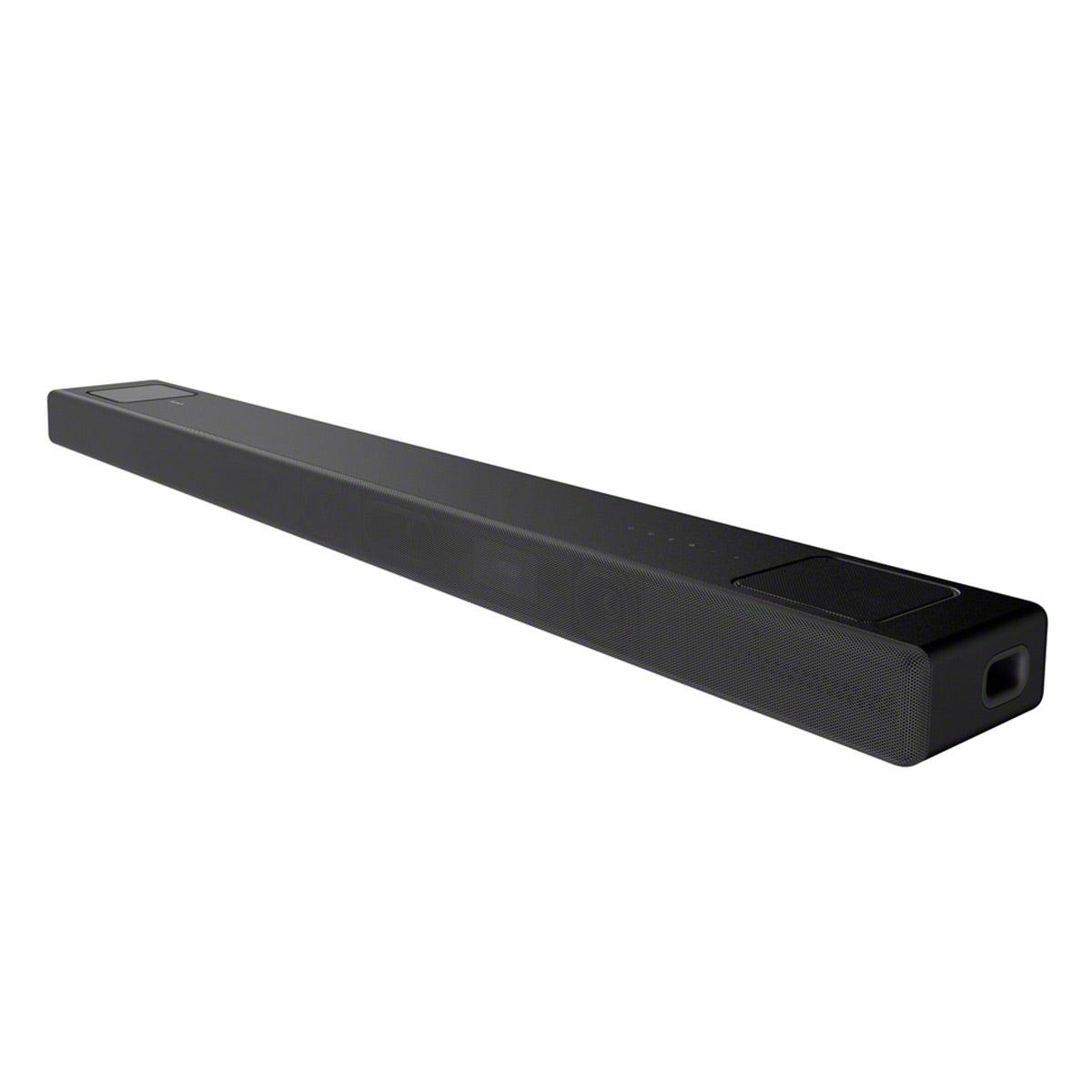
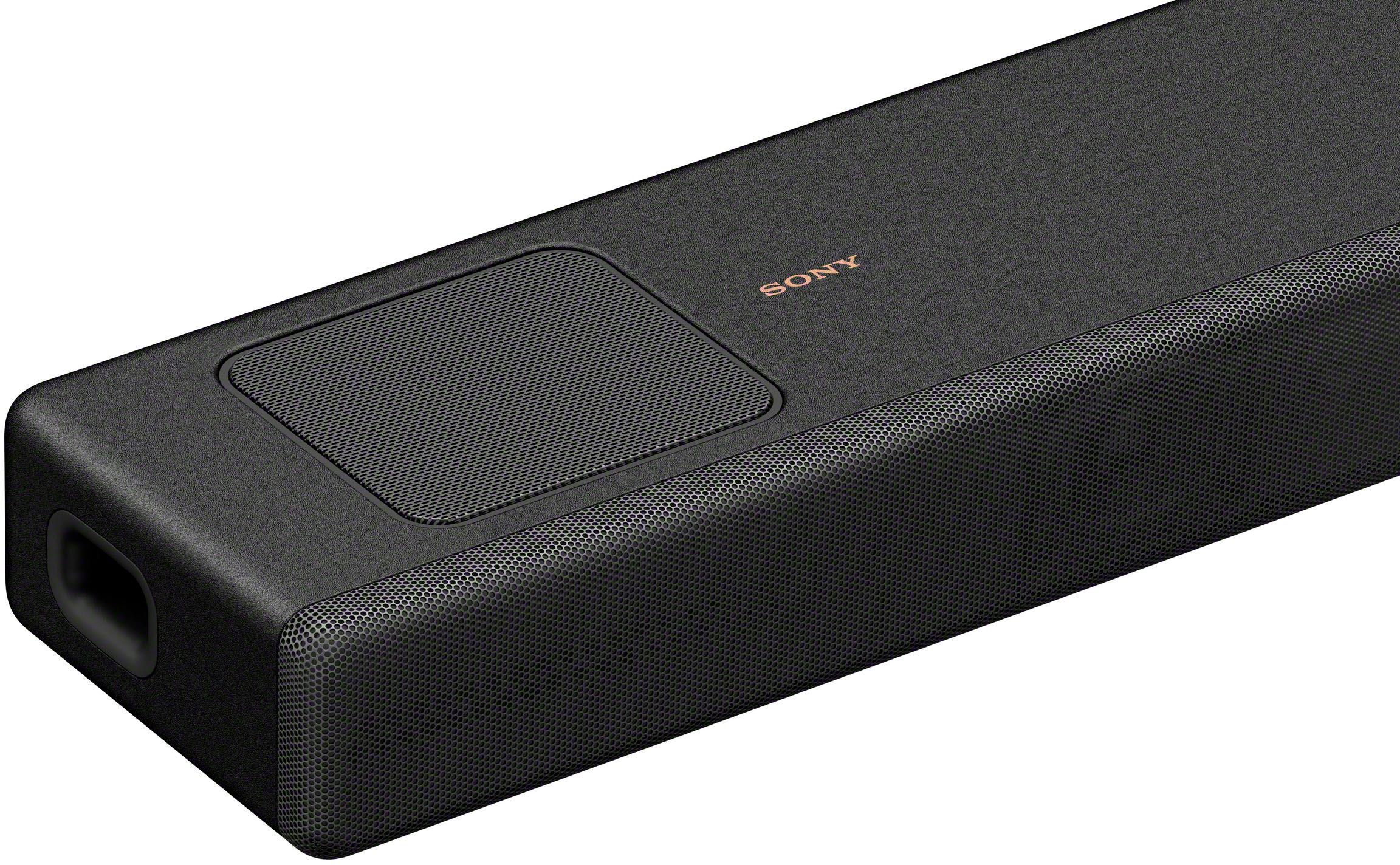

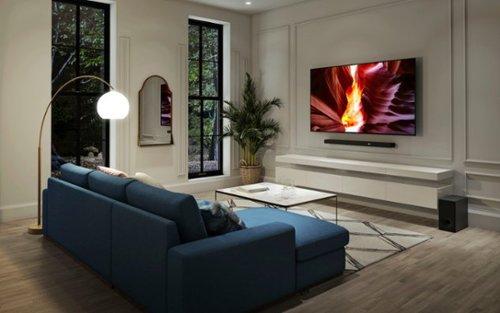
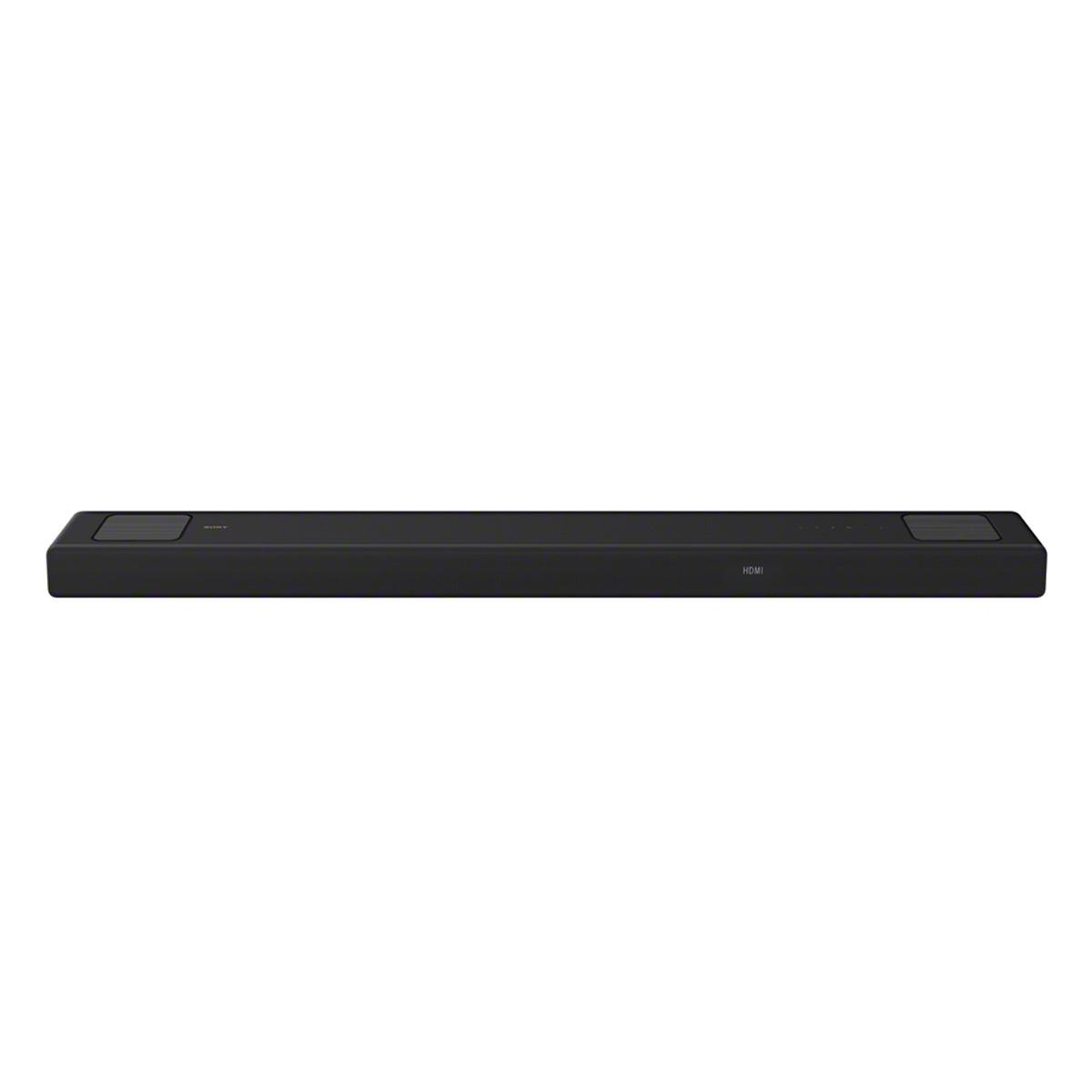
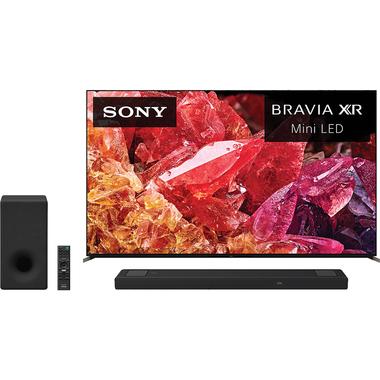
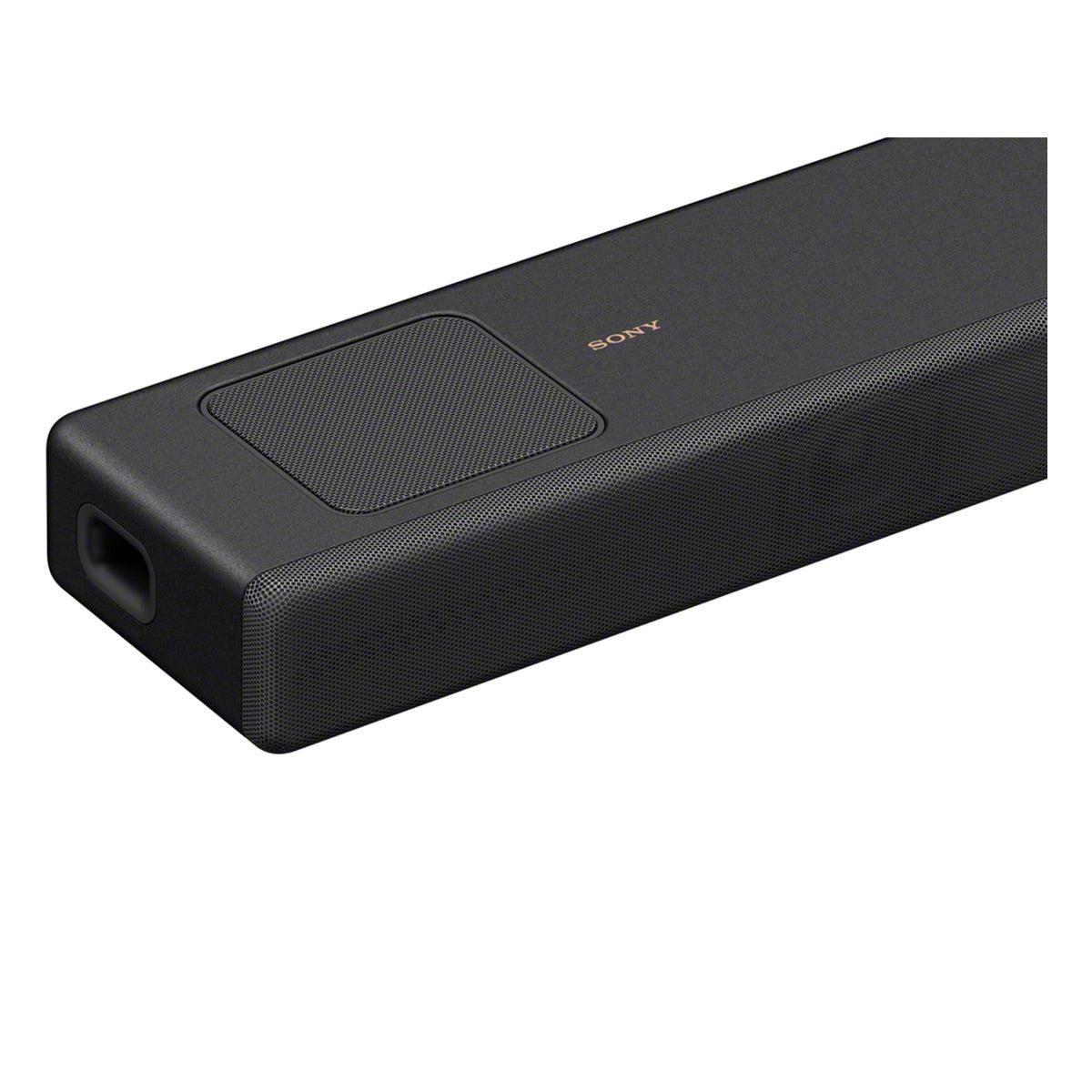
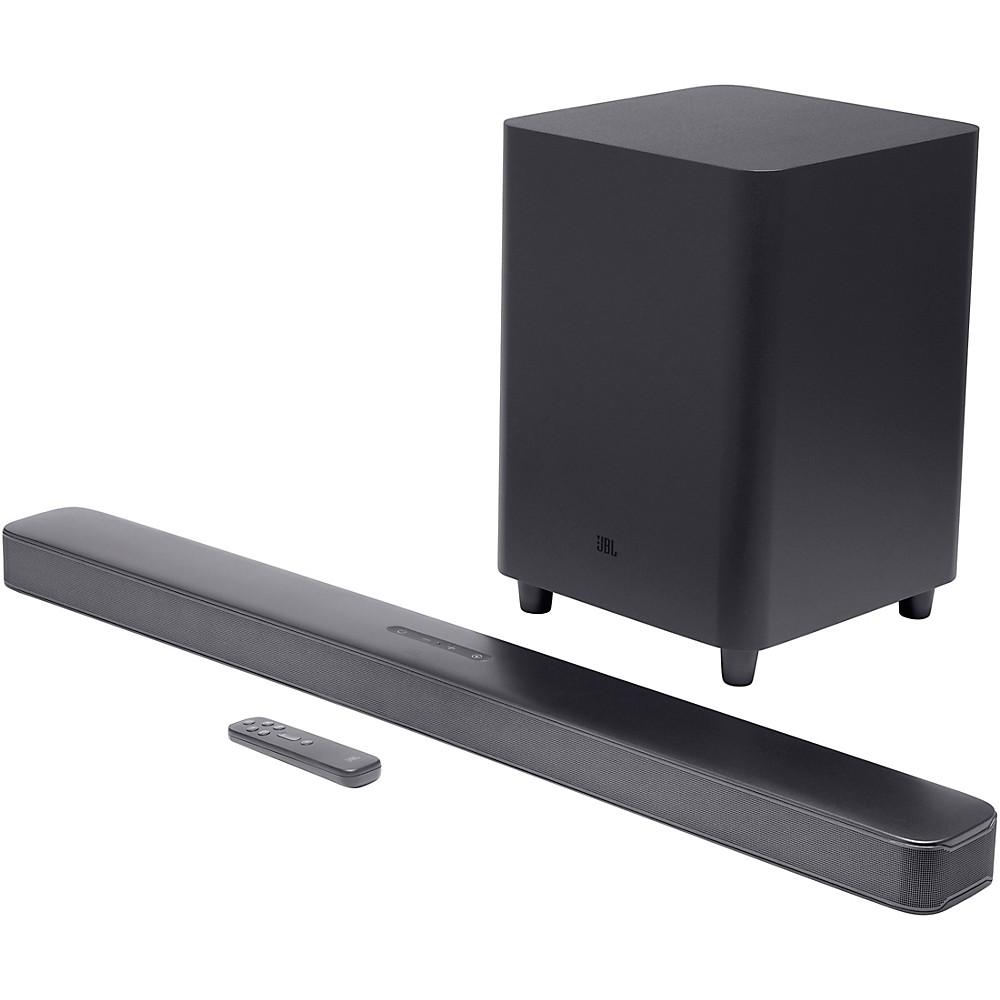
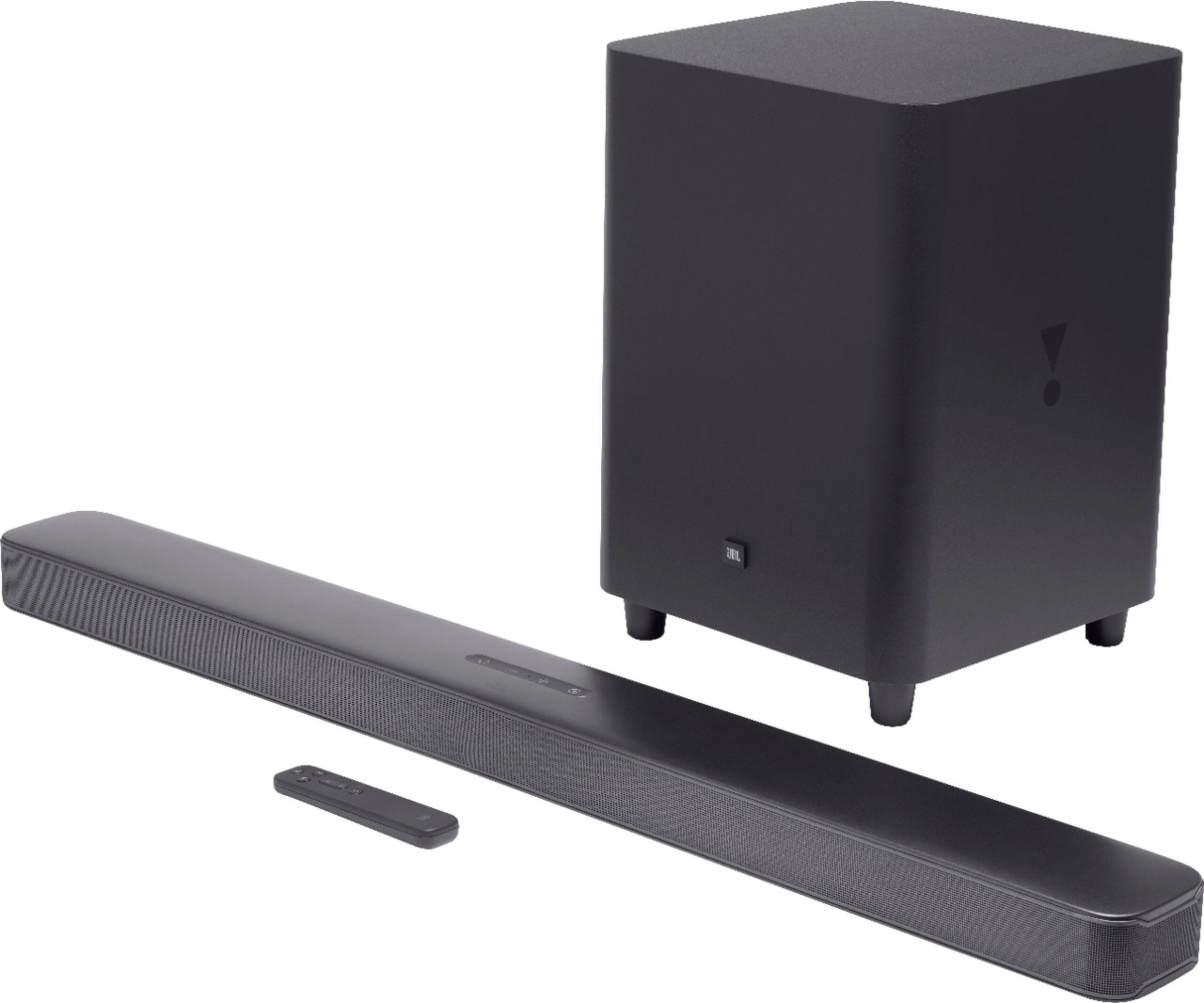

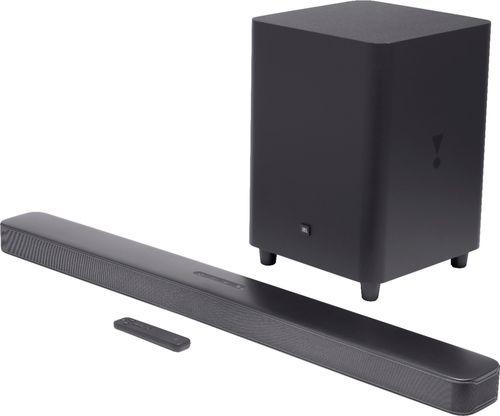
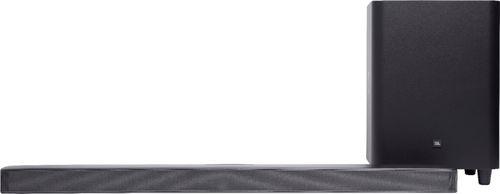
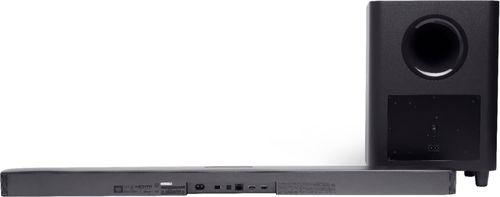
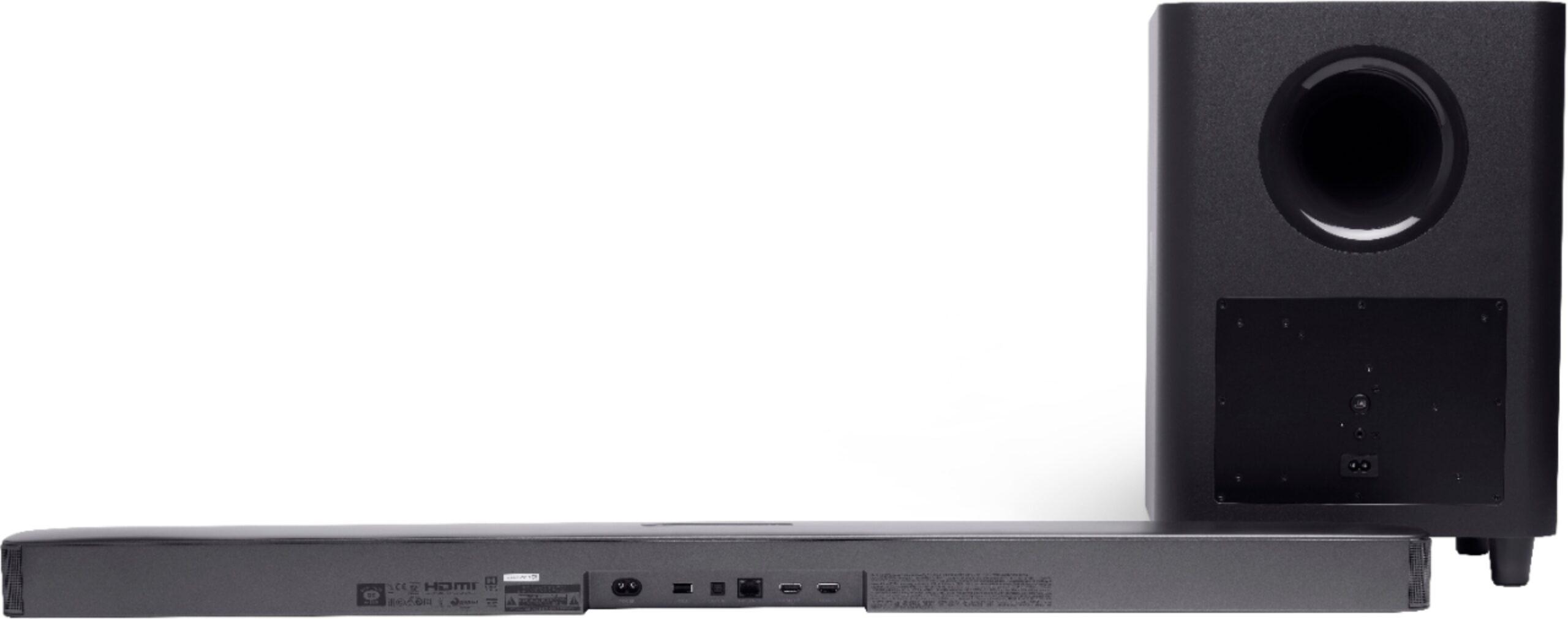
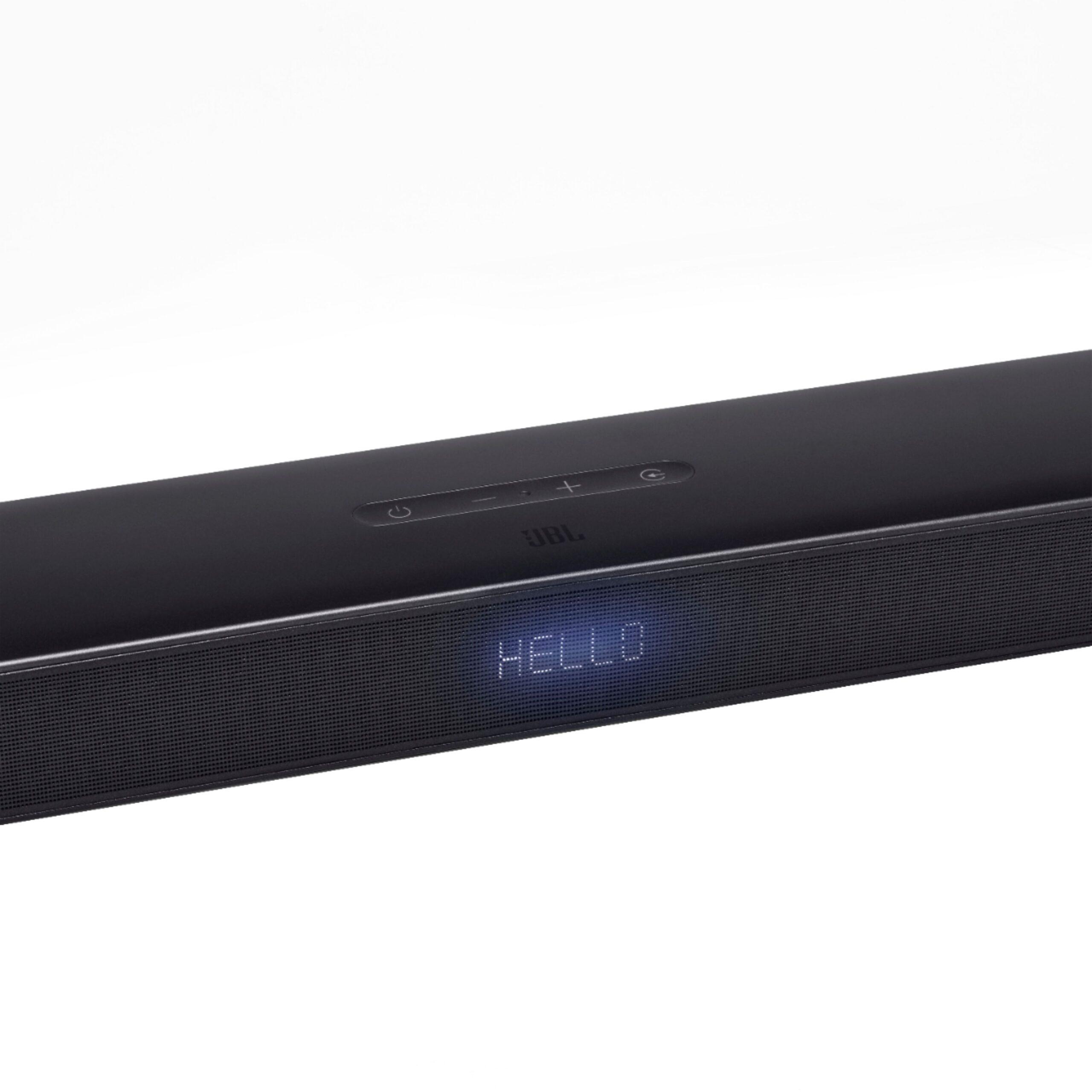
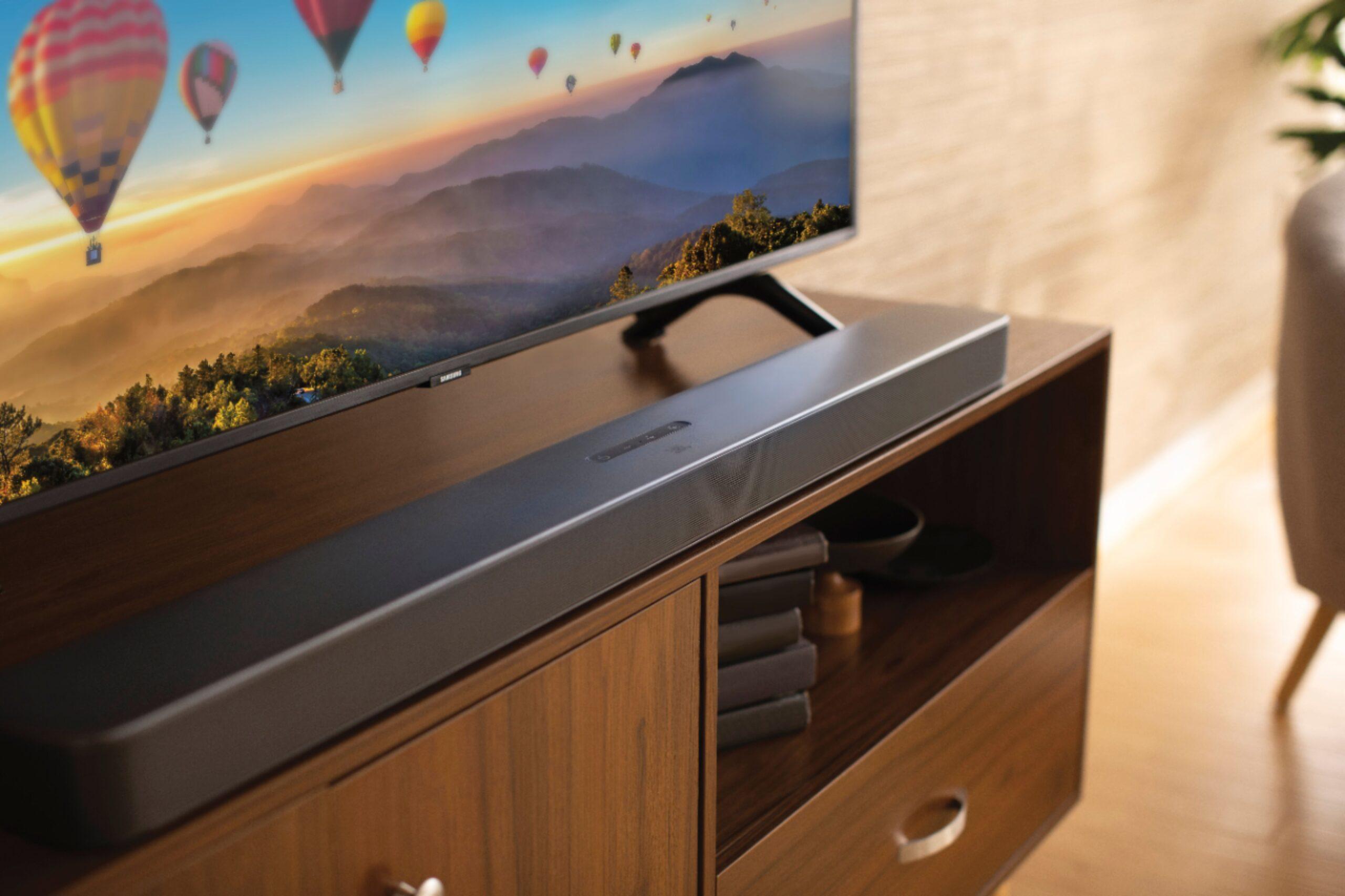
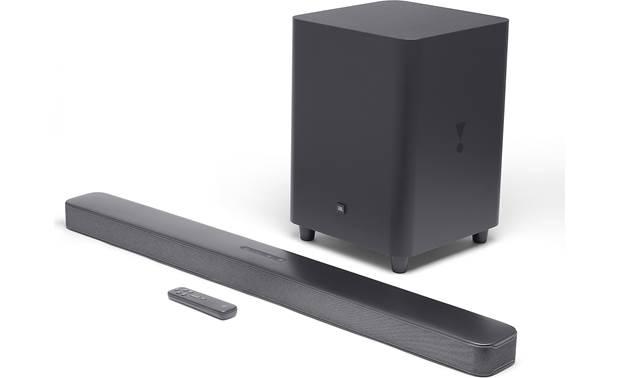
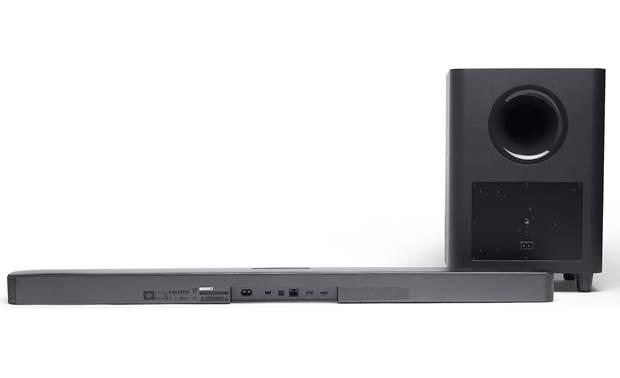
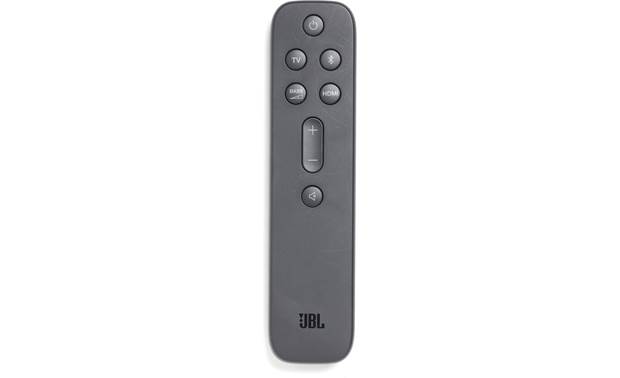
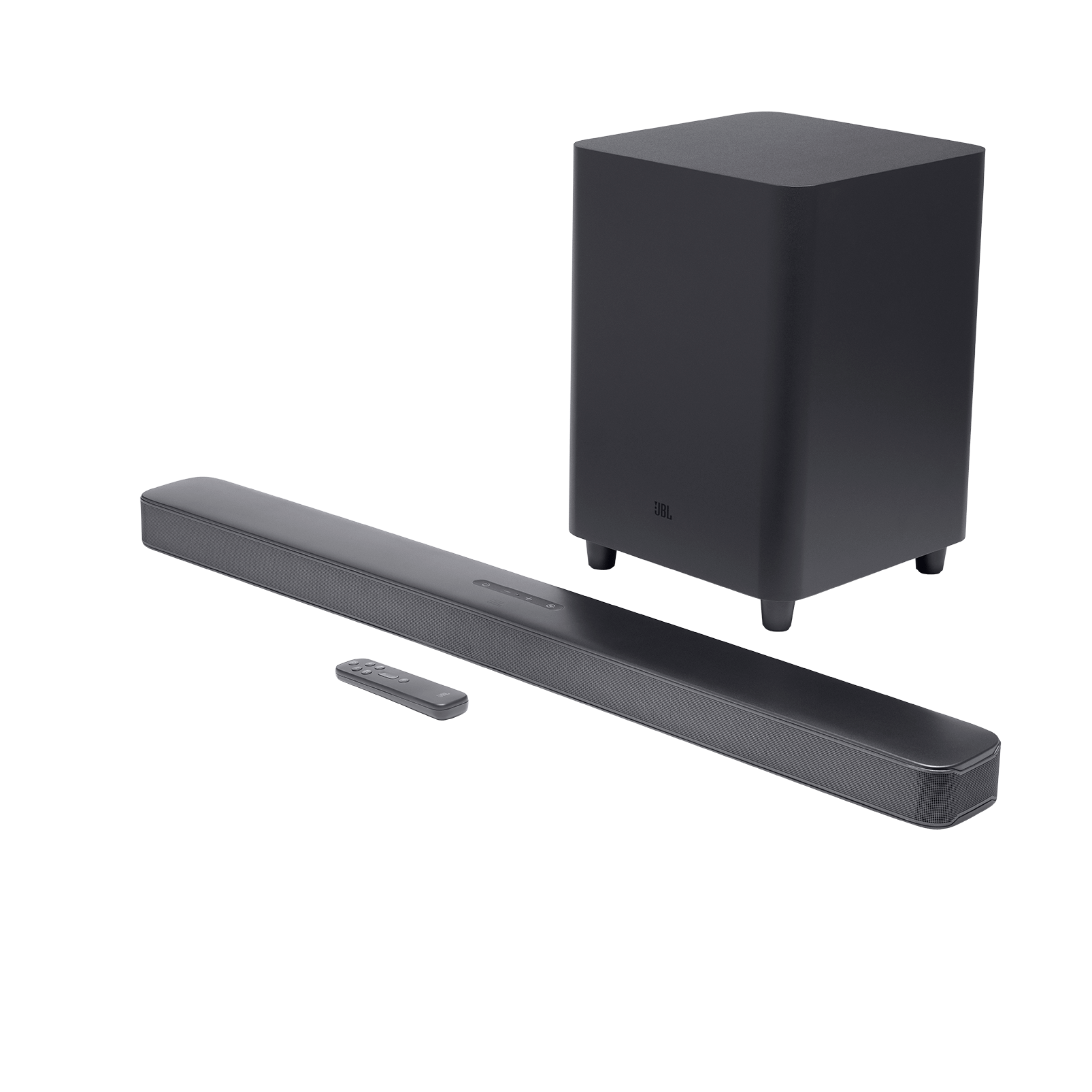
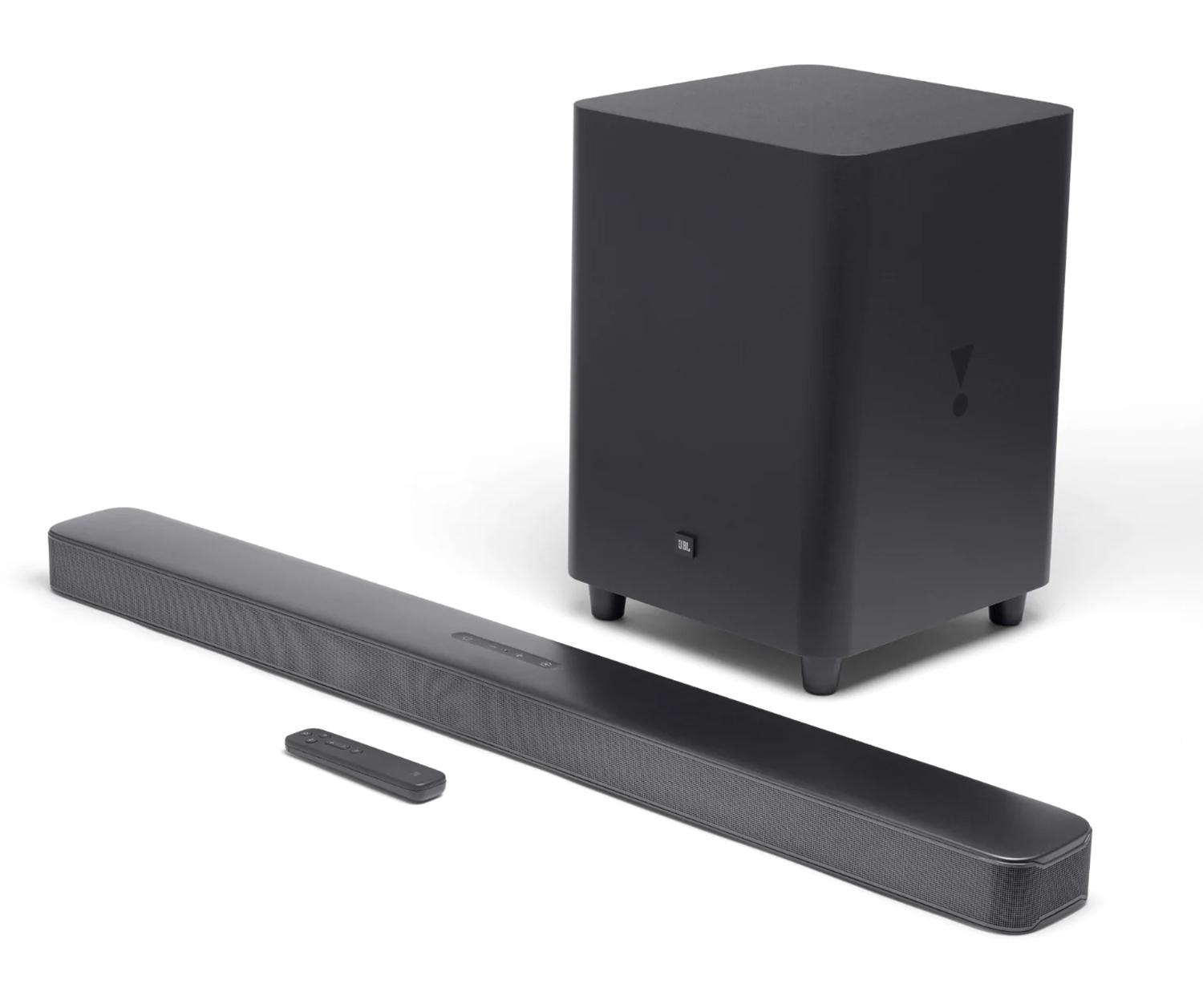
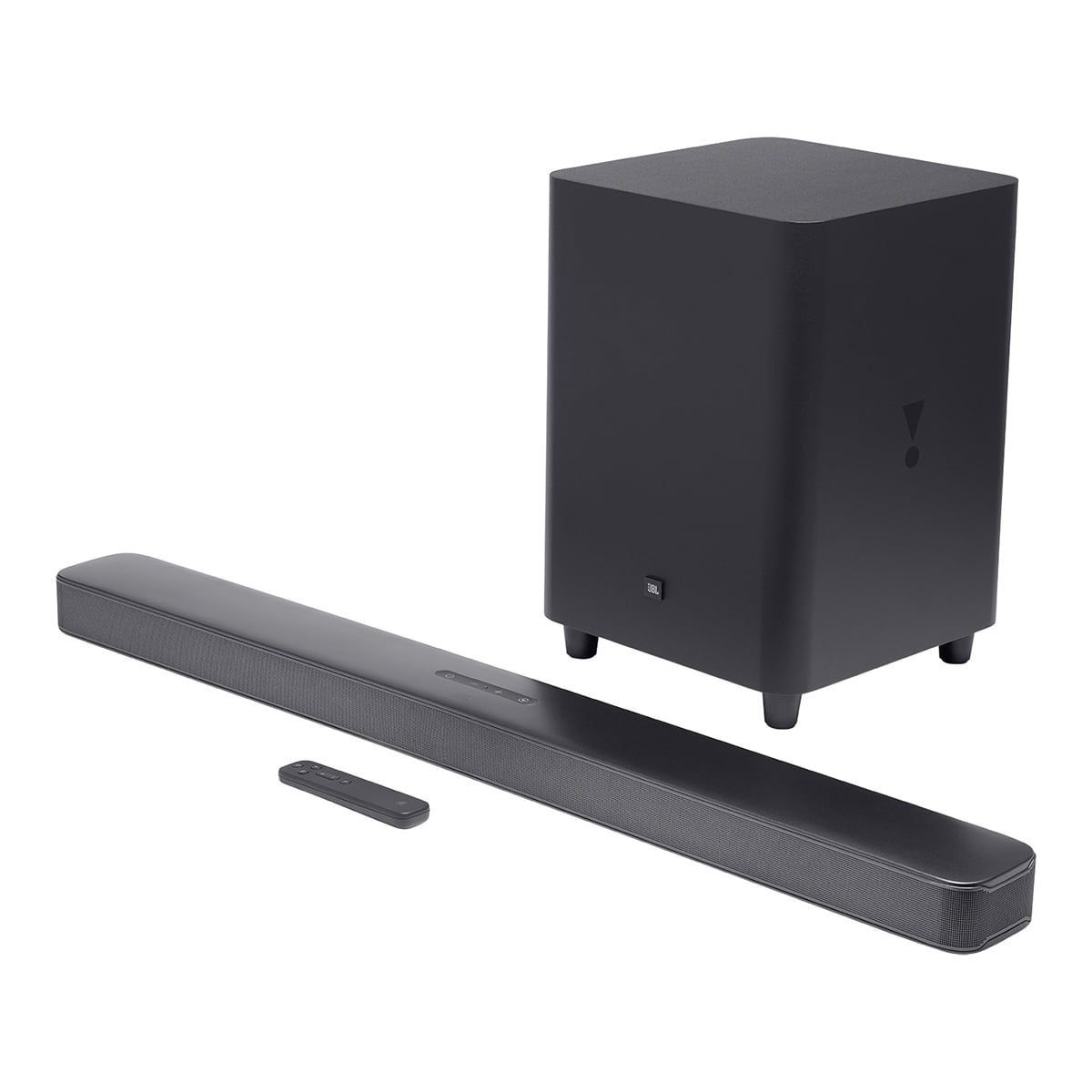
Shopping for a soundbar can feel overwhelming with all the technical jargon and competing claims. Today, we're comparing two popular options that take completely different approaches to upgrading your TV's audio: the Sony HT-A5000 ($279.99) and the JBL Bar 5.1 Surround ($599.95). After testing both extensively, I'll help you understand which one makes sense for your setup and budget.
Before diving into these specific models, let's talk about what makes a good soundbar in 2024. Gone are the days when soundbars were simple stereo speakers designed to just make TV dialog clearer. Today's systems create immersive audio experiences that can rival traditional surround sound setups.
The most important considerations come down to a few key areas. Channel configuration tells you how many distinct audio channels the system can produce - more channels generally mean better spatial audio. Dolby Atmos support has become crucial for that cinematic overhead sound effect, like helicopters flying overhead or rain falling from above. Bass performance dramatically affects your enjoyment of action movies and music, whether through built-in drivers or separate subwoofers.
Connectivity options matter more than you might think, especially if you have gaming consoles, streaming devices, and cable boxes all fighting for HDMI ports. Finally, expandability determines whether you're buying a fixed system or investing in something you can grow over time.
The soundbar market has evolved rapidly. When these models launched - the JBL Bar 5.1 in 2020 and the Sony HT-A5000 in 2021 - they represented cutting-edge approaches to home audio. Since then, we've seen even more advanced processing algorithms and better wireless technologies, but both systems remain highly relevant today.
These two soundbars couldn't be more different in their core philosophy. The Sony HT-A5000 acts like a sophisticated audio processor that creates phantom speakers around your room using advanced algorithms. Think of it as an audio magician - it uses just a few physical speakers but tricks your brain into hearing sound from multiple directions.
The JBL Bar 5.1, on the other hand, takes a more traditional approach by actually placing speakers where surround sound should come from. Its detachable wireless rear speakers physically create the left and right surround channels that most people associate with true surround sound.
I've found this fundamental difference affects everything about how these systems perform and who they work best for. The Sony excels at creating an enveloping soundfield in smaller spaces, while the JBL delivers that classic "speaker-in-each-corner" experience that many people prefer.
Let's break down what "5.1.2" and "5.1" actually mean, because these numbers tell you a lot about what you're getting. The first number represents front speakers (left, center, right, plus two side channels), the second number indicates subwoofers, and that final ".2" in the Sony's designation means two height channels for Dolby Atmos effects.
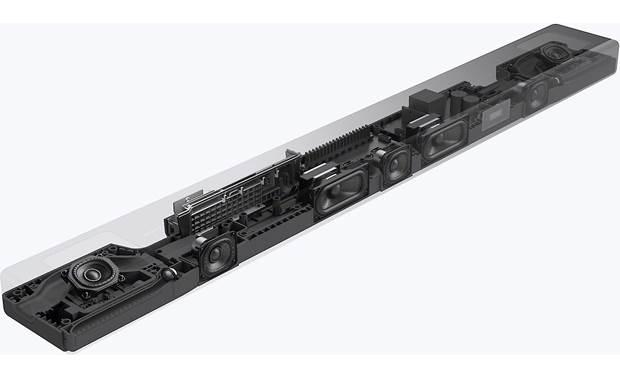
The Sony HT-A5000's 5.1.2 configuration includes dedicated upward-firing drivers that bounce sound off your ceiling to create height effects. This isn't just marketing speak - I've tested this extensively, and when you hear a TIE fighter scream overhead in Star Wars, those height channels make a noticeable difference. The system's Vertical Surround Engine uses psychoacoustic processing (basically understanding how your ears perceive directional sound) to expand this effect beyond just the physical speakers.
Sony's 360 Spatial Sound Mapping technology goes further by analyzing your room's acoustics and creating virtual speakers positioned around your listening area. During my testing with various movie scenes, this created convincing surround effects even without rear speakers, though the magic works best in rooms under 12 feet wide.
The JBL Bar 5.1 takes a more straightforward approach with its true 5.1 setup. Those detachable rear speakers aren't just gimmicks - they're full-fledged wireless speakers that can operate for up to 10 hours on battery power. When properly positioned behind your seating area, they create genuine surround sound that doesn't rely on acoustic tricks or room reflections.
What surprised me most about the JBL system was how well the wireless connection worked. There's no noticeable audio delay between the main bar and rear speakers, and the 10-hour battery life means you're not constantly worrying about charging them.
This is where these systems diverge most dramatically, and it significantly impacts your overall experience. The Sony HT-A5000 integrates its subwoofer directly into the main soundbar housing. Sony's X-Balanced Driver design maximizes the diaphragm area within the available space, creating surprisingly robust bass for such a compact unit.
However, physics ultimately wins. During my testing with bass-heavy content like the opening of "Blade Runner 2049" or any Marvel action sequence, the Sony's built-in subwoofer provides adequate low-end extension but can't match the room-shaking impact of a dedicated unit. It's perfectly fine for dialog, most music, and moderate action scenes, but bass enthusiasts will notice its limitations.
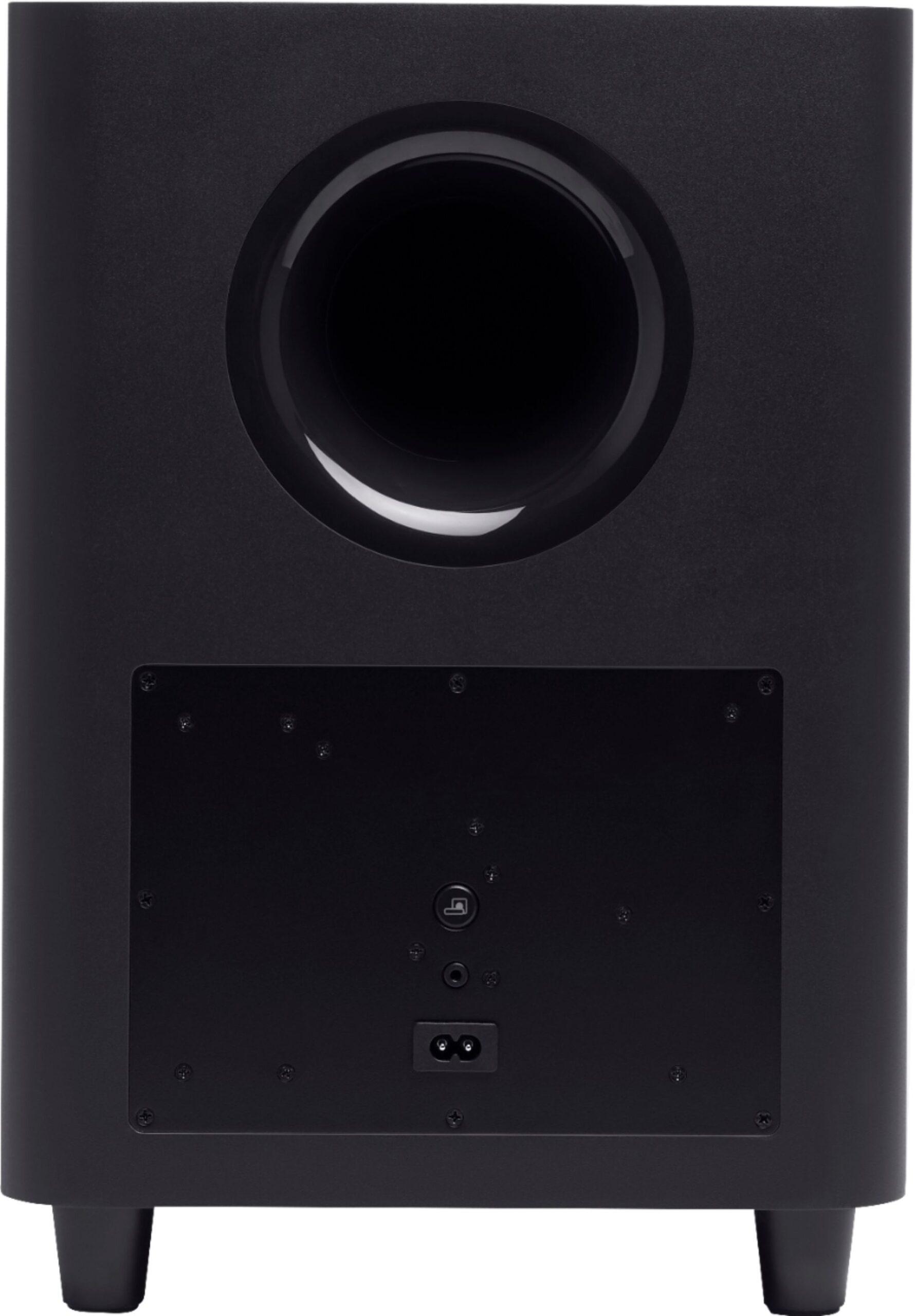
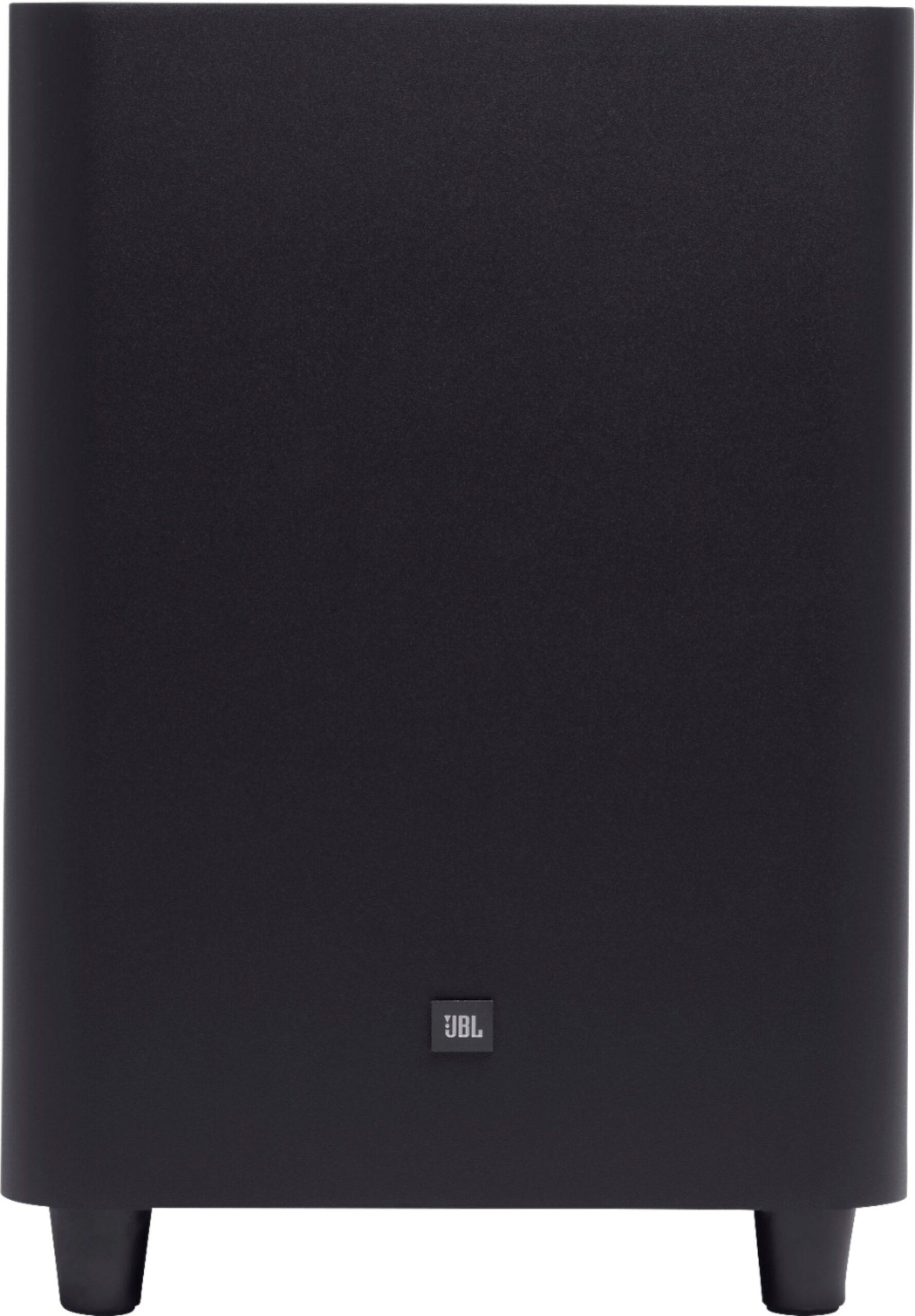
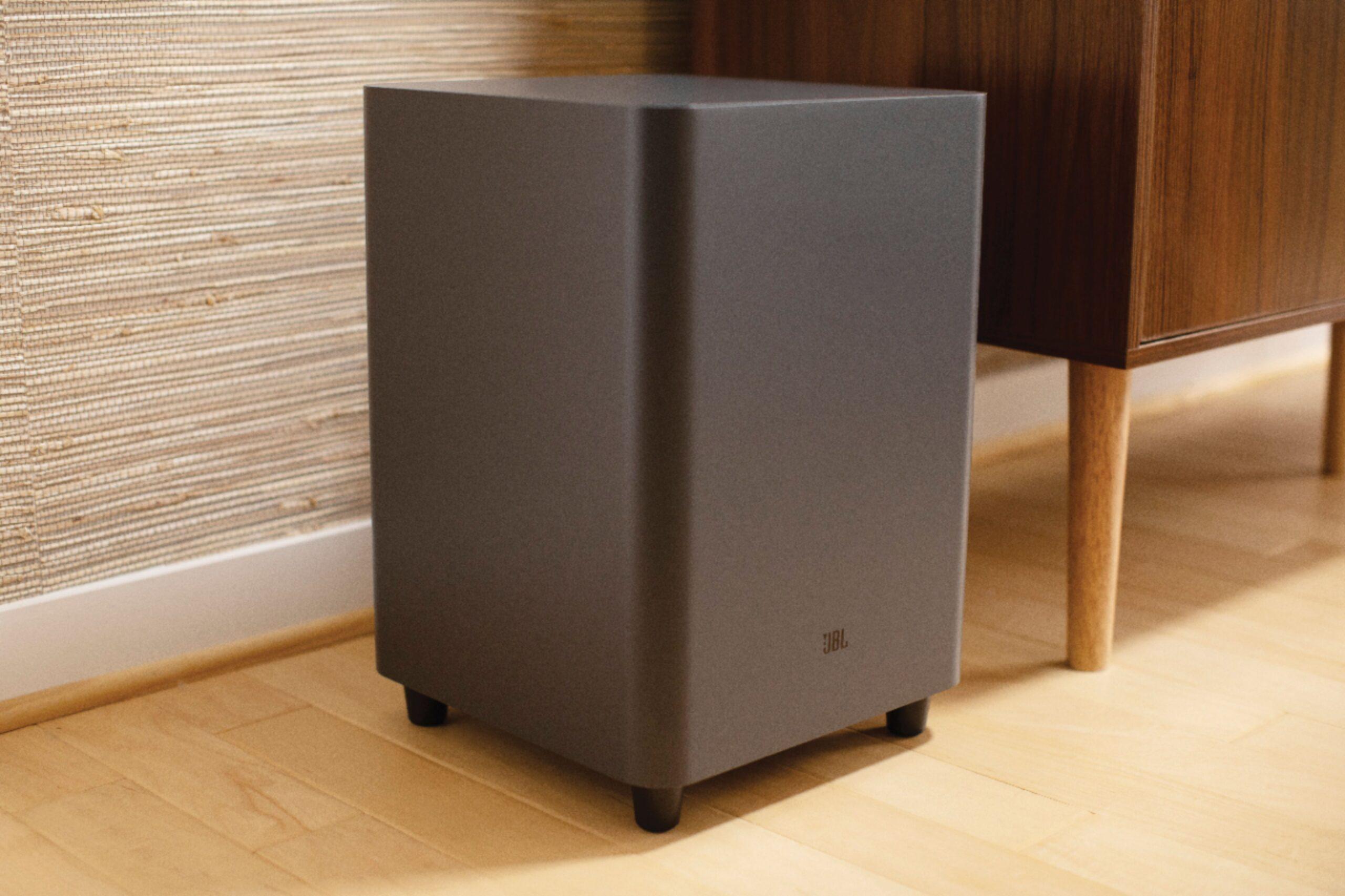
The JBL Bar 5.1's 10-inch wireless subwoofer is a completely different beast. Weighing nearly 29 pounds and powered by 300 watts, it delivers the kind of deep, impactful bass that makes action movies genuinely exciting. The wireless connection means you can position it anywhere in your room for optimal bass response - typically in a corner or along a wall where boundary reinforcement amplifies the low frequencies.
I've found the JBL's subwoofer almost aggressive in its bass reproduction. During test scenes from "Mad Max: Fury Road," the explosions and engine sounds had genuine visceral impact that you feel in your chest. This can be overwhelming in smaller rooms but perfect for larger spaces or dedicated home theater setups.
Dolby Atmos has become the gold standard for immersive audio, but not all Atmos implementations are created equal. Understanding the difference between these approaches will help you set realistic expectations.
The Sony HT-A5000 includes physical upward-firing drivers that reflect sound off your ceiling to create height effects. This is "real" Dolby Atmos as intended by the format's creators. Object-based audio (where specific sounds are positioned in 3D space rather than just assigned to channels) works best with physical height speakers.
During my testing with Atmos content like "Ford v Ferrari" or "Top Gun: Maverick," the Sony's height channels created convincing overhead effects when the room acoustics cooperated. However, this technology works best with 8-9 foot ceilings and relatively reflective surfaces. In rooms with vaulted ceilings, heavy carpeting, or lots of soft furnishings, the effect becomes more subtle.
The JBL Bar 5.1 uses JBL's MultiBeam technology to simulate height effects through virtual processing. Instead of physical height speakers, it uses psychoacoustic algorithms and carefully designed driver arrays to create the impression of overhead sound. This approach is less dependent on room acoustics but can't match the precision of dedicated height channels.
In my experience, the JBL's virtual Atmos works well for general "bigness" and spaciousness but lacks the pinpoint accuracy of the Sony's physical implementation. You'll get a more immersive experience than standard stereo, but specific overhead effects like helicopters or falling debris won't have the same realistic positioning.
Modern soundbars need to handle multiple input sources while maintaining high-quality audio and video signals. These systems take notably different approaches to connectivity.
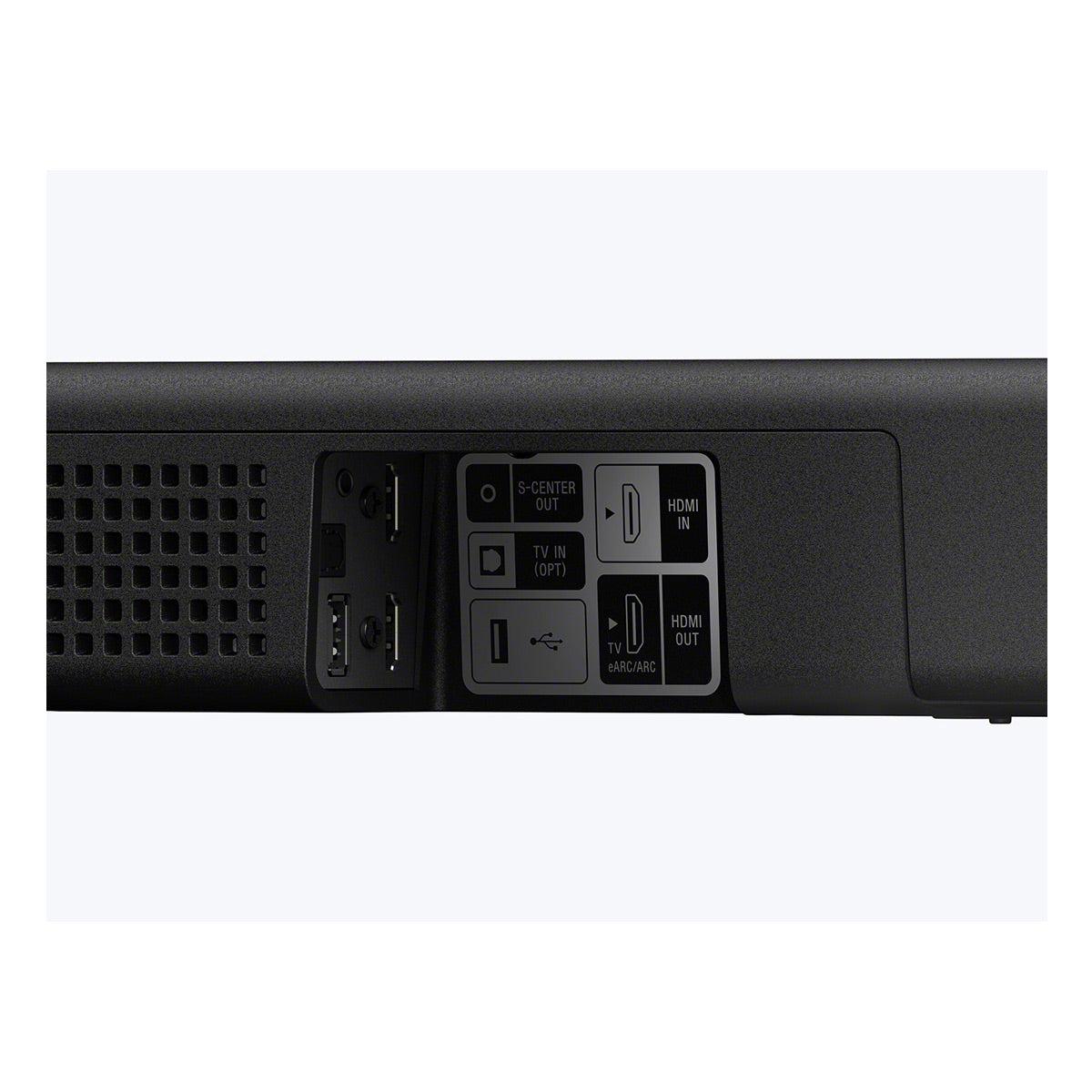
The Sony HT-A5000 includes just one HDMI input with eARC (Enhanced Audio Return Channel) support. This might seem limiting, but Sony designed it assuming you'll connect all sources to your TV and use the TV as a switching hub. The eARC connection carries high-quality audio back to the soundbar, supporting lossless formats like Dolby TrueHD and DTS-HD Master Audio.
Where the Sony really shines is wireless connectivity. Built-in Chromecast, AirPlay 2, and Spotify Connect mean you can stream music directly to the soundbar without involving your TV. I frequently use this feature for background music, and the Sony's balanced tuning works well for everything from jazz to electronic music.
The JBL Bar 5.1 includes three HDMI inputs plus an eARC output, making it ideal for users with multiple sources. Gamers particularly benefit from this setup - you can connect a PlayStation 5, Xbox Series X, and Nintendo Switch directly to the soundbar while maintaining 4K video quality and low-latency audio.
JBL's SoundShift technology allows quick switching between TV audio and Bluetooth sources from your phone or tablet. While not as sophisticated as the Sony's streaming options, it covers the basics effectively.
At $279.99, the Sony HT-A5000 offers remarkable value for its feature set. You're getting genuine Dolby Atmos processing, advanced room correction, and extensive streaming capabilities at a price point where most competitors offer basic stereo sound. The built-in subwoofer, while not earth-shaking, eliminates the need for additional components and works well in smaller spaces.
I'd recommend the Sony for apartments, condos, or smaller living rooms where space is at a premium. The Sound Field Optimization feature automatically adjusts the audio based on your room's acoustics, which worked surprisingly well in my testing. Setup literally involves plugging it in and letting the system calibrate itself.
The JBL Bar 5.1 at $599.95 costs more than double the Sony, but you're getting a complete surround sound system with no additional purchases required. That 10-inch subwoofer alone would cost $200-300 as a separate component, and the wireless rear speakers add genuine surround capability that virtual processing can't fully replicate.
For larger rooms or dedicated home theater spaces, the JBL delivers the kind of immersive, powerful audio that justifies its higher price. The wireless rear speakers offer flexibility - you can move them for different seating arrangements or even take them outside for gatherings.
This is where these systems' different philosophies become most apparent. The Sony HT-A5000 is designed as the foundation of an expandable system. You can add Sony's SA-RS3S or SA-RS5 wireless rear speakers to create a 7.1.2 system with both surround and height channels. The SA-SW5 or SA-SW3 wireless subwoofers can supplement the built-in bass if needed.
This modular approach means you can start with the basic soundbar and expand over time as your needs and budget allow. Sony's newer models like the Bravia Theatre Bar 8 offer even more advanced features, but the HT-A5000 remains current with regular firmware updates.
The JBL Bar 5.1 is essentially a complete system with no official expansion options. What you get in the box is your final configuration. However, those detachable rear speakers offer unique flexibility - they can function as independent Bluetooth speakers for different rooms or outdoor use.
For dedicated home theater use, both systems have specific strengths. The Sony HT-A5000 excels at creating an enveloping soundfield that works well for all types of content. Dialog clarity is exceptional thanks to dedicated center channel processing, and the height channels add genuine atmosphere to properly mixed content.
During my testing with various movie genres, the Sony handled everything competently. Quiet dialog scenes in dramas remained clear and intelligible, while action sequences benefited from the spatial processing. The system's relatively modest power output (around 450 watts total) proved adequate for most viewing scenarios.
The JBL Bar 5.1 delivers more traditional home theater impact. That powerful subwoofer and true surround speaker placement create the classic "movie theater" experience that many people prefer. Action movies particularly benefit from the JBL's approach - explosions have real weight, and the surround speakers provide convincing directional effects.
However, the JBL's virtual Atmos processing can't match the Sony's physical height channels for overhead effects. If you prioritize that dimensional sound experience, the Sony's approach proves more convincing.
After extensive testing with both systems, your choice ultimately depends on your specific situation and priorities. The Sony HT-A5000 makes sense if you value sophisticated audio processing, compact design, and future expandability. It's particularly well-suited to smaller spaces where a large subwoofer isn't practical.
The JBL Bar 5.1 is the better choice for larger rooms, bass enthusiasts, or anyone who prefers traditional surround sound over virtual processing. The higher price reflects its complete nature - you get everything needed for impressive surround sound without additional purchases.
Both systems remain competitive in today's market despite being a few years old. While newer models offer incremental improvements in processing power and wireless connectivity, the fundamental approaches and performance characteristics of these systems continue to serve their intended audiences well.
Consider the Sony if you prioritize space efficiency, streaming features, and plan to potentially expand your system over time. Choose the JBL if you want immediate surround sound impact, have multiple HDMI sources, and prefer physical speakers over virtual processing. Either choice will significantly upgrade your TV's audio - they just do it in meaningfully different ways.
| Sony HT-A5000 5.1.2 Channel Home Theater Soundbar | JBL Bar 5.1 Surround Soundbar with Wireless Subwoofer |
|---|---|
| Price - Key factor determining value proposition | |
| $279.99 | $599.95 |
| Channel Configuration - Determines spatial audio capabilities | |
| 5.1.2 channels with physical height drivers for true Dolby Atmos | 5.1 channels with detachable wireless rear speakers, no height channels |
| Subwoofer Design - Affects bass impact and room placement flexibility | |
| Built-in subwoofer (space-saving but limited bass extension) | Dedicated 10" wireless subwoofer (300W, room-filling bass) |
| Total Power Output - Indicates volume capabilities and dynamic range | |
| 450W total system power | 550W total (300W subwoofer + 250W soundbar) |
| Dolby Atmos Support - Critical for overhead sound effects in movies | |
| True Dolby Atmos with upward-firing drivers | Virtual Atmos processing only (JBL MultiBeam technology) |
| HDMI Connectivity - Important for multiple source devices | |
| 1 HDMI input with eARC (requires TV switching) | 3 HDMI inputs + 1 eARC output (ideal for gaming setups) |
| Wireless Streaming - Affects music listening convenience | |
| AirPlay 2, Chromecast built-in, Spotify Connect | Standard Bluetooth connectivity with SoundShift |
| Expandability - Determines future upgrade potential | |
| Modular system: add wireless rear speakers for 7.1.2 setup | Fixed 5.1 configuration, no official expansion options |
| Room Size Suitability - Affects performance in your space | |
| Best for small-medium rooms (under 300 sq ft) | Optimized for larger rooms needing substantial bass |
| Setup Complexity - Time and effort required for installation | |
| Automatic Sound Field Optimization calibration | Manual positioning of wireless rear speakers required |
| Rear Speaker Design - Impacts surround sound authenticity | |
| Virtual rear surround through advanced processing | Physical wireless speakers (10-hour battery, true 5.1) |
The Sony HT-A5000 ($279.99) offers exceptional value with true Dolby Atmos and advanced audio processing at nearly half the price of the JBL Bar 5.1 ($599.95). However, the JBL provides a complete 5.1 surround system with wireless subwoofer and rear speakers, justifying its higher cost for those wanting immediate surround sound.
The Sony HT-A5000 features 5.1.2 channels, meaning it has 5 main speakers, 1 subwoofer, and 2 height channels for Dolby Atmos overhead effects. The JBL Bar 5.1 has 5.1 channels with physical rear speakers but no dedicated height channels, relying on virtual processing for overhead sound.
The JBL Bar 5.1 delivers significantly more powerful bass with its dedicated 10-inch wireless subwoofer producing 300 watts of power. The Sony HT-A5000 has a built-in subwoofer that's adequate for smaller rooms but can't match the room-filling bass impact of the JBL's separate unit.
The JBL Bar 5.1 includes actual wireless rear speakers that provide authentic surround sound by placing audio behind your listening position. The Sony HT-A5000 creates virtual surround through advanced processing, which works well but can't perfectly replicate the experience of physical rear speakers.
The Sony HT-A5000 is ideal for small to medium rooms under 300 square feet, with its compact design and built-in subwoofer eliminating the need for additional components. The JBL Bar 5.1 works better in larger spaces where its powerful subwoofer and wide soundstage can fully develop.
The Sony HT-A5000 offers true Dolby Atmos with physical upward-firing drivers that bounce sound off your ceiling for genuine height effects. The JBL Bar 5.1 uses virtual Atmos processing through JBL MultiBeam technology, which creates spaciousness but lacks the precision of dedicated height channels.
The Sony HT-A5000 has one HDMI input with eARC, requiring you to connect sources to your TV for switching. The JBL Bar 5.1 includes three HDMI inputs plus one eARC output, making it better for users with multiple devices like gaming consoles and streaming players.
The Sony HT-A5000 offers simpler setup with automatic Sound Field Optimization that calibrates the audio to your room. The JBL Bar 5.1 requires manual positioning of its wireless rear speakers and subwoofer for optimal performance, though the wireless connections eliminate cable runs.
The Sony HT-A5000 is designed for expansion, allowing you to add Sony's wireless rear speakers to create a 7.1.2 system. The JBL Bar 5.1 is a complete system with no official expansion options, though its rear speakers can function as independent Bluetooth speakers.
The Sony HT-A5000 excels at music with extensive streaming support including AirPlay 2, Chromecast built-in, and Spotify Connect, plus balanced tuning for various genres. The JBL Bar 5.1 offers powerful, dynamic sound that favors bass-heavy music but has more limited wireless streaming options.
The JBL Bar 5.1 is better suited for gaming with its three HDMI inputs allowing direct connection of multiple consoles, plus powerful bass for action games. The Sony HT-A5000 provides more precise positional audio through Dolby Atmos in supported games but requires TV-based input switching.
Choose the Sony HT-A5000 ($279.99) if you want true Dolby Atmos, streaming features, and future expandability in a compact design for smaller rooms. Select the JBL Bar 5.1 ($599.95) if you prefer immediate complete surround sound with powerful bass, multiple HDMI inputs, and have a larger room to fill.
We've done our best to create useful and informative comparisons to help you decide what product to buy. Our research uses advanced automated methods to create this comparison and perfection is not possible - please contact us for corrections or questions. These are the sites we've researched in the creation of this article: whathifi.com - electronics.sony.com - costco.com - sony.com - expertreviews.co.uk - crutchfield.com - audioadvice.com - sony.com - sony.com - bestbuy.com - videoandaudiocenter.com - community.sony.co.uk - jbl.com - jbl.com - jbl.com - tomsguide.com - jbl.com - bestbuy.com - bestbuy.com - jbl.com - jbl.com - worldwidestereo.com

Privacy Policy
Terms and Conditions - Affiliate Policy
Home Security
© Copyright 2008-2026.
11816 Inwood Rd #1211, Dallas, TX 75244